ASUS Ascent QN10 Worlds First Agentic 80 TOPS NPU AI Mini PC Launches

ASUS Ascent QN10 Worlds First Agentic 80 TOPS NPU AI Mini PC Launches The ASUS Ascent QN10 mini PC on a desktop

The ASUS Ascent QN10 is the world’s first agentic AI mini PC, designed to deliver advanced AI capabilities in a compact form. Built on the Qualcomm Snapdragon X2 Elite platform, it features an 18-core CPU and a Qualcomm Hexagon NPU capable of performing up to 80 trillion operations per second (TOPS) for on-device AI tasks. […]

The post ASUS Ascent QN10 Worlds First Agentic 80 TOPS NPU AI Mini PC Launches appeared first on Geeky Gadgets.

Posted in Uncategorized

Samsung Galaxy Z TriFold 2: Fast-Tracked to Beat the iPhone Duo?

Samsung Galaxy Z TriFold 2: Fast-Tracked to Beat the iPhone Duo? Concept render of the rumored Samsung Galaxy Z TriFold 2 smartphone.

Apple has officially entered the foldable phone market, a space that has long been dominated by Samsung. With the launch of its first foldable iPhone, Apple has introduced a sleek and highly refined device that directly challenges Samsung’s established leadership. This bold move has sparked a new wave of competition, compelling Samsung to accelerate its […]

The post Samsung Galaxy Z TriFold 2: Fast-Tracked to Beat the iPhone Duo? appeared first on Geeky Gadgets.

Posted in Uncategorized

Garmin Circa Challenges Whoop with a Subscription-Free Model

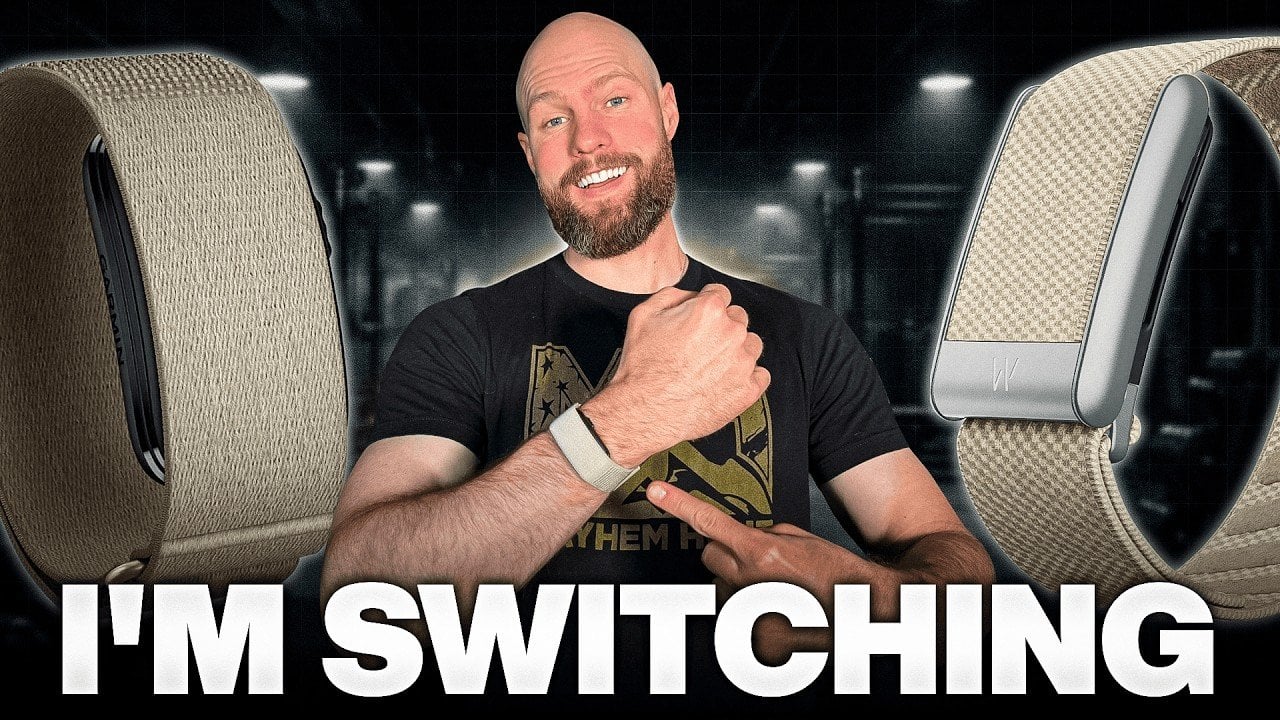
Garmin Circa Challenges Whoop with a Subscription-Free Model Side by side comparison of Garmin Cirqa and Whoop fitness trackers

The Garmin Circa Smart Band and Whoop are two prominent screenless wearables designed to support fitness tracking in distinct ways. Ryan O’Connor highlights Garmin Circa’s subscription-free model, which appeals to users looking to avoid recurring fees. He also notes the device’s extended battery life and robust build, while pointing out potential drawbacks in app navigation […]

The post Garmin Circa Challenges Whoop with a Subscription-Free Model appeared first on Geeky Gadgets.

Posted in Uncategorized

10 Essential Features to Try First in macOS 27 Golden Gate

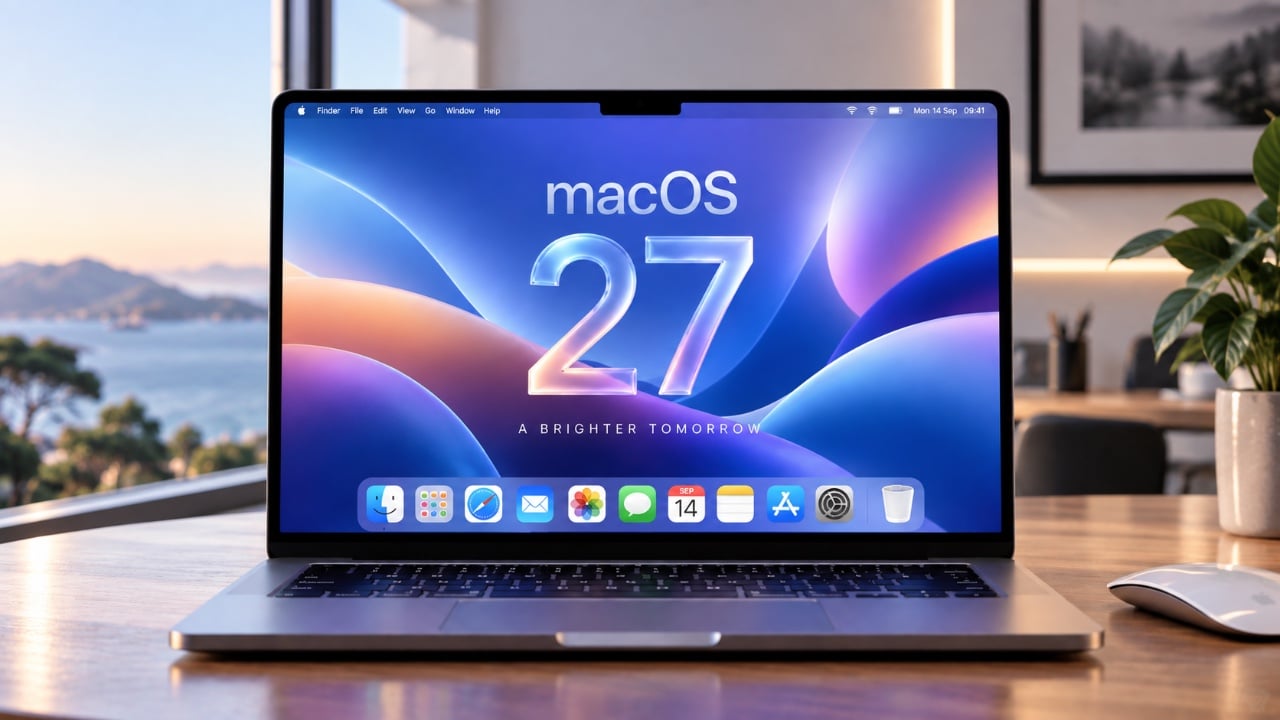
10 Essential Features to Try First in macOS 27 Golden Gate macOS 27

macOS 27 Golden Gate introduces a suite of advanced features and system refinements, setting a new standard for productivity, creativity, and user experience. Designed exclusively for Apple Silicon-powered Macs, this update enhances performance while integrating innovative tools such as AI-driven photo editing, smarter browsing capabilities, and a reimagined interface. Whether you’re a casual user or […]

The post 10 Essential Features to Try First in macOS 27 Golden Gate appeared first on Geeky Gadgets.

Posted in Uncategorized

Fast Food Gimmicks Stop at Sauce Packets, so Burger King Made a Handbag

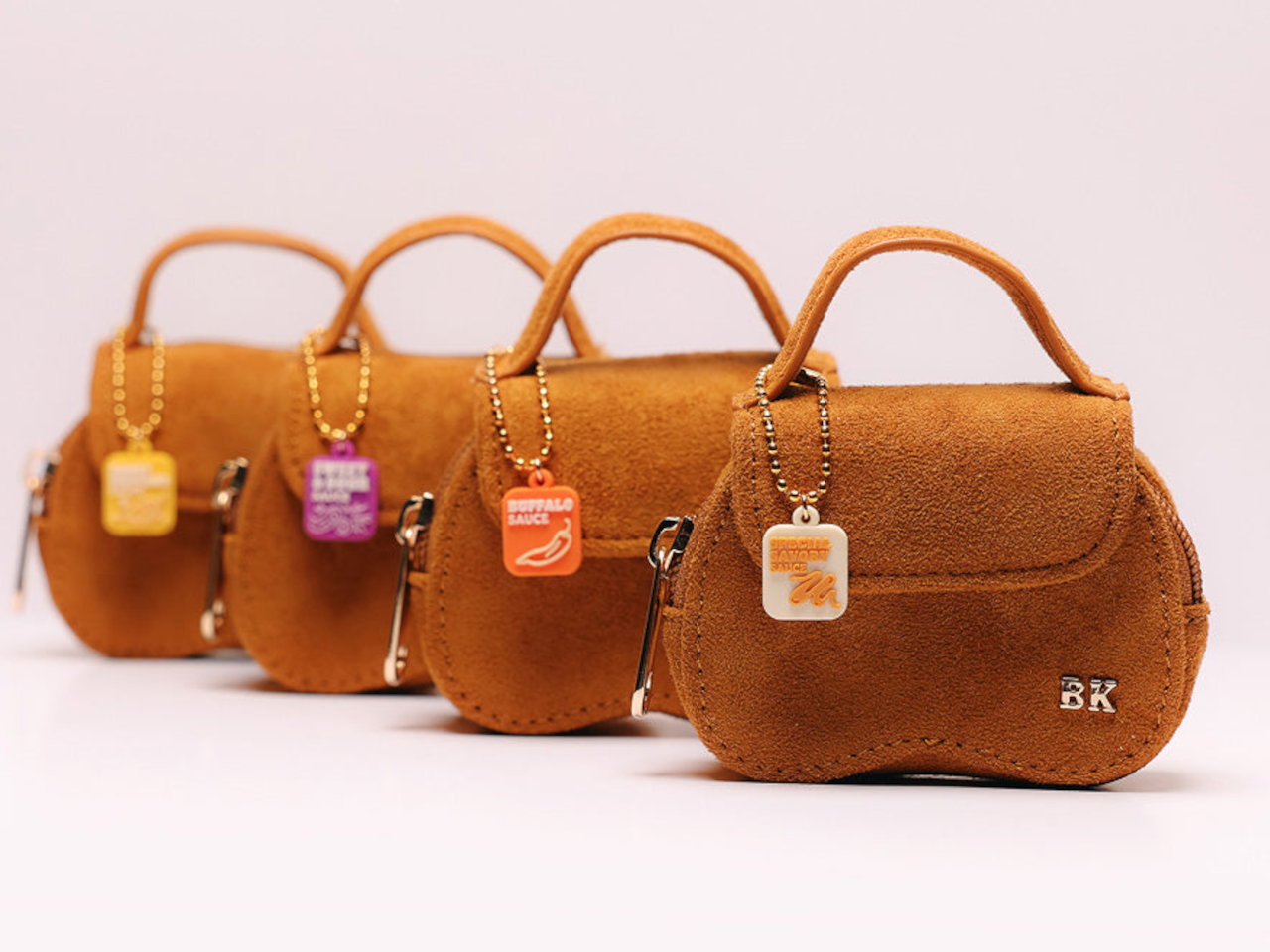
Fast food brands love a marketing gimmick, but most of them stop at a wrapper redesign or a limited-time sauce packet. Burger King skipped that entire playbook with Le Nugguette, a micro-bag shaped and colored to look exactly like one of its newly reformulated chicken nuggets. It’s a handbag built to promote a menu item by literally becoming that menu item, scaled up just enough to carry a set of keys instead of a dipping sauce.

The shape does the heavy lifting here. Le Nugguette mimics the rounded, irregular silhouette and golden-brown coloring of an actual nugget rather than smoothing that shape into something more conventionally purse-like. A short handle and a zippered compartment turn that lumpy, organic form into something genuinely carryable, while a small metallic BK logo keeps the branding subtle instead of stamping the whole surface with a wordmark.

Designer: Burger King

Scale is the detail that makes the object read as absurd rather than merely branded. Described by reviewers as roughly the size of three real nuggets, the bag sits closer to a keychain accessory than a functional handbag, and that’s clearly intentional. Shrinking the object down to nugget-adjacent proportions keeps the joke legible at a glance, since a full-sized version would just look like a brown leather purse with a strange texture.

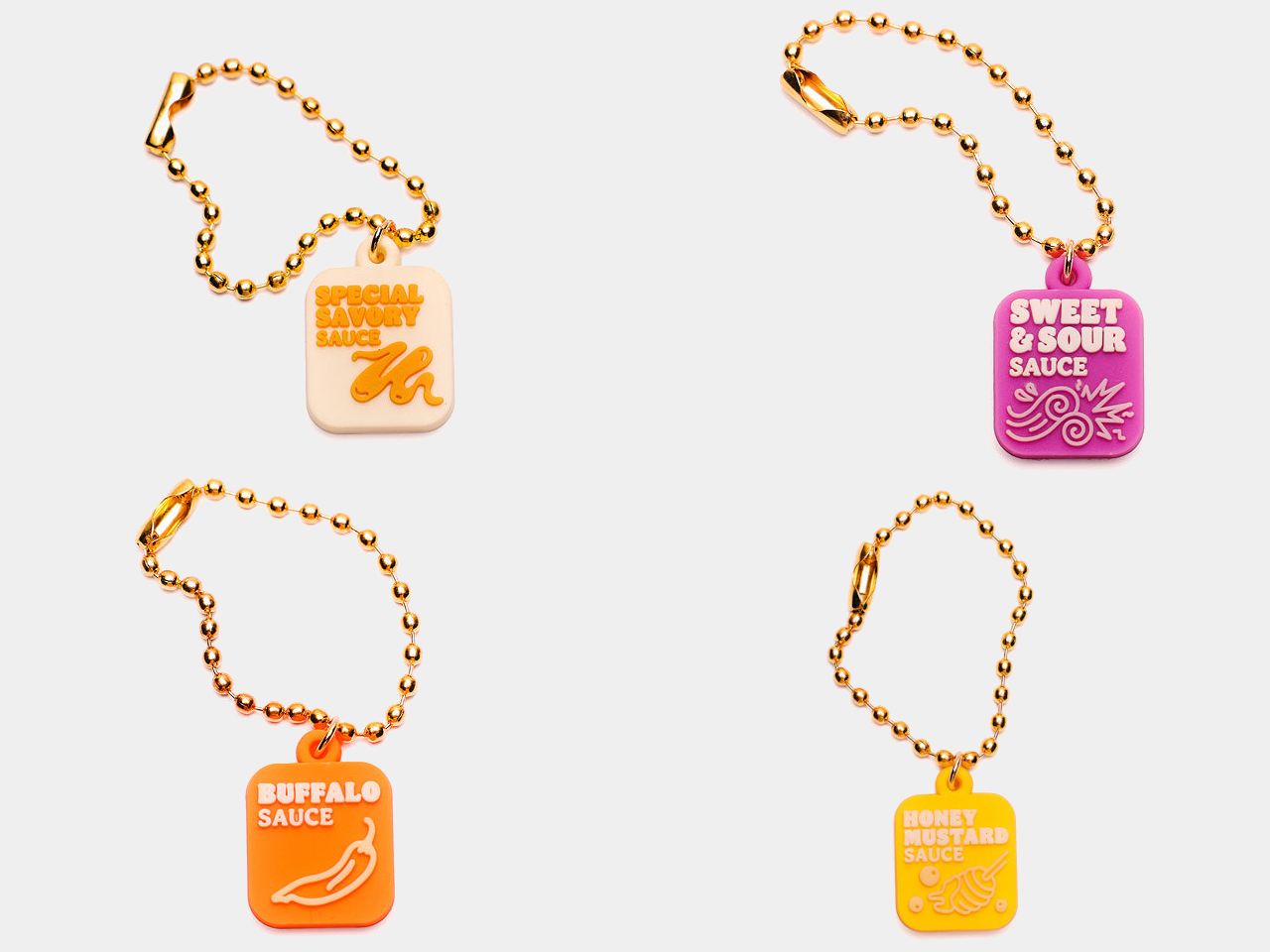
Every accessory decision loops back to the food rather than standing apart from it. Each bag ships with one of four charms tied directly to Burger King’s relaunched sauce lineup, Special Savory, Honey Mustard, Buffalo, or Sweet and Sour, turning a random grab-bag surprise into a miniature flavor sampler hanging off the zipper pull. That charm effectively becomes the bag’s only variable feature, since the nugget shell itself stays identical across every unit sold.

Pricing reinforces the same logic rather than breaking from it. Le Nugguette retails for $3.99, matching the price of the nugget order that inspired its shape, so the accessory costs exactly what the food product costs rather than commanding a premium for the novelty. A bundled code for a four-piece nugget order rides along with every purchase, closing the loop between the object and the meal it was built to advertise.

None of this positions Le Nugguette as a serious entry into handbag design, and that’s precisely where its cleverness sits. Treating a fast food shape as a wearable object, then pricing and bundling it exactly like the meal it promotes, turns a limited drop into something people photograph and share rather than scroll past. That’s a harder trick to pull off than most food marketing attempts, and this one lands it through restraint rather than spectacle.

The post Fast Food Gimmicks Stop at Sauce Packets, so Burger King Made a Handbag first appeared on Yanko Design.

KoboldCpp vs Ollama: Which Tool is Better for Running Local AI Models?

KoboldCpp vs Ollama: Which Tool is Better for Running Local AI Models? Side by side comparison of KoboldCpp and Ollama features

KoboldCpp and Ollama, both built on the llama.cpp engine, represent two distinct approaches to AI usability and customization. KoboldCpp stands out for its extensive control options, offering 56 tunable parameters and 165 command-line flags, making it a compelling choice for users with technical expertise or specific workflow needs. In contrast, Ollama prioritizes simplicity, with a […]

The post KoboldCpp vs Ollama: Which Tool is Better for Running Local AI Models? appeared first on Geeky Gadgets.

Posted in Uncategorized

Battery-free Portable Water Sprayer Solves a Problem Beaches, Campsites, and Public Restrooms All Share

Sand is genuinely one of the most stubborn substances on earth. Anyone who’s ever come home from a beach day still gritty between their toes, despite standing under an outdoor shower for five minutes, knows the feeling. Camping does the same thing in a different register, swapping sand for mud, trail dust, and whatever else the outdoors has to offer. The core problem is always the same: you need a controlled stream of water pointed precisely where you need it, and you either have access to a tap or you very much do not. There is no middle ground in nature.

PORTALO is Karim Ali’s answer to that, and the 24-year-old French product design engineer started on it in 2022 while still in school. It’s a compact manual pressurized water sprayer, 410ml of BPA-free water in a pneumatically pressurized vessel that hits up to 3 bar through a 60cm retractable hose and a brass nozzle you can dial from a focused jet to a wide mist. It runs on pure air pressure with no battery, no motor, and no charging, meaning the space competitors devote to electronics goes straight to water capacity. The origami-inspired form docks magnetically, slings across your body, and leaves both hands free.

Designer: Karim Ali

Click Here to Buy Now: $57 $69 (17% off). Hurry, only a few left! Raised over $53,000.
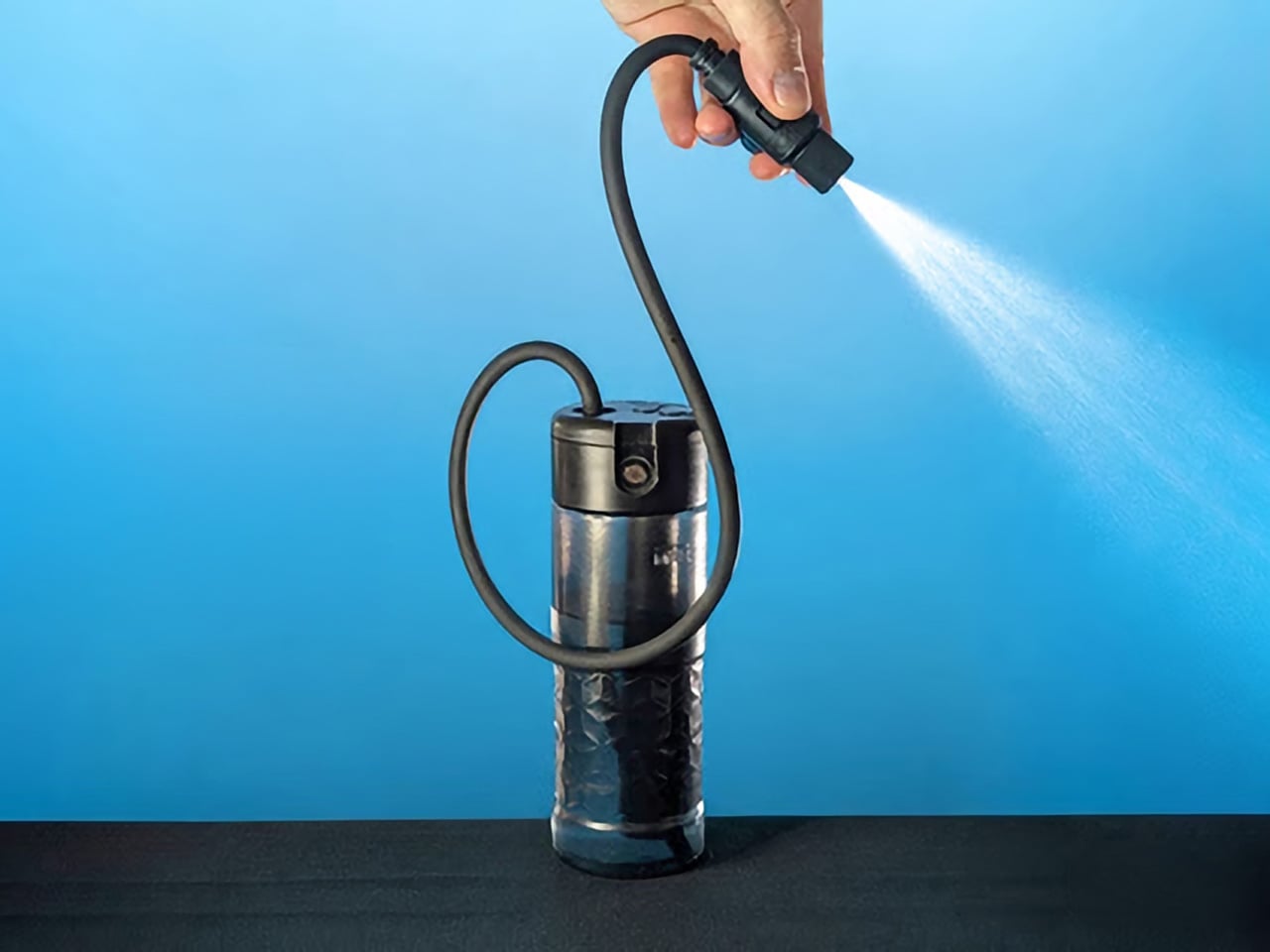
Twenty-six billion wet wipes enter the environment every year, a figure that makes sense when you realize a wet wipe is the default portable hygiene solution for much of the western world. They contain preservatives and fragrances that dermatologists flag regularly, account for 94% of UK sewer blockages, and cost families roughly £58 a year in infant care alone. Karim spent four years and eleven prototypes working on one question: how do you bring that same comfort anywhere? PORTALO is a compact manual high-pressure water system for hygiene and quick cleanups anywhere, designed to deliver a pressurized jet anywhere, from a small water reserve, without electricity or disposable consumables. Karim calls it hygiene autonomy, which sounds a lot more elaborate than a ‘portable spray,’ but when you get into the details, you realize the PORTALO is, in fact, much more than just a spray.

Building pressure by hand before use, rather than routing it through a motor, is the decision that makes everything else in PORTALO possible. PORTALO is pressurized first, then delivers a continuous controlled stream through a lightweight shower head and retractable hose, with no continuous pumping, motor, or battery. Electric competitors in the same size class devote part of their interior to a lithium motor and battery, require regular charging, and still top out at 0.5 to 1.5 bar of pressure. Removing the motor and battery leaves more room for water at the same size, requires no charging, and keeps the system mechanically simple and maintainable. At 120 seconds of continuous runtime from 410ml and a body weight of just 205 grams, the numbers make a compelling case for leaving the electronics out entirely.

Most portable bidets have a public restroom problem: you’re holding and aiming the whole bottle while trying to use it, and the coordination that requires is more athletic than hygienic. PORTALO’s 60cm retractable hose separates those two tasks, letting the bottle stay beside you while only the small shower head goes where you need it, with no need to hold or turn the whole bottle upside down. That nozzle is brass, not the injection-molded plastic standard across competing products, giving it a tactile density and durability that reads as deliberate. The spray width dials between a direct jet for powerful cleaning and a mist for refreshing and gentle rinsing, with the head rotating freely in any direction. It’s the kind of setup that makes you realize how low the bar in this category has been set.

A Japanese Asanoha origami geometry shapes the PORTALO body into an angular, faceted form, paying homage to Japanese culture and its strong relationship with cleanliness – both in life and in visual design. The spray head clips magnetically to the bottle and rotates in any direction, so you can place it down, point it where you need it, and keep your hands free. Most things in this category look like they were designed to be forgotten in a toiletry bag, and PORTALO clearly was not. Sling it across your body, the nozzle docks magnetically, the strap holds it upright and ready, and both hands stay free with running water on demand. The reservoir is heavily tinted but transparent enough to read the water level at a glance without opening anything, a detail that matters most when you’re refilling in low light. PORTALO is made to be repairable and uses standard joints with a minimal amount of glue, with 90% of the product disassembling by hand.

PORTALO started in 2022 inside a student dorm, with a first prototype that was a modified garden sprayer assembled to test whether manual pressure alone could generate enough power for portable hygiene, and despite being bulky and far from the final vision, one thing became immediately clear: the pressure worked. PORTALO evolved through 11 different prototypes of simplifying before reaching the current final version, which is now patent pending internationally under the PCT. PORTALO won the Alibaba CoCreate Pitch 2025 from a field of 30,000 applicants and appeared at Concours Lépine 2026 at the Paris Fair, where the first production units were sold directly to the public. Concours Lépine, established in 1901, has over a century of rewarding practical inventions over aesthetic concepts, which is exactly the company PORTALO belongs in.

PORTALO is available in four colorways, Coal Black, Sky Blue, Olive Green, and Canyon Orange, with a microfiber carrying case and carry strap included. The retail price is €59, roughly $68 USD, with worldwide shipping and an estimated delivery of December 2026. The product is no longer a concept-stage project, having already been designed, industrialized, manufactured in a first batch, presented to the public, and sold during Concours Lépine, making this a finished design scaling for broader distribution rather than a concept hunting for its first factory run. For anyone who camps, travels, has young kids, plays outdoor sports, or has quietly accepted the portable hygiene problem as an unsolvable given, PORTALO makes a well-reasoned case otherwise. Four years, 11 prototypes, a brass nozzle, and a clever pump. Karim did the work.

Click Here to Buy Now: $57 $69 (17% off). Hurry, only a few left! Raised over $53,000.

The post Battery-free Portable Water Sprayer Solves a Problem Beaches, Campsites, and Public Restrooms All Share first appeared on Yanko Design.


This Hydrogen Motorcycle Concept Revives a 90-Year-Old BMW Idea That Never Reached Production

In 1934, a BMW designer named Alfred Böning built a motorcycle so far ahead of its time that BMW itself did not know what to do with it. The R7 wrapped its entire mechanical guts in smooth, pressed steel bodywork shaped by Art Deco geometry, and it was so expensive and so strange next to the “bicycle with a motor” norms of the era that BMW shelved the one and only unit, crated it up, and basically forgot it existed. It sat lost in a warehouse until someone rediscovered it in 2005. It took until 2012, and a full restoration by Hans Keckeisen, for the world to actually see what Böning had been sitting on for seven decades, and it walked away with best in class at Pebble Beach the moment it did.

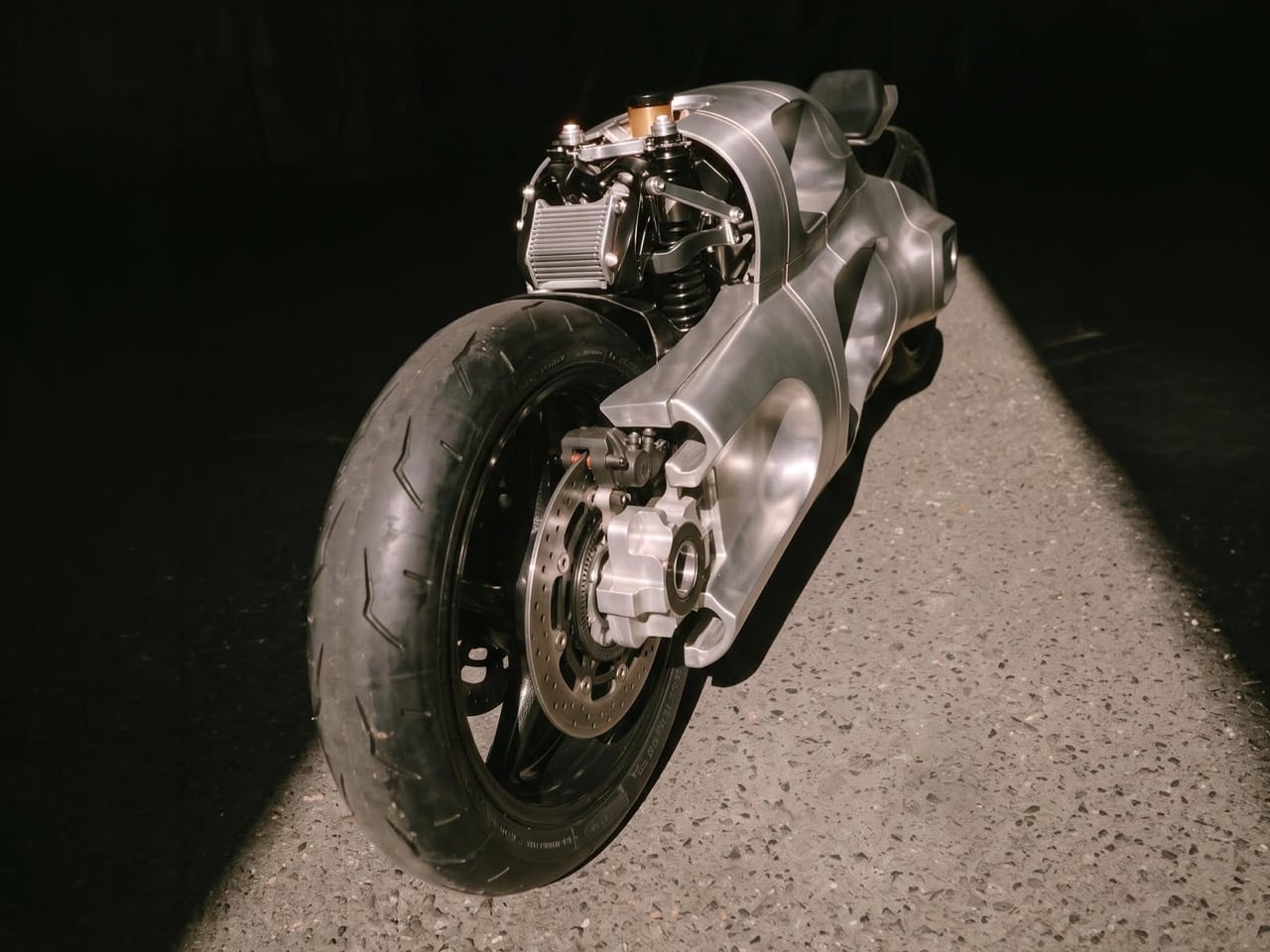
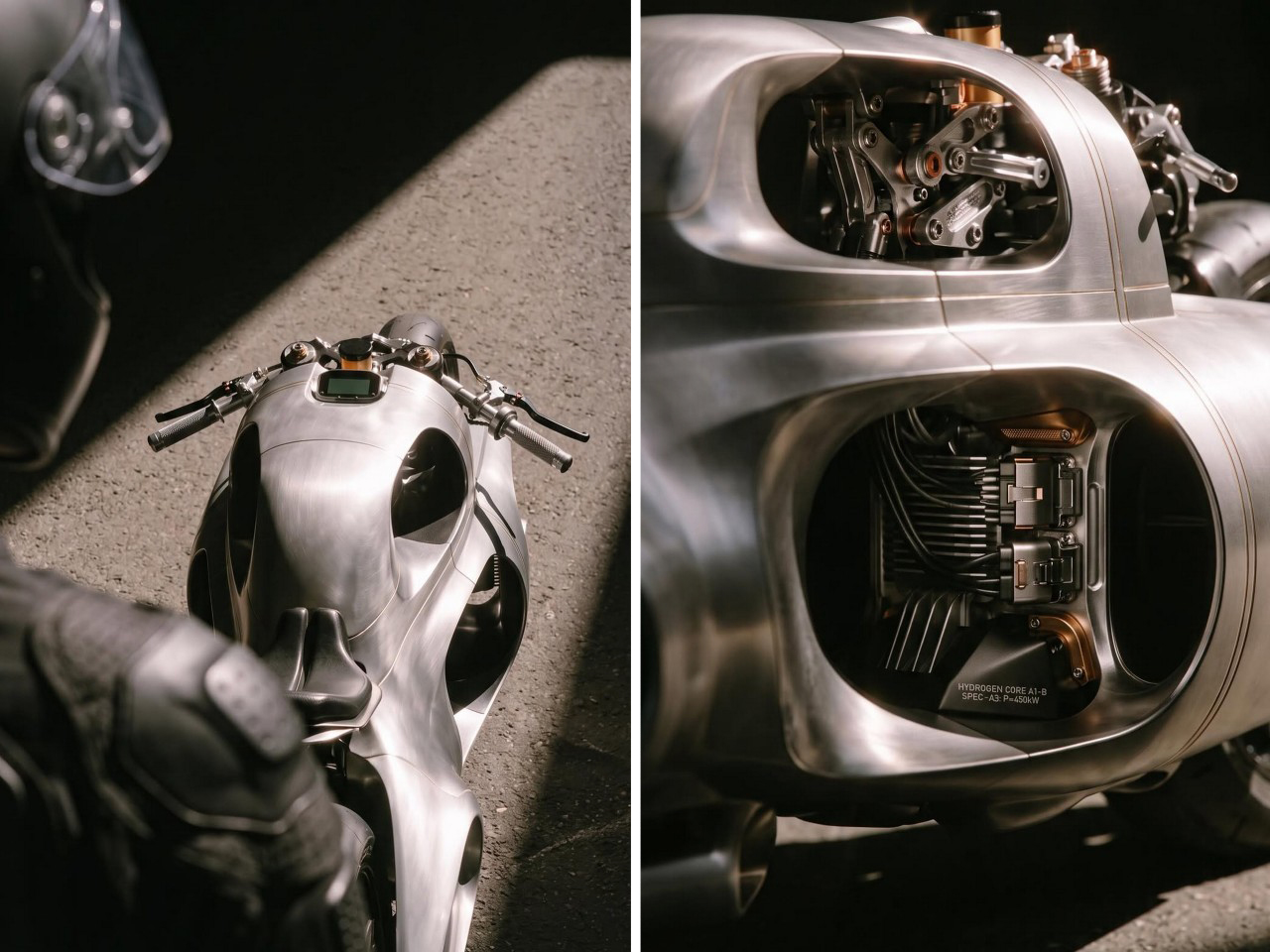
I bring this up because REV-1 feels like the same idea getting a second shot, minus the eight decades of waiting around in a crate. Designer Lennart Baramsky has wrapped a hydrogen powertrain in one continuous, hand-formed aluminum shell with barely a shut line in sight, badged simply REV-1 on the flank. There is no traditional fork, no fairing bolted over a chassis, just one sculpted metal body with cutouts carved through it like a machine that grew its own windows. Böning would probably recognize the impulse immediately, even if the engineering underneath has changed a lot in ninety years.

Designer: Lennart Baramsky

The front end is the part that stops you. Instead of a telescopic fork, there is a linkage setup, rod ends, a rocker arm, and a coilover mounted almost flat against the body, the same basic family of idea behind hub-center designs like the Bimota Tesi or the BMW Duolever we have covered on this site before, except here it disappears into the bodywork so completely you have to squint to find where the suspension actually lives. That single design decision does more to sell the “grown, not built” read of this bike than anything else on it.

The badge on the tank claims a 450kW hydrogen core, and I want to be honest about what that number means in context. The most advanced real hydrogen motorcycle running today, Kawasaki’s Ninja H2 HySE, went public at Suzuka in 2024 making nowhere near that figure, and hydrogen fuel cell scooters like Suzuki’s Burgman have spent over a decade proving out the tech at a fraction of REV-1’s claimed output. That is not a knock on the design. It is a reminder that this is a concept badge doing concept badge things, the same way we flagged when covering Bandit9’s aluminum and carbon fiber Ducati builds that a beautiful shell does not always mean a buildable one.

What REV-1 actually nails is the argument that a motorcycle can be one object instead of a pile of bolted-together ones. Böning tried to make that case in 1934 and got a crate for his trouble. Baramsky is making it again in an era with hydrogen fuel cells and render engines good enough to sell the illusion completely, and whether or not this thing ever turns a wheel in real life, the shape has already done its job.

The post This Hydrogen Motorcycle Concept Revives a 90-Year-Old BMW Idea That Never Reached Production first appeared on Yanko Design.

The Diffuser That Refuses to Plug In, Beep, or Buzz

Most home fragrance today falls into one of two camps. There’s the ultrasonic diffuser blinking a soft blue LED on your nightstand, gurgling every few minutes like a tiny humidifier with opinions. Or there’s the reed diffuser, quietly leaking oil onto whatever surface it sits on, looking exactly like the reed diffuser your aunt has had since 2011. Neither one actually solves what people want, which is a room that smells intentional without turning fragrance into one more gadget you have to charge, clean, or explain to guests.

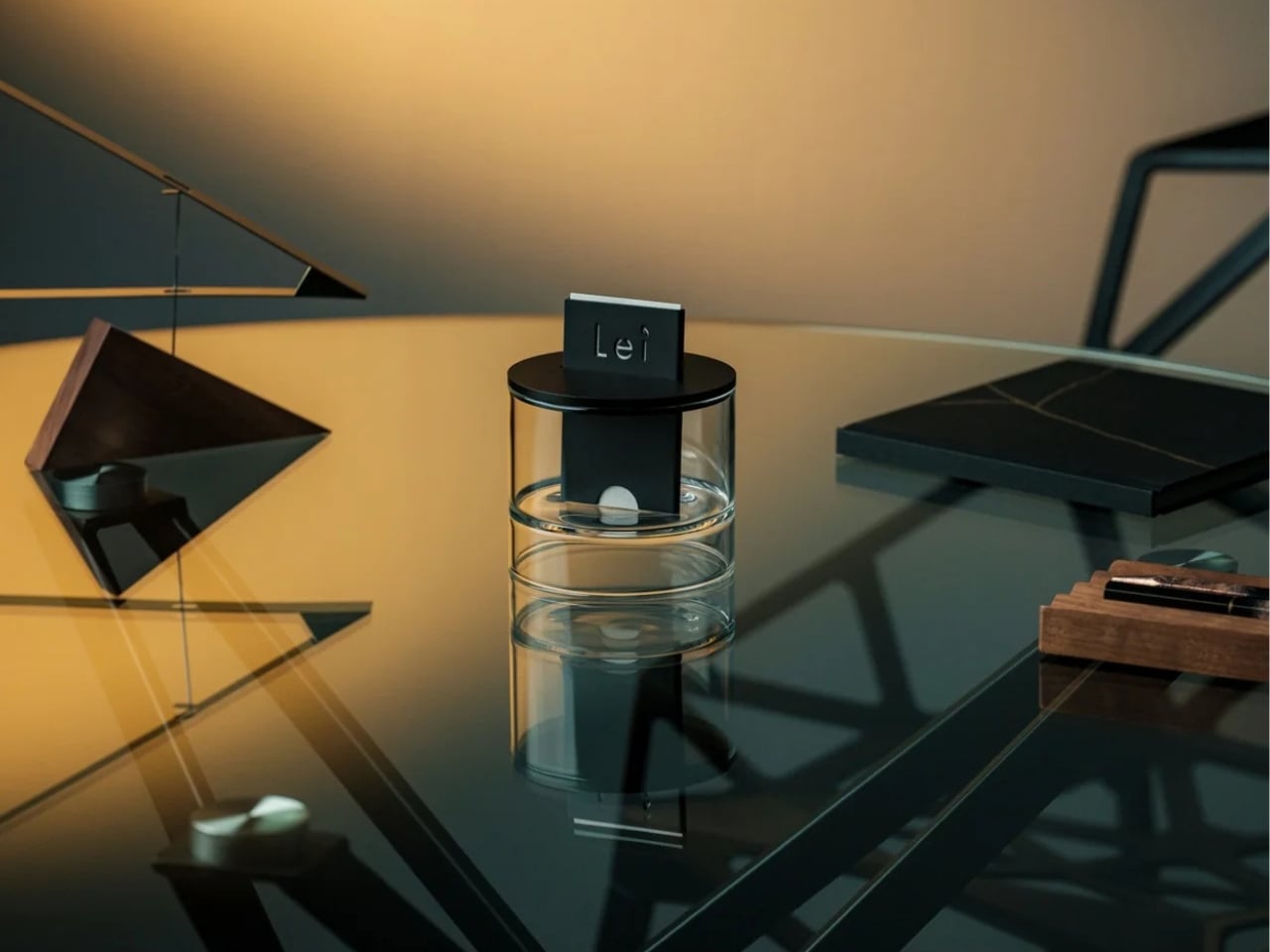
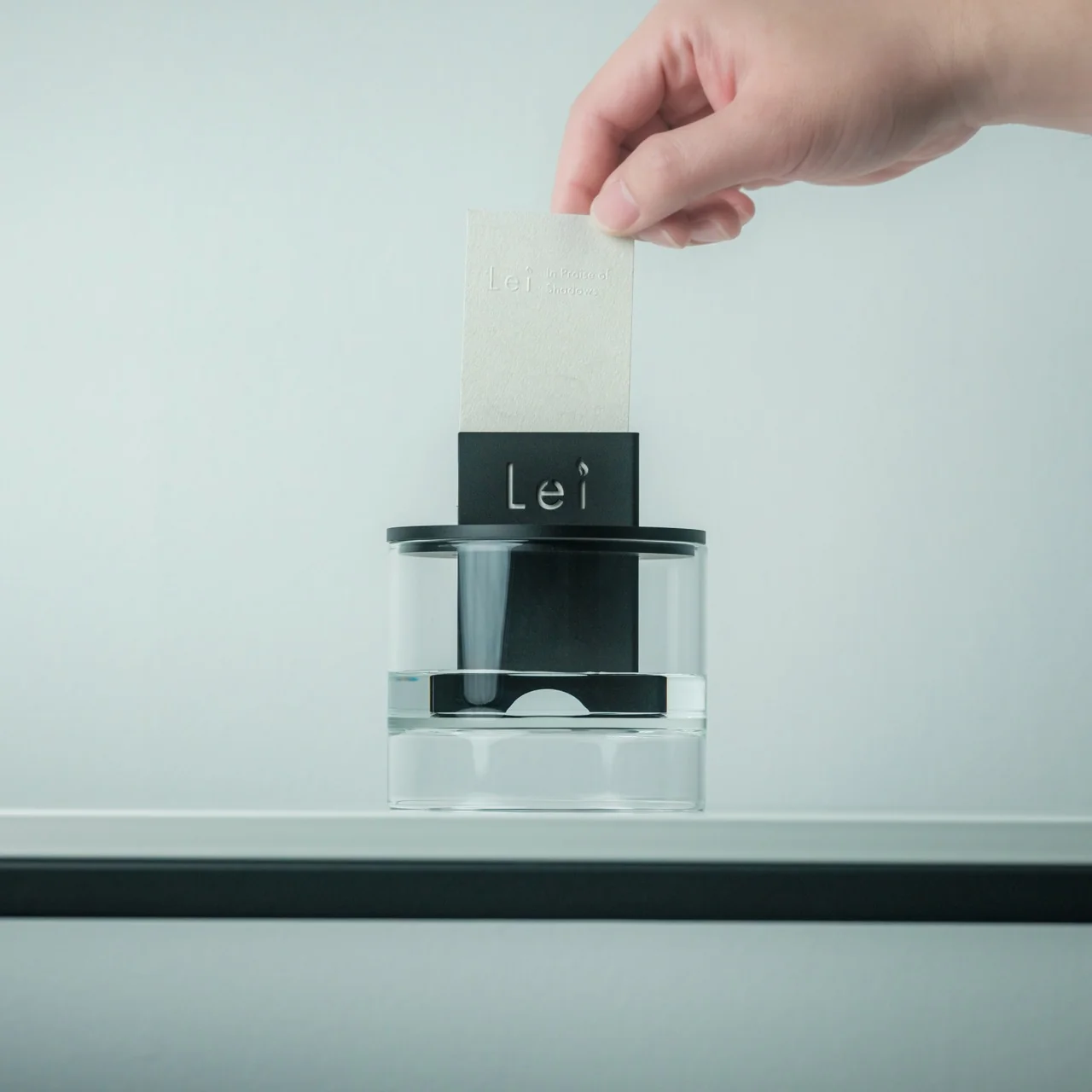
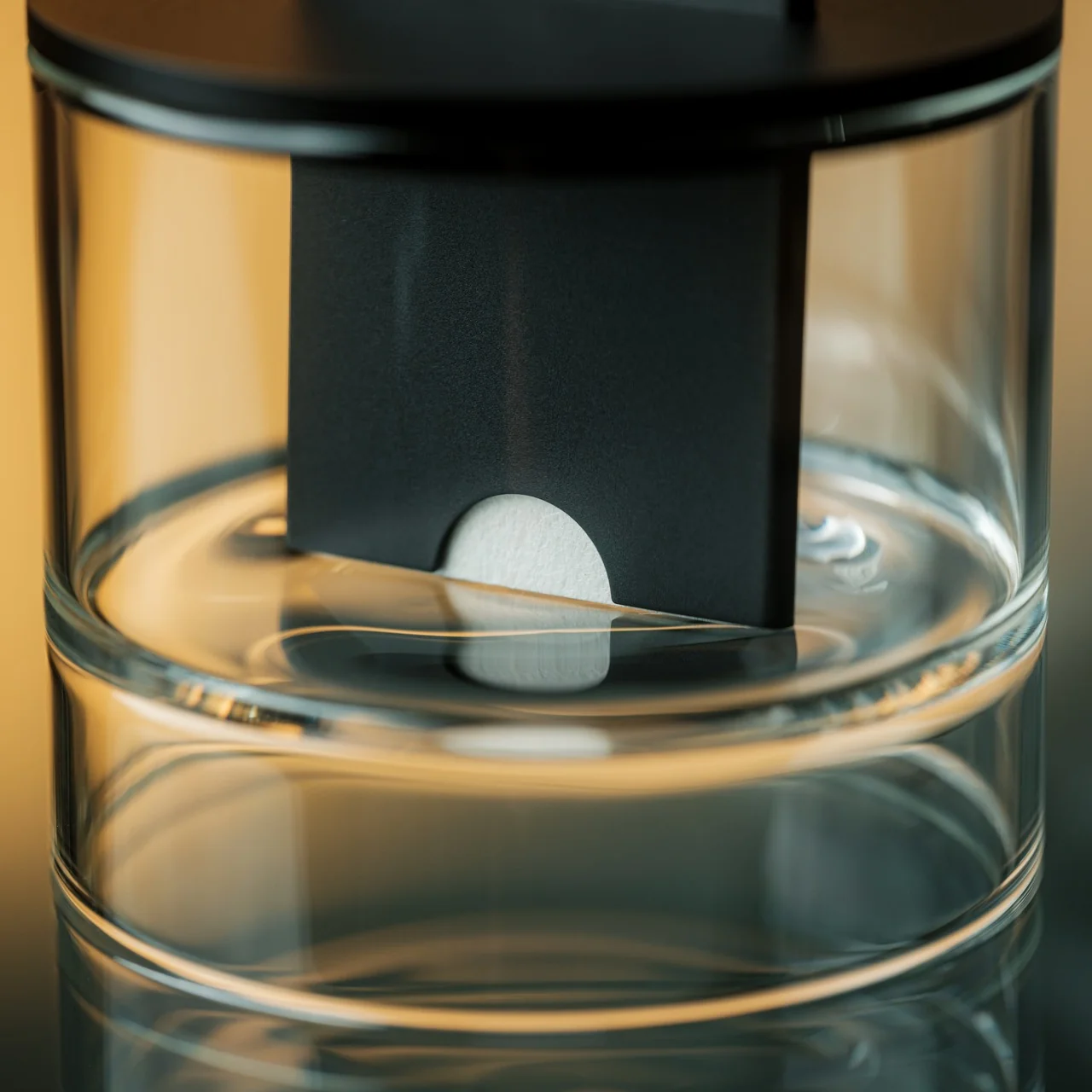
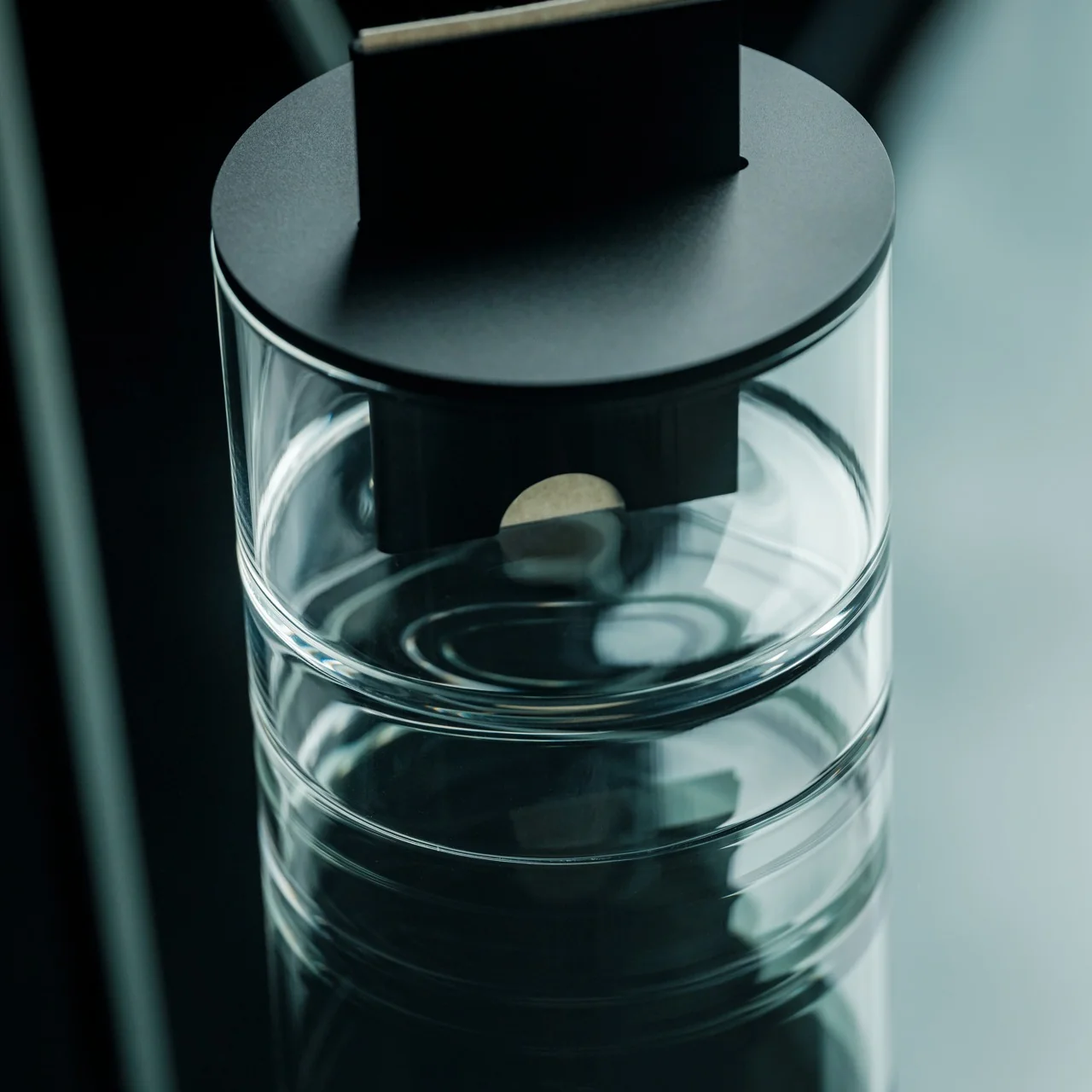
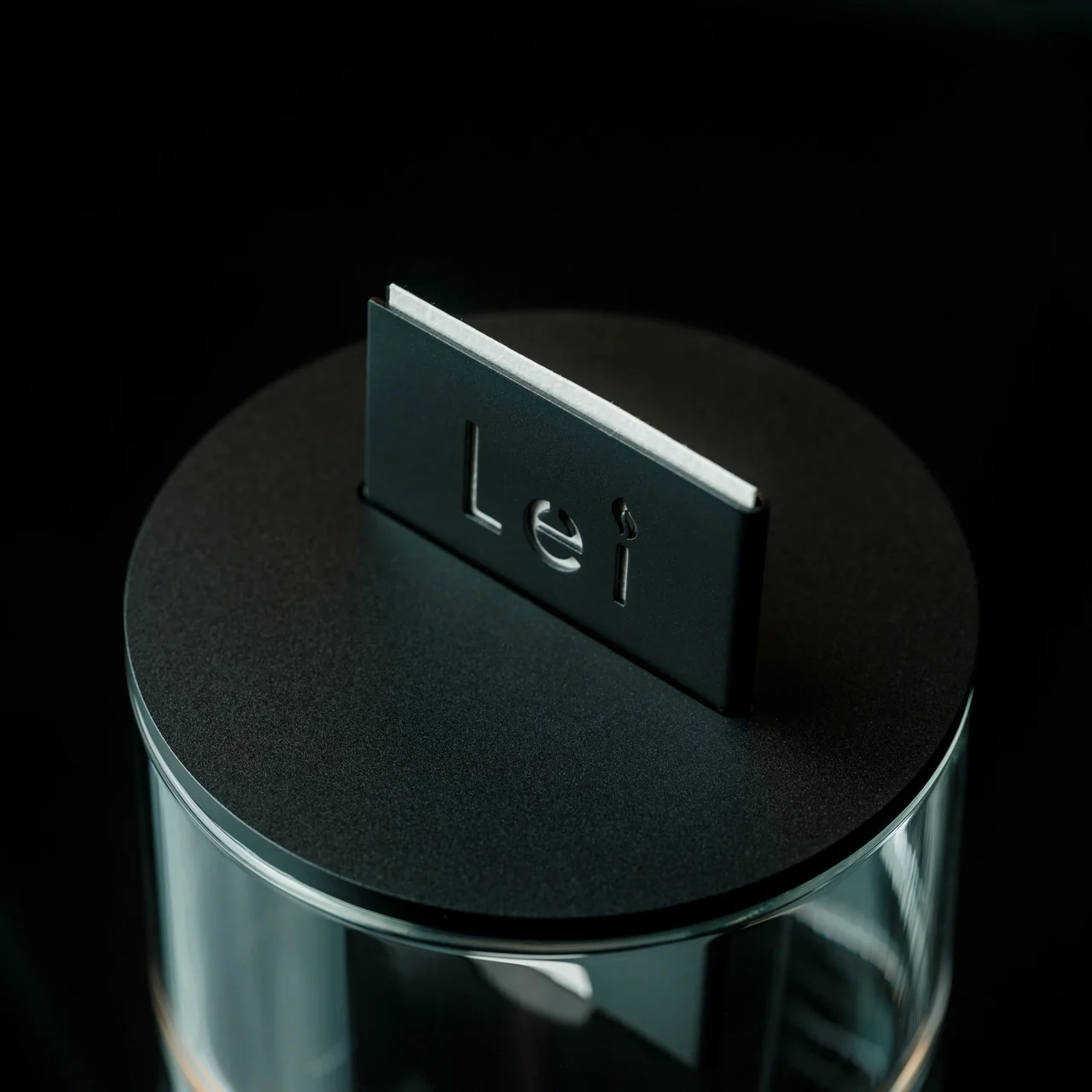
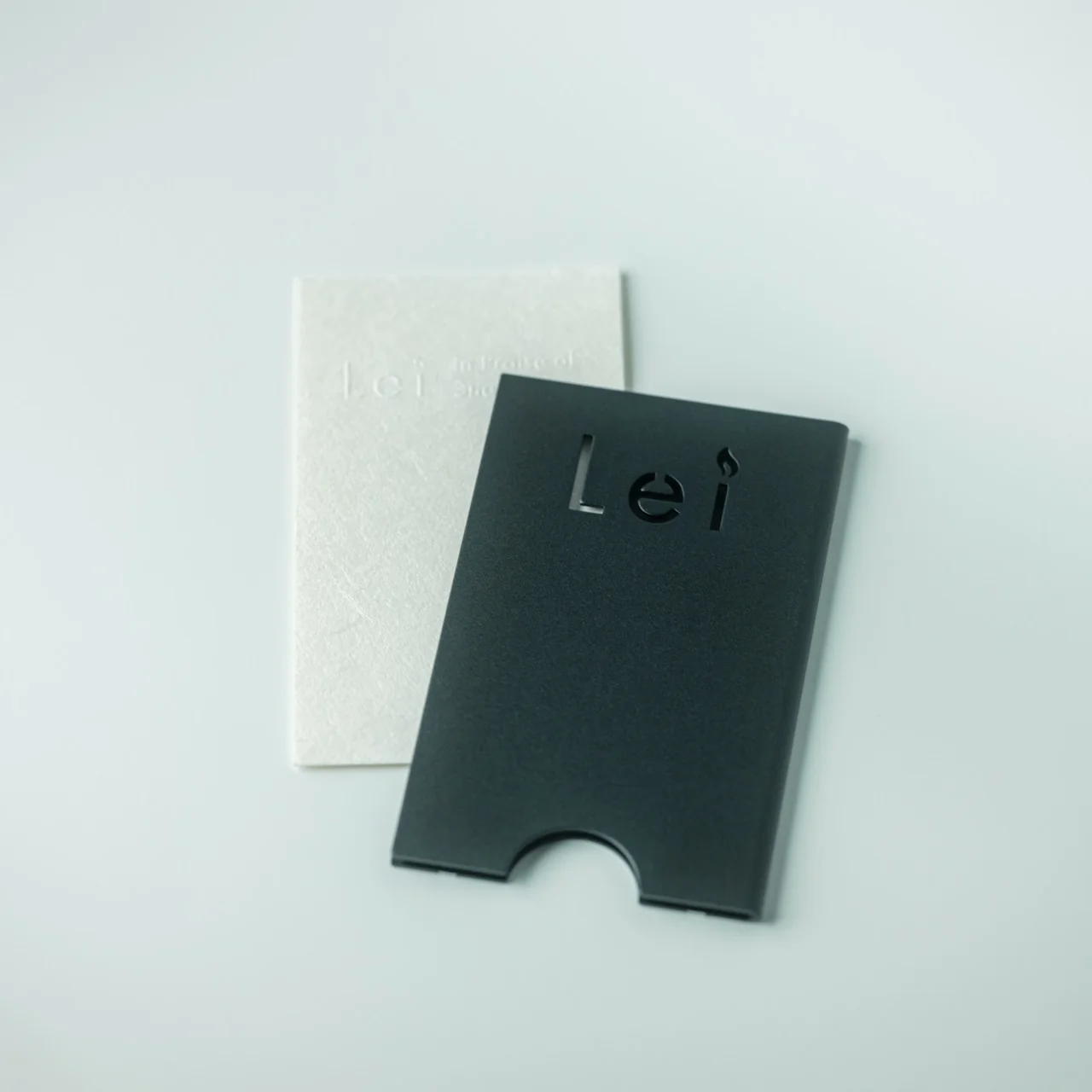
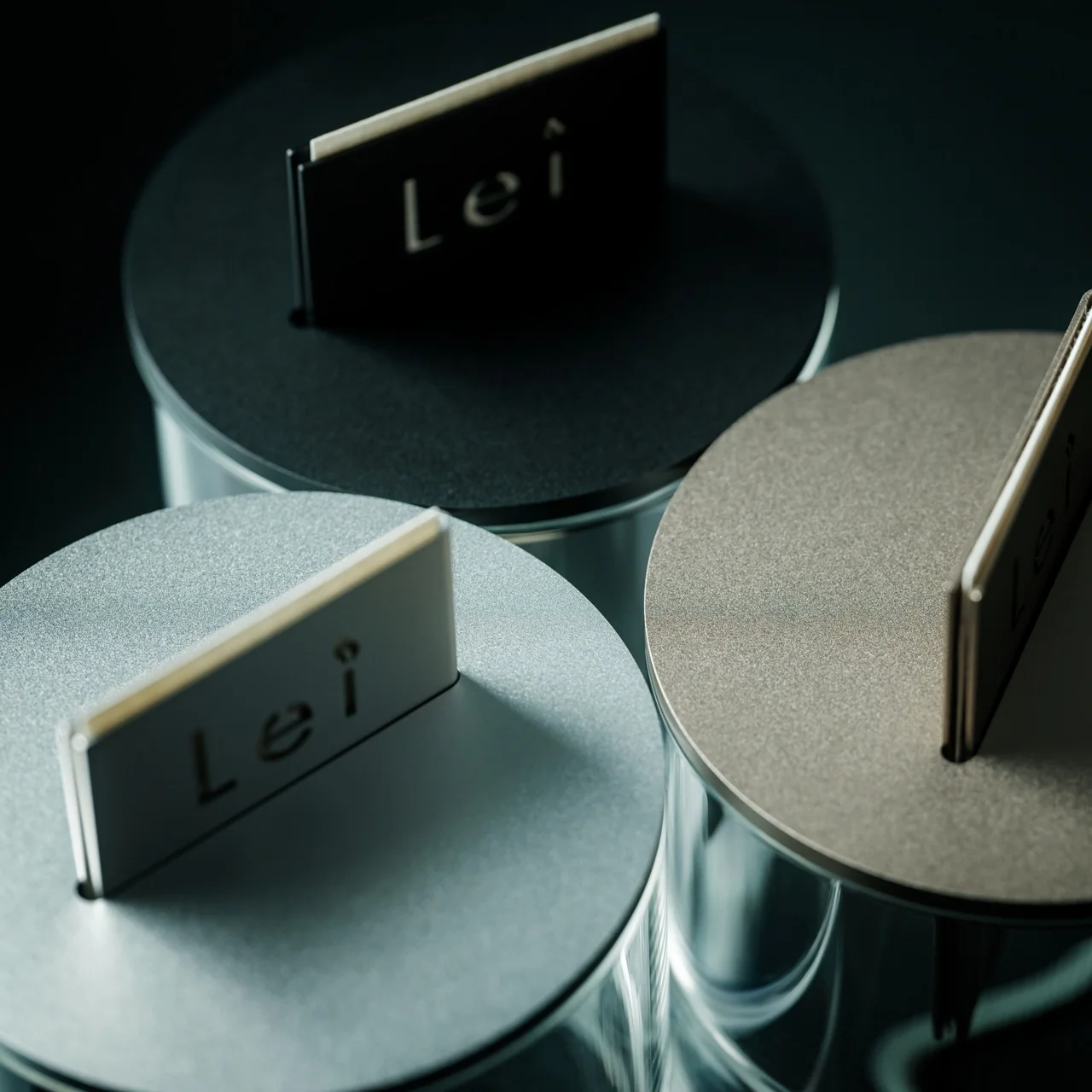
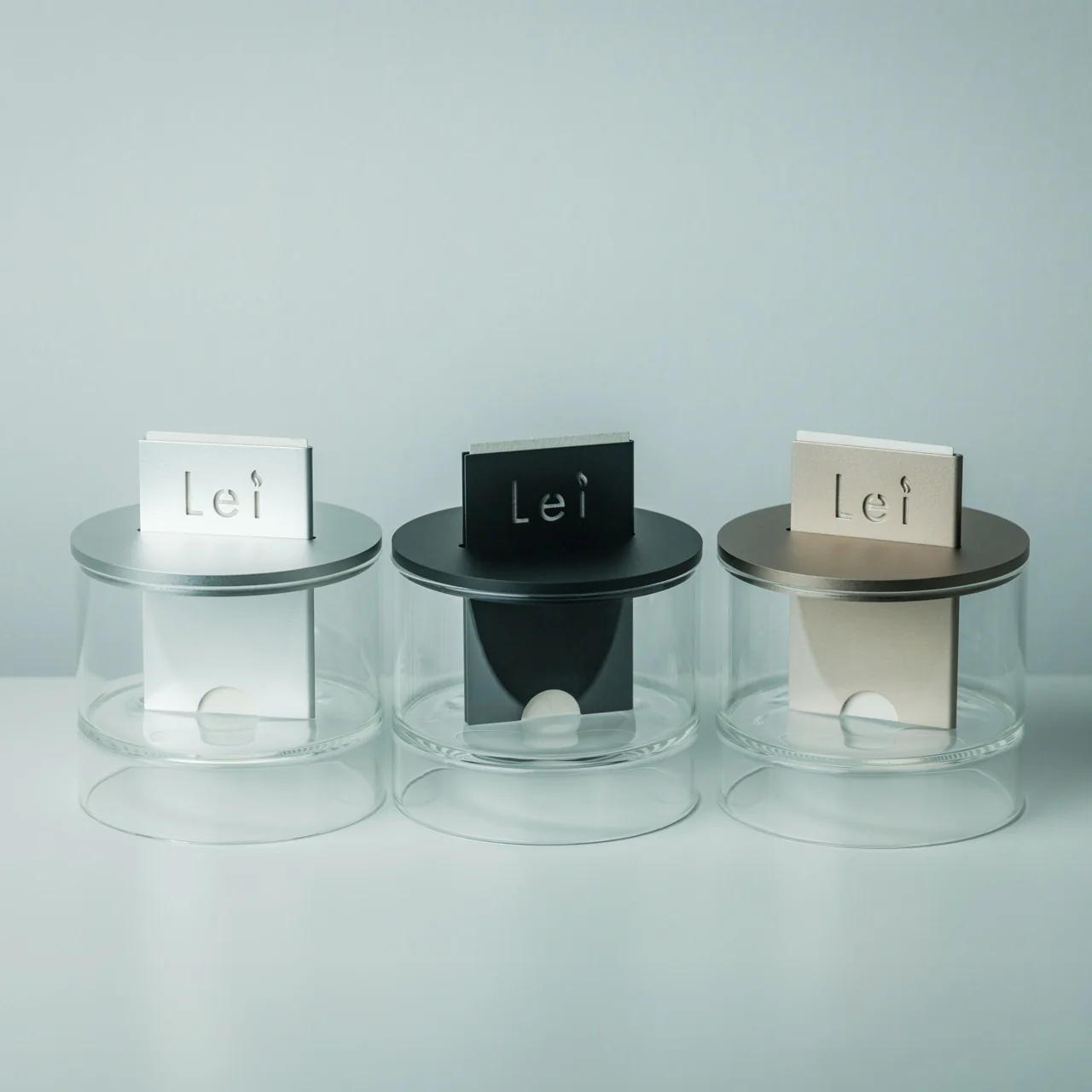
The Ritual Card Diffuser, designed by Yasuyuki Nagato and the studio SOL style, skips both problems by refusing the premise entirely. There’s no battery, no cord, no flame, no mist. You slide a handmade washi paper card into an anodized aluminum body, the same motion as tapping a train ticket or slipping a bookmark into a novel, and that gesture alone starts the diffusion. A patented mechanism pulls alcohol-based fragrance oil upward through the card using nothing but capillary action. No moving parts, no sound, no plug. It just works, quietly, in the background of your day.

Click Here to Buy Now: $125.00

I like objects that make you do something with your hands before they reward you, and this one leans into that fully. The card-sliding motion isn’t decoration bolted onto a function, it’s the function. Most diffusers want to disappear into the wall outlet and be forgotten. This one wants five seconds of your attention, and honestly that’s a better trade than it sounds like on paper.

The materials back up the concept instead of just dressing it up. The body is cut aluminum with an anodized finish, which holds up to daily handling without looking scuffed after a month. Underneath sits a dual-layered glass base that makes the whole thing look like it’s floating slightly above the table, which is a nice trick for something that’s actually quite solid and grounded. The washi paper cards are handmade using traditional Japanese methods, and they diffuse scent at a slower, more natural pace than a synthetic wick would. Three cards come with the diffuser, and once one dries out, it’s not exactly trash. You can tuck it into a drawer or a bag and it still carries a faint trace of scent, which is a small detail that made me like this thing more than I expected to.

It’s worth putting this next to something like Pura, the smart plug-in diffuser that’s become a fixture in a lot of American homes over the past few years. Pura is genuinely useful. It’s app-controlled, it schedules scents, it syncs with your routine. But it also asks you to hand fragrance over to your phone, which is one more thing living on your screen and one more subscription-adjacent habit. The Ritual Card Diffuser goes the opposite direction on purpose. There’s no app, no notification, no need to open anything except a fragrance bottle. It’s not trying to be smarter than you. It’s trying to ask less of you, which for some people is the more valuable feature.

At $125, it’s not an impulse buy, and I won’t pretend the price doesn’t put it in a different category than a candle from the drugstore. But you’re paying for a mechanism that’s patented, materials that are meant to last years instead of a single season, and a design object that looks intentional sitting on a shelf, not something you’d hide in a drawer between uses.

None of this means every diffuser needs to work this way, or that convenience tech is somehow the enemy. But there’s a real appetite right now for objects that don’t ask you to download anything to use them, and this Ritual Card Diffuser is a clean example of what that looks like when it’s done with actual craft behind it. It doesn’t try to impress you with what it can do. It just does the one thing it’s built for, slowly, and lets that be enough.

The post The Diffuser That Refuses to Plug In, Beep, or Buzz first appeared on Yanko Design.