Ebicos Happy Dreamer collapsible pod turns your van into a camper without modifications

It’s not necessary to go about converting the entire innards of a van to achieve camping convenience. You can just clean out the cabin to make space for an electric camper pod, and it will do the rest. Instantly transforming your ride into a fully-fledged camping rig, you can pull out from the back at a campsite and live freely.

The concept of camper pods got a new dimension and meaning at the recently concluded Düsseldorf Caravan Salon. First, we were floored by the versatility and convenience of the Cubivan Camping System, and now our minds are blown away by the simplicity and portable design of the new Ebicos Happy Dreamer. The latter is not as elaborate (with a pop-up roof et al) like the Cubivan’s system, yet is a small and useful addition to tailgate camping in a van.

Designer: Ebicos

As its marketing jingle on the website reads, the Happy Deamer is a tiny, collapsible camper pod that “transforms your everyday vehicle into an adventure vehicle in minutes. No tools required. No modifications needed,” the company notes. Each of these modules, which deploys and retracts with a single push of a button, is manufactured in the company’s workshop in Saxony, Germany, and comes with the features of a full conversion, “but without the full conversion.”


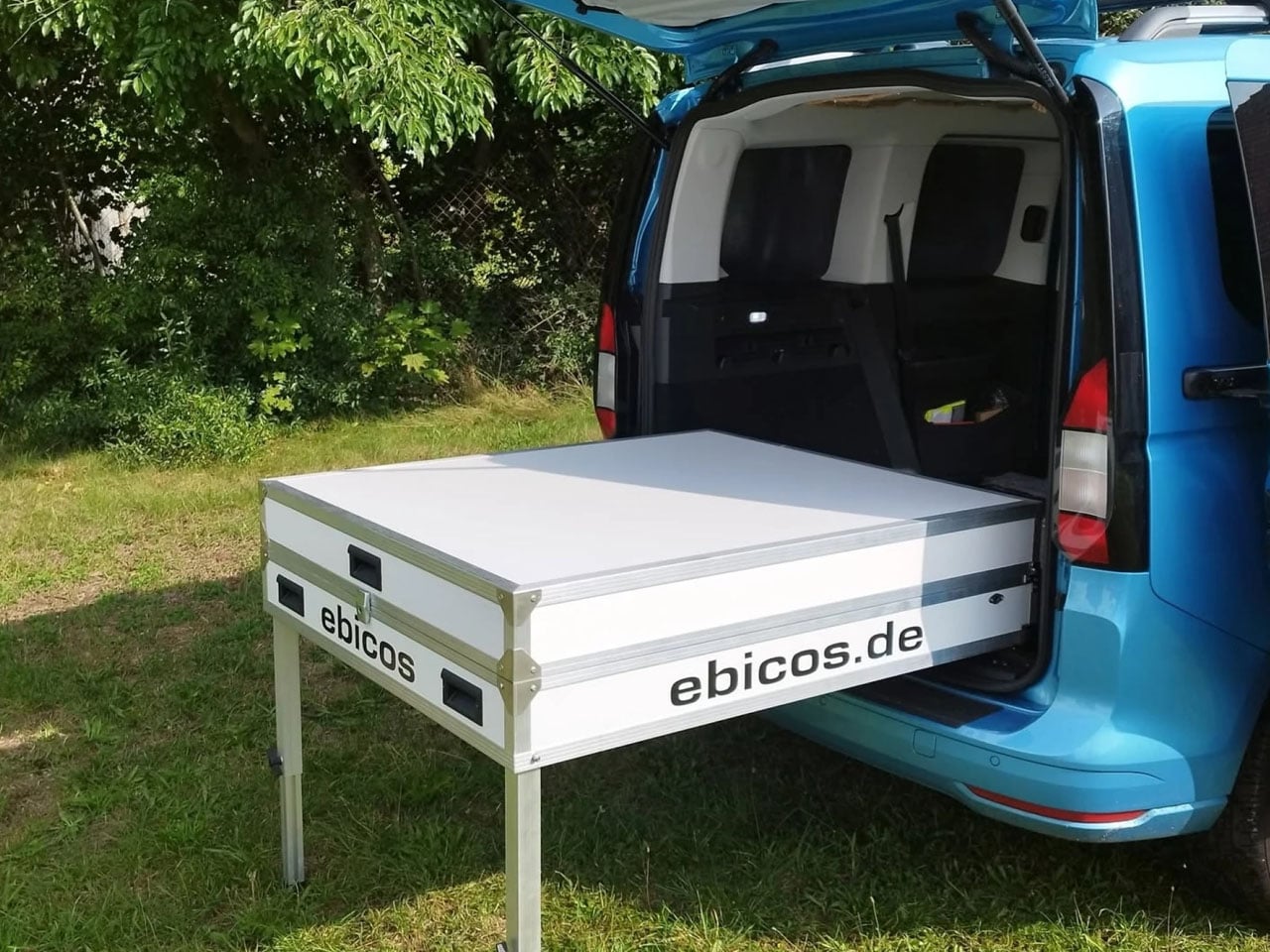
When not onboard your van, the Happy Dreamer – made using polypropylene honeycomb panels and aluminum honeycomb flooring – can collapse down to measure 47- x 51- x 11 inches, so a couple of people can easily carry it off (for storage) and onto the van back for camping. It weighs almost 60 kg and could be purchased with a wheeled trolley, making it just ideal for a solo van camper.
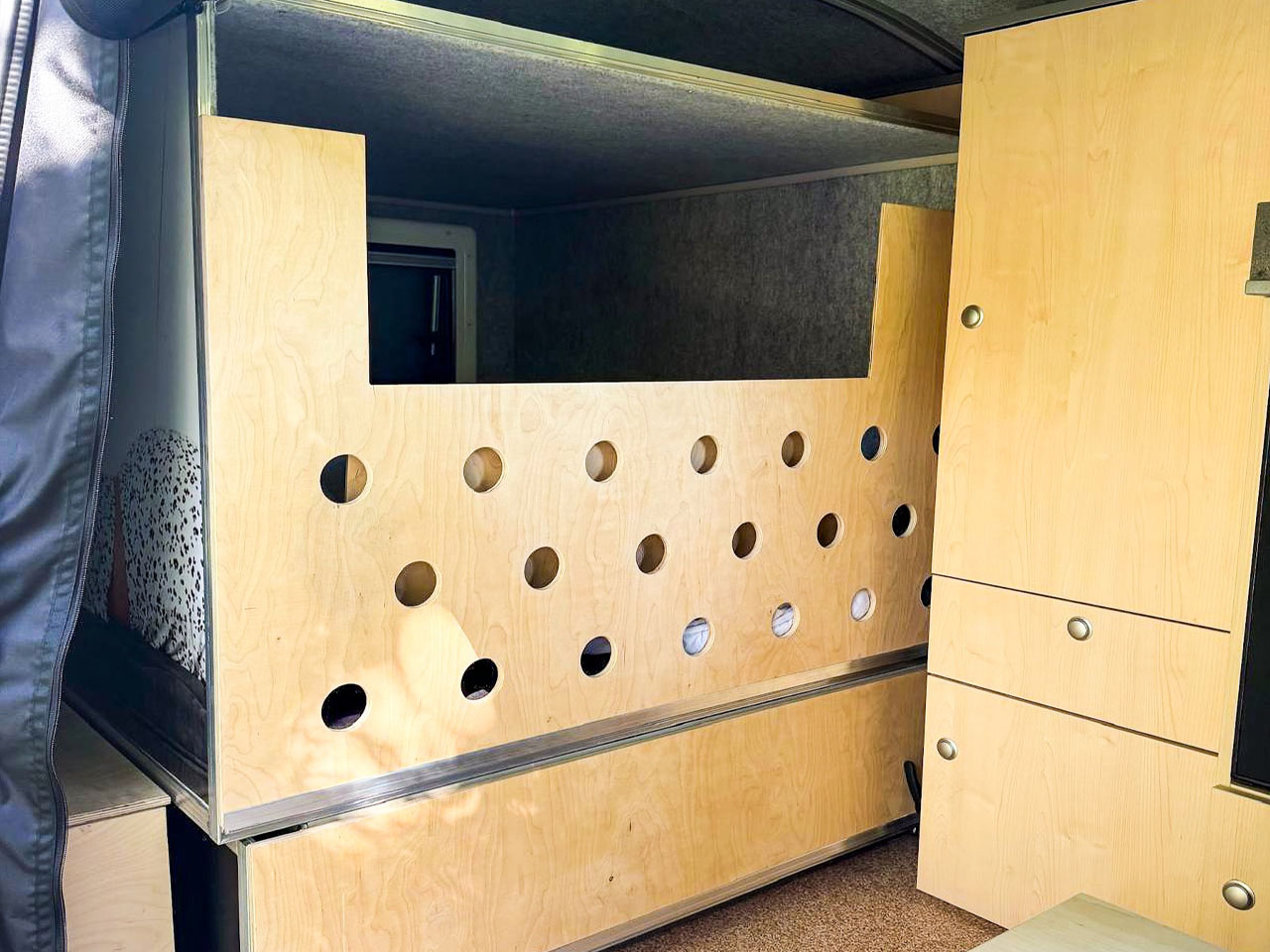
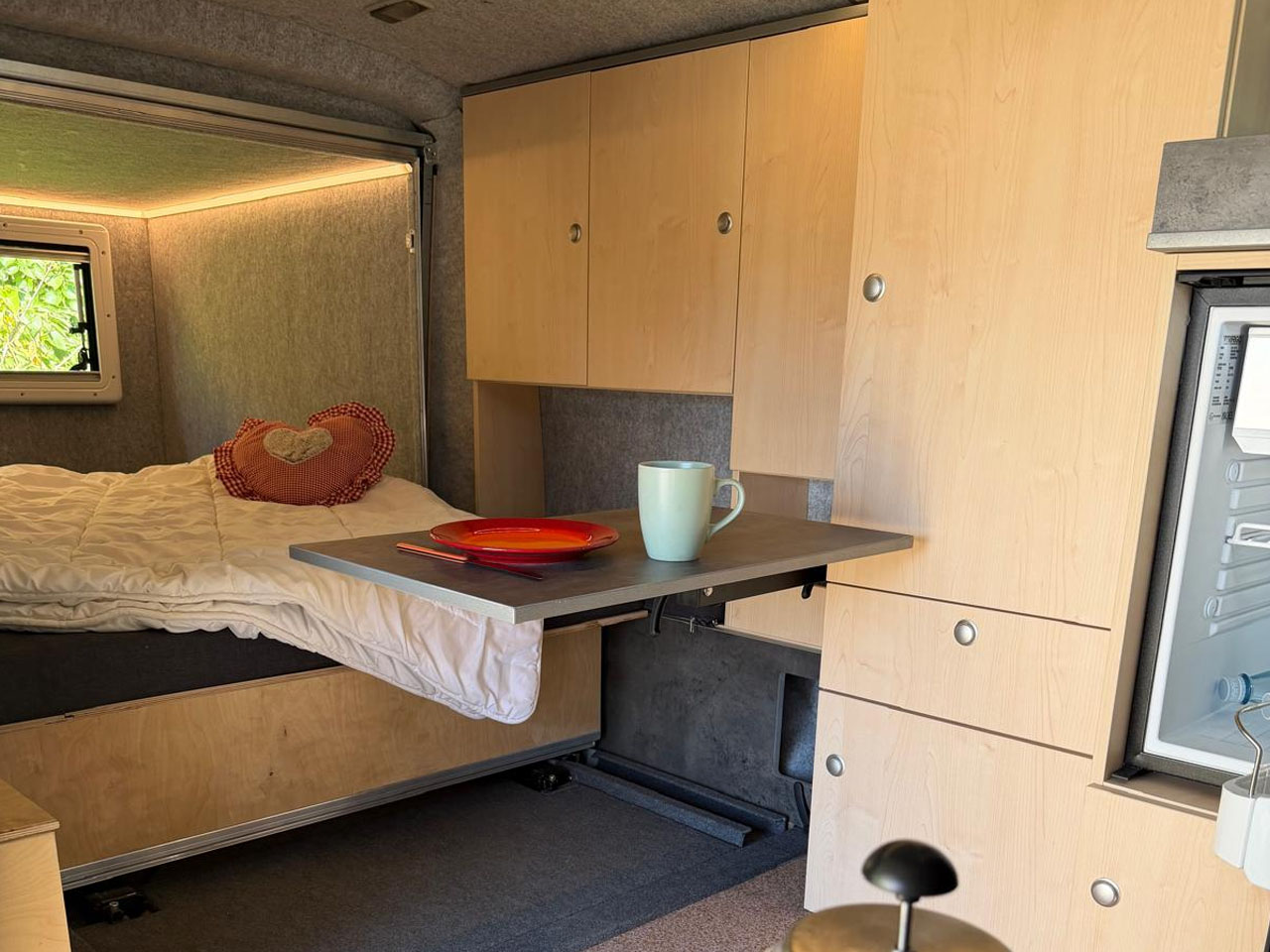
When you want to install the camper pod, you can install it using the three walls and roof secured through rails and latches. The cube shaped pod, then can slide on the rails in and out of the van tailgate. When pulled out at camp, the pod rests stably on its drop-down legs (hitting the ground) and provides campers with king-size bed space to sleep from inside the van out to the pod. For further security and living convenience, the tailgate can be secured to the Happy Dreamer’s roof by a cord, while the space between the pod and the van interior is filled with fabric insulation to seal out weather and insects.

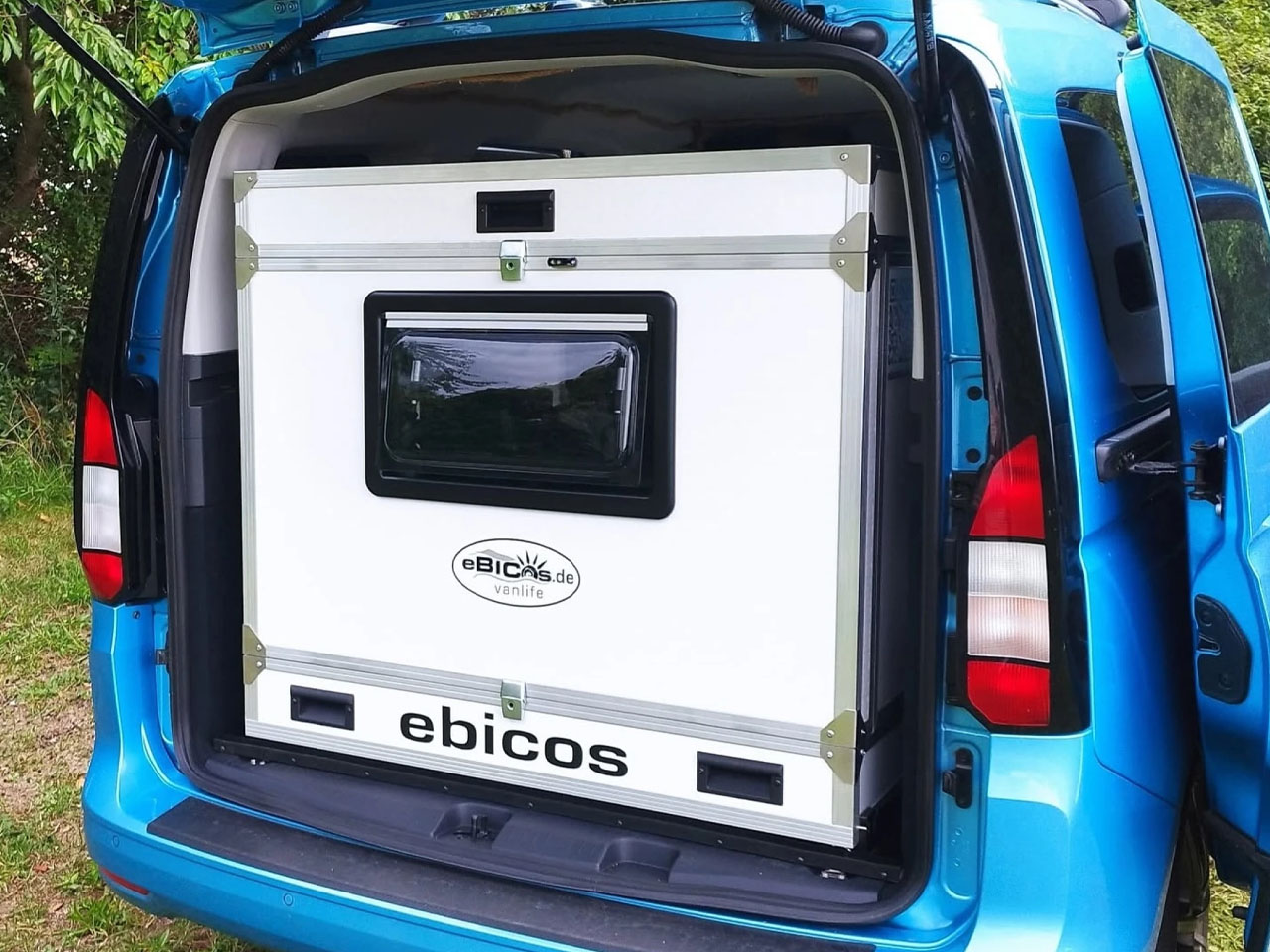
The Happy Dreamer is designed to be a versatile pod, ensuring compatibility with a range of midsize and small cargo and passenger vans. Even though the pod itself comes raw and only provides a place to sleep. The company says it will offer add-ons for a functional slide-out kitchen. The pod will start at €6,250 (approximately $8,500).


The post Ebicos Happy Dreamer collapsible pod turns your van into a camper without modifications first appeared on Yanko Design.

UGREEN’s iPhone 18 Pro Case Packs An Extra Screen For That ‘iPhone Duo Effect’

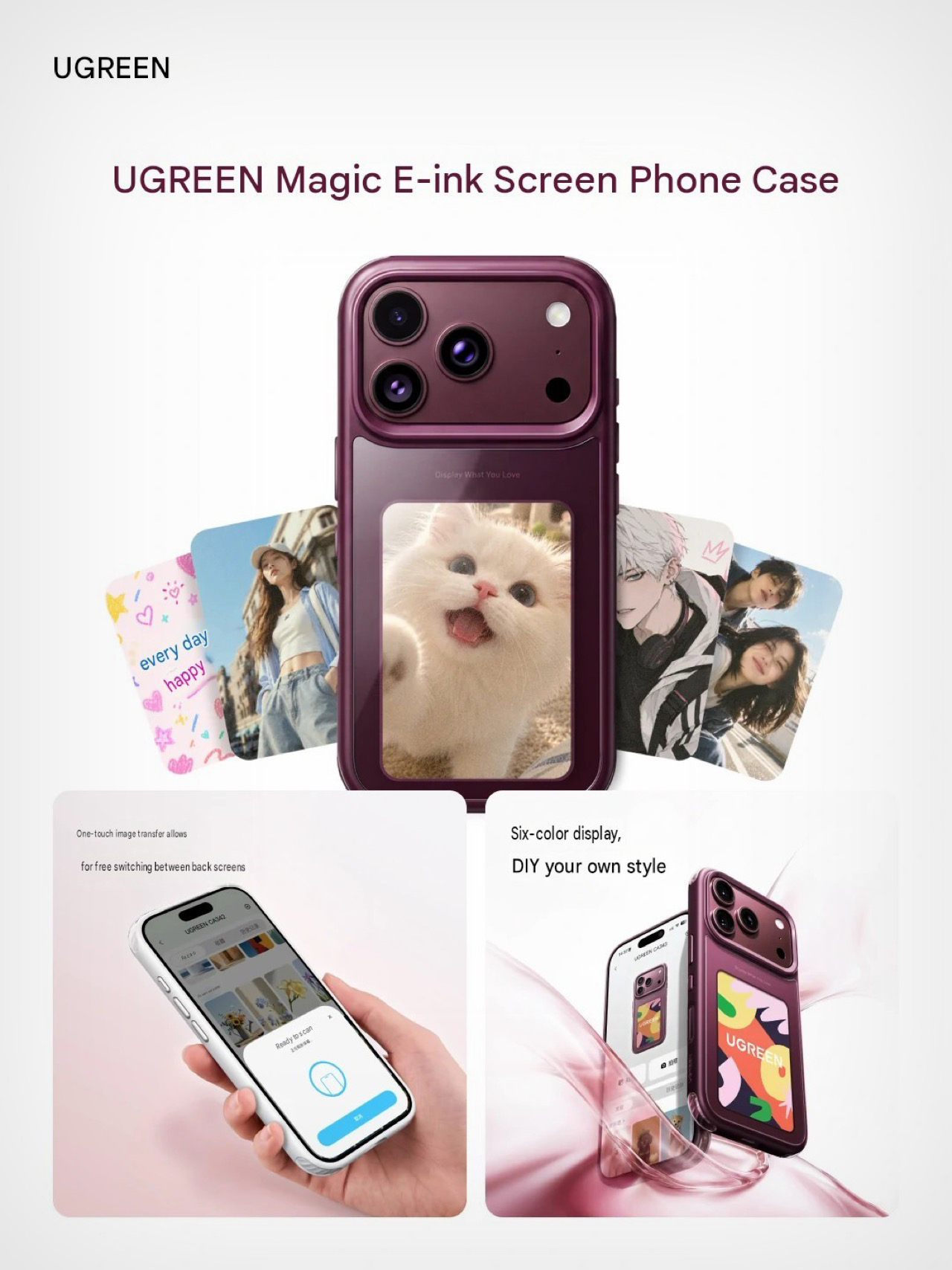
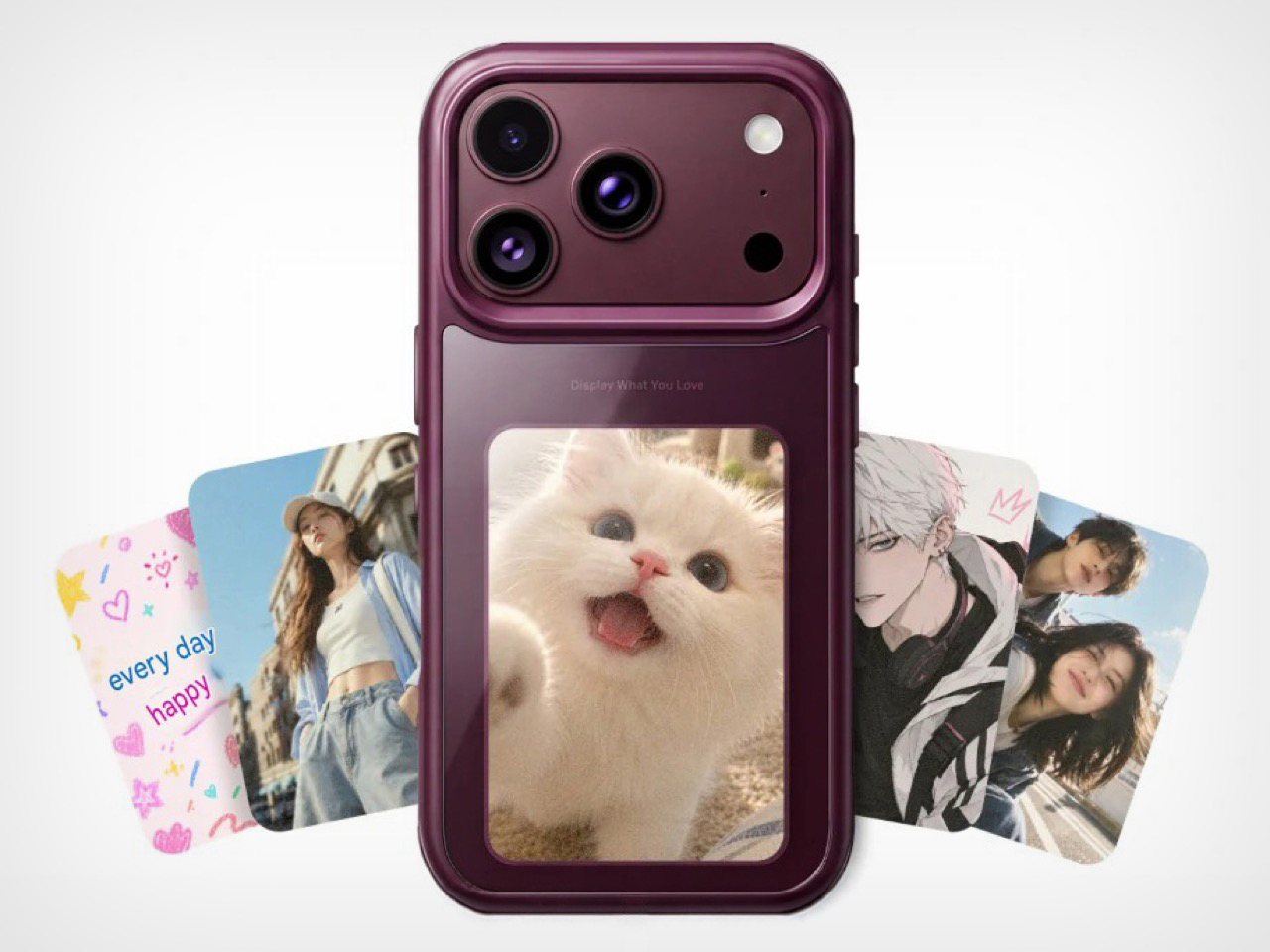
Don’t worry, you don’t need to spend $1999 to gift yourself an iPhone with an extra screen. UGREEN debuted what they call the “Magic E-ink Screen Case” for the iPhone 18 Pro series – a protective case that gives your 18 Pro an extra display… kind of like the Duo, but without the bleeding price tag. The case, shown in a complementary burgundy colorway, packs a 6-color E-ink display on the back, making it perfect for photos, wallpapers, notes, QR codes, or any sort of personalization you’d want. No, sadly it won’t pull off that cool frosted glass animation that made the Duo so drool-worthy!

Fresh off a successful run at IFA (with the company debuting their world’s first liquid-cooled MagSafe power bank), UGREEN decided resting was for the week. Just days after Apple’s iPhone announcement, the company took to Weibo, sharing a look at three products to complement Apple’s latest Pro-series device. The first, a 45W charging brick, second, a screen protector, and thirdly, a protective case that makes the back of your phone about as interesting as the front.

Designer: UGREEN

The case’s primary role is to serve as protection for your $1199 phone. It covers the sides with a thick bumper, packed with air-cushion corners for extra drop protection. The camera plateau gets a raised lip to shield your lenses (especially that variable aperture shooter), but the screen on the back steals the cake. UGREEN hasn’t specified its dimensions, but we do know that it’s a 6-color E-ink display that can be controlled via an app on the phone, letting you send images, wallpapers, and notes to the display with a simple button push. Once there, the e-ink screen renders the image out, keeping it there forever without any power consumption.

We don’t know whether this still lets you use wireless charging on your iPhone, my guess is that you’ll have to make that compromise, along with never being able to ever put any MagSafe accessory on the back. The benefit, however, is having a hyper-personalized smartphone case so you don’t ever confuse your device with someone else’s ever again. For the right audience, that’s a very doable trade-off.

While details remain scarce, there are two worth noting. Notebookcheck mentions that the e-ink screen won’t function as a viewfinder for the rear camera – a feature that would almost instantly turn this case into a very acceptable iPhone Duo replacement for a large group of people. It’s just photos for now, which makes sense because adding extra features would mean adding a bigger battery and more powerful processor. At that rate you might as well just pack an OLED in there along with a thick battery panel.

The second caveat is that UGREEN’s marketing the Magic E-ink Screen Case exclusively in China, with no word on a global launch. That’s probably why we didn’t see this at IFA 2026 either. I’m sure it would’ve been all the rage on the show floor!

The post UGREEN’s iPhone 18 Pro Case Packs An Extra Screen For That ‘iPhone Duo Effect’ first appeared on Yanko Design.

Pikachu Just Got Hidden Inside Your Coffee Mug, and Pokémon Fans Are Going to Lose It

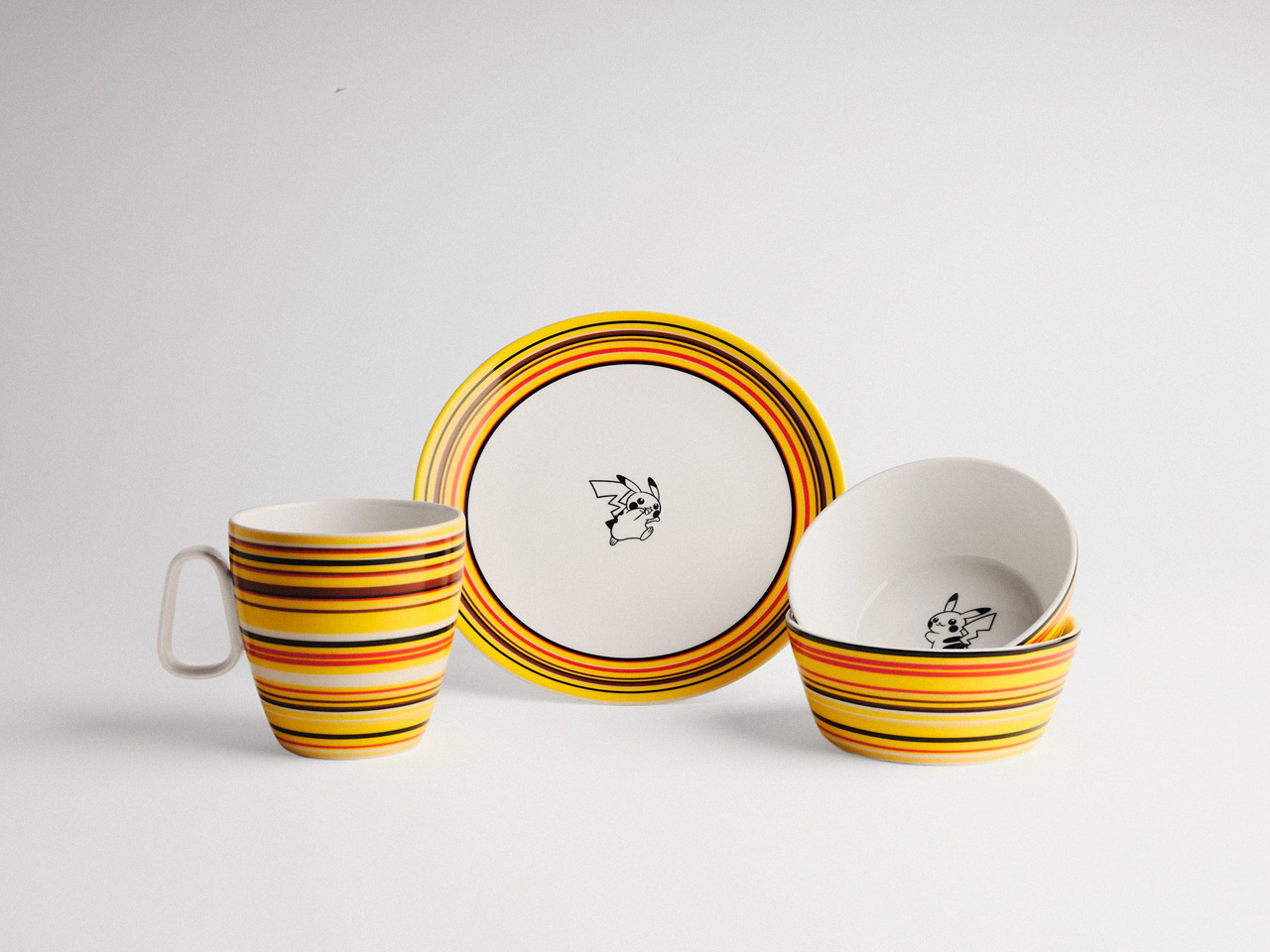
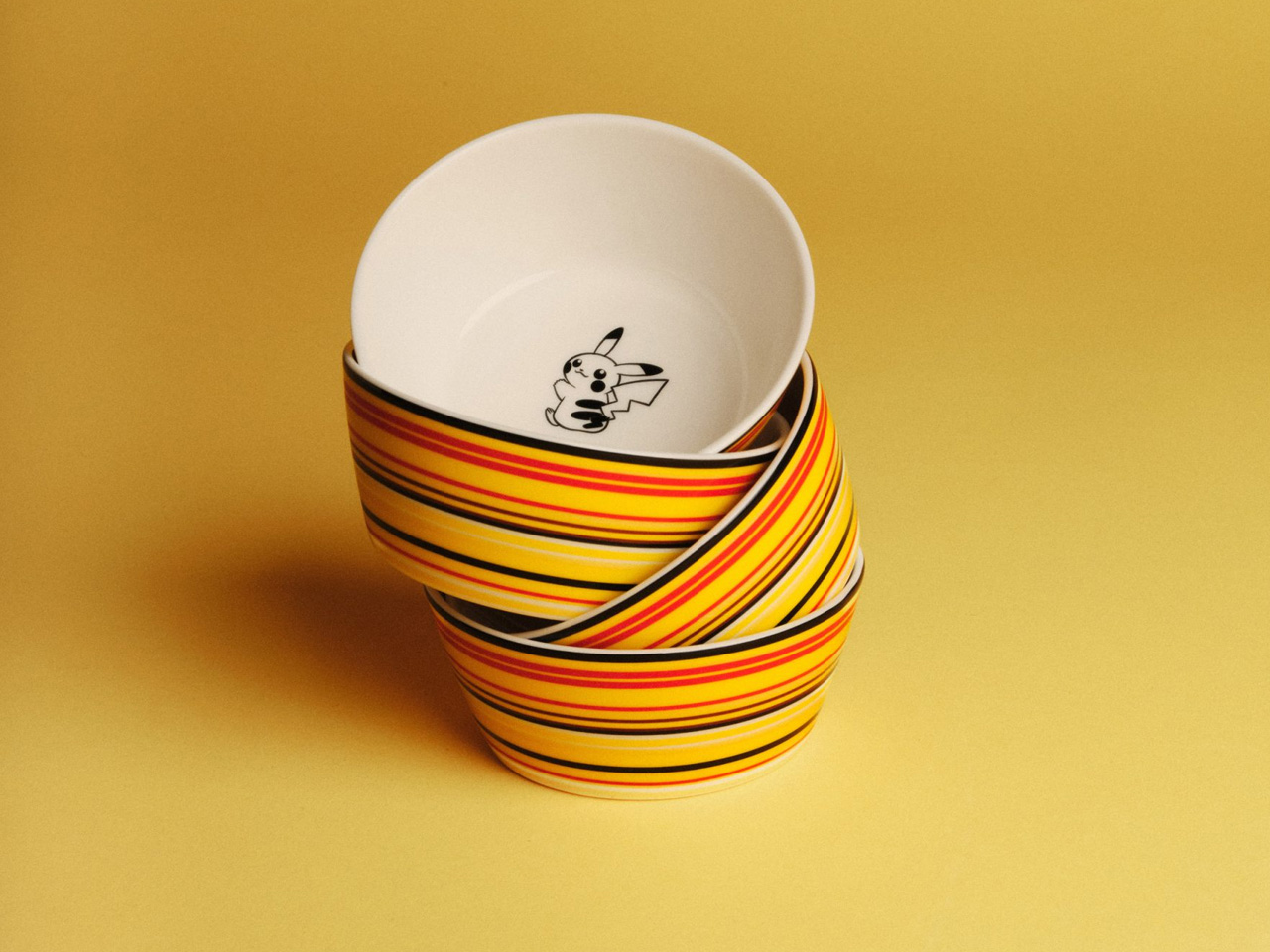
Pikachu has appeared on a lot of things over the past 30 years — Alfredo Häberli’s Origo tableware wasn’t exactly the obvious next stop. Finnish design brand Iittala has reimagined its beloved Origo tableware collection in collaboration with Pokémon, marking 30 years of the Japanese media giant with a trio of pieces that feel both nostalgic and entirely fresh. A mug, a plate, and a bowl — each one a small study in restraint meeting playfulness.

Origo is no stranger to cult status. Originally designed by Alfredo Häberli in 1999, the striped tableware has long been a fixture in Finnish homes, celebrated for its simple geometry and quiet charm. For this collaboration, Häberli returned to his own work, subtly shifting the collection’s signature stripes into a warm palette of yellow, red, and brown — tones drawn directly from Pikachu, Pokémon’s most recognisable character. The result doesn’t shout. It earns its second glance.

Designer: Iittala & Pokémon

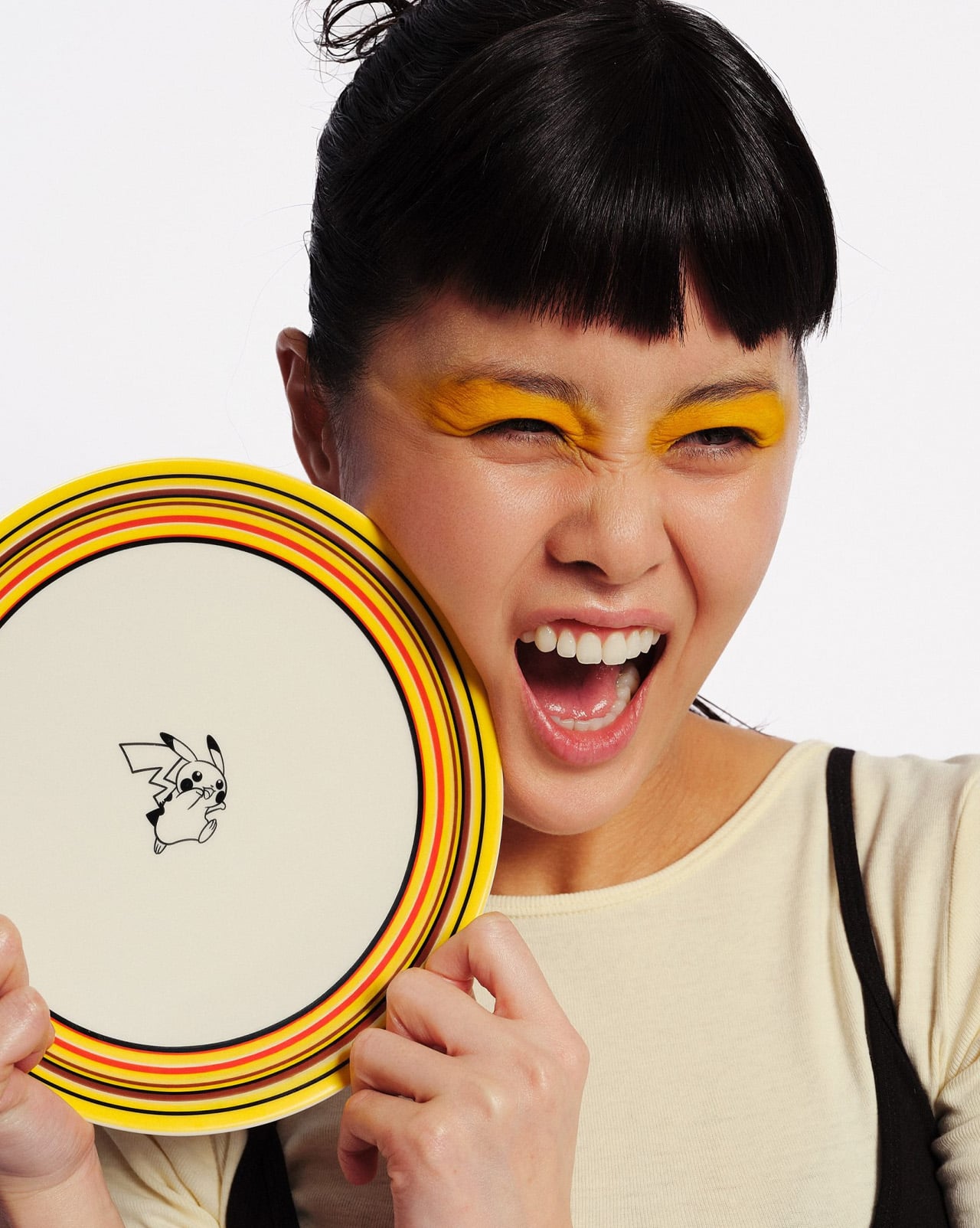
That restraint extends to how Pikachu appears across the pieces. Black and white illustrations are tucked onto the insides of the mug, plate, and bowl, as well as their bases — small discoveries rather than declarations. “Pikachu is almost ‘adventuring’ across the collection, adding a layer of surprise and charm,” said Janni Vepsäläinen, Iittala’s creative director, who joined the brand in 2023 after a tenure at JW Anderson.

Vepsäläinen was candid about the unexpected nature of the pairing. “At first glance, Iittala and Pokémon might seem like an unlikely match, two worlds that don’t obviously touch,” she said. “But that quiet friction is exactly what drew us in.” It’s the kind of creative logic that tends to produce the most interesting work — not two brands that naturally overlap, but two identities whose contrast makes the collaboration worth paying attention to.

The emotional hook is the 1990s. Both Origo and Pokémon were born in that decade, and the collaboration leans into that shared origin with intention. “Design culture from that era continues to feel relevant today — timeless products that still spark joy,” Vepsäläinen noted. It’s a sentiment that holds. There’s a reason Origo never left Finnish kitchen tables, and a reason Pikachu never needed a rebrand.

What Iittala has done here is resist the temptation to over-design the moment. The Pikachu Origo collection doesn’t try to be a statement. It simply invites a little joy into the everyday — a flash of yellow on the breakfast table, a small illustration at the bottom of your coffee cup. As Vepsäläinen put it, “Pikachu brings happiness across generations.” On the evidence of these pieces, it’s hard to argue otherwise.

The post Pikachu Just Got Hidden Inside Your Coffee Mug, and Pokémon Fans Are Going to Lose It first appeared on Yanko Design.

SPECS standalone AR glasses could undercut VR headsets sans all the bulk

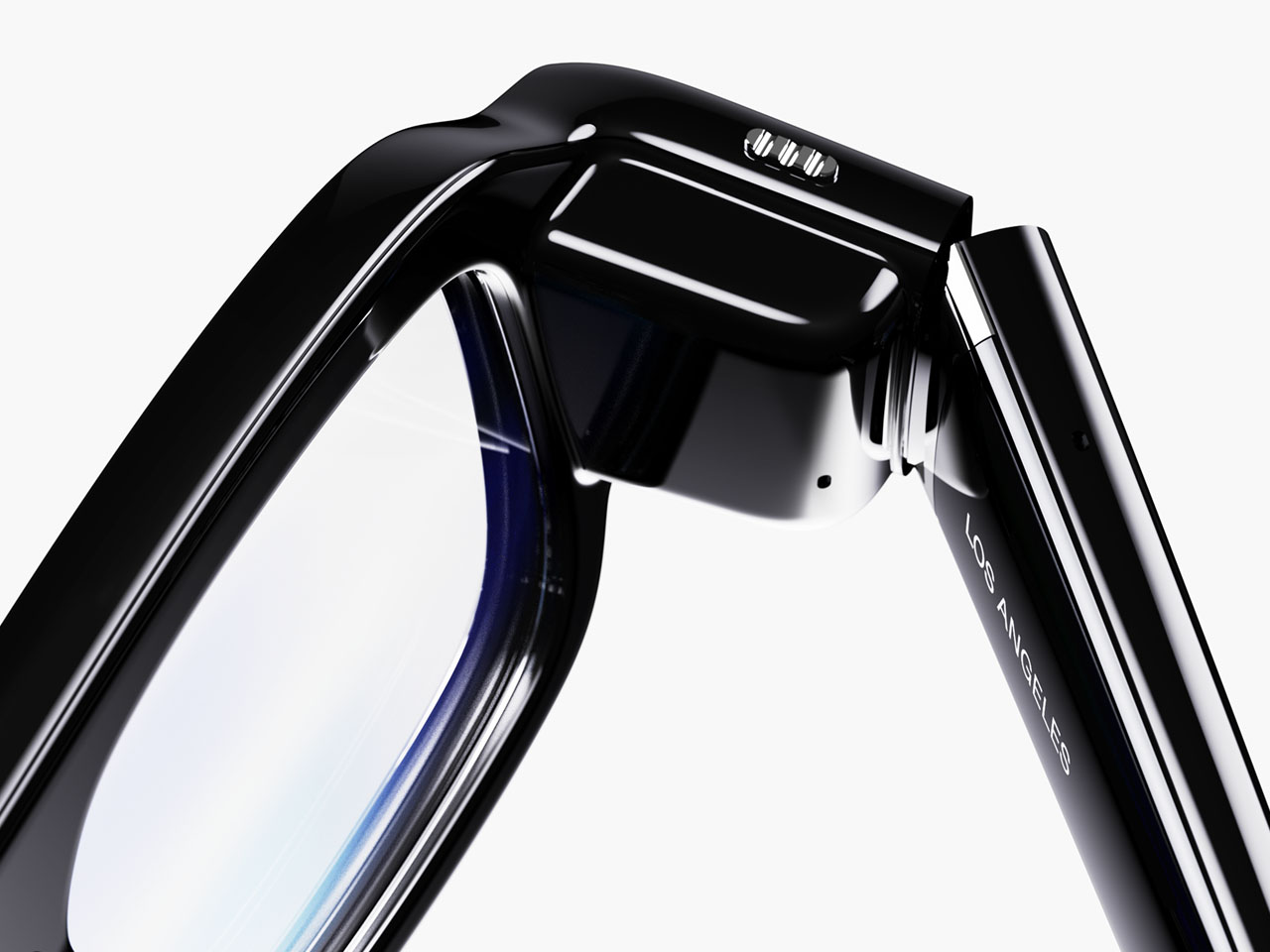
Smart glasses and VR headsets have a big, gaping rift that a keen manufacturer could fill. Evan Spiegel has been working to bring the best of both worlds to consumers with a pair of glasses that combine the Ray-Ban AI glasses with popular VR headsets like the Meta Quest 3. Evan’s brand, Snap, has been working under the covers on AR glasses ever since the early 2020s, and now they have revealed something that looks practical and cuts the competition in half.

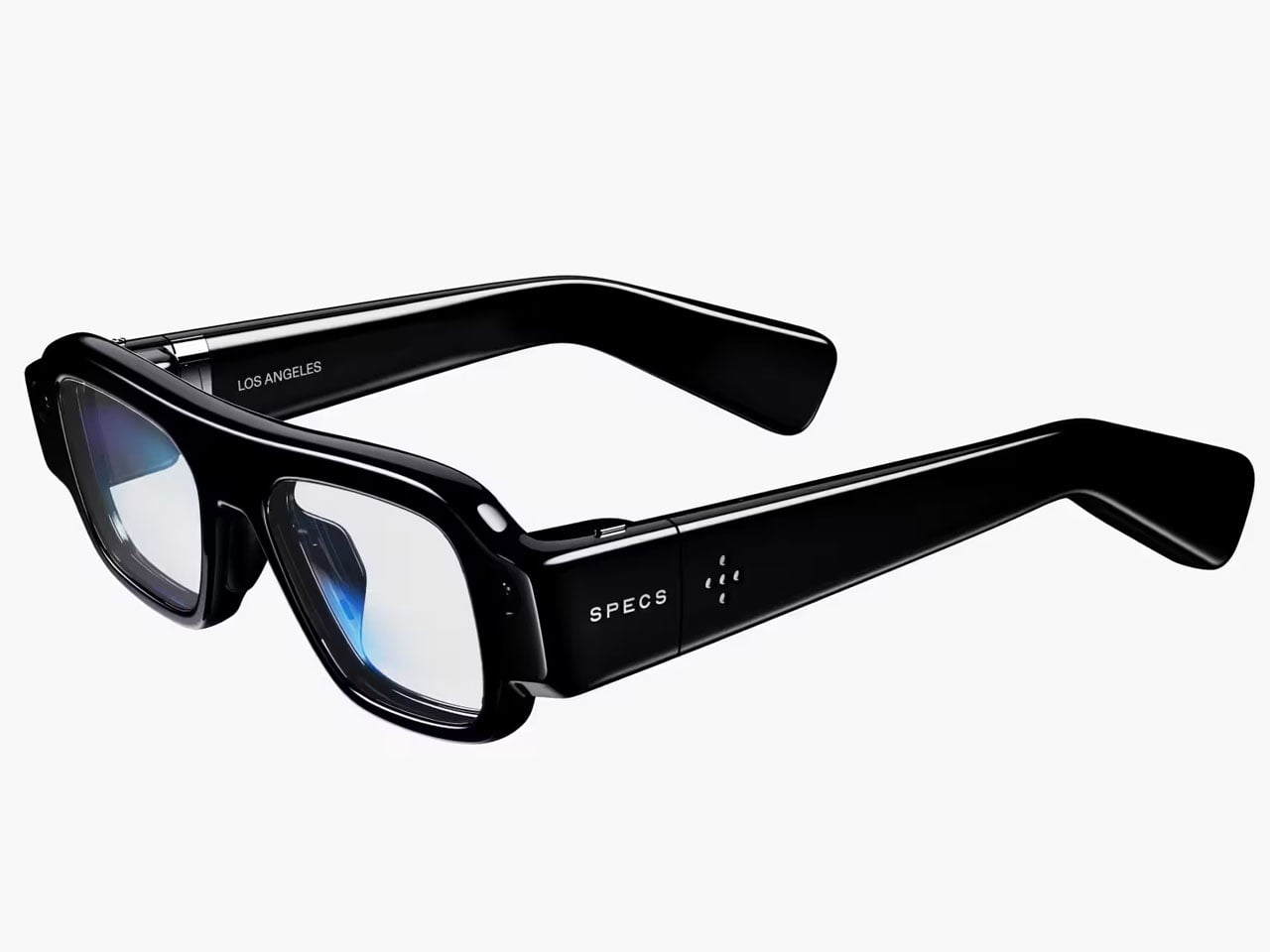
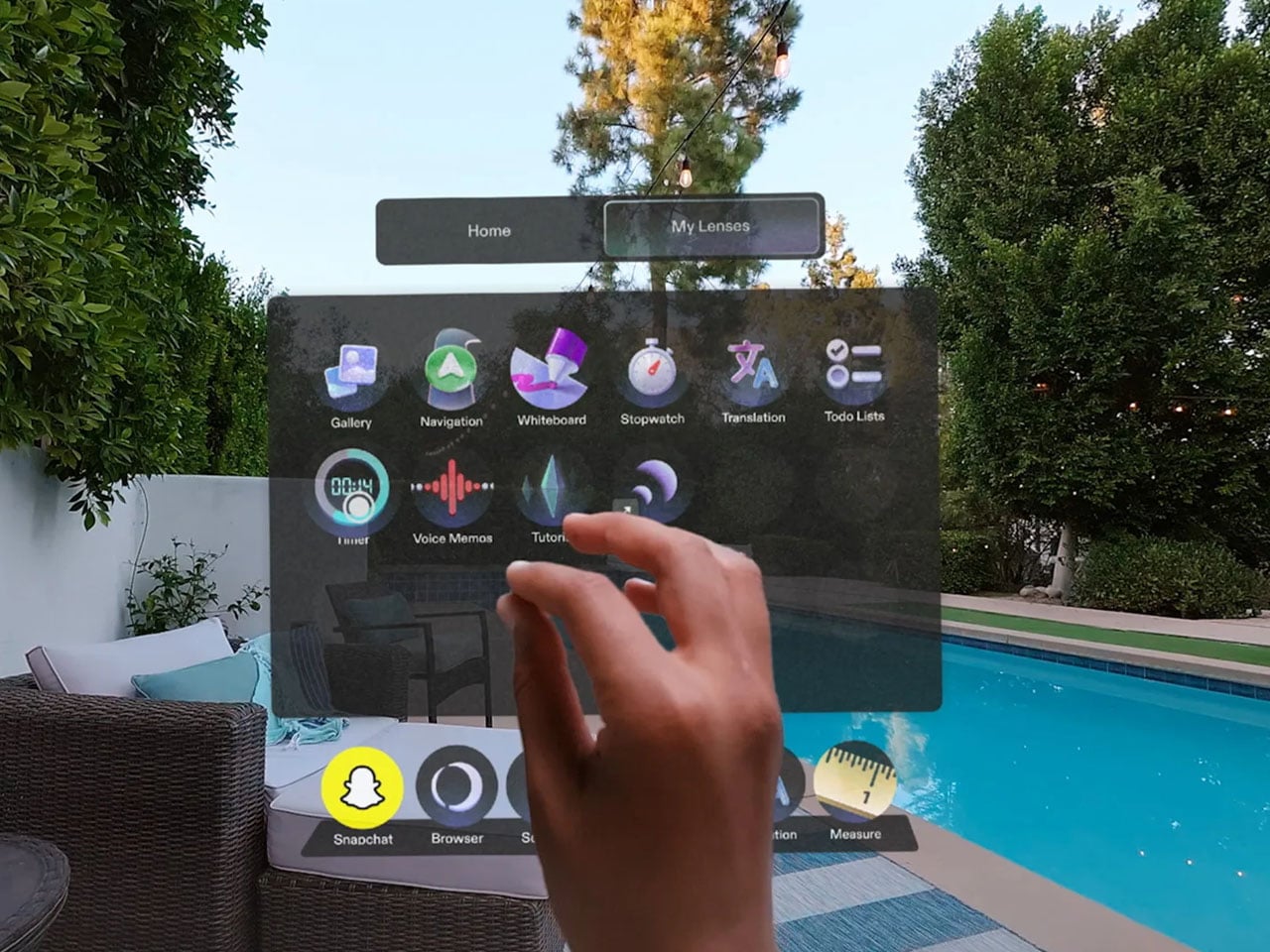
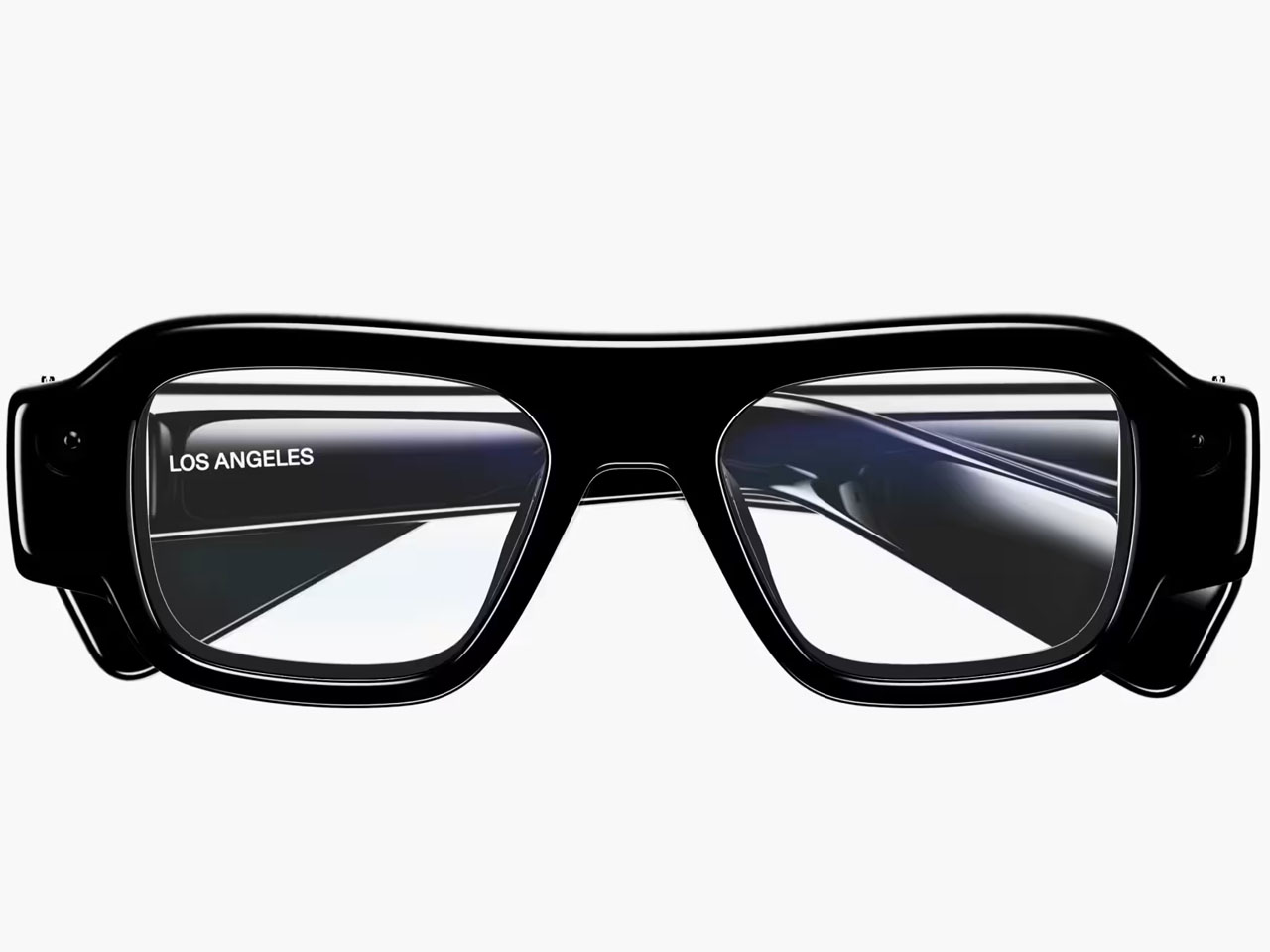
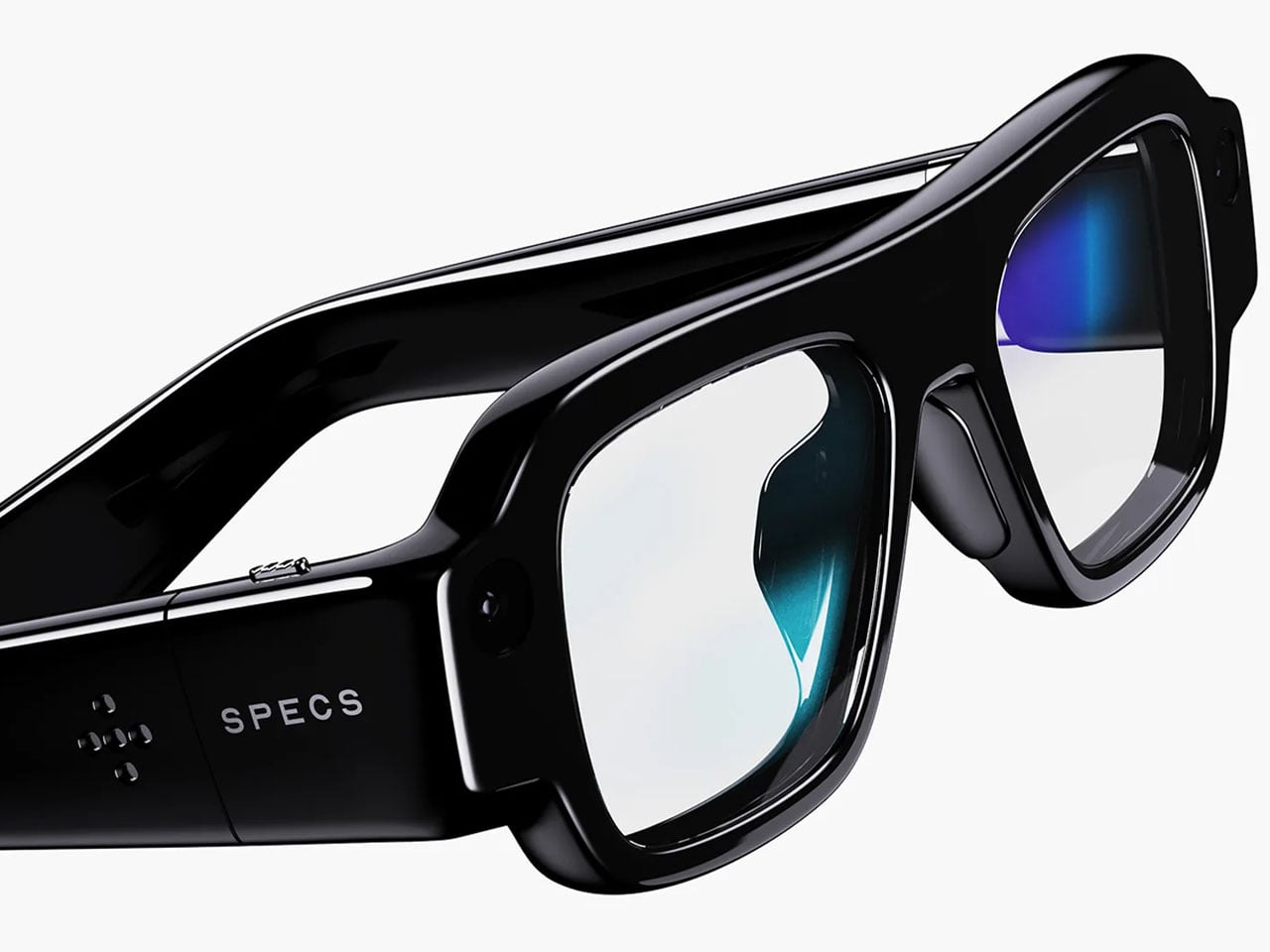
These are SPECS, a pair of fancy frames that are more than just Snapchat-worthy. The glasses employ the SPECS Intelligence AI service to understand the user’s priorities and routines to show only the most relevant information that makes sense at that point in time. Most importantly, the inherent software works well with iOS, and already the preview is available in the US, with the early-access Mac experience soon to follow via an invitation-only model.

Designer: Snap

As I said, the flames are much more than just smart glasses, as they hold their own computational power, letting the developers create unique AR experiences with the Lens Studio. Enterprise partners like NVIDIA, AWS, and Salesforce are already exploring the possibilities for hands-free applications in workspaces and field operations. The AR and the preemptive AI work in conjunction to bring the next level of smart capabilities to the SPECS, much beyond the ability to click hands-free selfies. According to Evan Spiegel, co-founder and CEO of Snap, “Computers should fit into our lives, not the other way around. SPECS Intelligence is designed to help you spend less time managing your life and more time living it.”

Unlike other smart glasses on the market that have 2D notifications and navigation cues, SPECS brings the whole Augmented Reality gamut in front of your eyes. For instance, the Soccer Skills app trains you while dribbling the ball in real-time with directional arrows. But there are limitations as to how real things seem when wearing these glasses, even with the improved 51 degrees FOV. The virtual 115-inch display (supporting 16 million colors) is placed around 10 feet away from the eye to enable non-intrusive translations in 60 languages, a Shopify Catalog of 3D products to shop using just voice commands and hand gestures, as well as stream content from popular services like HBO Max or YouTube. In fact, Snap has struck a partnership to bring the HBO Original Series Harry Potter and the Philosopher’s Stone, premiering on Christmas, to these smart glasses.

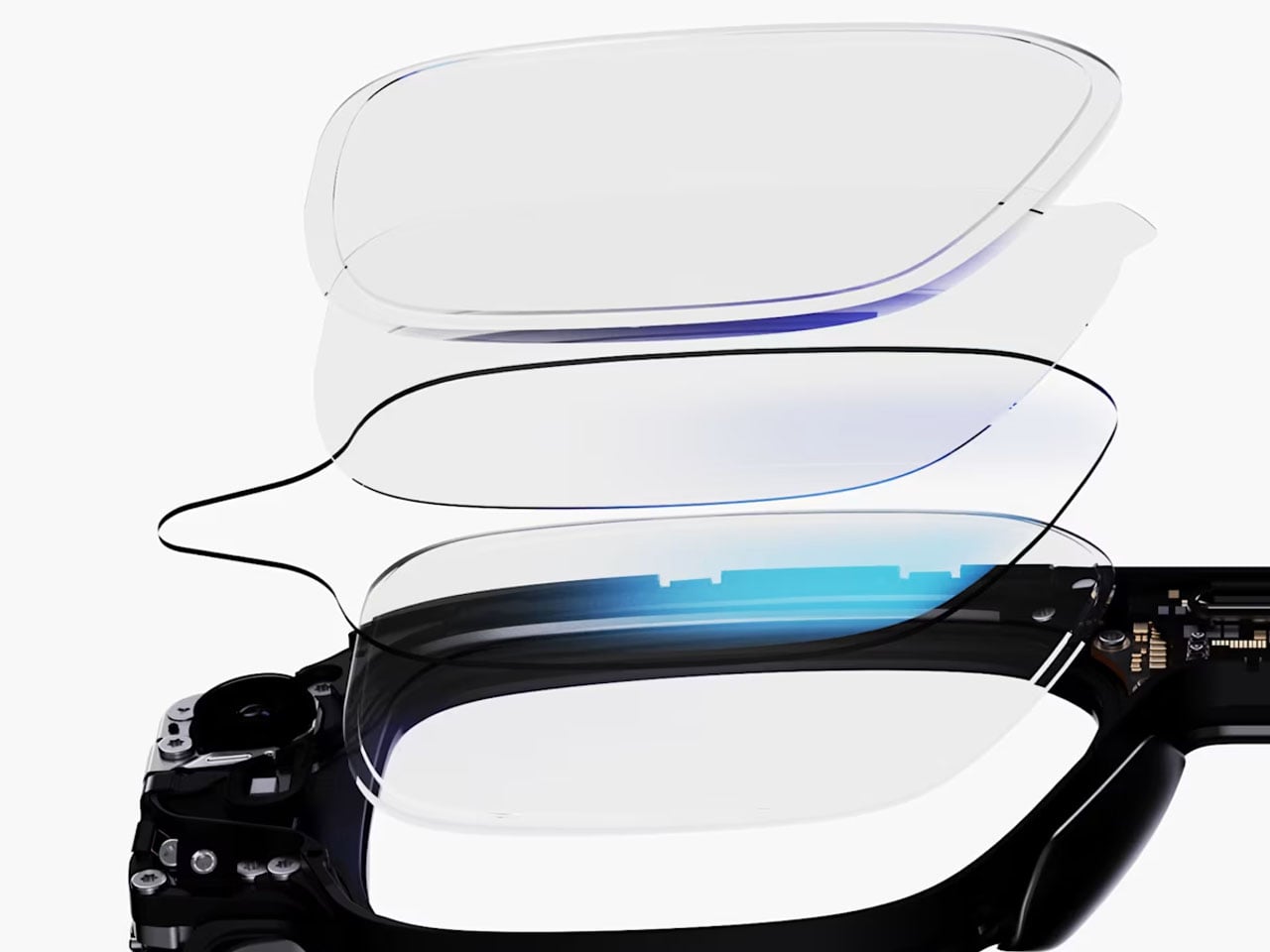
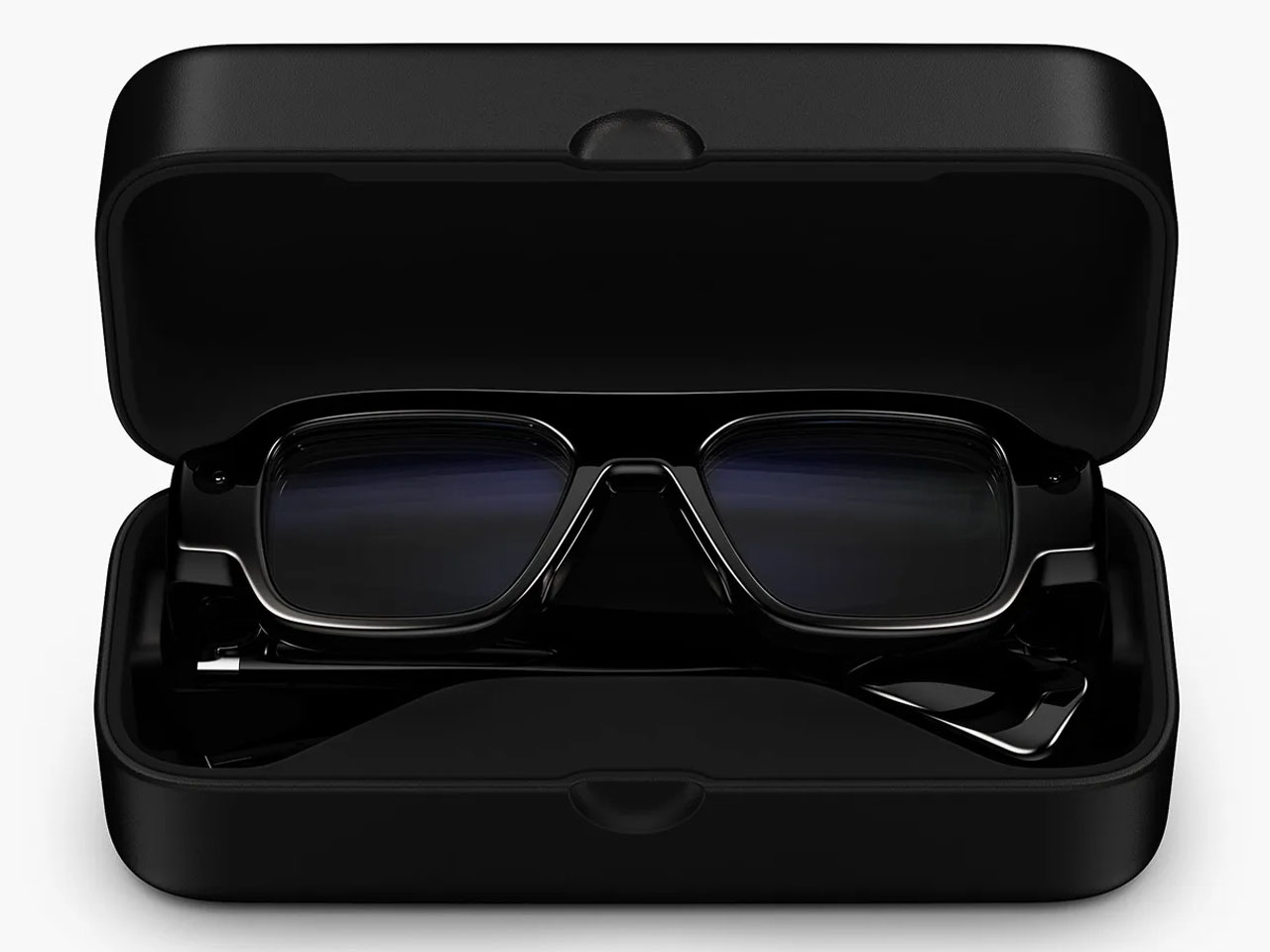
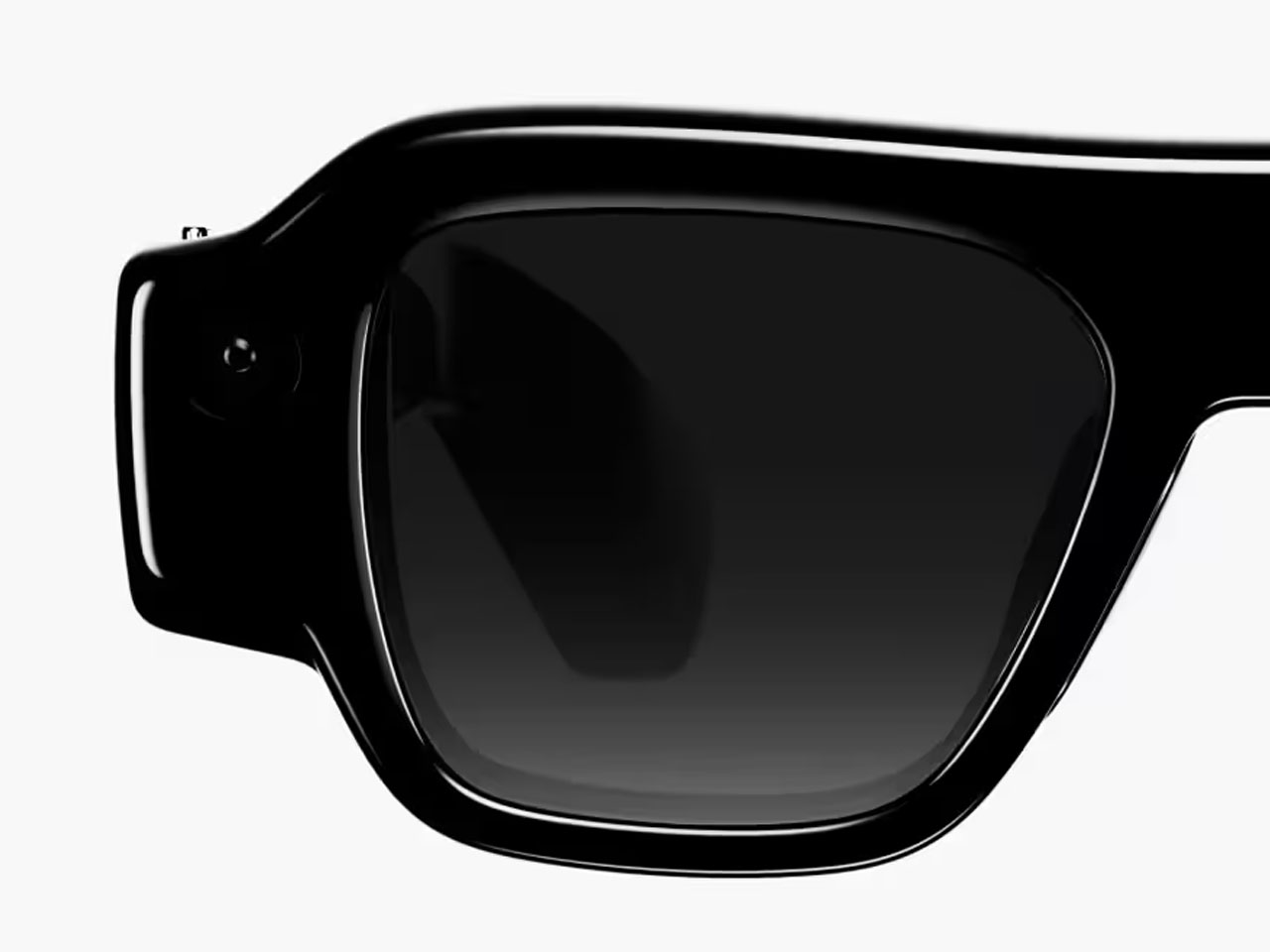
Staying a step ahead in terms of real-world usage, two SPECS can be connected together to share digital experiences in a common physical space. In light of the recent controversies surrounding the smart glasses being used for public recording, Snap says these glasses don’t record the world around you or constantly capture videos. The standalone glasses made from high-performance Swiss TR90 polymer come in two sizes – a 47mm version weighing 132 grams and a 52 mm model weighing 136 grams. For people with a prescription, the glasses support removable inserts. The electrochromic lenses on the glasses boast tinting technology adapted from the Boeing 787 Dreamliner windows to gently shift from clear to tinted in just 10 seconds.

For now, SPECS can be pre-ordered for $2,195 ($200 refundable deposit), and shipping to the US, UK, and France is expected to begin later this year, most likely in time for the holiday season. The augmented reality glasses will also be on display at Westfield Century City on October 1.

The post SPECS standalone AR glasses could undercut VR headsets sans all the bulk first appeared on Yanko Design.

This DIY Computer Build Looks Like a Muppet and Works Like a Real PC

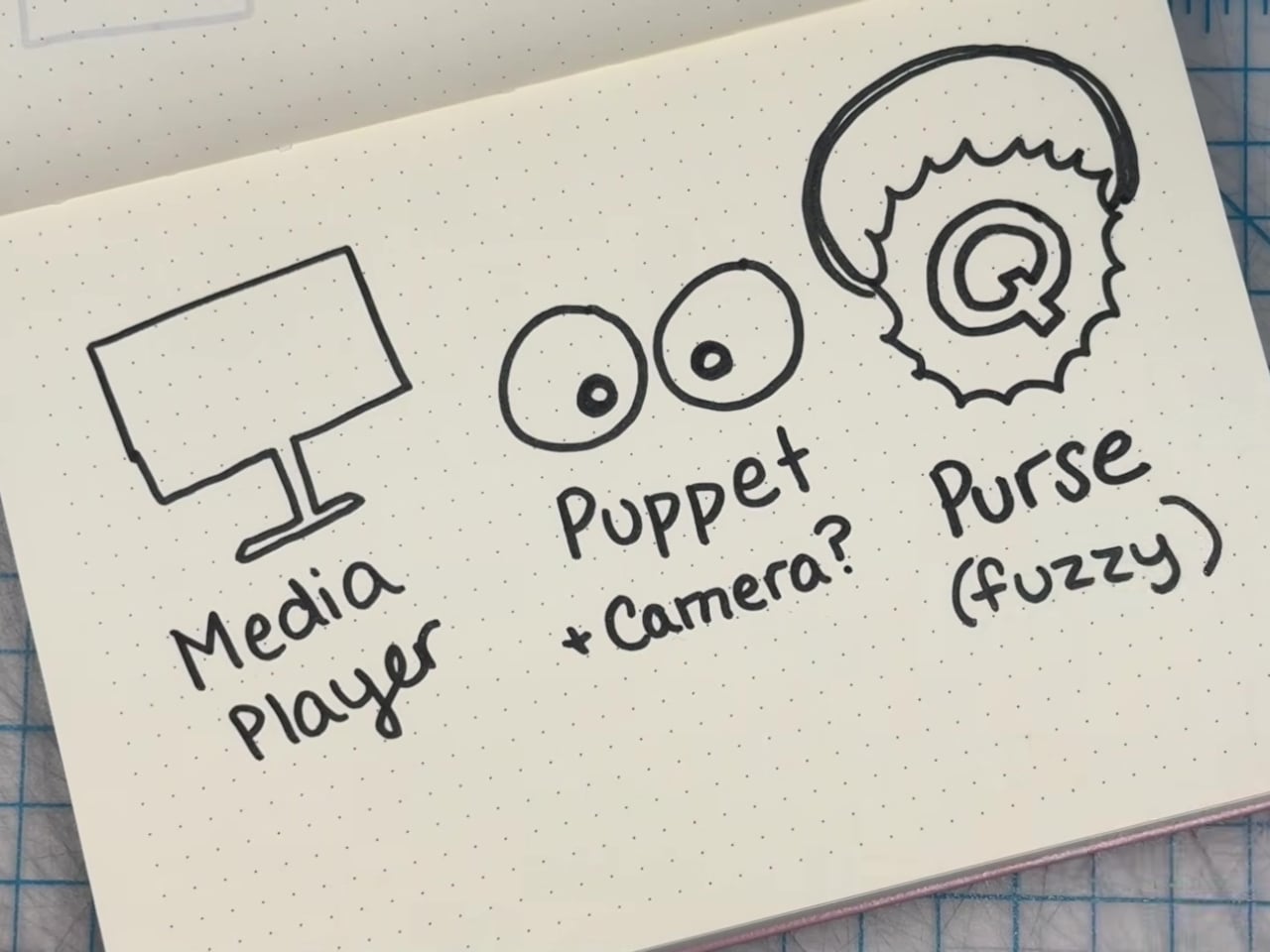
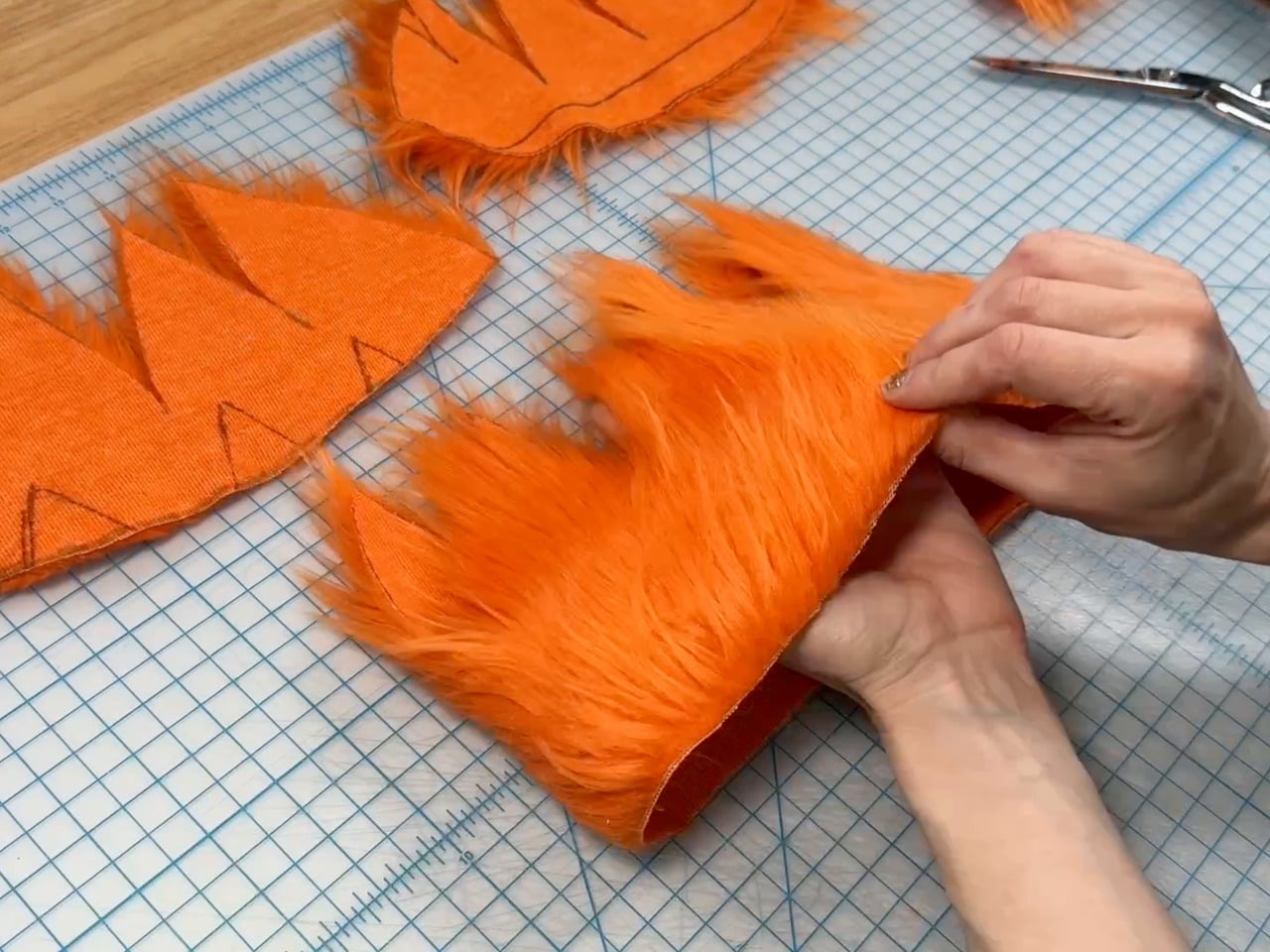
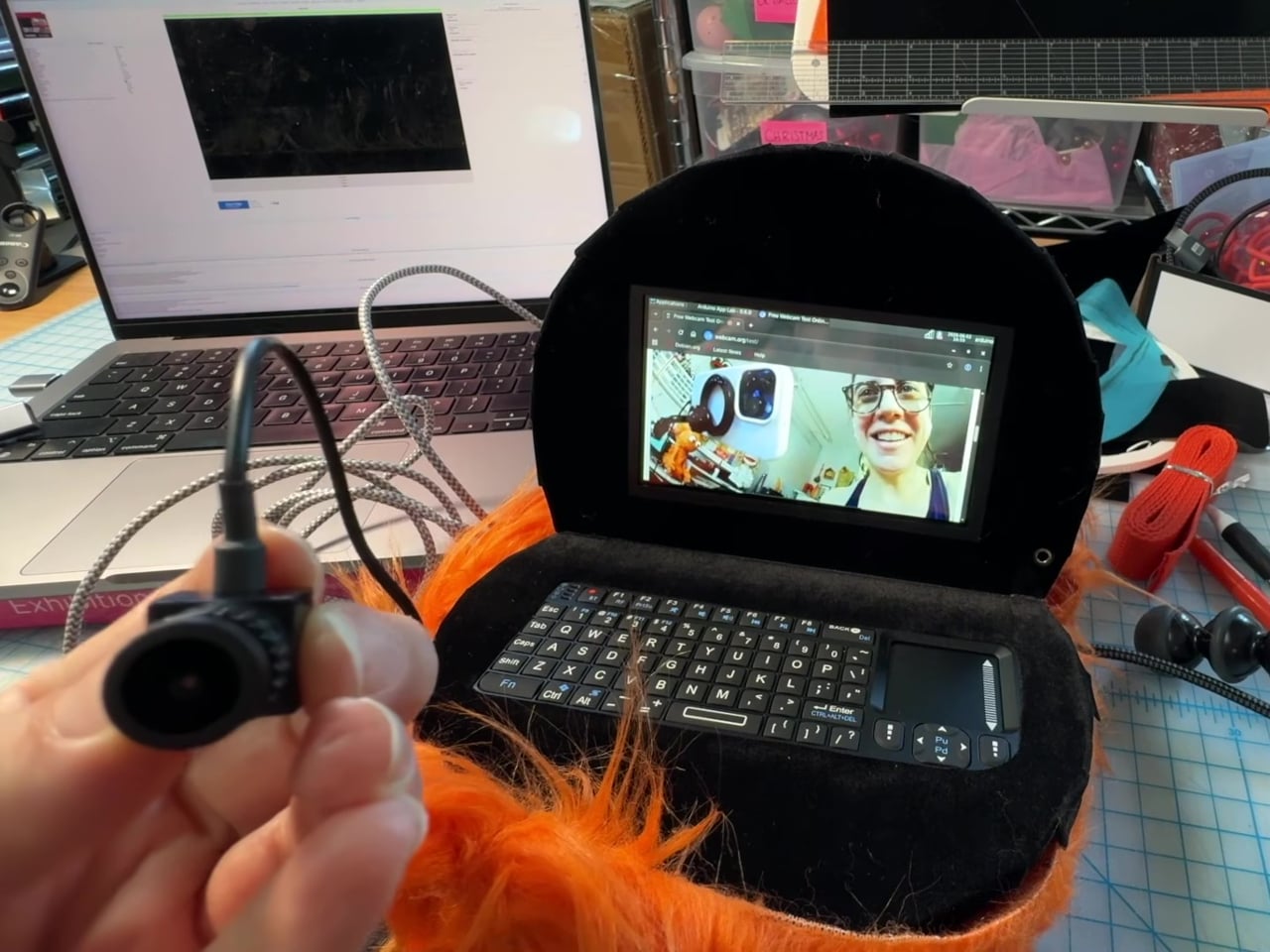
Nearly every DIY computer build chasing the cyberdeck label ends up looking like a prop from a gritty sci-fi film, all exposed wires and grungy metal panels borrowed straight from Neuromancer’s aesthetic playbook. This build ignores that entire tradition on purpose, wrapping a fully functional single-board computer inside a soft, orange, furry puppet head with a mouth that actually opens. It’s a cyberdeck that looks like it wandered off the set of a children’s show instead of a hacker den.

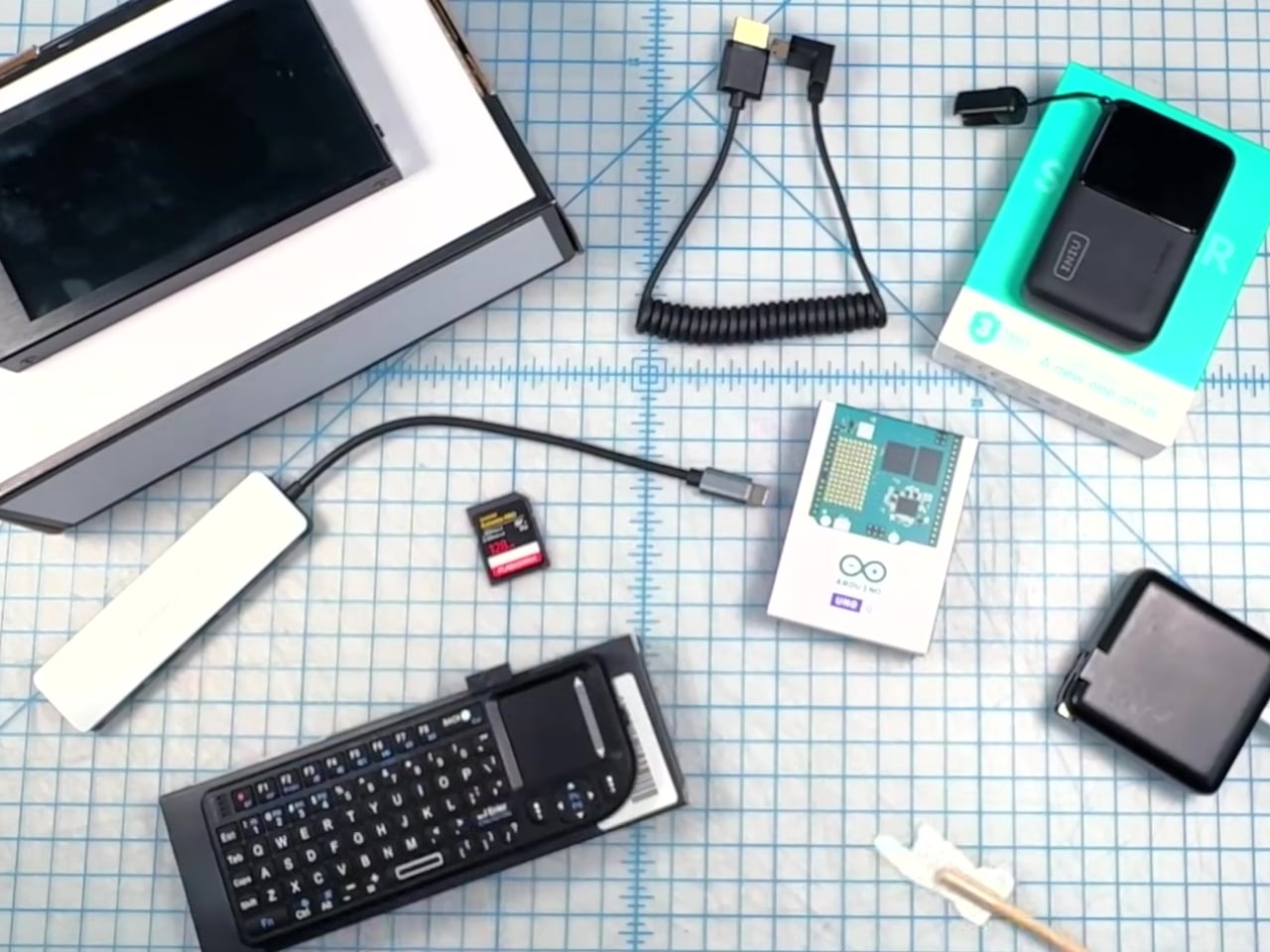
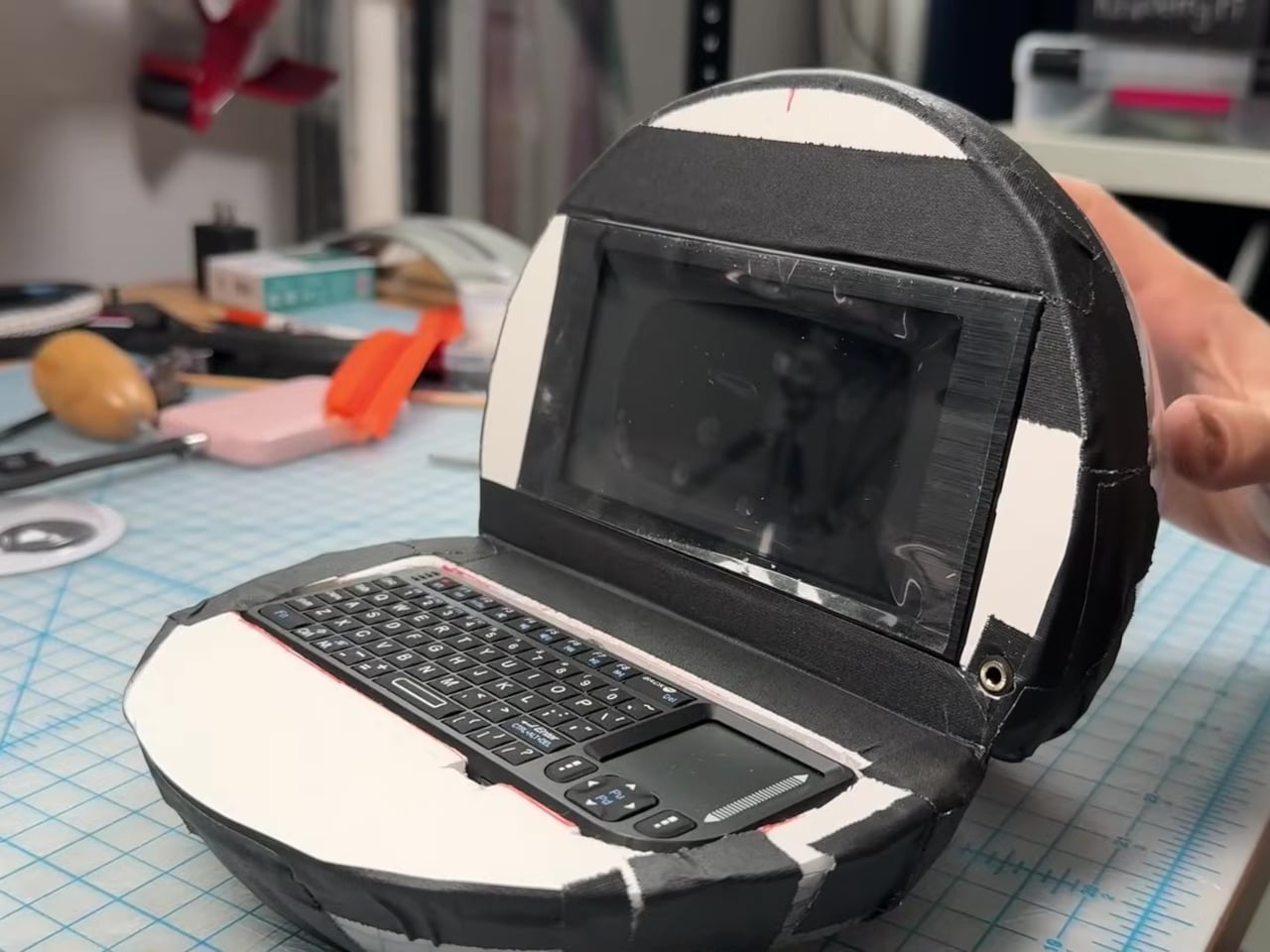
A single-board computer sits at the center of the whole thing, running the Linux side of its chip rather than tapping into the onboard microcontroller some builders use to drive servo motors. That decision kept the mechanics simple. A 5-inch HDMI screen handles the display duties, paired with a compact Bluetooth keyboard and touchpad combo for actual typing, while a USB battery bank keeps the entire rig running without hunting for an outlet mid-performance.

Designer: Natasha Dzurny

A webcam tucked into the build adds a function most puppets never get, letting its creator record herself running an actual puppet show through the lens mounted somewhere in that fuzzy head. That’s the kind of detail that turns a novelty prop into something genuinely useful for someone practicing puppetry, since reviewing your own performance afterward is a lot easier when the camera is already part of the puppet doing the performing.

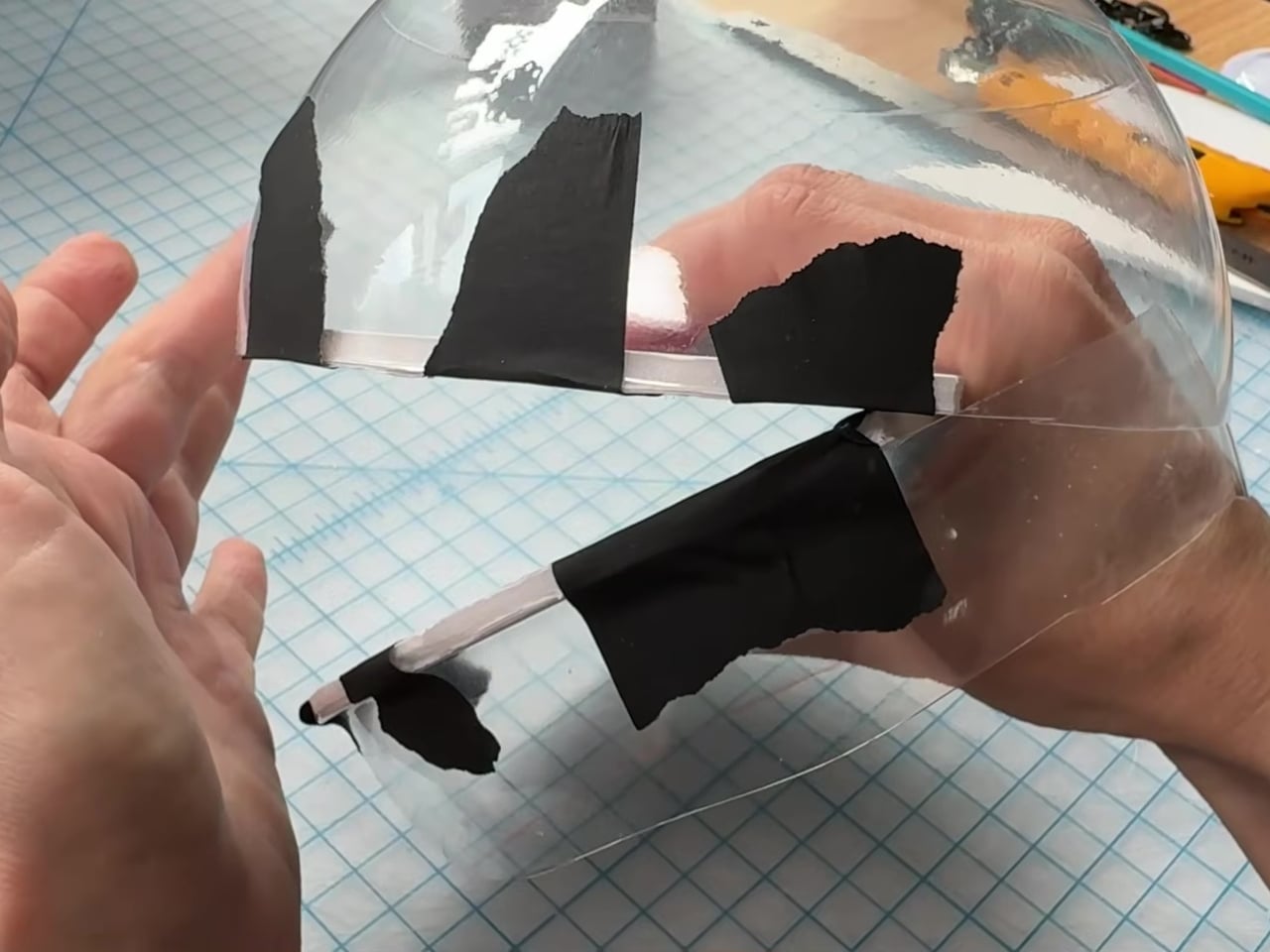
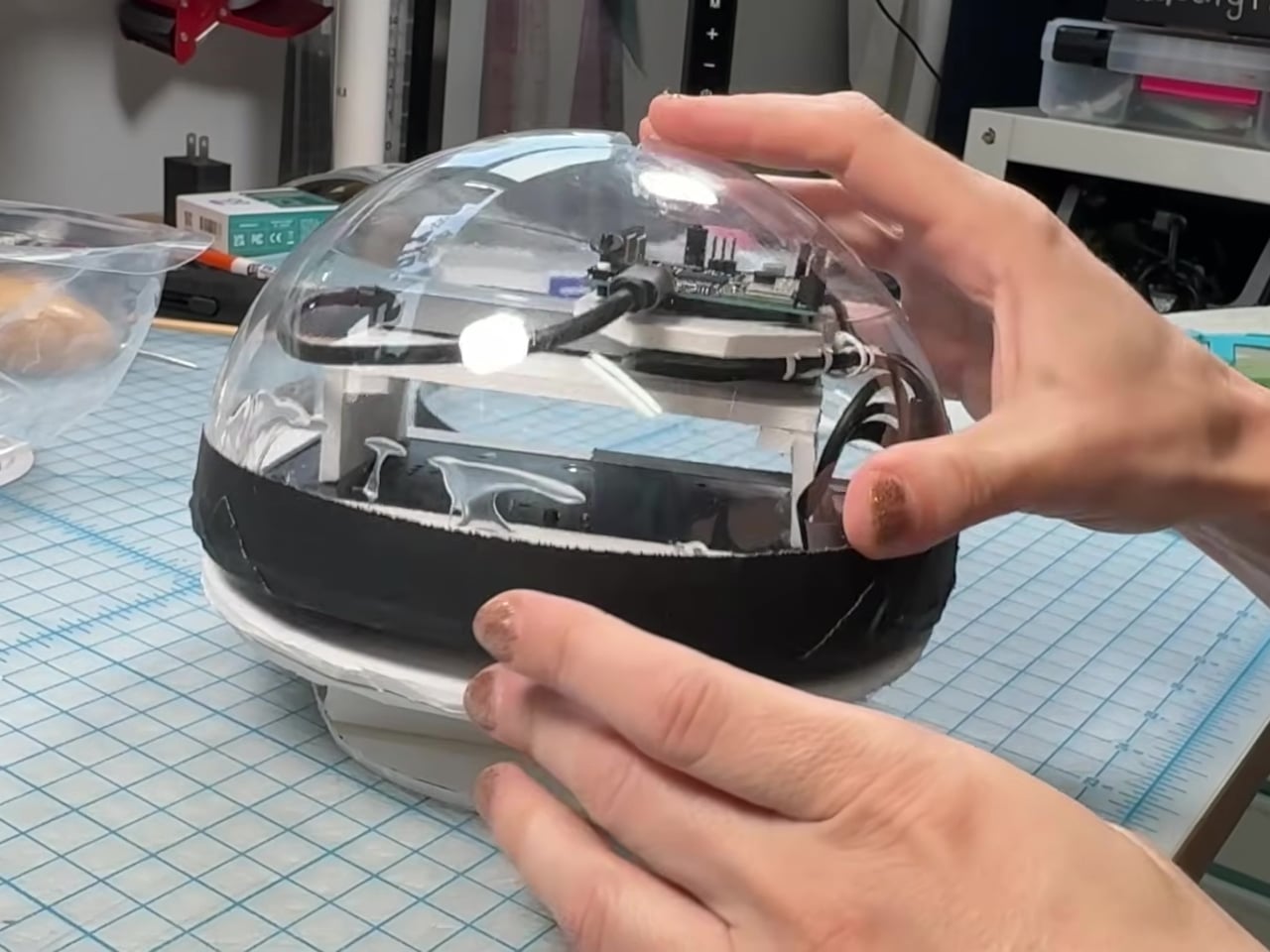
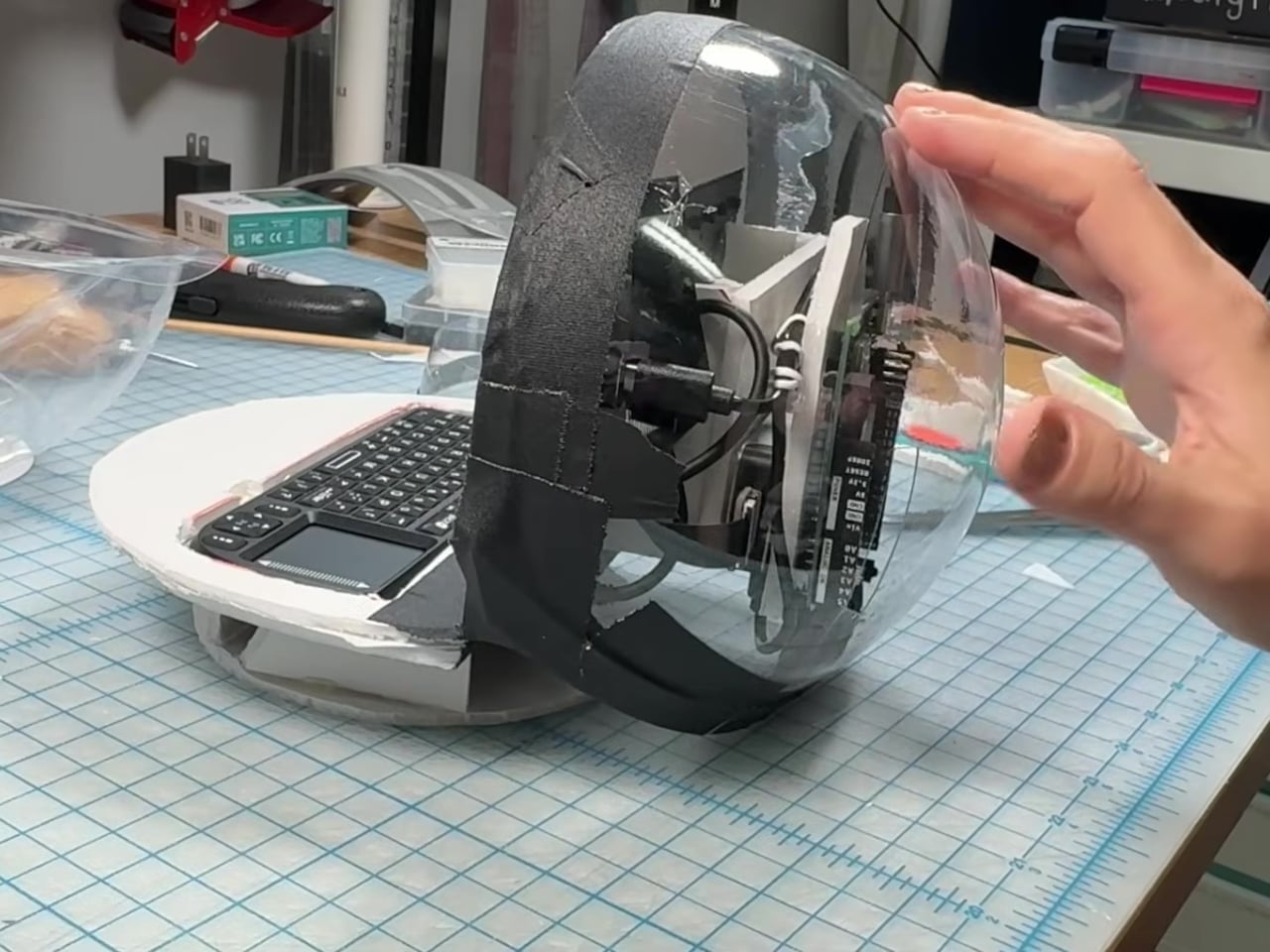
Getting all that hardware to fit inside a rounded puppet skull took real spatial planning rather than just stuffing components wherever they’d squeeze in. The head itself started as a spherical mold, cut into two halves specifically so the mouth could open and close during a performance. A frame built inside that sphere anchors the electronics in place, giving the soft fur exterior something rigid to hold onto underneath all that plush material.

Fitting a human hand inside the same space the electronics occupy created its own puzzle, since puppeteering requires room for fingers to move the mouth while the board, screen wiring, and battery pack all compete for that same interior volume. A mounting platform above the hand cavity solved that conflict, giving the electronics their own dedicated shelf instead of floating loose around whatever space a puppeteer’s fingers happened to need that day.

Small engineering choices reveal how seriously the functional side of this build got treated despite the whimsical shell around it. The board itself sits on a piece of foam board rather than glued directly to the frame, which keeps adhesive away from sensitive components while also helping dissipate heat that would otherwise build up inside an enclosed, fur-covered space. A modified stereo jack even gets its own reinforced pocket near the mouth so headphones can plug in without disrupting the puppet’s face.

None of that hidden engineering shows once the fur and the big cartoonish eyes go on. What’s left looks entirely harmless, friendly enough to hand to a kid, right up until someone notices it also streams video, plays media, and somehow doubles as a bag you can carry over one shoulder. That kind of layered function inside a shape nobody would ever suspect is exactly what makes a build like this worth remembering.

The post This DIY Computer Build Looks Like a Muppet and Works Like a Real PC first appeared on Yanko Design.

Holy Moly Is the Swiss Army Knife of Flat-Pack Furniture Hardware

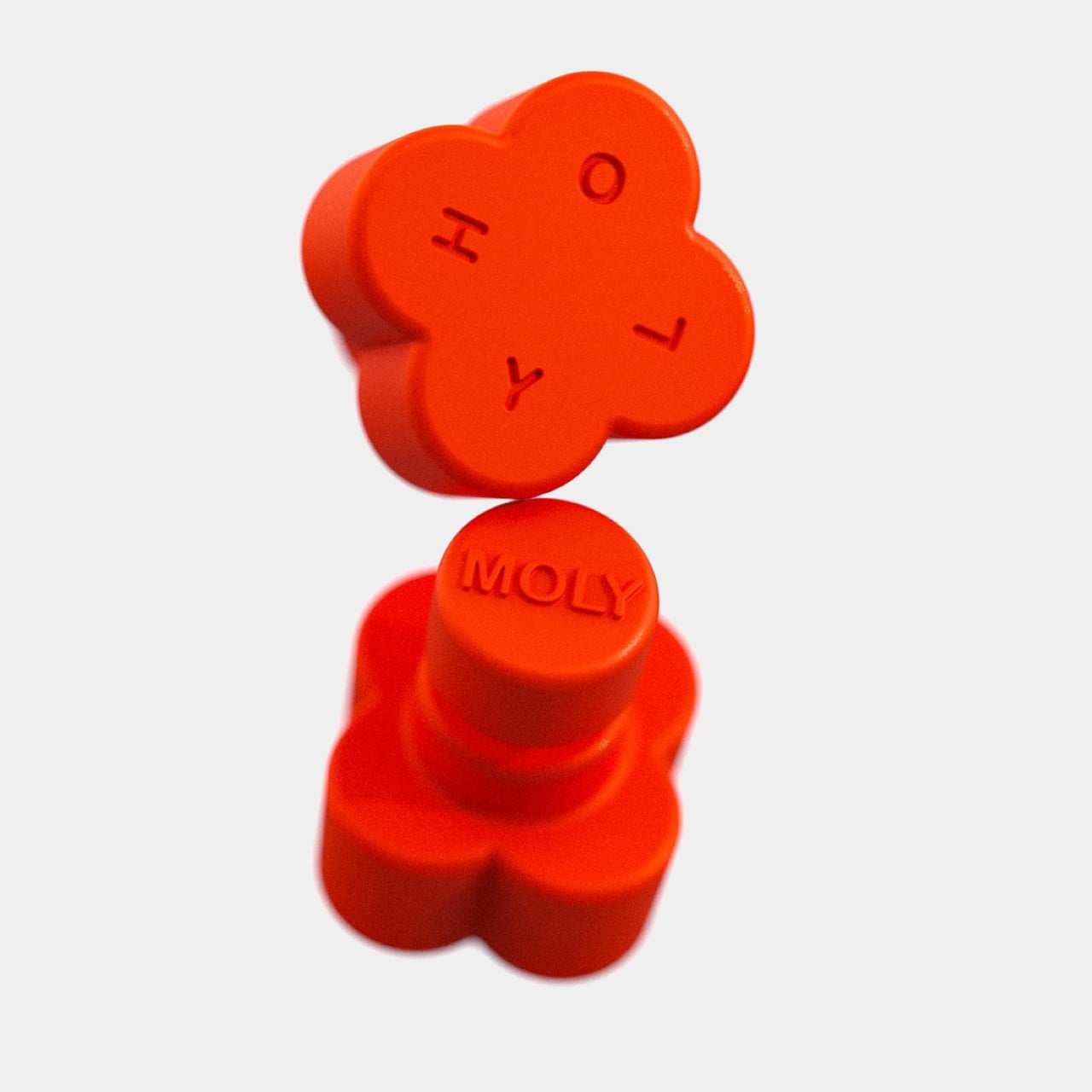
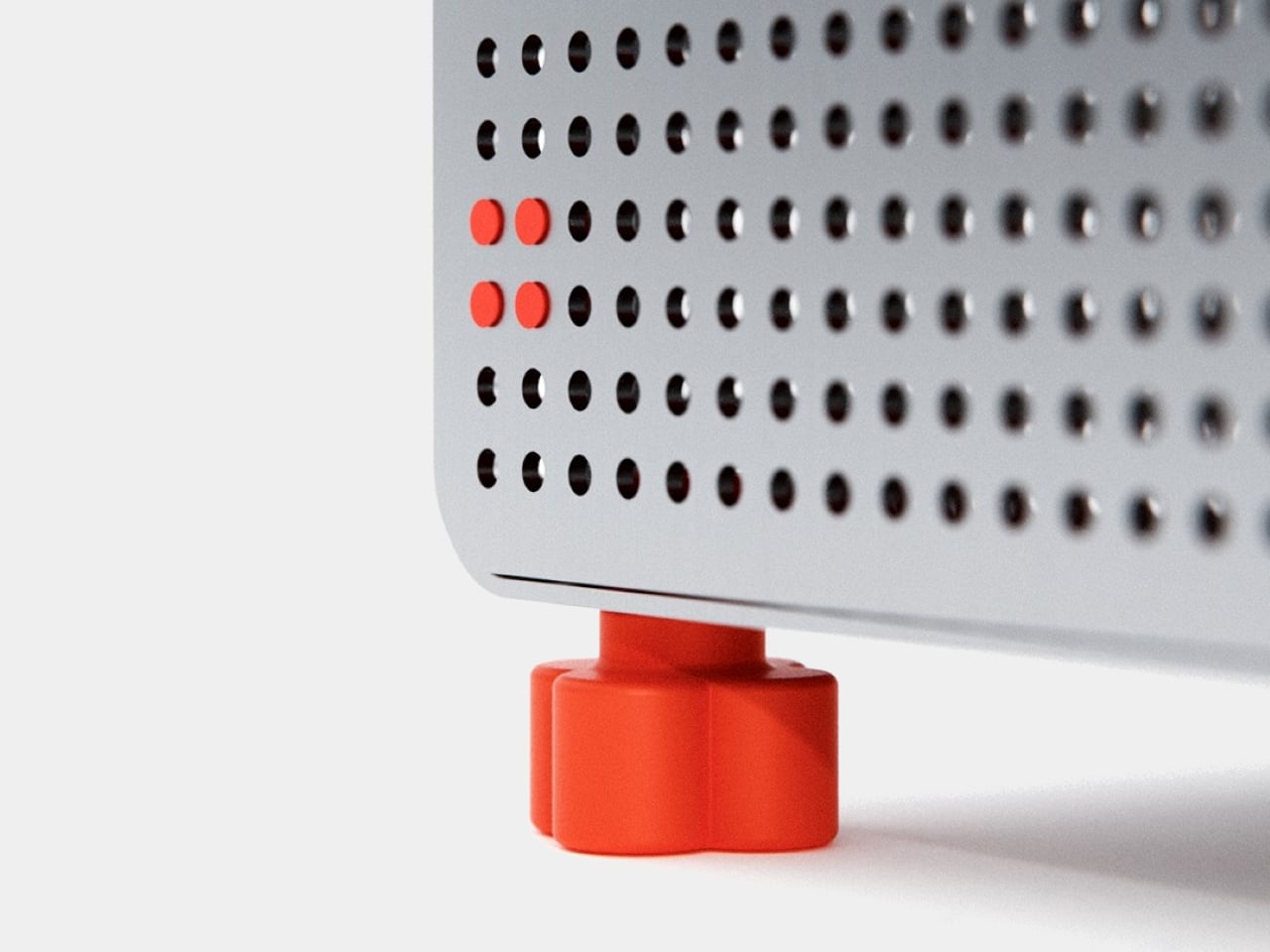
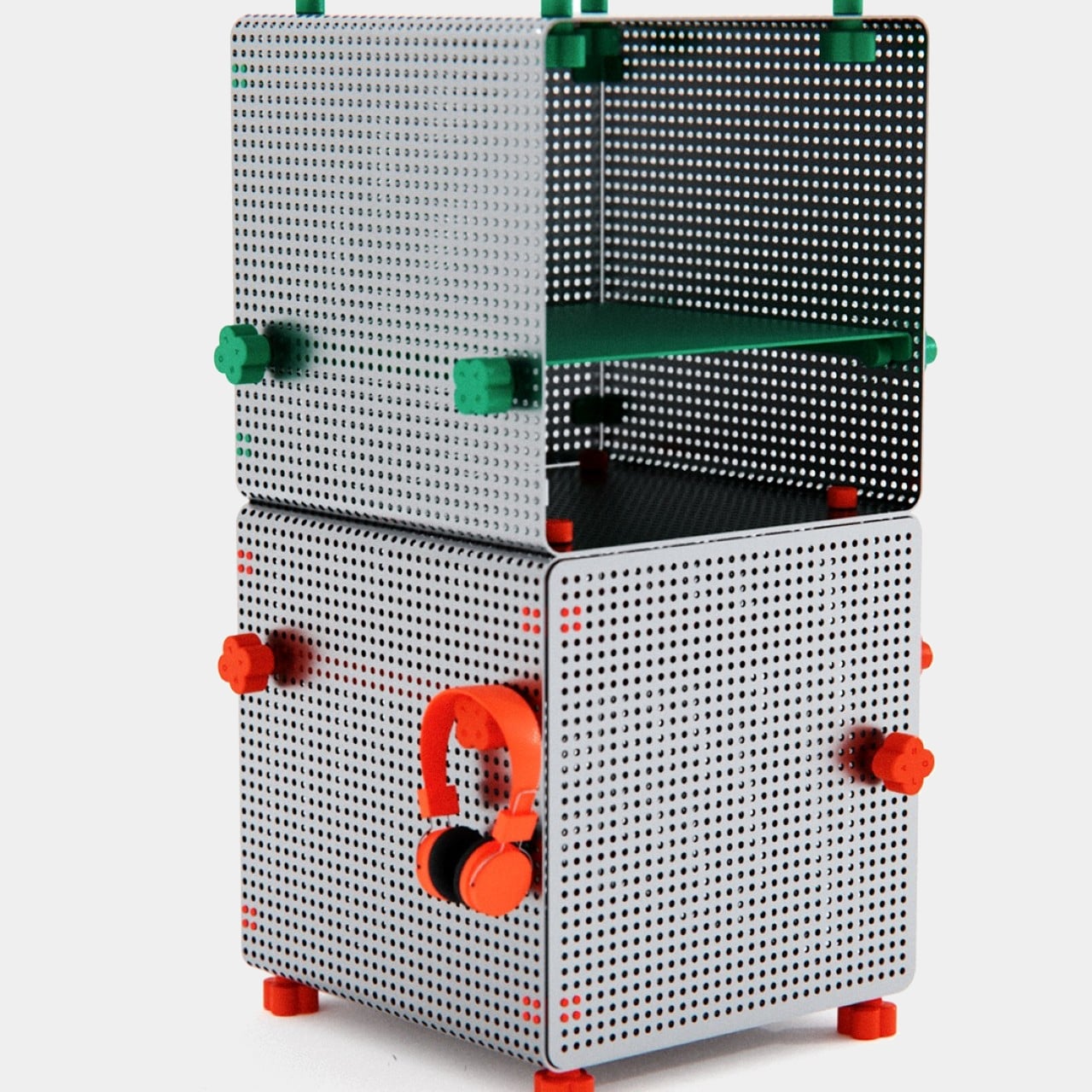
Most flat-pack furniture ships with a plastic bag full of different screws, dowels, and brackets, each one doing exactly one job and nothing else. The Holy Moly Cabinet throws that entire parts bag away in favor of a single connector, a clover-shaped orange fitting that turns into a door pull, a leg, a hinge, and a shelf bracket depending on where it gets mounted. One piece of hardware ends up doing the work an entire drawer of assorted fasteners usually handles.

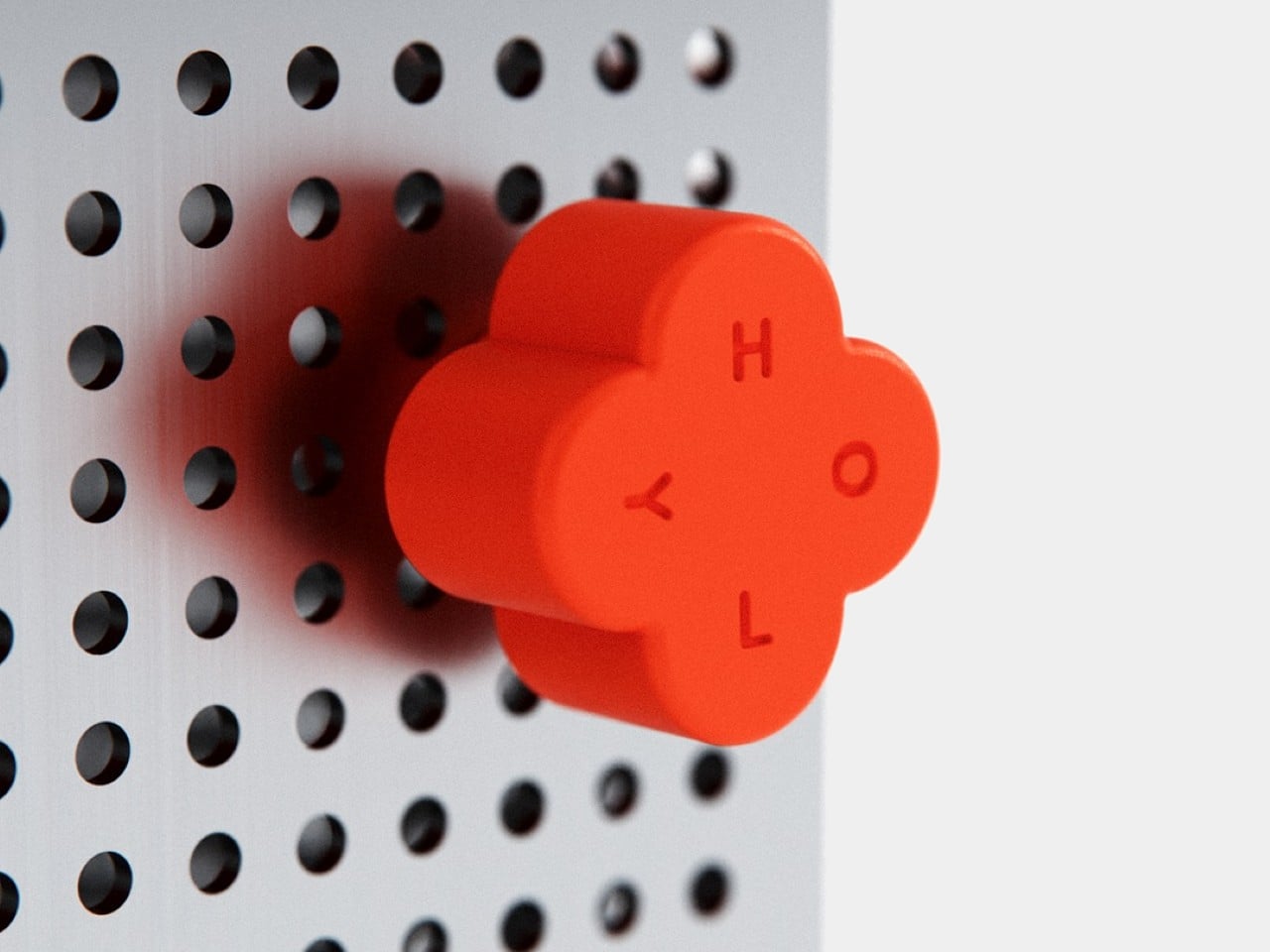
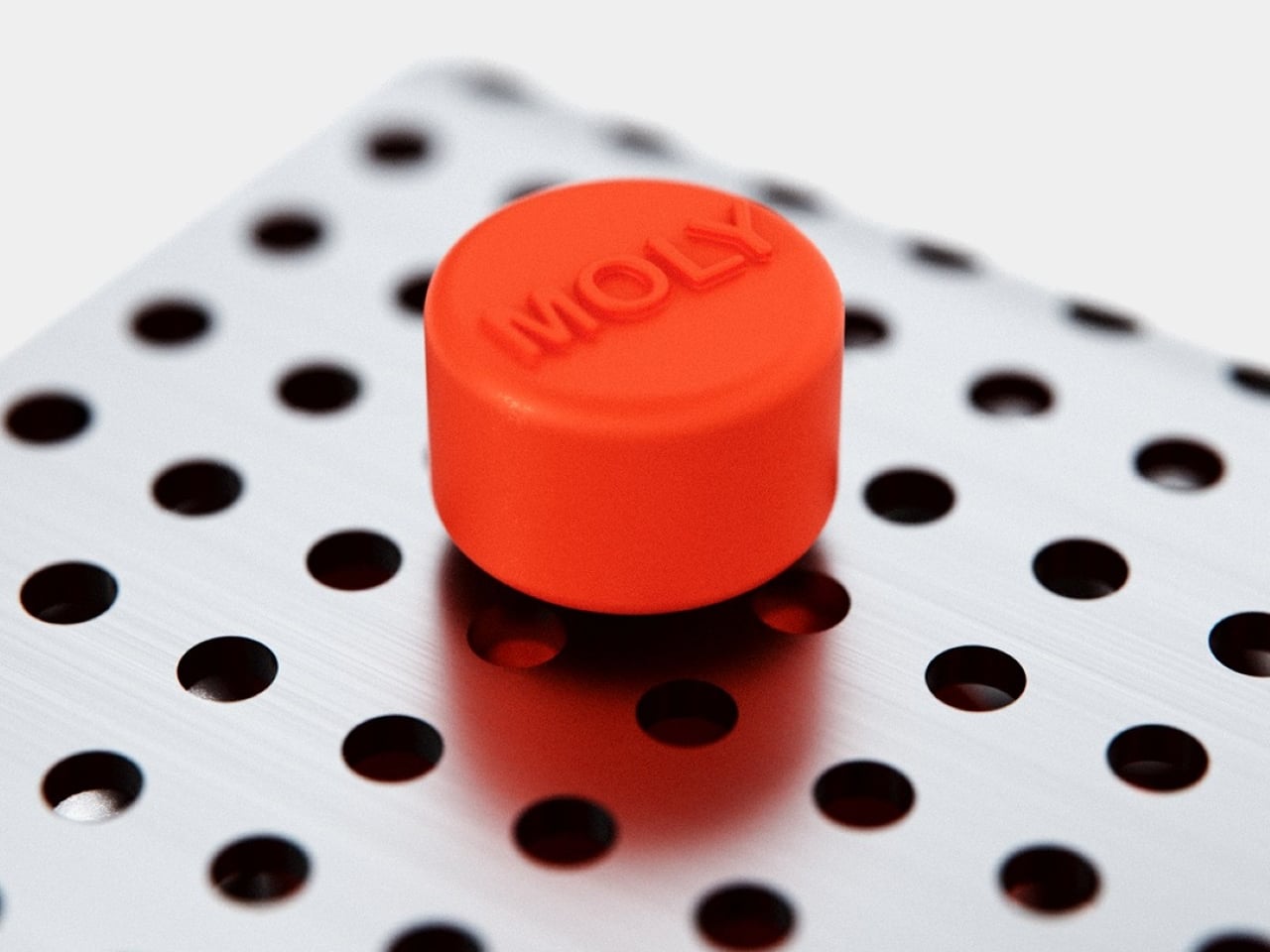
That fitting splits into two halves that snap together, and the design team baked its own name directly into the plastic rather than printing it on a box. The clover-shaped cap reads “HOLY” across its four petals, while the cylindrical stem underneath reads “MOLY” on its flat face. Pull the two apart, and the joke becomes obvious. Screw them together, and the joke disappears into a working piece of furniture hardware.

Designer: Liam de la Bedoyere (boredeye.design)

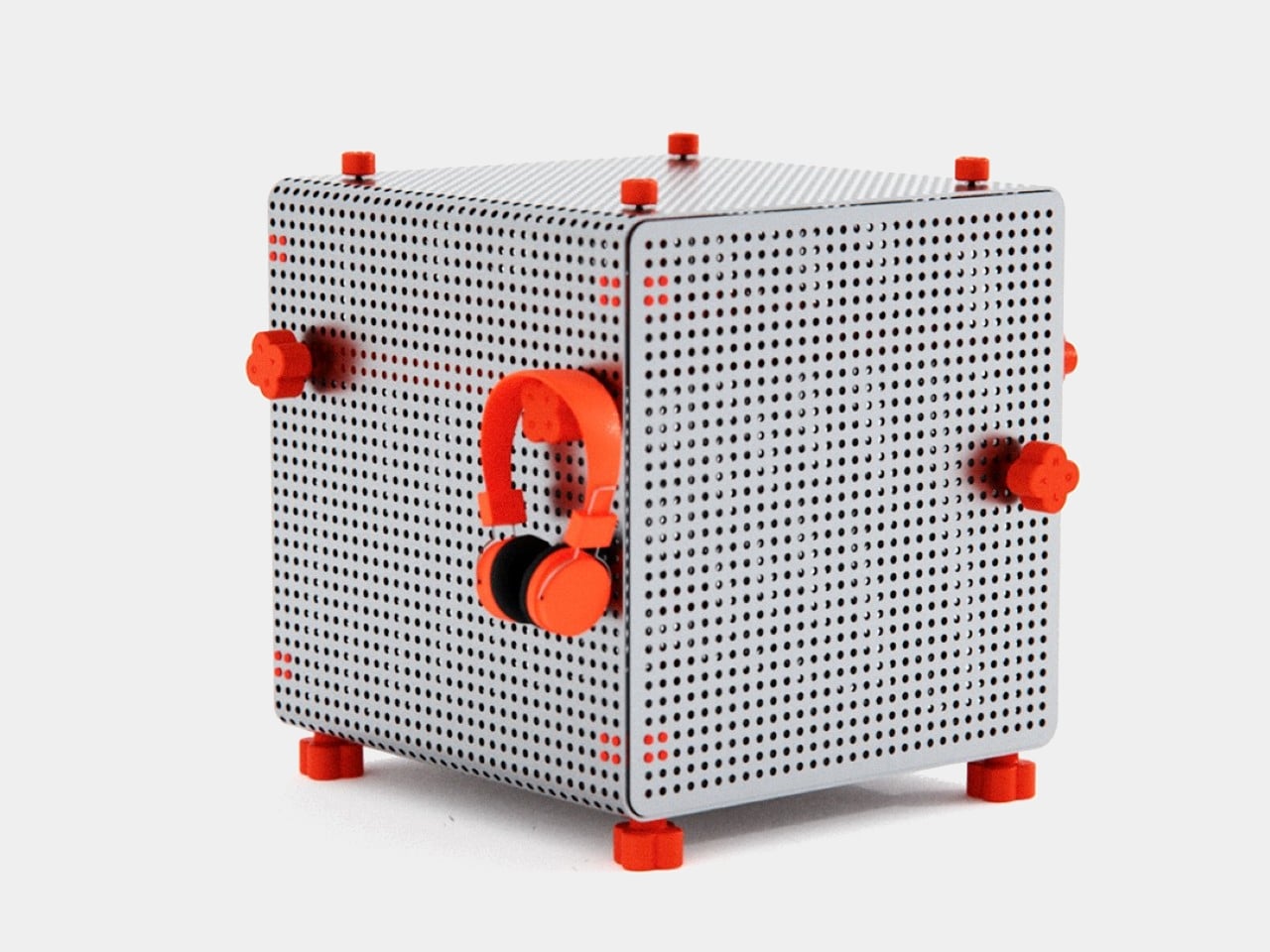
Every visible surface of the cabinet is a perforated steel panel, the kind of dense hole grid you’d expect on a pegboard rather than a piece of furniture. That choice turns the entire body into a mounting surface rather than just four solid walls, since the same connector can thread into practically any hole depending on where a shelf, a foot, or a door needs to land. Nothing about the placement is fixed once the manufacturing is done.

Standing the cabinet on its own four fittings turns it into a compact cube barely bigger than a nightstand, complete with a door pull mounted flush against the front panel and enough clearance underneath for airflow. Add a second cube on top using the same connectors at the seam, and the whole unit doubles in height without needing a different set of parts for the taller version. Scaling up means reordering the same hardware, not redesigning the furniture.
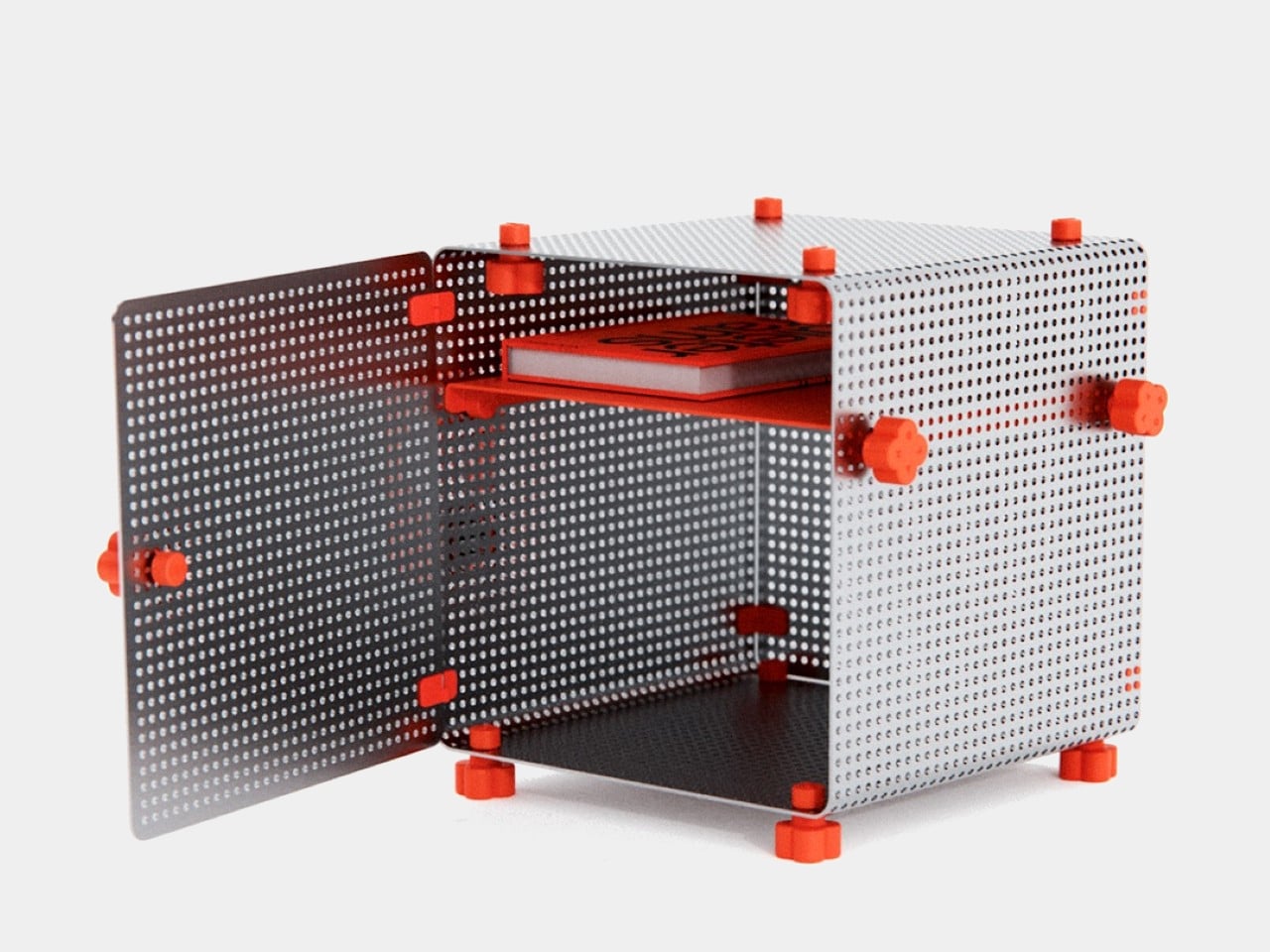
A shelf slots inside using that identical connector logic, locking into whichever row of holes puts it at the right height for whatever needs storing, whether that’s a stack of books or something taller that needs more headroom below it. Because the perforated steel body is the mounting surface everywhere, that shelf can move up or down later without drilling a single new hole or buying a different bracket to match a new position.

The perforation earns its keep beyond just anchoring the fittings. A pair of headphones hooks directly into the holes near the front panel with nothing extra required, treating the cabinet’s skin as a hanging surface the same way a pegboard in a garage holds tools. That’s a function most cabinets never offer, since a sealed door front usually has nowhere for anything to grab onto.

Reducing a whole cabinet’s hardware down to variations on one connector isn’t just a manufacturing shortcut. It changes how a piece of furniture ages in someone’s home, since a cracked foot or a worn door pull can be swapped using the exact same part sitting in a spare parts drawer, rather than hunting down a discontinued bracket from a company that stopped making that model years ago.

The post Holy Moly Is the Swiss Army Knife of Flat-Pack Furniture Hardware first appeared on Yanko Design.