Meta VR Glasses Beat the Snap SPECS with an 88-Degree FOV

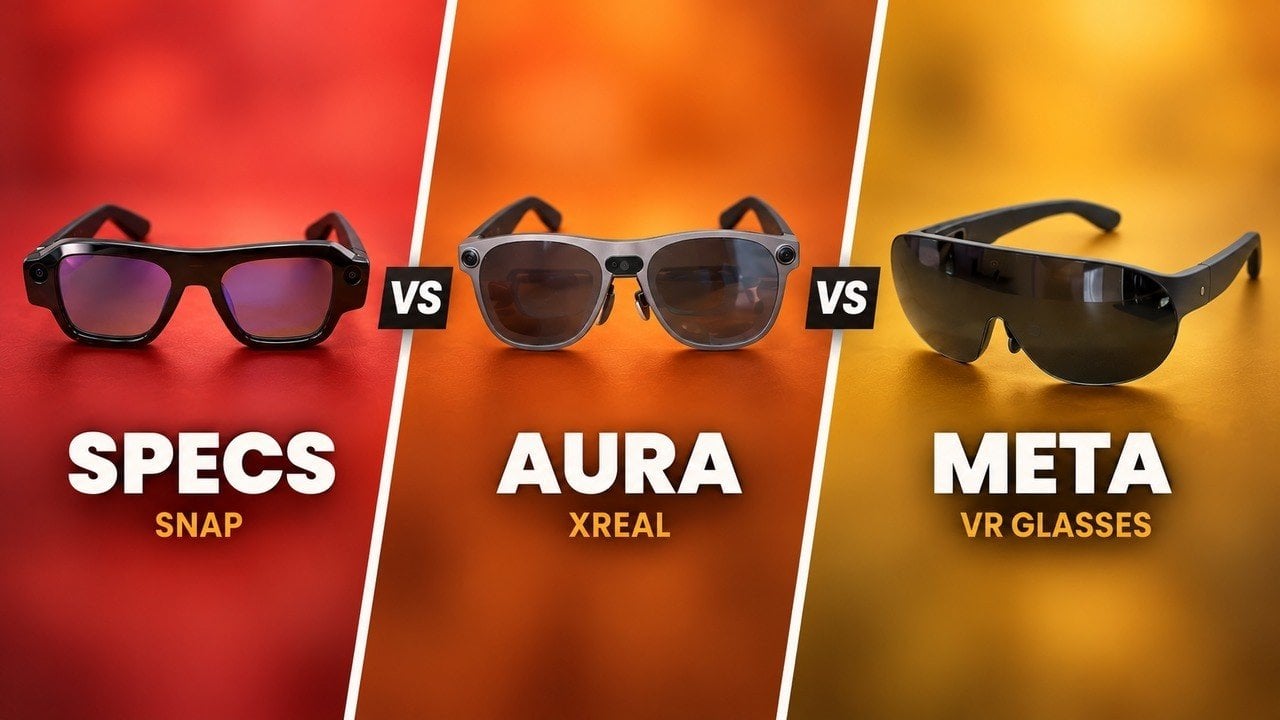
Meta VR Glasses Beat the Snap SPECS with an 88-Degree FOV A side-by-side comparison of the Meta, XREAL, and Snap wearable devices.

The Meta VR Glasses, XREAL Aura and Snap SPECS each take a unique approach to wearable augmented and virtual reality devices, balancing portability, functionality and comfort in different ways. Cas and Chary XR highlight that the Snap SPECS prioritize portability with a fully self-contained design, though this can impact comfort during prolonged use. In contrast, […]

The post Meta VR Glasses Beat the Snap SPECS with an 88-Degree FOV appeared first on Geeky Gadgets.

Posted in Uncategorized

Flashback One75: Film-Camera Rituals Without the Film Bills

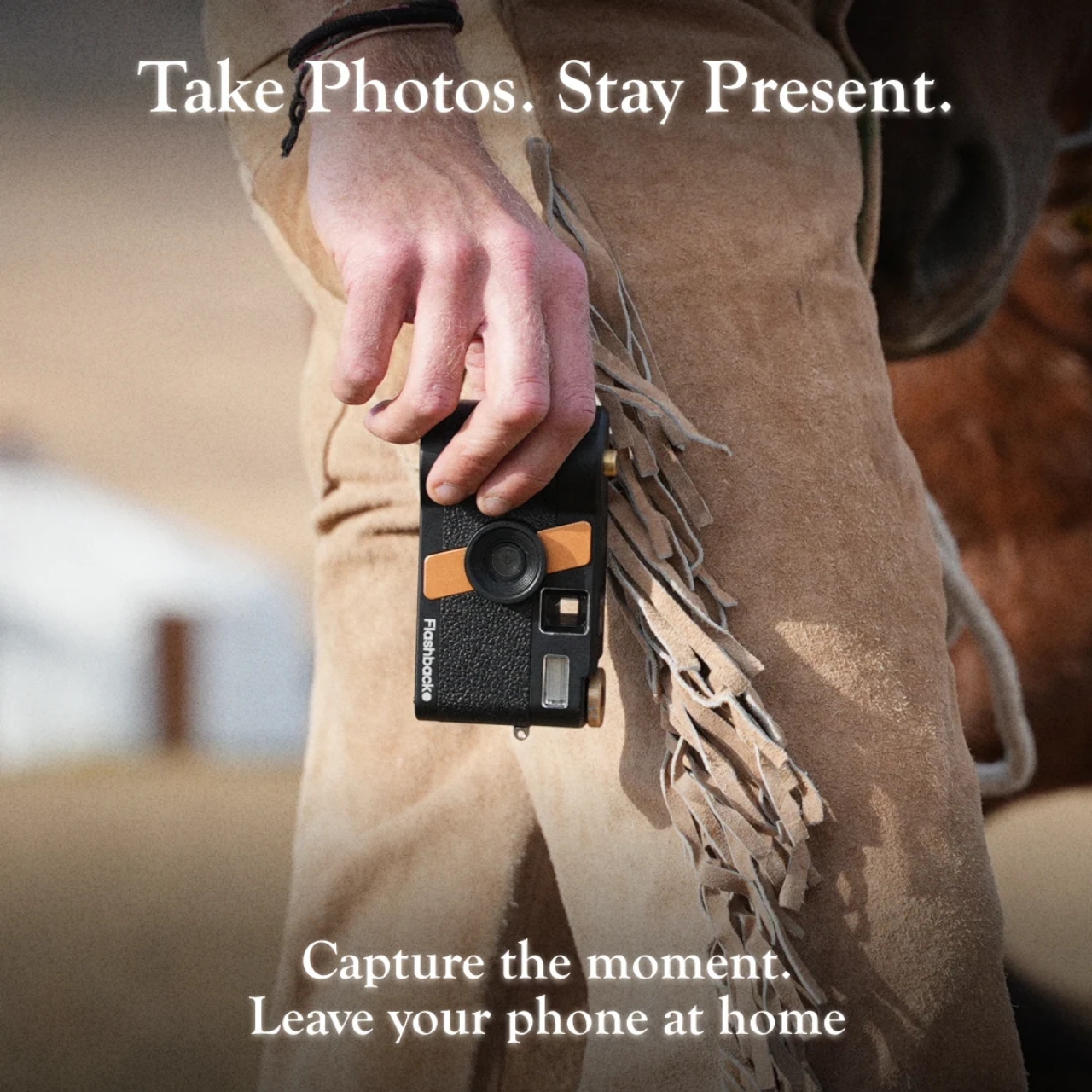
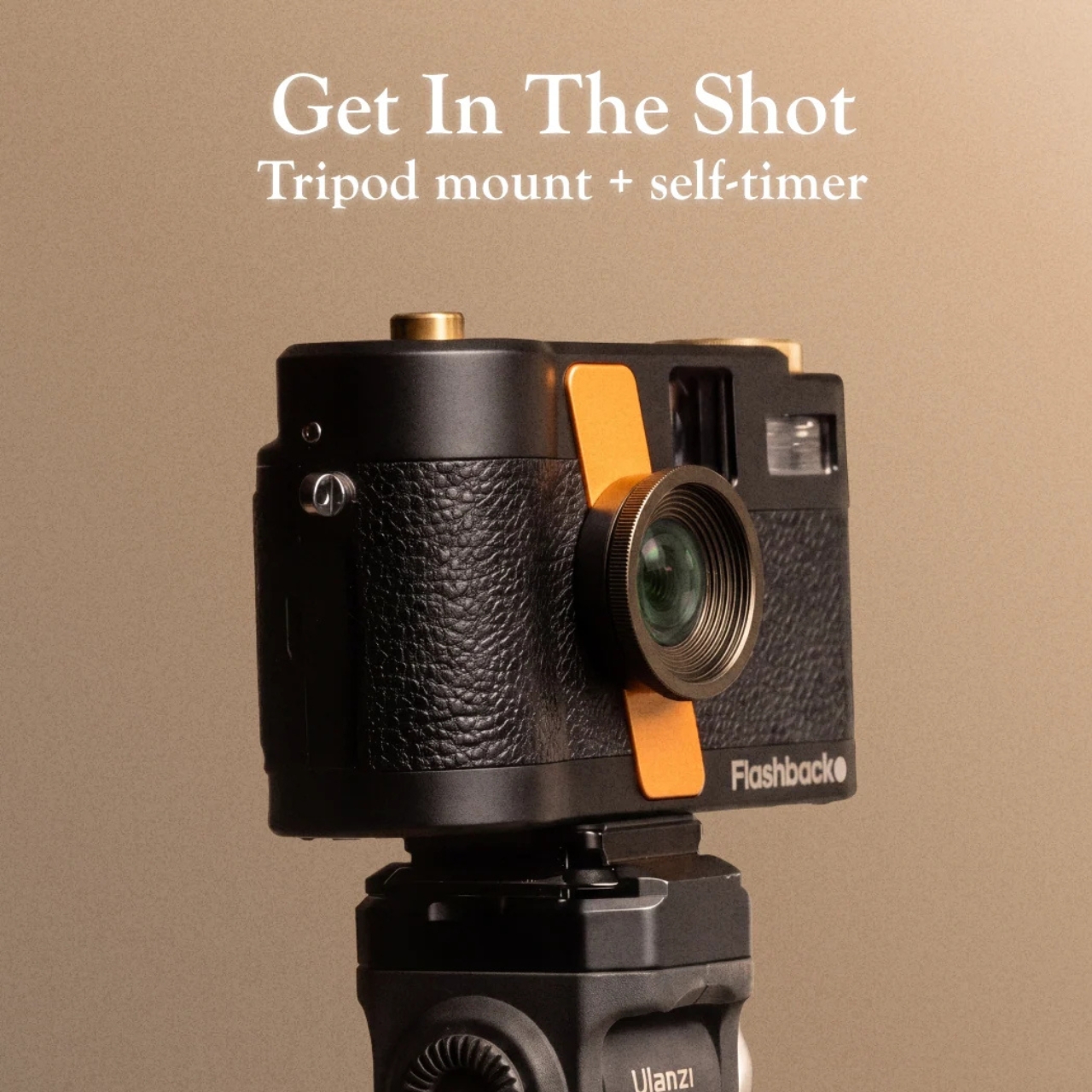
The picture’s taken, but the moment isn’t over until someone checks it, requests another, and decides the first one was better. That little approval loop is the problem Flashback’s One75 is trying to sidestep. Available to preorder for $179, the digital point-and-shoot removes the photo preview and borrows the rituals of a film camera. I like the premise: taking a picture shouldn’t always require an immediate verdict.

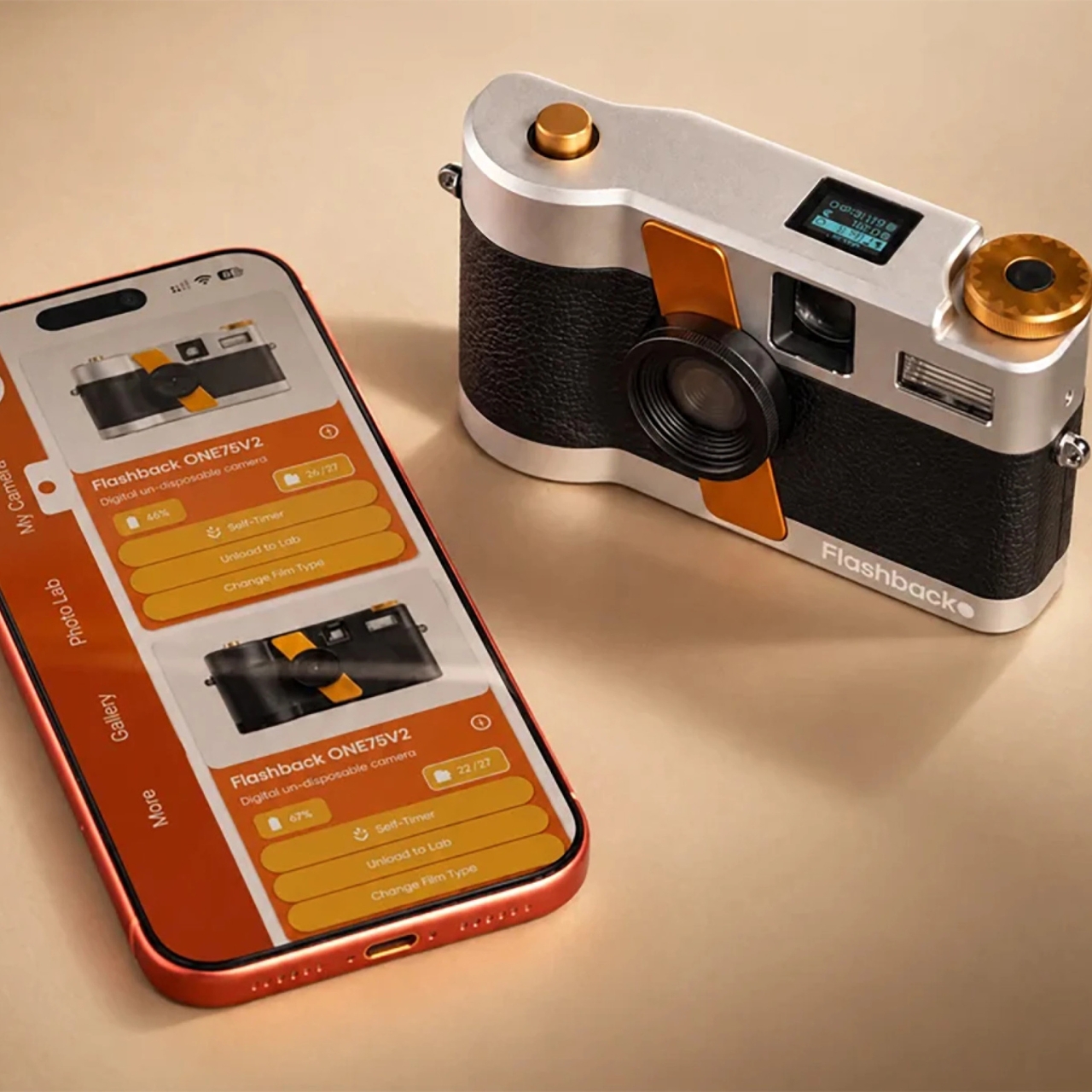
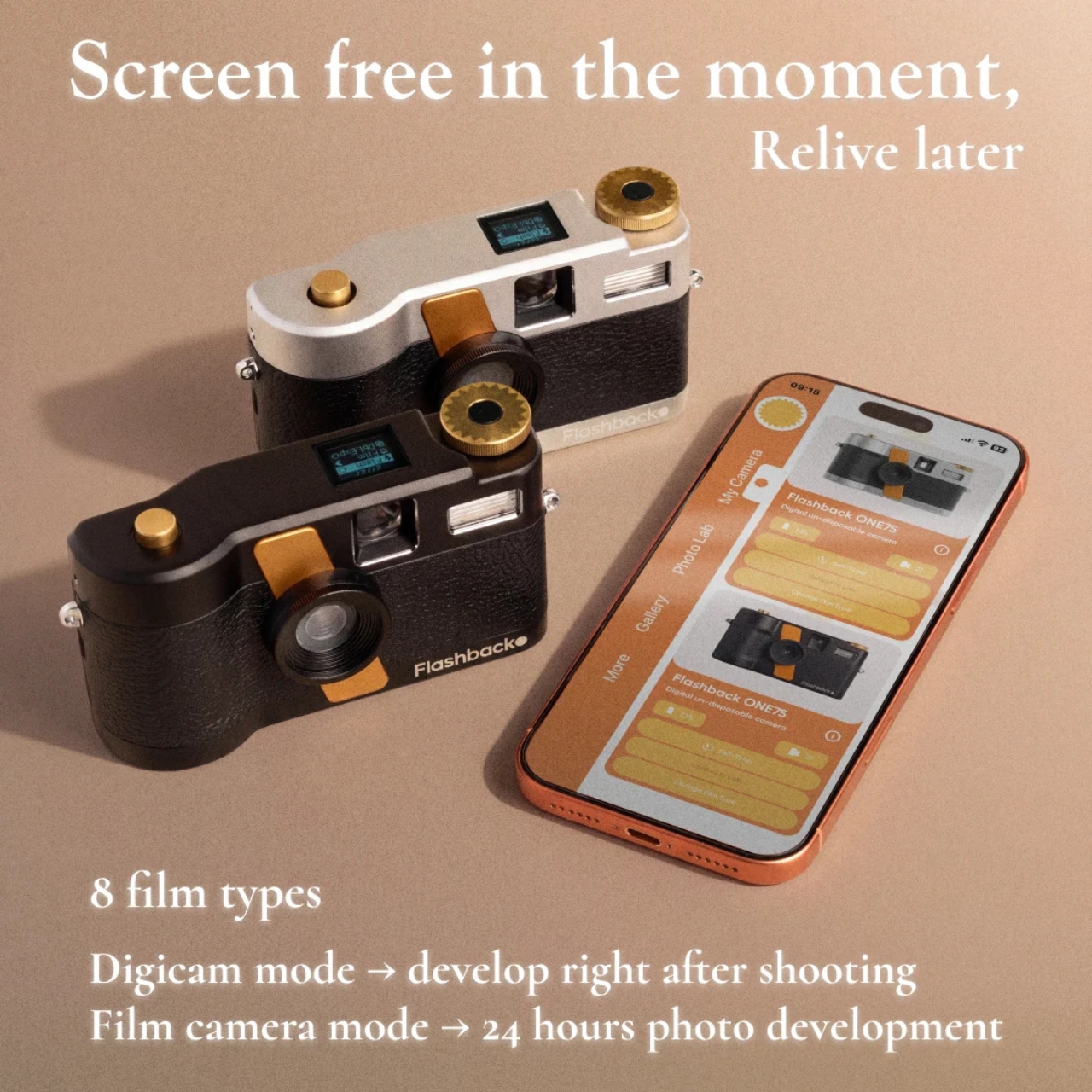
You get 27 shots per digital “roll,” with an optional 24-hour wait before the pictures appear in the Flashback app. Switch to Digicam Mode, and you can see them as soon as they’re transferred. Either way, unloading a roll frees the camera to keep shooting. Making the delay optional feels sensible. Anticipation can be fun, but nobody needs a camera enforcing a lesson in patience when they actually need their pictures tonight.

Designer: Flashback

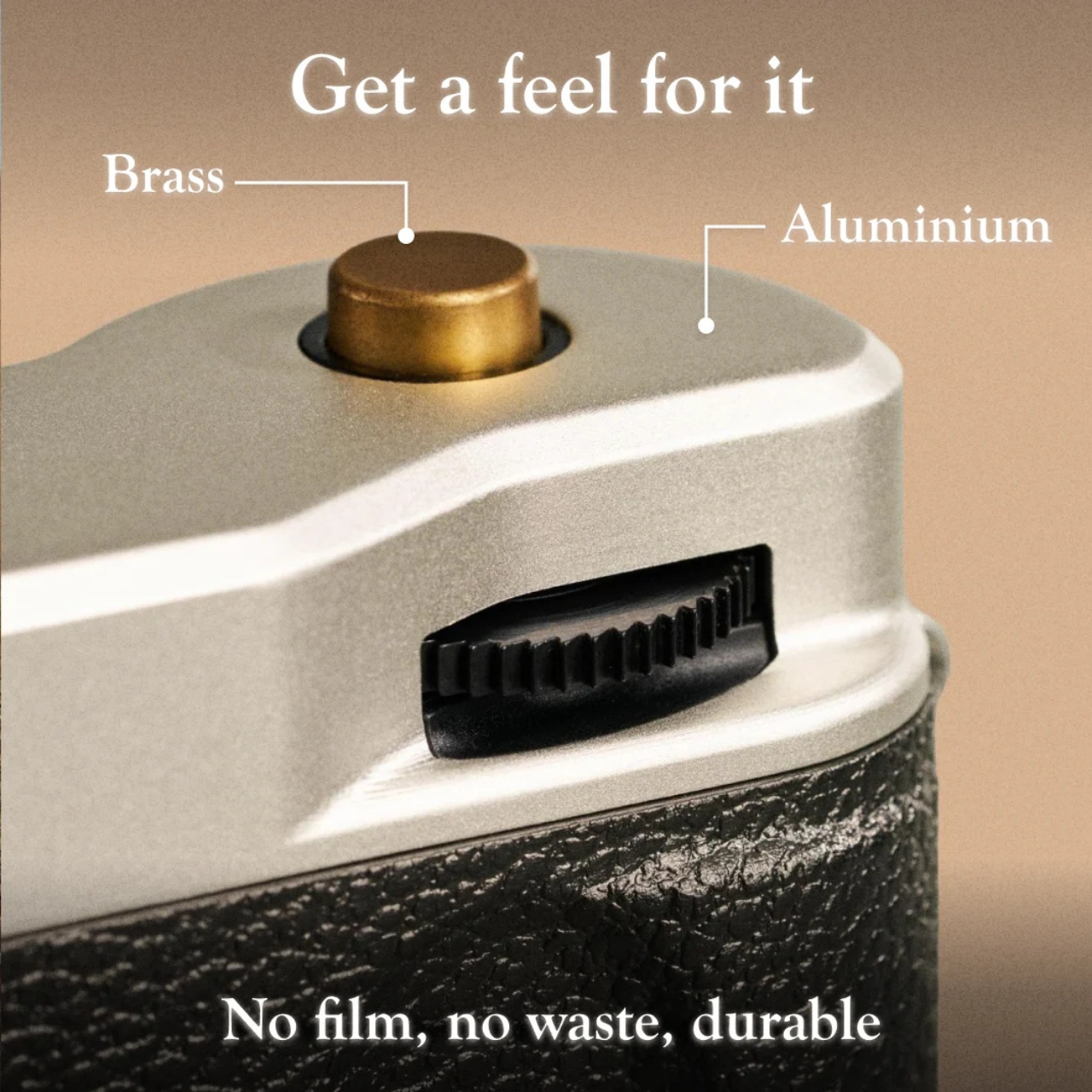
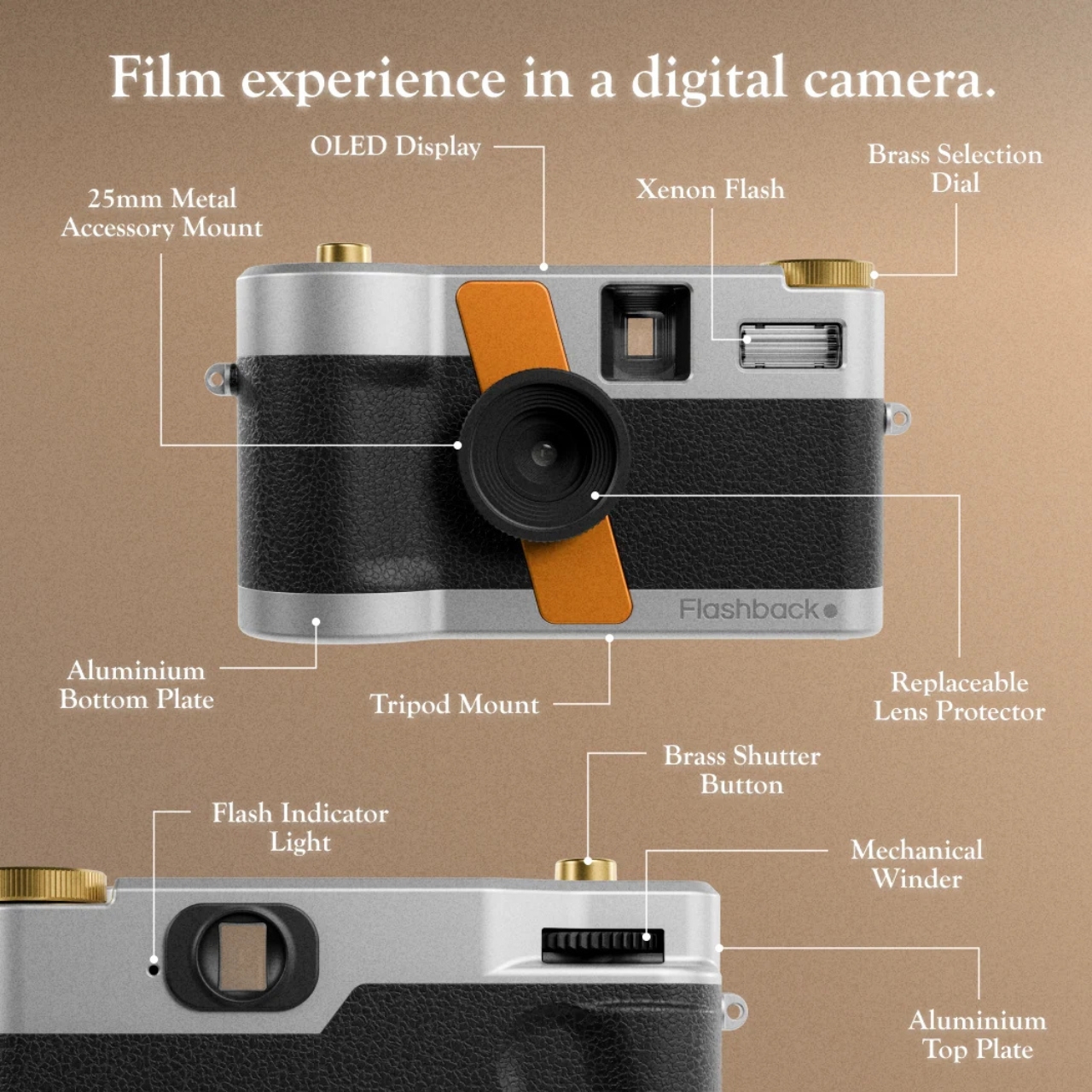
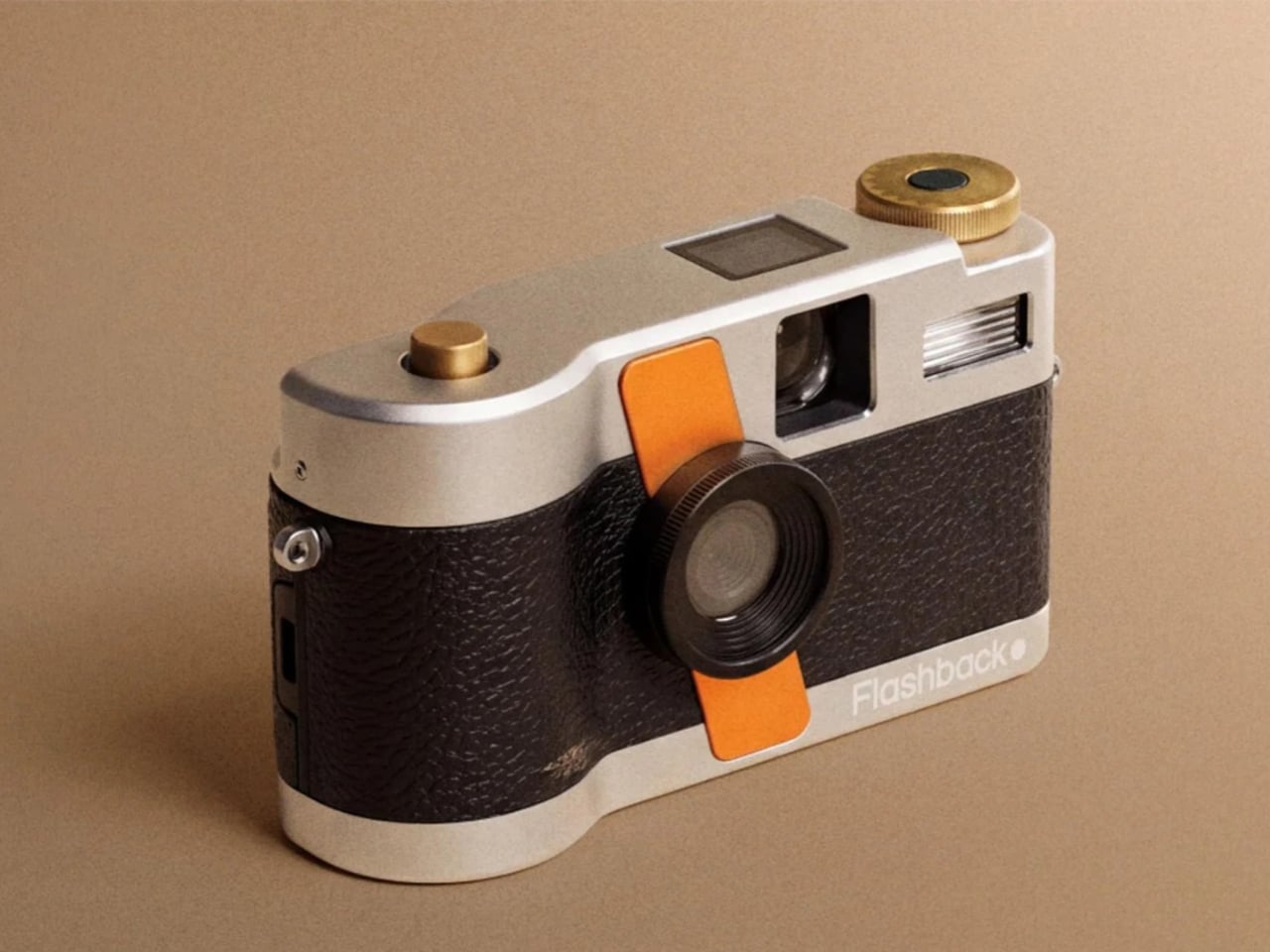
The body gives the idea a convincing physical home. Aluminum top and bottom plates frame a black, leather-textured front, with brass controls and a bright orange strip running behind the lens. That orange detail is a smart interruption. Without it, the One75 could read as a fairly straightforward tribute to an old family camera. With it, the design has a little more personality, without turning the whole object into a novelty prop.

There’s a mechanical wind-on control, too, despite there being no film to advance. On paper, that sounds wonderfully unnecessary. As a design choice, though, the gesture could help separate one photograph from the next. A small OLED screen on top handles settings and film selection rather than picture playback. You still get useful information, but you don’t get invited to inspect everyone’s expression after every press of the shutter. I’d welcome that particular omission.
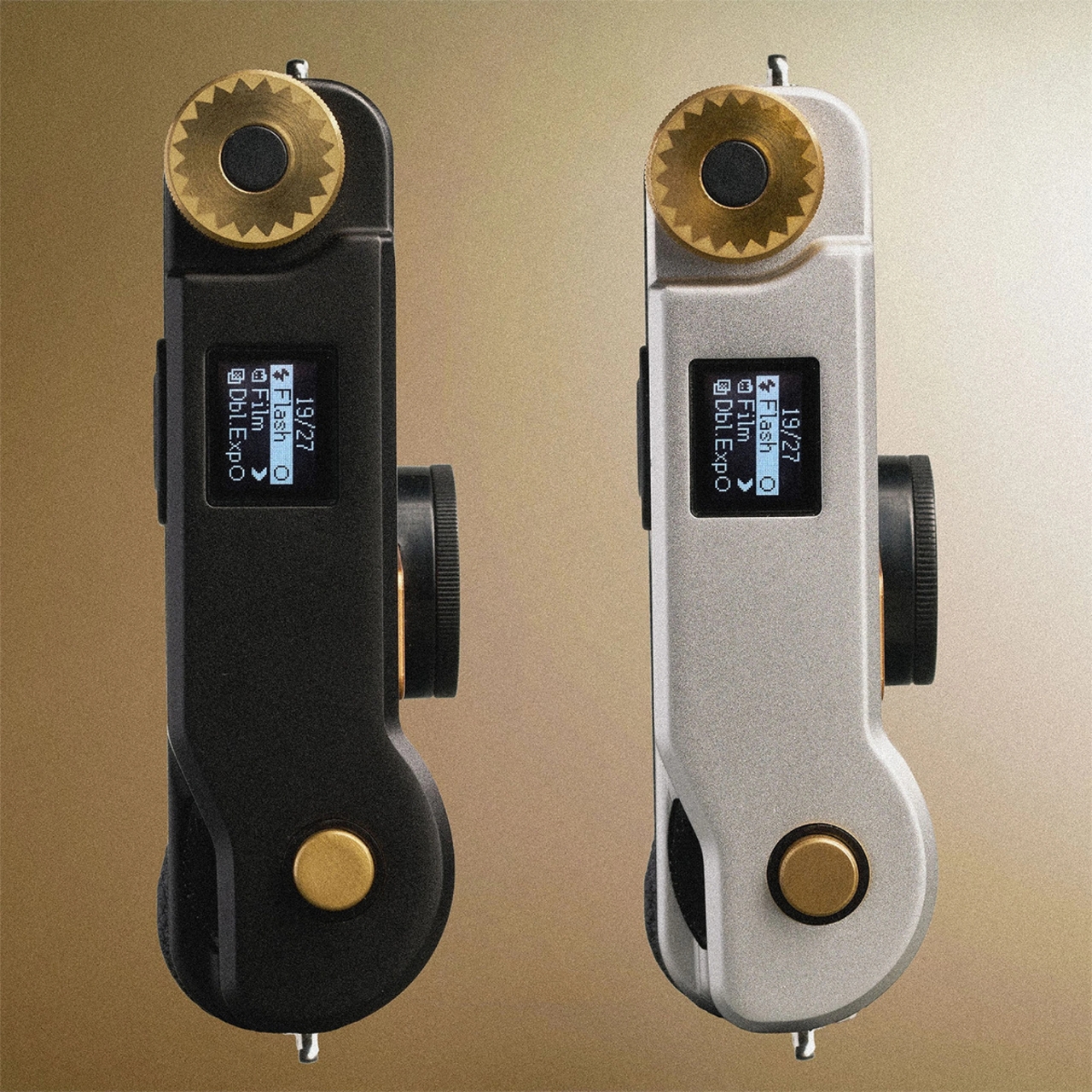
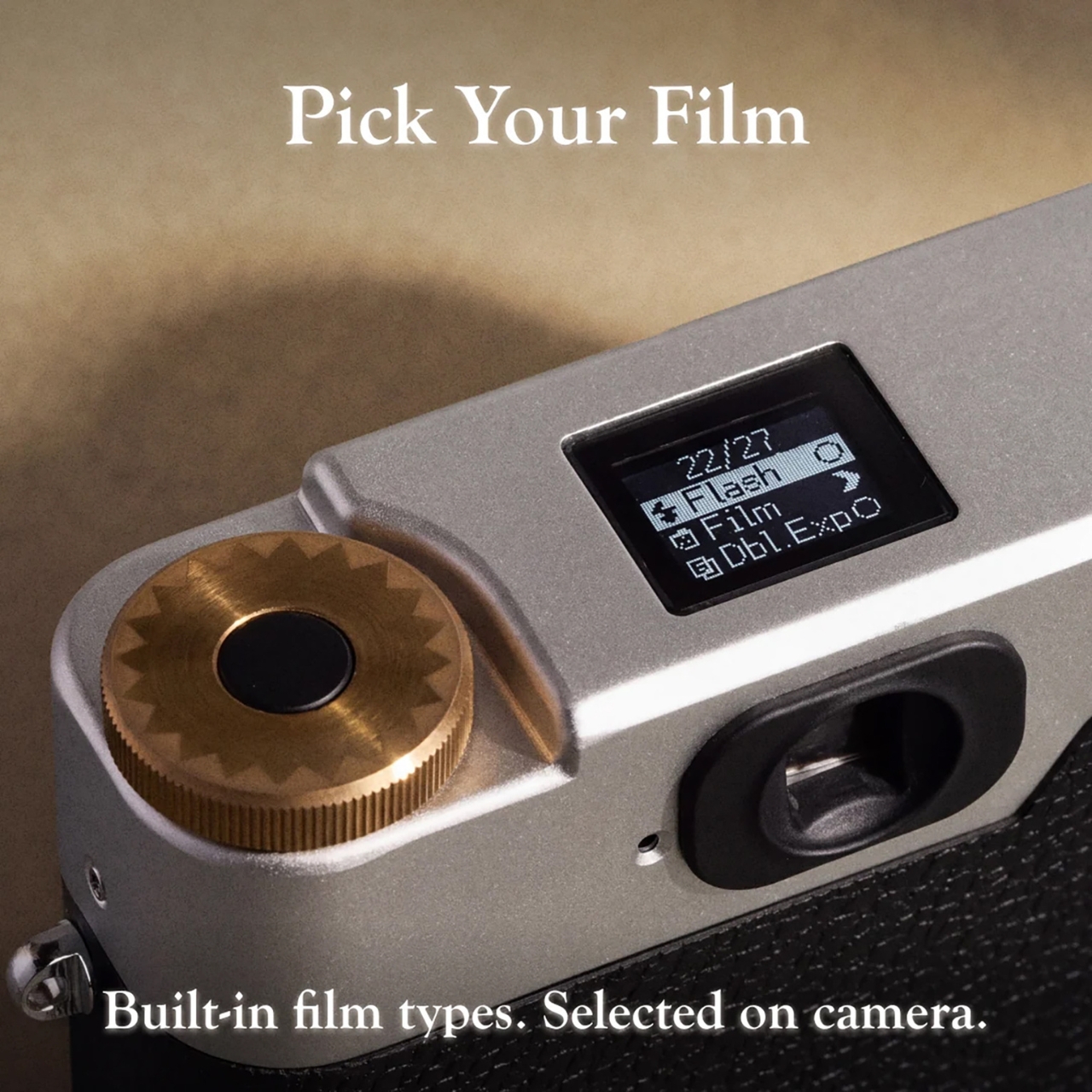
Flashback gives you eight film-emulation options and a double-exposure mode for layering two shots into one frame. The latter strikes me as a particularly good fit here. A camera built around surrendering some control ought to leave room for experiments, including ones that don’t work. I’d rather have a few strange pictures worth discussing than an entire roll that feels obliged to look tastefully vintage.

Underneath the retro styling, these are 13-megapixel digital photographs. Images transfer through Wi-Fi or USB-C, and RAW export to a PC or Mac gives anyone inclined to edit more flexibility afterward. Flashback also estimates around 15 rolls per battery charge. Those conveniences make the premise easier to entertain. You can play along with the slower routine without also signing up for film purchases, lab visits, and the logistics of getting everything onto your phone.

Still, I wouldn’t confuse an appealing shooting routine with proven image quality. New Atlas notes that sensor size, lens aperture, and focal length weren’t detailed in its report. The fixed-focus setup favors simplicity, but the available specifications don’t establish how the results will hold up. I haven’t tested the One75, and attractive product photography isn’t enough to tell me whether I’d love the photos it takes.

Flashback says preorders will arrive before Christmas 2026, which remains the company’s delivery estimate. It also says the app and digital photo development are free, with no subscriptions. That matters more to me than another decorative nod to analog photography. A reusable camera starts to make more sense when its central ritual doesn’t come with a recurring bill. The cost of film is one nostalgic detail I’d happily leave behind.

At $179, I’d want the One75 to earn its place alongside a phone, rather than become another attractive object that stays in a drawer. Its case rests on whether those small interruptions make taking pictures enjoyable enough to carry a separate camera. For a birthday dinner or a weekend with friends, I can see the appeal of leaving the photographs unjudged until everyone has gone home.
The post Flashback One75: Film-Camera Rituals Without the Film Bills first appeared on Yanko Design.

Anthropic Officially Launches Claude 2.0 Across 95 Countries

Anthropic Officially Launches Claude 2.0 Across 95 Countries The revamped Claude 2.0 desktop app interface showing the new session rail.

Anthropic’s release of Claude 2.0 brings a host of updates designed to streamline digital workflows and enhance collaboration. In a detailed walkthrough, Jay E explores key features like nested sessions, which allow users to group related tasks for better organization and context cards, which optimize memory usage and chat performance. The guide also highlights how […]

The post Anthropic Officially Launches Claude 2.0 Across 95 Countries appeared first on Geeky Gadgets.

Posted in Uncategorized

The Final Design of the iPhone 18 Has Reportedly Leaked

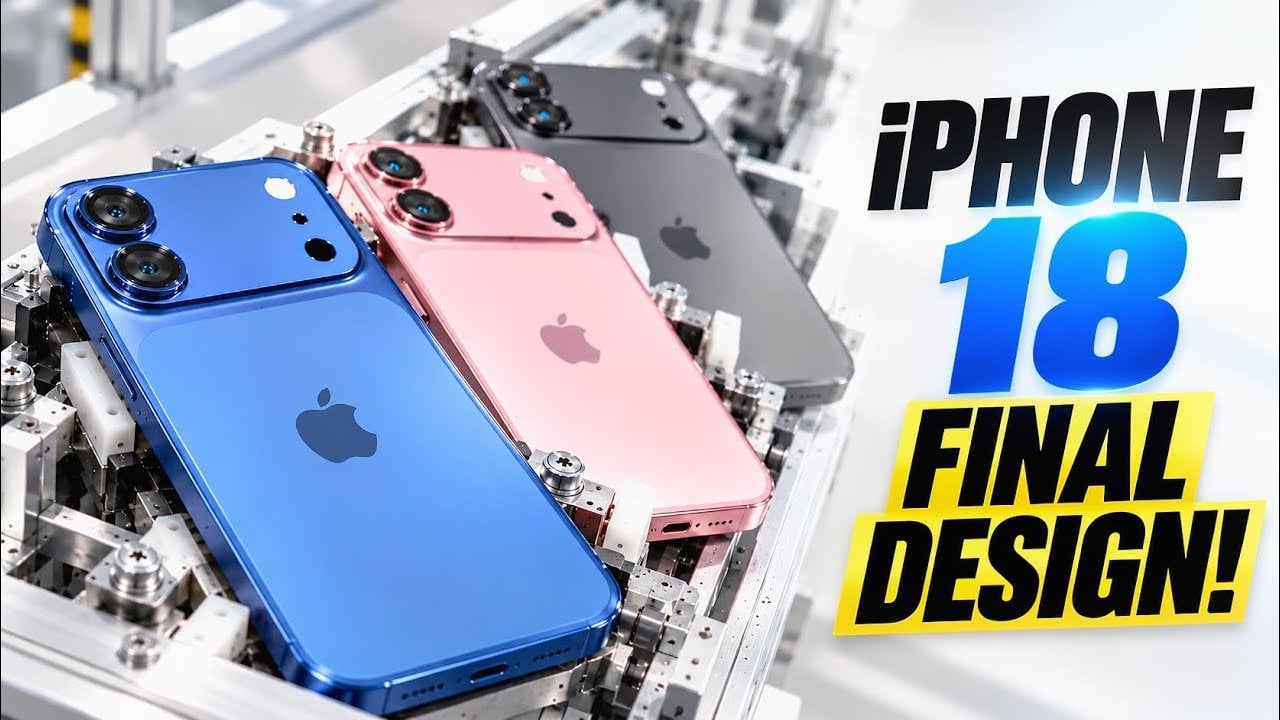
The Final Design of the iPhone 18 Has Reportedly Leaked Leaked concept render of the rumored iPhone 18 design.

The iPhone 18, rumored for release in spring 2027, is already sparking widespread interest. Leaks suggest this upcoming model could represent a significant evolution in Apple’s standard smartphone lineup. With potential enhancements in design, camera technology and overall performance, the iPhone 18 may bring flagship-level features to a broader audience. While the details remain unofficial, […]

The post The Final Design of the iPhone 18 Has Reportedly Leaked appeared first on Geeky Gadgets.

Posted in Uncategorized

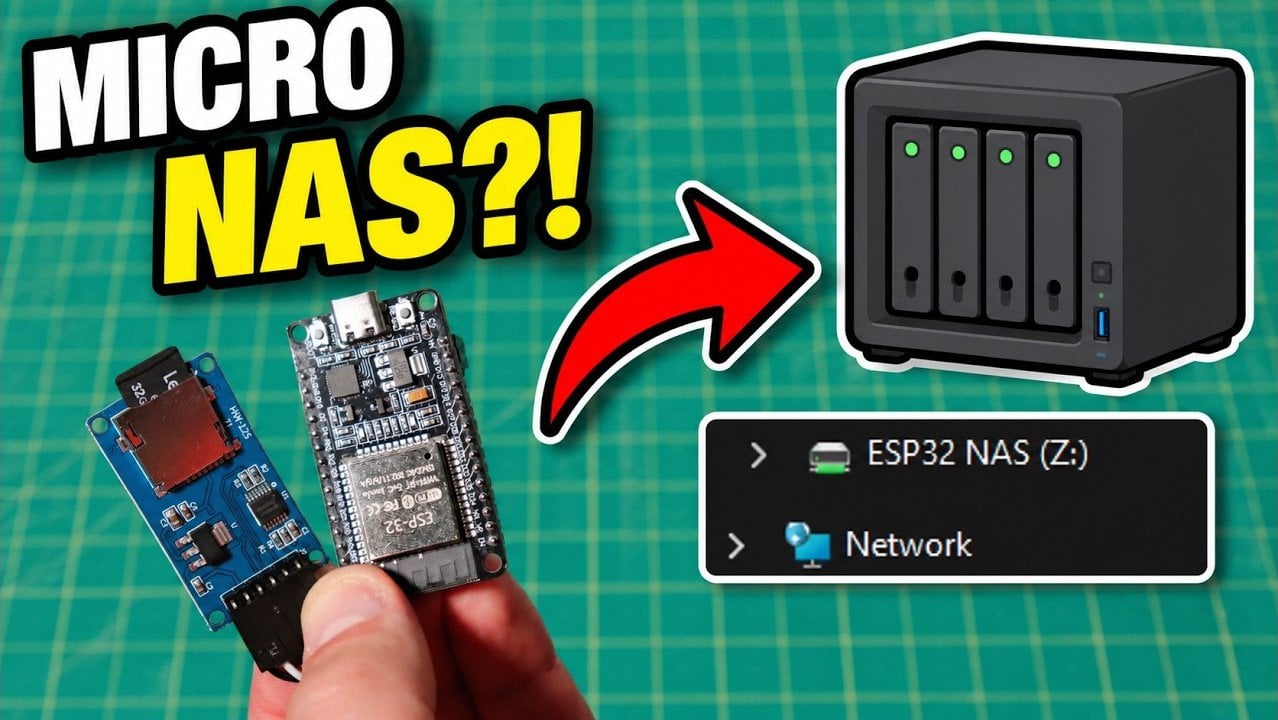
Turn an ESP32 and a Micro SD Card Into a Wireless Micro NAS

Turn an ESP32 and a Micro SD Card Into a Wireless Micro NAS An ESP32 microcontroller connected to a micro SD card breakout board.

Building a micro NAS system using an ESP32 microcontroller and a micro SD card is a compact and energy-efficient way to enable basic file storage and sharing. Theory to Thing explores how this setup uses the ESP32’s built-in Wi-Fi and the WebDAV protocol to create a standalone, wireless solution for managing files. With a hardware […]

The post Turn an ESP32 and a Micro SD Card Into a Wireless Micro NAS appeared first on Geeky Gadgets.

Posted in Uncategorized

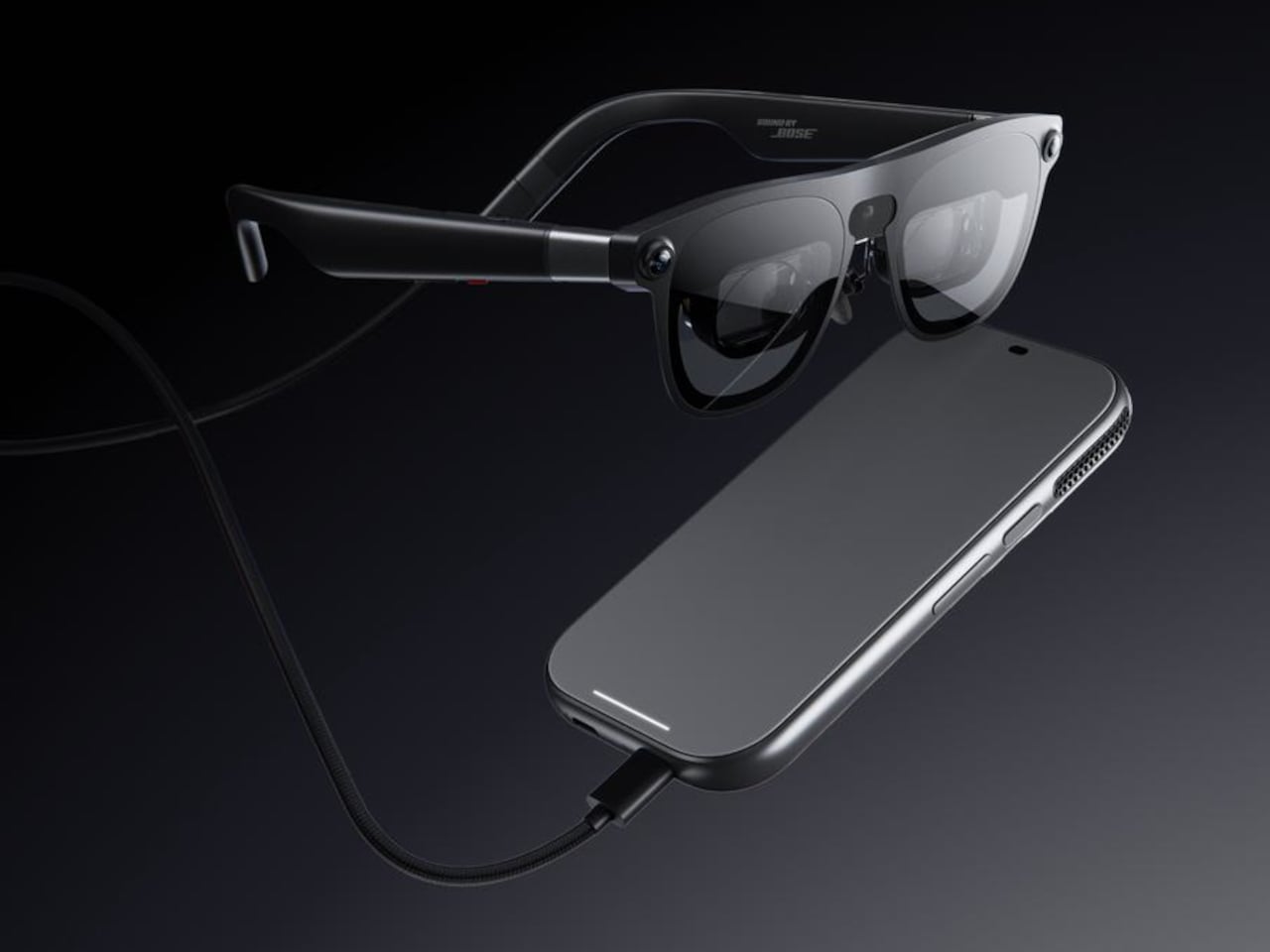
XREAL AURA Glasses Put the Battery in Your Pocket, Not on Your Face

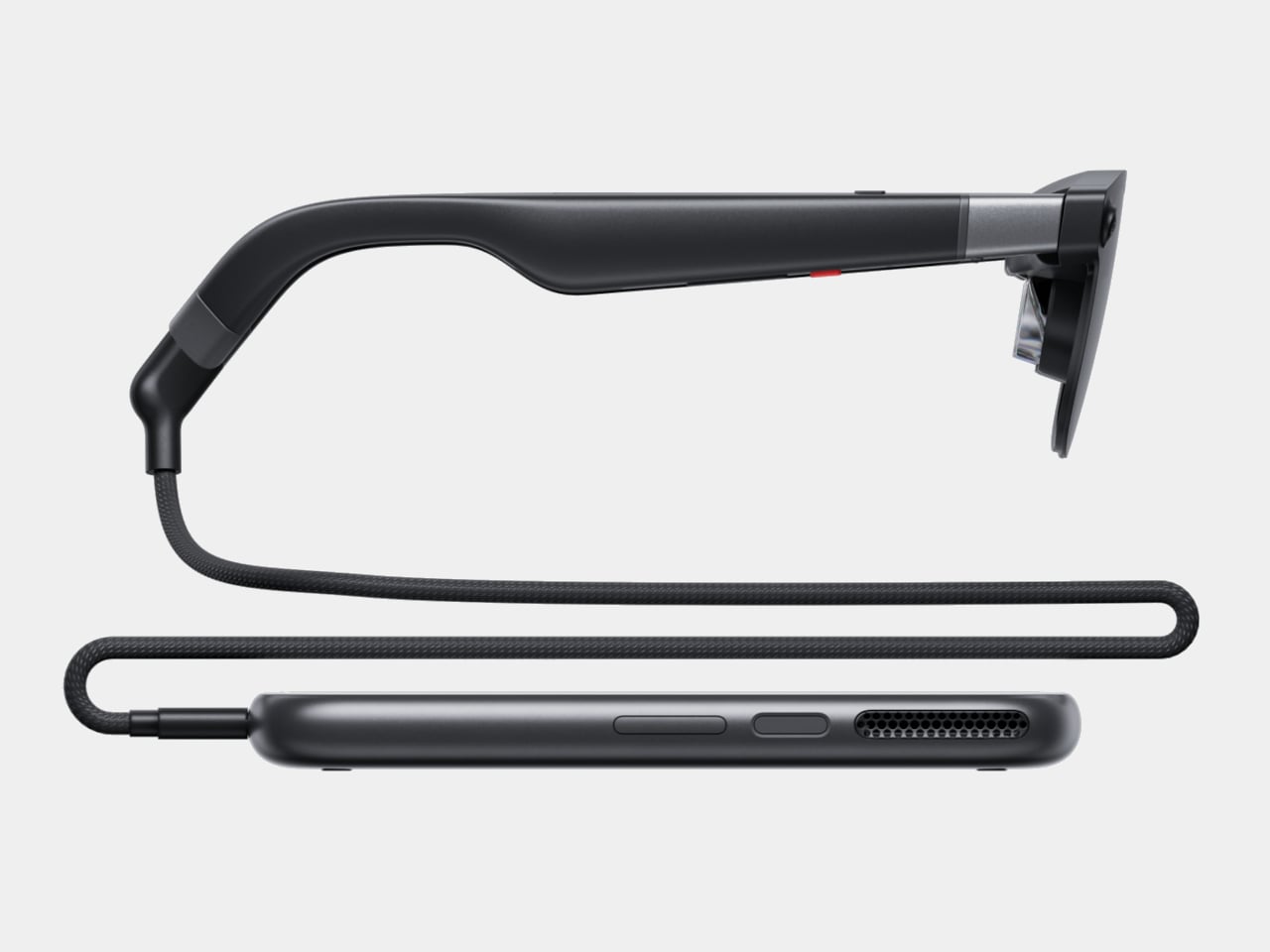
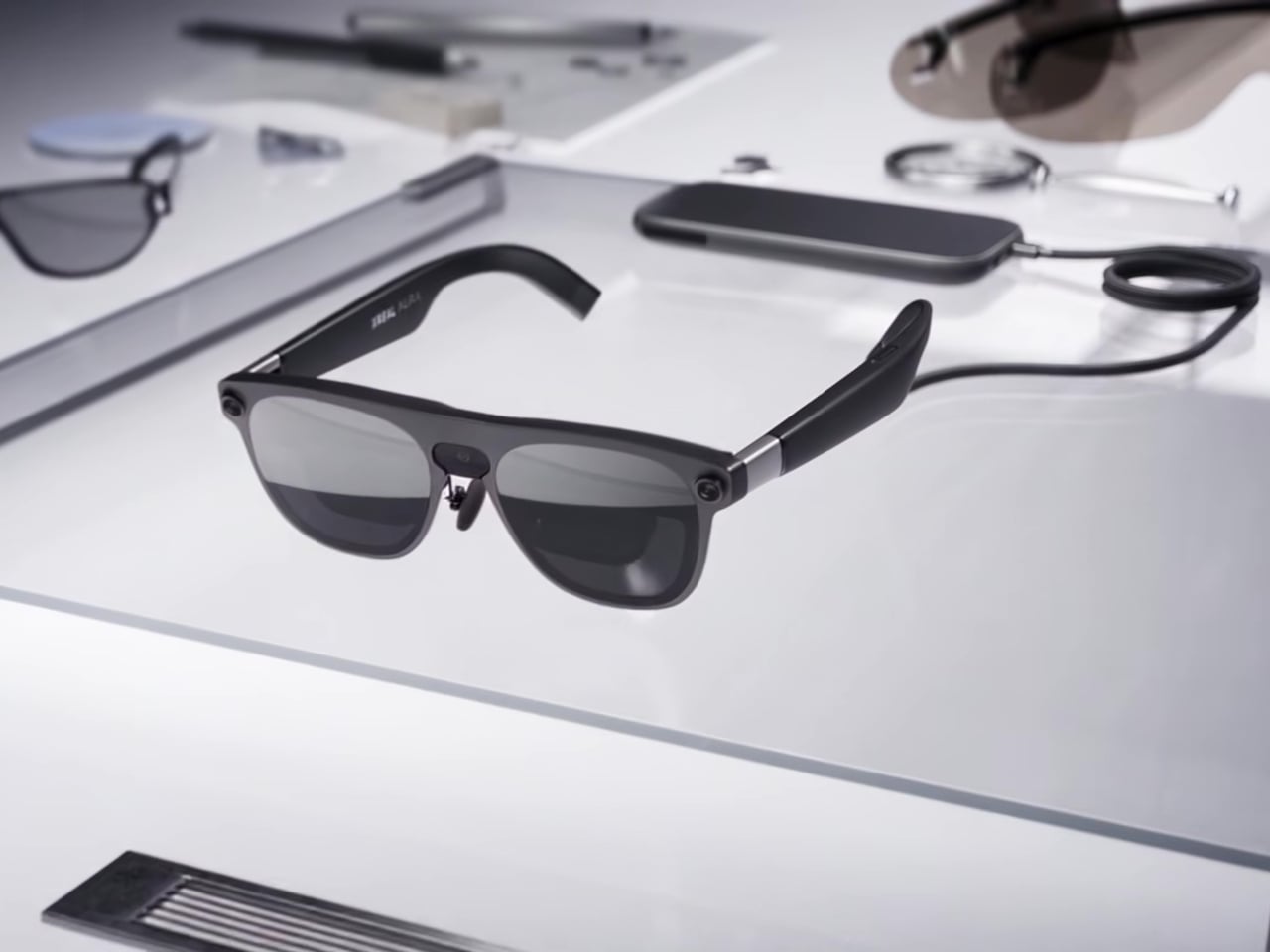
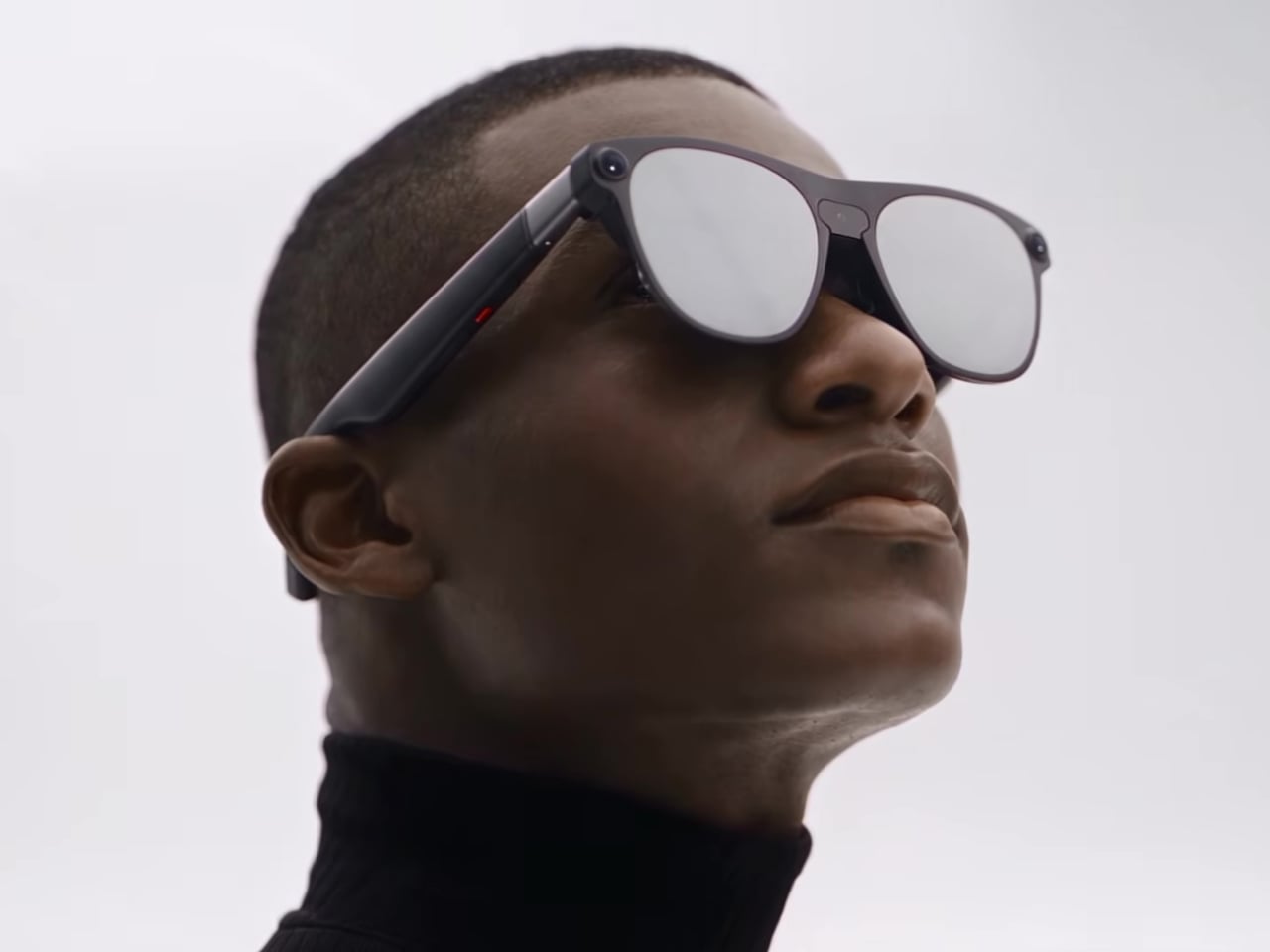
The idea of having a giant screen floating in front of you sounds appealing, until you feel the headset attached to your face weighing down on your head. XREAL AURA takes a different approach, putting Android XR into a pair of glasses connected to a separate pocket computer. It still involves wearing technology on your nose, of course, but the battery and main processor get to live elsewhere.

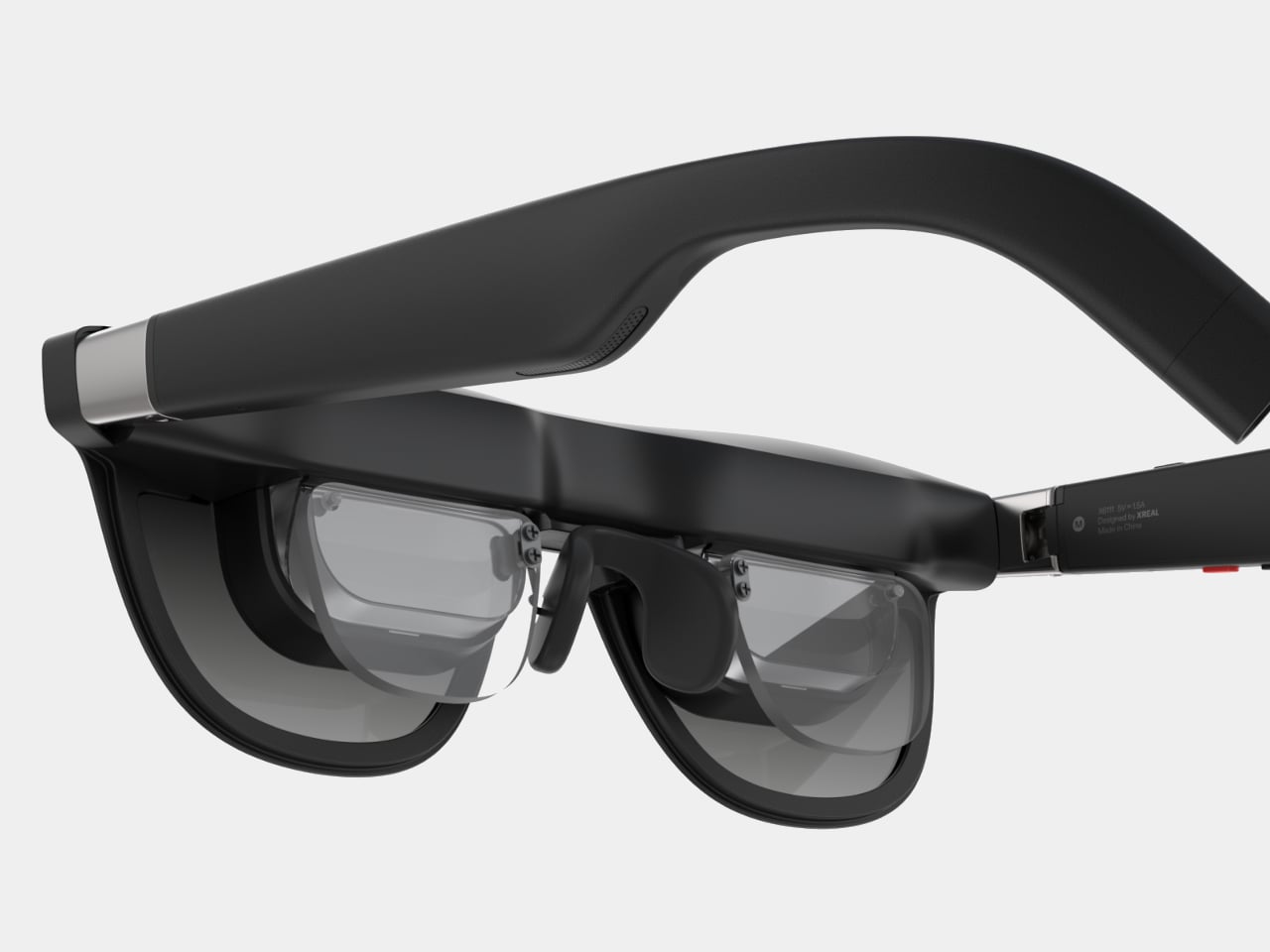
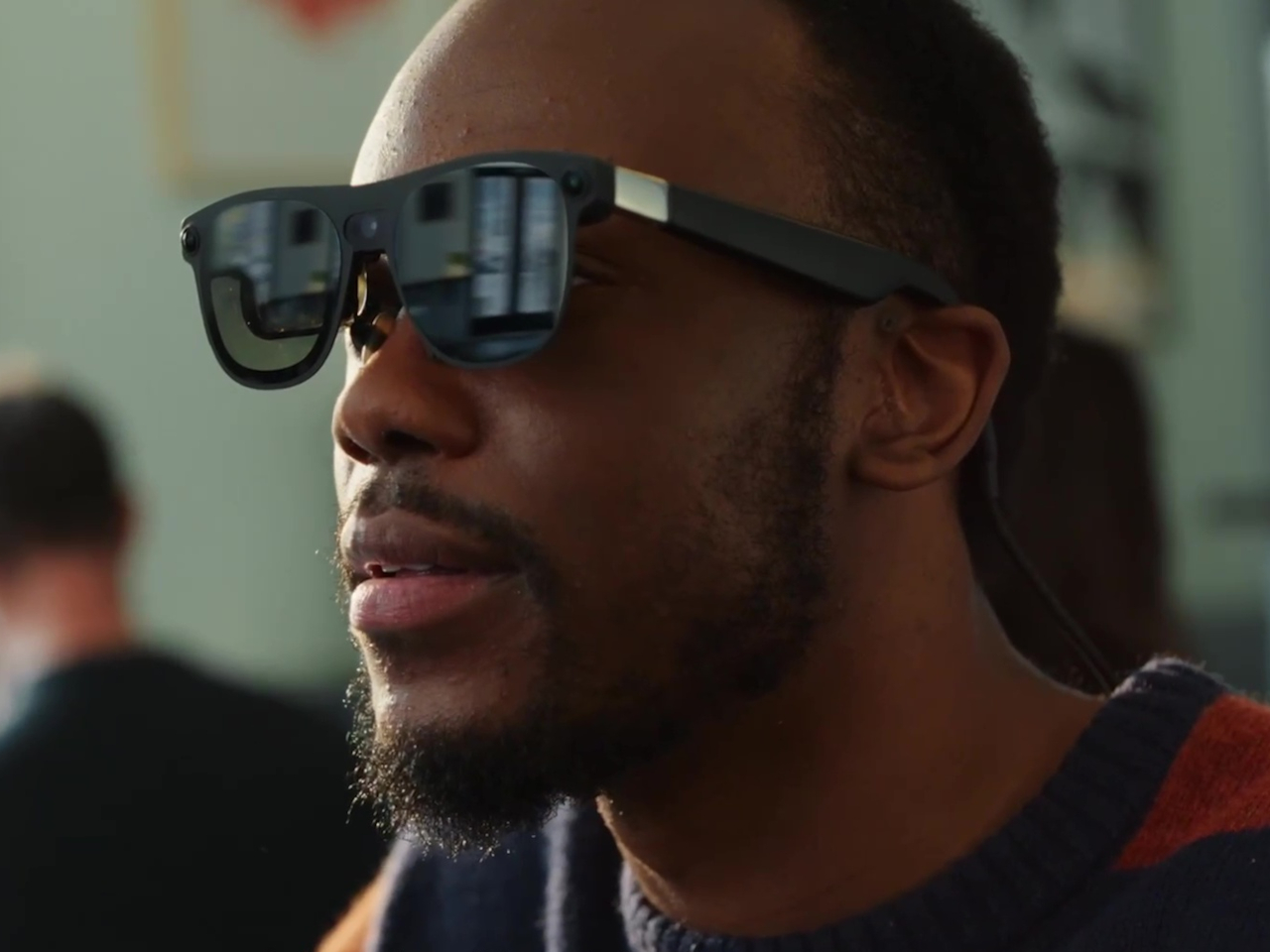
At around 3.4 ounces, the glasses don’t exactly pass for ordinary eyewear. Their dark frame has thick arms and cameras around the front, although the outline is closer to sunglasses than a sealed visor. More importantly, you look directly through the lenses at your surroundings, rather than watching a camera’s version of the room.

Designer: XREAL, Google

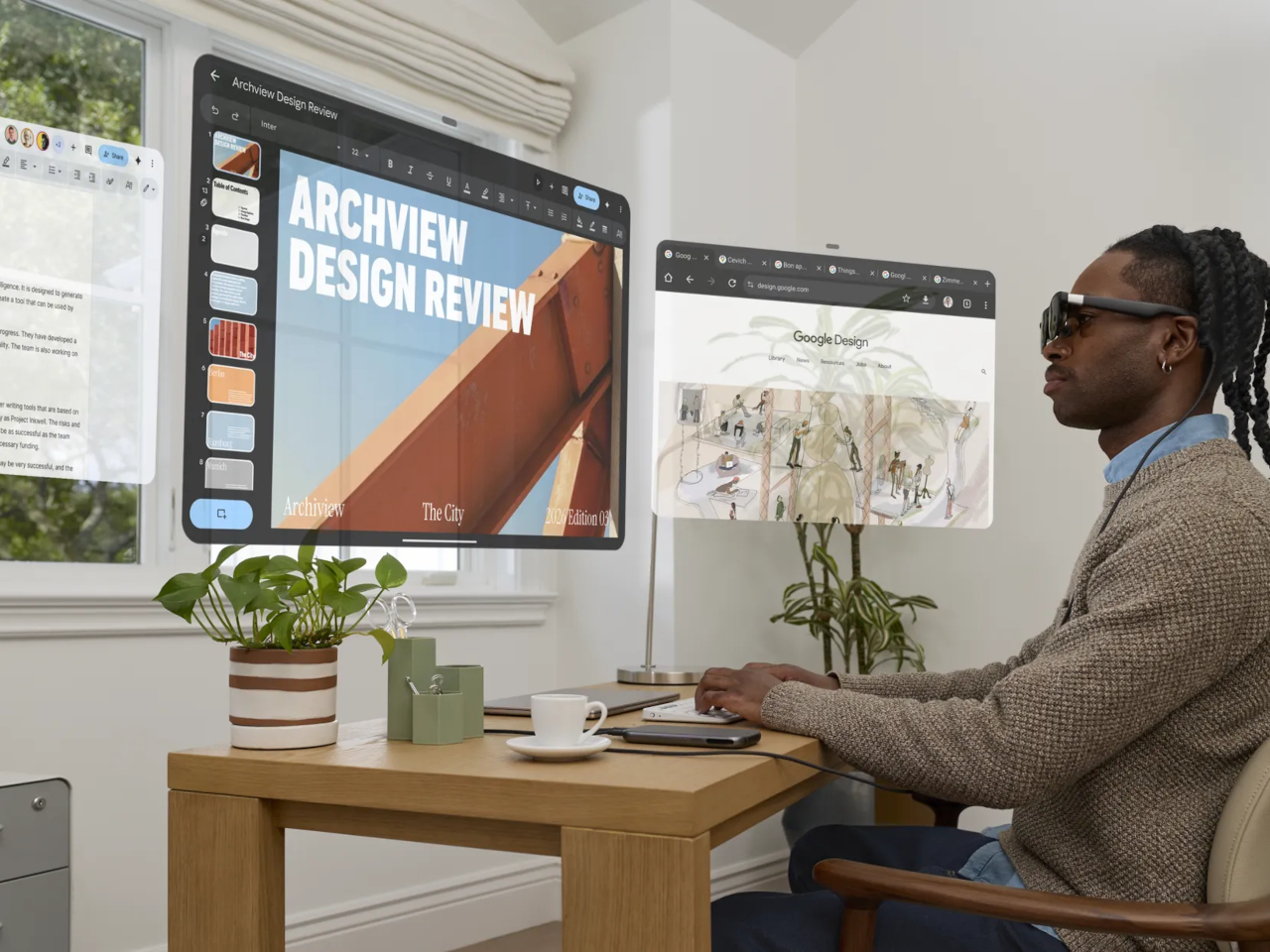
That transparency isn’t fixed, thankfully. Five levels of electrochromic dimming let you darken the lenses for a movie or let more of the room back in afterward. Sony Micro-OLED displays provide 1,920 × 1,200 pixels per eye at up to 120Hz, with a 70° field of view. You’re adjusting how the room and virtual picture share your attention, rather than simply changing brightness.

The less glamorous half of the arrangement is the computing puck, which weighs about 9.3 ounces and contains the Snapdragon Reality Elite chip, battery, and cooling fan. Its touchpad gives your fingers somewhere to navigate when waving at windows feels unnecessary. Hand tracking and voice controls remain available, but you don’t have to conduct an invisible orchestra just to open an app.

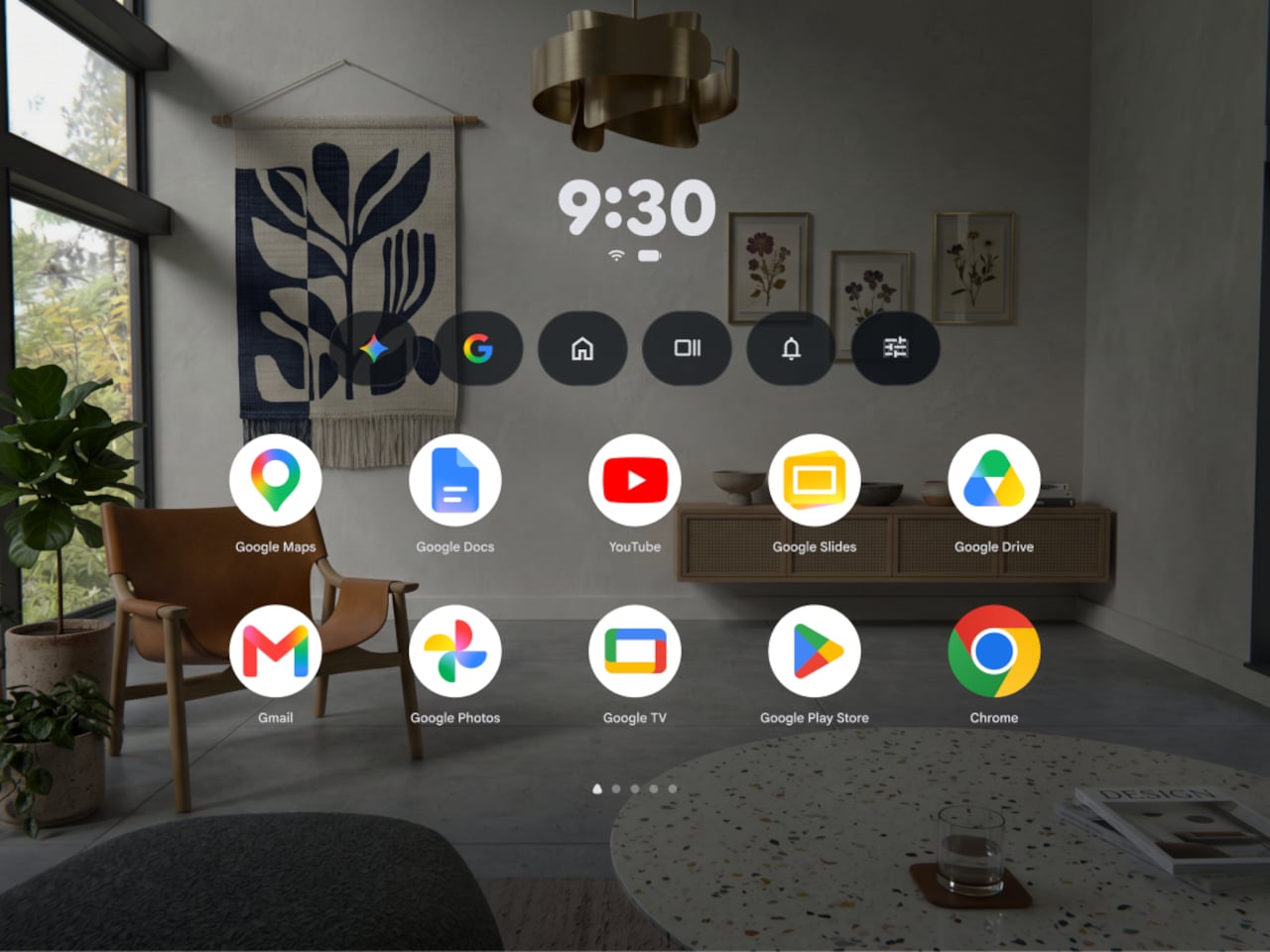
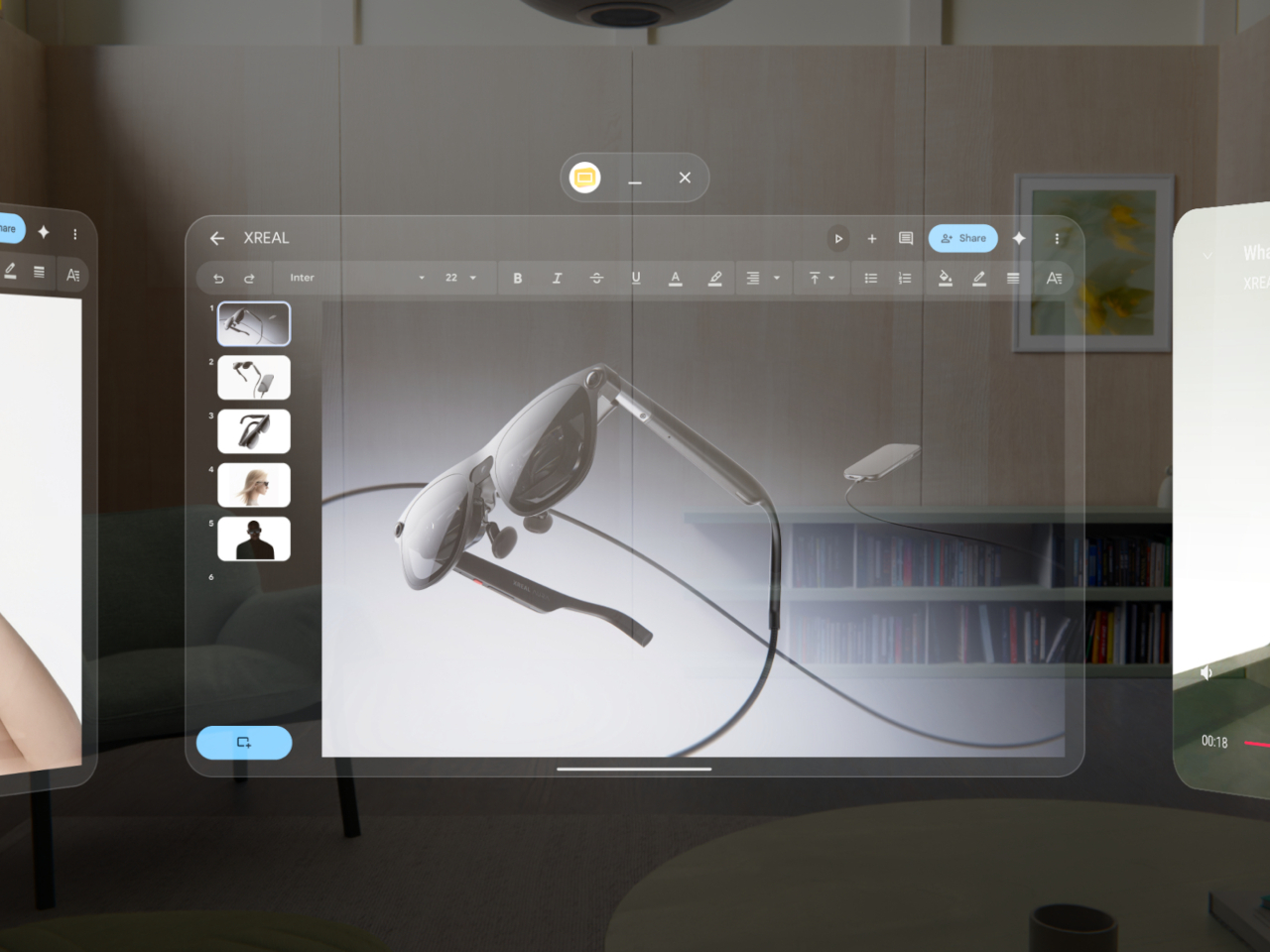
A hotel desk doesn’t become larger, but its workspace can spread beyond the laptop screen. Android XR lets you arrange apps around you, with Bluetooth keyboard and mouse support for familiar controls. Plug a compatible laptop into the puck with a video-capable USB-C cable, and its screen becomes another window alongside the Android apps. That’s mirroring, however, not replacing the laptop’s operating system.

Work can give way to something a little more entertaining without changing the hardware. Google says AURA supports more than 150 experiences made for XR, alongside Google Play apps, including games that occupy your room rather than a flat window. Gemini can answer questions about what’s in view, so asking for help needn’t involve taking the glasses off to consult your phone.

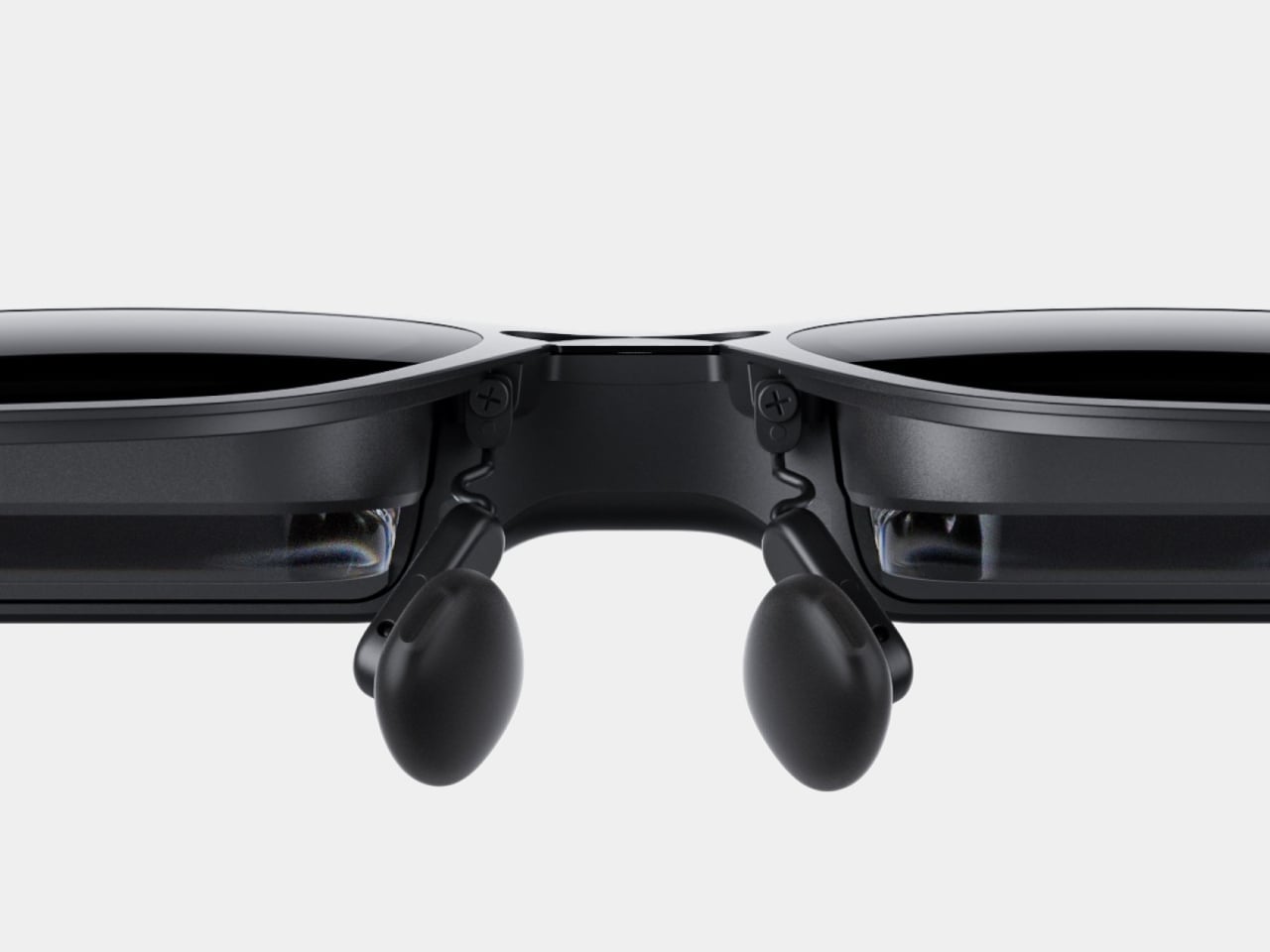
Getting the fit right takes more than picking a frame. AURA comes in two sizes based on the distance between your pupils, with interchangeable nose pads and support for prescription inserts. Those adjustments help position your eyes in relation to the optics. They’re worth considering before imagining a working day behind floating screens, particularly without independently established battery endurance or long-term comfort.

US orders have started, with shipping expected to begin in mid-November. Launch pricing starts at $1,099 for 12GB of RAM and 256GB of storage through December, against a $1,279 regular price. That buys the glasses and their companion computer, not freedom from cables. AURA moves much of the hardware away from your face, but there’s still a wire following it.

The post XREAL AURA Glasses Put the Battery in Your Pocket, Not on Your Face first appeared on Yanko Design.
DeepSeek V4.1 Flash 1017 Rivals Claude Opus 5 in Benchmark Tests

DeepSeek V4.1 Flash 1017 Rivals Claude Opus 5 in Benchmark Tests DeepSeek V4.1 Flash 1017 model performance dashboard

DeepSeek’s recent release of its V4.1 Flash 1017 model has sparked significant debate within the AI industry, particularly among American companies. Launched on October 17, 2026, this open source model combines affordability with high performance, offering features like a large context window for handling both text and images. However, its accessibility under the MIT license […]

The post DeepSeek V4.1 Flash 1017 Rivals Claude Opus 5 in Benchmark Tests appeared first on Geeky Gadgets.

Posted in Uncategorized

The Tables Have Turned: Why the Galaxy S27 Ultra’s Exynos Chip Might Actually Beat Snapdragon

The Tables Have Turned: Why the Galaxy S27 Ultra’s Exynos Chip Might Actually Beat Snapdragon The front and back design of the rumored Samsung Galaxy S27 Ultra.

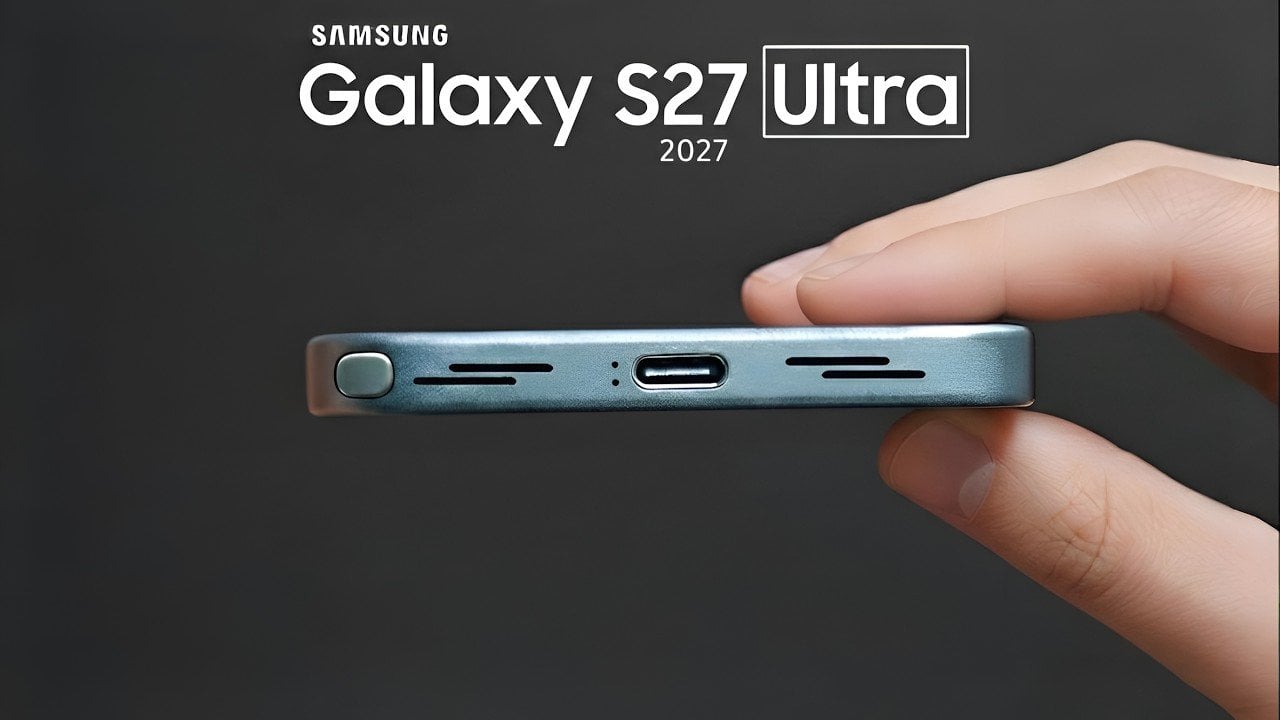
The Samsung Galaxy S27 Ultra could mark a pivotal moment in the evolution of flagship smartphones. Reports suggest that Samsung may prioritize its in-house Exynos 2700 processor over Qualcomm’s Snapdragon 8 Elite Gen 6 Pro for its latest premium device. If this strategic shift materializes, it has the potential to redefine performance standards and influence […]

The post The Tables Have Turned: Why the Galaxy S27 Ultra’s Exynos Chip Might Actually Beat Snapdragon appeared first on Geeky Gadgets.

Posted in Uncategorized