San Siro’s Proposed Replacement Uses a Concrete X-Frame to Support Its Sweeping Roof

I’m not a fan of either AC Milan or Inter Milan, but as a football fan, visiting Stadio Giuseppe Meazza, more popularly known as San Siro, is an item on my bucket list. However, time is running out for me to actually do that, as most of the iconic stadium is planned for demolition after its replacement opens. That’s because the clubs are planning Generali Stadium, the future shared home of two of the biggest football clubs in Italy.

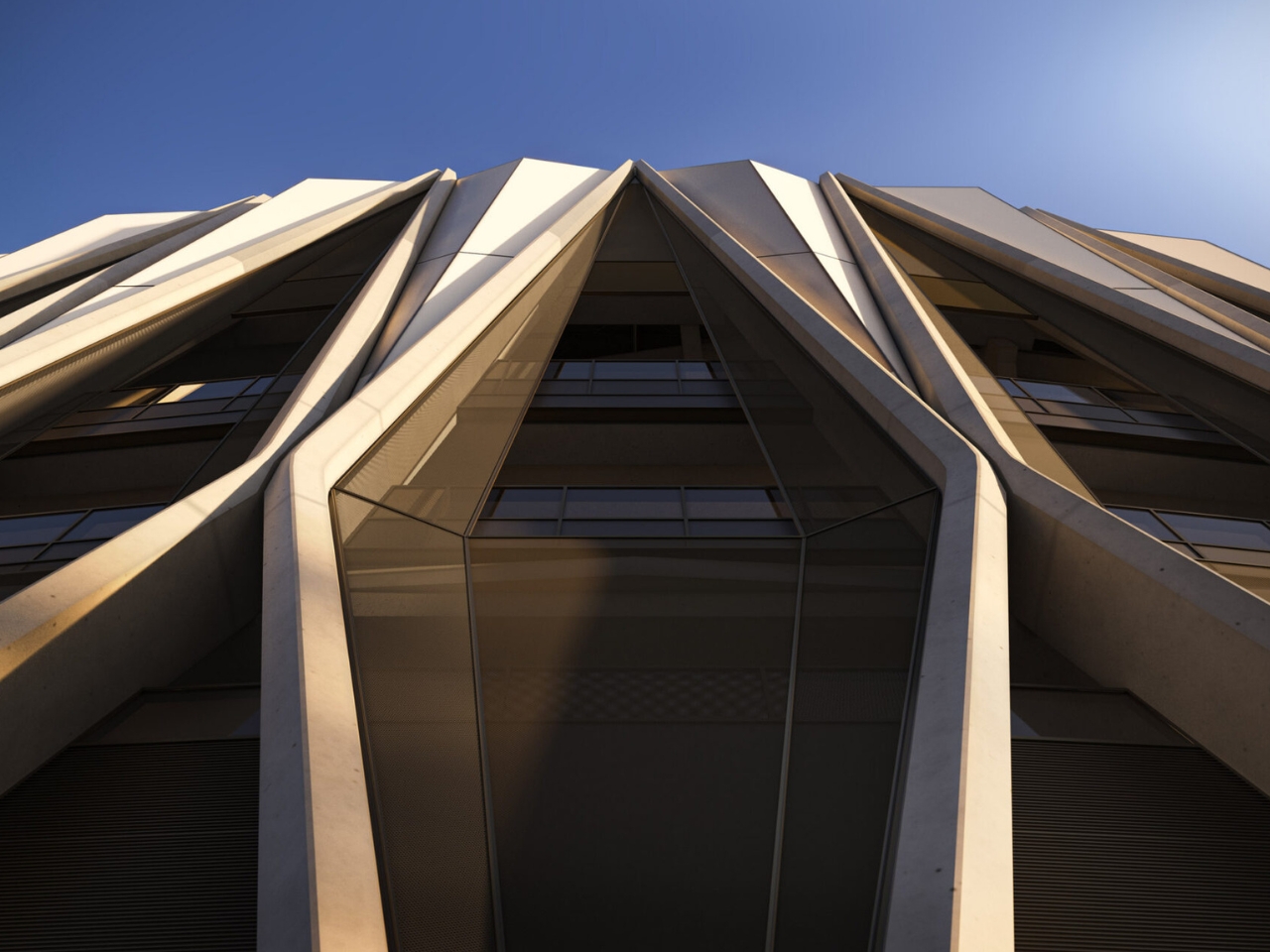
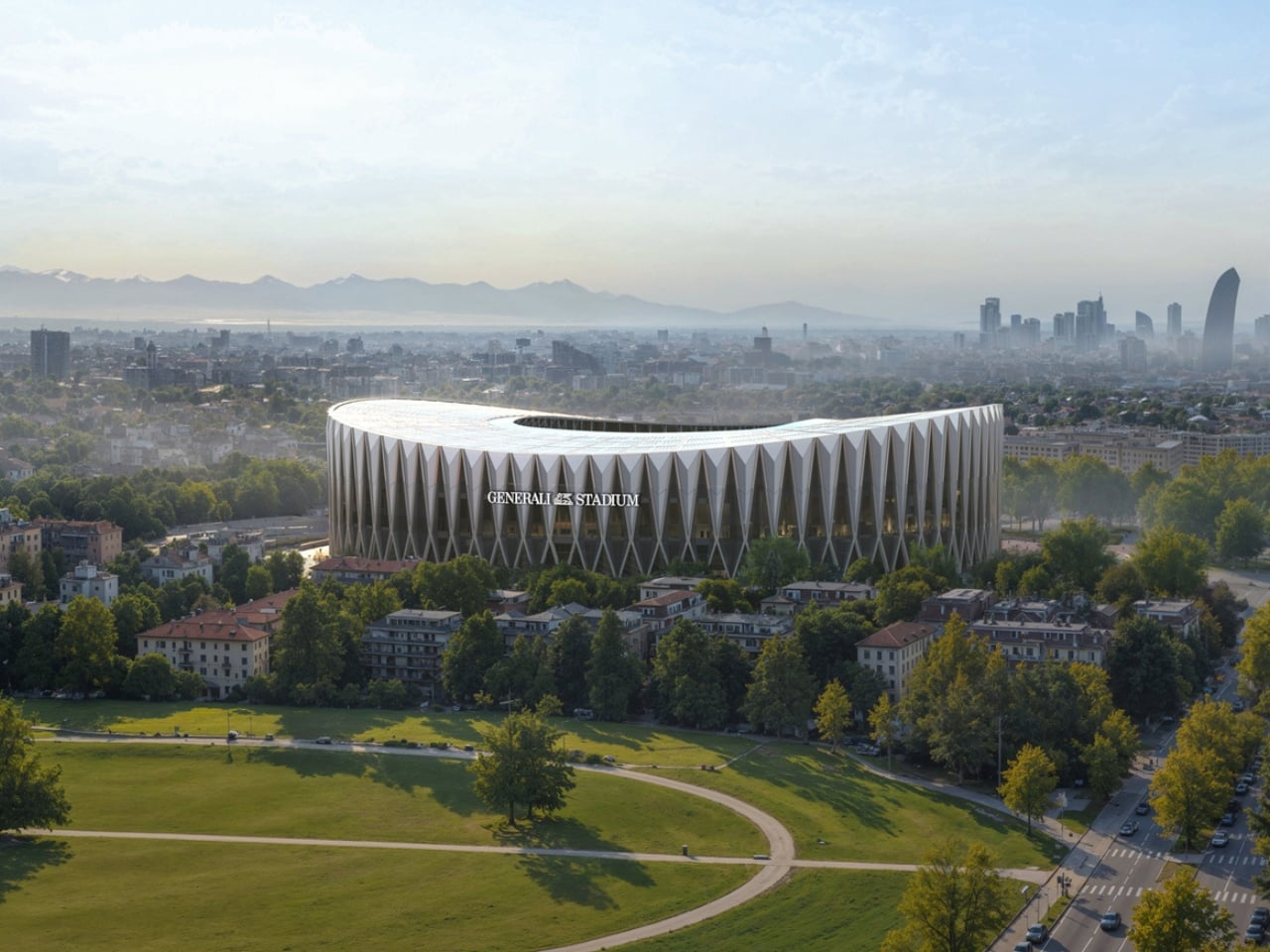
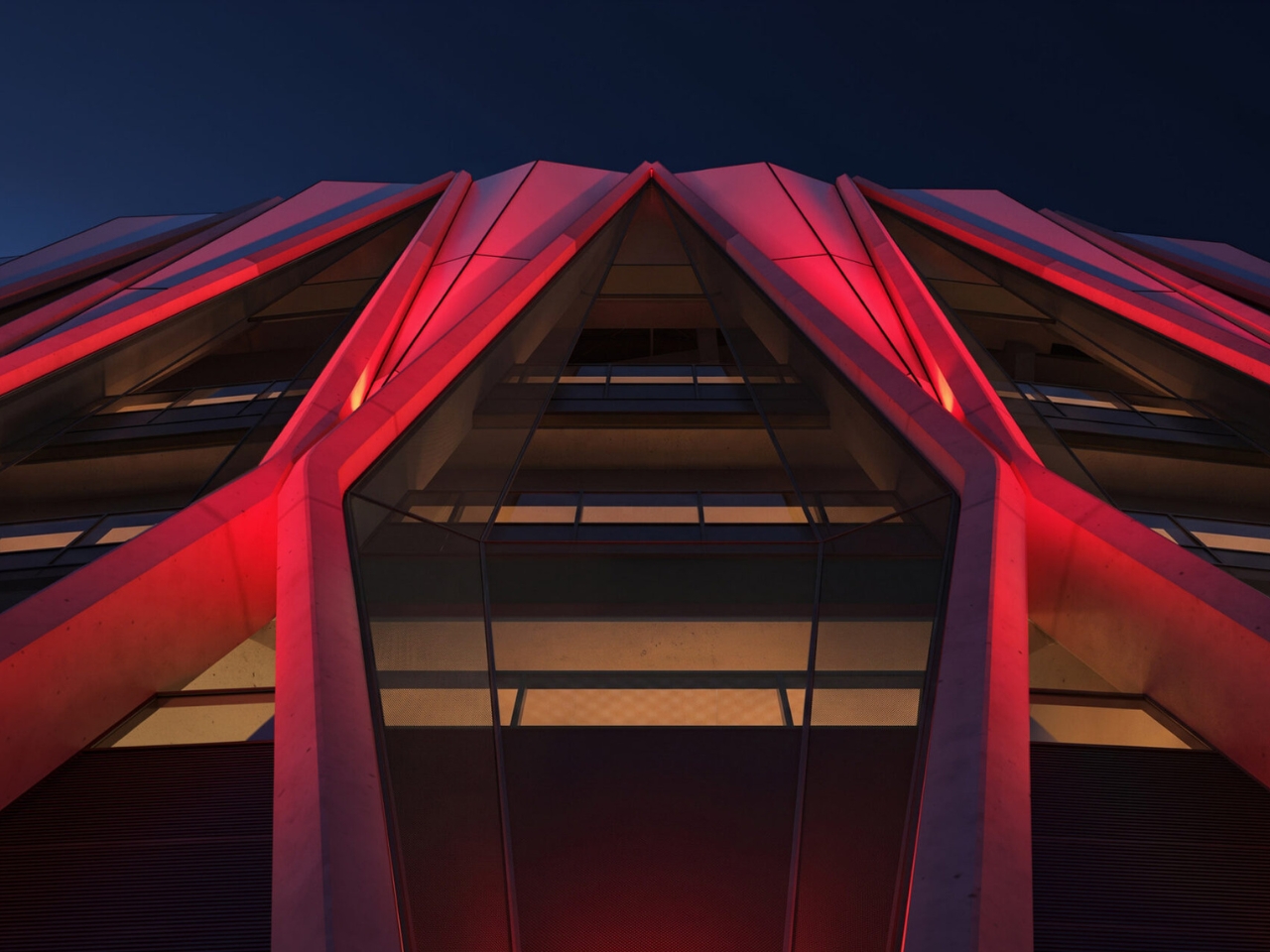
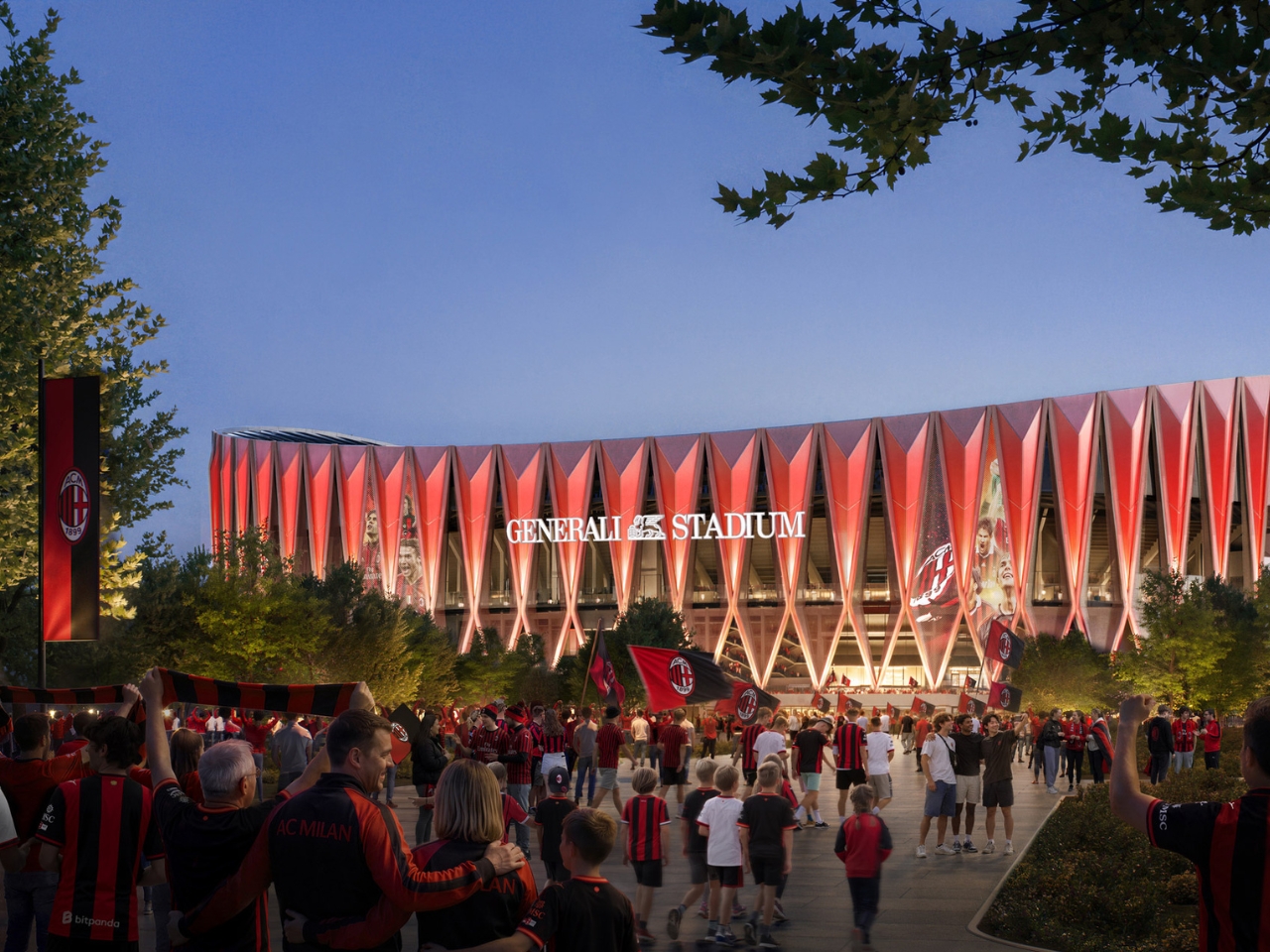
Now the proposed design for the 71,500-seat stadium, by architecture studios Foster + Partners and MANICA, has been unveiled. The clubs presented it on October 29, 2026. What’s most striking about the plans is how the X-frame makes the structure itself the architecture. The concrete frame extends from the colonnades, across the facade, and upward to support the roof. Its repeated geometry gives the building its identity while making its structural role visible.

Designers: Foster + Partners and MANICA
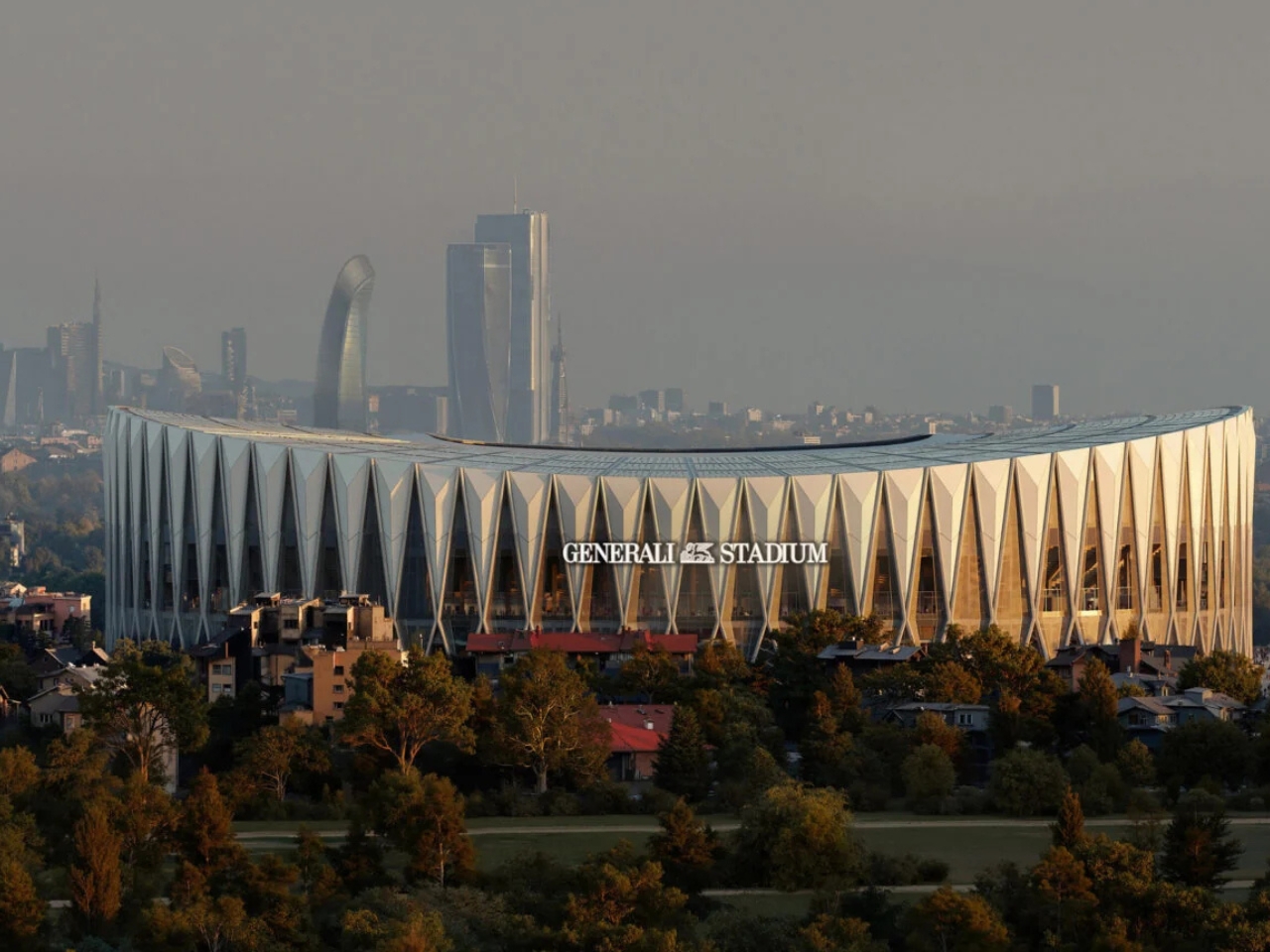
According to the clubs, that geometry draws on Italian engineering and the craftsmanship of Milan’s Duomo. The connection is an architectural reference rather than an attempt to reproduce the cathedral. What interests me more is the exposed supporting framework: the stadium’s most recognizable feature also explains something about how the enormous building stands up.

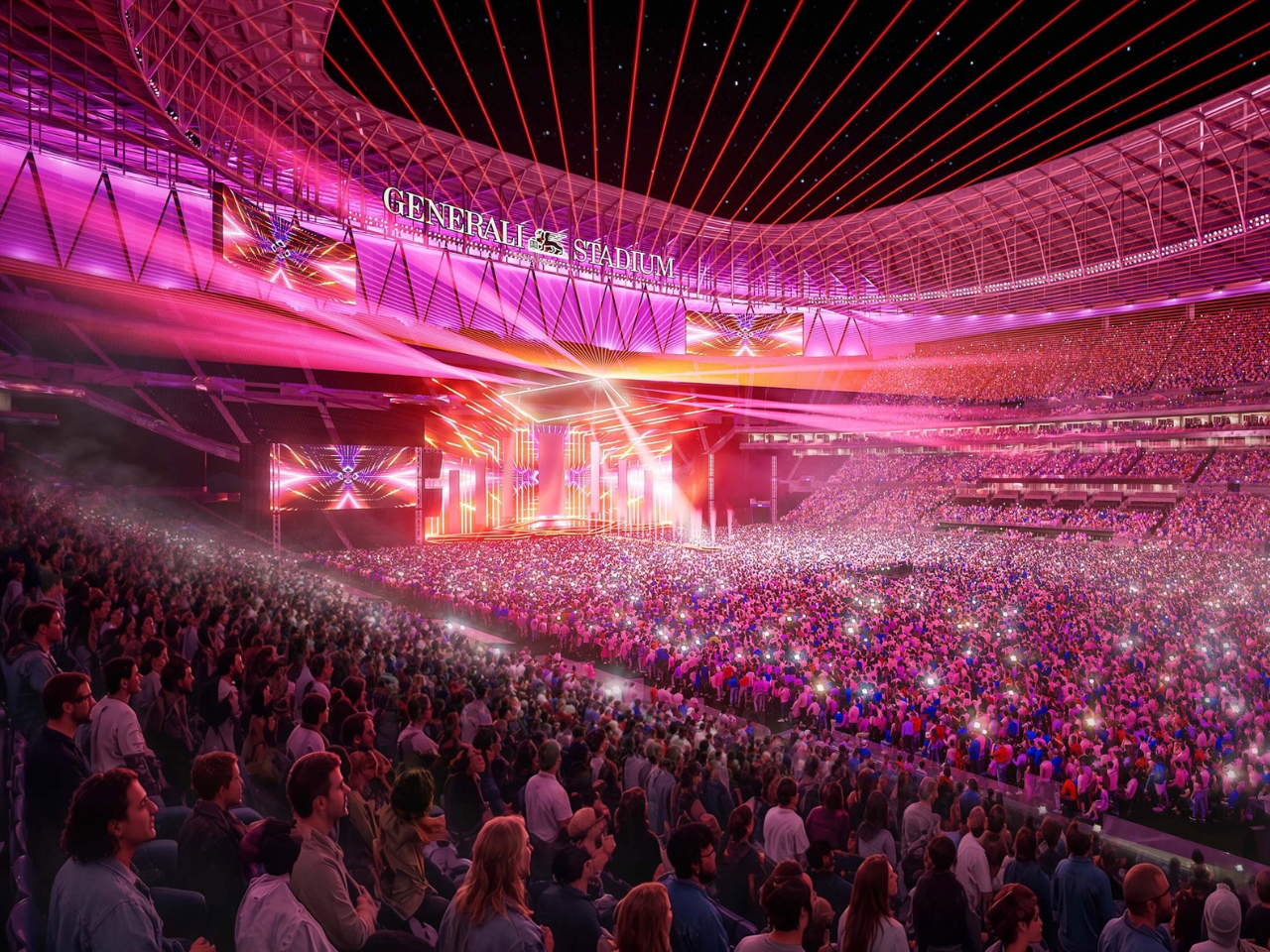
Inside, the focus shifts from concrete to the crowd. Two seating tiers form a continuous bowl around the field, with two steep supporter sections, or Curvas, behind the goals. Each would accommodate approximately 11,700 fans, with seating inclinations reaching 37 degrees. The arrangement is intended to bring supporters closer to the action. For a football fan, that relationship between the stands and the field is more compelling than another impressive exterior.


The double-curved roof also does more than shape the silhouette. The project website says it would incorporate 27,500 square meters of photovoltaic panels, while the clubs describe acoustic engineering intended to intensify the atmosphere. Those are useful ambitions, although the amount of solar electricity generated and the sound of a full stadium can’t be judged from renderings. A dramatic roof isn’t proof of either.

Arrival gets some attention, too. Diamond-shaped entrances would offer glimpses into the stadium before opening onto panoramic concourses with city views. Naturally ventilated colonnades form part of that approach. These spaces give the architecture a role before anyone reaches their seat, although open-looking entrances alone don’t establish how quickly thousands of spectators will actually move through them on matchday.
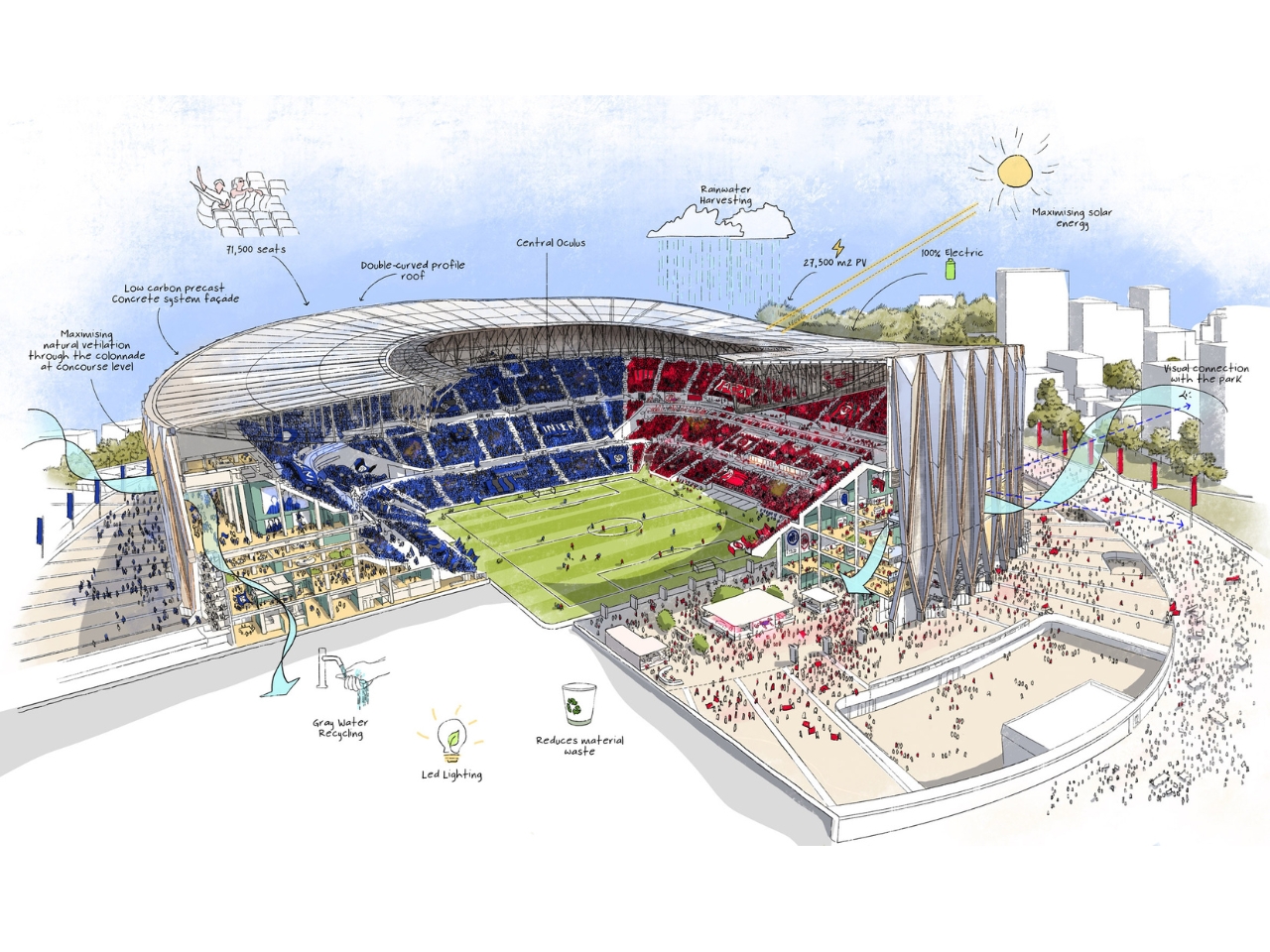
The plan also extends beyond the ticket gates. The stadium would anchor a 281,000-square-meter redevelopment incorporating public spaces, landscaped areas, retail, and leisure facilities. The aim is to give residents reasons to visit outside matchdays. That’s potentially the most useful part for people who aren’t interested in either club: somewhere to spend time without attending an event. Its everyday value will depend on how much space remains genuinely public and welcoming.

The clubs also promise enhanced accessibility, which deserves attention alongside the dramatic seating bowl. I’d want to know how step-free routes, companion seating, and views when neighboring supporters stand are handled. A designated space is only part of the experience; getting from the entrance to that space matters just as much.

For now, this remains a proposal moving through design and planning. Construction is expected to begin in 2028, with the first match targeted for the 2031/32 season, subject to approvals. That opening target should not be confused with a confirmed deadline for demolishing San Siro.

I can appreciate the logic of designing outward from the supporter sections, even while feeling reluctant about what this replacement means. Bringing fans closer and giving the neighborhood usable public space are worthwhile goals. The harder test will be whether ordinary supporters feel the new building belongs to them. The concrete frame will make the stadium recognizable; the experience of arriving, finding a seat, and watching a match will determine whether people want to return.
The post San Siro’s Proposed Replacement Uses a Concrete X-Frame to Support Its Sweeping Roof first appeared on Yanko Design.


The Galaxy Z TriFold 2 Leak Proves Samsung Has Cracked Triple-Screen Engineering

The Galaxy Z TriFold 2 Leak Proves Samsung Has Cracked Triple-Screen Engineering Concept render of a Samsung Galaxy Z TriFold device being unfolded.

Samsung is poised to make significant strides in the mobile technology sector with its innovative approach to smartphone design. Leading this charge is the highly anticipated Galaxy Z Trifold 2, a device that promises to push the boundaries of foldable technology. Expected to debut in 2027, this next-generation smartphone builds on the foundation laid by […]

The post The Galaxy Z TriFold 2 Leak Proves Samsung Has Cracked Triple-Screen Engineering appeared first on Geeky Gadgets.

Posted in Uncategorized

How to Use Google Meet AI Notes and Translation Features in 2026

How to Use Google Meet AI Notes and Translation Features in 2026 Gemini generating an automated meeting summary and transcript

Google Meet’s integration with Gemini AI has introduced a range of features designed to simplify and enhance virtual collaboration. From live speech translation supporting 63 languages to AI-powered note-taking that captures detailed transcripts with timestamps and screenshots, these updates aim to make meetings more accessible and productive. Your AI Workflow explores how these capabilities, including […]

The post How to Use Google Meet AI Notes and Translation Features in 2026 appeared first on Geeky Gadgets.

Posted in Uncategorized

Acer Predator Atlas 8 Tested: Does This Intel-Powered Beast Dethrone AMD?

Acer Predator Atlas 8 Tested: Does This Intel-Powered Beast Dethrone AMD? Acer Predator Atlas 8

The Acer Predator Atlas 8 enters the competitive handheld gaming market as a device designed to deliver PC-level gaming performance in a portable form. With its robust hardware, customizable controls, and durable build, it aims to challenge established players like the Steam Deck and Asus ROG Ally. However, its hefty weight and limited battery life […]

The post Acer Predator Atlas 8 Tested: Does This Intel-Powered Beast Dethrone AMD? appeared first on Geeky Gadgets.

Posted in Uncategorized

A Real Eiffel Tower Light Becomes a Lamp Without the Kitsch

A miniature Eiffel Tower tells you where someone went, but rarely gives you much reason to look closer. I’m more interested in souvenirs that carry a little of a place’s actual history, especially when they earn their space at home. The challenge is giving that history a useful role without polishing away everything that makes it worth preserving.

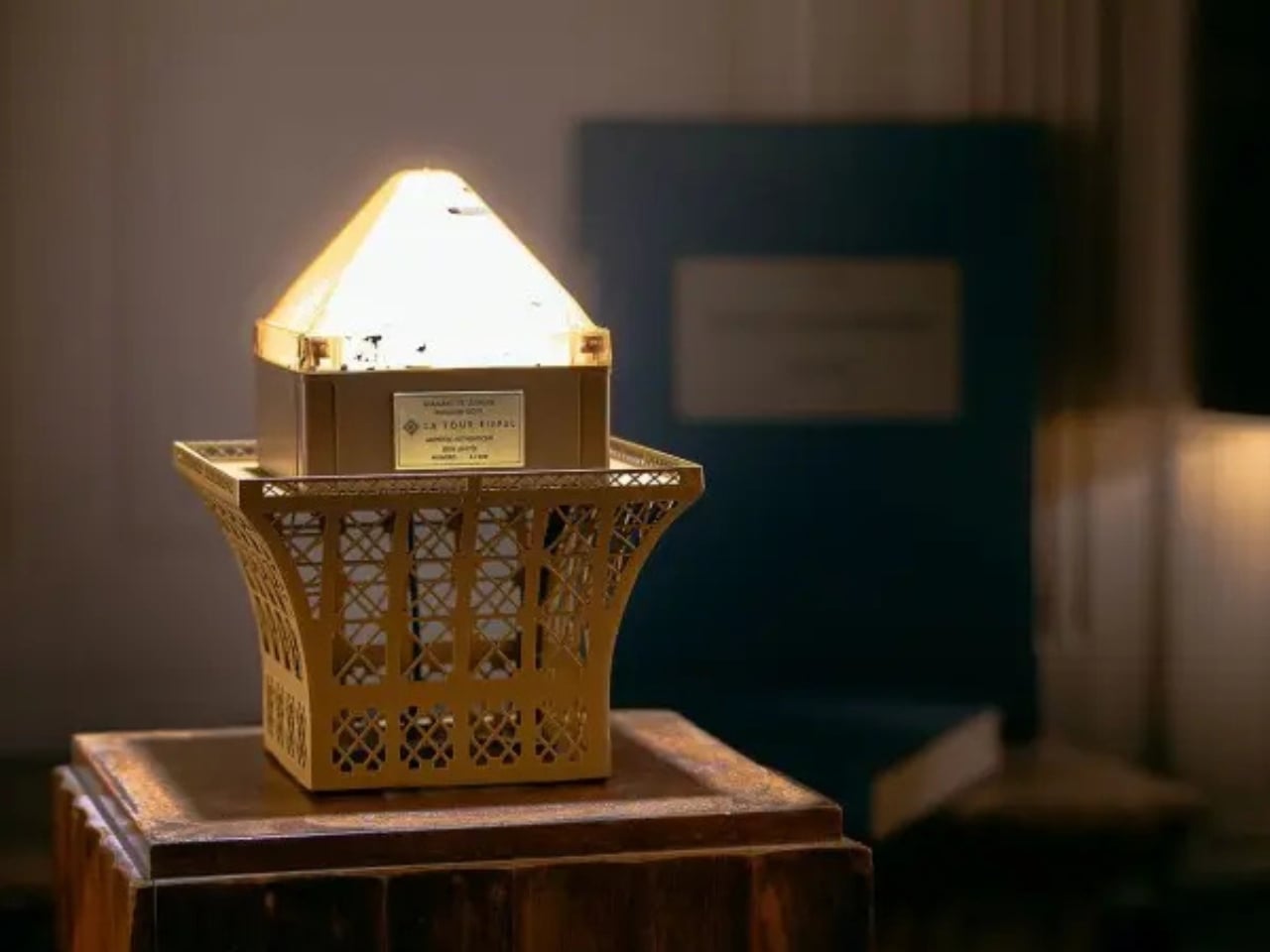
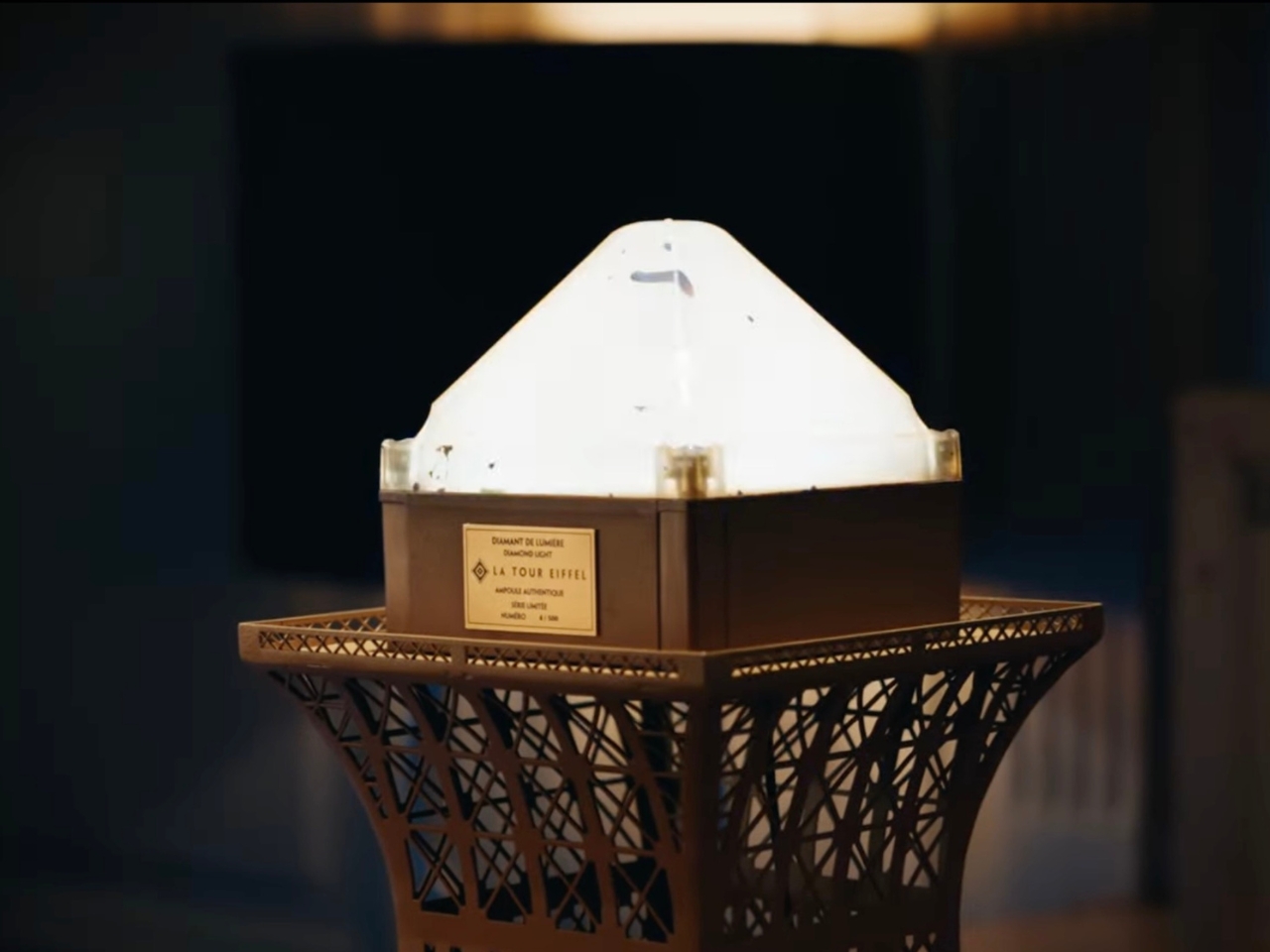
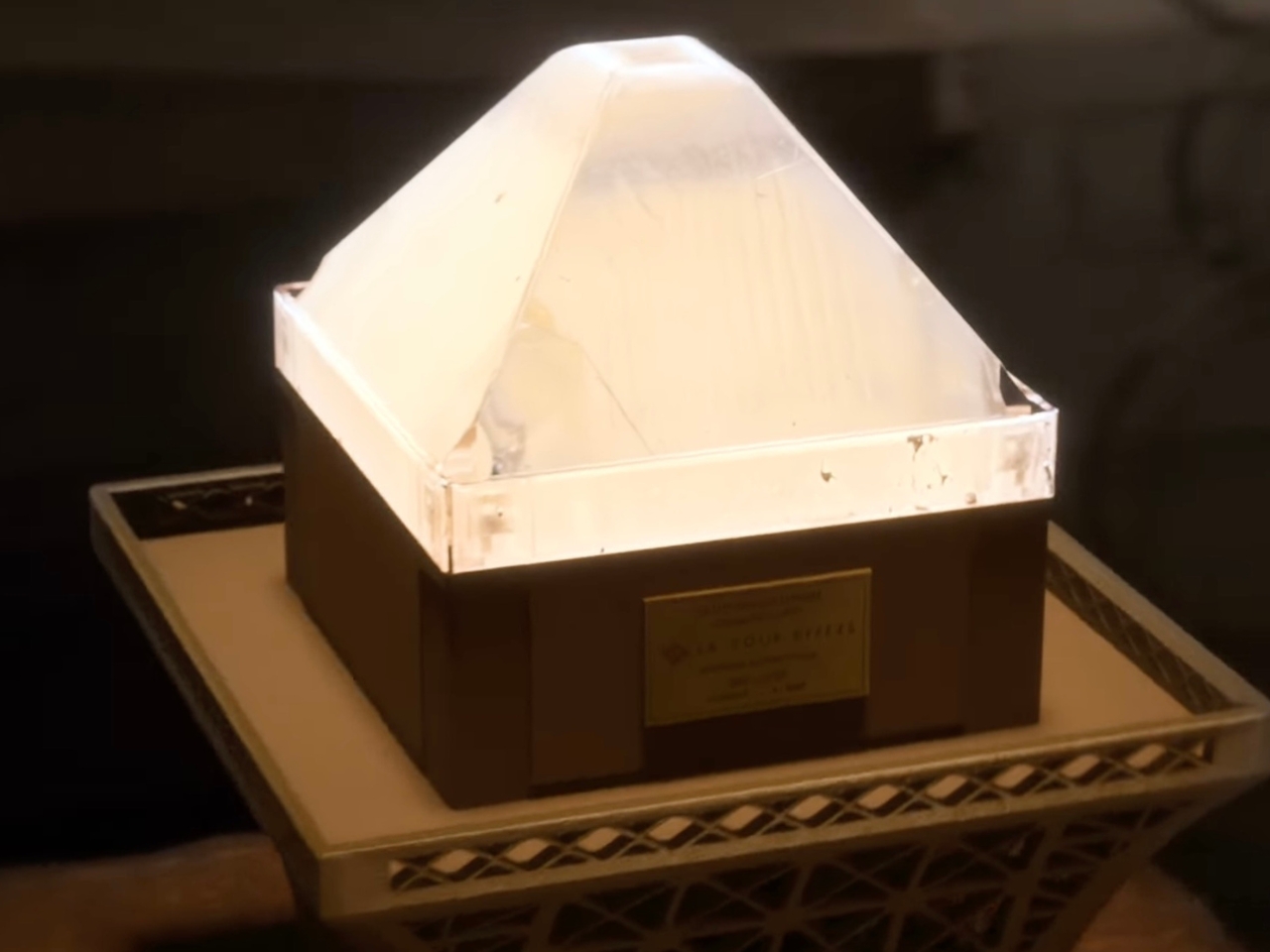
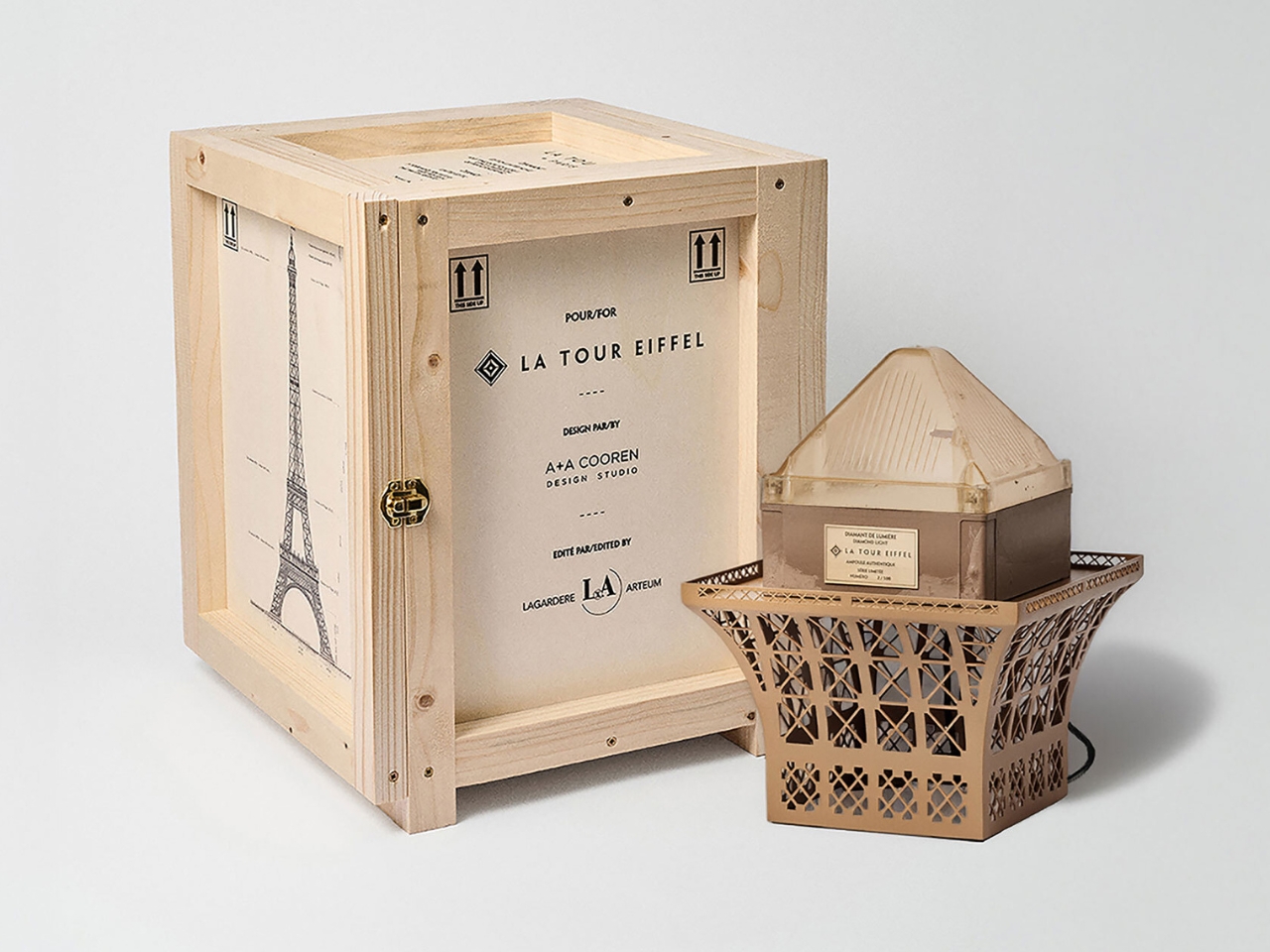
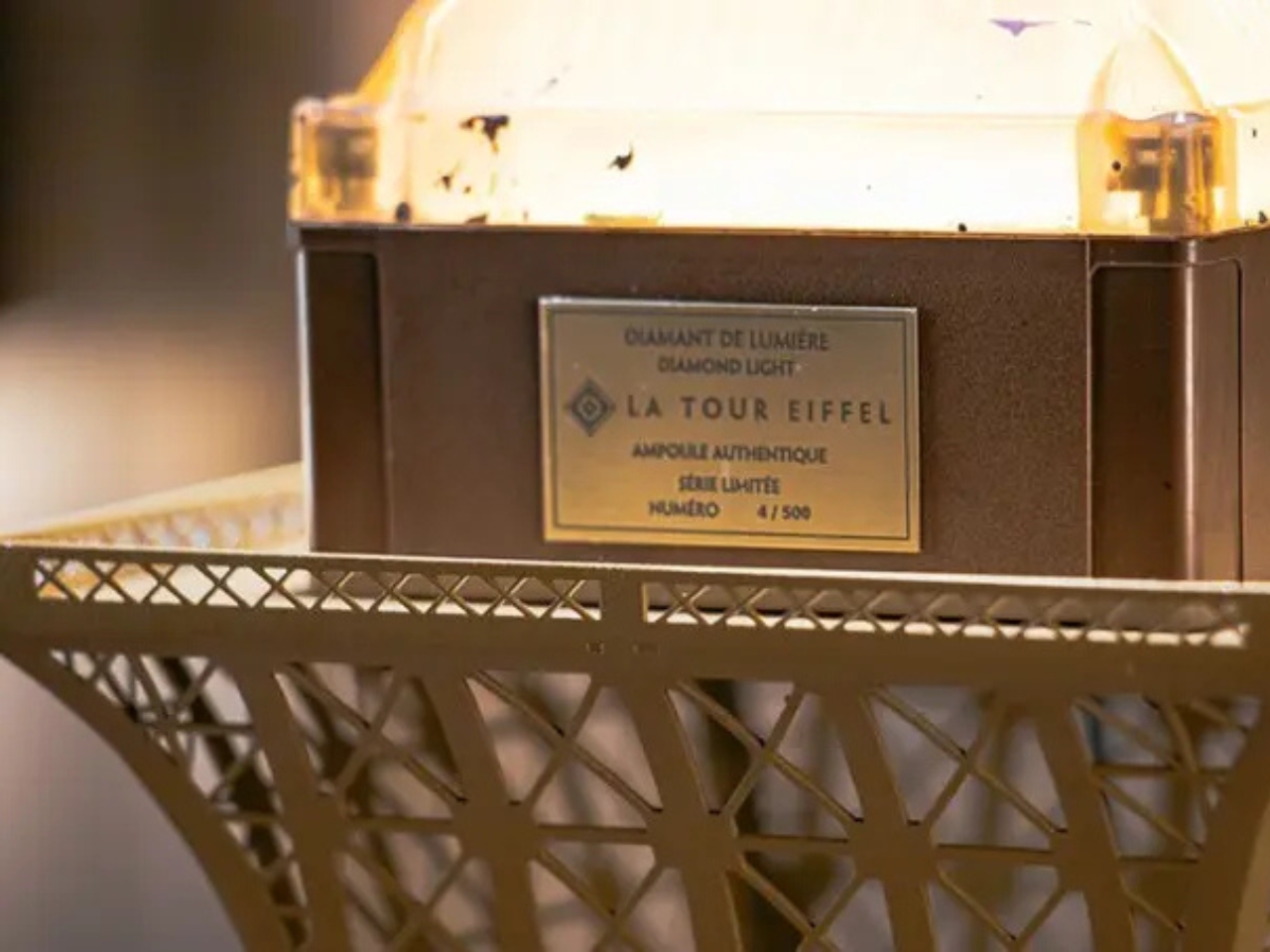
That’s the appeal of the La Tour Eiffel Diamond Light, designed by A+A Cooren Design Studio with Lagardère x Arteum. Built around a retired fixture from the Eiffel Tower’s sparkling illumination, it turns a piece of lighting infrastructure into a working tabletop lamp. The preserved paint marks are part of the point. Rather than manufacture another miniature monument, the designers have given an actual component a reason to stay switched on.

Designers: A+A Cooren Design Studio and Lagardère x Arteum (LxA)

The iron-alloy base makes the architectural connection without turning the whole object into another miniature tower. Drawing from Gustave Eiffel’s historical blueprints, its arches and cross-bracing reinterpret the structure near the monument’s top. I prefer that approach to a literal replica. You get enough of the tower’s visual language to recognize the reference, while the lamp keeps its own proportions and identity as an object for a room.

In the official photographs, the faceted upper section sits above that open metal framework like an oversized jewel in an industrial setting. The brown finish helps the two parts feel related, despite their different origins. It looks substantial without relying on a large footprint, and the exposed latticework gives your eye somewhere to travel beneath the light.

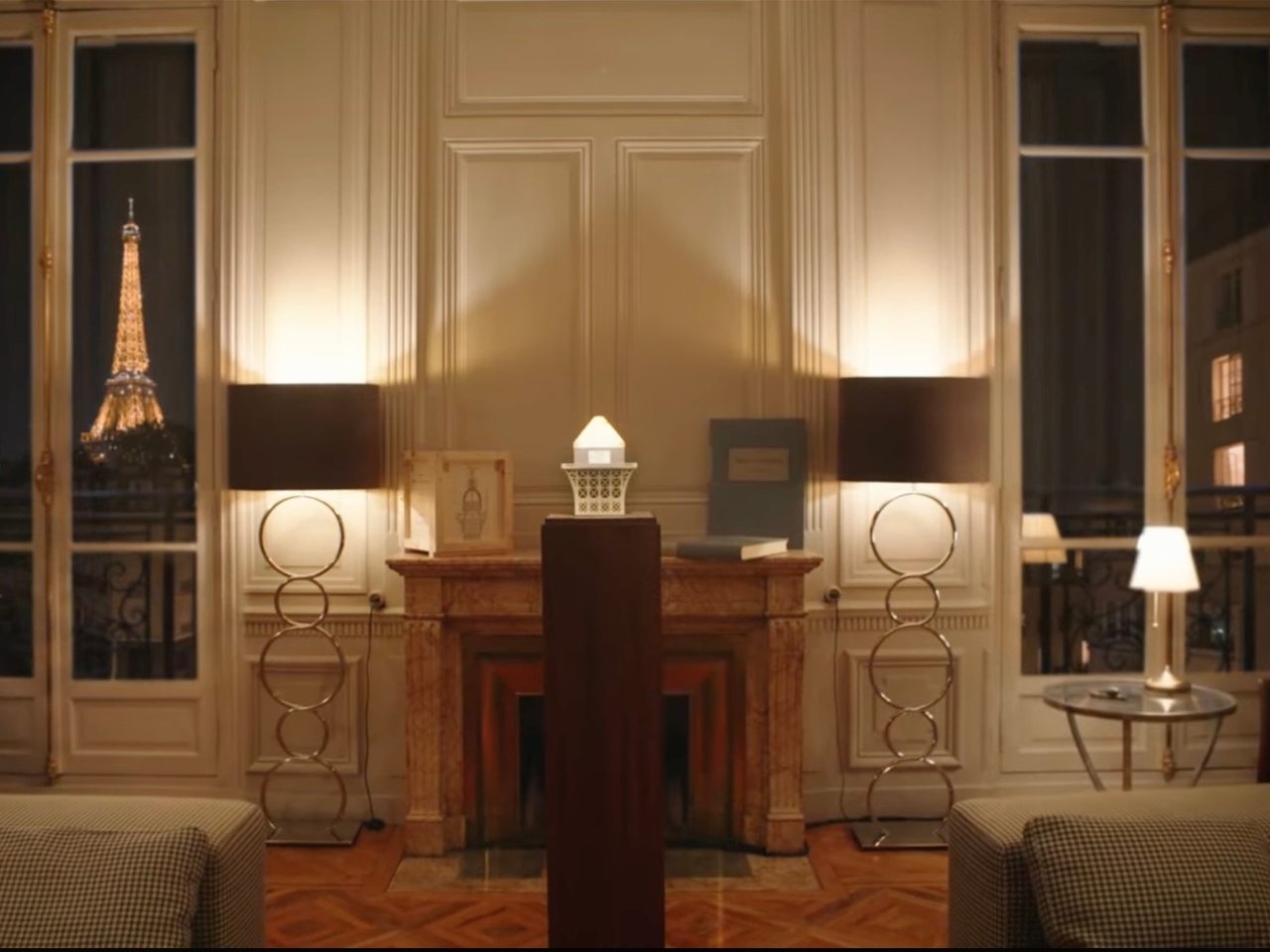
The lighting modes make the connection to Paris more than visual. One provides a steady warm glow. Another alternates 55 minutes of steady illumination with five minutes of twinkling. A third leaves the lamp dark for 55 minutes before its five-minute sparkle sequence. I’d probably favor the steady setting most evenings, but the timed sparkle has an appealingly specific purpose: it brings the monument’s lighting rhythm into the room, rather than simply making a souvenir flash.

A four-position rotary switch handles the three modes and off setting. That feels appropriate for an object whose appeal is so physical. At roughly 10.4 inches tall and 2.9 pounds, it’s a tabletop piece rather than a floor-standing statement. The specifications list 24 LEDs, and the store describes it as ambient lighting. I’d treat it as a decorative accent, not buy it expecting a reading lamp.

It also improves on an earlier idea in a meaningful way. Diamond of Light editions offered in 2016 and 2017 were collectible objects, not functioning lamps. The 2026 version adds an everyday reason to interact with the preserved component. To me, that’s a stronger design move than simply finding a more elaborate way to display it.

Each of the 500 numbered pieces comes with an official certificate of authenticity and a wooden case. The presentation embraces its collector’s-item status, which seems fair enough here. If the attraction is owning an actual piece of the Eiffel Tower’s lighting, documentation of its origin matters considerably more than another decorative flourish on the base.

The price puts that appeal in perspective. The official store lists it at €990 including VAT, before shipping, with worldwide delivery available. You’re paying for provenance, limited production, and the design work around the reclaimed fixture. As a straightforward lighting purchase, it’s difficult to justify on function alone. As a collectible that also has a place in daily life, the proposition makes more sense.

I wouldn’t want the weathering polished away or hidden behind a pristine cover. Those irregularities are what make the premise convincing. The strongest choice here is giving the old component enough new structure to work in a home while letting it remain visibly old. A souvenir becomes more interesting when its previous life is still allowed to show.

The post A Real Eiffel Tower Light Becomes a Lamp Without the Kitsch first appeared on Yanko Design.
Google Unveils Genie 4 to Build Real-Time 3D Environments

Google Unveils Genie 4 to Build Real-Time 3D Environments A side-by-side comparison of user text prompts and the resulting 3D worlds generated by Google Genie 4.

Google has unveiled Genie 4, an artificial intelligence system designed to create detailed, interactive 3D environments in real time. Unlike traditional systems that depend on pre-built models, Genie 4 generates entire worlds dynamically based on user input, incorporating realistic physics and soundscapes. According to AI Grid, the system is trained on extensive video data to […]

The post Google Unveils Genie 4 to Build Real-Time 3D Environments appeared first on Geeky Gadgets.

Posted in Uncategorized

The Rumored iPhone Air 2 Upgrade That Changes Everything for Apple’s Slim Lineup

The Rumored iPhone Air 2 Upgrade That Changes Everything for Apple’s Slim Lineup Concept render of the rumored ultra-thin iPhone Air 2 profile.

The iPhone Air 2 is set to redefine expectations in the smartphone market, addressing the limitations of its predecessor while introducing a range of advanced features. With its ultra-thin design and innovative technology, this device aims to strike a balance between aesthetics and functionality. Rumors suggest a potential launch in early 2027, possibly alongside the […]

The post The Rumored iPhone Air 2 Upgrade That Changes Everything for Apple’s Slim Lineup appeared first on Geeky Gadgets.

Posted in Uncategorized

Phantom Blade Zero Hits 40 to 70 FPS on Steam Machine

Phantom Blade Zero Hits 40 to 70 FPS on Steam Machine Frame rate counter showing 60 FPS on a Steam Machine.

Testing Phantom Blade Zero on the Steam Machine provides a fascinating look at how the game performs on SteamOS. GameTechPlanet examines the interplay between the Proton compatibility layer and hardware utilization, uncovering key challenges like inconsistent GPU usage and frame rate drops. For example, the game struggles to maintain stability during graphically demanding scenes, particularly […]

The post Phantom Blade Zero Hits 40 to 70 FPS on Steam Machine appeared first on Geeky Gadgets.

Posted in Uncategorized