Microsoft Copilot Autopilot Works While Your Laptop is Off

Microsoft Copilot Autopilot Works While Your Laptop is Off The Microsoft Autopilot setup screen showing customization options for design, shape, and color.

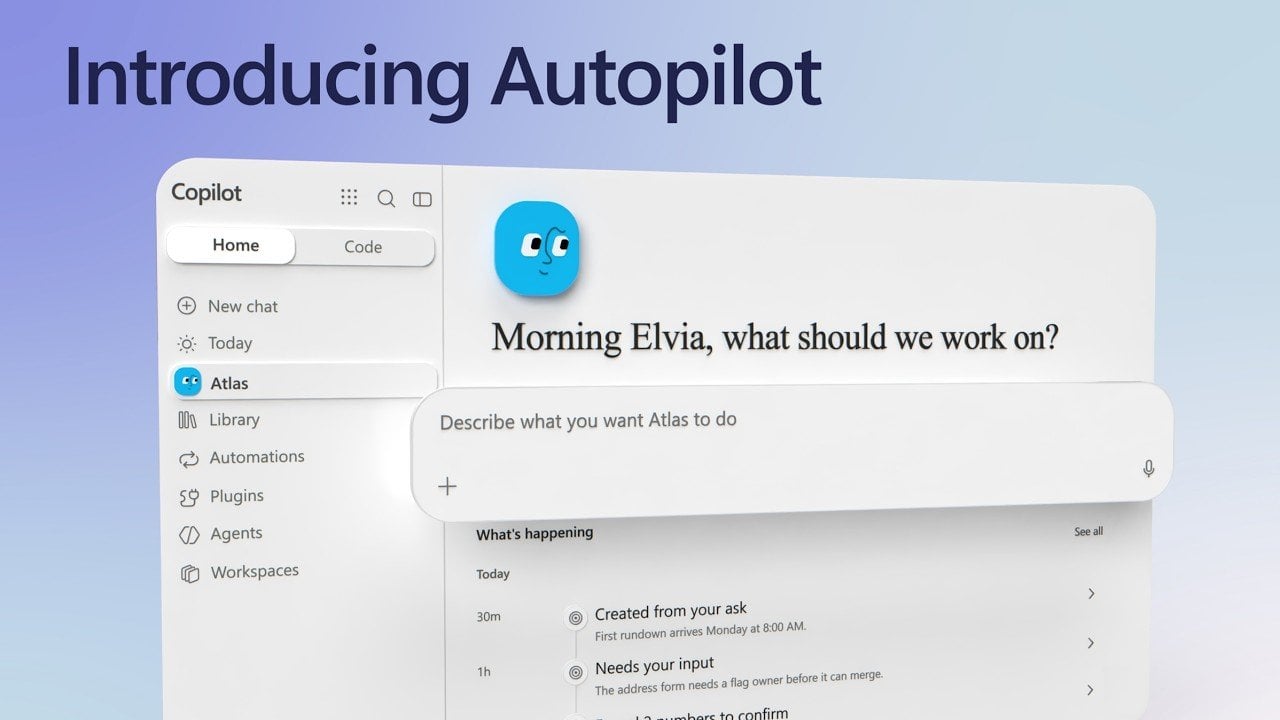
Microsoft Copilot can now keep working when your laptop is off. Running in the cloud, it continues with the tasks you assign. Autopilot is a new personal AI agent feature in Microsoft Copilot that can follow conversations, monitor projects and handle recurring work without repeated prompts. You can create one without coding, give it goals […]

The post Microsoft Copilot Autopilot Works While Your Laptop is Off appeared first on Geeky Gadgets.

Posted in Uncategorized

Neri Oxman’s Book Explores Materials That Don’t Last Forever

A building material designed to break down in water sounds like a homeowner’s nightmare. In Neri Oxman’s research, controlled decomposition can be a design goal. Her work on biopolymer structures addresses a problem that survives an object’s useful life: the material left behind. I like the ambition of designing an exit strategy into an object, even if I wouldn’t want an experimental wall anywhere near my plumbing.

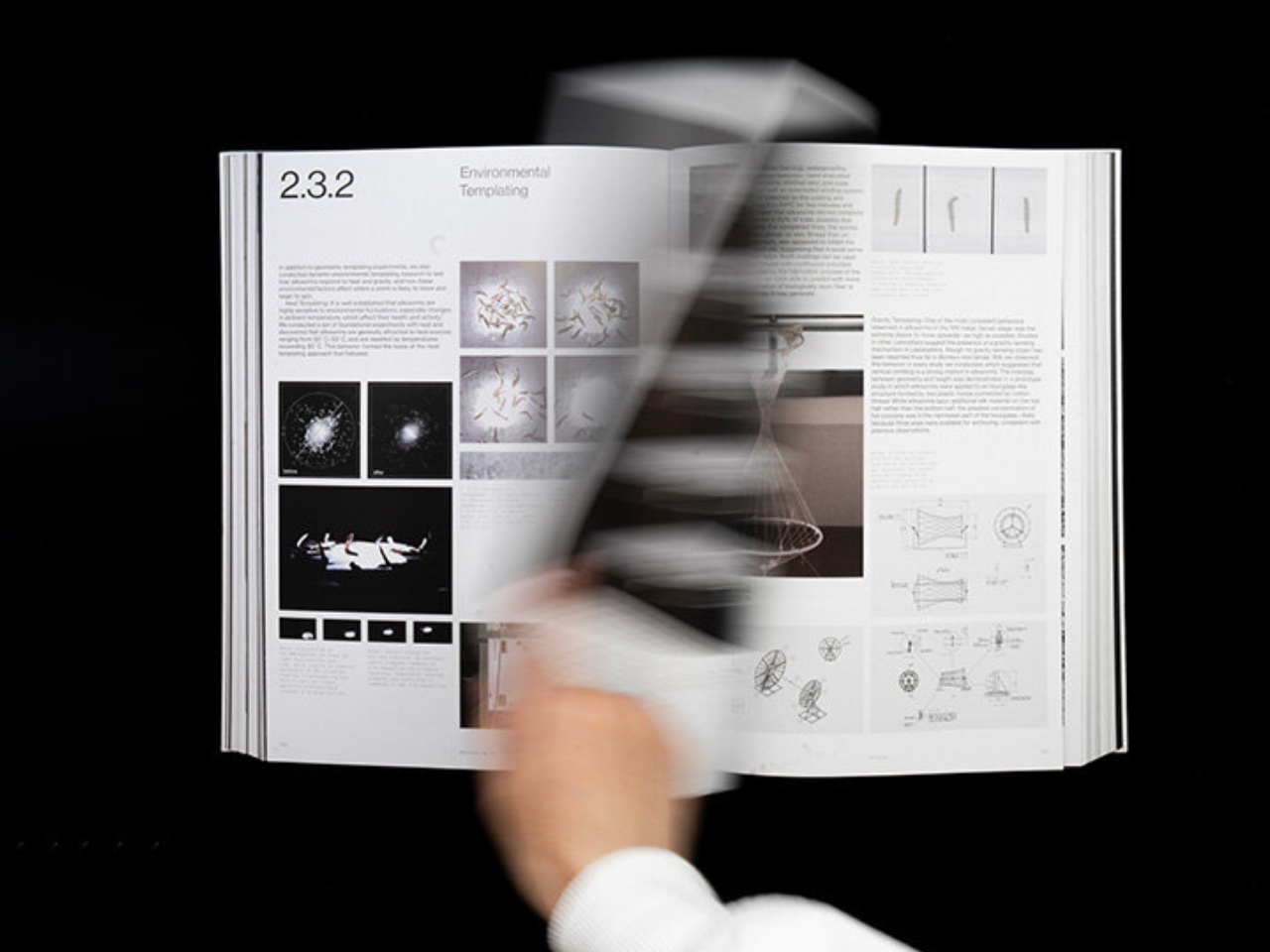
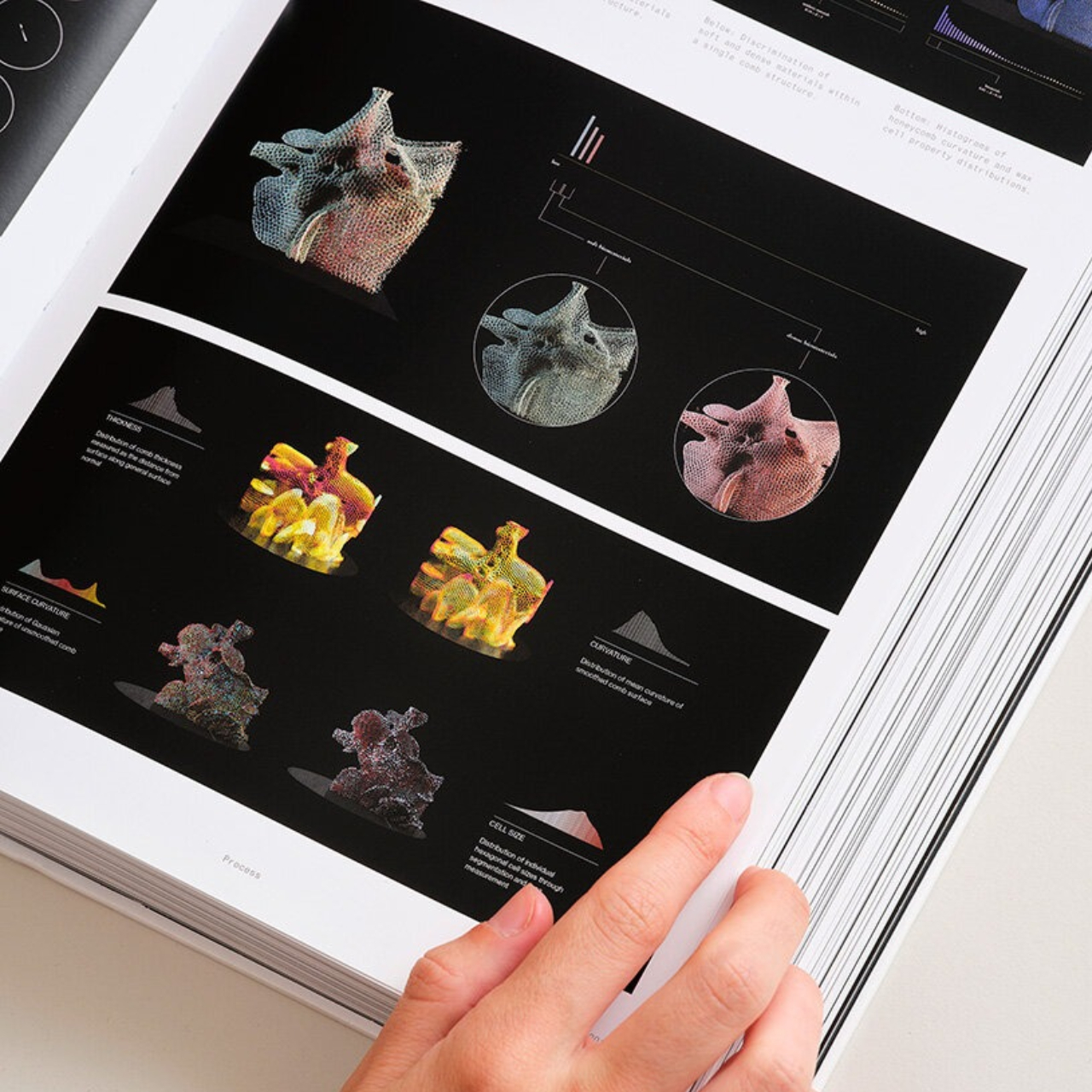
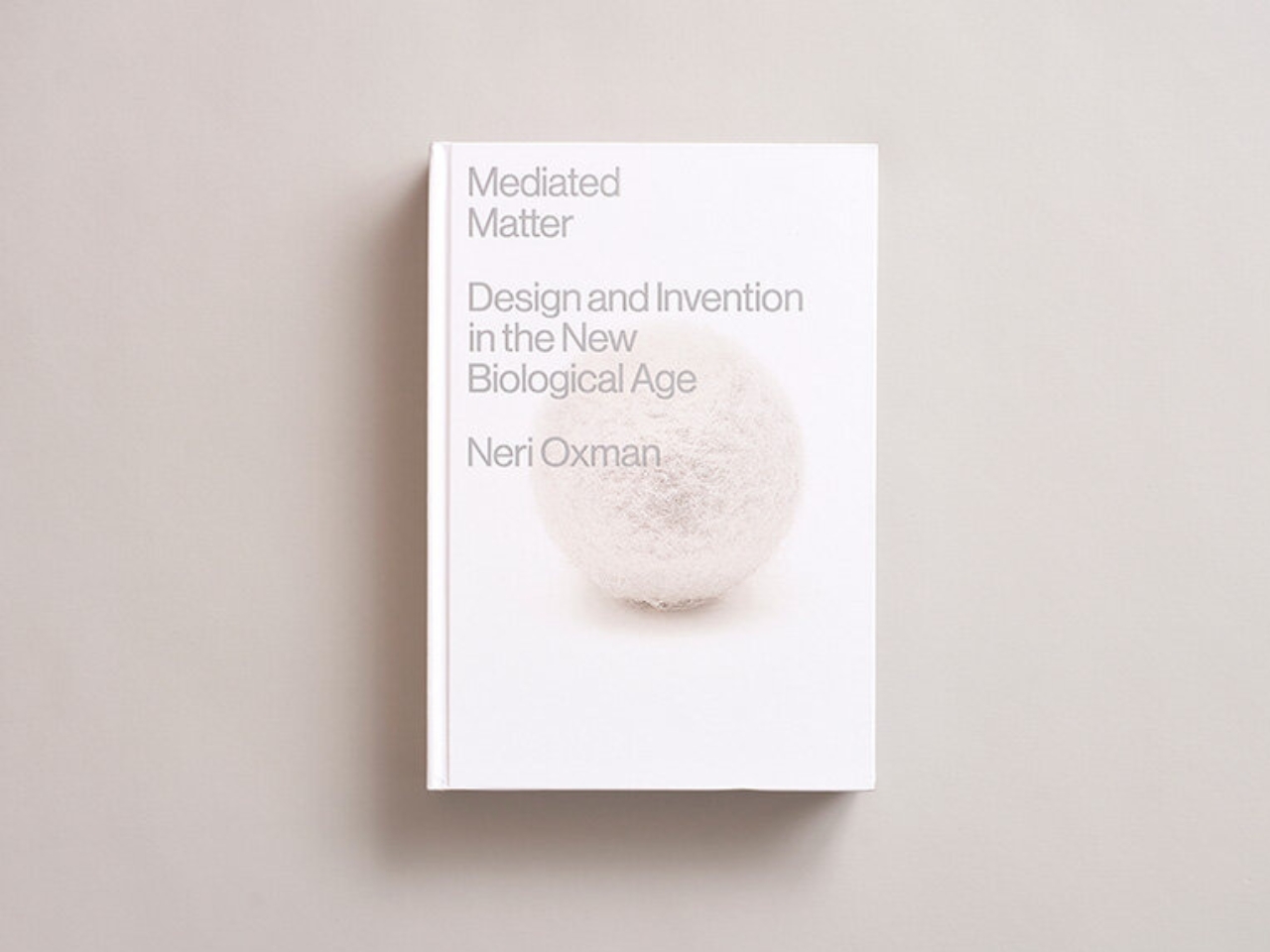
Her book, Mediated Matter: Design and Invention in the New Biological Age, gathers the thinking and research behind that ambition. This 612-page hardcover surveys more than two decades of work spanning biology, computation, and fabrication. This is a record of experiments and possibilities, rather than a catalog of construction products ready for your next renovation.

Designer: Neri Oxman
Oxman calls her approach Material Ecology. Developed through her work with the Mediated Matter Group at MIT, it considers how materials, fabrication methods, and environmental conditions can shape one another. The appeal, for me, is that it moves the conversation past appearances. A building can borrow the silhouette of a leaf; the more demanding proposition is to learn from how living systems make and organize material.

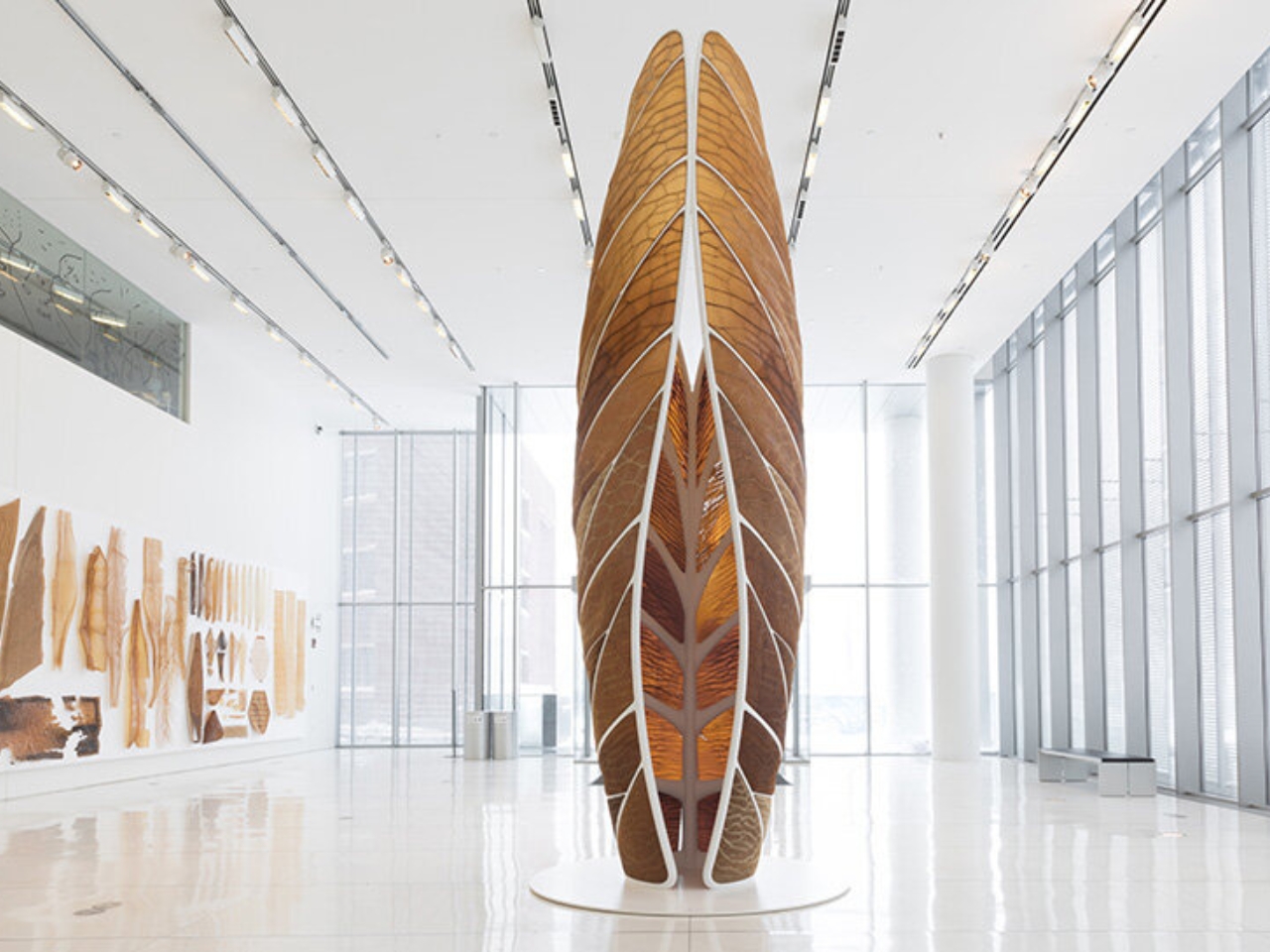
Aguahoja gives that proposition a physical form. Oxman and her team developed a robotic, water-based fabrication process using ingredients including cellulose, chitosan, and pectin. These are biological polymers associated with plant matter, crustacean shells, and fruit. Instead of merely choosing a material from a supplier’s sample book, the researchers vary its composition and distribution during printing to control properties such as stiffness and opacity.
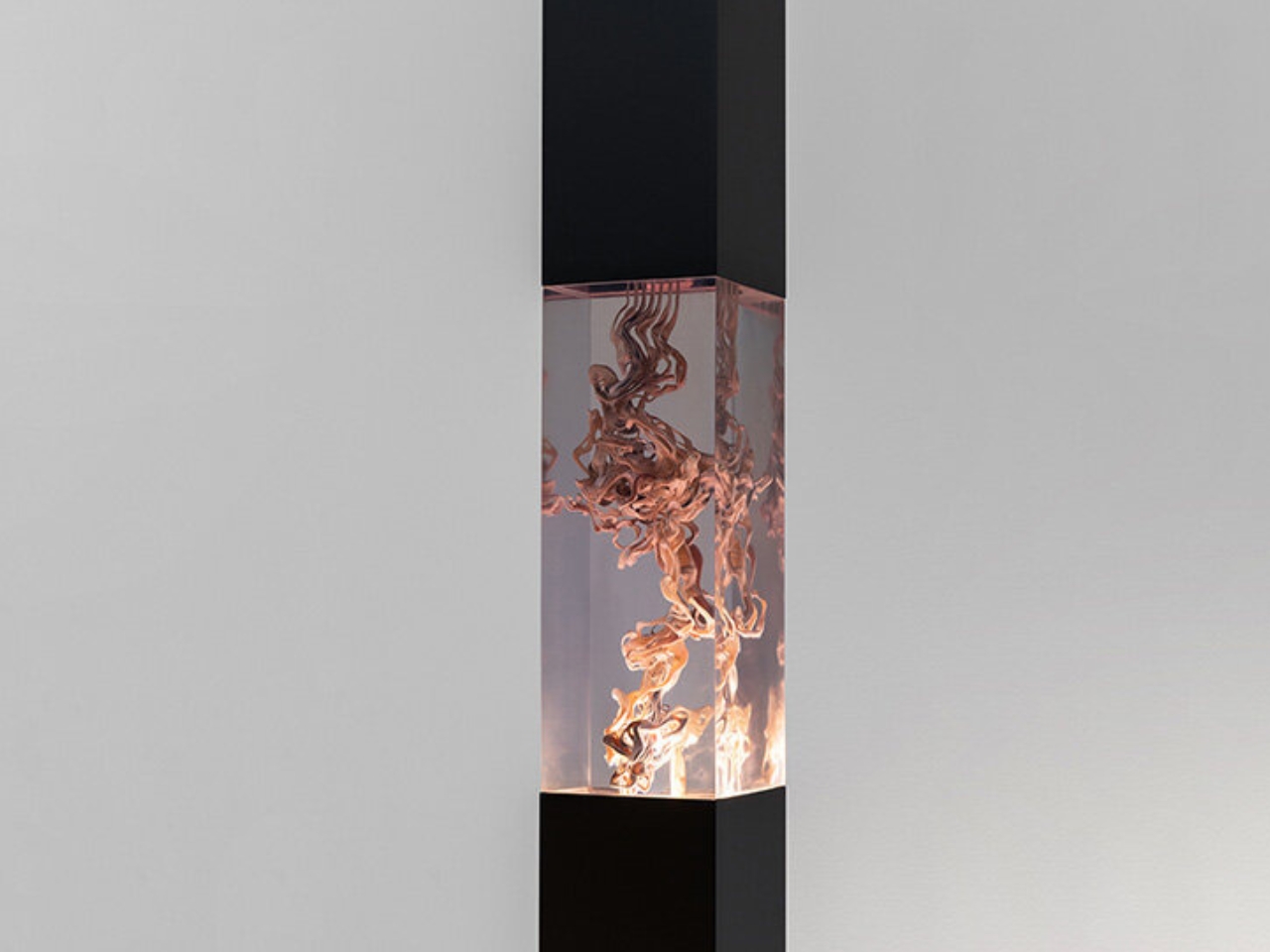

The project’s most provocative decision concerns its ending. According to the team’s documentation, Aguahoja’s biopolymer skins are designed to break down in water, with different components degrading in a controlled sequence. That doesn’t make a rain-sensitive material suitable for every application. It does make disposal part of the original design brief. I’d like that question asked of more objects long before anyone settles on their packaging.

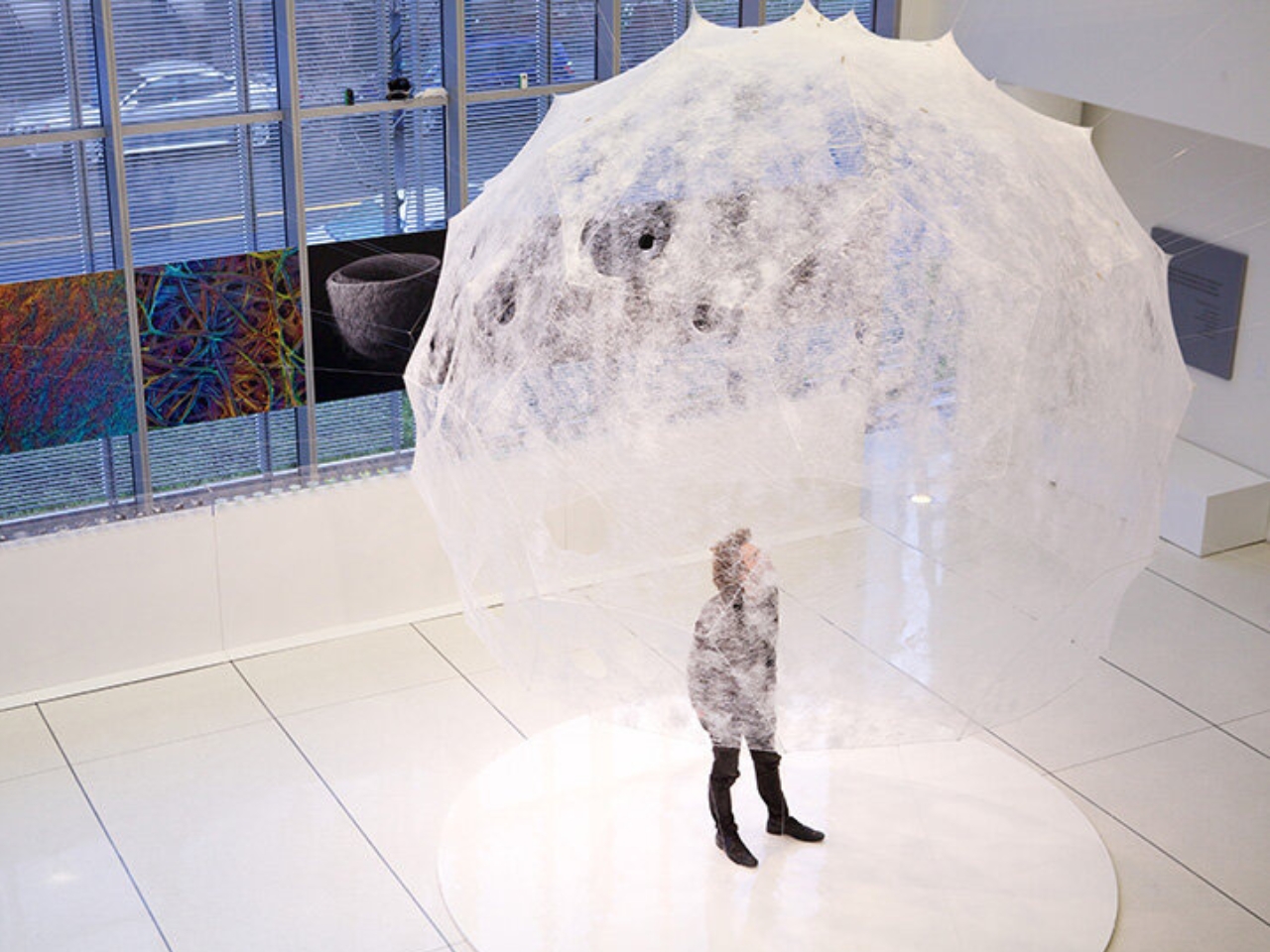
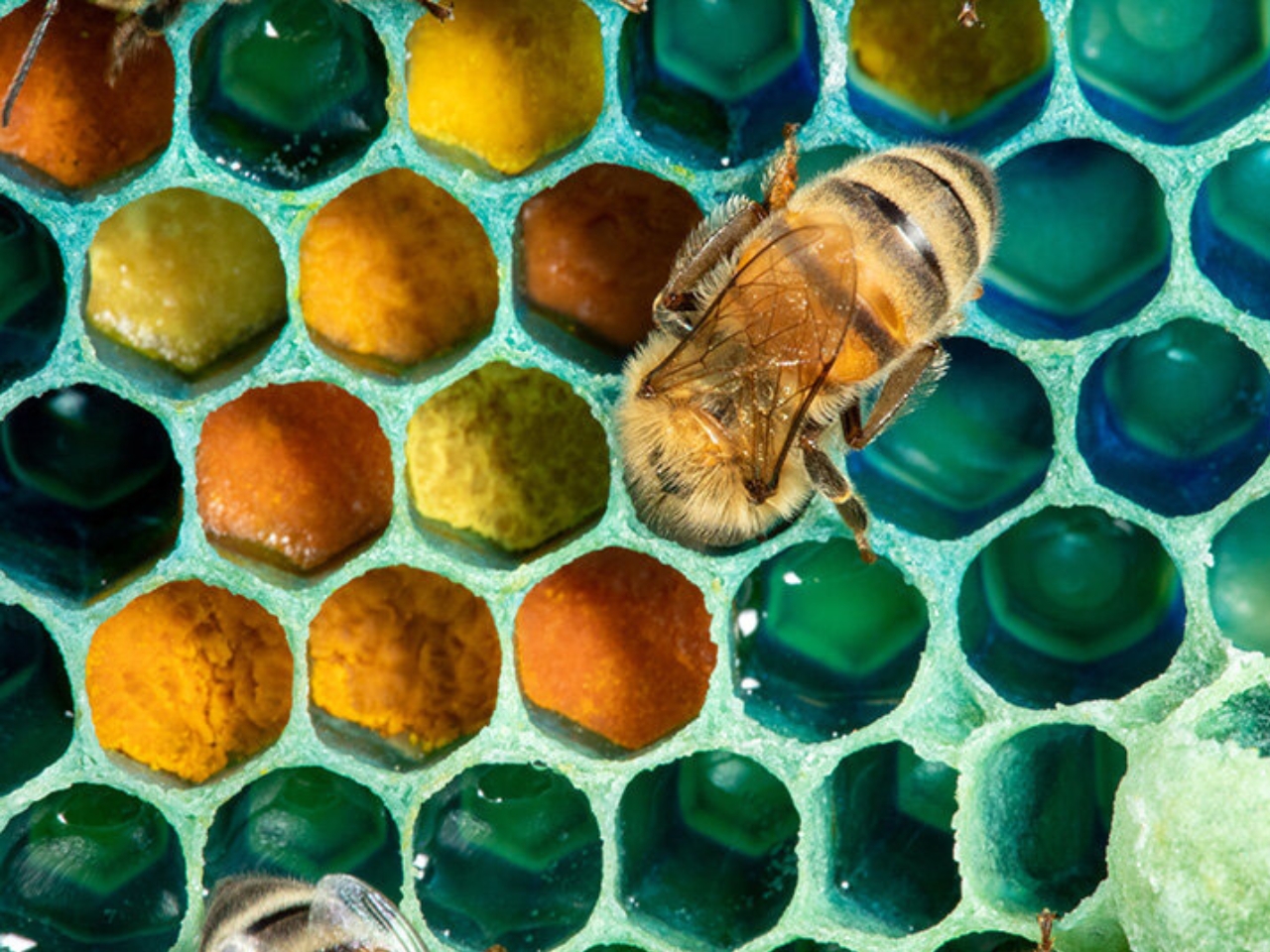
Growth becomes more literal in Silk Pavilion I. A computer-controlled fabrication process established the dome’s underlying structure, while 6,500 silkworms contributed biological fabrication. MoMA’s account explains that the team studied the animals’ responses to spatial and environmental conditions, influencing them to spin sheets rather than cocoons. The designer’s role becomes surprisingly specific: create conditions that guide another species’ behavior, rather than dictate every strand’s final position.
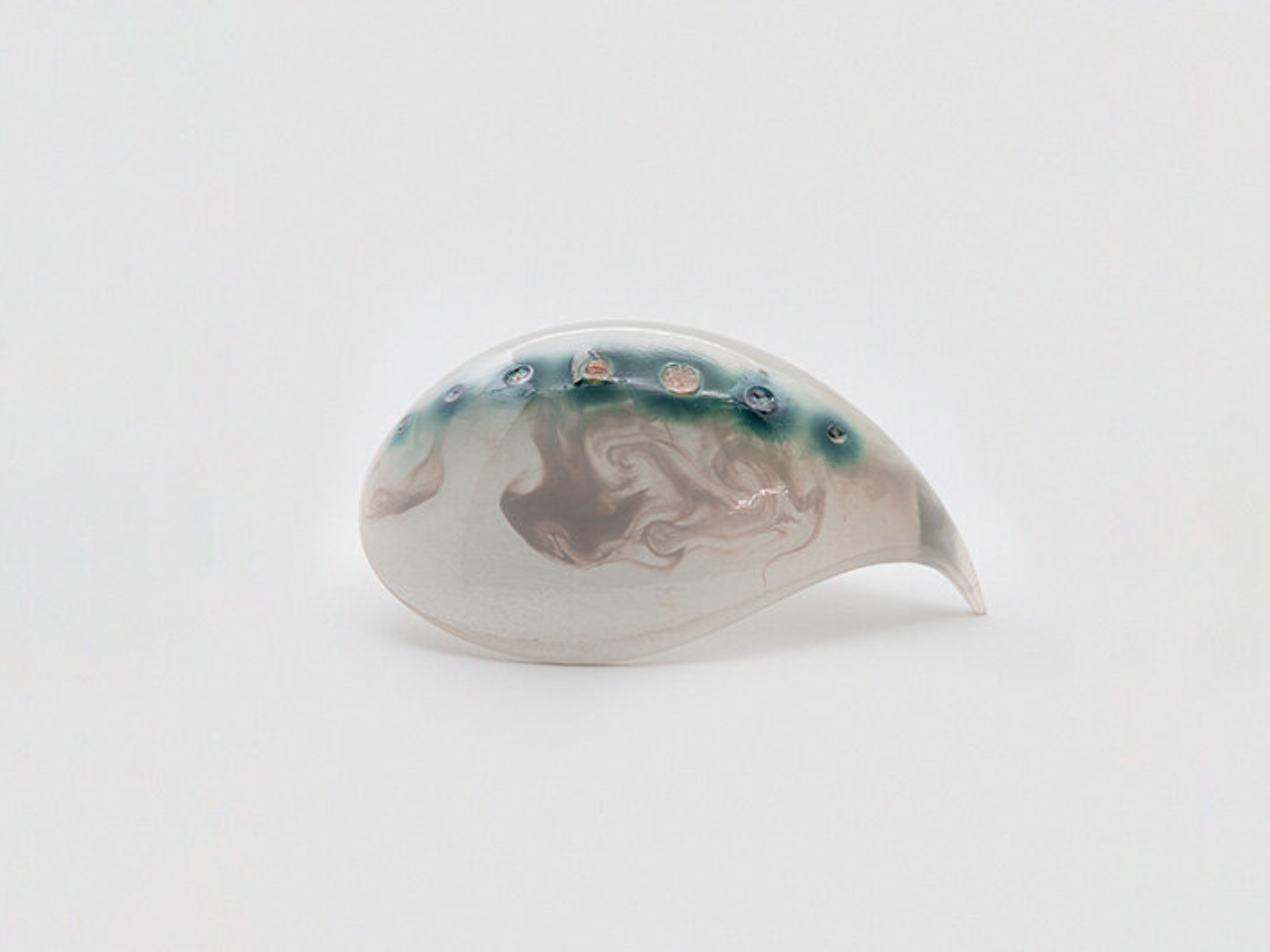

I find that shift more compelling than the easy science-fiction reading of a house that grows itself. It gives design a different kind of job, one involving observation and accommodation as much as control. There’s also a useful humility in accepting that a living collaborator won’t behave like an interchangeable factory component.

Of course, a pavilion isn’t a subdivision. For me, the unresolved questions are practical: how would these approaches handle years of use, repairs, weather, and the budgets of ordinary buildings? A material’s ability to decompose needs careful timing, especially when people depend on it for shelter. Treating these research projects as proof of affordable, durable housing would ask the evidence to carry far too much.
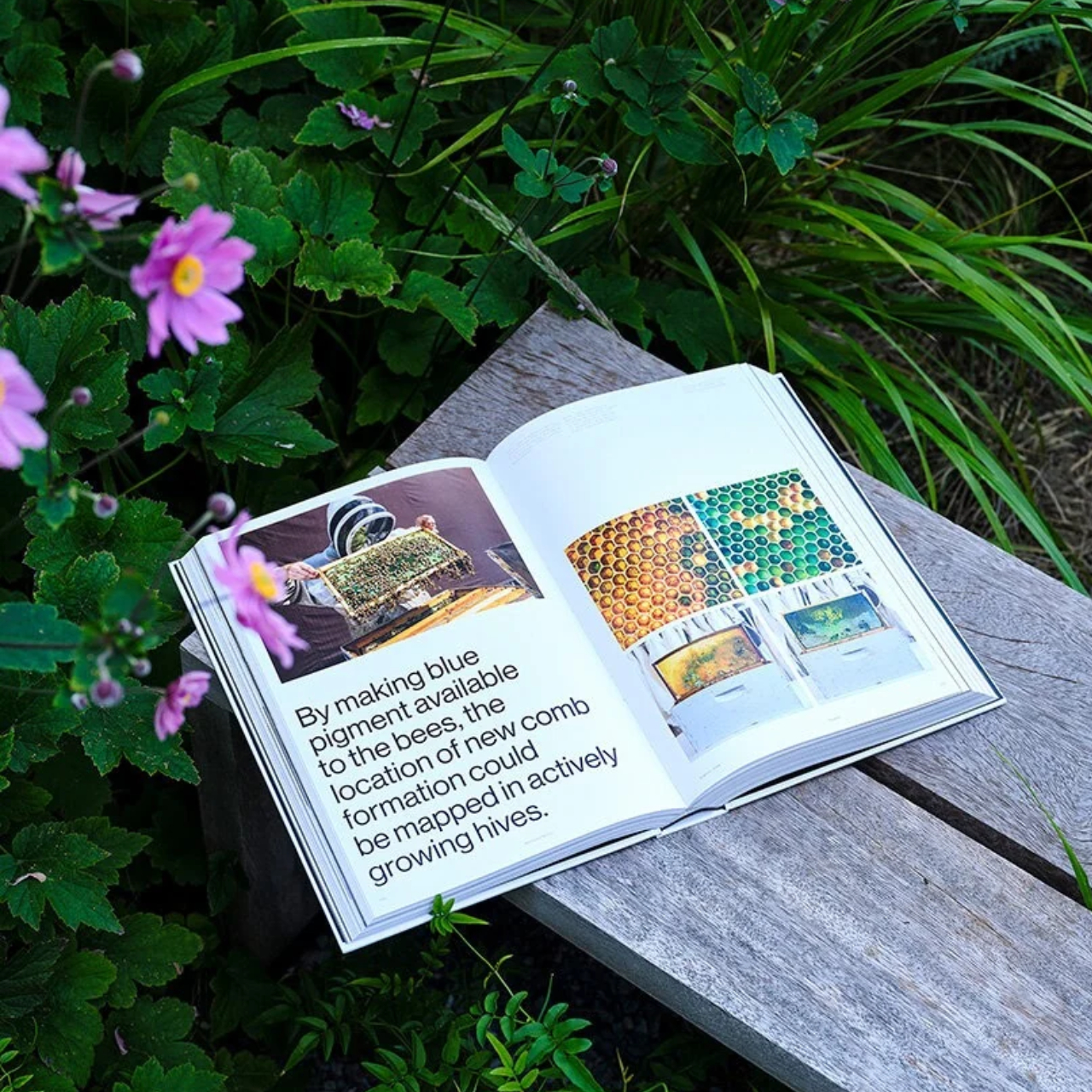
As a book, Mediated Matter offers a more accessible encounter with that research. MIT Press lists 630 color illustrations, alongside diagrams, explanatory texts, and process documents, at a $90 hardcover price. That’s a substantial coffee-table commitment. The process material is the draw for me: it promises a way into how these objects were developed, beyond the photographs that tend to circulate on their own.

I don’t need the next house on my block to behave like an organism to see value in this thinking. I’d settle for more designers considering where a material comes from, how it changes in use, and where it goes afterward. Oxman’s proposition makes that last stage feel worth designing with the same care as the first. A convincing future for an object should include what happens when nobody needs it anymore.

The post Neri Oxman’s Book Explores Materials That Don’t Last Forever first appeared on Yanko Design.
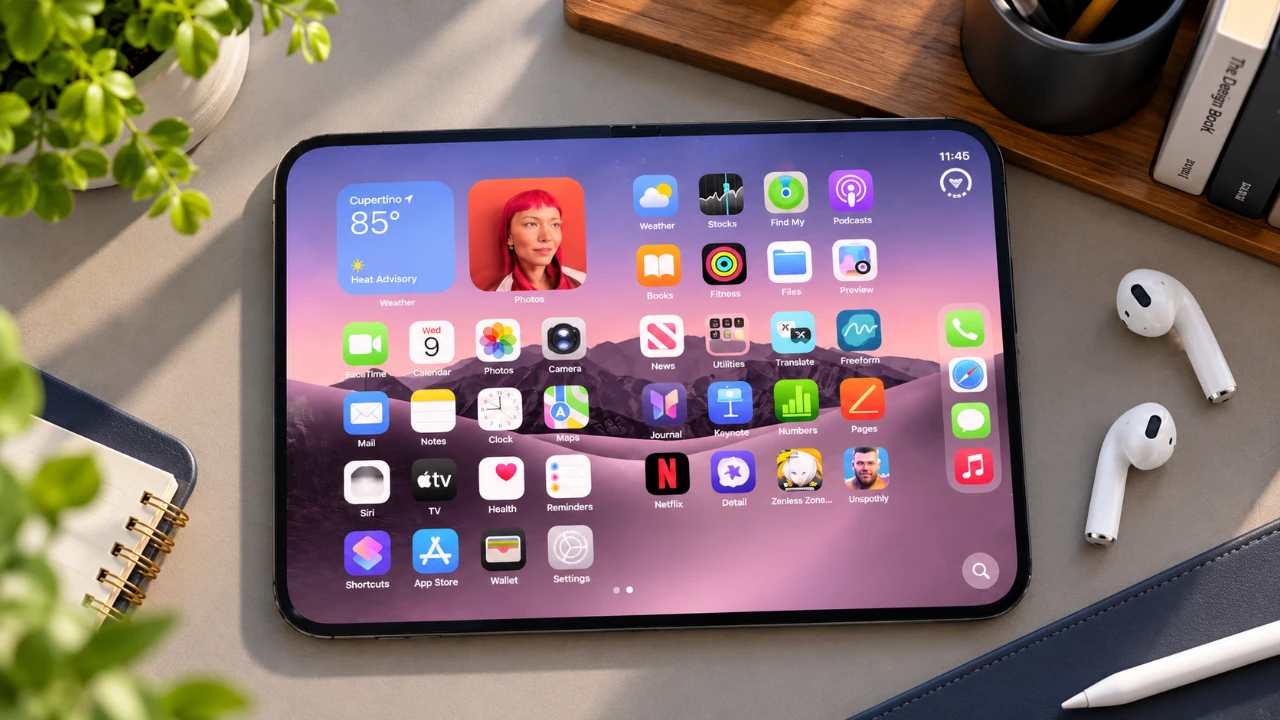
Apple’s iPhone Duo: Essential Tips, Hidden Features, and Advanced Customization Tricks

Apple’s iPhone Duo: Essential Tips, Hidden Features, and Advanced Customization Tricks iPhone Duo

The iPhone Duo represents a significant leap in smartphone design, combining innovation and practicality to enhance your daily interactions. With its unique folding display, advanced multitasking capabilities, and a host of customizable features, this device is tailored to meet the needs of both casual users and tech enthusiasts. By exploring its standout features and hidden […]

The post Apple’s iPhone Duo: Essential Tips, Hidden Features, and Advanced Customization Tricks appeared first on Geeky Gadgets.

Posted in Uncategorized

Samsung Galaxy Watch Ultra 2 Misses Workout Heart Rate Peaks

Samsung Galaxy Watch Ultra 2 Misses Workout Heart Rate Peaks A close-up of the Samsung Galaxy Watch Ultra 2 displaying health metrics.

The Samsung Galaxy Watch Ultra 2 does some things very well and others poorly, and which is which matters if you are buying it for health tracking. In long-term testing by The Quantified Scientist, nighttime heart rate and GPS held up well, while heart-rate readings during exercise were inconsistent enough that the watch is not […]

The post Samsung Galaxy Watch Ultra 2 Misses Workout Heart Rate Peaks appeared first on Geeky Gadgets.

Posted in Uncategorized

How to Optimize Your PS5 for GTA 6

How to Optimize Your PS5 for GTA 6 PS5 for GTA 6

The upcoming release of Grand Theft Auto 6 (GTA 6) is one of the most eagerly awaited events in the gaming world. As Rockstar Games prepares to unveil its latest blockbuster, making sure your PlayStation 5 (PS5) is ready to deliver the best possible experience is essential. From optimizing storage to upgrading accessories, the video […]

The post How to Optimize Your PS5 for GTA 6 appeared first on Geeky Gadgets.

Posted in Uncategorized

Anthropic Postmortems Reveal Why Claude Degrades After Launch

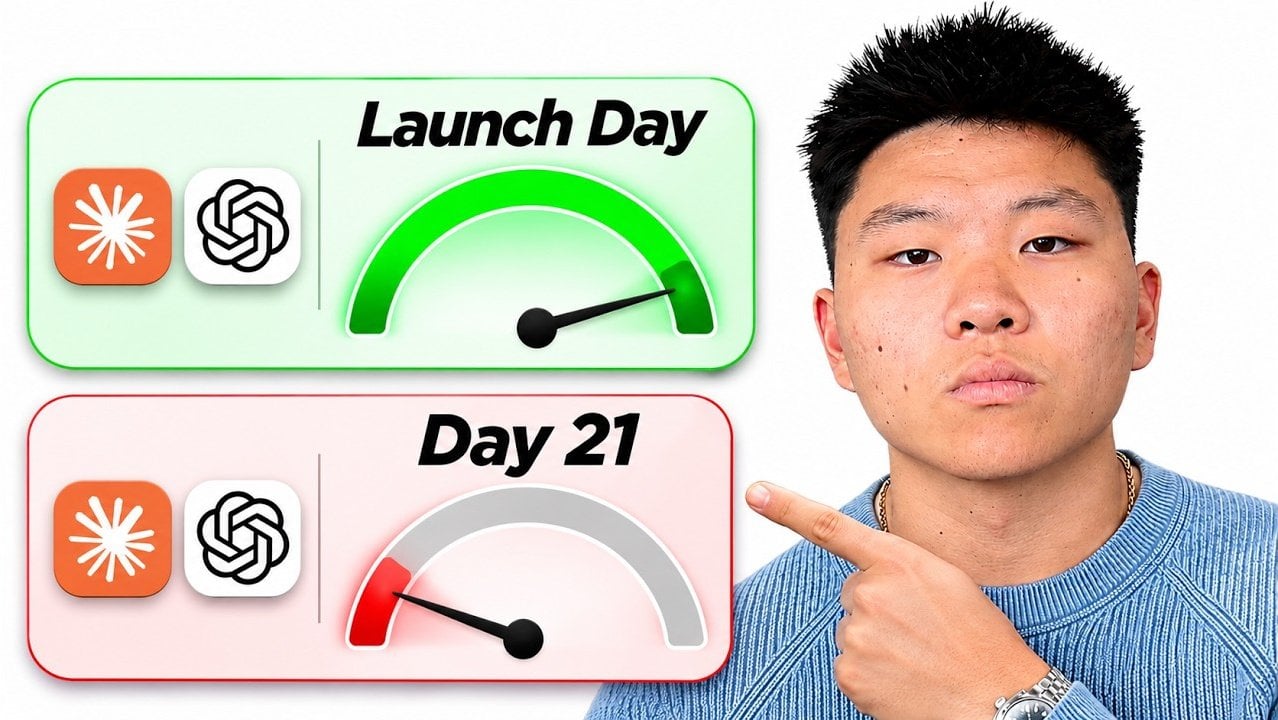
Anthropic Postmortems Reveal Why Claude Degrades After Launch A chart showing performance drops in AI models after launch.

Have you noticed Claude or GPT giving worse answers than they did at launch? You are not imagining it. Performance does not always stay consistent, and changes to an app or its settings can make answers worse without any change to the underlying model. Anthropic and OpenAI have both acknowledged incidents of degraded performance, as […]

The post Anthropic Postmortems Reveal Why Claude Degrades After Launch appeared first on Geeky Gadgets.

Posted in Uncategorized

OSTA O1 Pro Phone Goes Wider Without Going Foldable

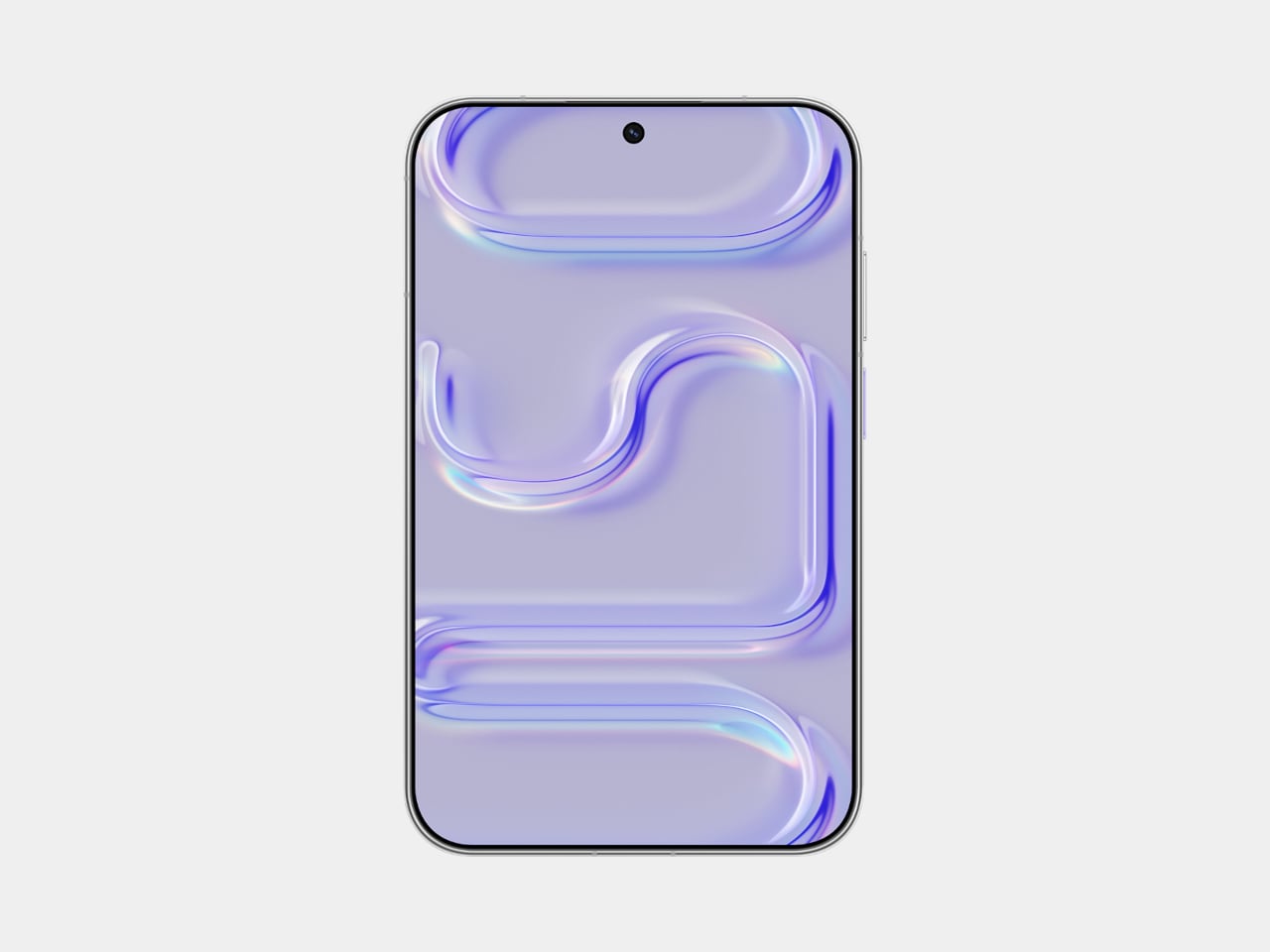
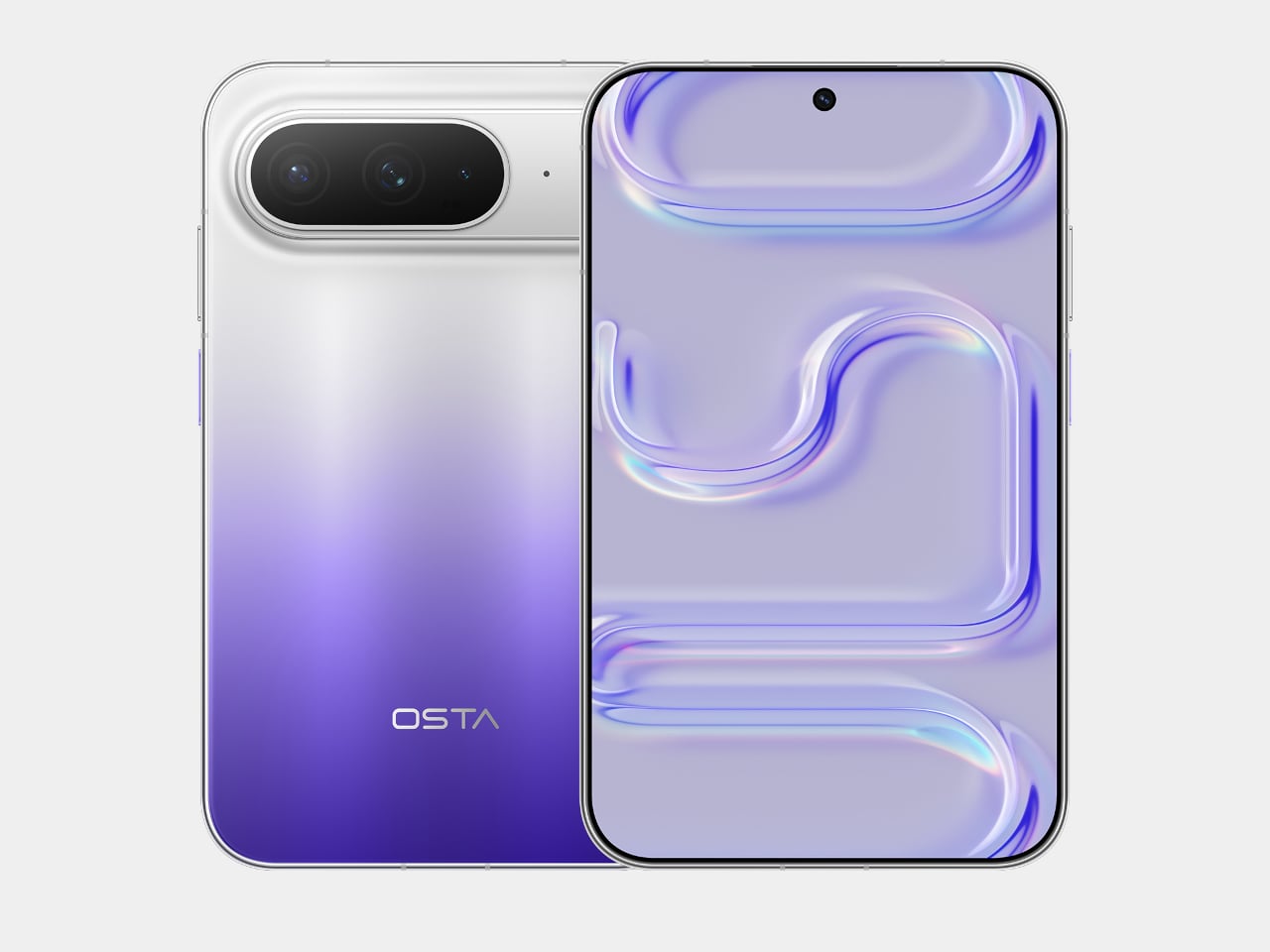
Smartphones have spent years stretching upward, leaving our thumbs to negotiate ever taller screens. Huawei’s OSTA O1 Pro takes a different direction, spreading out sideways in a conventional body without a folding hinge. Now listed for reservations in China ahead of its launch, the phone joins an emerging interest in wider proportions, with a purple finish that’s considerably less restrained than its shape.

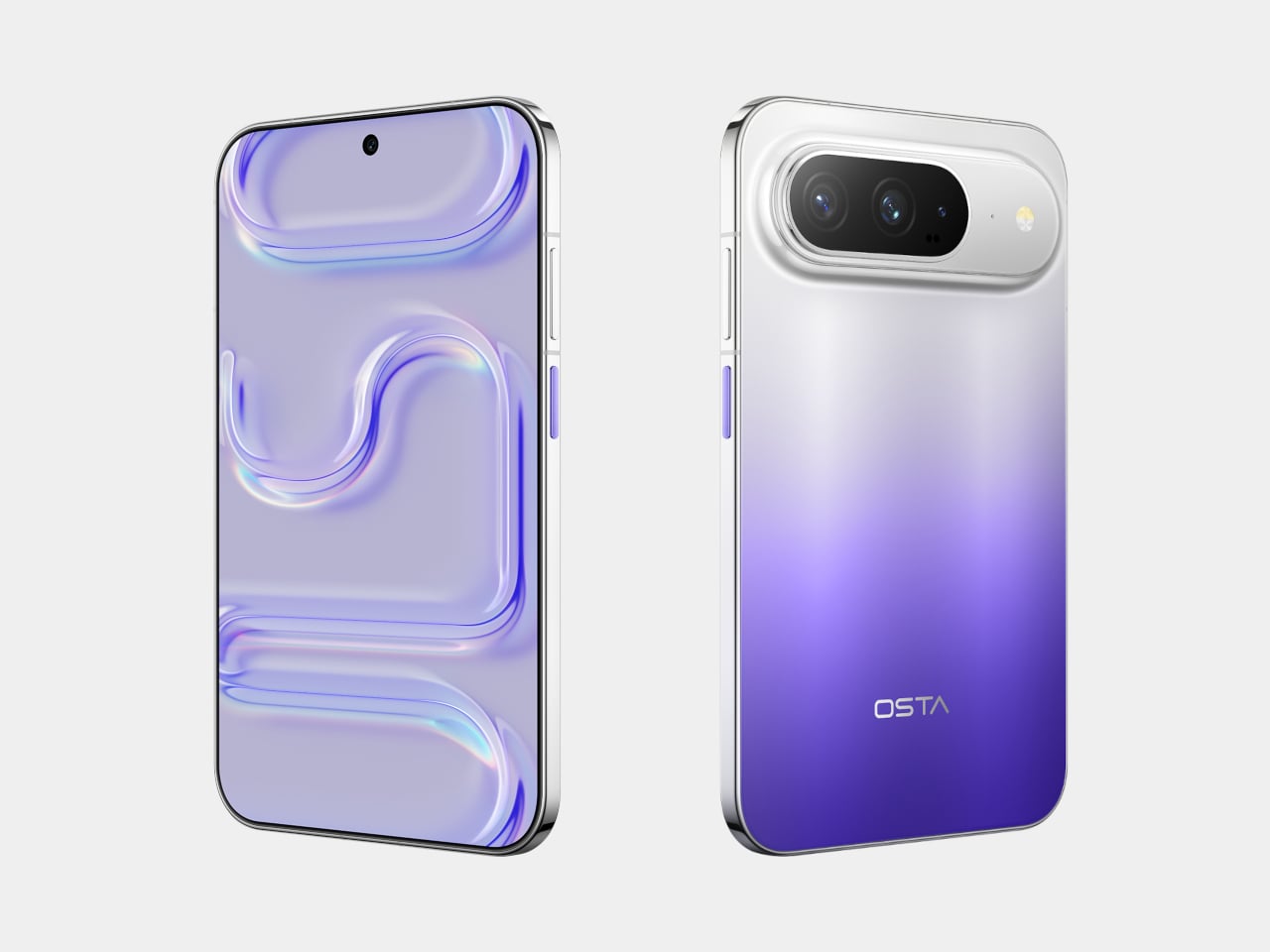
The front keeps things familiar, with rounded corners, narrow borders, and a camera opening centered near the top. What changes is the balance between height and width. Rather than resembling a long remote control, the O1 Pro has a squatter silhouette. That could give a page, map, or photograph more horizontal breathing room without asking you to unfold anything before using it.

Designer: Huawei

This isn’t coming out of nowhere. Huawei’s Pura X View already uses a 16:9.5 screen, offering a wider alternative to the elongated proportions we’ve grown used to. The OSTA model carries that interest into another brand within Huawei’s lineup. Reports also link other manufacturers to similar designs, although those plans remain rumors rather than evidence that every upcoming phone will suddenly get broader.

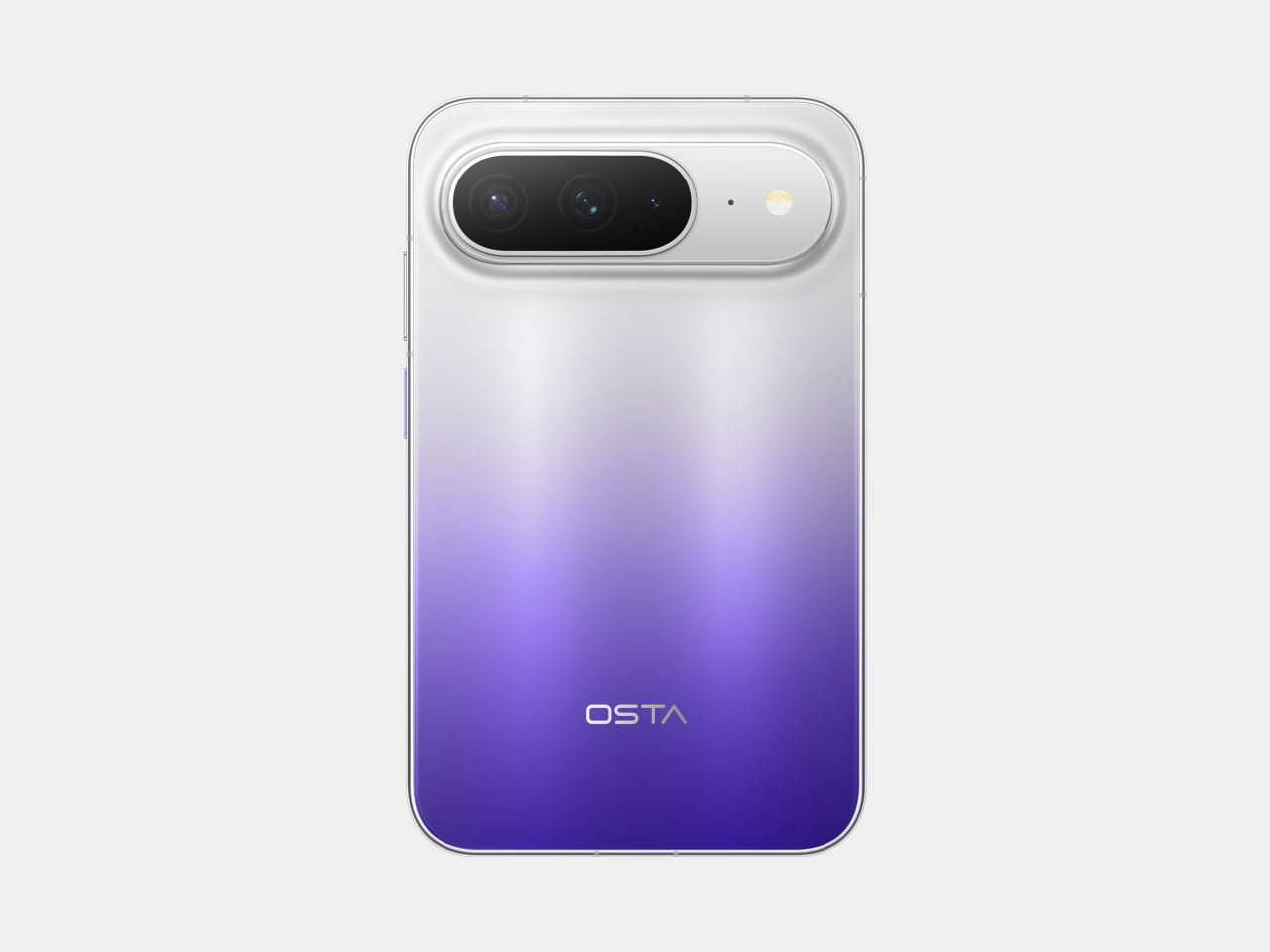
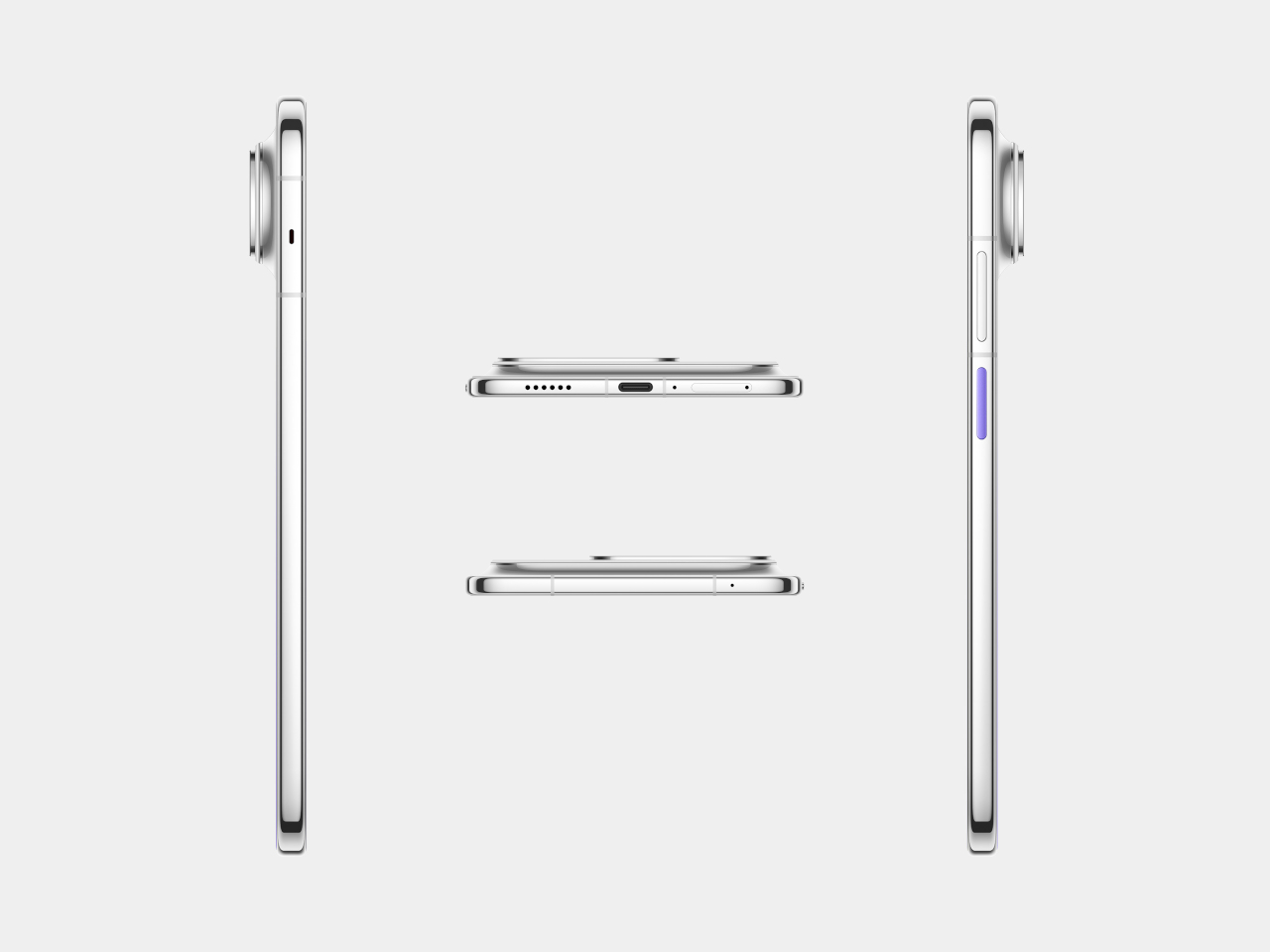
Turn the phone around, and that horizontal emphasis continues. A broad, capsule-shaped camera island runs across the upper back, with two prominent lenses grouped inside a smaller black pill. Its silver-colored surround frames the cameras without turning each lens into a separate decorative circle. It’s a tidy arrangement, although the raised housing still interrupts what would otherwise be a fairly simple rear surface.

Starlight Purple makes a much louder impression, fading from a pale, almost silvery top into a deep violet base. The gradient gives the otherwise plain back some movement without adding a patterned texture. Starry Night Black and Nebula White are listed as alternatives, but the purple version makes the strongest case for leaving a phone uncovered, assuming you’re comfortable taking that risk.

The listing offers the purple model with 16GB of RAM and either 512GB or 1TB of storage. It also calls the O1 Pro a HarmonyOS AI phone, pairing that description with a star-shaped character on the screen. The supplied listing doesn’t establish the processor, battery capacity, or detailed camera specifications, so the exterior tells a clearer story than any rumored specification sheet.

Of course, a broader screen also means a broader object to hold. Reading across a wider page could be welcome, but reaching the far edge with your thumb is a different matter. The shape may suit two-handed typing better than hurried replies while carrying a bag. Without verified dimensions or hands-on testing, though, a reassuringly compact appearance isn’t the same as comfortable handling.

The China launch is scheduled for November 20, 2026, with reservations open and no price published in the supplied listing. International availability hasn’t been established, either. Beyond those details, there’s the question of what apps do with the space. Extra width would feel wasted if your favorite app kept its narrow layout and left you staring at empty space on either side.

The post OSTA O1 Pro Phone Goes Wider Without Going Foldable first appeared on Yanko Design.

How to Use Face ID-Style Unlocking on Your Mac

How to Use Face ID-Style Unlocking on Your Mac Face Unlock

Face recognition technology has become an integral part of modern devices and now it’s available for macOS users through the free app, Glance. This innovative tool allows you to unlock your MacBook with just a glance, even if your device lacks Touch ID. While it offers convenience and ease of use, understanding its features, setup […]

The post How to Use Face ID-Style Unlocking on Your Mac appeared first on Geeky Gadgets.

Posted in Uncategorized