Microsoft Excel Beta Lets Single Cells Store Nested Arrays

Microsoft Excel Beta Lets Single Cells Store Nested Arrays A column of single Excel cells containing multiple text and number values.

Microsoft Excel has taken a bold step forward with its latest feature, now allowing cells to store lists, arrays, and even nested arrays. This update, currently in beta for Microsoft 365 Insiders, moves beyond the traditional single-value-per-cell structure, offering a more compact and versatile way to manage data. My Online Training Hub explores how these […]

The post Microsoft Excel Beta Lets Single Cells Store Nested Arrays appeared first on Geeky Gadgets.

Posted in Uncategorized

Why Apple’s Secret "Watch Air” Project Is Giving Fitness Brands Nightmares

Why Apple’s Secret Apple Watch Air

Apple is reportedly working on a screenless fitness tracker, rumored to be called the Apple Watch Air, signaling a significant departure from its well-known Apple Watch series. This innovative device is designed for users who prioritize distraction-free health tracking while retaining the freedom to wear traditional watches. By combining a minimalist design with innovative health […]

The post Why Apple’s Secret “Watch Air” Project Is Giving Fitness Brands Nightmares appeared first on Geeky Gadgets.

Posted in Uncategorized

Claude AI Discovers ART DNA Editing Mechanism in 21 Hours

Claude AI Discovers ART DNA Editing Mechanism in 21 Hours A 3D rendering of a DNA double helix being analyzed by glowing digital nodes.

Artificial intelligence has taken another leap forward in the realm of genomics. In a remarkable breakthrough, Claude, a general-purpose AI model, uncovered a novel DNA editing mechanism called ART (Array Associated Reverse Transcriptase). This mechanism, found within a type of virus known as a jumbo phage, enables programmable DNA editing with precision and versatility. Wes […]

The post Claude AI Discovers ART DNA Editing Mechanism in 21 Hours appeared first on Geeky Gadgets.

Posted in Uncategorized

Google Project Suncatcher Uses Space Solar Panels for AI

Google Project Suncatcher Uses Space Solar Panels for AI A conceptual rendering of a Google Project Suncatcher satellite in orbit.

Google’s Project Suncatcher combines artificial intelligence with space-based technology to tackle the energy challenges posed by AI systems. Central to this effort are space-based solar panels, which operate in near-perpetual sunlight to generate more energy than their ground-based counterparts. This energy is wirelessly transmitted to Earth, while orbital data centers use microgravity to reduce hardware […]

The post Google Project Suncatcher Uses Space Solar Panels for AI appeared first on Geeky Gadgets.

Posted in Uncategorized

AFTERSHOCK Built a $14,200 Gaming PC Where 70 Petals Bloom With Heat

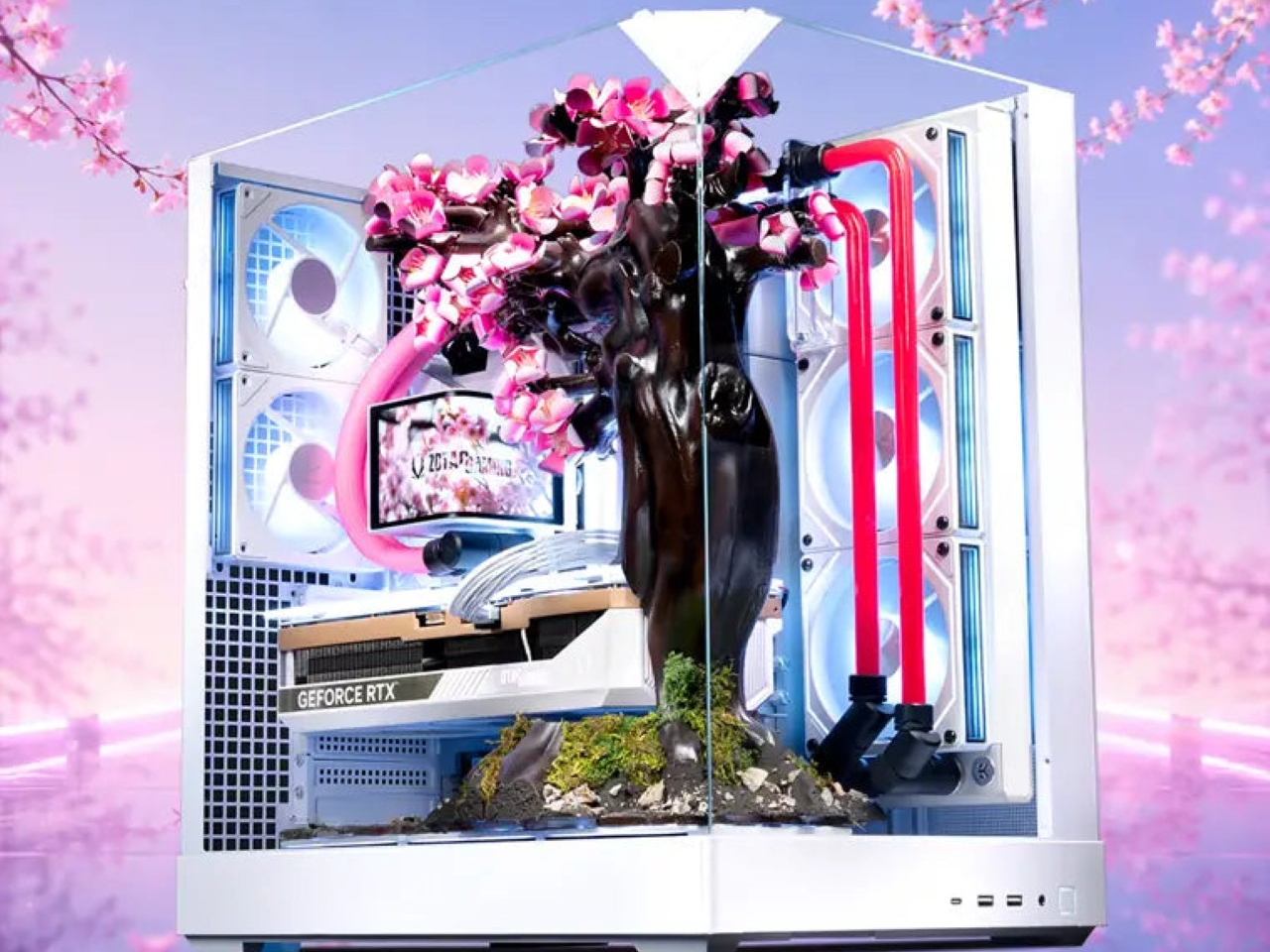
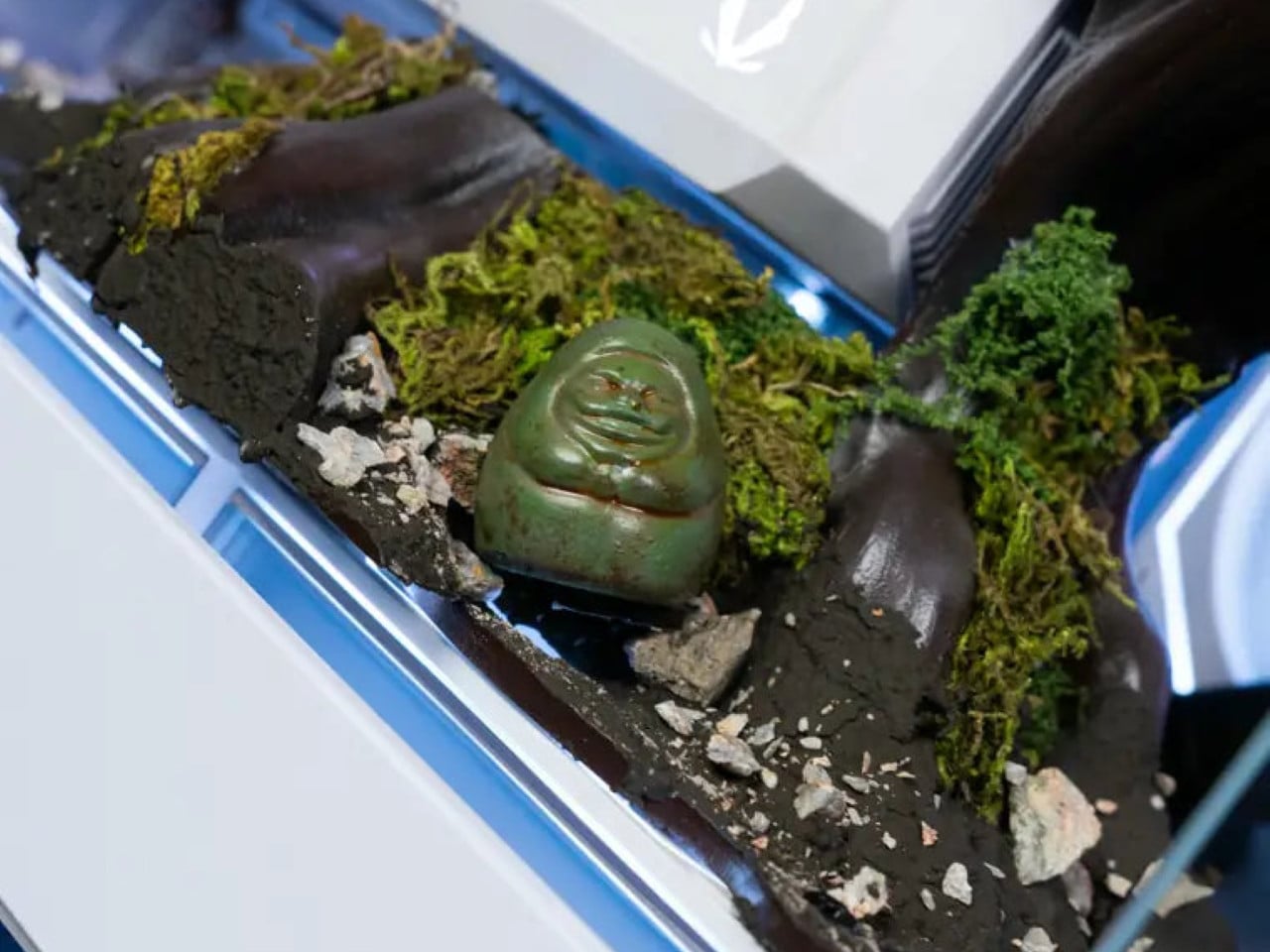
Every gaming PC eventually reveals itself under load, fans spinning up, temperatures climbing, a quiet admission that something demanding is happening inside the case. Most builders spend their whole budget trying to hide that moment. AFTERSHOCK built an entire machine around celebrating it instead, planting a cherry blossom tree inside the chassis that physically opens its petals as the hardware gets hotter.

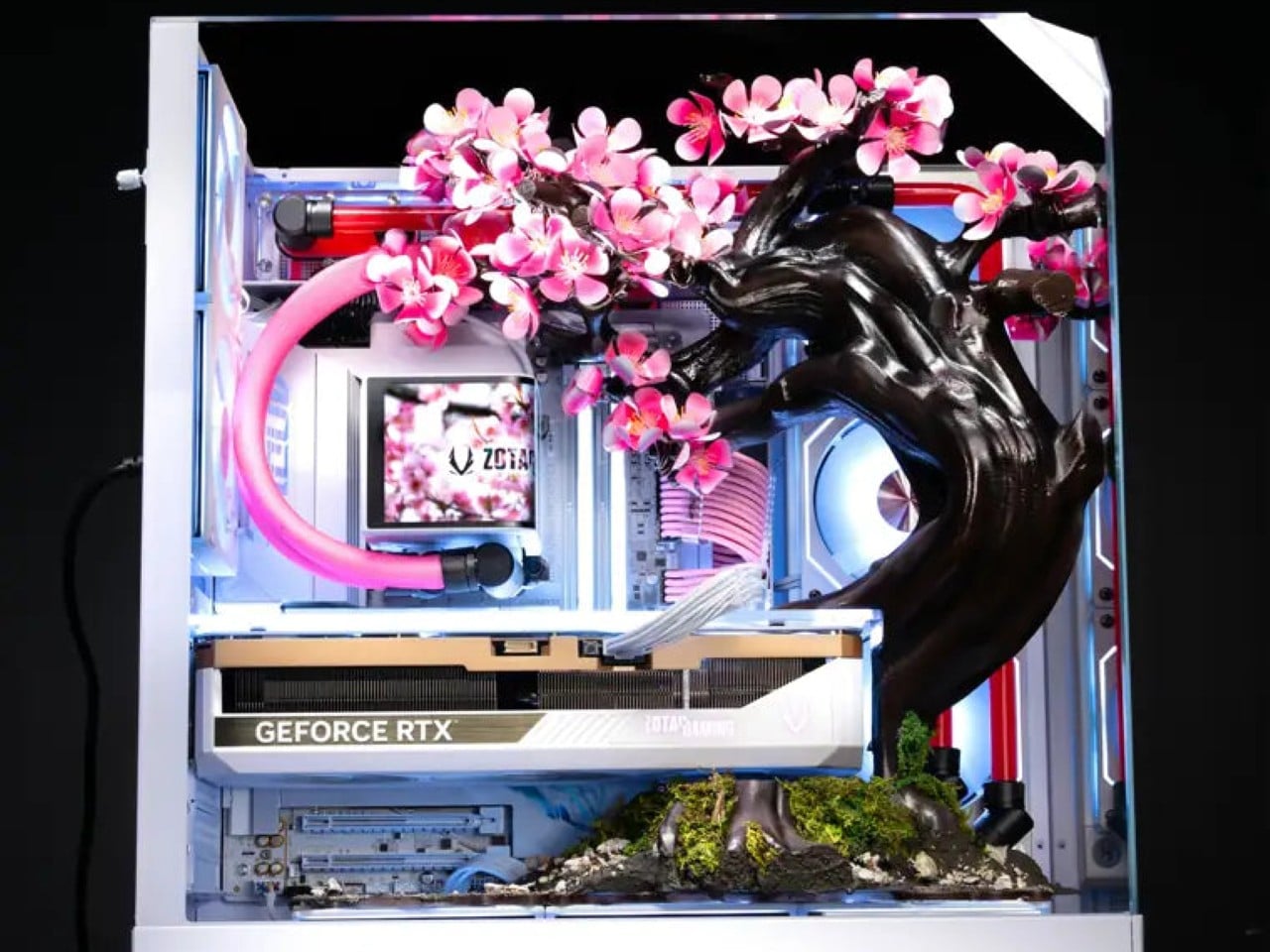
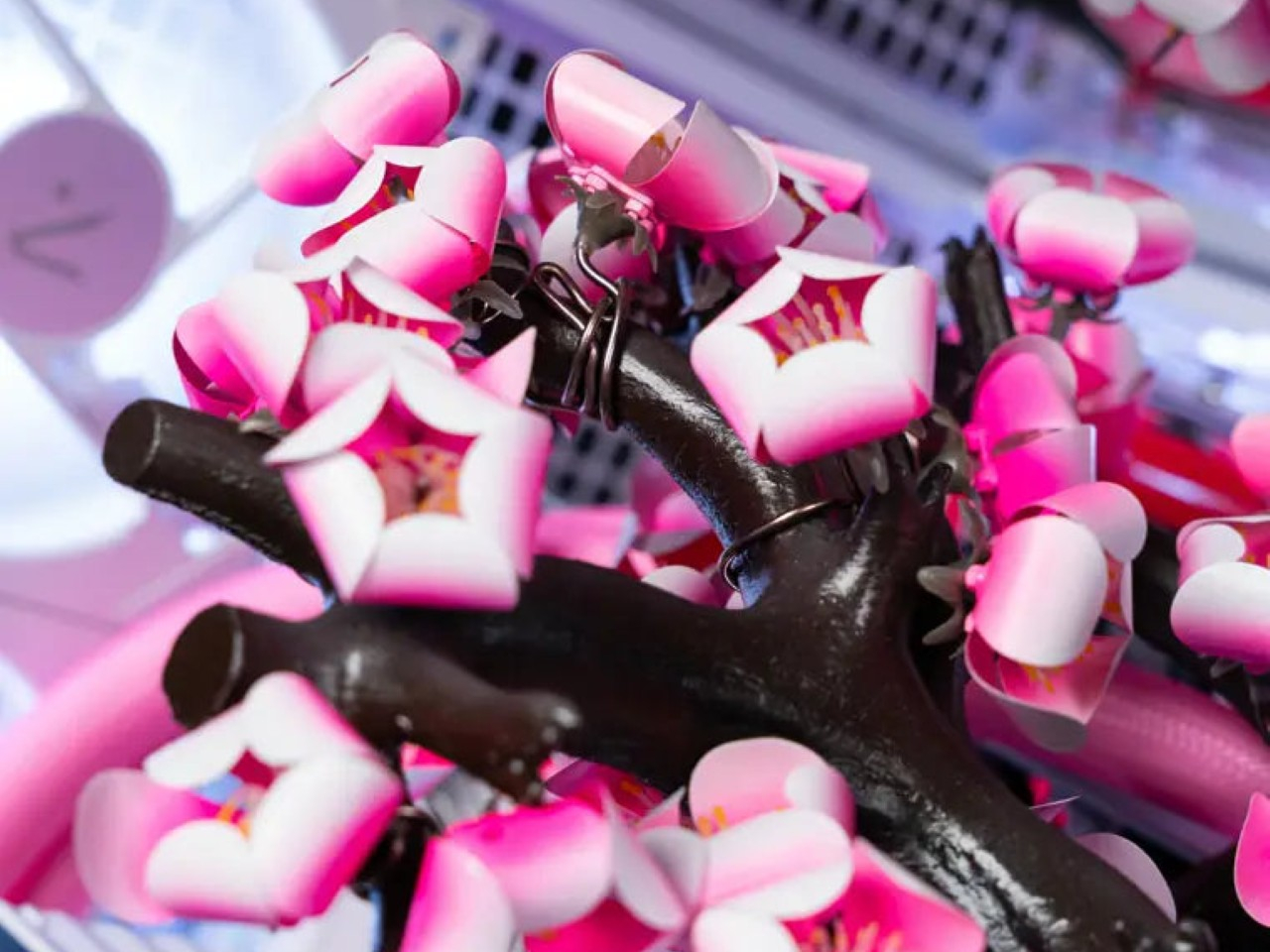
Seventy individual blossoms make up that tree, each one hand-formed and hand-painted from a titanium alloy engineered to react directly to heat. There’s no motor tucked behind the branches, no RGB lighting faking the motion, and no firmware quietly triggering an animation on cue. The metal itself just responds, curling open as the system’s internal temperature rises during a demanding session and folding shut again once things cool back down.

Designer: AFTERSHOCK

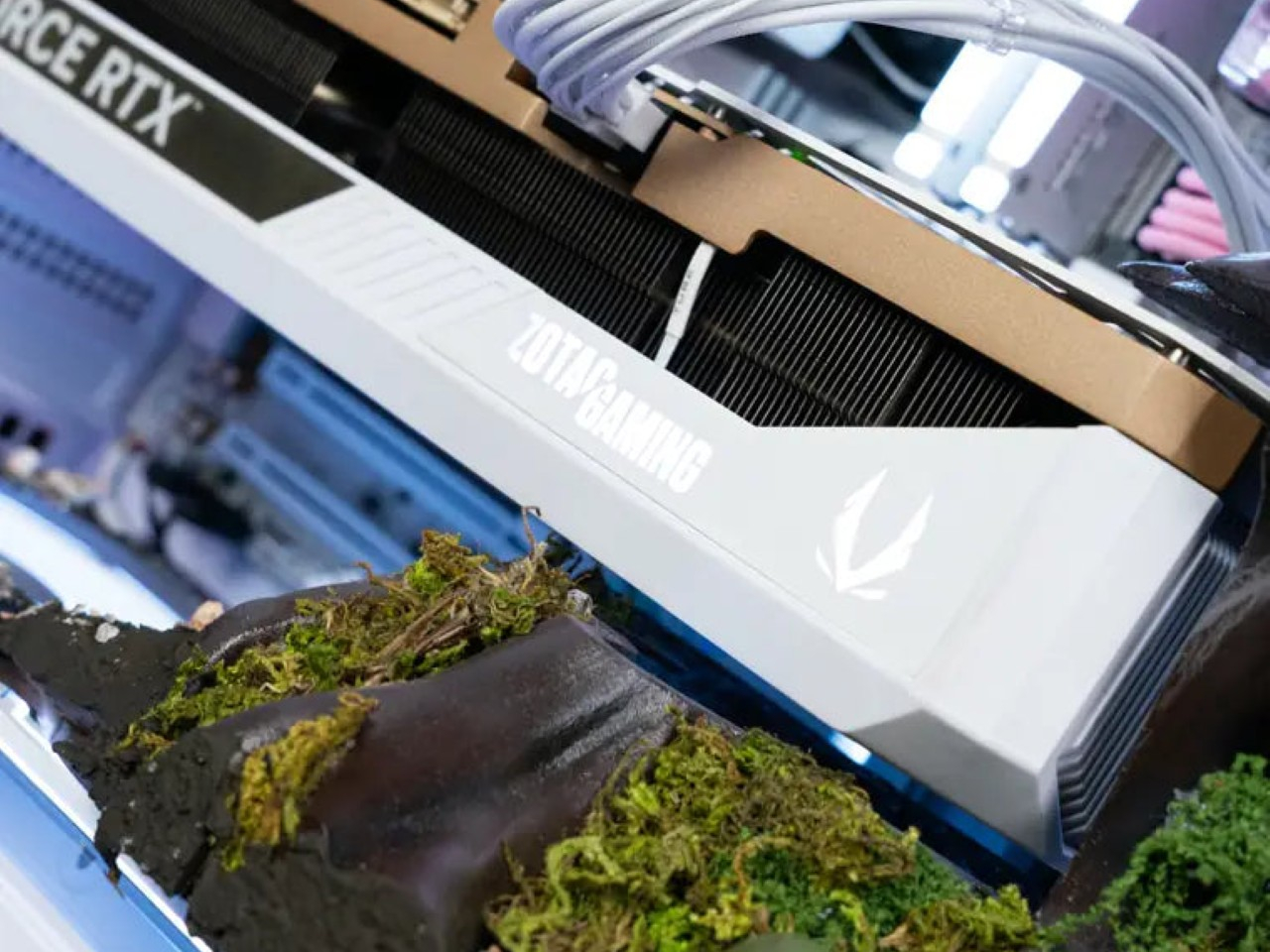
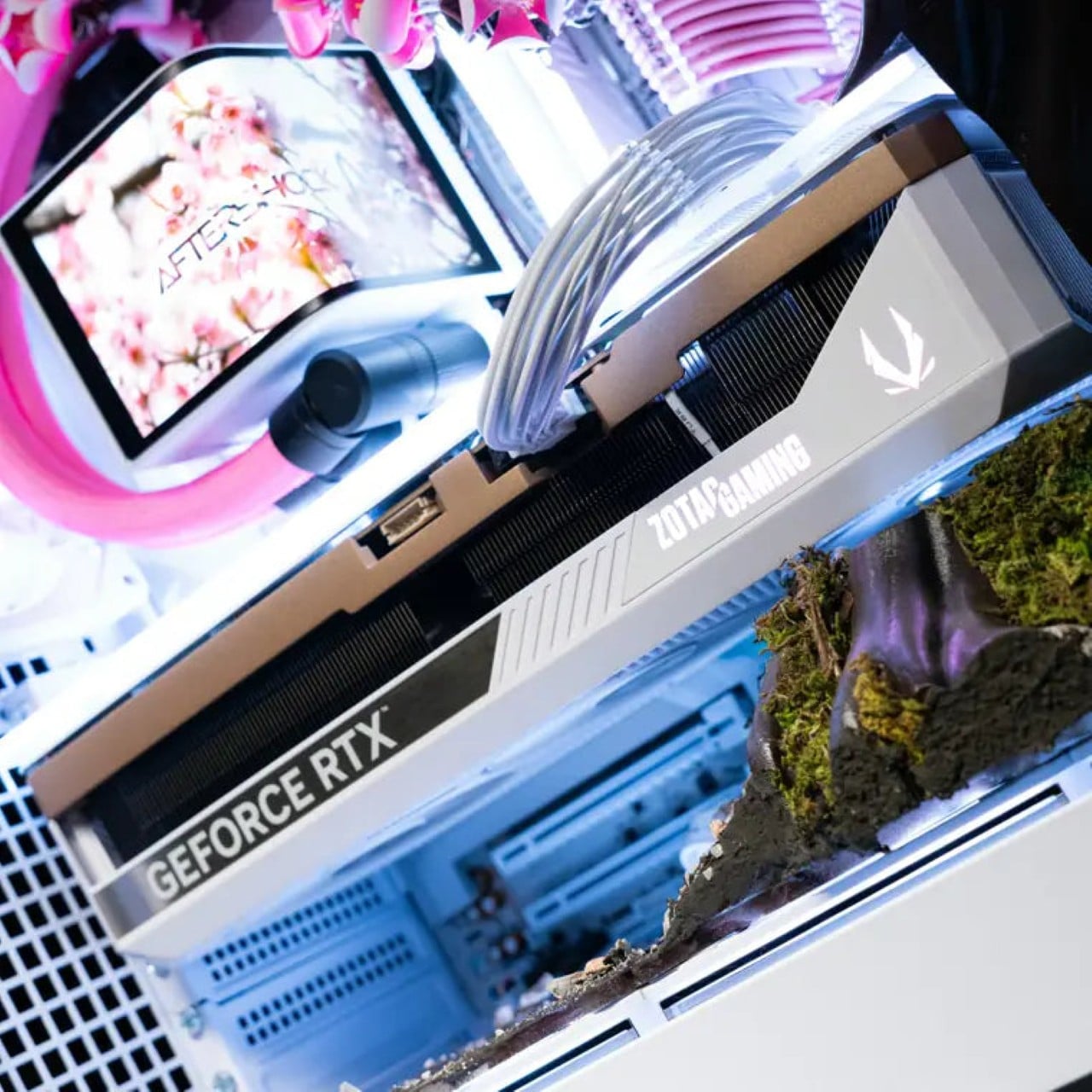
That mechanical honesty changes what “thermal performance” even means to look at. Most cooling systems exist purely to be invisible, judged only by numbers on a monitoring app nobody but the owner ever sees. Here, the exact opposite instinct wins out. Push the Ryzen 7 9800X3D and the Zotac RTX 5080 inside it through a genuinely demanding game, and the payoff is a slow, visible bloom happening in real time behind the glass.

AFTERSHOCK’s own demo reportedly shows the tree sitting fully closed at a resting 18°C, which suggests the blossoms don’t wait for some dramatic thermal spike before reacting. They likely ease open gradually as load builds, tracking the system’s actual temperature curve rather than snapping into a single dramatic pose. Idle back down to a lighter task, and the tree presumably eases shut again right along with it.

None of that sculpture would matter much sealed inside an opaque box, so the whole build sits inside an APNX V2 chassis wrapped in glass across a full 270 degrees. It’s a deliberate choice, given how little most case designers bother with rear or side visibility once a build is finished and pushed against a desk. This one seems built to be walked around and watched from nearly any angle in the room.

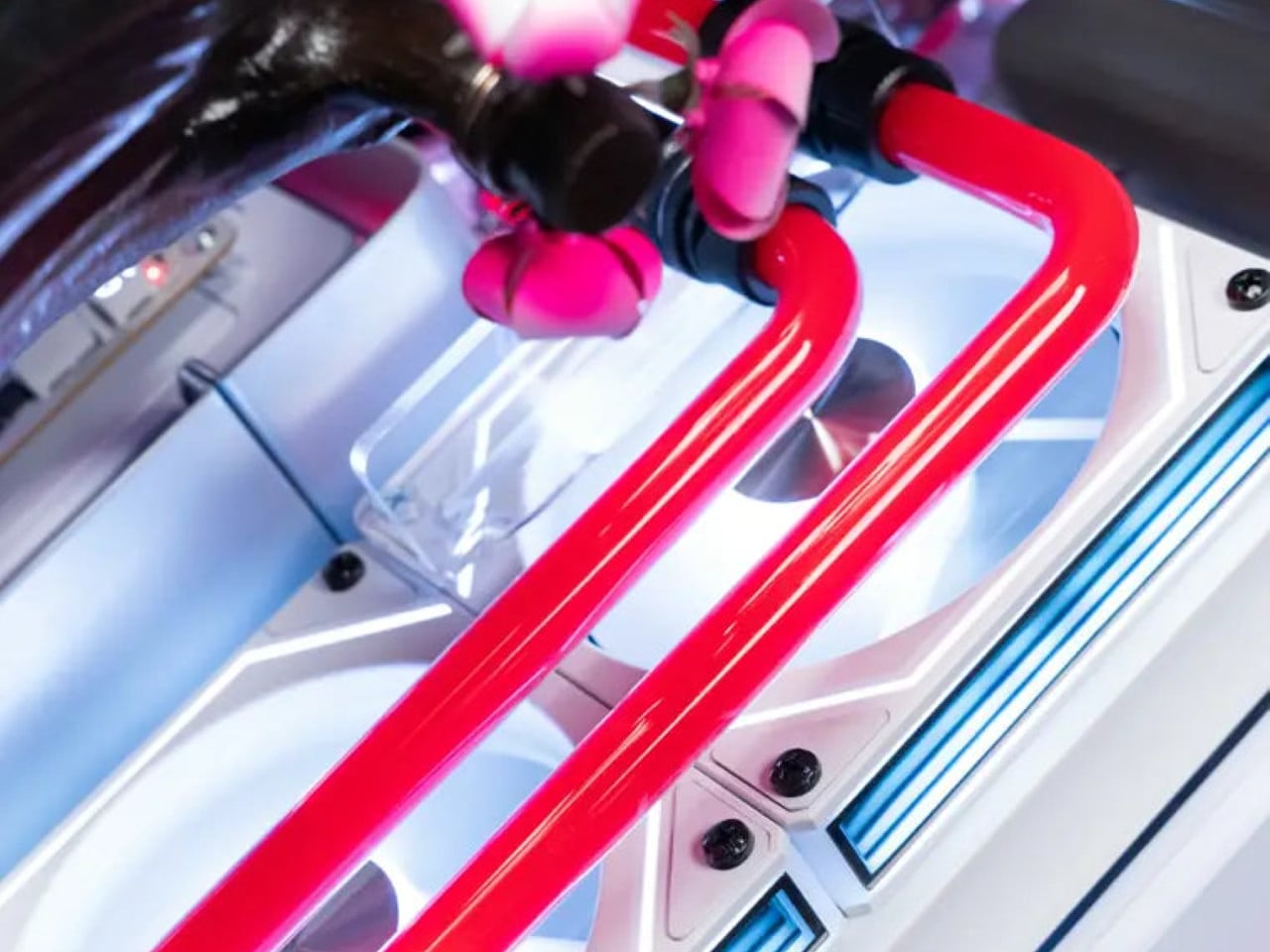
Underneath the sculpture sits a genuinely capable rig rather than a showpiece with hollow specs. Sixty-four gigabytes of DDR5-6000 memory, a 2TB PCIe Gen4 SSD, and a 1300W Platinum power supply all point to a machine with real upgrade headroom beyond its current configuration. A custom open-loop liquid cooling system handles the actual thermal load quietly, doing the unglamorous work that lets the titanium blossoms take the visible credit instead.

At roughly $14,200, converted from the AU$19,995 asking price, the Cherry Bloom is available to order now rather than teased as a future concept. That price does not include shipping, and next-business-day dispatch confirms this is a real commercial build rather than a one-off showpiece kept behind glass at a trade show somewhere.

Most of that cost is clearly going toward 70 hand-finished metal petals and the engineering needed to make them react correctly, not toward the Ryzen chip or graphics card sitting underneath. It’s a strange kind of luxury, paying handsomely for a gaming PC’s exhaust heat to finally look like something worth watching.

The post AFTERSHOCK Built a $14,200 Gaming PC Where 70 Petals Bloom With Heat first appeared on Yanko Design.

Why the iPhone 20 Pro Is Shaping Up to Be Apple’s Biggest Redesign in Years

Why the iPhone 20 Pro Is Shaping Up to Be Apple’s Biggest Redesign in Years iPhone 20

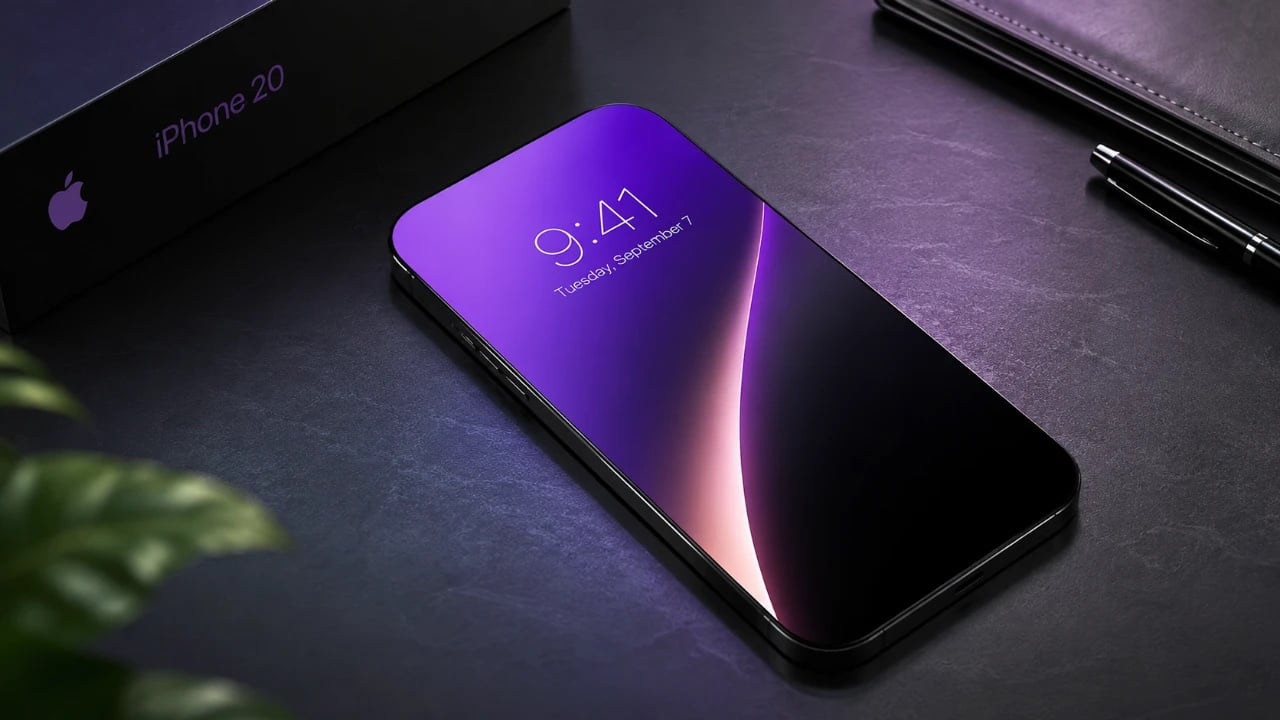
    Apple’s highly anticipated iPhone 20 Pro and Pro Max are set to make a bold statement in the evolution of smartphone design. Featuring a bezel-less, quad-curved display and a smaller, more refined Dynamic Island, these models represent a significant departure from previous iterations. In a surprising move, Apple has decided to skip the […]

The post Why the iPhone 20 Pro Is Shaping Up to Be Apple’s Biggest Redesign in Years appeared first on Geeky Gadgets.

Posted in Uncategorized

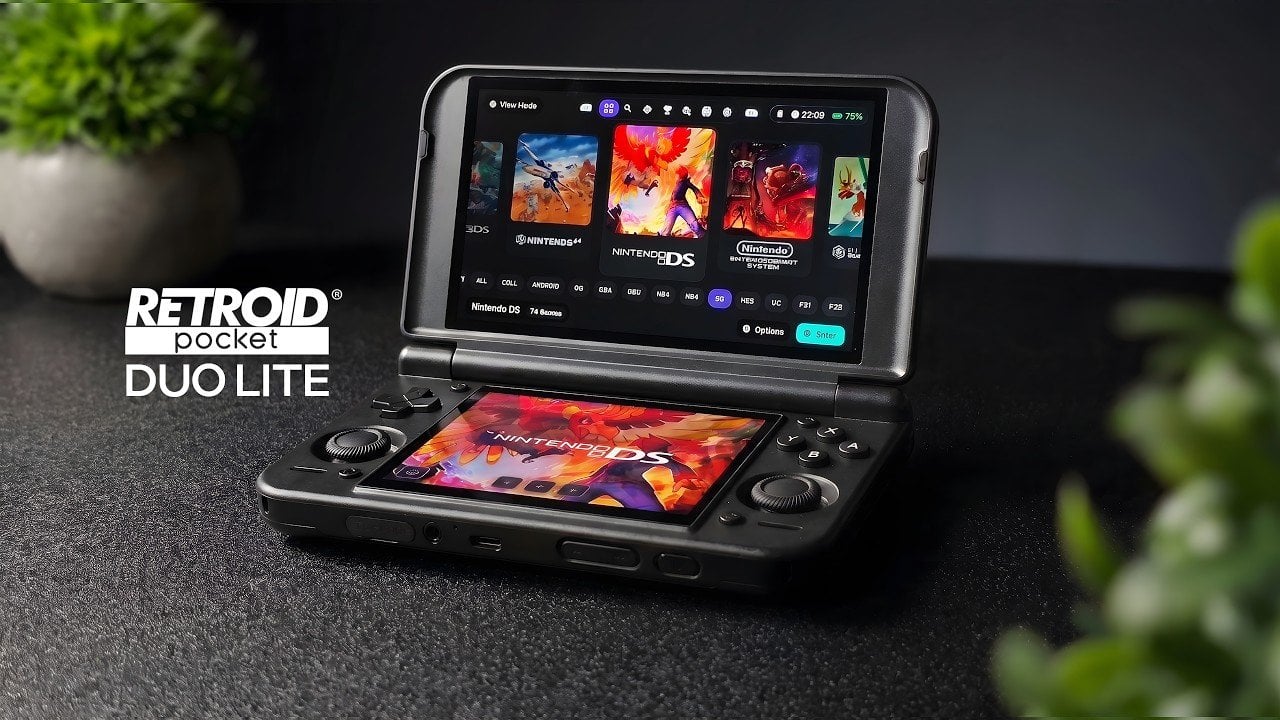
Retroid Pocket Duo Lite Costs $149 with 4GB RAM and Android 15

Retroid Pocket Duo Lite Costs $149 with 4GB RAM and Android 15 Front view of the Retroid Pocket Duo Lite showing its dual screens.

The Retroid Pocket Duo Lite has garnered attention as a budget-friendly handheld device tailored for retro gaming enthusiasts. In a recent hands-on video, ETA Prime explores its standout features, including a dual-screen layout reminiscent of the Nintendo DS. The device pairs a 5.5-inch 1080p IPS display with a smaller 4.2-inch 960p screen, making it particularly […]

The post Retroid Pocket Duo Lite Costs $149 with 4GB RAM and Android 15 appeared first on Geeky Gadgets.

Posted in Uncategorized

Microsoft Just Proved Purple Belongs on a Windows Laptop for Good

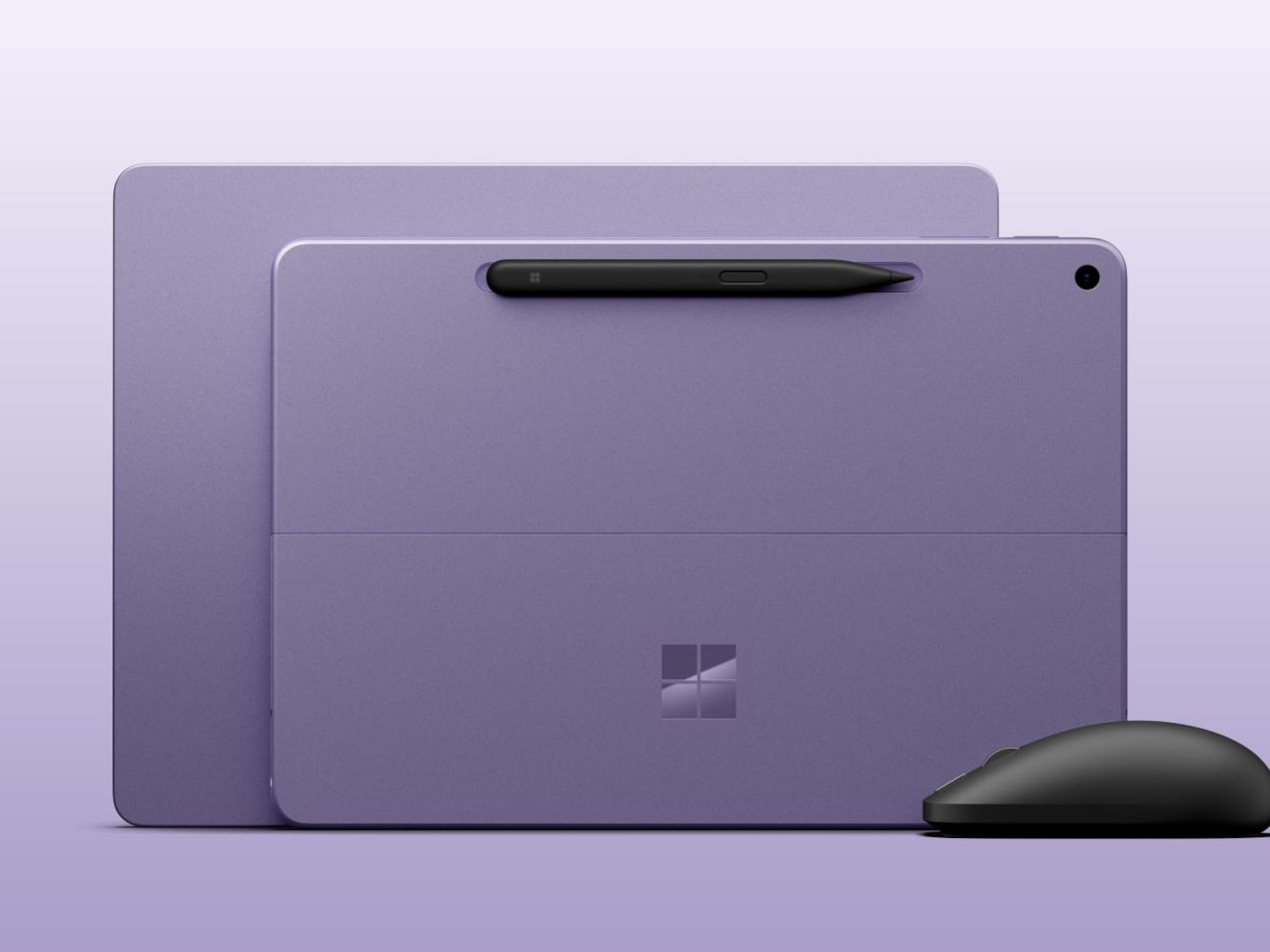
Tech companies test colors the way restaurants test seasonal menu items, quietly, without much commitment, ready to pull them the moment sales dip. Purple laptops have a well-documented habit of disappearing after one product cycle, treated as a marketing flourish rather than a real option. Microsoft’s new Surface Pro 12-inch didn’t get that memo, and Violet is back for a second round, sitting right next to Black and Platinum like it’s always belonged there.

That decision matters more than a simple colorway refresh might suggest. Thin, light ARM-powered computers have spent years arguing their case through spec sheets and battery charts, rarely through how they actually look sitting on a desk. Keeping an unconventional color alive into a second generation signals that Microsoft sees Surface Pro’s audience as people who want a personal object, not just a workstation that happens to be portable enough to carry around.

Designer: Microsoft

The Surface Laptop 13-inch picks up its own version of that same instinct, adding a new Black finish this generation rather than leaving the lineup untouched. Paired with Violet’s return on the Pro, the two devices read less like a spec bump and more like a coordinated argument that thin-and-light Windows hardware doesn’t need to hide behind gray and silver anymore. It’s the same instinct driving Apple’s increasingly colorful MacBook lineup, arriving here in a slightly different shade.
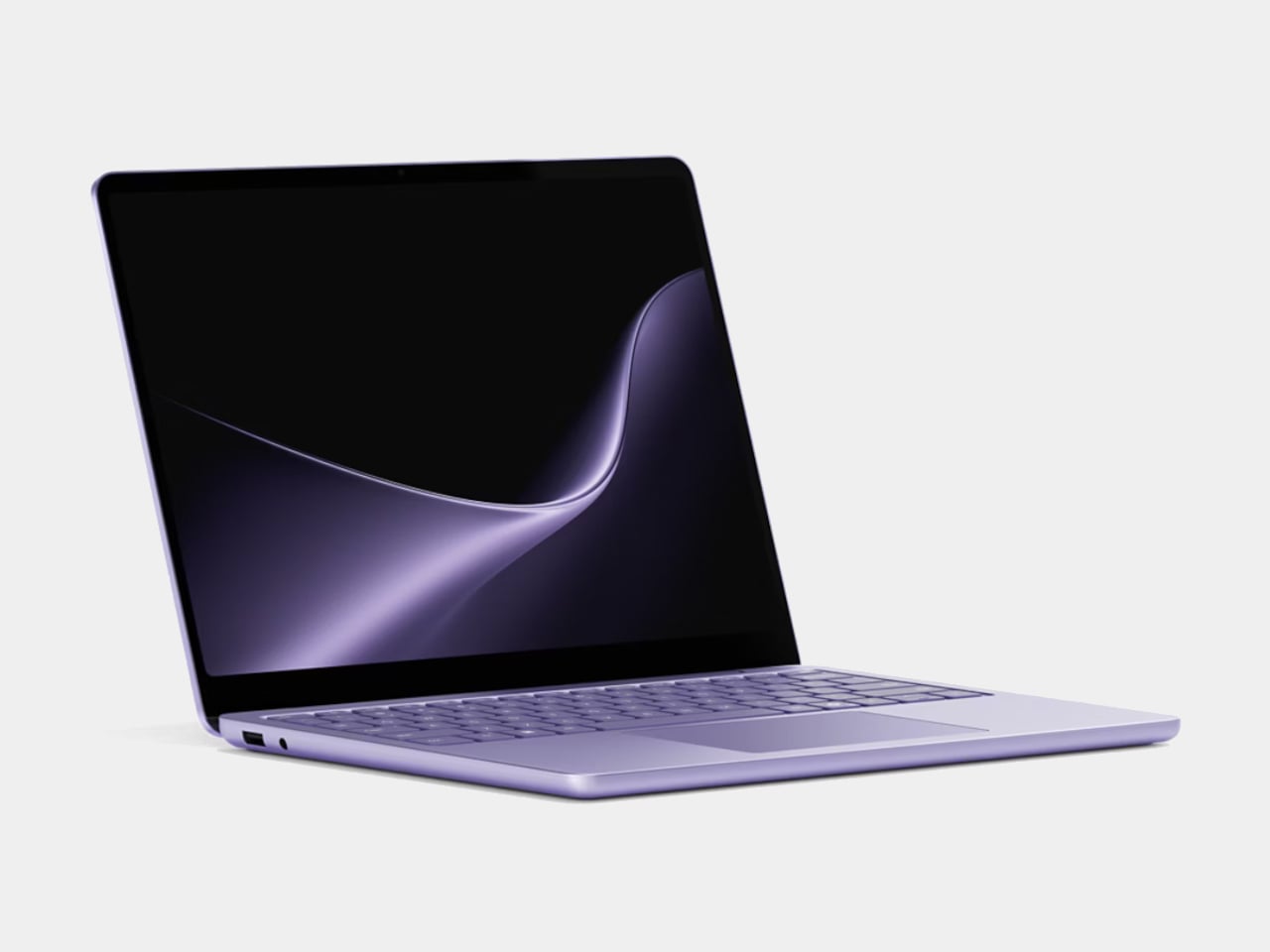
Underneath that color story sits a chip that’s quietly doing more legitimizing work than any past Snapdragon generation. The Snapdragon X2 Plus processor powers both machines, and Microsoft’s own pitch leans hard into what that architecture unlocks for on-device AI, work that runs locally instead of bouncing to a cloud server first. Lower latency, less dependence on a constant connection, and less of a user’s data leaving the machine at all are the actual selling points buried under the marketing language.
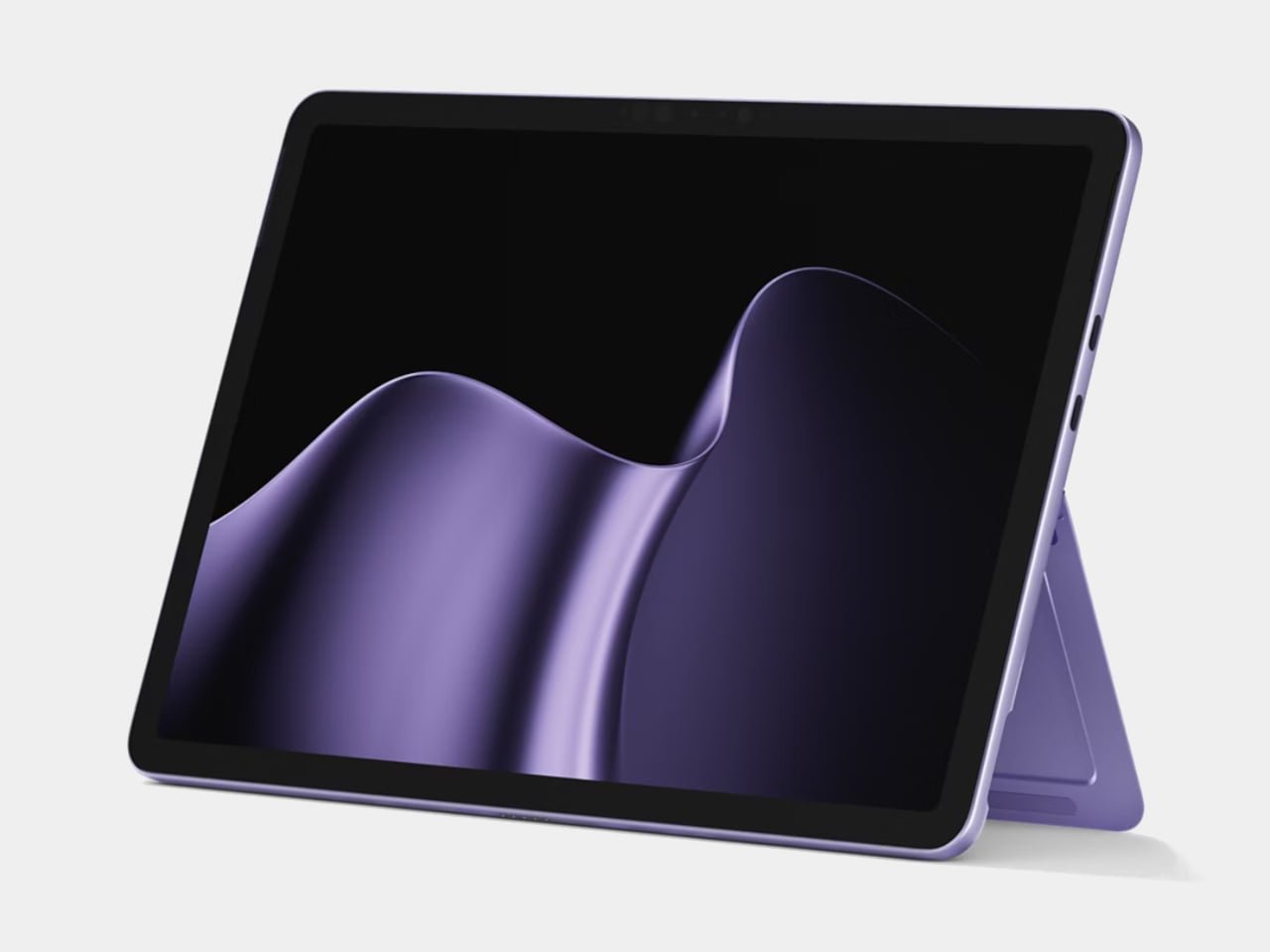
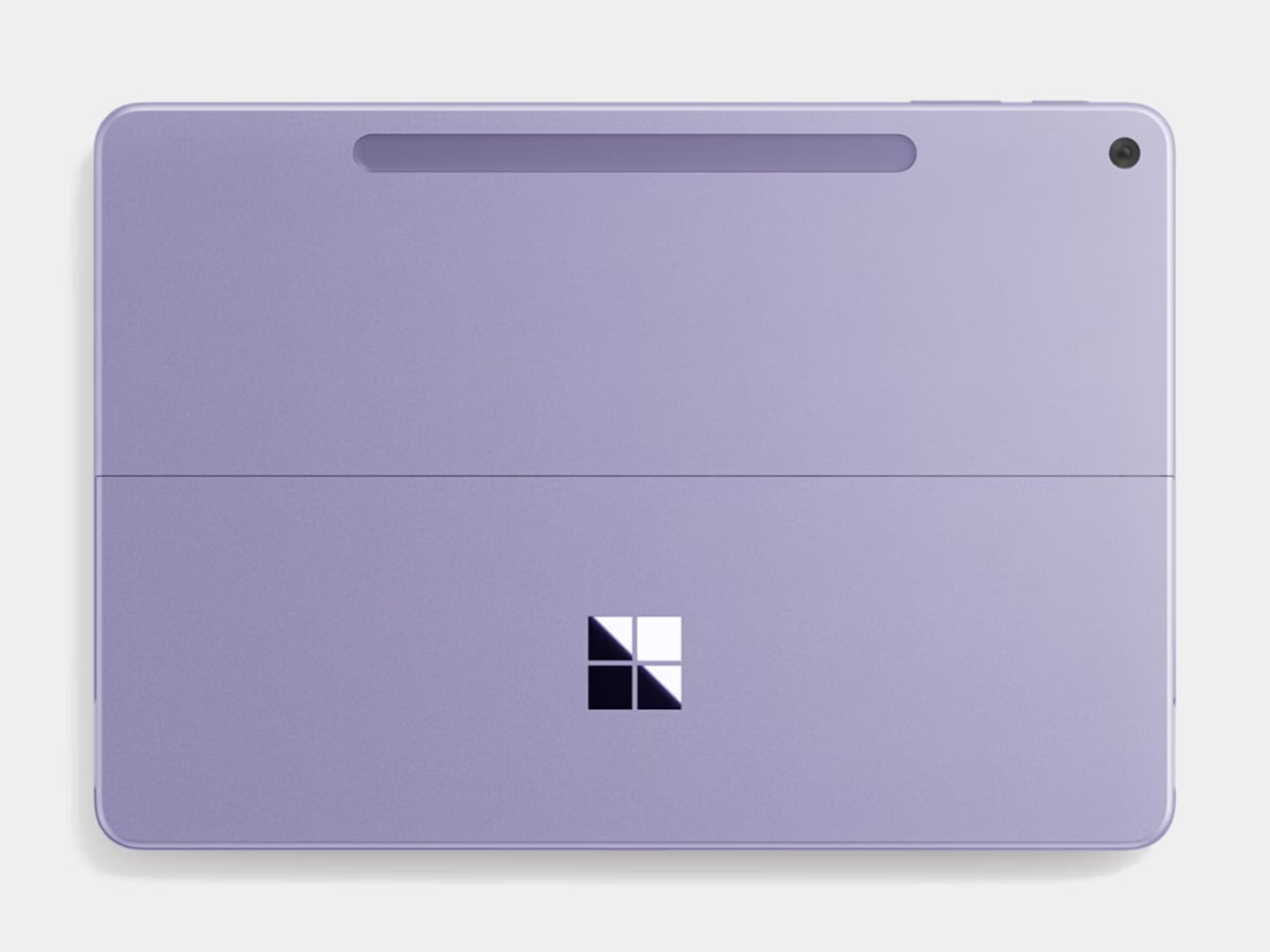
That local-processing pitch only means something if the hardware around it earns trust too. Both machines lean on the same fanless, quiet-running design language Surface has spent a decade refining, the kind of engineering that doesn’t announce itself until a laptop is still cool and silent six hours into a video call with a dozen tabs open behind it. The chip gets the credit, but the chassis is doing quieter work alongside it.
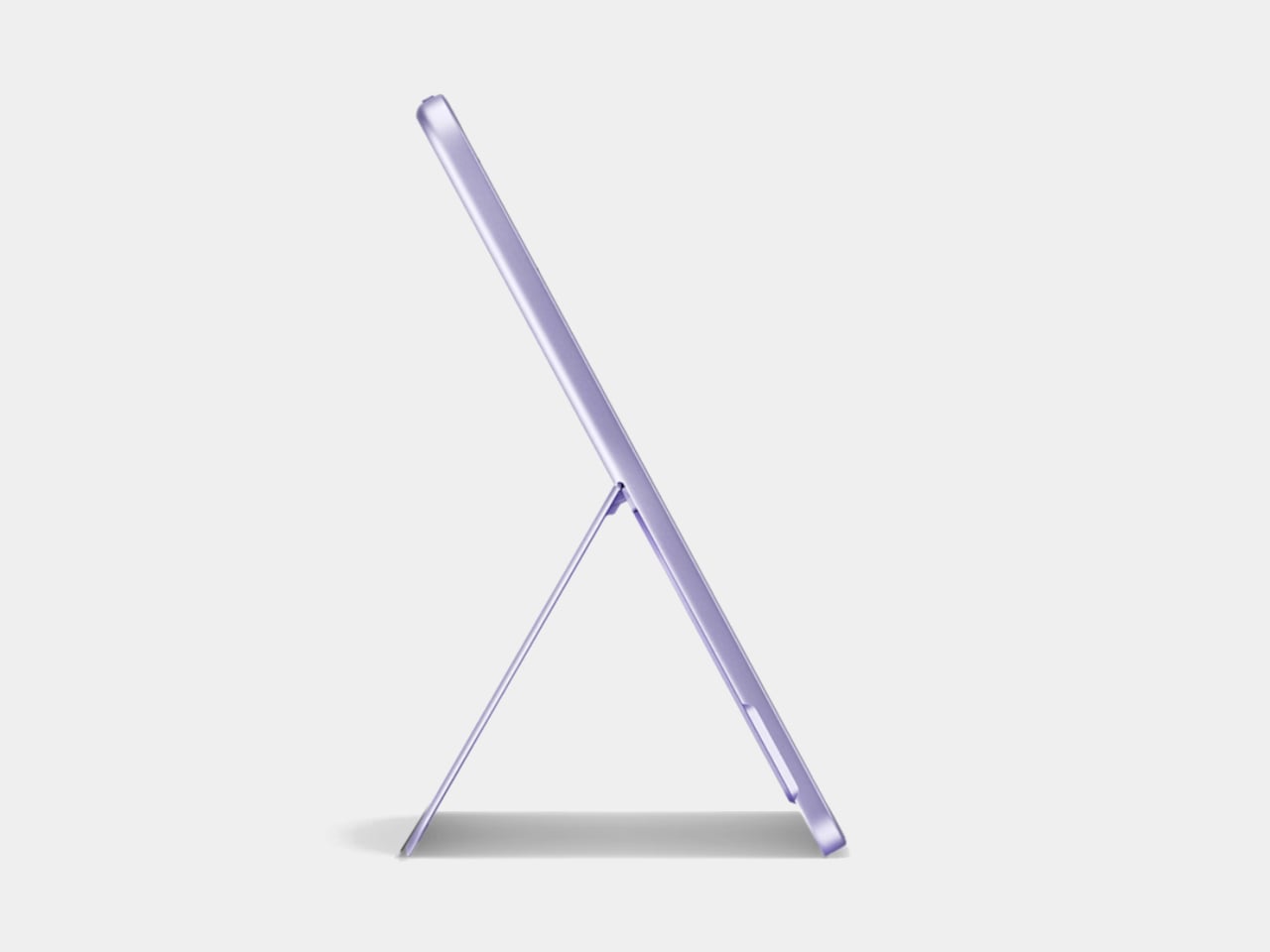
Surface Pro 12-inch keeps its tablet-first identity intact, staying thin, light, and fanless while the Surface Slim Pen tucks away magnetically on the body itself for whenever a sketch beats typing. A 25% brighter, 500-nit display makes a real difference outdoors or under harsh office lighting, the kind of upgrade that shows up in daily use rather than a spec sheet skim. An optional 5G configuration finally reaches this smaller form factor too, letting it stay connected without hunting for Wi-Fi in an unfamiliar office or airport lounge.

1

Surface Laptop 13-inch takes the opposite approach to the same goal, choosing a full-size keyboard and a fixed clamshell shape over the Pro’s shape-shifting flexibility. It’s built for the version of a workday spent moving between long documents and long meetings rather than switching between sketching and typing every few minutes. Rated at 22.5 hours of battery life, it’s built to survive a full day away from an outlet, no charger bag necessary.
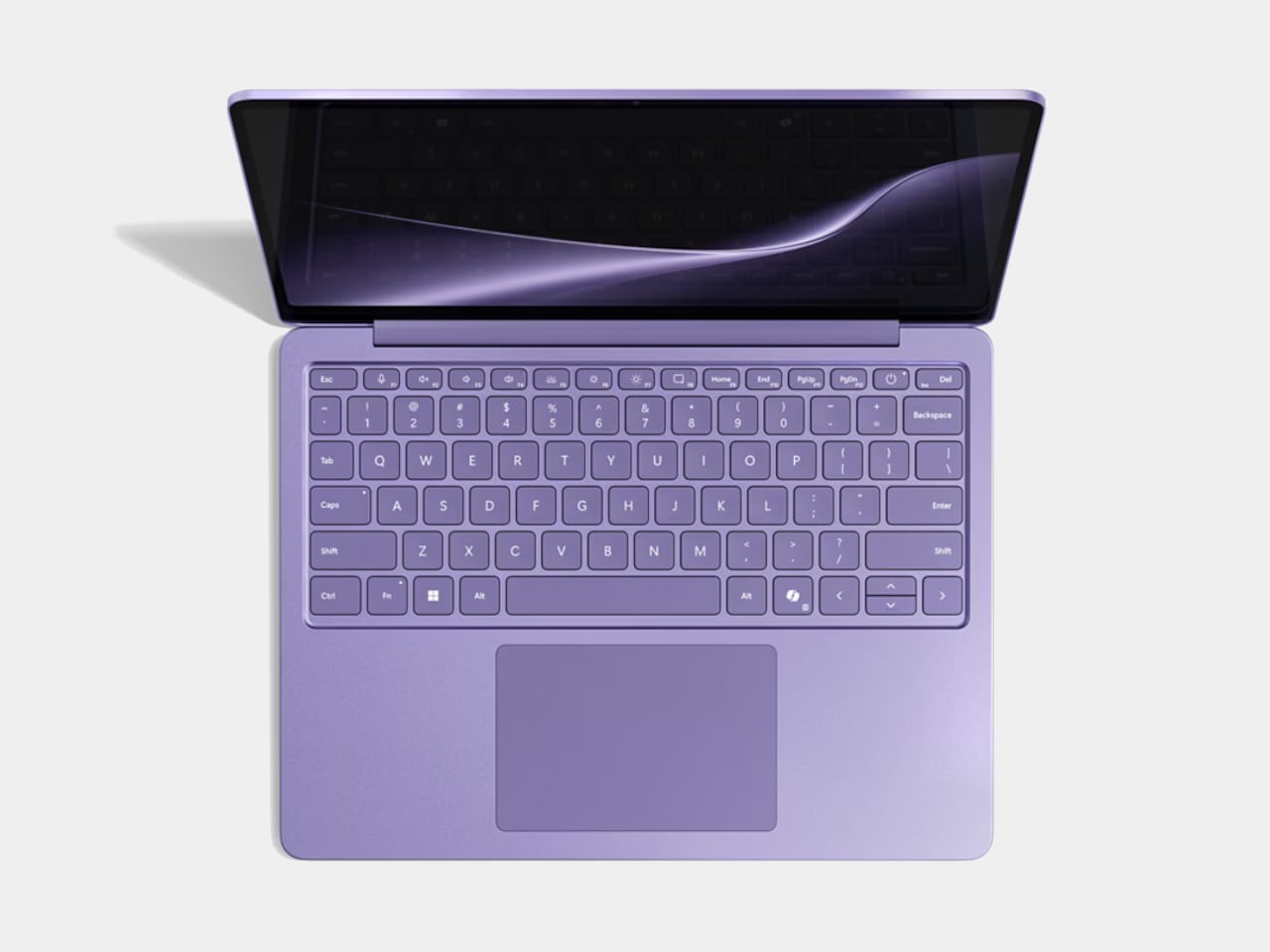
None of this erases the fact that ARM-based Windows machines still occasionally trip over older desktop software that was never built with a phone-style chip in mind. What’s changed is how rarely that trips up an actual workday now, compared to how loudly it used to. Snapdragon silicon has quietly moved from an experiment tolerated for its battery life into an architecture Microsoft is willing to build its two most portable machines around, purple casing included.

The post Microsoft Just Proved Purple Belongs on a Windows Laptop for Good first appeared on Yanko Design.


Jev AI Executes Bulk Decision Workflows 400X Faster vs LLMs

Jev AI Executes Bulk Decision Workflows 400X Faster vs LLMs Diagram showing the Jev AI model processing structured inputs into numerical probabilities.

Jev is a specialized AI model designed for deterministic decision-making, offering a distinct approach compared to conversational models like Claude. As highlighted by Simon Scrapes, Jev excels in tasks requiring structured input and precise outputs, such as scoring, categorization and binary decisions. For example, it can assign numerical scores to prioritize sales leads or categorize […]

The post Jev AI Executes Bulk Decision Workflows 400X Faster vs LLMs appeared first on Geeky Gadgets.

Posted in Uncategorized