AFTERSHOCK Built a $14,200 Gaming PC Where 70 Petals Bloom With Heat

Every gaming PC eventually reveals itself under load, fans spinning up, temperatures climbing, a quiet admission that something demanding is happening inside the case. Most builders spend their whole budget trying to hide that moment. AFTERSHOCK built an entire machine around celebrating it instead, planting a cherry blossom tree inside the chassis that physically opens its petals as the hardware gets hotter.

Seventy individual blossoms make up that tree, each one hand-formed and hand-painted from a titanium alloy engineered to react directly to heat. There’s no motor tucked behind the branches, no RGB lighting faking the motion, and no firmware quietly triggering an animation on cue. The metal itself just responds, curling open as the system’s internal temperature rises during a demanding session and folding shut again once things cool back down.

Designer: AFTERSHOCK

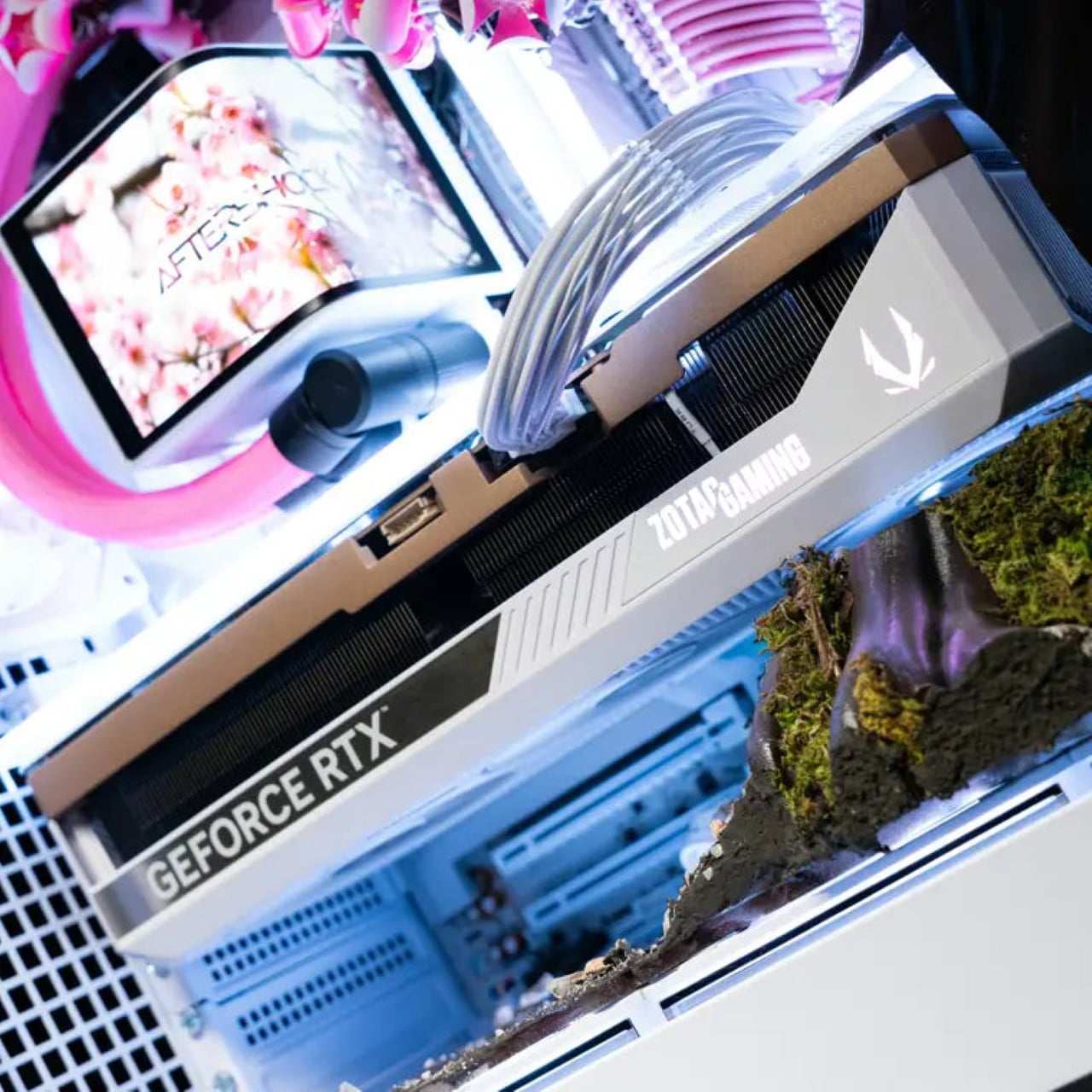
That mechanical honesty changes what “thermal performance” even means to look at. Most cooling systems exist purely to be invisible, judged only by numbers on a monitoring app nobody but the owner ever sees. Here, the exact opposite instinct wins out. Push the Ryzen 7 9800X3D and the Zotac RTX 5080 inside it through a genuinely demanding game, and the payoff is a slow, visible bloom happening in real time behind the glass.


AFTERSHOCK’s own demo reportedly shows the tree sitting fully closed at a resting 18°C, which suggests the blossoms don’t wait for some dramatic thermal spike before reacting. They likely ease open gradually as load builds, tracking the system’s actual temperature curve rather than snapping into a single dramatic pose. Idle back down to a lighter task, and the tree presumably eases shut again right along with it.


None of that sculpture would matter much sealed inside an opaque box, so the whole build sits inside an APNX V2 chassis wrapped in glass across a full 270 degrees. It’s a deliberate choice, given how little most case designers bother with rear or side visibility once a build is finished and pushed against a desk. This one seems built to be walked around and watched from nearly any angle in the room.


Underneath the sculpture sits a genuinely capable rig rather than a showpiece with hollow specs. Sixty-four gigabytes of DDR5-6000 memory, a 2TB PCIe Gen4 SSD, and a 1300W Platinum power supply all point to a machine with real upgrade headroom beyond its current configuration. A custom open-loop liquid cooling system handles the actual thermal load quietly, doing the unglamorous work that lets the titanium blossoms take the visible credit instead.

At roughly $14,200, converted from the AU$19,995 asking price, the Cherry Bloom is available to order now rather than teased as a future concept. That price does not include shipping, and next-business-day dispatch confirms this is a real commercial build rather than a one-off showpiece kept behind glass at a trade show somewhere.

Most of that cost is clearly going toward 70 hand-finished metal petals and the engineering needed to make them react correctly, not toward the Ryzen chip or graphics card sitting underneath. It’s a strange kind of luxury, paying handsomely for a gaming PC’s exhaust heat to finally look like something worth watching.
The post AFTERSHOCK Built a $14,200 Gaming PC Where 70 Petals Bloom With Heat first appeared on Yanko Design.
This Wearable Climate Controller Keeps You Comfortable in Extreme Weather


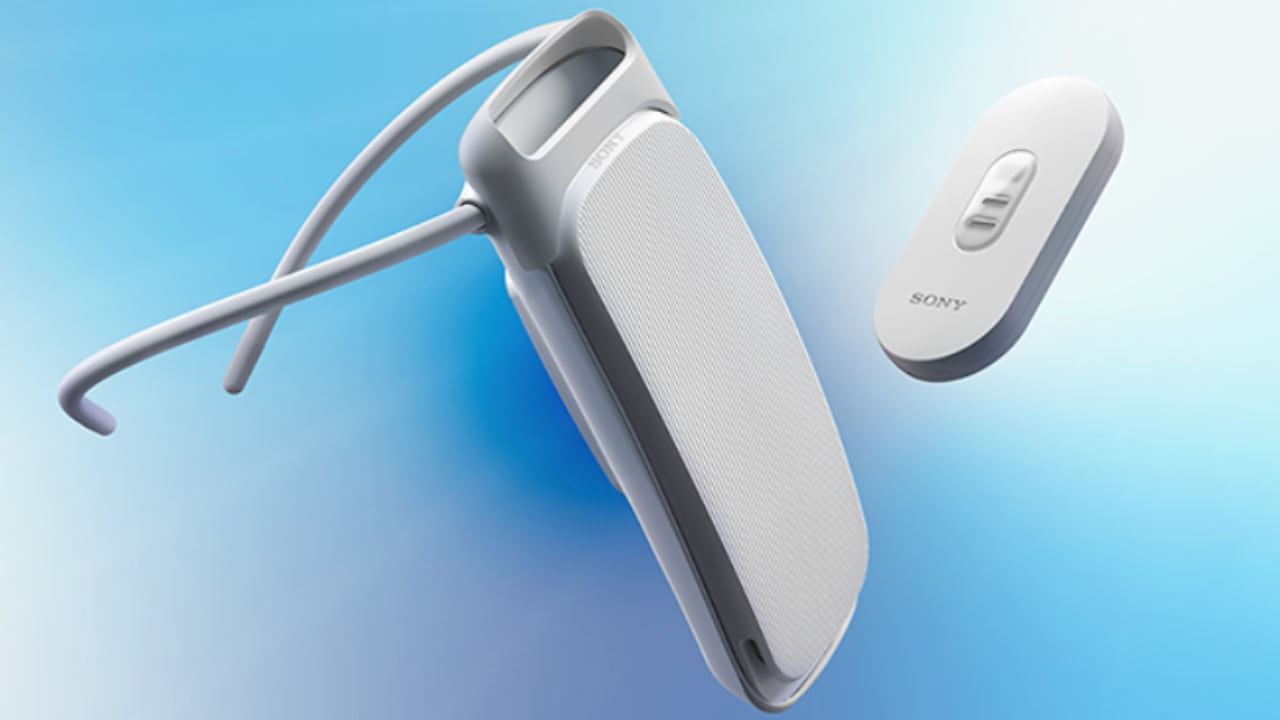
In places like Phoenix, where temperatures can reach 115 degrees Fahrenheit, or Florida, with its oppressive humidity, staying comfortable outdoors often feels like an overwhelming challenge. Sony’s latest update to their wearable thermal device, the REON POCKET 5, is a cutting-edge wearable climate controller that integrates effortlessly into daily life. For me, this accessory is indispensable.

Designer: Sony

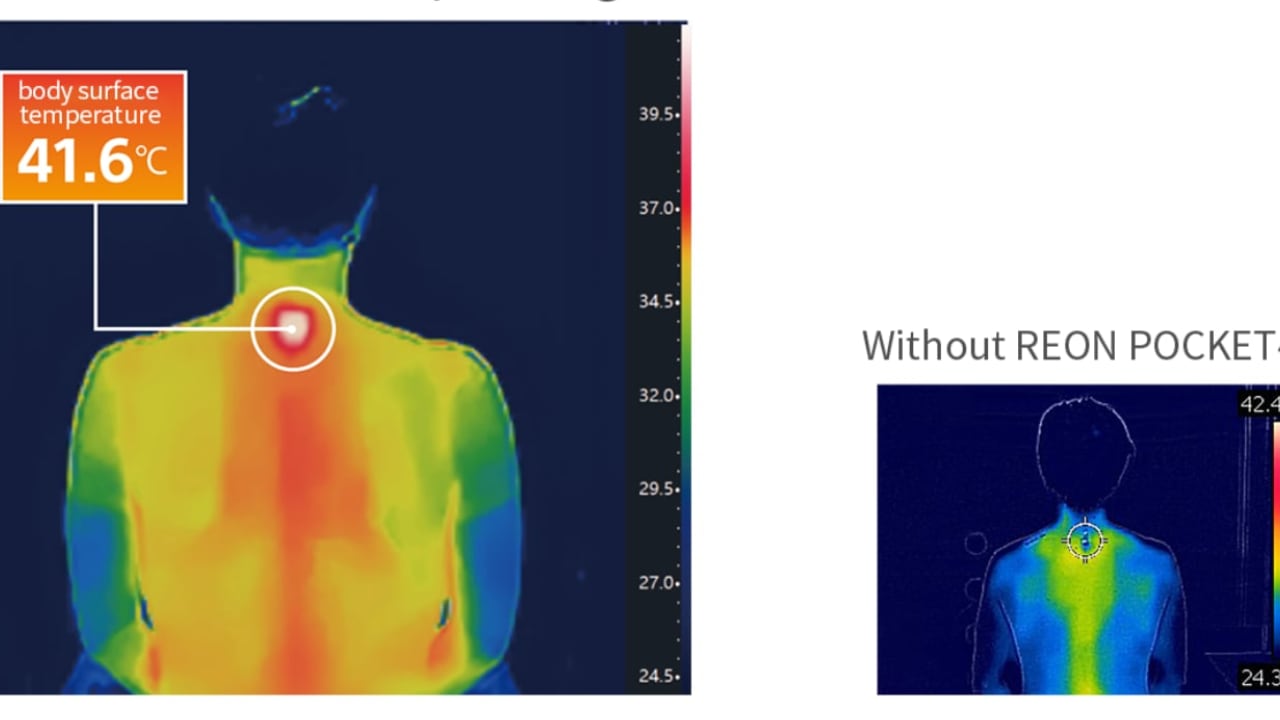
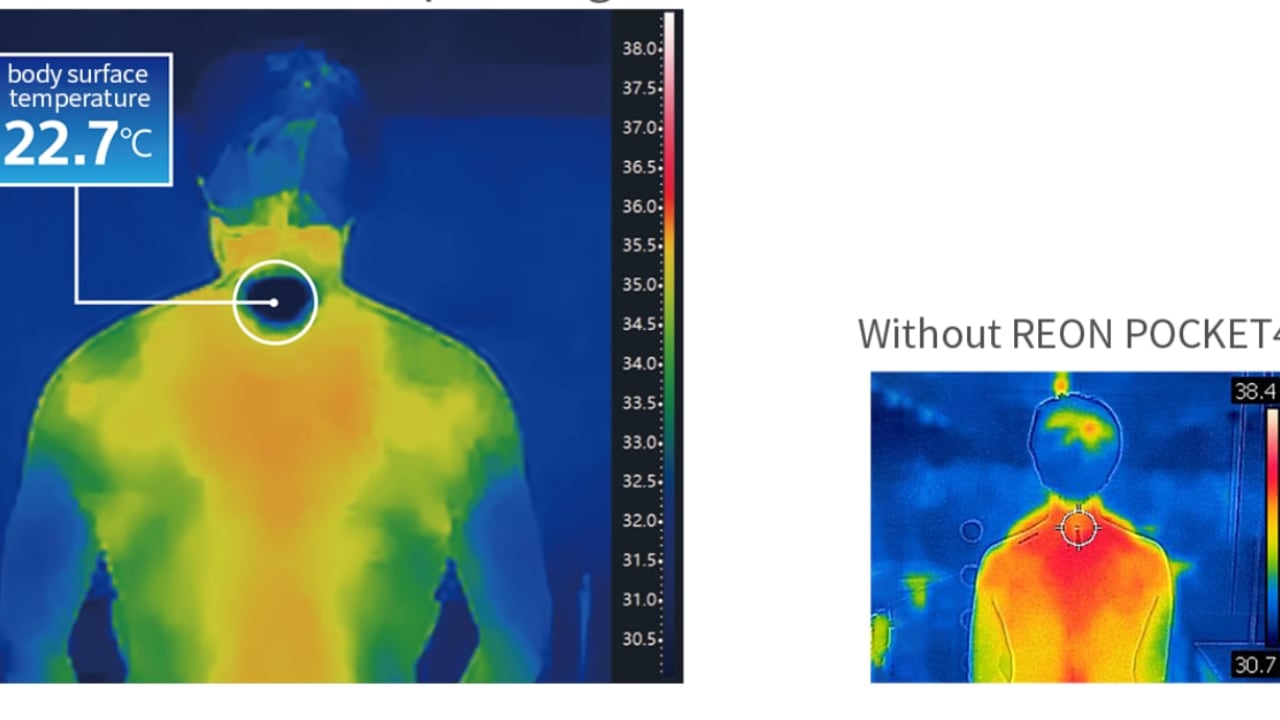
This advanced wearable activates to cool or warm as soon as it contacts your neck and deactivates upon removal without manual controls. This automatic function liberates you from the hassle of manual adjustments, allowing a smooth transition from vigorous yard work to business meetings without the discomfort of sweat-stained clothing. As a parent, I hardly ever miss a tennis lesson or match, regardless of the weather. It can get chilly in the winter when you’re not moving much, and standing under the scorching sun isn’t enjoyable in the summer. This is why I’m extremely excited about this product.

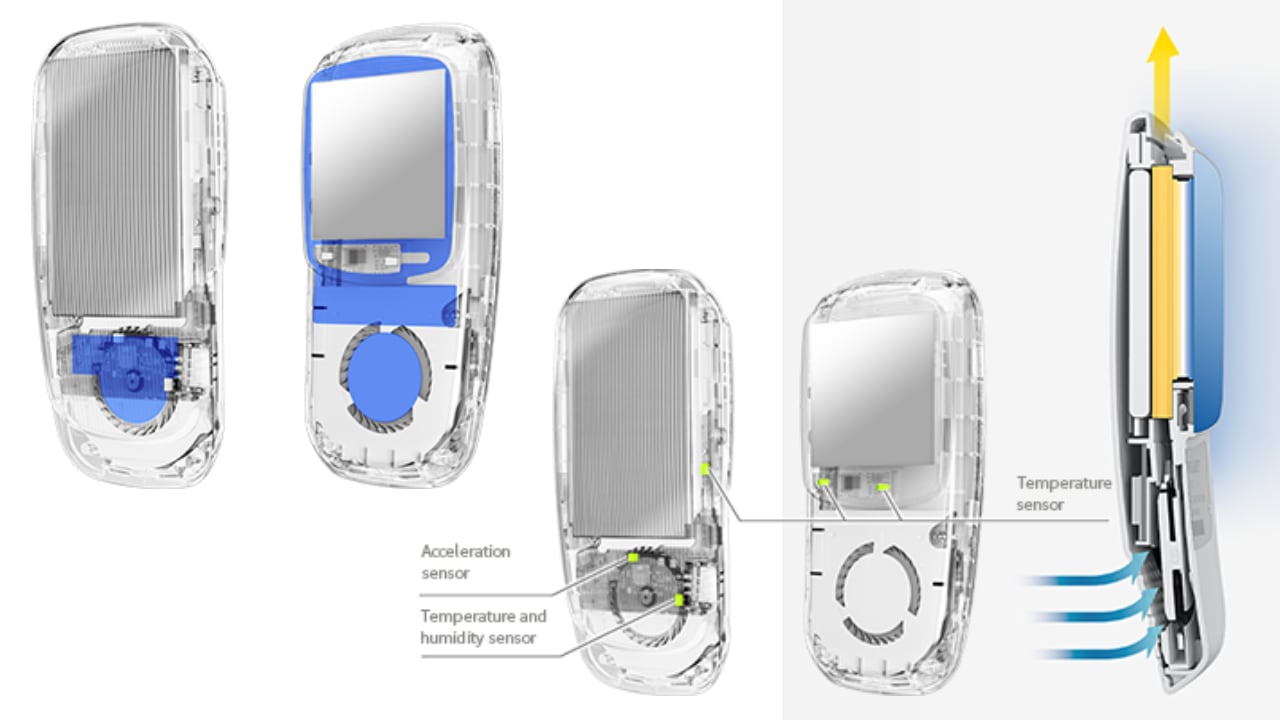
Its sophisticated sensor array and thermal design technology are at the heart of the REON POCKET 5’s effectiveness. The device is equipped with five sensors: three dedicated temperature sensors, one combined temperature and humidity sensor, and an acceleration sensor for detecting motion. This comprehensive sensing capability allows the REON POCKET 5 to provide situation-specific adjustments finely tuned to environmental conditions and user activity. Whether facing a sudden rise in temperature or an increase in physical activity, the device adjusts its output to maintain optimal comfort.

Sony’s expertise in mobile device design is evident in the thermal management of the REON POCKET 5. The heat dissipation mechanism, perfected through hundreds of simulations, is crucial for maximizing the efficiency of the device’s Peltier element. This element, a core component of the device, uses electrical current to produce a cooling effect on one side and a warming effect on the other, making it ideal for both cooling and warming applications, depending on your needs. 

Moreover, the REON POCKET 5 is robust, being splash- and dust-resistant, making it suitable for both rigorous outdoor activities and everyday urban use. This durability ensures that the device can perform under various environmental conditions without faltering.

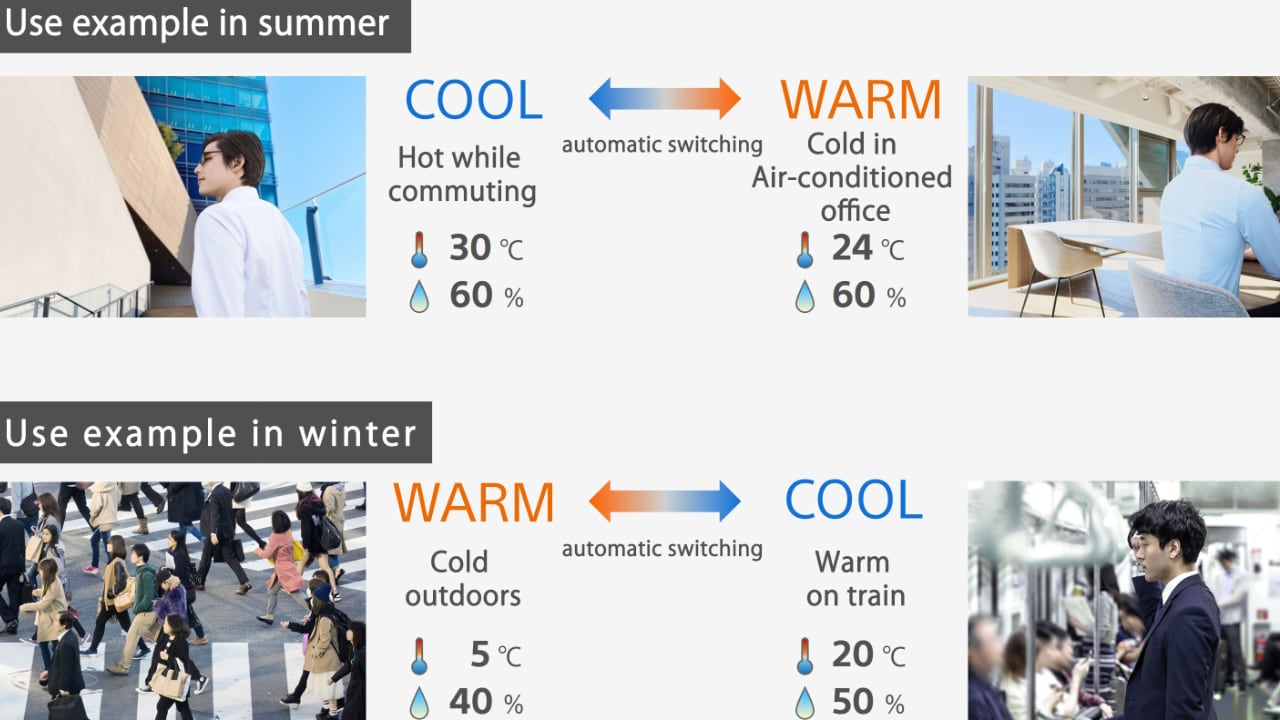
For commuters and those frequently transitioning between different environments, the REON POCKET 5’s SMART COOL⇔WARM MODE proves invaluable. This feature automatically adjusts the cooling or warming temperatures by detecting both the temperature inside your clothing and the ambient temperature around the device. It seamlessly switches modes based on environmental changes, even during days with significant temperature fluctuations, enhancing comfort without any manual input required.

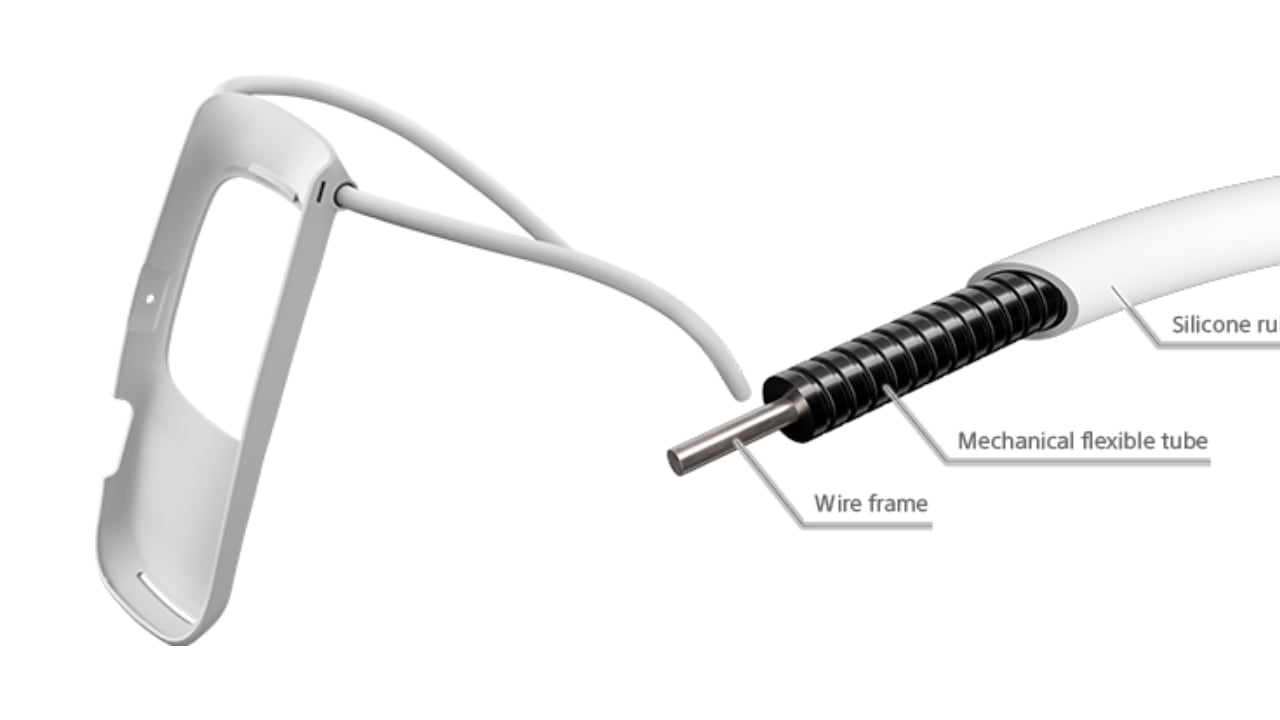
The REON POCKET 5 also focuses on comfort and adaptability. Its innovative triple-layer construction features a flexible mechanical tube, a shape-holding wireframe, and a soft silicone cover, ensuring the device fits securely and comfortably for prolonged periods. The adjustable neckband is designed to accommodate a wide range of neck sizes and maintain the chosen position, providing personalized comfort that adapts to the wearer’s unique body dimensions.

Scheduled for release in Singapore in May 2024, with subsequent availability in Malaysia, Thailand, and Vietnam, the REON POCKET 5 is a game-changer for anyone facing extreme temperatures. Its up to 17-hour battery life ensures all-day comfort, and it is capable of handling anything from an intensely hot day to a cold conference hall.

The post This Wearable Climate Controller Keeps You Comfortable in Extreme Weather first appeared on Yanko Design.
Smart earrings can read your temperature, paving the way for new wearables

When people talk about wearables or wearable tech, they are mostly thinking of smartwatches and fitness trackers, basically those that are worn on your wrist. Technically speaking, however, any kind of technology that can be worn on your body would qualify as wearables, hence the name, but we have been restrained by the limits of current technologies and design trends. Fortunately, it isn’t a dead end yet, and smart rings are starting to become a viable alternative, allowing some people to still keep track of their health while finally being able to wear their favorite classic watches again. These rings reveal the potential of jewelry that could deliver those same features while allowing you to maintain your fashion sense, like this earring that can read your body temperature, something that is still uncommon even on smartwatches today.

Designers: Qiuyue (Shirley) Xue, Yujia (Nancy) Liu, Joseph Breda, Vikram Iyer, Shwetak Patel, Mastafa Springston (University of Washington)

Our bodies are a treasure trove of data, depending on which part you are observing. Smartwatches try to shed light on our health by literally shining light through the skin on our wrists and down to blood vessels. Smart rings largely do the same, though on your finger, of course. While much of your body’s state can be calculated from these areas, some body parts give more accurate biometrics than others. There might still be some debate about it, but some researchers believe that the ears, particularly our earlobes, are a better source for that kind of information.

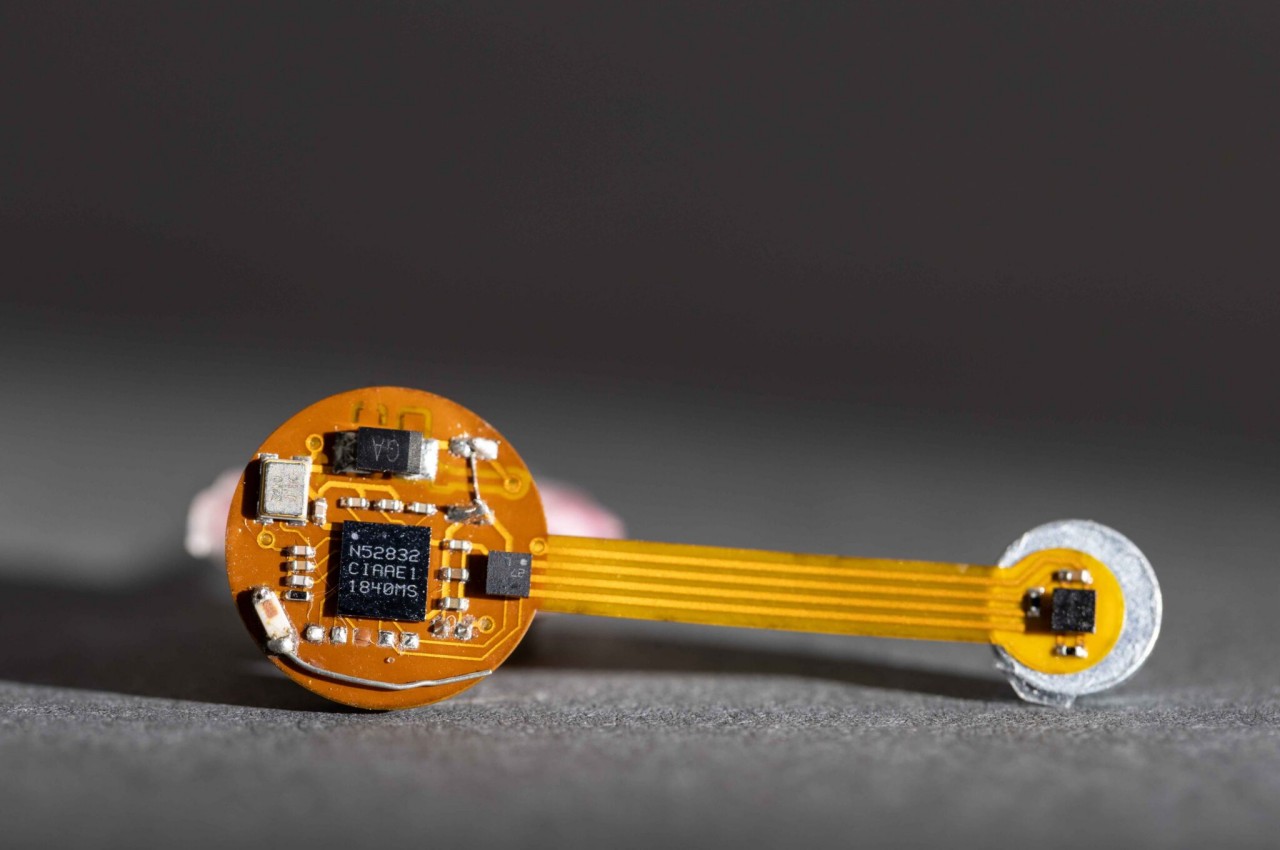
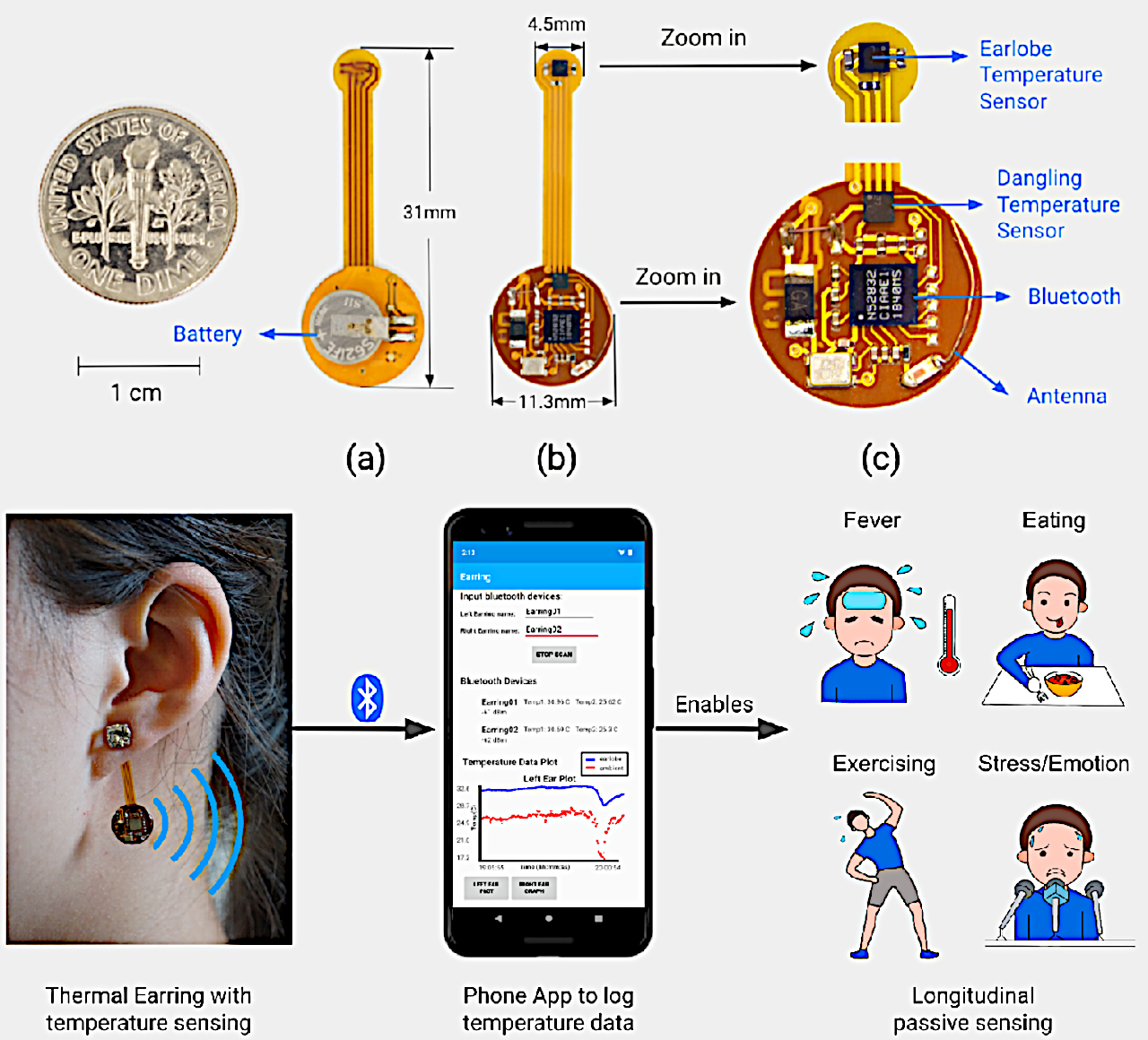
That’s the medical foundation that the Thermal Earrings are based on, a research project that is attempting to create a new wearable that is both functional and potentially fashionable, especially for women. The device uses two sensors, one that magnetically clips to the earlobe and measures body temperature, while another dangles an inch below it to measure room temperature. Comparing data from these two sources yields a more accurate body temperature reading compared to smartwatches that can’t properly differentiate ambient temperature. This accurate reading is crucial not just for knowing your body’s temperature but, for women, also for keeping track of their ovulation and periods.

The Thermal Earrings’ diminutive design presents both a challenge and an opportunity. It uses up very little power and uses low-power Bluetooth to transmit its data to a paired smartphone. In theory, it can be charged with solar or kinetic energy, but implementing a charging system for that is proving to be a bit tricky. And since only one earring is enough to read the wearer’s body temperature, it raises the question of what the other earring would do. Should it be a simple non-smart decoy to pair with the smart earring or can it also be used to read some other biometric as well?

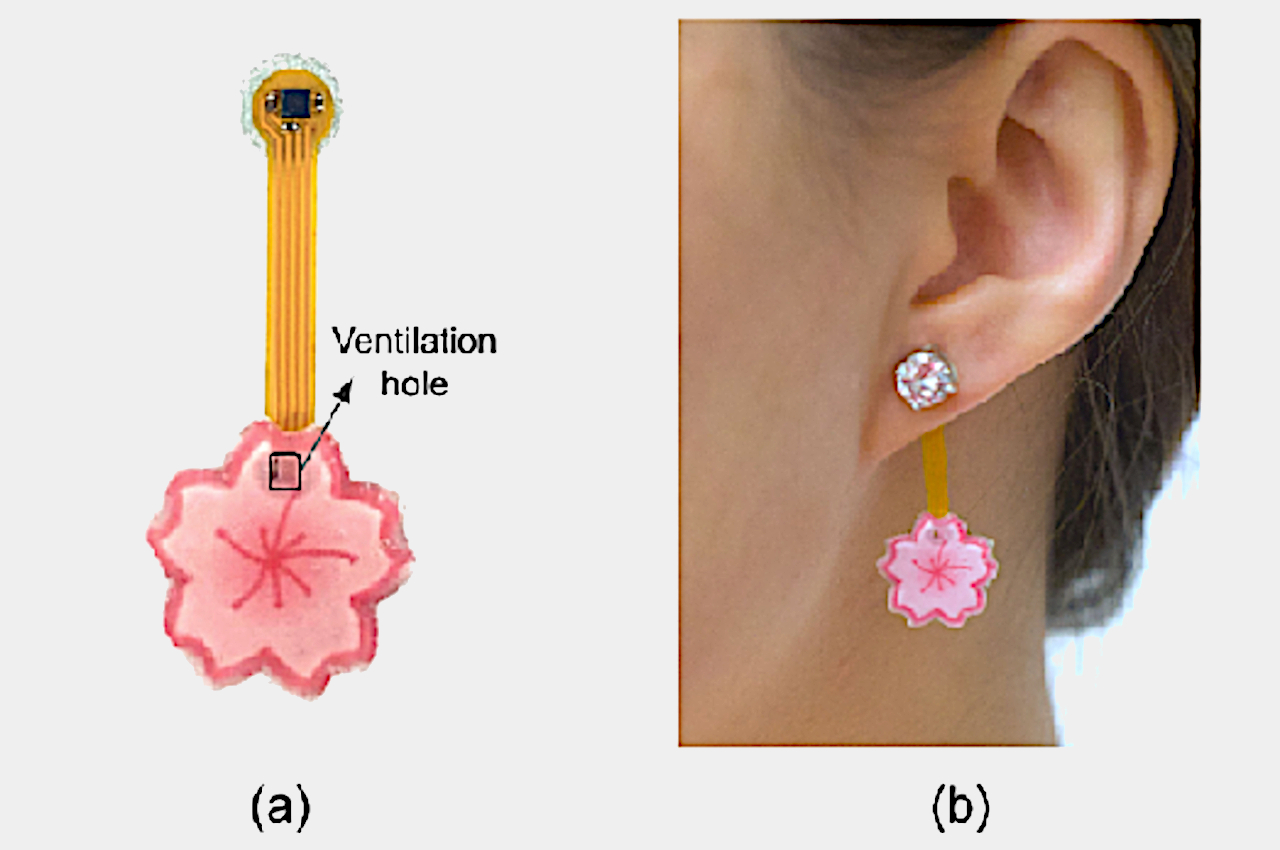
More importantly, however, the Thermal Earrings open the doors to another kind of wearable accessory. Although the current prototype is largely limited by the electronics it uses, it can already be customized with charms and gemstones. More research into different materials and forms can hopefully lead to more chic styles, ones that ladies won’t be embarrassed to be seen wearing.

The post Smart earrings can read your temperature, paving the way for new wearables first appeared on Yanko Design.

Pixel 8 Pro thermometer can now ready body temperatures, but is it worth it?

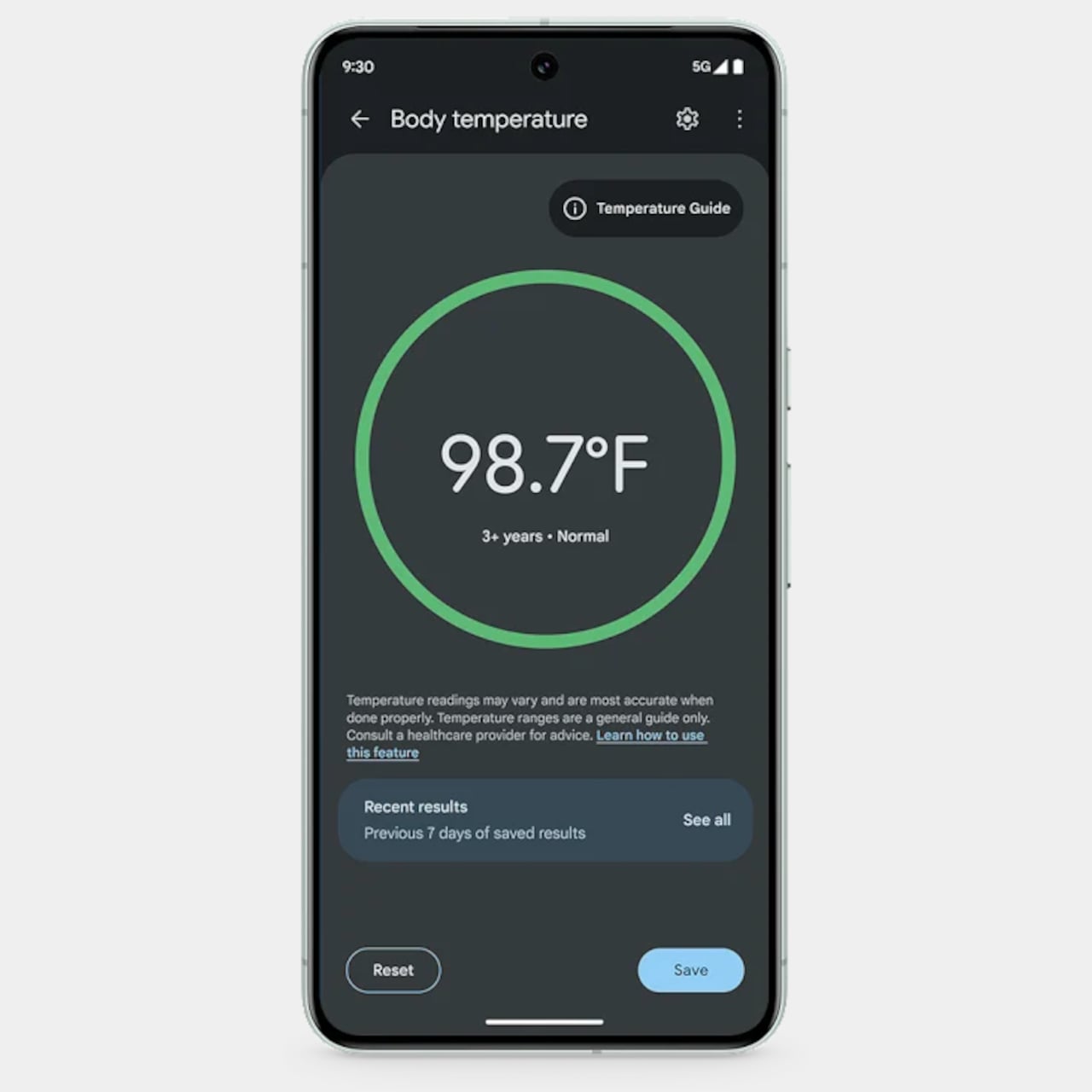
When Google launched the Pixel 8 Pro, it revealed a feature that seemed to be a solution looking for a problem. It had a temperature sensor, one of if not the first to debut on a smartphone, that was advertised as a way to, well, check the temperature of food or your baby’s water bottle. There were leaks claiming that it could also take your body’s temperature, but that never came to pass, at least until now. Google finally let the cat out of the bag that it was just waiting for FDA approval, so the Pixel 8 Pro is now capable of reading your body temp, though the exact process and usefulness of that feature still remains a big question mark.

Designer: Google

Why would you want to use your phone to read your own temperature anyway? That’s because many people have been quite obsessed with checking their body temperature ever since the recent pandemic, and short of awkwardly carrying a thermometer with you all the time, using a smartphone is the next best thing. But since the feature would be used to take the place of a medical device, it needed regulatory approval first, which Google finally got.

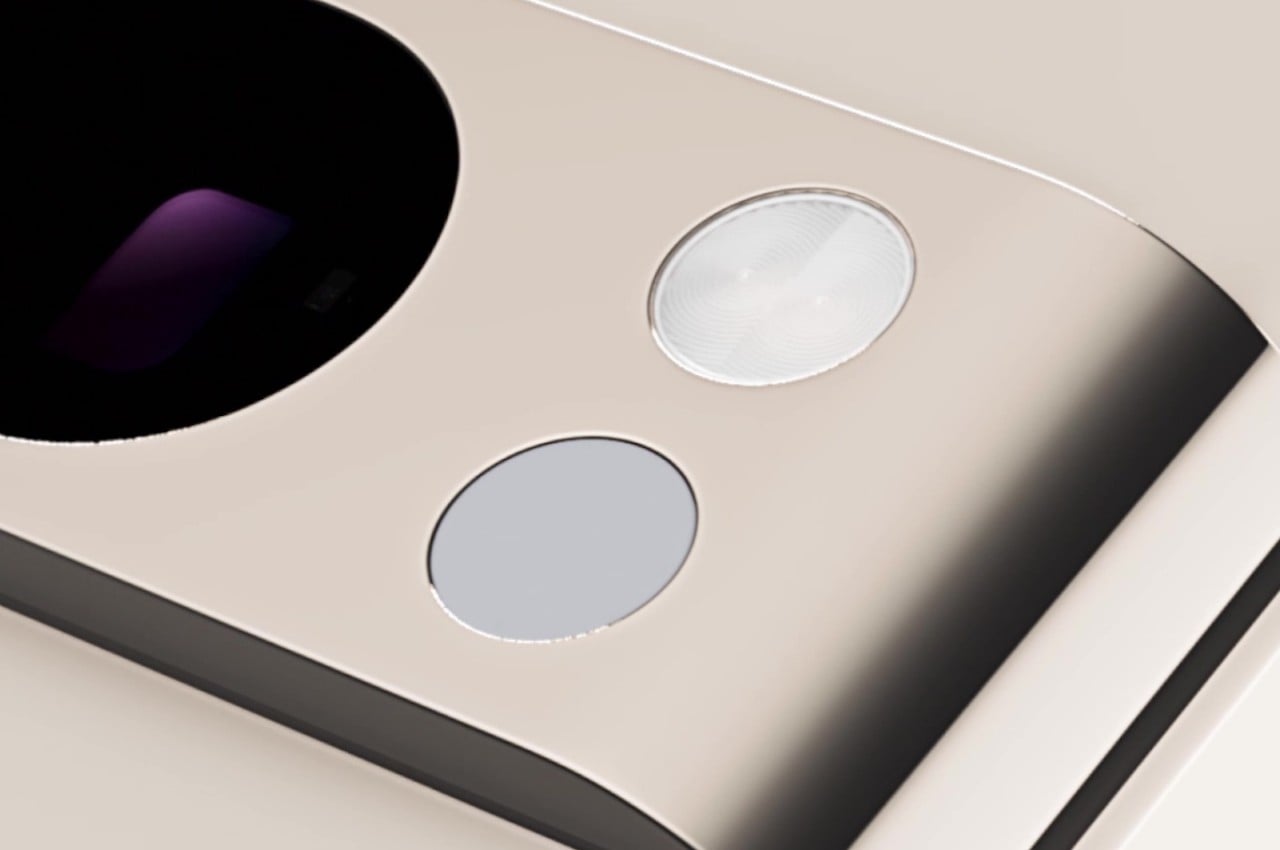
According to the tech giant, the secret to this feature is the infrared sensor that’s positioned right beside its cameras. Before this body temperature feature was finally released, all it was allowed to do was measure the temperature of non-living objects by holding the phone no farther than two inches from the target. Unsurprisingly, there’s only a limited number of applications for such a thermometer, so it was like a feature that buyers were paying for but couldn’t fully use. The narrative now changes with the addition of body temperature readings, but it might not be a clear win either.

It uses the infrared radiation, a.k.a. heat, that our body generates to make this reading, but Google claims it does one better than the typical forehead digital thermometers commonly used today. It measures the temporal artery, that is, the artery located on your temple, to get a more accurate reading. Of course, the data is further processed by an AI-powered algorithm before being displayed on the Pixel thermometer app. The process, however, isn’t as quick or as straightforward as those forehead thermometers. You need to first hold the Pixel 8 Pro two inches away from the center of your forehead, wait for the beep to signal the start of the scanning process, and then swipe the phone toward your temple, all in just four seconds. The scanning automatically stops after four seconds, so the accuracy of the reading also depends on how accurate your movements are.

Although Google is quite confident in the accuracy of this feature, it’s still a bit doubtful how much use it will get in real life. Admittedly, body temperature reading is far more useful than precariously placing your phone so close to a hot object, let alone one that’s giving off smoke or steam. Fortunately, the Feature Drop that delivered this feature on Pixel phones also has other goodies, like Circle to Search which was first announced on the Samsung Galaxy S24 series. Google is also launching a new Mint Green flavor of the Pixel 8 and Pixel 8 Pro, in case you’re still in the market for a new phone, especially one that you can also use as a thermometer.

The post Pixel 8 Pro thermometer can now ready body temperatures, but is it worth it? first appeared on Yanko Design.