
Ray-Ban Meta Gen 3 vs. Ray-Ban Meta Gen 2: How these AI glasses compare
Meta's newest smart glasses are an iterative, expensive update.

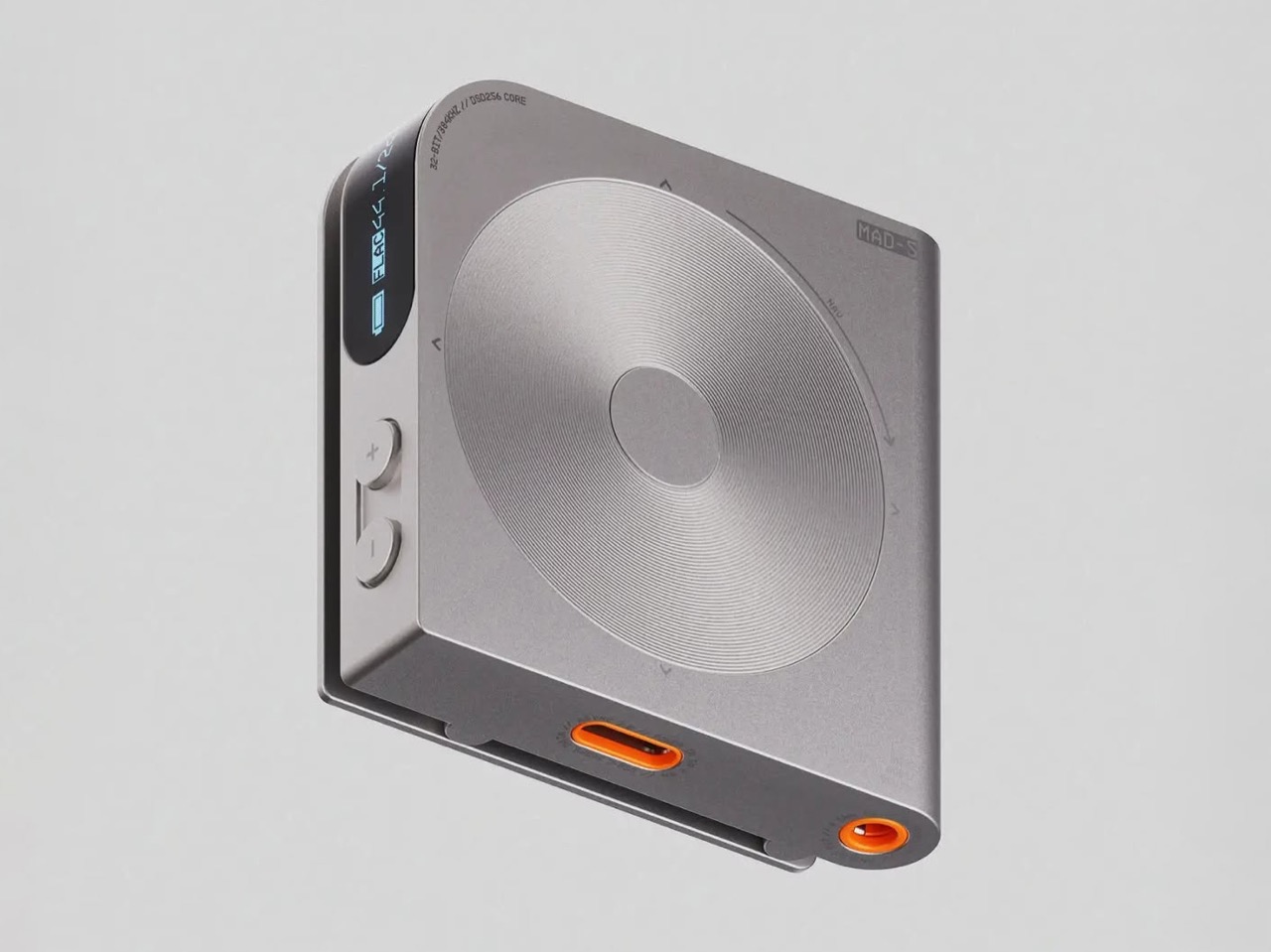
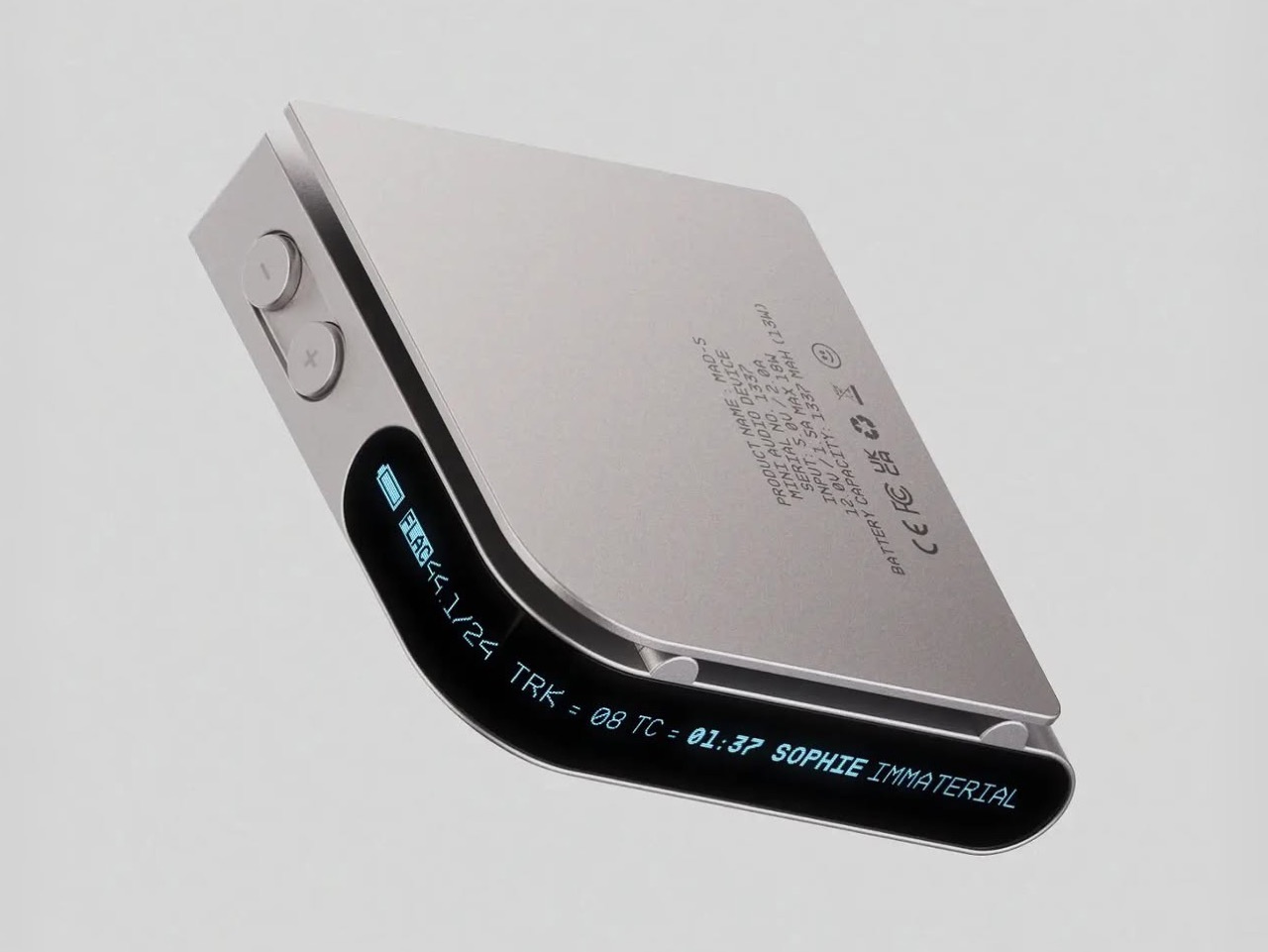
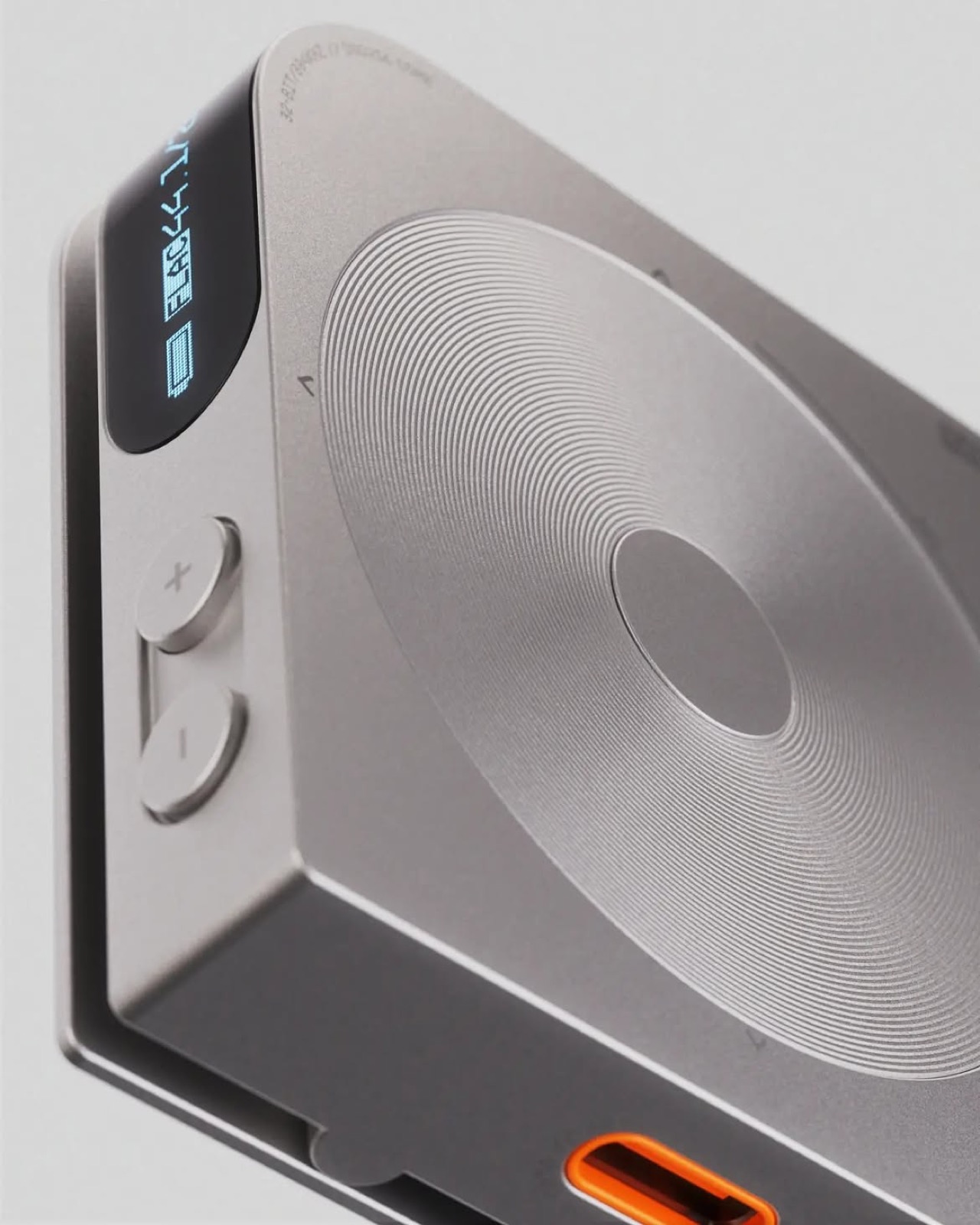
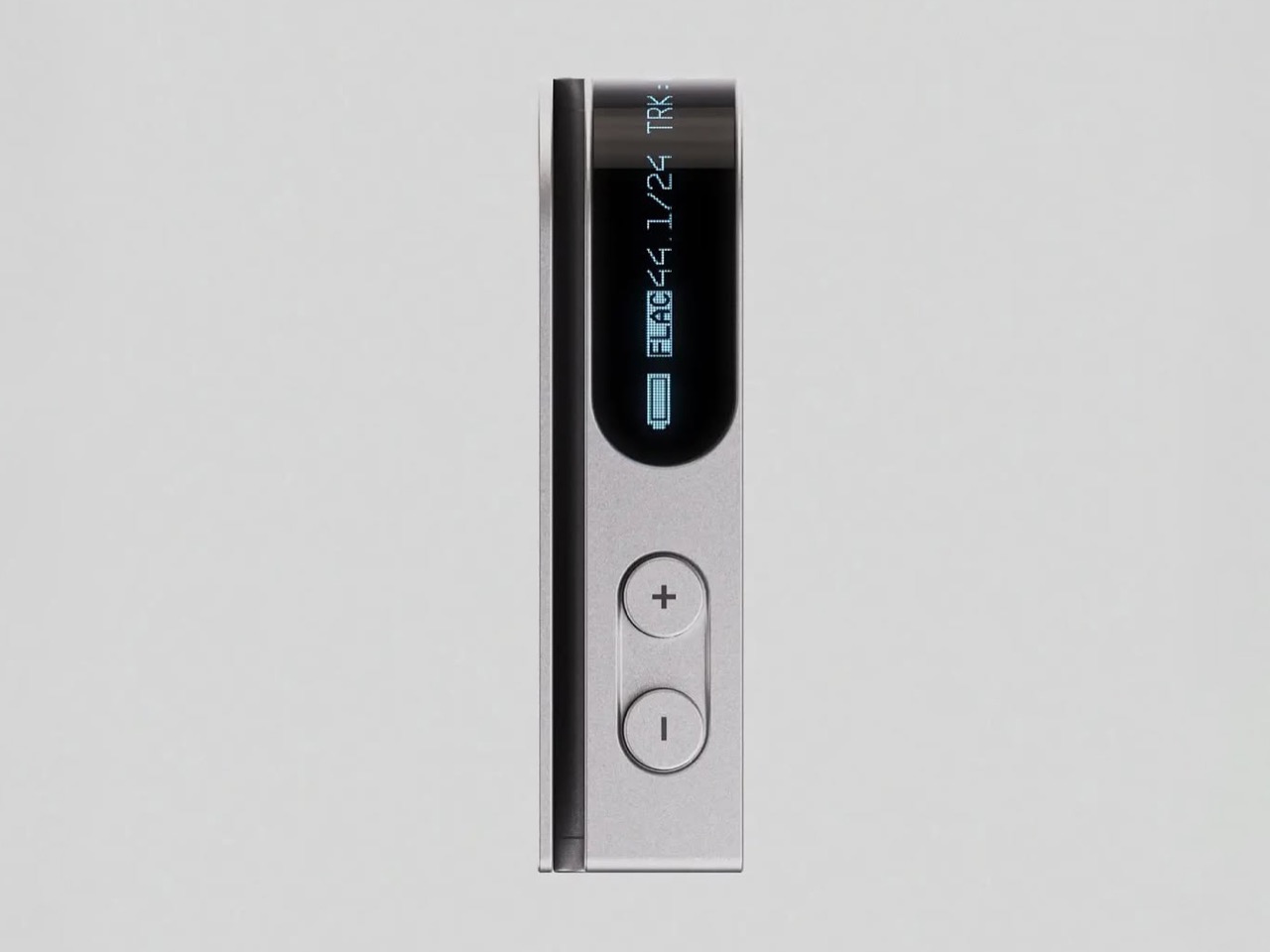
Sony killed the MiniDisc in 2006 with the MZ-RH1, a recorder so good that people still pay silly money for working ones on eBay. It did something unusual with its display, mounting the OLED on the front edge of the body rather than the top, so you could read it at an angle no other player offered. That edge-mounted screen is a small footnote in audio history, the kind of detail only a handful of collectors ever think about. Florent Porta has been staring at that screen for years, by his own admission, and the MAD-5 is what came out of the staring. It is a square aluminium player with a thin blue ticker running along its front lip, reading out format, sample rate, track number, timecode and song title.
The MZ-RH1 measured 83.8 by 84.4mm, which is to say almost perfectly square, and the MAD-5 lands on the same proportion. That is either a deliberate quote or a very good accident. What Porta has added is a clip, borrowed from the later iPod Shuffles, and the combination solves a problem Apple never bothered with. A clipped-on player shows you its edge, not its face. So put the words there.
Designer: Florent Porta
The third generation Shuffle in 2009 stripped every physical control off the body, leaving a bare power switch, and pushed volume and track changes onto a three-button remote wired into proprietary earbuds. Reviewers hated it, and Apple reversed course within a year, bringing the button ring back on a fourth generation that shrank into something nearly square. Porta borrows the fourth gen’s clip and skips the third gen’s whole premise, which is the correct call. Wrap a screen around the exposed edge of a clipped device and you get the information without a button, an earbud remote, or Apple’s old workaround, a talking menu called VoiceOver that was software standing in for a hardware idea nobody had built yet.
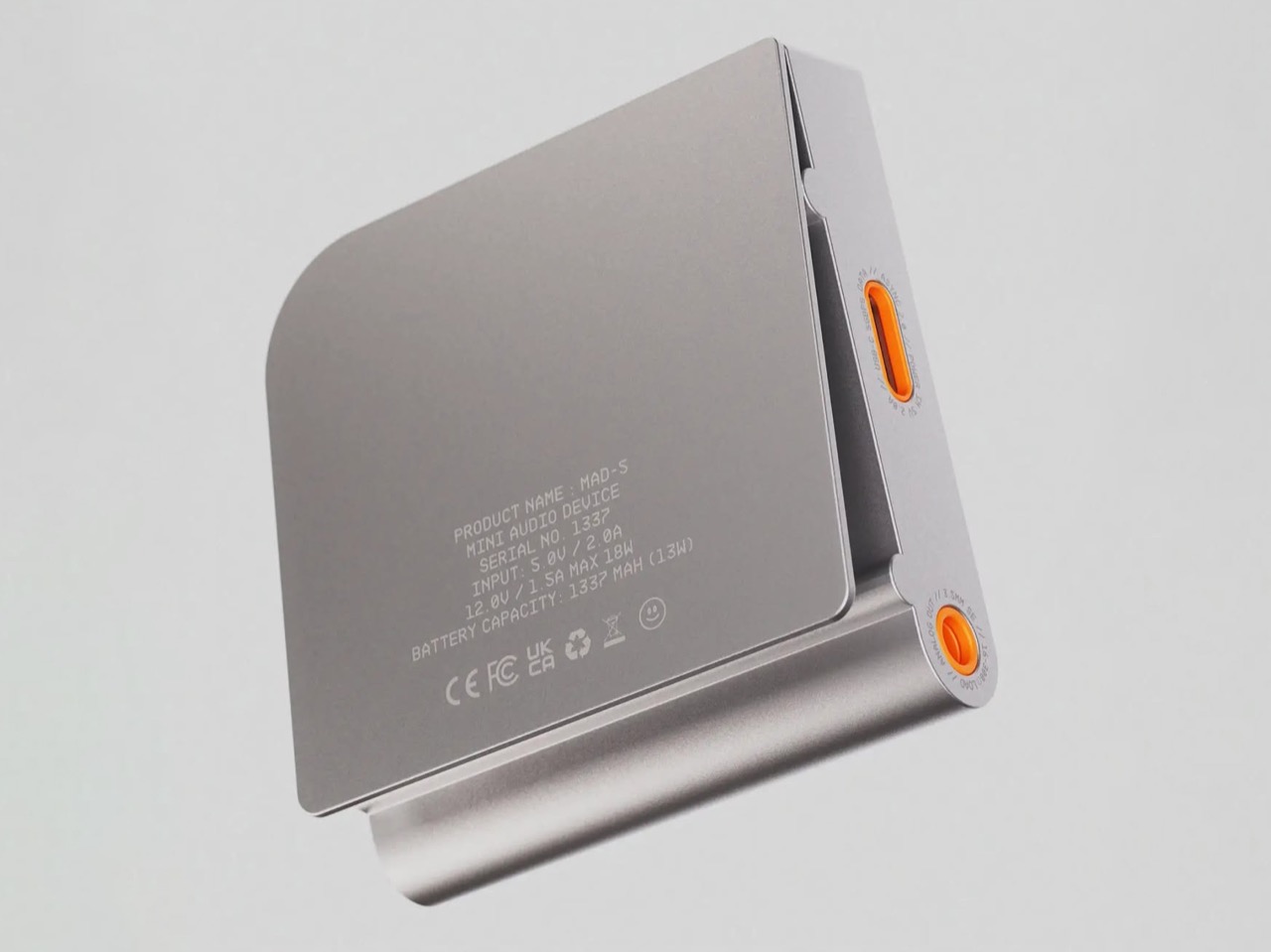
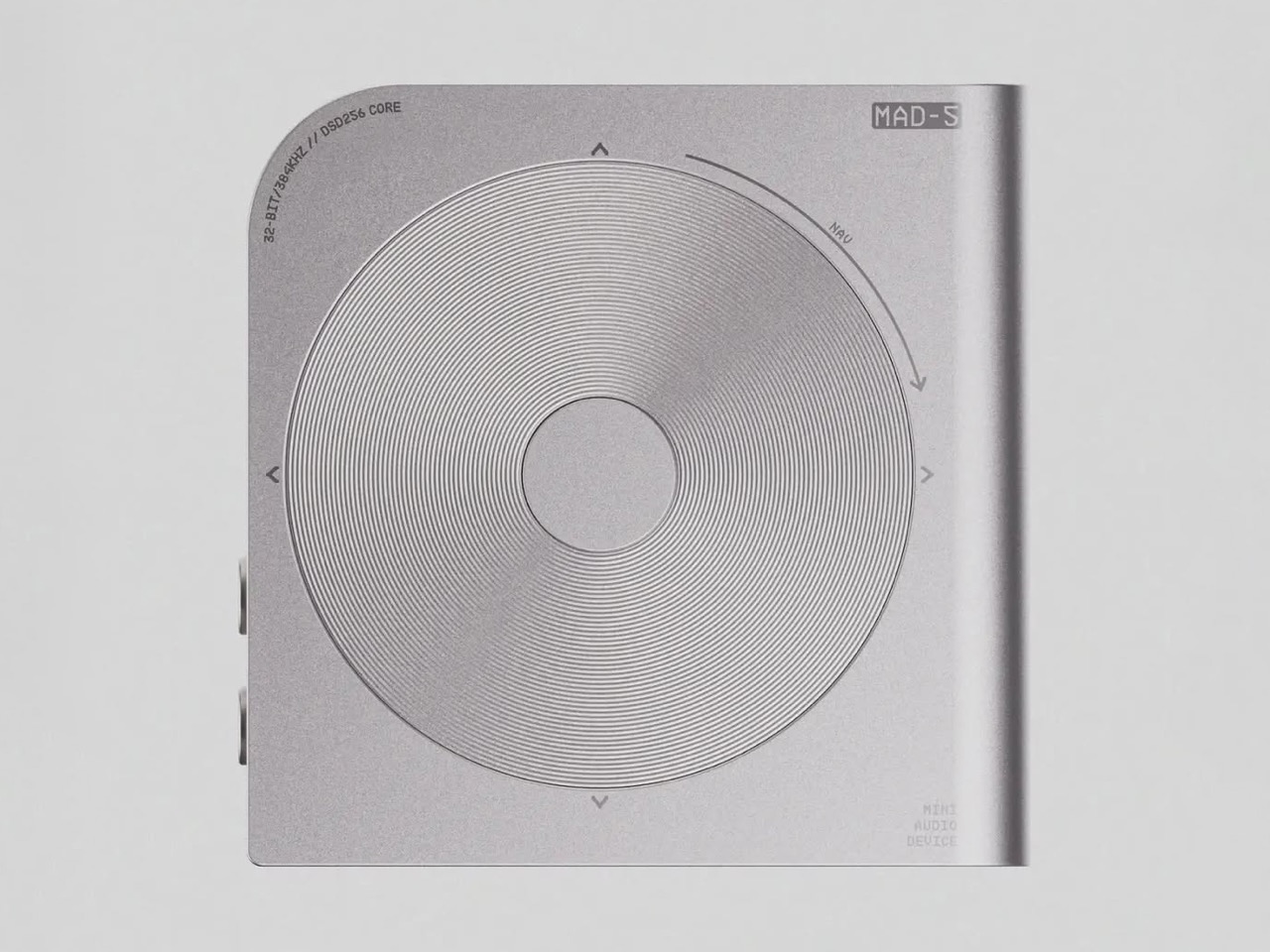
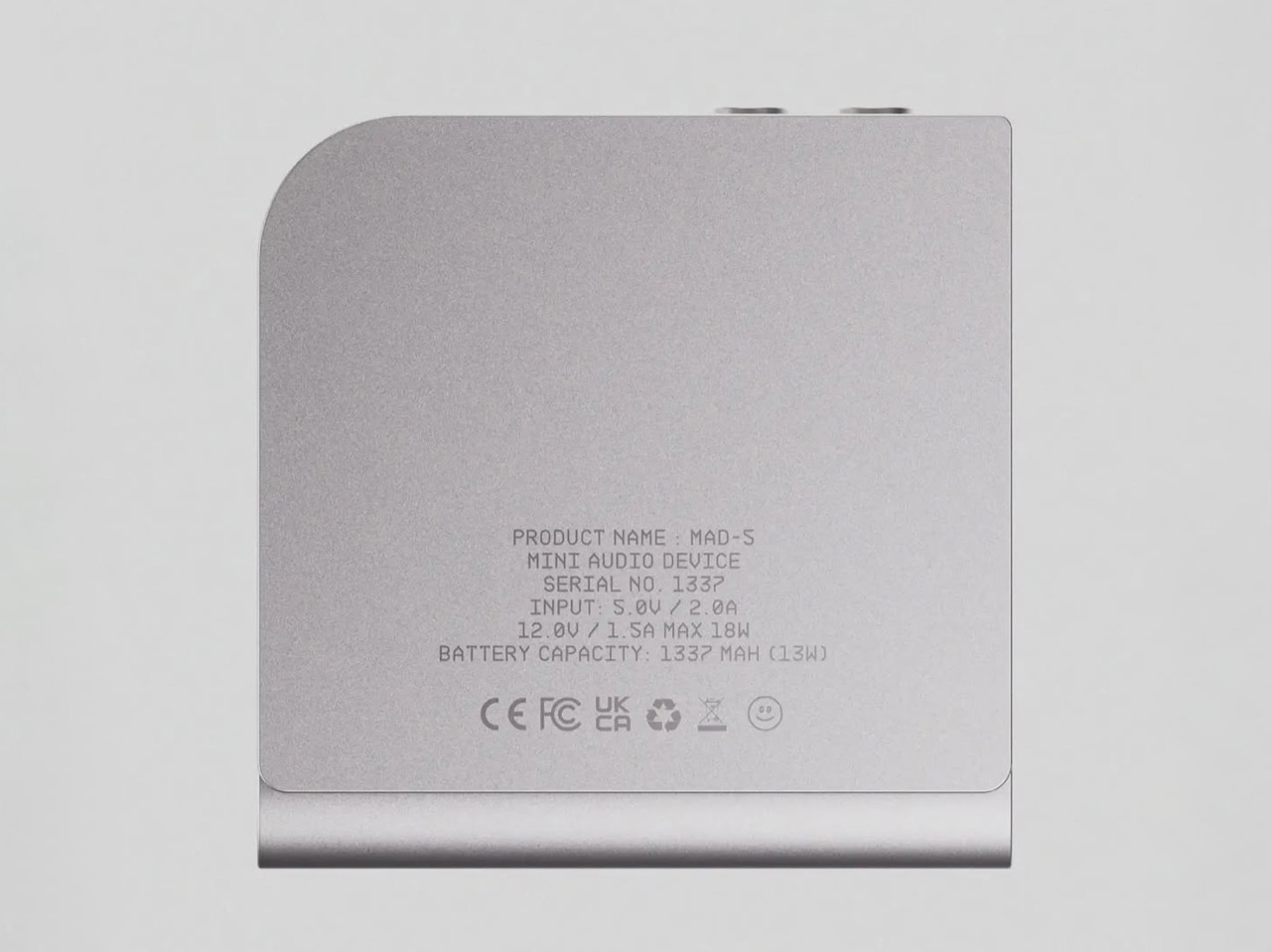
The jog disc on the face nods toward Teenage Engineering’s TP-7, the field recorder we covered when it landed in 2023, whose motorized tape reel actually spins under a brushed motor with ball bearings while you record or scrub through playback. Porta’s disc has no motor behind it, just concentric rings etched into aluminum with arrows for navigation, so the homage is visual rather than mechanical. That is a fair trade in a concept render, but it is worth naming, since a spinning reel earns its charm through motion and this one borrows the charm without it. The engraved spec plate leans aspirational too, and the 1337 mAh battery is the second time Porta has hidden that exact number in a product.
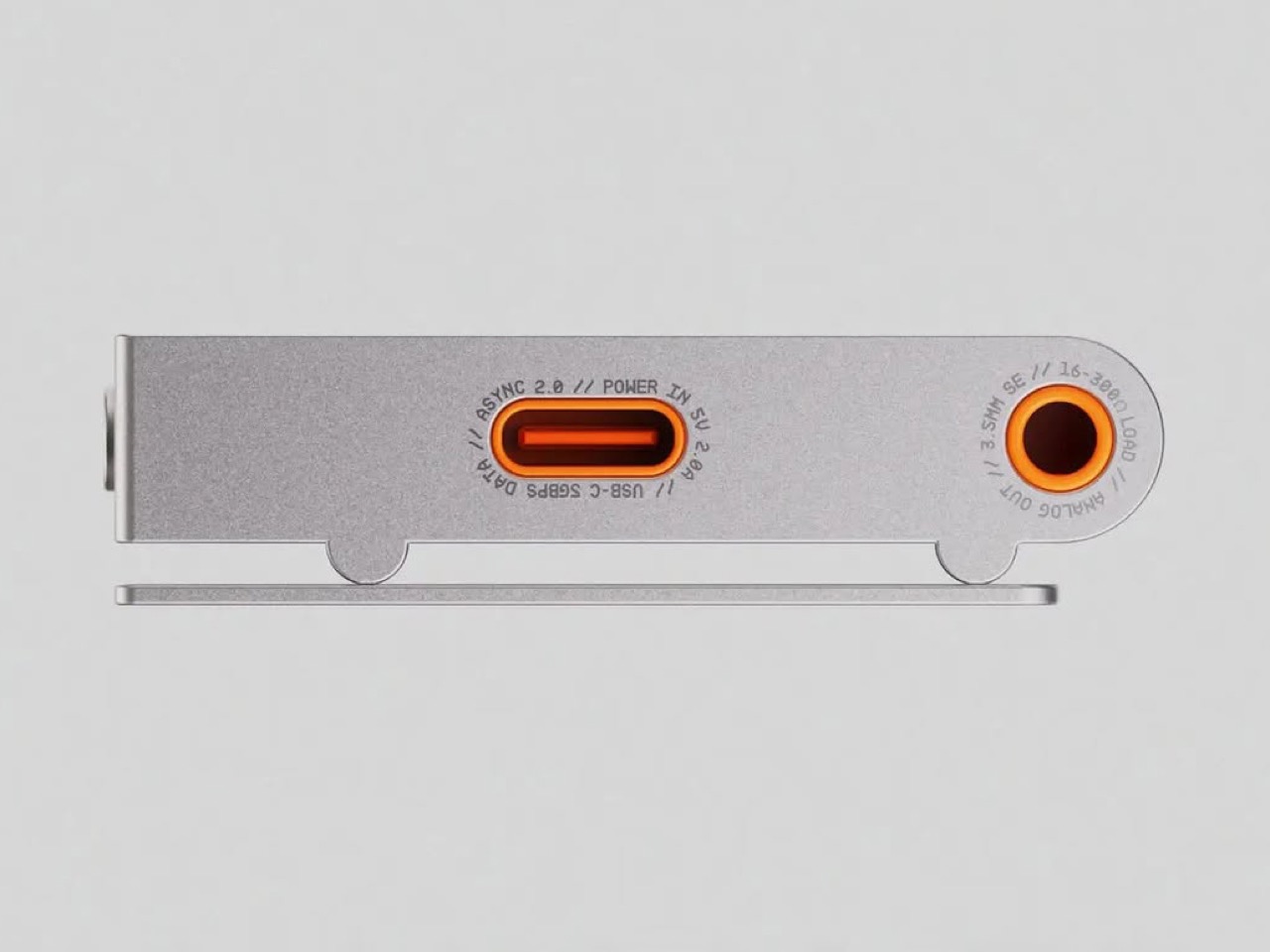
There is no Bluetooth listed anywhere on the body, no balanced output for the higher-end headphone crowd, and nothing marked for expandable storage, all of which current audiophile DAPs from Sony, FiiO and HiBy treat as standard at this level. The stronger idea might not be the ticker screen at all. It is the USB DAC mode, since anyone carrying a laptop already owns half the reason dongle DACs exist, and a player that folds into an audio interface the moment you plug it in solves a real annoyance rather than a cosmetic one. Porta says a desktop dock is next, meant to unlock more I/O once the MAD-5 is home, which quietly admits the ports on this version are thin. That is pretty self-aware for a concept render.
We covered Porta’s last swing at this category back in February, the DAP-1, a maximalist FLAC player built around an OLED touchscreen and a built-in speaker. The MAD-5 is the opposite instinct from the same person eight months later, stripped down to a disc, two buttons and a strip of text. Neither one exists as hardware yet, and a dock that is still just a thought puts no real timeline on anything. But the edge screen is worth remembering regardless of whether this specific object ever ships, because it solves something two decades of clip-on players walked straight past. Sony found the location by accident in 2006. Apple never looked. Porta just put both ideas in the same room.
The post Teenage Engineering meets iPod Shuffle: This music player puts the screen where your eyes actually are first appeared on Yanko Design.


We called the PS5 the most beautiful console in the world on reveal day in 2020, and I still mostly mean it. Yujin Morisawa’s shell is a bold piece of industrial design, a vertical monolith with two floating wings that looks like nothing else in the category. Bold monoliths have one correct orientation, though, and living rooms have shelves. Tip the thing sideways and the composition falls apart, because the asymmetry that reads as dynamic standing up reads as tipped over lying down. Devyn Johnston, a PC modder whose YouTube channel runs on small form factor builds, decided to answer that with tooling instead of opinions.
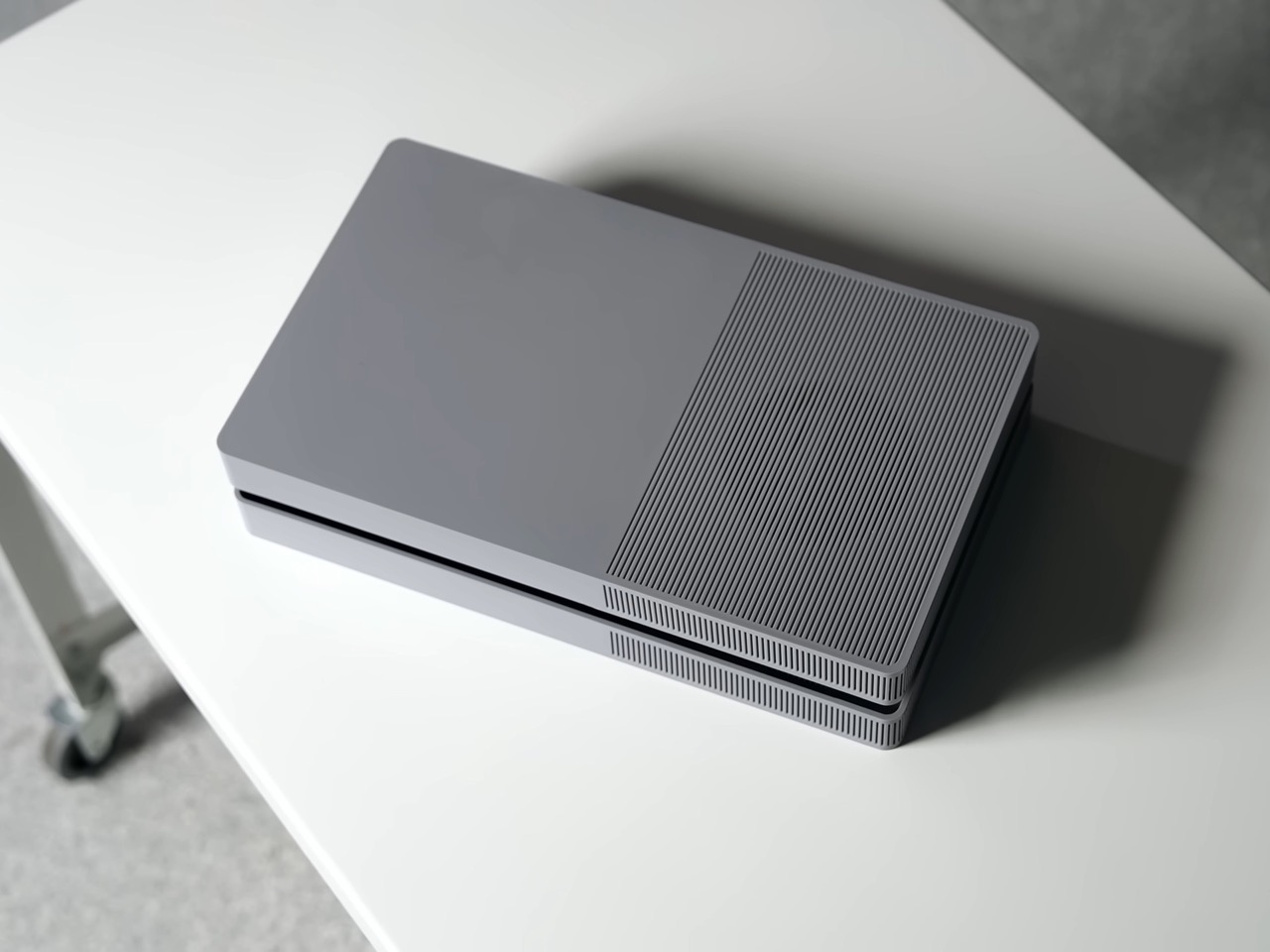
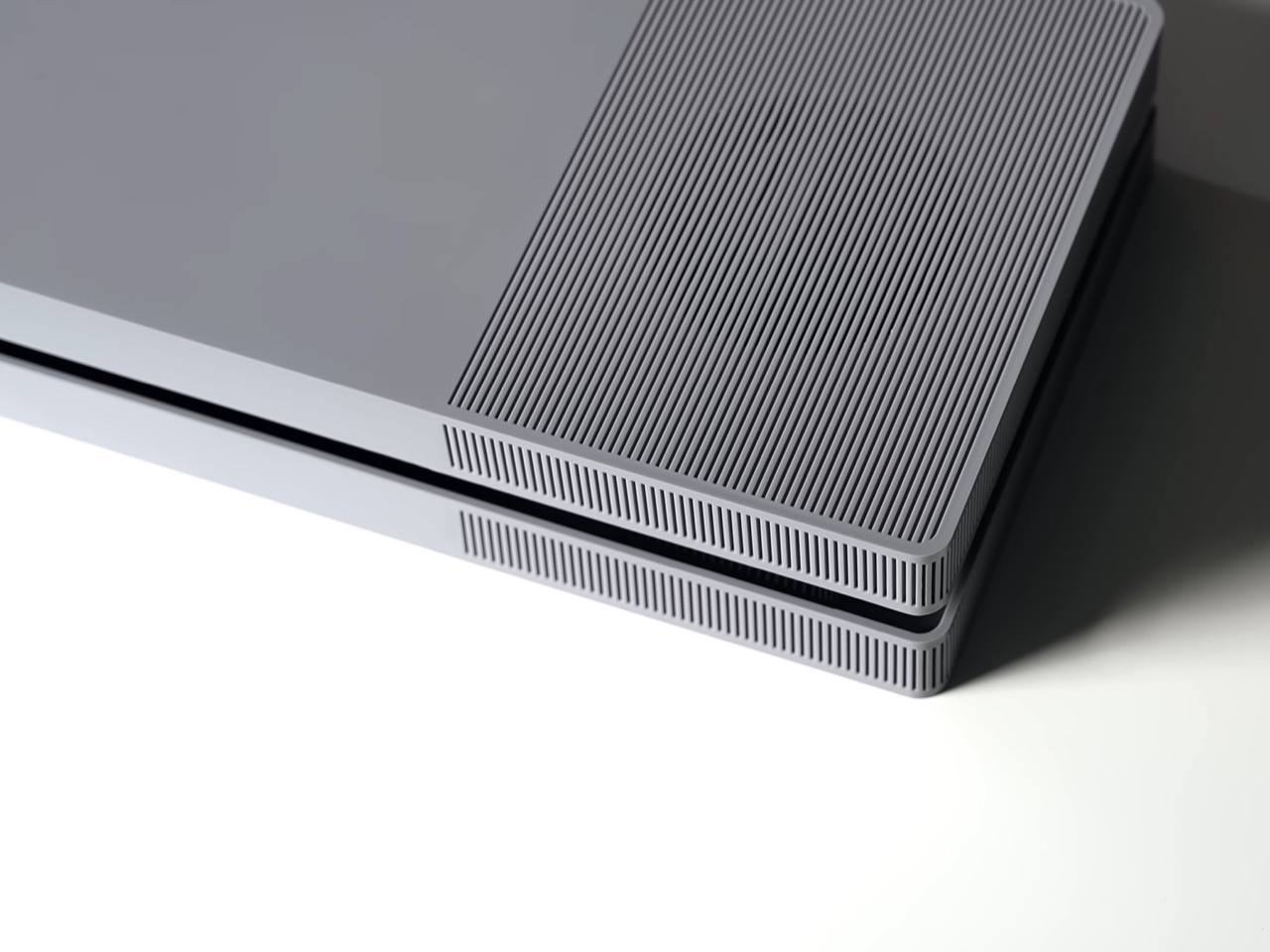
His BoxPlates are aftermarket cover plates that clip on exactly where Sony’s official ones go, replacing the console’s compound curves with orthogonal geometry and crisp corners. A dense linear rib pattern runs across the top face, hides a vent sitting directly above the fan, wraps the corners and continues down the sides. Johnston sank more than $100,000 into custom injection mold tooling so the parts come out of the same process Sony uses for controllers and first-party plates. Sets cost $89.99 in black, gray, white and black, or gray and black, and cover five of the six PS5 variants. The original Digital Edition is the one still waiting.
Designer: Devyn Johnston
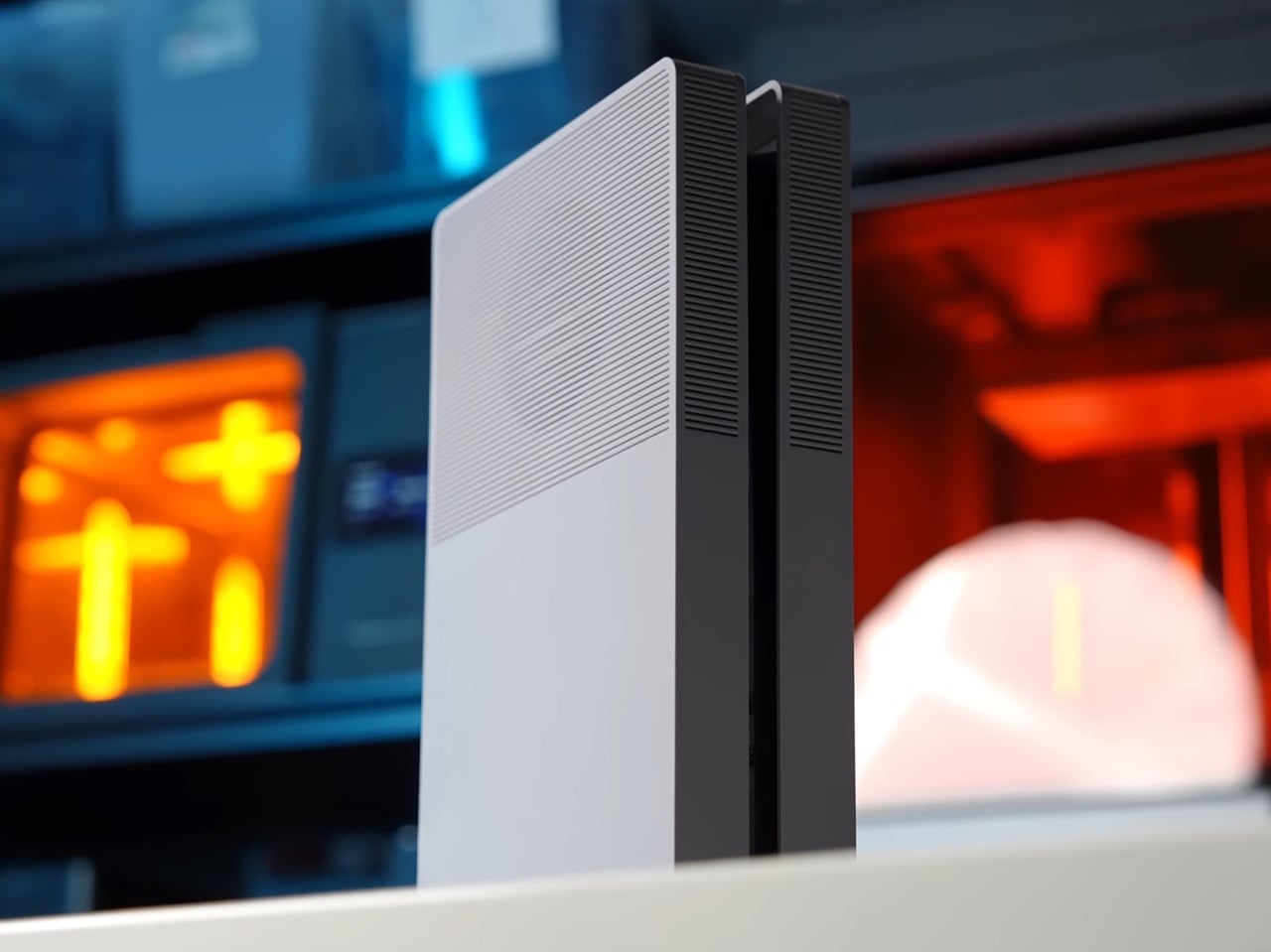
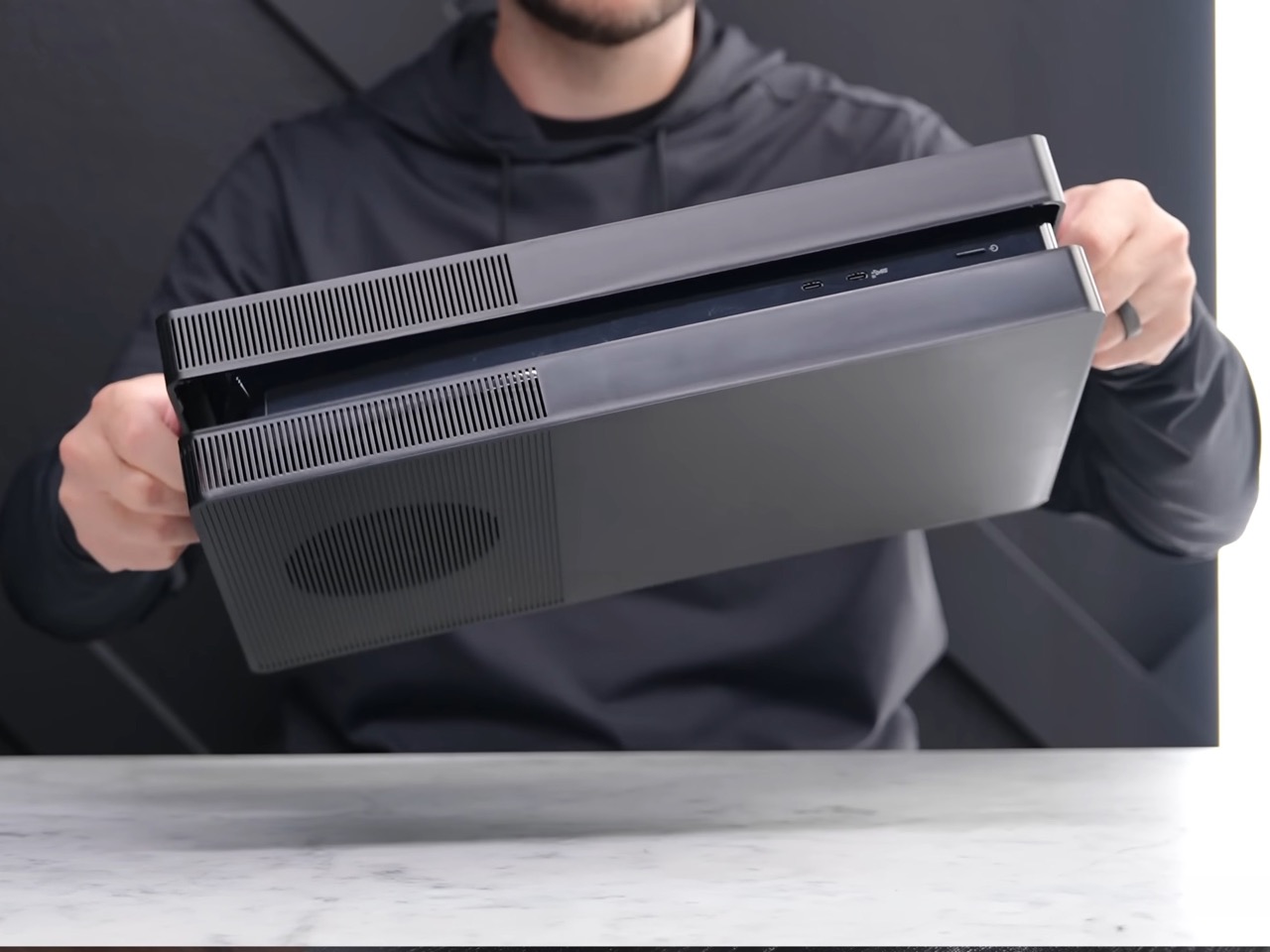
Here is the part that might have aged like milk. That same 2020 article of ours took a swing at the Xbox Series X for being bulky, blockish and air-purifier-like, and the fix the internet has now rallied behind is, functionally, a box. Johnston admits the first prototype drew loose inspiration from the Xbox One S before he redrew it as an original design for intellectual property and manufacturability reasons. The finished plates land somewhere between an Xbox One S and a mini ITX case, which is more flattering than it sounds, because both of those objects understood that a home entertainment product should look calm sitting next to a soundbar. Sony built a trophy. Johnston built an appliance.
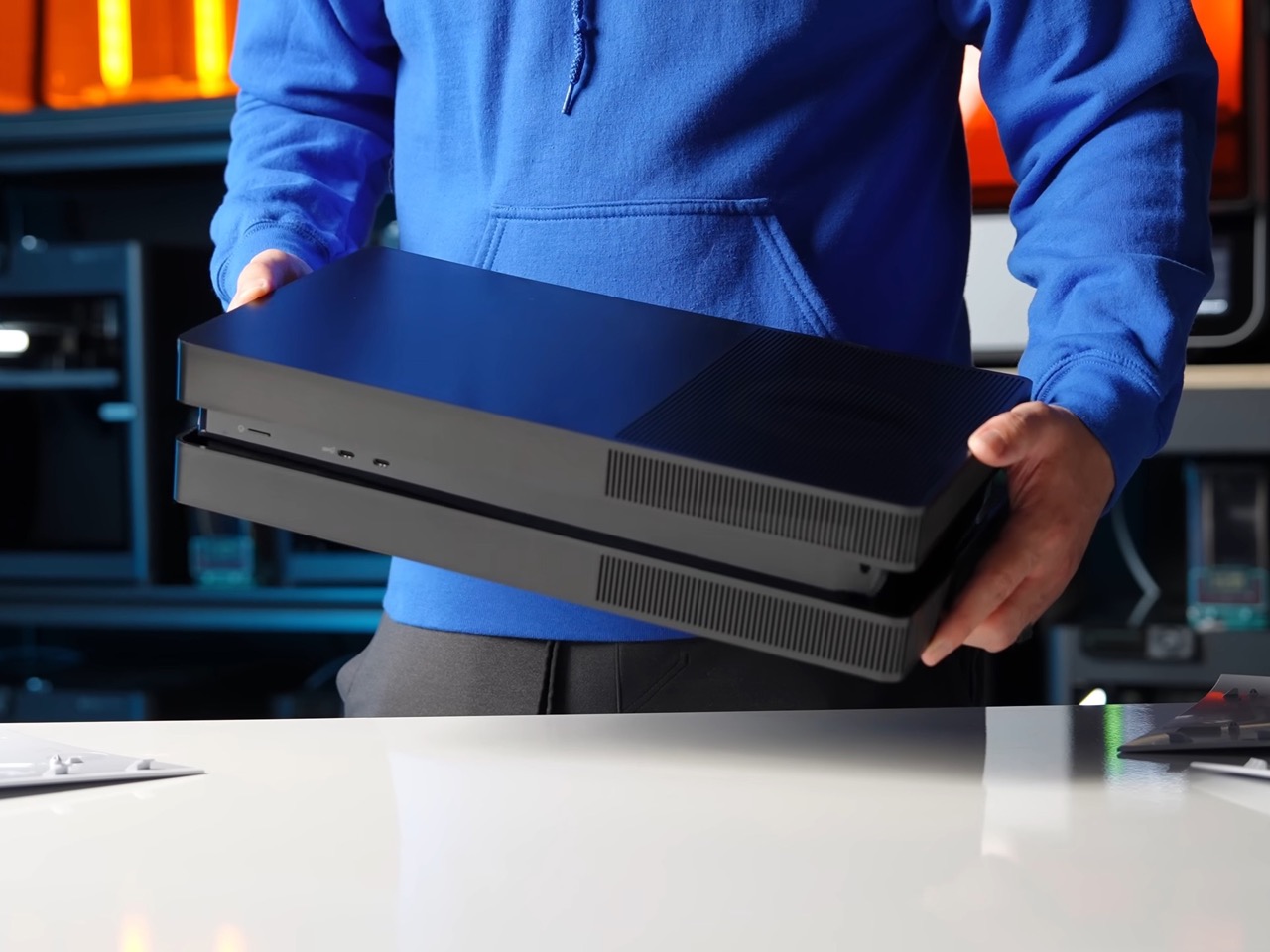
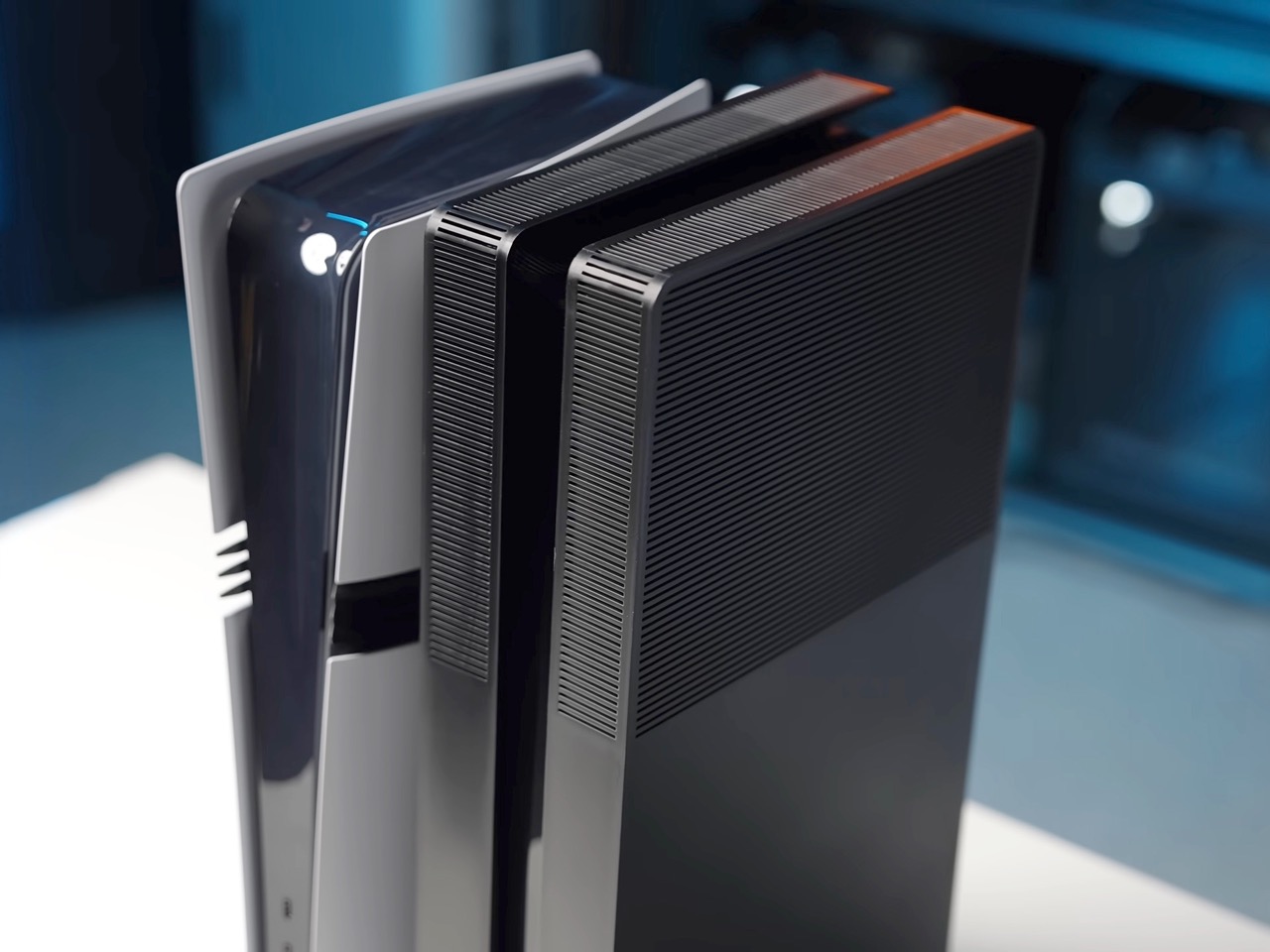
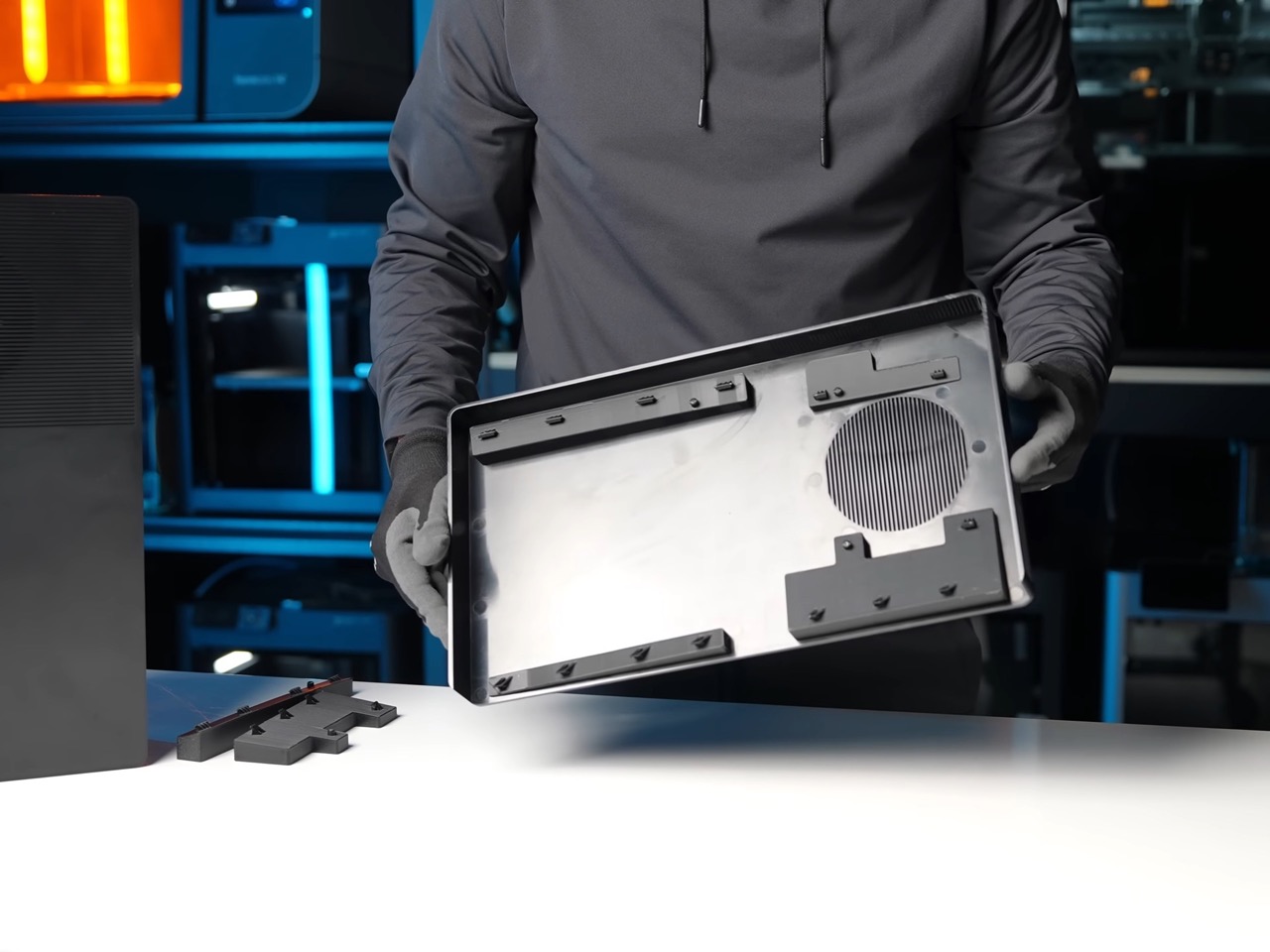
Getting there took considerably more work than sanding down a silhouette. The PS5’s surfacing is full of subtle compound curvature that had to be reverse-engineered before anything could be drawn over it, and Johnston then spent iterations correcting alignment, killing the tilt and straightening angles while staying inside the console’s internal mechanical constraints. Injection molding is what separates this from the 3D-printed shells cluttering Etsy, since it buys tight tolerances, sharp corners and a light matte texture that a printed part can only approximate. The clips are the clever compromise. They stay 3D printed in PETG with thick walls and solid infill under each snap, which means a worn clip costs you a small replacement part rather than the whole shell.
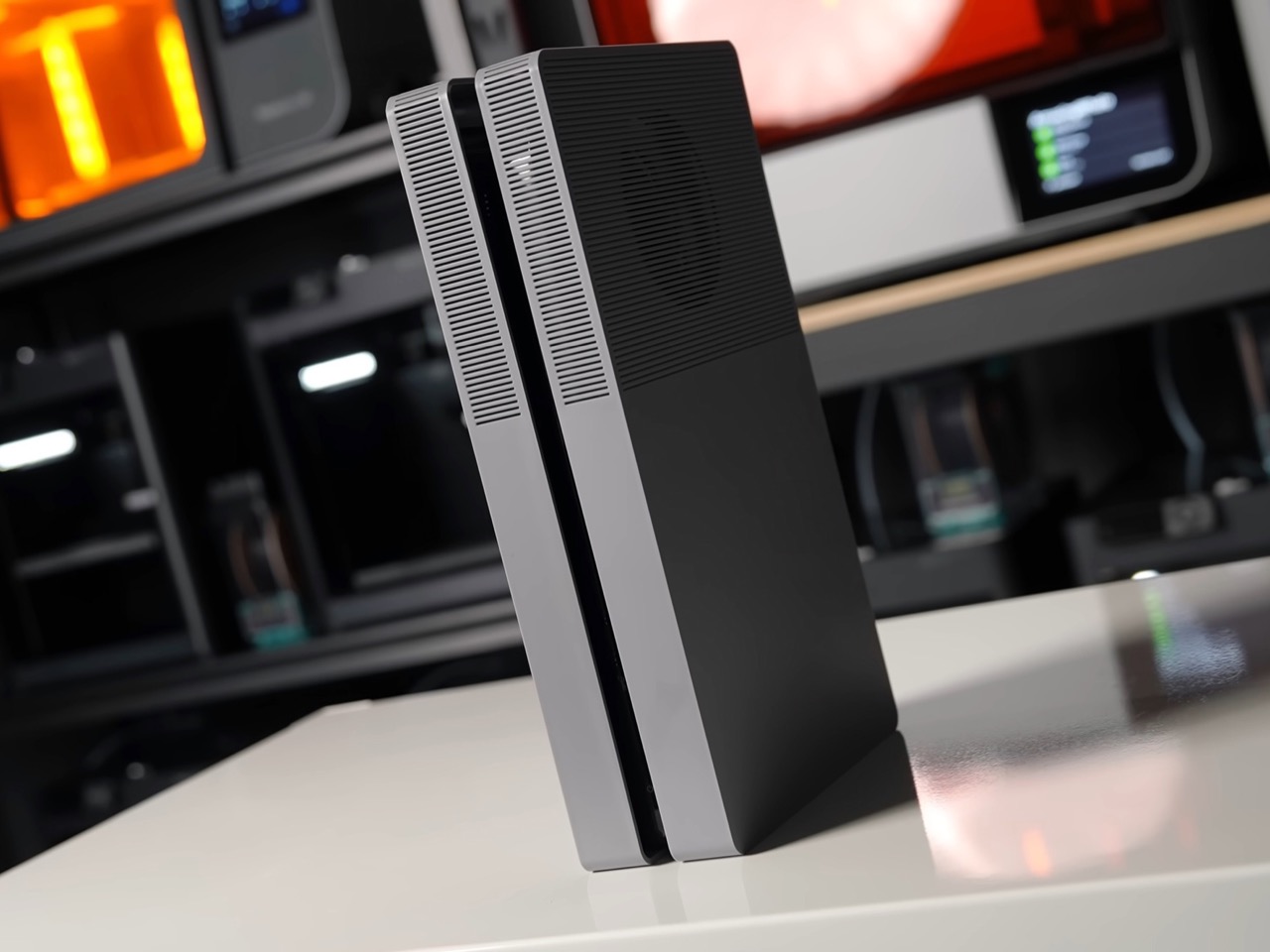

That blockish design actually ends up providing better thermals than Sony’s own design, which is kind of ironic. Sony’s plates block direct access to the side intakes and route air around the top of the front face, with plastic rails near the fan holding everything in shape. Johnston’s plates leave the side vents fully exposed and add that extra opening above the fan, which is the opposite philosophy. He ran God of War Ragnarok for over two hours on a PS5 Pro with stock plates and then with his own, and found centre temperatures unchanged while the surface and rear exhaust ran noticeably cooler. He is careful to call this unscientific, with no internal monitoring comparable to a PC, and I would treat it as a pleasant side effect rather than a thermal upgrade.
Sony’s official vertical stand will not work with BoxPlates, though the console does stand on its own without it, and the plates raise a real question about servicing, since the PS5’s side panels were designed to come off easily so you can vacuum dust out of the intakes. Johnston says installation is tool-free and completely reversible, which covers it, but anyone who has owned a console for five years knows dust is the actual long-term enemy. Johnston hasn’t confirmed whether the shells are ABS or polycarbonate either. At $89.99 on top of a console you already bought, this is enthusiast money for an aesthetic problem.
That problem has clearly been real for six years. YD’s archive is full of people trying to fix it, from Riccardo Breccia’s Discman-inspired reinterpretation to Alexandre Touguet’s all-black homage to the original PlayStation and Ismail Mits’ geometric Sony-meets-Microsoft concept. Those were renders. This one has a Shopify page, a final production batch for 2026 currently shipping in five to seven business days, and a tooling invoice that would make most design studios flinch. Renders argue with a design. Tooling overrules it.
The post These $90 Cover Plates turn your PS5 into an Xbox-ish Monolith with much better thermals first appeared on Yanko Design.
We called the PS5 the most beautiful console in the world on reveal day in 2020, and I still mostly mean it. Yujin Morisawa’s shell is a bold piece of industrial design, a vertical monolith with two floating wings that looks like nothing else in the category. Bold monoliths have one correct orientation, though, and living rooms have shelves. Tip the thing sideways and the composition falls apart, because the asymmetry that reads as dynamic standing up reads as tipped over lying down. Devyn Johnston, a PC modder whose YouTube channel runs on small form factor builds, decided to answer that with tooling instead of opinions.
His BoxPlates are aftermarket cover plates that clip on exactly where Sony’s official ones go, replacing the console’s compound curves with orthogonal geometry and crisp corners. A dense linear rib pattern runs across the top face, hides a vent sitting directly above the fan, wraps the corners and continues down the sides. Johnston sank more than $100,000 into custom injection mold tooling so the parts come out of the same process Sony uses for controllers and first-party plates. Sets cost $89.99 in black, gray, white and black, or gray and black, and cover five of the six PS5 variants. The original Digital Edition is the one still waiting.
Designer: Devyn Johnston
Here is the part that might have aged like milk. That same 2020 article of ours took a swing at the Xbox Series X for being bulky, blockish and air-purifier-like, and the fix the internet has now rallied behind is, functionally, a box. Johnston admits the first prototype drew loose inspiration from the Xbox One S before he redrew it as an original design for intellectual property and manufacturability reasons. The finished plates land somewhere between an Xbox One S and a mini ITX case, which is more flattering than it sounds, because both of those objects understood that a home entertainment product should look calm sitting next to a soundbar. Sony built a trophy. Johnston built an appliance.
Getting there took considerably more work than sanding down a silhouette. The PS5’s surfacing is full of subtle compound curvature that had to be reverse-engineered before anything could be drawn over it, and Johnston then spent iterations correcting alignment, killing the tilt and straightening angles while staying inside the console’s internal mechanical constraints. Injection molding is what separates this from the 3D-printed shells cluttering Etsy, since it buys tight tolerances, sharp corners and a light matte texture that a printed part can only approximate. The clips are the clever compromise. They stay 3D printed in PETG with thick walls and solid infill under each snap, which means a worn clip costs you a small replacement part rather than the whole shell.
That blockish design actually ends up providing better thermals than Sony’s own design, which is kind of ironic. Sony’s plates block direct access to the side intakes and route air around the top of the front face, with plastic rails near the fan holding everything in shape. Johnston’s plates leave the side vents fully exposed and add that extra opening above the fan, which is the opposite philosophy. He ran God of War Ragnarok for over two hours on a PS5 Pro with stock plates and then with his own, and found centre temperatures unchanged while the surface and rear exhaust ran noticeably cooler. He is careful to call this unscientific, with no internal monitoring comparable to a PC, and I would treat it as a pleasant side effect rather than a thermal upgrade.
Sony’s official vertical stand will not work with BoxPlates, though the console does stand on its own without it, and the plates raise a real question about servicing, since the PS5’s side panels were designed to come off easily so you can vacuum dust out of the intakes. Johnston says installation is tool-free and completely reversible, which covers it, but anyone who has owned a console for five years knows dust is the actual long-term enemy. Johnston hasn’t confirmed whether the shells are ABS or polycarbonate either. At $89.99 on top of a console you already bought, this is enthusiast money for an aesthetic problem.
That problem has clearly been real for six years. YD’s archive is full of people trying to fix it, from Riccardo Breccia’s Discman-inspired reinterpretation to Alexandre Touguet’s all-black homage to the original PlayStation and Ismail Mits’ geometric Sony-meets-Microsoft concept. Those were renders. This one has a Shopify page, a final production batch for 2026 currently shipping in five to seven business days, and a tooling invoice that would make most design studios flinch. Renders argue with a design. Tooling overrules it.
The post These $90 Cover Plates turn your PS5 into an Xbox-ish Monolith with much better thermals first appeared on Yanko Design.


MSCHF is known for creating things out of the ordinary that defy logic. The Hot Wheels collaboration and Mercedes-AMG furniture collection are prime examples. Now the Brooklyn-based art collective is at it again with an illusory Lexus collaboration that turns their latest production cars into something that looks like a video glitch.
The project dubbed MOTOMORPHOSIS is a part of New York’s Armory Week art show, and Lexus’ boilerplate text in the press release is as mind-bending as the creation. As they say it, the vehicles showcased are special modifications with non-Lexus parts that may void warranty, negatively impact safety, and not be street legal.”
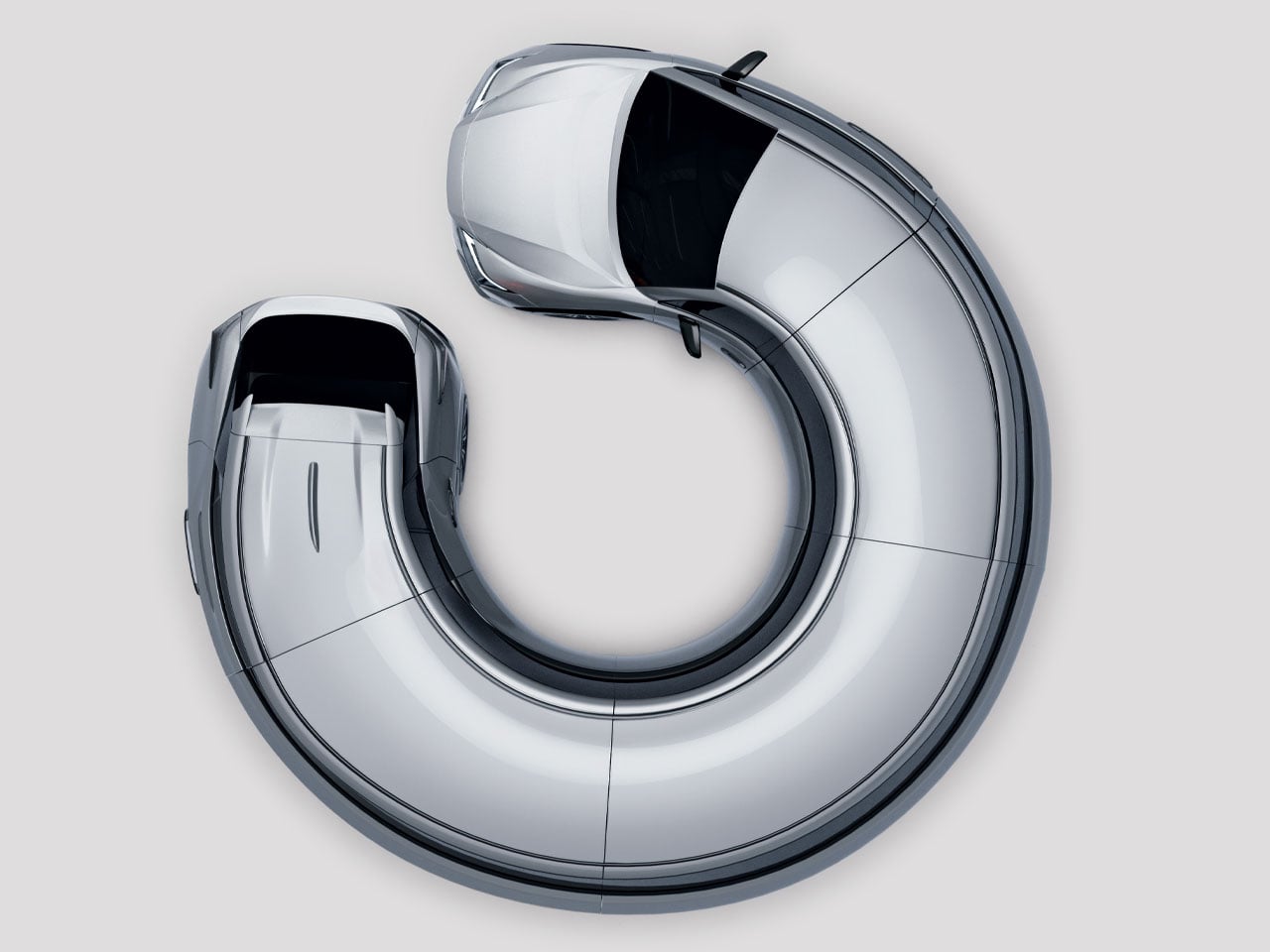
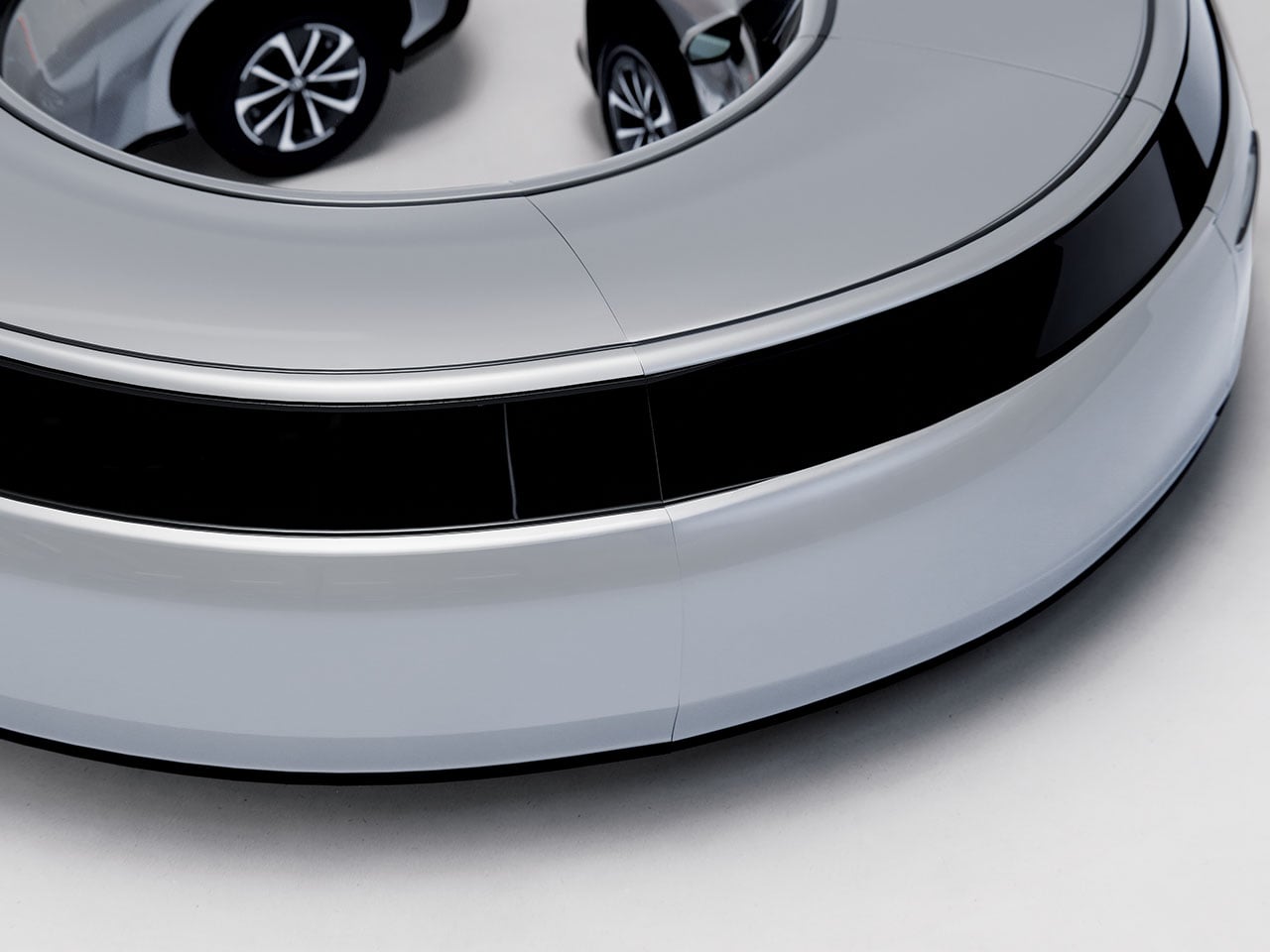
The two works start with a Lexus RZ 450e and an RX 450h+, but little remains conventional about their final forms. The RZ becomes Circle Car, with its entire body bent into a continuous loop so that the nose meets the rear. The result looks as though a car has been caught driving in a circle and had its motion permanently baked into its shape. The RX, meanwhile, becomes Twisted Car, with its body pulled into a dramatic longitudinal spiral that stretches its windows, panels, and familiar design details along the twist.

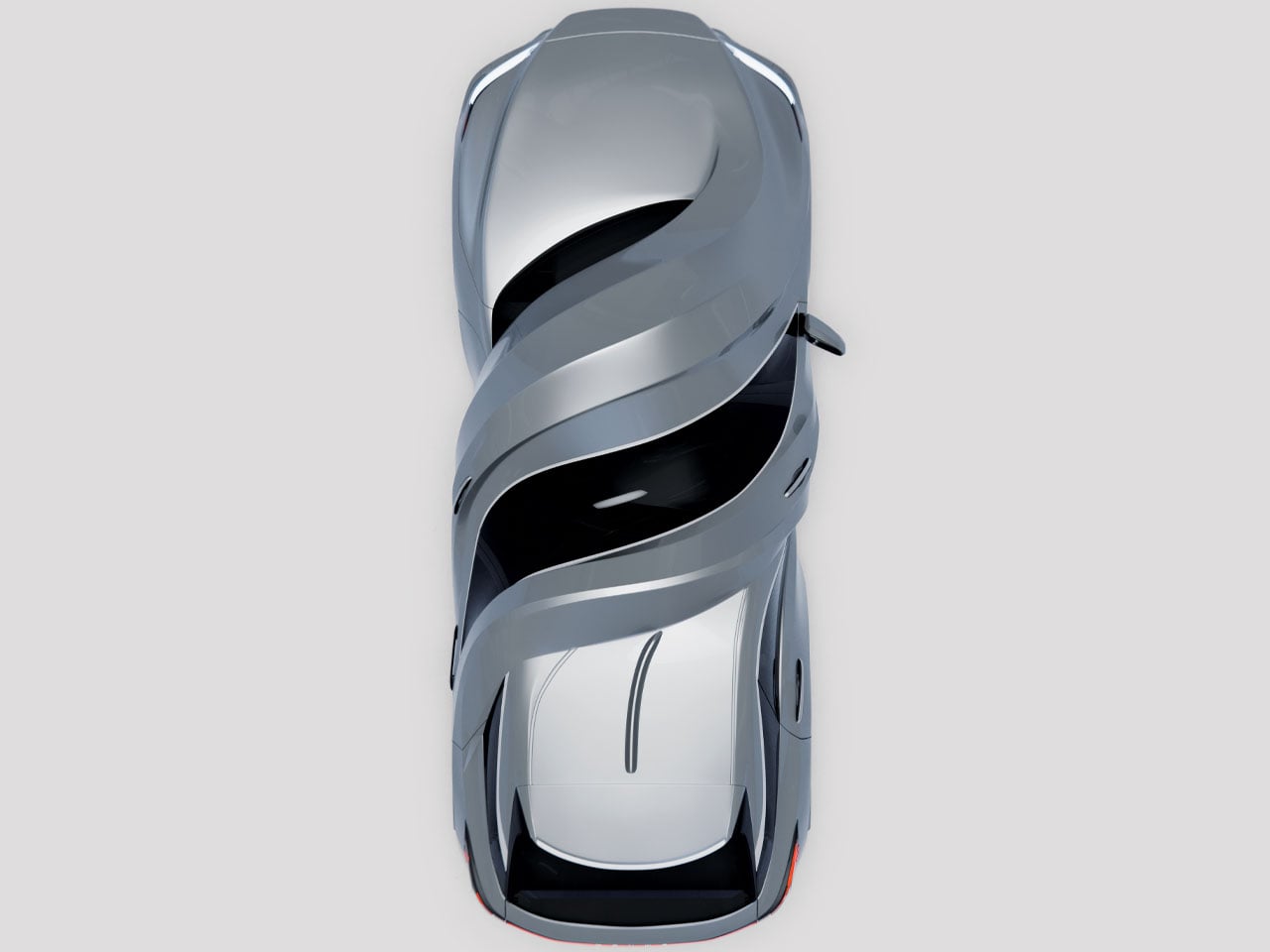
MSCHF refers to these creations as “Form Cars,” deliberately positioning them against the familiar concept car. Rather than imagining a future vehicle with new technology or a different way of moving, the collective treats the automobile itself as a material to manipulate. The inspiration comes partly from digital 3D modeling, where operations such as bending, stretching, and twisting can turn a recognizable object into an impossible one. It also draws from animation’s “smear frames,” where forms are temporarily distorted to communicate speed and movement. Here, that fleeting distortion becomes physical.
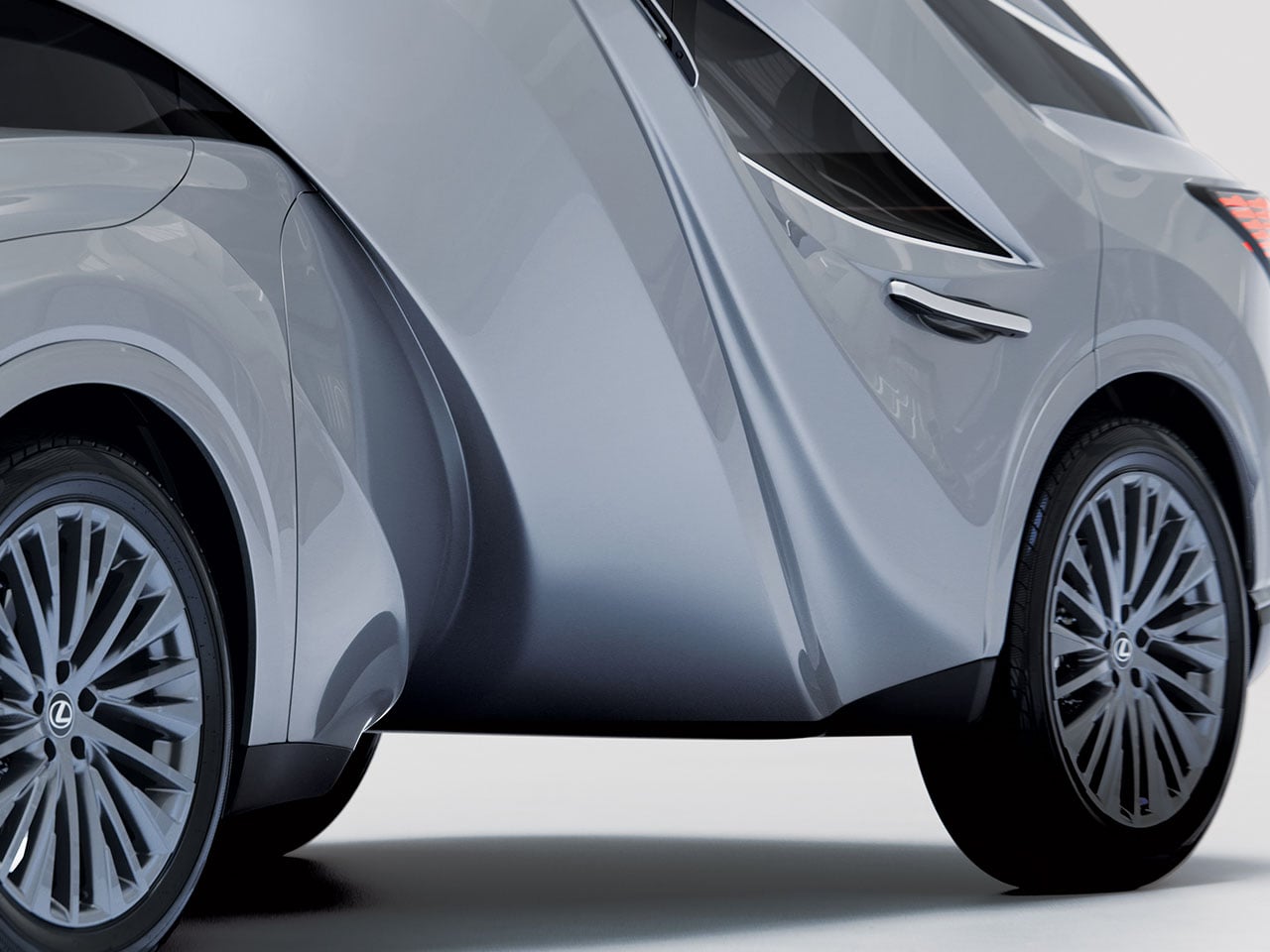
Creating something that looks digitally warped still required very real fabrication. MSCHF began with steel armatures before assembling thousands of individual pieces to create the outer skin. The finishing, paint and protective coating follow processes familiar to automotive body shops, despite the radically unconventional shapes. Some components of the sculptures are genuine Lexus parts, but MSCHF is clear that neither piece is a functioning vehicle.
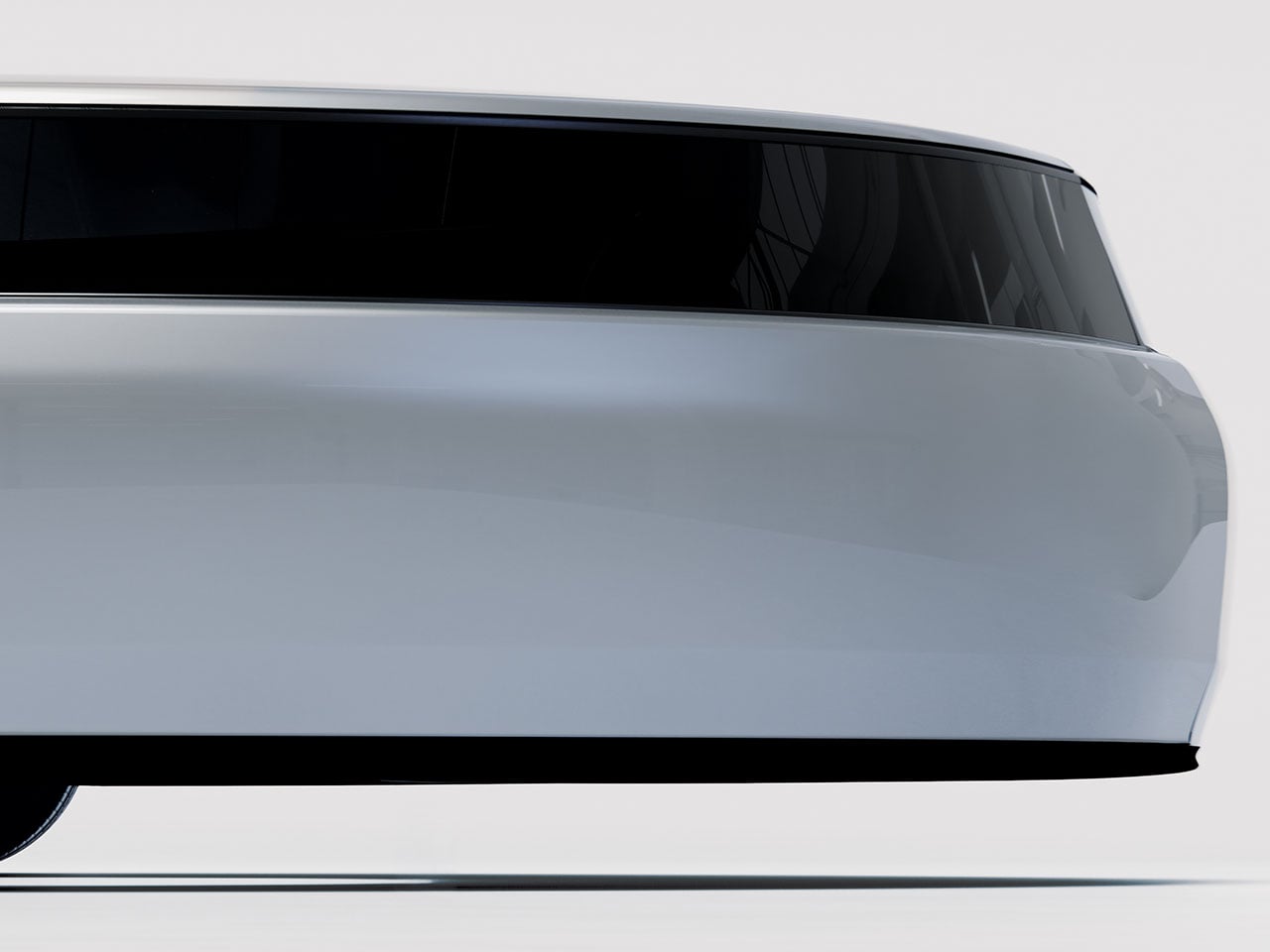
That distinction is important because MOTOMORPHOSIS is all about redesigning the car’s form in a twisted universe. The unmodified RZ 450e and RX 450h+ are displayed alongside their distorted counterparts, making the transformation easier to understand. Familiar proportions, lights, glass, and body surfaces remain recognizable even after being pushed into physically impossible arrangements.
MOTOMORPHOSIS opens at Chelsea Industrial in New York from September 24 to 26, with public hours on September 25 and 26. Admission is free with an RSVP, giving visitors a chance to see what happens when the rigid geometry of a production automobile is treated more like digital clay than transportation.



The post MSCHF warps two Lexus cars into surreal sculptures that look like a video glitch first appeared on Yanko Design.