Co-founder of CD Projekt Michał Kiciński has acquired GOG, the company’s game storefront

Michał Kiciński, co-founder of CD Projekt, has acquired total ownership of the DRM-free video game storefront GOG. The digital video game platform was started by CD Projekt in 2008 with a stated mission to preserve "Good Old Games" (hence the GOG acronym). CD Projekt is known for its game studio CD Projekt Red, the developers The Witcher series and Cyberpunk 2077.

GOG said Kiciński bought 100 percent of its shares for PLN 90.7 million ($25 million). The acquisition was fully financed through committed funding secured at the sale’s closing and did not involve the sale of any of Kiciński’s CD Projekt shares.

The storefront will continue to operate independently under its new owner, sticking with its DRM-free philosophy and ongoing work to keep classic titles playable on modern PCs. After the sale, CD Projekt and GOG signed a distribution agreement that will see CD Projekt Red games continue to be listed on GOG.

While the press release for the sale did not list a reason, a report posted Monday under the Regulatory Announcements section of the CD Projekt website states "the sale of shares in GOG is consistent with the CD PROJEKT Group growth strategy, which assumes focusing on the core business of the Company, i.e., developing and publishing video games and related projects based on the owned and new franchises." The report also describes a "competitive sale process," implying that Kiciński may not have been the only bidder.

While it seems Kiciński will have a hands-on role in GOG after its acquisition, his current involvement at CD Projekt is less clear. He remains a significant shareholder but is not listed on the company's Management board or its Supervisory board.

This article originally appeared on Engadget at https://www.engadget.com/gaming/pc/co-founder-of-cd-projekt-micha%C5%82-kicinski-has-acquired-gog-the-companys-game-storefront-174853415.html?src=rss

1Password deal: Last chance to save 50 percent on our favorite password manager

If cleaning up your digital life is on your New Year's resolution list, we've got good news: 1Password is offering half off its subscription plans (both the Individual and Families plans). That brings the price of the Individual plan down to $24 for a year and the Families plan down to $36 for a year. 

The plans are nearly identical, but the Families plan accommodates five additional people. These discounts are only available to new customers and the prices expire after the year, so set a reminder to cancel or reassess. And you'll need to act fast, because the offer expires today — Tuesday, December 30.

This provider topped our list of the best password managers, and for good reason. We appreciated the intuitive interface and the fact that it's available on most platforms, so you'll never be left out in the cold. These include Chrome, Firefox, Safari, Edge, macOS, iOS, Windows, Android and more.

Subscriptions include industry standard encryption and a "secret key" that only you know on top of a master password. There's also two-factor authentication and the platform issues alerts when credentials have potentially been compromised.

1Password recently raised prices across the board, but this is still looking to be the best deal for our favorite password manager going into the new year. The only downside here is the one that accompanies many password managers: There is no free version. 

Follow @EngadgetDeals on X for the latest tech deals and buying advice.

Update, December 30 2025, 11:43AM ET: This story has been updated to fix broken links, and to note that this is the final day of the sale.

This article originally appeared on Engadget at https://www.engadget.com/deals/1password-deal-last-chance-to-save-50-percent-on-our-favorite-password-manager-162844256.html?src=rss

The Solar Touch Light That Hides Its Tech in Plain Sight

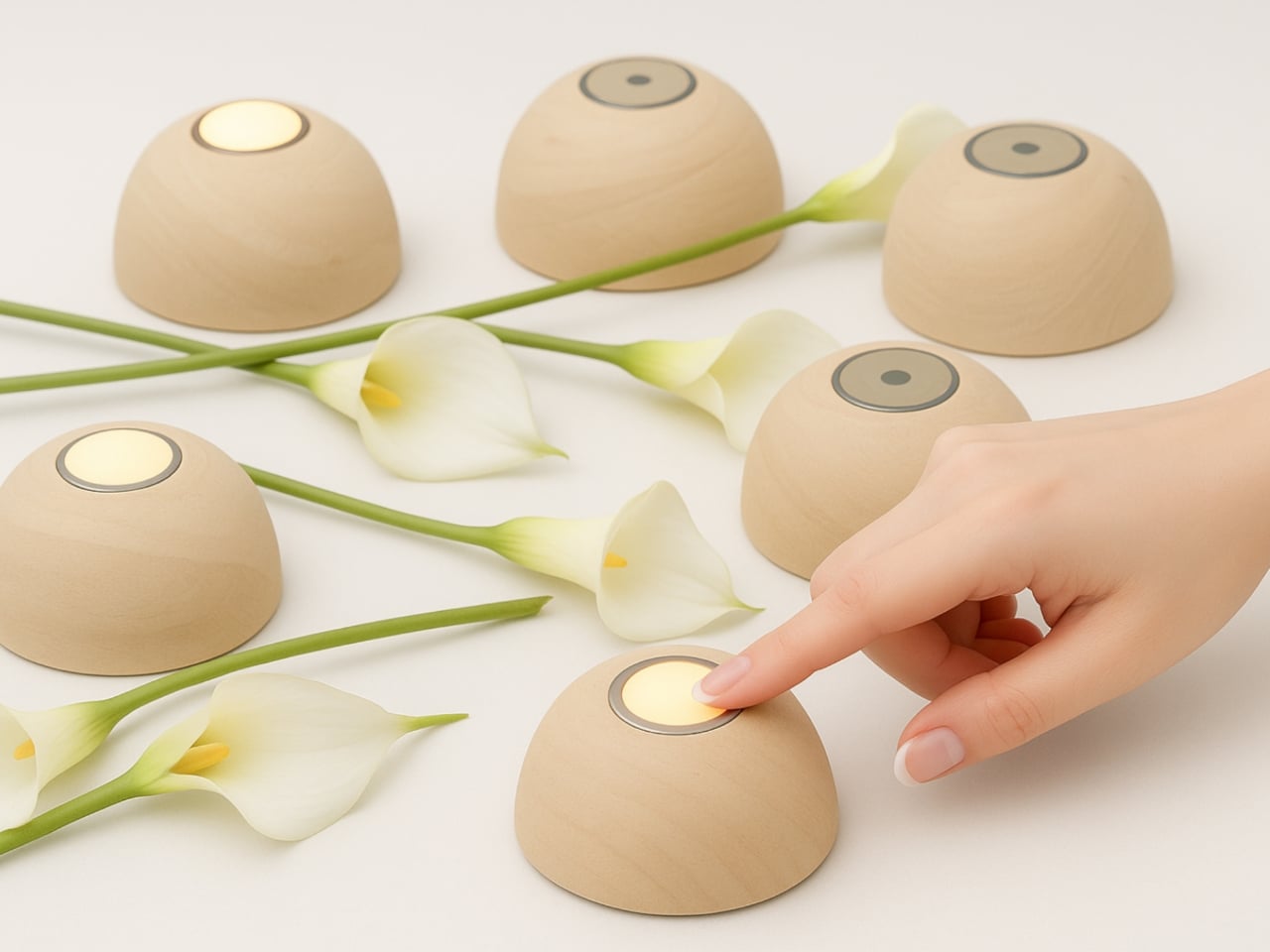
There’s something quietly revolutionary happening in the world of ambient lighting, and it looks like a smooth wooden pebble you’d want to hold in your palm. Meet Sula, a solar touch light designed by Maryam Mozafari that’s making the case for sustainable design without sacrificing an ounce of beauty or simplicity.

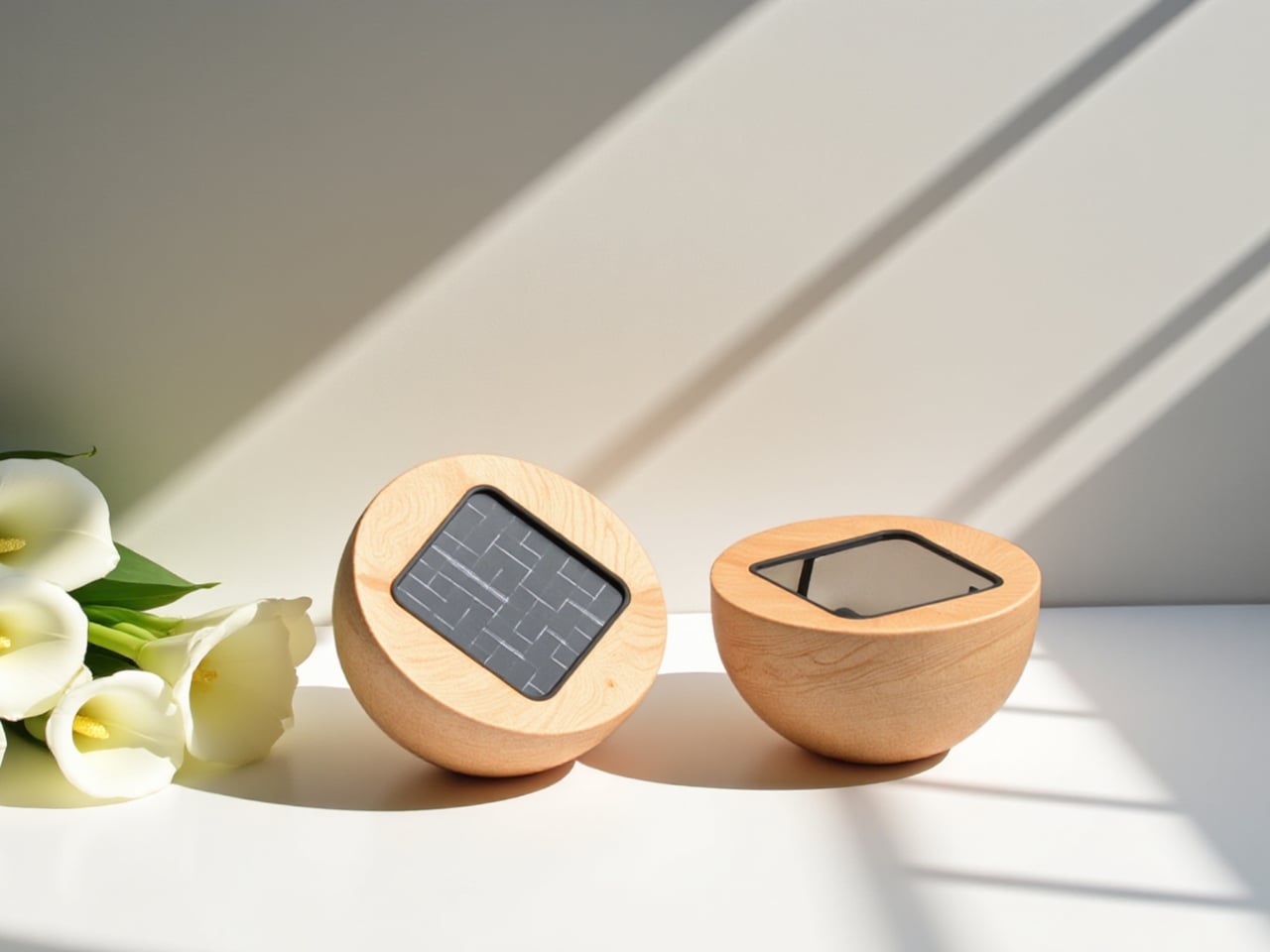
At first glance, Sula resembles a decorative candle that’s been reimagined for the 21st century. Its organic, rounded form sits comfortably in your hand, and the warm wood finish gives it that luxurious, handcrafted quality that makes you want to keep it on display even when it’s not lit. But flip it over or lay it on its side, and you’ll discover its secret: a hidden solar panel that soaks up sunlight and stores energy in its lithium battery.

Designer: Maryam Mozafari
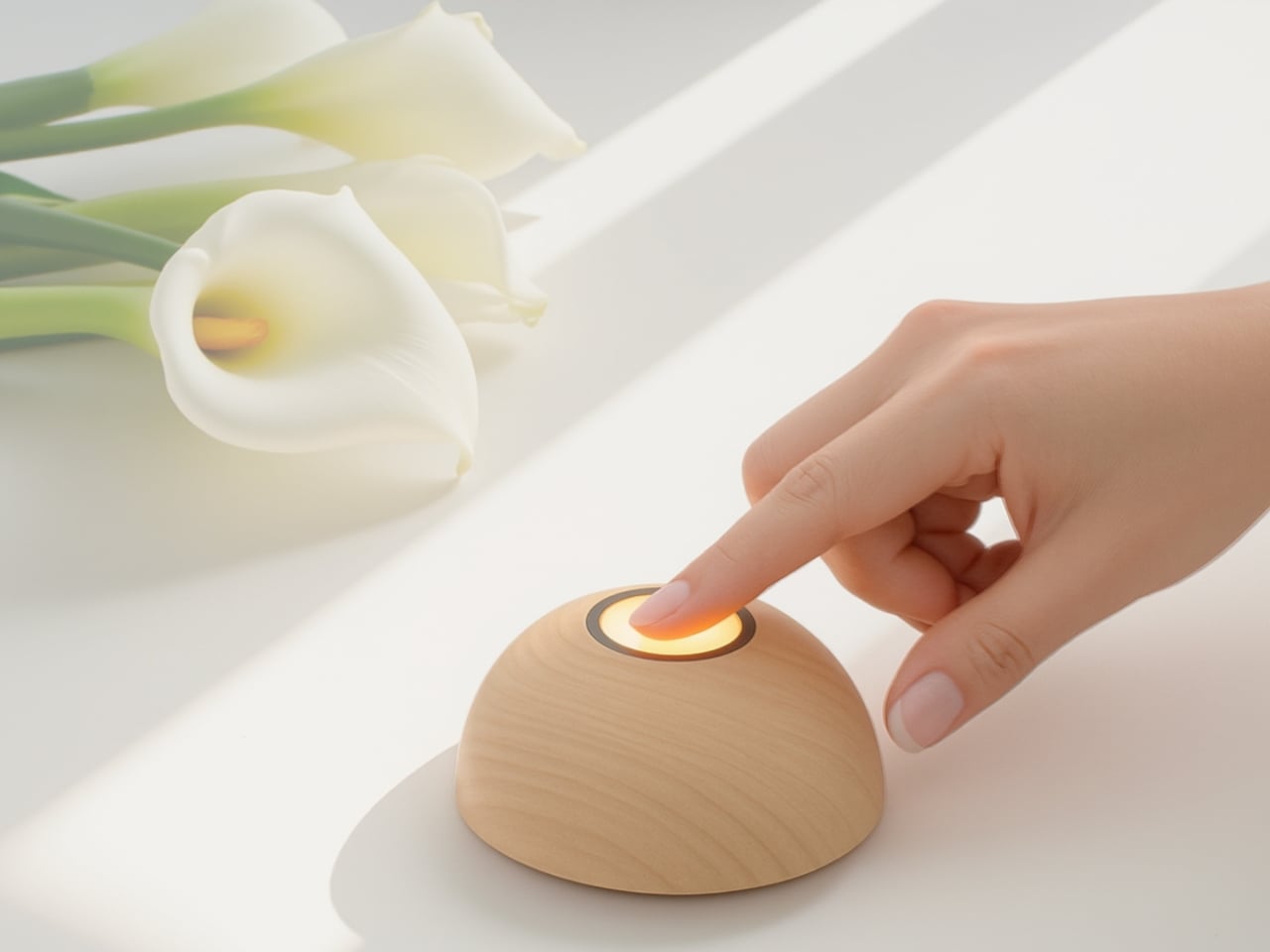
The genius of Sula lies in how effortlessly it integrates sustainability into everyday life. We’re living in an era where solar panels still feel like clunky additions to our homes, awkward compromises between function and form. Sula challenges that assumption entirely. Instead of treating the solar panel as an eyesore to hide, Mozafari designed the entire object around the idea that charging should be as natural as setting something down. Want to power up your light? Just flip it upside down on a sunny windowsill. That’s it. No cords, no outlets, no apps to download.
This simplicity extends to how you actually use the light. A gentle touch activates the soft glow, creating that intimate, relaxing atmosphere we usually associate with candlelight but without the fire hazard or melting wax. There’s something deeply satisfying about touch activation. It makes you feel more connected to the object, more intentional about the mood you’re creating in your space.
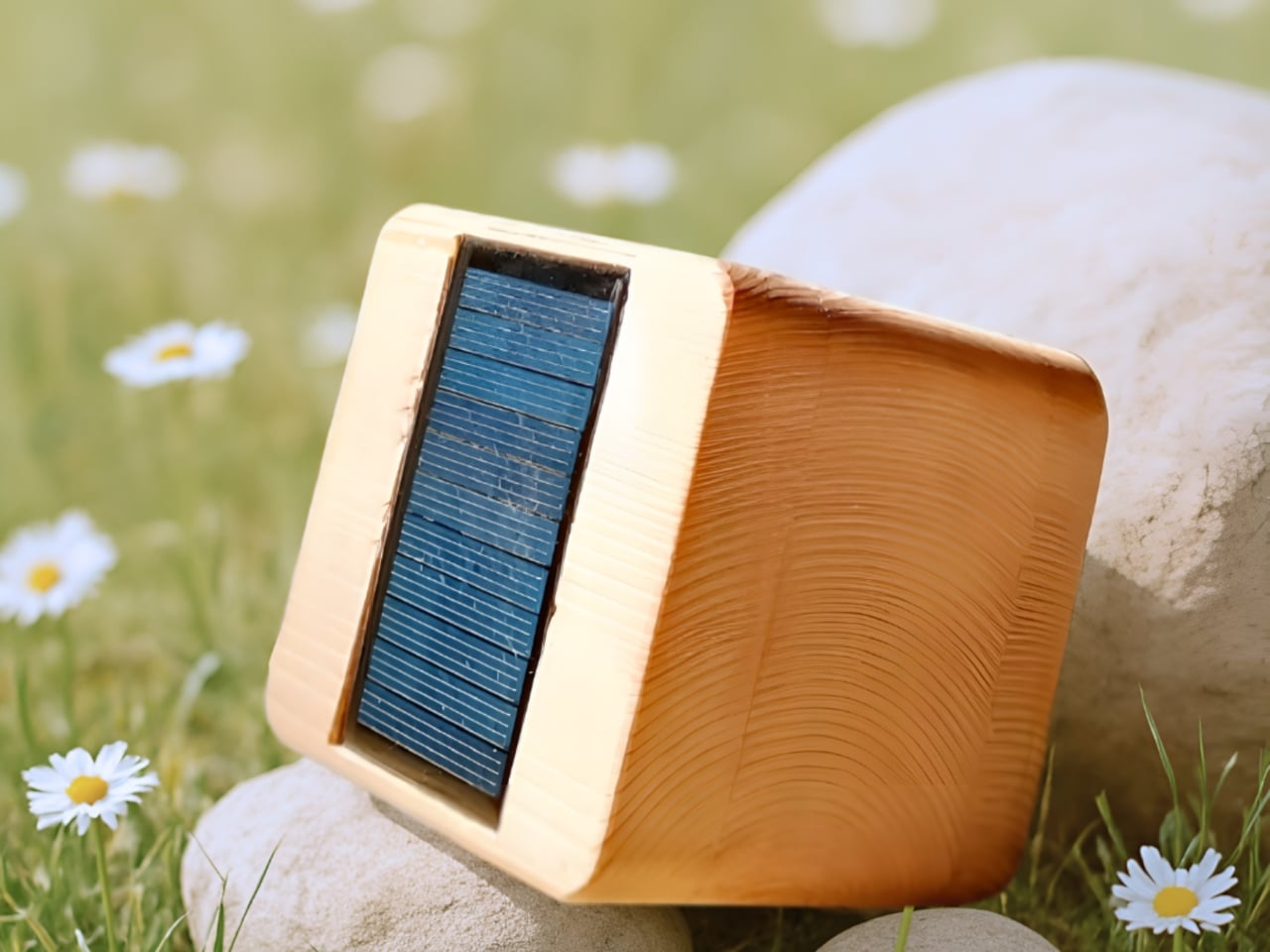
The design comes in different forms too, giving it versatility that most ambient lights lack. The classic dome shape looks like a smooth river stone, while the cubic version brings a more contemporary, architectural vibe. Both variations share that same philosophy: beautiful objects that happen to be functional, rather than functional objects trying to look beautiful. It’s a subtle but crucial distinction that separates good design from great design.
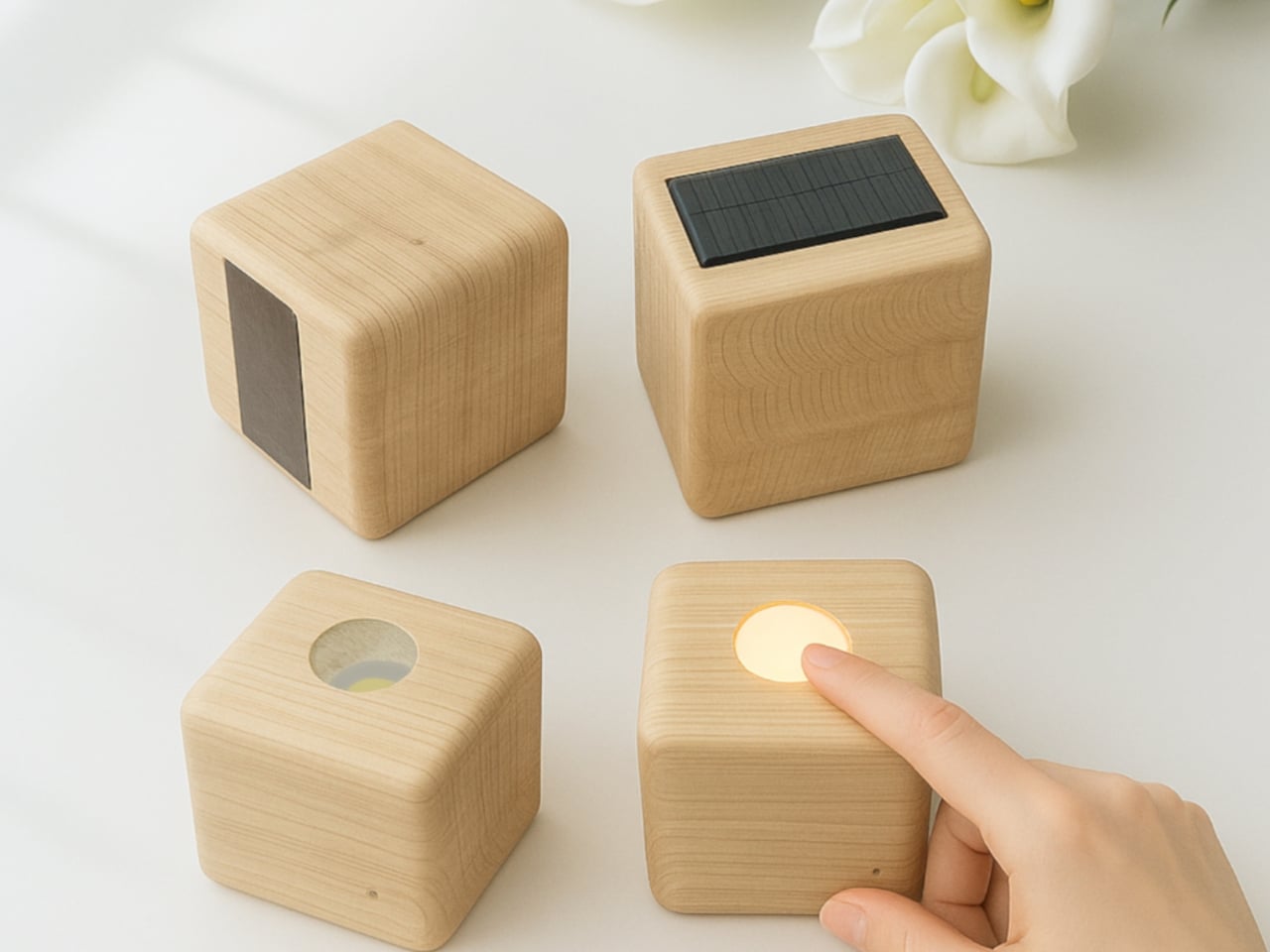
What makes Sula particularly relevant right now is how it addresses our complicated relationship with technology and sustainability. We want to make better choices for the environment, but we don’t want those choices to feel like sacrifices. Solar power often comes with baggage: it’s expensive, it’s complicated, it requires installation. Sula strips all that away. It’s a light that charges itself using the sun, and the whole process is so seamless you barely think about it.

The ergonomics deserve attention too. The light is sized perfectly to be portable, to move from room to room as you need it. Imagine bringing a cluster of them to an outdoor dinner as the sun sets, or keeping one on your nightstand for gentle reading light that won’t blast you awake like your phone screen. The soft illumination creates pockets of warmth without overwhelming a space, which is exactly what good ambient lighting should do.
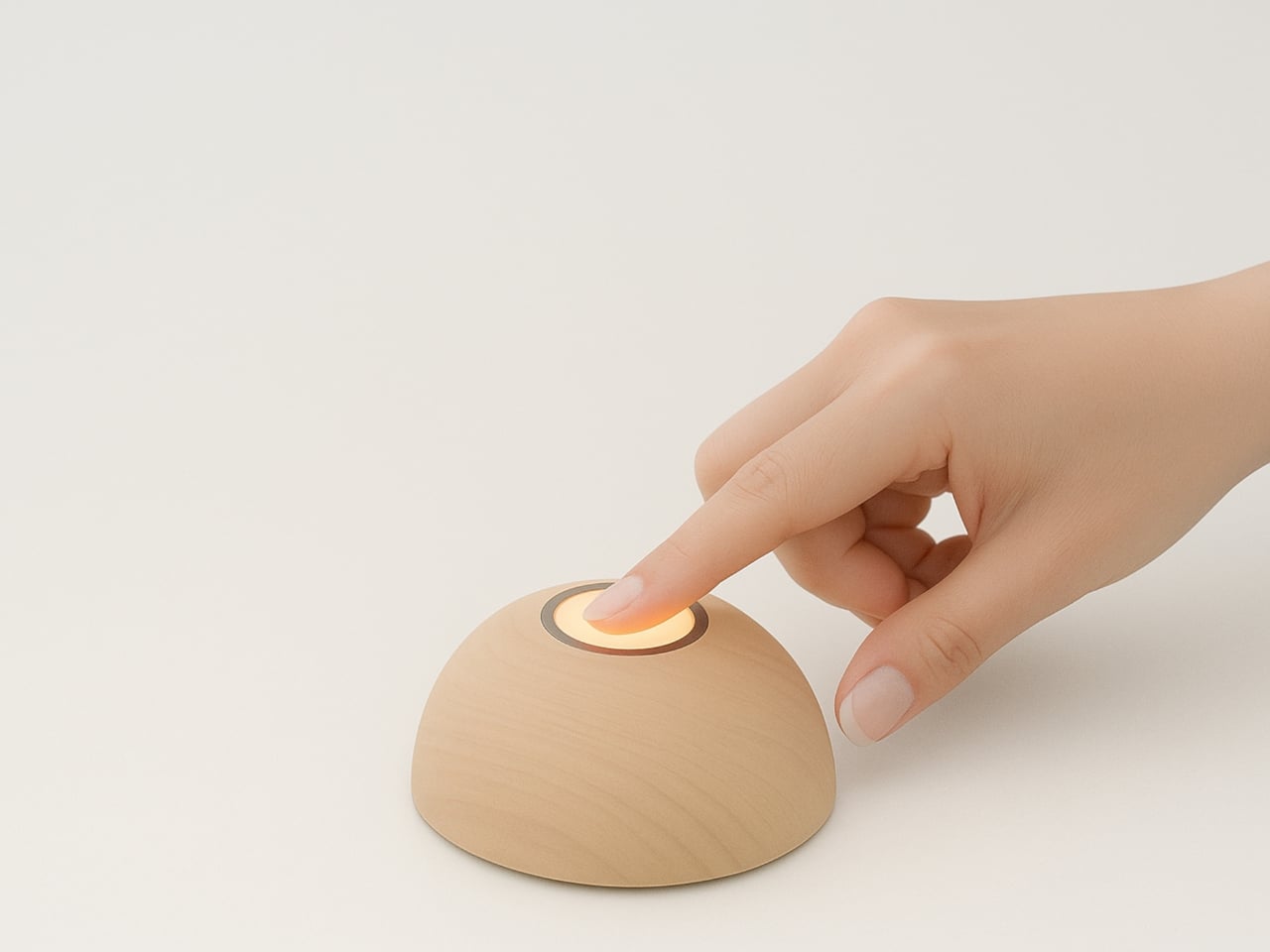
There’s also something wonderfully analog about Sula in our increasingly connected world. It doesn’t ping you with notifications, it doesn’t need updates, and it won’t become obsolete when a new model comes out. It’s just a light that runs on sunshine and responds to your touch. In a market saturated with smart home devices that promise to make life easier but often just add complexity, Sula’s straightforward approach feels refreshingly honest.
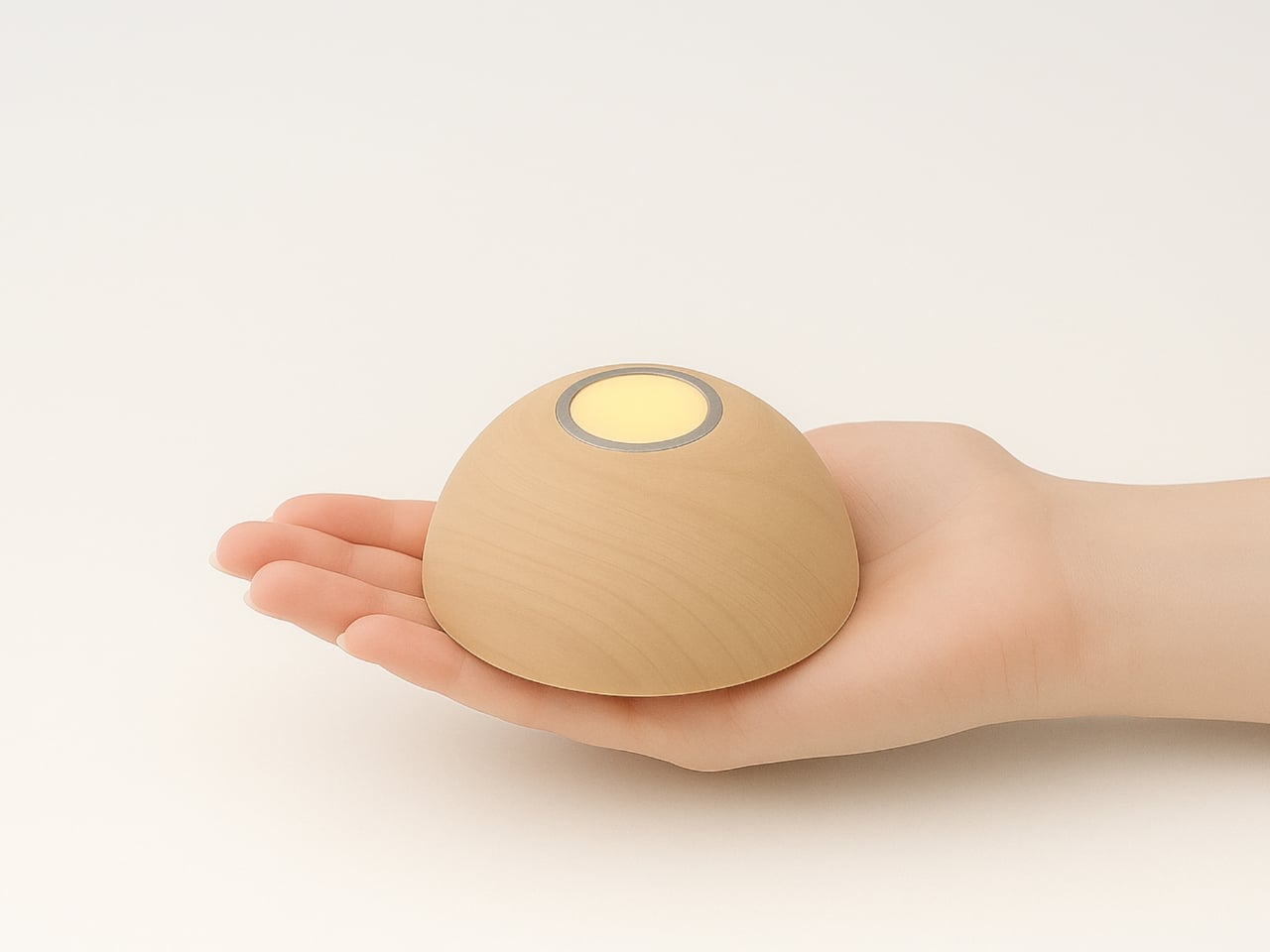
Mozafari’s design proves that sustainability doesn’t have to announce itself loudly to be effective. Sula isn’t covered in green leaves or covered with “eco-friendly” labels. It’s simply a beautifully crafted object that happens to run on renewable energy. That quiet confidence is what makes it work. It fits into modern homes not because it’s making a statement about sustainability, but because it’s genuinely lovely to look at and use.
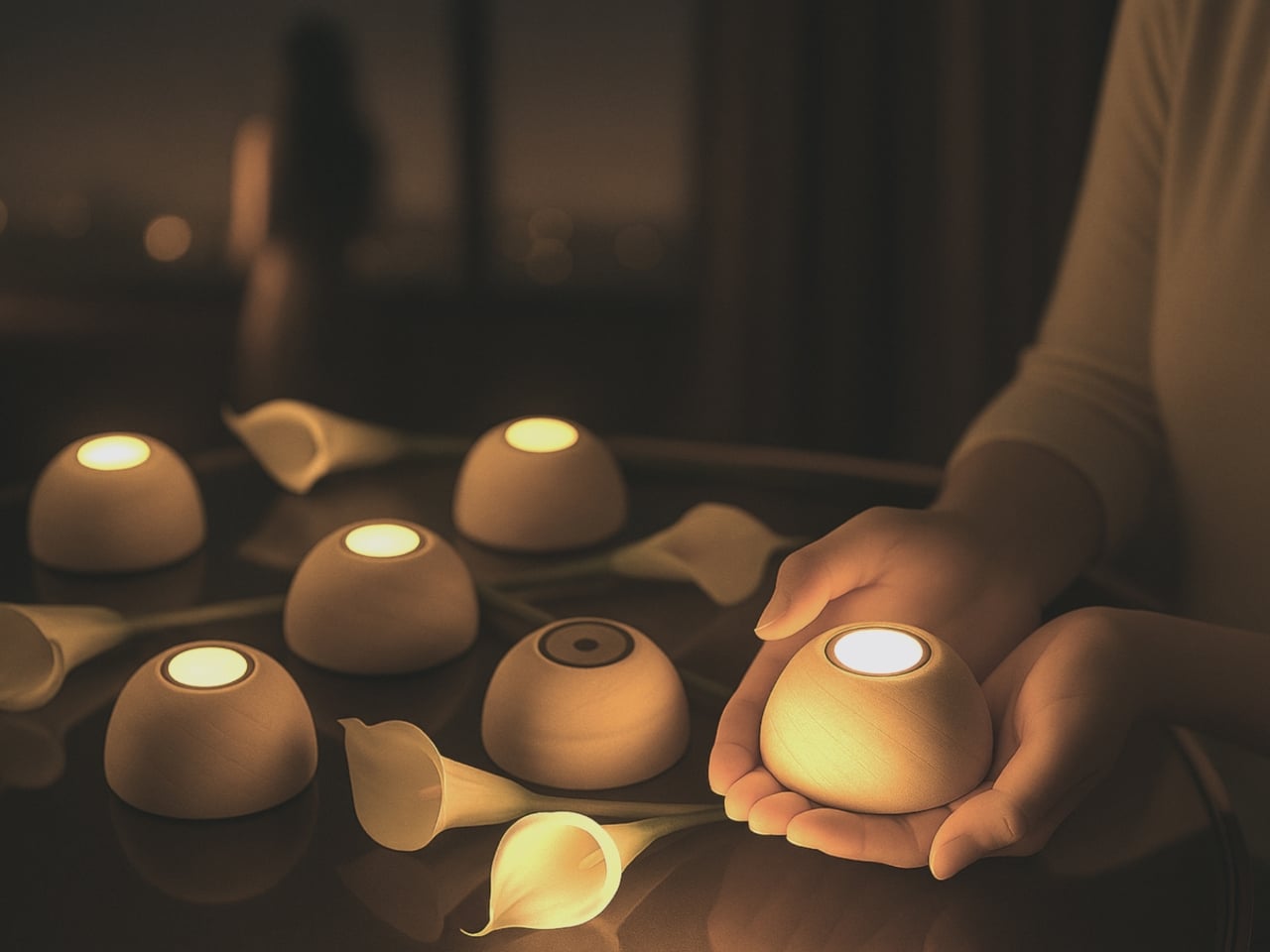
For anyone who’s ever fumbled for a light switch in the dark or dealt with the anxiety of leaving candles burning overnight, Sula offers something better. It’s proof that the future of sustainable design isn’t about compromise. It’s about creating objects so well-designed that their environmental benefits become just one more reason to love them.

The post The Solar Touch Light That Hides Its Tech in Plain Sight first appeared on Yanko Design.
Why the Galaxy S26 Ultra Will Redefine Flagship Phones

Why the Galaxy S26 Ultra Will Redefine Flagship Phones

The Samsung Galaxy S26 Ultra is poised to make a significant impact in the competitive smartphone market. Scheduled for a February unveiling at Samsung’s Unpacked event and a March retail launch, this flagship device introduces a host of advanced features, including 60W fast charging, enhanced file-sharing capabilities, and the debut of Samsung’s 1 UI 8 […]

The post Why the Galaxy S26 Ultra Will Redefine Flagship Phones appeared first on Geeky Gadgets.

Posted in Uncategorized

Essential AI Skill sfor 2026 from Prompts to Task-Specific Agents

Essential AI Skill sfor 2026 from Prompts to Task-Specific Agents

What will it take to stay competitive in the AI-driven world of 2026? As artificial intelligence continues to evolve, it’s no longer just about understanding the basics, it’s about mastering the skills that will define the future of work. Tina Huang walks through how professionals can position themselves at the forefront of this transformation in […]

The post Essential AI Skill sfor 2026 from Prompts to Task-Specific Agents appeared first on Geeky Gadgets.

Posted in Uncategorized

Retro-modern N200 desktop speaker has serious Teenage Engineering vibes

Desktop Bluetooth speakers are plentiful, and the one you choose for your desk setup purely depends on the desired audio signature and your design affinity. While the commercially available desktop speakers from numerous brands go for the tried and tested designs with some trendy innovations in the mix, some unique desk speaker designs do catch our attention.

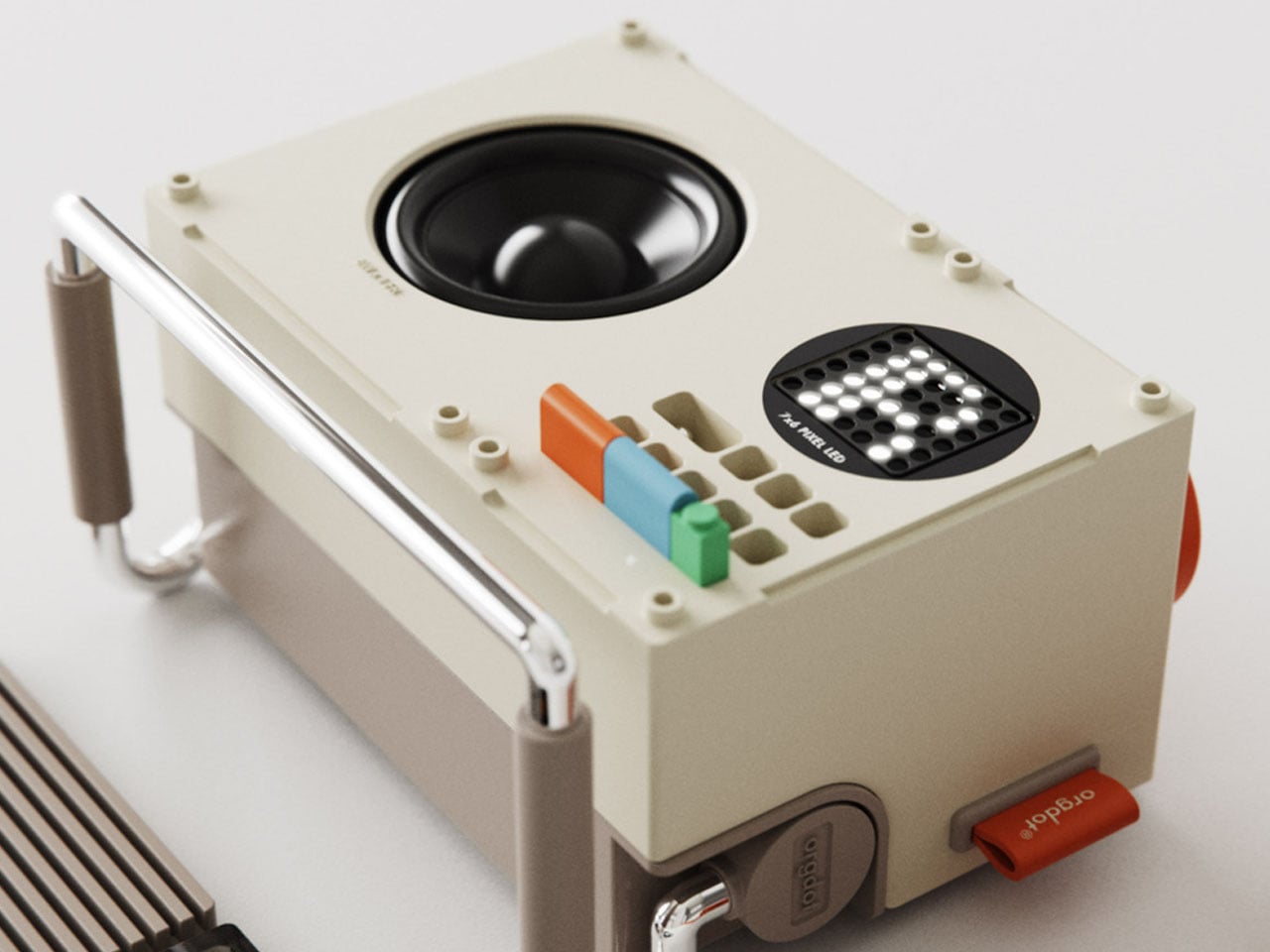
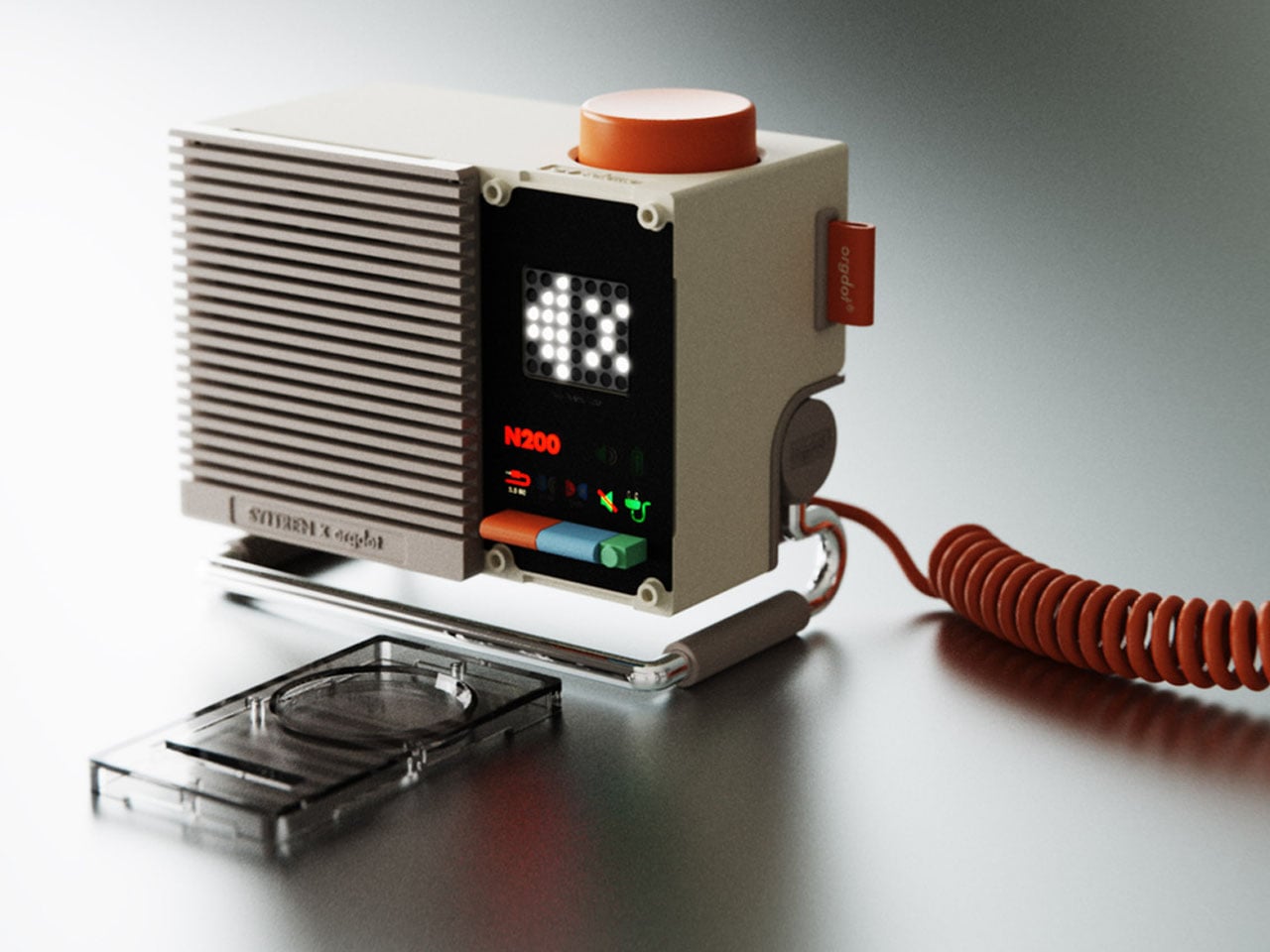
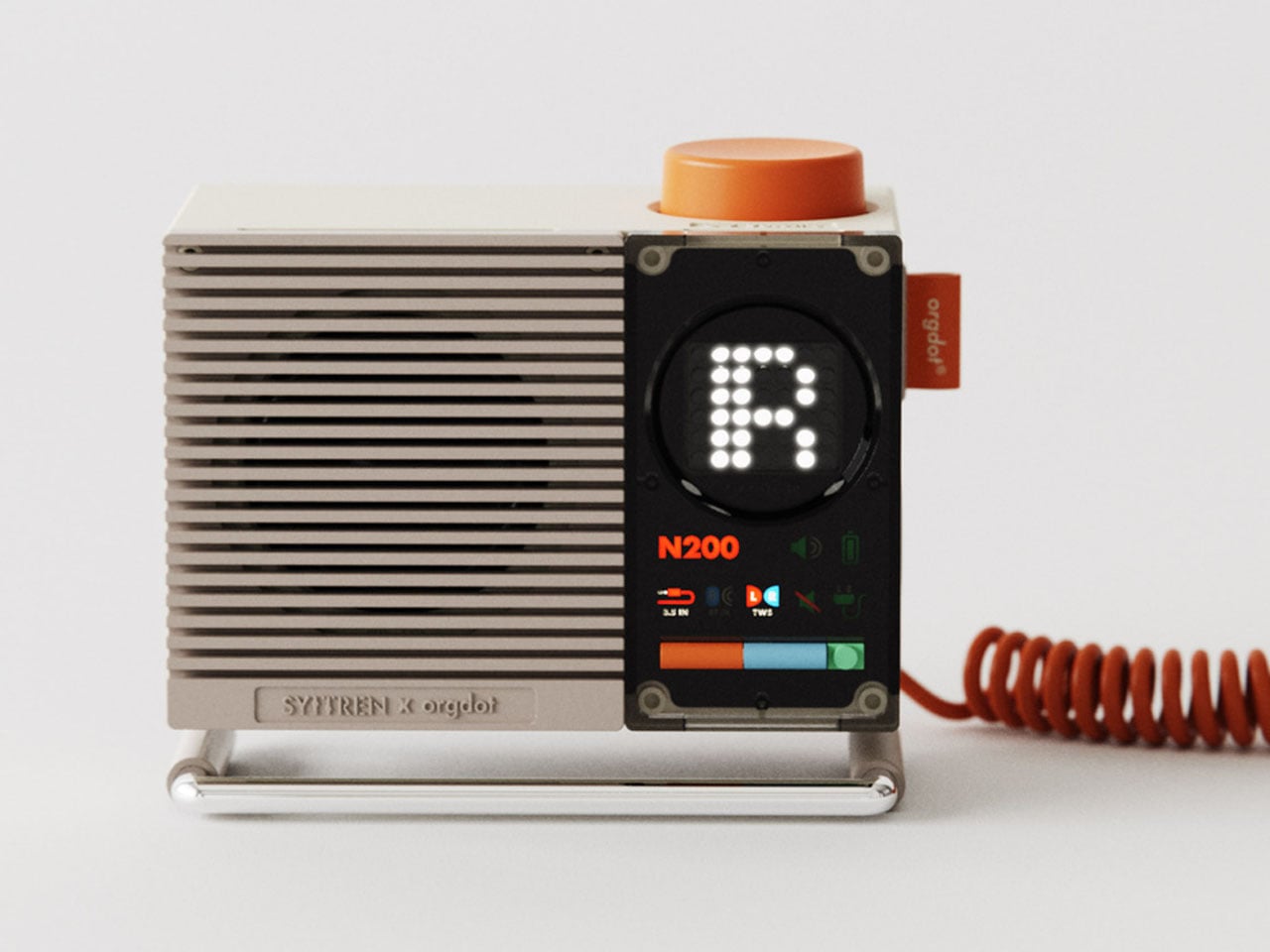
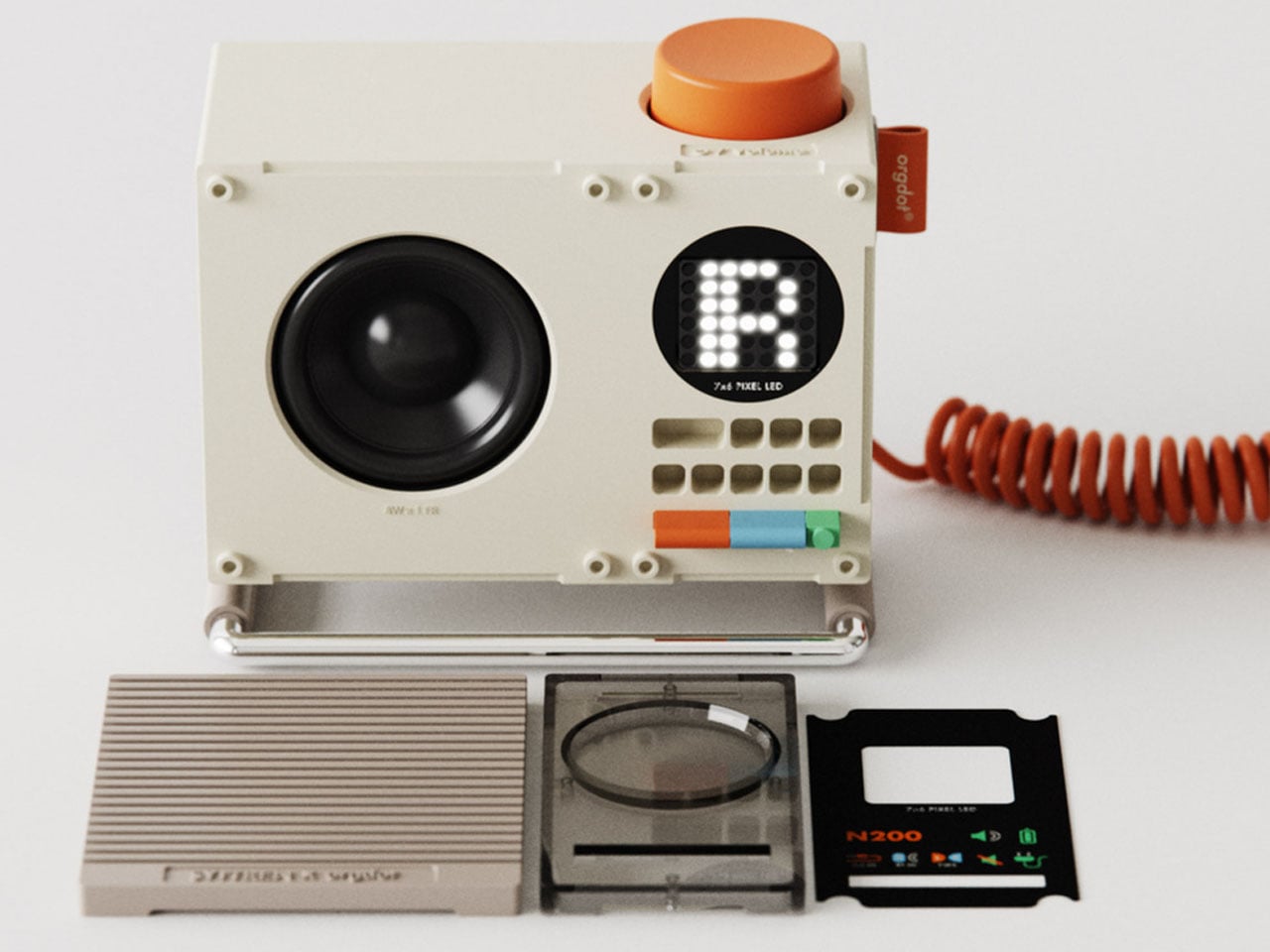
This is the Orgdot N200 Bluetooth desktop speaker that bears a tell-tale industrial design influence and a pinch of steampunk vibe. Designed by Shu Zhang and his team, the wireless speaker is mindful of the design sense of modern users. The primary motive is to create a relaxing and immersive atmosphere for the user, while keeping the practical functionality intact. The retro-modern form of the speaker takes you back in time when muted colors were beautifully fused with the vibrant hues to instantly pep up any desk space.

Designer: Shu Zhang and Orgdot

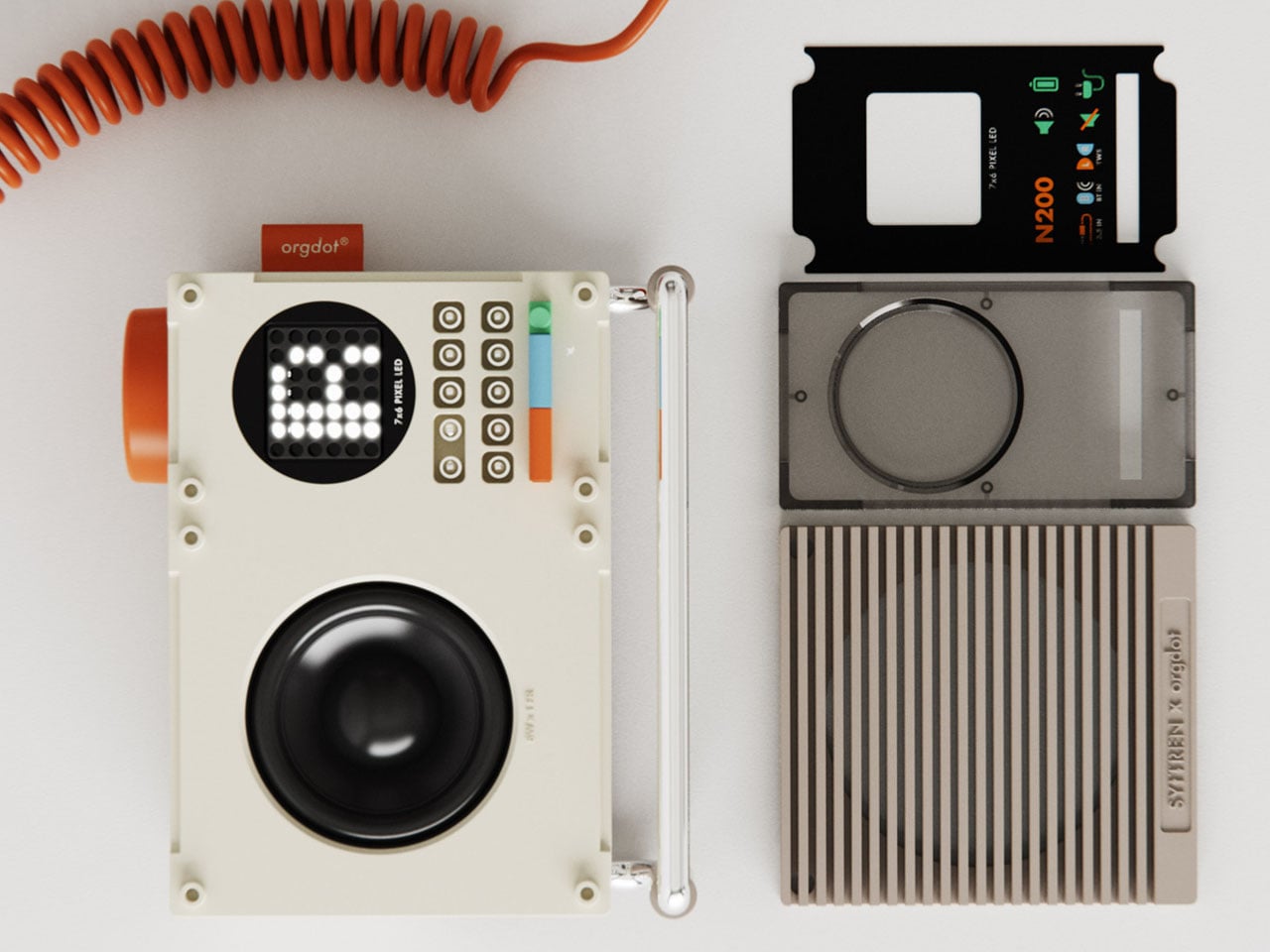
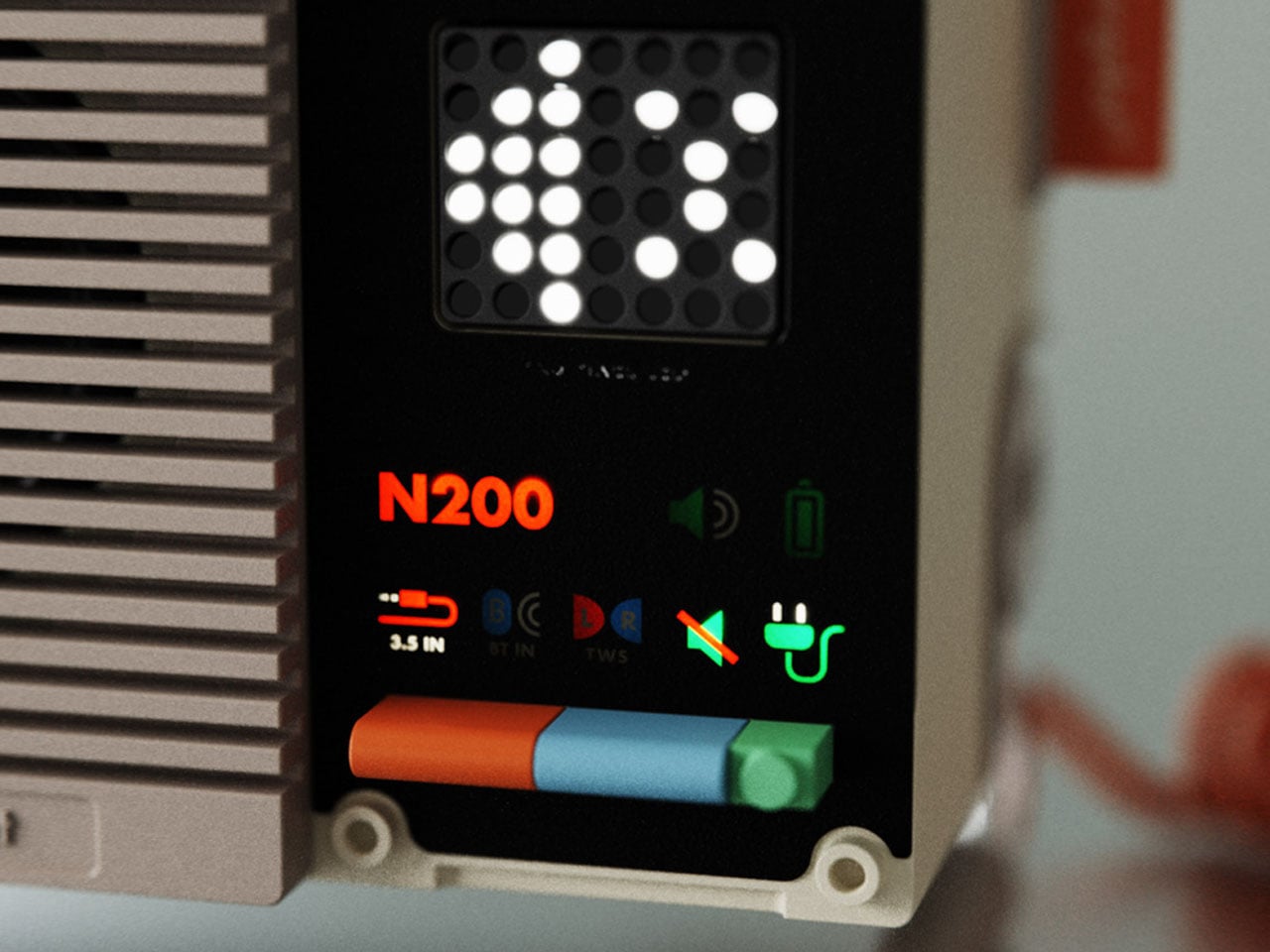
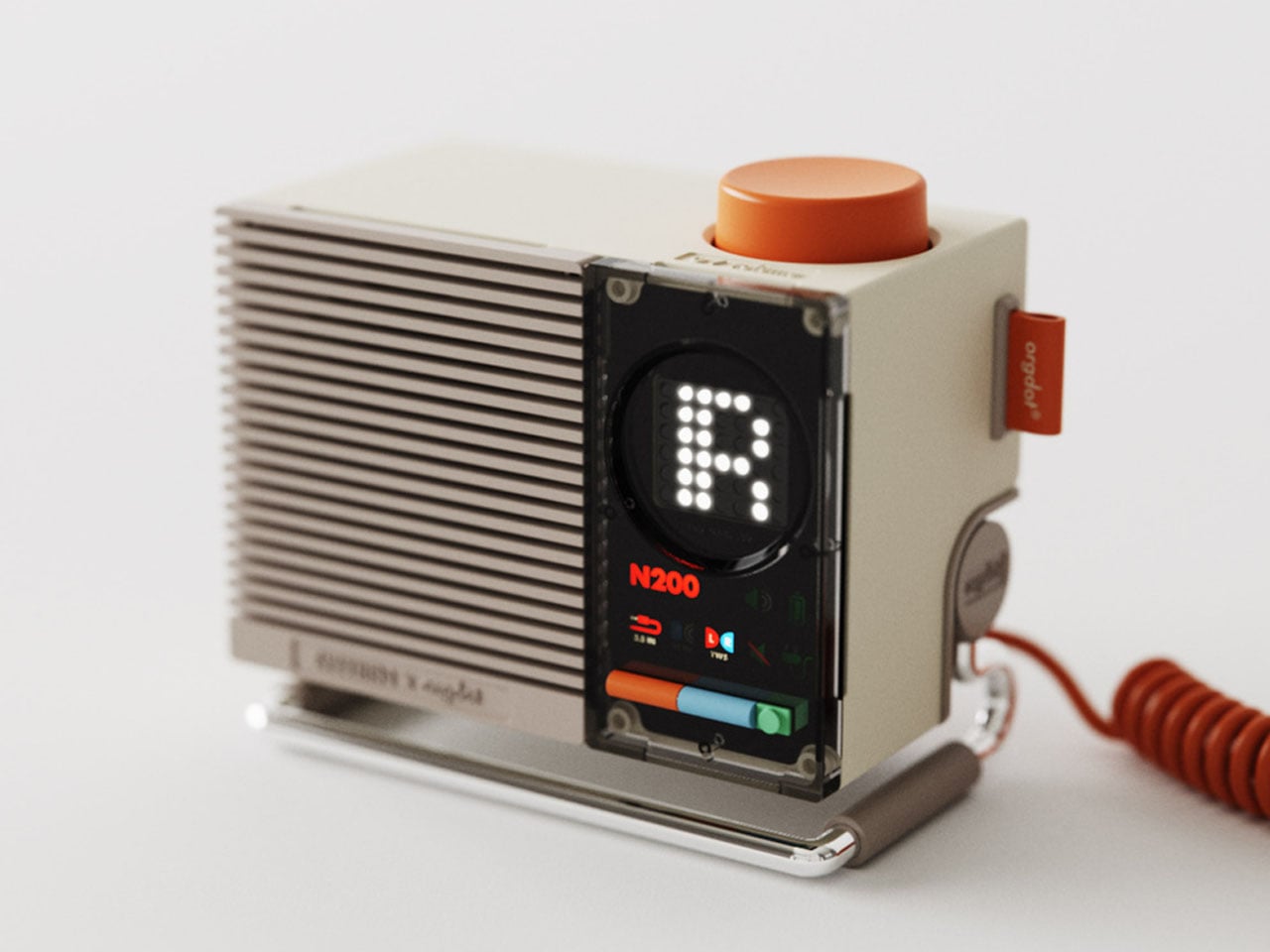
The Orgdot Bluetooth speaker draws inspiration from the modular design of the LEGO bricks, thereby having a swappable front panel, physical buttons, indicator lights, and a dot-matrix display. First look at this thing, and I presumed it was a Teenage Engineering-inspired product, but it turned out otherwise. This makes the audio accessory much more than just a possession to listen to your favorite tunes. It’s more like a playable and explorable sound companion for your desk. I can already imagine this one sitting on my geeky desk with the future garage or lo-fi tunes playing for hours on end as I dive deep into my productive sessions.

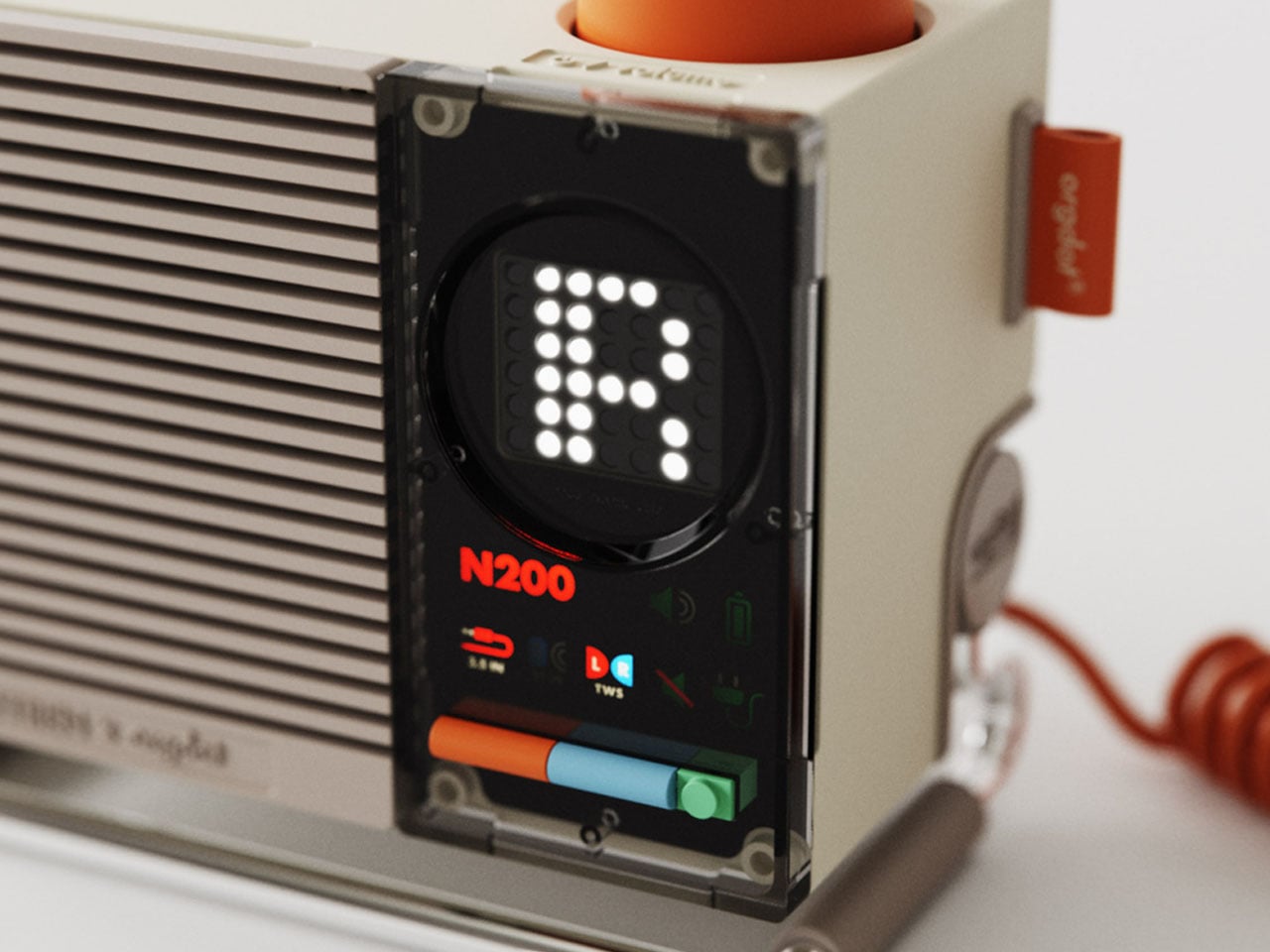
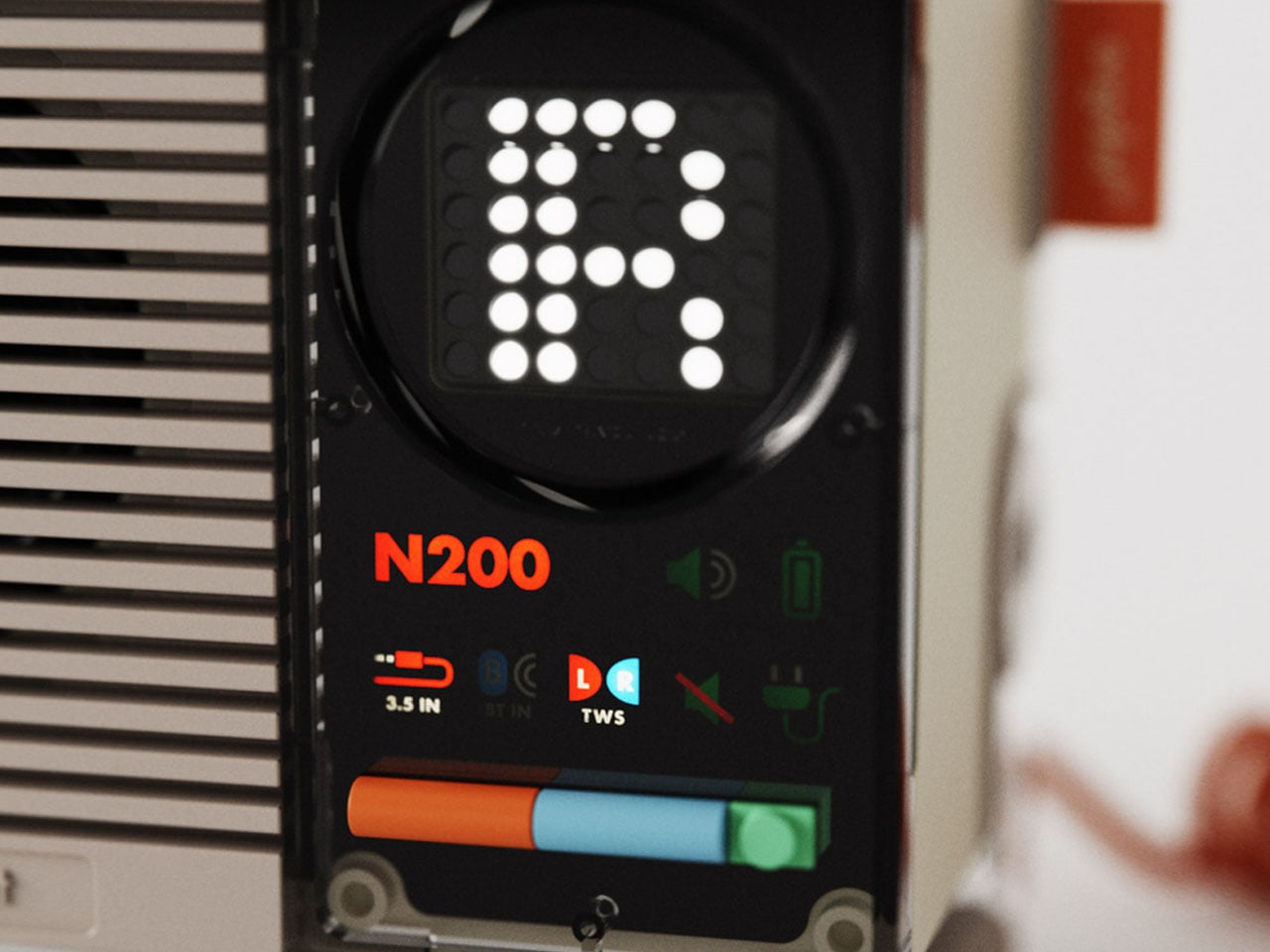
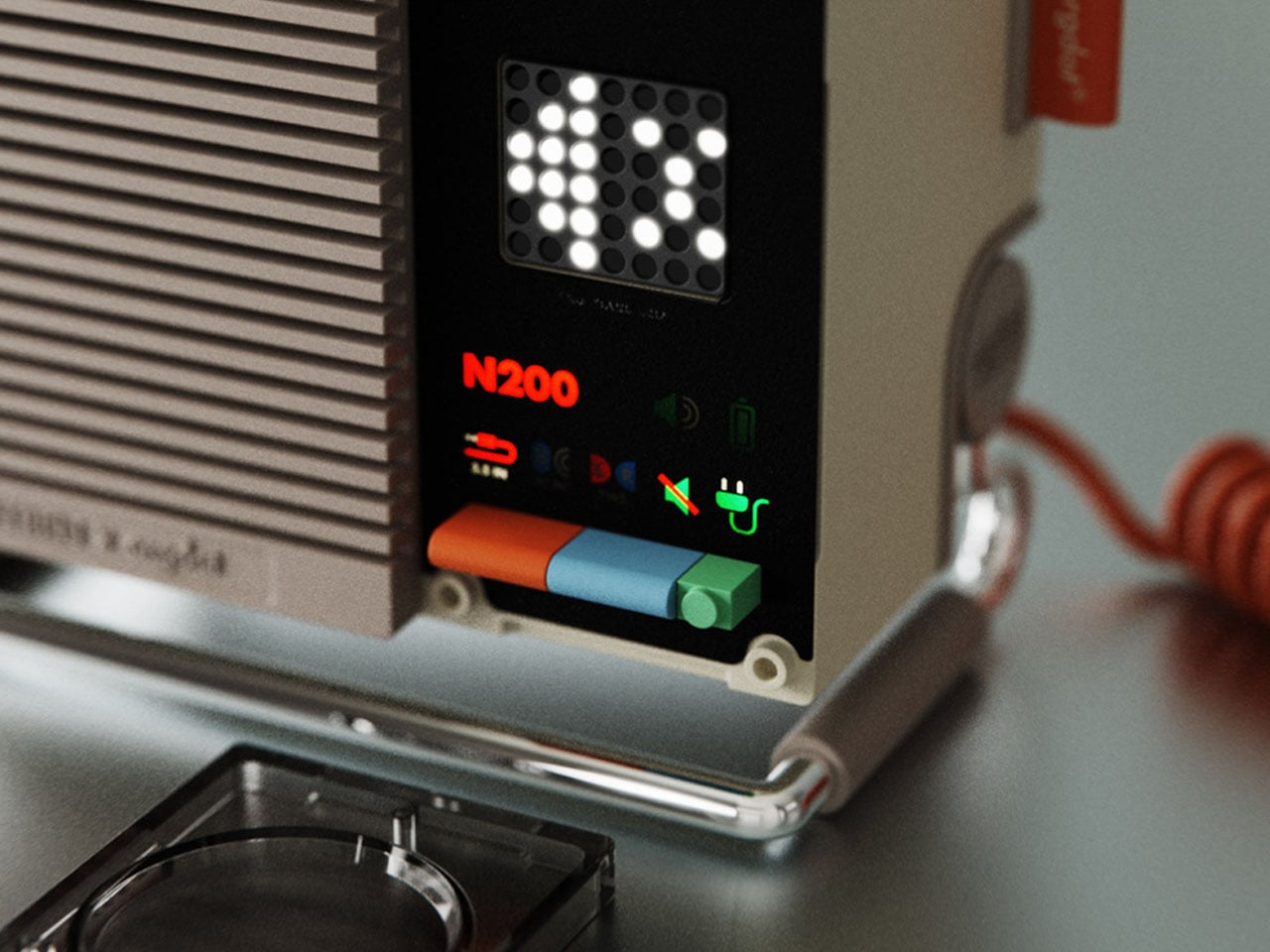
For Shu, the guiding principle in crafting the speaker is “Form Follows Function.” Keeping intact the brand’s signature design ethos, the portable speaker has a simple geometric shape for visual consistency. Coming back to the choice of colors, the low-saturation beige for the body frame brings an element of tranquil aesthetic, while the bright orange denotes the interactive components like the volume dial. To put stress to a minimum on the new users, the physical button colors correspond to the corresponding icons. To put the speaker on the desk sturdily and have a distinct appeal, the integrated metal stand adds to the nostalgic charm. The design of the stand enables multi-level adjustment to adjust the elevation depending on the desktop layout.

The 8Watt speaker is made out of plastic, metal, and rubber with strategically placed functional zones for the best tactile experience. It comes with support for TWS pairing, wherein you can connect two N200s for an even more immersive soundscape. The pixel display shows all the current playback vitals and the preloaded emoticons, which is cool. On the back, there are aux-in and USB-C connectivity options as well, so that you can connect the BT speaker to physical hardware.

The post Retro-modern N200 desktop speaker has serious Teenage Engineering vibes first appeared on Yanko Design.

Retro-modern N200 desktop speaker has serious Teenage Engineering vibes

Desktop Bluetooth speakers are plentiful, and the one you choose for your desk setup purely depends on the desired audio signature and your design affinity. While the commercially available desktop speakers from numerous brands go for the tried and tested designs with some trendy innovations in the mix, some unique desk speaker designs do catch our attention.

This is the Orgdot N200 Bluetooth desktop speaker that bears a tell-tale industrial design influence and a pinch of steampunk vibe. Designed by Shu Zhang and his team, the wireless speaker is mindful of the design sense of modern users. The primary motive is to create a relaxing and immersive atmosphere for the user, while keeping the practical functionality intact. The retro-modern form of the speaker takes you back in time when muted colors were beautifully fused with the vibrant hues to instantly pep up any desk space.

Designer: Shu Zhang and Orgdot

The Orgdot Bluetooth speaker draws inspiration from the modular design of the LEGO bricks, thereby having a swappable front panel, physical buttons, indicator lights, and a dot-matrix display. First look at this thing, and I presumed it was a Teenage Engineering-inspired product, but it turned out otherwise. This makes the audio accessory much more than just a possession to listen to your favorite tunes. It’s more like a playable and explorable sound companion for your desk. I can already imagine this one sitting on my geeky desk with the future garage or lo-fi tunes playing for hours on end as I dive deep into my productive sessions.

For Shu, the guiding principle in crafting the speaker is “Form Follows Function.” Keeping intact the brand’s signature design ethos, the portable speaker has a simple geometric shape for visual consistency. Coming back to the choice of colors, the low-saturation beige for the body frame brings an element of tranquil aesthetic, while the bright orange denotes the interactive components like the volume dial. To put stress to a minimum on the new users, the physical button colors correspond to the corresponding icons. To put the speaker on the desk sturdily and have a distinct appeal, the integrated metal stand adds to the nostalgic charm. The design of the stand enables multi-level adjustment to adjust the elevation depending on the desktop layout.

The 8Watt speaker is made out of plastic, metal, and rubber with strategically placed functional zones for the best tactile experience. It comes with support for TWS pairing, wherein you can connect two N200s for an even more immersive soundscape. The pixel display shows all the current playback vitals and the preloaded emoticons, which is cool. On the back, there are aux-in and USB-C connectivity options as well, so that you can connect the BT speaker to physical hardware.

The post Retro-modern N200 desktop speaker has serious Teenage Engineering vibes first appeared on Yanko Design.
Revolutionary iPhone 18 Pro Camera Tech Will Blow Your Mind

Revolutionary iPhone 18 Pro Camera Tech Will Blow Your Mind

The iPhone 18 Pro is poised to set a new benchmark in smartphone innovation. Apple is introducing a range of advanced features, including a variable aperture camera, under-display Face ID, and a next-generation processor. While the overall design retains the signature Apple aesthetic, subtle refinements aim to enhance both functionality and user experience. This flagship […]

The post Revolutionary iPhone 18 Pro Camera Tech Will Blow Your Mind appeared first on Geeky Gadgets.

Posted in Uncategorized

Samsung plans to integrate Google Photos into its TVs

Samsung has announced that it "aims to be the first" to natively integrate Google Photos into TVs. The aim is for Google Photos to work seamlessly with Vision AI Companion, Samsung's souped-up version of Bixby. This would help to make user photos part of the day-to-day TV experience, with photos appearing while navigating the TV's OS during "contextual and convenient moments."

The company says users will be able to explore their Google Photos libraries in three new experiences. The first is called Memories, and will show curated stories based on "people, locations and meaningful moments." This has a planned launch in March 2026 and will be exclusive to Samsung TVs for six months.

Create with AI will use Google DeepMind's image generation and editing model, enabling users to transform their photos using AI using themed templates. Users will also be able to turn any still image into a short video using the tool. Create with AI has a planned launch in the second half of 2026.

Finally, Personalized Results will create themed slideshows of users' photos based on particular topics or the content of an image. Examples given by Samsung include the ocean, hiking and Paris. This also has a planned launch in the latter part of 2026.

This article originally appeared on Engadget at https://www.engadget.com/home/samsung-plans-to-integrate-google-photos-into-its-tvs-132739713.html?src=rss

Why Pet-Focused Air Purification Is Becoming a Smart-Home Essential

Why Pet-Focused Air Purification Is Becoming a Smart-Home Essential

Smart-home devices have steadily moved beyond convenience and into health-focused territory. Thermostats optimize comfort, lighting supports circadian rhythms, and now air purification is evolving to address one of the most common — and overlooked — household challenges: pets. The Dreame AP10 Pet Air Purifier reflects this shift, offering a system designed specifically around how animals […]

The post Why Pet-Focused Air Purification Is Becoming a Smart-Home Essential appeared first on Geeky Gadgets.

Posted in Uncategorized