Imagine soaring through the skies, not just watching your drone’s flight from a screen, but feeling as though you’re inside it, gliding over breathtaking landscapes in ultra-high-definition. The Antigravity A1, the world’s first 8K 360 VR drone, is here to make that vision a reality. This new device doesn’t just set a new standard for […]
Picture this: instead of manufacturing your next coffee cup, what if you could just grow it? That’s the beautifully simple yet radical idea behind The Gourd Project, an ongoing exploration by Brooklyn-based CRÈME Architecture and Design that’s turning heads in the sustainable design world.
Here’s the problem they’re tackling. Back in 2006, Starbucks alone used 2.6 billion cups at their stores. Each paper cup produces 0.24 pounds of CO2 emissions during manufacturing, and here’s the kicker: only 0.25% actually get recycled after disposal. We’ve been stuck in this wasteful cycle for decades, bouncing between plastic, paper, and ceramic options that all come with their own environmental baggage. CRÈME decided to ask a different question entirely: what if nature didn’t just provide the material, but also handled the manufacturing process?
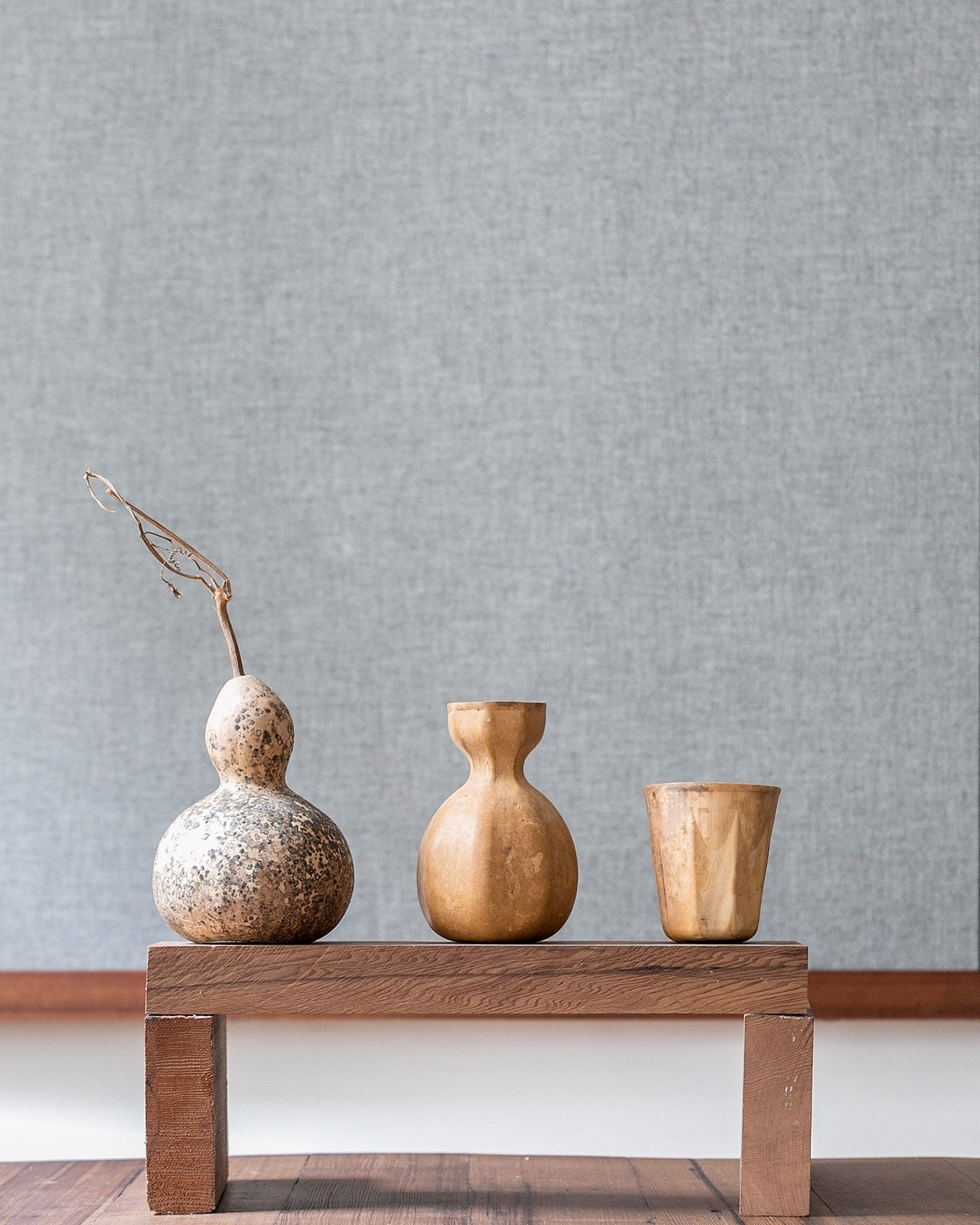
Enter the humble gourd. These fast-growing plants have been cultivated by humans for thousands of years, prized for their robust fruits that develop strong outer skins and fibrous inner flesh. Once dried, gourds become naturally watertight, which is why our ancestors used them as cups and containers long before Tupperware was a thing. CRÈME, led by designer Jun Aizaki, looked at this ancient practice and thought: we can do something with this.
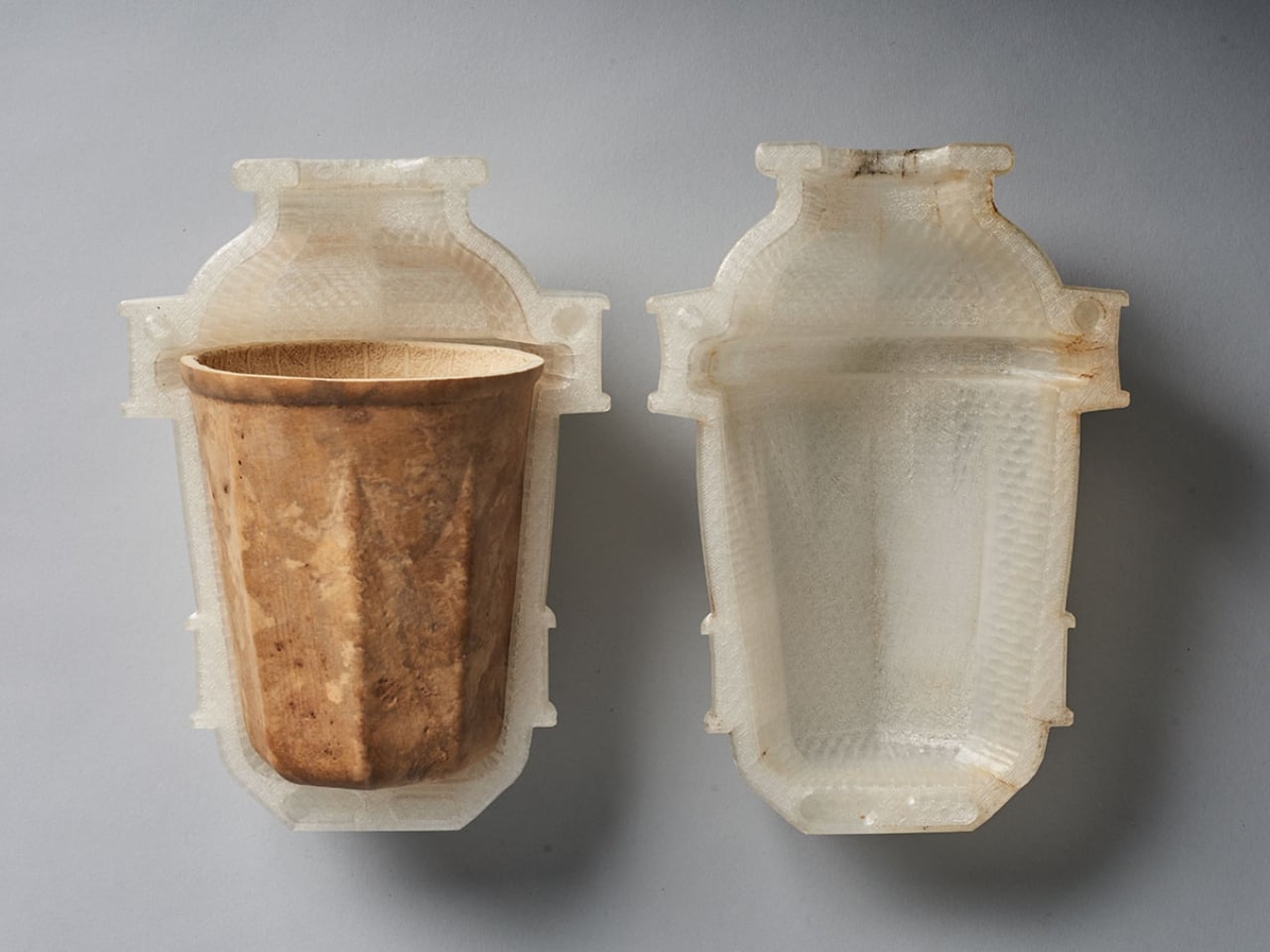
But here’s where it gets really cool. The studio isn’t just hollowing out gourds and calling it a day. They’re using 3D-printed molds to actually shape the gourds as they grow, training them into specific forms like cups and flasks. Think of it as botanical architecture. You place the mold around the young fruit, and nature does the rest, filling the shape while it grows on the vine. The result? Vessels that are 100% biodegradable, manufactured using only sun and water, and look genuinely striking sitting on your shelf.
The project started small, with a few gourds grown in a backyard. But CRÈME has since scaled up production to a farm, with plans to eventually move operations indoors to better control for variables like pests and weather conditions. The entire production cycle currently takes about six weeks, and while the team is working to streamline that timeline, it’s still remarkably efficient compared to traditional manufacturing processes that involve mining, refining, molding, and shipping materials around the globe.
Each gourd vessel can be reused between three to six times before it starts to break down. At that point, you’re not adding to a landfill or hoping it makes it to a recycling facility. You just toss it in with your food waste and let it compost naturally. It’s a genuine cradle-to-cradle approach, where the end of one cup’s life becomes the beginning of nutrients for the next season’s growth.
The design world has noticed. The Gourd Project earned a finalist mention at the NYCxDesign awards and has been featured in major publications like Dezeen, Fast Company, and NowThis News. It’s easy to see why. In an era where greenwashing is rampant and “sustainable” often just means “slightly less terrible,” here’s a project that actually reimagines the entire system from the ground up, literally.
What makes this particularly exciting is how it challenges our assumptions about design and manufacturing. We’re so conditioned to think of products as things we make, things we control from start to finish in factories. The Gourd Project flips that script. It asks us to collaborate with nature, to work with biological processes instead of against them. The designers provide the framework, the blueprint. The plant does the actual building.
Will we all be sipping our lattes from gourds next year? Probably not. CRÈME is still refining the process and working toward a consumer launch. But that’s almost beside the point. The Gourd Project proves that radical sustainability doesn’t have to mean sacrifice or hairshirt aesthetics. These vessels are genuinely beautiful, with organic variations that make each one unique. They represent a fundamentally different way of thinking about the objects we use every day.
Apple has officially rolled out the iOS 26.2 Release Candidate (RC), bypassing the fourth beta phase. This update brings a comprehensive set of bug fixes, performance optimizations, and new features aimed at enhancing your device’s overall functionality. With the public release expected as early as December 8, 2025, this RC version offers an opportunity to […]
What if the power of a full-sized workstation could fit in the palm of your hand? The Minisforum MS02 Ultra dares to challenge the limits of what a mini PC can achieve, offering a combination of innovative performance and sleek, compact design that feels almost too good to be true. Whether you’re a gamer chasing […]
On a quiet December morning, as the tree lights flicker softly against the windows, the modern home reveals a new kind of Christmas magic. Gone are the days when gifts were plastic gadgets destined for drawers, as today’s most thoughtful presents are pieces of functional art alongside objects that enrich a space as beautifully as they perform.
This season, every device unwrapped should offer both purpose and presence, crafted from honest materials and shaped with sculptural intent. In homes seeking harmony and calm, giftable tech becomes part of the architecture itself, blending intelligence, aesthetics, and festive warmth in one seamless gesture.
1. Sculptural Wireless Charger
The wireless charger is no longer a bland tech necessity; it is now a statement of material honesty and form. Modern high-design chargers replace plastic with honed marble, polished brass, or carved timber, transforming a simple gadget into a refined object on your nightstand.
When choosing one, look for weight and presence. Solid stone or metal chargers feel grounded and intentional, blending seamlessly with luxury interiors. These pieces double as abstract mini-sculptures even when not in use. With a clean magnetic connection and discreet cable, they maintain visual calm, which is a key element of elevated, Gen Z approved luxury living.
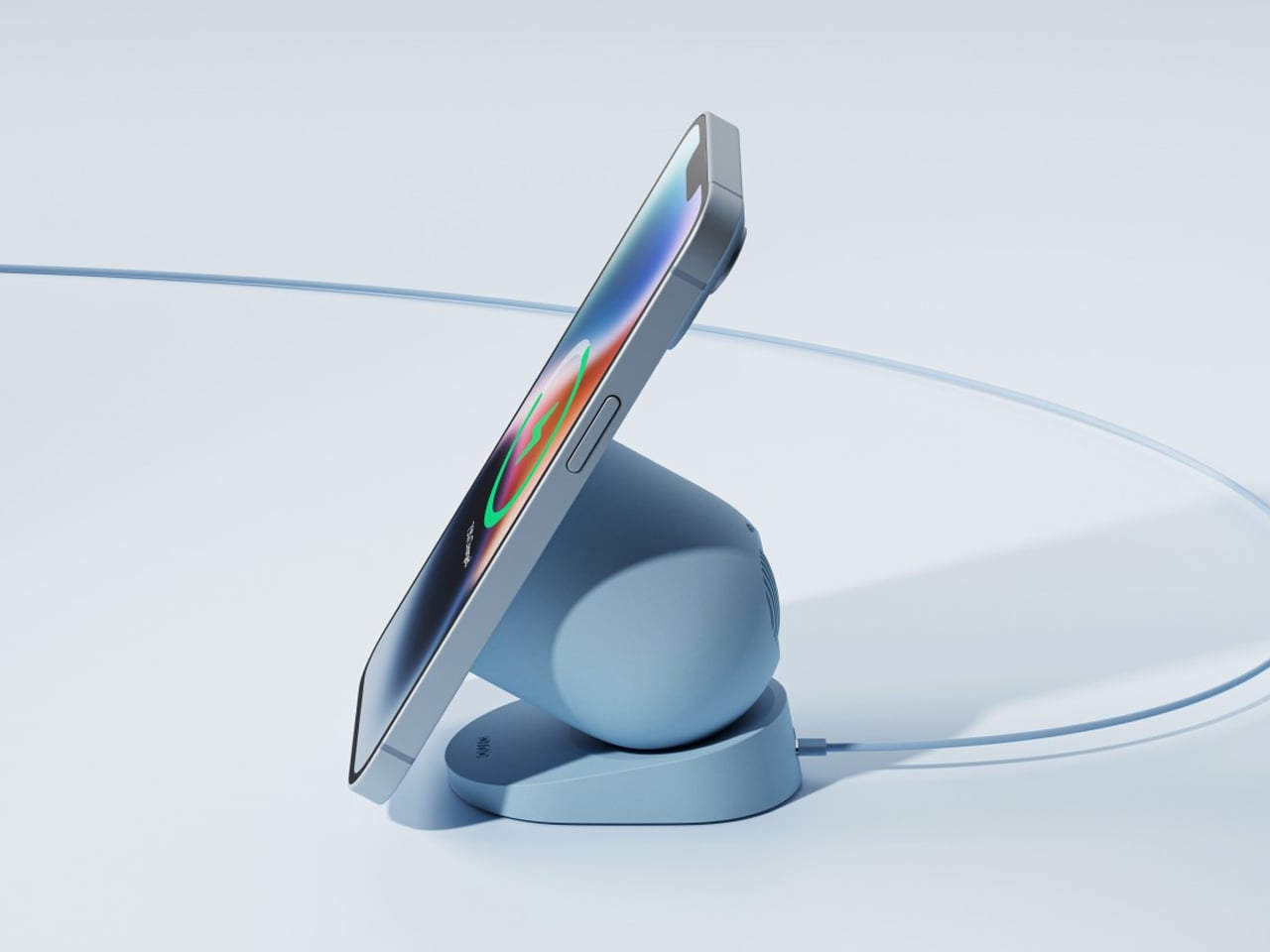
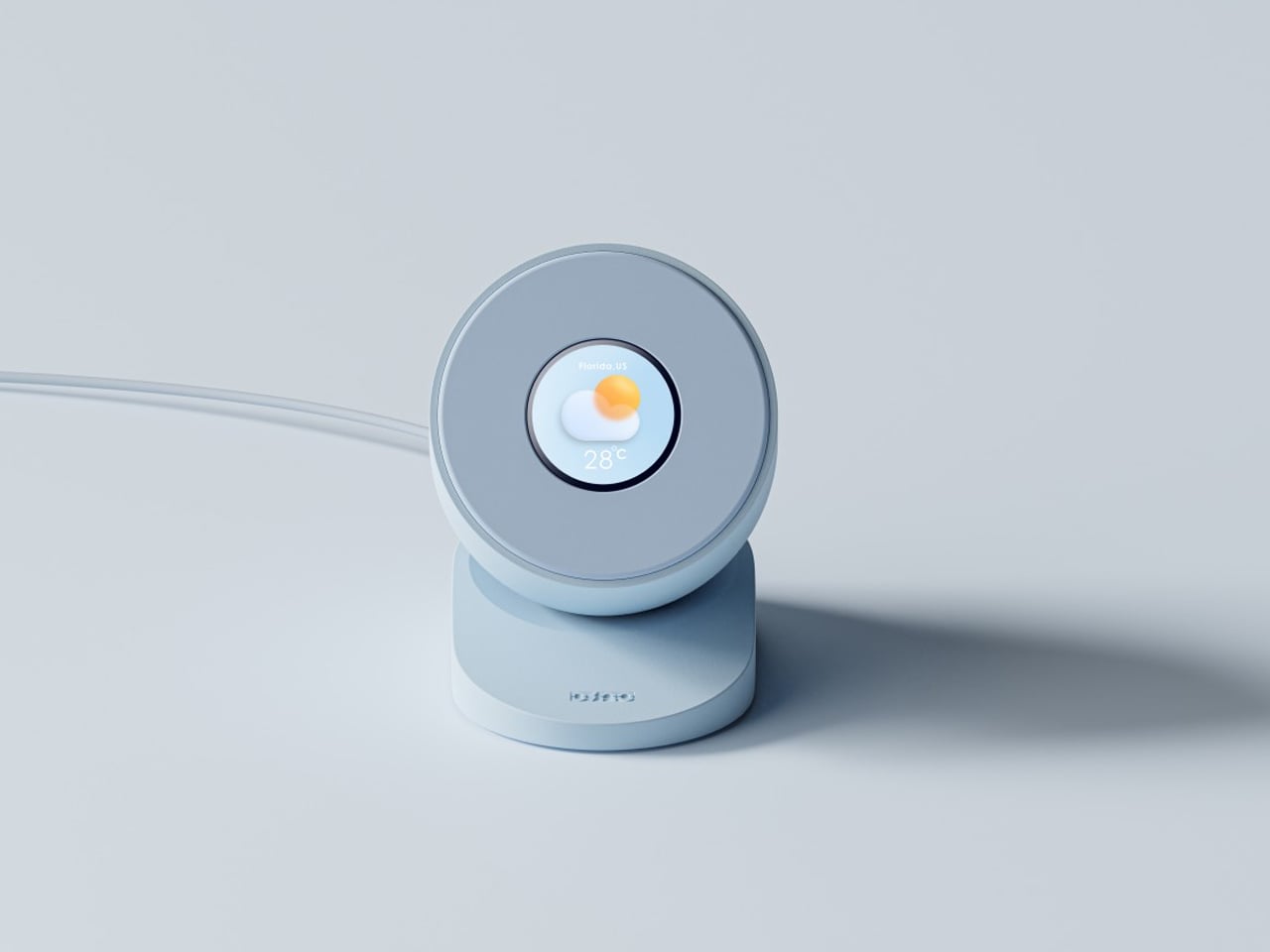
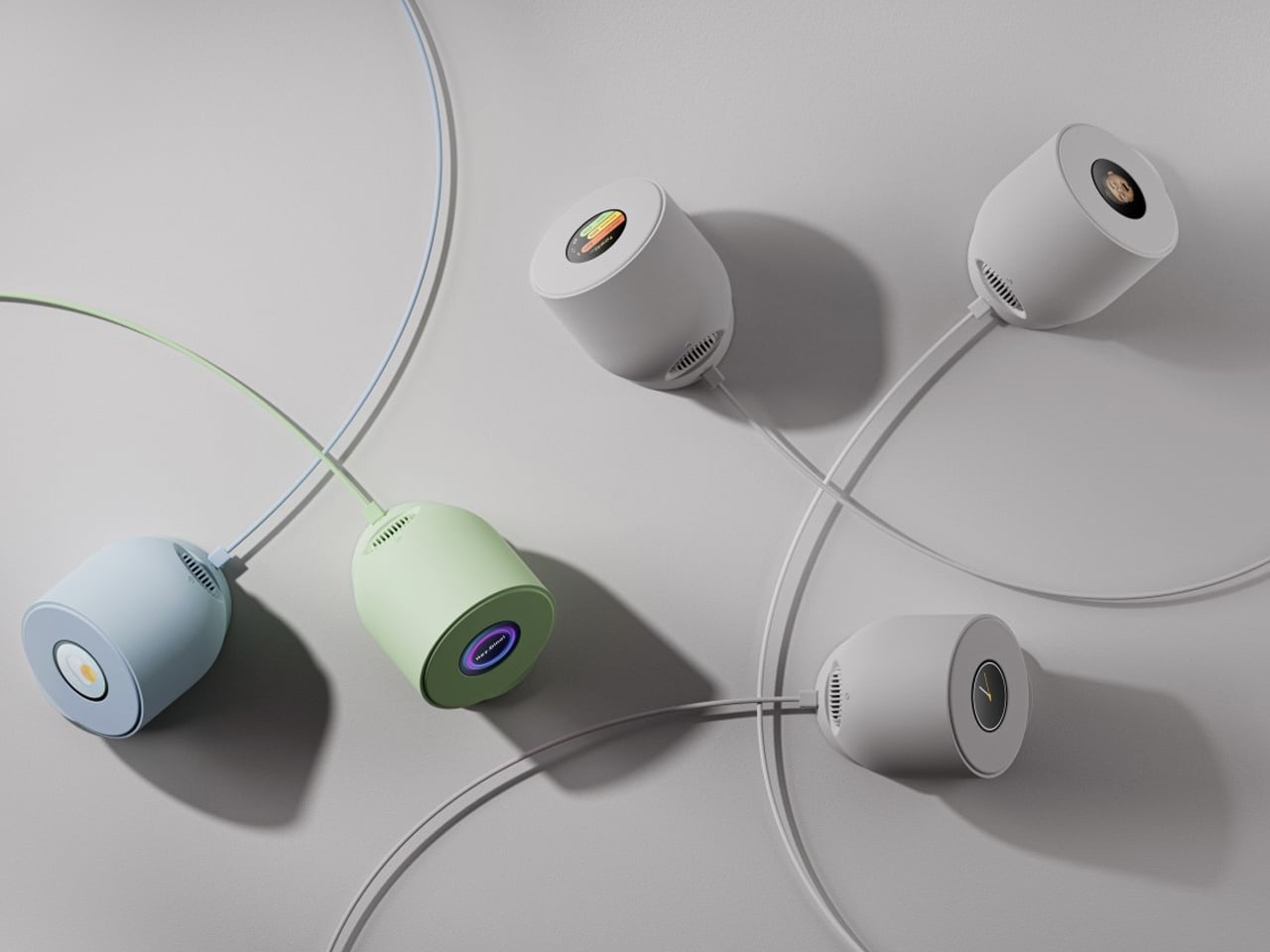
Wireless chargers continue to grow in popularity, yet most designs still share a common limitation: they become functionally irrelevant the moment you remove your phone. Many models may look stylish on a desk or bedside table, but they serve no purpose beyond decoration when not in use. This concept addresses that gap by giving the charger a secondary function, allowing it to offer value even when no device is being powered. It builds on the evolution of magnetic charging, which has introduced more flexibility in angles and positioning while still leaving the charging surface unused whenever the phone is absent.
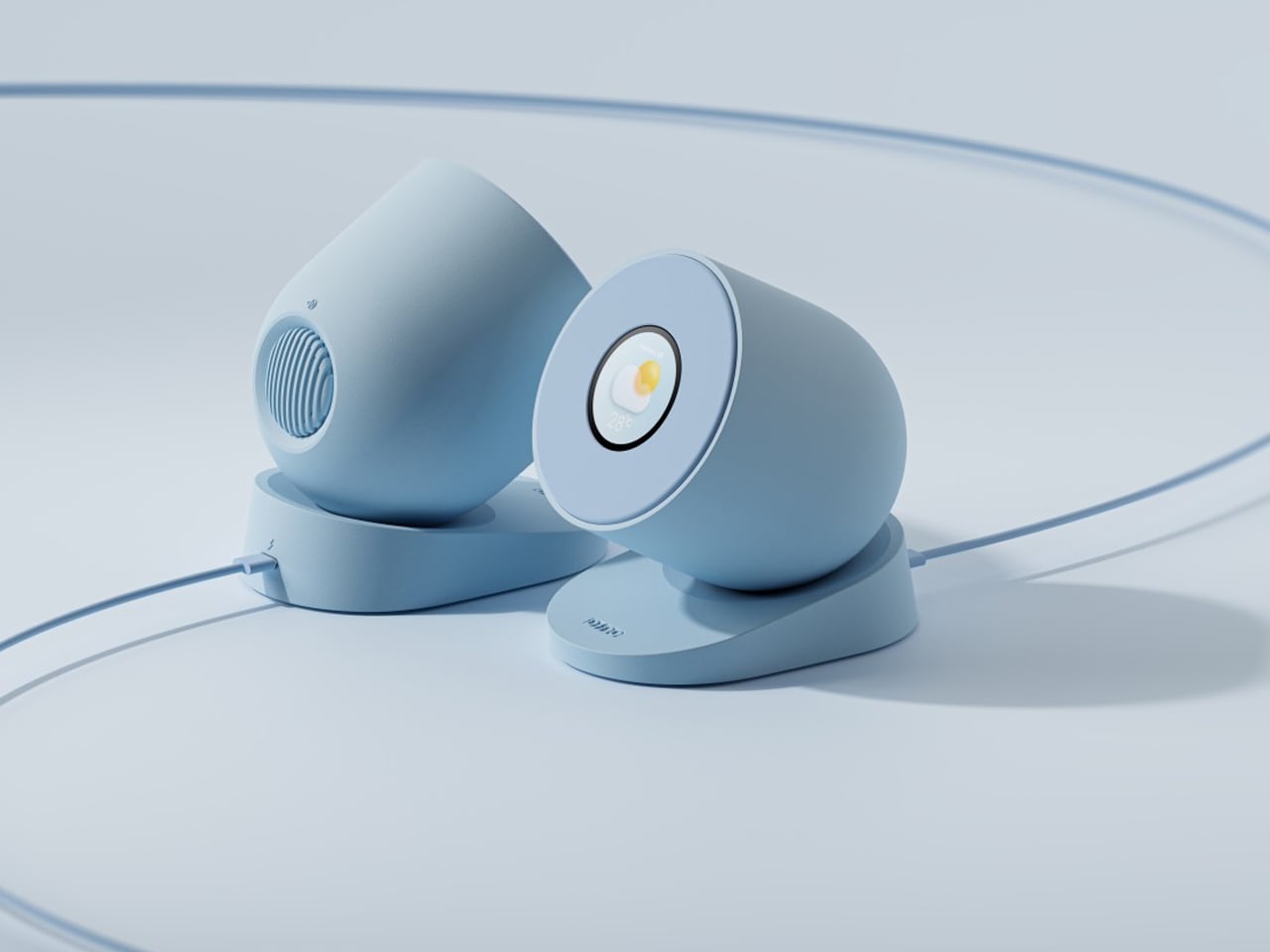
The Dino Charger introduces a clever solution by integrating a small circular display into the charging area. When the phone is removed, this smartwatch-like screen becomes visible, showing essential information such as time, weather, or battery status. Though concealed during charging, it transforms the accessory into a compact, multifunctional device that enhances usability without occupying extra space.
2. Digital Dynamic Photo Frames
Digital photo frames have evolved into dynamic wall art, shifting from simple screens to pieces capable of rivaling gallery-grade framed work. They bring a customizable, ever-changing aesthetic into the home, allowing interiors to feel curated, alive, and intentionally composed. Their presence supports a refined visual rhythm rather than interrupting it.
Choose frames with matte, anti-glare glass and high-resolution displays for true material credibility. The ROI lies in their ability to refresh a room instantly with digital art or personal archives. Smart models use concealed mounts and a single paintable cable, preserving the purity of the wall plane.
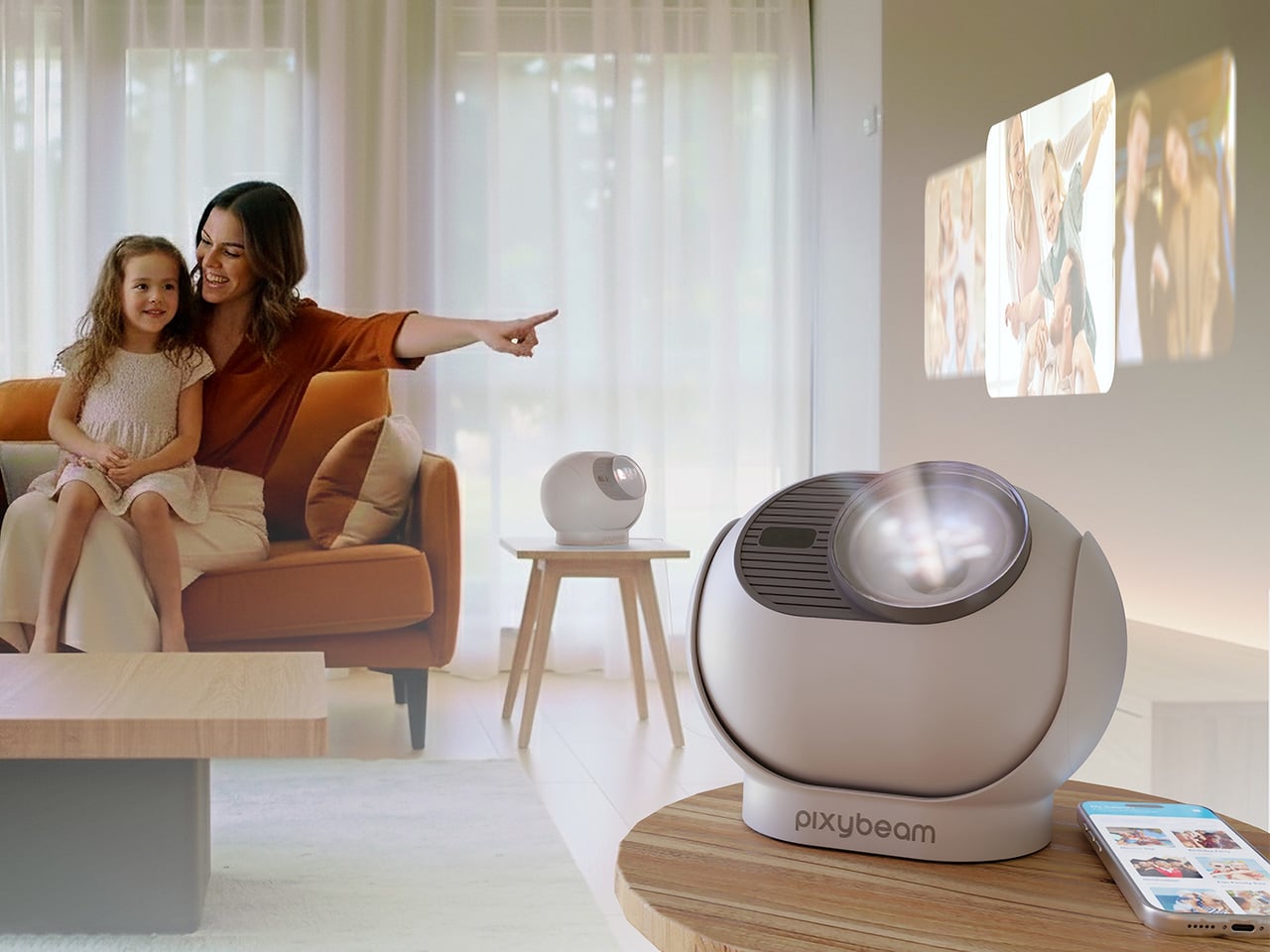
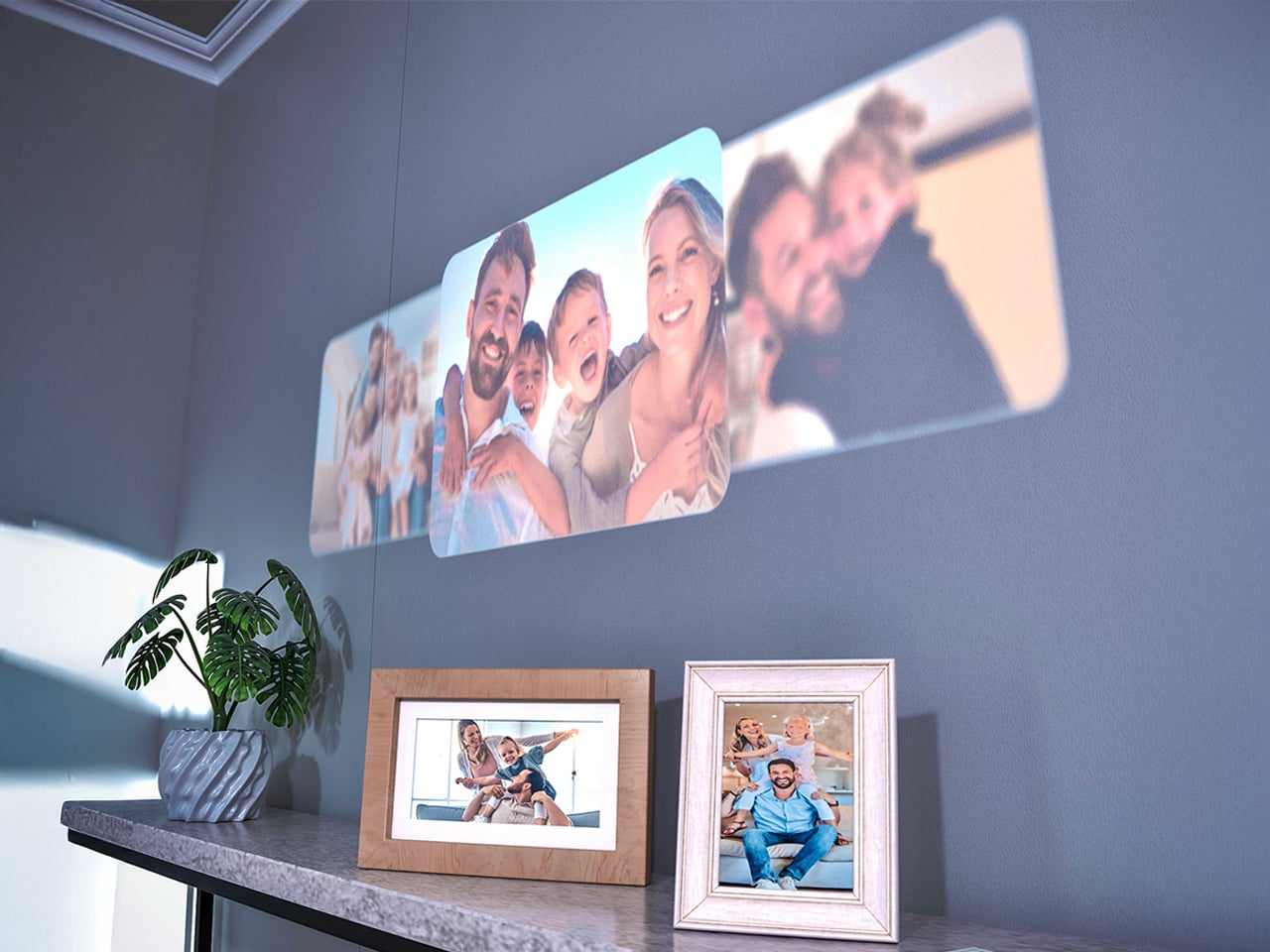
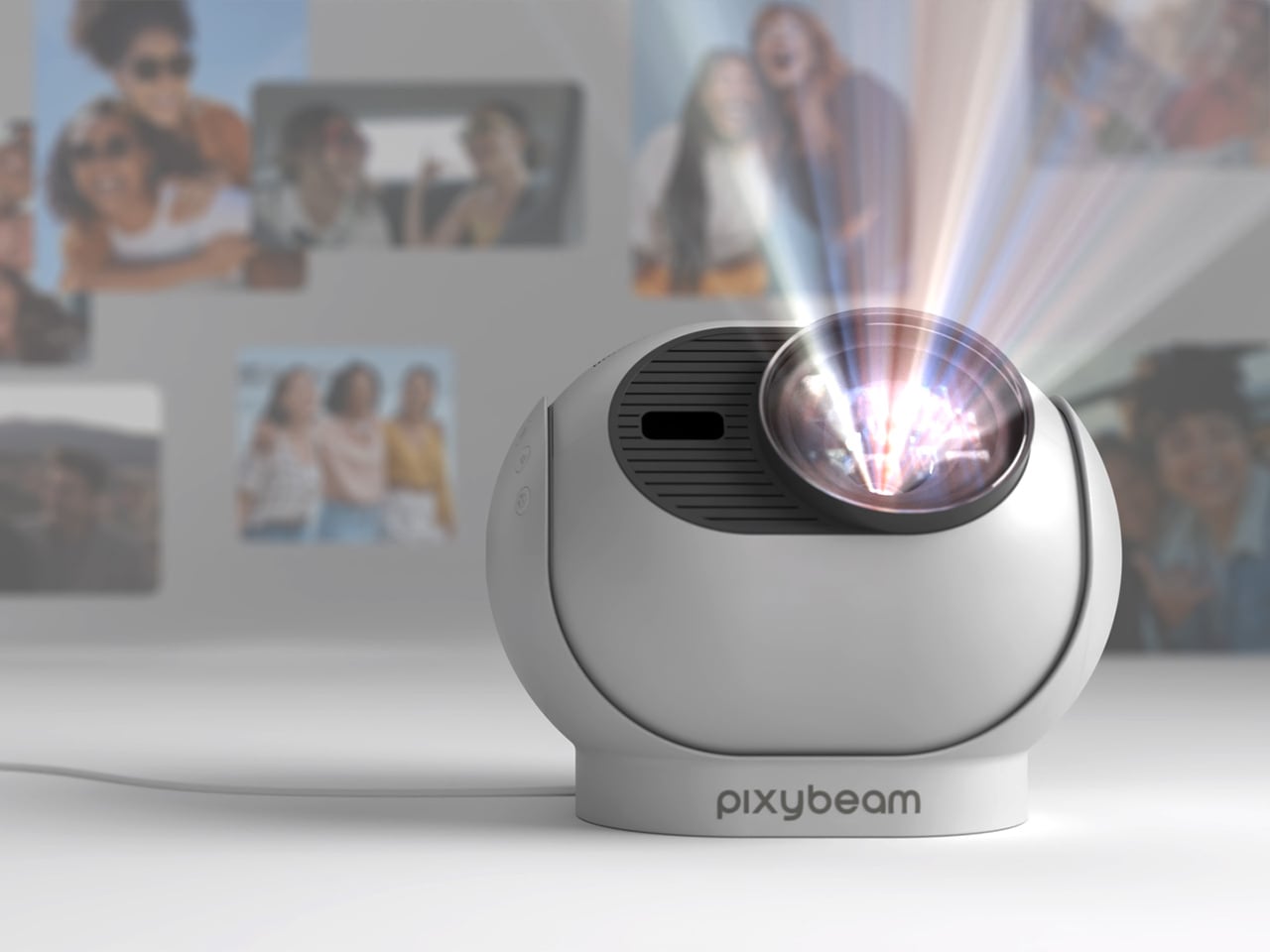
Many personal memories now sit unseen within digital albums and long camera rolls, rarely revisited despite their significance. Traditional digital photo frames attempted to reintroduce these moments into everyday life, yet their fixed borders and constrained formats often created a sense of distance rather than connection. PixyBeam offers a refined alternative by transforming walls and ceilings into immersive visual canvases. Through projection, it integrates photographs and short clips directly into the home environment, allowing meaningful moments to become part of daily living rather than confined to a screen.
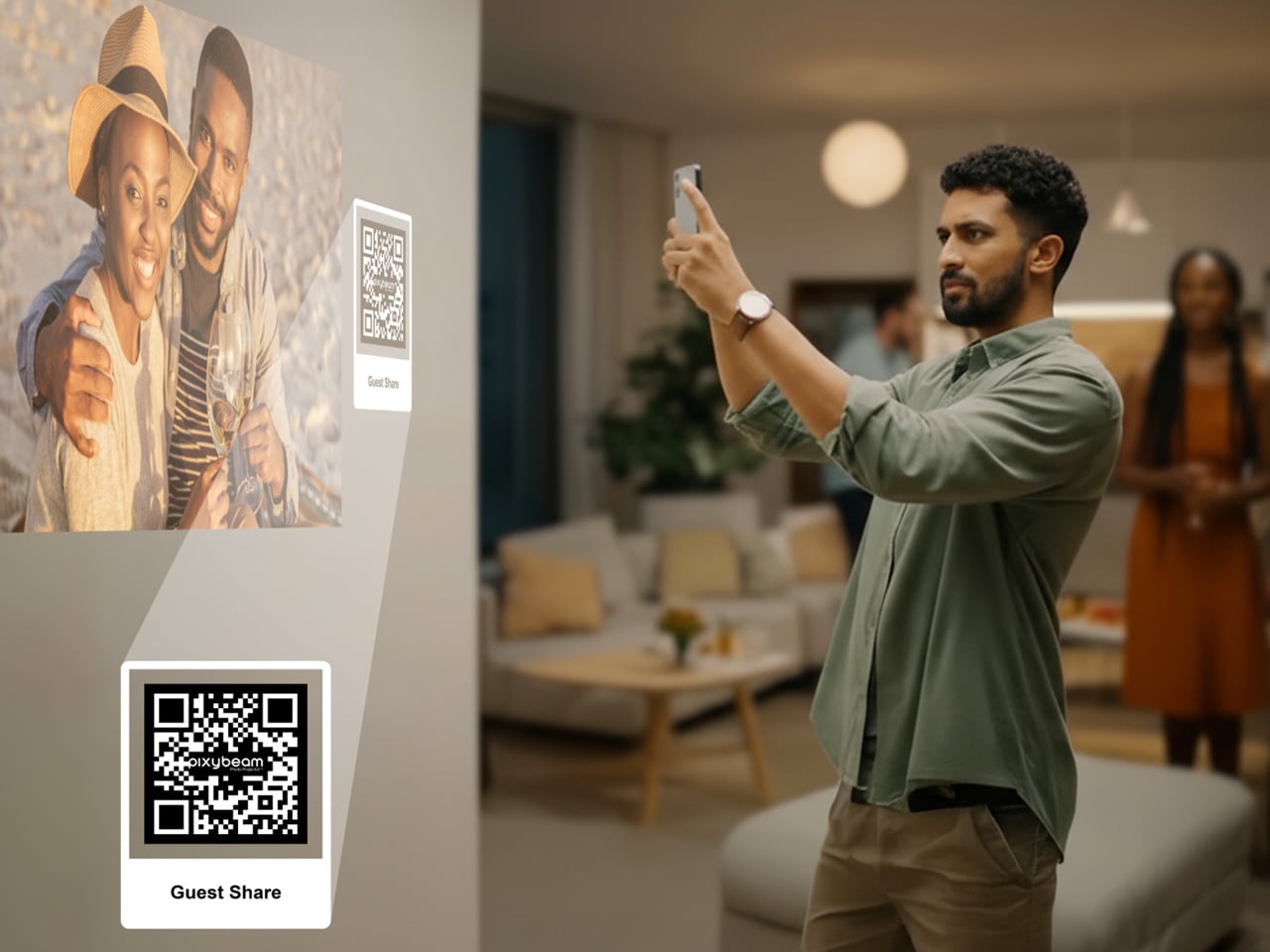
Designed with a minimalist, rounded profile and soft white finish, PixyBeam blends seamlessly into any interior. The device delivers vivid 1080p projections up to 200 inches, supported by autofocus, keystone correction, and a rotating lens for effortless ceiling or wall display. With a simple setup, app-based gallery organisation, and features such as dynamic templates and Guest Share, PixyBeam turns personal spaces into expressive, evolving galleries that celebrate life’s most important stories.
3. Ambient Illumination Tech
Ambient illumination technology has become a poetic light source, offering mood-shaping capability without relying on bulky fixtures. From refined smart lamps to atmospheric projectors, these devices let homeowners sculpt the emotional tone of a room while subtly supporting thermal and visual comfort. They behave as architectural companions rather than decorative add-ons.
These objects operate as instruments of layered light. Prioritise designs that create indirect, coloured, or animated washes to shape an ‘ephemeral glow.’ Their true utility lies in sensory modulation with smart lamps that adjust colour temperature throughout the day, enhancing biophilic well-being, proving their purpose far beyond ornamentation.
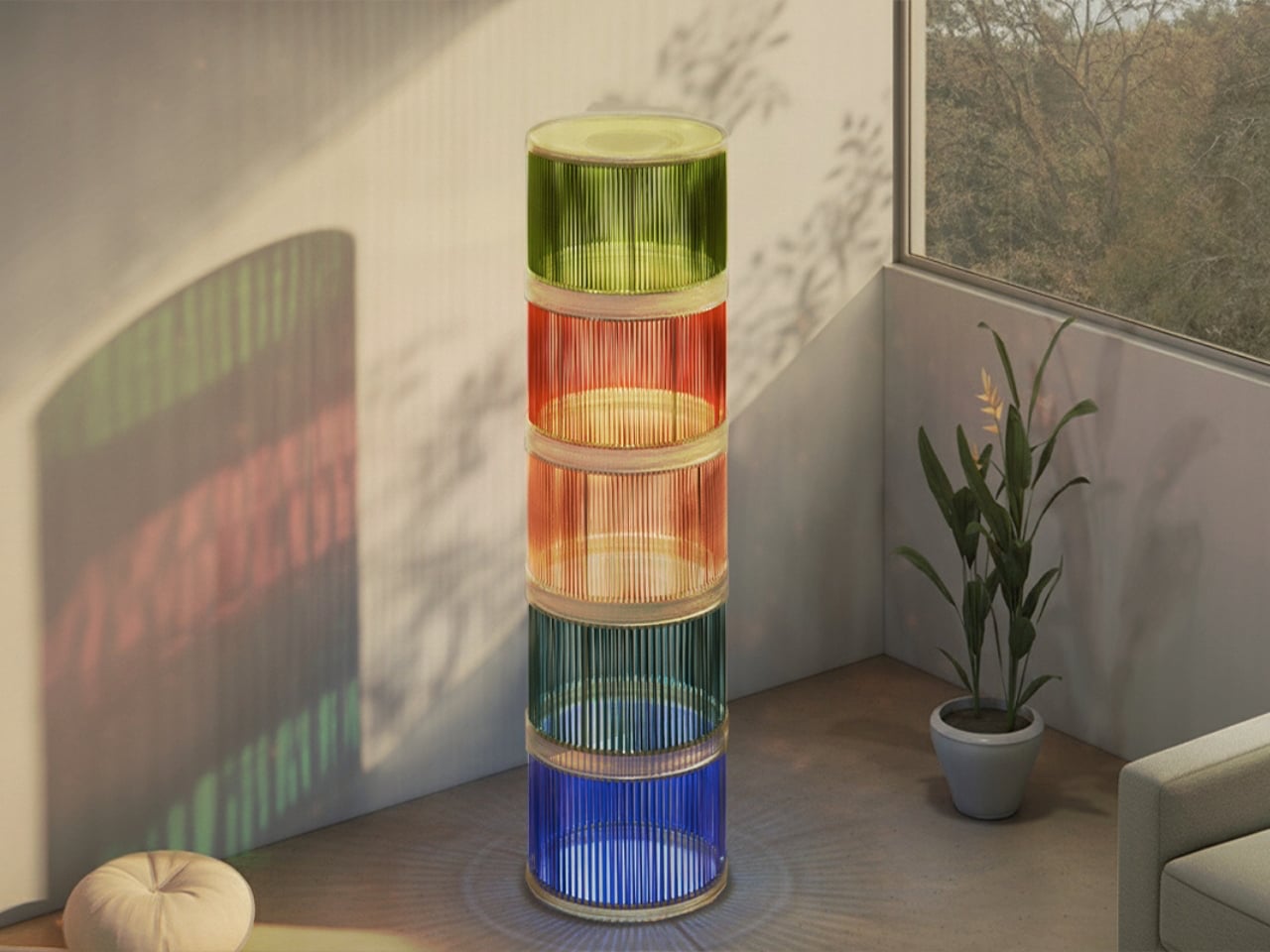
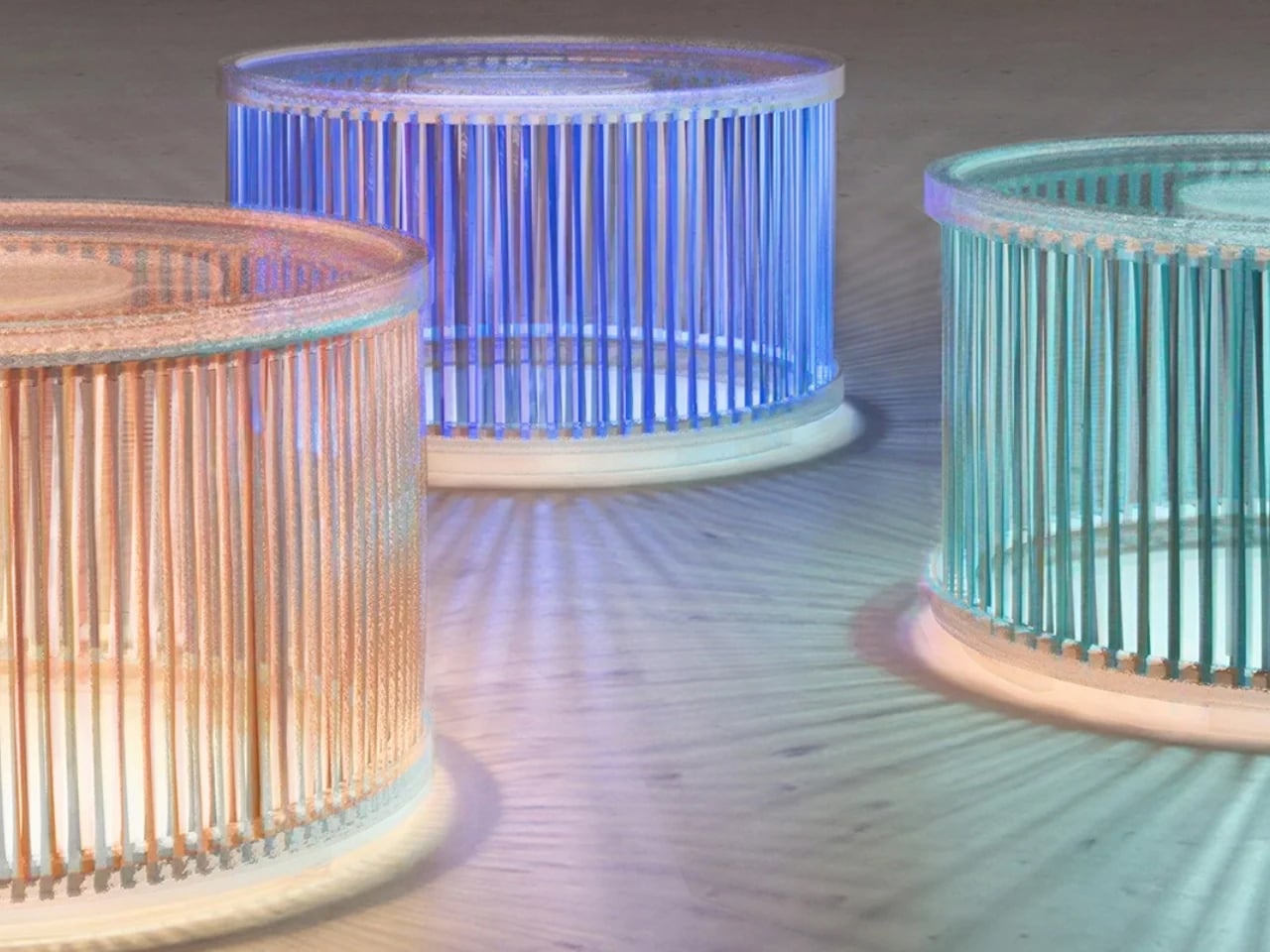
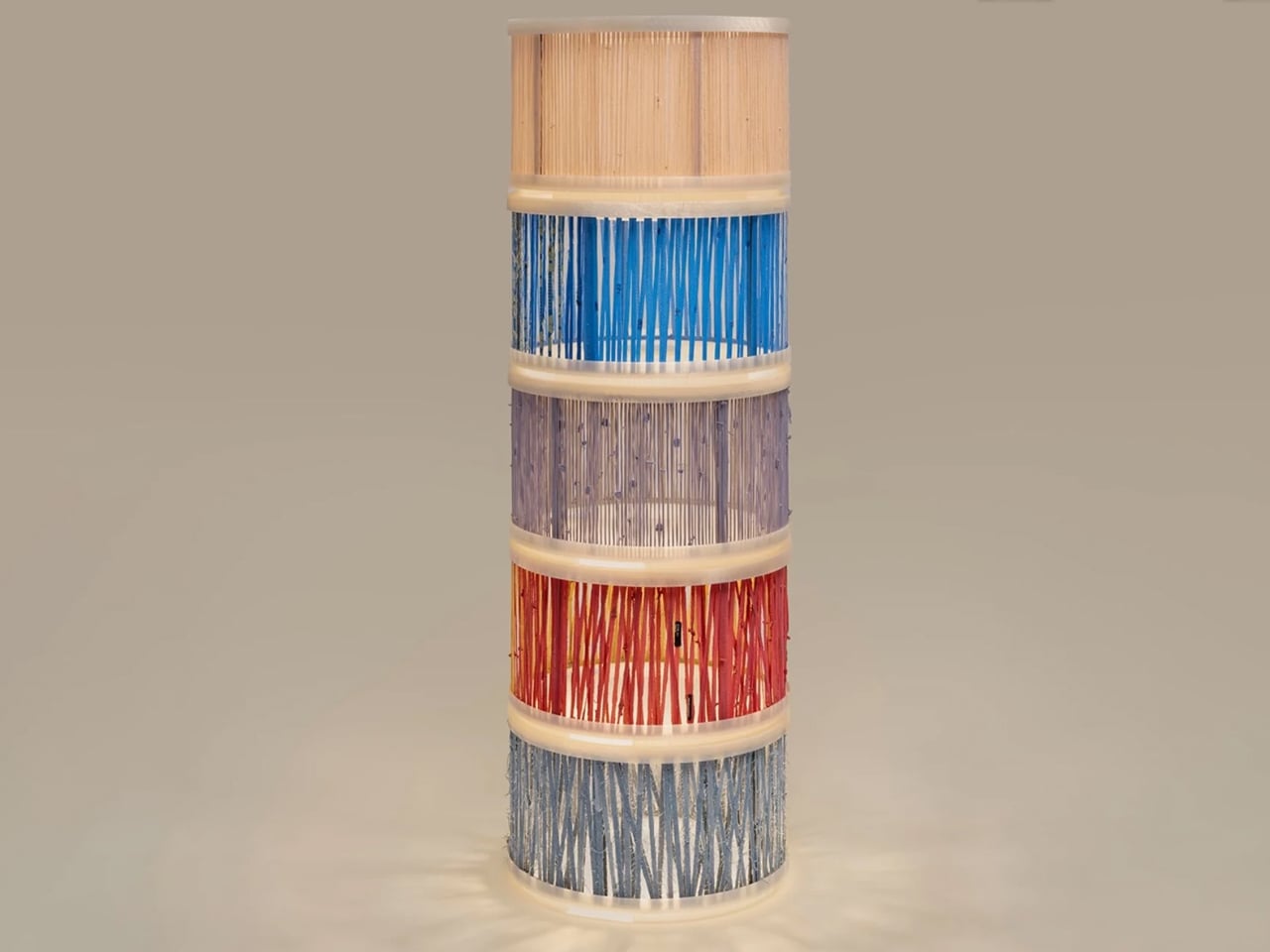
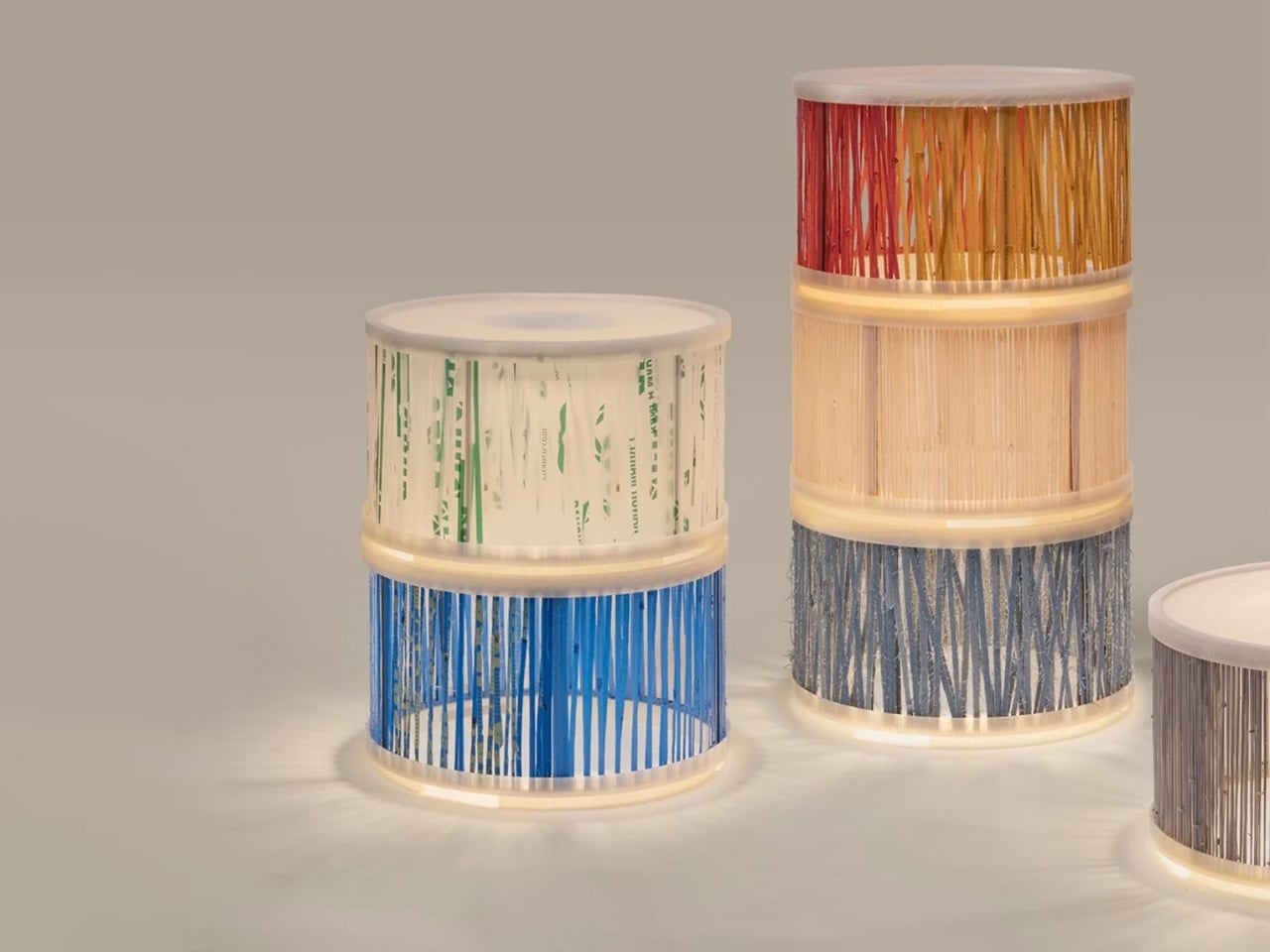
Luminous Re-weave, created by designers Ling Sha and Yucheng Tang, reinterprets discarded textiles by transforming them into refined lighting elements. Old T-shirts, worn denim, and even plastic bags are hand-woven onto metal frames fitted with 3D-printed covers, producing lamps that merge craftsmanship with contemporary fabrication. The modules feature soft, textile-wrapped exteriors that diffuse light into a warm, inviting glow, giving the pieces a sculptural presence suitable for both residential and gallery settings. Each cylindrical unit functions independently or can be stacked to create customised lighting compositions without the need for tools.
A defining aspect of the system is its interchangeable textile skins, allowing users to update colours and textures as preferences evolve. This adaptability not only extends product lifespan but also reinforces the project’s sustainability ethos by repurposing materials that would otherwise enter waste streams.
4. Designer Wi-Fi Nodes
Designer Wi-Fi nodes and mesh systems have become essential architectural elements, no longer the forgotten hardware of a connected home. Instead of hiding them away, today’s high-end models are crafted to be seen in smooth matte ceramics, brushed aluminum, and minimal geometric forms that read more like curated objects than utilitarian electronics. They contribute intentionally to the visual rhythm of a room.
Choosing a system designed for display offers both aesthetic and functional ROI. By keeping nodes visible, performance remains uncompromised, eliminating the need for cupboards that weaken signal strength. The result is a clean, unobstructed interior paired with seamless, whole-home connectivity.
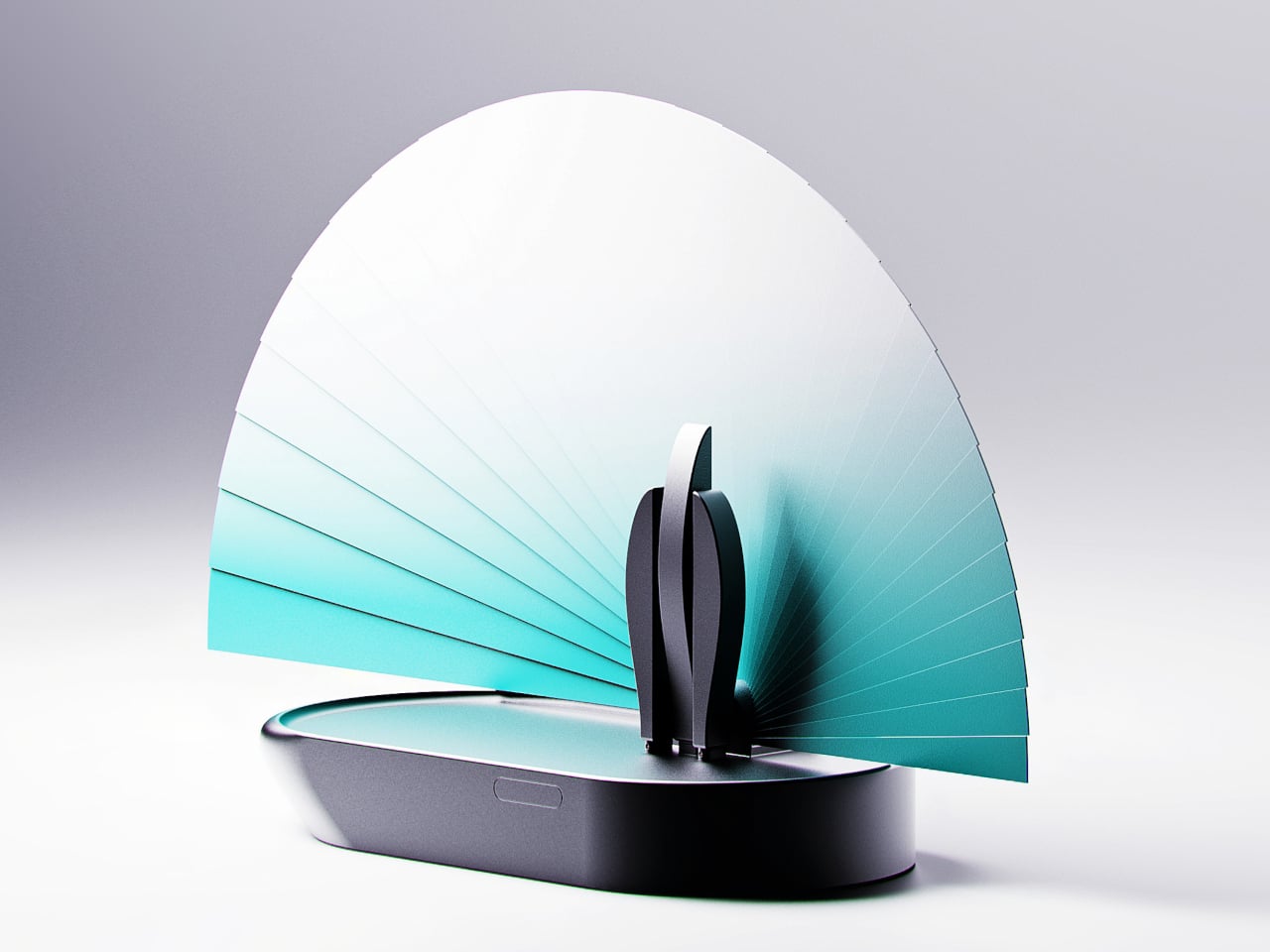
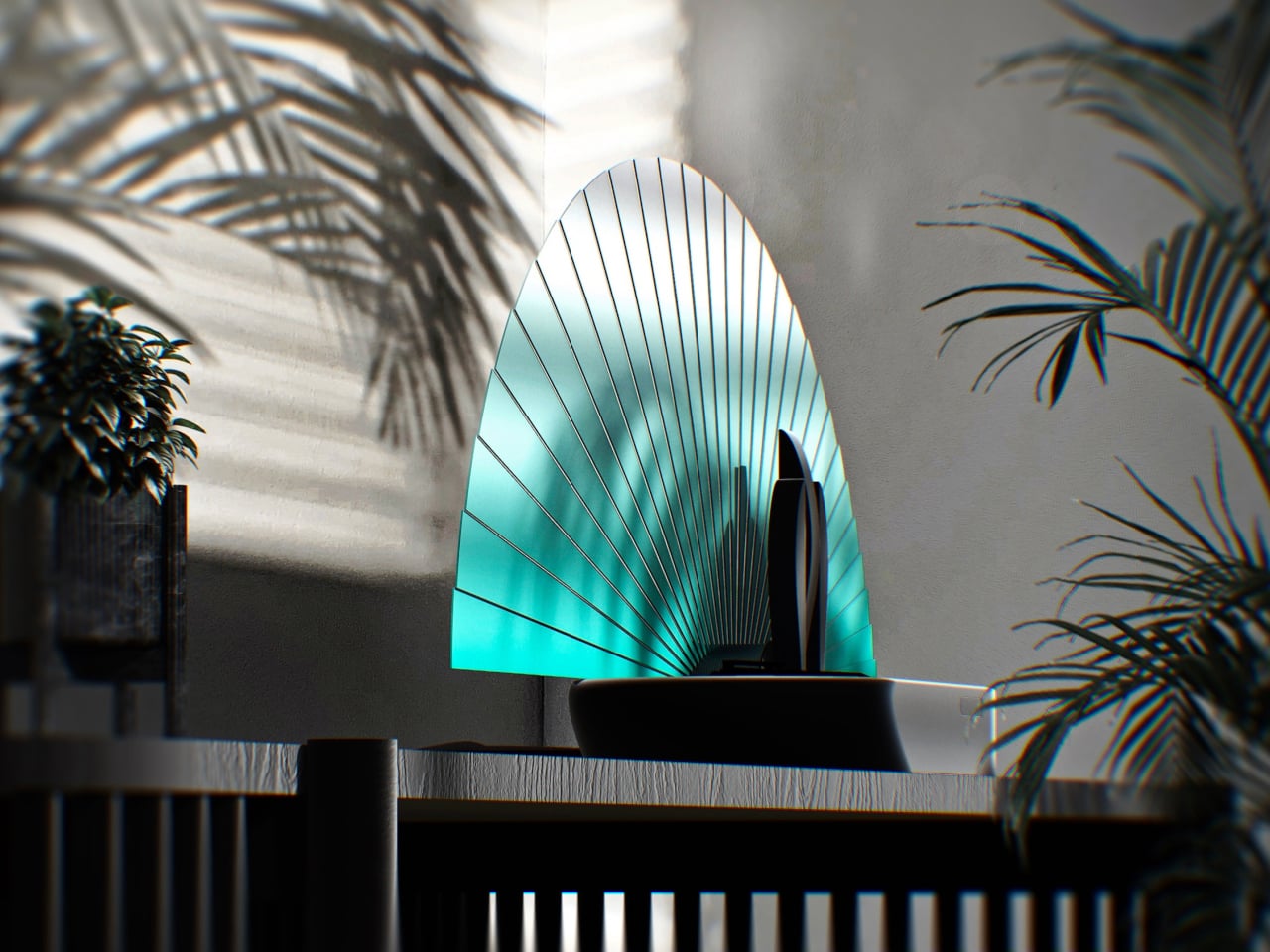
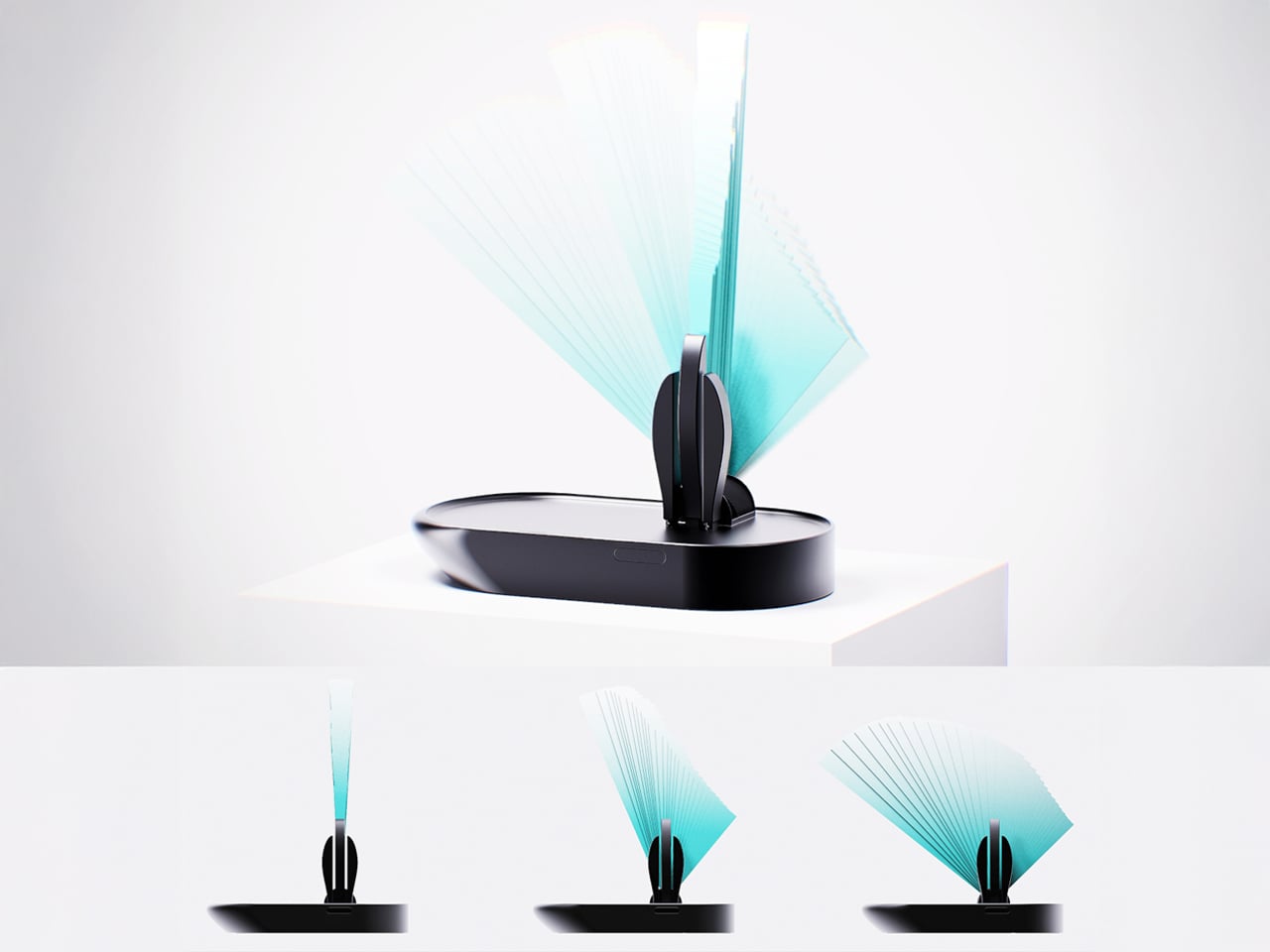
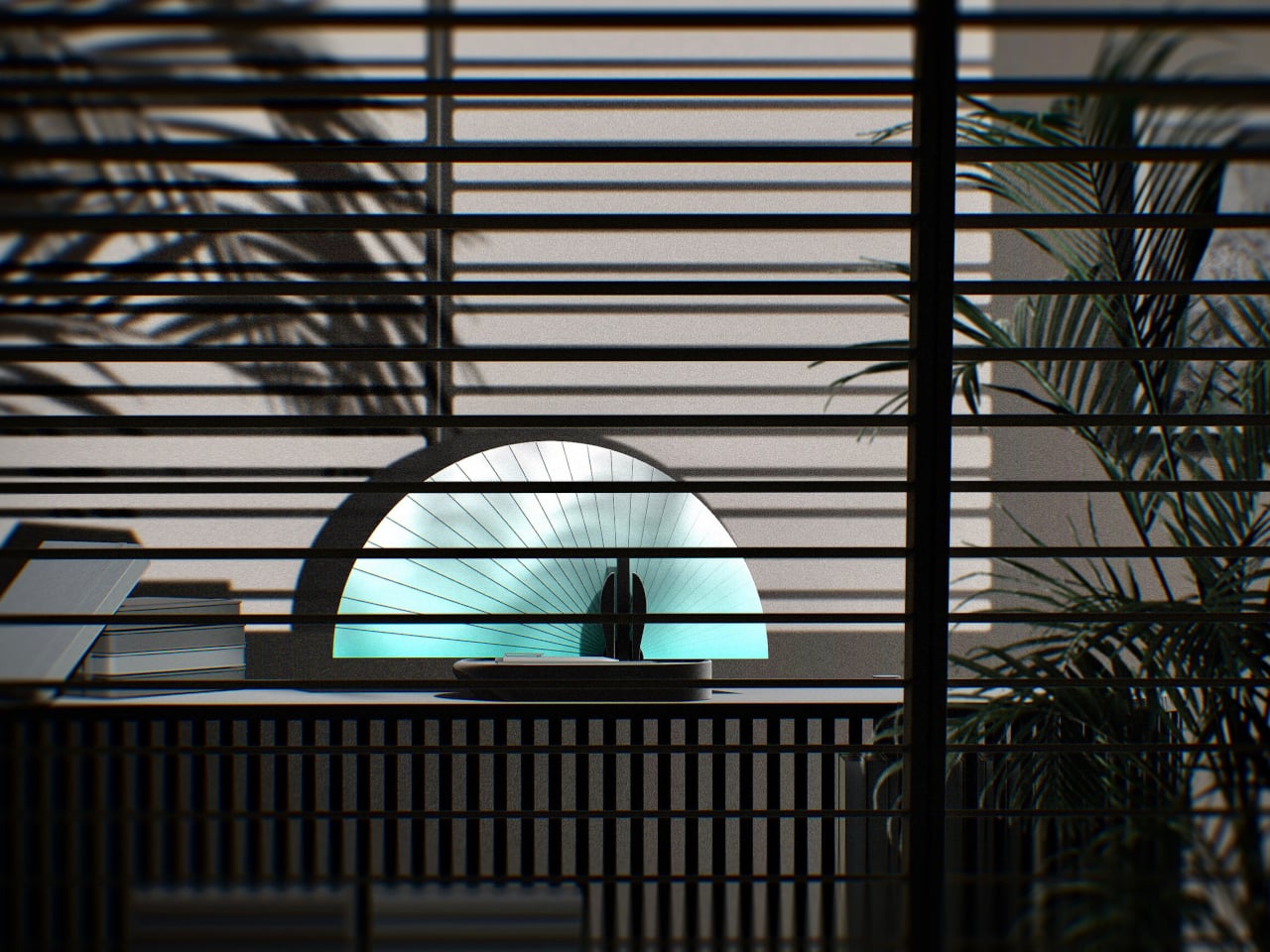
Spending extended periods at home has made many people more aware of the limitations of their living spaces and the design shortcomings of everyday electronics. Wi-Fi routers, for instance, often appear bulky, aggressive, or purely utilitarian, encouraging users to hide them in corners- an action that can unintentionally weaken signal performance. This concept proposes a more thoughtful approach by turning the router into a functional decorative object, allowing it to remain visible while also providing a clear indication of signal strength.
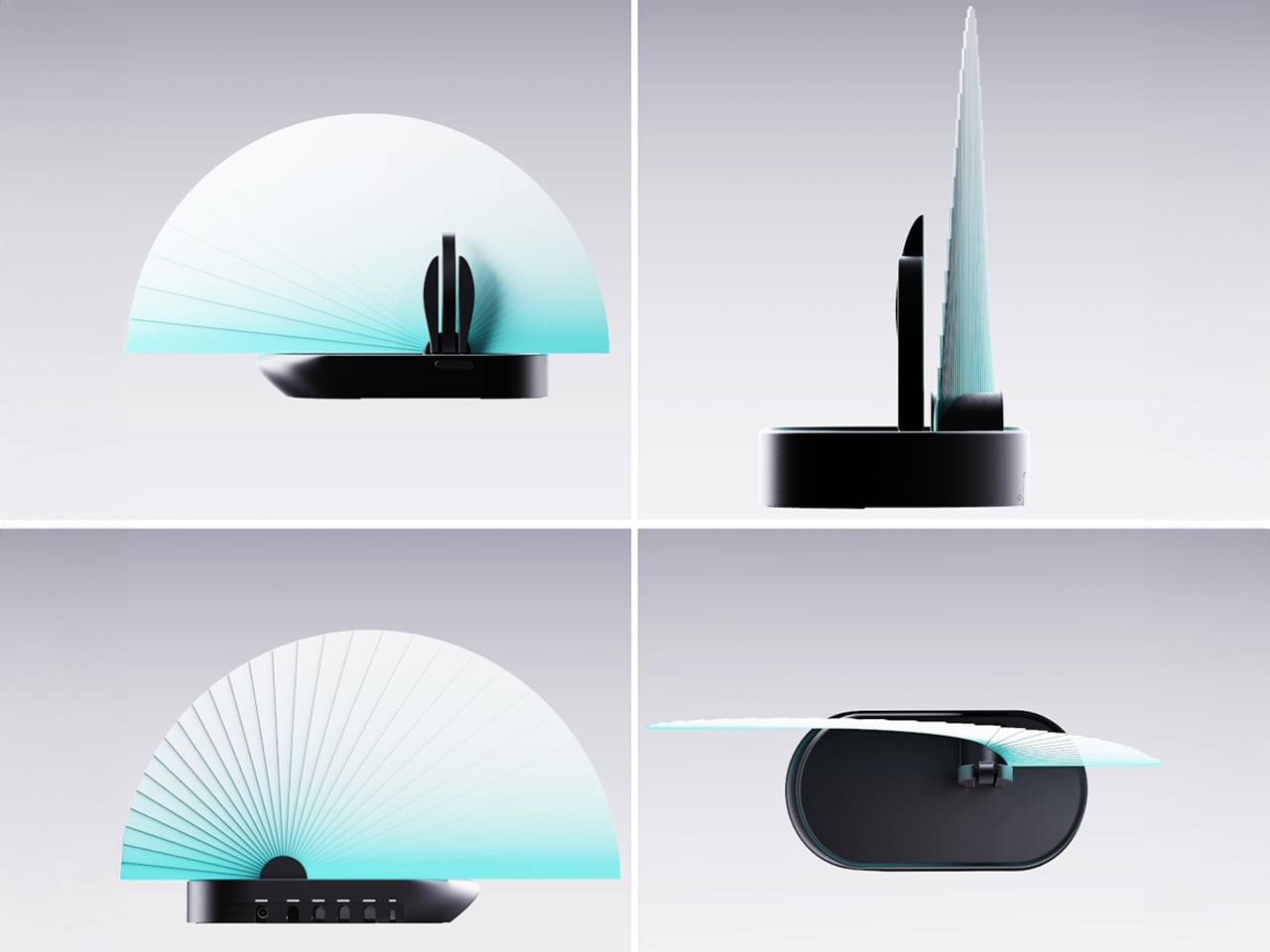
The Blooming Out router features a fan-inspired mechanism composed of 29 segments that expand when the Wi-Fi signal is strong and retract when it weakens, creating a visual representation of connectivity. Three adjustable antennas positioned slightly off-centre enhance signal distribution while contributing to a sculptural, peacock-like silhouette. By merging aesthetics with technical efficiency, the design aims to transform the router from a device often concealed into an elegant object that complements modern interiors without compromising performance.
5. Charging Mat that Doubles as Display Surfaces
Wireless charging mats have evolved into thoughtful dual-purpose gifts that eliminate cable clutter while delivering convenient power to multiple devices. Modern designs feature premium materials like bamboo, leather, or minimalist metal finishes that elevate them from utilitarian gadgets to sophisticated accessories. This versatility makes them ideal for gift-givers seeking something genuinely useful without sacrificing aesthetic appeal, perfect for colleagues, tech-savvy friends, or anyone upgrading their workspace.
As home decor gifts, wireless charging mats have become statement pieces available in various aesthetics – from Scandinavian minimalism to industrial chic. Sleek marble patterns, warm wood tones, or geometric shapes transform these tech essentials into decorative accents for nightstands or entryway surfaces. For housewarming occasions or holidays, a beautifully designed wireless charger demonstrates thoughtfulness by addressing both practical needs and aesthetic sensibilities, making it perfect for design-conscious recipients.
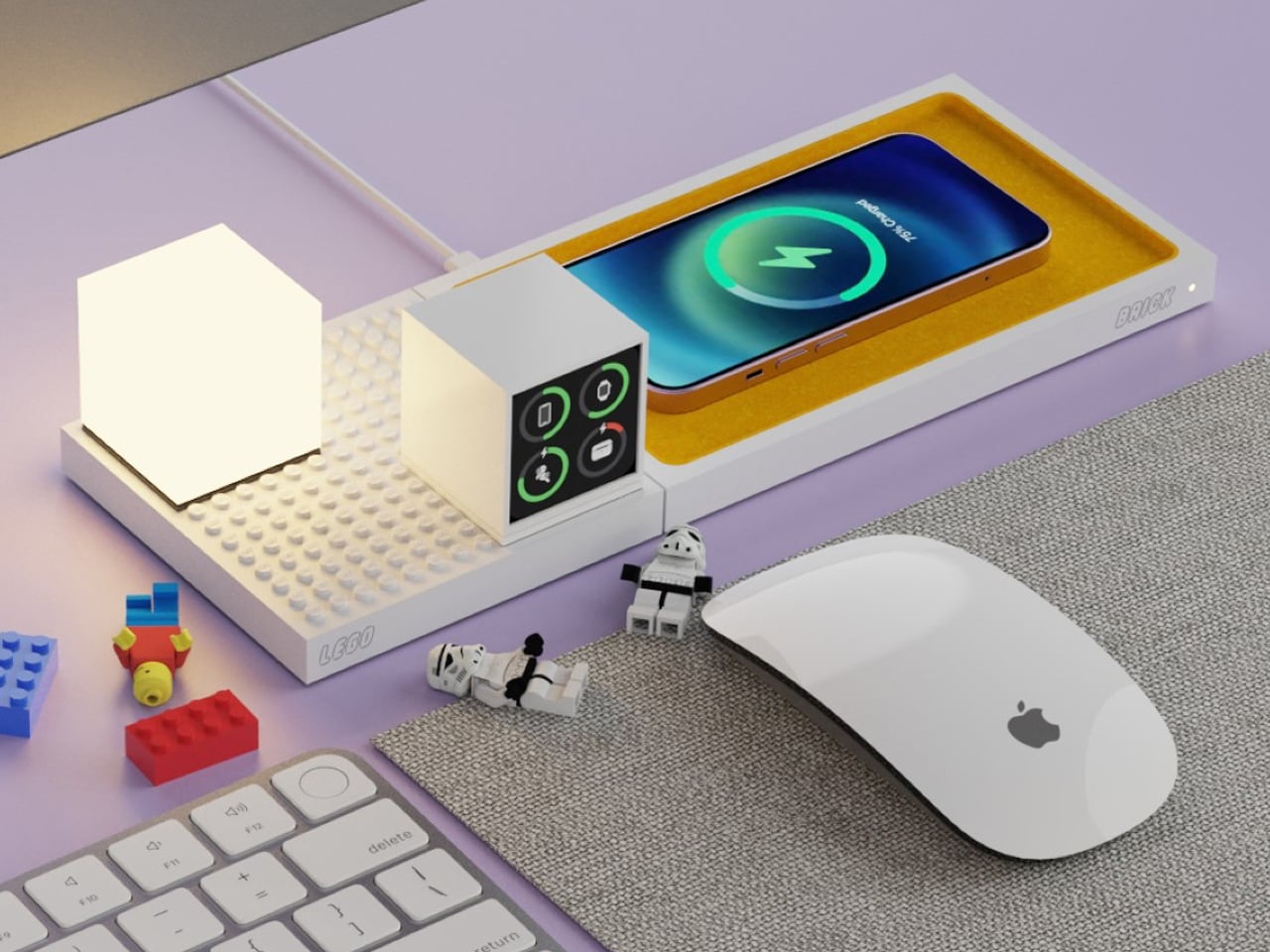
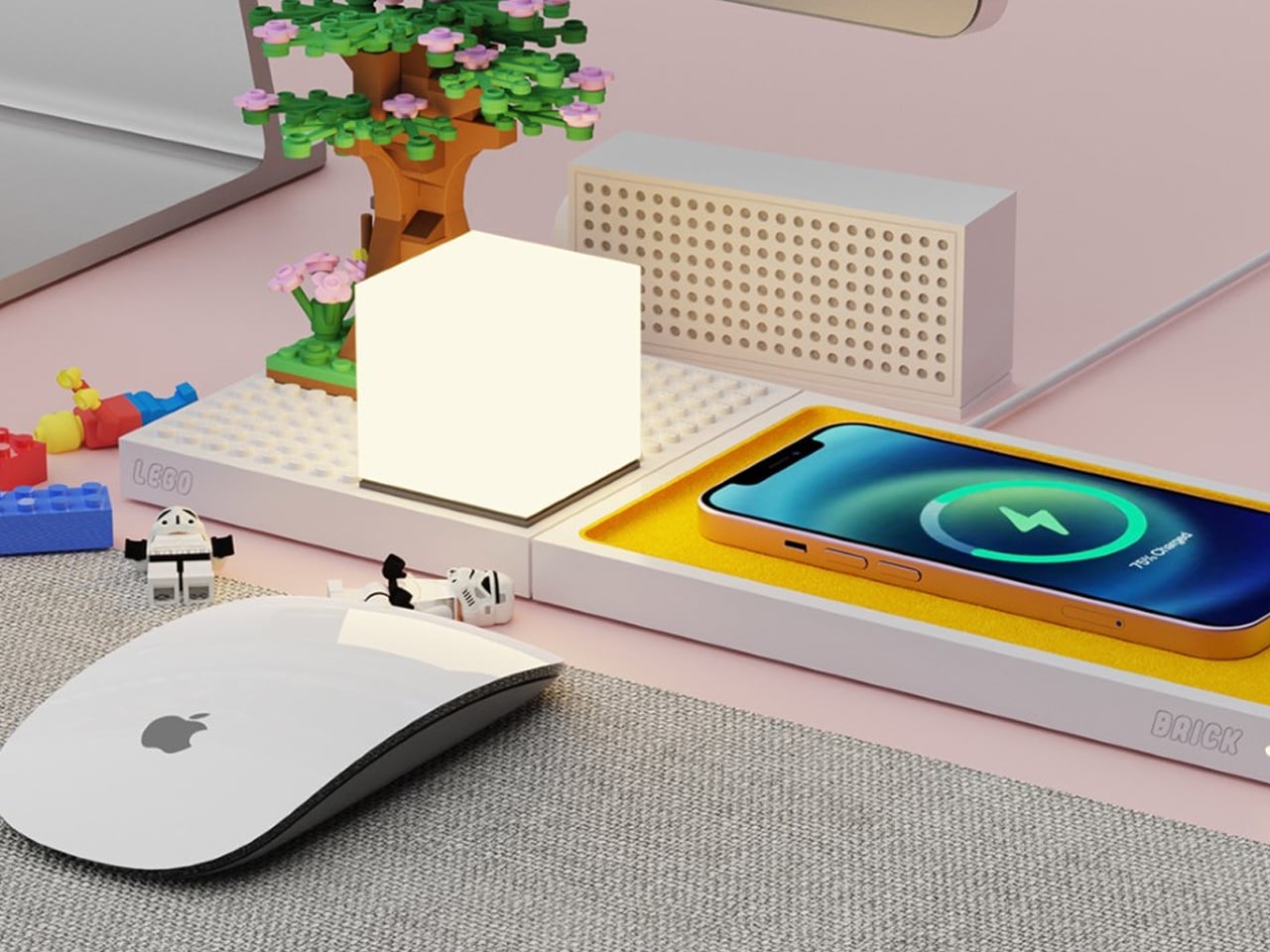
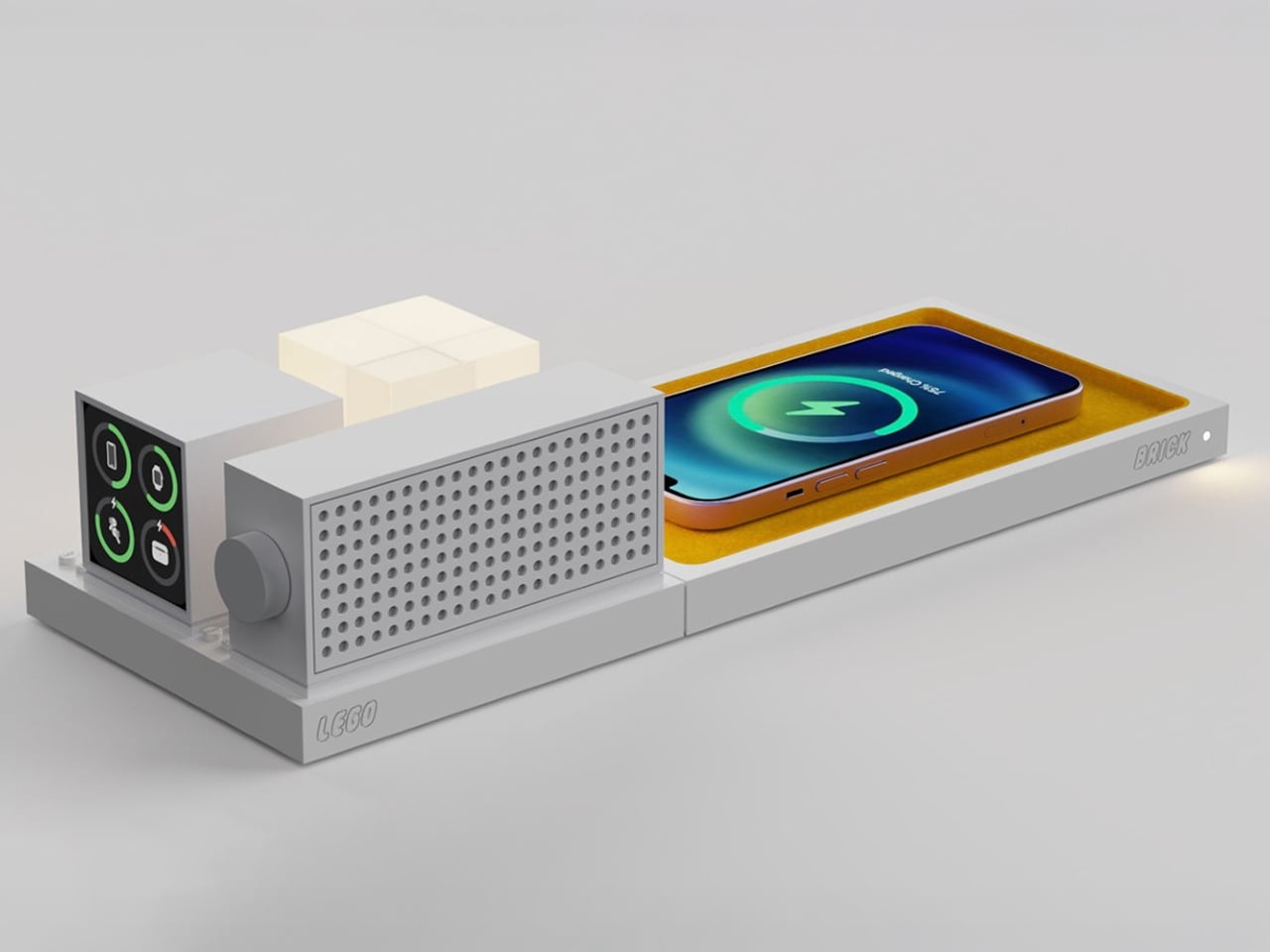
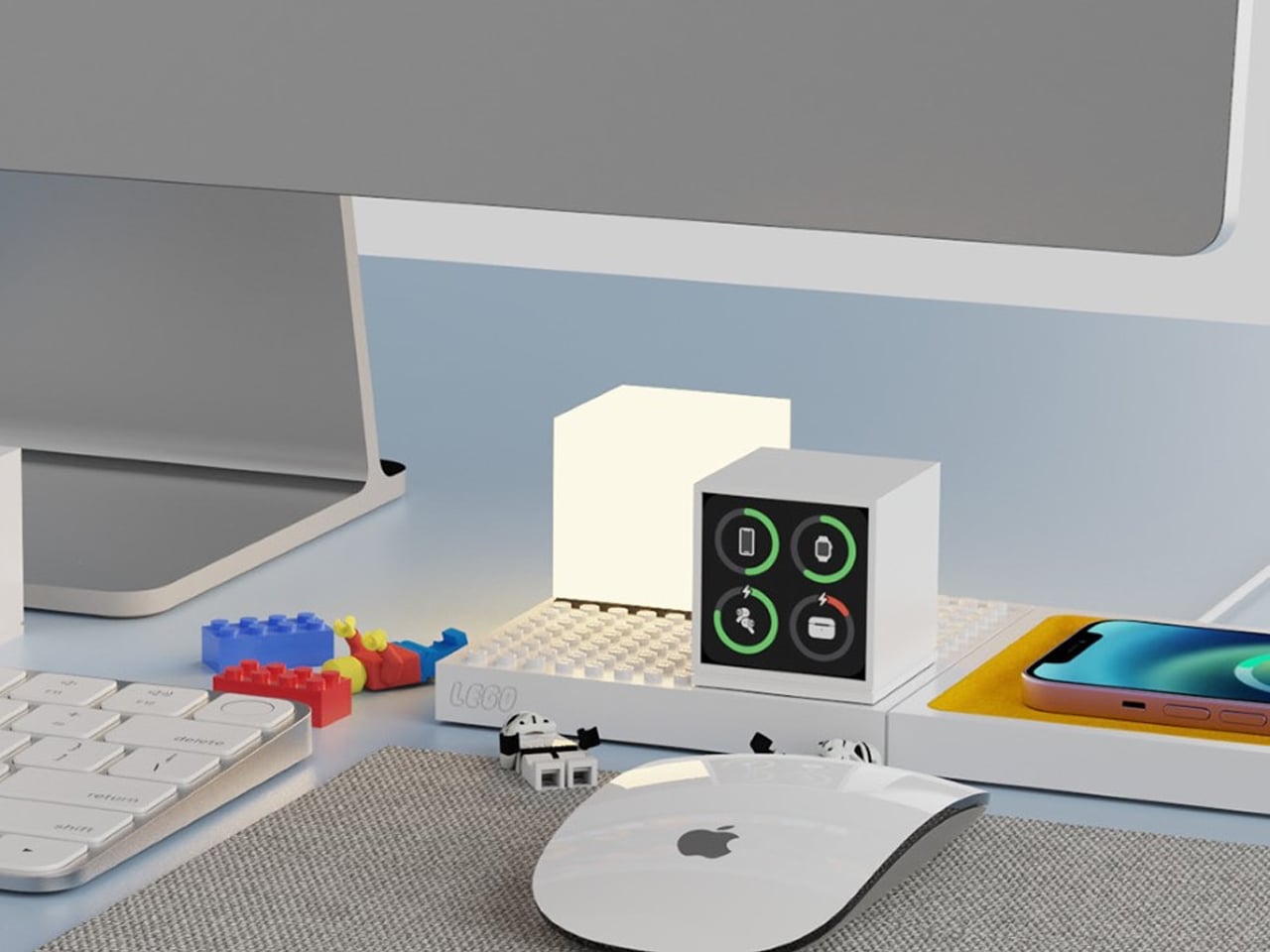
The LEGO Brick, a conceptual design by İbrahim Can Erdinçmer, reimagines wireless charging by merging technology with playful creativity. This innovative fan-made creation features a wireless charging mat topped with a signature LEGO-studded platform that serves dual purposes: charging your smartphone, smartwatch, or earbuds while providing a modular canvas for endless customization. The platform can accommodate dedicated accessories like Bluetooth speakers, minimalist lamps, and battery indicators – all powered wirelessly through embedded coils beneath the surface – or become a miniature playground for building LEGO dioramas, architectural structures, or scenes from your favorite movies. By sitting at the intersection of tech functionality and creative expression, the LEGO Brick appeals to both tech enthusiasts who love modular, customizable setups and LEGO fans who appreciate the brand’s promise of limitless building possibilities.
Beyond its technical capabilities, the LEGO Brick transforms the mundane act of charging devices into an opportunity for stress relief and creative expression in the workspace. The concept demonstrates how adding whimsy and interactivity to everyday tech accessories can enhance both productivity and mental well-being – offering users a fidget-friendly outlet during intense work sessions or ideation moments. While entirely conceptual, this design illustrates LEGO’s untapped potential in the smart-home and gadget industry, suggesting that strategic collaborations could position the iconic toy brand as a major player in creating tech products that don’t just function efficiently, but also spark joy and unleash creativity in our daily lives.
In today’s refined homes, the best Christmas tech gifts transcend utility to become sculptural extensions of the space itself. These beautifully crafted objects, thoughtful in material, form, and light, seamlessly blend function with art, creating an environment where design harmony, emotional warmth, and quiet intelligence coexist effortlessly.
The Antigravity A1 drone represents a significant leap forward in aerial imaging technology. Featuring an 8K 360-degree camera, intuitive controls, and advanced autonomous capabilities, this drone is engineered to enhance how you capture and experience the world from above. Whether you are a professional filmmaker, a content creator, or an enthusiast exploring new perspectives, the […]
What makes a pair of headphones truly worth the investment? Is it the immersive sound quality, the ability to block out the chaos of the world, or the comfort that lets you wear them for hours without a second thought? When it comes to premium Bluetooth headphones, the Bose QuietComfort Ultra 2 and Sony WH-1000XM6 […]
The Samsung Galaxy Z Fold 8 is set to elevate the foldable smartphone experience with a range of practical enhancements. By focusing on faster charging, improved battery life, and a refined design, Samsung aims to strengthen its leadership in the foldable market. While these updates may not be new, they reflect a deliberate effort […]
Imagine slipping on a pair of glasses that don’t just help you see the world, but transform how you interact with it. The Inmo Air 3, with its dual 1080p transparent displays and standalone AR capabilities, promises exactly that. But here’s the catch: innovation often comes with compromises. After a month of use, do these […]