Waymo’s robotaxi fleet is being recalled again, this time for failing to stop for school buses

To prevent its robotaxi fleet from passing stopped school buses, Waymo is issuing another software recall in 2025. While it's not a traditional recall that pulls vehicles from the road, Waymo is voluntarily updating software for its autonomous fleet in response to an investigation from the National Highway Traffic Safety Administration. According to Waymo, the recall will be filed with the federal agency early next week.

Mauricio Peña, Waymo's chief safety officer, said in a statement that Waymo sees far fewer crashes involving pedestrians than human drivers, but that the company knows when "our behavior should be better."

"As a result, we have made the decision to file a voluntary software recall with NHTSA related to appropriately slowing and stopping in these scenarios," Peña said in a statement to multiple news outlets. "We will continue analyzing our vehicles’ performance and making necessary fixes as part of our commitment to continuous improvement."

According to the NHTSA investigation, some Waymo autonomous vehicles were seen failing to stop for school buses that had their stop signs and flashing lights deployed. The federal agency said in the report that there were instances of Waymo cars driving past stopped school buses in Atlanta and Austin, Texas.

Earlier this year, Waymo issued another software recall after some of its robotaxi fleet were seen hitting gates, chains, and similar objects. Last year, Waymo also filed two other software recalls, one of which addressed a fleet vehicle crashing into a telephone pole and another correcting how two separate robotaxis hit the same exact pickup truck that was being towed.

This article originally appeared on Engadget at https://www.engadget.com/transportation/waymos-robotaxi-fleet-is-being-recalled-again-this-time-for-failing-to-stop-for-school-buses-190222243.html?src=rss

Yeezy’s Former Designer Just Dropped His First Crocs Design

You know that feeling when two things you never expected to see together suddenly collide in the most delightful way? That’s exactly what’s happening right now in the world of footwear, and honestly, it’s about time someone shook things up at Crocs.

Let me introduce you to the Crocs Ripple, the brainchild of Steven Smith, a name that carries serious weight in the sneaker world. If you’re not familiar with Smith’s work, here’s the quick version: this guy has 40 years of industry experience under his belt and was the former head of product design at Yeezy. Yeah, that Yeezy. He’s the kind of designer whose resume makes other designers jealous, and now he’s bringing his magic to those polarizing foam clogs we all secretly own.

Designer: Steven Smith for Crocs
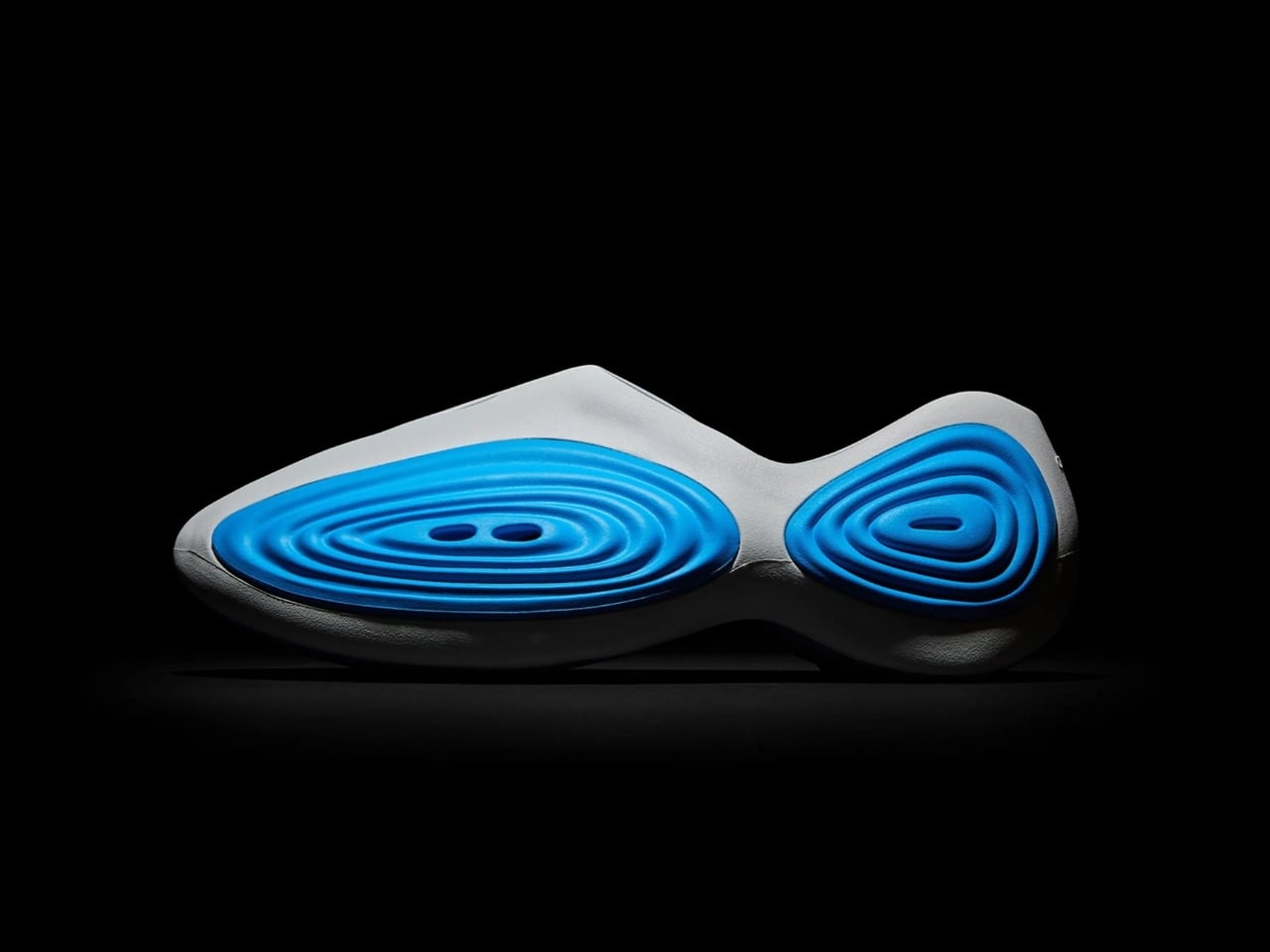
The Ripple represents Smith’s first design for Crocs since joining as Head of Creative Innovation, and it’s clear he’s not playing it safe. This isn’t just another color variant of the Classic Clog you’ve seen a million times. Instead, Smith has completely reimagined what a Crocs design can be, taking the brand’s comfort-first philosophy and wrapping it in a sculptural, almost futuristic package.
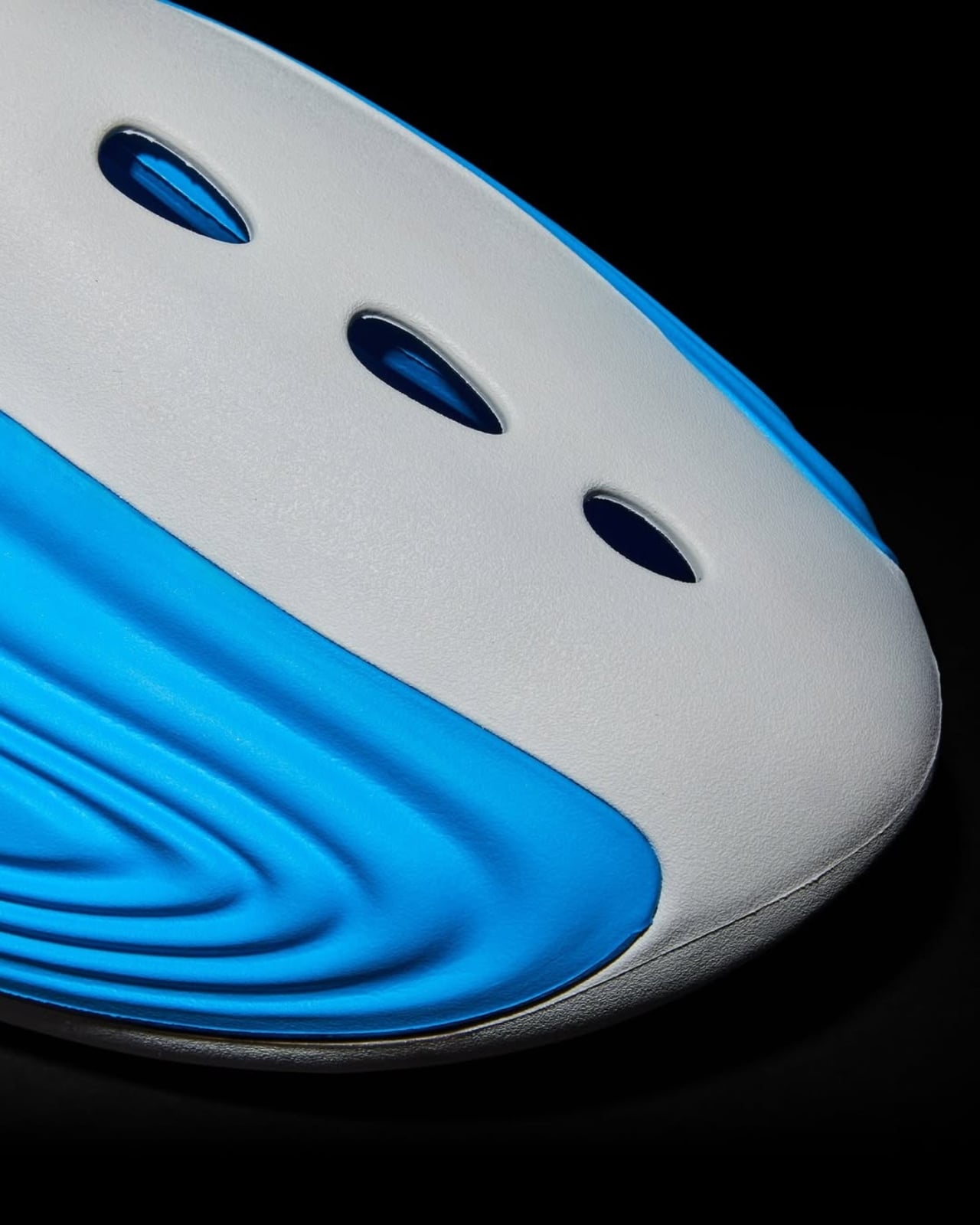
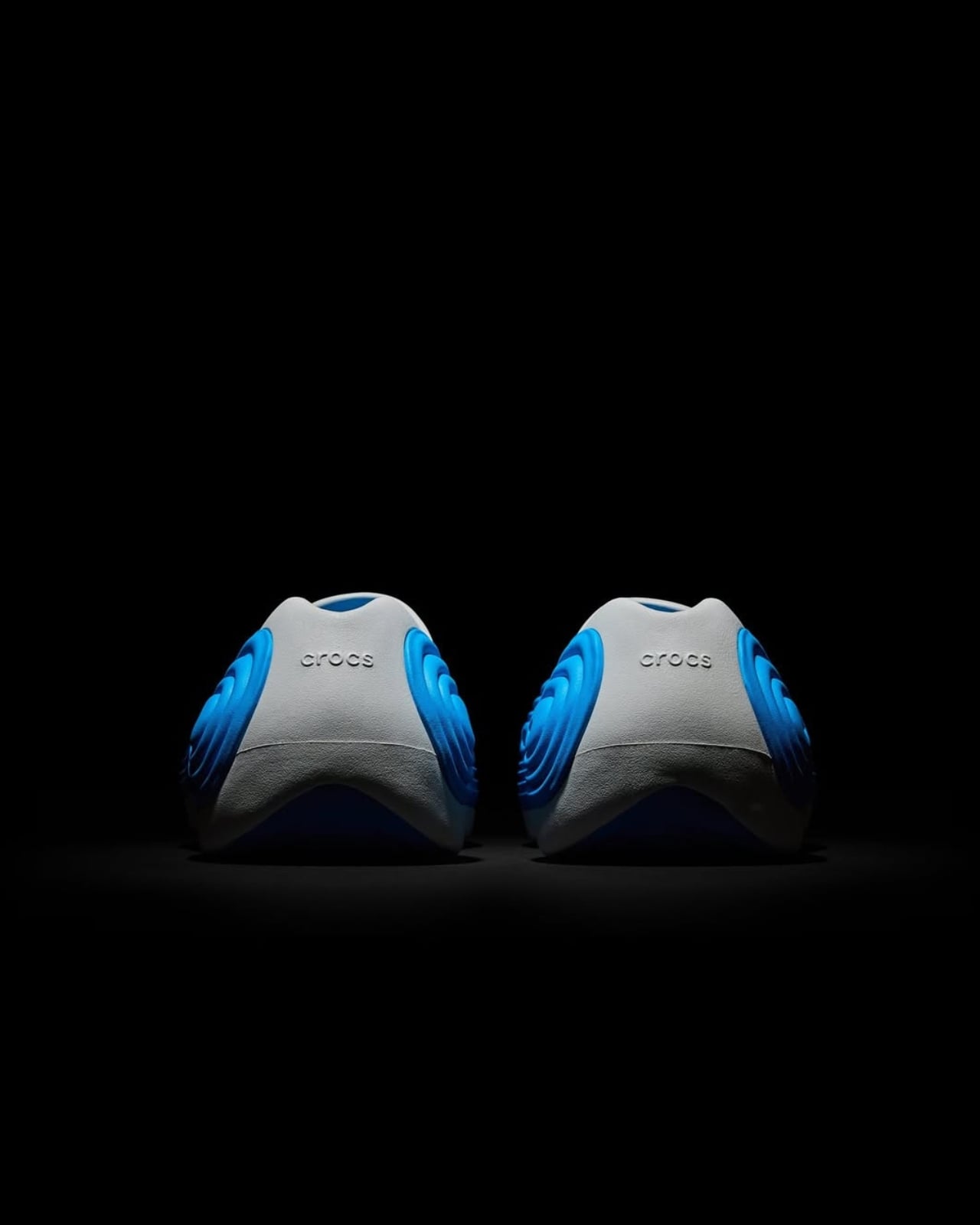
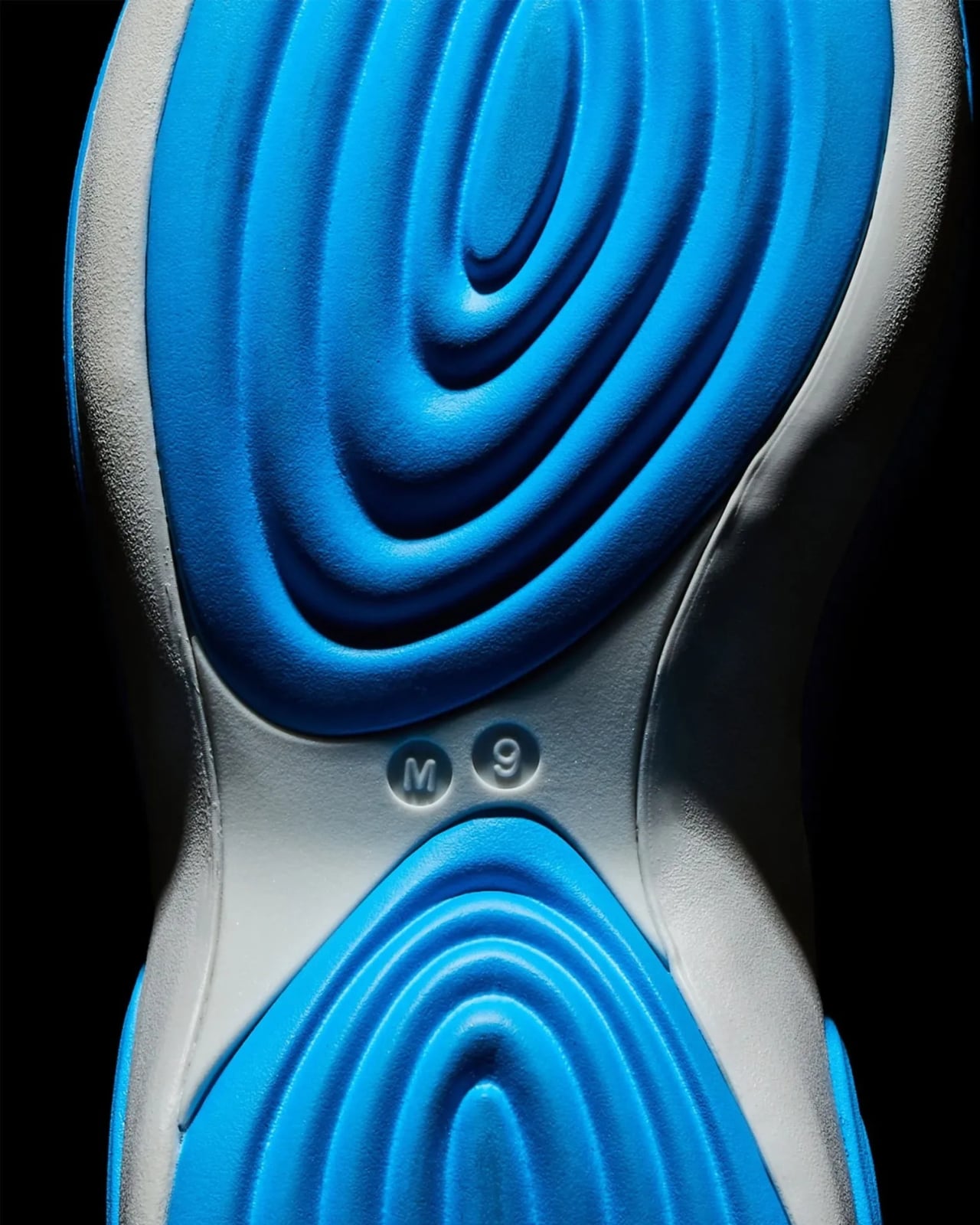
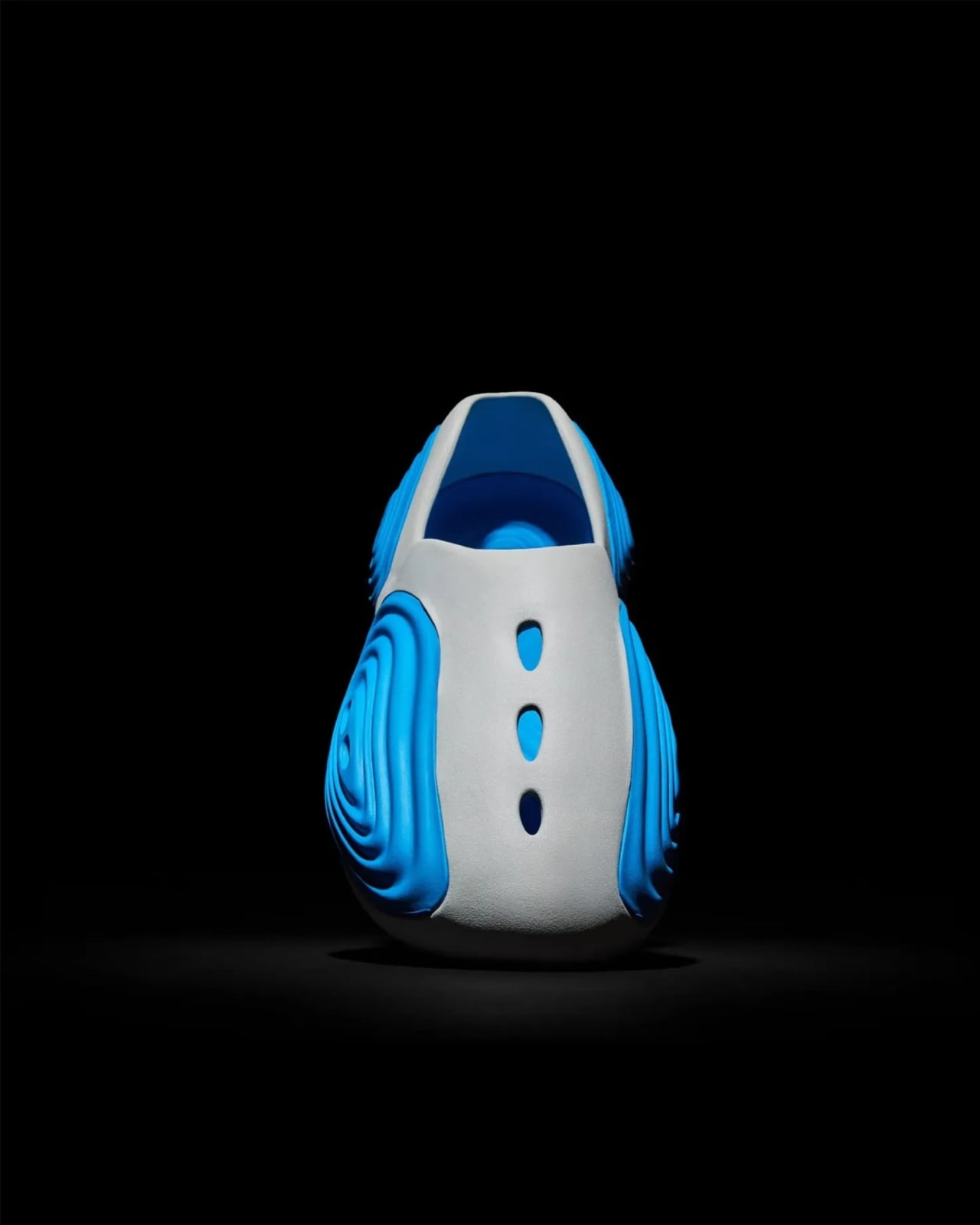
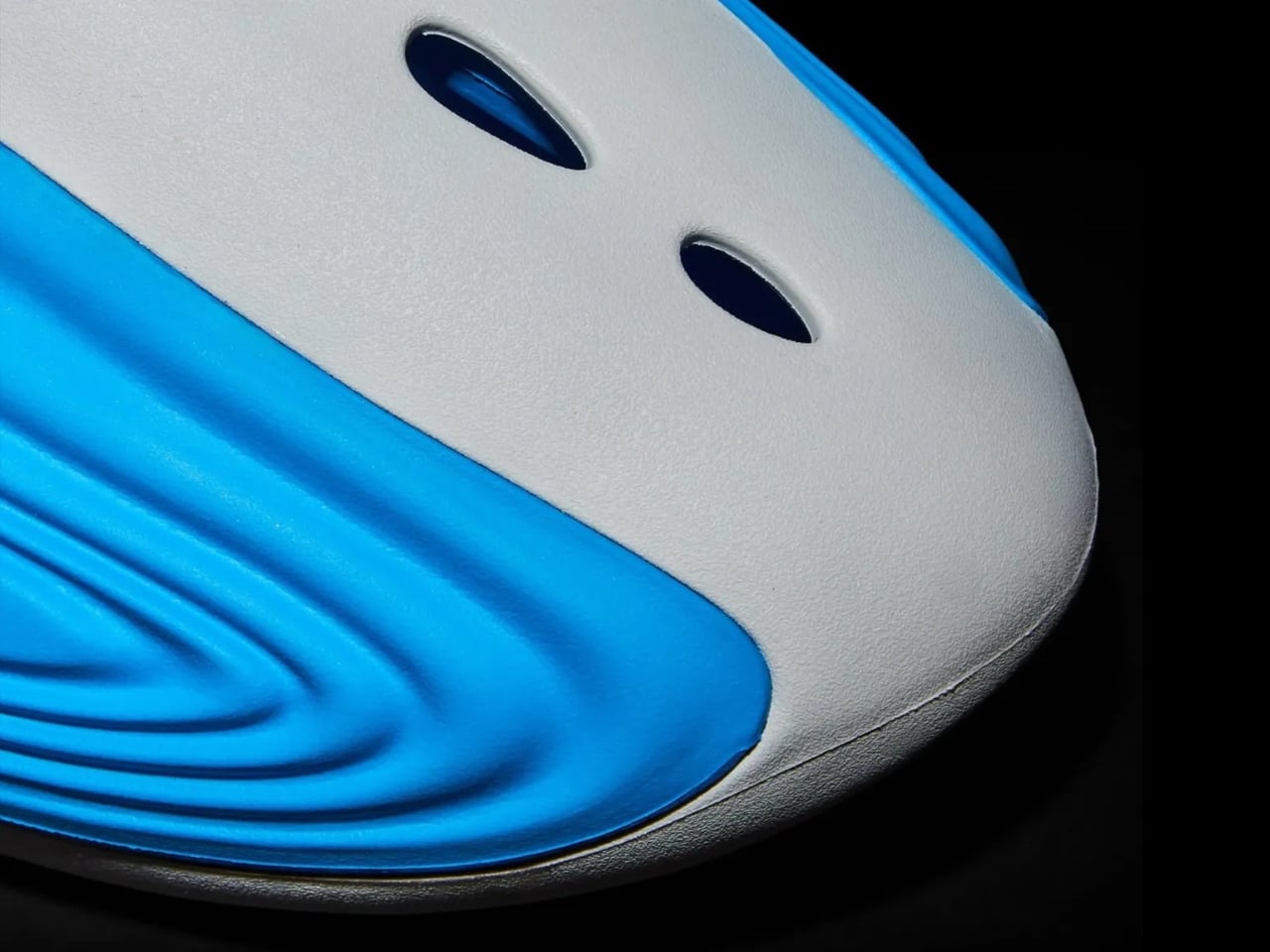
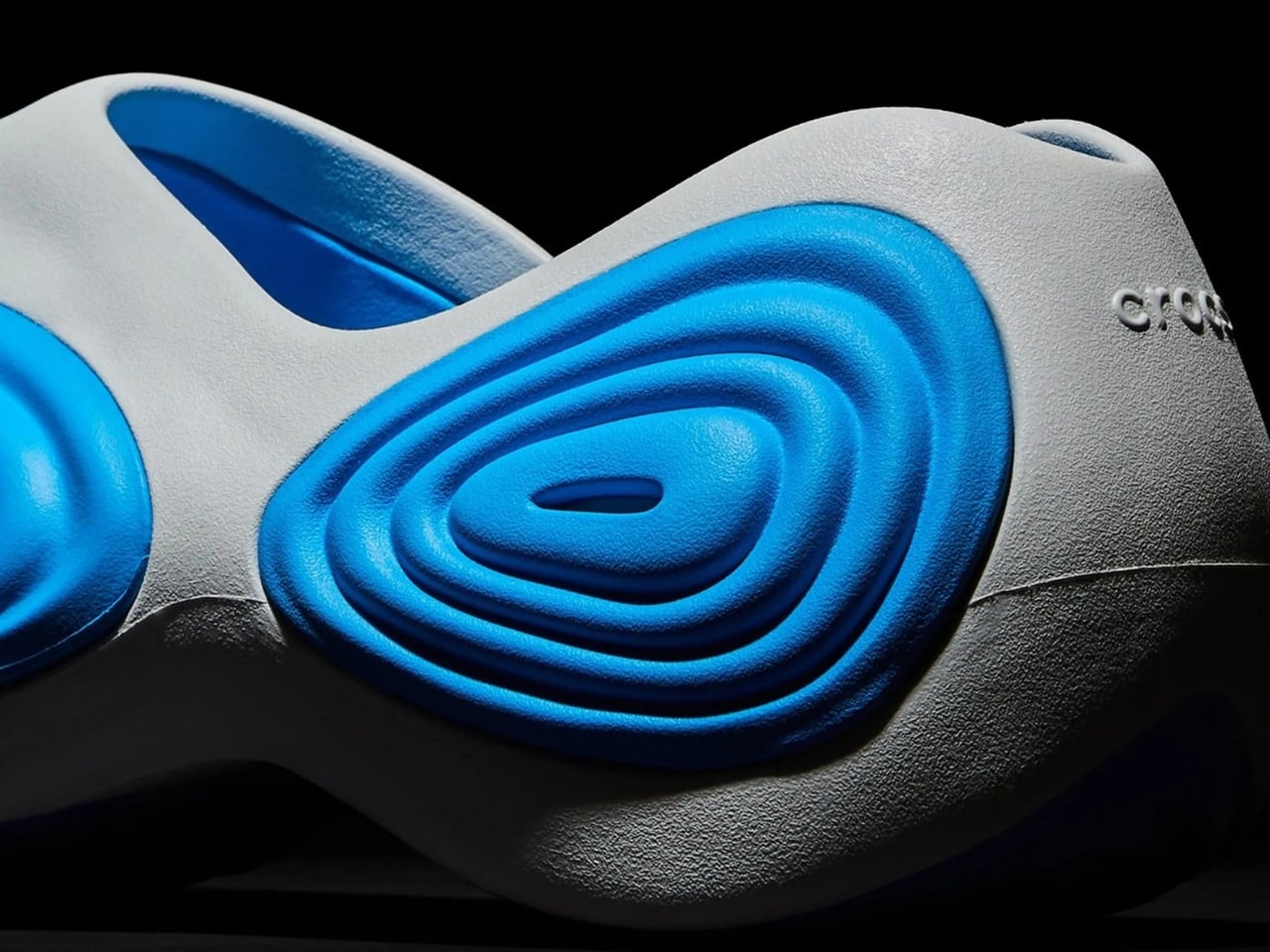
What makes the Ripple so different? For starters, forget about traditional laces or even the iconic heel strap. This is a slip-on clog with a bold personality written all over it. The design features three perforations on top for breathability, but the real showstopper is the wave-inspired aesthetic that runs across both sides. Those concentric oval patterns aren’t just there to look cool (though they absolutely do). They actually serve a functional purpose, incorporating two different types of Crocs foam technology: Croslite and Mellow.

The technical details get even more interesting when you look under the hood. Smith has integrated a TPU shank into the sole unit, which is footwear speak for added stability and support. It’s this kind of thoughtful engineering that separates designer collaborations that are all flash from ones that actually improve the wearing experience. The inaugural colorway launches in gray and blue, a combination that perfectly complements the Ripple’s boundary-pushing silhouette. There’s something almost aquatic about the design, like Smith took inspiration from water movement and translated it into foam and rubber. It stays true to his established design language while pushing Crocs into entirely new territory.
Now, here’s where things get exclusive. The Ripple is making its second in-person debut on December 5, 2025, exclusively at Flight Club Miami, perfectly timed with Art Basel. If you’re lucky enough to be in South Florida, this is one of those first-come, first-served situations where showing up early matters. Smith himself will be on site, which is a pretty big deal if you’re into sneaker culture and design.

But what does this collaboration really mean for Crocs? Smith has made it clear that he’s not looking to completely overhaul the brand. Instead, his approach is more subtle and potentially more impactful. He’s introducing boundary-pushing models that will, as the name suggests, create a ripple effect throughout both the company and the footwear industry at large.
It’s a smart strategy when you think about it. Crocs already has massive brand recognition and a devoted following. What they needed was someone who could elevate the design conversation without alienating their core audience. Smith brings credibility from the high-fashion sneaker world while respecting what makes Crocs work in the first place: uncompromising comfort and unmistakable personality.

The timing of this release feels significant too. We’re living in an era where the lines between high fashion, streetwear, and everyday comfort have completely blurred. The same people buying designer sneakers are also rocking Crocs to brunch. Smith’s Ripple sits perfectly at this intersection, offering something that’s conversation-worthy without sacrificing the practicality that made Crocs a household name.
While the Miami launch is happening now, a wider release through Crocs.com is expected to follow in early 2026. That means even if you can’t make it to Art Basel, you’ll eventually get your chance to experience what happens when sneaker royalty reimagines one of the most divisive shoes in modern history. Whether you’re team love-them or team hate-them when it comes to Crocs, the Ripple is worth paying attention to. It represents something bigger than just another shoe release. It’s proof that even the most established brands can evolve when they bring in the right creative voices.
The post Yeezy’s Former Designer Just Dropped His First Crocs Design first appeared on Yanko Design.
Meta plans to push back the debut of its next mixed reality glasses to 2027

The big reveal for Meta's next mixed reality glasses is being postponed until the first half of 2027, according to a report from Business Insider. Based on an internal memo from Maher Saba, the vice president of Meta's Reality Labs Foundation, the report said that the company's project, which is codenamed "Phoenix," will no longer be scheduled for a 2026 debut.

In a separate memo, Meta execs explained that the delay would help deliver a more "polished and reliable experience." According to BI, a memo from Meta's Gabriel Aul and Ryan Cairns said this new release window is "going to give us a lot more breathing room to get this right." Meta hasn't publicly revealed many details about its Phoenix project, but The Information previously reported that it would feature a goggle-like form factor with an external power source, similar to how the Apple Vision Pro is attached to a battery pack.

In the memo from Saba, BI reported that Meta is also working on a "limited edition" wearable with the codename "Malibu 2." Yesterday, Meta announced its acquisition of Limitless, a startup that recently developed an AI wearable called Pendant. Even though Meta's current product portfolio is dominated by smart glasses and VR headsets, the Limitless acquisition and Malibu 2 project could hint at the company's plans to expand its offerings.

This article originally appeared on Engadget at https://www.engadget.com/ar-vr/meta-plans-to-push-back-the-debut-of-its-next-mixed-reality-glasses-to-2027-172437374.html?src=rss

iPhone 17e Leaks: The Budget iPhone Finally Gets a Premium Facelift

iPhone 17e Leaks: The Budget iPhone Finally Gets a Premium Facelift

The iPhone 17e represents Apple’s latest effort to solidify its position in the entry-level smartphone market. As the successor to the iPhone 16e, it builds on its predecessor’s foundation by addressing key shortcomings while introducing thoughtful upgrades. With a refreshed design, improved performance, and enhanced features, the iPhone 17e aims to strike a balance between […]

The post iPhone 17e Leaks: The Budget iPhone Finally Gets a Premium Facelift appeared first on Geeky Gadgets.

Posted in Uncategorized

How to Build an AI Support Agent for Your Business in Just 12 Minutes (No Code)

How to Build an AI Support Agent for Your Business in Just 12 Minutes (No Code)

What if you could build a fully functional, intelligent customer support agent in less time than it takes to brew your morning coffee? It sounds like a bold claim, but thanks to the rise of no-code platforms, this is now a reality. Imagine creating an AI agent that not only answers customer queries with precision […]

The post How to Build an AI Support Agent for Your Business in Just 12 Minutes (No Code) appeared first on Geeky Gadgets.

Posted in Uncategorized

This $3,500 Guitar Changes Colors via Bluetooth, No Repainting Needed

Guitarists obsess over finishes. Sunburst fades, metallic flakes, relic’d nitro that looks like it survived three decades of dive bars, all of it matters until you realize that once you pick a color, you are stuck unless you repaint. Stage rigs and LED walls morph through palettes every night while the guitar stays frozen, a static object carried by musicians who constantly reinvent their sound and visual identity.

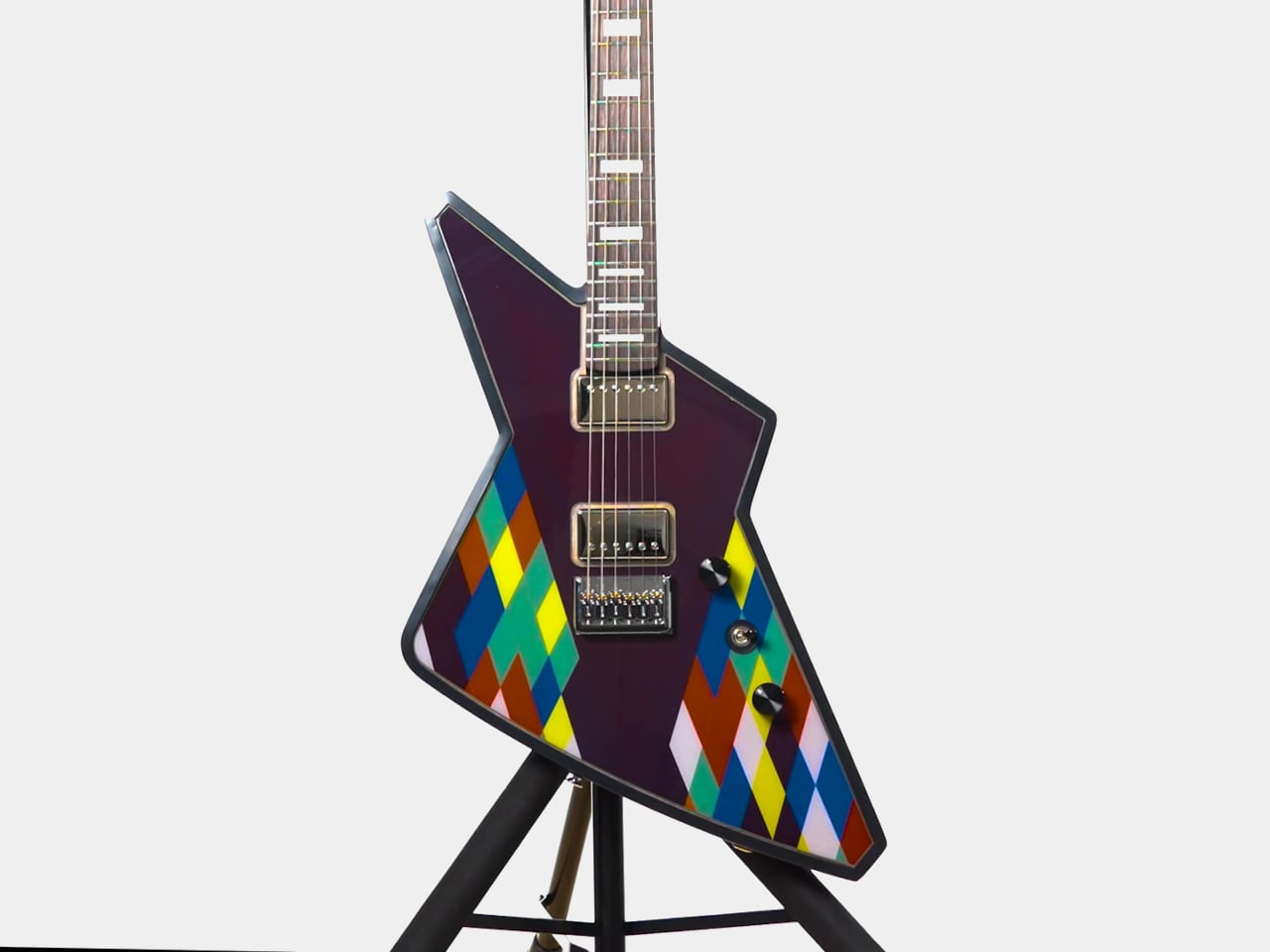
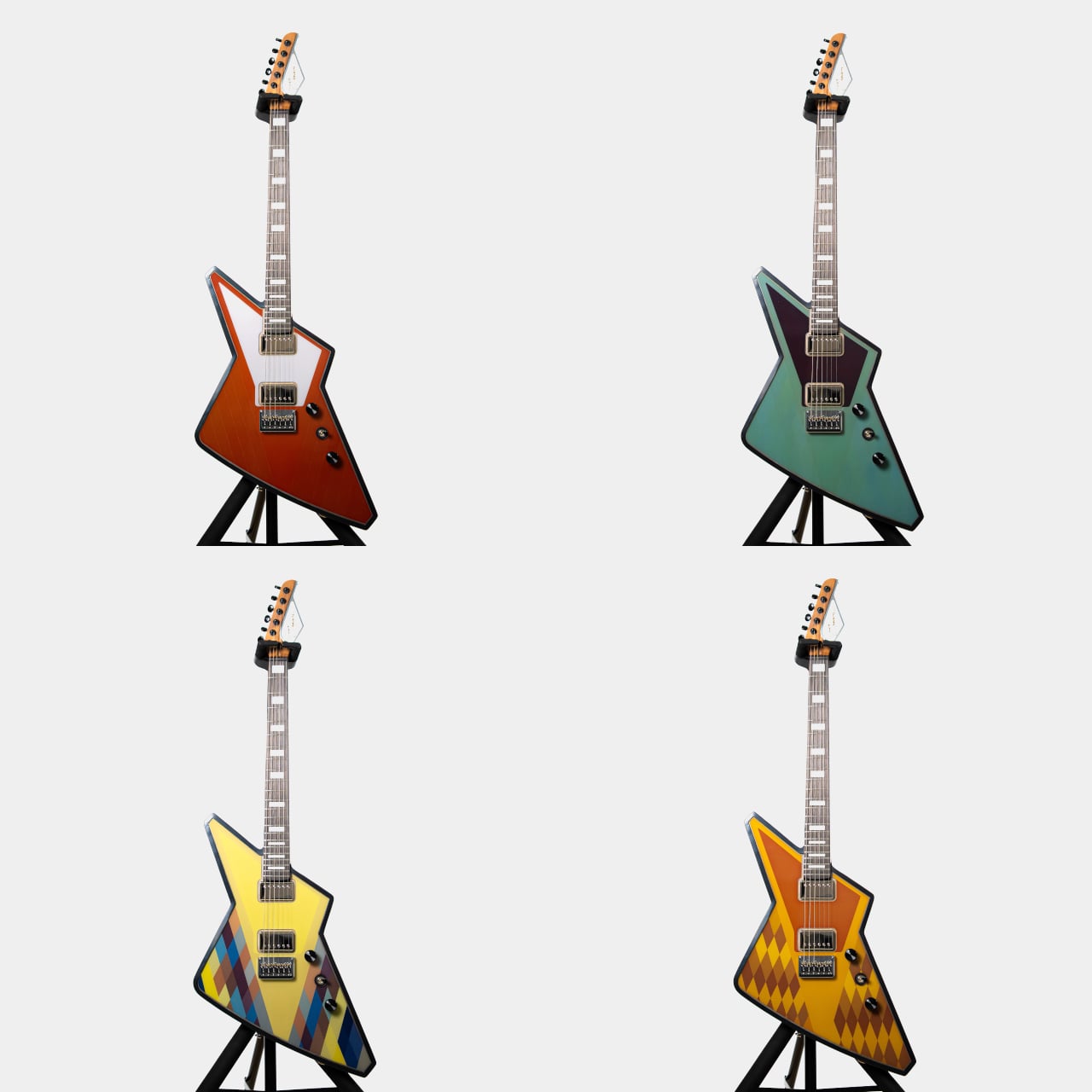
Cream Guitars’ DaVinci wraps its entire body in an E Ink Prism 3 panel, turning the surface into a programmable skin that changes colors and patterns over Bluetooth. Instead of a single paint job, the guitar becomes a dynamic canvas. It is the first commercially available product to use Prism 3, which is usually reserved for architectural surfaces and product experiments, not instruments you plug into an amp and carry on tour.

Designer: Cream Guitars

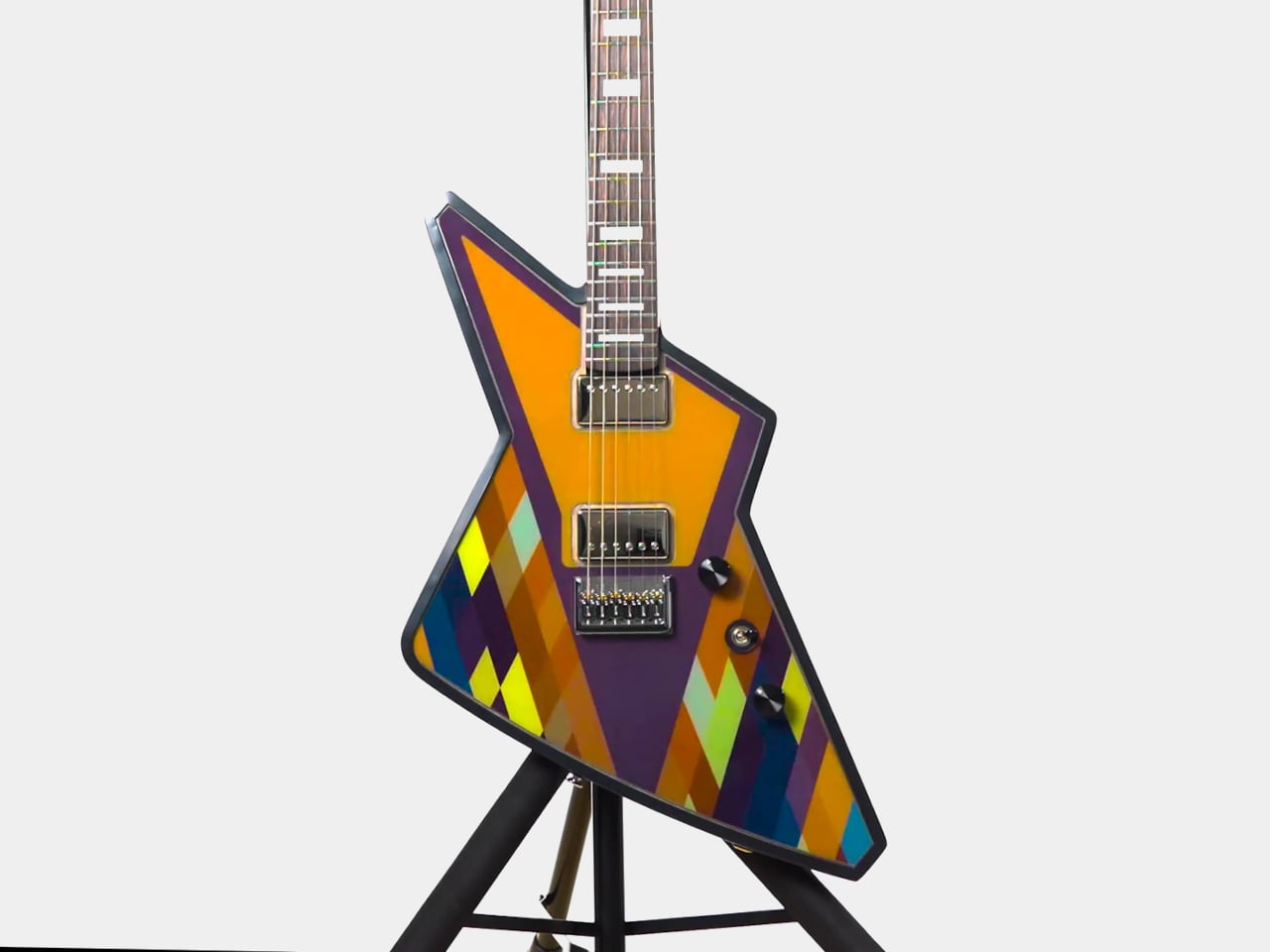
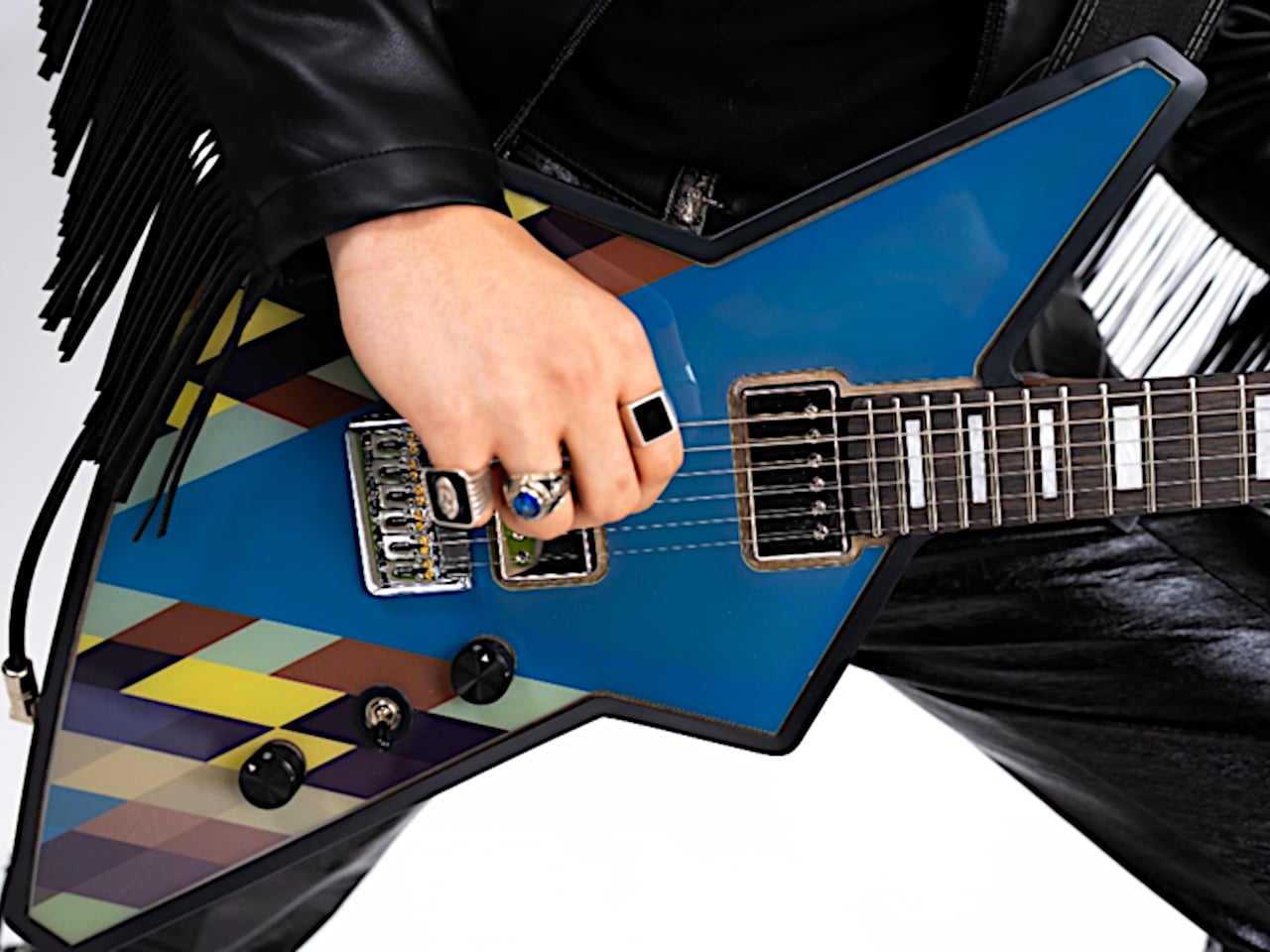
Prism 3 is color changing ePaper, closer to a Kindle page than an LED screen. It does not emit light, just holds pigment using low power electrophoretic particles. DaVinci’s front divides into sixty four segments, each assigned one of seven colors, white, black, yellow, orange, blue, red, or green. That segmentation lets you build stripes, blocks, and faux pickguards, changing the visual structure without touching a spray can.

A guitarist could match the guitar to different projects without owning three instruments. One night, geometric patterns echo album art. Another, a minimalist scheme feels right. The ePaper only draws power when changing, so once set, it sits visible under stage lights without glowing like LEDs or draining the battery between songs or overnight in a case, ready to change again whenever the visual identity shifts.

Under the display sits a Voltage body with roasted maple neck, rosewood fretboard, extra jumbo frets, and Graphtech locking tuners. Fishman Fluence pickups offer three voices, single coil, traditional humbucker, and high output humbucker. The tech wraps around a serious guitar, not a prop with thin pickups that sound disappointing once the visual novelty wears off after the first show or when you need to track a real session.

Traditional refinishing is messy and permanent. Sand, spray, cure, repeat if you change your mind. DaVinci’s ePaper skin reprograms endlessly, with Prism 3’s low power profile positioning it as a more sustainable alternative to LED bodies or constantly changing finishes. The guitar becomes a long term canvas rather than a disposable fashion statement that needs repainting or ends up retired because the color fell out of style after one album cycle.

DaVinci hints at instruments as programmable surfaces that evolve with the player. It feels like a crossover between luthier craft and interface design, where the object in your hands can match your projected identity without needing backup guitars. Whether or not you want one at three thousand five hundred dollars, it is easy to imagine keyboards, drum shells, and amps following the same path, turning stage gear into surfaces that shift as often as setlists do.

The post This $3,500 Guitar Changes Colors via Bluetooth, No Repainting Needed first appeared on Yanko Design.

This $3,500 Guitar Changes Colors via Bluetooth, No Repainting Needed

Guitarists obsess over finishes. Sunburst fades, metallic flakes, relic’d nitro that looks like it survived three decades of dive bars, all of it matters until you realize that once you pick a color, you are stuck unless you repaint. Stage rigs and LED walls morph through palettes every night while the guitar stays frozen, a static object carried by musicians who constantly reinvent their sound and visual identity.

Cream Guitars’ DaVinci wraps its entire body in an E Ink Prism 3 panel, turning the surface into a programmable skin that changes colors and patterns over Bluetooth. Instead of a single paint job, the guitar becomes a dynamic canvas. It is the first commercially available product to use Prism 3, which is usually reserved for architectural surfaces and product experiments, not instruments you plug into an amp and carry on tour.

Designer: Cream Guitars

Prism 3 is color changing ePaper, closer to a Kindle page than an LED screen. It does not emit light, just holds pigment using low power electrophoretic particles. DaVinci’s front divides into sixty four segments, each assigned one of seven colors, white, black, yellow, orange, blue, red, or green. That segmentation lets you build stripes, blocks, and faux pickguards, changing the visual structure without touching a spray can.

A guitarist could match the guitar to different projects without owning three instruments. One night, geometric patterns echo album art. Another, a minimalist scheme feels right. The ePaper only draws power when changing, so once set, it sits visible under stage lights without glowing like LEDs or draining the battery between songs or overnight in a case, ready to change again whenever the visual identity shifts.

Under the display sits a Voltage body with roasted maple neck, rosewood fretboard, extra jumbo frets, and Graphtech locking tuners. Fishman Fluence pickups offer three voices, single coil, traditional humbucker, and high output humbucker. The tech wraps around a serious guitar, not a prop with thin pickups that sound disappointing once the visual novelty wears off after the first show or when you need to track a real session.

Traditional refinishing is messy and permanent. Sand, spray, cure, repeat if you change your mind. DaVinci’s ePaper skin reprograms endlessly, with Prism 3’s low power profile positioning it as a more sustainable alternative to LED bodies or constantly changing finishes. The guitar becomes a long term canvas rather than a disposable fashion statement that needs repainting or ends up retired because the color fell out of style after one album cycle.

DaVinci hints at instruments as programmable surfaces that evolve with the player. It feels like a crossover between luthier craft and interface design, where the object in your hands can match your projected identity without needing backup guitars. Whether or not you want one at three thousand five hundred dollars, it is easy to imagine keyboards, drum shells, and amps following the same path, turning stage gear into surfaces that shift as often as setlists do.

The post This $3,500 Guitar Changes Colors via Bluetooth, No Repainting Needed first appeared on Yanko Design.

Beyond the Fold: Why the Samsung Galaxy Z Roll 5G Is the True Future of Mobile

Beyond the Fold: Why the Samsung Galaxy Z Roll 5G Is the True Future of Mobile

Just days ago, Samsung finally took the wraps off the highly anticipated Galaxy Z TriFold, a dual-hinged beast that has dominated headlines this week. But while the tech world is busy dissecting creases and hinge mechanics, a quieter, more revolutionary storm is brewing in the supply chain. According to a fresh wave of leaks surfacing […]

The post Beyond the Fold: Why the Samsung Galaxy Z Roll 5G Is the True Future of Mobile appeared first on Geeky Gadgets.

Posted in Uncategorized

6 AI Apps That Turn Ideas, Research and Sketches into Results

6 AI Apps That Turn Ideas, Research and Sketches into Results

What if the tools you rely on today could feel outdated in just a few years? By 2026, artificial intelligence won’t just be a buzzword, it will be the backbone of how we work, create, and solve problems. Imagine a world where your research is done in minutes, your ideas are transformed into functional designs […]

The post 6 AI Apps That Turn Ideas, Research and Sketches into Results appeared first on Geeky Gadgets.

Posted in Uncategorized

Engadget review recap: Dell 16 Premium, Nikon ZR, Ooni Volt 2 and more

We’ve slept off our collective turkey coma and returned to the review lab here at Engadget. Our team may also be in full CES prep mode, but we’ve got a few more devices to get off or our desks before 2025 is over. Catch up on all of the reviews you might have missed over the last few weeks — a perfect activity for a lazy December weekend.

Dell 16 Premium

There’s no denying the design of the Dell 16 Premium makes the laptop live up to its name. Unfortunately, all of that polish leads to some issues: a high price and hampered usability. “The more I looked at the Dell 16 Premium's beautiful facade, the more I wanted something... more,” senior reporter Devindra Hardawar wrote. “It needs more usable ports, like HDMI and a full-sized SD card reader. It needs more useful function keys that are visible in bright light — and also stay in one place — so I can touch type more easily. And for the love of god, just give up on the invisible trackpad.”

DJI Osmo Action 6

DJI’s drone business in the US faces an uncertain future, and the company’s action cams could be swept up in the ordeal as well. Thankfully, our contributing reporter Steve Dent resides in the EU where he observed first hand the Osmo Action 6’s superior low light performance and battery life. “With a bigger sensor and larger aperture than the competition, DJI’s Action 6 is now the best action cam on the market for night shooting, delivering clean, sharp video with better stabilization than rivals,” he said. “It’s also ideal for users who output to both YouTube and TikTok.”

Nikon ZR

In keeping with the video theme, Steve also spent time testing the Nikon ZR. While this is primarily a model for shooting video, it benefits from the addition of RED RAW, excellent autofocus and more. “With the ZR, Nikon has shown that it’s finally catching up to and even surpassing its rivals for content creation,” he explained. “Whether you’re doing social media, YouTube, documentaries or even film production, this camera is versatile and powerful with few compromises.”

Ooni Volt 2

The Ooni Volt brought the company’s popular brand of pizza making indoors for the first time, but that model wasn’t without it faults. Now Ooni is back with the Volt 2, and the completely overhauled design is a big upgrade over the original. “It’s easier to use for all skill levels thanks to its clearer controls and large display,” I explained. “Presets work well, but they can also serve as a starting point for further recipe refinement for experienced users. And the pizza — my goodness, the pizza is consistently restaurant quality (or better) across a range of styles.”

Antigravity A1

Insta360’s spin-off Antigravity is now shipping its first drone and our UK bureau chief Mat Smith has already flown it. The A1 comes with a controller and FPV headset to assist with the piloting, but the mix of unique features and crisp video (in good conditions) is also laudable. “The intuitive controls and ability to look all around you make it unlike anything else currently available,” he said. “It’s a delightful introduction to drones, FPV or otherwise, but a shame that software issues marred my tests.”

Other recent reviews

On the gaming front, Mat spent some time with Final Fantasy Tactics: The Ivalice Chronicles while deputy editor Nathan Ingraham put Metroid Prime 4 through its paces. Contributor Tim Stevens stepped back in time with the Analogue 3D to revisit some Nintendo 64 classics after getting behind the wheel of the 2025 Porsche Macan Electric.

This article originally appeared on Engadget at https://www.engadget.com/engadget-review-recap-dell-16-premium-nikon-zr-ooni-volt-2-and-more-130000527.html?src=rss