Meta allegedly buried research showing its products are harming users

Meta allegedly suspended internal research into the mental health effects of its products after it showed that people who stopped using Facebook experienced less depression, anxiety and loneliness. This comes from unredacted court filings in a lawsuit filed by multiple US school districts against major social media companies, as reported by Reuters. The suit alleges that these companies had knowledge of the health risks posed by these platforms but intentionally hid this from users.

Meta started the research project, dubbed "Project Mercury," in 2020. The company's scientists worked with survey firm Nielsen to investigate what effect, if any, "deactivating" Facebook had on its users. The suit alleges that when this research showed mental health benefits to quitting Facebook, Meta shut down the project, chose not to publish the results and decreed the findings tainted by “existing media narrative” surrounding the company.

According to Reuters, the filings also showed internal research staffers clearly expressing that the findings had merit, writing “the Nielsen study does show causal impact on social comparison.” Another compared the findings to the tobacco industry “doing research and knowing cigs were bad and then keeping that info to themselves.” The allegations call to mind the now well-known decisions by Shell and Exxon to bury internal research connecting fossil fuels with catastrophic climate change as far back as the 1980s.

In a statement obtained by Reuters, a Meta spokesperson said, “the full record will show that for over a decade, we have listened to parents, researched issues that matter most, and made real changes to protect teens." The statement touted the company's Instagram Teen Accounts and said, "We strongly disagree with these allegations, which rely on cherry-picked quotes and misinformed opinions.”

Meta is arguing to strike the documents underlying these allegations, which are not yet public, claiming the nature of what plaintiffs want to unseal is overly broad. These lawsuits, filed by hundreds of school districts, are being consolidated and handled in the Northern District of California, with a hearing regarding this particular filing set for January 26.  

This isn't even the first time the company has been accused of burying research that yielded inconvenient results. In 2023 Meta also faced a massive lawsuit from 41 states as well as the District of Columbia over allegations that its platforms harm and addict young users. A judge in that case ruled that Meta's lawyers tried blocking internal research showing its social media platforms were harmful to teen mental health.

There is growing concern surrounding the effects of social media on mental health, particularly for children. Today Malaysia joined a growing list of countries including Denmark and Australia in a plan to ban social media for underage users.

This article originally appeared on Engadget at https://www.engadget.com/social-media/meta-allegedly-buried-research-showing-its-products-are-harming-users-152236073.html?src=rss
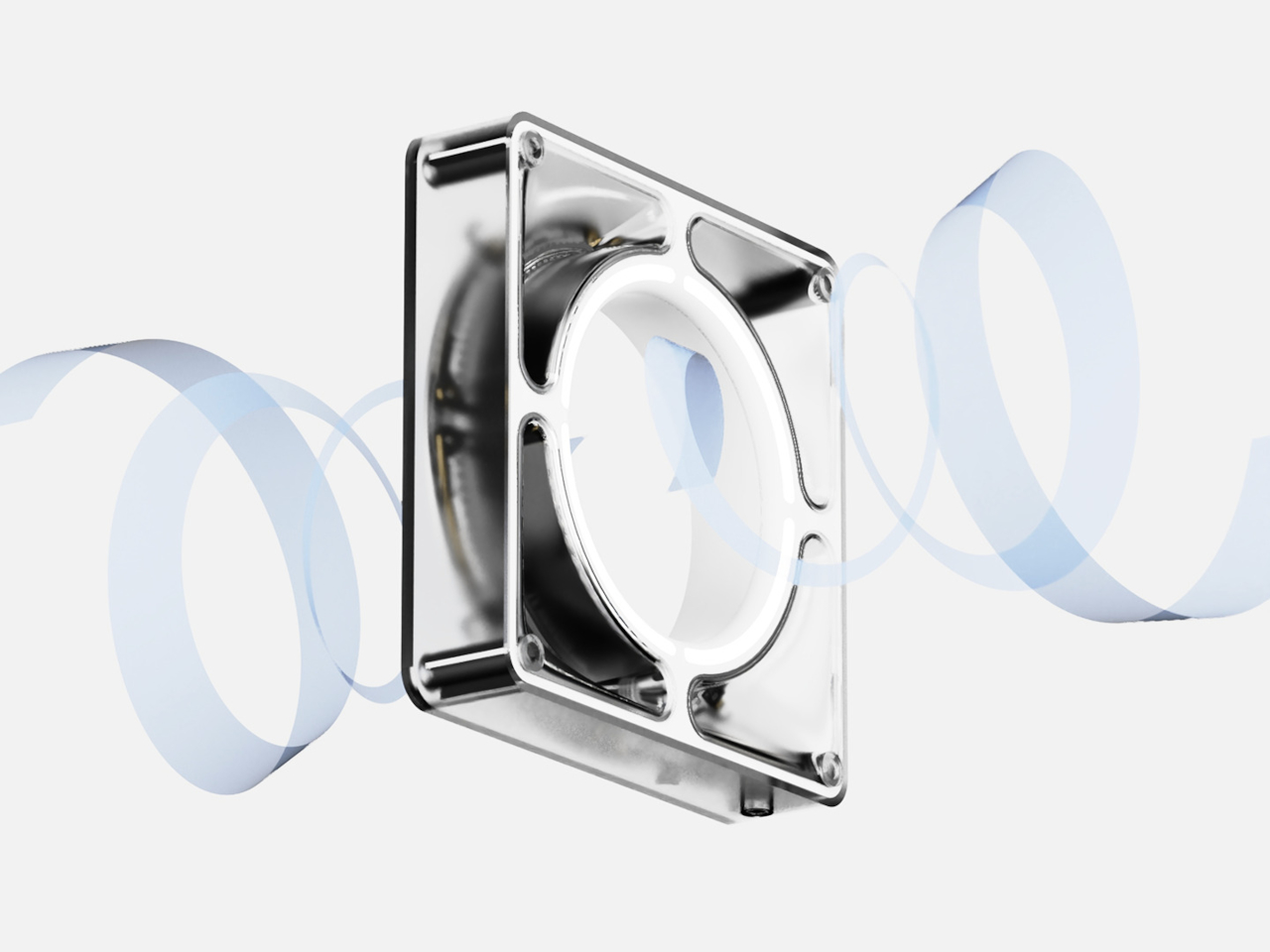
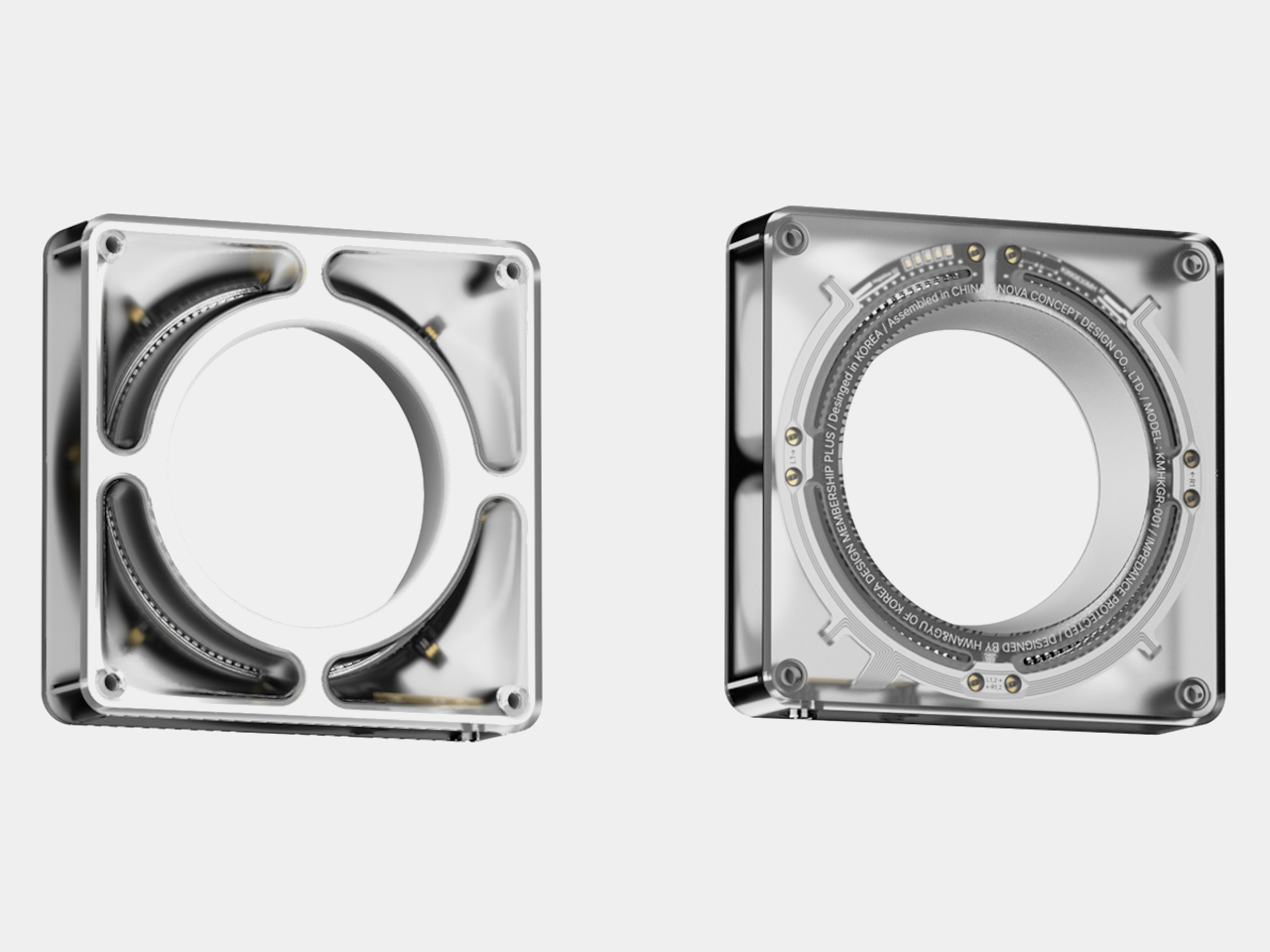
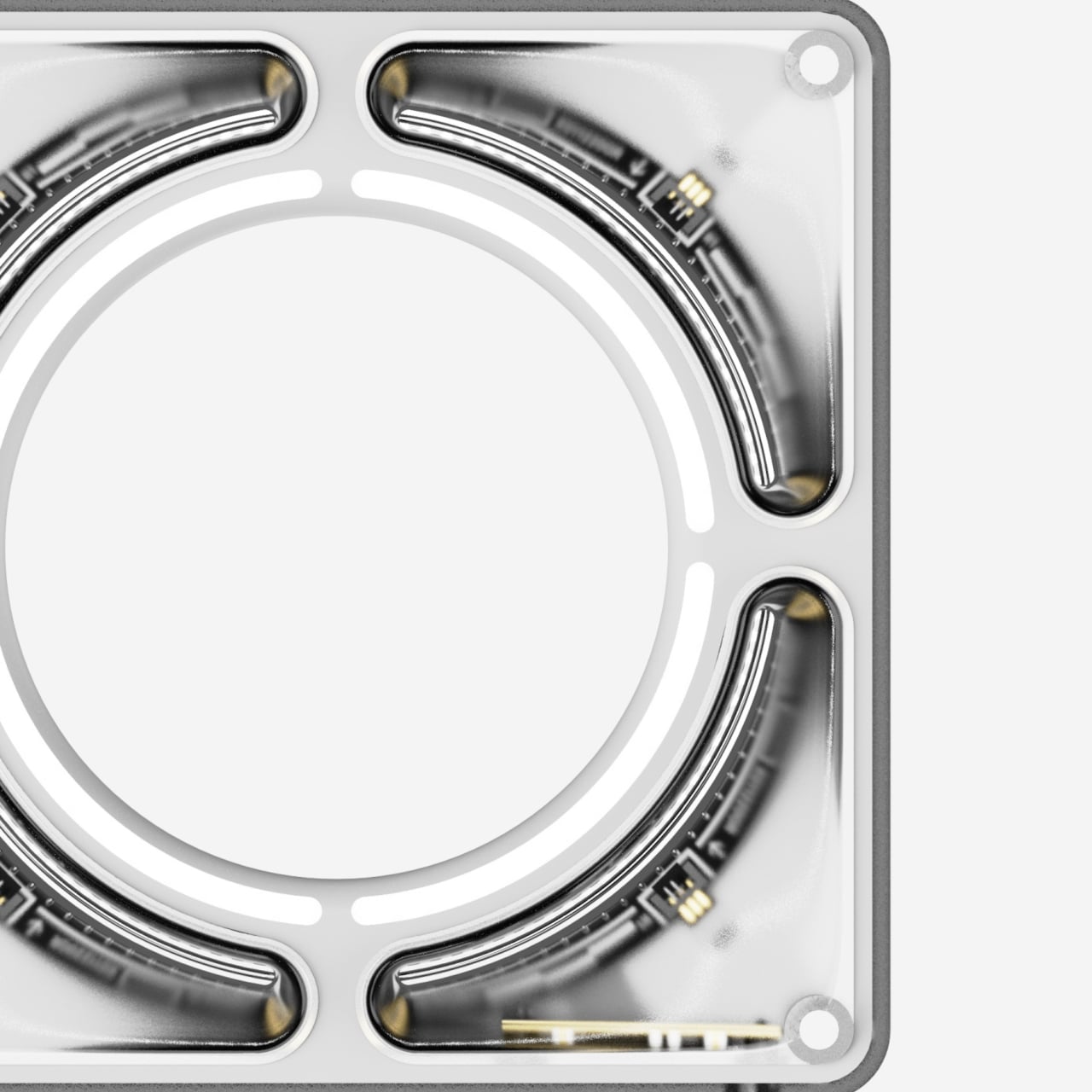
NOVA Cools PCs Without Fans or Spinning Blades, Uses Ion Wind

RGB fans have become the default way to make a PC build look custom, yet most of them look the same. Spinning blades, ring lights, and aggressive grilles dominate the category, visually loud but rarely distinctive. NOVA is a Red Dot-winning concept that asks what a cooler could look like if you removed the fan entirely and treated airflow as a sculpted, silent element instead of a spinning propeller.

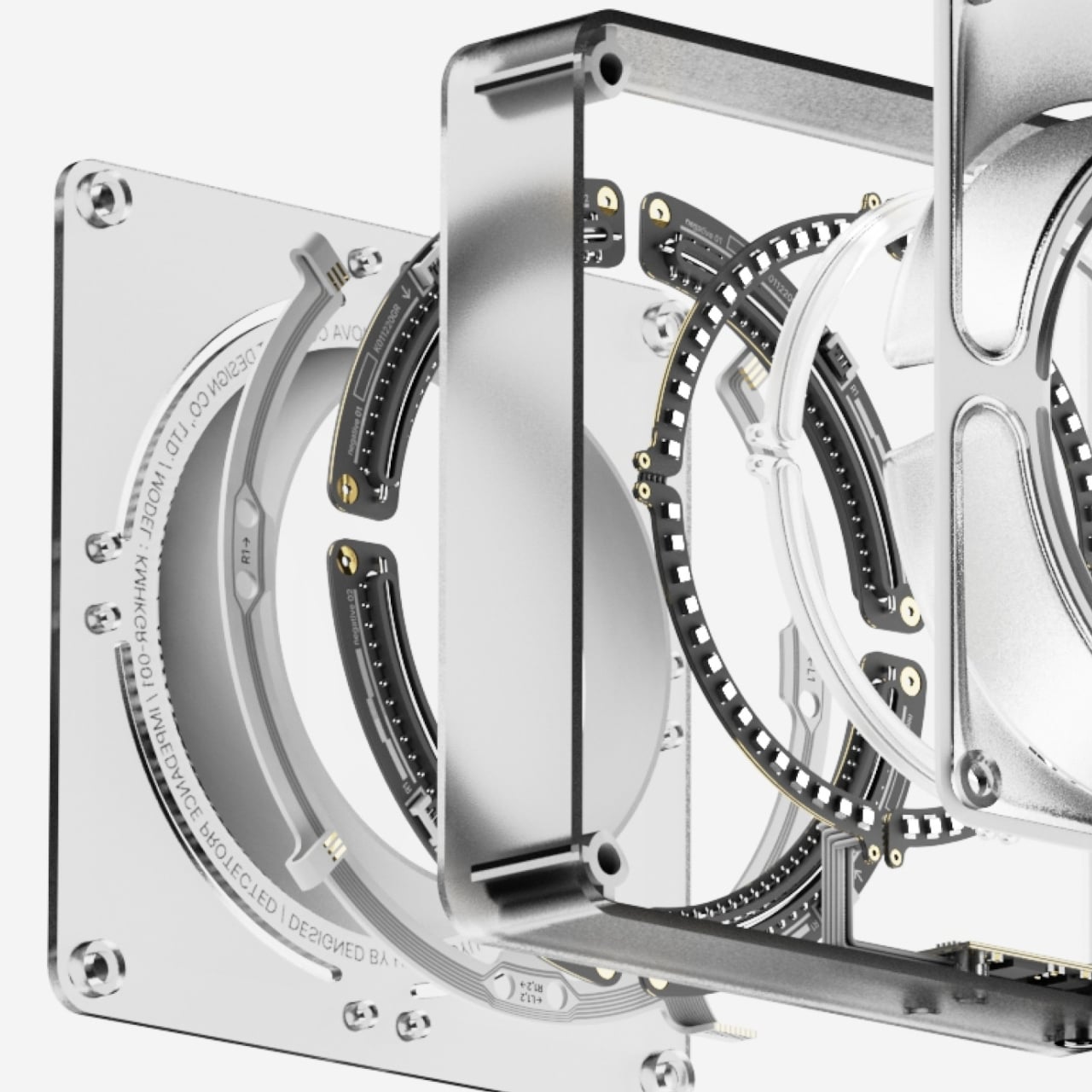
NOVA is a fanless desktop cooler designed to sit where a case fan would normally go. Instead of blades, it uses a shaped intake, ion electrodes, and clever airflow to move air through a central opening. The frame reads more like a minimalist architectural vent than a traditional PC fan, with a form language closer to audio components or precision instruments than the usual gamer aesthetic.

Designers: Minhwan Kim, Gyuri Kim

Create your own Aesthetic Render: Download KeySh2ot Studio Right Now!

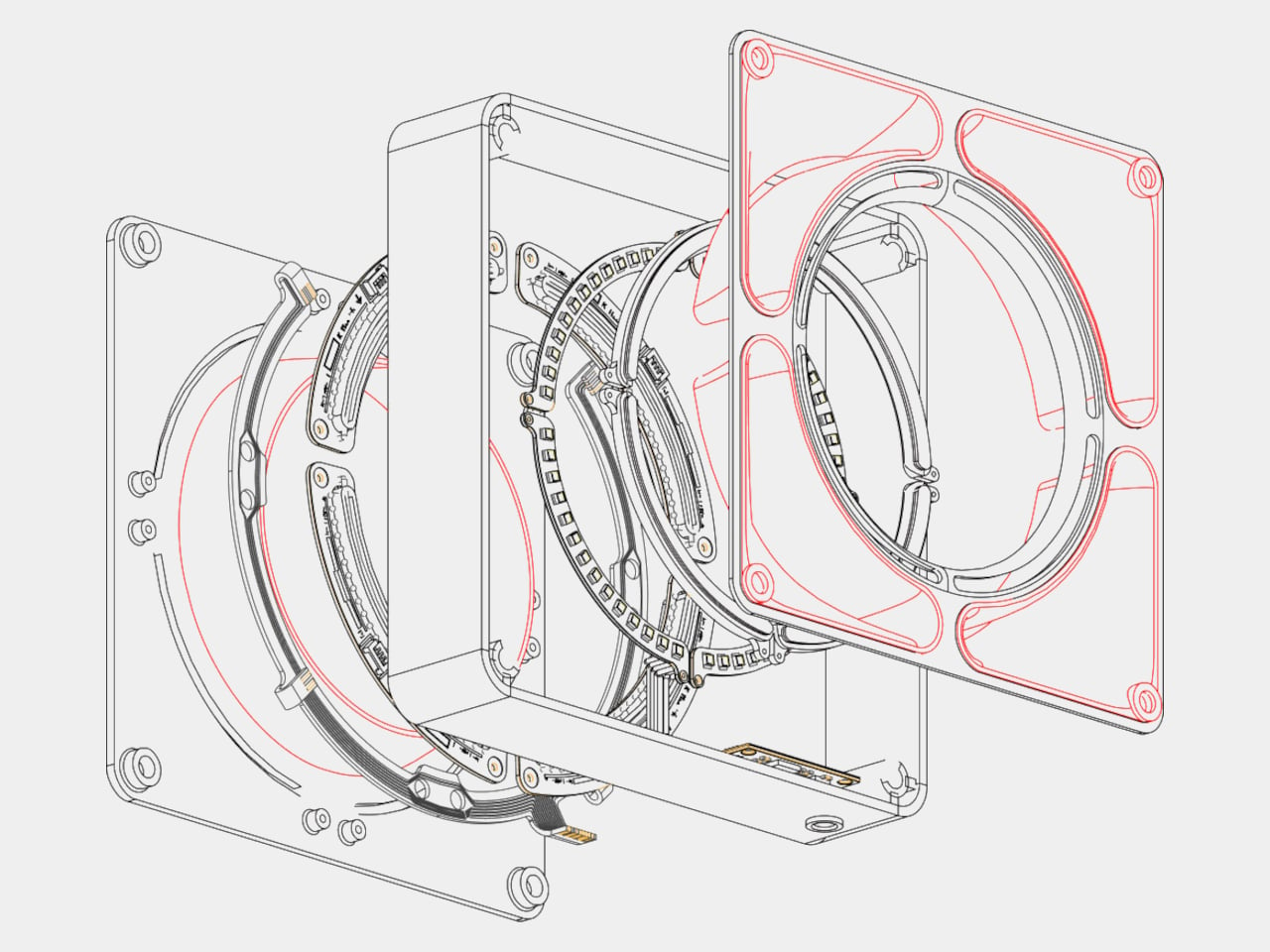
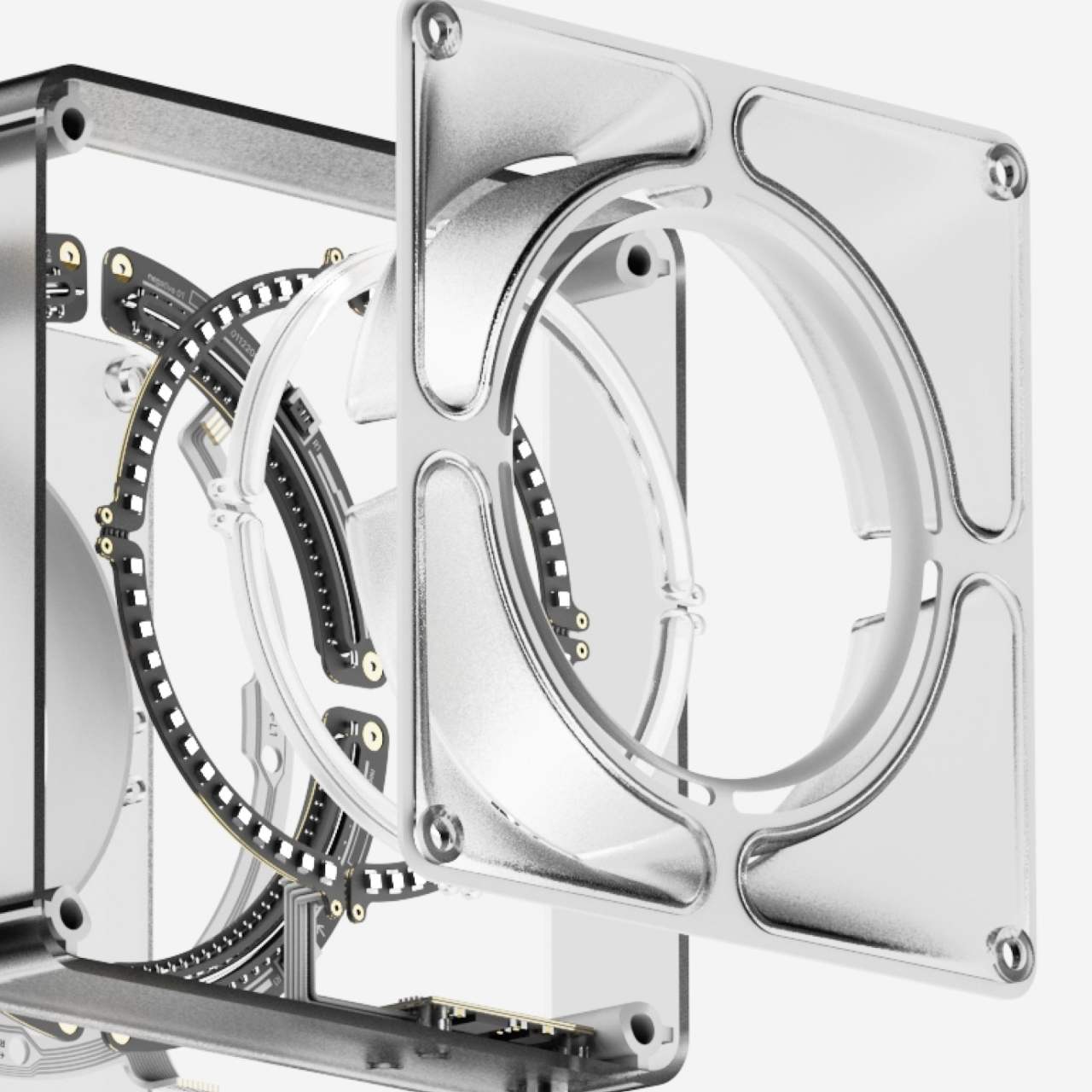
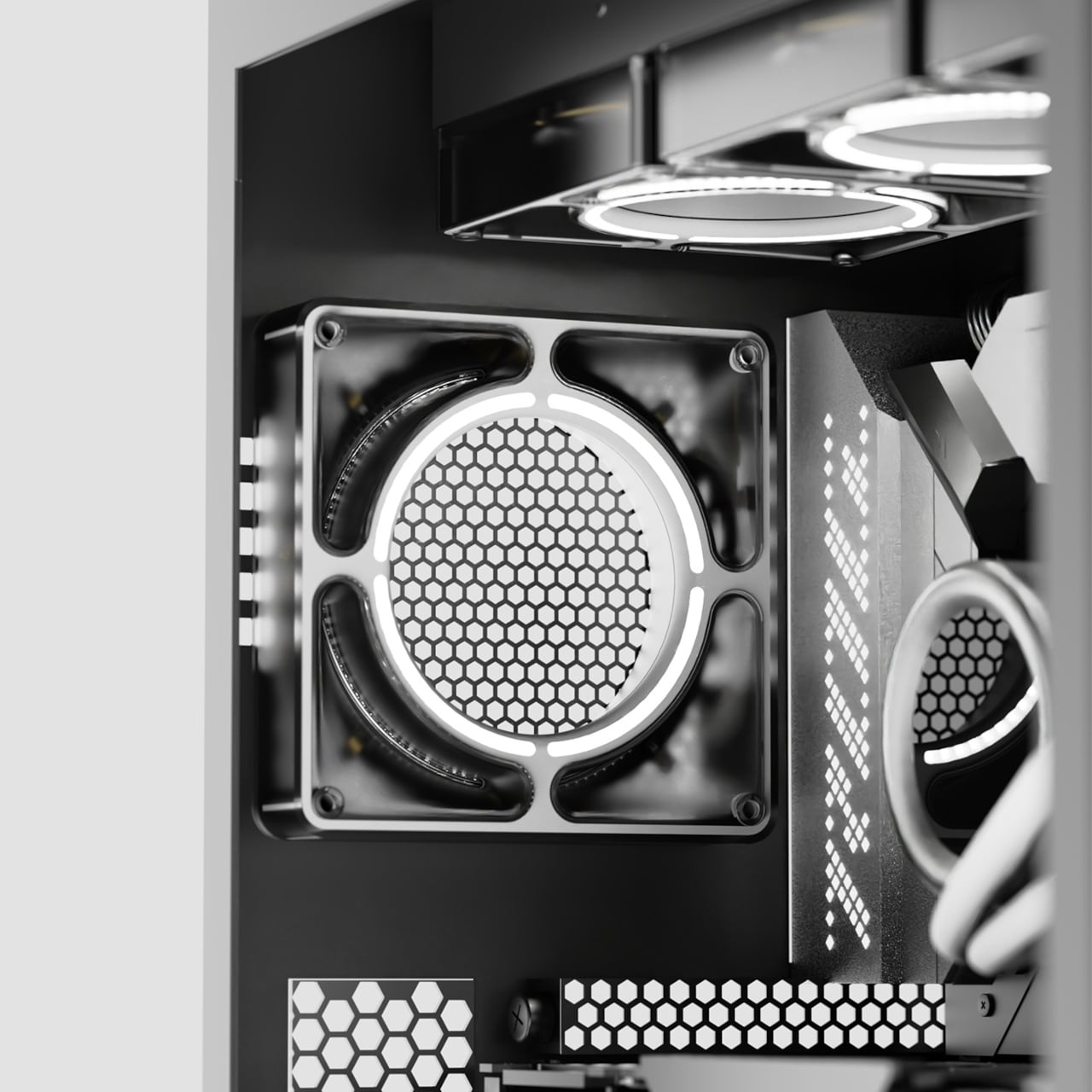
The front face is a square frame with rounded corners and four curved ribs that form a circular opening in the middle. The ribs flare from a wide outer edge to a narrower inner throat, guiding air and accelerating it toward the center. The metallic finish and subtle LED halo around the intake give it a calm, sculptural presence rather than the visual noise of rainbow patterns.

The airflow works through shaped channels and ion wind. The intake narrows the path, so air speeds up as it moves toward the center, like water through a nozzle. Ion electrodes arranged in a ring around the opening create a high-speed jet that clings to the curved surfaces and pulls surrounding air along with it. The result is a strong flow through the central hole without any visible blades or motor noise.

NOVA is designed to look finished from both sides. Opaque materials and careful detailing mean the cooler maintains its identity even when mounted at the rear of a case. A circular PCB carries both the ion electrodes and LEDs, arranged in a ring that simplifies assembly and gives a clean visual effect. The lighting is more like an architectural accent than a typical fan RGB, emphasizing form over flash.

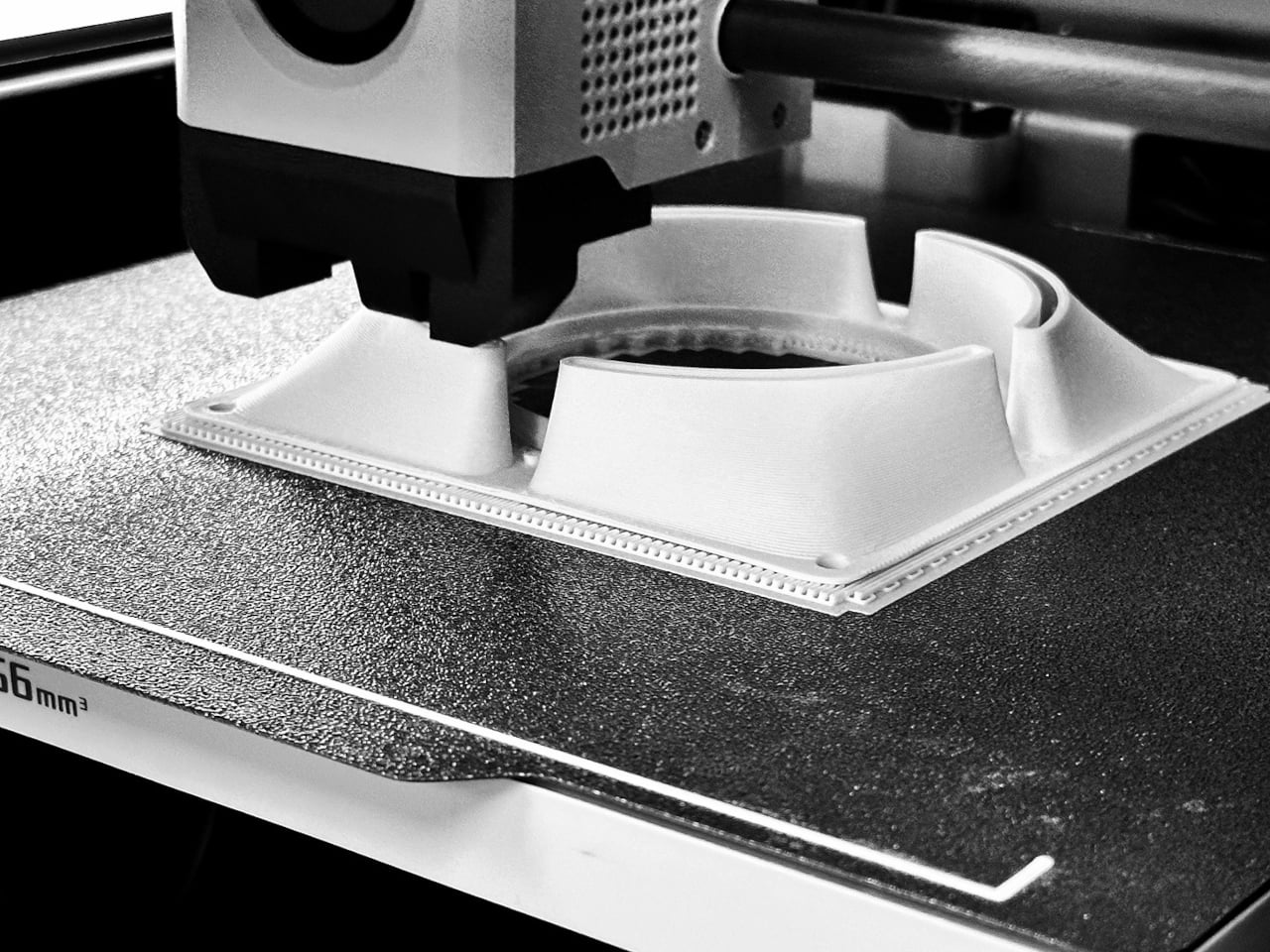
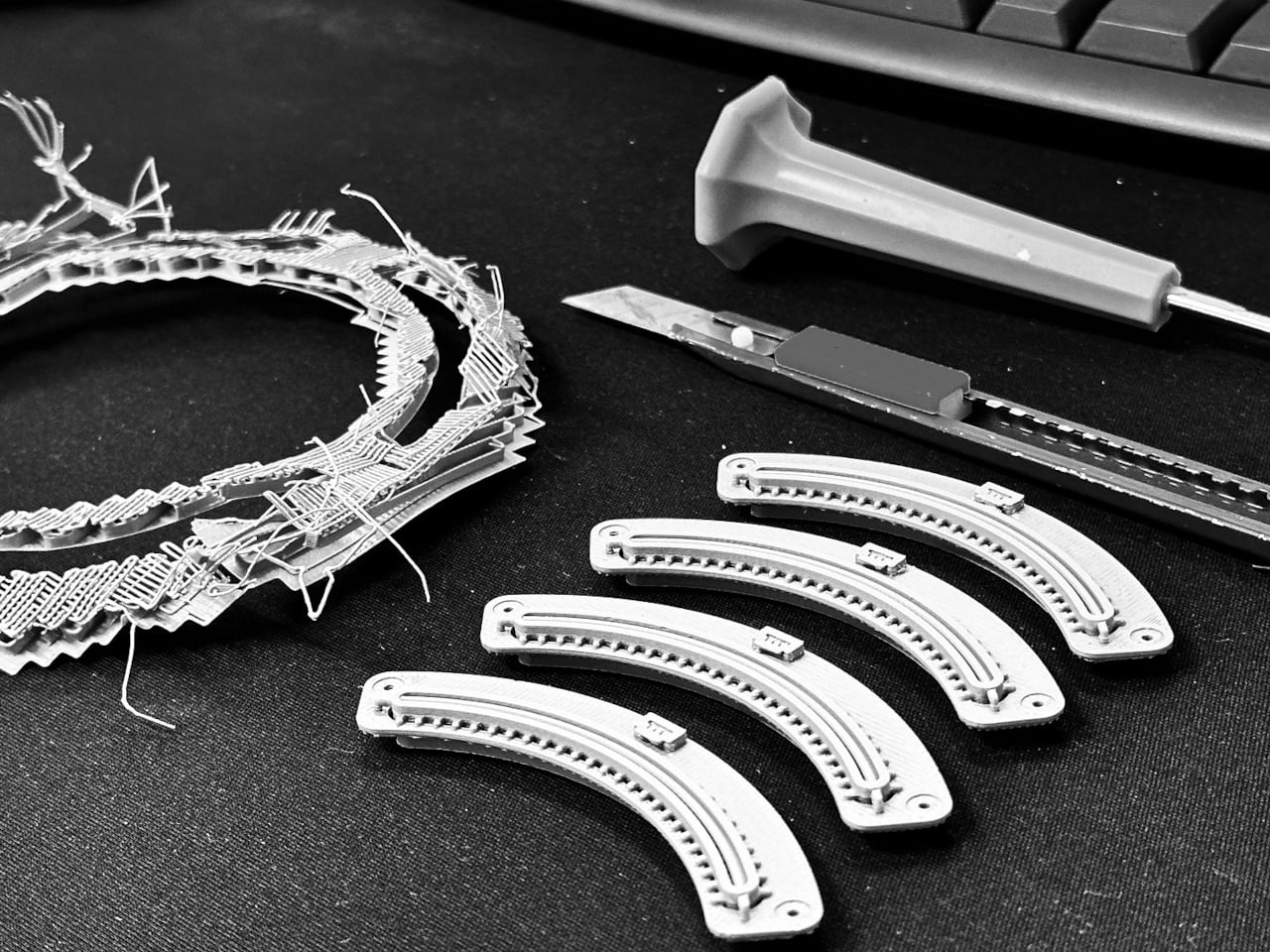
The intake components are modular curved segments that assemble into a full ring. The circular layout minimizes unique parts and makes production more straightforward if the concept ever moves to market. Everything feels engineered with manufacturing in mind, not just designed to look good in a portfolio, with careful attention to how pieces fit together and how the whole unit mounts inside standard cases.

NOVA shows what PC cooling could look like once we stop assuming every solution needs spinning blades and RGB chaos. By combining ion wind, shaped channels, and a sculptural form, it turns a background component into a visible design element. Whether or not this exact concept ships, it makes a strong case that airflow inside a case deserves the same design attention as the hardware it keeps cool.

The post NOVA Cools PCs Without Fans or Spinning Blades, Uses Ion Wind first appeared on Yanko Design.

Samsung Galaxy S26 Ultra – What Samsung Isn’t Telling You About the Display

Samsung Galaxy S26 Ultra – What Samsung Isn’t Telling You About the Display

The Samsung Galaxy S26 Ultra introduces a series of meaningful upgrades to its display technology, emphasizing usability, efficiency, and security over chasing higher brightness levels. While the device retains the same peak brightness of 2,600 nits as its predecessor, it incorporates innovations such as the M14 OLED panel, anti-reflective coating, and privacy display technology. These […]

The post Samsung Galaxy S26 Ultra – What Samsung Isn’t Telling You About the Display appeared first on Geeky Gadgets.

Posted in Uncategorized

Malaysia takes steps to ban social media for children under 16

Malaysia is the latest country with plans to limit social media use by age. On Sunday, the country's cabinet approved a ban on social media accounts for anyone under the age of 16, The Associated Press reports. It comes as concerns around social media's negative impact on children has grown globally.

The ban will reportedly go into affect in 2026. "I believe that if the government, regulatory bodies, and parents all play their roles, we can ensure that the Internet in Malaysia is not only fast, widespread and affordable but most importantly, safe, especially for children and families," Malaysian communications minister Fahmi Fadzil said in a statement reported by The Associated Press. The country already requires social media and messaging platforms with more than eight million local users to have a license. These companies must take steps like age verification and safety measures.

The Malaysian government is looking at countries like Australia to see the success of electronic ID verification checks. On December 10, Australia will enact the world's first blanket social media ban for anyone under 16-years-old. Social media companies will have to ensure compliance or face a fine of up to $49.5 million AUD ($32 million USD). Platforms impacted by the ban include X, Facebook, TikTok, Snapchat, Reddit, YouTube and Twitch. 

Earlier this month, Denmark announced that it was taking steps toward a social media ban for anyone under the age of 15. "Children and young people have their sleep disrupted, lose their peace and concentration, and experience increasing pressure from digital relationships where adults are not always present," Denmark's Digitalization Ministry stated. 

In the US, some states have tried to enact their own restrictions. In Utah, teens now require parental consent to make a social media account. In Texas, a bill that would have banned social media for anyone under 18-year-old failed to pass, while a Florida law to require consent for under 16s and banning under 14s passed but is held up in court. 

This article originally appeared on Engadget at https://www.engadget.com/social-media/malaysia-takes-steps-to-ban-social-media-for-children-under-16-142643494.html?src=rss

Dad Built a 4-Step Sequencer Synth Simple Enough for Age 3

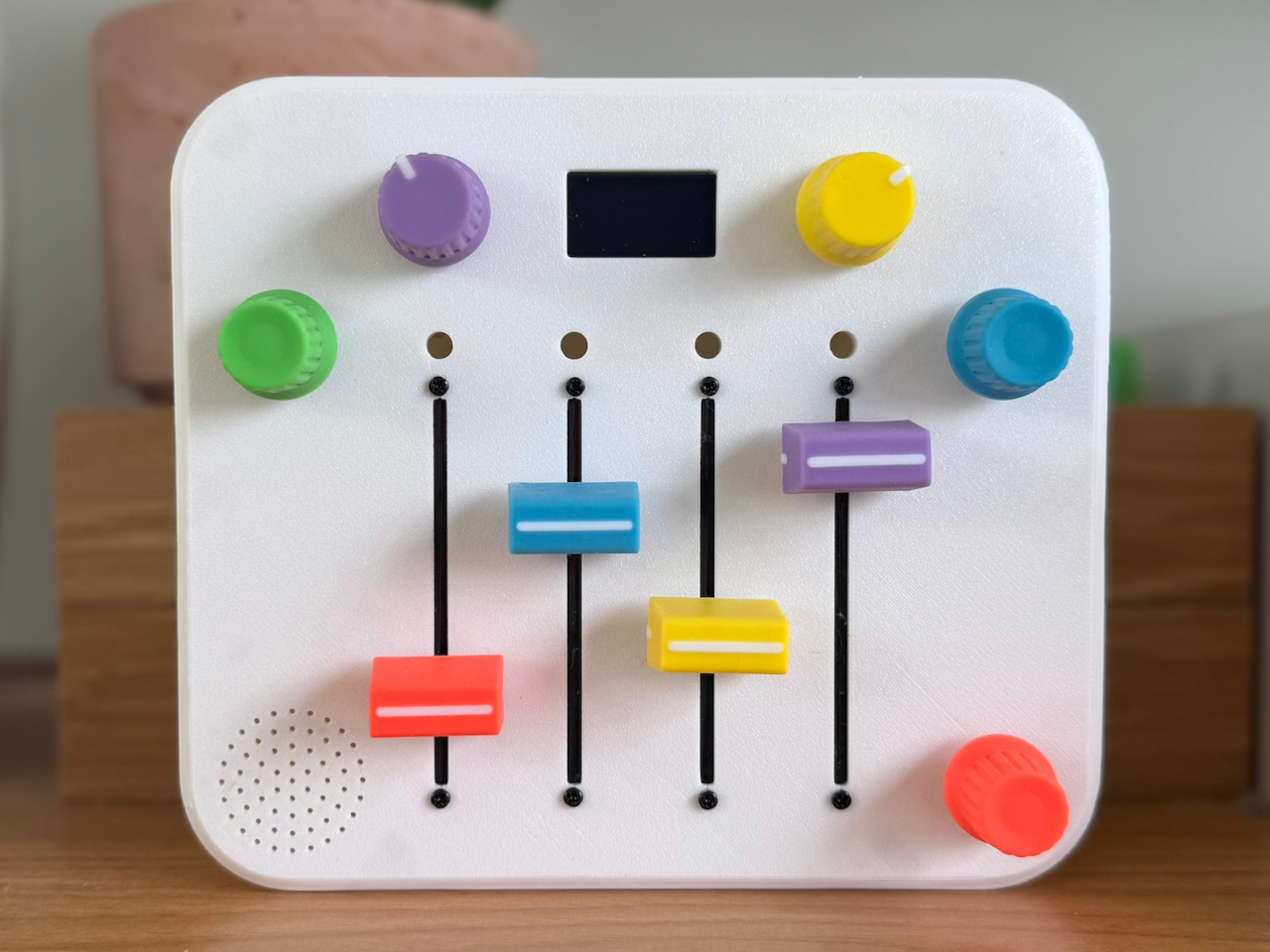
A father built a portable synthesizer for his daughter’s third birthday, and the result looks almost too polished to be a first electronics project. It’s a four-step sequencer with sliders instead of keys, designed so a toddler can make looping melodies just by moving colorful controls. The synth is as much a design and learning story as it is a music gadget, documenting what happens when someone jumps into hardware with no experience and a clear deadline.

The idea started with a Montessori activity board full of switches and LEDs. Watching his daughter twist knobs and flip switches reminded Alastair Roberts of a synth control panel, and he wondered if he could build a musical version. He had no prior hardware experience, which turned the project into an excuse to learn microcontrollers, CAD, PCB design, and 3D printing along the way, all while trying to finish before her birthday.

Designer: Alastair Roberts

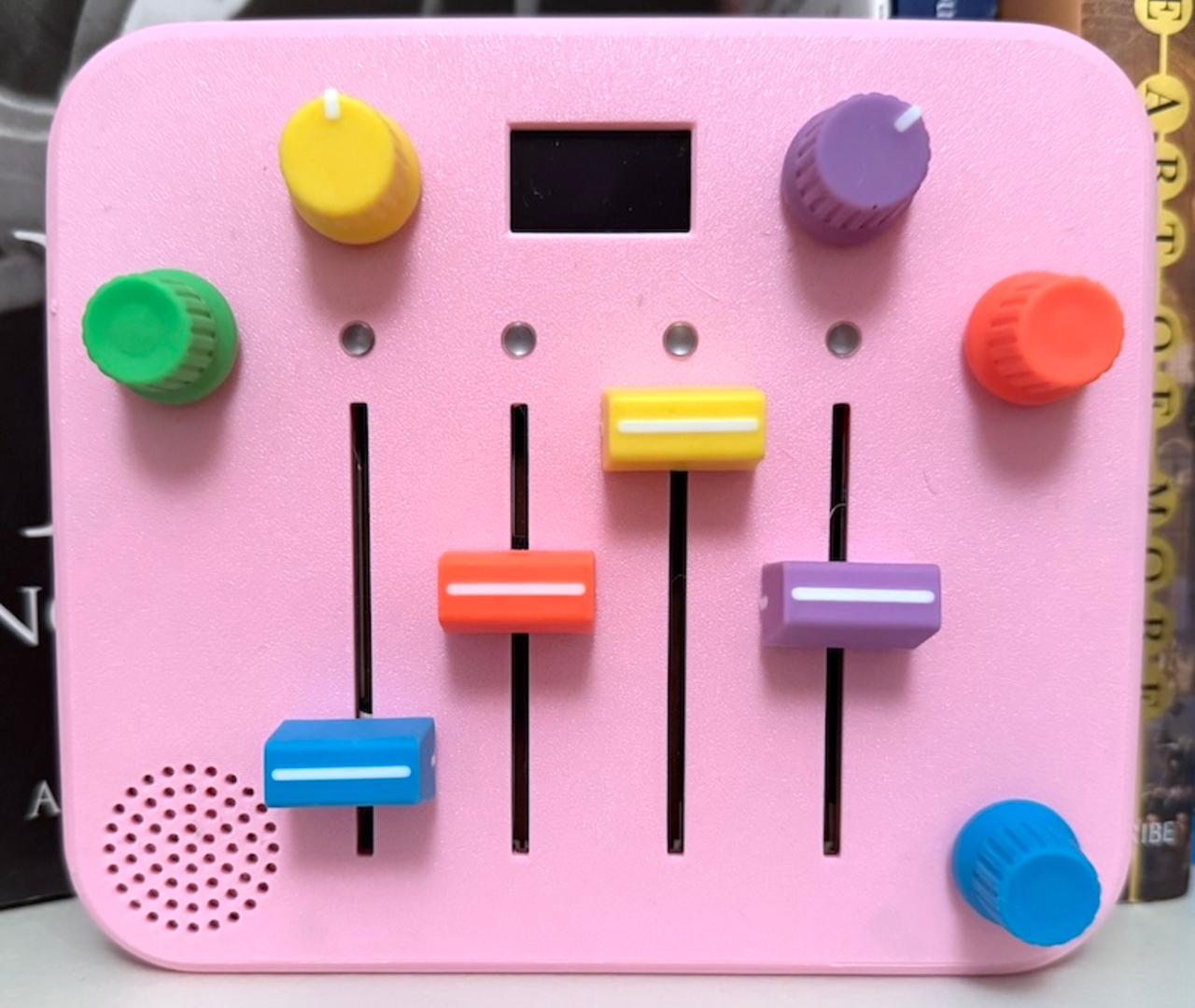
The finished synth is a rounded square box in pink or white, with four vertical sliders in bright colors and four matching knobs at the corners. Slide up for higher notes, down for lower, while a tiny OLED screen shows a dancing panda. There are no menus or hidden modes, just a looping sequence that keeps playing while little hands experiment with pitch and tempo, creating simple melodies that shift and evolve with every adjustment.

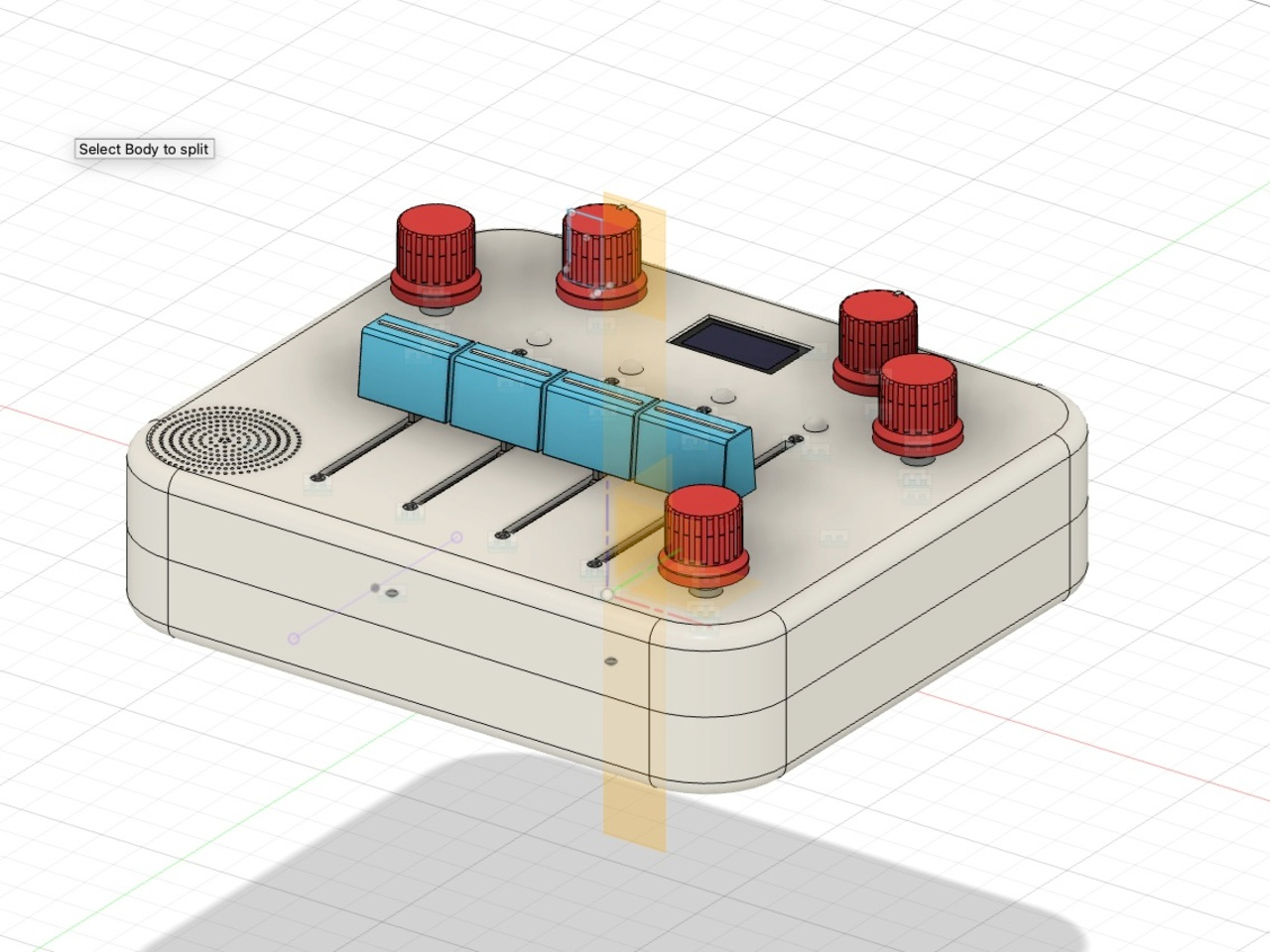
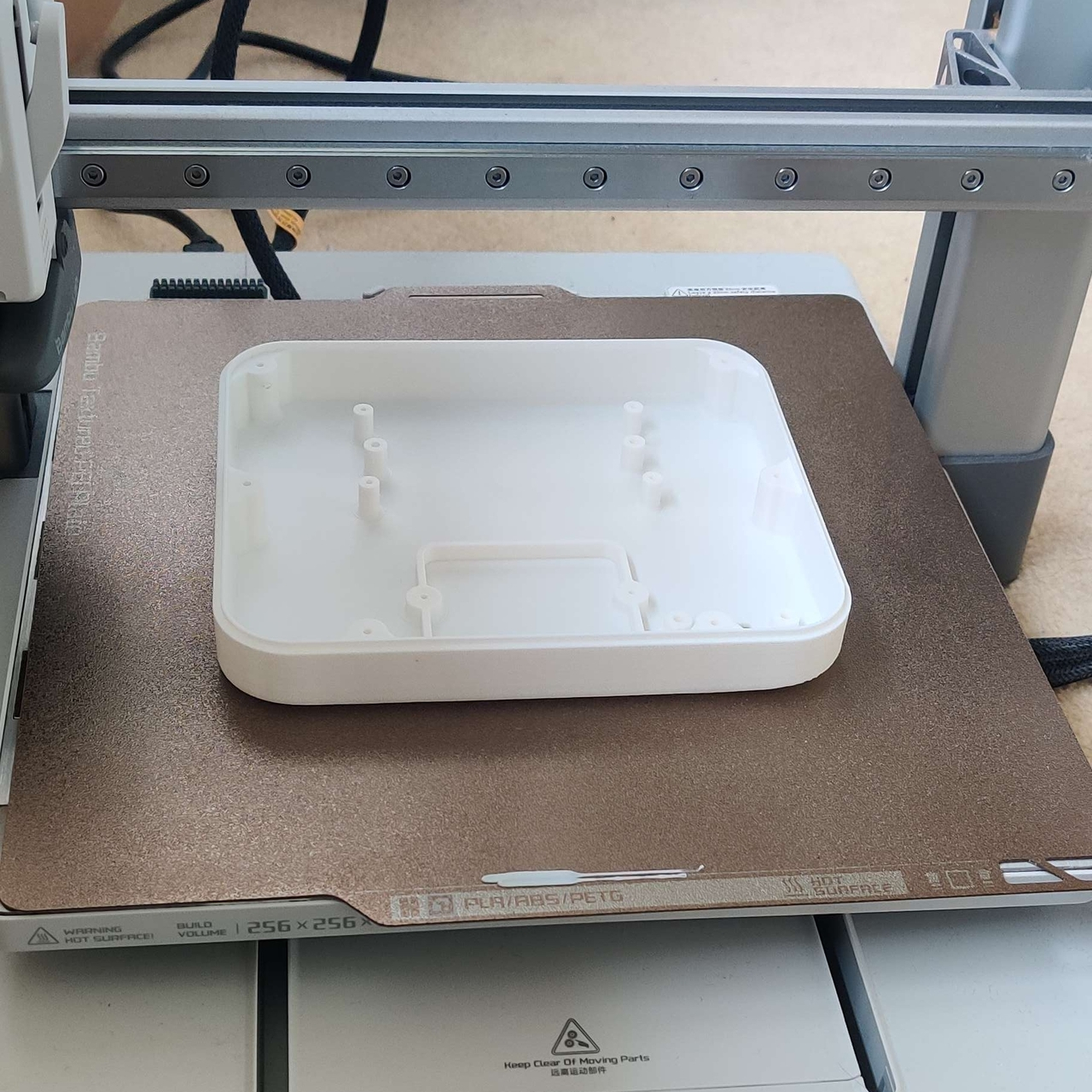
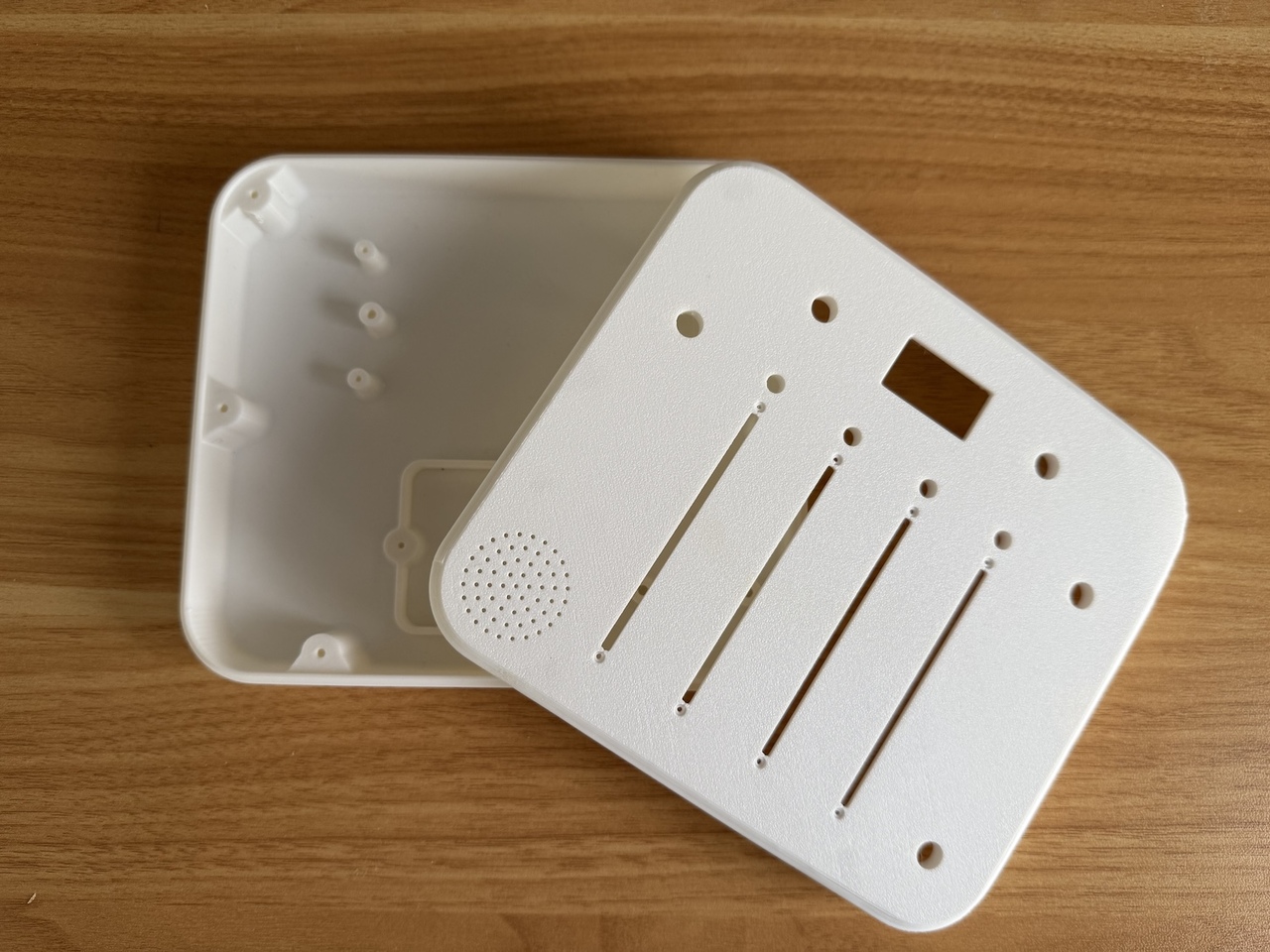
Roberts started on a breadboard, then realized he needed a proper enclosure that his daughter could actually hold. Off-the-shelf cases were the wrong size and the wrong colors, so he opened Fusion 360 for the first time and slowly modeled a custom shell. A friend’s 3D printer turned those sketches into a real, toy-like enclosure that feels closer to a commercial product than a hack, complete with rounded corners and smooth edges.

The first hand-wired version worked but was fragile, with a nest of wires that broke when he closed the case. That pushed him to design his first printed circuit board, using Fusion’s electronics tools to lay out sliders, knobs, and connectors in a neat, single layer. The PCB not only made assembly faster, but it also gave the interior the same sense of order and intention as the exterior, no hidden messes or shortcuts.

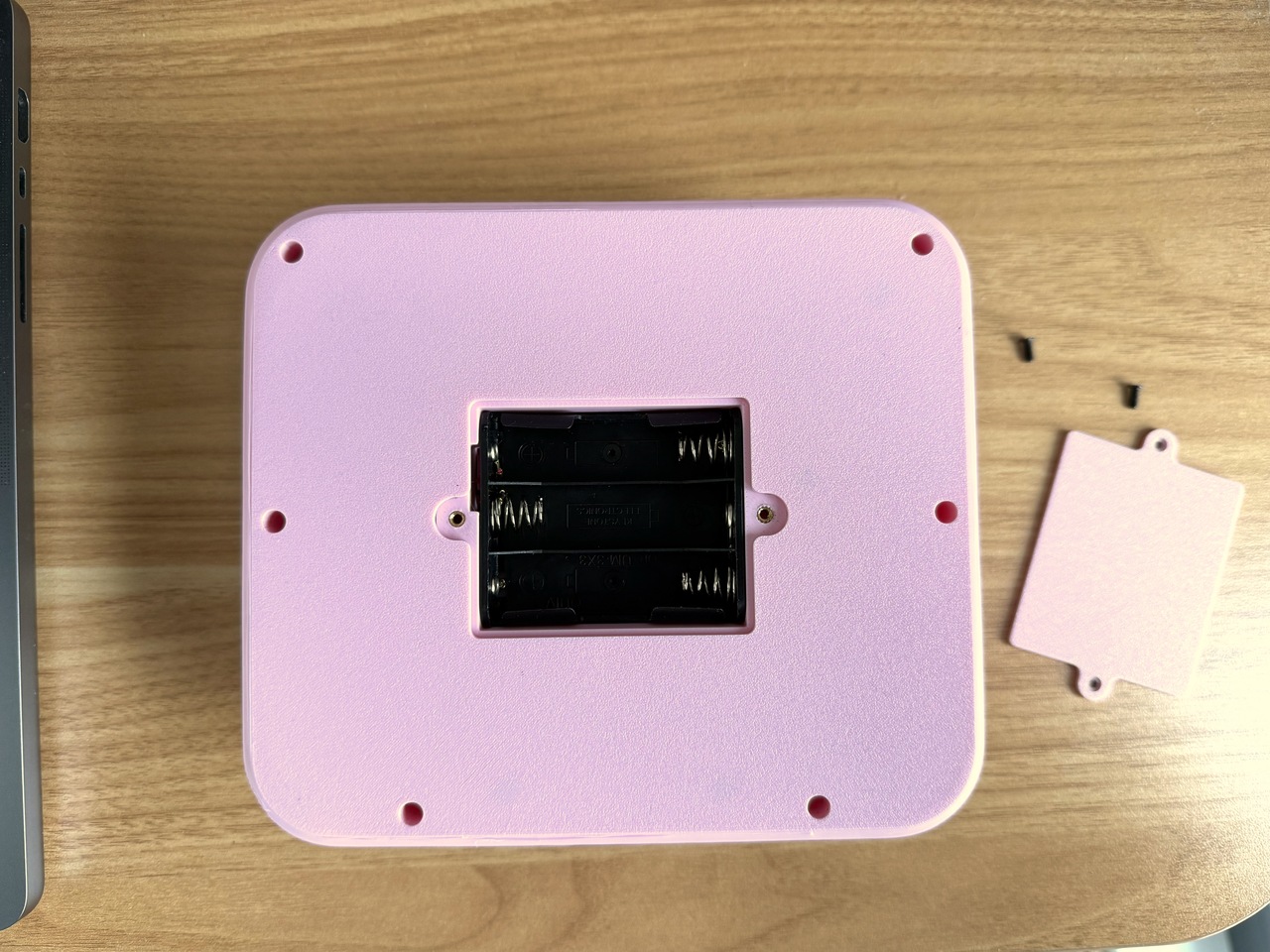
Small design touches make it feel finished. A dedicated battery compartment with a removable cover, mounting posts that let the board screw down securely, and a raised bezel around the OLED so it sits flush with the top surface. The front panel carries his daughter’s name, Alma, turning the synth into something personal. It now lives on a shelf with her other toys and, according to him, gets regular use.

The synth works at two levels. For kids, it’s a fun, tactile way to poke at sound without needing lessons or screens. For adults, it’s a reminder that you can go from zero hardware experience to a polished, gift-worthy object by following curiosity and learning each tool as you need it. Whether or not it ever becomes a product, it’s already a successful piece of design for the one user who mattered most.

The post Dad Built a 4-Step Sequencer Synth Simple Enough for Age 3 first appeared on Yanko Design.

iPhone 18 Pro Max – 5 Biggest Leaks Apple Doesn’t Want You to Know

iPhone 18 Pro Max – 5 Biggest Leaks Apple Doesn’t Want You to Know

The iPhone 18 Pro Max is shaping up to be one of Apple’s most ambitious smartphones to date. With rumors pointing to significant advancements in camera technology, performance, and design, this flagship device is expected to push the boundaries of mobile innovation while addressing user demands. Below is a detailed look at the five most […]

The post iPhone 18 Pro Max – 5 Biggest Leaks Apple Doesn’t Want You to Know appeared first on Geeky Gadgets.

Posted in Uncategorized

Use Windows Remote Desktop for Mac – Unlock Seamless Access

Use Windows Remote Desktop for Mac – Unlock Seamless Access

Need to access Windows-only software, test apps, or connect to Windows networks remotely? No problem! Easily connect to any Windows system from your Mac with the Windows app for a seamless, secure, and productive experience. RDP is optimized for smooth connections, but using it between Windows and Mac can cause issues like poor image quality, […]

The post Use Windows Remote Desktop for Mac – Unlock Seamless Access appeared first on Geeky Gadgets.

Posted in Uncategorized

9 Reasons the 2026 OLED MacBook Pro Changes Everything

9 Reasons the 2026 OLED MacBook Pro Changes Everything

The 2026 OLED MacBook Pro is shaping up to be a pivotal release, introducing advanced features that could redefine how you interact with your laptop. From innovative display technology to enhanced performance capabilities, this next-generation device promises a seamless blend of power, portability, and innovation. Below, we explore the nine most significant leaks and their […]

The post 9 Reasons the 2026 OLED MacBook Pro Changes Everything appeared first on Geeky Gadgets.

Posted in Uncategorized

iFFALCON’s U85 Mini LED and Mural TVs Drop to All-Time Low Prices for Black Friday, Starting at Just $397

iFFALCON’s U85 Mini LED and Mural TVs Drop to All-Time Low Prices for Black Friday, Starting at Just $397

Black Friday is delivering some of the best TV discounts we’ve seen all year, and iFFALCON just joined the party with massive price cuts on its U85 Mini LED lineup and art-style Mural TVs. If you’re looking for a big screen upgrade without spending flagship-level money, these deals are absolutely worth a look. The U85 […]

The post iFFALCON’s U85 Mini LED and Mural TVs Drop to All-Time Low Prices for Black Friday, Starting at Just $397 appeared first on Geeky Gadgets.

Posted in Uncategorized

iPhone 17 vs 16 vs 15 vs 14 vs 13 vs 12: The Definitive Speed Test

iPhone 17 vs 16 vs 15 vs 14 vs 13 vs 12: The Definitive Speed Test

The iPhone 17 Pro Max has set a new benchmark in smartphone performance, surpassing its predecessors in a comprehensive speed test that spans six generations, from the iPhone 12 Pro Max to the latest model. This detailed analysis from PhoneBuff explores key areas such as photography, video editing, app performance, gaming, multitasking, and thermal management. […]

The post iPhone 17 vs 16 vs 15 vs 14 vs 13 vs 12: The Definitive Speed Test appeared first on Geeky Gadgets.

Posted in Uncategorized