How Robots Are Expanding Their Fields of Work By Attaining Emotional Designs

Robots have long captured our imaginations, from the helpful household robots of science fiction to the industrial machines that streamline manufacturing processes. However, the integration of robots into our daily lives has often been hampered by the challenges they face when navigating complex human environments. These limitations have confined their utility to controlled spaces in industries such as logistics and manufacturing. But now, a groundbreaking design concept known as “Turing” is poised to change the game, bringing a fresh perspective on robotic technology.

Designer: Cambridge Consultants (Tom ShirleyAnya Pivčuka)

1

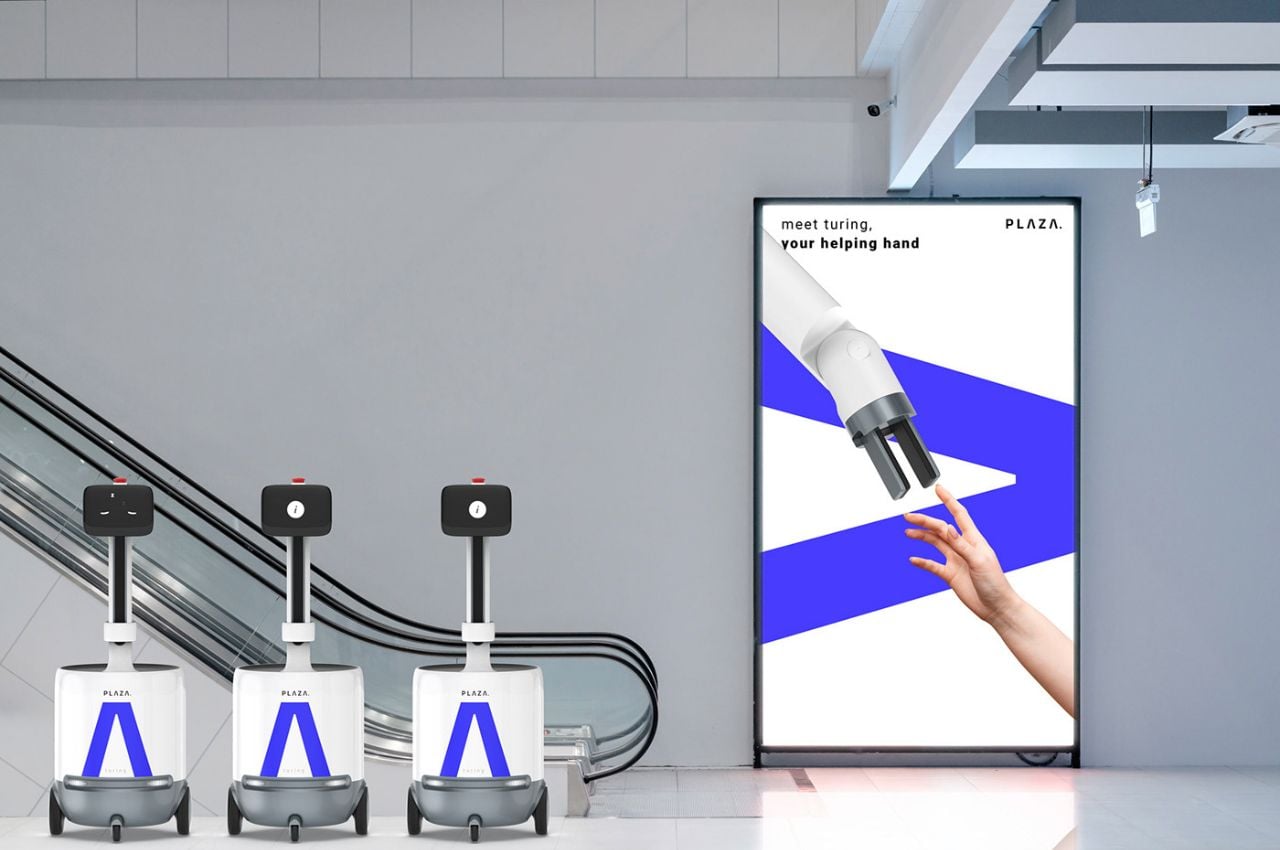
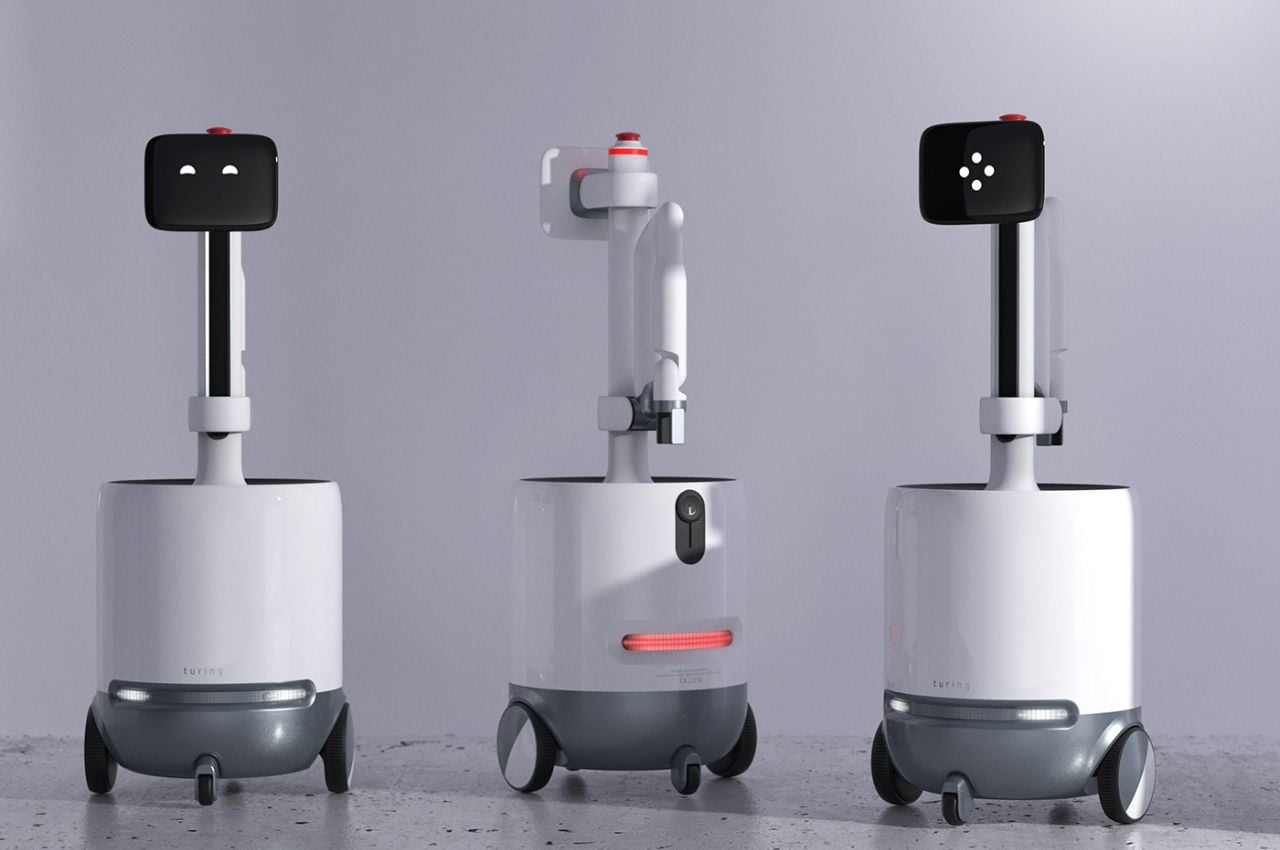
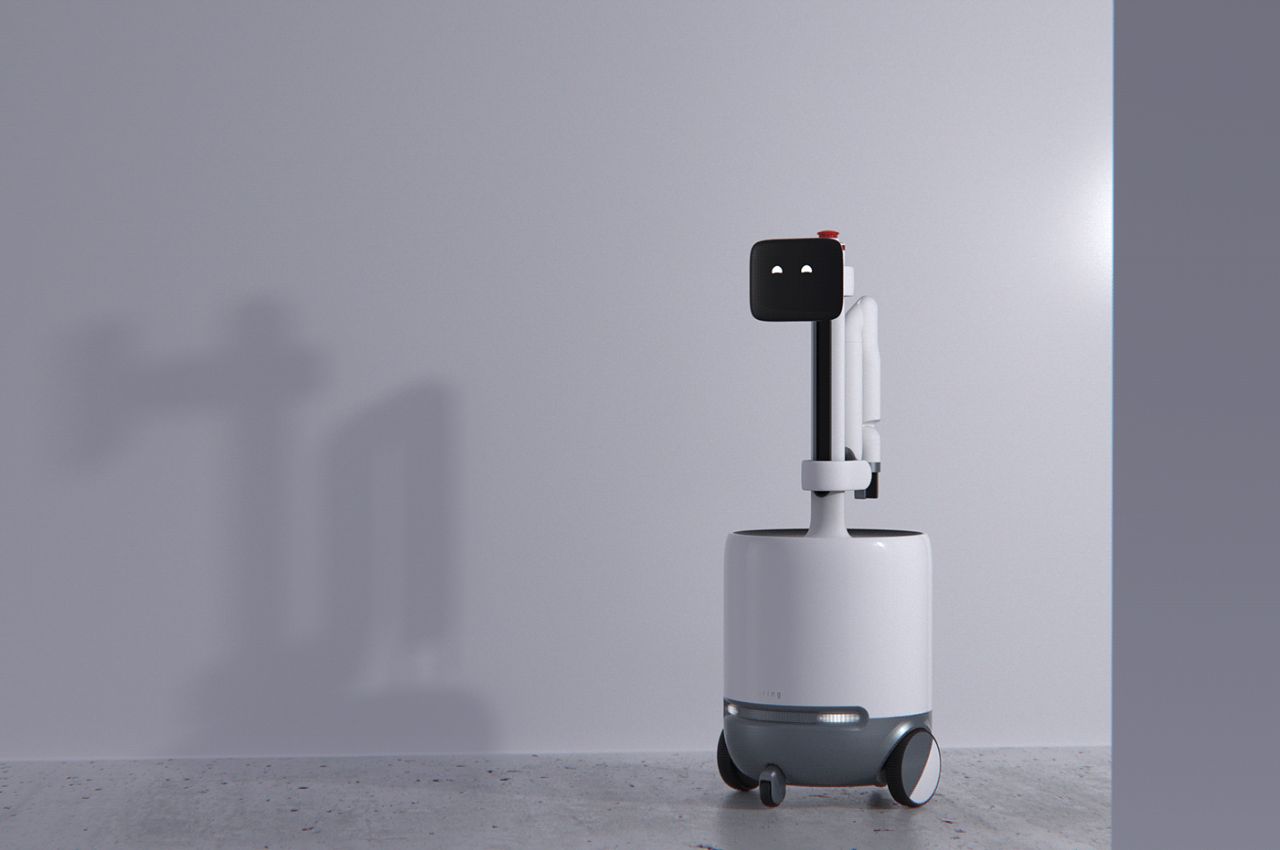
Turing is not just another robot; it’s a robotic platform with an emotional design at its core. It was developed by a team of multi-disciplinary experts, including designers, engineers, and researchers, to address a significant challenge in robotics: enabling robots to work in complex human environments while fostering collaboration between humans and machines. Turing’s approach seeks to unlock the untapped potential of human-robot interaction, one of the last remaining barriers to a future where robots become our everyday companions.

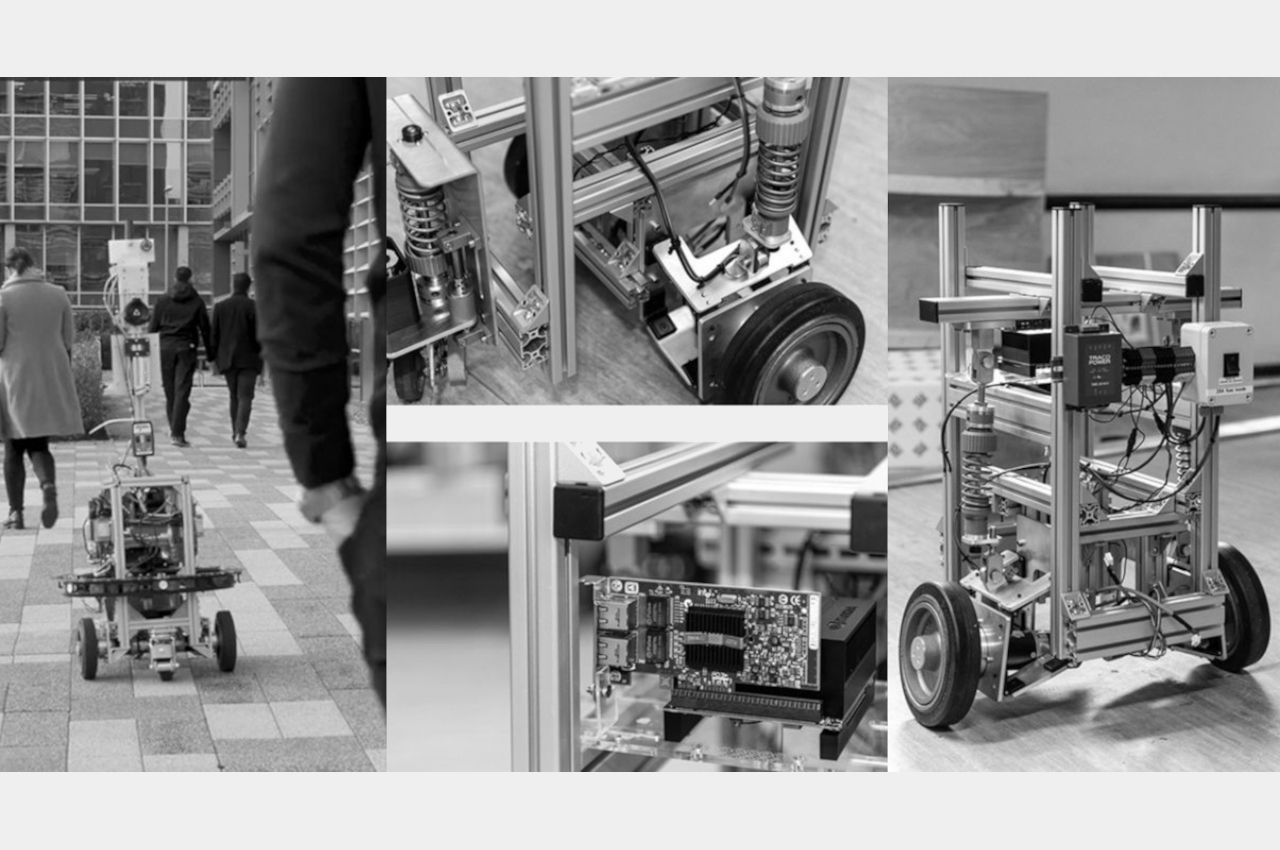
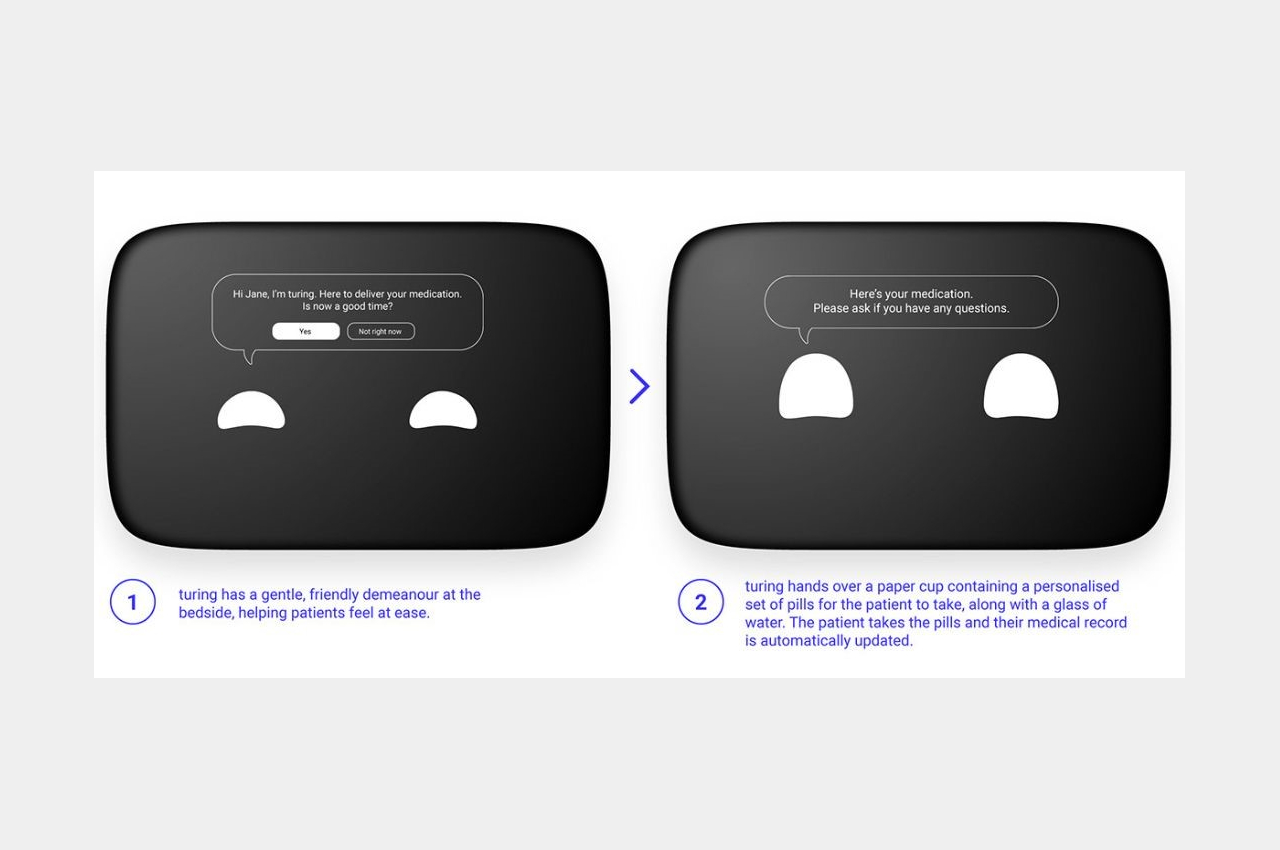
In the early stages of UX testing, the team behind Turing discovered that mimicking human emotion was a highly effective means of communicating the robot’s movements and intentions. They employed journey mapping to craft a coherent set of thoughts and emotions for the robot, resulting in a personality and behavior that users could relate to and engage with. By drawing inspiration from well-known characters in animation and film, they could identify the most appropriate personality for a given environment. This adaptability allows Turing to modify its behavior based on the specific context, ensuring it doesn’t seem out of place in various settings.

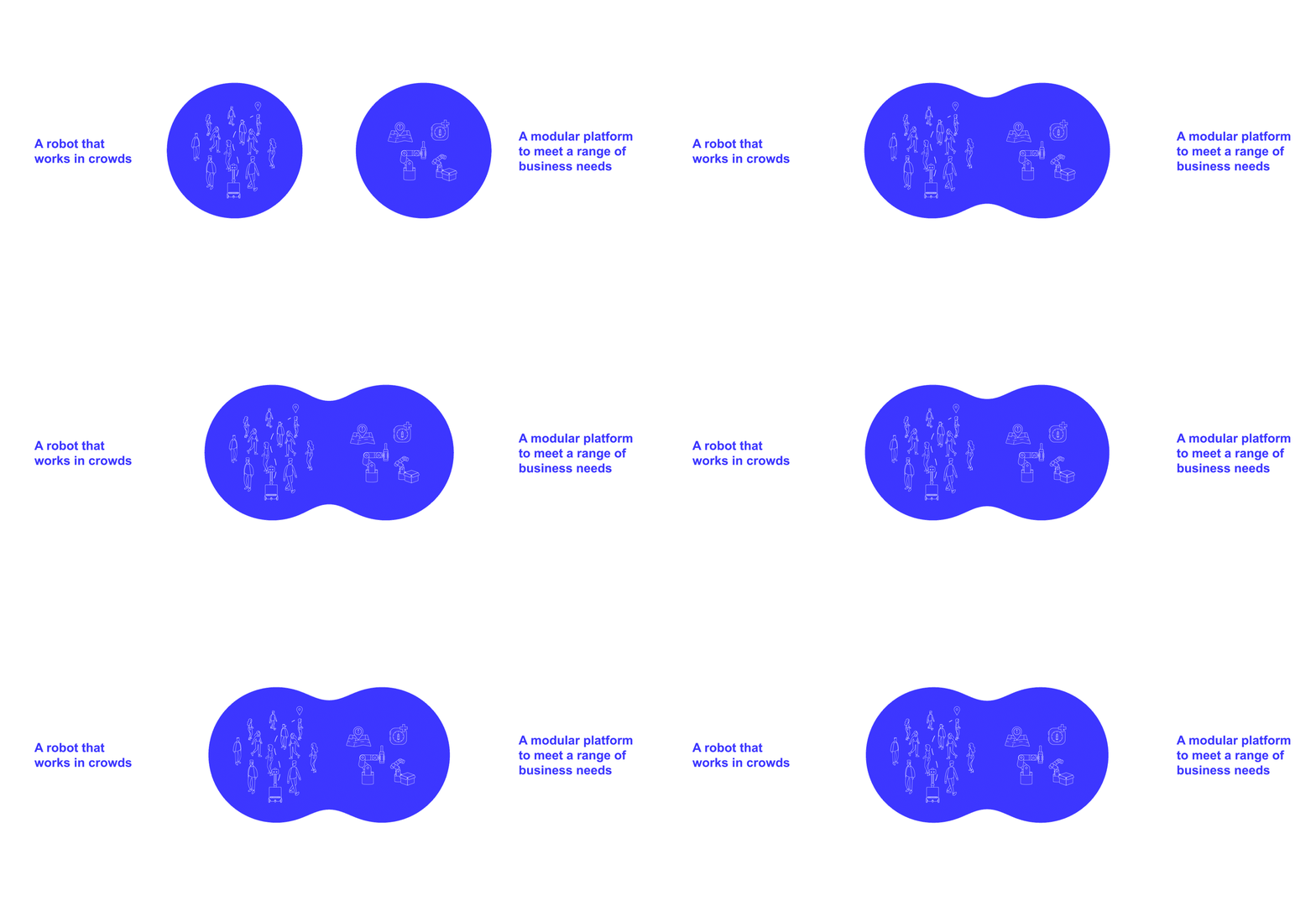
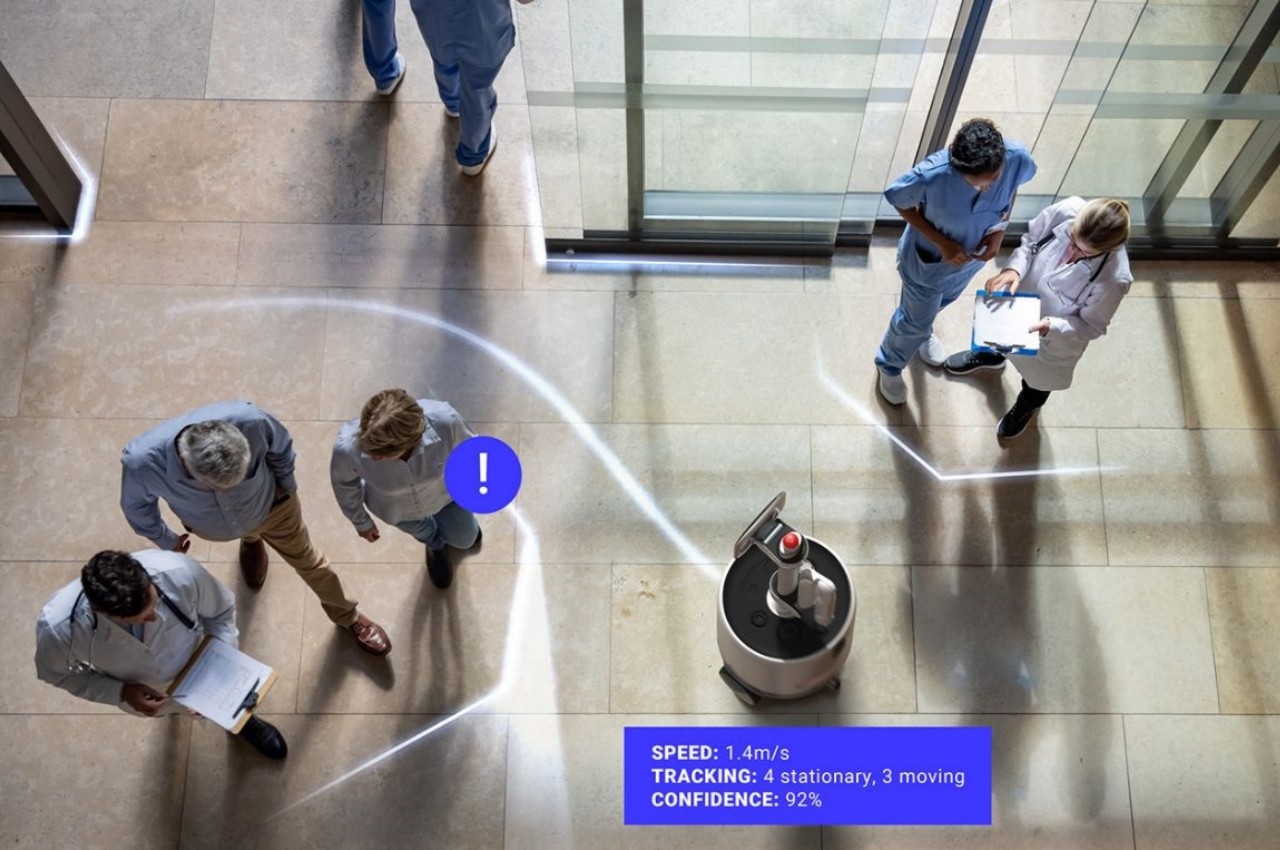
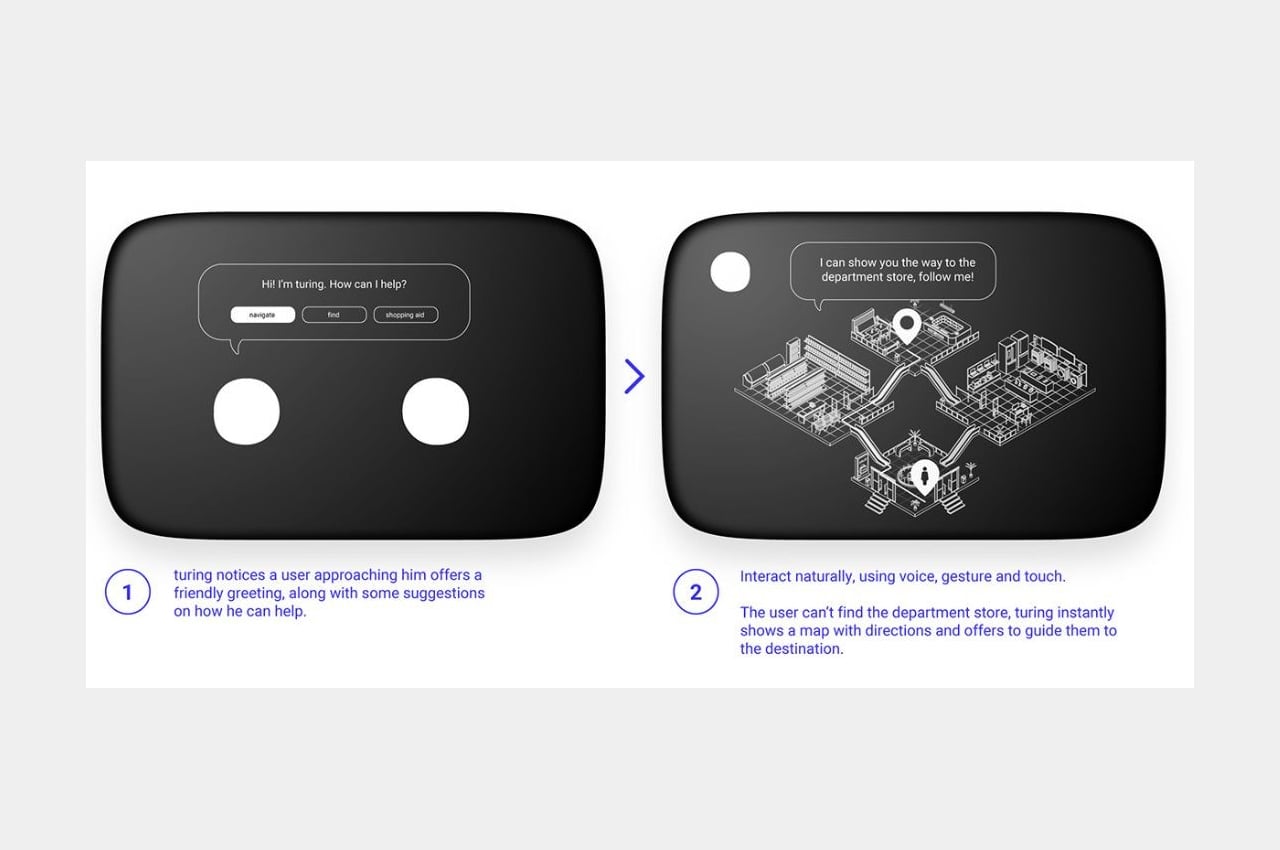
Turing is designed to work in collaboration with people, capable of navigating through crowded environments using body language, gestures, and emotional cues to communicate with our subconscious. This non-verbal, intuitive communication is significantly faster than traditional speech, enabling the sub-second reaction times necessary to avoid collisions in crowded areas. Moreover, Turing’s modular nature allows it to be adapted to a wide range of industries and customized to address diverse business needs.
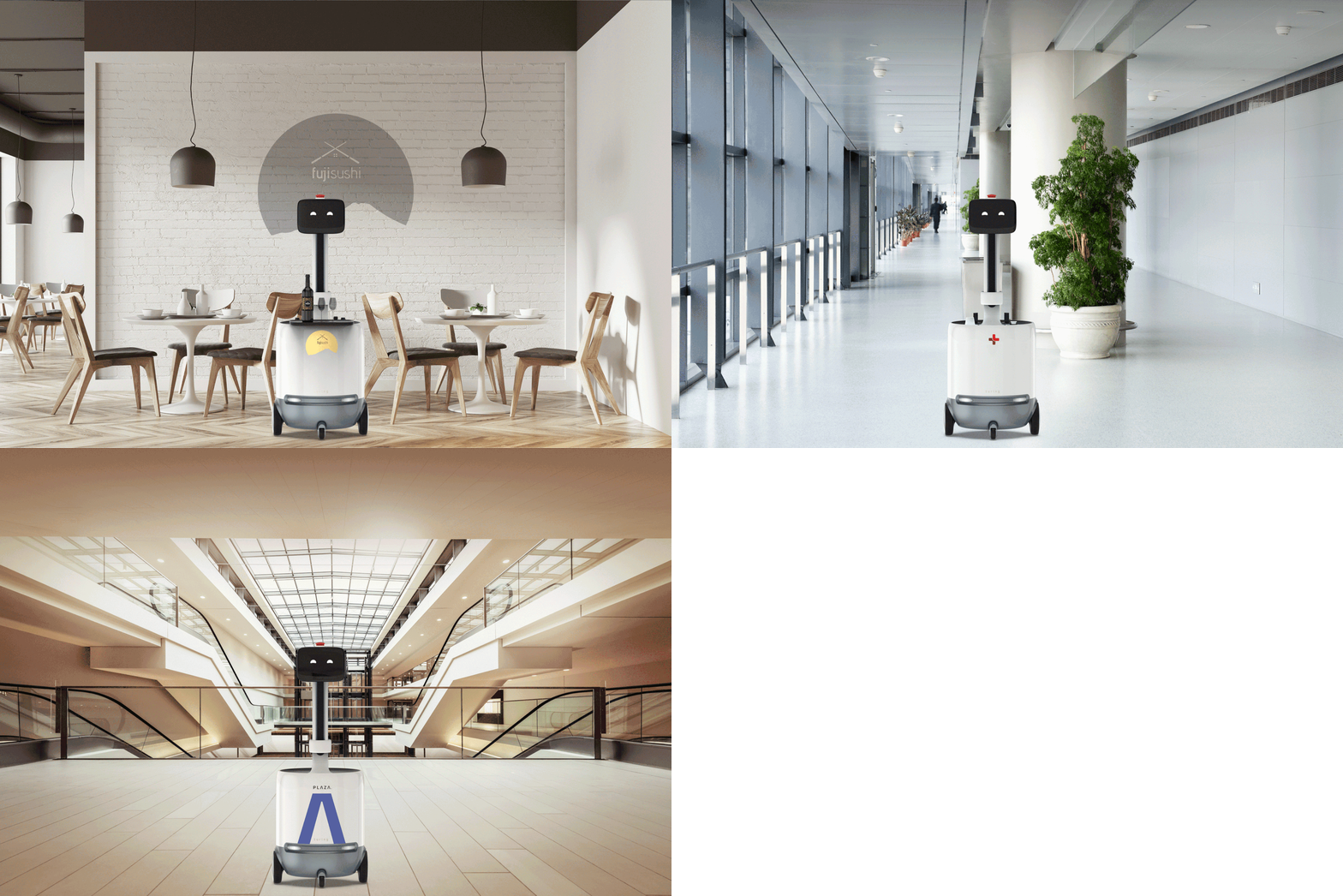
1

The versatility of Turing makes it a game-changer in various industries:

1. Retail: In retail, Turing can assist shoppers with tasks ranging from providing general information to guiding them through the store and even carrying their shopping bags. The emotional and charming personality it displays creates a memorable shopping experience that can be tailored to each venue’s ambiance.

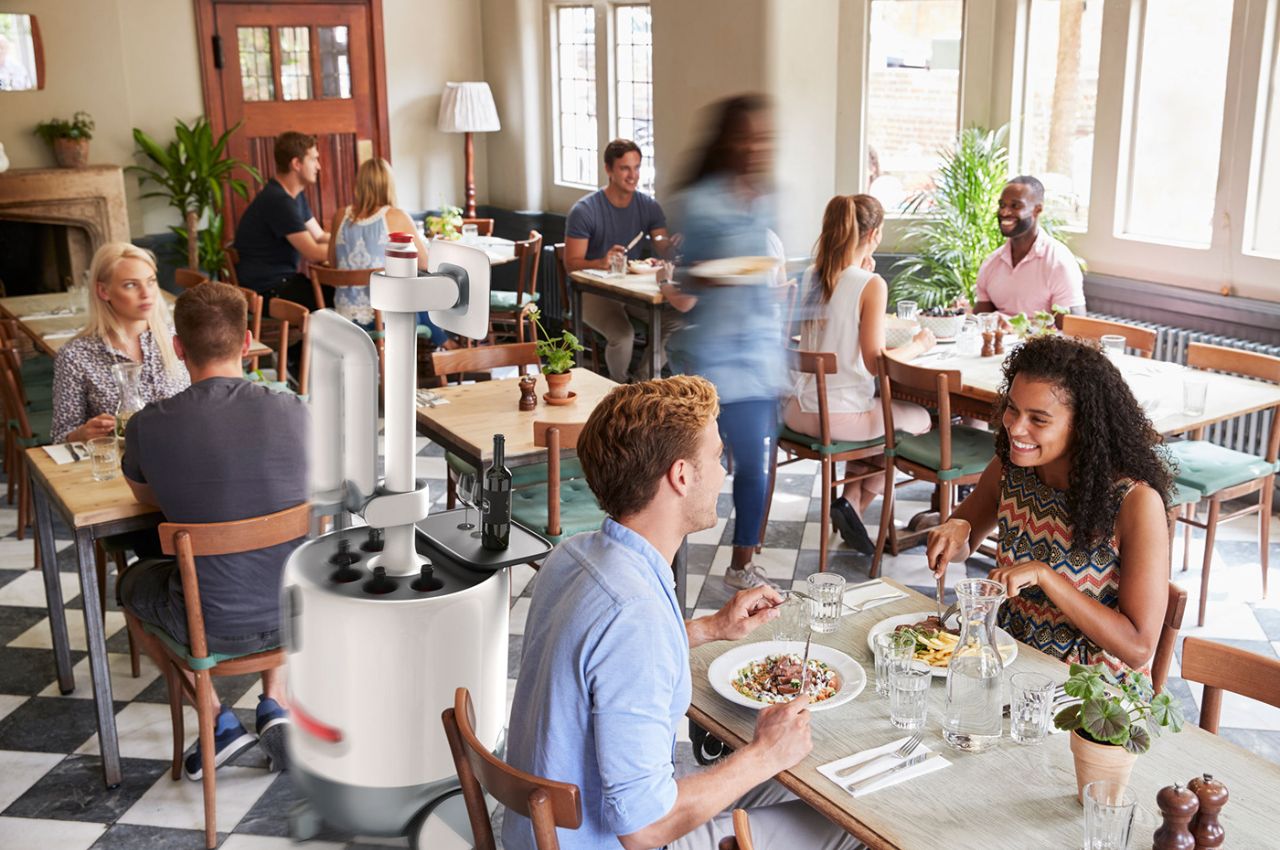
2. Service Industry: Turing comes to the rescue of businesses in the service industry, such as bars and restaurants, which often struggle to recruit enough staff. It can efficiently take orders and deliver food and drinks to customers, enhancing their overall experience. Its adaptability ensures it can seamlessly blend into different restaurant environments, from casual to fine dining.
3. Medical Environments: Turing plays a crucial role in medical settings by reducing the burden on healthcare professionals. It can perform repetitive, time-consuming tasks, such as dispensing medication in low-risk hospital wards. This not only frees up staff to focus on patient care but also helps maintain consistent medication schedules. However, the acceptance of robots like Turing in healthcare settings may take time, as people need to build trust in the accuracy of the tasks performed.
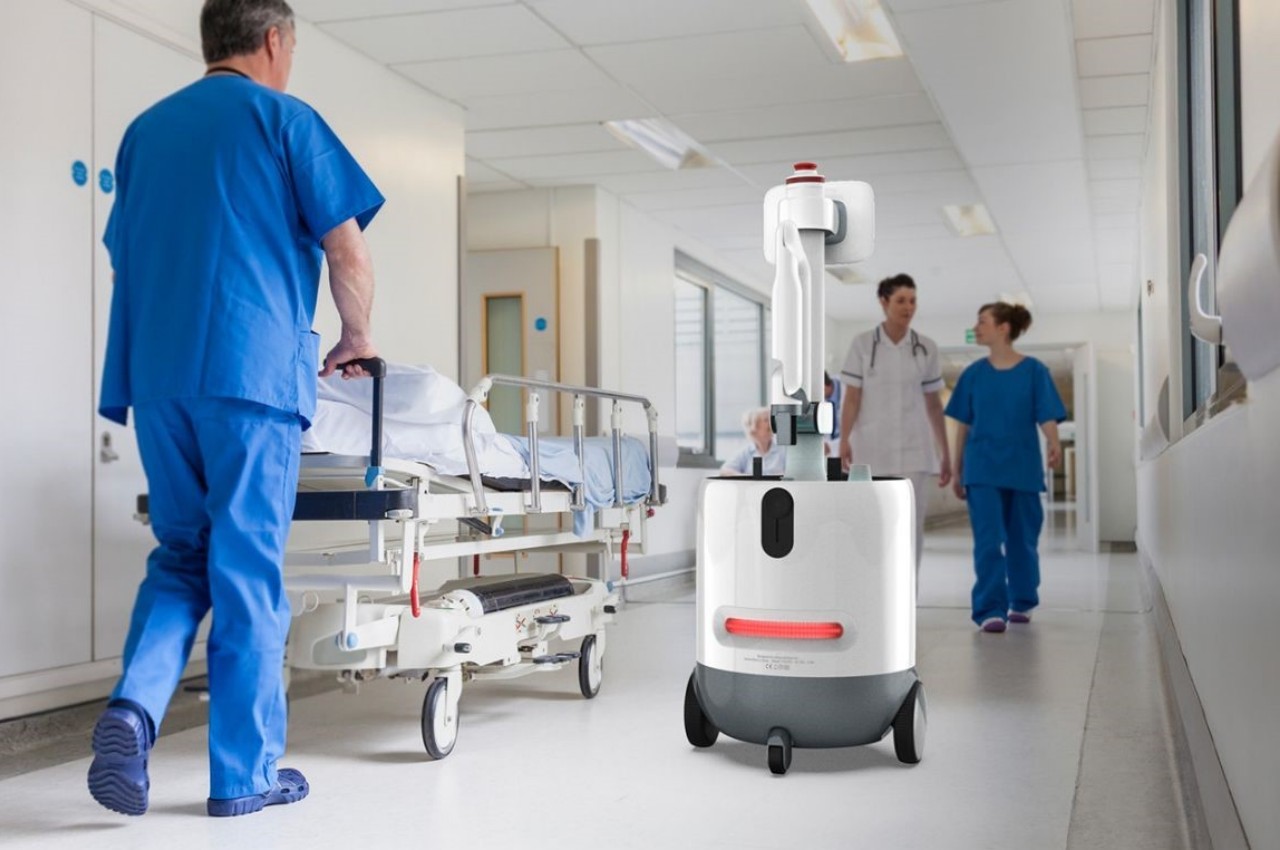
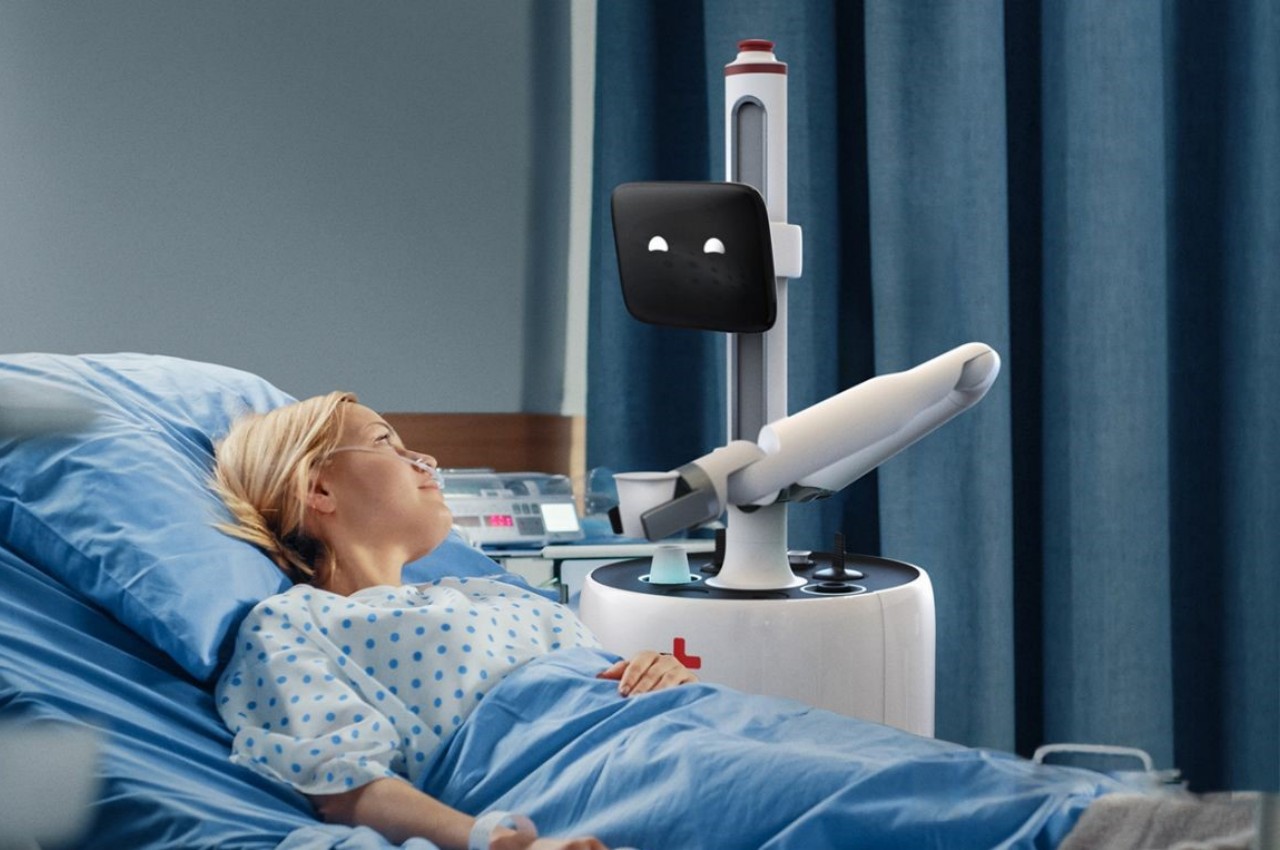
Turing is a groundbreaking development in the world of robotics. By embracing emotional design and a highly adaptable, modular nature, it is pushing the boundaries of human-robot interaction and addressing the limitations that have confined robots to specific industries. With Turing, the future of robotics looks promising, as it promises to bring robots out of controlled environments and into our everyday lives, as social, collaborative, and empathetic companions.
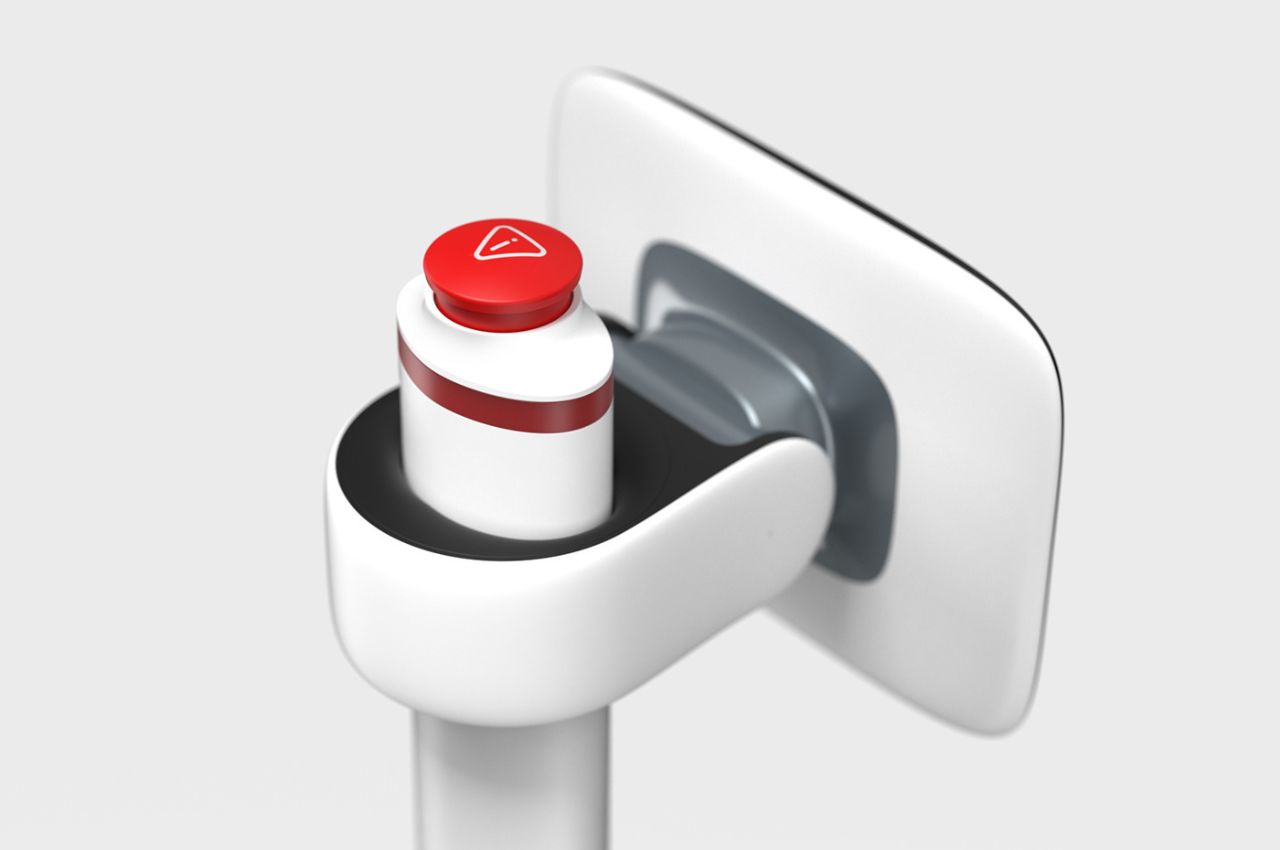
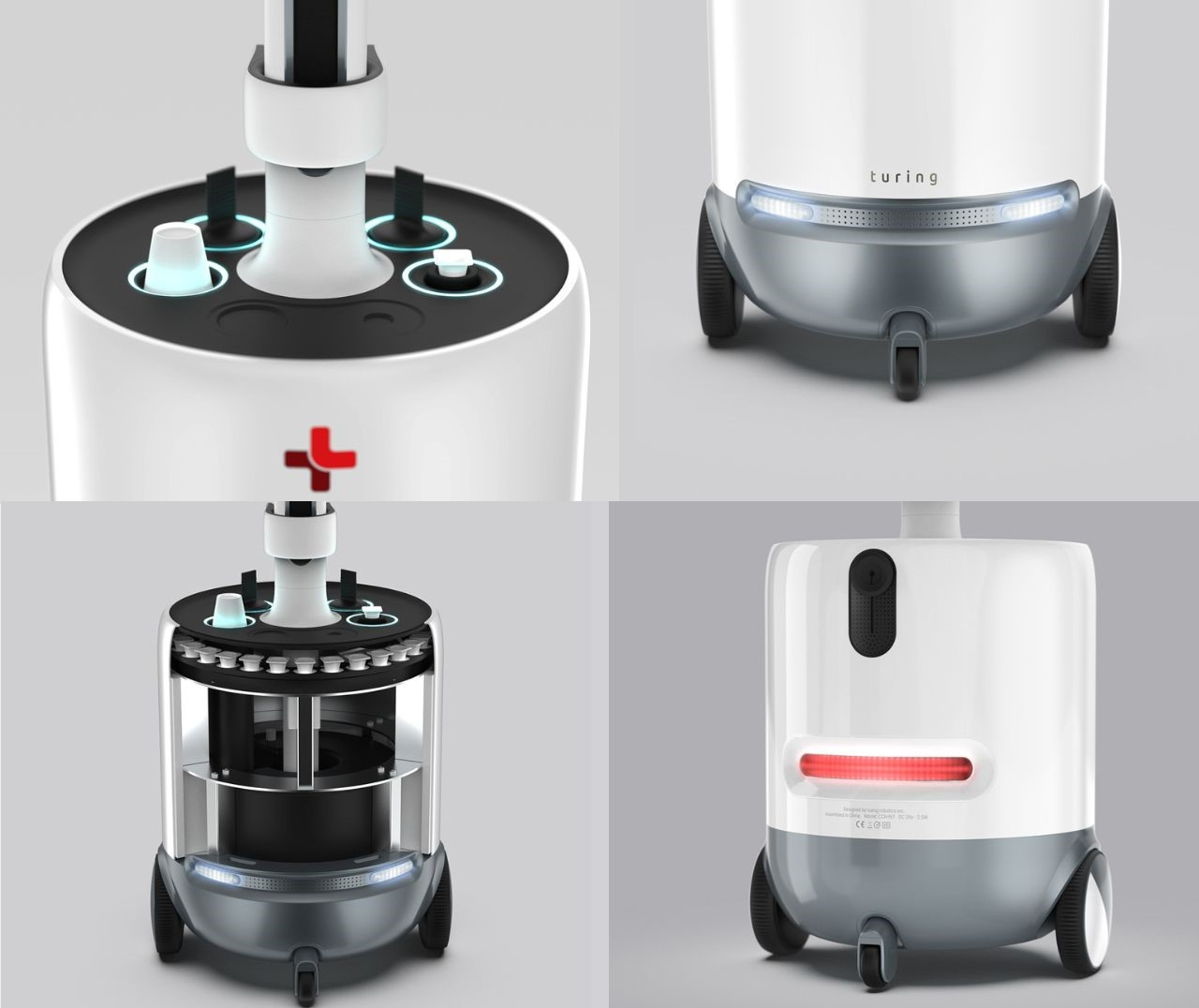
The post How Robots Are Expanding Their Fields of Work By Attaining Emotional Designs first appeared on Yanko Design.
Introducing Your New Kitchen Buddy To Help And Accompany You Through Your Cooking Time

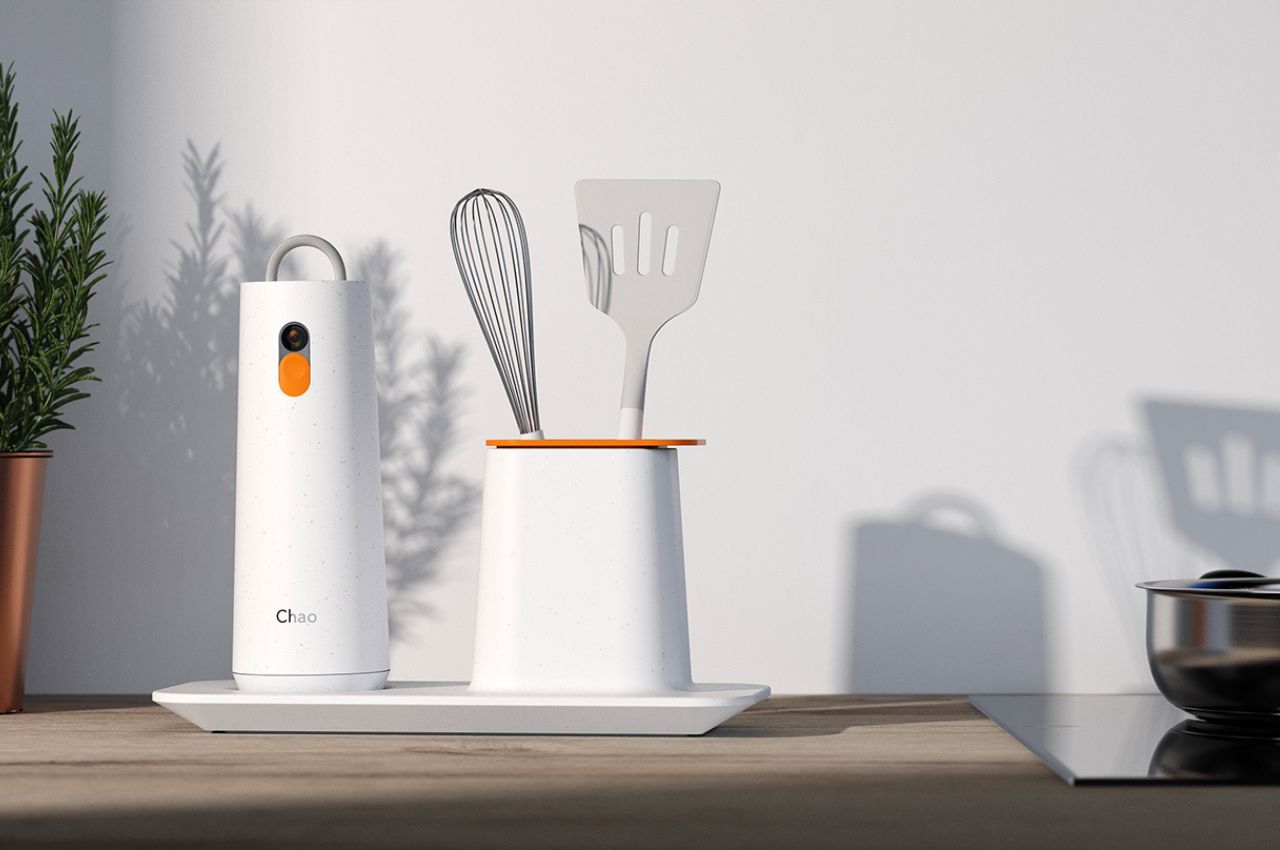
In the fast-paced world of today, where time is a precious commodity, the desire to cook wholesome meals at home often takes a backseat. Many millennials express the wish to cook more frequently, but their busy lifestyles and lack of culinary expertise frequently obstruct their path. The availability of pre-prepared convenience foods and the allure of dining out as a social experience often leaves little motivation to change one’s cooking habits. However, a revolutionary solution is on the horizon: Chao, an AI-powered social cooking platform designed to minimize the hassle of meal planning and eliminate the uncertainty of cooking, making the experience more accessible and enjoyable.

Designer: Tom Shirley (Cambridge Consultants)

Chao recognizes the struggle that many millennials face when attempting to embrace home cooking. The product acknowledges that the pain points of cooking commence long before one even steps foot in the kitchen. As someone who lived through the trials of university life, I can personally relate to this challenge. The lack of culinary instincts and the tedious, often boring nature of cooking made it difficult to muster the motivation to prepare meals at home, especially when you’re a student on a budget. Chao’s mission is to change this narrative.

Chao is not just another recipe app; it’s a comprehensive solution that redefines home cooking in the modern era. Here are some key features that make Chao unique:

1. Machine Vision:

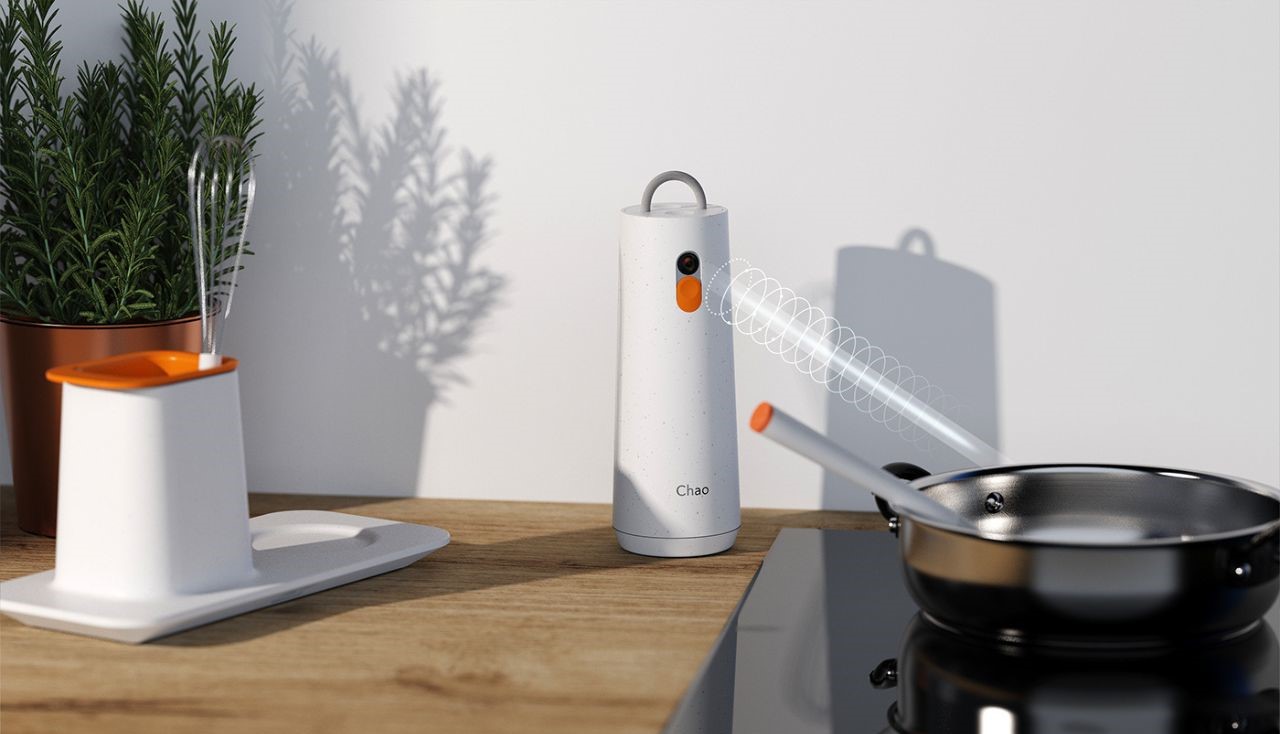
Chao employs intelligent machine vision to ensure the correct usage of all utensils, making it the perfect companion for novice cooks.

2. Social Collaboration:

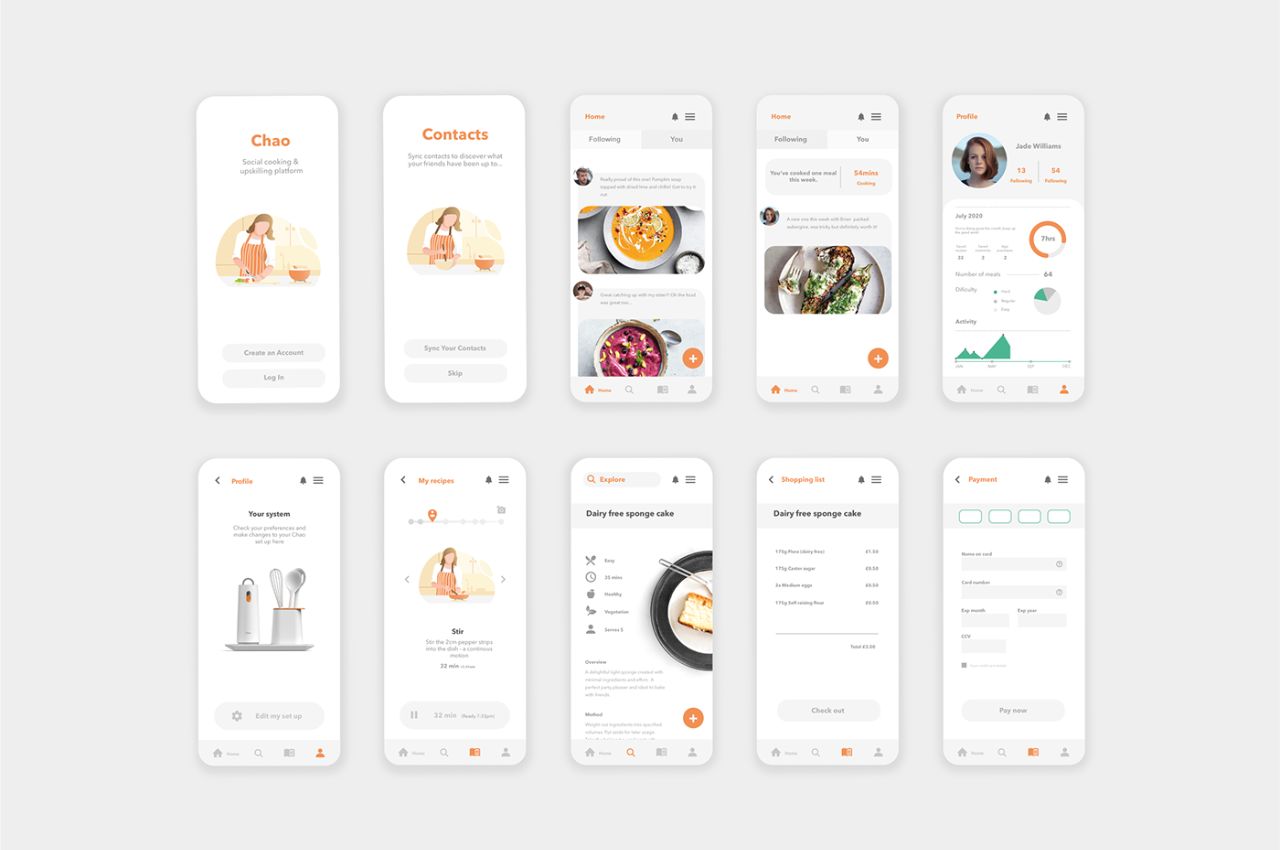
Chao fosters user interaction, promoting social collaboration around a common goal – preparing and enjoying delicious meals together.

3. Remote Participation:

Chao breaks geographical boundaries, allowing users from all corners of the globe to actively participate in the creation of meals, thereby creating a global culinary community.

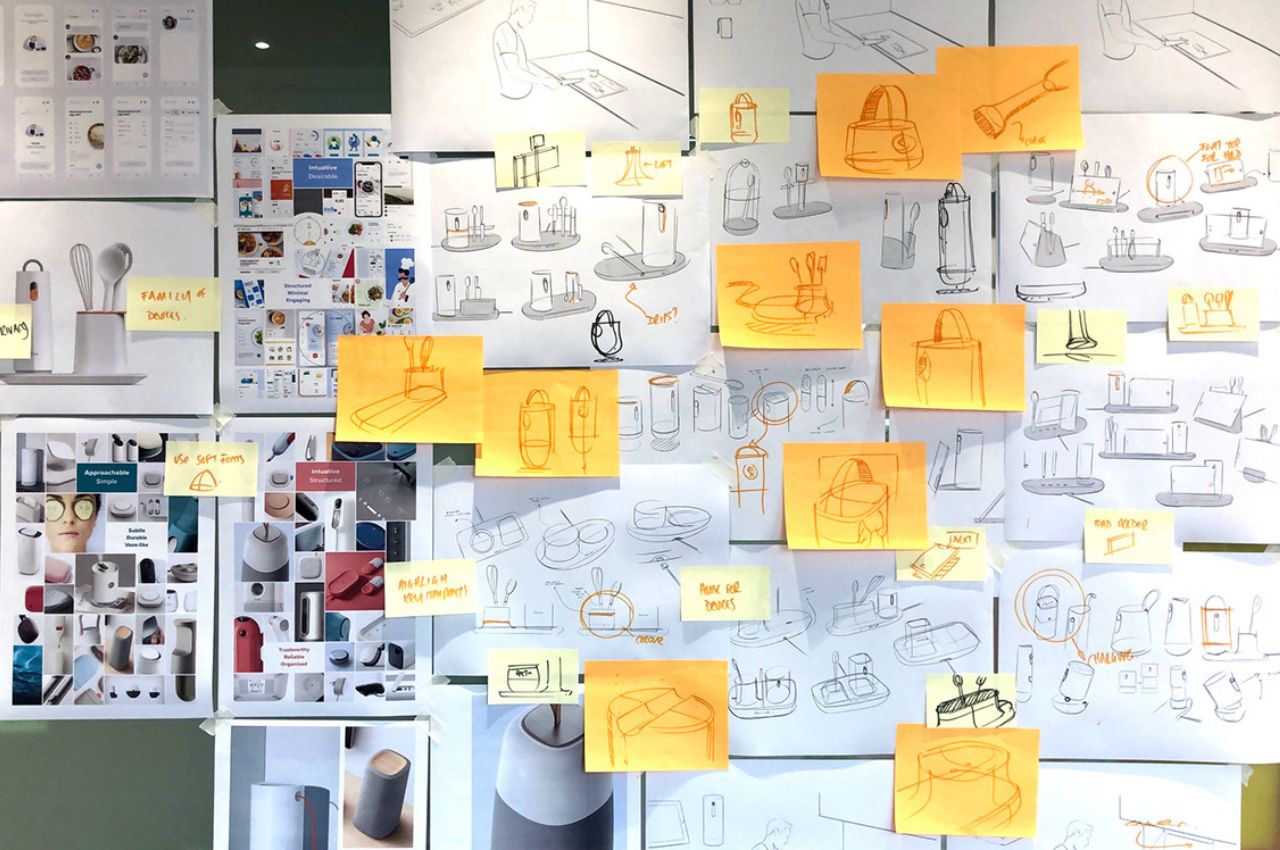
Chao has been meticulously designed to address the genuine concerns of its target users. The team behind this innovation took the time to understand and empathize with users, pinpointing and resolving key pain points to ensure that the final product seamlessly integrates into their daily lives. Co-creating the concept with users at various stages of development ensured that the user experience (UX) and feature set remained perfectly aligned with their needs and expectations.

How Chao Works

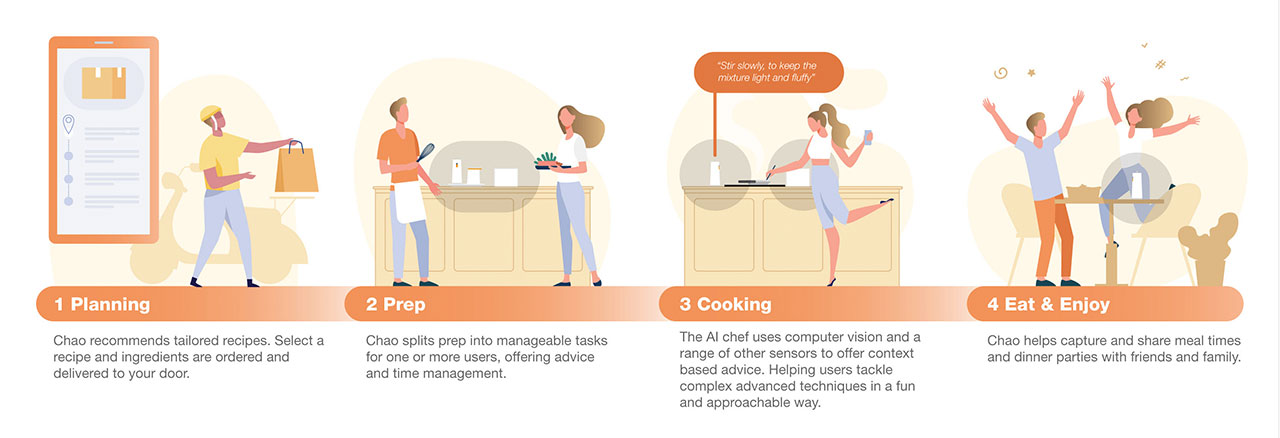
Chao simplifies the entire cooking process with a seamless user experience:

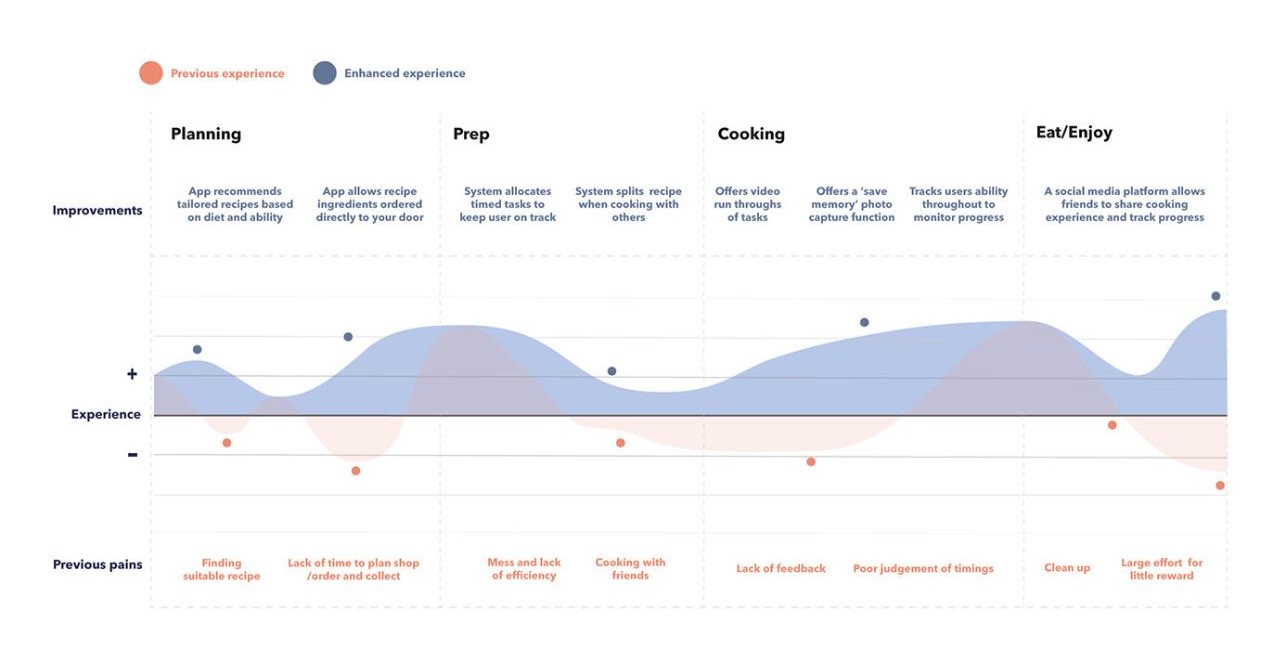
1. Planning: Chao recommends tailored recipes. Once a recipe is selected, the necessary ingredients are ordered and delivered right to your door, saving you the hassle of grocery shopping.

2. Prep: Chao divides the preparation into manageable tasks, whether for one person or a group, offering advice and time management tips.

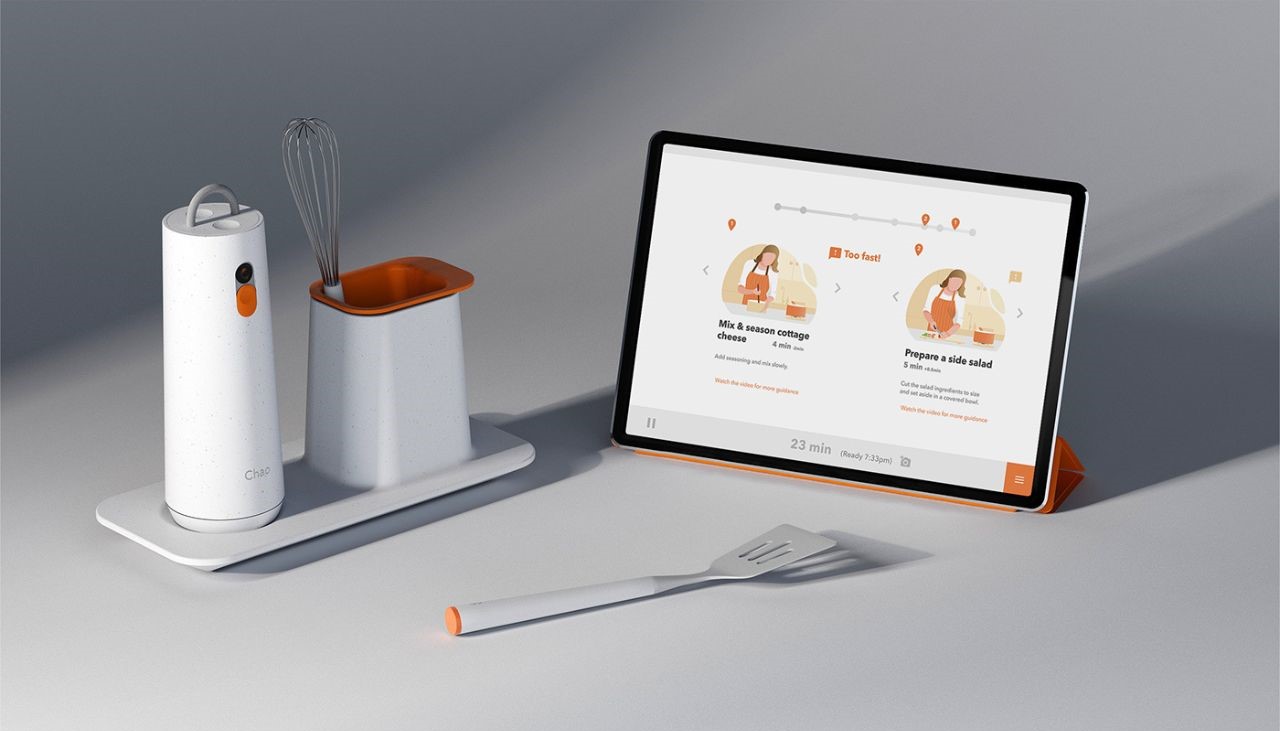
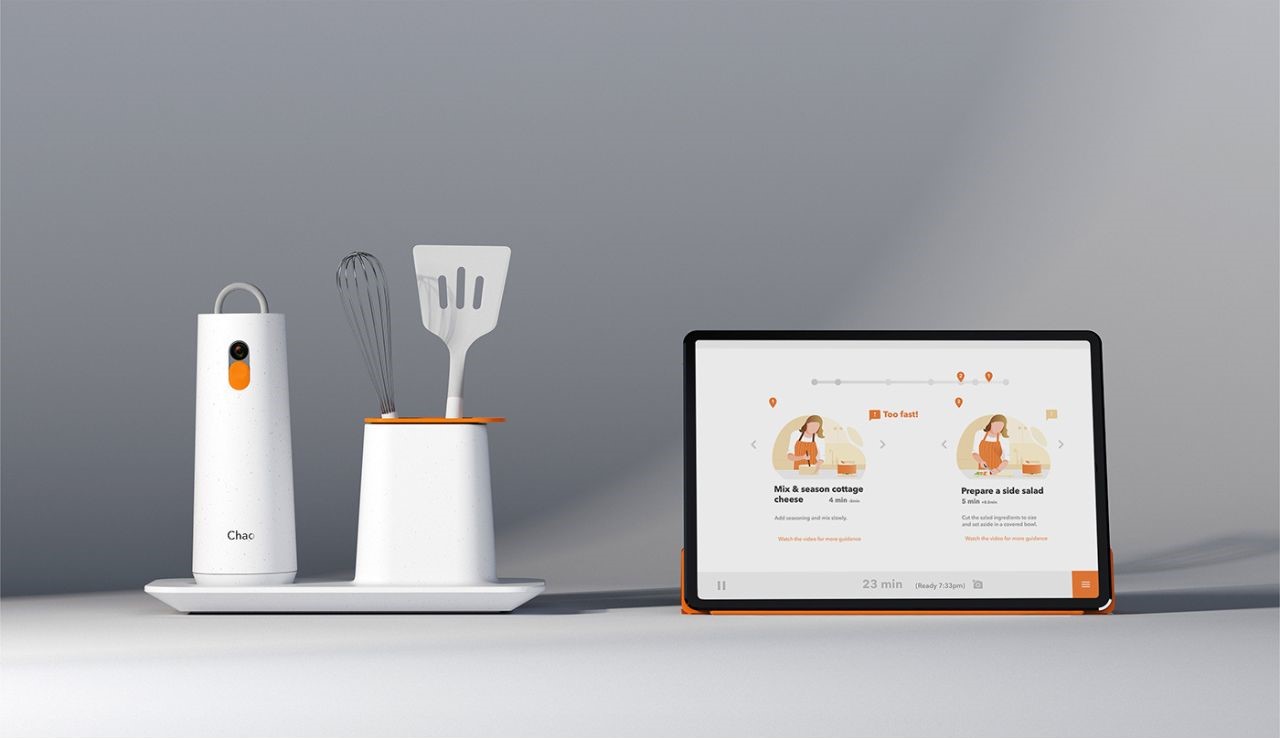
3. Cooking: The AI chef utilizes computer vision and various sensors to provide context-based advice, making it easy to tackle advanced cooking techniques in a fun and approachable way.

4. Eat & Enjoy: Chao helps capture and share meal times and dinner parties with friends and family, turning every meal into a memorable experience.

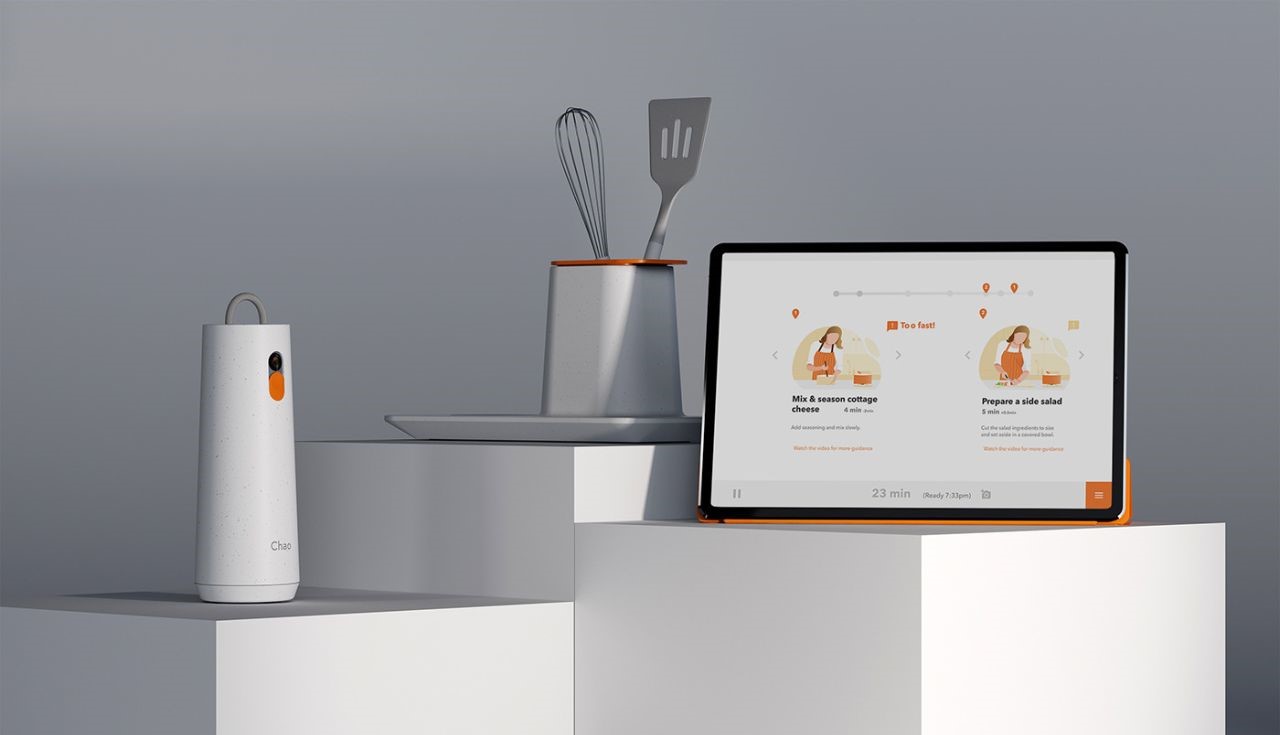
Chao guides users through the cooking process, sharing their progress and key statistics on a dedicated social media platform. With a deep understanding of user behavior, Chao provides easy-to-follow recipe steps along with tailored tips, thereby eliminating the uncertainty that often plagues home cooking.

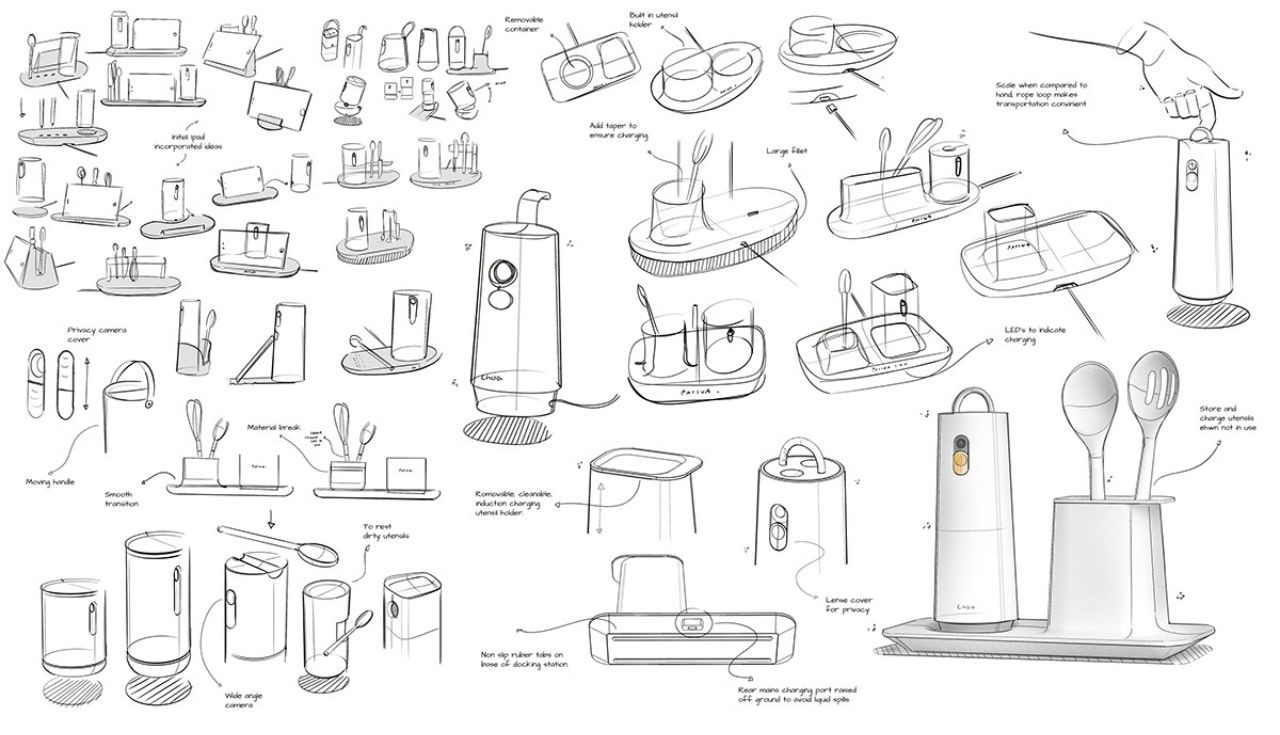
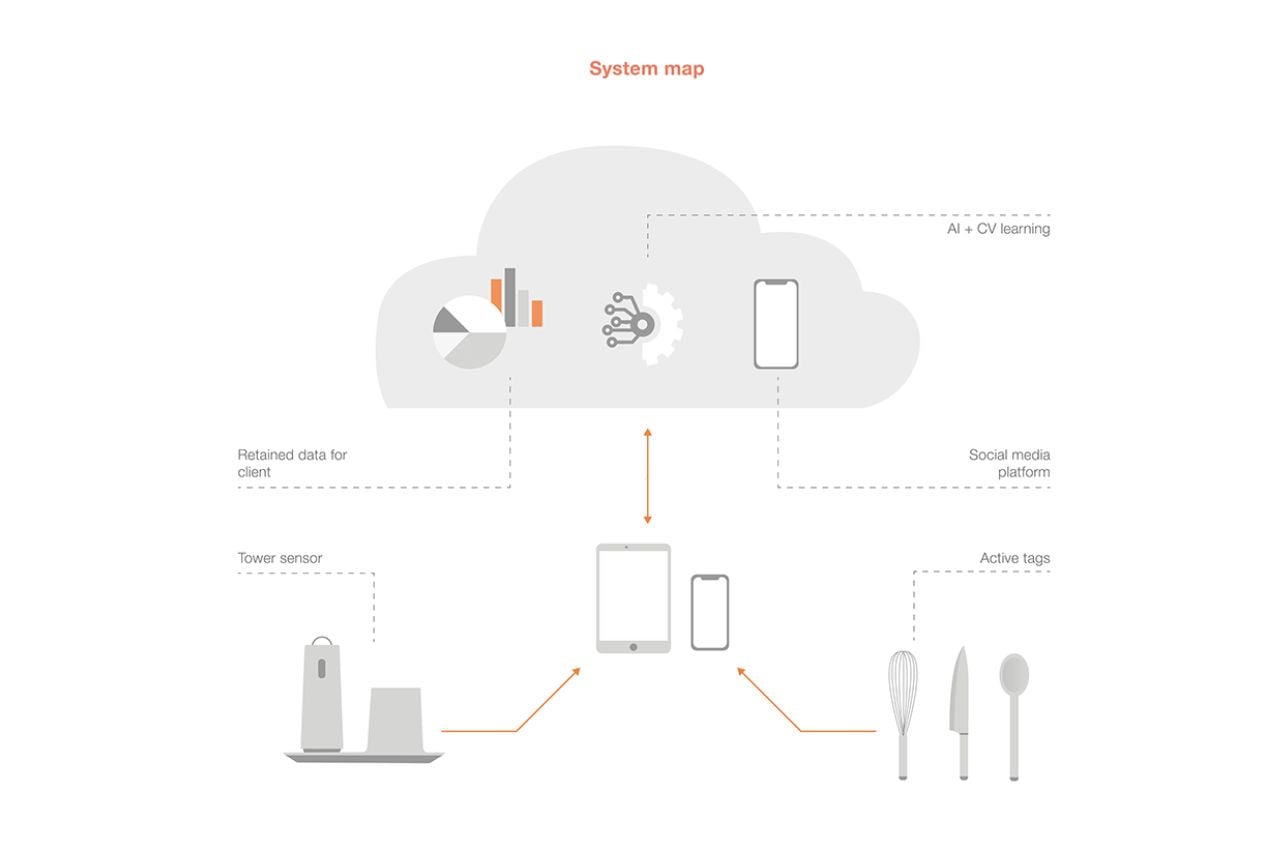
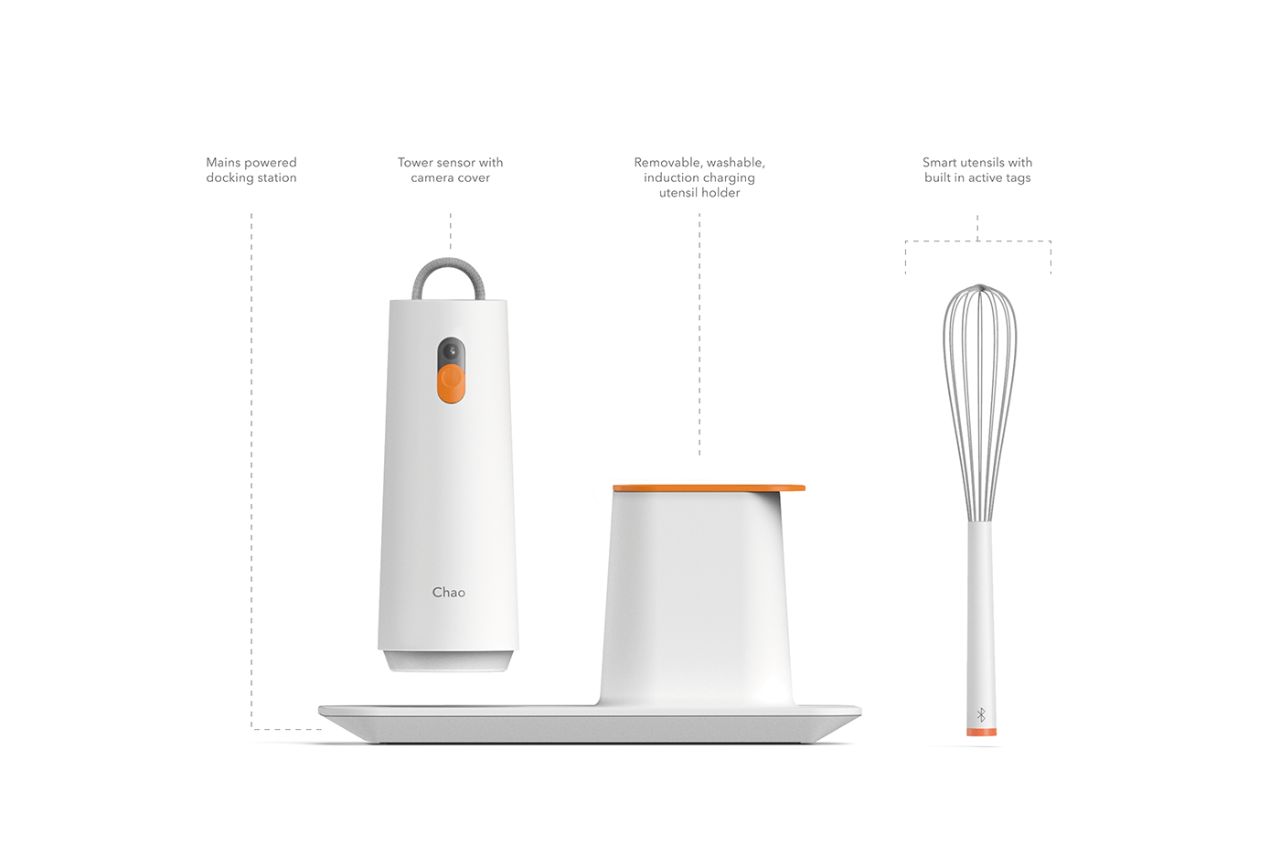
Chao seamlessly blends the physical and digital worlds of cooking. The charging dock also serves as a home for the physical components of the system, seamlessly fitting into the kitchen environment.

A collaborative approach played a pivotal role in bringing Chao to life. Designers worked hand-in-hand with software engineers, electronic experts, and culinary enthusiasts. They tackled technical challenges such as person identification through computer vision, constructing a robust cloud-based infrastructure, and tracking utensils, whether actively or passively tagged.

In conclusion, Chao represents a pivotal step towards redefining the way we cook at home. It empowers millennials and anyone with a desire to cook healthier, more delicious meals, providing a solution to the time and knowledge constraints that often get in the way. With its innovative features and user-centric design, Chao promises to make home cooking more accessible, enjoyable, and social. It’s a product that’s not just about food; it’s about creating experiences and memories around the dinner table.

The post Introducing Your New Kitchen Buddy To Help And Accompany You Through Your Cooking Time first appeared on Yanko Design.