10 Most Popular Kitchen Flooring Materials: Their Pros and Cons

The primary purpose of kitchen flooring is to offer a flat, comfortable surface for walking and standing for extended periods, facilitating easy movement around the space. It’s crucial to choose durable materials that can withstand daily wear and tear, considering that kitchens often require frequent cleaning due to food spills. Here are the top flooring materials suitable for kitchens, emphasizing resistance to heat, moisture, staining, and impact damage to ensure longevity.

Designer: Konga

1. Ceramic Tile
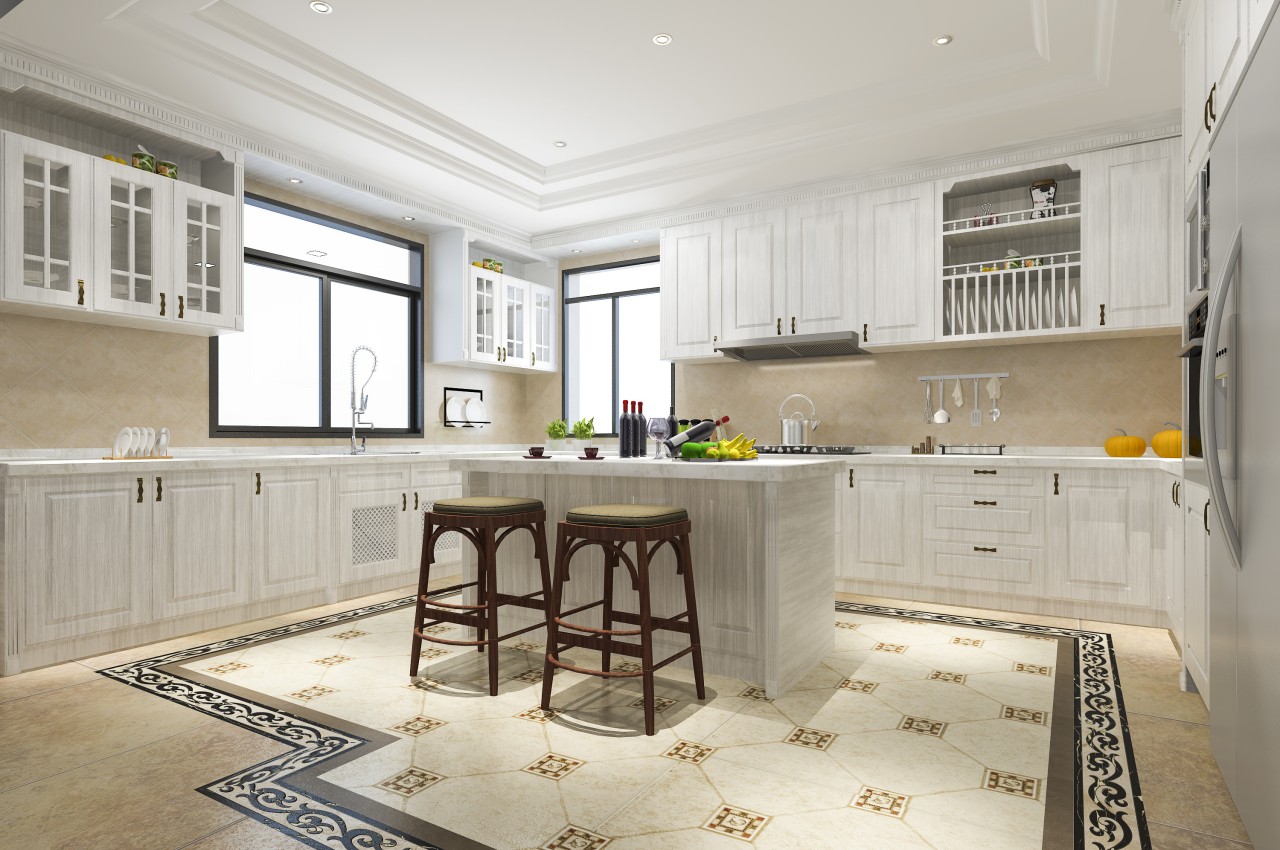
Image courtesy of: dit26978

Pros:
Ceramic tile is crafted from clay and natural ingredients, shaped, glazed, and fired at high temperatures. Resistant to water and stains, it’s an ideal choice for kitchen flooring, also withstanding heat and breakage. While it can last indefinitely under optimal conditions, it may develop cracks and chipping if the top layer wears off. Ceramic tiles are resistant to water and heat.

Cons:
Ceramic tile, while exceptionally hard, may be uncomfortable to stand on for extended periods. Improper installation can lead to cracking and chipping, resulting in the top layer peeling off.

2. Porcelain tile
Designer: Horizon Italian Tile

Pros:
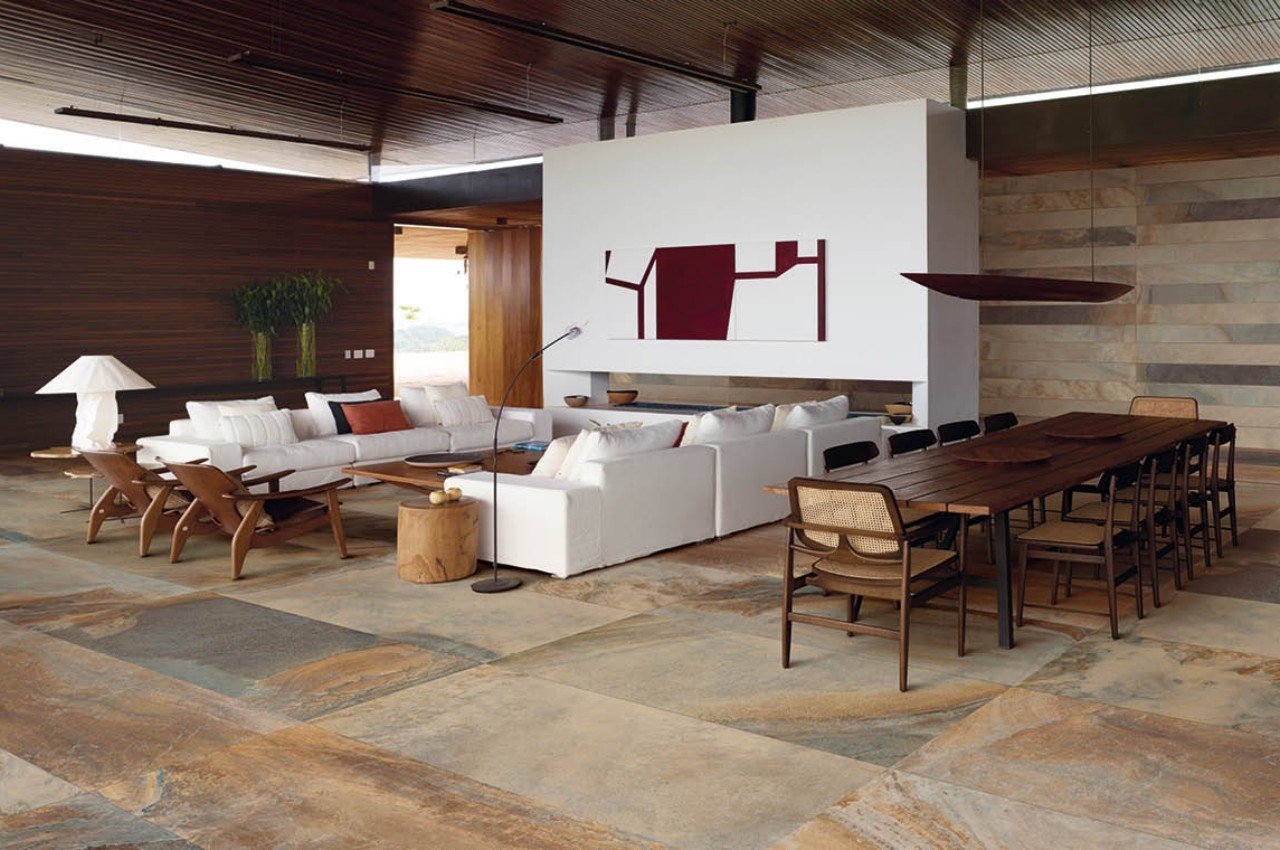
Porcelain tiles, made from baked natural clay at high temperatures and pressure, are exceptionally strong, durable, and long-lasting. Their non-porous surface makes them resistant to stains and scratches. Available in a variety of colors, textures, and patterns, including designs resembling natural stone and wood, they are easy to maintain.

Cons:
The biggest disadvantage of porcelain tiles is that they possess a dense and hard composition, resulting in considerable weight.

3. Concrete Flooring
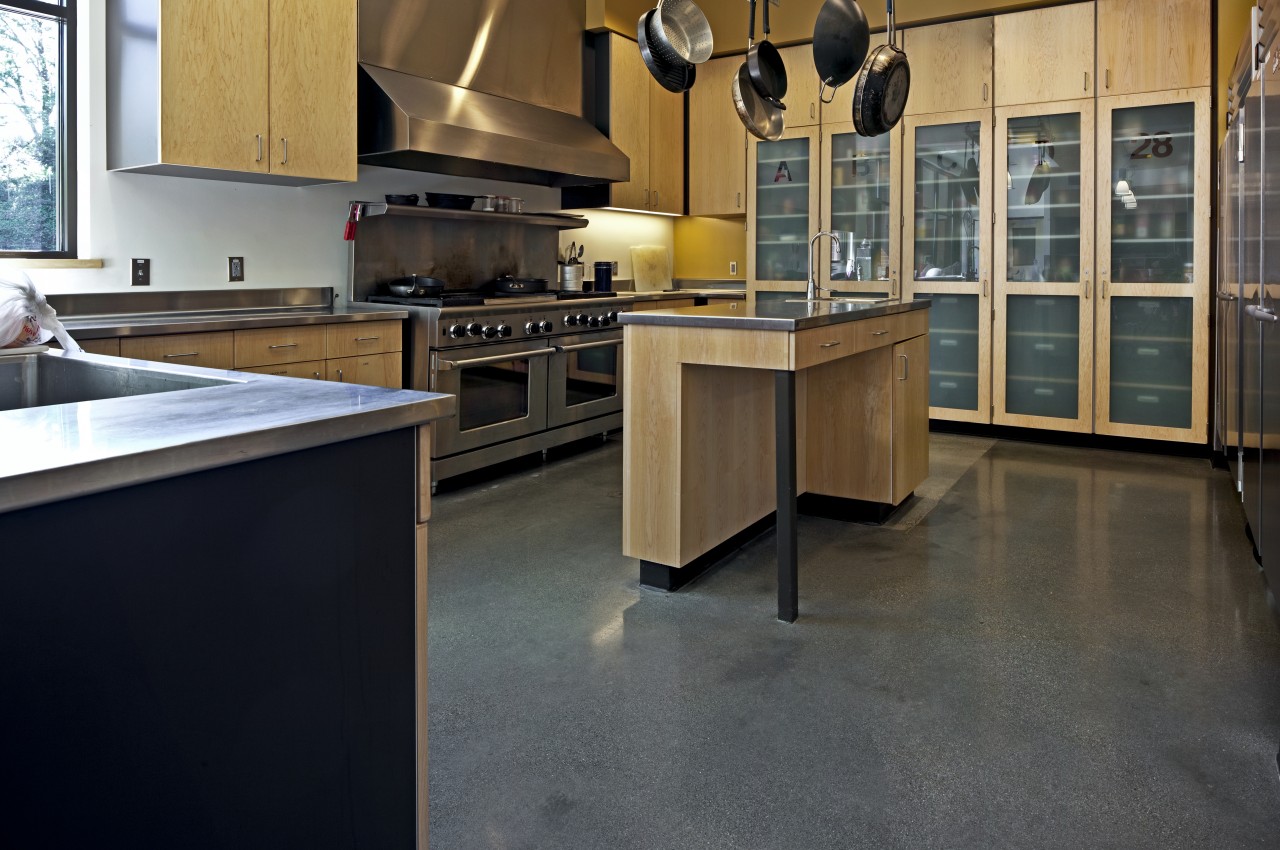
Image courtesy of: Mint_Images

Pros:
Concrete floors are a highly cost-effective flooring option for industrial-themed kitchens. One of the best aspects of concrete is that it is versatile and can be stained, polished, or can be treated creatively into stylish works of art. Concrete floors are particularly suitable for modern kitchens. Concrete floors are resistant to impact and heat.

Cons:
Due to its porous nature, concrete requires periodic sealing to safeguard against staining and water damage. Additionally, it can feel hard and cold underfoot. Moreover, while concrete offers an urban or industrial aesthetic, its appearance may not be unique.

4. Natural Stone

Image courtesy of: pro_creator

Pros:
Natural stone is a popular choice for durable kitchen flooring, offering various options with distinct properties. Granite is sturdy and versatile, suitable for both tiles and countertops. Limestone adds aesthetic appeal but is softer and better suited for accents. Marble is elegant but prone to scratching and staining. Sandstone offers a soft, multicolored look ideal for kitchens. Slate is durable and sophisticated, lasting for decades with proper maintenance while travertine provides Old World style, though it’s less durable than other options. Overall, natural stone enhances the kitchen’s appearance while ensuring long-lasting functionality. Also, its natural vein patterns provide a unique look, and no two tiles or slabs look alike.

Cons:
Stone installation is time-consuming, involving cutting and handling heavy materials. Its main drawback is its porous nature, making it susceptible to water and liquid stains, particularly in the kitchen. Applying a quality penetrating stone sealer annually can provide invisible protection, but reapplication is necessary at regular intervals.

5. Vitrified Tiles
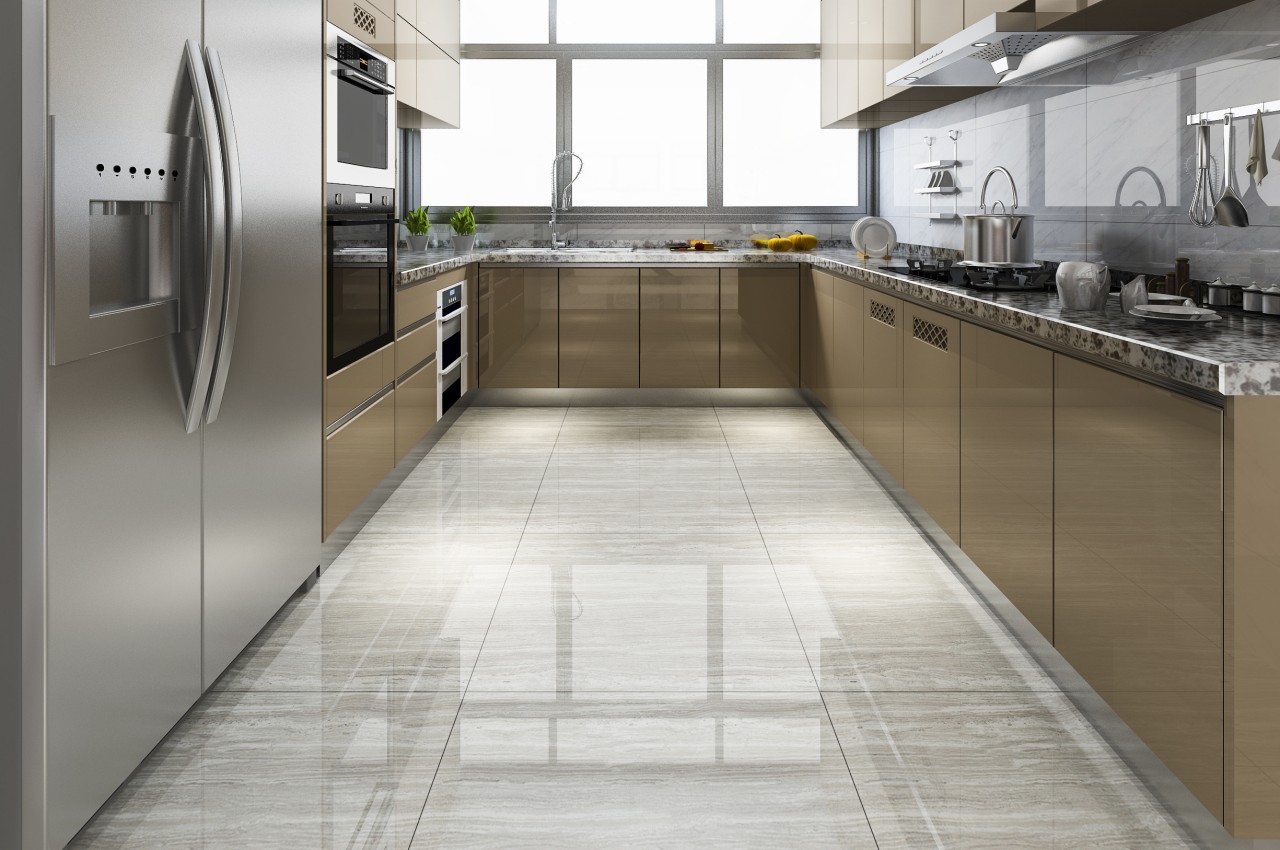
Image courtesy of: dit26978

Pros:
Vitrified tiles are highly favored as a flooring choice for kitchens due to their numerous advantages. These tiles are renowned for their exceptional hardness, density, and strength, making them resistant to stains, scratches, and acids, which are common in kitchen environments. Available in a diverse array of colors, designs, and sizes, including glazed, full-body, and double-charged varieties, vitrified tiles offer versatility to suit different aesthetic preferences. Moreover, their ability to withstand heavy foot traffic ensures long-lasting durability, making them an ideal option for busy kitchen spaces.

Cons:
The biggest disadvantage is that vitrified tiles can become slippery when wet.

6. Bamboo Flooring
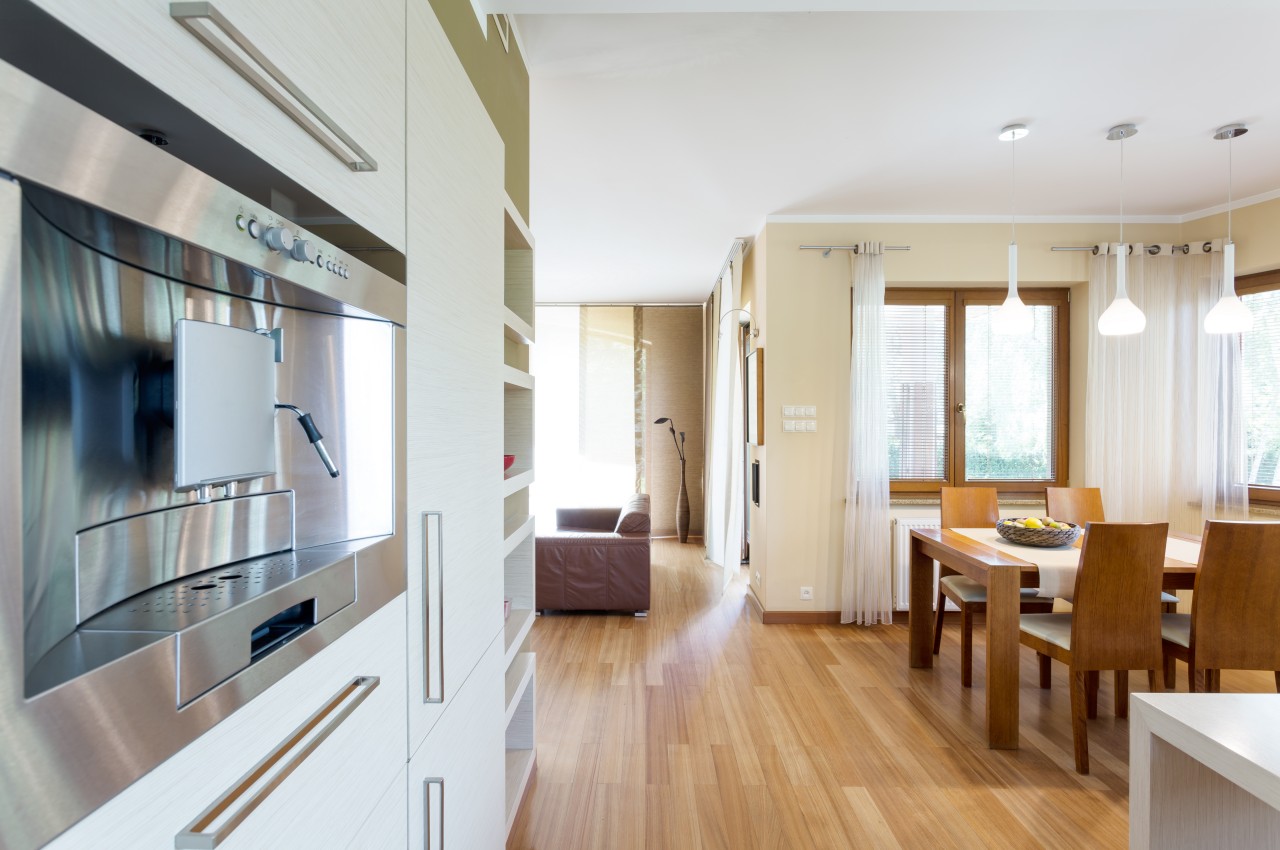
Image courtesy of: bialasiewicz

Pros:
A recent innovation is bamboo flooring which is becoming increasingly popular for kitchens due to its durability and enhanced moisture resistance from the manufacturing process. It offers the look of hardwood with greater durability. There are three types: strand woven, engineered, and solid bamboo, each offering varying levels of durability and cost.

Cons:
The drawback is that this flooring type can vary in appearance based on color, grain, and pattern. Solid bamboo may not be suitable for kitchens with moisture present.

7. Cork Flooring
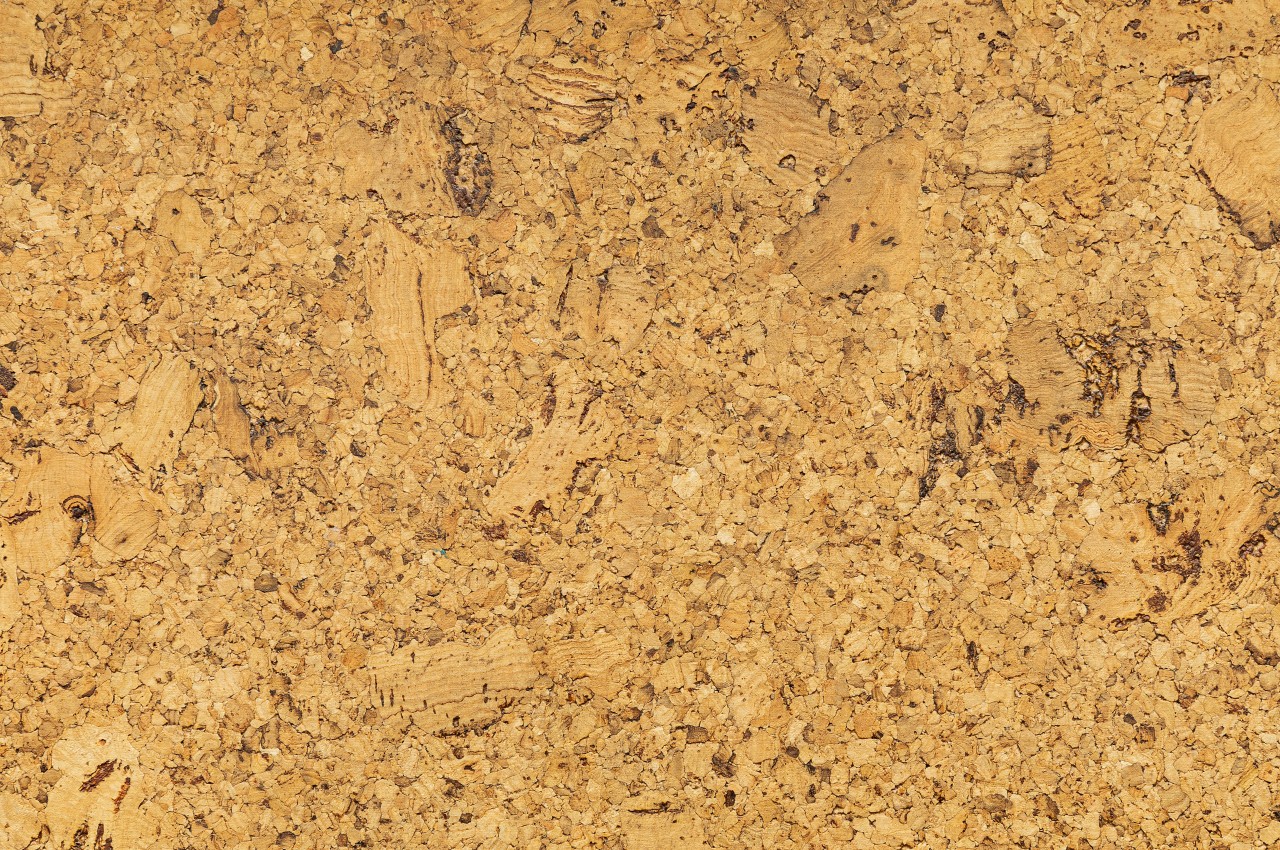
Image courtesy of: traimakivan

Pros:
Cork flooring seeks to improve the comfort of the user with a soft construction that reduces fatigue and strain from walking and standing during food preparation. This material has a unique appearance that can add to the home’s aesthetic, and it is made from sustainable materials, harvested from the bark of cork oak trees.

Cons:
Cork offers a warm and soft underfoot experience, but it’s less durable than most flooring options and susceptible to scratches and moisture. To prevent staining and water damage, sealing the flooring every one to two years is recommended.

8. Laminate Flooring

Image courtesy of: pro_creator

Pros:
Laminate wood flooring presents an affordable option for flooring, offering a cost-effective means to elevate the aesthetic of a kitchen compared to hardwood. Its superior scratch resistance against regular foot traffic makes it an attractive choice. Additionally, laminate serves as a practical alternative to hardwood floors and is available in a variety of styles and finishes.

Cons:
Laminate flooring isn’t as well-suited for handling moisture, which can make maintenance more challenging when used in kitchens. If you choose to install laminate in this space, it’s essential to employ a proper moisture barrier. Additionally, laminate doesn’t offer the same longevity as hardwood, tile, and vinyl flooring options.

9. Vinyl Flooring

Image courtesy of: studio

Pros:
Vinyl flooring offers numerous benefits specifically tailored for kitchen environments. Its durability, with a lifespan ranging from 10 to 20 years, can be further extended through proper maintenance and careful use. With its water-resistant and anti-slip features, vinyl flooring is an ideal option for moisture-prone spaces like kitchens, offering easy maintenance and effective stain resistance. The softness underfoot, thanks to its foam or felt backing layer, ensures comfort during prolonged periods of standing while reducing fatigue. Moreover, vinyl flooring comes in a wide range of colors and designs, providing options that mimic the appearance of natural materials like stone and wood.

Cons:
Vinyl flooring emits high levels of VOCs (volatile organic compounds) and may have a noticeable odor upon installation. Additionally, it is not resistant to strong chemicals, which can cause permanent discoloration and damage. Outdoor use is not recommended as prolonged sunlight exposure can lead to fading. Furthermore, an uneven subfloor can result in lumps and damage over time, while sharp objects can cause cuts and dents that are challenging to repair.

10. Hardwood Flooring

Image courtesy of: studio

Pros:
Hardwood flooring is known for its durability as it offers good longevity with proper care and maintenance. With a diverse array of styles available, it can suit any decor. It is easy to maintain as it requires only regular sweeping and vacuuming, although it’s essential to avoid wet-mopping and promptly clean up spills to prevent damage.

Cons:
While engineered hardwood is typically more affordable, solid hardwood remains costly. Both types are susceptible to moisture damage, with solid hardwood being especially vulnerable. Moreover, hardwood floors are susceptible to scratches, dents, and photosensitivity, prompting the need for more durable species or alternative materials like laminate or vinyl, especially in sunlit rooms.

The post 10 Most Popular Kitchen Flooring Materials: Their Pros and Cons first appeared on Yanko Design.


Computer mouse design has to be scratched and deteriorated to show its true self

We see plenty of designs that try to address one of the computer mouse’s biggest problems, that of ergonomics. Truth be told, however, it’s unlikely that it will change en masse and for good, considering how the horizontal shape of this device has been so ingrained in our consciousness for decades. Of course, that doesn’t mean that there’s no room for experimentation, especially when it comes to adding some value to a traditional mouse design. That can be through its shape, its texture, or even its materials. The latter is something that this curious concept tries to play with, suggesting a computer mouse that you intentionally want to get scratched or quickly deteriorate just so that you can see the secret color or design hidden underneath its skin.

Designer: Liang Yao (苦 口)

Physical products age and deteriorate over time, but those that provide some utility tend to grow old and wear down faster. Not all materials, however, age as gracefully as leather or brass, materials develop unique patinas from their use. Wood can chip, metal gets scratched, and plastic fades or gets discolored. Normally, you wouldn’t want your stuff to even get dinged, let alone scratched, because it then loses its value, but this computer mouse concept is the complete opposite.

“Scratch-off” is a design that adds an extra layer on top of the mouse’s actual design that’s not meant to last forever. Just like those lottery scratchcards, the temporary material on top reveals a prize or a dud when you scratch it off. Of course, you won’t intentionally scratch this mouse’s surface, but it adds a bit of thrill and excitement as you slowly see the hidden design underneath.

This actually brings a lot of opportunities for branding and advertising, with logos or markings hidden underneath the outer layer of the mouse’s surface. Of course, it could be a long burn depending on the kind of material used. After all, it might take weeks or even months before the mouse’s outer cover gets scratched off or peeled completely. In some cases, however, there might even be a marketing gimmick where you intentionally damage the mouse’s surface to reveal some visual gem underneath, hopefully in a safe manner.

The concept, however, does raise the question of the material that should be used to implement this outer layer. It has to be easy to scratch or fade, but not too quickly like some plastic sheet that will defeat the entire purpose of anticipating the product’s deterioration. At the same time, however, it has to be a hygienic material that won’t leave flakes behind, considering how your hand will always be making contact with the mouse.

The post Computer mouse design has to be scratched and deteriorated to show its true self first appeared on Yanko Design.

Top 10 Game-Changing Materials that are shaping the Design and Technology World in 2024

Imagine a world where buildings heal their own cracks, mushrooms become furniture, and fashion can help regulate your body temperature to keep you comfortable no matter the weather. This isn’t a chapter from a science fiction novel; it’s the near future of design materials that are set to revolutionize our lives in 2024. From self-healing concrete to bioengineered plastics, innovators across the globe are pushing boundaries to create materials that not only challenge our traditional understanding of functionality but also promise sustainability and efficiency like never before. A lot of these materials may not seem incredibly new to you, but advancements in their production (and rapid deployment) earn them a spot on this list. These aren’t ‘unheard of’ materials, but rather, are materials that are slowly and surely becoming more and more accessible to companies looking to innovate and bring the latest advancements to the world. Be prepared to hear more and more about these materials going forward, because of how radically powerful they are, and how much potential they hold to make lives easier, processes more efficient, and the world hopefully greener and better.

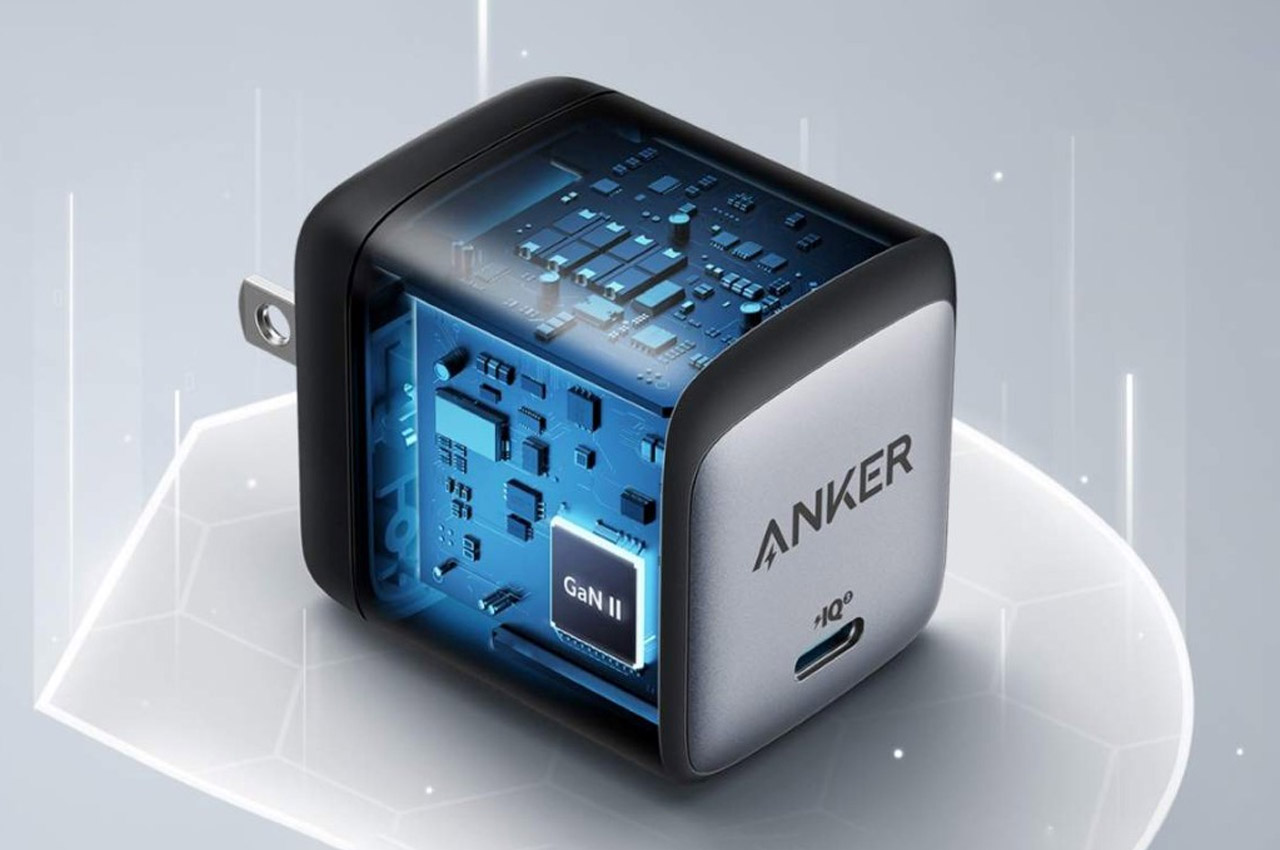
10. Gallium Nitride (GaN)

This unassuming compound, often overshadowed by its silicon cousins in years past, is poised to claim center stage as one of the top ten game-changing materials for technology. Imagine a substance so versatile that it could simultaneously shrink your bulky laptop charger into an almost weightless accessory and at the same time propel electric vehicles towards unprecedented efficiencies. GaN does just that, thanks to its remarkable ability to handle higher voltages and dissipate less heat than silicon—traits that are propelling us headlong into an era of energy efficiency that once seemed like science fiction. In laboratories around the globe, GaN is already flexing its muscles; showing off not only in power electronics but also making waves in radio frequency applications where speed is king. With 5G networks unfurling their potential across cities worldwide, GaN stands ready as a key player in amplifying signals with clarity and precision unheard of before. But don’t let these technical feats overshadow GaN’s environmental bravado—it operates cooler and wastes less power, which means smaller cooling systems and greener solutions all around.

9. Graphene

This marvel, just one atom thick and yet stronger than steel, is poised to redefine our approach to everything from electronics to architecture. Picture a world where your smartphone bends like paper without breaking or buildings that withstand earthquakes with ease; this isn’t a fanciful daydream but the tangible future promised by graphene. Revered for its exceptional conductivity, it’s set to revolutionize solar panels, turning them into ultra-efficient light sponges that could make clean energy more accessible than ever before. Imagine textiles imbued with this wonder material – clothing that can monitor health or even charge your devices on-the-go (we already know of thermoregulating fabrics that rely on the properties of Graphene)… but what truly sets graphene apart is its versatility – it’s not merely enhancing existing products but paving the path for innovations we haven’t even dreamed of yet.

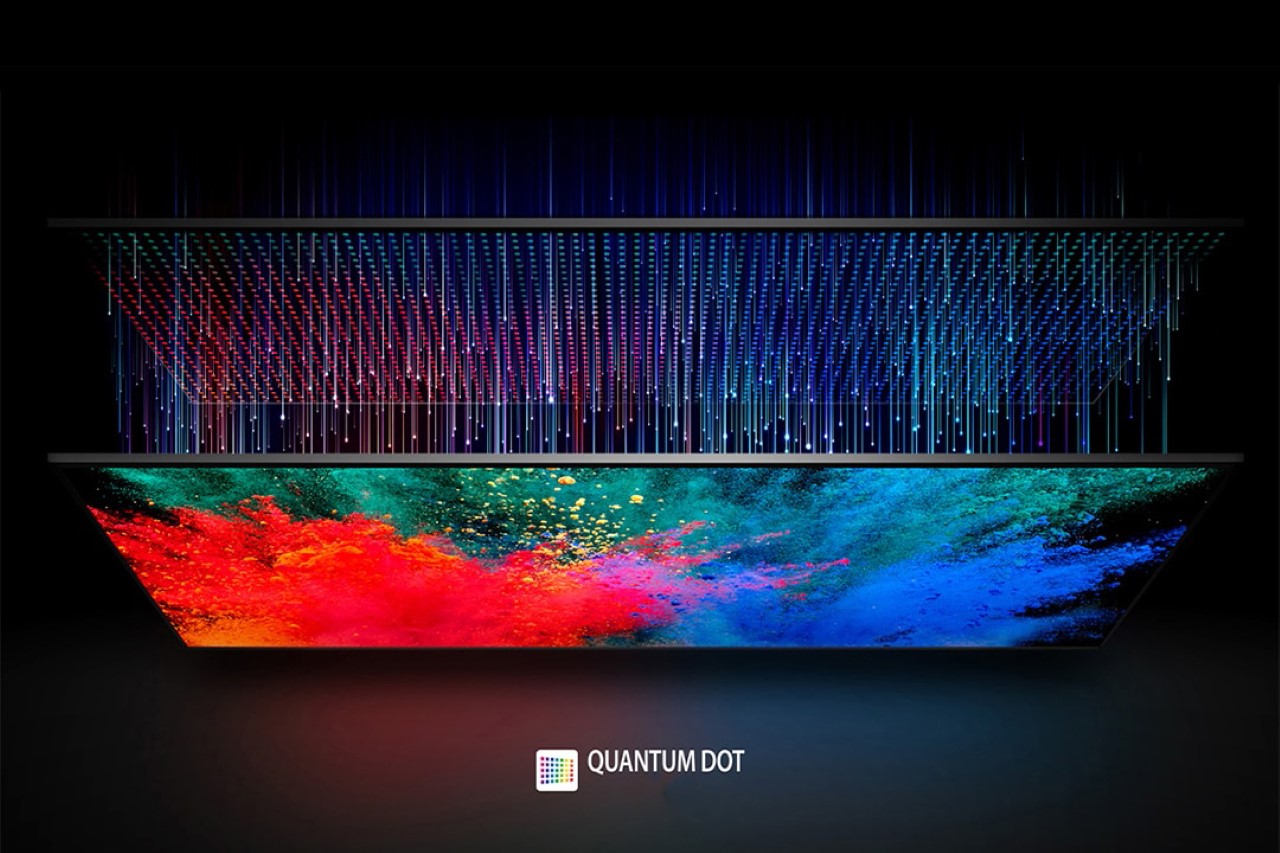
8. Quantum Dots

You’ve probably heard of quantum dots in one of Samsung, LG, or Sony’s press releases about their latest televisions… but what exactly are these quantum dots, and what about them made them enter this list? Well, quantum dots (QDs) are nanocrystals with unique optical properties, making them ideal for next-gen display technologies. These tiny semiconductor particles are small enough to exhibit quantum mechanical properties, which allow them to emit light at specific wavelengths when energized. The result? Vibrant colors and improved energy efficiency in displays ranging from TVs to smartphones. While the world is coalescing around quantum dot displays (moving away from traditional LCDs and OLEDs) because of how incredibly vivid and lifelike they are, the potential for these dots extends way beyond just displays, with their ability to help make solar panels MUCH more efficient, as well as revolutionize (and democratize) quantum computing.

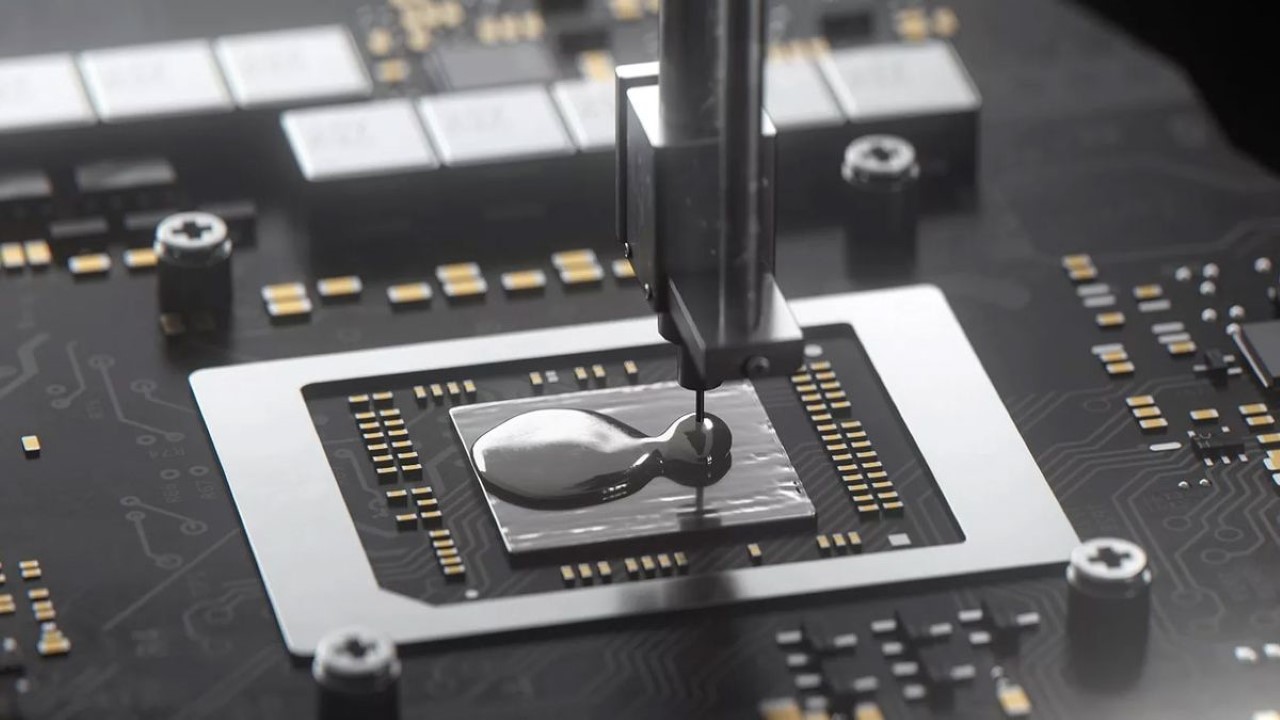
7. Liquid Metal Alloys

If the term ‘Liquid Metal Alloys’ instantly got you thinking of T-1000 from Terminator 2, you’re bang on the money. Imagine a metallic substance as malleable as playdough yet capable of conducting electricity better than copper and withstanding extreme temperatures without breaking a sweat. Liquid metal alloys, composed primarily of gallium mixed with other metals like indium and tin, challenge our very notions of solidity and permanence. These wonder materials can be poured into molds to create seamless parts for complex machinery or used in flexible electronics (think wearable tech or soft robotics) that bend without breaking – think foldable smartphones taken to an entirely new level. Moreover, their self-healing properties ensure longevity in products that would otherwise succumb to wear and tear. Researchers across global high-tech sectors are buzzing about how liquid metal alloys could revolutionize everything from medical devices—enabling more responsive prosthetics—to aerospace components that can endure volatile space conditions unscathed. The transformative potential is immense: energy storage systems becoming more efficient, soft robotics gaining unprecedented flexibility and sensitivity, and even consumer gadgets getting sleeker upgrades while enhancing durability.

6. Advanced Ceramics

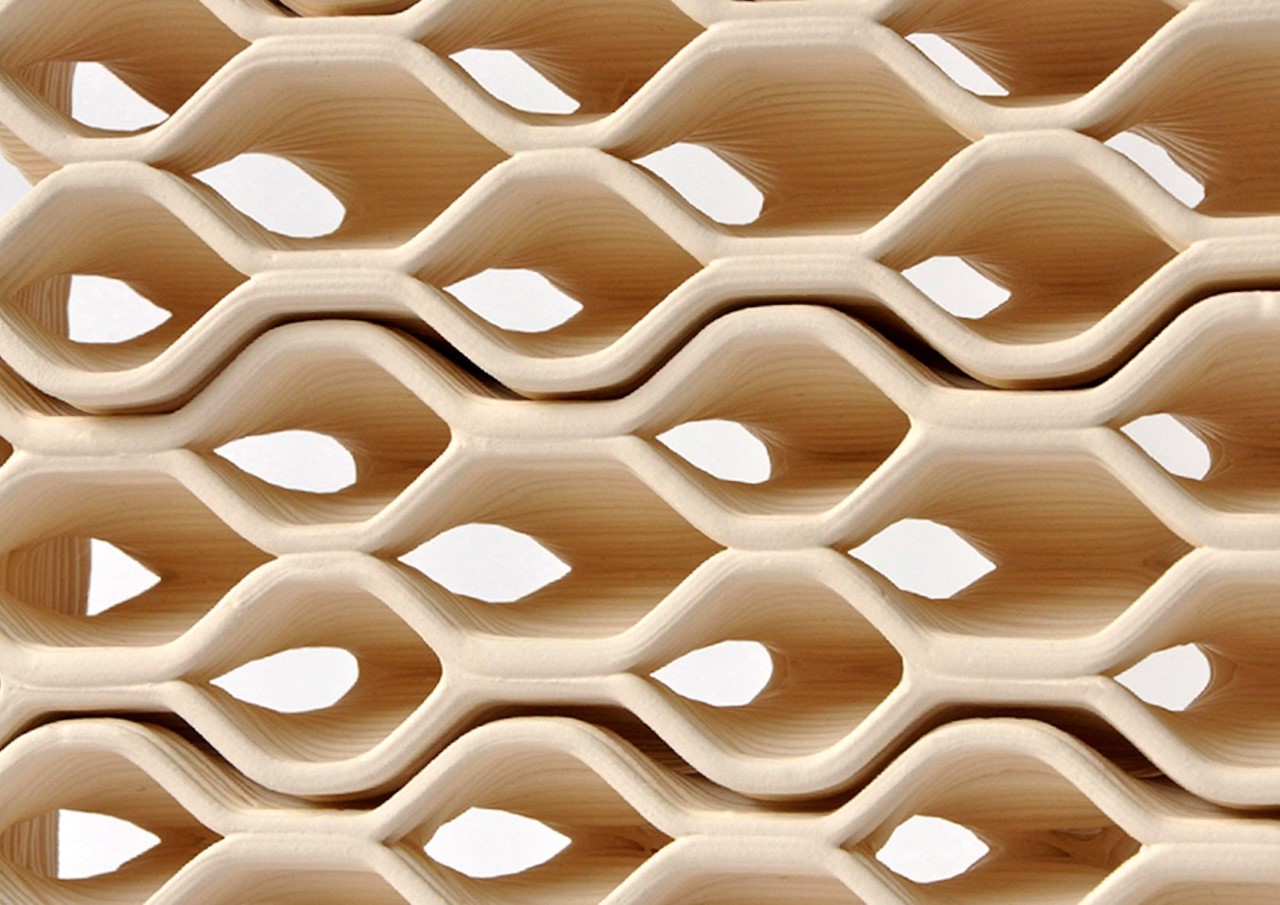
Envision a world where engines run cooler and last longer because of ceramic components impervious to heat and wear or where our smartphones are virtually indestructible thanks to scratch-resistant ceramic screens (Apple’s already experimenting with their CeramicShield technology). This alchemy of silicon nitride, zirconium oxide, and alumina stands poised to shatter expectations—without shattering itself—with its unparalleled strength-to-weight ratio and thermal stability. The brilliance lies not just in what these materials can endure but also in their uncanny ability to conduct electricity or resist it entirely depending on the need—a trait that makes them indispensable in electronic devices and solar panels alike. As environmental considerations take center stage globally, advanced ceramics offer an eco-friendly beacon for sustainable development with their durability reducing waste over time.

5. Nanocellulose

Derived from cellulose, the most abundant polymer on earth, nanocellulose is an absolute eco-friendly wonder-material. At just a nanometer scale in width, nanocellulose fibers are invisible to the naked eye but hold the future of sustainable technology firmly within their minuscule grasp. Why is nanocellulose turning heads this year? Picture a material lighter than plastic yet robust enough to challenge steel’s dominance in tensile strength—a true David amidst industrial Goliaths. Manufactured through methods that break down plant matter into its cellular level, nanocellulose transcends its humble origins by boasting properties like biodegradability and low toxicity—all while maintaining remarkable thermal stability and barrier qualities against gases. It’s no surprise then that industries from packaging to aerospace are scrambling to integrate it into their products for an edge in environmentally conscious innovation.

4. Mycelium

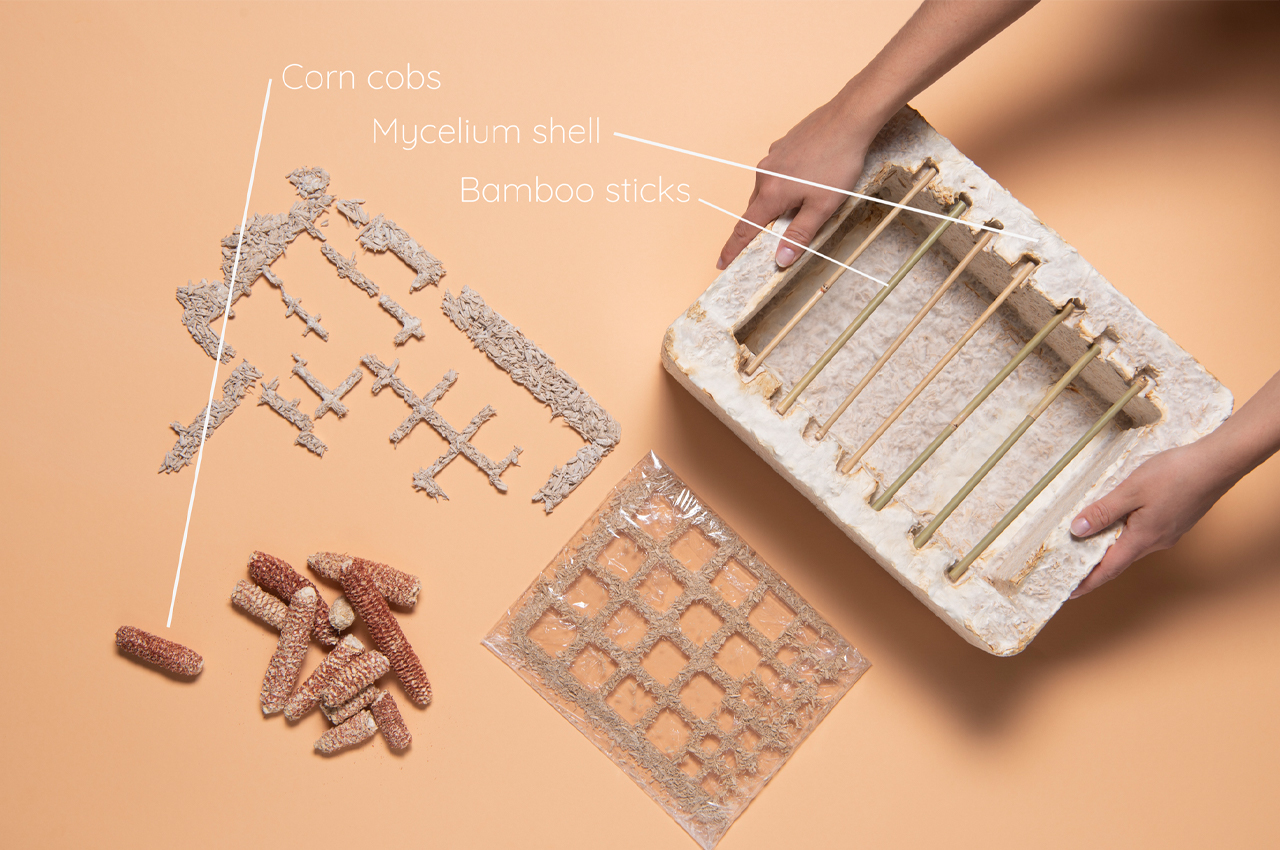
Try to picture the word ‘mushroom’ in your head and I’m sure your brain conjures the archetypical button or oyster mushroom that most of us know and love. However, that tiny umbrella-shaped organism is just a tiny fraction of what a mushroom actually is. The part that emerges from the ground is merely the ‘fruit’, which contains spores to help the organism propagate further… but look underneath the surface and you’ll stumble across the mycelium, often considered the true ‘body’ of the mushroom. Often tens or hundreds of times larger than the tiny button-shaped fruits themselves, mycelium has some incredible benefits. It possesses leather-like properties, making it an incredibly suitable vegan alternative to animal-based leather, but more importantly, its fleshy, spongy mass has the ability to grow at a rapid pace, making it a great replacement for styrofoam and a bunch of other moldable materials. The fungus-based material grows by decomposing and ingesting natural waste (which is a win in its own regard), has the ability to self-heal and regrow at rapid speeds, and the best part, is entirely natural, making it eco-friendly and inherently biodegradable. This mycelium single-use biodegradable grill is a perfect example of how the material could revolutionize 2024.

3. Bioplastics & Biocomposites

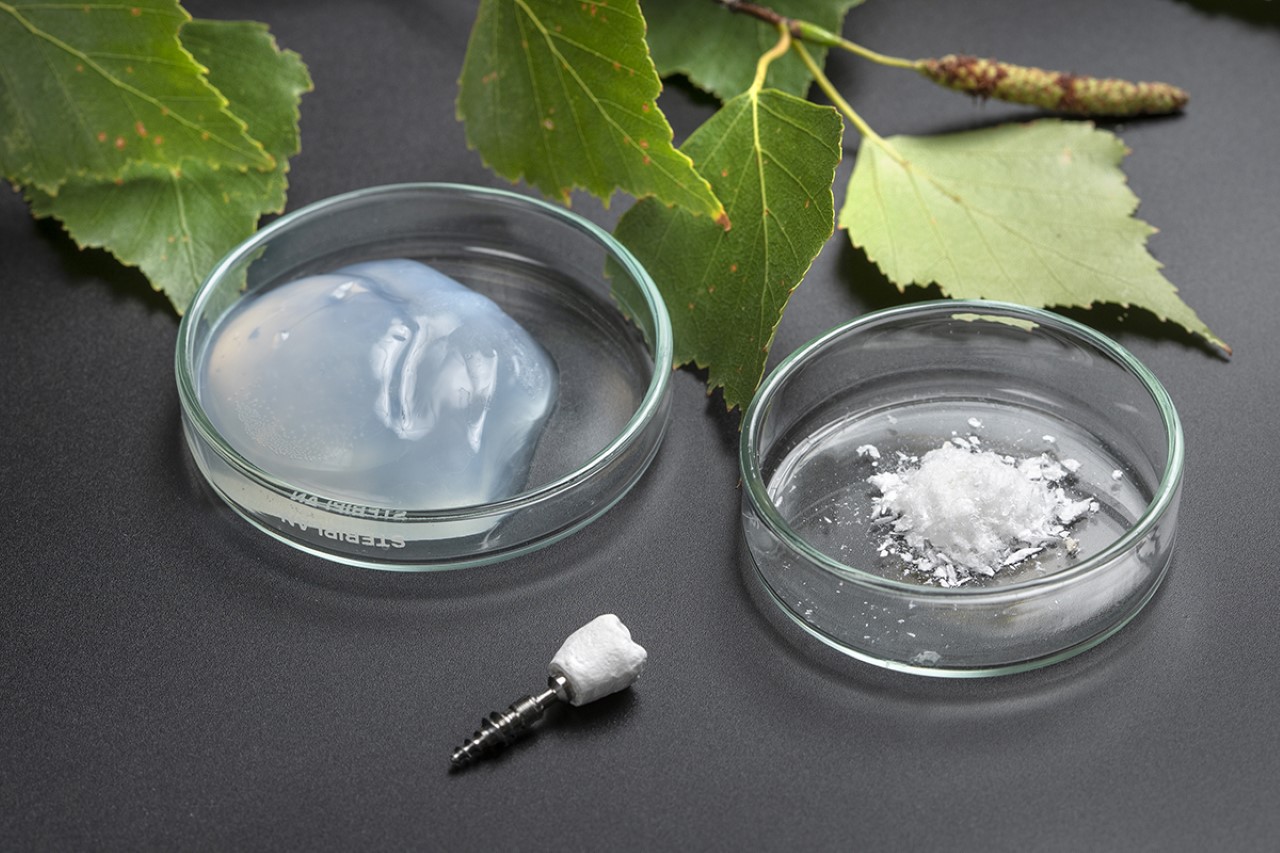
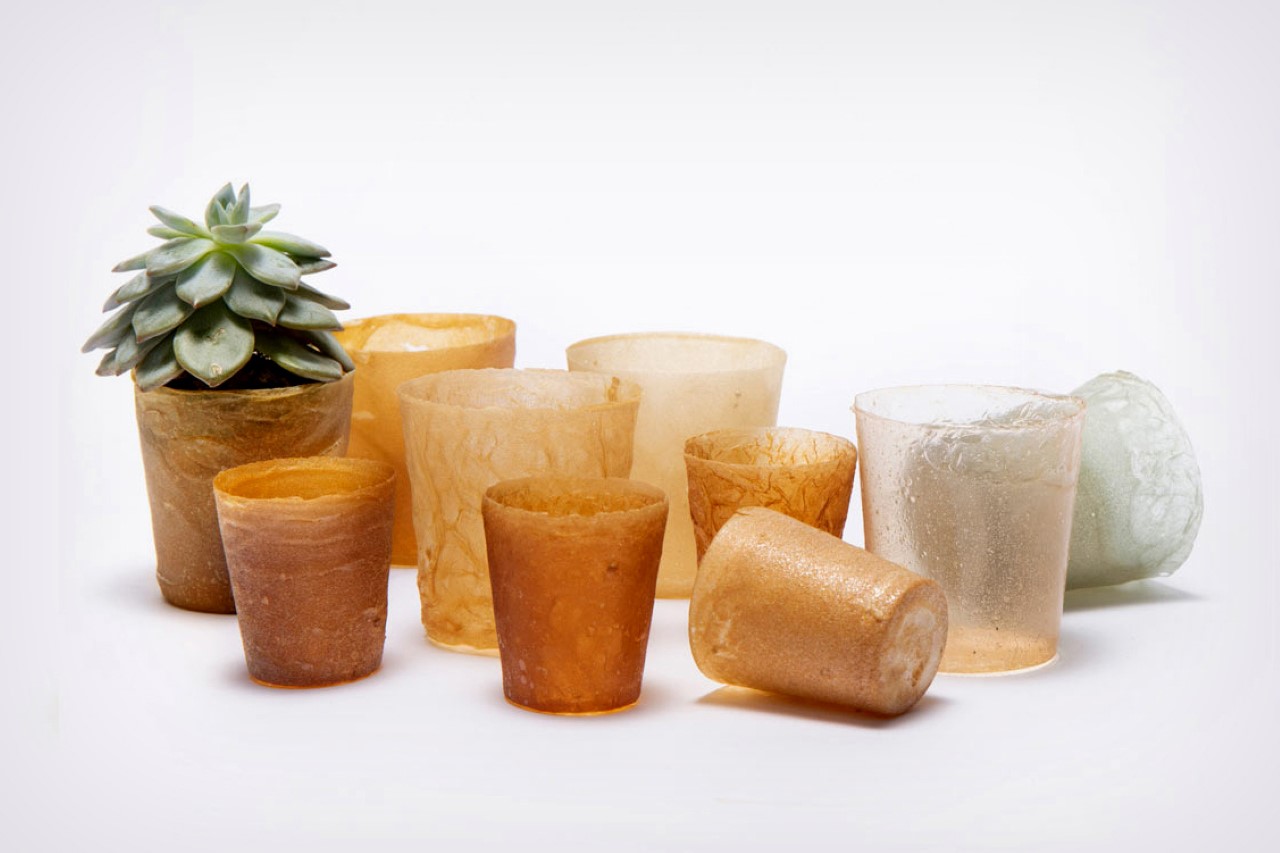
While mycelium won’t completely replace moldable materials like plastics, petroleum-based plastics are seeing some stiff competition from naturally derived polymers or even polymers that integrate natural composites into them. Traditional plastics are derived from crude oil and have a notorious inability to degrade into soil, causing pretty much every conceivable problem in modern history from landfills to ocean trash and those pesky microplastics that are now finding their way into humans and pretty much every part of nature. Bioplastics are derived from naturally occurring materials (like corn or hemp), allowing them to be molded and manufactured just like regular plastic, but with the added benefit of being biocompatible and degradable. Biocomposites, on the other hand, use natural filler materials and natural binders to create a plastic alternative that’s stiff, durable, and resistant to external elements. The most common biocomposites we’ve seen make use of waste like coffee grounds or grain husks, binding them with natural binding agents to create new materials with properties that mimic different forms of plastic… but with the added benefit of being nature-friendly, and waste-reducing. This no-compromise approach to material sciences make bioplastics and biocomposites a truly game-changing choice for 2024… and perhaps the most easily accessible too!

2. Transparent Solar Panels

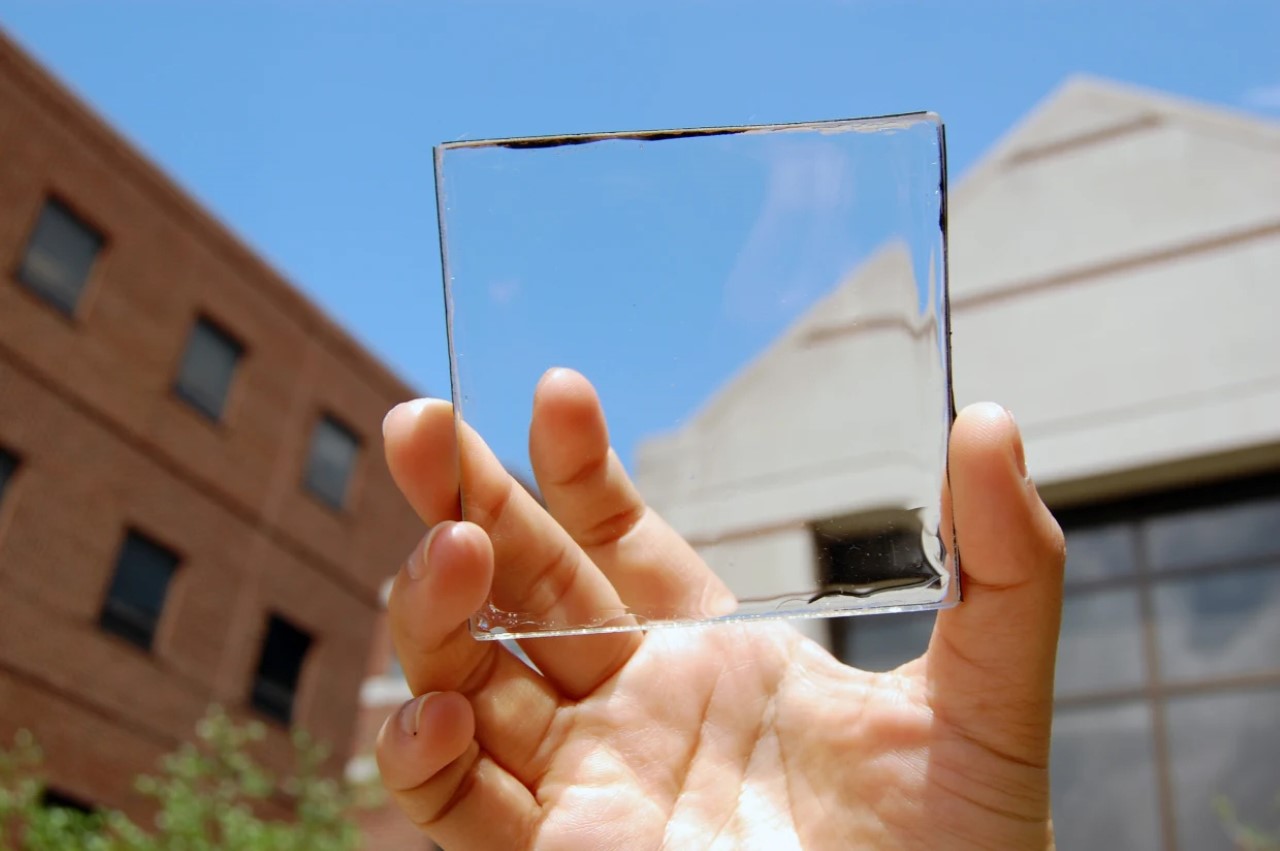
Imagine if your home windows could collect energy from the sun and supply your house with power. Or even more impressively, if your smartphone’s glass front could help charge your phone when kept out in the sun. The advent of transparent solar panels are slowly making this dream a reality. These panels offer advantages over traditional panels by being less visible and space-efficient. Despite being relatively new and pricey, ongoing technological advancements suggest future cost reductions, making them more accessible. The panels work by utilizing a special solar cell that absorbs light without darkening, enabling integration into windows and other transparent surfaces. This technology, although in its early stages, holds immense potential to transform solar energy utilization, effectively turning any glass surface into an energy source. The panels operate by letting visible light pass through while capturing ultraviolet and near-infrared energy, enabling power generation without relying solely on visible light. Their thinness and efficiency make them versatile for various applications, from powering devices to entire buildings, without compromising aesthetics. Think about how incredible it would be if you could park your car out in the open and return to a fully charged EV battery?!

1. Self-healing materials

Perhaps the most exciting material type in this entire list, self-healing materials represent a category of materials that can ‘mend’ themselves over time, reversing any damage caused to them. The most obvious application is self-healing concrete, which allows cracks and signs of weathering in buildings to magically disappear, increasing the longevity of structures (done by incorporating specific elements such as fibers or capsules into a concrete mix that contains repairing solutions)… however, the applications in technology are incredible too. Self-healing paints/coatings could allow scratches on cars to automatically disappear when exposed to light or UV, and there have been significant advancements in self-healing polymers and glasses that could make tech damage less of a hassle. Imagine dropping your phone only to see the crack or scratch heal and disappear over time. That would make for a rather fun JerryRigEverything YouTube video!

(Bonus) Titanium

Although Titanium has been one of the go-to materials for EDC tool design and medical use, the fact that Apple and Samsung both launched titanium smartphones last year has massive implications for the world’s strongest metal. Sure, outside those few consumer electronics uses, Titanium has been around for decades… so why does it feature on this list? Well, Titanium sits at a unique crossroads – it’s lightweight, ridiculously durable, and it’s biocompatible (and therefore hypoallergenic). It doesn’t hurt that Apple and Samsung have done wonders for the material’s popularity too… so expect titanium to make more appearances in high-end wearables, bordering on even bionic products like BCIs (brain-computer interfaces) and other exciting products we haven’t seen yet!

The post Top 10 Game-Changing Materials that are shaping the Design and Technology World in 2024 first appeared on Yanko Design.