Origami-inspired table concept folds into a lamp to save space

Tables are important pieces of furniture in any human space, whether it’s the dining table at home or a meeting table at the office. That said, we don’t always use these flat horizontal surfaces all the time, and there will be times when they’re just taking up precious space. Yes, more aesthetic tables do provide some visual value, but it doesn’t outweigh the cost of their presence. Foldable tables are practical, but few actually look good even when unfolded and the hassle of moving the folded table out of the way makes them less compelling. But what if you didn’t need to put the table away because it not only becomes more compact but also serves a different purpose? That’s the kind of multi-functional design that this concept proposes, turning a table into a lamp.

Designer: Sonakshi Gupta
The Japanese art of folding paper has inspired many designs because of its beauty, simplicity, and space efficiency. A large and flat sheet of paper can suddenly become a geometric flower or swan with a few folds, significantly reducing the area that the piece of paper once occupied. This art doesn’t involve removing or adding parts, which makes each piece an independent and standalone unit.
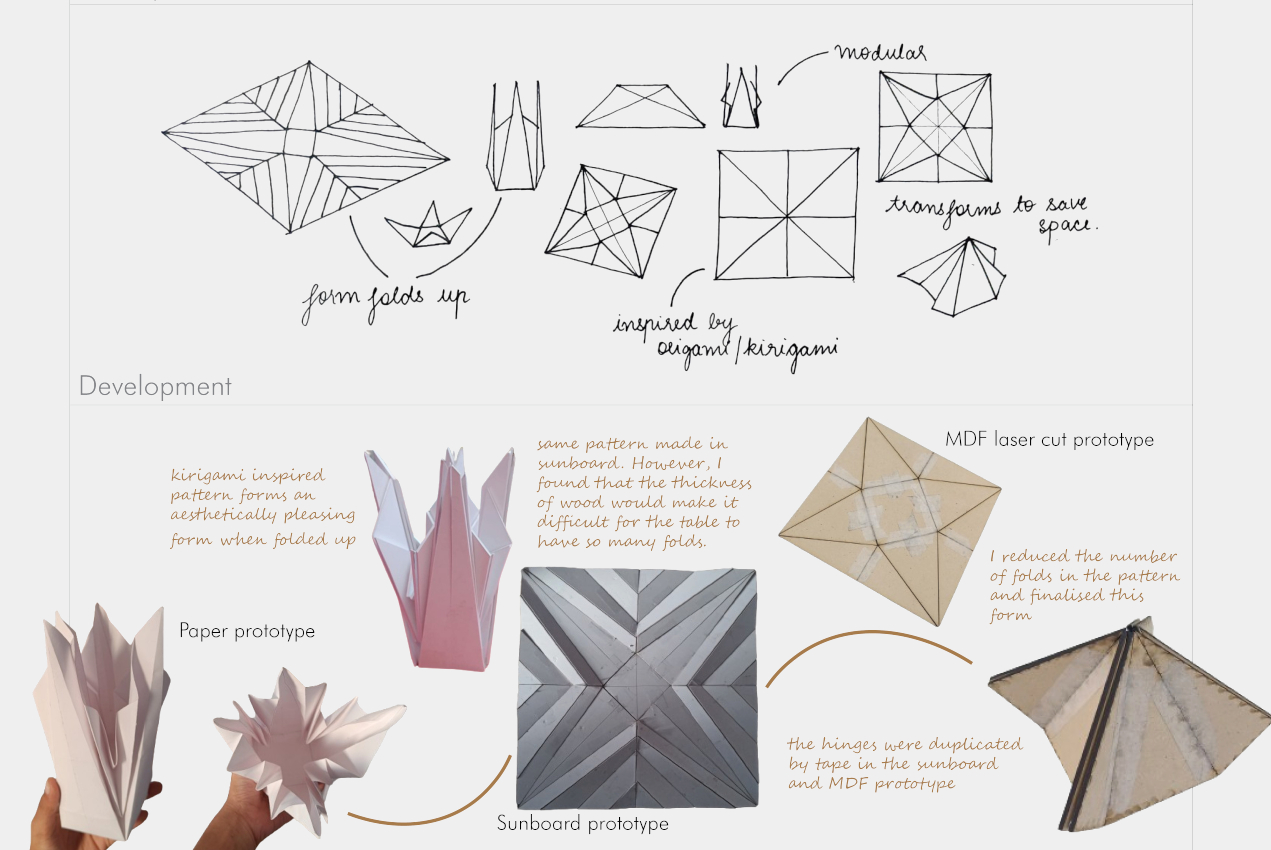
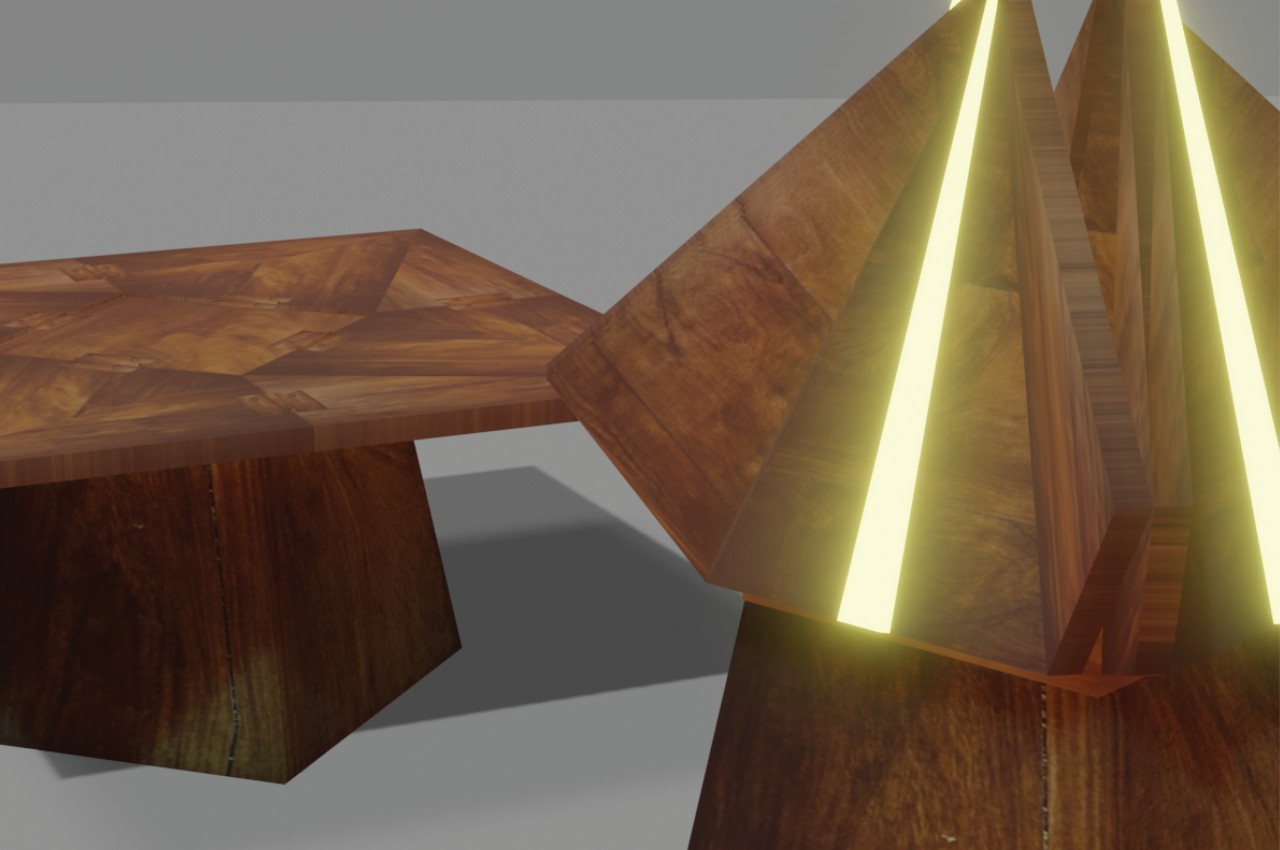
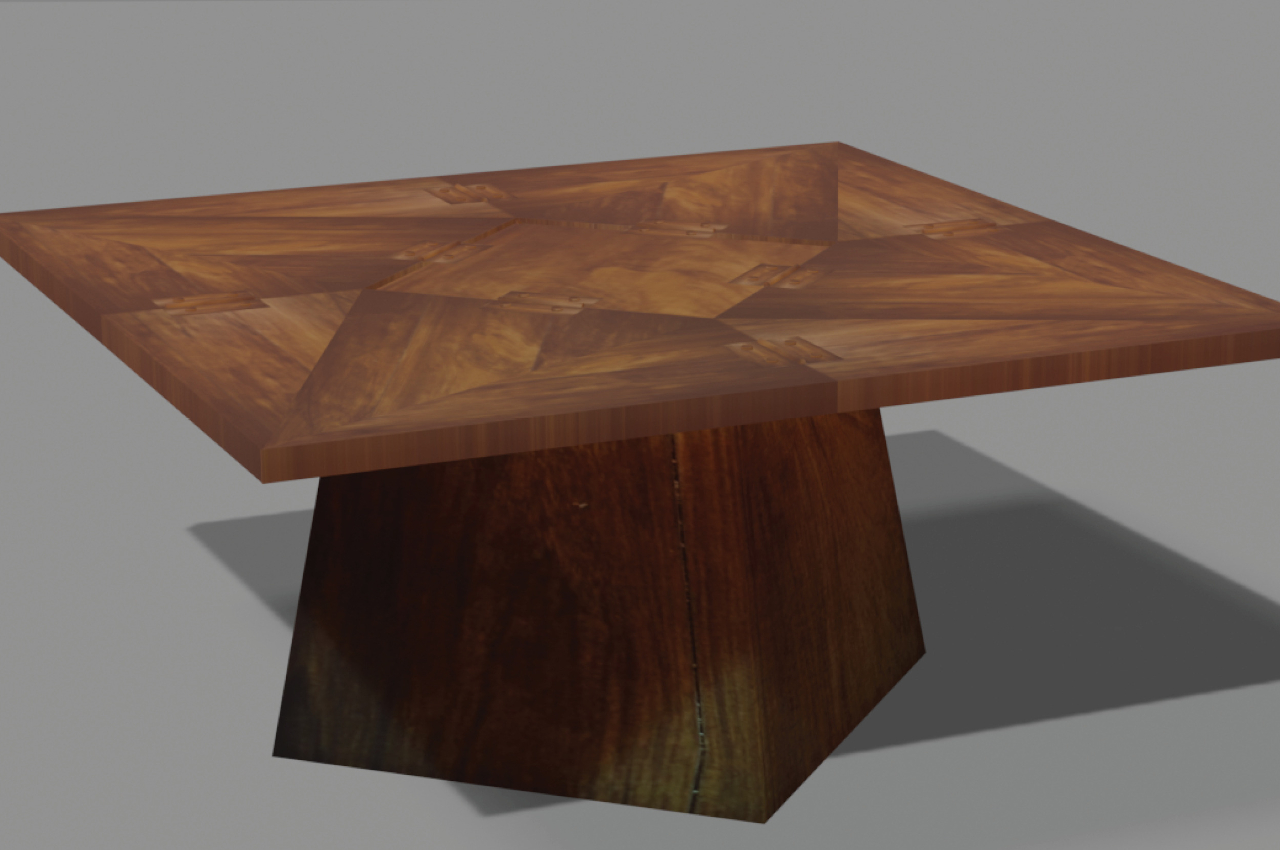
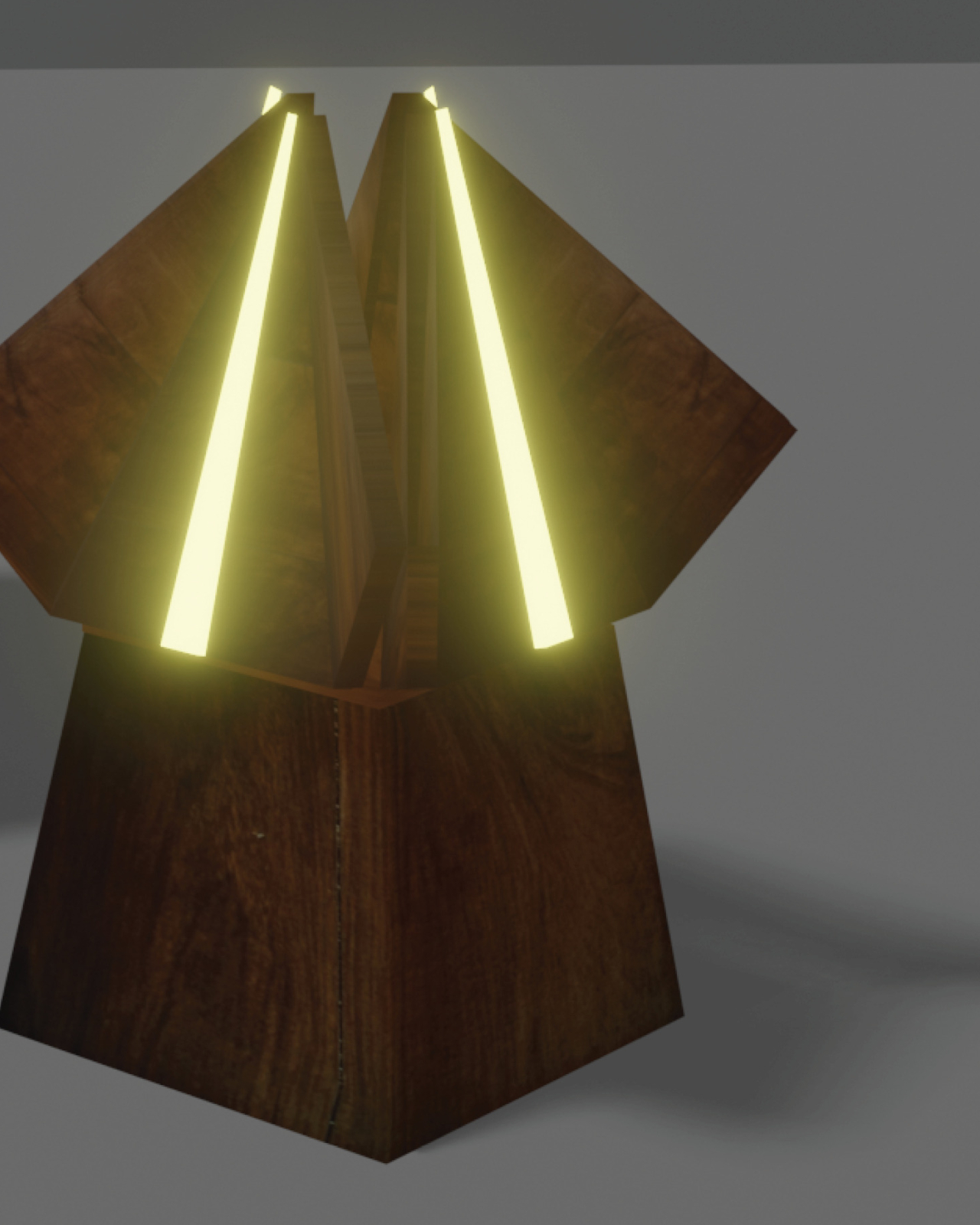
LightUP is a concept that takes inspiration from origami and kirigami (which does involve cutting away and gluing pieces together) to design a table that not only saves space but also provides a completely different functionality or two. The squarish wooden tabletop folds up into a shape that’s like a flower bud, freeing up the space around the table for use. Thanks to ingenious invisible hinges, not only do you have a clean and flat table surface but moving only one or two corners is enough to fold and unfold the table. The easier you can perform this action, the more frequently you’re willing to do it.
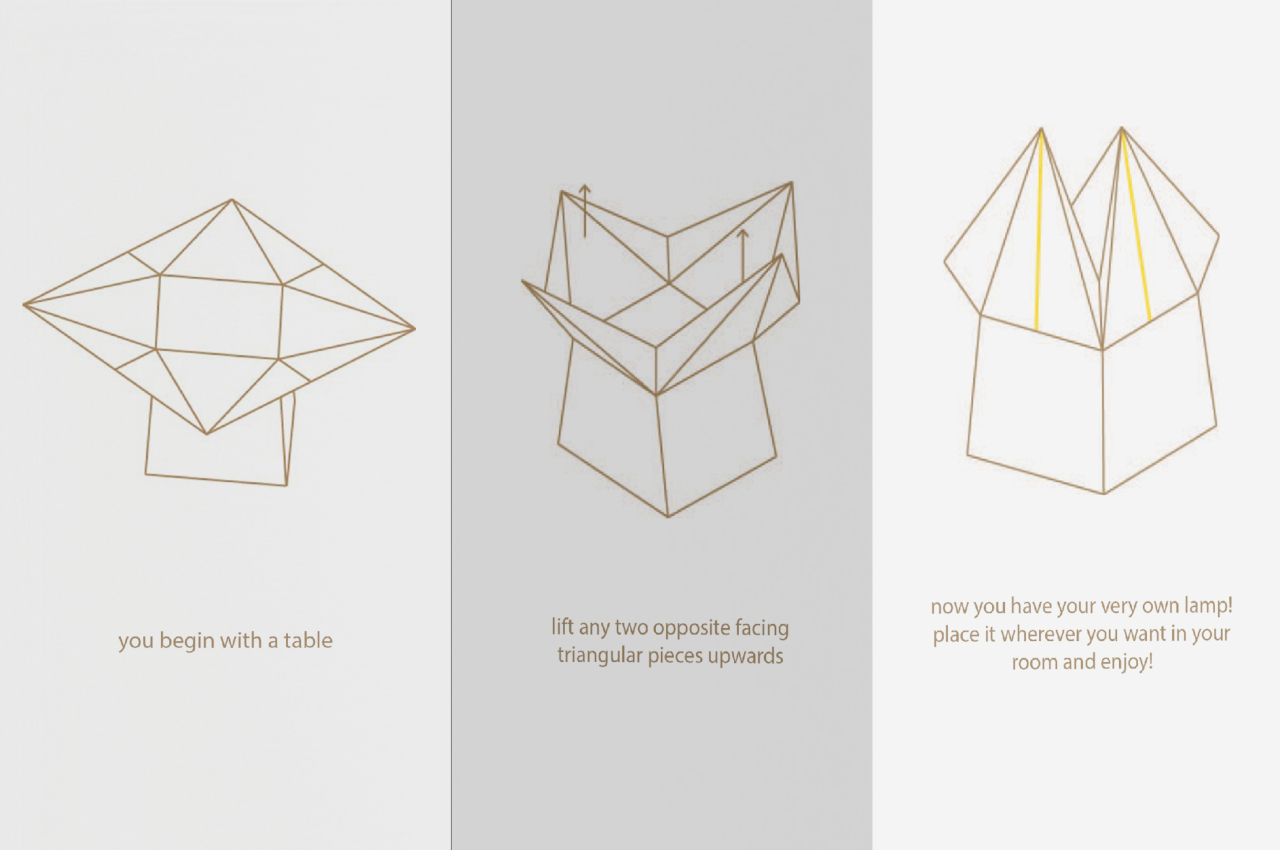
Of course, that’s not where it all ends. The design’s name comes from the fact that wide LED light strips from the pyramidal base of the table to each of the four corners. Thus, the table becomes a room-wide lamp at night but can also remain as a space-saving art object when the lights are off.
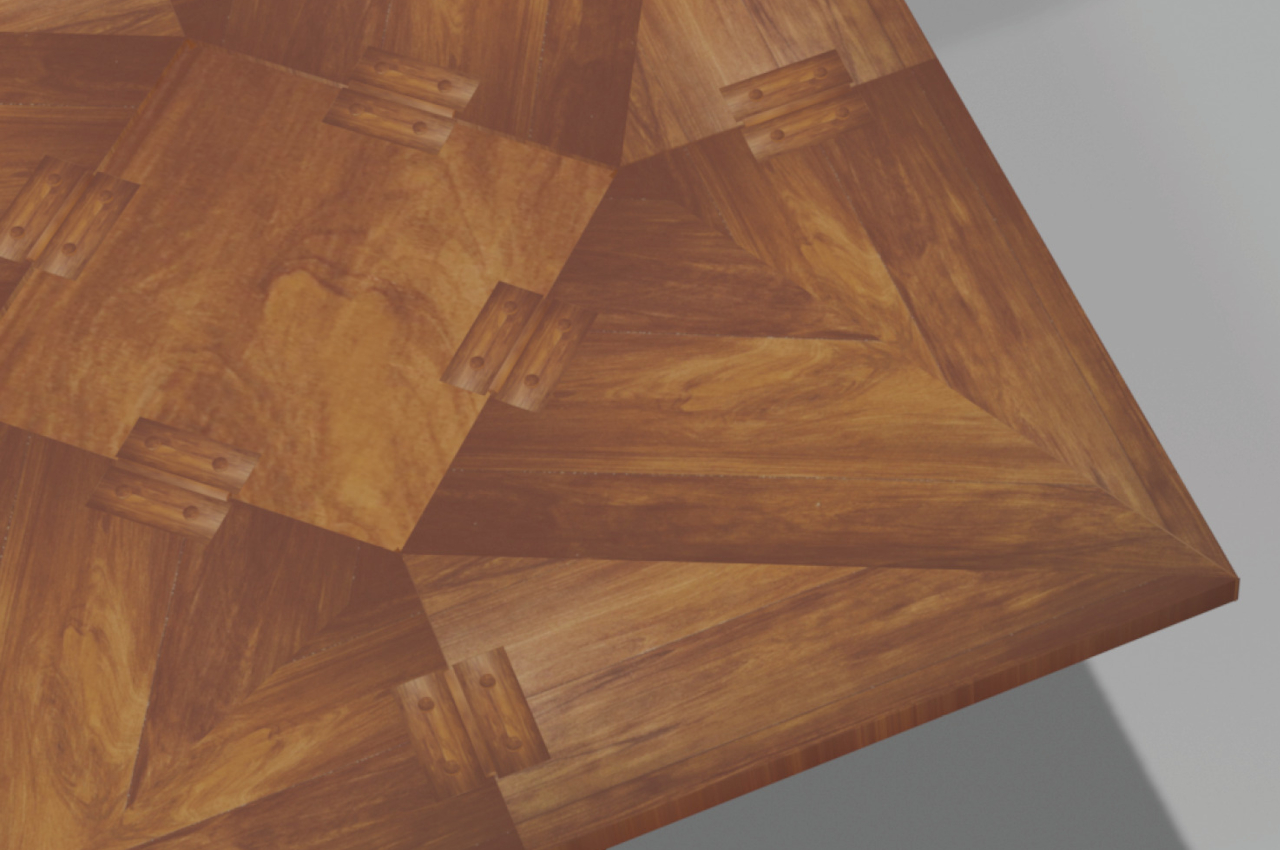
Admittedly, the design’s implementation is actually more complicated than it looks thanks to the moving parts and hinges involved. Those may become points of failure over time due to wear and tear. The idea, however, could give birth to a simpler design, one that takes into account aesthetics, functionality, and sustainability altogether for a truly space-saving piece of furniture.
The post Origami-inspired table concept folds into a lamp to save space first appeared on Yanko Design.
Origami-inspired Bluetooth mouse turns a mundane device into a fashion statement

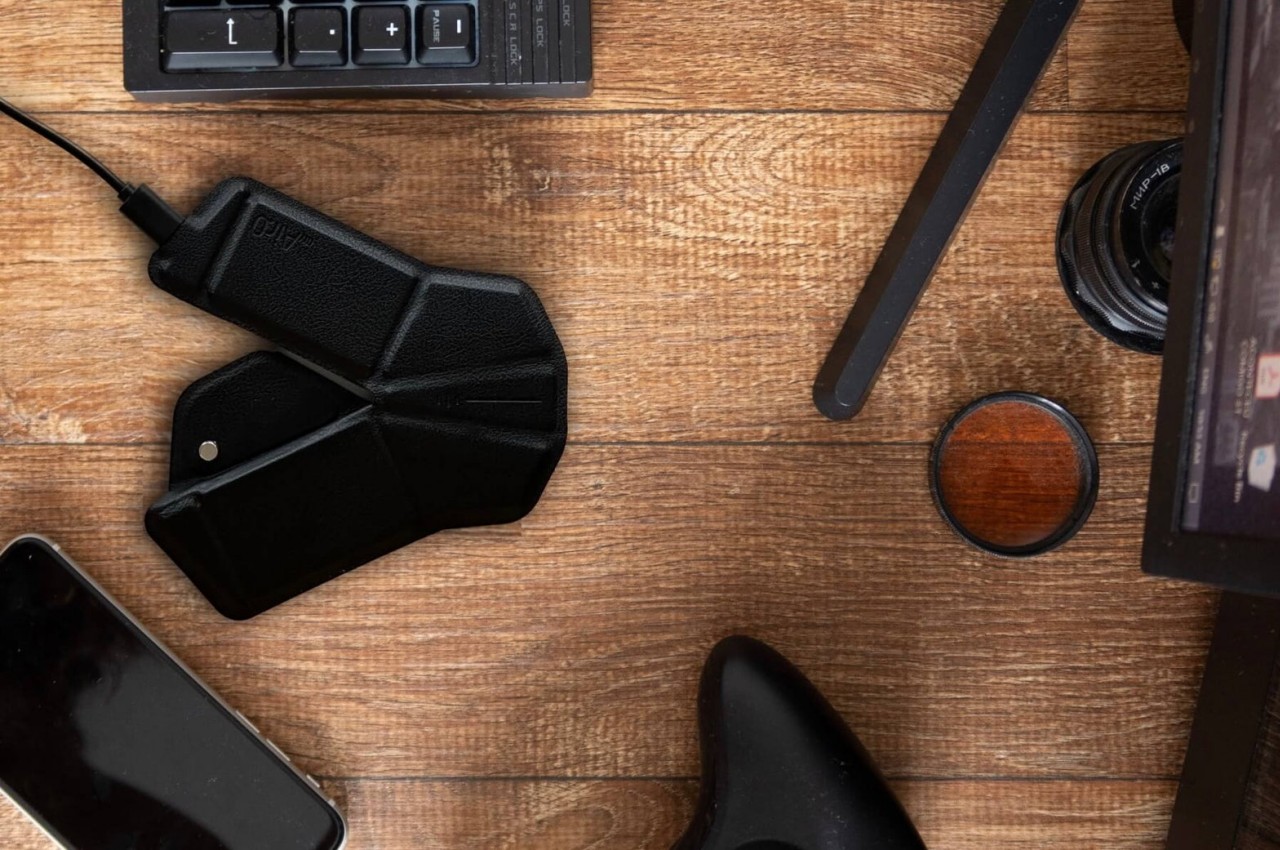
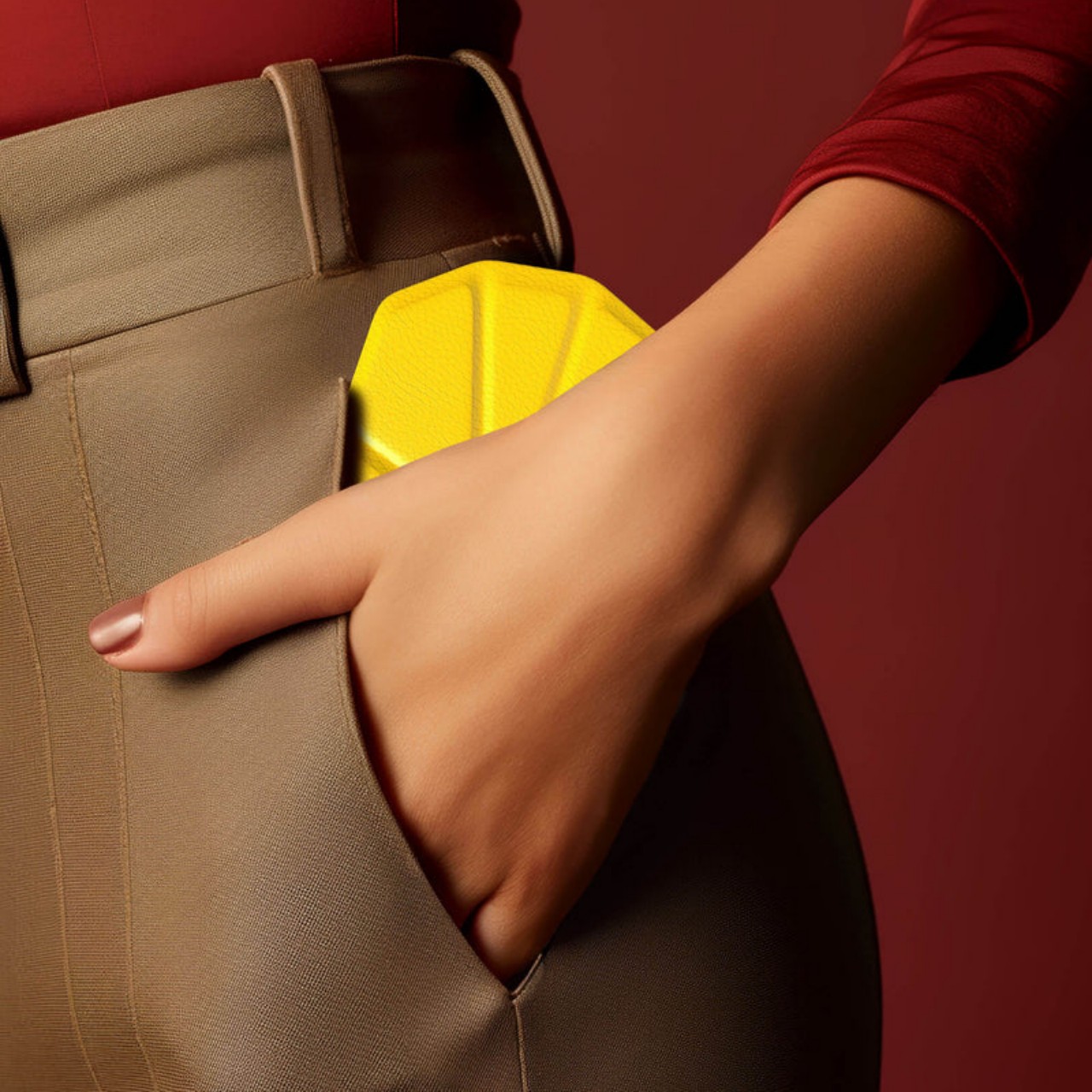
As odd and unnatural as the computer mouse might be, it has become the standard input device second only to the keyboard. For decades, however, the design of the mouse has changed very little except when modified in the name of ergonomics. There has been a recent spate of concepts that try to breathe new life into mouse design, but many of those remain in the conceptual realm only. This peculiar design almost looks like one of those, but it’s surprisingly a product you can really get your hands on, figuratively and literally. It’s definitely unlike any Bluetooth mouse you’ve ever laid eyes on because when it’s not in use, it can fold so perfectly flat that you can even slip it into your pocket and make it look like a part of your fashionable attire.

Designer: Horace Lam

We’ve actually seen quite a few mice that can fold or lay completely flat, but few have ever made it into production because of the surprising complexity of mouse design. Origami, the ancient Japanese art of paper folding, might be great for paper, but not for something that needs to withstand the wear and tear of daily use, not to mention being carried around in bags or even pockets. That’s the rather impressive feat that the myAir.0 OriMouse claims to have achieved, offering a wireless mouse that is flat, functional, and fashionable.

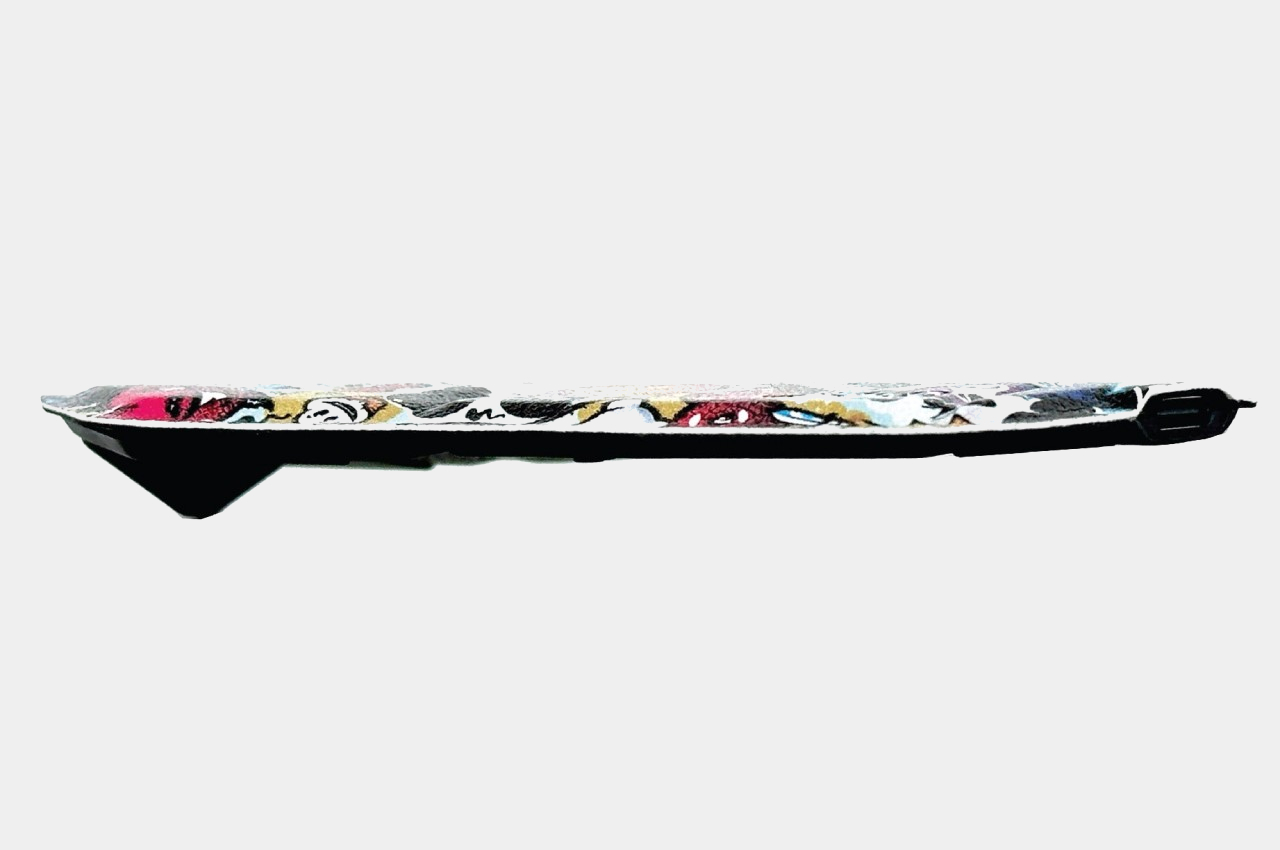
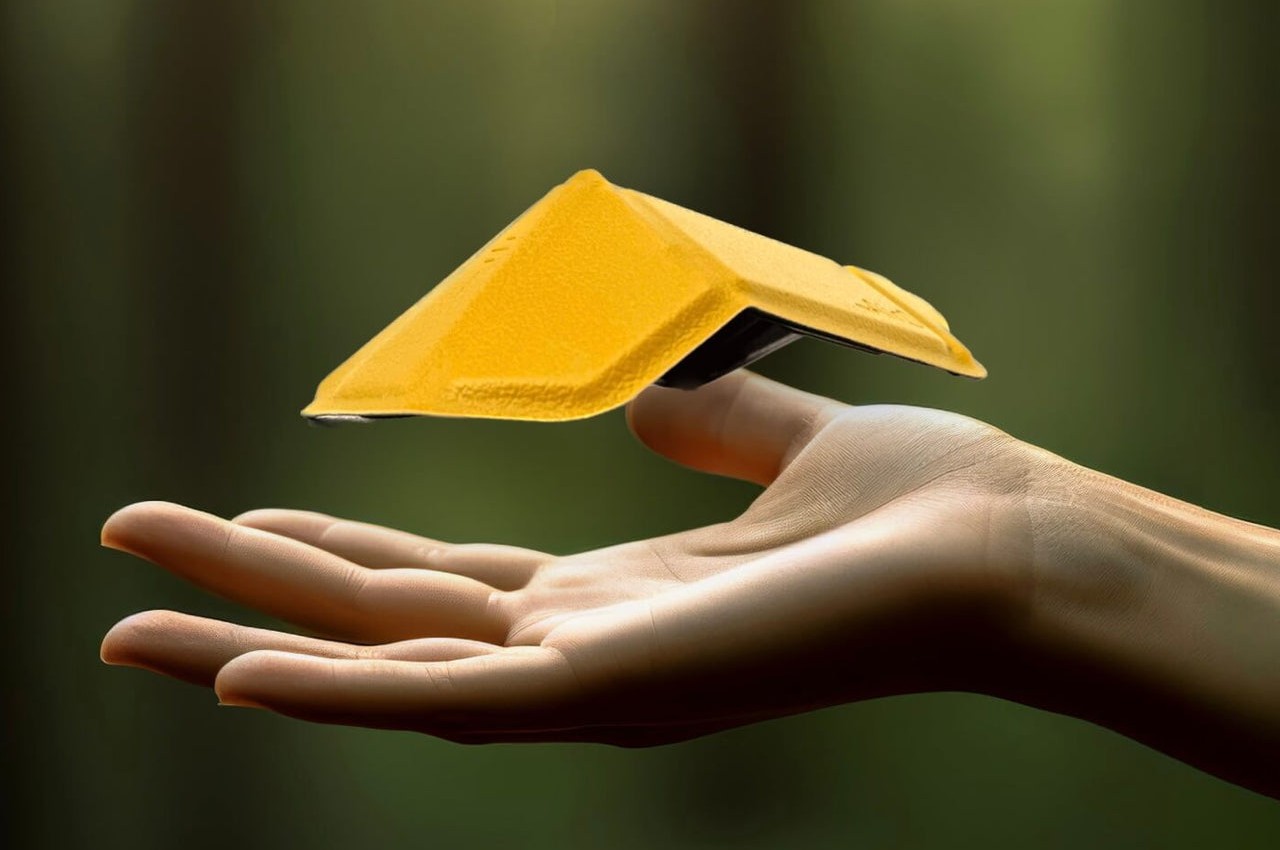
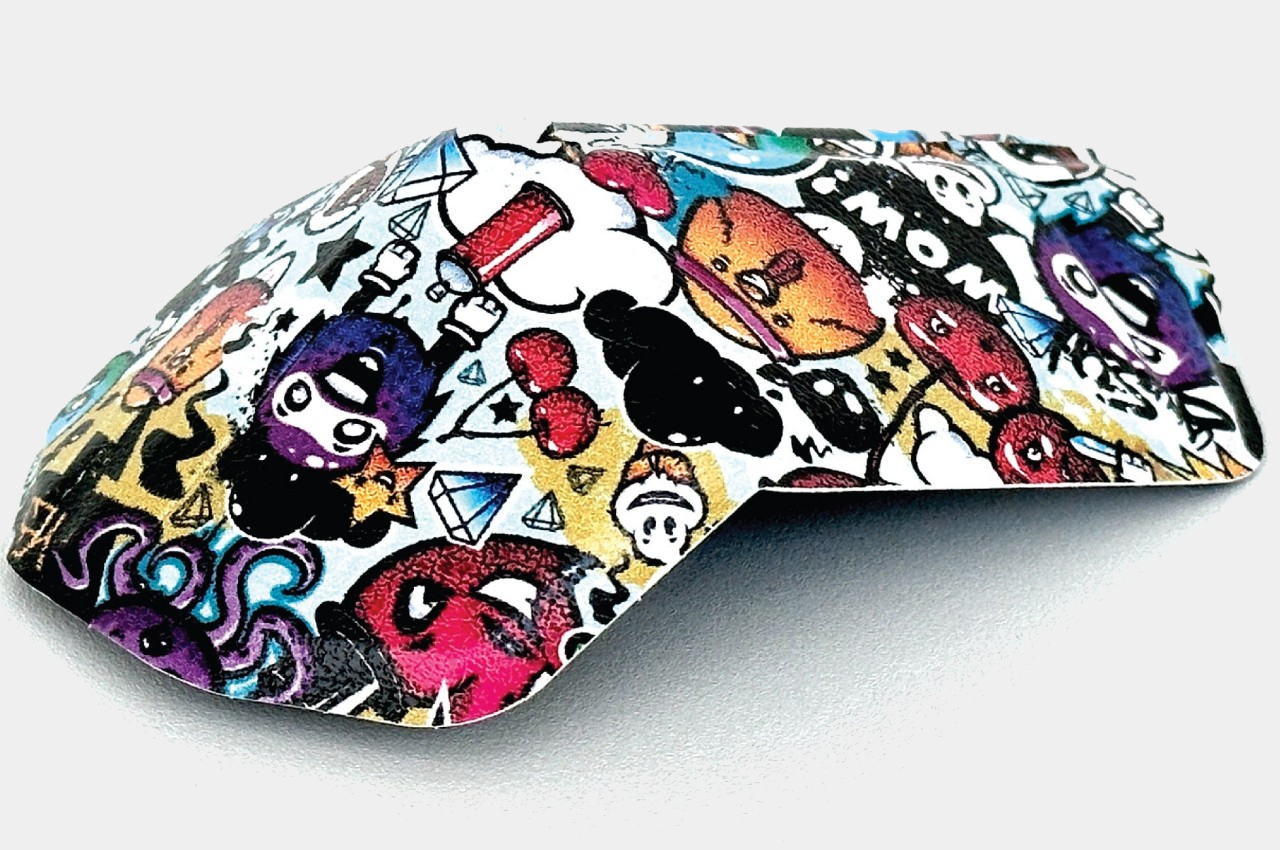
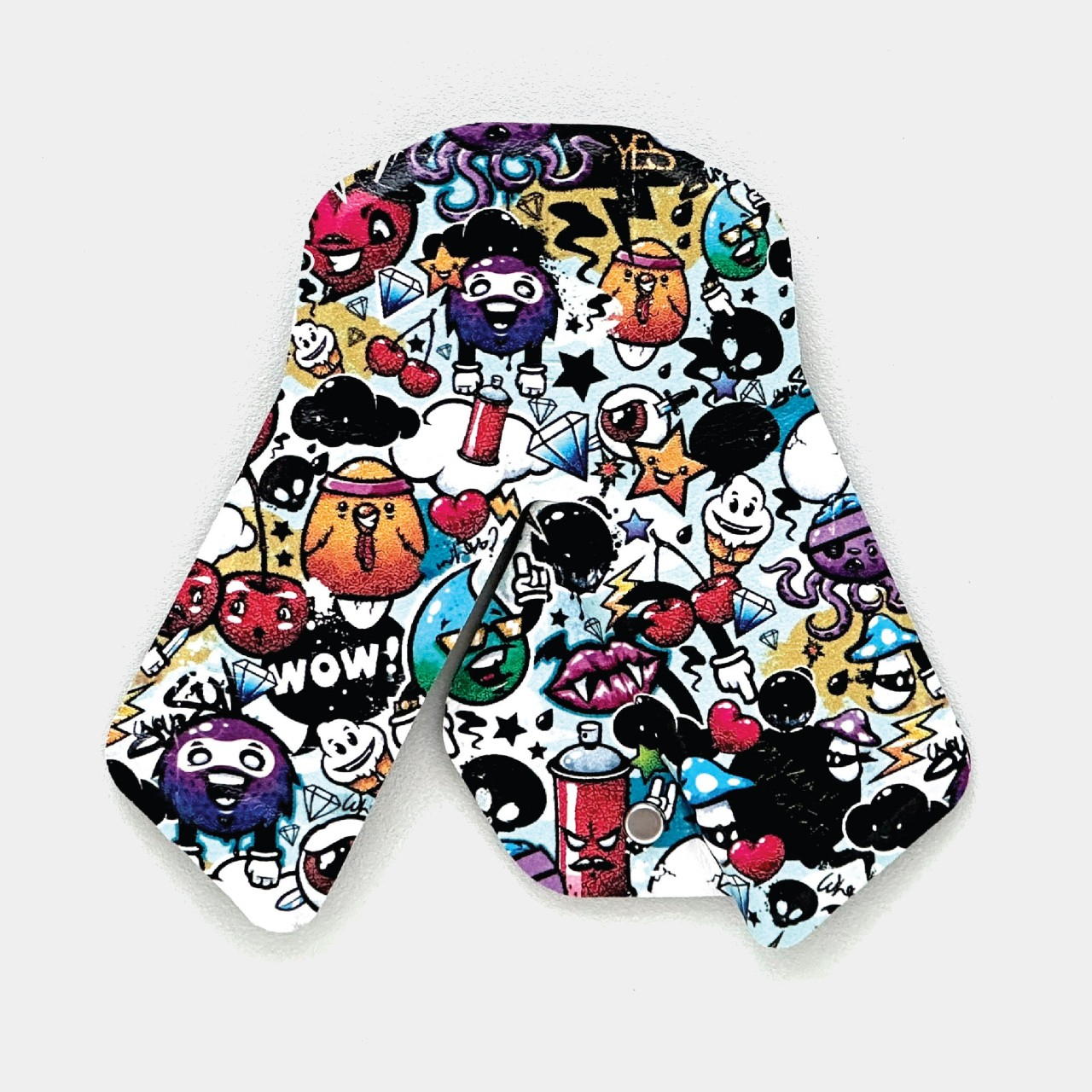
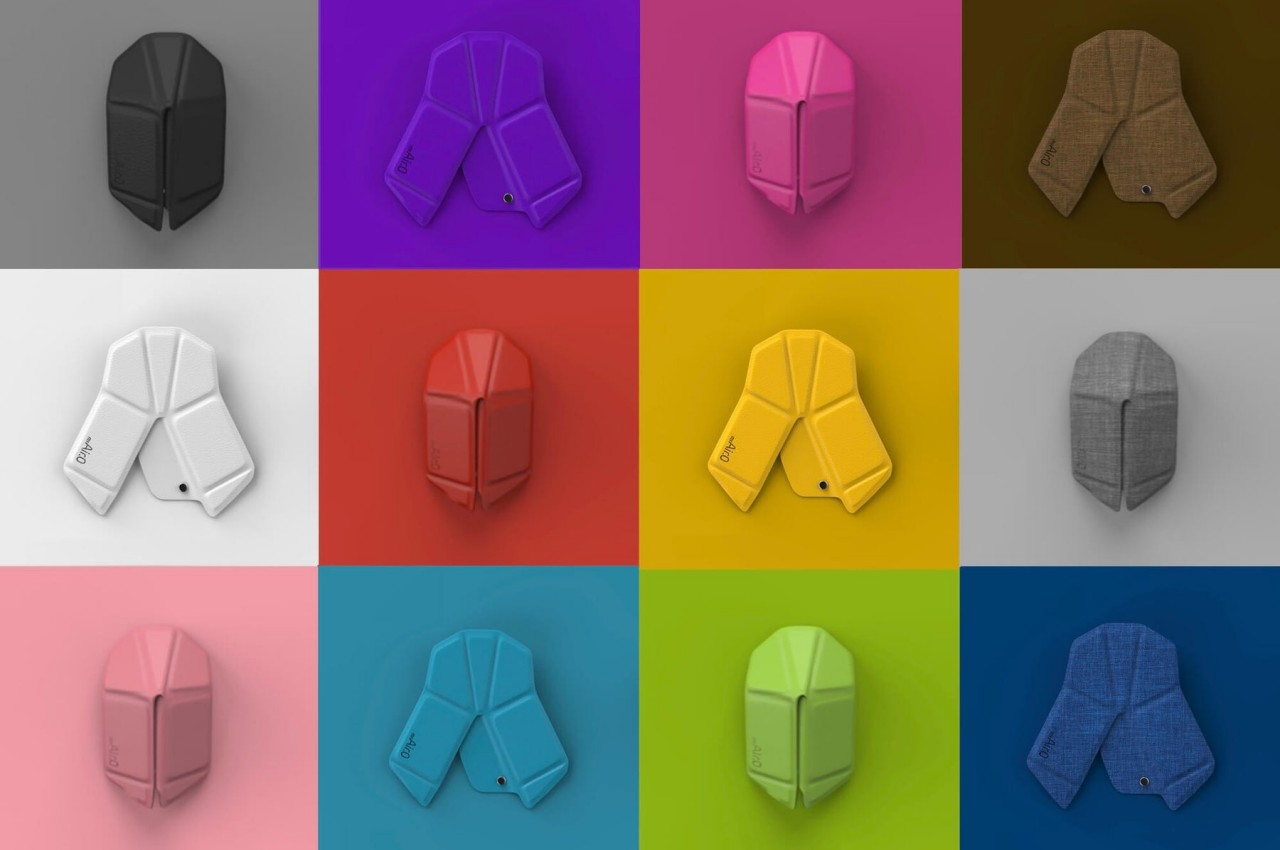
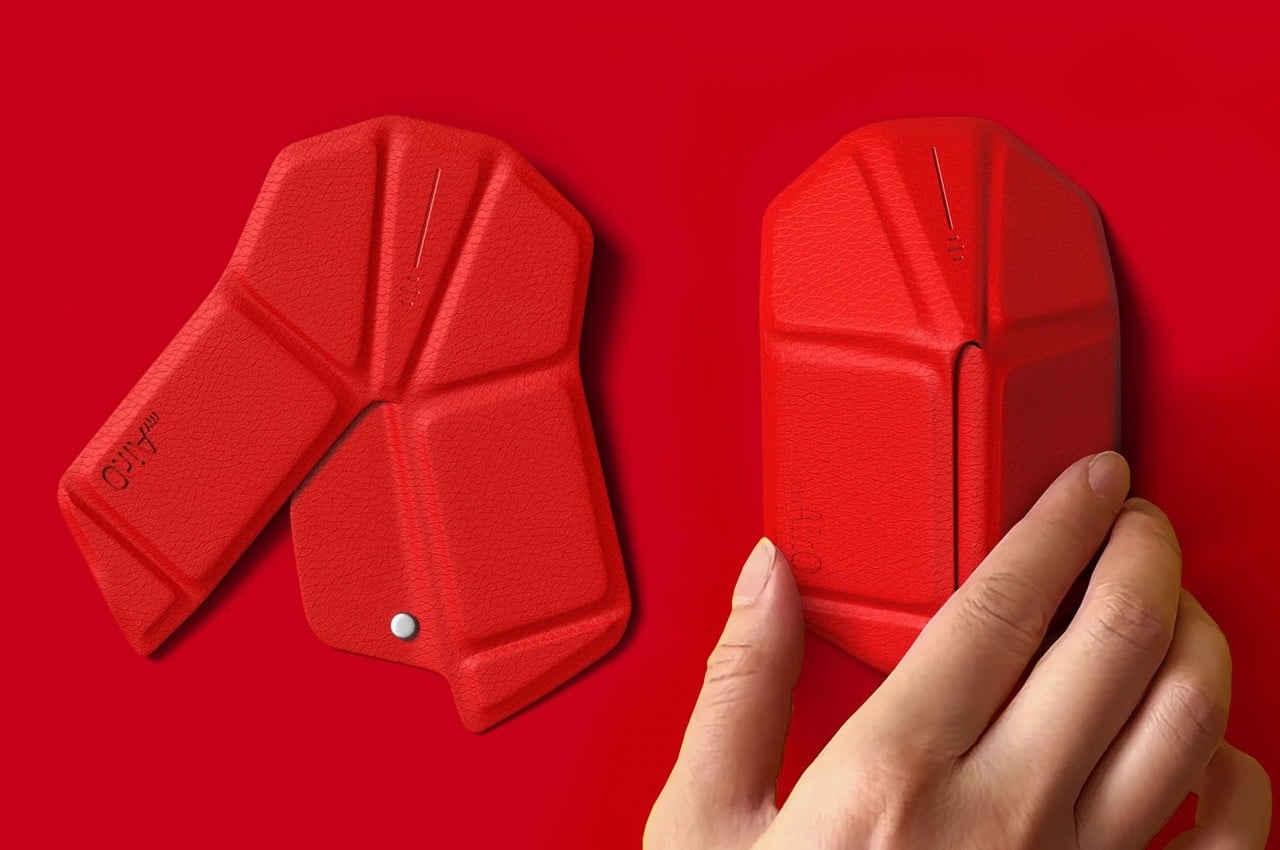
In its flat and deactivated state, the OriMouse has a “V” shape with a faceted surface. Covered in vegan leather or textile, it doesn’t even look anything like a mouse. Weighing only 40g and less than 5mm thin, it looks and feels more like an art object that you carry in your pocket or in your bag. But with a simple pinching gesture that joins the two divergent ends together, the OriMouse rises to the occasion, literally, to become an essential tool for productivity.

Using the same principles that give origami designs innate stability, this foldable mouse can withstand a lot of pressure from your hand without buckling from the weight. At the same time, however, a simple push at a specific and strategic spot disengages the two neodymium magnets and collapses the structure back to its flat state. In addition to this shape-shifting trick, the OriMouse promises a more ergonomic design thanks to the polygonal structure inspired by the folds and facets of an origami object.

Although the various options available make use of textured materials to give the mouse an even more tactile experience, the OriMouse’s foldable design also lends itself perfectly to more artistic expressions. In fact, one model even has a graffiti graphic printed on its surface, and it’s not hard to imagine branding opportunities for such a design. Granted, the actual ergonomics of such a mouse will probably be a matter of debate, but if you are looking for a highly portable Bluetooth mouse, it won’t hurt to take a hard look at something that’s also so unique and beautiful that you will easily become the envy of the crowd around you.

The post Origami-inspired Bluetooth mouse turns a mundane device into a fashion statement first appeared on Yanko Design.