Apple AirPods Max get a USB-C port thanks to this clever engineering hack

Ken Pillonel takes consumer satisfaction a little too seriously. Famous for hacking previous versions of the AirPods to give them USB-C ports and make them more repairable, Pillonel has now turned his sights to the AirPods Max (which hasn’t received an update in over 3 years, as he points out). The regular AirPods and even the iPhone have both made a concerted shift to USB-C, but Apple surprisingly forgot to upgrade their flagship headphones, leaving it in the lightning era.

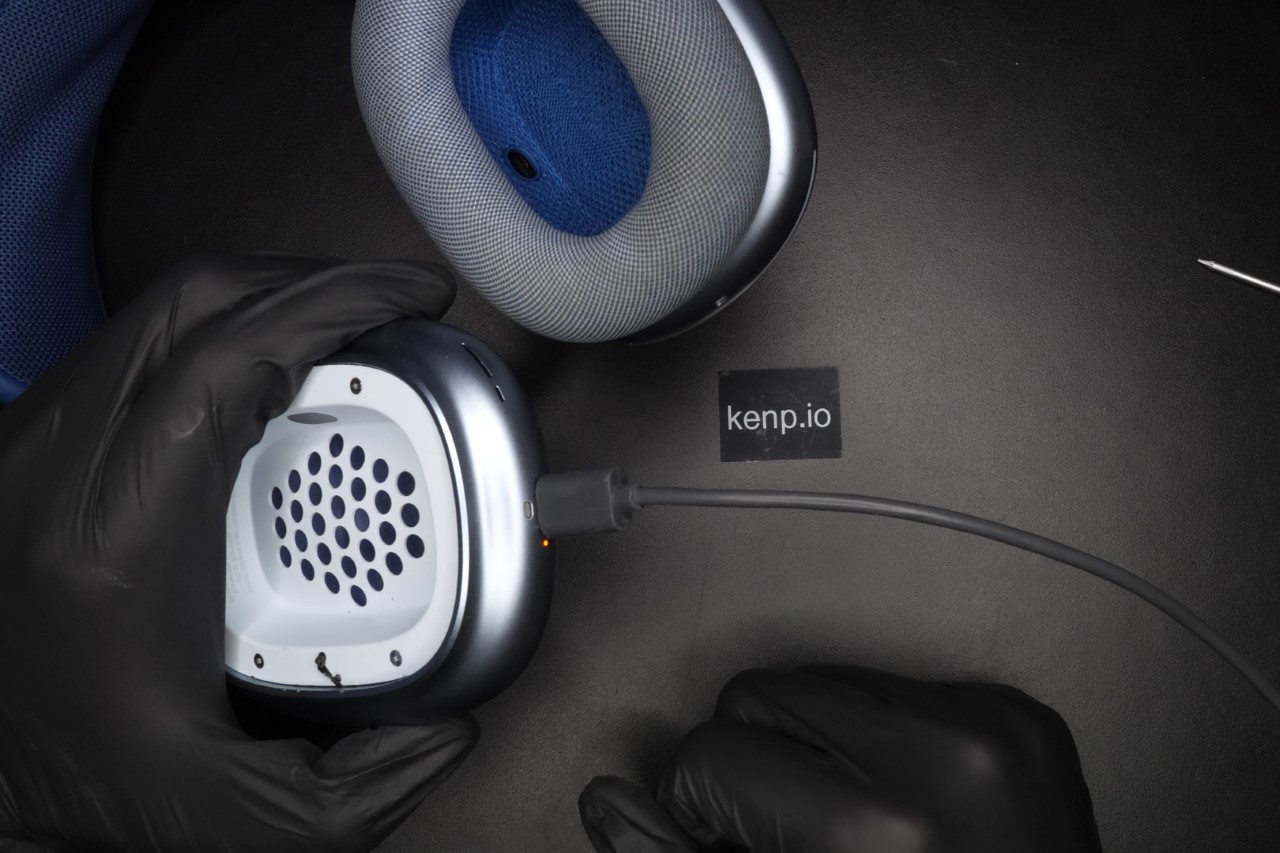
No stranger to hacking (ahem, upgrading) Apple’s accessories, Pillonel decided to build a USB-C AirPod Max before Apple did. The video above takes us through the journey, showing how Pillonel disassembled the existing AirPods Max, designed a new PCB with a USB-C port, and mounted it (with relative ease) in the headphones, giving them the upgrade they severely needed. The best part, Pillonel even sells his PCBs on his own website, encouraging other people to hack their AirPods Max too and upgrade them to USB-C.

Designer: Ken Pillonel
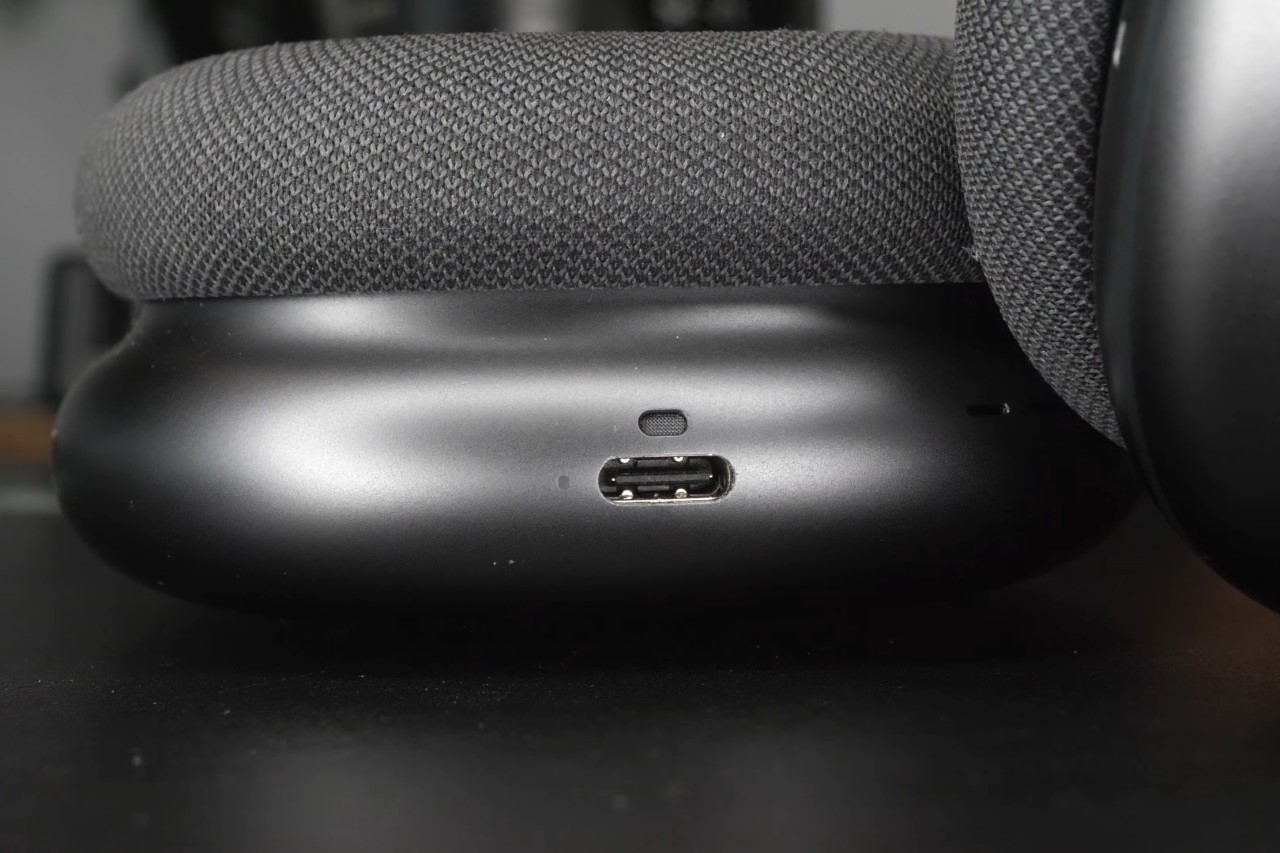
The AirPods Max debuted in December 2020, which means they’re one of the only mainstream Apple products to not have received a major upgrade in years (they were announced even before the AirTag). Realizing that now was a better time than ever, Pillonel decided to take his AirPods Max for a spin, cracking them open to see the assembly inside and whether it would be easy to upgrade it. Luckily, the lightning port was relatively easy to upgrade without any invasive procedures to the headphone’s body itself. Apple designed the port with a removable metal lip that allowed it to magically become wider (it’s almost as if Apple was preparing for this transition in advance), and knocking the lip out made the hole perfectly sized for a USB-C port.
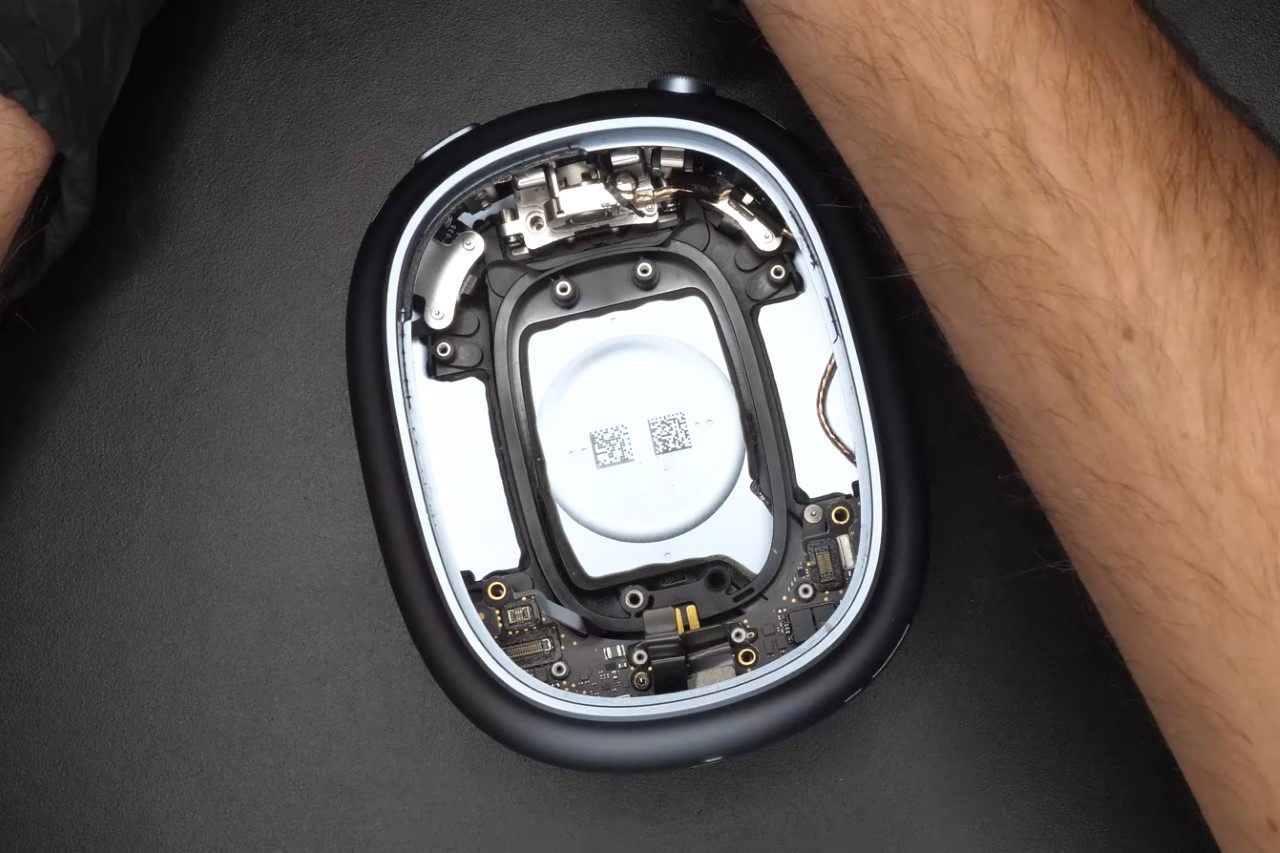
Pillonel simply unplugged the lightning connector from the existing motherboard and designed a new one that housed the USB-C port. He shared the new PCB design on PCBWay, and had the circuit boards sent to him. An older iteration featured a single-piece PCB that worked, but was susceptible to wear and tear, so Ken redesigned the PCB with a flexible ribbon cable, allowing it to bend without applying pressure on certain parts. The new PCB is available in Pillonel’s shop for 39.9 CHF ($45.3 USD).
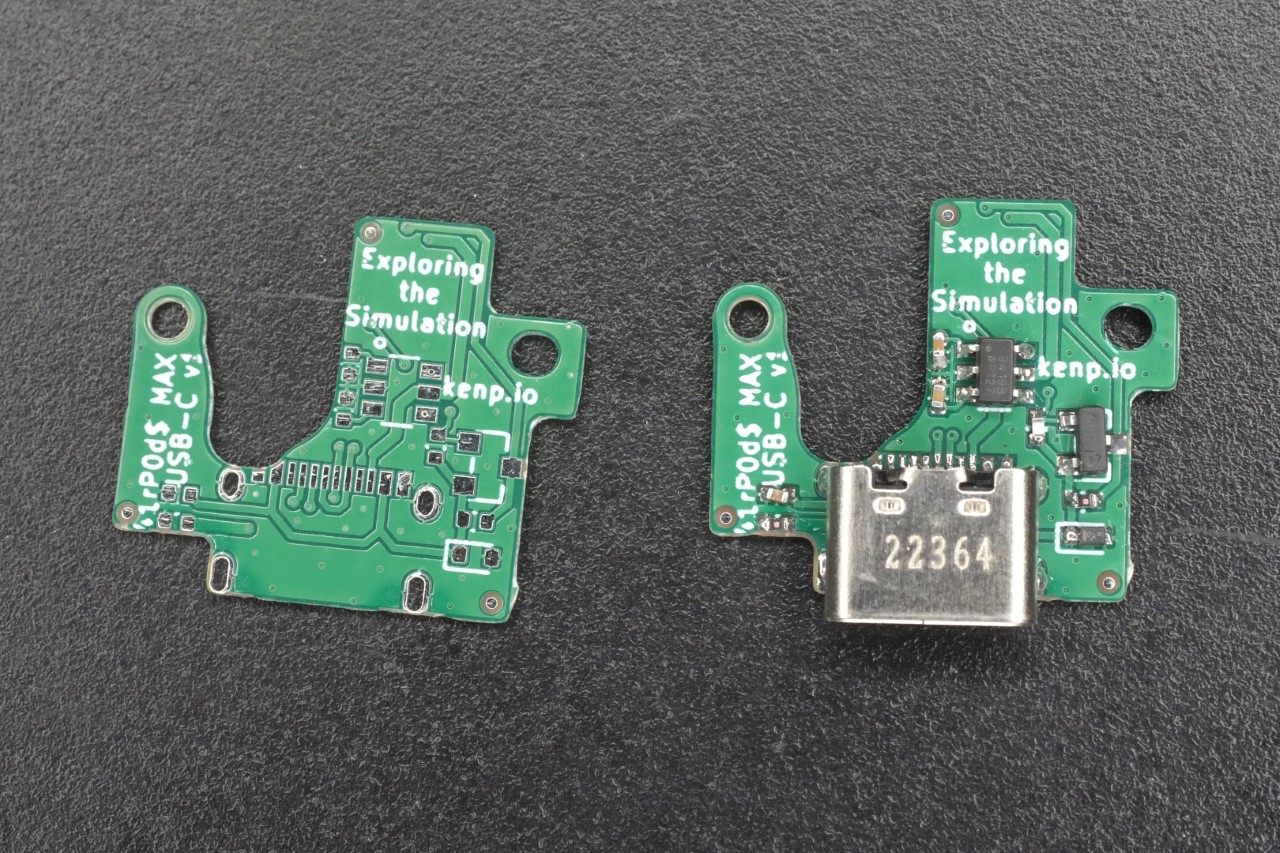
The older PCB was prone to wear and tear if used roughly
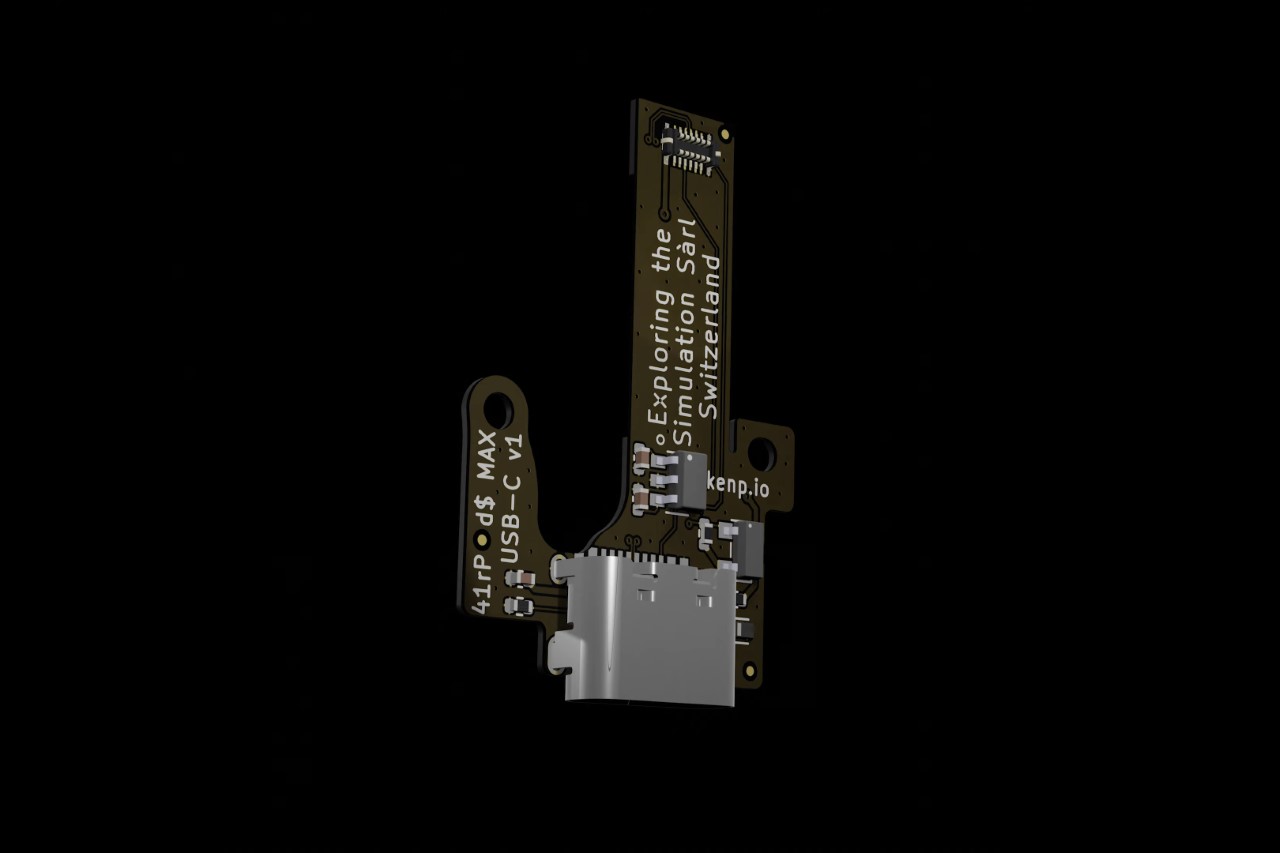
A flexible ribbon cable on the new PCB made it much more resistant to regular daily usage

The upgraded AirPods Max (Pillonel calls it the AirPods Max 2.0) only has the one design upgrade, although knowing Pillonel, he’ll soon make the entire thing repairable and probably even figure out how to replace batteries on them. You can visit his YouTube channel here, or read our coverage on his other interesting projects here.
The post Apple AirPods Max get a USB-C port thanks to this clever engineering hack first appeared on Yanko Design.
Standalone AirPods Pro 2nd-Gen USB-C charging case might not be worth the price

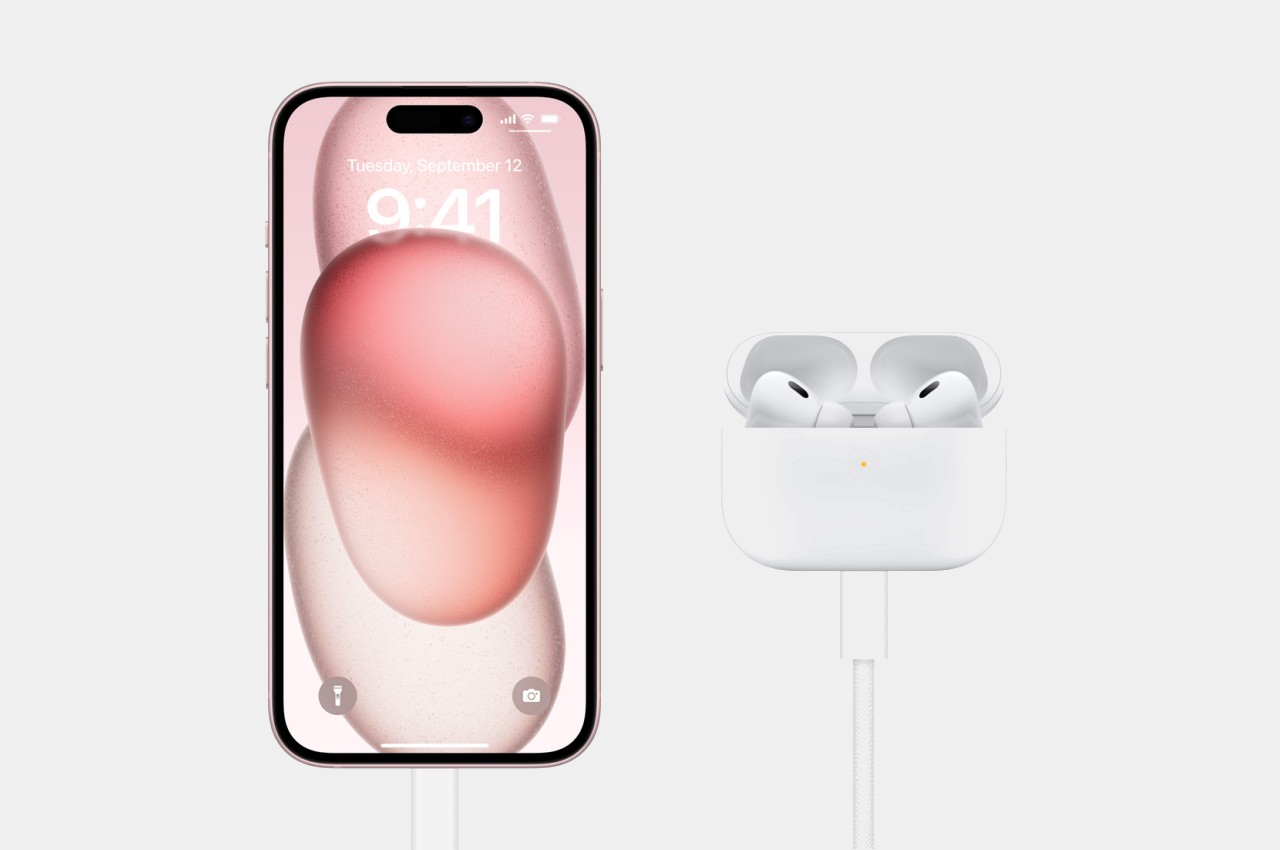
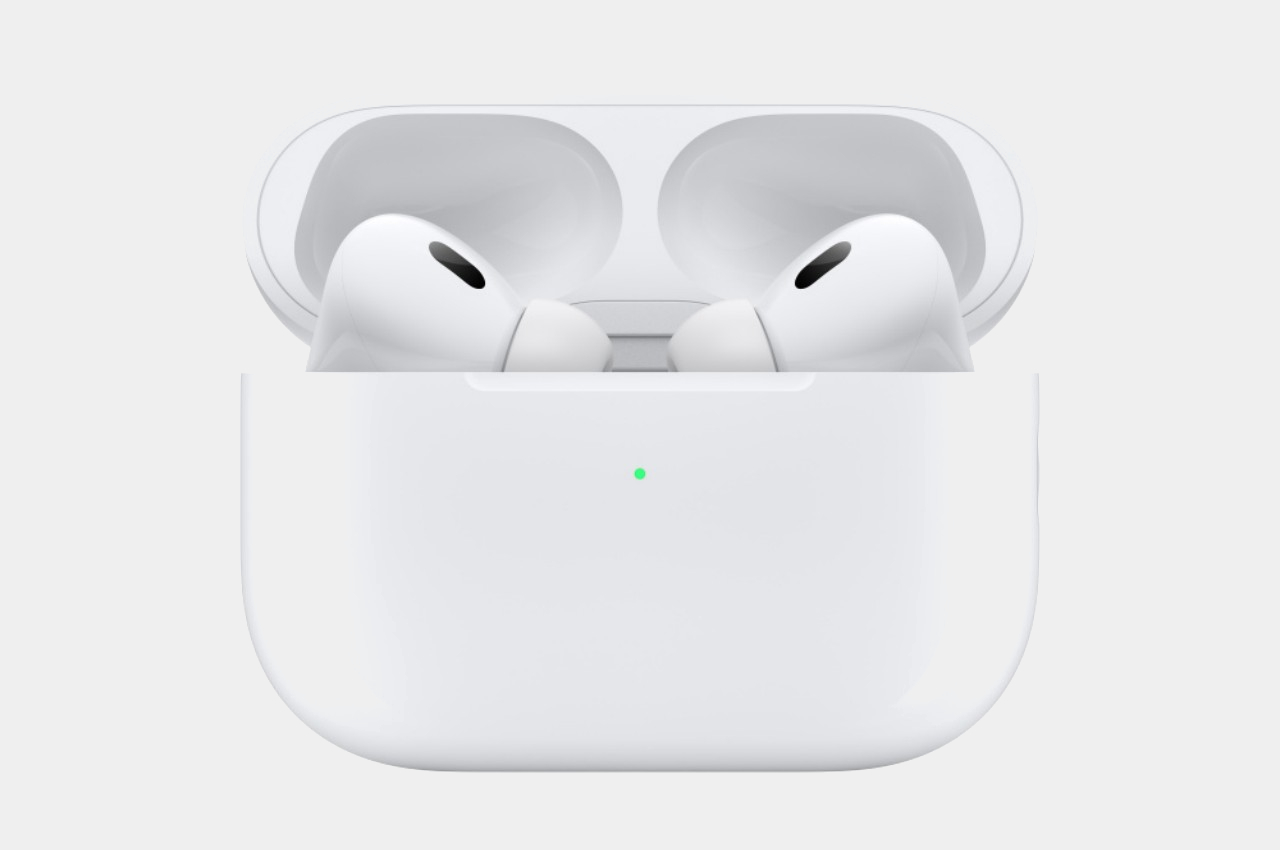
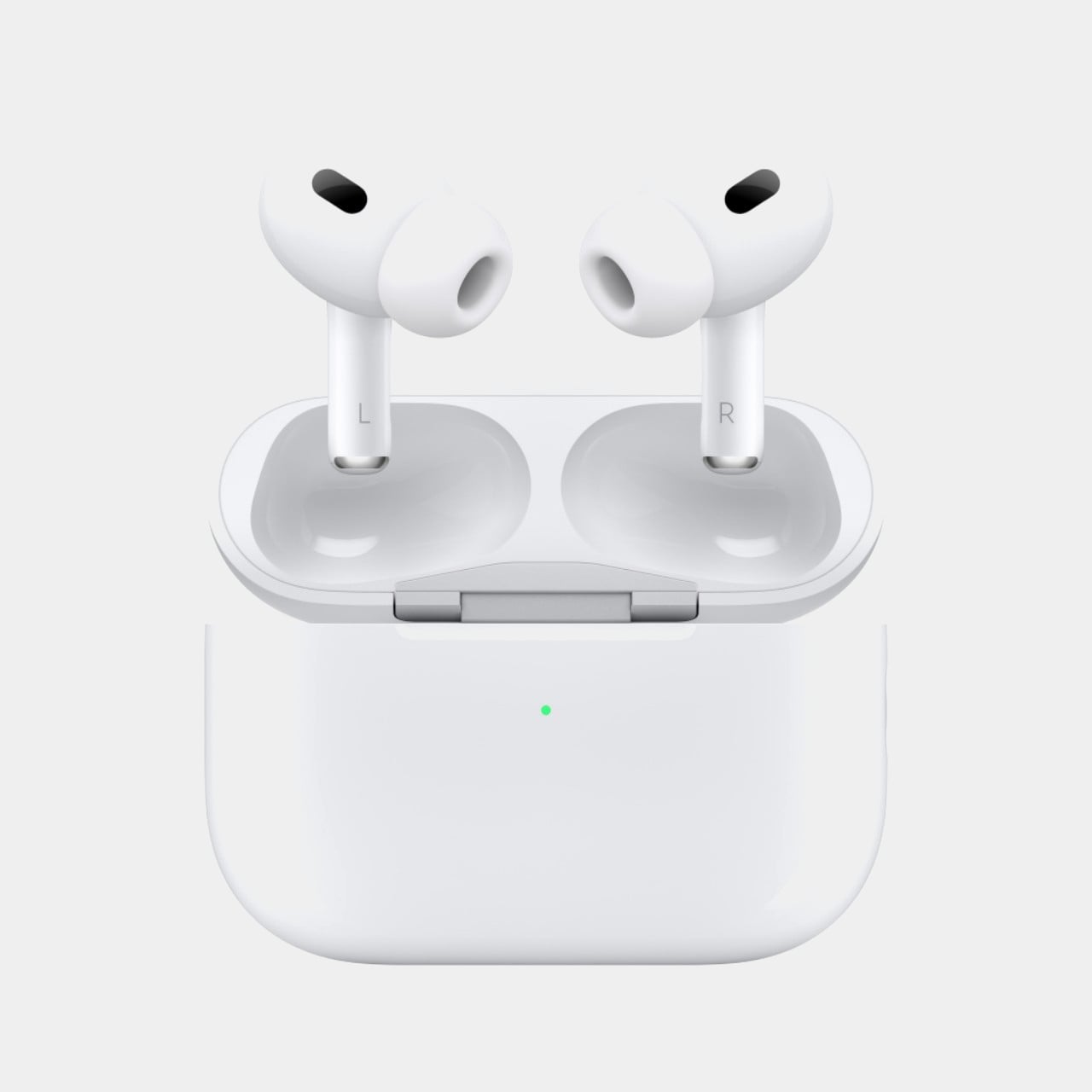
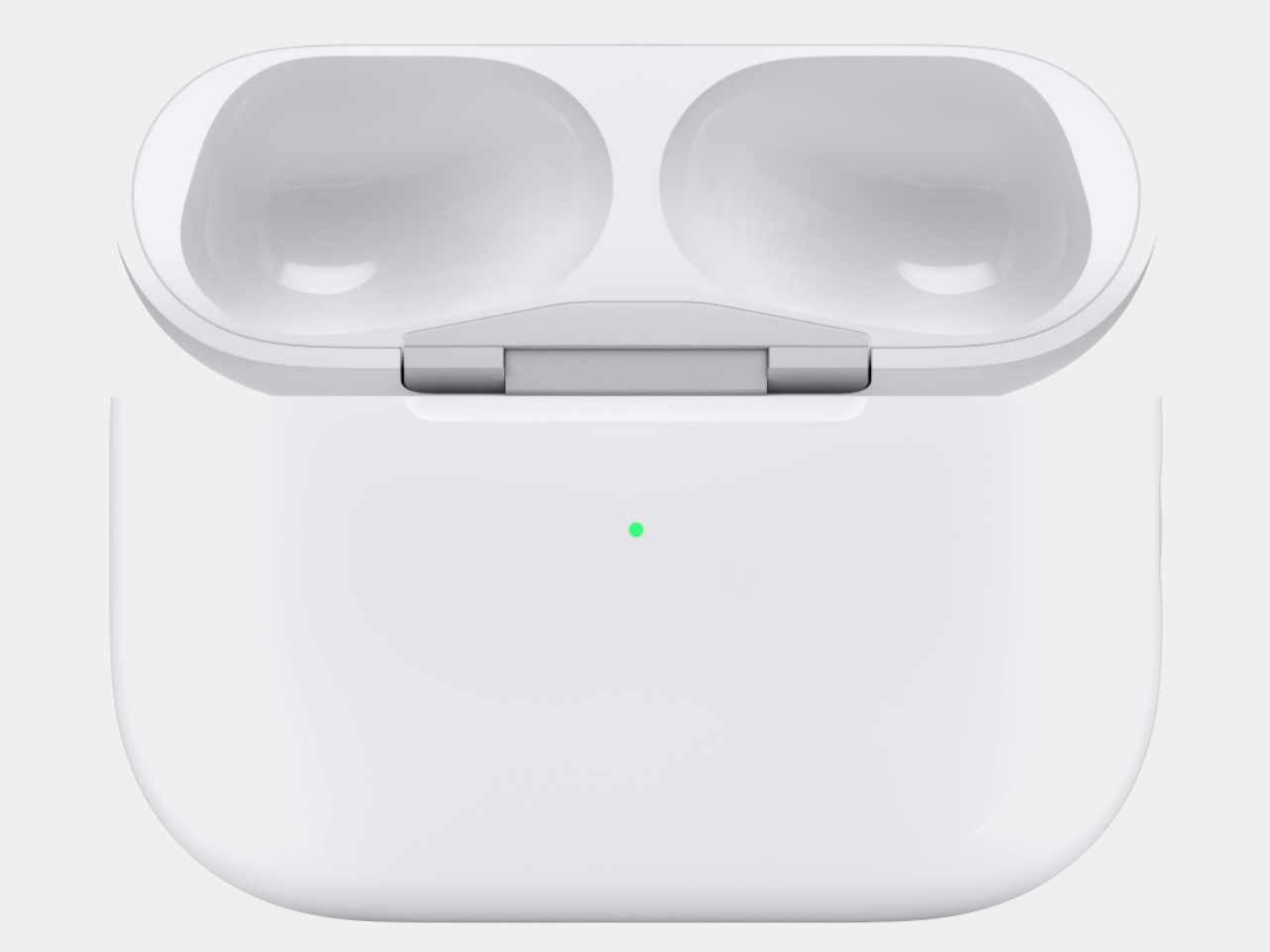
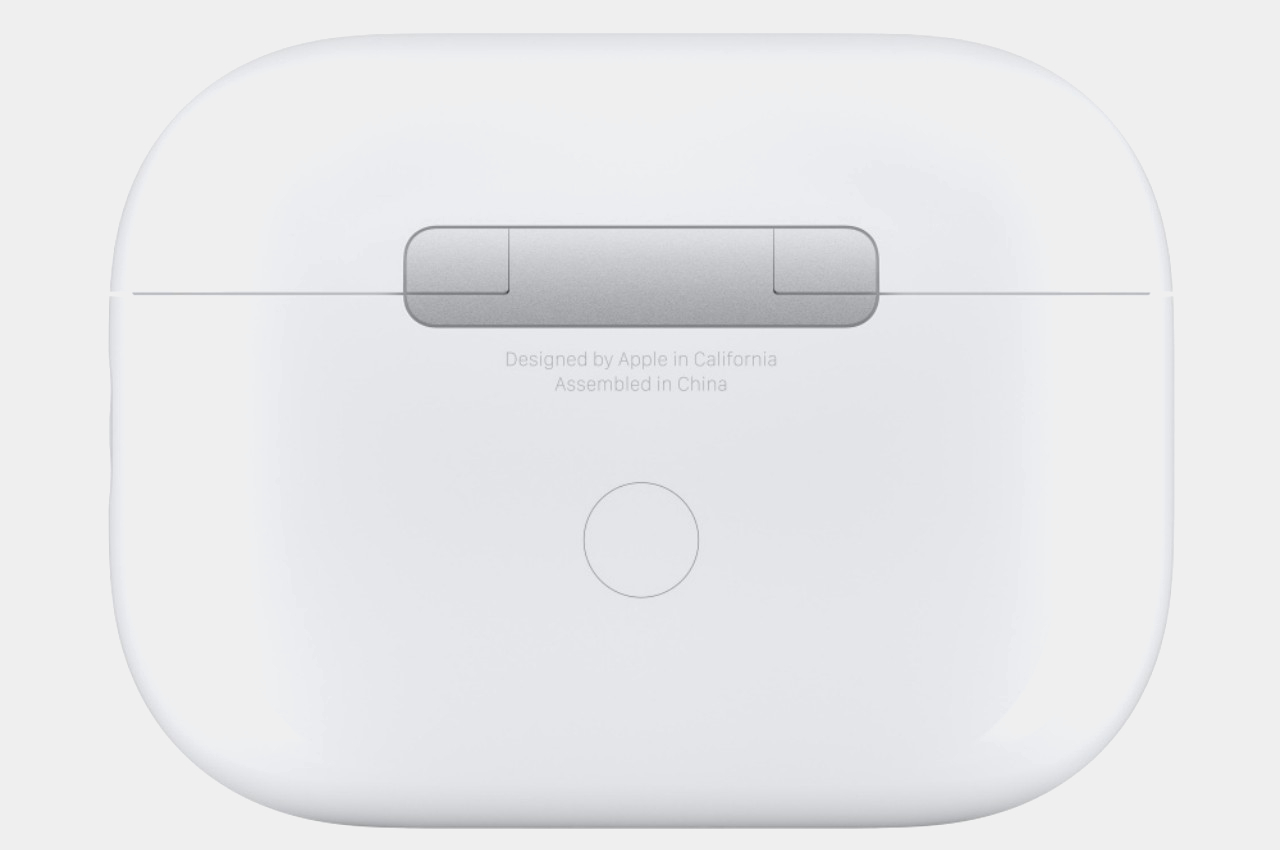
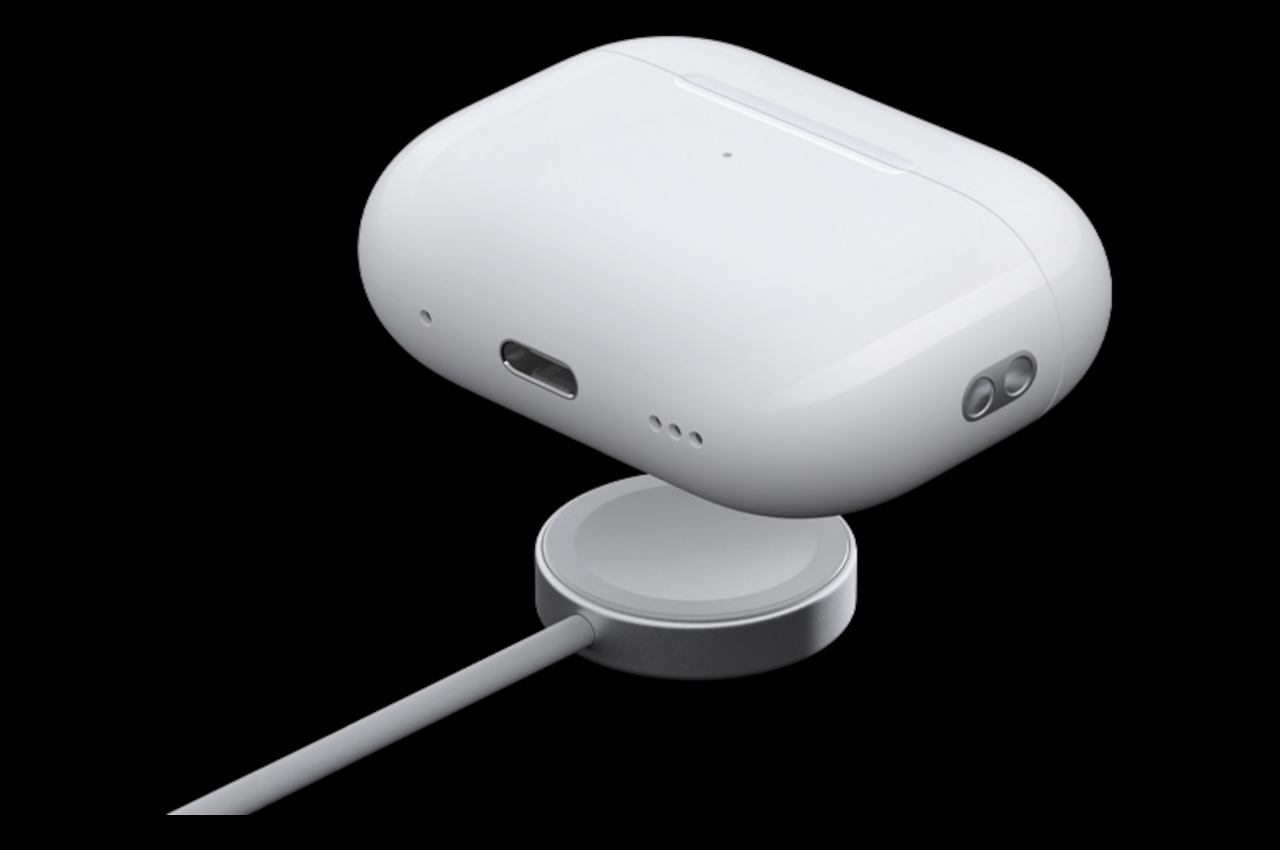
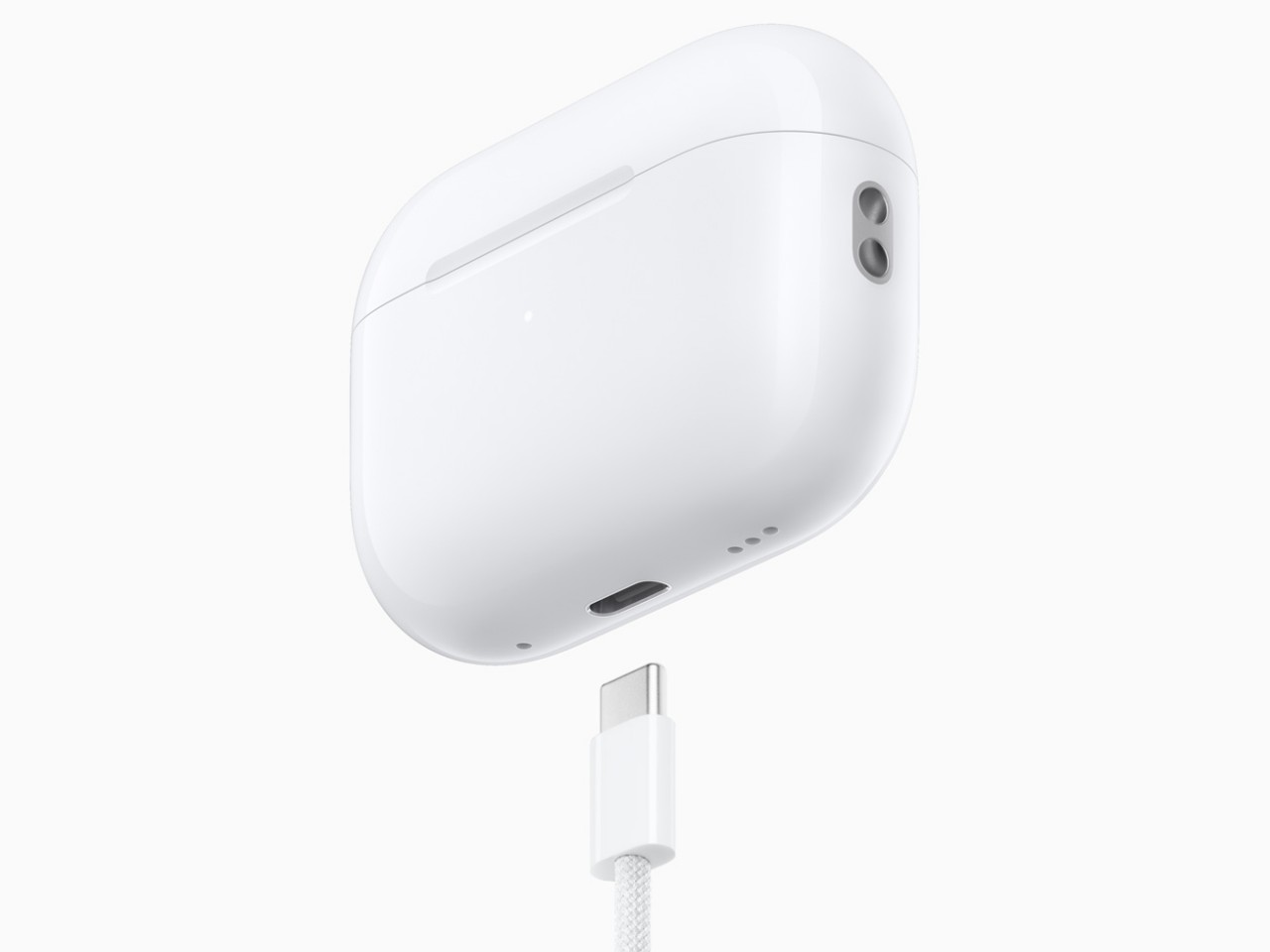
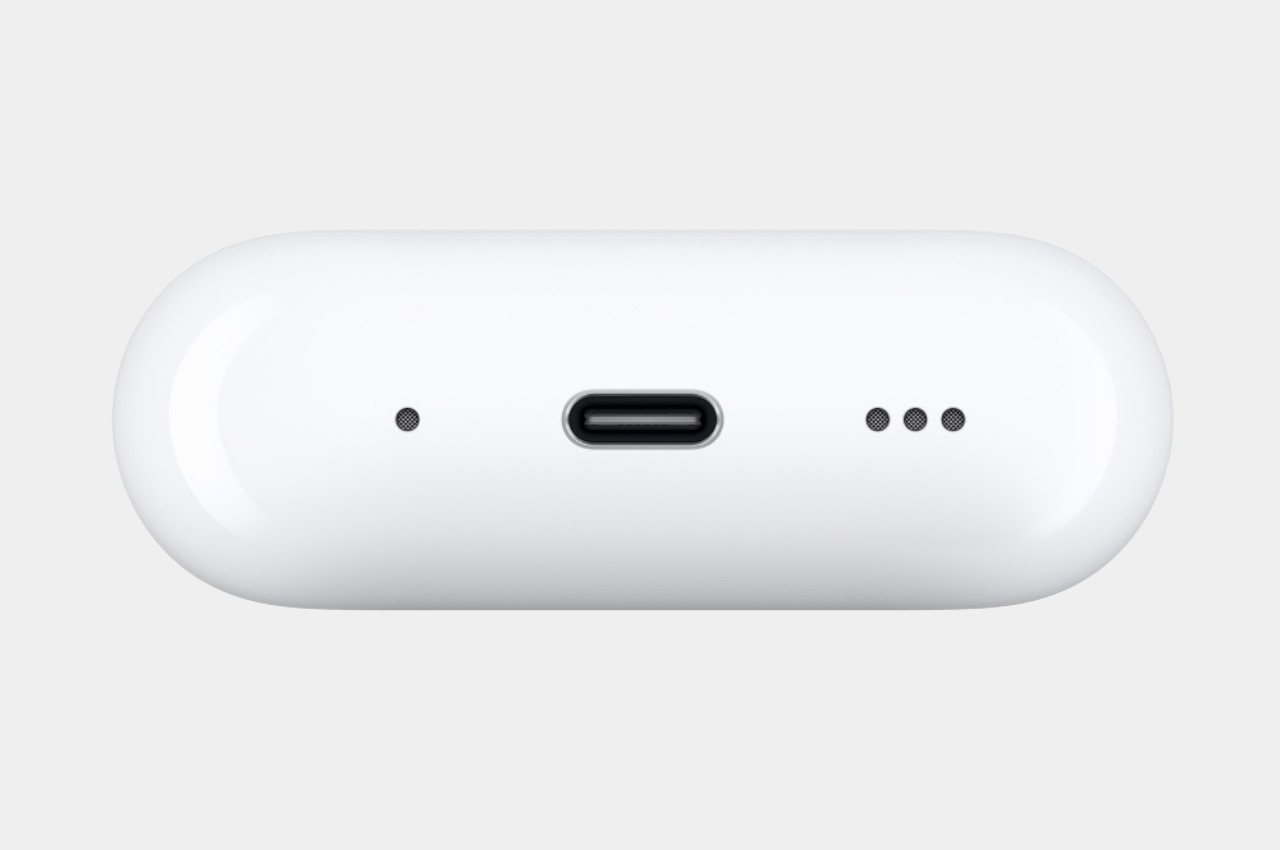
The newest iPhones have finally jumped on the USB-C bandwagon, but there are still a few Apple products that still cling to the older Lightning technology. That includes all iPhone models before the iPhone 15, older iPads, and the majority of charging cases for the AirPods. A few months back, Apple did release a version of the 2nd-gen AirPods Pro with a USB-C charging case, but you’ll have to buy the whole set to enjoy this upgrade, both earbuds and charging case. If you already have a 2nd-gen AirPods Pro that came with a Lightning charging case, however, you can now just buy the USB-C case on its own, but the price tag on this very optional accessory could have you thinking twice why you’d want to buy one in the first place.

Designer: Apple

To be fair, the USB-C charging case does have a few advantages, though the biggest one would be consistency between the most recent Apple devices. You won’t have to carry a separate Lightning cable, presuming you’ve gone all-in on USB-C already. There’s also this convenient reverse charging feature where you can charge the AirPods Pro case from an iPhone 15 using a USB-C to USB-C cable. Handy in an emergency but not exactly a ground-breaking game-changer.

Given the nearly similar features, the $99 price tag on this standalone USB-C charging case for the AirPods Pro 2nd-Gen might seem a little excessive. It also only makes sense if you already have the Lightning version of these AirPods Pro and only want to enjoy the benefits of USB-C mentioned above. Otherwise, it doesn’t offer any charging speed advantages between these two models and both support the same wireless MagSafe capability.

That said, you might want to upgrade from the 2nd generation Lightning AirPod Pro to its USB-C sibling for future-proof durability and features. The USB-C AirPods Pro 2nd-Gen has an IP54 rating, up from last year’s IPX4, which means it’s better protected against dust and small particles, though it’s still only splashproof rather than waterproof. It will, however, support lossless audio when paired with the Apple Vision Pro headset, at least if you can get your hands on one next year.

The USB-C case itself is also IP54 rated, but you won’t get the dust-proofing upgrade for the earbuds just by switching cases. That makes the standalone case less appealing for the majority of AirPods owners. Then again, there will always be someone who wants a complete and consistent set of products or may have had the misfortune of losing their original charging case. Fortunately, now you won’t have to buy a new set just to replace that.

The post Standalone AirPods Pro 2nd-Gen USB-C charging case might not be worth the price first appeared on Yanko Design.
Genius Hack for the Apple Magic Mouse gives it Charge-While-Use feature and a USB-C Port

8 years ago, Apple (helmed by Jony Ive) committed one of design’s biggest cardinal sins by taking a hatched to product usability. Sounds a little extreme, but ask anyone about Apple’s biggest design flaw and they’ll probably tell you how the Magic Mouse needs to be flipped over to charge, thus rendering it absolutely unusable. The flaw is so hilariously bad that most people even overlook the fact that the Magic Mouse is the least ergonomic mouse to begin with. Its ultra-sleek design is perfect for slipping into laptop bags, but it’s a nightmare for anyone with carpal tunnel, and even generally, makes for a horrible gripping experience (resulting in people designing pretty clever ergonomic grips for the Magic Mouse).

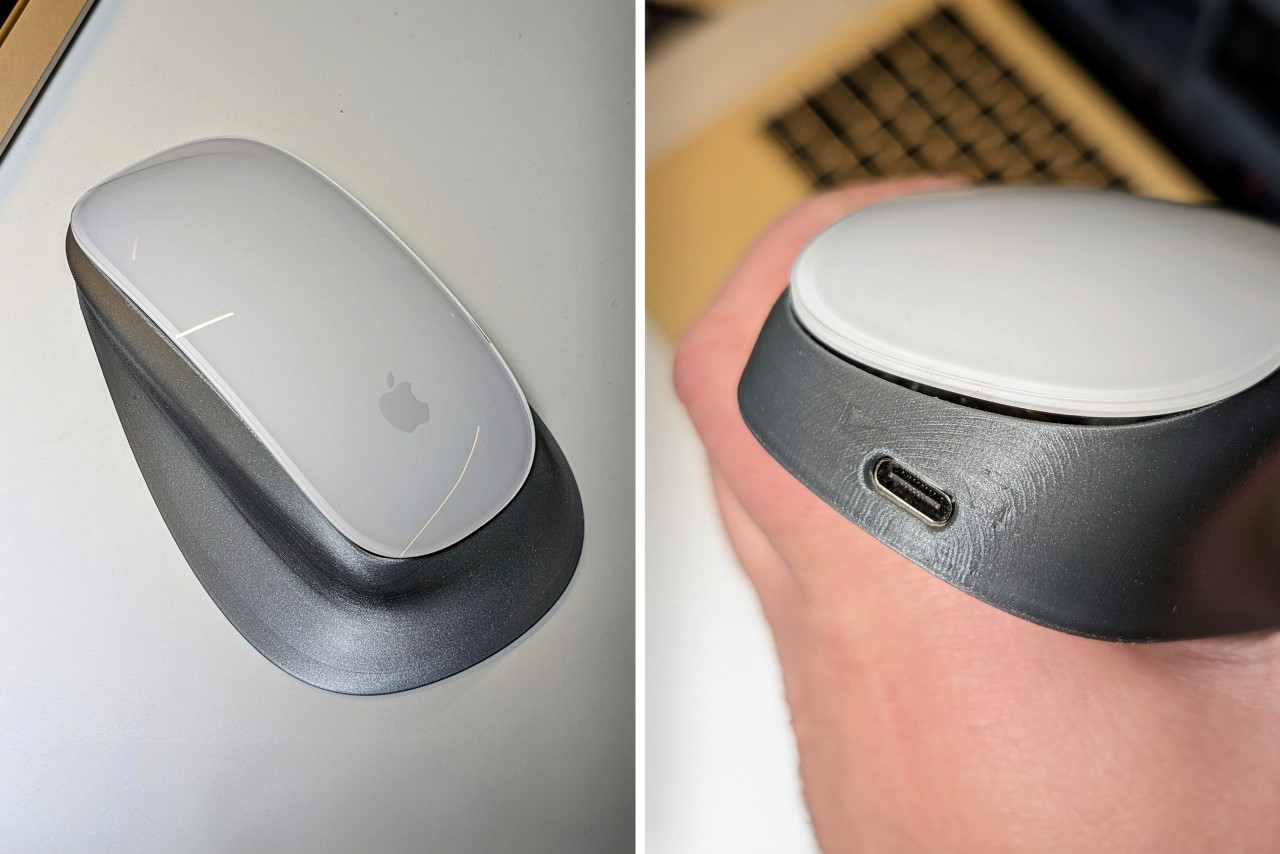
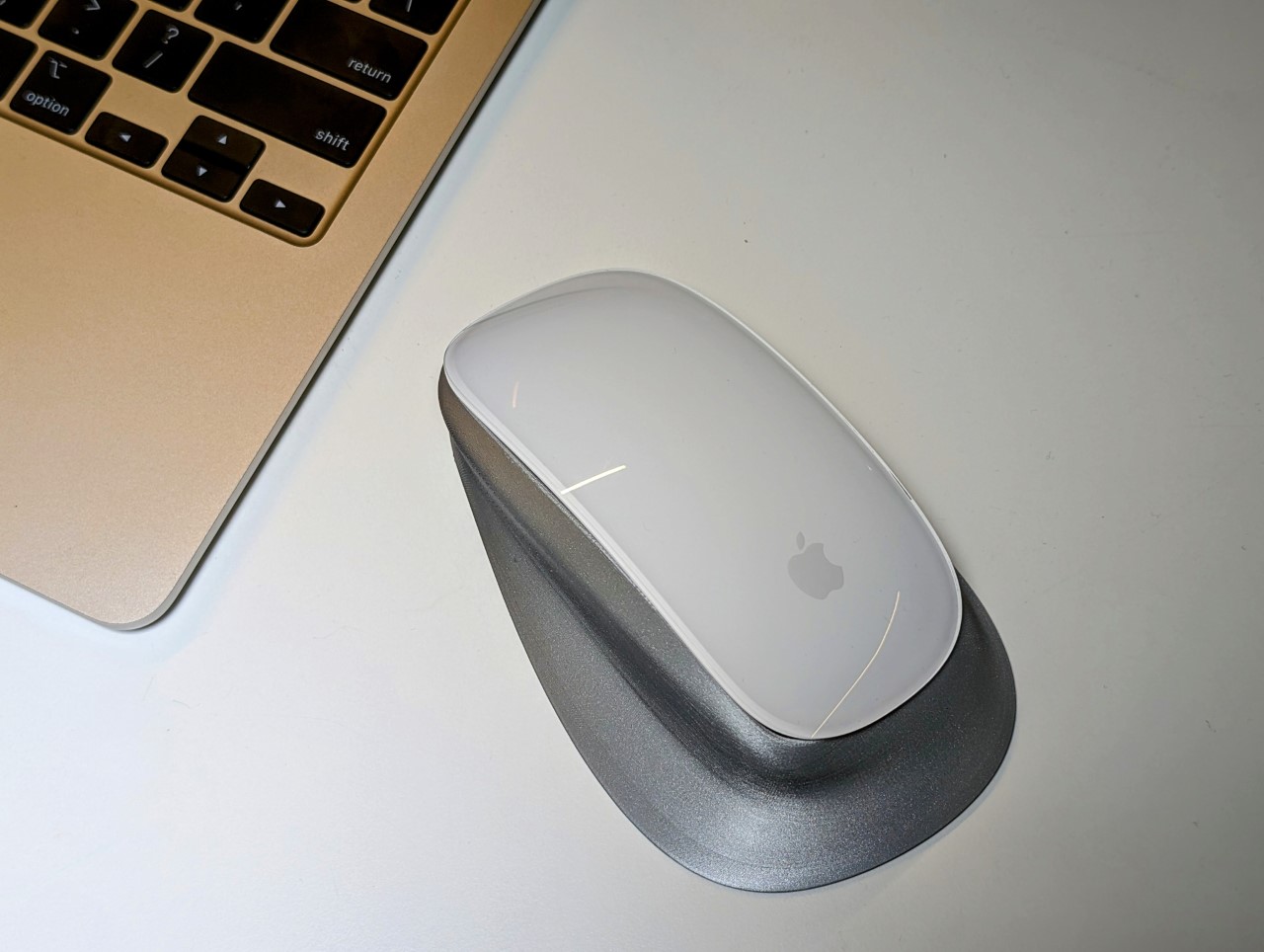
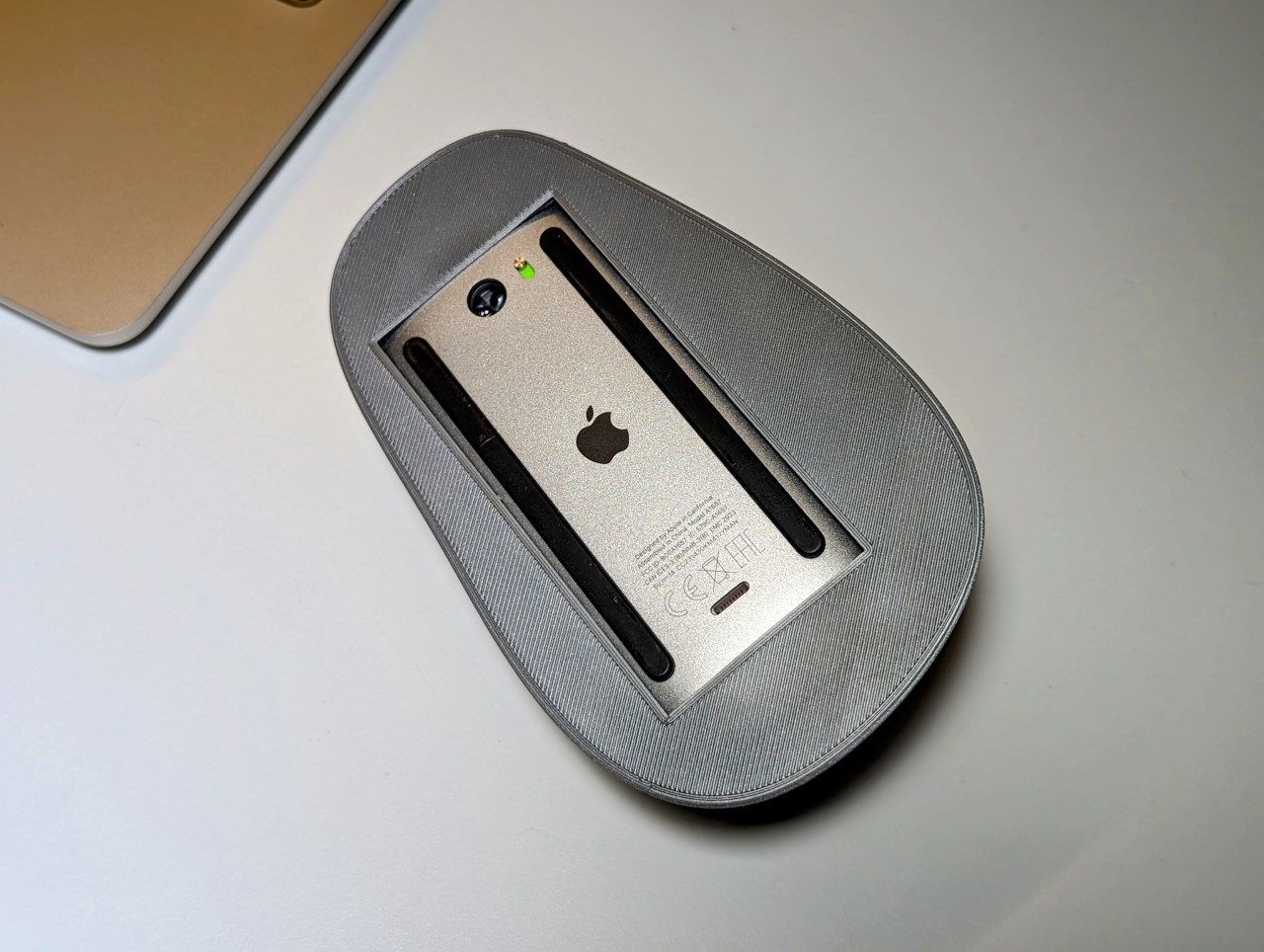
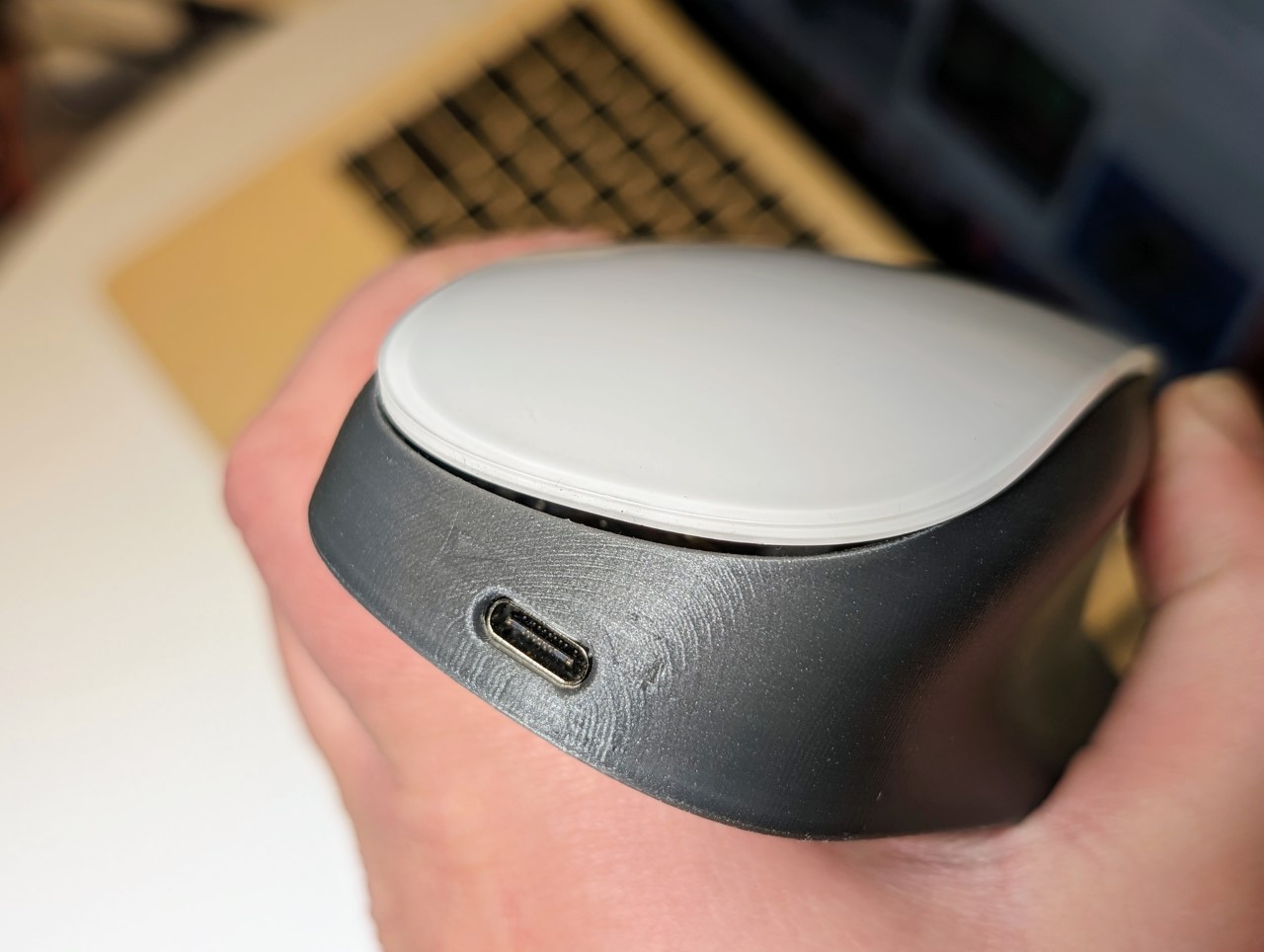
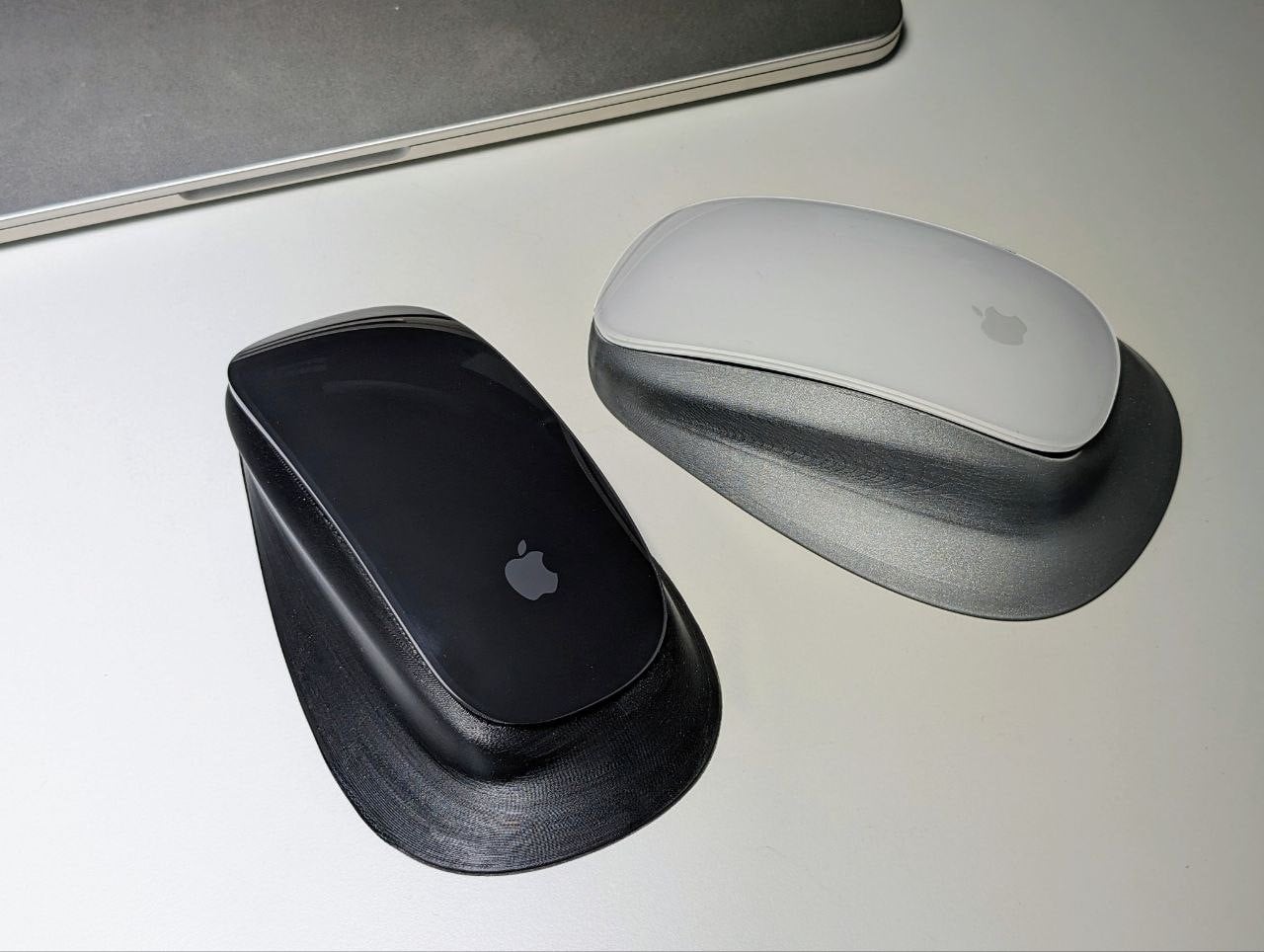
Many a DIY-er has tried fixing both the ergonomic and charging problems, but failed at the latter… but Ivan Kuleshov thinks he may have finally cracked the code. His solution? A redesigned shell for the Magic Mouse that doesn’t just fix the infamous charging issue but also enhances its ergonomic feel. The new design allows for upright charging through a USB-C port, a simple yet effective fix that Apple seemingly overlooked.

Designer: Ivan Kuleshov

Kuleshov’s design does the unthinkable – lets you use your Magic Mouse while charging it. Apple apparently engineered a failsafe into its mouse that disabled usage during charging (something that designer Matt Benedetto figured out the hard way), but Kuleshov’s solution circumvents that by technically ‘hacking’ the mouse.

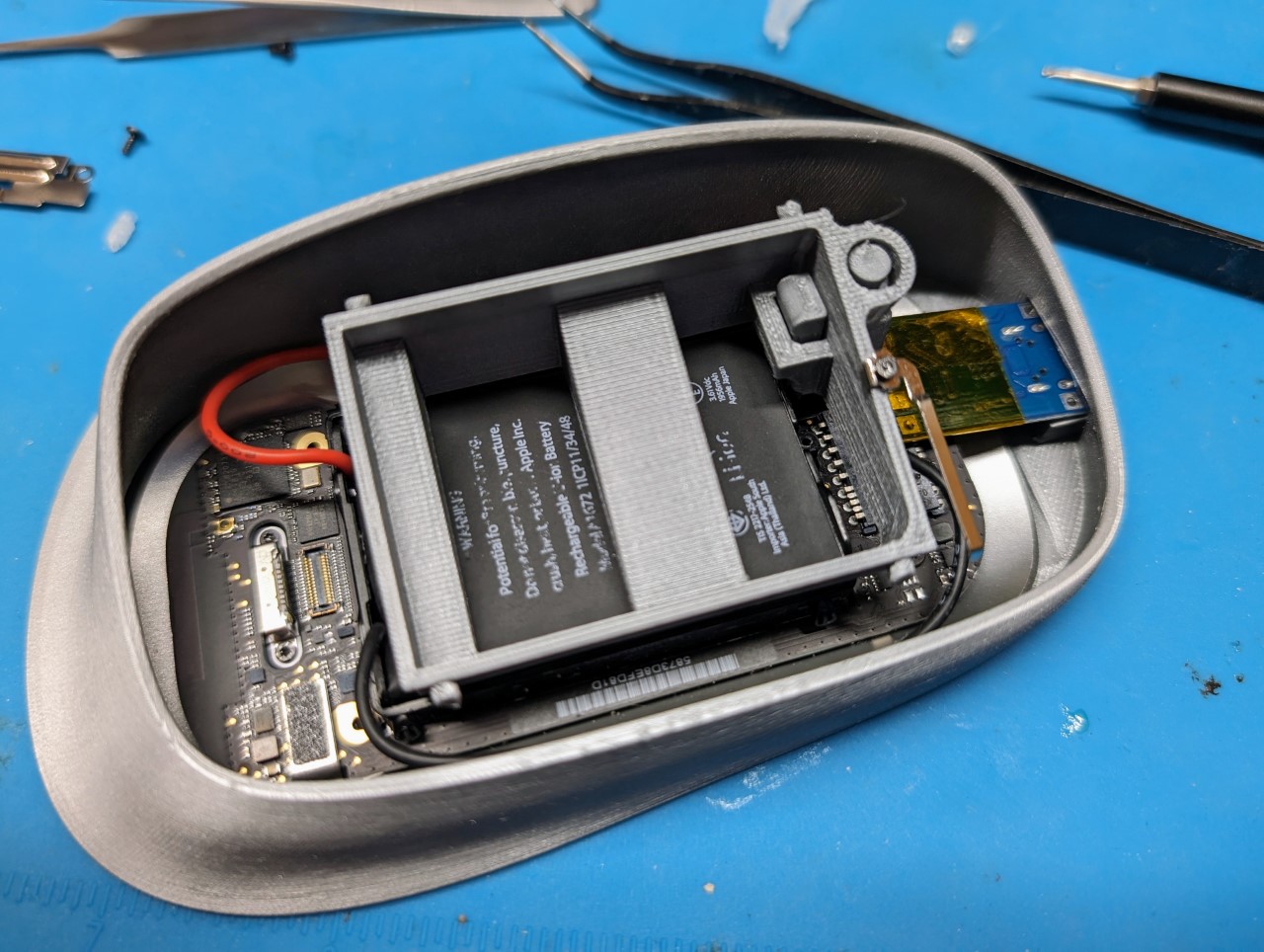
The journey wasn’t straightforward. Existing 3D models of the Magic Mouse fell short, pushing Kuleshov to adjust the enclosure shape by eye, iterating through multiple prints and adjustments. This process epitomized the trial-and-error spirit inherent in DIY projects. He crafted a frame-adapter for the upper part of the mouse in just four iterations, meticulously designed to extend the original mount. This adaptation allowed for a spring and an offset lever to press the button, integrating seamlessly with the mouse’s design.

Kuleshov didn’t stop at mere design modifications. He tackled the electrical challenge head-on, soldering a TP4056 directly to the battery outputs, ensuring the mouse continued to work while charging. This modification enabled the mouse to bypass Apple’s standard charging protocol, a nifty workaround to a long-standing problem​.

After numerous trials, Kuleshov finally achieved the ideal enclosure shape. It charges the battery directly, and despite its increased size, the mouse’s sensor still makes contact with the table, ensuring precise movement. Kuleshov labels it as “the world’s first ergonomic Magic Mouse without any flaws,” and while this might be a bold statement (given its slightly bulky appearance), it seems to be a significant improvement from a practical standpoint.

Kuleshov took to Twitter (or whatever Musk wants you to call it) to showcase his rather complicated but functional redesign. The internet’s consensus seems mixed, but with everyone on the same page. While most people are marveling at this new modification, calling it a truly “magical” mouse, others are applauding Kuleshov’s ingenuity while also commenting on the fact that this level of ‘hacking’ was even necessary to undo a simple problem that Apple seemingly engineered on purpose into their product. To make things better, Kuleshov has made his entire project open-source and tinkerers can download the files on GitHub to modify their own Magic Mice…

The post Genius Hack for the Apple Magic Mouse gives it Charge-While-Use feature and a USB-C Port first appeared on Yanko Design.