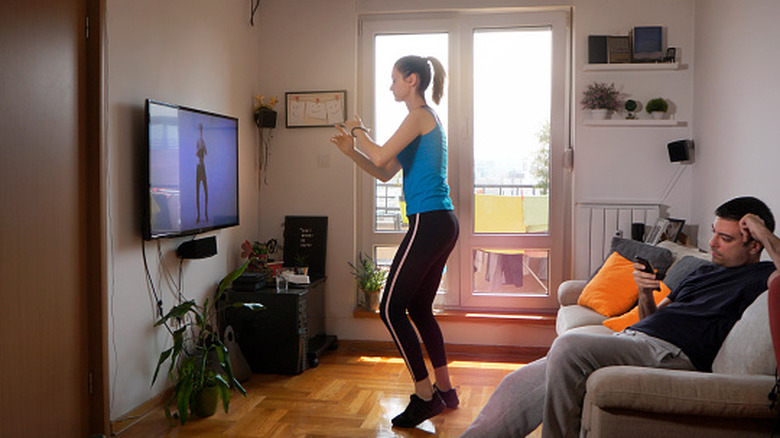
How to AirPlay from iPhone or MacBook to your TV
If you want to display media from your phone on a TV screen, you'll need to follow these steps to use AirPlay or screen mirroring.

OpenAI and Anthropic have introduced a shift in how users interact with their AI models, emphasizing the value of simplified prompts over lengthy, detailed instructions. Enovair highlights how these systems, equipped with advanced reasoning and intent recognition, can now infer meaning and execute tasks with minimal guidance. For example, instead of micromanaging every step, users […]
The post Lean Prompts Beat Micromanagement in New Anthropic Models appeared first on Geeky Gadgets.

The smartphone got away from us. What started as a communication tool is now an alarm clock, a boarding pass, a camera, a bank, a navigation system, a social anxiety machine, and a reason to check the time without ever actually knowing what time it is. The problem is not the phone. The problem is that the phone agreed to do everything, and now it does nothing particularly well.
The products on this list make a quieter argument. Not that you should live off the grid or carry a brick from 1997, but that some jobs are better left to objects designed specifically for them. A dedicated music player sounds better than Spotify on a phone. A screen-free band tracks your sleep without lighting up your wrist at 2 am. Seven gadgets. One idea.
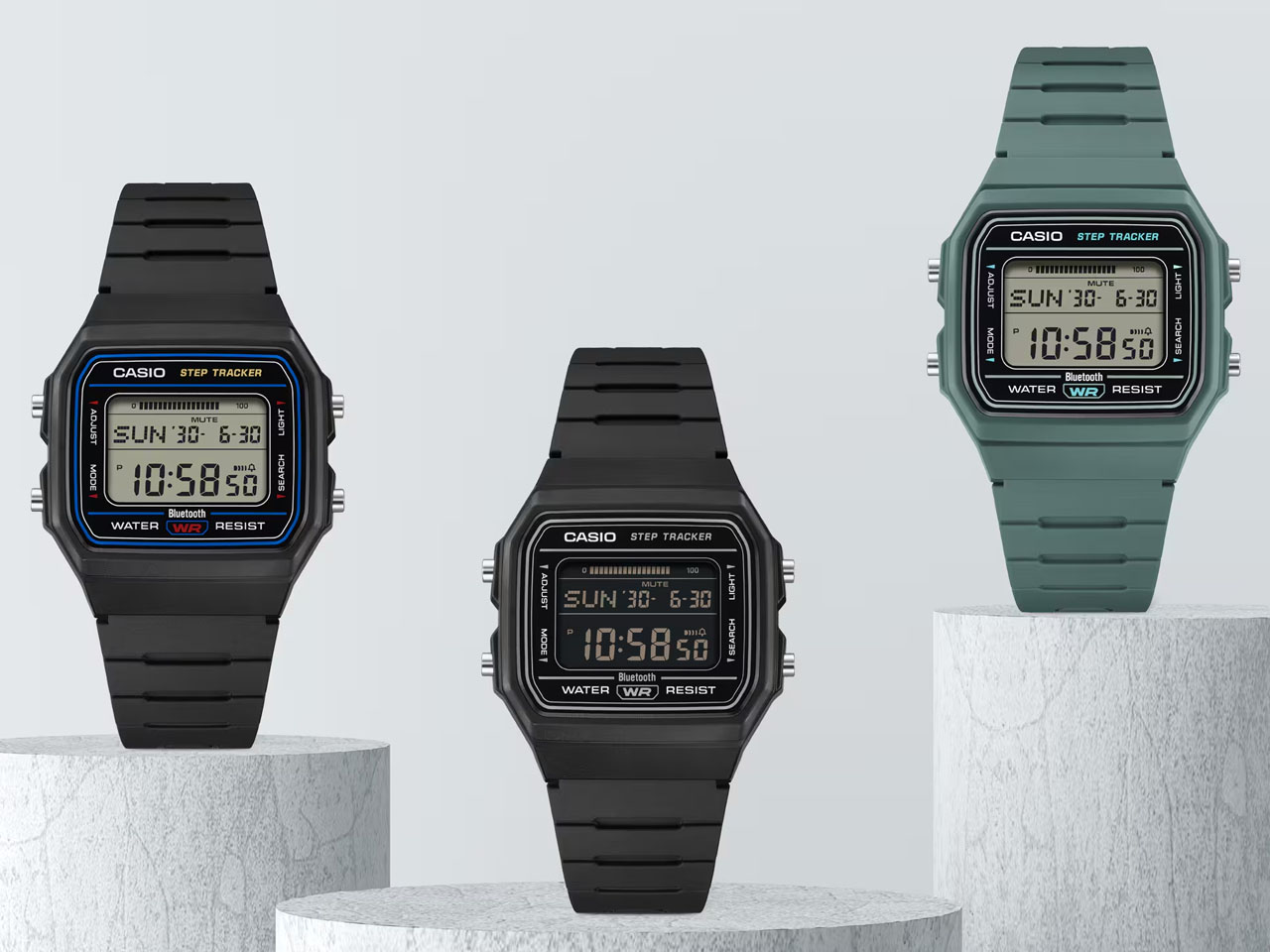
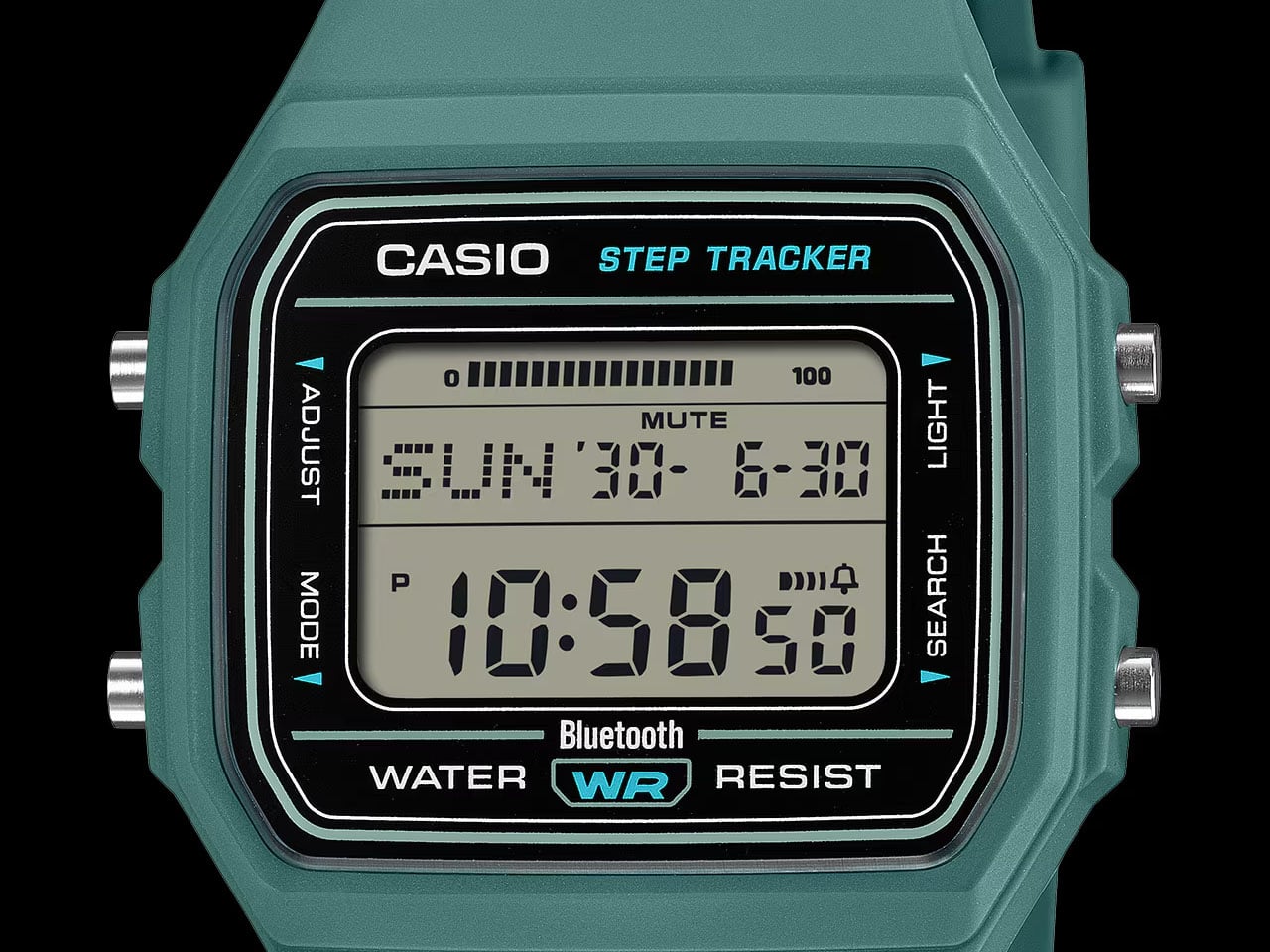
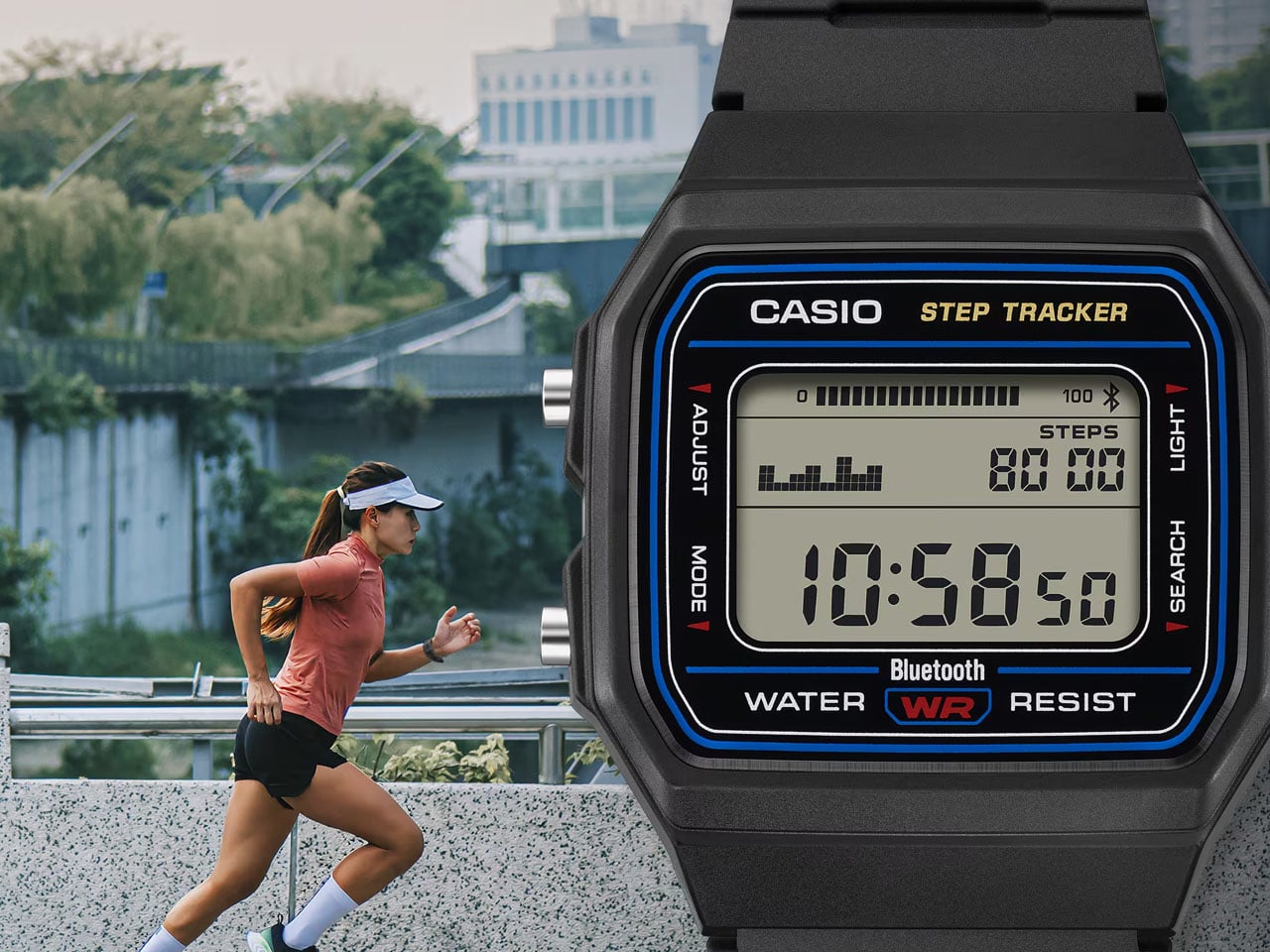
The F-91W is 37 years old and still in production because Casio got it right the first time. The F-B100W takes that template and adds exactly what a watch in 2026 needs and nothing it does not. Bluetooth syncs the time automatically and lets you find your phone when you can’t. A step counter and 200-lap timer handle the fitness side. A 2-year battery means you will have forgotten you own this before you need to charge it.
At 26 grams and 41.9mm across, it fits on the wrist without announcing itself. The bio-based plastic strap has ventilation slits for comfort during long wear, and the amber LED backlight handles low-light legibility without theater. Five daily alarms and water resistance round out the spec sheet. Japan launched it at ¥8,800, roughly $55, and it sold out immediately. That tells you most of what you need to know about whether this needed to exist.

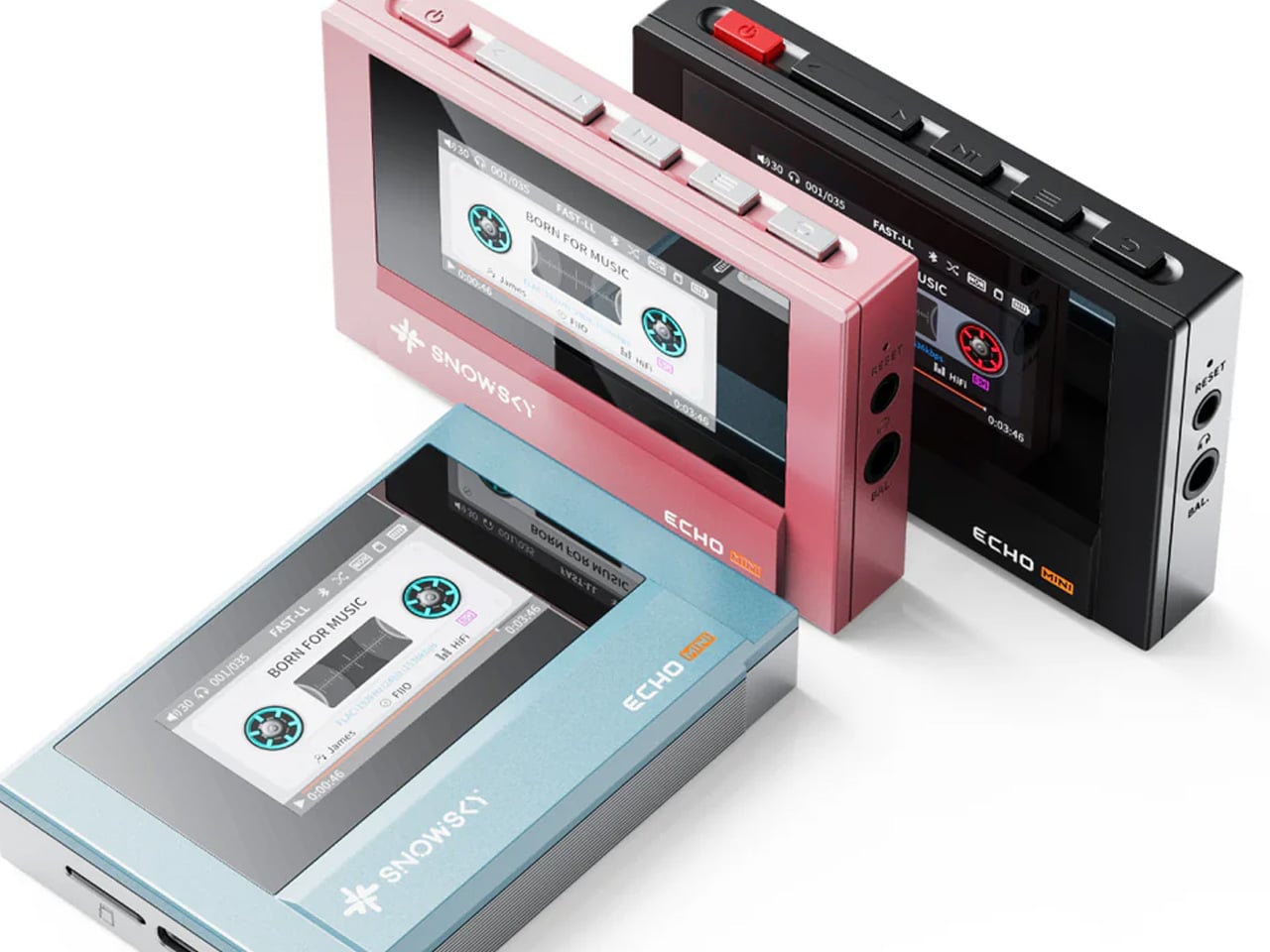
Your phone is a mediocre music player that borrowed the job from something better. The FiiO Echo Mini, released under the Snowsky imprint, takes it back. Inside a body shaped like a vintage portable player sit a pair of Cirrus Logic CS43131 DAC chips and a Hi-Res certification from the Japan Audio Society, which is not a marketing claim but a measured standard. The sound it produces from lossless files is categorically different from the same tracks streamed through a phone speaker.
It supports FLAC, DSD, WAV, and OGG, and accepts microSD cards up to 256GB, so a library that would have filled an entire shelf in 1988 now fits in a slot smaller than a thumbnail. Dual headphone outputs handle both wired and wireless listening from the same device. An independent power supply isolates the audio circuitry from interference, which is the kind of engineering detail that does not show up in marketing copy but surfaces immediately in how it sounds. The design references early Sony and Aiwa portables with enough conviction that it earns the comparison rather than simply borrowing the silhouette.
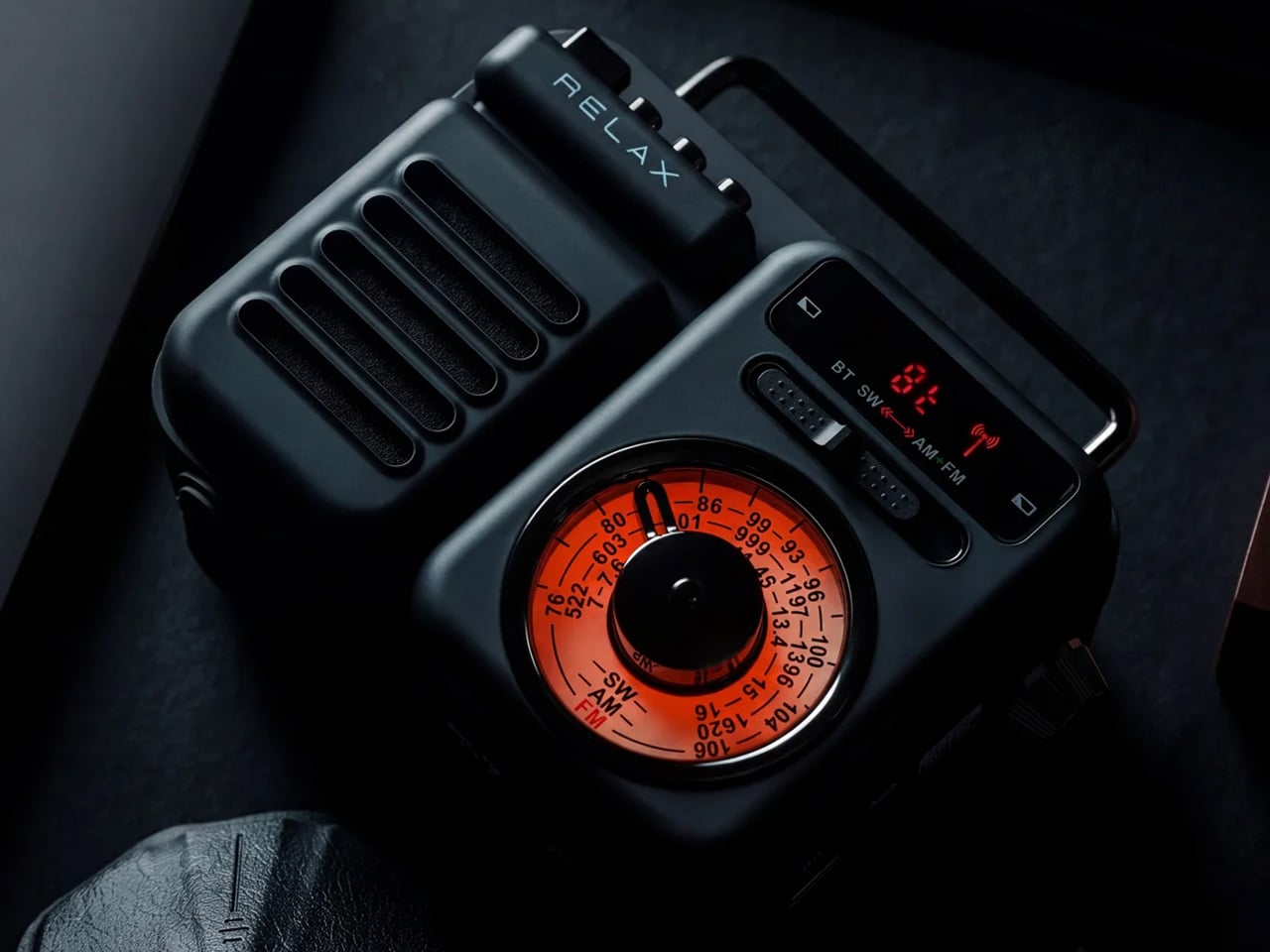
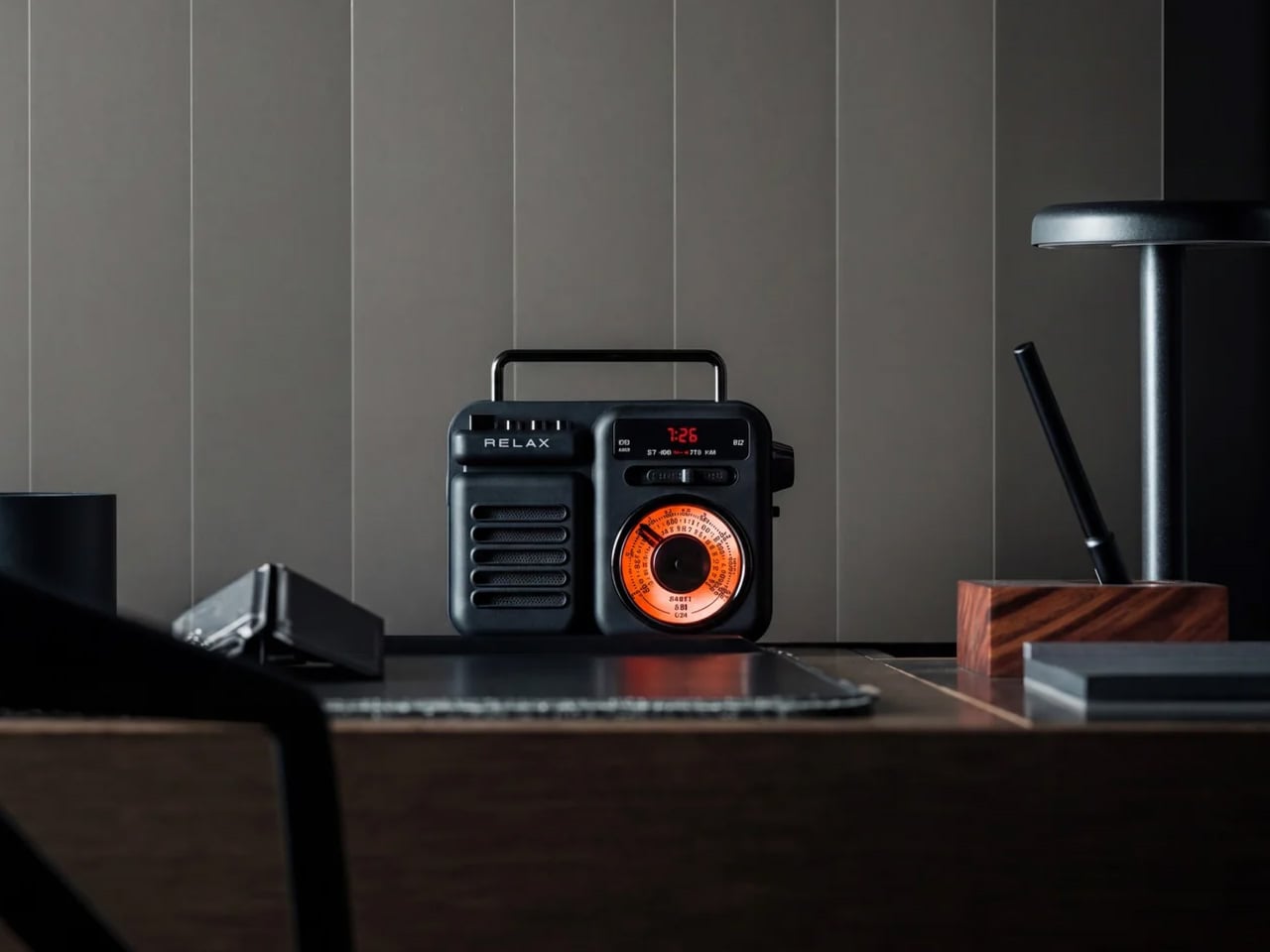
Your phone does radio badly because it was never designed to do radio specifically. The RetroWave was. AM, FM, and shortwave reception with no Wi-Fi dependency and a tactile tuning dial that works the way tuning dials are supposed to. The Japanese-inspired frame houses seven functions: radio, Bluetooth streaming, MP3 playback from USB or microSD, an LED flashlight, an SOS alarm, hand-crank charging, and solar charging. At $89, it is the most practical object on this list per dollar spent.
The 2000mAh power bank charges other devices when yours runs low, and 20 hours of radio playback on a single charge means it runs a full working week without returning to a socket. The hand-crank and solar inputs are genuine backup systems rather than novelty features, which places it in the emergency preparedness category as much as the desk companion one. For a device that replaces your phone as a radio, this is the one that actually means it.
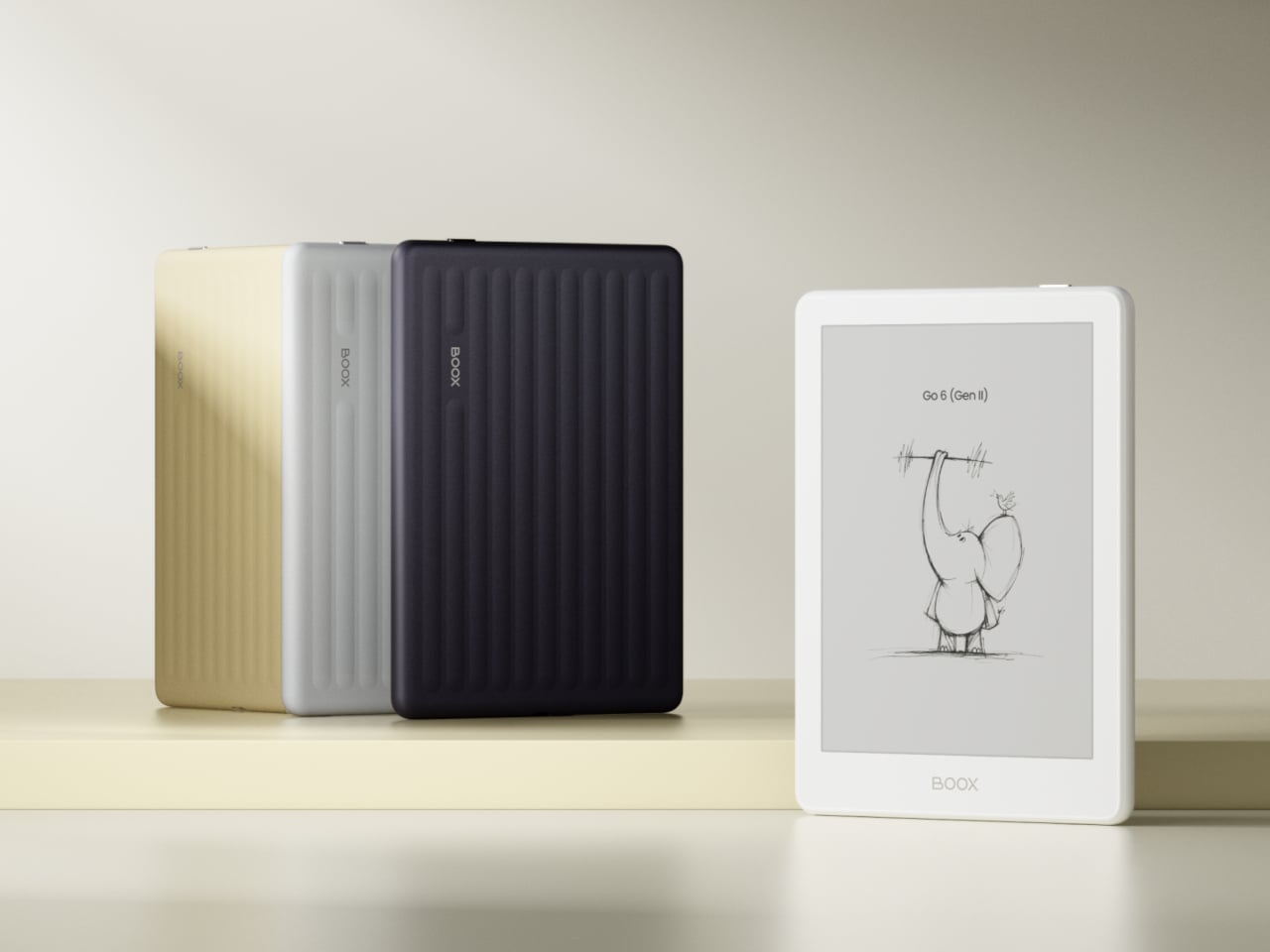
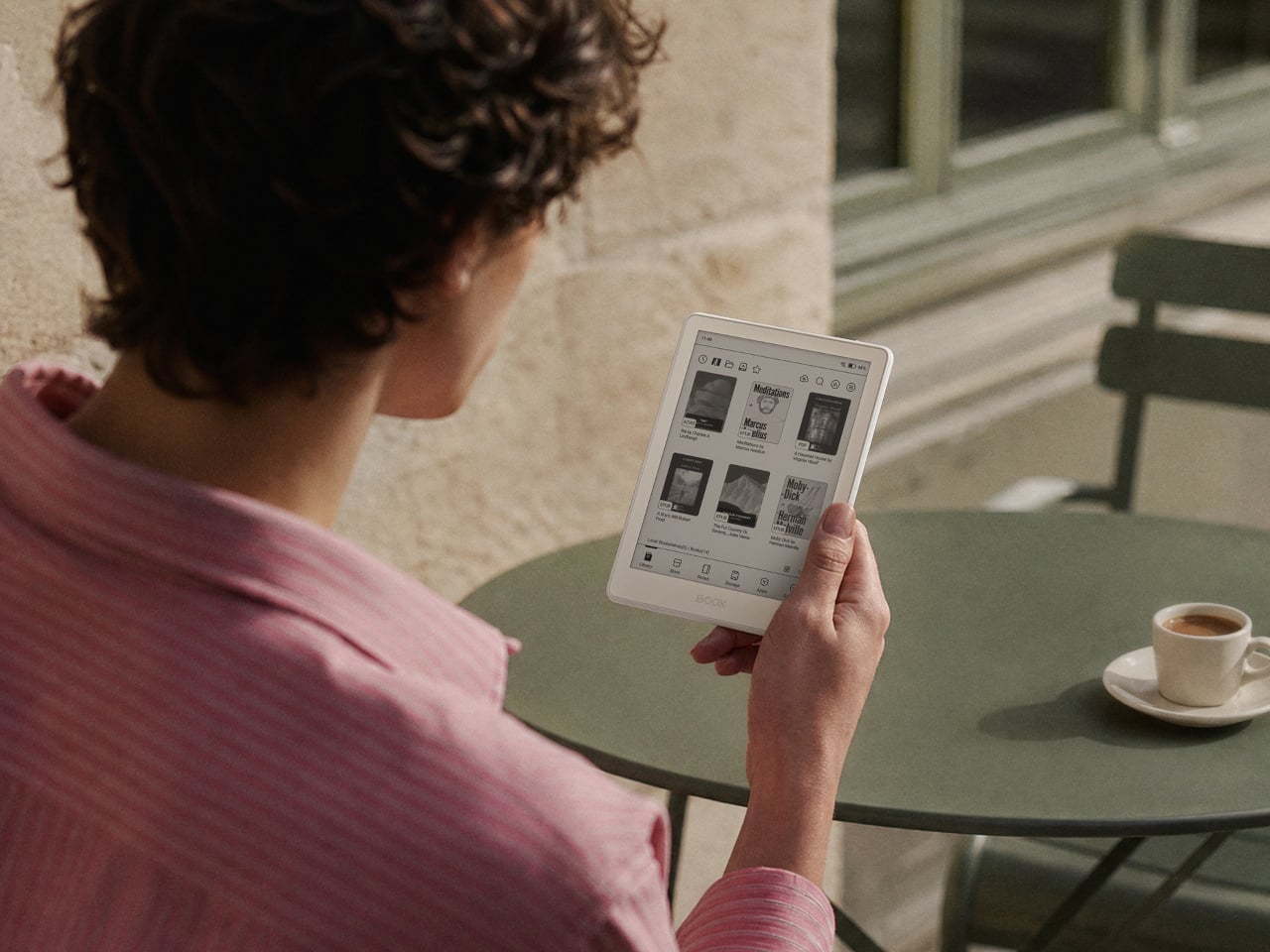
The e-reader has always made a better case for itself than most people give it credit for. The Go 6 Gen II is built around a 6-inch 300 ppi E Ink display in a body genuinely small enough to pocket, and unlike a standard Kindle, it runs Android underneath, which means the reading experience is not locked to a single storefront or ecosystem. The addition of stylus support in this generation moves it further from a dedicated reader and closer to a carry-anywhere notebook.
What it cannot do is exactly what makes it useful. There is no notification shade worth checking. No camera. No feed. The E Ink display is too slow for video and too monochrome for social content, which means using it for anything other than reading or note-taking feels like the wrong tool for the job. That deliberate friction is not a limitation. It is the design working as intended, built into the hardware itself rather than dependent on your own willpower to enforce it.
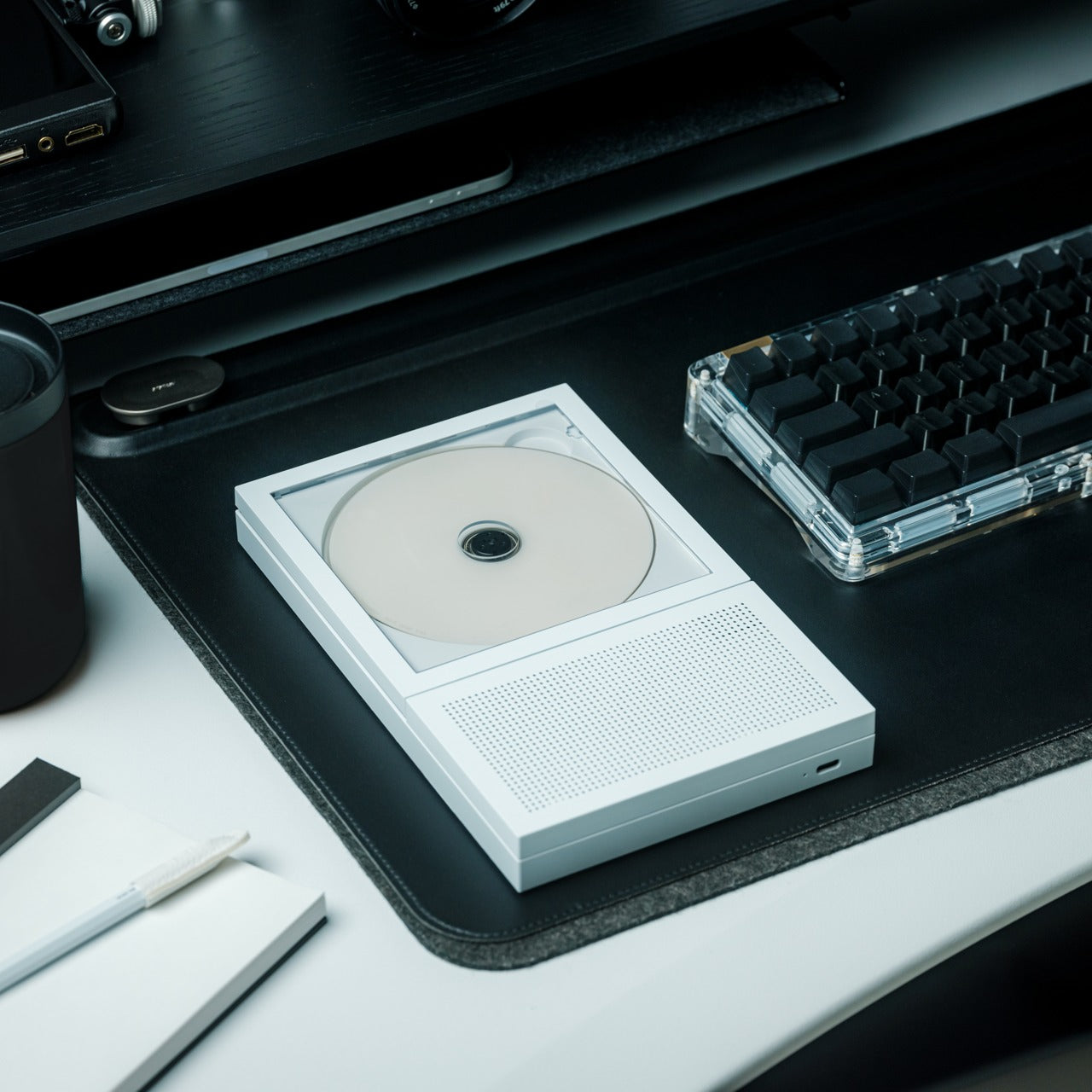
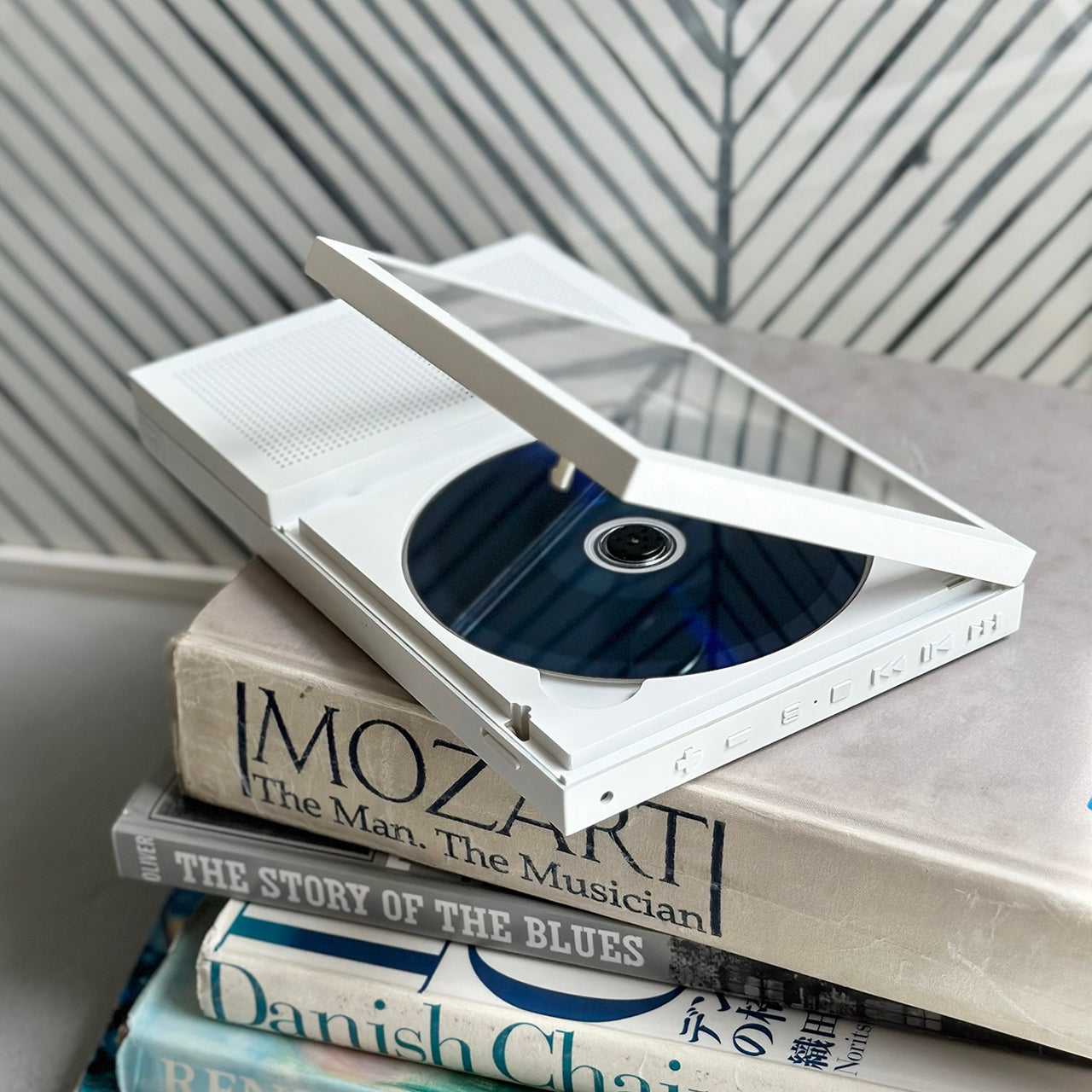
Streaming reduced most music libraries to a scrollable grid of thumbnails no larger than a postage stamp. The Portable CD Cover Player puts album artwork back at the physical center of the listening experience. The form factor echoes the proportions of a CD sleeve — slim enough to carry on a commute or into a hotel room without planning. It is built for the kind of listening that requires an album, a decision, and an uninterrupted hour to follow through.
The CD format offers something streaming has never replicated — intentionality. You chose this album. You put it in. You listened front to back, the way it was meant to be heard. At a moment when cassette players and vinyl decks have staged a credible commercial comeback, there is a real and growing audience for physical music hardware that does not apologize for existing in 2026.
Click Here to Buy Now: $199.00
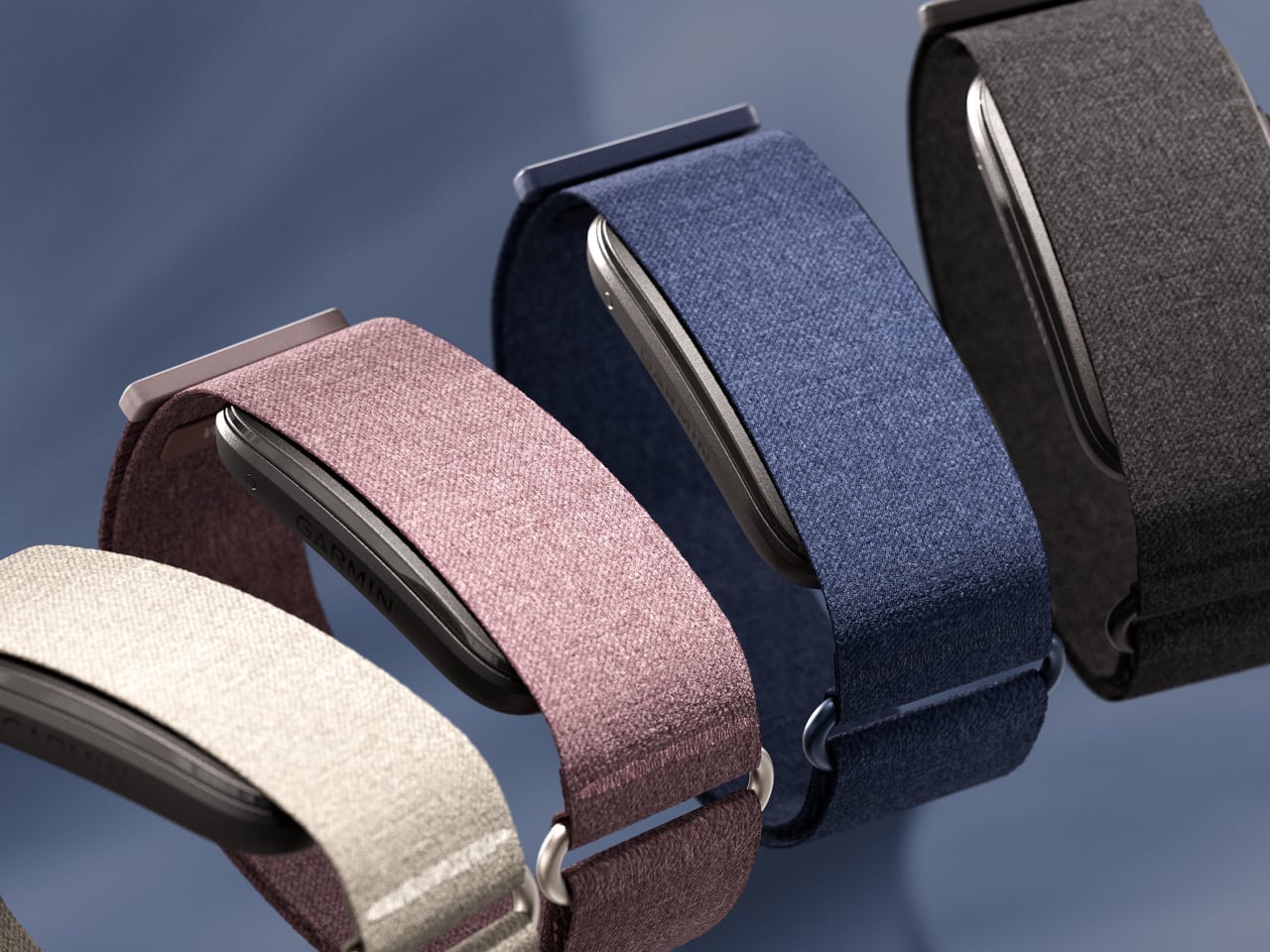
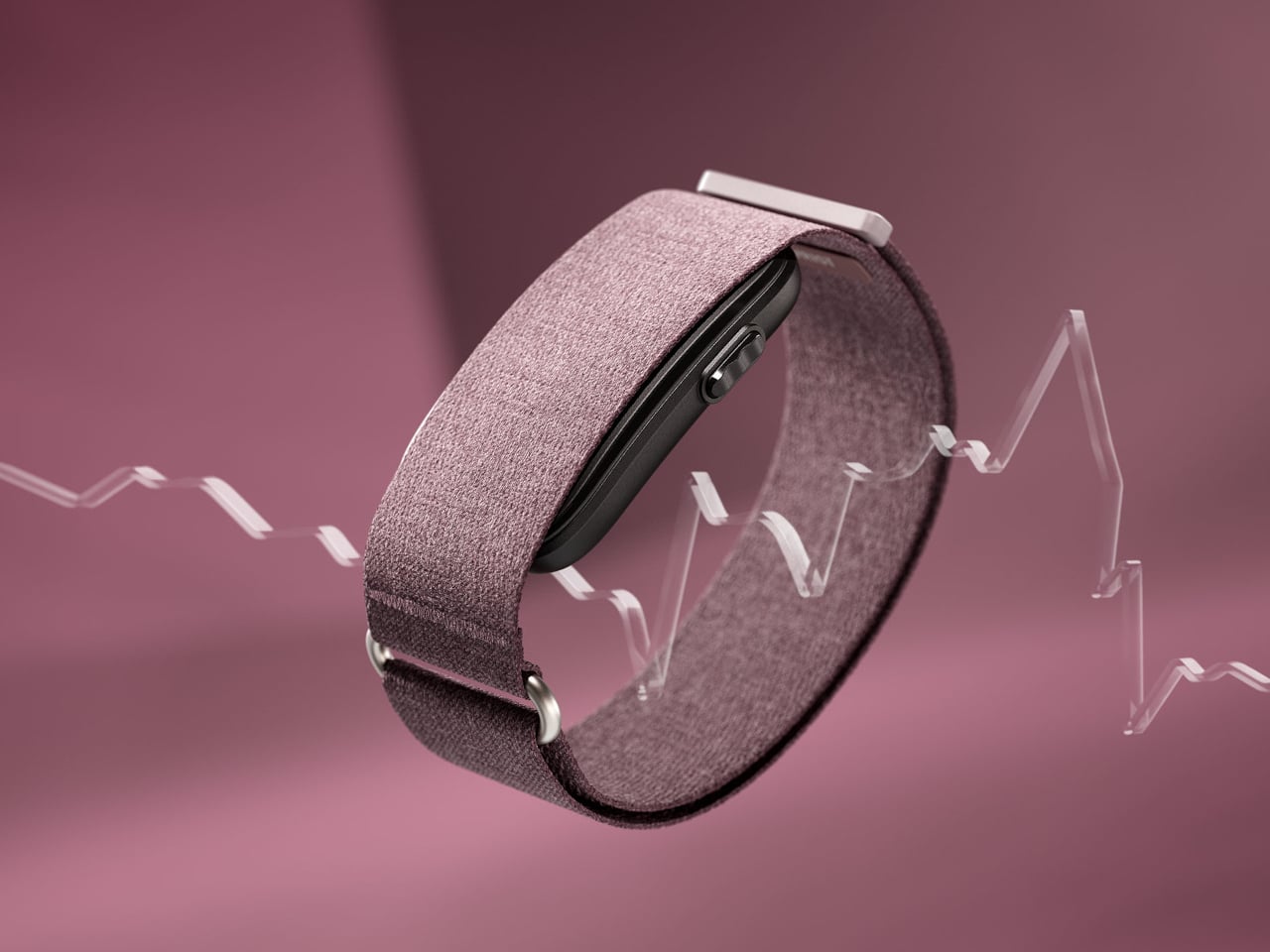
The smartwatch has a notification problem that nobody at the smartwatch companies will admit is a design problem. The screen is the issue. Put a screen on the wrist, and the wrist becomes another surface for the phone to reach you. Garmin solved this by removing the screen entirely. The CIRQA is Garmin’s first screen-free smart band, tracking sleep, HRV, strain, and recovery with the same sensor quality as their wrist-worn GPS watches while showing you nothing in real time.
Data syncs to your phone when you ask it to, not whenever the band decides it has something to say. At $199.99, it undercuts Whoop by removing the subscription entirely, which is either the most straightforward value proposition in the wearable category right now or the one that somehow took the longest to arrive. The band disappears into daily life in a way that a glowing watch face never fully manages. You stop thinking about your wrist. That is the whole idea.
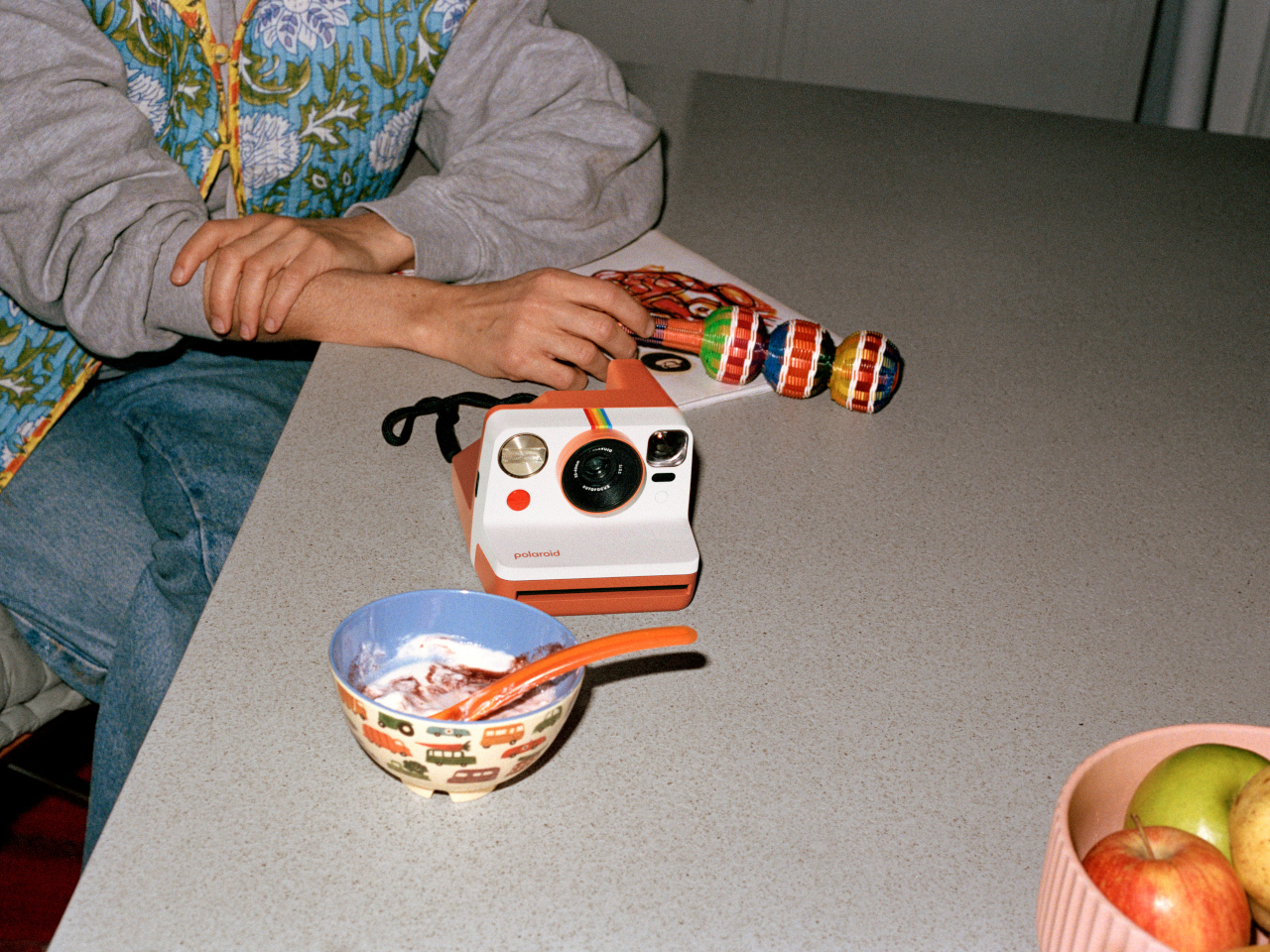

Your phone takes hundreds of photographs a week, and you have looked at almost none of them. The Polaroid Now Generation 3 makes that impossible by design. Autofocus handles the technical side; everything else is deliberate. You frame a shot knowing there is no burst mode, no undo, no near-identical folder to sort through later. The print emerges from the front of the camera, develops in your hand, and exists as an object. That constraint is not a limitation. It is photography made meaningful.
The Now Generation 3 continues the line’s proven mechanics: i-Type and 600 film compatibility, a built-in flash, double exposure mode, and USB-C charging. The direction is refinement over feature expansion, which suits a camera built around a single clear purpose. Image quality is not competing with your phone’s computational photography and was never trying to. It produces a credit-card-sized print with warmth and grain that no filter has convincingly replicated, because the artifact is the point, not the resolution.
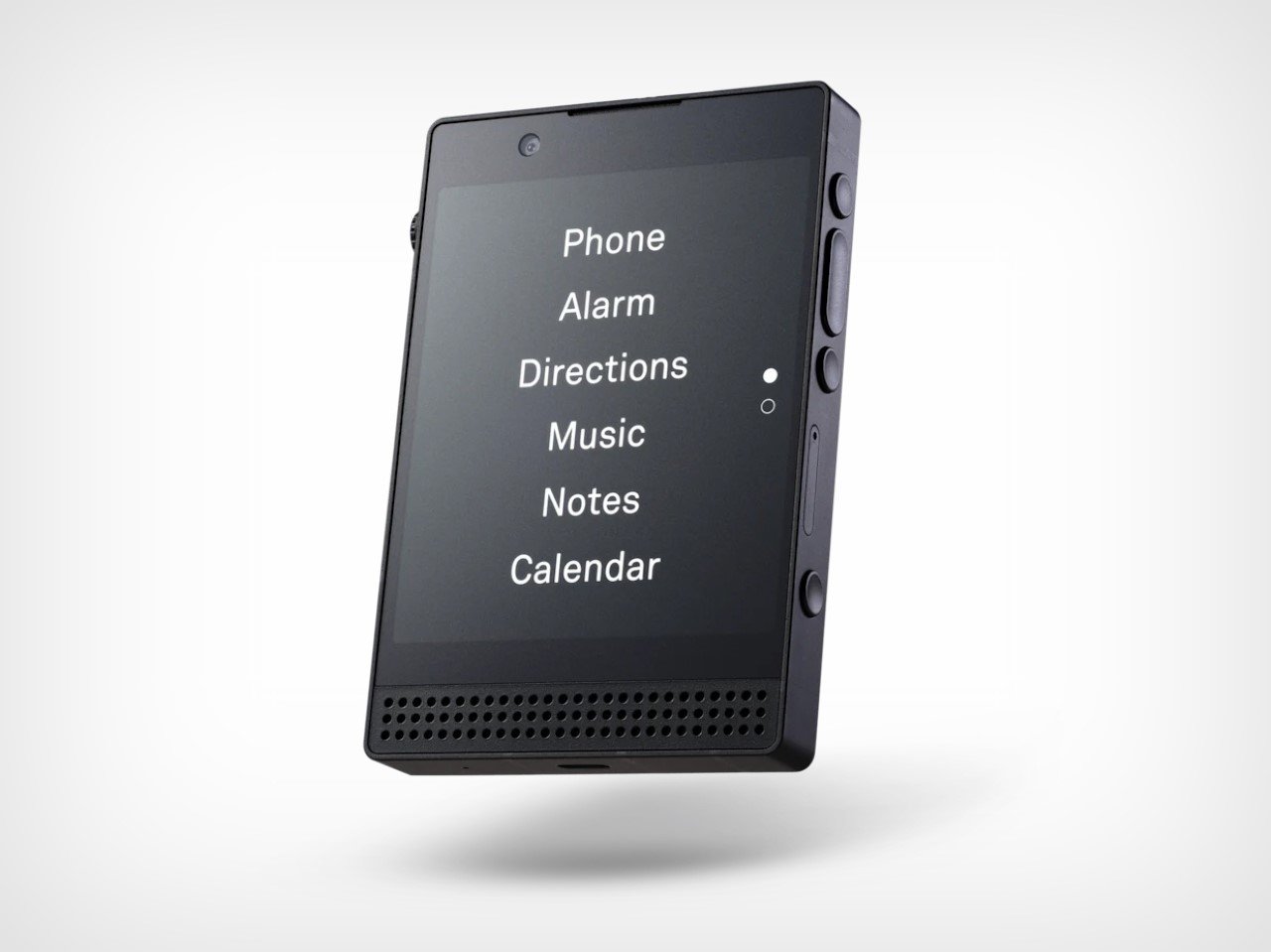
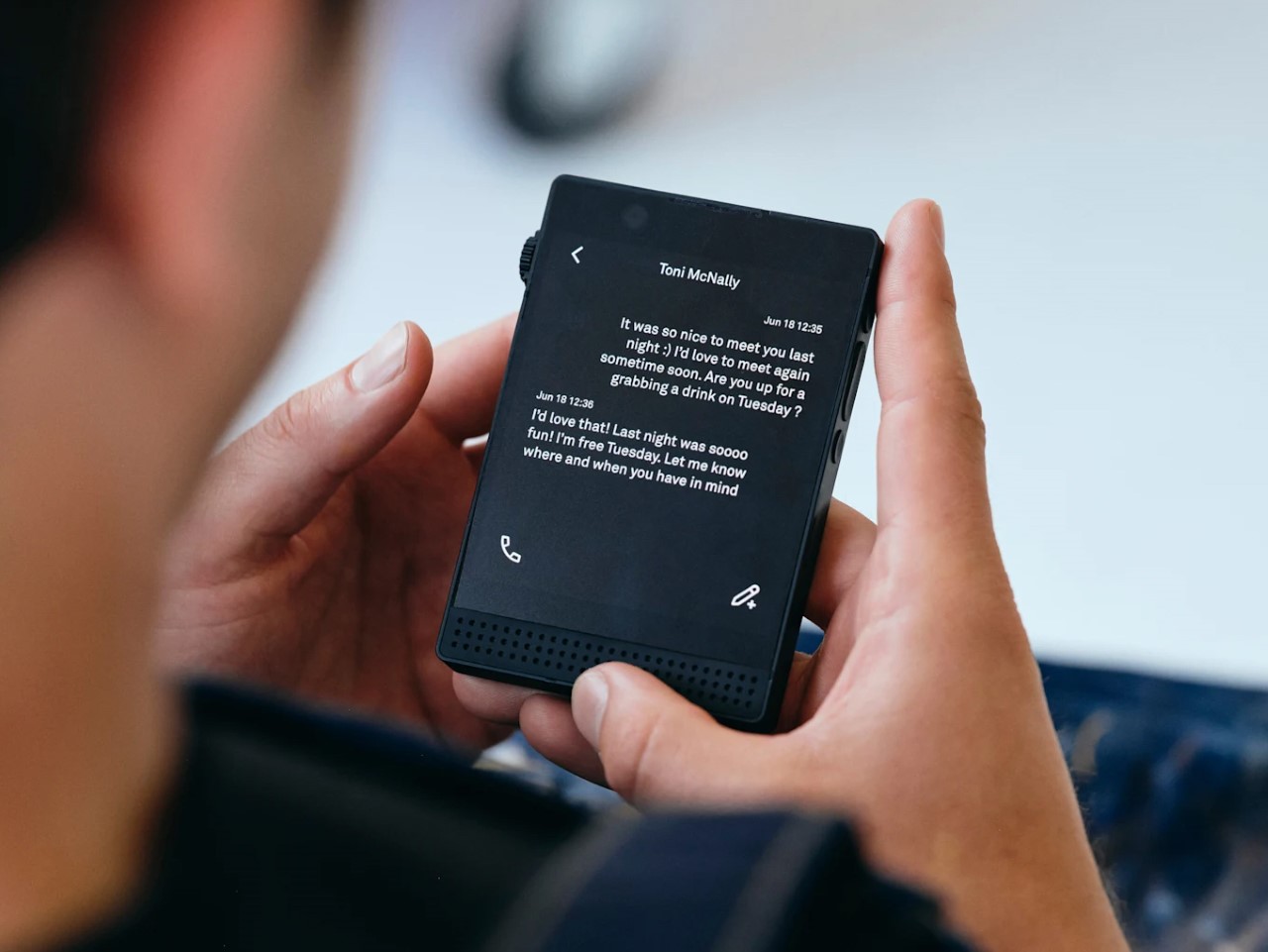
The Light Phone III costs more than most flagship Android devices and does less than any of them. Calls, texts, maps, music, and a small set of tools the company determined were useful rather than engaging. No browser. No social media. No email. No rabbit holes. The $799 price is the editorial provocation: you are paying a premium specifically for what it refuses to do, and the people who buy it tend to find that the most honest price tag in consumer electronics.
Building on a decade of iteration across two previous models, the design is confident enough not to explain itself. The screen is small. The interface is slow by smartphone standards, which turns out to be a feature rather than a limitation. Reaching for it in a meeting does not result in 40 minutes disappearing into a feed. Putting it in your pocket while walking somewhere means you notice the walk. The Light Phone III does not make you a better person. It removes several of the reasons you might not be.
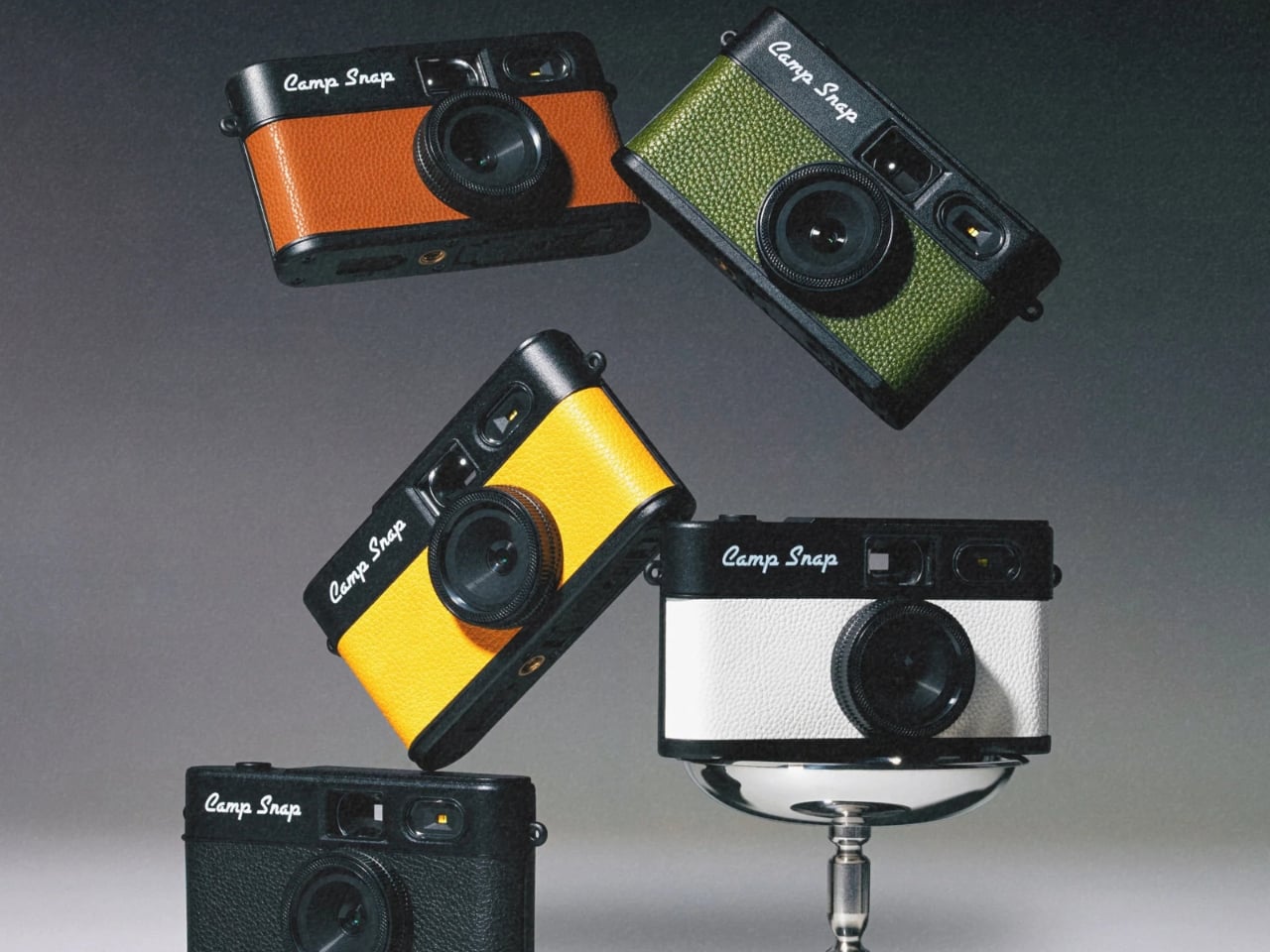
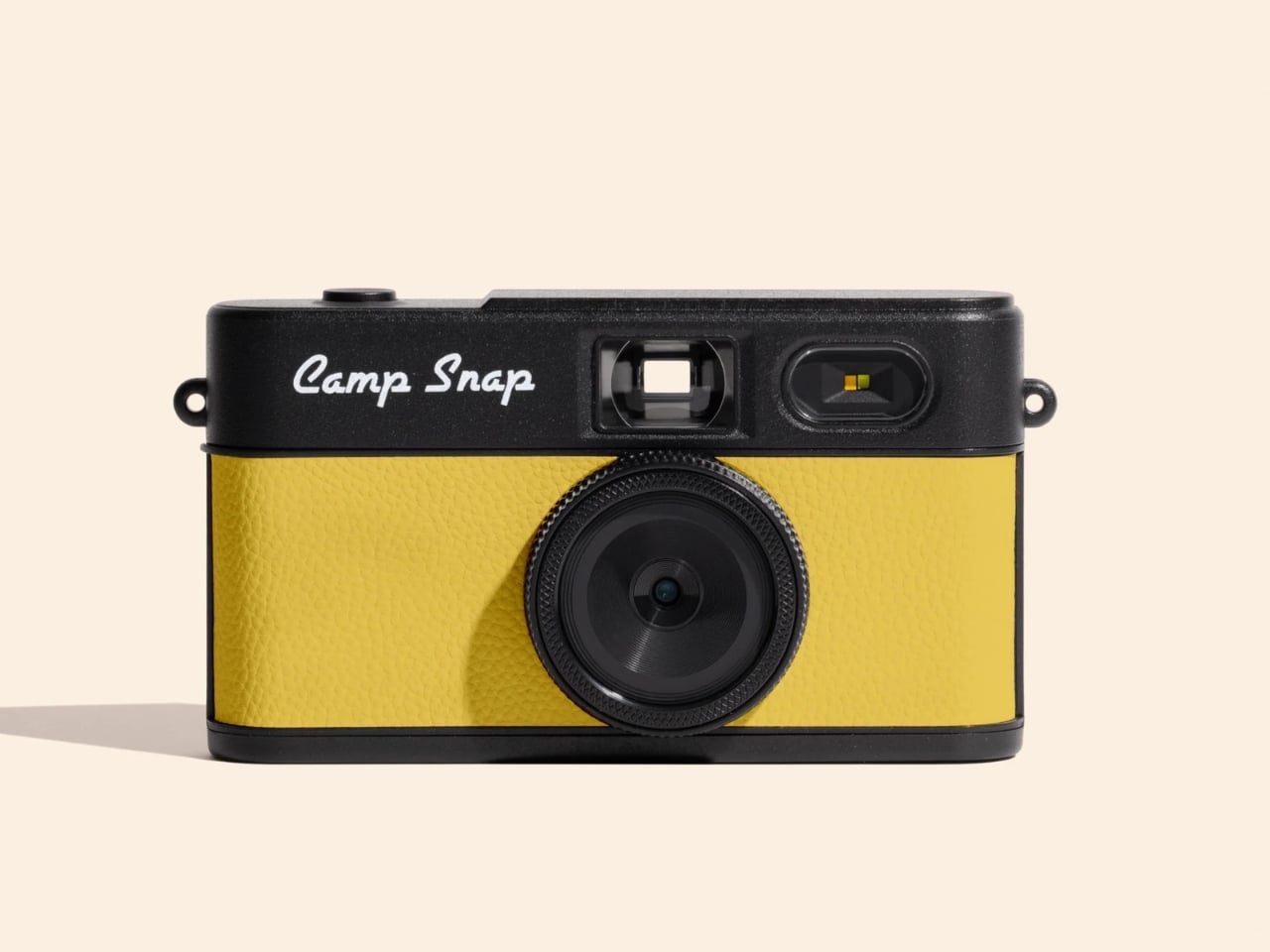
Your phone takes hundreds of photographs a week, and you have reviewed almost none of them. The Camp Snap 2 makes that behavior structurally impossible. There is no rear LCD, no Wi-Fi, no delete button, and no ability to check what you captured before downloading later. You shoot. You find out what you got when you get home. That removal of the review loop is not a limitation. It is the only camera built around the premise that the moment itself is the point.
The second generation is 15 percent slimmer than the original and genuinely pocketable now. An 8-megapixel sensor handles capture. A new filter button cycles through six built-in looks — Standard, Vintage 1, Vintage 2, Vintage 3, Analog, and Black and White — without needing a computer, which was the friction that kept most V1 owners on the default setting permanently. Nine colorways include translucent jelly finishes that land somewhere between Y2K nostalgia and fully intentional. At $69.95, it costs less than most phone cases.
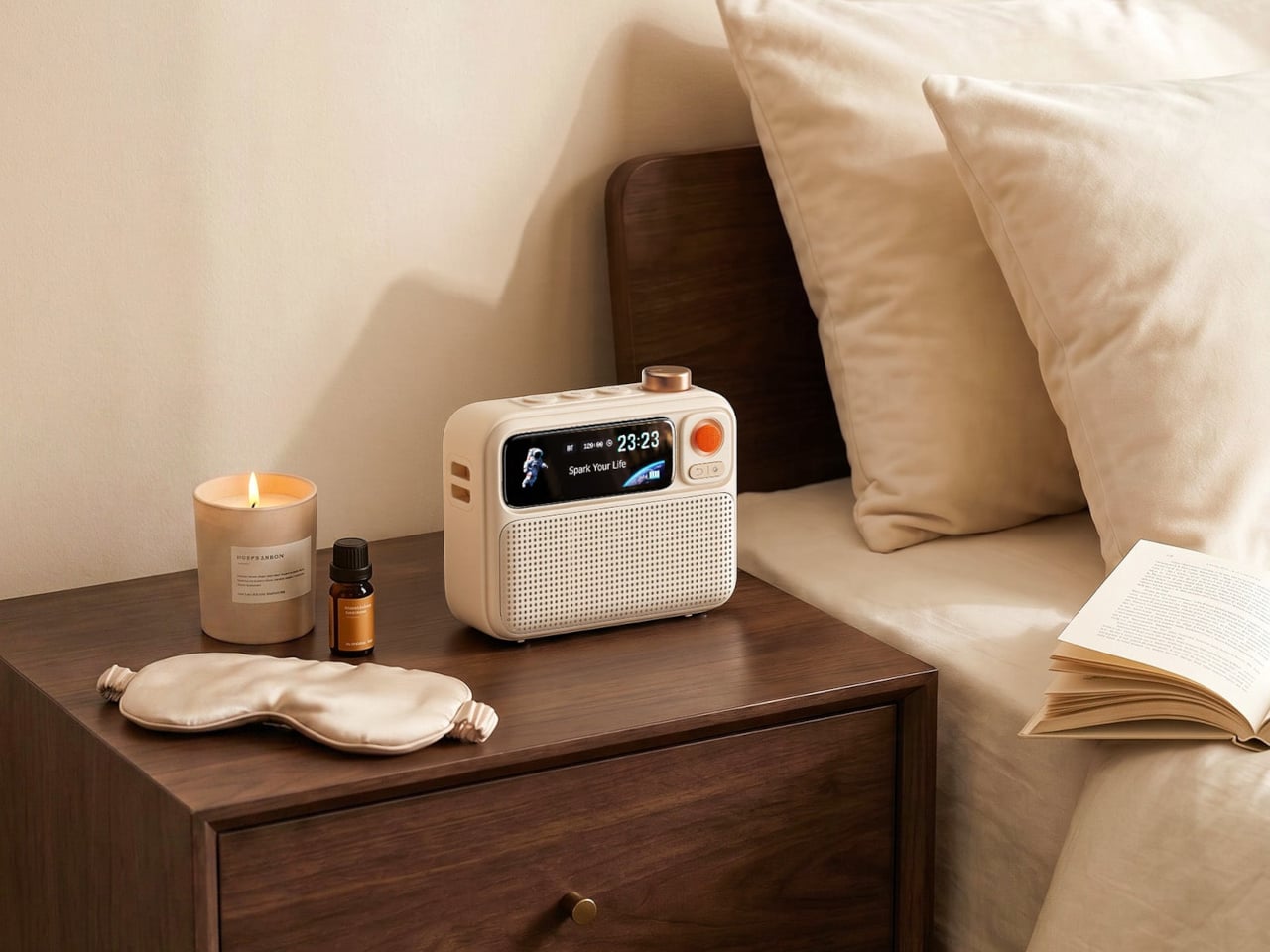
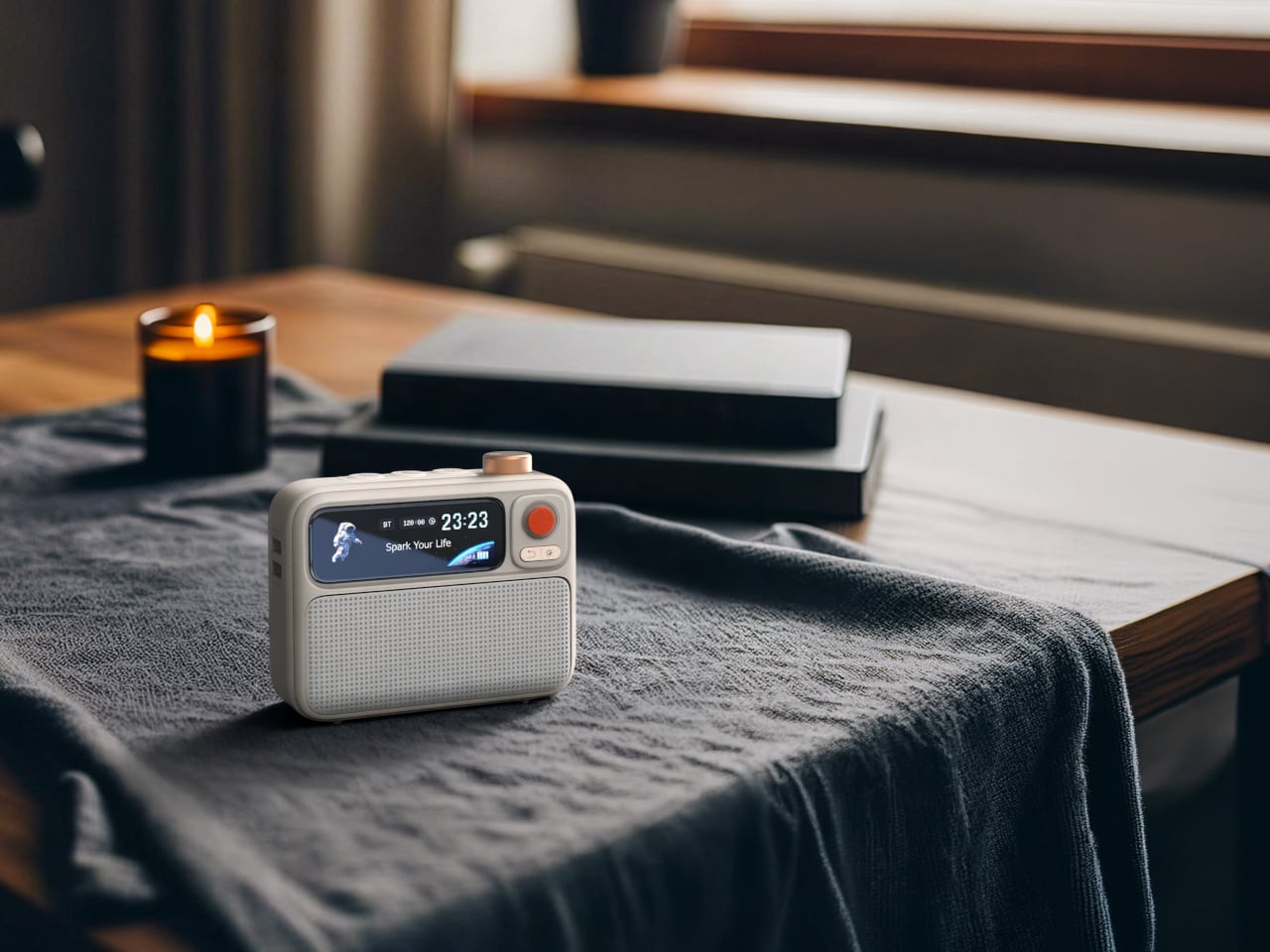
The reason your phone stays on the nightstand is not that you need it there. It is that the phone is also the alarm, the white noise machine, and the speaker, and nothing has offered a convincing single replacement — until now. The Divoom FlowToo costs $99.99, sits where the phone used to be, and handles all three jobs without demanding anything in return except a power socket. That is the most straightforward case for removing a phone from the bedroom that the category has produced.
A 10W amplifier and 45mm full-range driver make this a real speaker rather than an alarm clock with Bluetooth added as an afterthought. More than 90 built-in sounds cover rain, ocean, forest, and focus ambience without needing your phone open. The 2.26-inch display cycles through clock faces, music visualizers, and sleep animations depending on the time of day. The wake-up sequence builds naturally — sounds that increase in volume while the screen gradually brightens. Available in White and Black.
None of these products asks you to give up modern life. The Casio has Bluetooth. The Echo Mini has wireless output. The RetroWave streams over Bluetooth when the AM signal drops. The Camp Snap 2 charges over USB-C. The FlowToo pairs to your phone when you want it to. The argument they make together is not that technology is the problem, but that objects built for one job tend to do it better than a single object built for everything.
The smartphone is not going anywhere. What these ten suggest is that not everything needs to live inside it. A watch that tells time without a notification. A camera that hands you a physical print. Another that makes you earn every shot. A nightstand unit that ends the phone-as-alarm excuse for good. A CD player that demands you choose an album and see it through. The sum of what they replace is not a phone. It is the version of a phone that borrowed more of your attention than it ever needed.
The post 10 Best Tech Gadgets for Men In 2026 Who Think Their Smartphone Has Gotten Too Big for Its Boots first appeared on Yanko Design.
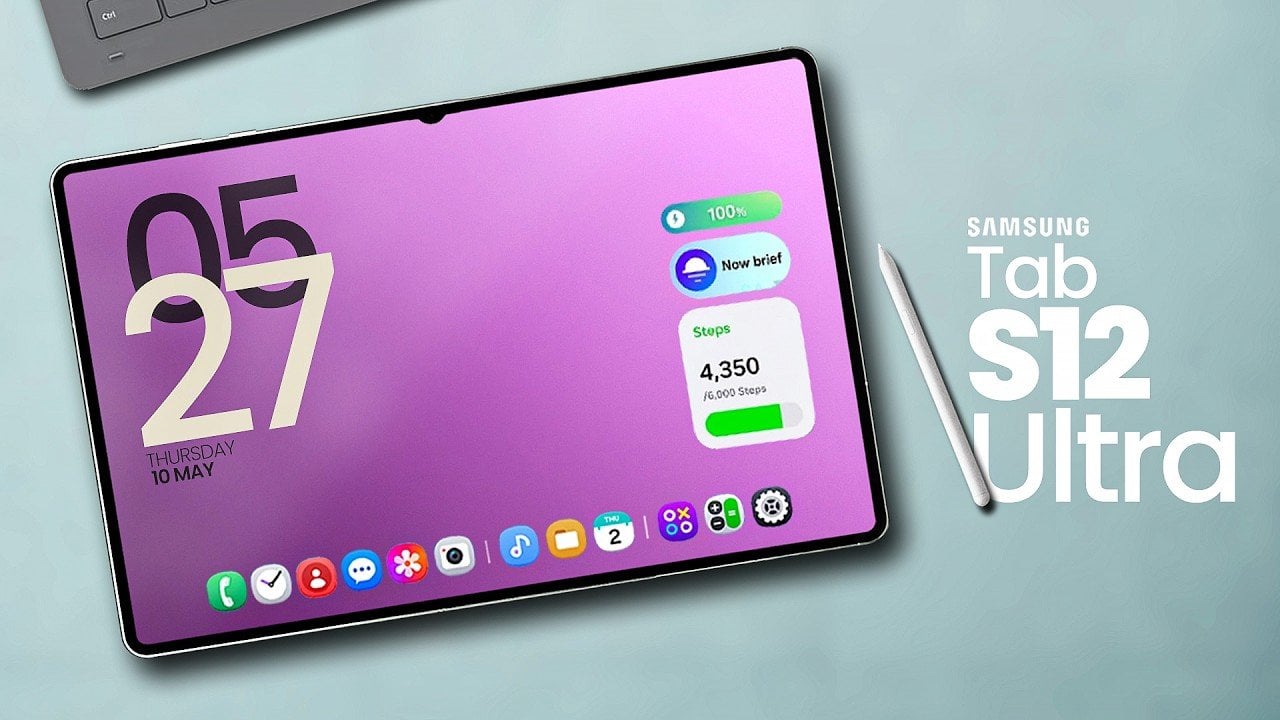
Samsung’s Galaxy Tab S12 series represents a pivotal moment in the company’s approach to the tablet market. By introducing significant hardware upgrades and embracing a premium pricing strategy, Samsung is signaling its ambition to compete directly with industry leaders like Apple. However, the substantial price increases have sparked debates about whether the Galaxy Tab S12 […]
The post The Problem With Samsung’s Upcoming Galaxy Tab S12 Ultra appeared first on Geeky Gadgets.

NASA’s Artemis II mission marks a pivotal step in humanity’s return to deep space exploration, focusing on the rigorous preparation required for its success. Central to this effort is the Orion spacecraft, which undergoes extensive testing at the Artemis II facility to ensure it can withstand the demands of a ten-day journey around the Moon. […]
The post Artemis II Prepares 4 Astronauts for 10-Day Moon Mission appeared first on Geeky Gadgets.
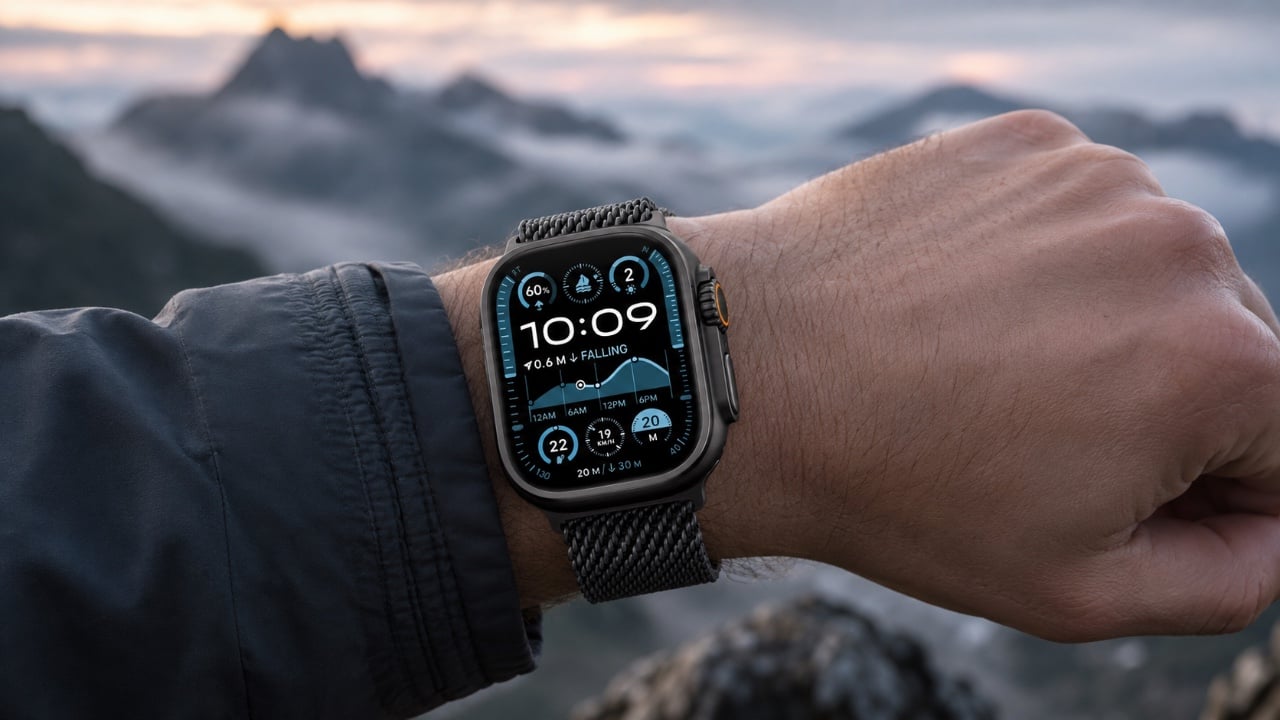
The Apple Watch Ultra 4 is generating significant anticipation in the wearable tech market, with leaks pointing to a range of noteworthy upgrades. From a refined design to smarter health tracking, enhanced efficiency, and advanced software capabilities, this next-generation smartwatch is expected to elevate both functionality and user experience. These updates aim to reinforce Apple’s […]
The post Apple Watch Ultra 4 Leak Reveals 4 Major Upcoming Upgrades appeared first on Geeky Gadgets.
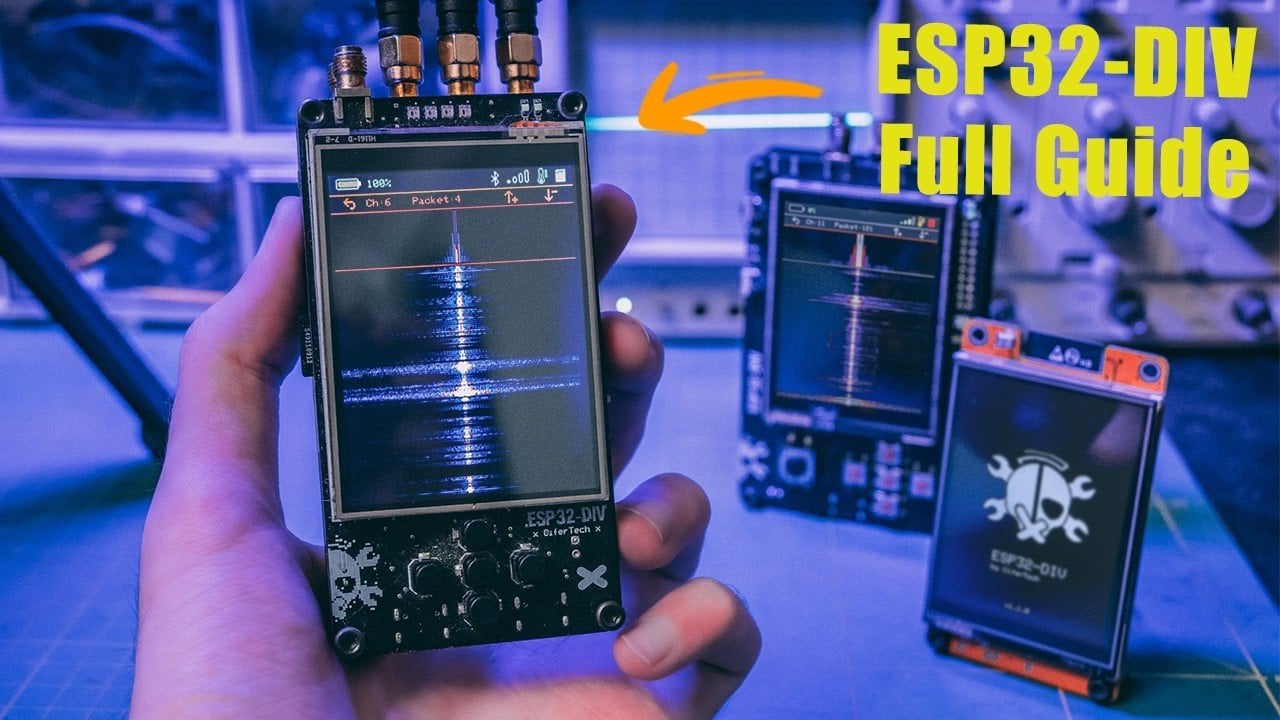
The ESP32-DIV is an open source platform designed for wireless experimentation and signal analysis, built on the ESP32 and ESP32-S3 microcontrollers. It supports features such as Wi-Fi, Bluetooth, RFID, NFC, sub-GHz, and IR communication. According to CiferTech, the platform’s modular hardware design includes components like a TFT touchscreen, IP5306 battery management and WS2812 NeoPixel LEDs. […]
The post Build a DIY Open-Source Flipper Zero Using a ESP32-DIV appeared first on Geeky Gadgets.