Technology often evolves in dramatic spikes – brighter displays, sharper cameras, smarter assistants – but the real breakthroughs are usually quieter. As our devices become smaller and more personal, the focus shifts from adding features to removing friction. The most compelling wearables are the ones that disappear into your routine, responding instinctively without demanding attention. Dribble explores exactly that future, transforming subtle human expression into a seamless digital command system.
Dribble is a pill-shaped wearable built around silent speech recognition. Instead of relying on audible voice commands, the AI-powered gadget interprets lip movements and whispered articulations through integrated microphones and an under-display front camera sensor. It focuses on the physical mechanics of speech rather than the sound itself, allowing users to communicate with digital systems without speaking out loud or lifting a hand.
The vision is straightforward but ambitious: a smartphone-free lifestyle driven by subtle interaction. With gentle touches and silent articulation, users can reply to messages, take calls, or initiate pre-programmed email responses. Everything happens discreetly through the wearable, eliminating the awkwardness of wake words or public voice commands. In professional settings or crowded environments, this approach prioritizes privacy while maintaining efficiency.
Form plays a crucial role in making this concept believable. Dribble is designed to sit comfortably on the index finger, maintaining a compact and ergonomic presence that doesn’t compete with daily wear. Its minimal aesthetic reinforces the idea of technology that blends rather than dominates. A subtle integrated screen reduces visual dependency, encouraging users to stay engaged with their surroundings instead of constantly glancing at a phone.
Versatility is another defining element. Beyond its ring-like configuration, Dribble can shift into a necklace mode, taking on a gem-like appearance that doubles as a fashion accessory. It can also be worn on the wrist or attached to a backpack, adapting to personal style and functional needs. This flexibility positions it not just as a utility device, but as an extension of identity.
The wearable extends its capabilities beyond communication. Built-in sensors monitor vital health parameters, including heart rate, blood oxygen saturation, and stress levels. Pleasant vibration alerts notify users discreetly, reinforcing its role as both a lifestyle and wellness companion. The integration of health tracking adds depth to the concept, aligning it with the broader direction of modern wearable technology.
Dribble also carries meaningful implications for accessibility and safety. Hands-free, silent interaction could benefit individuals with limited mobility or those working in hands-busy environments, such as driving or technical operations. By removing the need for touchscreens or audible speech, it introduces a new layer of intuitive control.
Although still a concept, the project is presented with product-level detailing. Size options ranging from 40mm to 50mm suggest adaptability for different users, while a Plus model promises enhanced ergonomics and advanced features.
Many people dream of bringing the comfort of indoors outside. Whether it’s a spontaneous picnic, a weekend camping trip, or simply enjoying a small balcony, creating a cozy outdoor setup has always been tricky. Traditional outdoor furniture tends to be heavy, bulky, and hard to move, forcing you to choose between convenience and comfort.
Today, that’s changing as a new wave of innovative, portable designs blends style, durability, and functionality, making it effortless to transform any space into a personal retreat. With these smart solutions, relaxation becomes simple, instant, and beautifully stylish, which is why portable outdoor furniture is quickly becoming a must-have.
1. The Shift to Ultra-Light Designs
Heavy metal and solid wood frames are being gradually replaced by ultra-light and highly durable alternatives. Materials like aerospace-grade aluminum and advanced carbon fiber are redefining outdoor furniture, allowing pieces to maintain strength while being significantly lighter. Carrying a full lounge chair or folding table with one hand is now possible, making outdoor setups far more convenient and accessible.
This transformation also improves storage and usability. Lightweight furniture is easier to move, encouraging more frequent use and reducing the effort required for setup. Additionally, these materials naturally resist rust and corrosion, ensuring the furniture remains functional and attractive through every season, making them a smart, long-lasting investment.
Designer Yanagisawa Sera reimagined portable seating by hiding a chair inside a standard umbrella, offering a compact, socially acceptable alternative to bulky wearable chairs. The umbrella-chair concept is playful yet practical, allowing you to carry a fully functional seat in backpacks, handbags, or even to crowded events without attracting attention. Its novelty lies in blending seamlessly into everyday life while providing a solution for spontaneous seating needs.
The chair’s stainless steel frame folds neatly into the umbrella shape, while a stretched fabric seat distributes weight to support an adult. In certain situations, it can even function as an umbrella, though it is heavier than standard models.
2. Innovation in Folding Mechanisms
Designers have replaced bulky, outdated hinges with telescopic and accordion-style systems, allowing full-sized chairs and tables to collapse into compact, easy-to-carry forms. These mechanisms are designed for smooth, safe, and quick operation, often requiring just one motion to set up or stow away, making outdoor living more convenient than ever.
This advancement is a game-changer for small-space living and frequent travelers. Entire dining sets can fit into a closet or car trunk, taking up minimal space. Secure, easy-to-use locks ensure stability, safety, and practicality.
porTable by Nikhil Zachariah is an innovative outdoor furniture concept designed for mobility and convenience. Shaped like a sleek cylindrical container with a bold yellow lid, it’s lightweight, compact, and easy to carry whether heading to a picnic, camping trip, or a day at the beach. Once opened, the unit unfolds into a complete dining set for four, featuring a sturdy tabletop and fold-out seats cleverly built into the design. The charcoal gray and yellow palette adds a modern, playful touch, while its tool-free setup ensures instant usability in any outdoor setting.
Perfect for spontaneous adventures and alfresco living, porTable eliminates the hassle of heavy, bulky furniture. It fits effortlessly into a car trunk, sets up quickly for meals, games, or gatherings, and folds neatly back into its cylindrical form when done. Designed with versatility and efficiency in mind, this smart solution brings comfort, style, and functionality to the outdoors without adding clutter.
3. Available in Durable, All-Weather Fabrics
Portable outdoor furniture now relies on advanced, all-weather fabrics rather than thin, easily torn canvas. Materials like woven polyester, treated nylon, and breathable mesh are engineered for durability, UV resistance, and color retention, ensuring they stay vibrant even under intense sunlight. These fabrics combine toughness with comfort, making them ideal for regular use in any outdoor setting.
Ergonomic designs enhance relaxation by conforming to the body, while quick-drying materials are perfect for poolside lounging or unexpected rain. Easy-to-clean surfaces reduce maintenance effort, extending the life of furniture. Also, choosing quality textiles guarantees a practical, long-lasting, and enjoyable outdoor experience.
The Campster by Sitpack is a premium outdoor camping chair designed for compactness, portability, durability, and comfort. It features a three-legged structure that offers stability, easy maneuverability, and effortless use in any setting. The one-piece telescoping frame unfolds with a gravity-assisted mechanism, while Sitpack’s proprietary “one-pull” locking system guarantees a secure and reliable setup every time.
The chair features a seating height of 43 cm (17 inches), a breathable ripstop nylon seat, and a lightweight 2 lb frame capable of supporting up to 300 lbs. The pivoting backrest adjusts with user movement, providing enhanced comfort. Supplied with a multi-purpose carry bag, anti-slip feet, and an aluminum carabiner, Campster is ideally suited for outdoor activities ranging from trekking to tailgating, combining practicality, portability, and refined design in a single solution.
4. Sustainability Meets Style
Modern outdoor furniture now balances sustainability with sophisticated design. Consumers are seeking eco-friendly options, and manufacturers are responding with frames made from recycled plastics, sustainably sourced bamboo, and upcycled metals. These materials not only reduce environmental impact but also bring natural textures and a sense of calm to outdoor spaces.
Beyond sustainability, these portable pieces are designed with style in mind. Sleek, minimalist silhouettes and earthy, versatile color palettes allow them to complement patios and indoor spaces. Investing in such furniture supports thoughtful living, combining practicality, elegance, and a commitment to the environment for a truly intentional lifestyle.
Threefold is a versatile piece of modular outdoor furniture designed to make picnics and camping trips easier and more comfortable. Unlike traditional mats that only serve one purpose, Threefold quickly transforms into a lounger, low stool, or sturdy table with simple adjustments. This adaptability means one does not need to carry extra chairs or tables, making it ideal for everyone, from those who like to stretch out to those who prefer sitting upright.
Created by wood furniture engineers Jonas and Nick, Threefold is made from laminated neoprene with a lightweight plywood core for strength and durability. It folds neatly into a compact square, making it easy to transport and store. Available in a range of colors, this smart, portable design brings convenience, comfort, and style to any outdoor adventure, turning any picnic setup into a functional, space-saving solution.
5. Practical Tips for Choosing Portable Outdoor Furniture
When selecting portable outdoor furniture, it’s important to first identify its intended use. For hiking, lightweight designs with a compact pack size are ideal, whereas car camping may call for cushioned seating and built-in features such as cup holders. Consulting reviews can provide insight into real-world setup and takedown, which is often the true measure of a product’s portability.
A modular setup brings greater flexibility, with two folding chairs and a compact roll-up table easily adapting to different spaces and gatherings. Storage solutions also play a key role, using durable carrying bags helps protect the furniture while making packing, transport, and organization far more convenient and efficient.
The Lu Chair redefines folding furniture with its smart, highly portable design. Crafted from durable plastic, it combines strength, style, and convenience in one compact piece. Unlike traditional folding chairs that are bulky or hard to carry, the Lu Chair folds seamlessly and can be carried like a backpack, making it perfect for small homes, picnics, or travel. Its smooth folding mechanism saves time and effort, offering a practical seating solution without compromising on comfort or elegance.
Designed with versatility in mind, the Lu Chair’s backrest and legs fold neatly and secure with a rubber strap that doubles as a handle. This compact fold makes storage and transportation effortless, whether for cleaning up a space or taking the chair outdoors. Inspired by “luggage,” the Lu Chair features a modern, minimal design that fits seamlessly into sophisticated interiors and youthful, on-the-go lifestyles.
The new wave of portable outdoor furniture brings style and relaxation to any setting. With lightweight frames, smart folding systems, and sustainable materials, these designs make comfort easy to carry anywhere. They expand living spaces by combining practicality and elegance, transforming a balcony, park, or campsite into a personal retreat for effortless and stylish relaxation.
Carrying a three-inch blade shouldn’t feel like a compromise, yet most compact EDC knives sacrifice either ergonomics or capability to hit that sweet spot. Vosteed’s Kroc takes a different path. The design starts with a sheepsfoot blade that maximizes cutting edge while maintaining a sub-three-inch profile, then wraps it in a handle that somehow feels full-sized despite the knife’s 7-inch overall length. The result reads less like a miniaturized version of something bigger and more like a knife that was always meant to be exactly this size.
What makes the Kroc particularly interesting is how Vosteed translated this concept across nine different configurations without losing the plot. Whether you’re looking at the $69 G10 versions or the $129 aluminum models with premium S35VN steel, the silhouette remains consistent. The eye-shaped thumbhole, dual finger choils, and ceramic bearing deployment stay intact across every colorway. It’s a rare example of a knife collection that offers genuine material and budget flexibility while maintaining complete design coherence. Your pocket crocodile can be subdued ocean micarta or loud purple-and-yellow G10, but it’s unmistakably the same species.
The sheepsfoot blade design with that 2.99-inch cutting edge with the flat spine gives you a blade profile that excels at controlled cuts while eliminating the stabby tip that makes carrying folders feel legally questionable in certain jurisdictions. The 1.18-inch blade width means you’re getting actual spine height here, which translates to structural rigidity when you’re bearing down on tougher materials. Vosteed ground it flat rather than going with a hollow grind, so the edge geometry stays aggressive without feeling fragile. This blade shape works beautifully for food prep, box breaking, rope cutting, anything where you need precision over penetration. The gentle belly curve keeps slicing tasks smooth instead of forcing you into that annoying push-cut motion that flatter edges demand.
Deployment happens two ways, and both actually work instead of one being an afterthought. The eye-shaped thumbhole sits right where your thumb naturally lands, sized generously enough that deployment feels effortless whether you’re opening it traditionally or doing that satisfying middle-finger flick. The front flipper gives you a second option that’s equally smooth thanks to ceramic ball bearings doing the heavy lifting. The top liner lock mechanism is where Vosteed continues to separate itself from the usual liner lock crowd. You get a recessed, textured button that keeps your fingers completely away from the blade path when closing, combining the security of a traditional liner lock with the safety and ease of a button release. It’s genuinely one of the better locking systems in this price range, maybe any price range.
Handle ergonomics make or break compact knives, and the Kroc gets this right in ways that should be obvious but somehow aren’t. The grip flows from the pivot down to a slightly widened tail section, creating natural indexing points for your hand without aggressive jimping or finger grooves that only work one way. Those dual oversized finger choils let you choke up on the blade when you need control or settle back for regular grip positions. The recessed, skeletonized liners keep the overall weight at 3.38 ounces while the jimped aluminum backspacer adds texture where you actually need it. At 4.02 inches closed, it disappears in a pocket but fills your hand when deployed. That’s the entire game with knives this size.
The nine-knife collection splits into two distinct tiers that share everything except materials. The G10 models (A1805 through A1809) run full G10 scales in various colorways, 14C28N blades, and hit that $69 price point. The aluminum versions (A1801 through A1804) feature aluminum handles with inlay options including ocean micarta, topo G10, and carbon fiber, S35VN steel, and retail for $129. Color options range from understated (satin gray with ocean micarta) to attention-seeking (purple and yellow G10), but the core design language stays locked in across every variant. You’re choosing aesthetic preference and steel quality, not compromising on anything fundamental.
At $69 for the G10 versions and $129 for the aluminum models, Vosteed positioned the Kroc exactly where it creates maximum disruption. The budget tier delivers ceramic bearings, 14C28N steel, and that top liner lock for less than you’d pay for significantly less knife from bigger brands. The premium tier competes directly with knives costing $150 to $200 while undercutting them by $20 to $70. That pricing strategy only works if the knife actually delivers, and based on how Vosteed’s been executing lately, they’ve earned the benefit of the doubt. The Kroc looks like a knife that understands its assignment and then overdelivers on the details that matter.
Phones go to bed dirty. They’ve been in your hands, on tables, in pockets, collecting bacteria all day, and they usually charge on a nightstand next to where you sleep without ever being cleaned. UV sanitizers exist, but most are clinical white boxes that feel more like medical equipment than something you’d want on your bedside table, and they rarely do anything beyond sterilization.
The Phone Toaster is a charging and sterilization device designed by DIVE for Aprill x Stone that borrows the form and ritual of an analog toaster. You slide your phone into a vertical slot at the top before bed, and the device charges it, sterilizes it with what’s likely UV light inside the chamber, and then “delivers” it back with an alarm in the morning, like toast popping up when it’s ready.
The bedtime ritual is straightforward. You drop your phone into the slot, pull the front slider down like a toaster lever, and the device takes over. Inside, the phone charges while UV light cycles through to kill surface bacteria. A digital clock on the front keeps time, and the base glows with a soft, indirect LED ring that casts pastel light from underneath, making the space feel cozier instead of clinical before you turn off the lights.
When the alarm goes off in the morning, the device notifies you that your phone is fully charged and sterilized, ready to start another day. The scenario is meant to mirror the experience of making toast, inserting something, waiting, and getting it back transformed. Instead of bread that’s warm and crispy, you get a phone that’s clean and charged, which is a surprisingly fitting metaphor when you think about it.
The controls lean into that toaster language. Two small buttons on the top handle alarm and brightness settings, while the front slider and round, glossy knob feel tactile and familiar. The strong contrast between the matte, textured body and the shiny button gives the small form a bit of personality, making it read more like a playful bedside object than a piece of tech that’s just doing a job quietly in the background.
Color options include pastel blue, beige, yellow-orange, sage green, and gray, all meant to appeal to millennials who want their gadgets to reflect their personality instead of just sitting there in generic black or white. The soft hues and bottom lighting are designed to make the toaster feel like part of a calm nighttime routine rather than another device demanding attention.
Phone Toaster reframes phone sterilization and charging as a small bedtime ritual instead of something you forget about or do with a tangle of cables. Borrowing the toaster’s form, controls, and even the “pop” delivery moment, it makes putting your phone away at night feel intentional and a bit playful. The design is a gentle nudge that says hygiene tech doesn’t have to look clinical to be taken seriously.
German design embodies a philosophy of durability, efficiency, and understated elegance. From cars to kitchen appliances, these qualities reflect a carefully refined approach that has developed over centuries, prioritizing function and thoughtful craftsmanship over mere decoration.
At its core, this design ethos values simplicity, removing unnecessary elements to reveal a product’s true character. Applied to interiors, it shows that spaces do not need to be filled with clutter to be beautiful. True elegance comes from well-chosen materials, purposeful design, and how effectively a space serves those who live in it.
1. Form Follows Function in Bauhaus Design
German design draws heavily from the Bauhaus school, an early 20th-century movement that emphasized practicality and timelessness. Its central principle, “form follows function,” ensures that an object’s shape and appearance are guided by its purpose. Clean lines, geometric shapes, and minimal ornamentation define this approach, resulting in designs that are both enduring and inherently useful.
This philosophy makes German products intuitive and effortless to use. A Bauhaus-inspired chair, for instance, prioritizes comfort, stability, and simplicity over decoration. By focusing on utility, these designs remain functional and visually appealing, offering a lasting lesson in choosing items that serve homes practically and beautifully.
The Bauhaus Air Purifier concept perfectly embodies the Bauhaus philosophy of combining art and function. Focused on simplicity and sophistication, it uses basic shapes, circles, lines, and squares, paired with minimalist colors to create a retro-modern, industrial aesthetic. Inspired by a Bauhaus poster, the design brings two-dimensional art into three-dimensional form while promising impressive air purification performance.
Color customization allows the purifier to suit different interiors. Options like Forest Sunlight, Rapeseed Flower, Pure Snow, and Silent Night provide moods ranging from tranquil greens to bright, playful tones. Designed by Keereem Lee, the concept demonstrates his ability to blend aesthetics and practicality.
2. A Commitment to Quality Materials
A defining feature of German design is its respect for high-quality materials. Products are chosen not only for their appearance but for their durability, sustainability, and ability to age gracefully. This focus on integrity ensures that items endure daily use while developing character over time, reflecting thoughtful craftsmanship.
This philosophy embraces a “less is more” mindset. Instead of accumulating disposable items, German design encourages investing in a few lasting pieces like solid wood, stainless steel, or other enduring materials. Such choices create homes that are sustainable and filled with objects that can be cherished for years to come.
The Setup Cockpit steps beyond a monitor stand into a versatile tabletop platform designed to declutter and organize workspaces. Its patented mounting grid with 28 threaded holes allows users to attach accessories such as phone mounts, drawers, headphone stands, and laptop holders, turning the desk into a fully customizable setup. The cockpit accommodates up to two monitors, while the space underneath stores keyboards, multiport hubs, and essentials, keeping the tabletop minimalist and functional. Two sizes cater to both compact and dual-monitor setups, making it adaptable to any workspace.
Crafted from premium materials including American walnut, oak, and powder-coated steel, the Setup Cockpit blends Scandinavian minimalism with German precision. Hand-finished surfaces add warmth and durability, while the modular design allows users to personalize their setup with an expanding ecosystem of add-ons. Designed and crafted by BALOLO in Cologne, it delivers a sophisticated, functional, and enduring solution for productivity, creativity, and a clutter-free workspace.
3. Uncompromising Craftsmanship
German design is celebrated for its meticulous craftsmanship. Every detail, from the precise seams of a leather sofa to the smooth operation of a hinge, is carefully executed. This dedication ensures products are both visually striking and flawlessly functional.
This focus on craft reflects a respect for skill and the dignity of work. Owning such pieces fosters a deeper connection to the objects in a home, encouraging mindfulness and intentional living. By valuing quality and longevity, German design inspires a thoughtful approach to choosing items that are not only beautiful but built to endure.
With hybrid work models becoming increasingly common, both home and office workspaces need to be functional, ergonomic, and visually appealing. The Spectrum Workstation Round ST160 by Geckeler Michels, designed for Karimoku New Standard, perfectly embodies this need by combining Japanese craftsmanship with German design principles. Crafted from solid Japanese oak, the workstation brings calm and balance to busy environments while supporting dynamic, flexible workstyles. Its circular central cable tunnel ensures easy access to charging and keeps desks organized, promoting productivity without clutter.
The Spectrum Workstation comfortably accommodates up to six people, making it ideal for collaboration or casual meetings. Available in black or natural finishes, it adapts to a variety of interior styles. The broader Spectrum series includes additional tables in varying sizes and heights, all crafted from sustainably sourced Japanese hardwoods.
4. The Beauty of Minimalism
German design embraces minimalism as a warm, inviting simplicity. By focusing on what is essential and removing the unnecessary, it creates spaces and products that feel calm, uncluttered, and effortlessly elegant. Clean lines, neutral tones, and balanced forms define this approach, resulting in a serene and harmonious environment.
Applied to homes, minimalism offers a solution to modern clutter. Thoughtful selection of each item and allowing room for quiet moments fosters clarity and peace. It is not about emptiness but about having exactly what is needed, creating interiors that nurture rest, rejuvenation, and a lasting sense of harmony.
The Dedas seating system fuses comfort with German design principles of precision, functionality, and visual clarity, deeply rooted in Bauhaus aesthetics. Inspired by geometric forms and Hungarian artistic motifs, the collection features one-, two-, and three-seater sofas that balance form and function. The flagship model incorporates structured seating zones, tall backrests, and clean lines, creating an intimate and ergonomic experience while maintaining an artistic, Bauhaus-inspired appeal.
Sustainability and craftsmanship further define the Dedas sofas. Hexagonal CLIMATEX upholstery stretches seamlessly over curves, and recycled foam ensures durability and eco-friendliness. Iridescent legs, finished through a burn technique reminiscent of enamel art, add refined visual interest. Perfect for public or modern interiors, the Dedas seating system demonstrates how German Bauhaus-inspired design can combine comfort, practicality, and cultural expression into a striking, functional furniture piece.
5. Timeless, Not Trendy
German design emphasizes timelessness over fleeting trends. Products are crafted with classic, understated aesthetics and exceptional build quality, designed to last for decades. This approach resists disposable culture, creating pieces that are both enduring and quietly elegant.
Applied to the home, this philosophy encourages thoughtful choices. Selecting items that remain meaningful and durable ensures spaces evolve gracefully rather than needing constant updates. Investing in well-made, classic pieces creates interiors that balance contemporary style with lasting appeal, building a home that grows with its occupants and reflects a legacy of quality, comfort, and beauty.
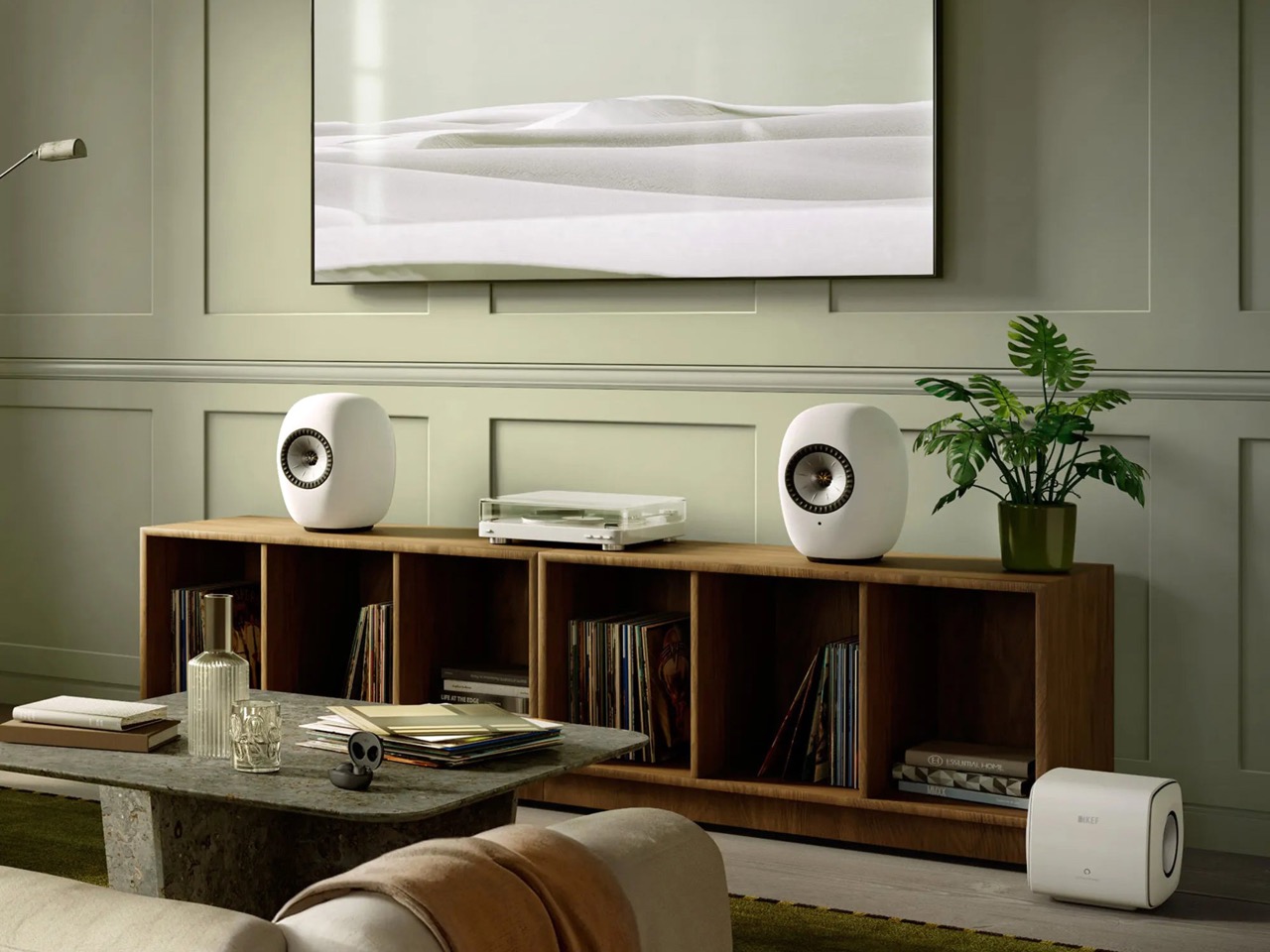
The Luphonic H2 turntable exemplifies the clarity and precision of German design. Traditional speed changes on vinyl often disrupt the listening experience, but the H2 simplifies it with an innovative coin-sized puck: black for 33 RPM, white for 45 RPM, and removing it stops playback. Red LED digits clearly display speed, combining intuitive functionality with striking minimalism.
The turntable’s H-shaped Corian chassis and three-layer sandwich construction isolate motor vibrations, while the in-house K2 tonearm employs carbon fiber and advanced composites for precise tracking and low resonance. Adjustable VTA, azimuth, and anti-skating ensure optimal performance. It delivers audiophile-grade sound with clean aesthetics, demonstrating that precision engineering and intuitive user experience can coexist in a sophisticated analog system.
German design provides a practical blueprint for living well, emphasizing quality, purpose, and enduring beauty. More than a style, it is a philosophy that encourages thoughtful choices, creating homes that are functional and meaningful. By embracing its principles, interiors become harmonious spaces that enhance daily life, offering lasting peace, elegance, and a sense of well-being.
February 2026 promises an exceptionally good month for LEGO fans, blending nostalgia with genuine innovation in ways that feel long overdue. We’re seeing long-awaited franchise collaborations finally materialize alongside fan-designed projects that earned their retail spots through sheer creativity. These aren’t background pieces you assemble once and forget about. They’re conversation starters that remind you why clicking plastic bricks together never really gets old, even when you’re old enough to have a mortgage.
What stands out this month is the range. Sports fans, comedy nerds, wizarding world collectors, Star Wars enthusiasts—everyone gets something worth displaying. LEGO keeps proving they understand their audience isn’t just kids anymore. These builds respect your time, your shelf space, and your wallet while delivering that specific joy that only comes from watching a pile of bricks transform into something you actually care about.
1. LEGO Editions Soccer Ball with Hidden Stadium (43019)
This 1,498-piece spherical build stretches 15 inches long and sits 10.3 inches wide once you’re done with it. The exterior mimics a soccer ball’s paneling well enough that anyone walking past knows exactly what they’re looking at. But here’s where it gets interesting—the whole thing splits open to reveal a complete miniature stadium tucked inside. We’re talking stands, pitch markings, tiny spectators frozen mid-cheer, even miniature players positioned on the field. The engineering required to nest an entire stadium inside a curved exterior without making it feel hollow or cheap is genuinely impressive.
You get two completely different display options here, which matters more than it sounds like. Show it closed, and it reads as a soccer ball replica that happens to be made of LEGO. Crack it open, and suddenly you’ve got an architectural achievement that rewards closer inspection. The dual functionality means you’re essentially getting two builds for your money, which helps justify the investment. The tiny fan figures and pitch details show the kind of attention LEGO saves for sets they actually care about, rather than phoning in another licensed property cash grab.
2. LEGO Ideas Furby 30th Anniversary Build with Working Features
Rancor1138’s 1,700-piece Furby stands nearly 19 inches tall in classic black and white, complete with working eyelids, articulated ears, and a movable mouth. The back panel opens to reveal two Easter eggs that perfectly nail the Furby’s bizarre cultural legacy. One is a brick-built heart representing what these things were supposed to be—lovable electronic pets teaching kids basic Furbish. The other is a man in black hiding in the head with recording equipment, acknowledging the paranoia that convinced parents these fuzzy toys were actually surveillance devices operated by shadowy government agencies.
This build speaks directly to anyone who grew up with Furbys and remembers both the genuine affection and the genuine unease. The NSA really did have to issue statements denying that these things were spying on American families. Kids really did wake up at 3 AM to unprompted Furbish babbling and wonder if their toy had become sentient. Twenty-eight years later, those kids are adults with disposable income and a deep appreciation for the absurdity of it all. The nearly 19-inch height creates an imposing presence that captures the original’s slightly unsettling charm without requiring you to change batteries or wonder what it’s saying about you when you’re not home.
3. LEGO Ideas Shrek’s Swamp Display Model
Memorph packed roughly 1,300 pieces into a display model that treats Shrek like he deserves museum-quality treatment. While you can already buy Shrek minifigures, this project goes way beyond that—it’s a fully brick-built sculpture that captures the character through smart part selection and building techniques rather than just printing his face on a yellow head. Donkey ends up in a friendly headlock while Gingerbread Man perches on Shrek’s shoulder, both scaled smaller to create an actual composition instead of just three figures standing next to each other.
The swamp base completes the scene with textured vegetation and that iconic “BEWARE OGRE” warning sign, grounding everything in the environment that made Shrek who he is. This feels like a love letter to the DreamWorks franchise rather than just cashing in on IP recognition. The layered approach to the build mirrors the movie’s whole thing about ogres and onions having layers, which might be reading too much into it, but also feels intentional. For anyone who grew up with these movies, it’s a chance to own something more substantial than a Happy Meal toy while still celebrating characters that somehow managed to age well despite being over two decades old.
4. LEGO Floating Sea Otters with Paw-Holding Feature (21366)
Maximilian Lambrecht’s original fan design featured a single otter floating in kelp, but LEGO designer McVeigh saw room to make it even more charming. The retail version brings a mother cradling her pup, complete with articulated arms and a feature that lets two sets connect so the otters can hold paws. That last detail recreates the real-world behavior that makes sea otters impossibly endearing—they hold hands while sleeping so they don’t drift apart. The design evolution required serious rethinking. Making the mother fully reclined to cradle her baby naturally meant her arms needed to articulate underwater, which meant thickening the base to fit elbow joints, which meant extending water elements over the edge to maintain visual balance.
Each decision triggered the next in that iterative process that separates fan concepts from actual retail products. What you end up with captures a genuinely tender moment from nature, with attention usually saved for architecture sets or complicated vehicles. The articulation gives you real control over the mood—peaceful floating, active swimming, or that distinctive hand-holding pose that protects sleeping otters from oceanic separation. You need two sets to access the paw-holding feature, which doubles your investment but also doubles the wholesome factor. Some builds justify their existence through technical complexity. This one just makes you feel good looking at it.
5. LEGO Ideas Monty Python Ministry of Silly Walks
John Cleese’s Mr. Teabag shows up in LEGO form through Packatrix’s engineering, capturing every ridiculous knee-flinging motion from the 1970 sketch that became comedy history. The exaggerated proportions work perfectly for recreating those impossibly precise movements, with Technic joints allowing a legitimate range of silly walk customization. The build started with the bowler hat, which set the scale for everything else. From there, spindly limbs and jutting features took shape through the kind of careful part selection that makes LEGO Ideas submissions either brilliant or frustrating failures.
The facial expression nails Mr. Teabag’s deadpan seriousness in a way that deserves genuine credit. The silhouette reads instantly from across a room, making this perfect for displaying alongside more traditional LEGO architecture or vehicle sets. The bowler hat and umbrella complete the bureaucratic aesthetic, turning this into a celebration of British absurdist comedy that works whether you know every Python sketch by heart or just appreciate builds with actual personality. The umbrella even serves as extra support to prevent workplace accidents that could result in funding cuts for the Ministry—practical engineering wrapped in thematic humor. Some builds make you admire the technique. This one makes you laugh while admiring the technique.
6. LEGO Harry Potter Luna Lovegood’s House with Light Projector (76467)
The Lovegood house only appeared in one film, but carried serious narrative weight throughout Deathly Hallows. Within those curved walls, Harry, Ron, and Hermione learned the truth about the Deathly Hallows while discovering how far a desperate father would go to save his daughter. The location became tied to both revelation and betrayal, making it cinematically significant despite limited screen time. LEGO’s version shows half the cylindrical structure, allowing access to detailed interior spaces across multiple floors. This cutaway approach gives you dollhouse visual storytelling while keeping architectural integrity intact.
Five minifigures, including Luna in her distinctive purple outfit and a menacing Death Eater, let you recreate the tense confrontation that defined this chapter. The working light projector adds actual functionality, casting the Deathly Hallows symbol just like it appeared in the film. That practical feature transforms this from a static model to something you can actually interact with, recreating key moments with real light effects. The multi-floor interior rewards close inspection with details that show LEGO took this seriously rather than just banking on Potter fans buying anything with the franchise logo. Each room tells part of the story, from lived-in domestic spaces to the moment everything changed.
7. LEGO Star Wars Grogu with Hover Pram Display (1,048 Pieces)
Those enormous eyes, the tiny green hands, that perfectly timed head tilt—Grogu became universally irresistible the moment he appeared on screen. This 1,048-piece build captures his personality through design choices that go beyond just making him recognizable. Standing 7.5 inches tall in his hover pram, he’s got posable ears, a tiltable head, and dial-operated arms that let you recreate specific moments from the series. Want him reaching for the shifter knob? Done. Prefer him clutching a cookie with both hands? Easy. The articulation gives you genuine creative control over how you display him.
The genius here is how different poses change the whole emotional tone. The reaching pose captures his mischievous curiosity. The cookie clutch emphasizes his food obsession. The neutral position plays up his vulnerability. Each configuration tells a different story, which keeps this from feeling stale six months after you build it. With The Mandalorian and Grogu hitting theaters this year, the timing works perfectly for celebrating everyone’s favorite Force-sensitive toddler. The hover pram base provides stability while staying character-accurate, solving that eternal LEGO challenge of keeping top-heavy builds from face-planting off your shelf. This isn’t just merchandise. It’s a tribute to a character that somehow transcended his show to become an actual cultural phenomenon.
Why February 2026 Matters
These seven builds demonstrate how LEGO continues to evolve while honoring what made these bricks special in the first place. Fan-designed Ideas sets like the Furby, Sea Otters, Silly Walks, and Shrek prove LEGO listens to community voices instead of just mining focus groups. Each build rewards both the construction process and the final display with actual attention to character, detail, and functionality rather than just slapping licensed properties onto generic brick templates.
What makes February special isn’t just release quantity but the diversity of appeal. Sports fans get their stadium surprise. Potter collectors gain a pivotal location. Star Wars enthusiasts celebrate their favorite foundling. Comedy nerds honor British absurdism. Nature lovers find wholesome companionship. Animation fans get sculptural tributes. Nostalgia seekers confront their childhood paranoia. Every release speaks to specific passions while maintaining broad enough appeal to attract curious builders from adjacent interests. That balance between niche and accessible keeps LEGO culturally relevant across generations, creating bridges between childhood nostalgia and adult appreciation for engineering and design that actually respects your intelligence.
You technically own the right tools: a knife in a bag pocket, a small driver in a drawer, a keychain gadget somewhere under receipts. But when something needs cutting or tightening, the moment passes while you are still searching. The real problem isn’t capability but access, and the tools you actually use are the ones that live where your hand already goes instead of being buried at the bottom of a pack.
Edrin is a titanium carabiner-first knife that treats the clip, not the blade, as the starting point. It is a compact 6-in-1 tool built around a GR5 titanium frame with an integrated carabiner, a separate D-ring for keys, and a folding D2 blade tucked into the side. The goal is simple: it stays clipped to your belt loop, pack strap, or pocket edge all day, instead of disappearing into a bag.
The body is CNC-machined from Grade 5 titanium, which keeps weight down to around 1.54oz while staying rigid and corrosion-resistant. Carbon fiber inlays add grip and a bit of contrast without bulk. At about 3.29 inches long and just over half an inch thick, it feels more like a small piece of industrial jewelry than a lump of hardware, which makes it easier to justify keeping it on you every day.
The blade is a compact D2 steel folder designed for control rather than drama. It opens with either hand, locks in place with a dedicated mechanism, and is meant for the kind of cutting you actually do: opening boxes, trimming cord, slicing tape, or cutting a loose thread. High-hardness D2 holds an edge well, so you are not constantly babying it, and the short length keeps it precise.
The magnetic 4mm bit driver is built into the frame, with a slot that stores the bit under strong magnets so it does not rattle or fall out. Day after day, it is the same little jobs: a loose screw on a tripod, a battery cover that needs a quarter turn, a handle that is starting to wobble. Having a bit driver literally hanging off your belt means those fixes happen in the moment instead of becoming another mental note.
The bottle opener and nail puller are integrated into the skeleton of the carabiner, so popping a cap or lifting a small nail does not require digging for another tool. The emergency glass breaker sits quietly at one end, a hardened point that you hope never to use but that is always there if a car window or barrier needs to go in a hurry. Best of all, none of these functions adds much size.
Six tiny tritium slots are machined into the body, ready for optional vials that glow on their own without batteries or charging. In a dark car, a tent, or a hallway, that steady, low-level glow makes it easier to find the tool and orient it without fumbling for a flashlight. It is a small detail, but it reinforces the idea that Edrin is meant to be found and used quickly.
A tool like this quietly changes your routine. Instead of asking whether you should bring a knife or a multi-tool, you clip one titanium carabiner to your usual spot and forget about it until something needs cutting, opening, adjusting, or breaking. The combination of GR5 titanium, carbon fiber, D2 steel, magnets, and tritium sounds overbuilt for a 3.29-inch object, but that is exactly what makes it feel like a small, reliable anchor in a pocket full of temporary things that change every season.
Some of the most meaningful design innovations begin with noticing small everyday frustrations. That is exactly what inspired Brisbane-based inventor Michelle Hildebrand to rethink the traditional shopping trolley. After watching how awkward it can be to move through farmers’ markets with bulky bags or classic granny carts, she realized the problem was not the shopper but the system. People were being forced to work around tools that were never designed for how they actually shop. Working with Australian industrial design firm Clandestine Design Group, she turned that observation into the Marketday Cart, a product that stands out not only for its practicality but for how thoughtfully it reflects user experience principles.
At its heart, the Marketday Cart is built around real human behavior. People like to see what they packed. They like knowing where things are. They do not enjoy digging through deep bags to find something they dropped five minutes ago. The cart solves this with three shallow stackable baskets that give users clear visibility and control. This layered structure keeps groceries organized and prevents delicate items from getting crushed. Soft produce can sit beside heavier goods without damage because everything has its own place. Instead of asking users to adapt to a bag, the bag adapts to them.
Designer: Michelle Hildebrand
Each basket is insulated and fully zippered, which keeps food cool, contained, and protected from outside conditions. This feature is especially useful for fresh food shopping, where temperature matters. The zippered lids also remove the constant worry that something might spill or fall out while walking. From a user experience perspective, this reduces mental effort. The system handles the problem so the shopper does not have to.
The baskets are also modular. They detach easily and can be used individually, which means the cart can function as one, two, or three bags depending on the trip. A quick errand does not require carrying the entire system, while a large grocery run can use all levels. This flexibility makes the product feel adaptable rather than rigid and supports different lifestyles without needing multiple tools.
Mobility and comfort are equally well considered. The lightweight aluminum frame keeps the cart easy to maneuver while still feeling sturdy. When not in use, it folds down to half its size, making storage simple even in small apartments or tight entryways. An extra-long handle improves comfort, especially for taller users or anyone pulling heavier loads for longer distances. These details show attention to physical experience, which is often overlooked in everyday product design.
The oversized wheels further enhance usability. Built to handle curbs, stairs, and uneven pavement, they allow the cart to glide over obstacles that usually make shopping carts frustrating to use. This makes it especially practical for city environments where sidewalks, public transport, and market stalls all become part of the journey.
One of the most impressive features is the gimbal system connecting the baskets to the frame. When the cart tilts as it is pulled, the baskets automatically swing to stay horizontal. This keeps groceries level and prevents items from tipping or shifting. It is a subtle mechanical detail, but it makes a huge difference because it removes another small worry from the user’s mind. The cart quietly maintains balance so the shopper can focus on where they are going rather than what might spill.
Durability and maintenance were clearly part of the design thinking as well. The fabrics can be wiped down or washed, which is practical for real shopping situations where spills and mess are unavoidable. The baskets attach and lift off easily, which makes cleaning and reorganizing simple and quick.
Right now, the Marketday Cart is only distributed in Australia, but its logic is universal. It addresses common challenges such as organization, transport, storage, and food preservation with solutions that feel natural rather than complicated. More than just a shopping trolley, it shows what happens when designers treat everyday objects as experiences.
The Marketday Cart proves that thoughtful design does not have to be flashy or high tech to be innovative. Sometimes the smartest ideas come from simply paying attention to how people live and then making something that fits seamlessly into that reality.
The PSP died, but its body plan lives on like some kind of handheld gaming phylogenetic blueprint. Wide landscape orientation, controls on both sides, screen in the middle. It has been 20 years and we are still building variations on that theme. The GPD Win 5 takes that familiar skeleton and asks a ridiculous question: what if we stuffed desktop level computing power inside it?
The answer involves a detachable 80 Wh battery pack, a quad heat pipe cooling system that sounds like aerospace engineering, and a price tag that makes the Steam Deck feel like an impulse purchase. GPD designed hall effect triggers, capacitive joysticks with zero deadzone, and a proprietary Mini SSD slot that claims speeds far beyond conventional microSD storage. Every innovation exists to solve problems created by the central design decision, which is a refusal to compromise on performance within a handheld form factor. Whether that feels brilliant or stubborn depends entirely on whether you see yourself in the user this was built for.
The silhouette comes straight from the PSP school of handheld ergonomics. A 7 inch 16:9 display sits in the center, framed by asymmetrical thumbsticks, a D pad, and face buttons in a layout that feels immediately familiar to anyone who has held a Sony portable. The difference lies in the thickness. The Win 5 looks dense, almost compressed, with aggressive venting along the back and sides that signals its true identity as a compact thermal solution disguised as a gaming console. The top edge bristles with ports and grilles, more reminiscent of a compact gaming laptop than a console you would toss into a sling bag.
Inside that shell lives AMD’s Ryzen AI Max+ 395, a 16 core, 32 thread processor paired with Radeon 8060S graphics. Current coverage places the Win 5’s pricing at around 1,400 dollars for a 32 GB RAM and 1 TB storage configuration, rising to about 2,100 dollars for a 64 GB and 4 TB flagship model. At those levels you are squarely in premium gaming laptop territory, which is exactly what makes this device interesting from a design standpoint. GPD is not chasing affordability or broad appeal. The Win 5 feels like a hardware manifesto about what happens when you give industrial design and engineering teams a very simple but extreme brief: handheld, Windows, desktop class performance.
The most telling design decision is the external 80 Wh battery. Instead of burying a huge cell inside the chassis and accepting a brick like profile, GPD splits power delivery into a removable module. It can clip to the back of the unit for a self contained experience, or hang off a cable so the handheld itself stays lighter in the hands. That choice acknowledges a reality that marketing copy rarely does. Sustained high wattage gaming will drain any reasonable internal battery quickly, so GPD leans into modularity and user choice rather than pretending this is an all day couch companion.
Cooling follows the same philosophy. The marketing material highlights a FrostWind architecture with dual large fans, thick copper heat pipes, and a carefully shaped internal airflow path. You can see the consequences on the exterior. The back of the device becomes a sculpted exhaust surface, with intakes and outlets dictating the geometry as much as hand comfort does. It feels like a reversal of usual priorities. Instead of designing a beautiful shell and figuring out how to cool it, GPD appears to have designed a cooling solution and then wrapped a handheld around it.
Capacitive joysticks promise zero deadzone and pixel level aiming precision. That approach allows extremely fine analog input without the mechanical hysteresis that can appear in traditional potentiometer based sticks. Hall effect triggers offer contactless sensing for long term reliability and very granular control, a detail that matters for racing and shooting games where tiny pressure changes translate to meaningful in game responses. These are the kinds of components that typically appear in enthusiast controllers, transplanted into a portable PC.
The primary drive uses a standard M.2 2280 SSD, which aligns with desktop and laptop conventions. Alongside that, GPD introduces a miniature proprietary SSD card that occupies roughly half the footprint of a microSD card while offering significantly higher throughput. The message is clear. This device expects users who juggle large game libraries, maybe multiple operating system images, and even local AI workloads, and who notice the difference between 100 MB per second and gigabyte class transfers.
That last point is important. The Win 5 is positioned as a gaming handheld, but its specification sheet reads like a compact workstation. The unified memory options reach up to 128 GB in some configurations, a level that caters directly to users running large language models and other memory hungry tasks locally. The dock supports external GPUs over USB4, allowing the handheld to transition into a desktop style setup when connected to a monitor. In that mode the PSP inspired form factor becomes an integrated controller and display for a full Windows machine rather than a self contained console.
Current reporting places the GPD Win 5 at around 1,400 dollars for a configuration with a Ryzen AI Max 385 processor, 32 GB of RAM, and a 1 TB SSD, and around 1,600 dollars for the Ryzen AI Max+ 395 with 32 GB and 2 TB. Higher tier models reach roughly 2,100 dollars for 64 GB of RAM and 4 TB of storage. These numbers sit squarely in premium gaming laptop territory and far above mainstream handhelds such as the Steam Deck. The comparison highlights the central design question. GPD is asking users to value this specific blend of form factor, controls, and modular power over a larger display and traditional keyboard.
That being said, the Win 5 isn’t perfect by any stretch of the imagination. There are tradeoffs everywhere – weight climbs once the external 80 Wh battery is attached, bringing the total system toward the kilogram class according to early coverage. The price invites direct comparison with full size gaming laptops that deliver larger screens and more conventional ergonomics. Thermals will always be a careful balancing act with this class of hardware, even with dual fans and multi pipe cooling. Those compromises do not feel accidental. They feel accepted in service of a particular vision of computing that treats performance, portability, and physical tactility as equal priorities rather than a hierarchy.
So, the Win 5 isn’t trying to be the next Steam Deck. It’s not a safe, mass market product. It’s a statement. The familiar PSP shape pulls you in with nostalgia, and then the spec sheet hits you over the head with its wild, workstation grade numbers. That’s the whole story right there, the contrast between the old school body and the brand new, ridiculously powerful guts. It’s a fascinating, maybe even reckless, look at what happens when a company decides that classic handheld shape still has some fight left in it, and can be pushed to some truly new extremes.
Most cyberdecks sit somewhere between prop and prototype, fun to look at but often awkward to use, with bolted-on parts and layouts that prioritize aesthetics over ergonomics. They’re conversation starters that rarely stay on the desk once the novelty wears off. This “CMDeck” build is interesting because it tries to behave like a real laptop-class machine you could actually reach for when you want to write or tinker.
Salim Benbouziyane’s core decision was to give the deck the footprint of a full-size keyboard, a wide clamshell that feels anchored instead of chunky. A 12-inch touch display sits up top, and a custom low-profile mechanical keyboard lives below, with a split ortholinear layout, central trackpad, and small OLED. It’s framed as a deliberate workspace rather than a random collection of parts that happened to fit in a box.
Designer: Salim Benbouziyane
The split ortho layout and central trackpad push your hands outward, leaving a clear middle zone for navigation and status. The low-profile switches and custom keycaps keep the deck thin enough to feel like a proper clamshell, while the OLED hints at system status without cluttering the surface. It’s a layout aimed at writing, coding, and multi-window work, not just showing off an unusual key arrangement that makes typing harder.
The enclosure journey is where the design process shows most clearly. The first CAD pass looked clean with all the I/O on the back, then immediately ran into reality when cables blocked the lid from opening. Salim carved clearances, added a removable rear section for assembly, and reworked hinge mounts after early prototypes ripped screws out. The heavy display forced him to add brass weights so the deck could open fully without tipping backward.
The decision to make the bottom shell translucent purple is a nod to transparent tech nostalgia that also turns the internals into part of the visual identity. Resin-printed and CNC-finished parts give the case a smooth, almost commercial feel, while PETG support structures and brass inserts handle the mechanical load. It’s a mix of show and structure that makes flipping the deck over as interesting as opening it to type.
Small interaction details make it feel finished. Riser modules tilt the keyboard and improve airflow, magnets in the lid help keep it closed, and the touch display keeps the deck usable even when the keyboard is borrowed by another machine through a special USB port. These are the kinds of decisions that make the deck feel like a finished object rather than a one-off experiment you’d be afraid to actually use daily.
The project took months of iteration, from fighting ribbon cables to reprinting support structures and swapping coolers, all in service of a form factor that feels right on a desk. The result is a cyberdeck that invites everyday use, especially for writing and side-by-side windows, and a reminder that the most interesting DIY builds now are as much about industrial design as they are about electronics, where getting the hinge geometry right matters just as much as the circuitry underneath.