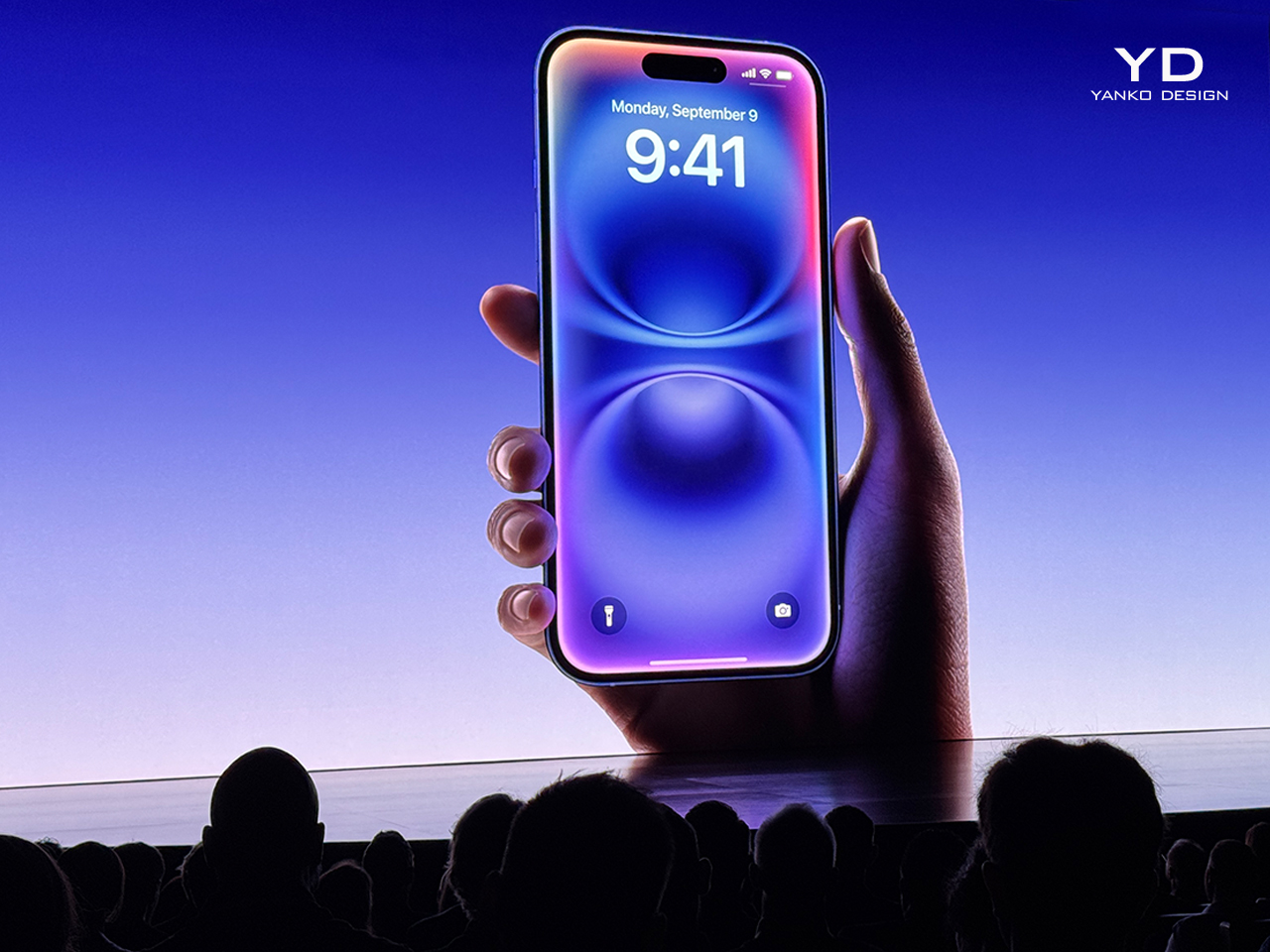
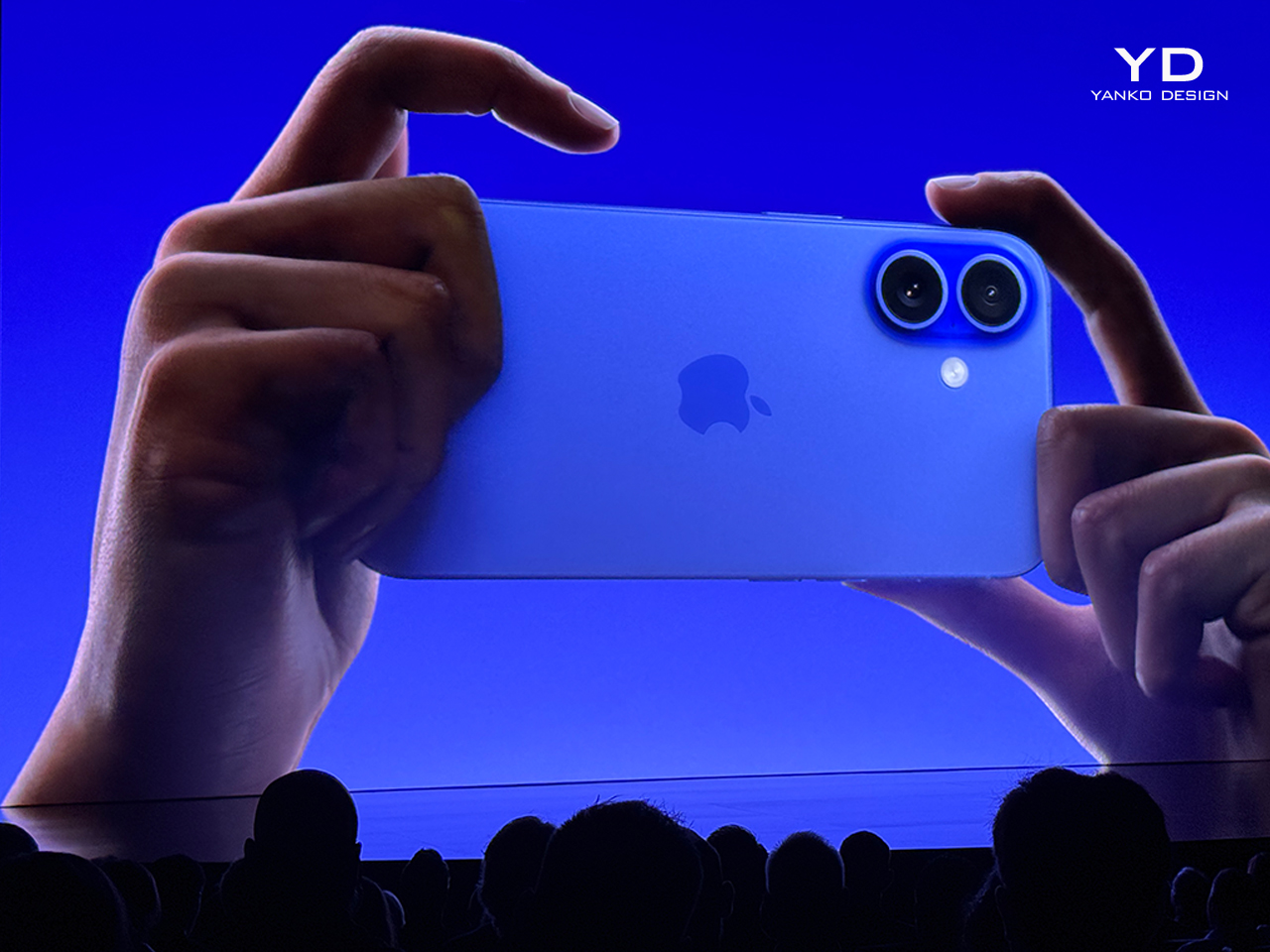
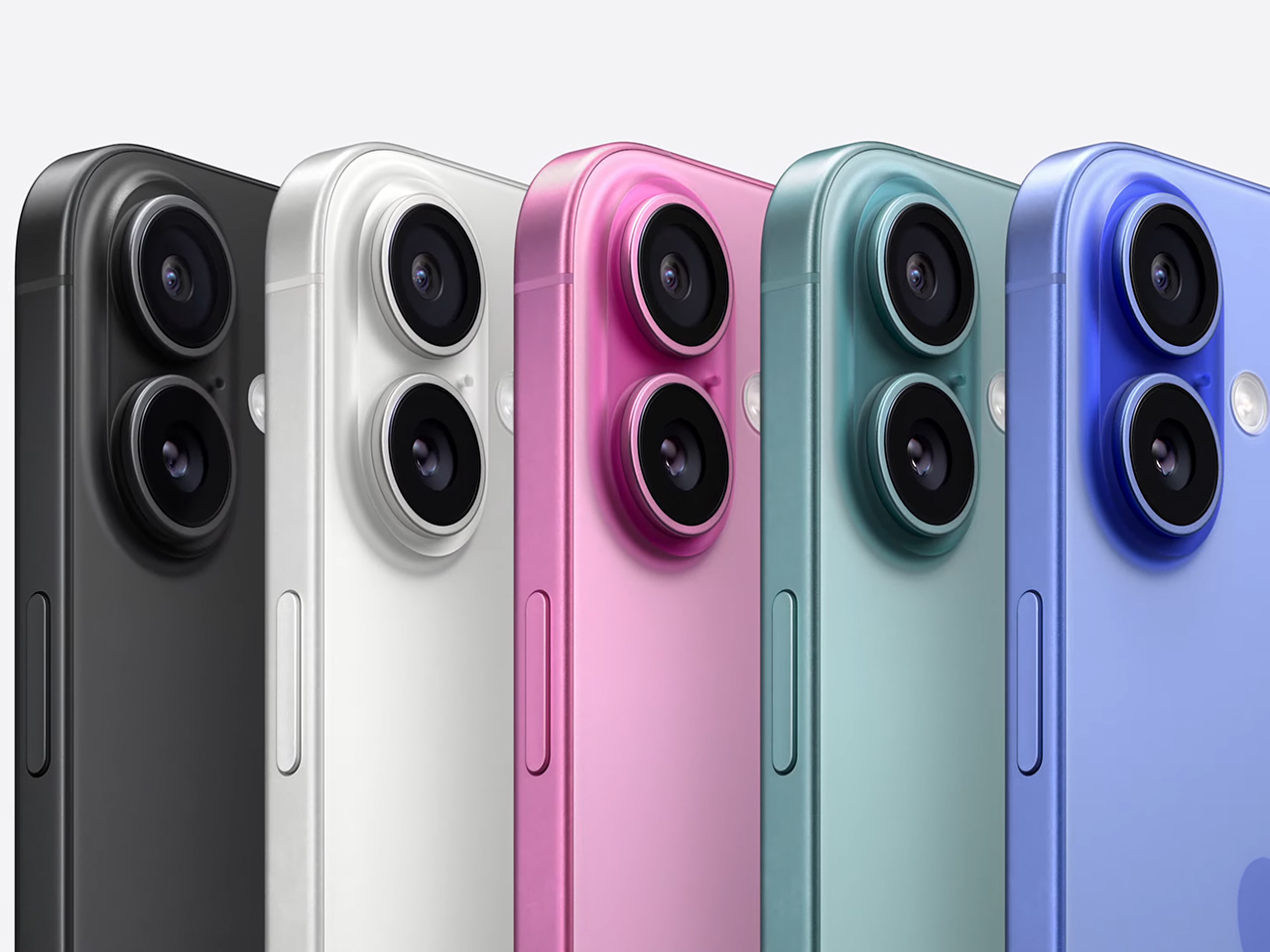
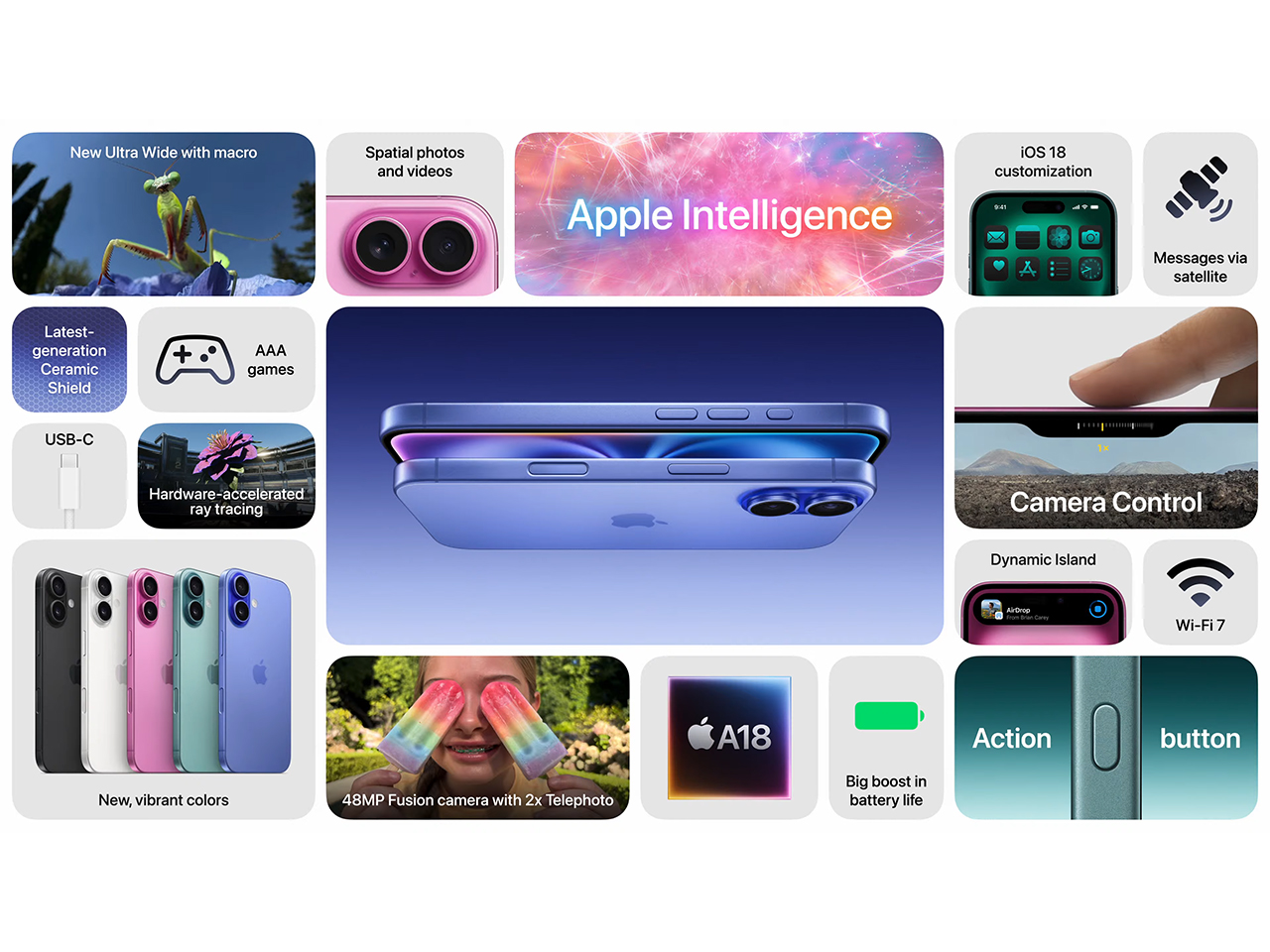
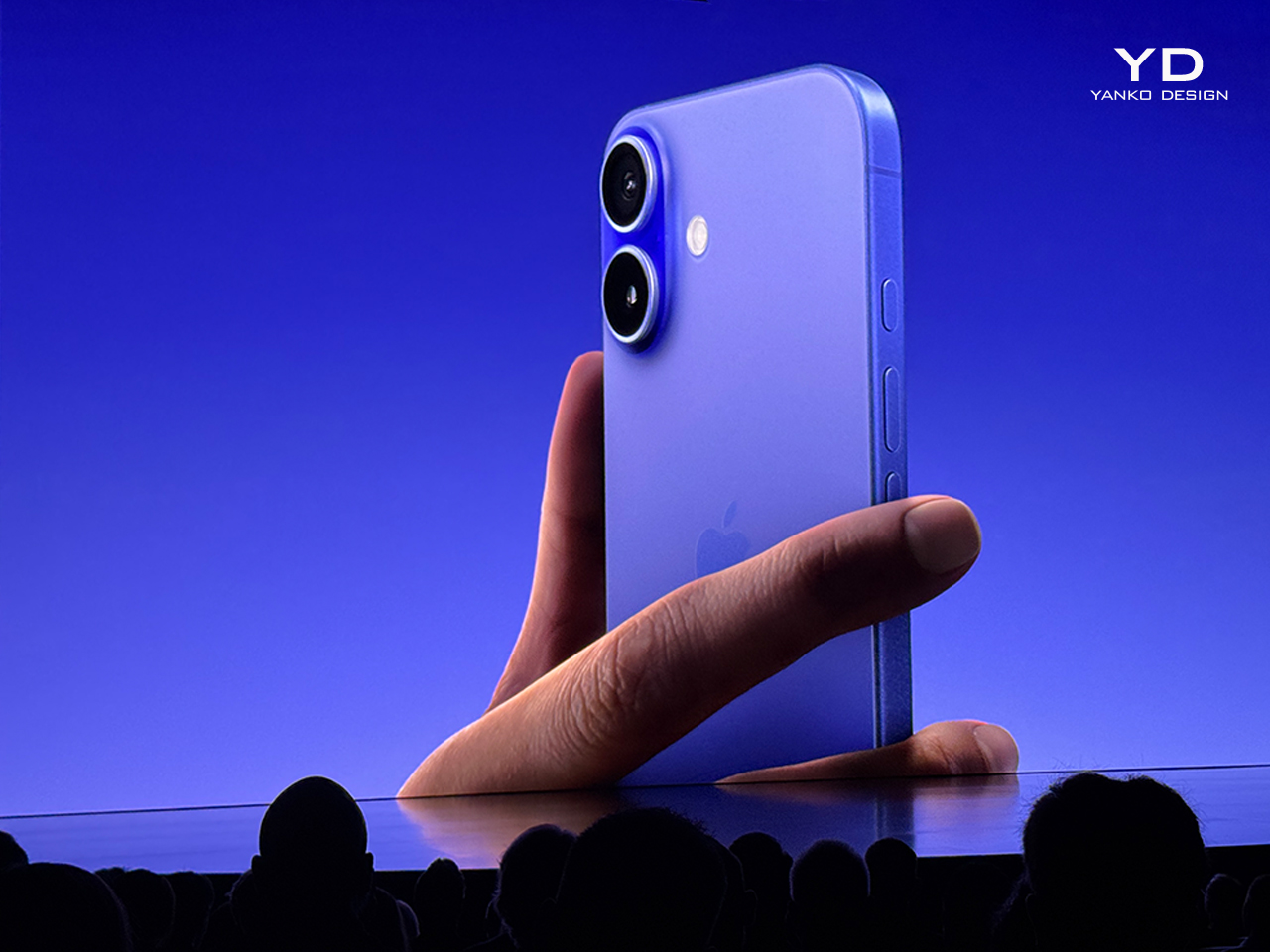
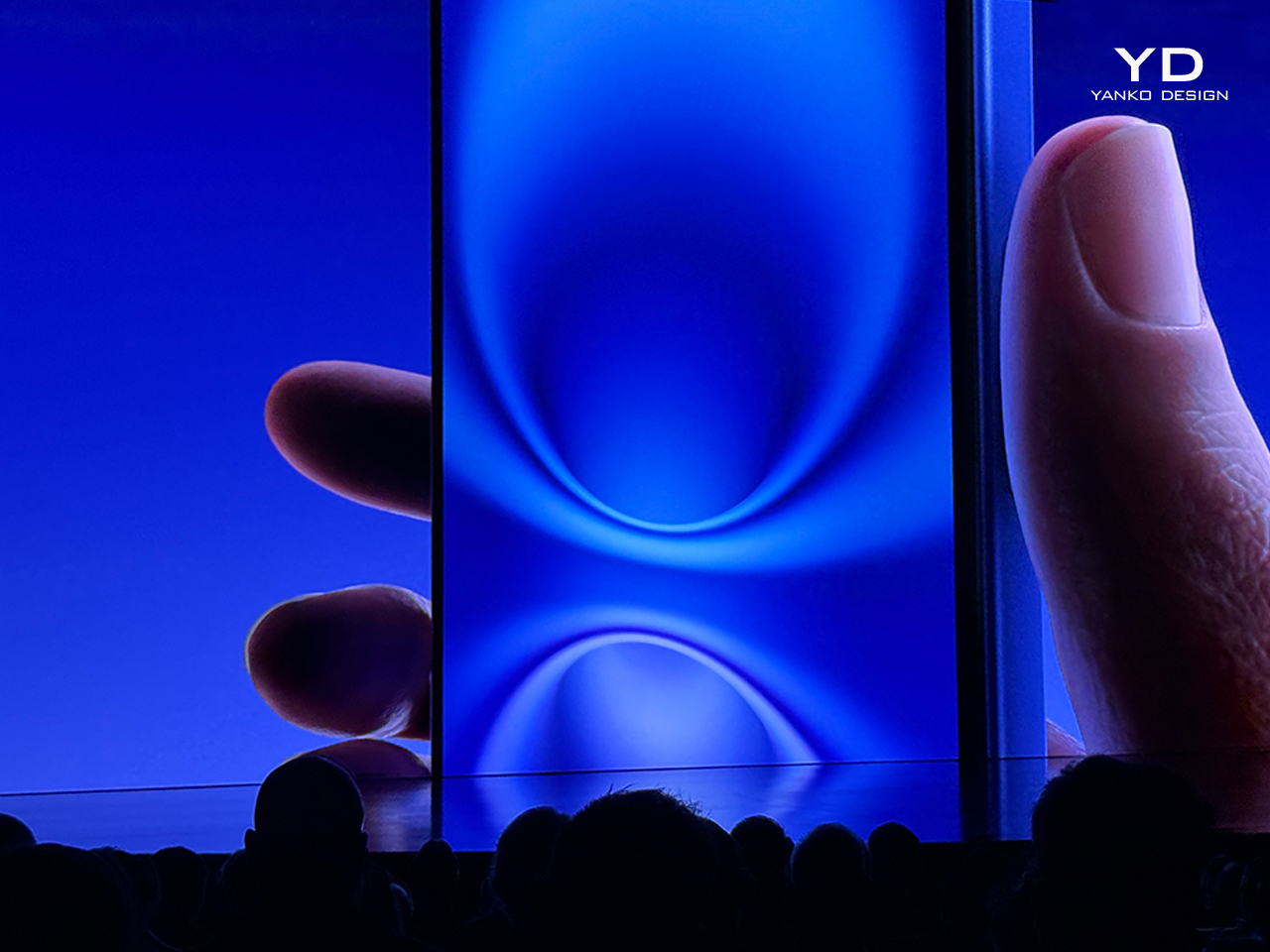
Apple introduced the iPhone 16, showcasing new durability, performance, and personalization features. The device retains its sleek look but incorporates significant upgrades, including color-infused glass in ultramarine, teal, and pink, alongside white and black. This design innovation gives the iPhone 16 a refreshed, vibrant appearance.
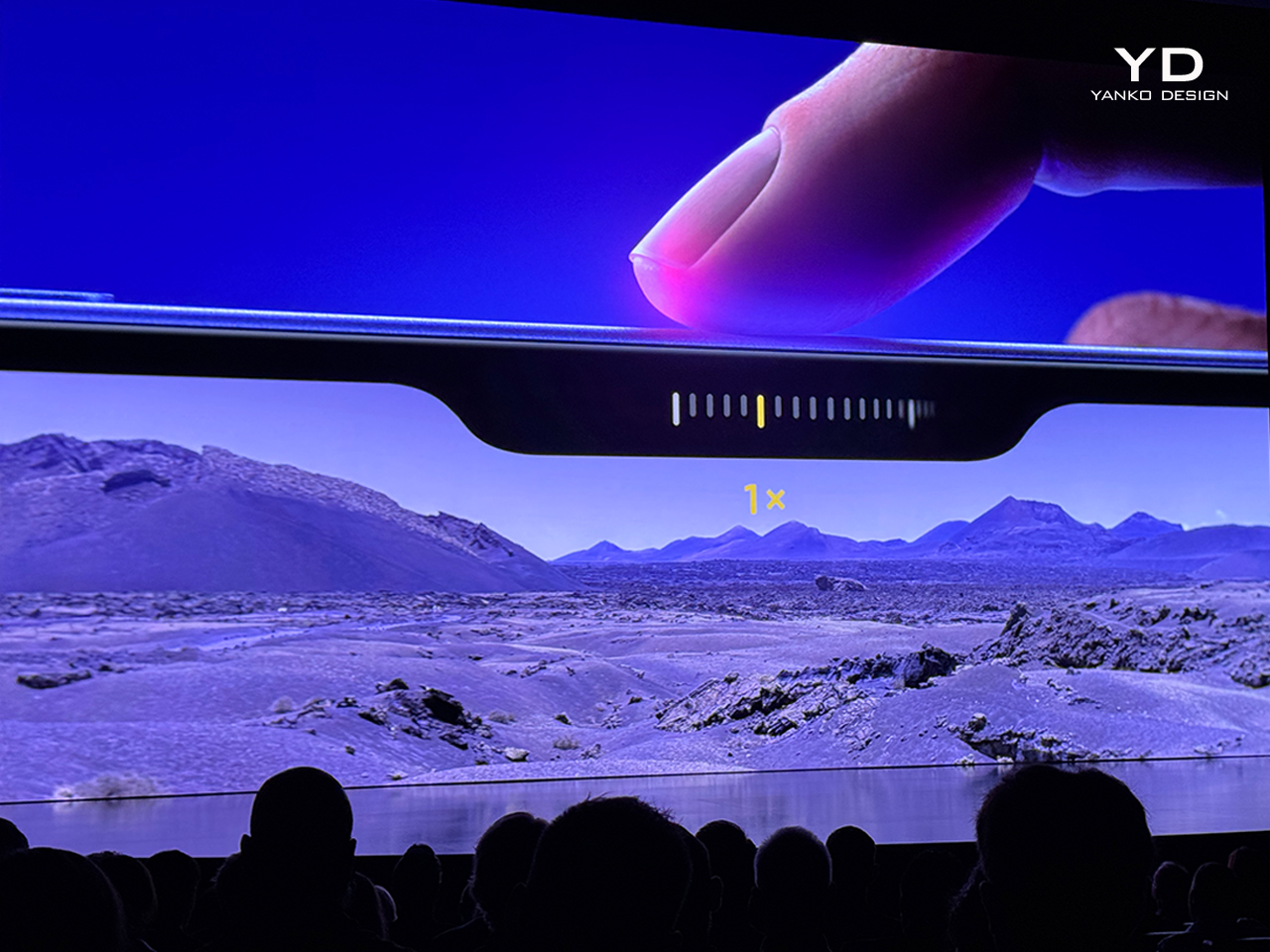
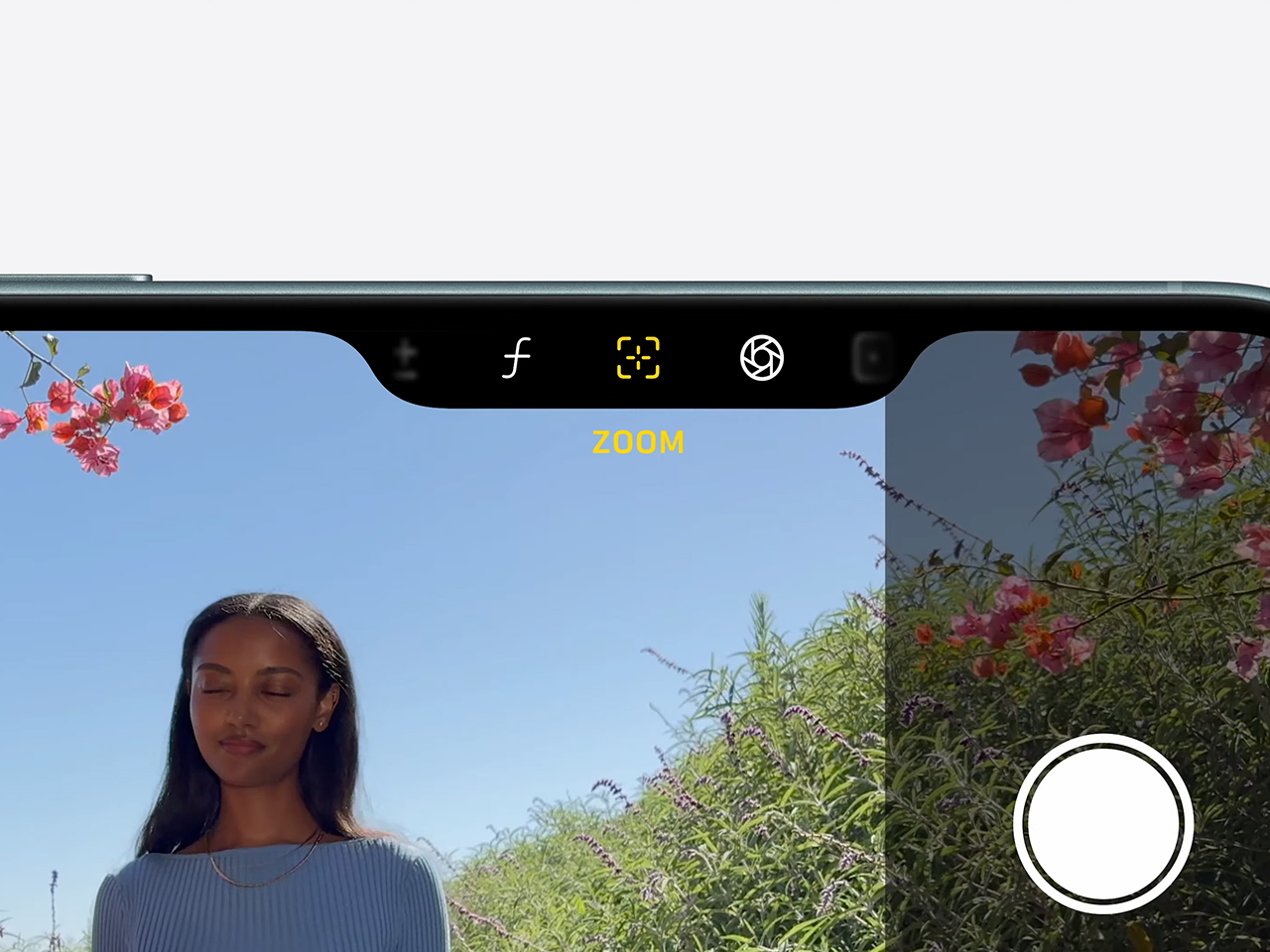
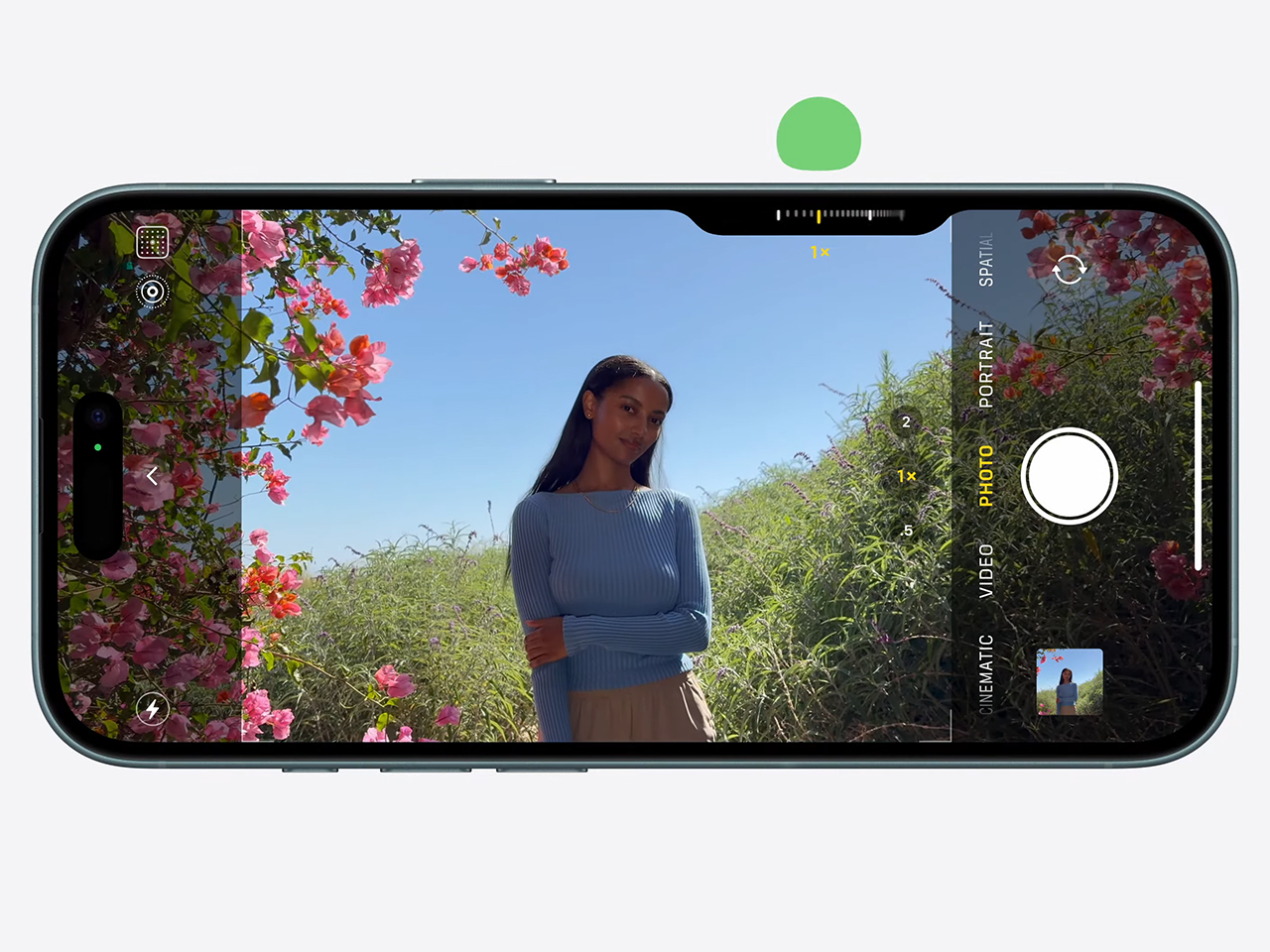
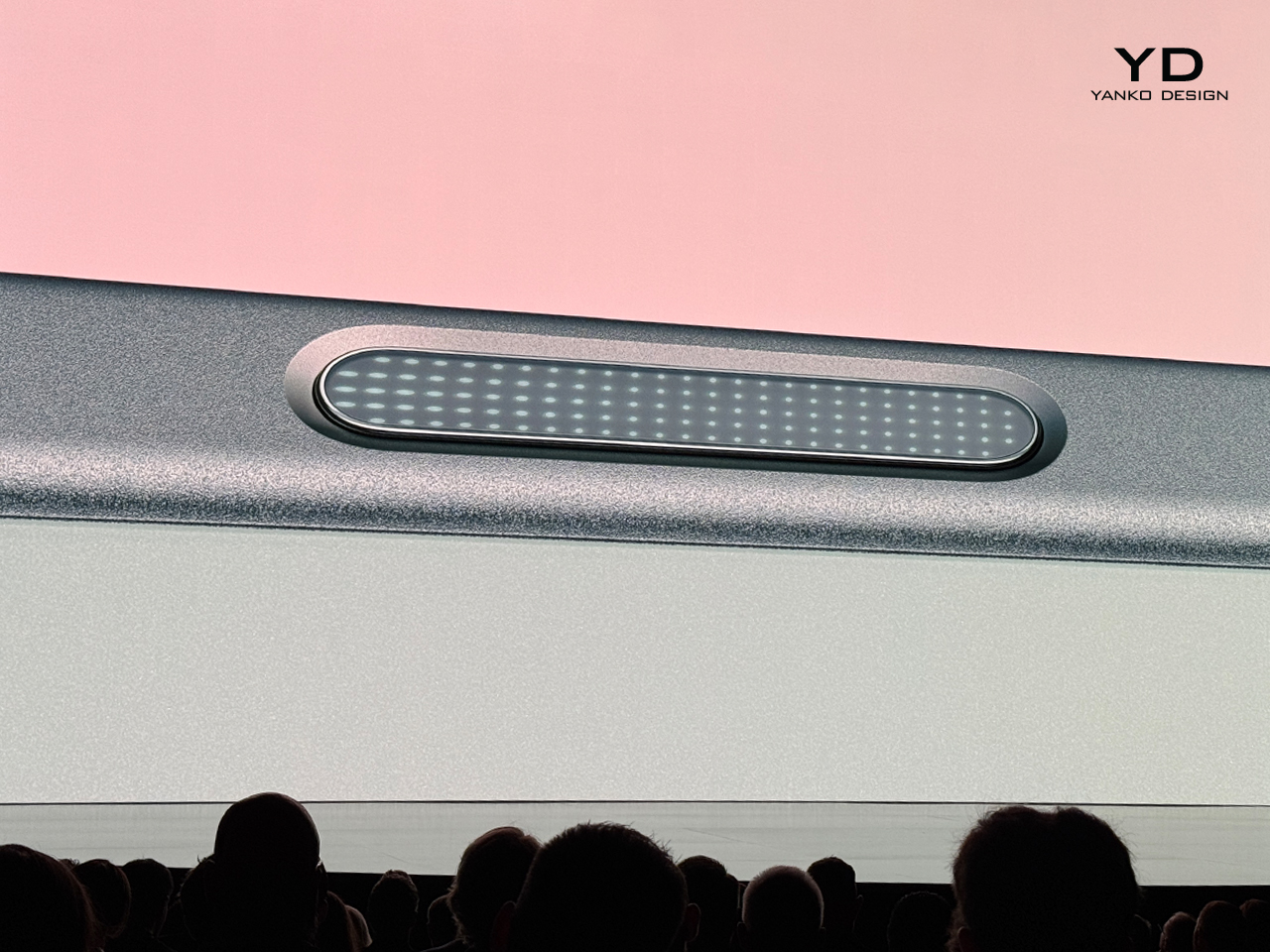
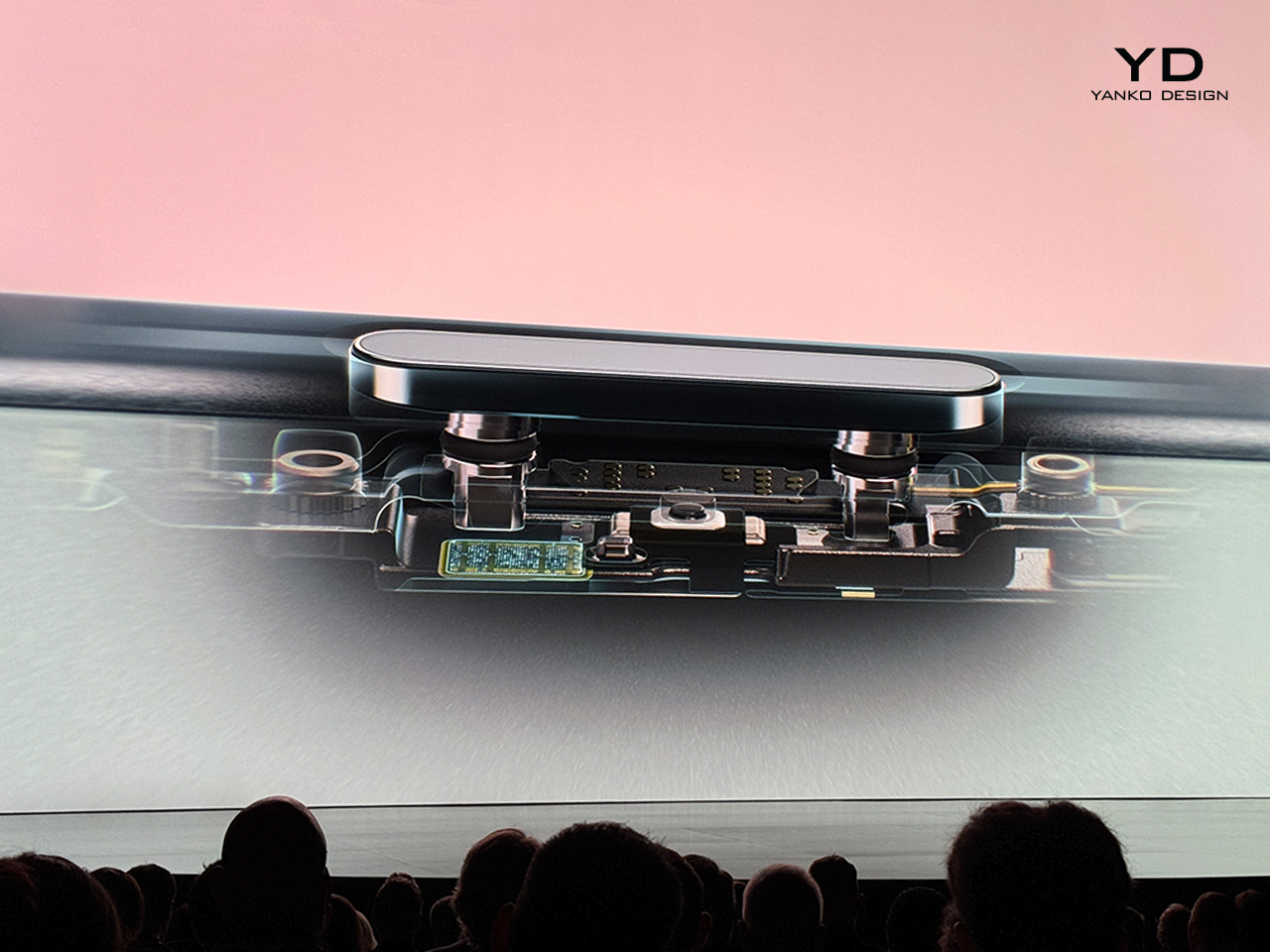
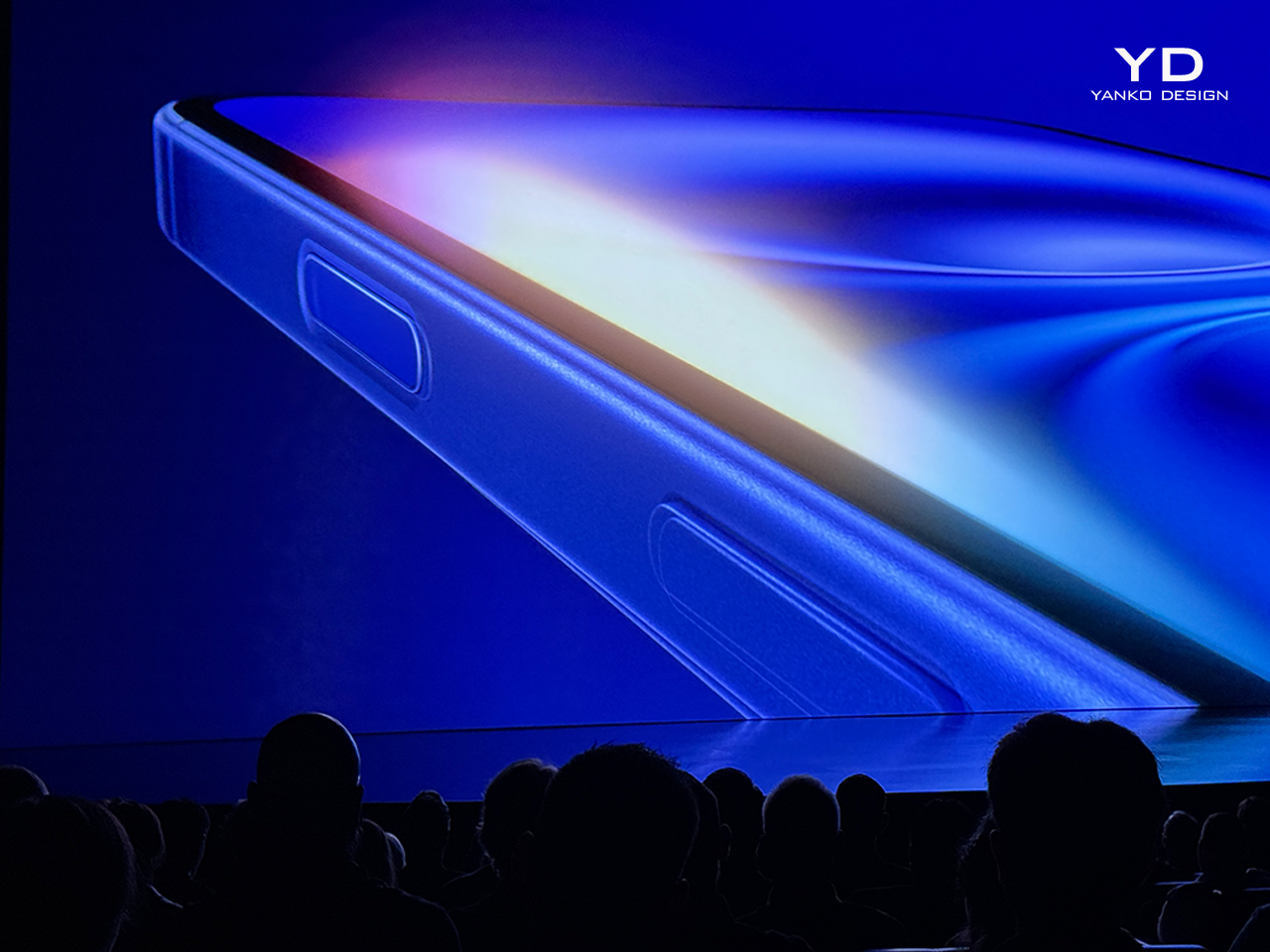
The iPhone 16 builds on the Action Button first seen in the iPhone 15 Pro, allowing users to access customizable functions quickly. A new dedicated camera button brings a more traditional camera experience, instantly launching the camera and functioning as a hardware shutter.
Powered by Apple’s new A18 chip, the iPhone 16 is built for handling advanced tasks, particularly those requiring machine learning and AI. The 16-core Neural Engine is twice as fast as the previous generation, significantly improving processing power for AI workloads. Apple increased memory bandwidth by 17%, allowing more efficient handling of large models and intensive tasks like large language models. The A18’s six-core CPU is 30% faster than the iPhone 15’s, with improved power efficiency and extended battery life. Apple claims the iPhone 16 can outperform some high-end desktop PCs.
The display has also seen upgrades, with brightness reaching 2,000 nits in sunlight and dropping to one nit in low-light environments for more comfortable viewing. The Ceramic Shield glass is 50% tougher than previous versions, adding to the iPhone’s overall durability and water and dust resistance.
Apple’s focus on AI brings Apple Intelligence to the iPhone 16. This system integrates generative models directly into the device, allowing for more natural language understanding and personalization. It can rewrite messages, suggest professional tones, and even create emojis based on descriptions. Additionally, users can use the new Visual Intelligence feature through the camera, which allows the device to identify objects, locations, and events simply by pointing the camera. This feature provides quick access to information such as restaurant details, event schedules, or product identification, bringing a new level of interaction to the iPhone.
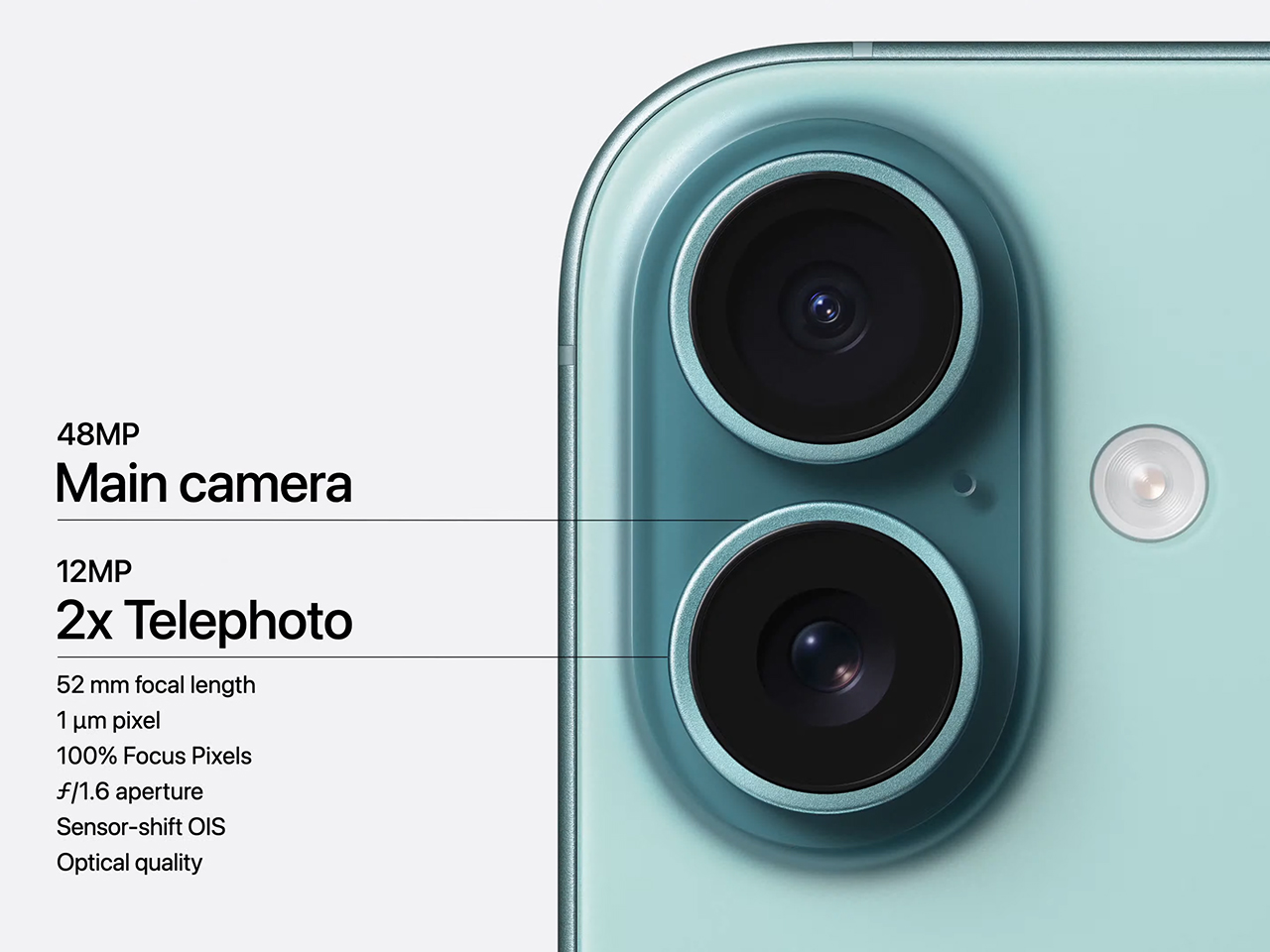
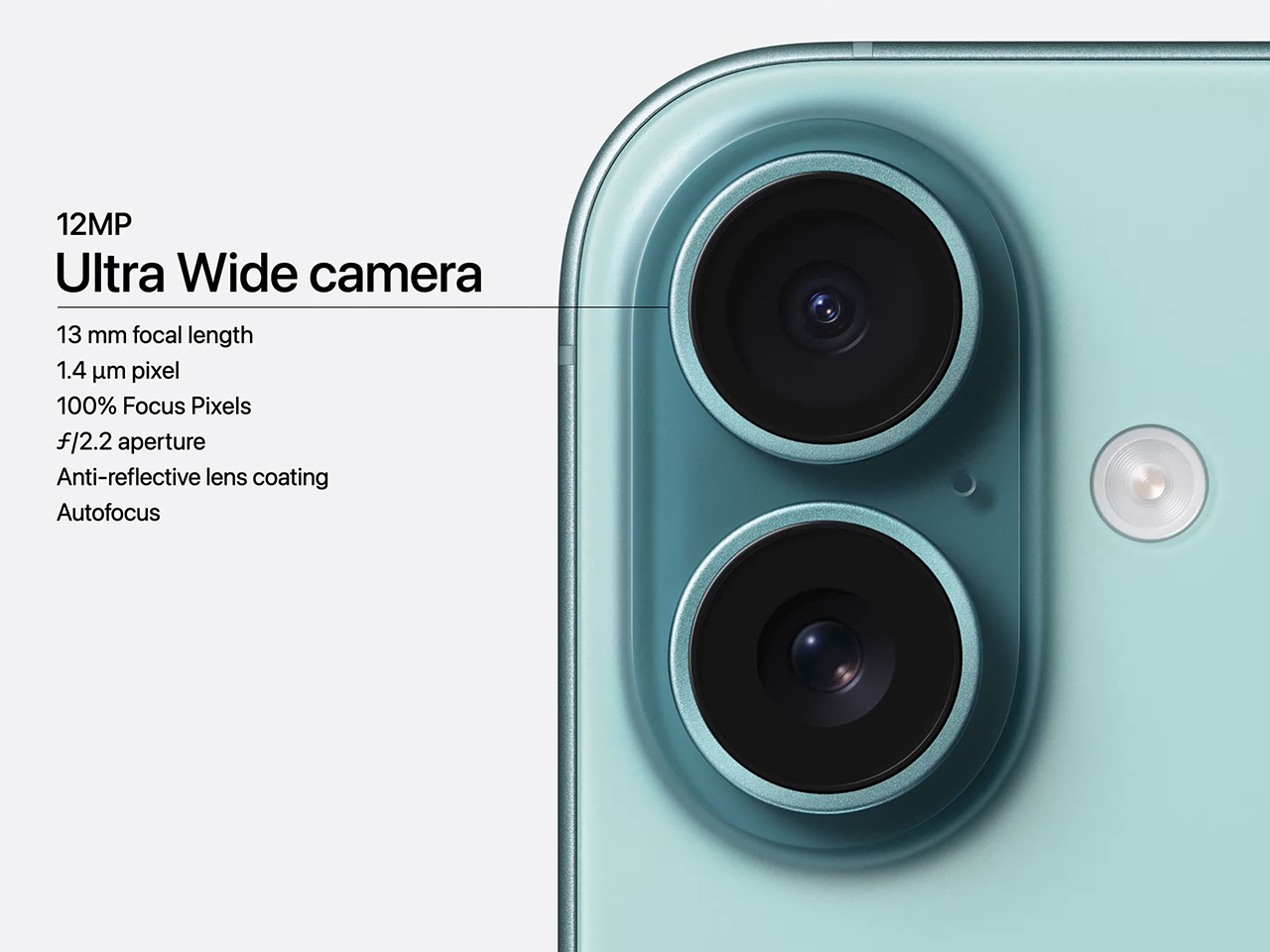
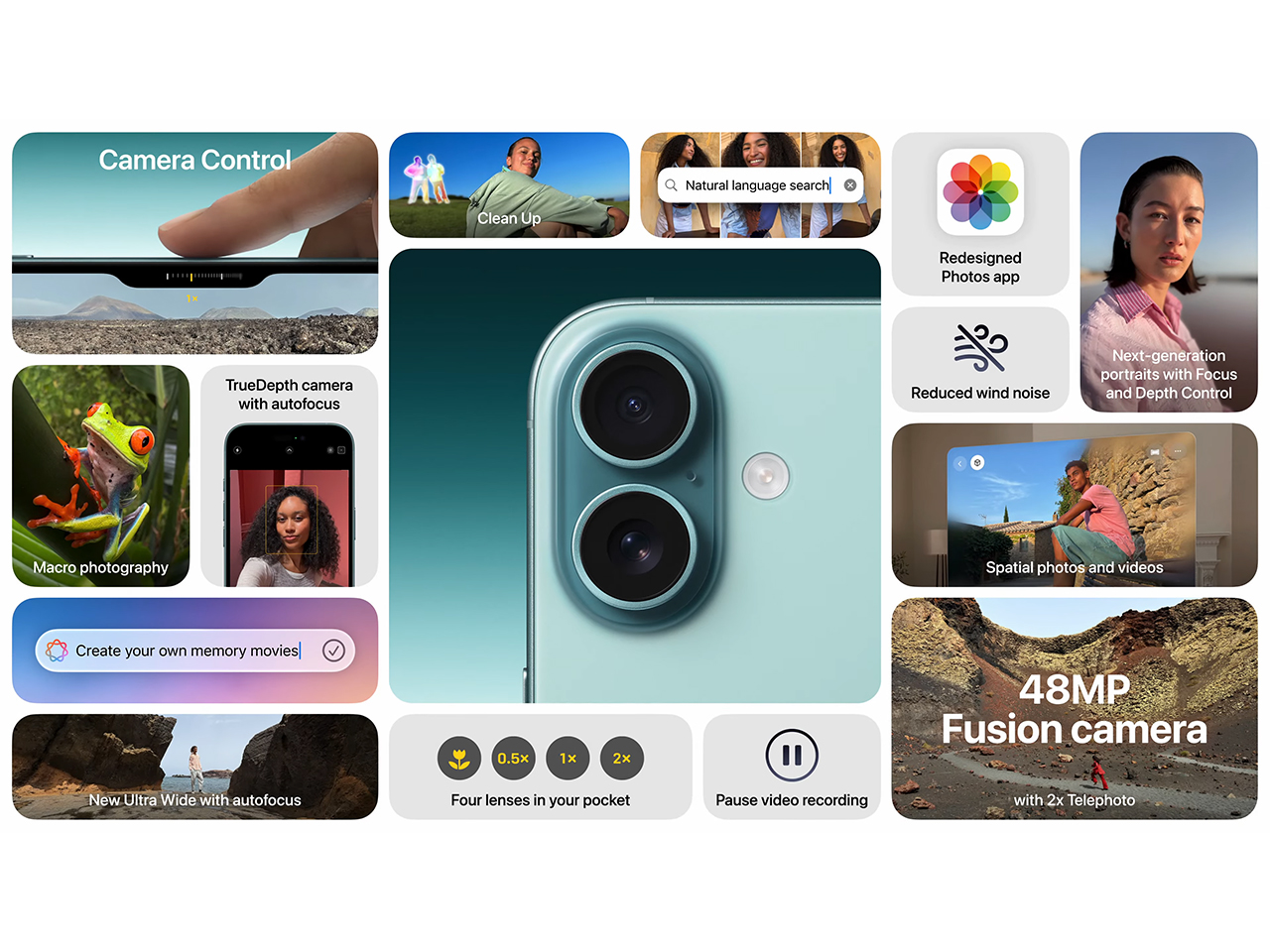
The iPhone 16’s camera system has also been upgraded with a 48-megapixel main camera, allowing users to capture images with more detail. A new 2x telephoto option offers optical quality, made possible by the device’s computational photography capabilities. The ultra-wide camera, now with autofocus, allows for better low-light performance and macro photography, while spatial video and photo capture bring new dimensions to memory preservation, compatible with Apple’s Vision Pro headset.
Overall, the iPhone 16 introduces more power, control, and personalization options, making it a versatile tool for users who demand both performance and convenience in their daily tasks.
Before announcing new handsets during the It's Glowtime iPhone 16 launch event in Cupertino, Apple execs talked up the company's latest suite of smartwatches. Rumors suggested we could get an Apple Watch X instead of the Apple Watch Series 10, if the company were to borrow the naming scheme from its 2017 iPhone. But that didn't happen, it's indeed the Apple Watch Series 10.
In addition to the flagship wearable, we also saw the announcement of a new finish for the Apple Watch Ultra 2. Unfortunately, after a two-year wait, the Apple Watch SE has not been updated to a third generation. Here's how you can pre-order the new Apple Watch Series 10, which should start shipping on Sept 20.
A new Apple Watch SE was not announced during the event, though it remains part of the official lineup. Last year’s Apple Watch Ultra 2 is still the company’s most recent high-end wearable, only getting an additional shiny black colorway instead of a new model.
This article originally appeared on Engadget at https://www.engadget.com/wearables/how-to-pre-order-the-new-apple-watch-series-10-173004323.html?src=rss
Apple gave its AirPods lineup a makeover on Monday, introducing two different pairs of wireless earbuds dubbed the AirPods 4, a minor refresh for the over-ear AirPods Max and some new features for the existing AirPods Pro. Both models of the fourth-generation AirPods look like slightly smaller versions of the third-gen model from afar, though Apple says the shape has been refined to improve overall comfort. They also feature Apple's H2 chip, smaller charging cases with USB-C and promised improvements to sound quality.
The higher-end version of the two AirPods comes with active noise cancellation (ANC), which was previously limited to the AirPods Pro and Max. Its case also supports wireless charging and has a speaker that should make the whole thing easier to find if it's ever misplaced.
The revised AirPods Max, meanwhile, now charge over USB-C and come in a few new colors. Finally, while there aren't all-new AirPods Pro, Apple says the current model will receive new software features centered on hearing health, including the ability to function as a "clinical-grade" hearing aid.
Of course, the best way to figure out how much these updates matter is to actually listen to the new headphones. Unsealed earbuds like the AirPods 4 tend to naturally let in lots of outside noise, for instance, so we'll be eager to see how well its ANC feature works over time. We have some early impressions of the new AirPods 4 up now, but we'll have full reviews in the coming days. If you're already dead-set on upgrading in some fashion, however, we've put together a quick and dirty breakdown of how the updated AirPods lineup stacks up.
AirPods 4
AirPods 4 with Active Noise Cancellation
AirPods Pro (2nd gen)
AirPods Max
Pricing (MSRP)
$129
$179
$249
$549
Design type
Earbud (unsealed)
Earbud (unsealed)
In-ear (sealed)
Over-ear
Active noise canceling
No
Yes
Yes
Yes
Transparency mode
No
Yes
Yes
Yes
Adaptive Audio
No
Yes
Yes
No
Multipoint connectivity
No
Automatic device switching with Apple devices only
No
Automatic device switching with Apple devices only
No
Automatic device switching with Apple devices only
No
Automatic device switching with Apple devices only
Battery life (rated)
Up to 5 hours
Up to 5 hours (with ANC off; up to 4 hours with ANC enabled)
Up to 6 hours
Up to 20 hours
Total battery life with case (rated)
Up to 30 hours
Up to 30 hours
Up to 30 hours
N/A
Wired charging
USB-C (cable not included)
USB-C (cable not included)
USB-C (cable included)
5 mins in case = around 1 hour of listening time
USB-C (cable included)
5 mins charge = around 1.5 hours of listening time
Wireless charging
No
Yes
Yes
No
Water and dust resistance
IP54
IP54
IP54
No
Size and weight
1.19 x 0.72 x 0.71 inches
0.15 ounces
1.19 x 0.72 x 0.71 inches
0.15 ounces
1.22 x 0.86 x 0.94 inches
0.19 ounces
7.37 x 6.64 x 3.28 inches
13.6 ounces
Case size and weight
1.82 x 1.97 x 0.83 inches
1.14 ounces
1.82 x 1.97 x 0.83 inches
1.22 ounces
1.78 x 2.39 x 0.85 inches
1.79 ounces
4.74 ounces
Chip(s)
Apple H2
Apple H2
Apple H2
Apple U1 in charging case
Apple H1
Bluetooth
Bluetooth 5.3
Bluetooth 5.3
Bluetooth 5.3
Bluetooth 5.0
Bluetooth codecs
AAC, SBC
AAC, SBC
AAC, SBC
AAC, SBC
Spatial audio
Yes
Yes
Yes
Yes
Control type
Touch controls with force sensor
Touch controls with force sensor
Touch controls with force sensor and swipes
Digital Crown dial + Noise control button
Mics and sensors
Dual beamforming microphones
Inward-facing microphone
Optical in-ear sensor
Motion-detecting accelerometer
Speech-detecting accelerometer
Dual beamforming microphones
Inward-facing microphone
Optical in-ear sensor
Motion-detecting accelerometer
Speech-detecting accelerometer
Dual beamforming microphones
Inward-facing microphone
Skin-detect sensor
Motion-detecting accelerometer
Speech-detecting accelerometer
Nine microphones total: eight ANC mics, three mics for voice pickup (two shared for ANC)
This article originally appeared on Engadget at https://www.engadget.com/audio/headphones/heres-how-the-new-airpods-4-compare-to-the-rest-of-apples-headphone-lineup-190150611.html?src=rss
If you were hoping for three new Apple Watches today, you might be disappointed. However, Apple did reveal the largest Apple Watch display ever on the Series 10 wearable. The device is also thinner, delivering the bigger-but-slimmer update the company loves to give new devices. It's lighter too, so all three of the design changes should make the wearable more comfy to... wear. And of course, the new display will be a key selling point for this updated model.
That display is the standout update to me. The panel is said to be 40 percent brighter when viewed at an angles, which will make it so much easier to see Watch info at a glance. I tried on the Series 10 in the demo area here at Apple Park in both the 46mm and 42mm sizes. The larger of the two isn't that much of burden for me as I'm rocking a 45mm Series 7 on the daily. Still, the OLED display is a massive upgrade over what I'm used to, and it will offer better performance over recent Apple Watches too. I also got a look at that screen update feature, which lets you see time and other info even when the display is in ambient mode.
Billy Steele for Engadget
In addition to the new display, both it and the Apple Watch case have more rounded angles. Combine that with new finishes (hello, jet black!) and you've got the biggest update to Apple's wearable since the Series 4 in terms of design. There are also a host of new features we weren't able to test in the demo area, like the depth gauge and water temperature sensor, but we did get a brief look at the upcoming sleep apnea tool in Apple Health.
Here, Apple Watch will monitor your sleep for breathing disturbances. Like other sleep metrics, you'll see data for the current month, path six months and previous year, so you'll be aware of any changes over time. Of course, the app will alert you if you might need to see a doctor, and it will offer all of the logged data for you to share when you do. Millions of people suffer from sleep apnea, so being able to detect the signs of the condition without time-consuming sleep testing will certainly be a welcome addition to Apple's suite of health-tracking tools with Watch Series 10.
Billy Steele for Engadget
The main aesthetic update to the Apple Watch Ultra 2 is a new black color option. And while there's isn't a ton to say there, I will note that it looks very nice. Plus, it provides some contrast for those people who didn't care for the lighter silver option that was available before now.
This article originally appeared on Engadget at https://www.engadget.com/wearables/apple-watch-series-10-hands-on-bigger-lighter-and-thinner-than-ever-190000233.html?src=rss
At its September 2024 iPhone event, Apple didn’t announce a new version of the Apple Watch Ultra like it has done the past two years. Instead, it updated the Apple Watch Ultra 2 with a new color and a band, as well as several enhancements through watchOS 11.
The Ultra 2 now comes in a satin black finish, which, Apple claims, was achieved through a "custom blasting process" and a "diamond-like carbon physical vapor deposition," giving the rugged smartwatch a refined and durable look. A notable addition is a new band — a titanium Milanese loop, inspired by mesh historically used by divers. This band is designed for both style and performance, featuring corrosion-resistant titanium that makes it suitable for scuba diving and other water activities. Apple also highlighted that the Ultra 2 is made from 95% recycled grade 5 titanium as part of its efforts to be "carbon neutral."
The Ultra 2 will also get new software enhancements through WatchOS 11, which introduces a bevy of new features such as sleep apnea notifications, an enhanced Vitals app and the Tides app, which offers tidal forecasts and conditions for various water activities. Another practical upgrade is the ability to play audio directly through the Watch’s built-in speakers, allowing users to listen to music, podcasts and more without needing to connect to headphones or another device. (These features are also coming to the new Apple Watch Series 10, which was also announced today alongside the iPhone 16 and AirPods 4.)
Pre-orders for the black titanium version, along with the new titanium Milanese Loop and other updated bands, are now available, with shipping beginning September 20. The Apple Watch Ultra 2 continues to start at $799, though you can get earlier band and color combos right now at Amazon for as much as $110 off.
Update, Sept. 9, 6:34PM ET: Added some additional context, including specifying that the new WatchOS 11 features coming to the Ultra 2 will also be available on the Apple Watch Series 10.
This article originally appeared on Engadget at https://www.engadget.com/wearables/theres-no-apple-watch-ultra-series-3-just-a-new-color-and-a-new-band-173236966.html?src=rss
Last year, the most notable design change came with the adoption of a USB-C charging port. This year, all four phones are getting a new, multi-function capacitive button on the side. The other big news comes on the inside with the A18 and A18 Pro chips designed to handle all the coming Apple Intelligence features, including the just-announced Visual Intelligence.
Our team on the ground in Cupertino had a chance to put their hands on the handsets, but we’ll tell you exactly what we think about Apple's latest phones and features once we've had a chance to thoroughly review them. But if you already know you want a shiny new iPhone 16 as soon as possible, pre-orders are open now ahead of the ship date of September 20. Here's how you can buy them.
Apple also announced the AirPods 4 and the Apple Watch Series 10, both of which are available for pre-order now. Like the new iPhones, they'll ship on September 20.
This article originally appeared on Engadget at https://www.engadget.com/mobile/smartphones/iphone-16-launch-heres-how-to-pre-order-the-new-iphone-from-the-apple-store-183710721.html?src=rss
The new Apple Watch is here. A decade after the company revealed its first model, the Apple Watch Series 10 has a bigger screen and thinner design than all its predecessors. The watch also appears brighter from wider viewing angles, and it includes a redesigned speaker. The Apple Watch Series 10, available for pre-order now, is the biggest design change since Series 4.
The new Apple Watch comes in 46mm and 42mm screen sizes (up from 45mm and 41mm, respectively). Apple says the display on the Series 10 wearable has 30 percent more area than the Series 6 model. The display is even slightly bigger than that of the Apple Watch Ultra (when measured by area, not the diagonal). Apple says the watch’s wide-angle OLED screen is 40 percent brighter at angles than its predecessor.
The screen’s resolutions are 416 x 496 (46mm) and 374 x 446 (42mm). The display updates once per second, and the ticking second hand even shows while the device is in passive ambient mode. Both the display and case have more rounded corners than previous Apple Watch models.
Apple
The Apple Watch Series 10 is nearly 10 percent thinner than the Series 9 model. It’s also 10 percent lighter than last year’s watch (or 20 percent lighter if you opt for the new titanium model). The latter replaces stainless steel as the wearable’s premium casing option. Apple says the thinner and lighter design on the Series 10 watch makes it “more comfortable than ever.”
Powering the device is the new S10 SIP (System in Package) chip, which Apple claims will enhance performance and efficiency. The S10 helps give the Apple Watch Series 10 longer “all-day” battery life: an estimated 18 hours. The company claims its improved fast charging can juice it up from empty to an 80 percent charge in 30 minutes.
The watch’s speakers are 30 percent smaller, allegedly without sacrificing audio performance. And its speakers can play media (like music and podcasts) for the first time — handy if you forget your AirPods. It also includes enhanced voice isolation for clearer calls in loud environments.
Apple
The watch’s metal back integrates with the antenna, which Apple says will enhance cellular performance and water resistance (up to 50m). That new water resistance combines with its built-in depth gauge and water temperature sensor for diving capabilities. Supporting that on the software side is the Depth app (previously only available on the Ultra model) and the new Tides app, which offers seven-day tidal forecasts, sunrise and sunset times and local beach info for surfing, fishing and other underwater activities. There’s also an Oceanic+ app for the snorkelers out there.
The Apple Watch Series 10 includes sleep apnea tracking, another first in the lineup. The company says the wearable uses the accelerometer and machine learning to look for breathing disturbances when you wear it overnight. Apple expects FDA approval for that feature soon. You’ll find sleep apnea insights in a new Breathing Disturbances category in the Health app.
Apple describes the new wearable as a carbon-neutral product. The company says the Series 10 watch uses 95 percent recycled aluminum and is made with 100 percent renewable electricity.
Apple
Of course, the new Apple Watch (along with older models starting with Series 6 and the second-gen SE) will run watchOS 11. The 2024 software adds the ability to pause and further customize Rings and Activity goals, along with a new Vitals app to check overnight metrics, training loads and pregnancy data.
The Apple Watch Series 10 starts at $399 for a GPS-only variant. (The titanium model starts at $699.) The GPS + cellular model costs $499. Pre-orders start today, and it will be available starting on September 20. The aluminum model is available in jet black (for the first time), rose gold and silver aluminum. The titanium model comes in natural, gold and slate. New band styles this year include collaborations with Nike and Hermès and an updated Milanese Loop.
This article originally appeared on Engadget at https://www.engadget.com/wearables/apple-watch-series-10-features-a-much-larger-screen-and-a-much-thinner-design-171307821.html?src=rss
September is here and, like clockwork, so are new iPhones. Apple unveiled its latest iPhone models at an event in Cupertino today, and as expected, the iPhone 16 handsets are largely iterative of last year's models. While the smartphones, standard and Pro versions, took center stage, Apple also showed off the new Apple Watch Series 10, two new pairs of AirPods and detailed hearing aid features coming to the second-generation AirPods Pro. The company also went into detail on its latest mobile chipsets that power the new iPhones, and reminded folks what they can expect when iOS 18 launches later this month with Apple Intelligence. If you weren't able to catch the announcements live, Engadget has you covered; here's everything announced at Apple's iPhone 16 event.
iPhone 16 and iPhone 16 Plus
Apple
Apple unveiled the new iPhone 16 and iPhone 16 Plus at the event, which feature a water- and dust-resistant design and new colors including ultramarine, teal and pink. The iPhone 16 has a 6.1-inch display, while the iPhone 16 Plus has a 6.7-inch display. Both of those can achieve up to 2,000 nits of brightness, and can go all the way down to 1 nit in the dark. The Action button has found its way to this series of iPhones as well, and it's just as customizable as the one we saw on last year's Pro-model iPhones.
There's also a new easy-access camera control "button" of sorts, which allows you to quickly control the camera with a slide of your finger. This tool can also tap into Visual Intelligence, an AI-powered feature coming in iOS 18 that can tell you more about anything you point your camera at. It appears similar to Google Lens, and can do things like add live event dates to your calendar after you point your camera at a flyer you see on the street. The camera array on the standard iPhone 16 models includes a 48-megapixel main Fusion camera, a 12MP telephoto lens and a new ultrawide camera with autofocus. This array will also be able to capture Spatial Photos that can be viewed on Apple's Vision Pro.
We confirmed in our hands-on text of the iPhone 16 that it has the same style of camera control button as the more expensive iPhone 16 Pro. It's a physical button, but haptics add another layer of feedback for when you make a "light press" rather than fully pressing the button down.
Both standard iPhone 16 models run on the new A18 chip, which has a 16-core neural engine optimized for generative models. The internals feature a 6-core CPU and a 5-core GPU, both of which will be crucial for powering all of the new Apple Intelligence features coming to iOS 18.
According to Apple, both the iPhone 16 and 16 Plus have larger batteries than their predecessors, and when combined with the efficiencies added from the A18 chipset and iOS 18 improvements, should make for a much longer-lasting battery lives overall (although Apple did not provide an exact estimate). Both the iPhone 16 and 16 Plus are available for pre-order today starting at $799 and $899, respectively, and will be widely available on September 20.
The Pro series of iPhones includes the iPhone 16 Pro and Pro Max this year, which have 6.3-inch and 6.9-inch ProMotion, always-on displays, respectively. Both are made with Grade 5 Titanium, which Apple claims to be even lighter than stainless steel. These handsets will be available in four new colors: black, white, natural and desert, the latter of which resembles a dusty gold color.
According to the company, the iPhone 16 Pro and 16 Pro Max are built from the ground up for Apple Intelligence, being able to take full advantage of all the new features coming in iOS 18. These handsets run on the new A18 Pro chipset, which takes advantage of 3nm transistors and is even faster and more efficient than the standard A18 chip found in the regular iPhone 16 lineup.
The rear camera array on both models includes a 48MP Fusion camera, 48MP ultrawide shooter and a 12MP telephoto lens. The main camera's improvements allow for 4K, 120fps video and slow-motion recording. Both phones also have the new camera control button that provides easier access to the camera and all of its tools, both for capture and editing. There are also four studio-quality microphones built in to both smartphones for improved audio capture, and they allow for Spatial Audio recording, too.
Both the iPhone 16 Pro series and the standard iPhone 16 handsets supports Qi2 wireless charging, and Apple will come out with new MagSafe charging cases that account for the new camera control button. The iPhone 16 Pro and 16 Pro Max will be available for pre-order on Friday, September 13, starting at $999 and $1,199, respectively. They'll be widely available on September 20.
AirPods 4 launched today during the iPhone 16 event, as rumors suggested. These have a redesigned bud shape that's suppose to fit more ear shapes and be more comfortable overall. They have the H2 chip inside, which will provide improved audio quality and enable features like Personalized Spatial Audio. The charging case has a USB-C port, and it's the smallest AirPods charging case to date.
In addition to the regular AirPods 4, there will be a second model that includes support for active noise cancellation and Transparency mode. Conversation Awareness will also automatically lower your media volume level when the buds detect you talking to someone. The standard AirPods 4 cost $129 and the AirPods 4 with ANC cost $179; both are available for pre-order today and will be widely available on September 20.
Apple didn’t reinvent the wheel with the updated AirPods Max. Instead, they’ll be available in a few new colors (midnight, blue, purple, orange and starlight) and support USB-C charging. The new colors can be pre-ordered today for $549 and will be widely available on September 20.
AirPods Pro new hearing aid features
Apple announced new features coming to the second-gen AirPods Pro that are designed to help prevent (and increase awareness around) hearing loss. A feature called "Hearing Protection" will be turned on by default, and users will be able to take a clinically-validated hearing test to see if they already have some hearing loss. On top of that, AirPods Pro will have a clinical-grade hearing aid feature built-in as well, which will work with a hearing profile created after a user takes the hearing test.
Apple Watch Series 10
Apple
Apple introduced the Apple Watch Series 10 today, the natural successor to last year’s Series 9. It has the biggest display and thinnest design ever on an Apple Watch, and the wide-angle OLED display is even a bit larger than that on the Apple Watch Ultra. The case has more rounded corners and a wider aspect ratio, both of which, combined with the larger screen, should provide more space to interact with graphics and text on the Watch. Apple claims the screen is 40 percent brighter when looked at from an angle, and it'll show a second hand ticking away even when your wrist is down.
The Apple Watch Series 10 is powered by the new S10 SiP chip, which Apple claims is built for performance, power efficiency and intelligence (i.e. Apple Intelligence). One example of Apple Intelligence at work on the Series 10 is the new Photos watch face, which will curate the best photos from your library and serve them up to you automatically.
When it comes to fitness features, Apple announced that the latest version of watchOS will allow the Series 10 to detect signs of sleep apnea, provided you're wearing your Series 10 to sleep regularly. Apple claims it's awaiting FDA clearance, and it expects the sleep apnea detection feature to launch in more than 150 countries. Elsewhere in the activity sphere, the Series 10 will have scuba tracking features and it will support the new Tides app in watchOS 11.
Another new feature is the ability to play audio directly from the Watch's speaker, which could be helpful if you don't have AirPods or another pair of Bluetooth earbuds handy. The Apple Watch Series 10 be available in a new polished, jet-black aluminum finish and new polished titanium finishes. It's available for pre-order today and will be widely available on September 20.
While there have been a bunch of swirling rumors about the next iteration of the Apple Watch Ultra, the company did not reveal the third generation sportswatch today. Instead, Apple revealed a new finish for the Apple Watch Ultra 2: satin black. There are also new Hermes finishes, and a new Milanese band to accompany the new satin black finish.
This article originally appeared on Engadget at https://www.engadget.com/mobile/smartphones/everything-apple-revealed-at-the-iphone-16-launch-event-apple-watch-series-10-airpods-4-ios-18-and-more-170346723.html?src=rss
Apple revealed its latest earbuds during the iPhone 16 launch event earlier this week: The AirPods 4. Rumors suggested we could get a new generation of AirPods Max, but a few new colors and a USB-C port were the extent of the changes there. Announcements around the AirPods Pro centered on the hearing updates the top-tier buds will receive via a software update this fall.
That makes the new AirPods 4 the only brand new addition to Apple’s personal audio lineup. They come in two varieties: With active noise cancellation for $179 and without that feature for $129. Engadget’s Billy Steele briefly tried the more expensive buds after the event in Cupertino and his initial impressions were positive. We’ll post a full review soon, but in the meantime, here’s how to pre-order yours now before the AirPods 4 release date on September 20.
Apple just announced a forthcoming update at today’s iPhone event: multitrack recording inVoice Memos.
The demo showed a guitar player laying down a progression and then simply singing on top of it. It looks like the magic stops at two tracks, but there’s a simple editing interface that lets allows for adjustments to each layer.
There’s also some algorithmic and machine learning mojo happening under the hood, as the demo doesn’t show the user wearing headphones when singing on top of the guitar track. In the old days, doing overdubs without headphones would be a one-way ticket to a ruined recording.
Apple didn’t announce when this feature is coming or what iPhone models it would be available for. The recently-announced iPhone lineup features a new microphone array, which could enable this feature. We’ll update this post when we know more.
This article originally appeared on Engadget at https://www.engadget.com/mobile/smartphones/apples-voice-memos-app-is-getting-simple-multitrack-recording-184721503.html?src=rss