McLaren just hit 1,000 Grands Prix, which in Formula 1 years is basically ancient royalty status. Only Ferrari has been around longer in this sport, and Ferrari acts like it too. So when a team crosses a milestone like that, you throw a party, you paint a special livery on the car, and apparently, you also get LEGO to build you a commemorative brick helmet with your driver’s face on the box.
That is exactly what happened with Lando Norris’s set, a 793 piece build that packs his signature yellow and black “blob” design (his words, not mine) onto one side of a papaya orange helmet shell. It is McLaren history and Norris’s personal branding smashed together into a display piece, and somehow LEGO made that combination look genuinely good instead of like a marketing fever dream.
Designer: LEGO Design Team, co-created with Lando Norris
What makes this one different from your average licensed tie in set is that Norris was actually in the room for it. This was not LEGO grabbing some reference photos and calling it a day. The drivers worked directly with LEGO’s design team to shape both the Norris helmet and its companion piece for teammate Oscar Piastri, and the real helmets both drivers wore trackside at Monaco were based on the LEGO designs, not the other way around. That is a genuinely rare flex for a toy company. Daniel Meehan, LEGO’s Creative Lead for F1, put it well when he said building organic helmet curves at this scale “presents exciting opportunities for exploring new building techniques and creative parts usage,” which is design speak for “yeah, this was hard and we are proud we pulled it off.”
And they did pull it off. The papaya orange half and the neon yellow squiggle half meet along a seam that somehow still reads as one continuous helmet, not two mismatched shells taped together. Printed tiles handle every sponsor logo along the brow, McLaren, Mastercard, Dropbox, OKX, all sitting exactly where they would on the real thing. The back of the helmet is where the emotional weight lives though. LEGO printed “1.000 GP” and “1963” across the rear in bold anniversary numerals, with a small nod to “Bruce / Mal Est. 1963,” a reference to Bruce McLaren founding the team over sixty years ago. “NEVER STOP RACING” runs along the base of the visor. It is a lot of history packed into a helmet the size of a grapefruit.
My favorite detail, though, is buried in the yellow side paneling where LEGO snuck in a tiny printed minifig head, smiling face and all, hidden right inside Norris’s own design pattern. It is such a small thing, but it is basically LEGO signing its own work, and it tells you the people building this actually cared about more than just slapping a logo on a shelf piece.
The set comes mounted on a black display stand with Norris’s number 1 and a printed signature plaque, plus a minifigure of Norris himself in off track team gear, reportedly the first time he has been rendered as a LEGO minifig. It also plugs into the LEGO Builder app so you can rotate and zoom your progress mid build, which is a nice touch if you like tracking your pit stops digitally.
This helmet drops right after LEGO built ten full size, actually driveable F1 cars for a stunt at last year’s Miami Grand Prix, so the brand’s relationship with the sport is clearly only ramping up. The Lando Norris McLaren Mastercard F1 Team Helmet (set 43023) is available now for $89.99 on LEGO.com and through McLaren’s official store, alongside the matching Oscar Piastri edition if you want the full garage set.
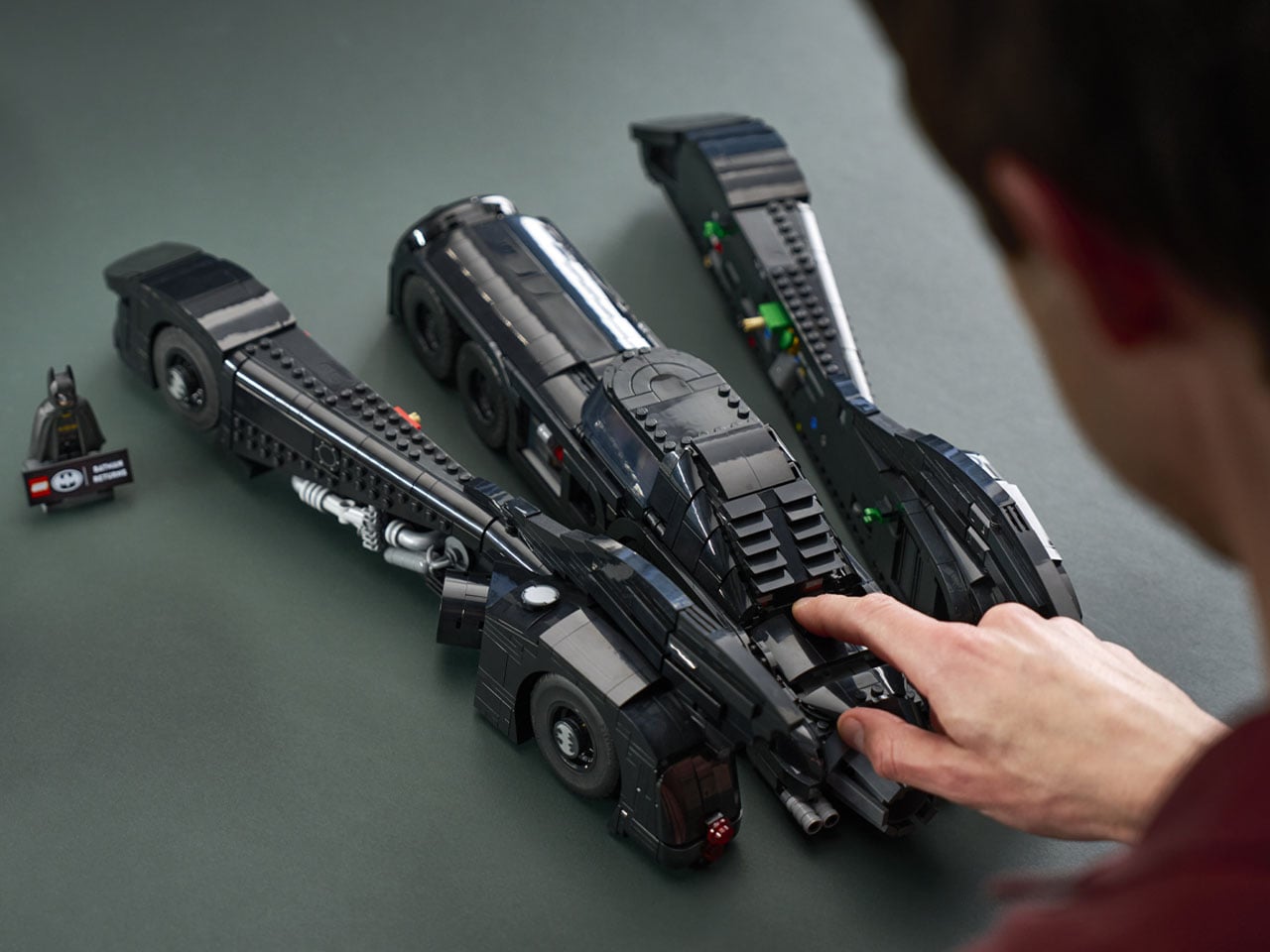
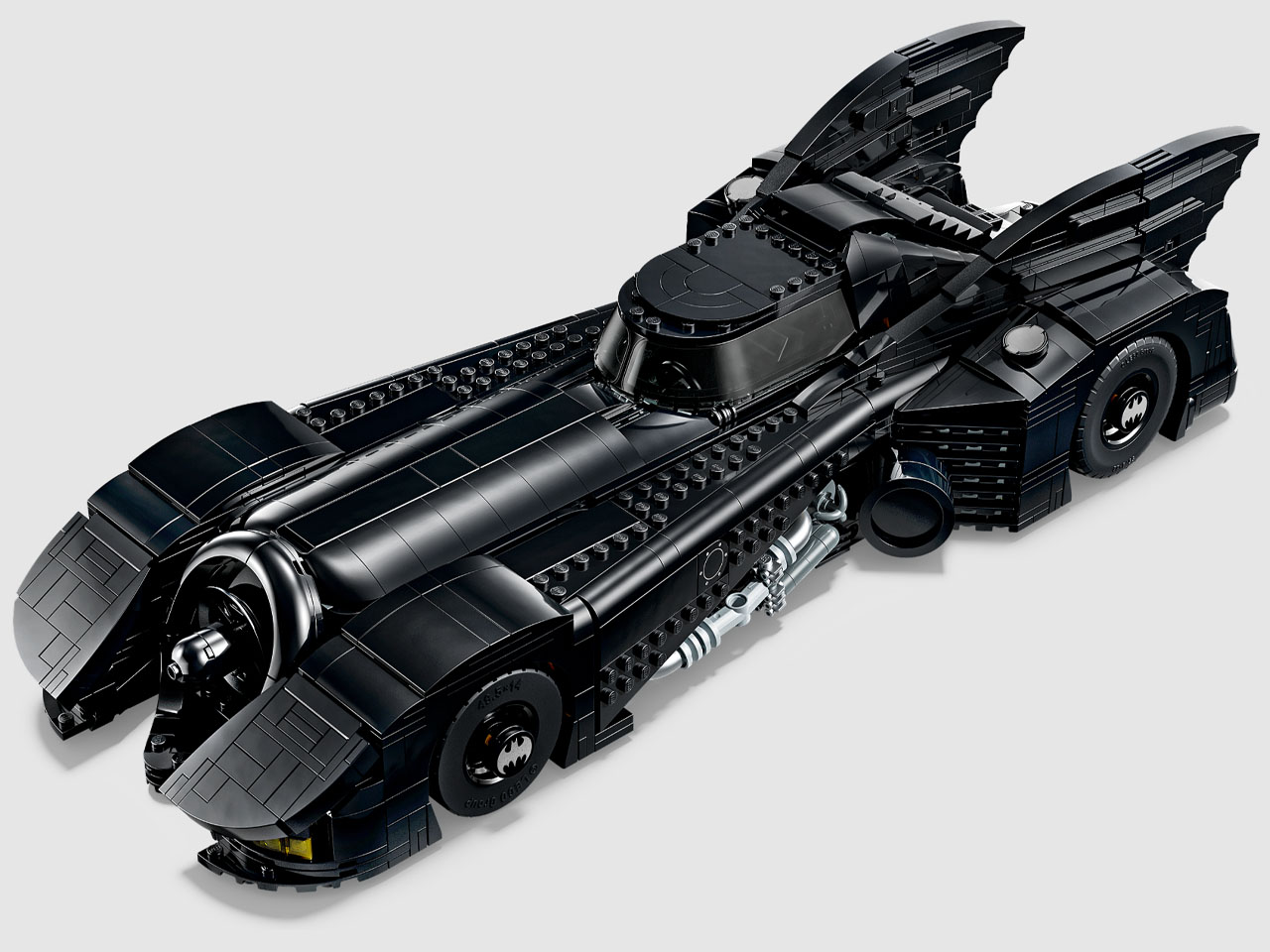
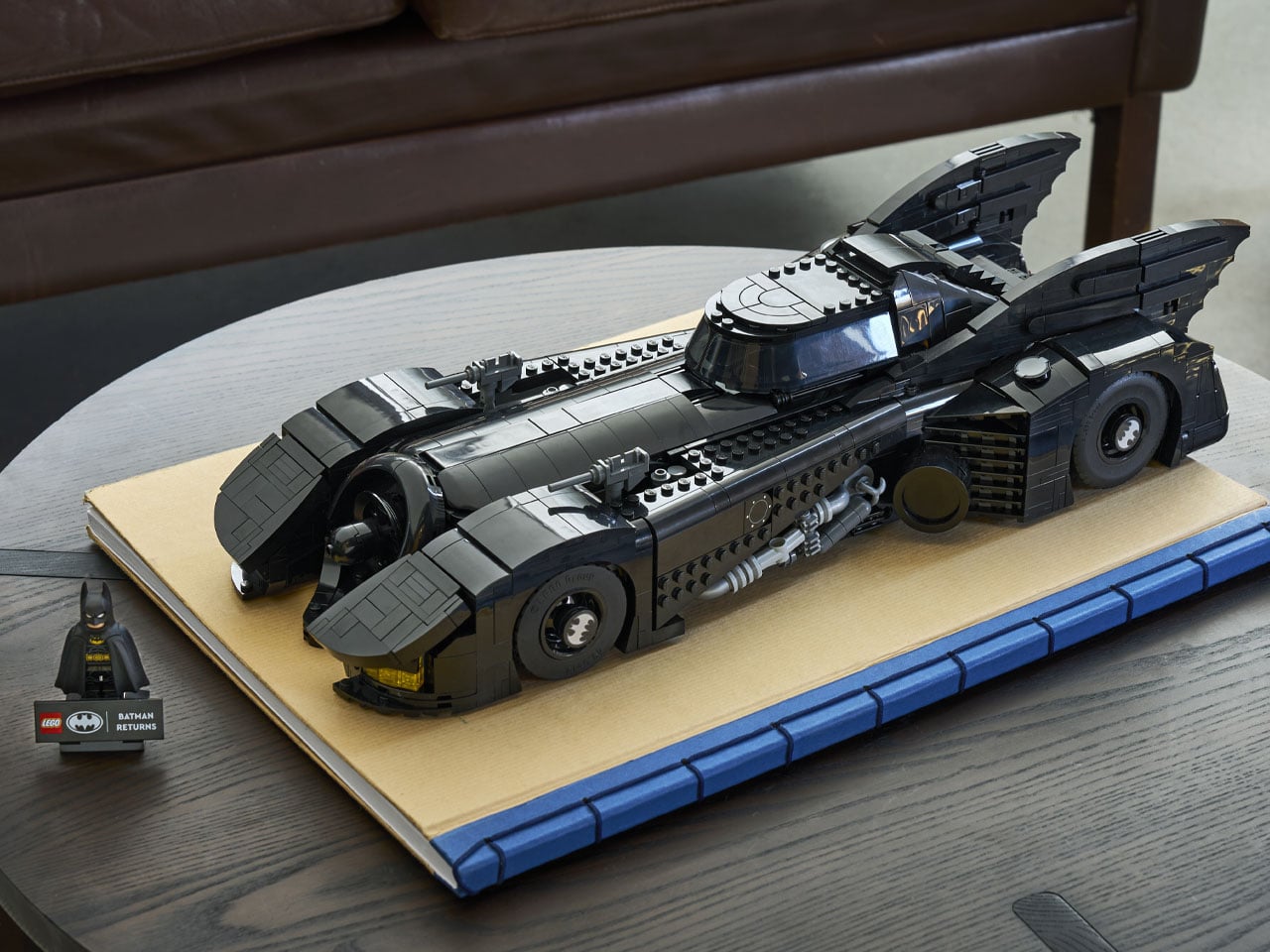
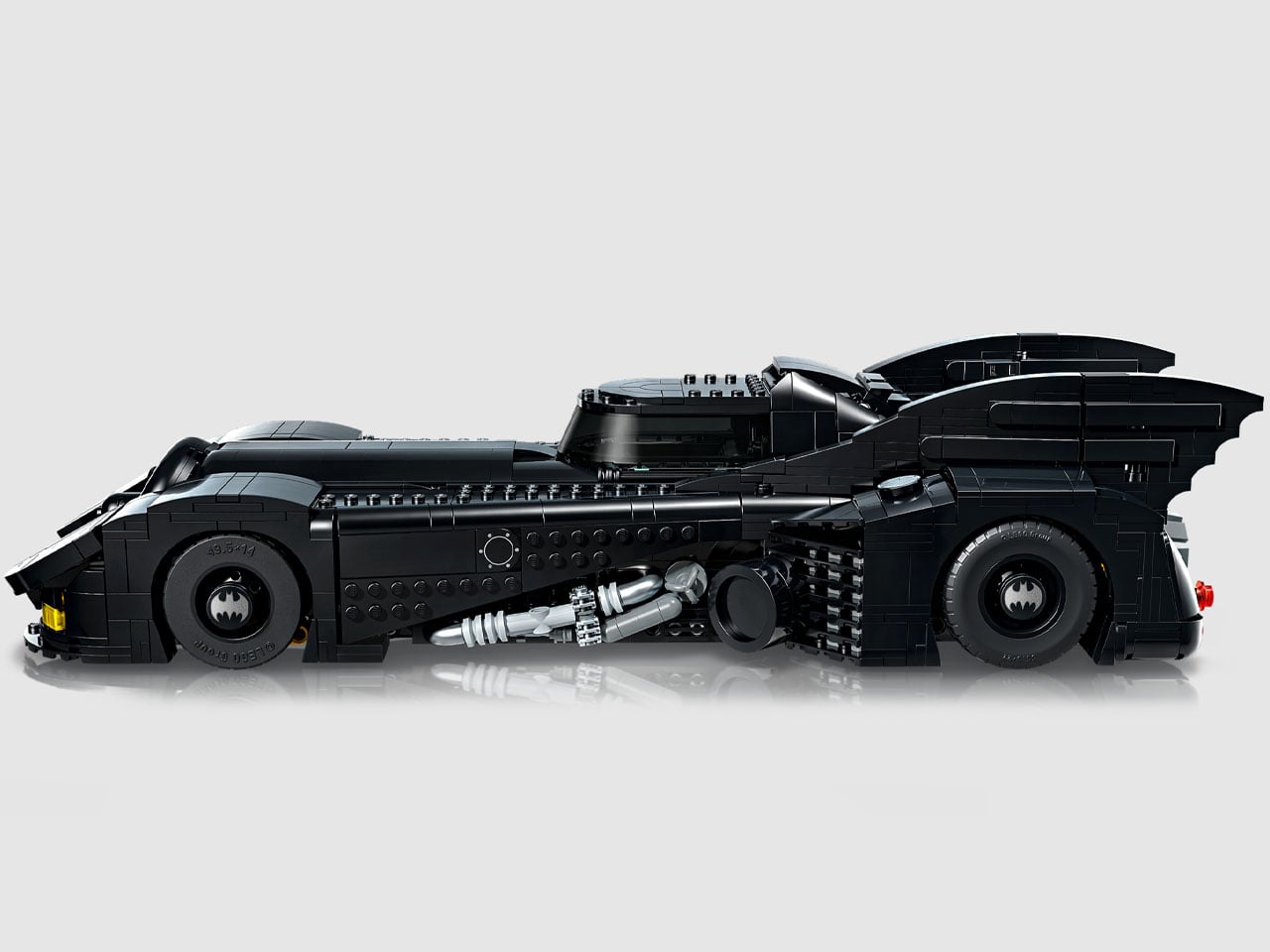
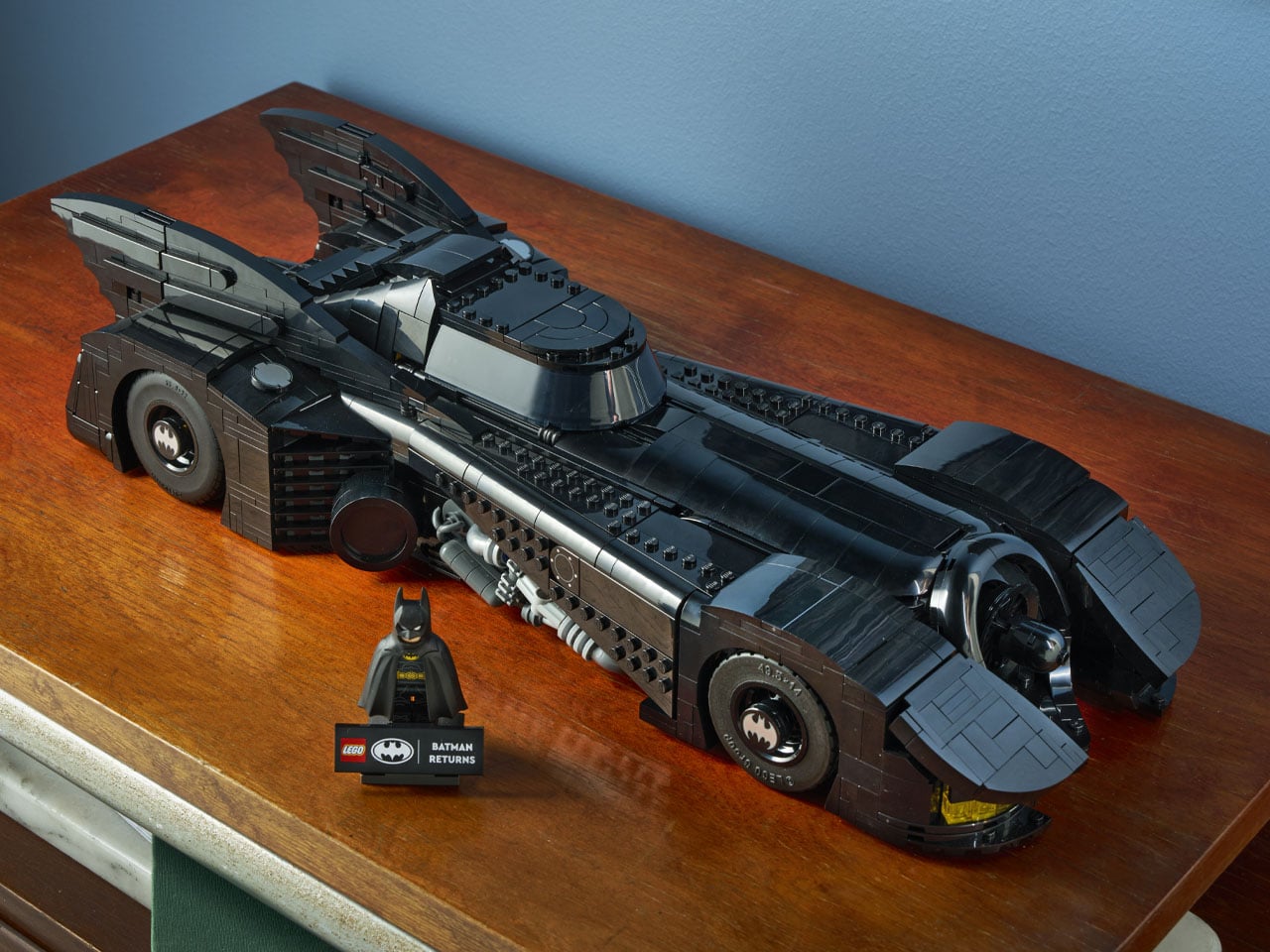
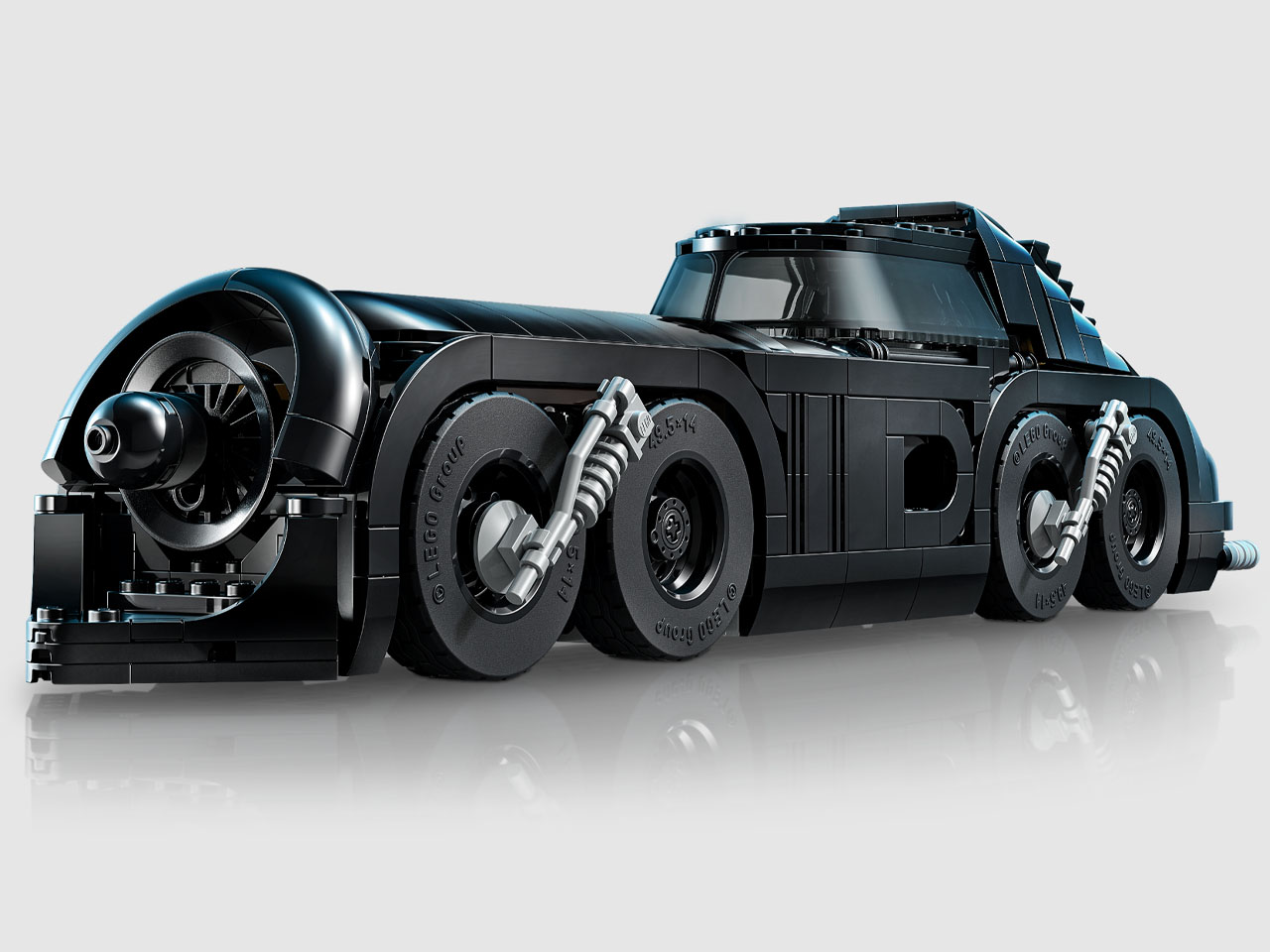
Batman LEGO sets are particularly popular among pop culture enthusiasts, whether they love the comic books or the movies. Throw in a Batmobile and it’s Christmas. While there have been many recreations of the Cape Crusader’s vehicle in brick form, Tim Burton’s 1992 sequel Batman Returns never saw its Batmobile turned into a set until now.
LEGO has given a brick makeover to 1966 TV show’s vehicle in a 1,822-piece scaled-down replica and the more recent LEGO Technic Batmobile from Robert Pattinson’s The Batman. There is even a fan-created LEGO Batmobile with hyper-realistic details. Adding to this fleet, the new 2,269-piece LEGO DC Batman set recreates the Batmobile from Batman Returns for the first time in LEGO brick form, set to release in September.
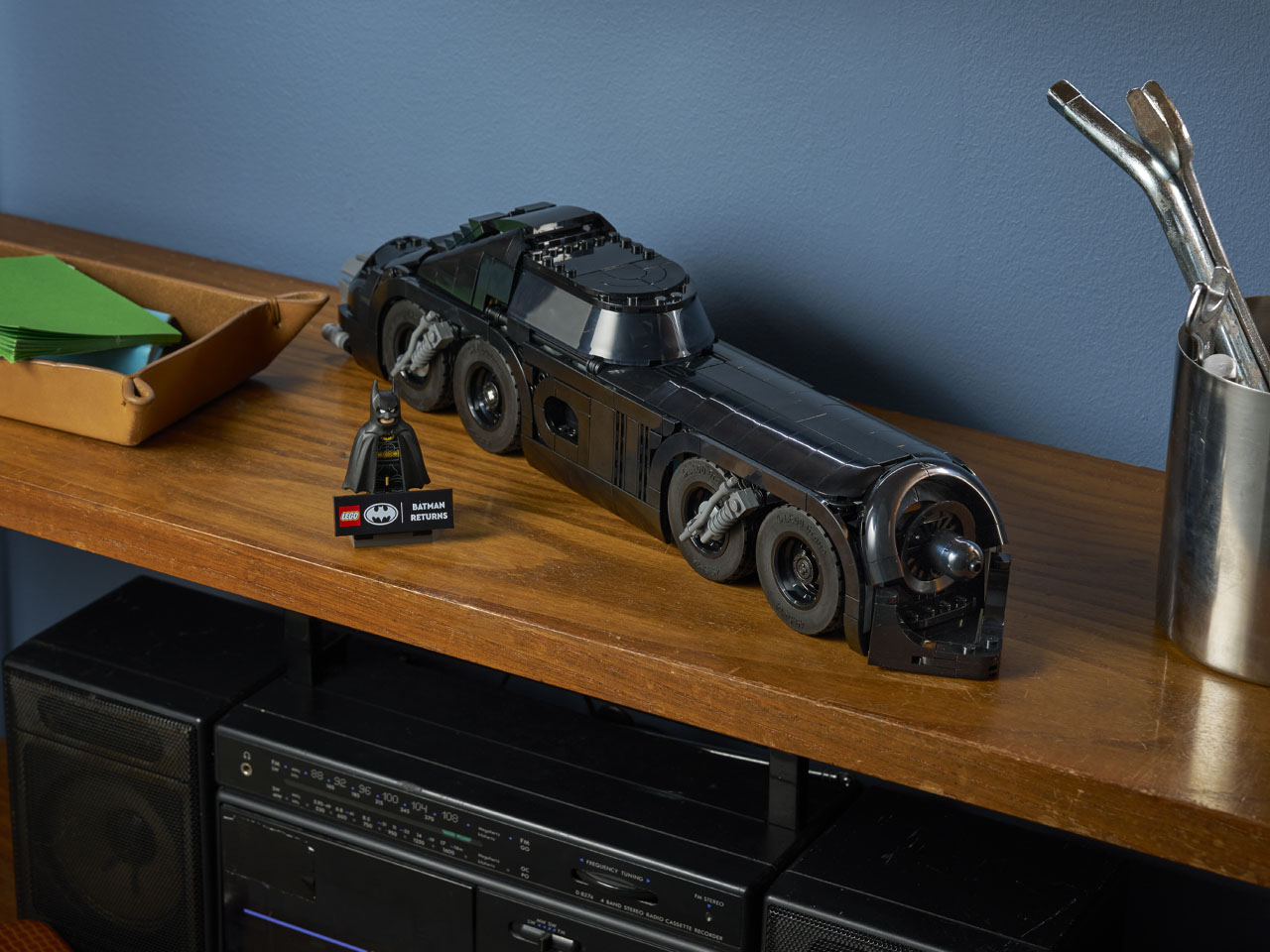
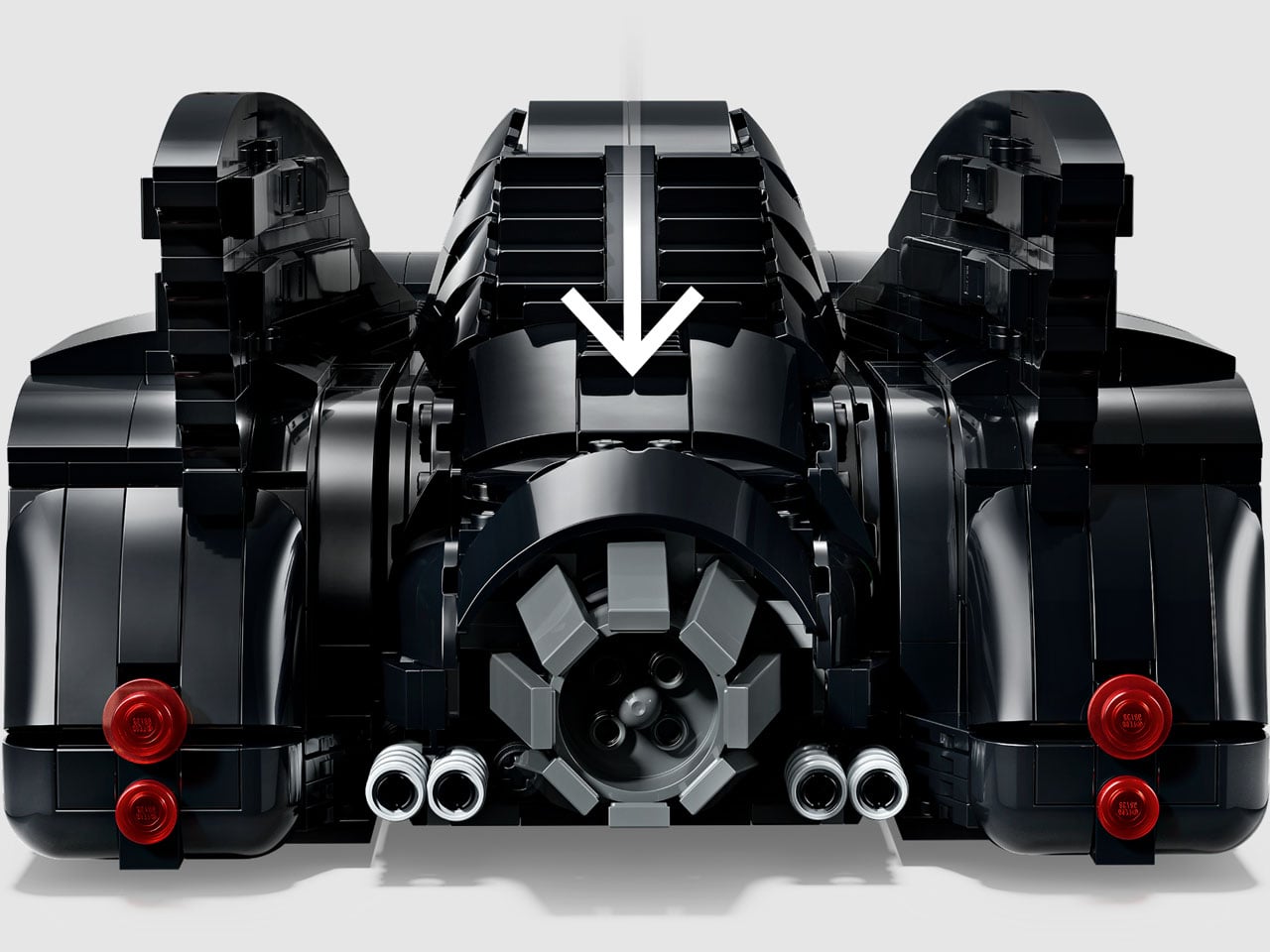
Inspired by Michael Keaton’s legendary 1992 film Batman Returns, the new LEGO brick set channels the sleek profile, meticulous details, and innovative transformation function and hidden references from the film. The model celebrates one of cinema’s most recognizable superhero rides. Once put together, the brick set takes an elongated form, similar to the one in the movie, with jet turbine rear engine, an opening canopy, and a detailed cockpit. Each intricate detail is inspired by memorable moments from the movie; it even includes The Penguin’s tracking device. When you are done building, you can rid Gotham City of crime all on your own.
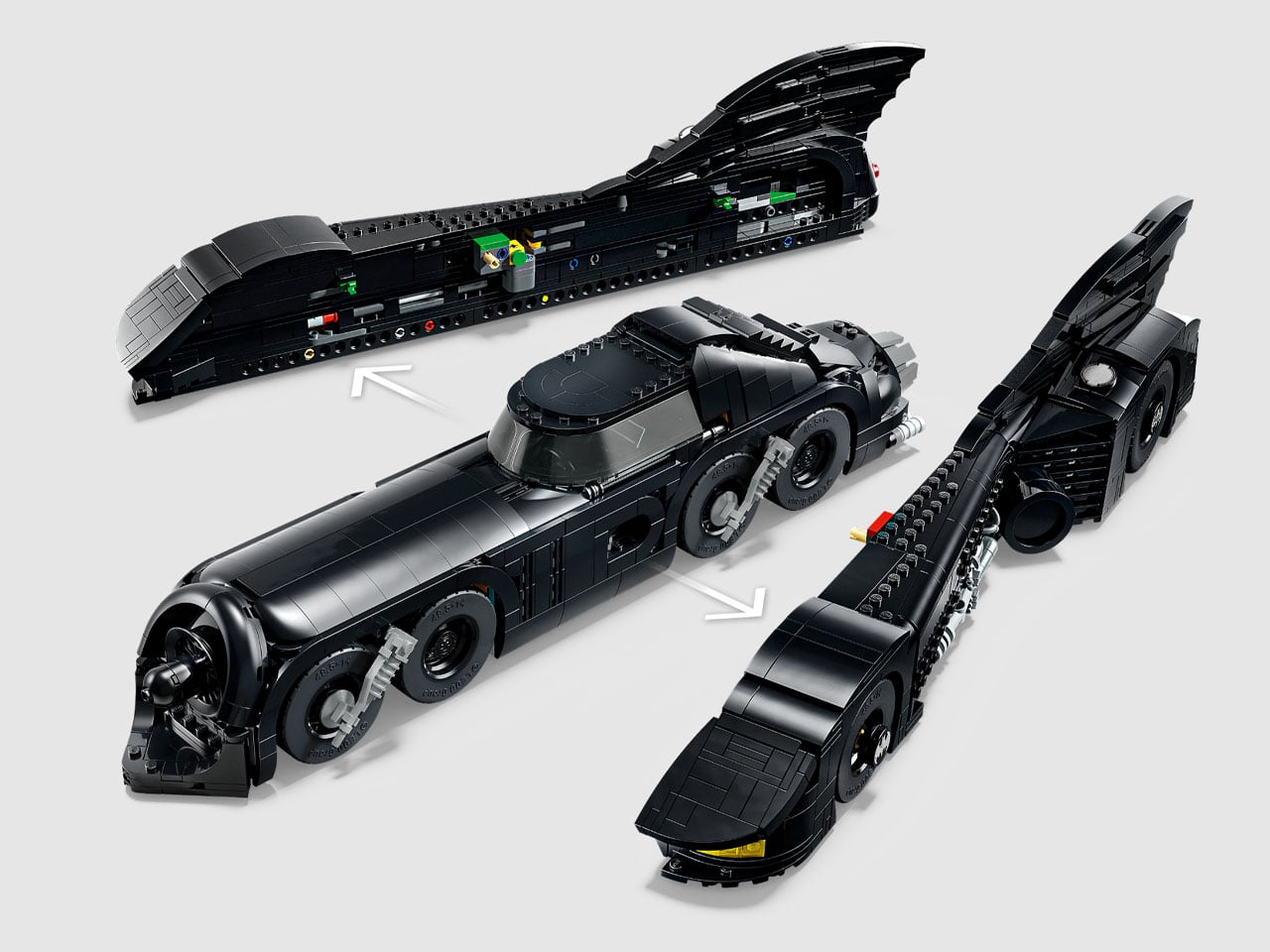
You can slide open the canopy to peek inside. The intricate replica has a detailed cockpit, complete with a steering wheel and control panels to help the morally gray vigilante in a night of crime-fighting. While every detail is appreciated, what catches the attention most is the transformation feature. For the first time in a LEGO Batmobile, you can press a button to release the vehicle’s side panels to reveal an even sleeker Batmissile escape vehicle hidden within. This particular feature calls back to the on-screen sequence when The Penguin takes over the control of the Batmobile with Batman inside and sets out to destruction. To escape capture, Batman rips out wires from within and releases the side panels to slip through a narrow alleyway.
There is an innovative lift-arm mechanism recreating the dramatic transformation from the movie, letting you display the model as either the Batmobile or the Batmissile. This should also help you escape the plotting of villains as you fight crime in Gotham City. If you want to leave this task up to the Caped Crusader, LEGO has included a new Batman Minifigure with a newly molded cape and displayed on a dedicated stand with the Batman Returns logo. The striking Batmobile, probably the best LEGO build ever, measures over 4 inches high, 17 inches long, and 6.5 inches wide.
The LEGO DC Batman: Batman Returns Batmobile (76355) will be available on the LEGO Store, starting September 1 for LEGO Insiders and September 4 for everyone else. If you want to get this iconic set for yourself or for a DC fan, it will cost $300.
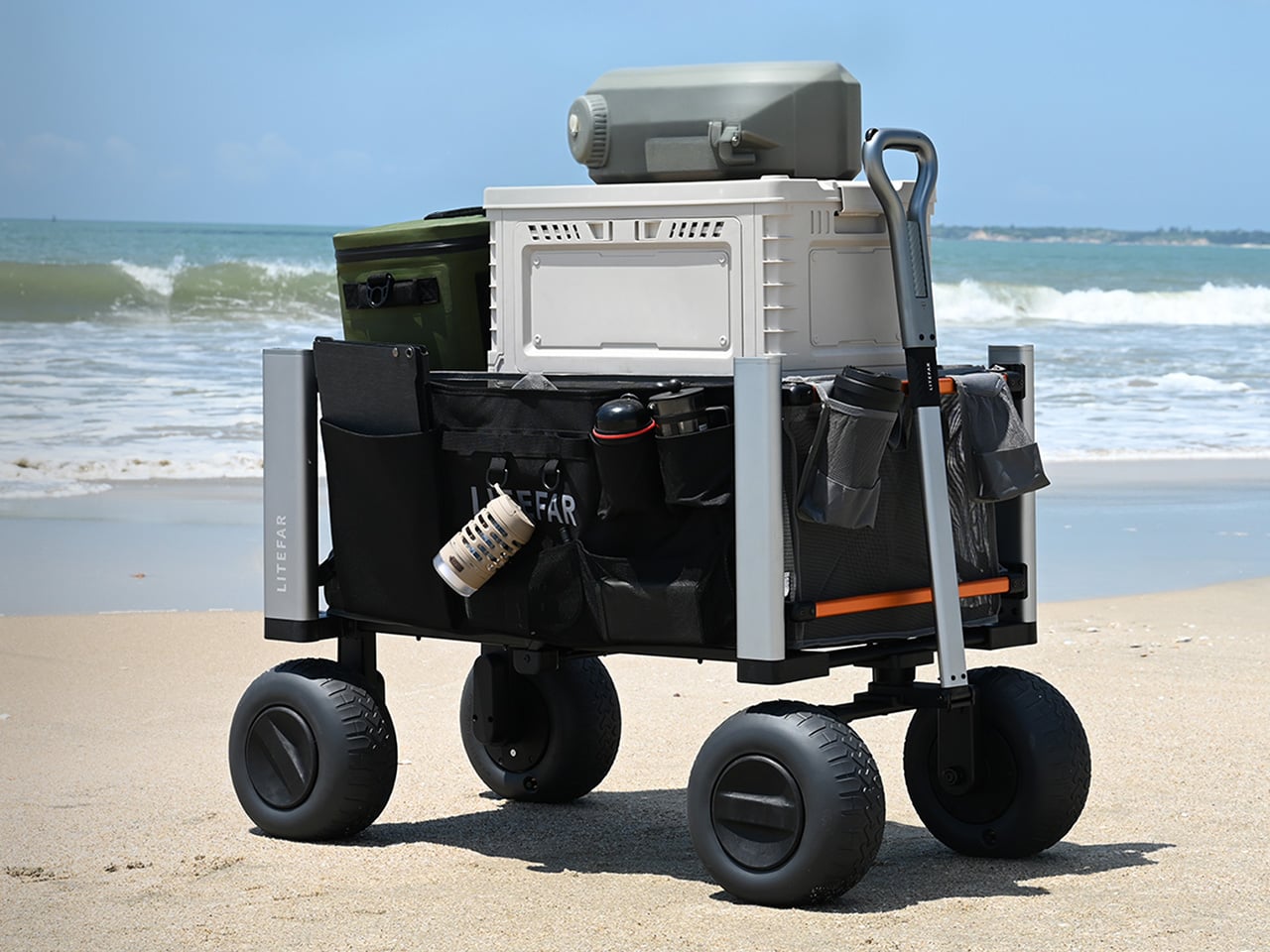
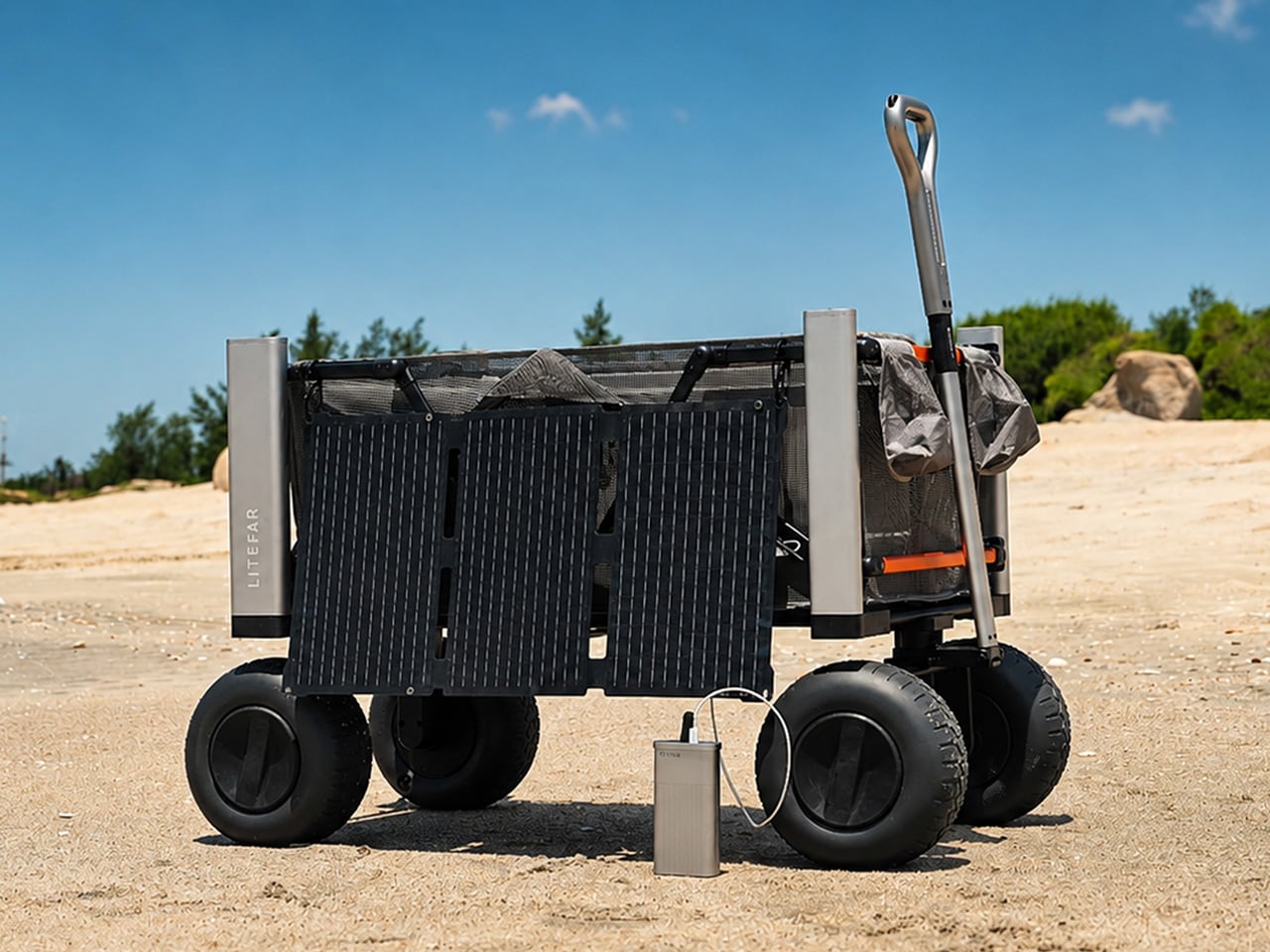
The walk from the car to the shoreline is, depending on your beach setup, a mild inconvenience or an actual workout. You’ve got the cooler, the chairs, the umbrella, the bags, the kids, more bags, a fishing rod you almost forgot, and at least one child who stopped walking because they spotted a crab. Standard wagons help, up until the pavement runs out and soft sand begins, at which point the wagon becomes dead weight with wheels. The sand wins every time. LITEFAR’s B1 Beach Edition is a direct answer to that exact moment, a foldable electric wagon built specifically for the terrain where ordinary carts tap out.
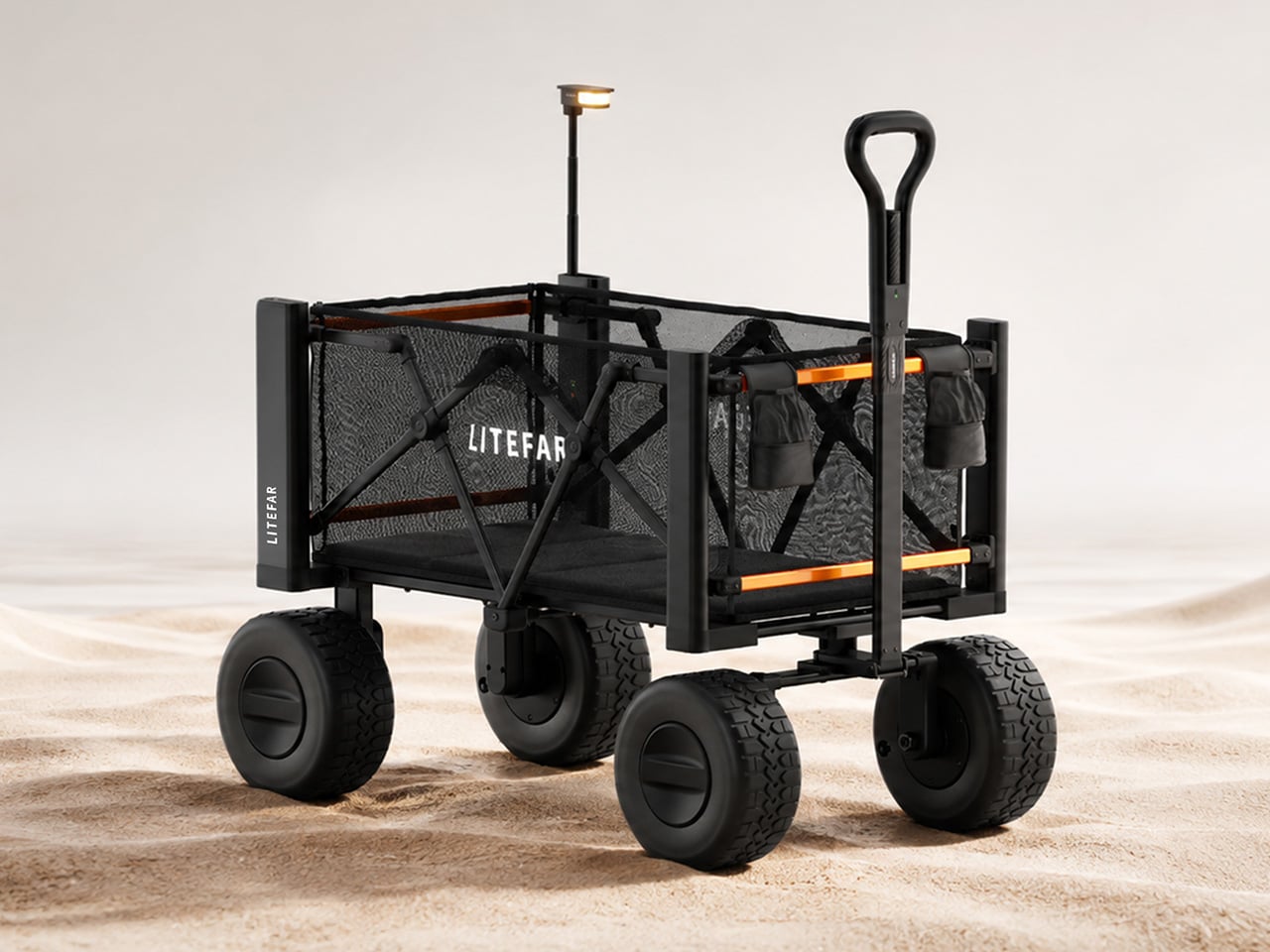
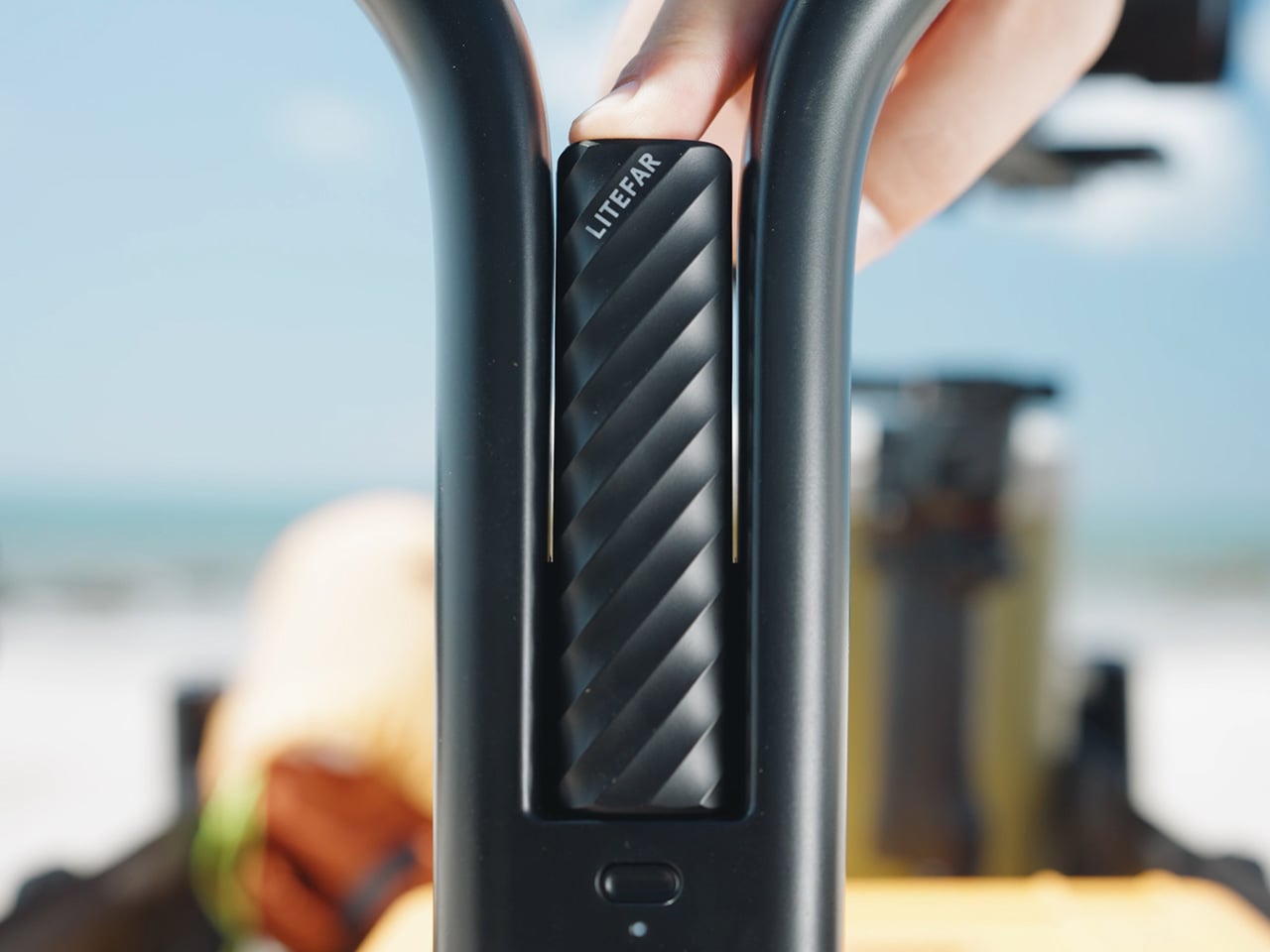
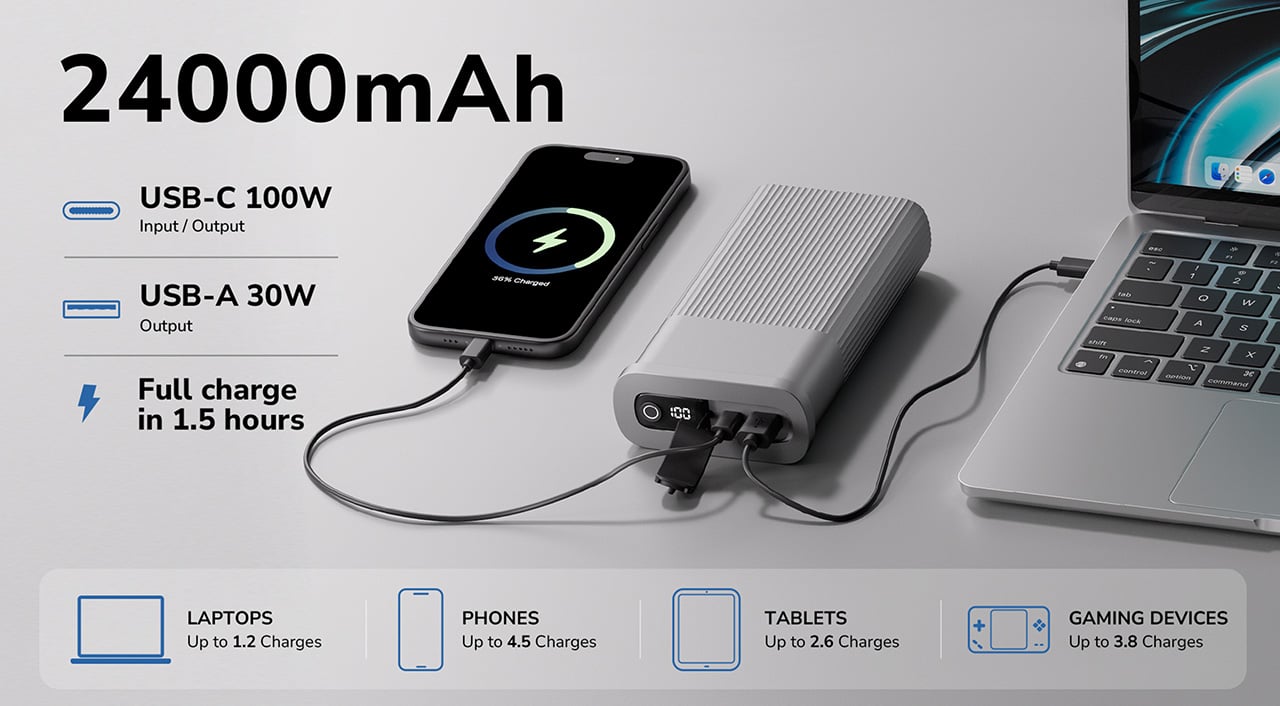
LITEFAR has been building smart electric wagons for a few years now, starting with the remote-controlled Orion and the handle-assisted H1, and the B1 is the most beach-specific product the brand has made. Dual 600W brushless hub motors sit inside the rear wheels, wide 10-inch low-pressure balloon tires keep the load from sinking into soft sand, and the cargo bed handles up to 220 lbs across 150 liters of space. The removable 24,000mAh A24 battery powers the drive system and doubles as a 100W USB-C power bank for phones, cameras, and laptops. A modular accessory system, a telescopic light, three control modes, and a swappable wheel system for off-beach terrain round out the package. It starts at $599, with global shipping expected between October and November 2026.
The design intelligence starts with weight distribution, not wattage. Narrow wheels concentrate load into a small contact patch, sand gives way, and traction disappears. B1’s 10-inch low-pressure balloon tires spread the load across a wider footprint, keeping the wagon on top rather than cutting through. The dual 600W brushless hub motors are mounted directly inside the rear wheels, with no exposed drivetrain or chain for sand to clog, and push forward with up to 36 N·m of torque once the tires have already won the flotation battle. It’s a tidy design sequence: solve the physics problem first, then add power.
B1 runs on three control modes. The smart handle responds to your movement and applies motor assist as you walk, preserving the feel of guiding a wagon while removing most of the effort. Cruise control lets you set a steady speed and keep moving without constant pulling, useful for longer beach walks with a full load. The LITEFAR app handles settings, battery status, and OTA firmware updates remotely. Cruise control is the sleeper feature here, the kind of thing that sounds minor until you’ve dragged 150 lbs of gear across 400 feet of loose sand and your arms give up before the water is even visible.
An optional remote controller takes things one step further, and on a wide-open beach with few obstacles, it is genuinely a little ridiculous how easy the whole operation becomes. Send the loaded wagon ahead of you, guide it alongside while you carry the board, or just let it roll while you keep both hands free for literally anything else. There is no wrestling with the handle, no leaning forward into the weight, just a loaded cart moving across soft sand while you walk next to it unbothered. Adults will appreciate the practicality of it pretty quickly. Kids will see it and immediately want a turn, which is either a bonus or a problem depending on how protective you are about your cargo.
The 6063 aluminum frame folds flat into pickups and larger SUVs without needing a trailer or roof rack. Unfolded, it delivers 150 liters of cargo volume and a dynamic load capacity of 220 lbs, with a static capacity of 440 lbs as a stationary platform. Teslin mesh fabric lines the bed, tough and easy to rinse down after a day in the sand. The rear section opens outward for longer items that don’t fit in a conventional cargo area, folded canopies, fishing rods, mats, and oversized gear. At 53 lbs and 40 by 24 by 21 inches folded, it’s real-world manageable.
Once B1 arrives at the shoreline, it transitions from hauler to base camp. The modular accessory system supports a tabletop for food and drinks, rod holders for surf fishing, a portable folding seat, umbrella support, and additional storage add-ons. Depending on who you are and what you brought, this becomes either a family beach station, a camera gear organizer, a fishing platform, or a powered outdoor workspace. Most motorized wagons stop being useful the moment they stop moving. This one keeps working after the walk is done, which is the design detail that genuinely sticks with me.
The 24,000mAh A24 battery is removable and does double duty. Pull it from the wagon at the beach and it functions as a standalone power bank, with a 100W USB-C input/output port and 30W USB-A output covering phones, laptops, cameras, and drone controllers. It fully recharges in 1.5 hours and is swappable in seconds if you bring a spare. An optional 50W solar panel adds off-grid flexibility for camping and fishing trips. B1 also includes a telescopic light that rises above the wagon frame, useful for sunset fishing setups and the walk back when the beach day runs longer than expected.
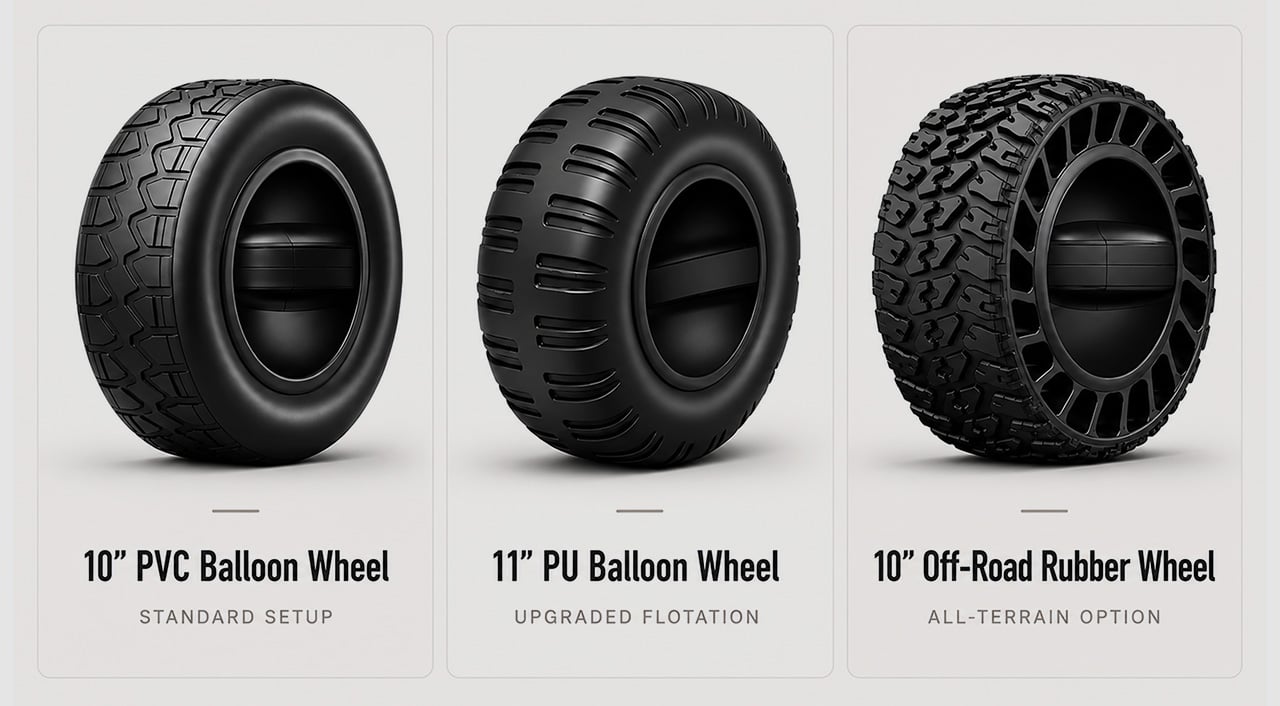
The standard 10-inch PVC balloon tires cover soft sand, but the wheel system is removable and upgradeable. Optional 11.5-inch PU balloon tires offer more cushioned flotation for heavy beach days, while 10-inch airless honeycomb rubber tires handle off-road trails, gravel, and campsites where puncture resistance matters more than flotation. All three share the same hub interface for fast, tool-free swaps, making B1 genuinely multi-season rather than a summer-only commitment. The LITEFAR B1 Beach Edition starts at $599 against an MSRP of $999, with wheel upgrades, the optional 50W solar panel, and modular accessories available separately. A non-motored version is available for $299 too. Global shipping is scheduled for November 2026.
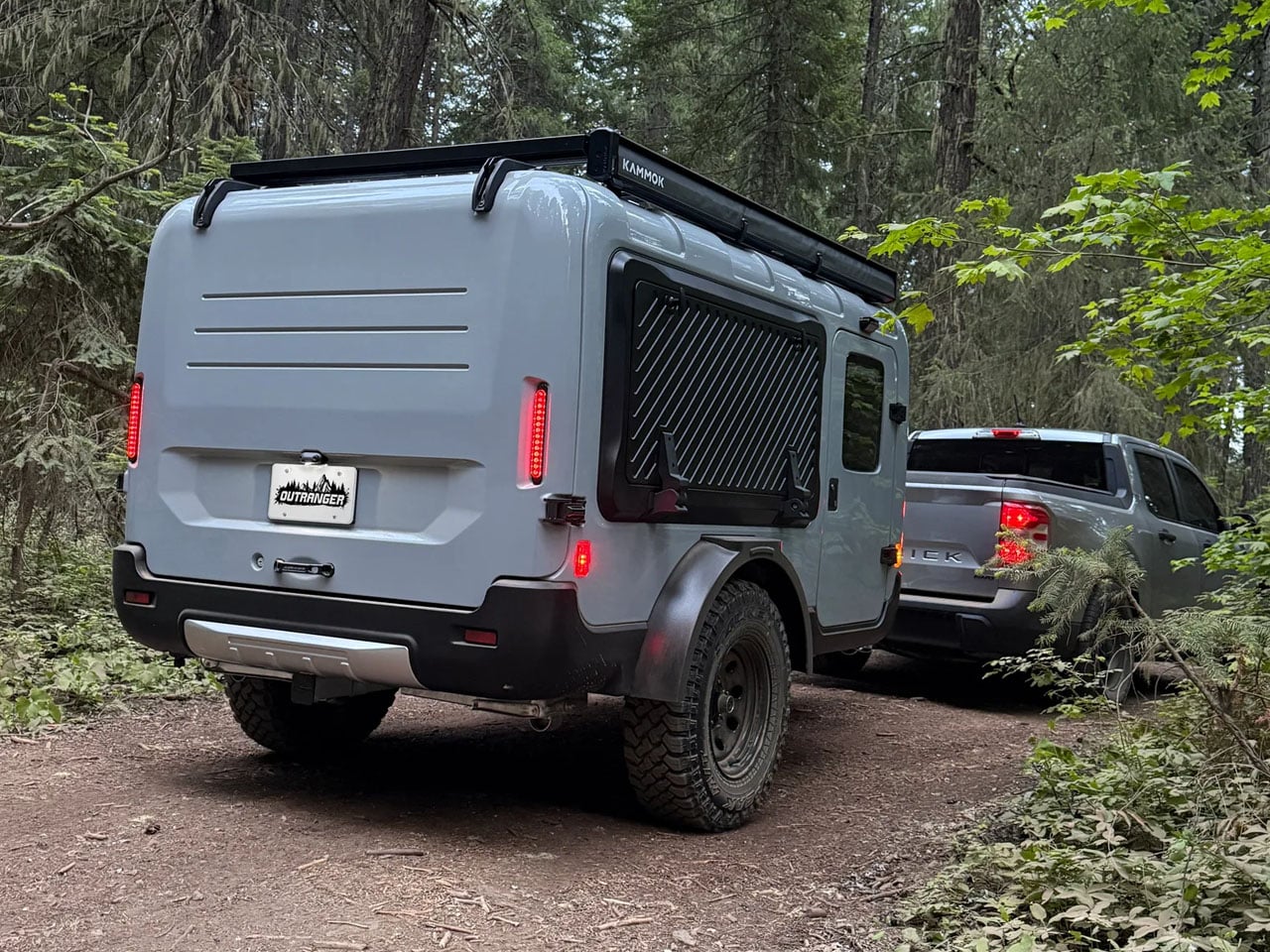
Camping has a way of making us rethink how much we actually need. A tent can be wonderfully simple, but inclement weather, uneven ground, and the lack of a comfortable place to sleep can quickly make the romance of sleeping outdoors wear thin. Larger RVs solve those problems, but they also bring more complexity and restrictions to the journey. The Motsmann Outranger is different, as it packs the essentials for a comfortable two-person escape into a compact trailer that can venture well beyond paved roads.
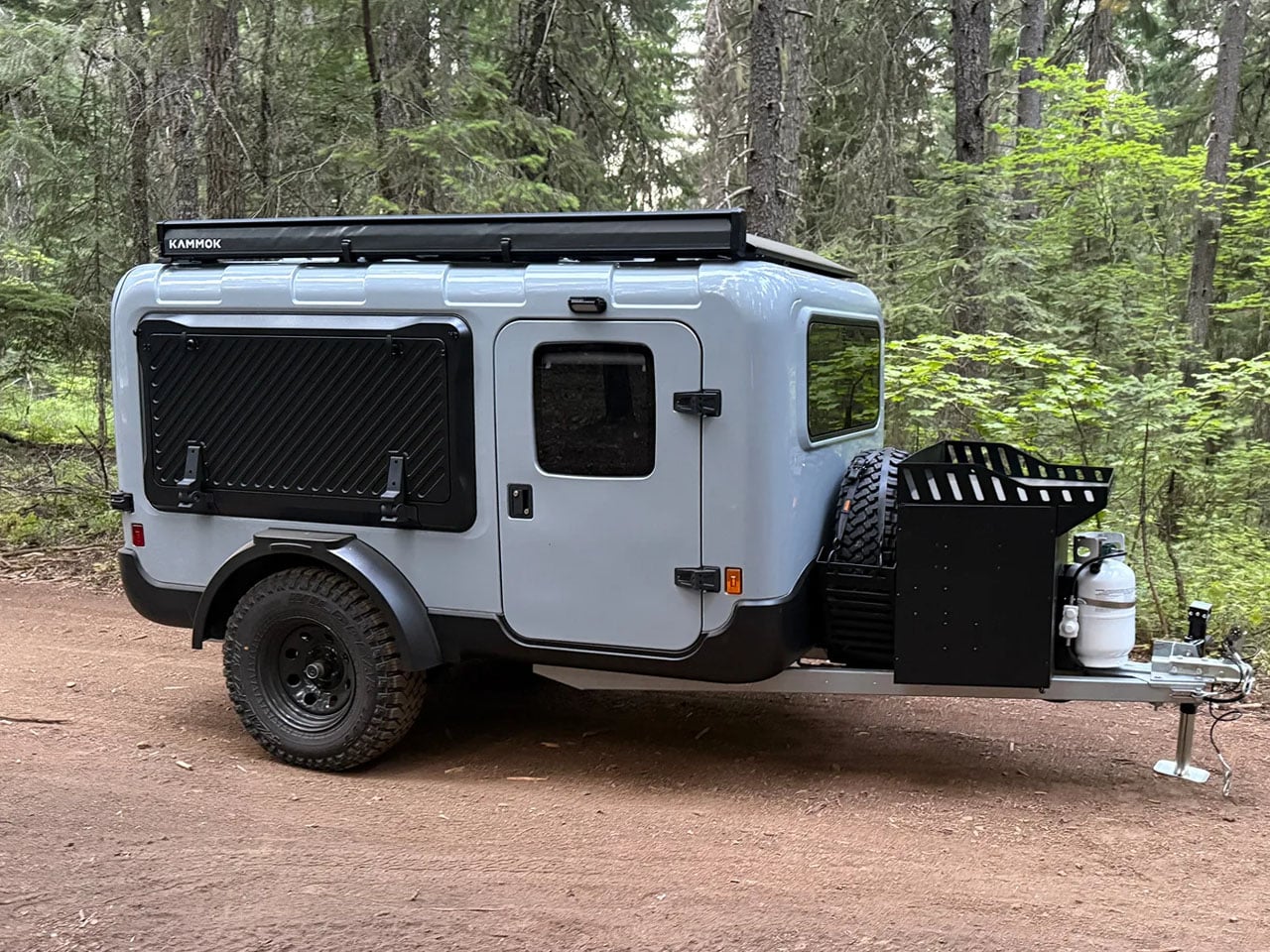
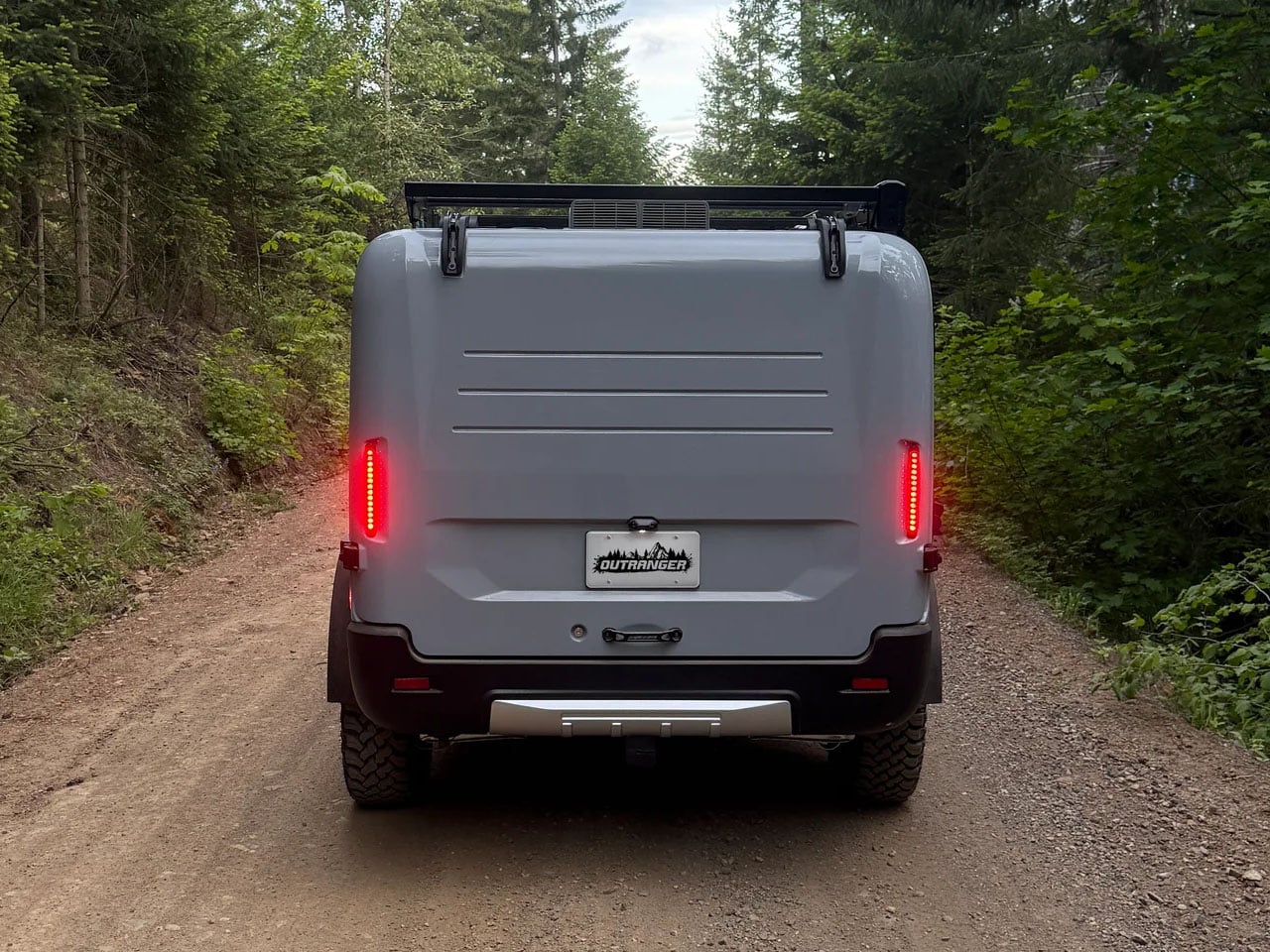
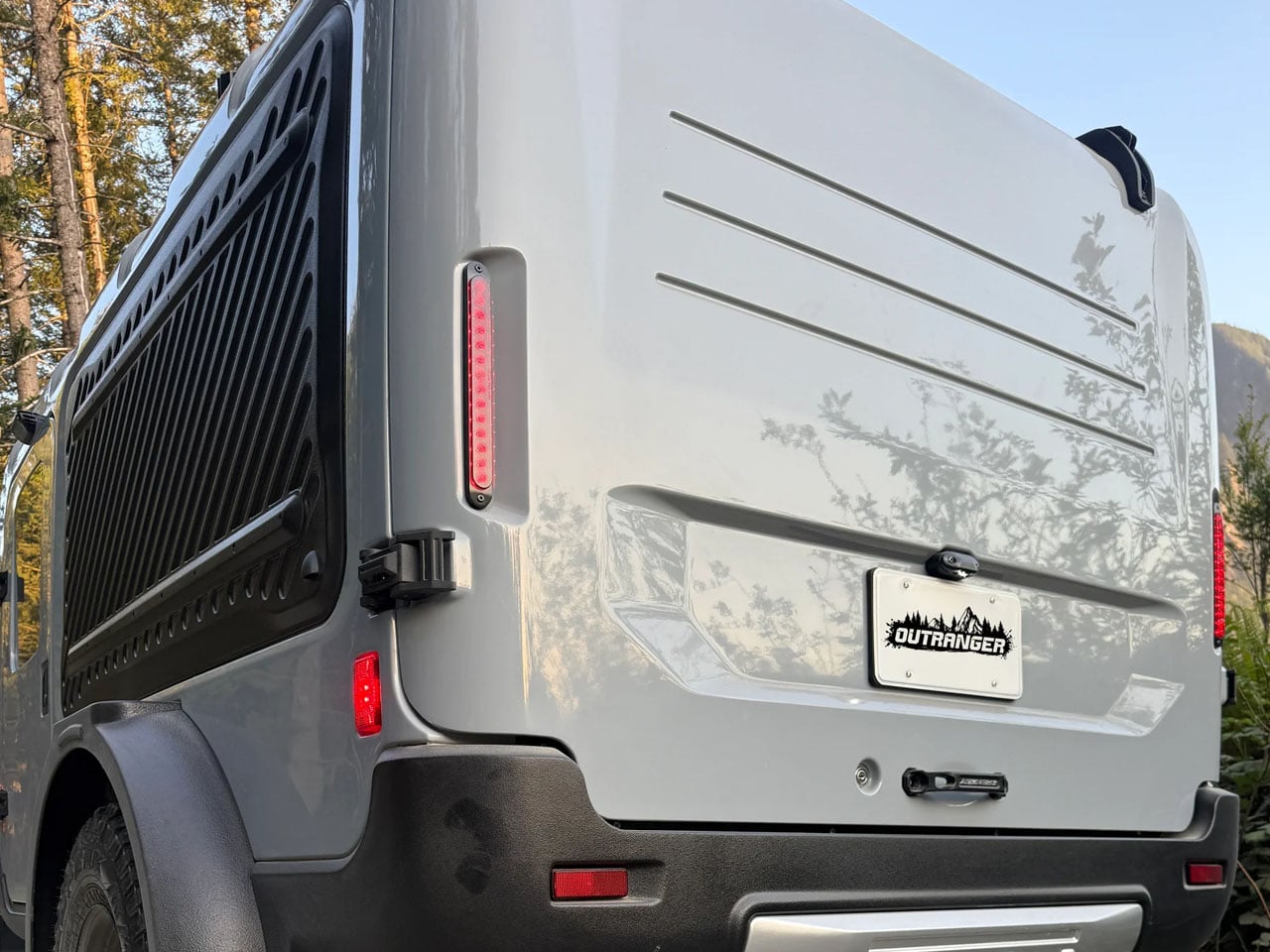
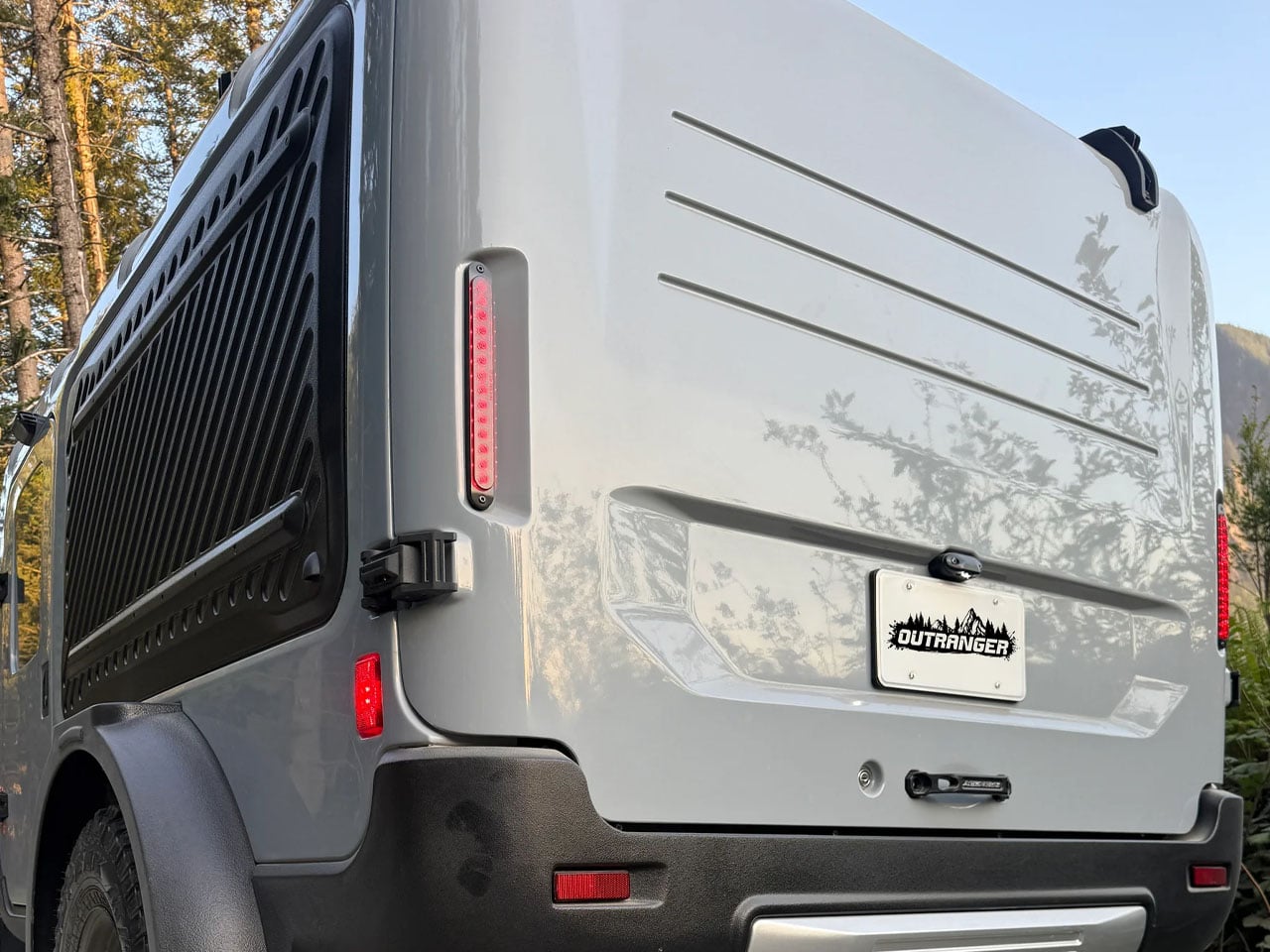
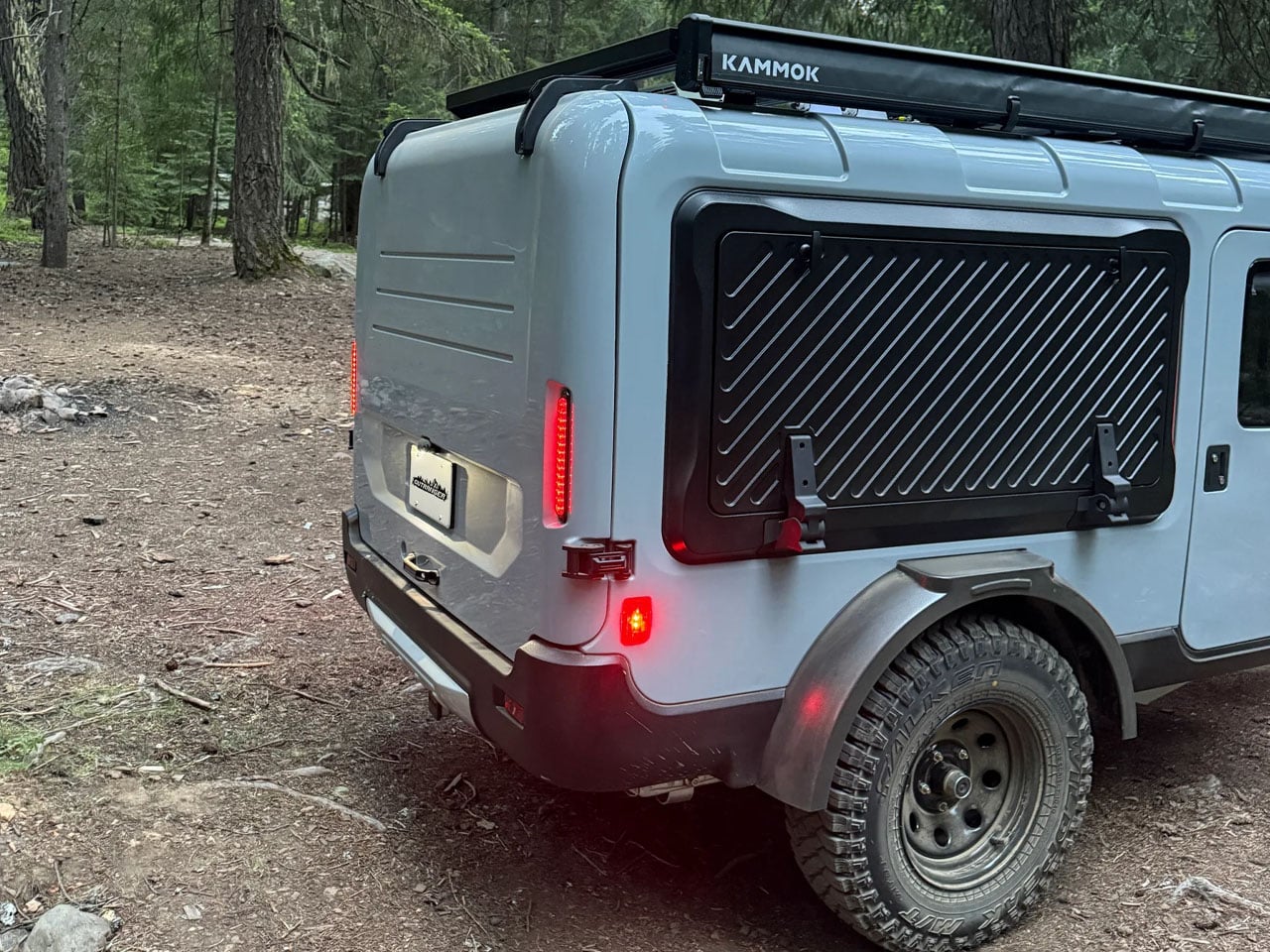
At first glance, the Outranger looks like an unusually squared-off interpretation of the classic teardrop trailers. That shape is deliberate, though, as Oregon-based Motsmann Engineering combines the compact footprint of a teardrop with the more upright proportions of a squaredrop, then wraps it in a molded composite body. The result is a camper trailer that feels familiar yet distinctly modern, with smooth exterior surfaces and a slightly automotive character. Measuring 13.5 feet from hitch to rear bumper, the Outranger is small enough to remain manageable behind a pickup, SUV, 4×4, or crossover. It weighs 1,450 pounds dry in the base configuration, making the relatively low weight one of its biggest advantages for off-grid travel.
Motsmann has also taken an unusually durable approach to construction, with the body assembled from six molded composite structural panels rather than traditional wood-based construction. Beneath the rig sits a bolted, fully galvanized 3-mm steel chassis. The bolted frame is intended to make repairs and future upgrades easier, while the absence of wood throughout the camper eliminates concerns about swelling and warping from moisture. The lower body receives a Raptor polyurethane coating for additional protection. Underneath, a Timbren 2000 HD independent suspension and 15-inch wheels wrapped in 30-inch Falken Wildpeak tires give the little trailer considerably more confidence away from smooth roads. It is still a compact camper rather than a full-size expedition rig, but its proportions and hardware are clearly designed with rougher terrain in mind.
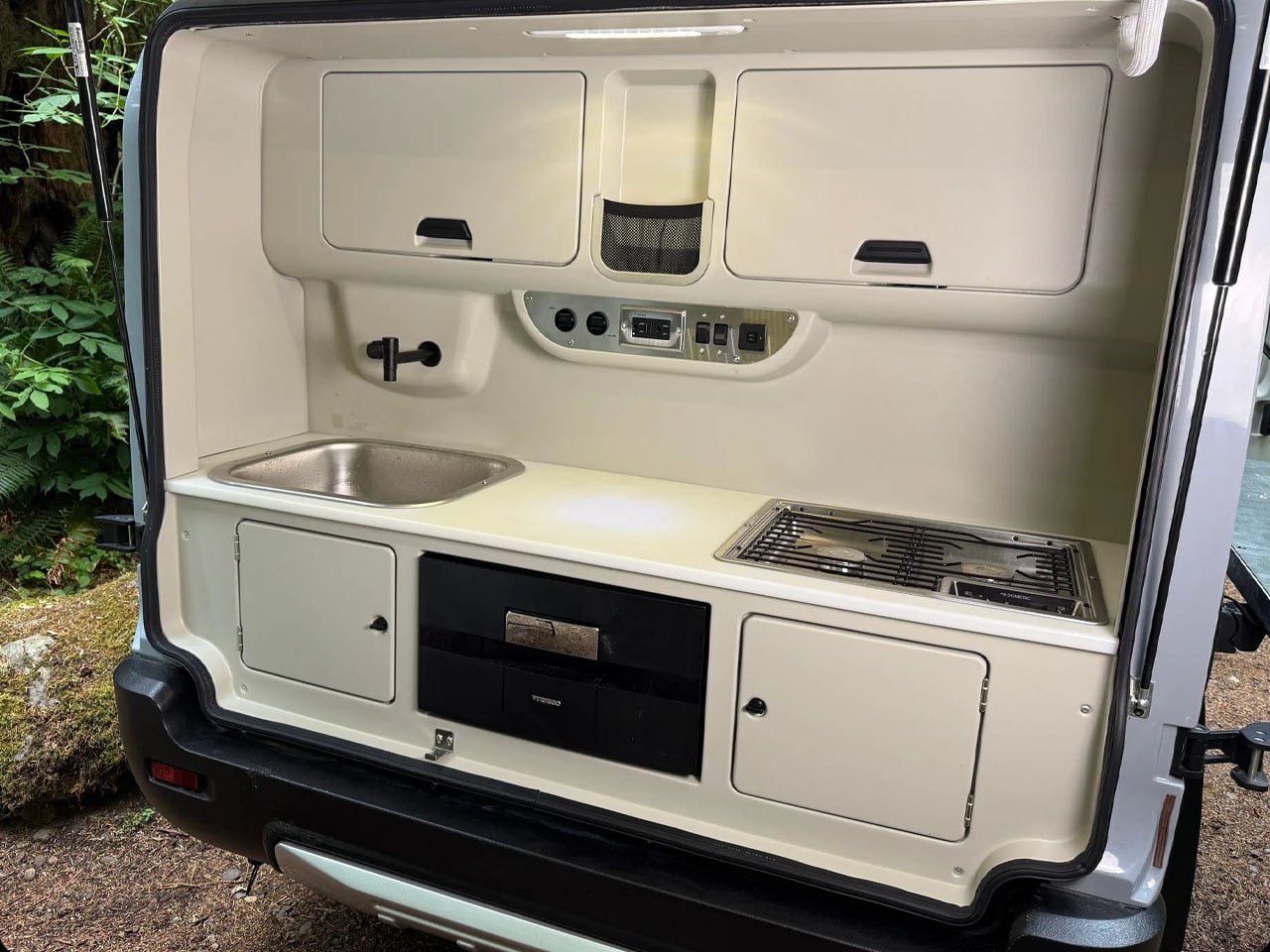
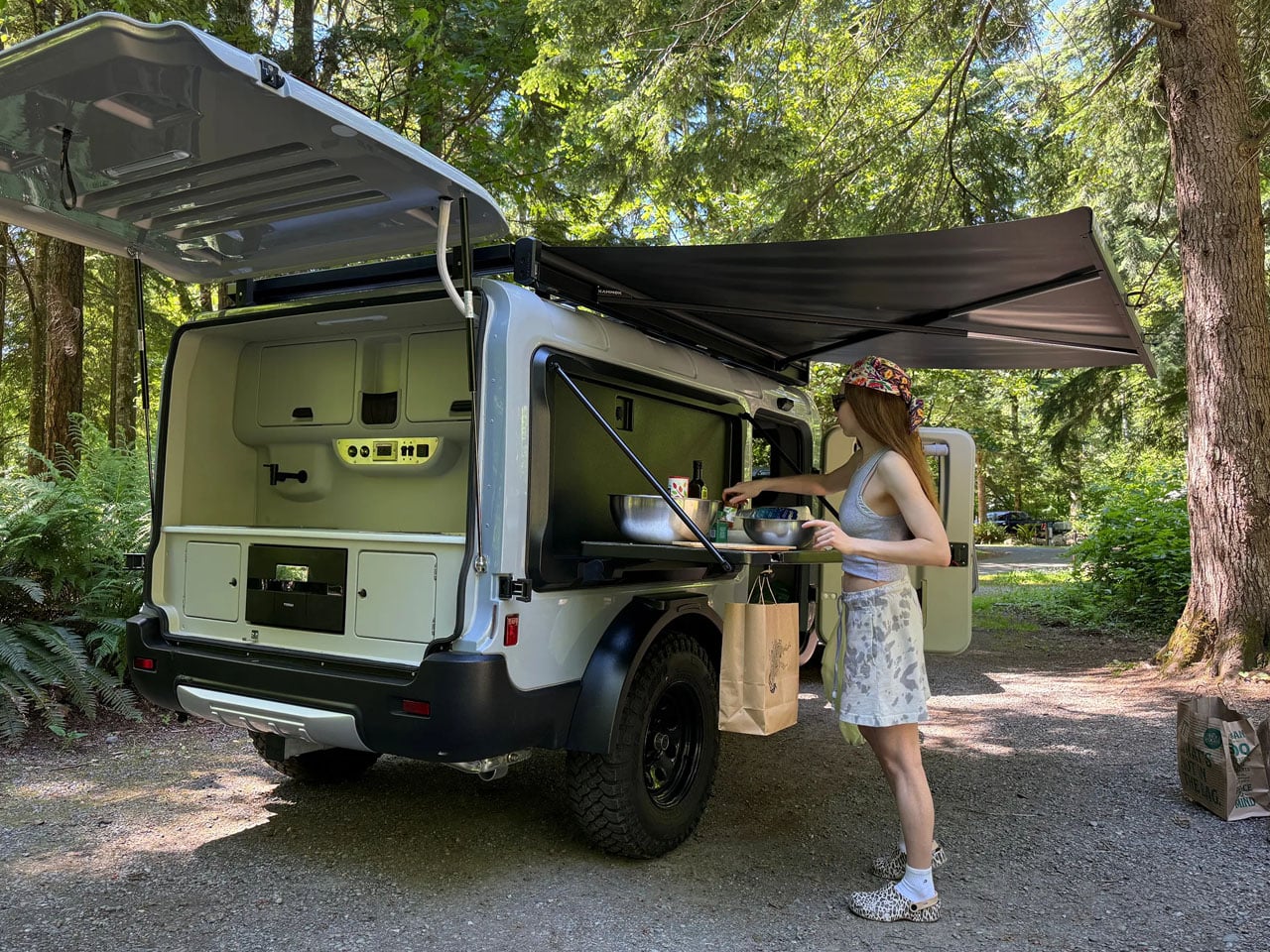
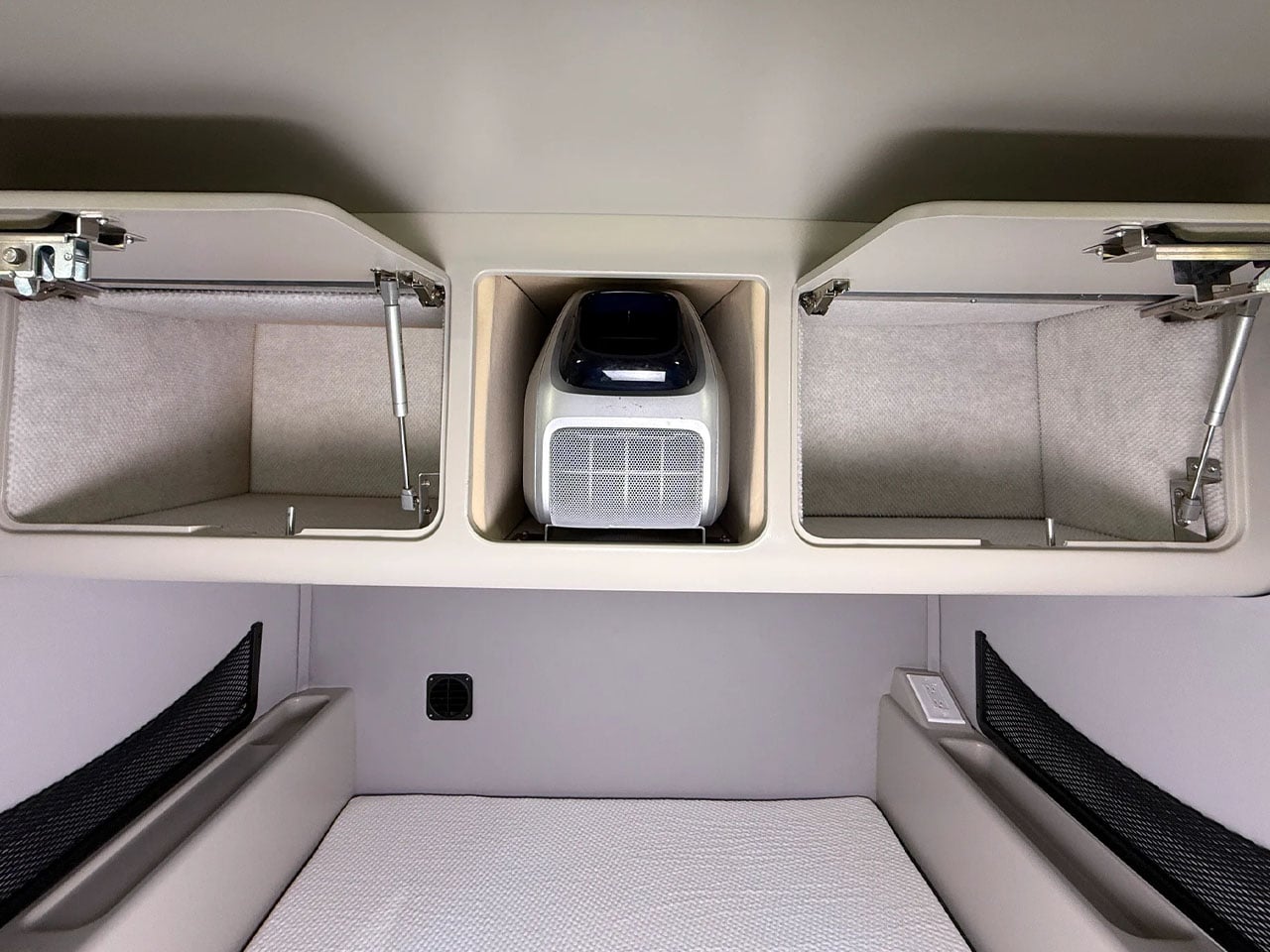
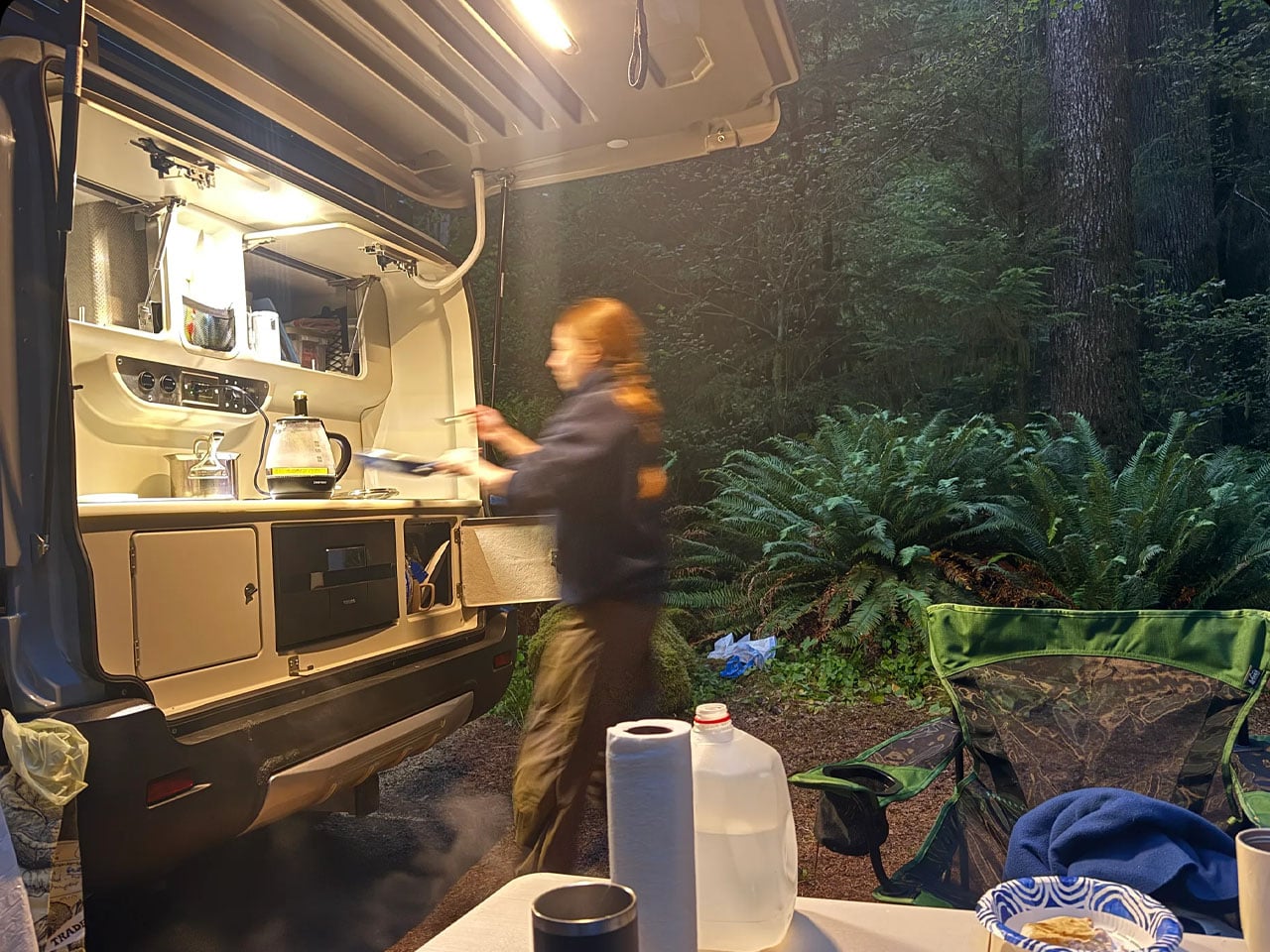
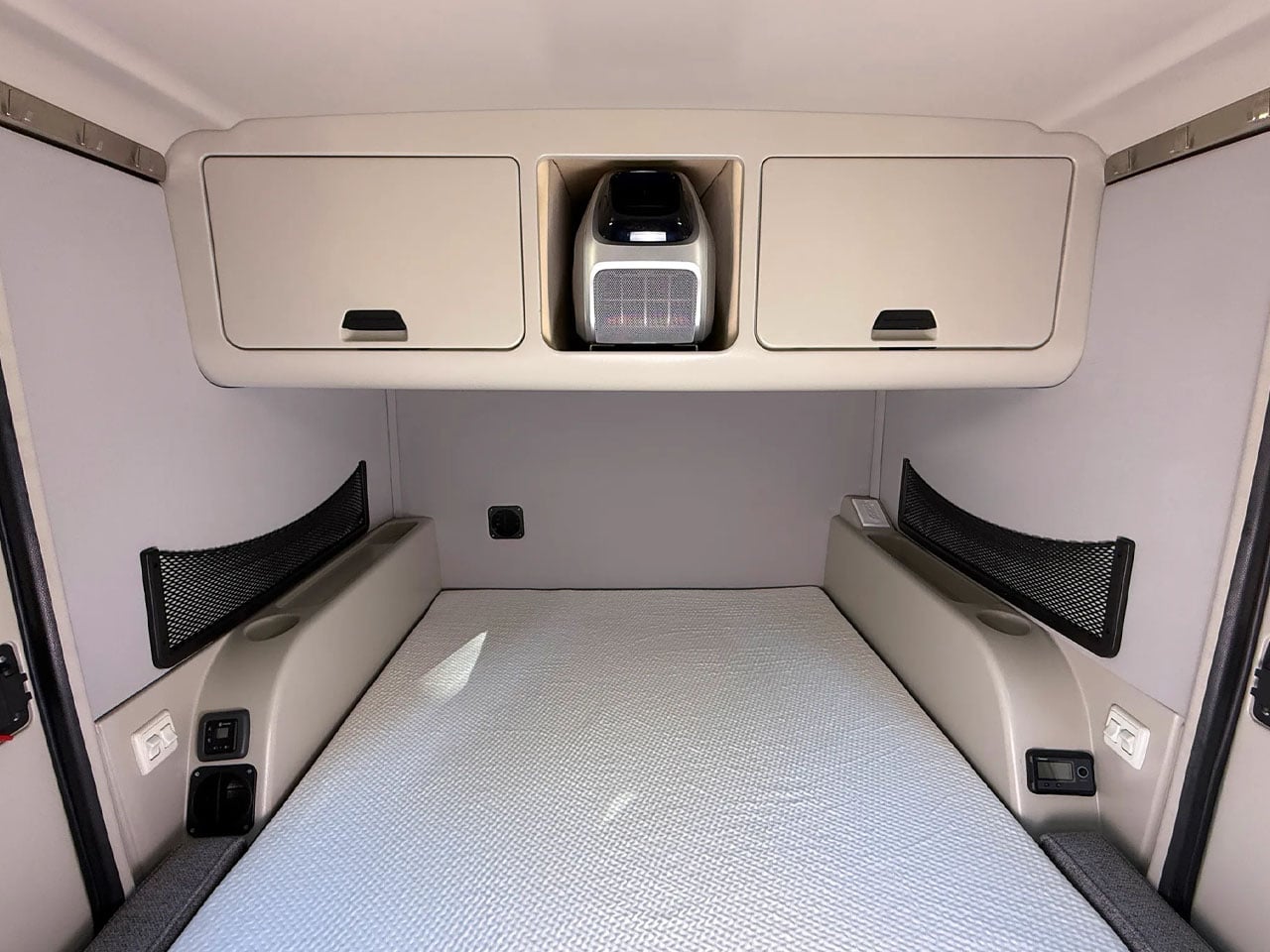
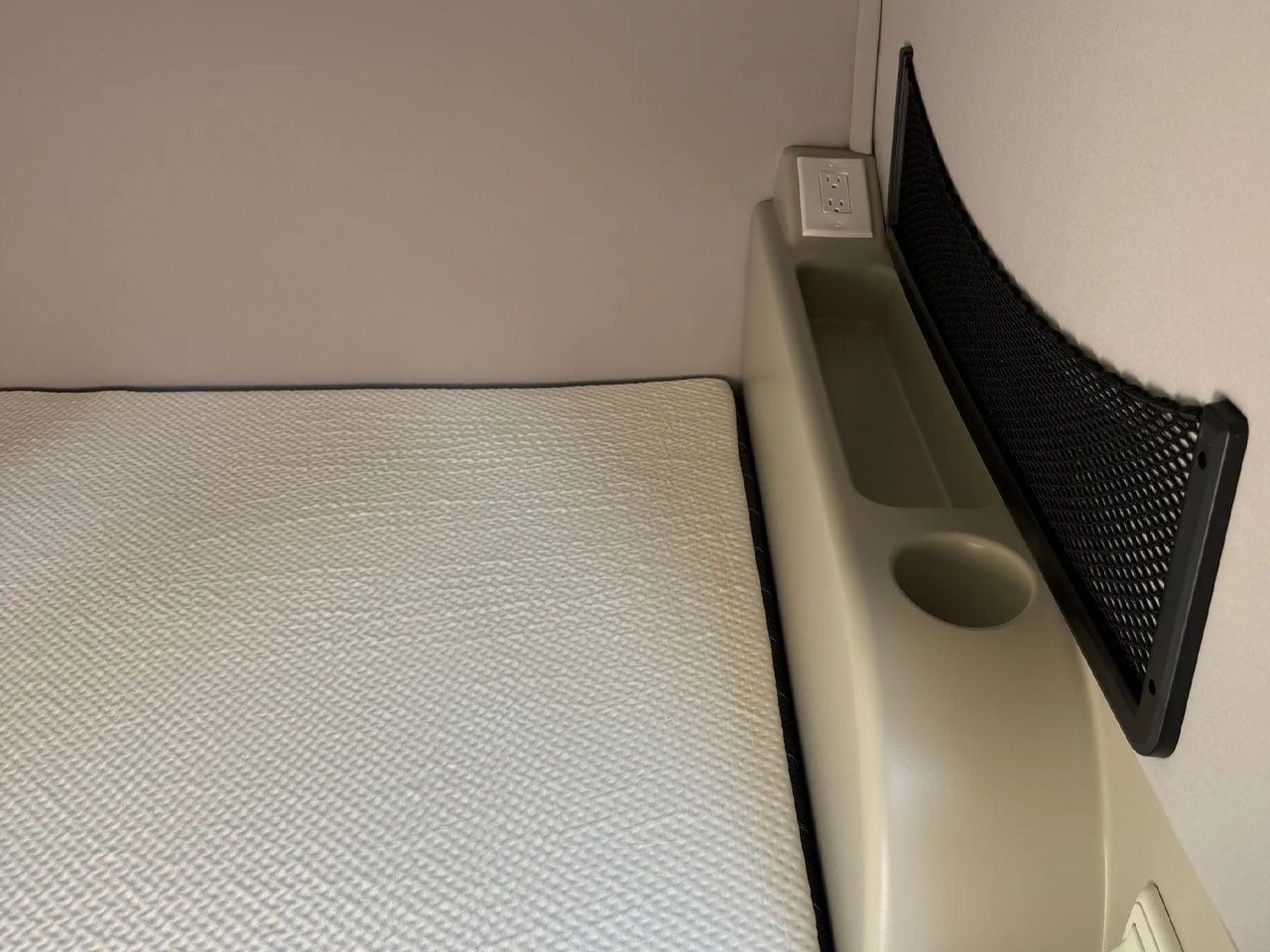
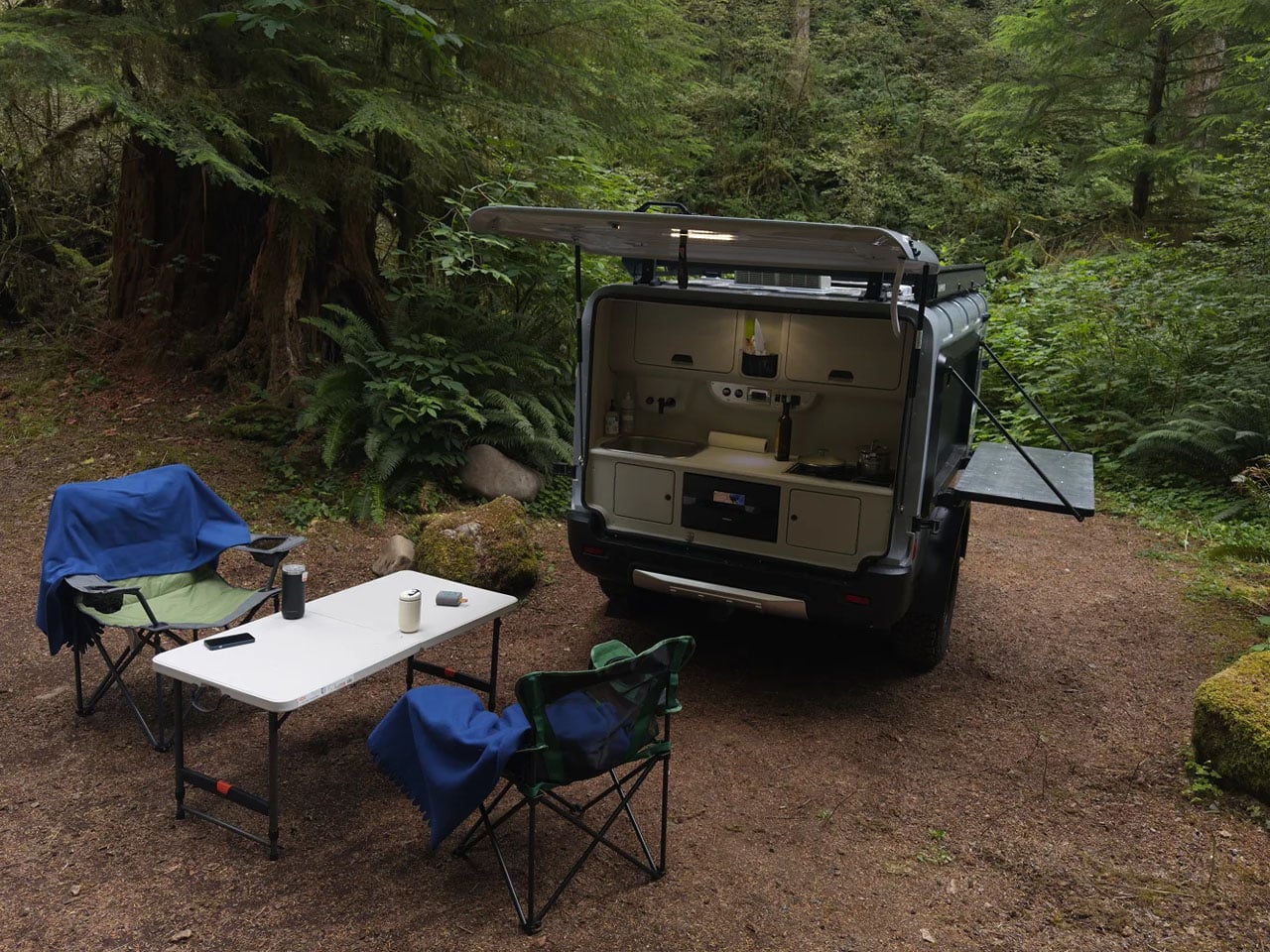
Inside, the Outranger keeps things intentionally simple. The cabin is only 50 inches high, so standing isn’t possible, but there is enough room to sit comfortably on the 82-inch memory-foam mattress. The sleeping area widens from 50 inches at the feet to 57 inches at the head, making the compact interior feel less restrictive than its exterior dimensions suggest. Two large side doors with opening windows also bring ventilation and easier access. The rear hatch opens onto a full-width galley that can be left largely empty for owners who already have their own camping equipment. Those wanting a more complete setup can add a two-burner Dometic cooktop, drawer refrigerator, sink, and water system. A fold-down side table extends the countertop outdoors, creating additional space for food preparation or serving.
Power comes from a 12-volt electrical system with a 200-Ah Renogy lithium battery, LED lighting, USB charging, and shore power. The battery can be upgraded to 600 Ah, while optional solar charging, a 2,000-watt inverter, and tow-vehicle charging make the Outranger better suited to longer stretches away from campsites. A roof rack can carry up to 200 pounds dynamically, with a 650-pound static capacity, adding another layer of utility for outdoor gear.
Motsmann will open preorders for the Outranger on September 1, with the starting price of $25,950 before options. Rather than forcing every buyer into the same fully equipped package, the company lets owners add equipment according to how they actually camp. For just under US$2,450, you can get a sink basin with a gravity faucet, an inset Dometic dual-burner gas stove, a 53-L fresh water tank, a 30-L waste water tank, and a Vitrifrigo drawer fridge. Those needing extra refrigeration can also add a second 30-L drawer fridge for US$494, tucked neatly into the compartment behind the fold-down side table.
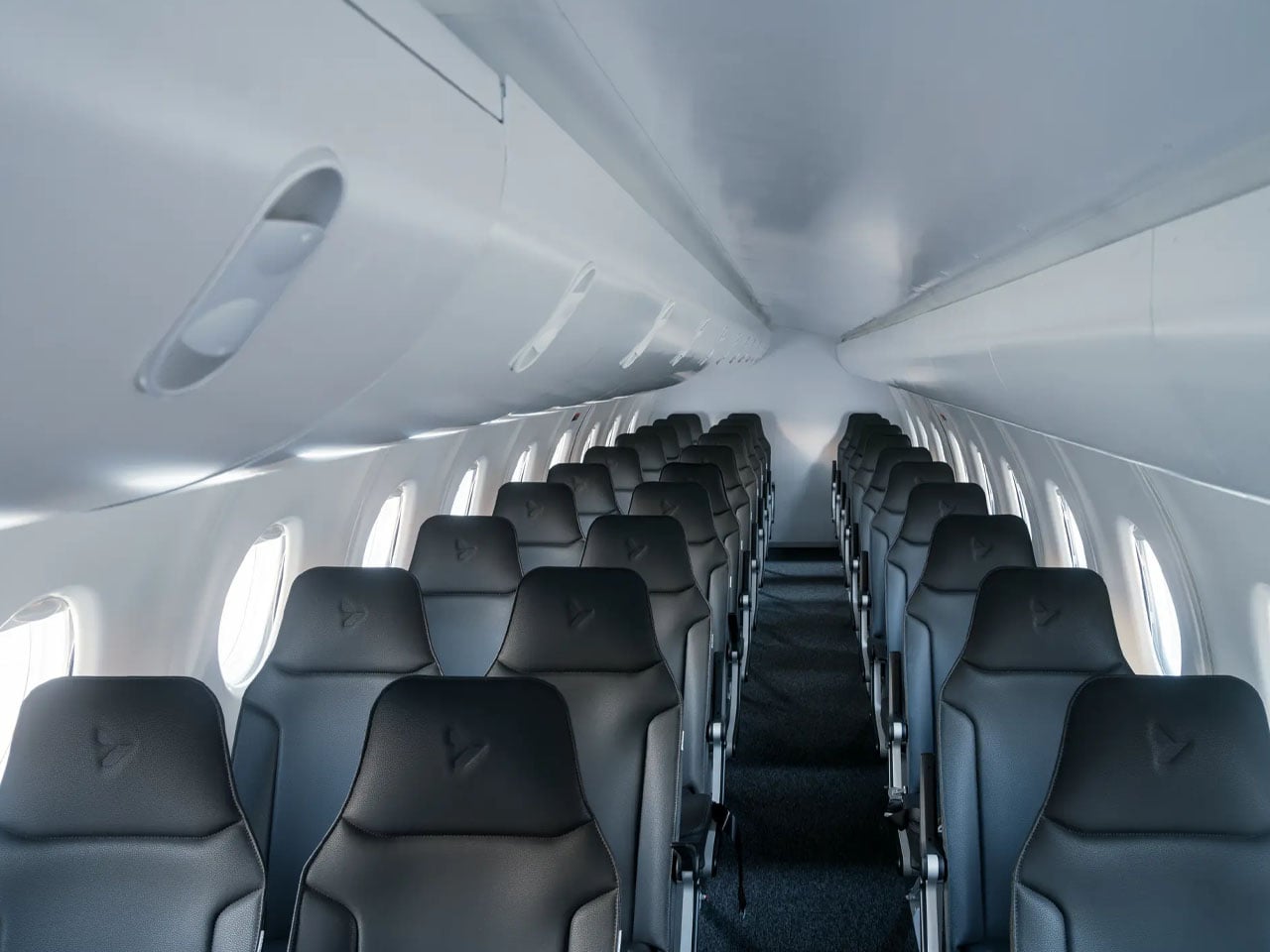
Electric aviation has reached a milestone that once seemed reserved for much smaller aircraft. Heart Aerospace’s X1 demonstrator has completed its first flight, becoming the largest battery-electric aircraft ever to take to the skies. The aircraft flew from Plattsburgh International Airport in upstate New York on August 12, marking a significant step toward bringing electric propulsion to the scale of regional air travel.
The X1 is not intended to become a passenger aircraft itself. Instead, it is a full-scale technology demonstrator for Heart Aerospace’s ES-30, a 30-seat hybrid-electric regional aircraft currently under development. Its purpose is to validate the propulsion system, aerodynamics, flight performance, and other technologies that will eventually be carried into the production aircraft.
For a prototype, the X1 is quite substantial. It has a 106-foot wingspan, measures 76 feet from nose to tail, and weighs more than 25,000 pounds at takeoff. Four electric motors provide propulsion, drawing their energy entirely from onboard batteries during the test flight. The maiden flight lasted 27 minutes and included taxiing, takeoff, climb, maneuvering, and landing. The aircraft reached 1,100 feet above ground while its electric propulsion system delivered more than one megawatt of power. The test was conducted under an FAA Special Airworthiness Certificate in the Experimental Category, with the flight kept within a controlled test envelope.
Perhaps the most striking detail is the reported energy cost. Heart Aerospace says the flight used approximately $5 worth of electricity. That figure covers the battery-powered flight operation, while some reporting notes that electricity consumed during ground taxiing would need to be considered separately. Even with that distinction, the demonstration offers a tangible illustration of the potential operating-cost advantage of electric propulsion over conventional aircraft fuel.
The limitations, though, have still to be kept in mind, as batteries still cannot provide the energy density required for longer regional flights. That is why the production ES-30 will use a hybrid-electric architecture rather than relying entirely on batteries. Heart Aerospace is targeting an all-electric range of about 124–125 miles, while hybrid operation is expected to extend the range to roughly 497–500 miles. The aircraft is designed to carry 30 passengers and has a battery recharge time of around 30 minutes.
Heart expects the ES-30 to reduce operating costs by more than 40 percent compared with legacy regional aircraft, combining lower energy costs with simpler electric propulsion, reduced maintenance requirements, and potentially greater reliability and aircraft availability. Airlines including United Airlines and Air Canada have committed to the program, with total customer commitments reported at $9.4 billion.
The first pre-production ES-30 is already being developed at Heart Aerospace’s Los Angeles pilot manufacturing plant, with flight testing scheduled for 2028 and entry into service targeted for 2031. The X1’s 27-minute flight does not make electric commercial aviation a finished proposition, but it unearths something more fundamental. Battery-powered propulsion can now lift an aircraft approaching regional-airliner scale off a runway and enable a controlled flight. That is a feat in itself!
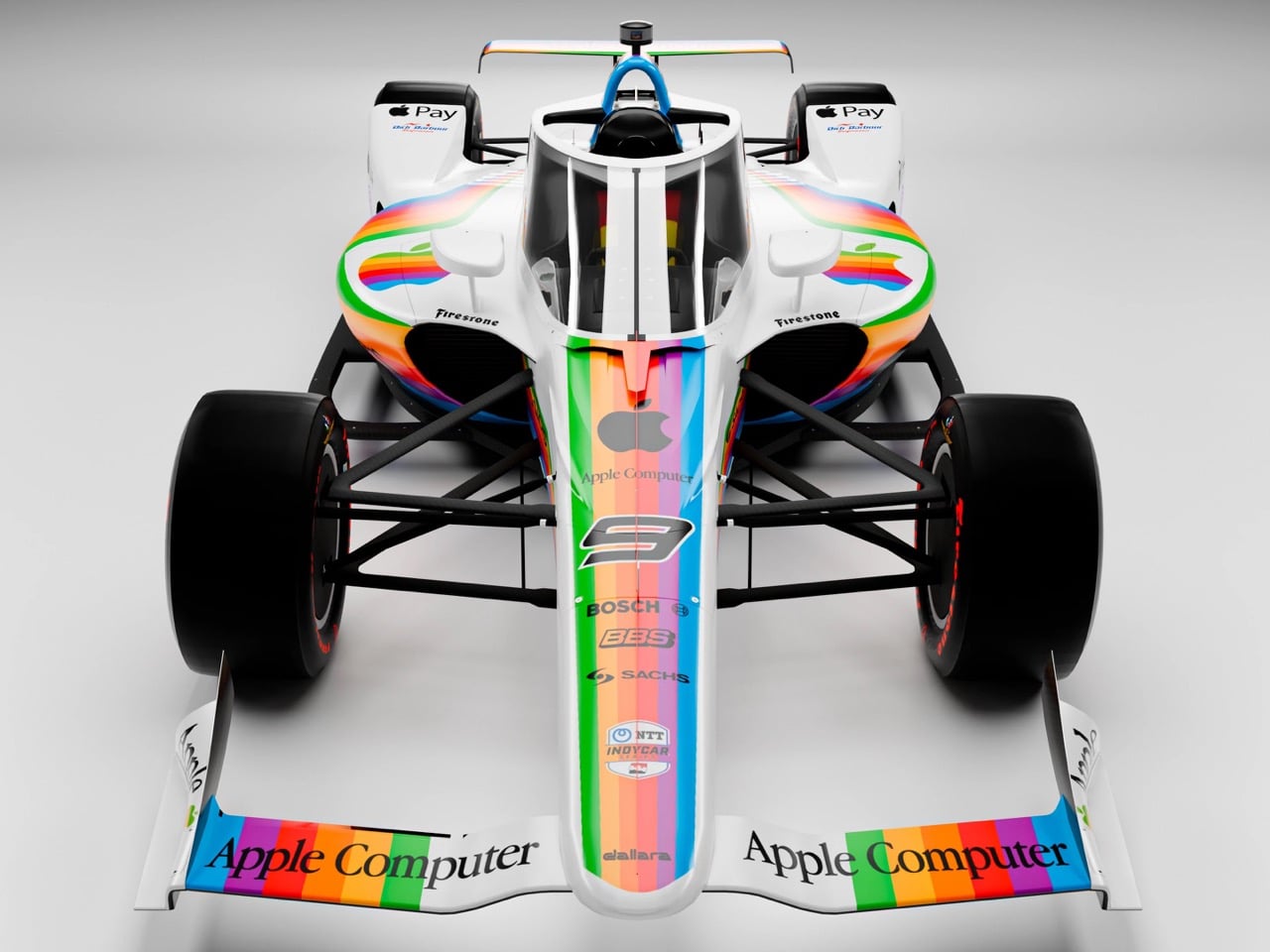
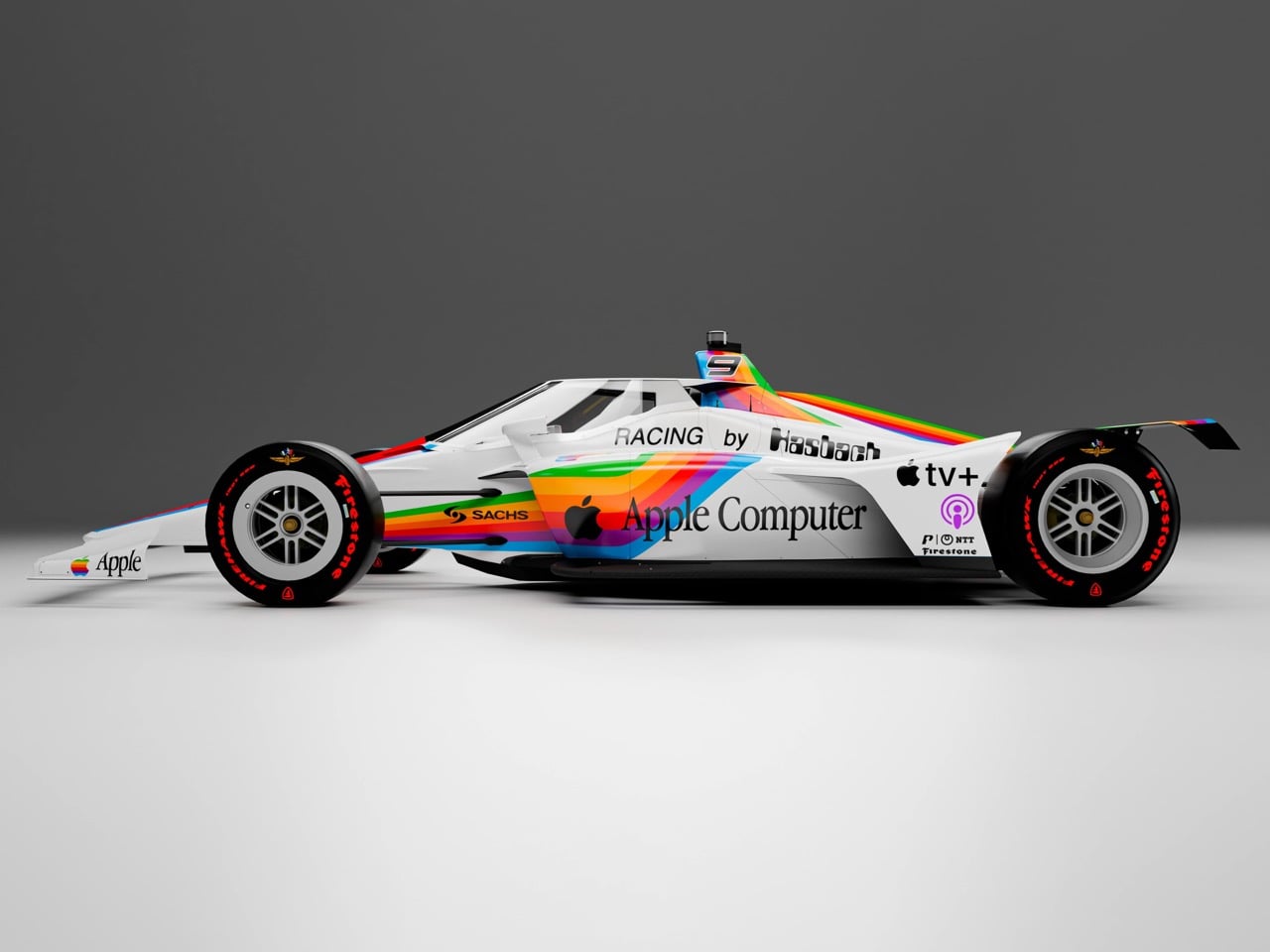
Apple loves racing. Apple TV just became the exclusive US home of Formula 1. Apple funded a movie about Formula 1 that made more money than most actual Formula 1 teams see in a season. Apple even talked Porsche into repainting two race cars in a 46-year-old rainbow scheme this year. What Apple has not done, despite all that motorsport enthusiasm, is show up to IndyCar, which remains a genuinely weird oversight for a company that loves a good only-in-America story.
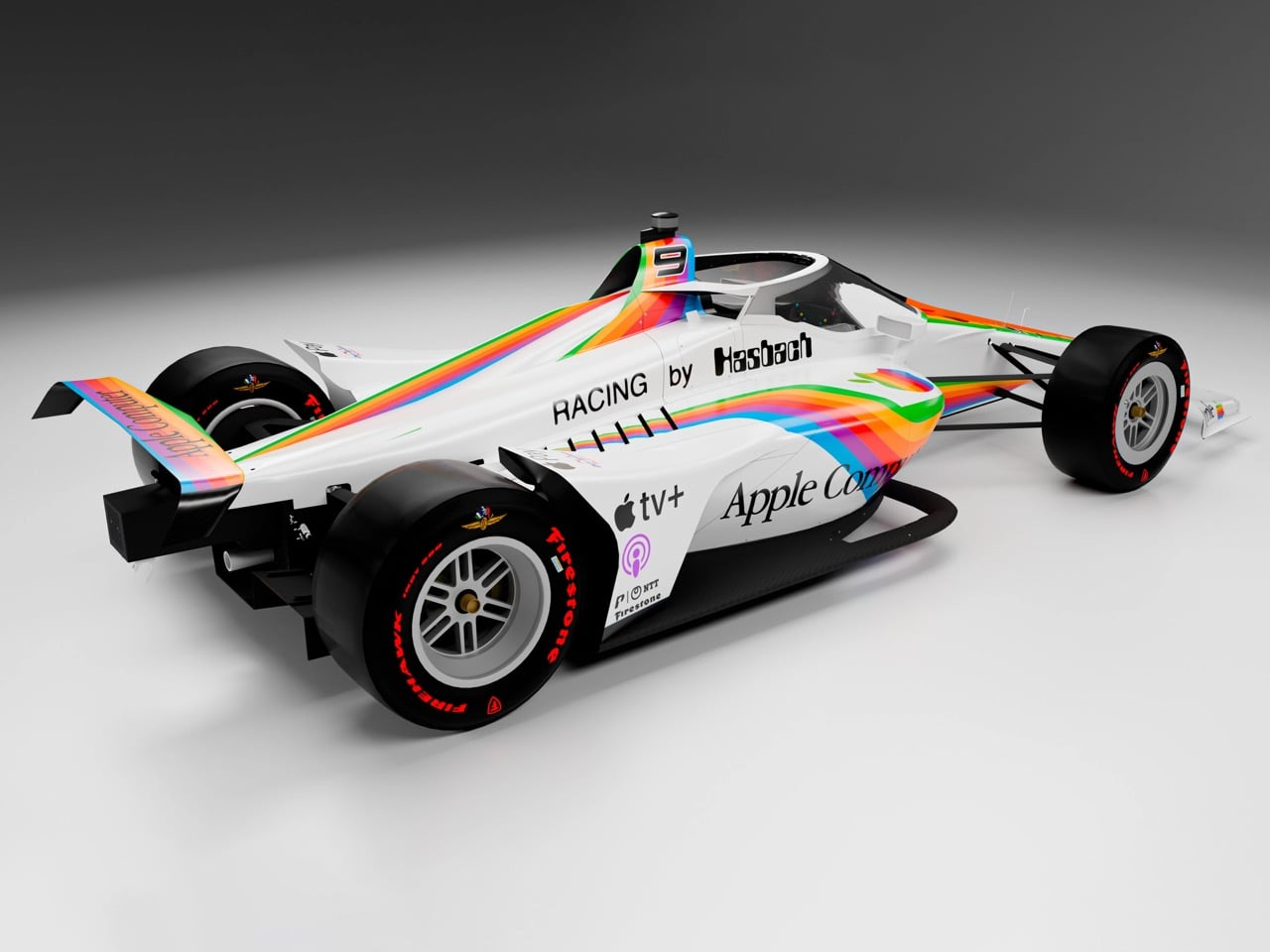
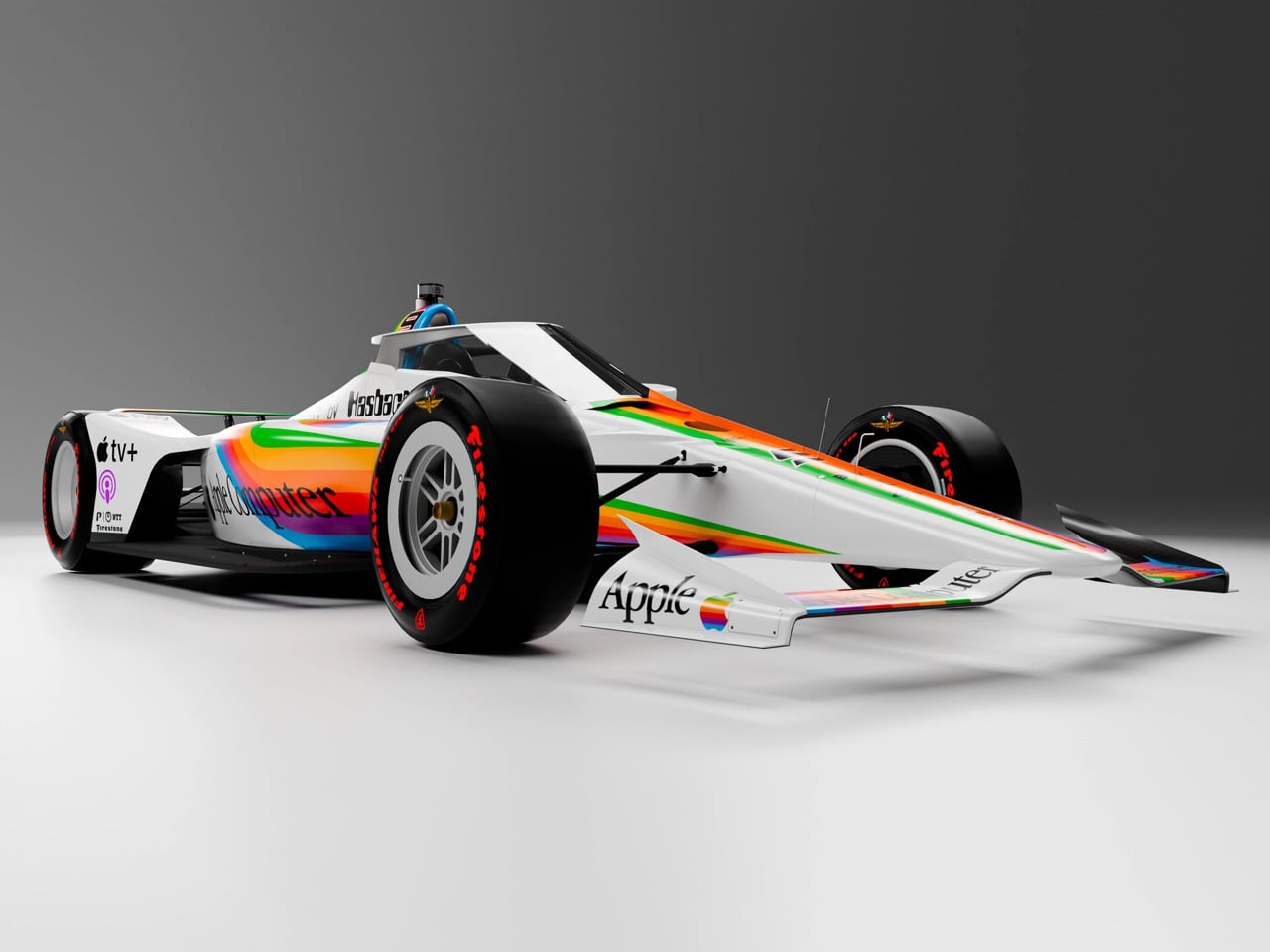
Designer Daniel Rodriguez decided to render the version Apple apparently hasn’t gotten around to yet. His concept dresses a Dallara IR-18 in the full spectrum of Apple history, from the 1977 rainbow stripes and Motter Tektura lettering down to modern Apple Pay and Apple TV+ badges sitting right next to them. It is a mashup of eras that has no business looking this good, but somehow does.
Designer: Daniel Rodriguez
The stripes themselves do something clever depending on where you look. The nose, wing endplates, and mainplane get the flat, hard-edged six-color treatment straight out of 1977, while the sidepods and engine cover run a soft, airbrushed gradient that looks like it was pulled off a modern Apple wallpaper. Seen from above, the two halves mirror each other perfectly, with rainbow spears launching off the sidepod intakes and racing back over the engine cover in a symmetry that feels distinctly Cupertino rather than distinctly IndyCar.
The words “Apple Computer” run down the nose in Motter Tektura, the quirky Austrian display face Rob Janoff picked in 1977 because its rounded letterforms echoed the curves of the apple mark itself. That typeface has been dormant on race cars for decades, and seeing it wrapped around a modern aeroscreen is a genuinely fun bit of type nerdery most viewers will feel before they can name it.
Rodriguez went really tongue-in-cheek with the sponsors. Apple Pay, Apple TV+, and Apple Podcasts logos sit shoulder to shoulder with the vintage six-color apple, like four different decades of the same company got dressed for the same race. Real IndyCar suppliers such as Bosch, BBS, Sachs, and Firestone fill out the rest of the livery, which keeps the whole thing grounded instead of drifting into pure fantasy render territory.
None of this happens in a vacuum, either. Apple actually had a rainbow racing moment already, back in 1980, when it sponsored a Porsche 935 K3 run by Dick Barbour Racing and driven by Bobby Rahal, Allan Moffat, and Bob Garretson. That car ran a short, unglamorous IMSA season, blew a piston at Le Mans, and wore a tail sticker that read “Don’t upset the Apple Car.” Porsche revived that exact livery this past May at Laguna Seca to mark 75 years of Porsche Motorsport and Apple’s 50th birthday, which is clearly the spark behind this whole concept.
The bigger question the render quietly asks is why IndyCar is still waiting. Apple has spent nine figures on Formula 1 rights and greenlit a Porsche throwback livery for a sports car series most Americans do not watch on Sunday afternoons. IndyCar runs ovals, street courses, and an actual American underdog story every single season, and it is about to roll out a lighter, faster Dallara IR-28 in 2028. If Apple wants a paddock that already looks this good in rainbow stripes, the invitation is right here.
Public restrooms have, for the longest time, been a design afterthought. They get built, they get scheduled for cleaning twice a day, and everything that happens in between is considered someone else’s problem. Nobody glamorizes it. Nobody puts it on a mood board. And yet the state of public restrooms affects millions of people daily in ways that are deeply tied to comfort, dignity, and public health.
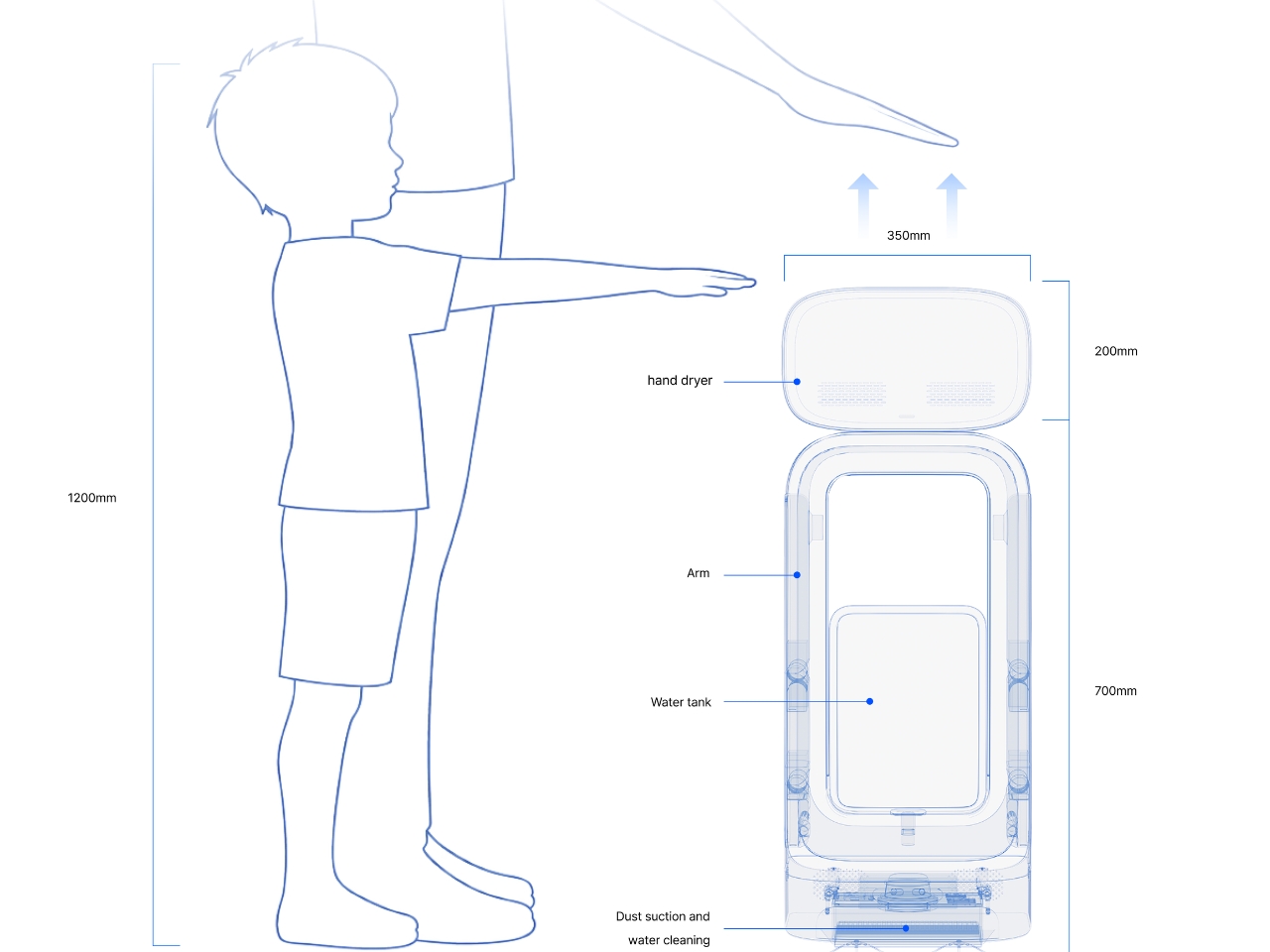
That’s exactly the gap that Yangwoo Choi and Ye Jin Lee, two designers from South Korea, decided to address with Spot, a concept for an autonomous cleaning robot built specifically for public restrooms. Published in June 2026, the project has been picking up attention in design communities, and I think it deserves more eyes than it’s gotten so far.
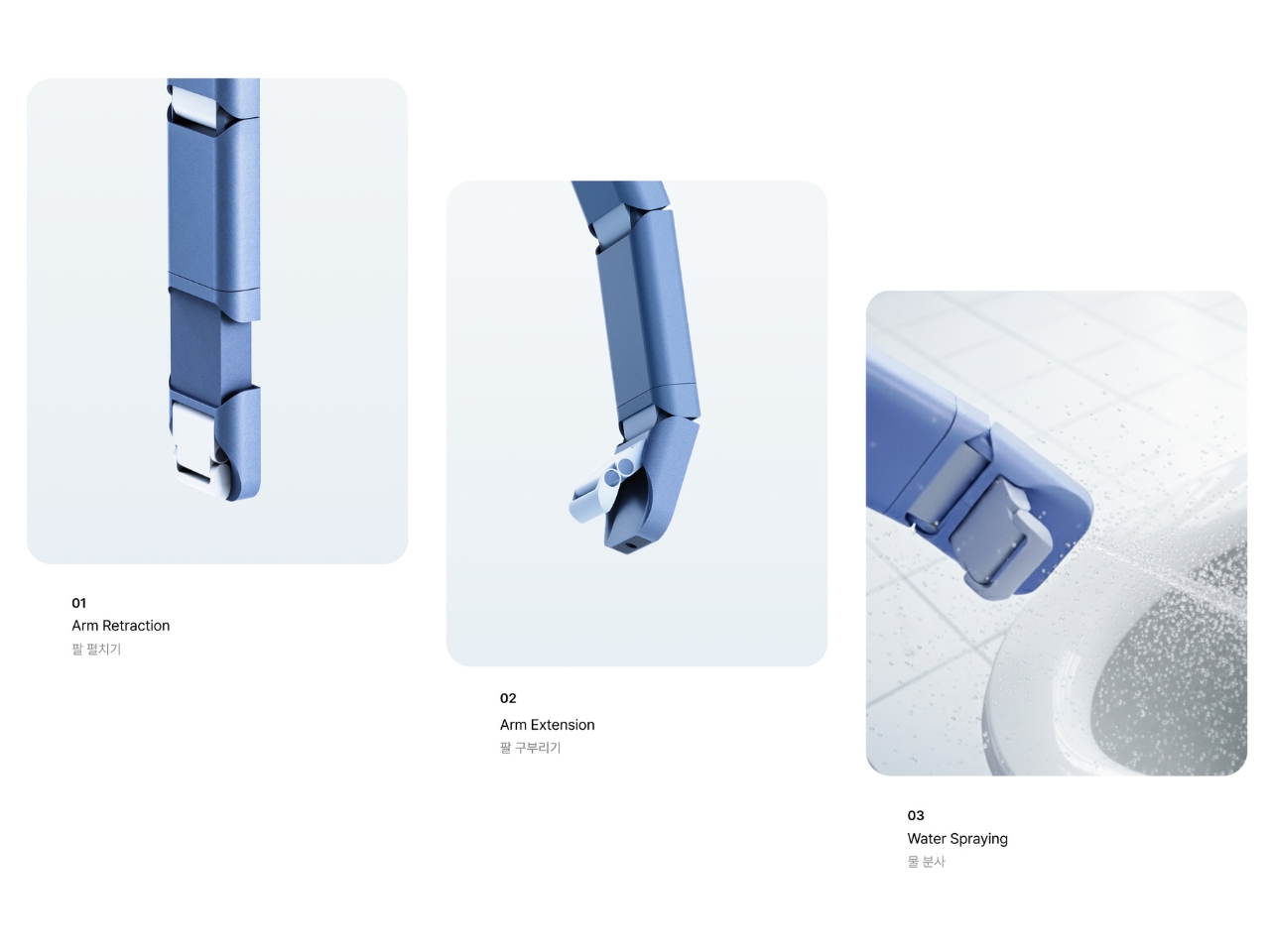
The premise is straightforward but smart: rather than waiting for the next scheduled cleaning, Spot detects contamination after a user exits and automatically cleans the affected area. It plugs directly into the most persistent failure of public restroom maintenance: the window between cleanings. That window is real, measurable, and for years it’s been treated as an acceptable cost of running a public facility. Facilities managers can only do so much with fixed schedules, and when traffic is high, things go wrong fast.
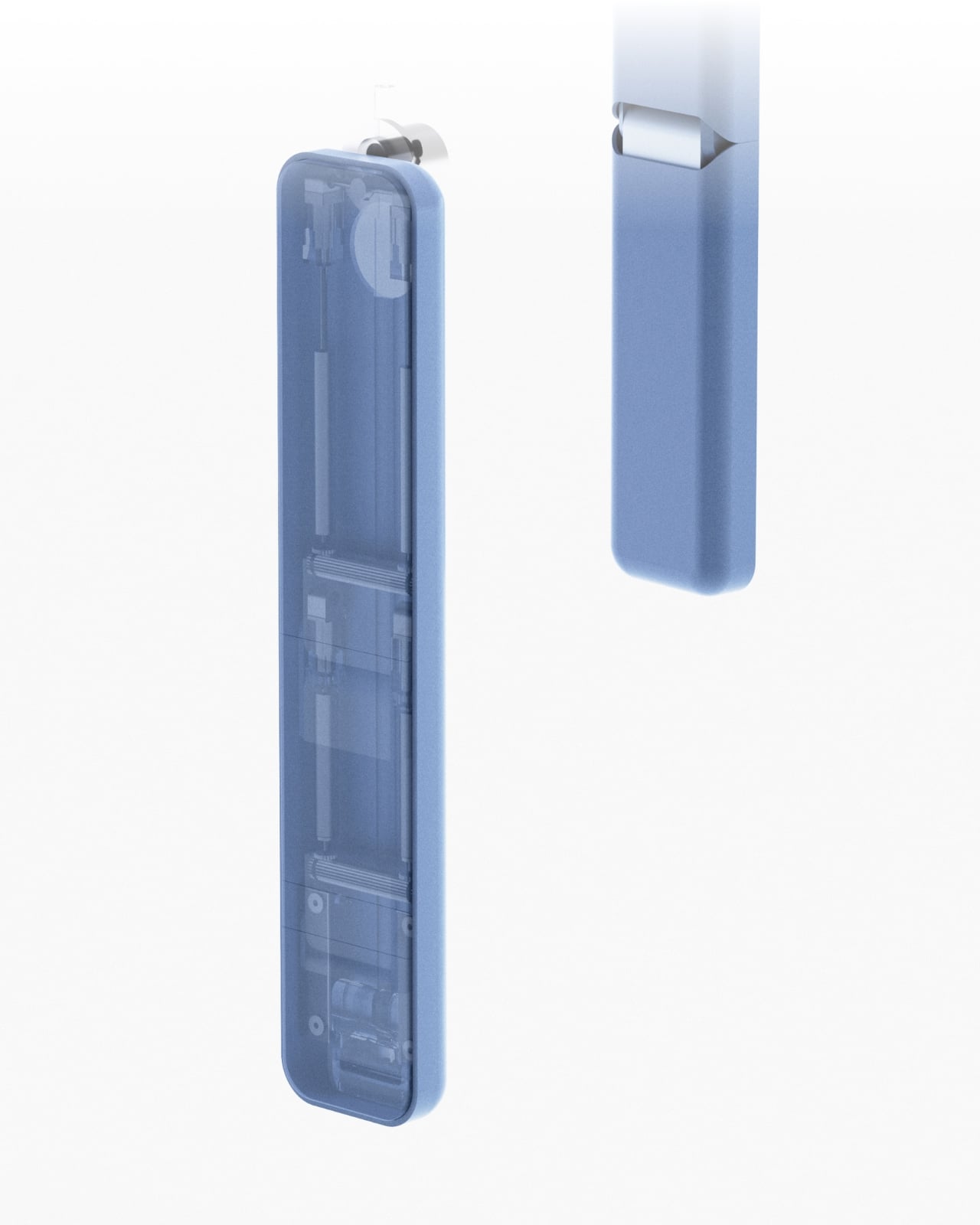
What the designers have created is not just a functional concept but a genuinely considered one. The robot’s form is compact and minimal, rendered in a calm blue that reads as clean, clinical, and intentional all at once. It doesn’t try to be cute or conspicuous. It belongs in the background, doing its job without demanding attention, which is exactly the right design language for something operating in a space that people want to move through quickly and without thinking too hard.
The contamination detection element is where the concept earns its credibility. Autonomous cleaning machines already exist, but most operate on timers or fixed routes with little real awareness of actual conditions. Building detection into the process means Spot responds to reality rather than routine, which is a fundamentally different way of thinking about maintenance. That shift matters more than it might seem at first glance.
I think about the places where this would change things most: airports, train stations, shopping centers, schools. These are environments where restroom traffic is constant and unpredictable, where a single cleaning cycle scheduled at 10am has already become irrelevant by 10:45. The problem isn’t laziness or negligence. It’s a structural mismatch between human-managed schedules and the actual pace of use. A robot that responds to contamination as it happens, rather than as it’s predicted, addresses that mismatch directly.
There’s also a human element worth naming. Cleaning restrooms is physically demanding, often invisible labor, and not a job that gets celebrated or compensated in proportion to how much it matters. A concept like Spot isn’t about replacing people outright; it’s about redirecting effort. If autonomous systems handle reactive cleaning between scheduled visits, human cleaners can focus on deeper maintenance, restocking, and the kind of attention that machines genuinely cannot replicate. That’s a more sensible division of labor.
Whether Spot ever moves beyond concept stage is a separate question, and a legitimate one. Autonomous robots in public restrooms face real hurdles: sensor reliability, durability in wet environments, safety around users, cost of deployment at scale. None of these are trivial. But that’s not the conversation the project is asking us to have right now. What Choi and Lee are doing is pointing clearly at a problem and proposing a direction. The execution can evolve. The clarity of the problem statement is the part that sticks.
Good design doesn’t always originate in places we expect. Some of the most interesting work right now is coming out of South Korea, where designers seem particularly willing to take on overlooked, unglamorous problems with serious intention. Spot is that kind of project. It’s not trying to be beautiful for beauty’s sake. It’s trying to make a specific, difficult experience better. That’s the kind of design that actually changes things.
Some cars are born to race, and the Koenigsegg CCGT was built for that very purpose, yet never got the chance to compete. Nearly two decades later, the Swedish brand has turned that unfinished chapter into something extraordinary. This is the CCGT1, a road-legal megacar that brings the spirit of the abandoned GT1 project to modern roads and racetracks. The limited-edition model is based on the CC850 and pays homage to the original CCGT, of which only one was ever built.
The original CCGT was conceived as a GT1 competition machine with a lightweight 1,000-kg chassis and naturally aspirated 5.0-liter V8. It showed considerable promise in testing, but changes to FIA regulations made the car ineligible before it could fulfill its racing destiny. The CCGT1 effectively gives that lost idea a second life, although in a radically more powerful and road-usable form with the signature Koenigsegg flair.
Almost every body panel has been redesigned, with the doors and removable roof being the notable exceptions. Its most dramatic feature is the enormous active rear wing, which works alongside the front splitter, sculpted underfloor and active aerodynamic systems to generate up to 800 kg of downforce at 250 km/h. Integrated NACA ducts and a bespoke roof scoop also help keep the car composed and cool during extended track sessions.
Power comes from the in-house twin-turbo V8, producing 1,280 hp on pump fuel and 1,600 hp on E85, with the engine capable of running on blends of the two. Power reaches the rear wheels through the Light Speed Transmission, paired with Koenigsegg’s new Sequential Shift system. The setup brings a race-inspired sequential lever, clutch pedal and clutchless ignition-cut shifts, while buyers can alternatively choose the Engage Shift System, which combines a gated six-speed manual interface with automatic operation. Paddle shifting remains available with both configurations.
The cockpit follows the same uncompromising philosophy. Lightweight carbon-fiber seats, six-point harnesses, a third-generation Chronocluster display and a driver-focused layout give it a distinctly competition-inspired character. Koenigsegg also introduces Ghost Fibre, a proprietary white carbon-fiber material derived from the Trevita project that combines reduced weight with greater strength and sound-deadening properties.
For owners seeking an even more focused experience, the optional factory-designed track package adds a carbon roll cage, racing seats, fire suppression, race exhaust, air jacks, track-oriented suspension and brakes, enhanced aerodynamics and dedicated track wheels and tires. Buyers also receive access to exclusive CCGT1 track days with factory support.
Koenigsegg will produce just 70 examples of the CCGT1, and all have already been allocated. The provided official and referenced sources do not disclose an official price, so no confirmed figure can be stated. What is clear, however, is that the CCGT1 is more than another extreme hypercar. The racer is Koenigsegg’s way of finally allowing an idea that never reached the starting grid to live out its racing ambitions – this time with a license plate!
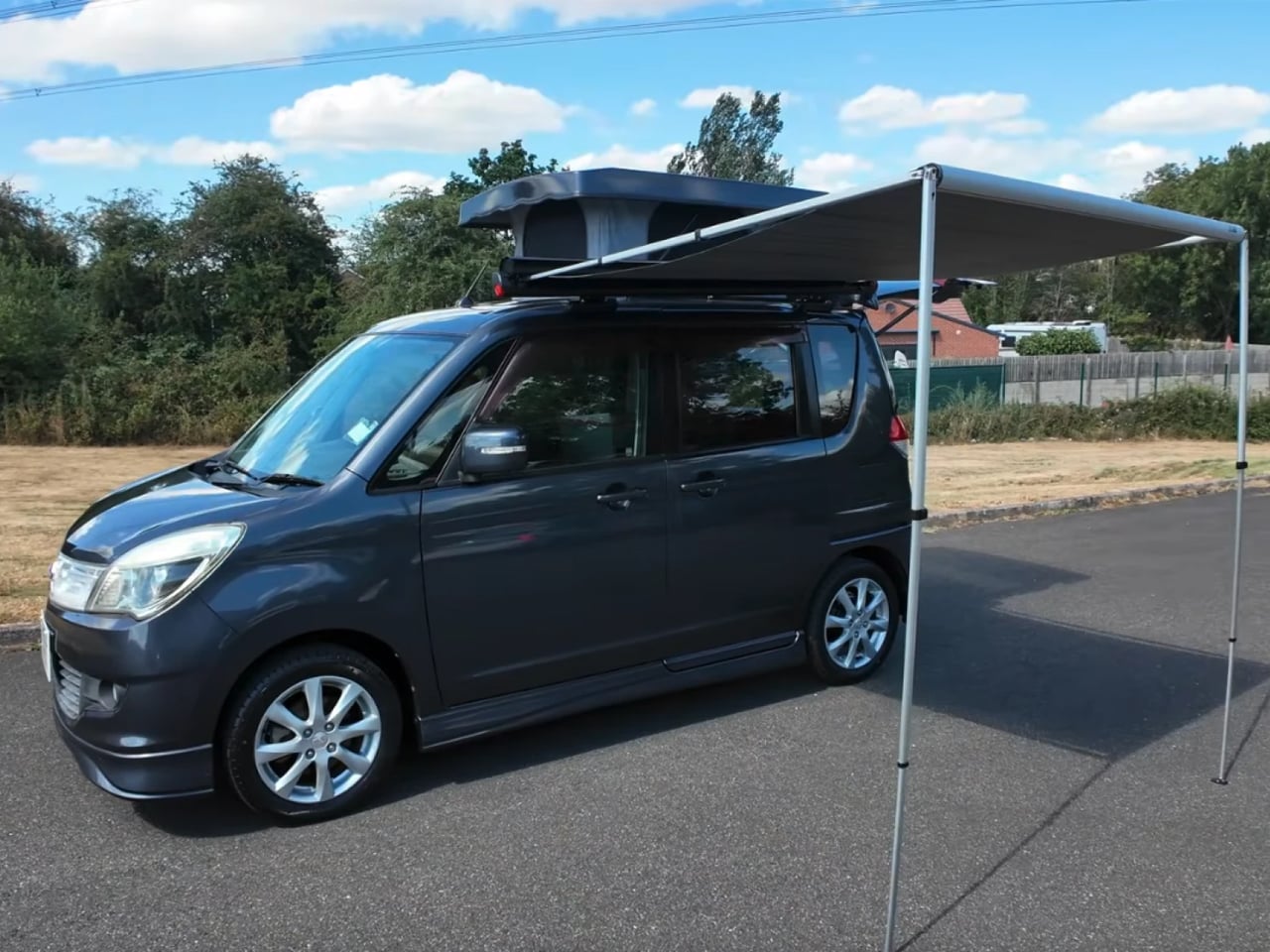
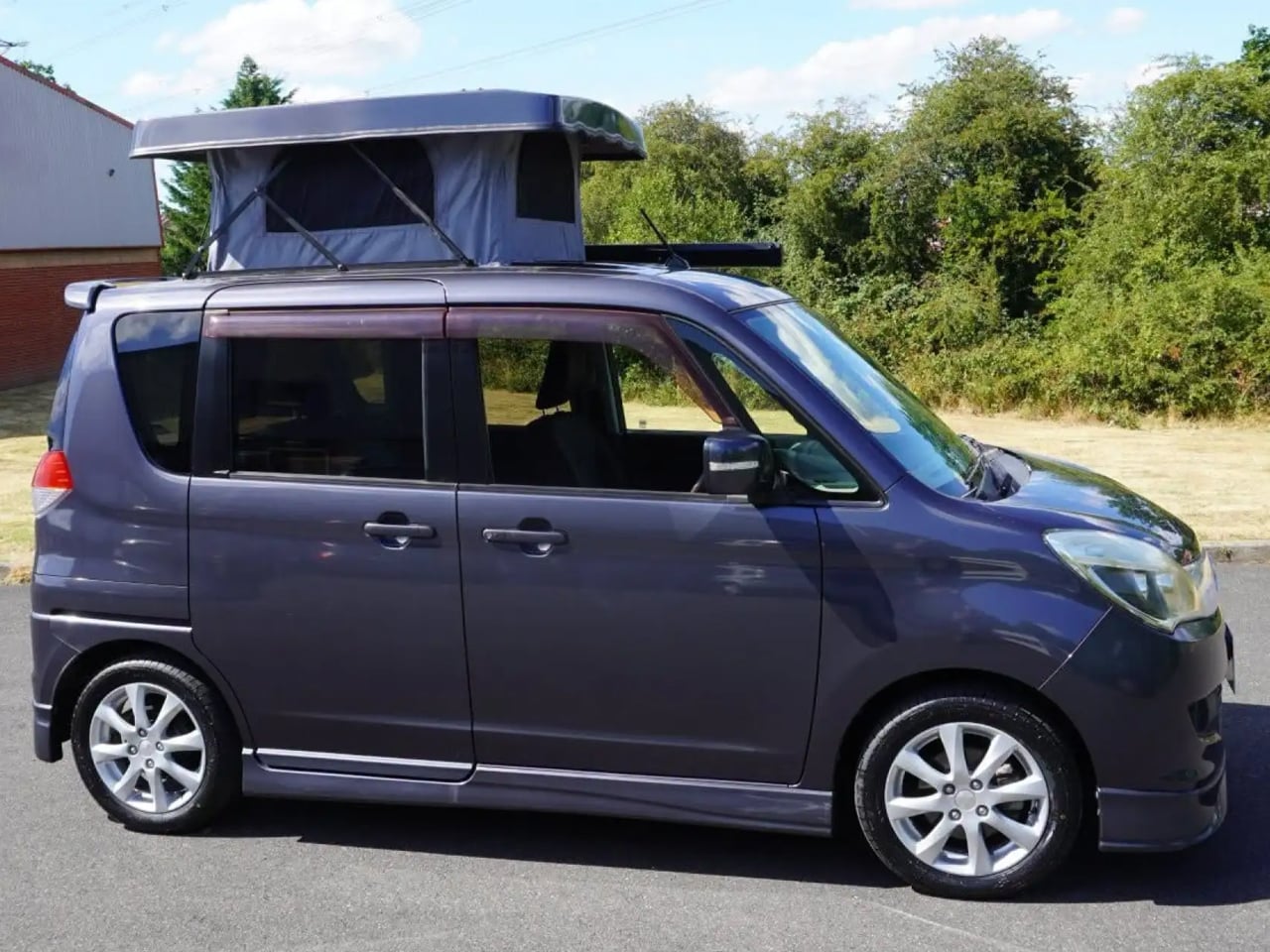
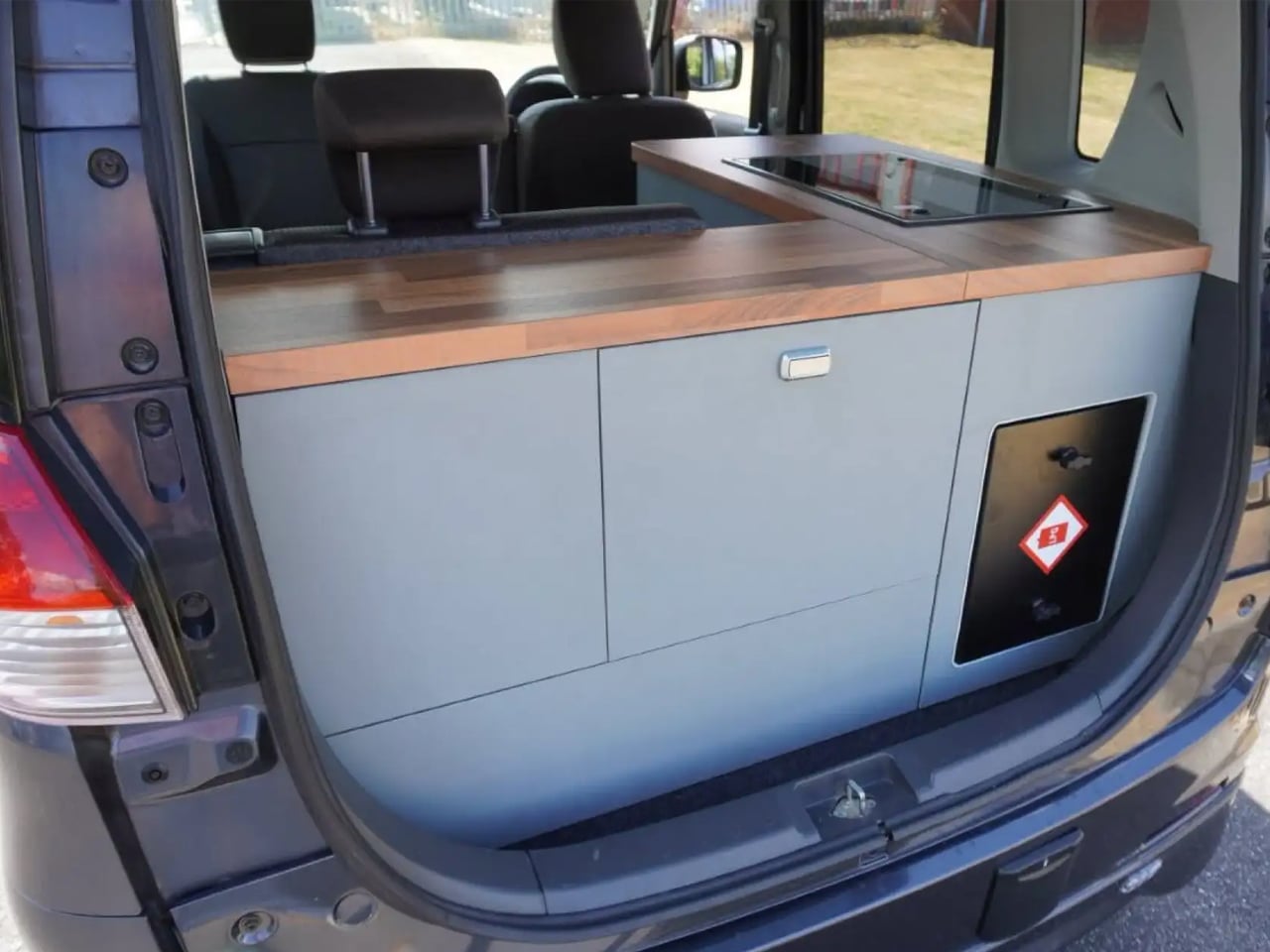
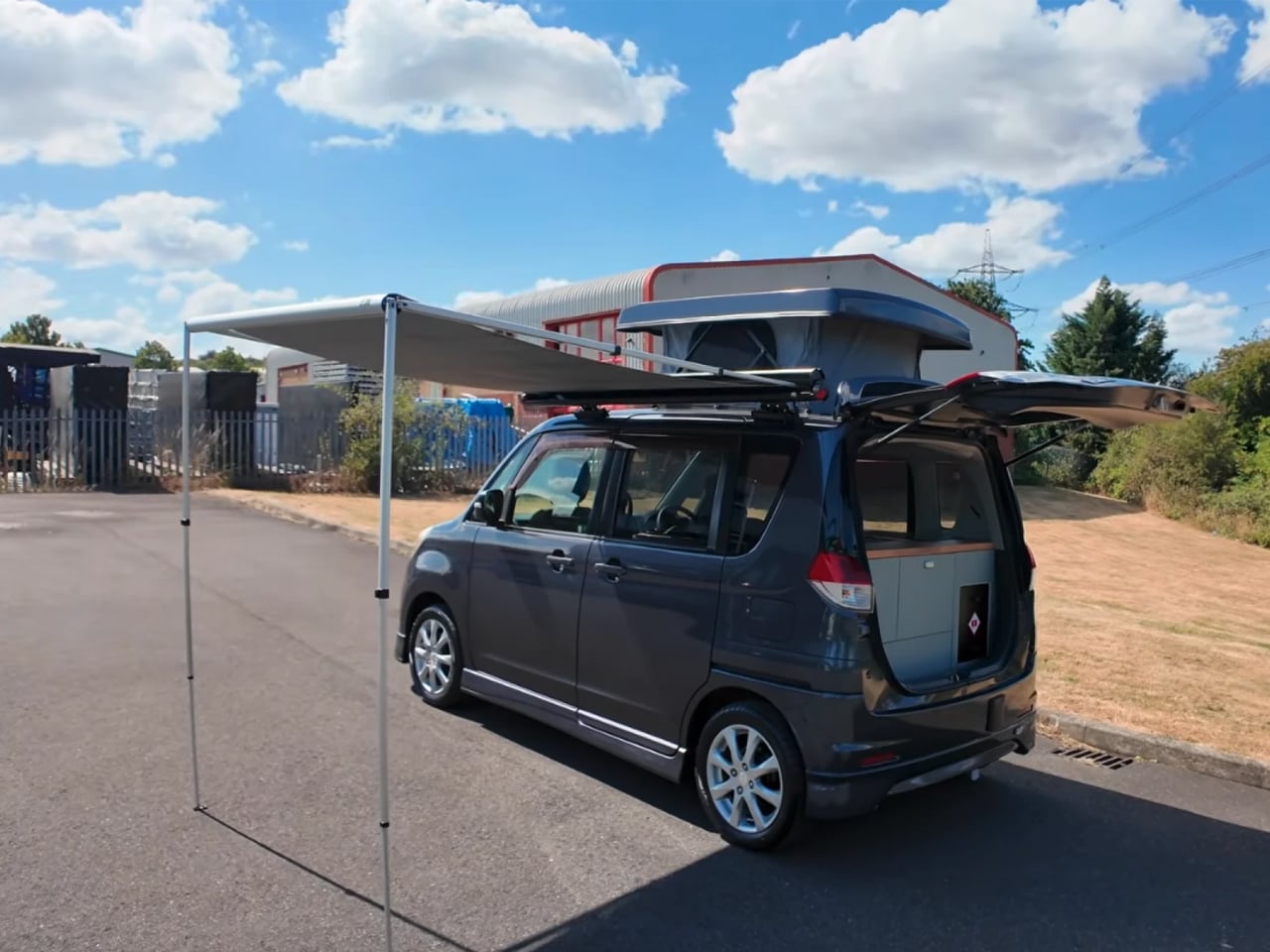
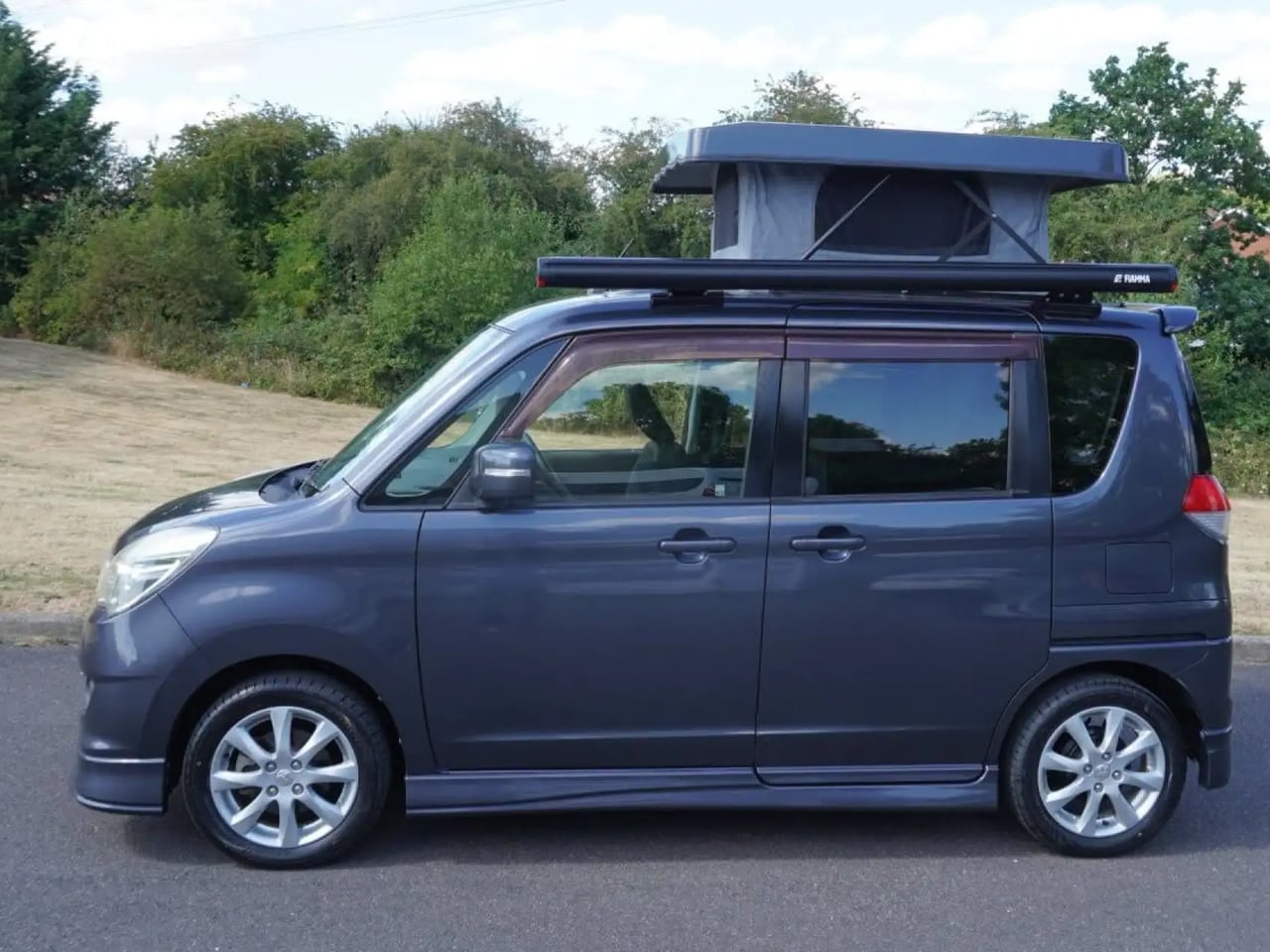
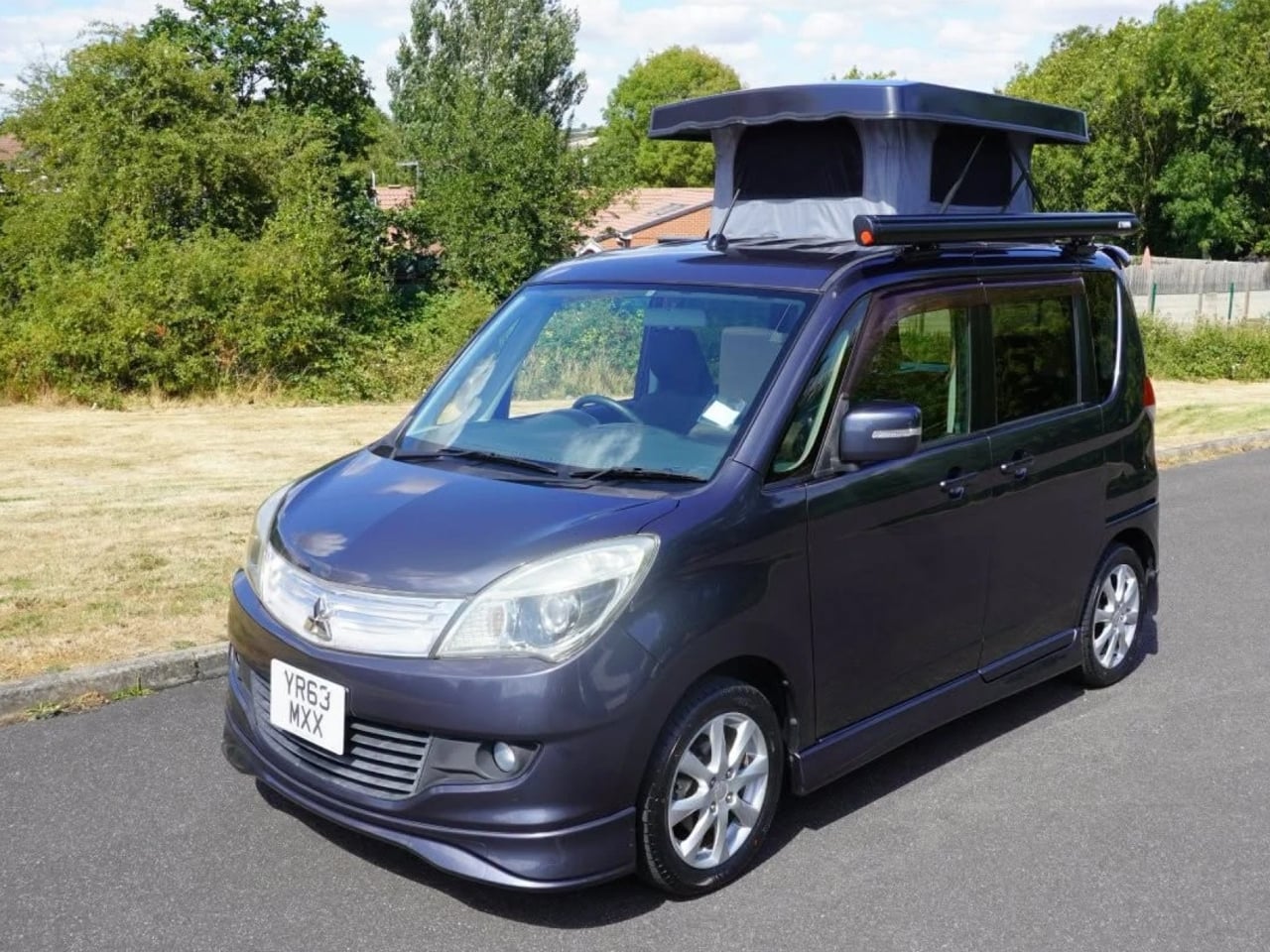
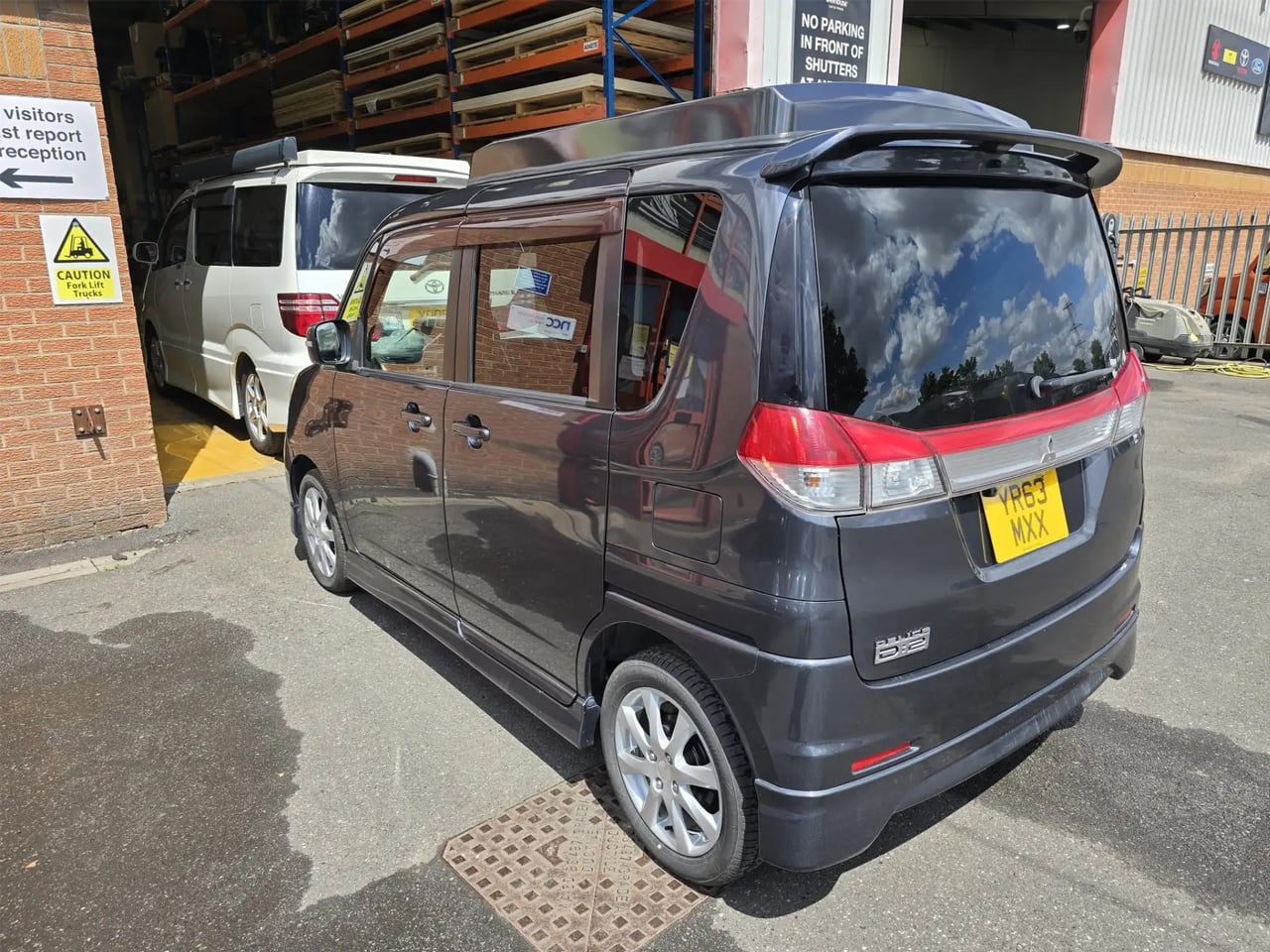
I’m not a huge fan of traveling or camping solo. That’s me. Many out there – if you’re reading it, you could be one of them – prefer to go solo. If you have the cash and the desire to go camping in a van designed just with your solitary adventures in mind, then this latest one from Wellhouse Leisure is worth your time. This is a Mitsubishi Delica D2, also badged as Suzuki Solio, which has been tuned into a micro camper van with a pop-up roof.
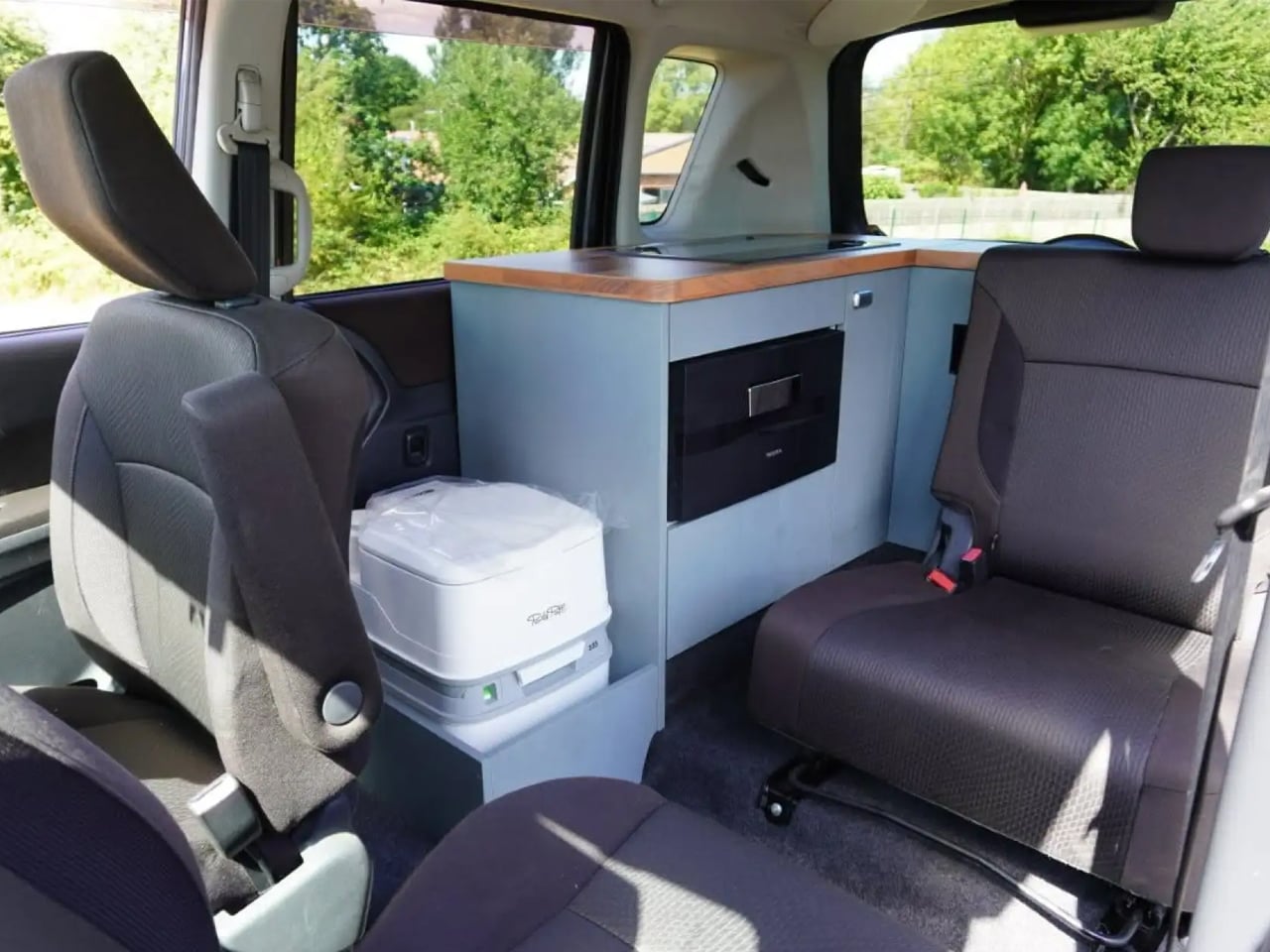
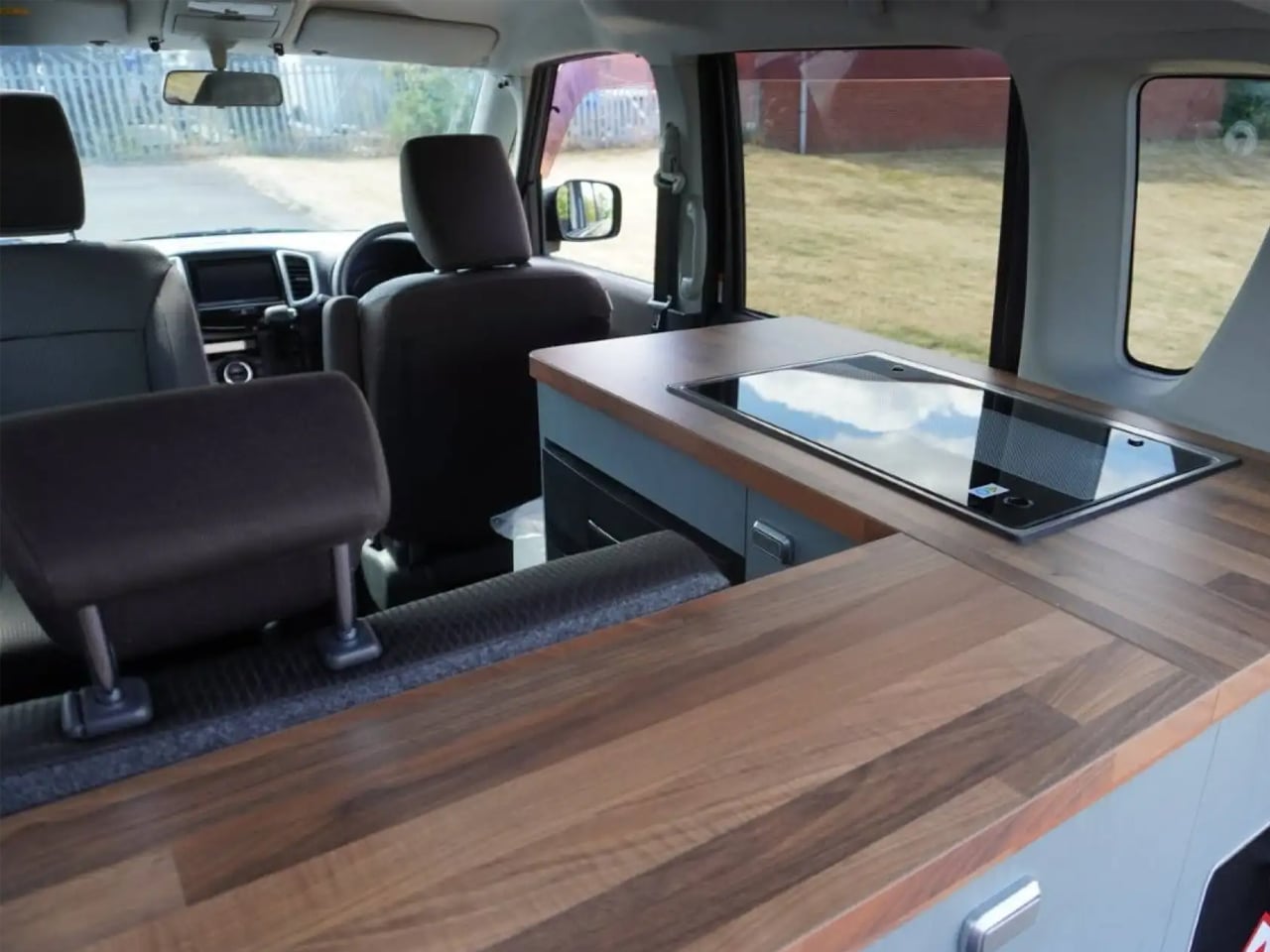
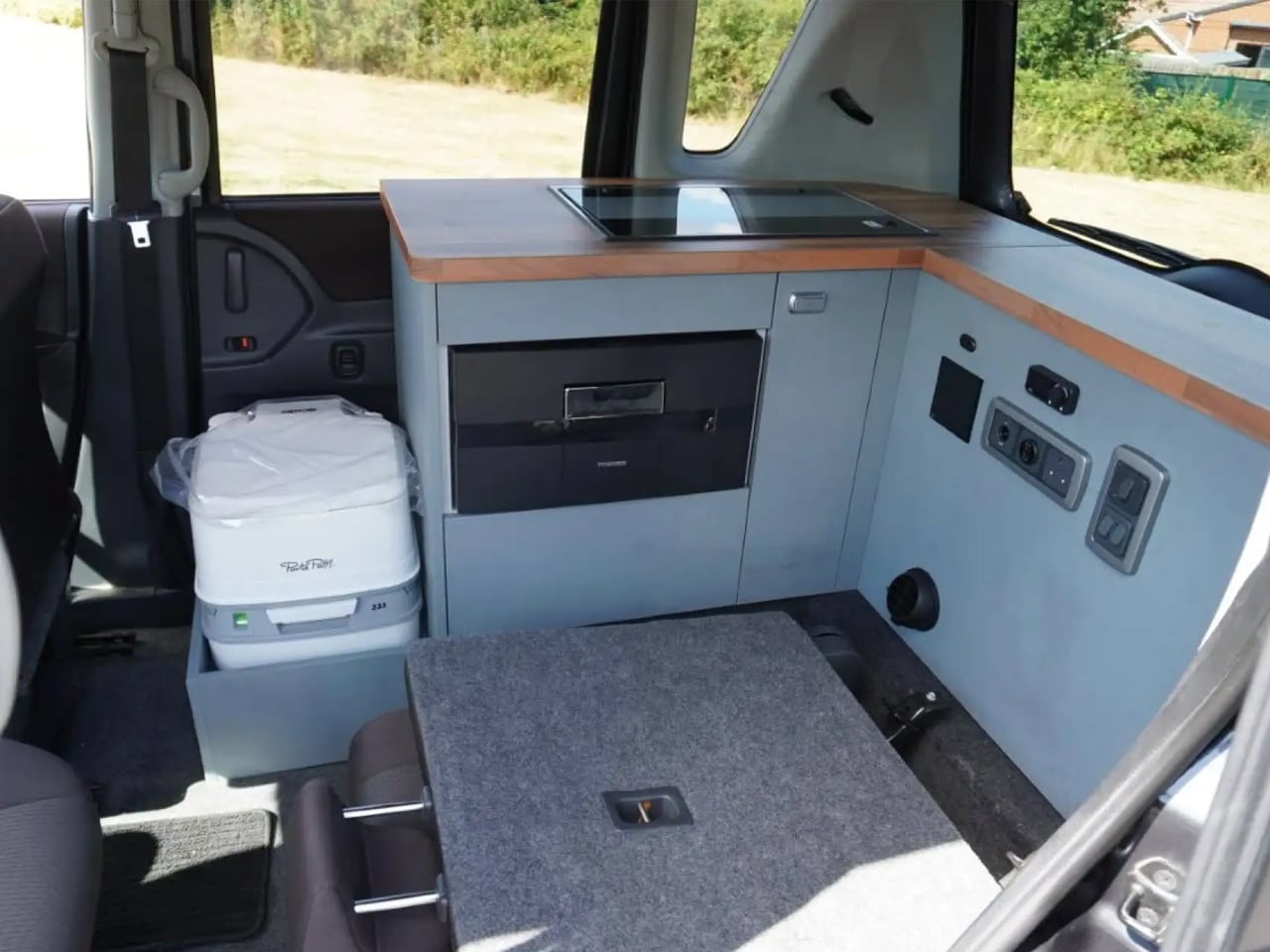
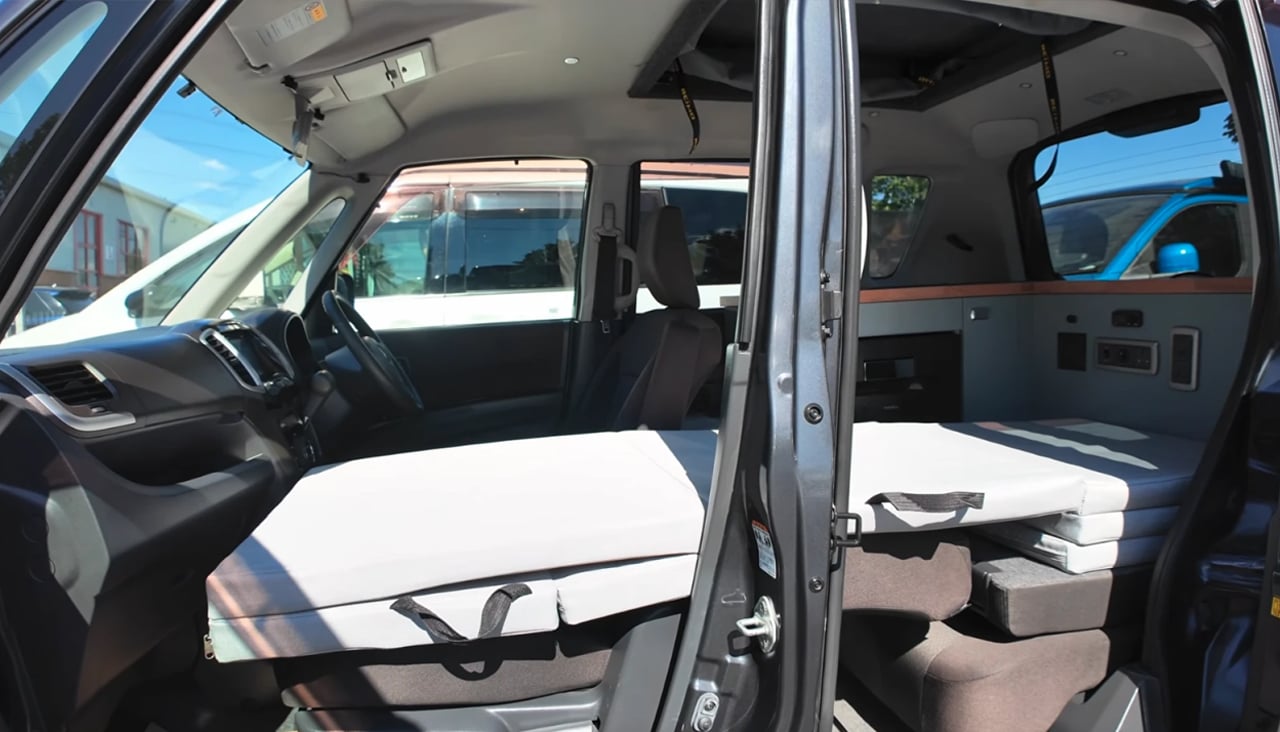
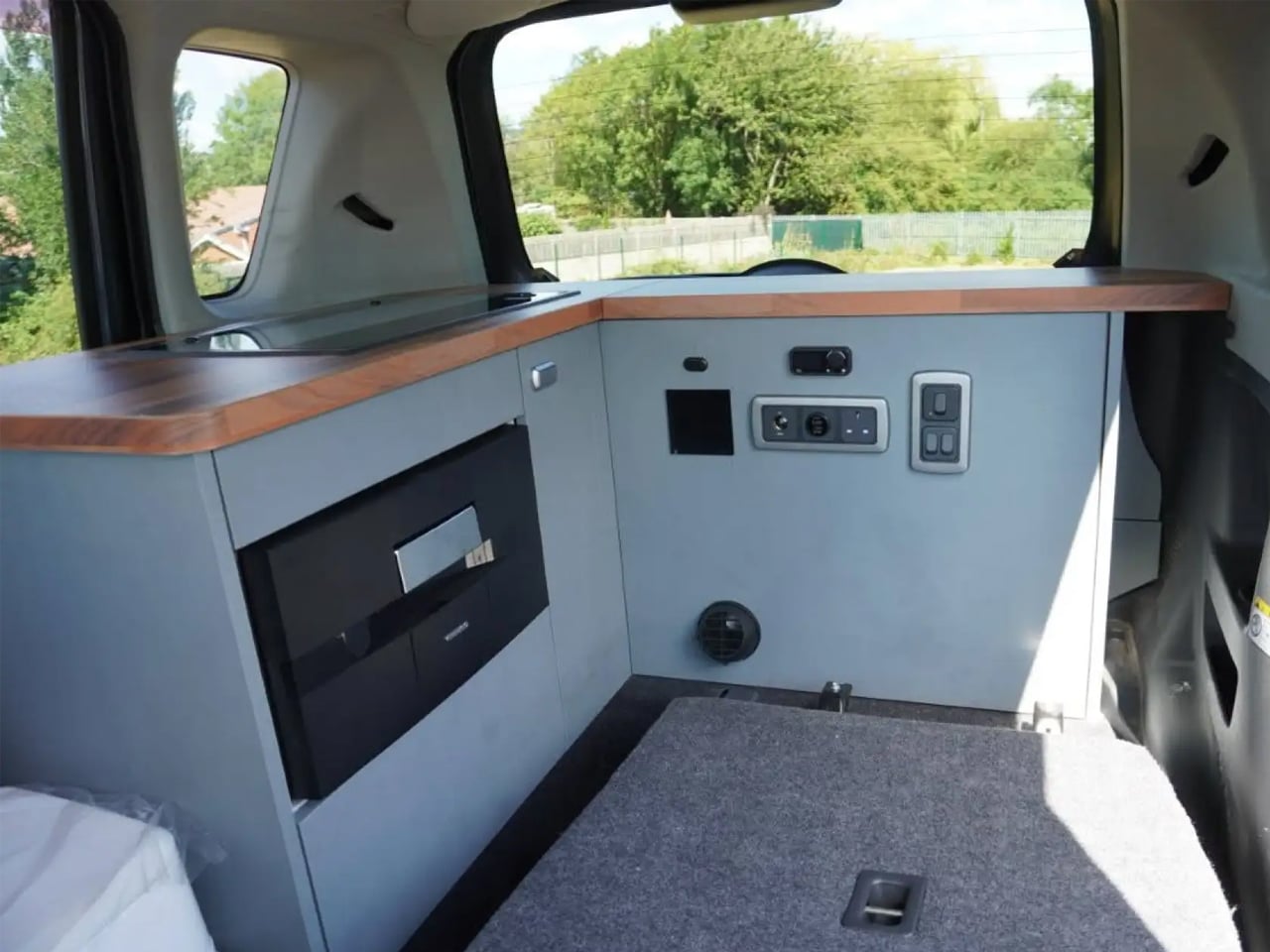
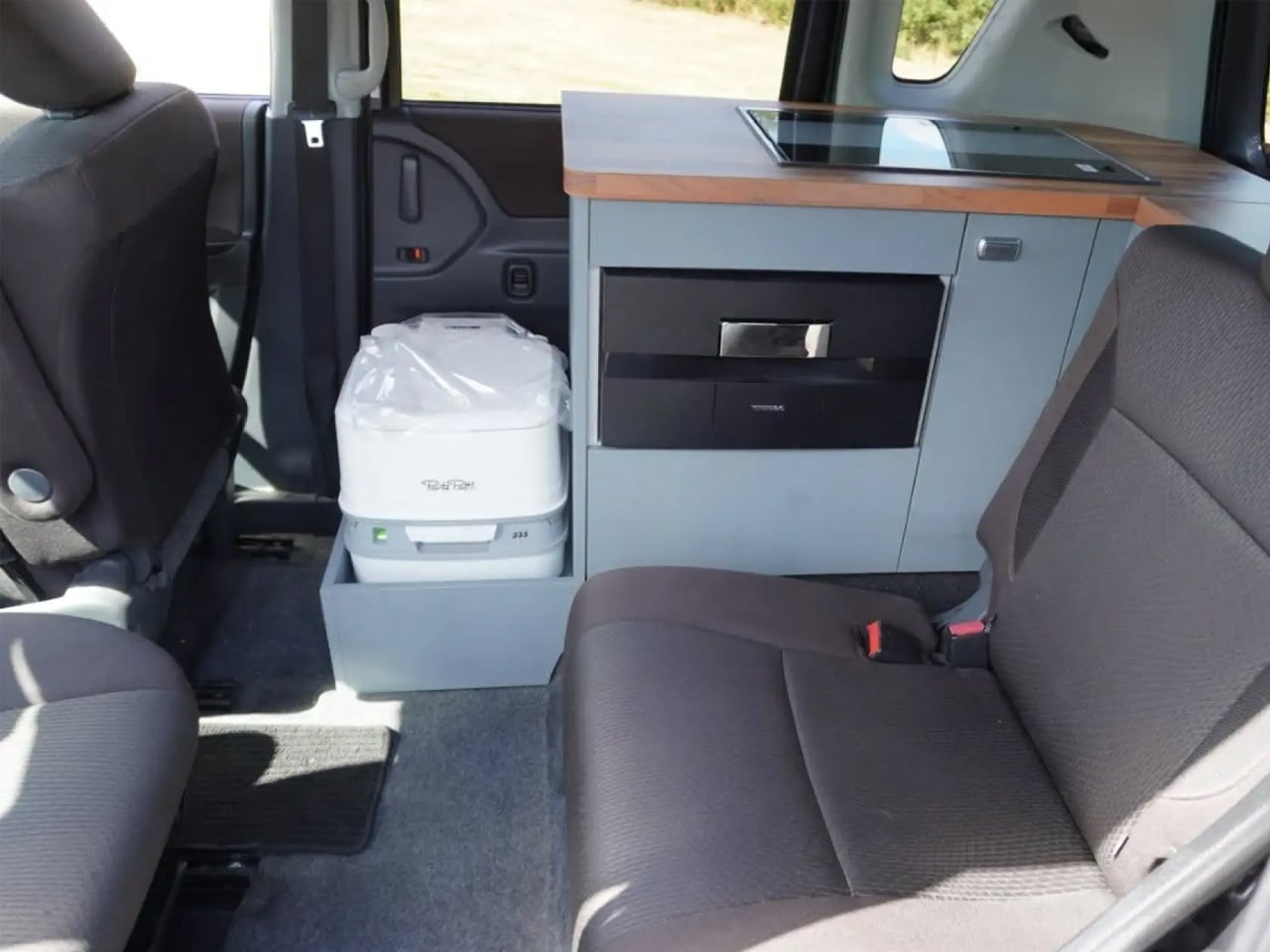
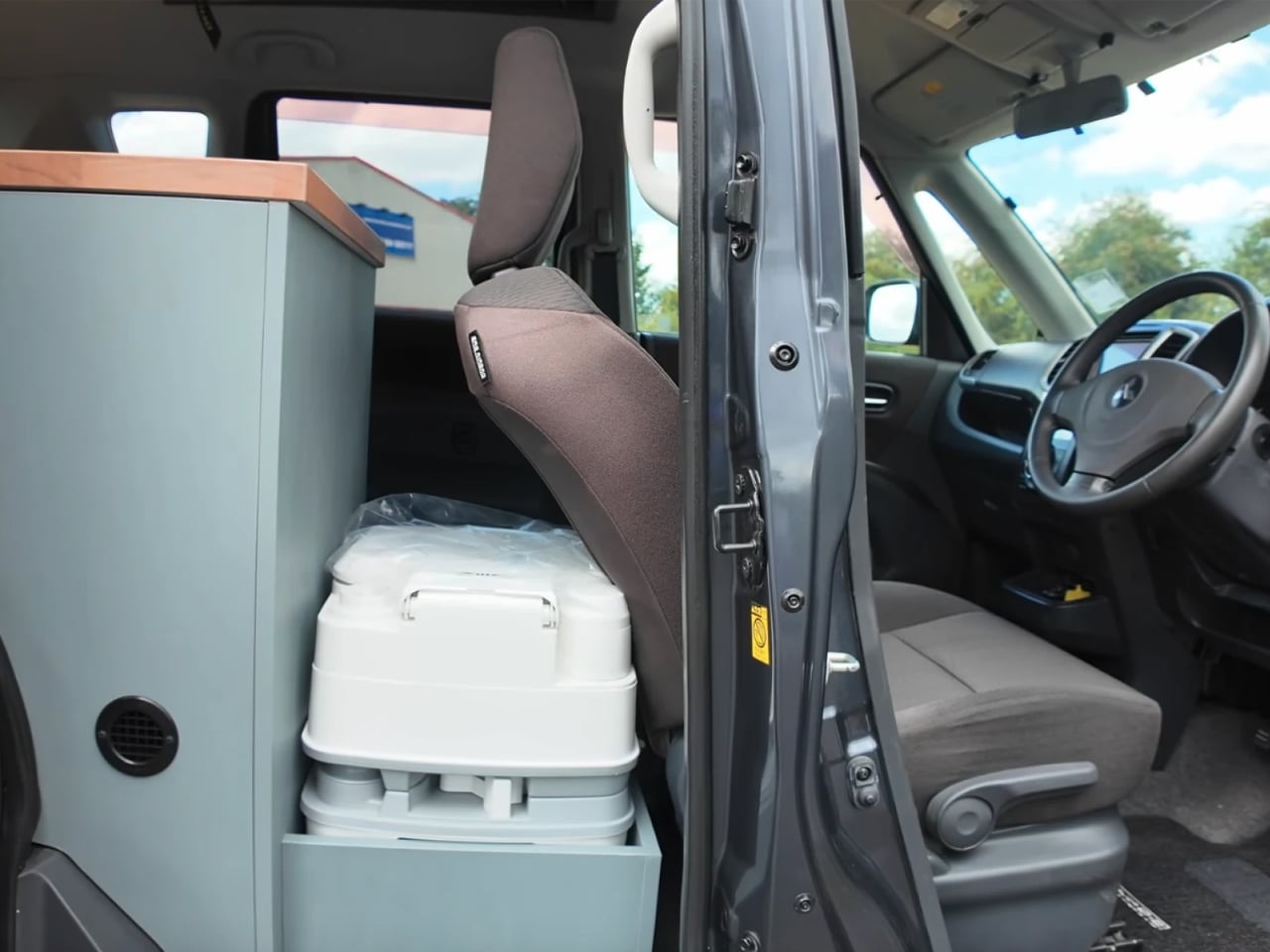
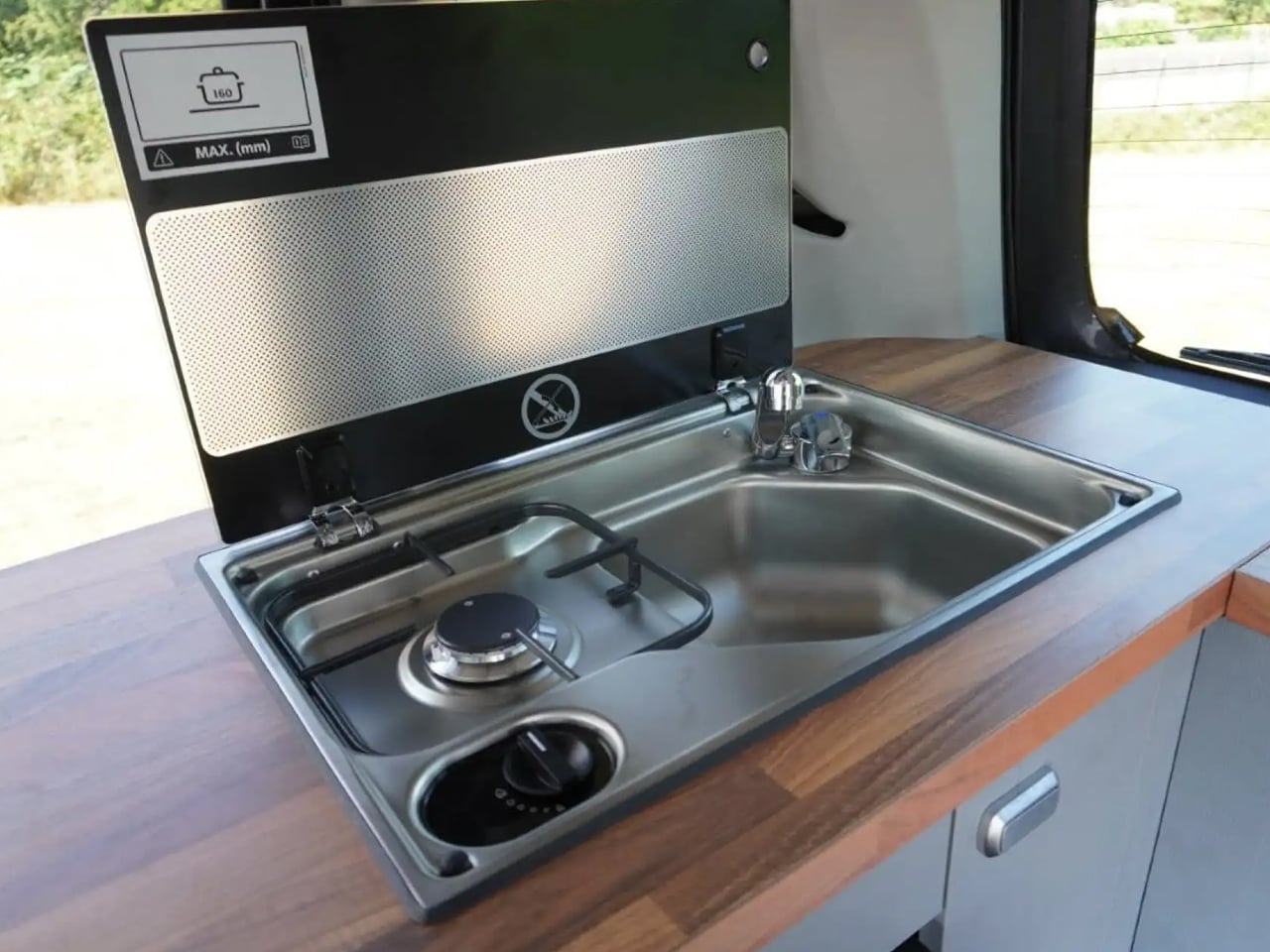
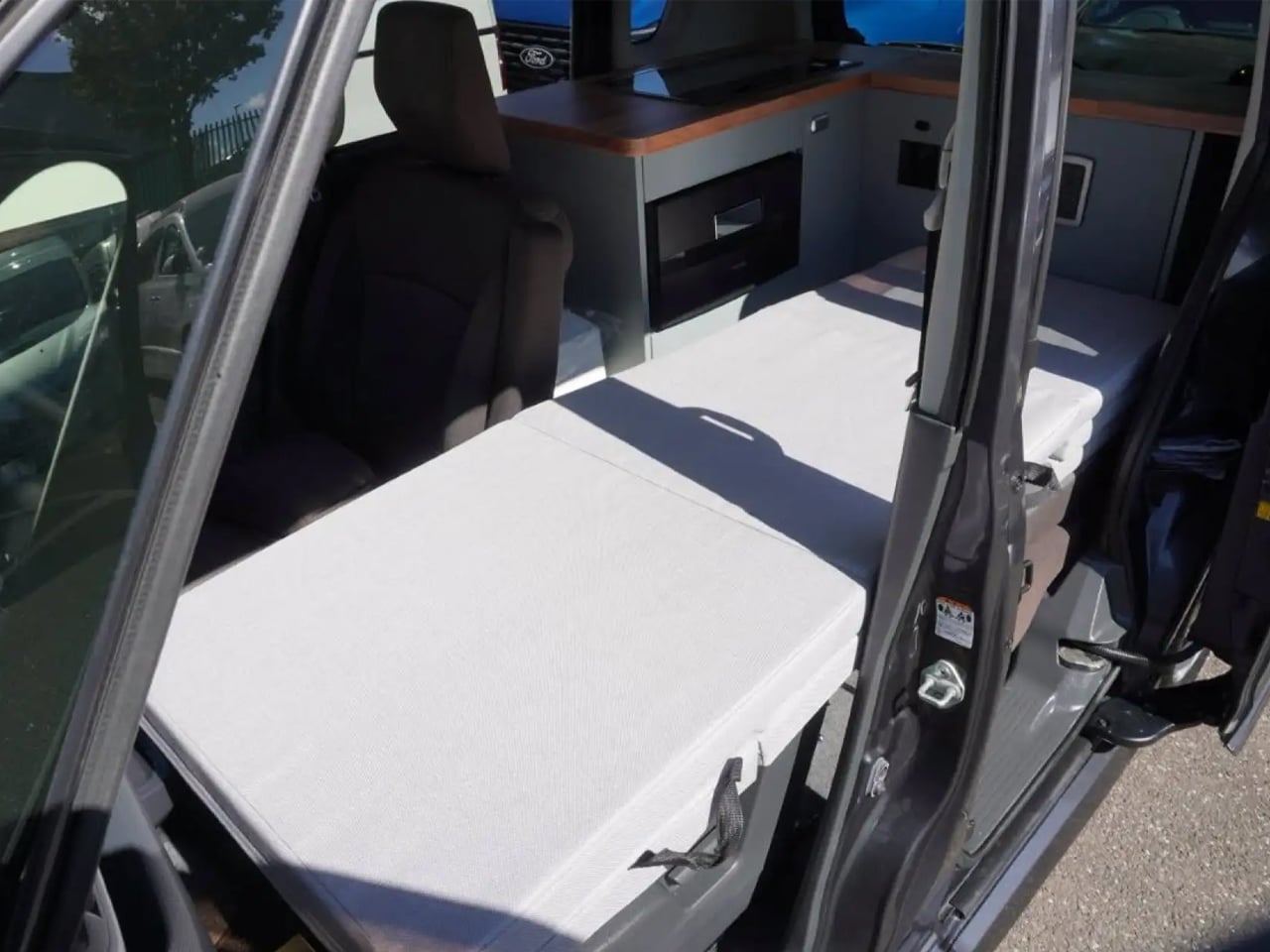
Measuring only 3.7 meters long, the van is a compact deception. From the outside, it gives out nothing. But when the doors are flung open, the versatile interior can leave you mesmerized. The van has been equipped with a swivel passenger seat and a solo, crash-tested seat at the back. The two can lie flat to combine into a bed when the night calls. The interior is complete with an L-shaped kitchen and a portable toilet; you can use it indoors.
The vehicle itself is an affordable entry into mobile living space. Priced roughly around £19,500 (approximately $26,000), varying based on the model. According to Wellhouse Leisure, the camper van comes in 2WD and 4WD hybrid powertrain options and essential motorhome features to go with it. Prioritizing storage and functionality, the 3.7-foot-long van opens up significant headroom with the pop-top roof. Approximately 6.5 feet of headroom, allowing a tall adventurer to stand up comfortably to change clothes and stretch their legs.
For safety and cross-ventilation without allowing bugs inside, the pop-up section includes mesh screens. This also permits natural light into the van, which houses an L-shaped rear kitchenette accessible with the open tailgate. To make it functional, it comes with a hob, sink, and a 20-liter drawer fridge is provided as well. The swiveling passenger seat and the rear chair can together be paired with a pop-up table to create a dining and lounging area. And when it’s time to sleep, the passenger seat and the rear seats fold flat, and the padded infill cushion creates a long single bed that can accommodate a 6-foot person with ease.
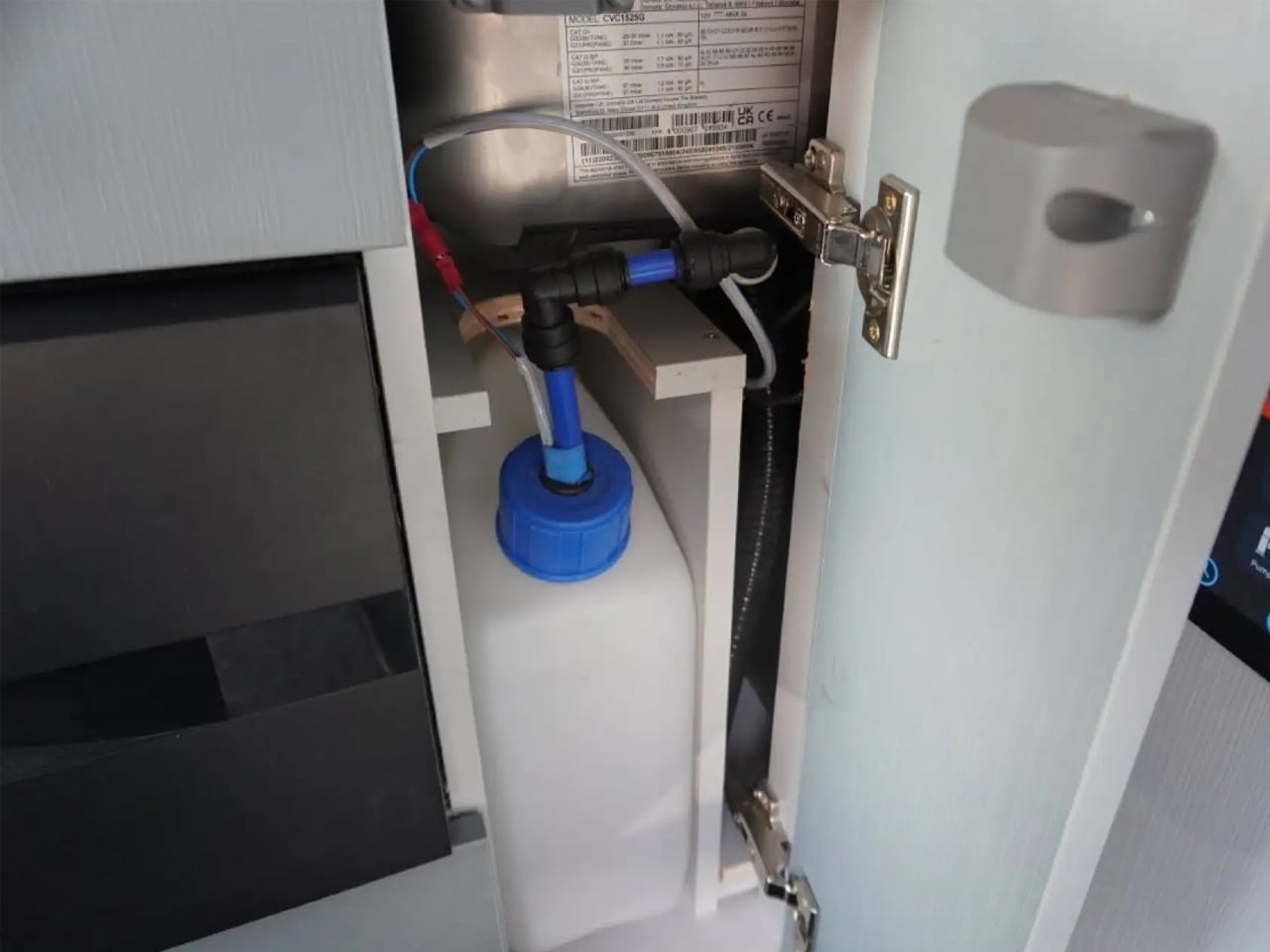
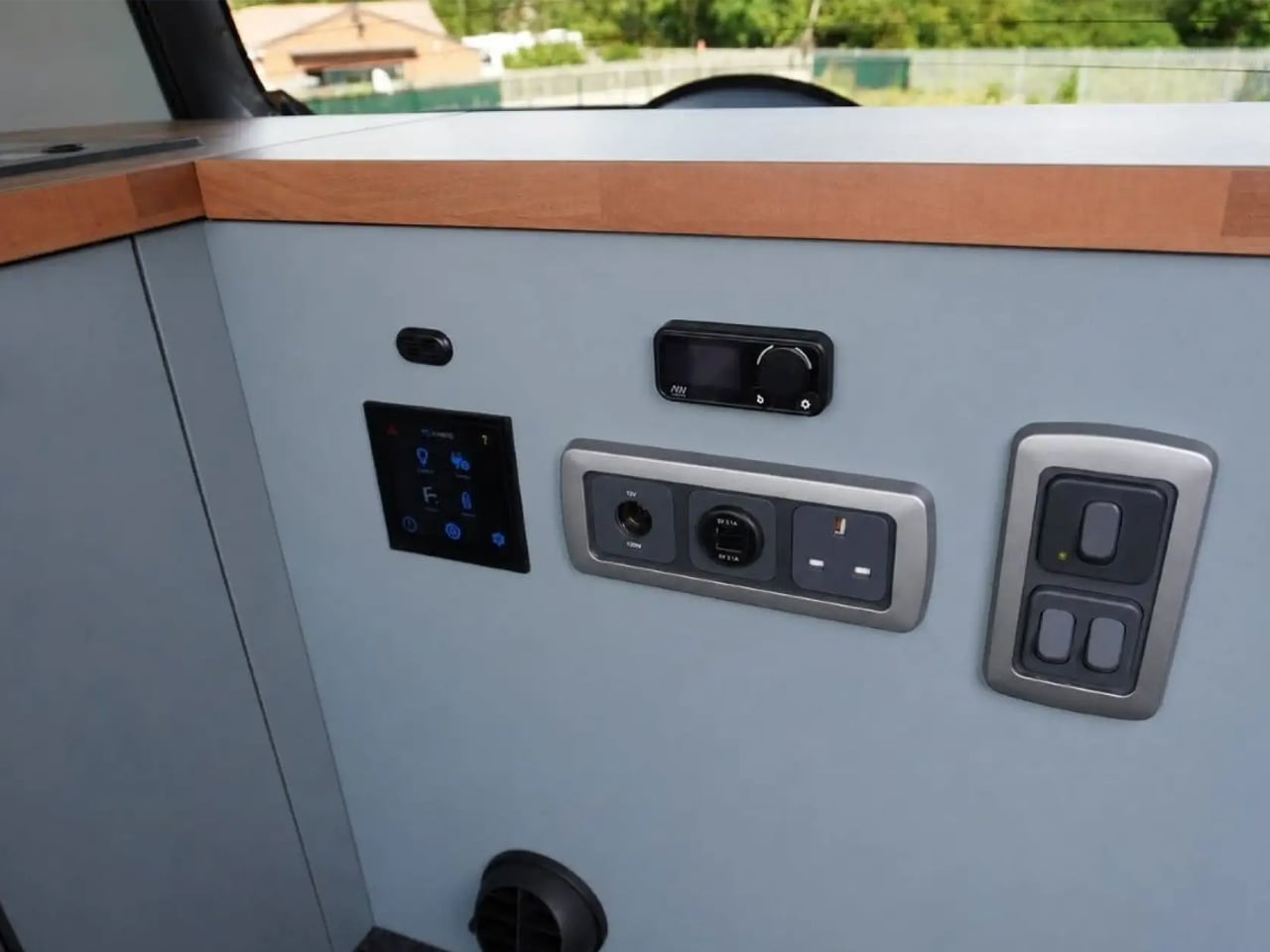
Just behind the driver seat is the chemical toilet seat. It can be used by slightly turning the driver’s seat forward even when the bed is laid out. It can be emptied after use from the outside of the vehicle; this nifty hack means you don’t have to carry it through the interior. The storage inside is taken care of with under-seat compartments and a special bedding storage section created above the portable toilet. For its ability to square up for more than a weekend, it features a removable water tank, solar panel regulator, and full electrical system.
The camping trailer has quietly become one of the most thoughtfully engineered product categories of this decade. What was once a box on wheels with a mattress and a camp stove has evolved into something genuinely difficult to categorize. The best trailers of 2026 read as part tiny home, part electric vehicle, part off-grid power station. They do not just take you somewhere. They reshape what it means to live comfortably outside the four walls of a house.
Whether you are a solo remote worker chasing good terrain and reliable cell signal, a family looking to untether completely from campground hookups, or an EV driver who refuses to trade range for a weekend in the wilderness, there is a trailer on this list designed for the specific problem you are trying to solve. These are seven designs worth paying attention to right now, each earning its place for a different reason.
1. Mini House
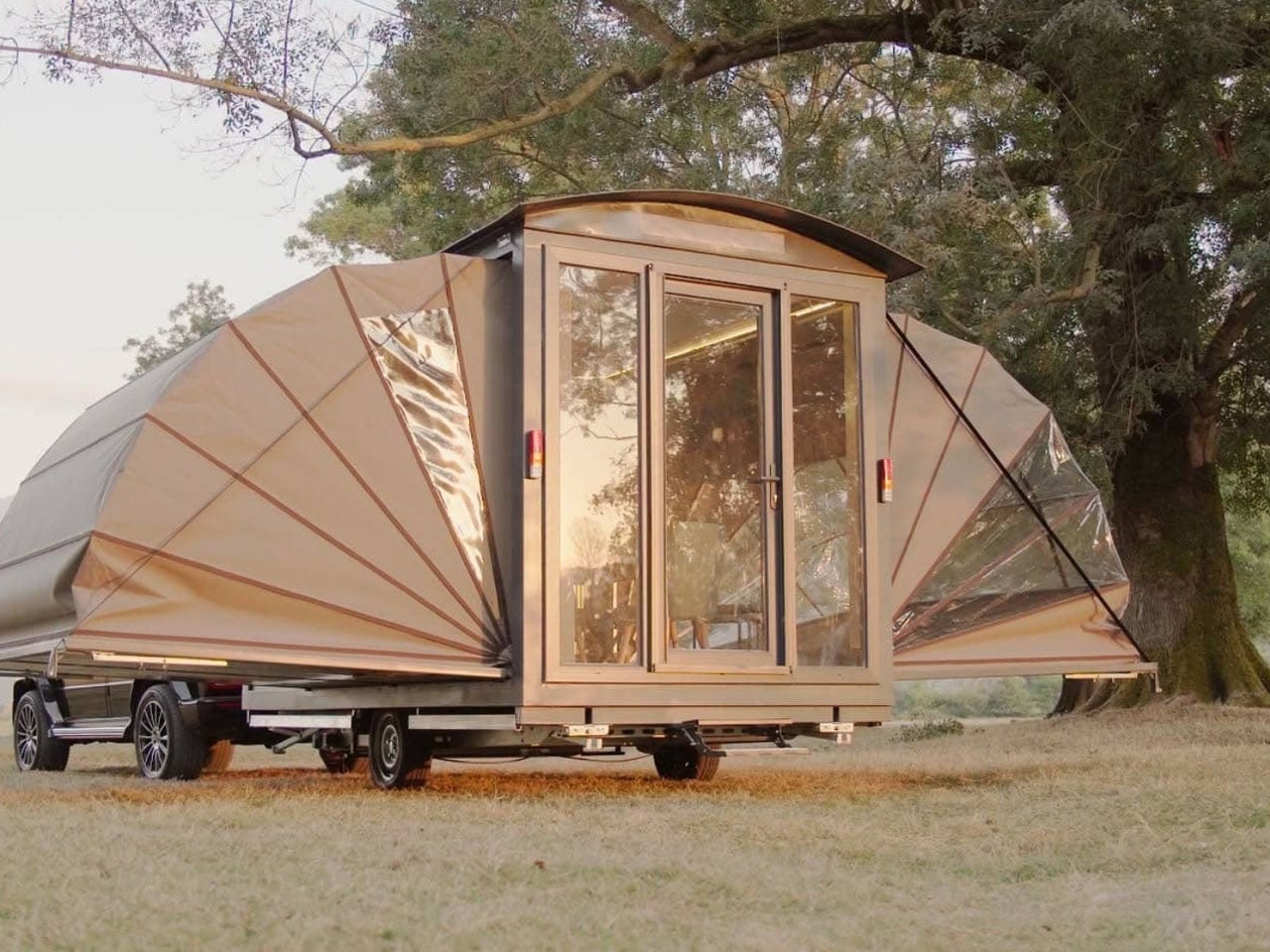
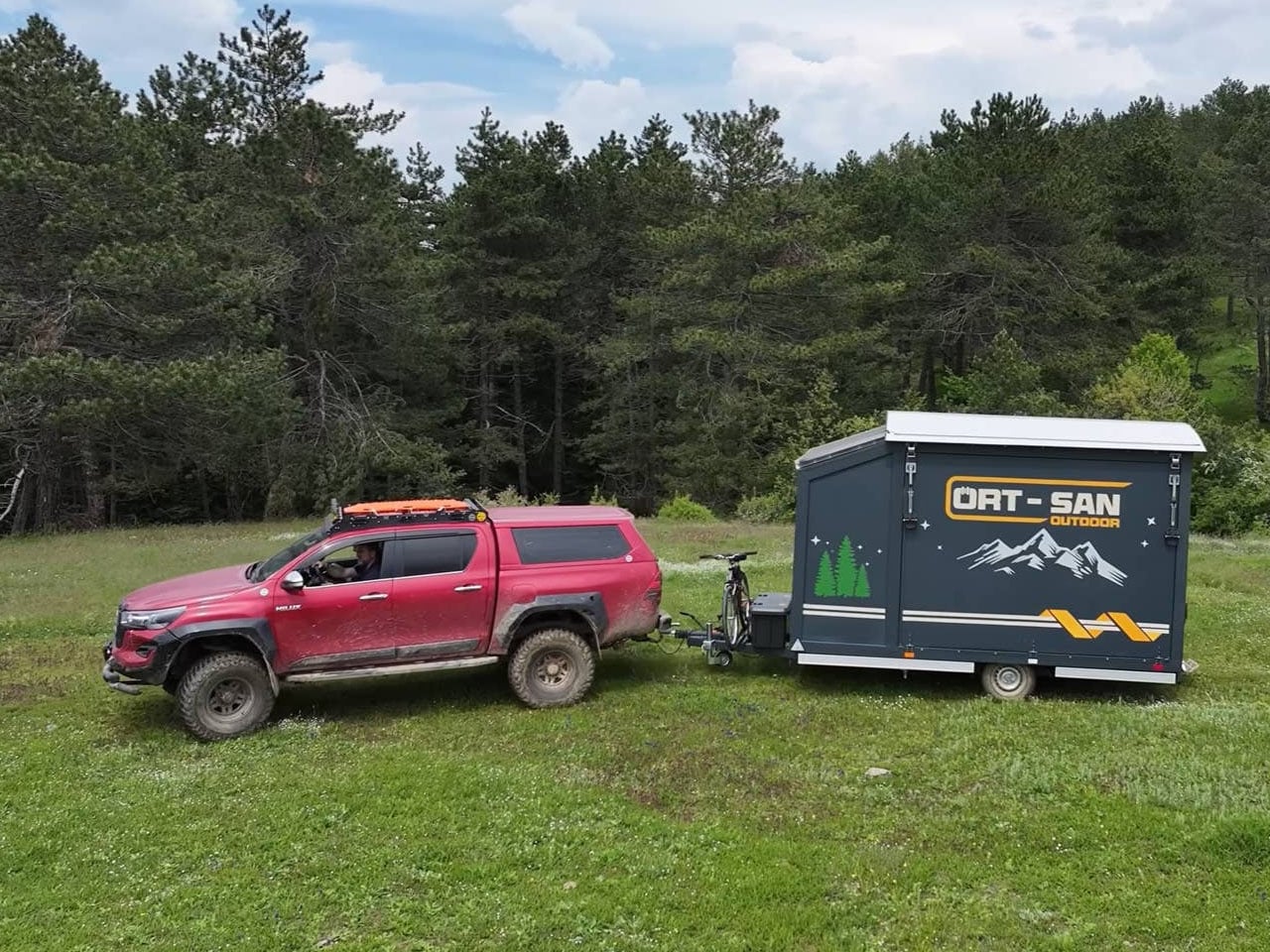
The Mini House from Turkey is one of the more mechanically earnest camper trailers to arrive in 2026. In transport mode it measures 13.1 feet long and 6.8 feet wide, compact enough to be towed by most mid-size vehicles. Once parked, two sidewalls fold outward like an accordion at the press of a button, expanding the living footprint from 90 square feet to 219. The result reads less like a camping trailer and more like a compact home that happens to have arrived on a single axle.
The off-grid package is thorough rather than symbolic. A 470-watt roof-mounted solar array pairs with a 200Ah lithium battery and inverter for electrical independence. The kitchen carries a 90-liter 12-volt refrigerator, a two-burner gas cooktop, a stainless steel sink, and a slide-out dining table. The bathroom is full-sized. A wood-burning stove, a Webasto diesel heater, and air conditioning manage climate across seasons. A tablet-based control system operates the lighting, climate, and the expansion mechanism from one central interface. It starts at approximately $19,300 before taxes, shipping, and customization.
What we like:
A 143 percent expansion in living space from a sub-$20,000 base price is genuinely difficult to match at this price point
The push-button accordion mechanism requires no physical assembly on arrival at camp
What we dislike:
The canvas wing enclosures of the expanded sections offer less weather protection than a hard-shell structure
Import and shipping costs from Turkey add meaningfully to the final price for North American buyers
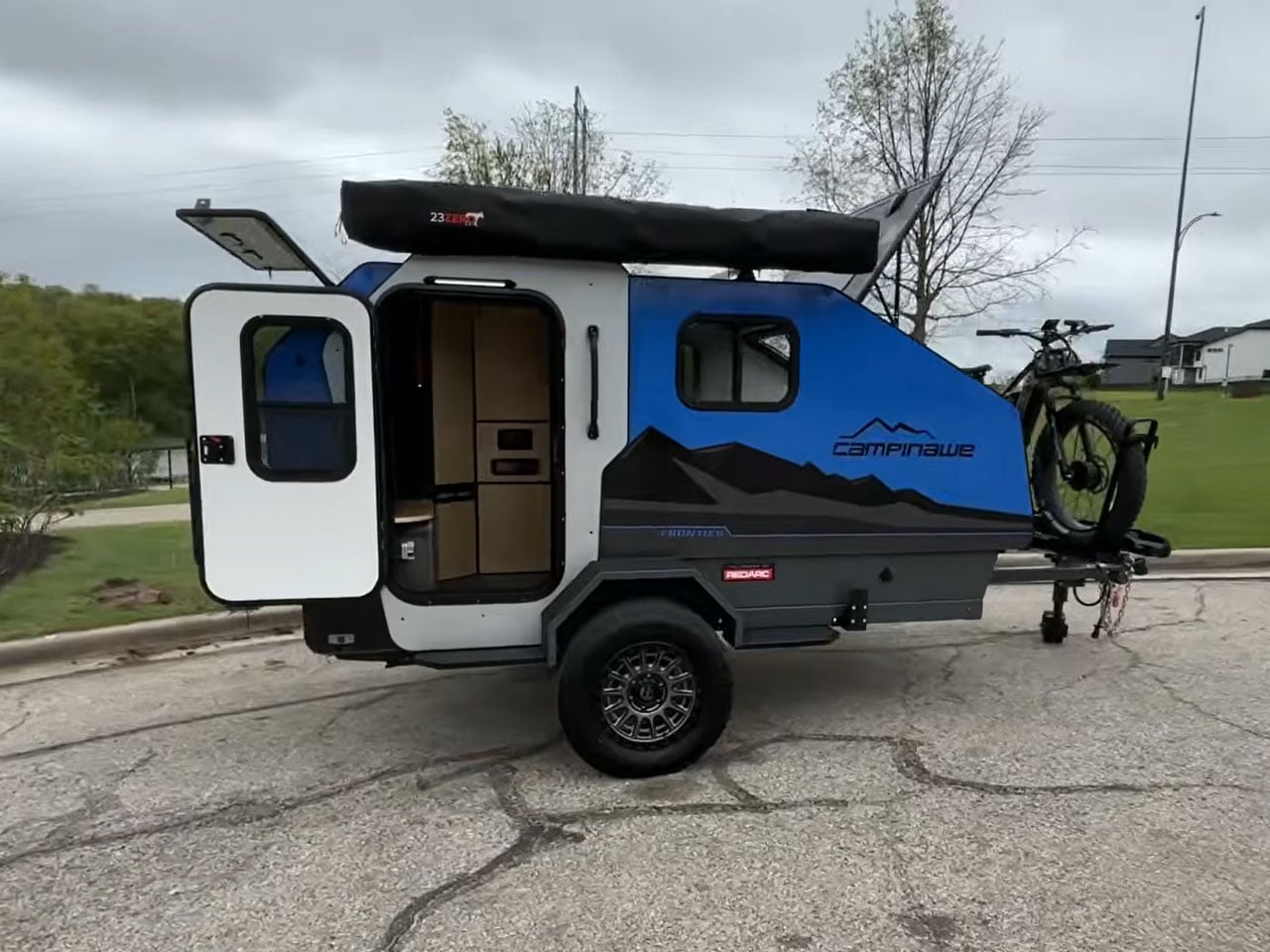
2. Campinawe Crossover Solo
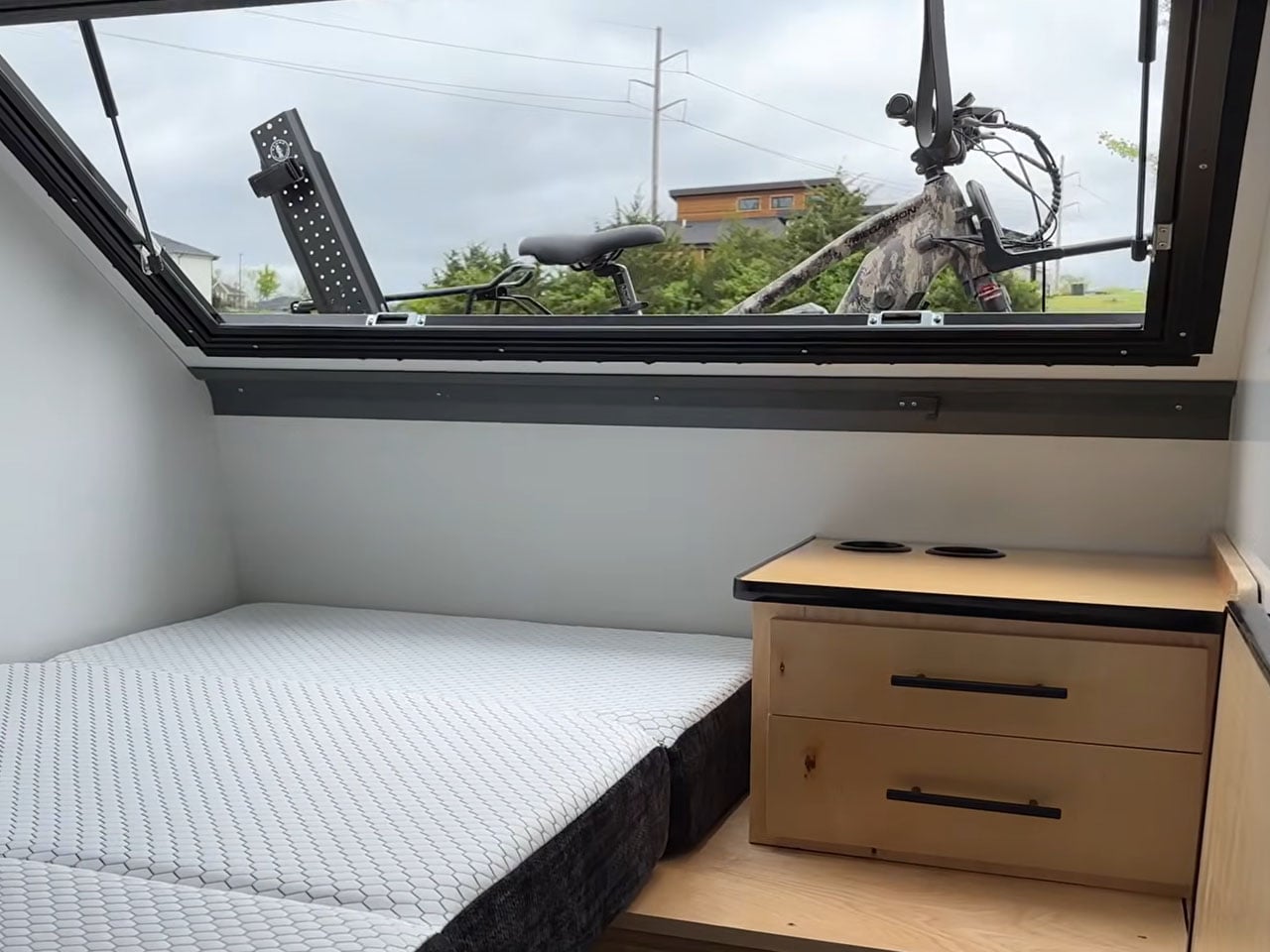
The Campinawe Crossover Solo is the rare camping trailer built around a specific kind of person — the solo traveler who also needs a proper desk. Available as a new layout for the company’s existing Frontier and Adventure trailers, starting at $39,995, it centers its interior around a single twin XL mattress that folds away entirely. The open floor becomes a workspace, a dining area, or an exercise space depending on what the day requires. The step-in foyer keeps outdoor gear separate from the living space.
What Campinawe has always done well is design for how a space functions across an entire day rather than simply around the moment you crawl into bed. The Crossover Solo extends that philosophy to its most focused endpoint. The bed folds in half and stores flush against one wall, creating something that reads more like a compact studio apartment than a camper trailer. A drop-down desk doubles as a dining table and works in combination with the bed edge as seating, while a nightstand keeps the sleeping area considered rather than improvised.
What we like:
The fold-flat bed transforms the interior into a genuinely functional daytime workspace
The step-in foyer keeps the living area clean in a way most manufacturers have still not figured out
What we dislike:
The twin XL mattress is too narrow for two adults traveling together
There is no bathroom included in the Crossover Solo layout, requiring external facilities for any extended trip
3. Adventure Pro Mini 2.0
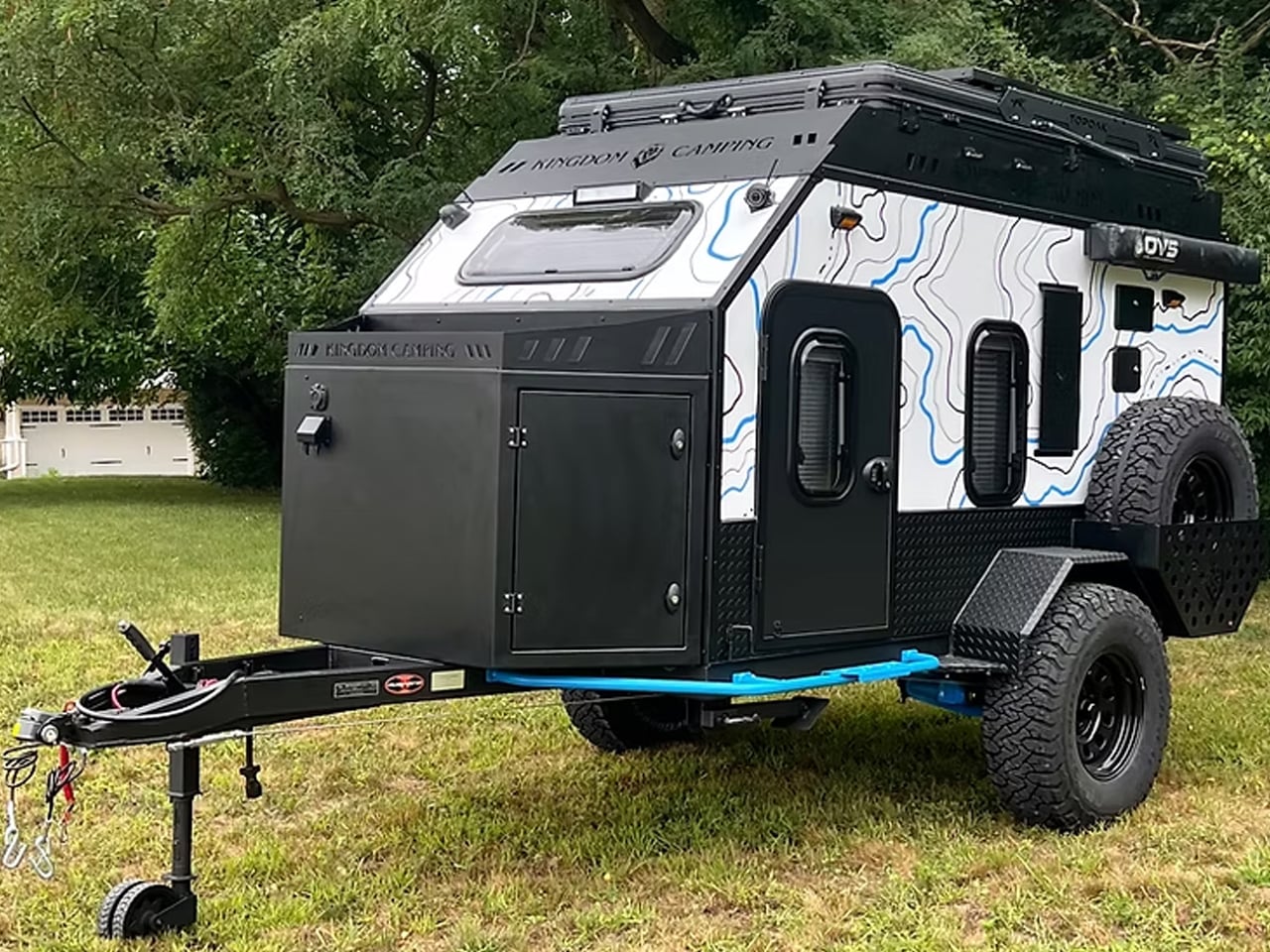
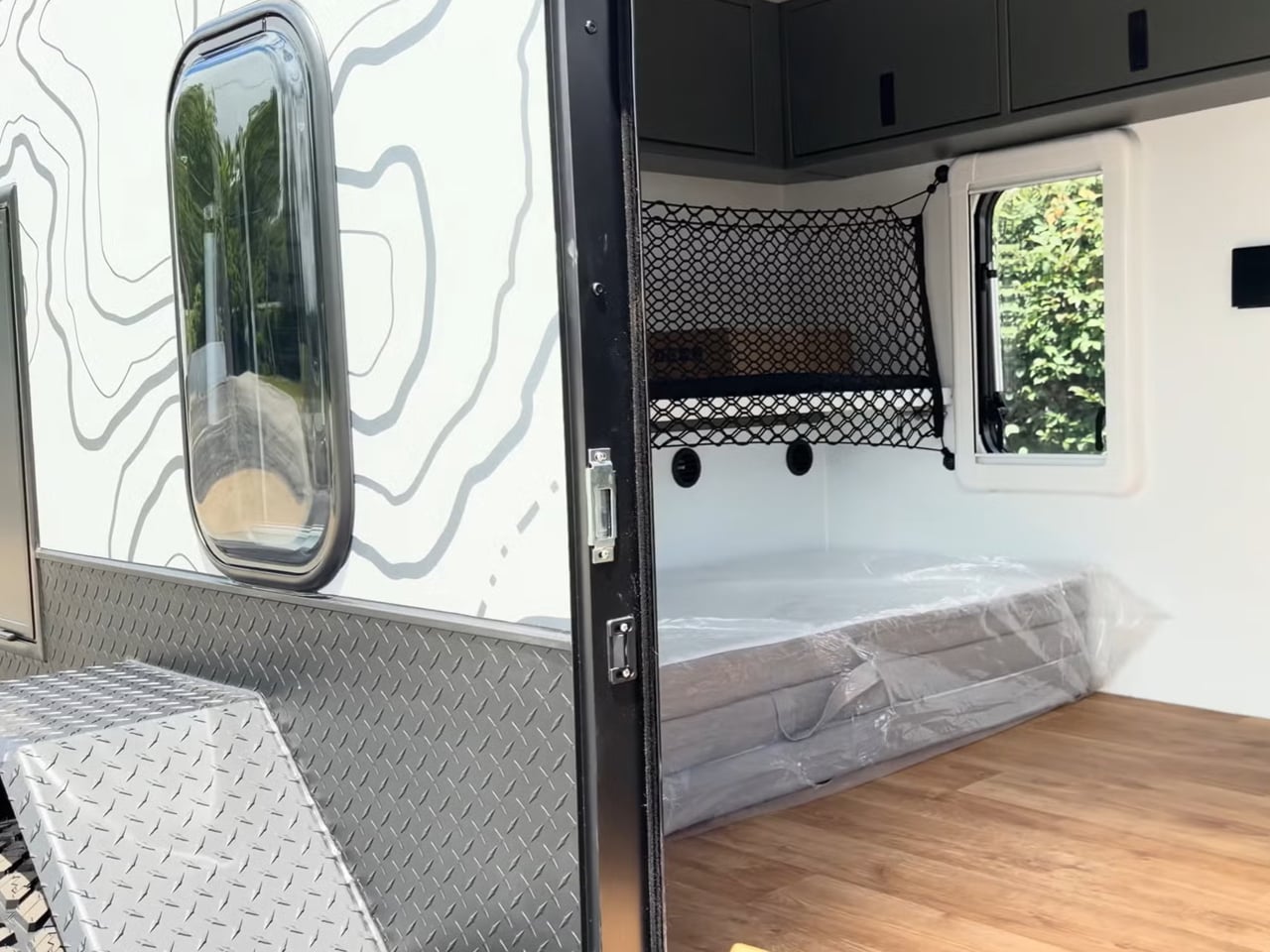
Kingdom Camping’s Adventure Pro Mini 2.0 is what happens when a builder from Indiana decides to take compact off-roading seriously without cutting corners on the interior. The fiberglass shell weighs 2,300 pounds fully loaded, sits on a steel chassis with rock sliders, and rides on 33-inch all-terrain tires with independent suspension. An articulating hitch coupling lets the trailer follow a tow vehicle across genuinely rough terrain without resistance. There is no wood anywhere inside. Every cabinet is powder-coated aluminum throughout.
The rear galley is where the Mini 2.0 earns its place on longer trips. A stainless steel sink with hot and cold water, a dual-zone Iceco BL75 fridge/freezer, and a side slide-out cooktop with quick-connect propane come standard. A 400-watt roof-mounted solar panel feeds a 300Ah lithium battery and a 2,000-watt inverter, while a Dometic RTX 12-volt air conditioner manages climate year-round. A dual-pane skylight above the sleeping area pulls in natural light, and safety-netted bunk space handles a child or a pet you have along for the trip.
What we like:
The completely wood-free, powder-coated aluminum interior is built for moisture resistance and longevity in a way conventional trailers cannot match
A full rear galley with hot and cold water is uncommon at this weight class
What we dislike:
Pricing requires a direct conversation with the builder rather than a published figure, which slows the decision process
At 3,500 pounds GVWR, the trailer needs a properly rated tow vehicle to go anywhere worth going
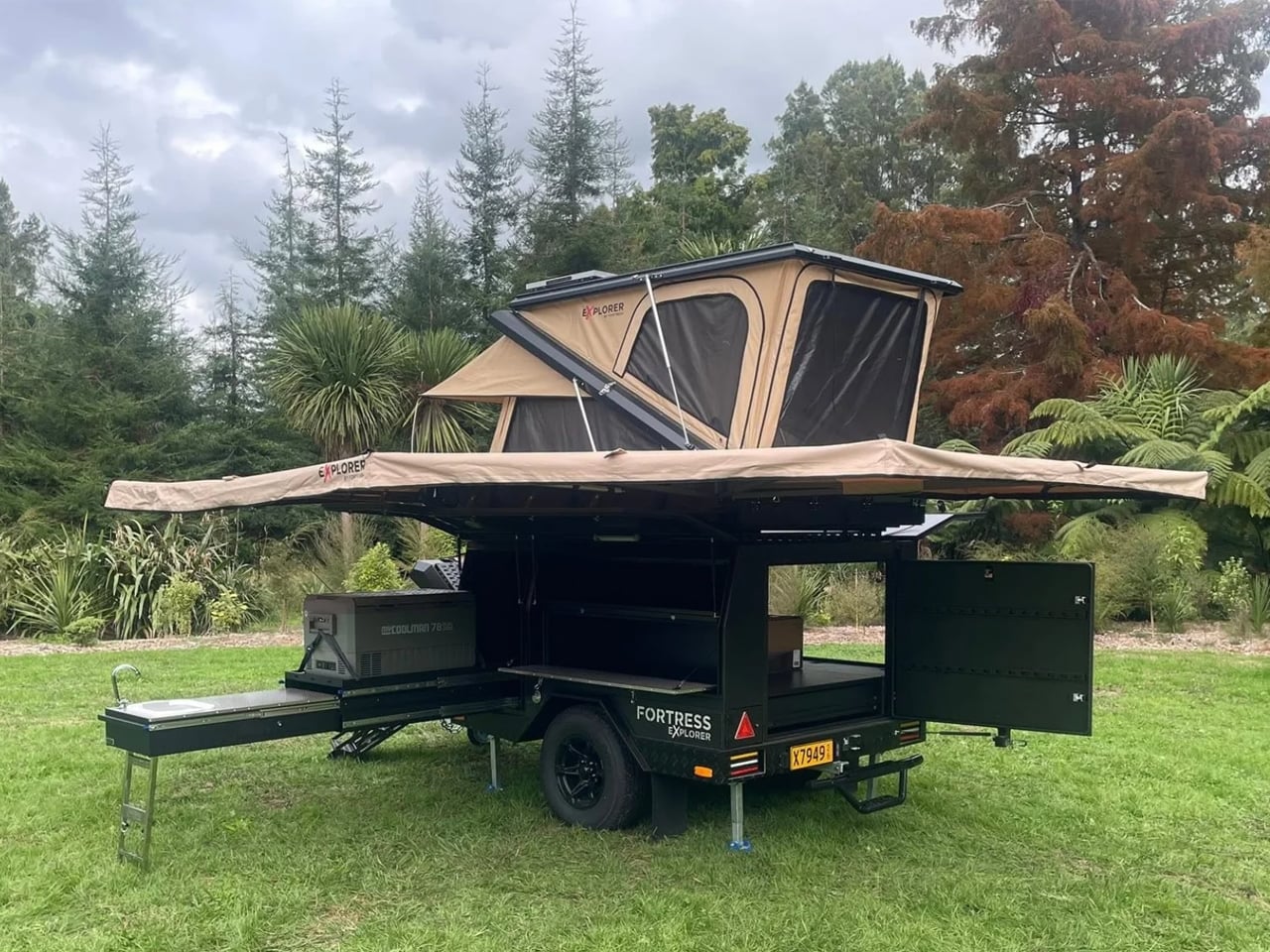
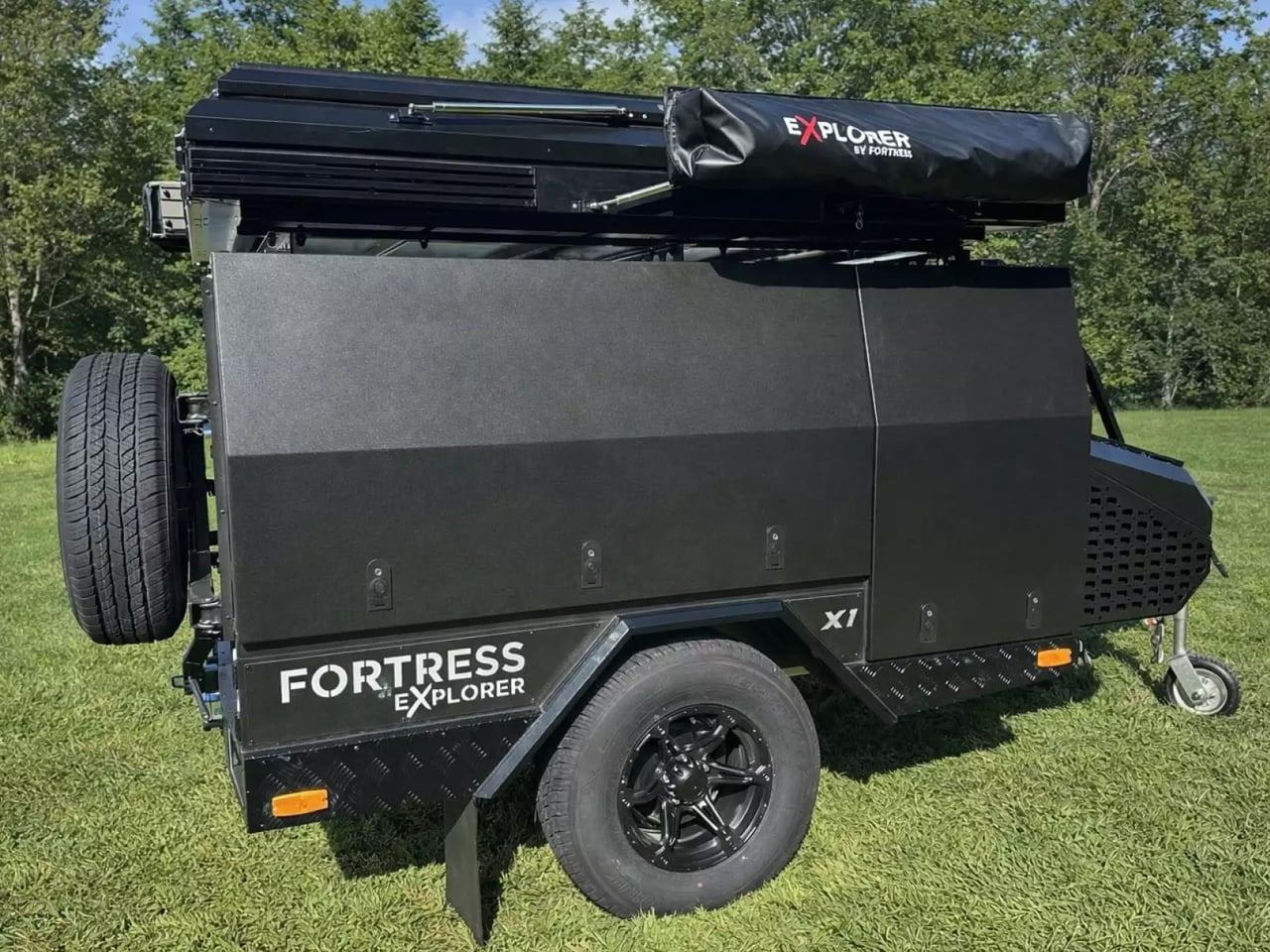
4. Fortress Explorer
New Zealand’s Fortress Trailers spent years building secure, commercial-grade utility trailers for tradespeople before turning its attention to the outdoors. The Explorer is its first camping trailer, and the commercial DNA is visible throughout. The body is aluminum with scratch-resistant paint, while the chassis remains hot-dipped galvanized steel. It stretches 13.5 feet, offers 6.9 feet of headroom, and rides on 15-inch wheels. A 270-degree awning extends the living area outward, transforming the exterior into a proper outdoor room for cooking and relaxing.
A rooftop tent expands sleeping capacity beyond the queen-size memory foam bed inside the main cabin. The slide-out kitchen carries a 90-liter fridge, bench space, and cooking storage, while a 120-watt solar system paired with a 100Ah battery and a 1,000-watt inverter handles power. A 100-liter water tank covers water needs, and a separate shower tent provides privacy for washing up. A slide-out gear drawer keeps equipment organized on arrival. At roughly $25,000 USD, the Explorer is currently available only in New Zealand, with no confirmed plans for North American distribution yet.
What we like:
The galvanized steel chassis and aluminum body represent a level of structural integrity most camping trailers in this price range never approach
The overall value proposition for the build quality is genuinely competitive
What we dislike:
The 120-watt solar system is modest compared to competitors at a similar price point
North American availability remains unconfirmed, which is a significant limitation for the majority of buyers reading this
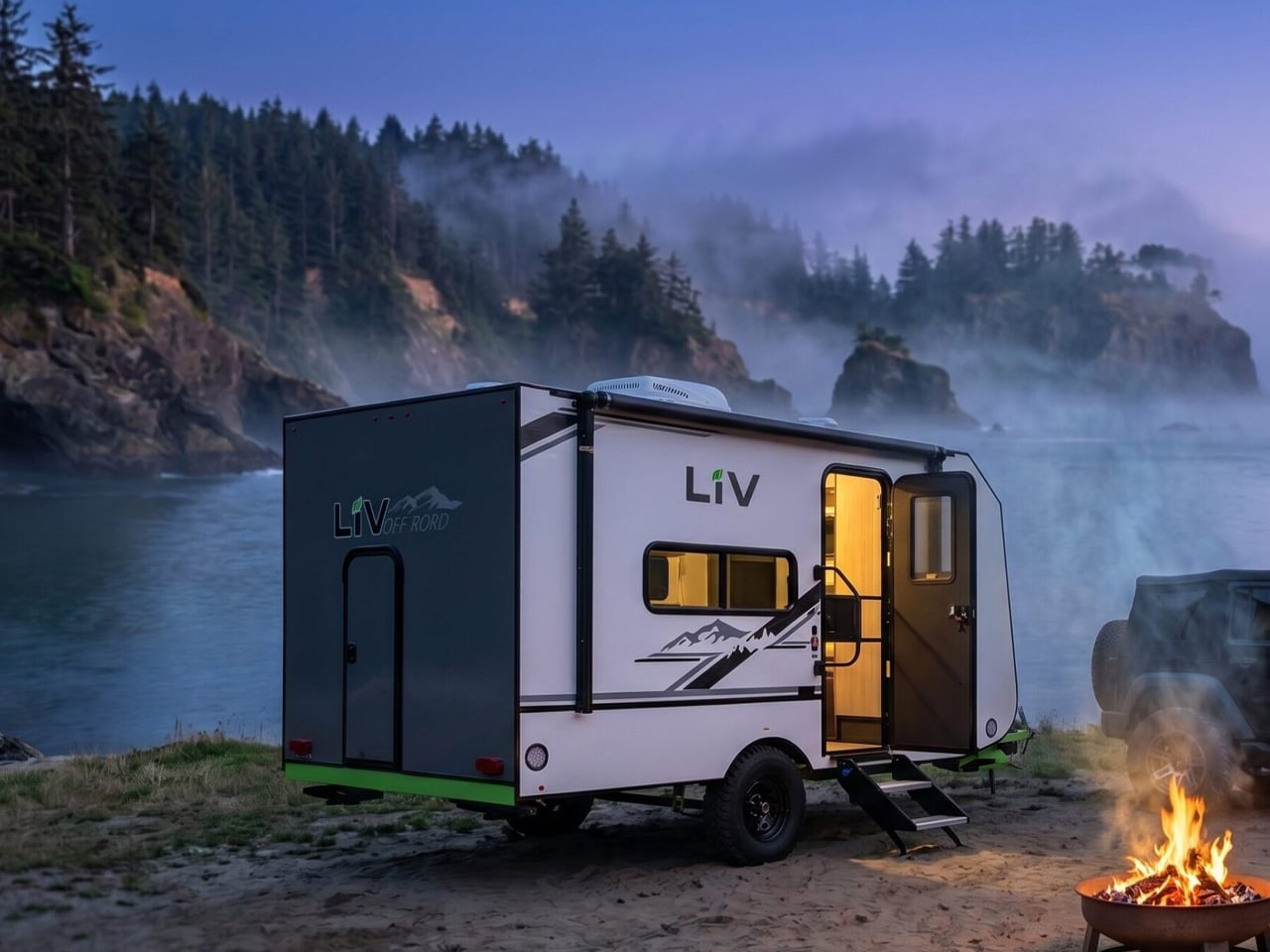
5. LIV E-Leaf Offroad
LIV Trailers has spent years making the case against wood and fiberglass in travel trailer construction. The E-Leaf Offroad takes that position further by adding an all-electric powertrain to a single-piece thermoplastic shell. The body is formed by welding the roof, walls, and wheel wells into one continuous structure with no seams for water to enter and no risk of corrosion. The result is a trailer that is simultaneously lighter, more rugged, and more structurally uniform than anything built with conventional methods, starting under $25,000.
Inside a form factor that reportedly measures just over 17 feet, LIV fits a Murphy bed on one side and a gaucho sofa that converts to a second sleeping surface on the other. The L-shaped corner kitchen includes a single-burner electric cooktop, door fridge/freezer, and microwave. A 30-liter electric water heater feeds the full bathroom, with both a toilet and a shower included. A 400-watt rooftop solar system charges a 300Ah lithium battery, while a 3,000-watt inverter manages output. A 20-amp DC-to-DC charger can also push power directly back to the towing vehicle.
What we like:
The seamless thermoplastic unibody eliminates the most common failure points in conventional trailer construction
An all-electric feature set under $25,000 is a price point very few competitors can approach
What we dislike:
Most specifications remain announced but unconfirmed at the time of launch
Official dimensions have not been published, which makes direct comparison with established alternatives genuinely difficult
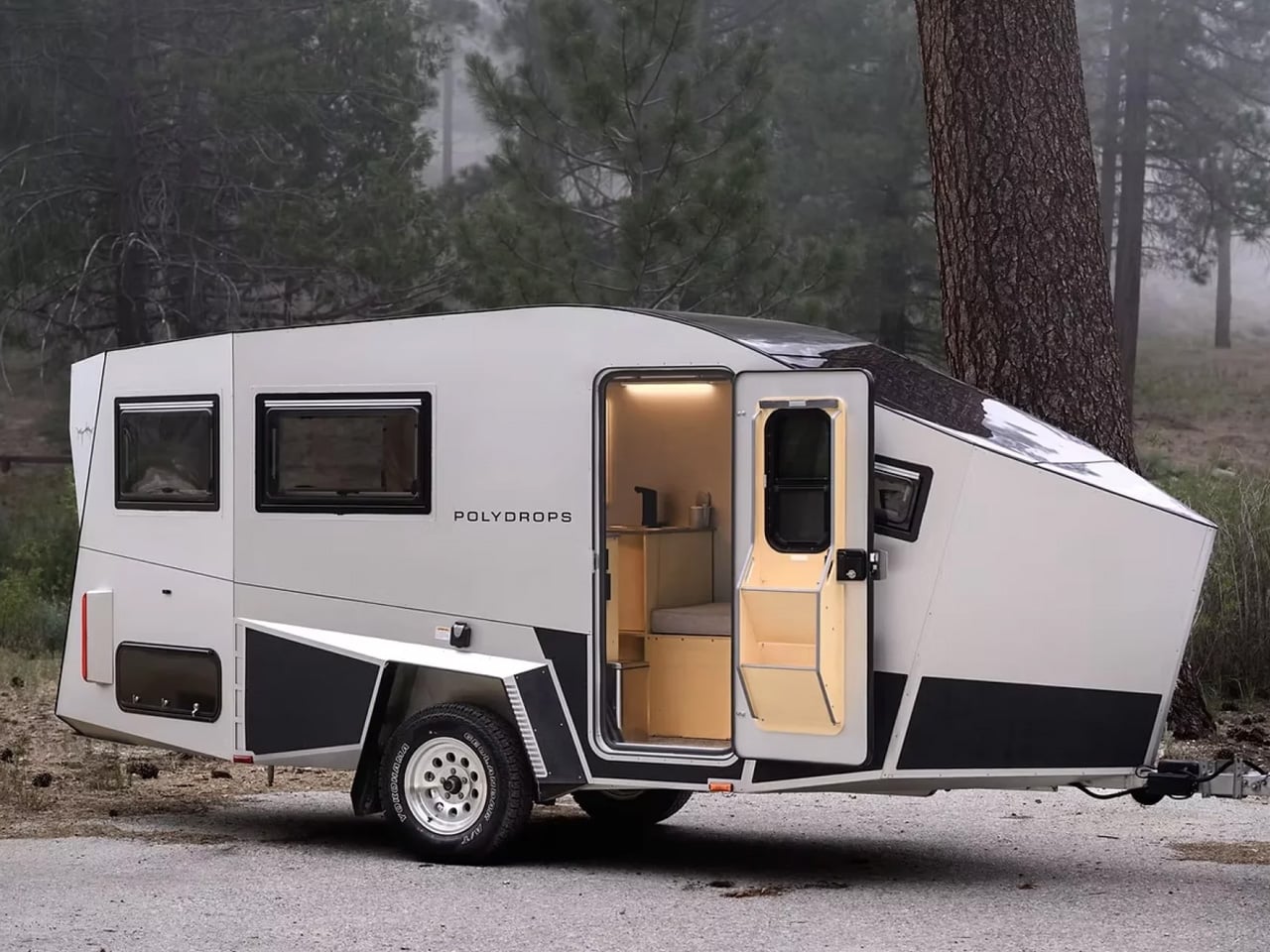
6. Polydrops P21X
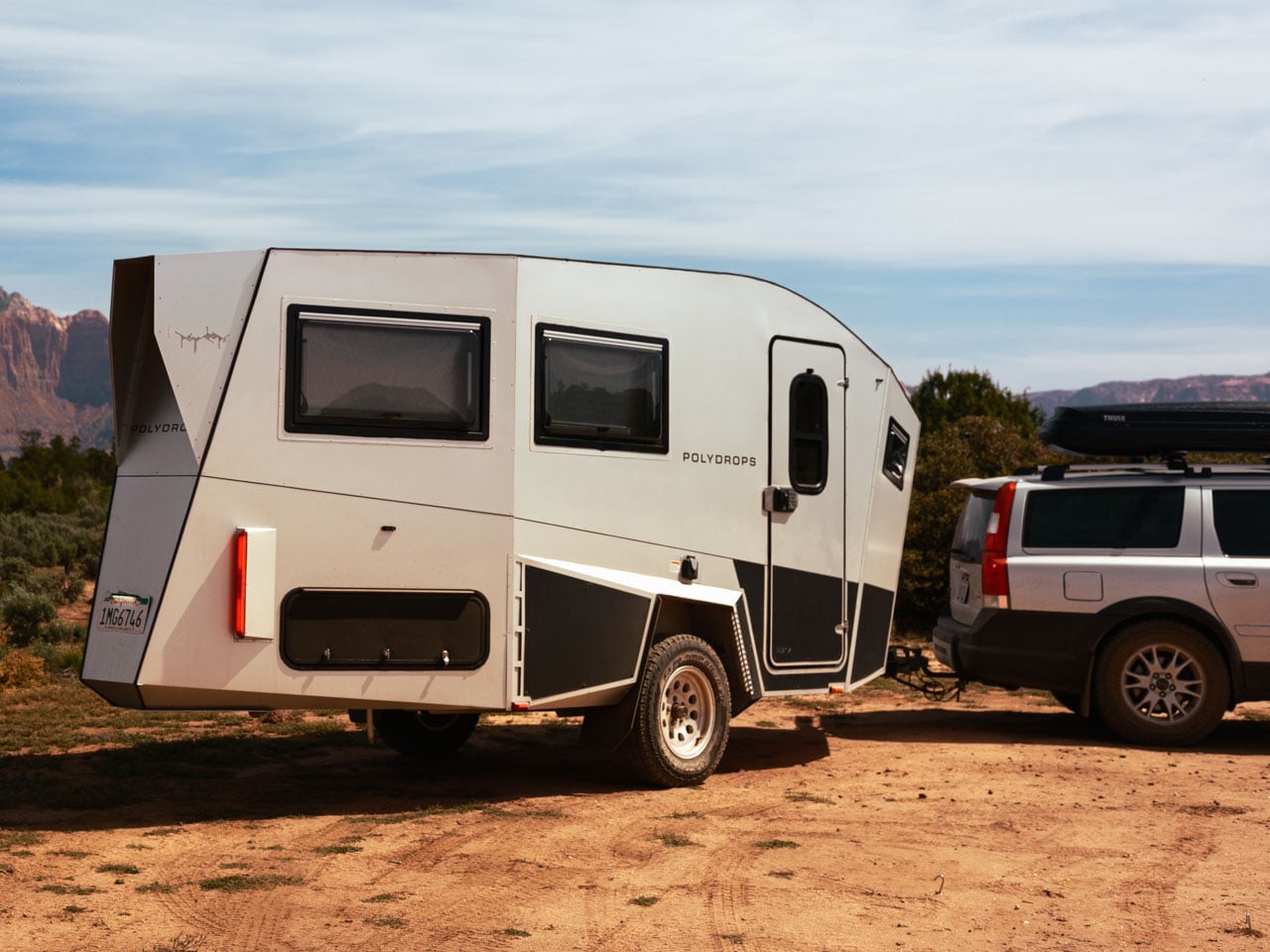
Polydrops built its reputation with the P21 by proving that a well-shaped trailer could reduce drag enough to make EV towing practical. The P21X extends that premise into off-road territory. The wedge-shaped, angular body now sits 15 inches off the ground on all-terrain tires with independent axle-less suspension. Every surface angle remains calculated for aerodynamics, with the rear tapered deliberately to compensate for the added height. The rooftop carries 1,300 watts of glass solar panels developed with Aptera Motors, a meaningful step up from the sub-1,000-watt system found on its predecessor.
Only 20 units will be produced, each starting at $76,900 with a 50 percent deposit required to reserve. The interior offers six feet of standing height for up to four people. A central kitchen feeds a convertible dinette in the rear that becomes the main sleeping area. A swiveling table up front creates a second bed alongside a separate lounge space. The hidden shower pan and pull-out toilet serve bathroom needs without a dedicated room. A 5kWh LFP battery manages storage with an upgrade path to 10kWh, and a 10,000-BTU unit handles both heating and cooling.
What we like:
The solar collaboration with Aptera Motors produces one of the highest-output rooftop systems on any production trailer in this size class
Aerodynamic engineering that genuinely reduces drag for EV-specific towing remains rare at any price
What we dislike:
Twenty total units make this inaccessible to the overwhelming majority of buyers regardless of budget
The $76,900 starting price is difficult to justify when competing trailers offer comparable off-grid capability at a fraction of the cost
7. Aboard T4
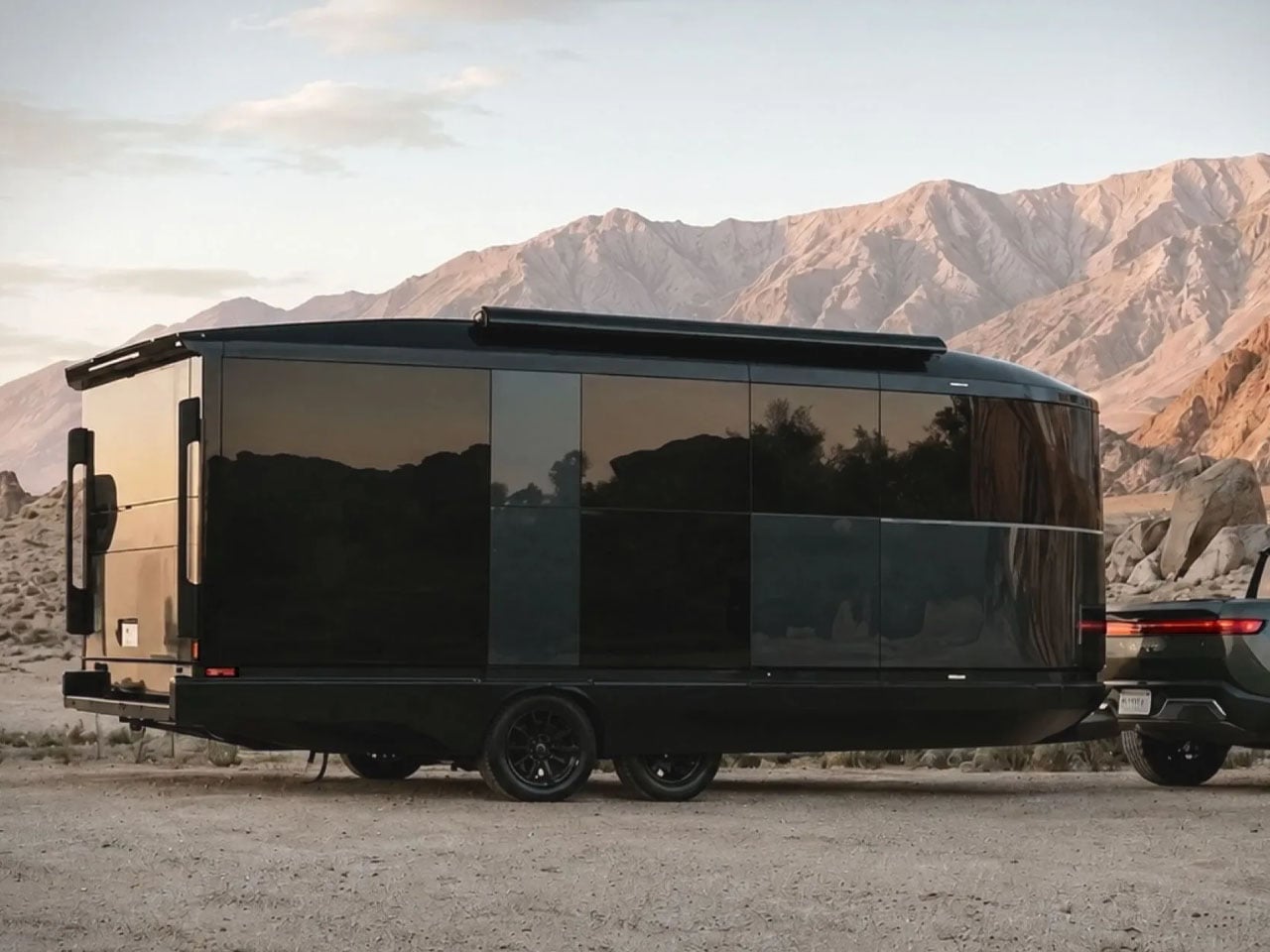
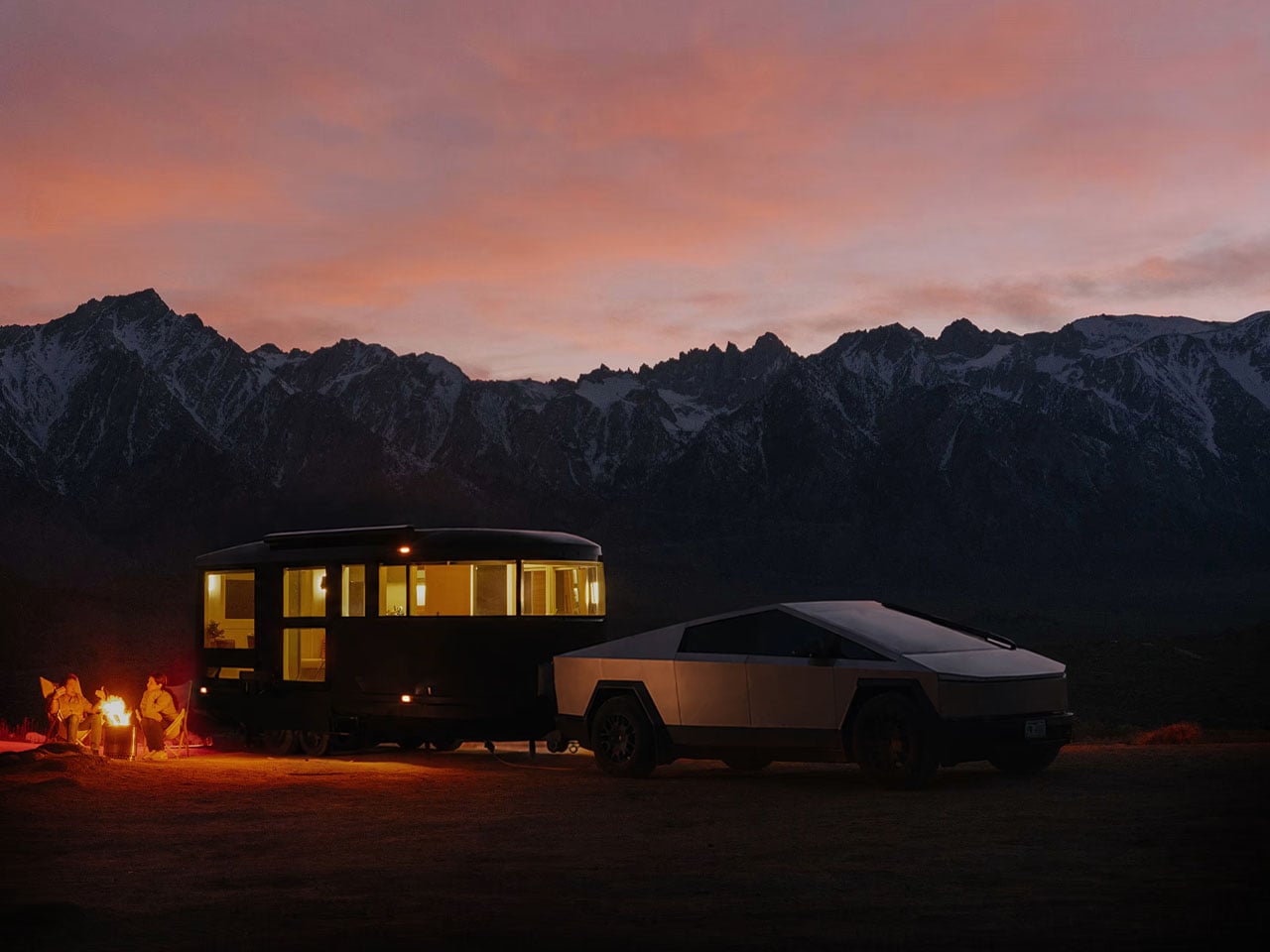
California-based Aboard RV has built something closer to an automotive platform than a conventional trailer. The T4 is 24 feet long and weighs 6,500 pounds, but its Extended-Range Electric Vehicle powertrain means the towing vehicle does not carry that load alone. A powered axle uses its own 41kWh LFP battery and a 60-kilowatt range-extending generator to assist propulsion, reducing drag on the tow vehicle and extending its effective range. The generator recharges in under 30 minutes. Total onboard power exceeds 200kWh, making extended off-grid stays a realistic proposition rather than a marketing claim.
Two convertible lounges flank the central kitchen and bathroom, transforming at night into sleeping areas for four people. The kitchen carries an induction cooktop, refrigerator, and microwave. The bathroom doubles as a mudroom with two separate entry points. Panoramic windows cover 270 degrees of the exterior. A 52-gallon fresh water tank, 35-gallon grey water, and 30-gallon black water tank support long-haul off-grid stays. The T4 starts at $80,000 and can be reserved now with a fully refundable $100 deposit, though a confirmed delivery date has not been announced.
What we like:
The self-propelling drivetrain is a genuine engineering advancement that no other production trailer currently offers
Total onboard power exceeding 200kWh makes extended off-grid living a realistic proposition rather than a marketing claim
What we dislike:
At $80,000 with no confirmed delivery timeline, the T4 remains aspirational for most buyers
The 6,500-pound weight still demands a heavy-duty tow vehicle regardless of how much the powered axle assists
The Category Is at an Interesting Moment, and These Seven Trailers Prove It
What this particular group of trailers makes clear is that the category is no longer converging on a single idea of what a travel trailer should be. From thermoplastic shells to accordion expansion mechanisms, from solo-tuned floor plans to self-propelled electric powertrains, the engineering diversity visible in 2026 reflects a market that is genuinely experimenting rather than simply iterating.
The price range covered here stretches from $19,300 to $80,000, and the most considered design on this list is not the most expensive. What links all seven trailers is an honest attempt to solve a specific problem well rather than produce another product that simply exists. That distinction is becoming rarer, which is exactly why it is worth recognizing when it shows up.