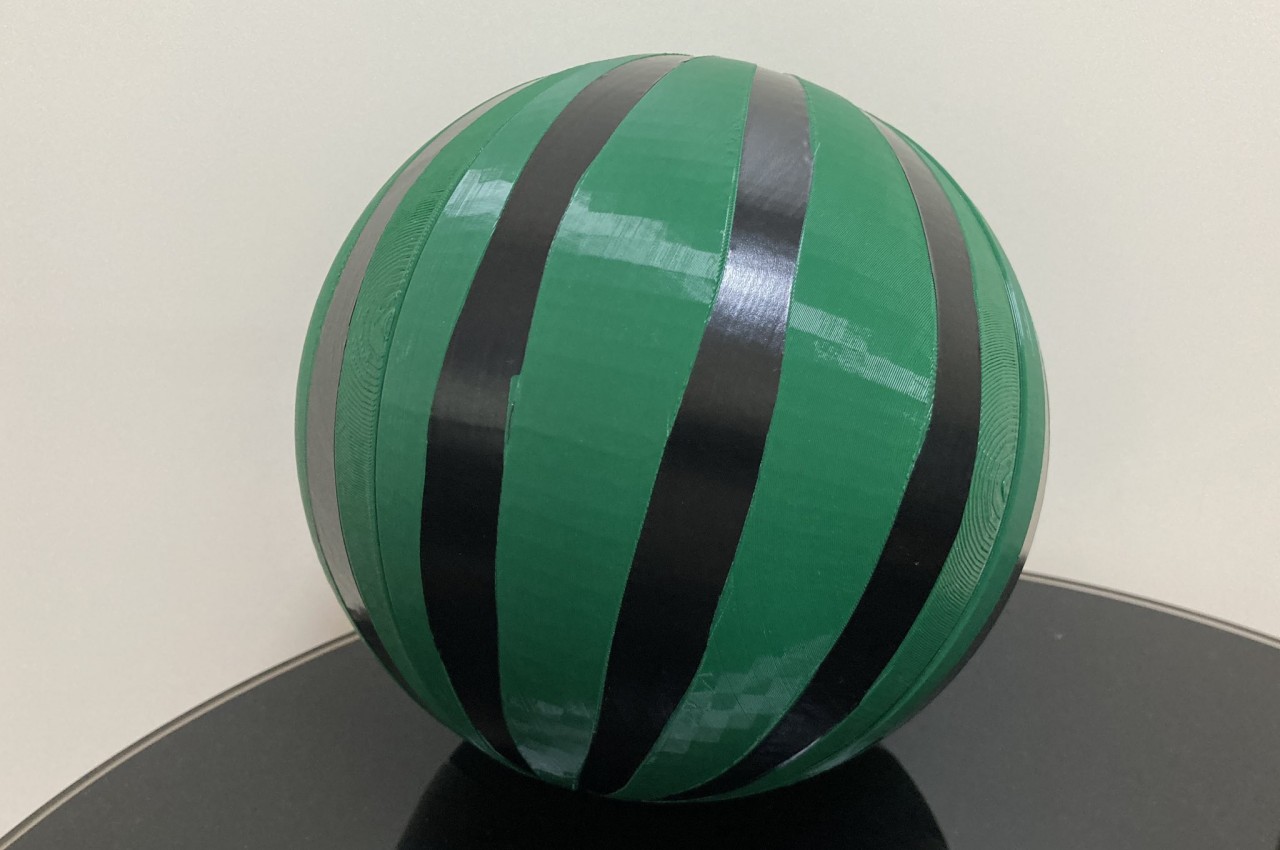
Baby roach mechanical experiment may be your next cute pet (or nightmare)

Some of the most popular (not necessarily best) memes are of people who seem to be brave on the outside but are reduced to screaming messes when faced with a cockroach. We’re talking both men and women here and seeing them freak out over these insects is apparently funny to some people. So this concept for a robotic cockroach may be the stuff of nightmares for some or a fascinating experiment for those who are curious.

Designer: Luis Lopez

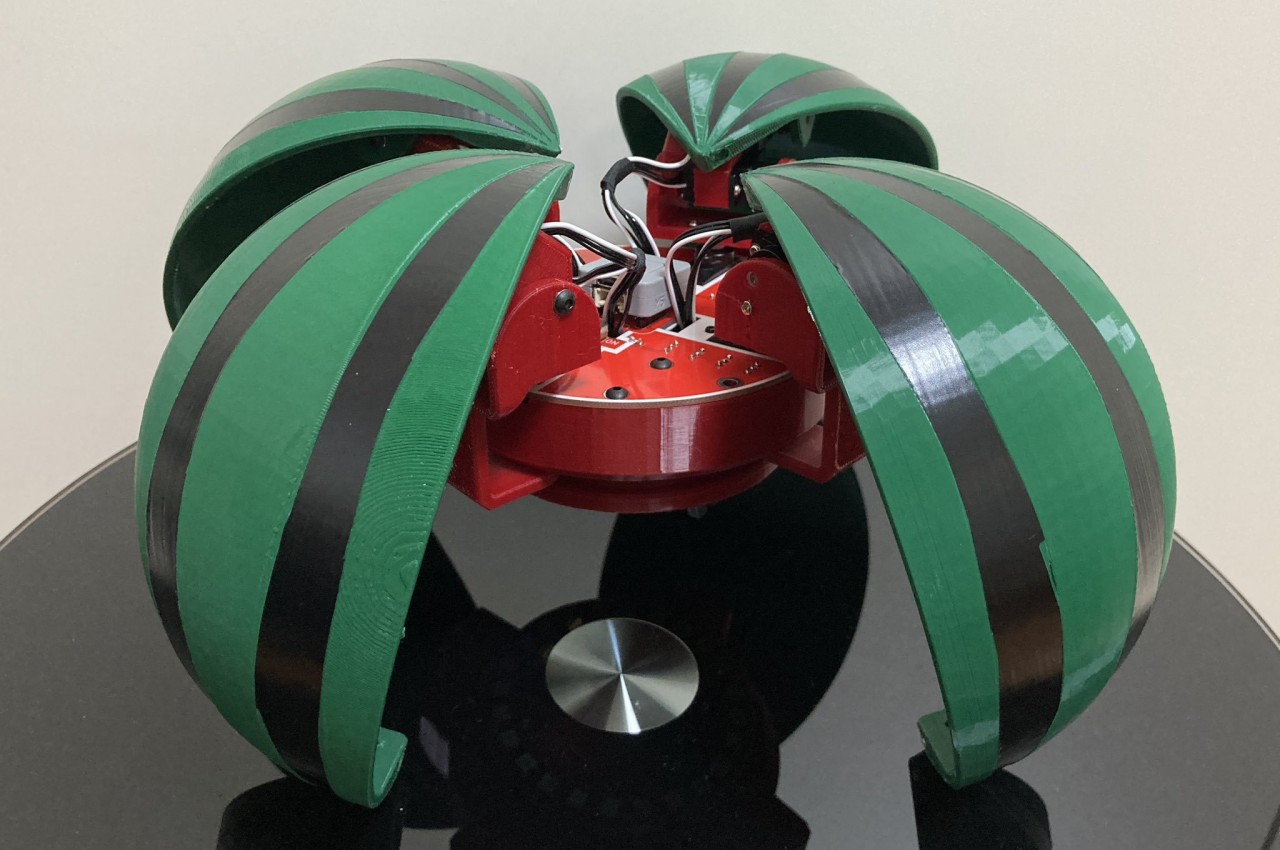
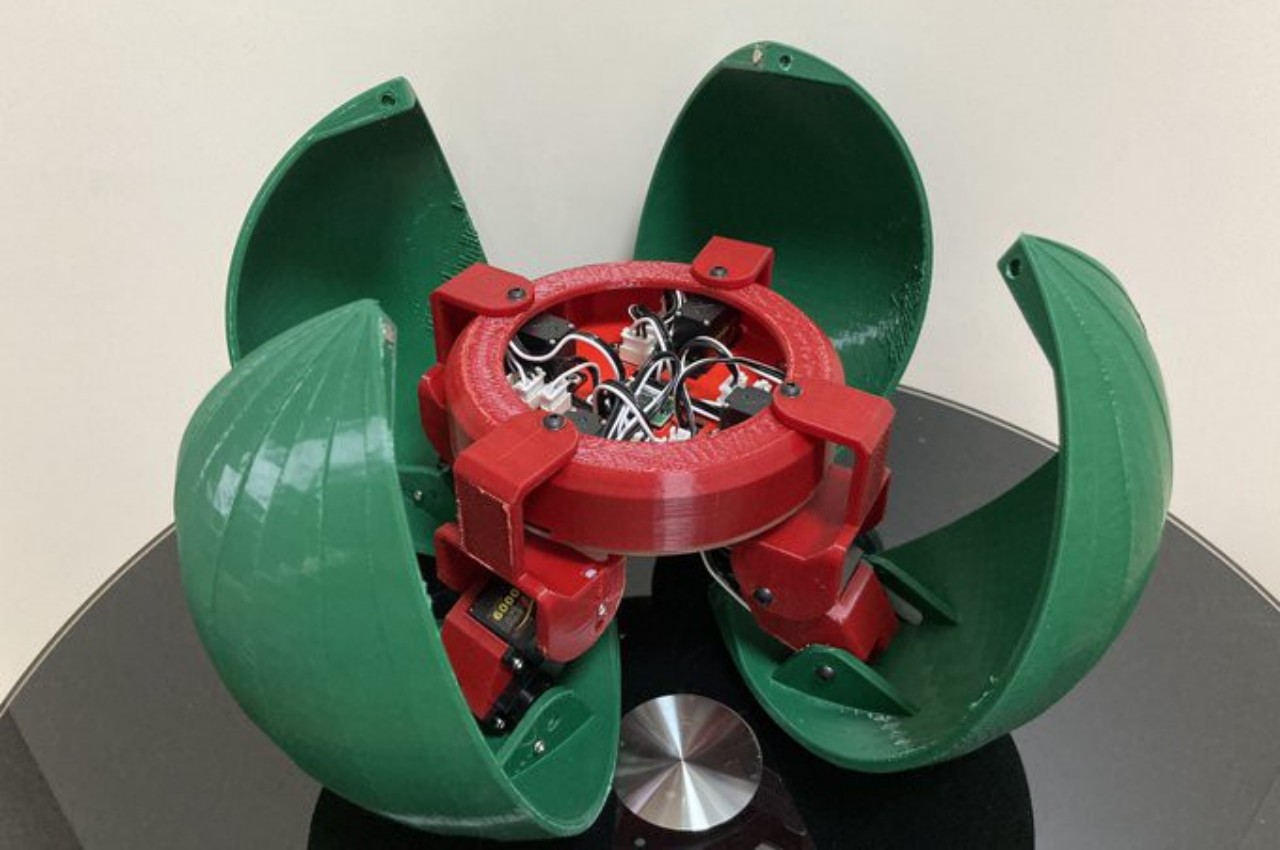
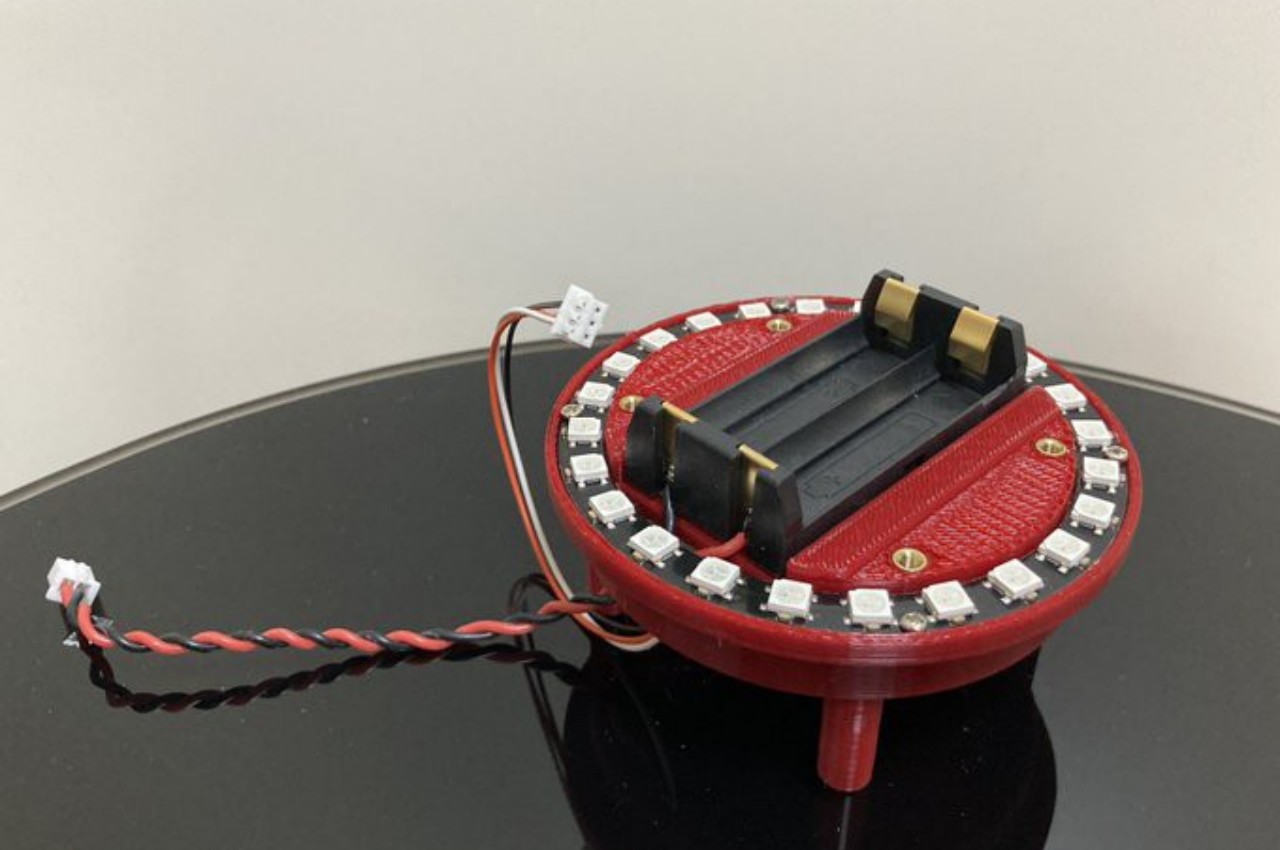
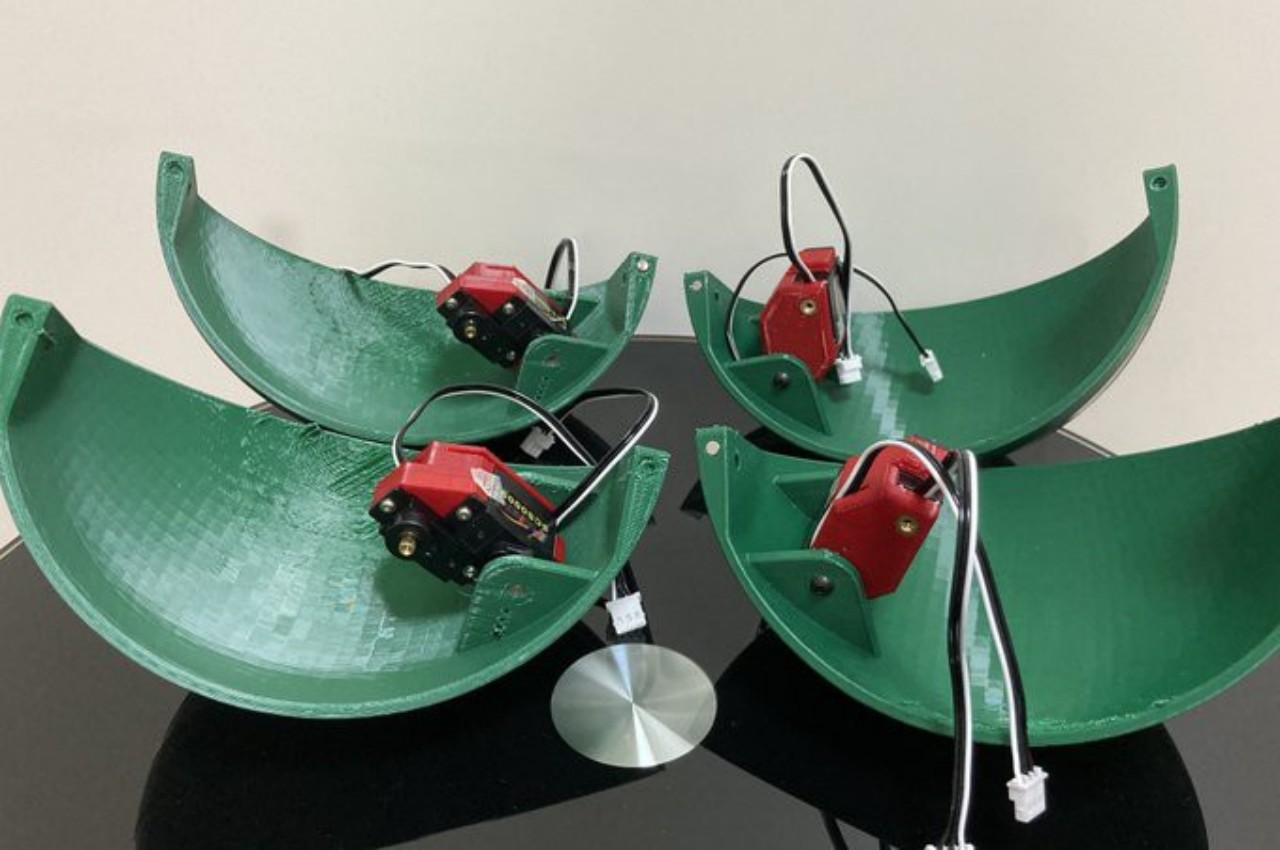
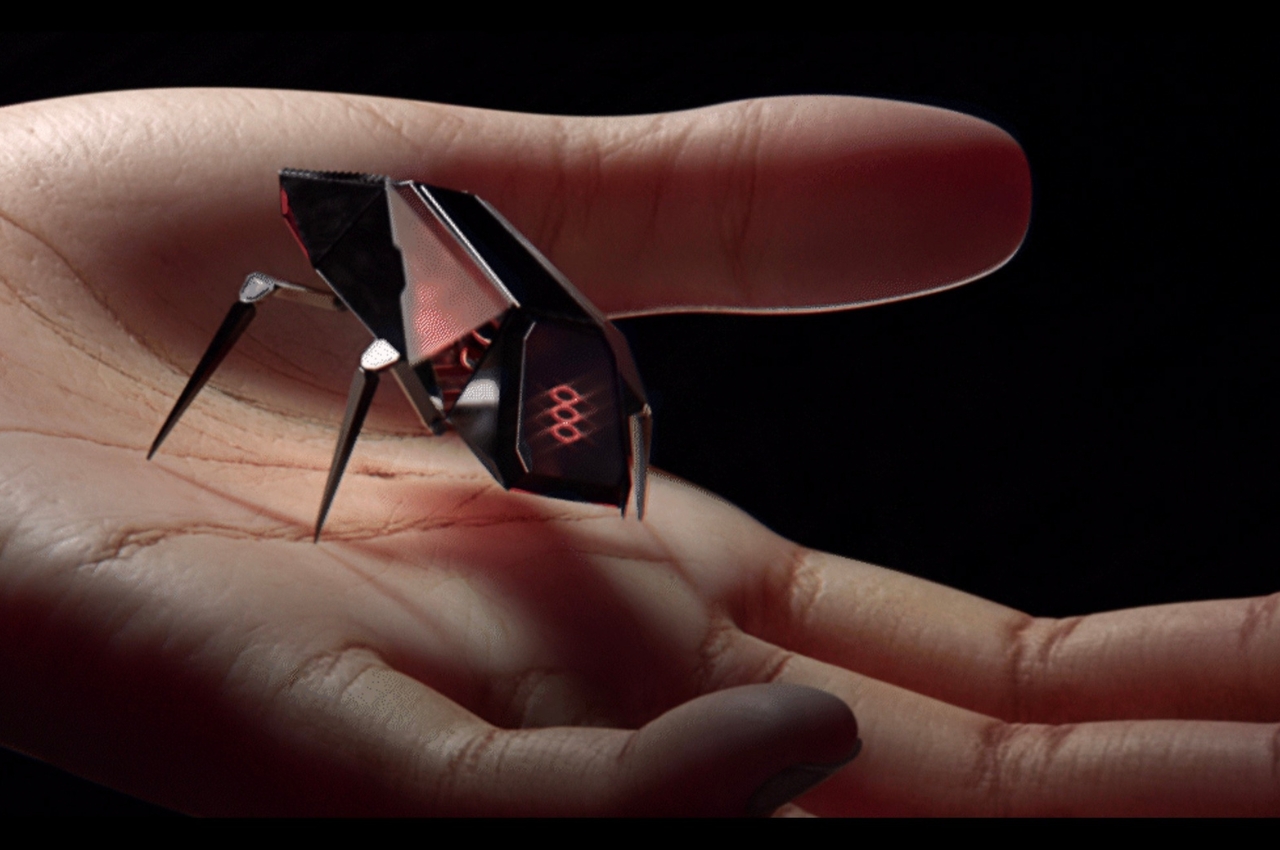
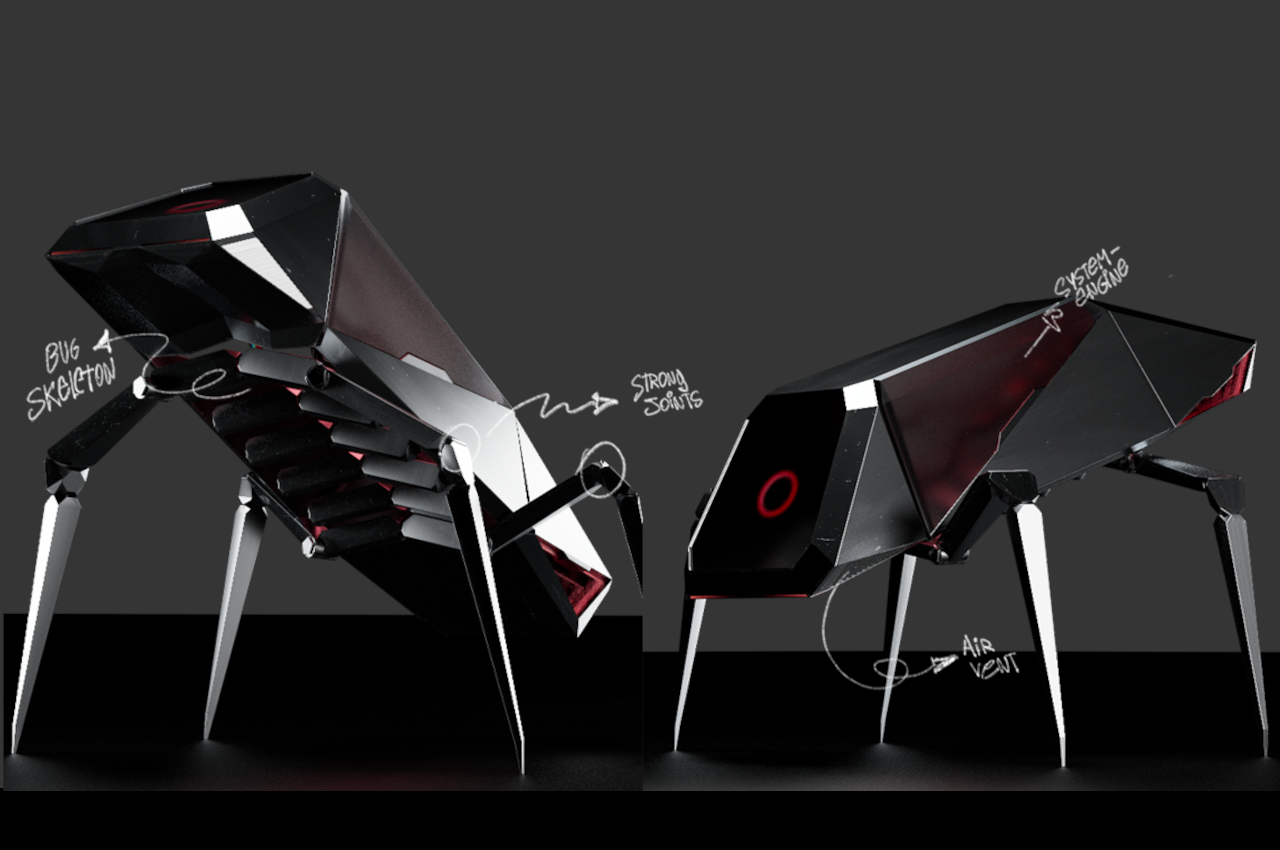
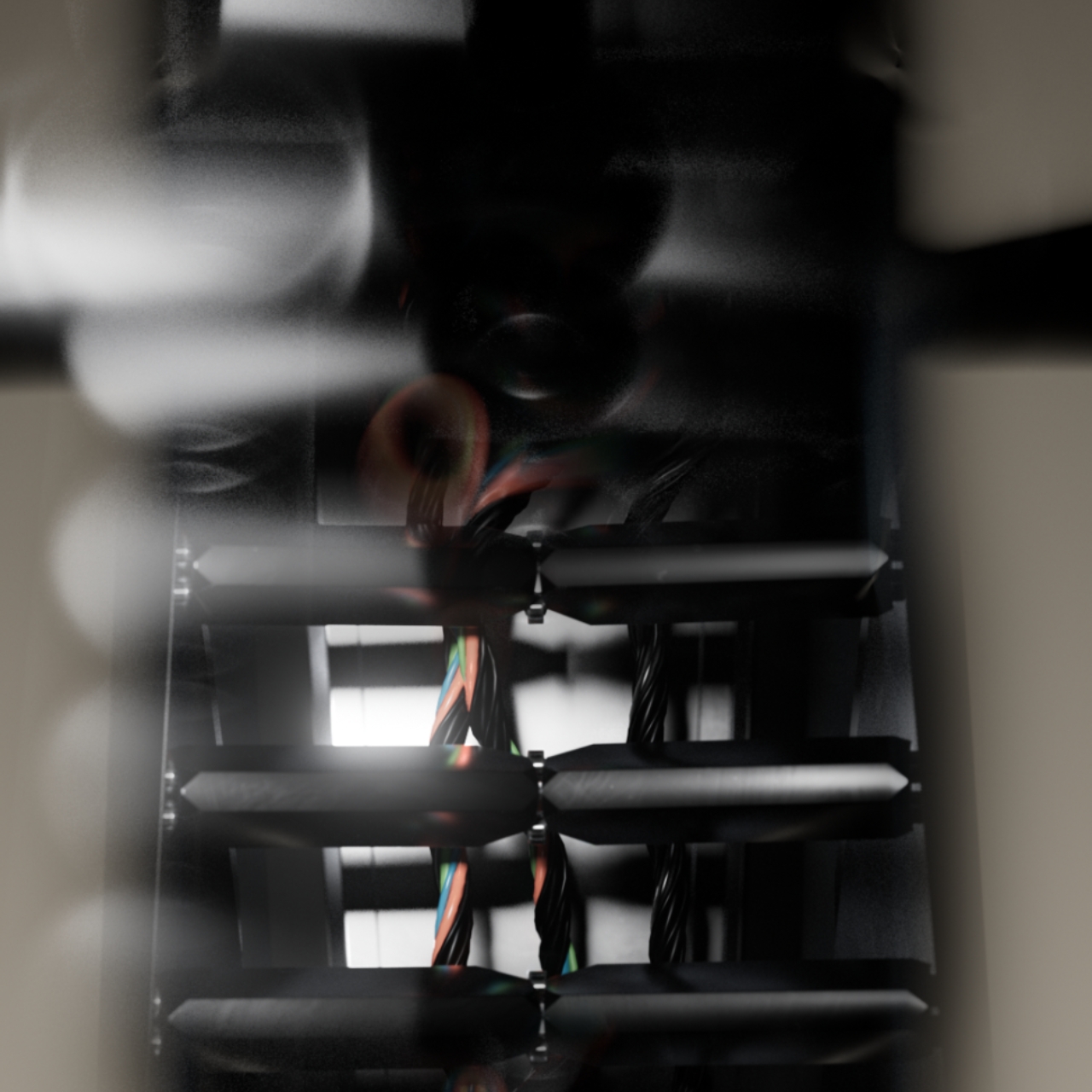
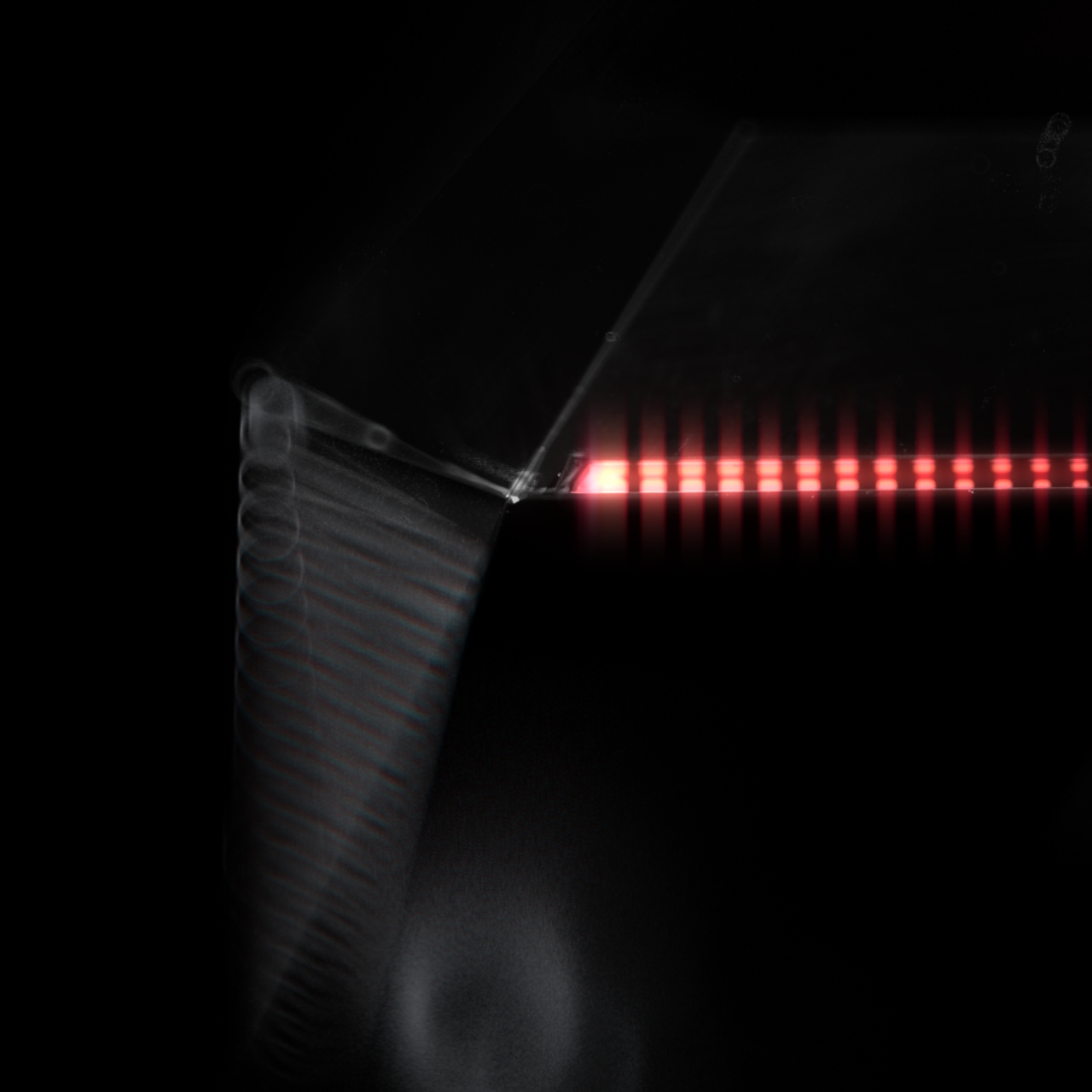
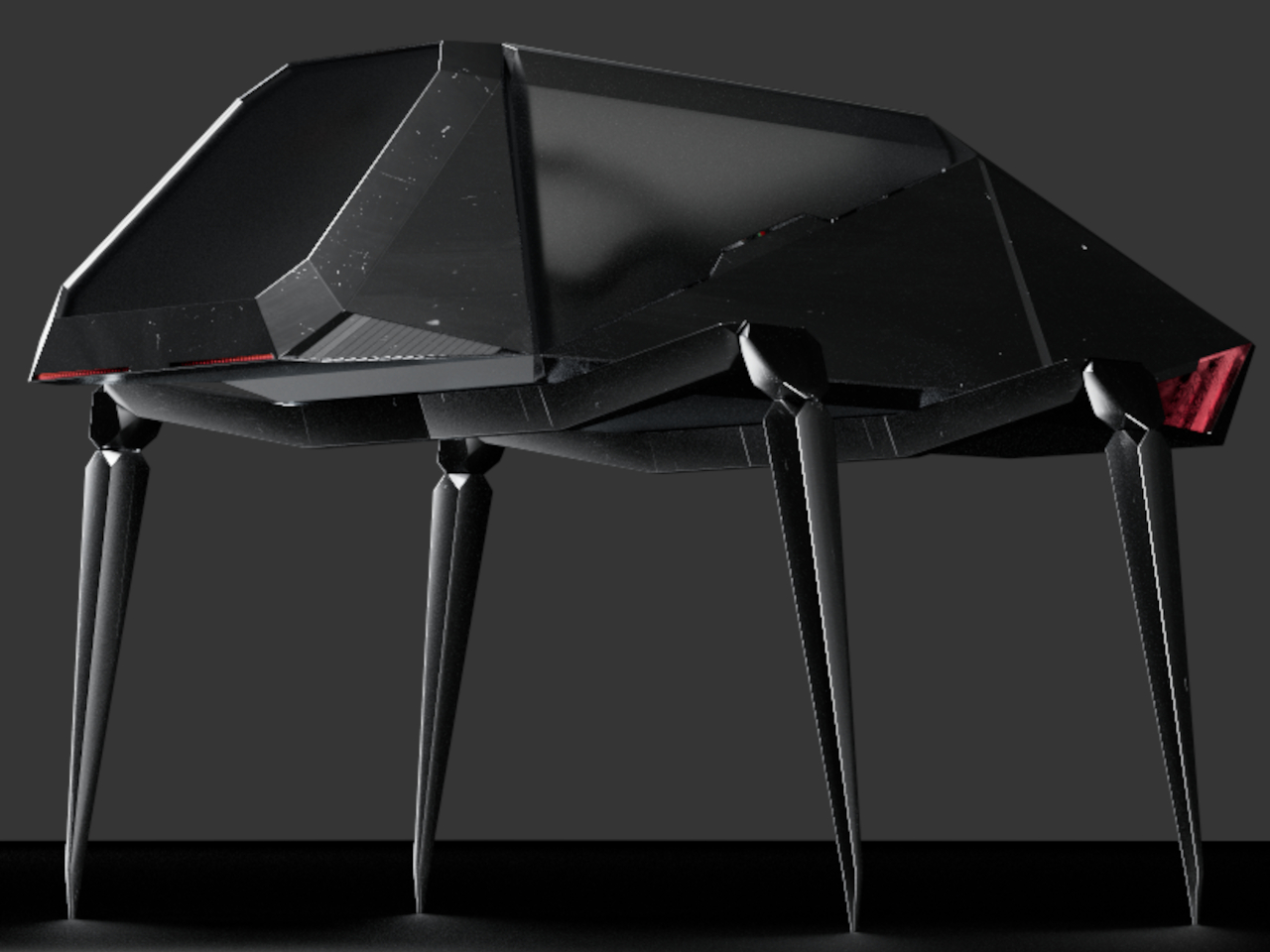
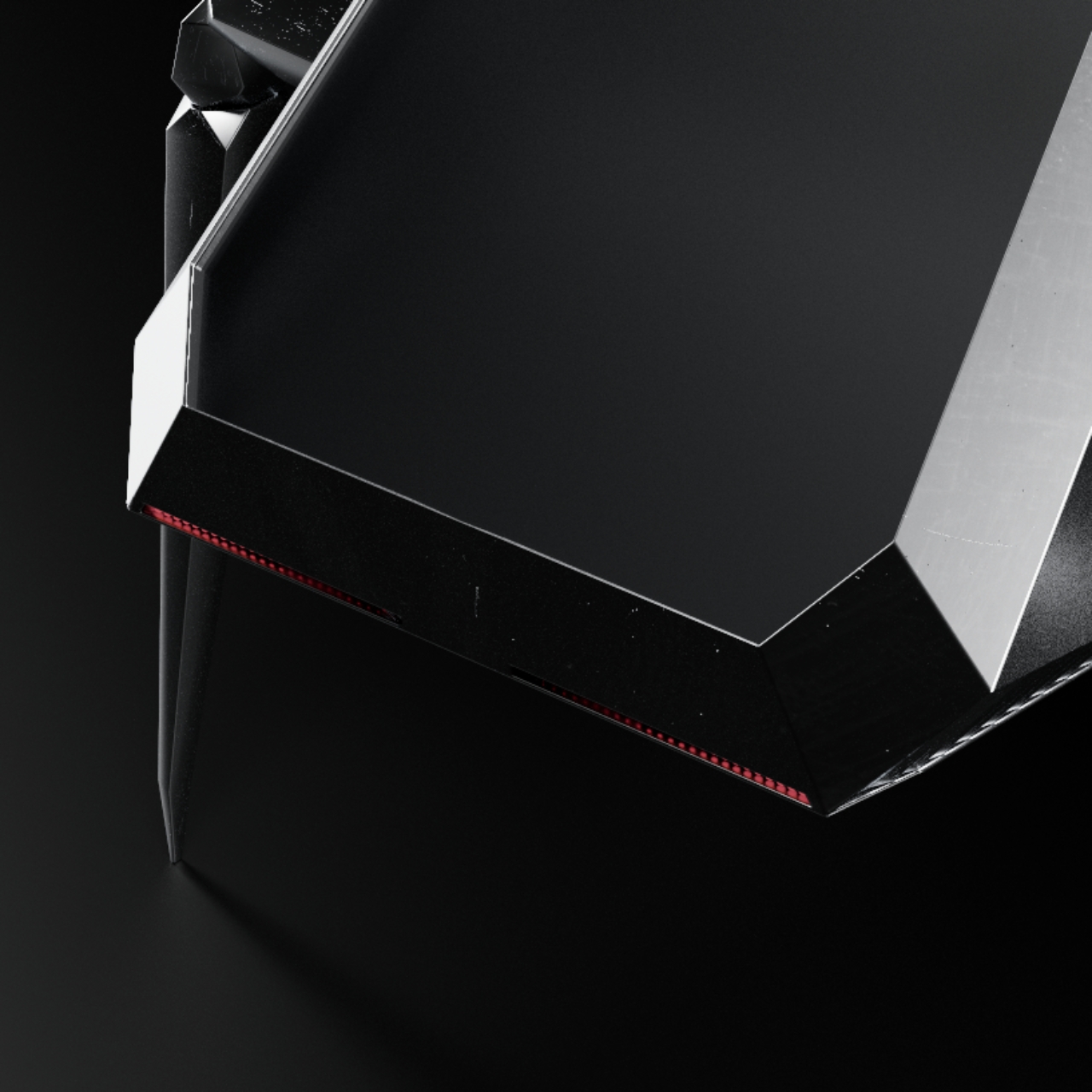
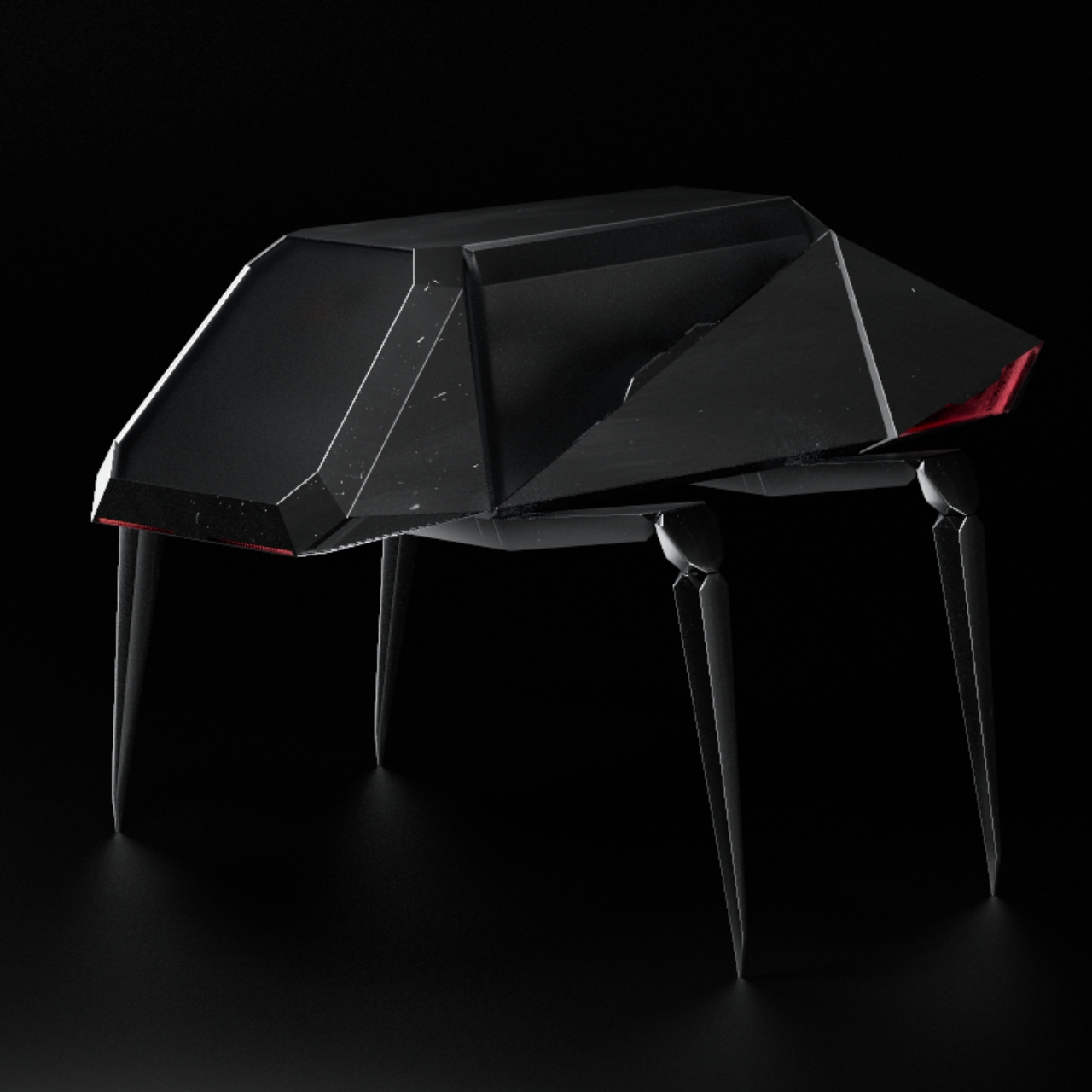
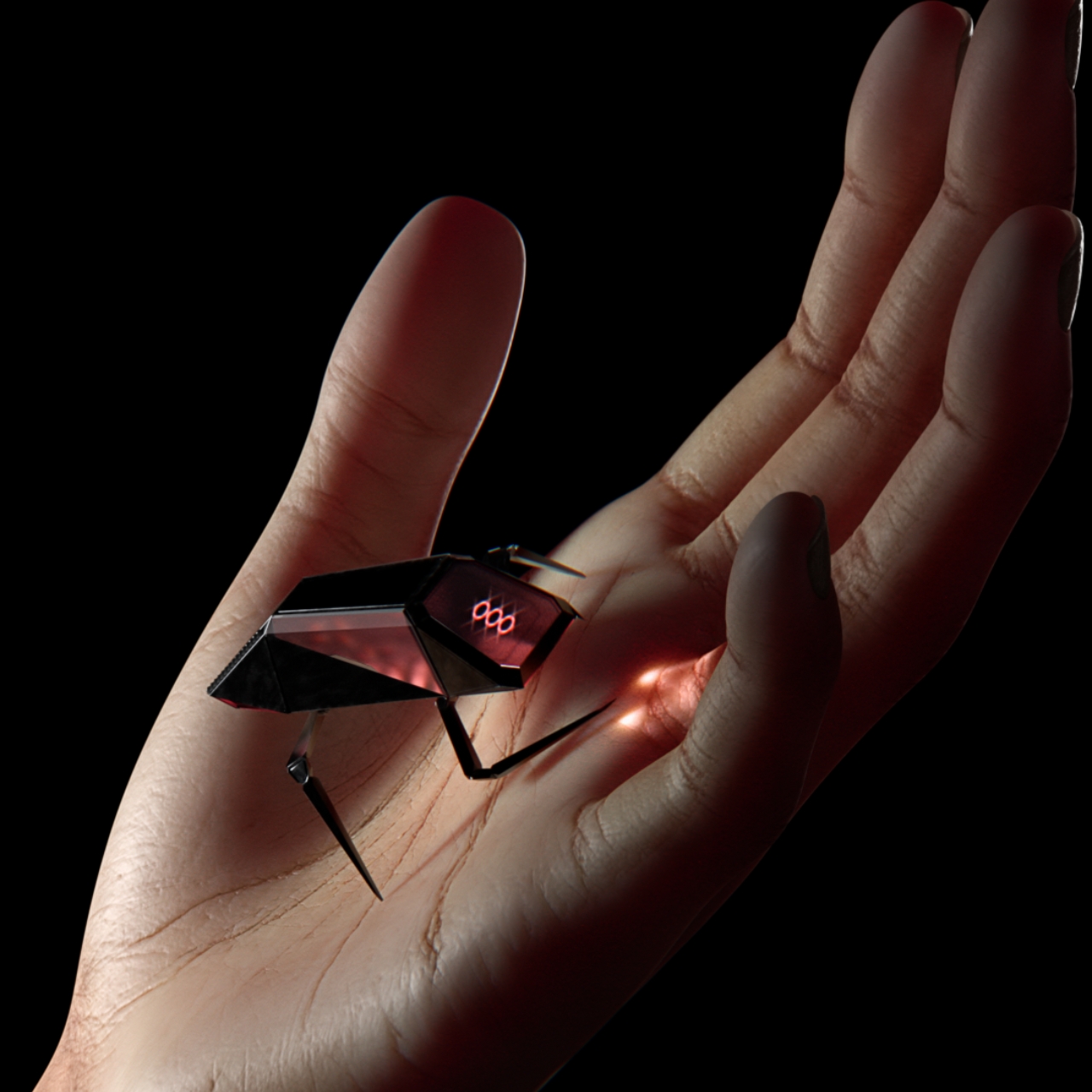
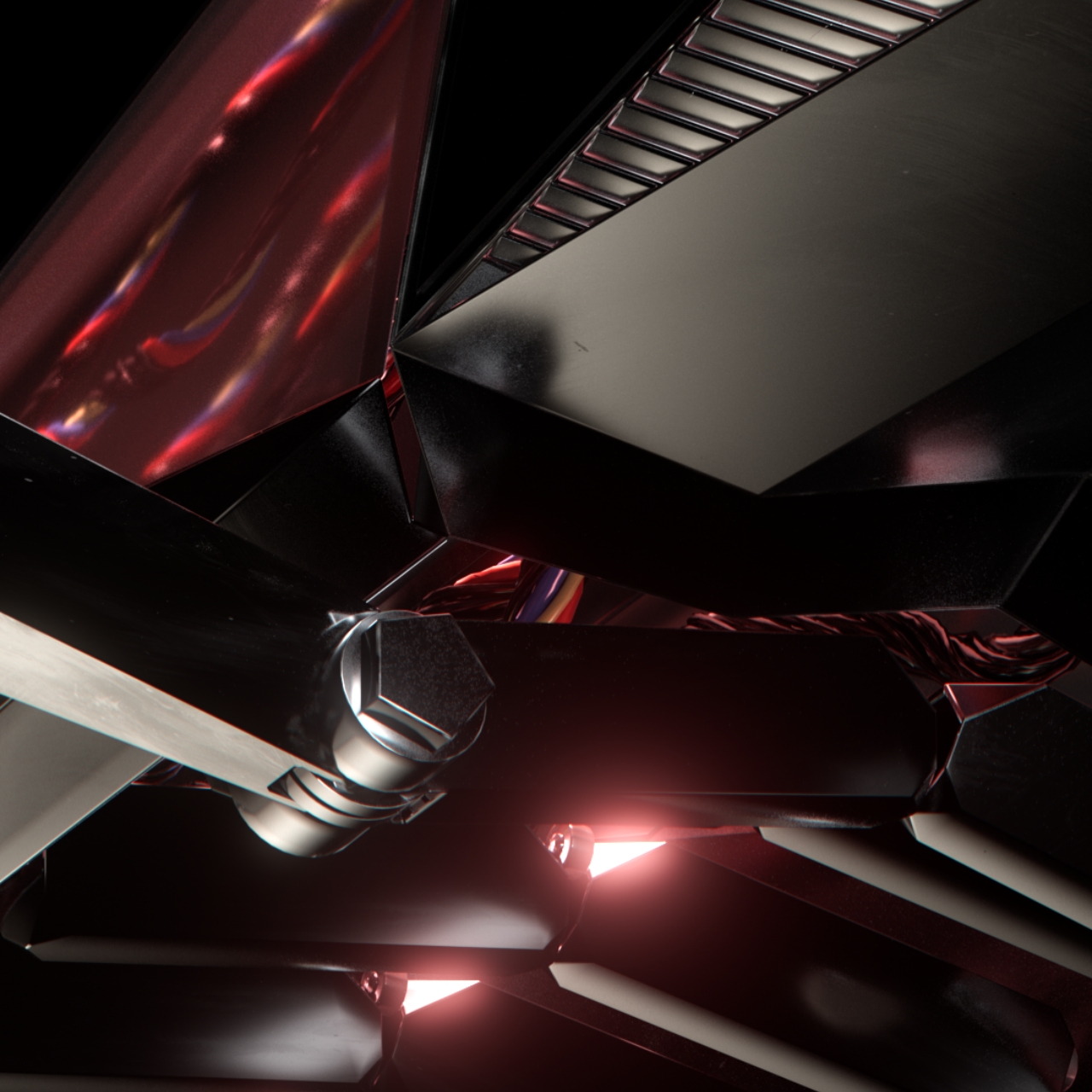
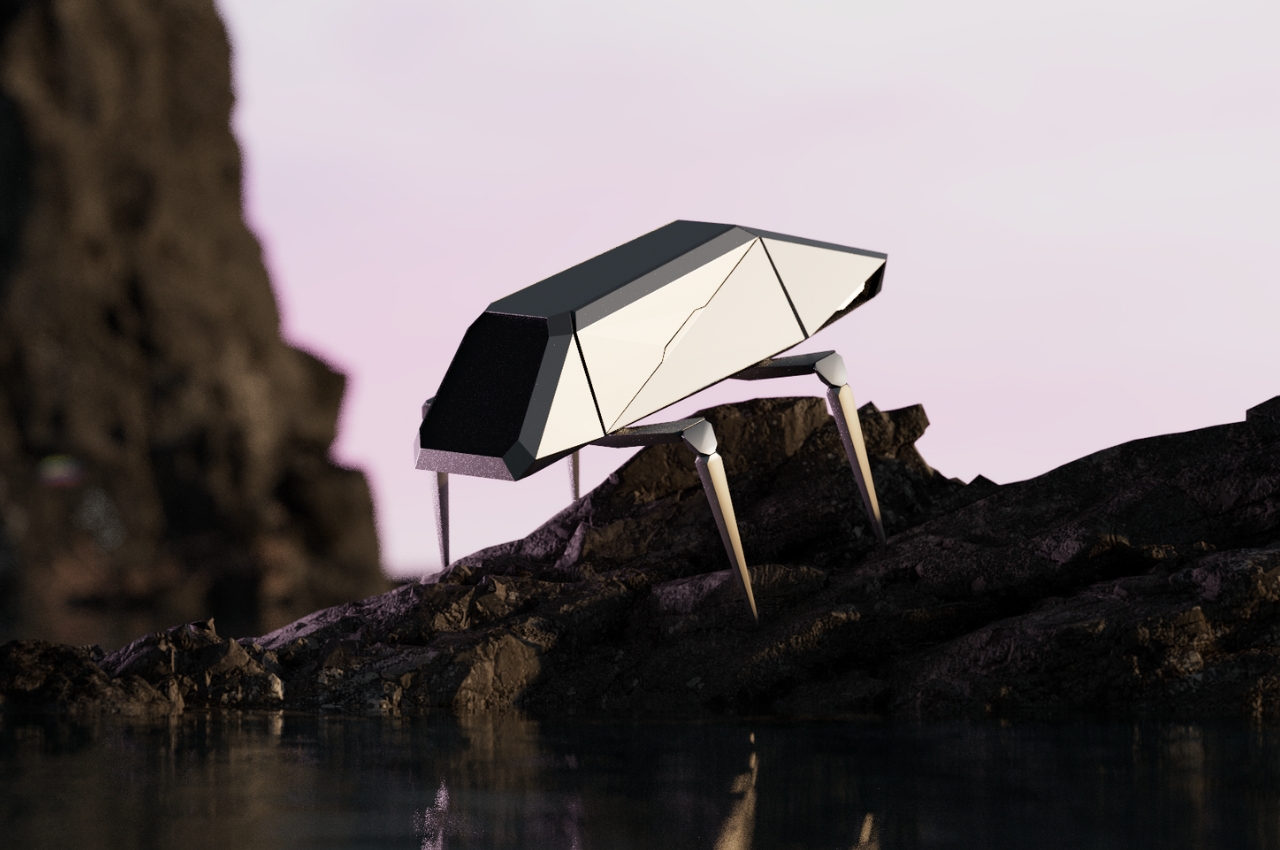
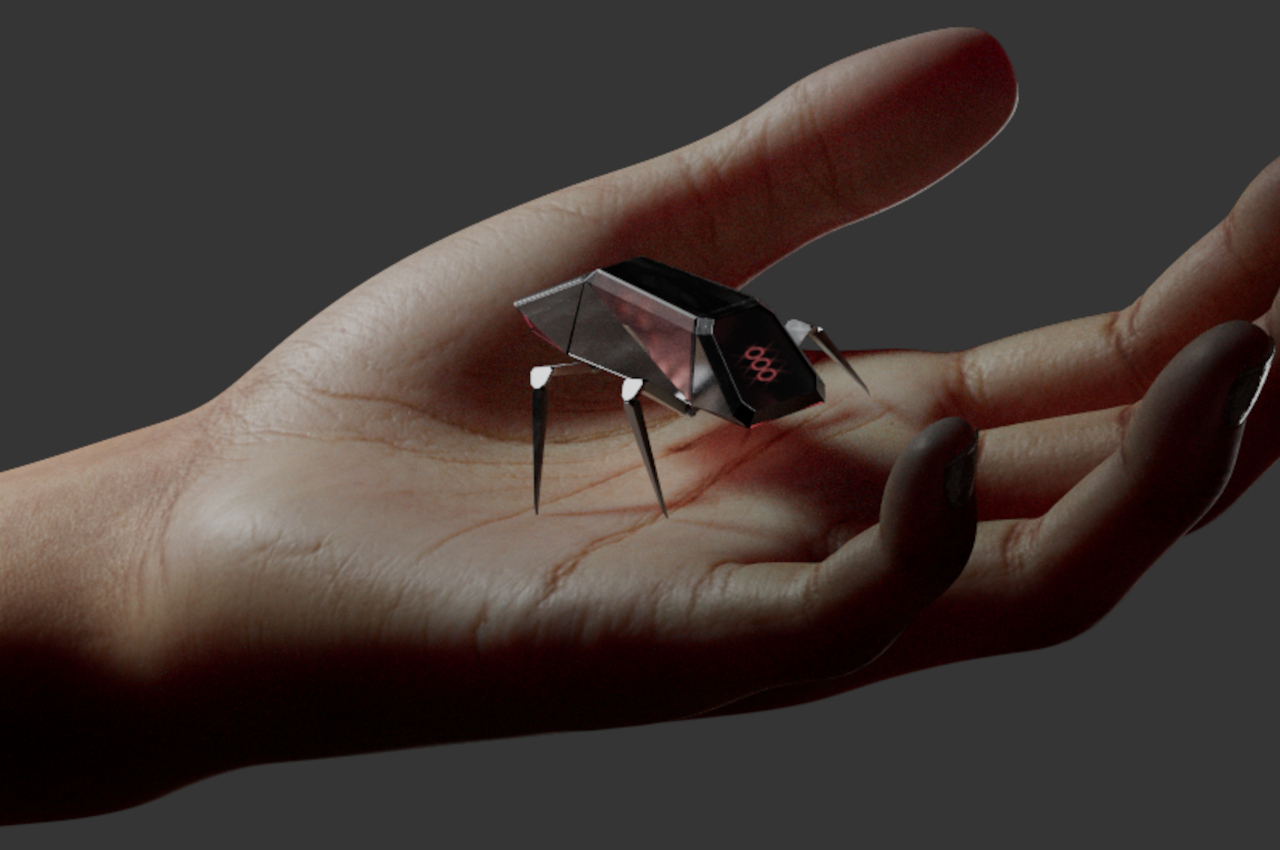
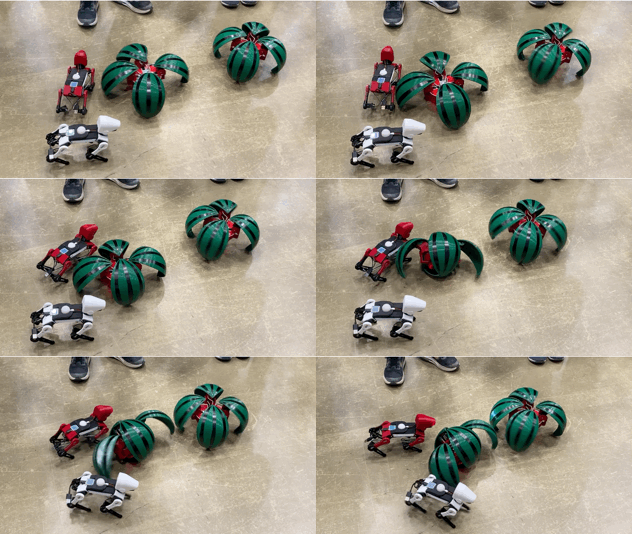
Baby X-Roach is a concept or experiment into creating a robotic creature that is usually a source of disgust or fright. In his description of this creature he created, he says that she has a huge and kind heart with her curiosity keeping her alive even if most people don’t see it. It is designed to have a high tech aesthetic even though it is a low poly creation (small number of polygons in 3D computer graphics).

Based on the animations the designer included, the structure of the Baby X-Roach seems to be based on the actual cockroach’s look but with a high tech aesthetic. It may actually look right at home in a Tesla facility as per the creator. It can also be part of the Into the Spiderverse animated universe as it looks like it may be insect cousins with the spider that bit Miles Morales, with its red and black colors and mechanical movements.

This insect doesn’t seem to have any other function except to be a cute, mechanical pet. Well, that is, if you’re not afraid of roaches. If you are, you just might squish it if you see it scurrying across to you, which would be a shame for this baby roach.

The post Baby roach mechanical experiment may be your next cute pet (or nightmare) first appeared on Yanko Design.
Pen blooms when pressed as you write down your dreams

While I’m basically a digital person, I turn analog when it comes to my journaling habit. This means I have a lot of tools like notebooks, stickers, washi tapes, and other ephemera to help me journal. But probably my most important “weapons” are my pens. As someone who likes colorful things, I collect different colored (both ink and the pen’s actual color) pens that I can use when I write in my various journals. So whenever I see a new kind of pen, whether it’s the design or the features, I pay attention.

Designer: Seung-Wan Nam

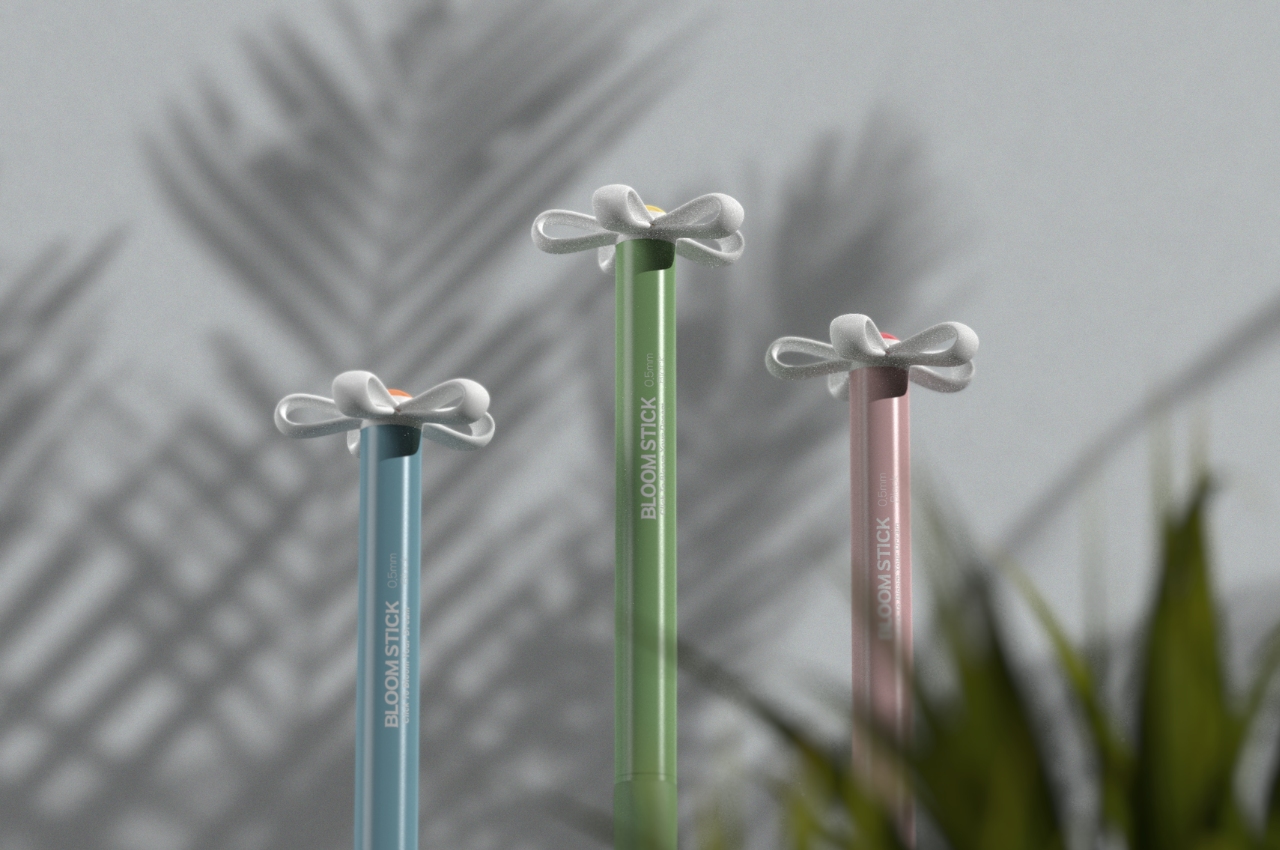
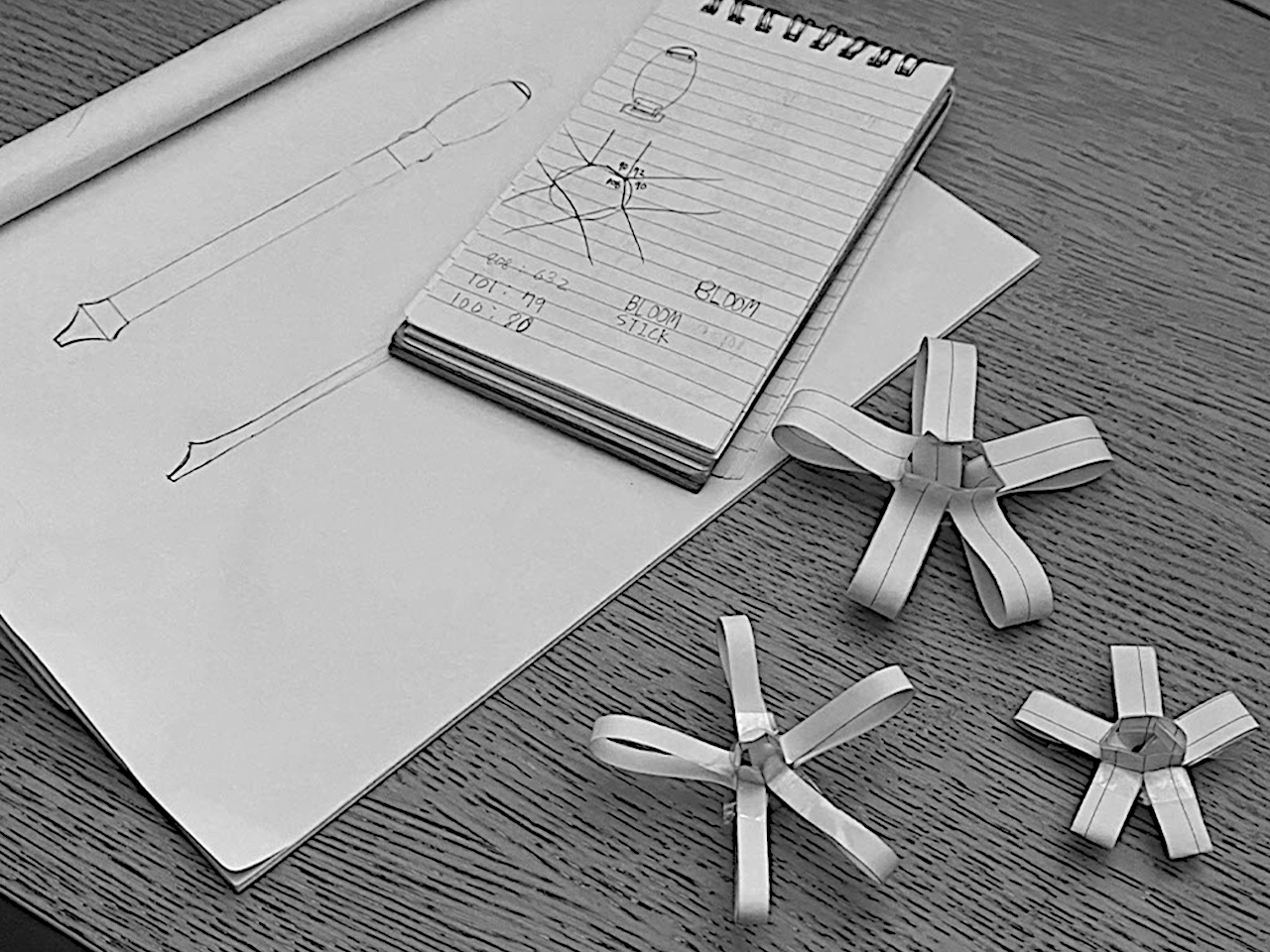
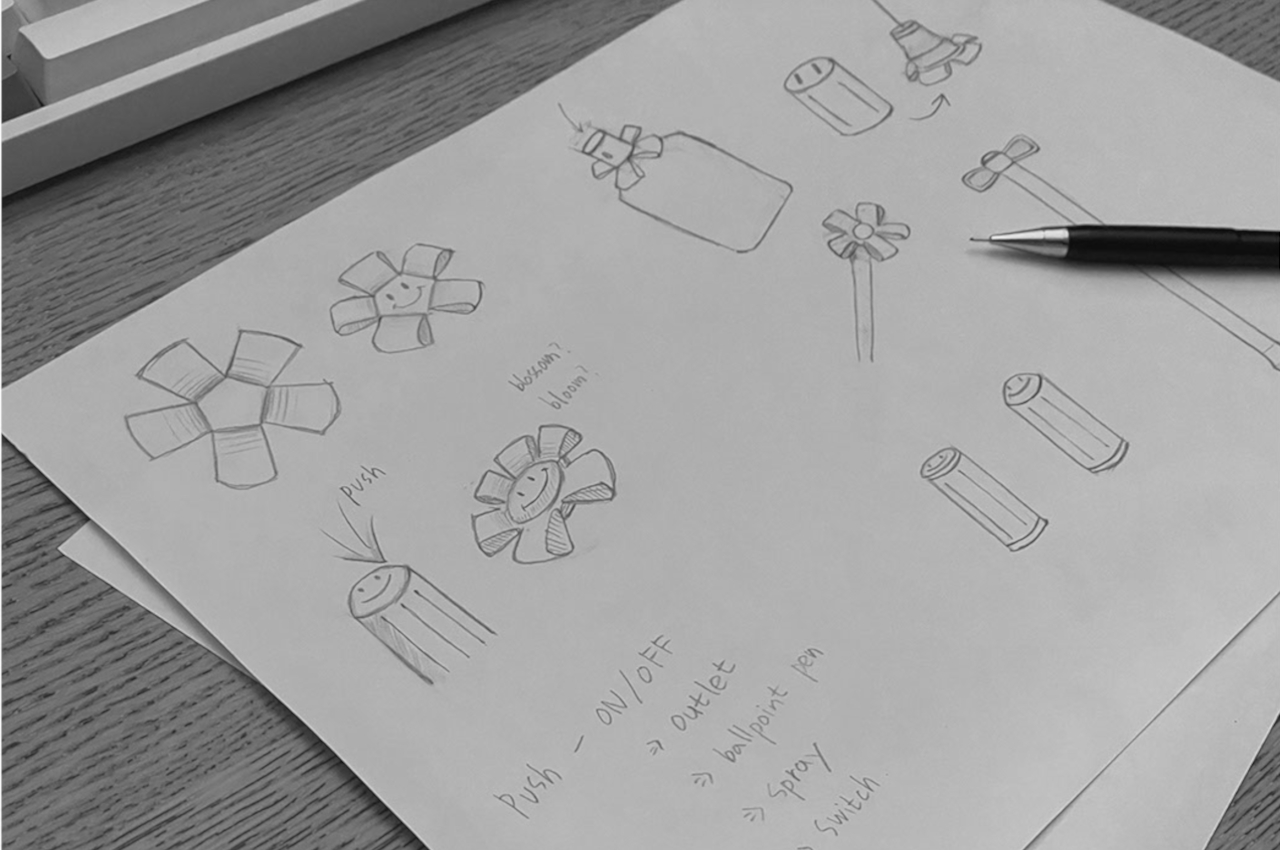
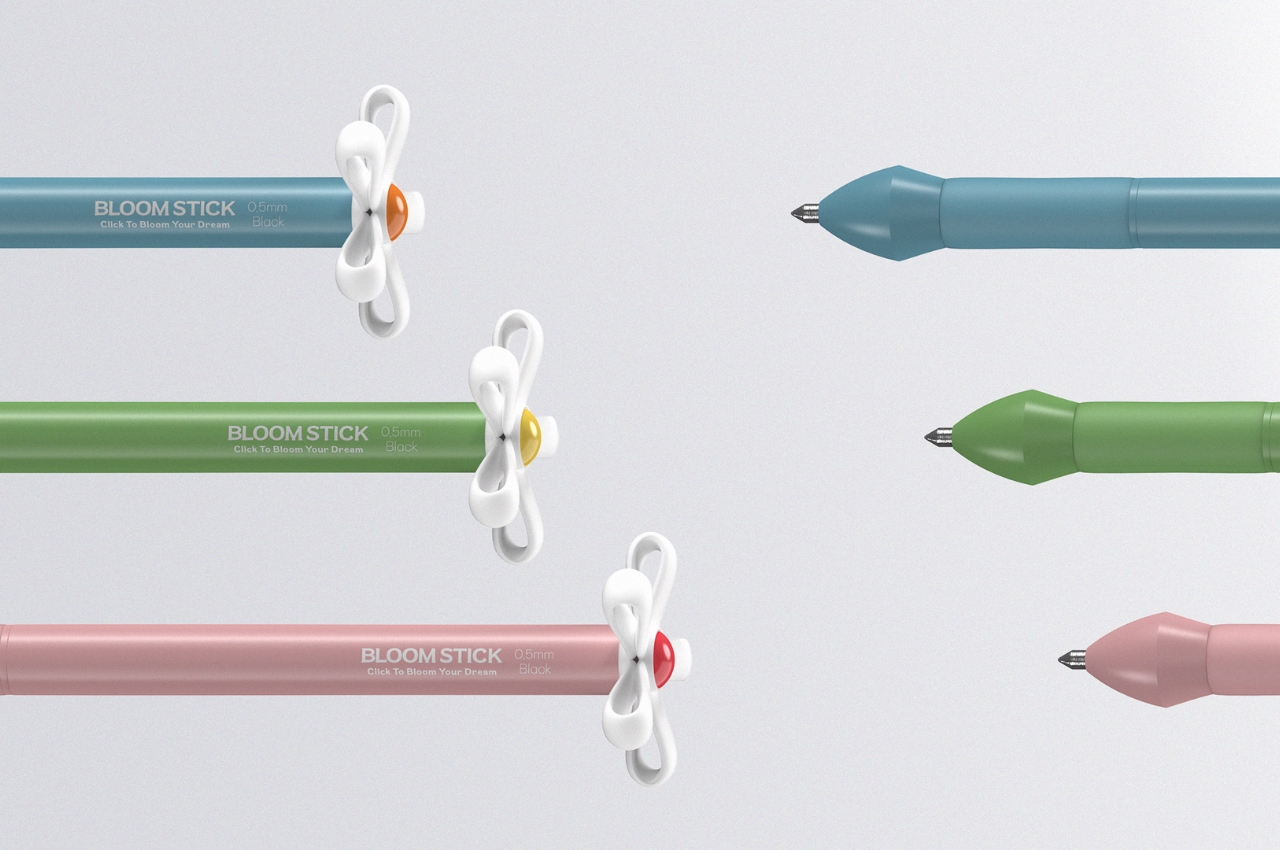
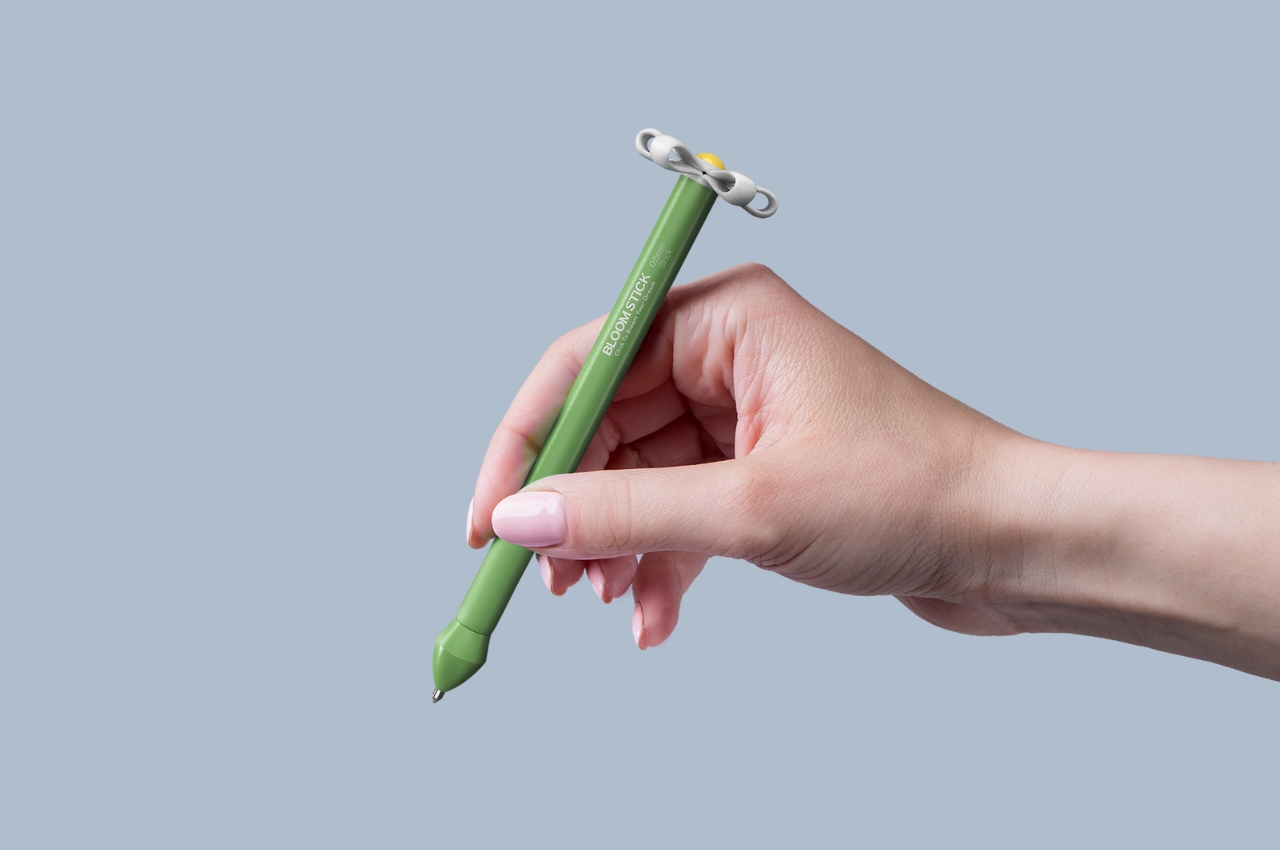
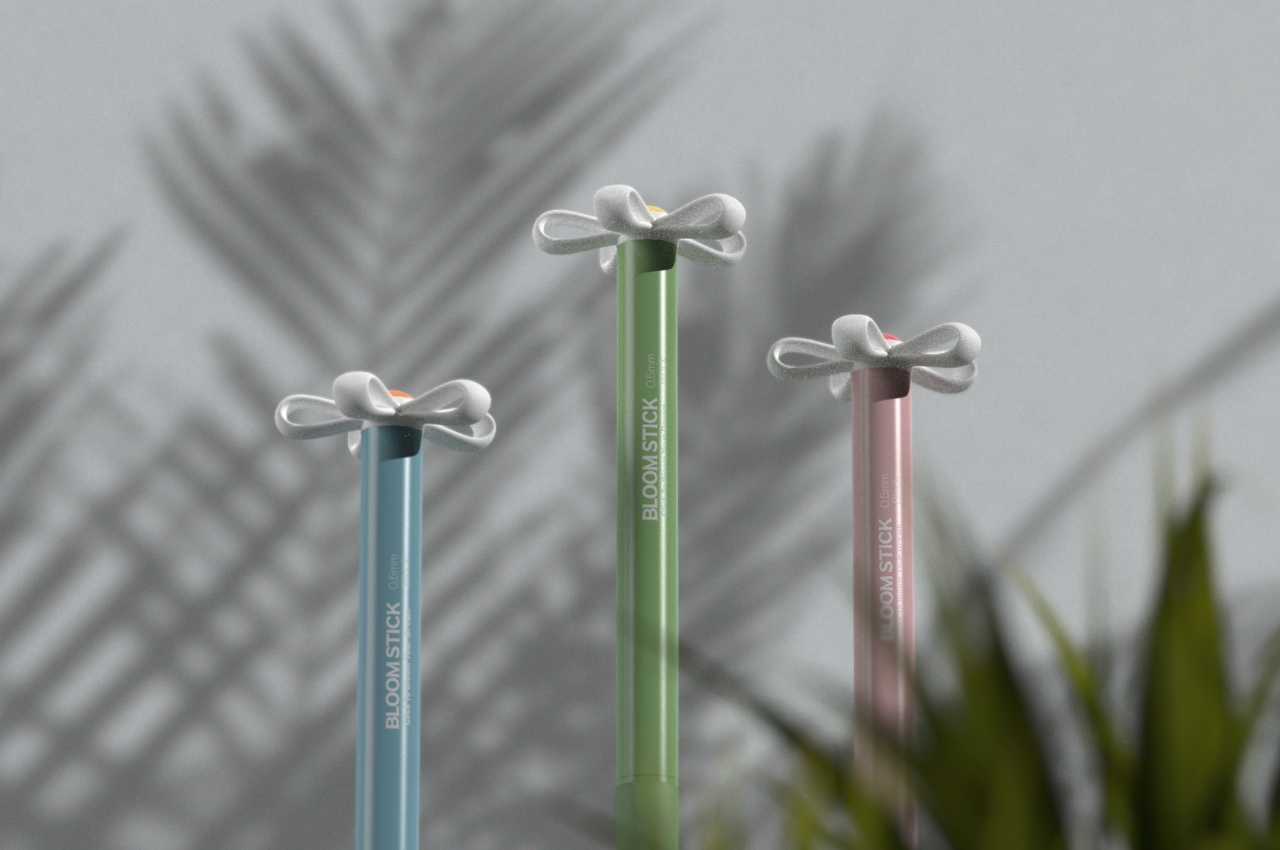
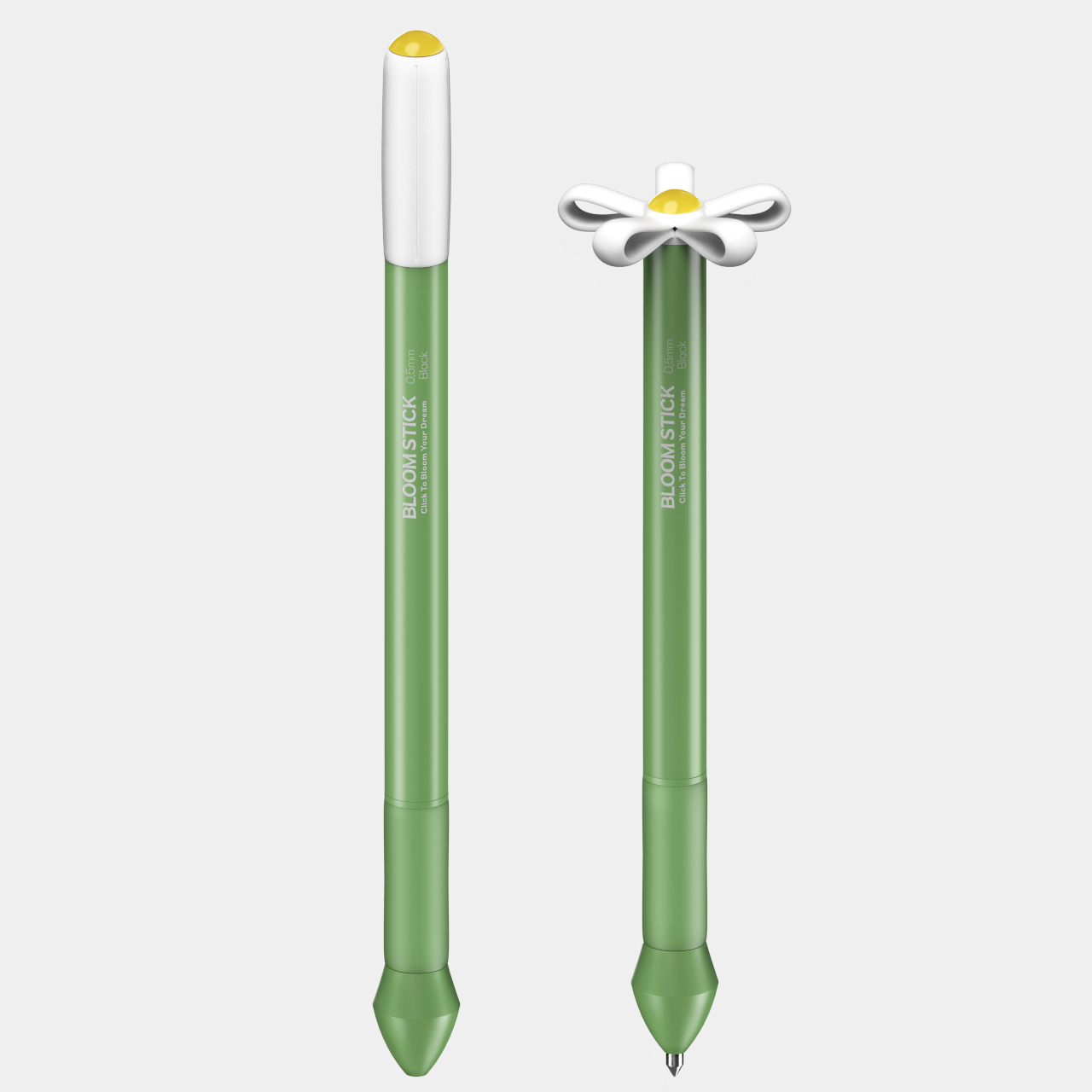
This concept for a pen called Bloomstick is based on the idea that writing down your dreams is an important part in making them come true. So the pen can metaphorically help your dreams to “bloom like flowers” when you write them down on paper using it. The tagline of the product is “click to bloom your dream”. It is basically a pen with a silicone-covered button that when you press it opens to a flower-like shape and turns it into a blooming instrument.

The product renders show different colors available for the pens like green, blue, and pink. The flower part of the pen is white while the “bud” part seems to be of a different color that matches the main, silicone part of the pen. When closed, it looks like just any ordinary pen and you’ll still be able to use it of course but it’s without its blooming design. There doesn’t seem to be any other function that it can do aside from write and look pretty.

As someone who collects pens and who likes flowery, pretty things, this is something I’d probably buy if I see it in a stationery store. Now if it can actually make my handwriting look nicer or make my dreams come true, I’d order it as soon as it hits the market.

The post Pen blooms when pressed as you write down your dreams first appeared on Yanko Design.
D-LINK AQUILA PRO AI is a beautiful Wi-Fi 6 router that looks like an art object

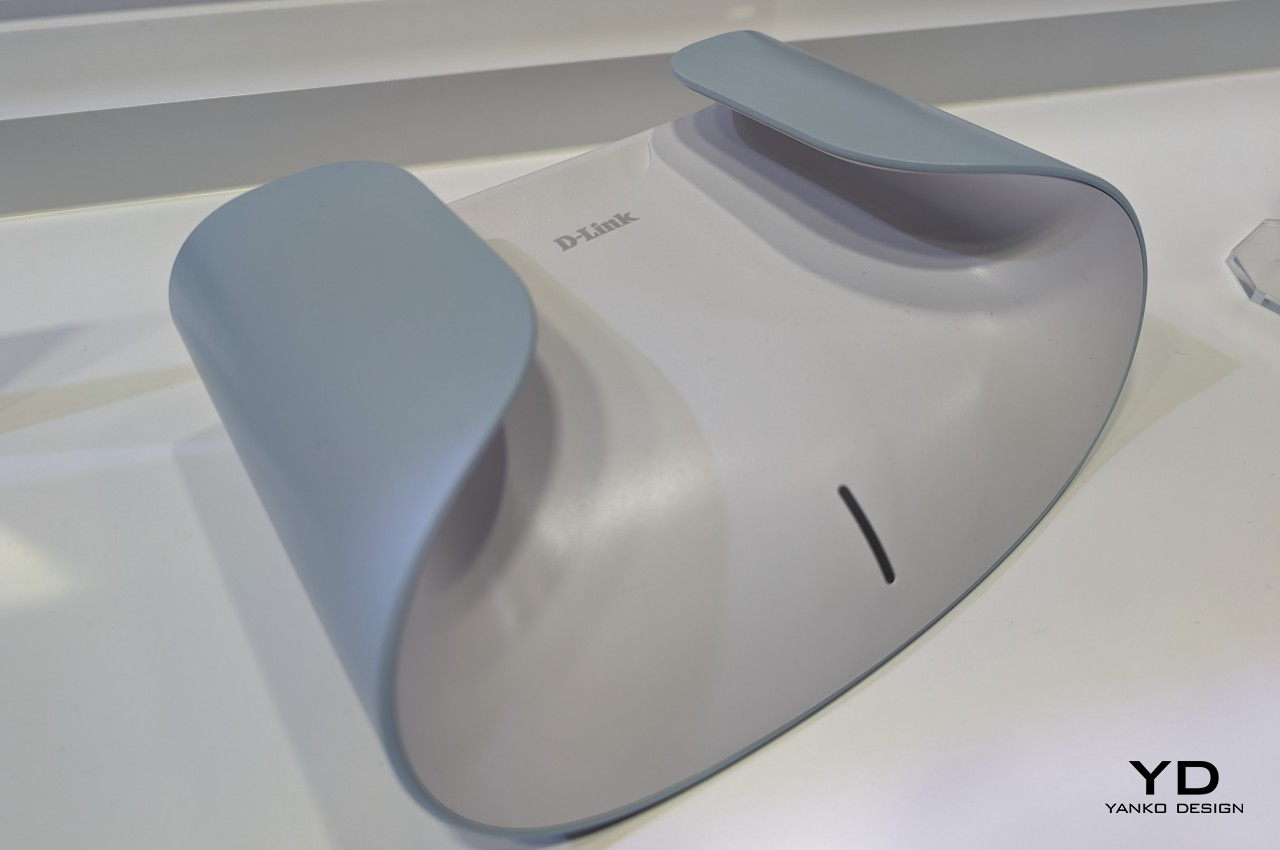
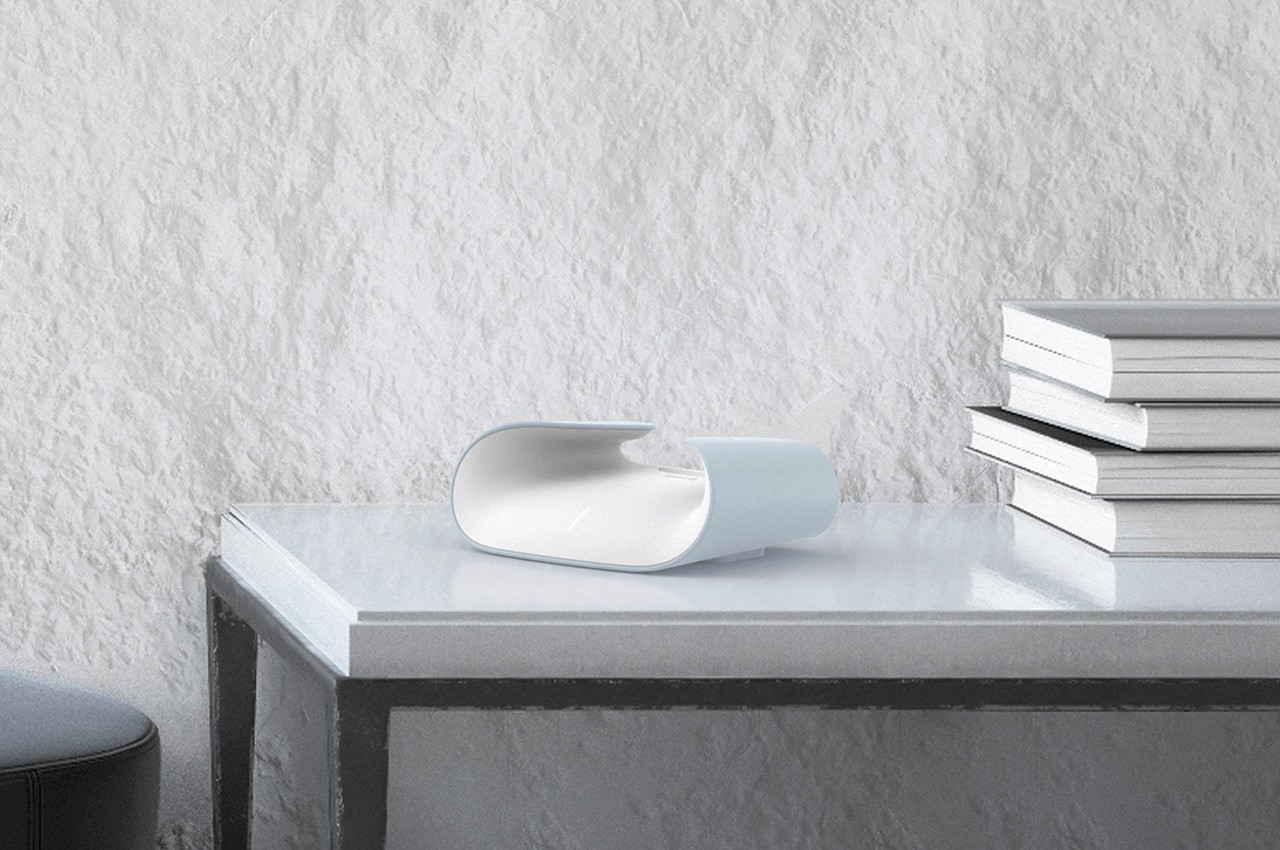
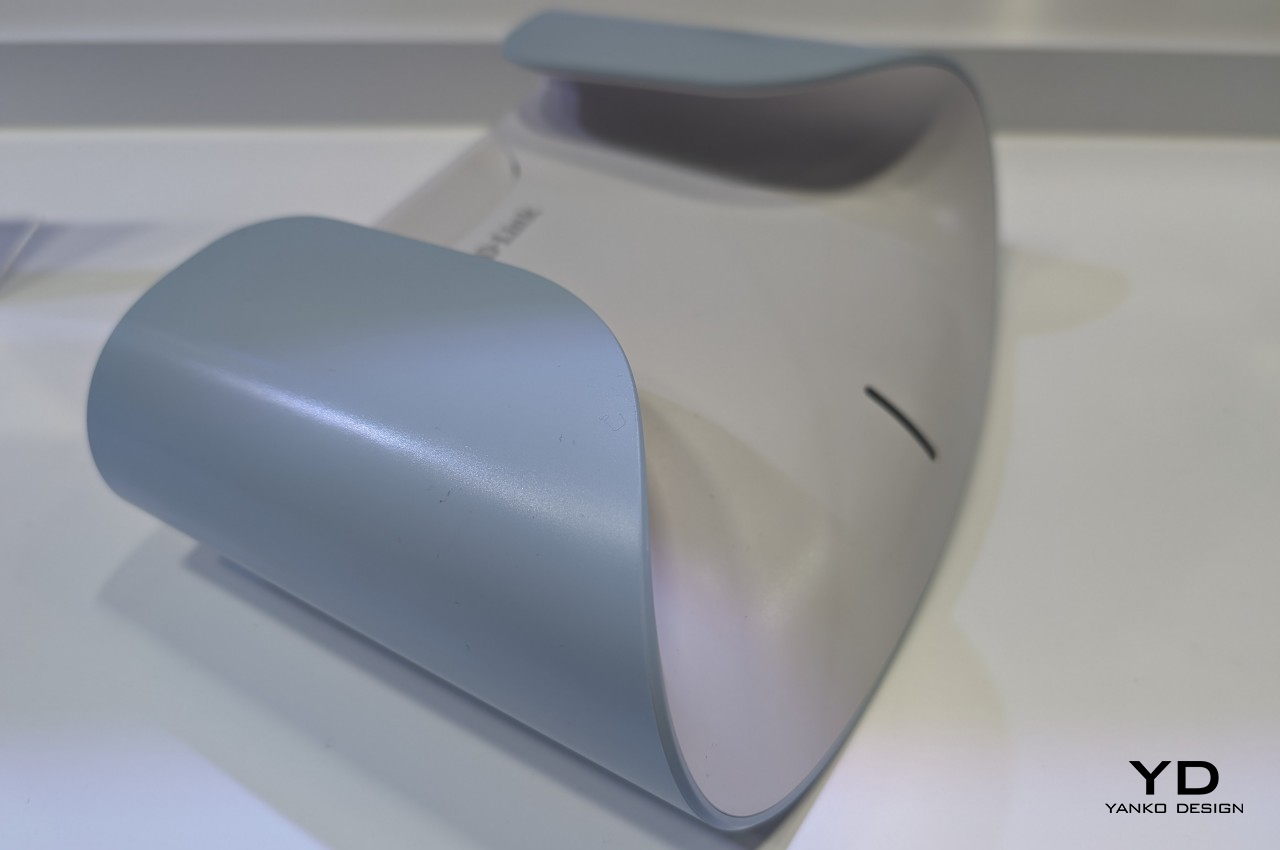
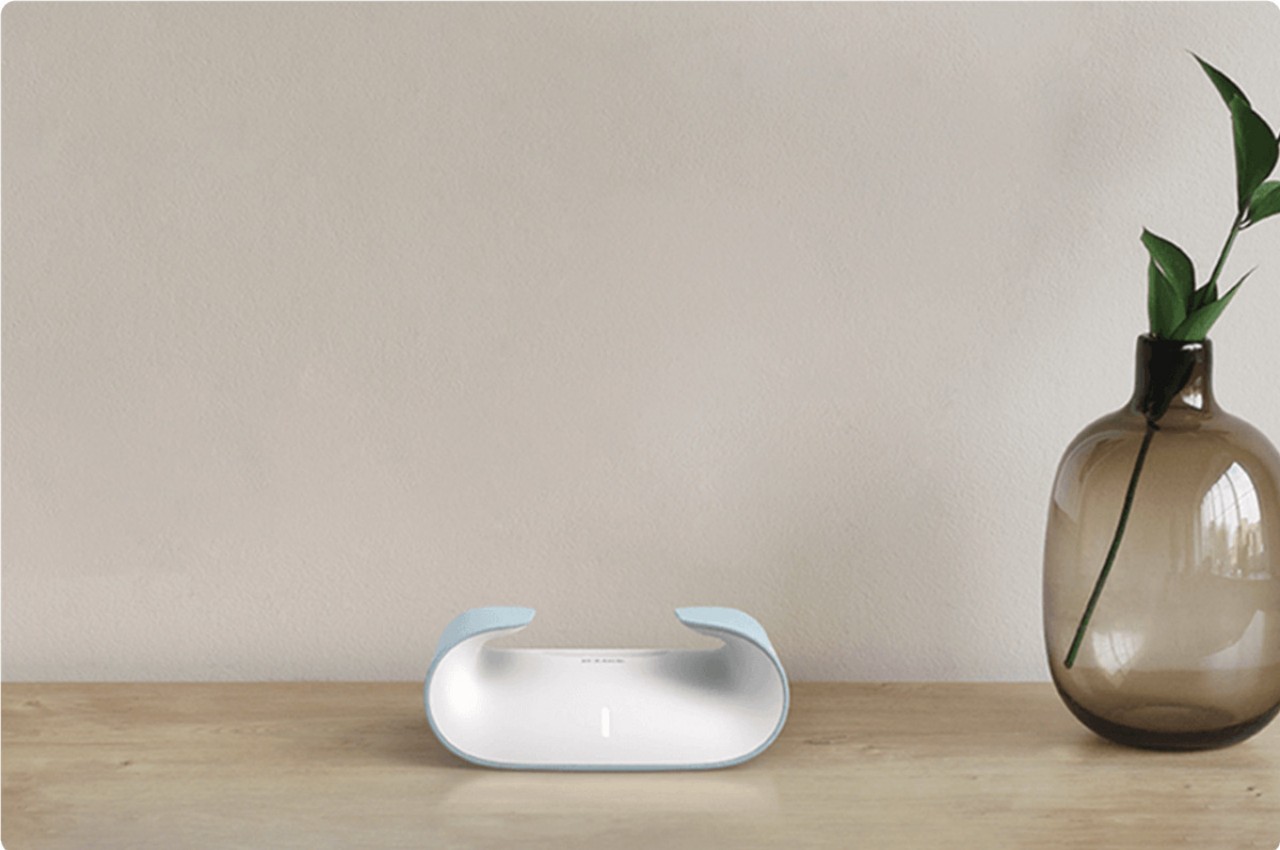
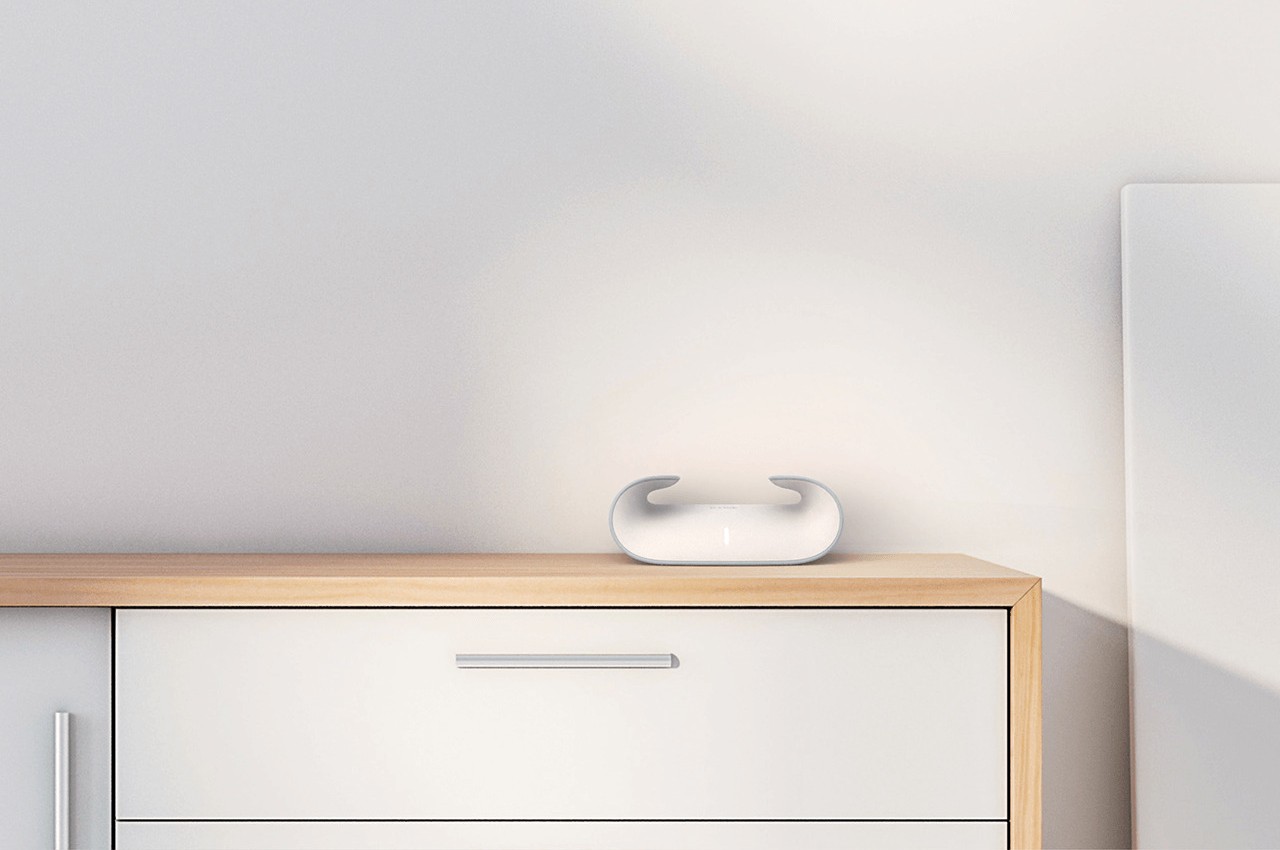
Our Internet needs are becoming more complicated even at home. Multiple devices ranging from smartphones to smart appliances compete for bandwidth, while different services like gaming and streaming demand more data than, say, a smart thermostat. The simplistic routers of yesteryears are no longer sufficient to face the challenges of modern lifestyles, but as these boxes become more sophisticated, their presence also becomes more obnoxious as well. The latest and greatest routers seem to want to be seen as powerful monstrosities rather than helpful tools that make our lives easier. Completely bucking the trend, D-LINK launched its AQUILA PRO AI smart mesh routers that finally look more at home in your home, masquerading as a piece of sculptural art that hides the powerful technology inside its graceful curves.

Designer: D-LINK

Granted, those antennas on your router aren’t just for show, but that doesn’t always mean they need to be visible, especially with today’s technologies. It might simply be a matter of pride that some of these literally black boxes show off the number of spikes they have as if those indicate how much power they actually possess. The result is a design that isn’t just space-inefficient but also unaesthetic to most people.

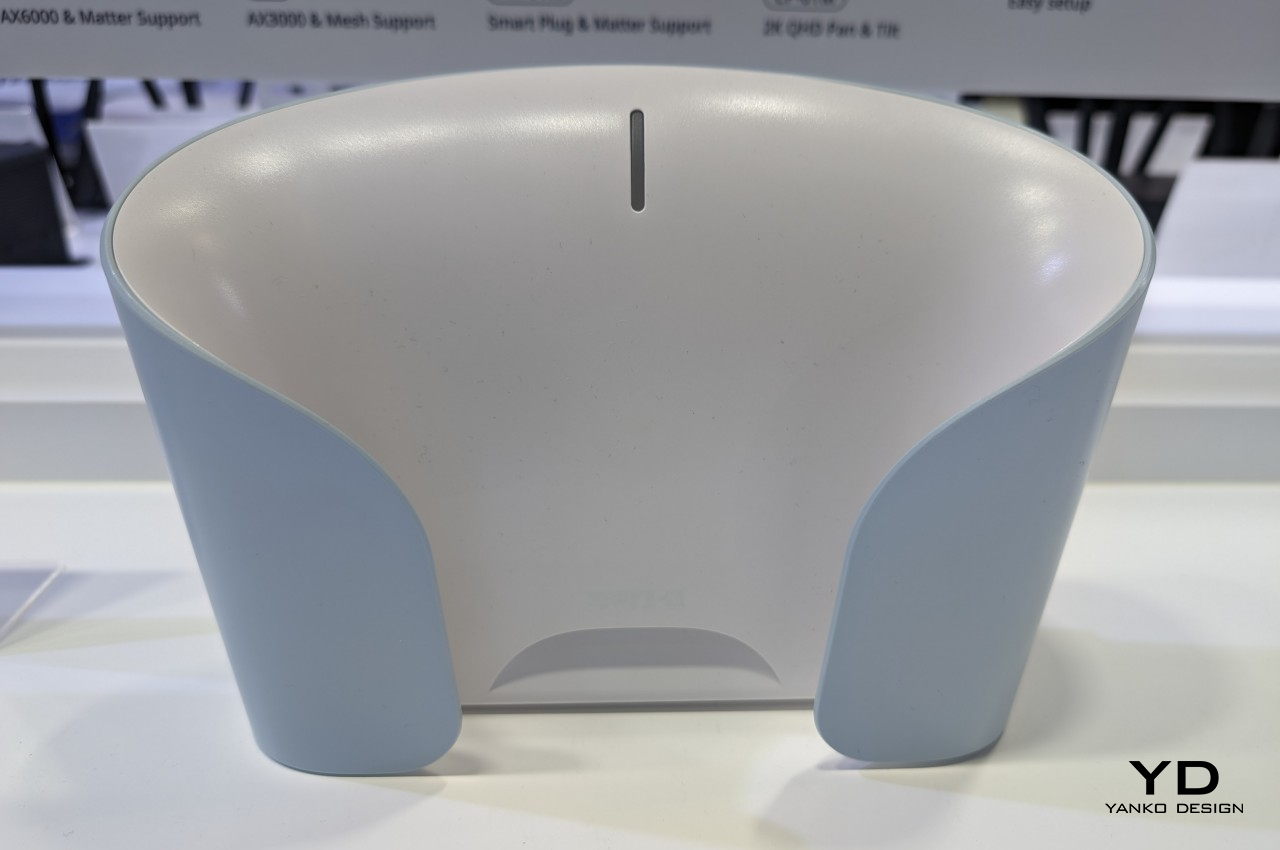
In contrast, you won’t find sharp points or even sharp edges on the D-LINK AQUILA PRO AI (models M30 and M60). What you will find instead is an elegant object that belies its superior technology, looking more like a piece of decoration rather than a router. Its name and unique shape, whose ends curl up and inward, are inspired by the Aquila constellation and the eagle, a majestic bird that exudes both power and grace. That association goes even beyond the general shape of the device, with feather-like patterns on the router’s ventilation.

The D-LINK AQUILA PRO AI isn’t just all looks, of course, as it also boasts the latest connectivity technologies, especially Wi-Fi 6. And since it’s a mesh router, you can combine multiple units and spread them around your house to get rid of dead zones and ensure fast, stable, and uninterrupted connections. It also comes with the latest privacy and security protections, plus conveniences offered by smart home platforms and mobile app control.

The D-LINK AQUILA PRO AI’s ground-breaking design doesn’t stop there either. It also tries to give back to the planet we live in by making use of PCRs or Post-Consumer Recycled materials for its housing, reducing its negative impact on the environment. This smart mesh router is stunning and beautiful proof that power doesn’t have to look harsh and cold. After all, there is both power and elegance in the form of an eagle taking flight.

The post D-LINK AQUILA PRO AI is a beautiful Wi-Fi 6 router that looks like an art object first appeared on Yanko Design.

A Headphone Stand To Bring In a Tale From Nature To Your Desk

In the realm of design, every product tells a story, weaving together elements of inspiration and functionality. The KIWI Headphone Stand is no exception, offering a unique blend of creativity and purpose that transcends the ordinary. As we delve into the backstory of this captivating creation, we find ourselves drawn into a narrative where nature, aspirations, and practicality converge.

Designers: Jeongjun Kim and Jinhyoung Choi

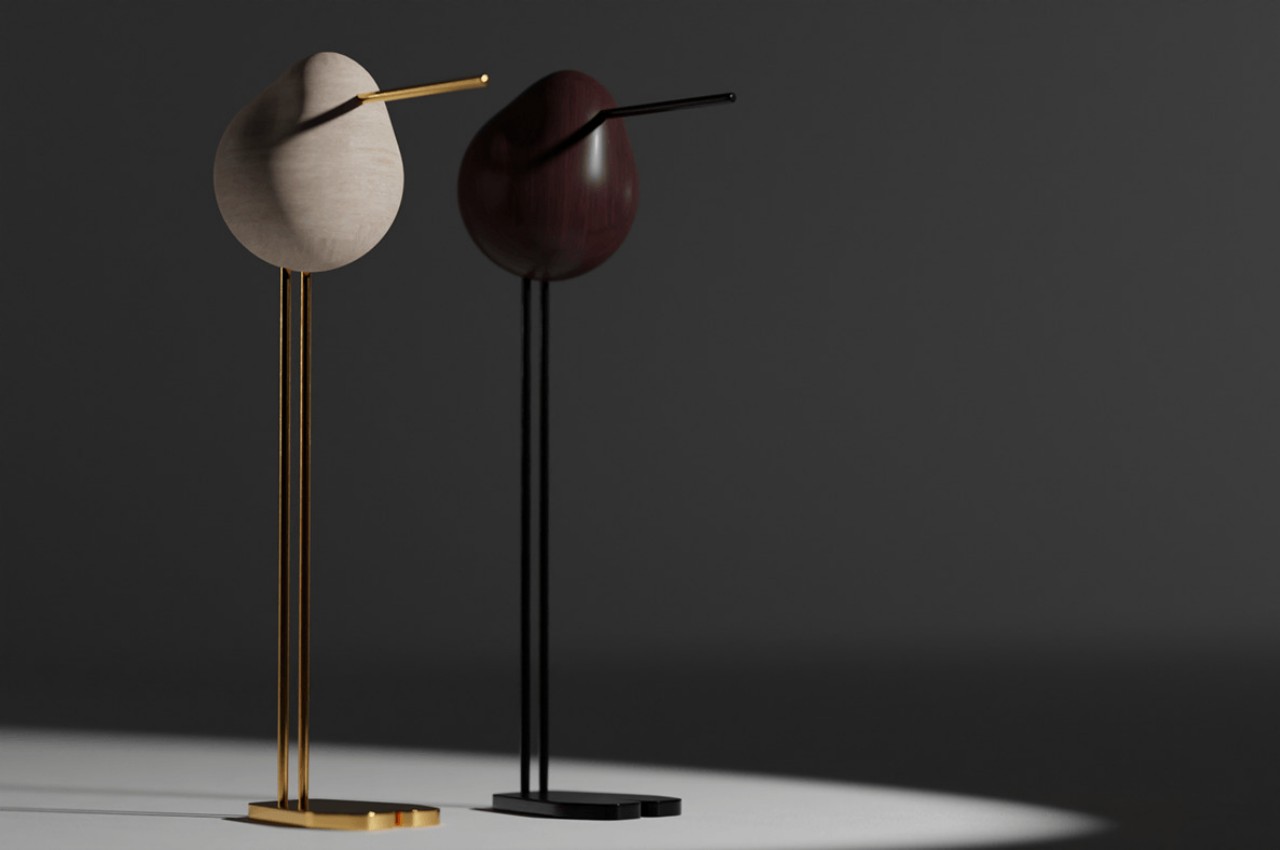
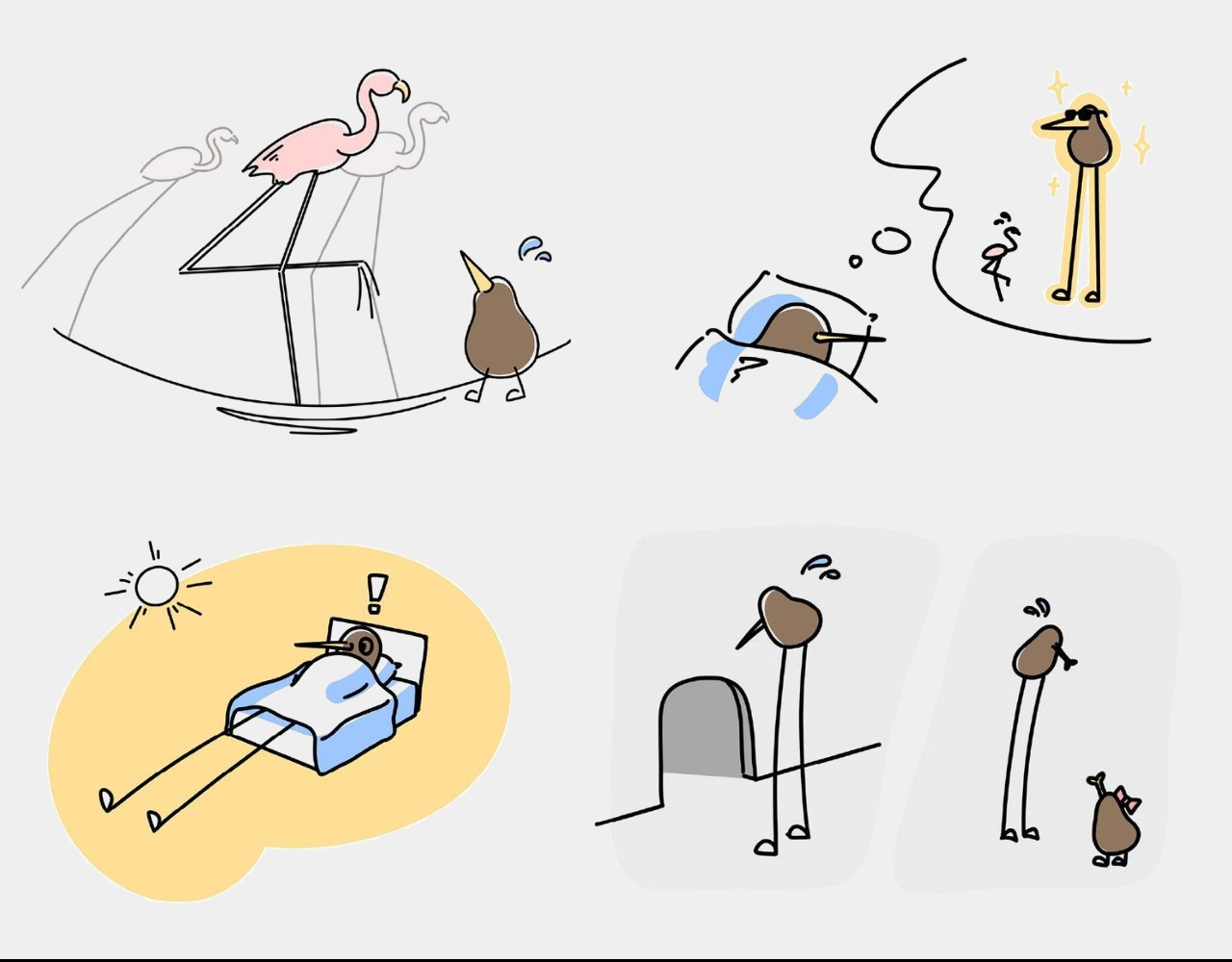
At the heart of the KIWI Headphone Stand’s conception lies the tale of a Kiwi bird with a desire for change. This peculiar bird, known for its short legs, yearned for the elegance and grace that came with longer limbs. Every day, it dreamt of standing tall alongside other magnificent birds, its imagination soaring with the possibilities of elongated legs.

One fateful day, the Kiwi bird awoke to a startling realization—its wish had come true. To its astonishment, the once stubby legs were now elongated, granting the bird a newfound stature. However, as reality often proves, ideals and wishes can have unintended consequences.

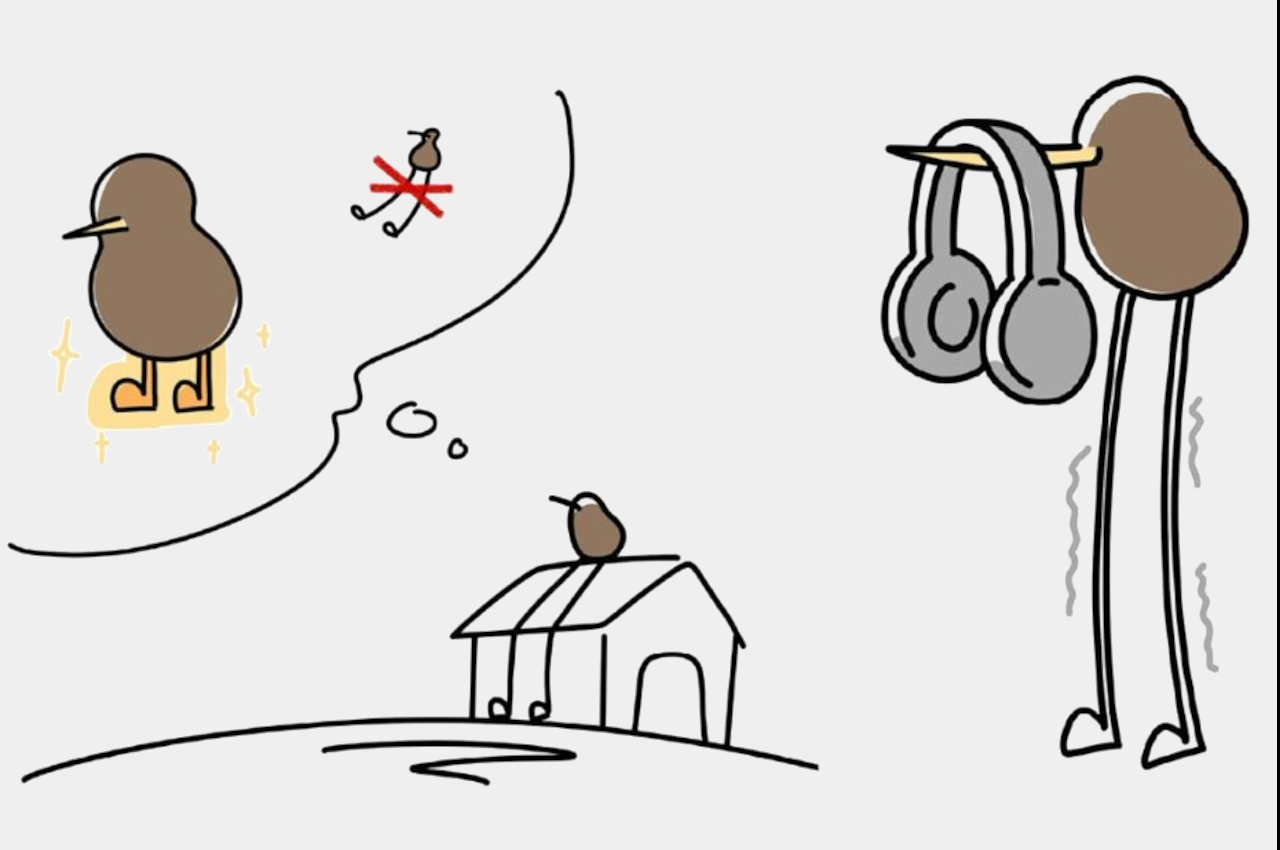
The Kiwi bird, now burdened with the challenges of its elongated legs, found itself in difficulty. The very feature it had longed for had become a hindrance. In a quest to revert to its original form, the Kiwi bird pondered creative solutions, leading to a unique association with everyday objects.

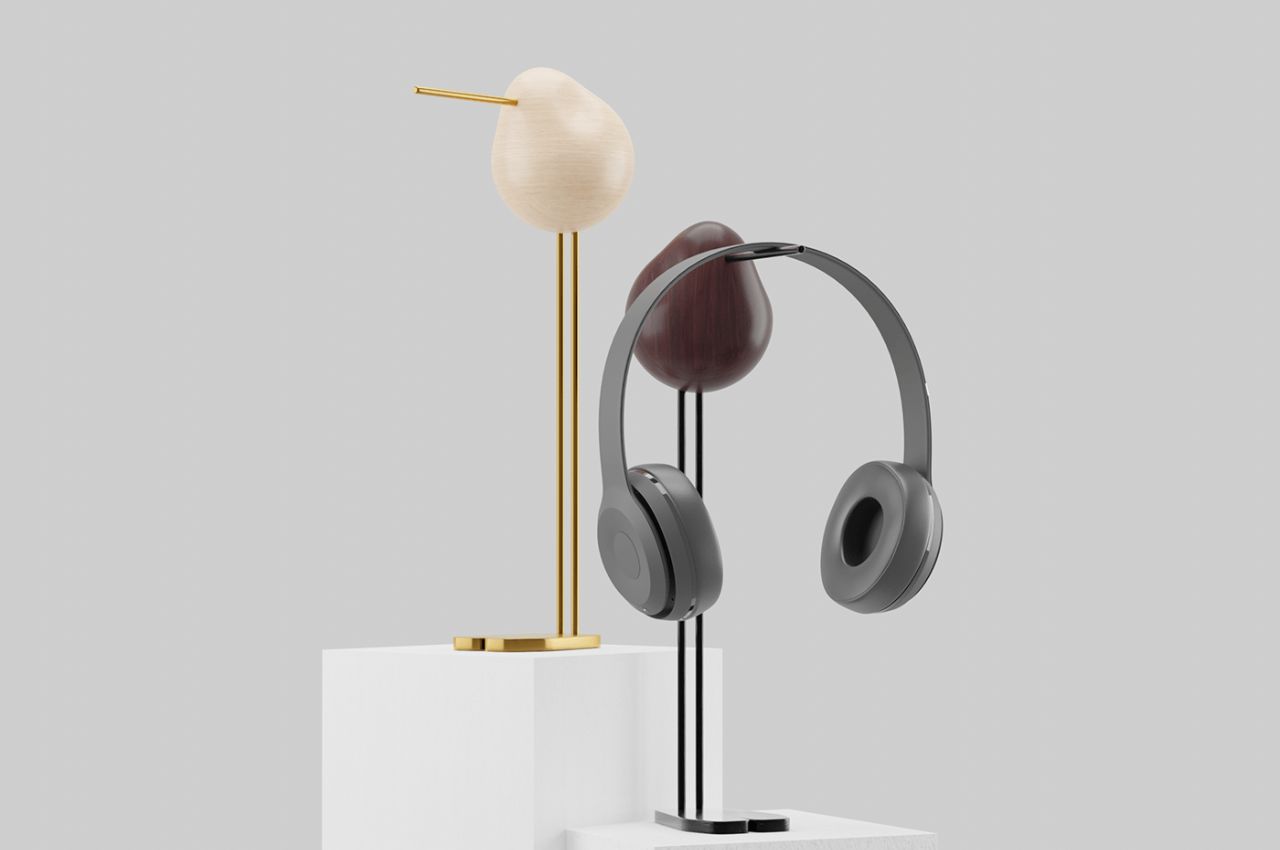
Taking inspiration from the Kiwi’s plight, the designer of the KIWI Headphone Stand ingeniously incorporated elements from various birds, including the Kiwi and the duck. The elongation of certain parts of these birds served as the foundation for a headphone stand that seamlessly merged functionality with aesthetic appeal.

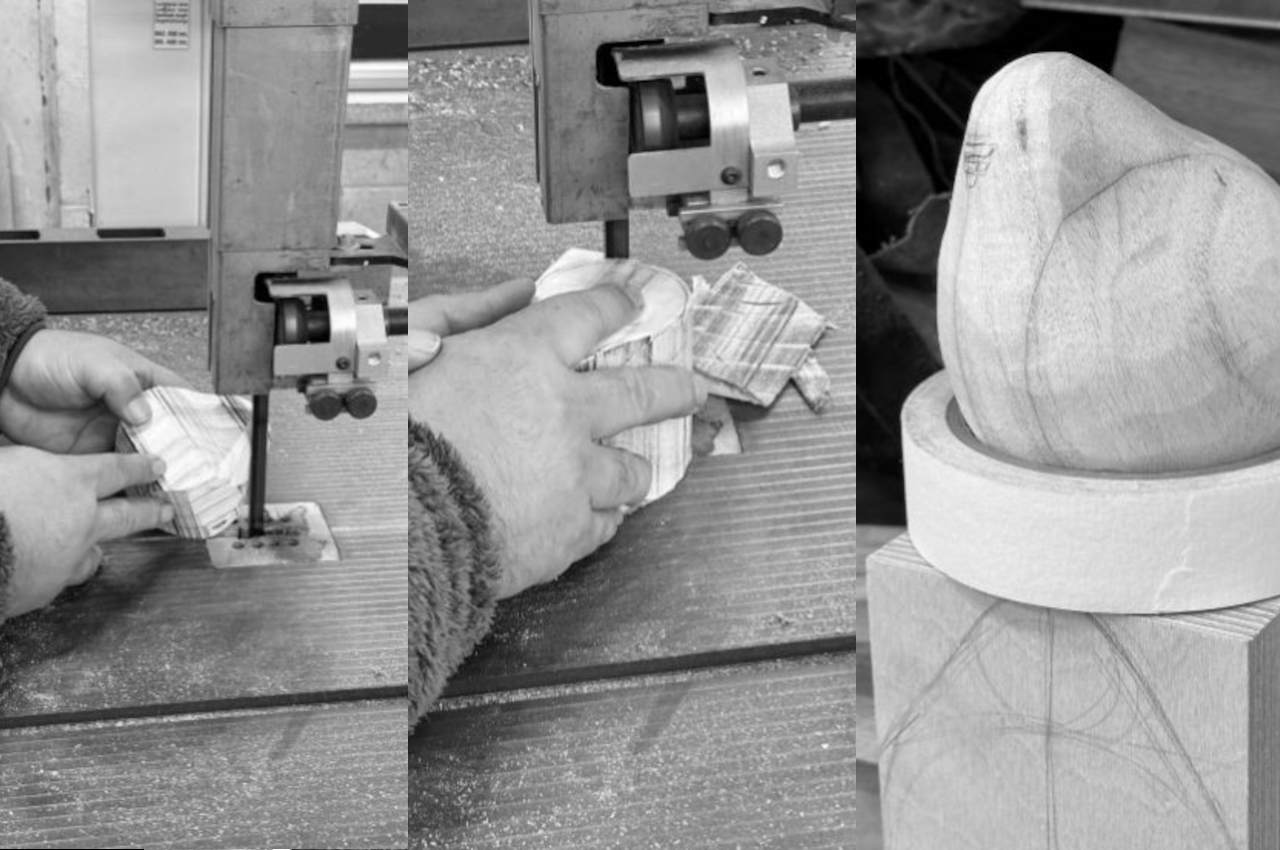
To maintain a harmonious blend with nature, the designer opted for wood as the primary material for the KIWI Headphone Stand. This choice not only adds warmth and elegance to the product but also pays homage to the organic inspiration derived from the Kiwi bird and other avian counterparts.

In a stroke of brilliance, the designer introduced two similar design iterations, allowing the KIWI Headphone Stand to cradle not just one but possibly two headphones at a time or maybe use that as a hook for something else. This thoughtful addition enhances the product’s appeal, making it a practical and visually striking accessory for any workspace.

The KIWI Headphone Stand is more than just a functional accessory for your desk; it’s a testament to the symbiotic relationship between design and nature. By intertwining the story of the Kiwi bird with the practical needs of headphone storage, this product is a conversation piece that resonates with those who appreciate the artistry behind everyday objects.

The post A Headphone Stand To Bring In a Tale From Nature To Your Desk first appeared on Yanko Design.
Sunflower-inspired speaker concept lets sound follow you wherever you go

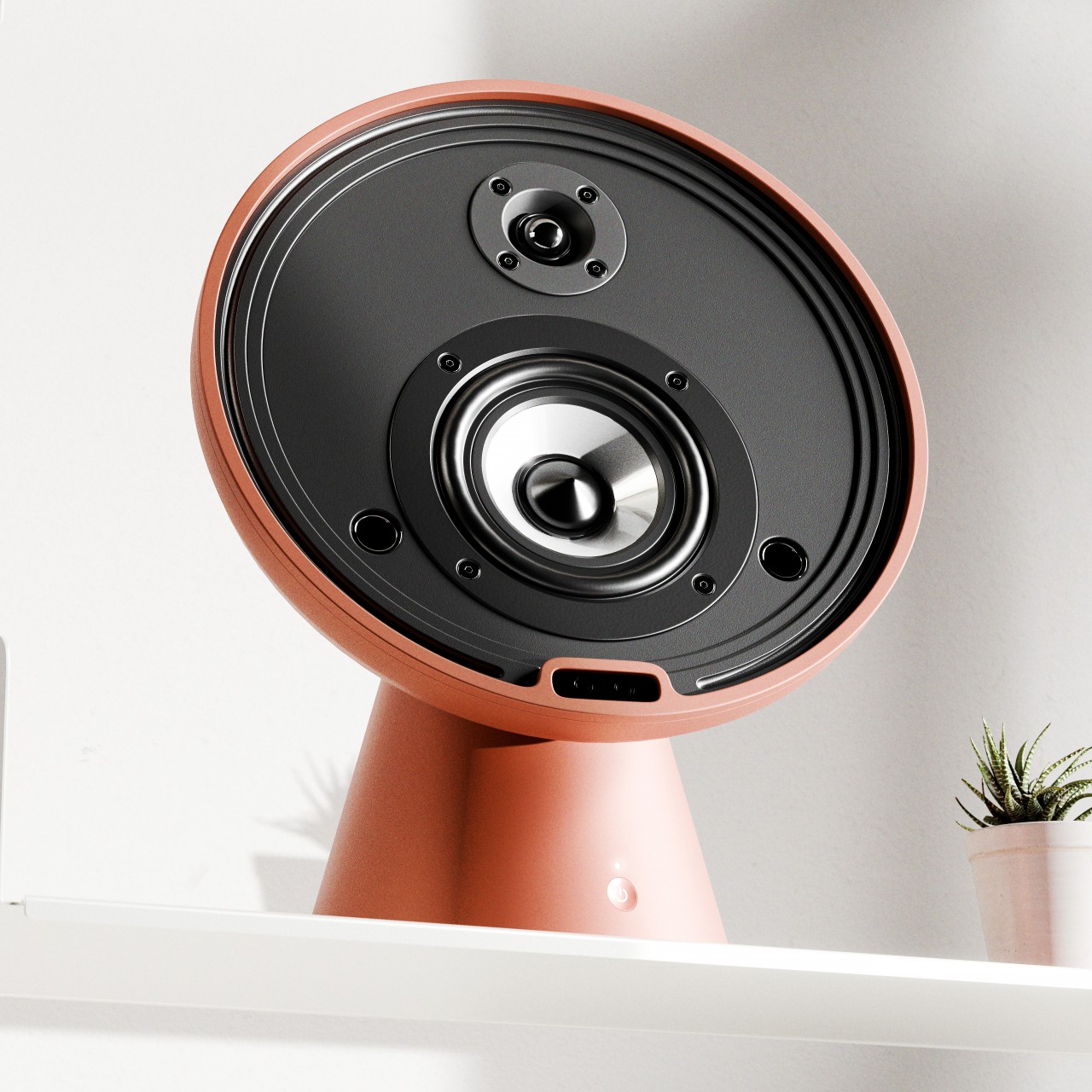
Smart speakers are becoming a common sight in homes these days, even those that have yet to wander into the smart home category. They come in all shapes and sizes, but most of the designs have one thing in common. Given the design of drivers, they can only project sound in one direction, usually forward. You can have a 360-degree speaker, but that requires having more complicated hardware or a cylindrical design that has to be placed somewhere in the middle of the room to make sure the sound reaches you where you are. This concept design, however, offers a simpler but more interesting solution, taking a cue from one of Mother Nature’s more curious creations. This circular speaker turns to make sure that sound is sent in your direction, following you all the time just like a sunflower follows the sun.

Designer: Joon-Yeol Bae

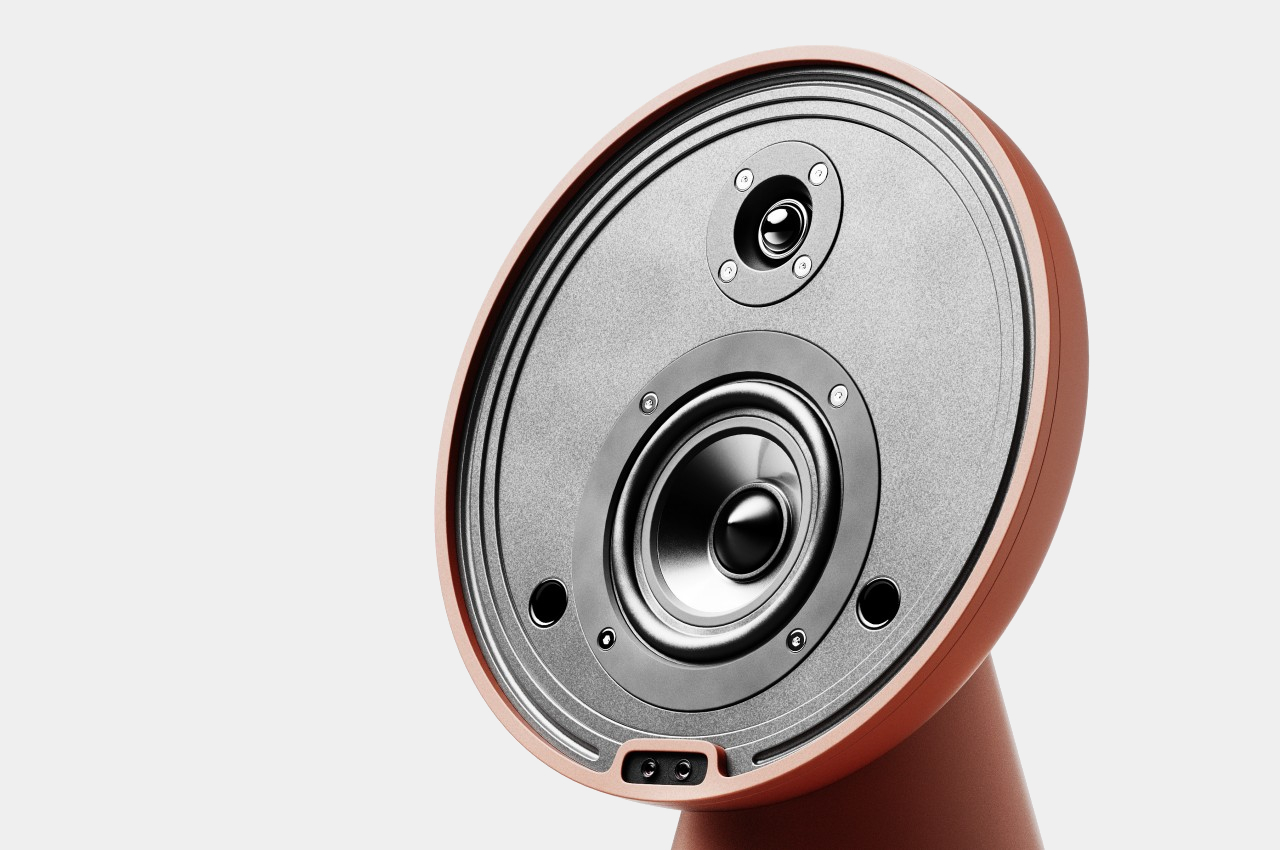
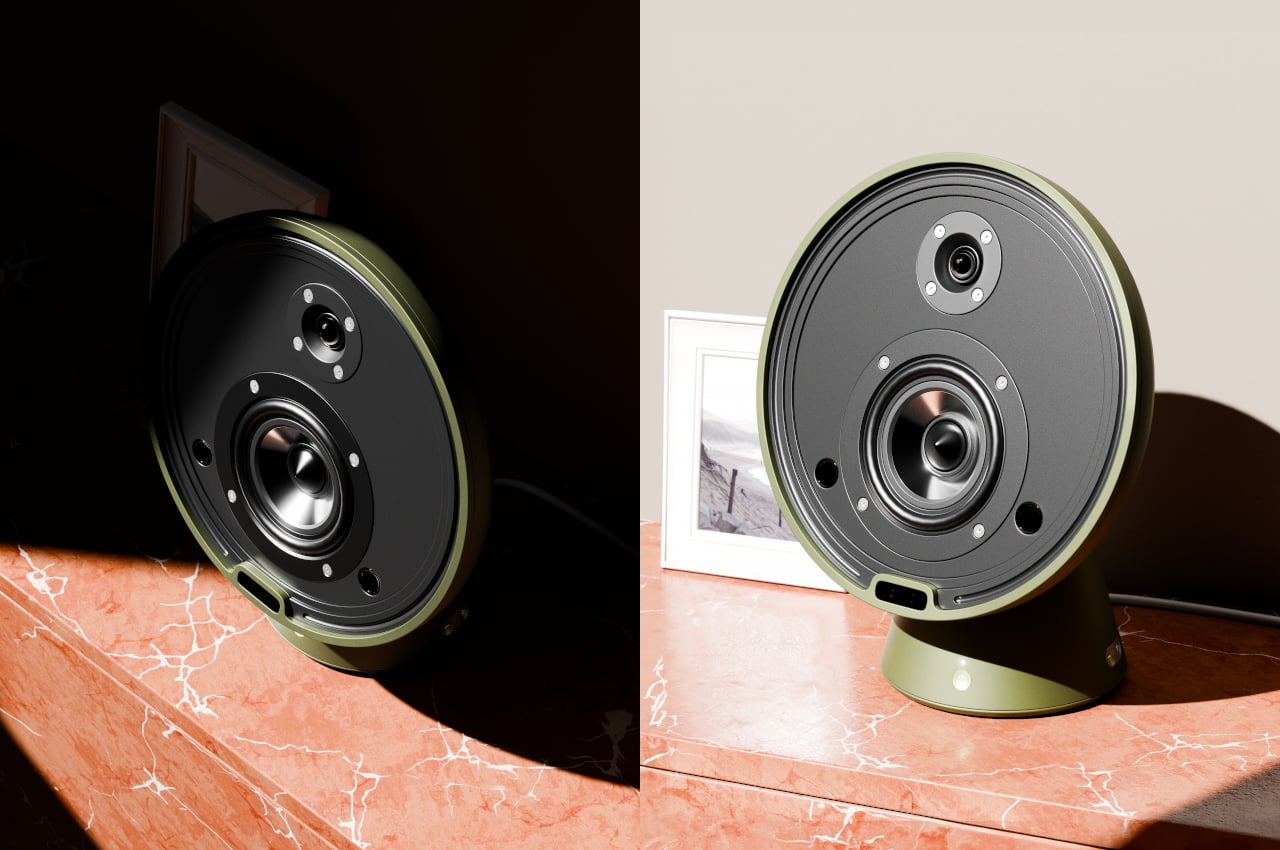
In general, sound travels in the direction an emitter, such as a speaker, is facing. It can bounce off objects or spread a bit in a cone, but on its own, it will never change its forward direction. Omni-directional speakers solve this by having drivers that face multiple directions to cover all possible directions. While effective and a common practice these days, it also means multiplying the number of components used, raising the build cost. In some cases, it also requires that the speaker be placed in an open and unobstructed area of the room, which limits your interior design options.

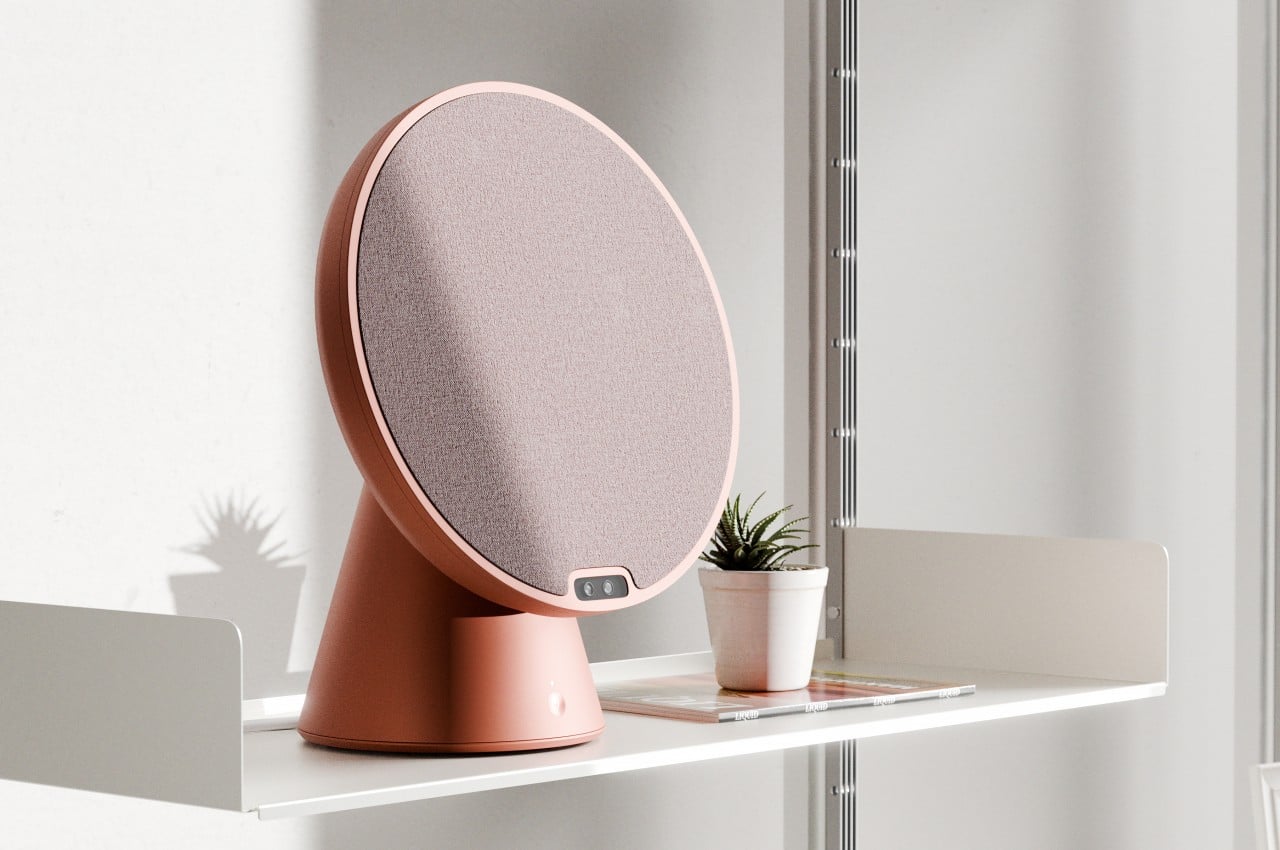
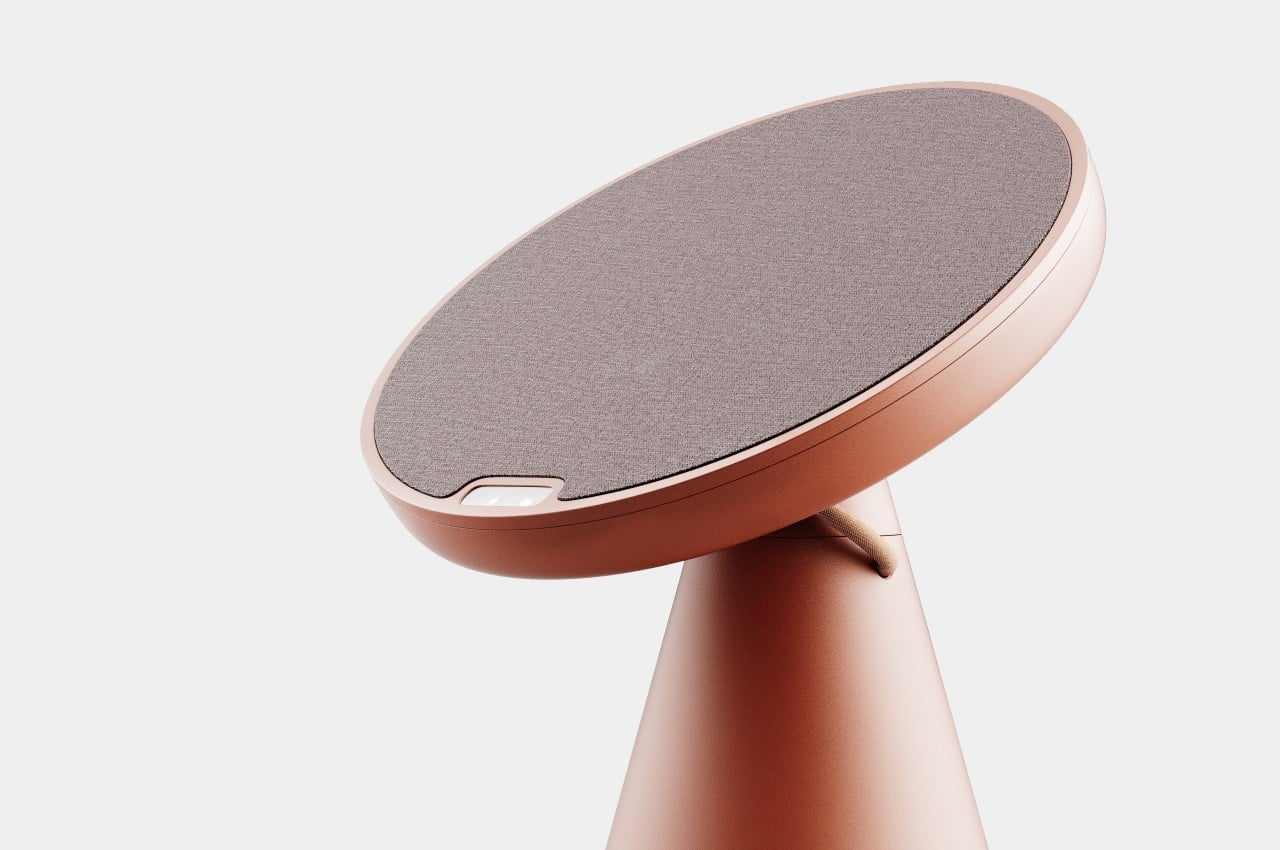
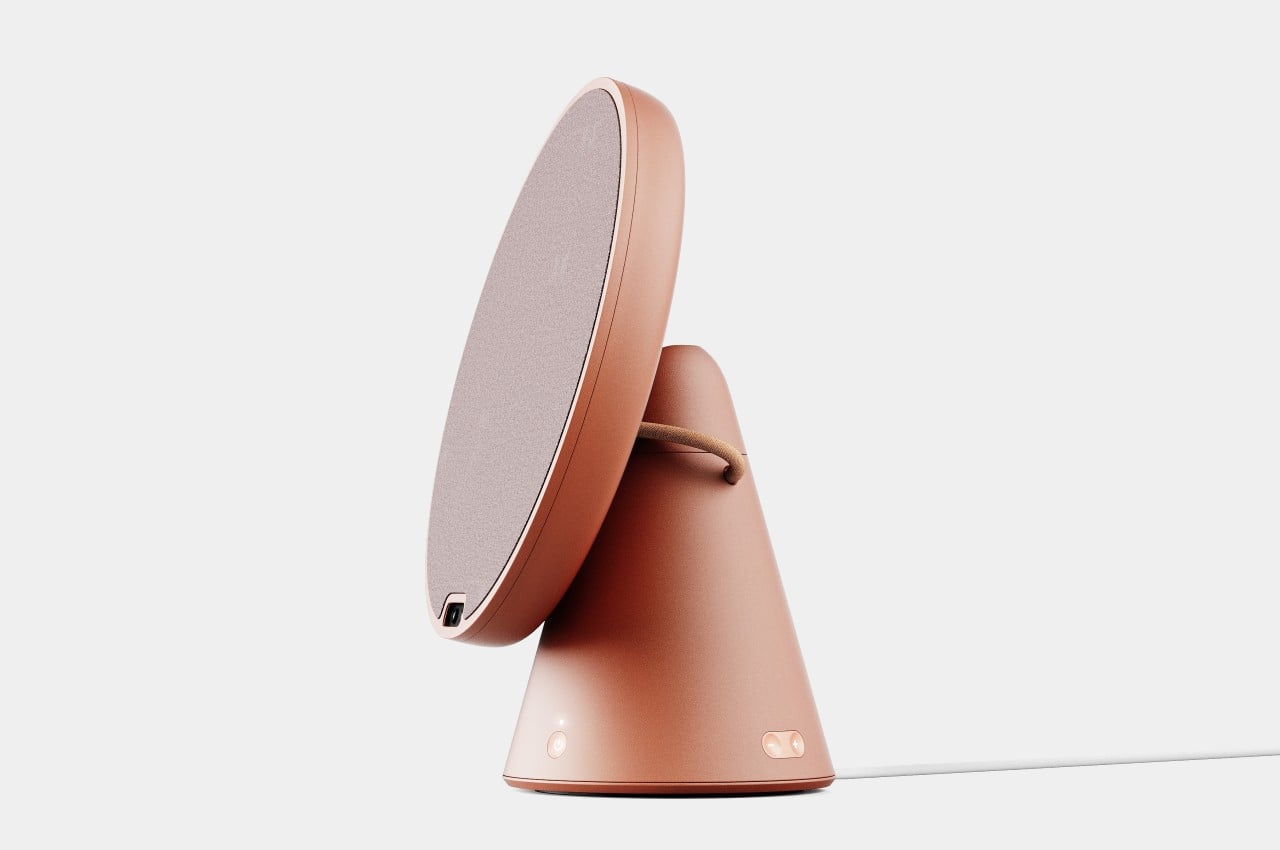
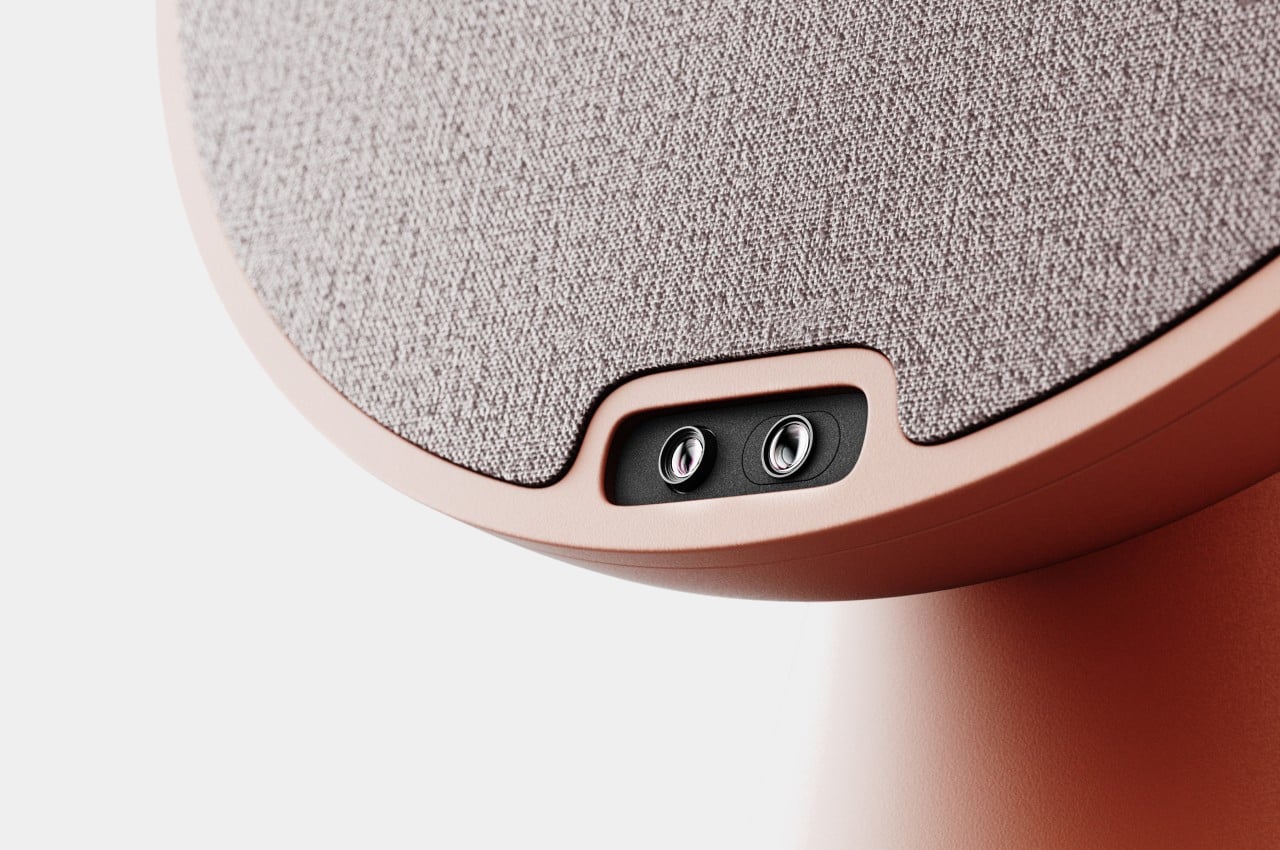
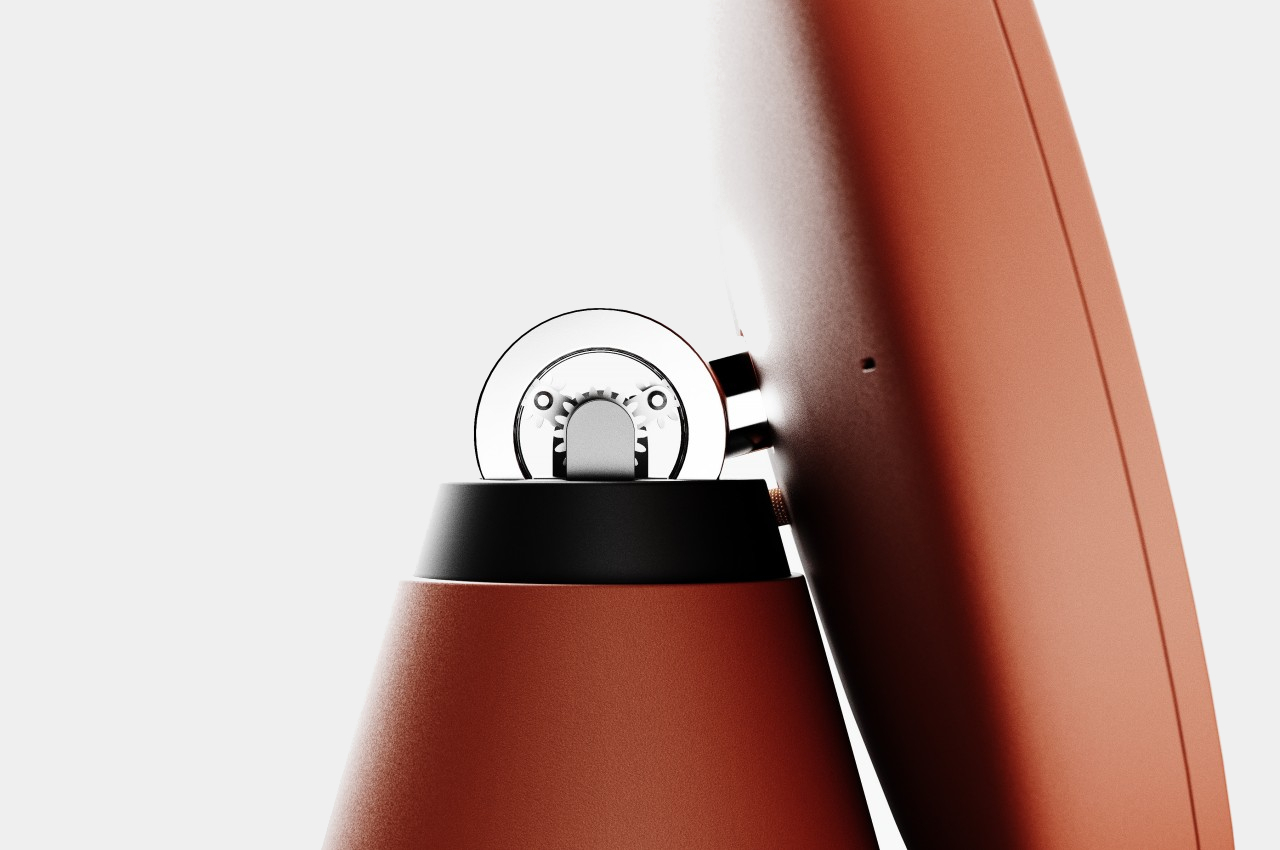
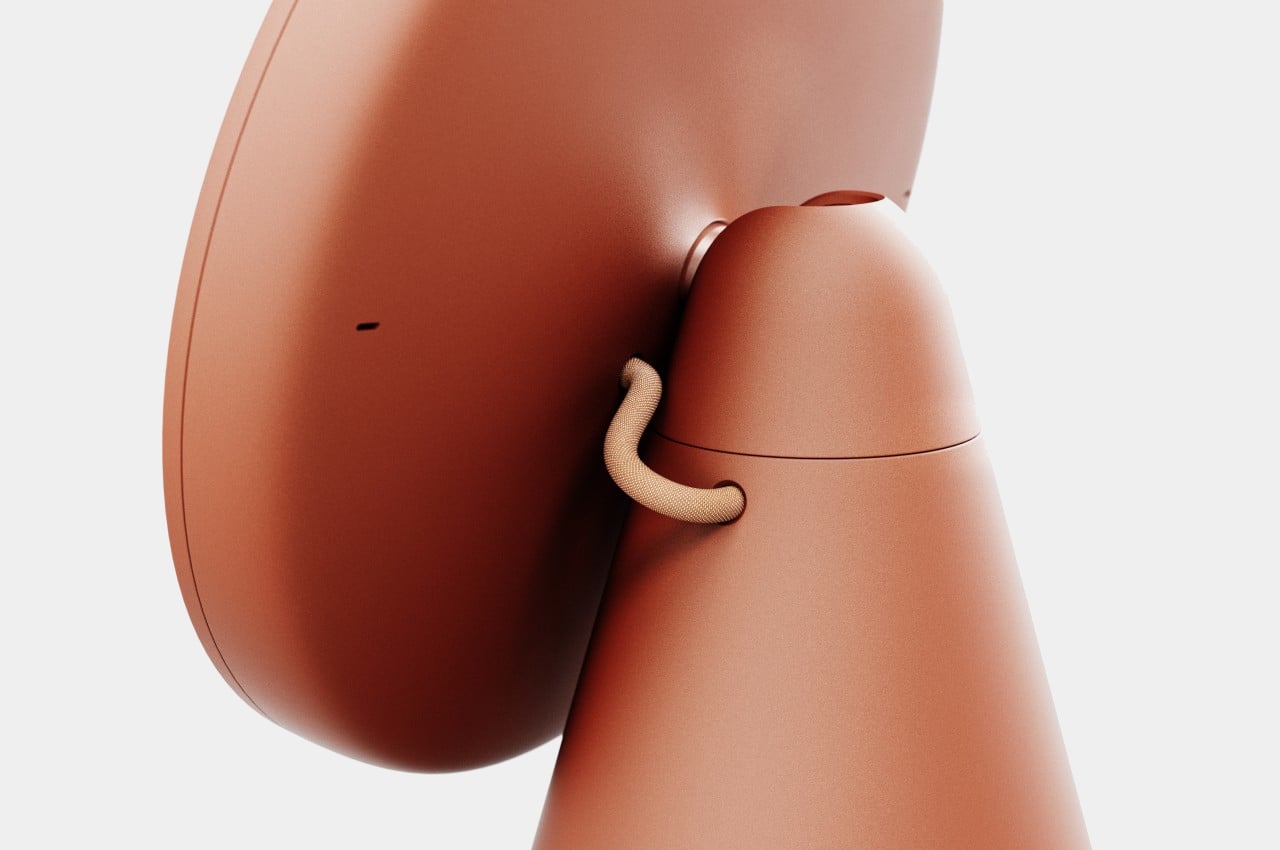
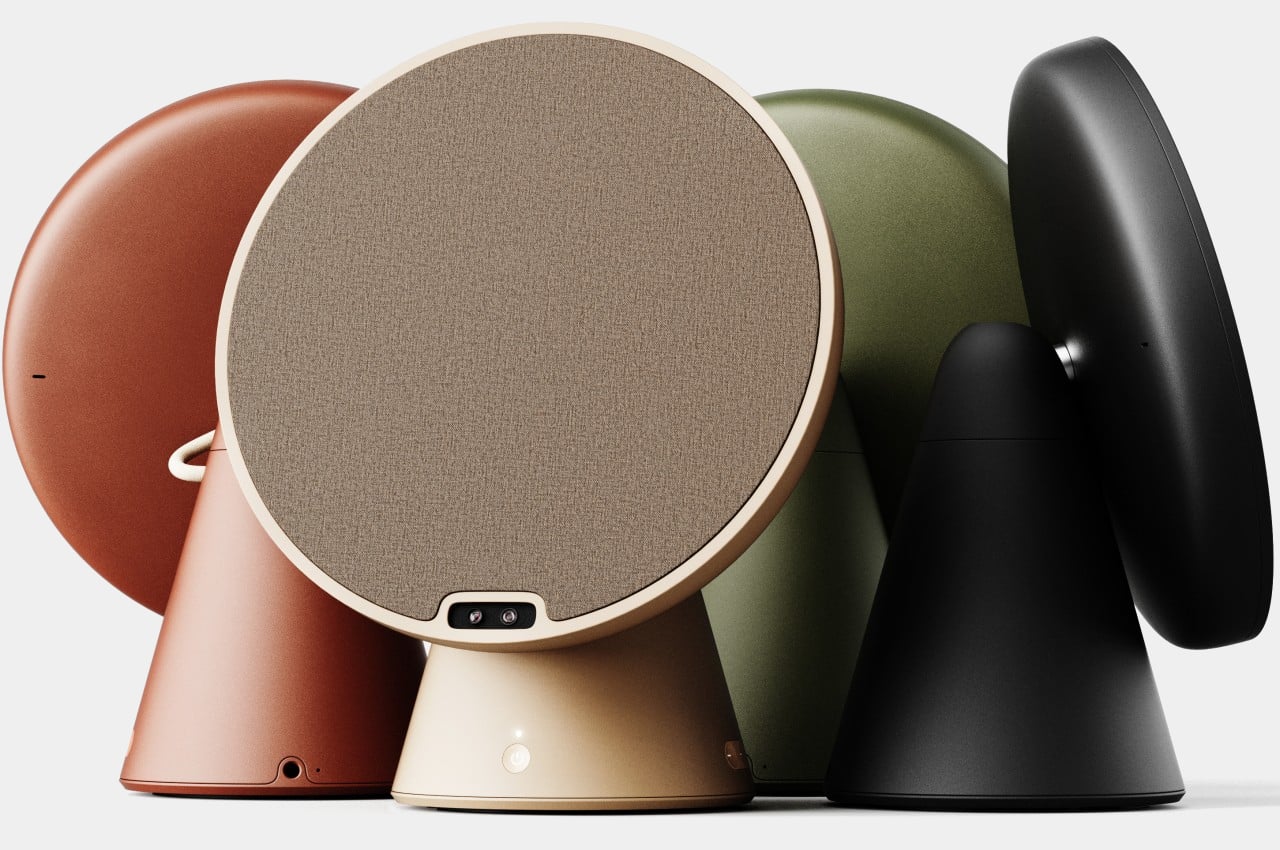
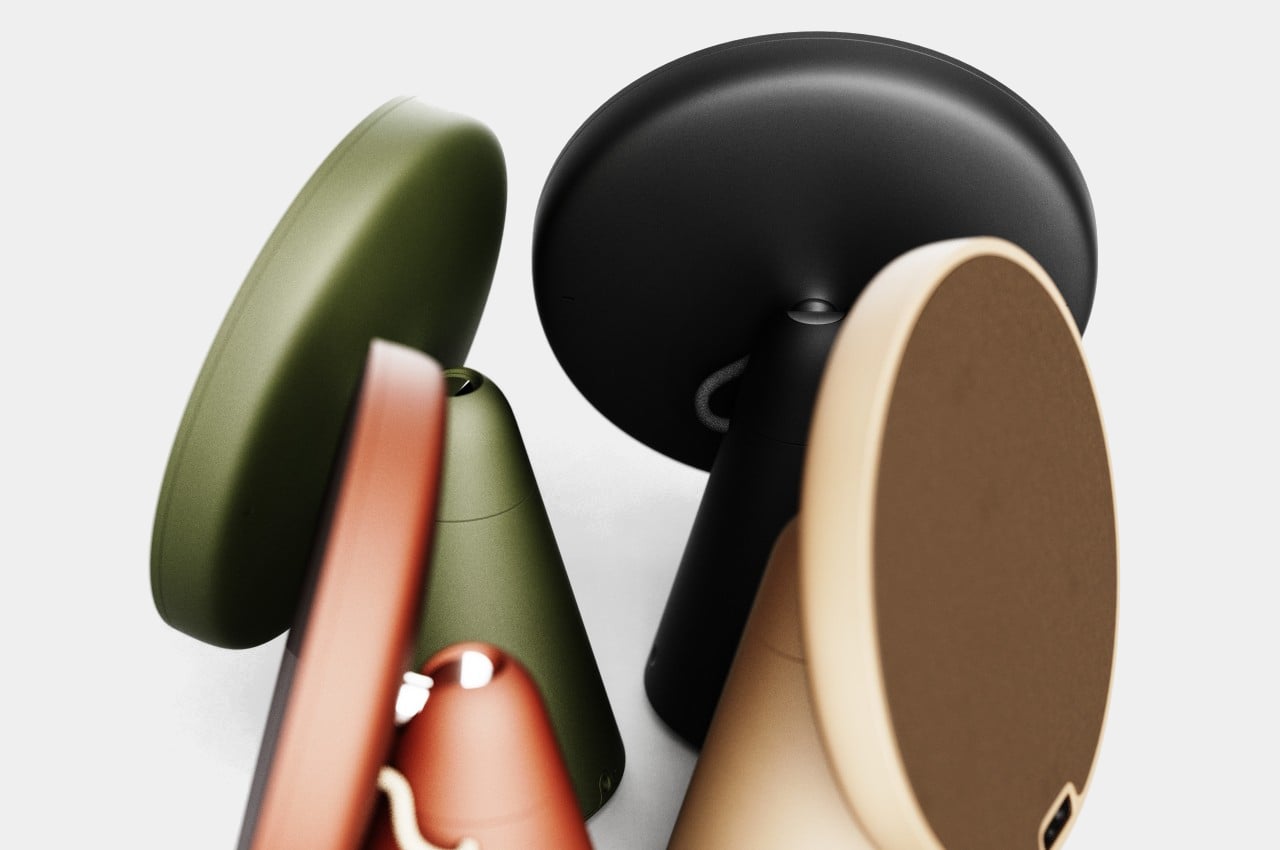
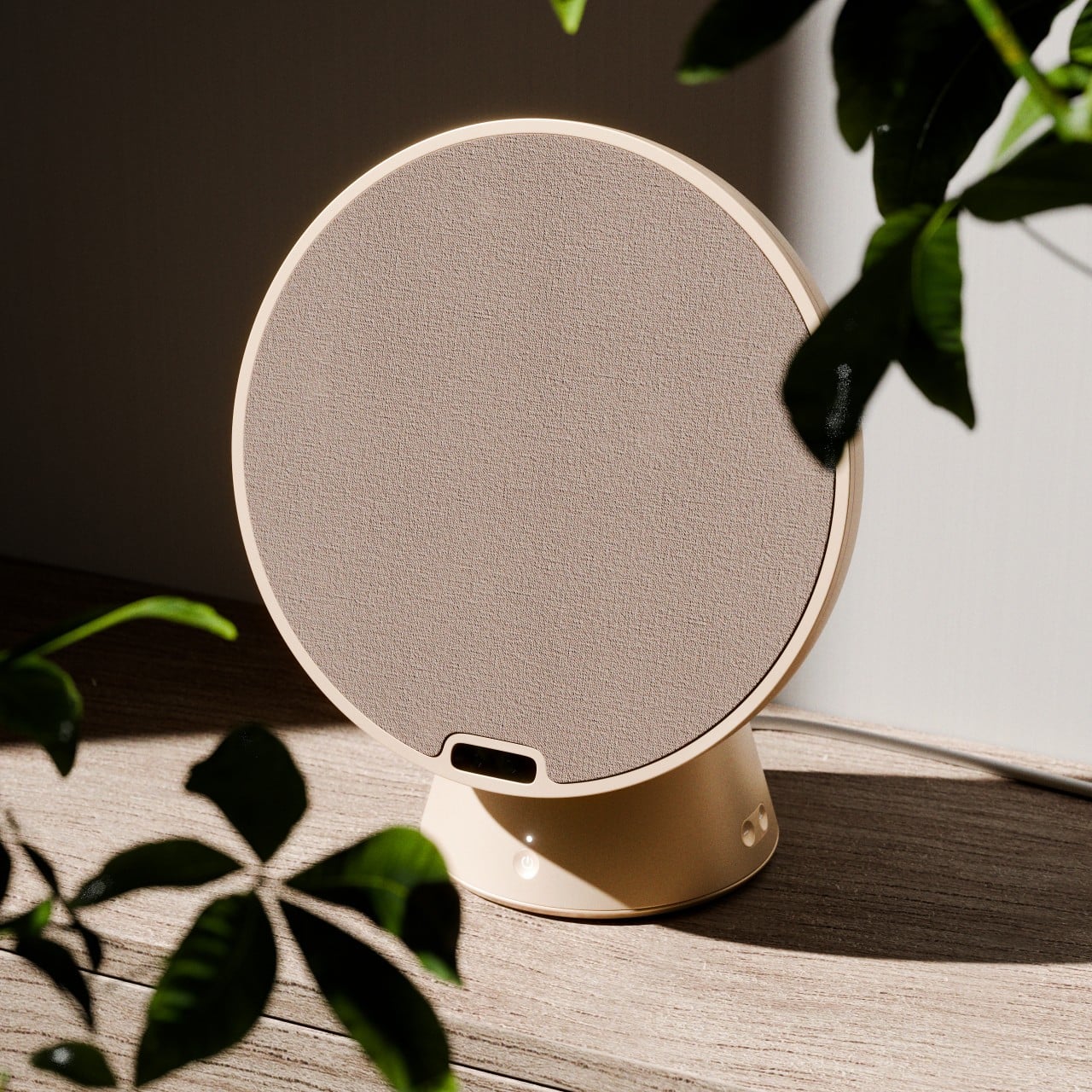
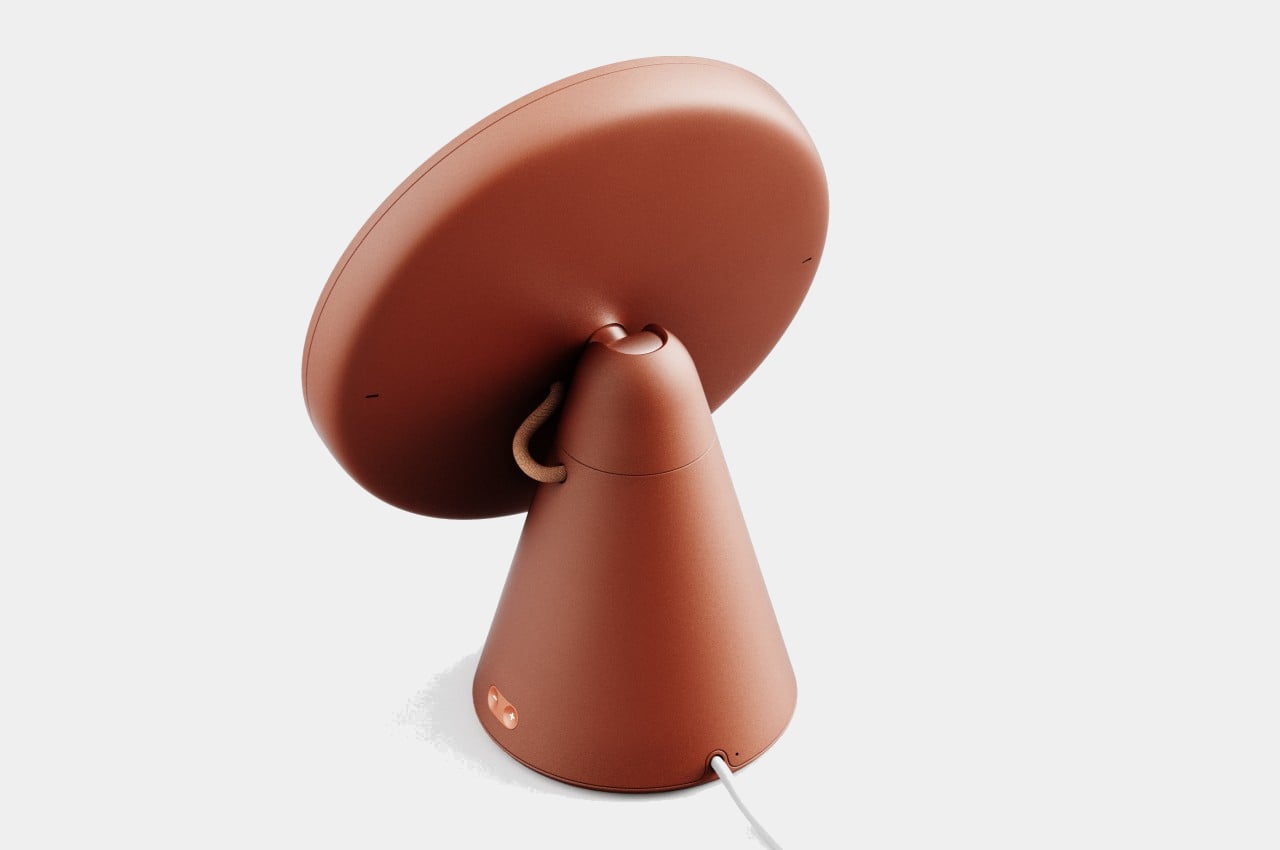
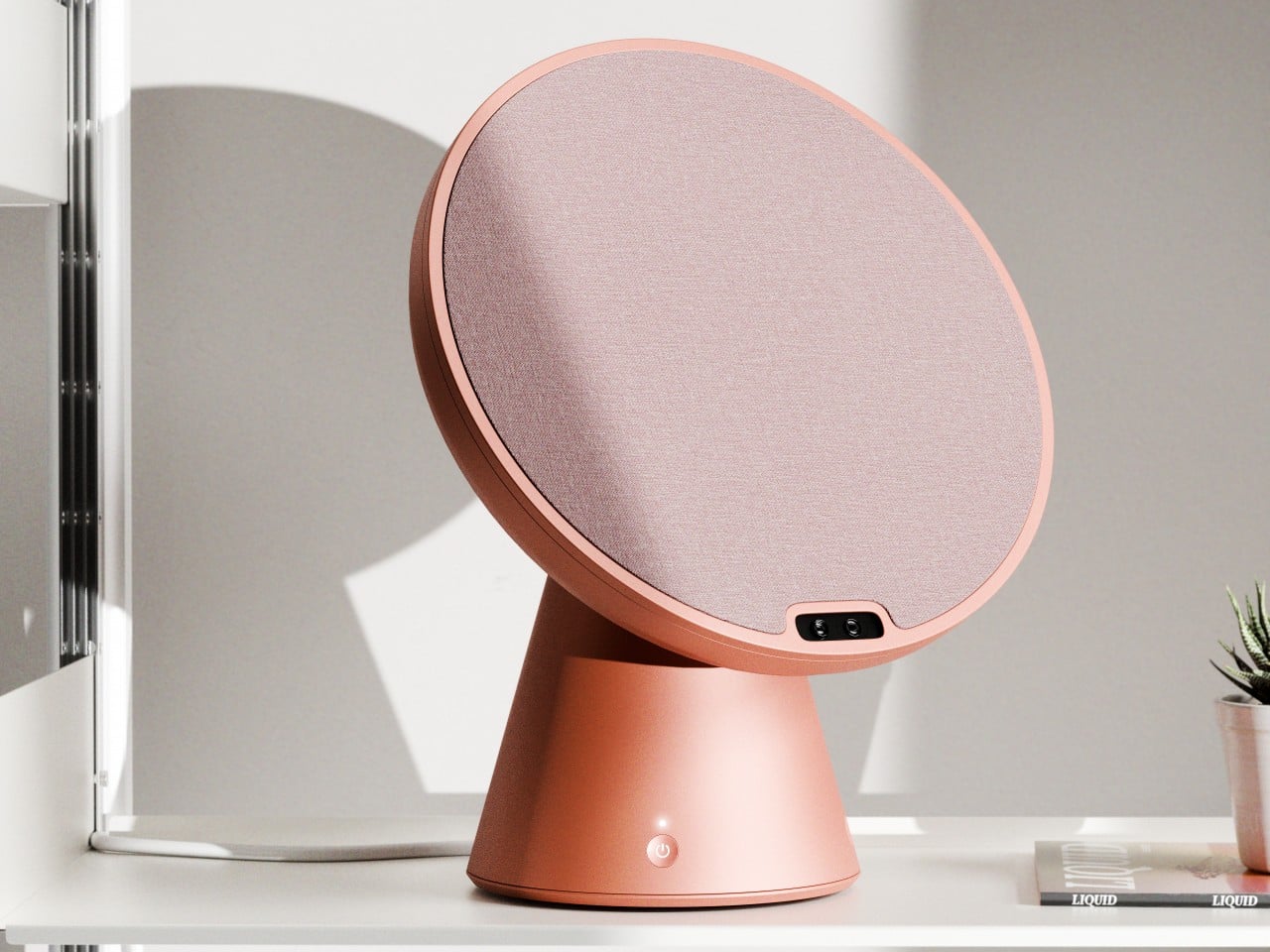
Solros, named after “sunflower” in Swedish, is a concept that takes an unconventional approach. Employing the same technologies used by self-driving cars and robot vacuums, it can tell where you are and rotate its disc-shaped head to always face in your direction. It can even detect how near or far you are from the speaker and adjust its volume to compensate for the distance. This has the effect of making the sound feel like it’s always following you, wherever you go inside a space.

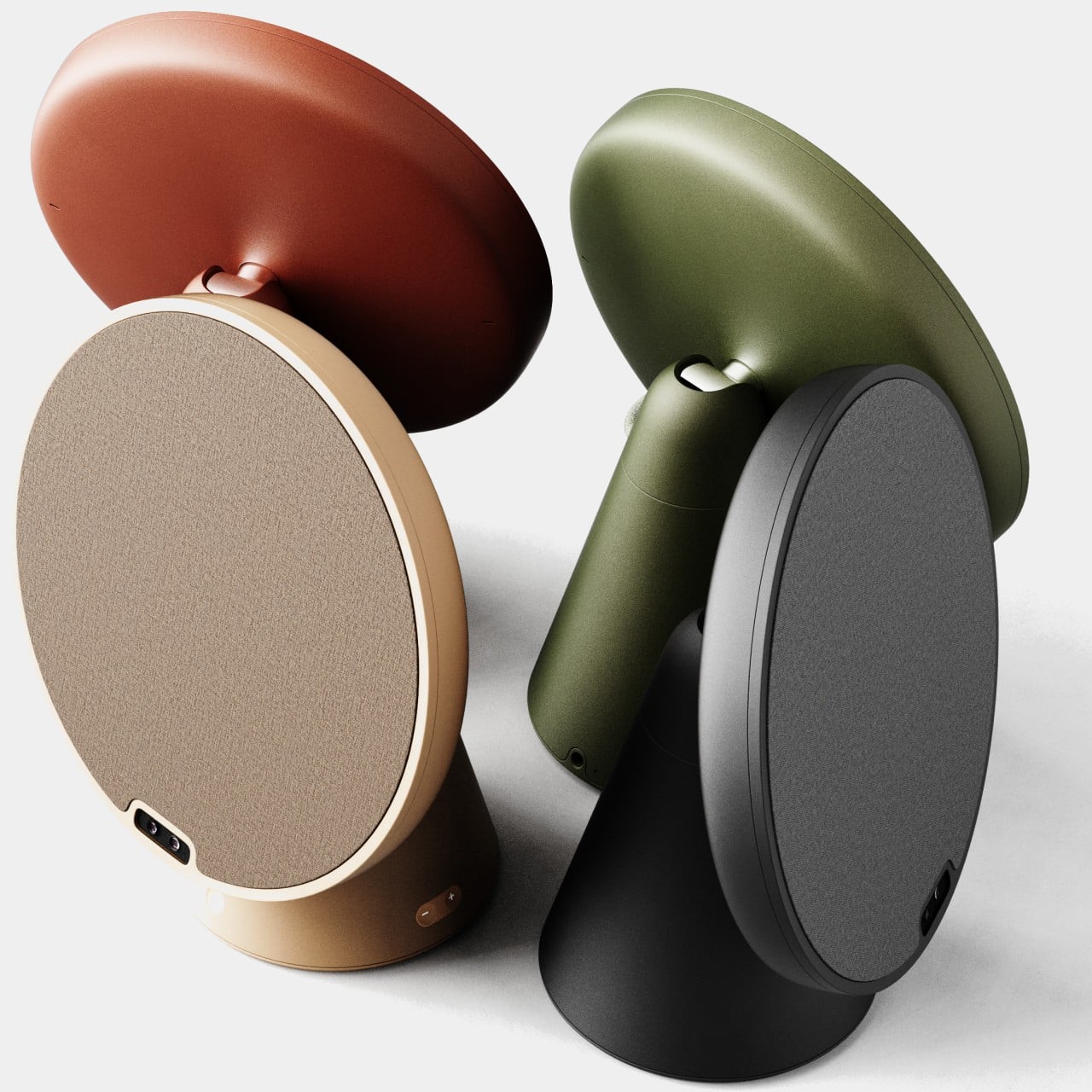
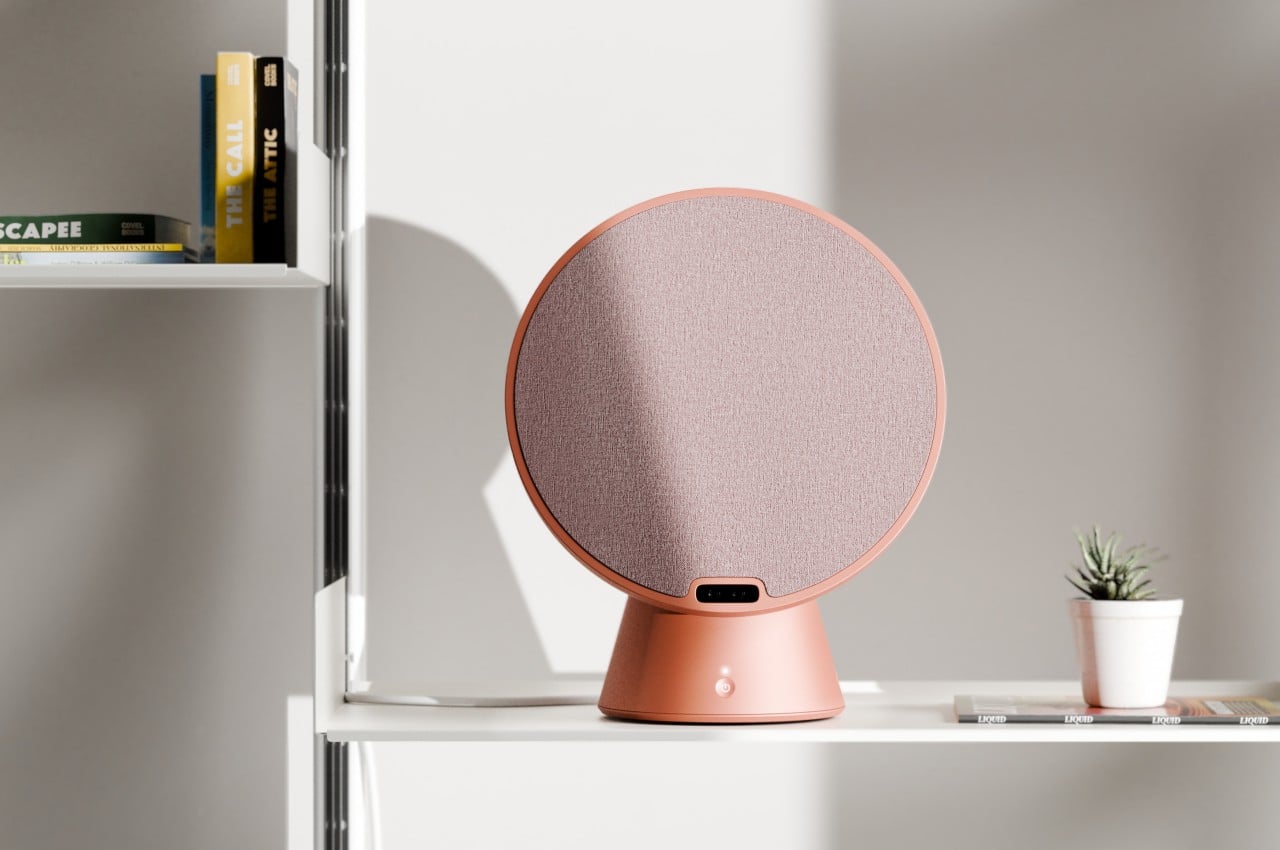
The speaker is also designed to blend into the background if you need it or become the center of attraction if you want it. Its minimalist design, which can be made available in beige, black, red, and green colors, makes it a perfect fit for almost any interior. Its graceful movements also minimize distractions while, at the same time, becoming a point of curiosity for visitors. Needless to say, it’s going to be a conversation starter, especially when the music starts to play.

As interesting as this design might be, it does raise the question of how effective it will be when there is more than one person in the room. LIDAR alone won’t be able to give priority to certain individuals, say the homeowner, and the speaker might end up getting confused and frozen in place instead of making sure its sound is sent in the right direction. Solros definitely makes the composition of a speaker a bit simpler, but the logic necessary to avoid a deadlock makes it a bit more complicated than a more straightforward 360-degree speaker.

The post Sunflower-inspired speaker concept lets sound follow you wherever you go first appeared on Yanko Design.
Love Hultén brick-inspired sound sculpture uses a bonsai tree to create sounds

With the prevalence of electronic devices like smartphones and smart speakers, you might think that sound and music can only come from these objects. Of course, they are more medium than source, and there are plenty of things that generate audible audio waves even without the help of man-made contraptions. Nature, for example, has plenty of mystifying sounds that almost border on being musical, but there are also hidden ways that natural objects can produce sounds with a little help from technology. Using biological data and a bit of scientific creativity, one can even hear the “music” that plants make, such as this rather unique “sound sculpture” that makes a small bonsai tree sing its heart out in alien-like tones.

Designer: Love Hultén

To be clear, plants don’t make music, no matter how enchanting that concept might be. What artists, musicians, and designers are doing is to gather the subtle electrical signals generated by chemical changes in plants and interpret them as a series of tones generated by a MIDI (Musical Instrument Digital Interface) device that hardly resembles a pleasing harmony. That said, even that straightforward process is enough to capture one’s curiosity and inspire a sense of wonder, even if it won’t win any music awards.

Tegel is one such artistic exploration in the translation of biological signals into audible sounds utilizing the popular bonsai tree. The choice of plant is almost poetic, given how this family of diminutive plants is often associated with meditation, calmness, and Zen. Ironically, the tones and beeps that are produced by this sound sculpture are hardly relaxing and are more like EDM for parties.

The small tree is housed inside a tall glass dome and is connected to an audio synthesizer via wires clipped onto its leaves. The plant acts more like a series of resistors rather than an actual sound source, and the sound sculpture incorporates dials to fine-tune the sound that comes out of it. There’s even a MIDI keyboard so that the user can add their own input to the mix.

What makes Tegel really special isn’t the process but the form that it comes in. Love Hultén has created quite a few of these contraptions that transform biodata into sound, but those really look the part of machines. In contrast, this sound sculpture is as much art as it is technology, inspired by the brick creations of Danish sculptor Per Kirkeby. It makes the bonsai tree a part of a miniaturized brick garden, creating a visual contrast of organic life and man-made structures working together to produce something akin to a miracle, that of pulling music out of a silent tree.

The post Love Hultén brick-inspired sound sculpture uses a bonsai tree to create sounds first appeared on Yanko Design.
A Unique Pet Toy Inspired By Nature To Keep Your Pets Engaged

Pet toys come in various shapes and sizes, but The Triangle Toy stands out as a unique creation that not only entertains your furry friends but also doubles as a work of art. This innovative pet toy is not just about play; it’s a visual experience inspired by the beauty of nature.

Designers: Second White, Ethan J Choi, Jihun Yoo, DK (Dukkeun An), Junha Kam, Ikhyeon Kim<, Maini Kwon yanko design images to size – Triangle_pet_toy_02

1

Triangle’s design is a testament to the creativity that can be infused into pet products. The triangular shape serves as a canvas for the motifs of clouds, mountains, and the sun. The towering mountains are represented by the overall triangular structure, while the rolling ball symbolizes the gentle flow of clouds. The transparent ball, a central element of the toy, represents the shining sun. Together, these elements create a harmonious scene reminiscent of a sunrise or sunset over a cloud-covered mountain.

The design language of Triangle is a careful blend of curved and angular lines. This combination imparts a sense of softness and brilliance to the toy, making it visually appealing. Crafted from high-quality materials and featuring a seamless harmony between its components, Triangle transcends the typical notion of a pet toy, resembling more of an objet d’art that seamlessly integrates into any space.

What sets Triangle apart is its interactive nature. The toy is designed to maintain your pet’s continuous interest through an ingenious treat-dispensing mechanism. By placing treats inside the transparent ball, your pet is enticed to engage with the toy. When the cloud-shaped plate is touched, the ball rolls along rails, dispensing treats as it moves. This not only provides mental stimulation but also turns playtime into a rewarding experience for your furry companion.

1

1

Adding to its innovative features, Triangle allows for difficulty adjustment. The three holes in the transparent ball can be resized by turning its top part. This feature enables pet owners to customize the level of challenge, ensuring that the toy remains engaging for pets of varying activity levels. It’s a thoughtful addition that caters to the diverse needs of pets, keeping them entertained and mentally stimulated.

1

1

1

Practicality meets design in Triangle, as it is not only an engaging toy but also easy to maintain. All parts, including the transparent ball, are detachable, allowing for convenient cleaning. This feature ensures that Triangle remains a hygienic and safe plaything for your pet. The ease of disassembly and reassembly makes the cleaning process a breeze, enhancing the overall user experience.

At its core, Triangle is a simple yet ingenious mechanism toy that harnesses the beauty of nature. The ball within the toy moves by tilting around a central axis based on the principles of gravity. This design, inspired by the natural world, incorporates inclined surfaces and curved shapes. By subtly tilting the toy, users can manipulate the ball, creating an interactive and enjoyable experience for both pets and their owners.

In conclusion, Triangle is more than just a pet toy; it’s a thoughtful creation that brings together design, functionality, and the essence of nature. Its ability to engage pets, adjustable difficulty levels, and easy maintenance make it a standout product in the world of pet accessories. Triangle not only adds joy to your pet’s playtime but also elevates your living space with its aesthetic appeal—a true testament to the potential for creativity in the world of pet products.

The post A Unique Pet Toy Inspired By Nature To Keep Your Pets Engaged first appeared on Yanko Design.
Quirky shapes make this modular table set a fun yet functional addition to your space

Tables primarily serve a functional purpose, providing a horizontal surface to place things. Considering the space they occupy, it’s only fair that they should also have some aesthetic value, adding to the ambiance of a room instead of sticking out like a sore thumb. Unfortunately, not all designs balance form and function equally, with one aspect getting a heavier focus than the other. Some might be extremely beautiful but have little room for use as an actual table, while others try to get too smart with features at the expense of a pleasing appearance. Fortunately, we have plenty of inspiration around us to help shape our designs, and this family of odd-looking tables takes a few pages from Mother Nature’s book to create pieces that offer both practical utility as well as visual interest, bringing any living space to life.
Designer: Superlife

Most tabletops come in conventional shapes such as rectangles, squares, circles, or ellipses. These, after all, are the most space-efficient shapes around, maximizing the area that you can use to lay down objects like laptops, books, or cups. They’re probably also the most mundane shapes you’ve ever laid eyes on, and they are totally dependent on the rest of the table’s composition or materials to pique your interest. The Flow family of tables bucks that trend and presents a table that almost looks impractical but is actually quite flexible in its functionality, so it shouldn’t be a surprise that it pulls off this feat by learning from organic things designed by nature itself.

As the name somewhat implies, these tables are inspired by naturally occurring bodies of water. Whether they’re puddles or lakes, water doesn’t appear as a perfect circle or rectangle, not unless you put them in artificial containers. The amorphous and almost random shape that water comes in evokes a sense of fluidity, even while at rest. It’s almost the perfect metaphor for tables that become centers of activity even as they act as resting places for your stuff.

Flow, however, is also inspired by cells that take similarly undefined shapes. Each table in the collection also has different heights to add to its unique character. And just like cells, these distinct pieces can function independently or merge into one to provide a larger canvas to arrange objects. The dynamic shapes of the tables might even inspire you to inject some life into your room, just like how cells are the building blocks of organic life.

Whether alone or connected, the fluid shapes of the Flow tables create an interesting ambiance that is both lively and calm, just like water. The tables are both pieces of structural art as well as flexible furniture that provide a bold visual impact, blending form and function in harmony just as things in nature usually do.

The post Quirky shapes make this modular table set a fun yet functional addition to your space first appeared on Yanko Design.