Honor Robot Phone Hands-on: Bold Phone With A Moving Camera Few Can Buy

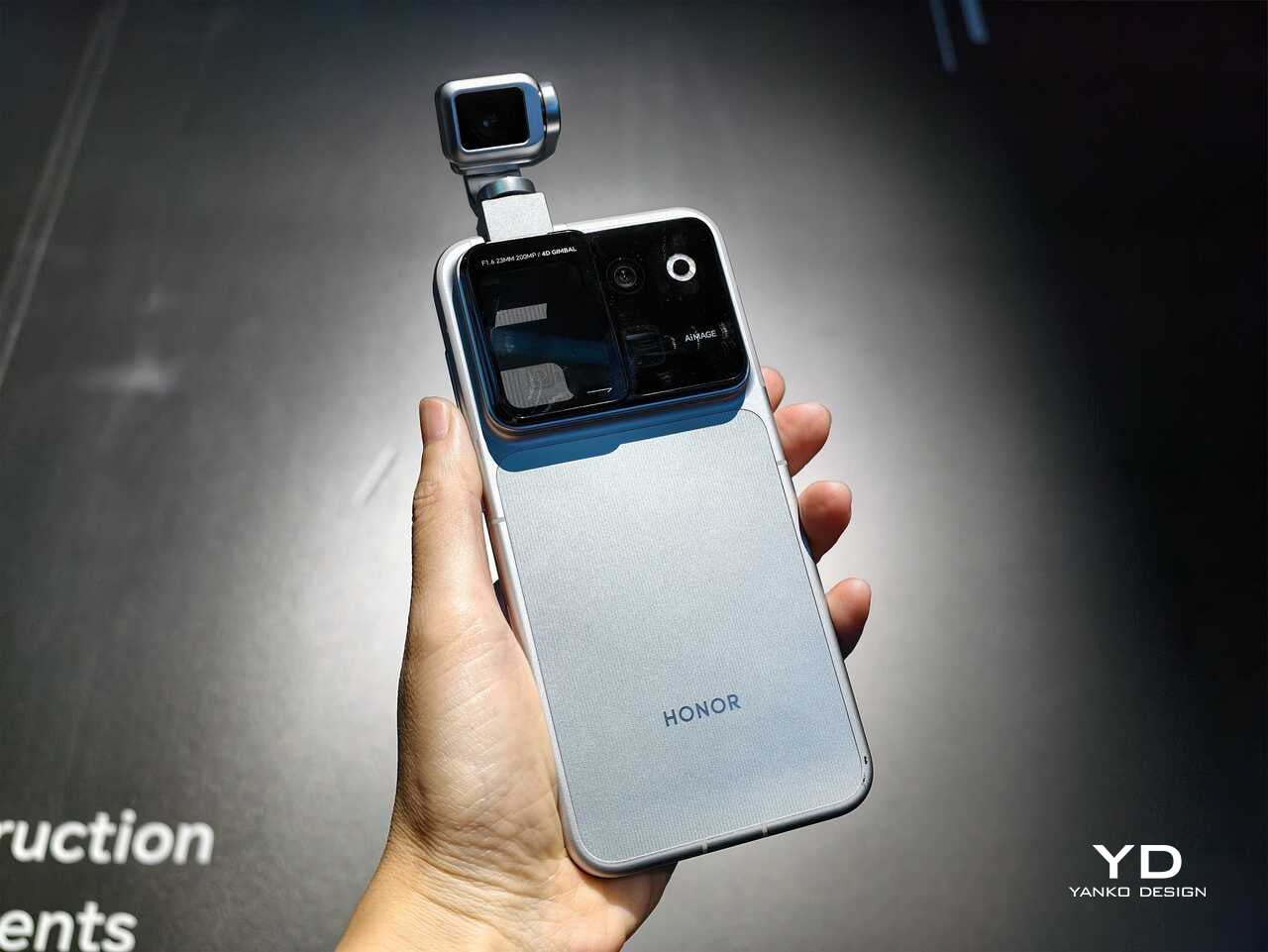
After many teasers and demos, the Honor Robot Phone has finally and officially launched in China. It is also staying exclusive to the Chinese market for now, with Honor not planning an international release at this stage. That alone will make it a frustratingly out-of-reach device for many, because this is one of the rare smartphones that feels genuinely different at first glance.

Part of the reason the launch has drawn so much interest is that Honor first revealed the Robot Phone at MWC earlier this year, where it quickly became one of the event’s biggest conversation pieces. Even in a show packed with concept hardware and camera claims, this was the device that made people stop, stare, and ask how it actually worked. Now that it has moved from trade show reveal to commercial launch, the Robot Phone still feels just as unusual.

Designer: HONOR
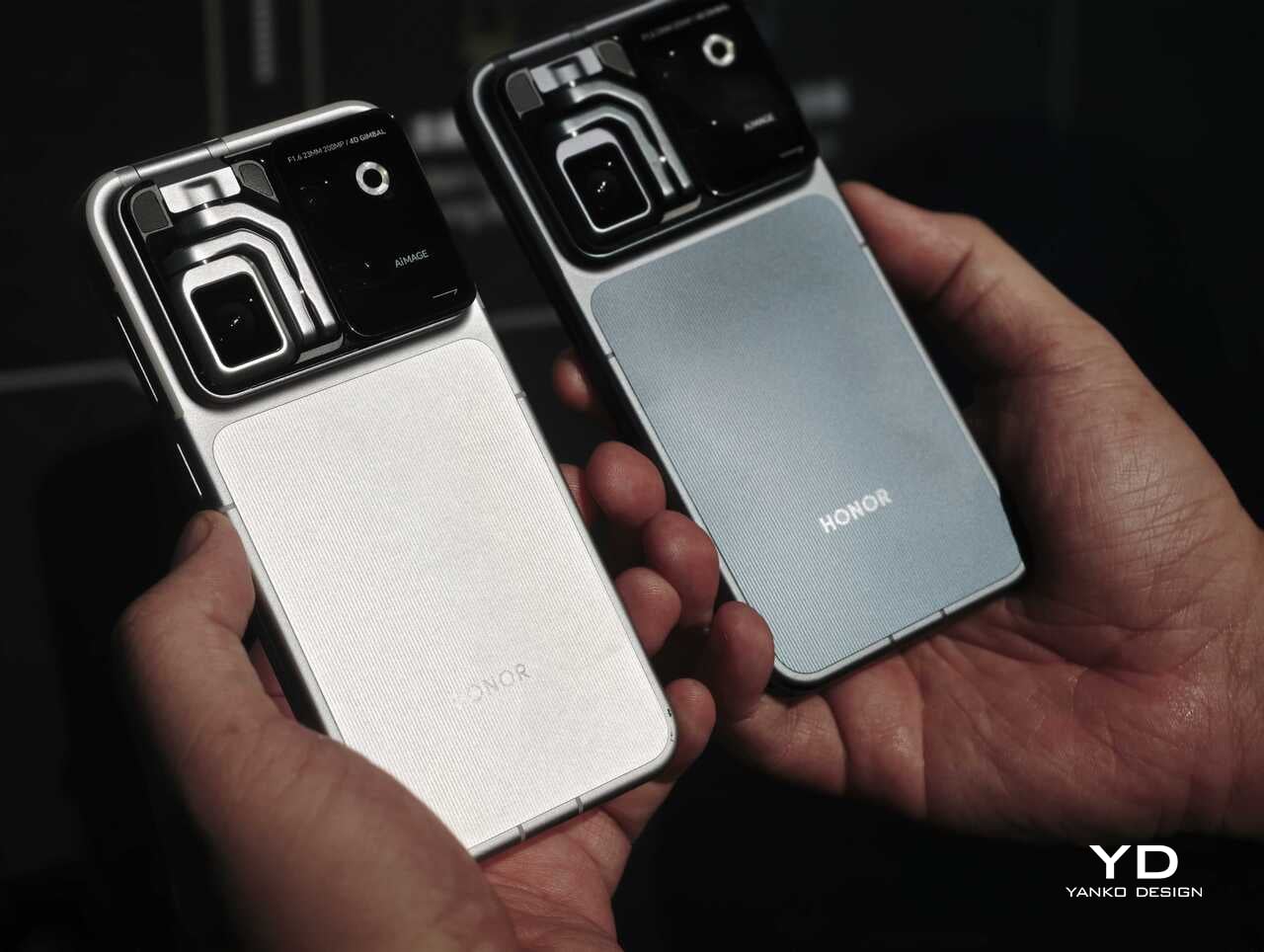
Rather than chasing attention with another familiar camera bump or an incremental spec upgrade, Honor has built a robotic gimbal directly into the phone itself. The result is a camera system that can physically move, track, tilt, and stabilize in ways a conventional flagship simply cannot. After spending time with the device, it is clear the Robot Phone is not just trying to be another premium handset with a long feature list. It is trying to pitch a new idea for what a creator-focused smartphone can be.

The big story is movement, not just megapixels

The core pitch behind the Honor Robot Phone is easy to understand once you see it in person. Honor has integrated what it calls a 4DoF Titanium Agile Gimbal into the phone, effectively turning the camera into an active moving system rather than a static sensor setup. The company says the module is 65 percent smaller than traditional gimbal solutions while also offering a 200 percent increase in structural strength, allowing it to fit inside a premium smartphone body without turning the device into a bulky experiment.
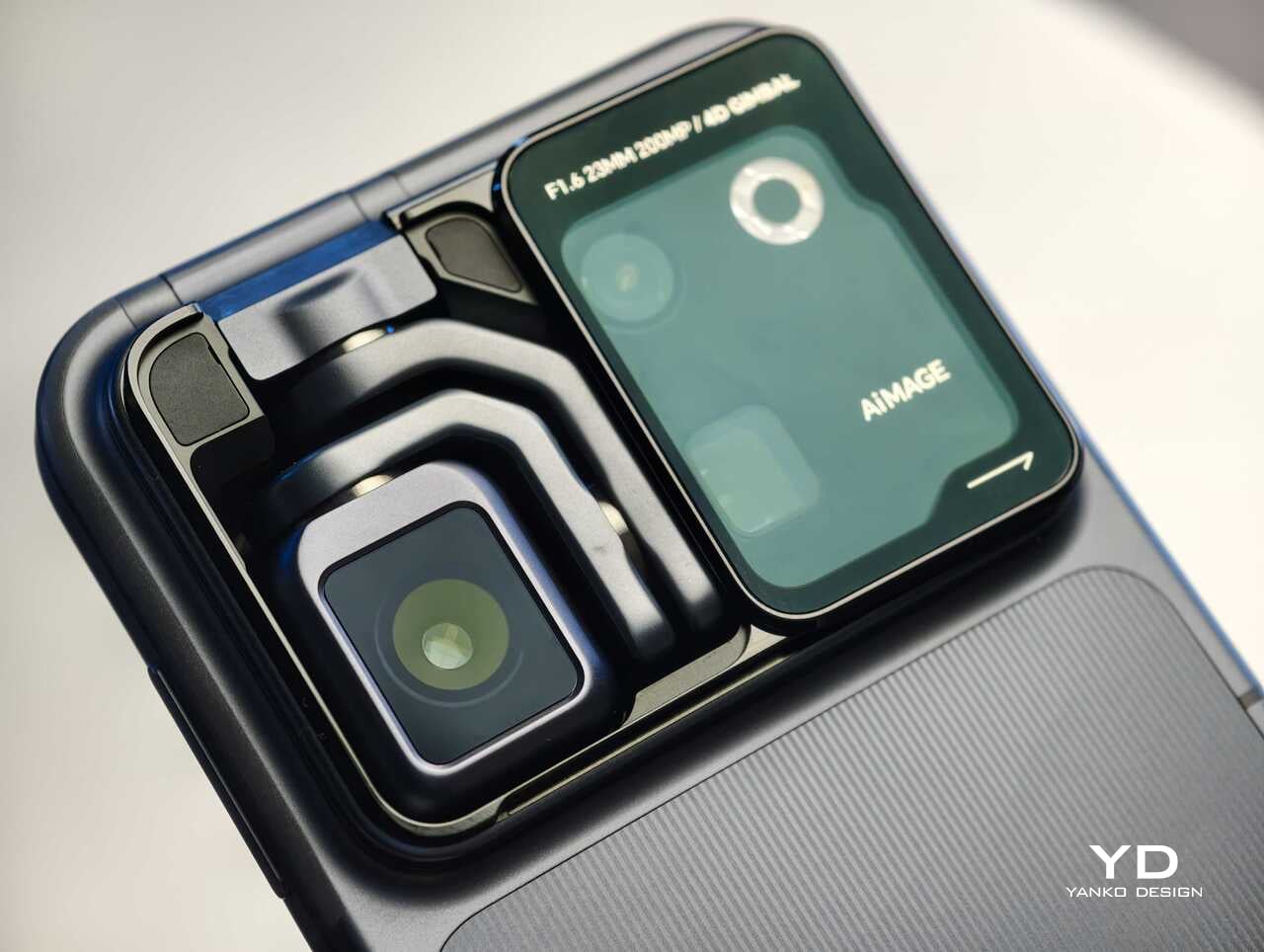
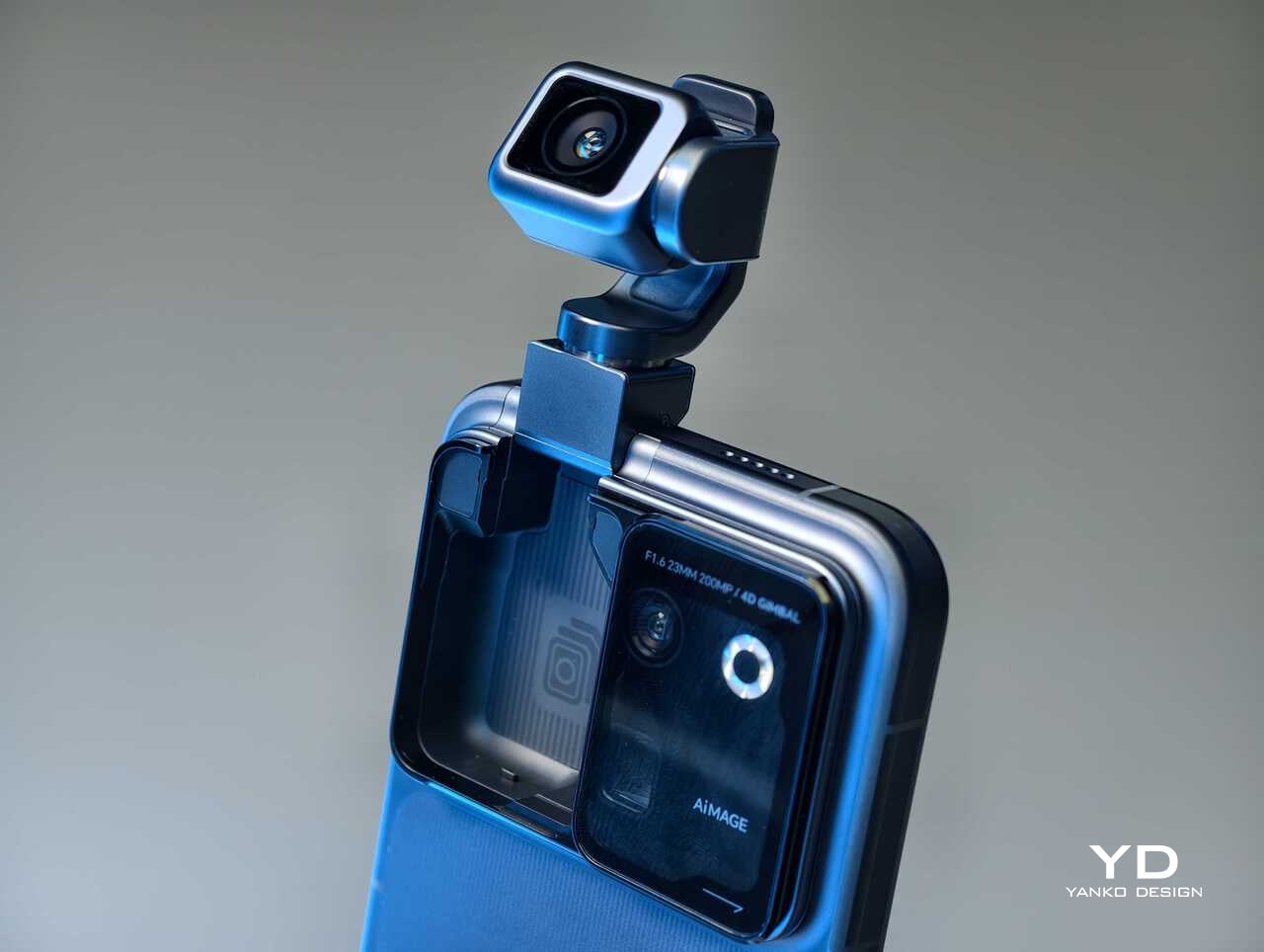
That change in hardware philosophy is what makes the Robot Phone immediately stand out. In practice, the moving camera module is meant to deliver smoother stabilization and more dynamic motion than a normal smartphone can manage on its own. Honor is also building in multiple movement modes, including Tilt Lock, First Person View, FPV Vertical, and AI SpinShot, all of which are designed to make mobile footage look more deliberate and more cinematic.

Honor is aiming this squarely at creators

The second half of the launch story is imaging. Honor says the Robot Phone is the first major product from its Cinematic Imaging Partnership with ARRI, bringing selected elements of ARRI Image Science and professional cinema workflow ideas into a smartphone. That includes ARRI LogC3 recording in ARRI CINEMA mode on the main gimbal camera, alongside ARRI Wide Gamut 3 and ARRI Looks.
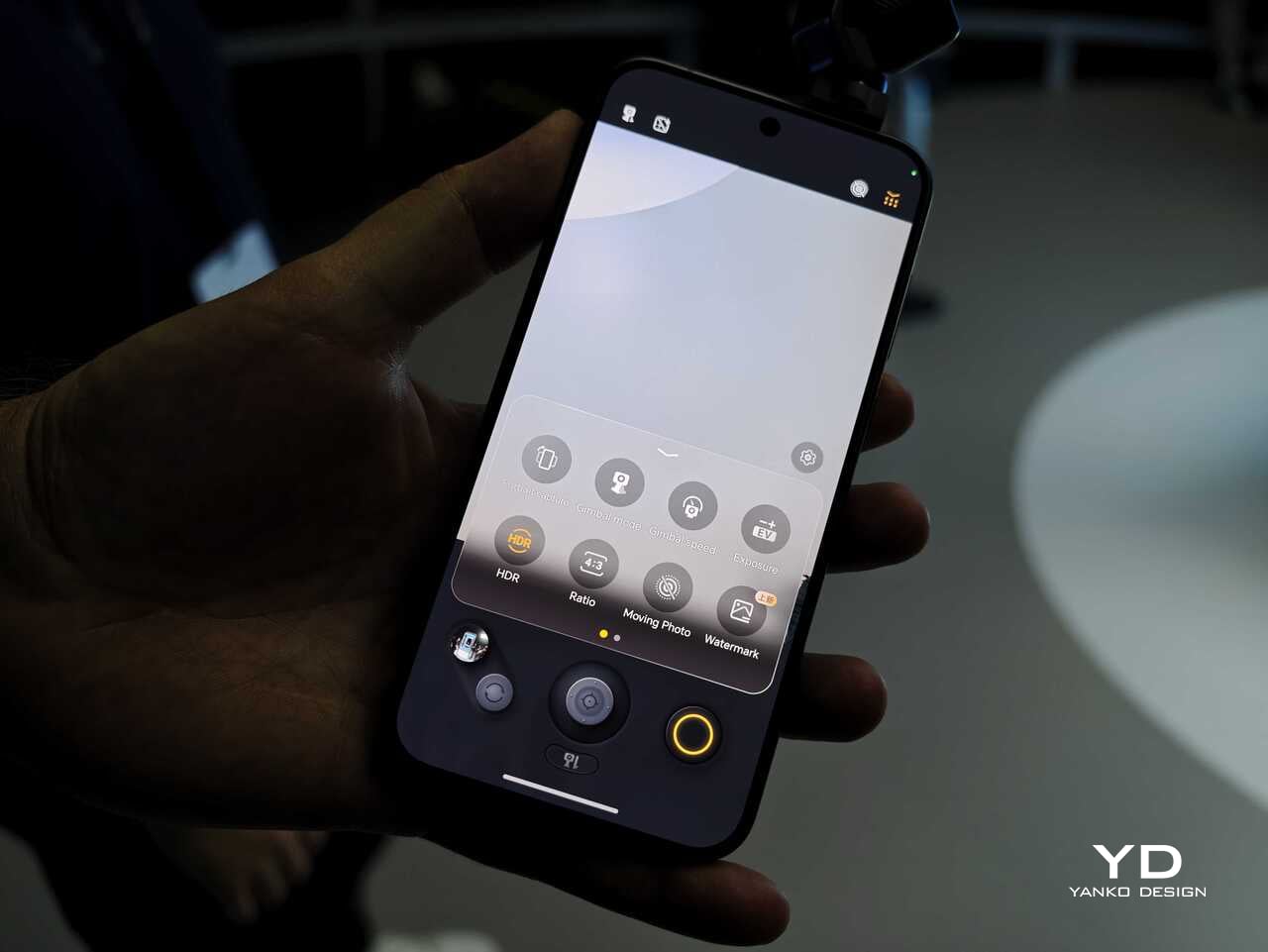
On paper, the camera hardware is also extremely ambitious. The rear setup pairs a 200MP Agile Gimbal Main Camera with a 1/1.28-inch sensor and F1.6 aperture with a 200MP periscope telephoto camera using a 1/1.4-inch sensor and 2.7x optical zoom. A 50MP ultra-wide camera completes the setup. Honor is also claiming AI noise reduction improvements, up to 14 stops of dynamic range, and a video pipeline designed to preserve more usable information for post-production.

That is a lot of technical language, but the broader message is straightforward. Honor does not want the Robot Phone to be seen as a novelty. It wants this to be taken seriously as a compact filmmaking and creator tool.

Hands-on: The Honor Robot Phone feels different right away

The most striking thing about the Robot Phone in person is that its main feature is visible. So many smartphone launches revolve around internal improvements that are difficult to appreciate without extensive testing. Here, the big idea is immediately obvious. The camera module moves. It tracks. It gives the phone a sense of physical intention that most handsets simply do not have.
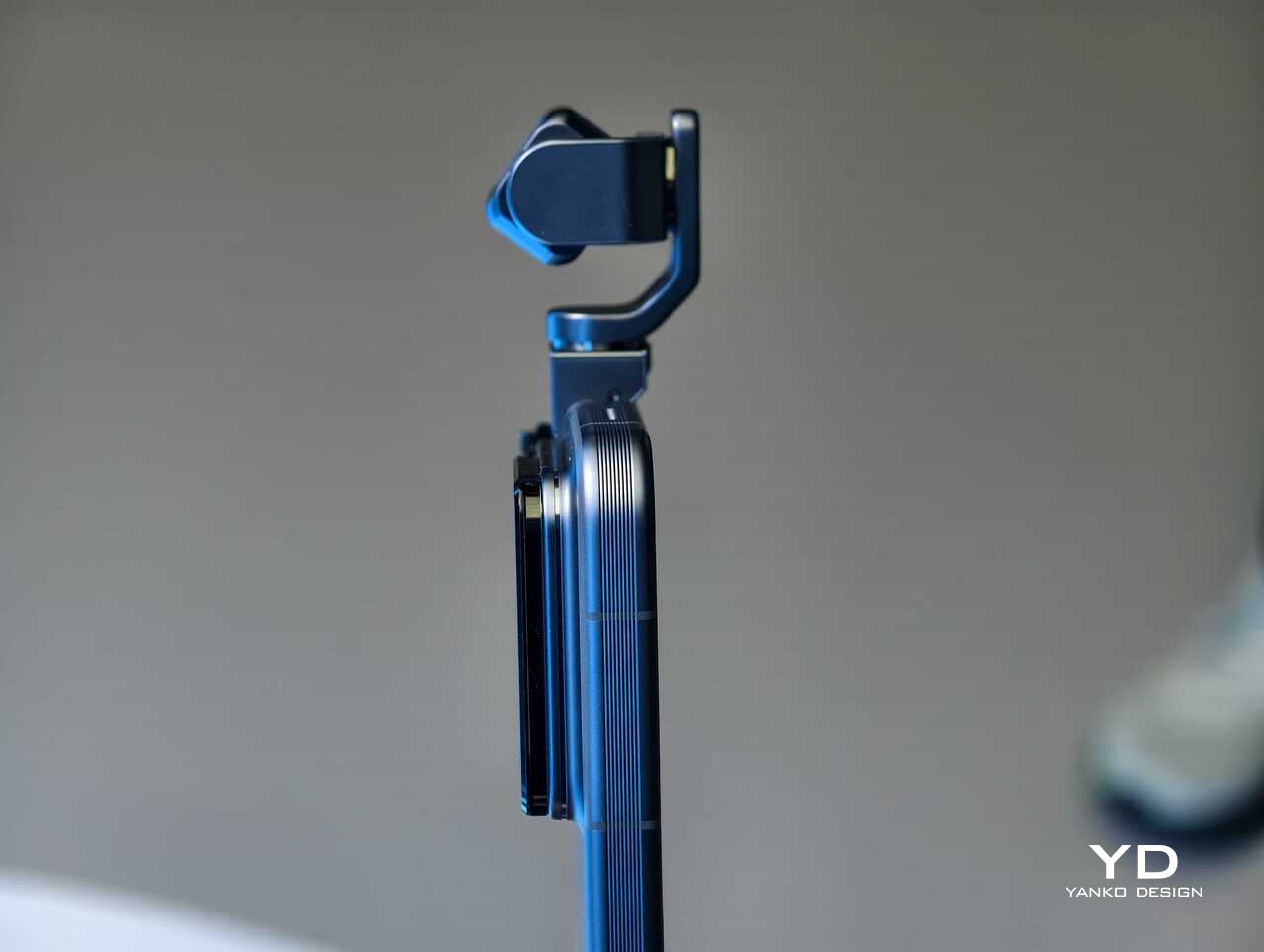
That makes the Robot Phone more memorable than most new flagships before you even get into image quality. Instead of relying entirely on software stabilization and fixed hardware, Honor is trying to introduce actual camera movement into the smartphone experience. In a short hands-on session, that makes the device feel less like a standard phone with a flashy camera and more like a compact production tool that happens to fit in your pocket.

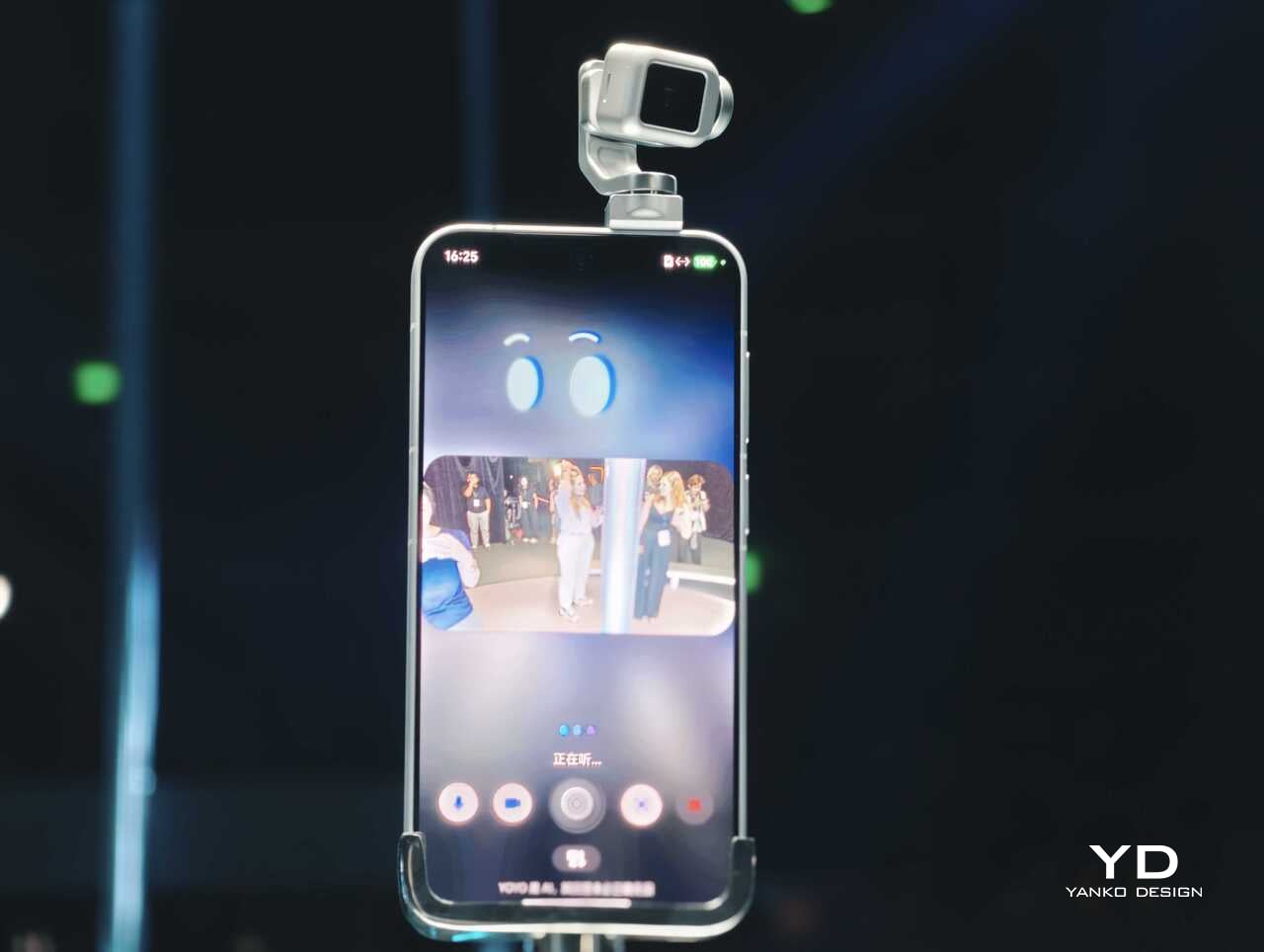
The tracking and movement features are also easier to appreciate in person than they are on a spec sheet. AI Live-Tracking, gesture controls, and voice-directed movement all sound abstract on paper. Once you see the phone physically following a subject or repositioning itself, the concept becomes much easier to understand. Whether that turns into something essential in everyday use is a bigger question, but as a first impression, the idea lands more convincingly than I expected.
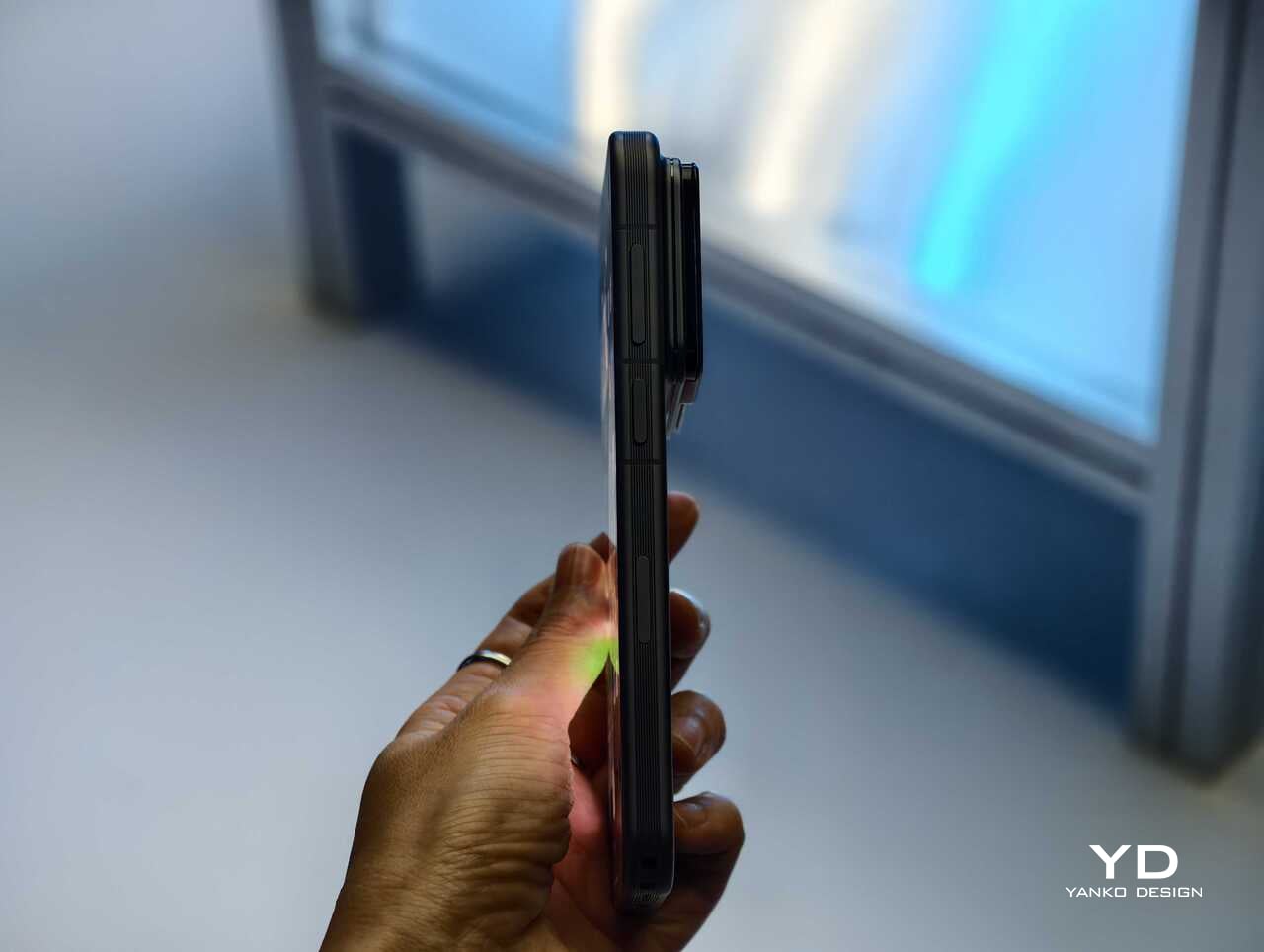
Using the on-screen virtual joystick, I was able to adjust the gimbal with surprising precision. The interface crams in a lot of features, so it does take some time to learn. Even so, the gimbal feels very responsive, which helps the controls feel more intuitive once you settle in.

There is still a full flagship wrapped around the concept

Outside the headline camera hardware, Honor is still treating the Robot Phone like a proper premium device. It is powered by the Snapdragon 8 Elite Gen 5, backed by a custom cooling system that is meant to keep performance stable during longer recording sessions. There is also a 7060mAh silicon-carbon battery, with support for 120W wired charging and 50W wireless charging.
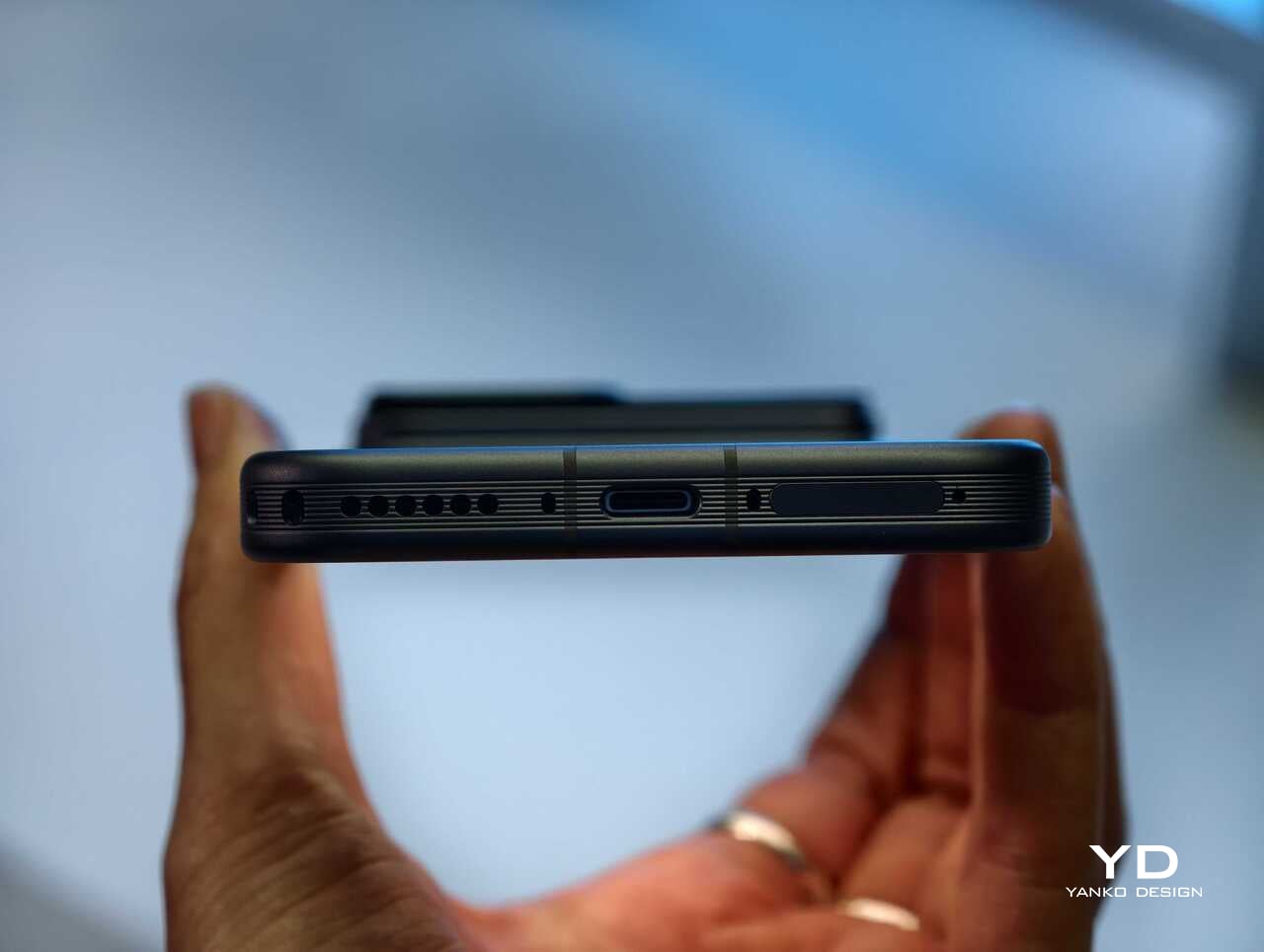
The rest of the hardware sounds suitably high-end too. Honor is using an all-metal unibody design paired with a 6.31-inch LTPO OLED display, an adaptive 1 to 120Hz refresh rate, and a claimed peak brightness of 6800 nits. On paper at least, this is not a concept phone built around one attention-grabbing trick. Honor is trying to package an experimental camera idea inside a full flagship experience.

China-only for now, and that is a shame

For now, the Honor Robot Phone is launching only in China, where it might be staying indefinitely. Honor is not planning to release the device outside China at this stage, which means this unusually creator-focused phone is set to remain a domestic-market curiosity rather than a broader global play.
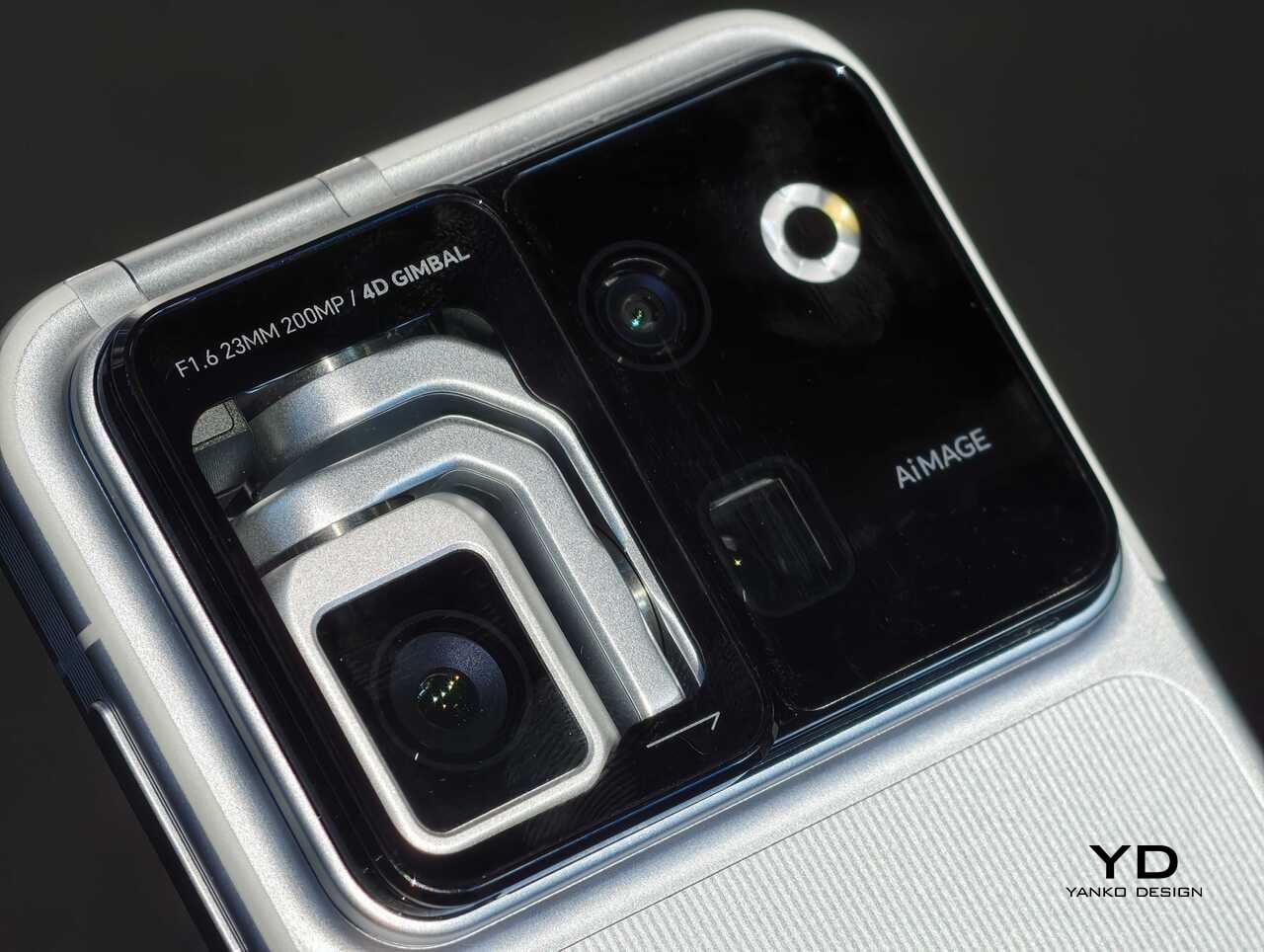
That is disappointing, because the Robot Phone feels like exactly the kind of launch the smartphone market needs more of. It may not be for everyone, and there are obvious questions about durability, long-term usefulness, and whether creators will trust a built-in robotic camera system over dedicated gear. Even so, it is difficult to dismiss because the concept is so easy to understand once you see it in action.

Early thoughts

After a brief hands-on, my early take is that the Honor Robot Phone feels niche but genuinely fresh. The robotic gimbal is not just a visual gimmick for launch-day headlines. It changes the way the device presents itself, and potentially the way some people shoot with it. Whether that translates into a truly great camera phone will need more time to answer, but as a statement of intent, Honor has made one of the boldest smartphone moves of the year.

The bigger frustration is that, for now, it is a bold move that most of the world will only be able to watch from a distance. First teased at MWC earlier this year and now officially on sale in China, the Robot Phone is not about to become the next mainstream global flagship. Still, even as a limited-market release, it stands out as one of the most unusual and ambitious smartphones to arrive this year.
The post Honor Robot Phone Hands-on: Bold Phone With A Moving Camera Few Can Buy first appeared on Yanko Design.

Meta AI Releases Muse Glimmer 30B for 24GB VRAM Systems

Meta AI Releases Muse Glimmer 30B for 24GB VRAM Systems Side-by-side specification comparison of Muse Glimmer and Qwen 3.6.

Meta AI’s Muse Glimmer 30B is a 30-billion-parameter model designed for local AI deployment, with features tailored to tasks such as autonomous agent creation and multi-step planning. It supports a 128k token context window and 4-bit quantization, making it accessible for systems with as little as 24GB of VRAM. According to World of AI, the […]

The post Meta AI Releases Muse Glimmer 30B for 24GB VRAM Systems appeared first on Geeky Gadgets.

Posted in Uncategorized

Upgrade Your Life with 10 Genuinely Helpful iPhone Tips

Upgrade Your Life with 10 Genuinely Helpful iPhone Tips iPhone Tips

Your iPhone is more than just a device for communication; it’s a versatile tool designed to help you streamline your daily activities, stay organized and enhance productivity. Whether you’re managing professional tasks or personal commitments, your iPhone offers a range of features that can make your life easier. By using these tools, you can unlock […]

The post Upgrade Your Life with 10 Genuinely Helpful iPhone Tips appeared first on Geeky Gadgets.

Posted in Uncategorized

Advanced Scheduling Tools Arrive on Google Pixel Watch 5

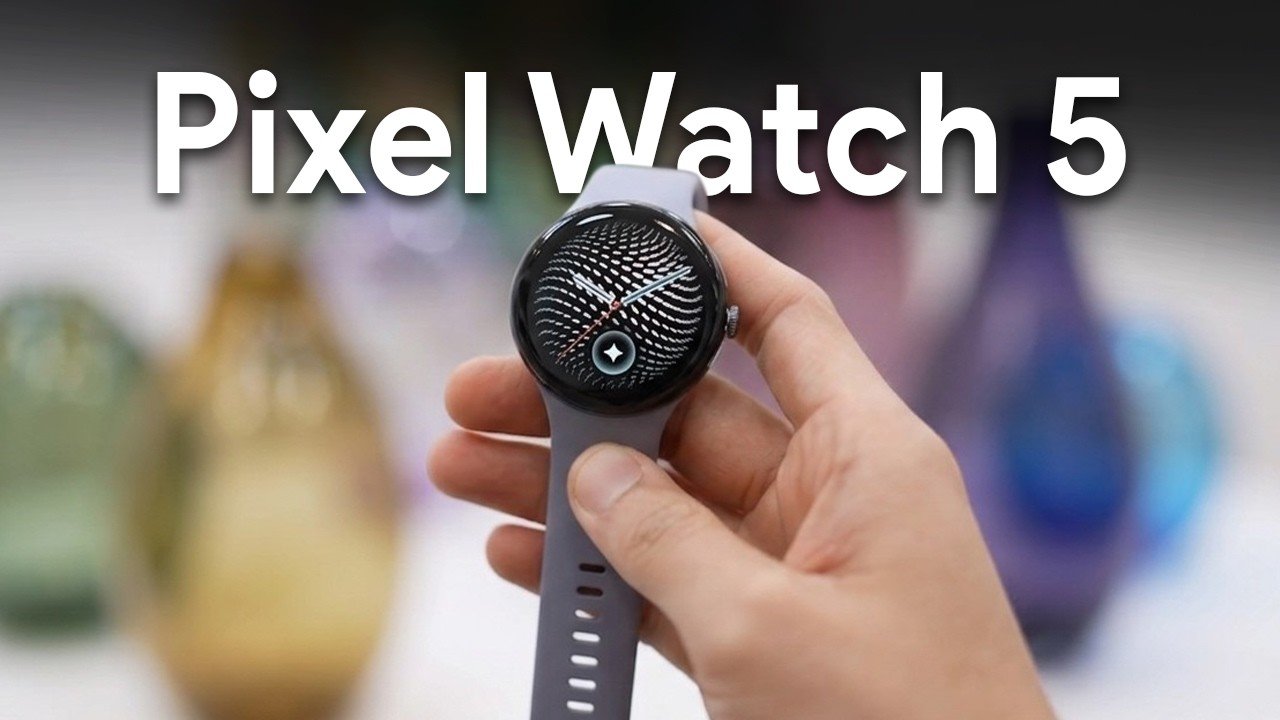
Advanced Scheduling Tools Arrive on Google Pixel Watch 5 Google Pixel Watch 5 in 41 mm and 45 mm sizes side by side

The Google Pixel Watch 5 is Google’s latest addition to its smartwatch lineup, offering updates in both design and functionality. As outlined by TechAvid, the watch maintains its signature circular design and now comes in two sizes, 41 mm and 45 mm, with four finish options, including a warm gold exclusive to the smaller model. […]

The post Advanced Scheduling Tools Arrive on Google Pixel Watch 5 appeared first on Geeky Gadgets.

Posted in Uncategorized

Teardown Reveals How Samsung Made the Galaxy Z Fold 8

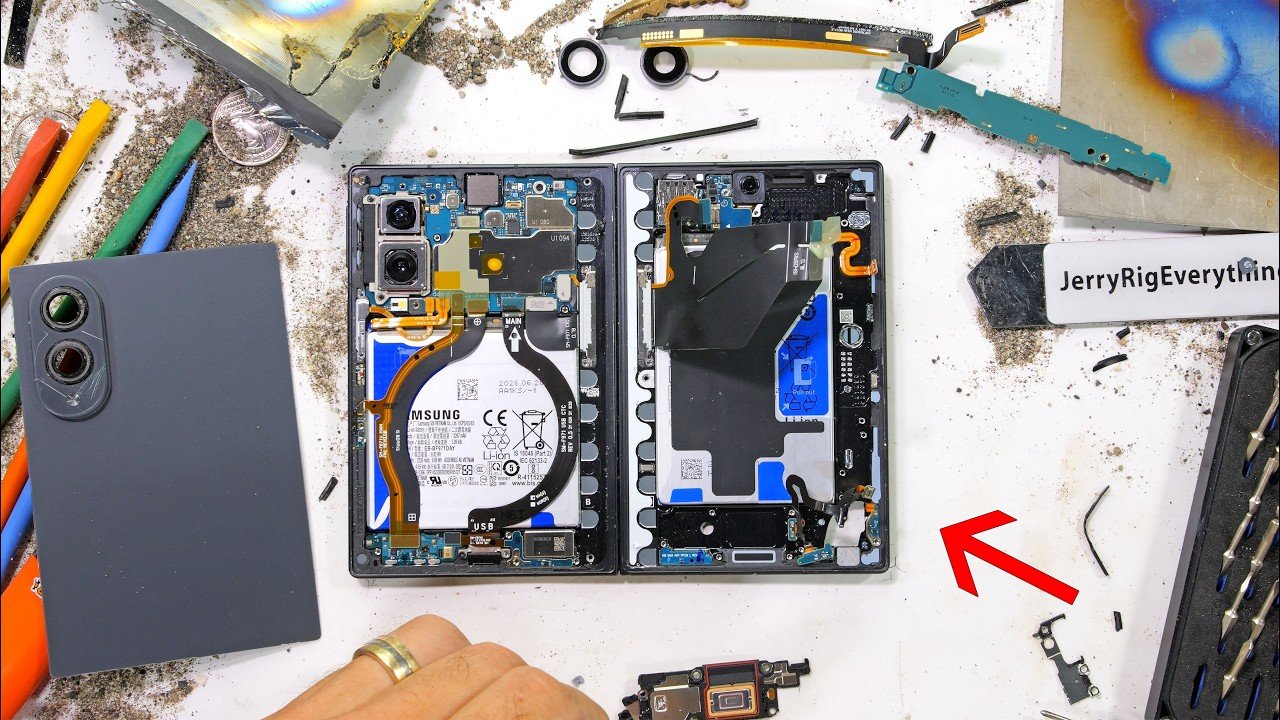
Teardown Reveals How Samsung Made the Galaxy Z Fold 8 Illustration of galaxy fold related to the article topic.

The Samsung Galaxy Z Fold 8 teardown provides an in-depth look at the sophisticated engineering behind one of the most advanced foldable smartphones available today. This device represents a significant leap in mobile technology, yet it also invites scrutiny regarding some of Samsung’s marketing claims, particularly those surrounding the use of titanium. By examining its […]

The post Teardown Reveals How Samsung Made the Galaxy Z Fold 8 appeared first on Geeky Gadgets.

Posted in Uncategorized

Two AMD Ryzen AI Halo PCs Run 397B Quen 3.5 in Local Test

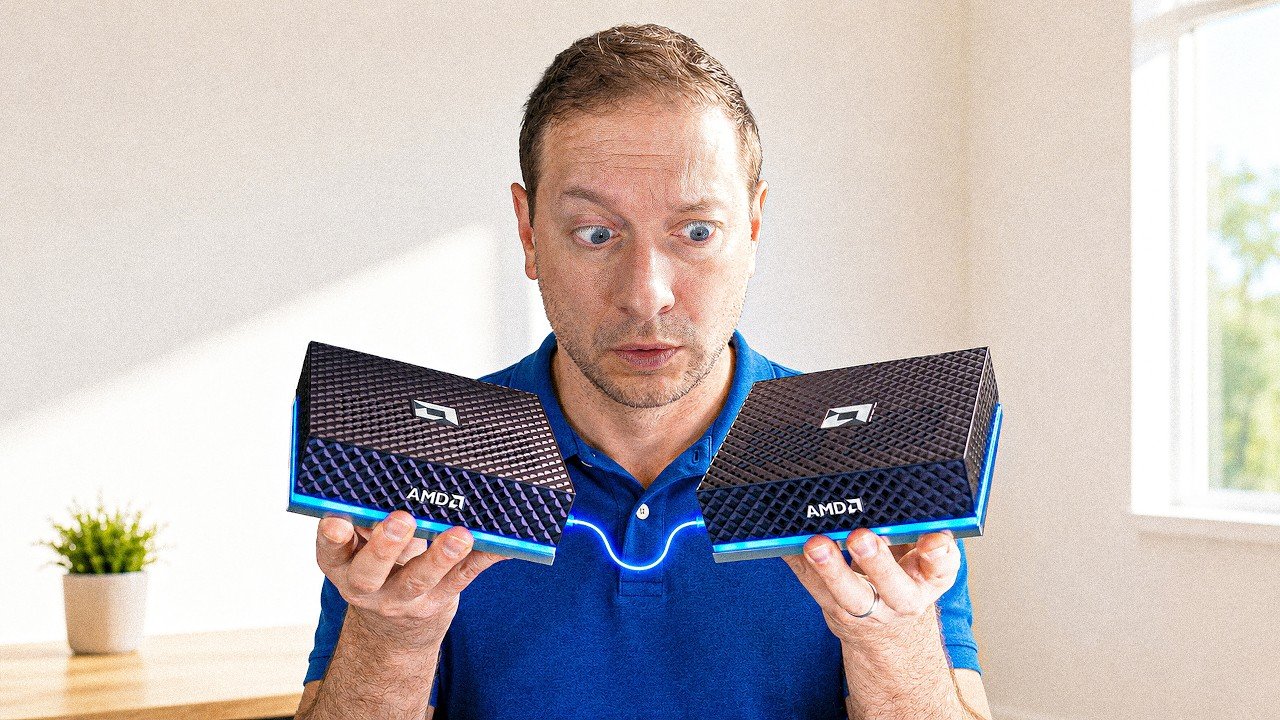
Two AMD Ryzen AI Halo PCs Run 397B Quen 3.5 in Local Test Two AMD Ryzen AI Halo devices connected for clustering.

AMD’s Ryzen AI Halo introduces a compact yet capable solution for handling large-scale AI models, using its integrated APU architecture to streamline processing. With 128 GB of shared memory per unit, a single device can execute models with up to 200 billion parameters, while clustering two devices doubles this capacity to accommodate 400 billion-parameter models. […]

The post Two AMD Ryzen AI Halo PCs Run 397B Quen 3.5 in Local Test appeared first on Geeky Gadgets.

Posted in Uncategorized

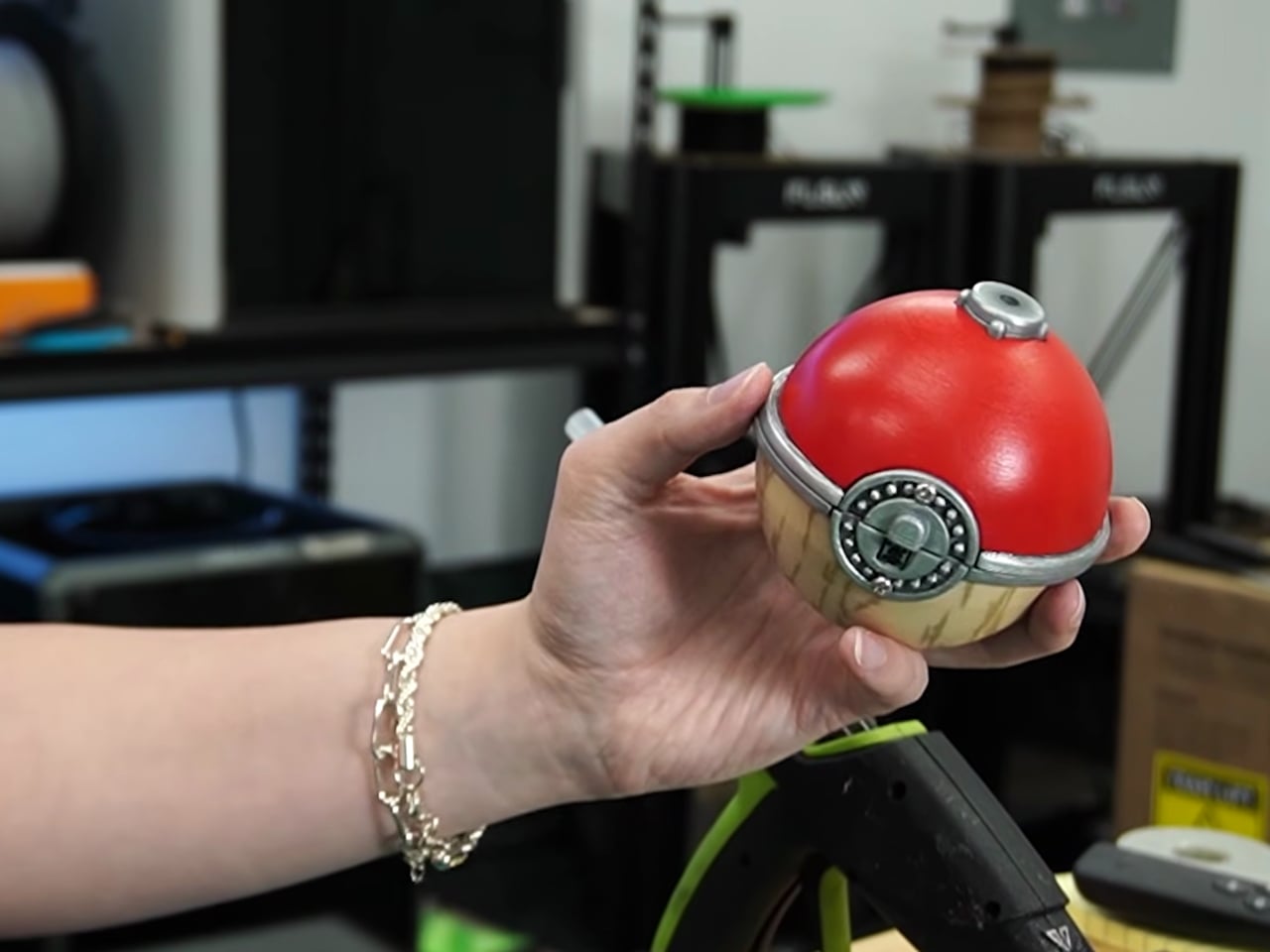
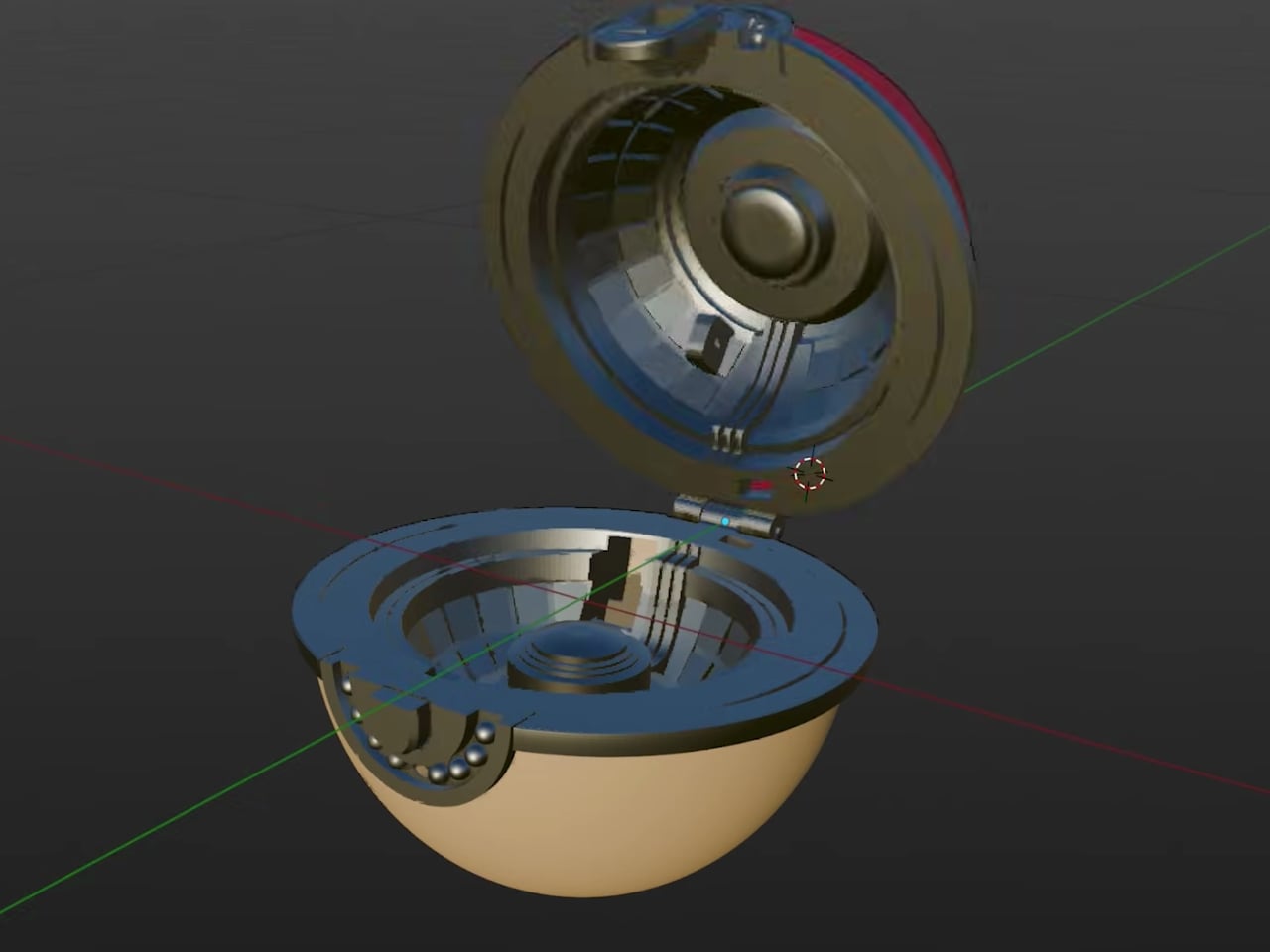
A Maker Spent Months Building a Pokéball That Jumps and Shoots Smoke

Pokémon has always sold us a very specific fantasy: a compact sphere you can throw into tall grass, watch shimmy three times, and hear that satisfying click. The wiggle is practically cultural shorthand at this point. So when maker Kiara’s Workshop decided to skip the wiggle entirely and build the far stranger, far older Arceus ball instead, the resulting creation landed somewhere between prop design, mechanical engineering, and sheer stubbornness. The kind of project that sounds manageable until you’re three failed prototypes deep.

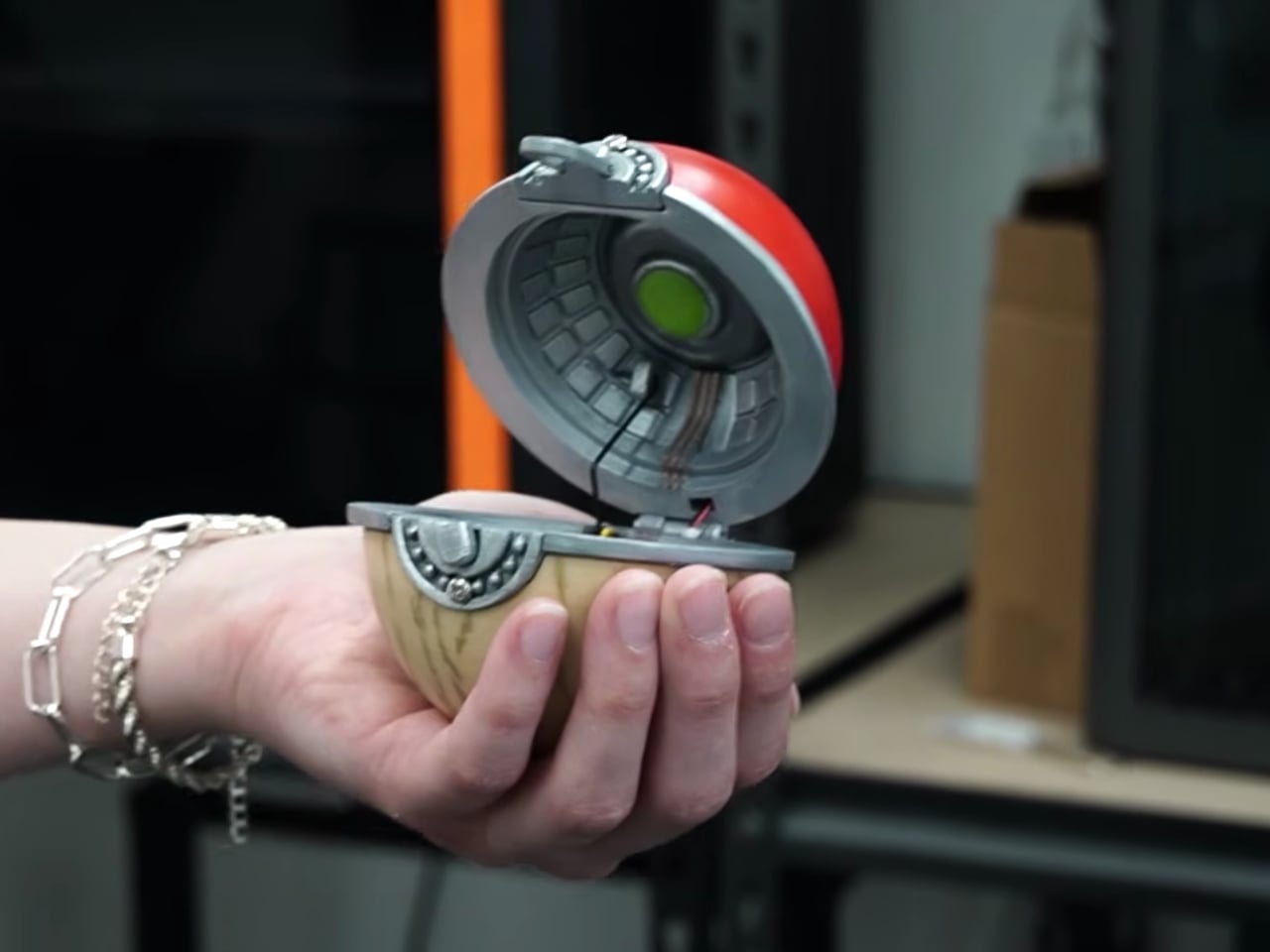
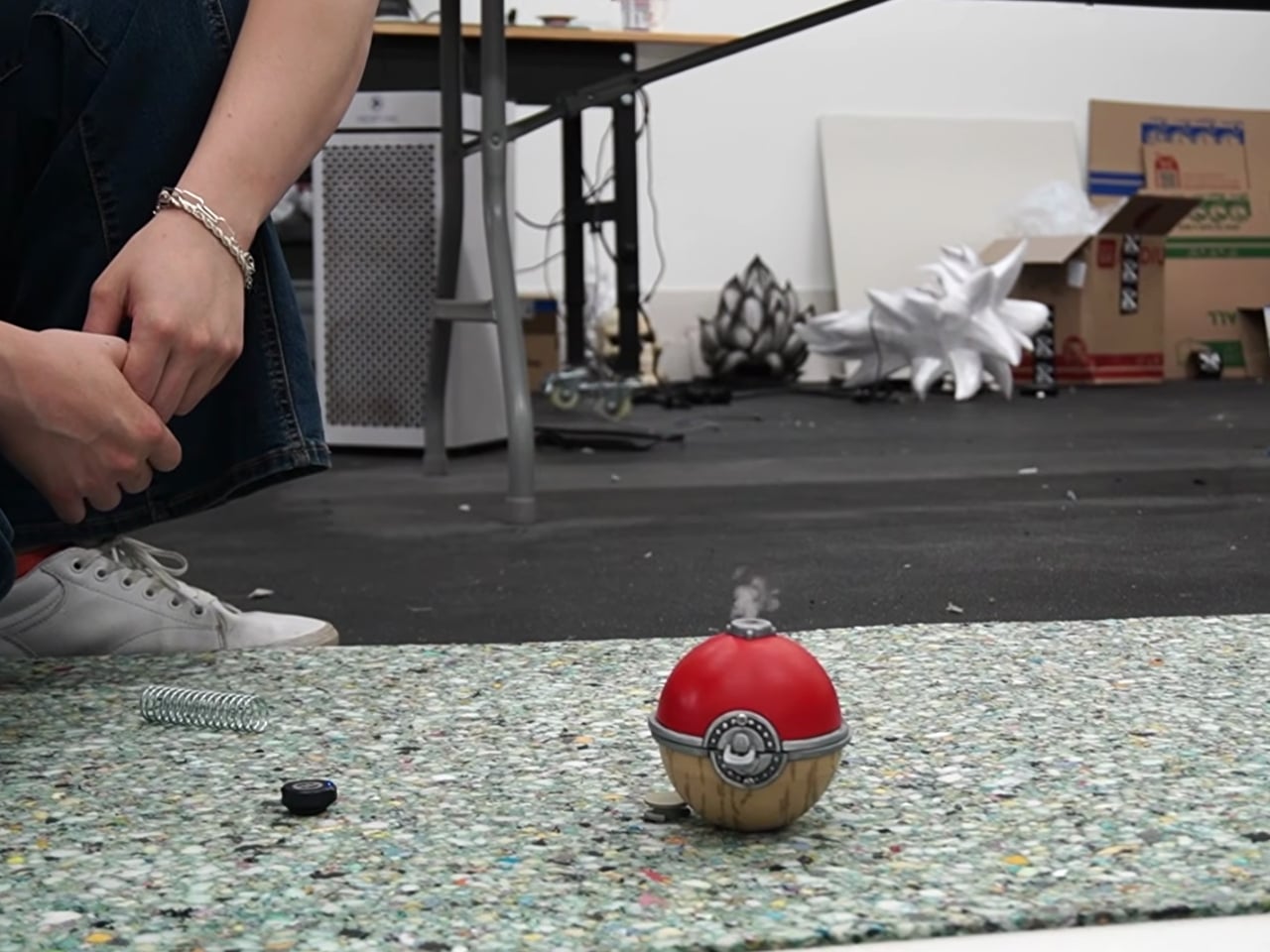
For context: the Arceus ball comes from Pokémon Legends: Arceus, a game set in a much earlier era of the Pokémon world. This isn’t the sleek, mass-produced Pokéball most of us grew up clicking in handheld games. It’s a more primitive artifact, made from Apricorns and Tumblestones in the game’s lore, with an aesthetic that leans ancient and earthy rather than factory-fresh. And its in-game behavior is notably different too. Instead of the classic wiggle sequence, the Arceus ball shoots into the air during a catch and releases a burst of smoke. It’s more dramatic, more theatrical, and a far more interesting design brief.

Designer: Kiara’s Workshop

Kiara’s Workshop had already built functional Pokéballs before, putting out a V1 and V2 that earned a loyal following and a comment section full of people asking when she’d make more. The V3 of the standard Pokéball was still on her list when she decided to take a detour and come back to Pokéballs a different way. The Arceus ball seemed like the simpler bet. It doesn’t have the same intricate mechanical catch sequence as the modern version, so how hard could it be? The answer, as it turned out, was very hard. The build required research, iteration, and a willingness to start over.

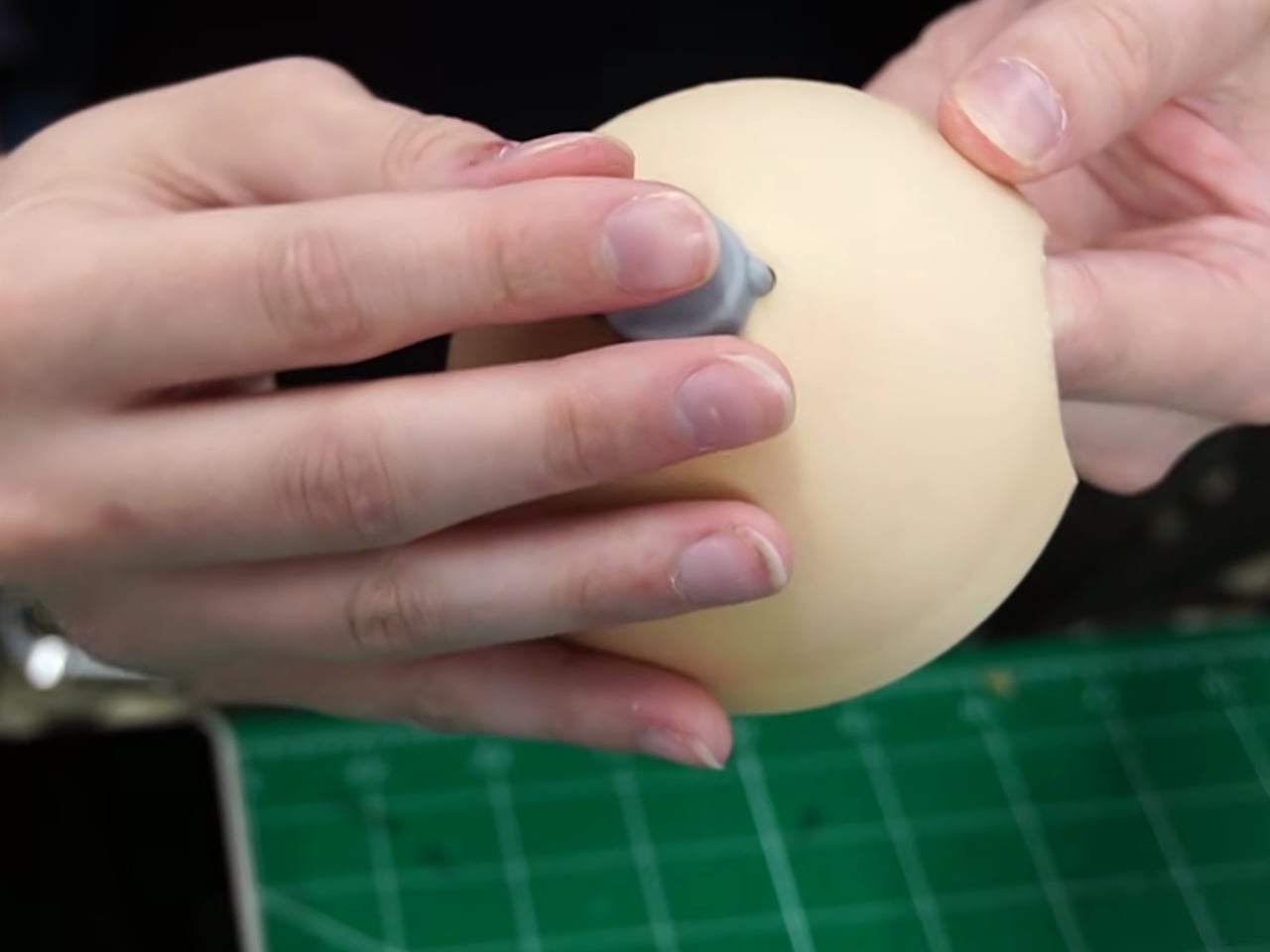
Getting a physical object to jump on cue and simultaneously release smoke on command is not exactly a weekend project. The ancient aesthetic of the ball adds another layer of complexity: it can’t look like it came out of a clean resin mold. It needs texture, weight, and a certain handmade quality that actually complicates production rather than simplifying it. Every element Kiara worked through pointed back to how much thought went into the original game design, even for something that appears on screen for only a few seconds at a time.

Here’s the thing about maker culture that doesn’t get enough attention: it forces a kind of reverse-engineering that’s deeply respectful of the original design, whether that original designer was a game developer or a prop team. When you have to physically build something that only existed as a rendered animation, you start noticing all the decisions that went into it. Kiara’s build is less about having a cool collectible on a shelf (though it would absolutely win any shelf) and more about understanding how design translates, or refuses to translate, between worlds. That’s a genuinely underrated form of design criticism.

Pokémon as a franchise has always been smart about its own mythology. The progression from handcrafted Apricorn balls to industrially manufactured ones mirrors real-world design evolution, from artisanal craft to mass production. What Kiara’s Workshop did was reverse that arc entirely, going from the pixel back to the physical, from the streamlined modern version to the awkward, jumping, smoke-releasing ancient one. It’s a move that requires understanding both the fiction and the fabrication. The result is genuinely impressive, not because it’s a perfect replica, but because it functions on its own terms. It jumps. It smokes. It exists in a way it never was supposed to.

Plenty of makers are building Pokéballs right now, probably on multiple continents simultaneously. But most are going for the one everyone recognizes. Choosing the Arceus ball, with all its mechanical demands and its ancient visual language, says something about what excites Kiara’s Workshop: not the familiar, but the forgotten. And for anyone who’s ever quietly preferred the stranger corners of a franchise over its most iconic pieces, that’s a choice worth appreciating.

The post A Maker Spent Months Building a Pokéball That Jumps and Shoots Smoke first appeared on Yanko Design.
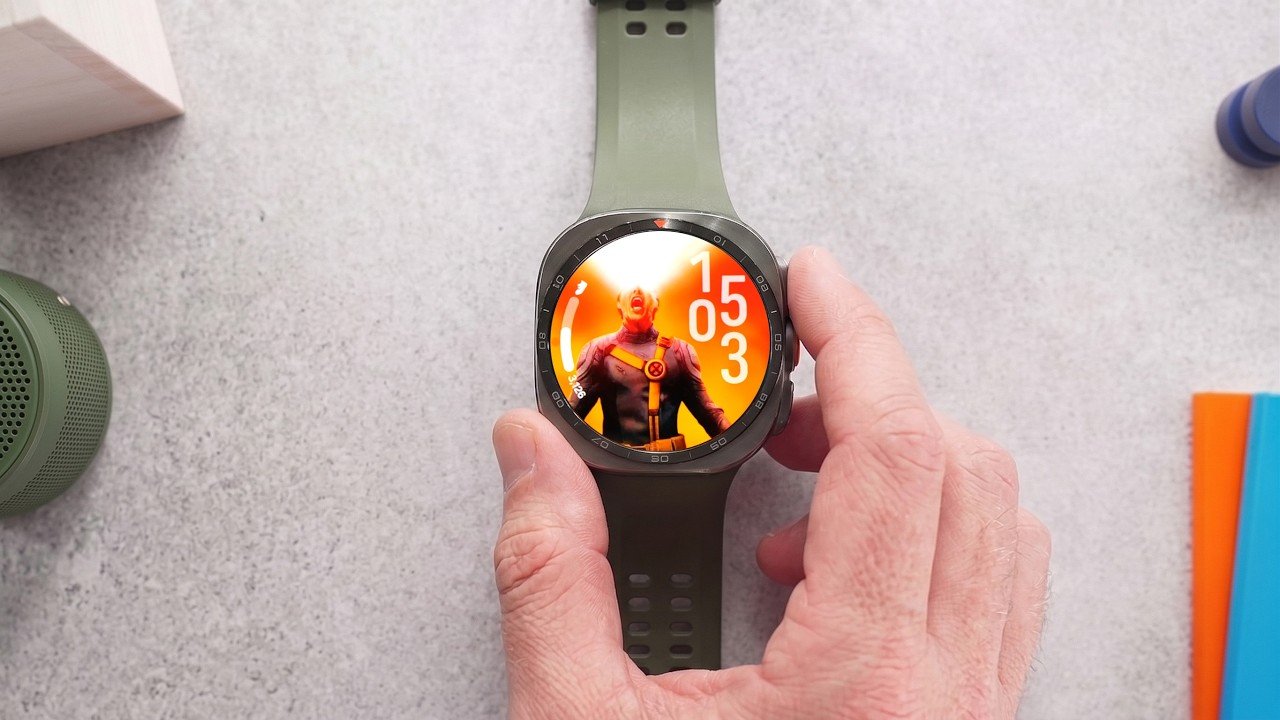
Samsung Galaxy Watch Ultra 2 Tested: Small Upgrades, Massive Battery Life

Samsung Galaxy Watch Ultra 2 Tested: Small Upgrades, Massive Battery Life A person wearing the Samsung Galaxy Watch Ultra 2 on their wrist.

The Samsung Galaxy Watch Ultra 2 introduces a range of updates designed to elevate your smartwatch experience. With a more refined design, enhanced comfort, and a significantly brighter display, it builds upon the strengths of its predecessor. While these improvements are noteworthy, some lingering shortcomings and overlapping features with older models may leave you questioning […]

The post Samsung Galaxy Watch Ultra 2 Tested: Small Upgrades, Massive Battery Life appeared first on Geeky Gadgets.

Posted in Uncategorized

Build a Decentralized ISP Using LoRa and Bluetooth Mesh

Build a Decentralized ISP Using LoRa and Bluetooth Mesh A diagram showing how a decentralized mesh network operates without traditional internet infrastructure

Building your own internet service provider (ISP) might seem like an overwhelming endeavor, but with the rise of decentralized networking technologies, it’s becoming a practical option for individuals and communities. At the heart of this shift is Reticulum, an open source networking stack designed to enable secure, decentralized communication without relying on traditional infrastructure. By […]

The post Build a Decentralized ISP Using LoRa and Bluetooth Mesh appeared first on Geeky Gadgets.

Posted in Uncategorized