The Sofa That Deploys Itself Uses the Same Wire as Heart Stents

Most of us have a complicated relationship with flat-pack furniture. The promise is always elegant: a flat box arrives at your door, you follow a few illustrated steps, and somehow a piece of furniture materializes in your living room. The reality involves a suspiciously leftover screw, a strained friendship, and a sofa that wobbles slightly to the left for the rest of its life.

Seoul-based industrial designer Jisu Yoon had a different idea. Not a better Allen key. Not a cleverer instruction manual. A sofa built from the same material used in medical stents and aerospace mechanisms, one that deploys itself with a single motion and collapses just as easily when you need to move it. No tools. No foam. No frame. The Re-flat pack sofa is genuinely unlike anything sitting in the average furniture catalogue right now.

Designer: Jisu Yoon

The material at the center of all this is nitinol, a nickel-titanium shape-memory alloy typically used in medical stents and aerospace mechanisms. It has the remarkable ability to return to a preset form after being deformed. You likely know it from the kind of glasses frames that bend wildly and spring back without snapping. Yoon’s insight was to ask whether that same superelastic behavior could replace both the structural frame and the cushioning of a conventional sofa simultaneously. The answer, after 1.7 years of prototyping and testing across materials including glass fibre, steel wire, nylon rope, polypropylene, and carbon rods, was yes.
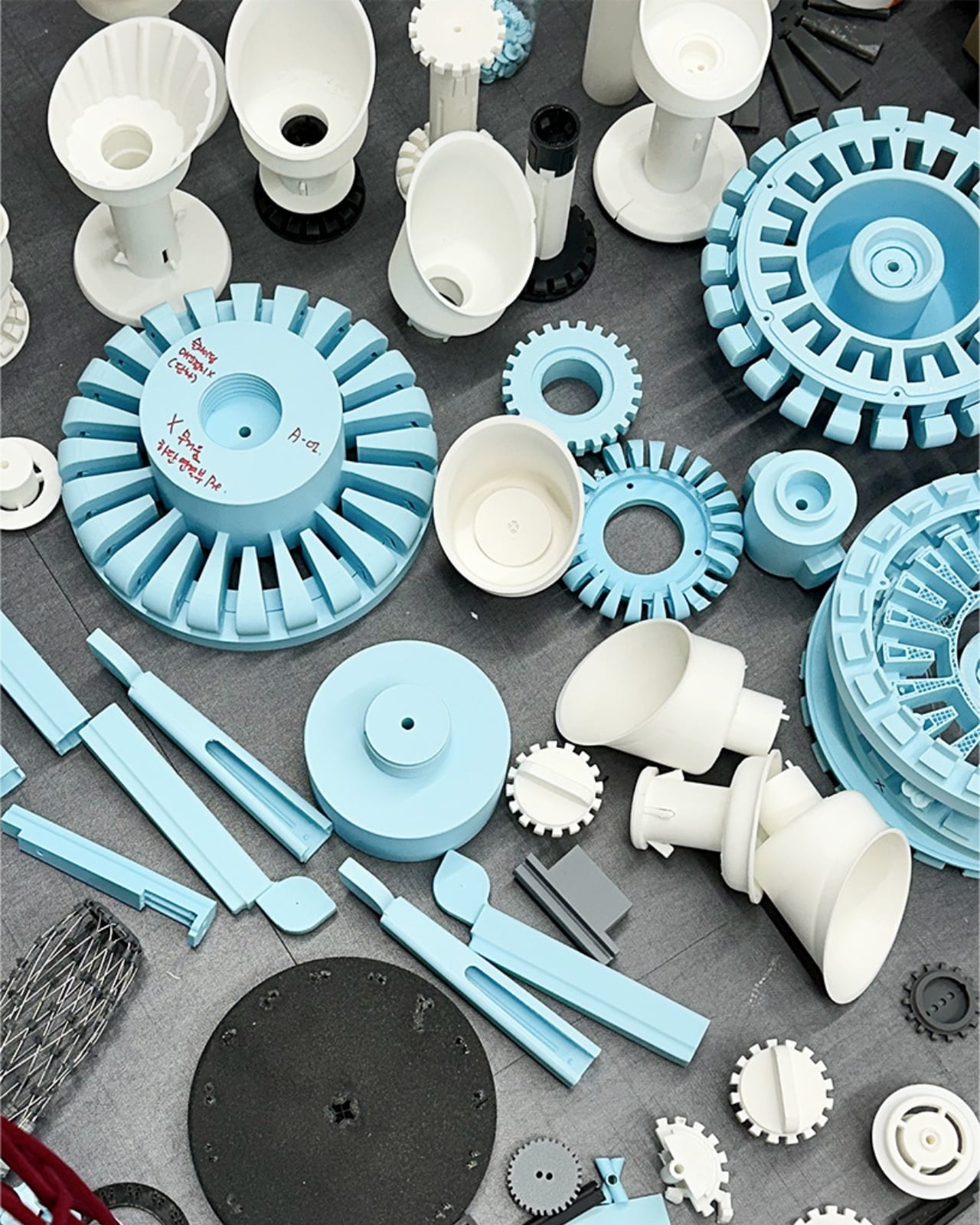

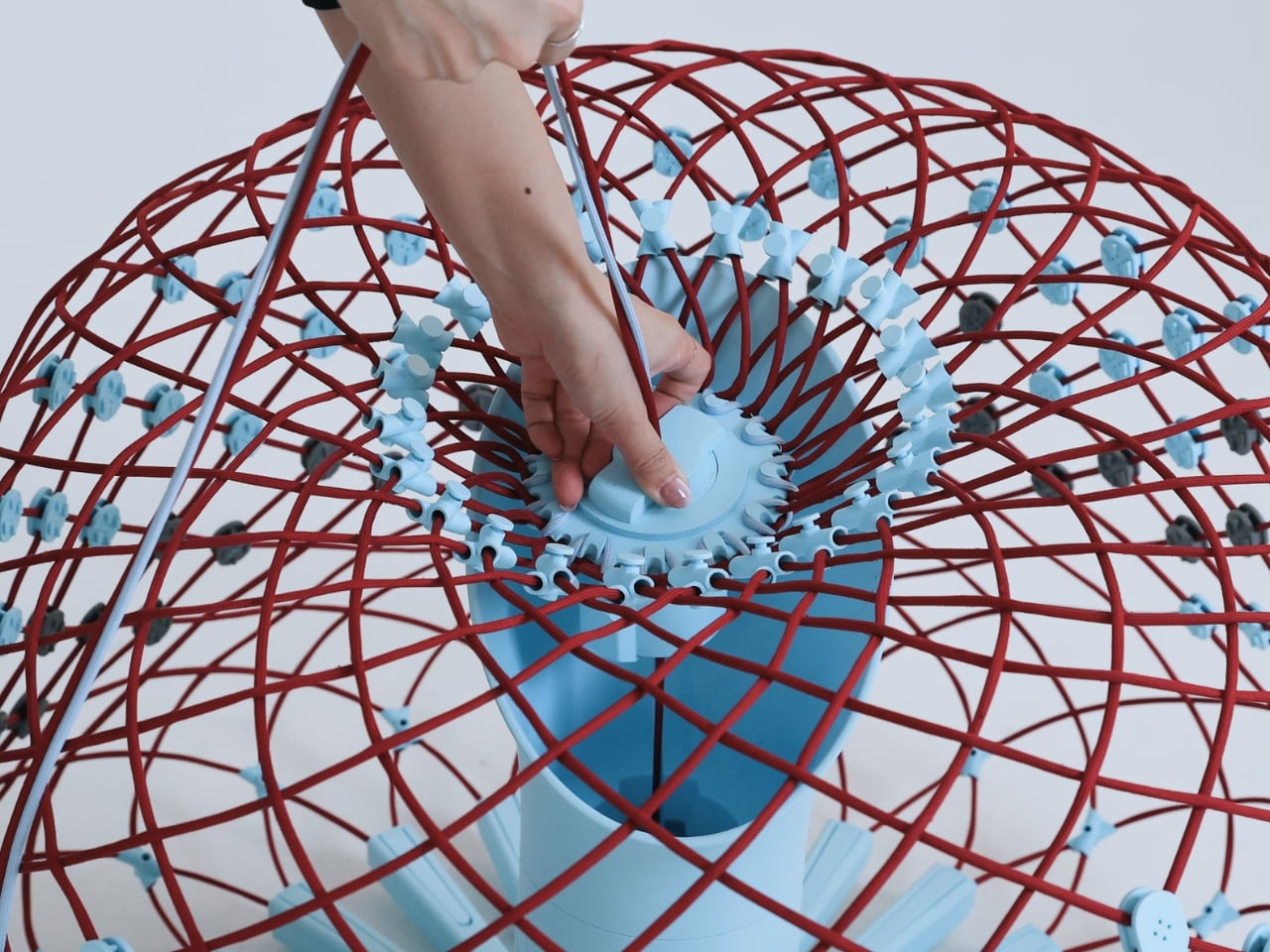
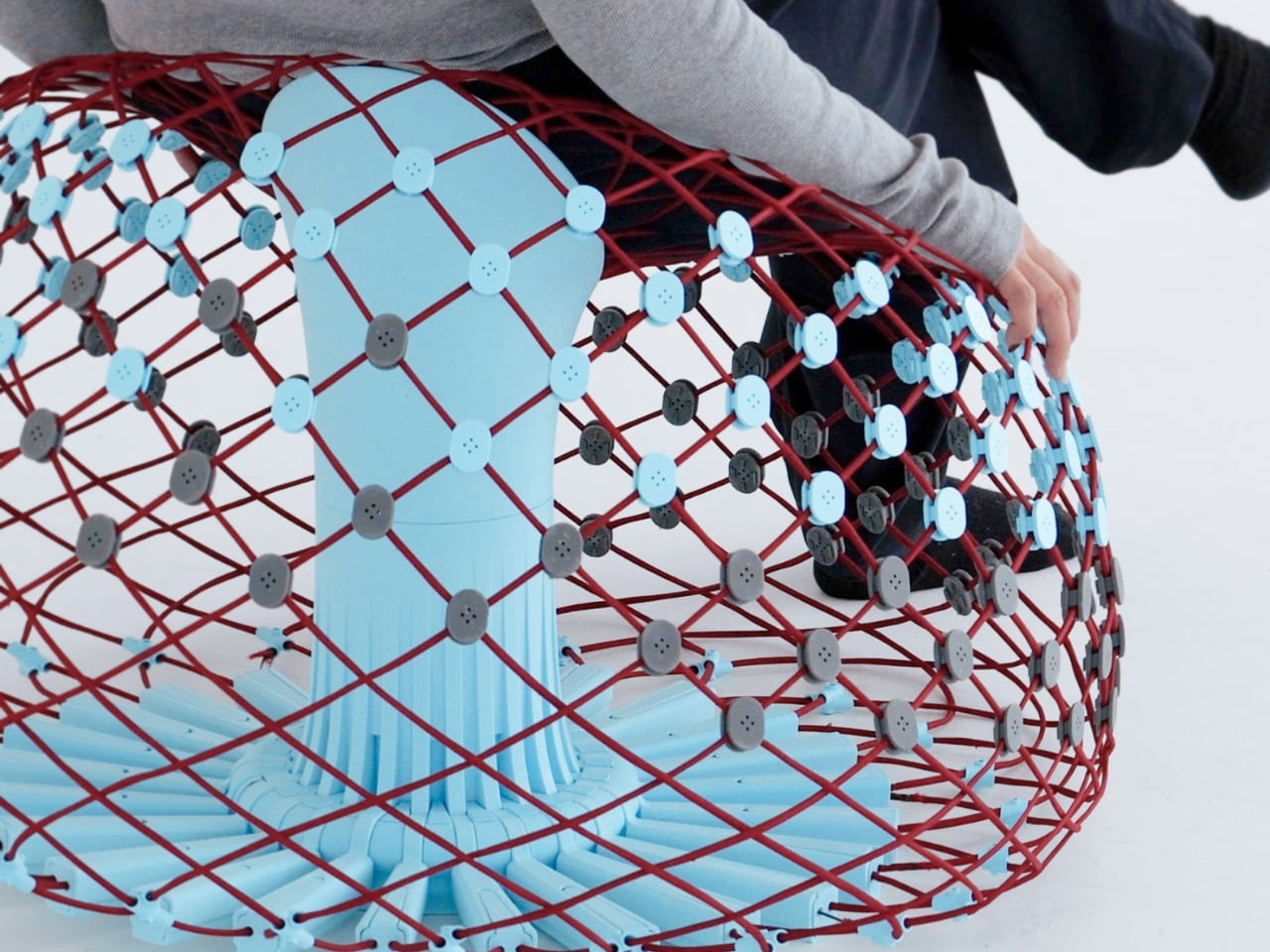
The construction is more handcraft than factory floor. Nitinol wires are threaded inside red fabric cords and then hand-woven and laced into 3D-printed PLA joints. A central 3D-printed hub manages the tension of those wires and locks the form in place once deployed. The result is what Yoon describes as a skeleton and skin unified into a single structure, where there is no separate frame to assemble and no cushion to stuff back into place. When it opens up to its full 700mm lounge seat, it does not look like a compromise. It looks like furniture that was always supposed to work this way.
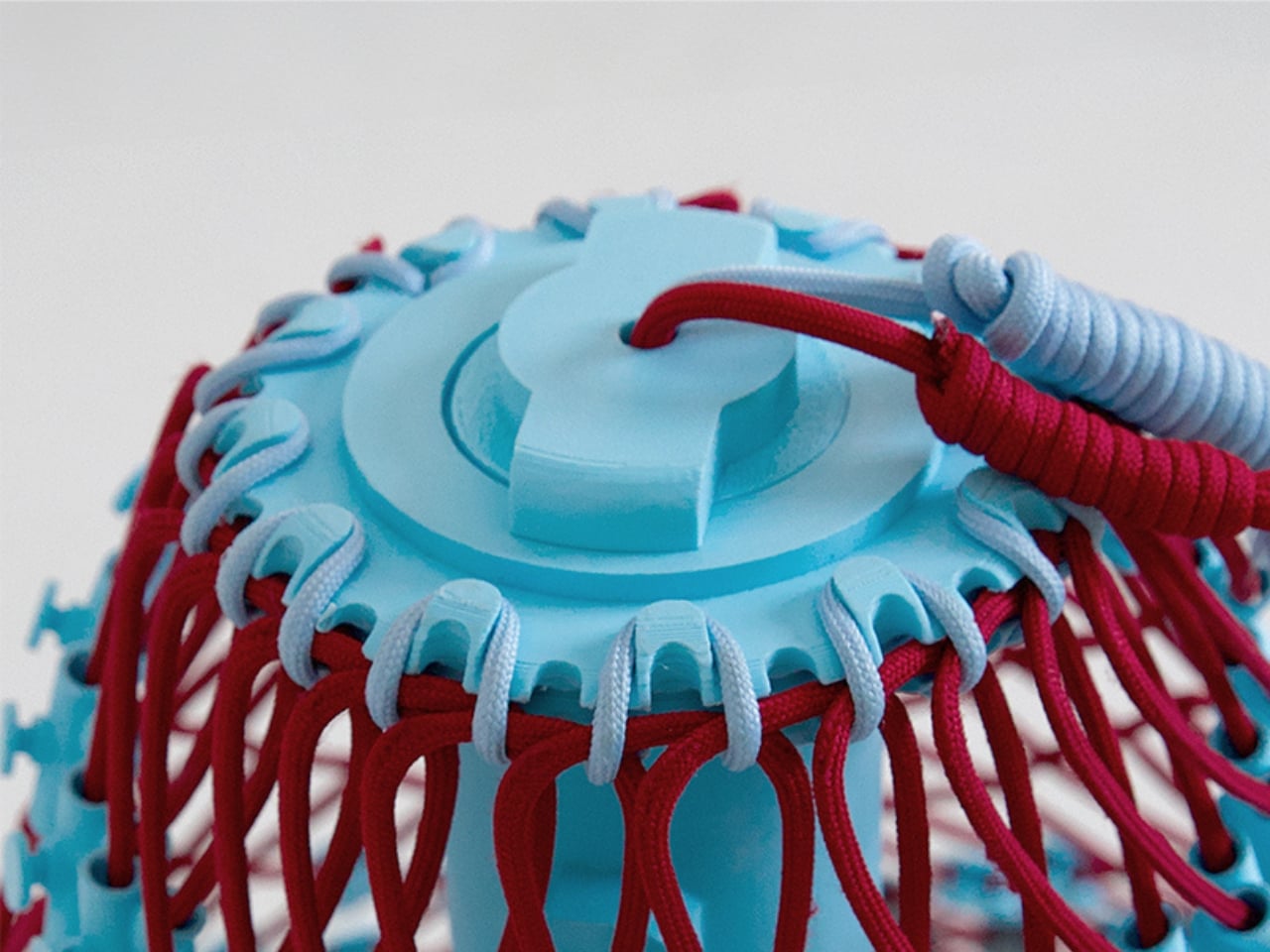
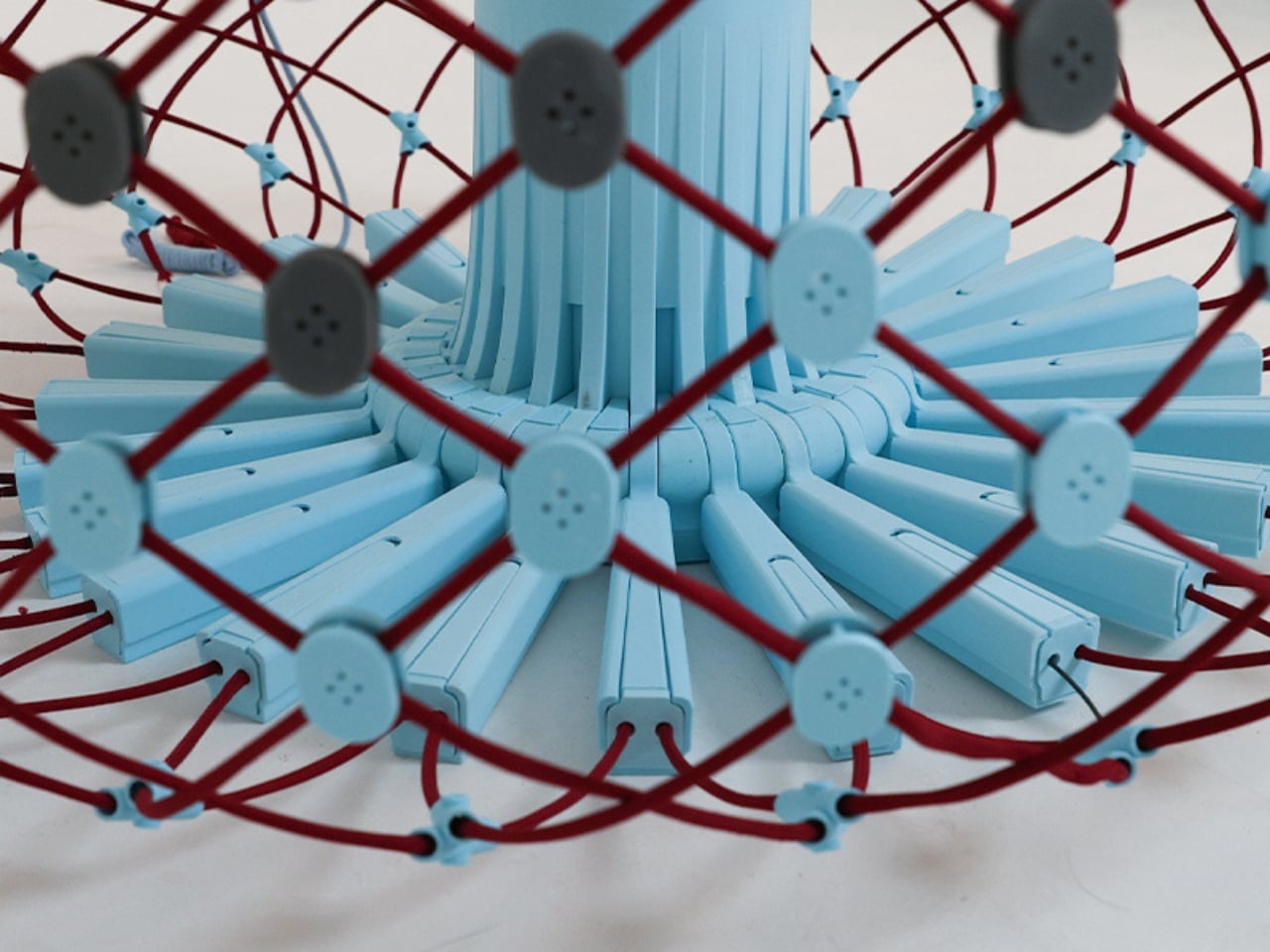
What stops this from being just a clever student project is the precision of the constraints Yoon set for herself. Flat-pack furniture has been a design conversation for decades, but most of it operates within the same logic: ship flat, assemble once, live with it. The Re-flat pack sofa challenges the “assemble once” part specifically. The goal was something that could collapse and redeploy repeatedly without degrading, which is precisely why foam was ruled out early. Foam compresses and gives, but it does not remember its shape the way nitinol does. Choosing a medical-grade material for living room furniture is not a gimmick. It is a direct engineering response to a real material limitation.
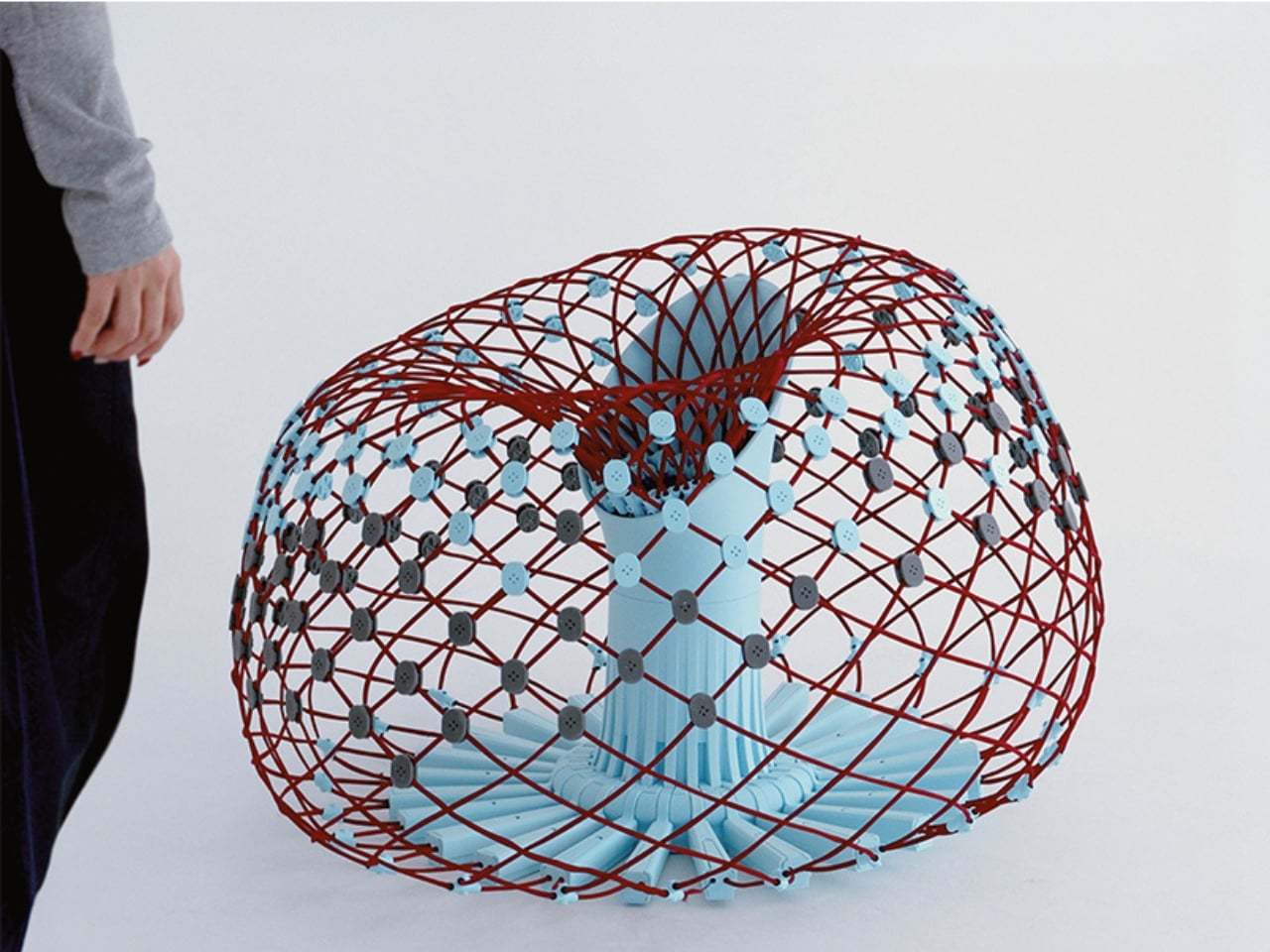
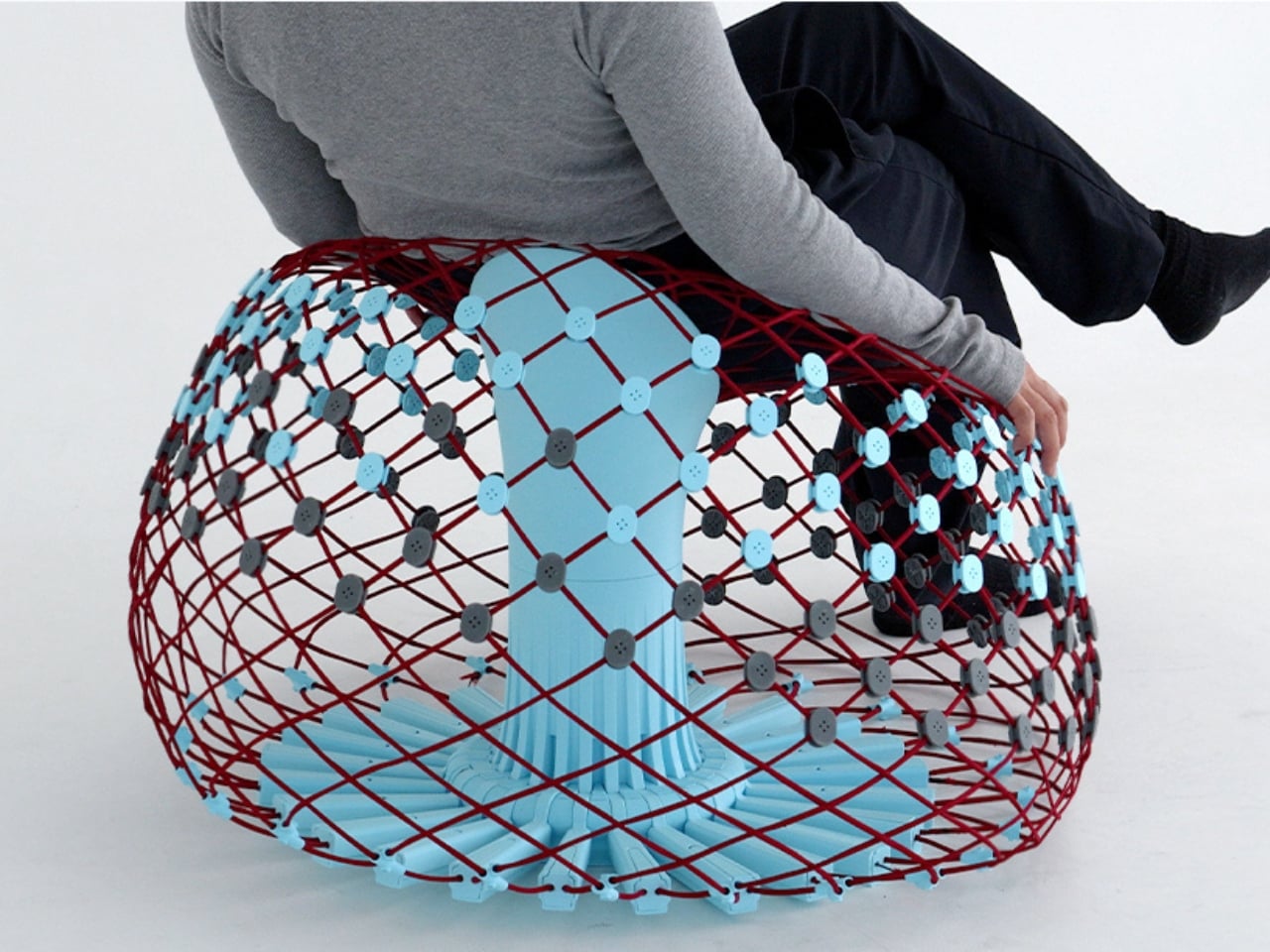
The dimensions tell a quiet story on their own. Fully expanded, the sofa sits at 700 x 700 x 600 mm. Collapsed for storage or shipping, it compresses down to 250 x 250 x 1430 mm, essentially a tall, narrow column. That contrast between those two states, one open and inhabitable, the other almost impossibly compact, is where the design earns its name. It is not just a flat-pack object. It is a re-flat-pack object, one designed to return to that state over and over again.
Yoon’s project won the SIT Furniture Design Award 2026, which feels like the right kind of recognition for a piece that started as a graduation project and kept evolving. A lot of concept furniture wins attention at the graduation show and then quietly disappears. The Re-flat pack sofa reads more like a prototype with a trajectory, a question being asked seriously about where furniture materials are headed next.

The flat-pack has long been a symbol of modern, practical living. Yoon’s version suggests it can also be smarter. Not just easier to ship, but genuinely rethought at the material level, where the wires carry the weight and the weave holds the shape, and the whole thing folds away until you need it again.
The post The Sofa That Deploys Itself Uses the Same Wire as Heart Stents first appeared on Yanko Design.

Samsung Galaxy S27 Ultra: Every Massive Upgrade Rumored So Far

Samsung Galaxy S27 Ultra: Every Massive Upgrade Rumored So Far Samsung Galaxy S27 Ultra

The Samsung Galaxy S27 Ultra represents a significant milestone in the evolution of Samsung’s flagship smartphone lineup. With its combination of innovative hardware, refined aesthetics, and a strategic expansion of its product range, the S27 Ultra is designed to redefine the premium smartphone experience. This article explores the standout features and advancements that make the […]

The post Samsung Galaxy S27 Ultra: Every Massive Upgrade Rumored So Far appeared first on Geeky Gadgets.

Posted in Uncategorized

Samsung Galaxy S27 Ultra: Every Massive Upgrade Rumored So Far

Samsung Galaxy S27 Ultra: Every Massive Upgrade Rumored So Far Samsung Galaxy S27 Ultra

The Samsung Galaxy S27 Ultra represents a significant milestone in the evolution of Samsung’s flagship smartphone lineup. With its combination of innovative hardware, refined aesthetics, and a strategic expansion of its product range, the S27 Ultra is designed to redefine the premium smartphone experience. This article explores the standout features and advancements that make the […]

The post Samsung Galaxy S27 Ultra: Every Massive Upgrade Rumored So Far appeared first on Geeky Gadgets.

Posted in Uncategorized

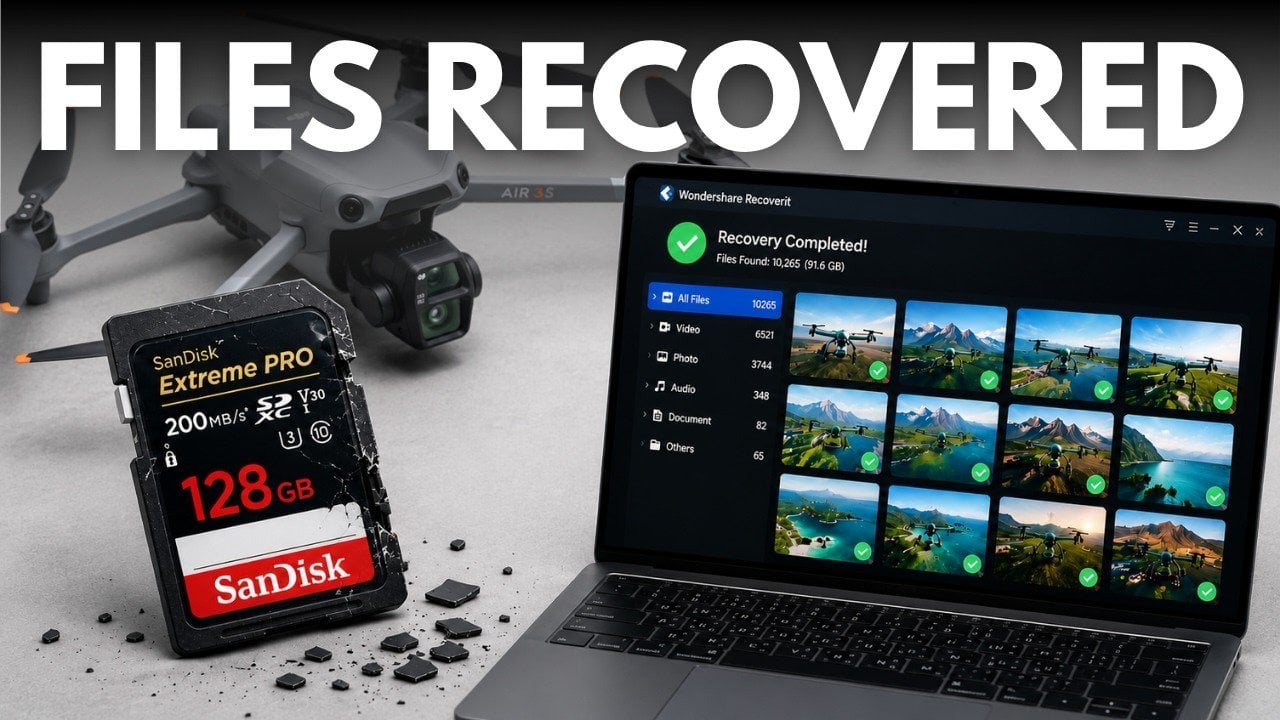
Rescue Corrupted Drone SD Cards with Wondershare Recoverit

Rescue Corrupted Drone SD Cards with Wondershare Recoverit Split screen showing a corrupted video file and a successfully restored clear video.

Recovering deleted drone footage can feel like an overwhelming challenge, especially when the lost files capture irreplaceable moments or critical project elements. As Tech Court explains, understanding the root causes of data loss, such as accidental deletion, formatting errors, or file corruption, is the first step toward effective recovery. For instance, many drone operators unknowingly […]

The post Rescue Corrupted Drone SD Cards with Wondershare Recoverit appeared first on Geeky Gadgets.

Posted in Uncategorized

Rescue Corrupted Drone SD Cards with Wondershare Recoverit

Rescue Corrupted Drone SD Cards with Wondershare Recoverit Split screen showing a corrupted video file and a successfully restored clear video.

Recovering deleted drone footage can feel like an overwhelming challenge, especially when the lost files capture irreplaceable moments or critical project elements. As Tech Court explains, understanding the root causes of data loss, such as accidental deletion, formatting errors, or file corruption, is the first step toward effective recovery. For instance, many drone operators unknowingly […]

The post Rescue Corrupted Drone SD Cards with Wondershare Recoverit appeared first on Geeky Gadgets.

Posted in Uncategorized

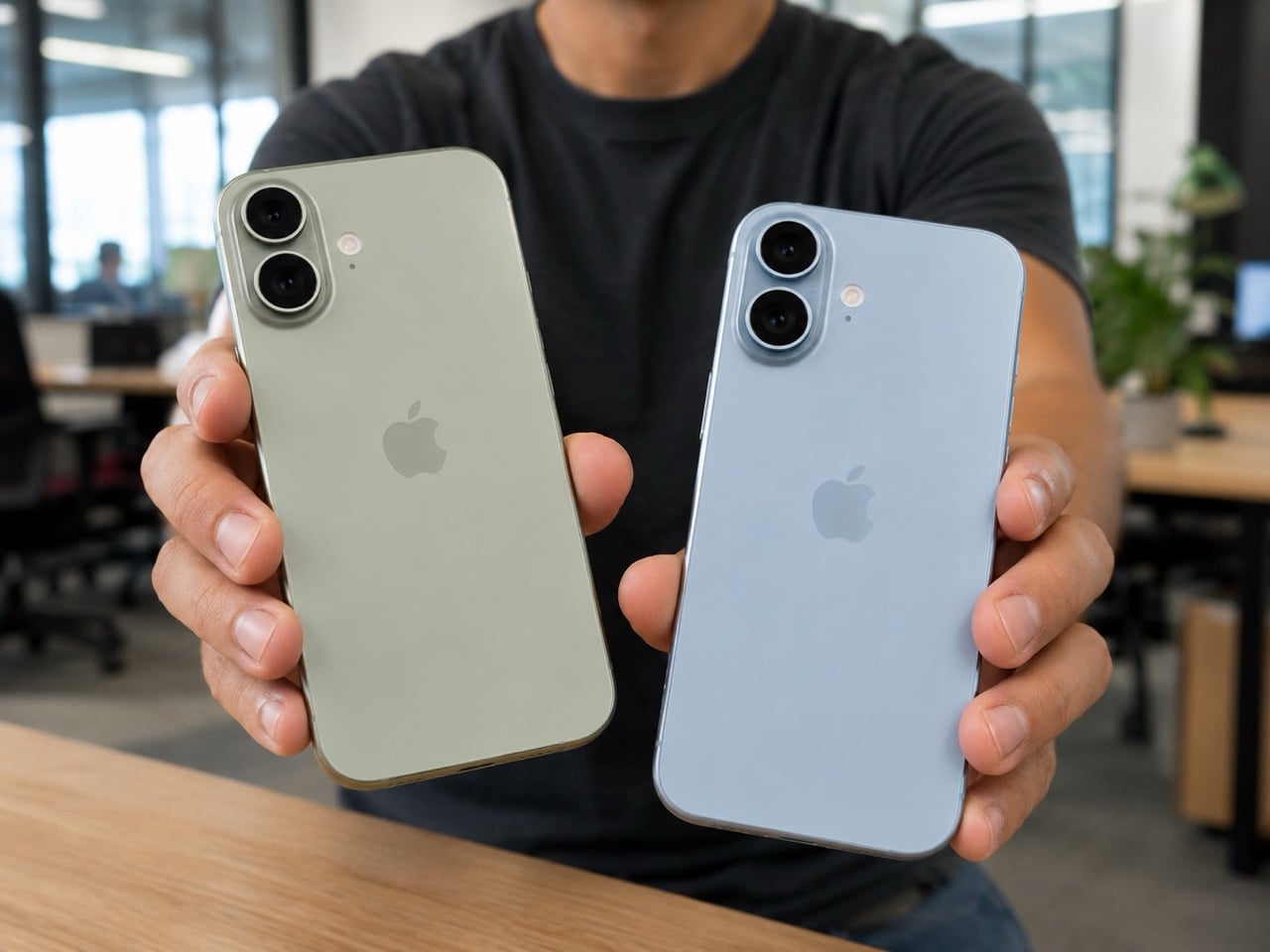
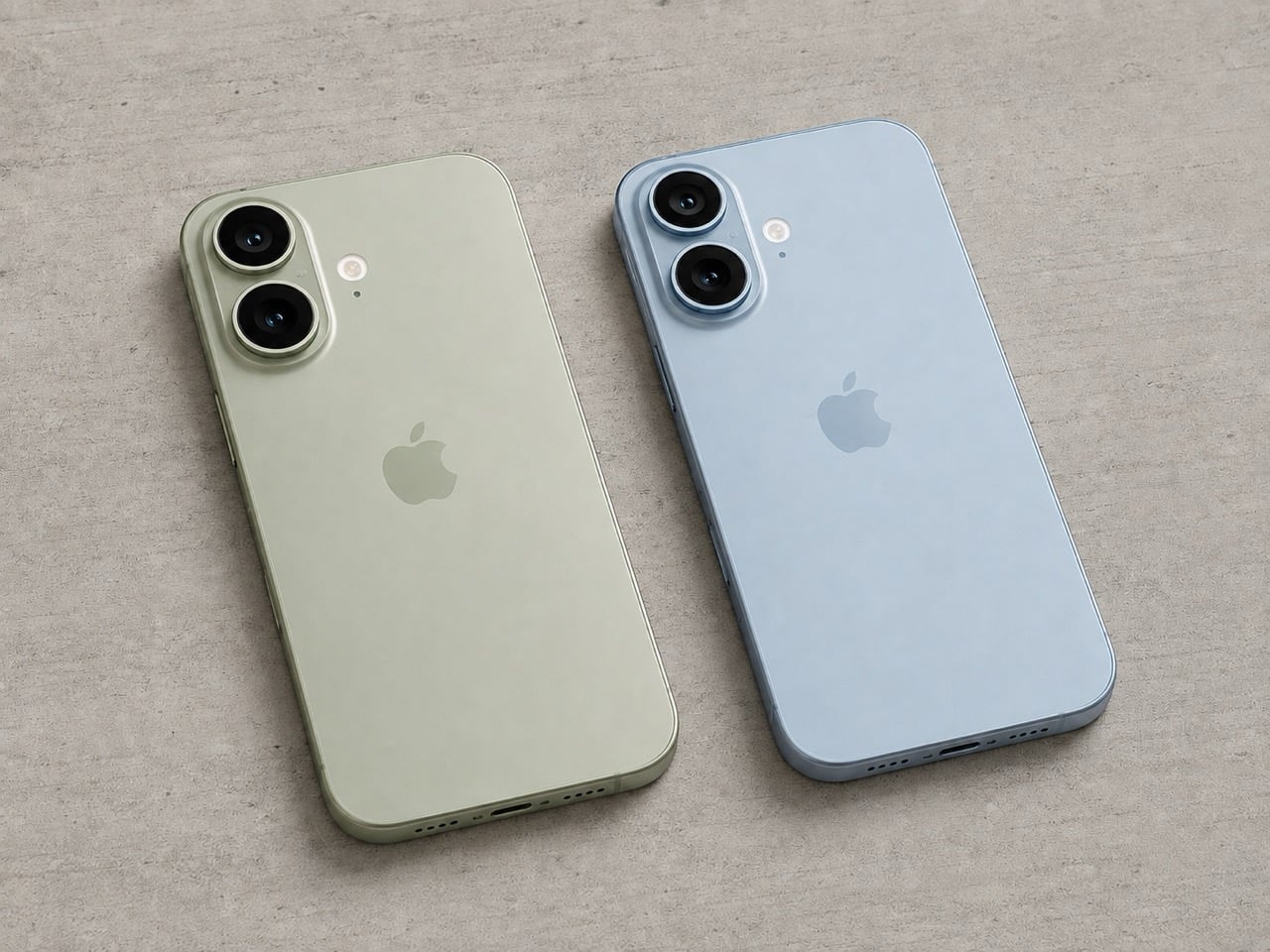
iPhone 18’s Base Design Will Just Be an iPhone 17 in Disguise

For years, a new base iPhone has always looked at least a little different from the one before it. Never a full redesign, just enough to spot from across a room. New colors show up. The camera housing gets nudged, angled differently, or grows by a millimeter nobody asked for. It’s been the quiet ritual of every iPhone cycle since Apple started giving the standard model its own visual identity. You didn’t need a spec sheet to tell an 11 from a 12 from a 13. You just looked at the back.

The standard iPhone 18 is about to break that streak completely. Leaks point to the base model carrying over the iPhone 17’s 6.3-inch display and body with no meaningful design changes at all, landing sometime in spring 2027 wearing essentially the same shell its predecessor has worn since September 2025. No new colorway to speak of yet. No camera shuffle. Just an old design with a new number stapled to it. And that carryover chassis is really just the cover story. Underneath it, leakers say Apple is trimming real specs to protect its margins, which means the laziest looking iPhone in years might be hiding the most calculated one.

Here’s what’s actually locked in, or as locked in as a rumor gets a year out. The base iPhone 18 is expected to run Apple’s A20 chip on a 2-nanometer process, a genuine performance jump, paired with either 9GB or 12GB of RAM depending on which leaker you believe that week. The screen stays at 6.3 inches. The launch window sits somewhere around March, alongside the cheaper iPhone 18e. None of that screams new industrial design. It screams internals refresh, wrapped in last year’s jacket.

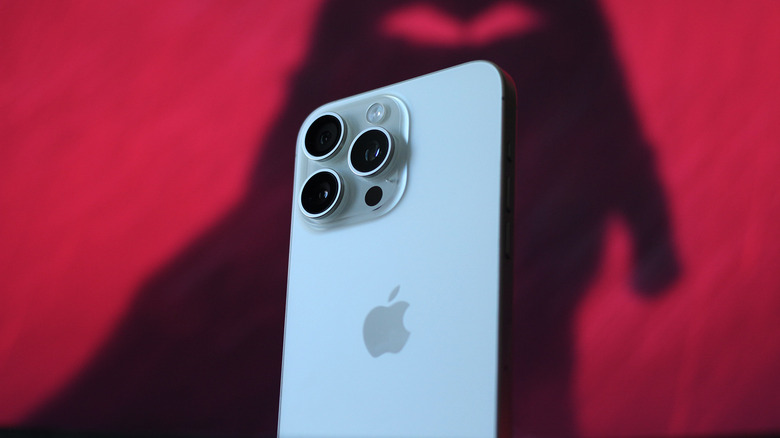
Compare that to what’s happening six months earlier. The iPhone 18 Pro lands in September 2026 with a narrower Dynamic Island, a variable aperture camera that can physically stop down like a real lens, and a thicker camera plateau to fit it all in. The base model gets none of it, and it doesn’t even get the same year. For the first time since Apple started launching Pro and standard iPhones together, the base model is sitting out the September event entirely and showing up on its own six months later. Apple is drawing its design line exactly where the price tag splits, then adding a calendar gap on top of it so nobody can even compare the two side by side in a store.

Leakers claim Apple is quietly downgrading the base iPhone 18 to protect its margins as memory prices spike, trimming the display spec and possibly stepping down to a 4-core GPU instead of 5. Reports also say the iPhone 18 and iPhone 18e will share components, blurring the line between Apple’s cheapest phone and its second cheapest. So the identical shell saves on tooling costs, sure, but it also does double duty as a smokescreen for a phone getting quietly cheaper to build while customers still pay Apple’s usual markup for it.

Even the one physical control Apple loves showing off might get simplified, with rumors pointing to a Camera Control button that drops its capacitive layer and runs on pressure sensing alone. Small detail, same story running underneath it. Every corner being cut lives somewhere the eye can’t immediately clock. The real explanation is boring and expensive at the same time. Changing a design costs money, and this time around, the iPhone 18 doesn’t have any walking-around cash to get any of those changes.

The post iPhone 18’s Base Design Will Just Be an iPhone 17 in Disguise first appeared on Yanko Design.
Google Pixel 11 Pro Fold: Leaks, Specs, Tensor G6, and Everything We Know

Google Pixel 11 Pro Fold: Leaks, Specs, Tensor G6, and Everything We Know Google Pixel 11 Pro Fold

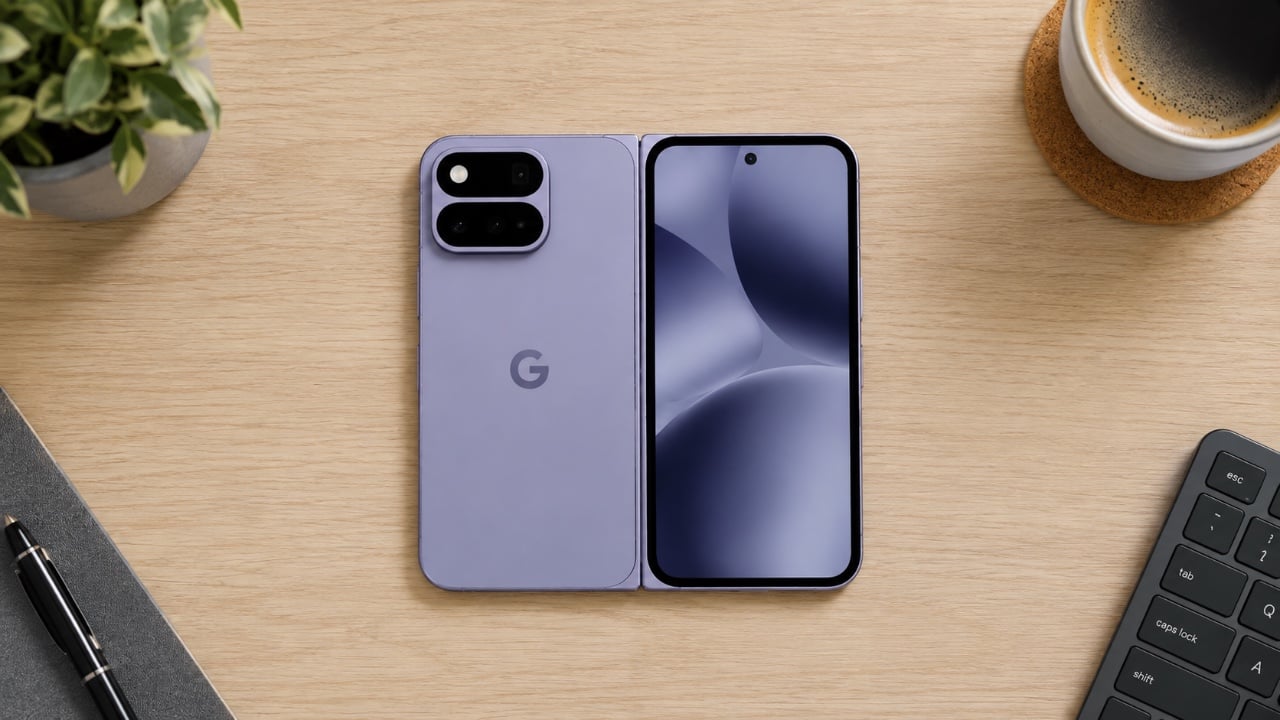
Google’s foldable lineup is preparing for a major evolution as details surrounding the Google Pixel 11 Pro Fold emerge ahead of official announcements. With significant advancements in display technology, structural engineering, and processing power, the Pixel 11 Pro Fold aims to set a new standard for big-screen foldable smartphones. Leaks and regulatory filings reveal a […]

The post Google Pixel 11 Pro Fold: Leaks, Specs, Tensor G6, and Everything We Know appeared first on Geeky Gadgets.

Posted in Uncategorized

Beat Tropical Heat Using the Aecooly Cold Air Ultra Mist Feature

Beat Tropical Heat Using the Aecooly Cold Air Ultra Mist Feature Aecooly Cold Air Ultra fan resting on a wooden table.

Portable fans often get dismissed as novelty items, but the Aecooly Cold Air Ultra challenges that perception with its thoughtful design and practical features. Highlighted by ark.curate, this compact device combines adjustable fan speeds with mist cooling technology to deliver targeted relief in hot and humid conditions. Its lightweight build and USB-C charging make it […]

The post Beat Tropical Heat Using the Aecooly Cold Air Ultra Mist Feature appeared first on Geeky Gadgets.

Posted in Uncategorized