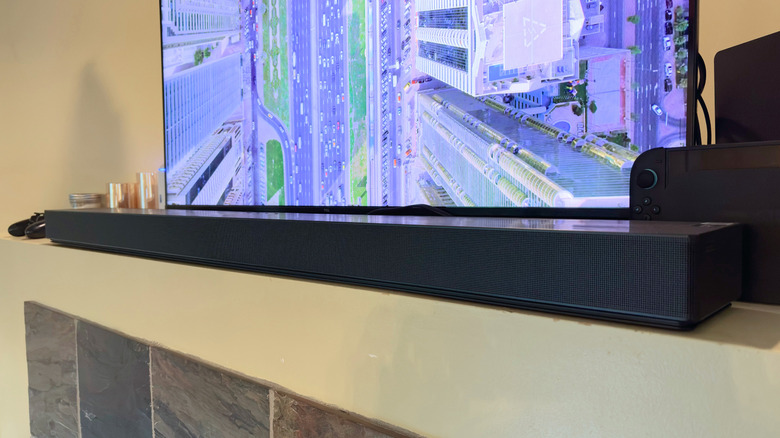
Samsung QS90H soundbar review: An all-in-one promise fulfilled
The QS90H actually delivers on the all-in-one soundbar promise thanks to new woofers and a unique driver layout.

DeepSeek 2’s introduction of the flash model emphasizes efficiency in artificial intelligence by focusing on smarter refinement rather than increasing scale. This approach uses post-training optimization to enhance performance without modifying the model’s architecture. For example, the flash model achieves up to seven times the performance of the original DeepSeek 2 and even outperforms the […]
The post DeepSeek 2 Flash Model Delivers 7X Original Performance appeared first on Geeky Gadgets.
The design museum makes one quiet argument. Certain objects deserve to be looked at, and how a thing is made can matter as much as what it does. Most people accept this on a Saturday afternoon in front of a Noguchi lamp or an Eames chair, then go home to a shelf full of things nobody chose with the same intention. That gap is worth closing, and it does not require a renovation budget.
These six objects cost somewhere between a round of drinks and a dinner for two. None are functional in the way a charging cable is functional. They are functional in the way a good room is, changing how a space reads and getting noticed before anyone can articulate why. That quality has very little to do with price and everything to do with knowing where to look for it.
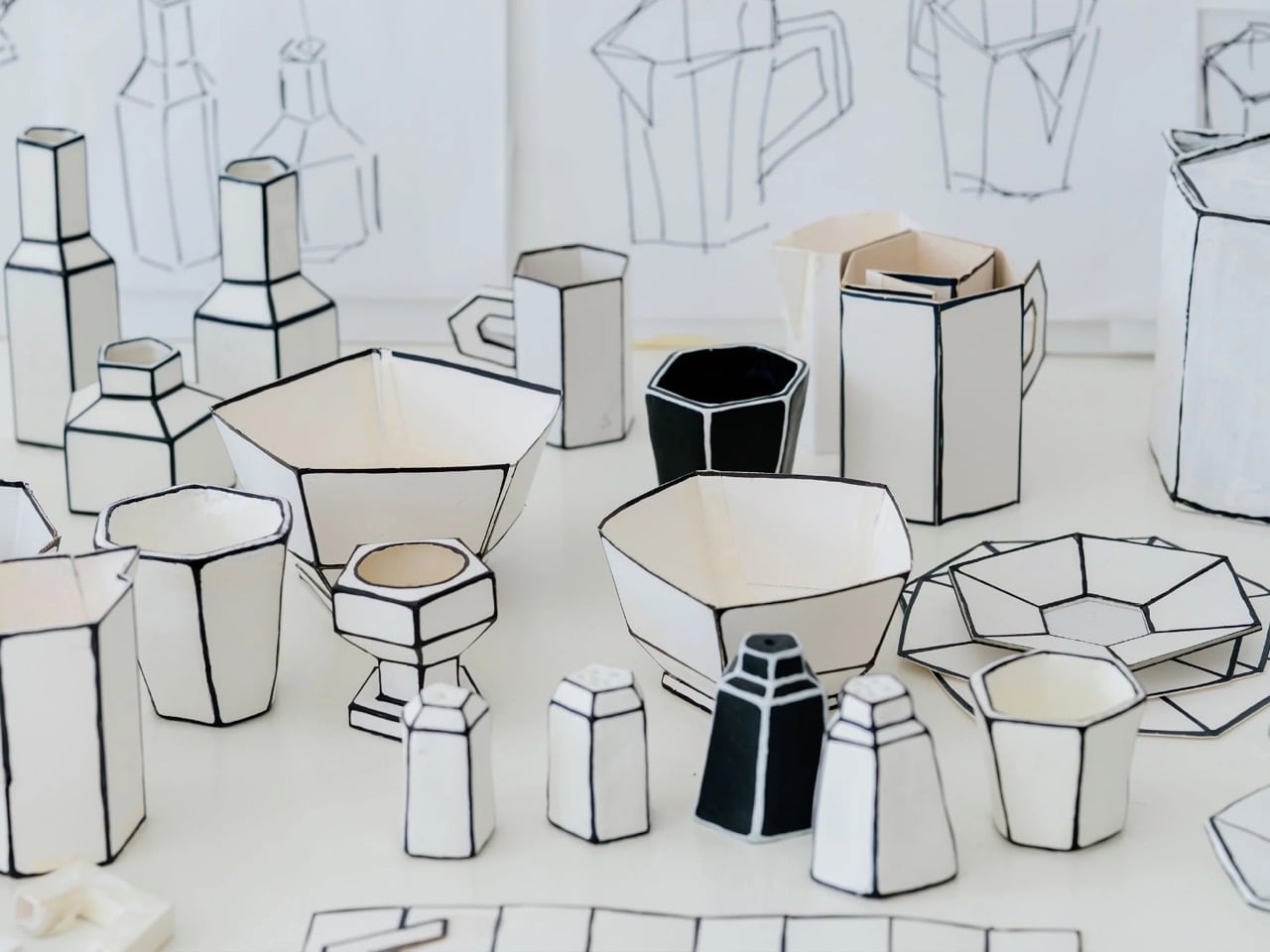
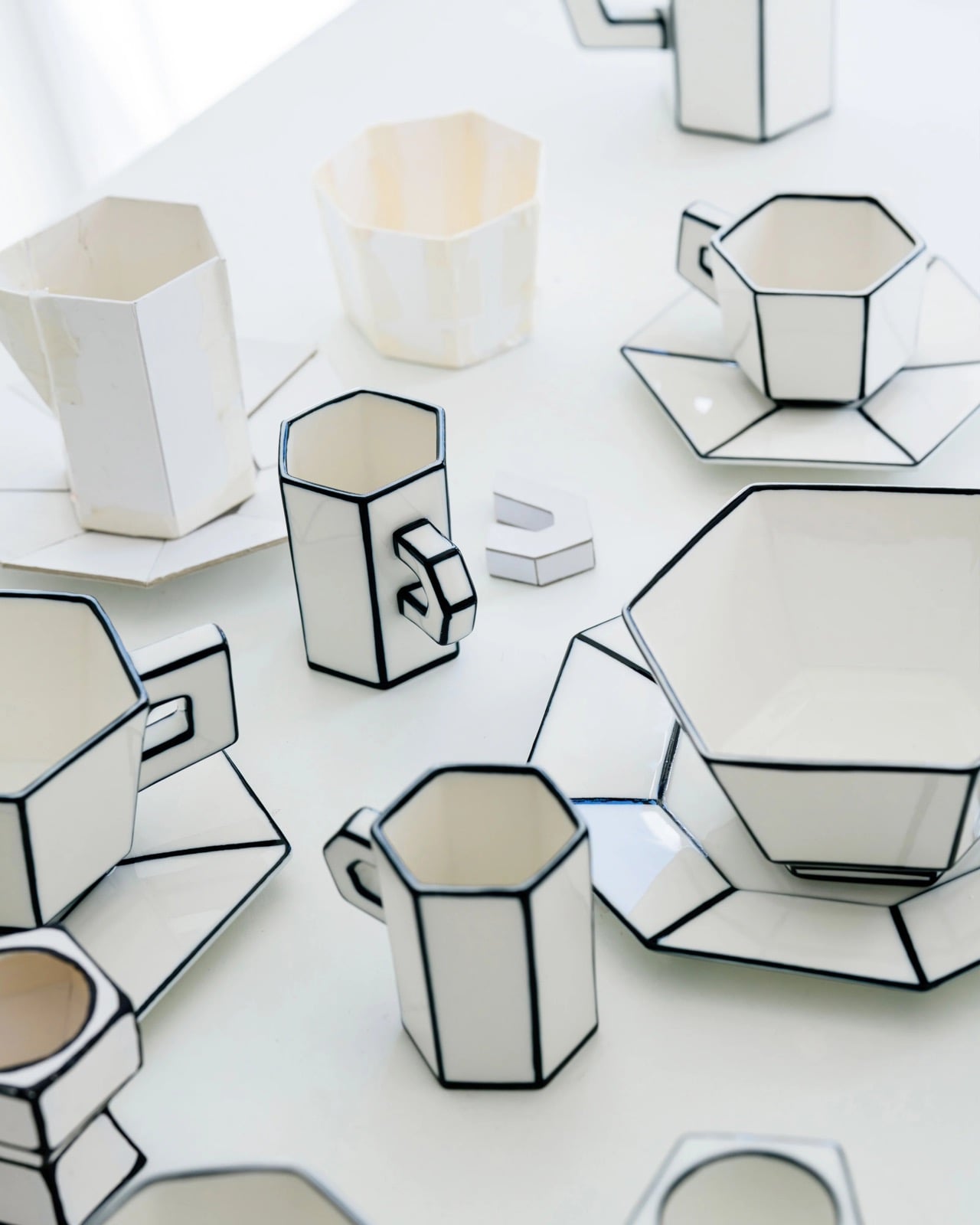
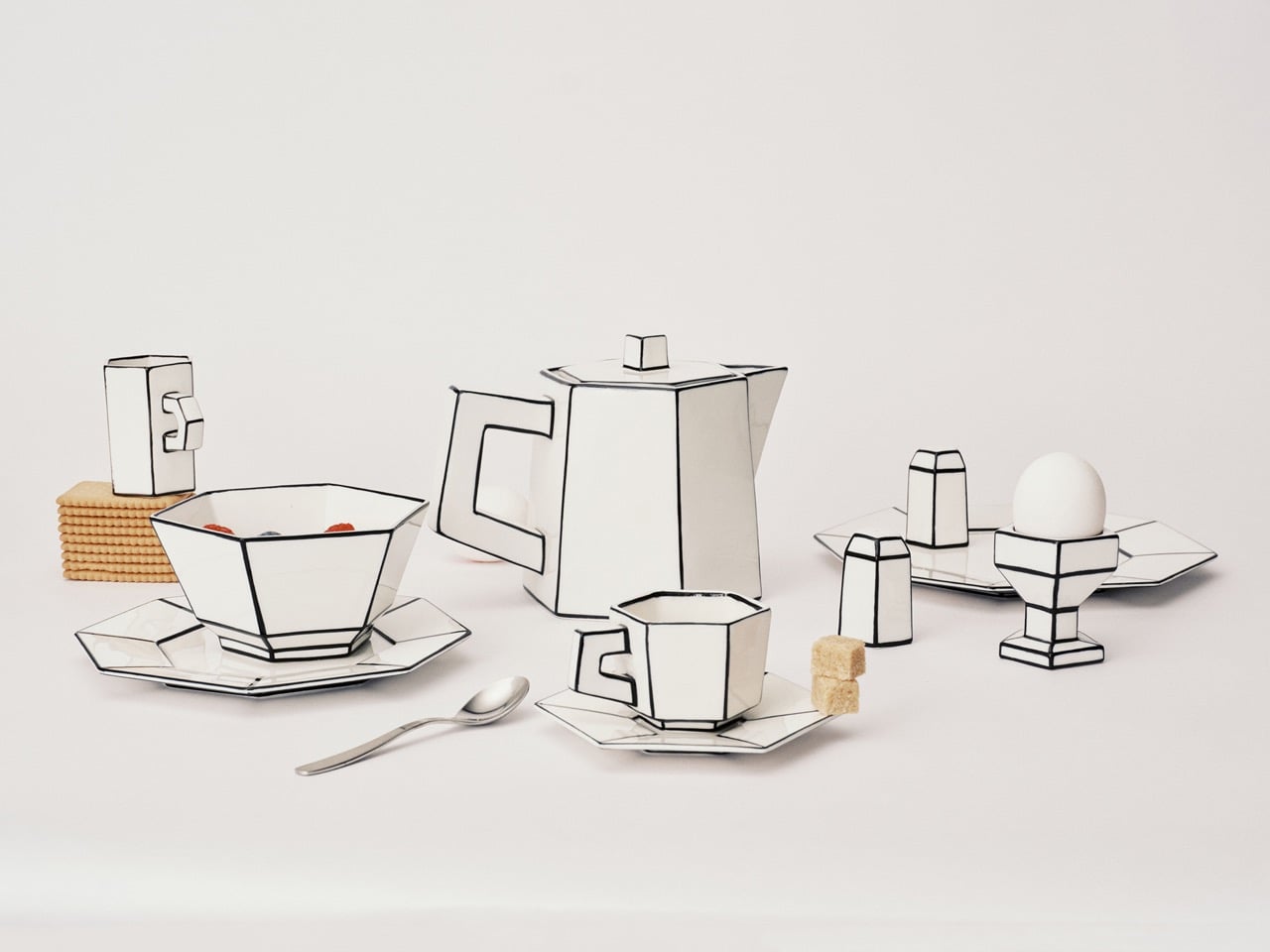
Dutch designer Annebet Philips began this collection in cardboard rather than clay, cutting shapes with deliberately uneven edges and treating the paper prototype as the design language itself rather than a step to be discarded. Belgian brand Serax carries the result through to porcelain: a coffee and tea service that has since grown to include plates, a breakfast bowl, an egg cup, and a salt and pepper set. Every piece started as a childlike cutout on a blank page. Nothing about that origin was smoothed away in production.
What makes each piece genuinely strange is that it reads as a drawing of itself. Hand-painted black lines trace every fold and seam, giving cups and saucers the flattened quality of ink on paper rather than fired ceramic. Photographed straight on, a cup collapses into what looks like a quick sketch, the handle reading as a doodled loop rather than a ceramic ear. Everything is microwave and dishwasher safe, which keeps the concept in daily use rather than retreating to a shelf nobody touches.
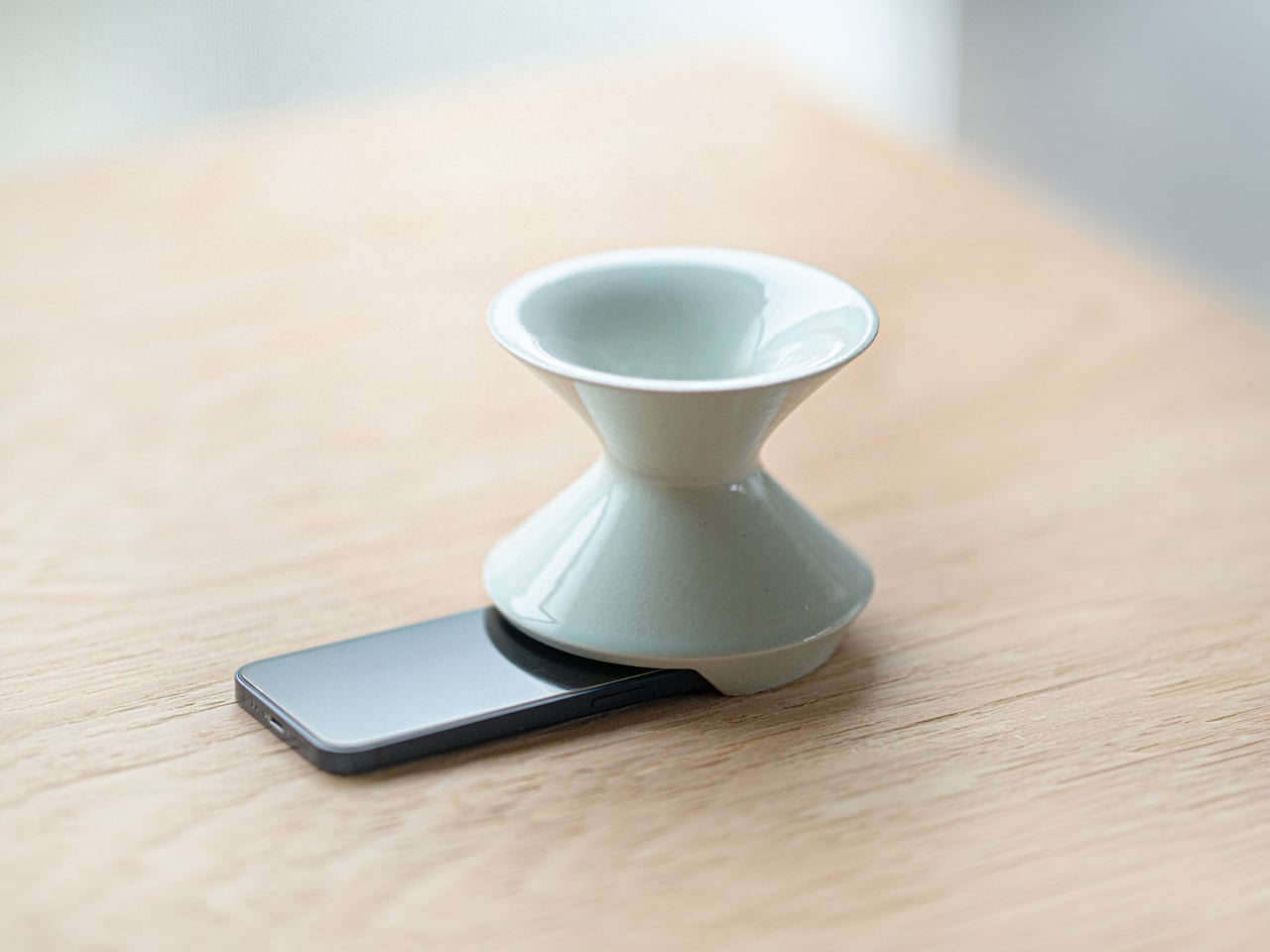
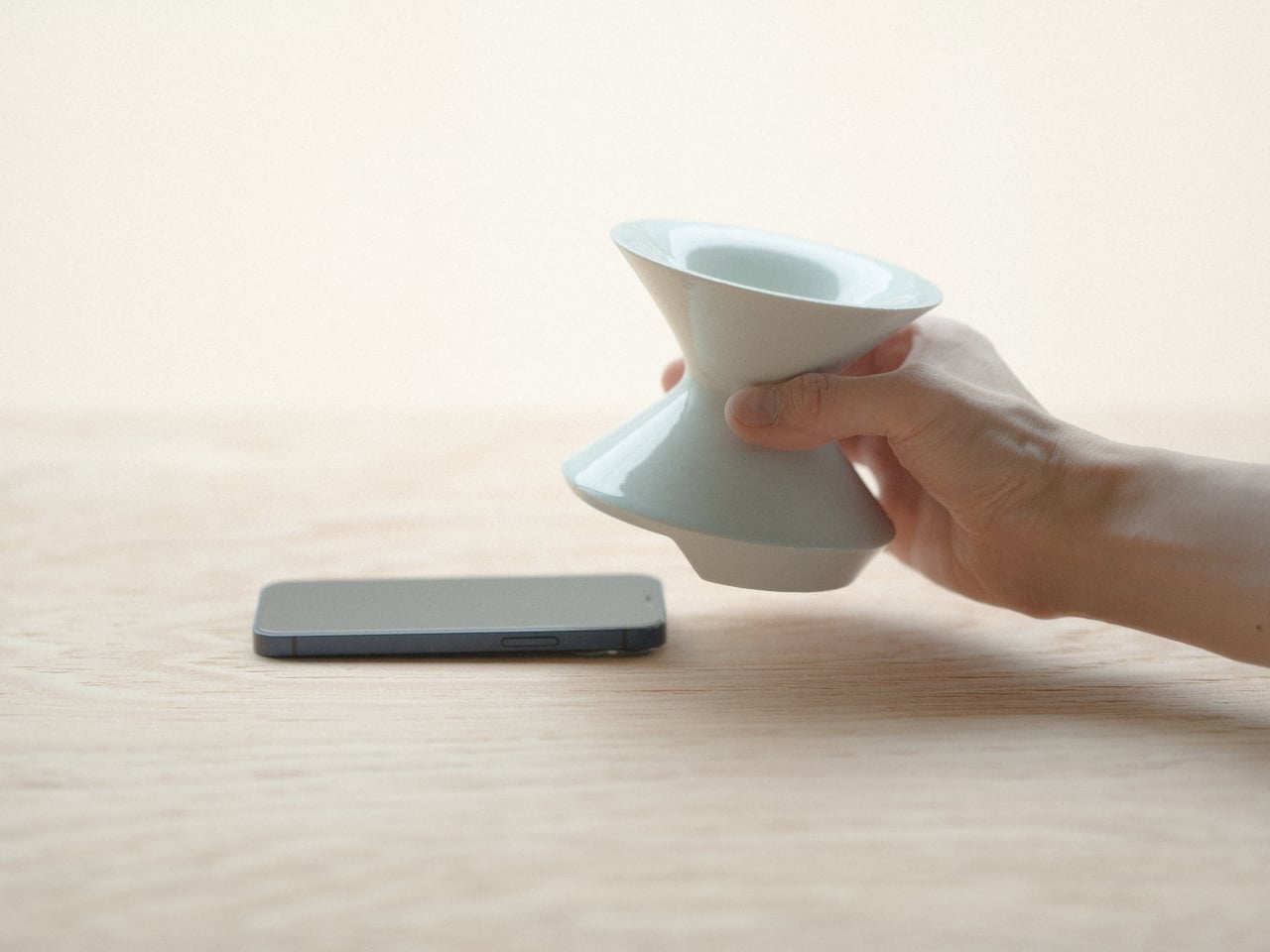
Most speakers announce themselves. They sit on surfaces with blinking lights and trailing cables, with the general suggestion of being placed there temporarily. Kenji Abe’s ECHO arrives from the opposite direction. It is a glazed ceramic chamber built on the acoustic logic of a seashell and a cupped hand that looks exactly like a small vase. Slide a phone underneath, and the cavity carries audio outward in soft, diffused waves. No power. No pairing. Nothing to charge or set up.
The decision to use ceramic was not incidental. Ceramic belongs to the visual grammar of a home, the language of objects that have simply always been there, and ECHO uses that familiarity to disappear into a room entirely. A guest would not identify it as a speaker. The glazed surface catches light the way pottery does, and when the phone is gone, it stays on the shelf with the composure of something that was never trying to perform in the first place.


Every day, thousands of tons of cut flowers are incinerated at flower markets because they reached the end of their shelf life before a buyer arrived. Rebloom Studio, a Korean design practice, collects those discarded blooms, processes them into pulp with Korean paper pulp and a natural binder, and molds the result around an interior glass cylinder. The finished piece is a vase made entirely from flowers that never got the chance to be seen by anyone.
No two Petal Vases look alike. The flowers used to make each one determine its final color, texture, and edge profile. The jagged rim, the petal compression visible in the walls, the slight asymmetry in the silhouette- all of it is preserved deliberately rather than corrected in finishing. When the vase reaches the end of its life, the biodegradable shell returns to the earth. It is one of those rare objects where the material story requires no explanation because you can already see exactly where it came from.
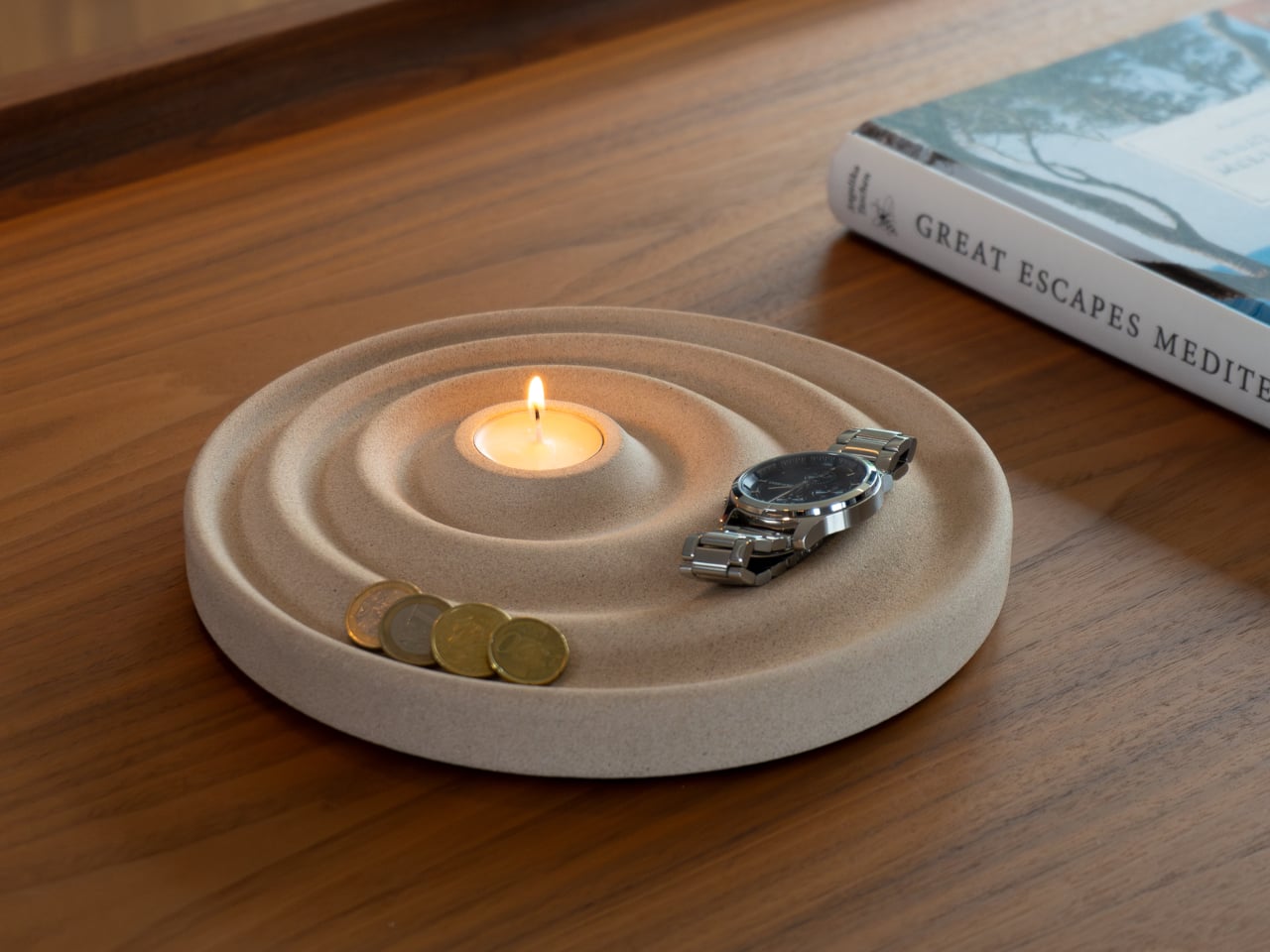
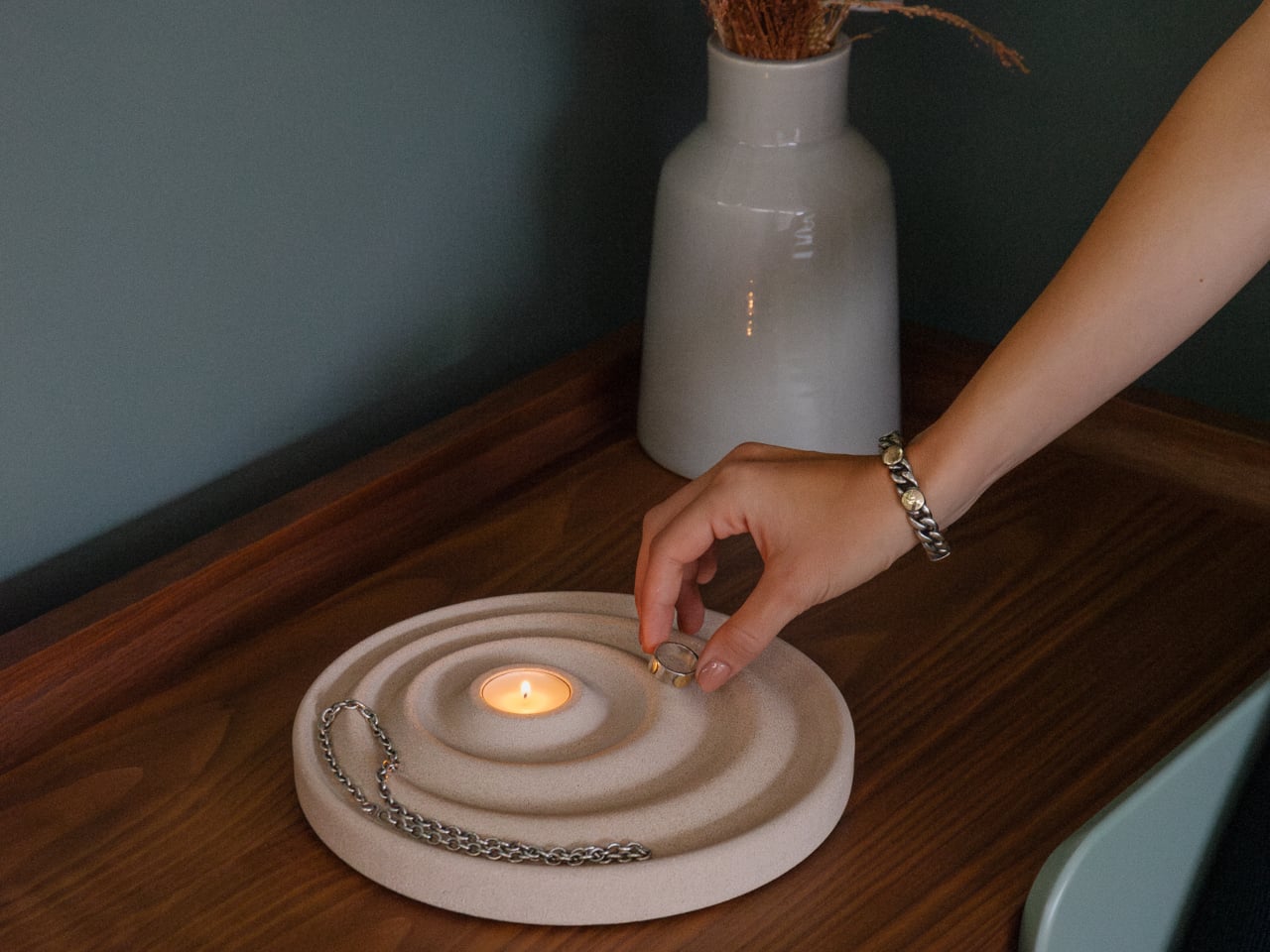
The entryway surface tells a familiar story, and it is rarely flattering. Keys land wherever there is space, coins scatter to the edges, a watch ends up beside a receipt from last week. Joao Teixeira’s Delicato Tray for Oftwise is cast from Jesmonite AC730, a water-based, fire-rated stone composite, in the form of a rippled disc. The concentric waves are asymmetric by design: wider at the outer ring for keys and glasses, tighter toward the center for rings and coins.
At the center of those ripples sits a recessed pocket sized for a tealight candle, turning the daily ritual of dropping your things at the door into something closer to a ceremony. Because the tray is hand-cast, no two are identical. Small air bubbles, subtle texture variations, and minor color shifts are natural byproducts of the process. The result is two kilograms of warm sandy stone that makes a surface look deliberately arranged before anything has been placed on it at all.
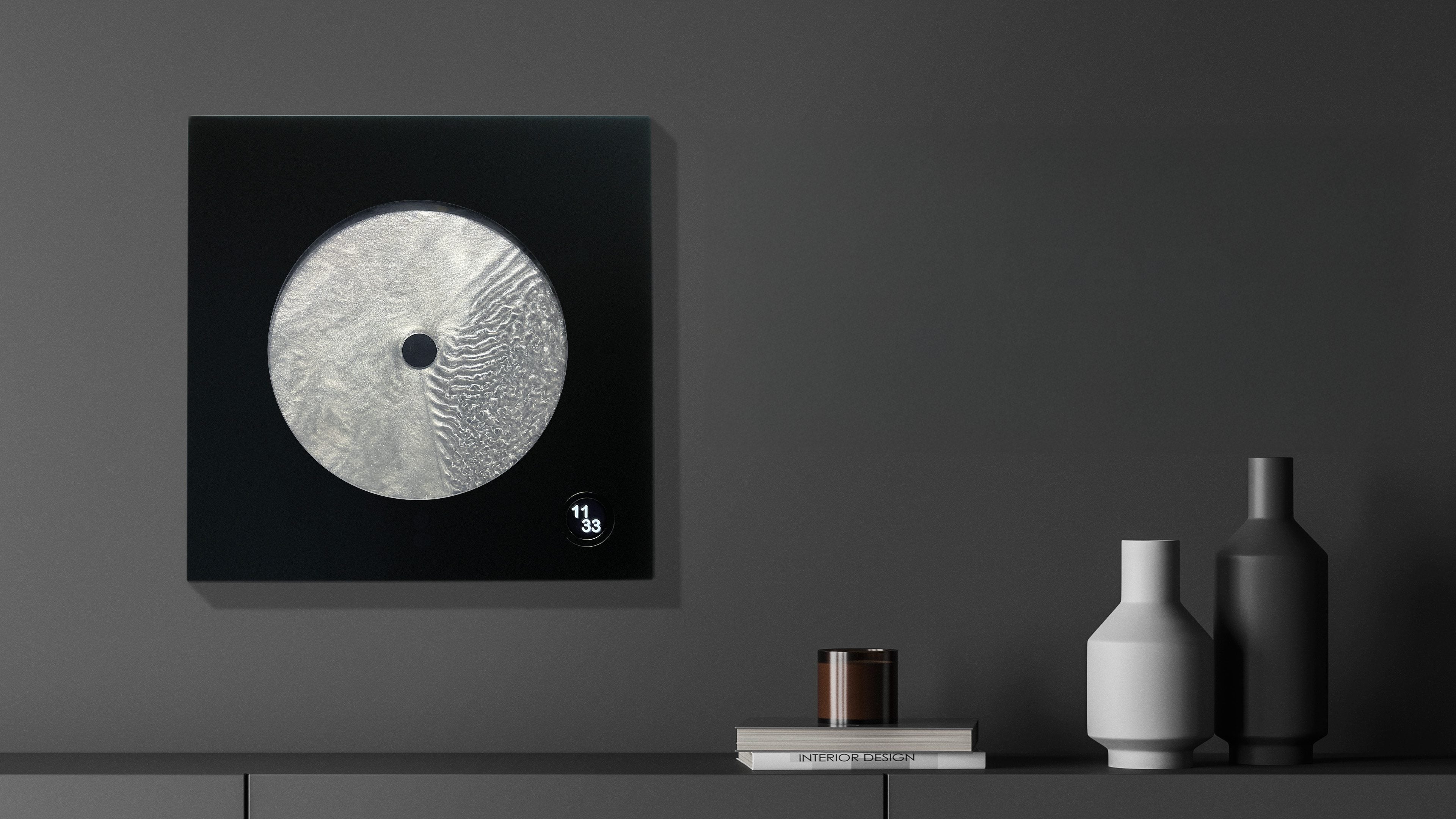
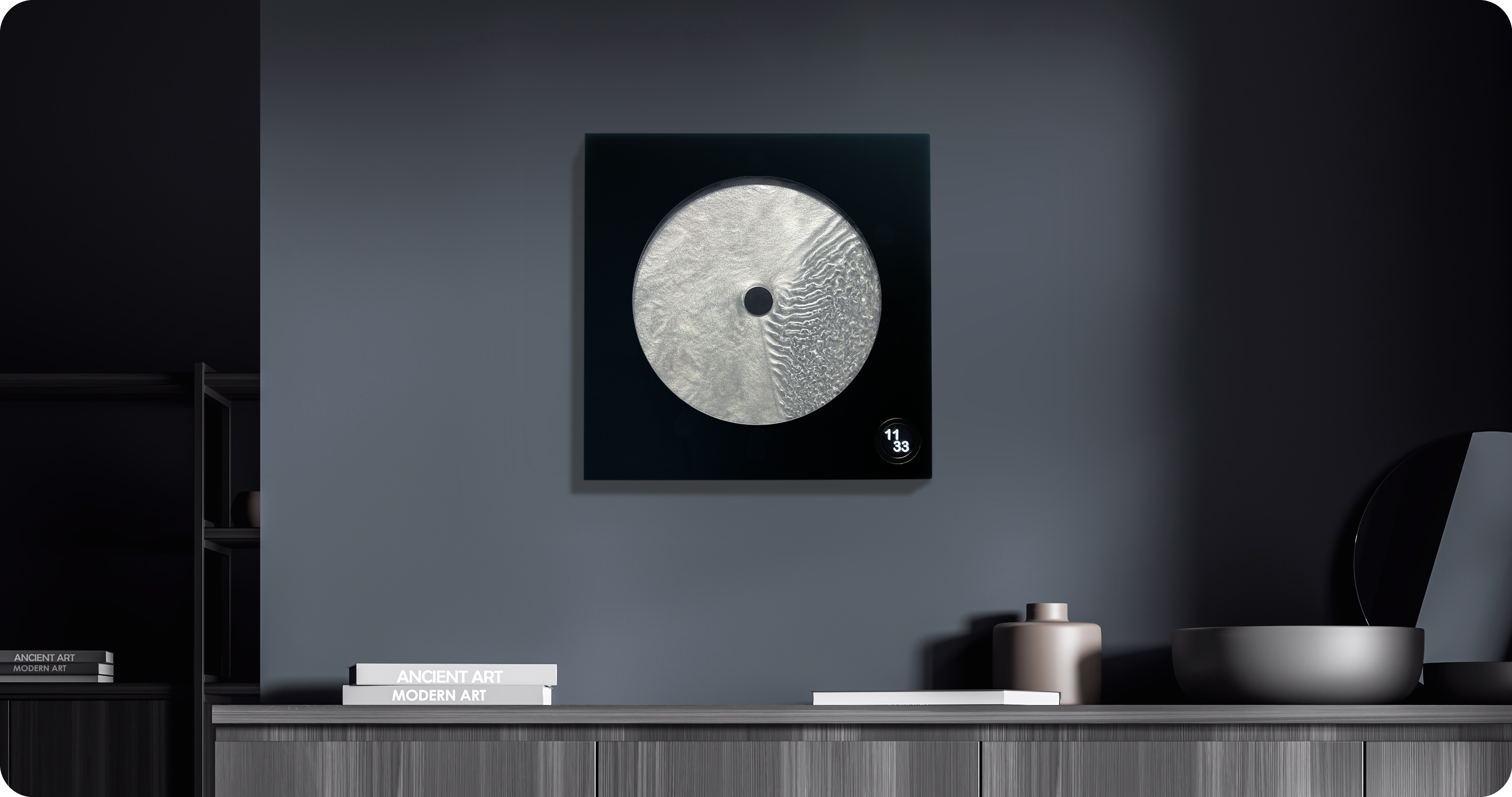
Robert Spillner spent years building components for Formula 1 teams before reversing the entire premise of his career. Instead of measuring speed, he built an object that stages time. Luna is a 400 x 400mm wall piece framed in matte black solid wood with a cast acrylic pane at its center. Inside, a single pointer moves through Zero Flow Technology, Spillner’s proprietary fluid made from distilled water, additives, micro-particles, and a small quantity of genuine lunar dust. Behind the pointer, turbulent patterns mark what has passed. Ahead of it, the liquid sits completely undisturbed.
The exact composition of the fluid is deliberately undisclosed, and that is the right call. The lunar dust is certified and billions of years old, documented with a certificate of authenticity that ships with each piece. Every Luna is signed, numbered, and limited to 99 per year, all made on demand in Germany. A small LCD touchscreen adjusts time and brightness without competing visually with the fluid. Spillner describes it as an art object with a time function, and the order of those words is correct.
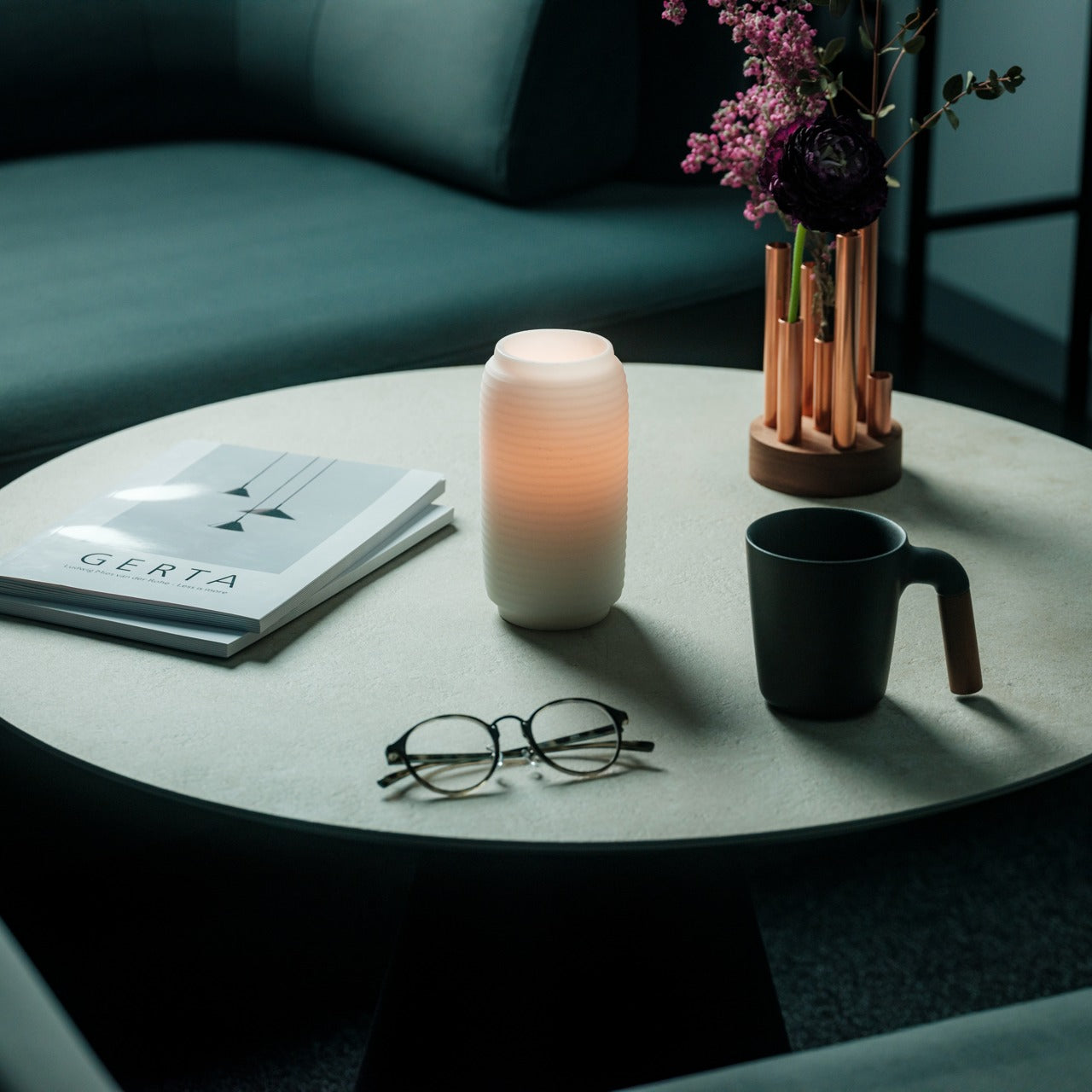
The paper lantern is one of the oldest resolved problems in lighting design. How do you carry warmth from a candle flame into a room without losing it to the hardness of the fixture? Japanese designers worked through that question for centuries and arrived at a form that required almost no further development: a collapsible structure of thin ribs and translucent paper that diffuses candlelight into a soft, directionless glow.
What separates a well-made Japanese lantern from a decorative replica is the quality of light it produces and how it behaves in a room. Warm and sourceless, candlelight filtered through translucent paper fills a corner the way natural light from a small window does, without the hard edge of a focused lamp or the flatness of overhead lighting. On the floor beside a chair or a side table, it becomes the kind of object people notice and comment on before they have thought to ask what it is.
None of these objects ask for much. A shelf, a corner, a spare stretch of counter. They do not need a gallery to earn the attention they receive. What they share is the quality of being genuinely chosen, the sense that someone worked through a problem not just until it was functional but until it was right. That difference is immediately visible and, unlike most things in a home, it does not fade with time.
The museum argument is that certain objects deserve to be seen. These six make the same case from a kitchen counter, an entryway shelf, a bedroom wall. The price point is almost beside the point, though it helps. What matters is that buying thoughtfully and buying well tend to produce the same result: a home that feels assembled by someone who paid attention, rather than one that simply accumulated things over time.
The post 5 Home Objects That Look Like They Belong in a Design Museum but Cost Less Than a Dinner Out first appeared on Yanko Design.

Samsung Electronics has officially introduced HDR10+ ADVANCED on Prime Video, marking a pivotal development in High Dynamic Range (HDR) technology. Starting in August 2026, this innovative HDR standard will debut exclusively on Samsung’s latest 2026 TV lineup. This collaboration between Samsung and Prime Video is designed to elevate the streaming experience, offering enhanced picture quality […]
The post Samsung Launches First HDR10+ ADVANCED Prime Video appeared first on Geeky Gadgets.
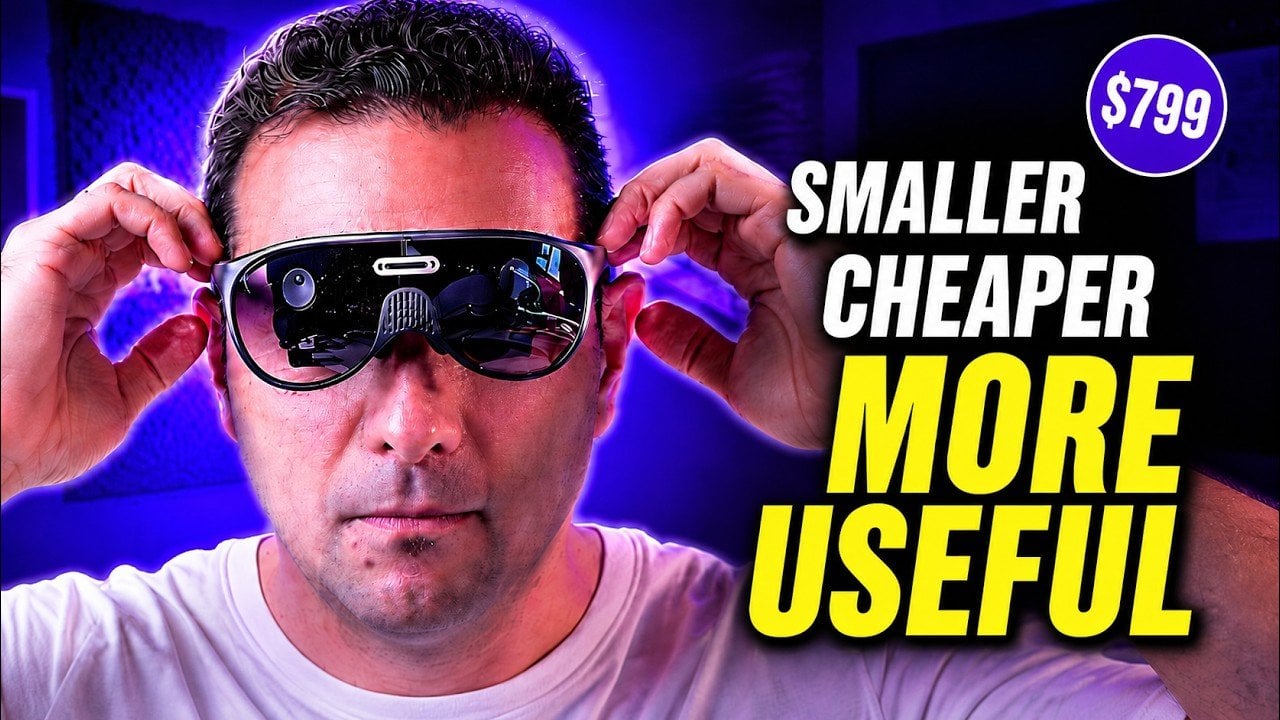
The URXR One headset, priced at $799 during its Kickstarter campaign, offers a lightweight and compact alternative to bulkier XR devices like the Apple Vision Pro. Weighing just 93 grams, it features a glasses-like design with adjustable nose pads and an active cooling system, making sure comfort during extended use. MRTV explores how the device’s […]
The post URXR One Challenges the Apple Vision Pro at a $799 Price appeared first on Geeky Gadgets.
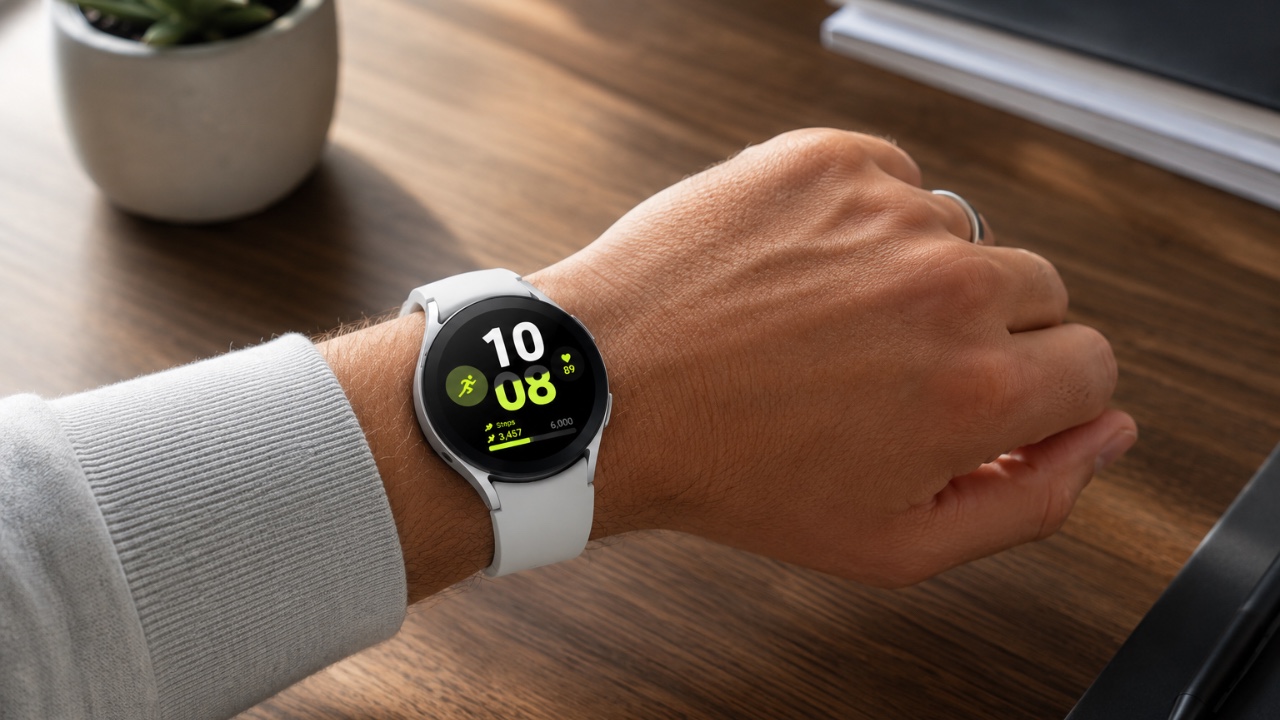
Choosing whether to upgrade from the Galaxy Watch 7 to the Galaxy Watch 9 depends on your specific needs and how much you value the latest features. While the Galaxy Watch 9 introduces several refinements, the differences may not drastically alter your day-to-day experience. Below is a detailed comparison to help you make an informed […]
The post Don’t Upgrade to the Galaxy Watch 9 Until You See How It Compares to the Watch 7 appeared first on Geeky Gadgets.
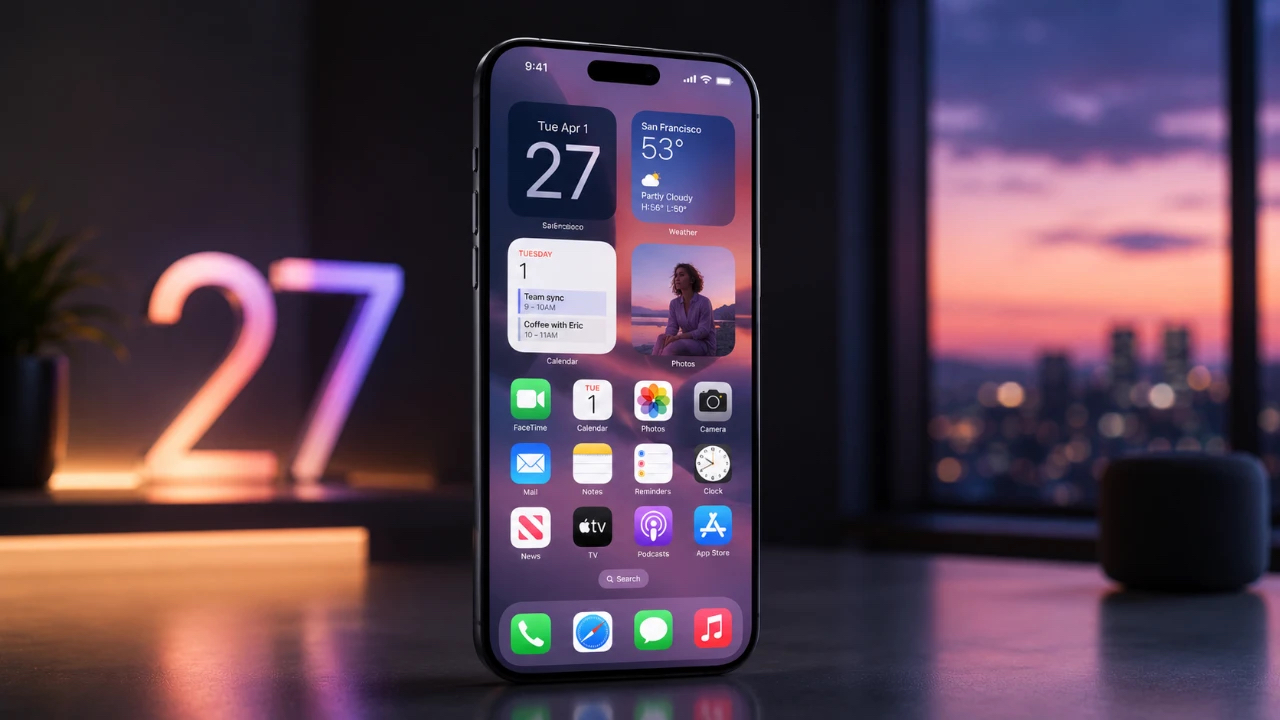
iOS 27, currently in its beta phase, is poised to redefine how you interact with your iPhone. With a strong emphasis on artificial intelligence (AI), health tracking, customization, and multitasking, Apple is preparing to deliver a more seamless and efficient user experience. While some features are already accessible in the beta version, several highly anticipated […]
The post Apple May Add 5 More Unreleased Features to the iOS 27 Update appeared first on Geeky Gadgets.

Power Query, formulas and PivotTables each play a unique role in Excel workflows, addressing different stages of data handling and analysis. Power Query is designed for data preparation, such as merging files, removing duplicates, or reshaping datasets for consistency. For instance, it can consolidate quarterly sales data from multiple spreadsheets into a unified format. By […]
The post Power Query Prepares Excel Data While PivotTables Analyze It appeared first on Geeky Gadgets.

Managing cached data on your iPhone is a practical way to optimize storage and enhance performance. While cached files are designed to improve app functionality by speeding up processes, they can accumulate over time, consuming valuable space and potentially slowing down your device. The video below from iReviews provides more insights into the importance of […]
The post How to Clear App Cache on Your iPhone: The Methods That Actually Work appeared first on Geeky Gadgets.