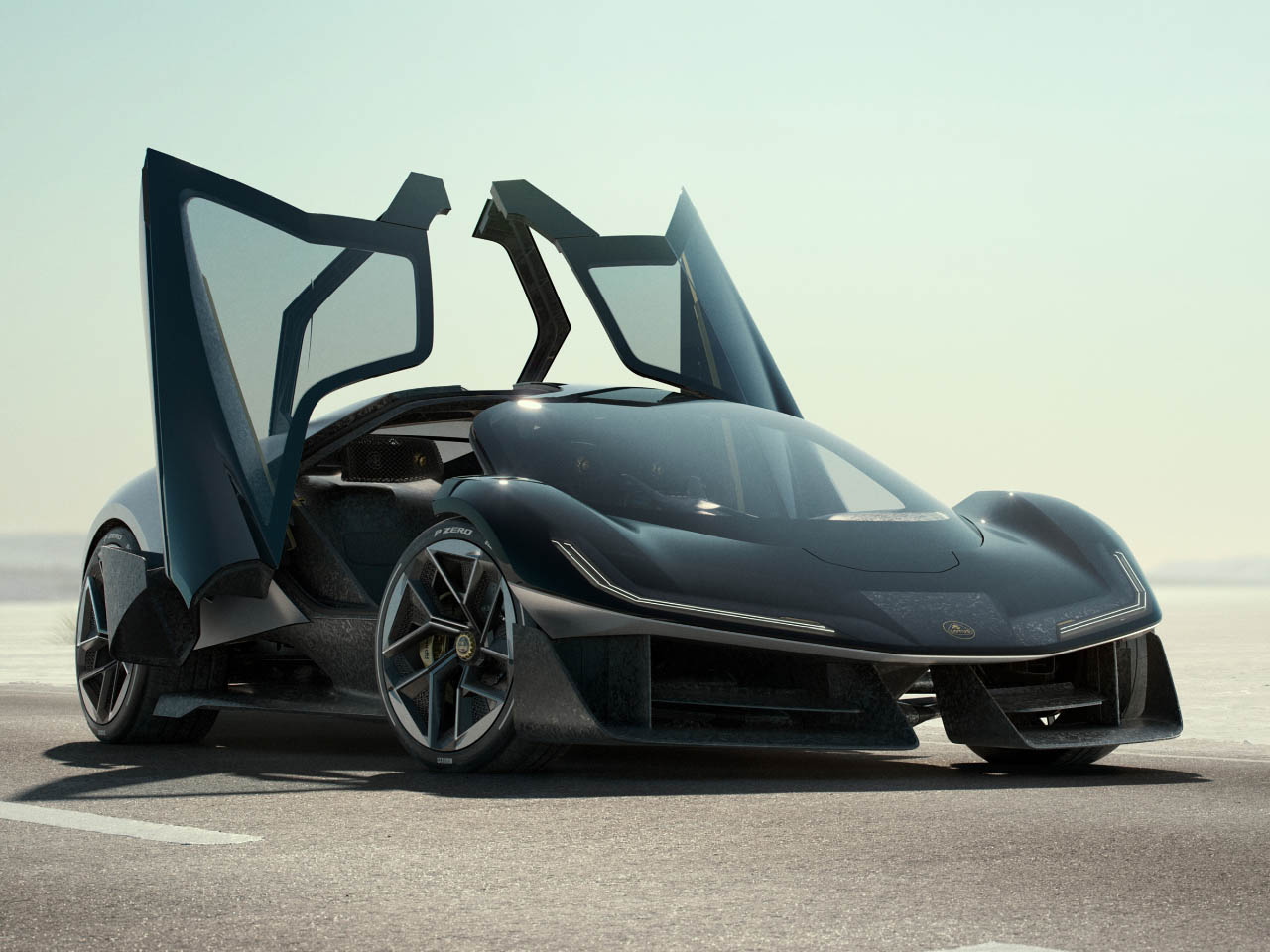
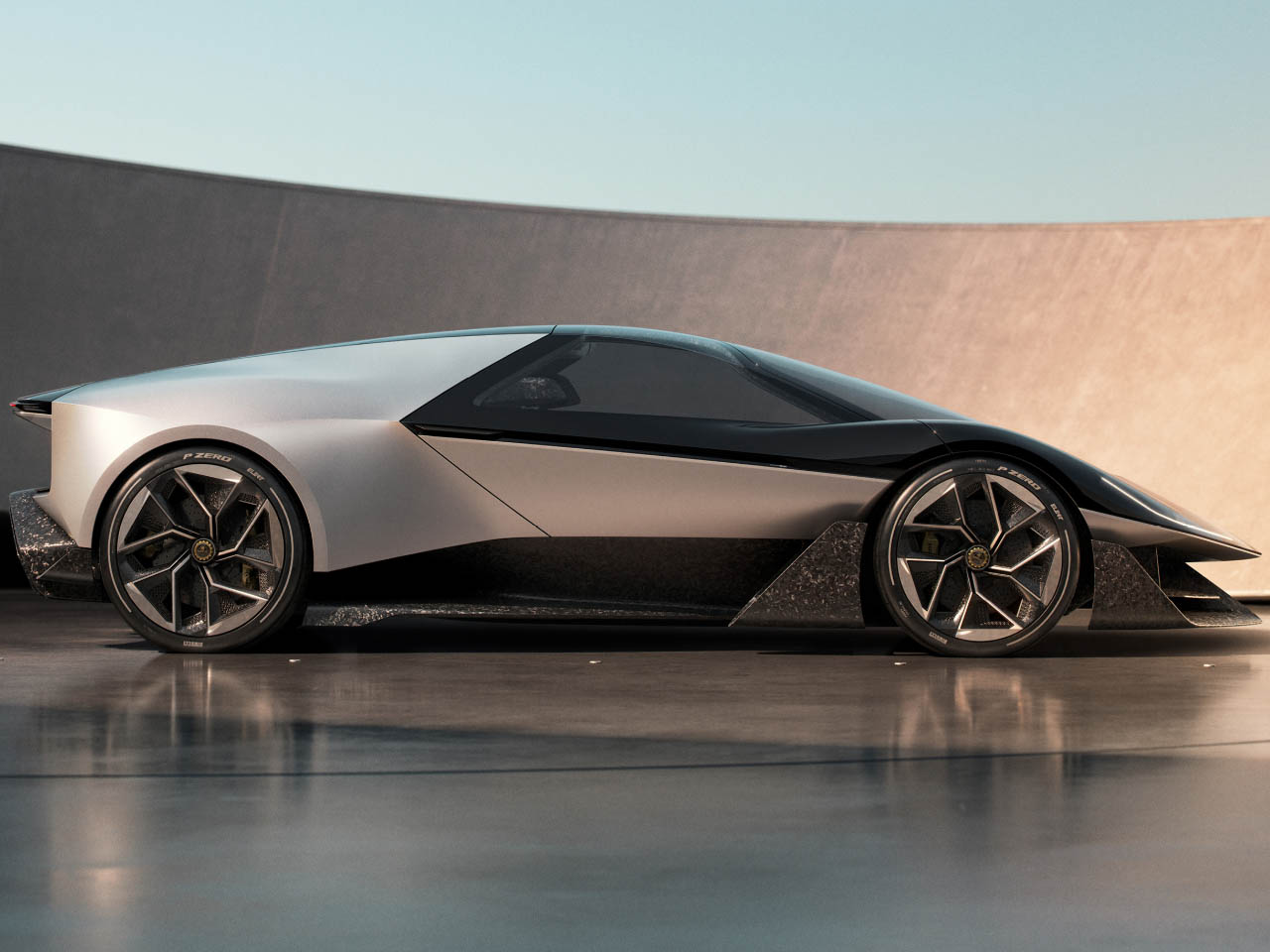
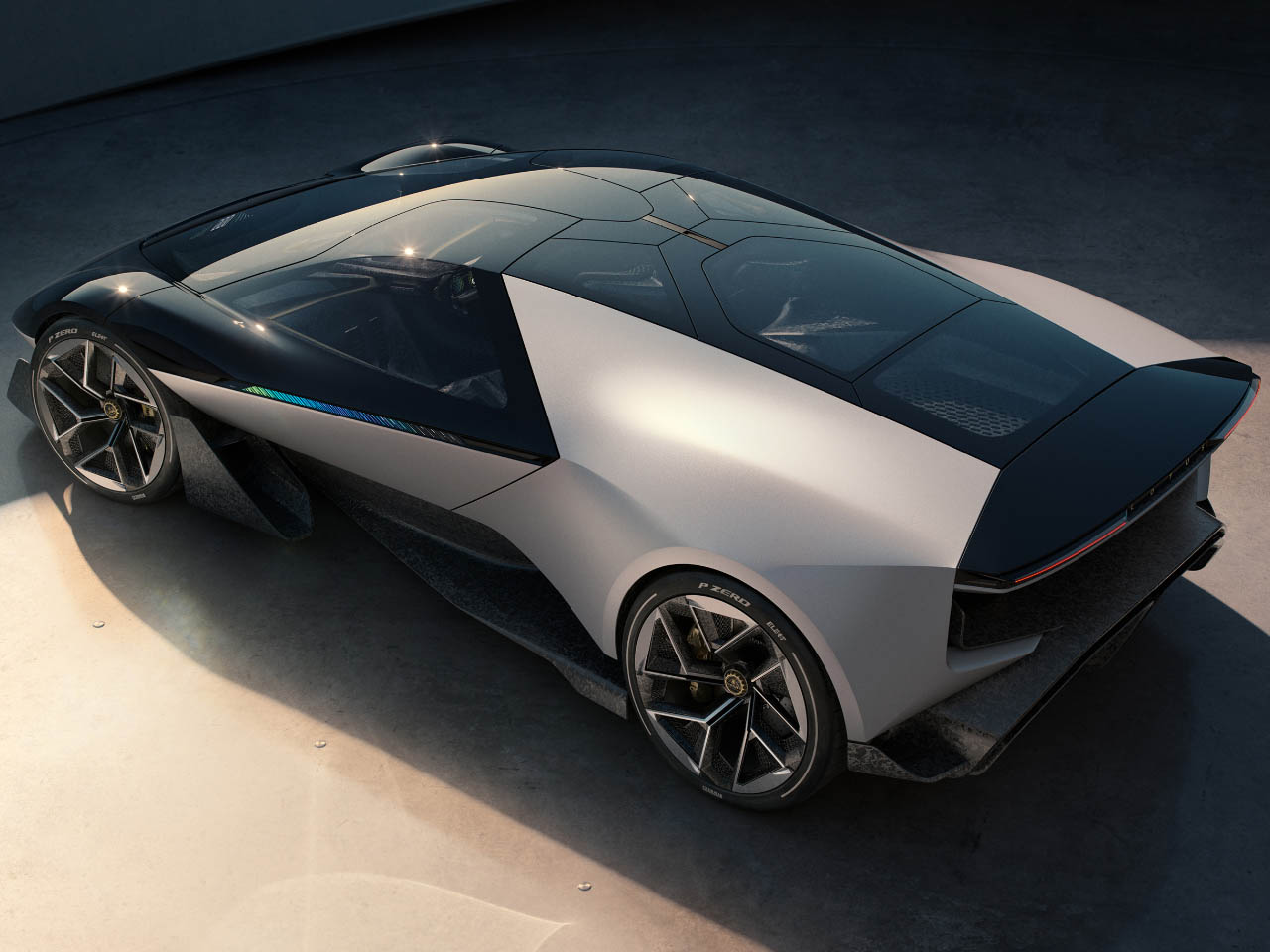
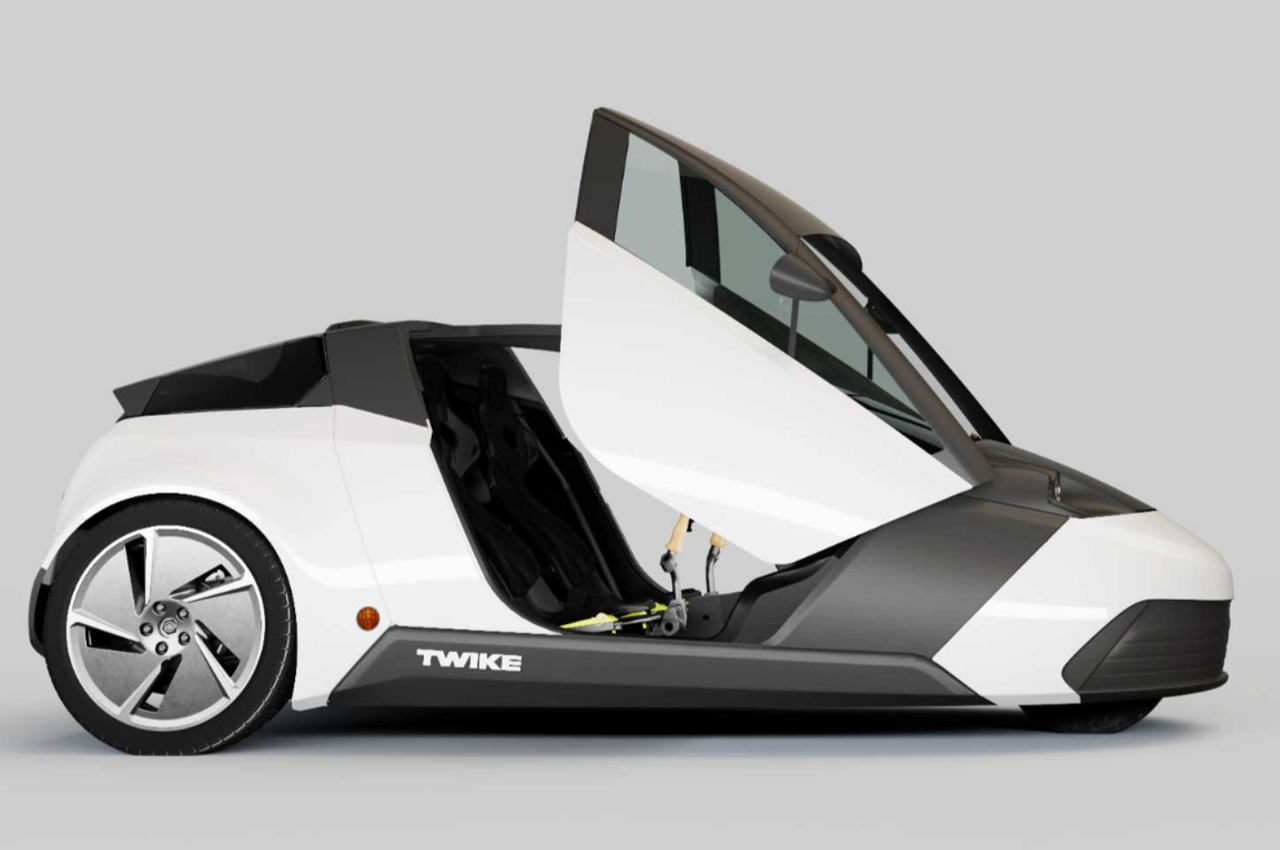
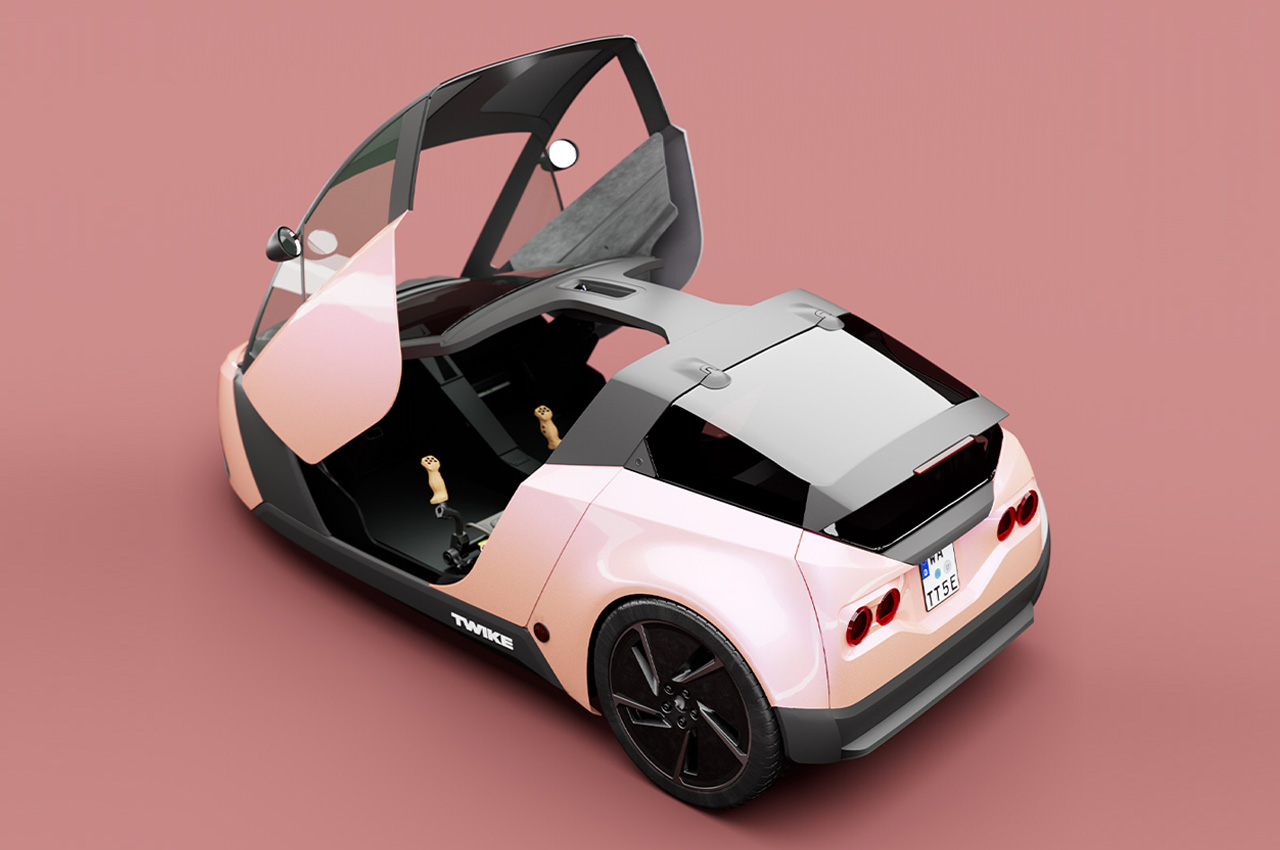
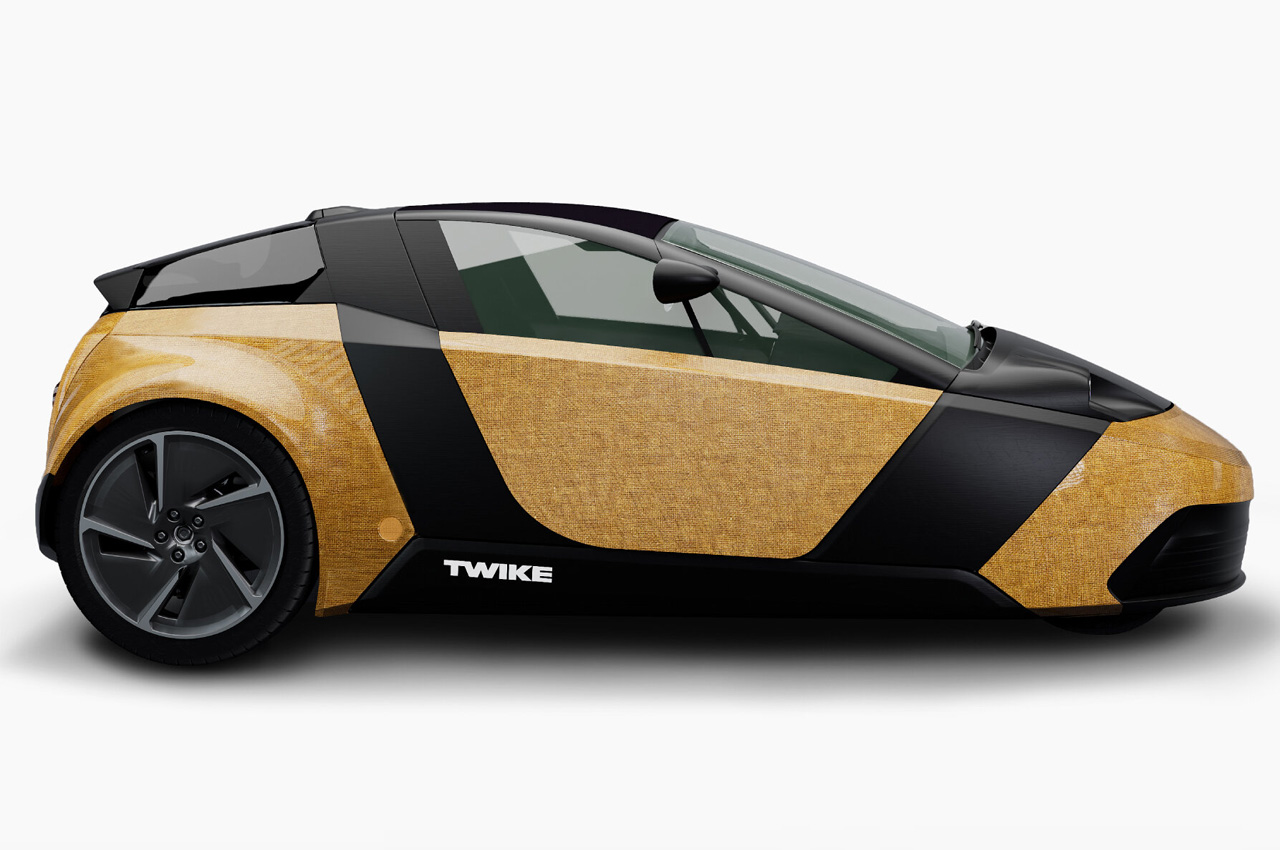
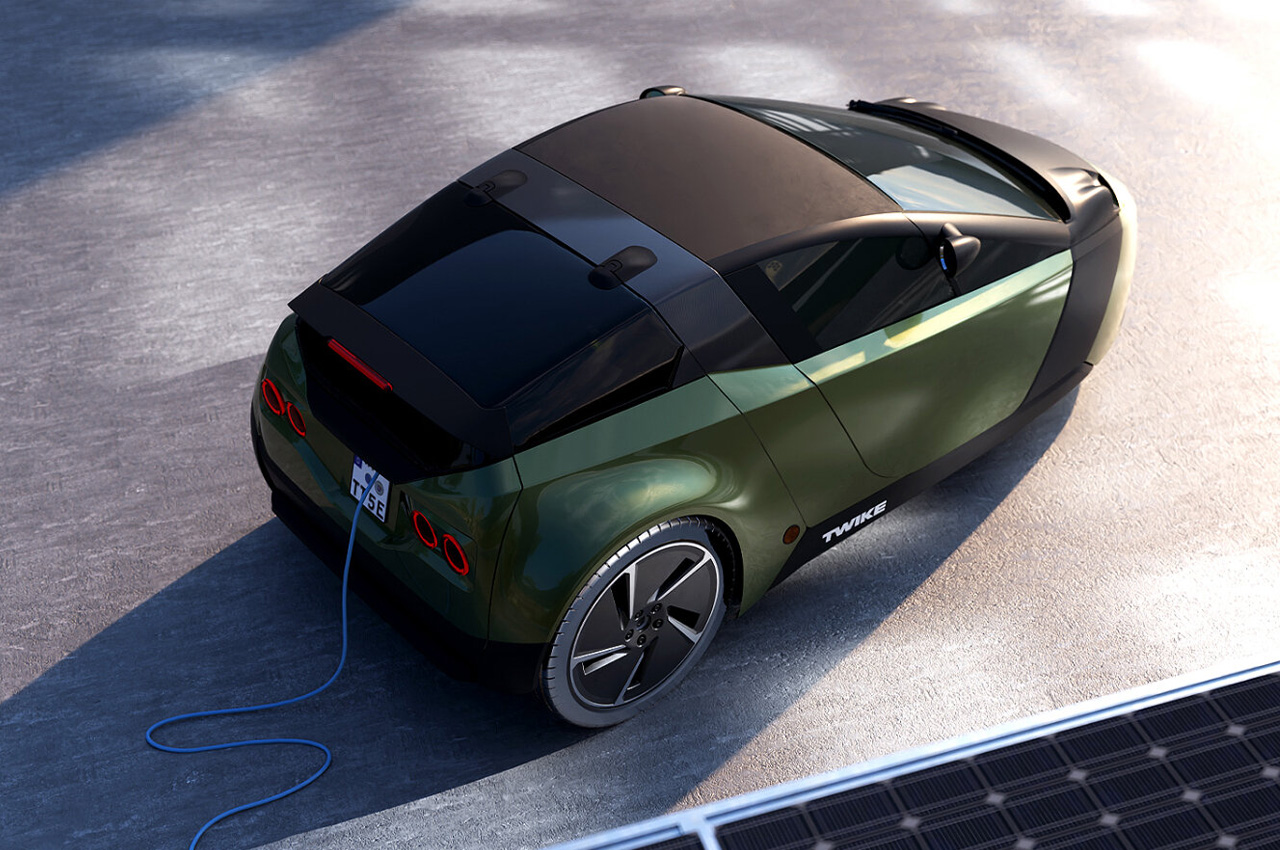
This electric Pinnifarina hot rod boasts hubless wheels and aerodynamic design

Pininfarina has been at the forefront of future automotive trends influencing the steady design evolution of brands Ferrari, Alpha Romeo, Maserati and Peugeot. Having its roots as a coachbuilder for prancing horses, the Italian marque has personified luxury and elegance with customization dating back to the 1930s.

The in-house developed electric hypercar Pinnifarina Batista (a tribute to the owner) is a testament to that fact. Now, yet another concept proposed for the brand caught our attention. It’s a compact urban microcar targeted for people who are tech-savvy, health conscious and prefer a minimal lifestyle.

Designer: Kanishq Palav

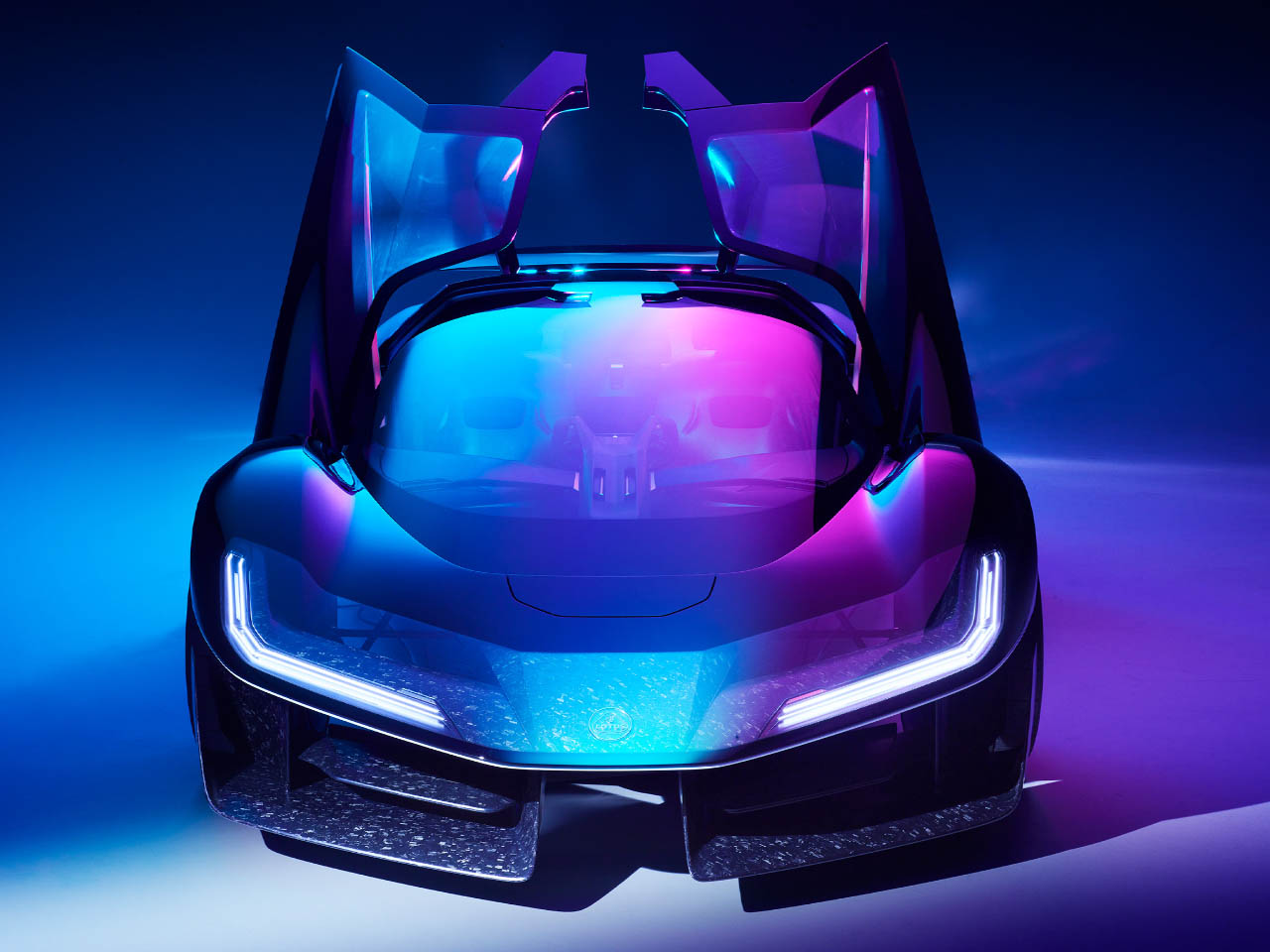
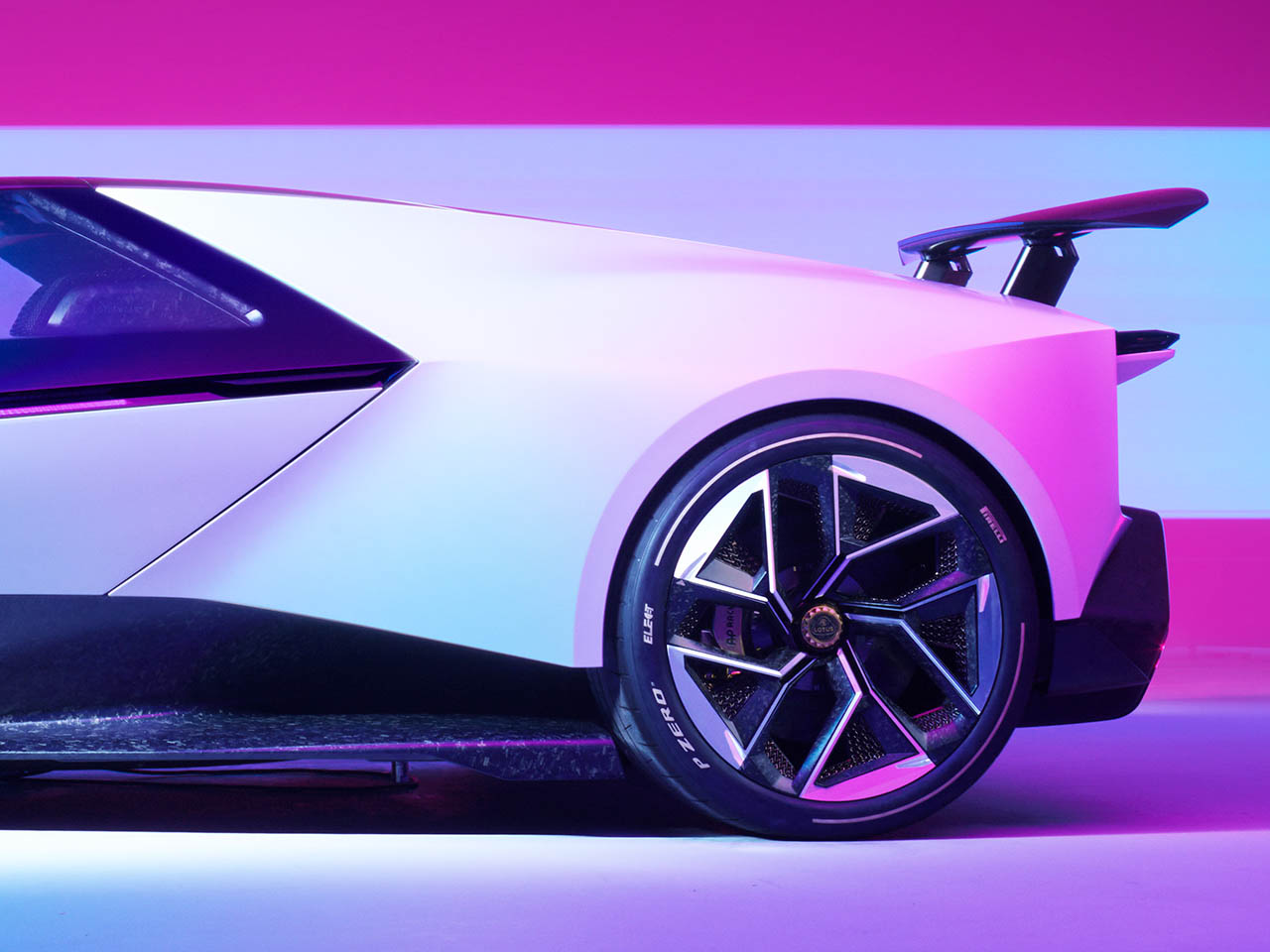
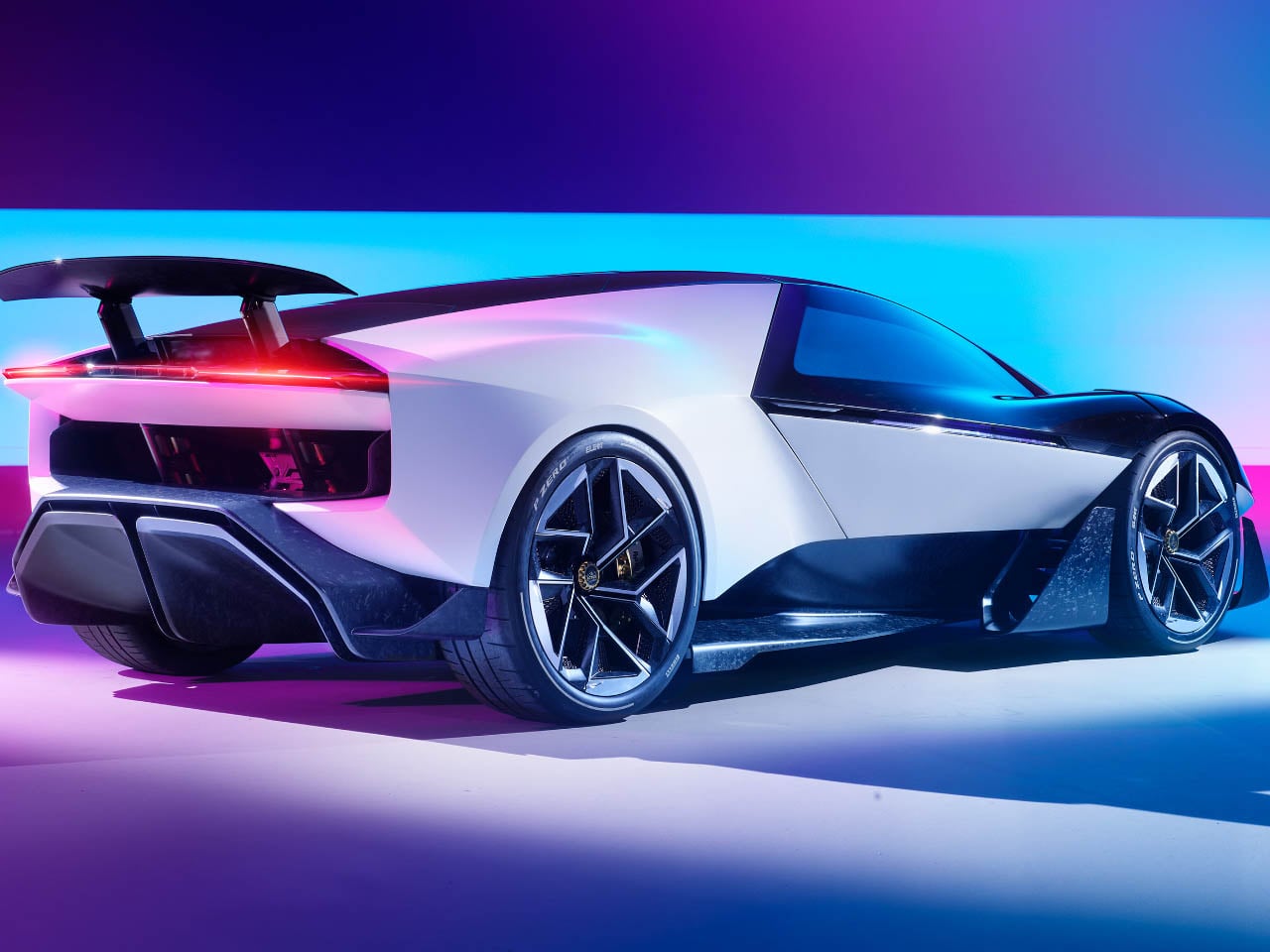
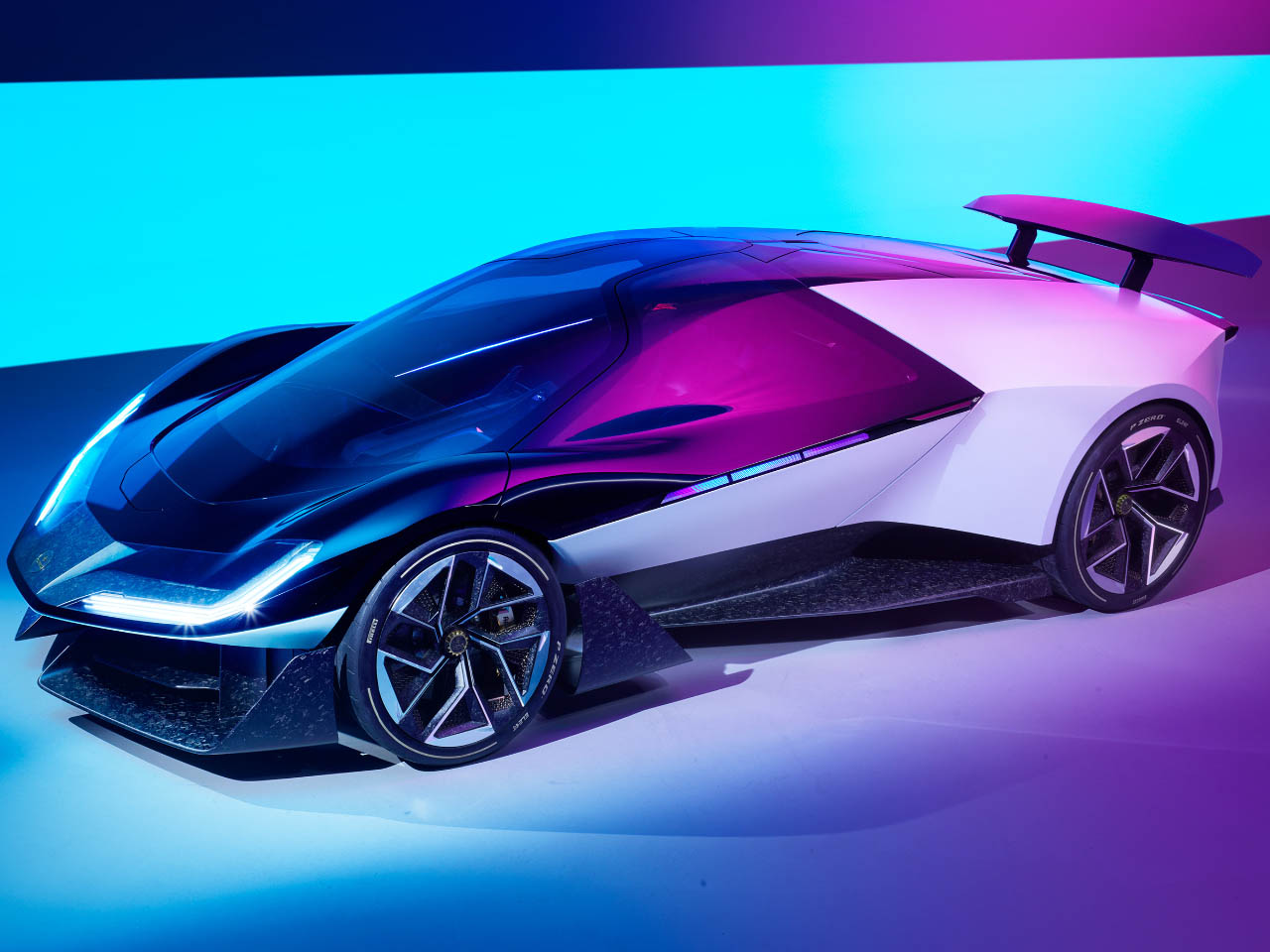
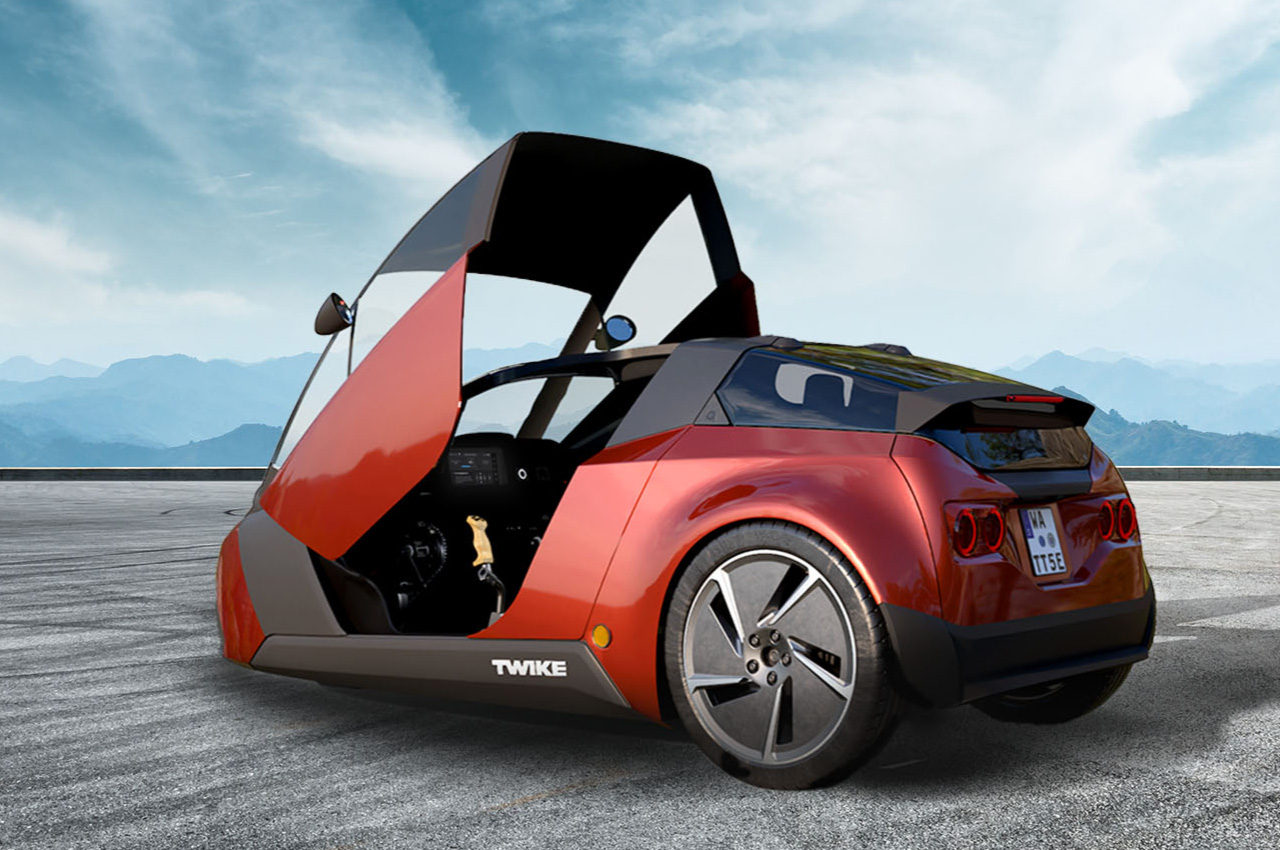
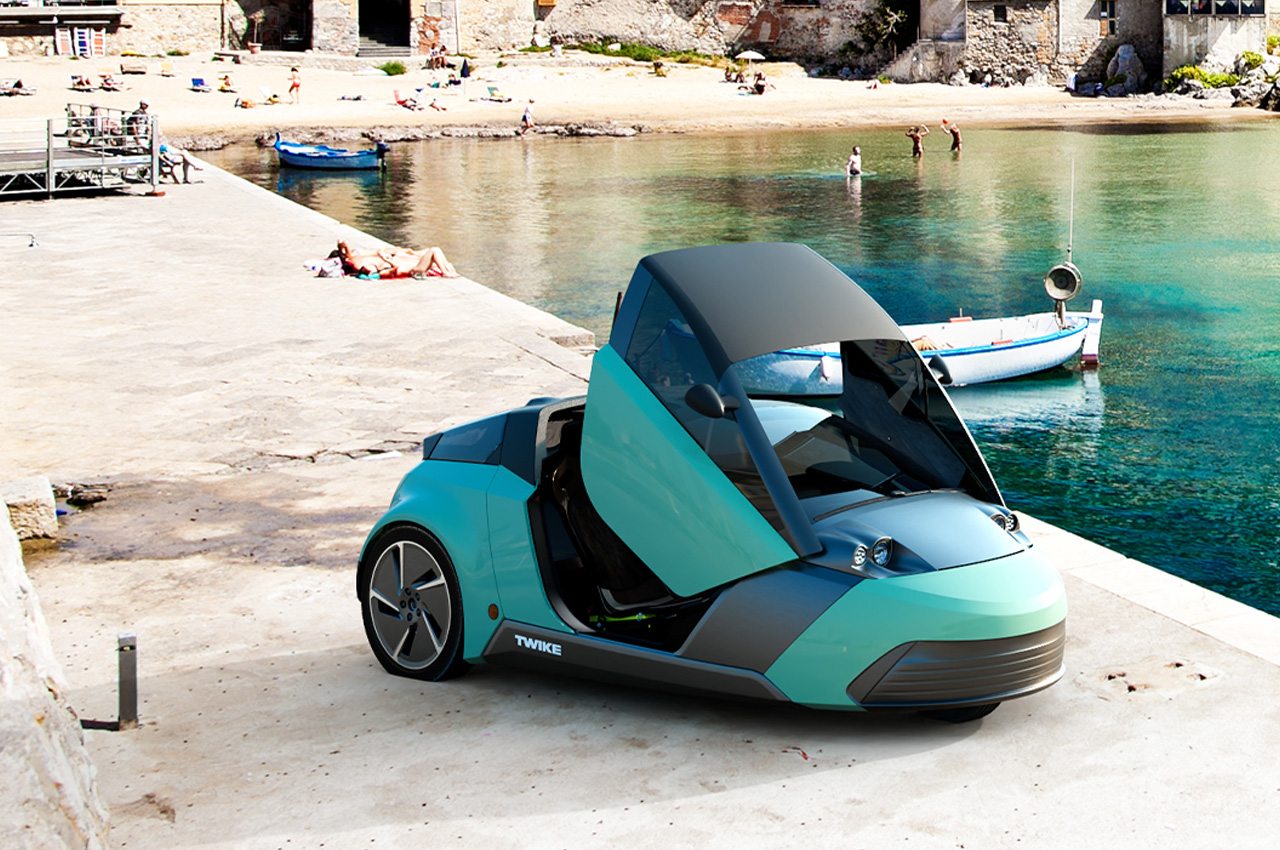
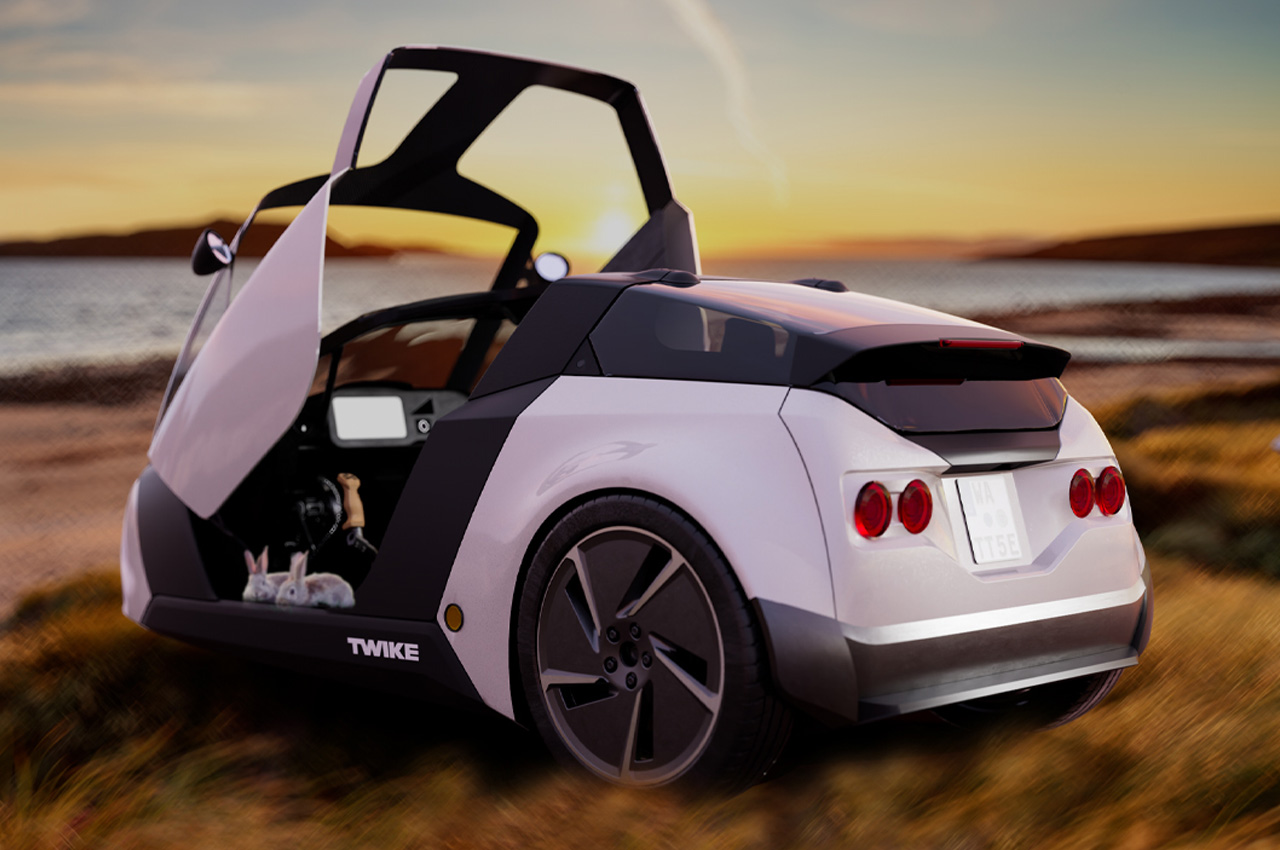
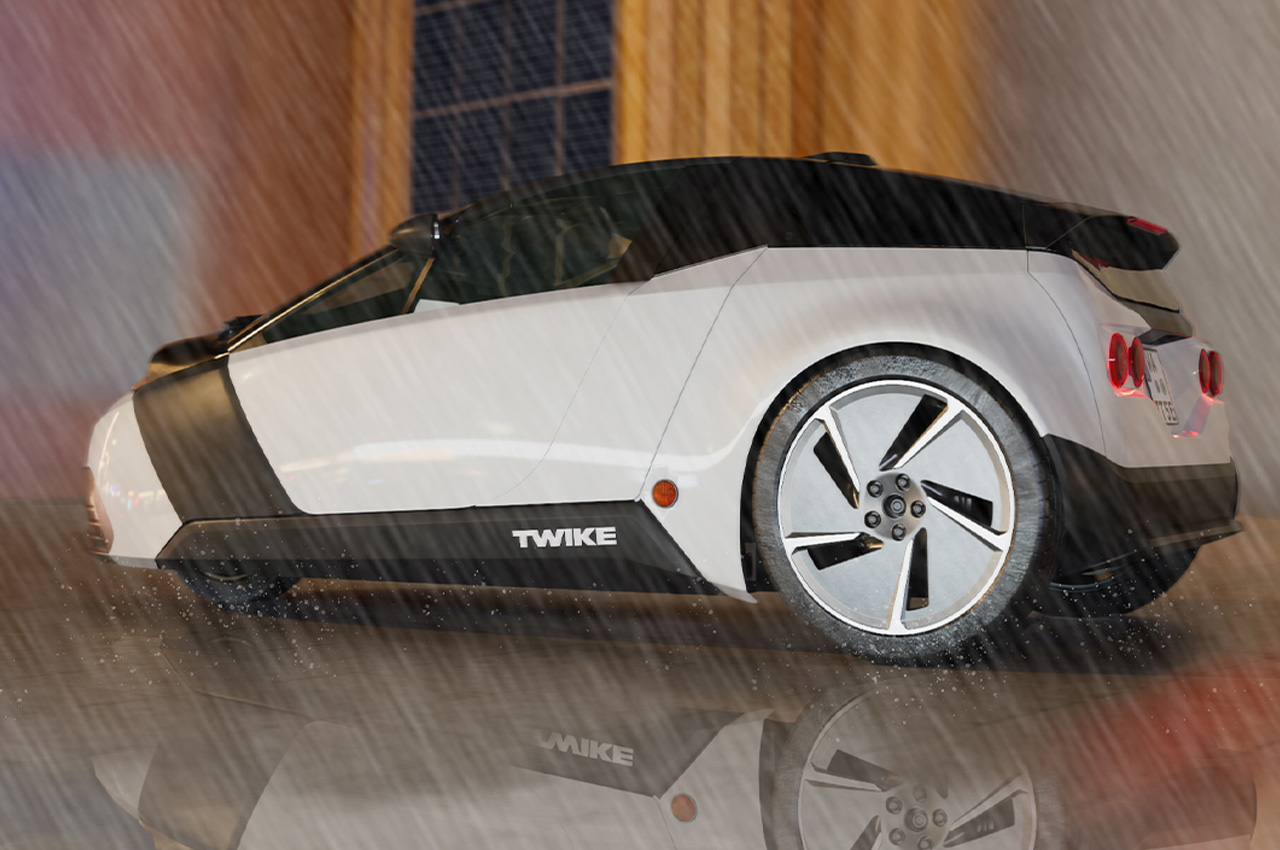
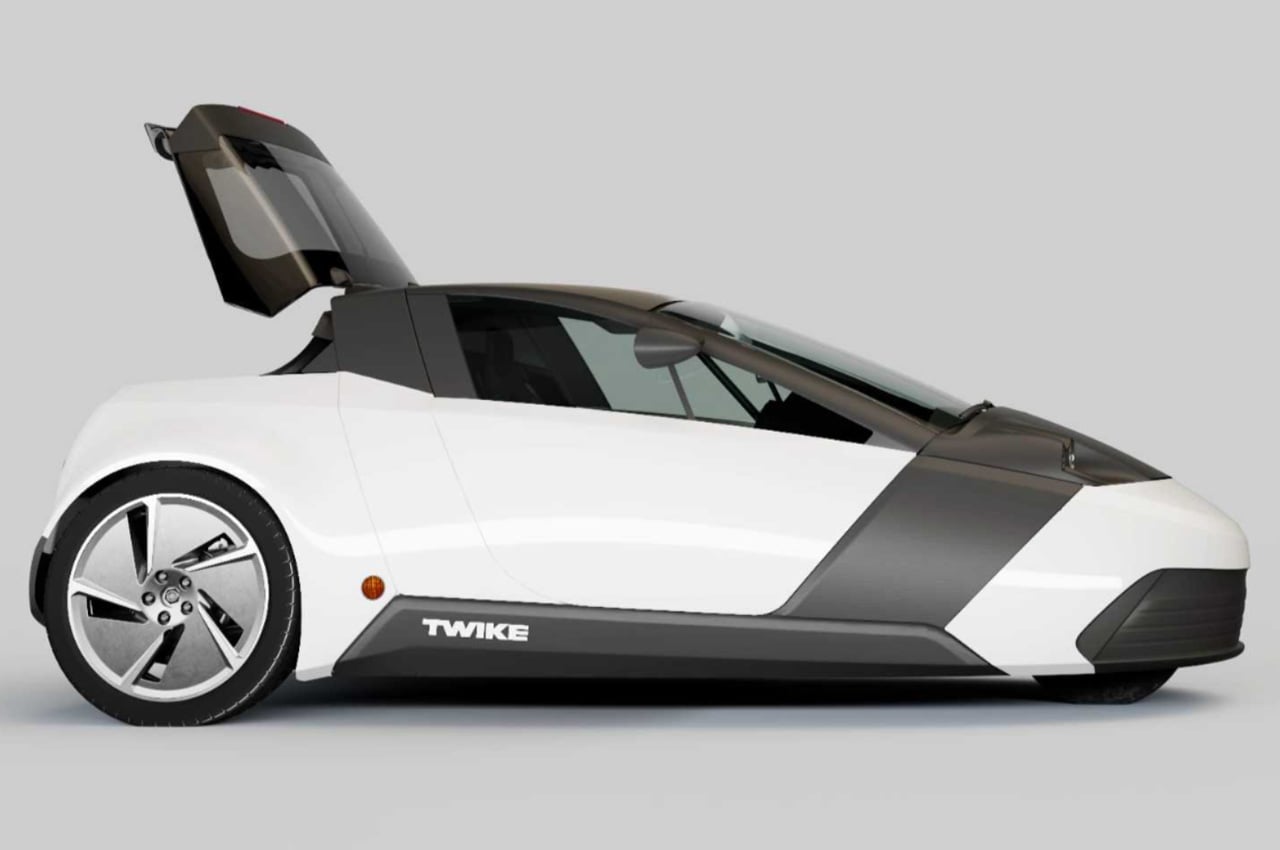
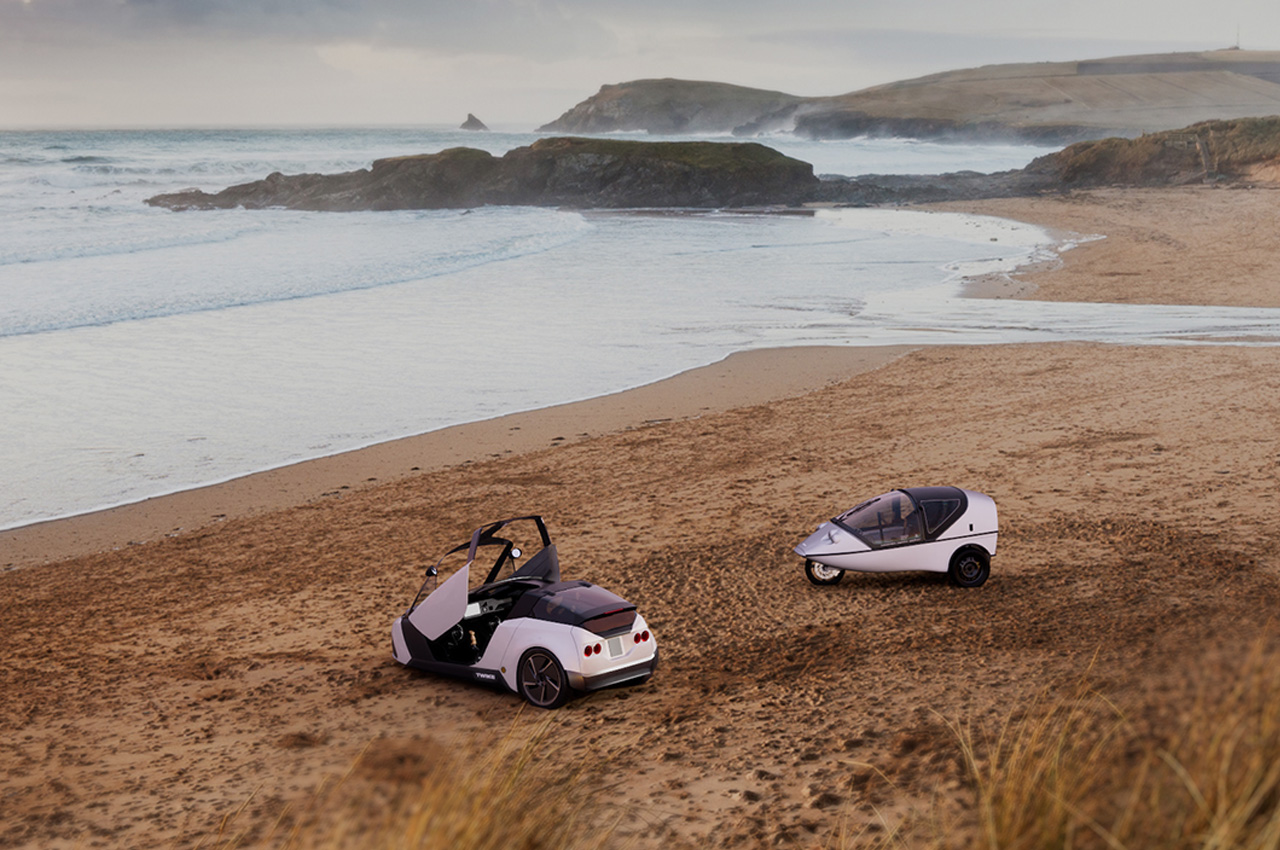
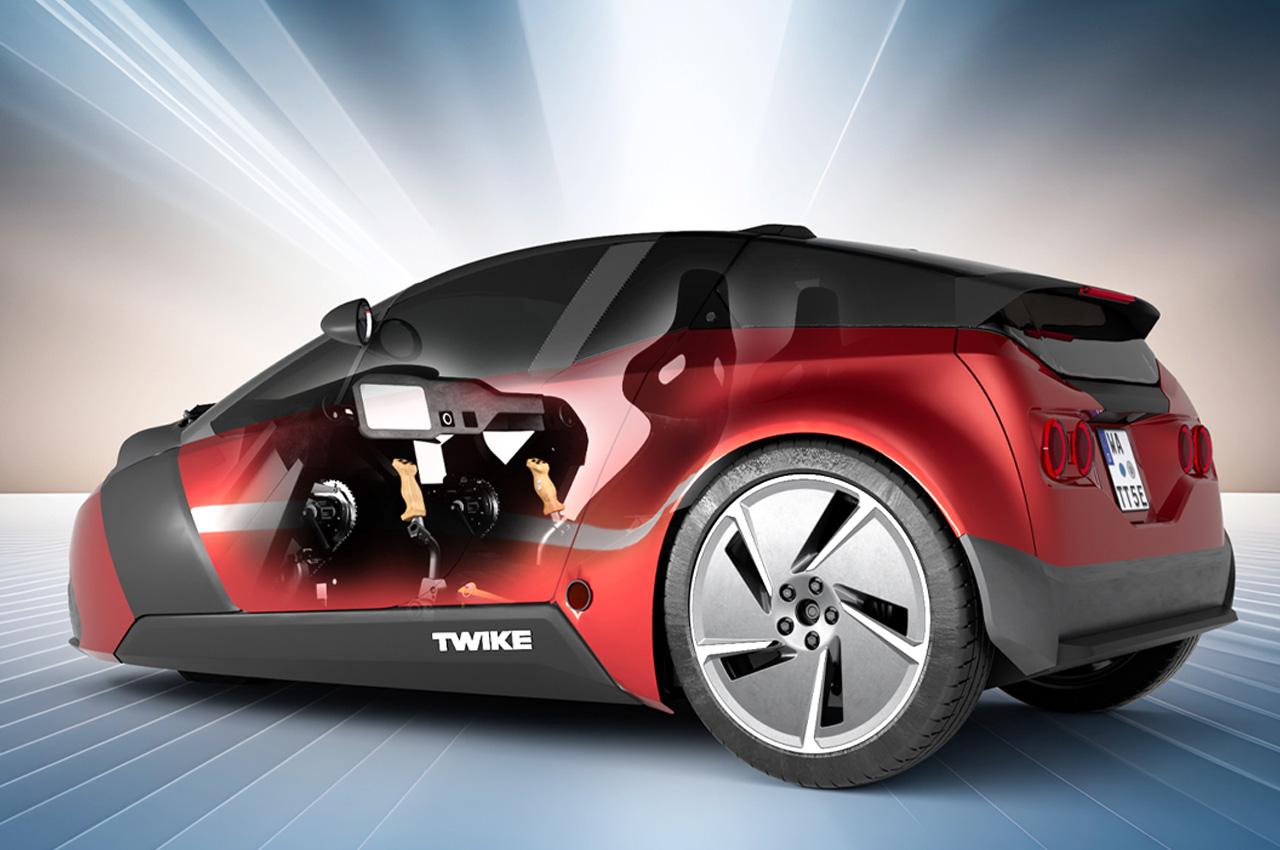
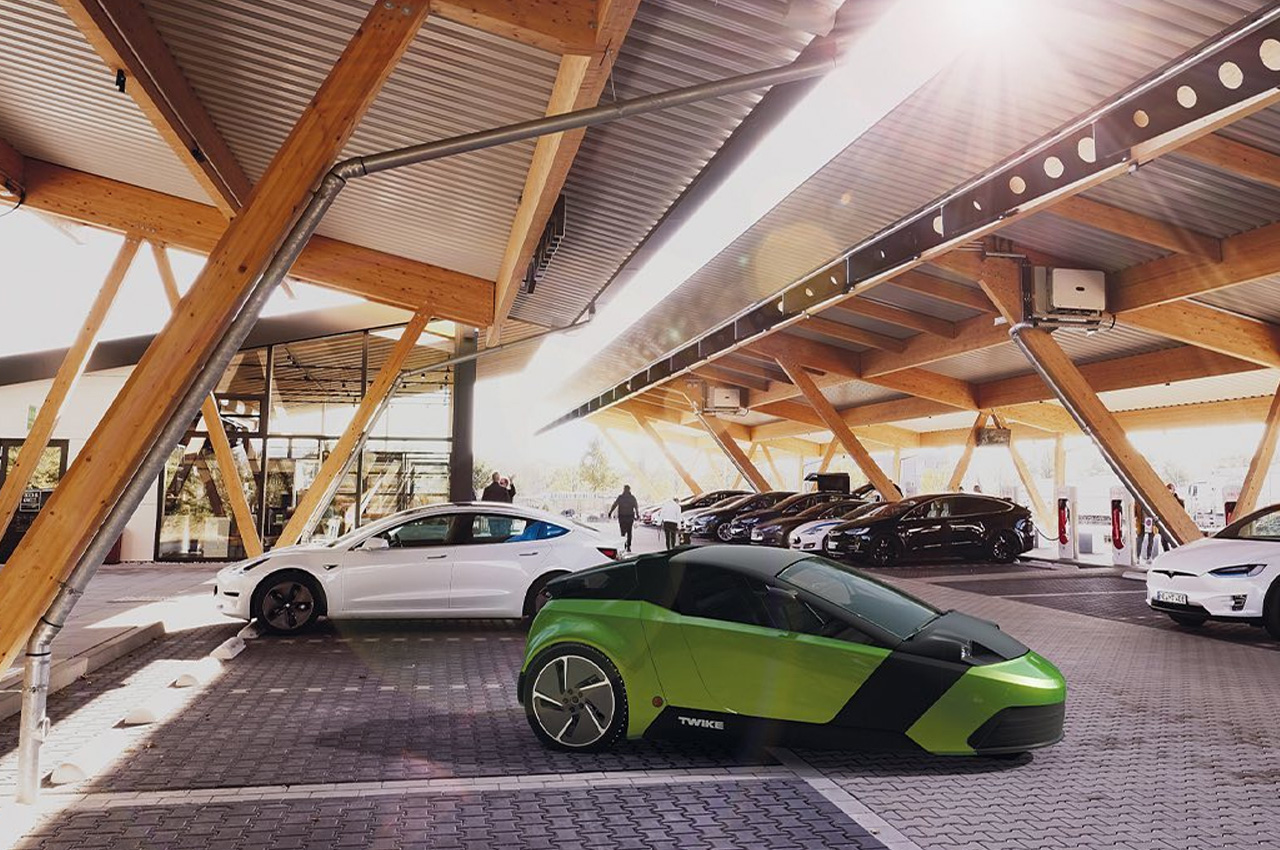
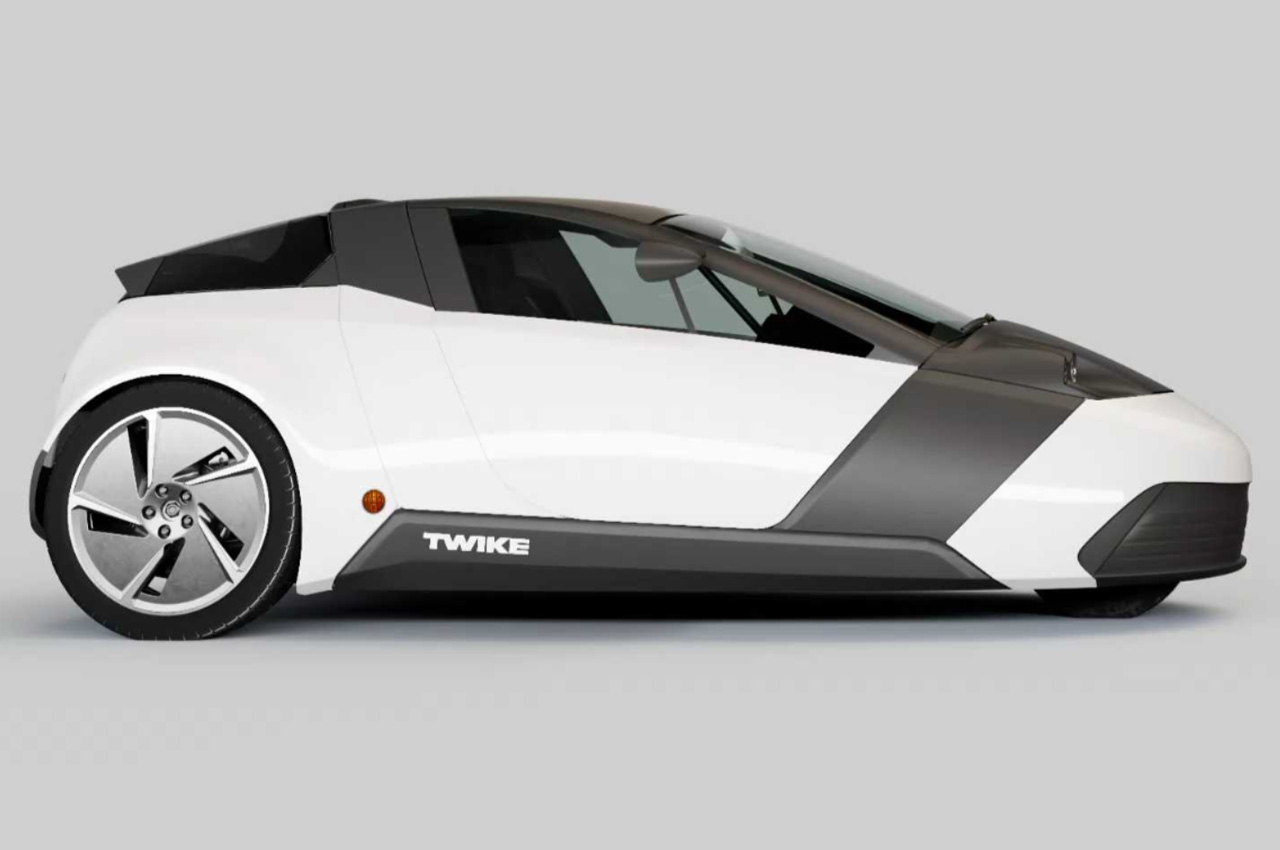
This two-seater electric vehicle riding on hubless wheels and a high ride height has a very compact footprint to navigate crowded city sections with ease. Unlike some similar previous designs, this concept pokes the realms of practicality. The riders are encapsulated within the cockpit-like compartment to have an aerodynamically optimized shape for minimum drag.

In more ways than not this Pininfarina concept seems like a modernized hot rod ready for any drag race challenges. Of course, the electric motor can provide the needed torque for short sprints but if think it’ll beat anyone on the Le Mans Circuit de la Sarthe track, you’ll be disappointed. Coming onto the swingarm suspension ensures easy turning and maneuverability at respectable speeds. The luxury compact mini car is made for short trips in the metropolis and the city limits.

That elevated rear section and the muted front section make it a treat to drive with a more than optimal view for the driver. This EV carries Pinnifarina’s signature design language in a clean hue that complements the aggressive yet classy stance, and it shows.

The post This electric Pinnifarina hot rod boasts hubless wheels and aerodynamic design first appeared on Yanko Design.

All-electric Ferrari Alto reinforces legacy of The Prancing Horse in zero-emission dominated future

The prancing horses from Italy capture motorheads’ imagination whether they own one or not. These set of wheels adorn either the lavish garages of billionaires or stick to the walls of youngsters who have mustered up a million dreams of where they would take their Ferrari.

The brand laid the foundation of fast car trend that to date have proved their metal as more automotive sports car makers took up the challenge of satisfying demanding drivers. Such is the elegance and performance of The Prancing Horse that every fresh model rolling out of the production lines is as exciting as the last one.

Designer: Alban LERAILLER

With all the major automakers making the gradual transition to electric vehicles, performance cars also seem to be ready for the electrified future. Ferrari SF90 Stradale is the initial step that the Italian automaker had to offer in a plug-in hybrid electric vehicle setup, and they are currently building an all-electric hypercar to dominate the closely contested race for the zero-emission future.

This concept in line with the upcoming plans of Ferrari redefines the shift in strategy to an all-wheel drive electric sportscar that can induce the same level of excitement as the fuel-powered V12 monsters. The front intake of the Alto brings an advantage in terms of the rotation axis of the electric motor – the more speed it gains, the more air intake optimizes performance.

Alto has a divided approach in terms of design with a fluid top (for optimized aerodynamics) and a geometric bottom section (for constant and uniform tension), creating a mix of smooth and sharp aesthetics. Based on the iconic 365GTB chassis, the concept Ferrari here adapts the front section of the Daytona and the grille of the 250 GTs. The subdued spoiler is an extended part of the full body headlights and the panels on top open to act as aérofrein for active aerodynamics.

To add a bit of spark to the predictable concept car designs of today, Alban incorporates a wind instrument organ that diffuses the low-pitched sound inside and outside the cabin to create a peculiar sound. This gives the sportscar a personality of its own.

The post All-electric Ferrari Alto reinforces legacy of The Prancing Horse in zero-emission dominated future first appeared on Yanko Design.

Pininfarina’s latest Electric SUV has a 692-mile maximum range… and a strangely familiar name

Meet the Polestones 01. Not to be confused with the Volvo-owned EV marque Polestar, this particular brand of electric vehicles comes from China… Shanghai, specifically. The Polestones 01’s design can be credited to the iconic automotive design outfit Pininfarina’s Shanghai branch. The Polestones 01’s design takes on the visage of a Land Rover Defender-esque 7-seater SUV, but boasts a few clever features like dual-axle electric powertrains that get further supplemented by a 1.5-liter turbocharged petrol engine. Clearly designed for outdoor-enthusiasts with range-anxiety, the Polestones 01 has a ‘claimed’ maximum range of 692 miles when supplemented by the petrol engine, and boasts a complete outdoor kitchen built into its tailgate, along with a fold-out gazebo that I genuinely hope becomes a standard fixture in SUVs and Pickups moving forward…

Designer: Pininfarina Shanghai

Let’s cut to the chase: The Polestones 01 isn’t shy about its ambitions. Designed by the renowned Italian coachbuilder Pininfarina, this seven-seat behemoth marries the classic boxy aesthetics with modern technology. With two length options, accommodating either six or seven passengers, it caters to both family outings and adventure-seekers. At its heart lies a range-extender powertrain, a symphony of two electric motors harmonizing with a 1.5-liter turbocharged petrol engine. The result? A robust 350kW of power and 740Nm of torque, capable of propelling the 01 from 0-100km/h (0-62mph) in a mere 5.5 seconds. While its electric-only range stands at 234km (145 miles), invoke the petrol engine, and you’re looking at a staggering 1113km (692 miles) journey.

A comprehensive array of six cameras, five millimeter-wave radars, 12 ultrasonic sensors, and not one, but three LiDAR units stand guard, ensuring a secure and informed drive. This level of detail extends to its suppliers as well; industry giants like Bosch, CATL, Continental, Valeo, and of course, Pininfarina, have all played a part in bringing this vision to life.

But here’s where it gets deliciously interesting: the Polestones 01 features a camper-van style kitchen right in its tailgate. You’ve got a deployable kitchen neatly tucked in the tailgate, complete with an induction cooktop and water dispenser, all shielded by a fold-out gazebo. Inside, the six-seat variant boasts individually reclining seats and a roof-mounted dropdown screen, transforming the cabin into a mobile lounge. Opt for the seven-seater, and you’re treated to a transformational space that converts into a king-sized bed.

The dual-infotainment system separates function from recreation, allowing the driver to focus on the details that matter, and a larger screen for the rear occupants to enjoy a nice movie while on a long roadtrip.

Yet, for all its grandeur, the Polestones 01 doesn’t exist in a vacuum. It enters a market increasingly enamored with the boxy, rugged charm of vehicles like the Land Rover Defender. It joins the ranks of other Chinese contenders like the Tank 300 and Haval Raptor, each vying for a piece of the global automotive pie. However, what sets it apart is that bold blend of classic design, cutting-edge technology, an unapologetic nod to luxury that might just turn heads and shift perceptions of Chinese automotive innovation, and that fold-out gazebo that gets extra points for creativity. As it gears up for its debut, the industry watches with bated breath, wondering whether this blend of old-school charm and new-age tech will resonate with the global consumer.

The post Pininfarina’s latest Electric SUV has a 692-mile maximum range… and a strangely familiar name first appeared on Yanko Design.

This utilitarian electric scooter is economical and faster way to move cargo in urban locales

As businesses are shifting focus from more polluting and space-consuming cargo vans and cars to cargo-hauling bikes for the last-mile approach, there is a huge demand for better options. Tapping on the opportunity, a Vancouver-based startup is designing what it calls the Scootility – precisely a portmanteau of scooter and utility. A reasonable and compact alternative for last-mile delivery; the cargo-hauling Scootility is for now in the prototype stage with production to begin in the next 12 months.

Given its unique design, the Scootility is not another electric bike. In fact, it draws design inspiration from a segway with a column handle for maneuvering it. By virtue, however, it is an electric scooter that allows the rider to stand up and ride while the cargo remains intact in the covered box right in front of the eyes.

Designer: Scootility

In the design then, a lockable cargo box with a standard load-bearing capacity of 140 liters is the biggest takeaway. This weatherproof box becomes even more beneficial for the delivery guy with the swappable feature. The cargo box can be taken off and replaced with a swappable option on the fly minimizing time between pickup and delivery.

The e-scooter with its compact size and narrow footprint in the traffic, can also be used for delivering medication or supplies in affected areas where access to other forms of transport may be hindered. Interestingly, Scootility has full suspension and wheels measuring 16-inches on the front and 13-inches on the back. The smaller wheel size allows more space for a cargo box on this scooter with utility as its basis over a simple mode of commutation.

For the safety of the rider, it’s installed with LED lighting and has a small turning radius, the manufacturer claims. A foldable leg rest of the Scootility can double as a glove compartment, and the long steering column and handle can fold down for easy storage. Powered by a swappable lithium battery offering a 100 km range in the standard variant, the Scootility is easier to ride (no license needed) and more economical (as opposed to cargo e-bikes on the market).

Since Scootility is only raising funding for its utility scooter at the moment, there is no definite word on the retail price. Given its benefits of minimum parking space requirement, swappable cargo box and battery, and substantial drive range, we are sure many businesses already have their eyes out for the Scootility.

The post This utilitarian electric scooter is economical and faster way to move cargo in urban locales first appeared on Yanko Design.
80% smaller than the average car: This Compact EV seats 2 people and fits into tight parking spots

Motorcycles are agile but don’t have the conveniences a car offers. Cars have roofs, storage space, and are more stable, but they aren’t as compact as motorcycles. Granstudio’s vision for Komma, a Swiss-based mobility startup, was to blur the line between the two. The Komma UMV is unique in that it borrows the best bits from a car and a motorcycle. For all intents and purposes, it looks and feels like a car, with four wheels, a roof, doors, and even a boot to store luggage. However, it’s no wider than a motorcycle, making it 80% smaller than most cars, run on 66% less energy, and have all the safety features of a car, from seatbelts to airbags.

Designer: Granstudio

The Komma UMV is entirely a new category of vehicle, borrowing the best bits from cars, motorbikes, ATVs, and even the Asian TukTuks. It prioritizes efficiency without compromising on mobility and rider comfort, and when it does make trade-offs, it does so in a way that really feels like features. For example, it might be smaller than a car, but its slim format allows it to weave between traffic and park in even the tightest spaces without breaking a sweat.

“In the studio, we focus on both designing cars and developing mobility plans for future cities. However, when we try to combine these two aspects, something doesn’t quite fit,” say the designers at GranStudio “This is particularly evident in Europe, where it is clear that the ideal city we envision for the future prioritizes the quality of public spaces and community values. It is a city where cars do not naturally belong and are out of context.”

In scaling the car down to this two-seater format, the math adds up to some real savings for both the rider and the planet. The Komma UMV is 80% smaller than your average car and has a 70% reduced ecological footprint. It consumes 66% less energy than a car, which translates to 70% lower operational and fuel costs than your regular gas-powered vehicle. All that really makes a difference in the grand scheme of things, making the Komma UMV perfect for single-person or two-person rides.

That being said, the UMV has all the benefits of a car. It runs on four wheels that employ a unique hydraulic tilting system for stability, but also enable tighter turns, just like a motorcycle. You’ve got a 4WD system, suspension, anti-collision protocols, and an anti-lock braking system. The car also comes with doors, a roof, seatbelts, airbags, and its occupants don’t need helmets. The windshield has airbags, and the UMV has storage space in both the front as well as the boot, offering much more storage space than a two-wheeler. Given its width constraint and hydraulic tilting system, it uses handlebars, which seem to be the only actual remnant left behind from the motorcycling world, along with the seating format where the passenger sits right behind the rider.

Komma offers a transformative vision for urban environments, placing a strong emphasis on enhancing the quality of public spaces and nurturing community values. By reducing the dominance of automobiles (or at least the space occupied by them), Komma paves the way for a more harmonious coexistence with nature, creating abundant room for leisure pursuits, and fostering vibrant social interactions. This shift in perspective not only redefines the city but also revitalizes it, making it a place where people and nature thrive together.

The post 80% smaller than the average car: This Compact EV seats 2 people and fits into tight parking spots first appeared on Yanko Design.
Xiaomi SU7 Steals the Spotlight in EV Market amid dwindling ‘Apple Car’ Rumors

It seems like Apple just needs to hint at building something and the tech world practically coalesces towards realizing that vision. Apple had to merely hire YSL’s former boss to create rumors around a fashion-focused wearable and Samsung scrambled to launch their Galaxy Watch. The company hinted at AR/VR being their future and Facebook literally rebranded to Meta to bet on that vision. Now, after years of Apple Car ‘leaks and rumors’, Xiaomi is beating the Cupertino giant to the punch by announcing the SU7, their first EV.

Designer: Xiaomi

The SU7 hasn’t formally been announced by Xiaomi yet, but images of the car were released to the public by China’s government regulatory agency, accompanied by various technical details of the car’s design and capabilities. This move shouldn’t come as a surprise to keen-eyed folk in the tech world, given that Xiaomi’s actually made electric scooters in the past under its Mijia sub-brand. In fact, it’s been Xiaomi’s endeavor to make practically every product possible, given that their name means ‘little rice’, a call-back to a Buddhist concept of starting small and working your way up to the top.

The recently unveiled SU7 is shaping up to be a formidable entrant in the electric vehicle (EV) market. Although Xiaomi is the brand behind this vehicle, the actual manufacturing will be done by Beijing Automotive Industry Holding Co. (BAIC), a state-owned enterprise in China. This collaboration is a strategic step for Xiaomi, venturing into new territory while leveraging BAIC’s manufacturing expertise.

Design-wise, the SU7 is positioned to compete with the likes of the Tesla Model S, featuring a 118″ wheelbase and a fastback roofline, though with a faux-hatch trunk. Its overall length is comparable to the Model S, falling short by less than 30mm, aiming to appeal to the Chinese market’s preference for long-wheelbase luxury sedans​.

The SU7 will be available in multiple variants, including a single-motor rear-wheel-drive version producing around 295 hp and a dual-motor all-wheel-drive version with an impressive 663 hp. The vehicles differ in weight and battery technology, with the premium model featuring a nickel manganese cobalt (NMC) battery, contrasting with the more affordable variant’s lithium iron phosphate (LFP) battery. The high-end model is also expected to have a 100kWh battery and an 800-Volt architecture. In addition, some models will sport a conspicuous lidar array on the roof, indicating advanced driver assistance and potential autonomy features​.

Xiaomi’s ambition with the SU7 extends beyond just manufacturing a luxury EV. The car is expected to feature Xiaomi-developed in-car software, potentially integrating with its vast ecosystem of gadgets and services. However, the extent of this integration and whether it will be globally applicable or mainly focused on the Chinese market remains to be seen.

Oddly enough, Xiaomi isn’t the first tech company to foray into the EV space. Back in 2020, Sony turned heads by revealing the Mission S, its first automotive concept with self-driving features. While the Mission S, as impressive as it was, was intended to just be a proof of concept, Xiaomi’s SU7 EV will actually see the light of day, following approval from the Chinese government regulatory agency. As for the car’s global availability, it’s uncertain if Xiaomi plans to market the SU7 outside China. The brand has a substantial presence in Asia and Europe, particularly in the value segment, which might not align with the luxury EV market. However, the SU7 could signify a shift in the broader market narrative, influencing other technology companies to explore vehicle manufacturing, especially as the global smartphone market reaches a saturation point.

The post Xiaomi SU7 Steals the Spotlight in EV Market amid dwindling ‘Apple Car’ Rumors first appeared on Yanko Design.
This Dirt Bike for Children packs a 1000W motor for ‘Parent-Approved’ Biking Thrill

Kids love playing grown-up. You’ve got toy cars, toy mobile phones, and toy bricks that you can build into a variety of things – the world is condensed down into playable toys that help kids learn, grow, and mimic the adults they see on a daily basis. The Z56 isn’t one of those things. Calling the Z56 a toy would be foolish, just because of how incredibly fleshed-out it is. Designed as a proper dirt bike, but for kids, the Z56 isn’t about mimicking grown-ups, it’s about literally stepping into their shoes, or their saddles. Imagined as a ridable vehicle for children aged 6-11, the Z56 is a concept that marries the nostalgia of traditional dirt bike aesthetics with the sleekness of modern design, all packaged into a two-wheeler that’s built for young riding enthusiasts.

Designers: Zukun Design Studio & Matt Barnum

One of the core design philosophies behind the Z56 is its blend of classic motorsport aesthetics with a modern twist. Unlike many futuristic concepts that diverge significantly from traditional design, making them less relatable, the Z56 strikes a balance. It retains recognizable elements of dirt bikes, such as their rugged, adventurous look, while infusing clean, streamlined design elements that are practically synonymous with electric vehicles today. “Current dirt bike design trends seem hell-bent on adding excessive styling lines and graphics, and many future-vision concepts alienate consumers by deviating so far from the norm that they sacrifice reliability,” the designers mentioned, highlighting their objective to stay away from such practices. “By blending classic motorsport style with sophisticated, modern lines and forms, Z56 points toward a cleaner, simpler, and more efficient future.”

At the heart of the Z56 concept lies its 10Ah 56-volt power source, a central feature that’s boldly highlighted rather than hidden, signaling a proud departure from the internal combustion engines of old. This design choice not only emphasizes the bike’s electric nature but also celebrates the shift away from petroleum dependence. The bike’s electric identity is further reinforced by its performance capabilities: equipped with a maintenance-free 1000-watt DC brushless motor, the Z56 promises ample torque and instant acceleration, ensuring a spirited yet manageable ride for young enthusiasts.

The battery life of this conceptual bike is impressive, offering about an hour of riding time on a single charge, with the added convenience of a one-hour recharge period. The possibility of swapping in a second battery for continuous, all-day riding is a thoughtful touch, showcasing the practicality embedded in this futuristic vision. The lightweight lithium pack not only contributes to the bike’s efficiency but also enhances its agility, making it easier to handle and more enjoyable to ride.

The bike operates noiselessly and emission-free, opening up new riding territories previously off-limits to gas-powered bikes. This aspect not only makes the Z56 a more environmentally friendly option but also a more versatile and accessible one, free from the constraints of noise and pollution regulations. The lack of oil and gas requirements further simplifies ownership and transport, underscoring the bike’s user-friendly nature.

The Z56 Dirt Bike Concept by Zukun Design Studio is more than a children’s toy; it’s a glimpse into a future where the thrill of motorsports coexists with sustainability and environmental consciousness. By marrying traditional design elements with modern, eco-friendly technology, the Z56 presents a vision of a world where fun, performance, and responsibility go hand in hand. Sure, it’s merely conceptual for now, but we’d love to see some prototypes test-driven by kids on the slopes. I imagine concerned parents would have an entirely different reaction, though…

The post This Dirt Bike for Children packs a 1000W motor for ‘Parent-Approved’ Biking Thrill first appeared on Yanko Design.
This Dirt Bike for Children packs a 1000W motor for ‘Parent-Approved’ Biking Thrill

Kids love playing grown-up. You’ve got toy cars, toy mobile phones, and toy bricks that you can build into a variety of things – the world is condensed down into playable toys that help kids learn, grow, and mimic the adults they see on a daily basis. The Z56 isn’t one of those things. Calling the Z56 a toy would be foolish, just because of how incredibly fleshed-out it is. Designed as a proper dirt bike, but for kids, the Z56 isn’t about mimicking grown-ups, it’s about literally stepping into their shoes, or their saddles. Imagined as a ridable vehicle for children aged 6-11, the Z56 is a concept that marries the nostalgia of traditional dirt bike aesthetics with the sleekness of modern design, all packaged into a two-wheeler that’s built for young riding enthusiasts.

Designers: Zukun Design Studio & Matt Barnum

One of the core design philosophies behind the Z56 is its blend of classic motorsport aesthetics with a modern twist. Unlike many futuristic concepts that diverge significantly from traditional design, making them less relatable, the Z56 strikes a balance. It retains recognizable elements of dirt bikes, such as their rugged, adventurous look, while infusing clean, streamlined design elements that are practically synonymous with electric vehicles today. “Current dirt bike design trends seem hell-bent on adding excessive styling lines and graphics, and many future-vision concepts alienate consumers by deviating so far from the norm that they sacrifice reliability,” the designers mentioned, highlighting their objective to stay away from such practices. “By blending classic motorsport style with sophisticated, modern lines and forms, Z56 points toward a cleaner, simpler, and more efficient future.”

At the heart of the Z56 concept lies its 10Ah 56-volt power source, a central feature that’s boldly highlighted rather than hidden, signaling a proud departure from the internal combustion engines of old. This design choice not only emphasizes the bike’s electric nature but also celebrates the shift away from petroleum dependence. The bike’s electric identity is further reinforced by its performance capabilities: equipped with a maintenance-free 1000-watt DC brushless motor, the Z56 promises ample torque and instant acceleration, ensuring a spirited yet manageable ride for young enthusiasts.

The battery life of this conceptual bike is impressive, offering about an hour of riding time on a single charge, with the added convenience of a one-hour recharge period. The possibility of swapping in a second battery for continuous, all-day riding is a thoughtful touch, showcasing the practicality embedded in this futuristic vision. The lightweight lithium pack not only contributes to the bike’s efficiency but also enhances its agility, making it easier to handle and more enjoyable to ride.
The bike operates noiselessly and emission-free, opening up new riding territories previously off-limits to gas-powered bikes. This aspect not only makes the Z56 a more environmentally friendly option but also a more versatile and accessible one, free from the constraints of noise and pollution regulations. The lack of oil and gas requirements further simplifies ownership and transport, underscoring the bike’s user-friendly nature.
The Z56 Dirt Bike Concept by Zukun Design Studio is more than a children’s toy; it’s a glimpse into a future where the thrill of motorsports coexists with sustainability and environmental consciousness. By marrying traditional design elements with modern, eco-friendly technology, the Z56 presents a vision of a world where fun, performance, and responsibility go hand in hand. Sure, it’s merely conceptual for now, but we’d love to see some prototypes test-driven by kids on the slopes. I imagine concerned parents would have an entirely different reaction, though…

The post This Dirt Bike for Children packs a 1000W motor for ‘Parent-Approved’ Biking Thrill first appeared on Yanko Design.