Kokuyo Made a Power Strip You Actually Want to Look At

The power strip is, without a doubt, one of the most aesthetically defeated objects in modern life. You hide it behind your desk, stuff it under furniture, and pray that visiting friends won’t notice the tangle of cords trailing from it like electrical spaghetti. We’ve accepted this ugliness as a condition of modern productivity. Until now, maybe.

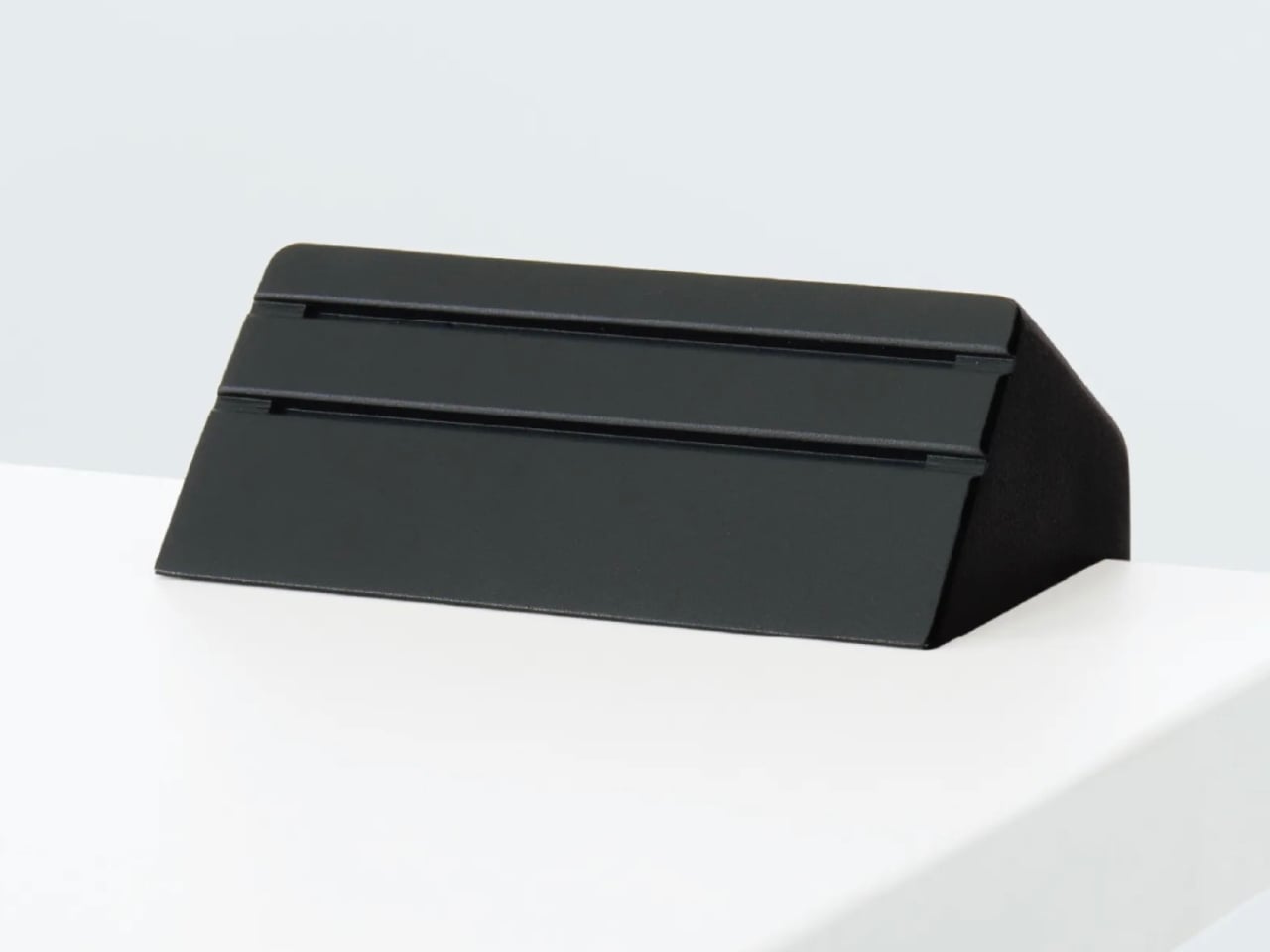
Kokuyo, the Japanese office furniture and stationery company that has been quietly improving the objects on your desk since 1905, has released a power strip called the Energy Line, and it is genuinely, legitimately beautiful. Not “beautiful for a power strip” beautiful. Just beautiful. It looks more like a sleek architectural detail than something you’d plug your laptop into.

Designer: Kokuyo
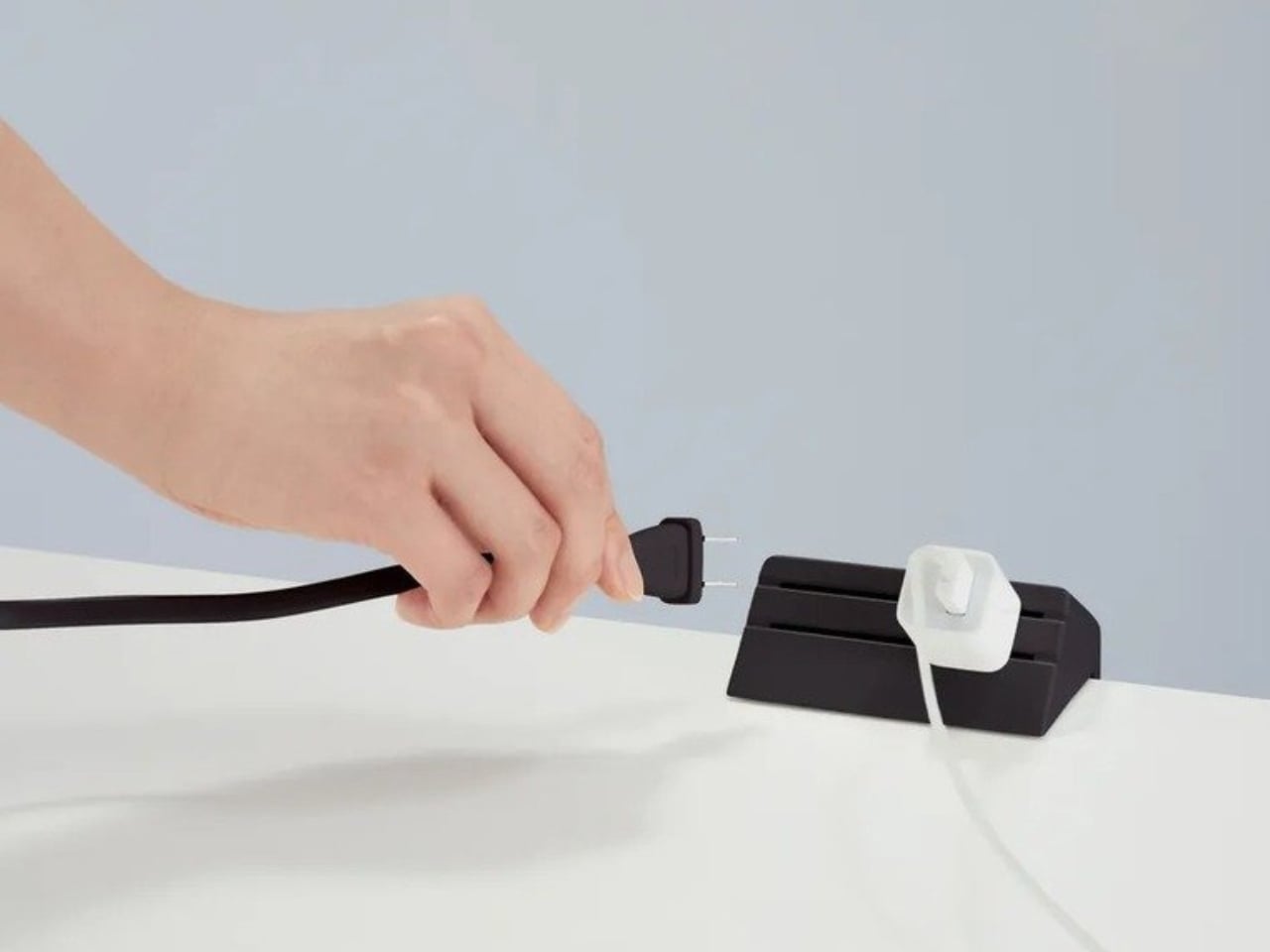
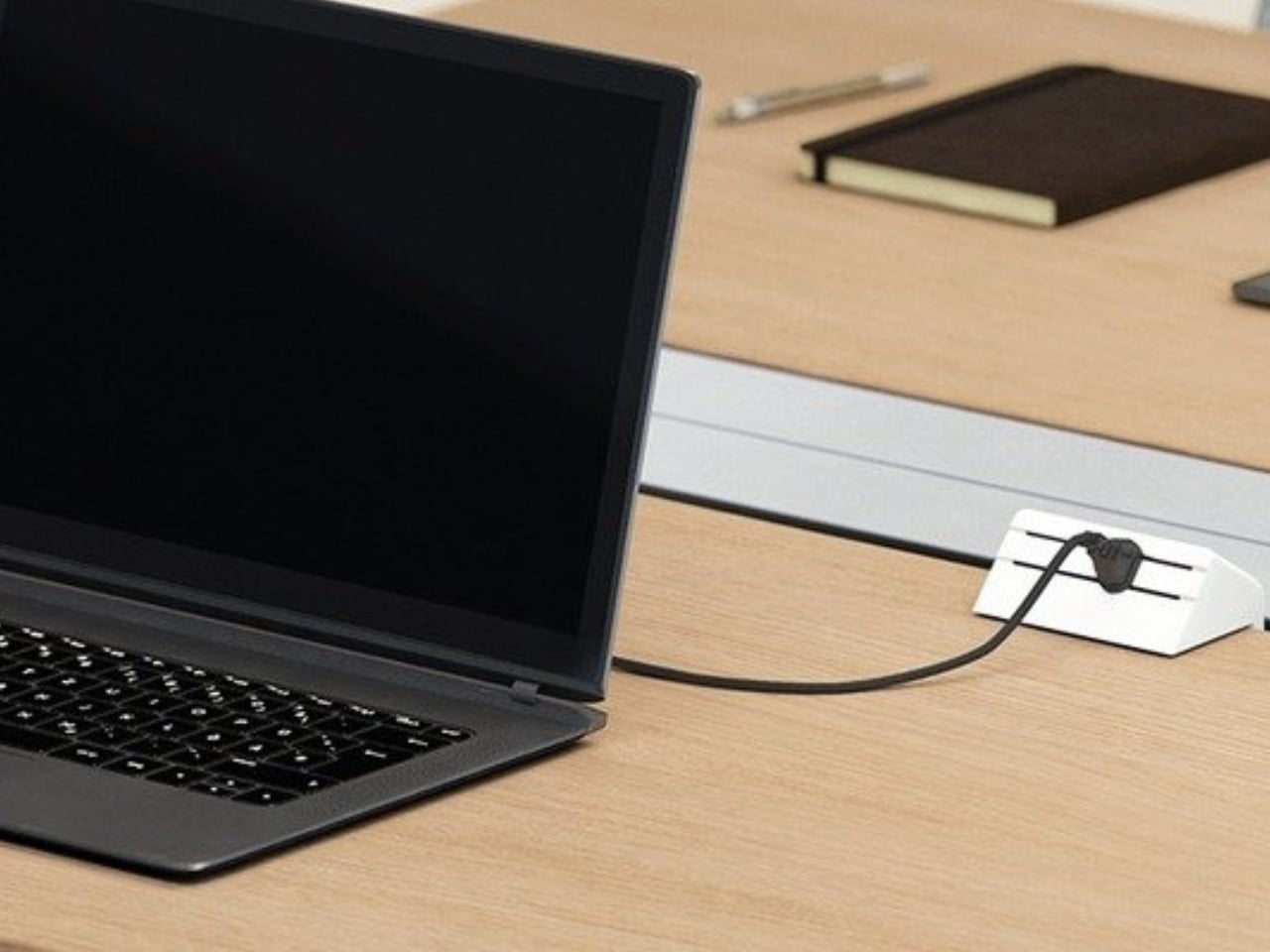
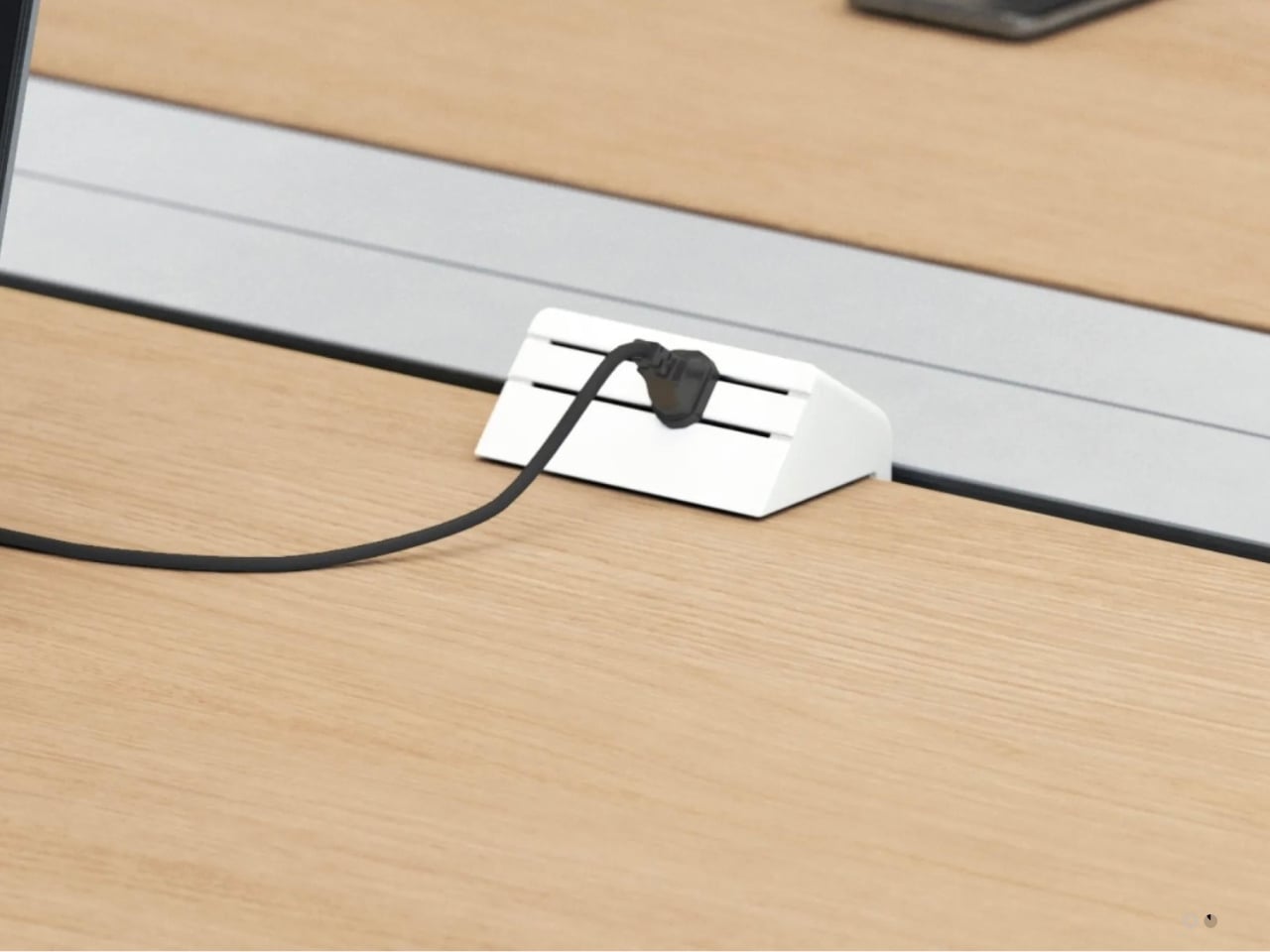
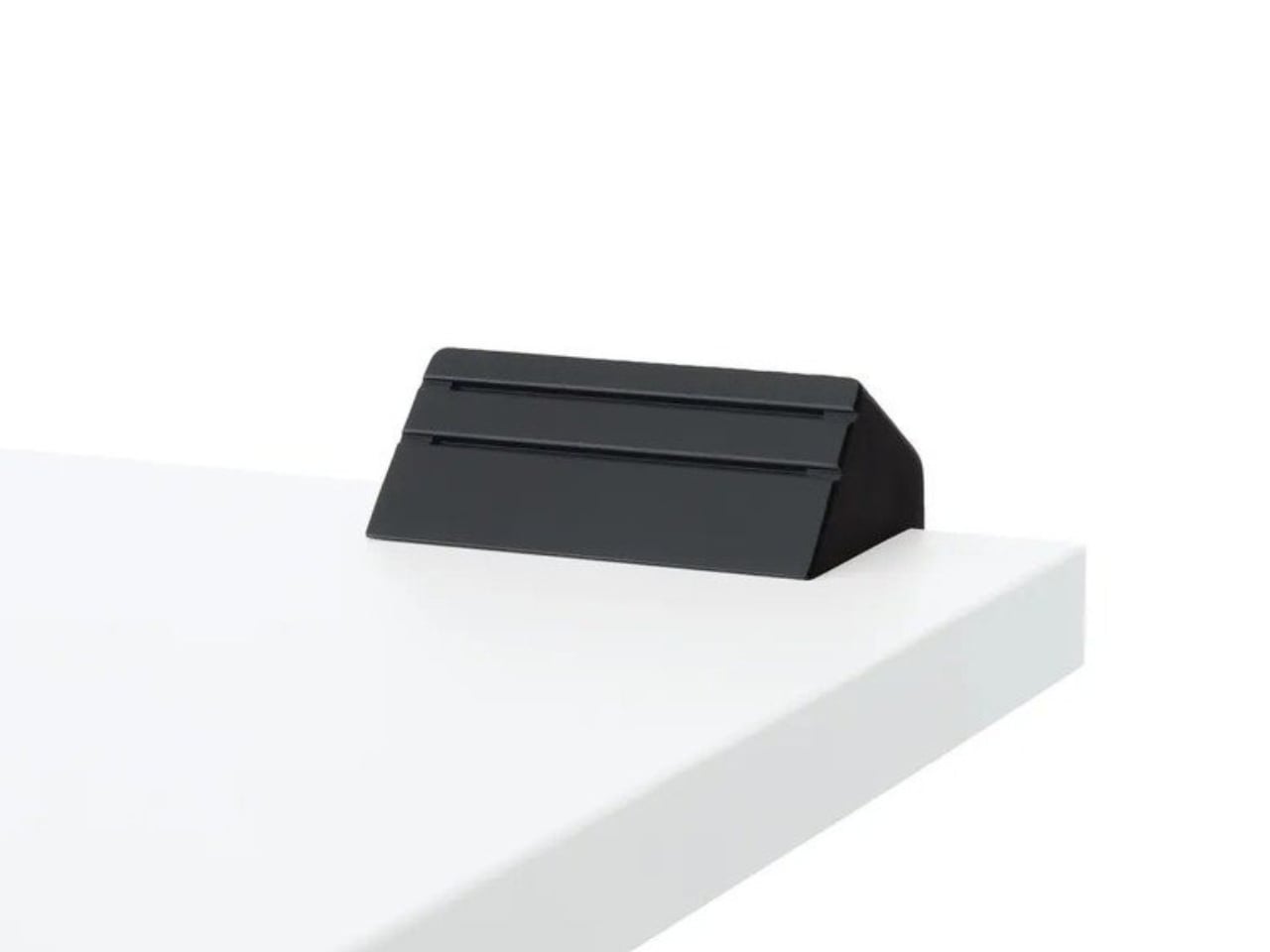
The design is deceptively simple. The Energy Line clamps to the edge of your desk, flush and low-profile, and features a linear row of slits running across its face. Those slits accept up to five two-pronged plugs at any position along the line. No discrete individual sockets, no chunky plastic bumps, no visual noise. Just a clean, flat surface with a continuous slot. From a distance, it reads as part of the desk itself rather than an accessory bolted onto it.

There is a caveat worth knowing: the Energy Line is designed for two-pronged plugs only, meaning it’s built for laptops, monitors, desk lamps, and peripherals rather than heavier appliances. For a modern desk setup, that’s rarely a dealbreaker. Most of what lives on a work surface runs on two prongs anyway.
But here’s where my opinion deviates slightly from pure admiration. The limitation does ask something of you: before purchasing, you’d need to audit your desk setup and confirm that nothing with a grounded, three-prong plug needs to stay on top. If you use a Mac with a standard power adapter, a monitor, maybe a desk lamp and a fan, you’re likely covered. If your setup is more eclectic, it’s worth a moment of honest inventory.

That said, the design philosophy behind this product feels deeply, specifically Japanese, and I mean that as a compliment. Kokuyo has a 120-year history rooted in the conviction that even ordinary, utilitarian objects deserve to be thought through completely. They started by making covers for account ledgers. They went on to design notebooks so beloved that students across Asia still buy them today. Their founding spirit, as they describe it, is “to enrich the world through our products.” The Energy Line is a natural expression of that. It takes a problem everyone has, cords everywhere, nowhere good to put them, everything looking chaotic, and solves it without announcing itself loudly.
The broader cultural moment around this kind of design is real and worth acknowledging. Desk setups have become genuinely personal statements. People spend real money on monitor arms, cable management systems, and custom desk mats to achieve a workspace that feels intentional, curated, even beautiful. A power strip, more than almost any other desk accessory, has historically been the stubborn hole in that aesthetic. The one thing you couldn’t really fix. Kokuyo just fixed it.
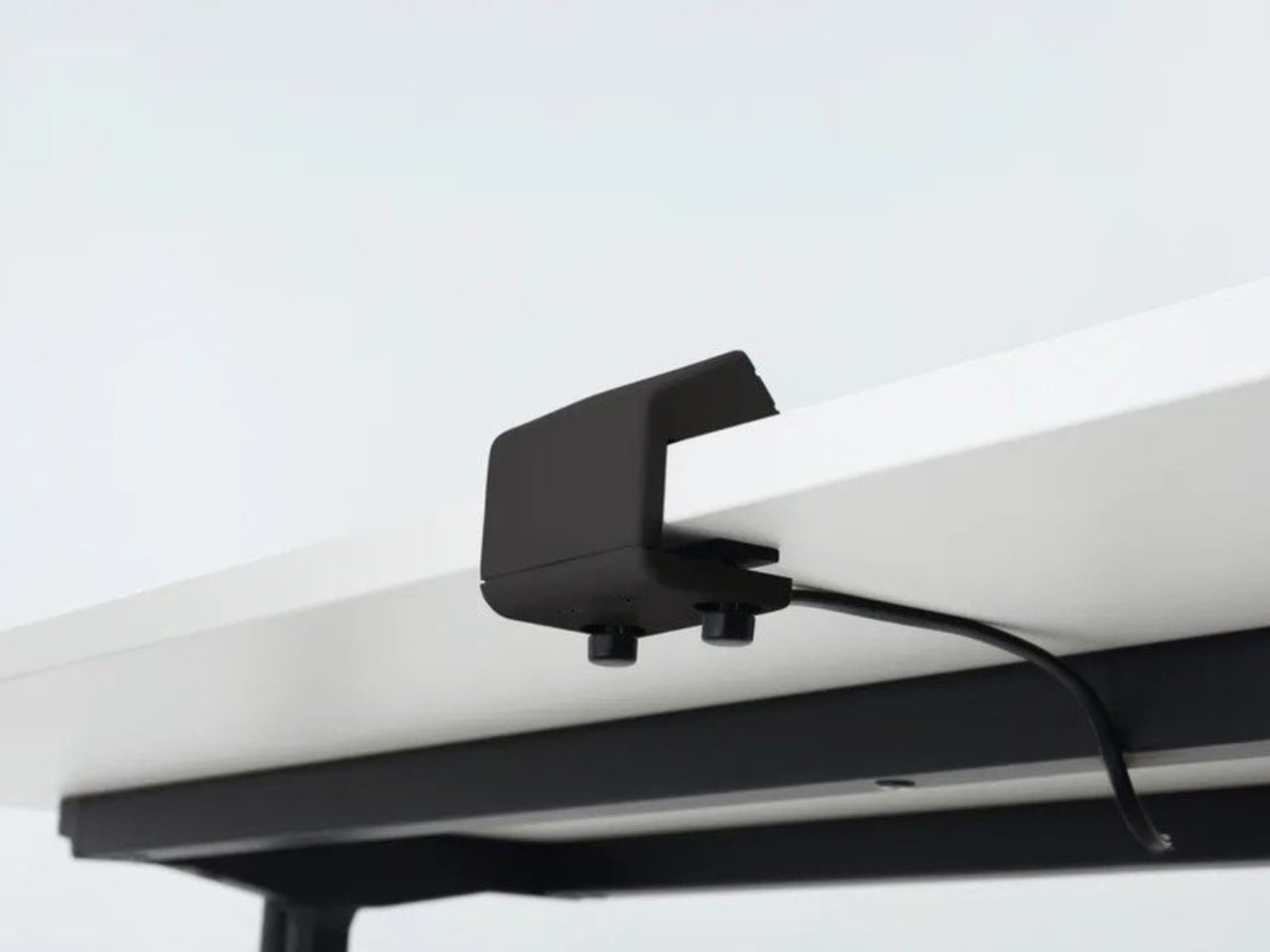
It’s also worth noting that this comes from an office furniture company, not a consumer electronics brand trying to go premium. Kokuyo makes desks, chairs, storage systems. They think about workspaces at an architectural scale. Designing a power strip that integrates with a desk rather than just sitting on or under it makes sense coming from that perspective. The Energy Line isn’t a gadget playing at being furniture. It’s furniture thinking that got applied to a gadget.

Whether you’re the kind of person who obsesses over every detail of your workspace or someone who just wants a cleaner desk without thinking too hard about it, the Energy Line is hard to dismiss. It doesn’t ask you to care about design. It just rewards you if you do. It’s genuinely rare that a product this utilitarian solves a problem this old in a way that feels this obvious in hindsight.
The post Kokuyo Made a Power Strip You Actually Want to Look At first appeared on Yanko Design.


The Feature You’ve Been Waiting for: Galaxy Z Fold 8 Ultra Brings Back the S PenPen

The Feature You’ve Been Waiting for: Galaxy Z Fold 8 Ultra Brings Back the S PenPen The rumored Samsung Galaxy Z Fold 8 Ultra with an S Pen.

The Samsung Galaxy Z Fold 8 Ultra is poised to set a new benchmark in the foldable smartphone market. Rumors point to a range of premium upgrades, including a sharper display, a larger battery, faster charging, and the much-anticipated return of the S Pen. However, these enhancements may come with a catch: exclusivity to the […]

The post The Feature You’ve Been Waiting for: Galaxy Z Fold 8 Ultra Brings Back the S PenPen appeared first on Geeky Gadgets.

Posted in Uncategorized

The Mechanical Pencil With No Button Is Actually Genius

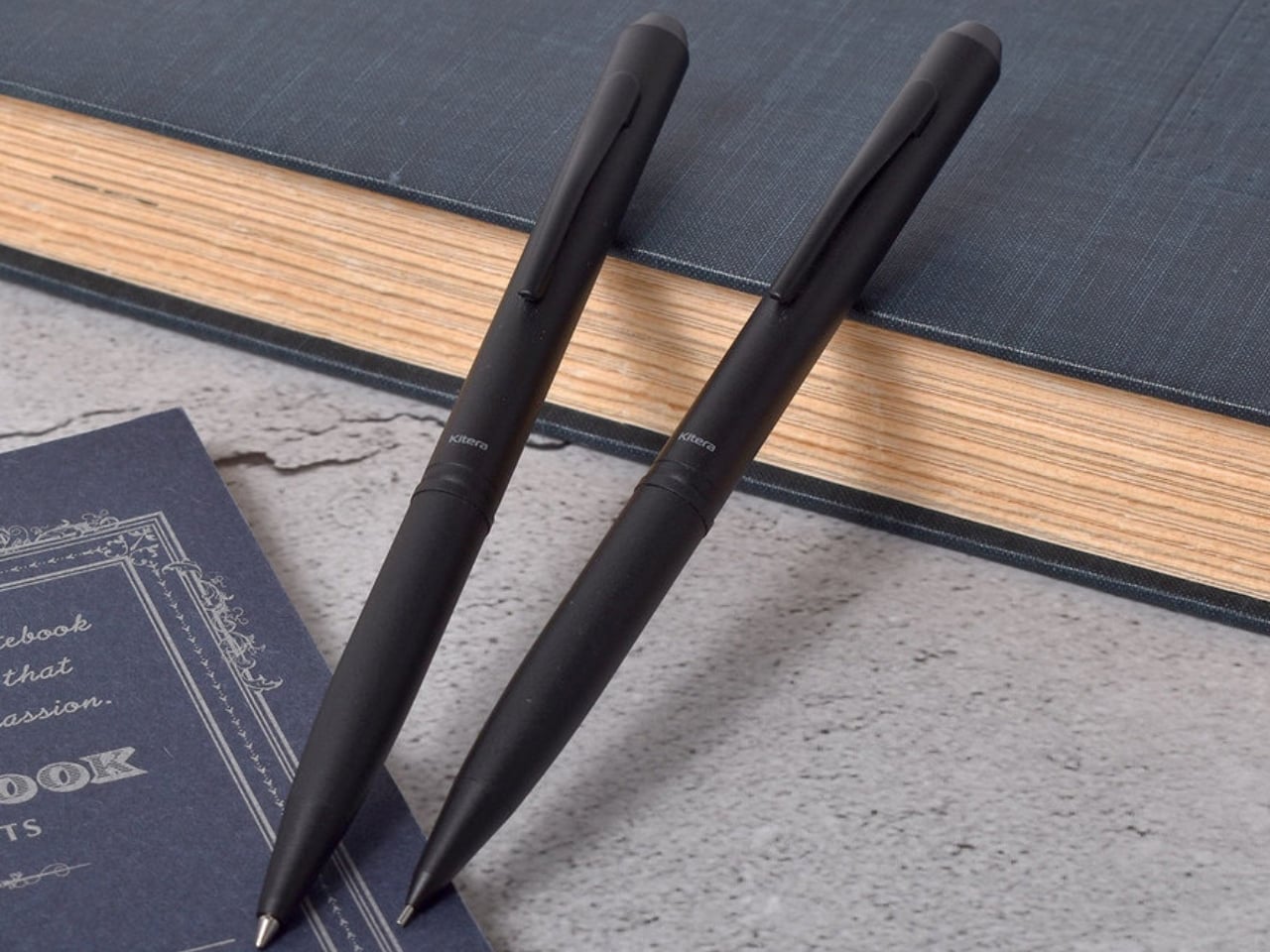
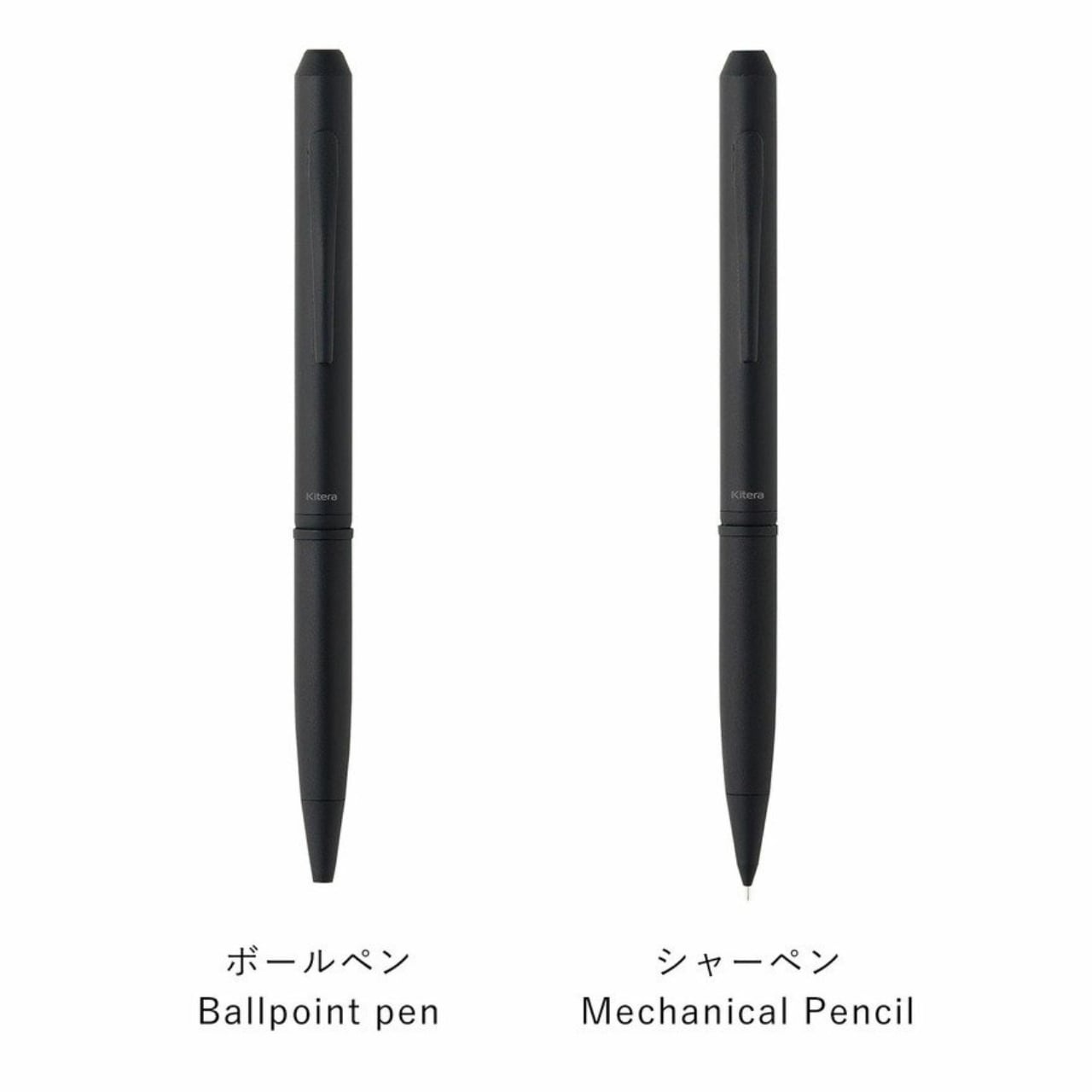
The mechanical pencil has barely changed in over a century. You hold it, click the top, the lead advances, you write. Nobody questions it. Nobody feels the urge to fix what isn’t broken. Which is exactly why the Kitera Side Knock Mechanical Pencil is such a fascinating, and slightly baffling, object to come across.

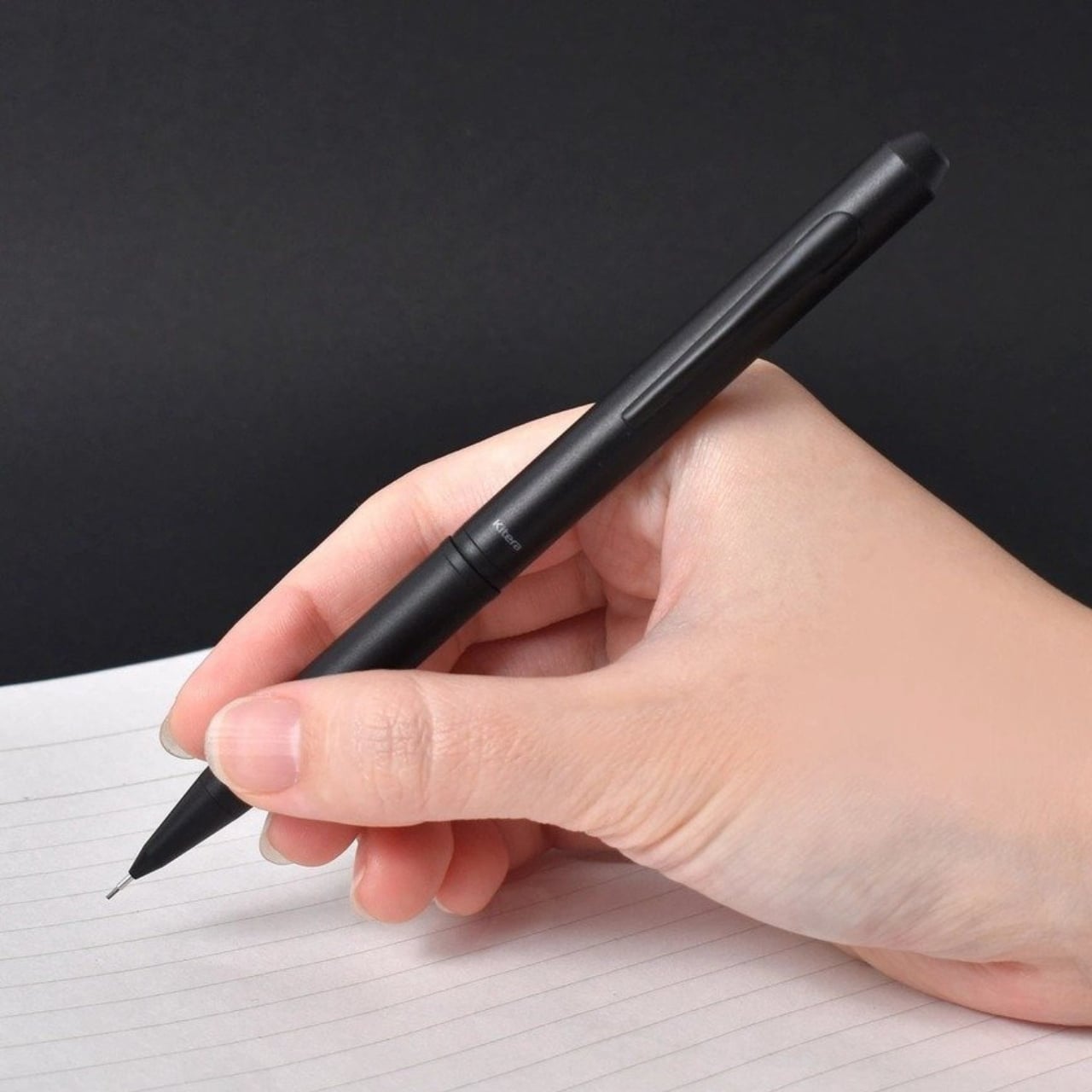
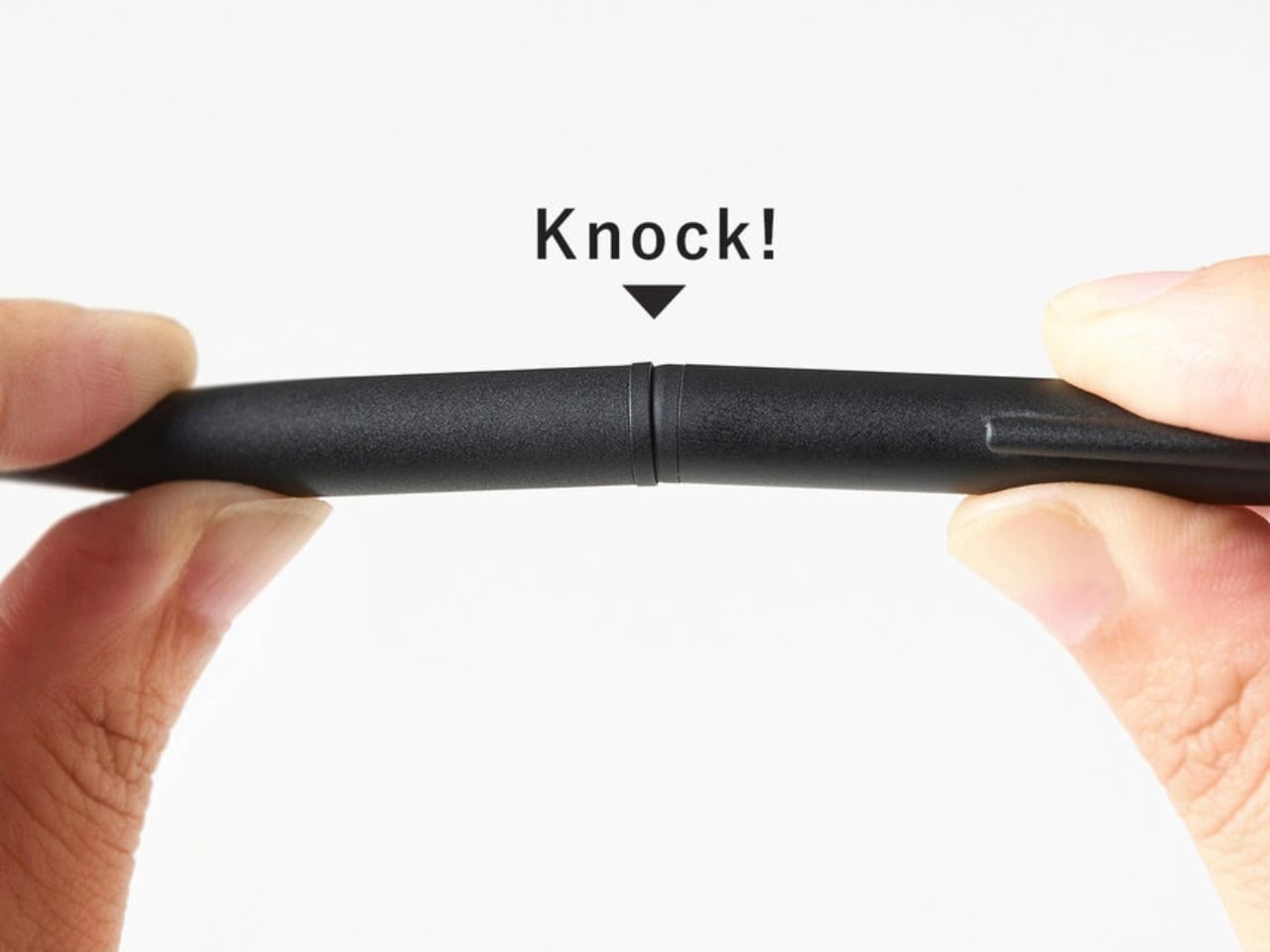
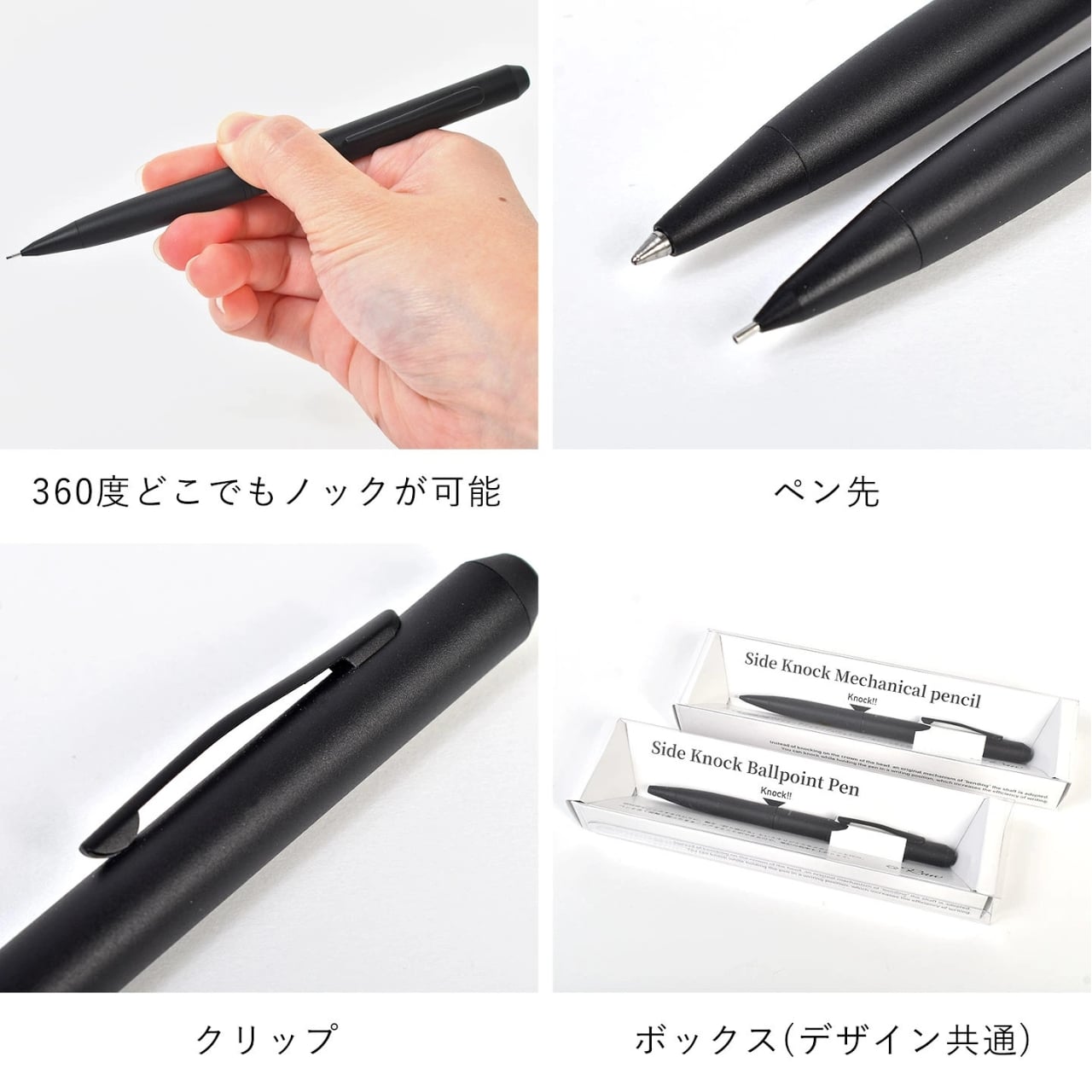
Instead of the familiar clicker at the top of the barrel, Kitera’s engineers designed a mechanism that responds to lateral pressure. You press sideways against the body of the pencil, almost like you’re trying to snap it in half, and the lead advances. That’s the “knock.” And unlike conventional side-knock pencils that feature a discrete button at a fixed point on the barrel, the Kitera responds to pressure from any direction around the shaft, a full 360 degrees of responsive flex.

Designer: Kitera

The justification, according to the brand, is uninterrupted writing. You never have to shift your grip, rotate the pencil, or go hunting for a specific click point. Wherever your hand happens to be, you squeeze, the lead comes out, you continue. It sounds logical enough until you sit with it for a moment and realize that most people don’t run out of lead mid-sentence while feverishly trying to capture a thought. Running low on lead is a pause, not a crisis. The whole pitch is a solution to a micro-problem that most of us never noticed, packaged as a quality-of-life upgrade. But that’s a trick product designers have been pulling for decades, and when they do it confidently enough, it works. And yet, the Kitera somehow makes you want to believe it.

What actually earns it genuine respect, beyond the mechanism’s theatrical qualities, is its construction. The barrel is built from brass, stainless steel, and POM, a high-performance engineering polymer used in precision components. This is not novelty-store stationery. It has heft and intention. The 0.5mm lead diameter is completely standard, so it fits right into a real daily workflow for anyone who writes, sketches, or drafts by hand. Engineering a barrel that physically flexes to advance lead while still feeling like a considered, well-made writing instrument is a real challenge. The fact that it apparently works is worth acknowledging.

Side-knock mechanisms on mechanical pencils are not entirely new. Pentel’s Technica from the early 1970s featured a side-mounted button as an alternative to the top click, and it was seen as quietly revolutionary for its time. Kitera’s version removes the fixed button point entirely, distributing the action across the entire circumference of the barrel. That is a meaningful design step forward, even if its practical payoff is modest.

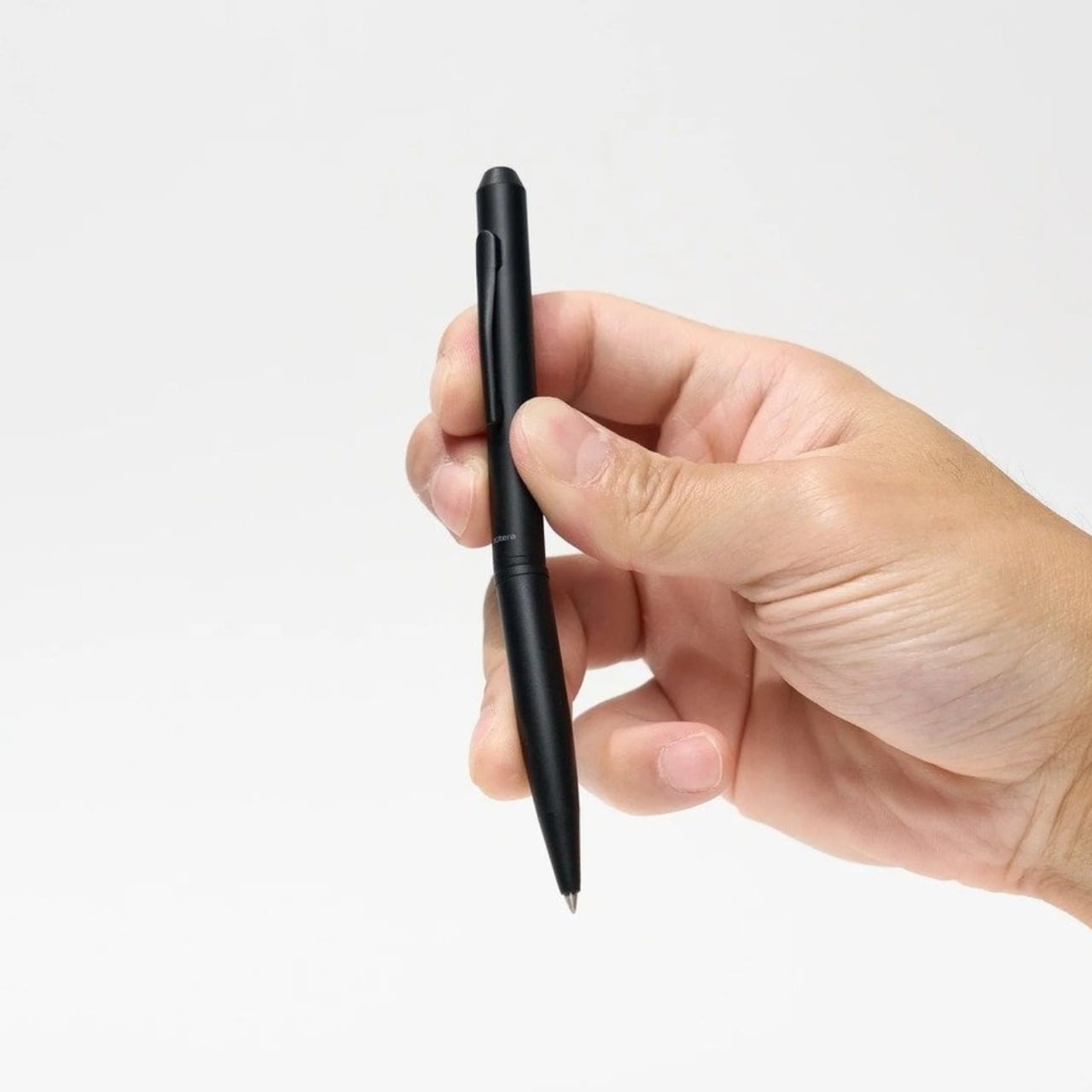
The pencil also exists alongside a Side Knock Ballpoint Pen from the same brand, and that’s where things get philosophically interesting. The ballpoint version can’t claim the uninterrupted writing angle, since ballpoints don’t require lead advancement at all. At that point, the mechanism becomes purely about identity, and the brand is essentially saying they do things differently, even when they don’t have to. That’s either a design philosophy worth admiring or a very stylish kind of stubbornness. Possibly both.

I happen to find it admirable. Analog tools need to earn their place in a screen-first world. Objects that make people stop, pick them up, and ask “how does this even work?” carry a kind of cultural value that pure utility can’t always provide. A pencil with a distinctive interaction becomes a pencil worth owning, worth keeping on your desk, worth recommending to someone who will immediately try to bend it and look delighted when the lead comes out.

If you’re a purist who just wants a pencil to behave the way pencils have always behaved, the Kitera will feel like too much. But if familiar objects getting genuinely curious rethinks is your kind of thing, this one is very much worth your attention. Just don’t squeeze it too hard on your first try. Lead travels farther than you’d expect.

The post The Mechanical Pencil With No Button Is Actually Genius first appeared on Yanko Design.
20 Smart Thermostats Compared and Tested 2026 Guide

20 Smart Thermostats Compared and Tested 2026 Guide Honeywell T6 Pro Z-Wave thermostat mounted on a wall

Smart thermostats have become an essential part of modern home automation, offering features like scheduling, energy monitoring and integration with popular smart home platforms. However, selecting the right device can be challenging, especially when factors like heating system compatibility and connectivity protocols come into play. In a detailed comparison by A Smarter House, over 20 […]

The post 20 Smart Thermostats Compared and Tested 2026 Guide appeared first on Geeky Gadgets.

Posted in Uncategorized

Leaked iPhone 18 Pro Max Specs Reveal Apple’s Biggest Battery Upgrade in Years

Leaked iPhone 18 Pro Max Specs Reveal Apple’s Biggest Battery Upgrade in Years The rumored iPhone 18 Pro Max displaying its thicker design.

The iPhone 18 Pro and Pro Max are set to redefine Apple’s flagship lineup with notable advancements in camera technology, battery capacity, and overall design. These updates signal a shift in Apple’s approach, emphasizing functionality and performance over the pursuit of ultra-thin devices. Here’s an in-depth look at what the iPhone 18 Pro series is […]

The post Leaked iPhone 18 Pro Max Specs Reveal Apple’s Biggest Battery Upgrade in Years appeared first on Geeky Gadgets.

Posted in Uncategorized

Samsung’s Expected Galaxy Able Earbuds Adopt Open-Ear Clip Design

Samsung’s Expected Galaxy Able Earbuds Adopt Open-Ear Clip Design Side profile of the rumored Samsung Galaxy Able open-ear clip design.

Samsung has introduced the Galaxy Able earbuds, departing from traditional in-ear designs in favor of an open-ear, clip-on approach. These earbuds are designed to enhance comfort and situational awareness, making them suitable for activities like commuting or exercising. As noted by TechAvid, the Galaxy Able utilizes directional air conduction technology, which channels sound toward the […]

The post Samsung’s Expected Galaxy Able Earbuds Adopt Open-Ear Clip Design appeared first on Geeky Gadgets.

Posted in Uncategorized

How Mac’s Put Back Button Instantly Restores Lost Files

How Mac’s Put Back Button Instantly Restores Lost Files The Put Back option in the macOS Trash folder restoring a deleted file

Accidentally deleting a file on your Mac doesn’t always mean it’s gone for good. macOS offers several built-in recovery features that can help you recover lost data. For example, the version history function in apps like Pages and Numbers allows users to restore earlier versions of documents, making it possible to undo changes or retrieve […]

The post How Mac’s Put Back Button Instantly Restores Lost Files appeared first on Geeky Gadgets.

Posted in Uncategorized