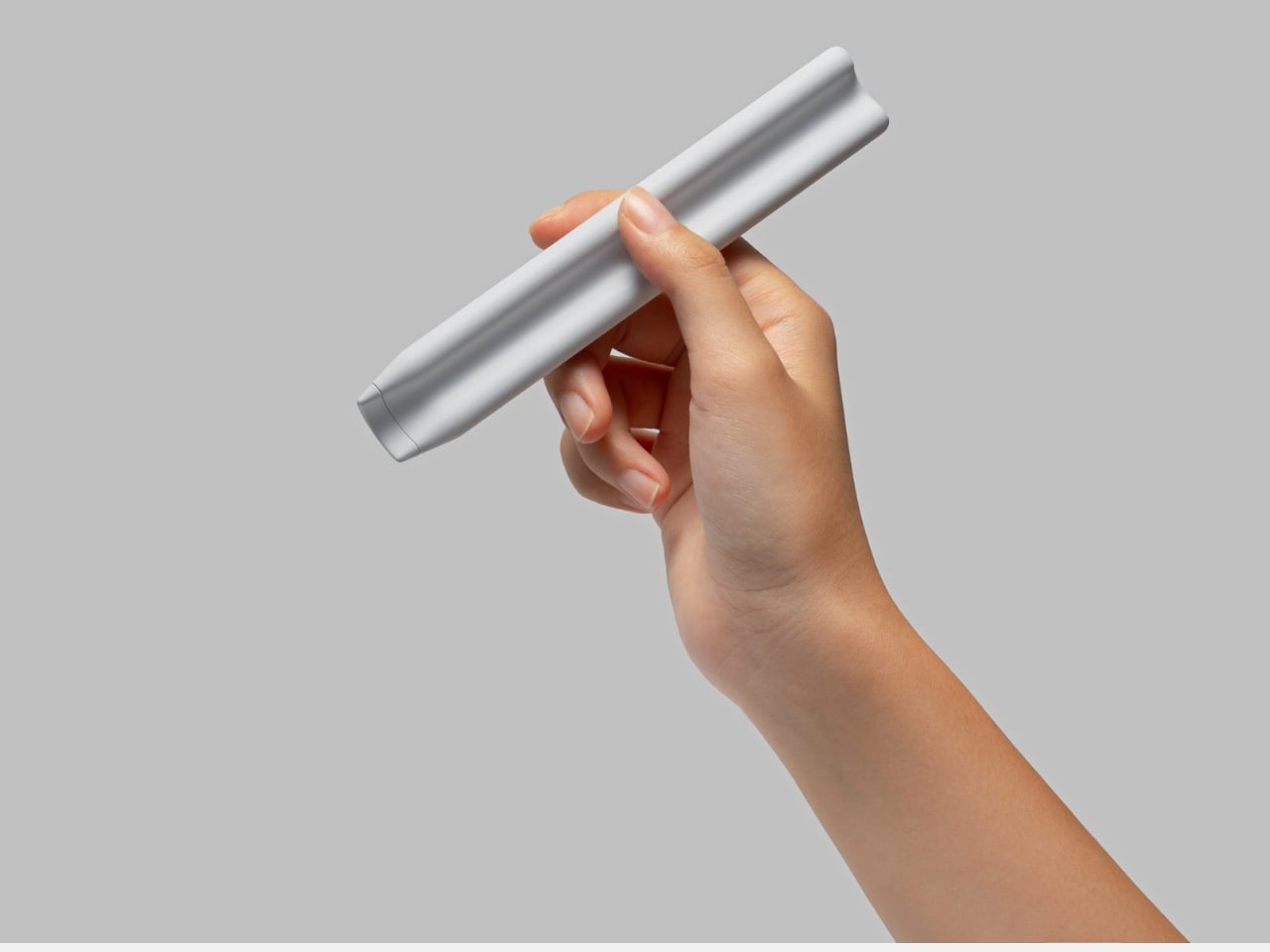
Blackwing’s $400 Crate Is Every Writer’s Dream Gift Set

Pencils don’t usually make people emotional. But Blackwing pencils have always been a little different. The brand, which revived the legendary Blackwing 602 after its original discontinuation in 1998, has spent years building something that goes beyond the pencil itself. It’s a whole philosophy about the act of writing by hand. And with the new Blackwing Crate Gift Set, priced at $400, they’ve essentially packaged that philosophy into a matte black box and sent it out into the world.

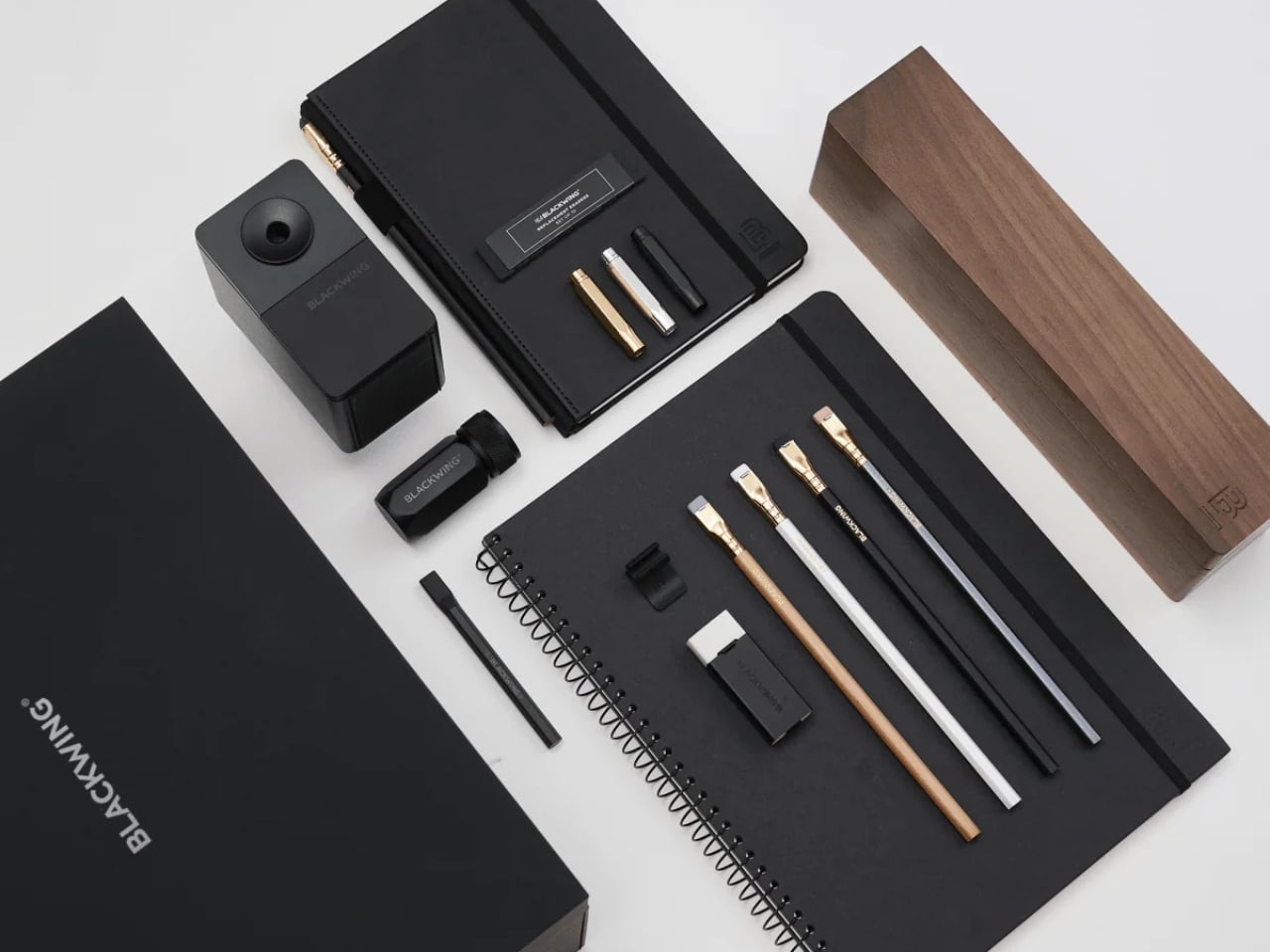
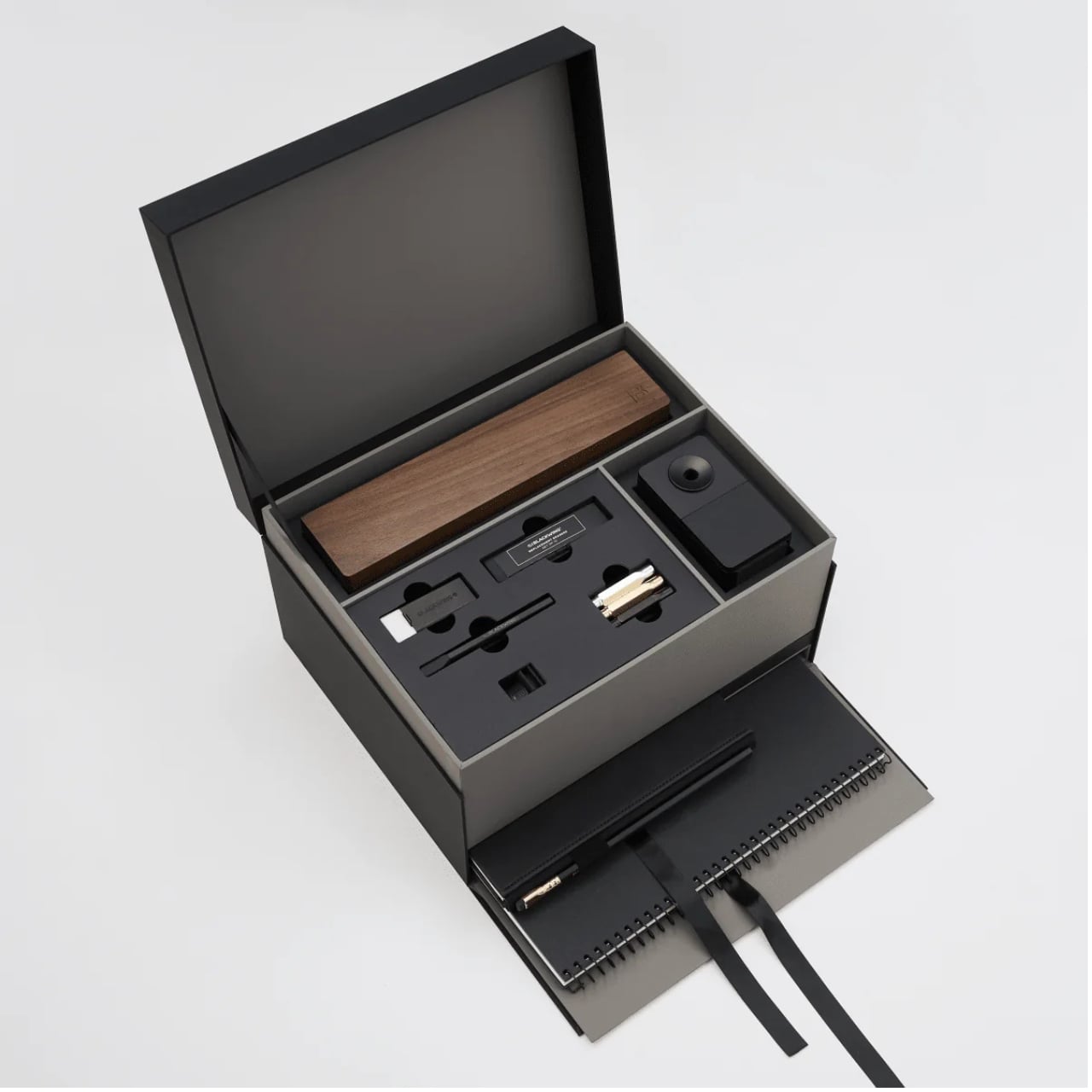
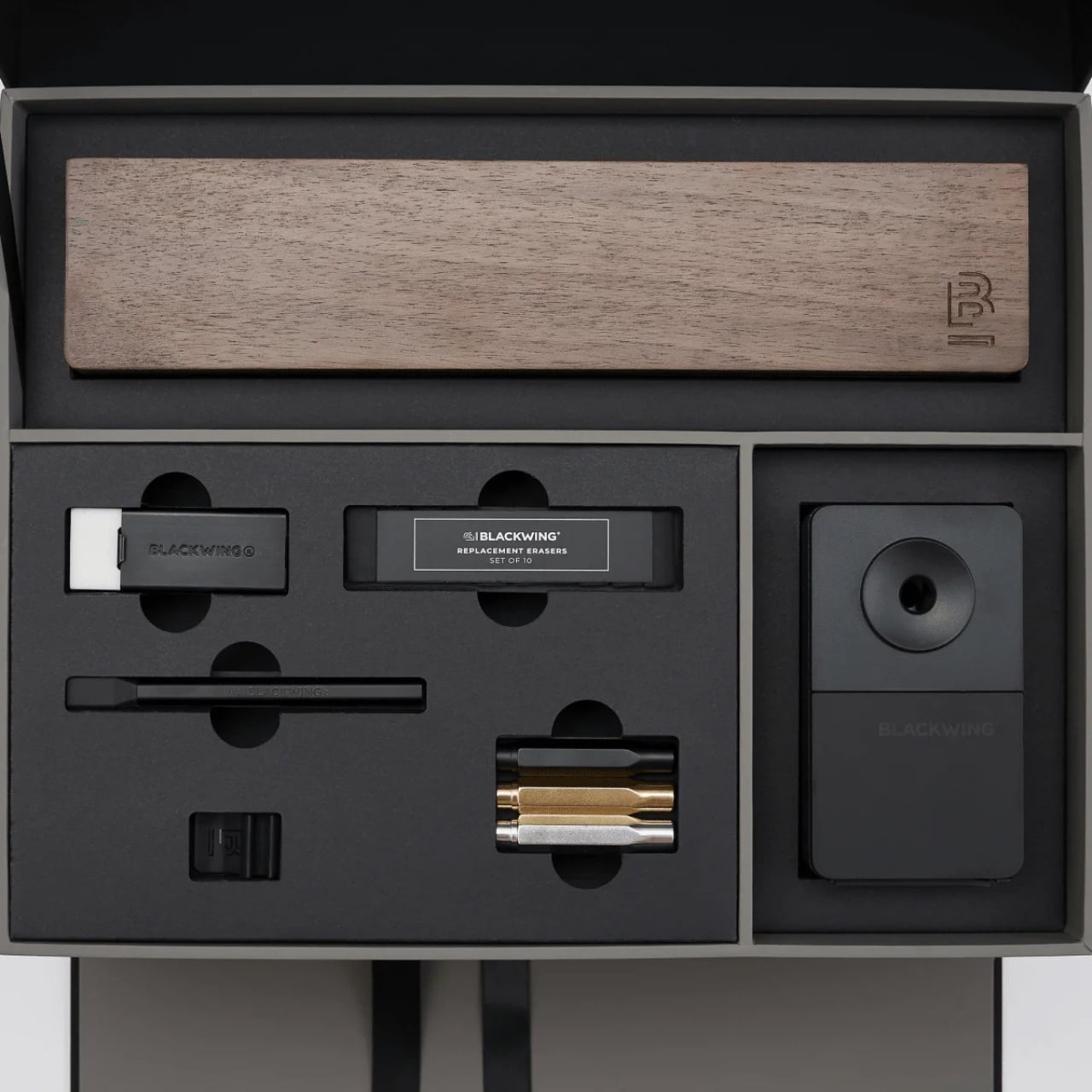
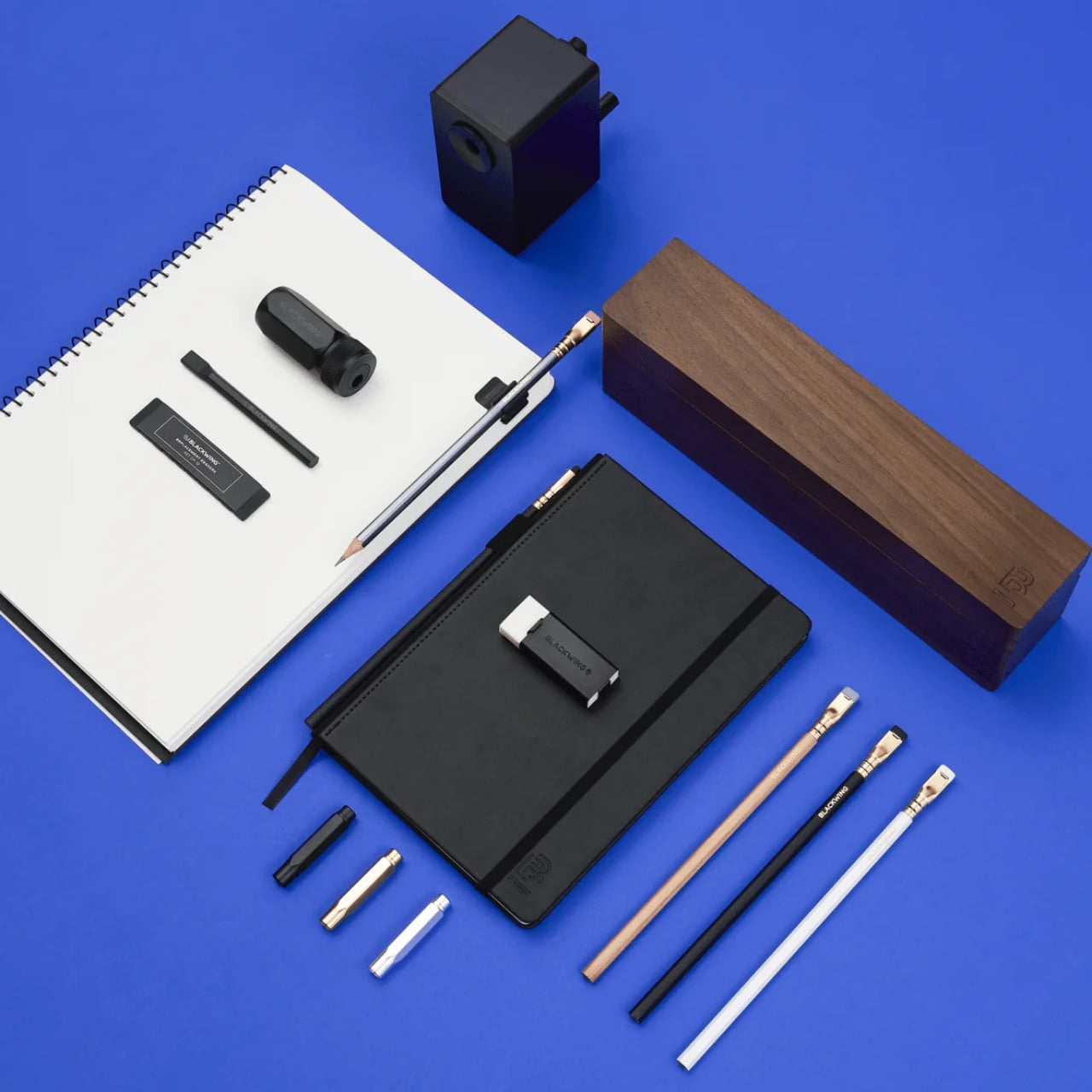
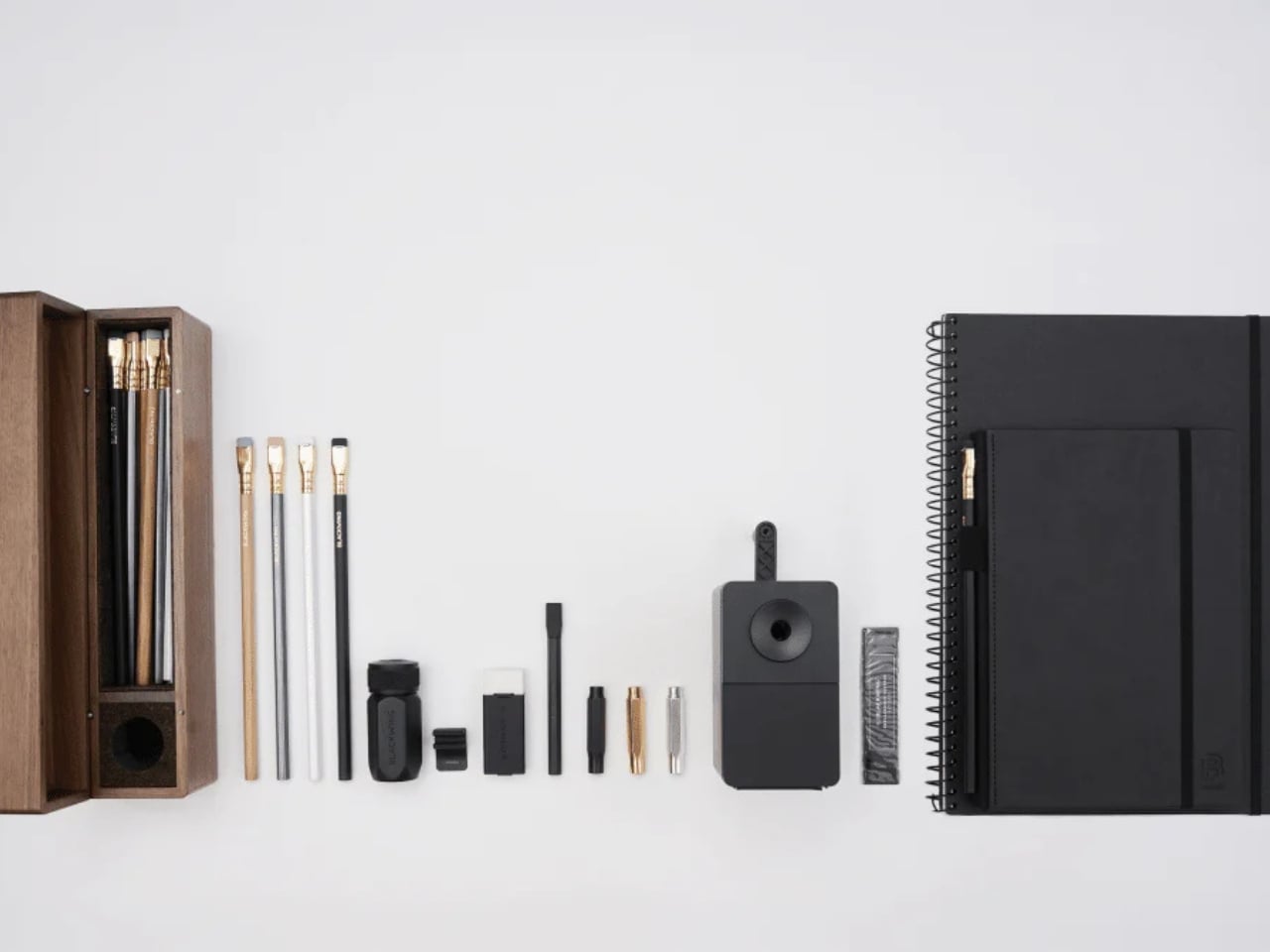
Let’s talk about what’s inside, because it’s genuinely a lot. The Crate includes 24 Blackwing pencils housed inside a walnut gift box, a One-Step Long Point Sharpener, a desktop sharpener, replacement erasers, a handheld eraser, three point guards, a pencil extender, a notebook clip, a Medium Slate Notebook in dot-grid, and an A4 spiral notebook in blank. If you’ve ever casually shopped the Blackwing site and found yourself adding one thing after another to your cart, this is essentially that cart, but curated and given a walnut home.

Designer: Blackwing
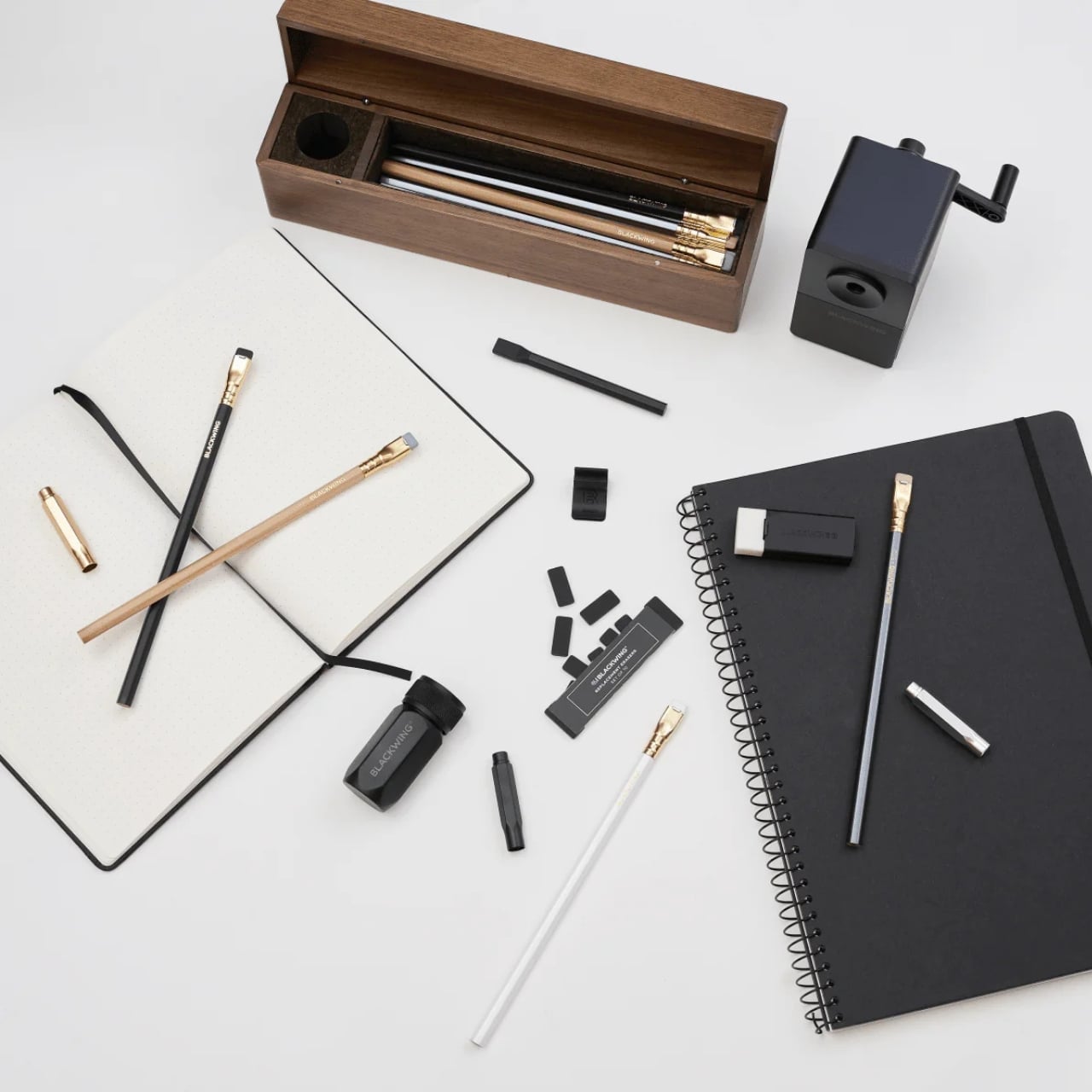
The walnut box alone is something worth pausing on. It has a cork-lined interior and a satisfying magnetic closure. It’s the kind of object you want to leave on your desk not because it needs to be there, but because it makes the desk look like it belongs to someone who takes their work seriously.
Blackwing’s four core pencils are all represented here: the 602, the firm-graphite original that built the brand’s reputation and was beloved by creatives from John Steinbeck to Stephen Sondheim; the Matte, which shares the same soft and expressive formula as the very first Blackwing; the Pearl, with its smooth and balanced Japanese graphite; and the Natural, a stripped-back version with an uncoated cedar body for a rawer, more honest feel. Each one writes differently. That variety isn’t just a marketing point. It means the set can genuinely work for a writer, an artist, a student, or someone who just wants their notes to feel a little more intentional.
I’ll admit there’s a case to be made that $400 is a lot for what is, technically, a pencil set. But I think that argument misses the point of what Blackwing has always been doing. These aren’t pencils in the same way a yellow No. 2 is a pencil. The brand occupies the same space as a well-made fountain pen or a leather-bound notebook: objects that are ordinary in function but considered in execution. When you buy something from Blackwing, you’re buying into a certain idea of how writing should feel, and the Crate makes that idea as complete and giftable as it’s ever been.
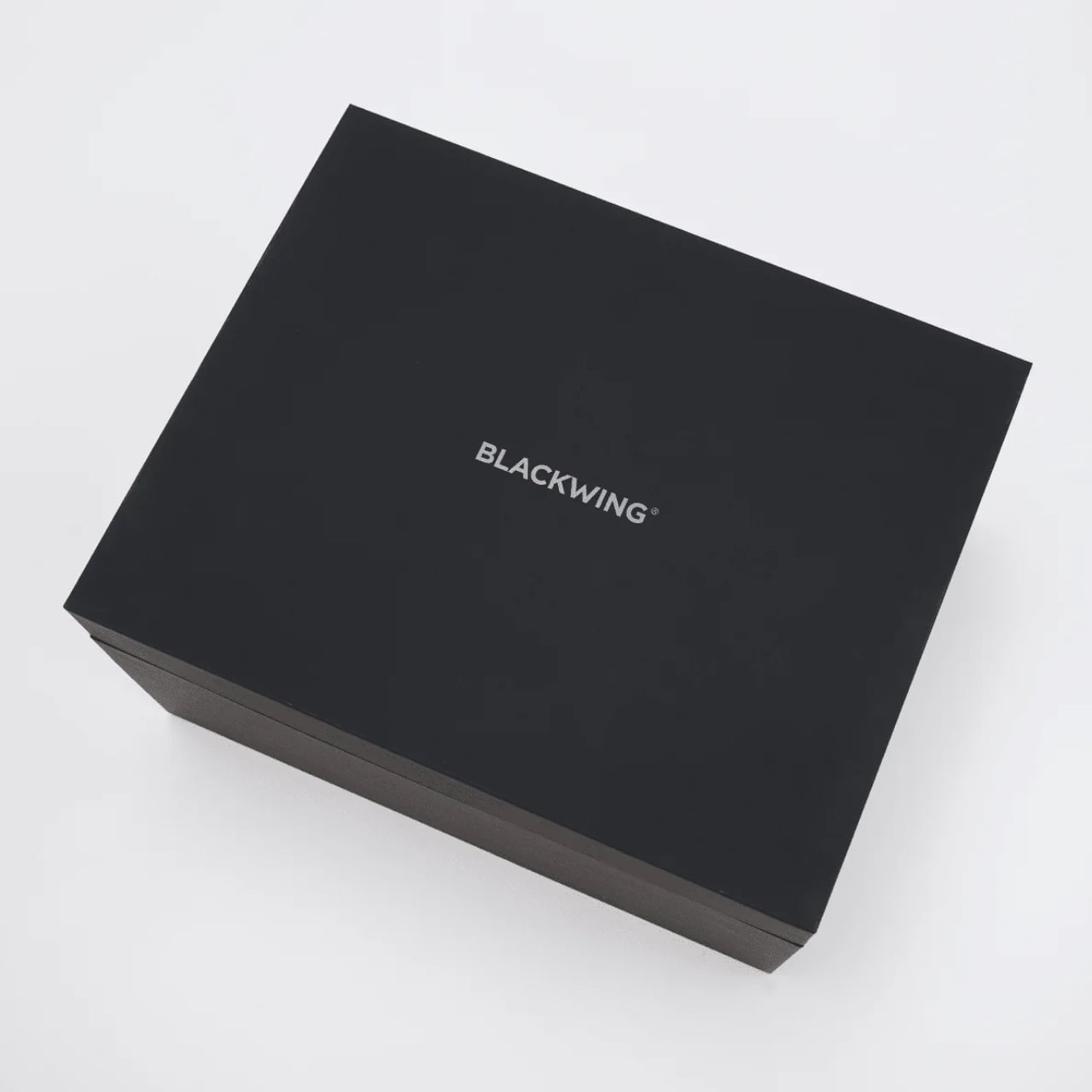
The packaging itself shows thought. The outer box is matte black with the Blackwing name in white. Clean, confident, minimal. It doesn’t shout. It doesn’t need to. The layered reveal inside, with a pull-out drawer for the notebooks, feels like the kind of unboxing experience that design enthusiasts and stationery lovers will genuinely appreciate. Gift sets at this price point need to justify themselves beyond just the contents, and the presentation here does a lot of that work.

What makes the Crate feel special rather than just expensive is how it covers every phase of the writing process. You have your pencils, your sharpeners for both at-desk and on-the-go use, your erasers, protection for your pencil tips when they’re not in use, and actual notebooks to write in. Nothing feels like filler. Everything has a job.
If you’re shopping for someone who already loves Blackwing, this is a clear yes. If you’re introducing someone to the brand for the first time and want to do it properly, this is also the move. And if you’ve been slowly accumulating Blackwing products one purchase at a time and wondering when you’ll finally have it all, the Crate is the answer to that question in one very satisfying delivery. The Blackwing Crate Gift Set is available now at blackwing602.com for $400.
The post Blackwing’s $400 Crate Is Every Writer’s Dream Gift Set first appeared on Yanko Design.
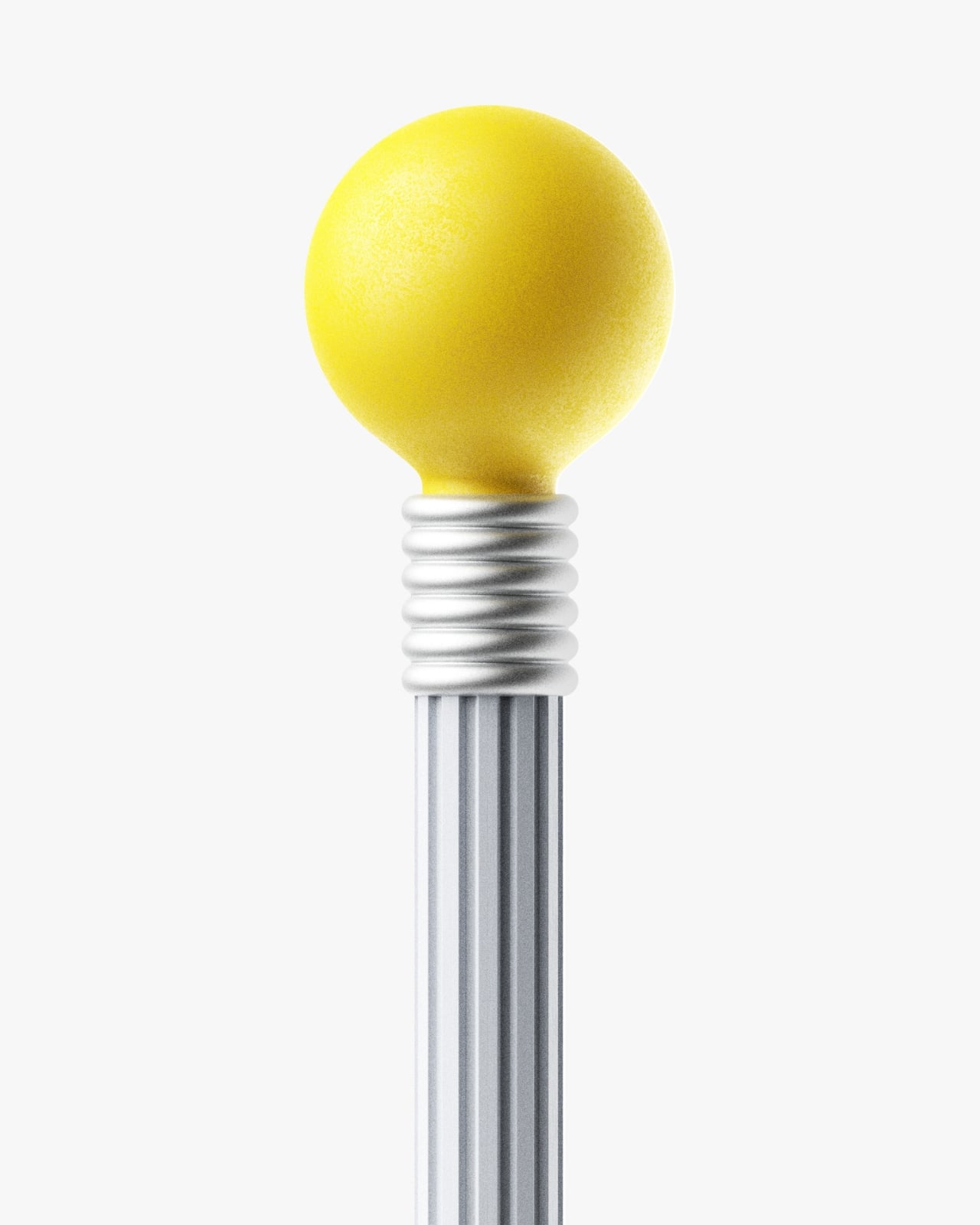
Korean Studio Just Designed a Pencil That Looks Like an Idea

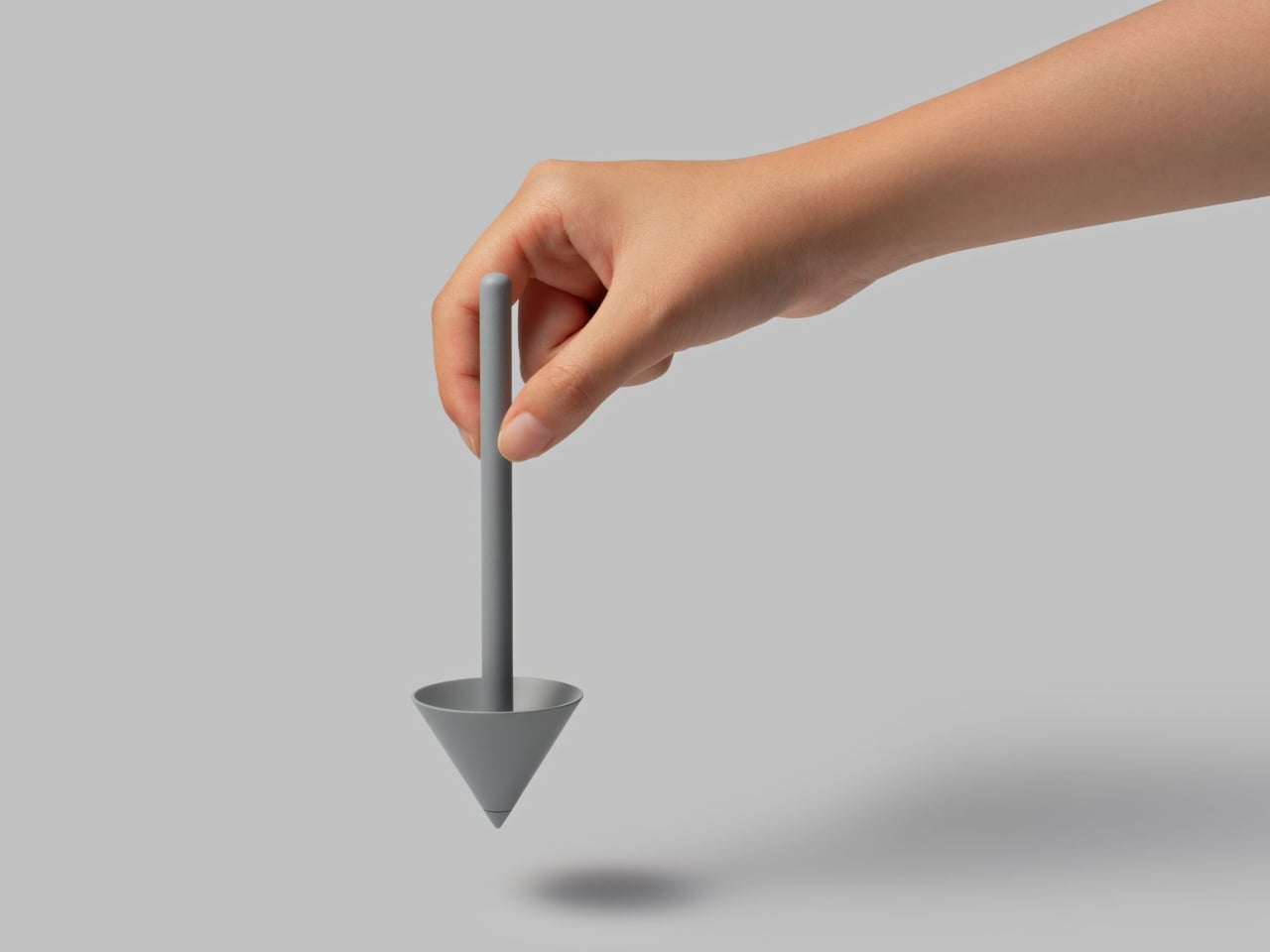
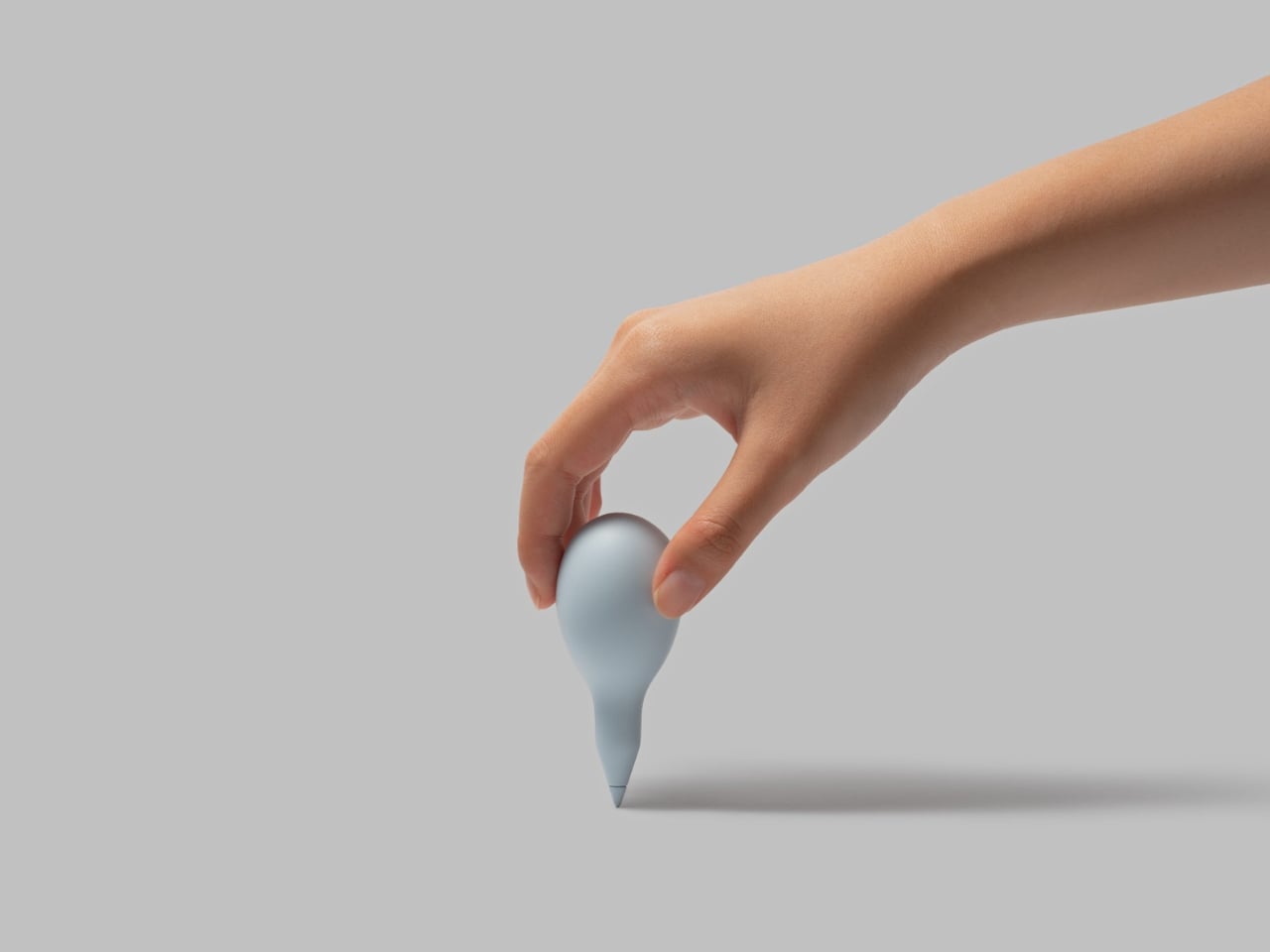
If you’ve ever sat down with a blank notebook and a good pencil and felt your brain finally slow down enough to actually think, you already understand what Korean design studio QSEODESIGN is getting at with their IDEA Pencil. This concept design just makes that feeling visible.

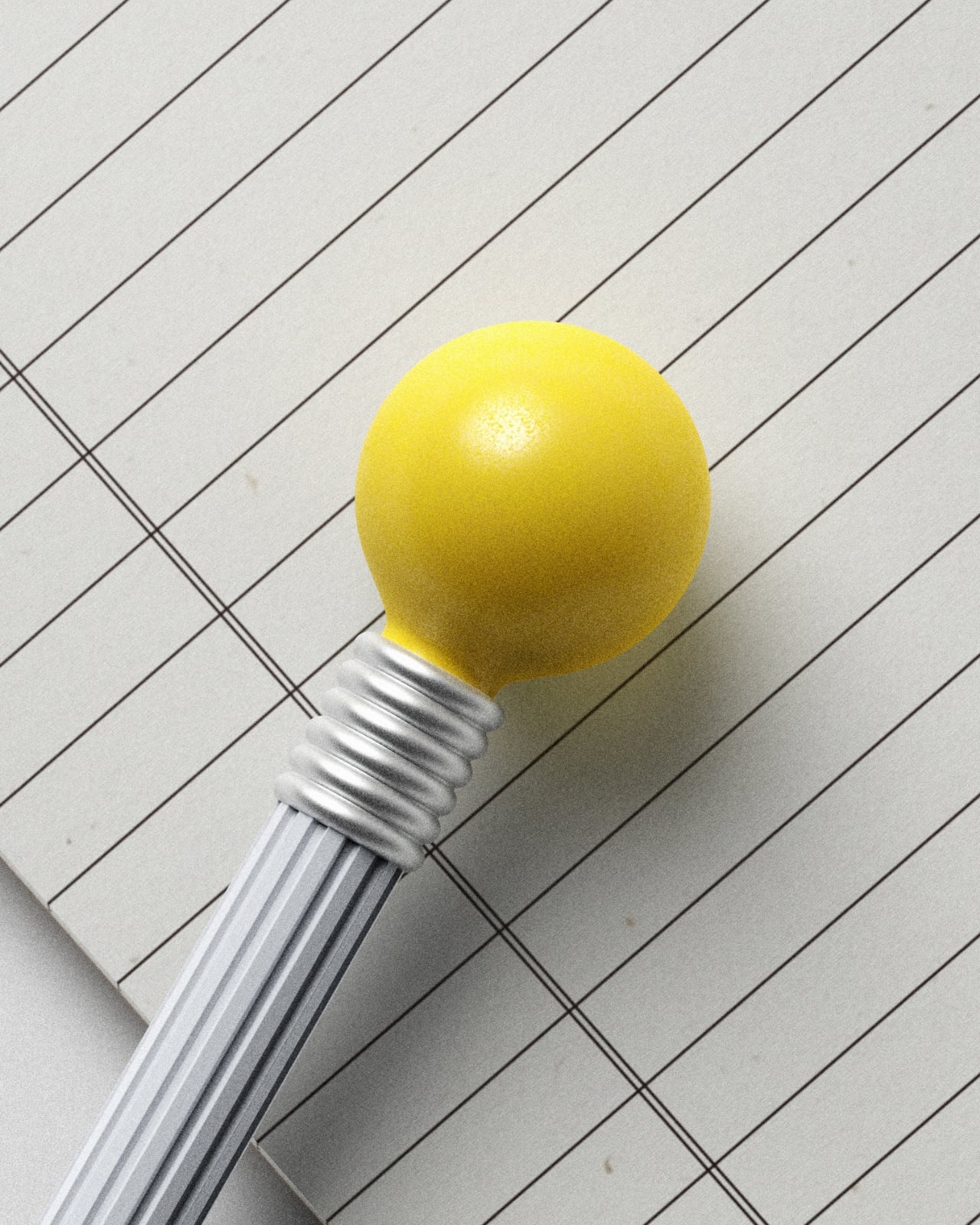
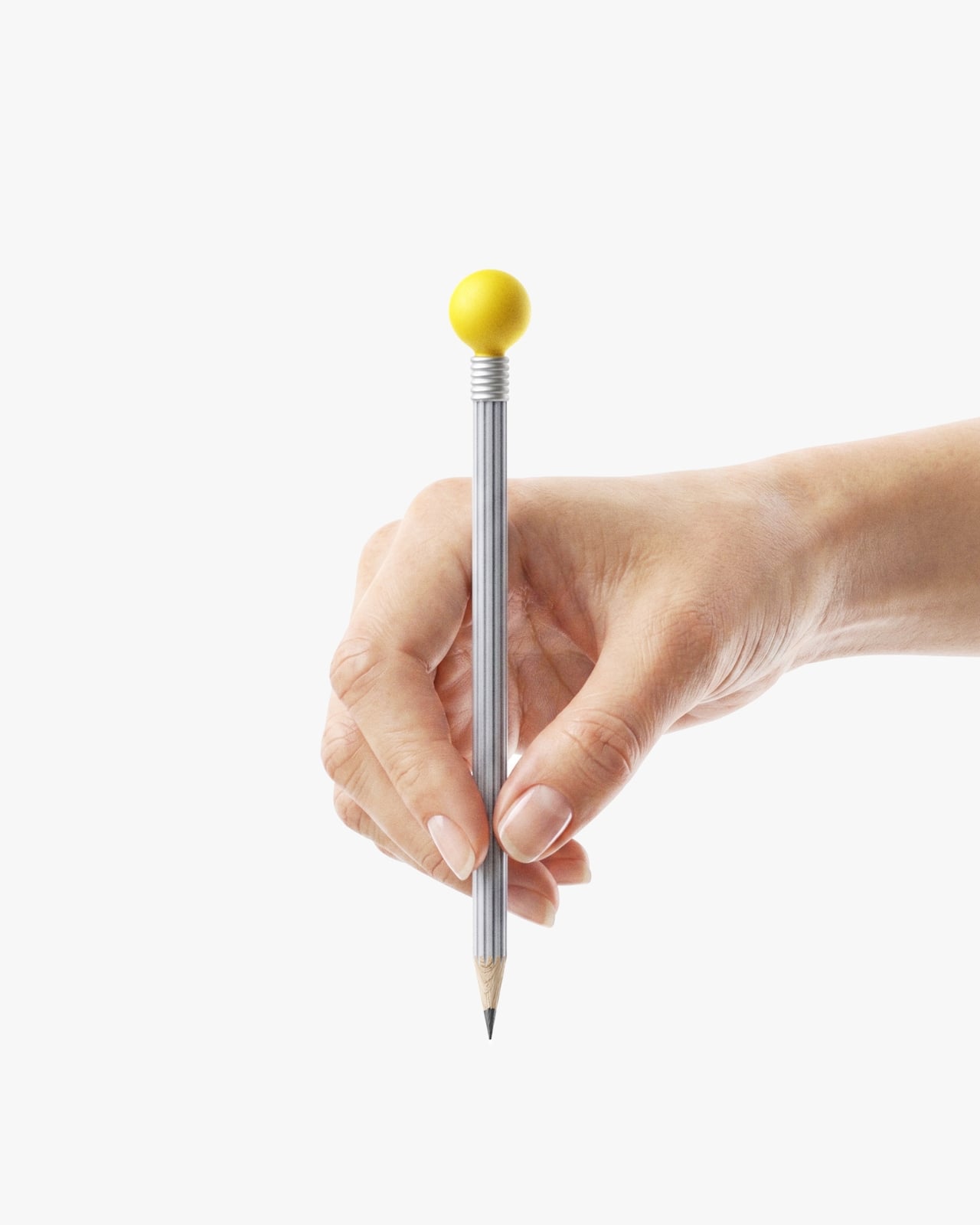
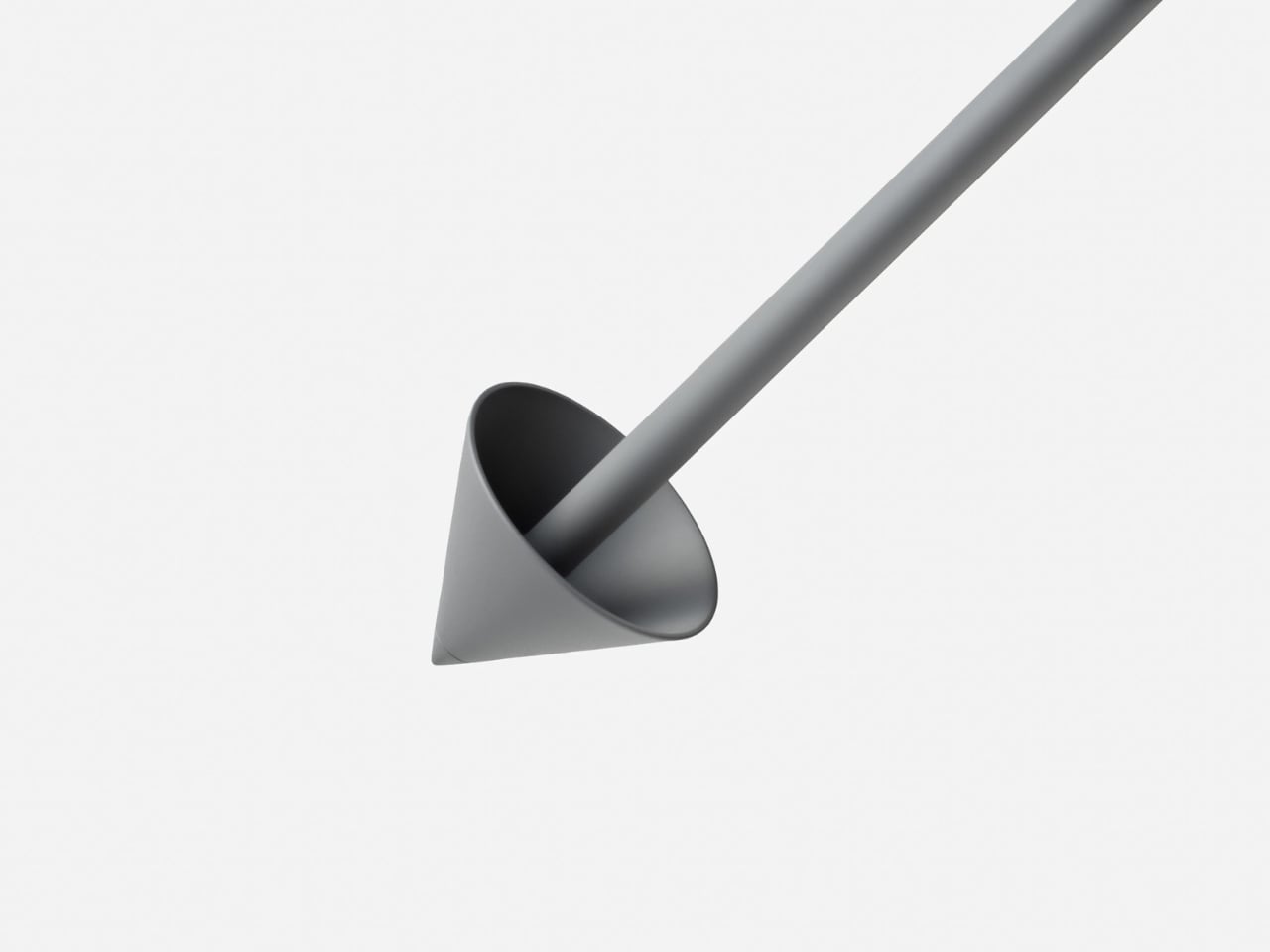
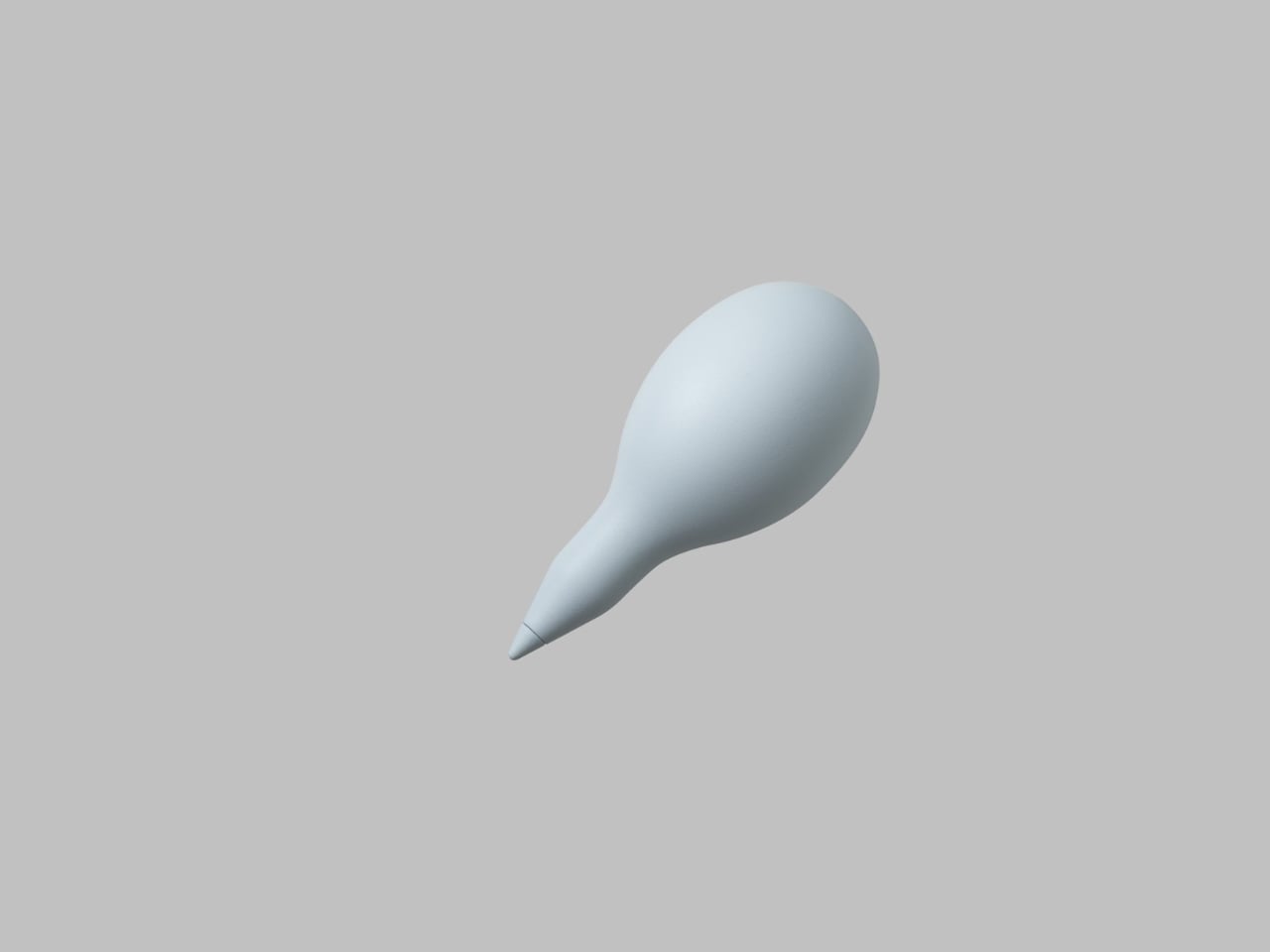
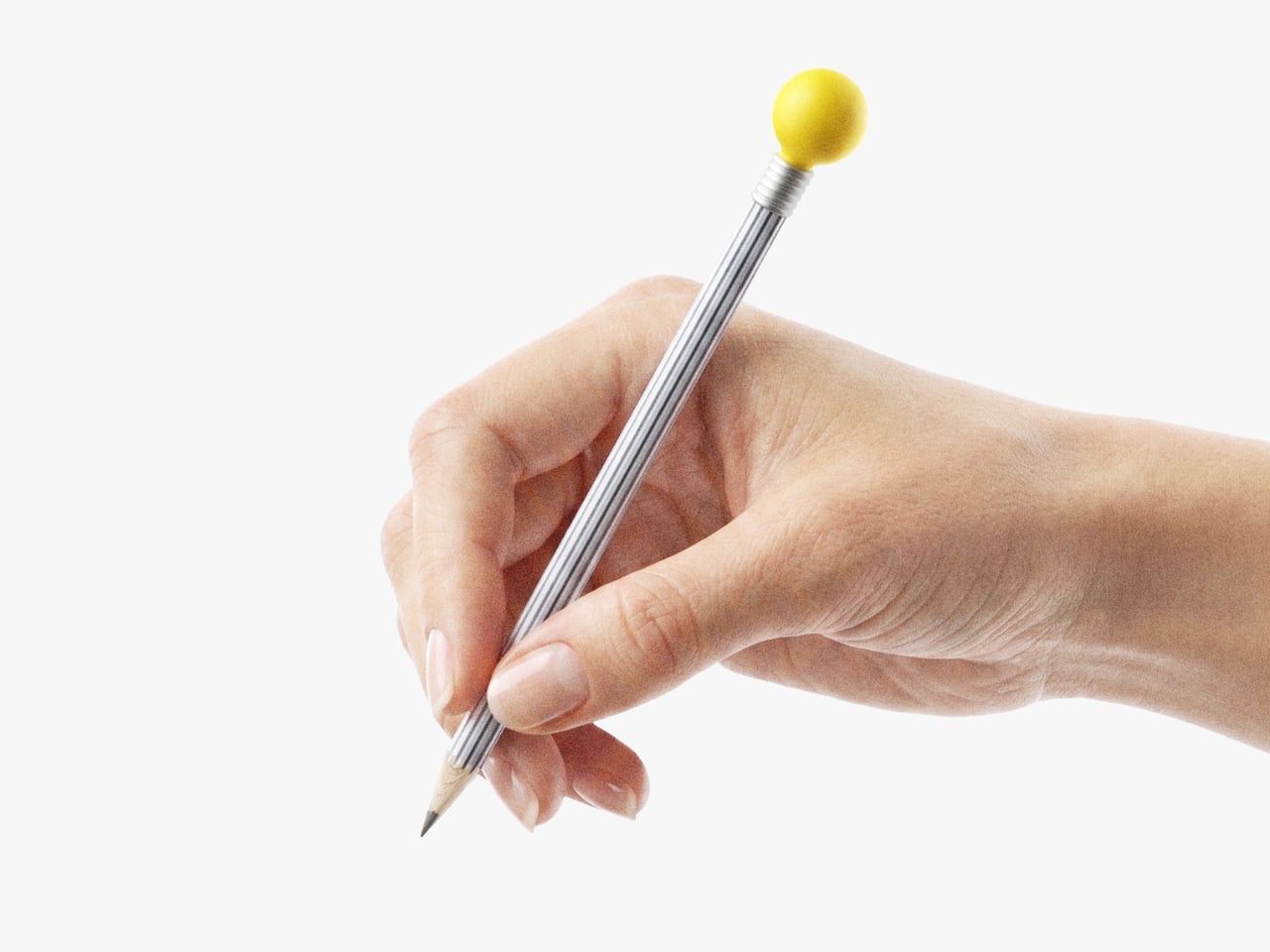
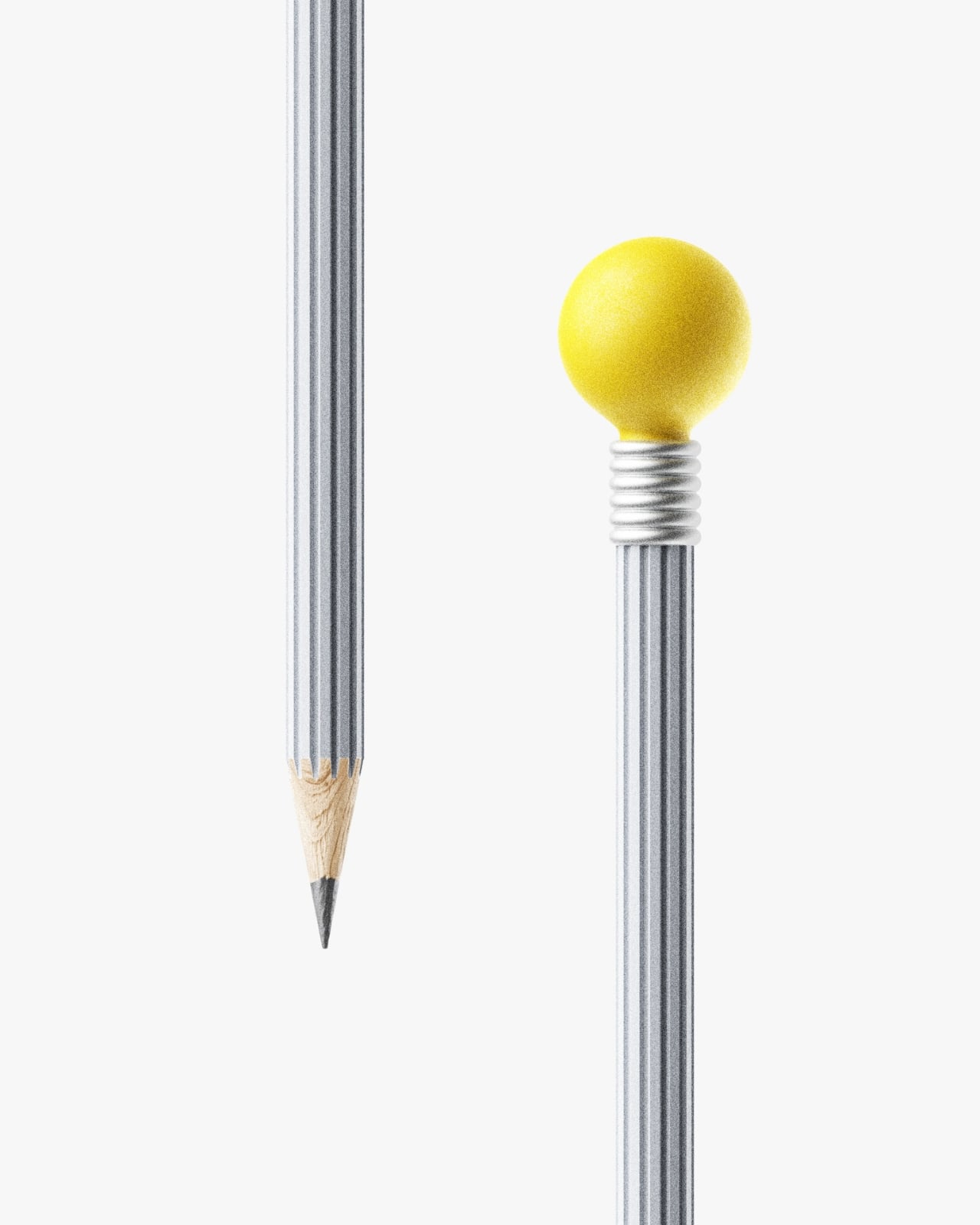
The idea is elegantly simple: a pencil designed to physically embody the act of having an idea. The body is shaped from an extruded gear form, a visual metaphor for the grinding, turning, iterative process of refining a thought. The eraser at the top? Shaped like a light bulb. Not in a cheesy, clip-art way, but with real restraint and intention. That little light bulb eraser is doing a lot of conceptual heavy lifting, referencing the universal symbol for the “aha” moment while sitting at the one end of the pencil most associated with second-guessing and starting over. It’s sharp design thinking and a quiet bit of wit in one object.

Designer: QSEODESIGN Studio

QSEODESIGN is the studio of MinGyu Seo, a South Korean industrial designer trained at ArtCenter College of Design in Pasadena, one of the most rigorous product design programs in the world. Based in Daegu, South Korea, his studio has a consistent aesthetic DNA: minimal, considered, grounded in quiet observation. Whether he’s designing watches or furniture, the approach doesn’t change. The IDEA Pencil fits exactly into that lineage. It doesn’t shout. It doesn’t over-explain. It simply presents an idea about ideas, and trusts you to get it.

What makes the concept interesting beyond the form is the framing. QSEODESIGN positions the IDEA Pencil specifically as an analog alternative to the digital keyboard. That choice of words feels deliberate, almost defiant, and I think it speaks to a broader tension a lot of us feel right now. We spend most of our hours typing, scrolling, prompting AI to generate things for us, and somewhere in all of that, the physical act of writing something by hand has started to feel almost transgressive. Reaching for a pencil instead of a laptop is a small rebellion, and designing a pencil that looks like it belongs in that rebellion is a smarter product position than it might seem.

There’s also a conversation happening right now in design and tech circles about whether we’ve overcomplicated our tools for thinking. The analog revival isn’t nostalgia for its own sake. Whiteboards covered in Post-it notes, sketchbooks, index cards on a wall, these are still the methods that show up in every serious creative and innovation process, from architecture studios to screenwriting rooms. The pencil hasn’t been improved upon as a thinking tool. It just got aesthetically neglected. The IDEA Pencil argues, persuasively, that even the most humble everyday object deserves to be considered carefully.

The packaging concept follows the same philosophy. QSEODESIGN describes it as elegant, minimal, and multifunctional, which sounds like standard design-speak until you remember that most pencil packaging is either a cardboard sleeve or a tin that gets repurposed as a button holder. When a studio extends its conceptual care all the way to the box, that’s a signal about how seriously the whole object is being treated.

I’ll say this clearly: the IDEA Pencil hasn’t reinvented what a pencil does. It still writes, still smudges, still snaps in your bag if you’re careless. But that was never the point. The point is that MinGyu Seo looked at one of the most ordinary objects on any desk and asked what it should look like if we actually thought about it. The answer he came up with is warm and smart and quietly joyful.

At a moment when most “innovative” products are competing for screen real estate or begging for a subscription fee, it’s worth pausing over a concept like this one, a studio putting serious thought into a pencil. The IDEA Pencil may still be a concept, but the argument it makes is already fully formed: the right design doesn’t just hold an idea. It looks like one.

The post Korean Studio Just Designed a Pencil That Looks Like an Idea first appeared on Yanko Design.

The Mechanical Pencil With No Button Is Actually Genius

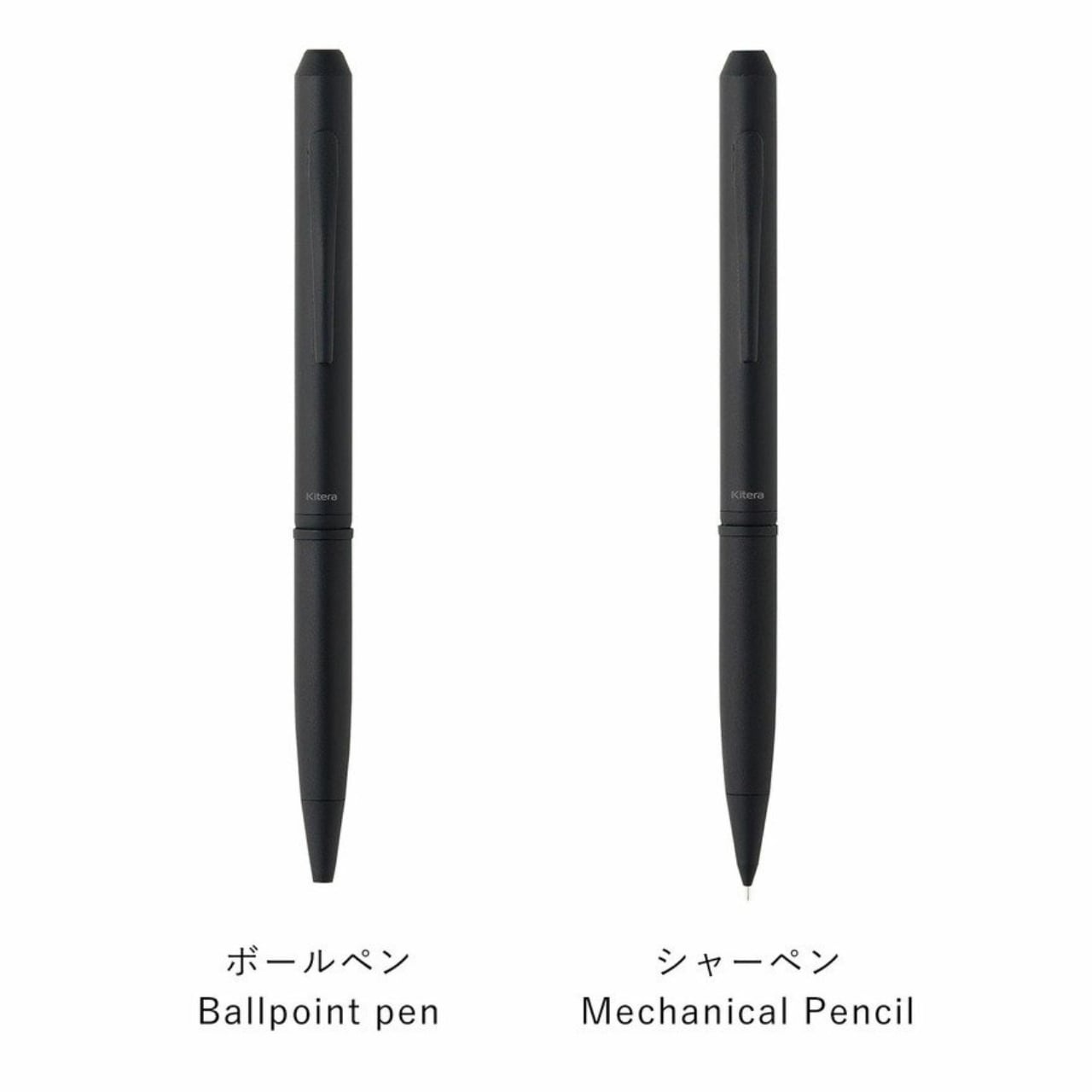
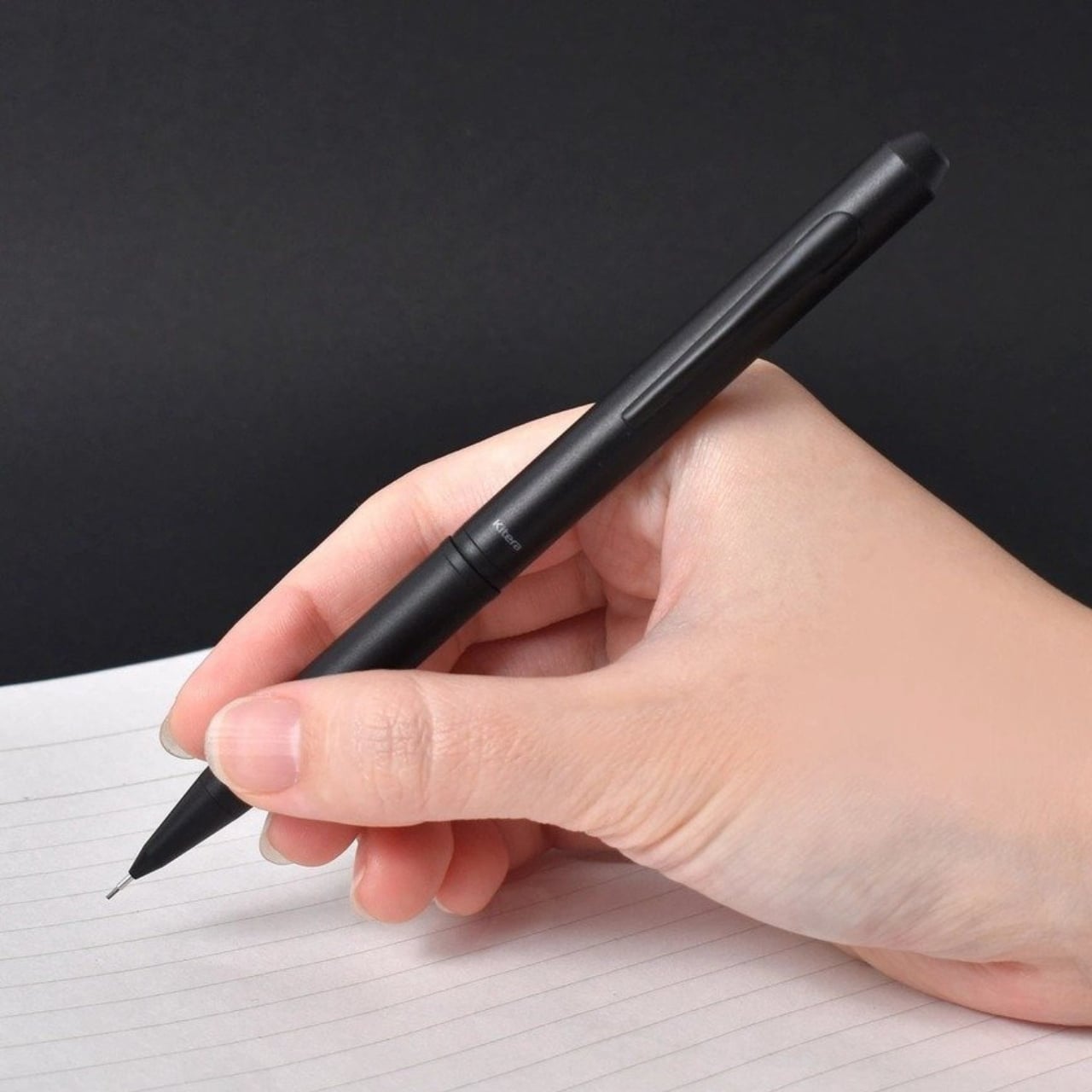
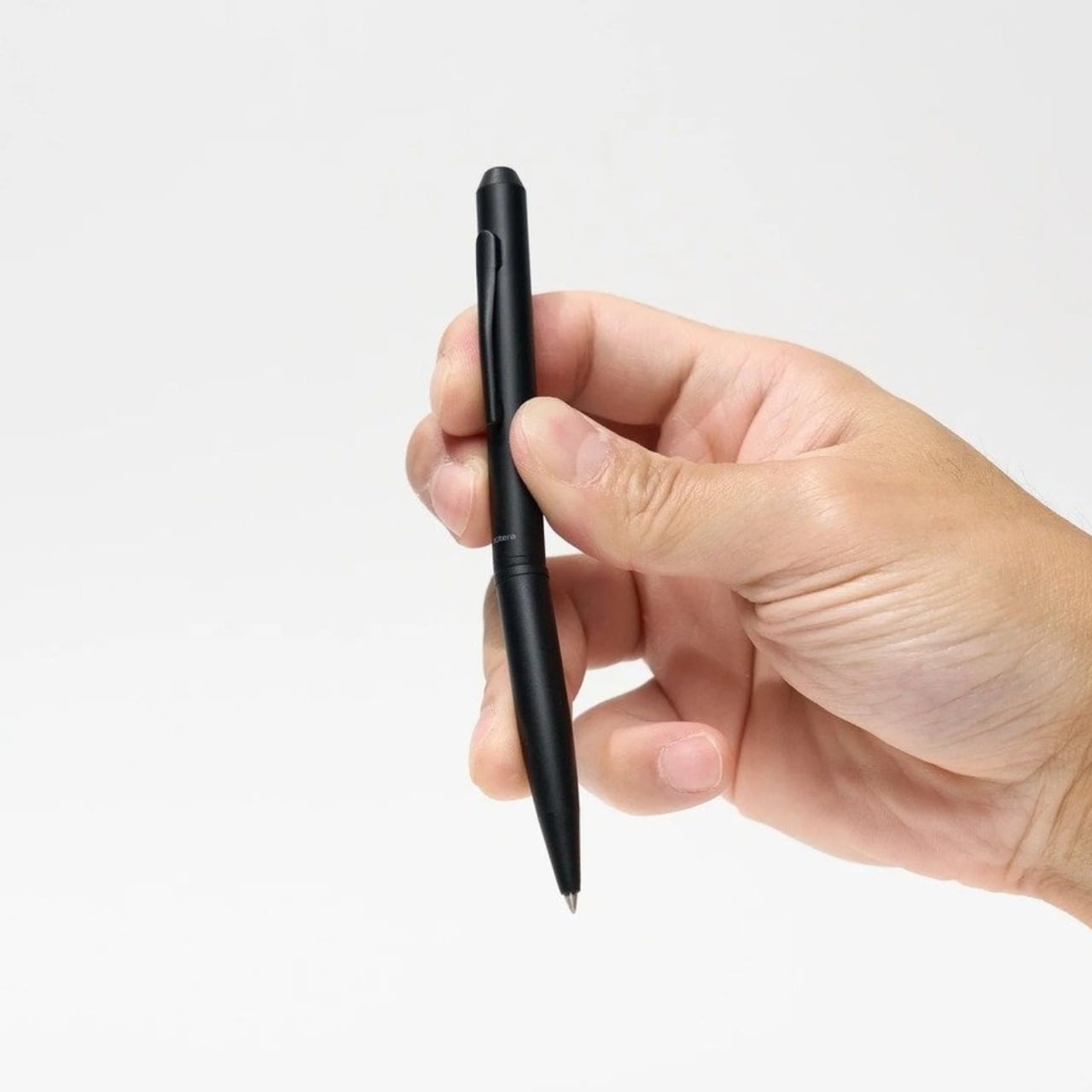
The mechanical pencil has barely changed in over a century. You hold it, click the top, the lead advances, you write. Nobody questions it. Nobody feels the urge to fix what isn’t broken. Which is exactly why the Kitera Side Knock Mechanical Pencil is such a fascinating, and slightly baffling, object to come across.

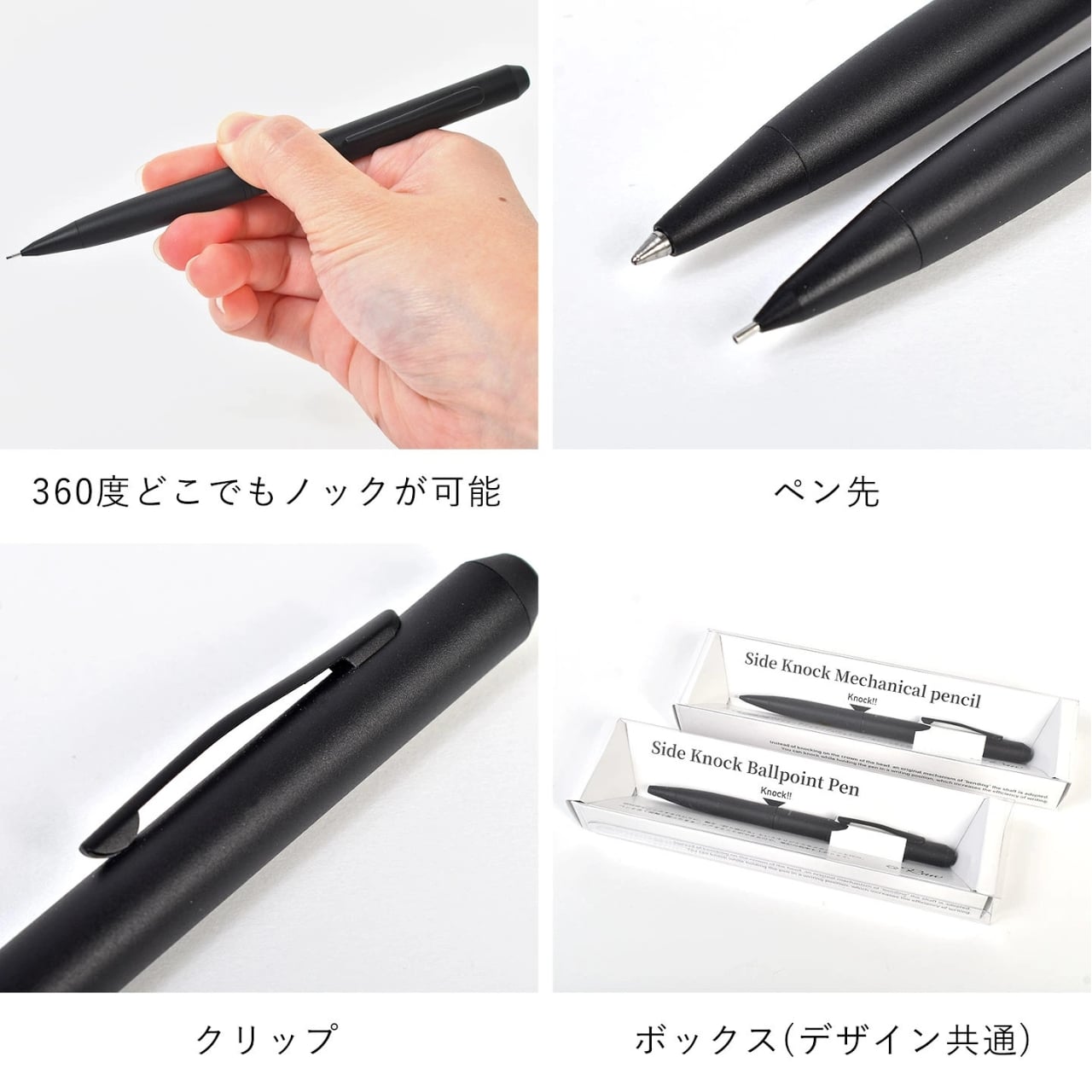
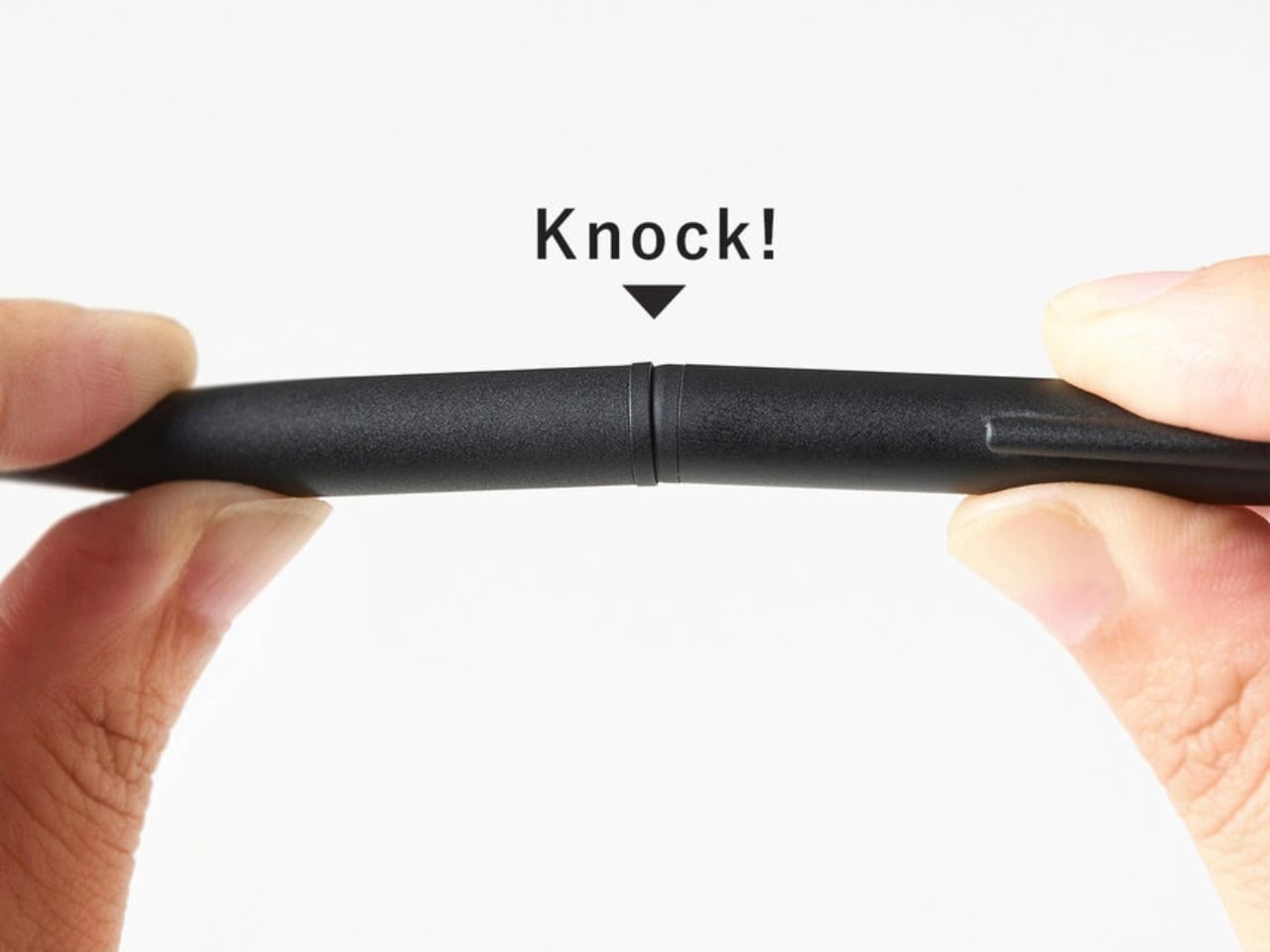
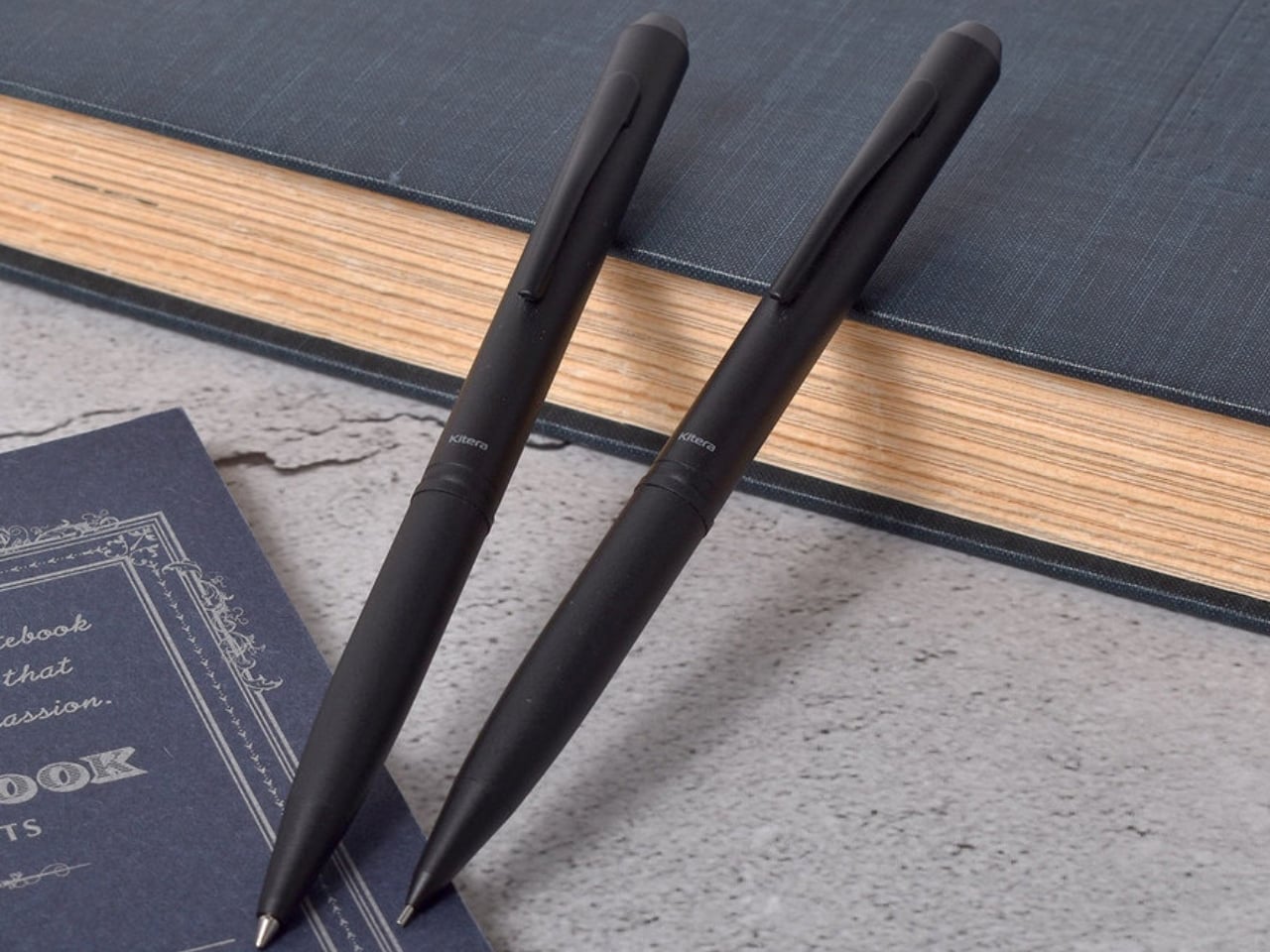
Instead of the familiar clicker at the top of the barrel, Kitera’s engineers designed a mechanism that responds to lateral pressure. You press sideways against the body of the pencil, almost like you’re trying to snap it in half, and the lead advances. That’s the “knock.” And unlike conventional side-knock pencils that feature a discrete button at a fixed point on the barrel, the Kitera responds to pressure from any direction around the shaft, a full 360 degrees of responsive flex.

Designer: Kitera

The justification, according to the brand, is uninterrupted writing. You never have to shift your grip, rotate the pencil, or go hunting for a specific click point. Wherever your hand happens to be, you squeeze, the lead comes out, you continue. It sounds logical enough until you sit with it for a moment and realize that most people don’t run out of lead mid-sentence while feverishly trying to capture a thought. Running low on lead is a pause, not a crisis. The whole pitch is a solution to a micro-problem that most of us never noticed, packaged as a quality-of-life upgrade. But that’s a trick product designers have been pulling for decades, and when they do it confidently enough, it works. And yet, the Kitera somehow makes you want to believe it.

What actually earns it genuine respect, beyond the mechanism’s theatrical qualities, is its construction. The barrel is built from brass, stainless steel, and POM, a high-performance engineering polymer used in precision components. This is not novelty-store stationery. It has heft and intention. The 0.5mm lead diameter is completely standard, so it fits right into a real daily workflow for anyone who writes, sketches, or drafts by hand. Engineering a barrel that physically flexes to advance lead while still feeling like a considered, well-made writing instrument is a real challenge. The fact that it apparently works is worth acknowledging.

Side-knock mechanisms on mechanical pencils are not entirely new. Pentel’s Technica from the early 1970s featured a side-mounted button as an alternative to the top click, and it was seen as quietly revolutionary for its time. Kitera’s version removes the fixed button point entirely, distributing the action across the entire circumference of the barrel. That is a meaningful design step forward, even if its practical payoff is modest.

The pencil also exists alongside a Side Knock Ballpoint Pen from the same brand, and that’s where things get philosophically interesting. The ballpoint version can’t claim the uninterrupted writing angle, since ballpoints don’t require lead advancement at all. At that point, the mechanism becomes purely about identity, and the brand is essentially saying they do things differently, even when they don’t have to. That’s either a design philosophy worth admiring or a very stylish kind of stubbornness. Possibly both.

I happen to find it admirable. Analog tools need to earn their place in a screen-first world. Objects that make people stop, pick them up, and ask “how does this even work?” carry a kind of cultural value that pure utility can’t always provide. A pencil with a distinctive interaction becomes a pencil worth owning, worth keeping on your desk, worth recommending to someone who will immediately try to bend it and look delighted when the lead comes out.

If you’re a purist who just wants a pencil to behave the way pencils have always behaved, the Kitera will feel like too much. But if familiar objects getting genuinely curious rethinks is your kind of thing, this one is very much worth your attention. Just don’t squeeze it too hard on your first try. Lead travels farther than you’d expect.

The post The Mechanical Pencil With No Button Is Actually Genius first appeared on Yanko Design.

This $20 Pencil Never Needs Sharpening – and It’s Quietly Replacing Everything on My Desk

There was a time when pencils felt simple. You picked one up, wrote until the tip dulled, sharpened it, and kept going. But somewhere along the way, even that small ritual started to feel more annoying than satisfying. The point breaks. The lead snaps. The sharpener is missing when you need it. And somehow, it’s always in the one room you’re not in. The tool that’s supposed to help ideas move faster suddenly becomes one more little interruption.

It’s a small frustration, but a familiar one. A sketch paused because the tip gave out. A note-taking session interrupted by a broken point. A mechanical pencil that looks precise until the lead crumbles under the slightest pressure. We tend to think of pencils as simple tools, but most of them come with just enough maintenance to get in the way. That’s what makes the Everlasting All-Metal Pencil so compelling. It takes one of the oldest writing tools around and removes the part that has always been slightly annoying.

The $20 Pencil That Made Me Stop Thinking About Pencils

At first, I thought the Everlasting All-Metal Pencil was mostly a novelty. A sleek aluminum object with a clever hook and a name designed to make you curious. But after using it for a few days, the appeal became much more practical than gimmicky.

I stopped looking for a sharpener.

I stopped dealing with snapped mechanical lead.

I stopped apologising mid-meeting for a tool that couldn’t keep up.

And I stopped thinking about the pencil at all, which is probably the highest compliment you can give a writing tool.

That’s the strange brilliance of it. It writes like a real pencil, erases like a real pencil, and yet the tip barely seems to change. You keep waiting for the usual maintenance cycle to kick in, and it just doesn’t. The result is a writing experience that feels more fluid, more dependable, and oddly calming in its refusal to interrupt you.

“I stopped thinking about the pencil at all – which is probably the highest compliment you can give a writing tool.”

Built for the Long Haul

  • Special alloy core: Leaves graphite-like marks without wearing down the way a traditional pencil tip does.
  • No sharpening required: Eliminates one of the most persistent little annoyances in writing and sketching.
  • Aluminum body: Lightweight, durable, and more substantial than a disposable wooden pencil.
  •  Erasable marks: Works with regular erasers, so it keeps the familiar flexibility of graphite.
  • Watercolor-friendly performance: Doesn’t bleed with watercolor or water-based markers, making it especially useful for sketching and mixed media work.
  • Pocket-sized option available: Easier to carry when you want something compact but more dependable than a mechanical pencil.

This isn’t about reinventing the pencil. It’s about removing the part that never needed to be there in the first place.

Not for you if: You love the ritual of sharpening or prefer the variability of a traditional graphite line for fine art work.

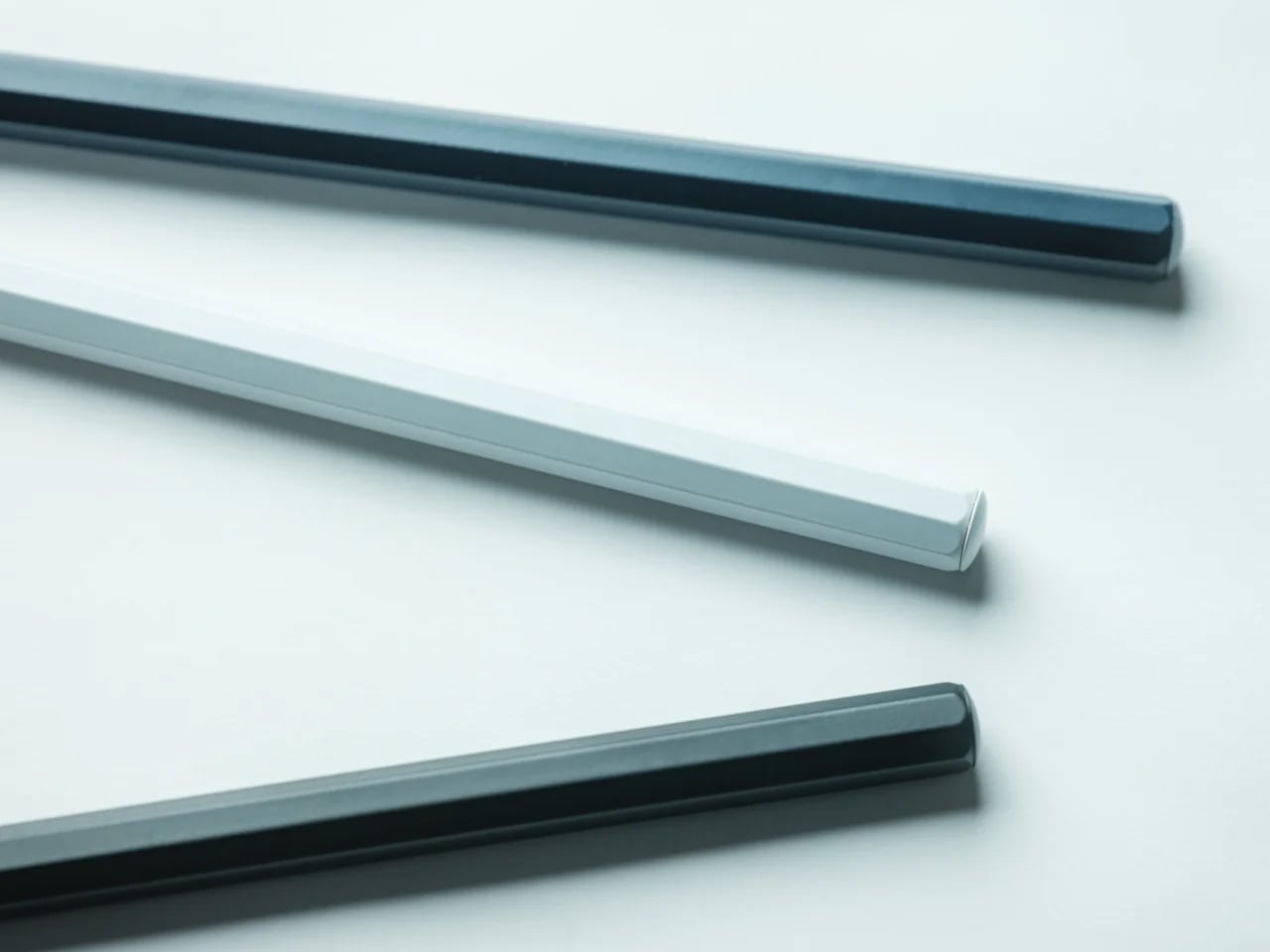
Three metal rods with rounded ends lie diagonally on a white surface (two dark gray, one light gray).

Why Simpler Tools Still Win

Every few years, a simple tool appears that makes you wonder why you ever accepted the complicated version. We live in a world full of products that promise precision through complexity. Click mechanisms, replaceable lead, backup cartridges, specialized refills. And yet some of the most satisfying tools are still the ones that ask the least from you. A pencil should be immediate. It should be ready the second a thought arrives, not after you fix, refill, or sharpen something.

The Everlasting All-Metal Pencil gets that. It keeps the familiar feel of graphite on paper, but strips away the maintenance that usually comes with it. That makes it feel less like a novelty object and more like a quiet correction to a category we stopped questioning a long time ago.

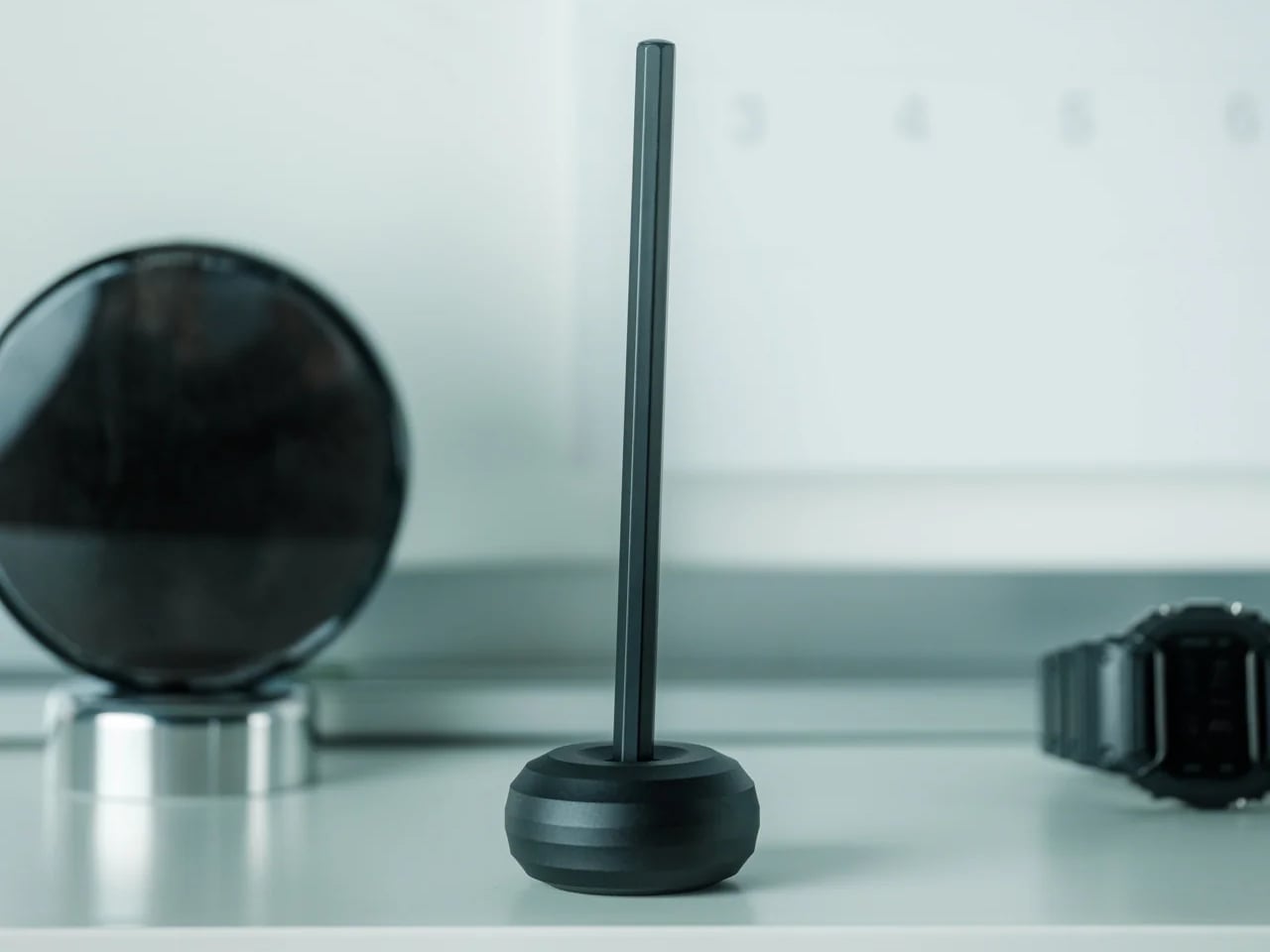
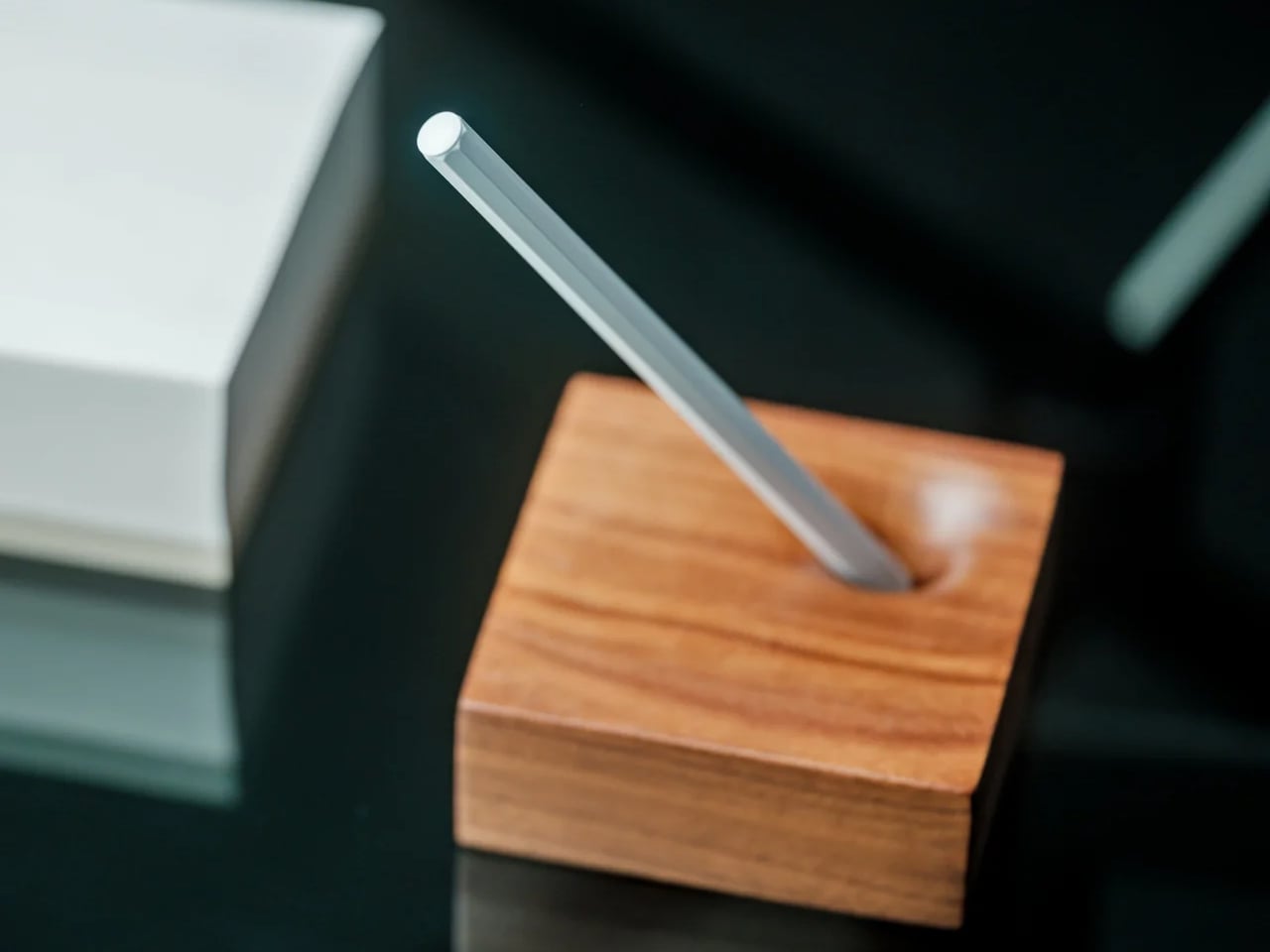
Silver metal rod inserted diagonally through a small square wooden block on a dark surface, like a desk accessory.

Design That Reflects Restraint

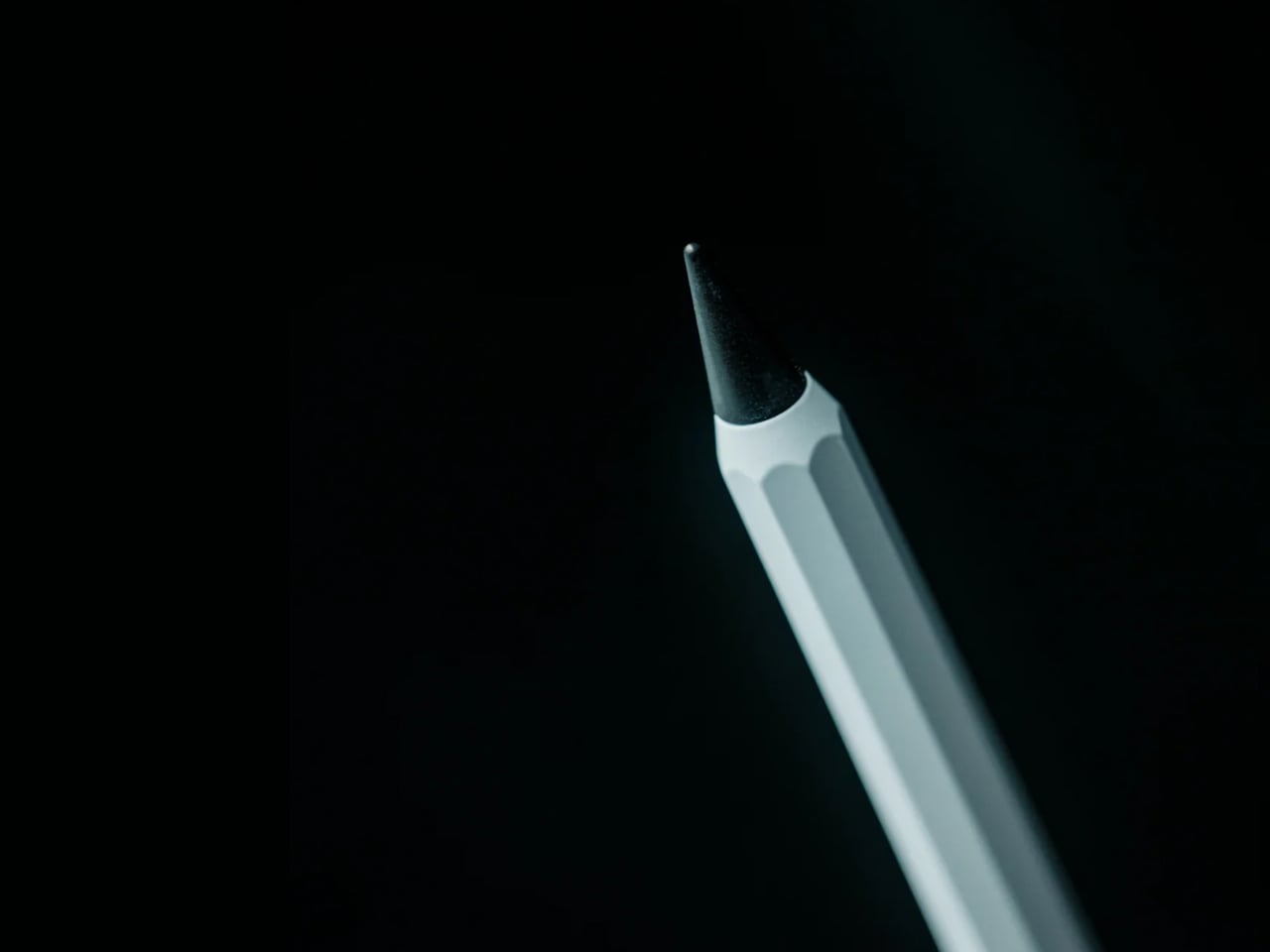
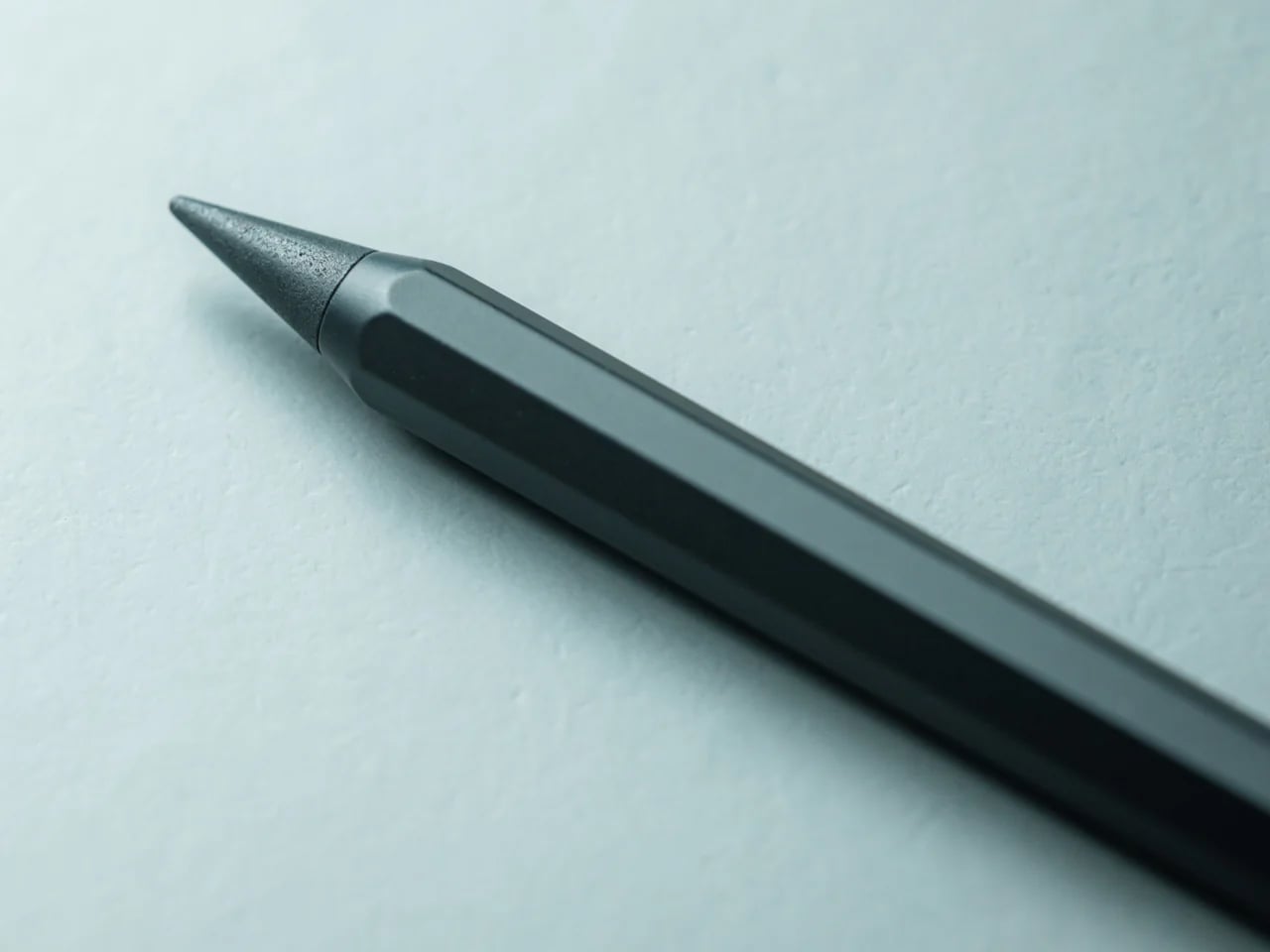
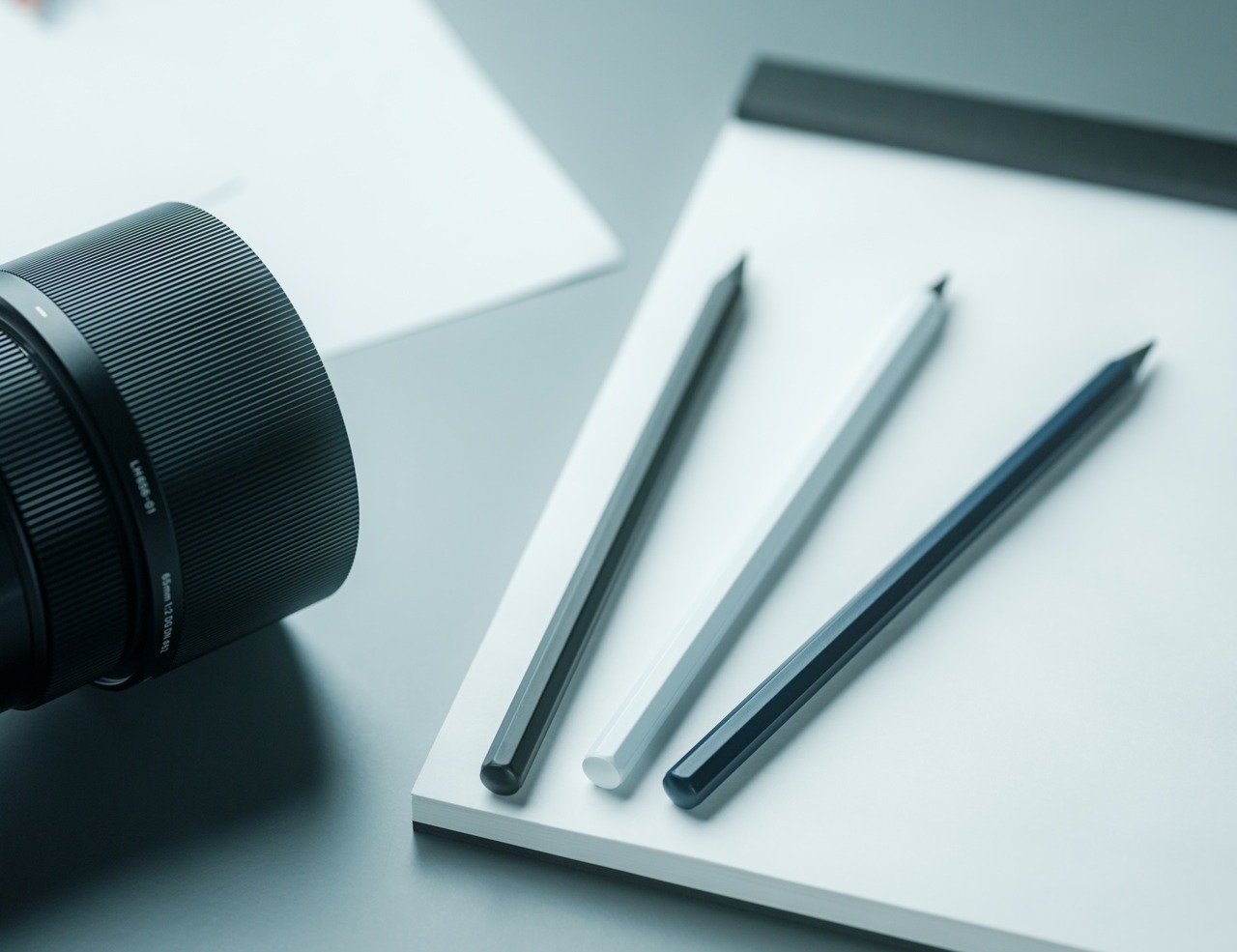
There’s a clean confidence to the Everlasting All-Metal Pencil that makes sense the longer you use it. The aluminum body gives it just enough weight to feel deliberate, while the octagonal shaft keeps it stable in the hand. Nothing about it feels decorative for the sake of it. The design is simple, compact, and resolved in the way good everyday tools tend to be.

It doesn’t try to romanticize the pencil. It just makes the experience feel more complete. That’s what gives it presence. Not flash, not novelty, just a better answer to a familiar problem.

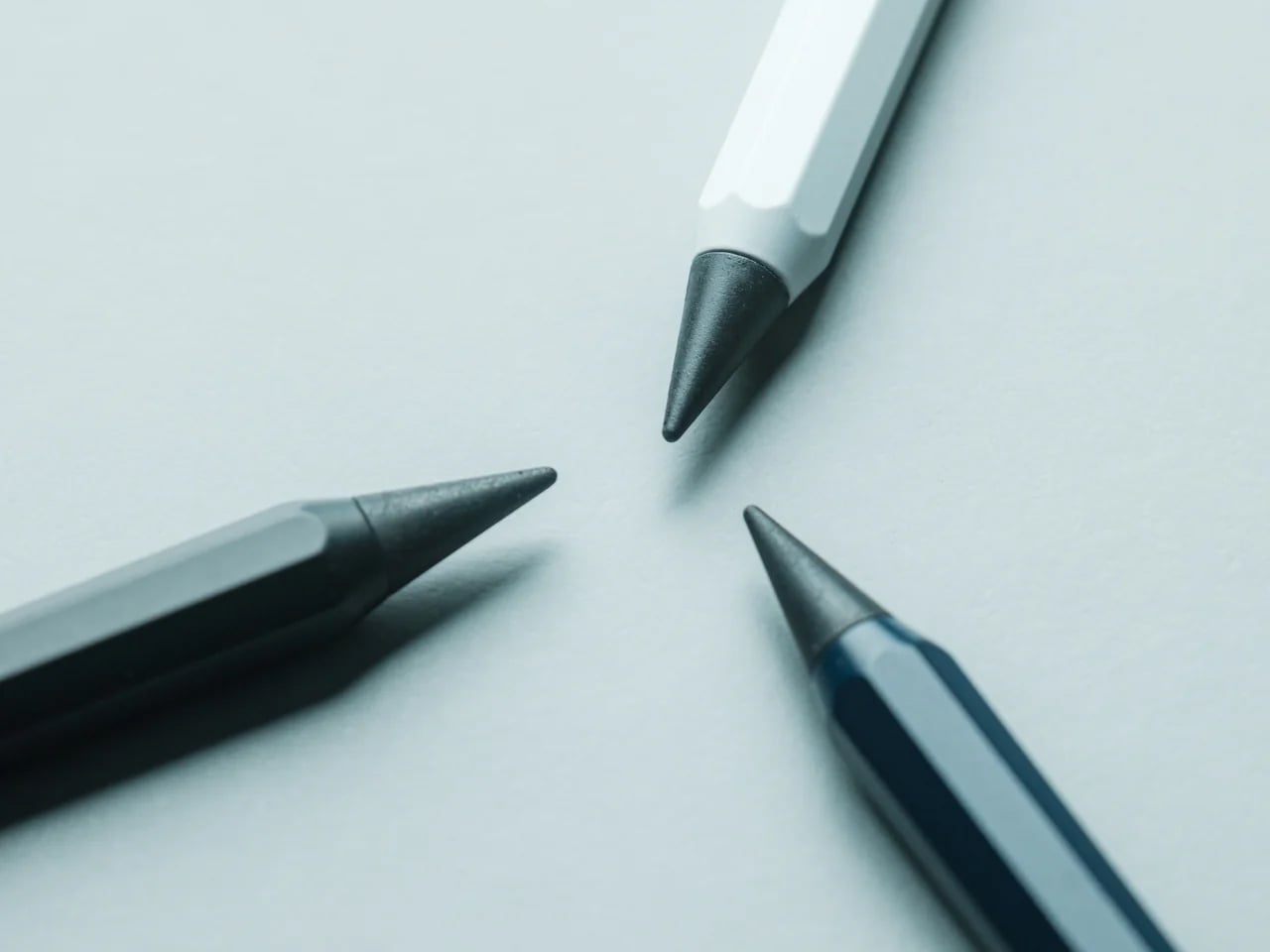
Close-up of a dark pencil-like stylus tip on a light blue background, angled to show the pointed metal nib.

Who It’s For

  • Writers and note-takers
    A pencil that stays ready without the usual interruptions.
  • Artists and sketchers
    Especially useful for watercolor or marker work where smudging can get in the way.
  • Minimalists
    One durable writing tool that replaces the need for sharpeners, spare lead, and extra fuss.

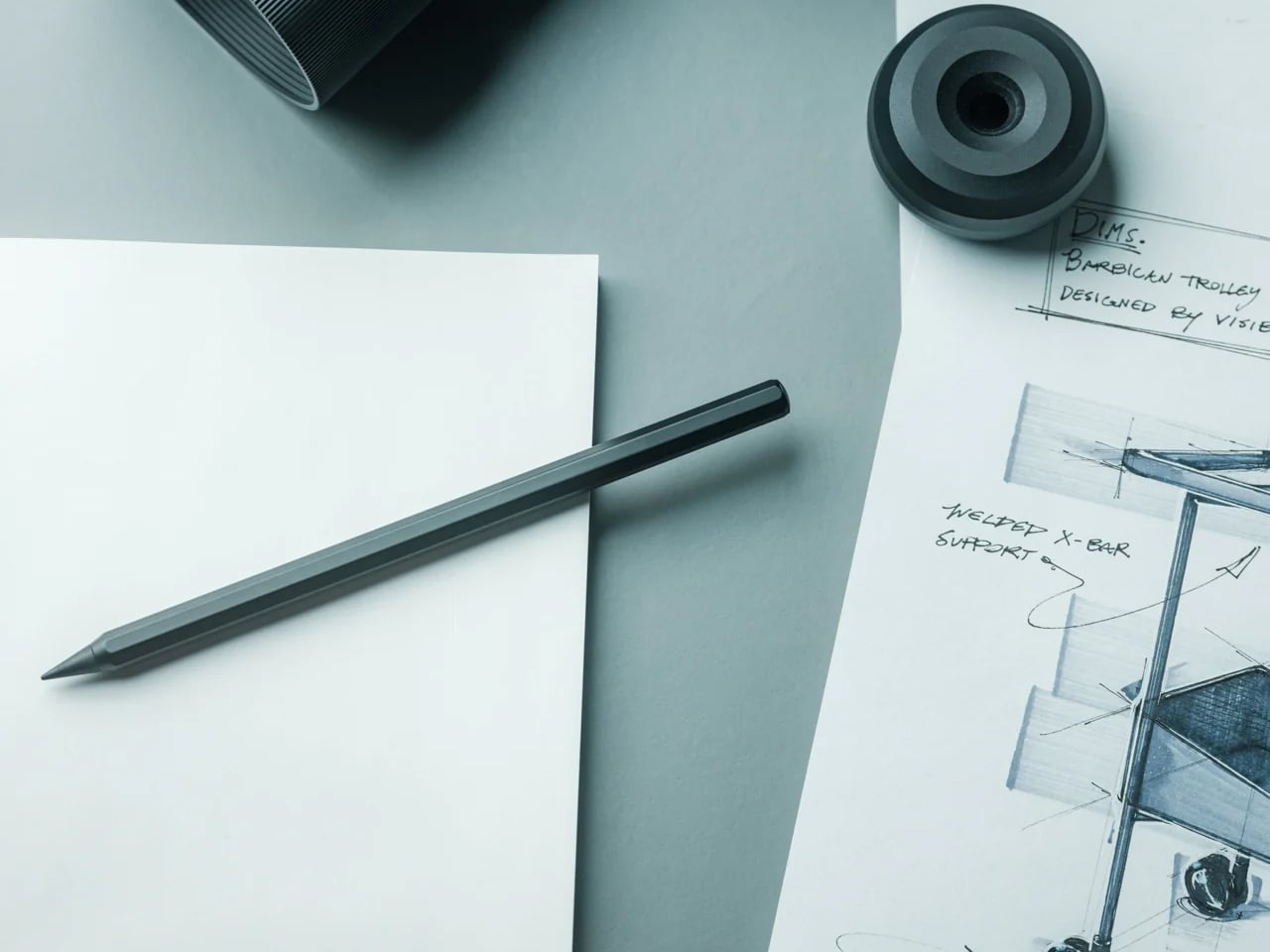
Pencil rests on white paper beside design sketches and a roll of tape on a light desk surface

Where Writing Stays in Motion

You don’t realize how often small interruptions break your flow until one tool removes them. Most of us don’t need a smarter pencil. We need one that gets out of the way and keeps going. That’s what the Everlasting All-Metal Pencil does so well. It keeps the familiar pleasure of writing with graphite, while quietly removing the maintenance that usually comes with it.

At the end of the day, it’s still a pencil. But sometimes, the right one makes the entire act of writing feel a little less fragile.

The Everlasting All-Metal Pencil is now available for $19.95 – roughly the cost of three decent mechanical pencils that will eventually run out of lead. This one won’t.

The post This $20 Pencil Never Needs Sharpening – and It’s Quietly Replacing Everything on My Desk first appeared on Yanko Design.

These Solid Copper & Brass Mechanical Pencils Were Designed to Outlast Their Owners By Centuries

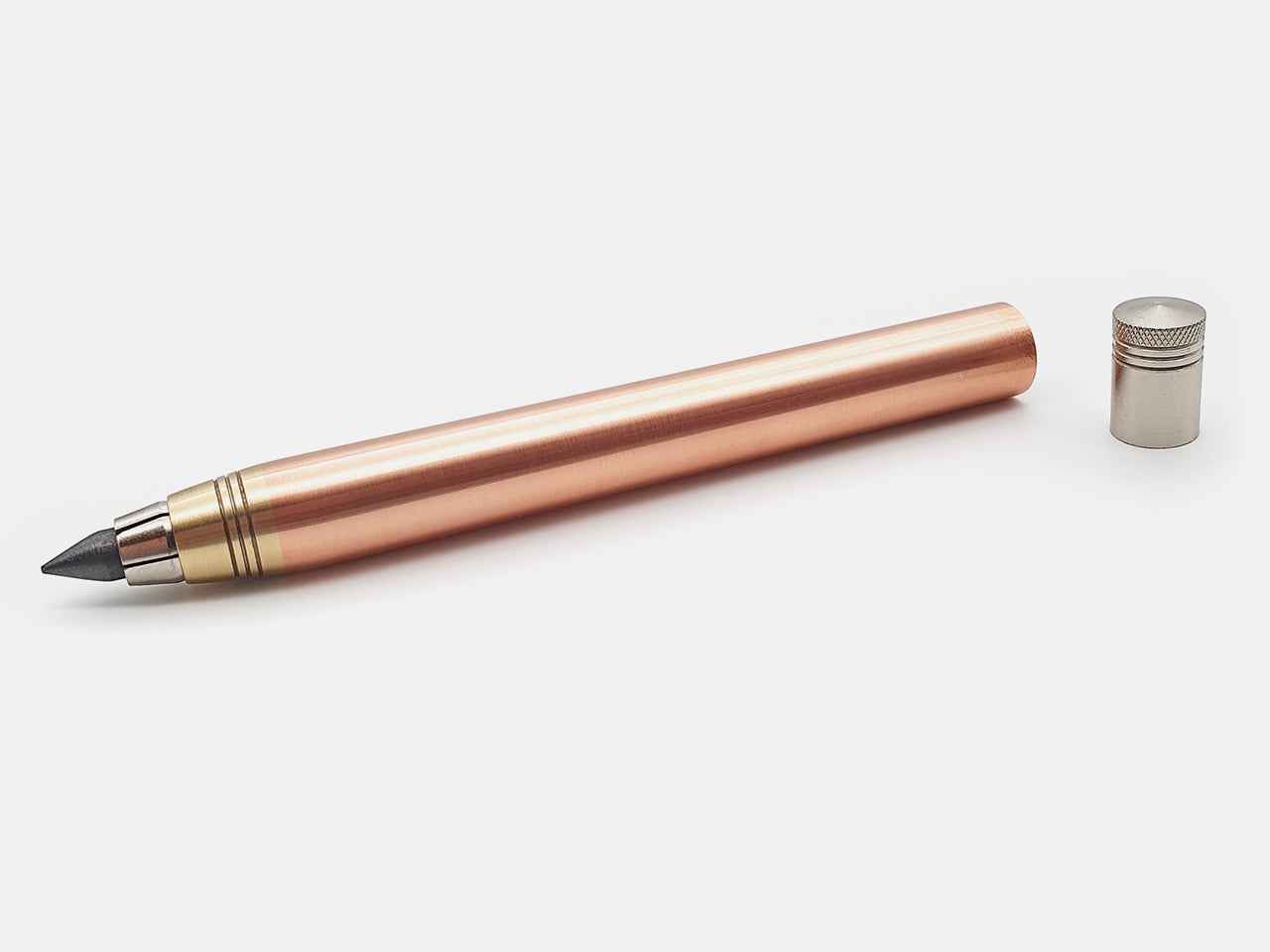
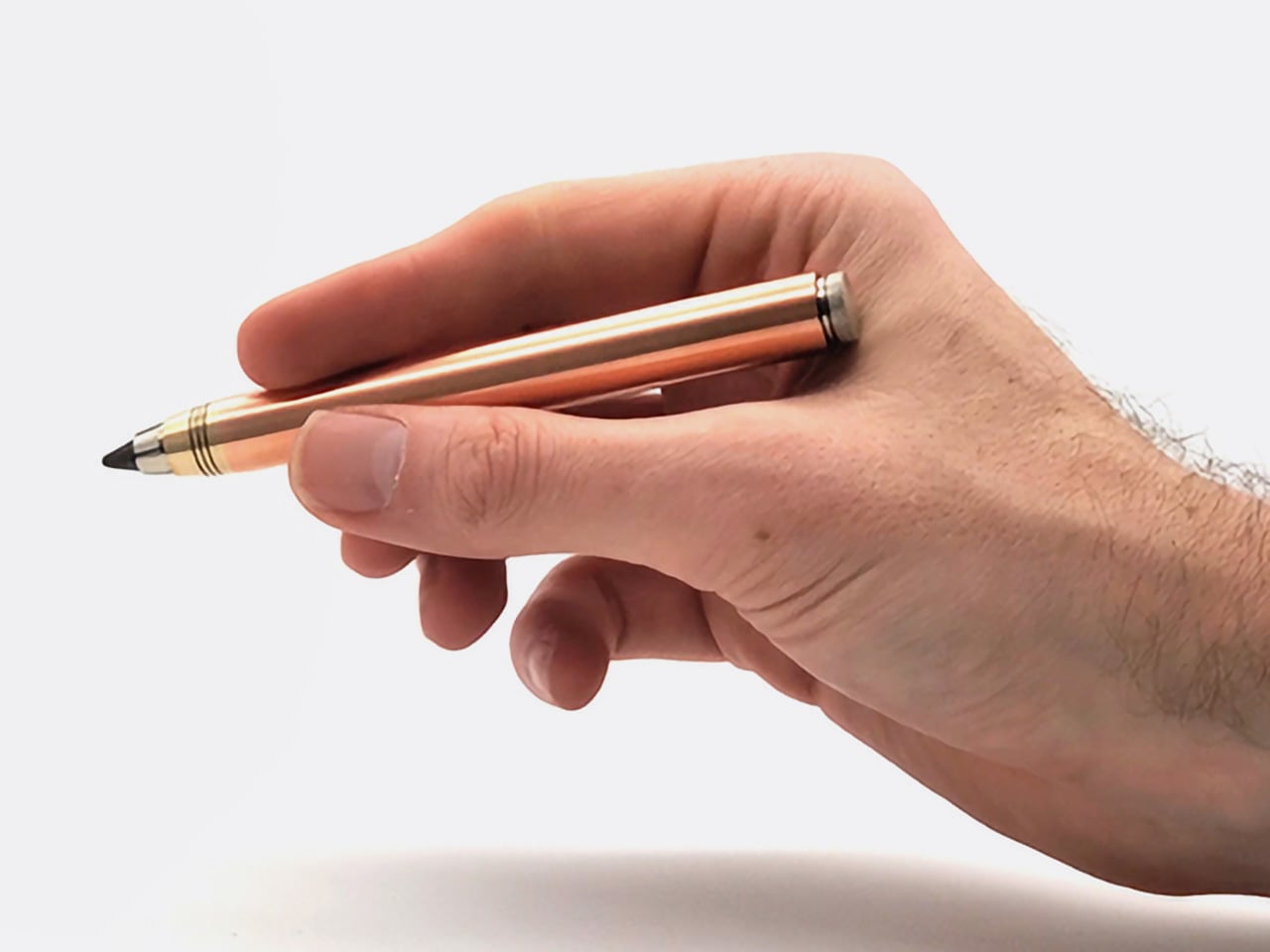
Copper weighs 8.96 grams per cubic centimeter. Brass comes in at around 8.5. Those densities mean something when you’re holding a pencil for hours at a time, and Nicholas Hemingway has built an entire design philosophy around that fact. His clutch pencils are machined from solid metal bar stock rather than hollowed-out tubes or plastic barrels wrapped in metallic finishes. The result is a tool that sits differently in your hand, one that uses its own mass to reduce the pressure you need to apply to the page. Hemingway calls it a “gravity-feed” approach, where the weight of the copper body does the work, allowing for longer, more comfortable creative sessions without the hand fatigue that comes from gripping too hard or pressing too firmly.

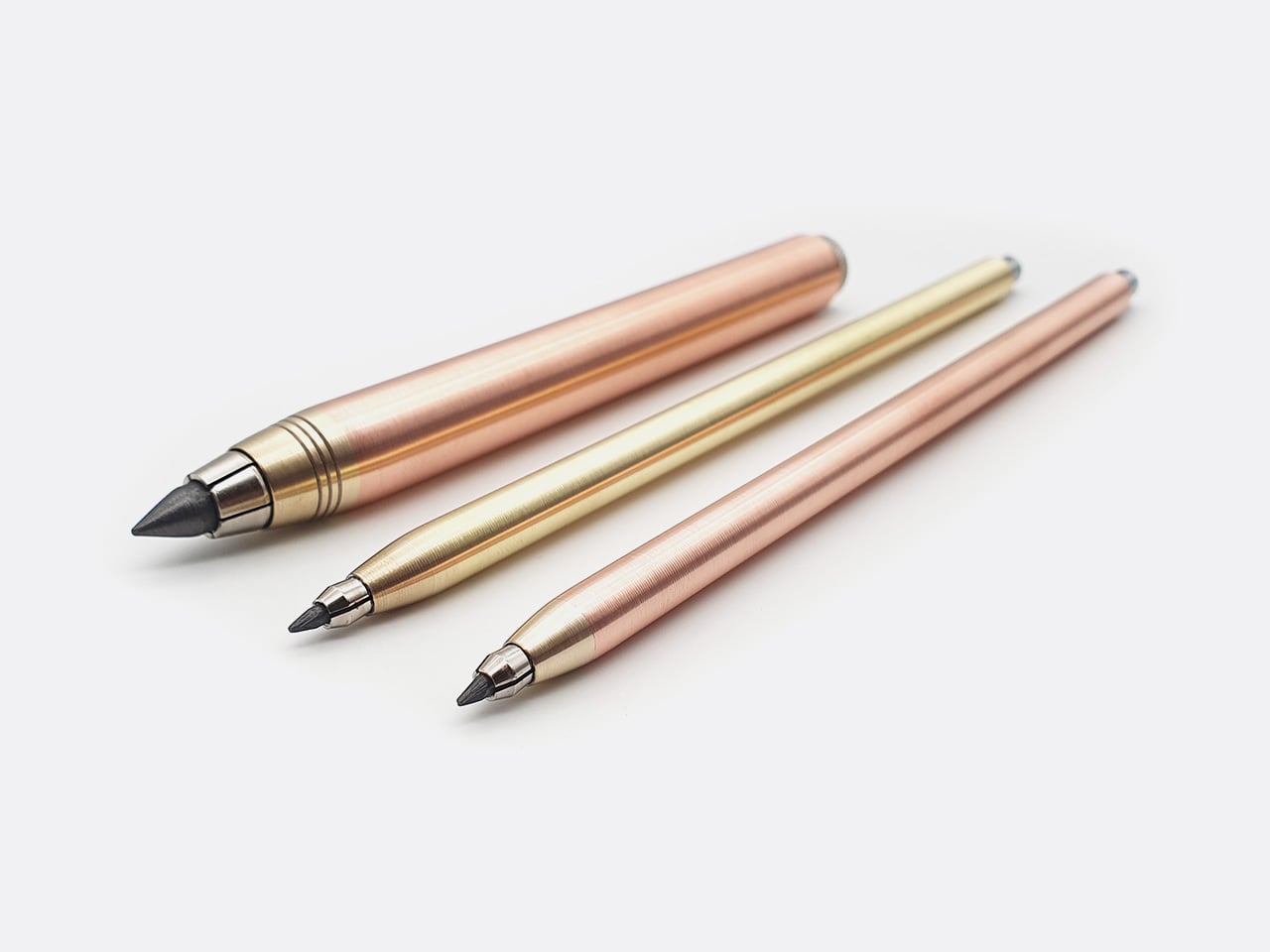
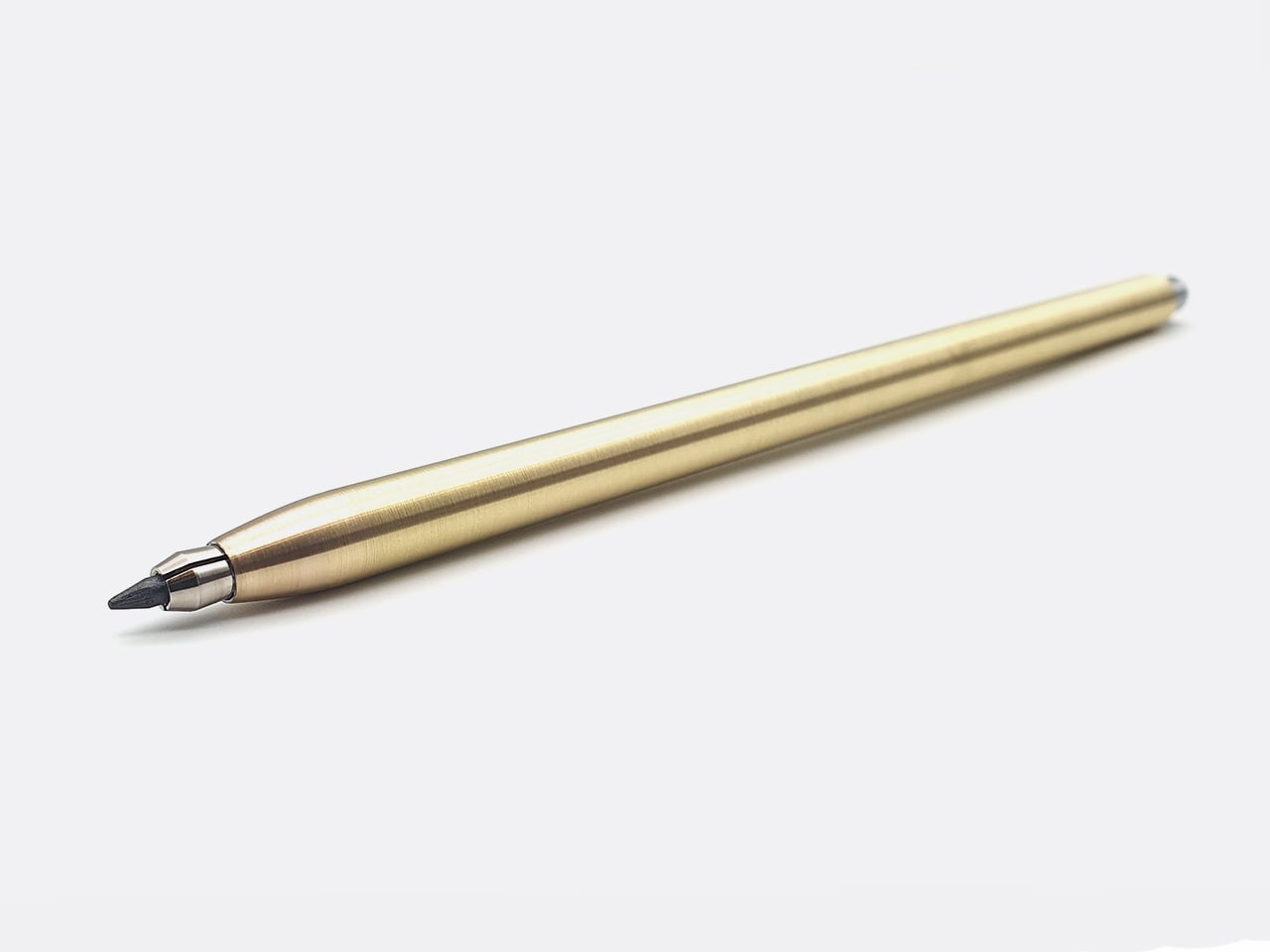
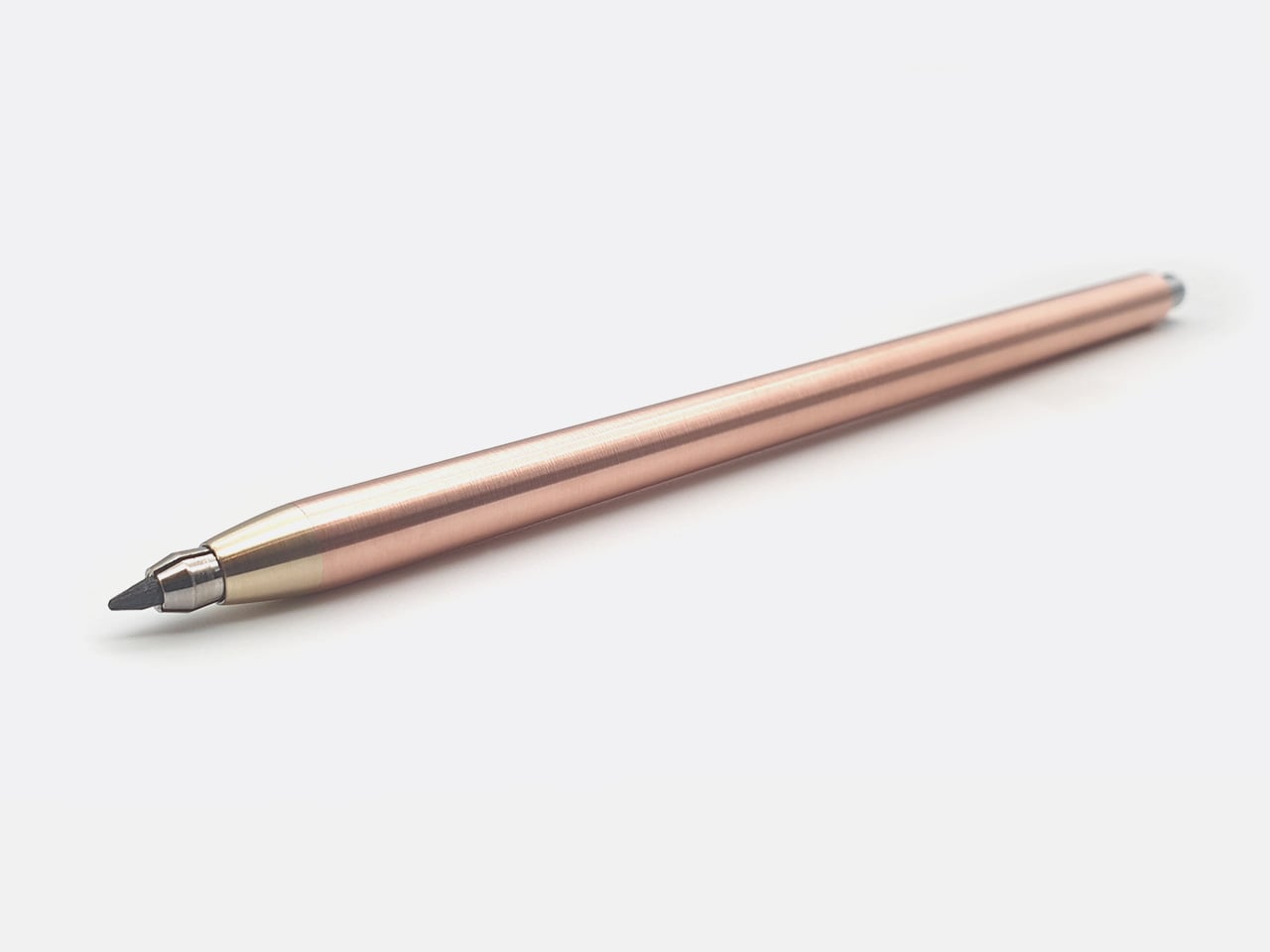
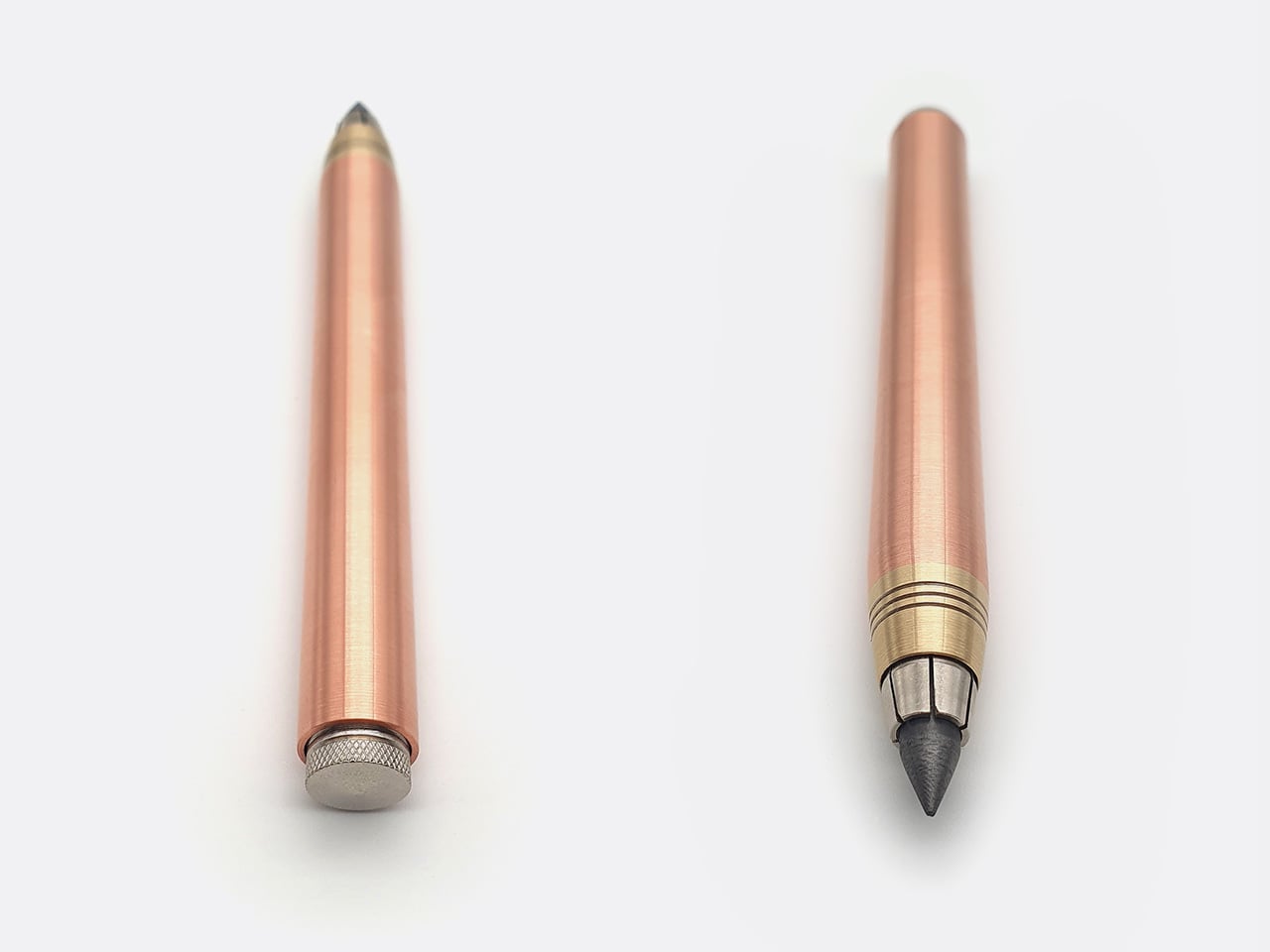
The 10th anniversary collection includes three pencils, each one a celebration of a decade spent refining manual lathe craftsmanship. The 5.6mm Copper and Brass Hybrid is the heaviest at 58 grams, designed for shading and life drawing, with a built-in lead sharpener in the push button. The 2mm Precision series comes in brass or copper, each weighing around 30 grams, and is aimed at technical drafting and fine-line illustration. Hemingway ships the brass version with an HB lead and the copper version with a 2B lead (the 5.6mm version gets the darkest 5B lead), a pairing he uses in his own studio to avoid having to swap leads mid-workflow. Both are standard clutch formats, fully compatible with any lead brand you prefer.

Designer: Nicholas Hemingway

Click Here to Buy Now: $79 $115 (31% off). Hurry, only 15/50 left!

The clutch mechanism is simple, proven, and deliberately old-fashioned. Press the top button to release the jaws, advance or retract the lead, then release the button to lock it in place. There are no springs to fatigue, no ratcheting internals to gum up with graphite dust, and no plastic components to crack under pressure. The 5.6mm version includes a sharpening chamber machined directly into the push button, a detail that keeps the pencil self-sufficient without requiring a separate pocket sharpener. The mechanism works identically whether you’re using the factory-supplied HB or a softer 6B lead you’ve swapped in yourself. Hemingway designed these pencils to accept any standard 2mm or 5.6mm lead on the market, which means you can dial in exactly the hardness and texture you prefer without being locked into proprietary refills.

The 5.6mm Copper & Brass Clutch

The material choice drives the entire experience and stands as a direct antidote to disposable culture. C101 copper is a high-conductivity grade typically used in electrical applications, chosen here for its density, workability, and willingness to develop a rich patina over time. The 360 brass, a free-machining alloy, delivers a brighter, more clinical aesthetic and holds its finish longer before tarnishing. Hemingway leaves both materials raw, with no lacquer, no powder coating, and no protective sealant. The copper will darken and mottle as it reacts to the oils in your skin and the humidity of your studio. The brass will develop a warmer, more subdued tone, though it resists the transformation longer than copper does. This is slow design in practice, where the aging process becomes part of the design language, carrying the visible marks of its owner’s journey rather than something to prevent or hide.

The 2mm Brass

The 2mm Copper & Brass

Dimensionally, the 5.6mm Copper and Brass Hybrid measures 115mm in length with a 12mm diameter barrel, while the 2mm Precision series comes in at 140mm long with a 7mm diameter. The 2mm pencils are slimmer and longer, built for precision linework and extended drafting sessions where fine motor control matters. The 5.6mm version is shorter and thicker, designed to sit further back in your hand for broader, more gestural strokes. At 58 grams, the 5.6mm Hybrid has real heft, the kind of weight that anchors your hand to the page and makes you slow down, think about each mark, and commit to your lines. The balance has been engineered around the nib, shifting the center of gravity forward so the pencil glides across the paper rather than requiring constant pressure from your wrist.

Hemingway machines every pencil in-house at his London workshop on a manual lathe, hand-finishing each piece and inspecting it personally before it ships. The production model is bespoke and made-to-order, which eliminates the supply chain drama that plagues most crowdfunded EDC launches. If 100 people order a pencil, Hemingway machines 100 pencils. There are no minimum order quantities with overseas factories, no shipping containers stuck in customs, and no quality control surprises three months into fulfillment. Every tool is built to the same standard Hemingway uses for his own work, and the track record backs that up. This is his 17th Kickstarter campaign, and all 16 previous projects delivered on time. These are engineered to be the last drawing tools a creative will ever need to buy, true heirlooms designed for a lifetime of use and capable of being passed down.

Whether you opt for the copper or brass variant, or even the 5.6mm or 2mm model, Hemingway’s set the pricing at £59 ($79 USD), discounted off its £85 MSRP. Each pencil comes with its own lead, along with a hand-written note in a wonderful gift box. International shipping starts July 2026, and Hemingway packages everything in recycled cardboard with zero single-use plastics. All waste metal from the workshop gets collected and sent back to be melted down and reused, keeping the production cycle as tight and sustainable as the pencils themselves.

Click Here to Buy Now: $79 $115 (31% off). Hurry, only 15/50 left!

The post These Solid Copper & Brass Mechanical Pencils Were Designed to Outlast Their Owners By Centuries first appeared on Yanko Design.

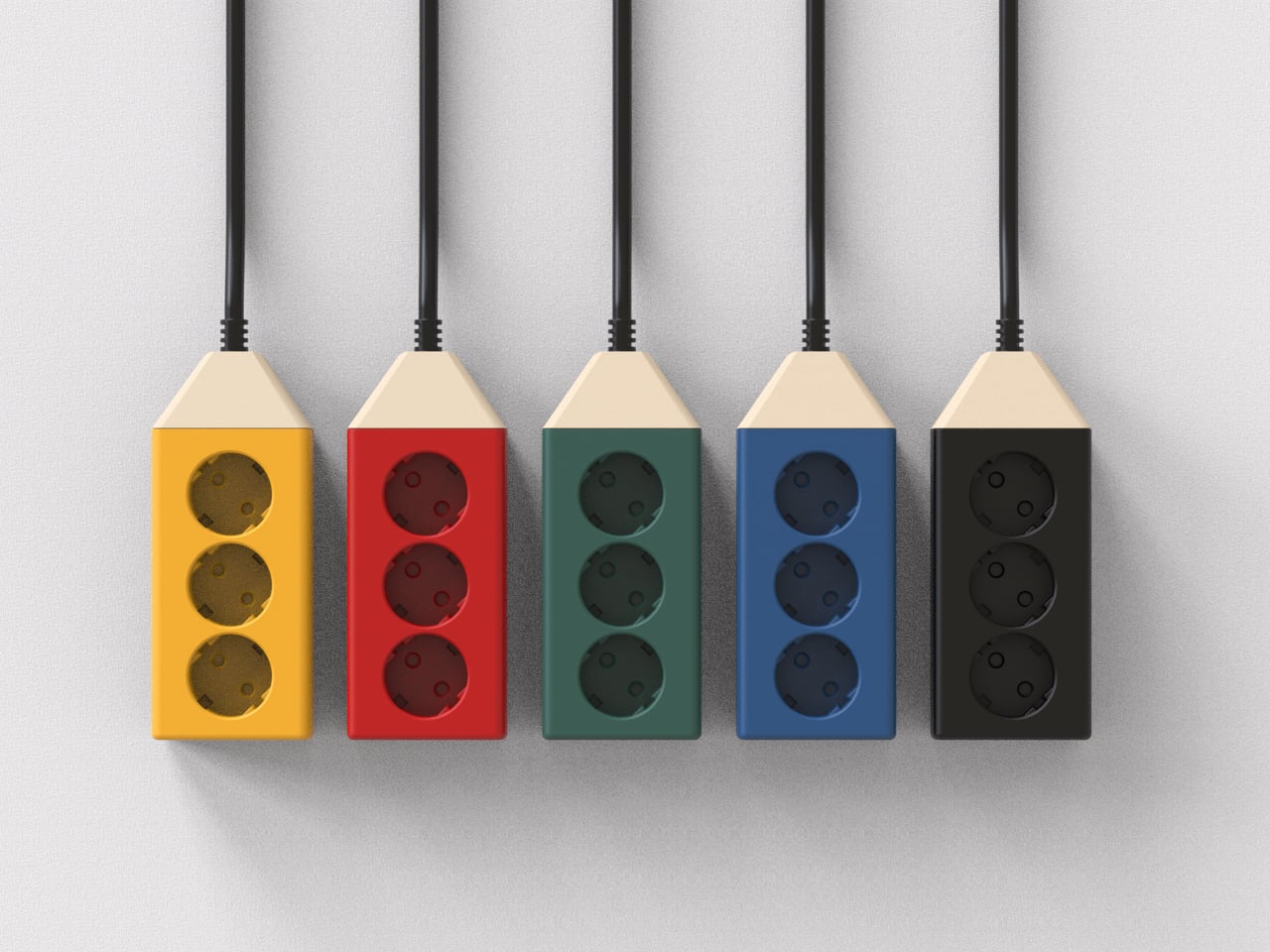
This Power Strip Looks Like a Pencil with a Cable That Draws a Line

Setting up a desk usually means the laptop and lamp go on top while the power strip disappears underneath, tangled with dust and forgotten cables. Electricity gets treated as something to manage and conceal, even though it quietly runs everything you do all day. Most power strips look industrial or aggressively technical, which is why they end up banished behind furniture, making plugging things in feel like reaching into a dark cave.

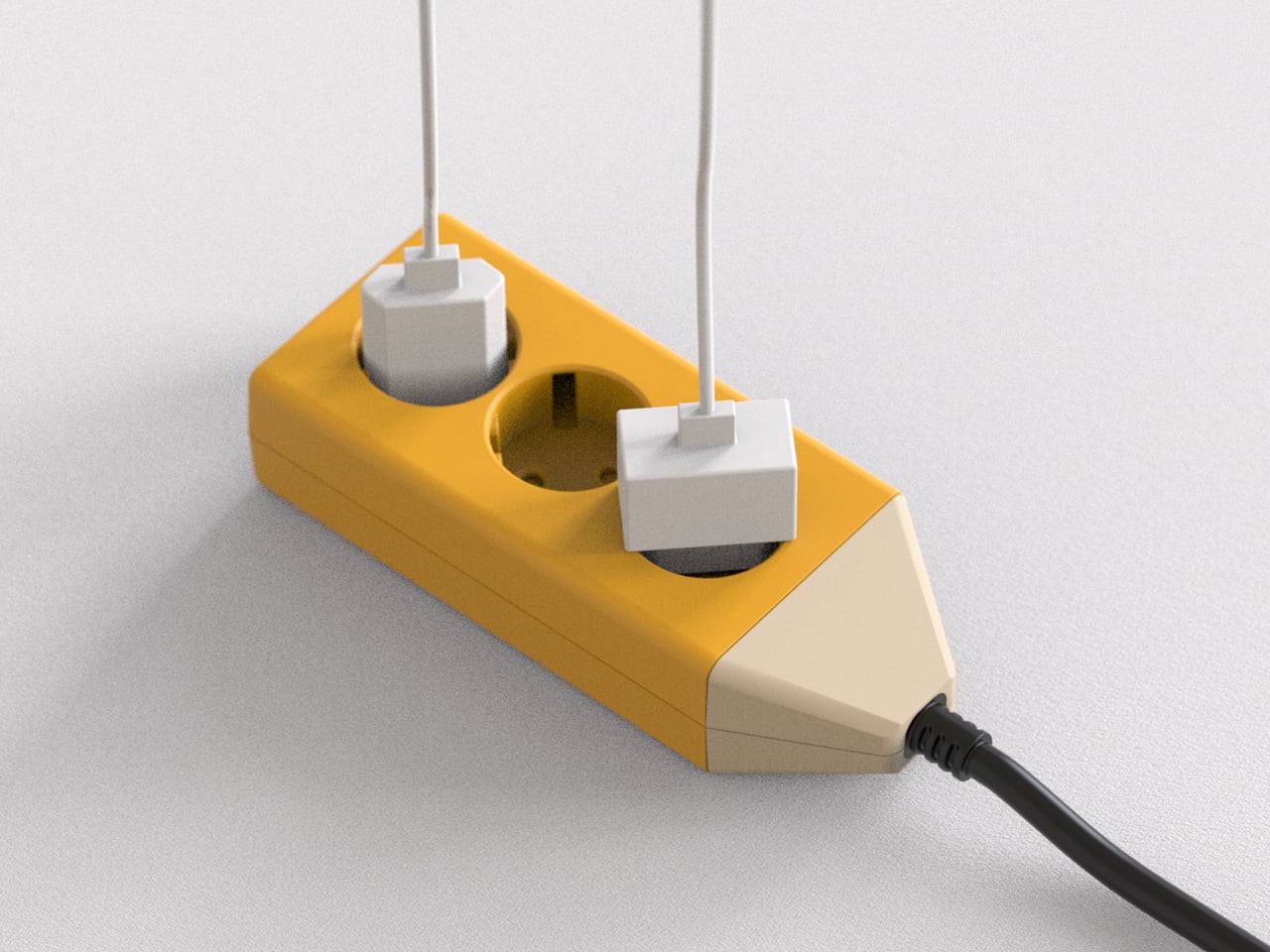
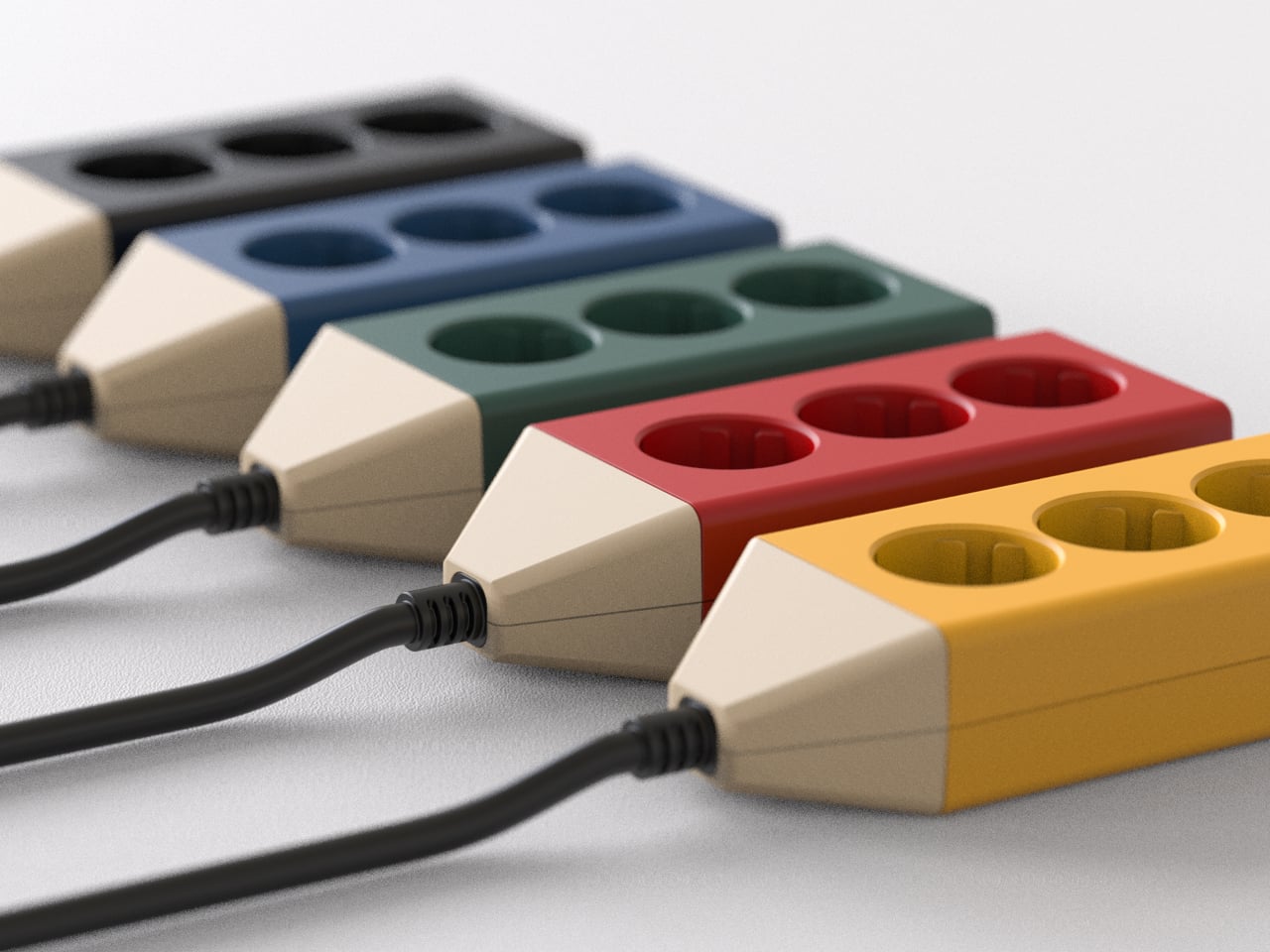
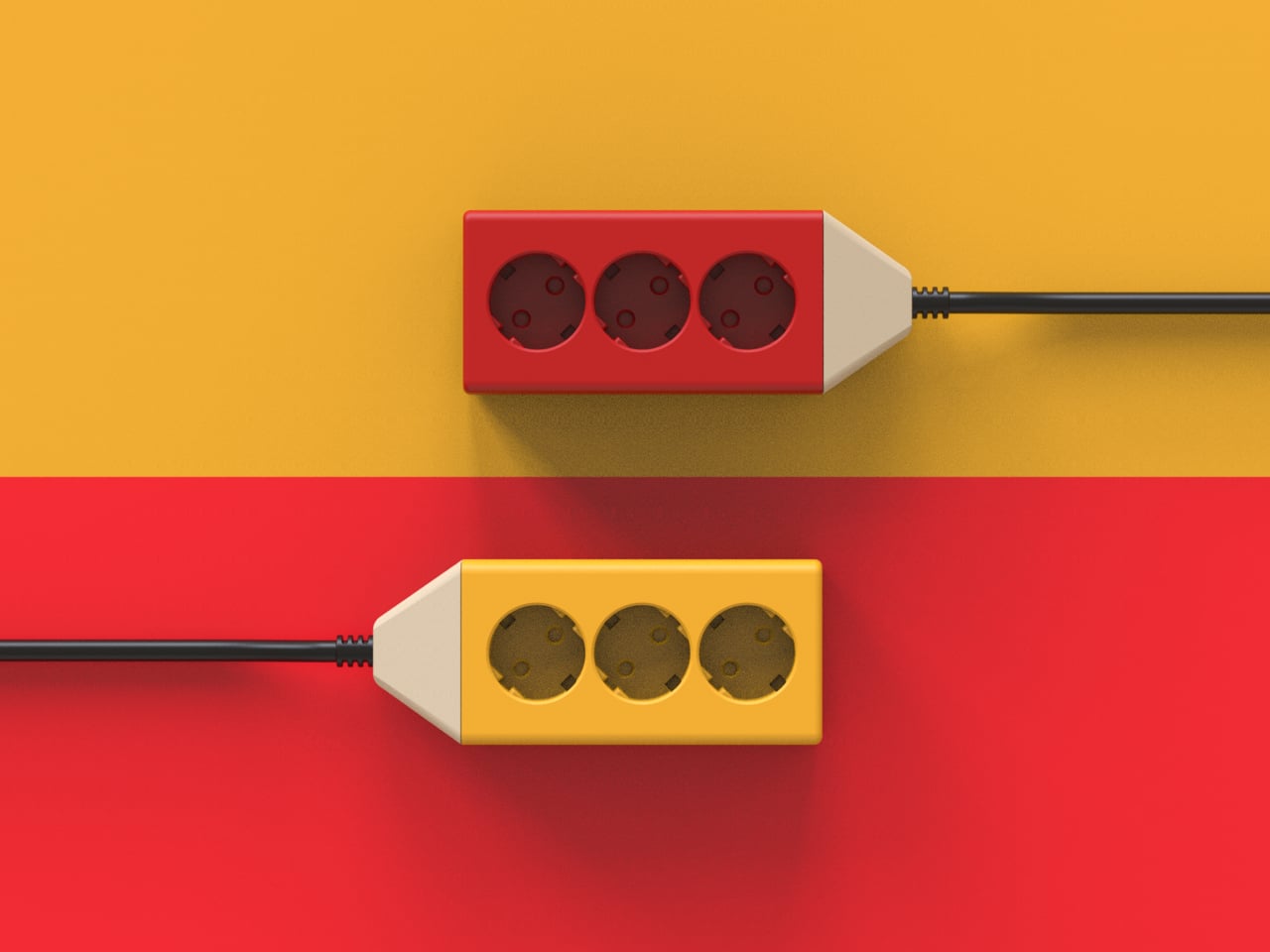
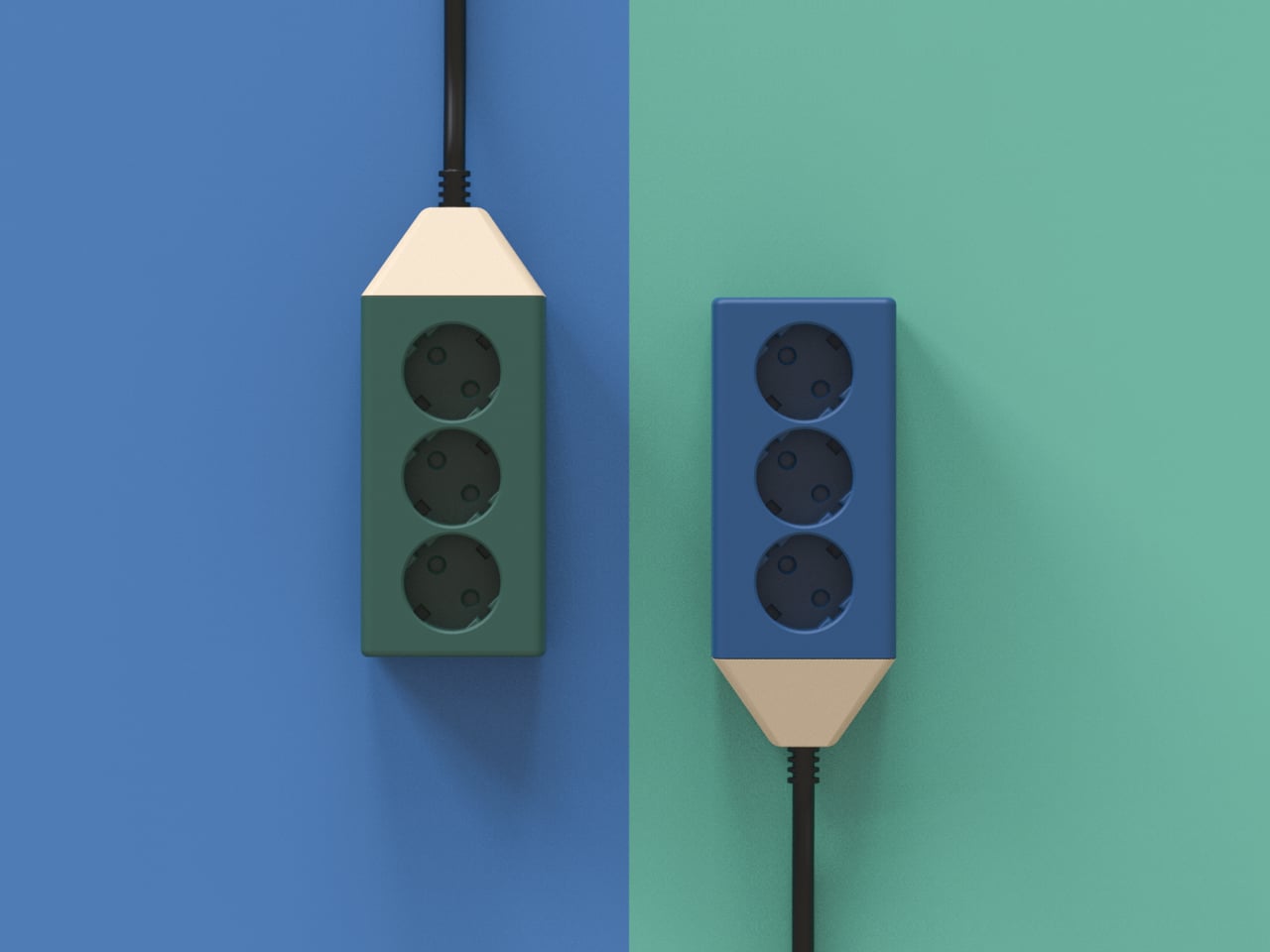
Composition Studio’s Pencil Multi-Tap follows a different line of thought. The studio designs objects that make you want to record simply by looking at them, asking what happens if the object itself initiates the act instead of waiting for discipline or habit. The Pencil Multi-Tap turns a power strip into something that feels closer to a pencil on a desk than a piece of hardware you are supposed to hide, treating electricity as part of the creative process.

Designer: Hyunsu Kim (Composition Studio)

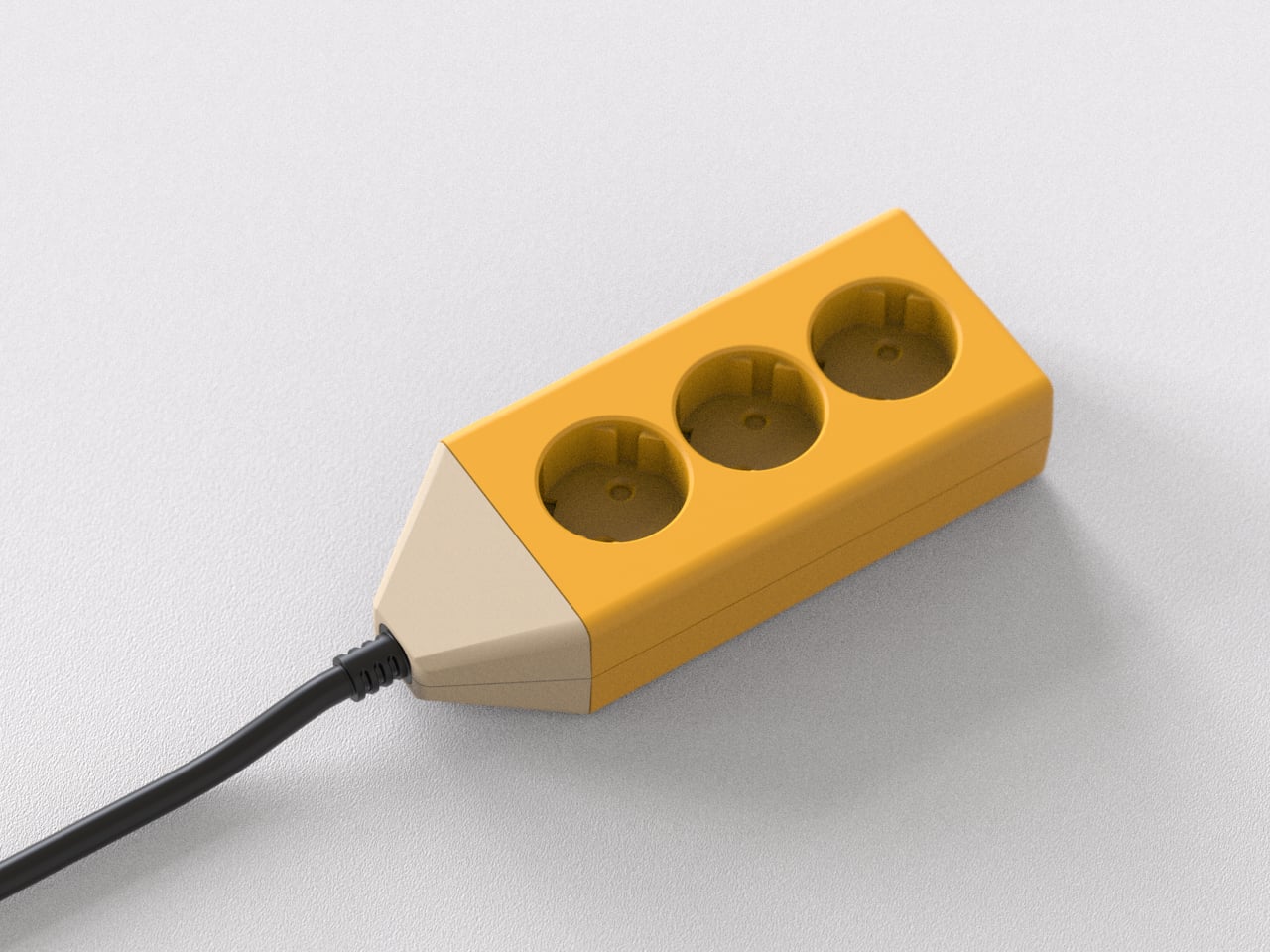
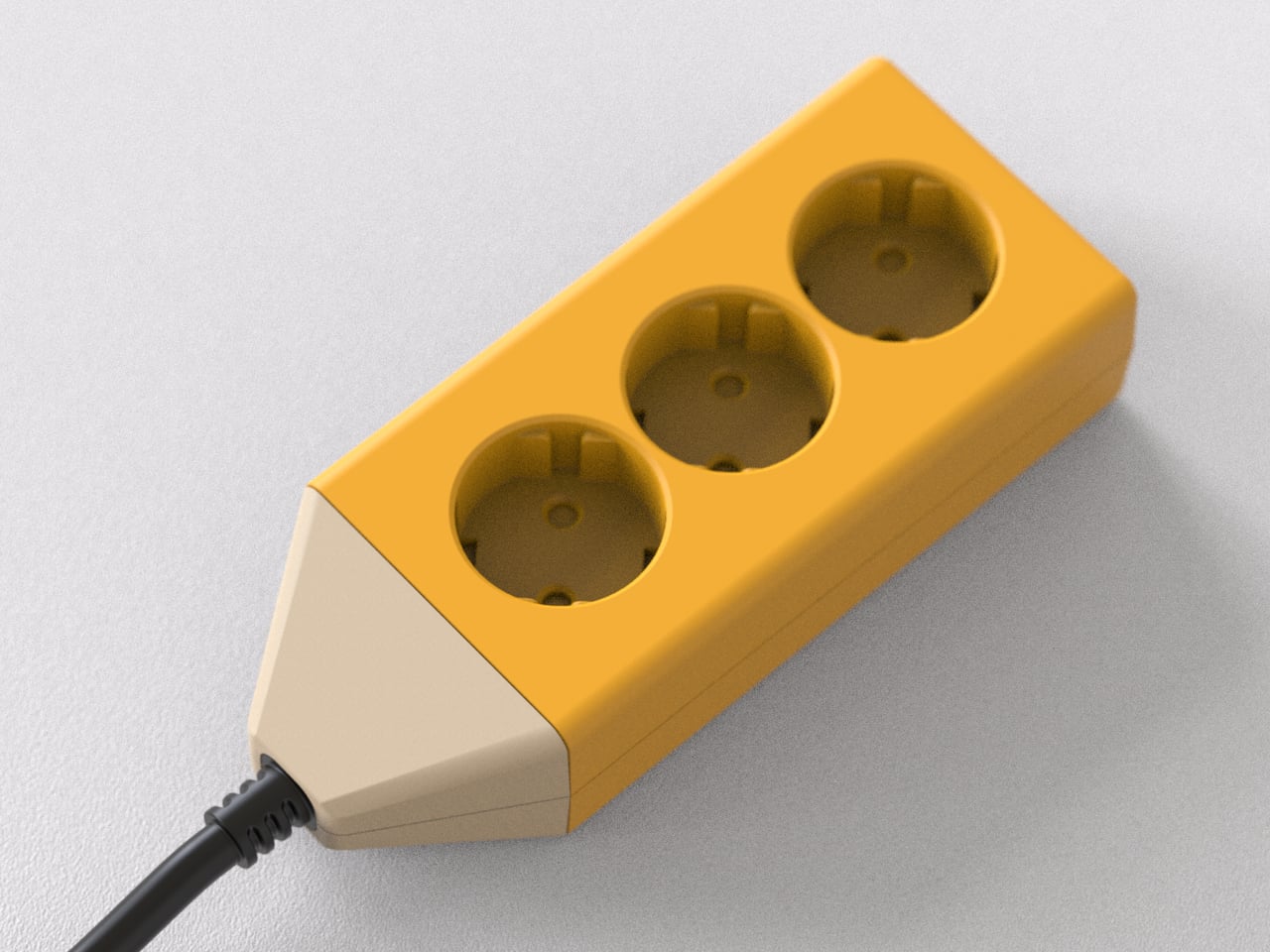
Sitting down at a clean desk in the morning, you drop your notebook, tablet, and laptop on the surface and plug them into a small block that reads as a fat, sharpened pencil. The black cable trails away like a drawn line toward the wall outlet. It feels less like plugging into infrastructure and more like drawing the first line on a blank page, a quiet signal that work is about to begin.

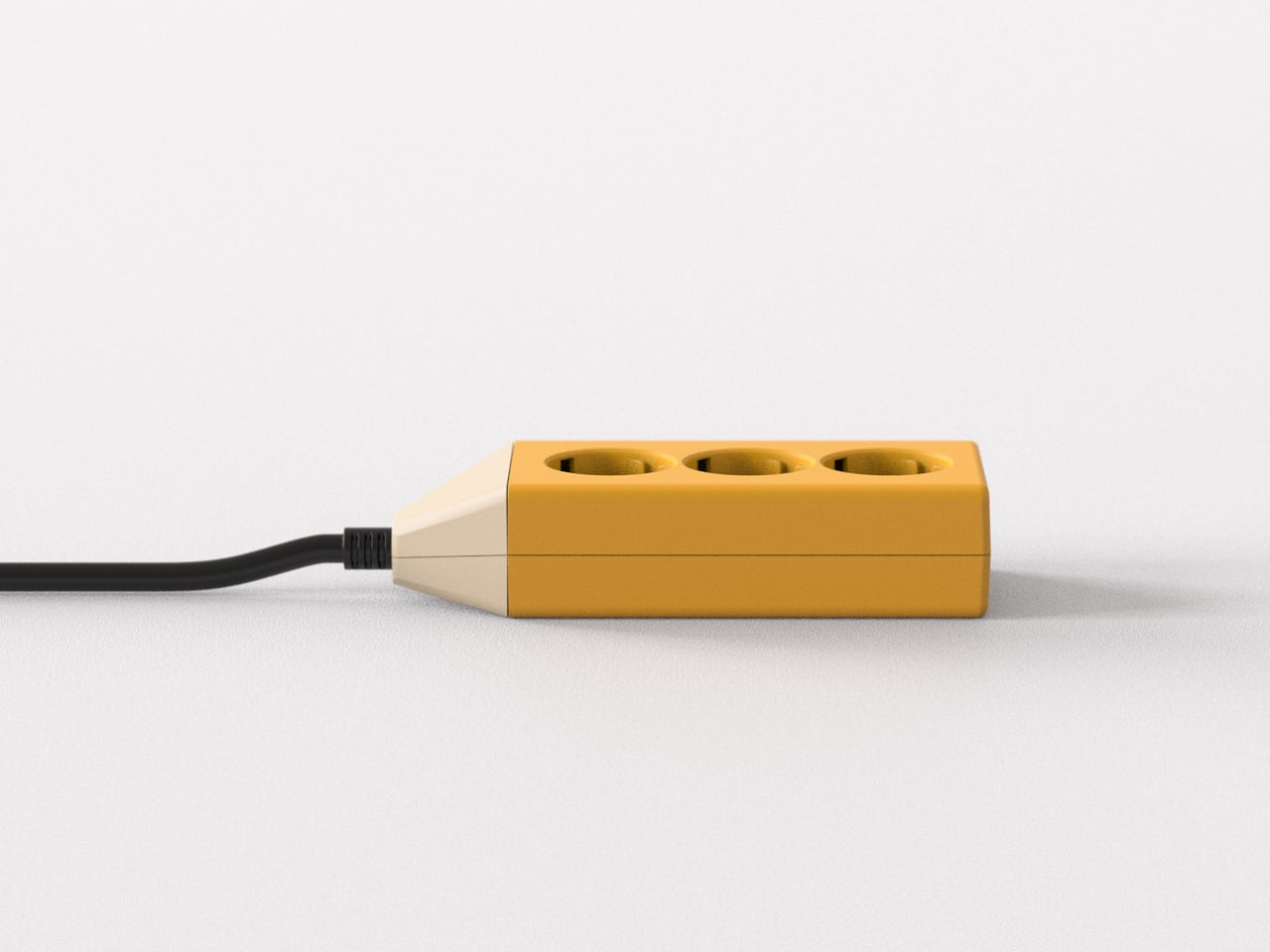
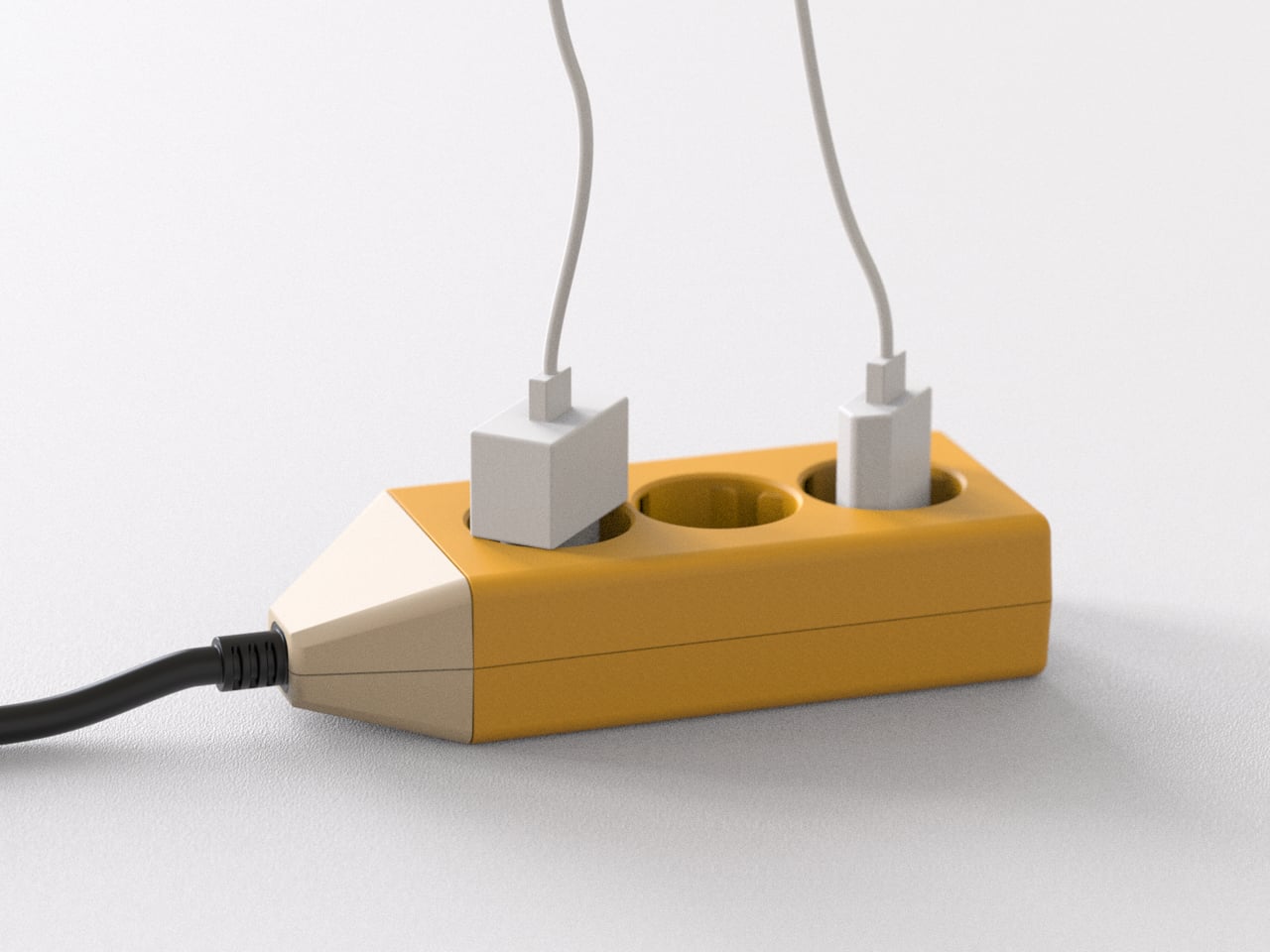
The practical side is straightforward. Three outlets give you enough capacity for a laptop, a charger, and a lamp without turning the surface into a cable farm. The compact, blocky body means it can sit anywhere on the desk or move with you to another room. Because it looks intentional, you do not mind leaving it visible, which makes plugging and unplugging devices easier and less of a contortion exercise under the table.

The pencil shape and color blocking make it feel familiar and non-technical, especially in a studio full of screens and metal. Instead of another black brick with a glowing switch, it reads as part of your creative kit, like a favorite pen or ruler. The single cable becomes a deliberate gesture instead of visual noise, which helps the workspace feel calmer even when multiple devices are connected and drawing power.

Three sockets mean this is not the strip you use to power an entire entertainment center or a full office rack. Big power bricks might still crowd each other if you stack too many adapters, and safety standards, surge protection, and regional plug types would all need careful engineering in a real product. But as a desk-level companion for a focused setup, the simplicity is part of the appeal.

The Pencil Multi-Tap treats electricity as part of the workspace experience instead of a background chore. Just as a pencil on the table invites you to write or draw, this little multi-tap invites you to plug in and begin. It is a reminder that even the most mundane tools can be designed to nudge you toward making something, rather than just managing the machines that do the making for you.

The post This Power Strip Looks Like a Pencil with a Cable That Draws a Line first appeared on Yanko Design.

These Experimental Pencils Treat Writing as Performance Art

There’s something almost rebellious about spending serious design energy on a pencil. We’re constantly told that screens are the future and handwriting is obsolete but Korean design studio BKID went all in on the opposite direction. Their project “Write Draw Think” asks a question nobody knew they needed answered: what if we stopped taking the pencil for granted?

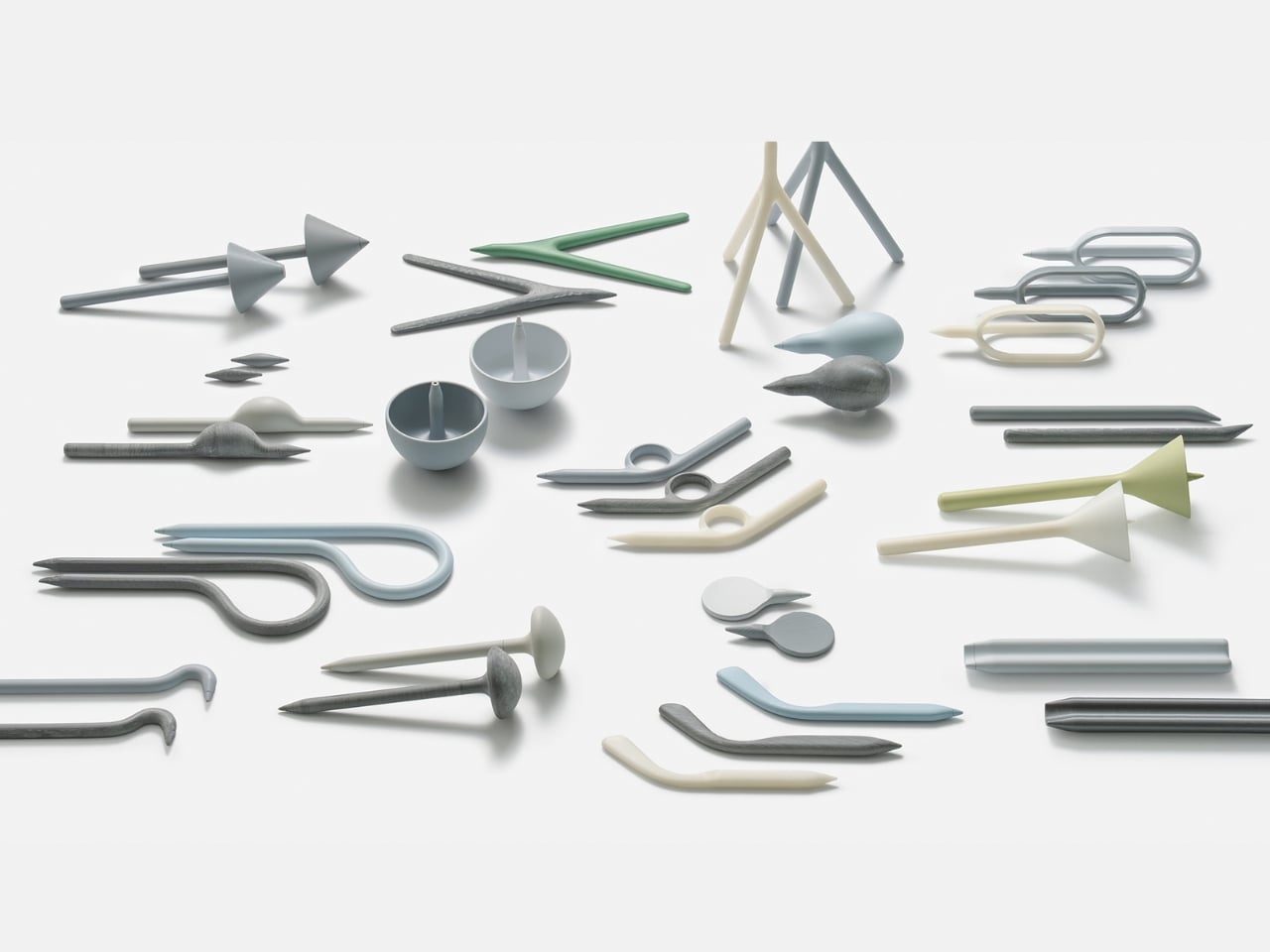
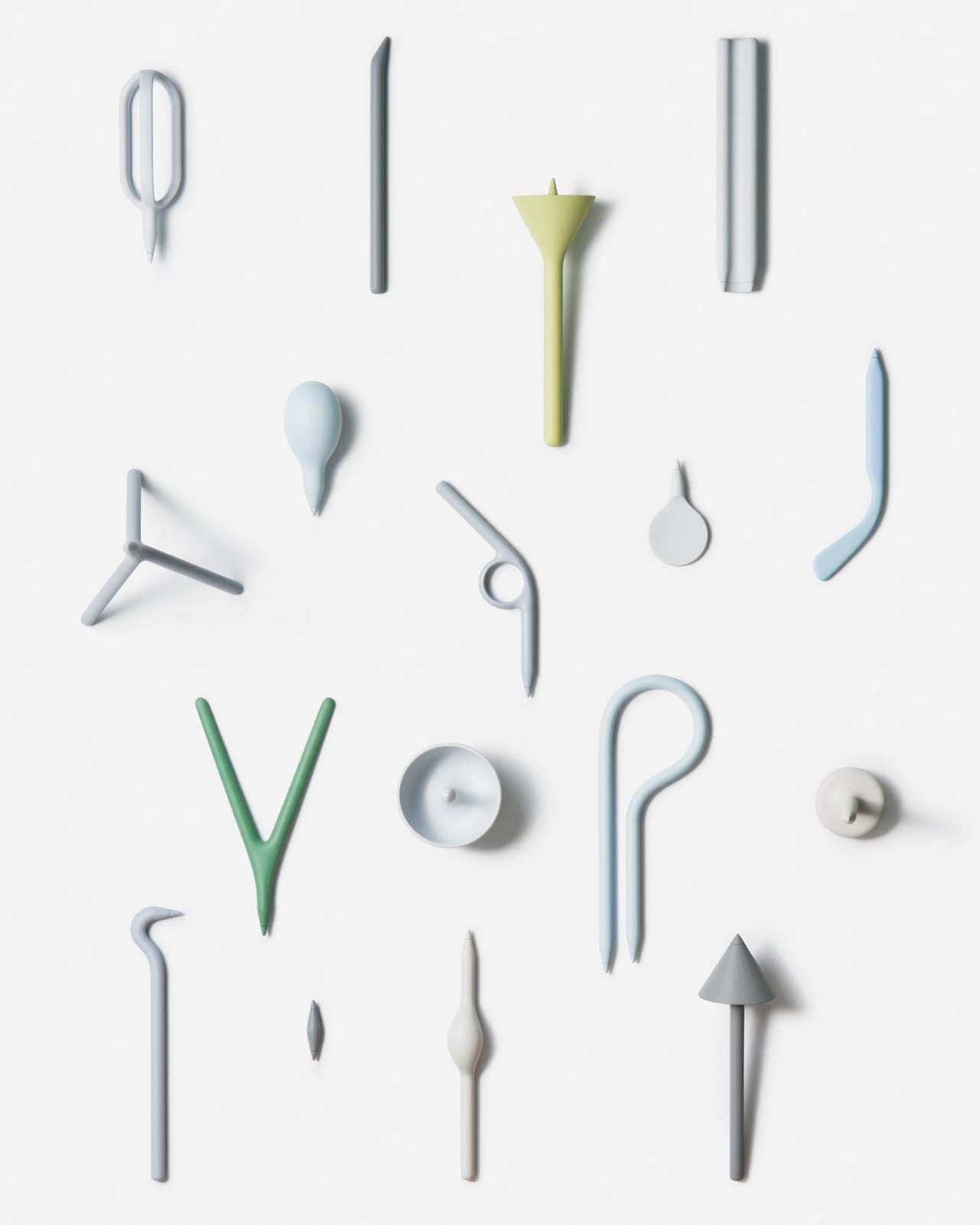
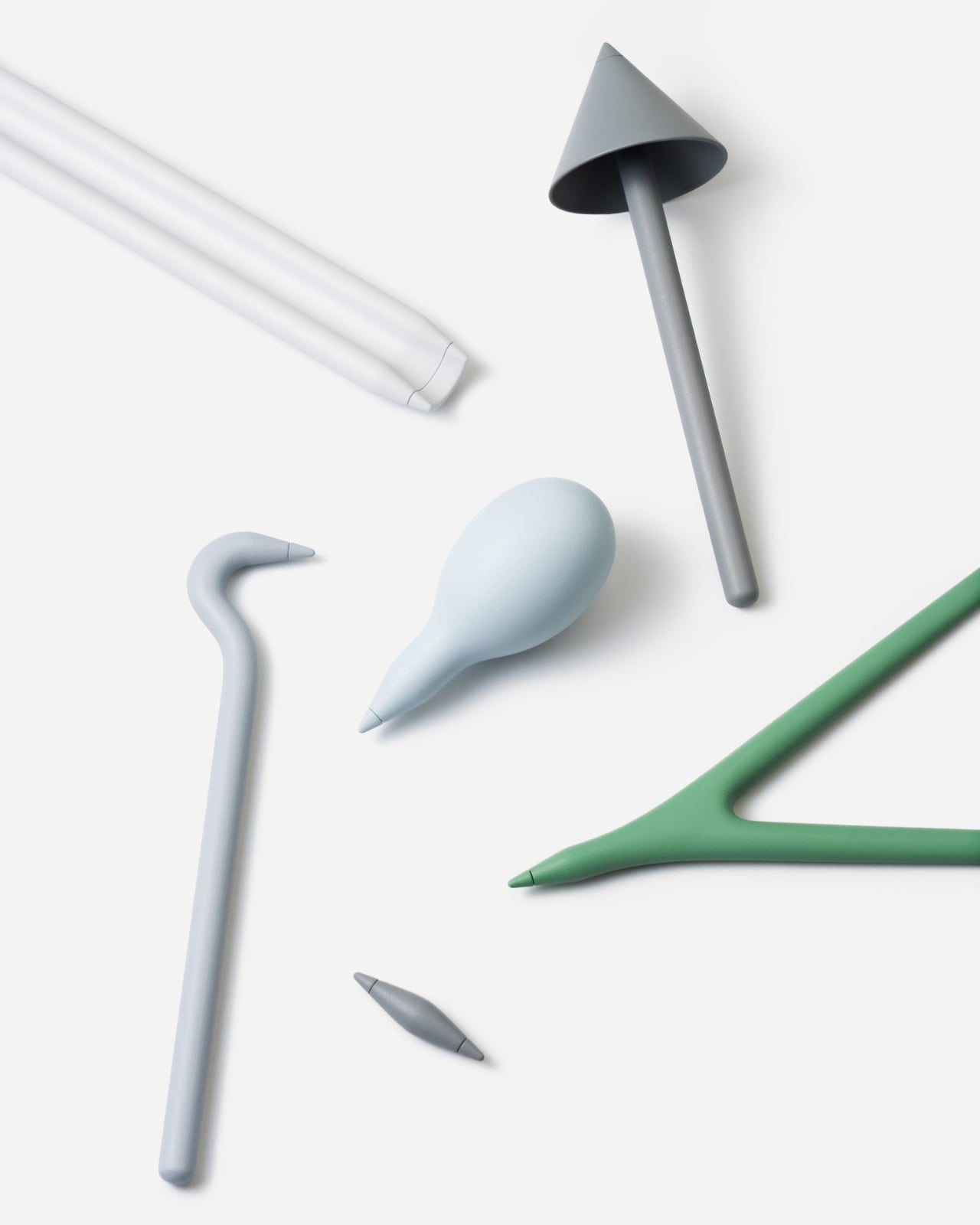
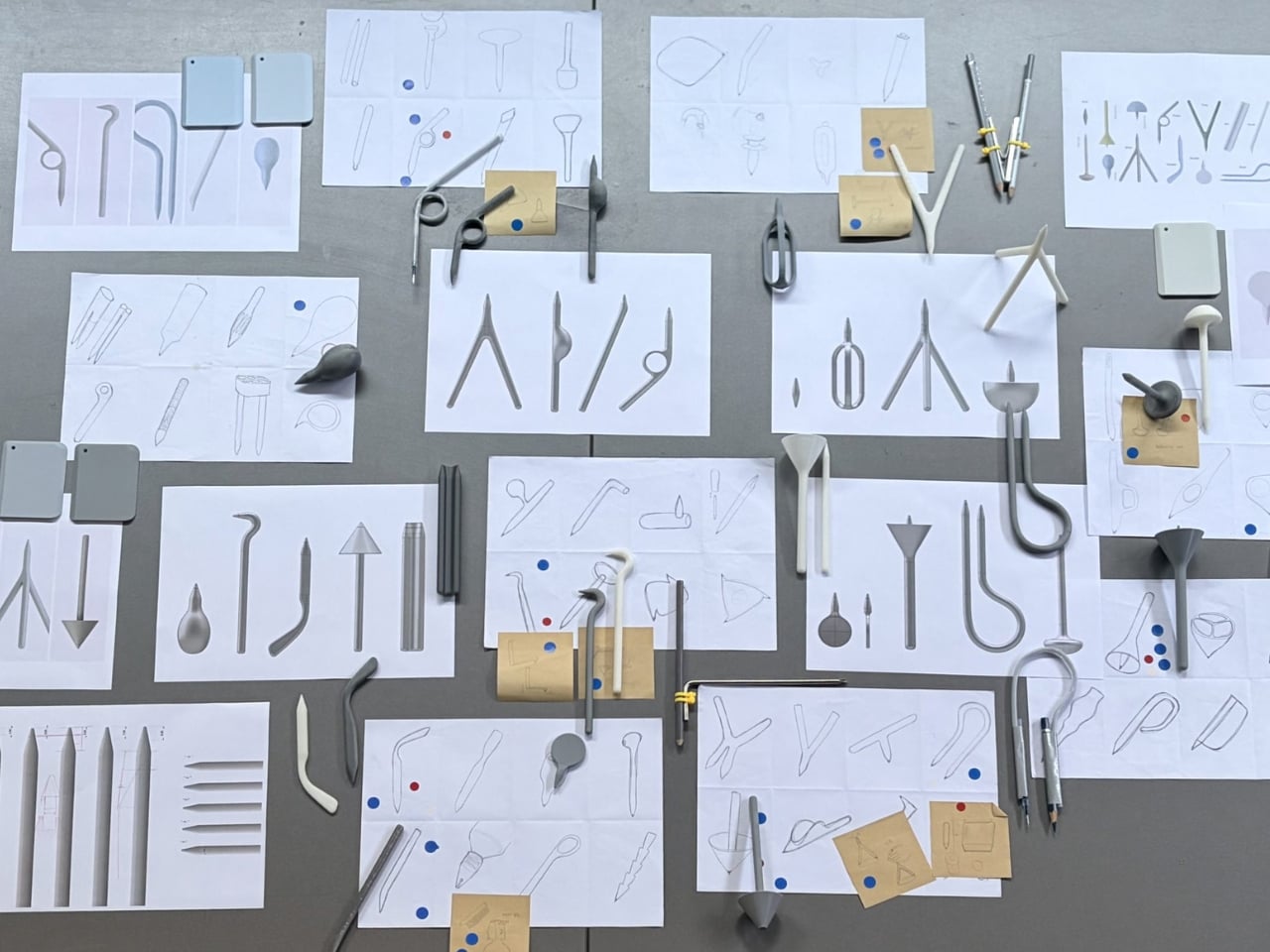
Created as research for the Hangeul Museum in 2025, this isn’t your standard stationery lineup. BKID developed sixteen experimental writing tools by deeply studying how we actually use pencils, the gestures we make, the habits we develop, the way our hands move when we’re focused versus when we’re exploring. The result is a collection that transforms writing from a mundane task into something physical, sculptural, and weirdly thought-provoking.

Designer: BKID

What makes this project fascinating is how BKID completely reframes what a writing tool can be. Instead of treating pencils as simple recording devices, they positioned them as bridges between our minds and our bodies. Each of the sixteen tools creates a different writing experience, which sounds abstract until you start thinking about what that actually means.

Some tools are designed for solo deep work, helping you sink into that flow state where writing becomes almost meditative. Others flip the script entirely, letting multiple people draw a single line together. Imagine trying to write collaboratively with someone, not taking turns but literally guiding the same mark at the same time. That’s the kind of weird, wonderful territory this project explores.

The design choices get granular in ways that reveal how much attention BKID paid to the actual mechanics of writing. Sharp writing tools emphasize the tension in letter structures, making you hyper-aware of angles and pressure. Round tools evoke something softer, tapping into the breathing quality of Korean vowels. These aren’t metaphors. They’re intentional formal decisions that change how your hand moves and how marks appear on paper.

What’s clever here is that BKID managed to make experimental design work that’s also genuinely functional. These aren’t precious art objects meant to sit behind glass (though they’re certainly sculptural enough for that). They’re meant to be used, tested, experienced. The project lives in that sweet spot where form follows function, but function also reveals new forms.

This also feels like a love letter to Korean typography. Hangeul, with its geometric clarity and systematic structure, offers rich territory for exploring how letterforms and tools influence each other. The project acknowledges that writing systems aren’t just abstract symbols but physical acts shaped by the tools that create them. By reimagining the tools, BKID opens up possibilities for reimagining the marks themselves.

In our current moment, where AI writes essays and voice memos replace handwritten notes, there’s something quietly radical about paying this much attention to analog tools. “Write Draw Think” doesn’t make arguments about the superiority of handwriting or romanticize the past. Instead, it proposes that the physical act of making marks still has untapped potential, that there are experiences and ideas accessible only through the direct connection between hand, tool, and surface.

The project also hints at something bigger about how we approach design problems. Rather than starting with aesthetics or jumping straight to solutions, BKID began with research into behavior and gesture. That grounding in actual use makes the experimental forms feel purposeful rather than arbitrary. It’s design that respects both craft tradition and avant-garde exploration without getting stuck in either mode.

For anyone interested in the intersection of design, culture, and everyday objects, “Write Draw Think” offers a reminder that innovation doesn’t always mean adding more technology or features. Sometimes it means stripping something down to its essence and asking what else is possible. It’s the kind of project that makes you look at your own pencils differently, wondering about all the ways you could write, draw, and think if only your tools invited different gestures.

The post These Experimental Pencils Treat Writing as Performance Art first appeared on Yanko Design.
This Aluminum Sphere Pencil Makes You Draw Like a Caveman

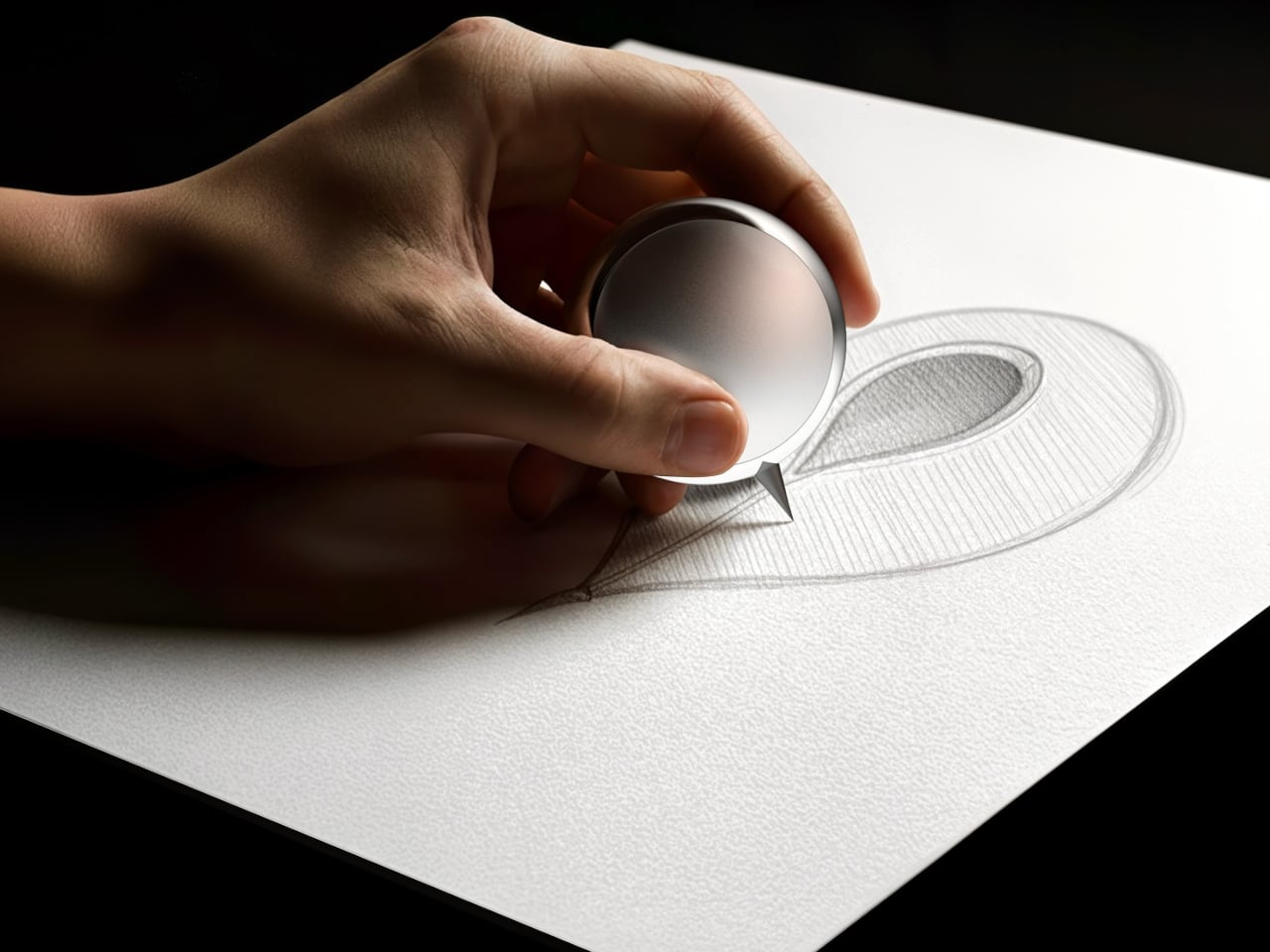
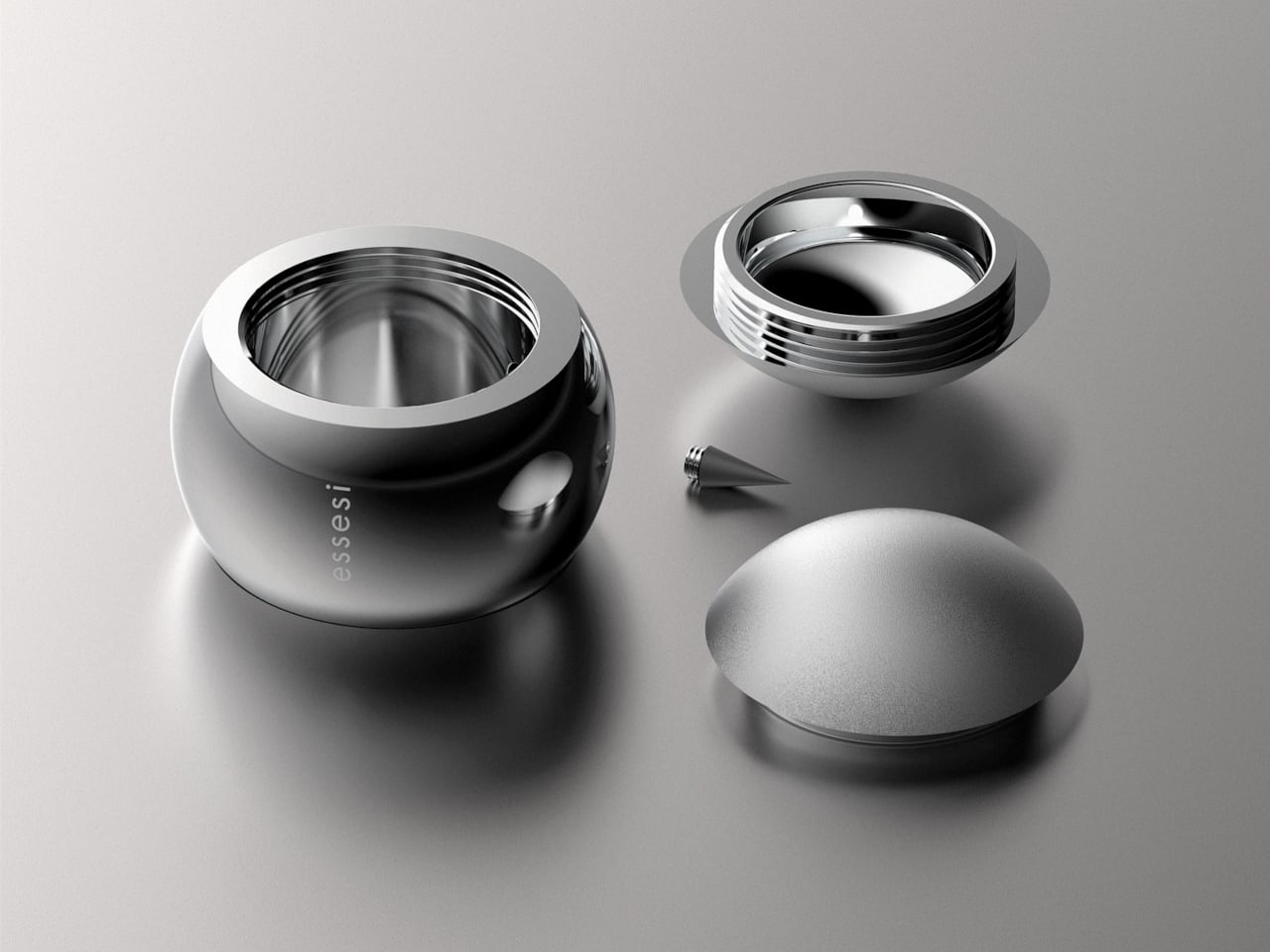
Early humans scratched lines on stone walls with rocks, and that primal act sits at the root of every sketch we make today. Most modern pencils are optimized for control and detail, shaped like sticks to give you precision over every line and curve. Alberto Essesi’s unnamed pencil concept takes a deliberate step back toward that raw, gestural way of drawing, translating it into a highly refined spherical object that looks more like a polished pebble than any conventional pencil.

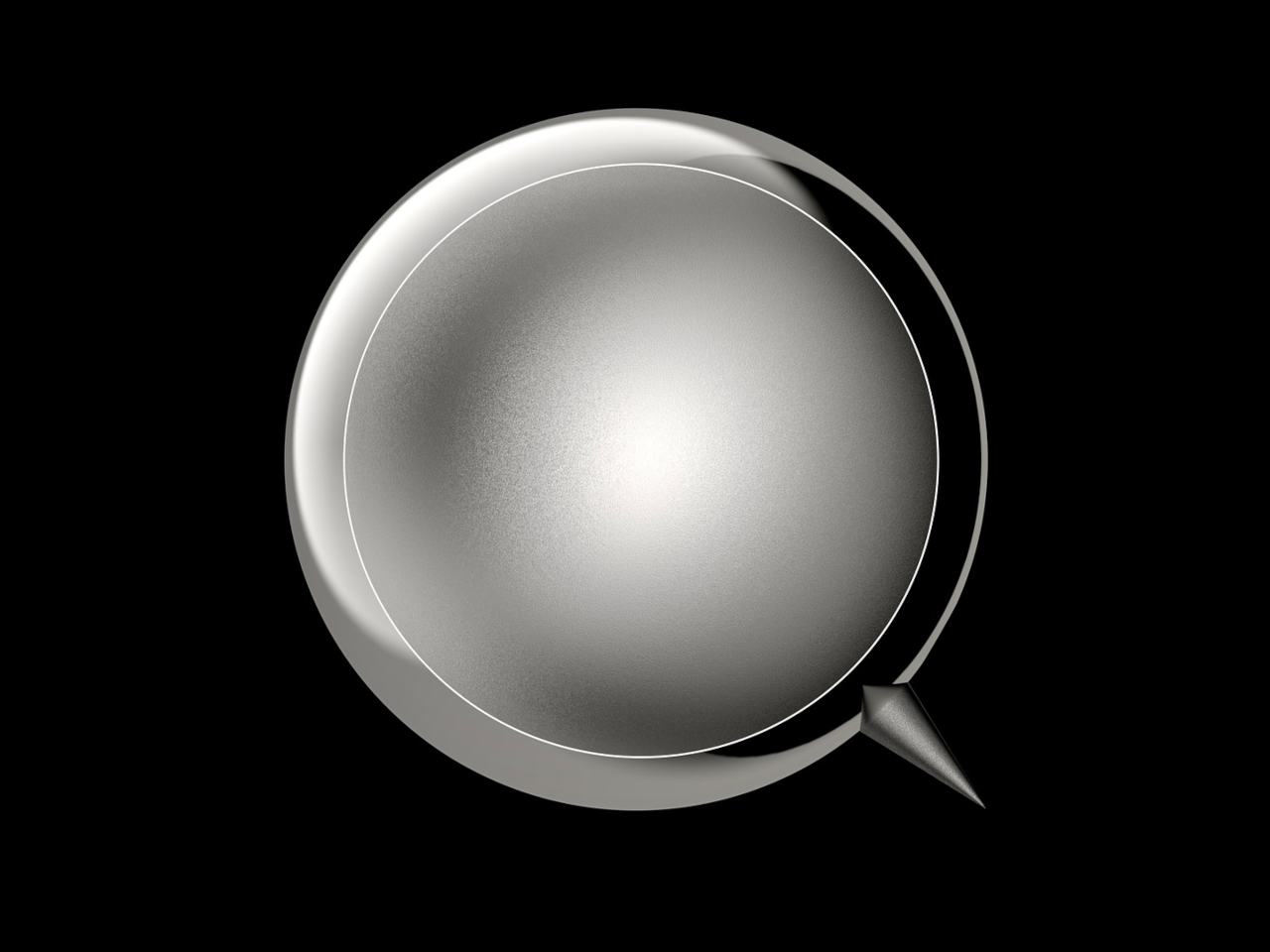
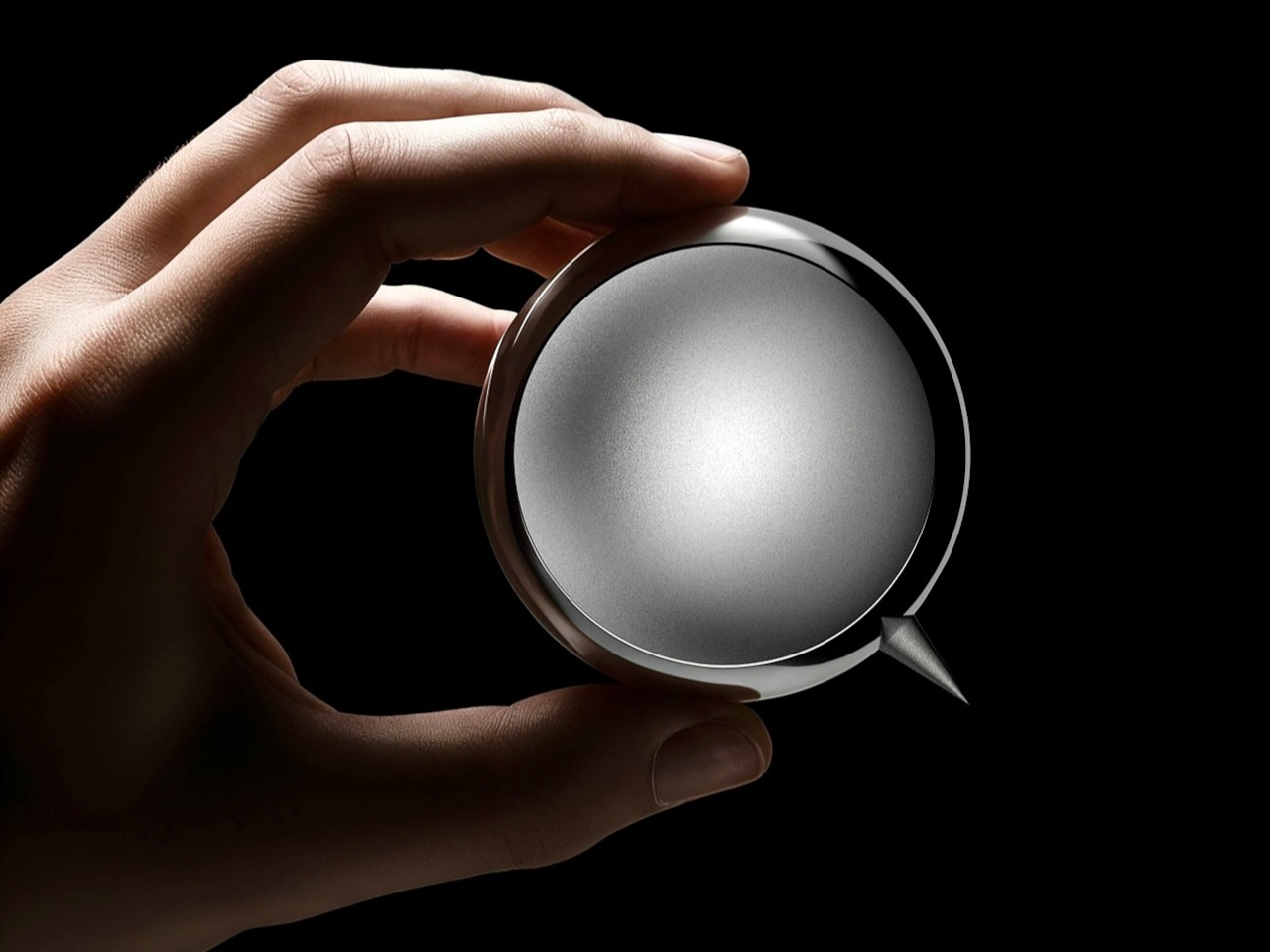
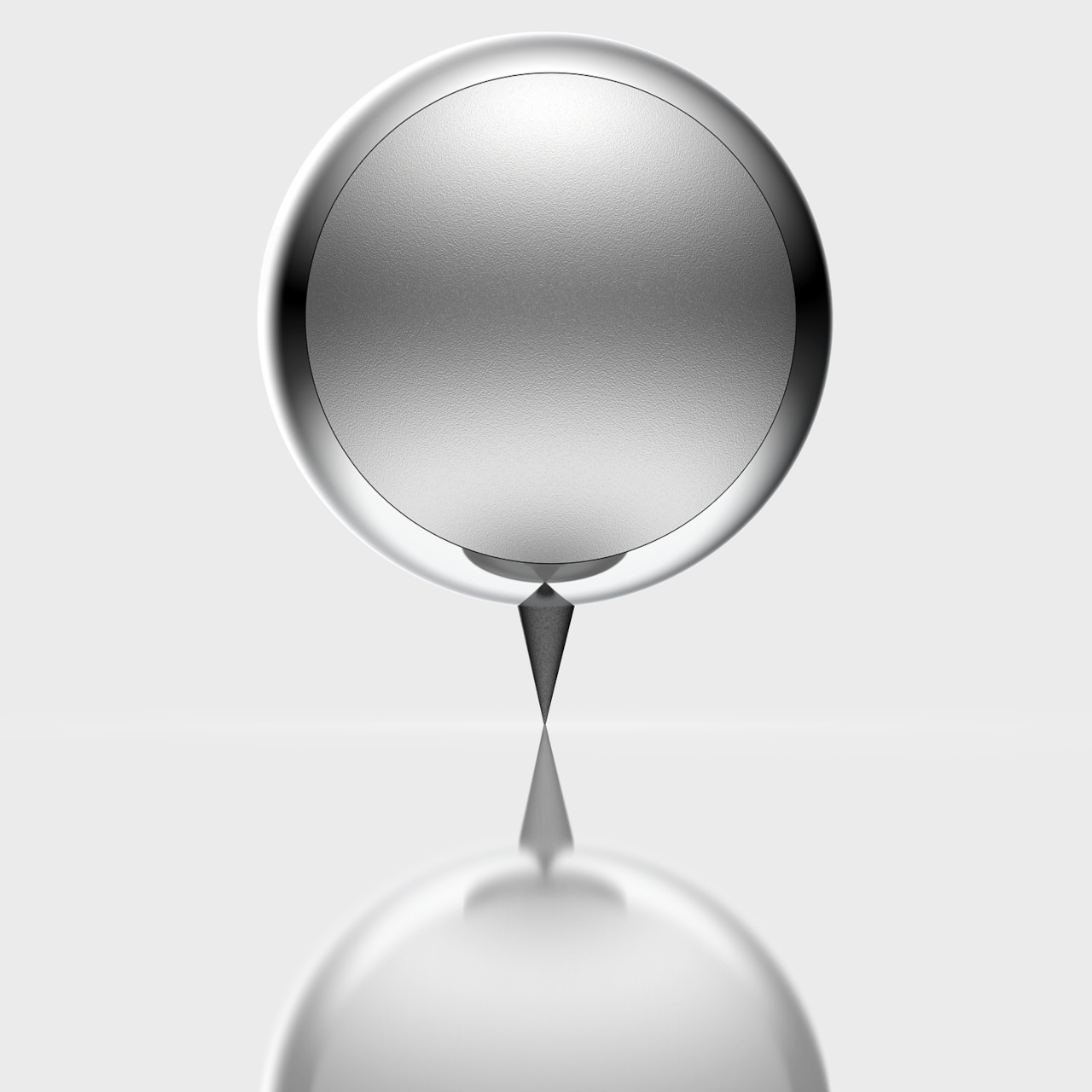
Essesi designed this tool for himself after watching a documentary about prehistoric mark-making and then trying to draw with an actual rock. He noticed how the stone forced him into long, bold lines and larger forms rather than tight details, and decided to capture that feeling in a modern drawing instrument. The result is a palm-sized aluminum sphere with a small conical graphite tip emerging from its edge, held like a stone in your hand.

Designer: Alberto Essesi

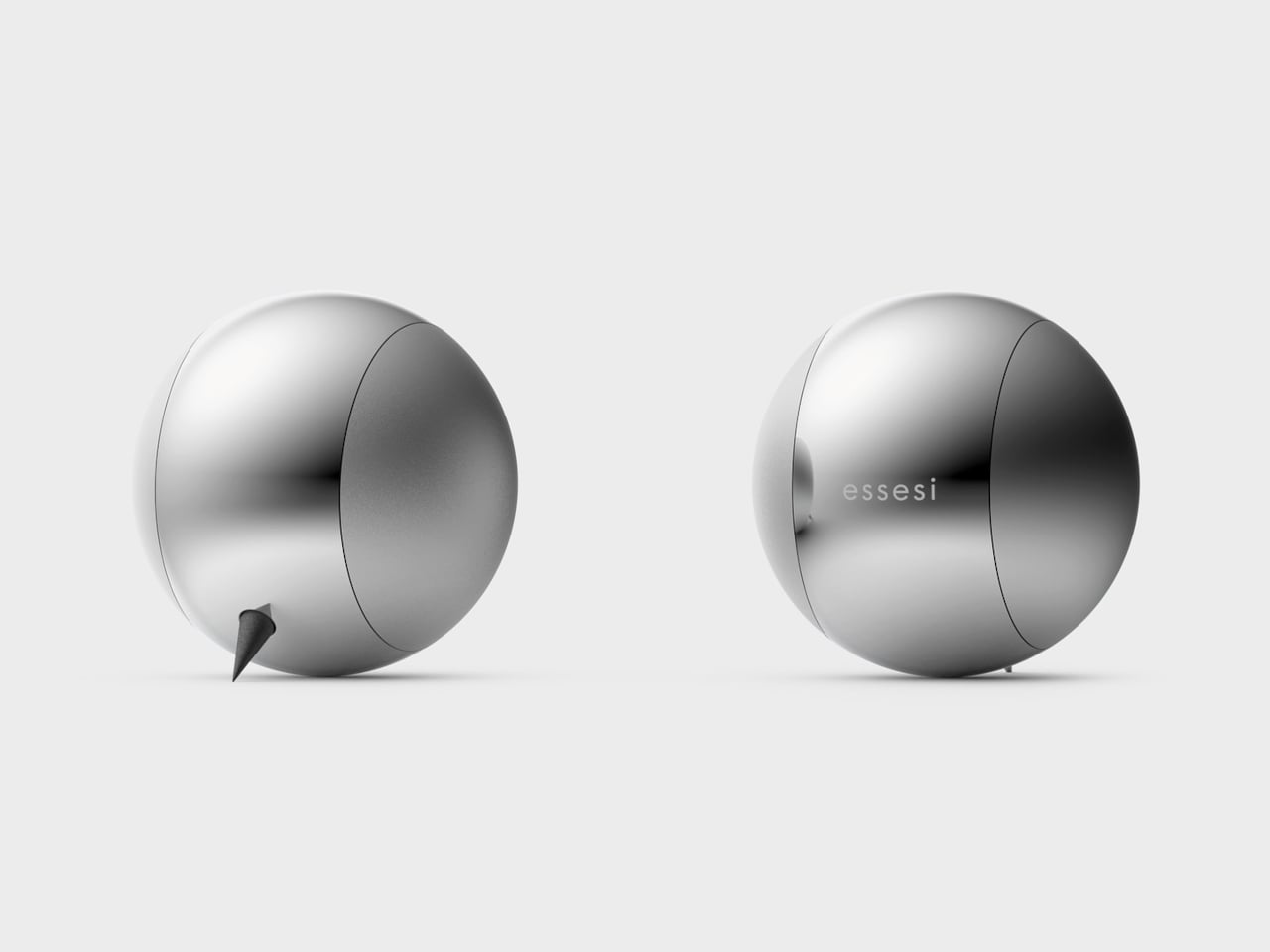
The form is deceptively simple. A sphere with a polished aluminum band around the middle and sand-blasted, anodized surfaces on the sides. In use, your hand cups the sphere like you’re gripping a smooth rock, which encourages whole-arm movement instead of fingertip control. That naturally pushes your sketches toward sweeping strokes and energetic shading, exactly the kind of drawing Essesi wanted to encourage by changing the shape of the tool.

The material choices are deliberate. The body is hollowed out to reduce weight, avoiding the fatigue a solid metal ball would cause during long sessions. The polished equator catches light and emphasizes the perfect geometry, while the matte sides diffuse reflections and feel softer against your fingers. That contrast between mirror and satin surfaces gives the object a quiet drama even before it touches paper.

The tip uses an infinite graphite insert, a long-lasting graphite alloy that wears down extremely slowly and doesn’t need traditional sharpening. The conical tip is easily replaceable and is designed to replicate the sensation of a smooth stone grinding against a surface. On paper, it lays down a mark closer to charcoal or a soft pencil, ideal for big shapes and confident lines rather than tight technical work.

The exploded render shows the hollow shell, threaded ring, and domed cap polished as carefully as the exterior. Essesi says he loves making every part, even the invisible ones, as refined as what you see. That approach turns disassembly into its own kind of pleasure, revealing a tiny piece of mechanical jewelry rather than a rough interior with leftover machining marks or unfinished edges.

The pencil nudges you away from fussing over details and toward exploring volume, rhythm, and energy. By abandoning the stick form and embracing a stone-like grip, it changes your drawing style simply by changing the shape of the thing in your hand. It’s less a tool for everyday note-taking and more an invitation to sketch differently.

The post This Aluminum Sphere Pencil Makes You Draw Like a Caveman first appeared on Yanko Design.
Move over Graphite… This Company is making Recycled Coffee Pencil Leads that write and smell great

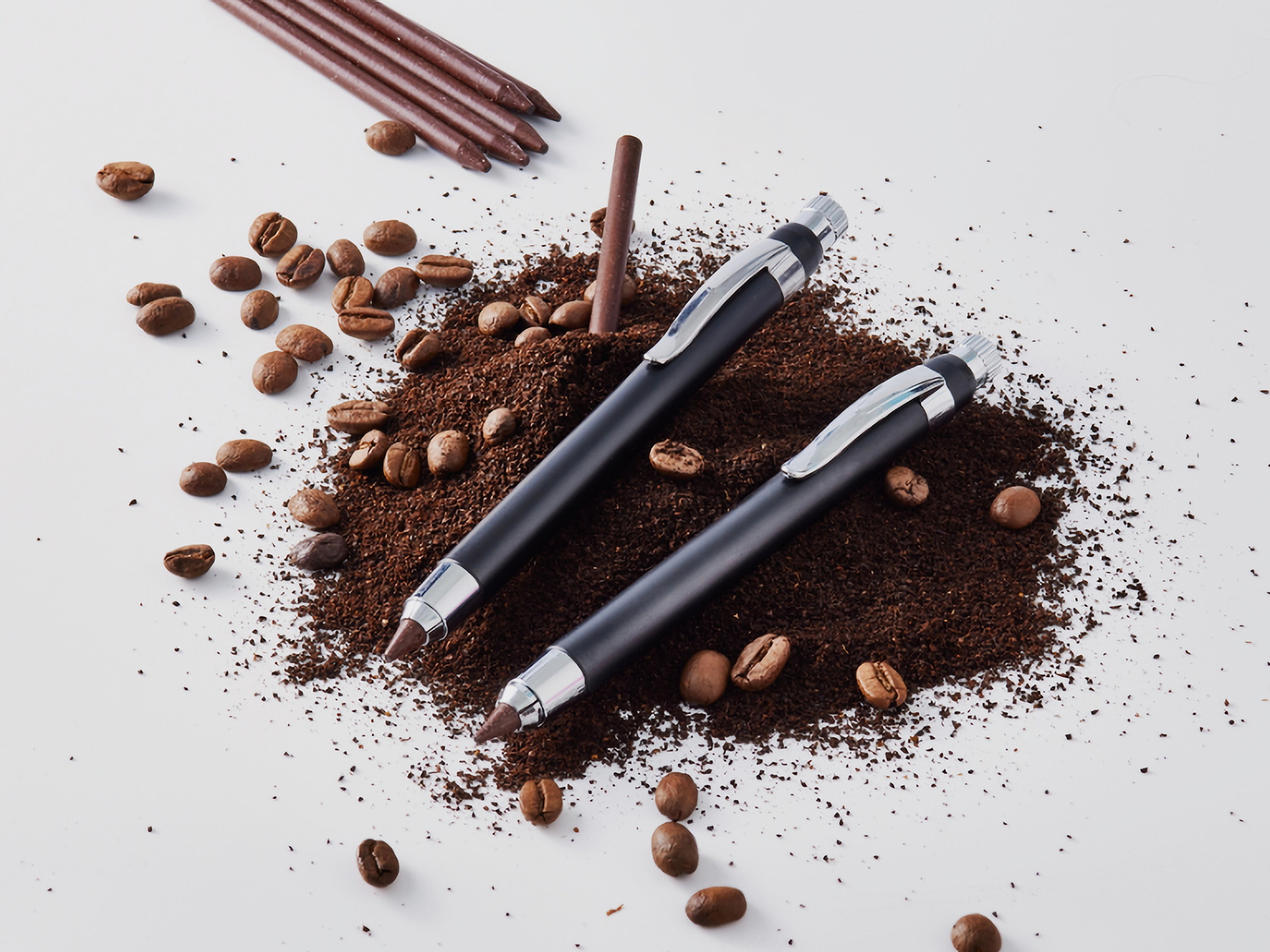
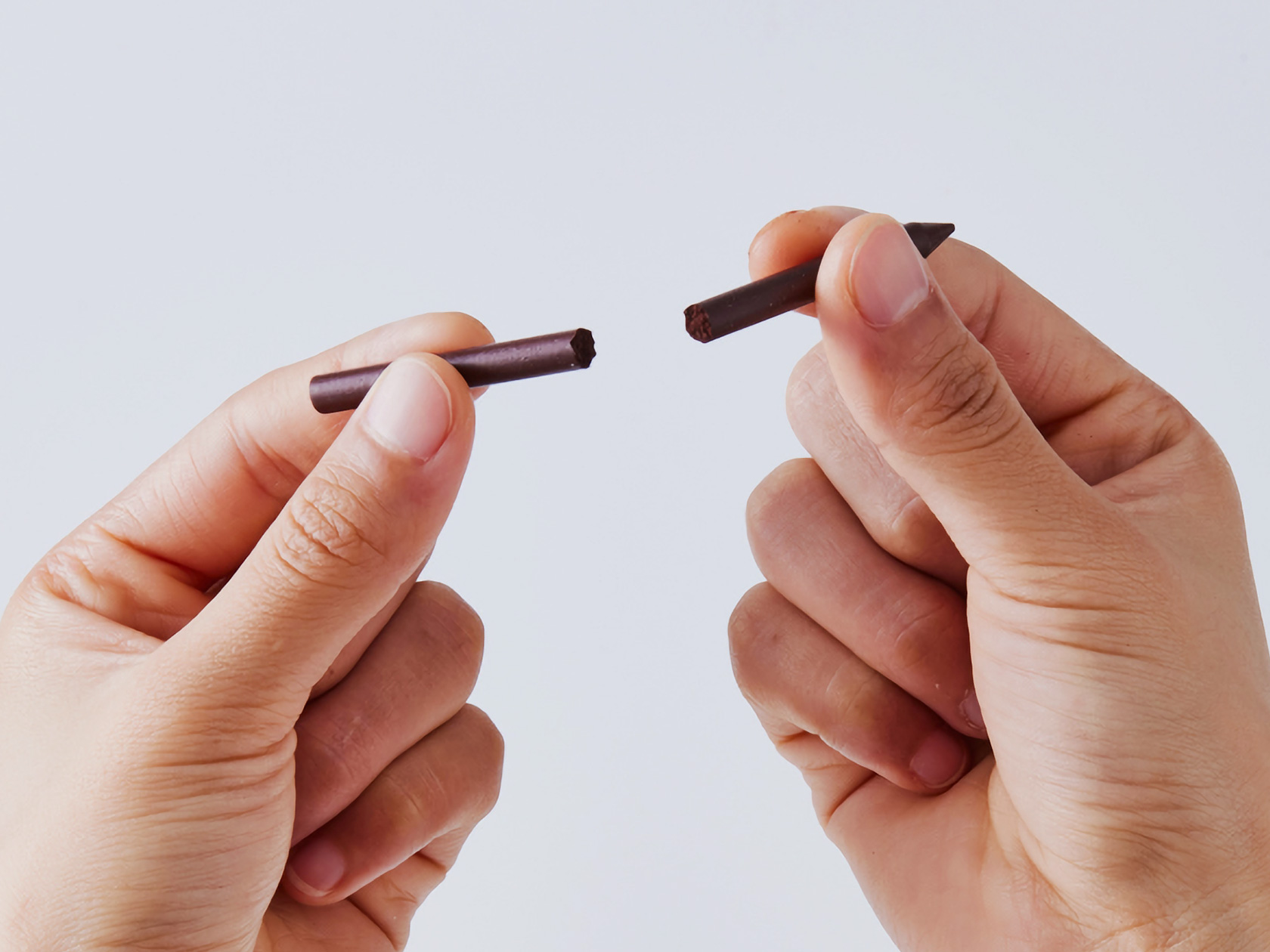
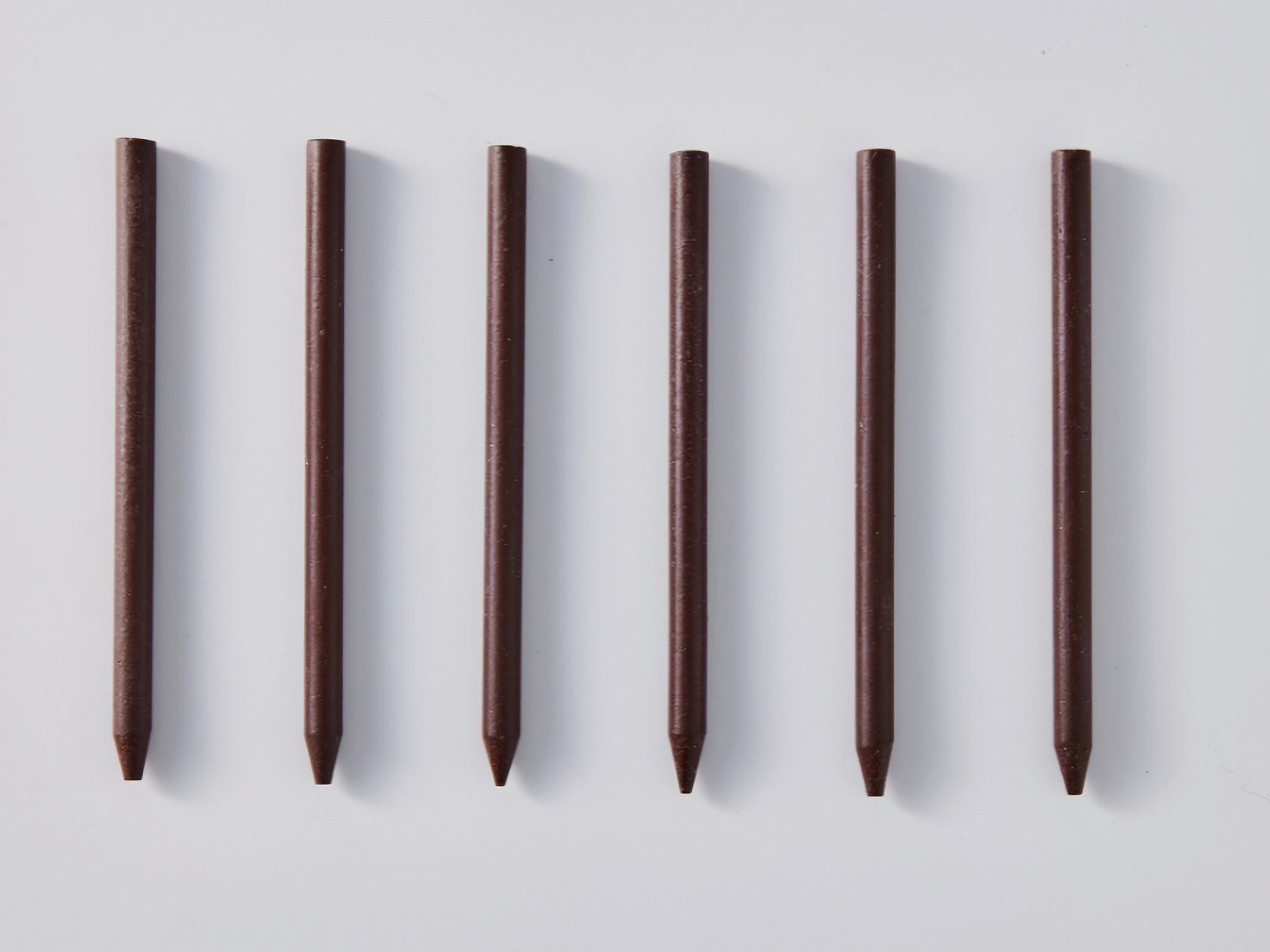
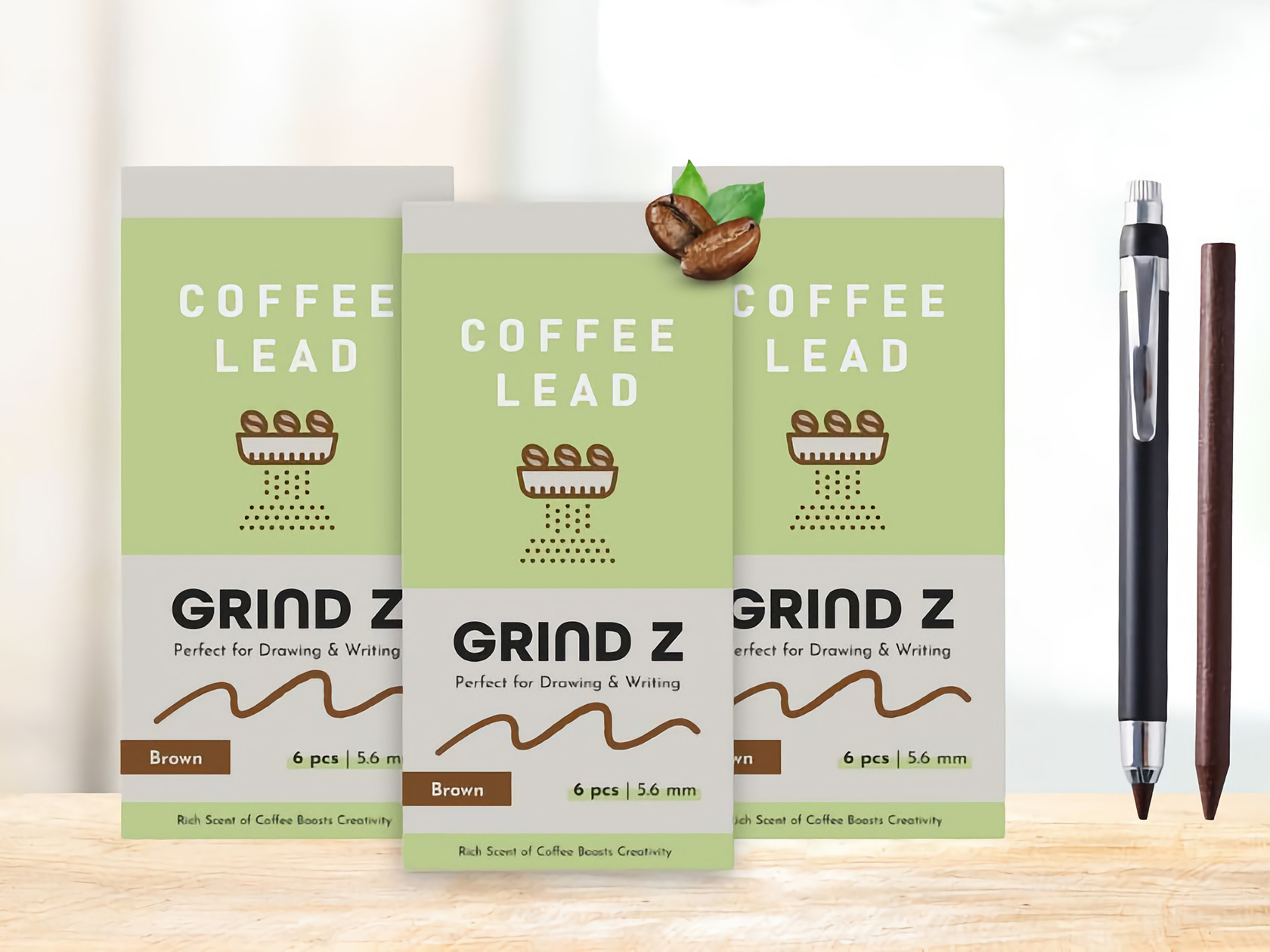
People are much more productive on coffee, they say. A single cup can get you working with more energy and focus, but one company is making your cup of coffee a little more productive than you think. While the coffee you drink enriches your mind, the coffee grounds you throw away after the brewing process can apparently be bound into pencil leads, letting you literally write/sketch/doodle WITH coffee! Meet GRIND Z – a pencil lead that ditches graphite for coffee, giving you an all-natural zero-waste alternative to regular pencils. The 5.6mm lead fits into any clutch pencil that accepts leads that size, allowing you to scribble, write, take notes, doodle, and sketch with coffee. Each lead is made up of recycled coffee grounds along with a combination of binding agents – and the result is an earthy brown lead that writes on paper and actually has a coffee aroma too!

Designer: Zirobio

Click Here to Buy Now: $26 $34 (24% off). Hurry only a few left!

Coffee grounds are a major contributor to landfill waste, with millions of tons ending up in dumps each year. GRIND Z effectively diverts these grounds from an unwanted fate, giving them a new life as a creative tool. The company behind this project, Zirobio, is a biotechnology firm dedicated to developing sustainable solutions through bio-based materials. Initiated by Hailey and Miles, avid coffee drinkers, the GRIND Z was their way of seeing if this humble cup of coffee – a symbol of work, happiness, and hustle – could be channeled into something else. Something that transforms coffee waste into even more productivity.

This is a 5.6mm pencil lead containing 20% recycled coffee grounds and other components like wax and adhesives.

Coffee has been embraced by the art community already, with people using espresso and black coffee to make stained art. The liquid imparts a brown or ochre tint on paper, depending on how diluted it is – Zirobio’s idea builds on this already existing trend, transforming it from liquid to lead. One cup of coffee can generate enough grounds for up to 6 leads, Zirobio says. Each GRIND Z lead boasts a unique blend of 20% recycled coffee grounds and 80% essential binding agents like waxes and adhesives. This carefully formulated combination ensures a smooth writing experience you expect from high-quality pencil lead. But the real magic lies in the subtle, natural coffee aroma (with a hint of bitterness) that lingers with each stroke, adding a delightful sensory element to the drawing/writing process.

The lead comes in a standard 5.6mm size, ensuring compatibility with most clutch pencils – the refillable mechanical pencils commonly used by artists and designers. Zirobio even offers a sleek aluminum clutch pencil as part of their Kickstarter rewards, creating a perfect match for the eco-friendly lead. The natural brown hue of the coffee grounds eliminates the need for artificial coloring, resulting in a unique aesthetic that complements the sustainable philosophy behind the product.

Beyond its eco-friendly credentials, GRIND Z offers a captivating visual appeal. The subtle variations in the brown tones add a touch of organic charm to your artwork or sketches. This earthy aesthetic sets it apart from traditional graphite leads, allowing artists to explore a new visual language in their work. The lead can be used with a clutch pencil or even as a crayon. It supports being sharpened by a knife or a sharpener, with zero wastage (because there’s no wood being used), and if all that wasn’t impressive, the GRIND Z is naturally skin-friendly, allowing people with sensitive skin to handle it with ease.

You can grab yourself a 2-pack of GRIND Z leads (each pack contains 6 leads) for $26 and YD readers get a free custom-made coffee bean ring too. Alternatively, a $29 pledge gets you a GRIND Z 2-pack along with a compatible 5.6mm aluminum clutch pencil. If you own a coffee shop or a small studio, YD readers can also enjoy a 34% discount, getting a 10-pack of GRIND Z and 10 clutch pencils for $109, adding a sustainable highlight to your brand. Additionally, stretch goals have unlocked more free rewards with free shipping, such as art posters, coffee ground soap, and coffee ground mugs, included along with your order.

Click Here to Buy Now: $26 $34 (24% off). Hurry only a few left!

The post Move over Graphite… This Company is making Recycled Coffee Pencil Leads that write and smell great first appeared on Yanko Design.
This ultra-minimalist pen stand makes your writing partner the center of attention

We all have our favorite writing instruments, be it an heirloom fountain pen or even a number 2 pencil. You’ll probably just stuff the latter in drawers or leave them strewn on your desk, but the pen that has been with you for years is something you’ll probably want to show off while keeping it within easy reach. Pen stands exist for that exact purpose, but some of them try to compete with the pen for attention. They have extravagant and luxurious designs that defeat the intention of putting your favorite pen on a pedestal. That’s the trap that this tiny pen stand tries to avoid by practically removing all non-essential features that prevent you from showing off your trusty writing partner.
Designer: Kairi Eguchi

Click Here to Buy Now: $35 $39 (10% off at checkout). Hurry, deal ends in 24 hours!

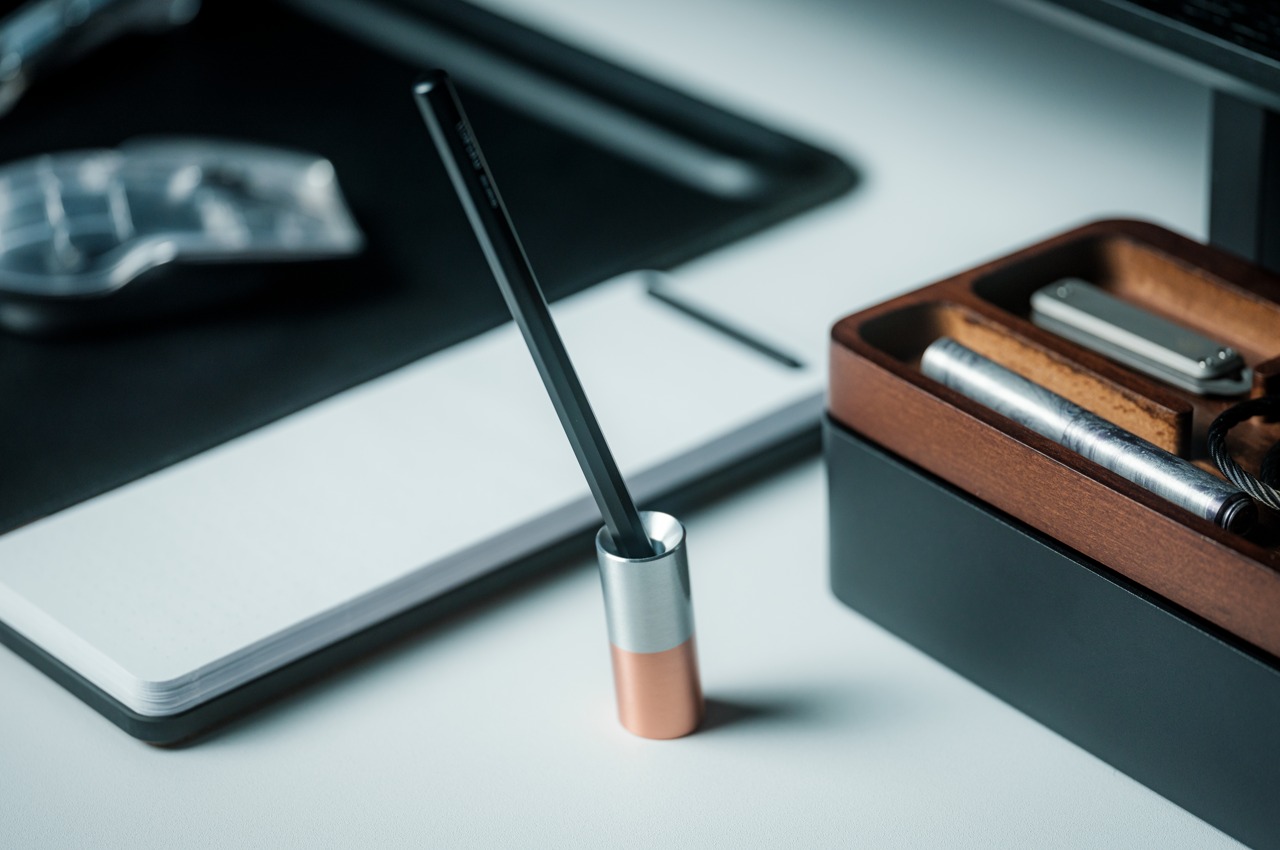
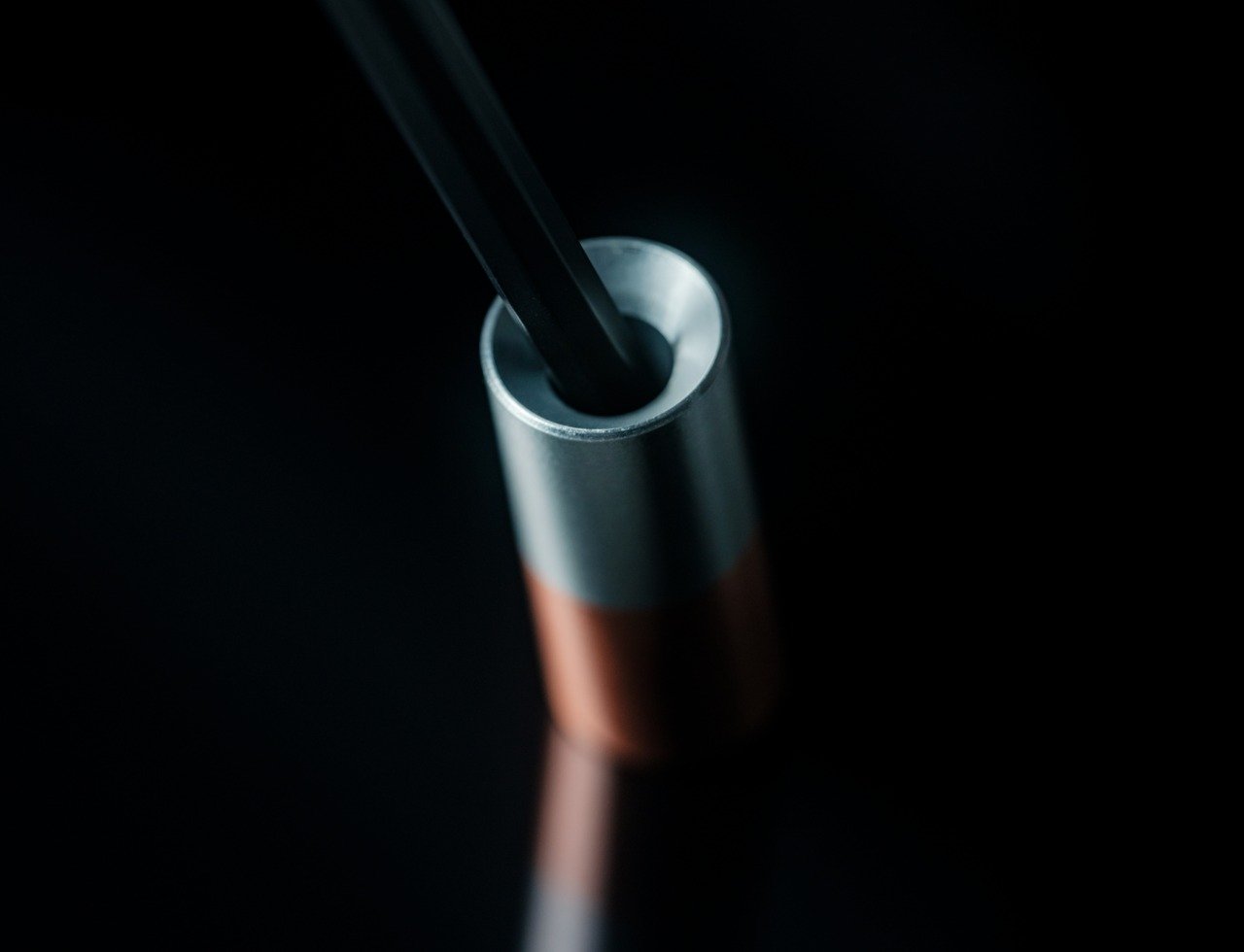
What stand could be simpler than an upright cylinder with a whole in the middle that’s just enough to fit a single pen? After all, a pen stand’s purpose is to hold the writing tool for easy access while showing it off when not in use. Anything else is just excess and waste that burdens the product both visually and functionally. That’s the kind of minimalist design that this small and simple stand embraces, but that doesn’t mean it’s a plain and boring desk accessory. In fact, it is ironically one of the most beautiful pen stands around, especially if you favor minimalist designs.

Your eyes will be immediately drawn to the stand’s diminutive size. At only 52.5mm (around 2 inches) tall, it has just enough space to hold a small portion of the pen, leaving the majority of the barrel unobstructed and free for everyone to behold. Despite its small size, however, the stand is able to, well, stand without tipping over due to the weight of the pen. In fact, the stand itself tilts a little bit to one side, an intentional design that makes it easier to pull out the pen quickly when you need to jot something down.

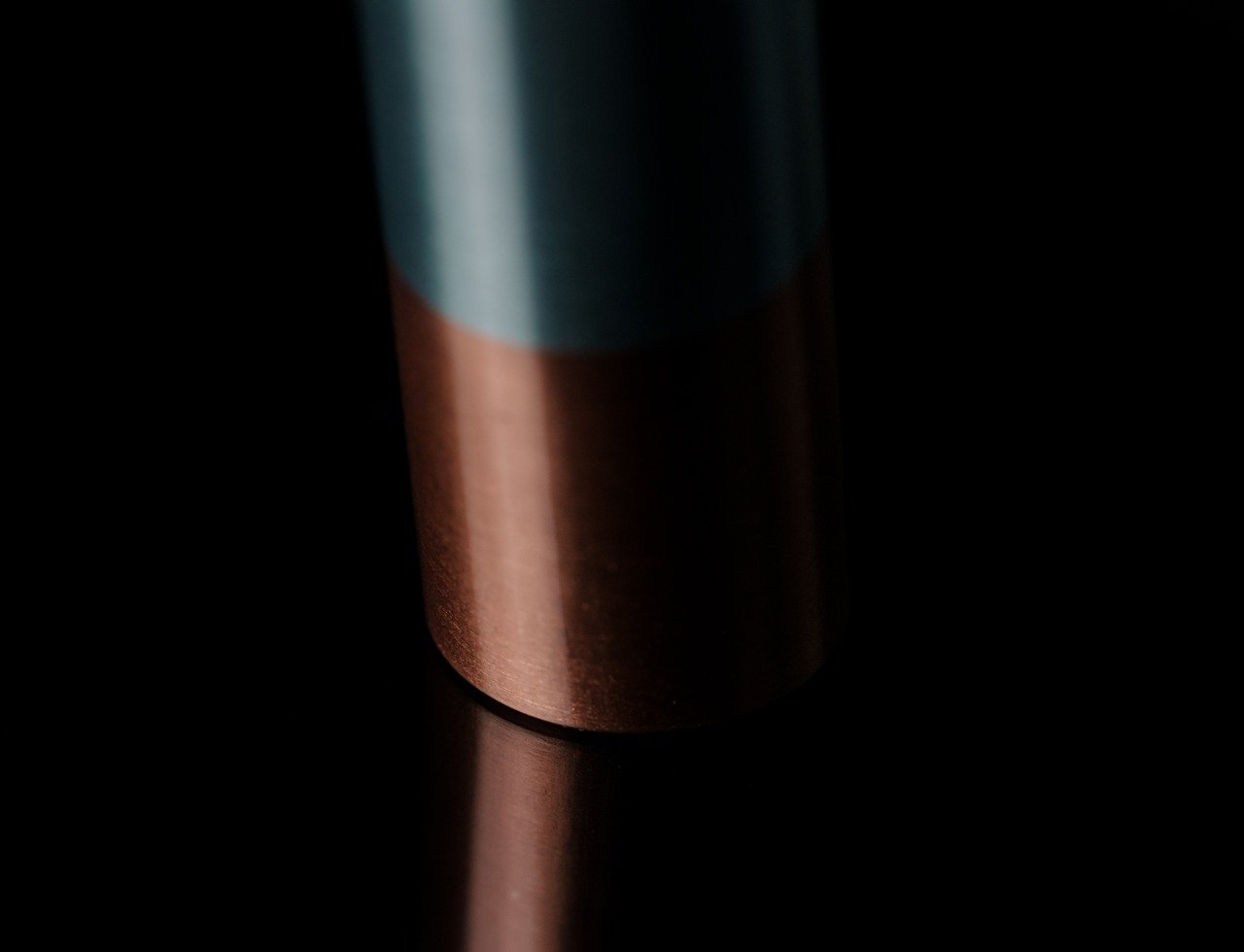
The trick to the Centroid Stand’s unbelievable feat is in its construction, which also accounts for its two-tone color finish. The top half of the stand is made from polished aluminum which gives it a stylish luster, while the lower half is made from heavier copper that shifts the center of gravity lower, making it more stable regardless of its tilt or the weight of the pen that it holds. These two dissimilar materials, joined together using a friction welding process, give the stand a rather distinct flavor, one that is both playful and elegant at the same time. Copper also develops a unique patina over time, adding to the stand’s character as it grows old with you.

Showcase your Everlasting All-Metal Pencil with the ultimate stand.

Beautiful in its simplicity and ingenious in its functionality, this ultra-minimalist pen stand offers a perfect view of the writing instrument that it holds. Due to its minimalist design, it is the perfect complement to equally minimalist pen designs, such as the Everlasting All-Metal Pencil that will last as long as this unconventional stand. It is a glowing example of how simple designs, when done right, can exude a kind of beauty that gently draws your eyes without distracting from the attention that your favorite pen or pencil rightfully deserves.

Click Here to Buy Now: $19.95.

The post This ultra-minimalist pen stand makes your writing partner the center of attention first appeared on Yanko Design.