This Ruler Holds Paper, Guides Your Blade, and Forgives Shaky Hands

I’ve been staring at these renders for a while now, and I keep coming back to one line from the project page: “A cutting-aid tool designed for the human hand as it actually trembles.” That’s not marketing copy. That’s a design philosophy most product designers never arrive at.

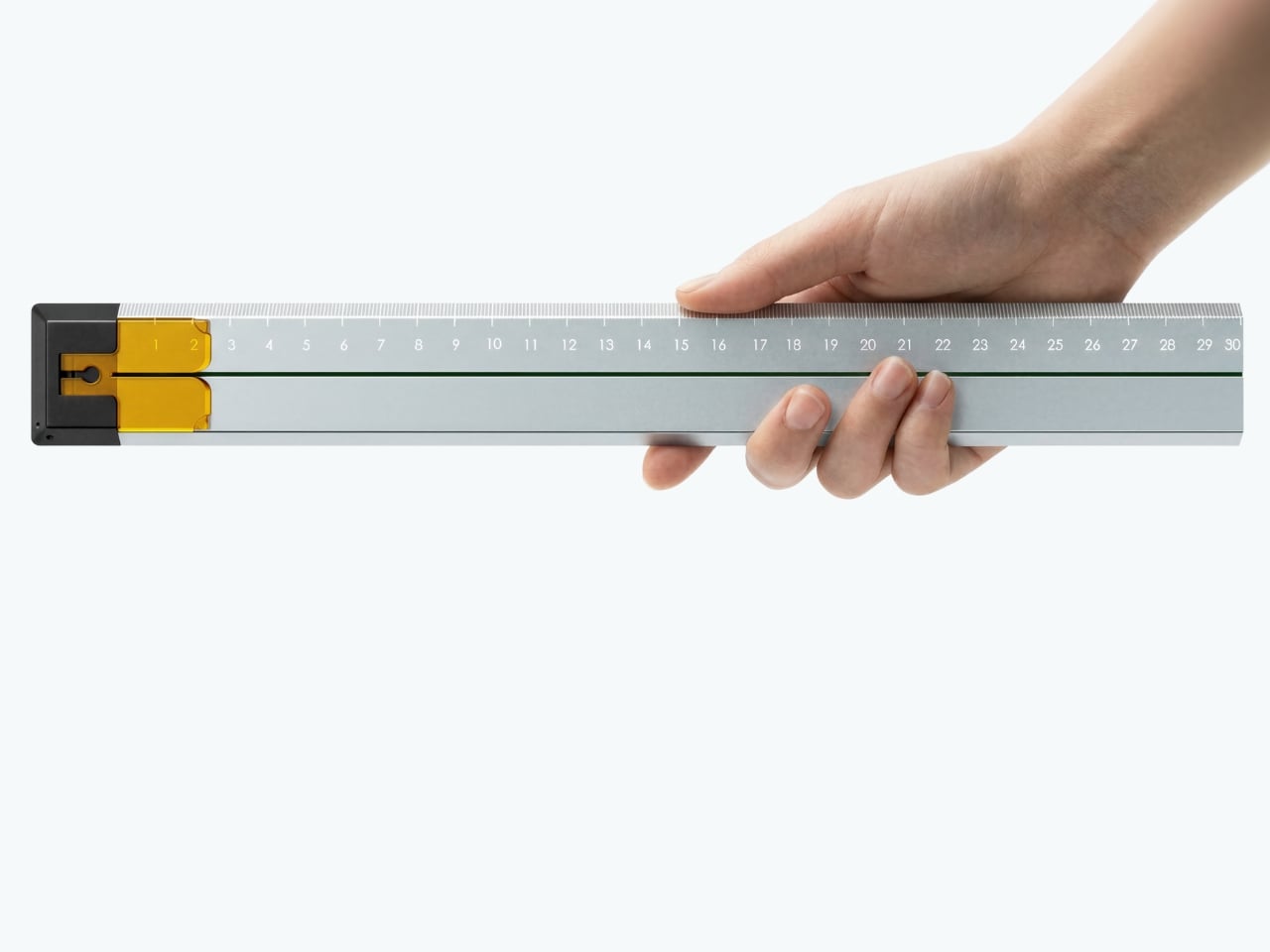
Quiver is a concept by Tunir Maity, a designer based in Noida, India, and it’s one of the most thoughtful pieces of industrial design I’ve come across recently. On the surface, it looks like a premium aluminum ruler with a built-in paper guide and blade channel. Sleek, minimal, the kind of object that would look good on a studio desk. But what makes it interesting isn’t how it looks. It’s what it admits about you.

Designer: Tunir Maity
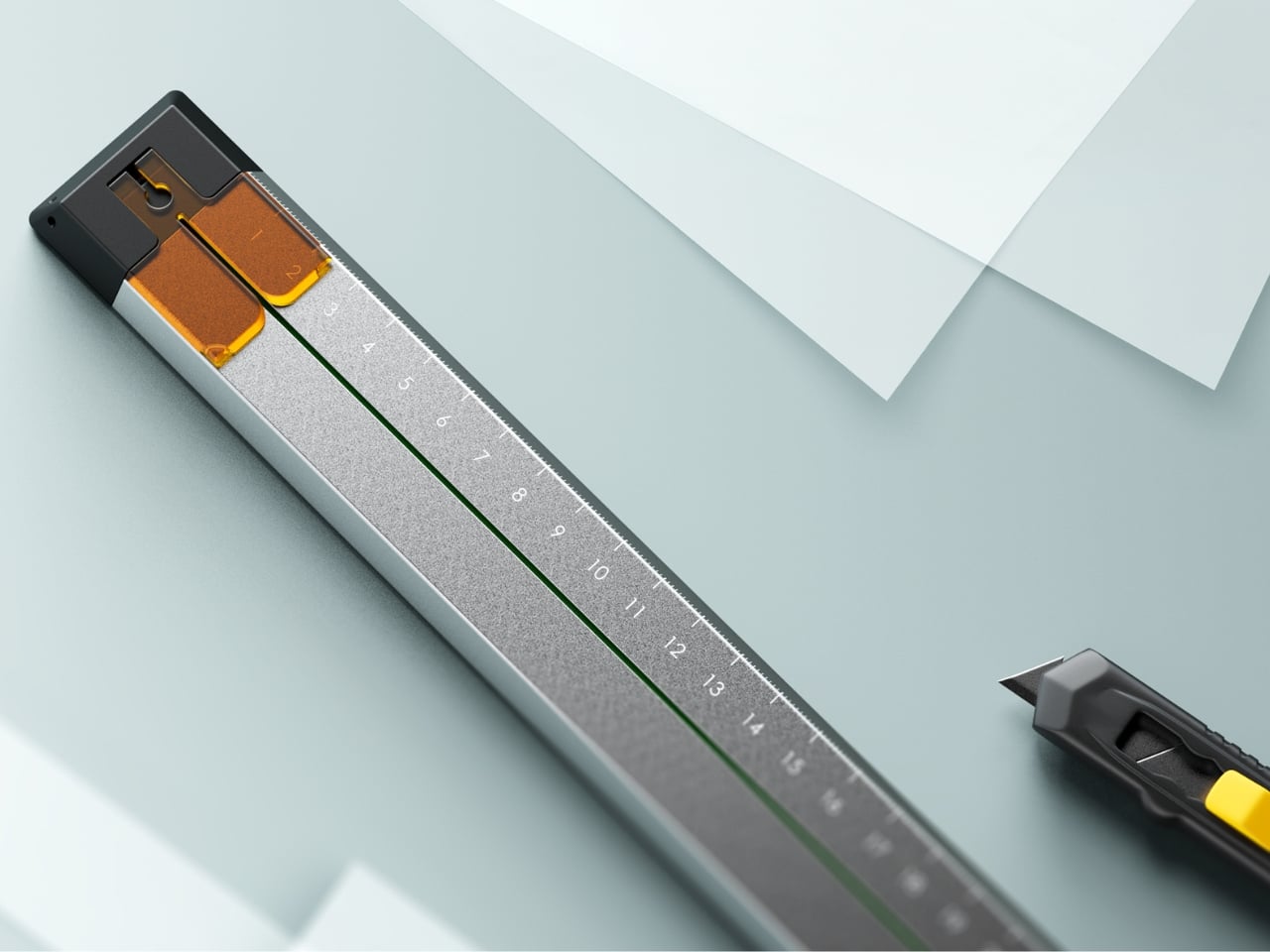
Most cutting tools are designed as if you’re a surgeon. Steady hands, perfect pressure, ideal lighting, infinite patience. The reality is different. You’re hunched over a desk, eyeballing a line, gripping too hard because you’re afraid of slipping. The paper moves. The blade drifts. You end up with a cut that’s close enough but never quite right. It’s a small failure, the kind you shrug off, but it accumulates into a quiet resentment of a task that should be simple.
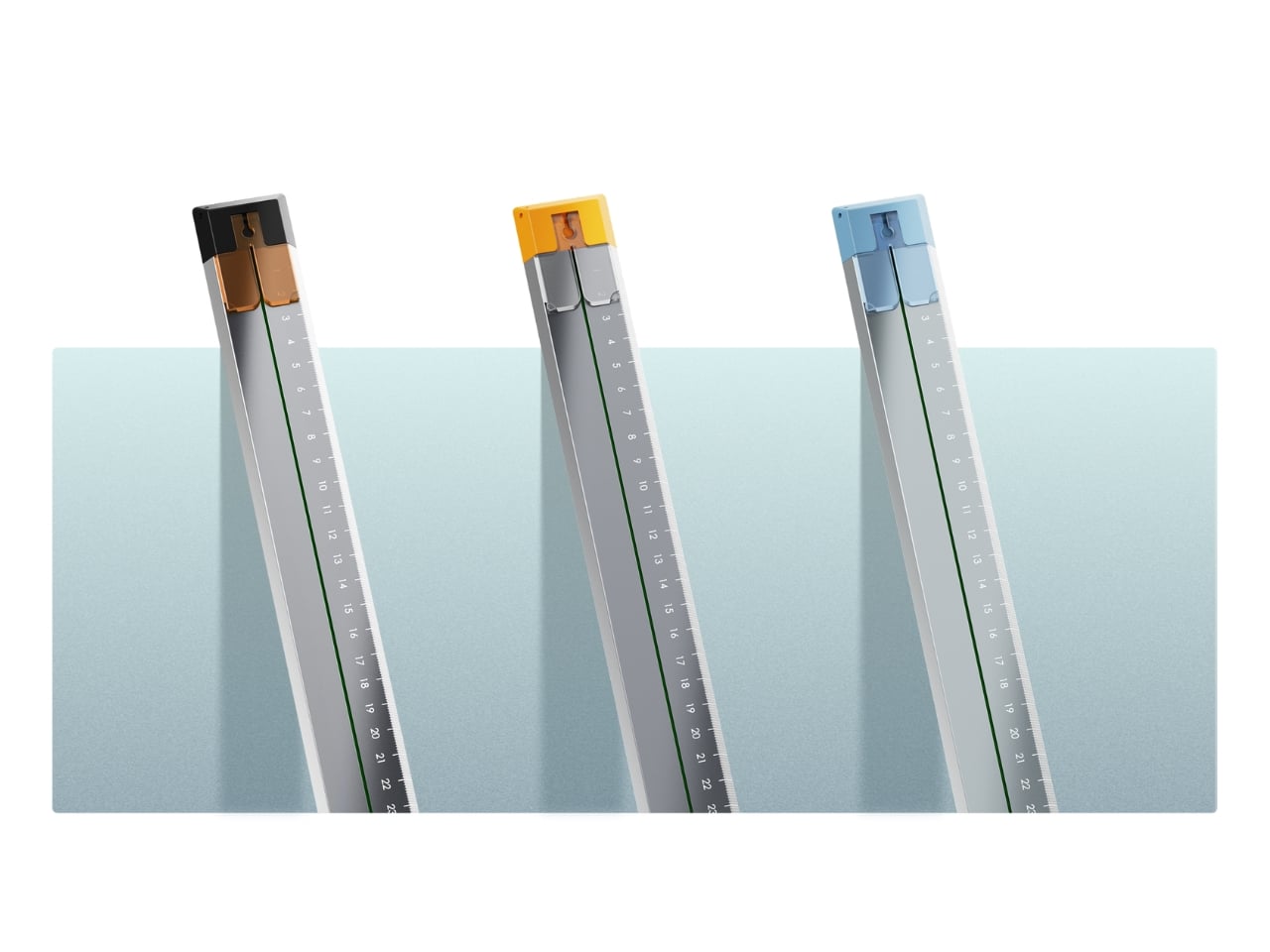
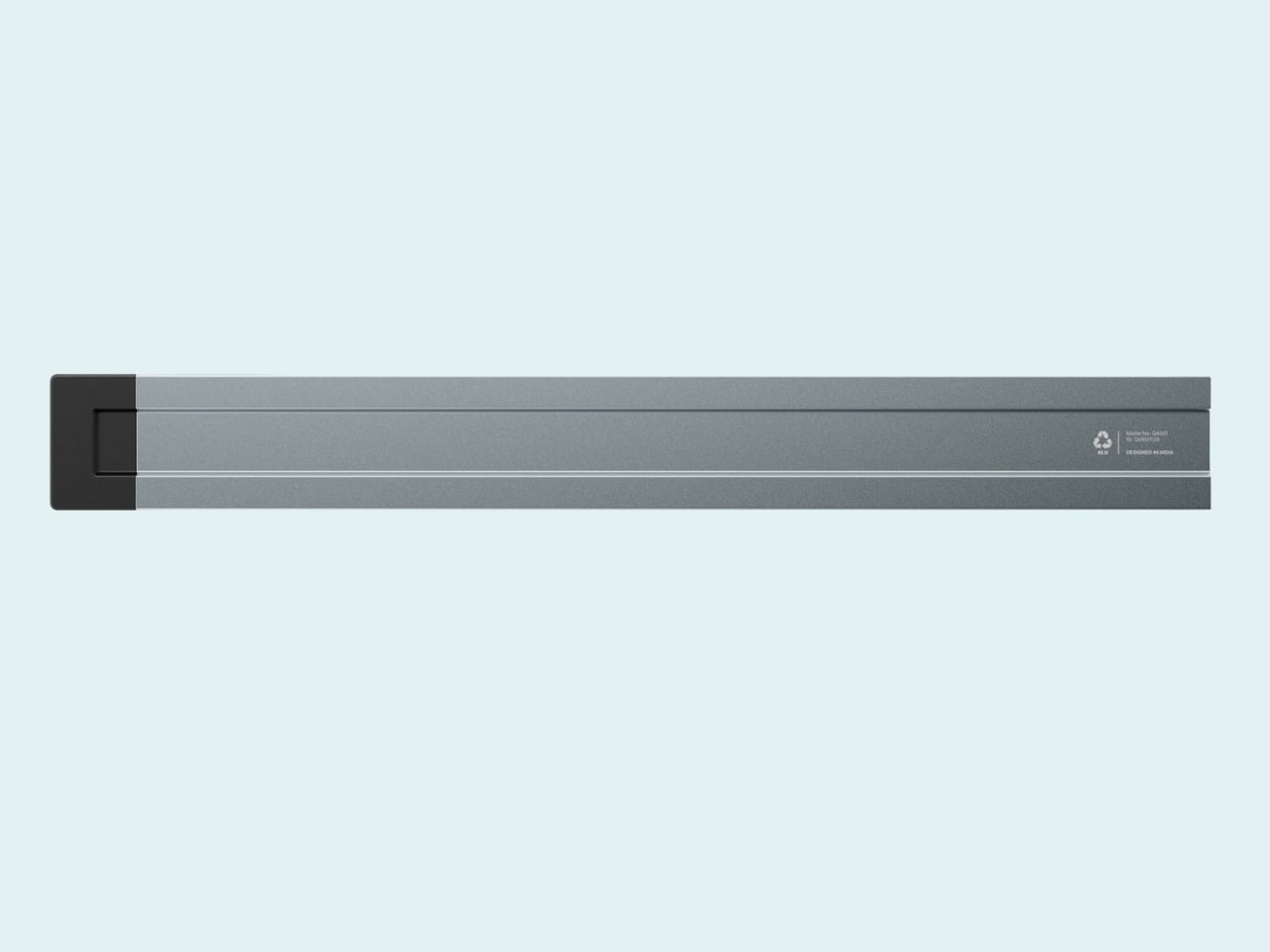
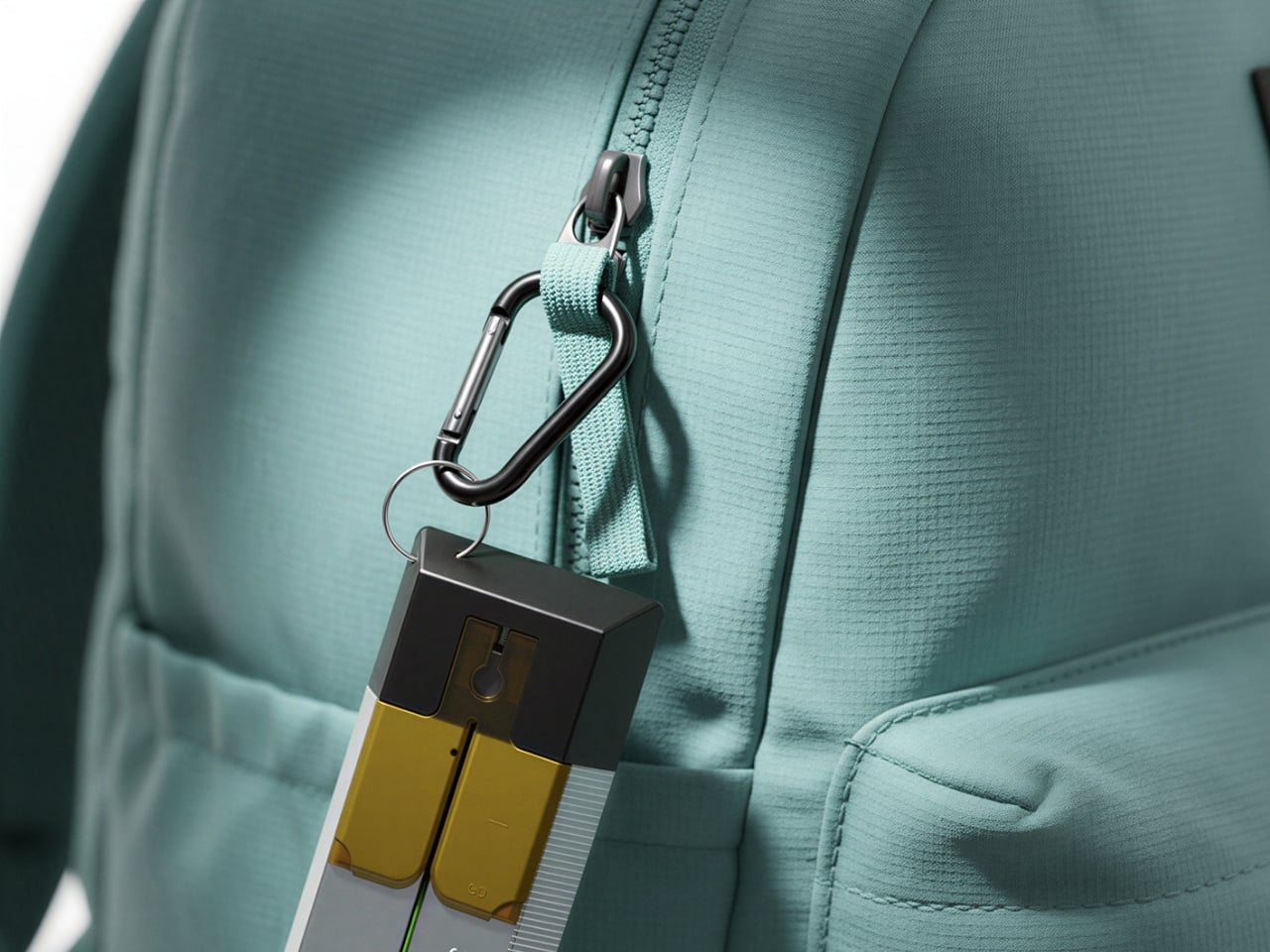
Quiver’s approach is to stop pretending the problem is you. The tool has a clip mechanism that holds paper in place, a slit that guides your blade in a straight line, and a weight distribution that favors the cutting end so you don’t have to press as hard. The whole thing is made from anodized aluminum with recyclable plastic components, designed for over 300 cuts and years of daily use. There’s even a carabiner attachment so you can clip it to a bag, which is a nice touch for anyone who actually uses tools instead of just collecting them.
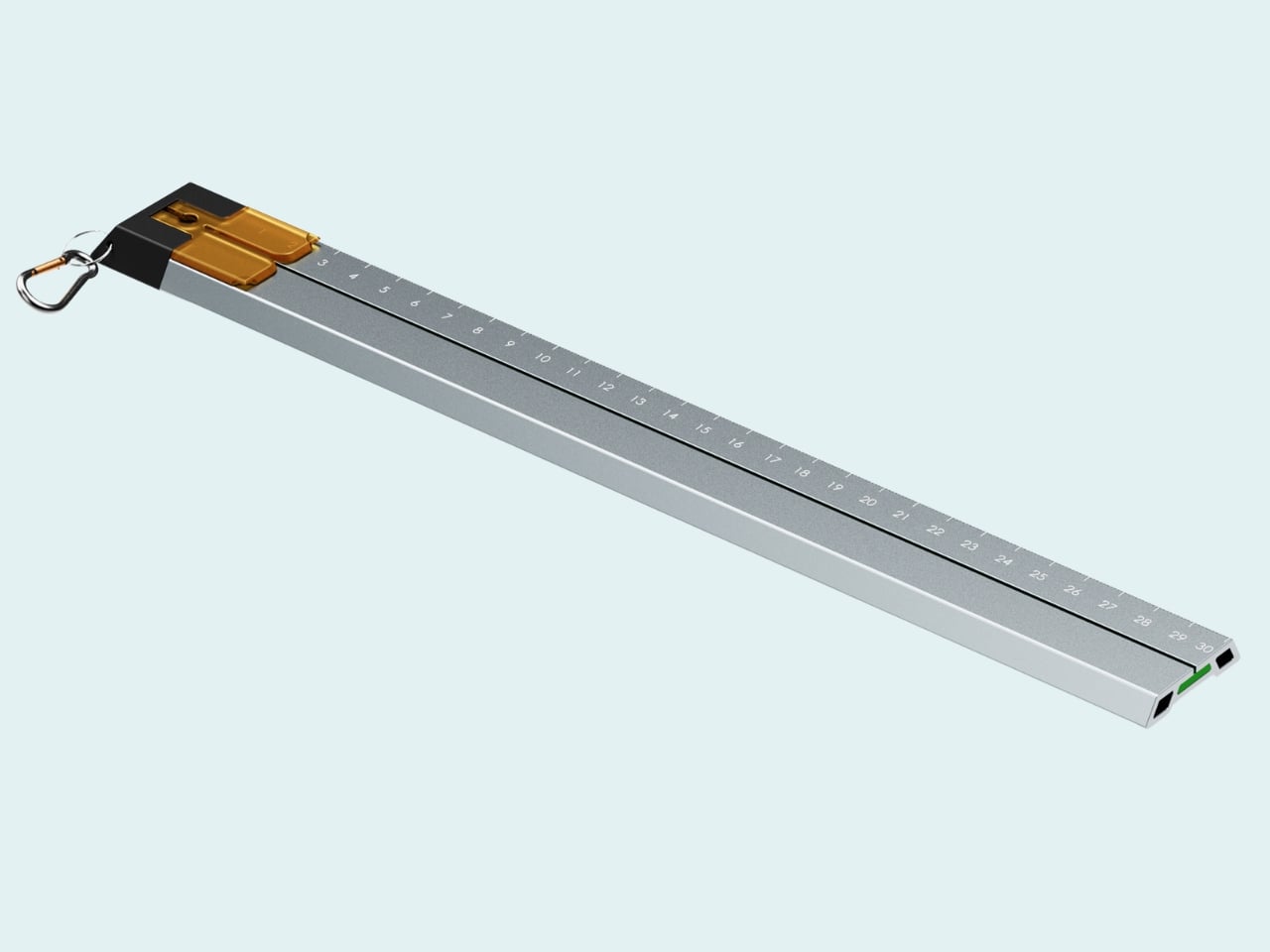
What I find compelling about this project isn’t any single feature. It’s the framing. The name “Quiver” carries a double meaning that I think is genuinely clever without being precious about it. There’s the archery sense, that moment of readiness before you release, and there’s the literal quiver of a human hand. Most designers would pick one meaning and run with it. Maity holds both, and that tension is where the design lives.
There’s a broader conversation here about inclusive design that I think Quiver speaks to without ever using the term. When you design for trembling hands, you’re not just designing for people with motor difficulties or arthritis. You’re designing for everyone who’s ever been tired, rushed, cold, nervous, or just not that precise. That’s all of us, at different moments. The best accessible design has always worked this way. Curb cuts were designed for wheelchairs and ended up helping everyone with strollers, luggage, or sore knees. OXO Good Grips started as kitchen tools for people with arthritis and became the standard for comfortable design. Quiver fits into that lineage. It’s not a medical device or an accommodation. It’s just a better tool that happens to respect the full range of human capability.
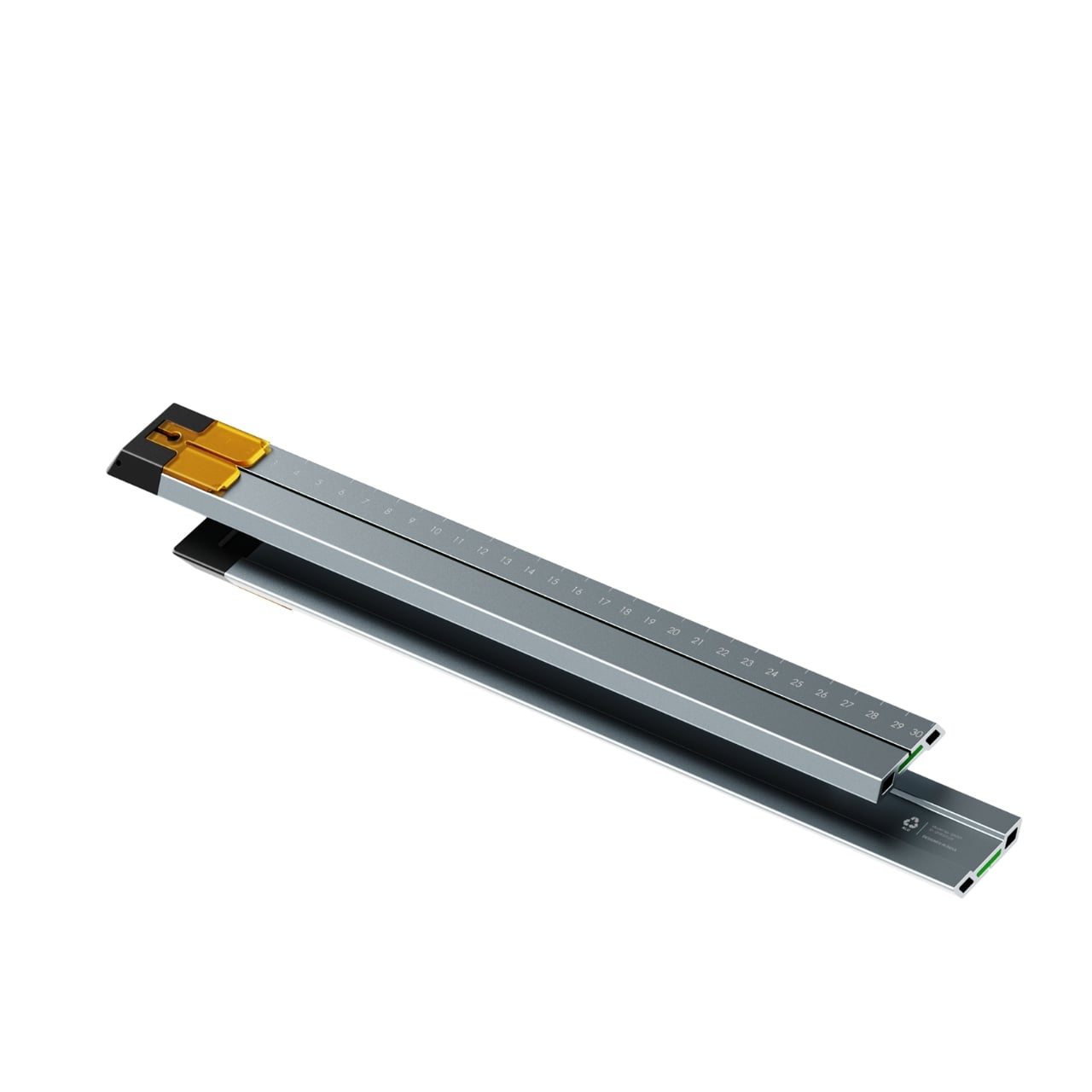
I also appreciate that it comes in multiple colorways. The amber, yellow, and blue clip variants shown in the renders suggest this is meant to be a personal object, not just a utility. That matters. Tools you choose tend to be tools you use.
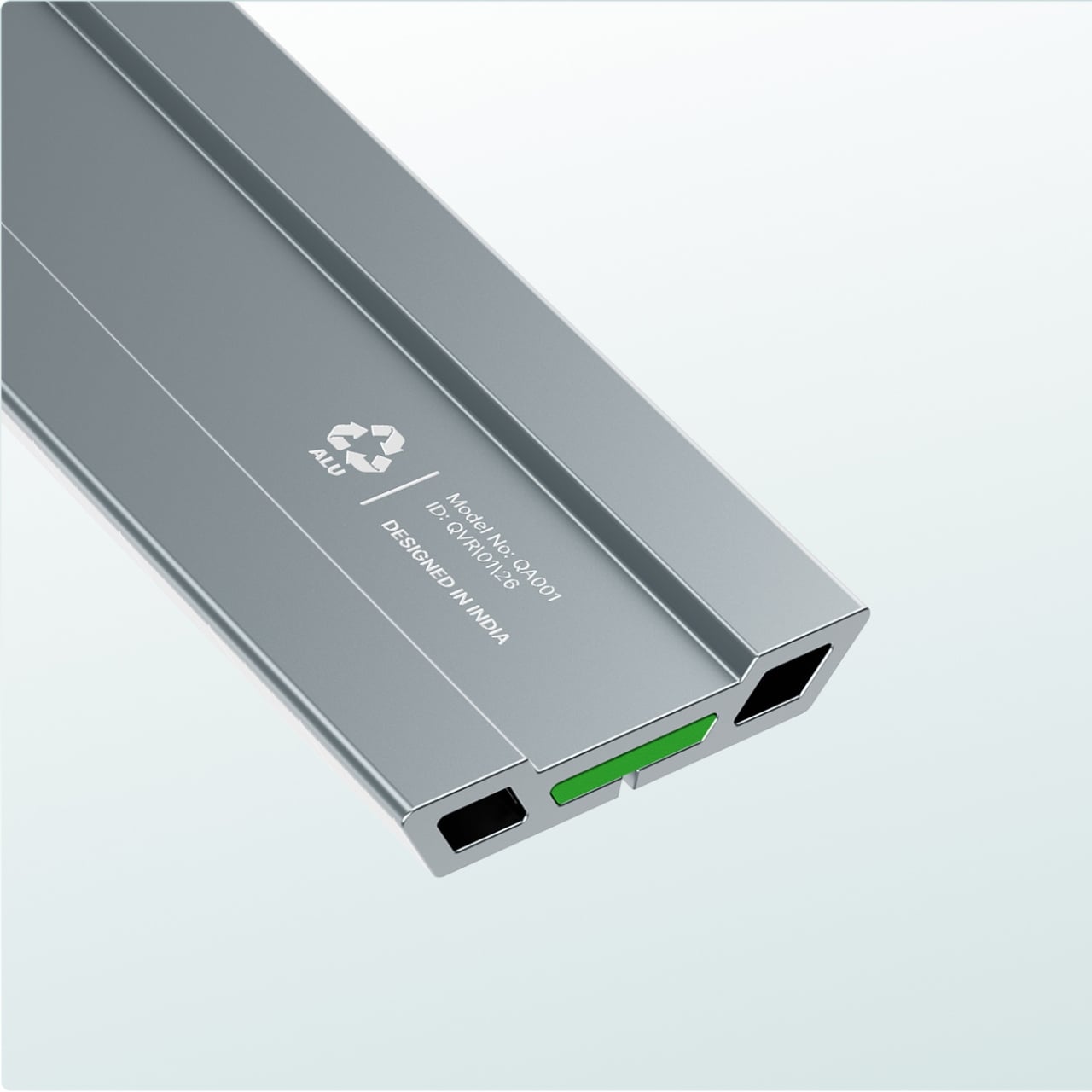
Is it perfect? It’s a concept, so there are open questions. How does the blade channel handle thicker materials? What’s the learning curve for the clip mechanism? Would the weight feel different after an hour of continuous use? These are manufacturing questions, not design ones, and they don’t diminish what Maity has accomplished here at the conceptual level.
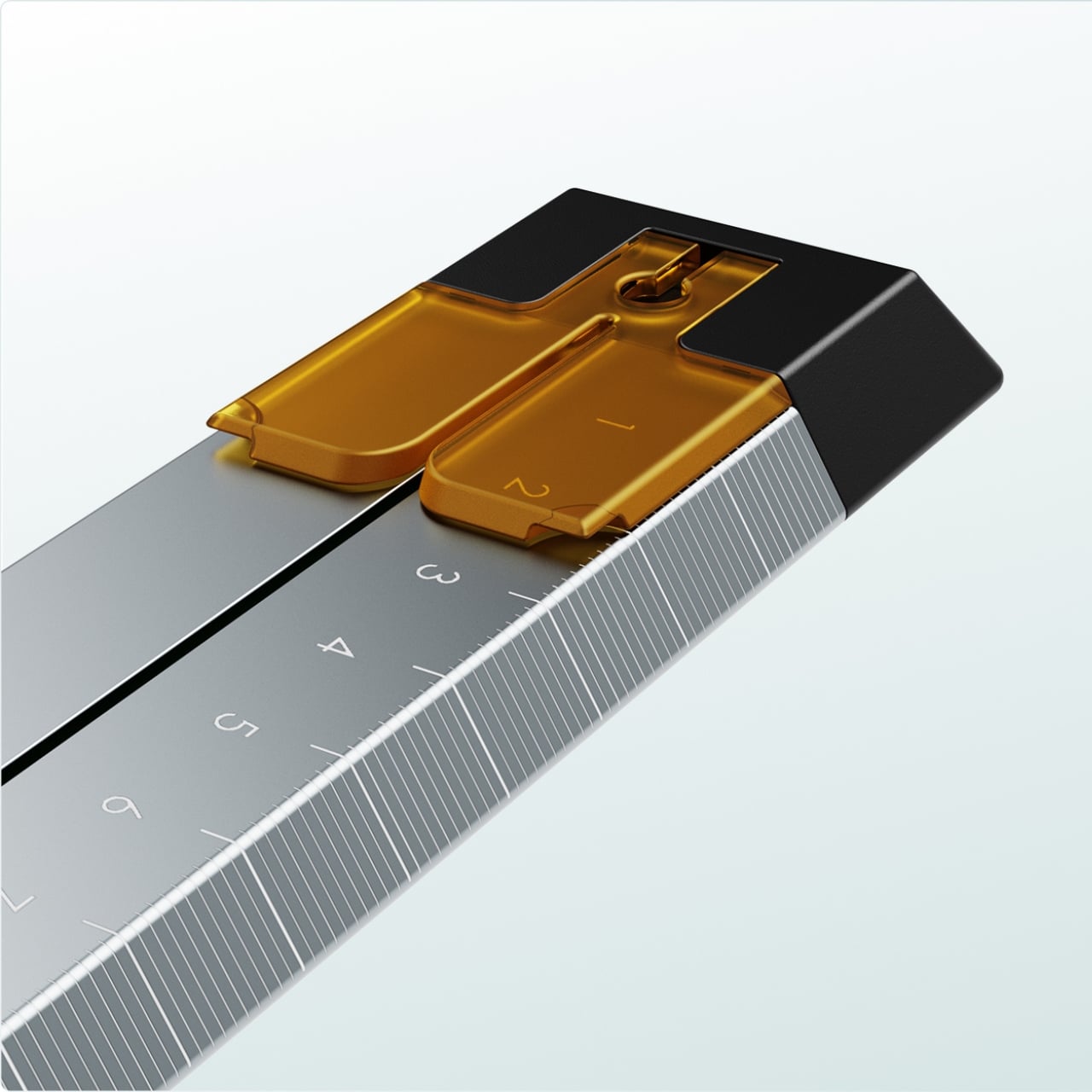
What stays with me is the generosity of the premise. So much of product design starts from a place of optimization, making you faster, more efficient, more precise. Quiver starts from a place of acceptance. Your hands shake. That’s fine. Let’s work with that. In a design landscape obsessed with eliminating human imperfection, there’s something quietly radical about a tool that says your imperfection was the brief all along.
The post This Ruler Holds Paper, Guides Your Blade, and Forgives Shaky Hands first appeared on Yanko Design.

Trump orders federal agencies to drop Anthropic services amid Pentagon feud

President Donald Trump has ordered all US government agencies to stop using Claude and other Anthropic services, escalating an already volatile feud between the Department of Defense and company over AI safeguards. Taking to Truth Social on Friday afternoon, the president said there would be a six-month phase out period for federal agencies, including the Defense Department, to migrate off of Anthropic's products. 

“The Leftwing nut jobs at Anthropic have made a DISASTROUS MISTAKE trying to STRONG-ARM the Department of War, and force them to obey their Terms of Service instead of our Constitution,” the president wrote. “Anthropic better get their act together, and be helpful during this phase out period, or I will use the Full Power of the Presidency to make them comply, with major civil and criminal consequences to follow.”  

Before today, US Defense Secretary Pete Hegseth had threatened to label Anthropic a “supply chain risk” if it did not agree to withdraw safeguards that insist Claude not be used for mass surveillance against Americans or in fully autonomous weapons. In a post on X published after President Trump’s statement, Hegseth said he was “directing the Department of War to designate Anthropic a Supply-Chain Risk to National Security. Effective immediately, no contractor, supplier, or partner that does business with the United States military may conduct any commercial activity with Anthropic.”

Anthropic did not immediately respond to Engadget's comment request. Earlier in the day, a spokesperson for the company said the contract Anthropic received after CEO Dario Amodei outlined Anthropic's position made “virtually no progress” on preventing the outlined misuses.

"New language framed as a compromise was paired with legalese that would allow those safeguards to be disregarded at will. Despite DOW's recent public statements, these narrow safeguards have been the crux of our negotiations for months," the spokesperson said. "We remain ready to continue talks and committed to operational continuity for the Department and America's warfighters." 

Advocacy groups like the Center for Democracy and Technology (CDT) quickly came out against the president’s threats. “This action sets a dangerous precedent. It chills private companies’ ability to engage frankly with the government about appropriate uses of their technology, which is especially important in national security settings that so often have reduced public visibility,” said CDT President and CEO Alexandra Givens, in a statement shared with Engadget. “These threats undermine the integrity of the innovation ecosystem, distort market incentives and normalize an expansive view of executive power that should worry Americans all across the political spectrum.”

For now, it appears the AI industry is united behind Anthropic. On Friday, hundreds of Google and OpenAI employees signed an open letter urging their companies to stand in "solidarity" with the lab. According to an internal memo seen by Axios, OpenAI CEO Sam Altman said the ChatGPT maker would draw the same red line as Anthropic.  

In a blog post published late on Friday, Anthropic vowed to “challenge any supply chain risk designation in court,” and assured its customers that only work related to the Defense Department would be affected. The company's full statement is available here, an excerpt is below:

Designating Anthropic as a supply chain risk would be an unprecedented action—one historically reserved for US adversaries, never before publicly applied to an American company. We are deeply saddened by these developments. As the first frontier AI company to deploy models in the US government’s classified networks, Anthropic has supported American warfighters since June 2024 and has every intention of continuing to do so.

We believe this designation would both be legally unsound and set a dangerous precedent for any American company that negotiates with the government.

No amount of intimidation or punishment from the Department of War will change our position on mass domestic surveillance or fully autonomous weapons. We will challenge any supply chain risk designation in court.

Update, February 27, 9PM ET: This story was updated twice after publish. First at 6PM ET to include a link to and quotes from Hegseth about the designation of Anthropic as a supply chain risk. Later, a quote from Anthropic was added, along with a link to the company’s blog post on the subject.

This article originally appeared on Engadget at https://www.engadget.com/ai/trump-orders-federal-agencies-to-drop-anthropic-services-amid-pentagon-feud-222029306.html?src=rss

FCC approves the merger of cable giants Cox and Charter

The Federal Communications Commission has given the go ahead for two of the US' biggest cable providers, Charter Communications and Cox Communications, to merge. Charter announced its intention to acquire Cox for $34.5 billion in May 2025, with specific plans to inherit Cox's managed IT, commercial fiber and cloud businesses, while folding the company's residential cable service into a subsidiary.

“By approving this deal, the FCC ensures big wins for Americans," FCC Chairman Brendan Carr said in a statement. "This deal means that jobs are coming back to America that had been shipped overseas. It means that modern, high-speed networks will get built out in more communities across rural America. And it means that customers will get access to lower priced plans. On top of this, the deal enshrines protections against DEI discrimination."

The FCC claims that Charter plans to invest "billions" to upgrade its network following the closure of the deal, leading to "faster broadband and lower prices." The company's "Rural Construction Initiative" will also extend those improvements to rural states lacking in consistent internet service, a project the FCC was heavily invested in during the Biden administration, but has been pulling back from since President Donald Trump appointed Carr. The FCC also claims Charter will onshore jobs currently handled off-shore by Cox employees and commit to "new safeguards to protect against DEI discrimination," which essentially amounts to hiring, recruiting and promoting employees based on "skills, qualifications, and experience."

While Carr's FCC paints a rosy picture of Charter's acquisition, history has provided multiple examples of mergers having the opposite effect on jobs and pricing. For example, redundancies created when T-Mobile merged with Sprint in 2020 led to a wave of layoffs at the carrier. And funnily enough in 2018, not long after Charter's merger with Time Warner Cable was approved by the FCC, the company raised prices on its Spectrum service by over $91 a year. 

The FCC's obsession with diversity, equity and inclusion as part of the deal is stranger, if only because it appears to fall outside of the commission's purpose of maintaining fair competition in the telecommunications industry. It does fit with other mergers the FCC has approved under Carr, however. Skydance's acquisition of Paramount was approved in 2025 under the condition it wouldn't establish any DEI programs.

This article originally appeared on Engadget at https://www.engadget.com/big-tech/fcc-approves-the-merger-of-cable-giants-cox-and-charter-230258865.html?src=rss

What If Artists Designed Wi-Fi Routers?

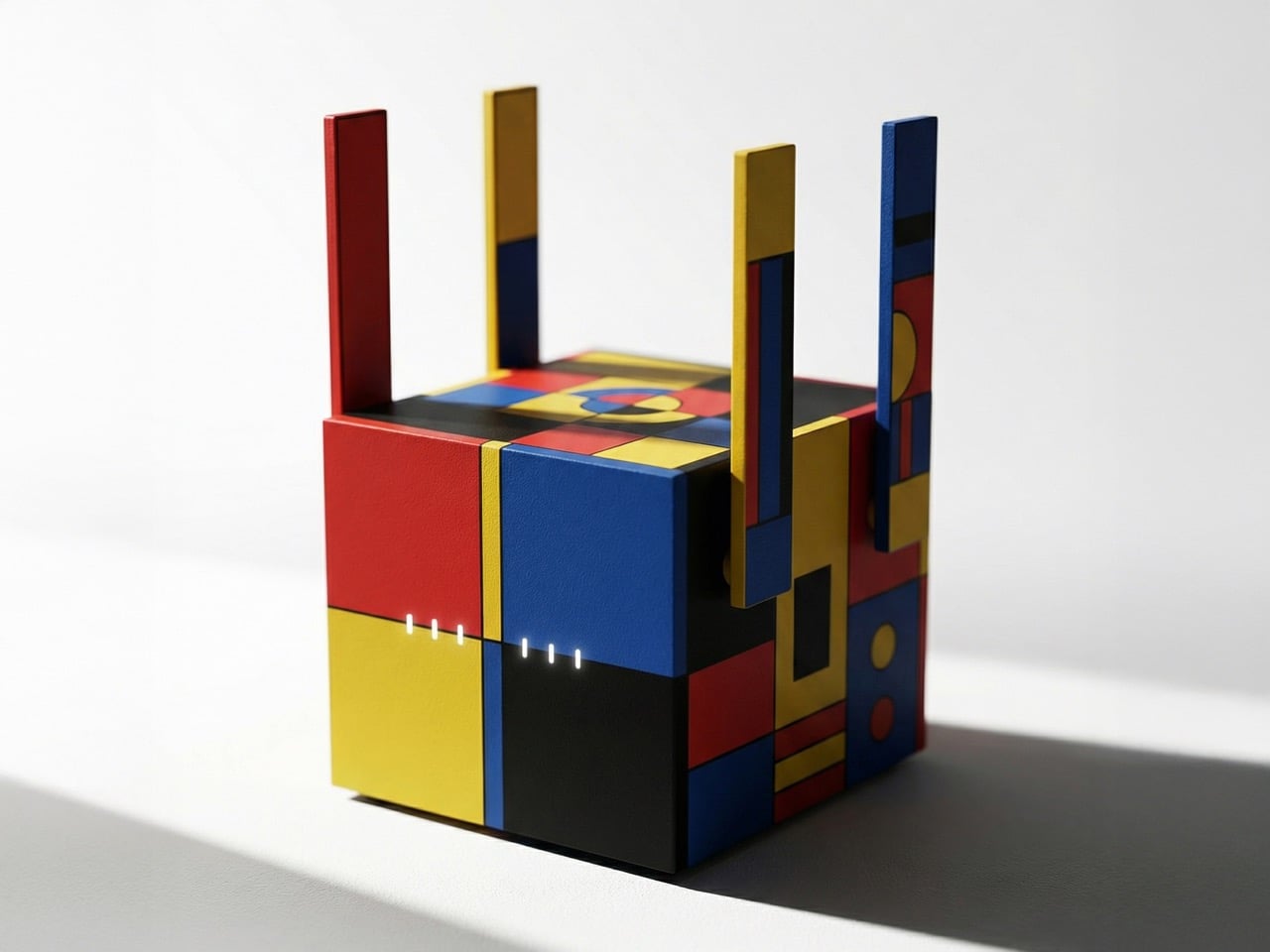
A Wi-fi router has to hands-down be one of the ugliest appliances to be placed in a modern home. Sure, your thermostat can be concealed, your purifier can be hidden away when not in use, your home gym can fit under your bed. But the Wi-Fi router can’t be moved without some serious repercussions for performance. The router, by virtue of how it works, HAS to be kept in an open environment so it can broadcast the Wi-fi signal everywhere efficiently.

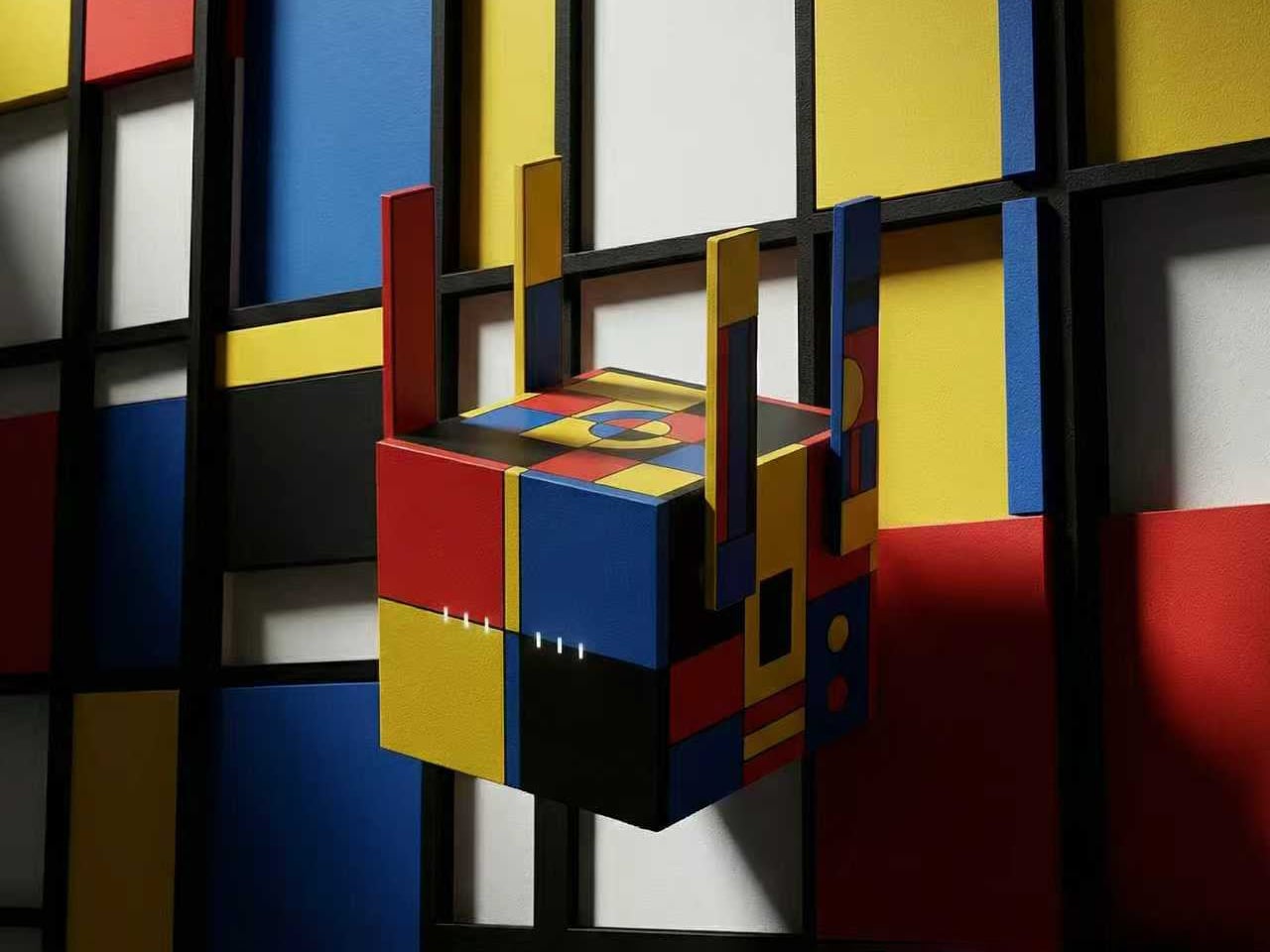
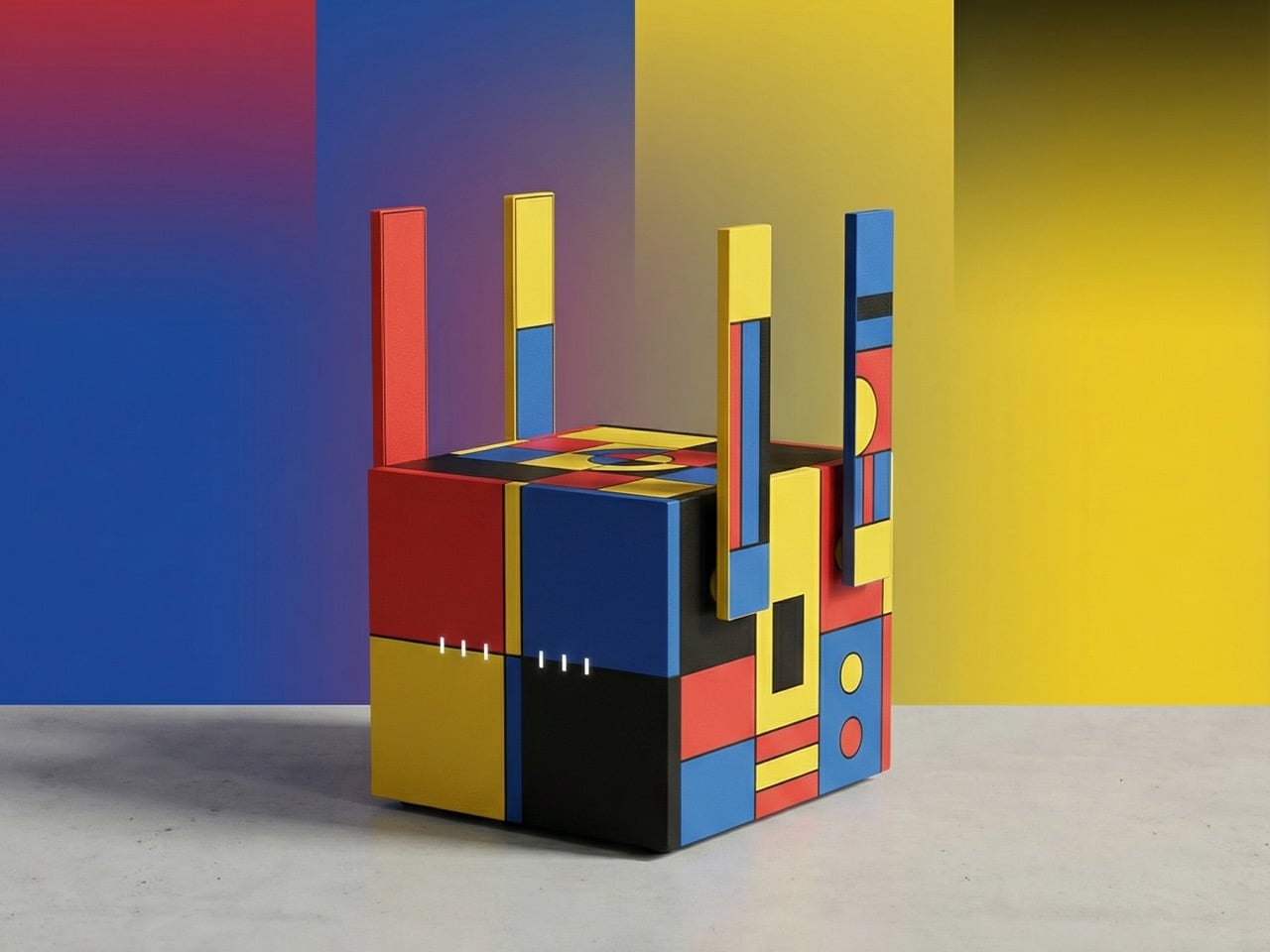
That being said, hardly any companies actually spend time thinking about how home-based Wi-fi should look. Companies like Google and Apple worked fairly hard to ensure their smart speakers fit well into interior spaces, but your router is still this alien-looking device with angular forms, black plastic, blinking lights, and antennas shooting out in every direction looking like a large bug ready to strike. So Cosin Design asks a simple question – what if we merged the worlds of router design with modern art?

Designer: Cosin Design

These Mondrian Routers treat the router’s surface as a canvas for modern art. Inspired by the abstract artwork of Piet Mondrian, the routers translate the geometric artpieces of the Dutch painter onto the plastic appliance’s otherwise cold, boring, and frankly unsightly surfaces. Black or white plastic wasn’t meant for modern homes, especially homes filled with color, texture, and life. Given how routers are almost always centrally located and mounted on walls or placed on high tabletops, visible to every one, Cosin Design’s routers at least try to make a visual statement through art.

Would I put such a router in my house? In fact, this project is an invitation to companies like ASUS, D-Link, Netgear, TP-Link, and others to at least experiment with unique artworks and form factors that delight instead of displease. Huawei launched a beautiful lava-lamp-inspired Wi-fi router just at the end of last year, and it really goes to show how something as essential as an internet connectivity device can speak the language of home decor, instead of looking like something meant to be hidden in a server room.

The post What If Artists Designed Wi-Fi Routers? first appeared on Yanko Design.
Paramount agrees to buy Warner Bros. Discovery, pays Netflix $2.8 billion for breakup

Paramount Skydance and Warner Bros. Discovery are officially merging. The studio paid Netflix the $2.8 billion termination fee it was owed for breaking its original deal to buy Warner Bros. earlier today, and the historic film studio has now formally accepted Paramount’s offer.

Along with the deal, which values Warner Bros. Discovery at $31 per share, Paramount is making several commitments to assuage the fears of regulators and the entertainment community. Those include a guarantee that the new company will produce 30 theatrical films annually, that theatrical releases will have a minimum 45-day window in theaters before they’re brought to video on demand (something Netflix ultimately also agreed to) and that deal itself will close by Q3 2026.

This turnaround in Paramount's fortunes has happened quickly. Warner Bros. Discovery announced that Paramount's offer was superior to Netflix's on Thursday, and not long after the streaming service said that it wouldn't provide a counter offer, effectively abandoning its previous agreement.

Ultimately, Netflix and Paramount were vying for different parts of Warner Bros. Disocvery. Netflix was primarily interested in Warner Bros. proper, while Paramount Skydance wanted the whole company, cable networks and all. Either deal would need to be approved by regulators, which is the hurdle Paramount and Warner Bros. Discovery face now. The general assumption has been that the close relationship Paramount CEO David Ellison and his billionaire father Larry Ellison have with the Trump administration would smooth over any issues, but the deal will receive scrutiny abroad and likely also at the state level, based on a recent post from California Attorney General Rob Bonta.

Paramount Skydance has proven its willingness to comply with President Donald Trump, but delays in closing the deal could be costly. The company is on the hook to pay Warner Bros. Discovery "a daily ticking fee equal to $0.25 per share per quarter beginning after September 30, 2026." The company also has to pay $7 billion to Warner Bros. Discovery if the deal is terminated for regulatory reasons. Netflix lost the battle for Warner Bros. Discovery, but getting a competitor to potentially overpay for the studio might be its own reward.

This article originally appeared on Engadget at https://www.engadget.com/entertainment/paramount-agrees-to-buy-warner-bros-discovery-pays-netflix-28-billion-for-breakup-215936514.html?src=rss

Razer Laptop Sleeve 16 integrates dual wireless charging into a sleek everyday carry essential

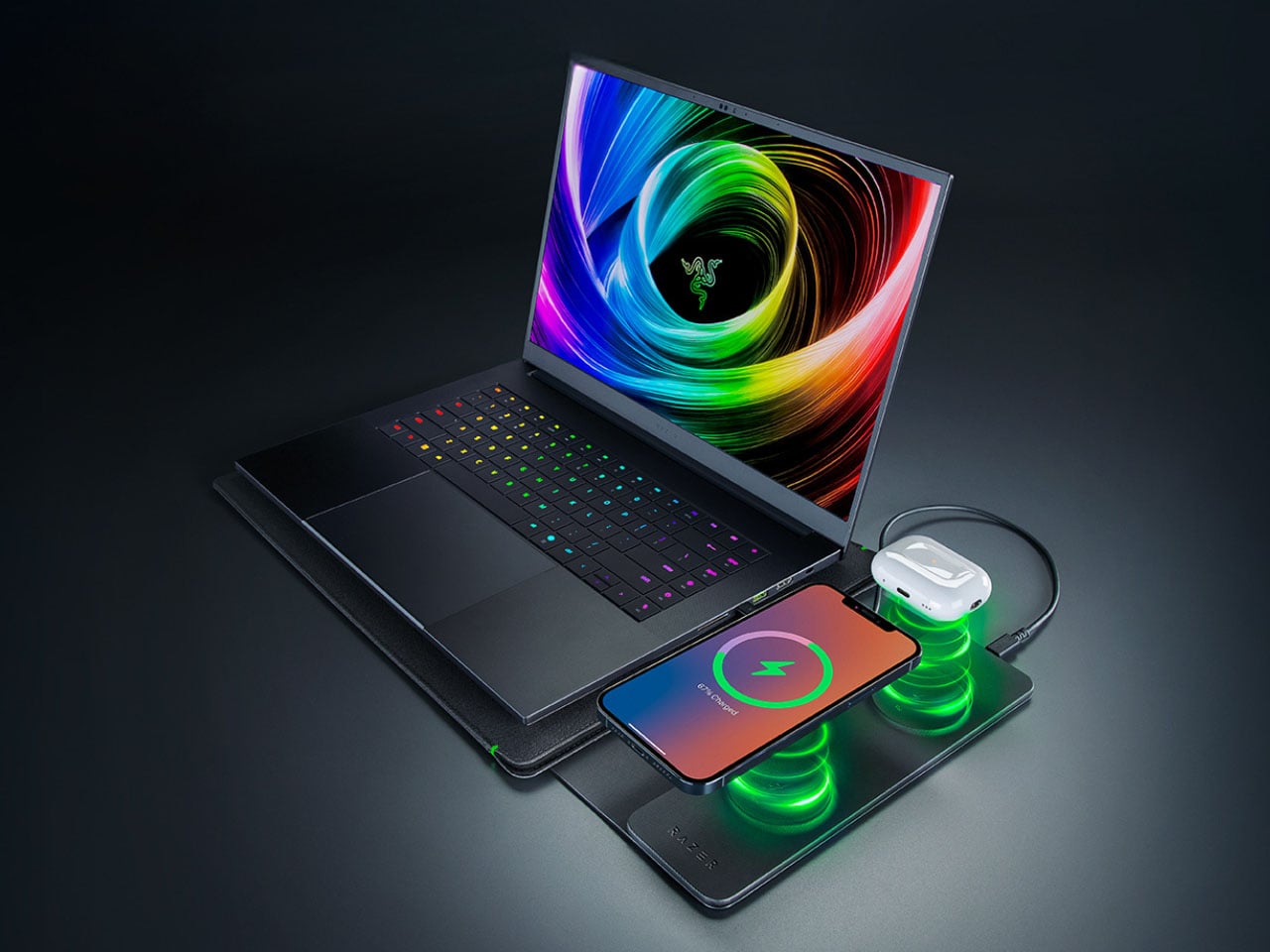
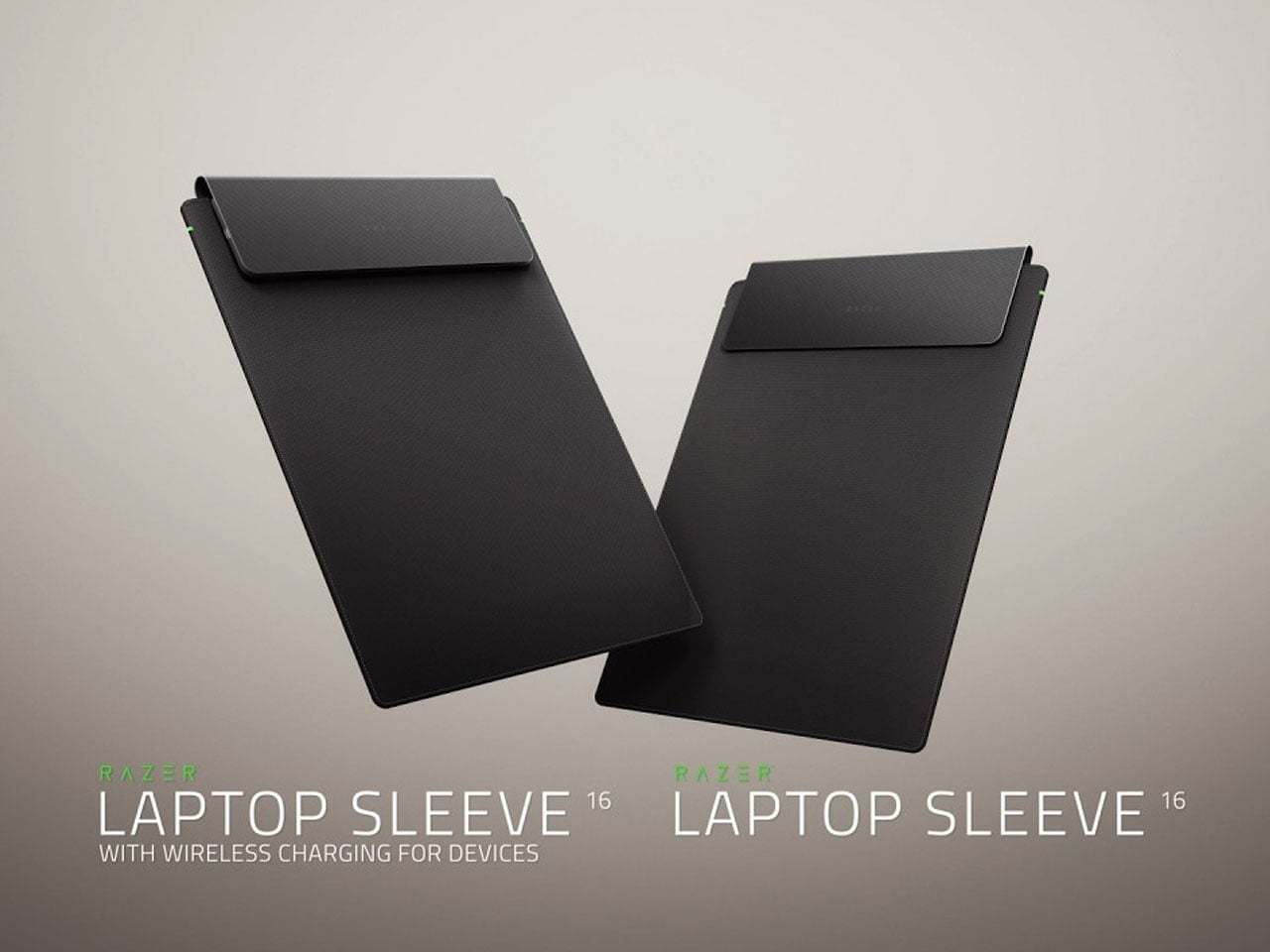
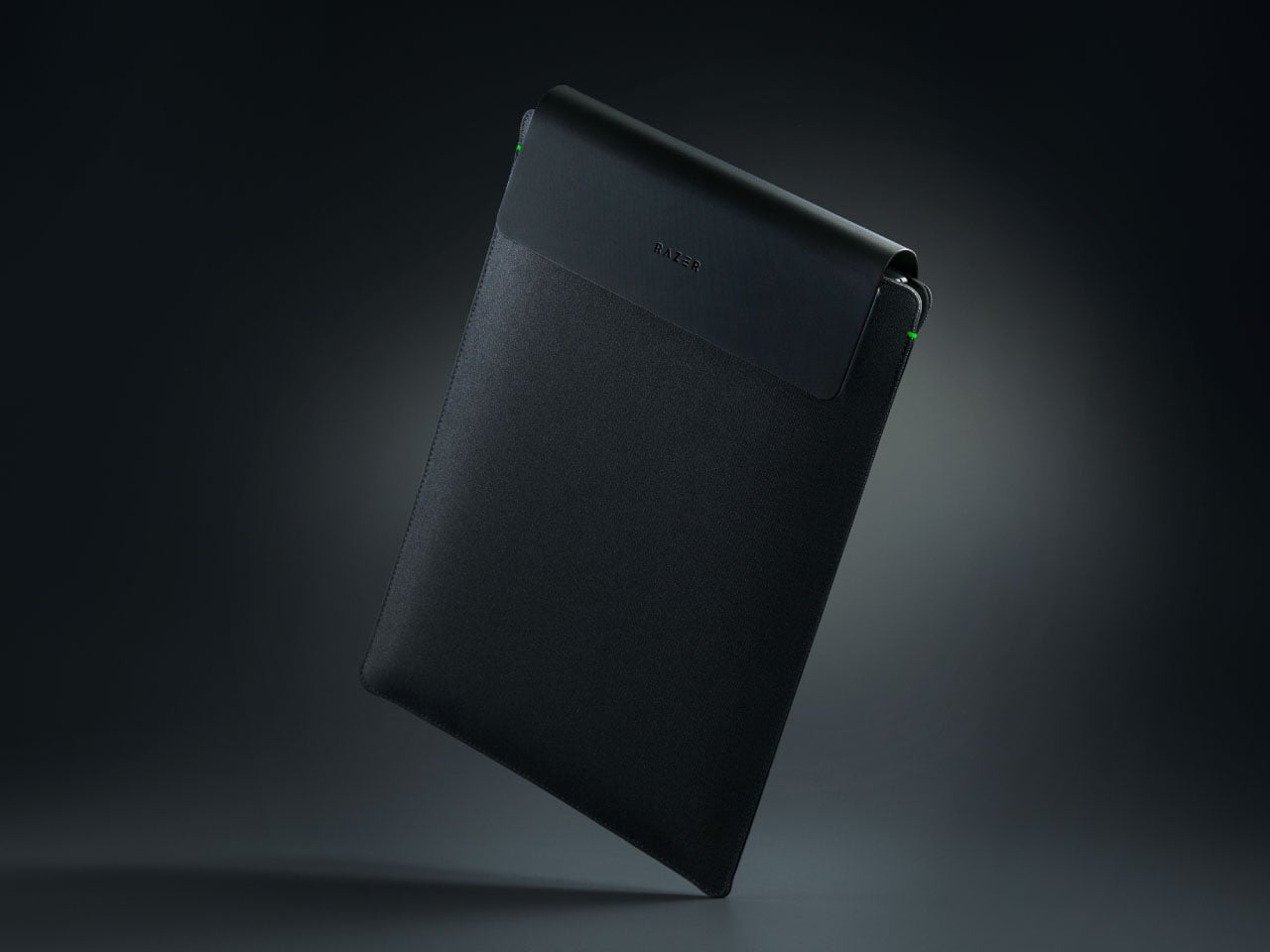
Razer has expanded its ecosystem of performance-driven accessories with a product that rethinks what a laptop sleeve can do. Known for blending gaming aesthetics with functional innovation, the California-based company has now introduced the Laptop Sleeve 16 with Wireless Charging for Devices, an accessory designed not just to protect your machine, but to power the devices you rely on every day.

Instead of carrying a separate charging pad or power bank for smaller gadgets, this sleeve integrates wireless charging directly into its design, making it particularly useful for professionals who move between offices, cafés, and shared workspaces.

Designer: Razer

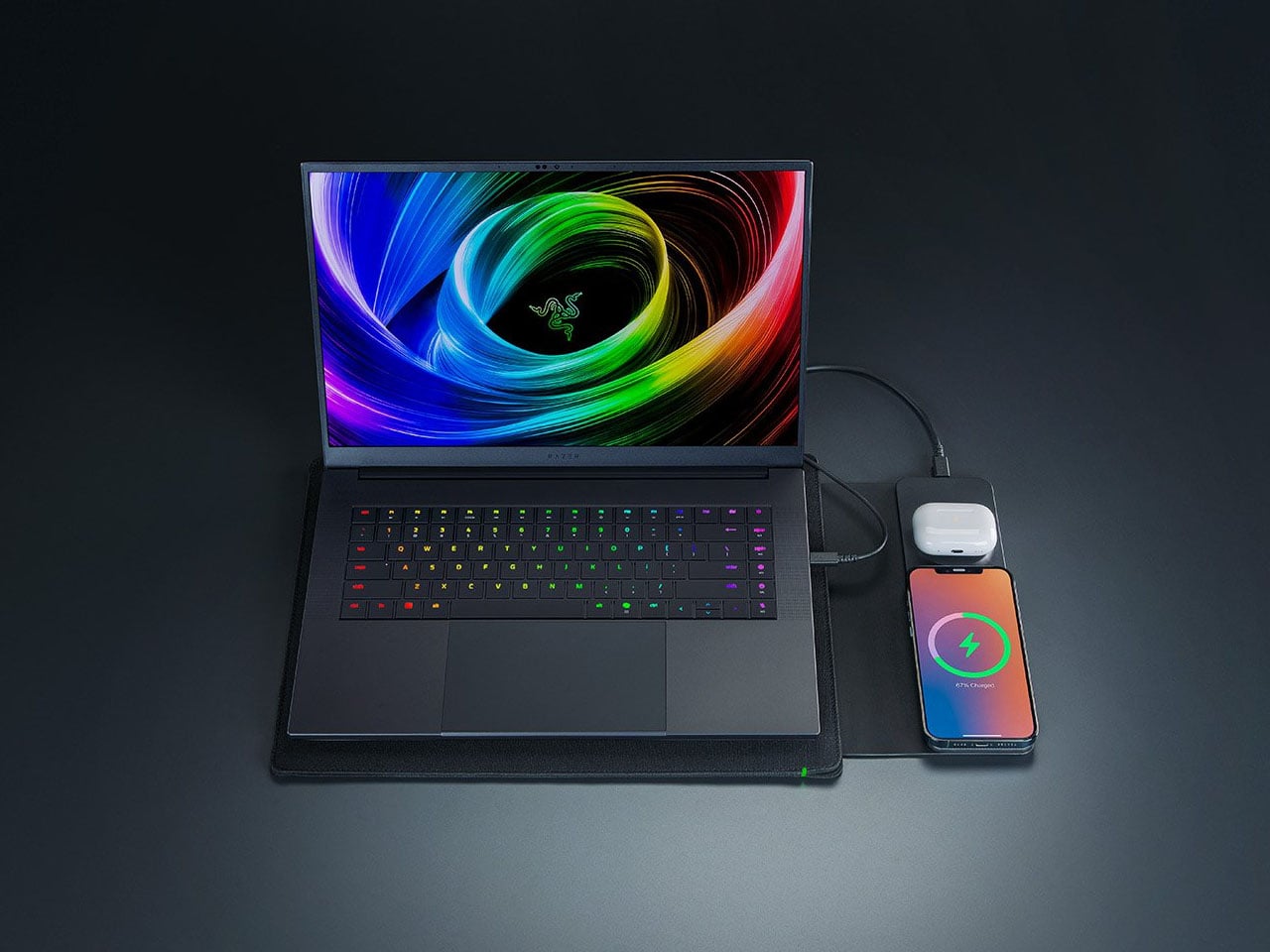
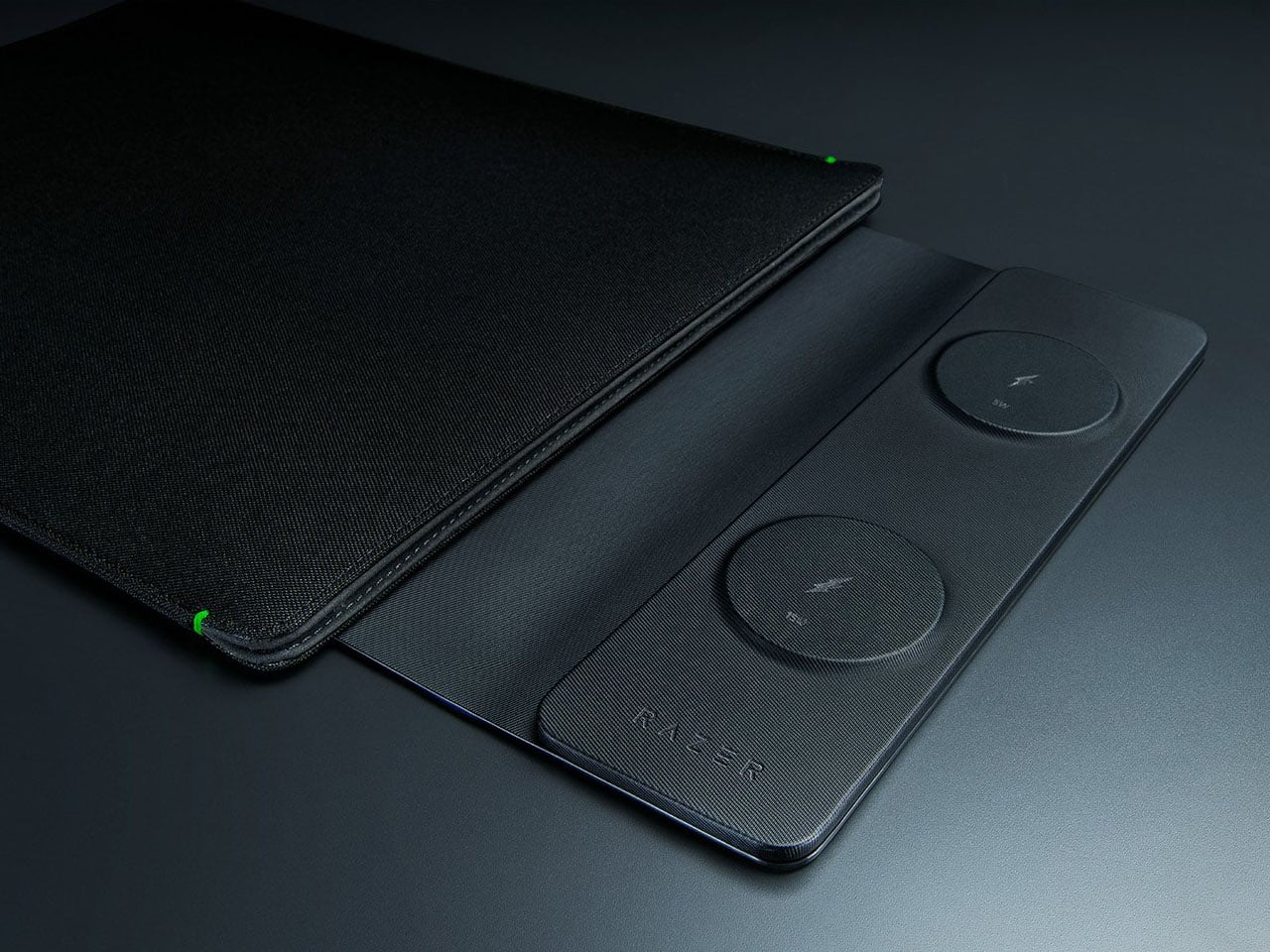
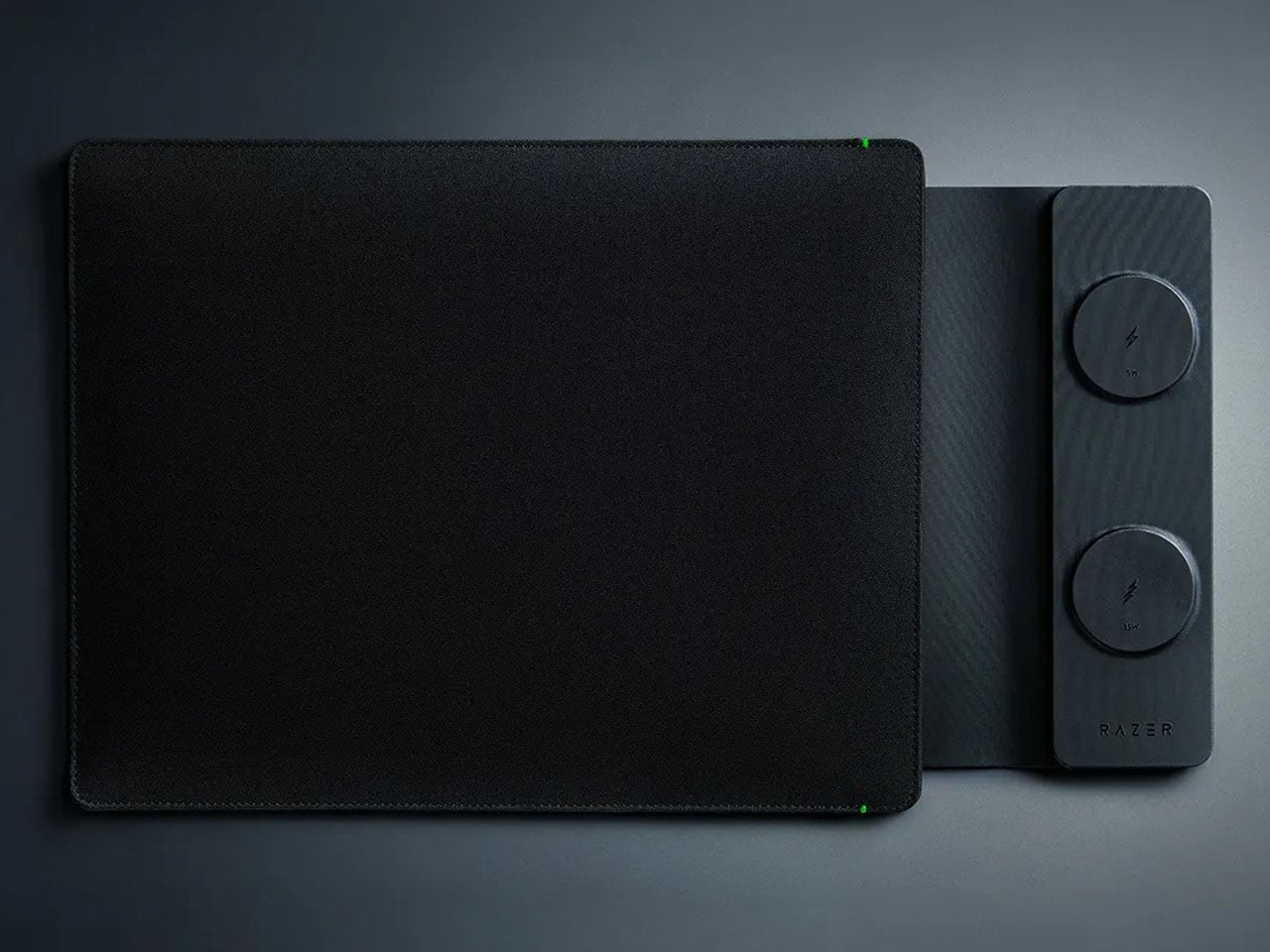
Designed to accommodate laptops up to 16 inches, the sleeve maintains a slim, minimalist profile while embedding dual wireless charging zones on its exterior front panel. The lower charging pad delivers up to 15 watts of fast wireless charging, suitable for smartphones that support higher input speeds. In comparison, the upper pad provides 5 watts for accessories such as wireless earbuds. This dual-output configuration allows users to charge two devices simultaneously without additional cables cluttering their workspace. The system supports Qi-compatible devices and also works with MagSafe-enabled products, ensuring broad cross-platform compatibility.

The sleeve itself must be connected to a power source to function as a charging hub. Razer recommends pairing it with a wall adapter or portable power bank capable of delivering at least 30 watts of output to ensure stable performance when both pads are in use. Once connected, users can place their devices onto the marked charging areas, where integrated magnetic alignment helps keep them positioned correctly. The magnetic guidance is particularly useful when on the move, preventing devices from slipping out of alignment inside a bag or while walking between meetings.

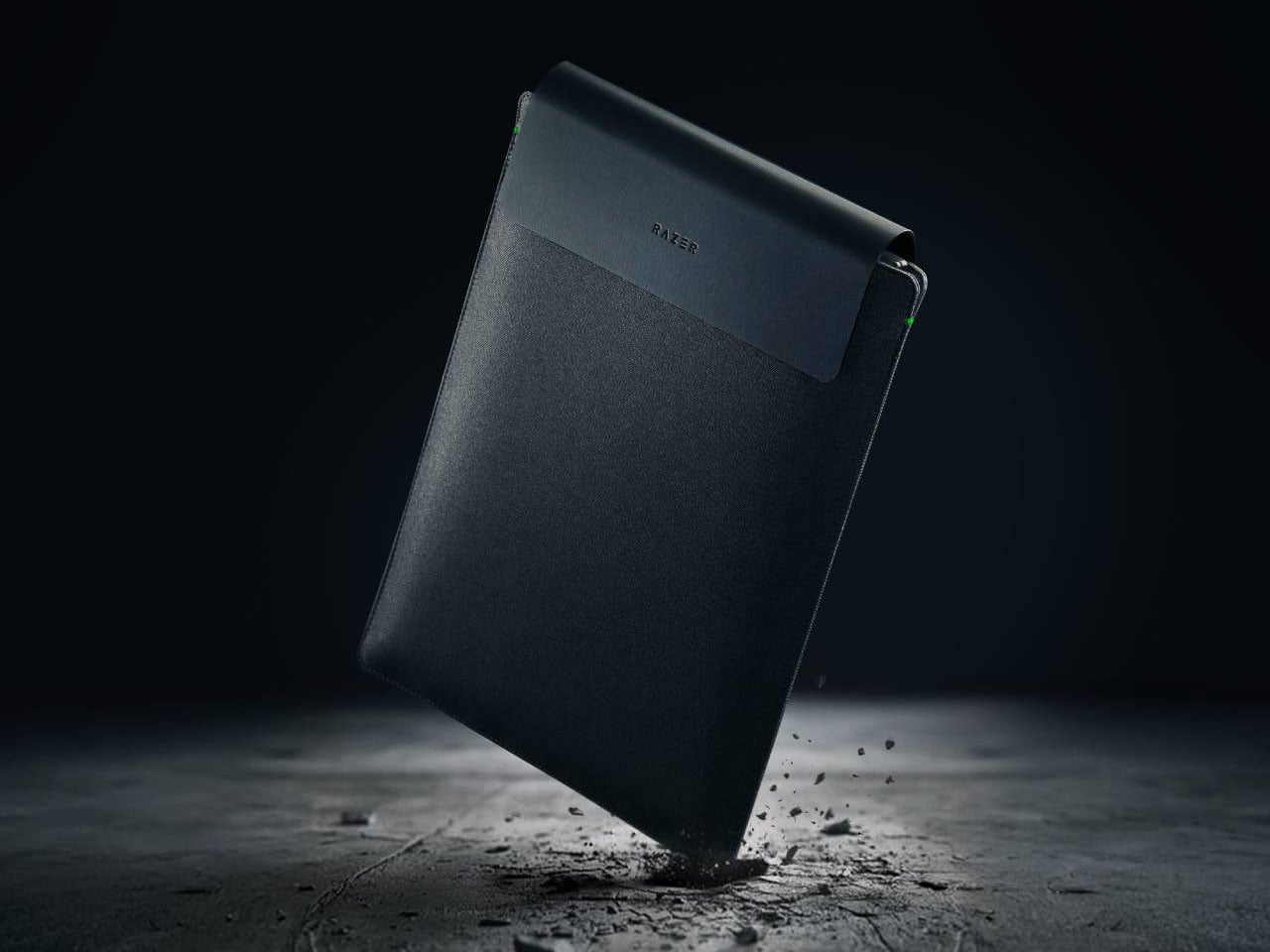
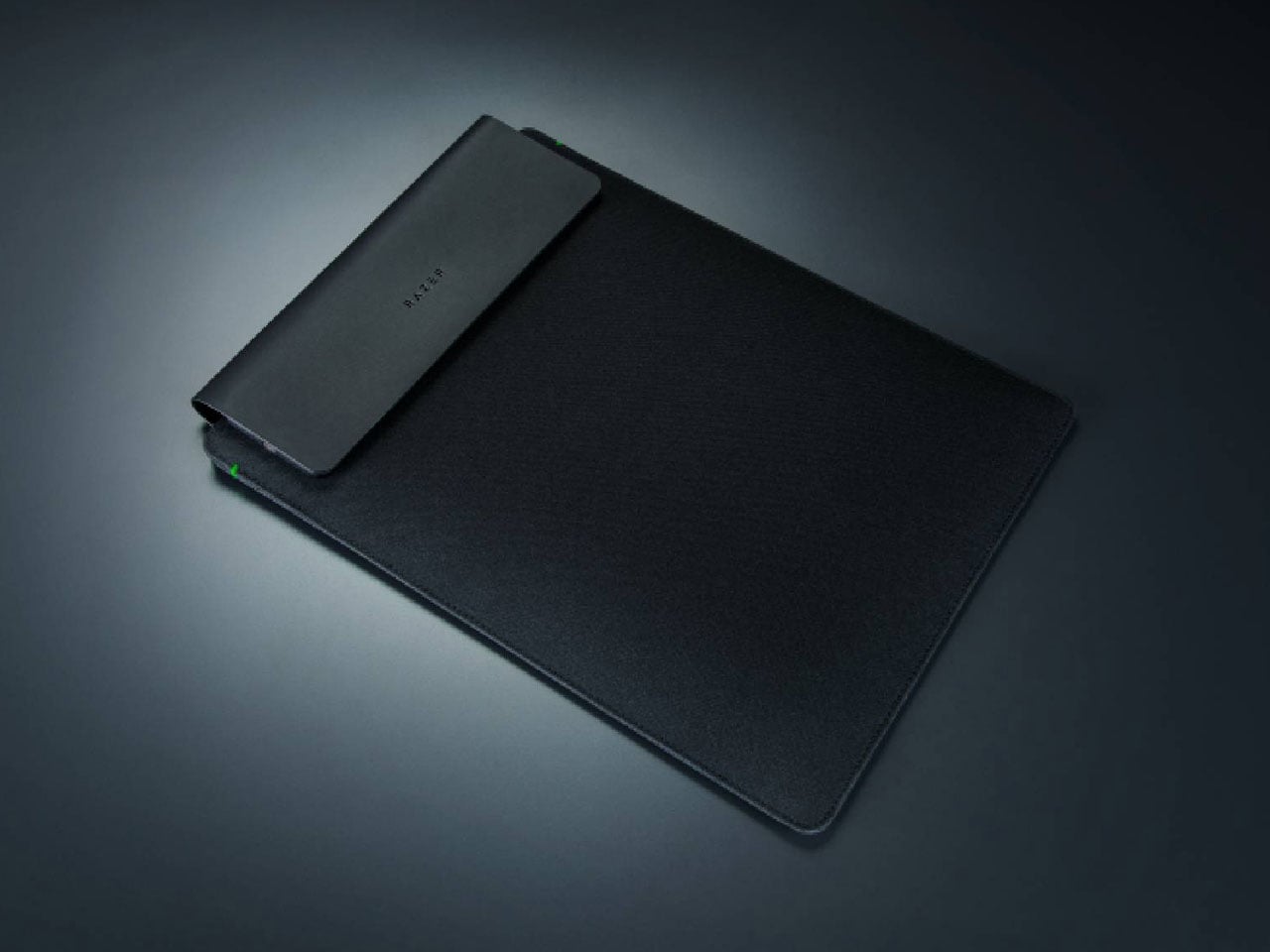
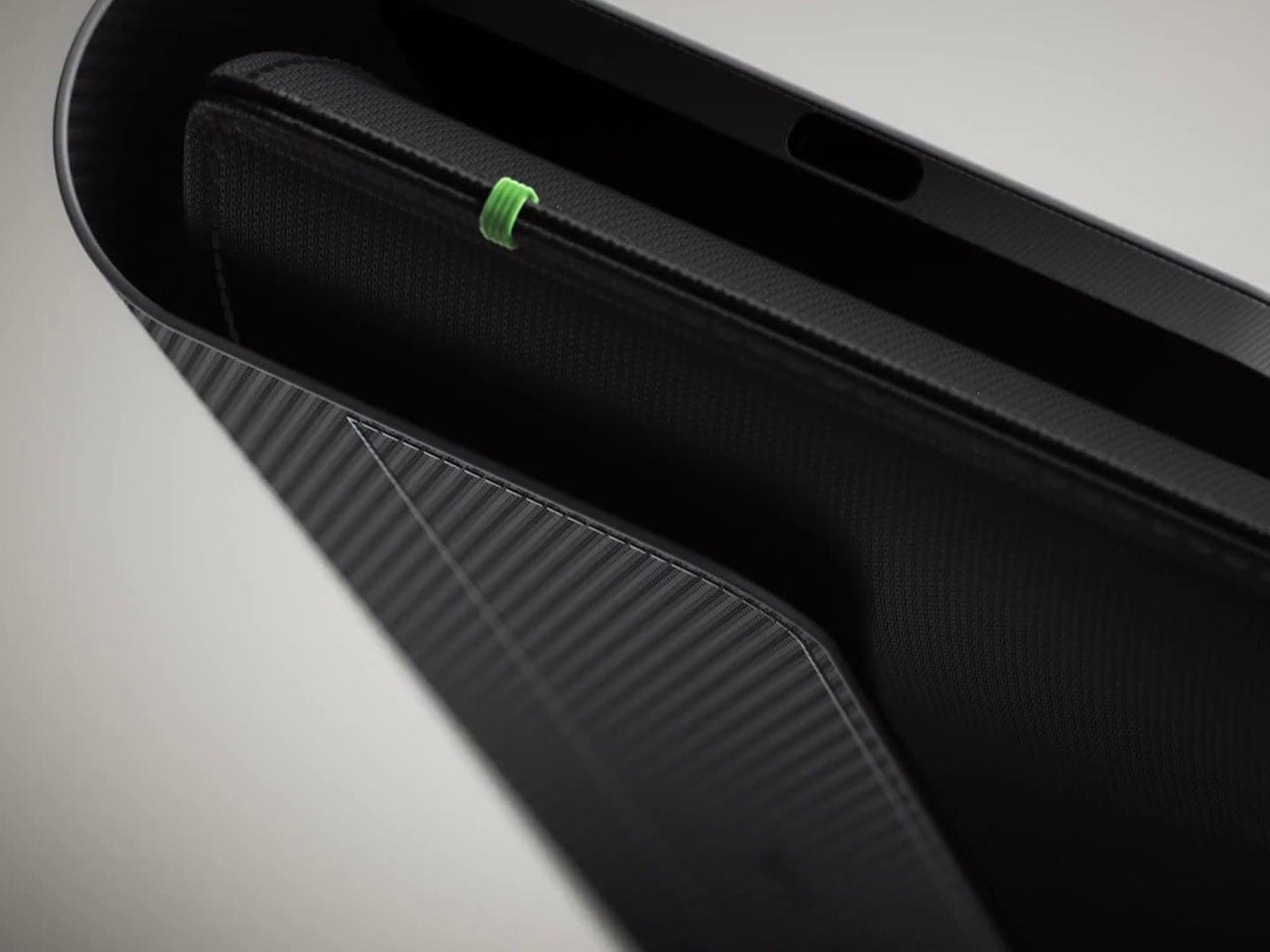
Beyond its charging functionality, the sleeve maintains the protective qualities expected from a premium laptop case. It features a durable PU leather exterior with a soft interior lining to safeguard against scratches and minor impacts. Despite integrating charging hardware and internal circuitry, the sleeve weighs approximately 0.9 pounds, making it only slightly heavier than a conventional sleeve of similar size. The added weight reflects the embedded technology but remains manageable for everyday commuting.

Compatibility extends beyond Razer’s own laptops to include other 16-inch or smaller notebooks, including Apple MacBook models. The wireless pads support a wide range of Qi-certified smartphones, earbuds, and accessories, offering flexibility for users who operate across different device ecosystems. This broad compatibility makes the sleeve less of a niche accessory and more of a practical addition to any modern tech setup. Priced at $130, the laptop sleeve is far more expensive than any other option, but the convenience of wireless charging makes it perfect for multitaskers and frequent travellers.


The post Razer Laptop Sleeve 16 integrates dual wireless charging into a sleek everyday carry essential first appeared on Yanko Design.
This Mercedes-AMG Uhlenhaut Shooting Brake Concept is the Most Beautiful Car You’ll See This Week

There’s a name in Mercedes-Benz history that carries almost mythological weight: Rudolf Uhlenhaut. The engineer and designer behind the legendary 300 SL Gullwing was known to drive the prototype racing versions of the car to work in Stuttgart, casually lapping most professional racing drivers in the process.

The original 300 SL Uhlenhaut Coupe, the racing variant that never made it to public roads, remains one of the most valuable cars ever auctioned, fetching $143 million at a 2022 Sotheby’s sale. So when concept designer Gabriel Naretto decided to name his reimagined Mercedes-AMG shooting brake after the man himself, the pressure to deliver something worthy of that legacy was immense. Remarkably, he pulled it off.

Designer: Gabriel Naretto

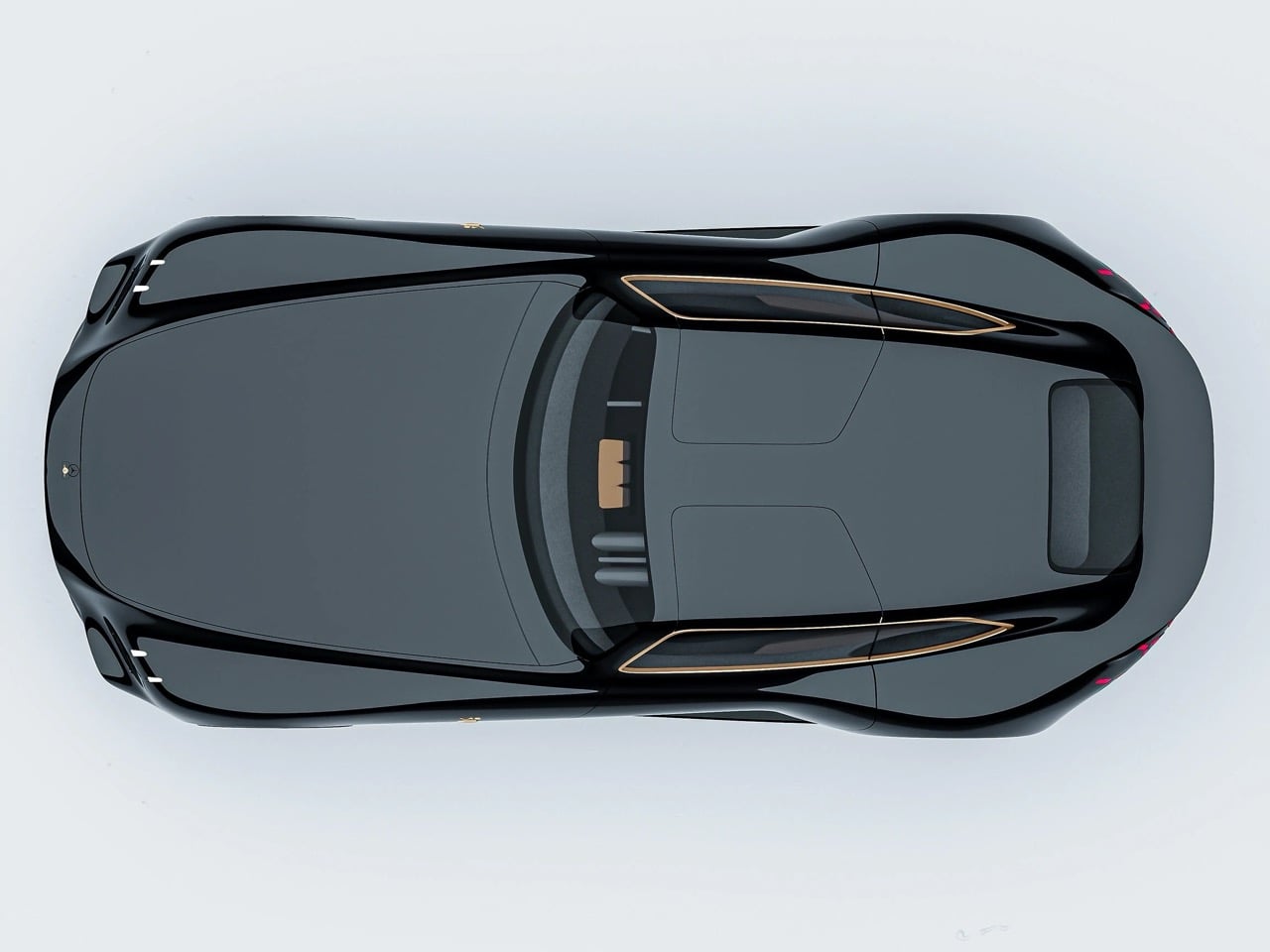
The Mercedes-AMG Uhlenhaut Shooting Brake concept arrives draped in obsidian black, and it hits you in layers. From the front, the DNA of the original 300 SL is unmistakable but filtered through a thoroughly contemporary lens. That iconic central grille with the three-pointed star sits framed in warm copper gold, flanked by large air intakes that mirror the same bronze-kissed treatment. The X-shaped daytime running lights cut through the glossy black bodywork like a precision incision, echoing AMG’s current design vocabulary while feeling completely unique to this car. The hood is long and muscular in the classic front-engine GT tradition, but the surfaces flow with a smoothness that feels almost liquid, like someone poured ink over a clay sculpture and let it set.

Then you walk around to the side, and the shooting brake proportions hit you all at once. Naretto has given this concept a fastback-style extended roofline that arcs gracefully rearward before dropping into a truncated Kamm-tail rear, and it works brilliantly. The roofline is outlined by a thin copper pinstripe that traces the greenhouse all the way to the tail, a detail so refined it belongs on a Swiss watch rather than an automobile. “V12” badging sits discreetly on the sill, a knowing nod to the kind of naturally aspirated thunder that the original Uhlenhaut Coupe’s racing engine would have produced. The body itself is devoid of unnecessary creases or character lines, relying entirely on curvature and proportion to generate visual drama, which is an incredibly difficult thing to pull off and an even more impressive thing to actually see rendered this well.

The doors, of course, are gullwing. There was never any other option for a car wearing the Uhlenhaut name. When they swing open, they reveal a cabin wrapped in black leather accented with copper stitching, with deeply bolstered racing seats and a minimal instrument layout that prioritizes the driving experience over digital noise. The steering wheel is small and driver-focused, and while the concept renders don’t offer a full cockpit tour, what’s visible suggests Naretto was thinking about the complete experience rather than just the silhouette.

The taillights are styled as three-pointed star clusters rendered in deep red, a sculptural interpretation of the Mercedes badge that functions as a graphic element rather than just a regulatory necessity. A subtle integrated spoiler sits at the trailing edge of the roofline, and the diffuser treatment below the bumper gives the rear end genuine aerodynamic intent. The AMG-badged multi-spoke wheels in gloss black with copper center caps complete the picture, tying the whole visual package together in a way that feels considered and cohesive from every angle.

Naretto’s concept navigates the tension between historical reverence and forward-looking design just beautifully. He preserved the emotional architecture of the Gullwing, the long hood, the coupe greenhouse, the gullwing doors as ceremony, and then reimagined everything else through the filter of a modern AMG performance car. The shooting brake body style was a masterstroke of a choice, because it gives the car a sense of versatility and intelligence that a pure coupe wouldn’t carry, while also referencing Mercedes-Benz’s own history with practical performance vehicles like the CLS Shooting Brake and the AMG GT 4-Door.

Parked against the Georgian townhouses of what appears to be a Kensington street in those lifestyle renders, the Uhlenhaut concept looks like it belongs to a world where automotive design never stopped being an art form. Rudolf Uhlenhaut himself would probably have driven it to work.

The post This Mercedes-AMG Uhlenhaut Shooting Brake Concept is the Most Beautiful Car You’ll See This Week first appeared on Yanko Design.
The PS5 Pro is getting upgraded upscaling tech in March

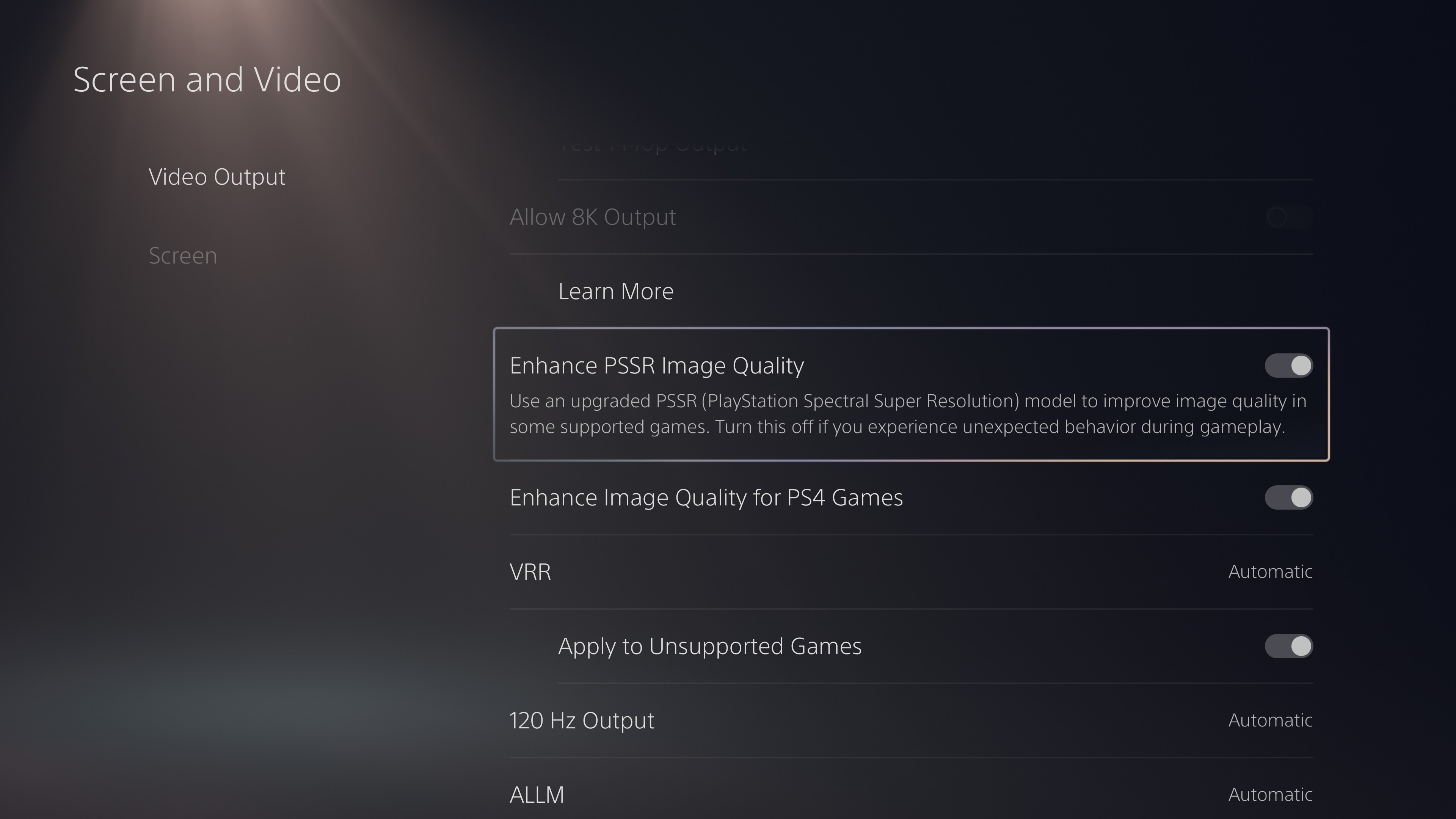
After suggesting a version of AMD's FSR 4 could be ported to the PS5 Pro last year, it looks like Sony is finally rolling out an update with the upscaling tech in March. Mark Cerny, the lead architect of the PS4, PS5 and PS5 Pro, shared via a blog post that the PS5 Pro will be updated with a new version of the company's PSSR (PlayStation Spectral Super Resolution) upscaling tech next month, and Resident Evil Requiem is one of the first games to use it.

PSSR is "an AI library that analyzes game images pixel by pixel as it upscales them," Cerny says, which boosts the visual fidelity of games on the PS5 Pro, while running them at a less demanding resolution. The upgraded version of PSSR "takes a very different approach to not only the neural network but also the overall algorithm," and is now able to keep both framerate and image quality high when it's enabled.

Cerny's blog post includes comparison images if you're curious about the visual differences the new PSSR is able to achieve. Masaru Ijuin, a Senior Manager from Capcom's Engine Development Support Section R&D Foundational Technology Department, also provided comments on how the new upscaling tech improves Resident Evil Requiem:

With Resident Evil Requiem, we focused on enhancing the presentation quality of the protagonist through an upgraded version of RE Engine to deepen the player’s immersion in horror. For example, each individual strand of hair and beard is rendered as a polygon, allowing it to move realistically in response to body motion and wind. The way light passes through his hair changes depending on how the strands of hair are overlapped as well. This detailed expression of texture is one of the many details that we would especially love for our fans to see.

The upgraded PSSR has allowed us to elevate our expressiveness by successfully processing these details and textural particularities, which are traditionally difficult to upscale because of their intricacy. We hope you will experience this unprecedented level of horror and visual fidelity, and the new gameplay feel it delivers.

Sony and AMD formally announced "Project Amethyst," their collaboration to develop machine-learning technology to improve graphics and gameplay, in 2024. The partnership has already benefitted both companies: Cerny says Sony contributed to the development of AMD's FSR 4 and similar improvements are now trickling back to the PS5 Pro. Both companies' plans to improve everything from upscaling performance to energy efficiency could also pay further dividends in future consoles and GPUs. 

The new toggle for the upgraded version of PSSR that's coming to PS5 Pro consoles.
Sony Interactive Entertainment

The upgraded PSSR will roll out to PS5 Pro owners as part of a software update in March, and will be able to be toggled on and off in the console's settings, according to Cerny. Around the same time, multiple PS5 games are also supposed to be updated to support the upscaling tech. While the graphical improvements are still incremental over a normal PS5, the fact that Sony's still squeezing more performance out of its console should at least be reassuring to anyone who spent $700 (or now $750) on a PS5 Pro.

This article originally appeared on Engadget at https://www.engadget.com/gaming/playstation/the-ps5-pro-is-getting-upgraded-upscaling-tech-in-march-200105816.html?src=rss

Google and OpenAI employees sign open letter in ‘solidarity’ with Anthropic

Hundreds of employees at Google and OpenAI have signed an open letter urging their companies to stand with Anthropic in its standoff with the Pentagon over military applications for AI tools like Claude.

The letter, titled “We Will Not Be Divided,” calls on the leadership of both companies to “put aside their differences and stand together to continue to refuse the Department of War’s current demands for permission to use our models for domestic mass surveillance and autonomously killing people without human oversight.” These are two lines that Anthropic CEO Dario Amodei has said should not be crossed by his or any other AI company.

As of publication, the letter has over 450 signatures, almost 400 of which come from Google employees and the rest from OpenAI. Currently, roughly 50 percent of all participants have chosen to attach their names to the cause, with the rest remaining anonymous. All are verified as current employees of these companies. The original organizers of the letter aren’t Google or OpenAI employees; they say are unaffiliated with any AI company, political party or advocacy group.

The open letter is the latest development in the saga between Anthropic and US Defense Secretary Pete Hegseth, who threatened to label the company a “supply chain risk” if it did not agree to withdraw certain guardrails for classified work. The Pentagon has also been in talks with Google and OpenAI about using their models for classified work, with xAI coming on board earlier this week. The letter argues the government is "trying to divide each company with fear that the other will give in.”

OpenAI CEO Sam Altman told his employees on Friday that the ChatGPT maker will draw the same red lines as Anthropic, according to an internal memo seen by Axios. He told CNBC on the same day that he doesn't "personally think the Pentagon should be threatening DPA against these companies."

This article originally appeared on Engadget at https://www.engadget.com/ai/google-and-openai-employees-sign-open-letter-in-solidarity-with-anthropic-194957274.html?src=rss

5 Best Galaxy S26 Ultra Features That Finally Fix Real Problems

Samsung has a long tradition of cramming its biggest ideas into the biggest phone it makes. The Galaxy S26 Ultra carries the spiritual lineage of the Galaxy Note, a device that once seemed absurd for strapping a stylus to a phone the size of a small tablet. That absurdity became a template, and the Ultra line has inherited both the ambition and the expectation that comes with being Samsung’s flagship of flagships.

Sifting through the usual Unpacked fanfare and no small amount of marketing jargon, five features stood out as genuinely worth paying attention to. Some are brand new. Others are long overdue. And at least one raises more questions than it answers, which is sometimes the most interesting kind of upgrade to talk about.

Designer: Samsung

A screen that knows when to keep secrets

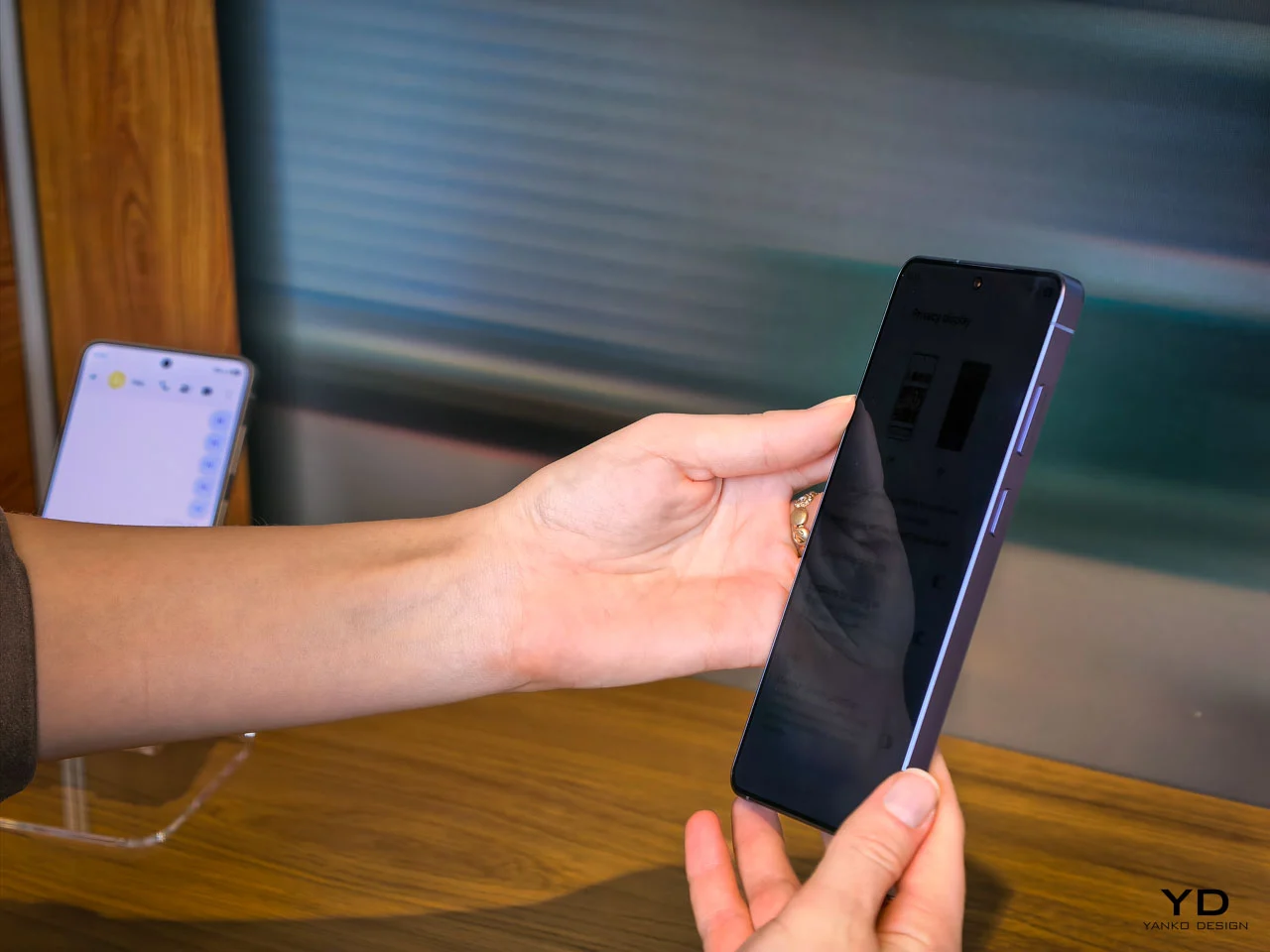
The standout feature of the Galaxy S26 Ultra is something no other phone has attempted at this level: a built-in privacy display. This is not a matte screen protector you peel out of a box or a software filter that dims your screen to a murky grey. Samsung has engineered this at the pixel level of the OLED panel itself, controlling how each pixel disperses light so that the display becomes unreadable from side angles while remaining perfectly clear head-on.

The practical appeal is immediate for anyone who has ever shielded their phone screen on a crowded train or tilted it away from a nosy seatmate at a coffee shop. Samsung gives users granular control over the feature, offering both partial and maximum privacy levels. It can be set to activate only for specific apps, so your banking app gets the full blackout treatment while your weather widget stays visible to everyone around you.

AI that does the boring stuff for you

Samsung is calling the Galaxy S26 an “Agentic AI” phone, which sounds like a term conjured by a committee, but the ideas behind it are surprisingly practical. The most compelling addition is Automated App Actions, where the phone handles multi-step tasks in the background while you do something else entirely. Ask it to book an Uber, and it will navigate through the app, confirm the ride, and notify you when it’s done. Screenshot Analyzer, meanwhile, sorts your chaotic screenshot folder into categories like boarding passes, QR codes, and web pages.

Audio Eraser also received a meaningful expansion, and it now works on third-party apps like YouTube, Netflix, and Instagram in real time. Watching a hockey game on your phone and can barely hear the commentators over the roaring crowd? Audio Eraser can strip away that background noise as the video plays. It is not perfect, and audio artifacts do creep in, but Samsung also upgraded Bixby to handle natural language commands for device settings, which makes it feel less like a forgotten assistant and more like a functional one.

Faster charging, finally (with a few asterisks)

Samsung has historically been cautious with charging speeds, and whether that conservatism stems from engineering prudence or the long shadow of the Galaxy Note 7 battery fiasco is a question only Samsung can answer. The Galaxy S26 Ultra now supports 60W wired charging, a 33 percent jump from the previous 45W ceiling, and it can bring the same 5,000mAh battery from zero to 75 percent in roughly 30 minutes. Samsung even ships a faster 3-amp cable in the box, though you still have to supply your own charger.

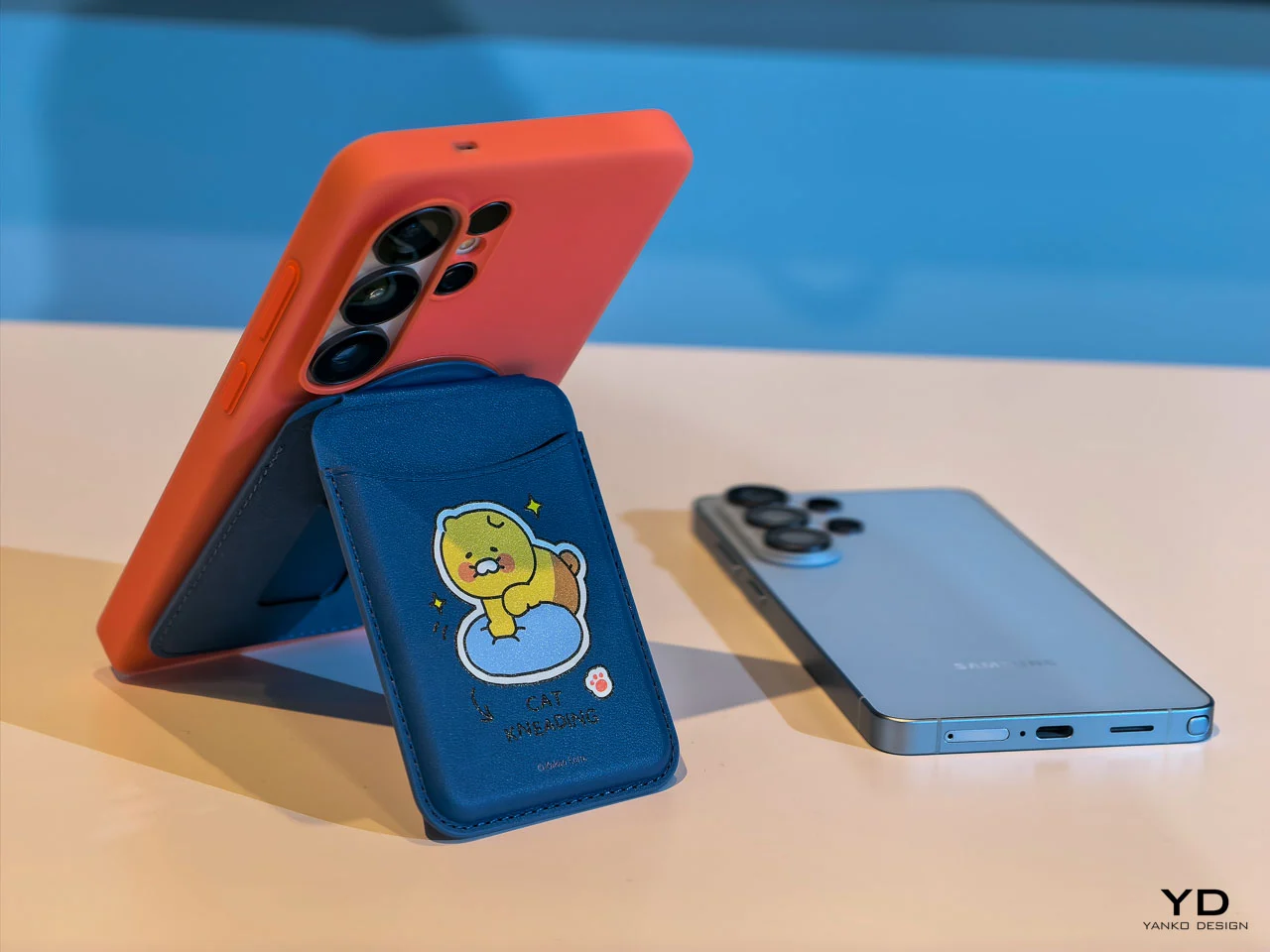
Wireless charging also got a substantial bump to 25W through the Qi2 standard, up from a modest 15W on the Galaxy S25 Ultra. There are caveats worth noting here, however. The Galaxy S26 Ultra has no built-in magnets, so reaching that 25W speed requires a magnetic case for proper alignment with Qi2 chargers. Samsung cited thickness concerns, but the phone is only 0.3mm thinner than its predecessor, which makes that reasoning feel a little thin itself. Pun intended.

Better cameras hiding behind the same specs

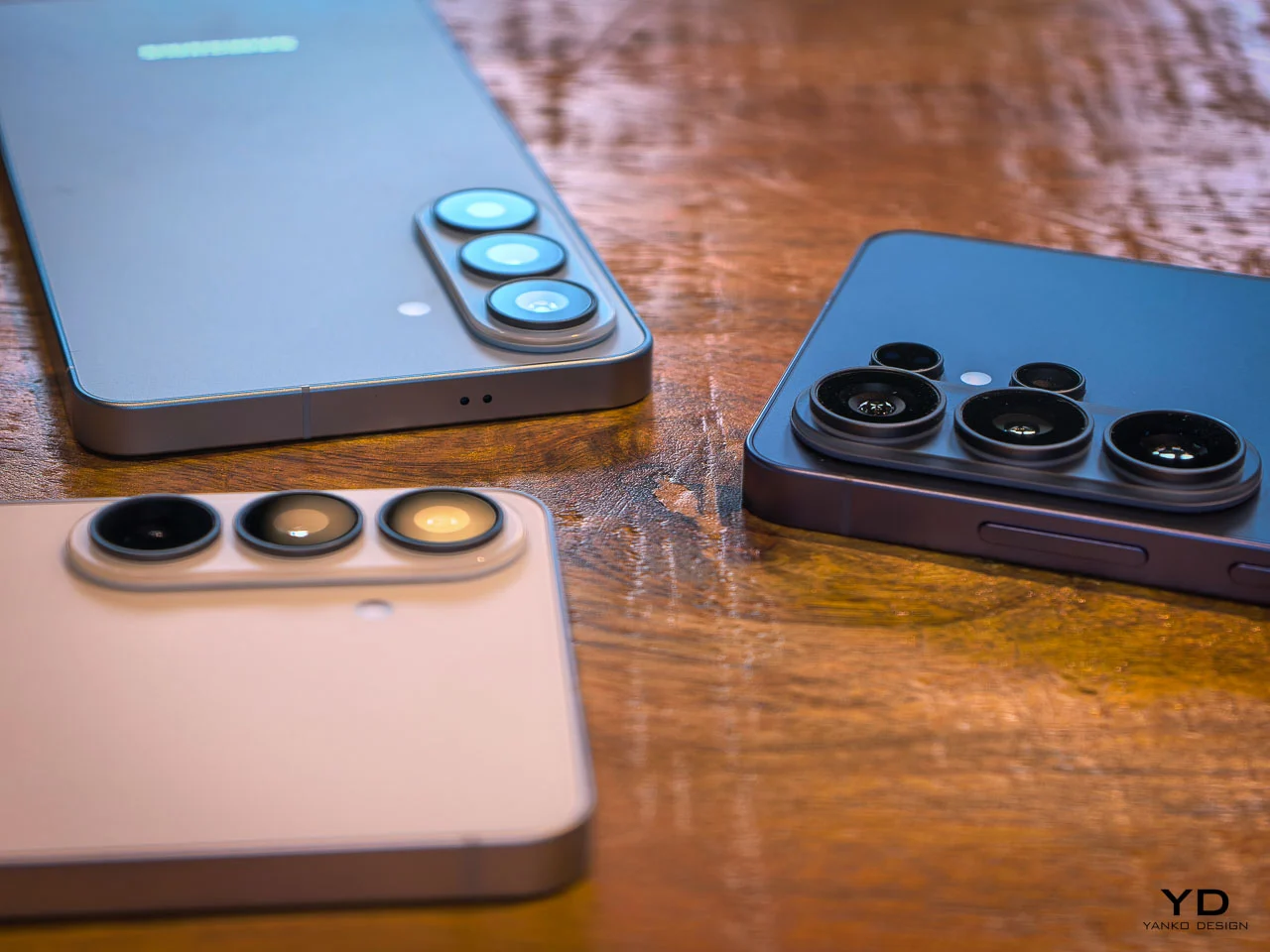
The camera hardware on the Galaxy S26 Ultra received subtle but targeted upgrades rather than a wholesale overhaul. The 200MP main sensor now has an f/1.4 aperture, widened from f/1.7, letting in 47 percent more light. The 50MP 5x telephoto camera also opened up to f/2.9 from f/3.4 for a 37 percent brightness improvement. These wider apertures directly feed into Samsung’s improved Nightography mode, which uses lens-specific noise reduction to produce cleaner photos and videos in low light.

On the software side, Photo Assist now accepts written prompts in natural language, so you can describe edits like “make this a night scene” or “remove the person on the left” without digging through menus. Samsung also introduced APV, a lossless video codec that supports 8K recording at 30 frames per second for users who need maximum editing flexibility. One odd wrinkle, though: the S26 Ultra has a hidden 24MP shooting mode that sits between 12MP and 50MP for balanced detail and color, but enabling it requires installing a separate Camera Assistant app from the Galaxy Store.

The pen that refuses to die

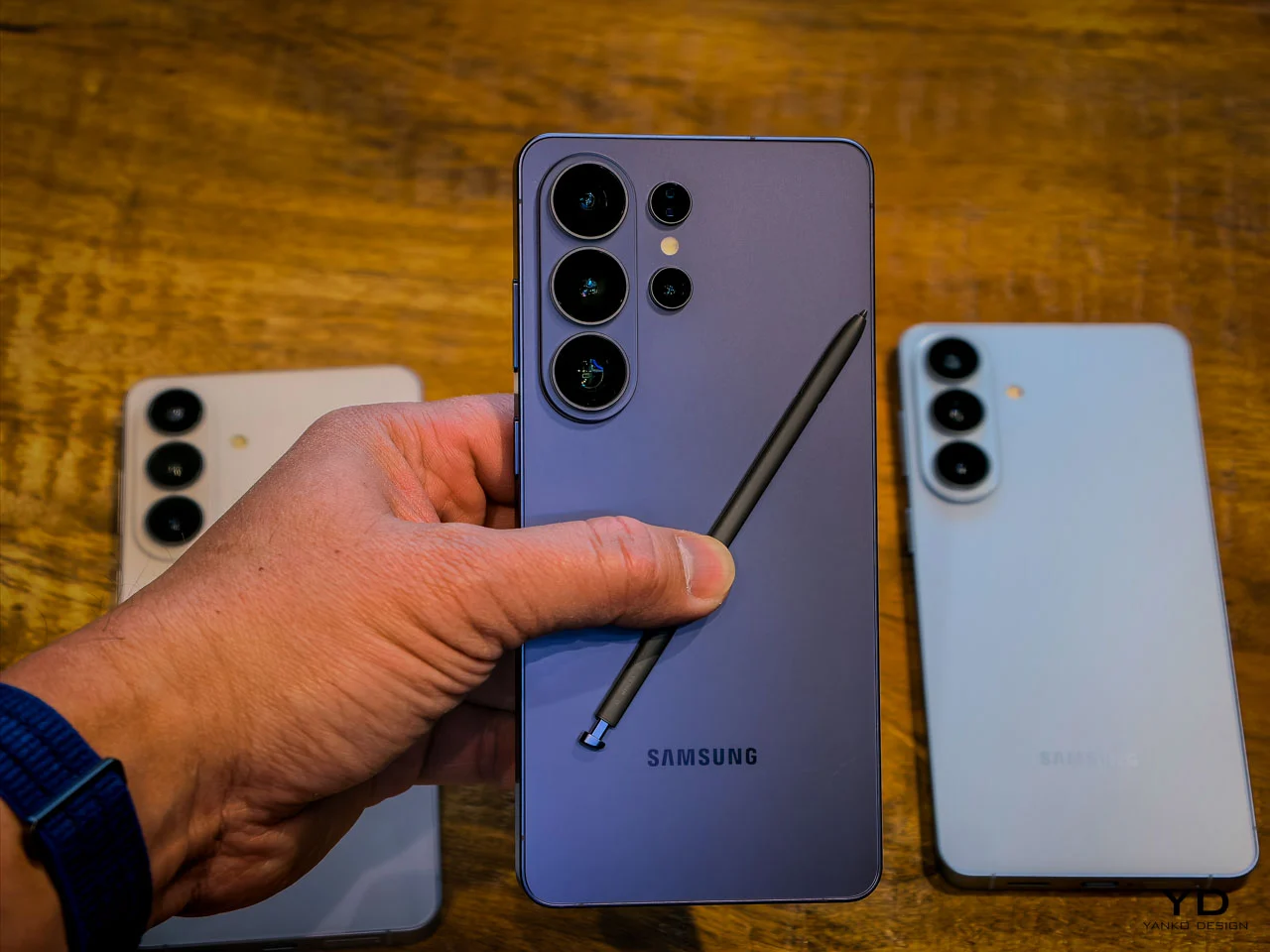
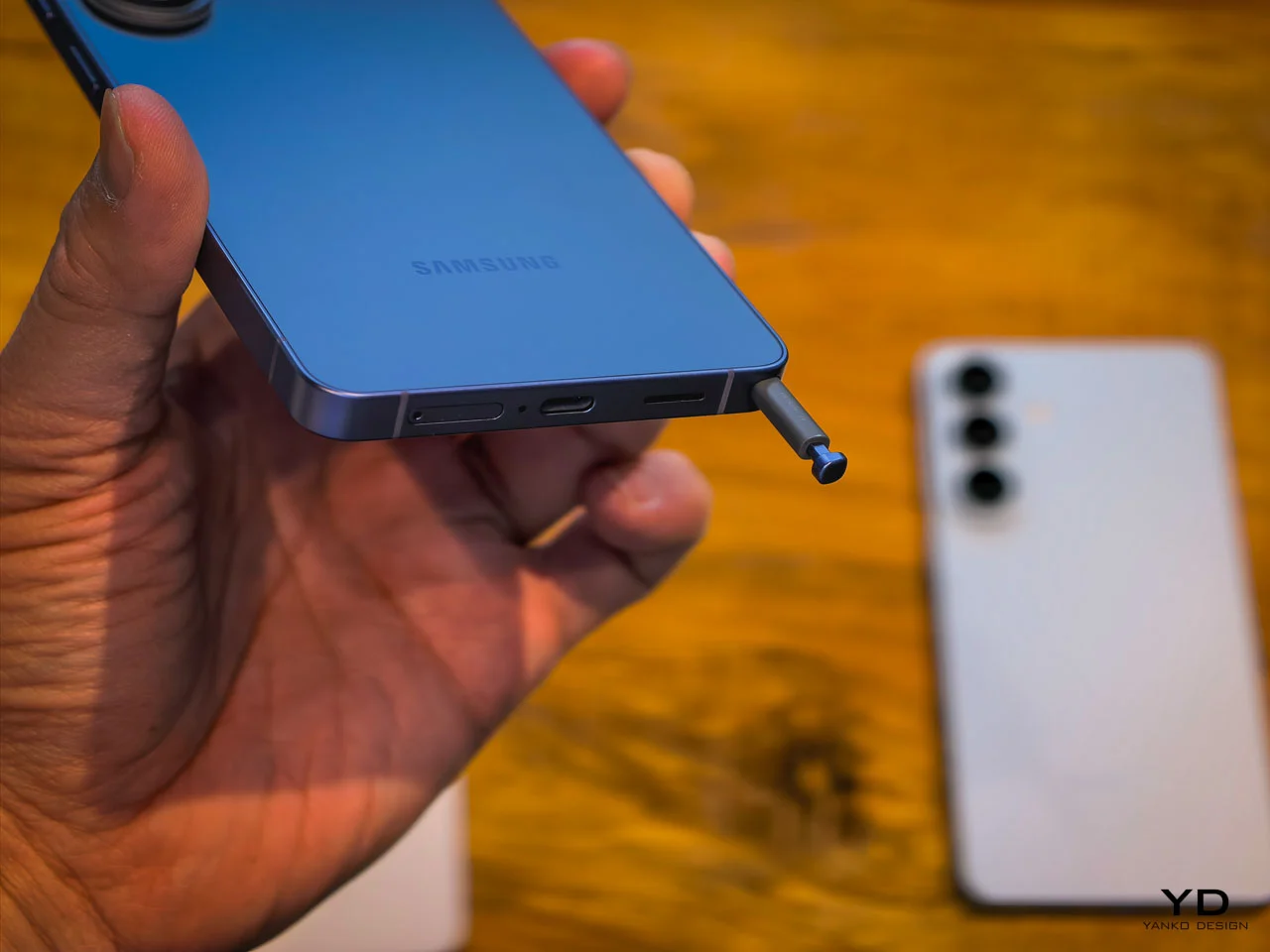
The S Pen remains one of the features that separates the Galaxy S Ultra line from every other flagship on the market. It still lacks the Bluetooth connectivity that Samsung removed with the Galaxy S25 Ultra, so there is no remote shutter or gesture control from a distance. The external design has changed slightly to match the S26 Ultra’s rounder corners, giving the stylus tip an asymmetric curve. This means you now have to insert it the correct way, or it will stick out awkwardly from the bottom edge.

None of that diminishes the fact that the S Pen earmarks the Galaxy S26 Ultra as more than a consumption device. Just as interest in handwriting, sketching, and analog-style note-taking is quietly resurging, having a built-in stylus with pressure sensitivity and palm rejection feels less like a legacy feature and more like a forward-looking one. Competitors like Huawei, Motorola, and TCL have tried to replicate this kind of stylus integration with varying degrees of success, which suggests the idea still has legs even if Samsung’s execution feels like it is coasting a bit this generation.

The post 5 Best Galaxy S26 Ultra Features That Finally Fix Real Problems first appeared on Yanko Design.