This Square Phone Rotates Open to a BlackBerry or Game Boy Setup

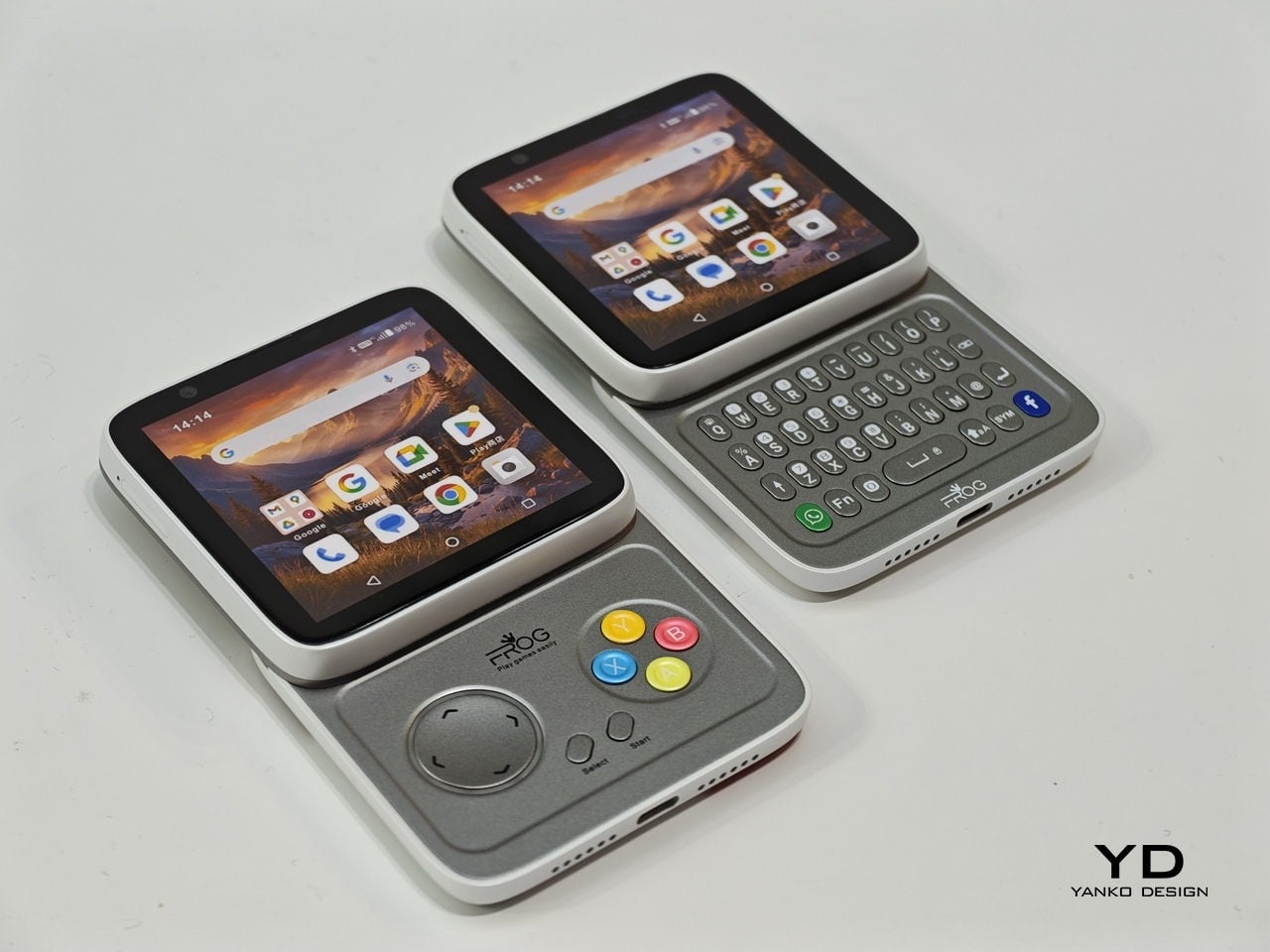
Smartphones have gotten pretty good at being the same thing. Every year, they get a little taller, a little thinner, and a little more difficult to tell apart in a lineup. That’s fine for most people, but it does make MWC 2026 feel like a bit of a slog, until you spot something genuinely weird on the show floor, like a square phone that rotates open to reveal either a physical keyboard or a game controller underneath.

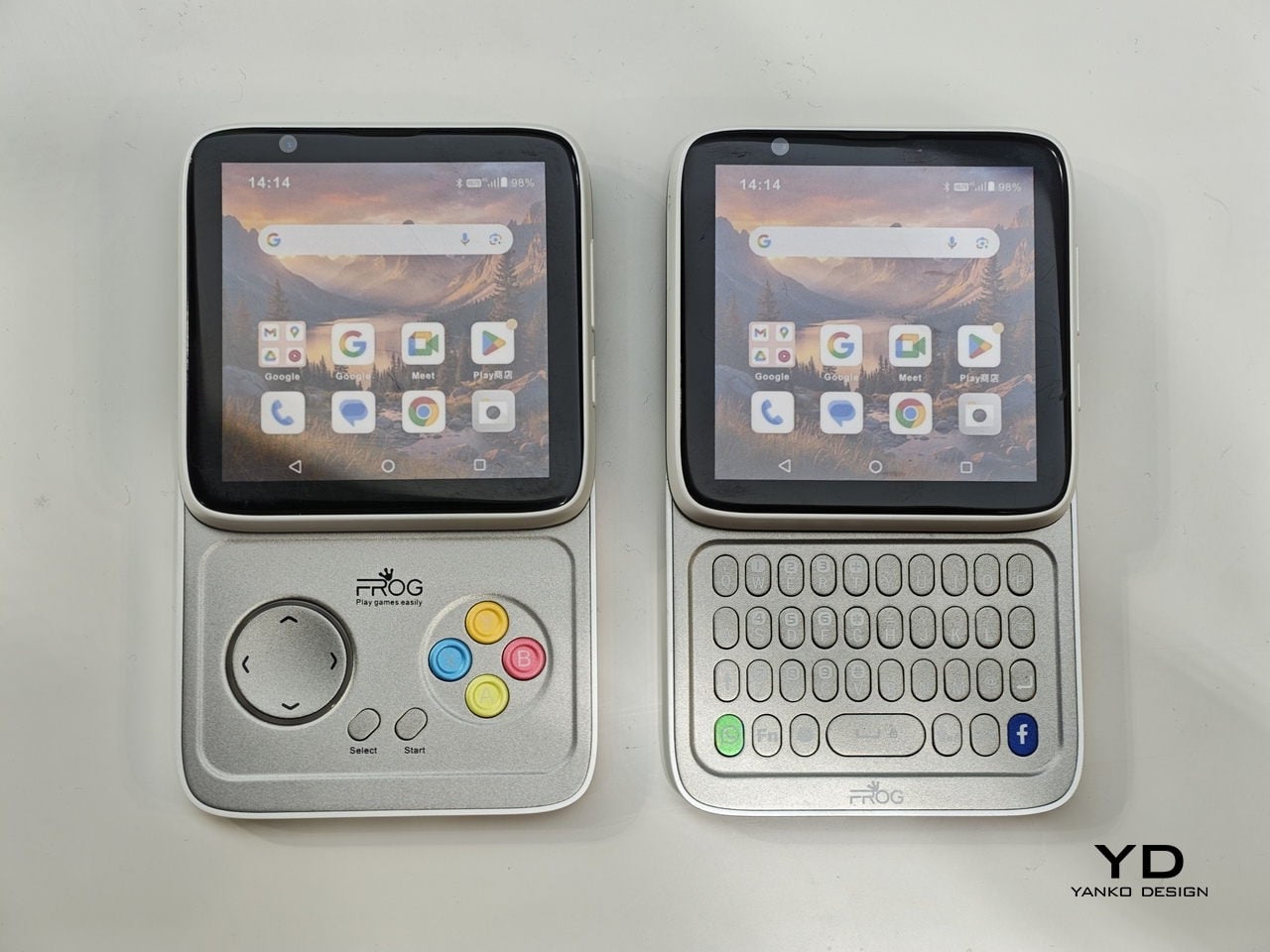
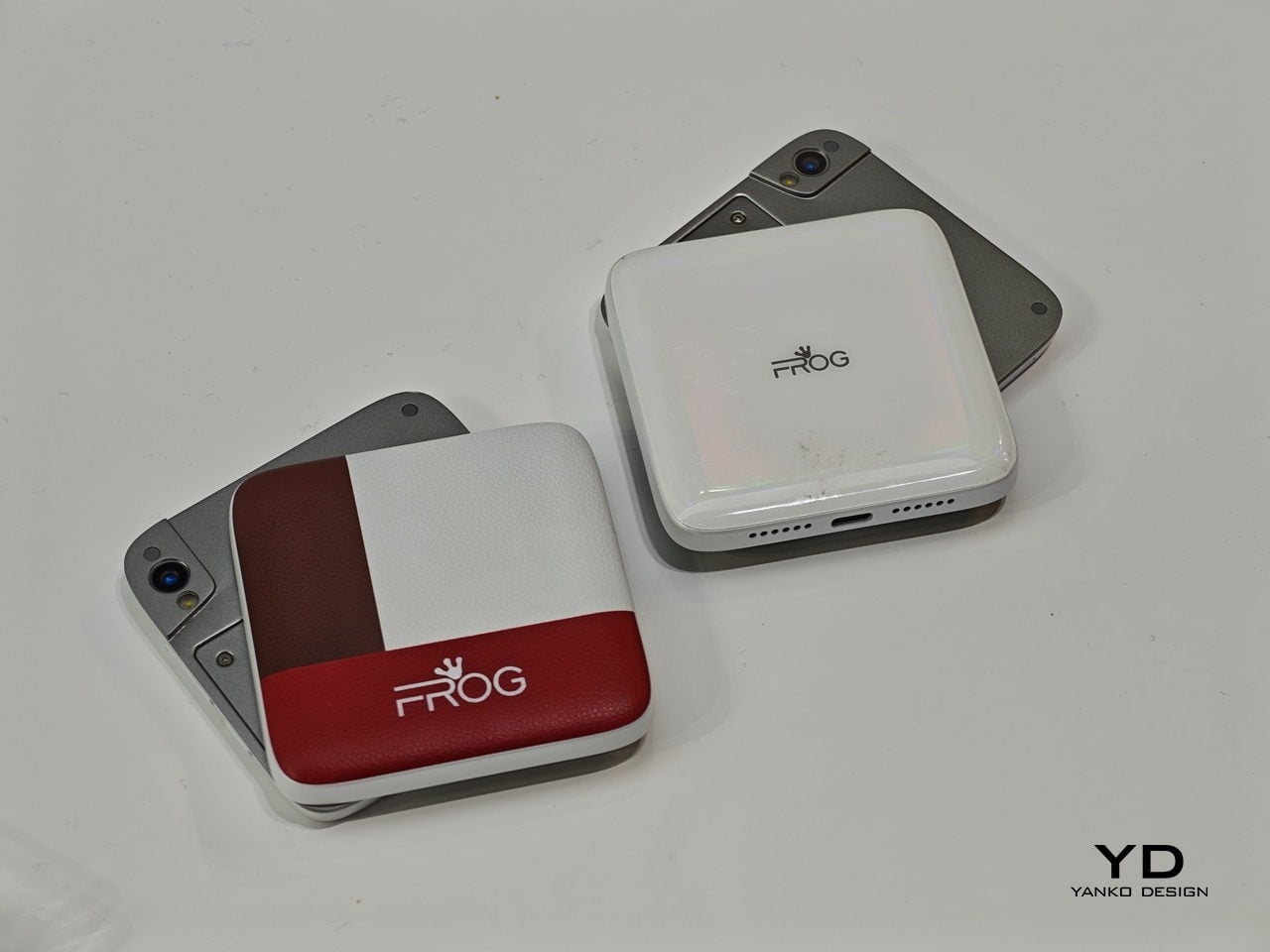
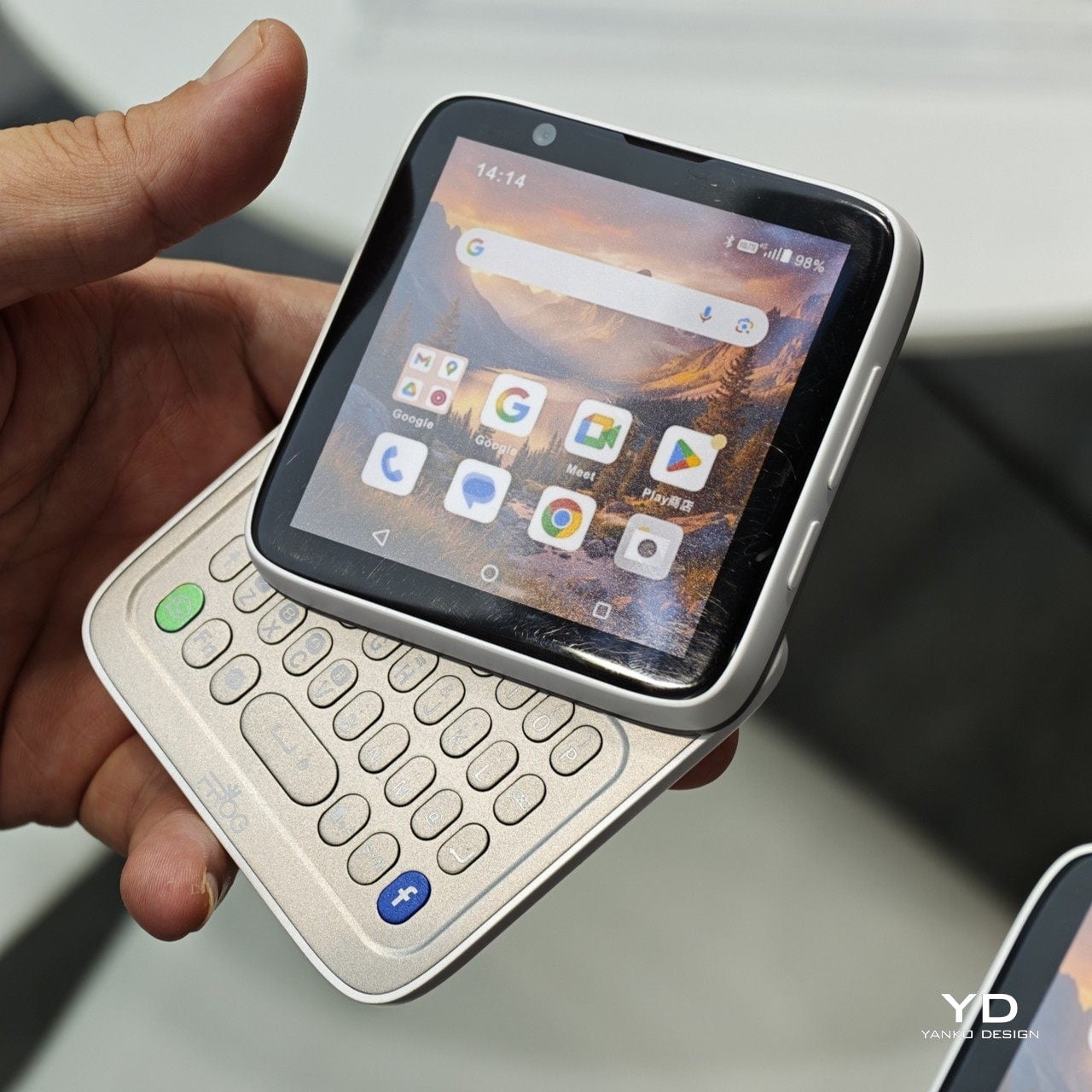
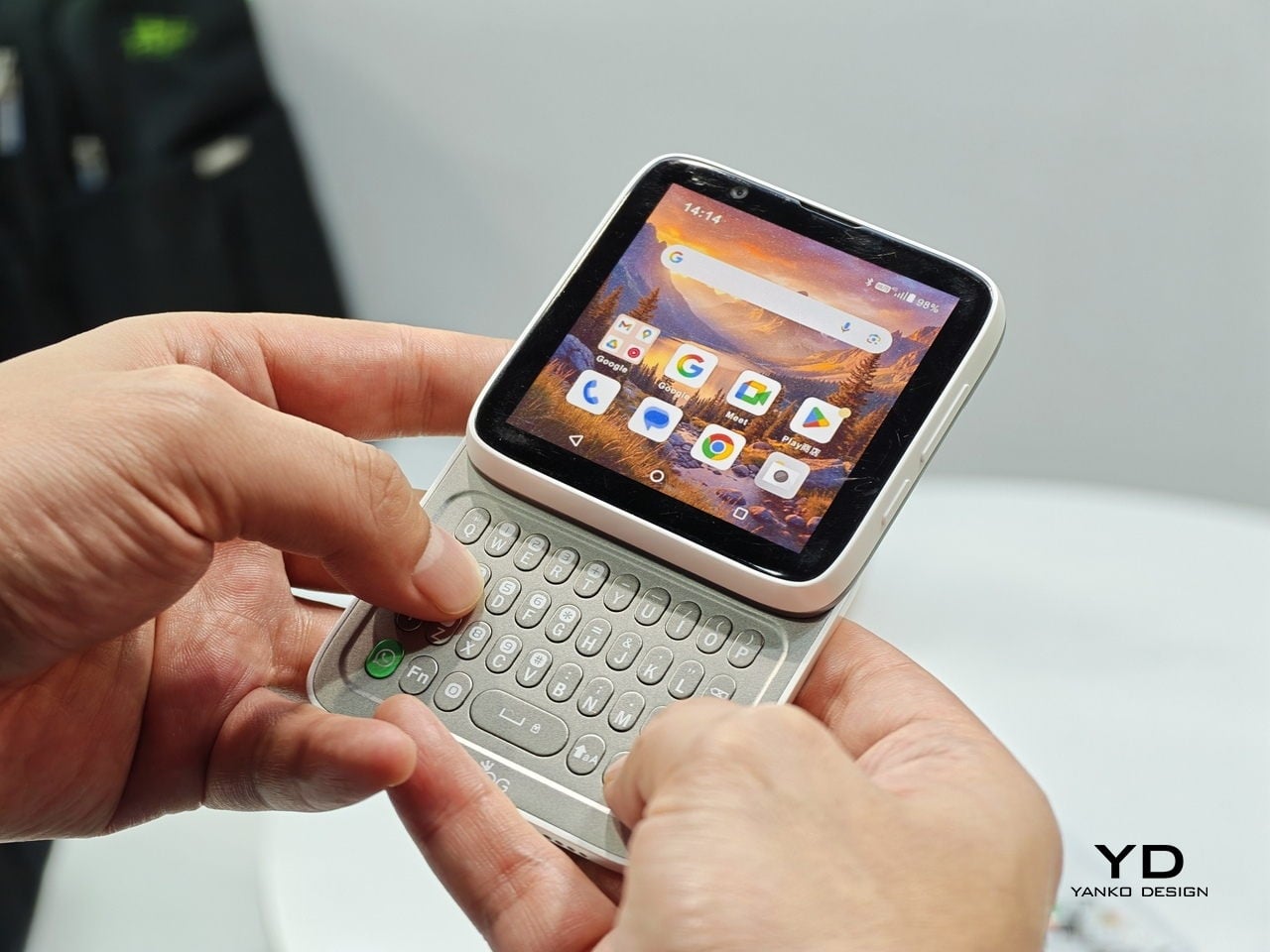
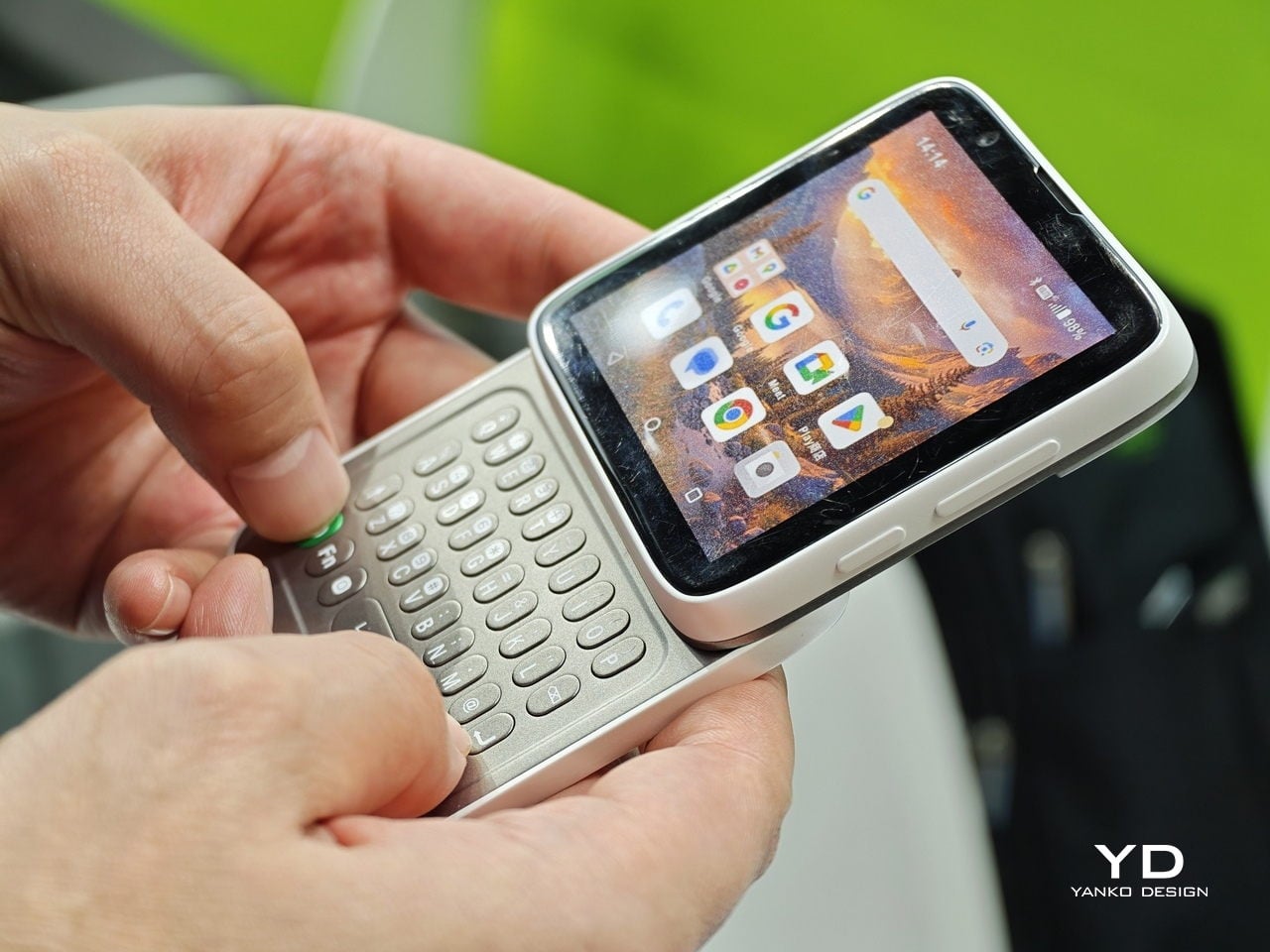
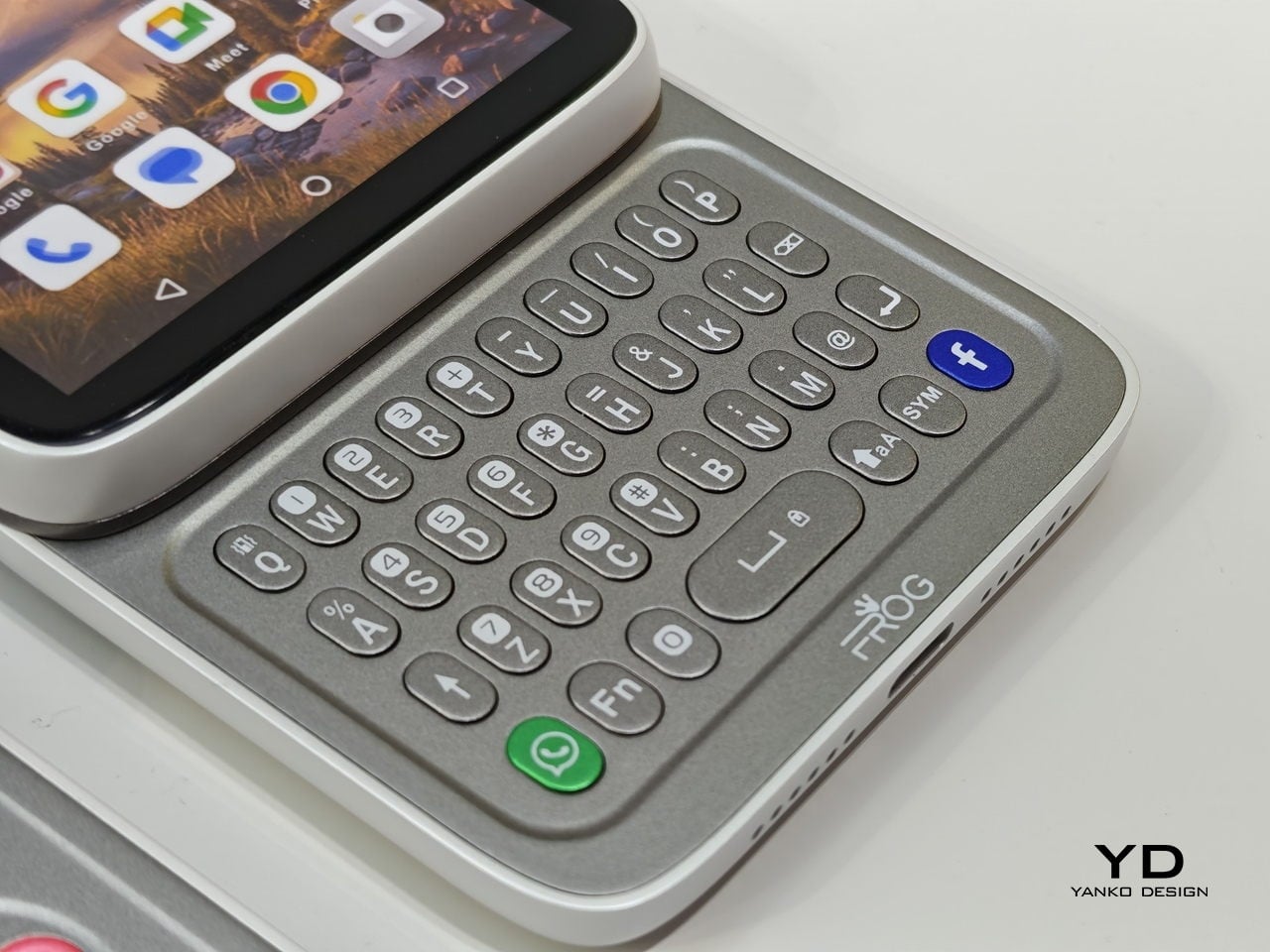
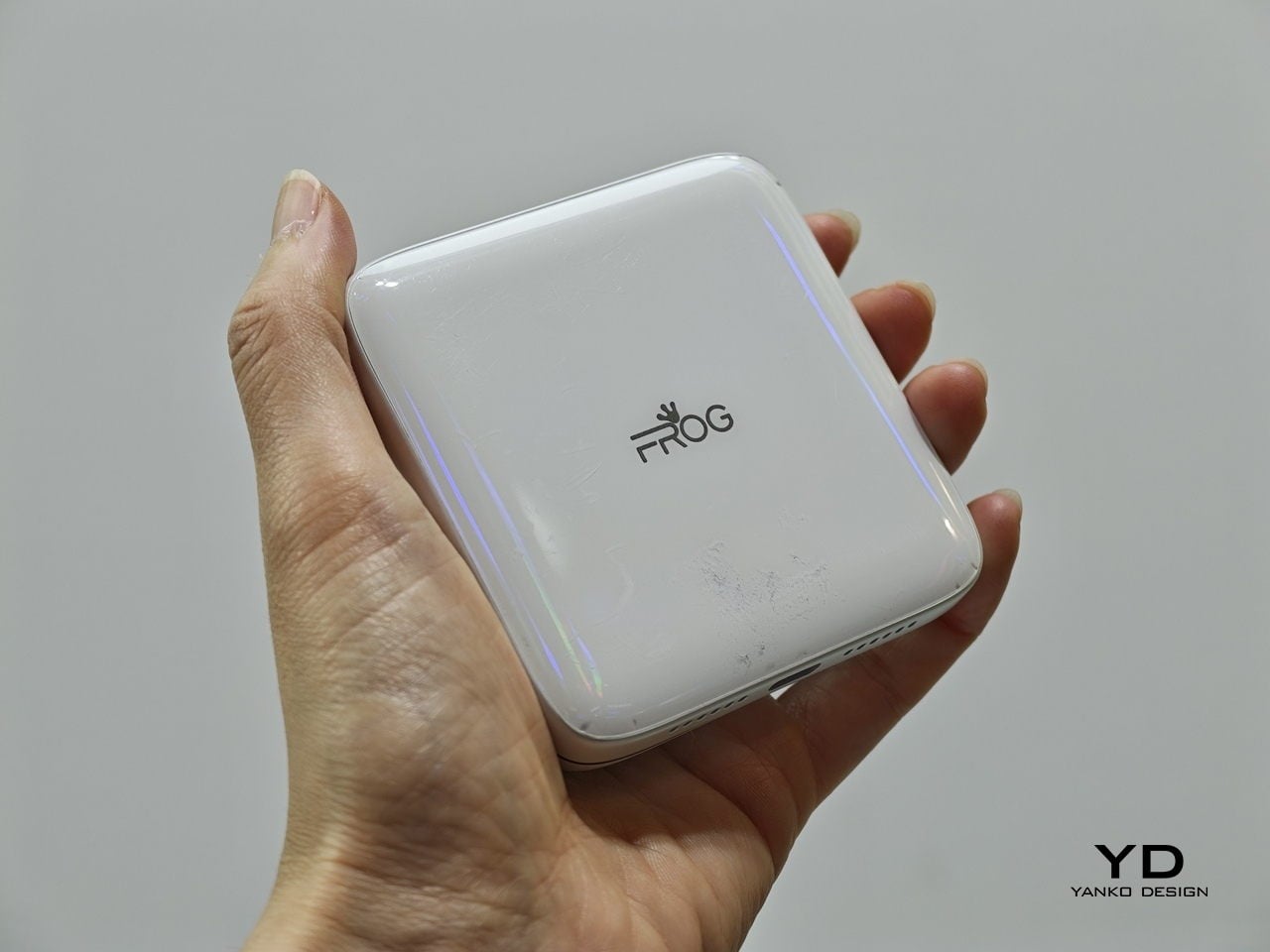
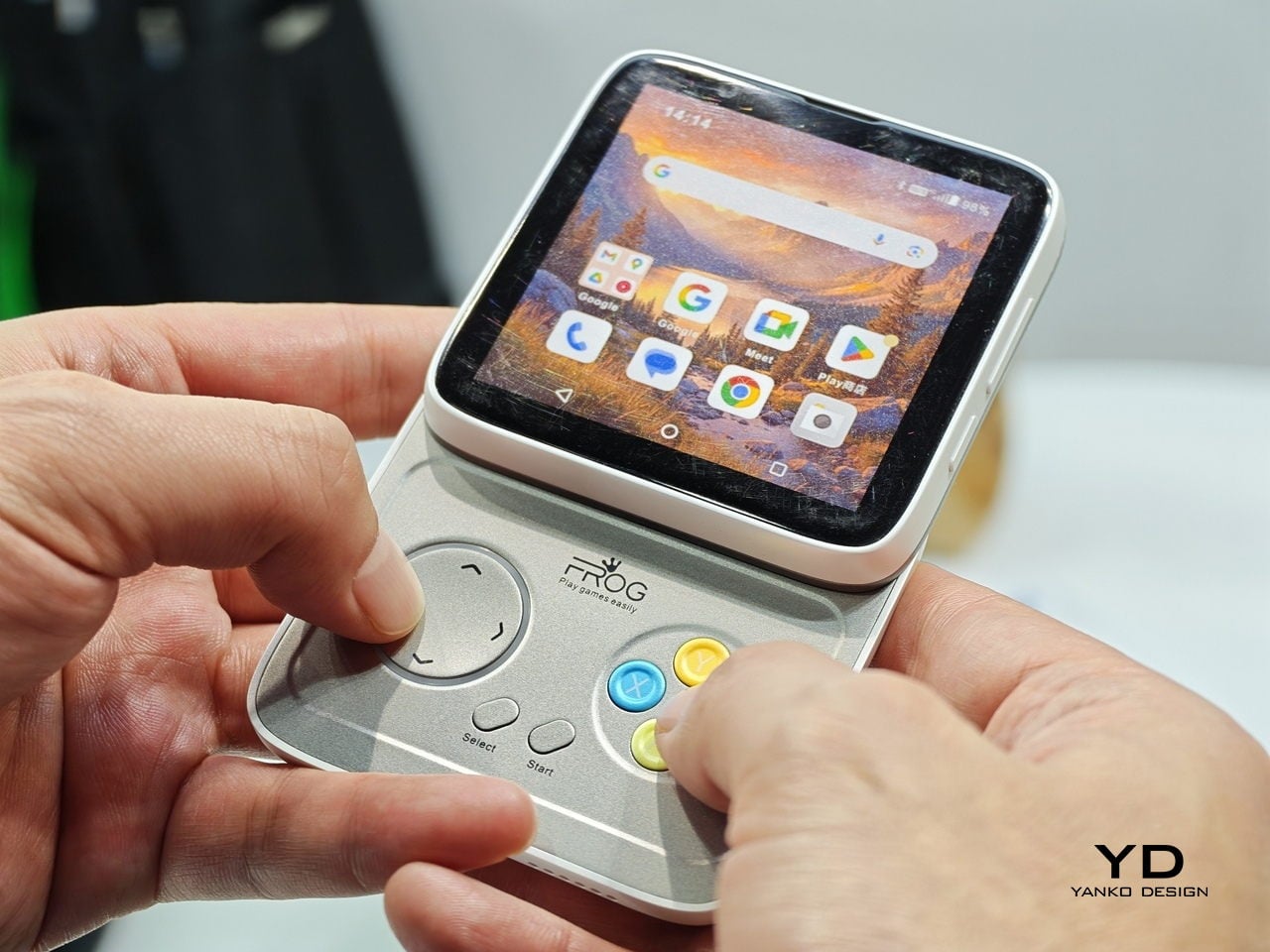
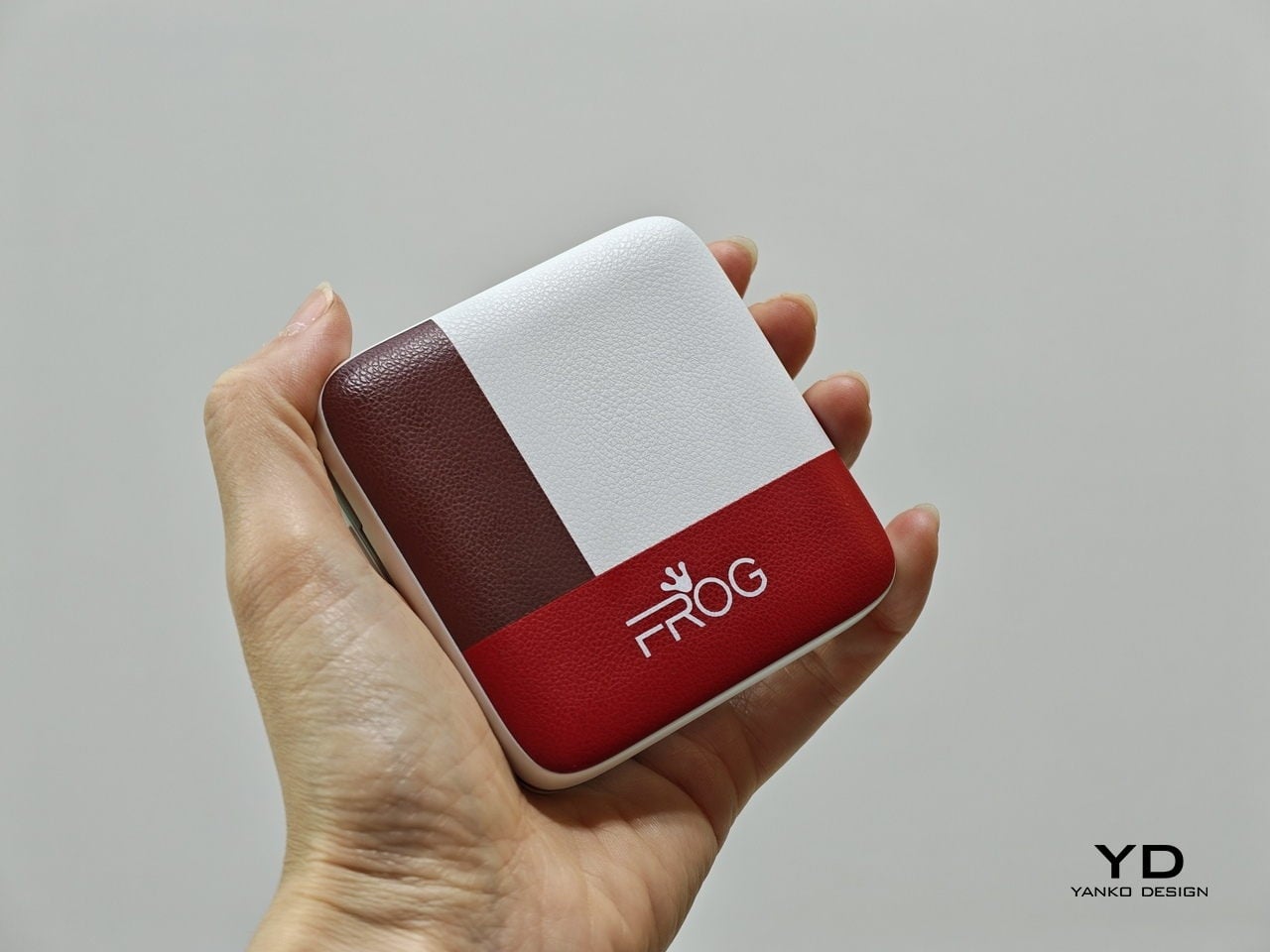
The iFrog RS1 is about the size of a closed fist, built around a 3.4-inch square display that sits on top of a rotating lower section. Twist it open, and you get one of two things depending on which variant you’re holding: a full QWERTY keyboard with raised, tactile keycaps, or a gamepad with a D-pad, a four-color face button cluster, and Select/Start buttons. Both run Android on a MediaTek Helio G18 chipset, with storage and RAM left open for whoever configures the platform.

Designer: FROG

That last part matters. iFrog is an ODM, or original design manufacturer, which means the RS1 is less a finished retail product and more a concept that carriers or brands can take and build on. The hardware is the pitch. Everything else is a conversation, which also explains why no pricing or release date was announced at MWC.

Of the two variants, the keyboard is the more predictable crowd-pleaser. There’s a genuinely underserved group of Android users who never stopped wanting physical keys. The BlackBerry crowd never fully disbanded, and phones like the Unihertz Titan have quietly built followings on exactly that. If you’ve ever tried composing a long email on a touchscreen while standing on a moving train, the appeal needs no further explanation.

The gamepad version is a stranger proposition, and honestly, the more interesting one. Running Android means emulation is an obvious draw, and the handheld gaming community noticed immediately. The visual comparison that kept surfacing online was the Motorola Flipout, a 2010 Android phone with a square body and rotating keyboard. There’s something both flattering and sobering in that parallel, since the Flipout was beloved by a small group and largely ignored by everyone else.

There are some caveats, though. No shoulder buttons on the gamepad variant rules out a lot of titles that need them. The swivel hinge is the structural heart of the design and also the part most likely to wear down. iFrog is new enough that questions about long-term software support are fair ones to ask, and the 3.4-inch screen is a genuine trade-off, not a quirk.

Still, the RS1 is a good reminder that the design space for phones is wider than what’s on shelves. It fits in a pocket and in the palm of a hand. It has buttons. It does a trick. What nobody knows yet is whether any of that adds up to something people actually want to live with.

The post This Square Phone Rotates Open to a BlackBerry or Game Boy Setup first appeared on Yanko Design.
This Trolley Stacks and Rotates Like Shipping Containers at a Port

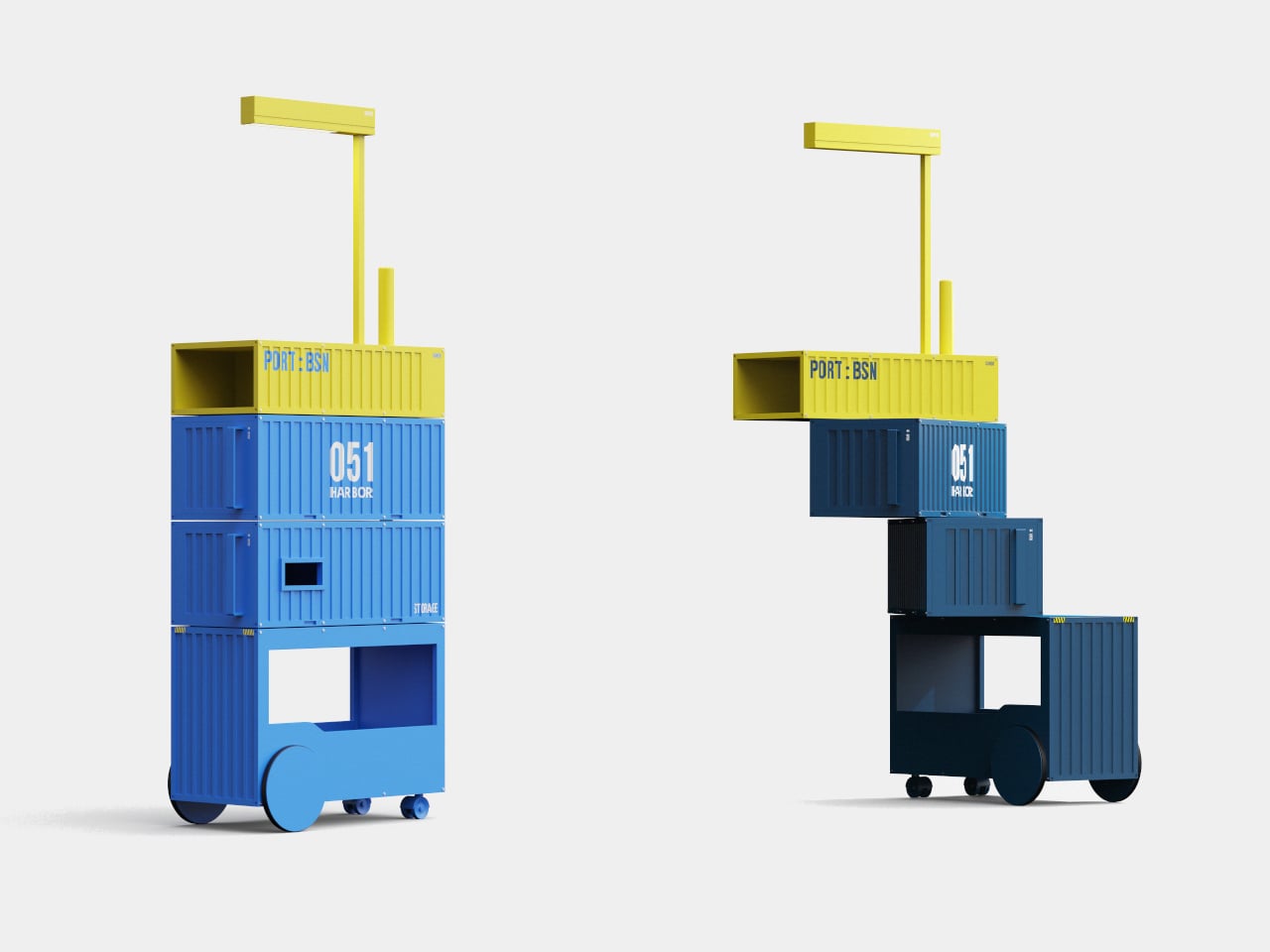
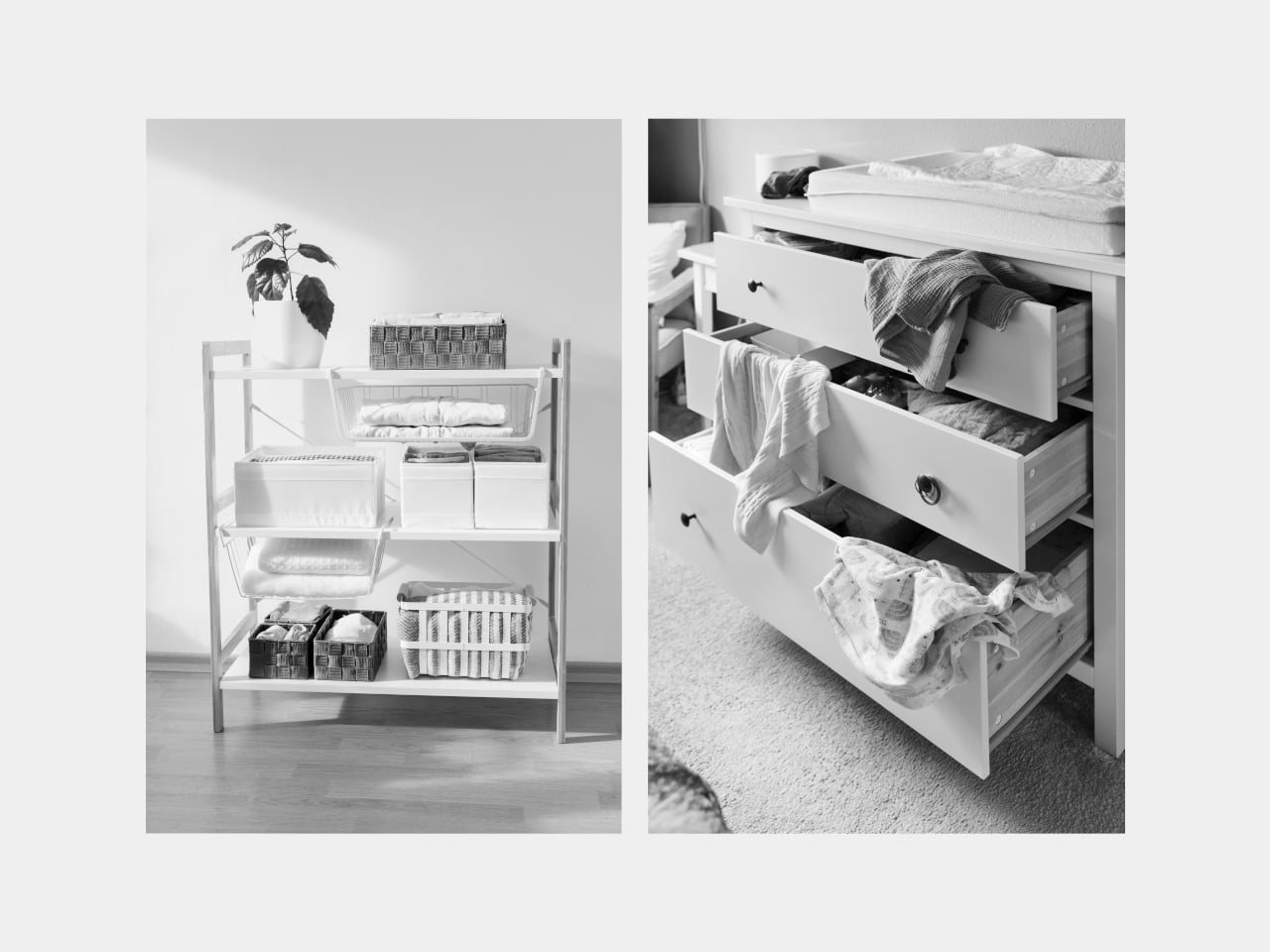
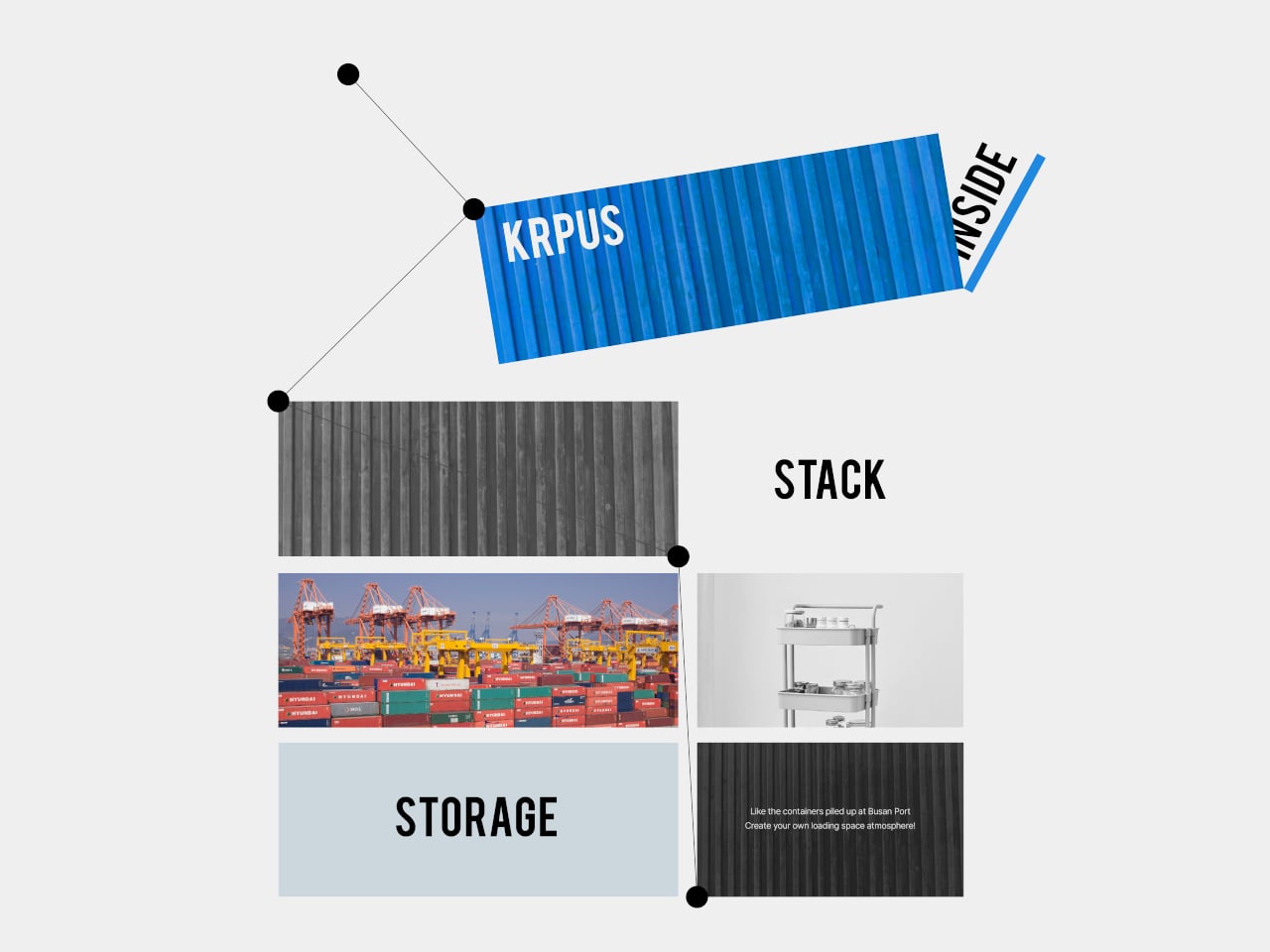
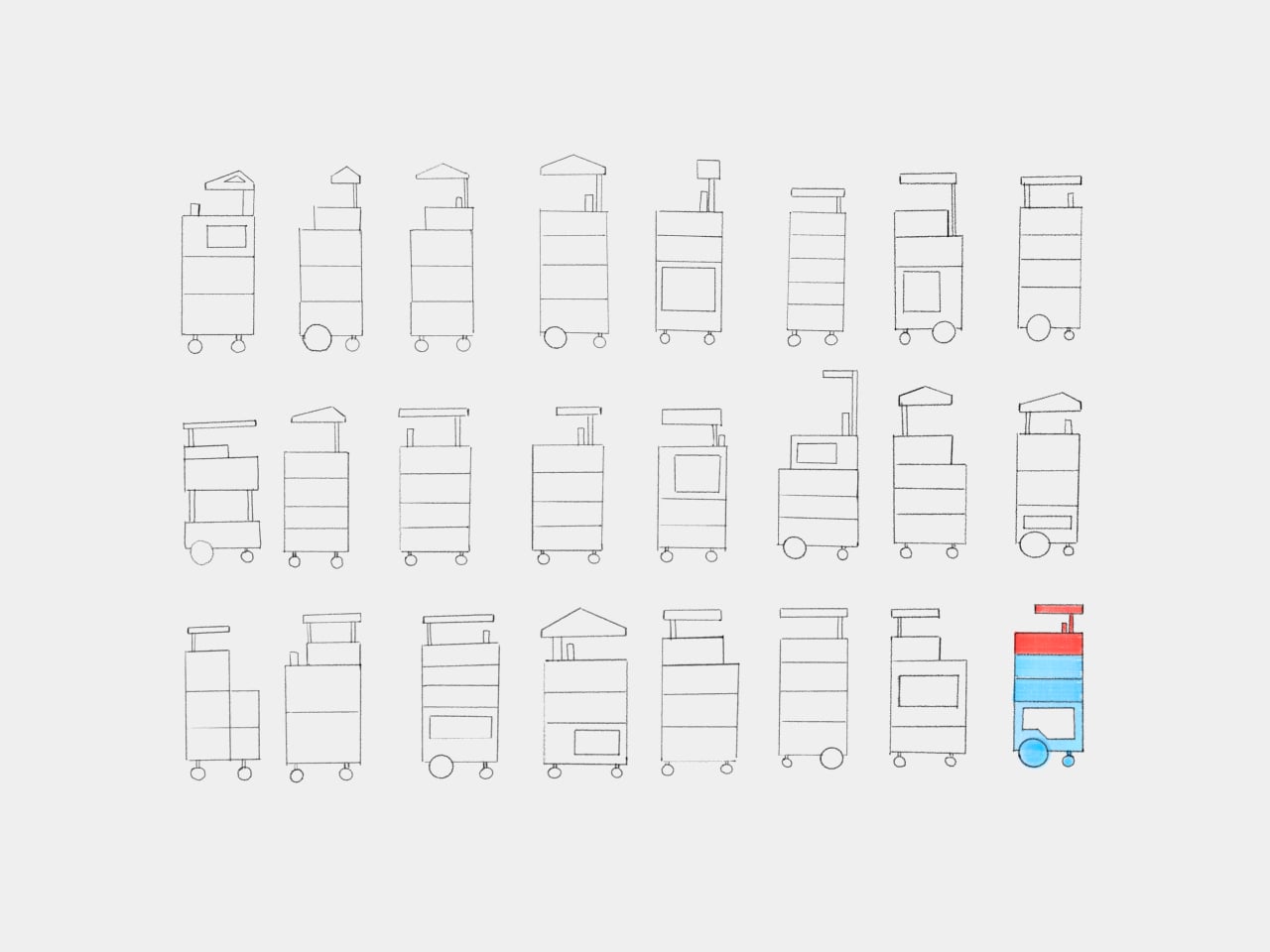
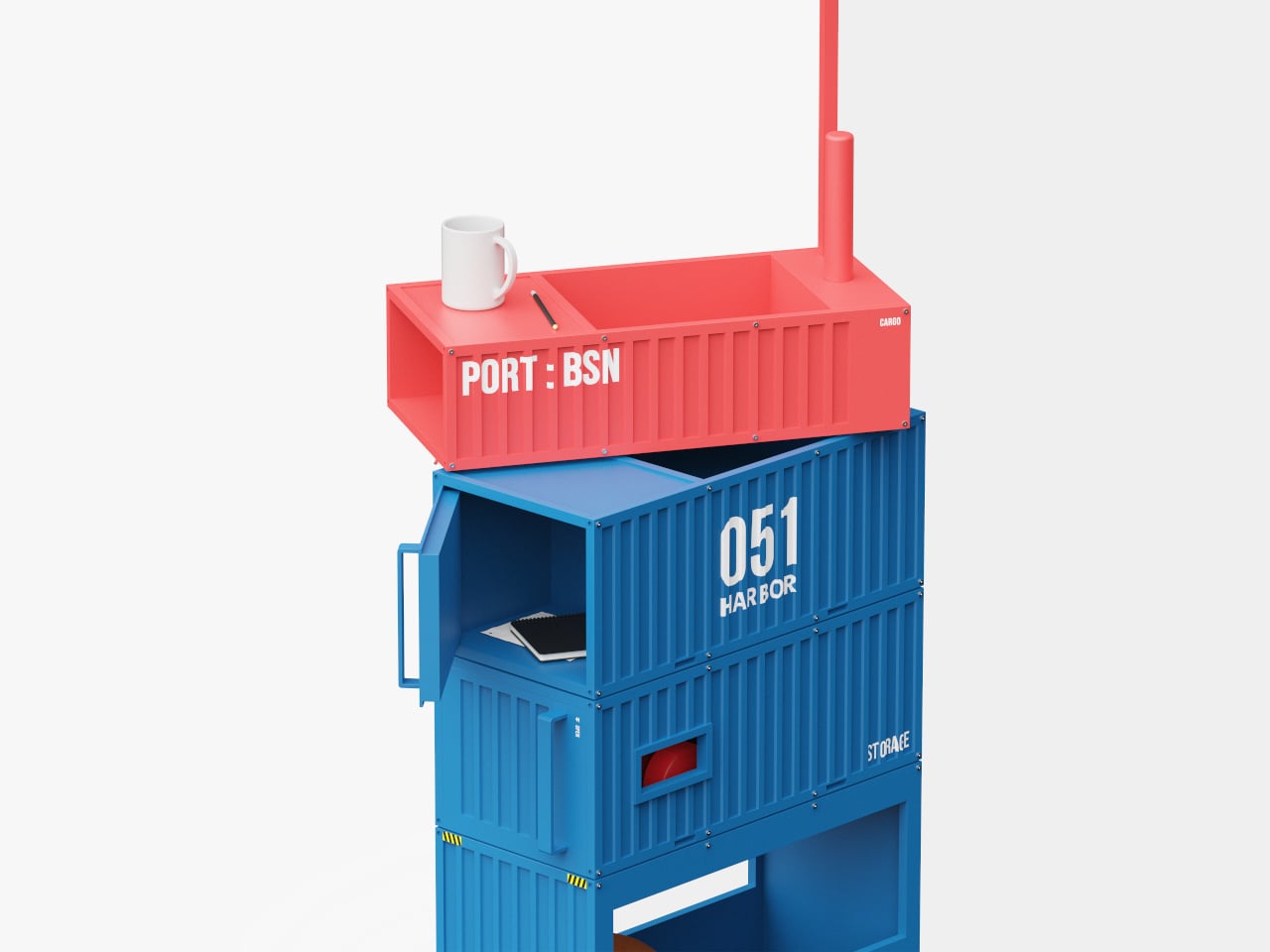
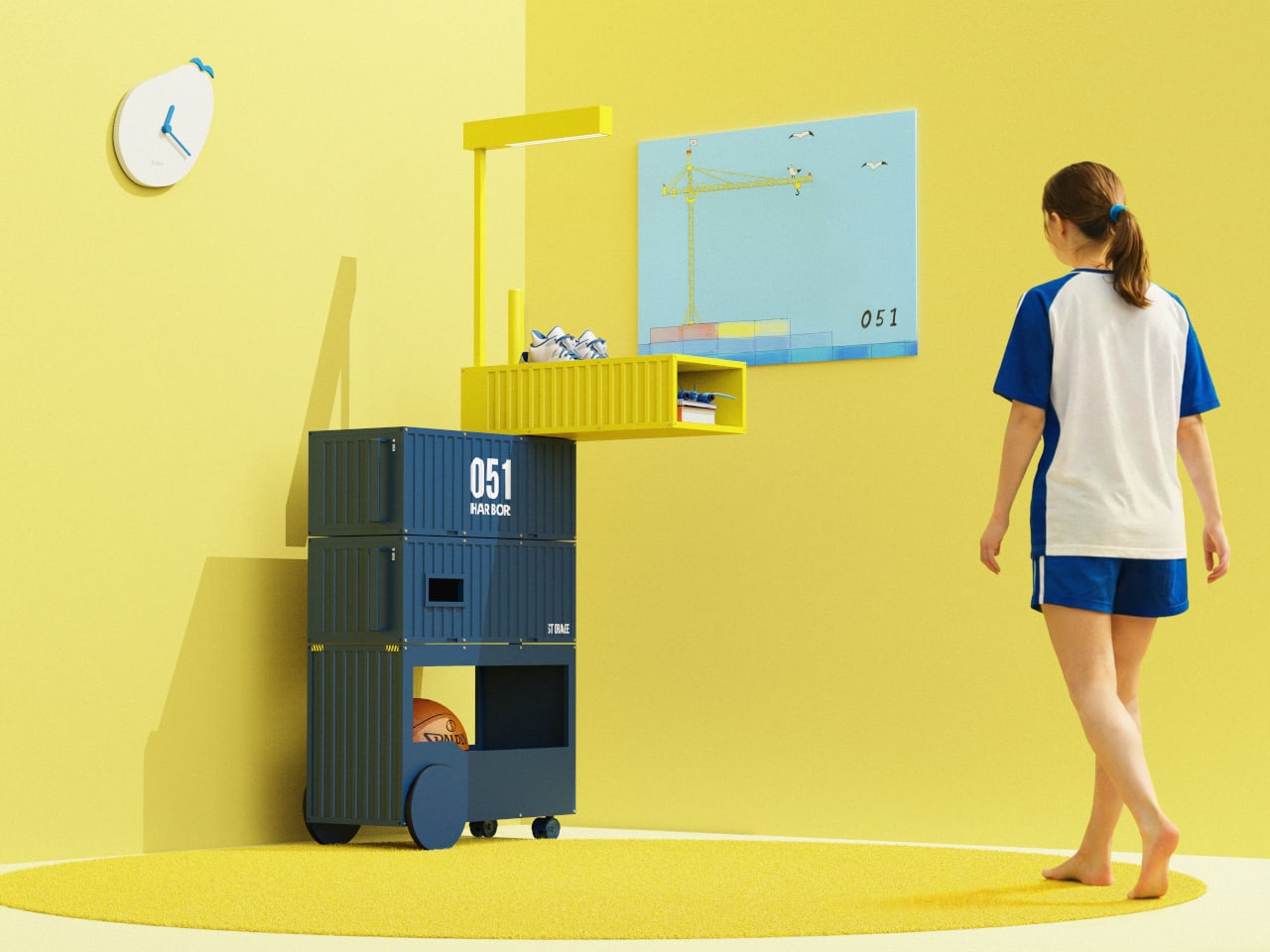
Most storage furniture sits where you put it, fixed shelves and cabinets that do their job but rarely respond to how space changes during a day. Trolleys help with mobility, but they often feel generic, more utility than character. Harbor 051 is a storage trolley that borrows its logic from a place built entirely around movement and stacking, Busan Port, where containers shift and cranes swing in a constant choreography.

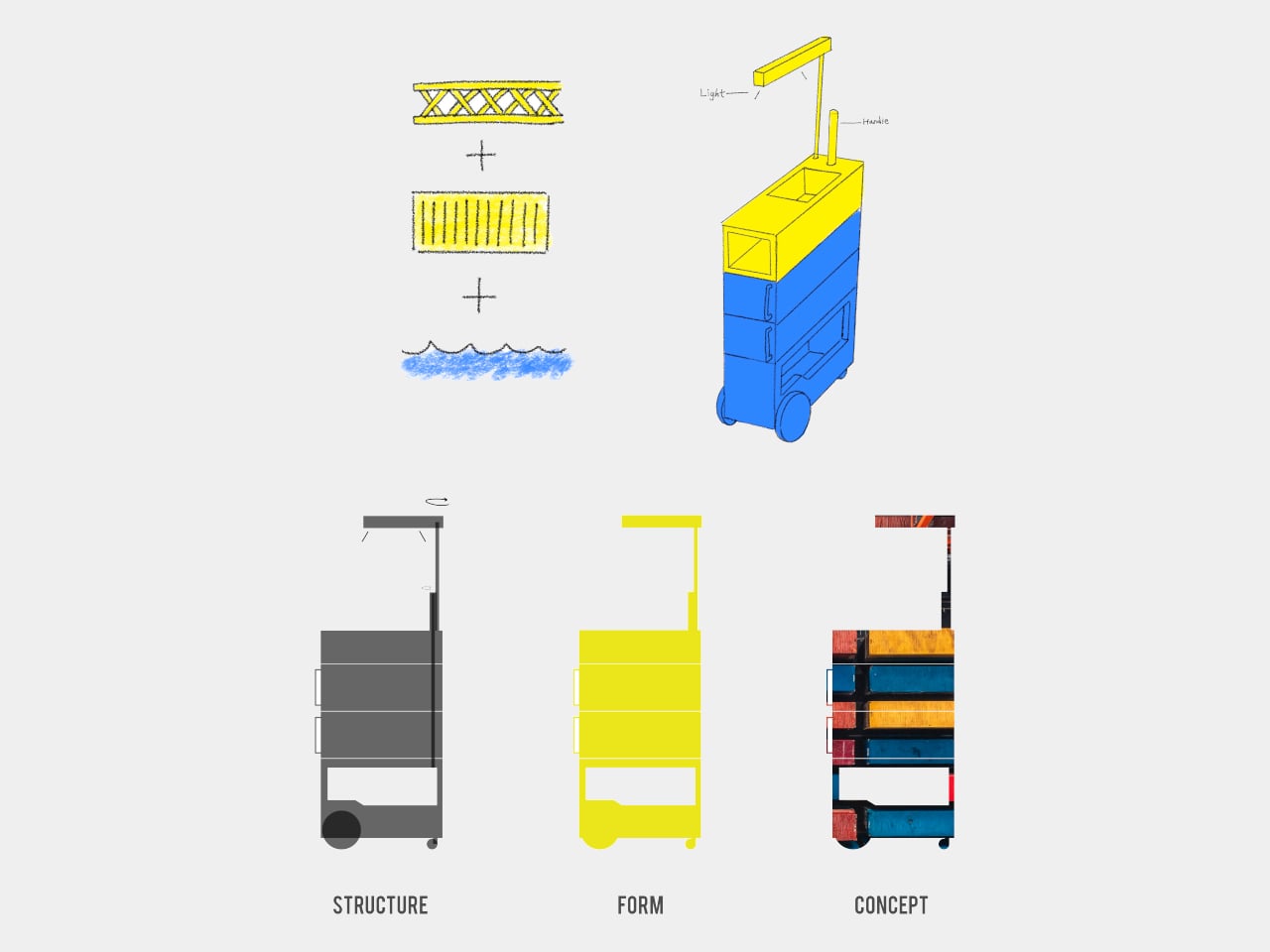
Busan’s harbor is where standardized containers are stacked and moved in regular patterns, and where cranes handle goods with a rhythm that becomes its own visual language. Harbor 051 takes that logistical landscape and reinterprets its structure and rhythm into storage furniture, applying the repetition and organized arrangement of containers to the way the trolley is built and used at home, echoing the port’s distinctive sense of flow.

Designers: Ho joong Lee, Ho taek Lee

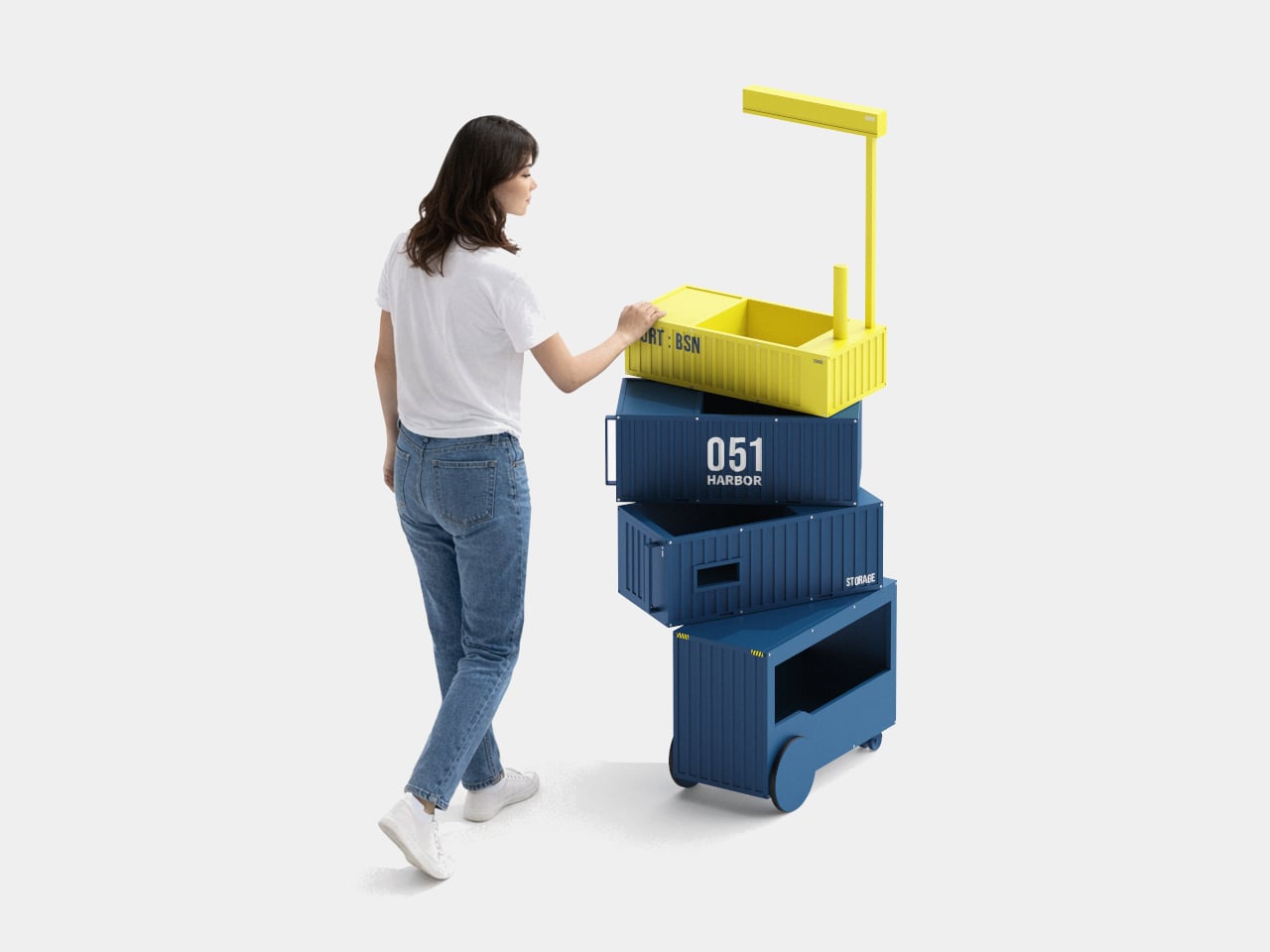
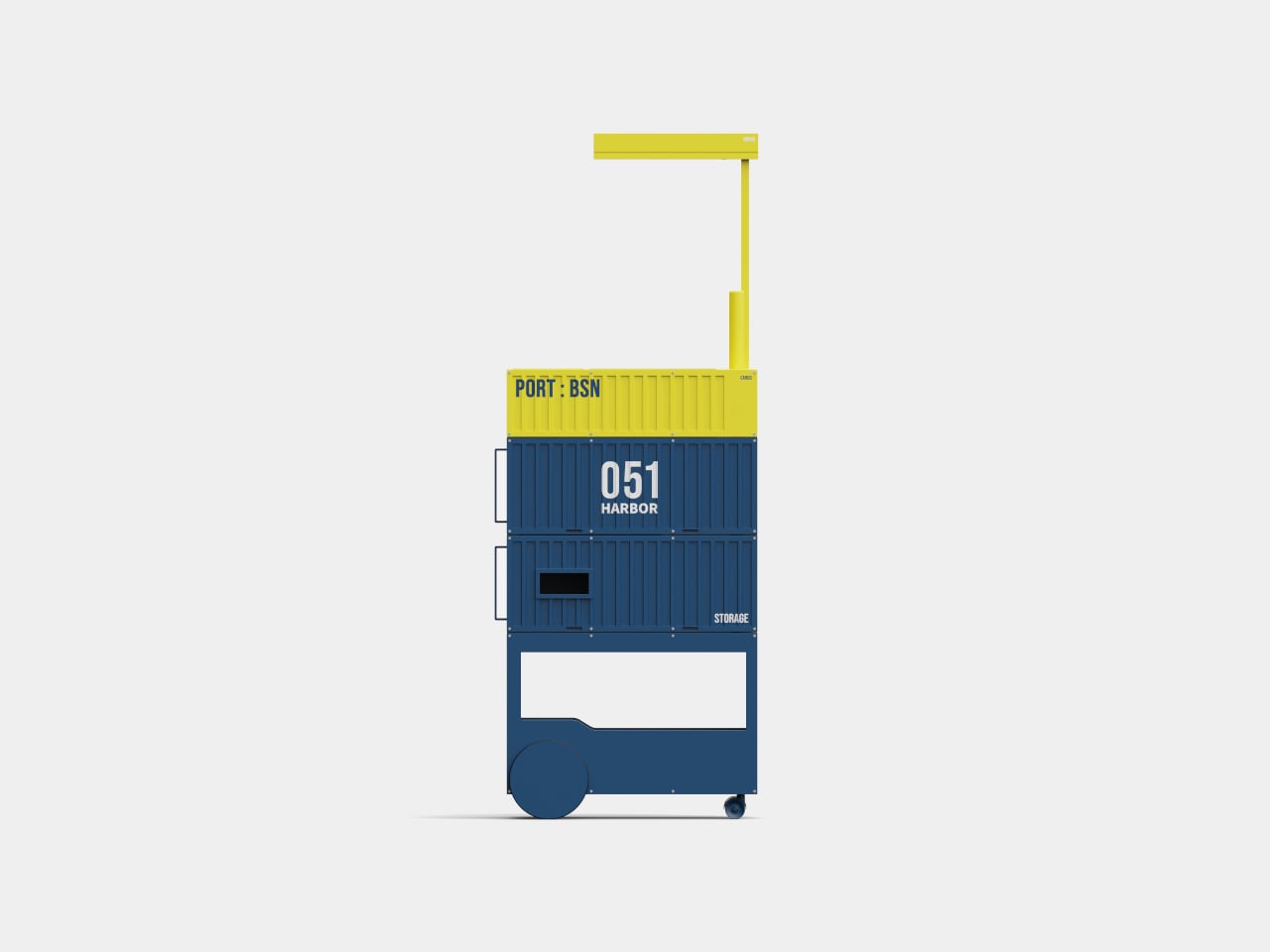
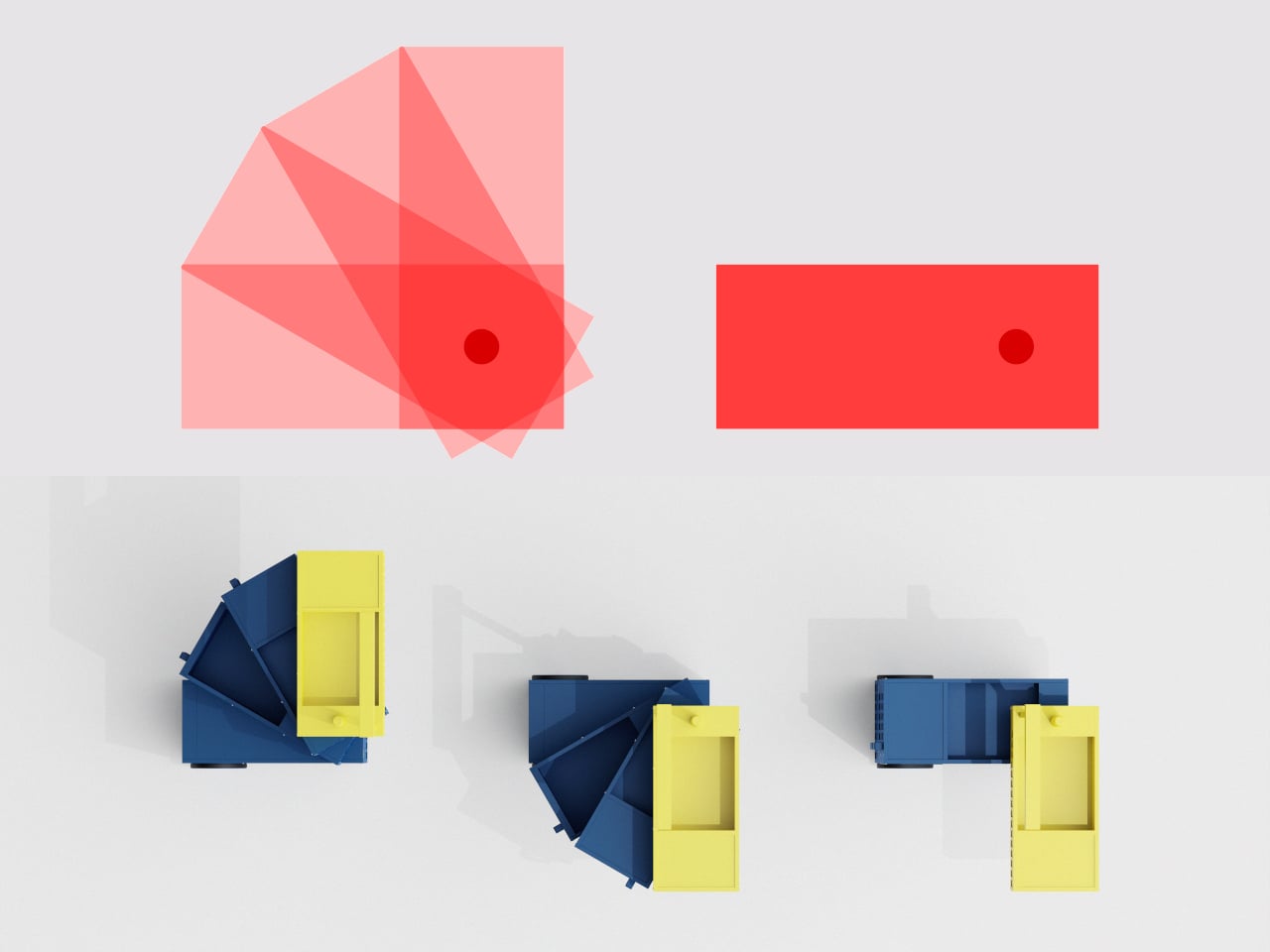
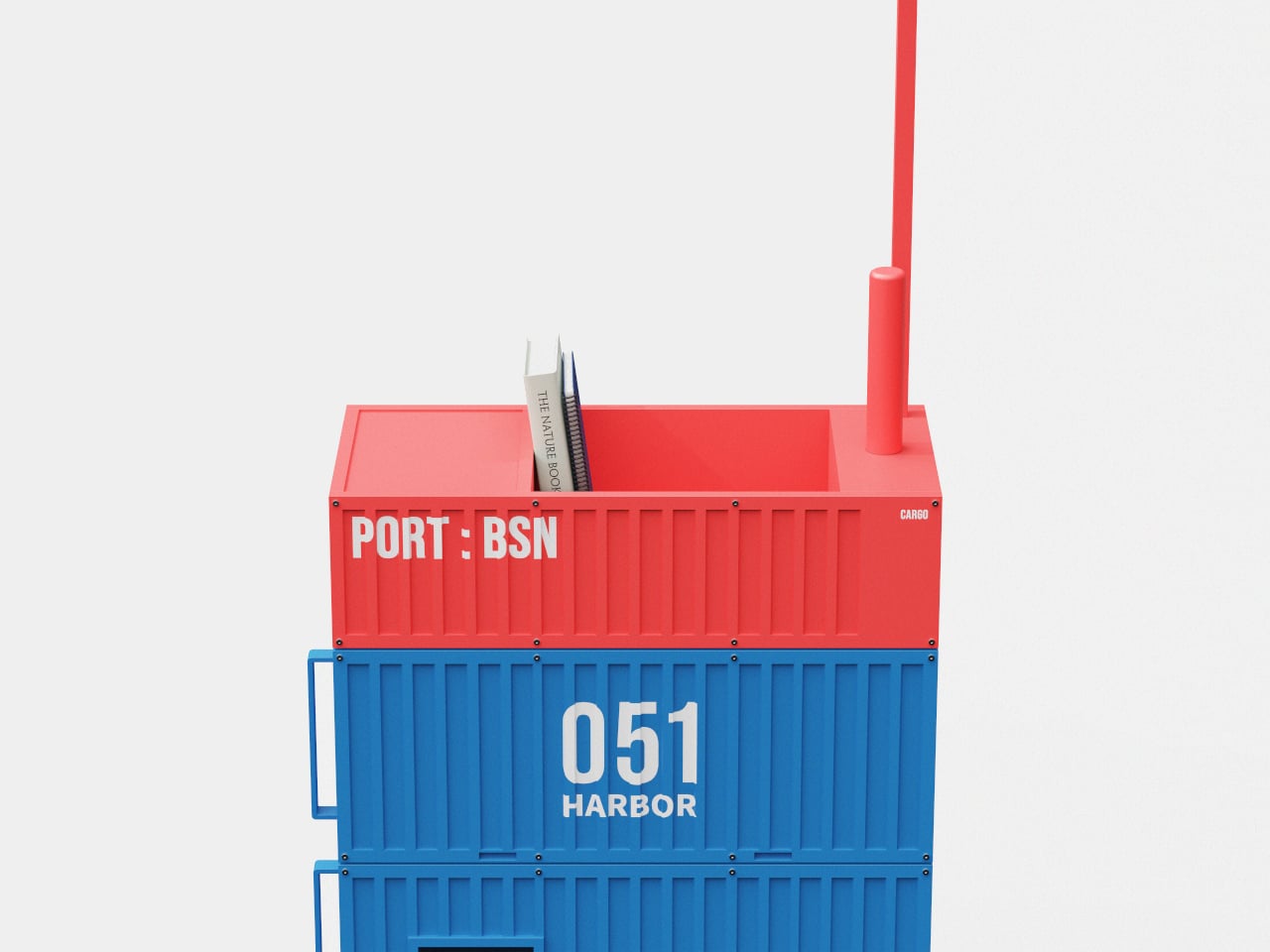
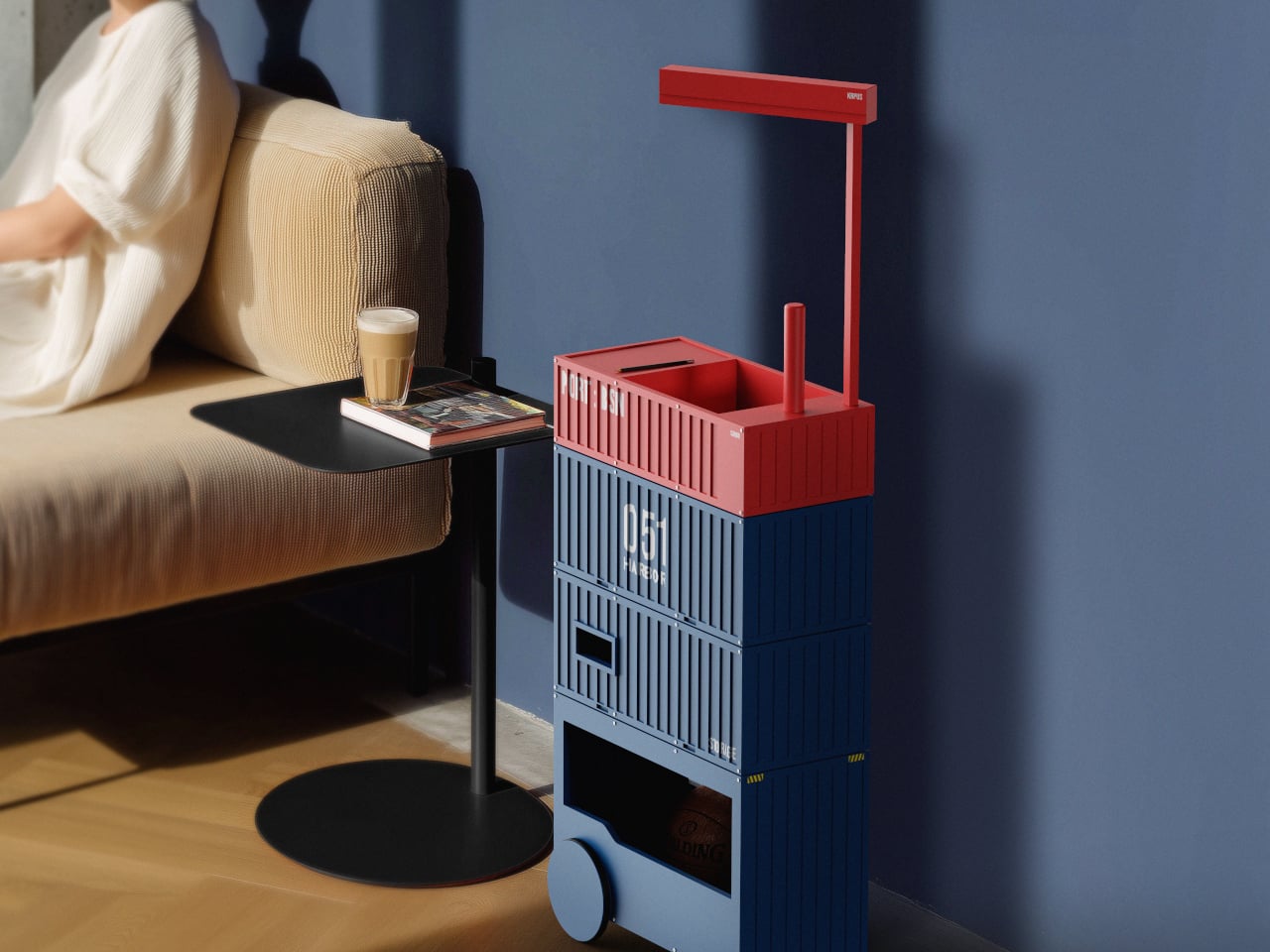
The trolley consists of four container-like boxes stacked on a wheeled base, each able to pivot around a central axis. In a narrow hallway or next to a desk, you keep them aligned as a compact tower. When you settle on the sofa or work at a table, you swing modules out to the side, opening up access to books or supplies without taking over the floor.

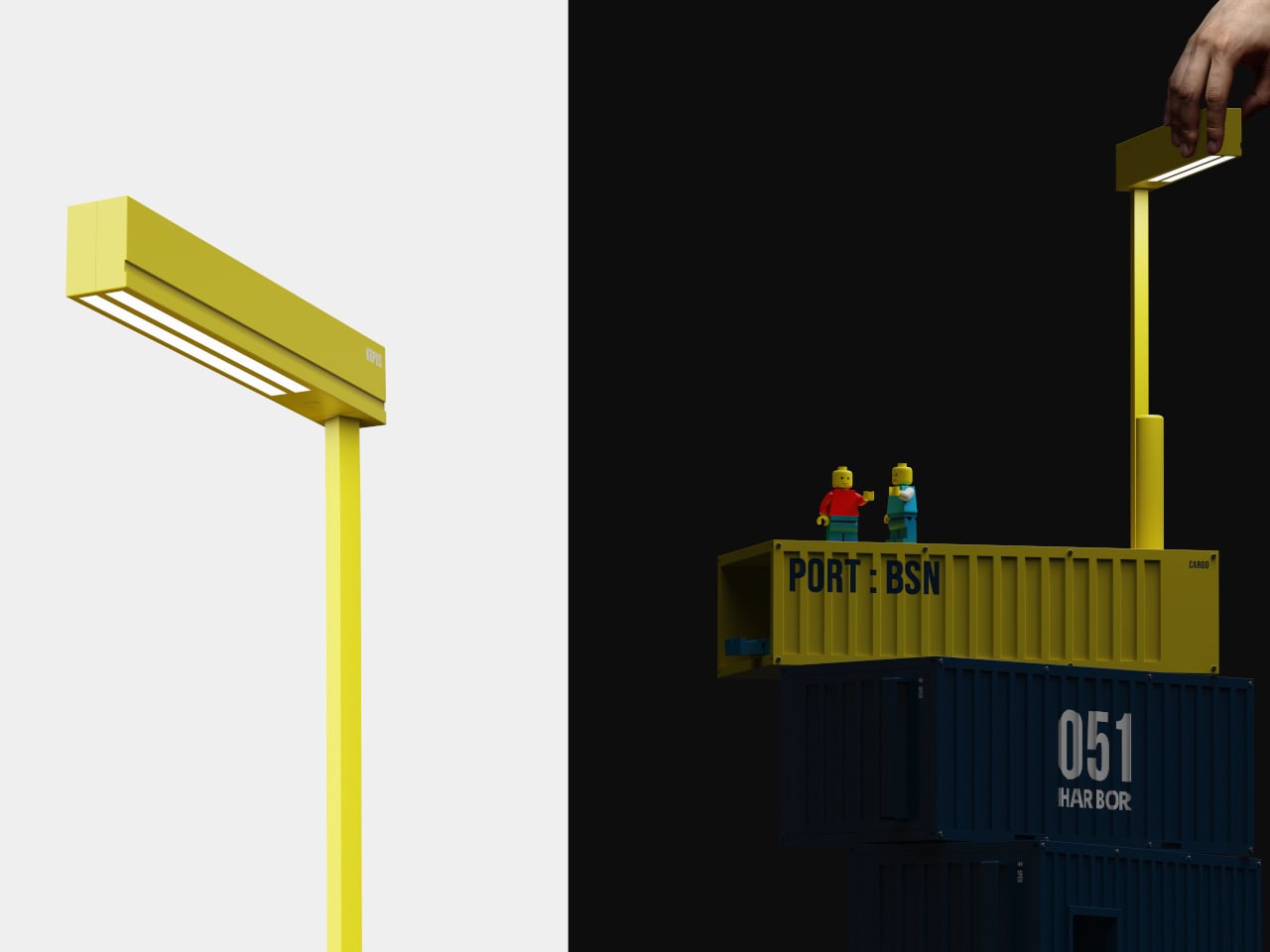
A vertical mast rises from the top, capped with a horizontal beam that doubles as a light. It reads like a tiny crane or gantry, giving the trolley a clear front and sense of direction. In a living room, that light becomes a reading lamp or soft ambient glow, while the mast acts as a subtle signpost, a little landmark instead of anonymous storage hiding in a corner.

The colors are pulled directly from Busan and its port. Yellow comes from cranes and working equipment, navy and blue from the sea in front of and beyond the harbor, and red from the camellia flower that represents the city. In practice, that means a base of deep blue containers, a bright yellow mast, or a red top module bringing energy into an otherwise neutral space.

Harbor 051 is more than a playful reference. The rotating structure makes storage and placement genuinely flexible, the wheels let it move between rooms, and the integrated light adds another layer of function. It is a small example of how a logistics system’s order and rhythm can become a domestic tool instead of staying at the edge of the city.

Harbor 051 brings a city’s backbone into something you can live with every day. Instead of a generic cart, you get a trolley that feels like a stack of containers paused mid-movement, ready to pivot as your day shifts. Storage does not have to be invisible to be useful; sometimes the most satisfying pieces are the ones that quietly carry a story from outside your window into the room where you spend time.

The post This Trolley Stacks and Rotates Like Shipping Containers at a Port first appeared on Yanko Design.
Turn your sleeping area into your office with this rotating furniture

If you’re living in a small space, you’d want to have furniture that can serve multiple purposes. Modular and multi-functional designs have been dominating the scene the past few years especially during the pandemic when the line between work and private life blurred all the more. Sometimes I wake up in the morning and start working from my bed, thinking maybe I should have a desk built in there or have my desk nearer to my bed for a smooth transition.

Designer: Expand Furniture

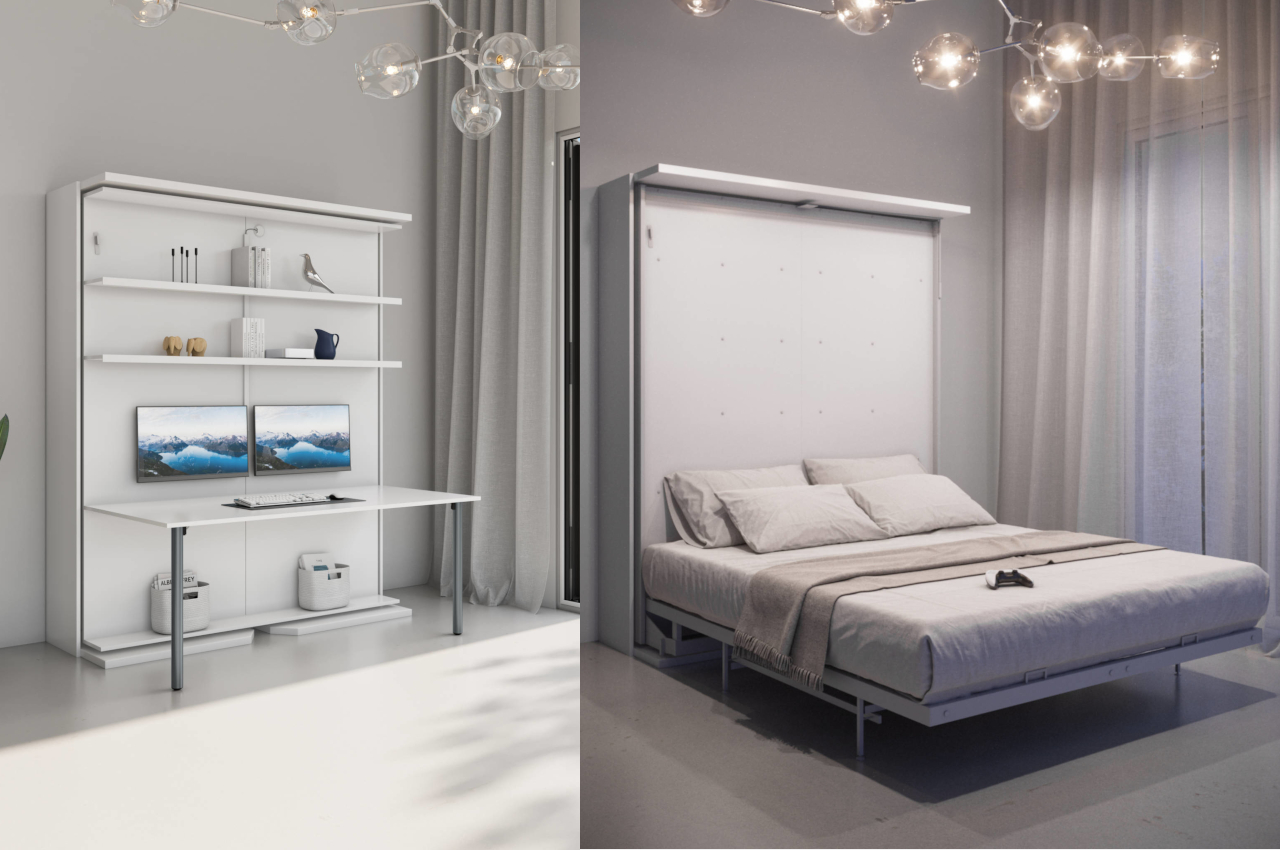
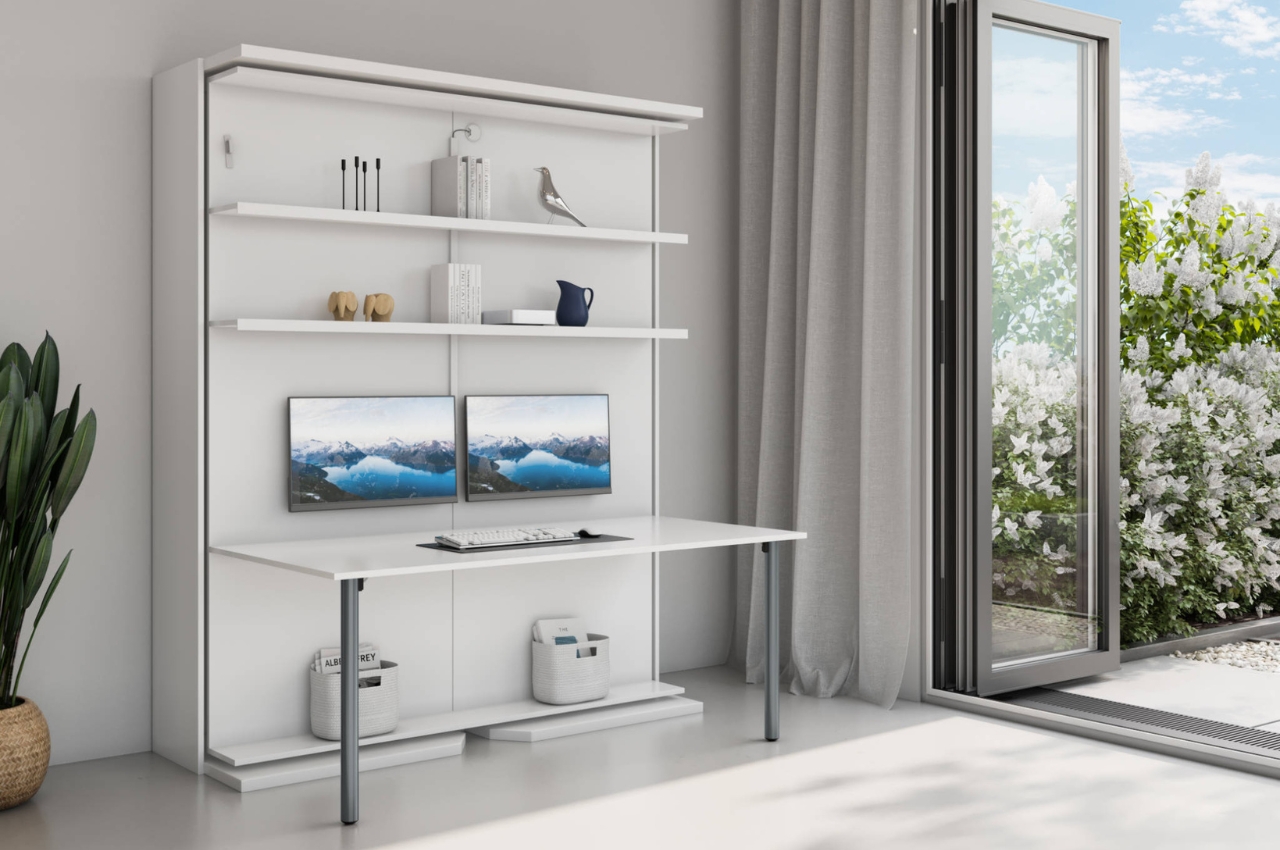
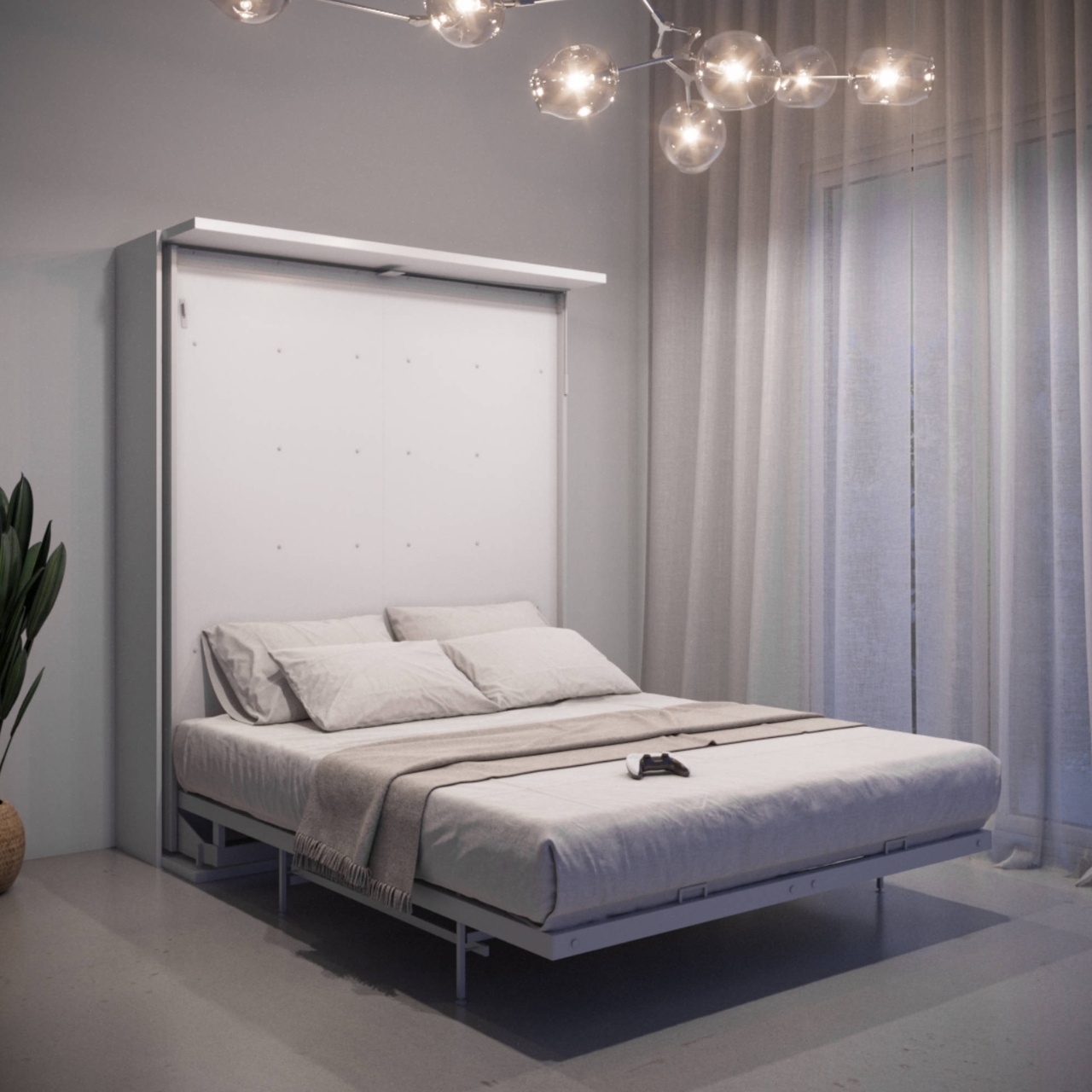
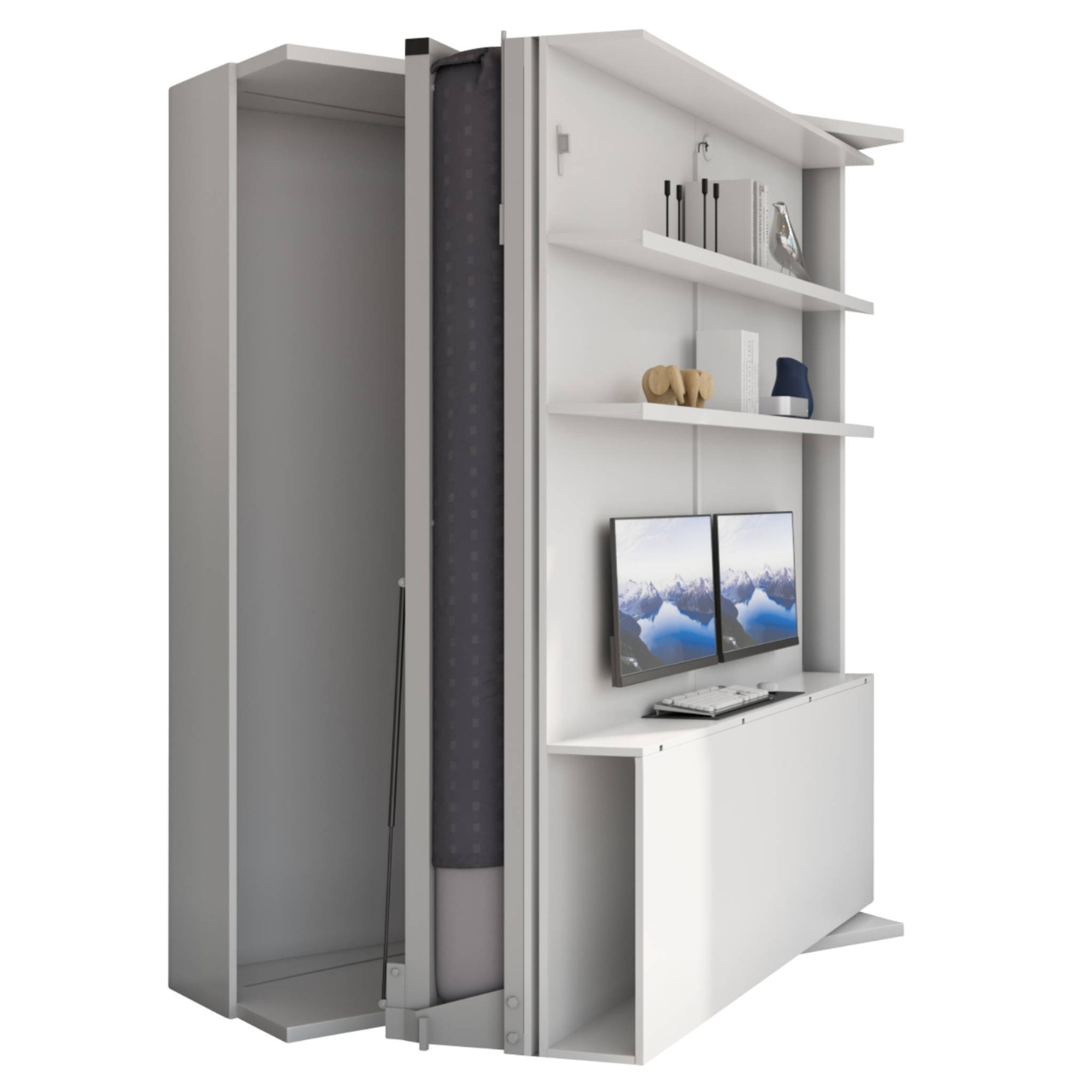
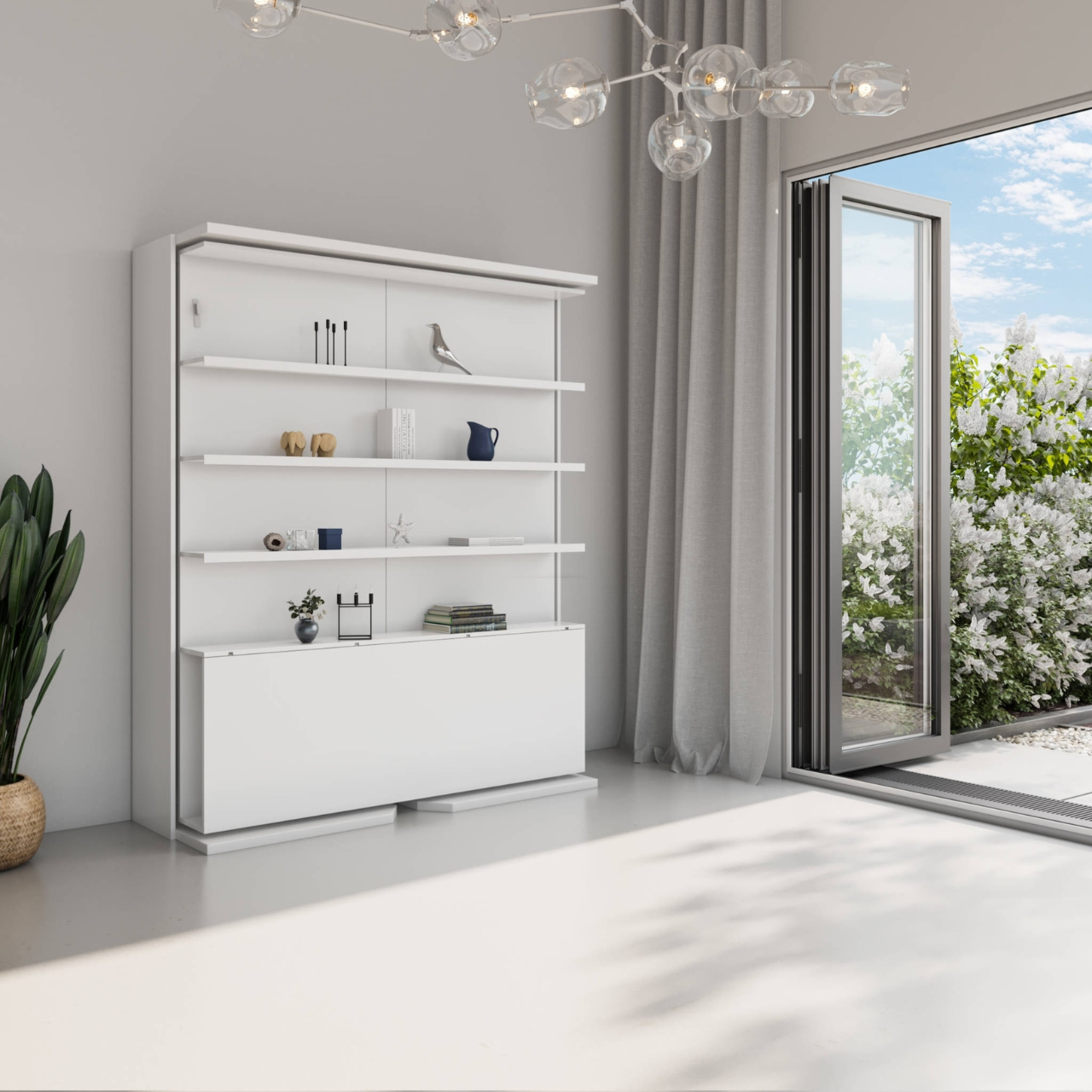
This wish comes true with the Compatto Rotating Office Murphy Bed with Desk which is literally a bed that can be turned into a working area and even a multimedia space. And when you’re ready to pack it all up at the end of the day (or the middle), you just have to fold it away, turn it all around (literally) and rest in your Murphy bed with the Queen Italian memory foam mattress.

Of course the highlight of this piece of furniture is the fact that you can quickly turn it into a workspace with a few rotations and push and pulls. The wide desk can fit in things like dual monitors, a TV screen, all-in-one iMacs, and small computers. There is also space for file storage, decorations, books, and other knick knacks. There is also adequate places and openings for all kinds of power cords and wires to power your devices.

You will have to assemble everything yourself though as this is a DIY install. But this seems to be a pretty interesting piece of furniture to have if you can manage to put everything together. I will probably have some anxious moments thinking that I will be displacing my office stuff when I’m sleeping but at least I will have a really cool bed and work station in one.

The post Turn your sleeping area into your office with this rotating furniture first appeared on Yanko Design.