Fold Metal Once, Organize Your Entire Desk Forever

Most desks accumulate the same clutter. A stack of paper that never stays neat, a pen cup filled with tools you never touch, and business cards sliding around until they fall behind the monitor. The typical solution is plastic organizers that do not age well and do not really help. They just give the mess a slightly more defined shape while taking up even more space on the desk.

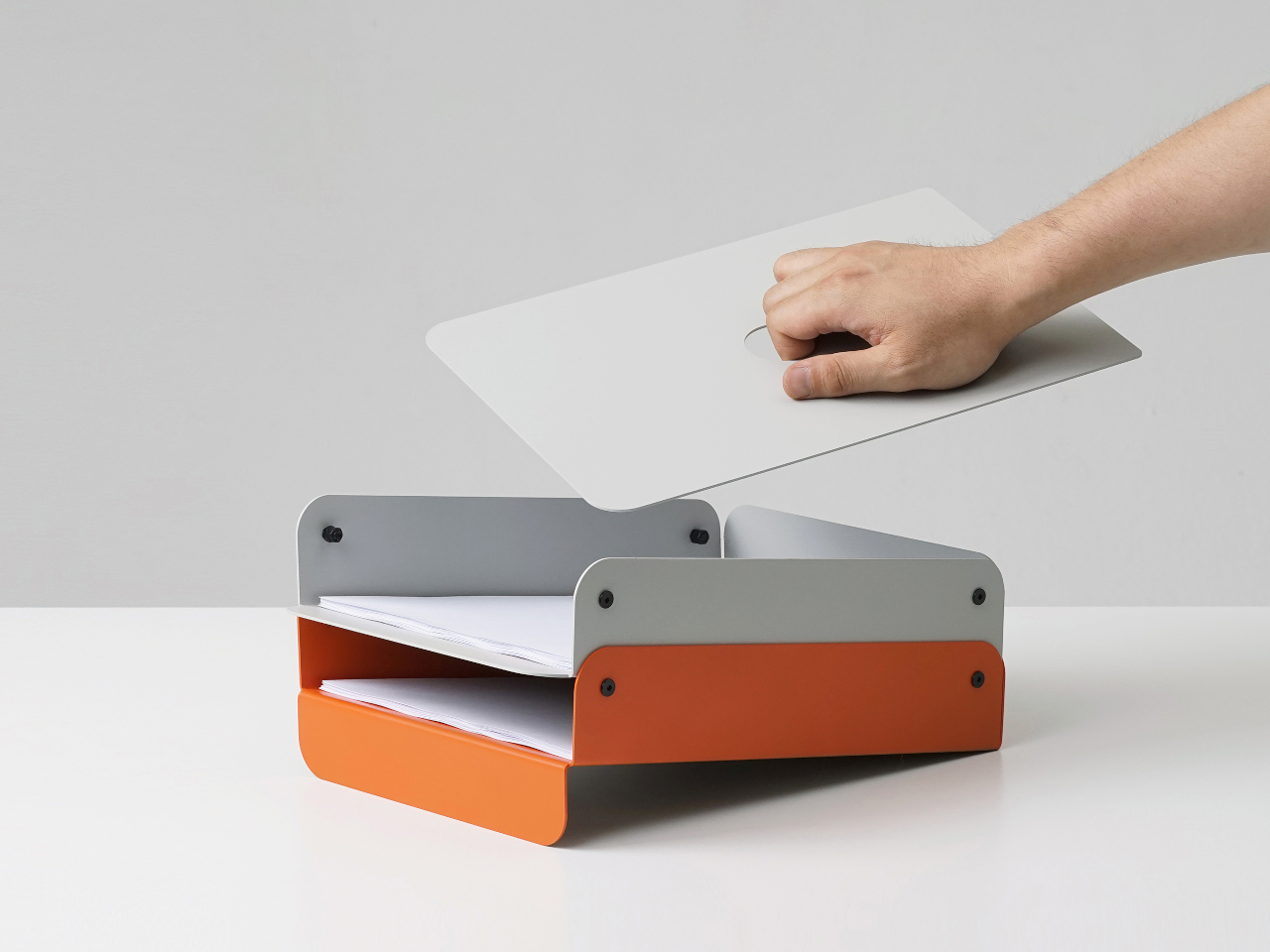
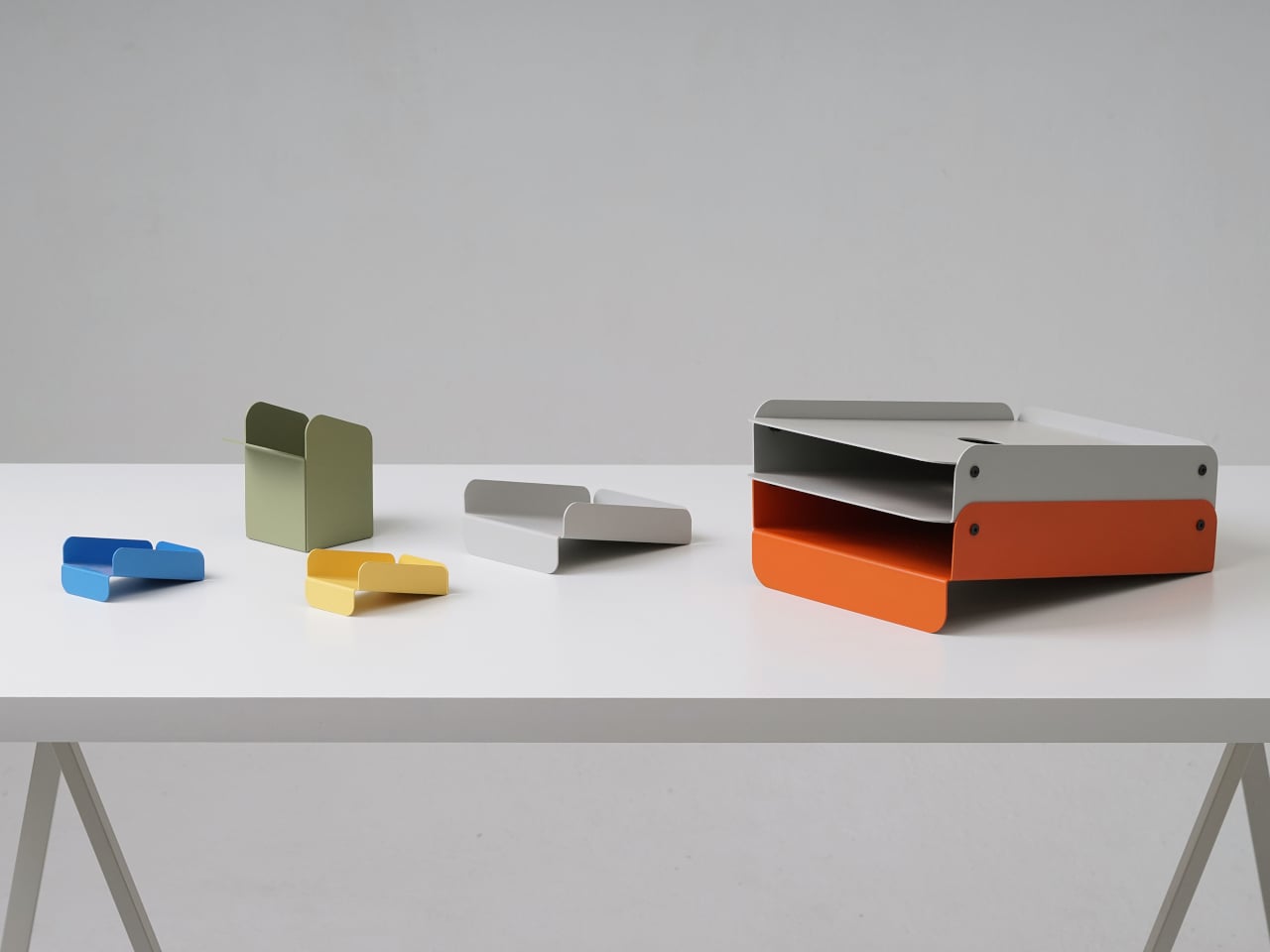
That is where Foldy comes in. This small family of office trays starts from a single 1.6 mm metal sheet bent into shape. Sheet-metal bending is cheap, durable, and works for small runs, but usually looks industrial. Foldy leans into that process while rounding every edge and coating pieces in soft matte colors, so they feel more like friendly desk companions than leftover machine parts from a factory floor.

Designer: Hoyoung Joo (studio SF-SO/SFSO)
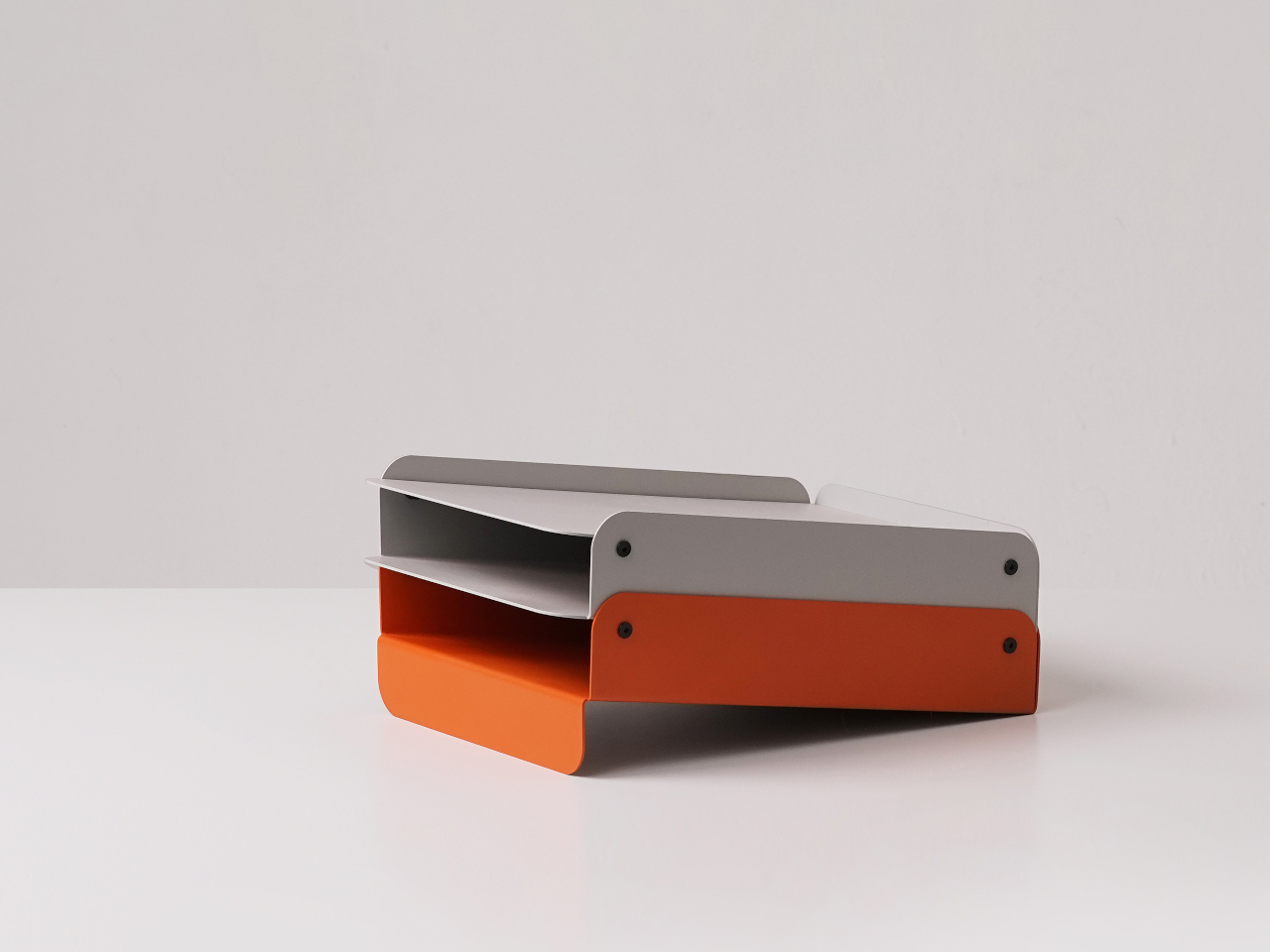
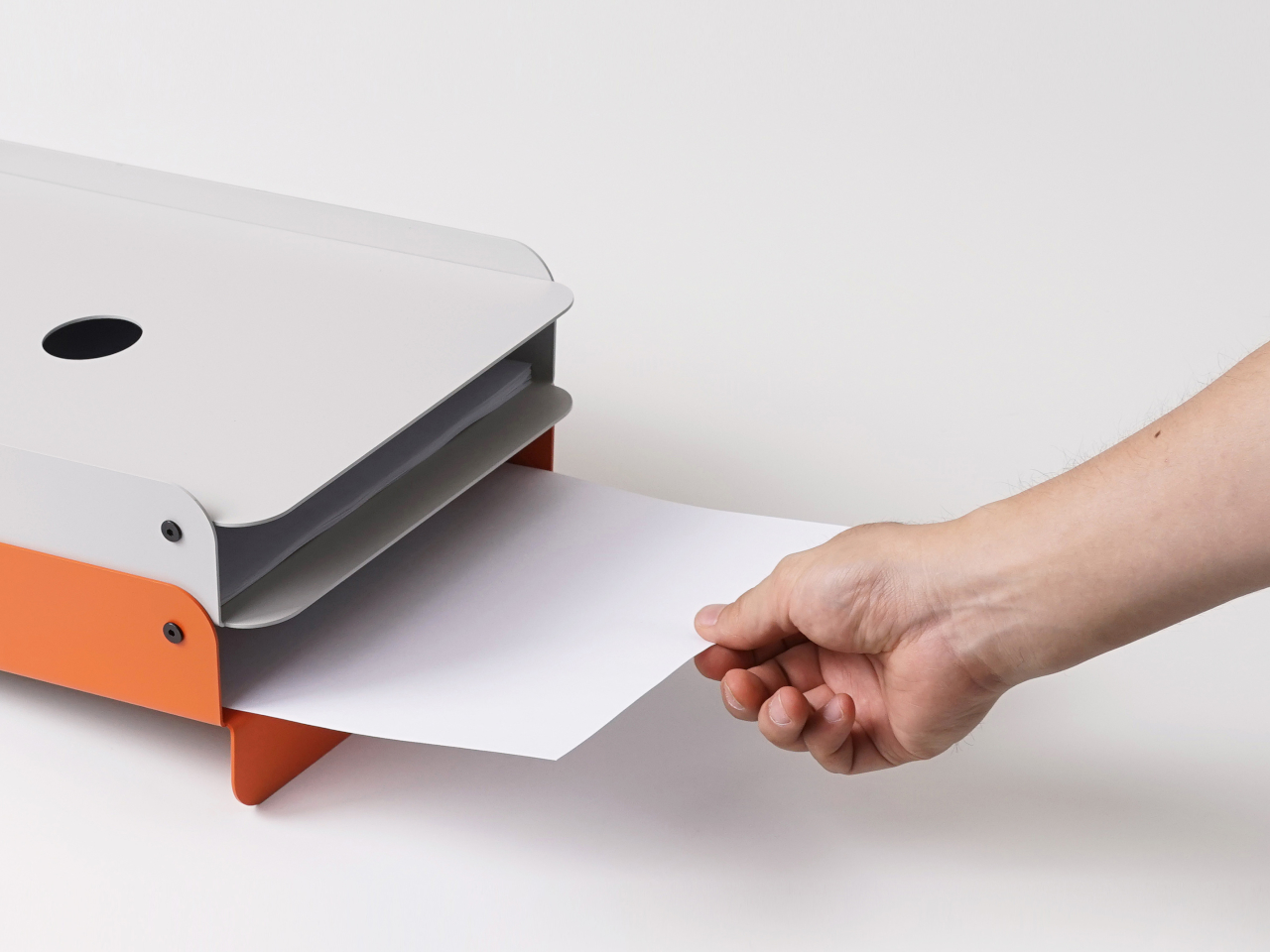
The paper tray tackles how people actually stack A4 sheets and half-finished printouts. The slightly slanted face lets paper slide back into alignment instead of creeping forward. The two-level, stackable design separates “now” piles from “later” piles without spreading across the desk, and the metal construction keeps everything solid instead of flimsy enough to tip when fully loaded with documents waiting for signatures.
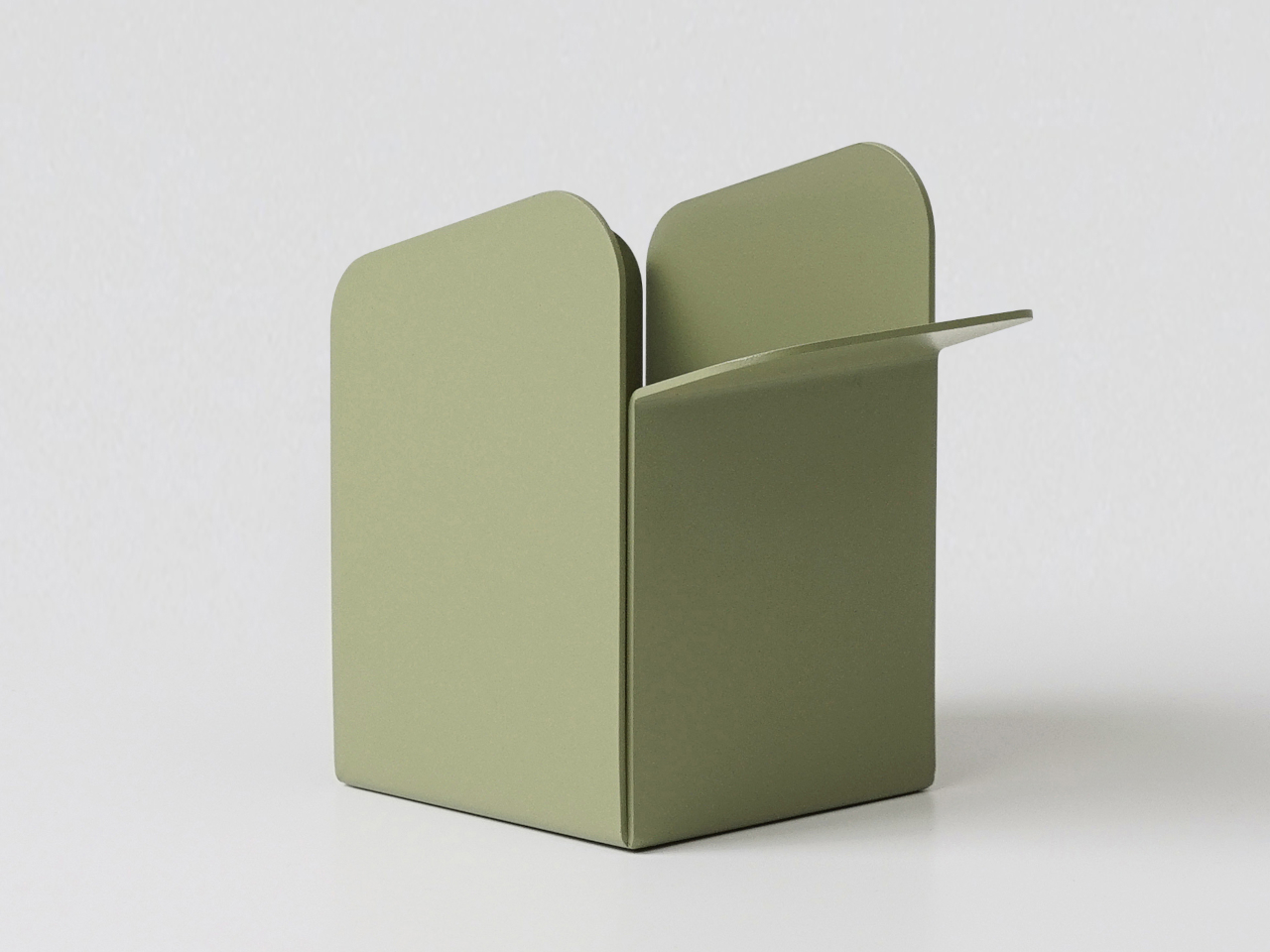
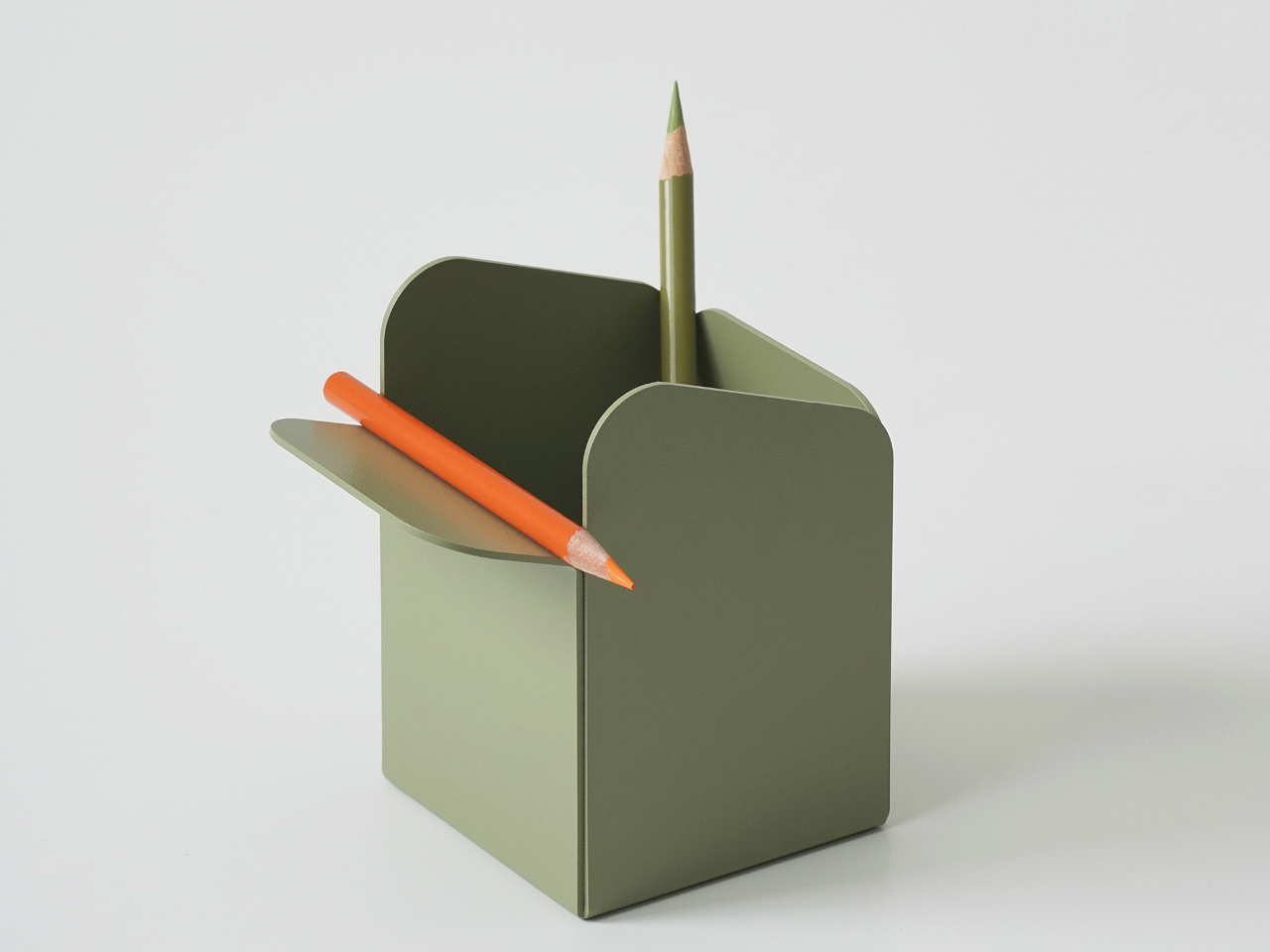
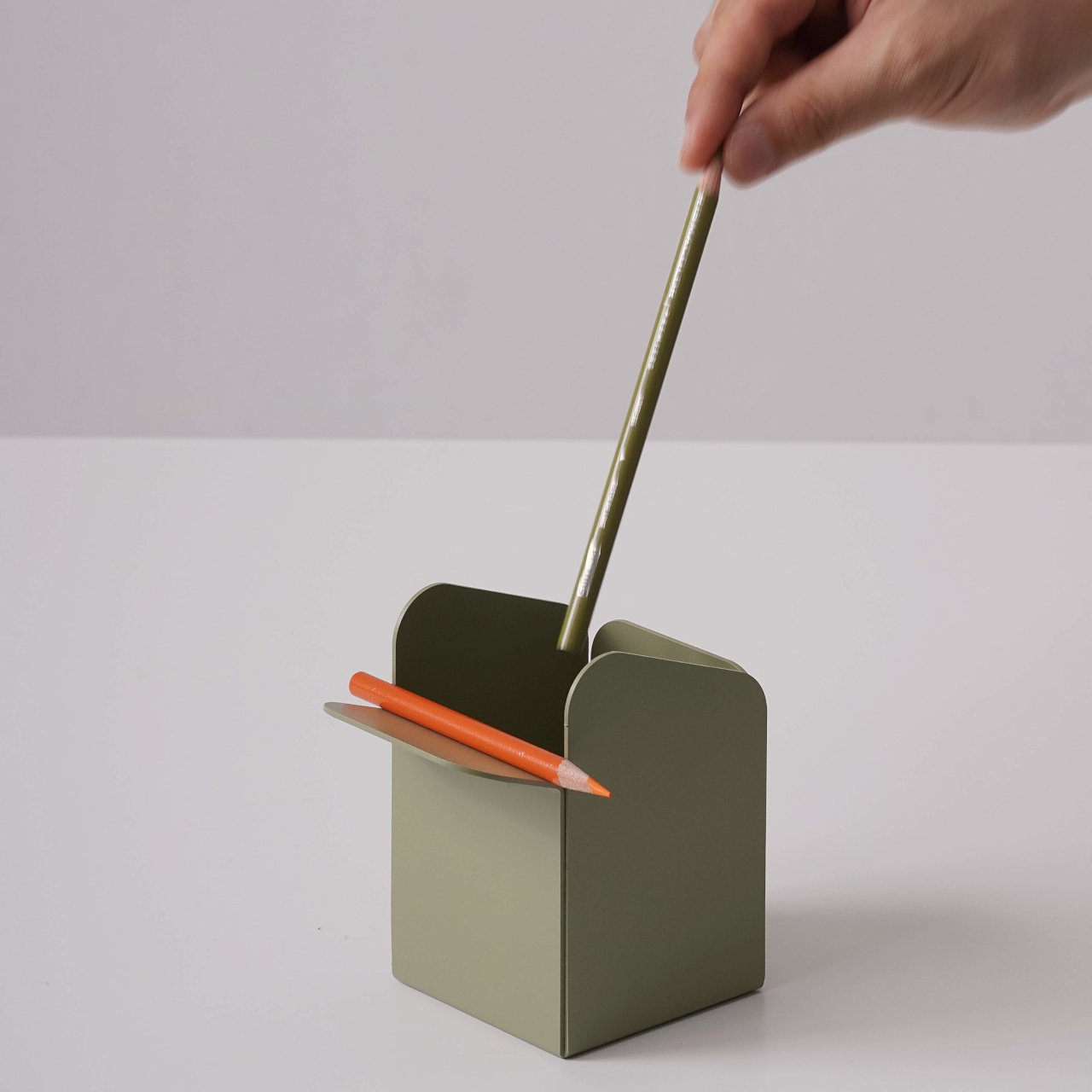
The pen holder responds to a different frustration. Most pencil cups are graveyards for dried-out markers and forgotten highlighters, which means digging through clutter every time you need your favorite pen. Foldy’s version keeps the upright cavity but adds a folded lip on the front where one or two favorite tools rest horizontally. It acknowledges that you always reach for the same pens, so it gives them a front row seat.
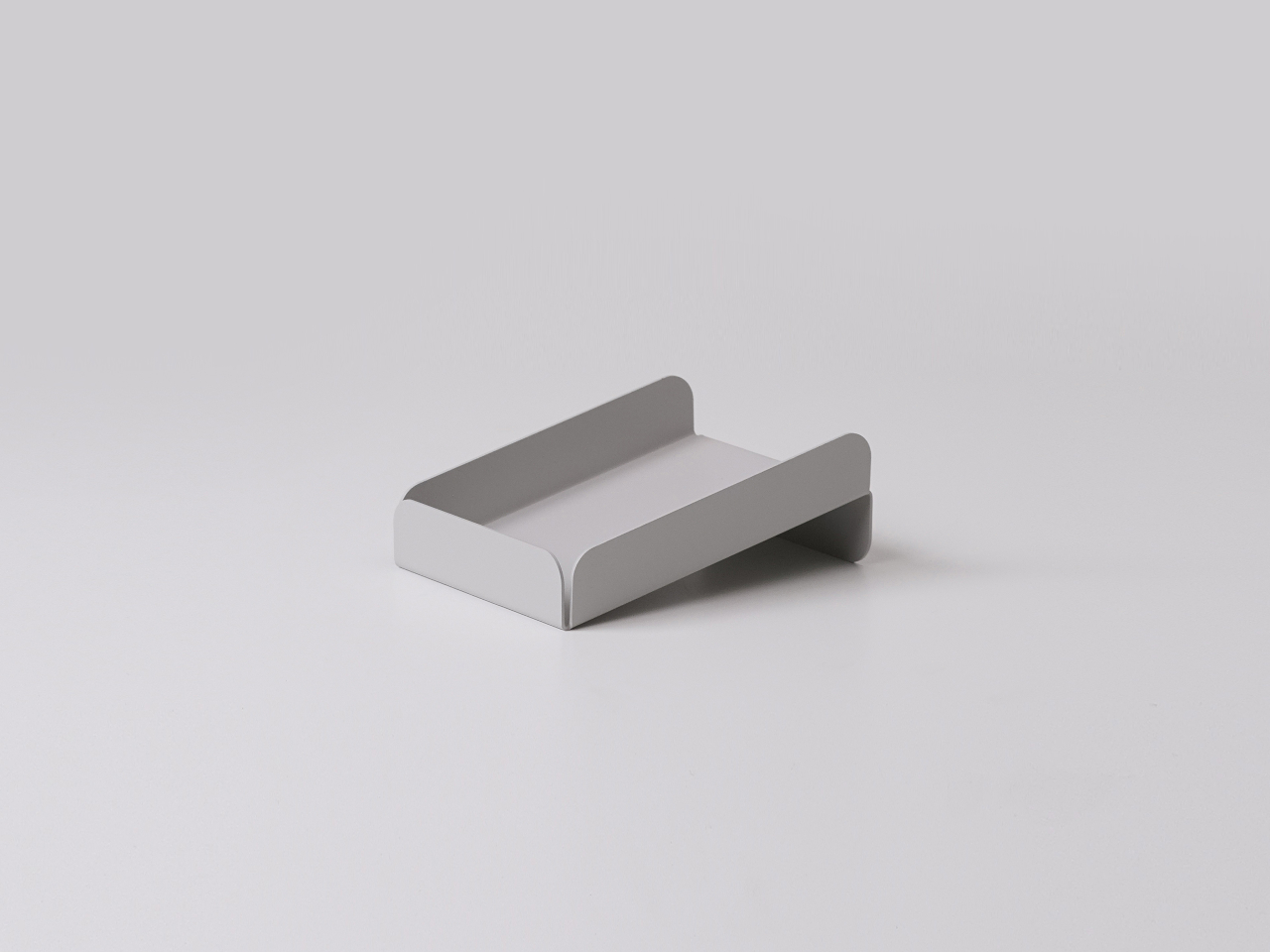
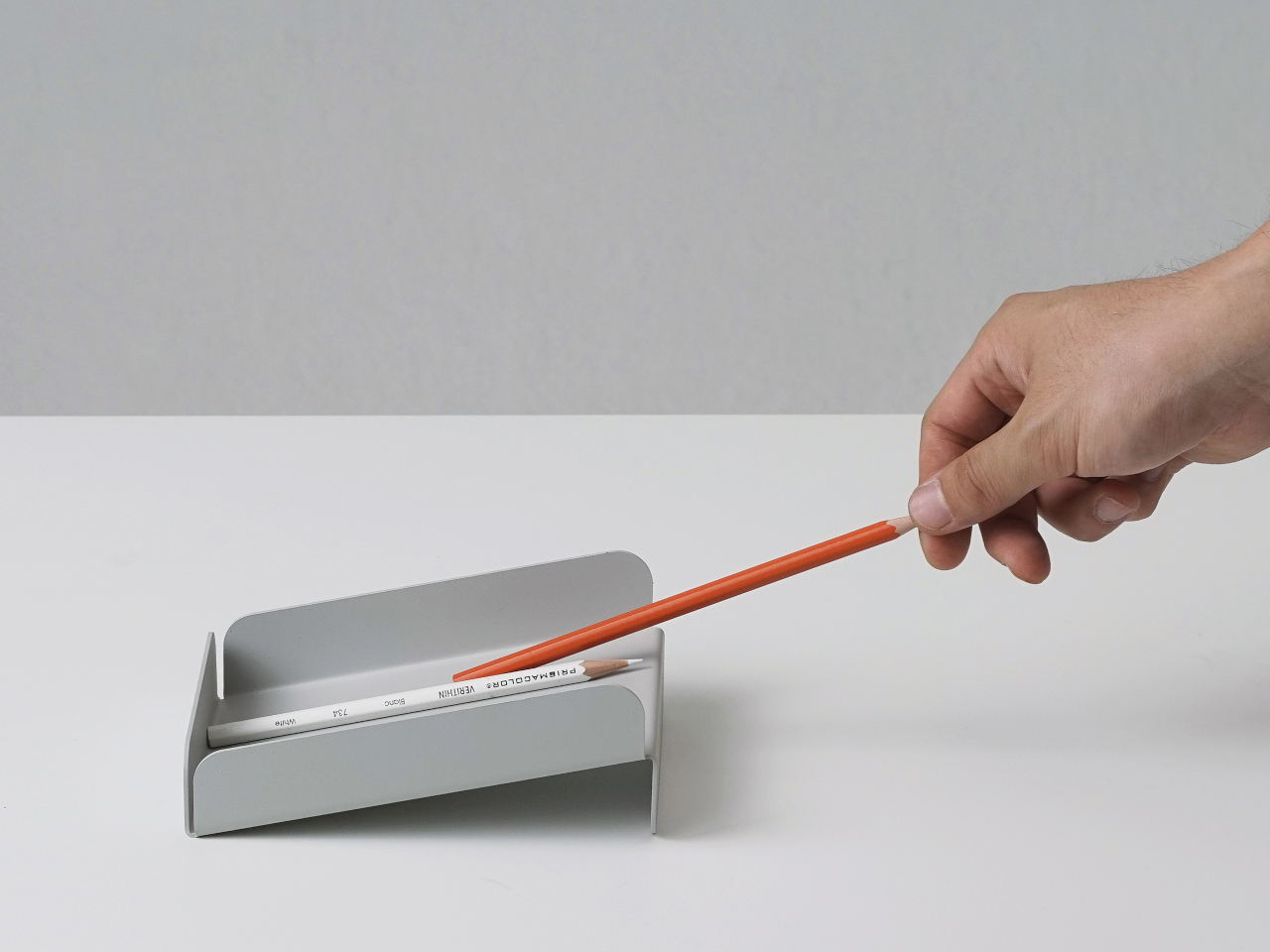
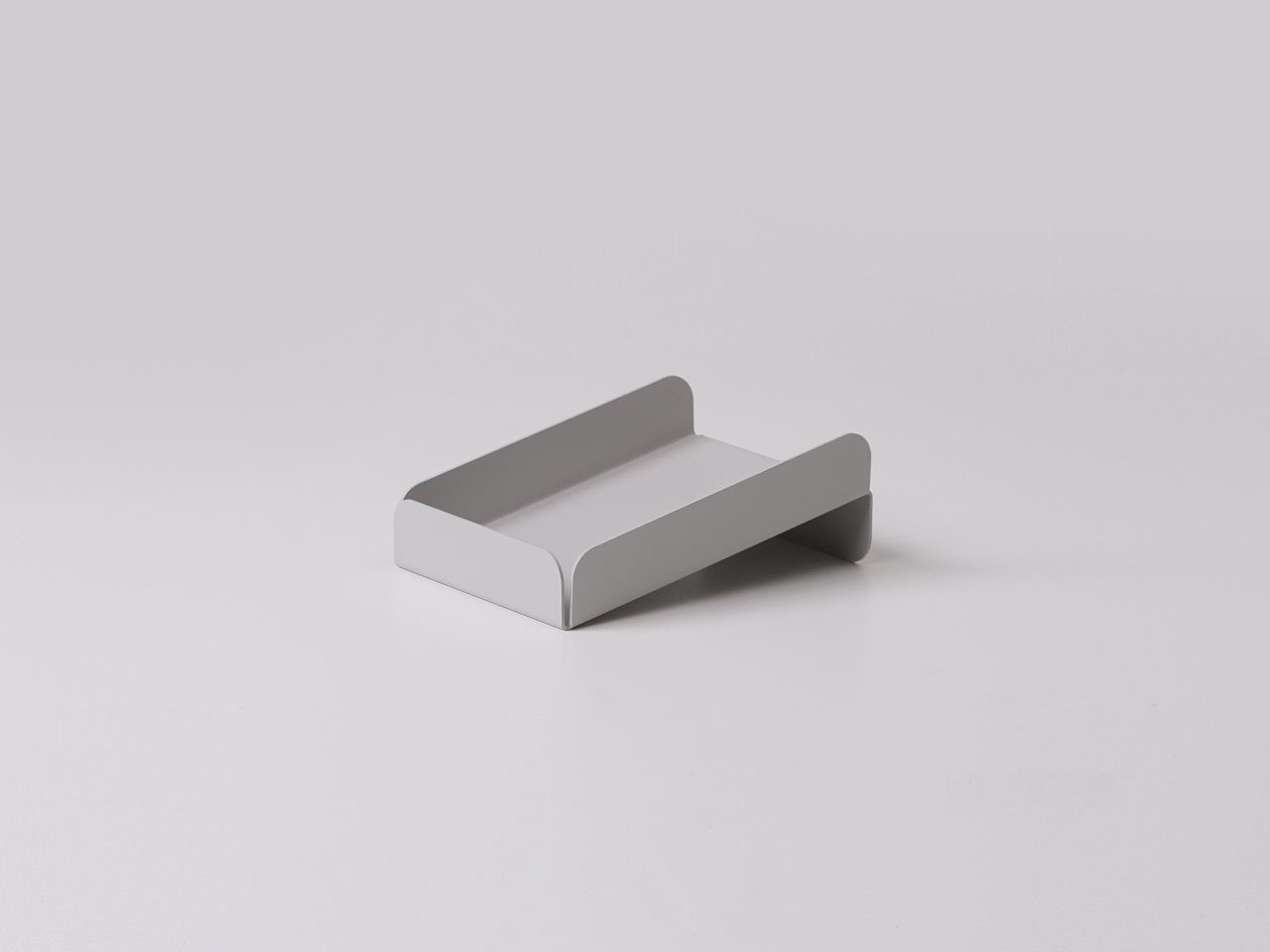
The low pencil tray and business card tray follow the same logic. The pencil tray is just a shallow channel that keeps a pen from rolling away when you set it down between tasks. The card tray is angled so business cards naturally settle into a neat stack and are easier to pick up with a thumb instead of sliding flat fingers underneath them. Both share rounded edges and folded profiles, making them feel like siblings.
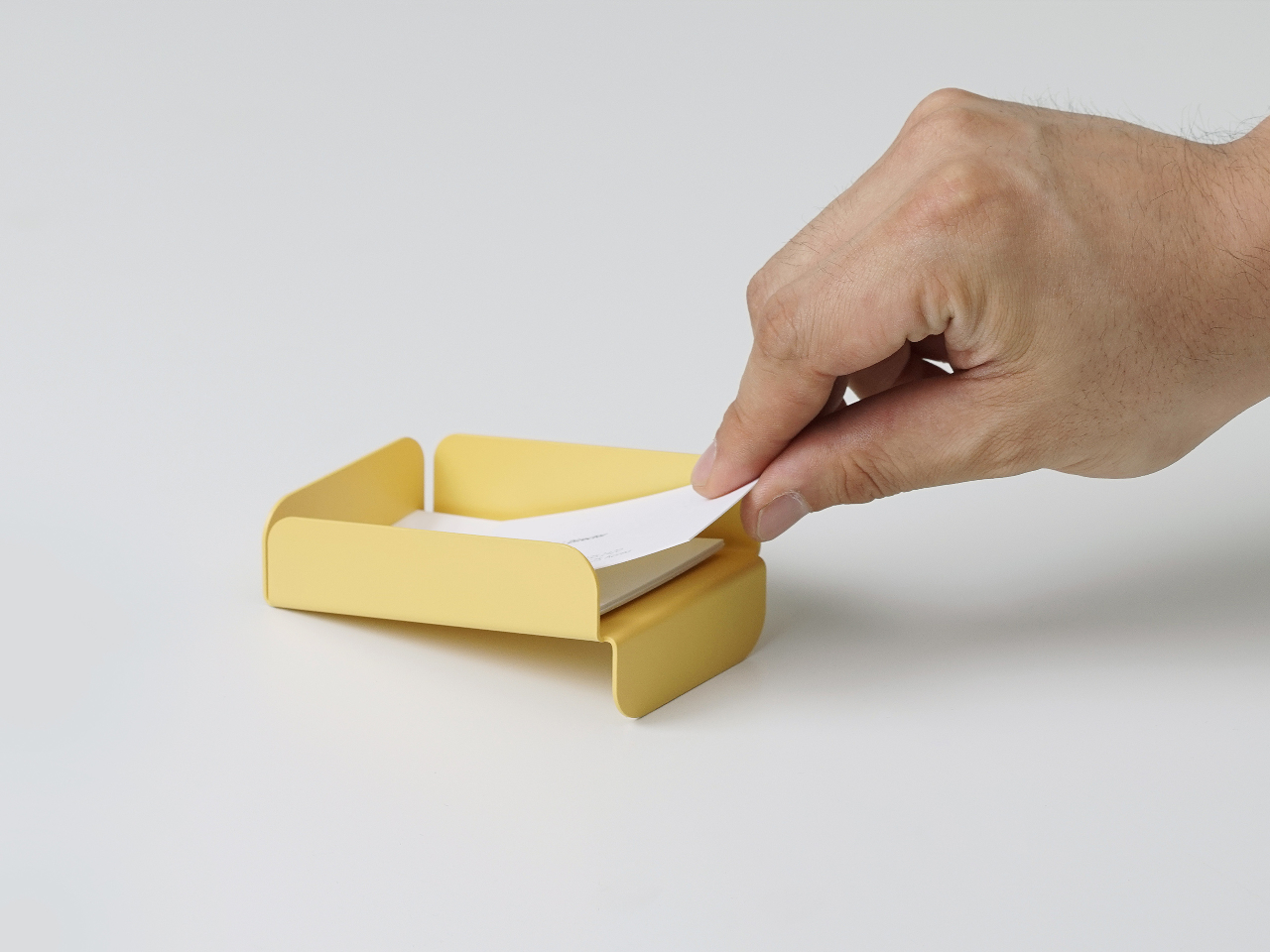
Of course, tactile details matter as much as organizational logic. The rounded corners and matte finishes take the edge off metal, literally and visually. The colors, from muted greens to brighter blues and yellows, are soft enough not to shout but distinct enough to zone different functions. The result is a set of objects that look simple but feel surprisingly considered once you start using them daily.
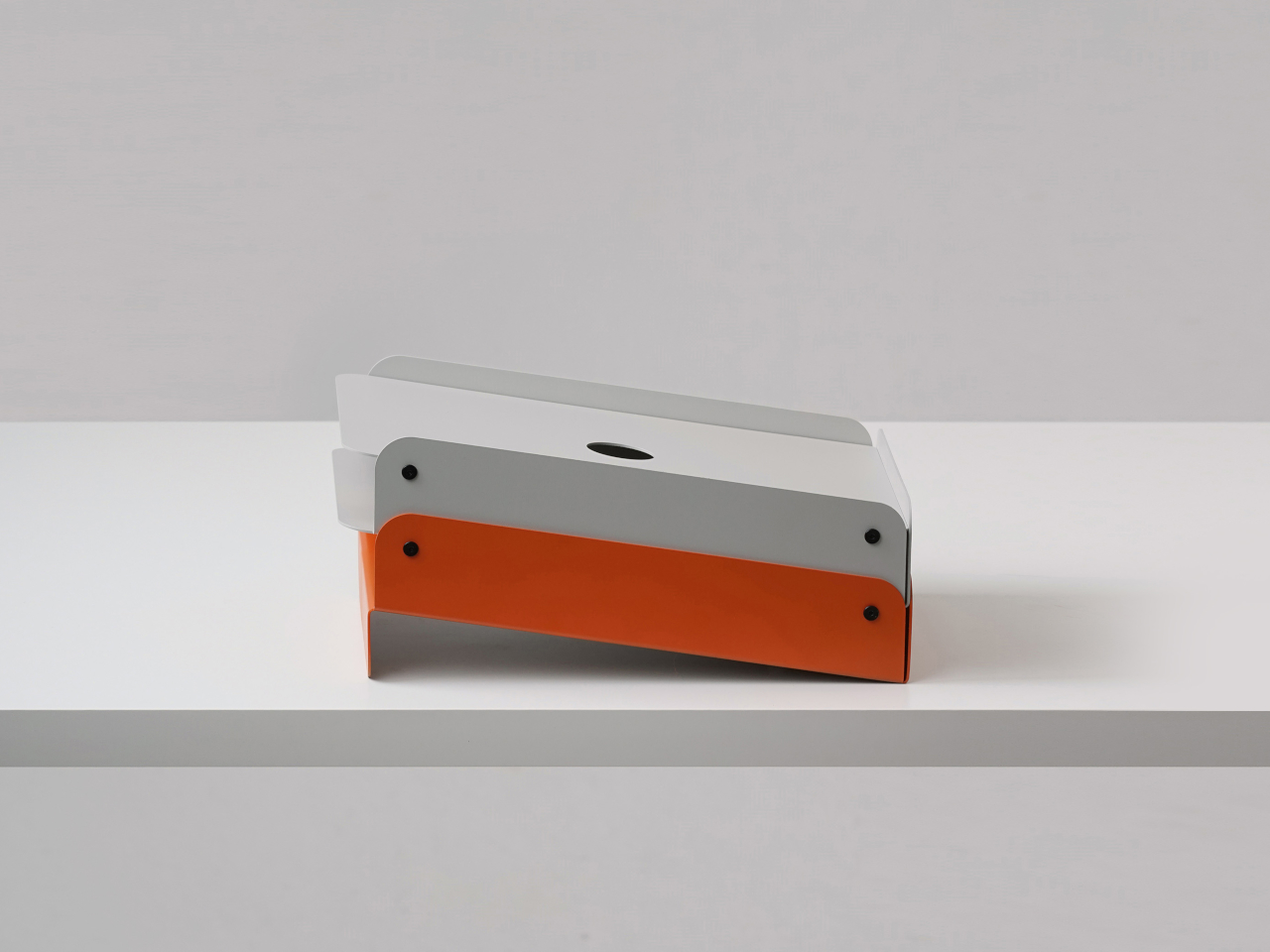
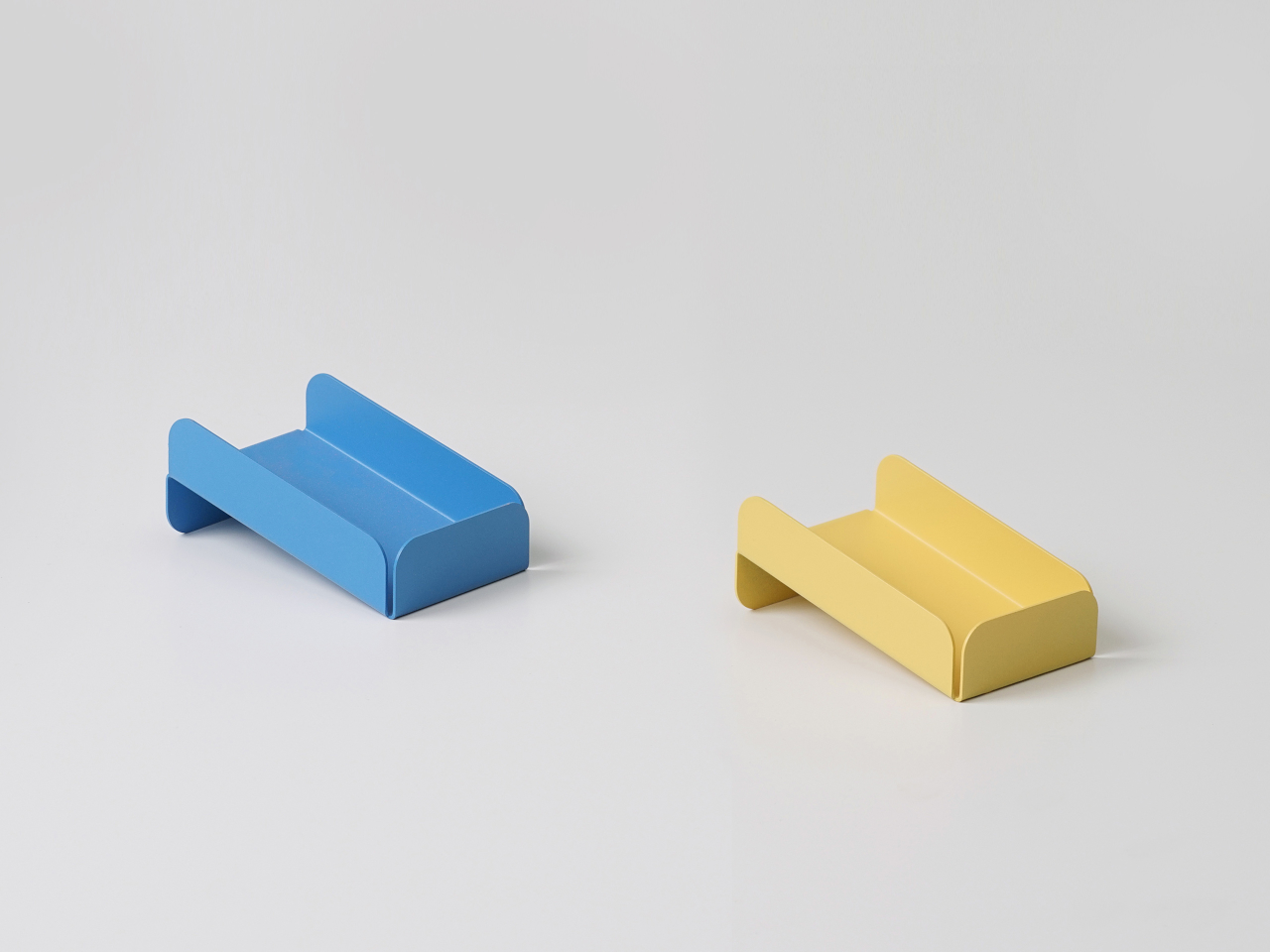
Foldy shows what happens when you let manufacturing drive form for something as humble as a paper tray. Instead of hiding the fold, it celebrates it, and instead of fighting everyday habits like reaching for the same pen or letting paper drift forward, it leans into them. The result is desk tools that quietly tidy things up without asking you to reorganize your entire workflow or pretend to keep your desk perfectly clean all the time.
The post Fold Metal Once, Organize Your Entire Desk Forever first appeared on Yanko Design.
TWIST Bends One Metal Sheet Into Table, Storage, and Handle

Side tables usually end up as simple flat discs on legs, doing little more than holding a drink or a phone you keep checking when you should be reading. There’s nothing wrong with that, but it also means they contribute almost nothing else to a room beyond a horizontal surface. The growing interest in compact, multi-functional furniture has designers rethinking how small pieces like side tables can quietly add storage and flexibility without cluttering a space.

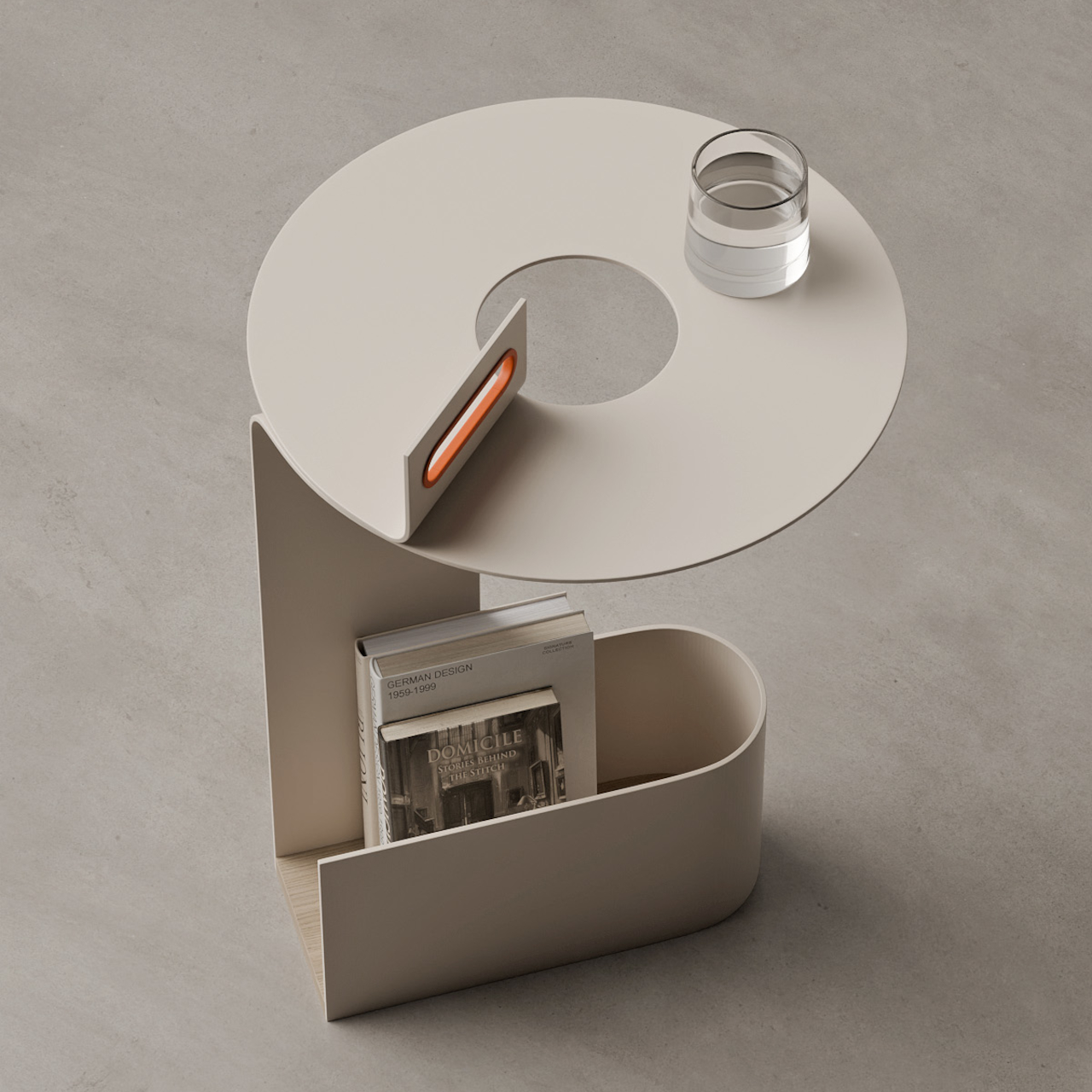
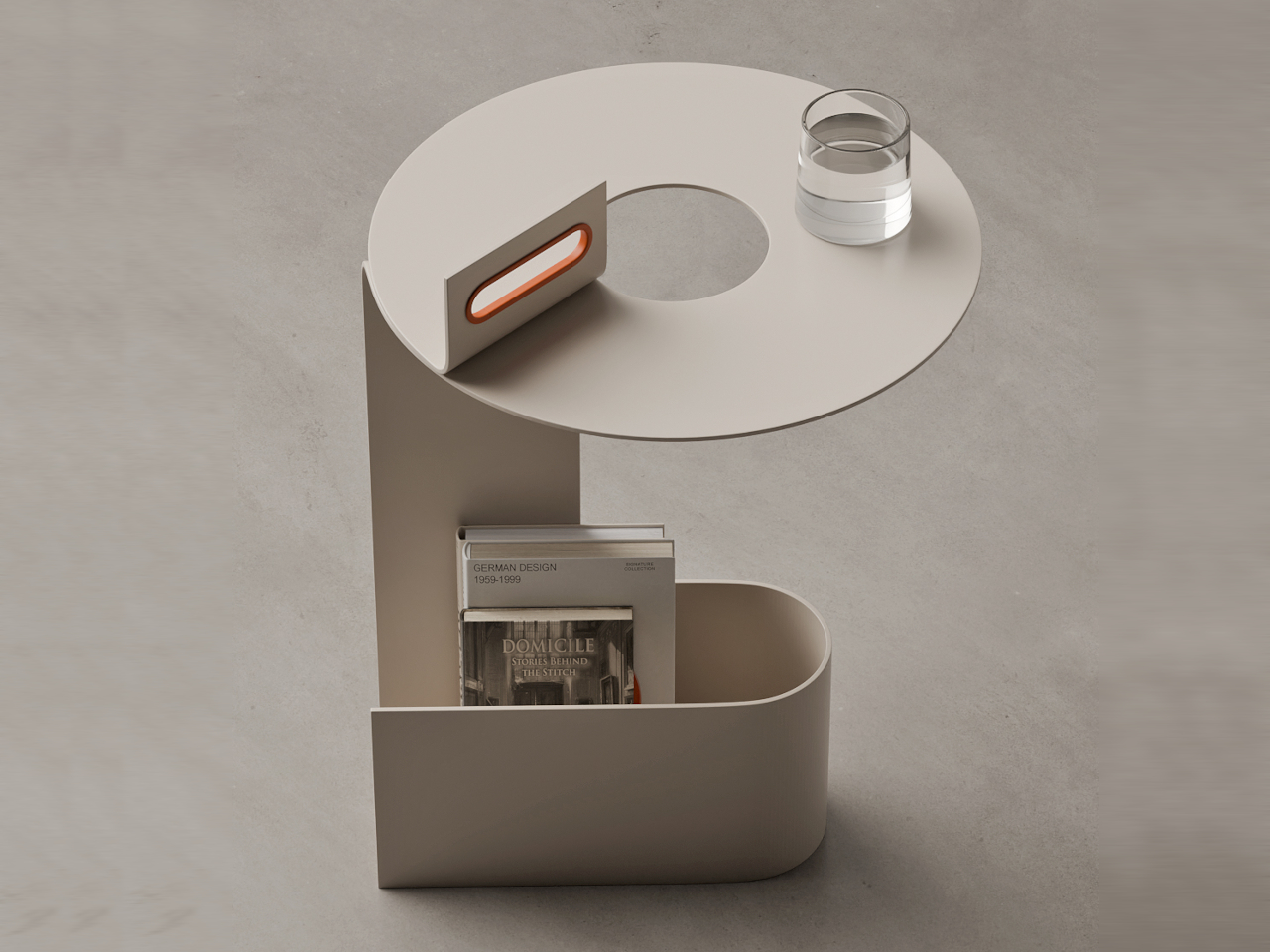
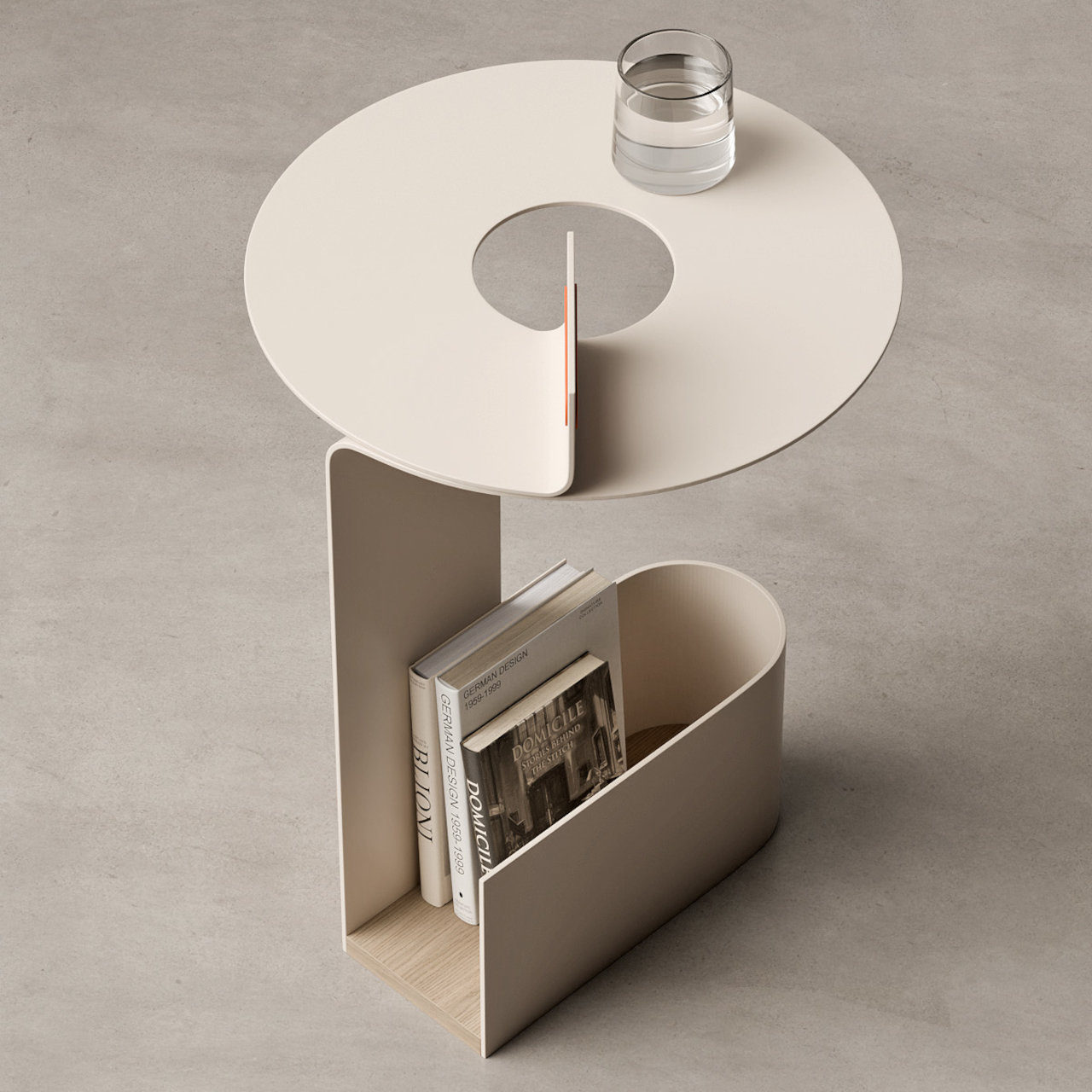
The TWIST side table uses a single sheet of metal looping in a circular motion to form a tabletop, support, and storage all at once. It integrates a carry handle and a book compartment, with a wooden base adding warmth to balance the cool metal. The whole piece reads like a ribbon frozen mid-twist rather than a collection of separate parts, giving it a sculptural quality that works even when it’s not holding anything.

Designer: Joao Teixeira

The geometry is surprisingly simple once you trace it. The metal rises from the floor as a vertical panel, bends into a round tabletop with a large central cut-out, then drops down and curls into an oval storage bin at the base. The tabletop forms a ring that frames whatever you place on it, while the circular void in the center lightens the visual mass and makes room for the handle element to pass through.

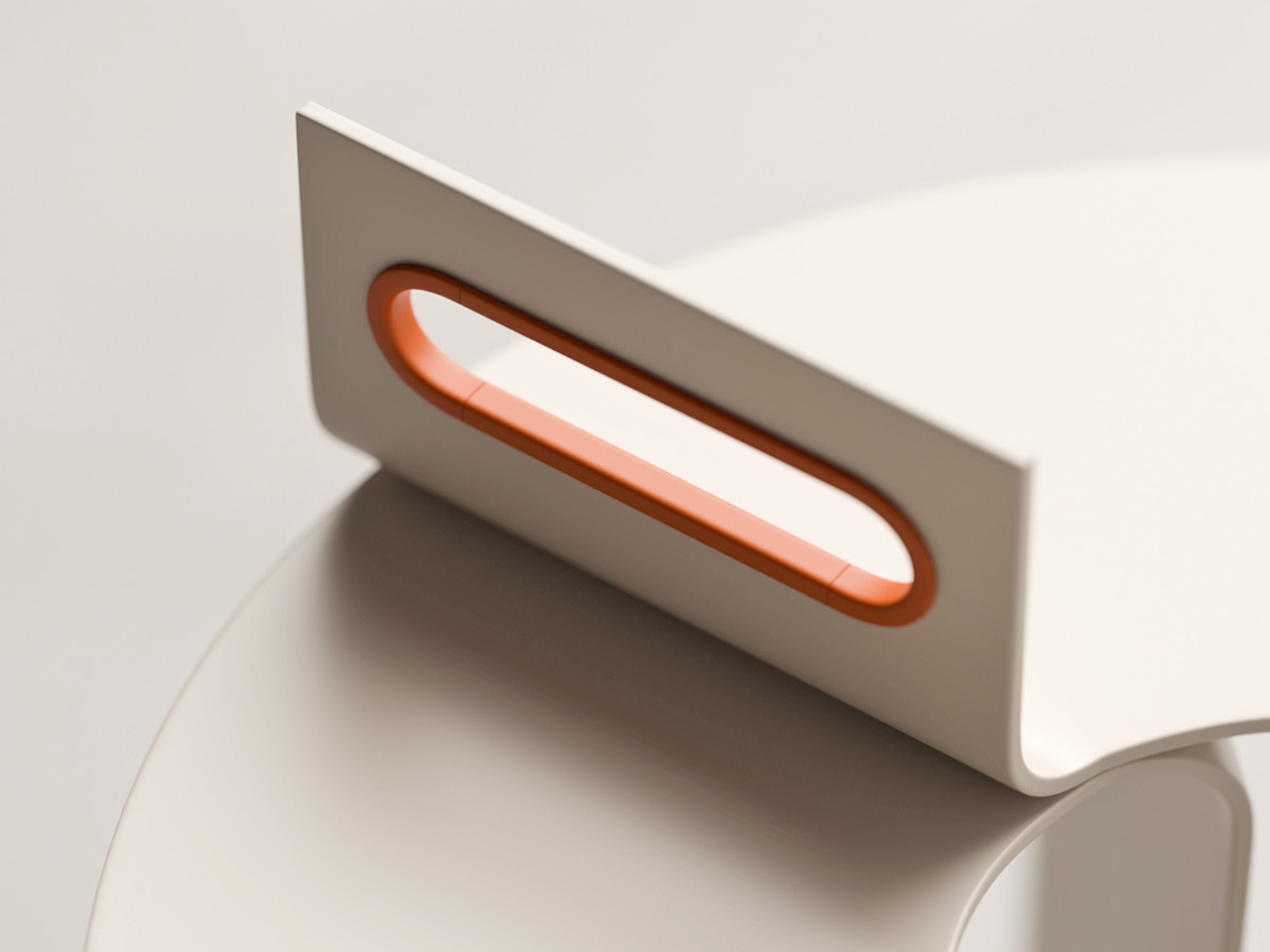
That handle emerges from the tabletop as a vertical fin aligned with the central opening. It’s wrapped with a soft material shown in a contrasting orange, making it comfortable to grip and visually highlighting the interaction point. The handle turns the table into something you can easily pick up and move around a room, reinforcing its role as a portable companion rather than a piece anchored permanently to one spot.

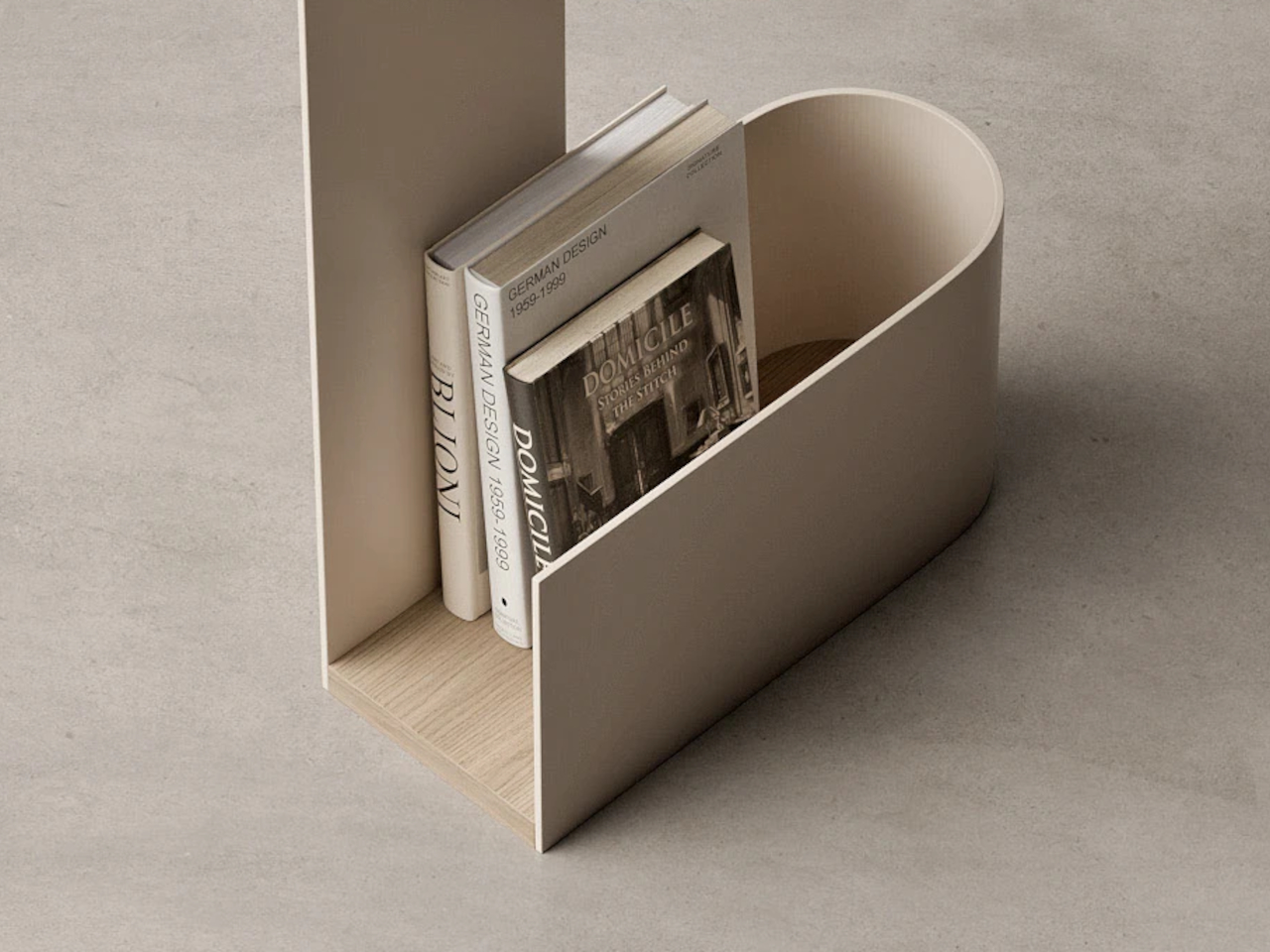
The lower section functions as an open-topped storage bin sized for books and magazines. The metal walls curve smoothly into rounded corners that echo the tabletop’s circular geometry, while a wooden base panel inside the bin adds warmth and keeps stored items stable. That wooden surface also grounds the piece visually, preventing the lower section from feeling too light compared to the tall vertical panel rising above it.

The material palette visible in the renders keeps everything calm and neutral. A matte, light beige metal body pairs with a pale wood base and a small orange accent in the handle. The orange gives the eye a focal point without dominating the design, while the wood base balances the cool metal and helps the table feel at home in living spaces rather than purely industrial settings.

TWIST works well next to a sofa or lounge chair, holding a glass on its circular top while a few favorite books rest in the lower bin. It functions as both a sculptural object and a practical helper, offering storage, surface, and a built-in way to move it wherever you need. It’s a small reminder that even a side table can be drawn as one thoughtful line.

The post TWIST Bends One Metal Sheet Into Table, Storage, and Handle first appeared on Yanko Design.