Awekeys RGB Neon gives metal keycaps two ways to light up

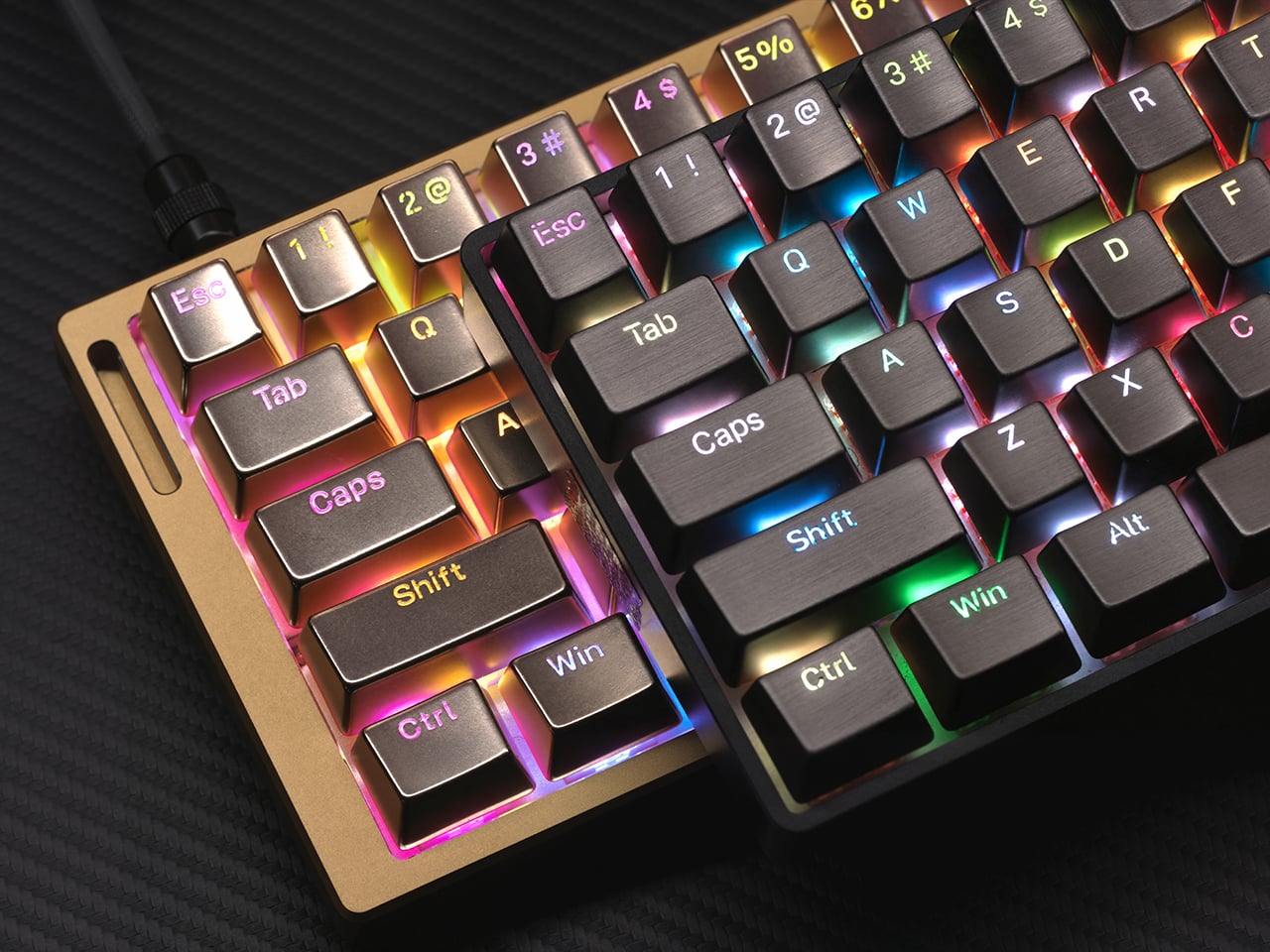
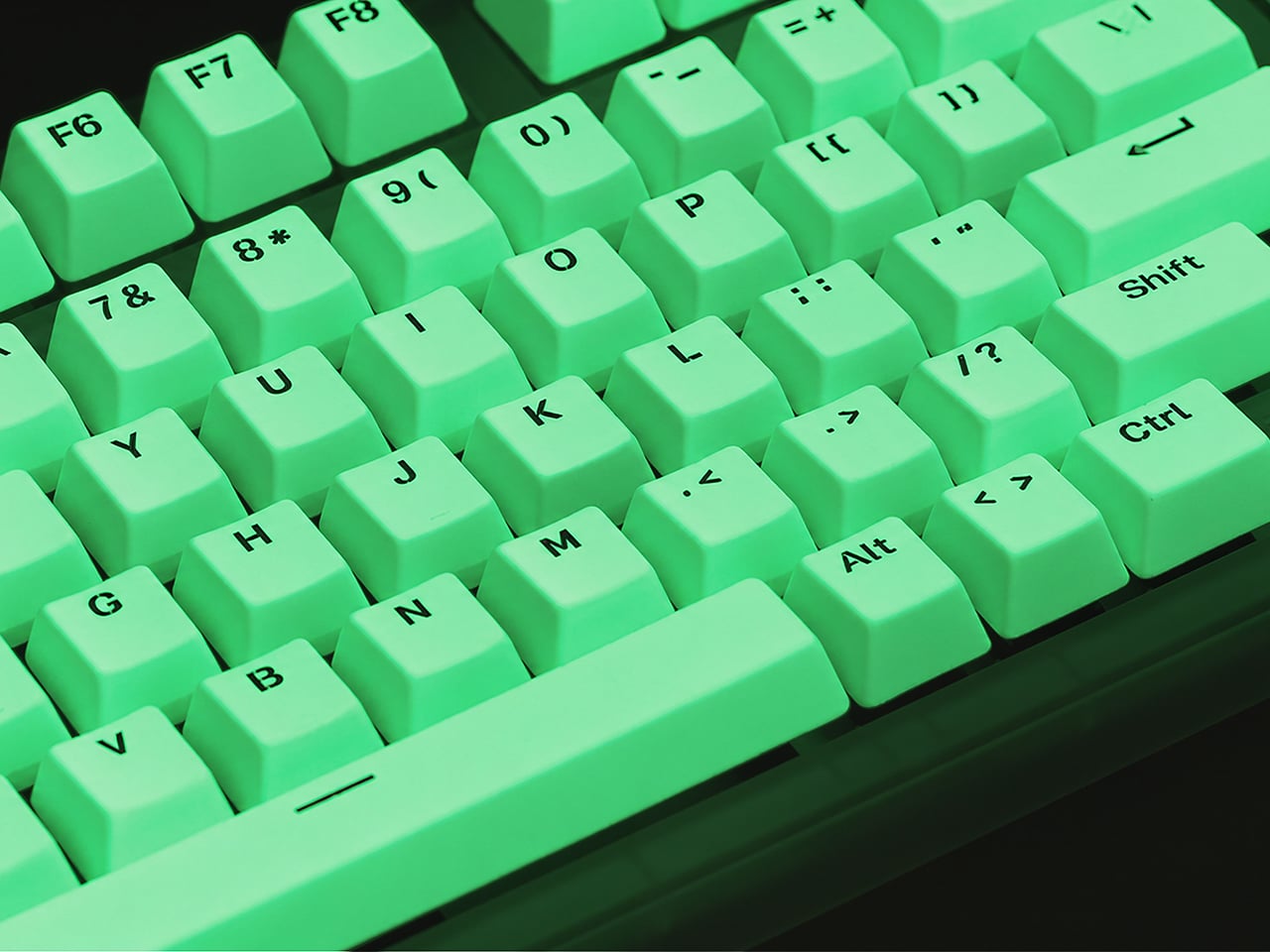
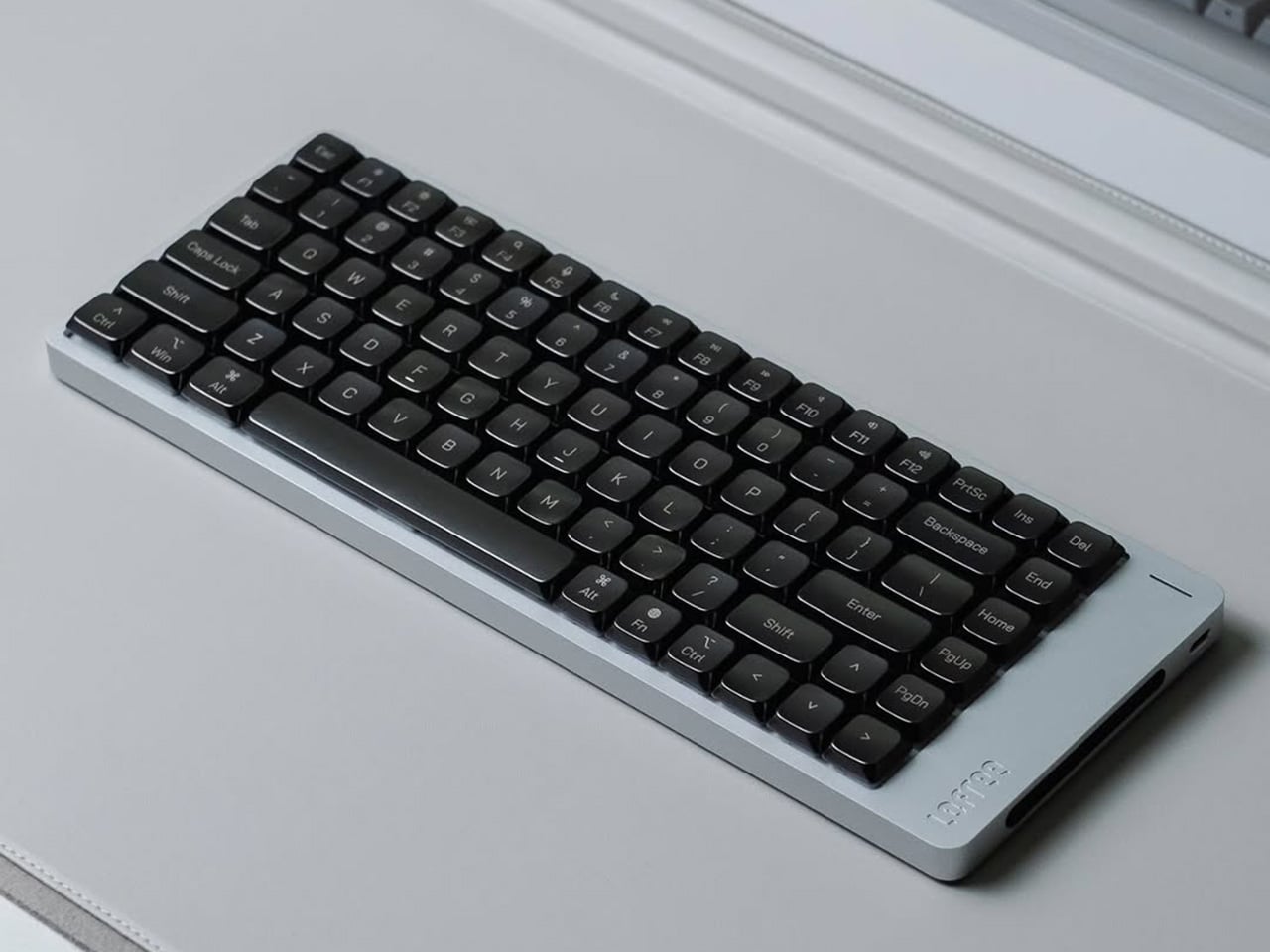
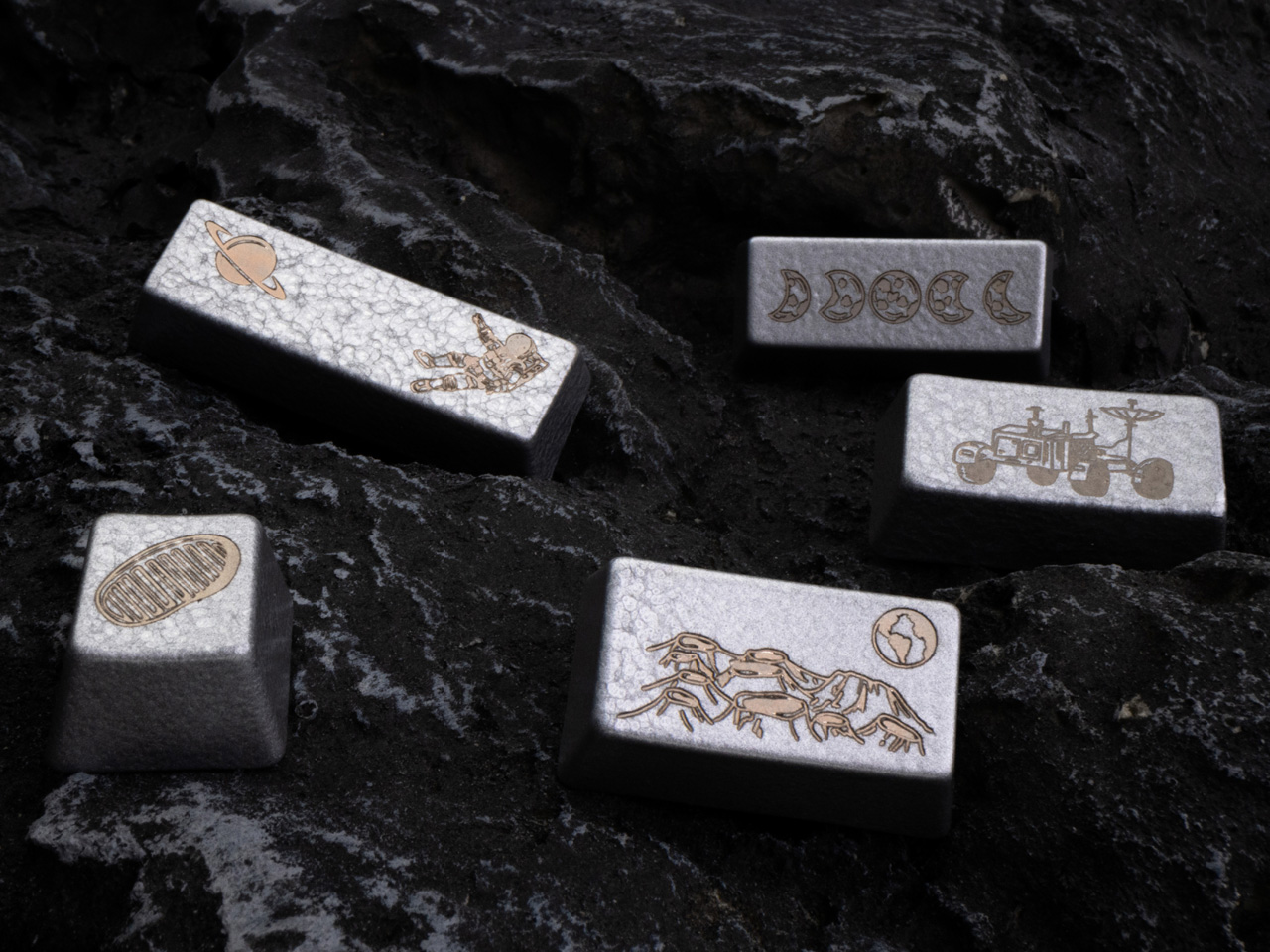
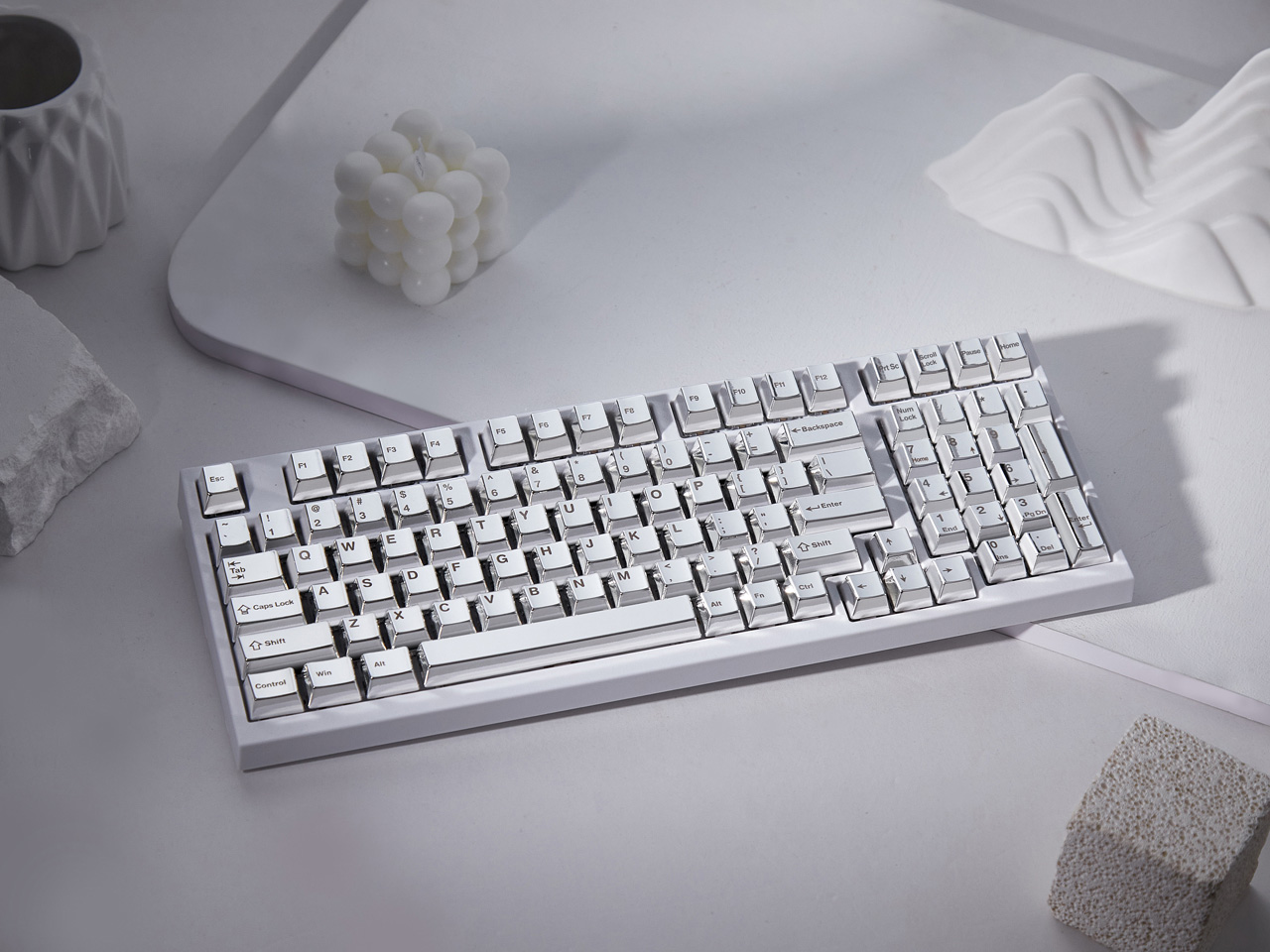
Metal keycaps bring a distinctive look to a desk, but opaque surfaces can block the keyboard lighting that’s meant to illuminate the lettering. Awekeys RGB tackles that limitation with cut-through lettering that lets the keyboard’s lighting shine through. Its Neon edition adds another surprise: a white daytime finish that glows after exposure to light, even with the keyboard’s RGB switched off.

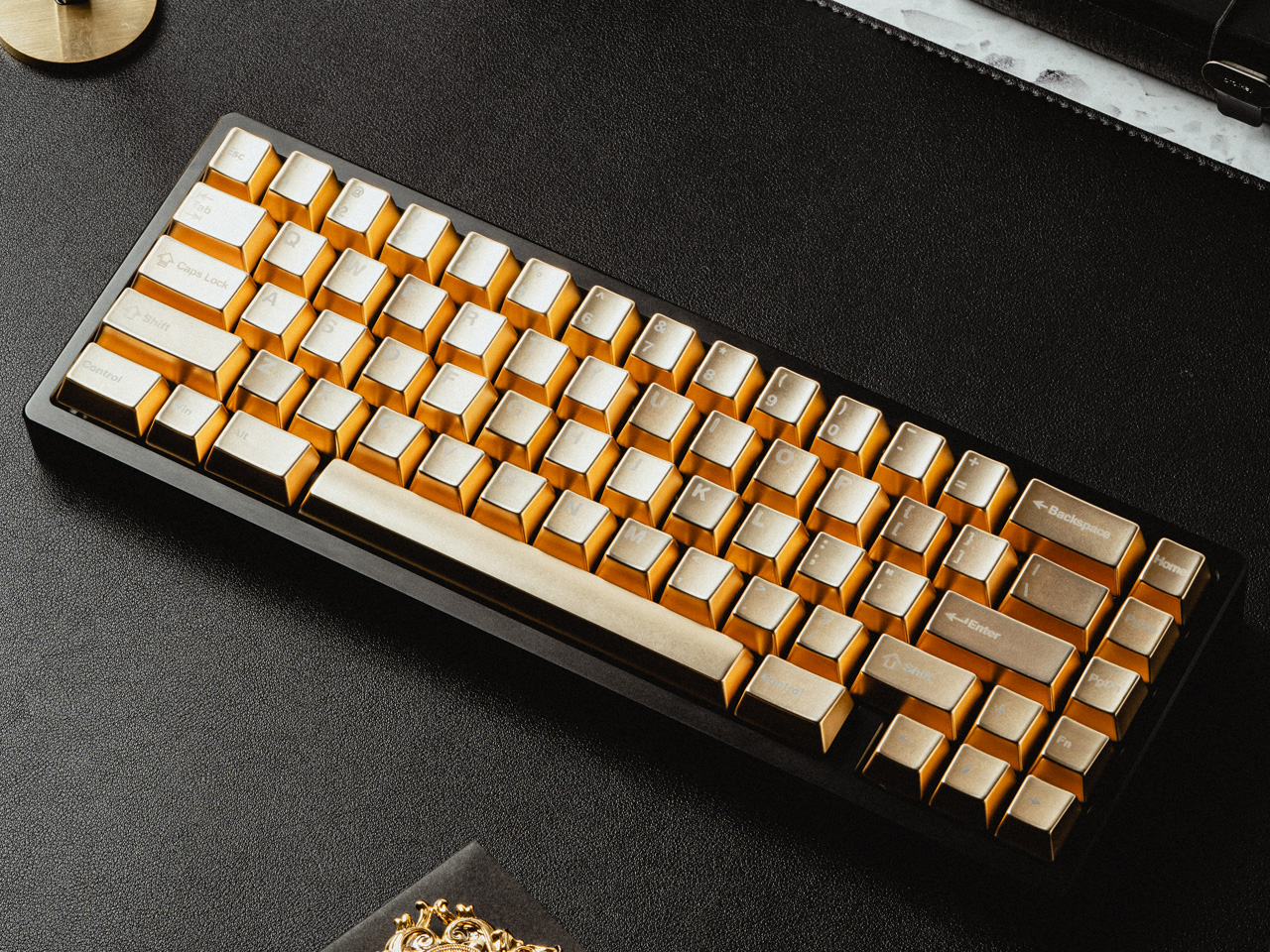
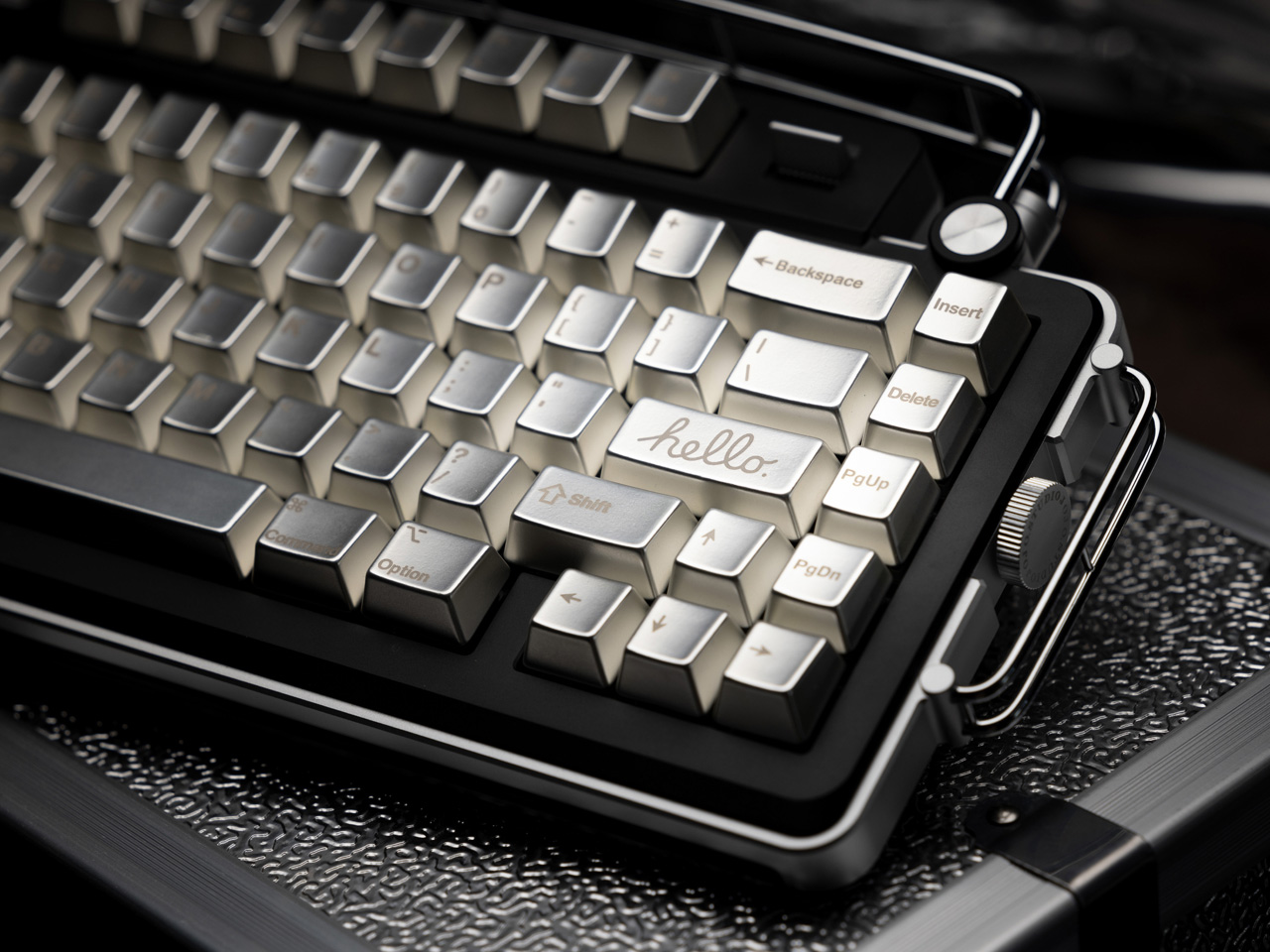
By day, the appeal starts with the material. Awekeys specifies recycled cupronickel, a copper-nickel alloy, keeping metal at the center of the collection rather than treating it as an accent. That matters on a desk where the keyboard sits beside a monitor, lamp, and other deliberately chosen objects. Its surface finish gets to contribute to the arrangement even when there’s no colorful lighting running underneath the keys.

Designer: Awekeys

Click Here to Buy Now: $159 $269 (41% off). Hurry, only a few left! Raised over $73,000.

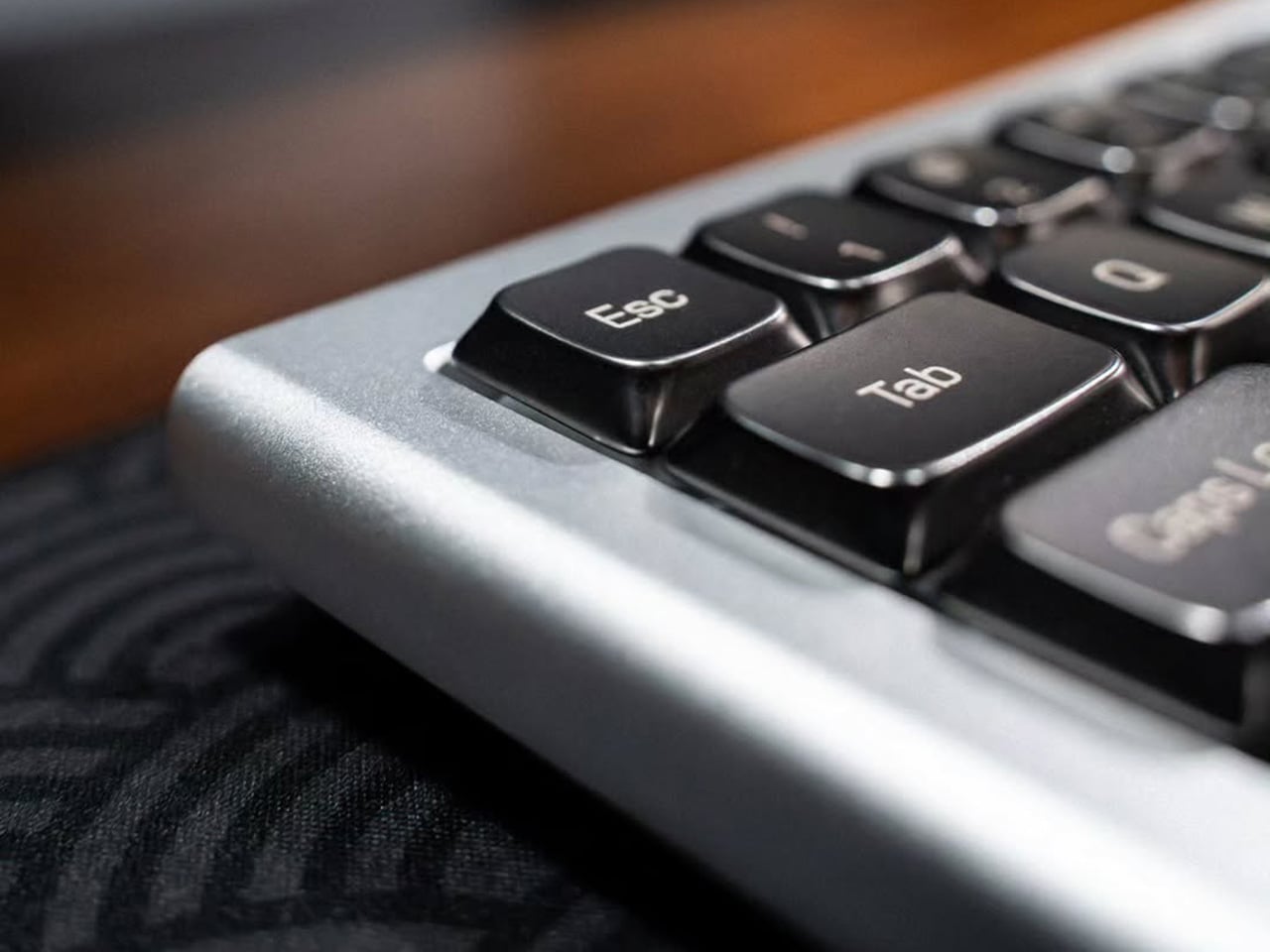
Metal, however, doesn’t offer light an easy route through. The answer here is in the legends, the letters and symbols on the keys. Cut-through openings give the keyboard’s RGB a path to the surface, turning the characters into illuminated details within the metal. Awekeys calls this its first shine-through metal keycap collection, bringing backlit lettering to a material that would otherwise block it.

Once an evening session starts, that lettering becomes the point of interest. A single lighting color could keep a writing setup relatively subdued, while a brighter palette might suit a few rounds of gaming. Either way, the color appears within the characters instead of relying solely on light spilling between the keys. It’s a change in how the keyboard presents itself, without replacing its familiar layout or controls.

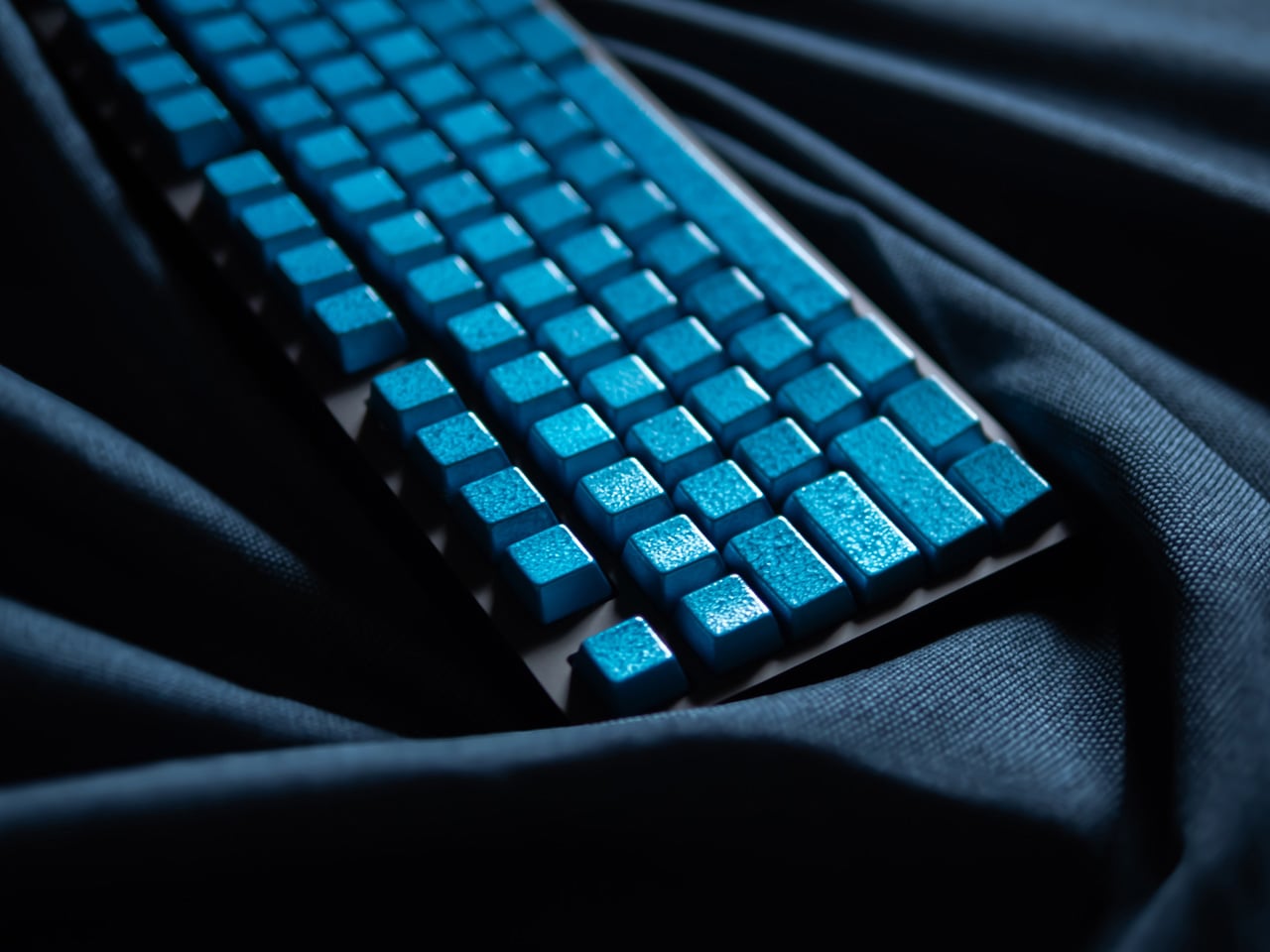
Neon introduces a different kind of restraint. Its white daytime appearance makes the glow-in-the-dark option less conspicuous than its name might suggest. You could pair it with a pale desk and keep the overall setup quiet during work hours, then enjoy the change after sunset. The unexpected part is that the finish itself becomes luminous, rather than leaving all the visual work to the lettering and surrounding backlight.

The luminous finish absorbs light and releases an afterglow in darkness, and the finish’s afterglow is separate from the keyboard’s powered RGB lighting, which needs power from the keyboard. Neon can glow with that lighting off, provided it has been exposed to light beforehand. The result is a luminous surface that doesn’t need the keyboard’s LEDs to keep supplying its light after the room goes dark.

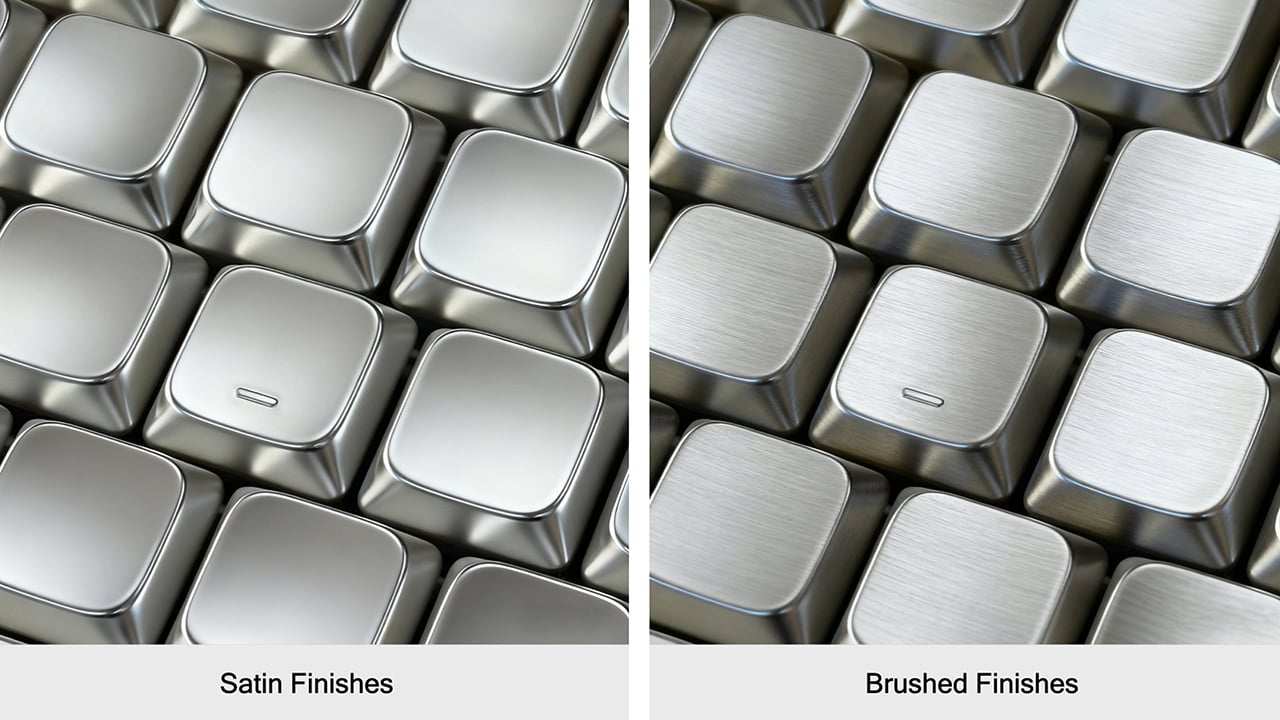
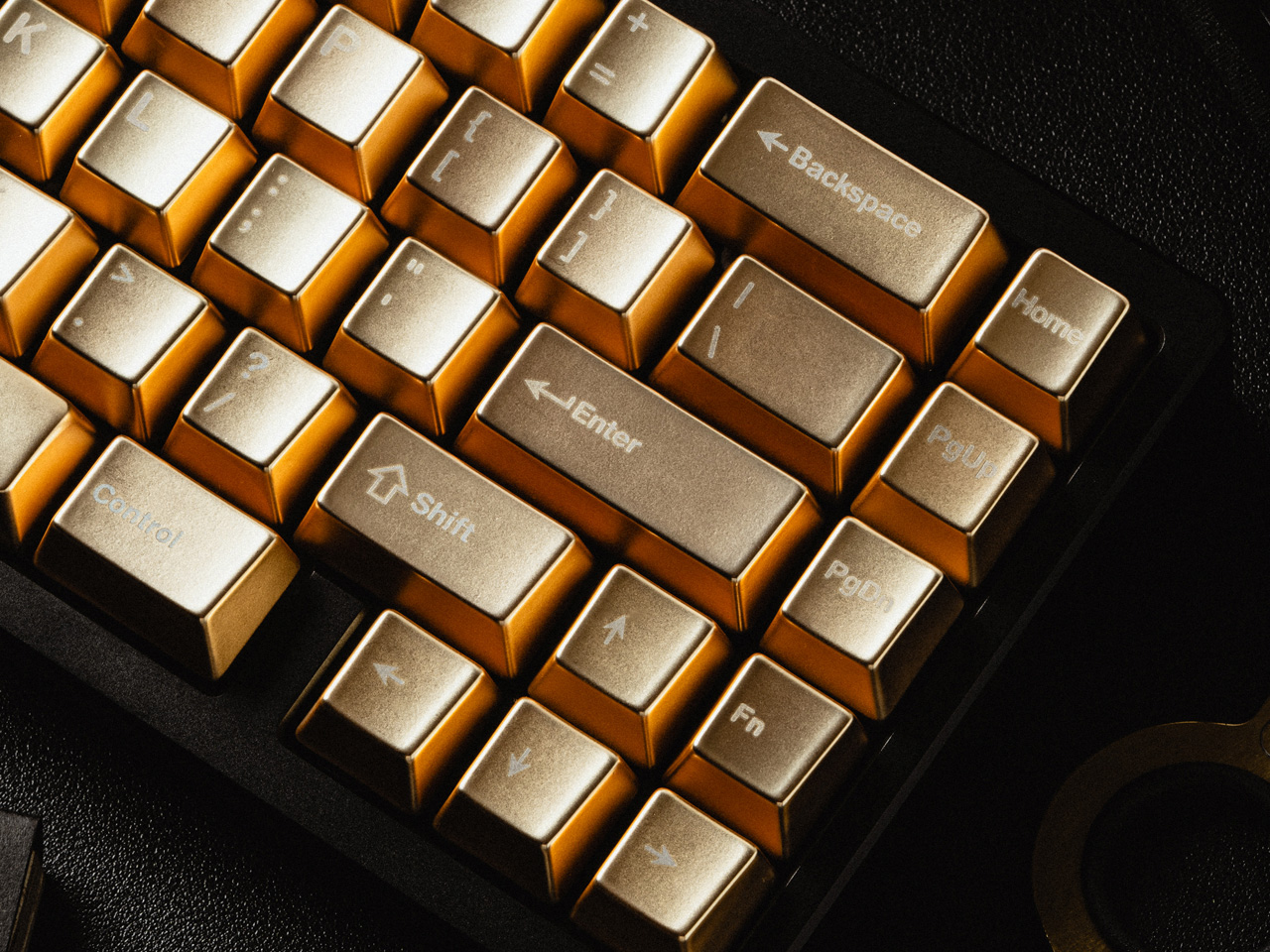
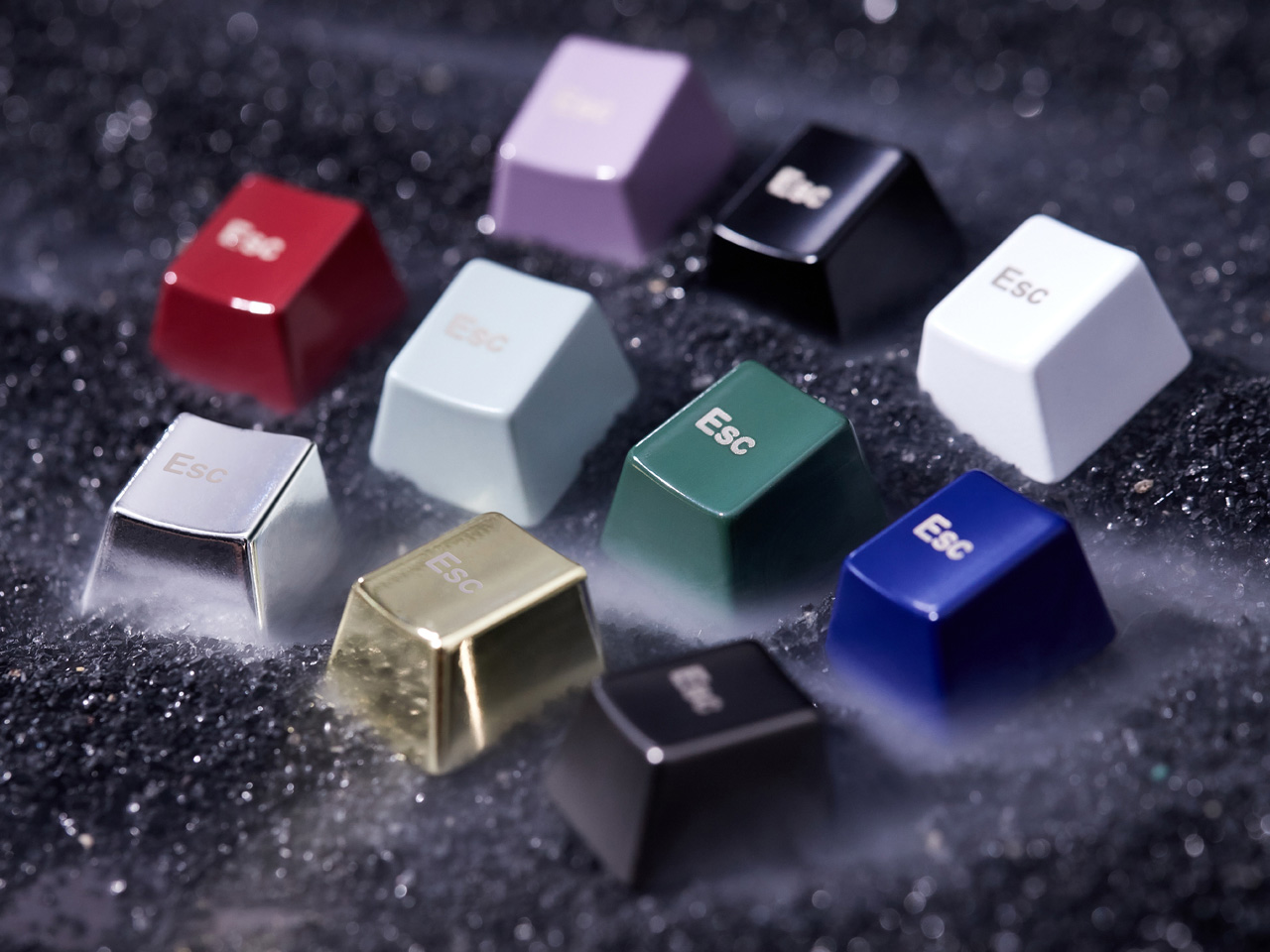
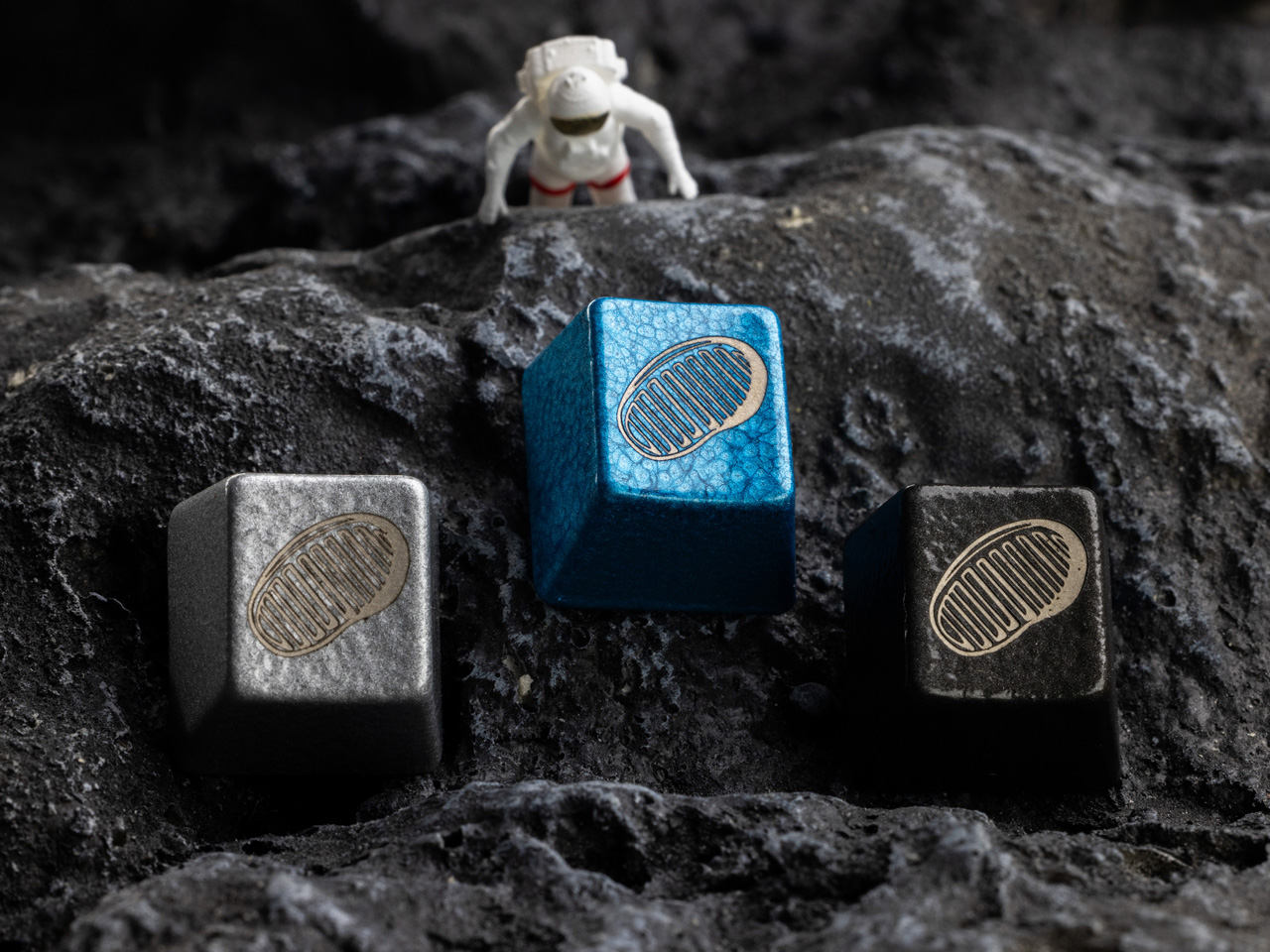
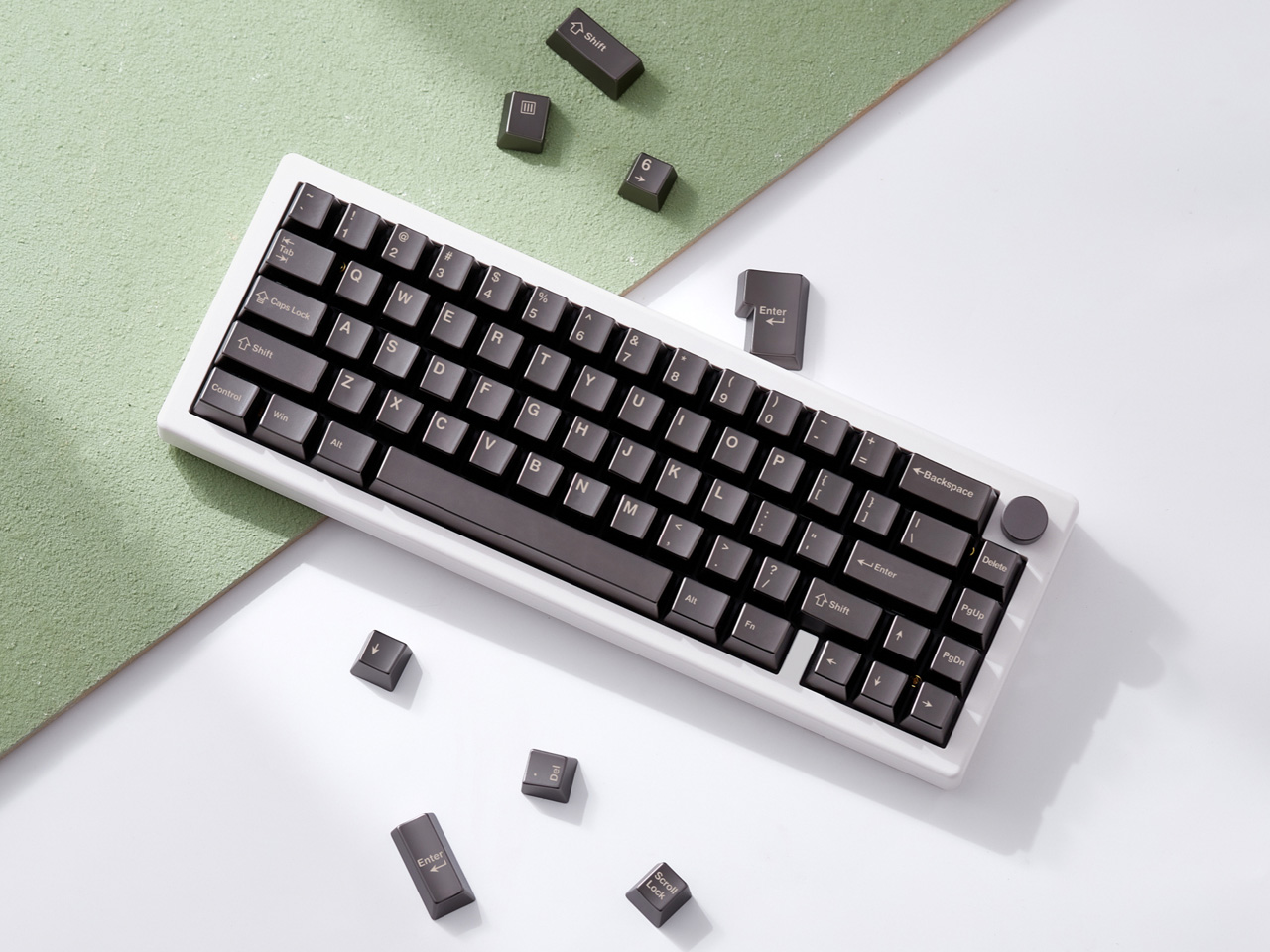
The other finishes offer room for a different taste. Satin Gold and Satin Copper bring warmer tones, while Satin Silver, Titanium Black, and Obsidian Black lean toward a more restrained metallic palette. Selected metallic finishes also have a hand-brushed option, introducing directional texture. That detail gives the daylight side of the collection its own interest, especially for anyone who prefers surface character over a glowing finish.

These are replacement keycaps, though, not a complete mechanical keyboard. The practical appeal is giving an existing setup a different character without replacing its switches or electronics. Fit still matters: the switch mount, key sizes, and layout have to match the chosen set. Keeping that distinction clear helps separate the attraction of the finish from the everyday requirement that each cap belongs on your particular board.

Awekeys also turns the keyboard into a ritual, especially with the Neon colorway. At the end of an evening session, switching off the RGB usually puts an end to the light show. With Neon, a finish that’s been exposed to light can leave an afterglow instead. The desk doesn’t need another lamp or another cable for that small change. You can close the game, step away from the keyboard, and let the white keys have their last little glow.

Click Here to Buy Now: $159 $269 (41% off). Hurry, only a few left! Raised over $73,000.

The post Awekeys RGB Neon gives metal keycaps two ways to light up first appeared on Yanko Design.

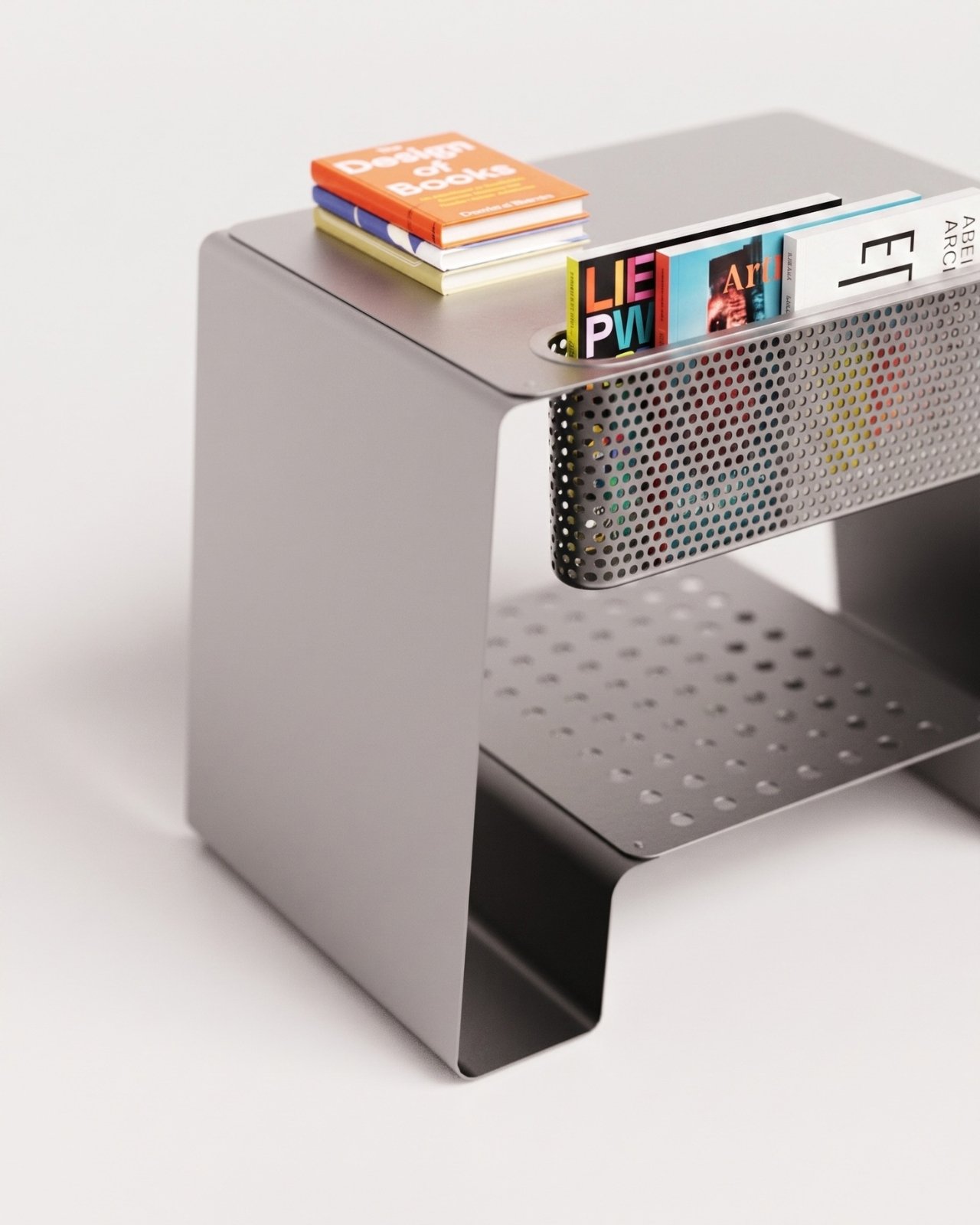
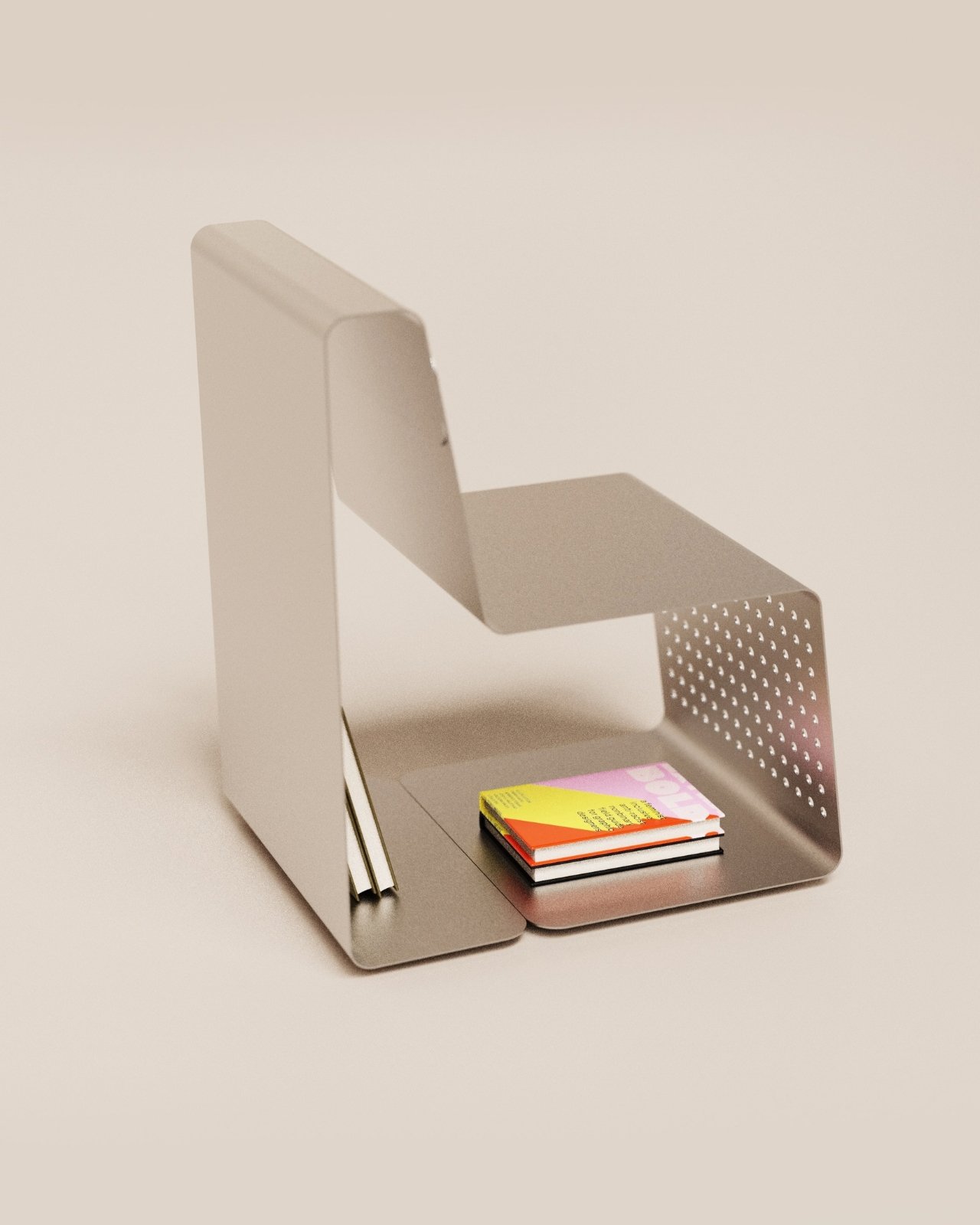
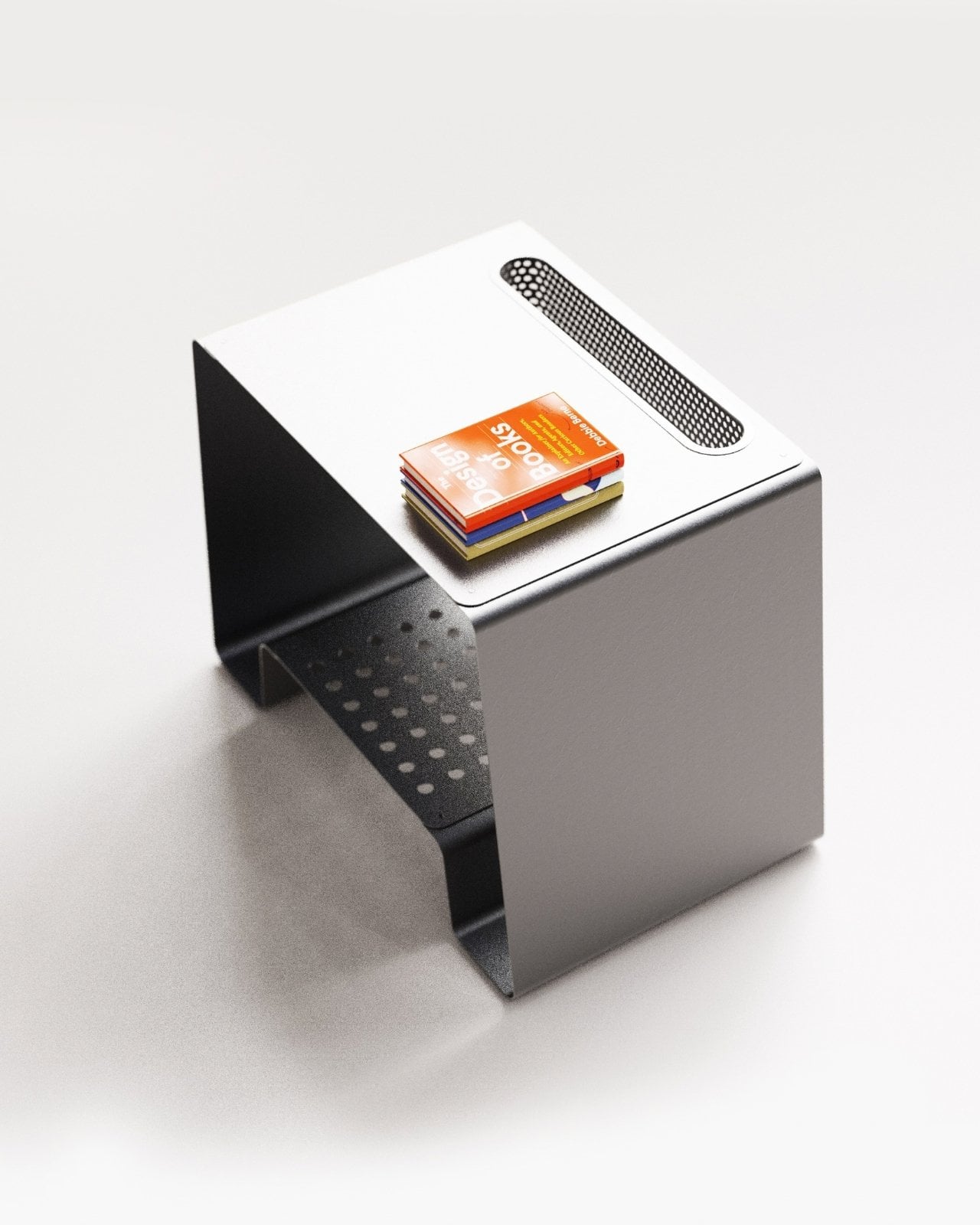
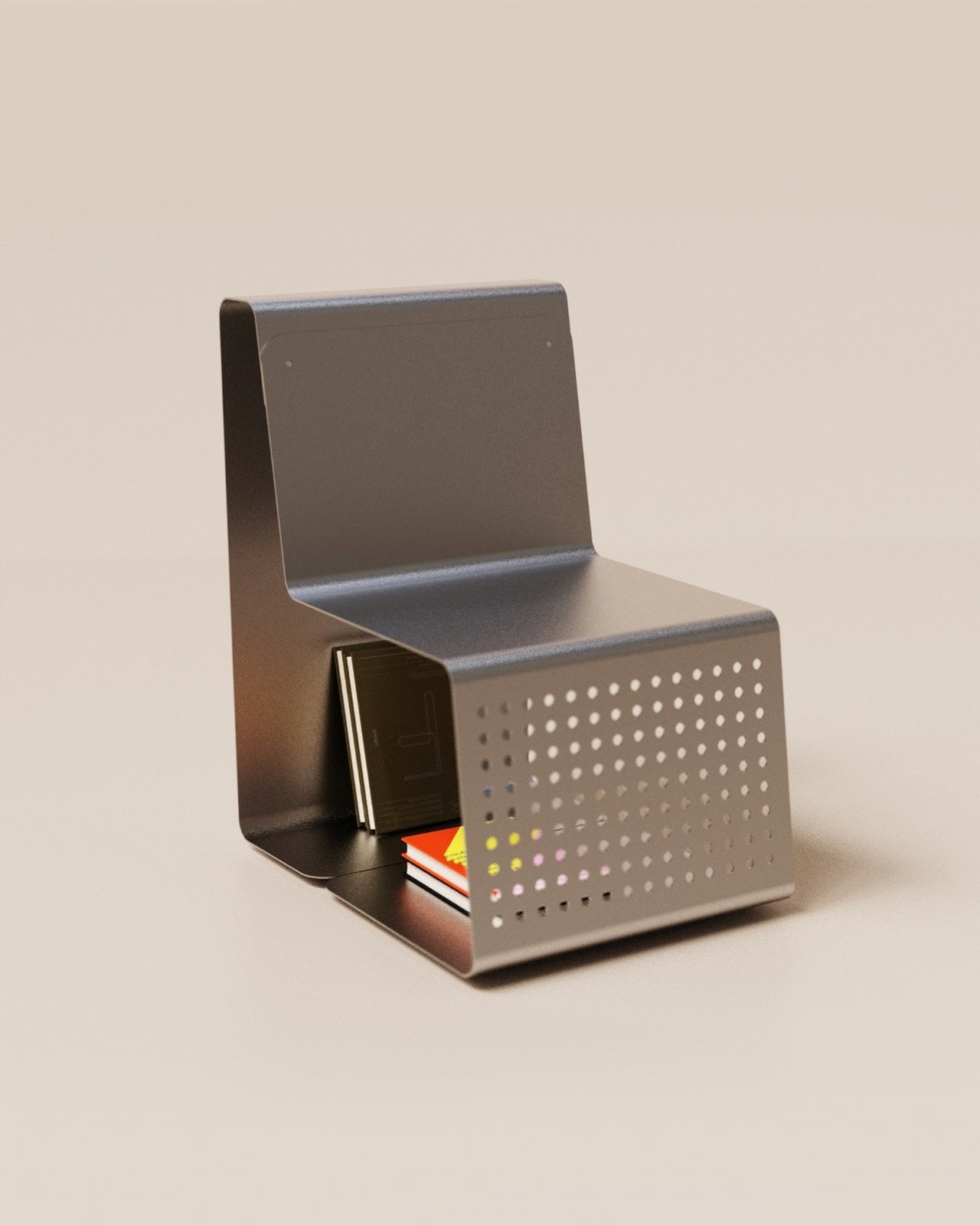
Sheet Metal Furniture That Actually Survives Your Next Move

Anyone who has hauled a flat-pack bookshelf up three flights of stairs knows the routine. You unbox forty identical-looking parts, squint at a wordless instruction sheet, and by hour two you’re gripping an Allen key like it personally wronged you. A year later, the particleboard swells near a window, a screw strips out, and the whole thing wobbles until it ends up on a curb with a “free” sign taped to it. That has quietly been the trade-off behind affordable, shippable furniture for decades: cheap to move, disposable by design.

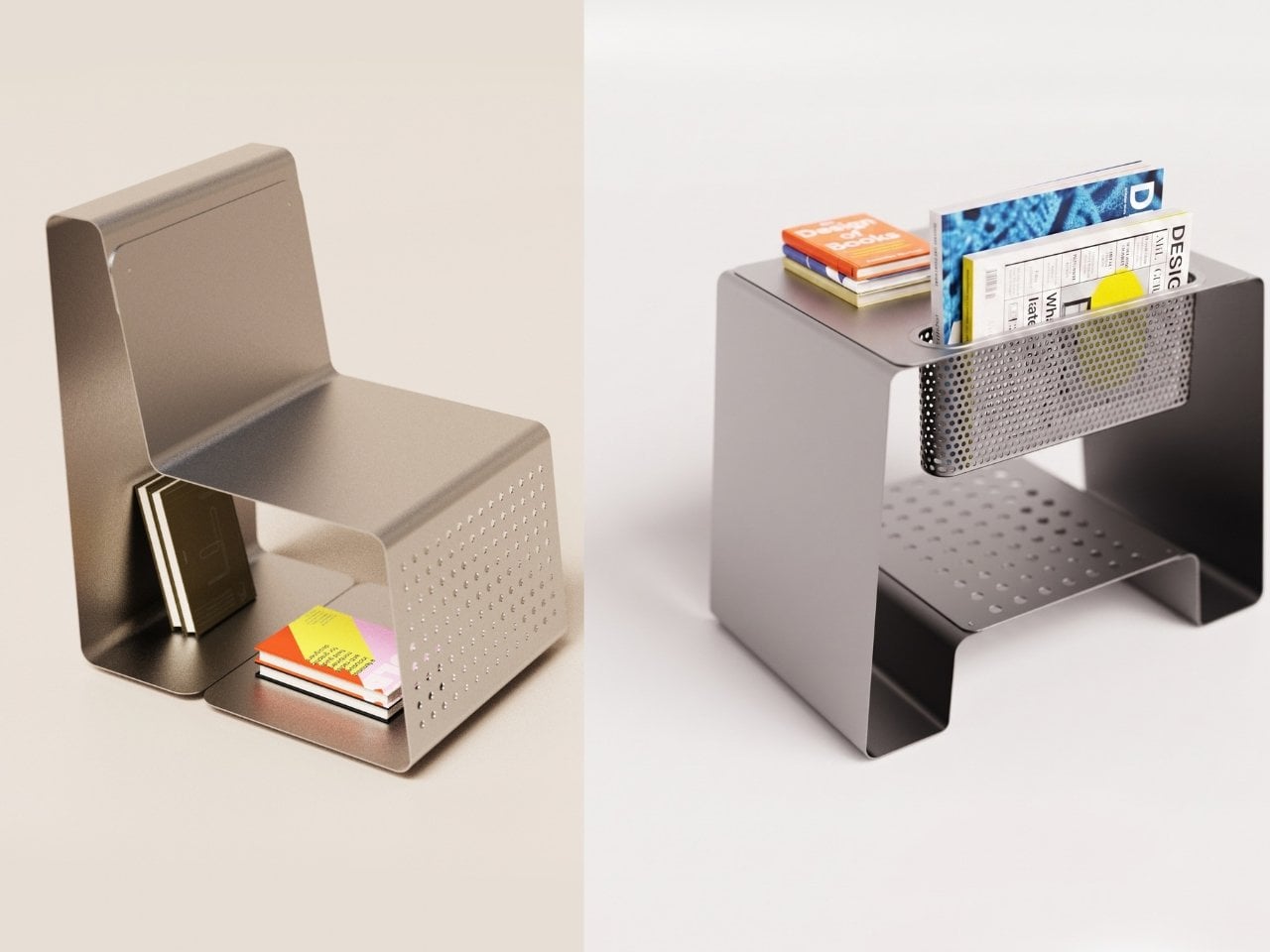
Turkish industrial designer Gokce Nafak seems to have grown impatient with that compromise, and her two newest pieces, Platea and Vault, treat sheet metal the way most brands treat particleboard, except the metal actually holds up. Both pack flat, both go together without a booklet the size of a novel, and neither one pretends that easy shipping has to mean a short lifespan.

Designer: Gokce Nafak

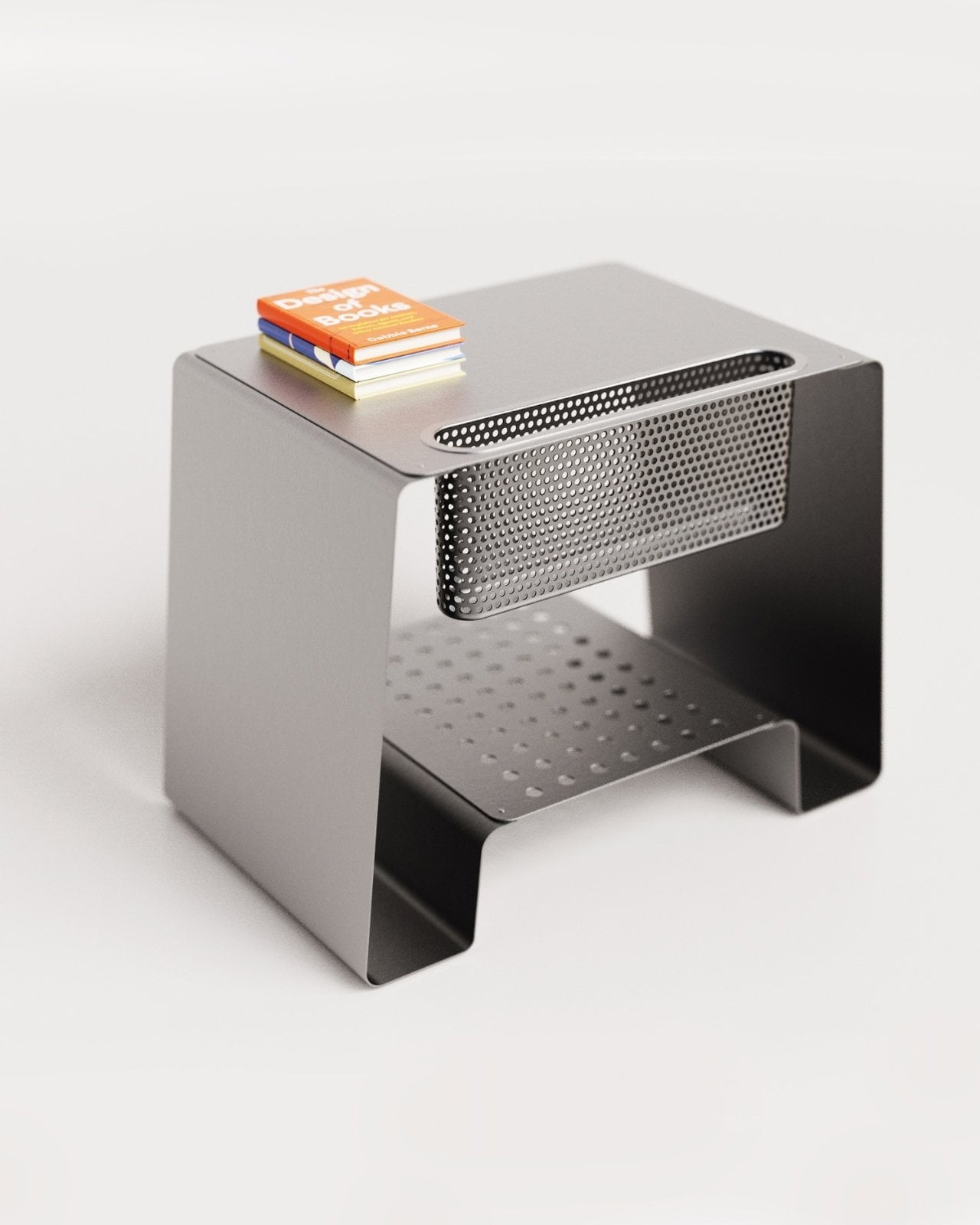
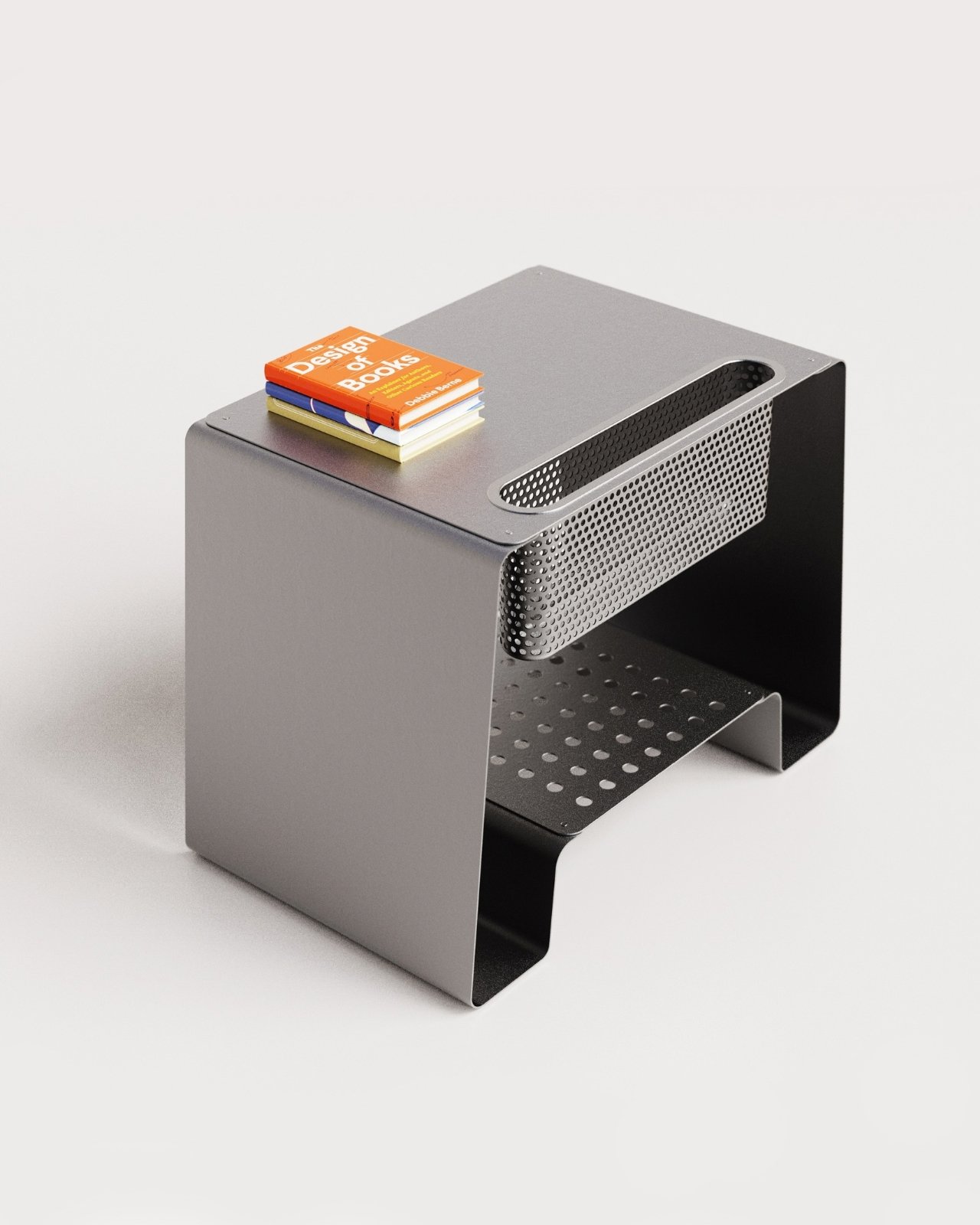
Platea started life as a stool and side table built from four sheet metal components, cut with CNC lasers and shaped on a press brake, then flat-packed for shipping and assembled by hand. No adhesive, no particleboard dust, no hardware bag with three mystery screws left over. The pieces slot together with the kind of tolerances that only come from someone who has spent real time thinking about how metal bends and where it wants to meet itself. It reads as a stool first, but the same frame doubles as a side table, which matters more than it sounds like it should when you’re trying to furnish a small apartment without buying five single-purpose objects.

Vault pushes the same idea into seating. It’s built from three primary metal components and leans further into an industrial look, exposed edges, visible seams, a silhouette that doesn’t try to soften what it’s made of. Where a lot of furniture hides its construction under upholstery and veneer, Vault puts it on display. I like that choice. It treats the manufacturing process as part of the design language instead of something to disguise, which feels closer to what flat-pack furniture was supposed to be in the first place, before it became shorthand for flimsy.

The bigger problem both designs are quietly answering is one that anyone who’s moved apartments in the last few years understands instinctively. Furniture shipping is expensive, bulky, and wasteful, and most of what’s marketed as a solution just swaps cardboard for landfill a couple of years later. Metal doesn’t swell in humidity, doesn’t sag under weight the way particleboard does, and it can actually be recycled instead of shrugged off as trash. A flat-pack chair that’s built to survive more than one move is not a small thing when you consider how much of the furniture industry still runs on the assumption that people will replace what they buy.

There’s also a design argument here that goes beyond function. Minimalist industrial pieces like these work in a rental unit, a studio, or a full house without looking like they were chosen for any one of those settings specifically. They don’t ask a room to organize itself around them. That kind of flexibility used to belong almost exclusively to expensive, custom furniture, and seeing it show up in something built to ship flat and assemble by hand feels like a genuine shift rather than a gimmick.

None of this means Platea and Vault will replace the big-box flat-pack aisle overnight. But they make a decent case that shippable furniture doesn’t have to be throwaway furniture, and that a designer working with sheet metal and a laser cutter can say more about honesty in manufacturing than most brands manage with an entire marketing campaign. That’s worth paying attention to, especially for anyone who’s tired of furniture that only looks good until the first move.

The post Sheet Metal Furniture That Actually Survives Your Next Move first appeared on Yanko Design.

The Glass Chair That Makes Every Other Chair Look Boring

Most chairs do their job quietly. They hold weight, fill space, and if we’re lucky, look decent in a photo. The Metal Affaire by Minimal Studio is not most chairs. It’s the kind of piece that makes you stop mid-scroll and wonder if someone just decided that furniture needed to be a little more daring.

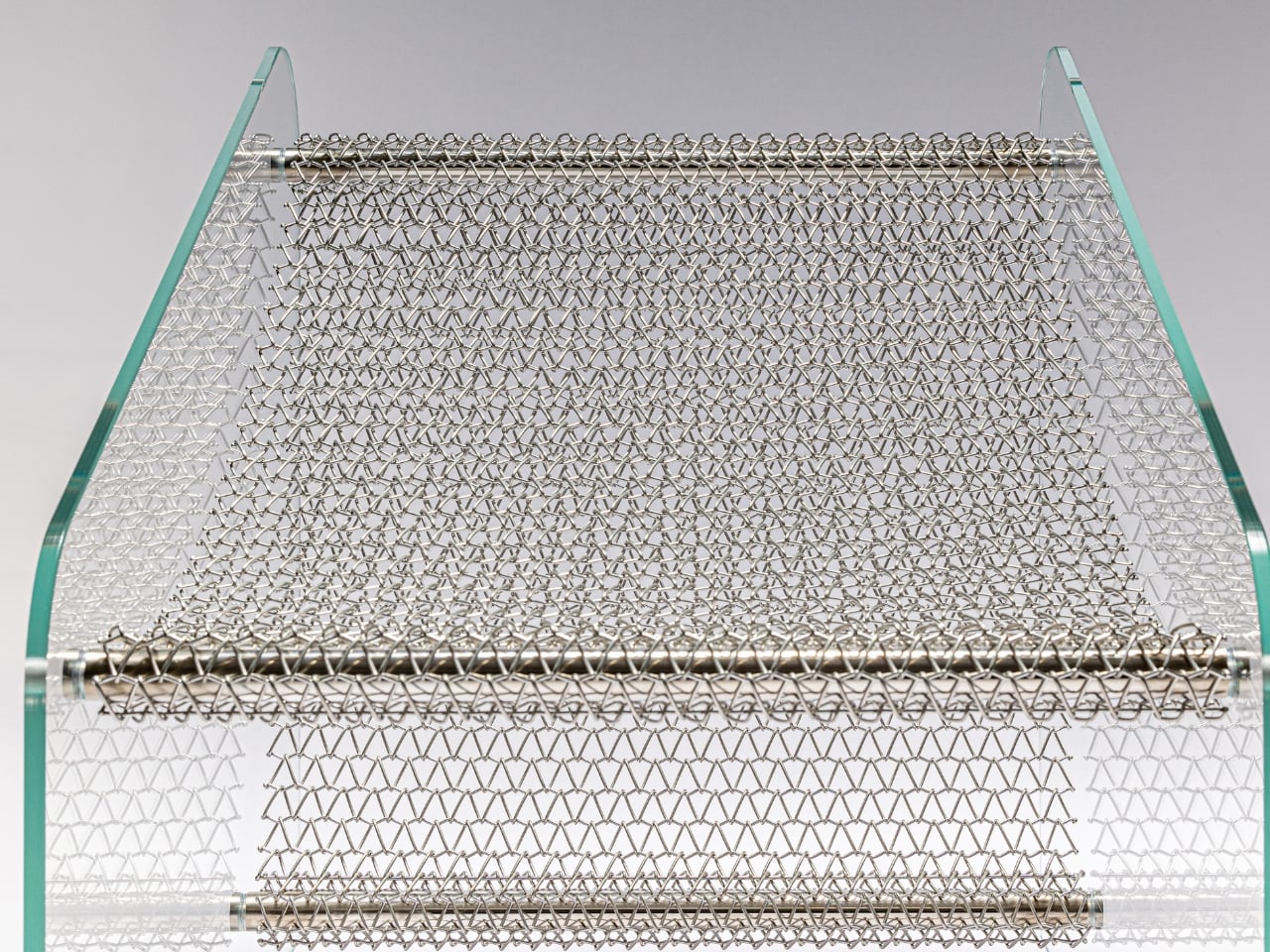
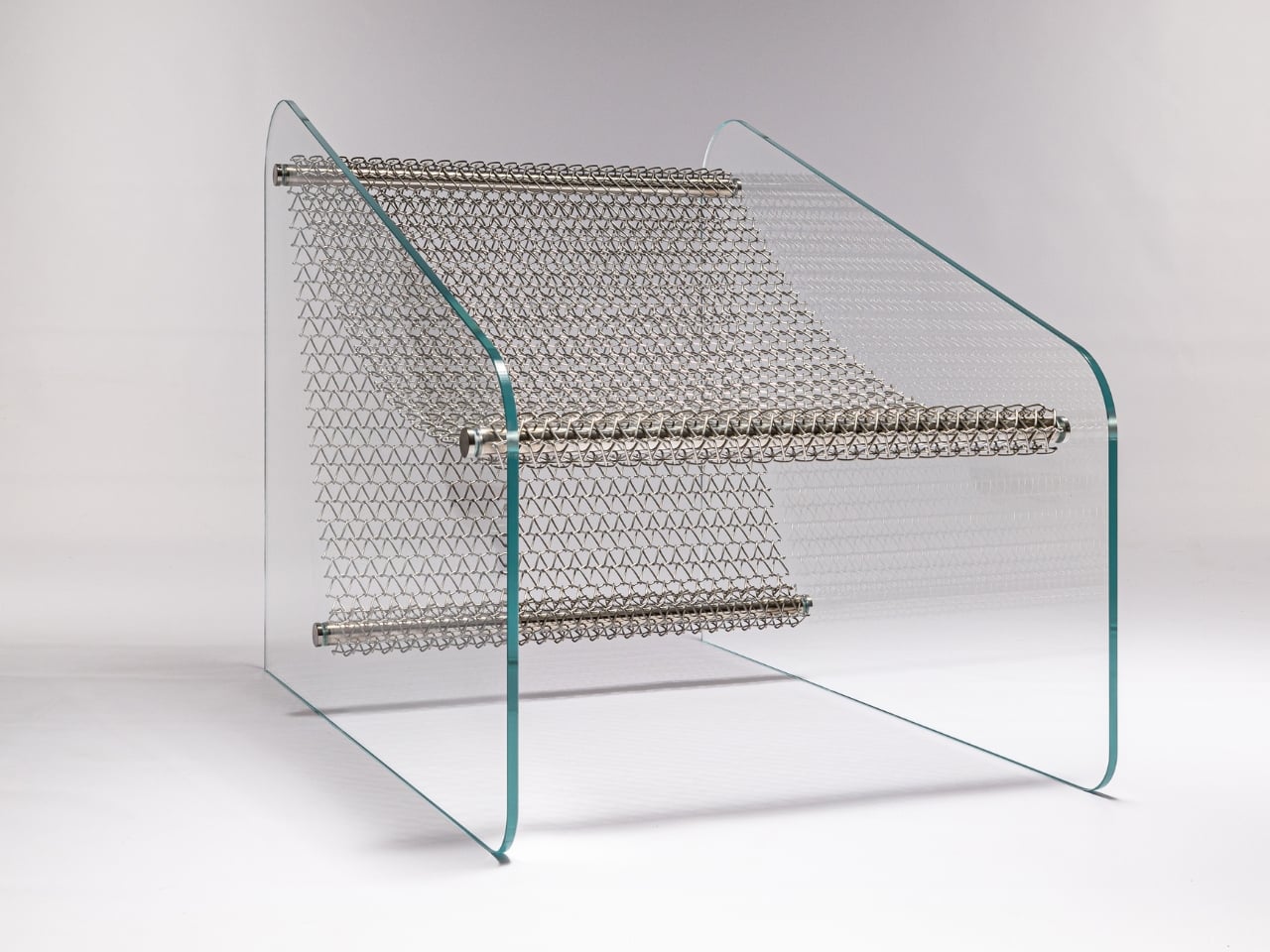
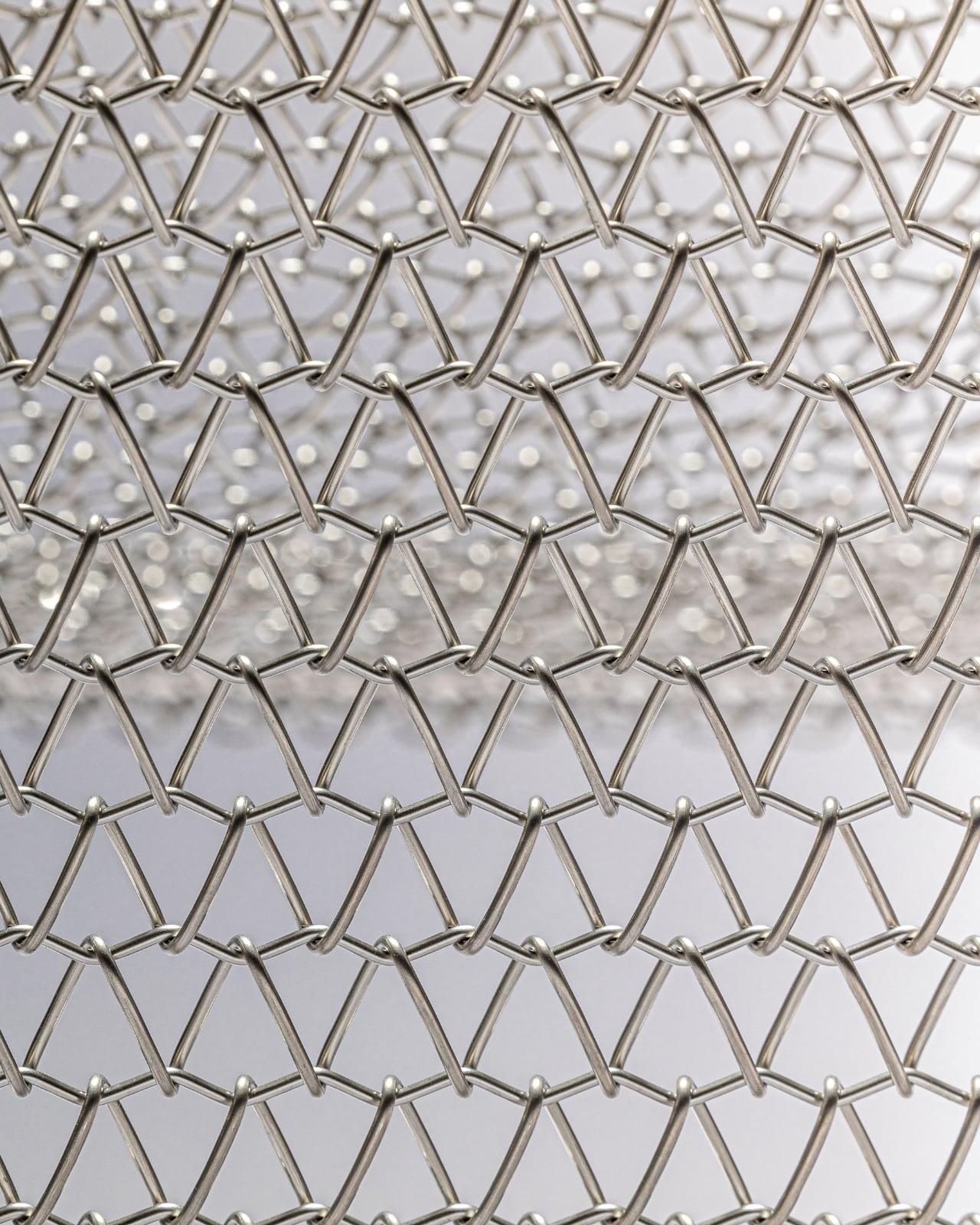
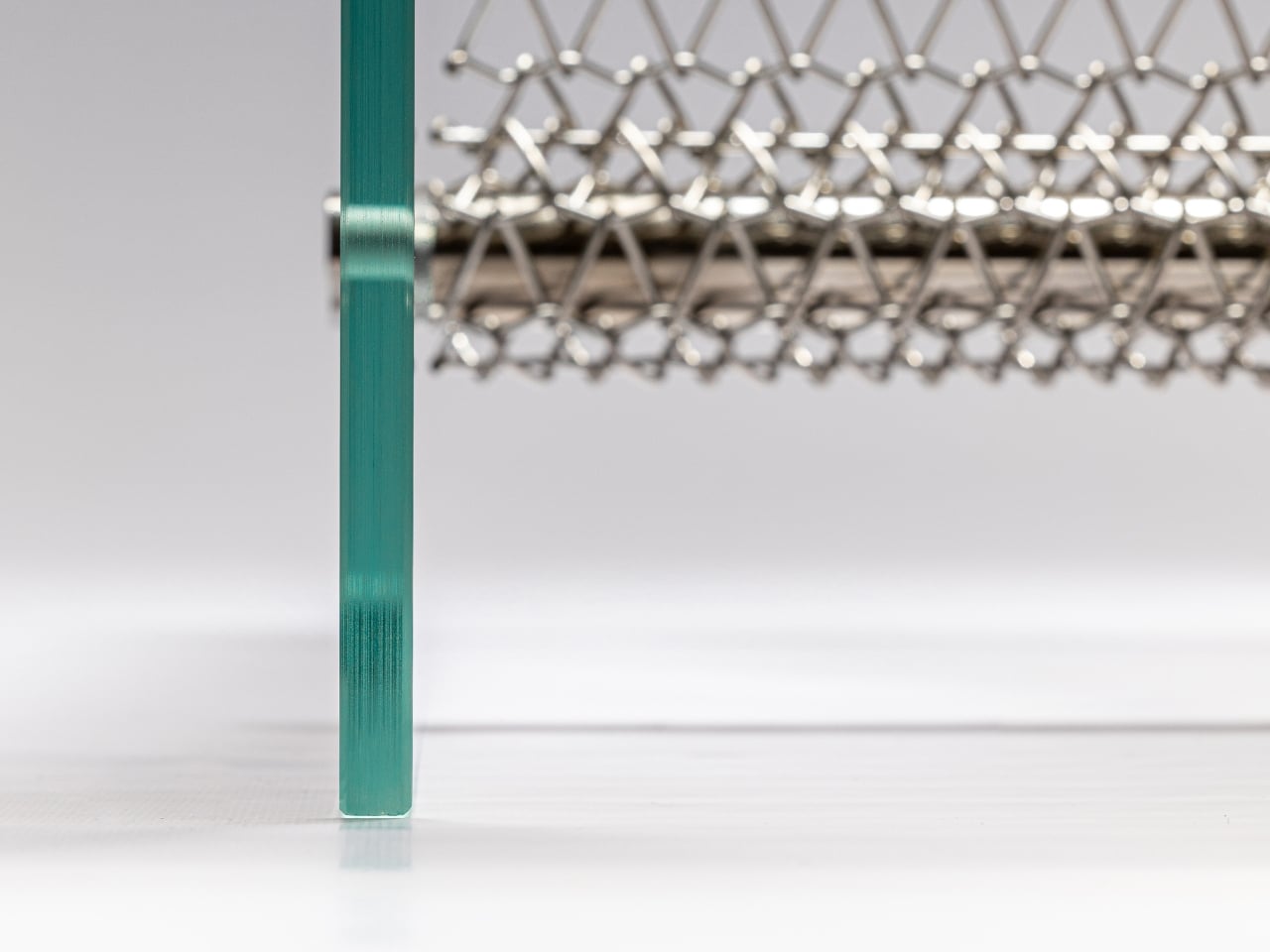
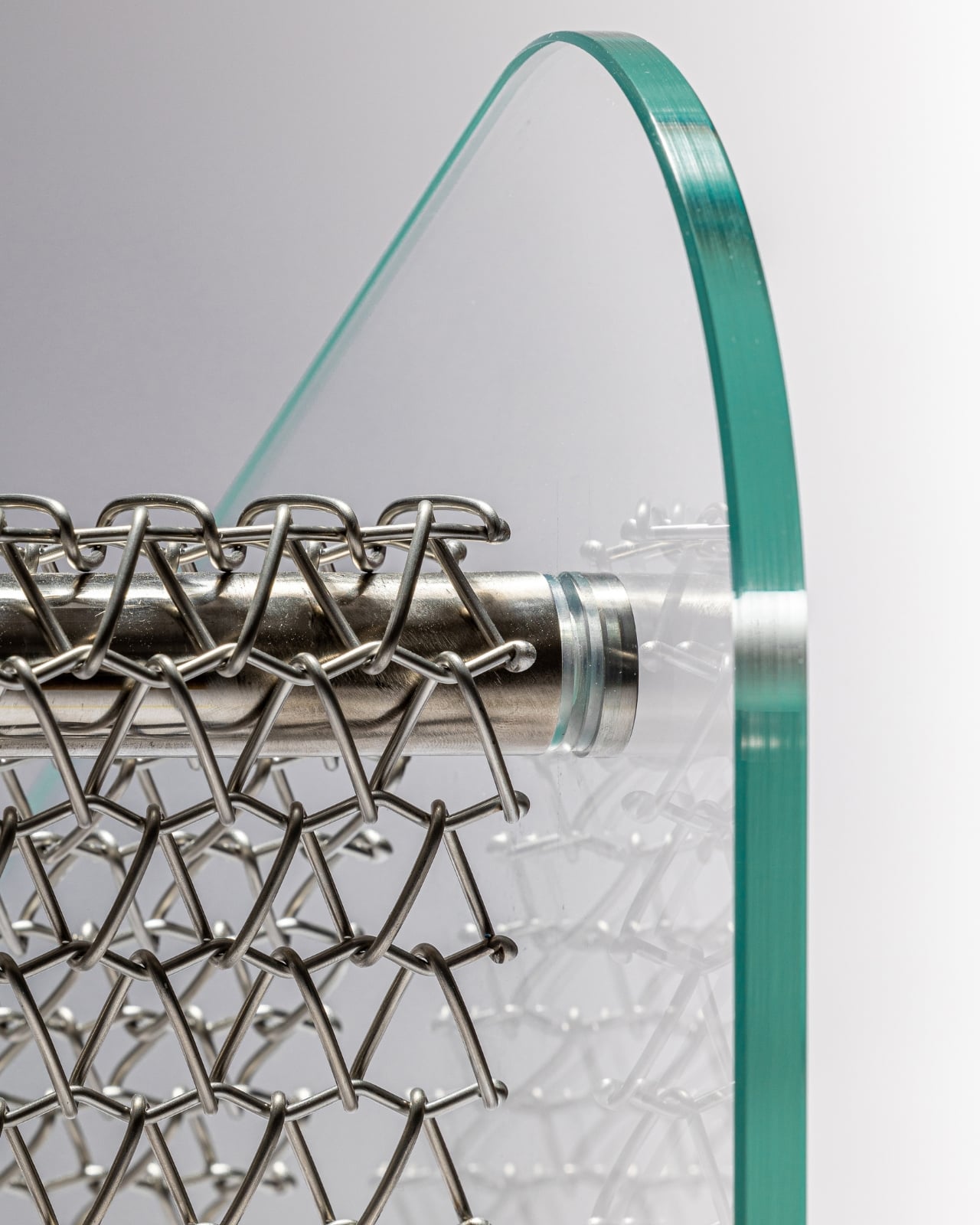
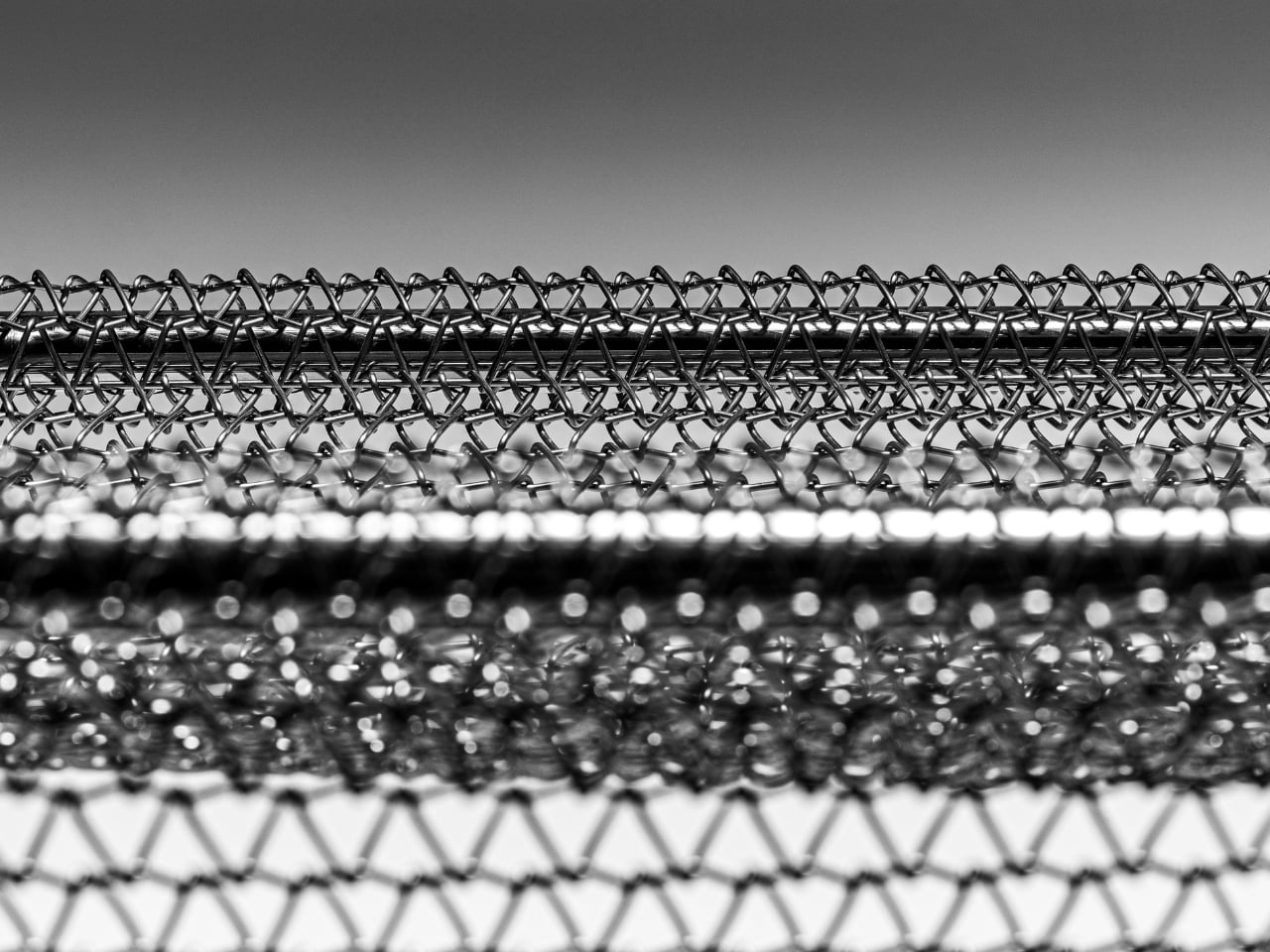
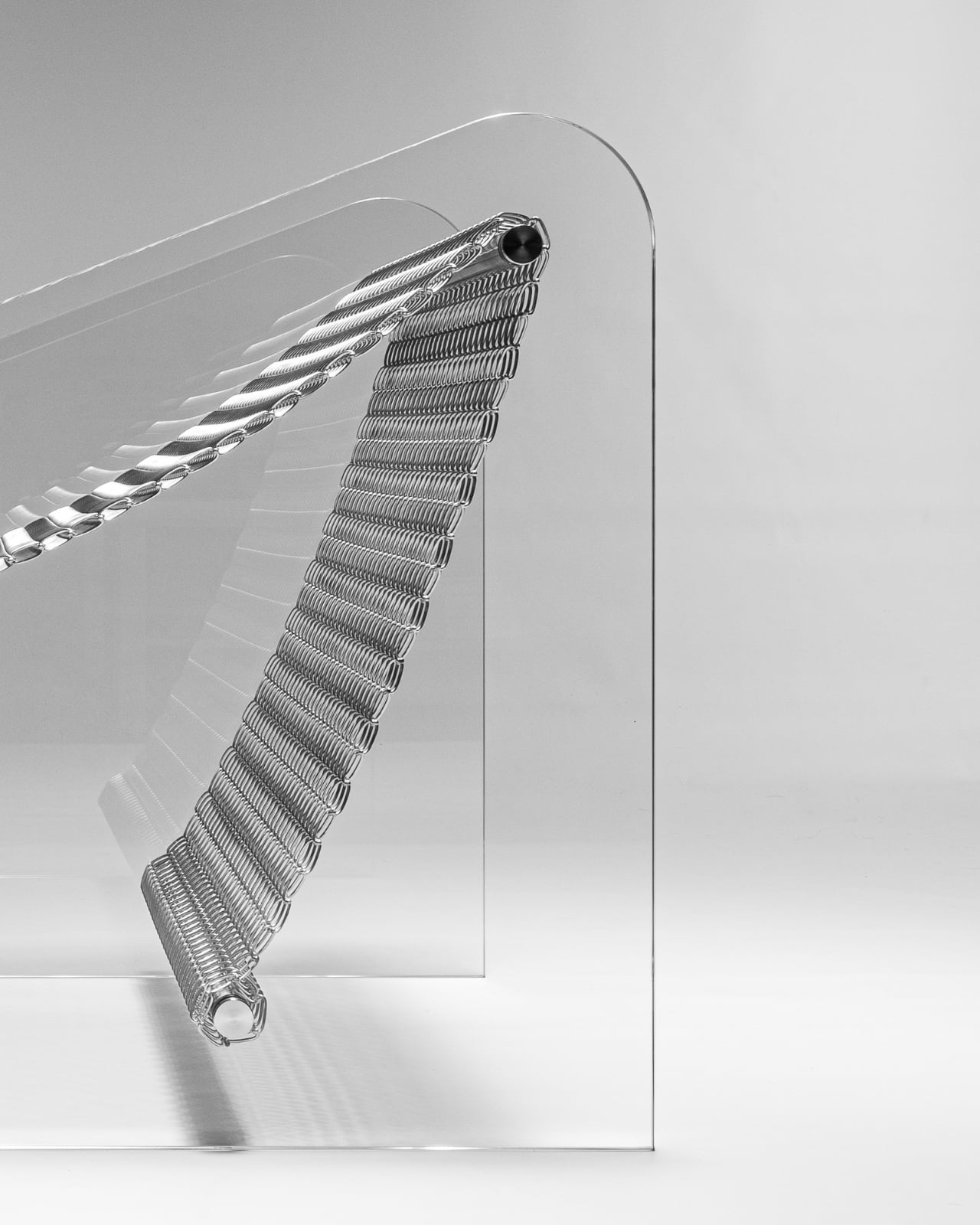
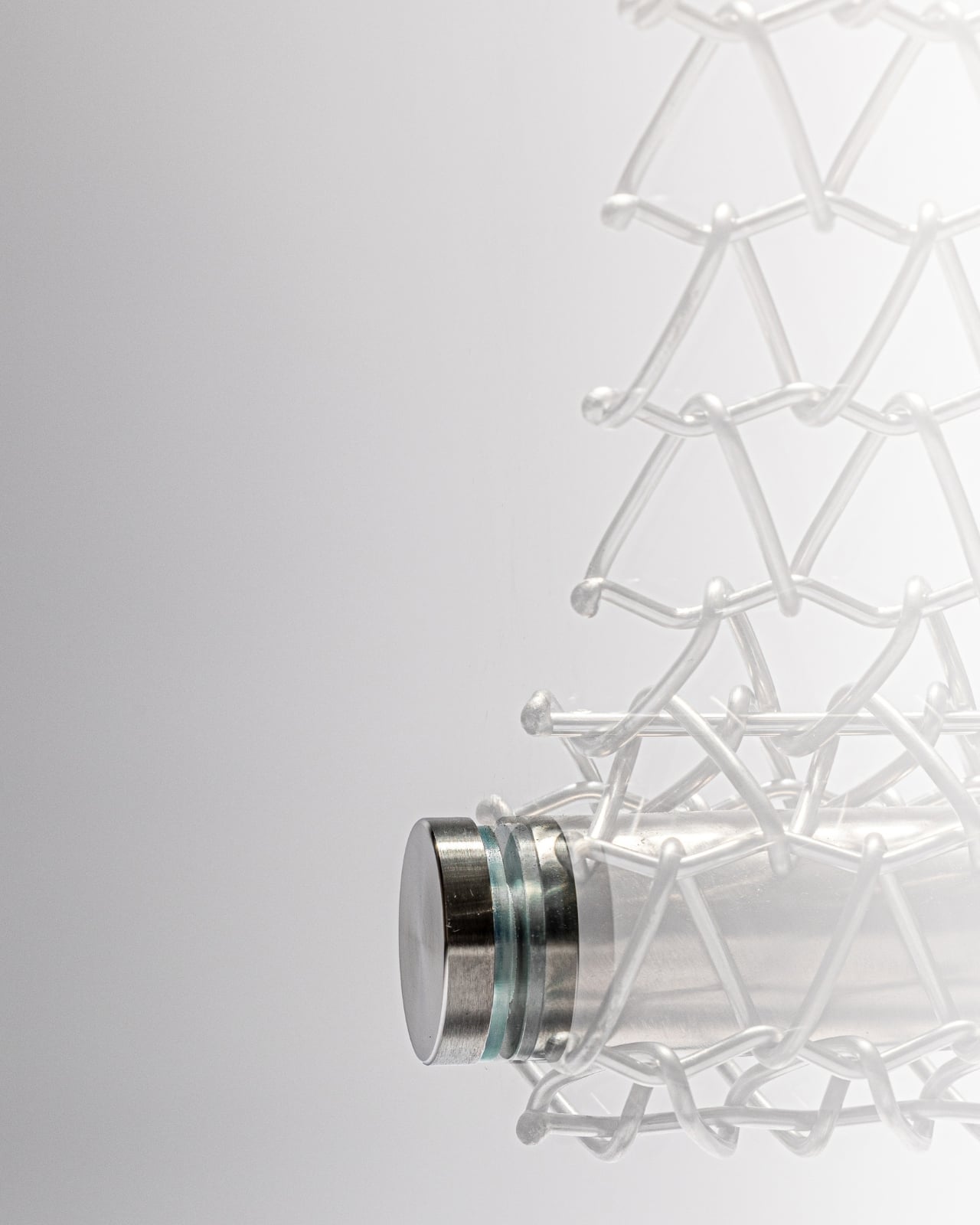
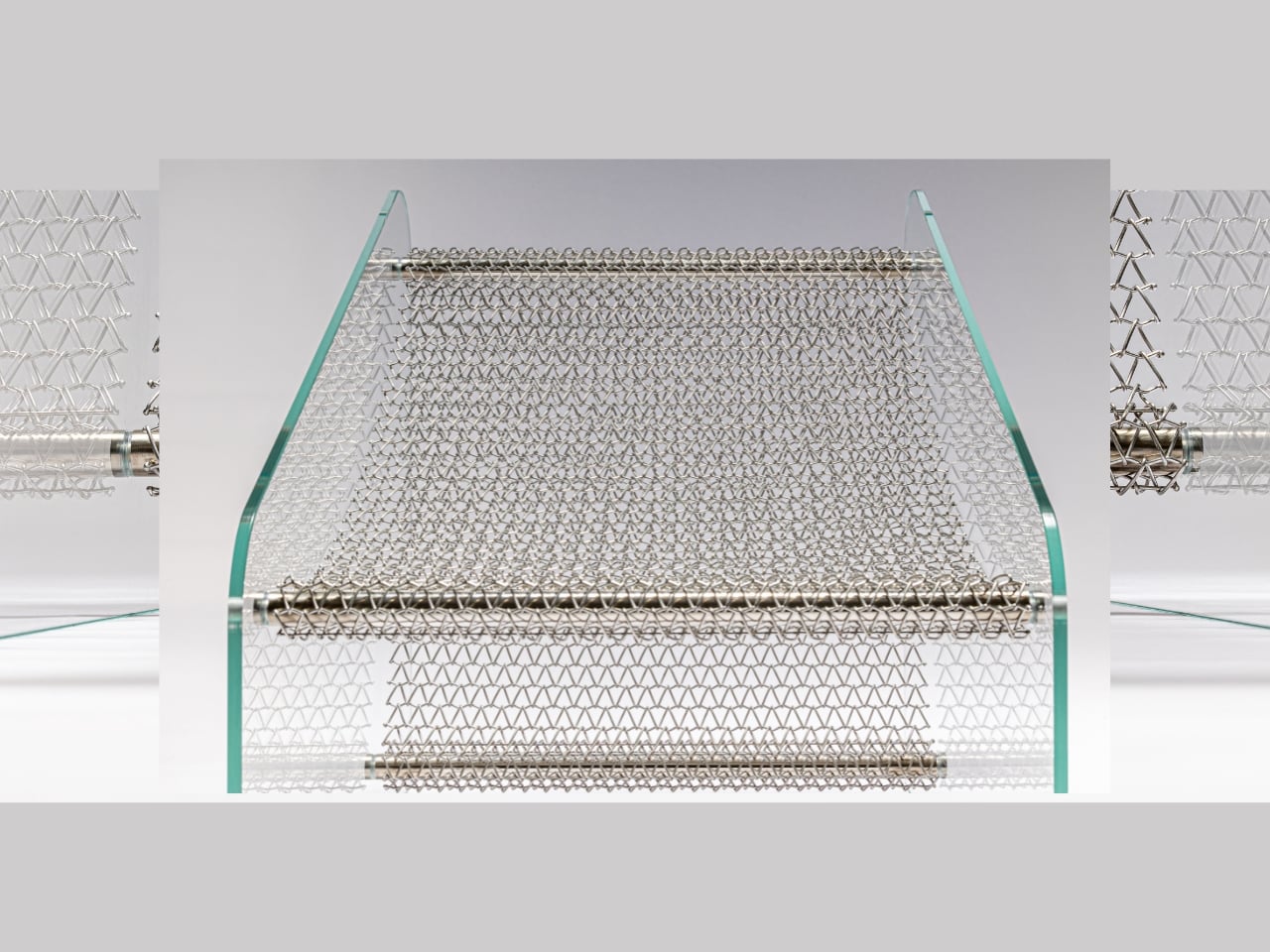
The Metal Affaire is an armchair made almost entirely of transparent laminated glass, supported by a metallic mesh base. Yes, glass. The kind of material you typically associate with windows and coffee tables, not with the thing you sit on during a long Sunday. But that counterintuitive choice is precisely what makes this design so compelling. It doesn’t try to blend in. It asks to be noticed, studied, and maybe even argued about.

Designer: Minimal Studio

Minimal Studio is a multidisciplinary design studio based in Mallorca, Spain, founded by David Martínez Jofre. The studio brings together architects, engineers, and interior designers, and their philosophy is rooted in one clear belief: simplicity is not the absence of thought. It’s the result of a lot of it. Their signature look leans into clean lines, neutral tones, and materials that let a space breathe, which is exactly what the Metal Affaire does visually. The glass shell gives the chair an almost weightless appearance, like it’s barely occupying space at all, while the metallic mesh base grounds it with enough structure to remind you it’s very much real.

The design concept comes from mimicry. The shape of the armchair echoes and mirrors its own materiality, the glass structure and the mesh base informing each other as if they grew into their final form together. That kind of design intention, where the form and material feel genuinely inseparable, is rarer than it should be. A lot of furniture design today prioritizes the photograph over the experience, optimized for an Instagram carousel rather than a living room. The Metal Affaire feels like the opposite impulse. It’s meant to be looked at closely, touched, questioned.

Of course, it raises the obvious reaction: can you actually sit in a glass chair comfortably? That’s a fair question, and it’s not one this design tries to brush off. The laminated glass is structural and load-bearing. The proportions (80cm high, 60cm wide, 60cm deep) are those of a proper armchair, not a sculptural prop. But to be honest, I don’t think comfortable seating is the only thing the Metal Affaire is asking you to think about. It’s asking whether a chair can be beautiful in the way a sculpture is beautiful, functional and considered and worth looking at from every angle.

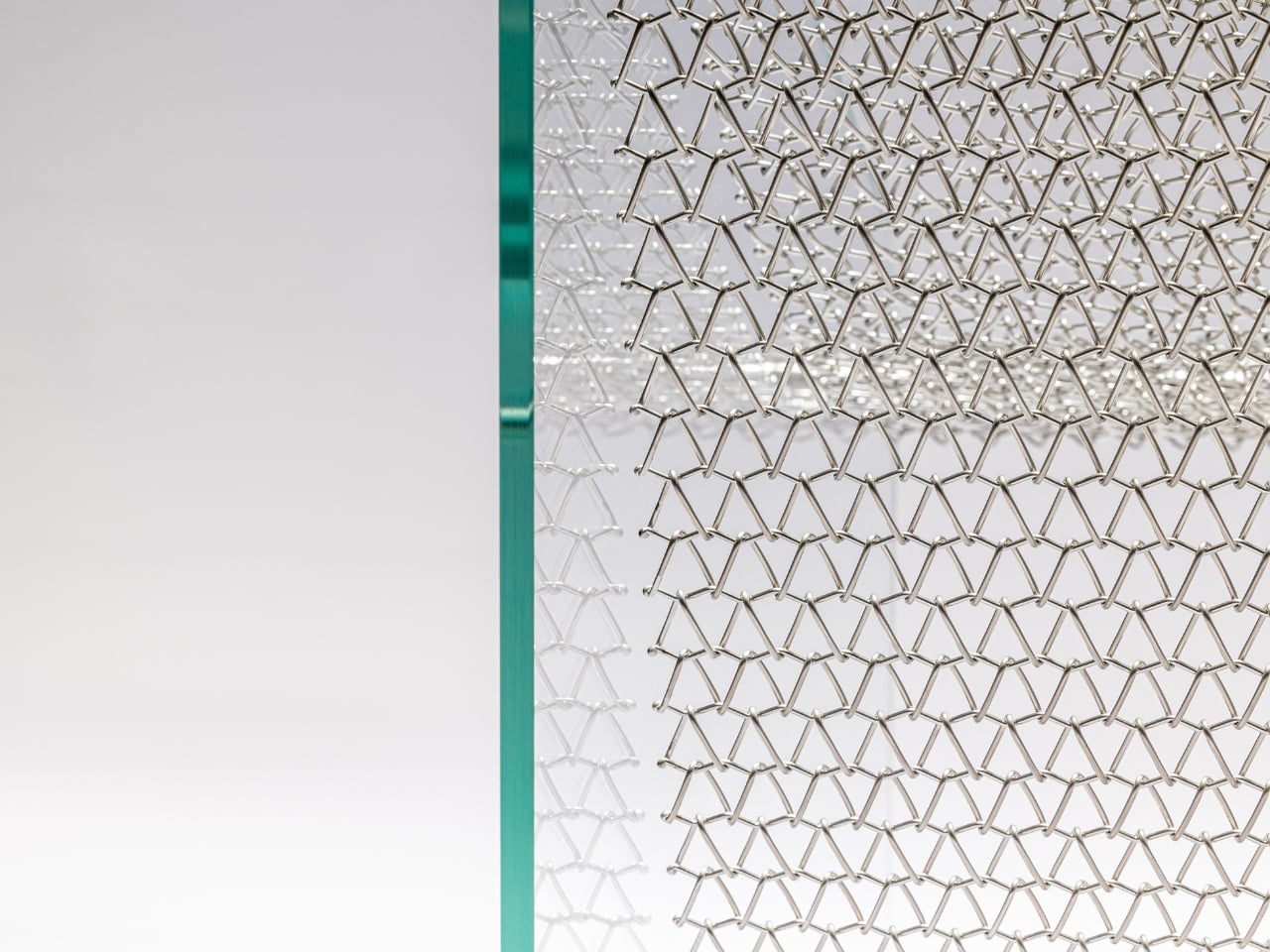
The name itself is a bit of a wink. “Metal Affaire” suggests something indulgent, a rendezvous between industrial materials and refined design sensibility. And Minimal Studio leans into that duality without apology. The metallic mesh doesn’t try to hide itself or disappear behind the glass. It asserts its presence, and the contrast between hard structure and transparent surface is the entire point. Industrial and elegant at once, which is a balance that is genuinely difficult to achieve without one quality undermining the other.

There’s also something to be said about how the Metal Affaire interacts with light. Transparent glass in a room doesn’t behave the way solid furniture does. It shifts depending on the hour, the season, the angle. The chair you see at noon isn’t quite the same chair you see at dusk. That quality, the way it refuses to be static, gives it a liveliness that most furniture simply doesn’t have. It becomes part of the room’s atmosphere rather than just an object placed inside it.

Minimal Studio has been quietly building a body of work that challenges what “minimalism” actually means in furniture design. The Metal Affaire is the clearest expression of that challenge yet. Not minimal in the sense of boring, but minimal in the way that a perfectly constructed sentence is minimal. Nothing wasted, nothing missing, and somehow, exactly what it needed to be.

The post The Glass Chair That Makes Every Other Chair Look Boring first appeared on Yanko Design.

Someone Finally Made Metal Keycaps for Low-Profile Keyboards

Low-profile mechanical keyboards have always had a bit of an identity problem. They look the part: slim, clean, desk-friendly. Set one beside a MacBook and it fits right in, at least until you start typing and the plastic keycaps remind you that the aesthetic only goes so far. It is not that PBT is bad. It is just that plastic has a ceiling, and once you have typed on a well-built board, you start to feel where that ceiling is. The sound is a little hollow. The surface wears down. For a form factor that sells itself on refinement, the keycaps have always been the weakest part of the pitch.

That gap is exactly what Awekeys Air is designed to fill. These are low-profile metal keycaps built from recycled cupronickel, a copper-nickel alloy most people know from coins rather than keyboards. Beyond the material upgrade, there is an immediate visual payoff. A set of Satin Copper or Satin Gold caps on a slim board transforms what was previously just a functional object into something that actually improves the desk around it, the kind of detail that catches the eye mid-conversation and holds it.

Designer: Awekeys

Click Here to Buy Now: $99 $169 (41% off). Hurry, only a few left! Raised over $97,000.

At 5 mm tall, the Awekeys Air is half the height of a standard keycap, which typically sits at around 11 mm. That gap matters more than it sounds. A slim keyboard paired with standard-height keycaps loses its whole visual argument, and any ergonomic board designed for low-profile switches defeats its own purpose if you pile taller caps on top. The Air keeps that geometry honest while upgrading what that geometry is made of.

As someone who writes for a living and codes on the side, I see the keyboard as less a tool and more a constant physical companion, and the I find that the Awekeys Air shifts that relationship in a way that is difficult to ignore. The cupronickel surface stays cool under extended sessions, the low profile keeps wrist angle natural, and the grip from the hand-brushed Special Edition means fingers land where they are meant to, without any of the slight drift that smooth plastic encourages over a long afternoon.

Finish is where the Awekeys Air earns a lot of its character. Seven keycap colorways cover the satin-style options: Satin Gold, Satin Silver, Satin Copper, Titanium Black, Obsidian Black in matte, Ivory White in matte, and Sakura Pink. Each of them reads differently on metal than on plastic. Satin Copper picks up warm ambient light in a way no dye-sublimated PBT can replicate. Titanium Black has that flat, composed surface that makes a keyboard look more like a precision instrument than a peripheral. Small distinctions, but they add up when the whole point is a desk setup that looks as considered as it feels.

The Special Edition hand-brushed finish takes things a step further, available in Gold, Silver, Copper, and Ti Black. Each keycap is brushed individually, which creates a directional texture that shifts under light and adds a grip that the satin versions do not have. It is the kind of finishing detail that is easy to overlook in a product photo and immediately obvious the moment you sit down to type.

Holding it all together is a second-generation nano-coating that Awekeys claims delivers twice the scratch resistance of its first version. For keycaps that will see thousands of actuations daily, surface protection matters more on metal than on plastic, where wear is expected and mostly forgiven. The coating is what keeps the finish consistent across the whole set over time, and on a metal that is this unforgiving of surface variation, that consistency is doing real work.

The recycled angle is worth taking seriously, too. Awekeys notes that processing recycled cupronickel requires roughly 15% of the energy needed for raw metal extraction. giving the material story a logic beyond a simple badge. The acoustic character completes the picture: denser, more planted, with a sound that leans satisfying rather than sharp. The slim keyboard has been waiting a long time for a keycap set built to match it, and the Awekeys Air makes a strong case that the wait is over.

Click Here to Buy Now: $99 $169 (41% off). Hurry, only a few left! Raised over $97,000.

The post Someone Finally Made Metal Keycaps for Low-Profile Keyboards first appeared on Yanko Design.

Fold Metal Once, Organize Your Entire Desk Forever

Most desks accumulate the same clutter. A stack of paper that never stays neat, a pen cup filled with tools you never touch, and business cards sliding around until they fall behind the monitor. The typical solution is plastic organizers that do not age well and do not really help. They just give the mess a slightly more defined shape while taking up even more space on the desk.

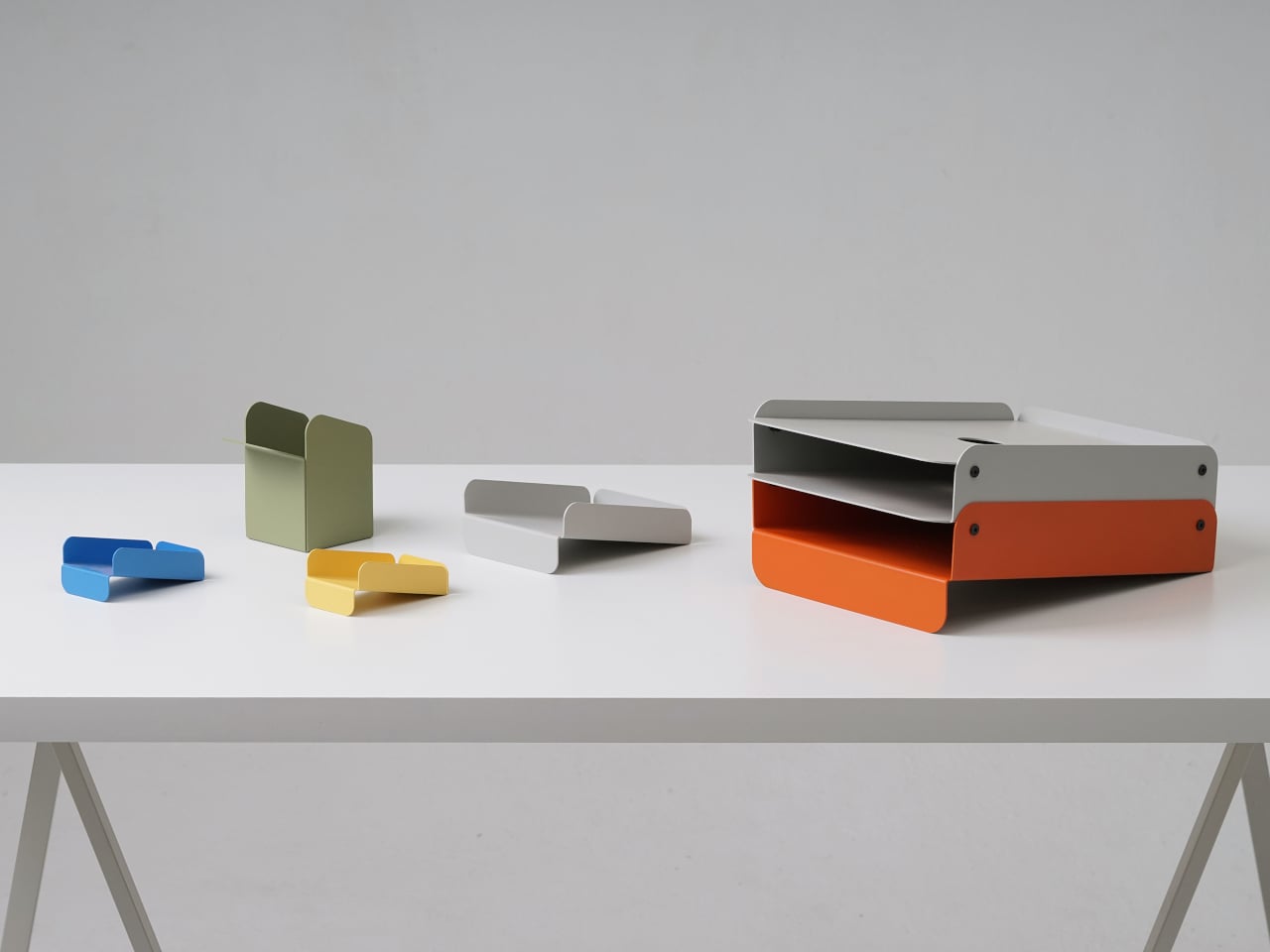
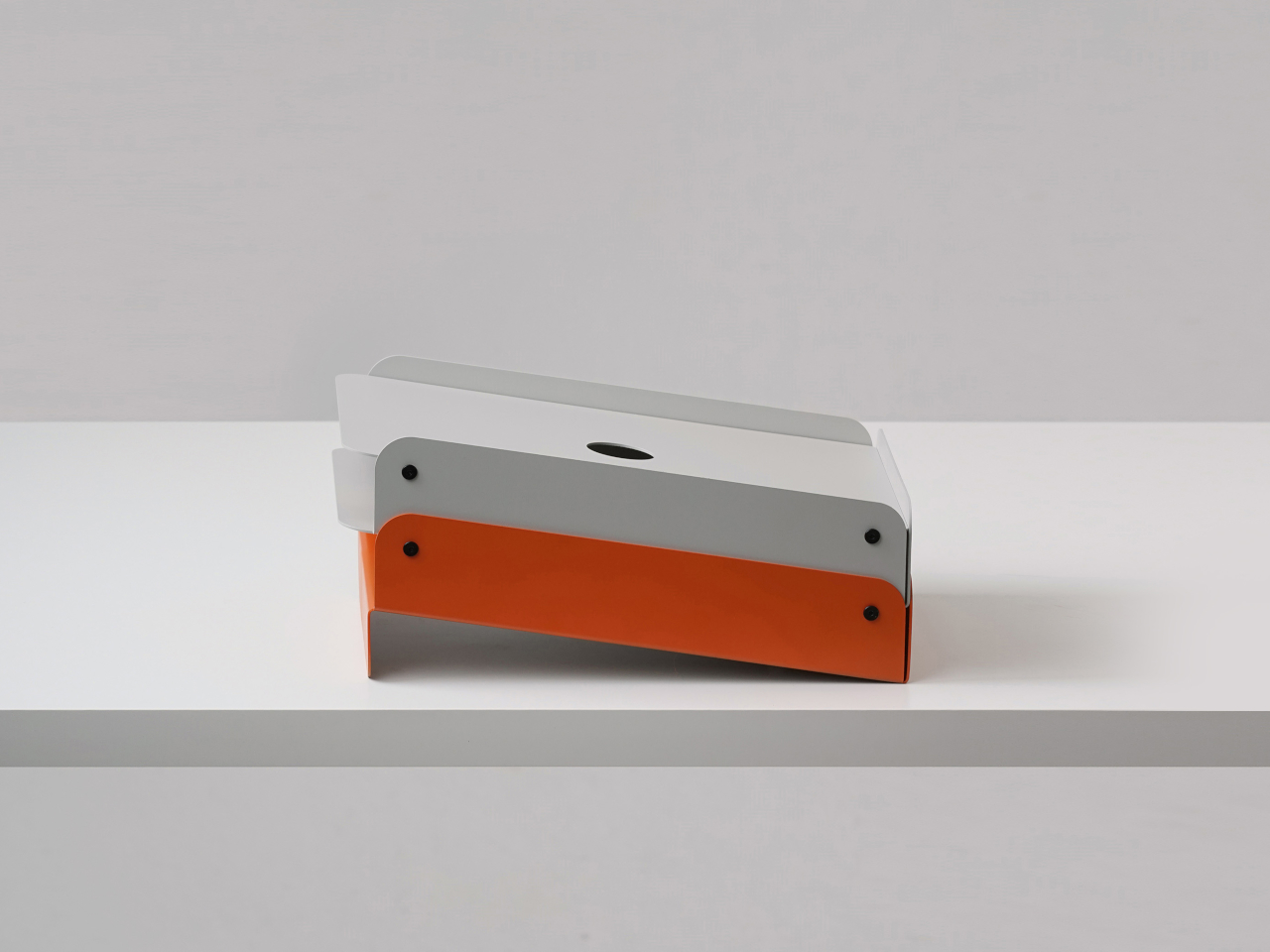
That is where Foldy comes in. This small family of office trays starts from a single 1.6 mm metal sheet bent into shape. Sheet-metal bending is cheap, durable, and works for small runs, but usually looks industrial. Foldy leans into that process while rounding every edge and coating pieces in soft matte colors, so they feel more like friendly desk companions than leftover machine parts from a factory floor.

Designer: Hoyoung Joo (studio SF-SO/SFSO)

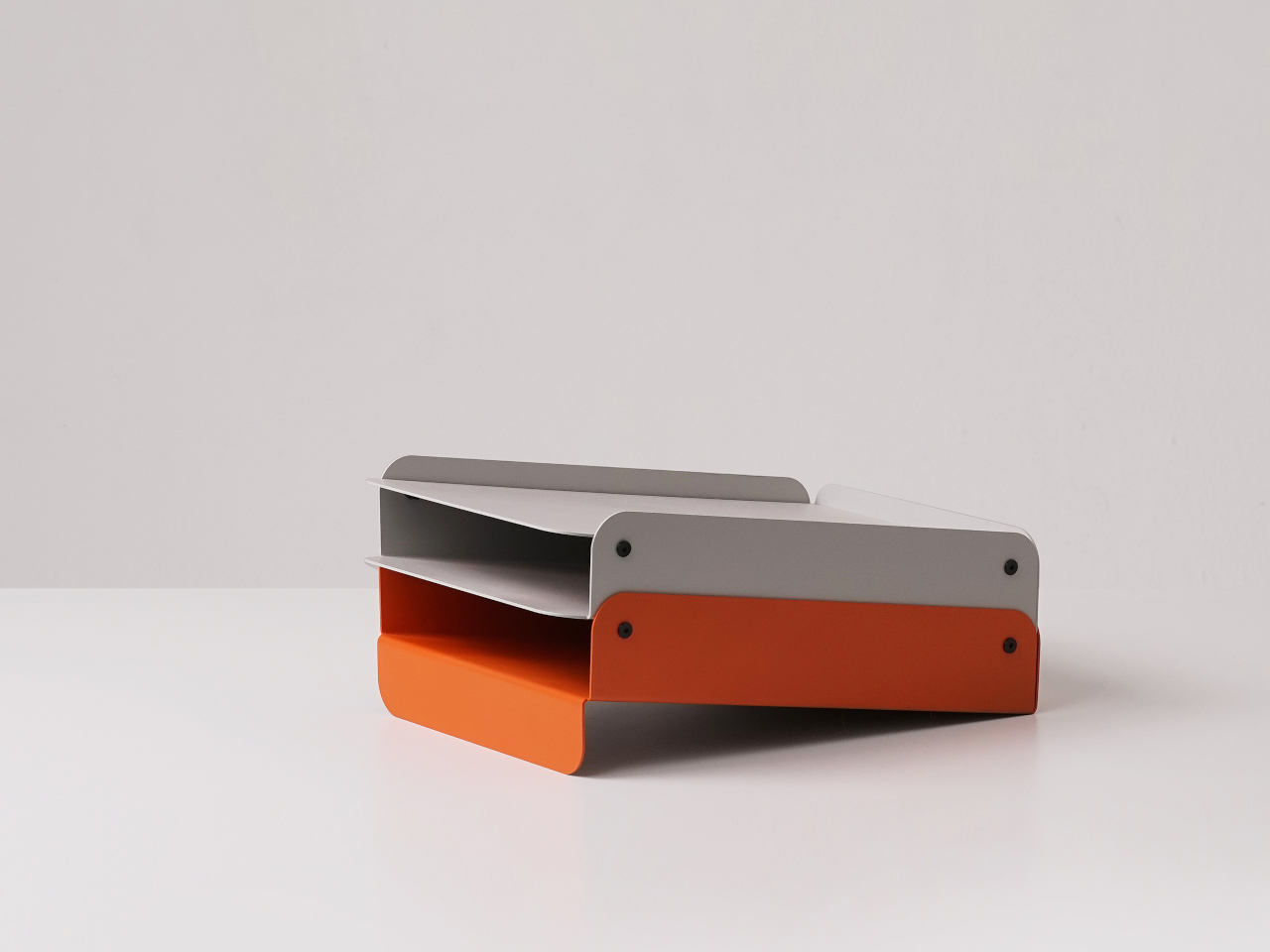
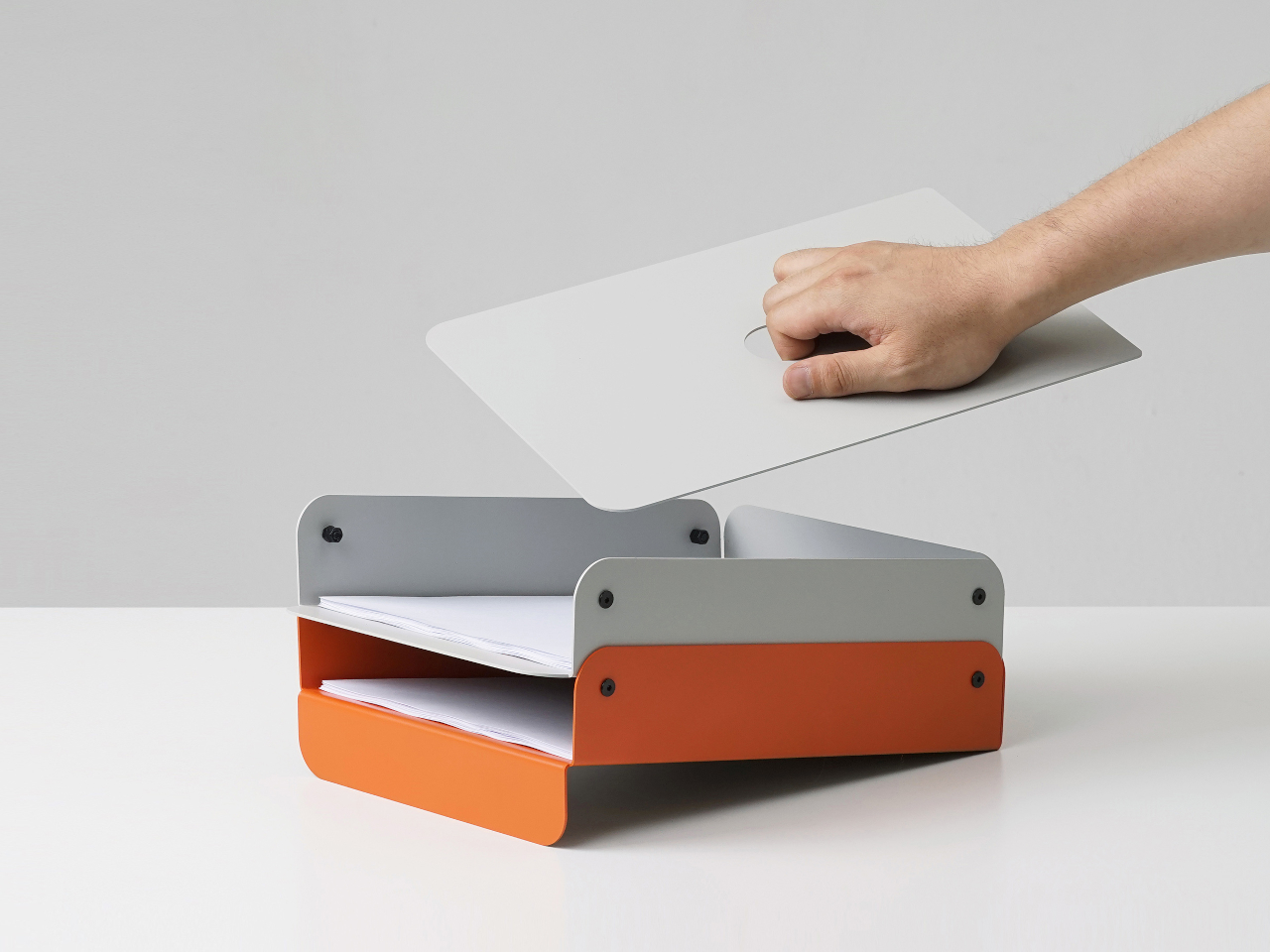
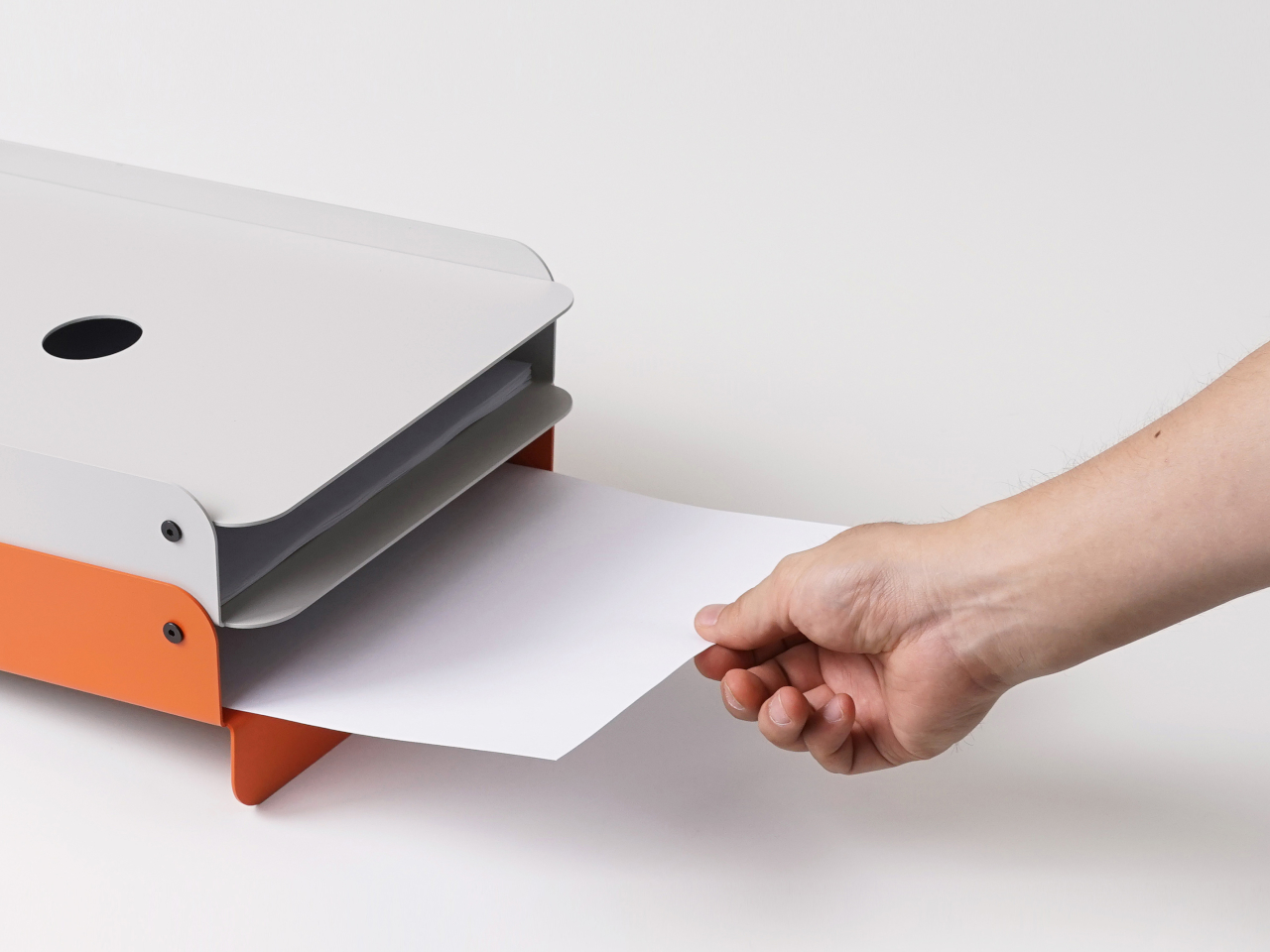
The paper tray tackles how people actually stack A4 sheets and half-finished printouts. The slightly slanted face lets paper slide back into alignment instead of creeping forward. The two-level, stackable design separates “now” piles from “later” piles without spreading across the desk, and the metal construction keeps everything solid instead of flimsy enough to tip when fully loaded with documents waiting for signatures.

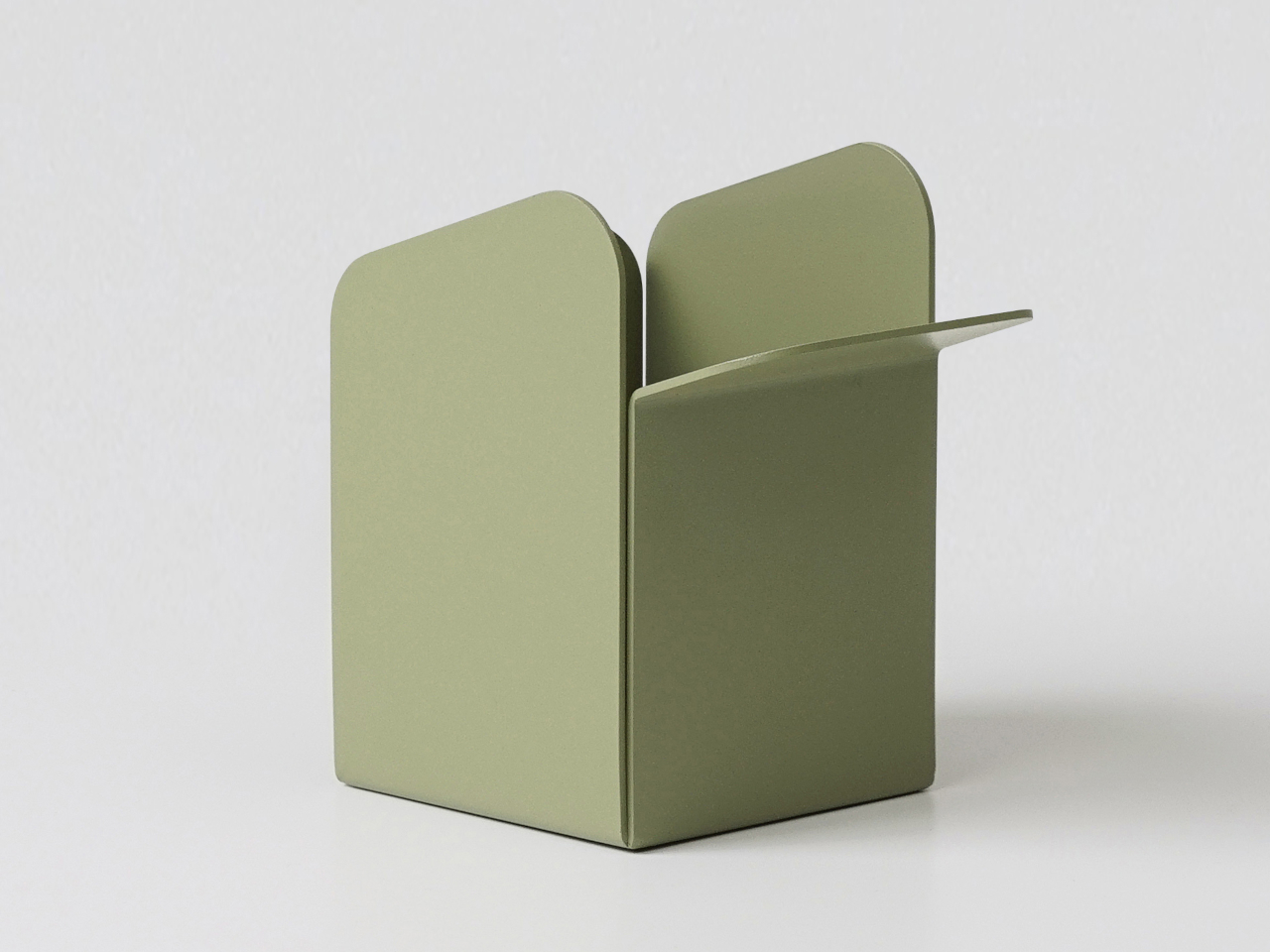
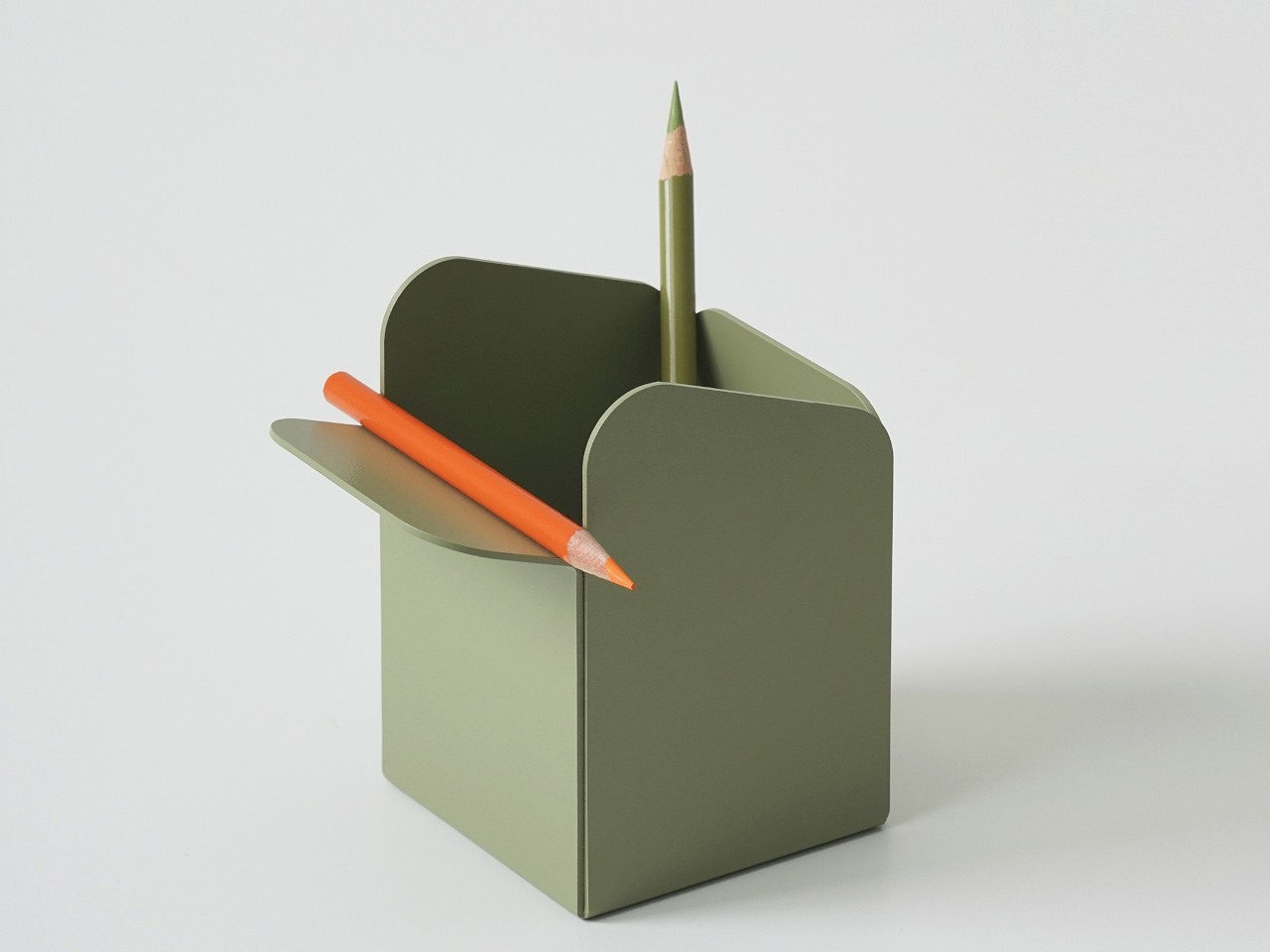
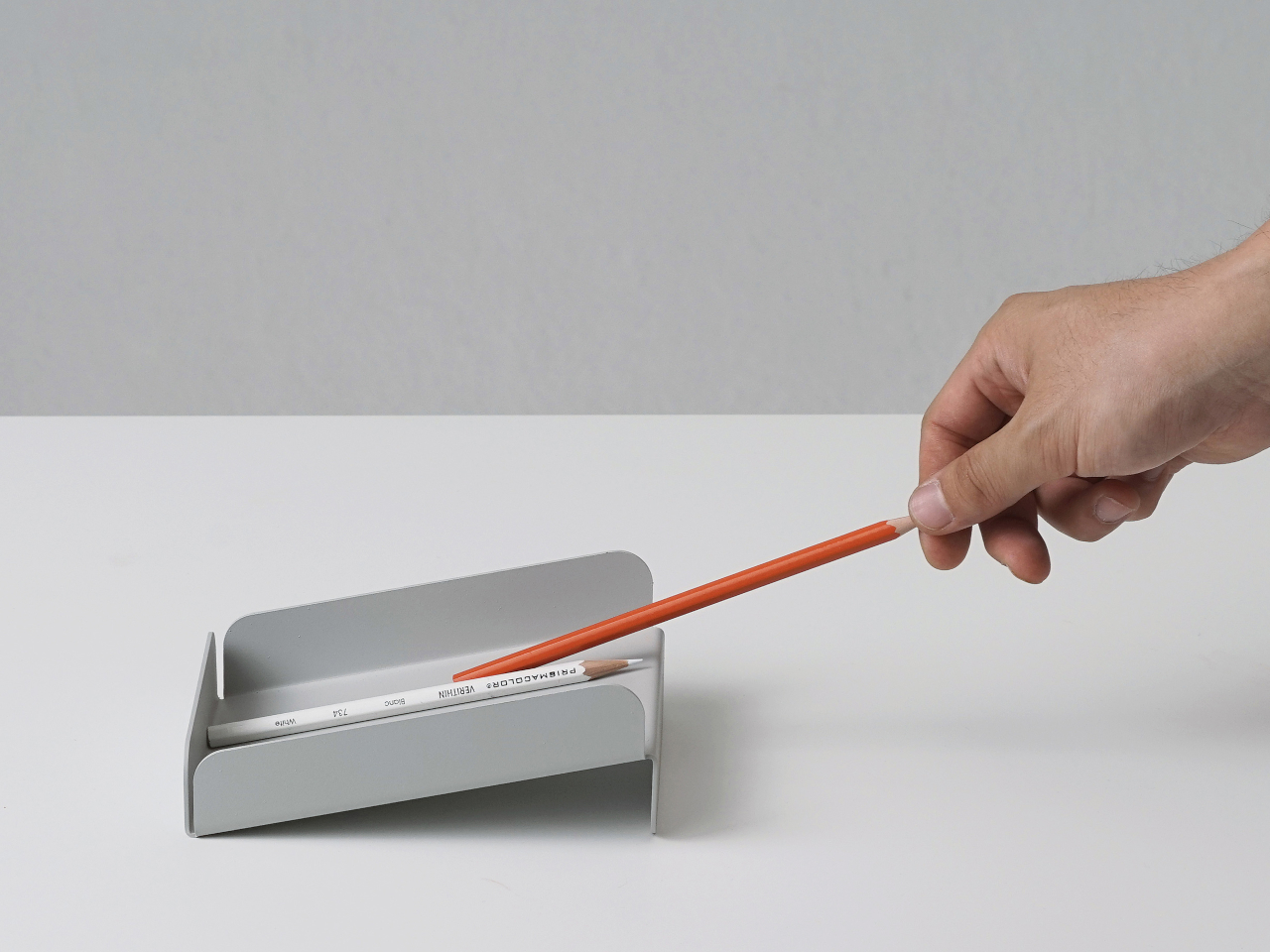
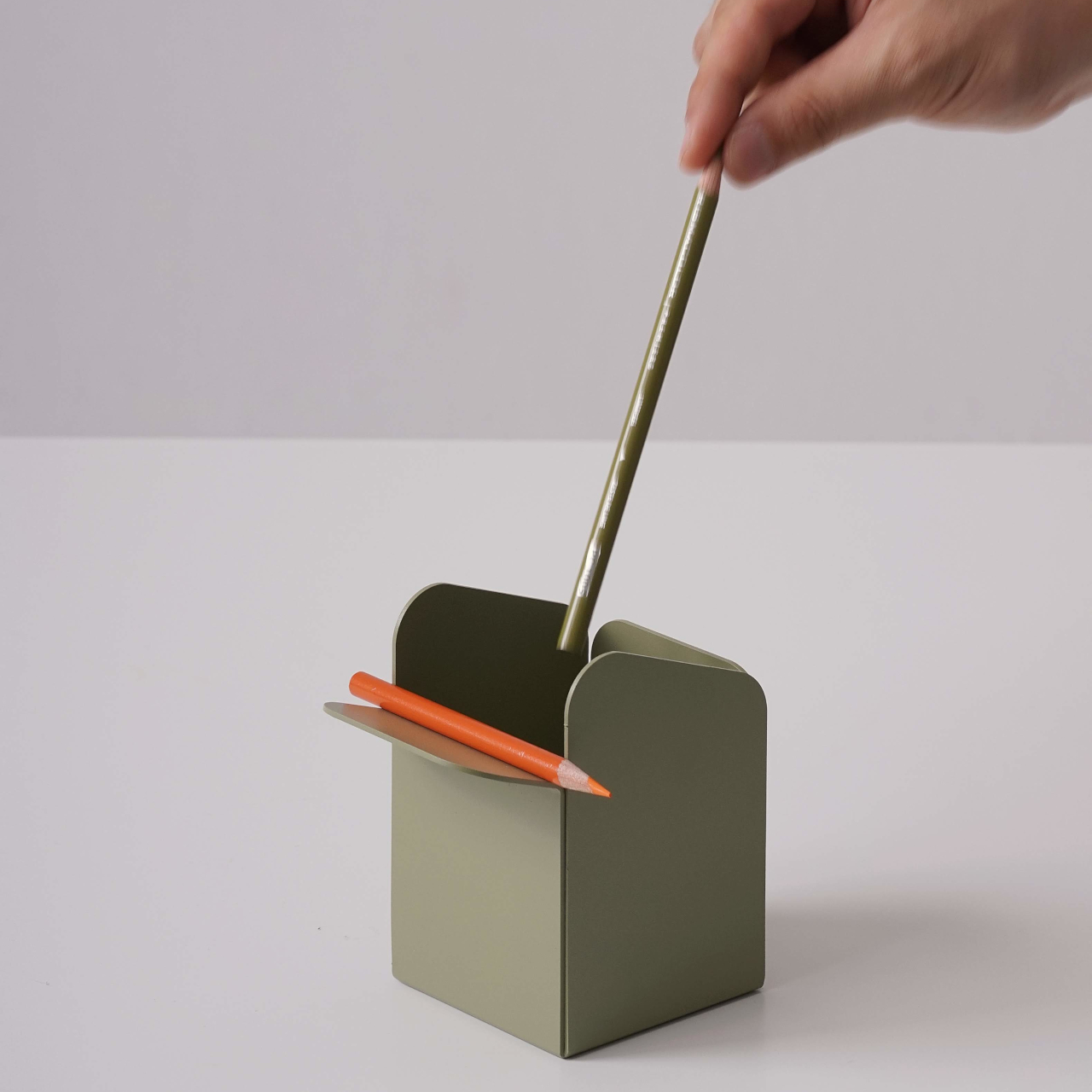
The pen holder responds to a different frustration. Most pencil cups are graveyards for dried-out markers and forgotten highlighters, which means digging through clutter every time you need your favorite pen. Foldy’s version keeps the upright cavity but adds a folded lip on the front where one or two favorite tools rest horizontally. It acknowledges that you always reach for the same pens, so it gives them a front row seat.

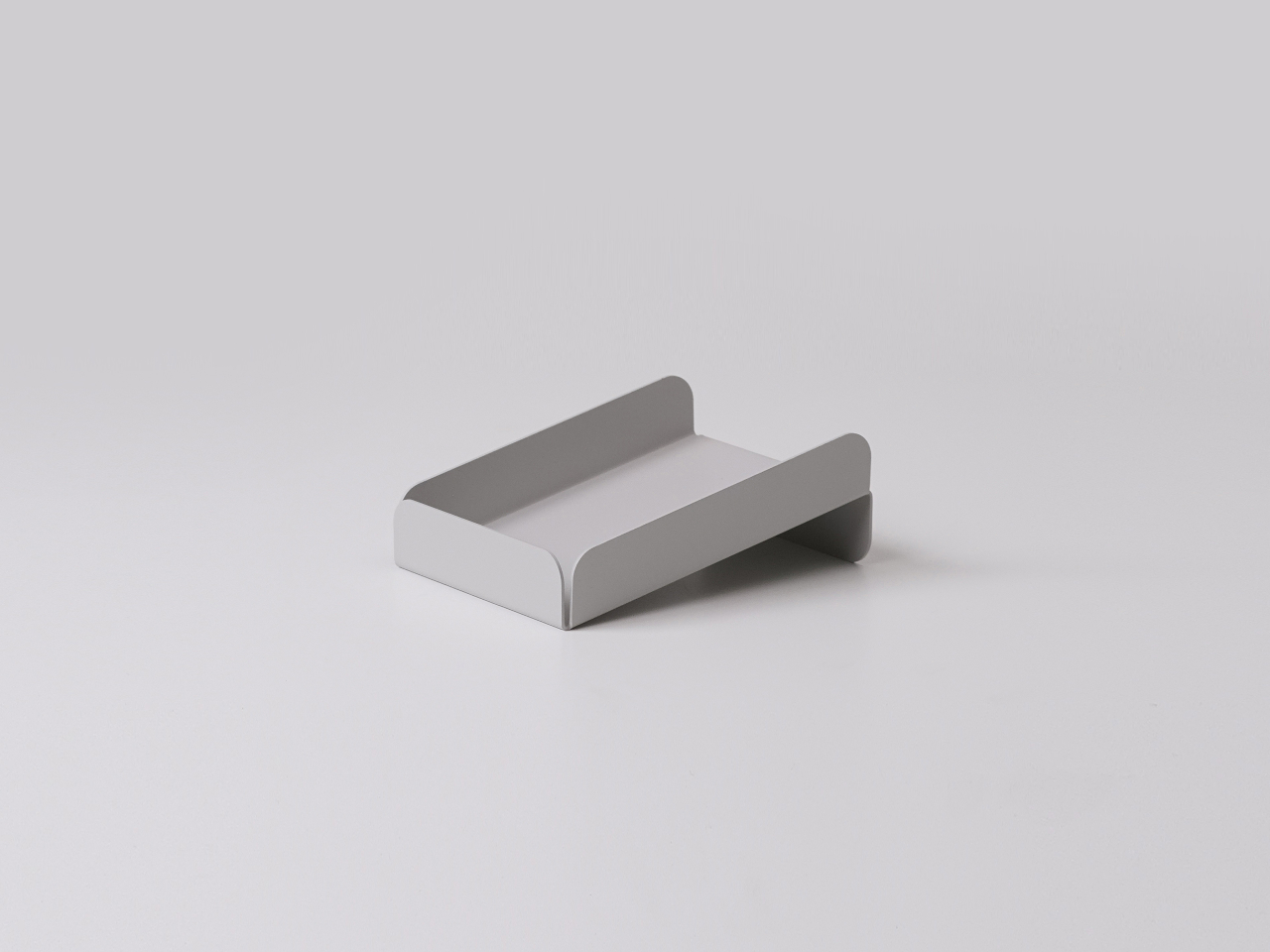
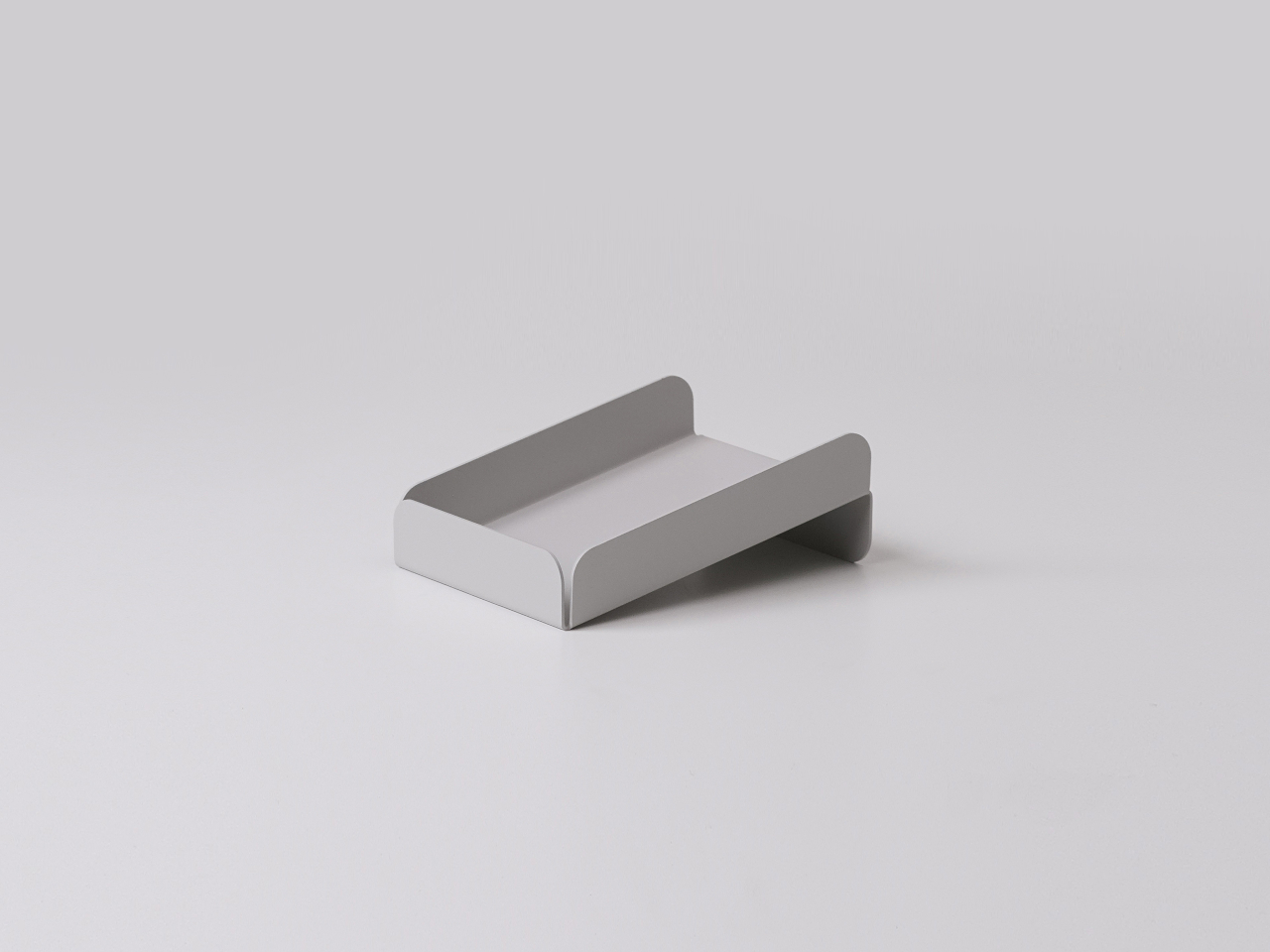
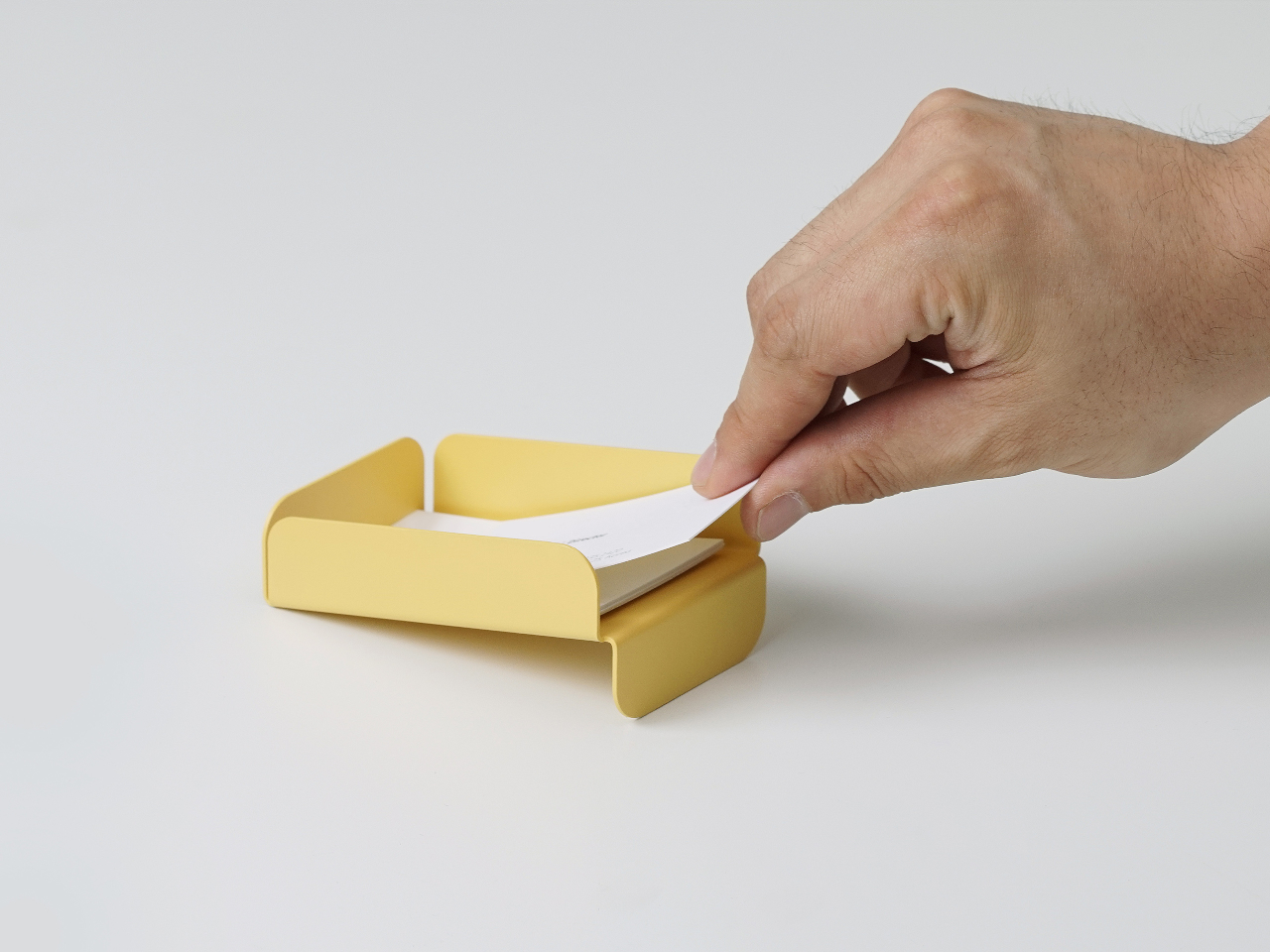
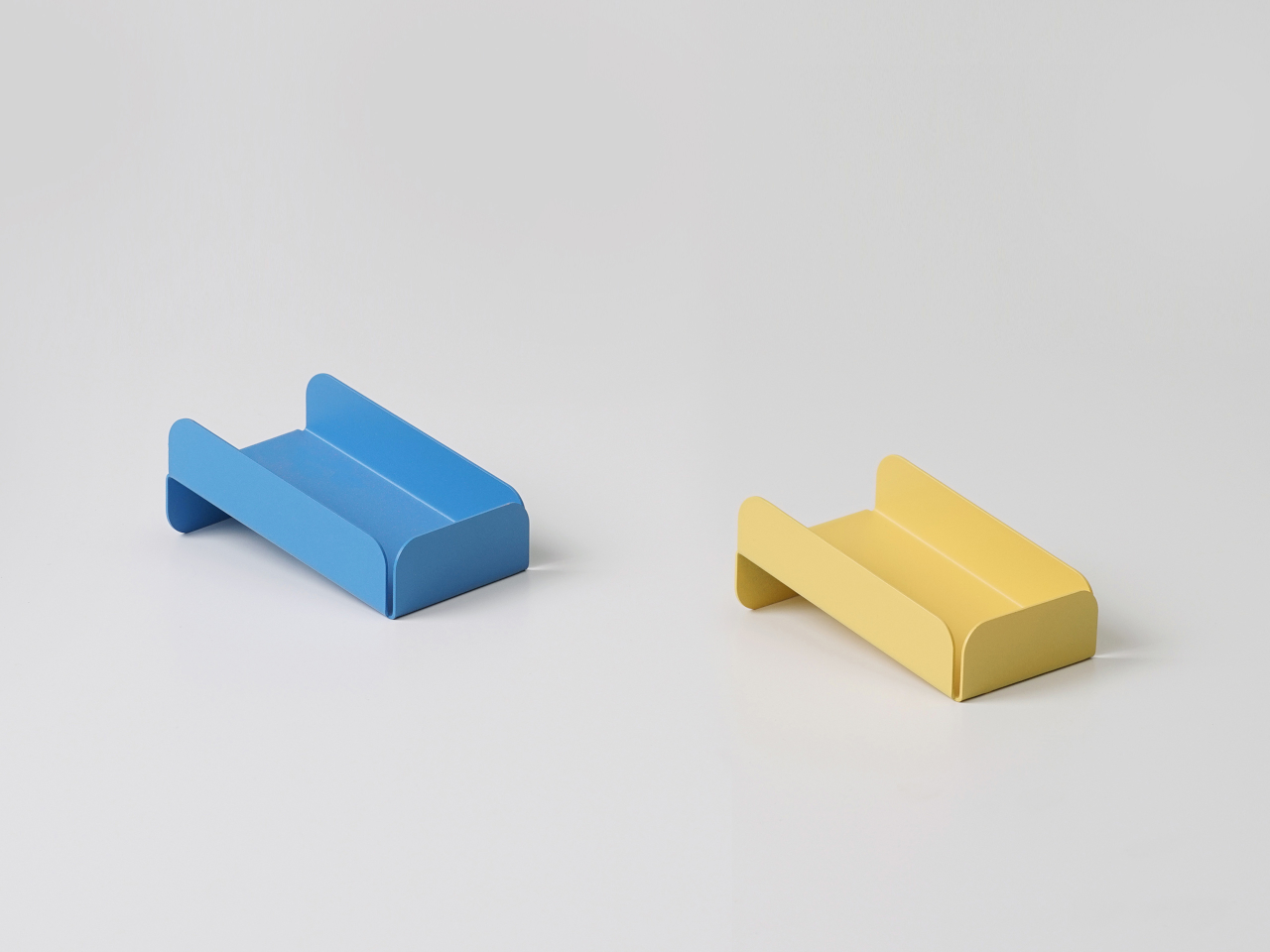
The low pencil tray and business card tray follow the same logic. The pencil tray is just a shallow channel that keeps a pen from rolling away when you set it down between tasks. The card tray is angled so business cards naturally settle into a neat stack and are easier to pick up with a thumb instead of sliding flat fingers underneath them. Both share rounded edges and folded profiles, making them feel like siblings.

Of course, tactile details matter as much as organizational logic. The rounded corners and matte finishes take the edge off metal, literally and visually. The colors, from muted greens to brighter blues and yellows, are soft enough not to shout but distinct enough to zone different functions. The result is a set of objects that look simple but feel surprisingly considered once you start using them daily.

Foldy shows what happens when you let manufacturing drive form for something as humble as a paper tray. Instead of hiding the fold, it celebrates it, and instead of fighting everyday habits like reaching for the same pen or letting paper drift forward, it leans into them. The result is desk tools that quietly tidy things up without asking you to reorganize your entire workflow or pretend to keep your desk perfectly clean all the time.

The post Fold Metal Once, Organize Your Entire Desk Forever first appeared on Yanko Design.

TWIST Bends One Metal Sheet Into Table, Storage, and Handle

Side tables usually end up as simple flat discs on legs, doing little more than holding a drink or a phone you keep checking when you should be reading. There’s nothing wrong with that, but it also means they contribute almost nothing else to a room beyond a horizontal surface. The growing interest in compact, multi-functional furniture has designers rethinking how small pieces like side tables can quietly add storage and flexibility without cluttering a space.

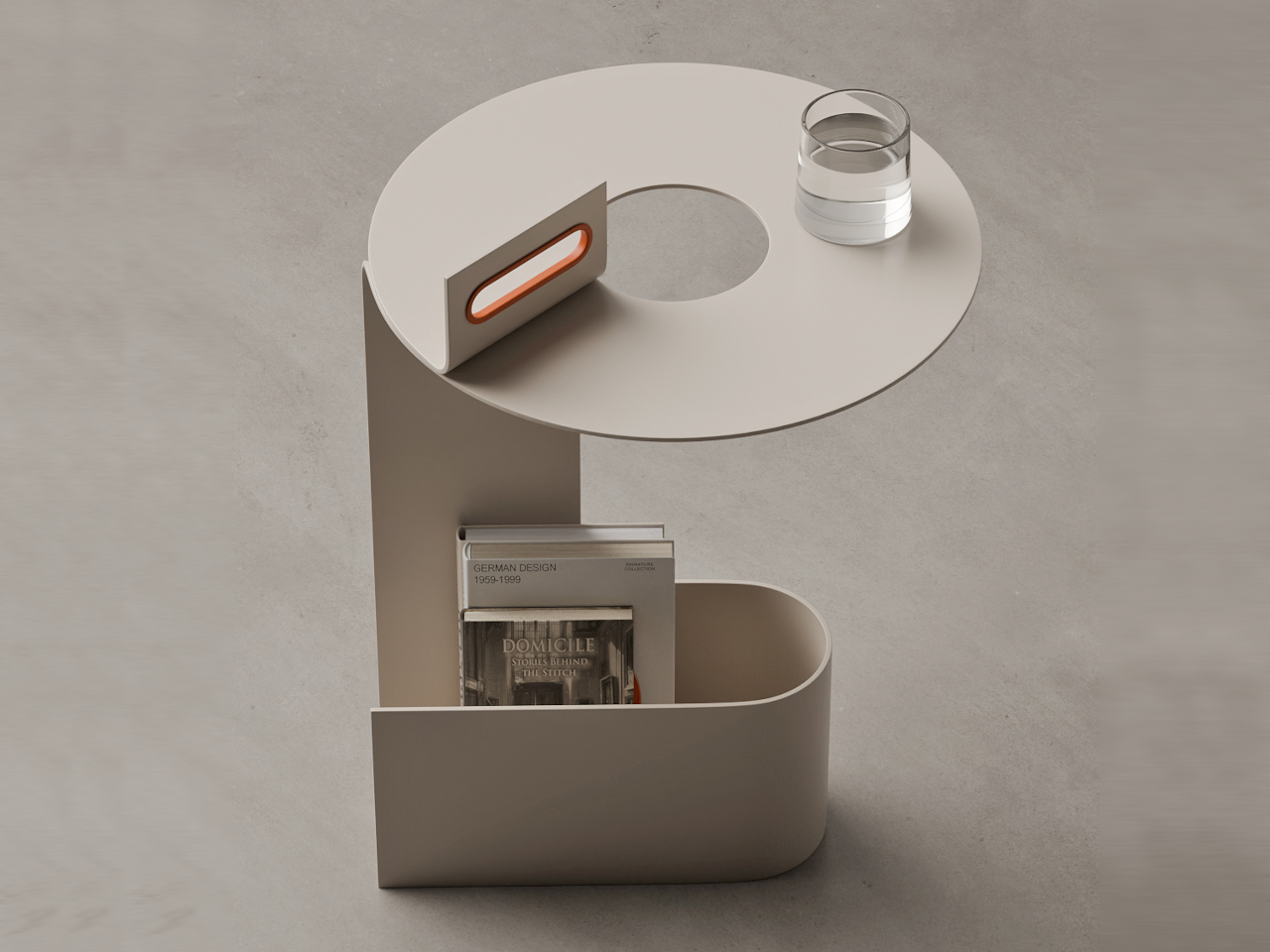
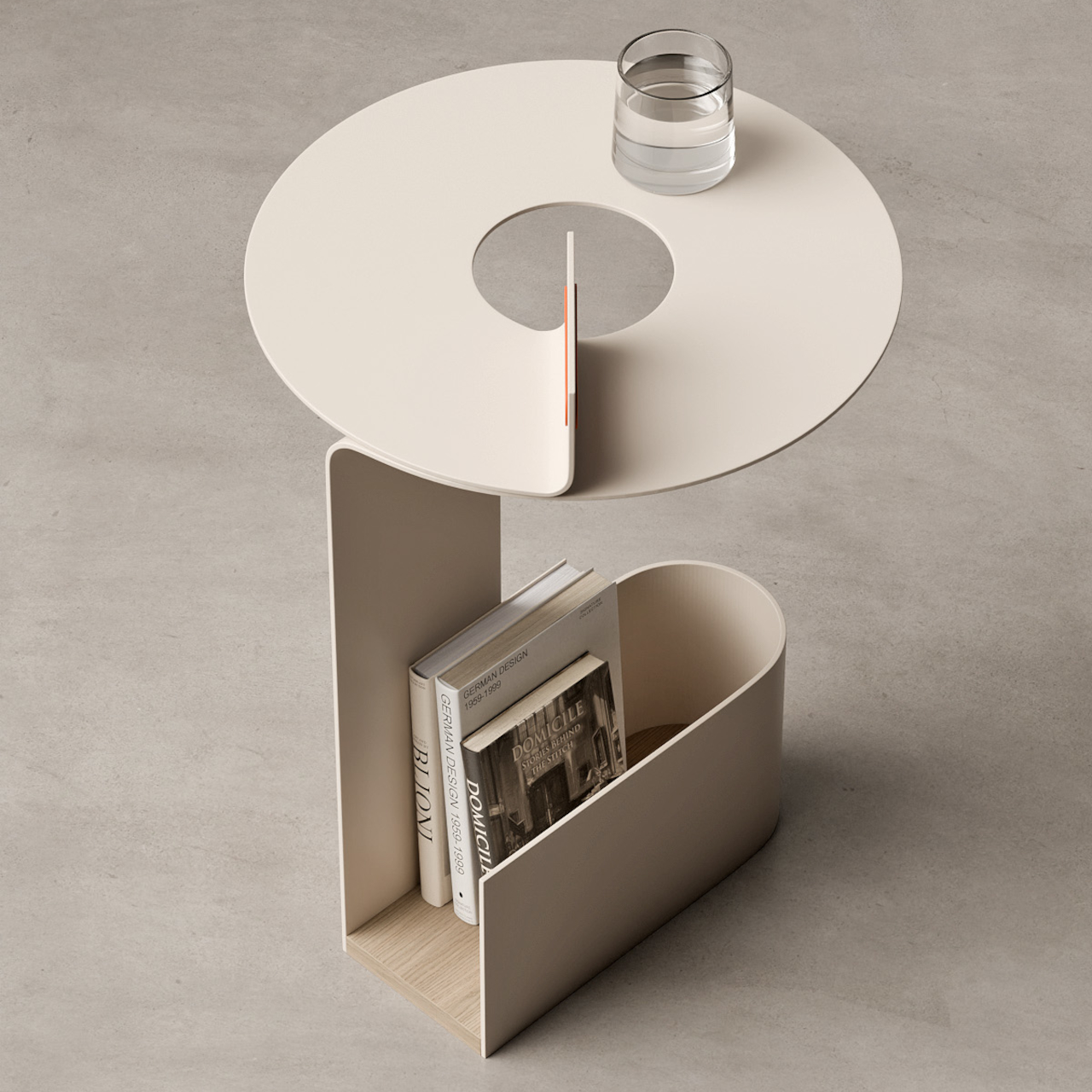
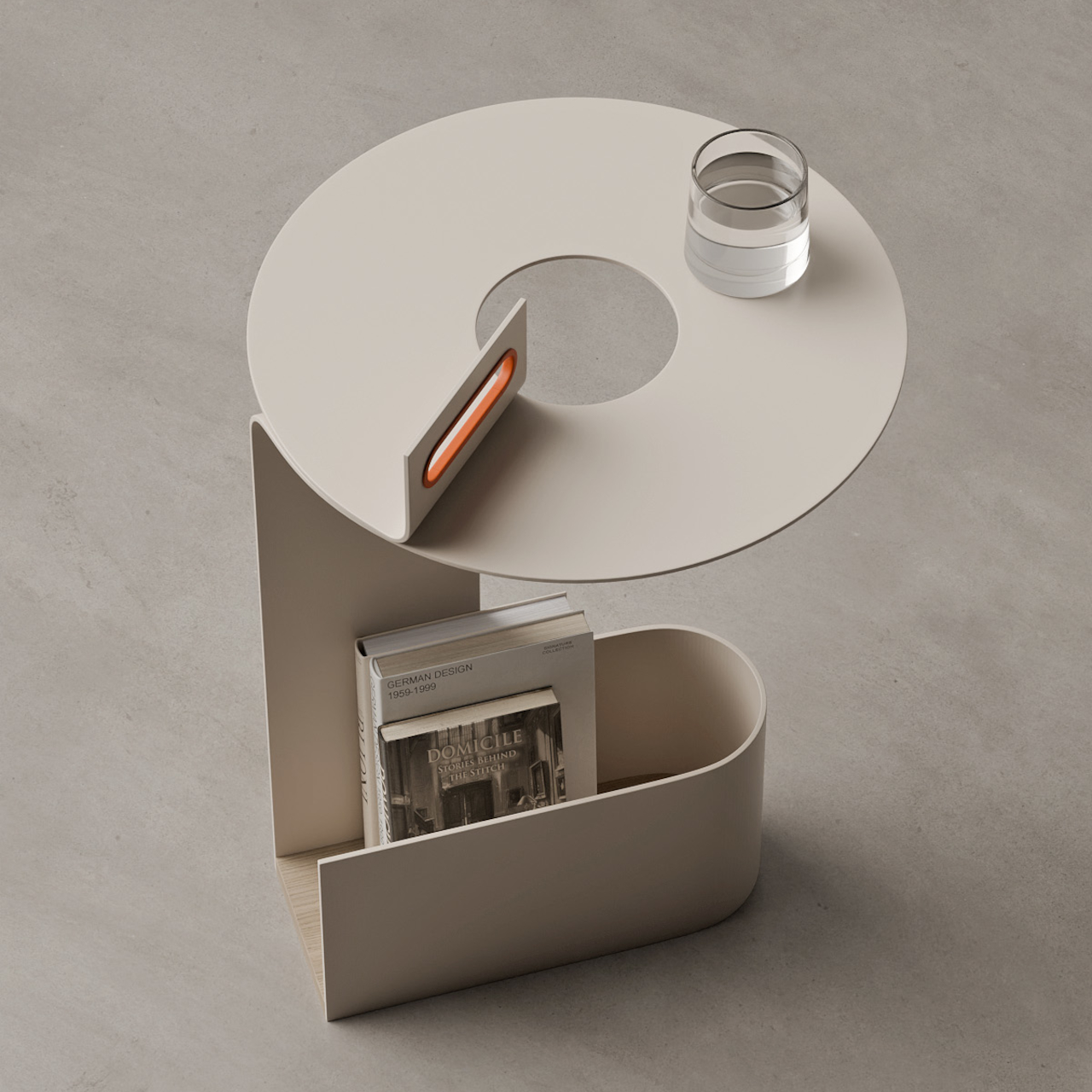
The TWIST side table uses a single sheet of metal looping in a circular motion to form a tabletop, support, and storage all at once. It integrates a carry handle and a book compartment, with a wooden base adding warmth to balance the cool metal. The whole piece reads like a ribbon frozen mid-twist rather than a collection of separate parts, giving it a sculptural quality that works even when it’s not holding anything.

Designer: Joao Teixeira

The geometry is surprisingly simple once you trace it. The metal rises from the floor as a vertical panel, bends into a round tabletop with a large central cut-out, then drops down and curls into an oval storage bin at the base. The tabletop forms a ring that frames whatever you place on it, while the circular void in the center lightens the visual mass and makes room for the handle element to pass through.

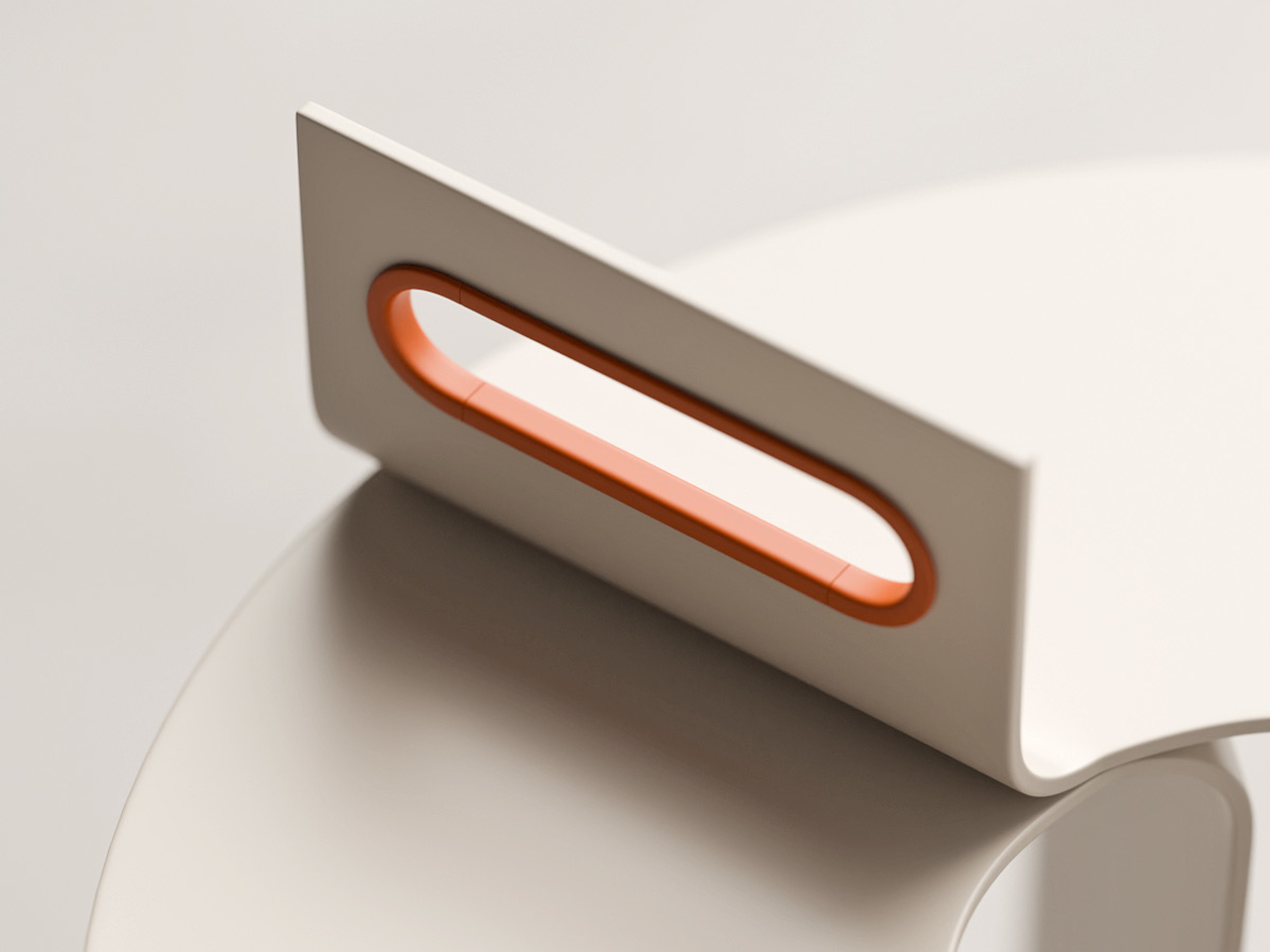
That handle emerges from the tabletop as a vertical fin aligned with the central opening. It’s wrapped with a soft material shown in a contrasting orange, making it comfortable to grip and visually highlighting the interaction point. The handle turns the table into something you can easily pick up and move around a room, reinforcing its role as a portable companion rather than a piece anchored permanently to one spot.

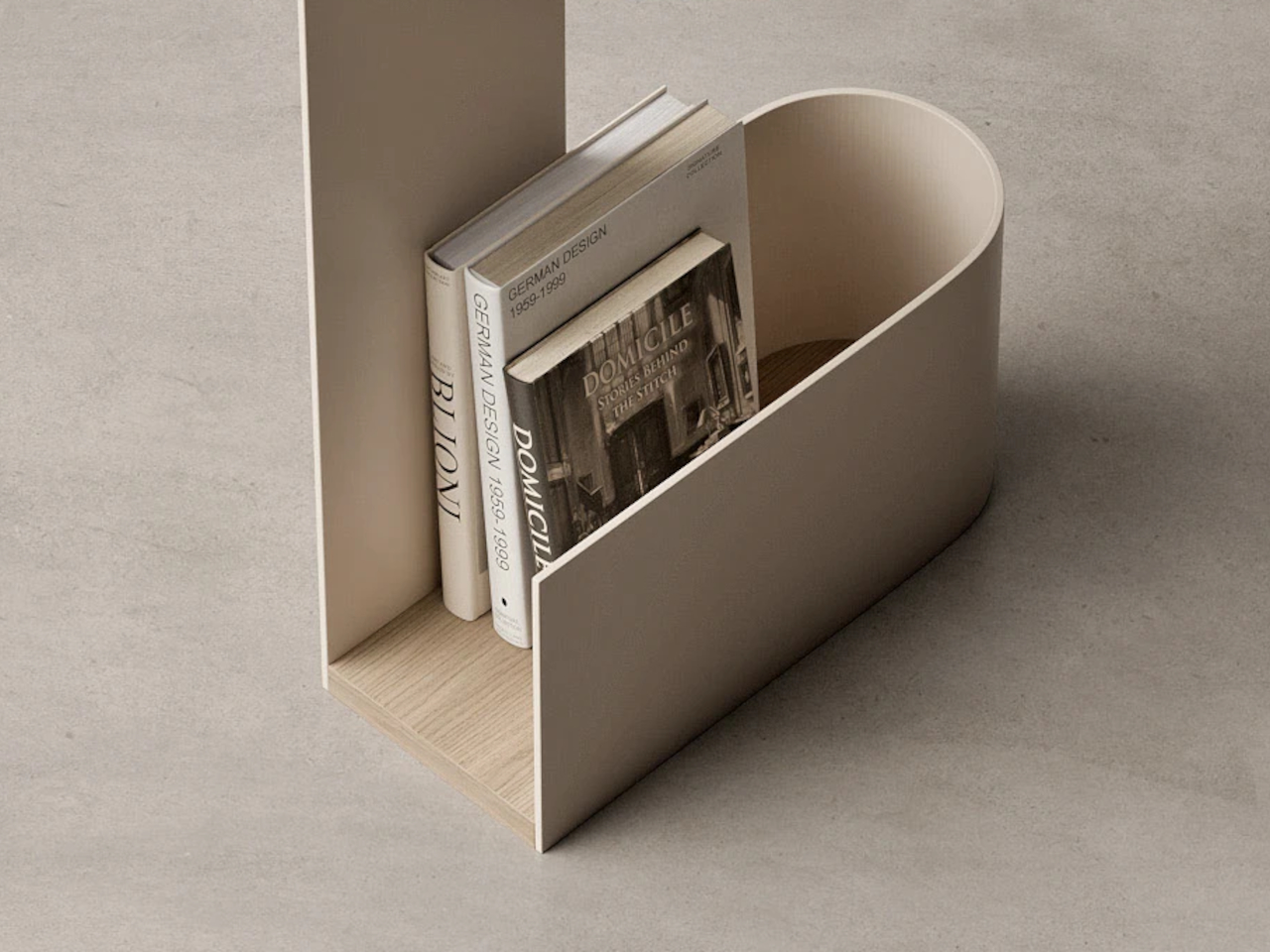
The lower section functions as an open-topped storage bin sized for books and magazines. The metal walls curve smoothly into rounded corners that echo the tabletop’s circular geometry, while a wooden base panel inside the bin adds warmth and keeps stored items stable. That wooden surface also grounds the piece visually, preventing the lower section from feeling too light compared to the tall vertical panel rising above it.

The material palette visible in the renders keeps everything calm and neutral. A matte, light beige metal body pairs with a pale wood base and a small orange accent in the handle. The orange gives the eye a focal point without dominating the design, while the wood base balances the cool metal and helps the table feel at home in living spaces rather than purely industrial settings.

TWIST works well next to a sofa or lounge chair, holding a glass on its circular top while a few favorite books rest in the lower bin. It functions as both a sculptural object and a practical helper, offering storage, surface, and a built-in way to move it wherever you need. It’s a small reminder that even a side table can be drawn as one thoughtful line.

The post TWIST Bends One Metal Sheet Into Table, Storage, and Handle first appeared on Yanko Design.

The Arnardo Desk Looks Like It Time-Traveled From 2084

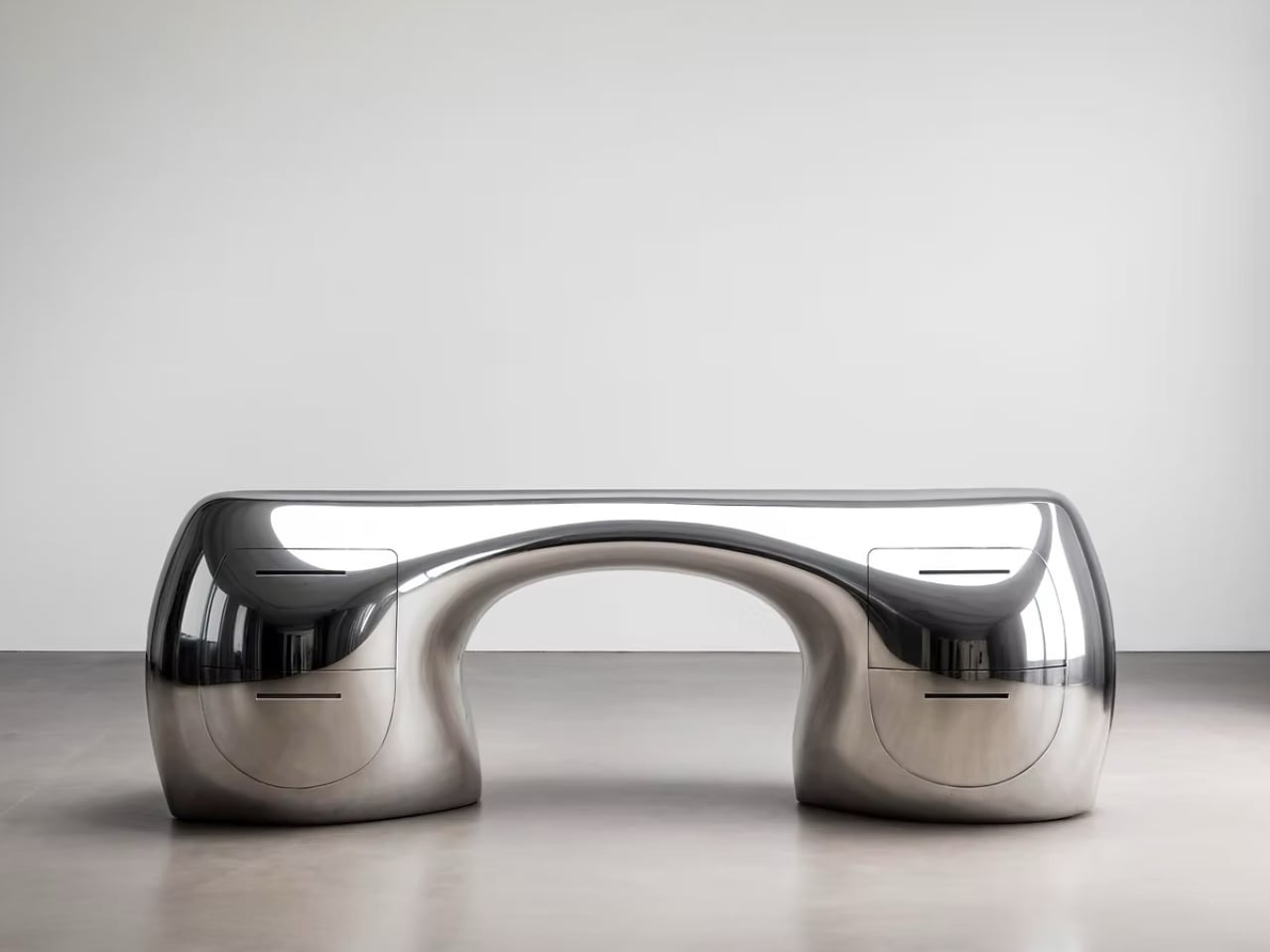
There’s something deeply satisfying about furniture that refuses to play by the rules. You know the kind I’m talking about: pieces that make you stop mid-scroll and think, “Wait, is that even real?” The Arnardo Desk by Paddy Pike Studio is exactly that kind of design unicorn, and honestly, I’m not sure whether to sit at it or frame it on a museum wall.

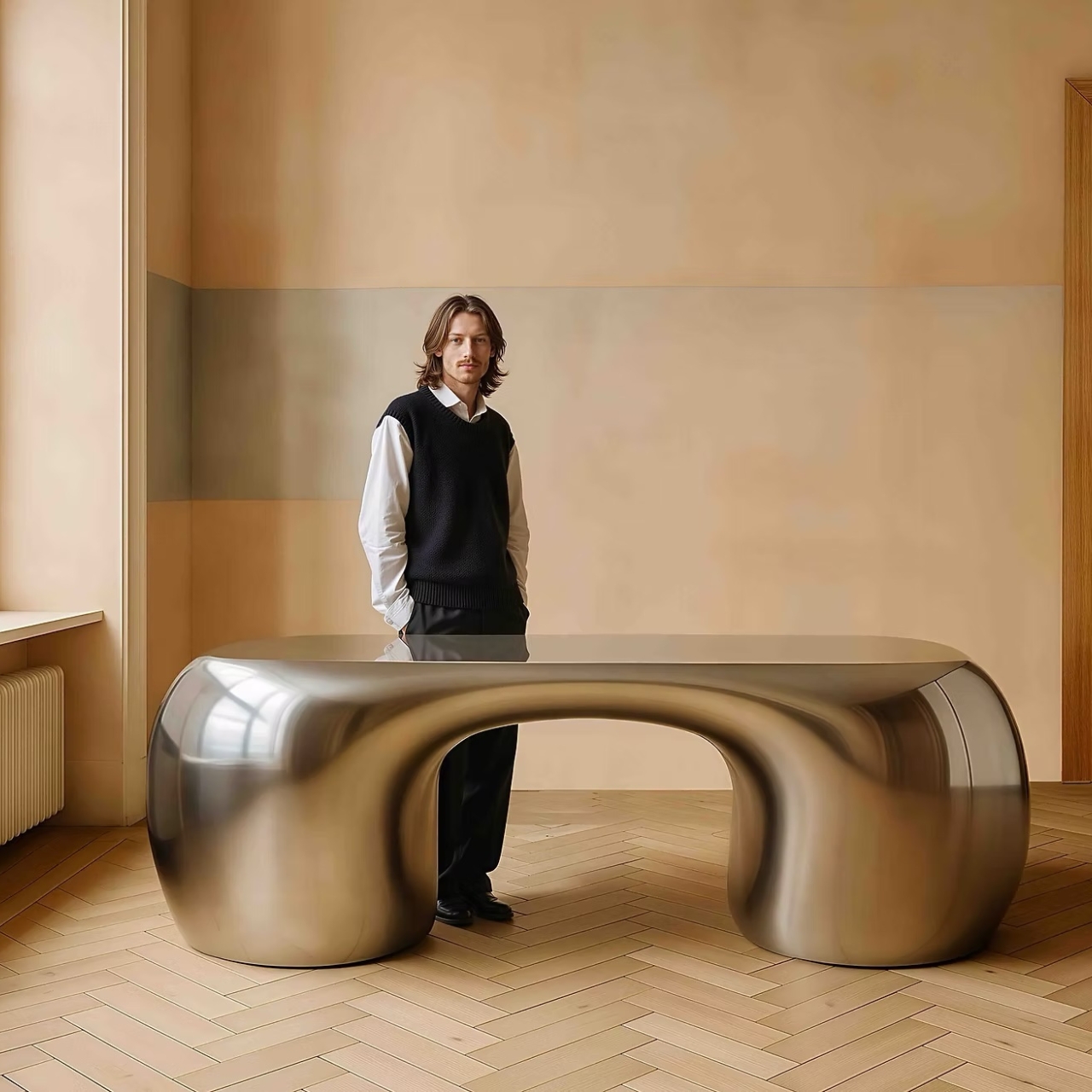
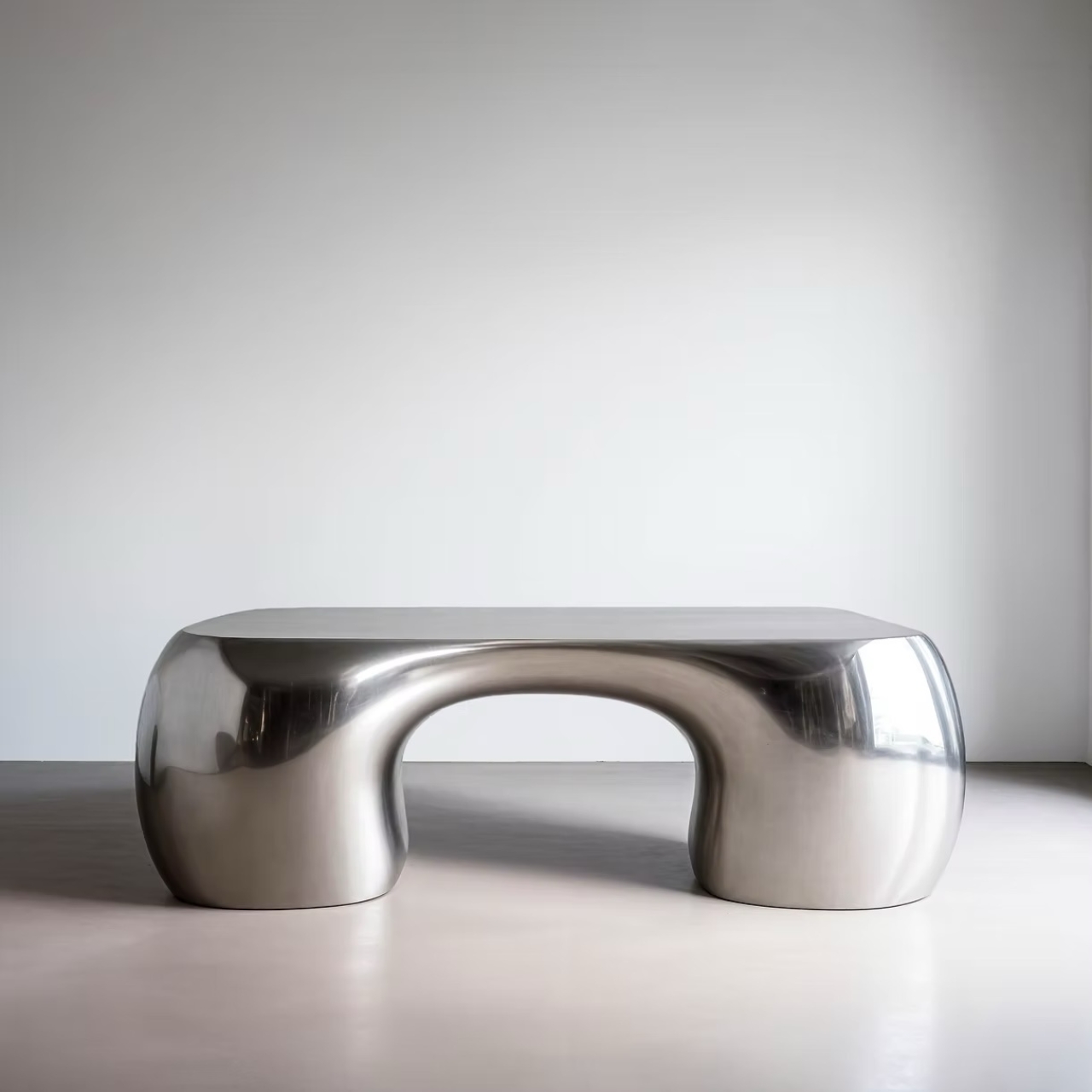
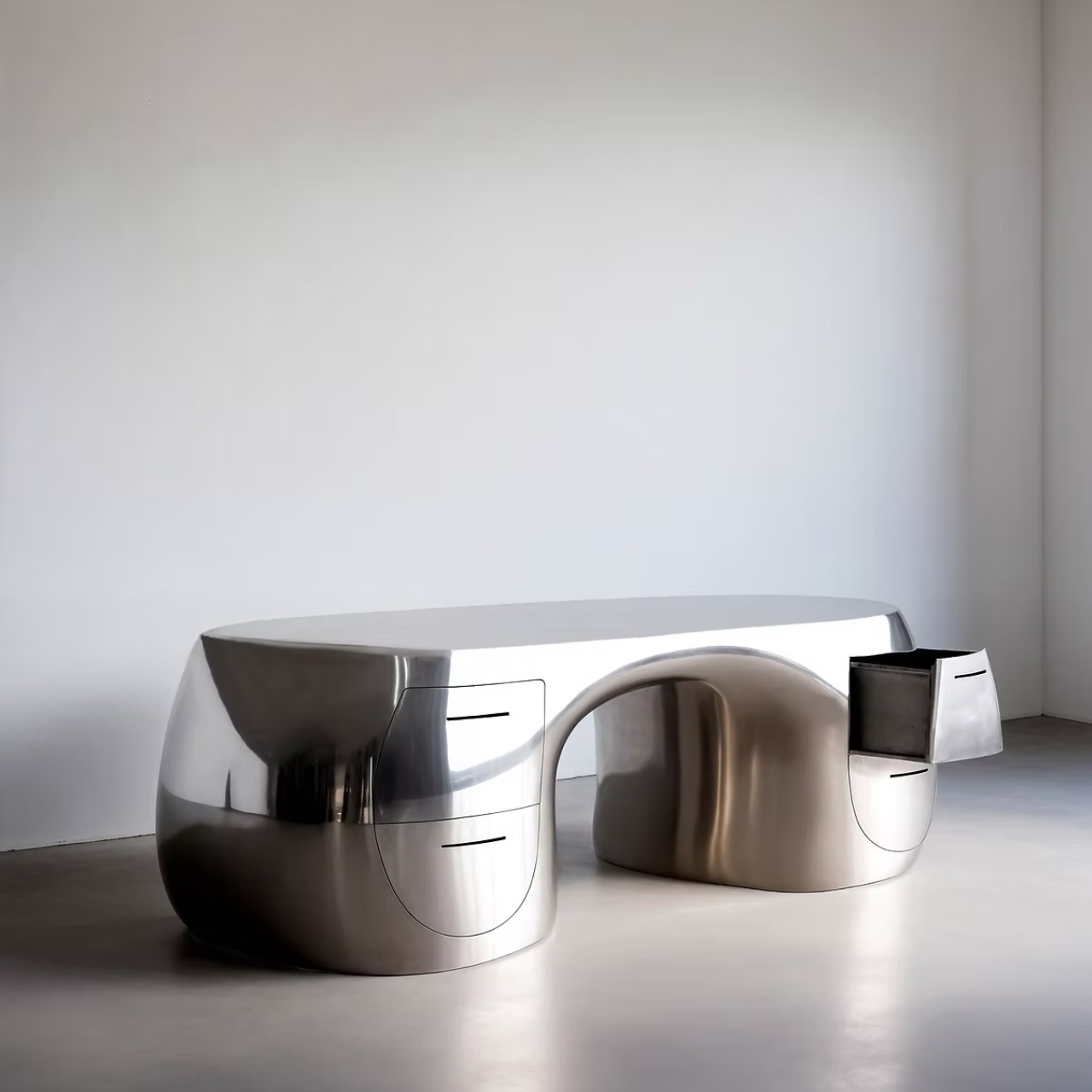
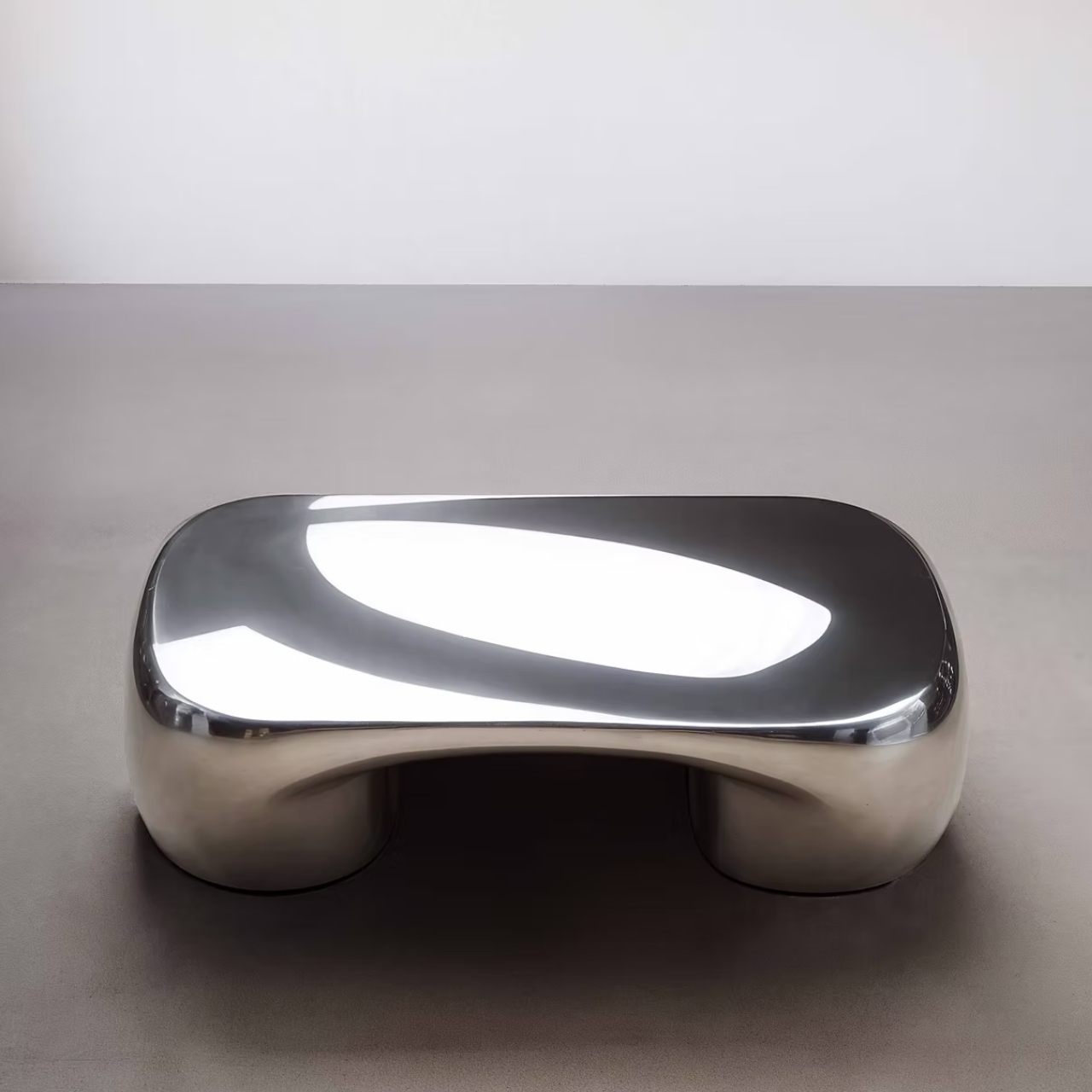
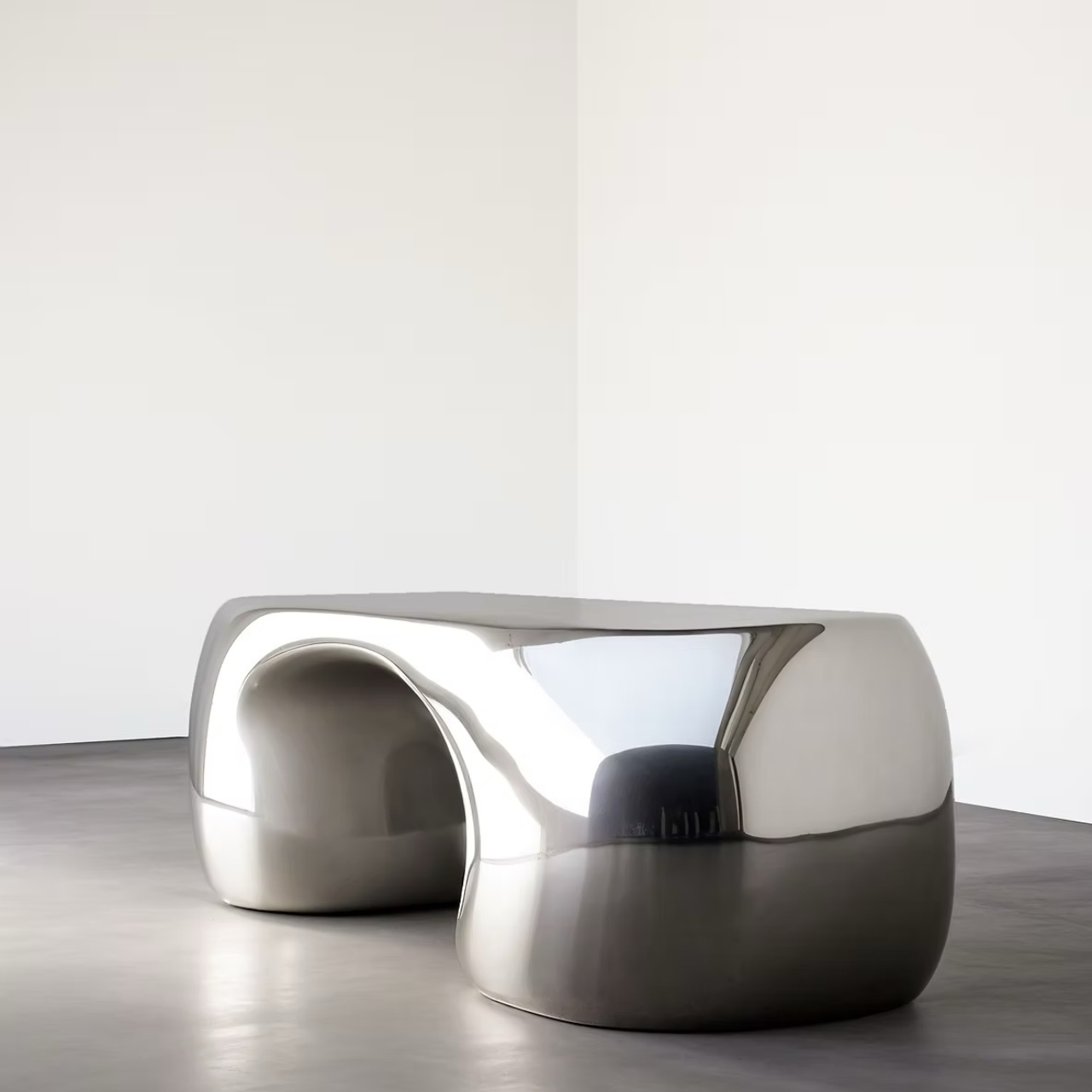
At first glance, this desk looks like someone melted the future and poured it into a mold. The high-polish metallic finish catches light like liquid mercury, creating reflections that shift and distort depending on where you’re standing. It’s the kind of visual trickery that keeps you staring, trying to figure out where one curve ends and another begins. The whole thing reads like a single continuous surface, even though it’s clearly a complex piece of engineering.

Designer: Paddy Pike Studio

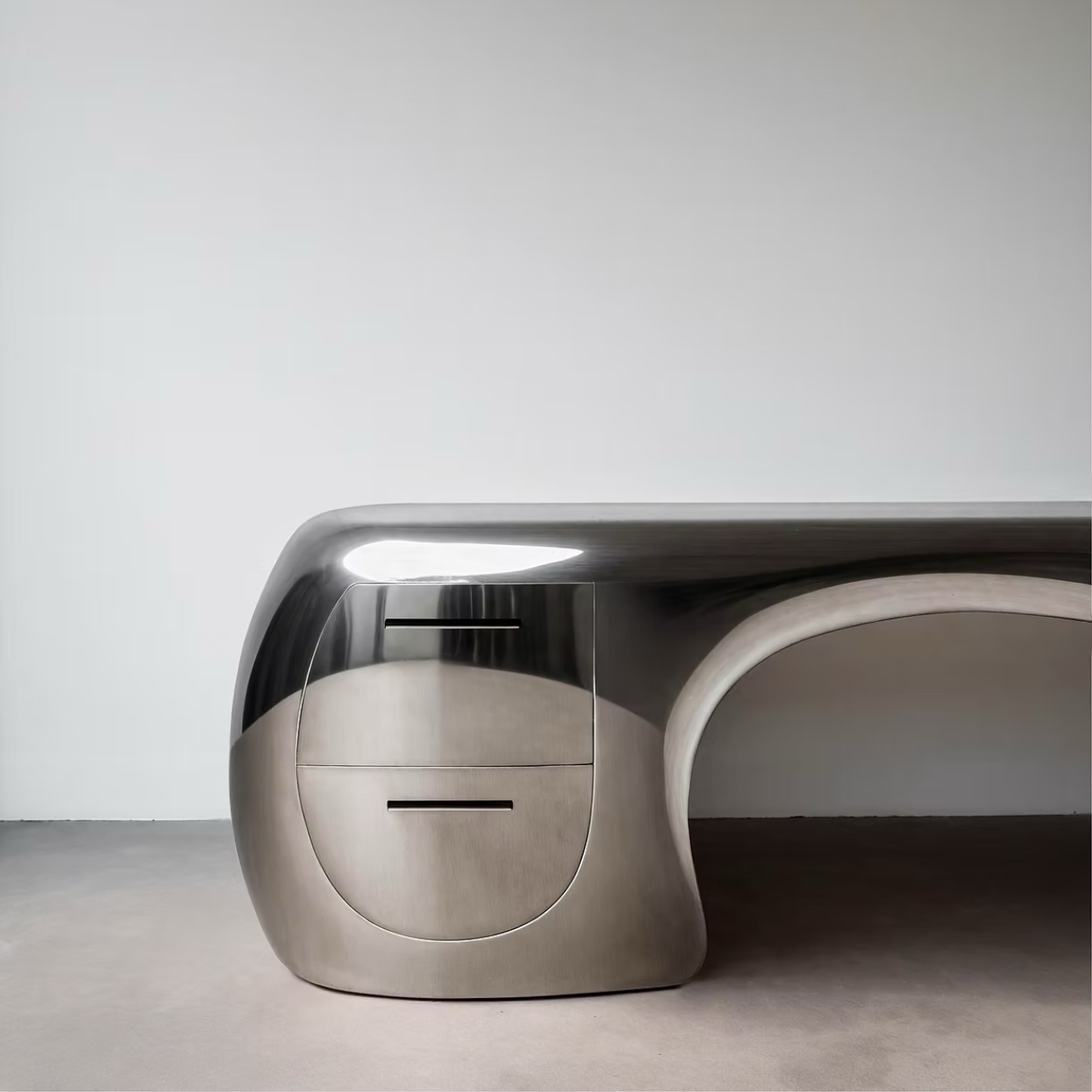
What makes the Arnardo Desk so compelling is how it balances sculpture with function. This isn’t just a pretty object meant to gather dust in a collector’s home (though it would certainly earn its keep there). The design integrates storage drawers seamlessly into those bulbous, almost pod-like pedestals. These aren’t slapped-on afterthoughts either. The drawer fronts follow the same flowing lines as the rest of the piece, maintaining that unbroken visual rhythm that makes the desk feel like it was grown rather than built.

The form itself is wonderfully ambiguous. From certain angles, it almost looks biological, like some kind of metallic organism frozen mid-movement. From others, it channels retro-futurism vibes, the kind of aesthetic you’d expect in a 1960s vision of what the year 2000 would look like. And depending on the light, it can read as sleek and minimal or dramatically sculptural. That versatility is part of its magic.

Paddy Pike Studio has clearly spent time thinking about how people interact with their workspace. The curved desktop surface isn’t just a stylistic choice. It creates distinct zones without the need for physical dividers. You can imagine spreading out projects across that generous surface, using the natural flow of the form to organize your work. The height and proportions suggest careful consideration of ergonomics, even as the overall aesthetic screams art installation.

What’s particularly interesting is how this piece positions itself in the current design landscape. We’re living through a moment where maximalism is having a serious comeback, where bold statement pieces are replacing the stark minimalism that dominated the 2010s. The Arnardo Desk fits perfectly into this shift. It’s unapologetically dramatic, refuses to blend into the background, and makes a space feel intentional rather than default.

The material choice matters here too. That mirror-like metallic finish isn’t just about looks (though it certainly delivers on visual impact). It’s a callback to the Space Age furniture of designers like Eero Aarnio and Joe Colombo, who experimented with then-novel plastics and metals to create pieces that felt radically different from traditional wood furniture. Pike is working in that same experimental tradition, pushing against our expectations of what a desk should look like.

There’s also something delightfully impractical about this desk, and I mean that as the highest compliment. In a world obsessed with optimization and efficiency, where every object needs to justify its existence through maximum utility, the Arnardo Desk dares to be extra. It takes up space. It demands attention. It makes you rethink your entire room just to give it the stage it deserves. That kind of boldness feels refreshing.

Of course, this is collectible design, which means it exists in that fascinating space between art and furniture. It’s fully functional, but it’s also limited and clearly positioned as an investment piece for serious collectors. That doesn’t make it less relevant to the rest of us, though. Pieces like this push the conversation forward. They remind us that furniture doesn’t have to be boring, that our everyday objects can inspire genuine emotion and spark conversations.

The post The Arnardo Desk Looks Like It Time-Traveled From 2084 first appeared on Yanko Design.

Awekeys Full Metal Keycaps Set Turns Any Mechanical Keyboard Into a Design Object

If you’re the type of person who uses computers all day, then you’re likely to appreciate how the quality of a keyboard can make or break the experience. It isn’t just about key travel, switches, or responsiveness, though those are definitely critical elements of a good keyboard. The design of the keycaps themselves can affect the joy of typing, whether it’s through the texture your fingers feel or the aesthetics that delight your eyes. Off-the-shelf keyboards, including mechanical ones, tend to come with uninspiring keycaps that only jump to life when the RGB lighting kicks in. Thankfully, there are keyboards that let you switch out keycaps, and this full set of metal keycaps brings tactile and visual joy that raises your keyboard experience, whether you’re an avid gamer, a professional writer, or simply someone who loves a good-looking mechanical keyboard.

Designer: Awekeys

Click Here to Buy Now: $178.2 to $ 329.4 $198 to $366 (Use coupon code “YANKO” to get 10% off across all color and finish). Hurry, deal ends in 48-hours!

The majority of keyboard keycaps are made of plastic for cost-effectiveness, including those on mechanical keyboards despite their metallic keypress sounds. Metal, after all, is harder to work with than plastic, a bit more expensive to produce, but also undeniably more premium in their appearance. A full set of metal keycaps has always been a keyboard enthusiast’s dream, and Awekeys is only too eager to finally make that dream come true in a very satisfying and sustainable way. Teaming up with world-renowned custom premium keyboard vendors, Awekeys is offering a luxurious way to turn your favorite mechanical keyboard into a work of art.

Each key in this set is made from recycled metal, giving discarded materials new life and minimizing the harmful impact of manufacturing processes on the environment. Products made from recycled materials may have some negative connotations when it comes to quality and durability, but Awekeys’ advanced full CNC machining system ensures that these metal keycaps can resist wear and tear and stand the test of time. This meticulous crafting process enables the creation of intricate designs and outstanding textures, demonstrating the attention lavished on keycaps that will always be under your fingers and within your sight.

The result is a set of metal keys that look exquisite and feel just as luxurious, delivering a typing experience unlike any other. There are various customization options available as well, from matte or glossy finishes to a variety of colors that match your style. Of course, if you’re getting metal keycaps, you might as well embrace a metallic aesthetic, and the Gold, Silver, Copper, and Titanium colorways showcase this property the best. The keycaps are given an extra splash of nano coating to prevent the development of a patina that, while aesthetic on other products, could look unappealing on a keyboard. Whether using a homogenous set or a combination of different colors, your keyboard transforms into a boast-worthy design object that adds value to your desk, even when not in use. To further drive home that image, Awekeys has even collaborated with independent designers to create accent keycaps featuring unique artworks.

The Awekeys metal keycaps set isn’t just about the looks either, as it also enhances the typing experience thanks to its very nature. The metal keycaps add some weight that increases stability and responsiveness, giving not just gamers but also writers and programmers an edge. Compatible with MX-style switches and stabilizers with adjustable stems, these metal keycaps are easy to pull out and plug in, making even the installation process enjoyable. Offered on a first-come, first-served basis, this premium keycap set adds a different kind of excitement to owning an exclusive designer item that truly sets your keyboard apart from the rest. Stylish and sustainable, these metal keycaps can change the way you look at and use your humble keyboard. So give your mechanical keyboard an upgrade with the Awekeys Full Metal Keycaps Set and enjoy a whole new level of typing.

Click Here to Buy Now: $178.2 to $ 329.4 $198 to $366 (Use coupon code “YANKO” to get 10% off across all color and finish). Hurry, deal ends in 48-hours!

The post Awekeys Full Metal Keycaps Set Turns Any Mechanical Keyboard Into a Design Object first appeared on Yanko Design.

This innovative welder delivers a simple yet powerful tool for novices and experts alike

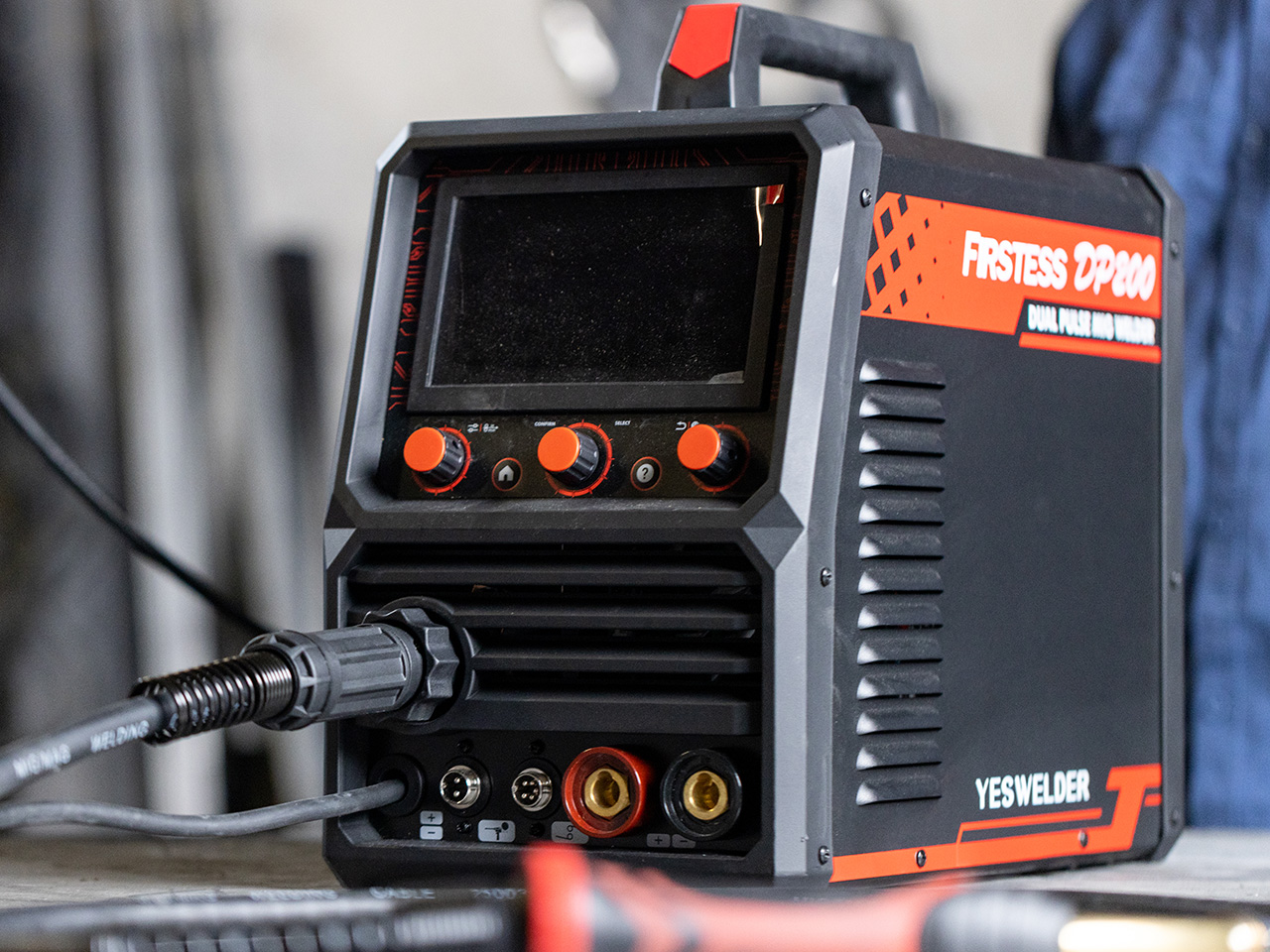
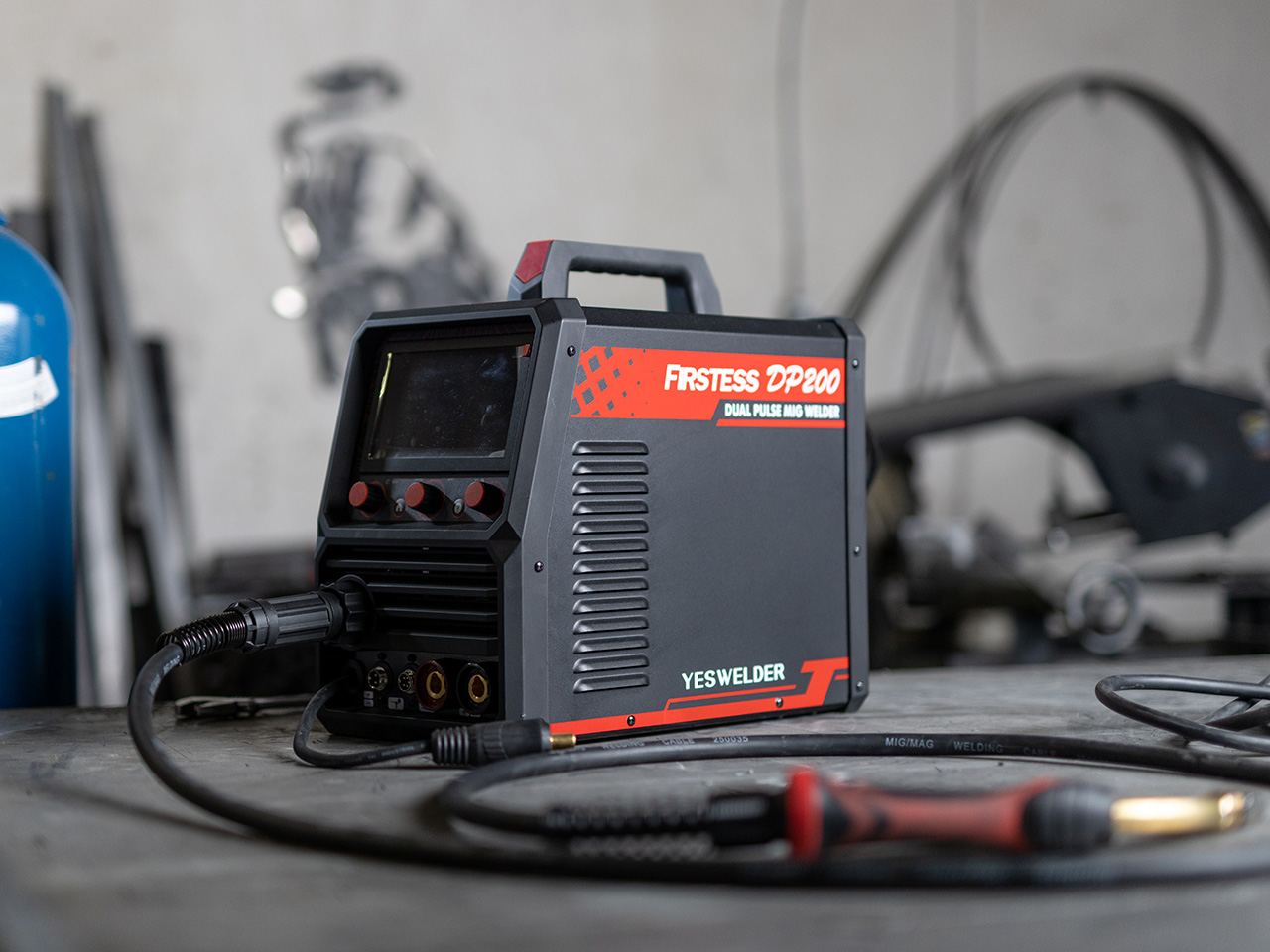
Not all repairs can be handled by adhesives, and not all artistic creations can be made using a 3D printer. Whether you’re repairing a motorbike, designing a piece of furniture, or giving birth to your next metallic masterpiece, you will undoubtedly need a welder, a tool whose sheer power and complexity fazes even the most seasoned worker, let alone beginners and hobbyists. With today’s technologies and design expertise, that shouldn’t be the case anymore, and the YesWelder Firstess DP200 offers a multi-process MIG welder whose simple controls belie its superior capabilities. Mend those metal fences and assemble that metal sculpture with this simple yet ample welder that will satisfy both greenhorns and pros.

Designer: YesWelder

Click Here to Buy Now: $399 $699 (42% off). Hurry, only 137/1480 left! Raised over $1.5 million.

Welding is one of those fascinating aspects of metalwork that feels like you’re playing with fire, and quite literally, too. Electric arc welding has made it easier and safer, but the process is still daunting and possibly frightening for a beginner. Add to that the fact that welders are literally complex machines, and you’ve got a situation that stumps not just novices but even experts.

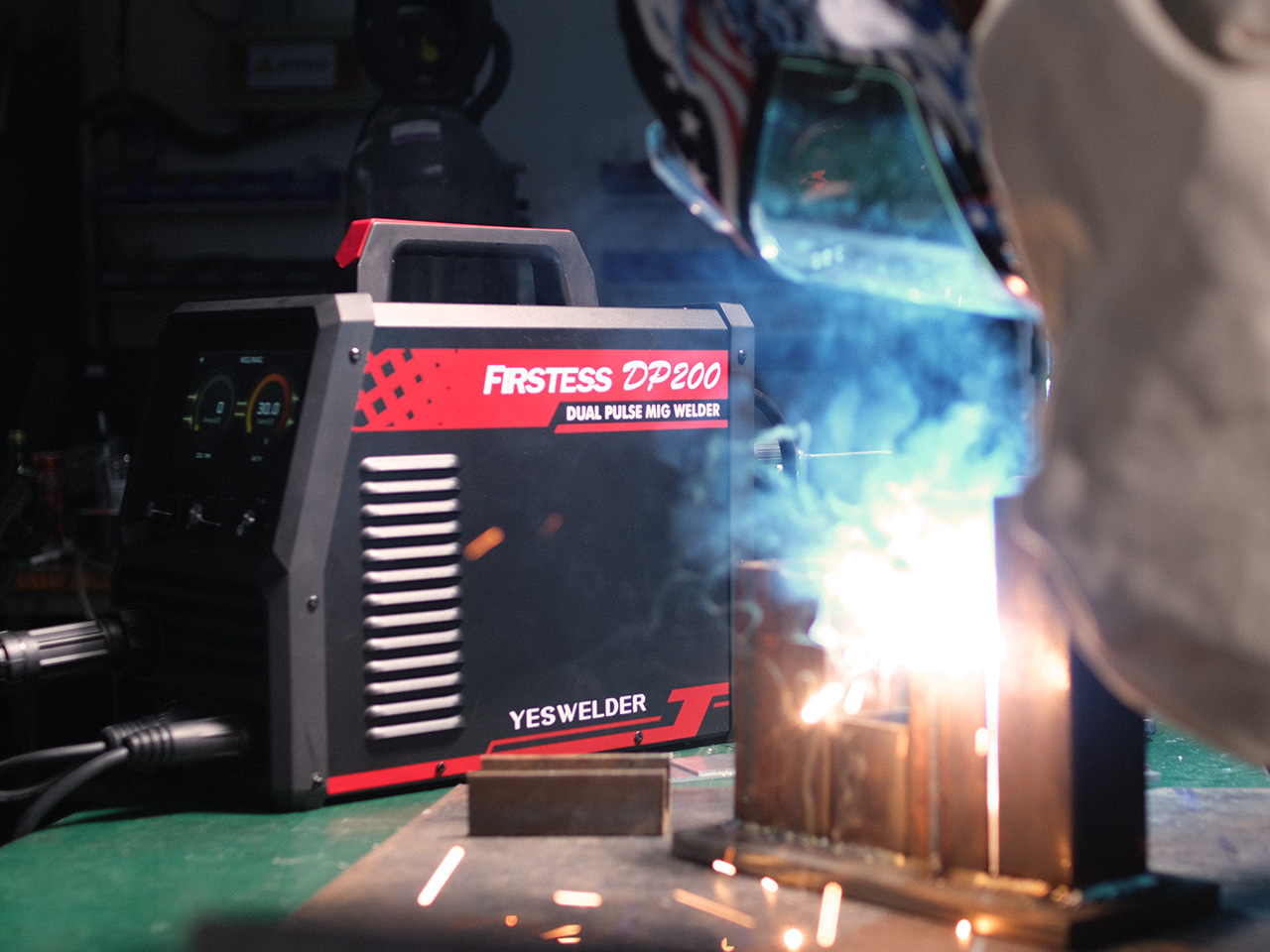
Enter the YesWelder Firstess DP200, a multi-process MIG welder that gets with the times to offer an unbeatable mix of easy-to-use controls and powerful features. Designed to make welding less daunting, simpler, and more fun, the DP200 puts the power you need behind a system that gets you up and running in no time flat, letting you start welding anytime and even anywhere.

Users will fall in love with the large 7-inch screen that can be easily seen from multiple angles. With a high level of brightness, it brings clear visibility even in dark environments. That means you’ll be able to see the welder’s important information even when sparks are flying all around. The Firstess DP200 offers intelligent settings recommendations and cautions, guiding welders through some of the more mundane aspects of the process. With a USB-C port, the machine’s software can be easily updated with bug fixes and features based on user feedback, keeping the smart welder alive and usable for a very long time.

The Firstess DP200 also has plenty of features to woo more seasoned craftsmen as well. The Pulse MIG and DualPulse™ MIG welding delivers low spatter and minimal heat buildup, making it easy to work with ultra-thin materials, including aluminum. At the same time, the Flux-cored welding also makes it suitable for thicker materials, while Lift TIG, which can also be controlled by a foot pedal, and Stick welding offer even more flexibility, allowing the DP200 to handle any welding material, need, or environment. And with dual-volt support, the Firstess DP200 is ready for use anywhere in the world and in any location, whether you’re at home or in a workshop.

With a welder, safety is just as critical as the output, and YesWelder doesn’t disappoint here either. Even before you begin welding, the machine does a 10-second self-check to make sure it’s in good working condition. Dual high-speed fans ensure it’s only the metal that melts under extreme heat, not the welder. Convenient and easy to use, powerful and adaptable to any welding use case, and, best of all, accessible to all kinds of users, the YesWelder Firstess DP200 lets you elevate your craft to the next level, making repairs and metalwork a cinch.

Click Here to Buy Now: $399 $699 (42% off). Hurry, only 137/1480 left! Raised over $1.5 million.

The post This innovative welder delivers a simple yet powerful tool for novices and experts alike first appeared on Yanko Design.

OnePlus Nord 4 Review: A Game-Changer with Metal Unibody Design

PROS:


  • Stunning metal unibody design

  • Alert slider

  • Impressive battery performance

  • Long-term support package

  • Fast 100W wired fast charging capability

CONS:


  • No wireless charging

  • Modest 8MP ultrawide camera

  • Limited availability

RATINGS:

AESTHETICS
ERGONOMICS
PERFORMANCE
SUSTAINABILITY / REPAIRABILITY
VALUE FOR MONEY

EDITOR'S QUOTE:

Whether for its striking aesthetics, impressive battery life, or rapid charging capabilities, the OnePlus Nord 4 offers great value for users seeking a reliable and feature-rich smartphone experience.

Positioning itself as OnePlus’s midrange smartphone, each iteration of the Nord series has delivered great value, balancing price and performance. However, design has often taken a back seat in OnePlus’s Nord lineup, where aesthetics have been serviceable but not standout. With the latest Nord series, this perception is set to change. The company took on a great design challenge in the era of 5G – OnePlus is bringing back metal and went with a metal unibody design with Nord 4.

In terms of specifications, the OnePlus Nord 4 features a 6.74-inch Super Fluid AMOLED display with Ultra HDR support, a dual camera system, a 5,500 mAh battery with 100W wired charging capability, and is powered by Snapdragon 7+ Gen 3 chipset. Is the Nord 4 merely a visually appealing device, or does it offer substance beneath its sleek exterior? We put the phone to the test to uncover the answer.

Designer: OnePlus

Aesthetics

Being the only metal unibody 5G smartphone, according to OnePlus, Nord 4 has a captivating aesthetics. Metal back panels have been more common in the past, but they have become increasingly rare due to the adoption of 5G technology, which requires materials that do not interfere with reception. This shift has led to the predominance of materials like glass, plastic, ceramic, and vegan leather for back panels. OnePlus, with its “Never Settle” spirit, has boldly challenged this norm and created a metal unibody 5G phone by introducing a unique antenna arrangement and U-shaped antenna positioned at the bottom of the device.
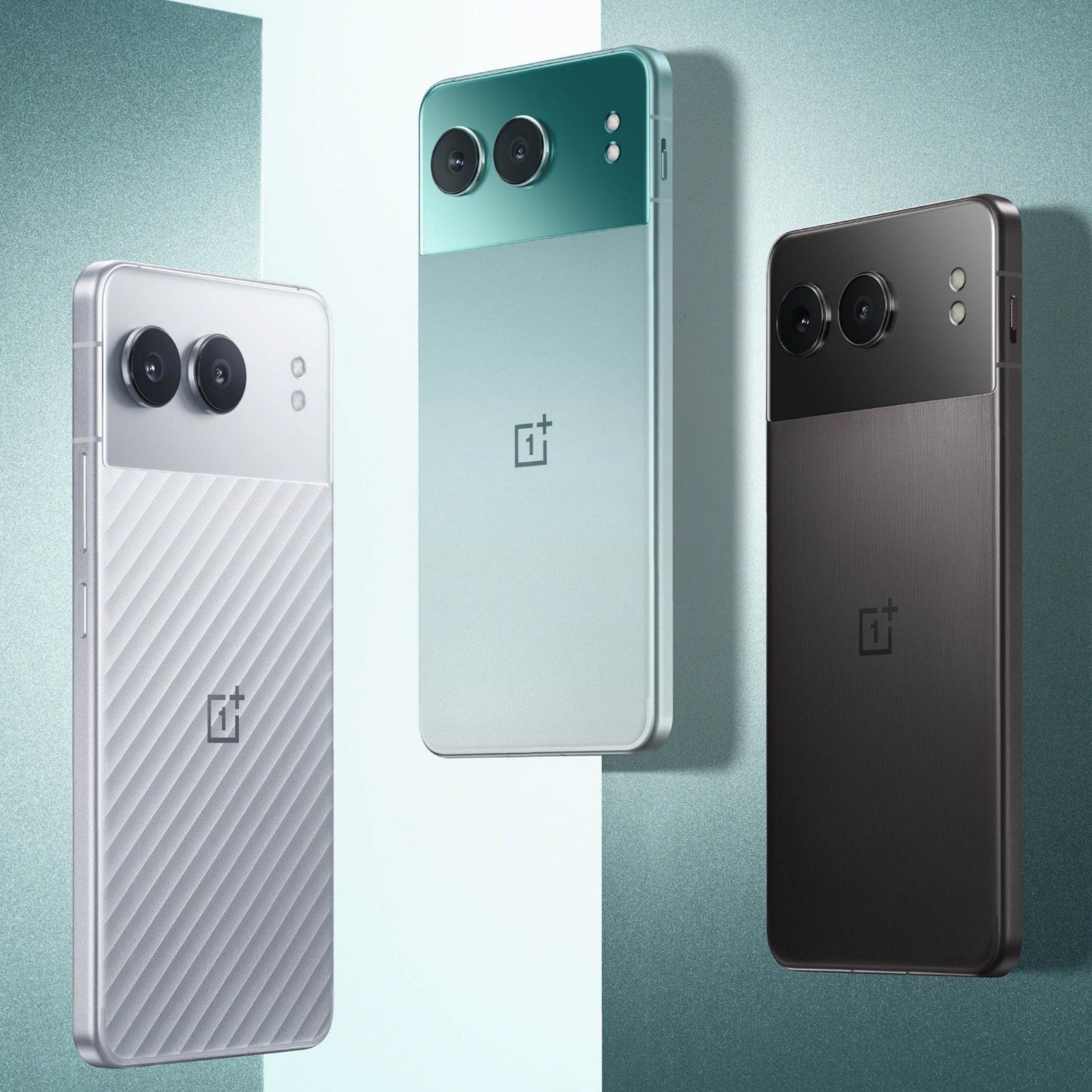
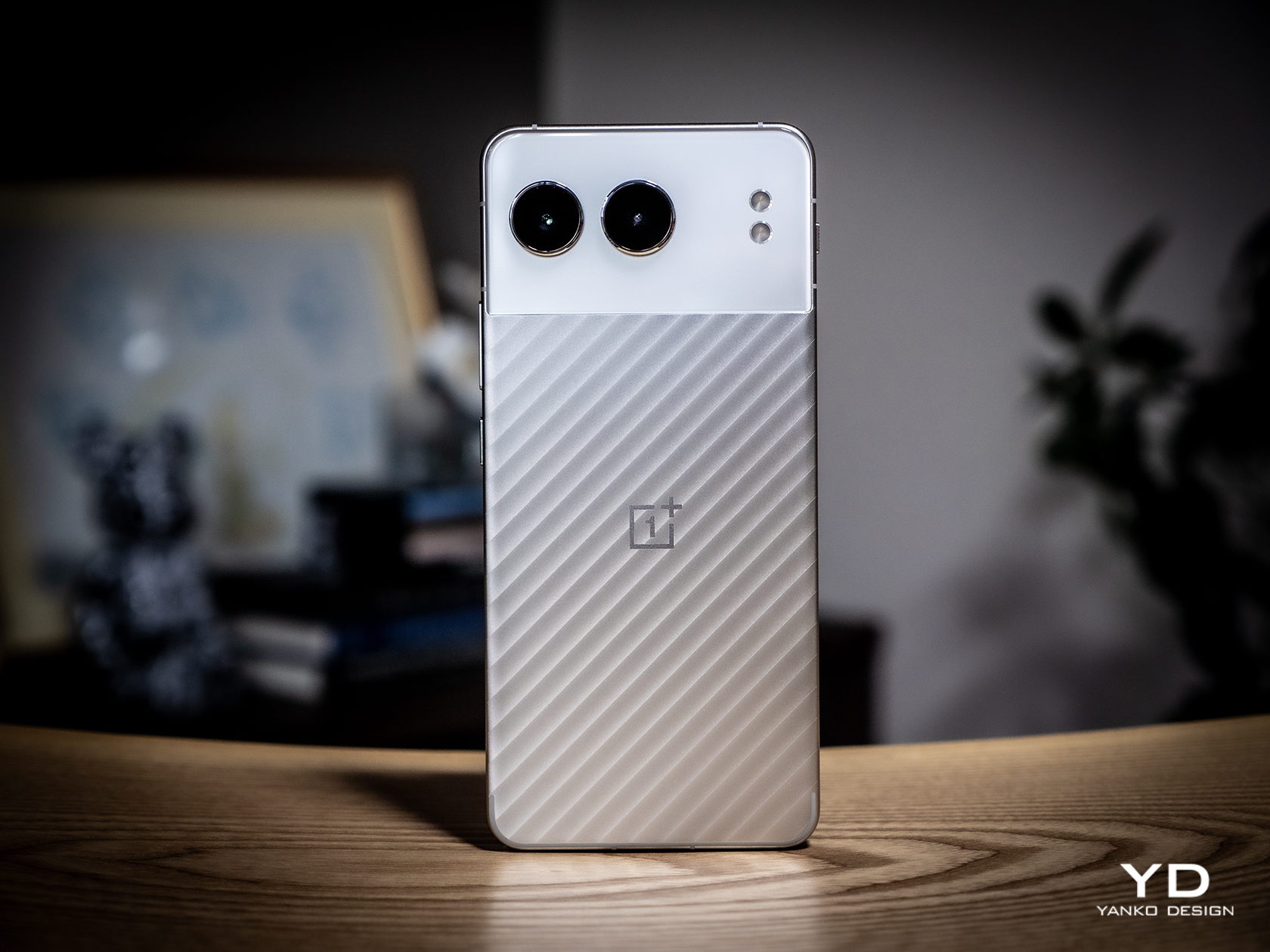
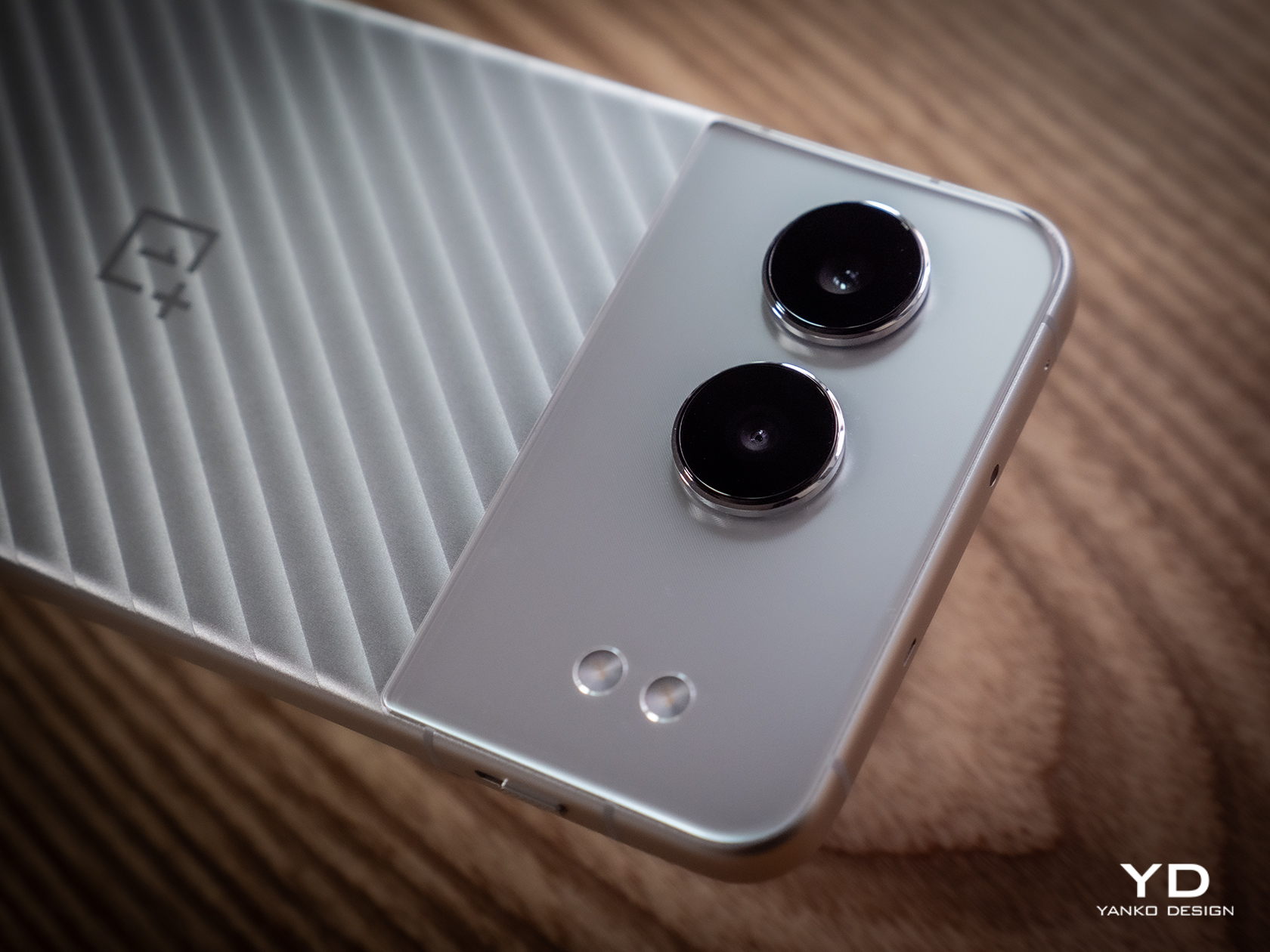
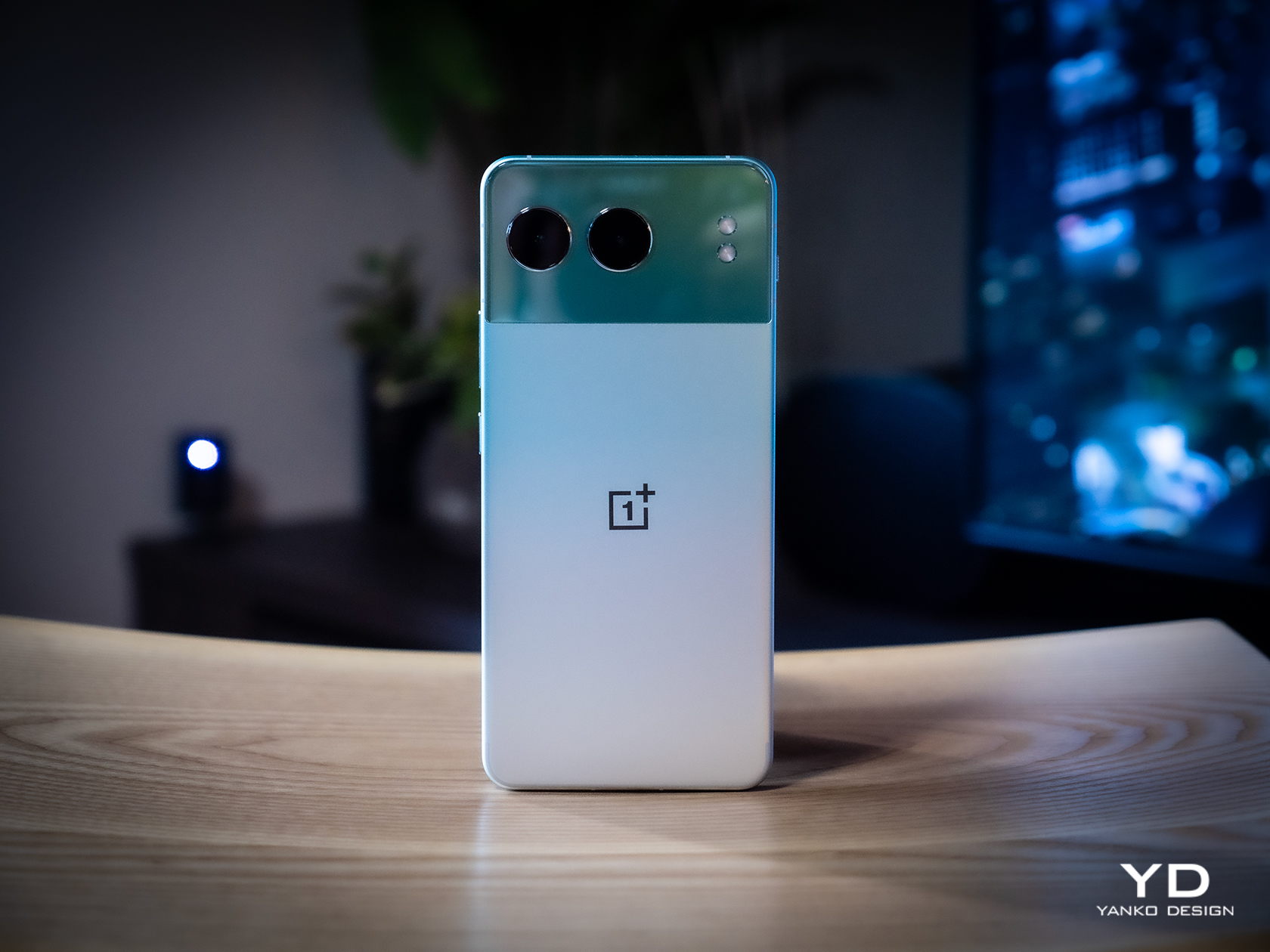
The phone is offered in three color options: Obsidian Midnight, Mercurial Silver, and Oasis Green. Each variant showcases a distinctive two-tone design on the back panel, with a glossy plastic covering the upper quarter and a metal lower three-quarters. The plastic section accommodates two horizontally arranged circular cameras and two vertically aligned LED flashlights.
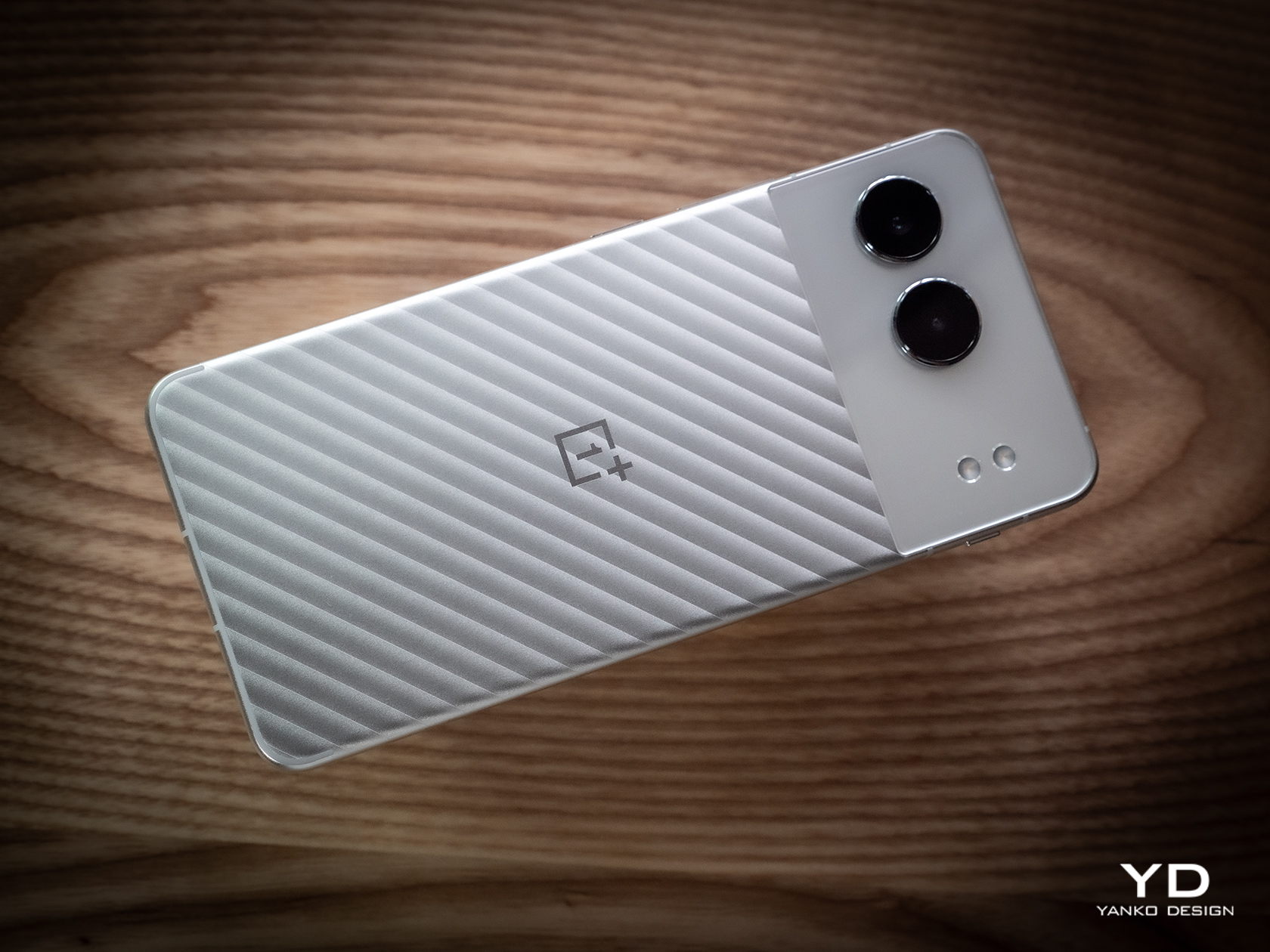
We received the device in Mercurial Silver, and it is one of the most aesthetically pleasing smartphones I’ve ever held so far. The silver variant features beautiful diagonal patterns that create an illusion of depth on the metal section of the back panel, accentuated by a shiny OnePlus logo at the center. According to OnePlus, each Mercurial Silver rear casing goes through a meticulous process with over 28,000 nano-laser cuts, which takes about 12 minutes to finish. The resulting silky texture of the back panel not only delights the eyes but also offers a pleasing tactile experience. While the metal unibody made from aluminum remains largely free of fingerprints, the glossy plastic part is more prone to smudges.
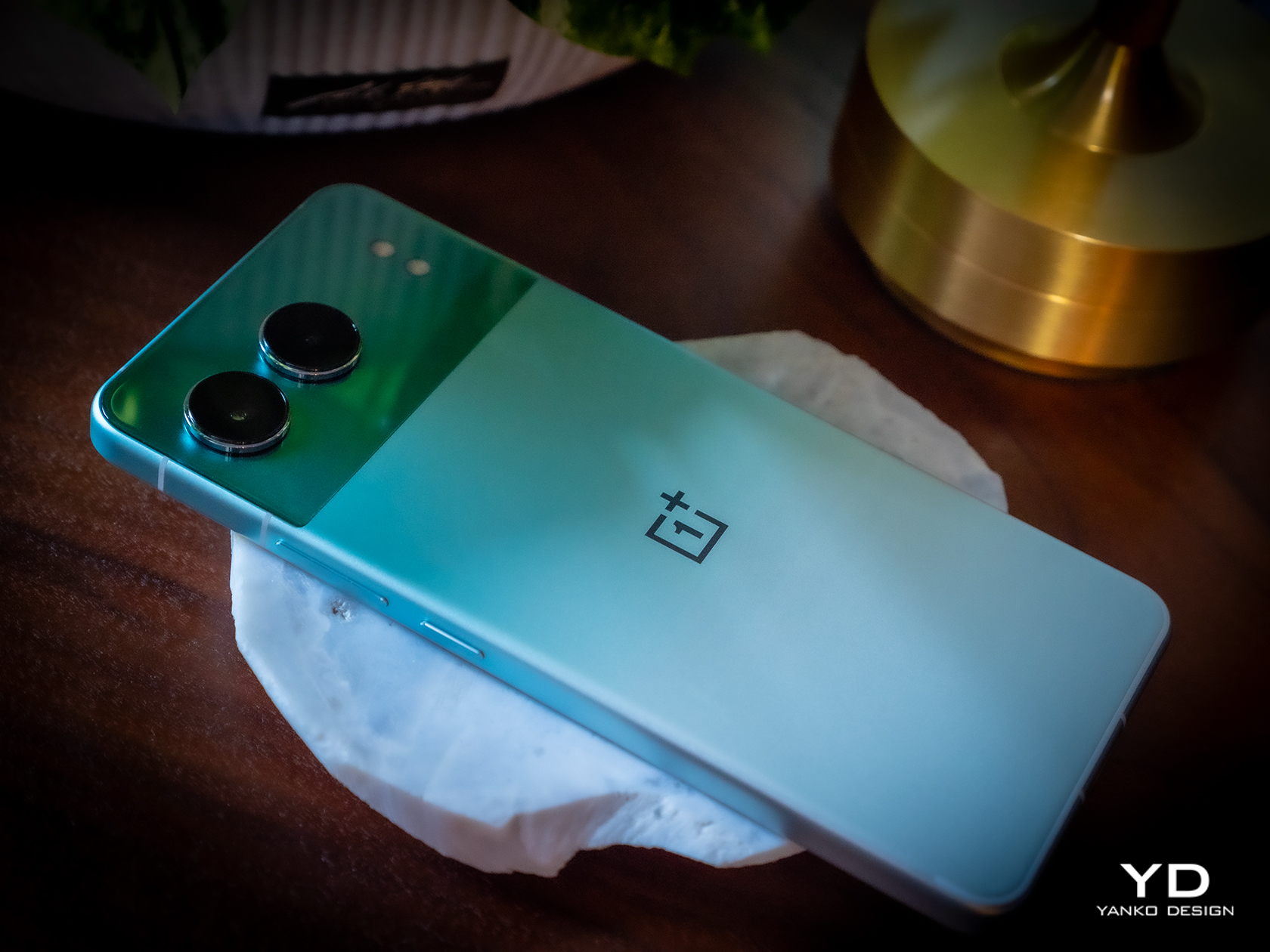
The Obsidian Midnight variant features a brushed gunmetal finish, while the Oasis Green variant pays homage to the OnePlus community’s favorite OnePlus Nord LE design. Whether you opt for Mercurial Silver, Obsidian Midnight, or Oasis Green, you are set to be impressed with Nord 4’s aesthetics.

Ergonomics

Thanks to the metal unibody design, the Nord 4 showcases excellent build quality and feels premium to hold. By seamlessly integrating the sides with the back, the design eliminates any awkward transitions combined with the curved back edge design, ensuring that the phone sits comfortably in the palm.

Being the thinnest Nord ever, the device measures 162.6mm x 75.0mm x 8.9mm. At 199.5g, it’s not the lightest phone, yet its balanced weight distribution ensures it feels comfortable to hold without being overly heavy. The slim profile and well-distributed weight, along with the textured back panel, offer a reassuring feel in hand.
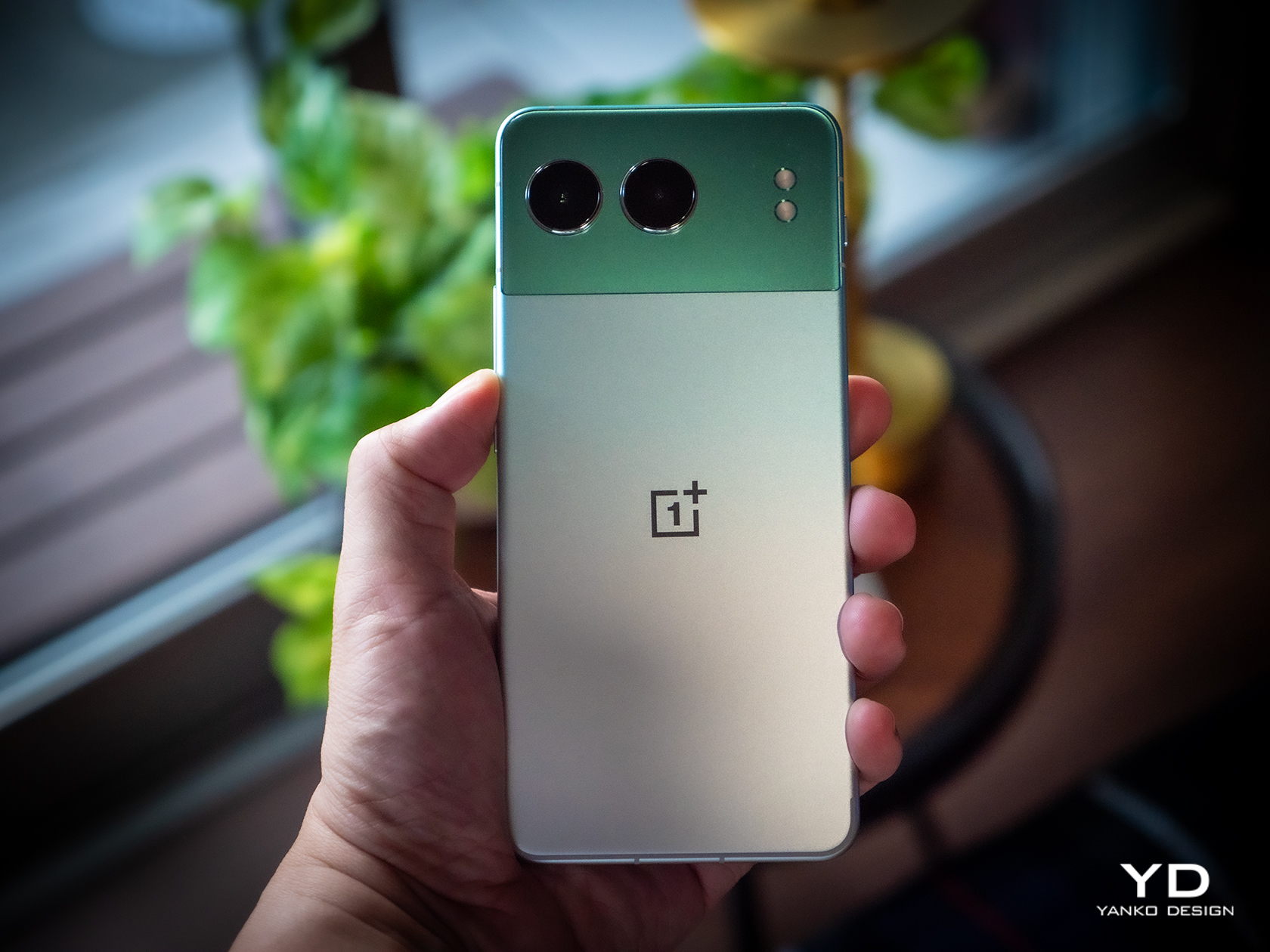
However, the same cannot be said when it comes to unlocking the phone with the fingerprint. The placement of the under-display fingerprint reader is close to the bottom edge of the screen, meaning you need to extend your thumb and probably reposition your grip. Fortunately, the device also supports face recognition for unlocking the phone.

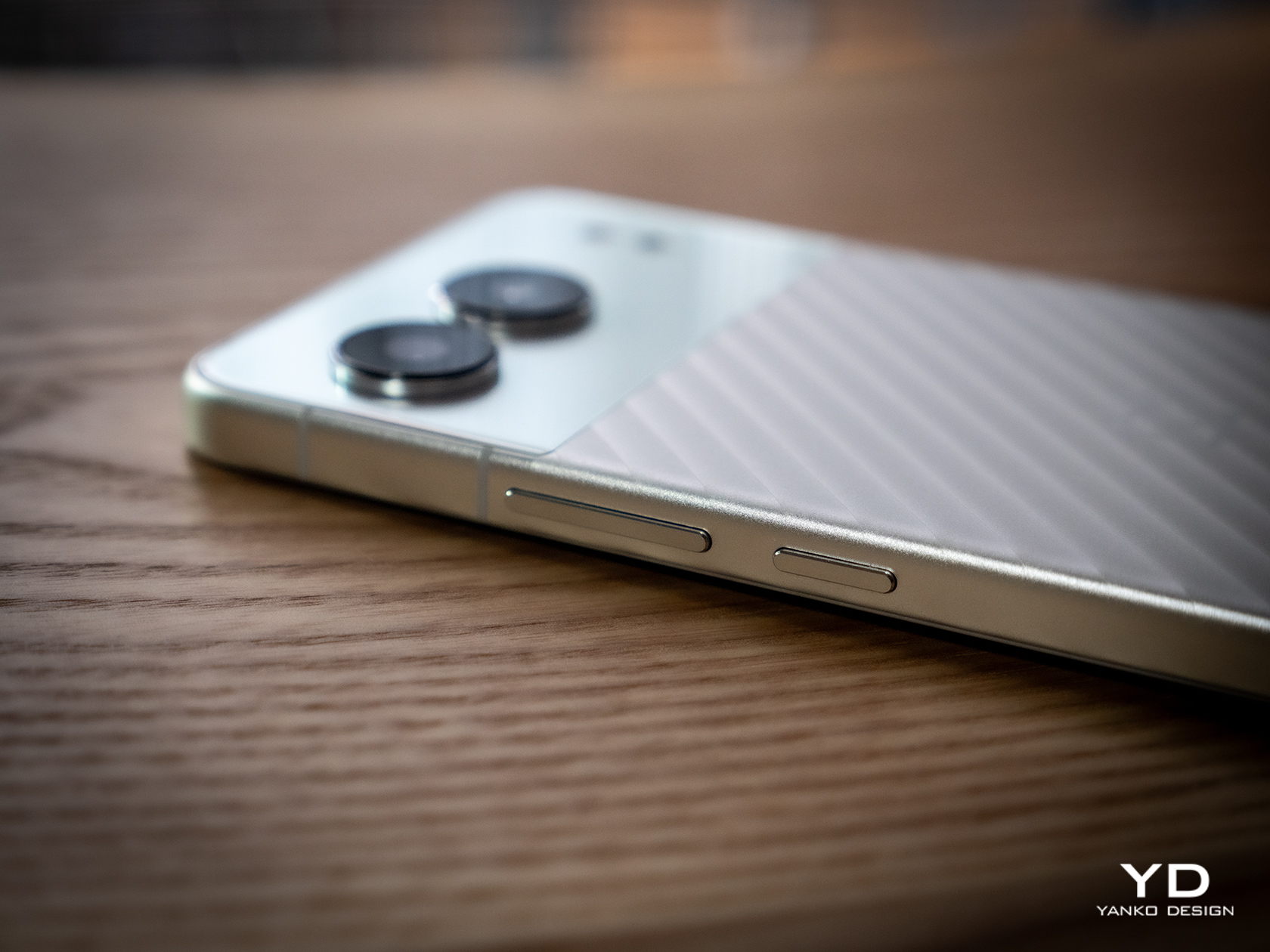
As for the placement of buttons and whatnot, the right side of the phone houses the power button along with the volume rockers on top of it. On the left side, you will find OnePlus’s familiar Alert Slider. The top of the phone houses the earpiece that doubles as a speaker and IR-blaster while the bottom houses the dual SIM slot, primary microphone, USB Type-C port, and speaker.

Performance

Out of the box, the OnePlus Nord 4 runs on OxygenOS 14.1 based on Android 14. Powered by Snapdragon 7+ Gen 3 paired with 8, 12, or 16GB of LPDDRX 5 RAM and 256GB or 512GB of storage, the phone can handle tasks smoothly even graphic intense mobile games as you’d expect from OnePlus phones.

Nord 4 packs a massive 5,500 mAh battery, and its performance is admirable. It can easily last a day even under heavy use. The charging speed is fast with 100W SuperVOOC charging support. According to OnePlus, with 100 W SuperVOOC the empty 5,500 mAh battery can be charged to full in 28 minutes. It’s worth noting that the SuperVOOC charger brick is not included with the phone, so to take advantage of this rapid charging capability, you’ll need to purchase a 100W SuperVOOC charger separately.
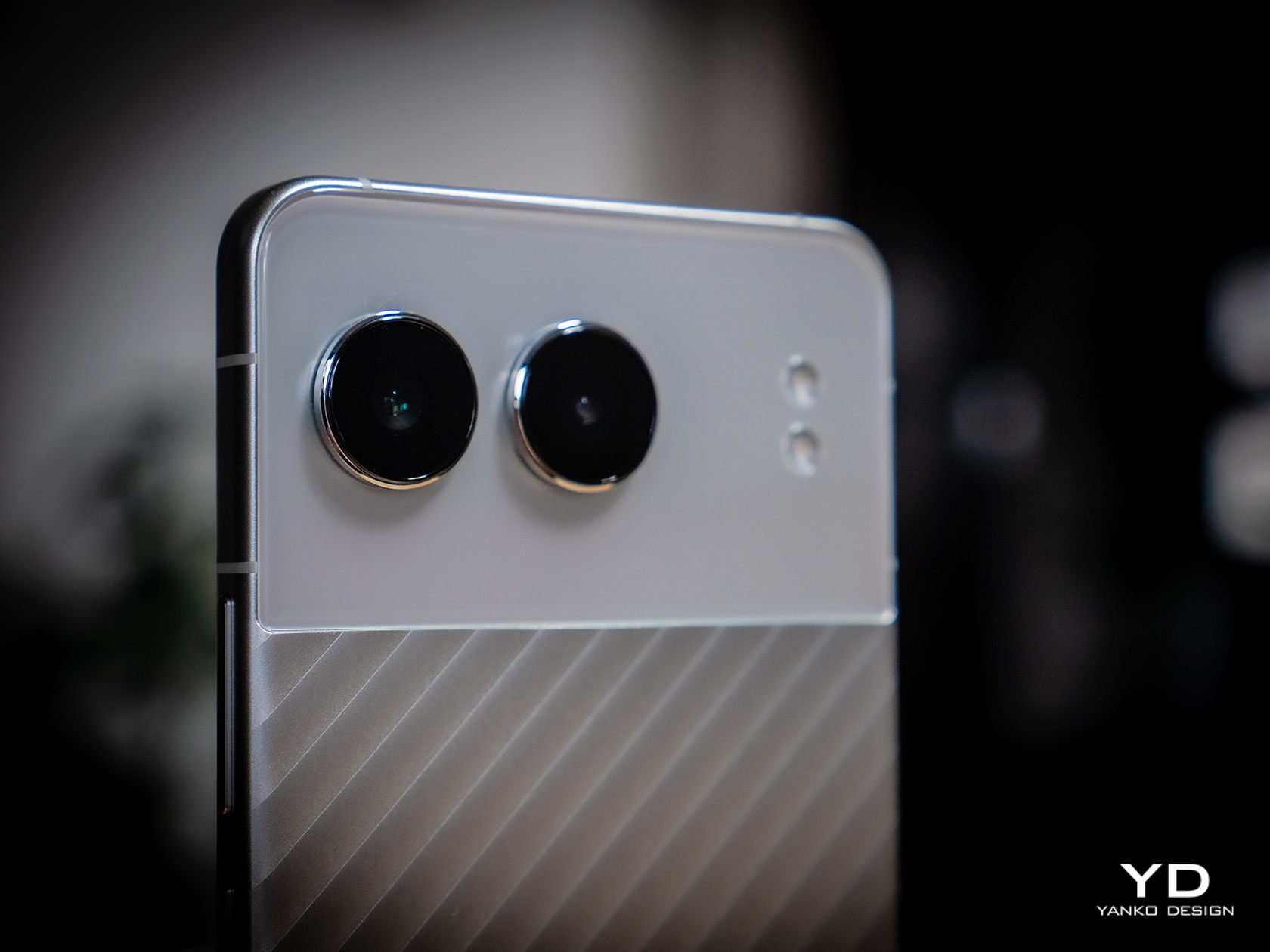
Nord 4 sports two cameras on its back and a front-facing camera on the top center of the screen. The main 50MP uses a 1/1.95-inch Sony LYT-600 sensor with an f/1.8 aperture and OIS. The ultrawide is a modest 8MP camera using Sony IMX355 with a 1/1.4-inch sensor and an f/2.2 aperture. And, the front-facing camera is a 16MP camera using Sony IMX 471 with a 1/3.0-inch sensor, f/2.4 aperture, and autofocus capability.

The daylight shots captured with the main camera are pretty good, producing sharp and detailed images. The photos with 2x zoom are also good, sadly the photos beyond 2x zoom, the image quality diminishes, making them barely usable. In low-light conditions, the Night mode automatically kicks in which can be inconvenient, but it takes pretty nice images. The photos taken with the ultrawide camera are satisfactory, though they tend to lean towards warmer tones.

The main can take 4k 60fps videos while the ultrawide camera and front-facing camera are limited to 1080p at 30fps. The 4k videos taken with the main under poorly lit conditions came out surprisingly well.
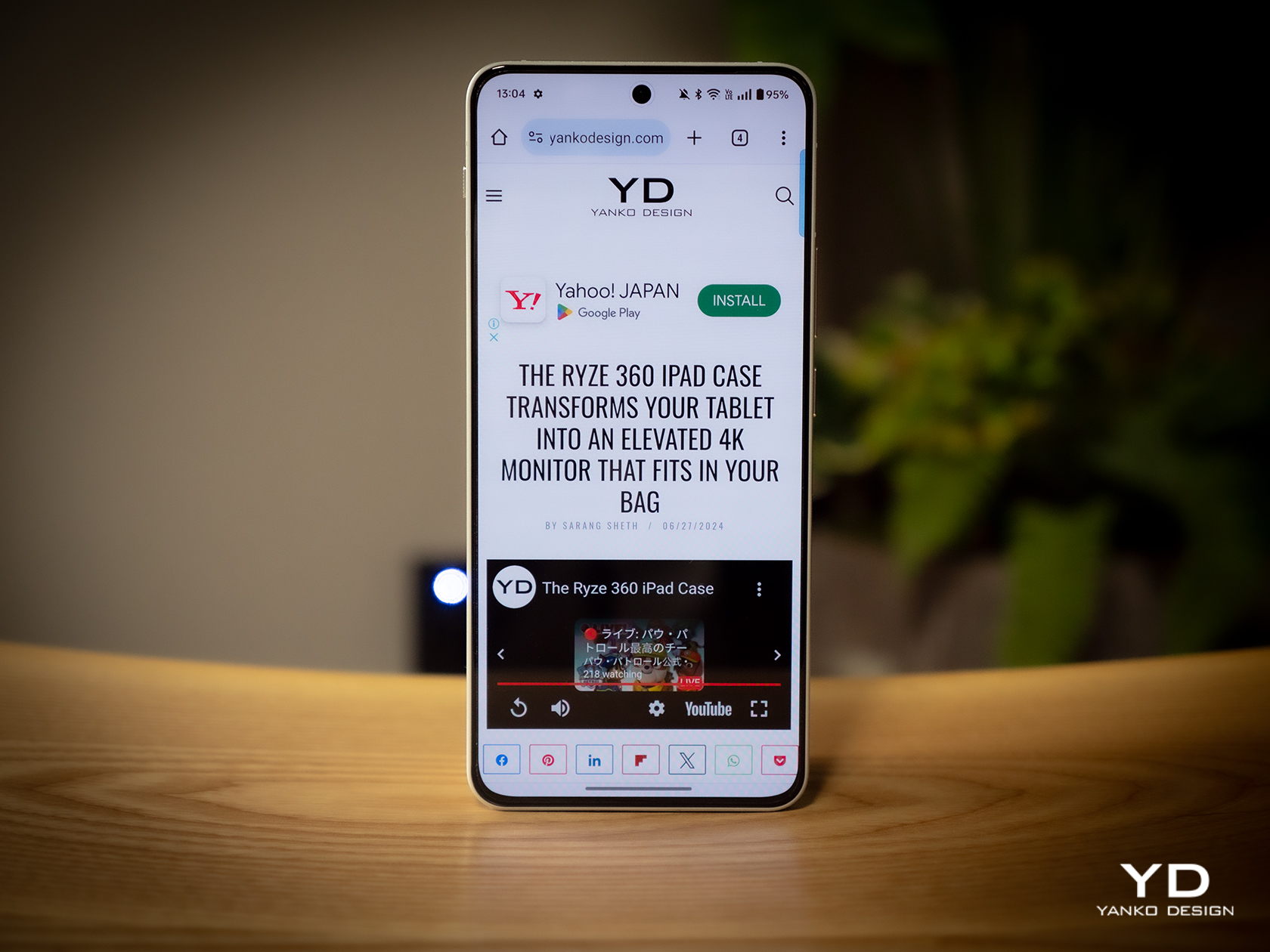
The 6.74-inch AMOLED display with 450 PPI is bright and vibrant. With AquaTouch technology implemented, drops of water on the display won’t be an issue when using the phone.

Sustainability/Repairability

Known for its durability, the phone made out of metal should withstand long periods of usage and tough handling. Additionally, the phone is IP65 rated, so it is fully protected against dust and can survive water splashes. On the software front, OnePlus offers its longest-ever support with four years of Android updates and six years of security updates for the Nord 4. Complementing its durable build and IP rating, the Nord 4 is certified TUV SUD Fluency 72 Month A, promising sustained performance even after six years of heavy use. With rugged hardware, assured sustained performance, and long-term software support, OnePlus ensures that users can enjoy this gorgeous device for years to come.
However, the metal unibody design may pose challenges for repairability, particularly when it comes to replacing the battery, as it typically requires opening the back panel, which is integrated due to the unibody construction.

Value

The OnePlus Nord 4 is priced competitively starting at 499 Euros (approximately $545), making it a compelling choice in the fiercely competitive midrange smartphone market. While it may not boast the best camera capabilities within its segment, the Nord 4 excels in achieving a fine balance between price and performance. Its striking aesthetics, impressive battery life, and rapid charging capabilities are standout features that add to its allure.


In a landscape where midrange options abound, the Nord 4 stands out for its blend of affordability and functionality. Despite its competitive price point, it doesn’t compromise on key aspects such as design appeal, enduring battery performance, and swift charging speeds. These attributes make the Nord 4 a noteworthy contender for anyone seeking a stylish and efficient smartphone without breaking the bank.

Verdict

The OnePlus Nord 4 exemplifies OnePlus’s commitment to delivering exceptional value in the midrange smartphone market. With each iteration of the Nord series, OnePlus has consistently balanced price and performance, and the Nord 4 is no exception. Unlike its predecessors, the Nord 4 marks a significant shift by reintroducing a metal unibody design, setting it apart in the 5G era with a blend of durability and aesthetic appeal.
Snapdragon 7+ Gen 3 chipset, a vibrant 6.74-inch Super Fluid AMOLED display with Ultra HDR support, and a robust camera setup. While its main 50MP camera produces sharp daylight shots and capable low-light images with Night mode, there are limitations with zoom photography and ultrawide shots tend to lean towards warmer tones. Nevertheless, its performance is bolstered by a substantial 5,500 mAh battery and blazing-fast 100W SuperVOOC charging, ensuring long-lasting power and quick refueling.

Whether for its striking aesthetics, impressive battery life, or rapid charging capabilities, the OnePlus Nord 4 offers great value for users seeking a reliable and feature-rich smartphone experience.
The post OnePlus Nord 4 Review: A Game-Changer with Metal Unibody Design first appeared on Yanko Design.