This Japanese Cabinet Uses Real Forest Branches as Doors

There’s something deeply satisfying about furniture that refuses to stay in one place. Not in the sense that it walks around your living room, but in how it adapts, shifts, and changes with you. Taishi Sugiura’s Hayashi Cabinet does exactly that, blurring the line between functional storage and something far more poetic.

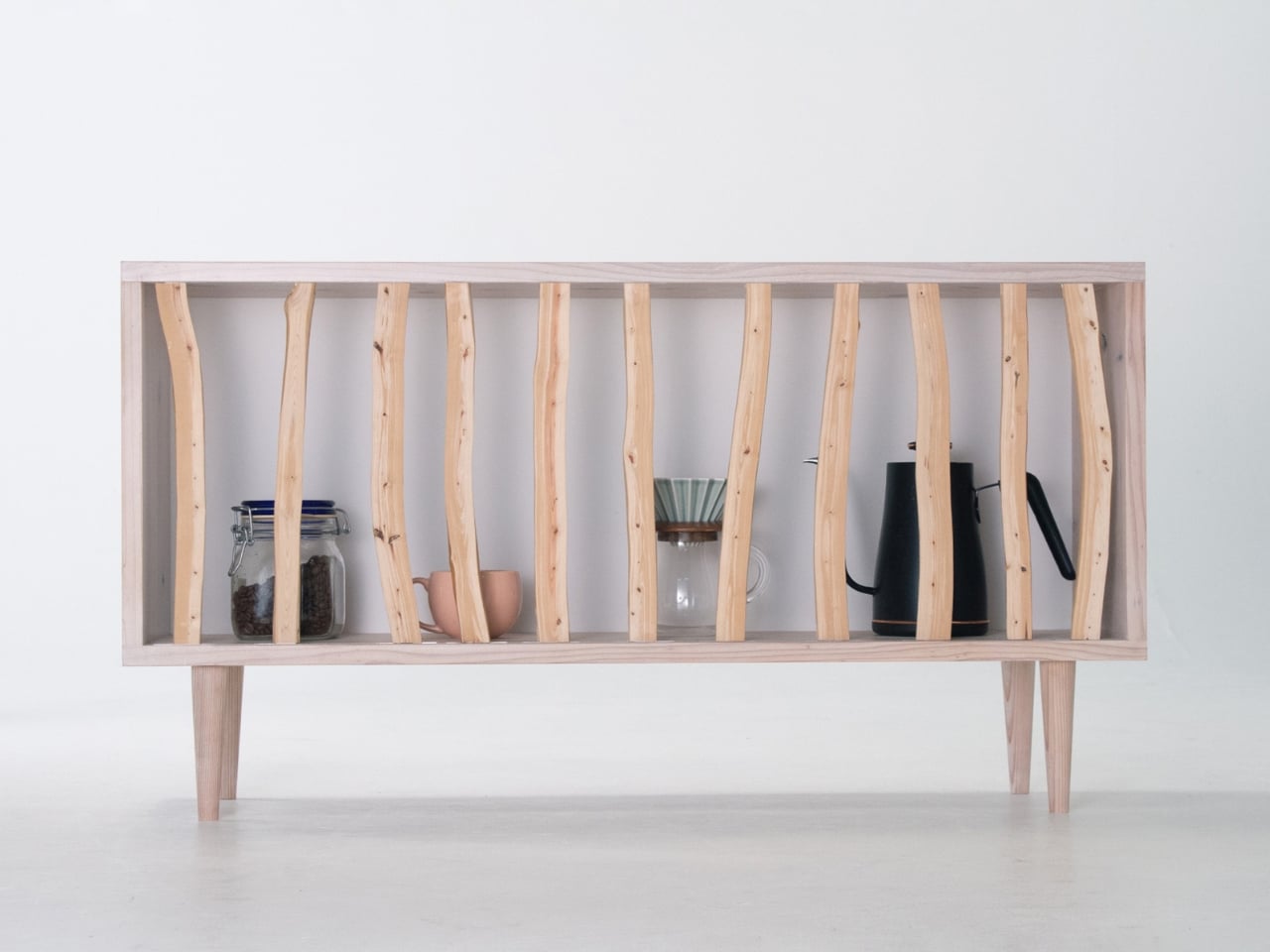
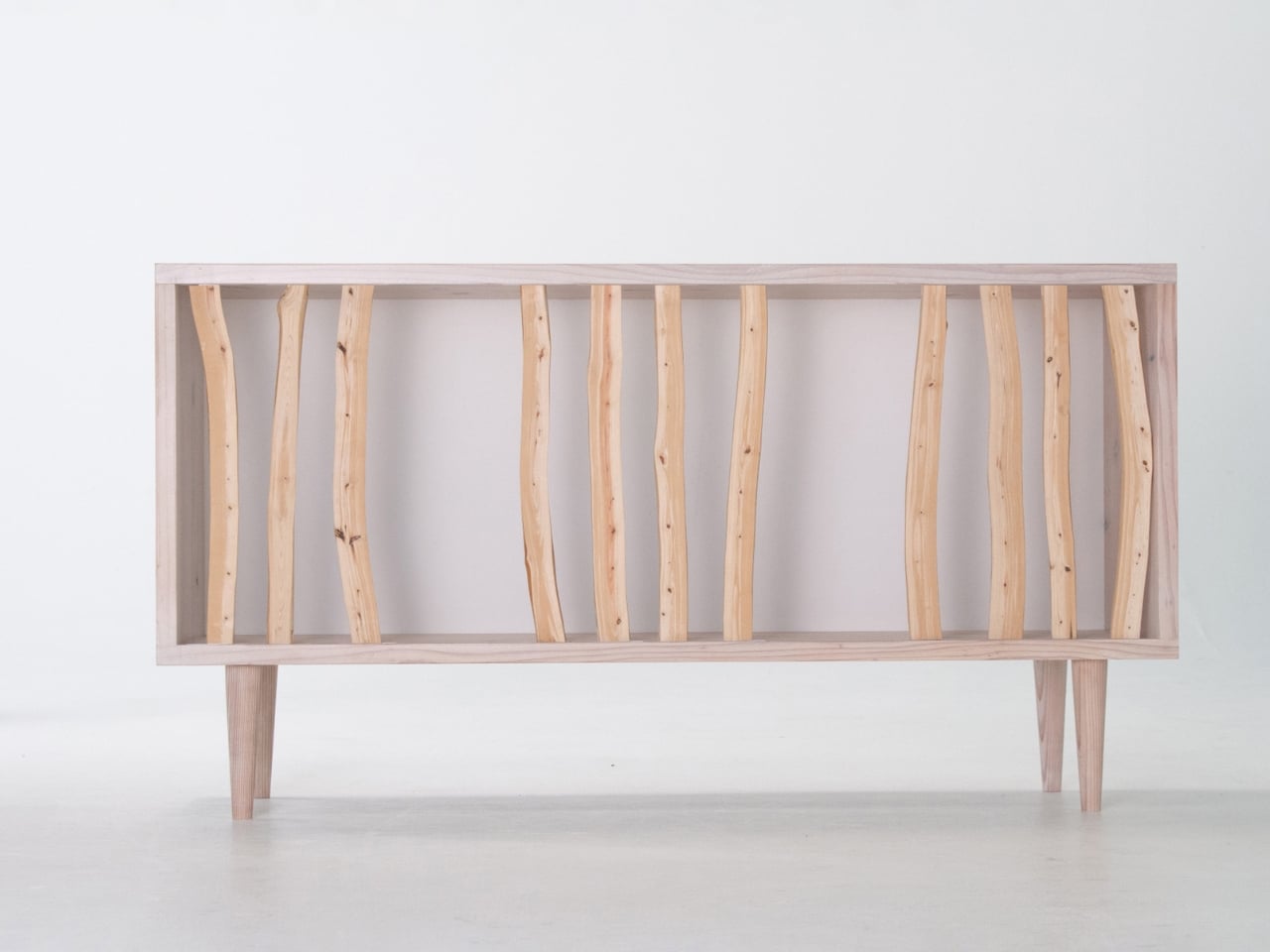
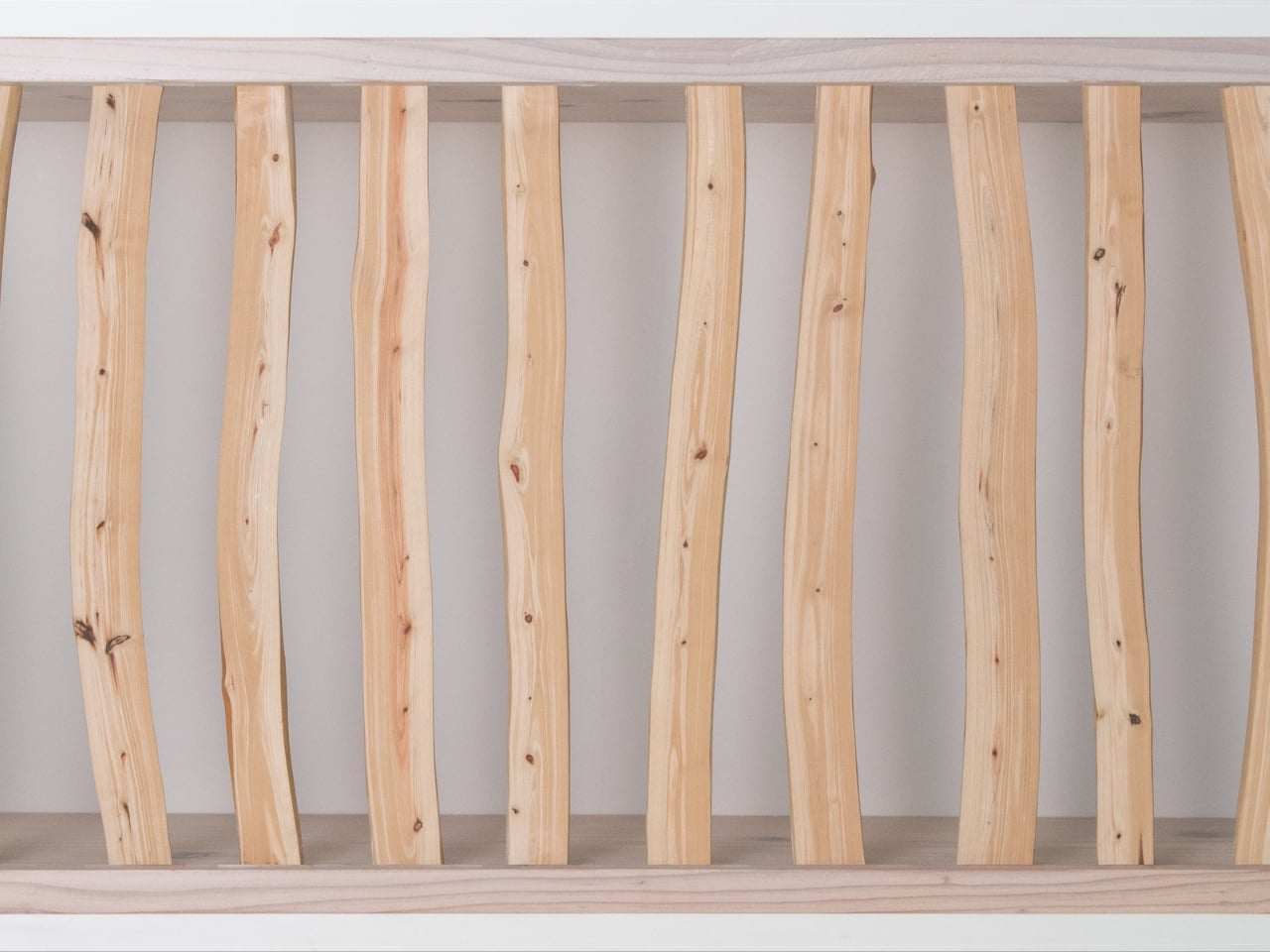
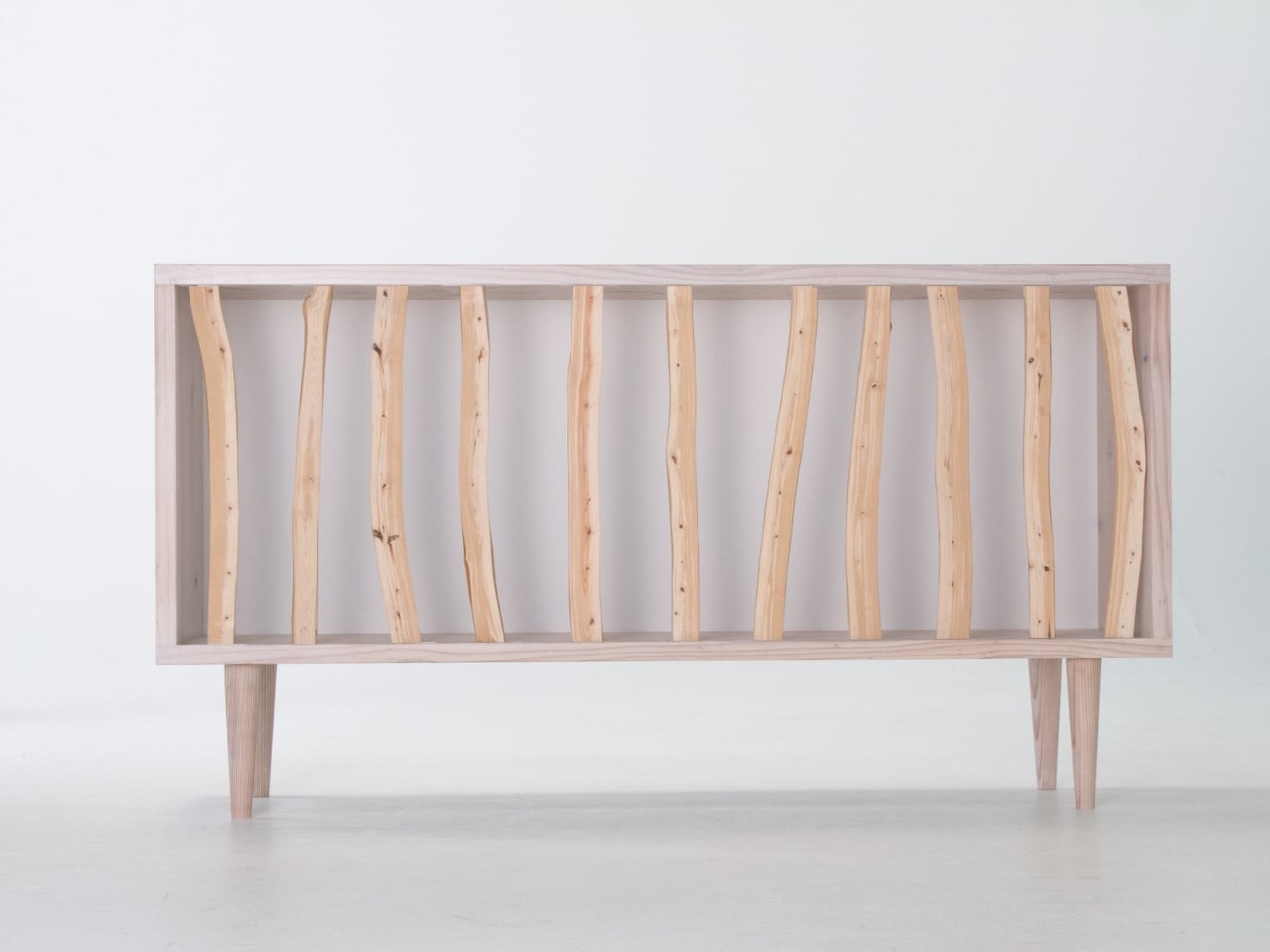
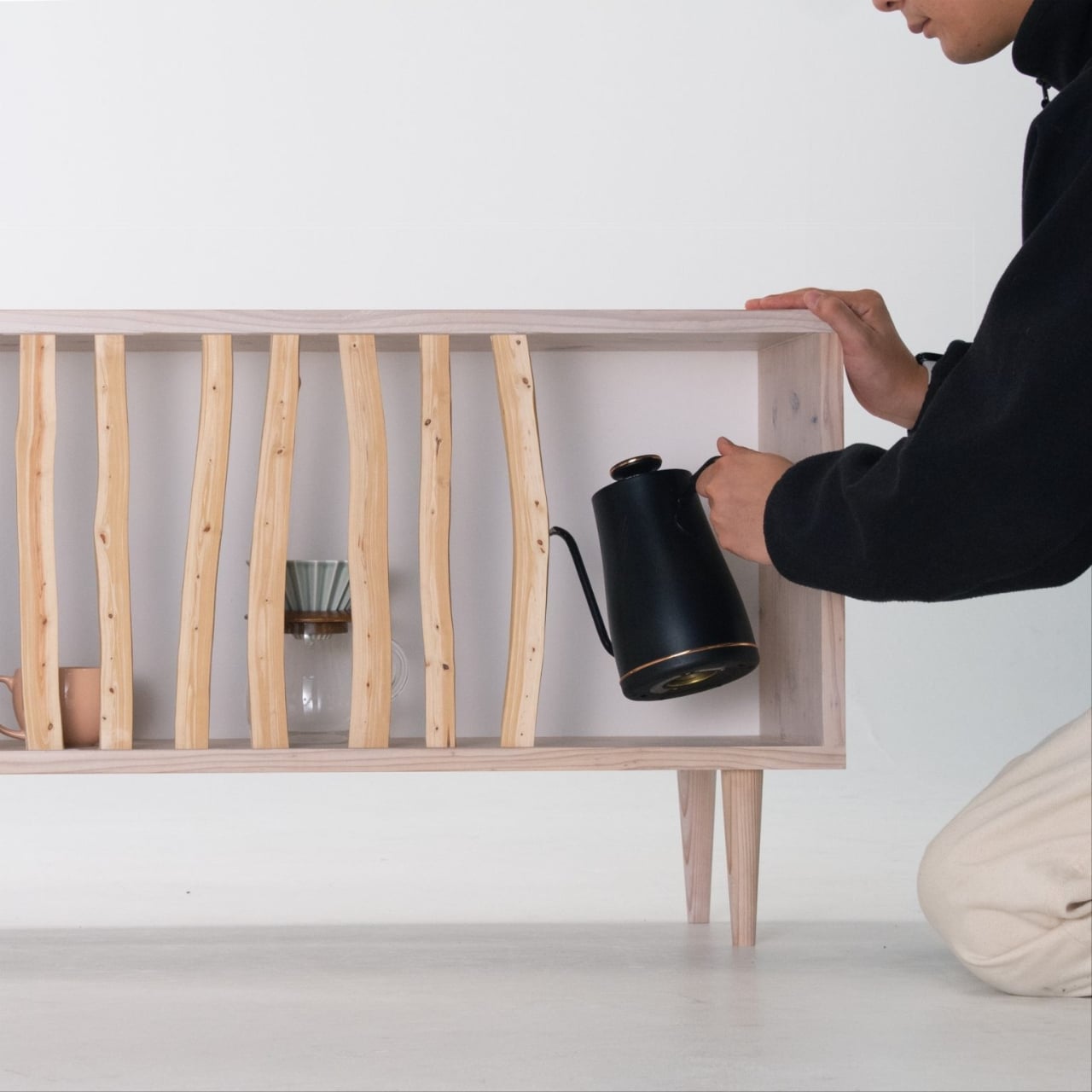
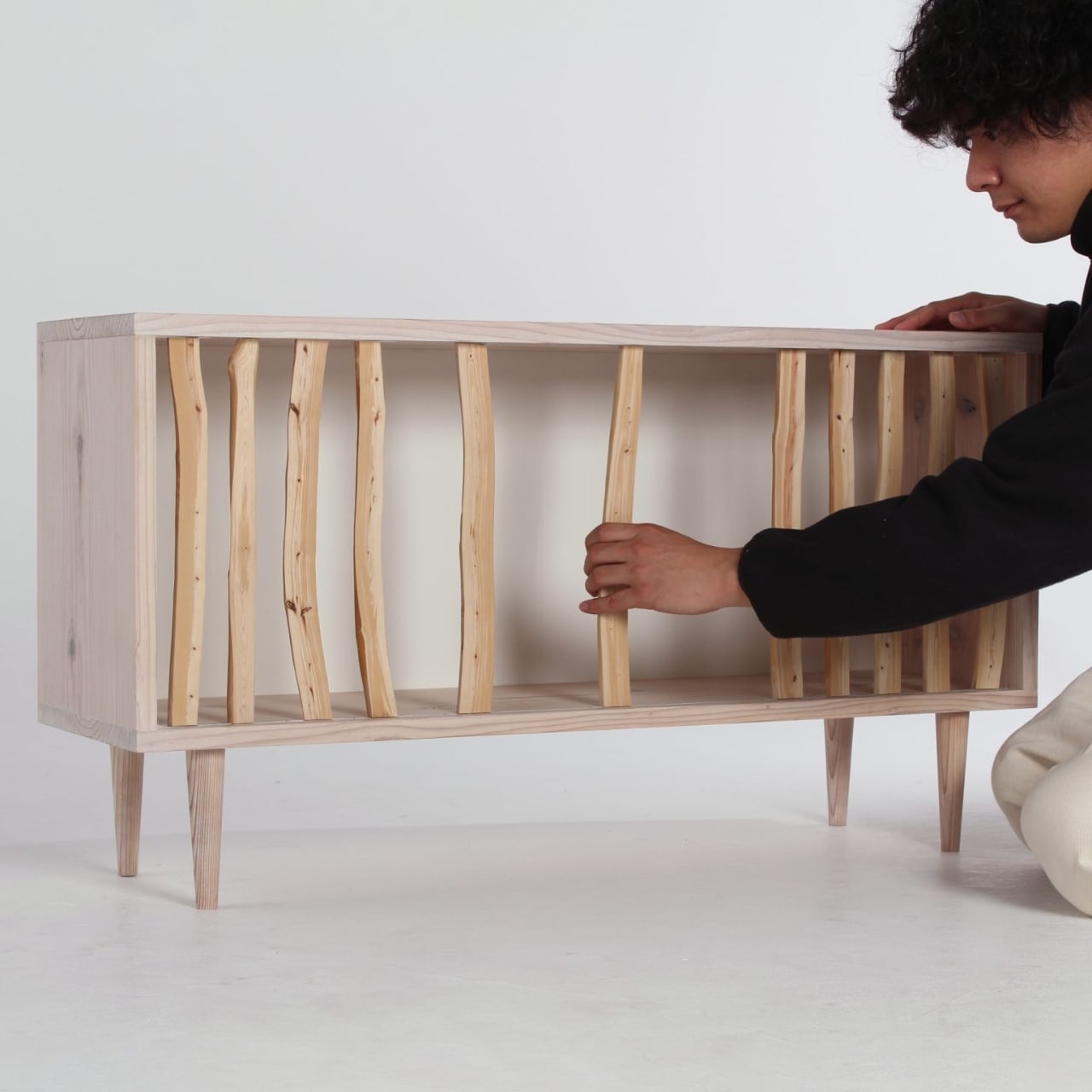
The word “Hayashi” translates to “forest” in Japanese, and once you see this piece, the name makes perfect sense. Instead of traditional cabinet doors or panels, Sugiura uses actual Japanese cypress branches arranged across the front of the frame. These aren’t decorative touches glued on for aesthetic appeal. They’re the real deal, thinned branches that would typically be left discarded in the mountains after forest management. Sugiura saw potential where others saw waste.

Designer: Taishi Sugiura

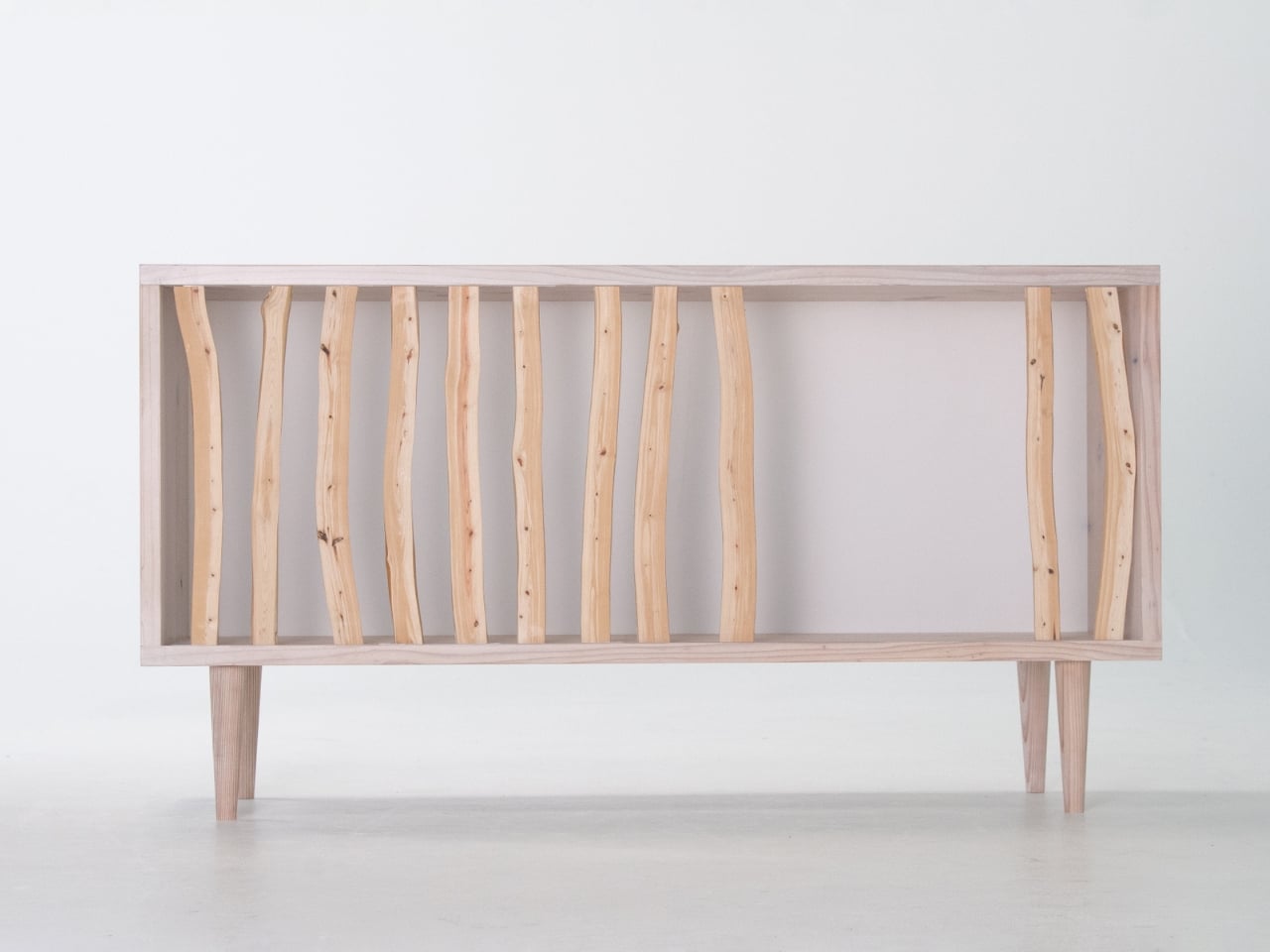
What makes the Hayashi Cabinet genuinely clever is its movability. Each branch can slide left or right along the cabinet frame, letting you customize the openness or privacy of your storage space. Want to show off that vintage record collection? Slide the branches apart. Need to hide some clutter? Push them together. It’s like having adjustable blinds, except way cooler and made of wood.

This design philosophy stems from traditional Japanese spatial concepts. Think about shoji screens and sliding doors in Japanese homes, elements that define space without rigidly locking it down. Sugiura brings that same flexibility to furniture, creating something that responds to your changing needs rather than forcing you to work around it. Some days you want minimalist display, other days you need concealment. The Hayashi Cabinet doesn’t judge either choice.

The materials tell their own story. Japanese cypress branches have these gorgeous tight grains and natural curves that you’d never find in standard lumber. They’re inherently asymmetrical, which means no two cabinets will ever look identical. As light filters through the gaps between branches throughout the day, the shadows shift and dance, transforming the piece from static furniture into something almost kinetic. It’s the kind of detail that makes you notice your own furniture, which sounds strange until you realize how rarely that actually happens.

Sugiura studied at Nagoya University of Arts, and his material-first approach runs through all his work. Before designing the Hayashi Cabinet, he created the Kintoun Kits, playful modular construction sets that won a JID NEXTAGE silver prize. That same curiosity about how people interact with objects translates beautifully into this domestic context. It’s not just about looking good on an Instagram feed. It’s about living with something that genuinely adapts to you. We’re already flooded with mass-produced, one-size-fits-all storage solutions but here’s a piece that celebrates imperfection and individuality. The branches aren’t perfectly straight. They don’t align in rigid rows. They breathe.

There’s also an environmental angle worth noting. Using thinned cypress branches addresses a real problem in Japanese forestry, where these materials typically get abandoned as too difficult or low-value to process. By turning them into design features rather than treating them as scraps, Sugiura gives them new life and purpose. It’s sustainable design that doesn’t announce itself with green marketing buzzwords but simply makes smart material choices.

The beauty of the Hayashi Cabinet lies in its restraint. It could easily tip into gimmicky territory with all those moving parts, but Sugiura keeps the overall design clean and understated. The frame stays simple, letting the natural cypress branches become the focal point. And because you’re the one deciding how open or closed the front becomes, you’re essentially co-designing the piece every time you adjust it. The Hayashi Cabinet doesn’t need batteries or WiFi. It just needs you to slide some branches around. Simple, tactile, human. That’s the kind of interaction design that endures long after the tech trends fade.

The post This Japanese Cabinet Uses Real Forest Branches as Doors first appeared on Yanko Design.
This Oak Sideboard Has Doors You Can’t Stop Touching

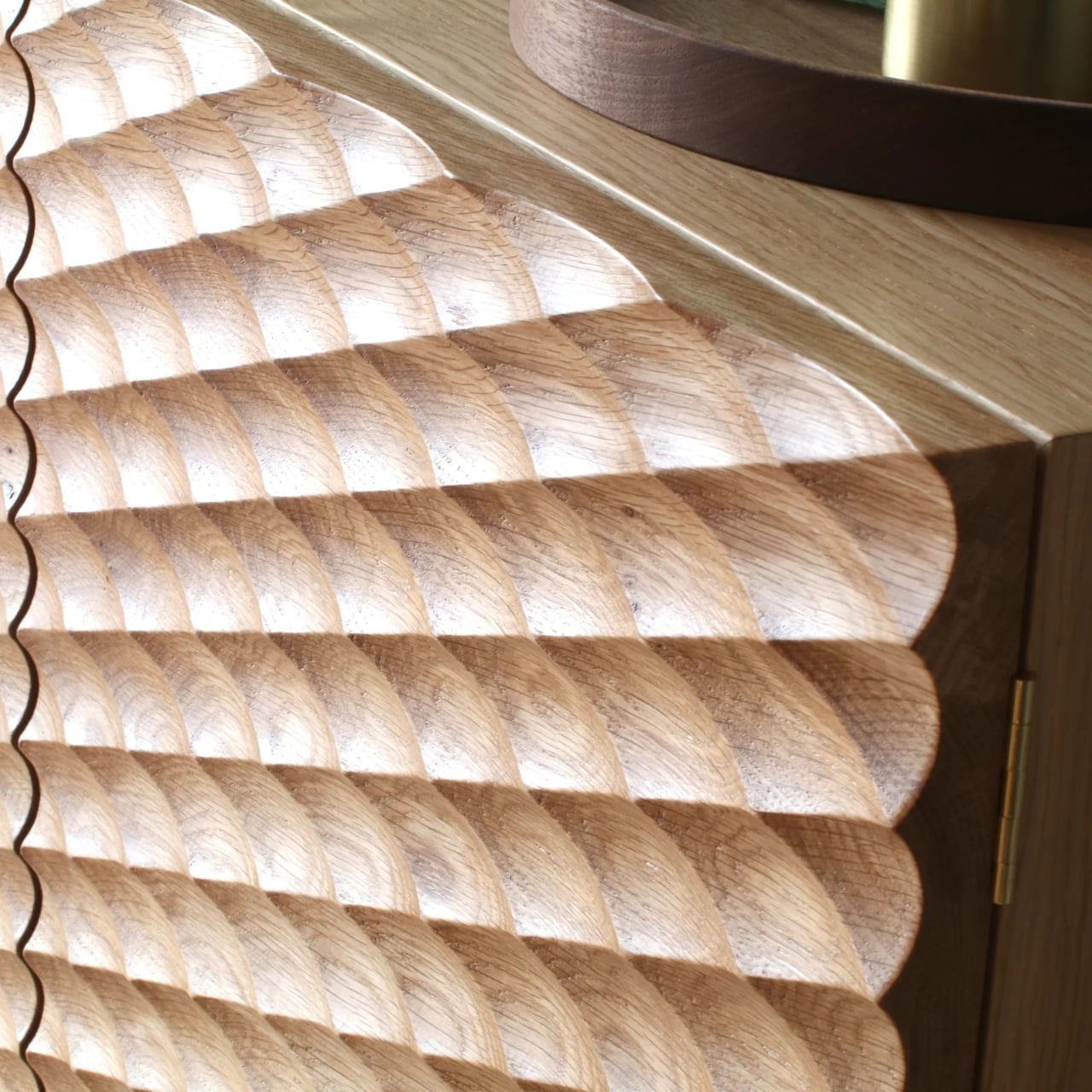
You know that feeling when you run your fingers across something and the texture makes you stop in your tracks? That’s exactly the vibe British furniture maker Nick James is going for with his sideboard featuring sculpted doors. And honestly, it’s the kind of piece that makes you rethink what furniture can be.

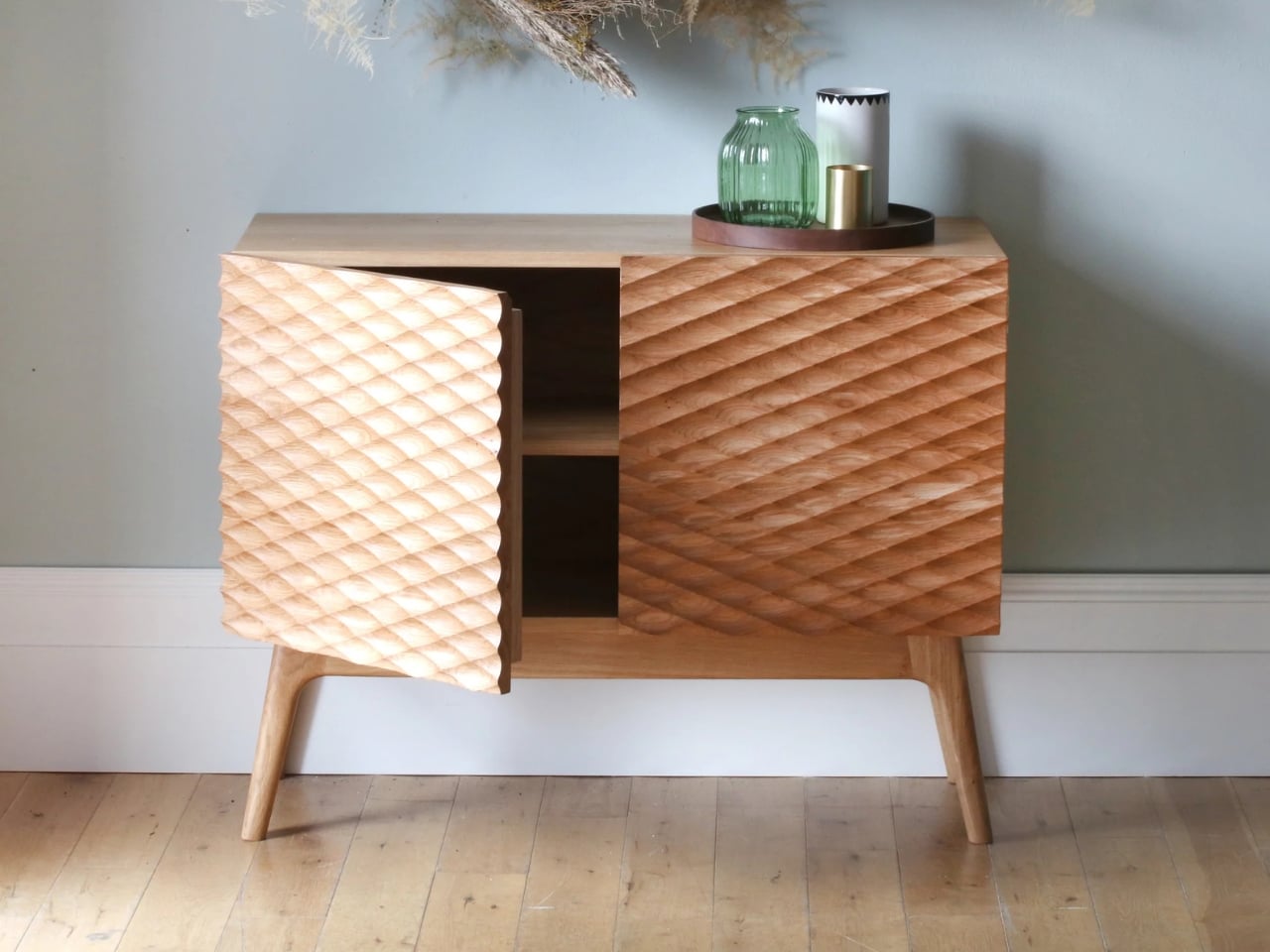
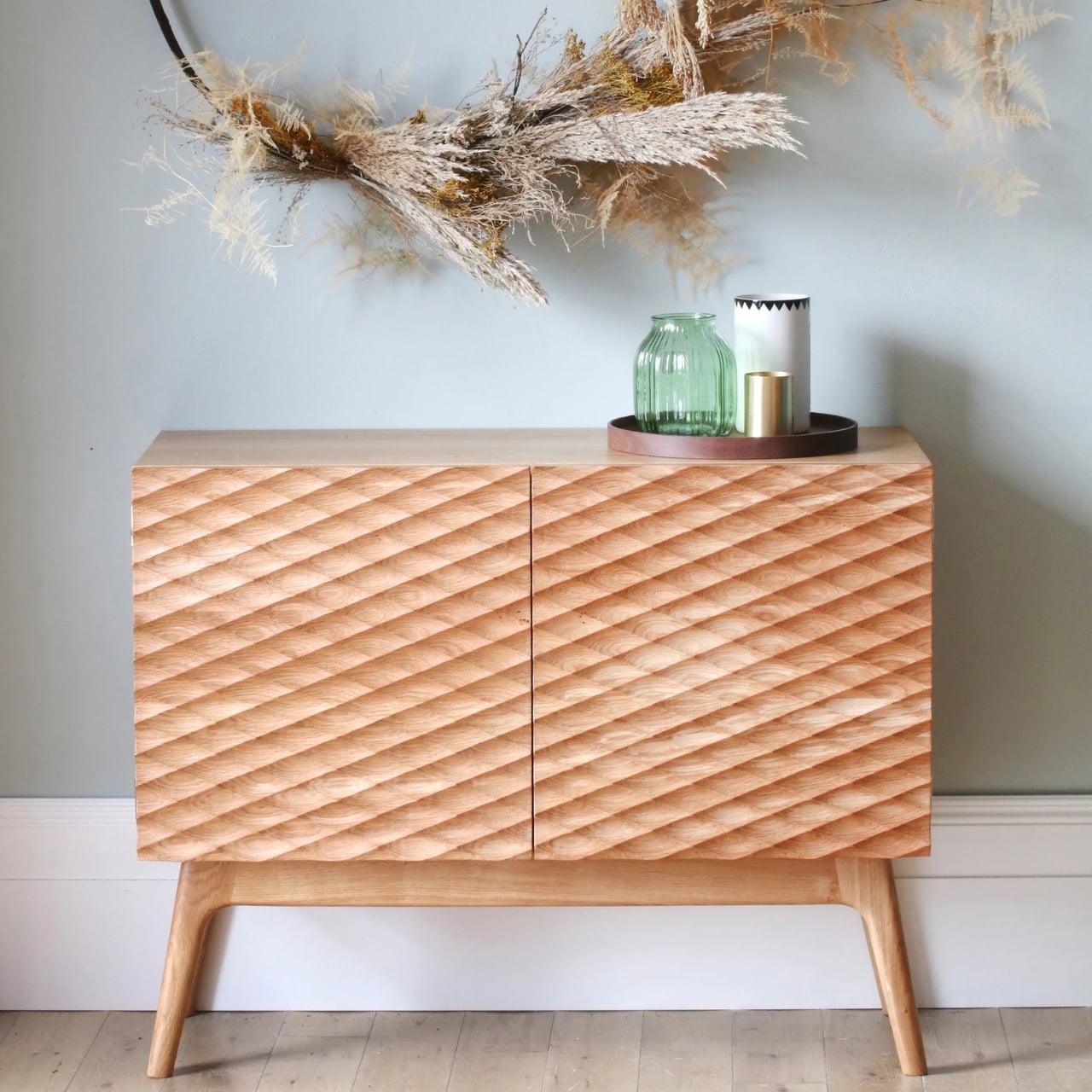
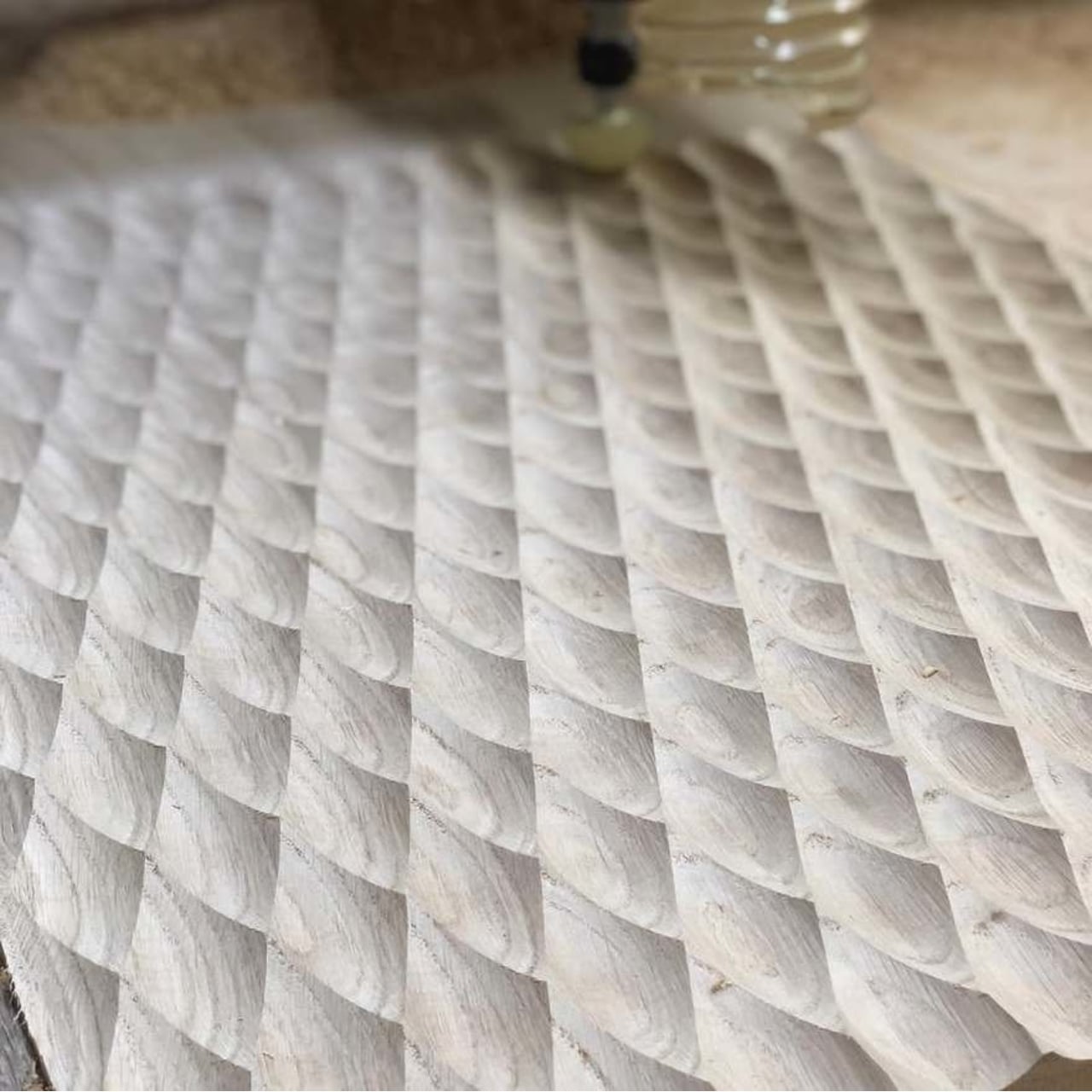
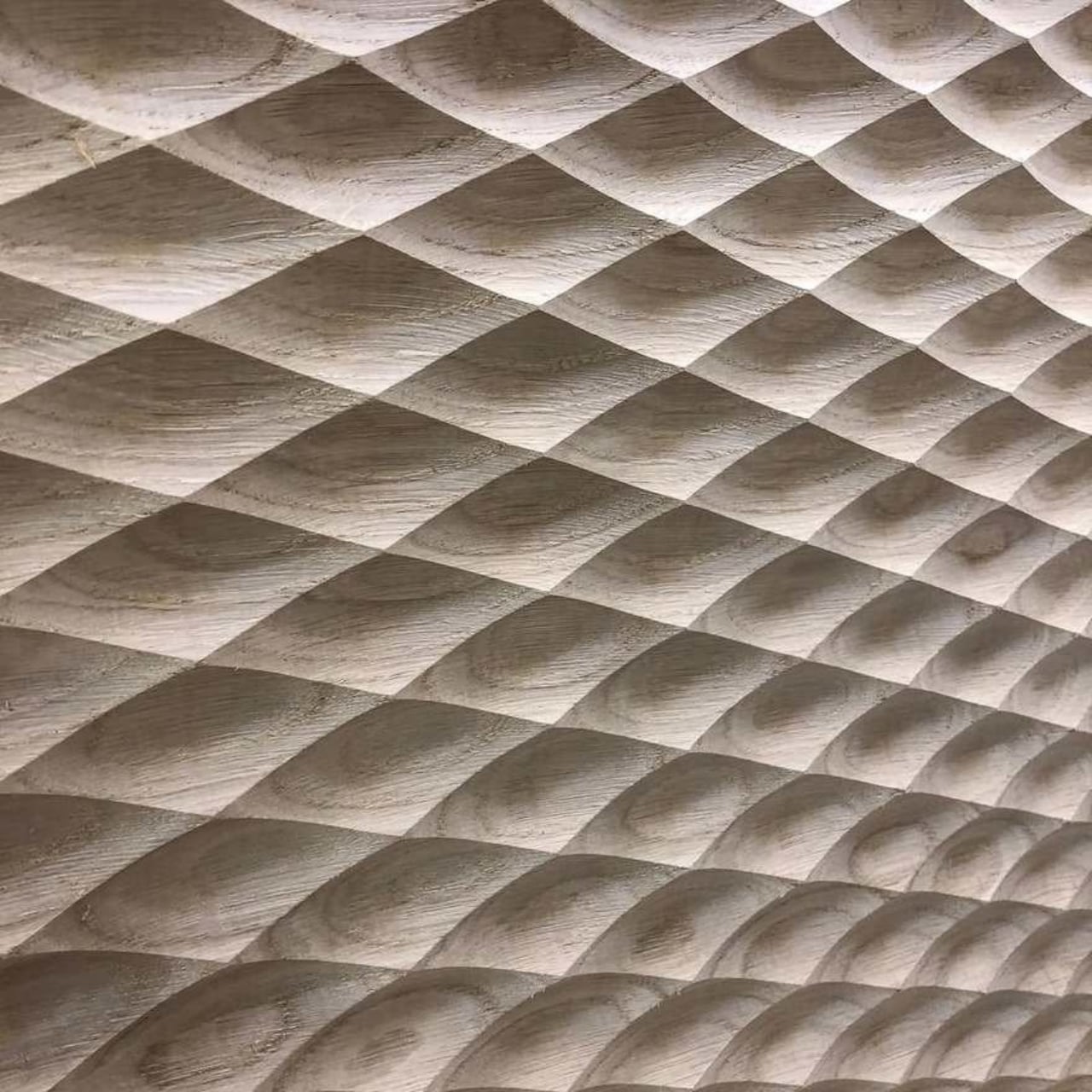
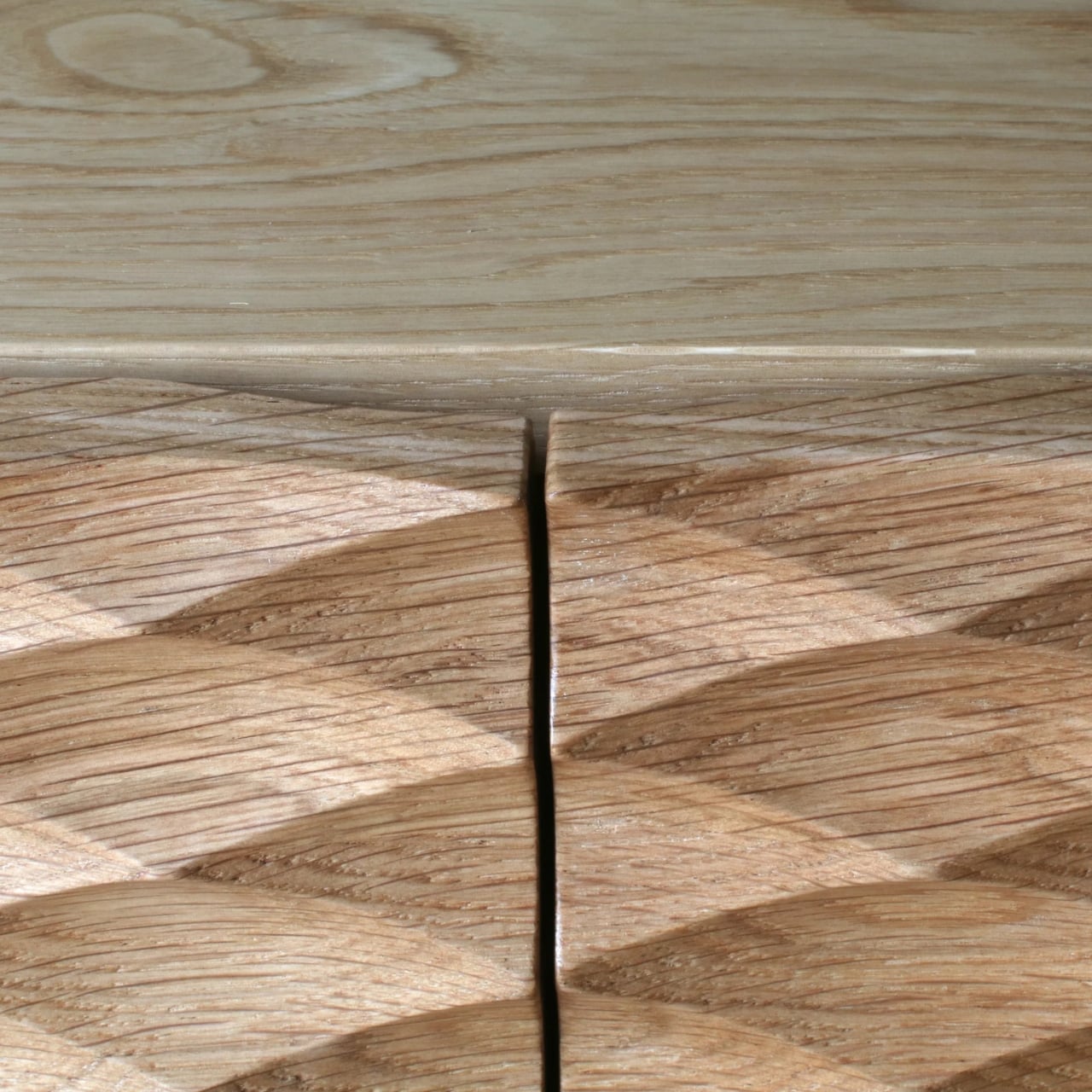
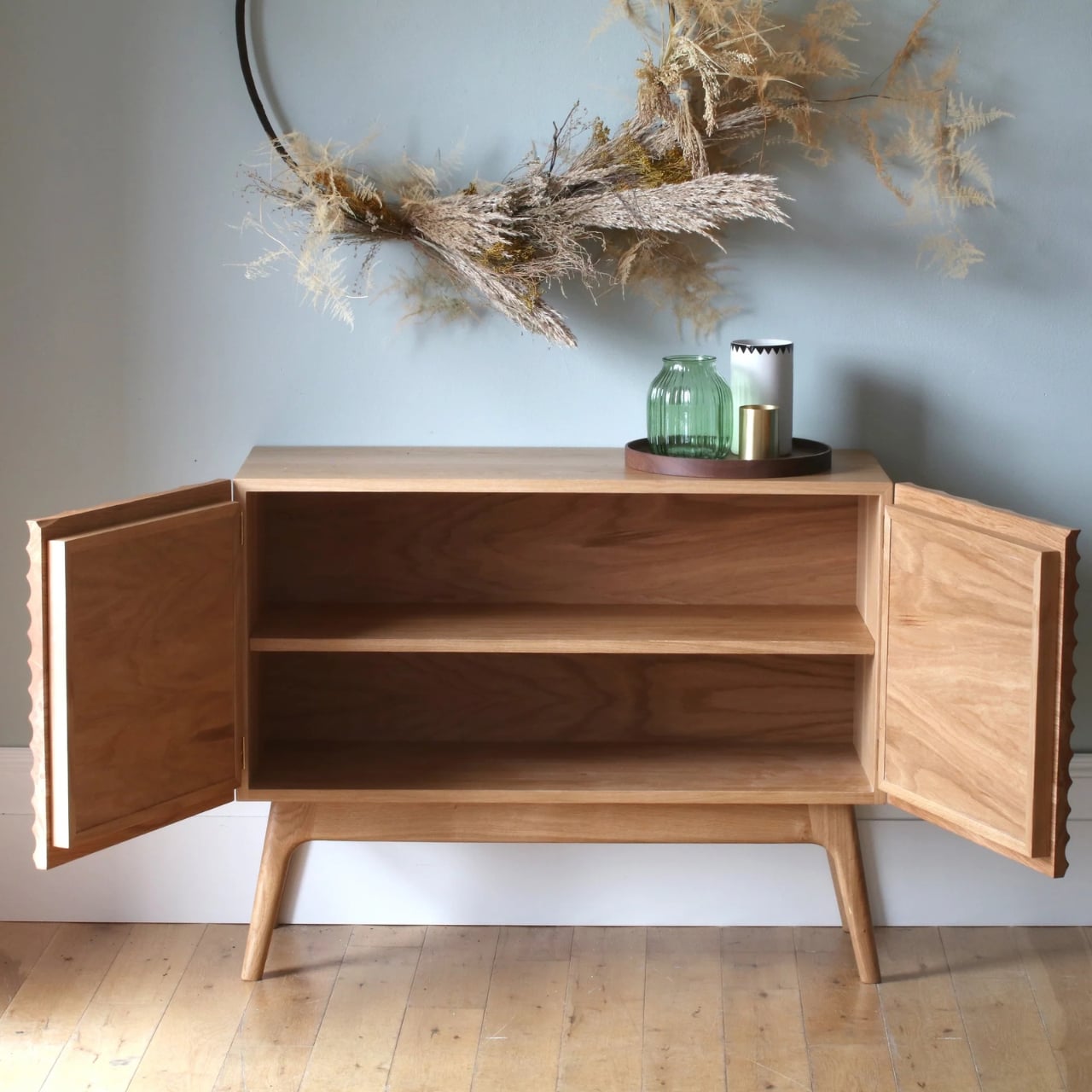
At first glance, it looks like a solid oak sideboard. Clean lines, classic proportions, nothing too flashy. But then you get closer and realize those doors aren’t just doors. They’re carved with flowing, wave-like patterns that transform the flat surface into something that feels almost alive. The sculpting reveals the oak’s grain in ways you’d never see otherwise, creating shadows and depth that shift as you move around the piece.

Designer: Nick James

This isn’t Nick James’s first dance with texture. The British designer has built a reputation for bringing tactile interest to traditional furniture forms. His approach is about celebrating the material itself, letting the wood grain become the star of the show rather than hiding it under layers of paint or veneer. In a world where so much furniture feels mass-produced and anonymous, there’s something refreshing about a piece that proudly shows off its origins.

The sideboard itself is practical in all the ways you’d want. It measures a generous size, perfect for dining room storage or as a living room statement piece. Inside, you’ll find a height-adjustable shelf, so whether you’re storing wine bottles or board games, you can configure it to fit your life. The hardware is minimal, keeping the focus on those sculptural doors that really deserve center stage.

What makes this piece particularly interesting is how it straddles different design worlds. There’s a mid-century modern sensibility to the proportions and the floating quality of the case. But the textured doors feel almost Art Deco, with their geometric repetition and emphasis on craftsmanship. And then there’s an undeniably contemporary edge to the whole thing, because let’s face it, most traditional furniture makers aren’t carving wave patterns into cabinet doors.

The price point sits at £2,950, which puts it firmly in the investment furniture category. But here’s the thing about pieces like this: they’re made to order from solid oak, hand-finished, and designed to last decades. In an era when we’re all supposed to be buying less but buying better, a sideboard like this makes the case for choosing quality over quantity. Plus, it’s the kind of furniture that only gets better with age as the oak develops its patina and character.

Some design purists might argue about the use of CNC technology to create the repetitive carved pattern. There was even a comment on Core77 suggesting that precision CNC texturing lacks soul. But I’d push back on that. The technology is just a tool, like a chisel or a lathe. What matters is the design vision behind it and the quality of execution. James uses the precision to reveal something beautiful about the material itself, not to disguise it as something it’s not.

The sideboard also speaks to a broader trend we’re seeing in contemporary design: texture is having a major moment. Whether it’s fluted glass, ribbed wood, scalloped tiles, or carved surfaces, designers are moving away from the ultra-minimalist smooth finishes that dominated the 2010s. People want furniture that invites touch, that creates visual interest through shadow and form, that makes you want to get up close and really look.

What I love most about this piece is that it doesn’t shout for attention. It’s not trying to be the loudest thing in the room. Instead, it rewards the people who take time to notice the details. The way the light catches the carved surface. How the grain pattern emerges from the sculpting. The contrast between the textured doors and the smooth frame. These are the kinds of subtle pleasures that make living with good design so satisfying.

The post This Oak Sideboard Has Doors You Can’t Stop Touching first appeared on Yanko Design.
Movable trolley cabinet lets you be more mobile in your work space

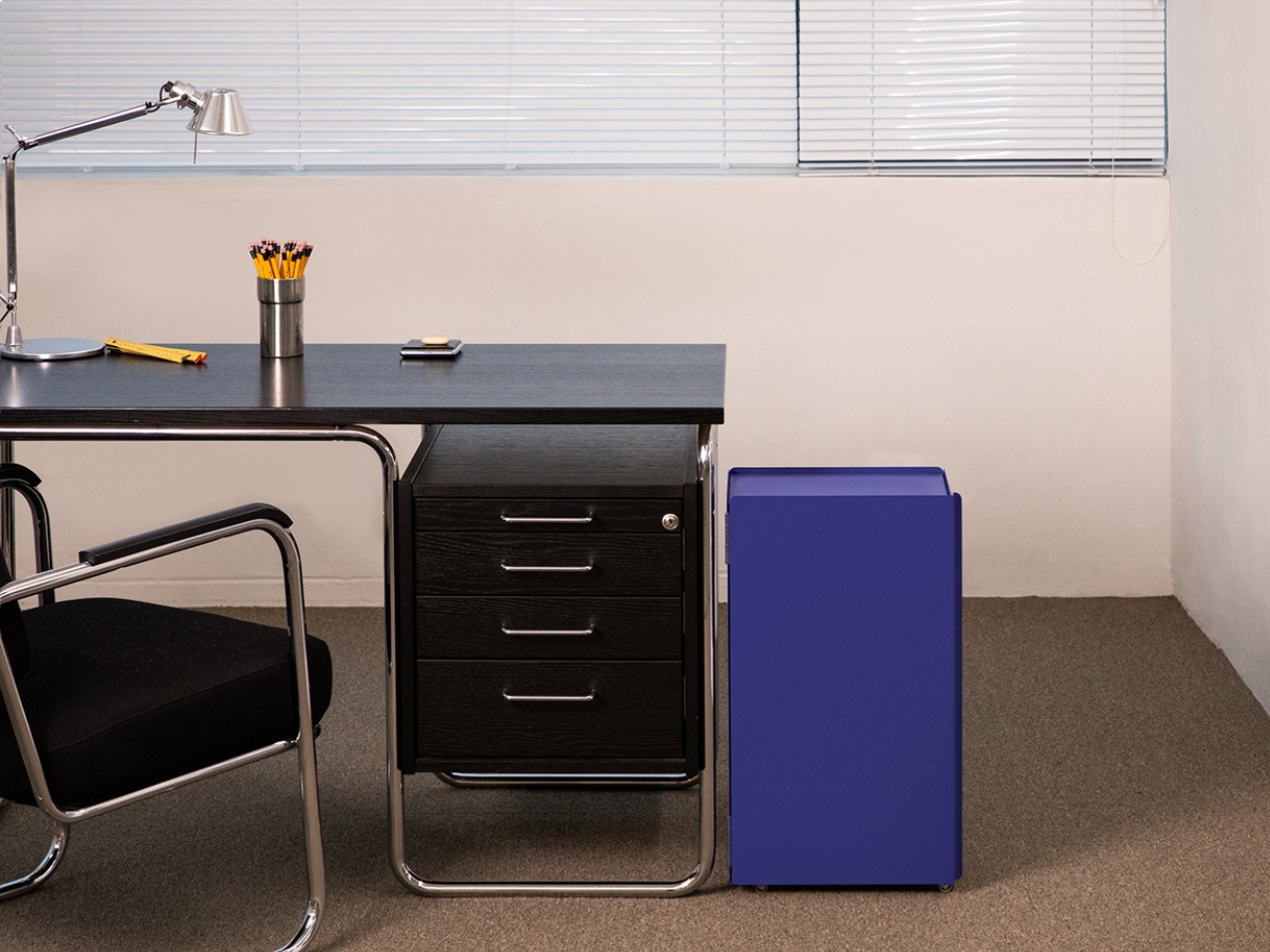
Whether you’re working from home or from your office, you probably have just one desk or workspace where you spend most of your time. But there are also those that for one reason or another love to move around the room when working. It can be a hassle to keep moving your stuff when you need to move from one place or another. This product concept might just be the solution if you have that problem.

Designers: Keetae Kim, Jinsu Du, Young Jin Kim

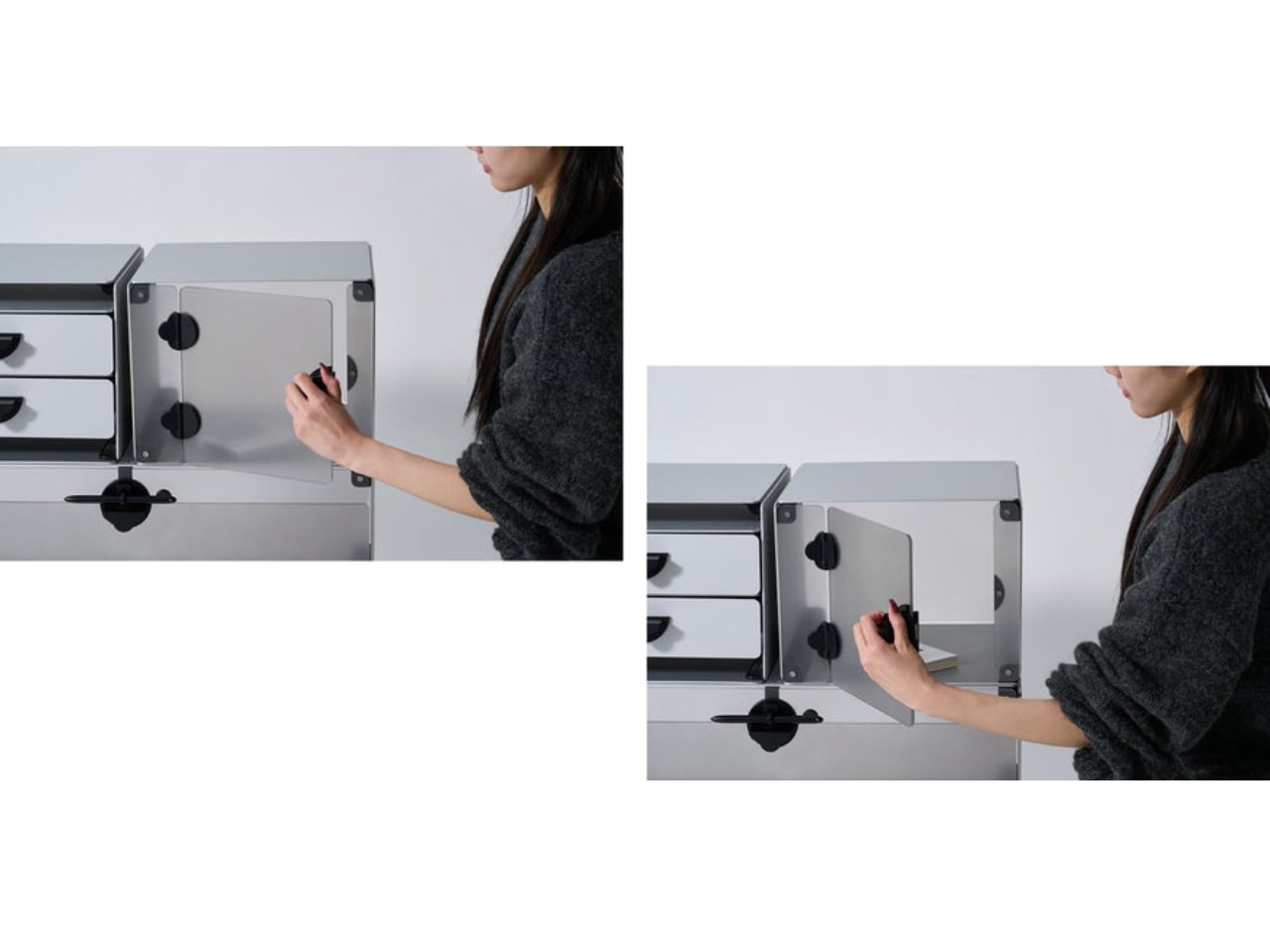
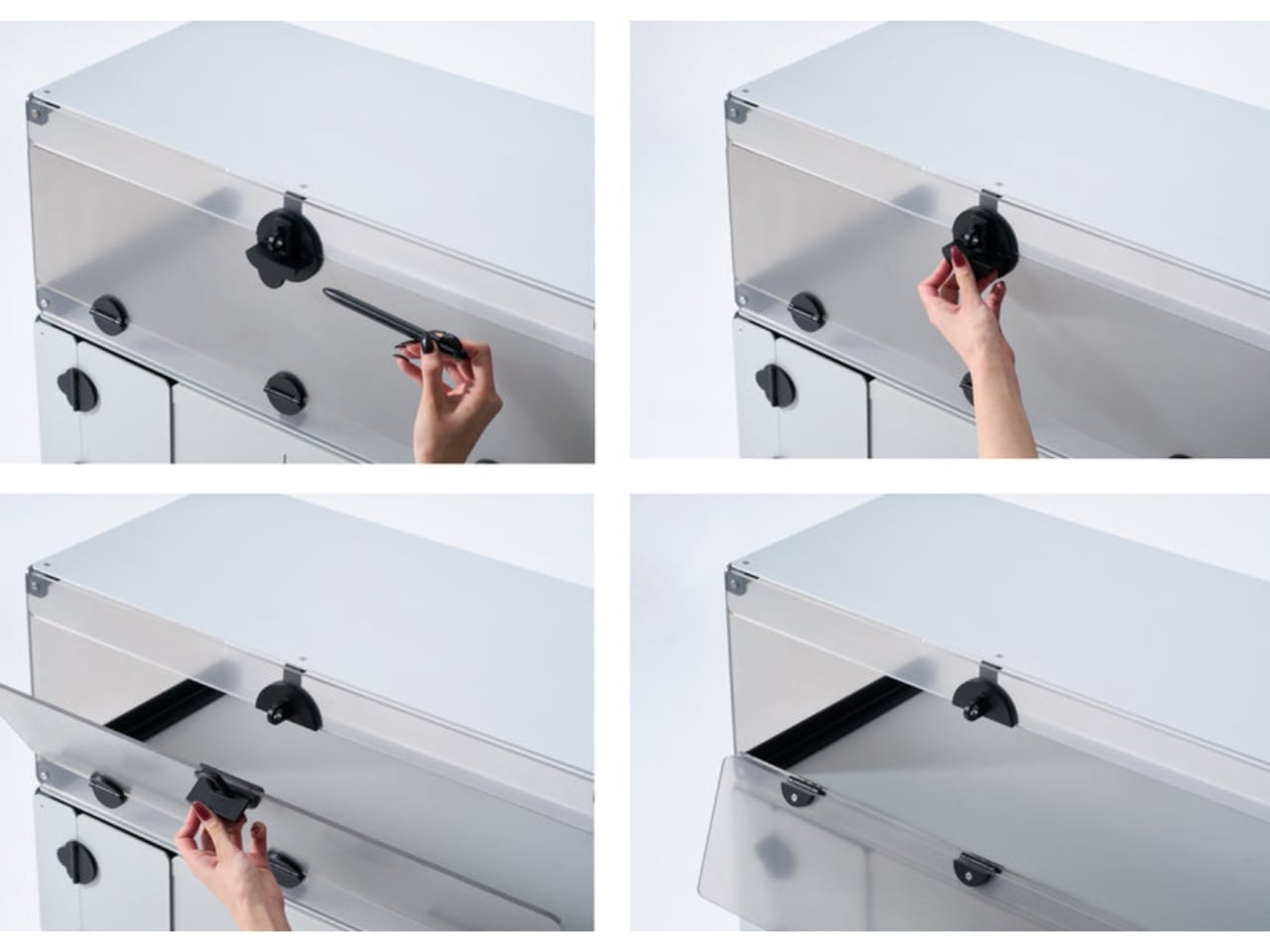
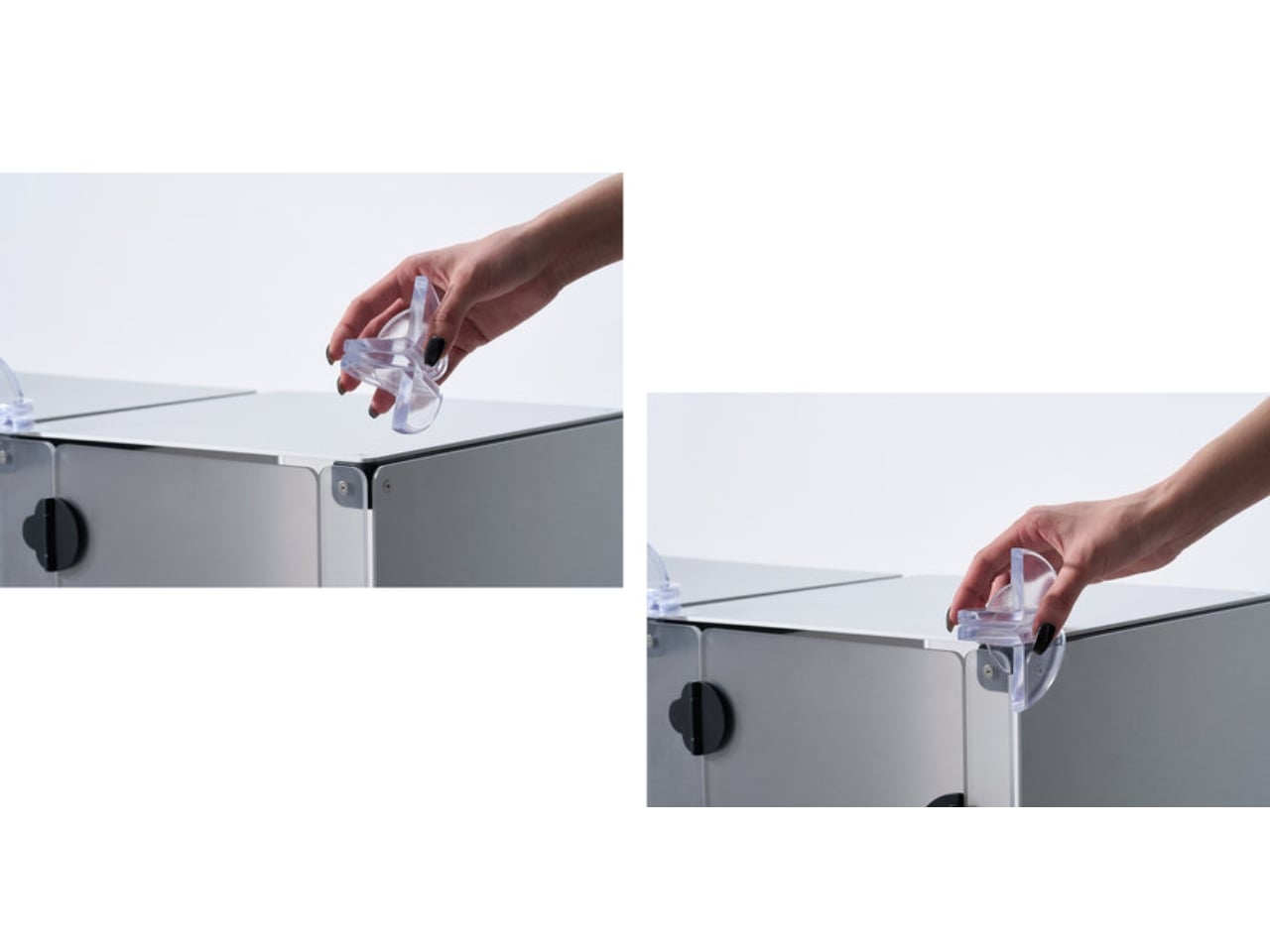
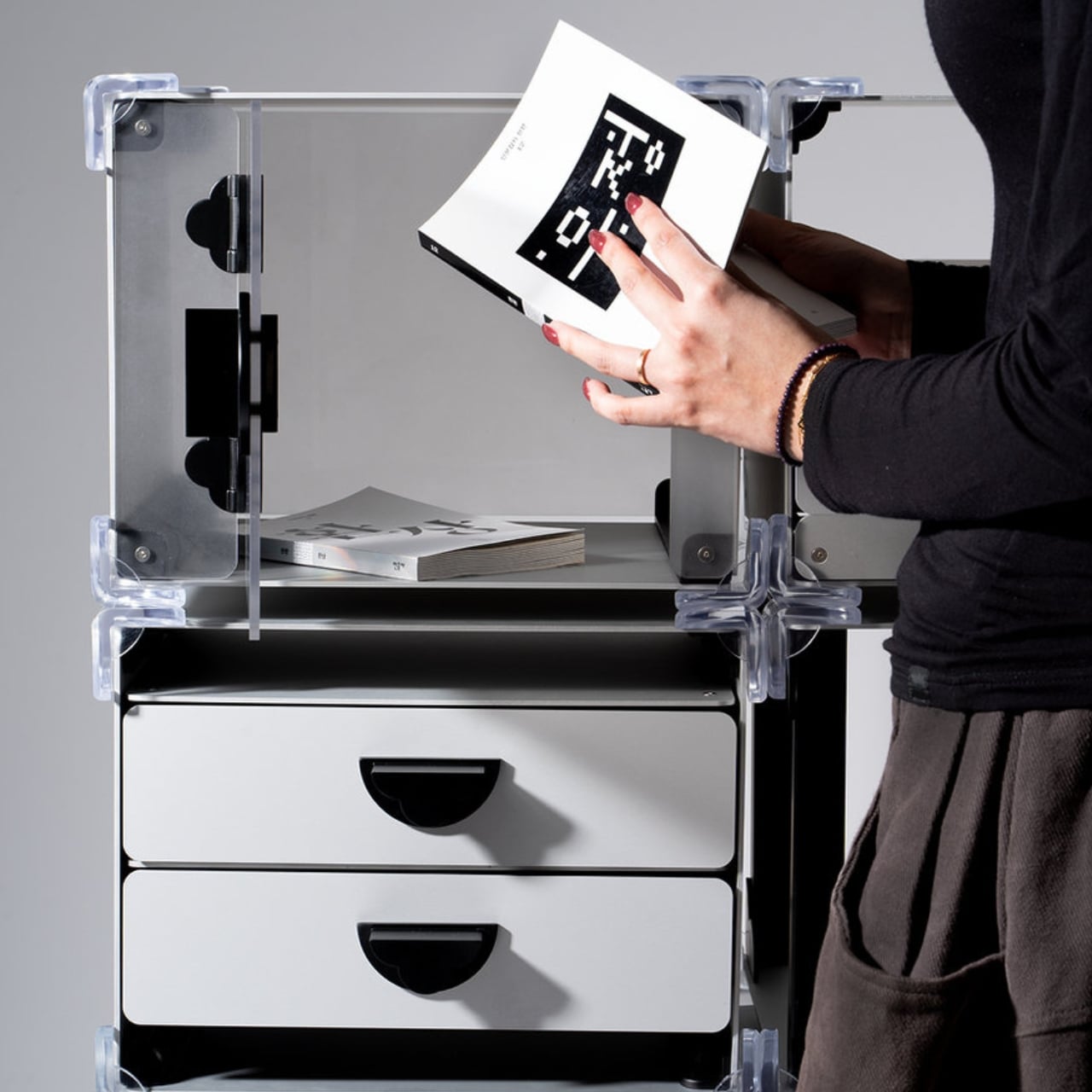
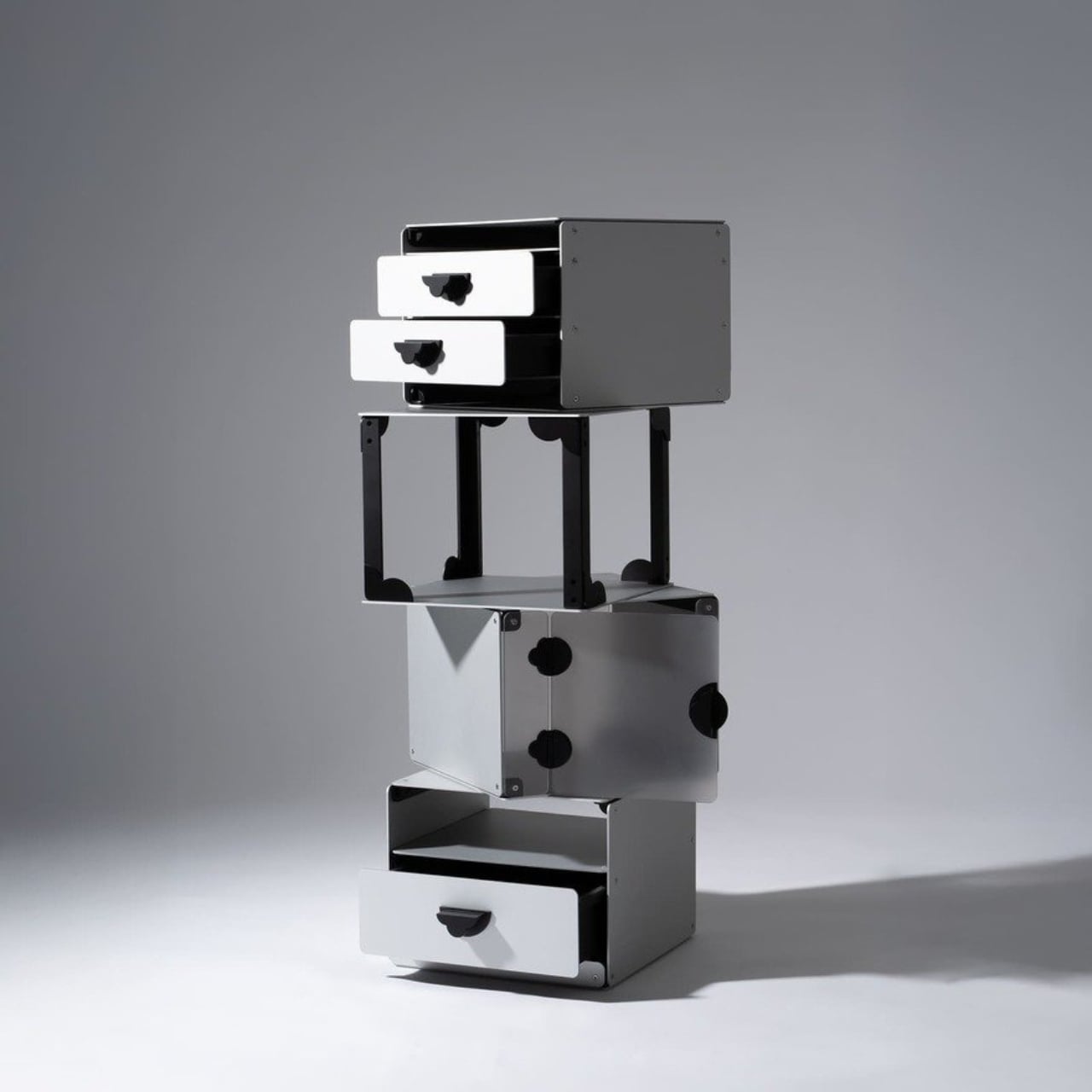
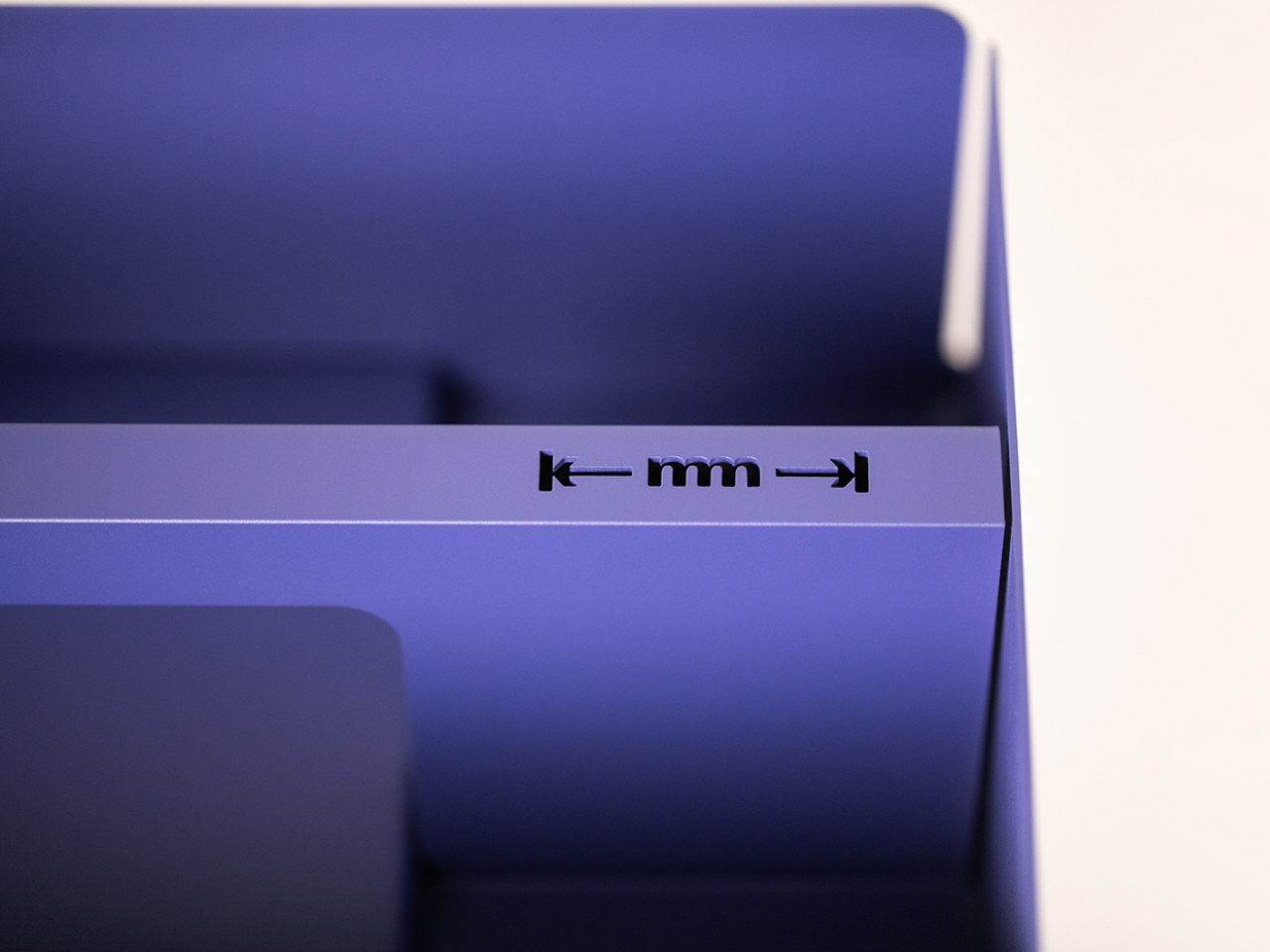
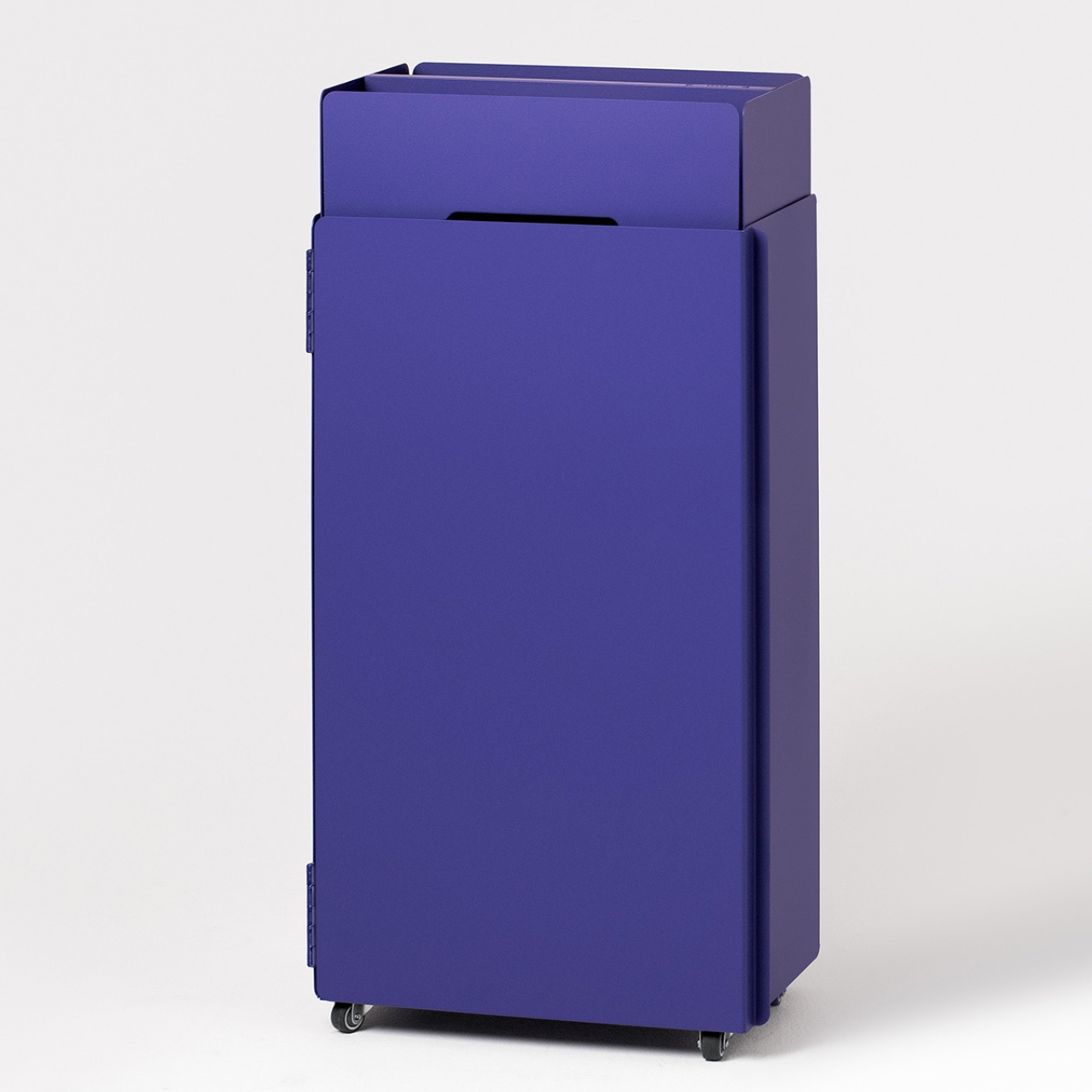
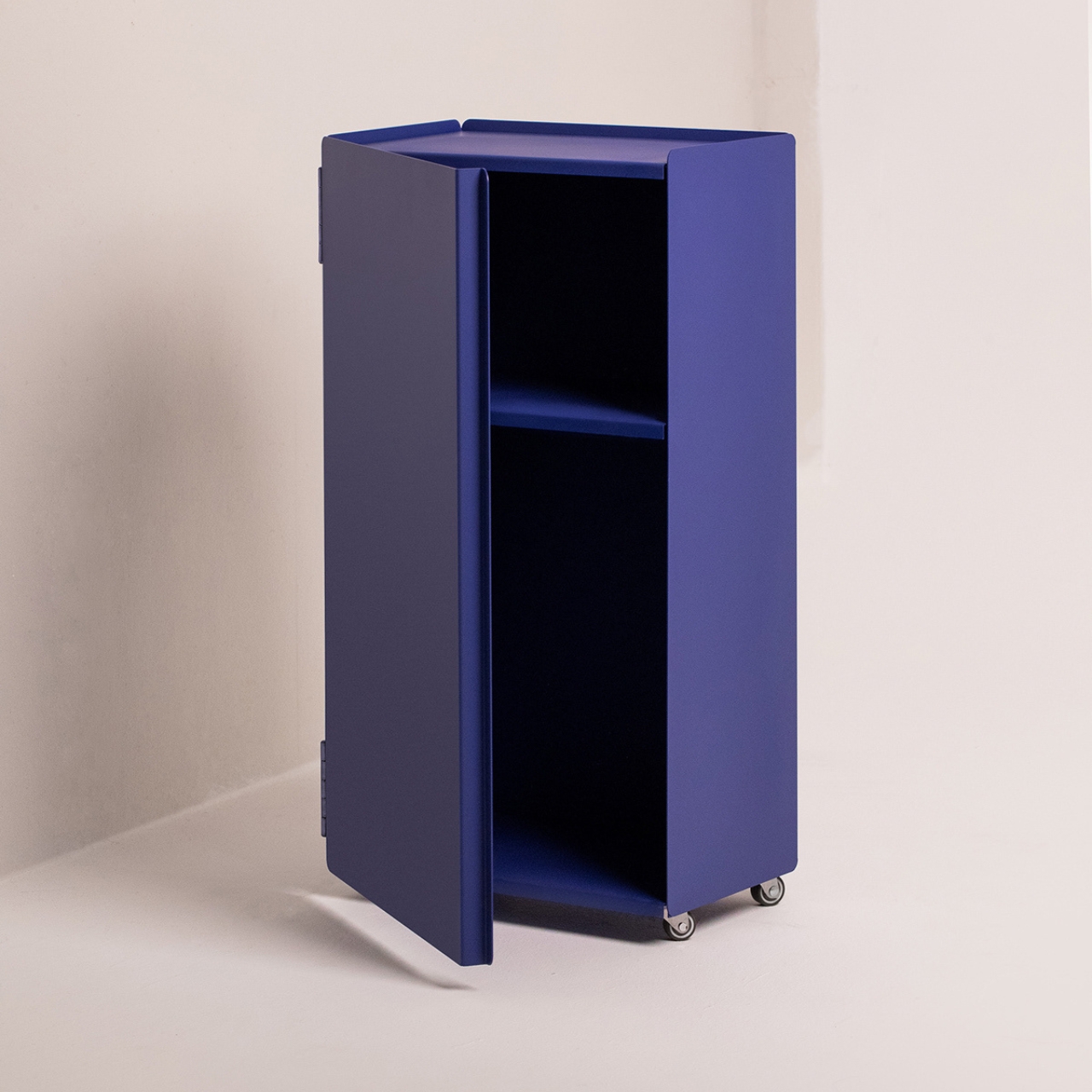
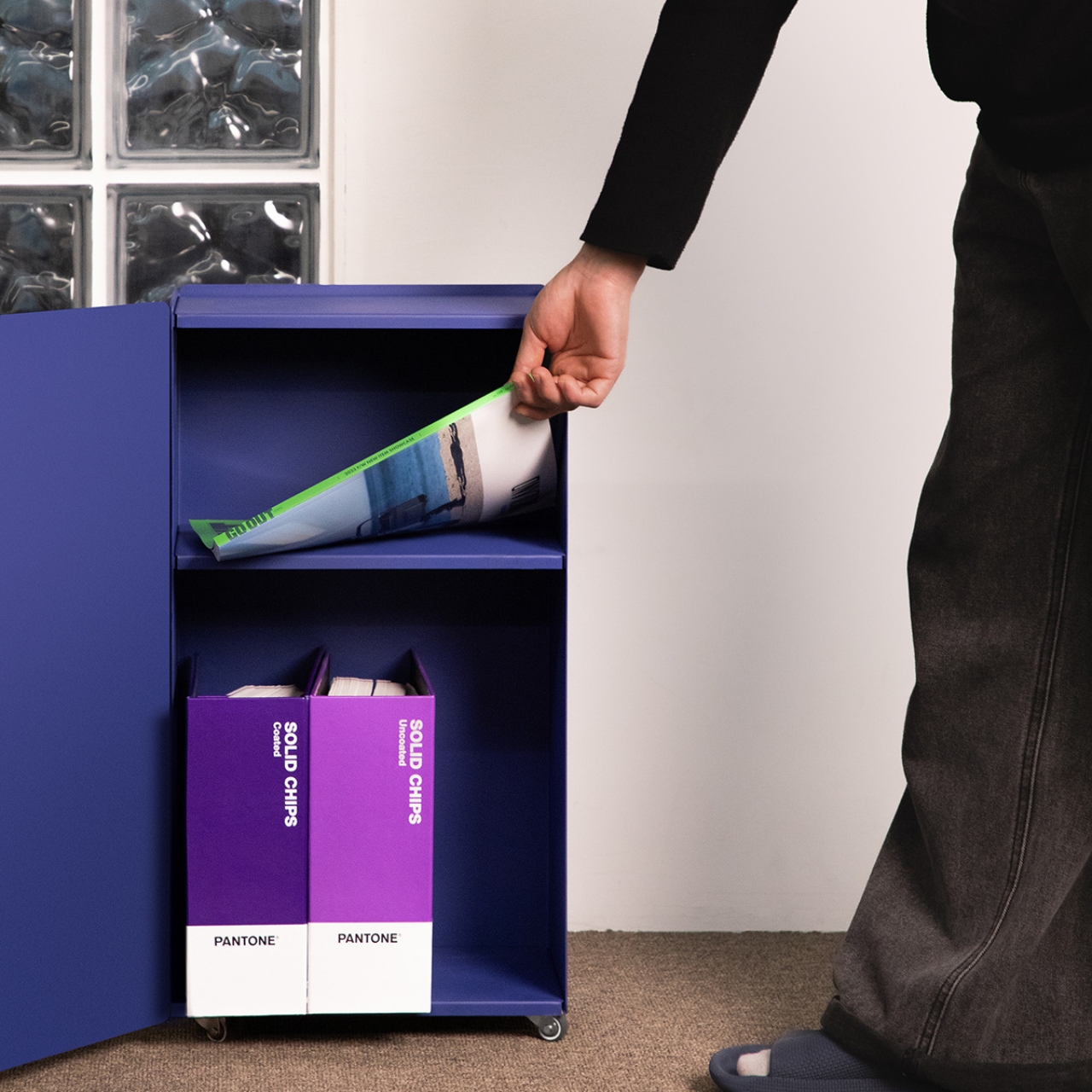
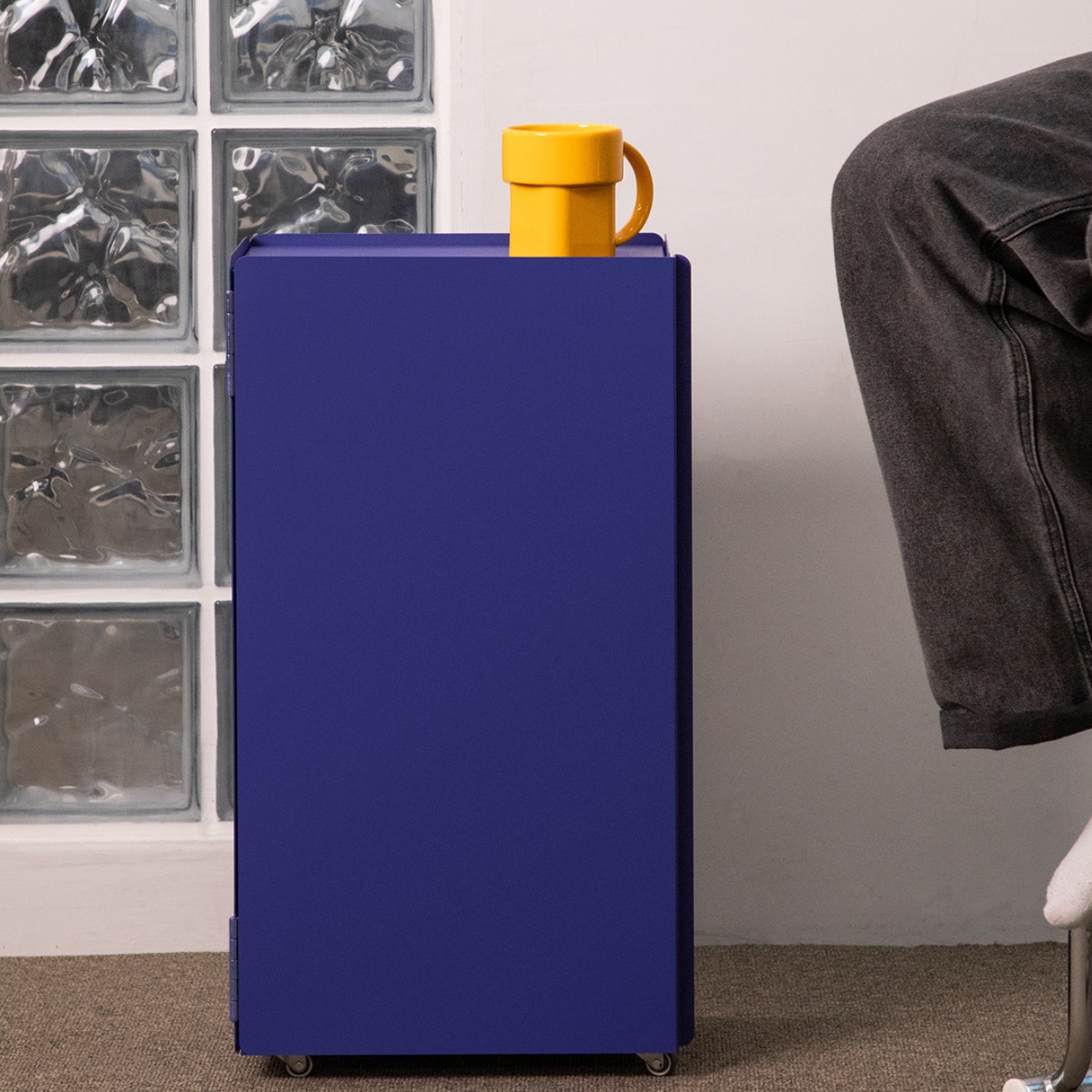
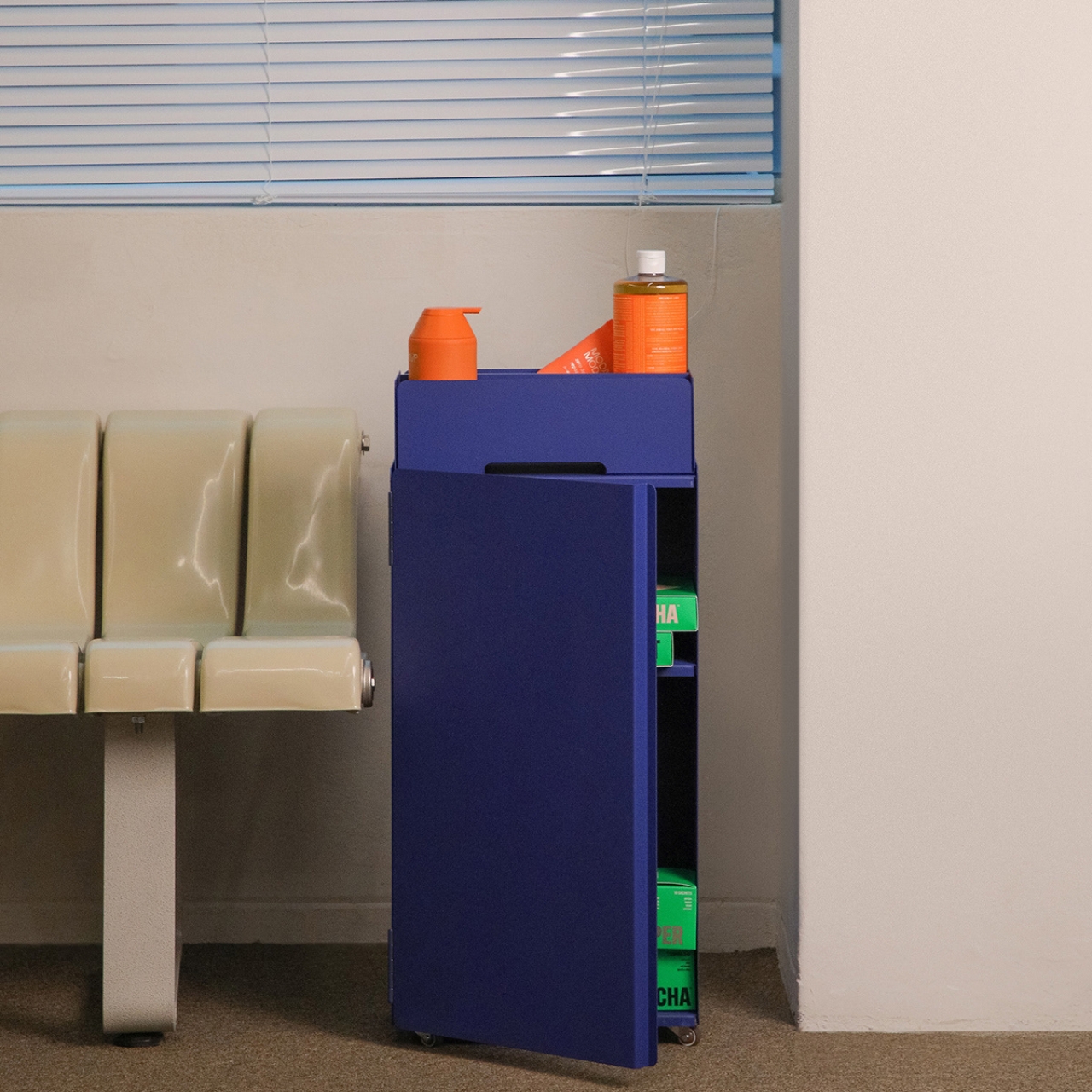
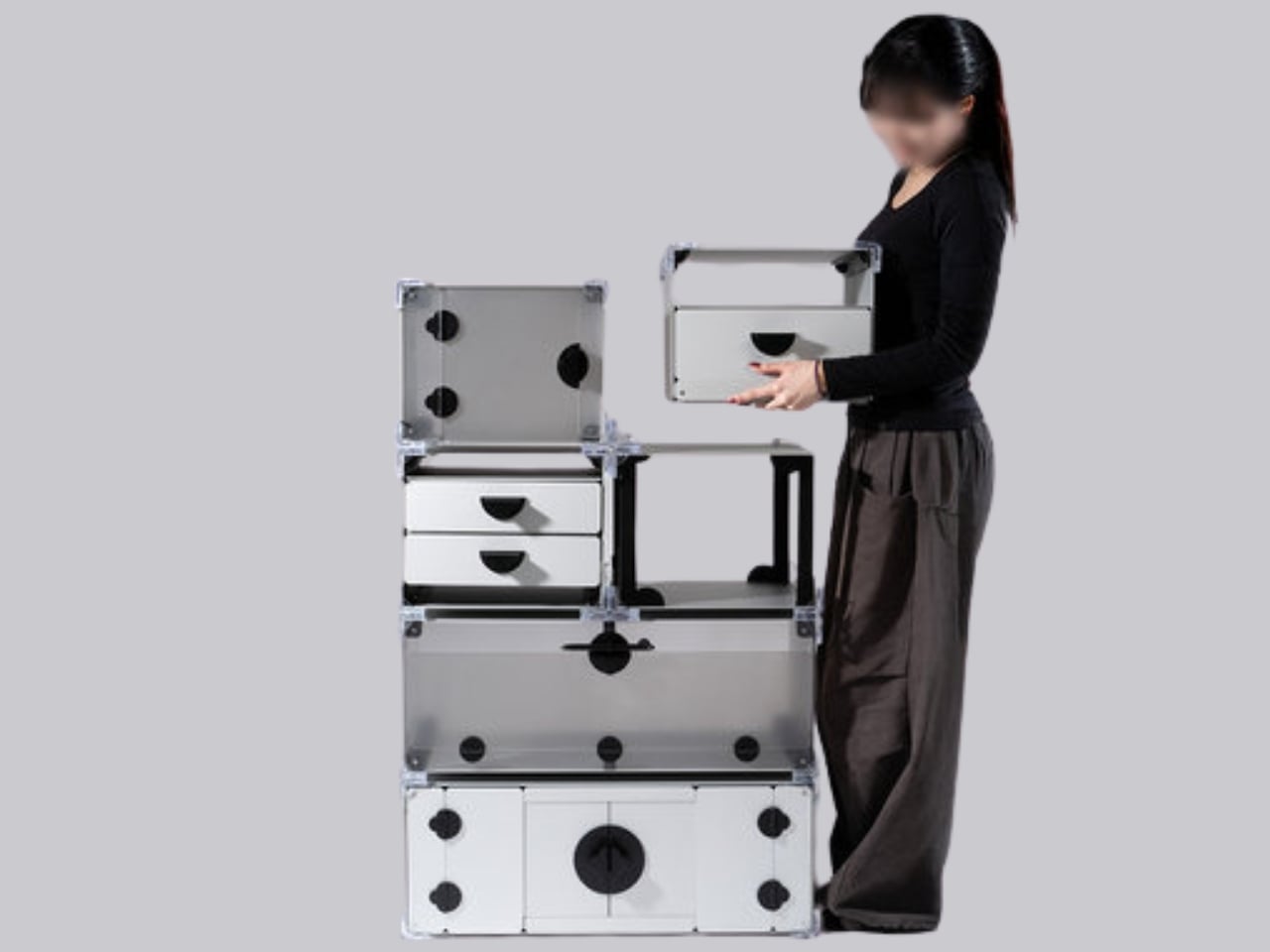
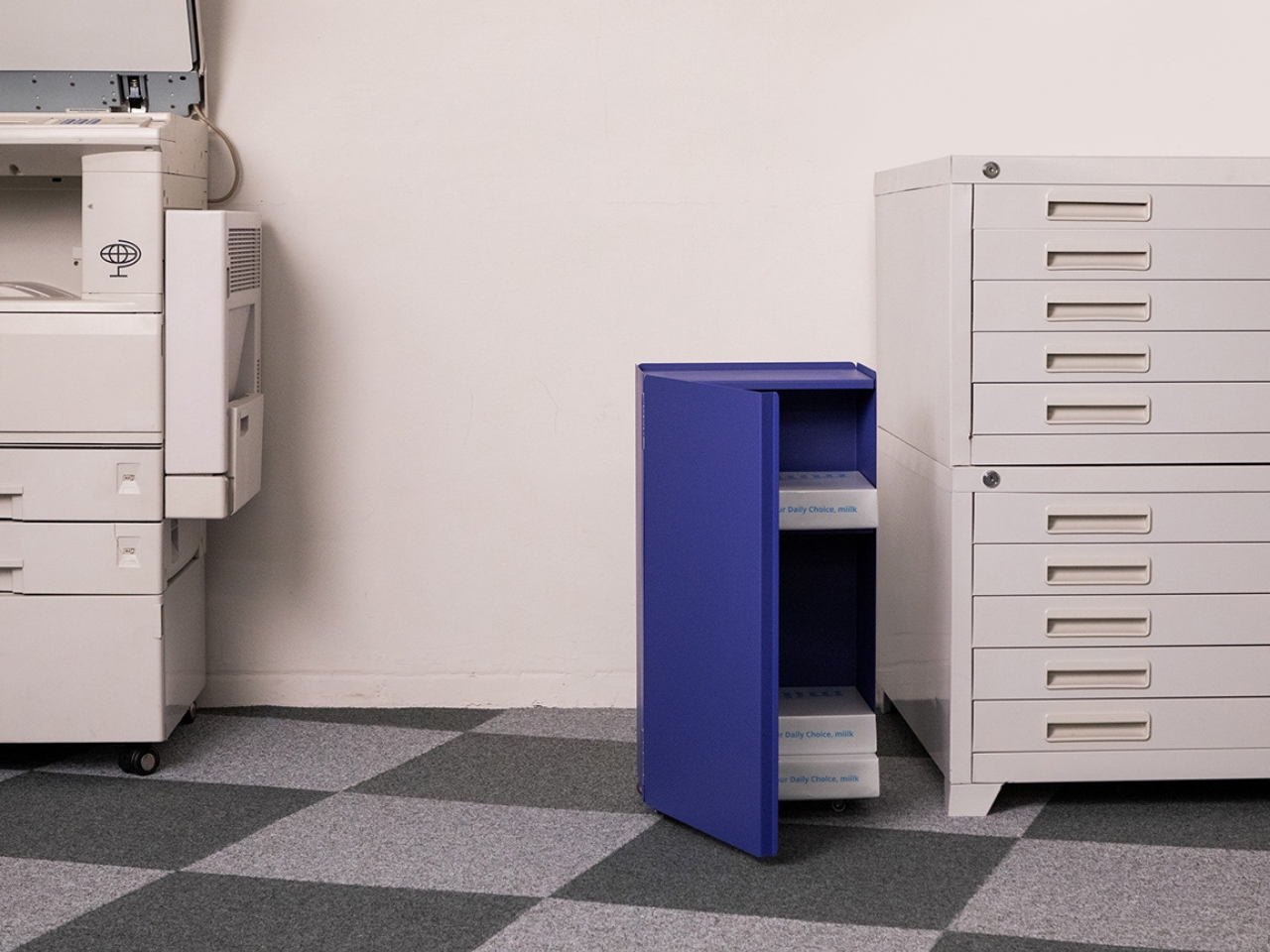
Kimmipak (named after the three designers) is a concept for a steel trolley that you can help move around the stuff that you need to work on if you’re moving from one place to another in the room. It looks like a piece of luggage except that it opens up like a cabinet. But just like your luggage, it is something that you can store things in and then roll around if you need to bring stuff to and from your other workspaces.

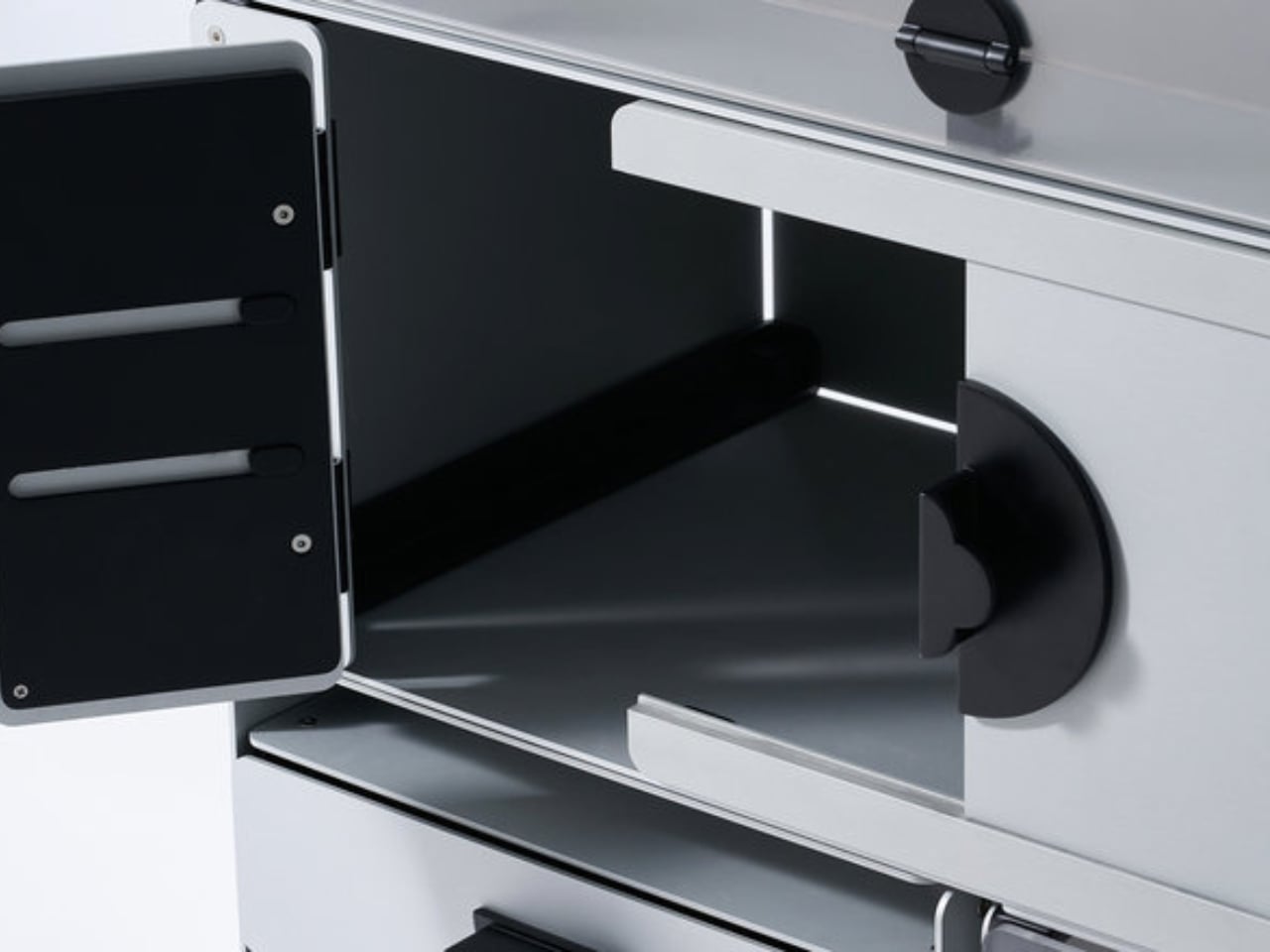
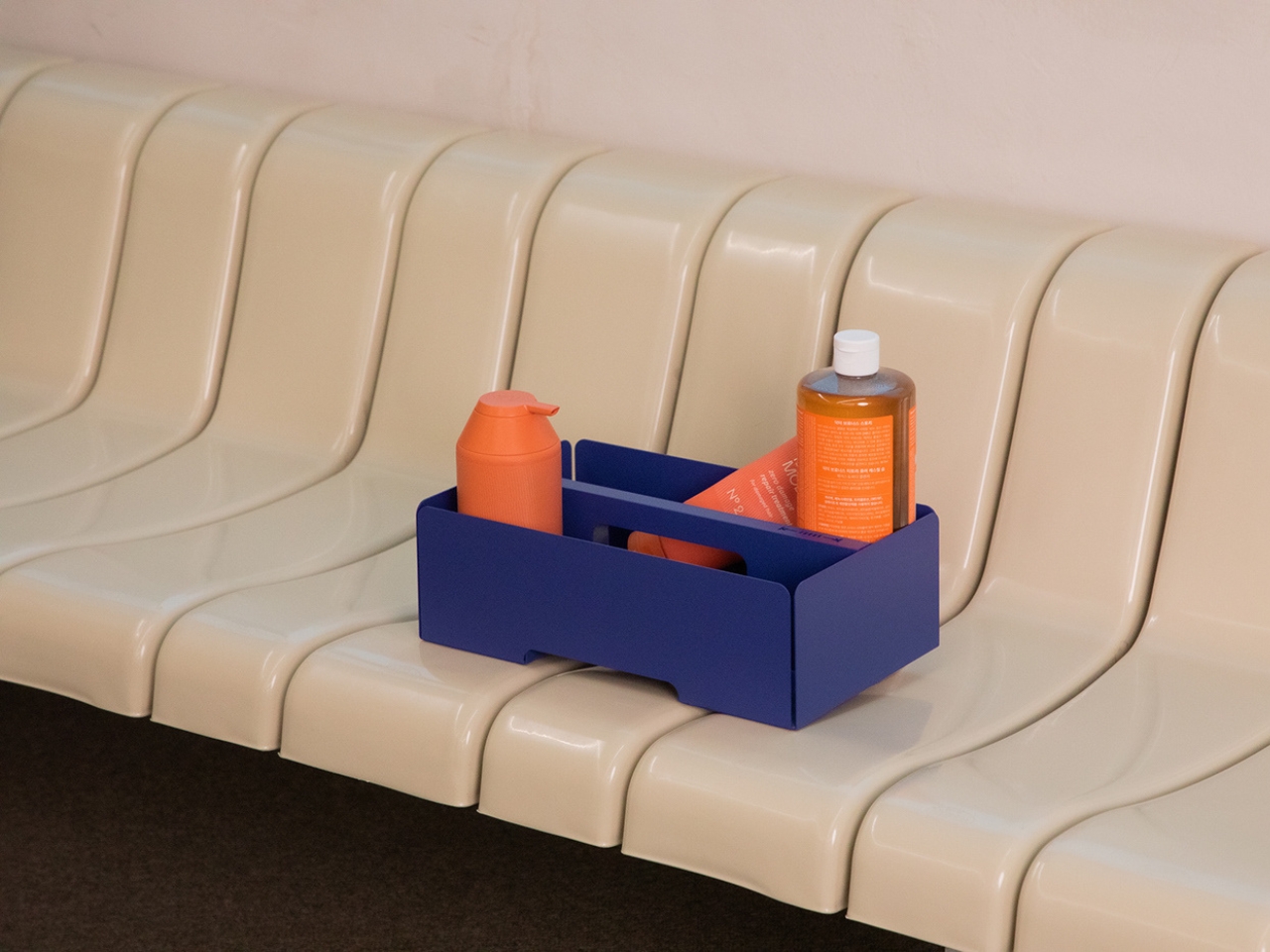
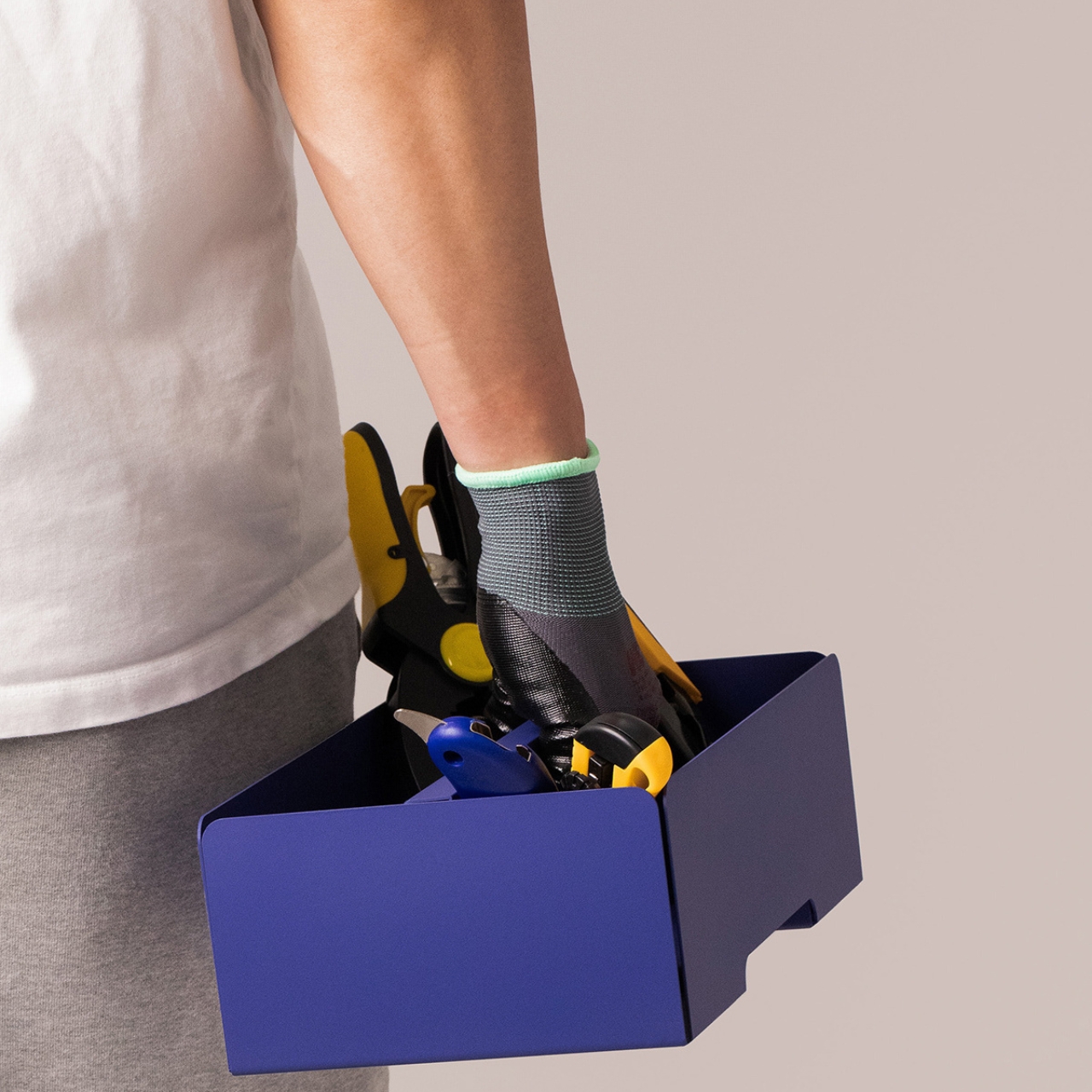
When you open the cabinet, there are two layers but it can probably be modified as well if you need more shelves. You can ise it as a bookshelf, cabinet, and the top can also be a mini table. There is a removable toolbox at the top where you can place items like garden supplies, tools, beauty stuff, etc, if you need them carried around but you don’t need the whole trolley.

It’s an interesting concept for those who move around a lot in the room and you need your tools or stuff with you. Some steel or filing cabinets also have wheels for easier moving around if needed but this one was specifically designed to be portable and movable like your luggage.

The post Movable trolley cabinet lets you be more mobile in your work space first appeared on Yanko Design.
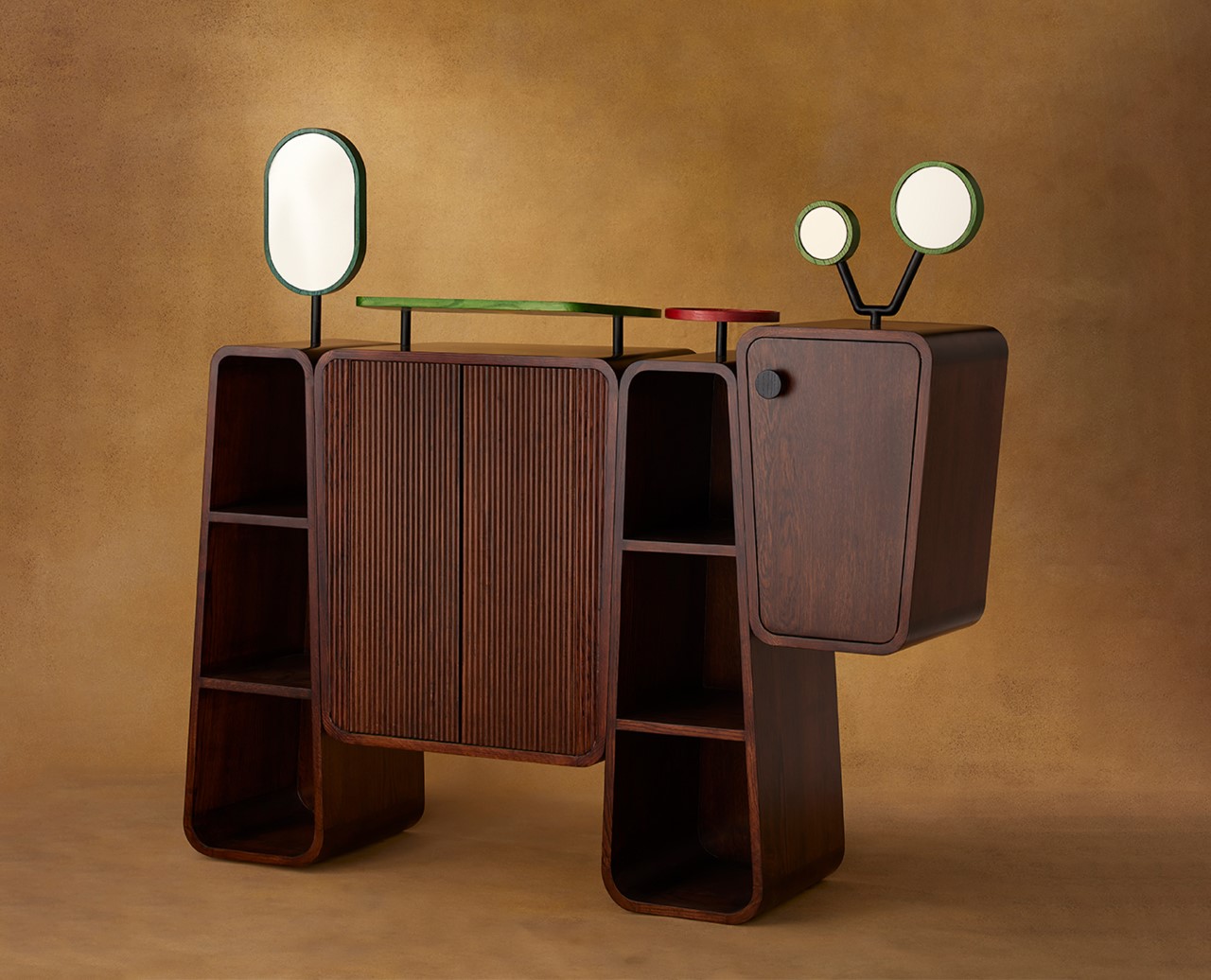
Whimsical Moose-shaped cabinet adds a touch of delightful quirk to your interior space

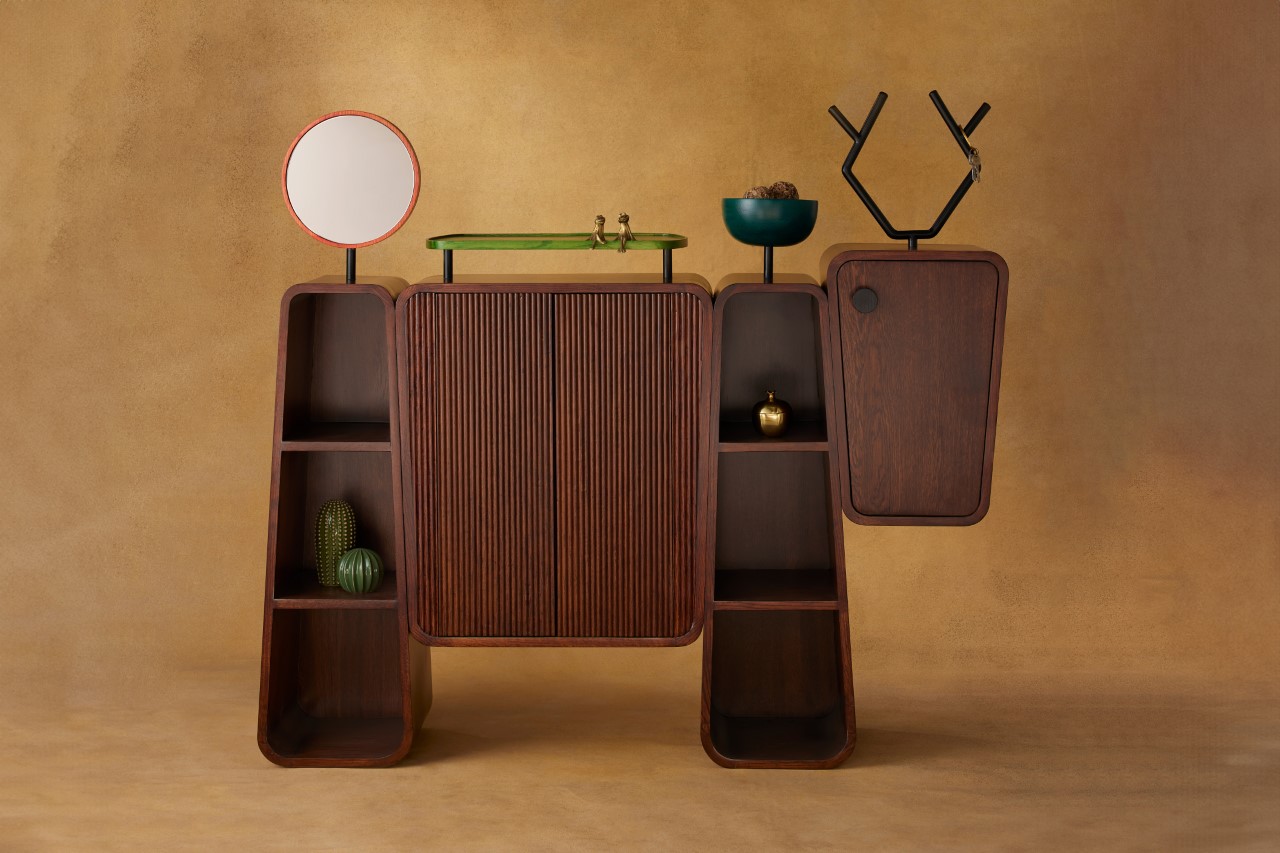
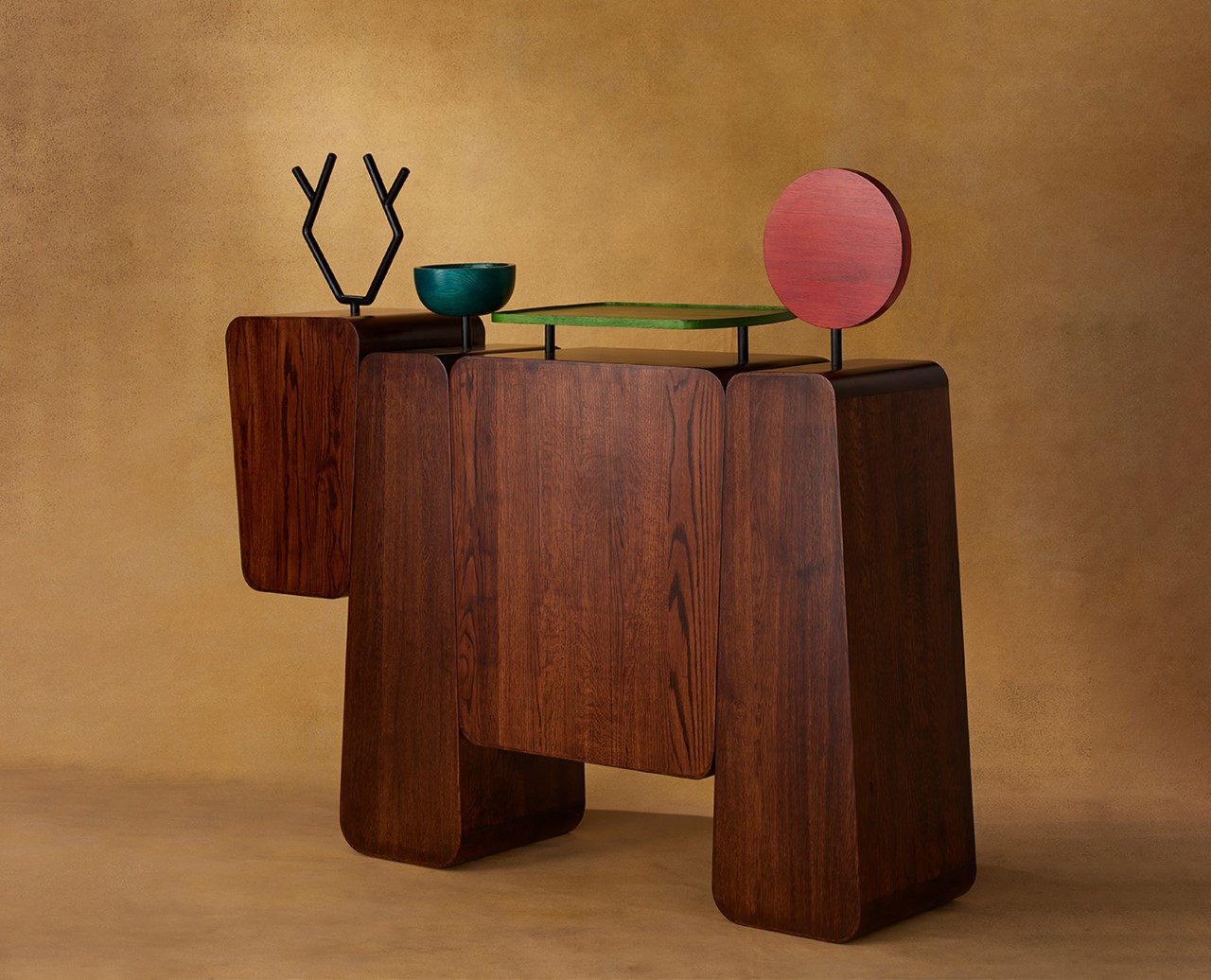
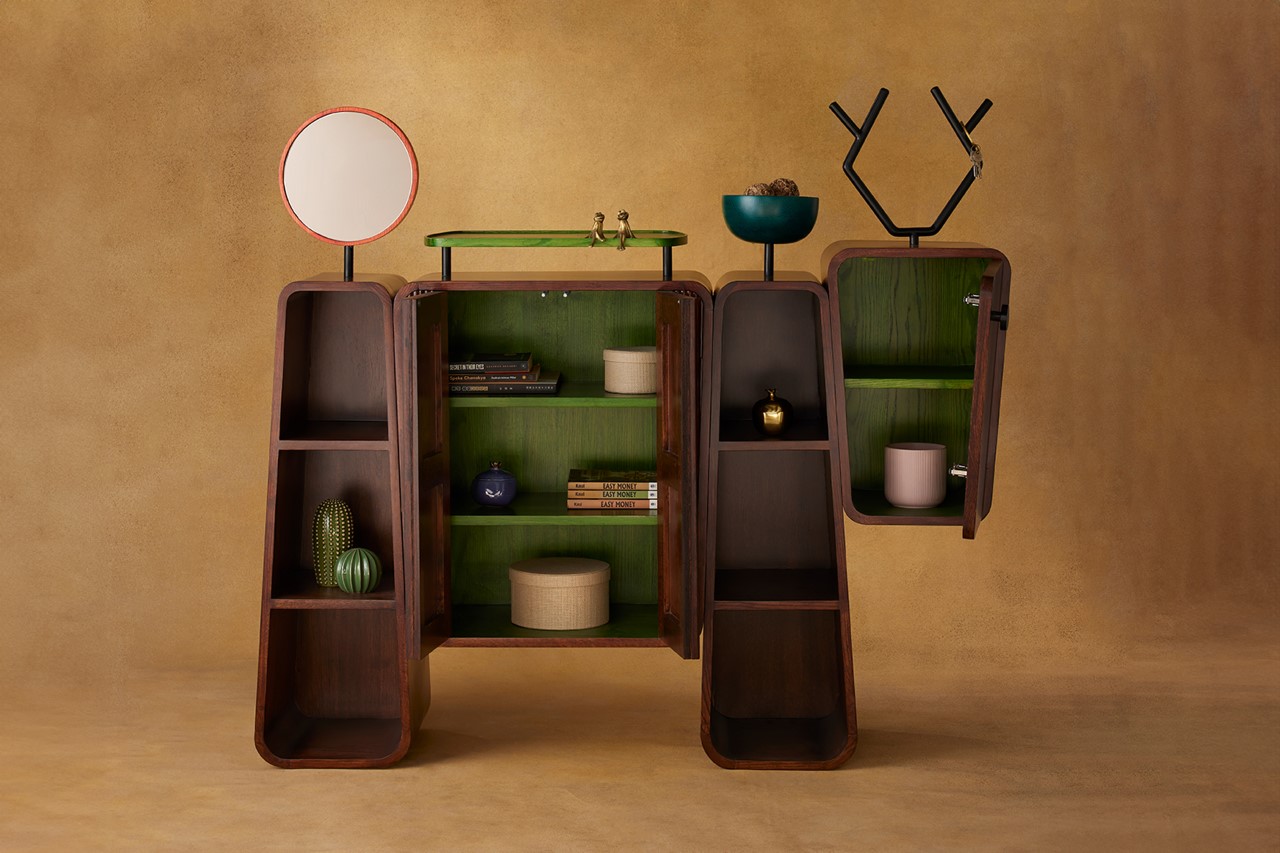
If Radhika Dhumal’s beetle-inspired table captivated your heart then this multifunctional cabinet modeled on the form of a moose is sure to catch your fancy. A winner of the A’ Design Award last year, this little whimsical wonder from Priyam Doshi adds a touch of playfulness to your interior decor while giving you functional storage. The cabinet adopts the rough silhouette of a moose, with broad legs, a squarish face, and even horns that serve well as jewelry hangers.

Designer: Priyam Doshi

Handmade from Oakwood with a water-based matte finish, the Moose cabinet has four distinct storage areas – the two legs, the body, and the face. The legs offer open storage for statement pieces and other memorabilia, while the body and face have their own doors to help store other items that you’d necessarily want to keep away from snooping neighbors – your jewelry or your fancy alcohol collection, perhaps. Points for noticing that the handle on the face door is, in fact the moose’s eye!

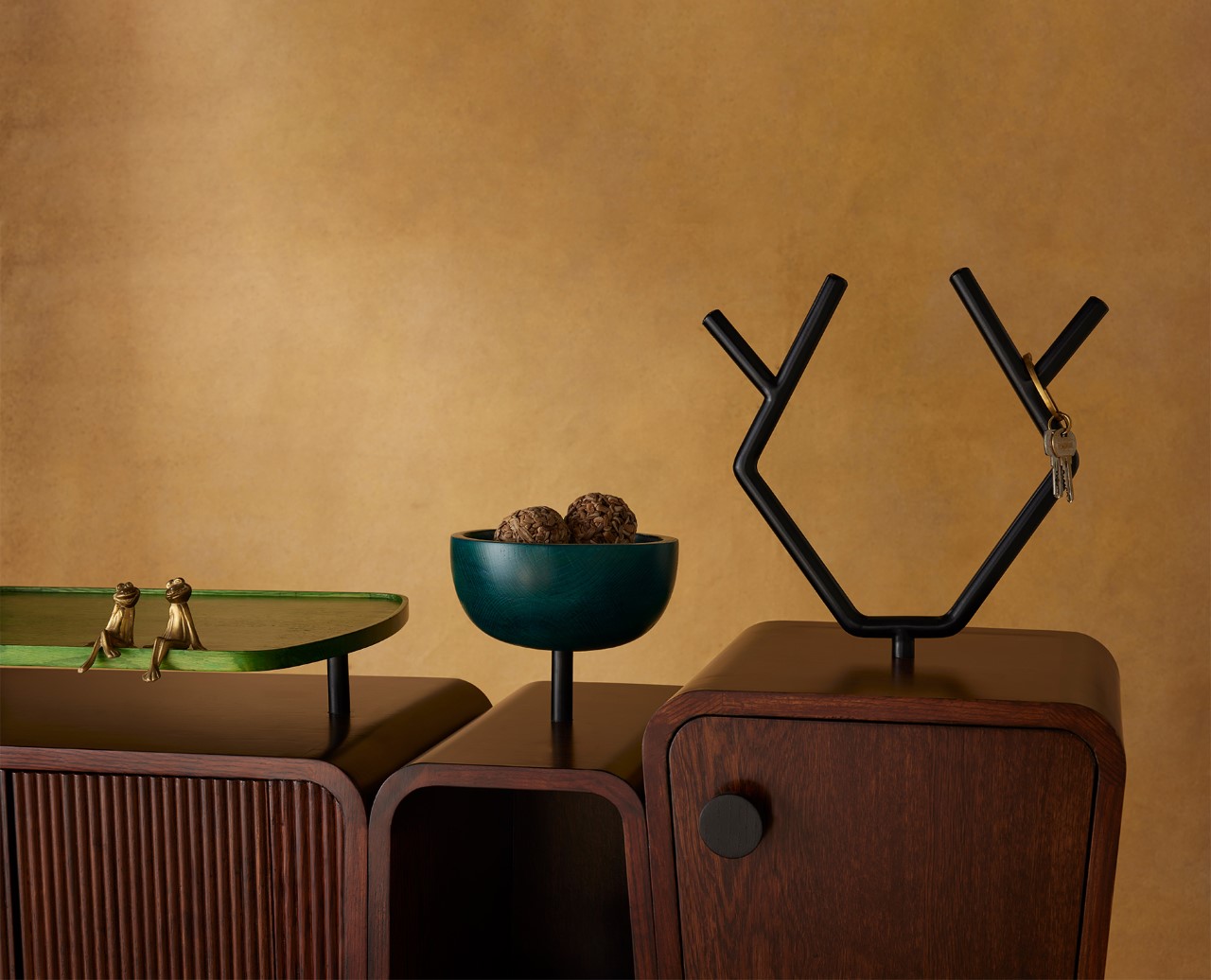
The tabletop surface above the moose comes outfitted with a variety of trays to store other tchotchkes and bric-a-brac from watches and loose change to perhaps even your AirPods, wallet, EDC. The moose’s tail has a built-in mirror, which is a nice quirky touch, while the horns themselves serve as perfect hangers for tiny purses, keys, or even a hat.

“The inspiration was to add fun to the boring mundane lifestyles and objects around you. The Moose Cabinet is a handcrafted statement piece inspired by the animal, Moose and is designed to be a FUNctional piece – FUN yet highly functional,” says designer Priyam Doshi. “Also in today’s times, with people’s lifestyles becoming more demanding & people looking at efficient uses of living spaces there is a need to have multifunctionality in the new products we are designing. So Plug and play accessories were added for the users.”

The post Whimsical Moose-shaped cabinet adds a touch of delightful quirk to your interior space first appeared on Yanko Design.
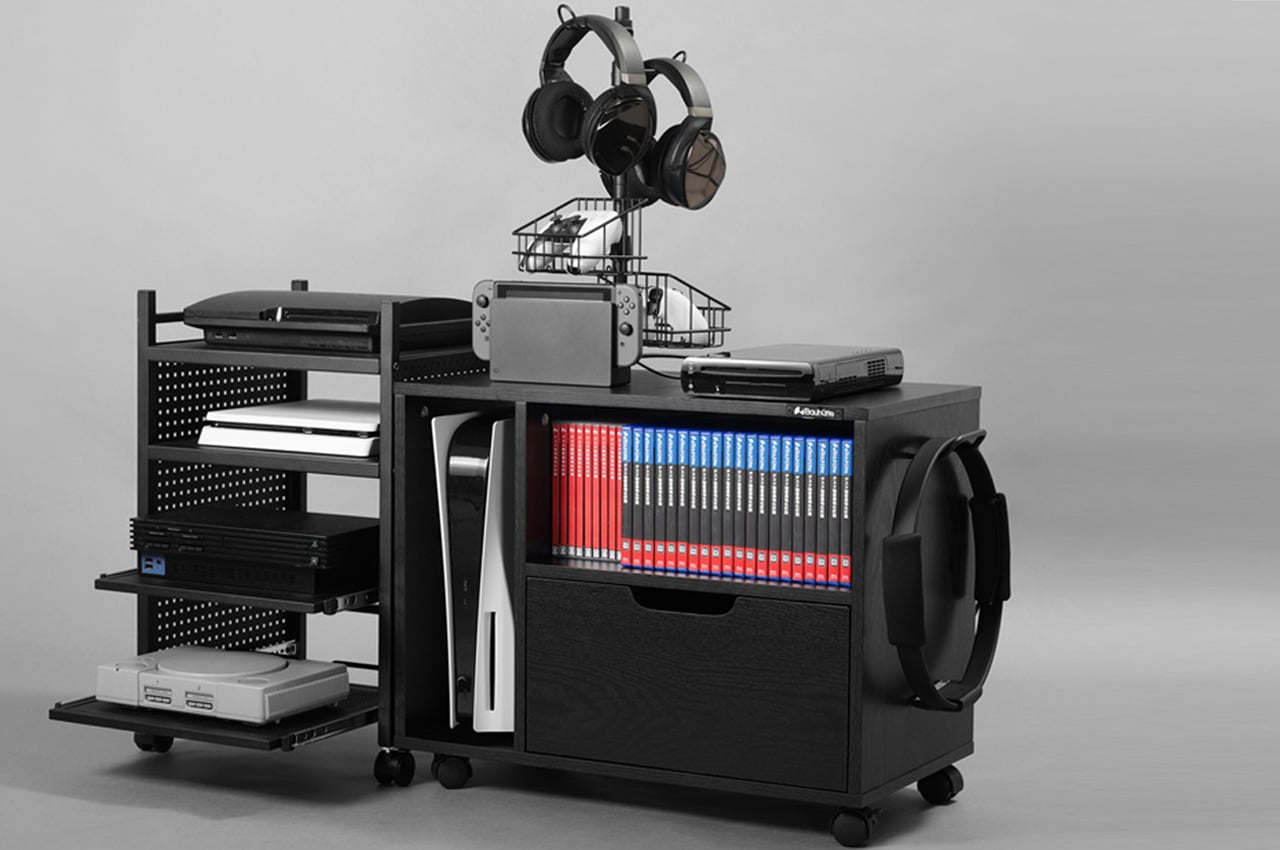
Bauhutte’s special cabinet for storing game consoles, controllers, and titles will get the gamers highly organized

Japanese gaming furniture brand, Bauhutte, basically functions out of there bases: comfort, comfort and comfort. What did I miss? Comfort, allowing gamers to add days and more days to their regular gaming routines. Then whether it’s the Electric Gaming Bed or the Gaming Sofa, everything out of this company’s warehouse is designed to make the gamers addicted and lazier for their liking.

While that’s that. There ought to be a solution that is less about comfort and more about convenience and organizing. Two aspects that are as far from gamers as life outside their consoles. So, Bauhutte has taken some time out from creating ultra-addictive furniture to make us languid, to launch a specially designed cabinet to store game consoles, title, and other items in one place.

Designer: Bauhutte

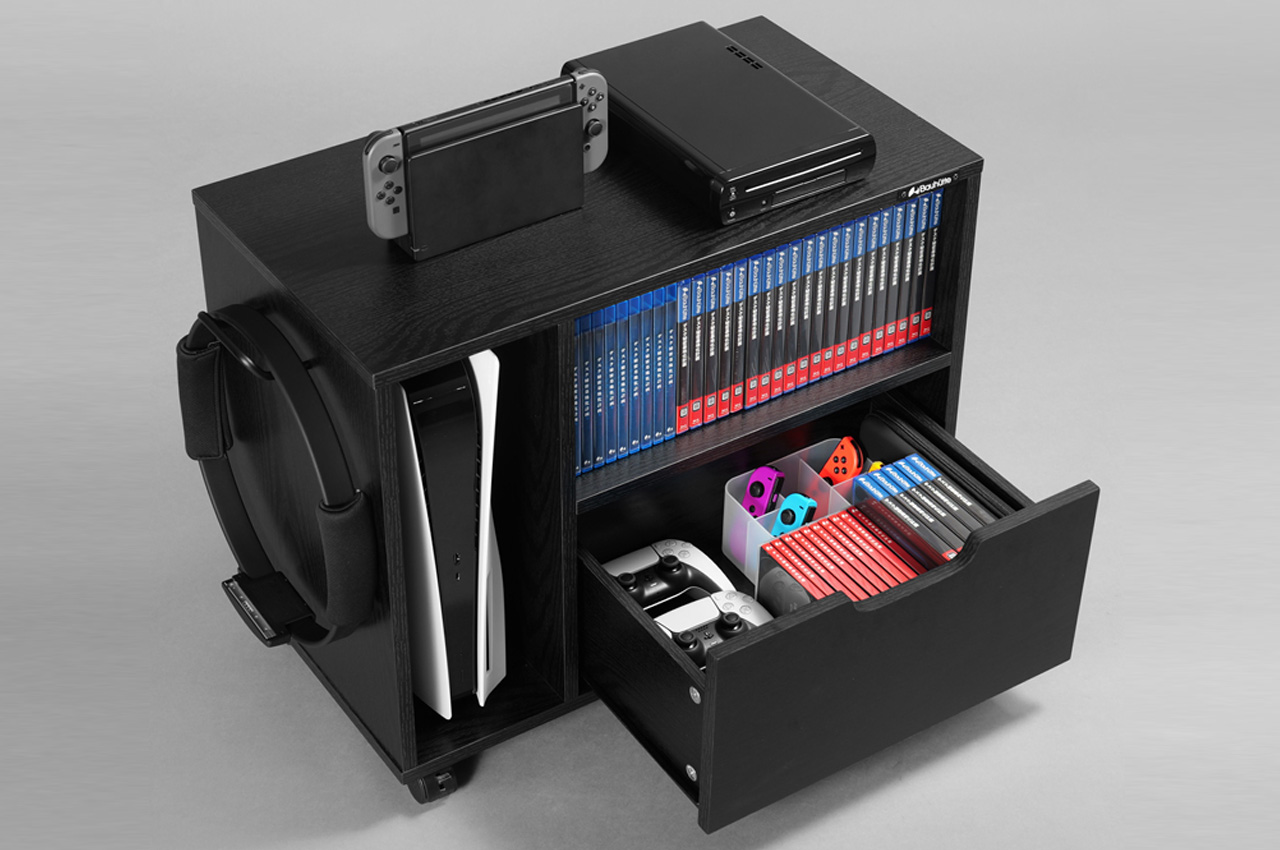
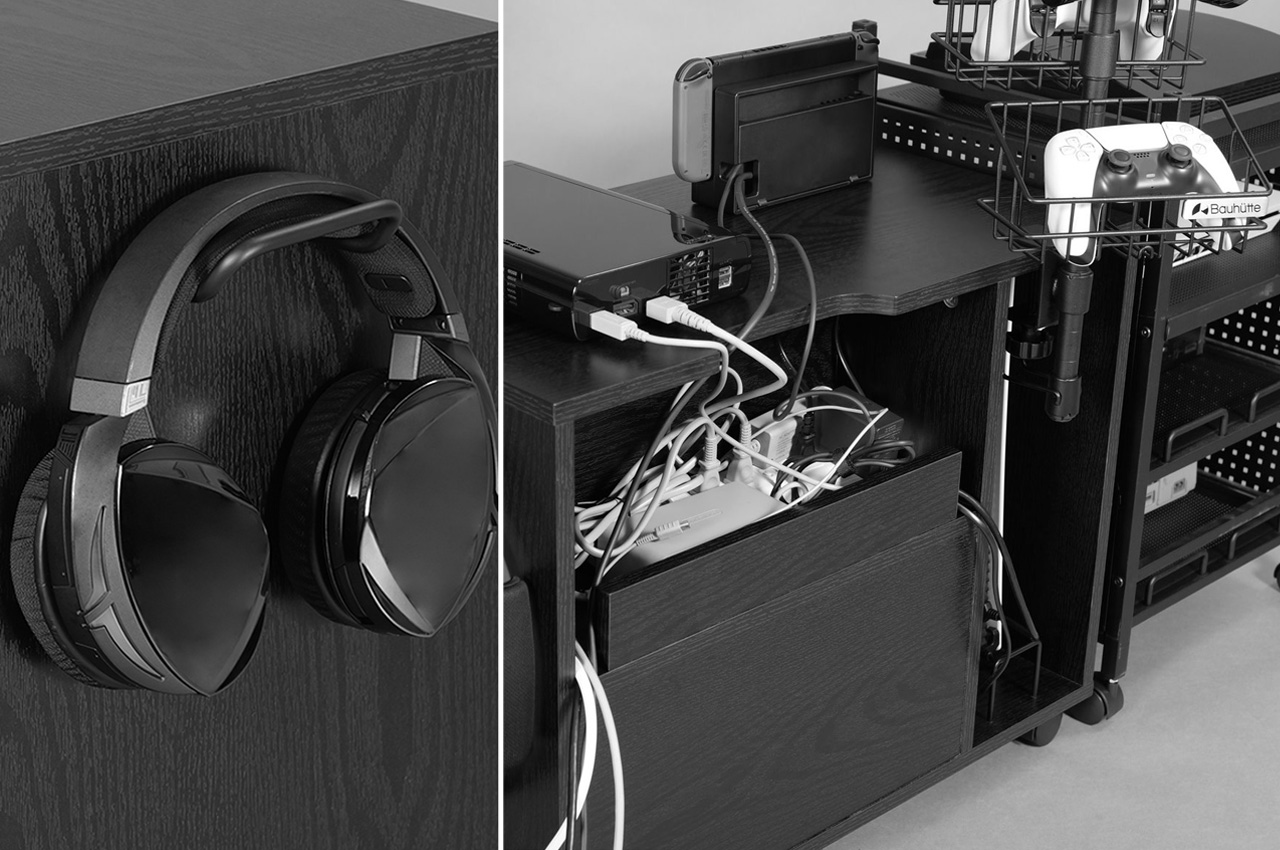
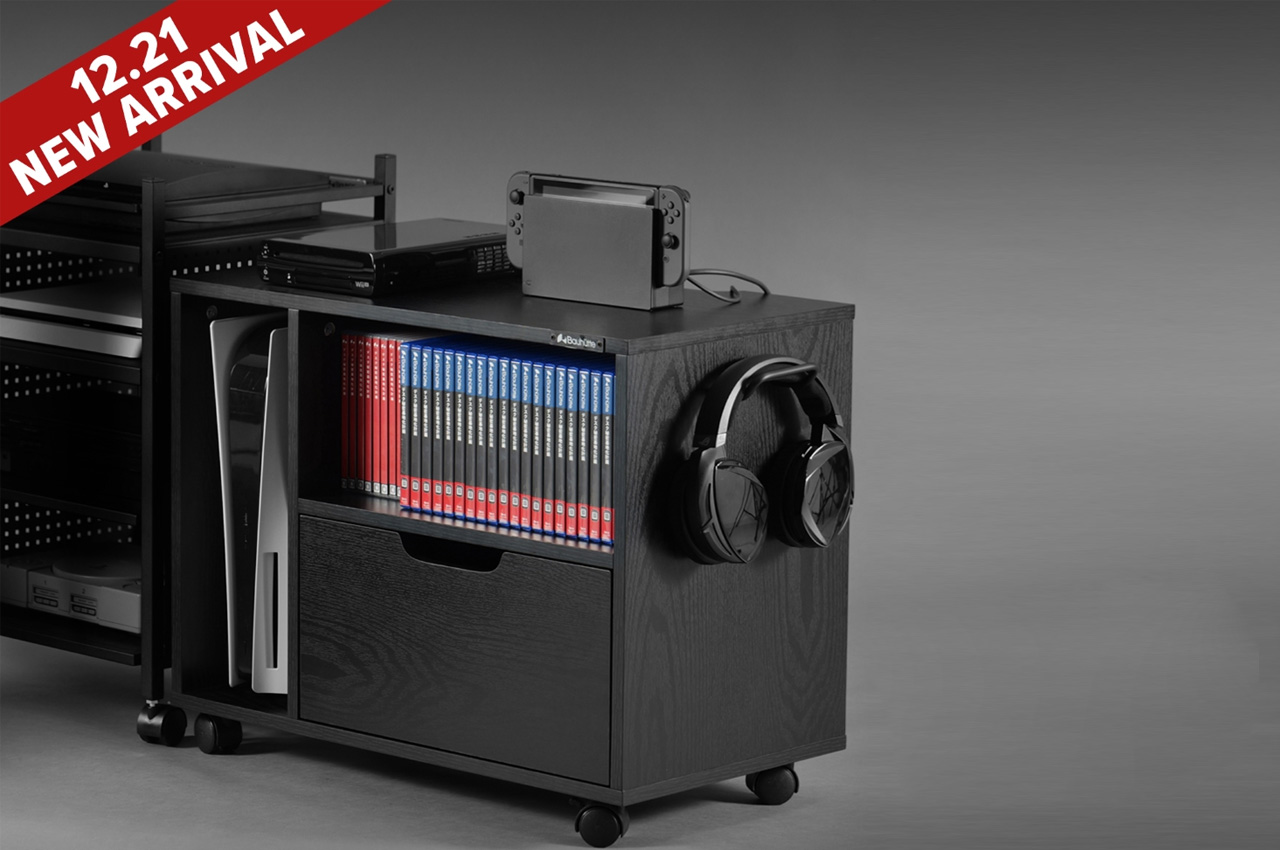
The table with open shelves looks to have been made using MDF board and is pretty similar to other stationary game console cabinets on the market. Two distinguishing factors: Bauhette’s dark color scheme and the open rack design. The primary layout without a backboard or door considers heat dissipation and ensures your valuable console is well-ventilated at all times.
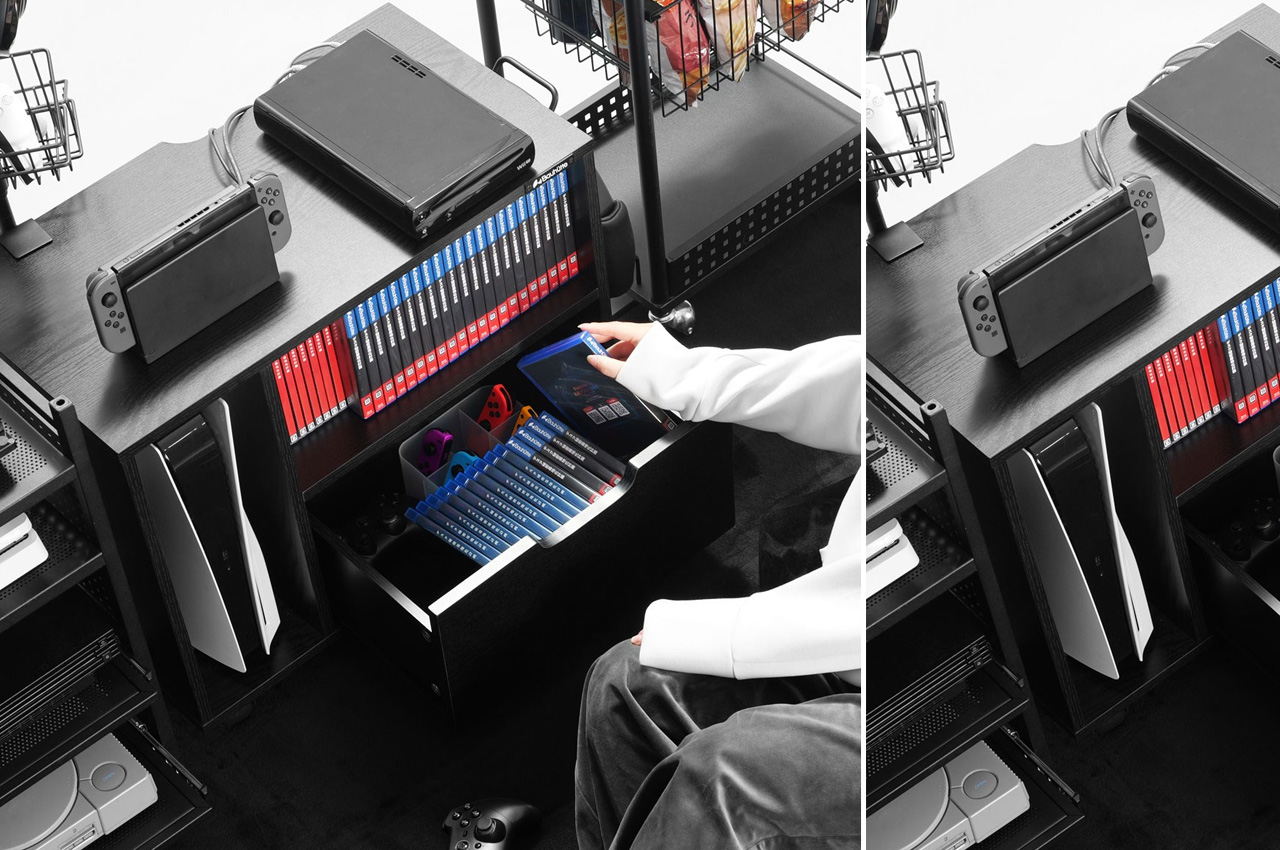
Although it has a simple design that will never look out of place even if it’s installed in the living room, it is highly functional. Giving an open space for the game console to rest, the specially conceived cabinet for the gamers’ den, has a drawer to stack your titles, controllers, and other accessories that have grown through the years.

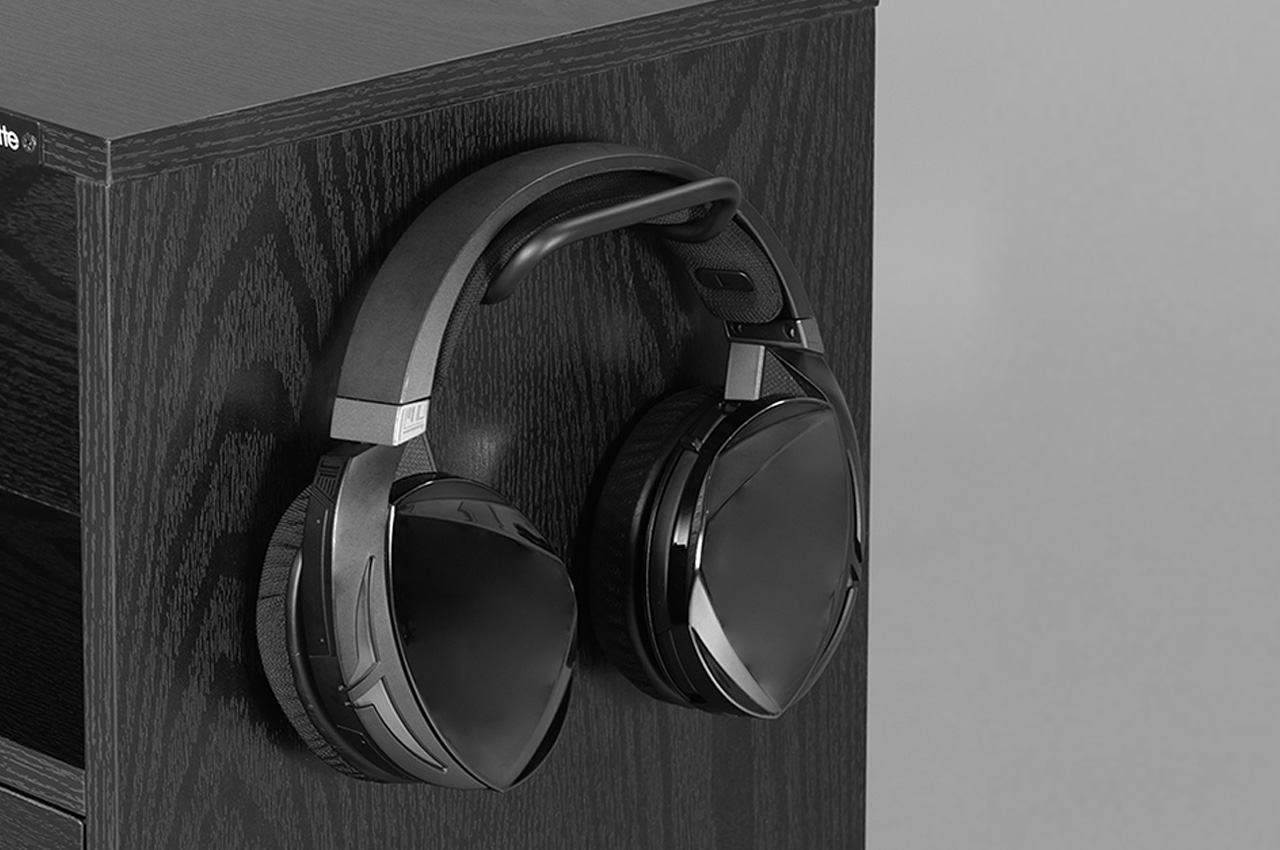
The cabinet organizes the gaming equipment neatly which would otherwise pile up on the side of your rig. A side hook has been installed on the cabinet for hanging headsets, etc. This keeps the headies in easy reach, so you can quickly pick them up whenever you want to use and then store it neatly after playing. But what really had the storage cabinet win my heart was its hidden cable box on the back and the ability to team up with an open rack for placing more than one game console. There is no word on the price or the global ability of the cabinet yet, but we are hopeful its coming soon!

The post Bauhutte’s special cabinet for storing game consoles, controllers, and titles will get the gamers highly organized first appeared on Yanko Design.