Coca-Cola Just Turned Its Iconic Bottle Into Chopsticks

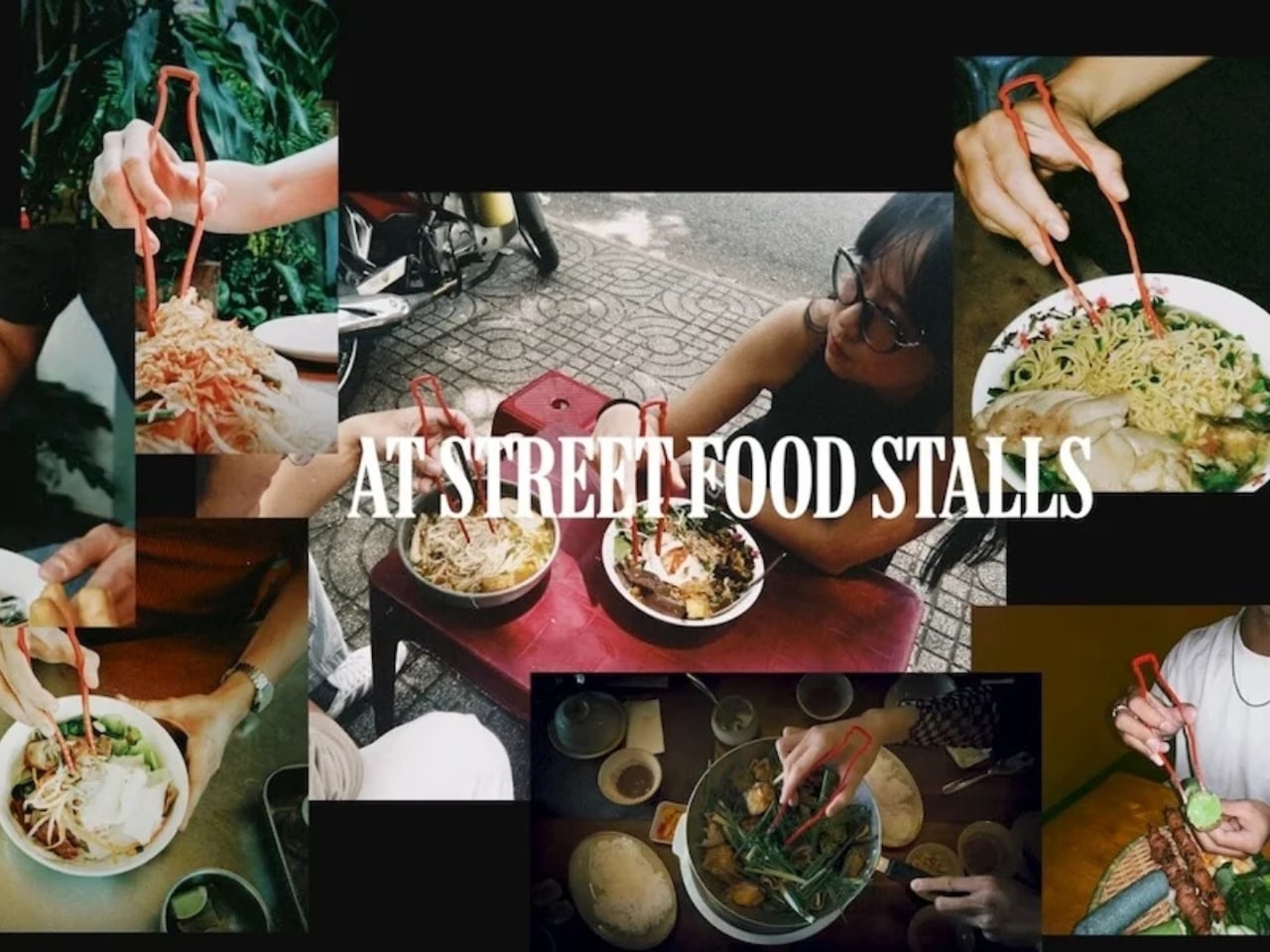
If you visit most parts of East Asia and Southeast Asia, you will find something on almost every dining table, whether it’s at home or a public dining establishment: a pair of chopsticks. If you live there, then you learned to use them starting when you were a young child. If you’re visiting, then you will have to learn to use a pair when eating, or else you embarrassingly ask for other utensils. But in any case, chopsticks are part of every dining experience in that part of the world. They are more than just tools; they are a cultural staple, passed down through generations and deeply woven into the rituals of everyday life.

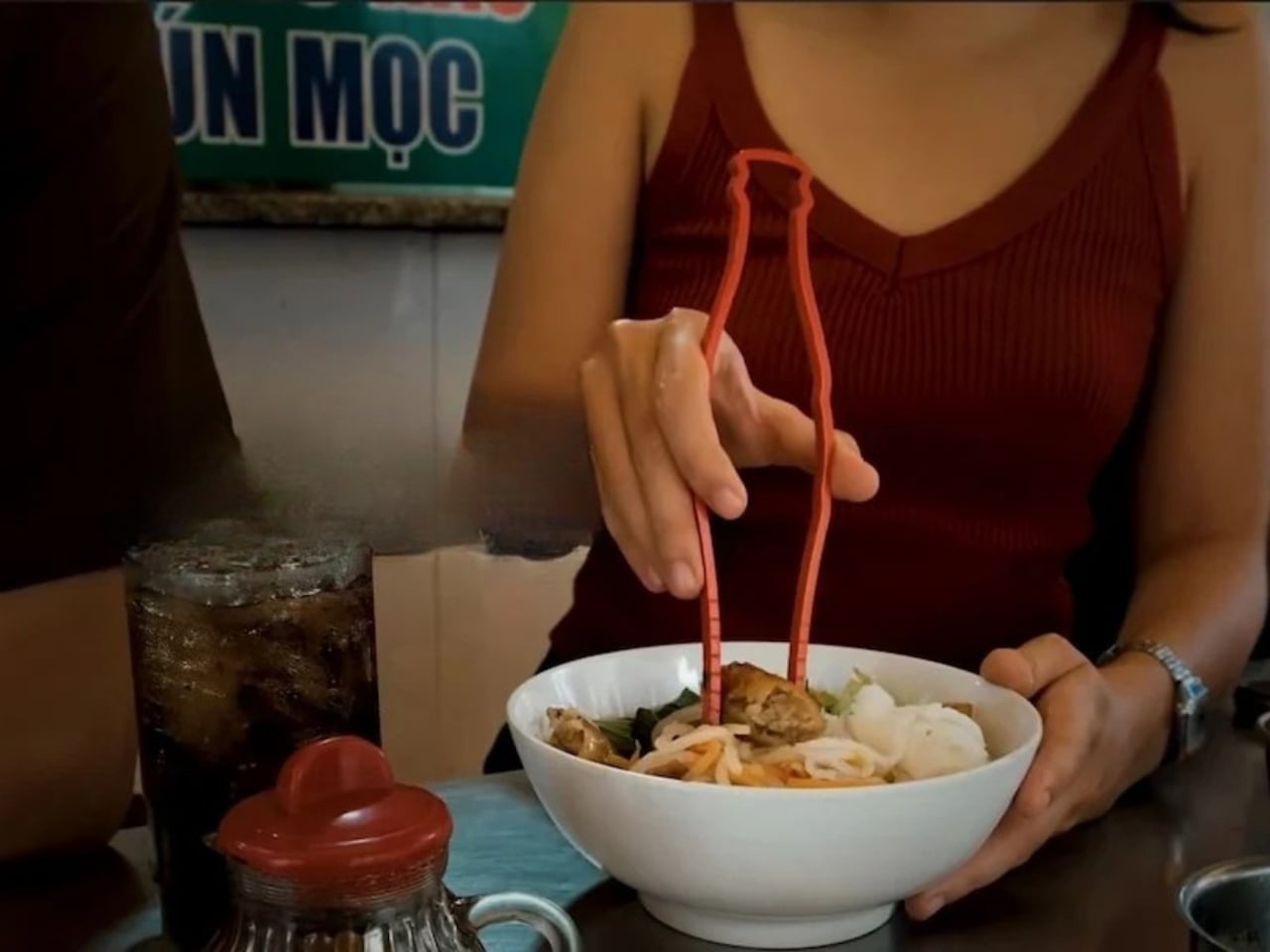
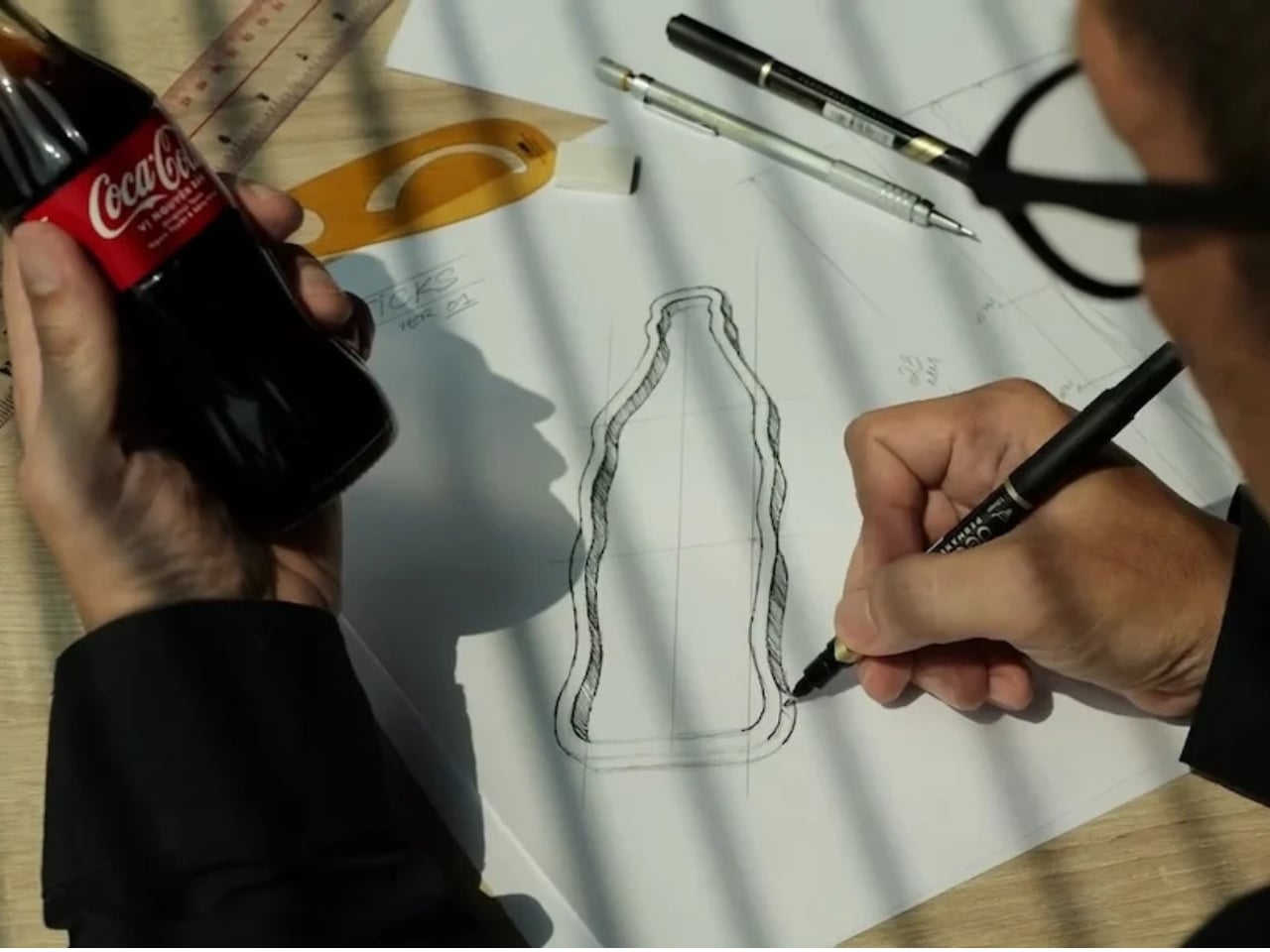
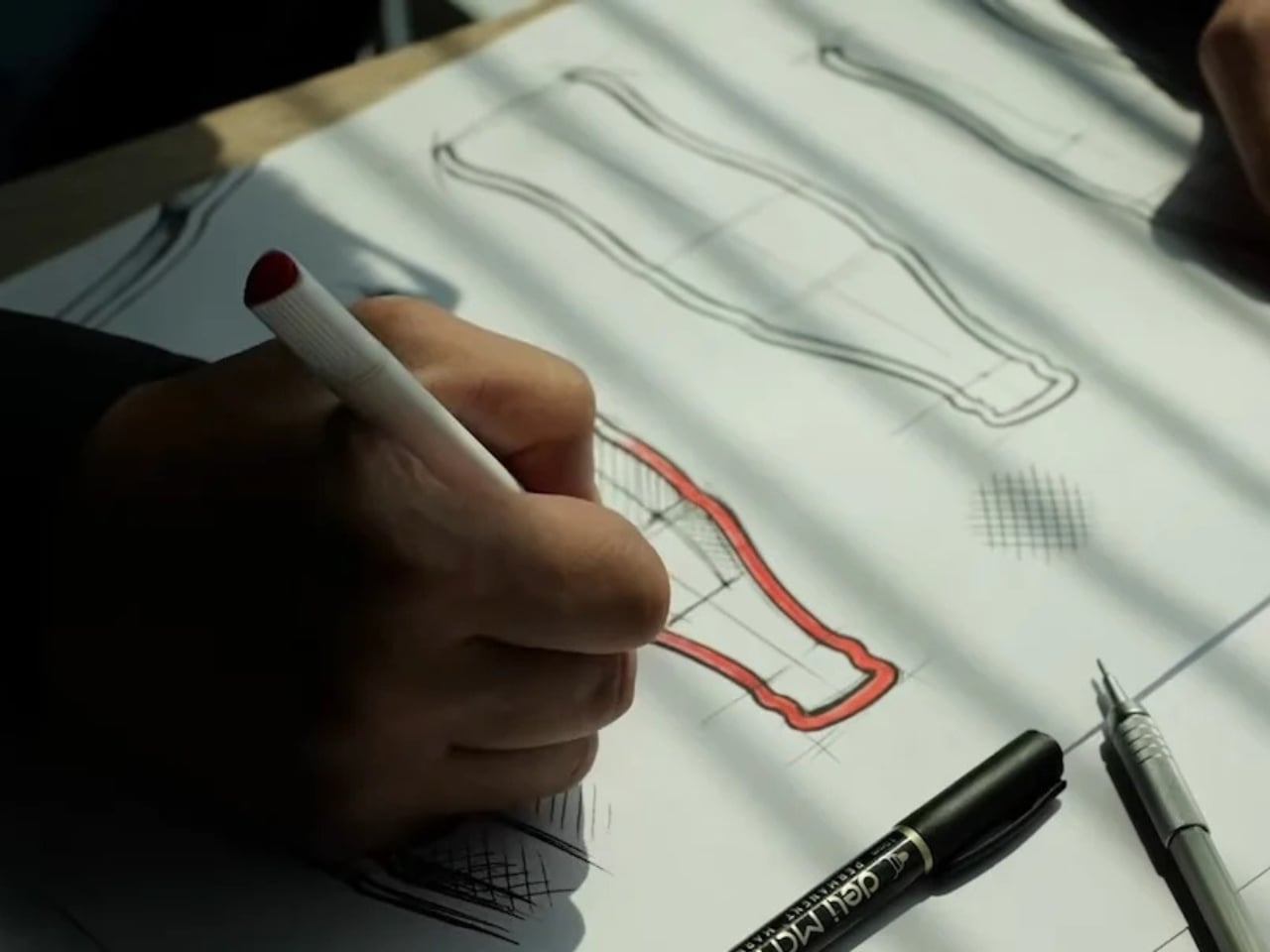
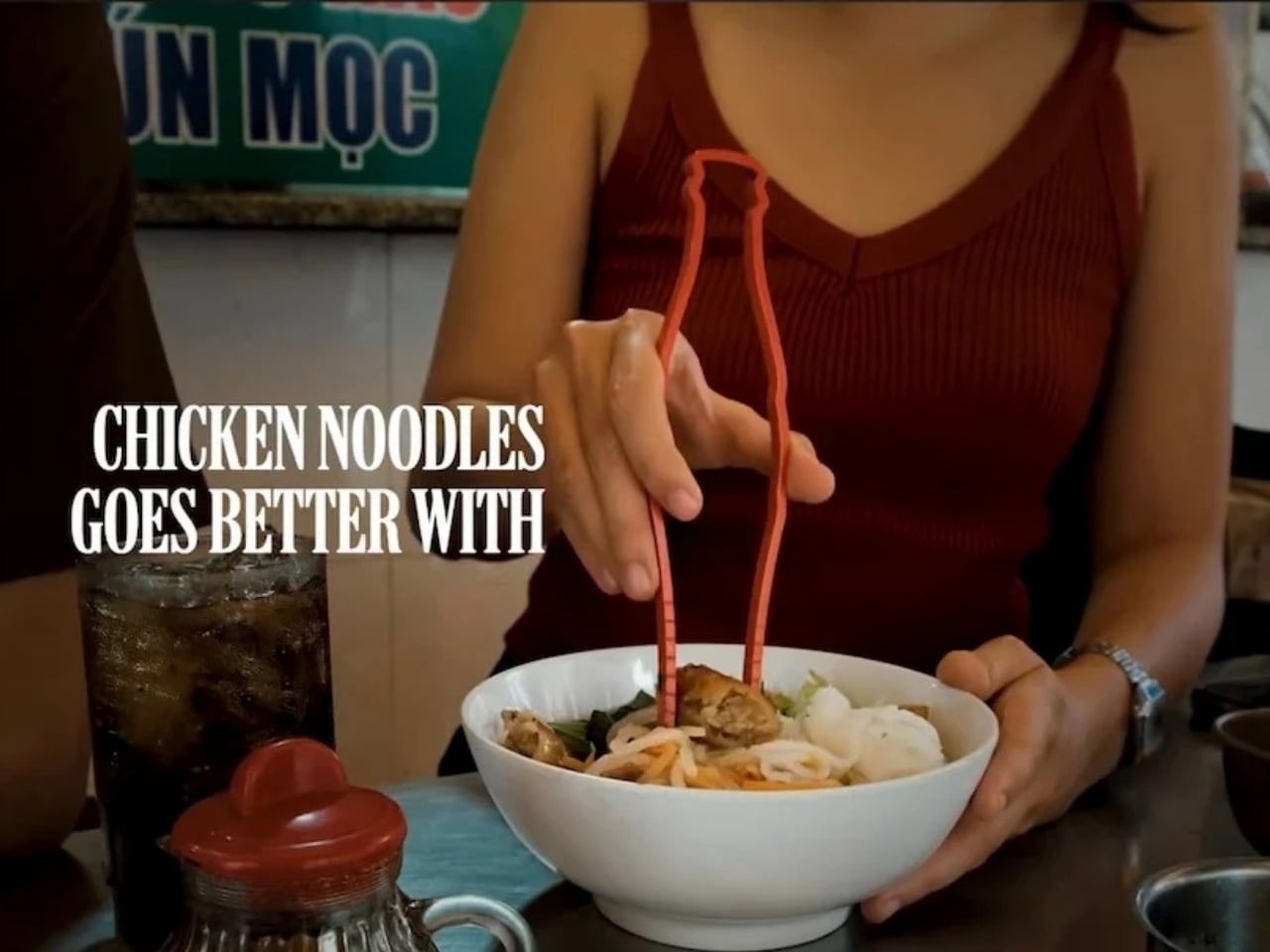
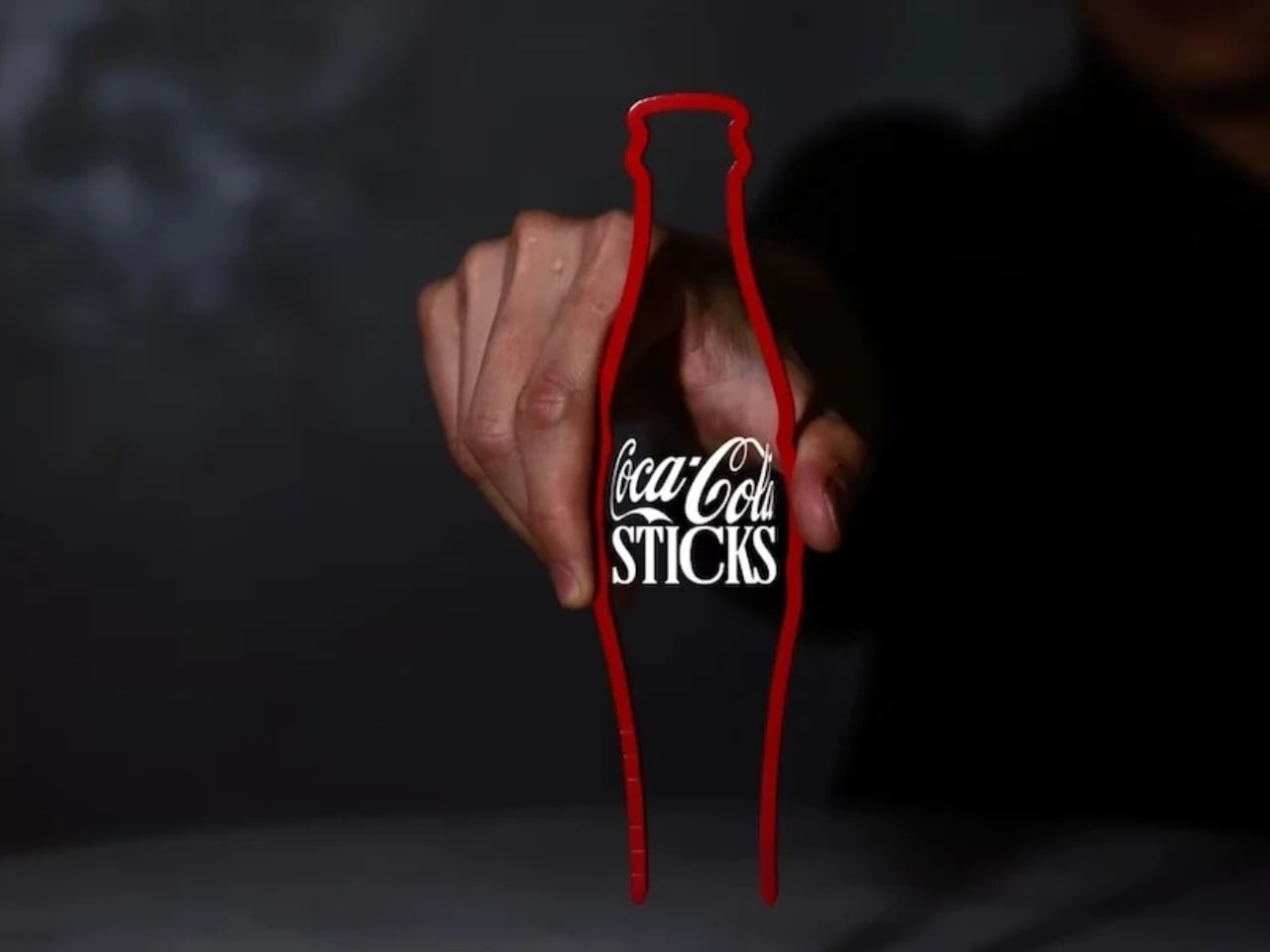
Wherever you live in the world, chances are you’re familiar with Coca-Cola’s iconic contour bottle, whether or not you drink it. Yes, there are cans and plastic bottles now, but even the latter has that distinct shape that was introduced in 1915 to make the brand identifiable wherever you see it, even if broken, even in the dark. That silhouette has since become one of the most recognizable forms in consumer branding history. Coke wants to bring the two together, as many parts of Asia don’t necessarily have the Coke bottle as a regular part of their dining table. So they decided to launch a campaign and create a product that would bridge the two worlds: CokeSticks.

Designer: Coca-Cola

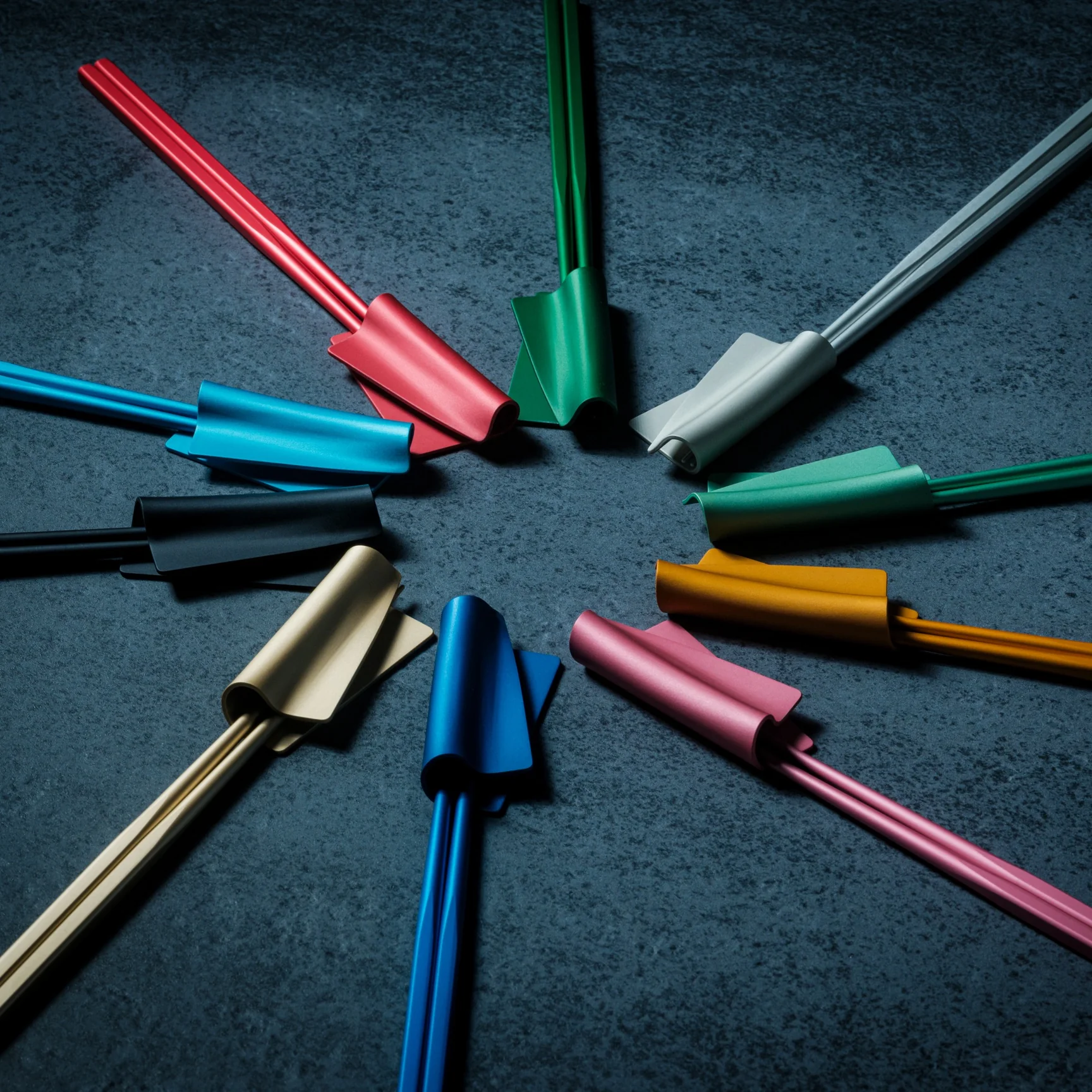
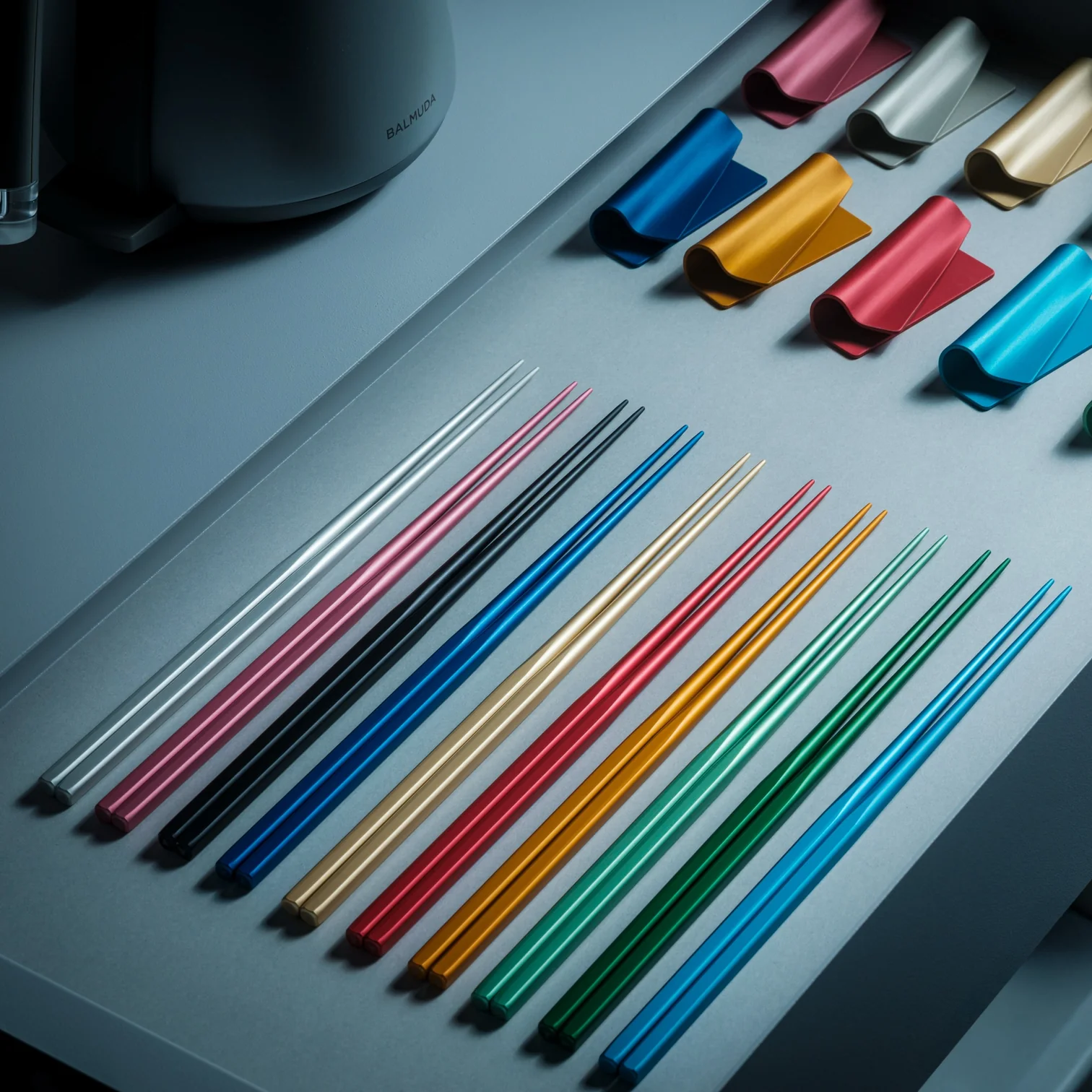
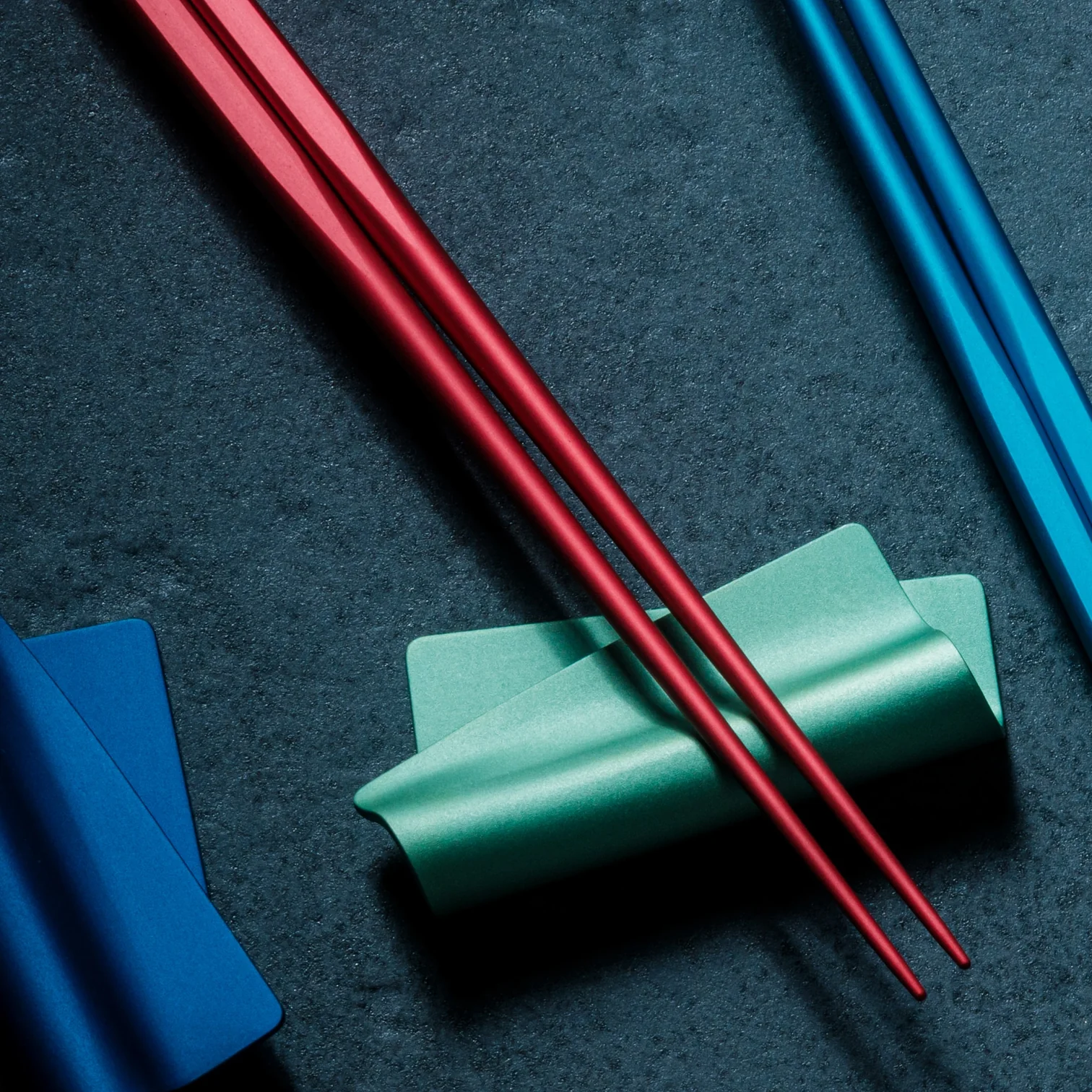
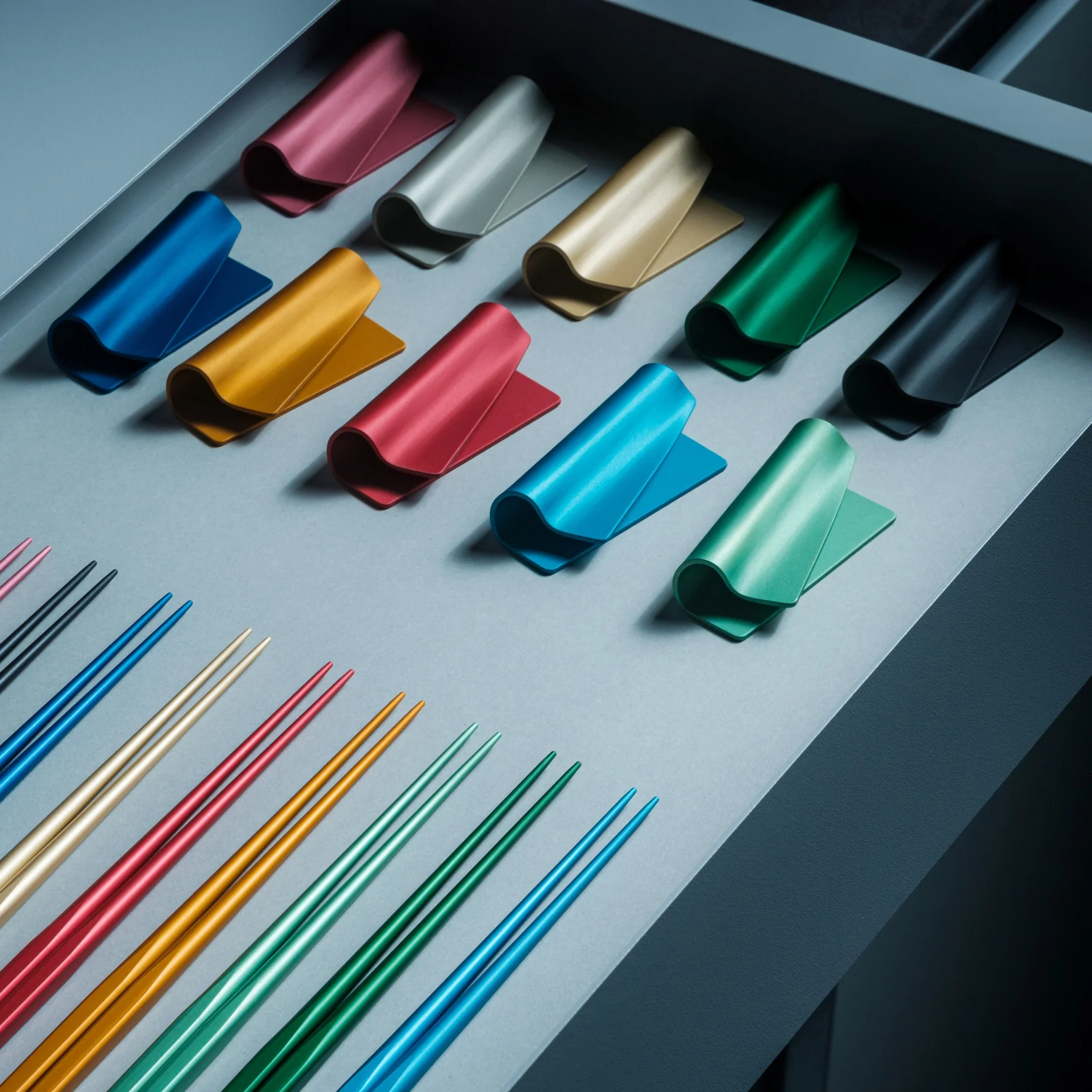
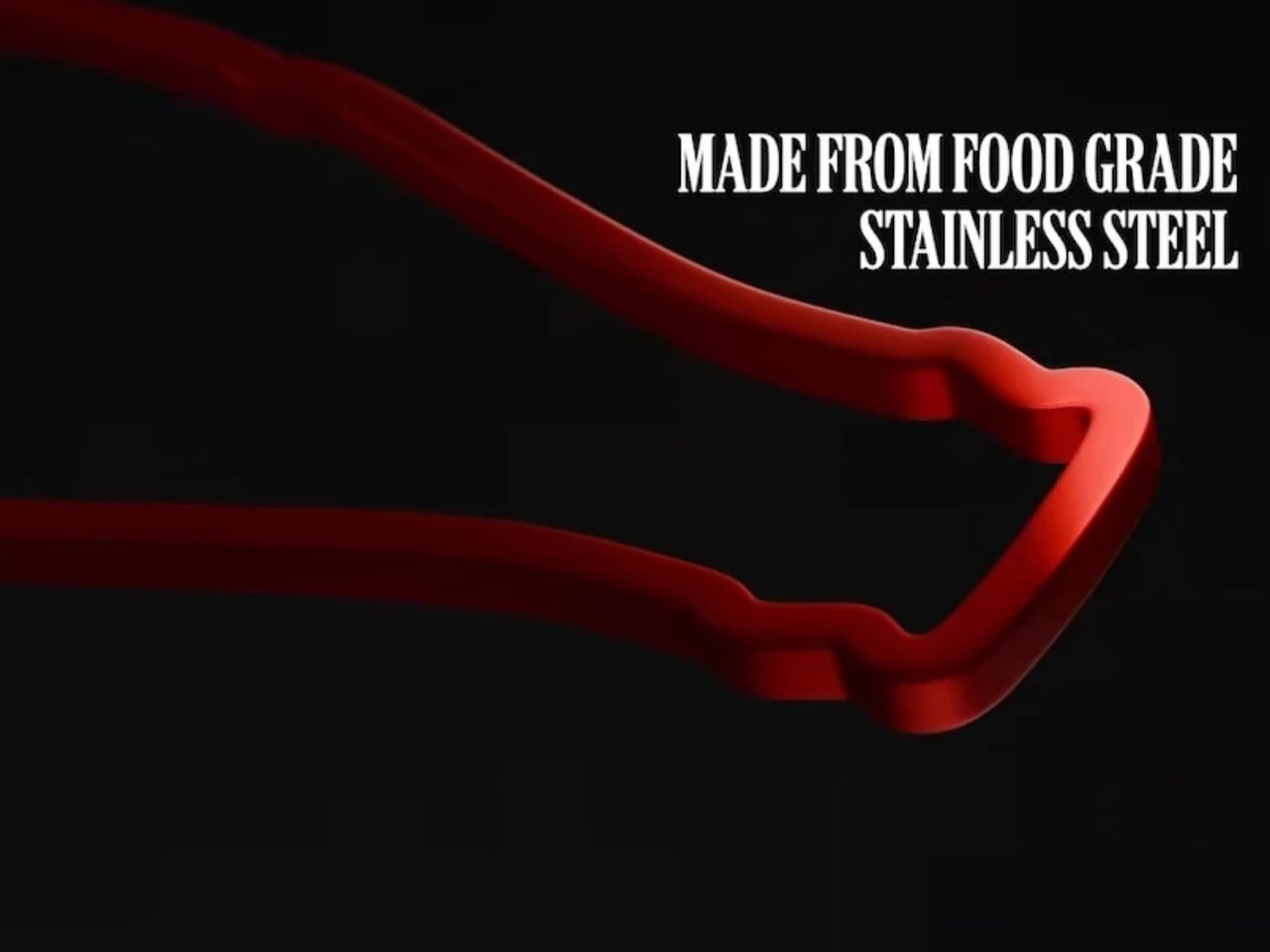
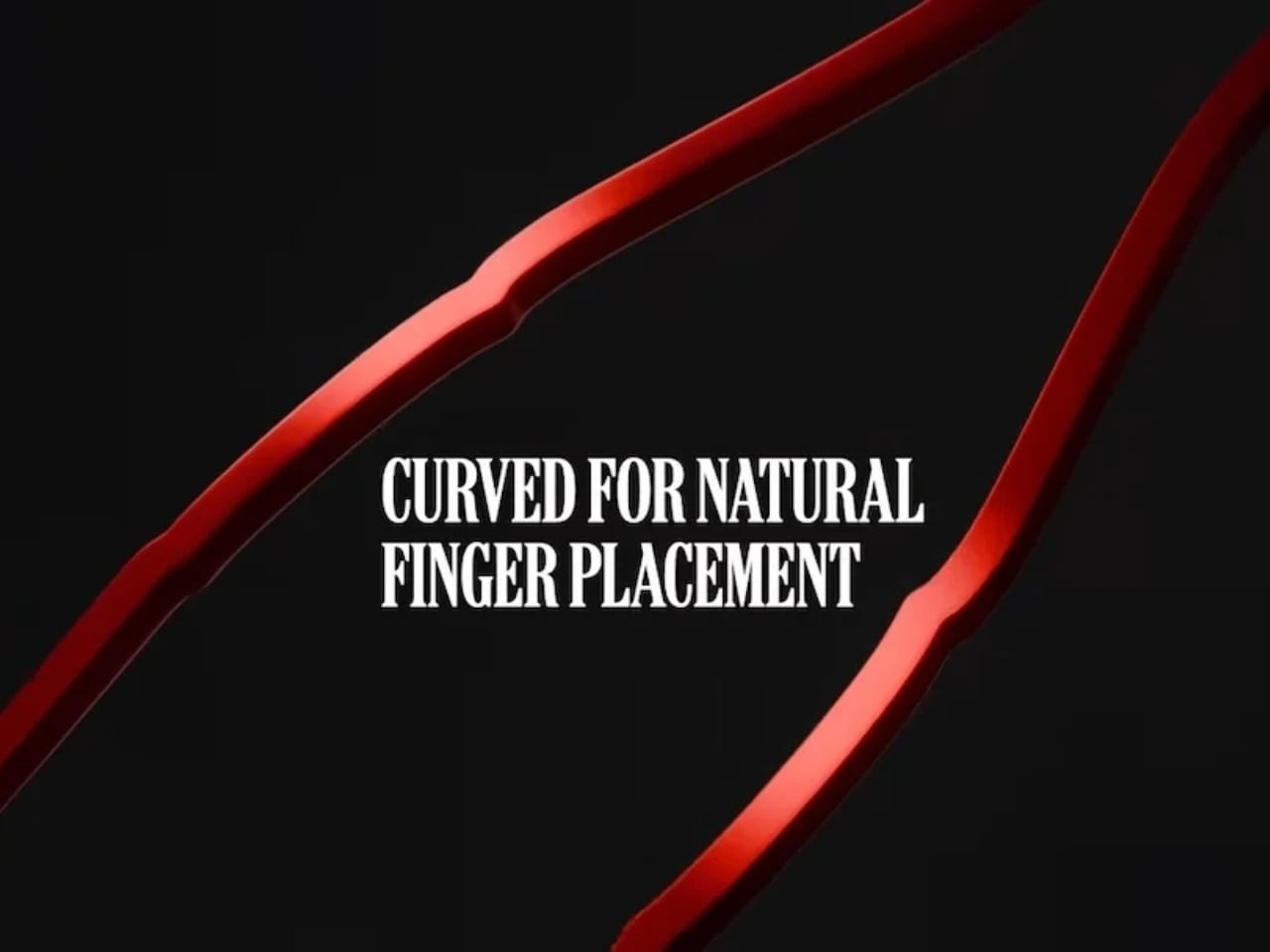
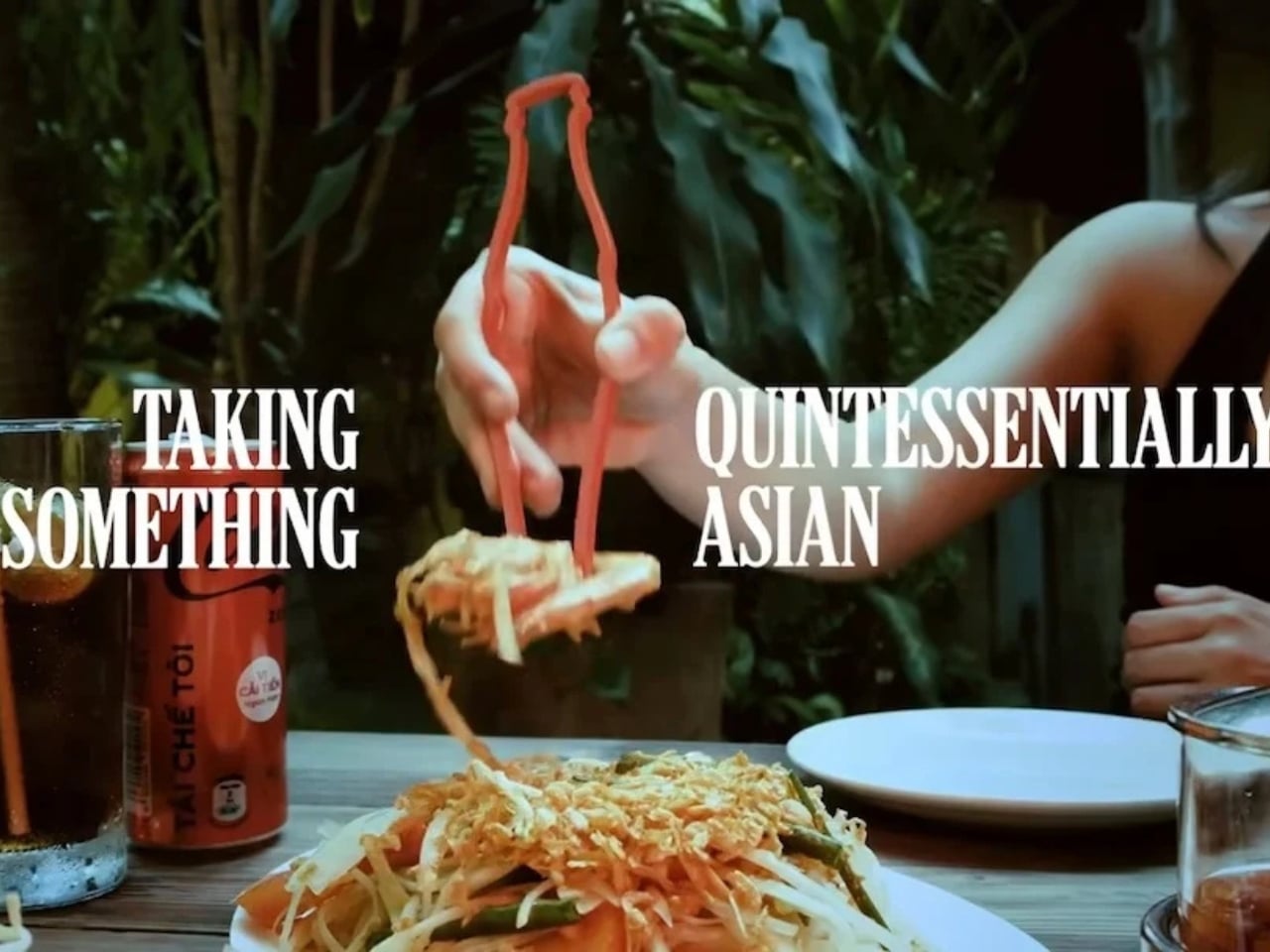
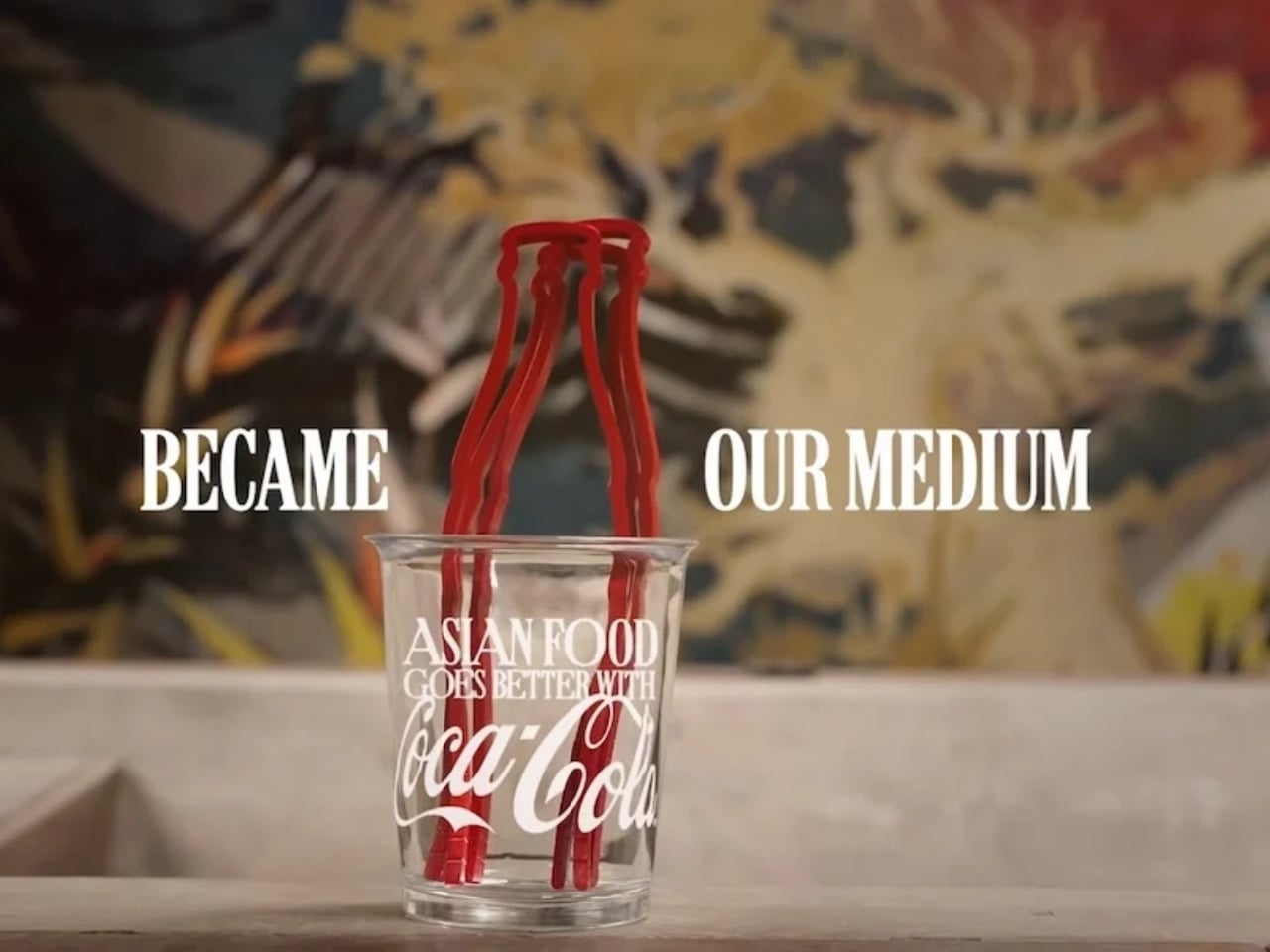
The product is just like what its name sounds like. It reimagines the famous contour bottle as chopsticks that people can actually use when eating. They’re not relying on a logo or any label, but purely on the power of its most iconic form and of course, the equally iconic Coke red color. It’s the kind of idea that feels both obvious and brilliant once you see it: strip away everything but the silhouette and the color, and the brand is still unmistakably there. It proves that this bottle is so distinctive that it can function as something else entirely, because it has its own design language that needs no introduction.

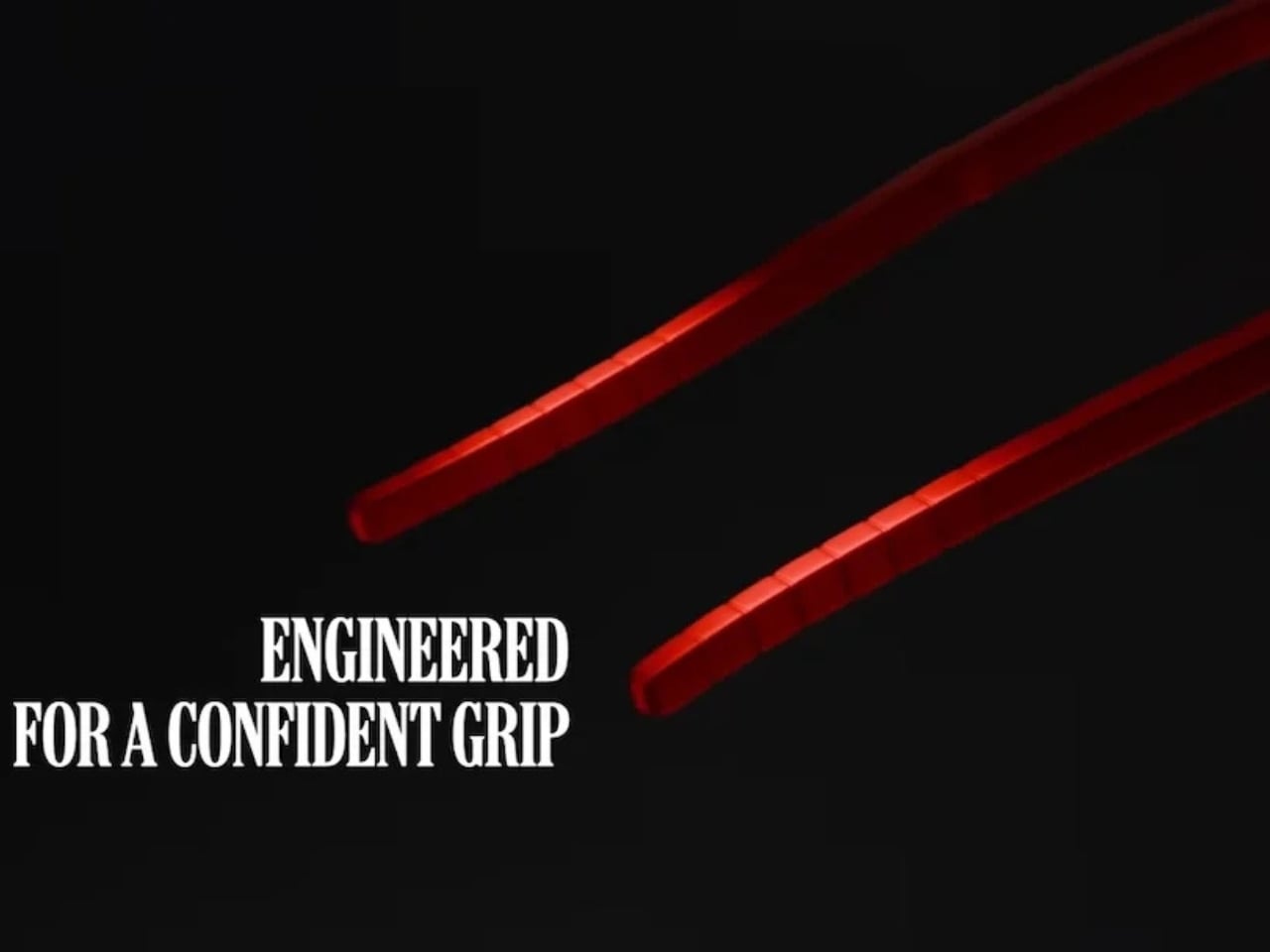
The CokeSticks are made from food-grade stainless steel and are designed to be fully usable despite their unconventional source of inspiration. They are also a clever crossover between packaging design and product design, which has been one of the brand’s strongest suits over the past decades. Coca-Cola has long understood that their bottle is more than just a container; it’s a visual icon, and CokeSticks is perhaps the boldest proof of that yet.

This concept and the campaign are also very specific to Asian dining culture, which goes to show that this is a market they really want to pick up, pun intended. The functional nature of the product can also be seen as both a branding exercise and an industrial design object. And if you’re a fan of the brand and love using chopsticks, then this could easily become part of your daily dining experience. It sits at a fascinating intersection: something that is both deeply familiar and completely new.

There’s also something satisfying about the idea that an object as everyday as chopsticks can carry that much brand storytelling. You don’t need the logo. You don’t need the label. Just those curves, that Coke red, and you already know exactly what you’re holding. It’s the kind of design thinking that collectors and design enthusiasts will appreciate, because it’s not just a gimmick. It’s a genuine extension of one of the world’s most iconic visual identities into a new, functional form.

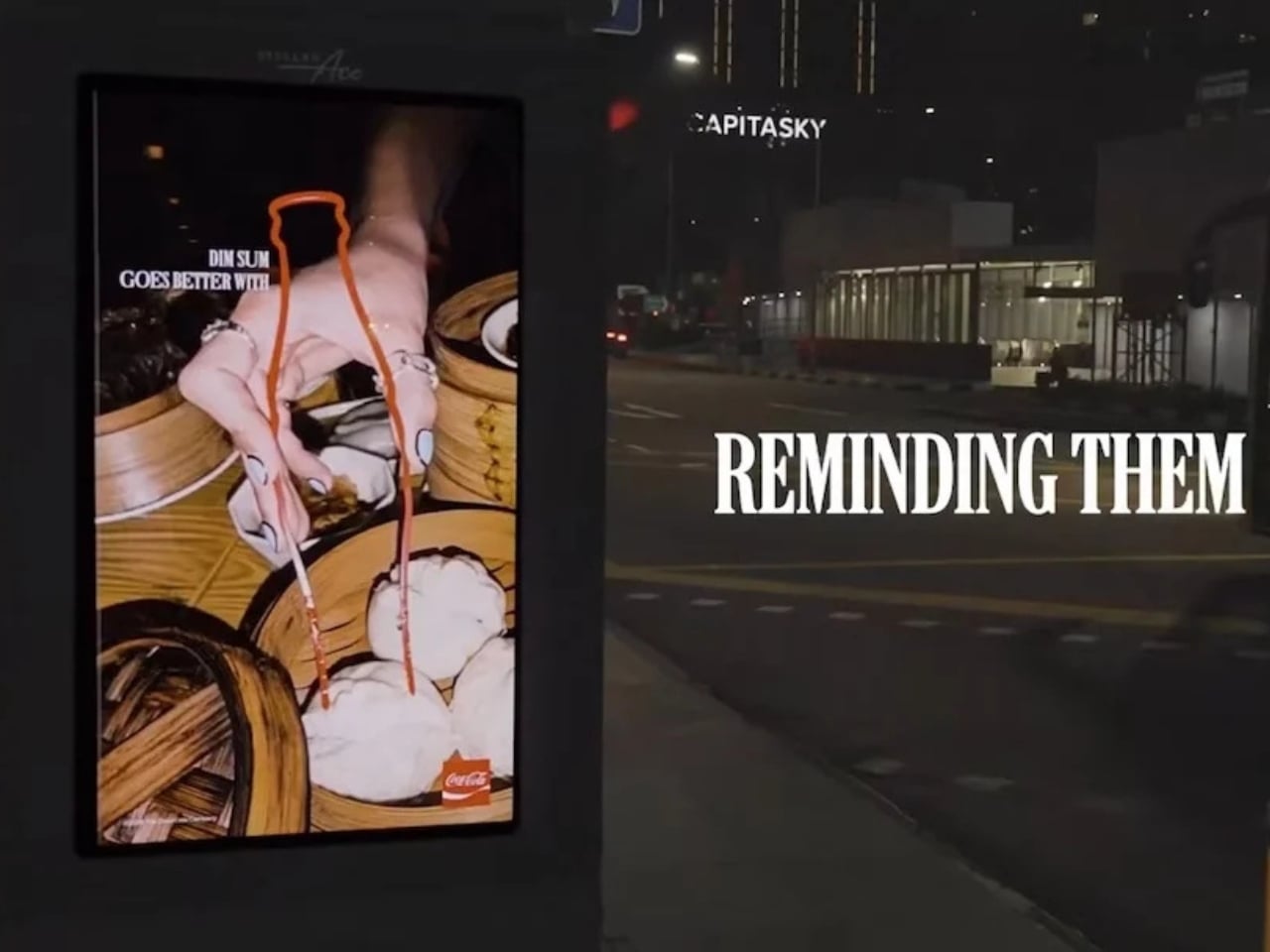
Well, that is, if you’ll be able to get them. It doesn’t seem like something they’ll be selling anytime soon, as CokeSticks will be distributed to restaurants and food delivery experiences in the region. They are targeting this to reach 700,000 people, so hopefully, if you live in Southeast Asia, this will eventually make its way to your table.

The post Coca-Cola Just Turned Its Iconic Bottle Into Chopsticks first appeared on Yanko Design.
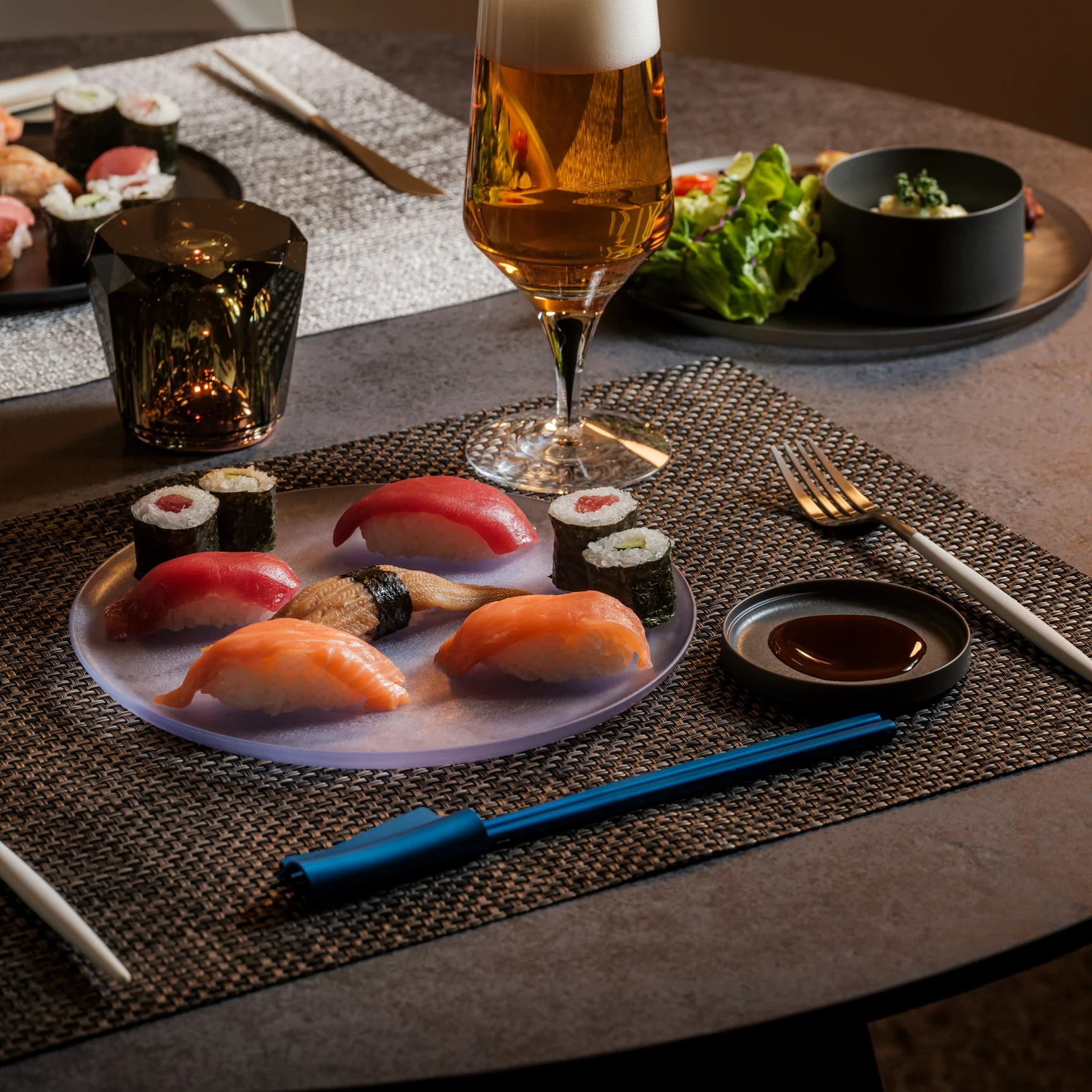
These Chopsticks Glow at Dinner Without a Battery or Power Source

Chopsticks have been around for thousands of years, and their form has barely changed. The material varies, from wood and bamboo to polished metal and lacquered resin, but the design conversation rarely goes beyond surface decoration. They exist to serve a function, and that’s mostly where the thinking stops, quiet tools that have settled into the background of the dining table.

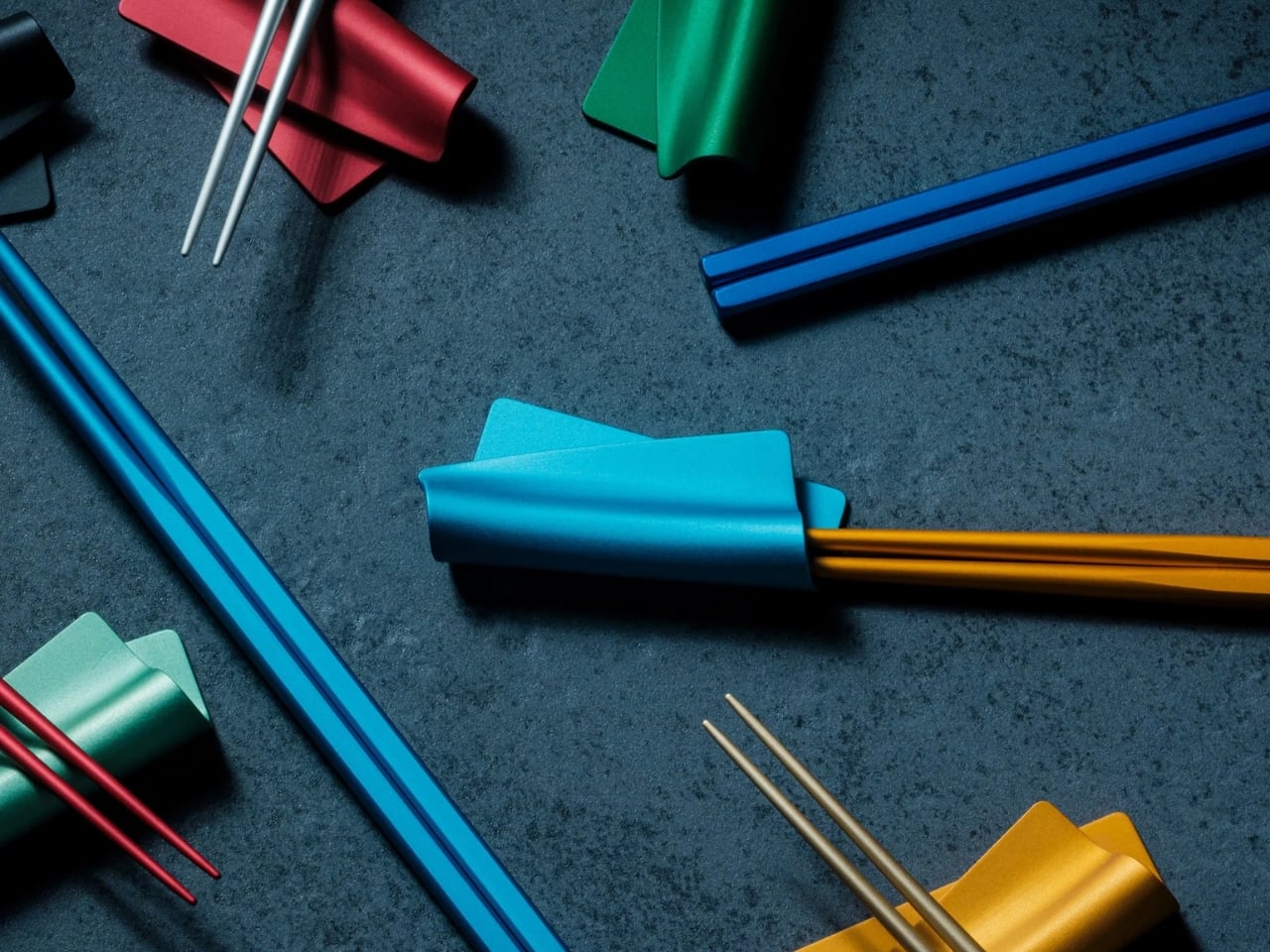
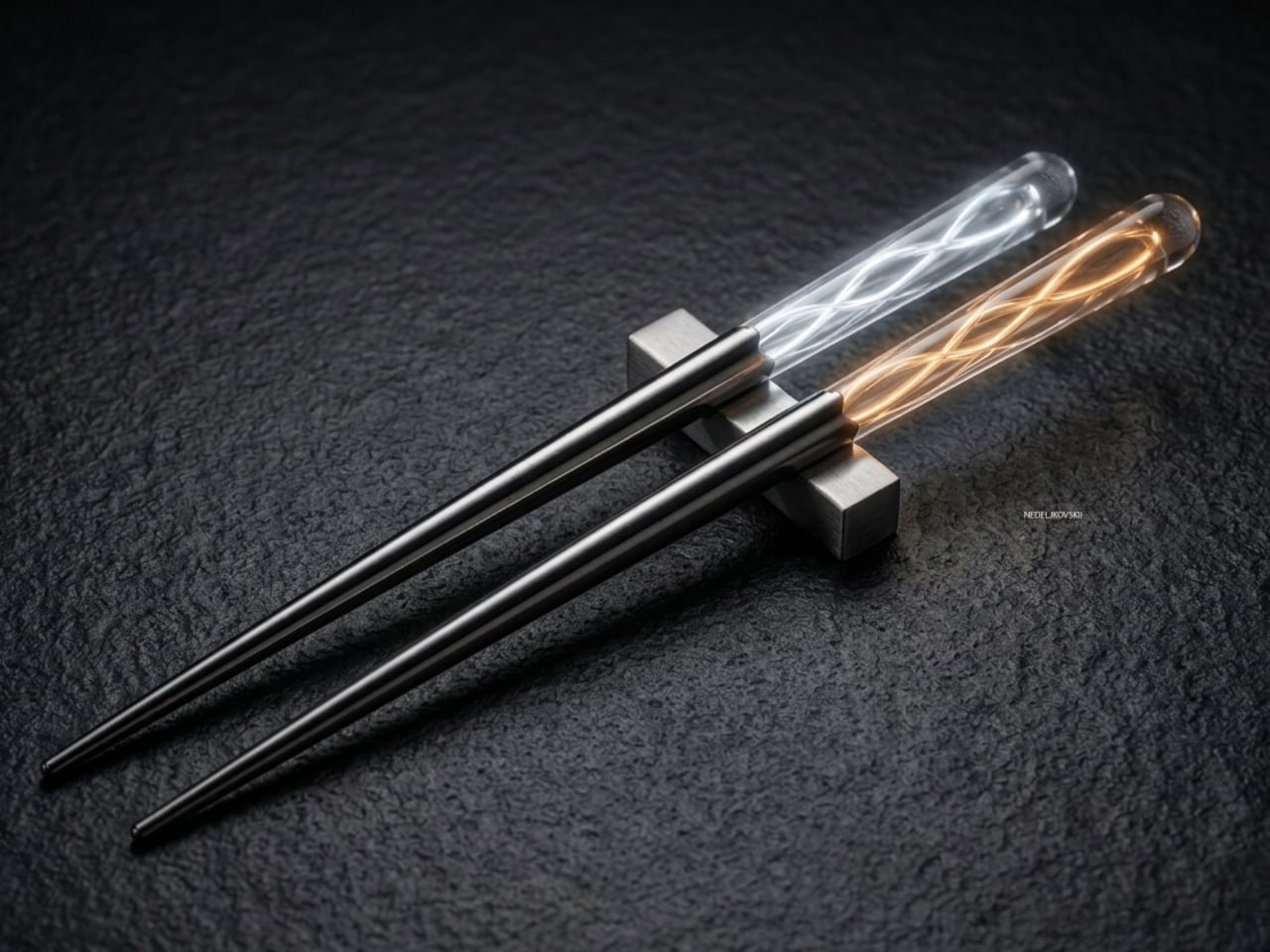
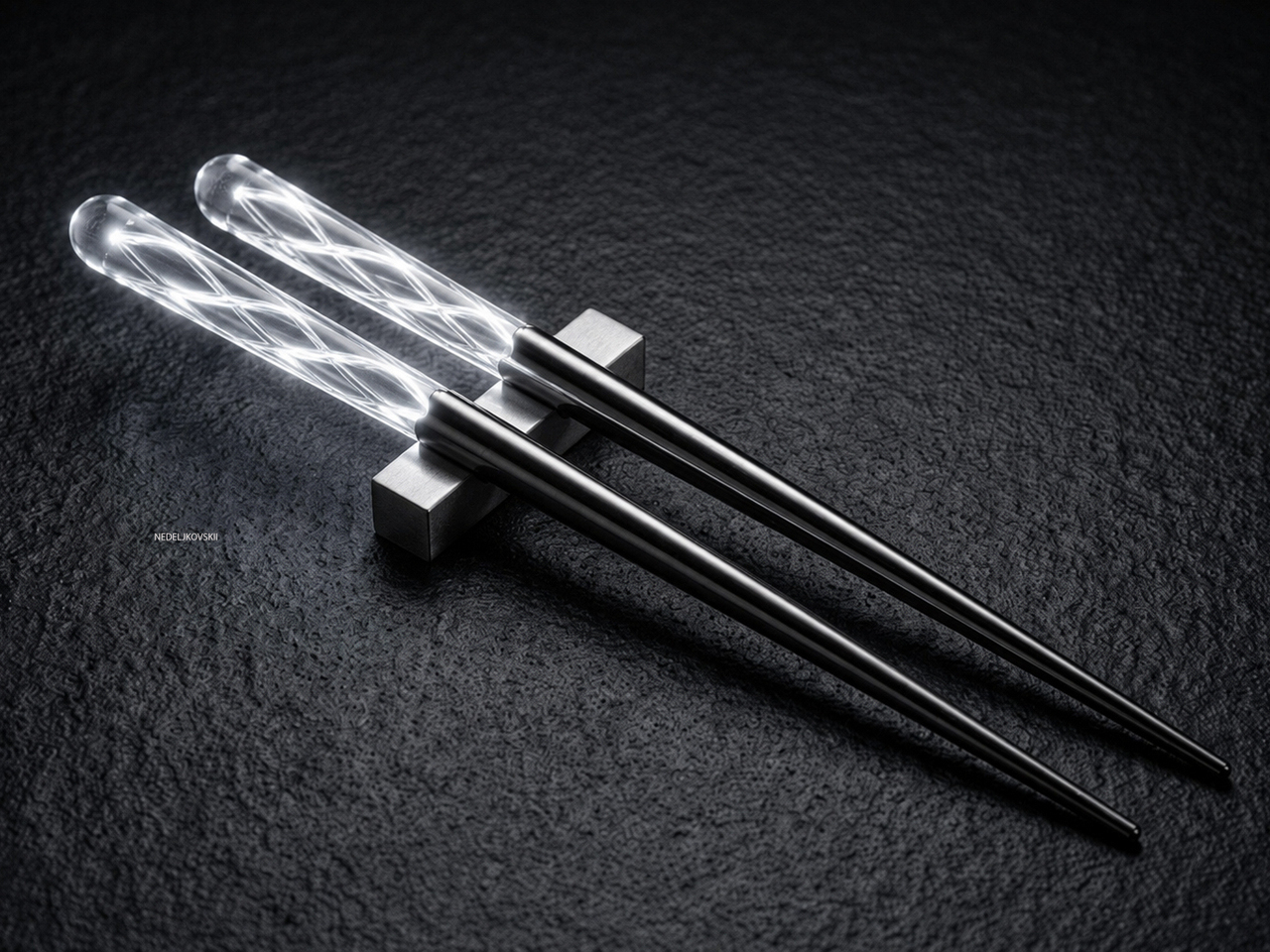
LUNARIS takes that very stillness as its starting point. A conceptual chopstick design, it reinterprets the traditional form as a collectible dining object built around the relationship between material, atmosphere, and light. It doesn’t try to reinvent how chopsticks work, but asks a quieter question: what if the object you pick up for dinner could change the feeling of the room around you?

Designer: Ivana Nedeljkovska

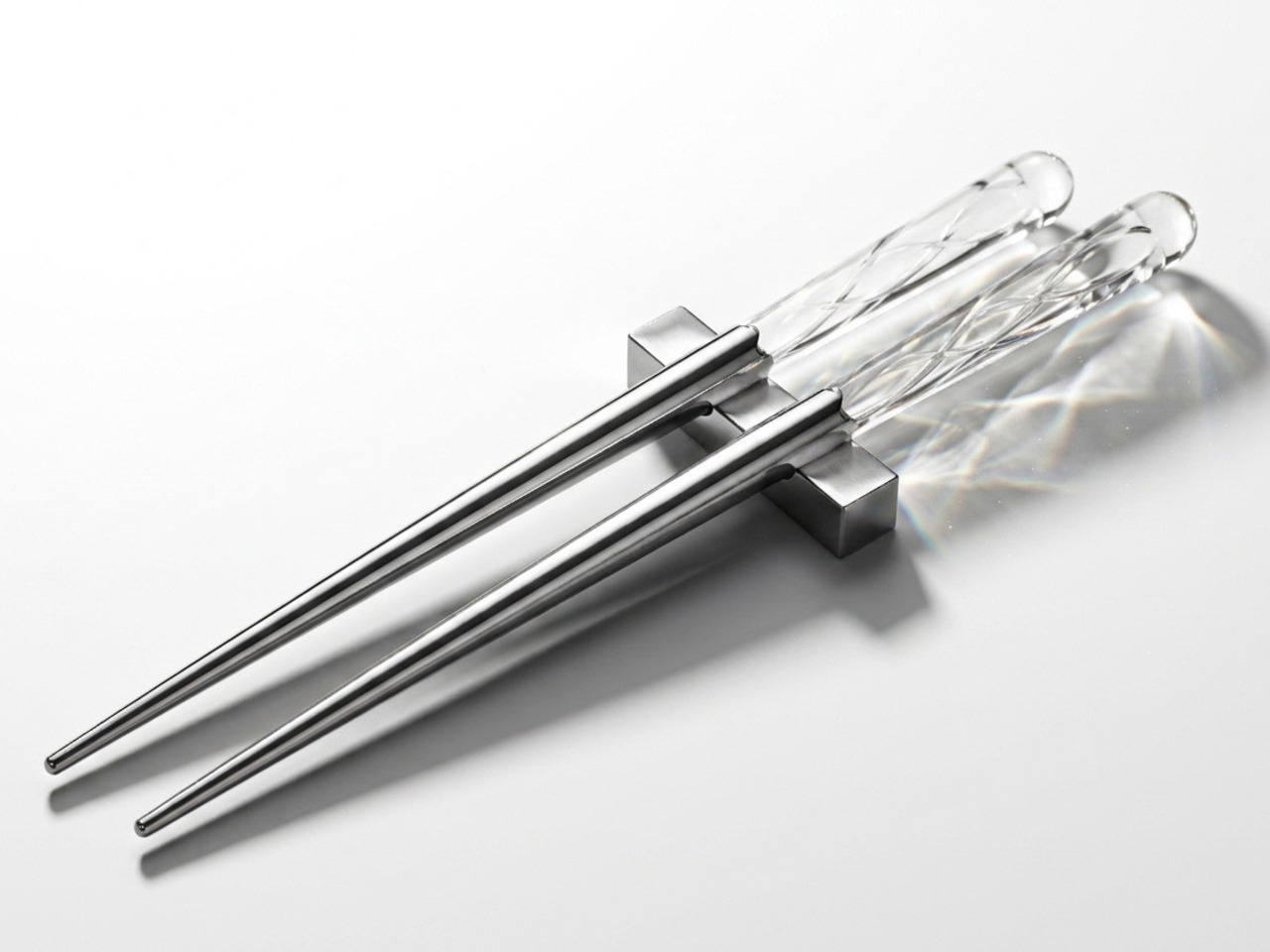
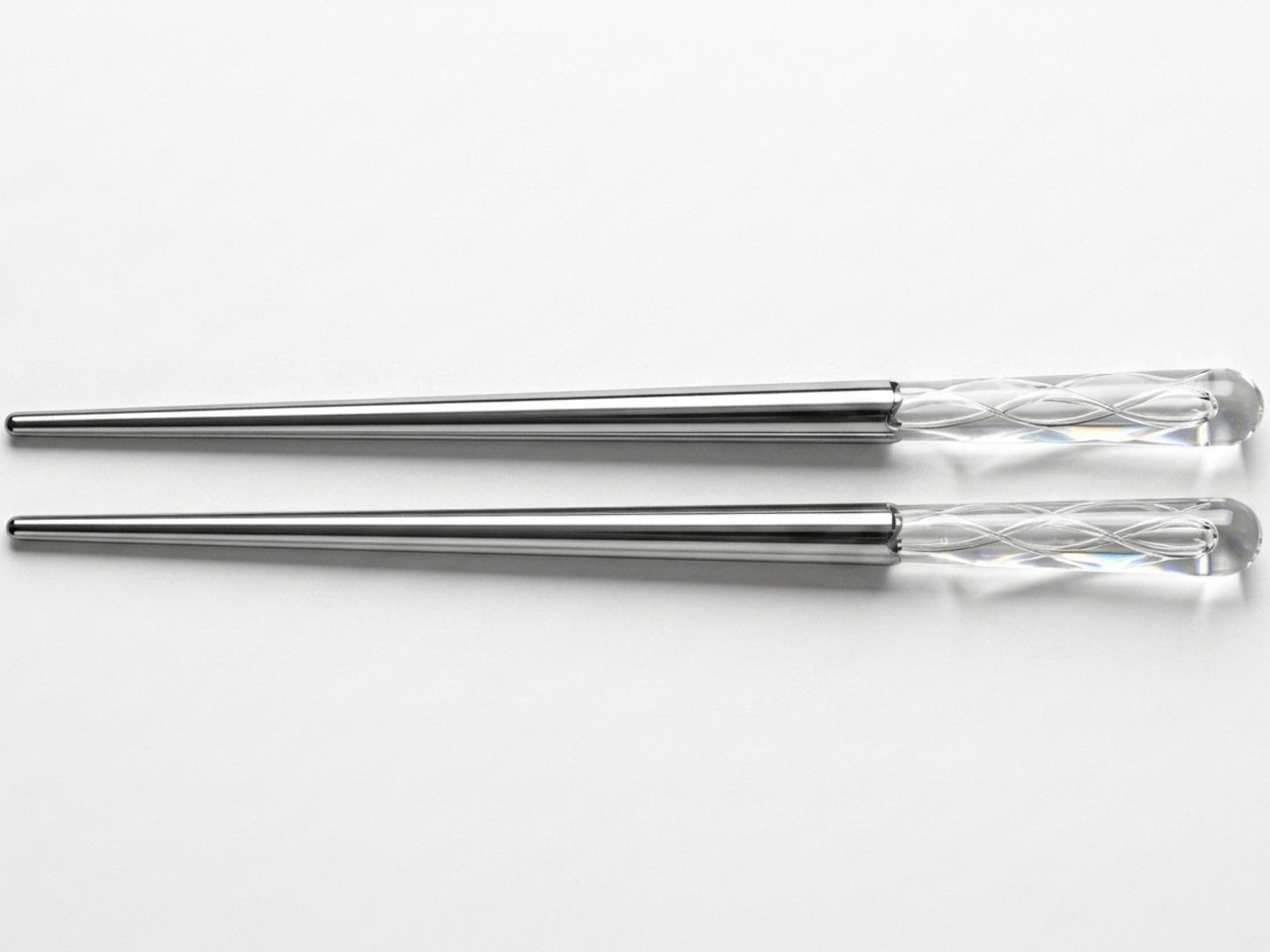
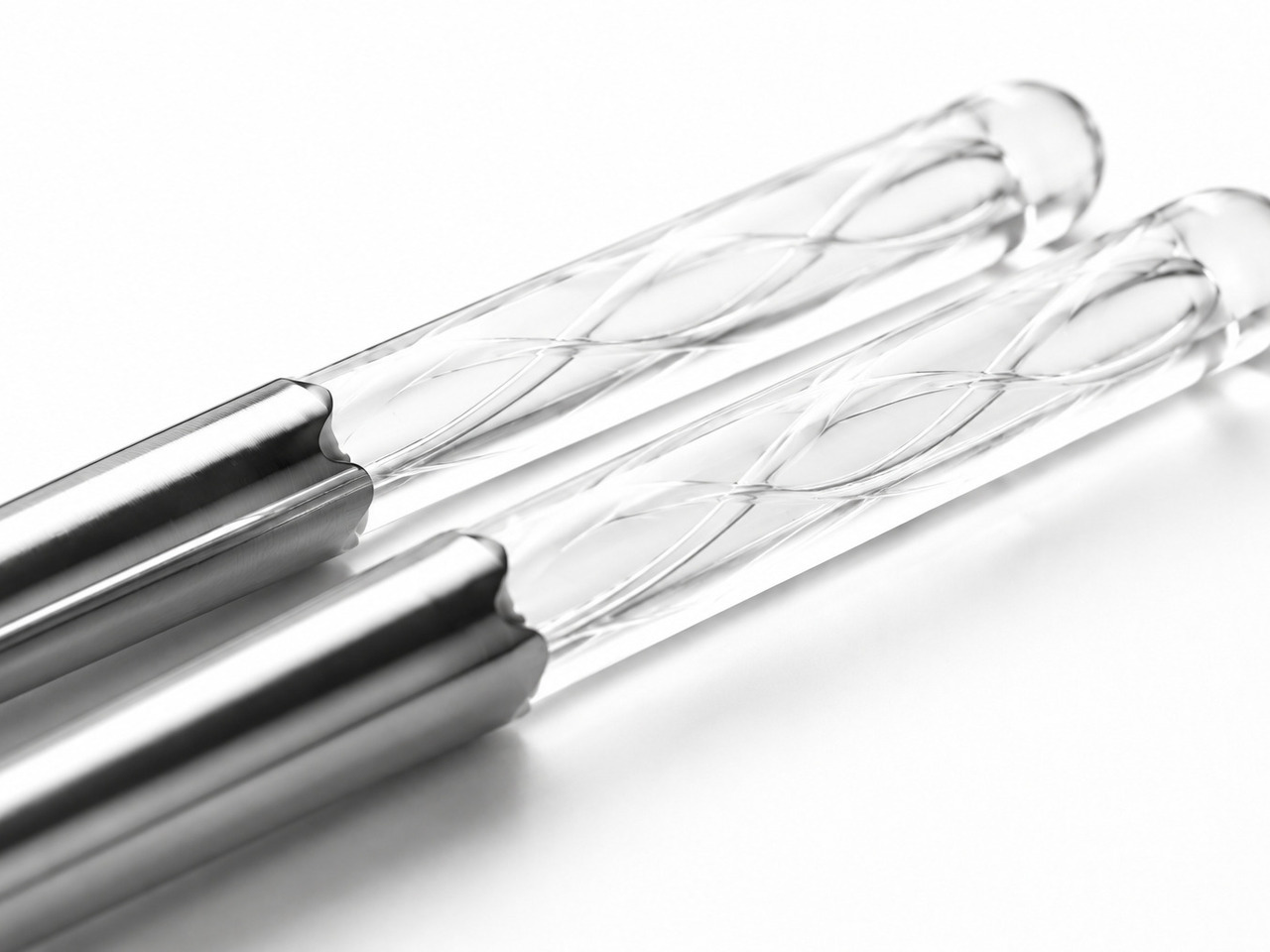
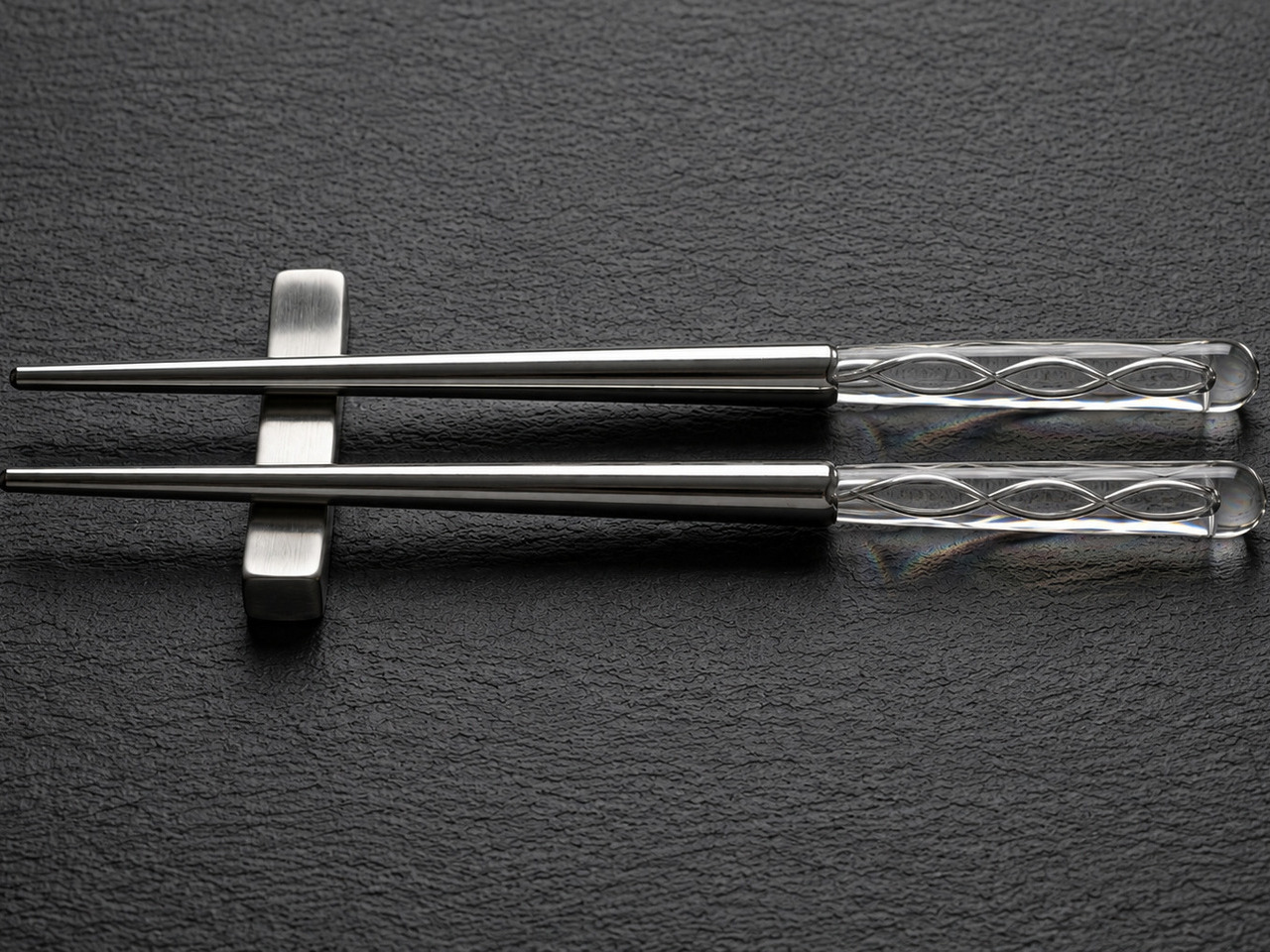
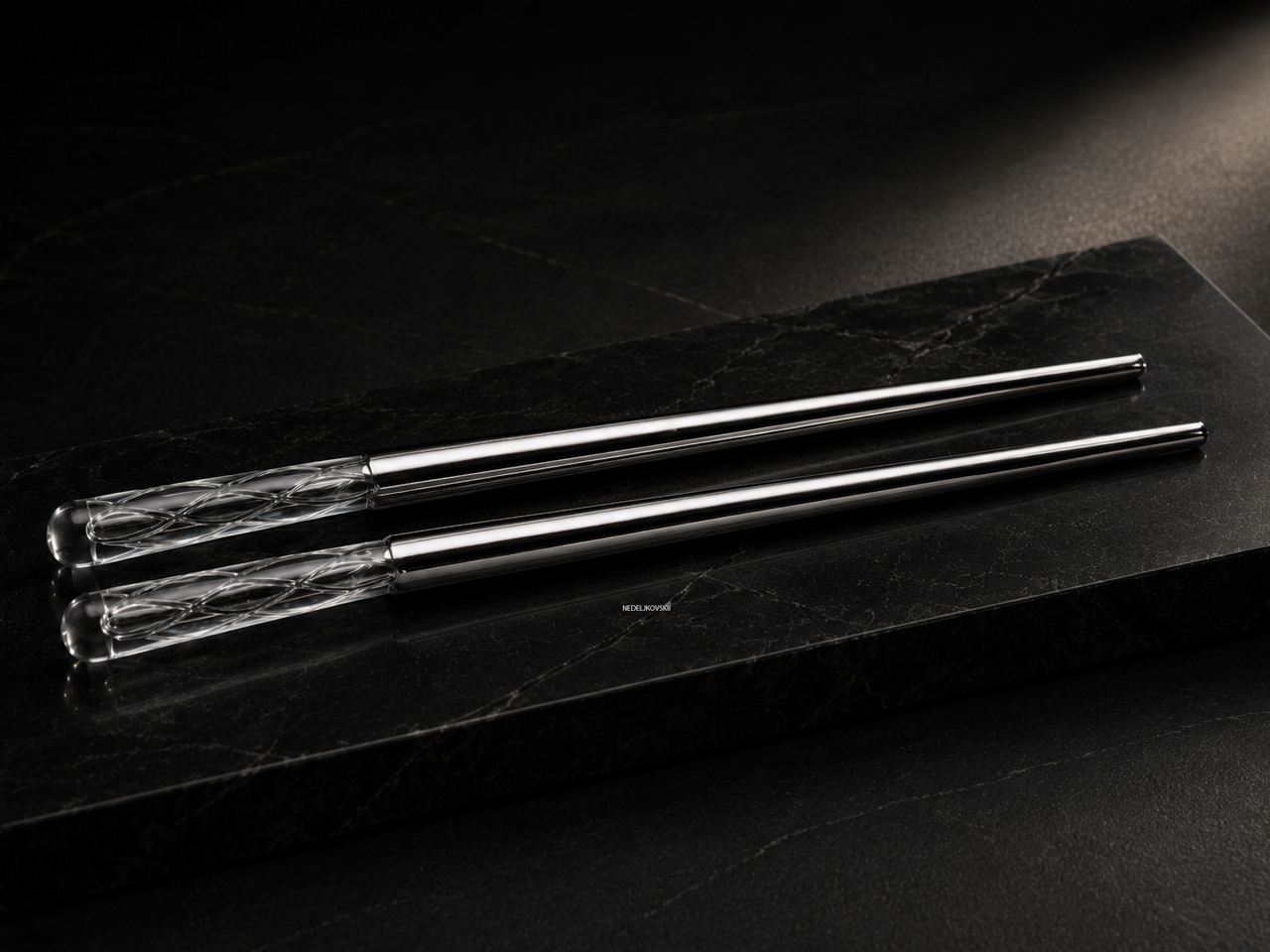
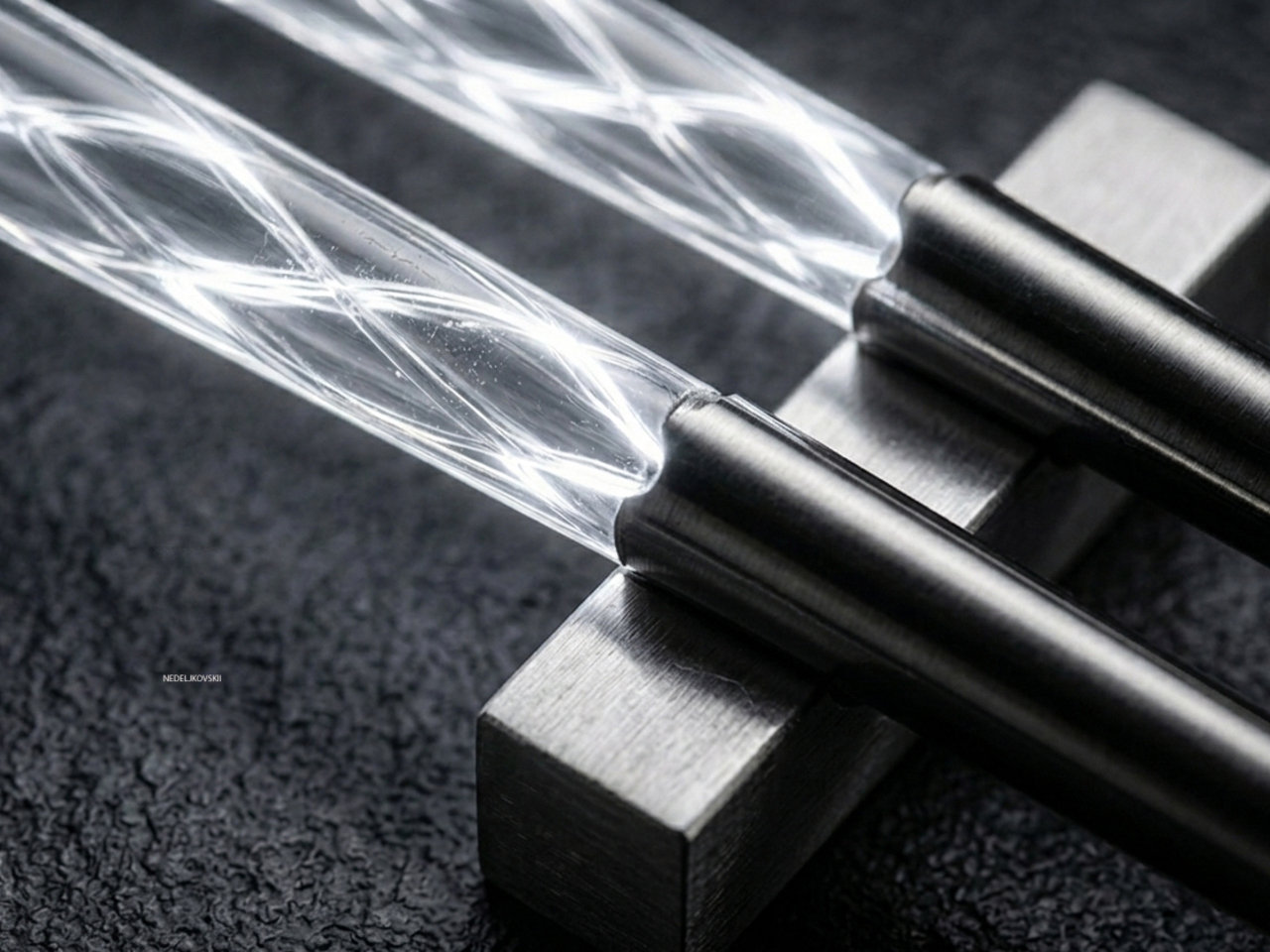
Each pair is made up of two materials that meet at a deliberately fluid transition. The lower section is polished stainless steel, shaped so the metal flows naturally into the upper element rather than meeting it with a hard edge. The result is a form that reads as unified rather than assembled, closer to a sculpted object than a utensil with two components joined together.

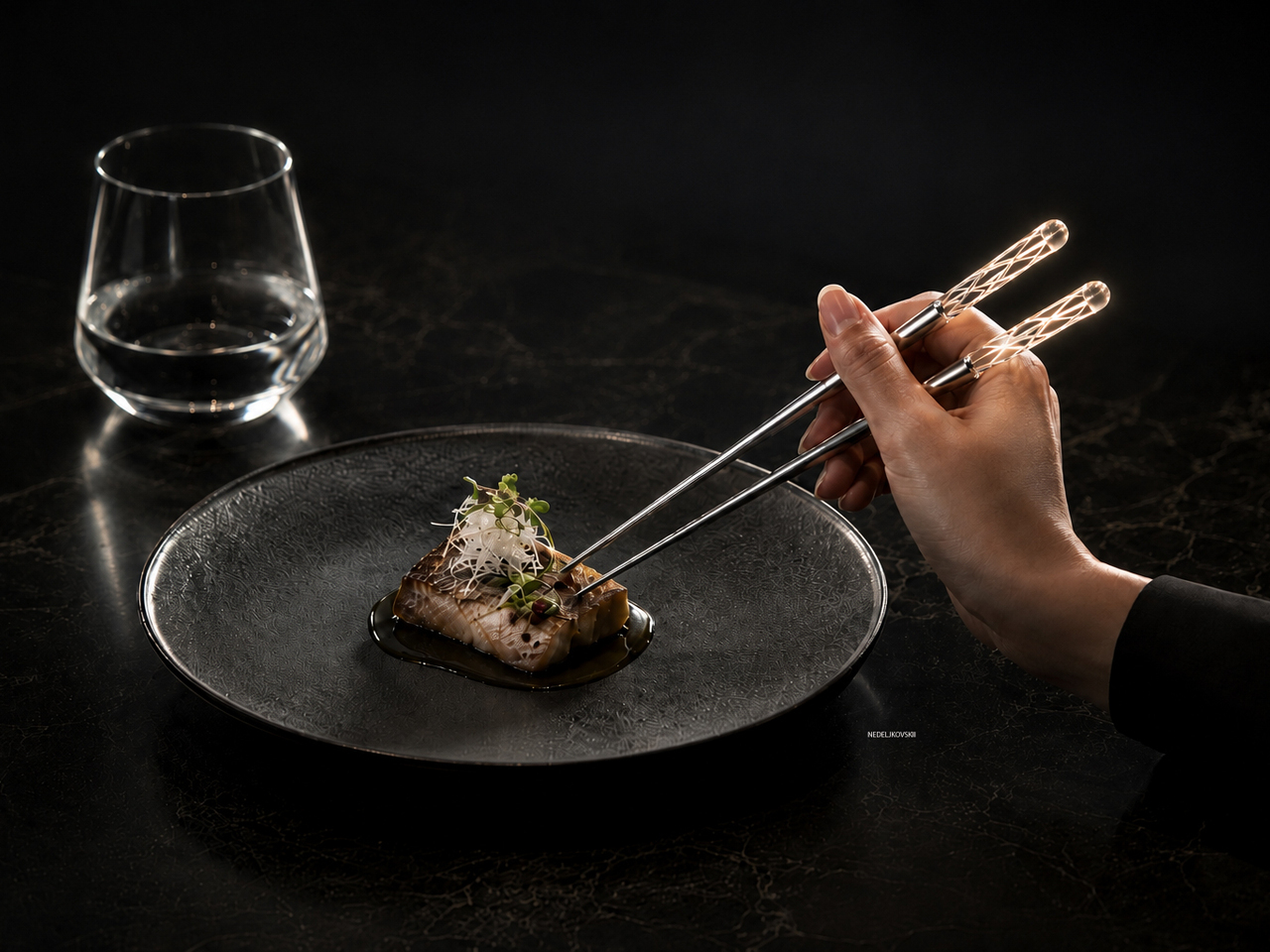
The upper section is where the concept lives. It’s a transparent epoxy resin body housing delicate curved tubes filled with a photoluminescent material. During the day, the object reads as clean and minimal, the resin catching light in ways that feel closer to decorative crystal than a dining tool. Nothing about it immediately gives away what happens once the lights go low.

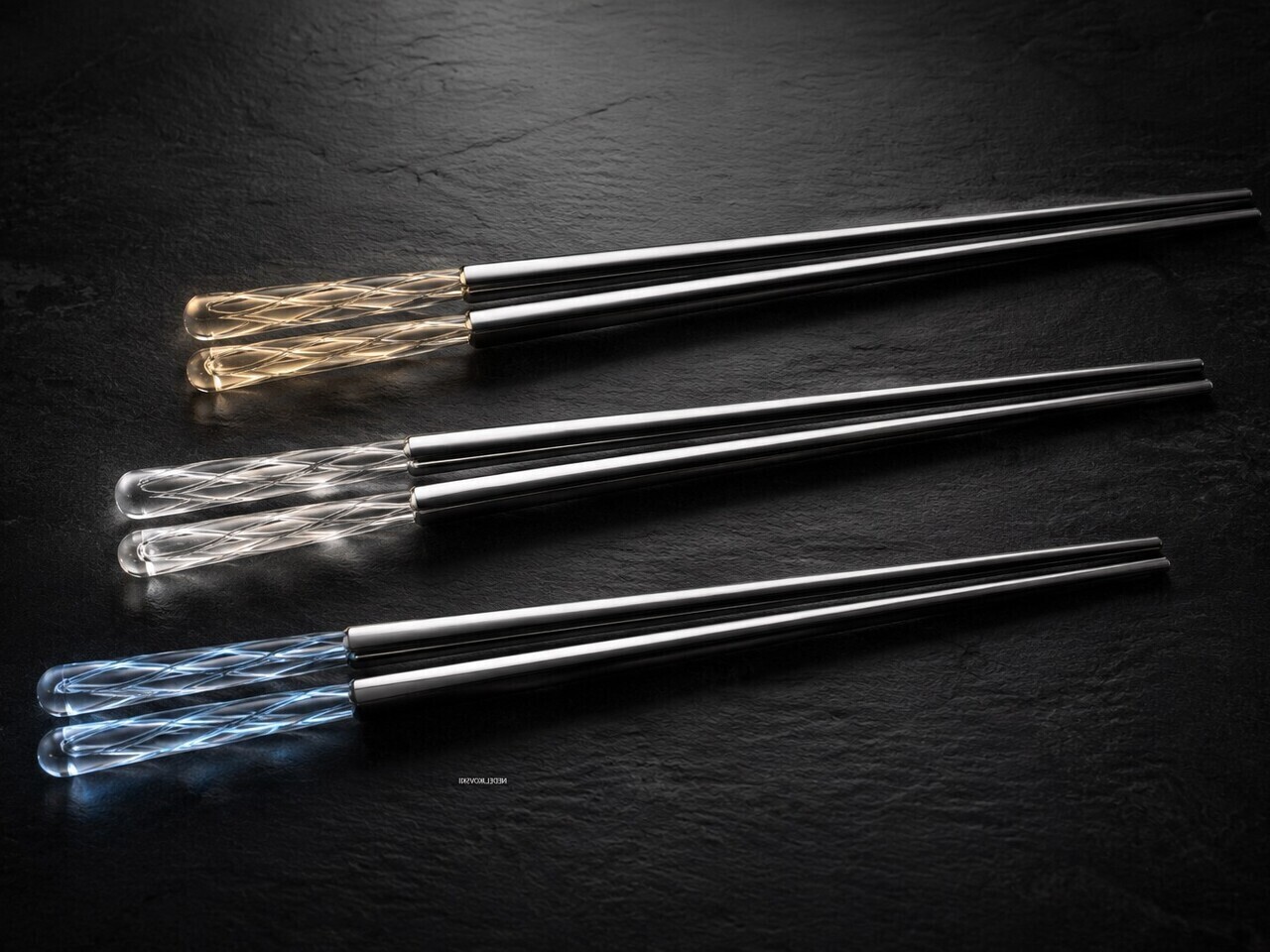
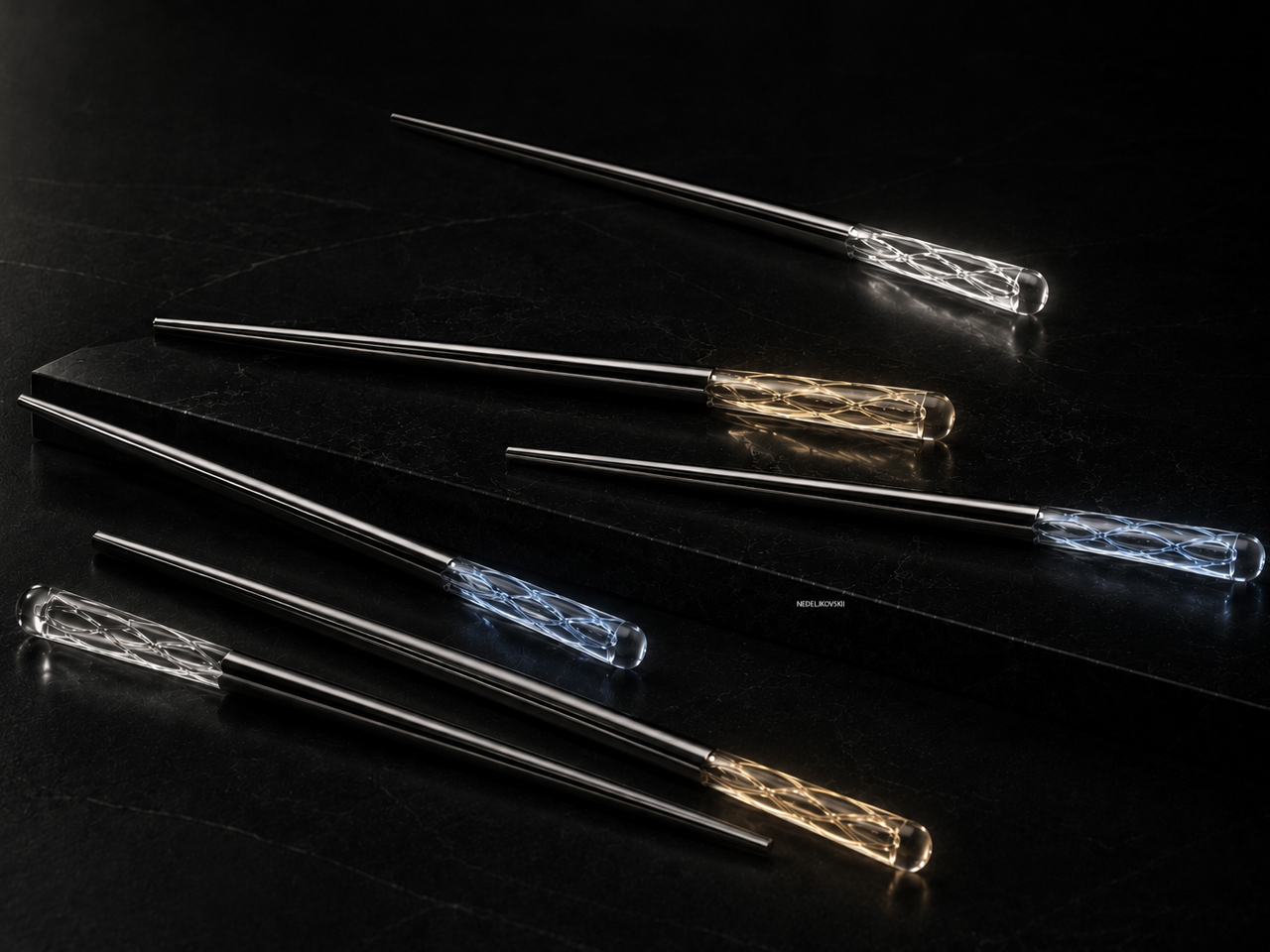
When the room dims, the photoluminescent tubes begin to release the light they’ve been quietly storing all day. Glowing lines emerge from within the resin, creating the impression of light trapped inside the form itself. The effect isn’t electric or sudden; it’s gradual and soft, more like something waking up than switching on. The glow comes in amber, white, and blue variants.

The point of LUNARIS isn’t to glow for the sake of glowing. The object is designed to create a different kind of interaction between person and object, one where atmosphere becomes part of the experience. Dinner at a dimly lit table takes on a different quality when the utensil in your hand starts contributing to the mood rather than simply doing its job.

Collectible design rarely makes it to the dining table in such a literal sense. LUNARIS is positioned as an object worth keeping and displaying, not just reaching for at mealtimes. The stainless steel chopstick rest included with each pair functions as a small display stand as much as a holder, a quiet suggestion that the object still earns attention long after the meal is done.

What LUNARIS proposes isn’t technically complex. There’s no power source, no battery, and no mechanism hidden inside the resin. The photoluminescent material works passively, absorbing ambient light through the day and releasing it slowly once the room darkens. The restraint is the point, and it’s a reminder that even the smallest objects on a table carry considerably more potential than they’re usually given credit for.

The post These Chopsticks Glow at Dinner Without a Battery or Power Source first appeared on Yanko Design.
A Pencil Sharpener Inspired This Brilliant Camping Cutlery Tool

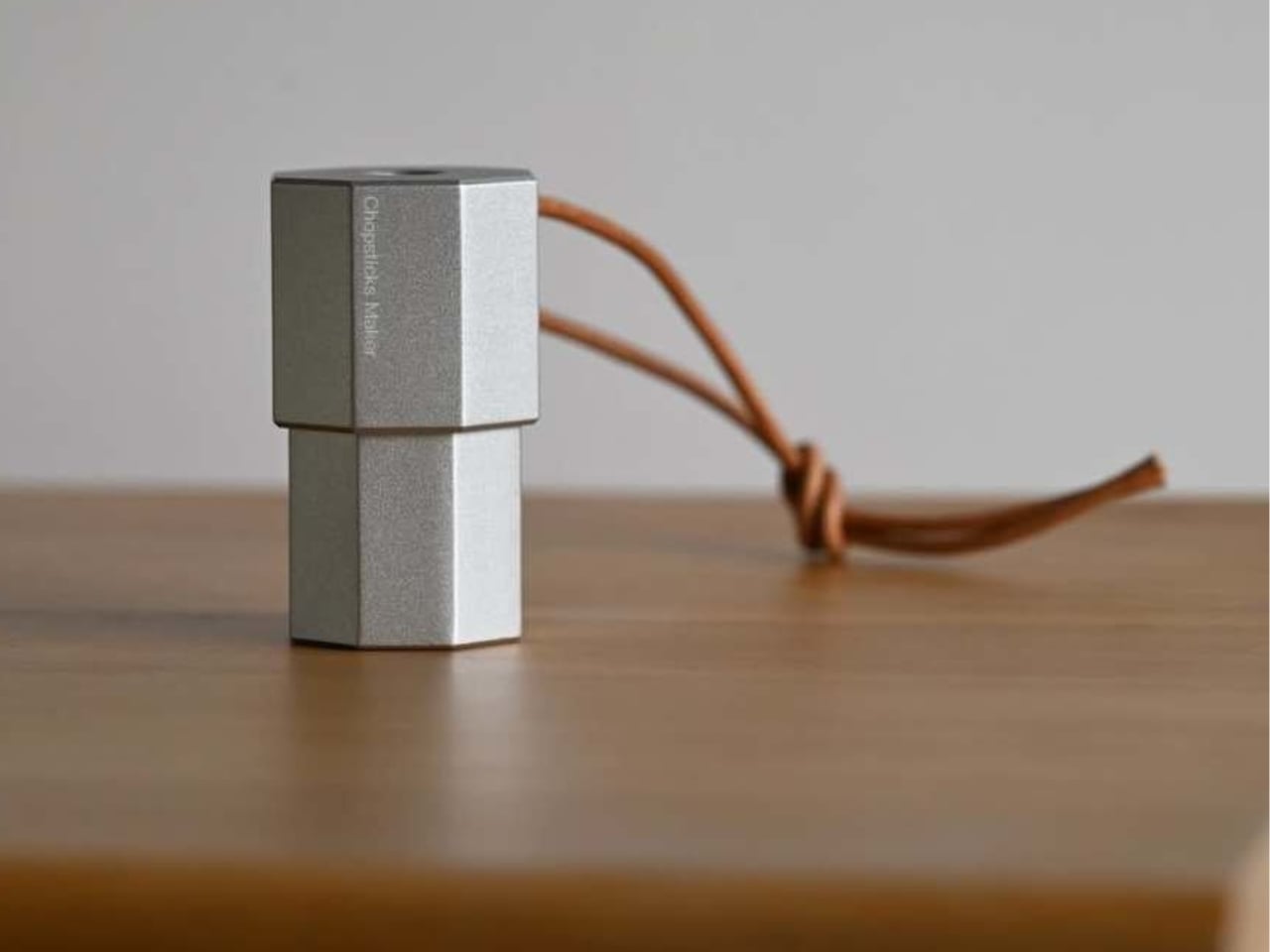
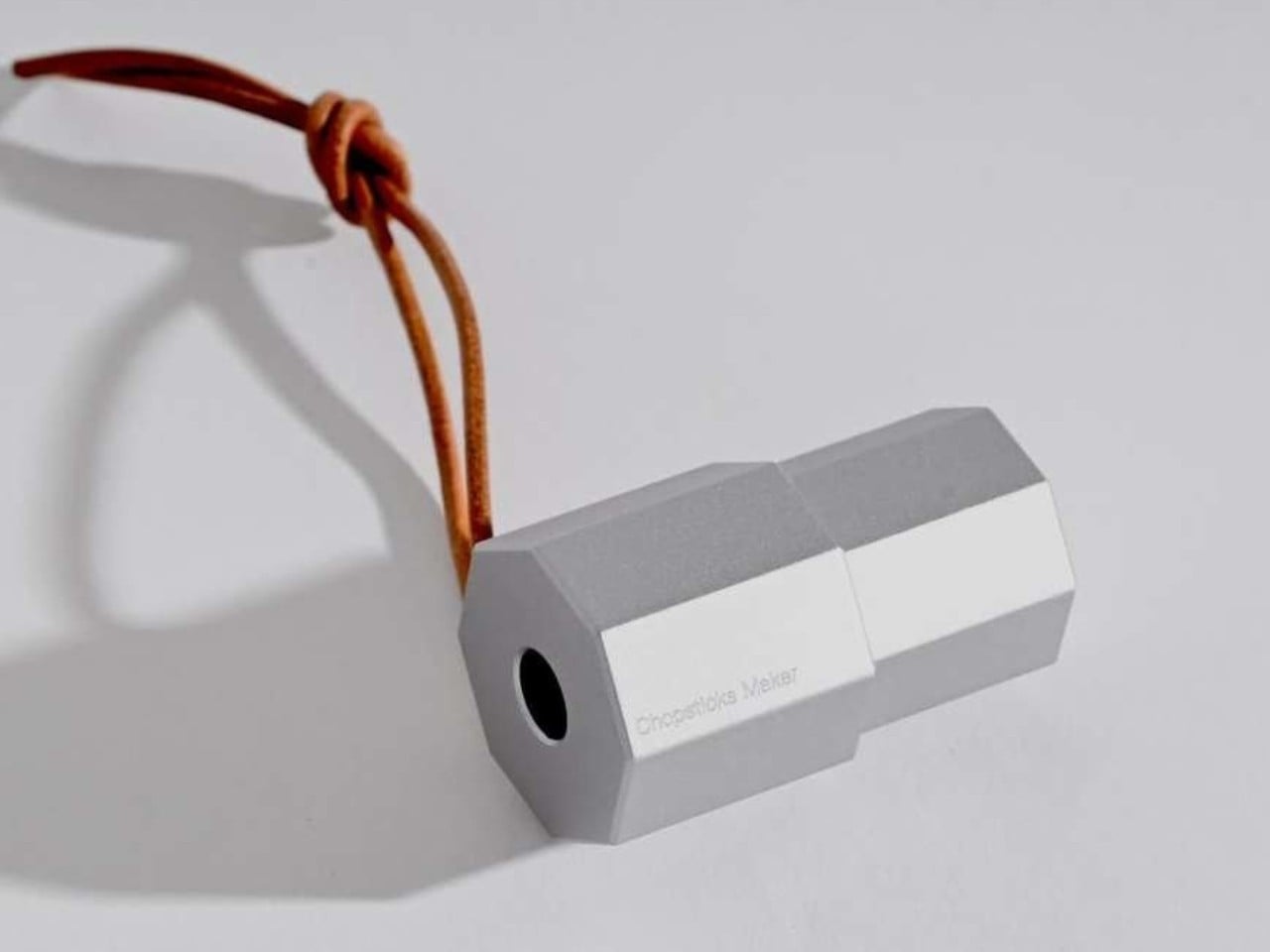
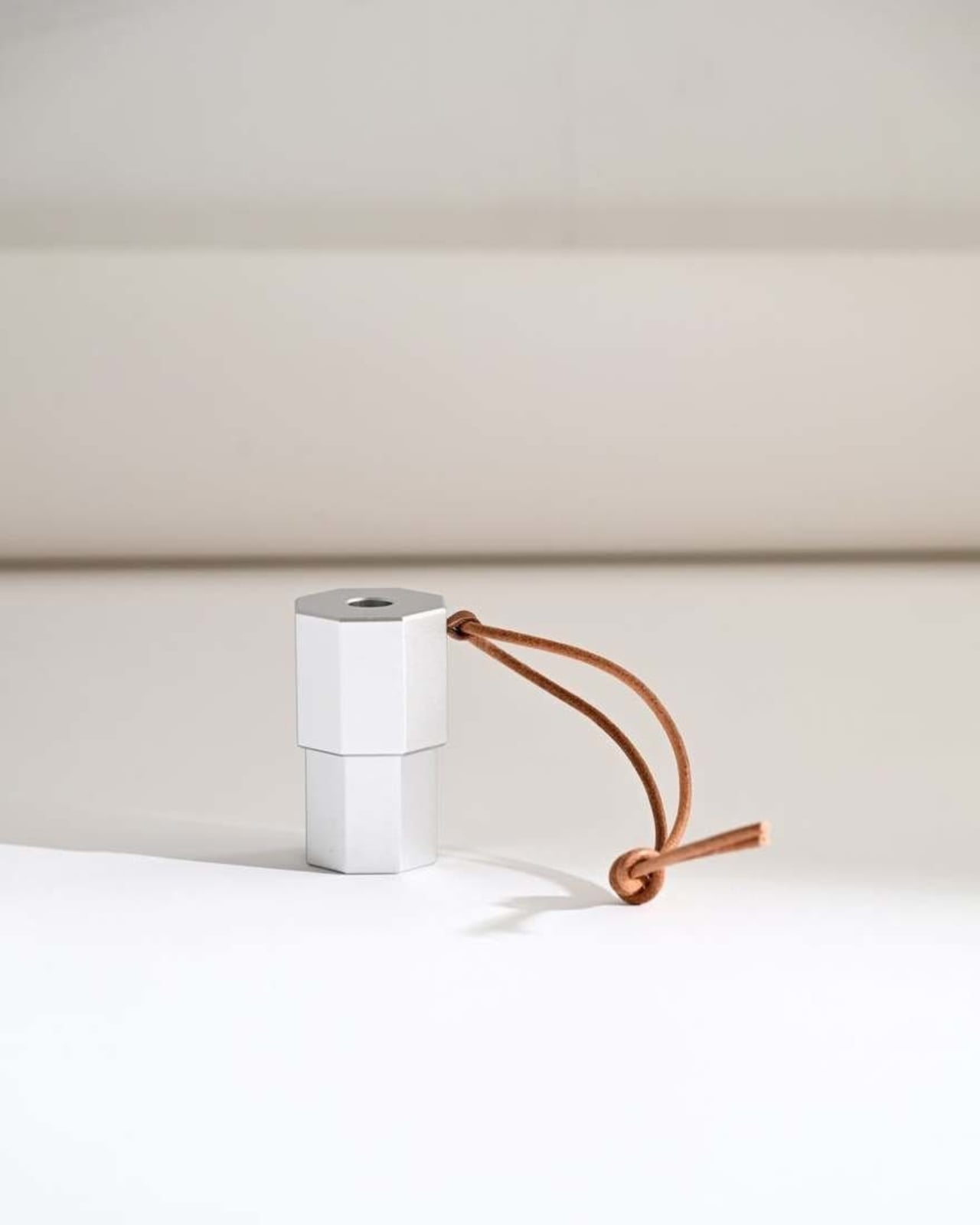
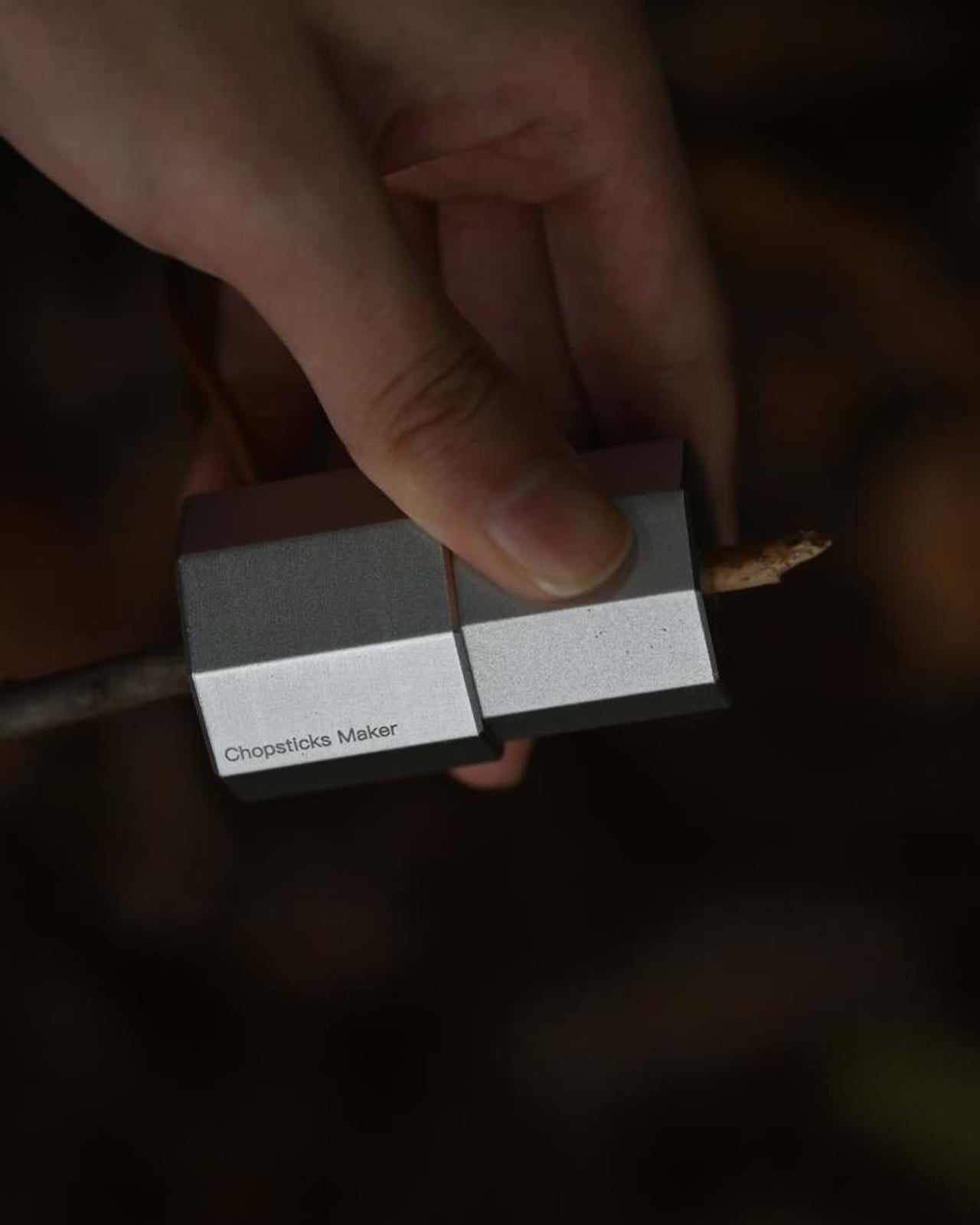
There are probably times when you’re in desperate need of chopsticks when you’re camping out or somewhere where you don’t have access to it. Well apparently now you’ll be able to make your own, as long as there are pieces of wood around you. I’ve seen a lot of clever camping gear over the years, but the Chopsticks Maker by Mario Tsai stopped me mid-scroll in a way most design objects don’t. It’s such a simple idea that you almost feel embarrassed for not thinking of it yourself.

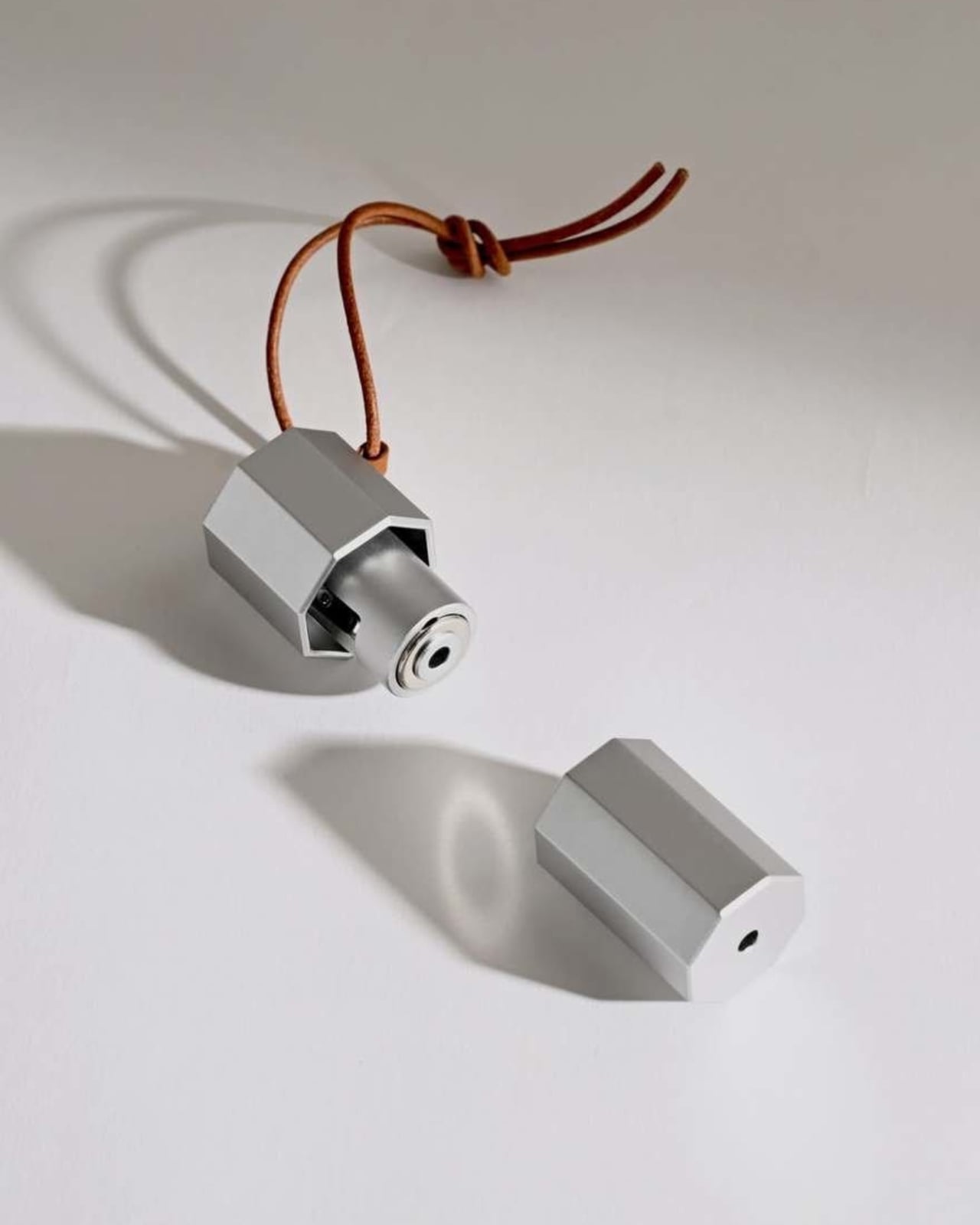
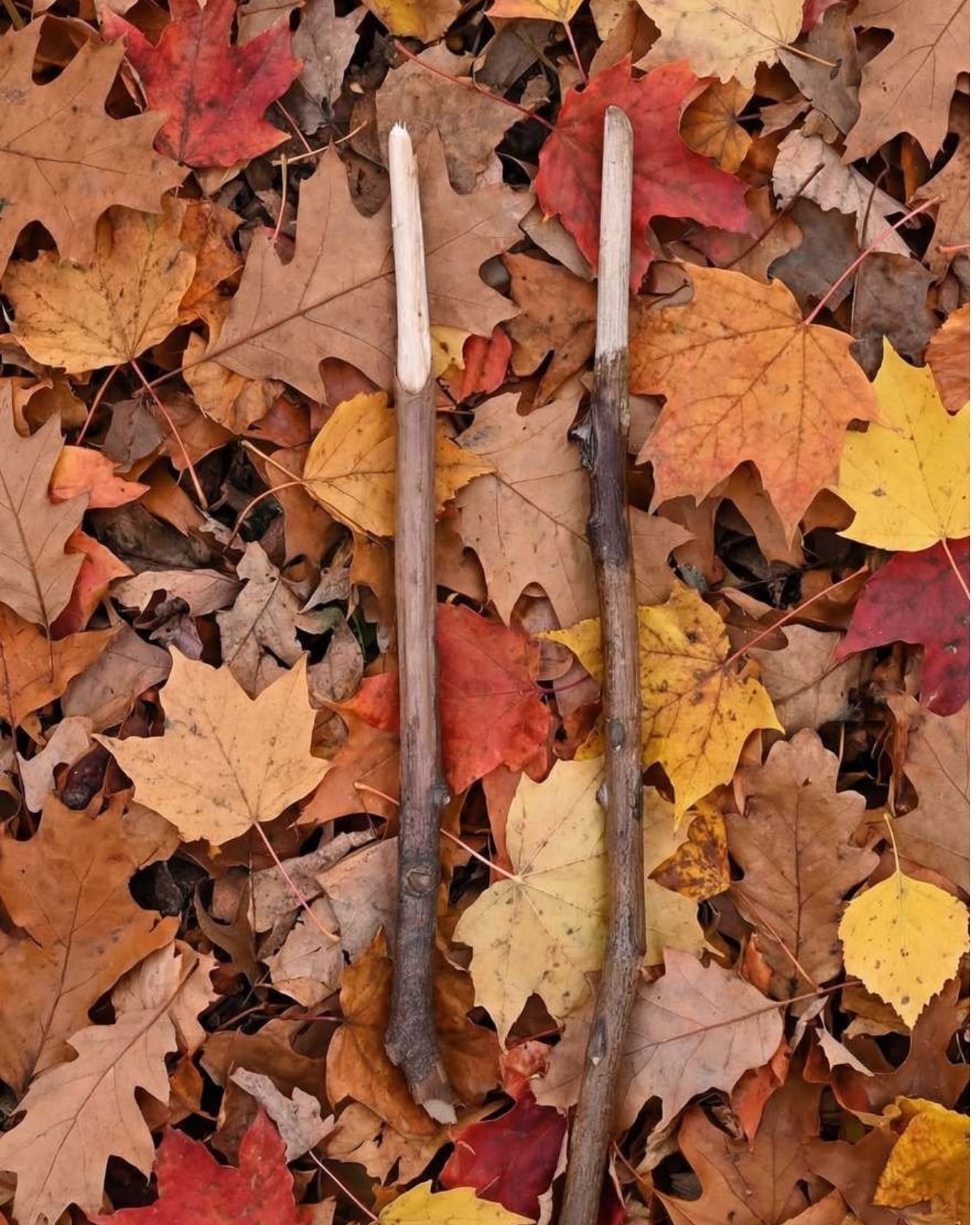
The concept is exactly what it sounds like. The Chopsticks Maker is a miniature portable tool that lets you carve chopsticks out of twigs found at a campsite. You feed a stick into the device, turn it, and out comes a pair of chopsticks, shaped and ready to use. You eat your meal, leave the utensils on the ground, and they biodegrade. No waste, no washing up, no plastic rattling around at the bottom of your pack. Just a tiny tool, the forest floor, and dinner.

Designer: Mario Tsai

What makes the design particularly satisfying is where Tsai found his inspiration. The Chopsticks Maker is a direct reinterpretation of the humble pencil sharpener. That’s a beautiful design move. The pencil sharpener is one of those objects so ordinary it’s practically invisible, and yet its mechanics are perfectly suited to transforming a raw stick into something shaped and functional. Tsai took that overlooked tool and asked what else it could do. The answer turned out to be surprisingly elegant.

Tsai is a Shanghai-based industrial designer known for work that tends to be thoughtful rather than flashy. The Chopsticks Maker was presented at Milan Design Week 2026, where it appeared as part of a broader project exploring chopsticks as cultural objects. The project borrowed its guiding philosophy from the old proverb: give a man a fish and you feed him for a day, teach a man to fish and you feed him for a lifetime. The Chopsticks Maker reframes that idea around something as basic as cutlery. You don’t need to pack utensils. You just need to know how to make them.

That principle, self-reliance through tools rather than stuff, is quietly radical in a market flooded with gear that promises to solve every outdoor problem by adding more weight to your bag. The best camping products I’ve come across are the ones that give you a skill or a method, not just a gadget. The Chopsticks Maker fits that description well. It’s lightweight, it requires nothing except whatever the ground around you offers, and the byproduct, the wood shavings, can even double as kindling for starting a fire. Someone spotted that in the comments when the project was shared online, and it’s the kind of observation that makes a well-considered object feel even more complete.

I’ll admit there’s a practical question hanging over it. Not every campsite offers the right kind of wood. Hardwood twigs will produce sturdier chopsticks; softer, pithy stems might not hold up mid-meal. And chopsticks do require some coordination. I can imagine plenty of people trying this out for the first time around a campfire and spending more time chasing noodles than eating them. But that’s also kind of the point, isn’t it? Part of what makes outdoor cooking memorable is the improvisation, the slight inconvenience, the small triumph of a meal made with whatever you had on hand.

The Chopsticks Maker doesn’t pretend to replace your fork. It offers a different relationship with the tools you eat with, one that’s rooted in resourcefulness rather than convenience. And at a moment when the outdoor industry keeps defaulting to titanium and synthetic and ultra-engineered everything, a device that points you back toward a tree branch feels like a genuine statement.

It also says something interesting about design itself. The best ideas don’t always come from inventing something new. Sometimes they come from looking at an object that’s been sitting on your desk since primary school and asking what it might become. Mario Tsai looked at a pencil sharpener and saw cutlery. That’s the kind of thinking that tends to produce work worth paying attention to.

The post A Pencil Sharpener Inspired This Brilliant Camping Cutlery Tool first appeared on Yanko Design.
bibigo Just Made Chopsticks With Touchscreen Tips for Scroll-Eaters

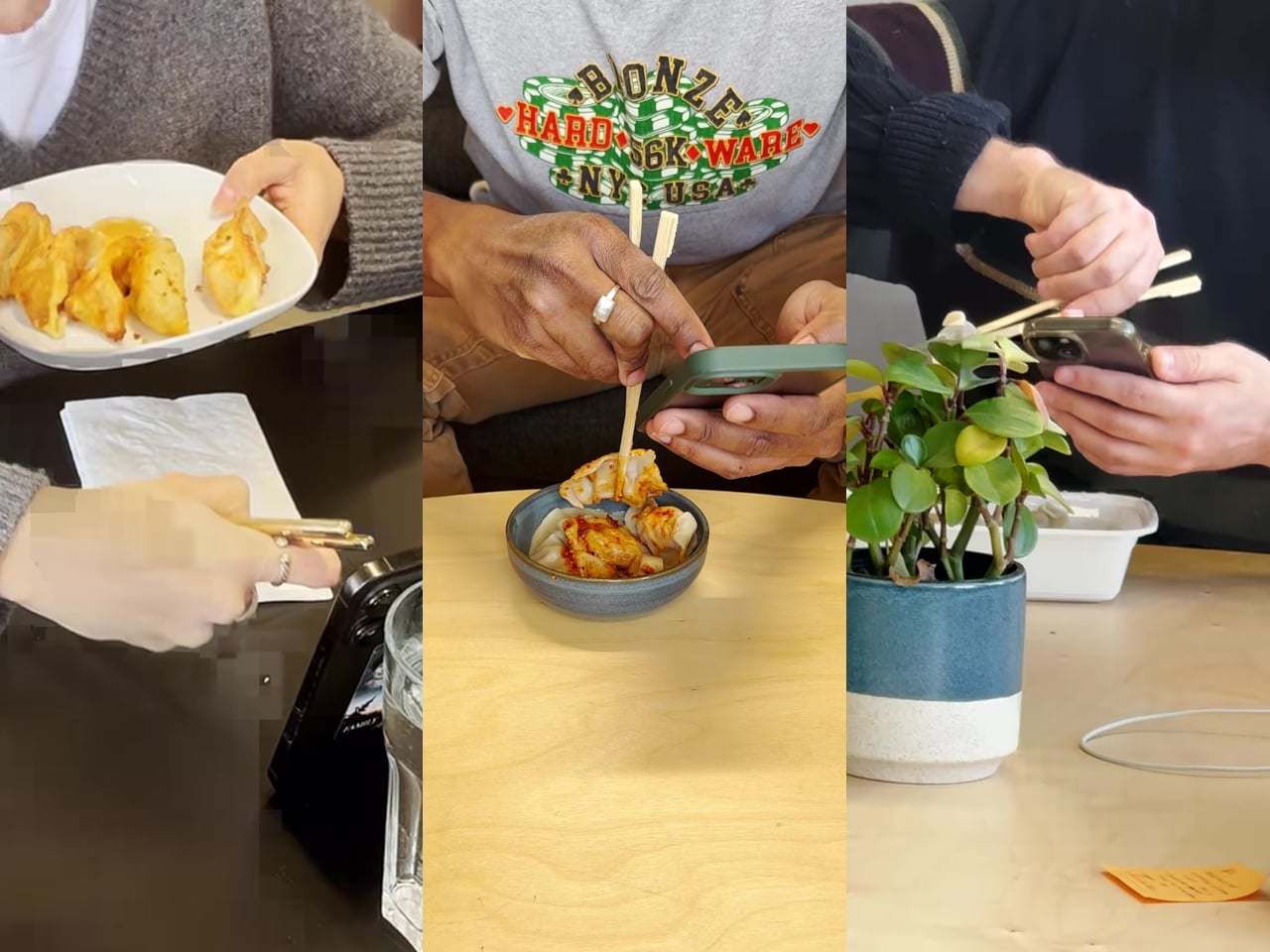
There’s a greasy phone screen somewhere in your immediate past. Maybe it was a dumpling, maybe it was a bowl of noodles, maybe it was something with a suspiciously orange sauce. Either way, you were eating and scrolling at the same time, and the evidence is still on the glass. Nobody’s proud of it, but according to a survey bibigo ran through Angus Reid, 96% of Americans have used their phone while eating, so at least you’re in excellent company.

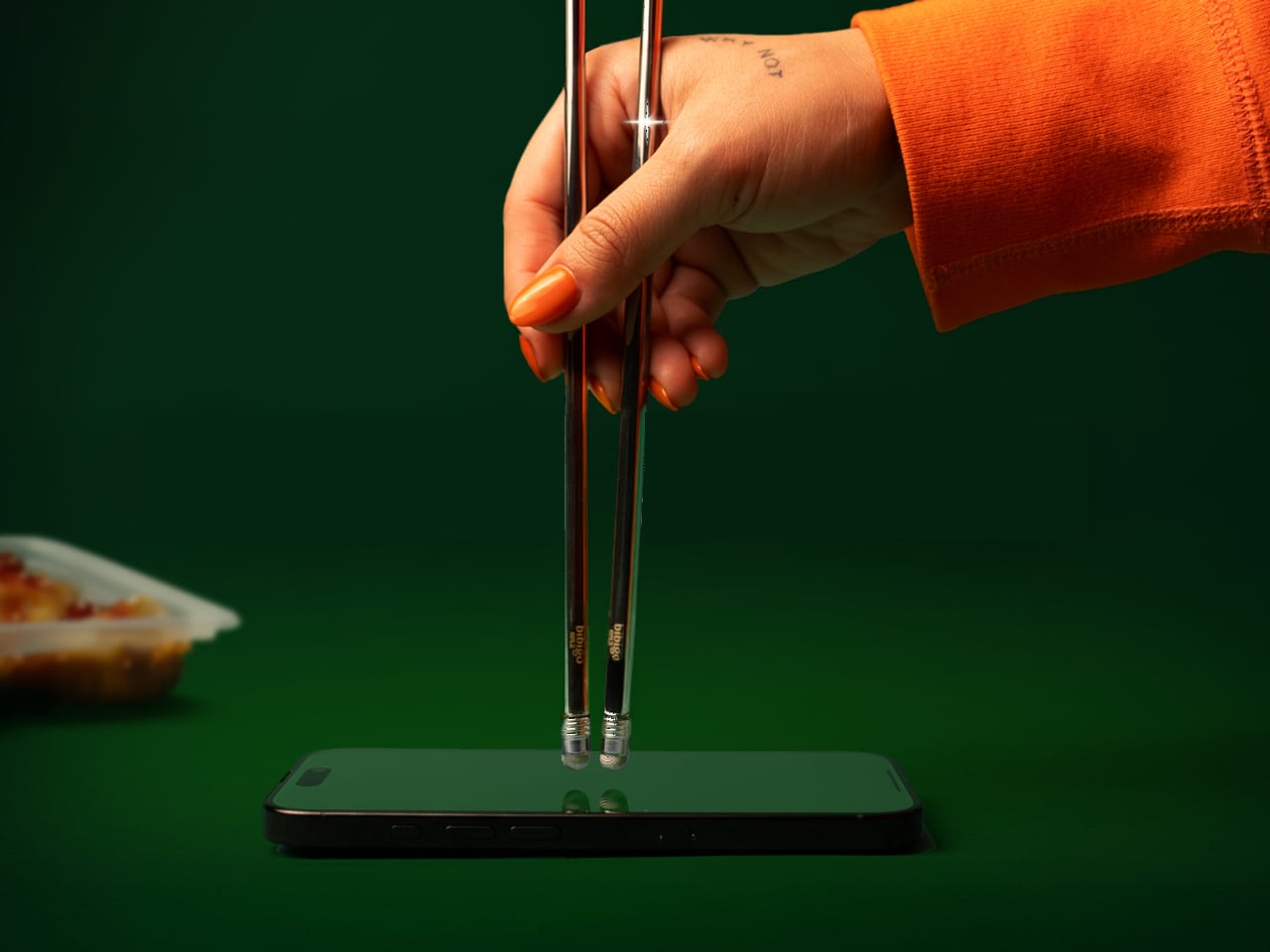
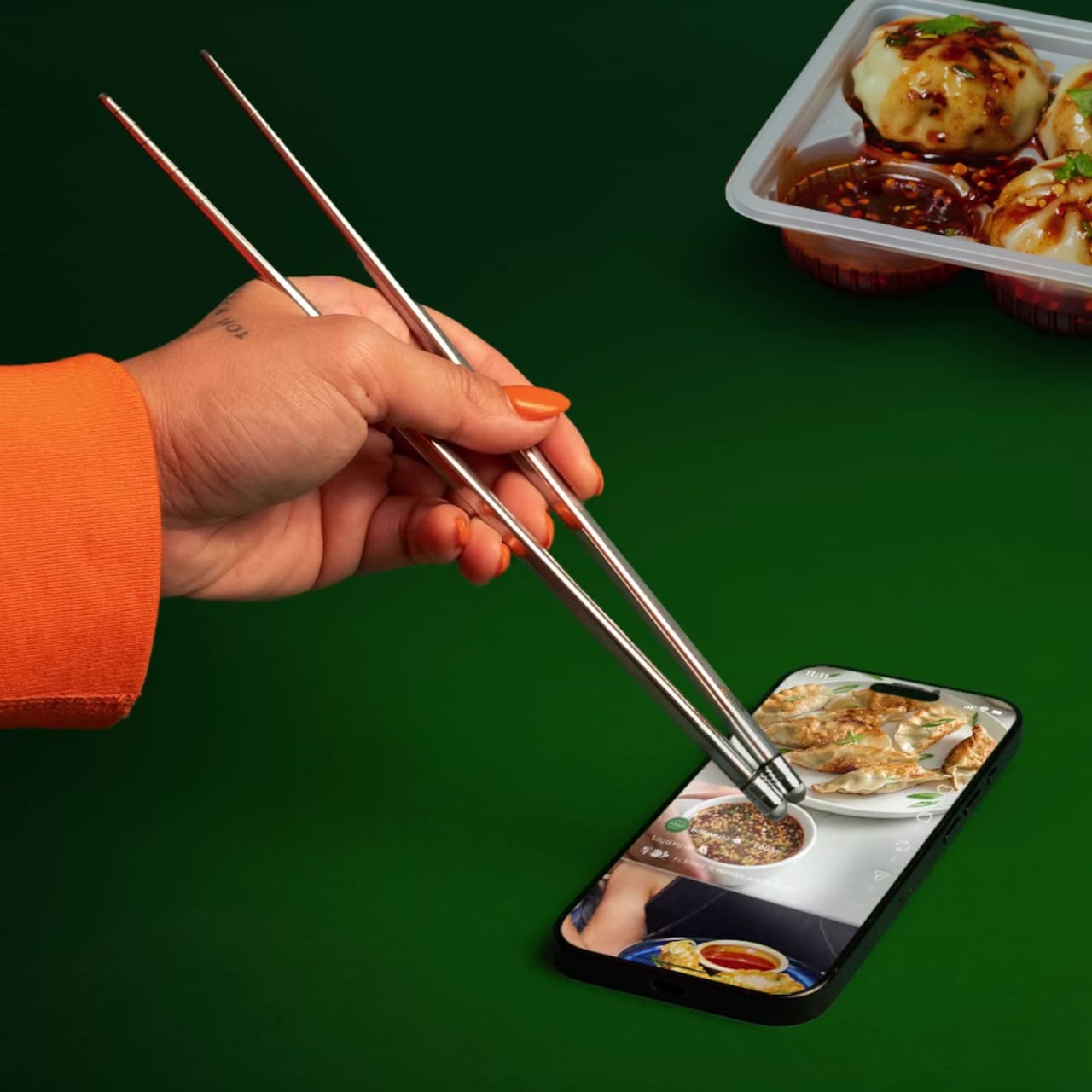
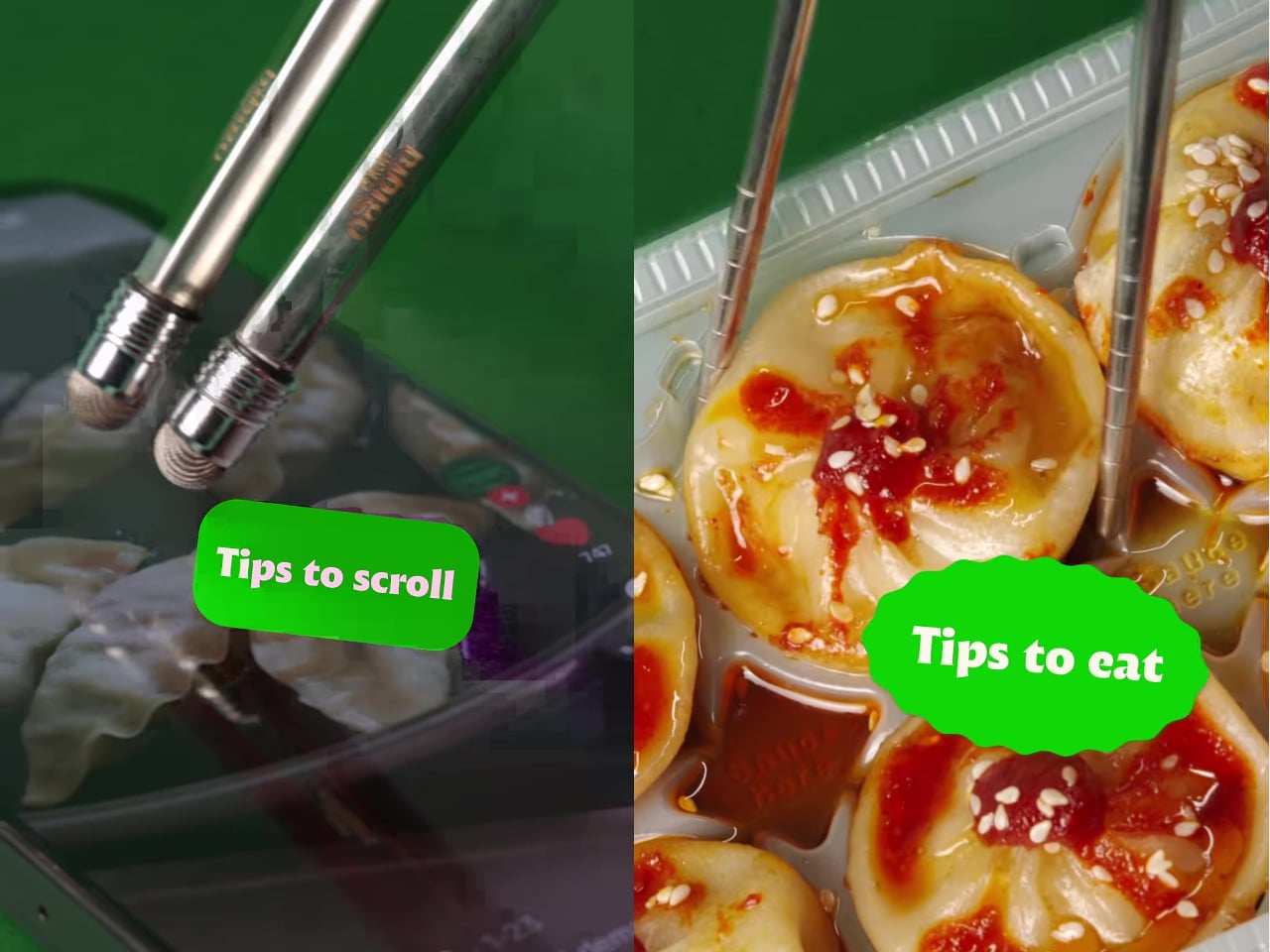
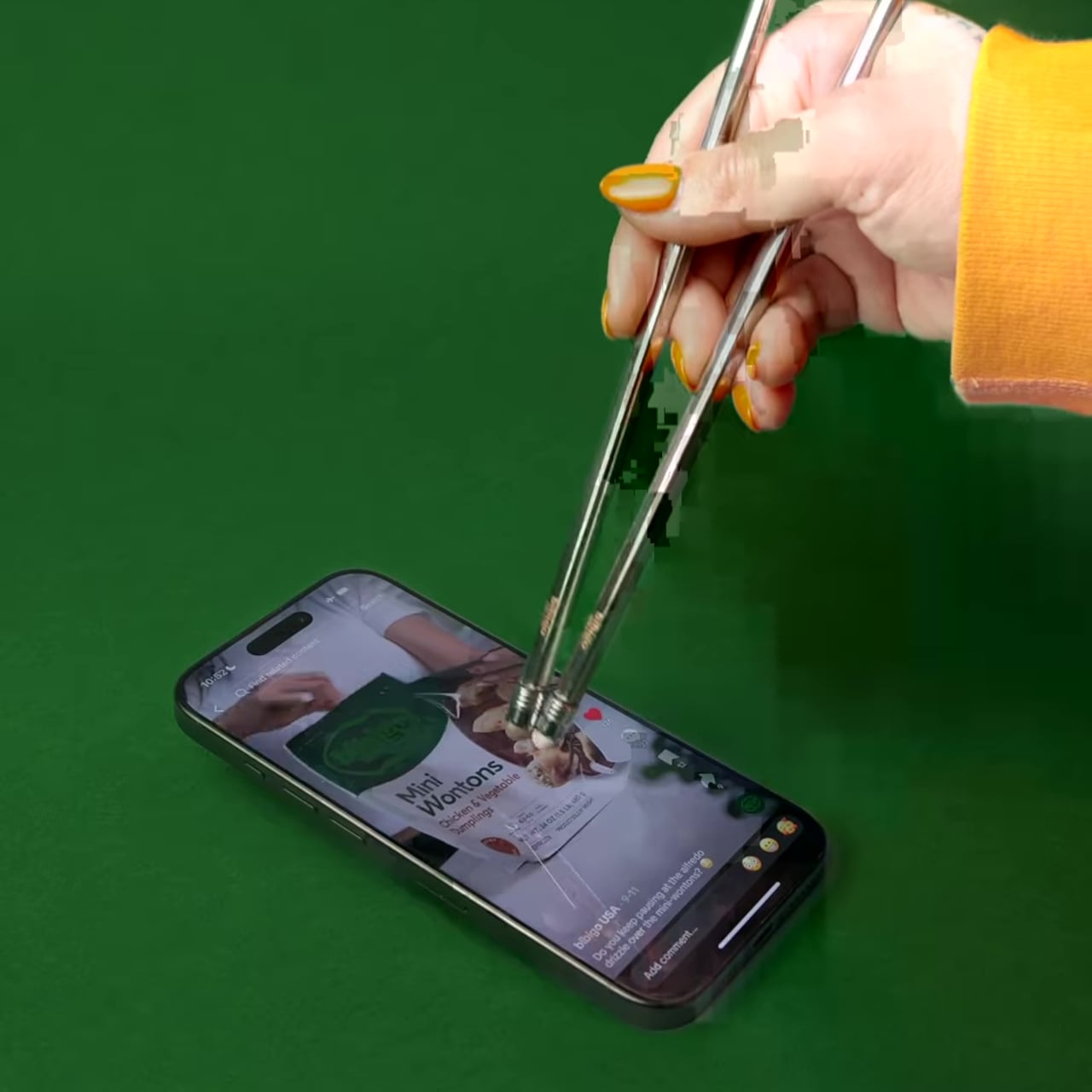
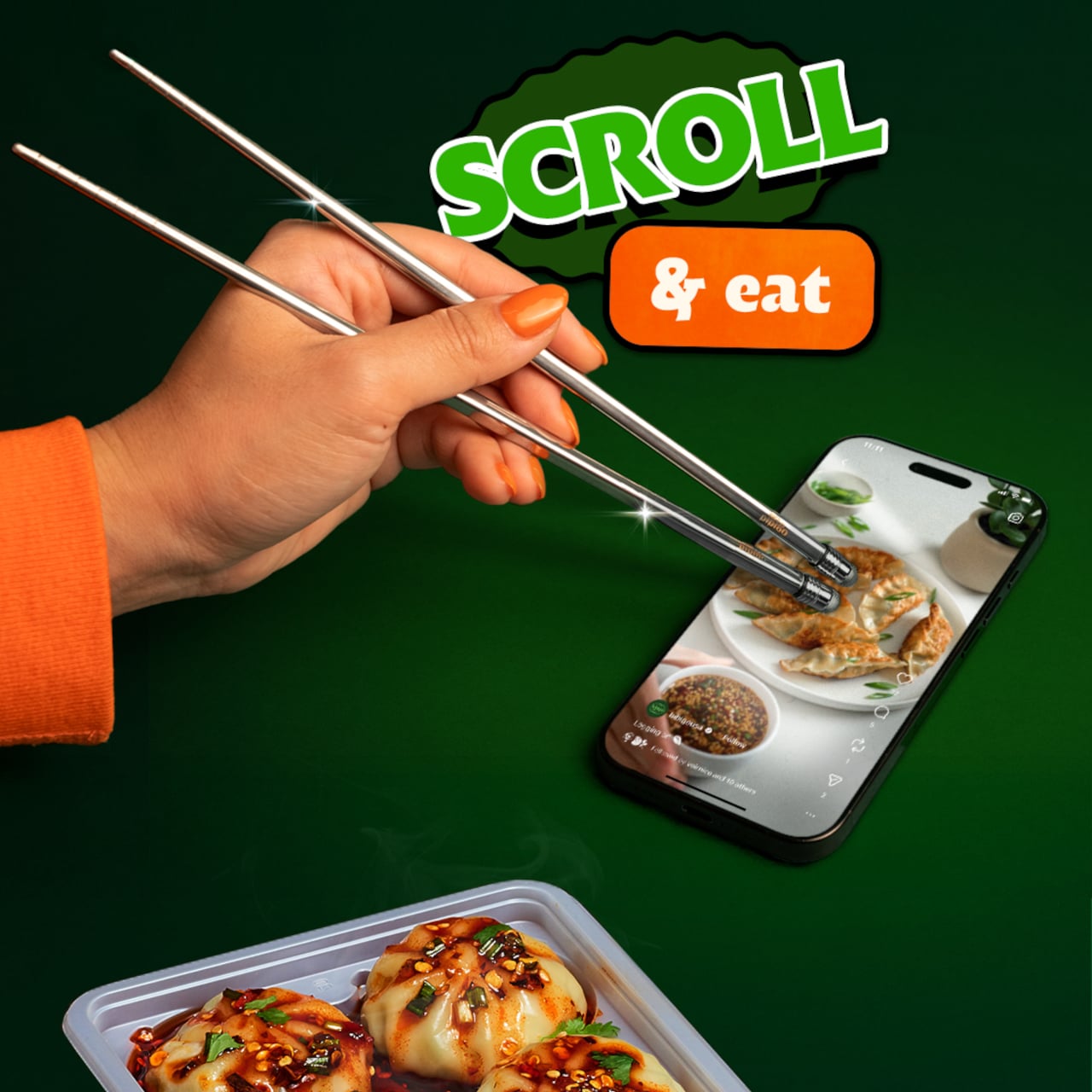
bibigo, the Korean food brand behind what the internet has collectively decided are its favorite dumplings, decided to design for the habit instead of lecturing about it. ScrollSticks are dual-ended chopsticks with touchscreen tips, one end for picking up food and the other for tapping, swiping, and scrolling on a phone. The premise is simple: two dedicated ends for two different jobs, keeping the oil and sauce where they belong.

Designer: bibigo

The research behind the launch is basically a monument to relatable chaos. Beyond the 96% who’ve scrolled while eating, 66% do it often during at least one meal a day. Nearly three in four people report frustrations: 41% are frustrated by getting their hands or phones dirty, 30% struggle to hold a phone comfortably while eating, and 28% can’t keep their screen clean. ScrollSticks are bibigo’s answer to all of the above, which is either very clever or a sign of the times, possibly both.

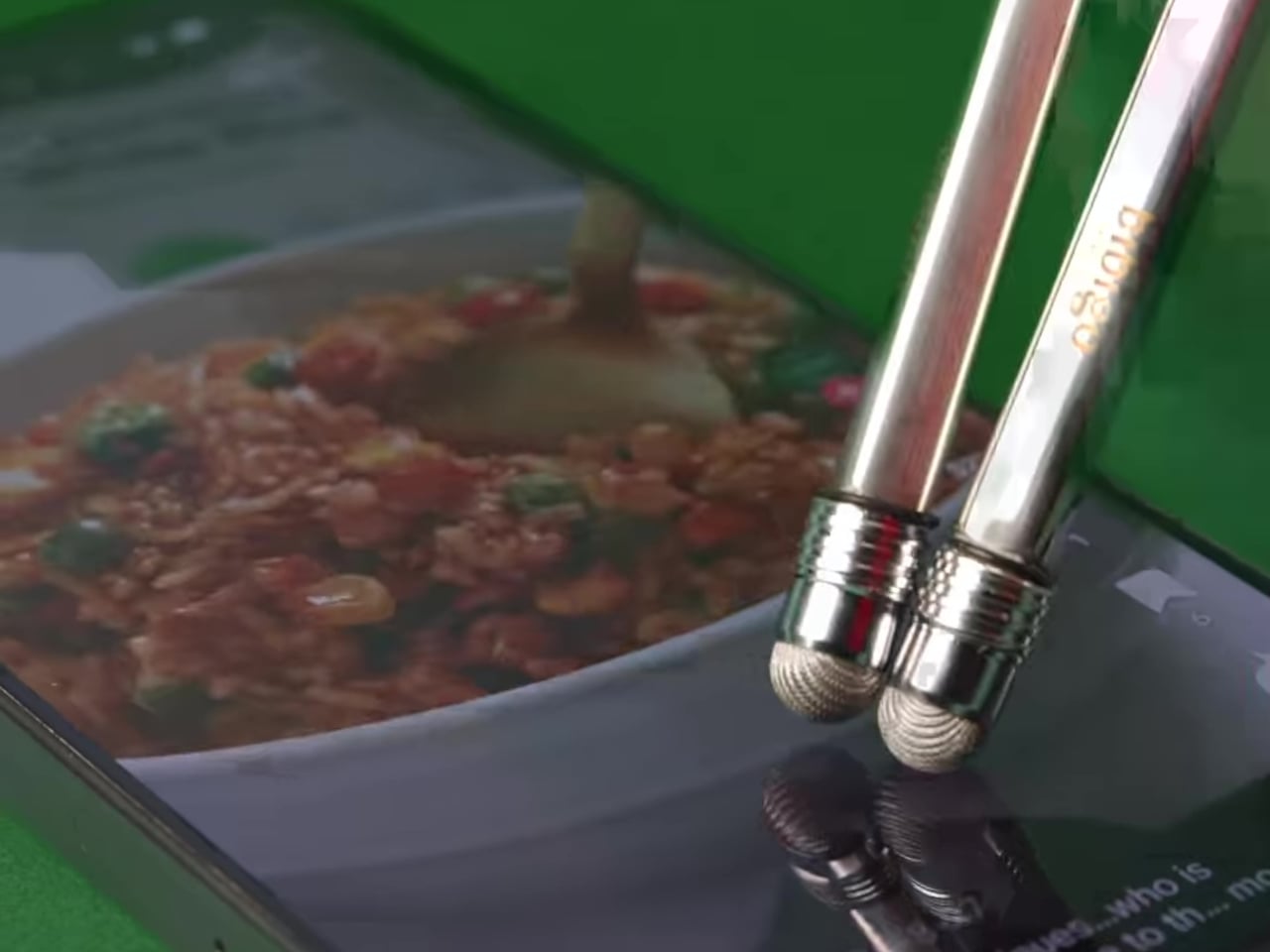
The design logic is straightforward. You eat with the food end, then flip the chopsticks and use the touchscreen-compatible tips to tap and scroll without transferring dumpling residue onto the glass. The tips work with capacitive touchscreens, so it’s not just poking the screen with metal but actually registers as a touch. One tool, two dedicated functions, and your screen stays marginally more dignified.

The cleaning situation is also handled better than you’d expect from what sounds like a novelty item. The touchscreen tips unscrew from the chopsticks, so you can dishwasher or sink-wash the metal body just like any other silverware. That modularity is doing serious practical work here. A touchscreen-tipped chopstick that you can’t properly clean would be a different, worse product.

bibigo frames ScrollSticks as part of its “food-tainment” innovations, which is a word that exists now and apparently describes branded objects that blur eating and entertainment culture. The previous entry in that line was the bibigo Dashboard Kitchen. ScrollSticks are sillier and more useful, which is a hard combination to pull off.

The chopsticks are a limited-edition drop, and the window is short. That’s fitting for something that is partly a product and partly a cultural artifact: a small, polished admission that dinner and doomscrolling are now the same meal, and if the phone is staying at the table, at least the screen deserves better than a dumpling-flavored fingerprint in the corner.

The post bibigo Just Made Chopsticks With Touchscreen Tips for Scroll-Eaters first appeared on Yanko Design.
Chopstick-shaped tongs make cooking, serving, and eating a breeze

Anyone who has cooked food will have come across a situation where they need to pick up a piece to either turn it over to cook the other side or to take it out of the pan or pot. Large portions are no problem for turners and tongs, but more delicate pieces can end up being an exercise in patience and dexterity. Smaller tongs aren’t always the answer because of the standard design of these tools and their wide, often spoon-shaped, heads that don’t afford precision and dexterity of movement. Some situations call for a radical change in that design, which is what these chopsticks-like pair try to offer, taking a page from one of the most precise utensils ever invented.

Designer: Isao Sekikawa

Click Here to Buy Now: $17 $19 (10% off). Hurry, Labor Day sale ends in 24 hours!

Some ingredients or pieces of food are so delicate that they need to be handled with a bit more care than what large cooking tools often provide. That’s true whether you’re trying to flip thin strips of meat on a frying pan, taking out cooked flakes of fish, putting in ingredients in a hot pot, or even just creating a complex arrangement of small fruits. Some of these you can’t even do by hand, while others are possible but not ideal for safety and hygiene. These specially designed tongs solve that problem in a rather fun-looking way that makes you feel you’re really in control.

Unlike your typical tongs, these Chopsticks Tongs don’t have large or wide tips, so picking up and holding small, delicate pieces isn’t a chore. And while they may look like chopsticks from one angle, they don’t require as much dexterity any more than normal tongs. They’re still made from a single piece of metal bent in the middle, so you won’t have to worry about juggling sticks and accidentally dropping them into a pot. Unlike conventional chopsticks, the tips are flat and ridged, preventing food from escaping its grasp. The tongs have a slender form and a minimalist aesthetic that not only saves space but even gives it an elegant design that looks stunning whether it’s in your hand or hanging in your kitchen.

Of course, normal chopsticks aren’t made for use in high heat, so these lifestyle tongs use SUS821L1 two-phase stainless steel that is known to be stronger than the SUS304 variant that’s commonly used. More importantly, the steel used for these tongs is made from recycled offcuts and scraps, giving it a more sustainable and environment-friendly characteristic. What’s interesting about these tongs is that their black color doesn’t come from paint or similar coating materials. Instead, it’s the product of a special metal processing that ensures the color won’t scratch or peel over time. That black oxide coating also ensures the safety of the food you’re cooking or the tableware you put in your mouth.

Durable, precise, and elegant, these Chopstick-shaped Tongs give you the perfect tool for managing small and delicate pieces of food. And while the 275mm (10.8in) Chopstick Tongs are great for keeping your hand at a safe distance, the shorter 175mm (6.9in) Lifestyle Tongs are better for smaller and more precise movements. You might even want to use it for actually eating your food without having to worry about how to use chopsticks properly. Whether you’re frying strips of meat, preparing a hotpot, or simply enjoying a healthy salad, these handsome Chopstick Tongs add a whole new flavor to your culinary experience.

Click Here to Buy Now: $17 $19 (10% off). Hurry, Labor Day sale ends in 24 hours!

The post Chopstick-shaped tongs make cooking, serving, and eating a breeze first appeared on Yanko Design.
Nendo’s redesigned chopsticks intertwine into each other to create a singular cohesive form

Chopsticks are a 4000-year-old eating implement that has remained untouched. And, for almost four centuries, the quaint town of Obama in Fukui Prefecture, Japan has manufactured beautiful lacquered chopsticks. The lacquered chopsticks are considered the hardest and the most beautiful of the Japanese lacquer chopsticks, and they’ve been named ‘Wakasa-nuri’. Nendo teamed up with Hashikuru Matsukan – a manufacturer who has continued the Obama legacy. Nendo gave a contemporary and innovative twist to the age-old chopsticks!
Designer: Nendo

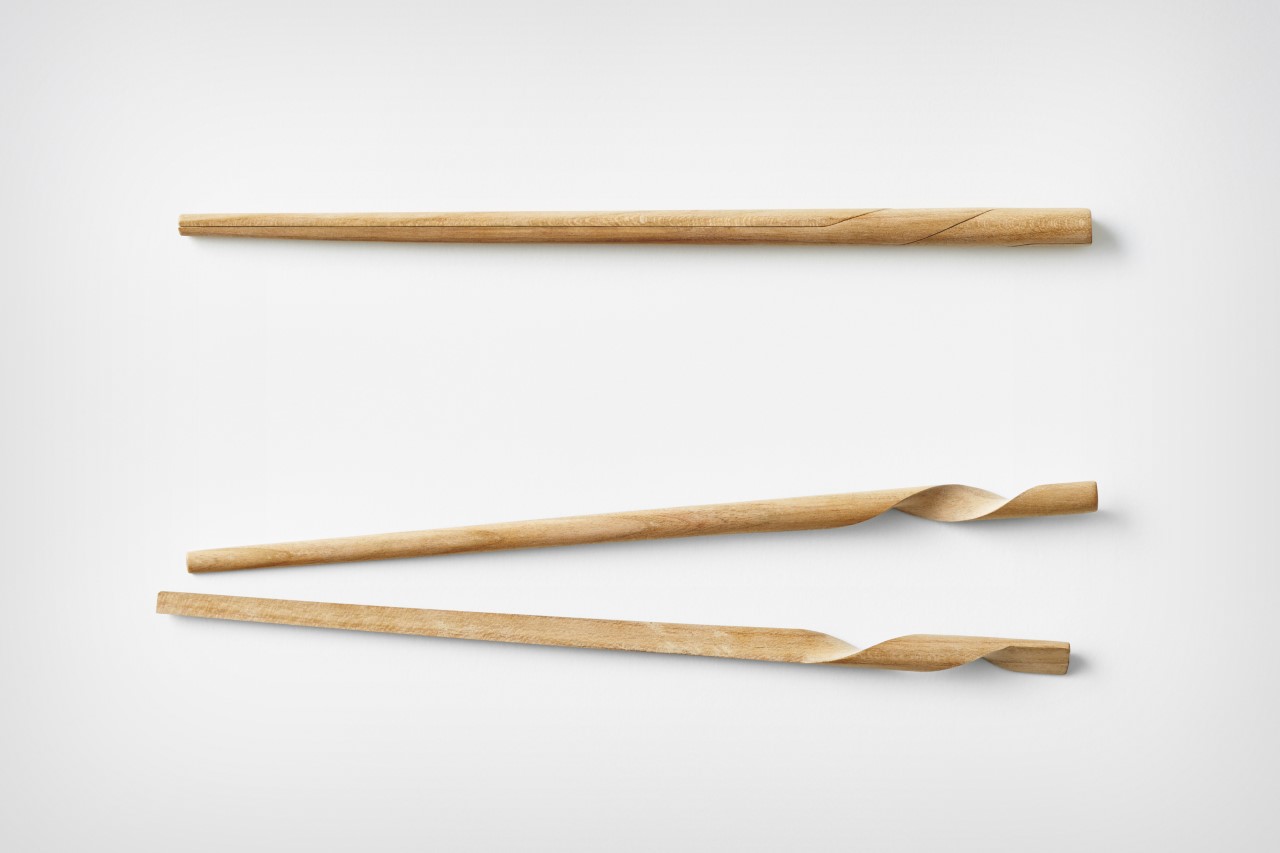
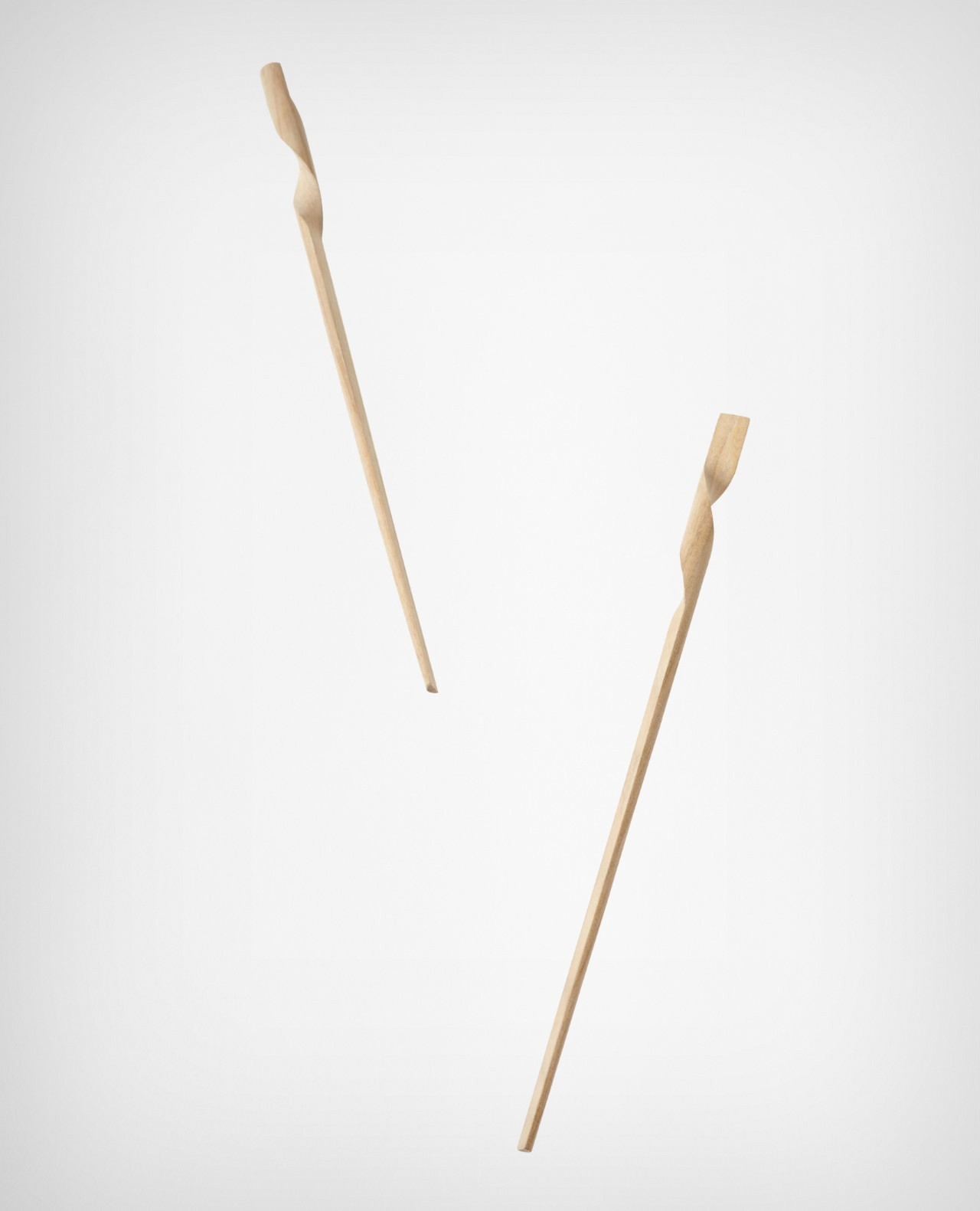
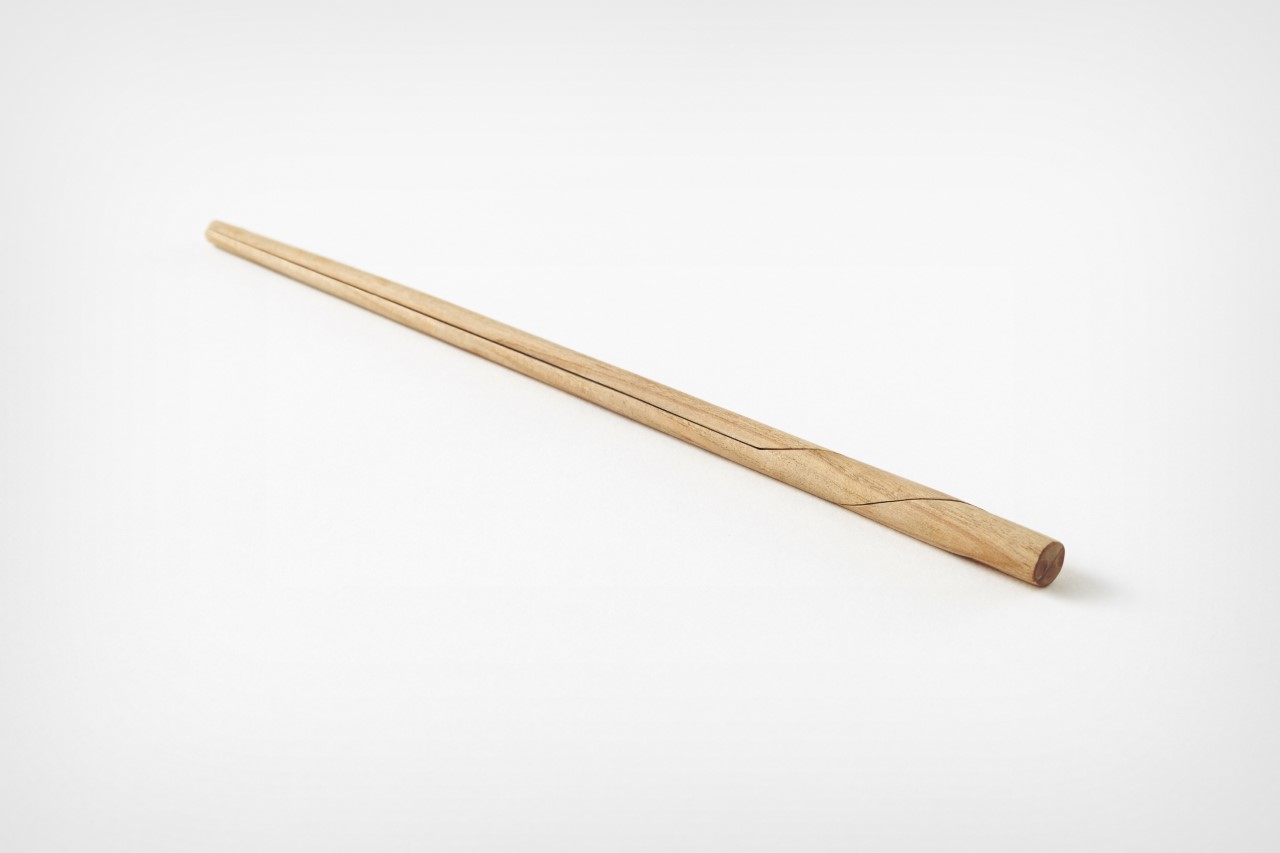
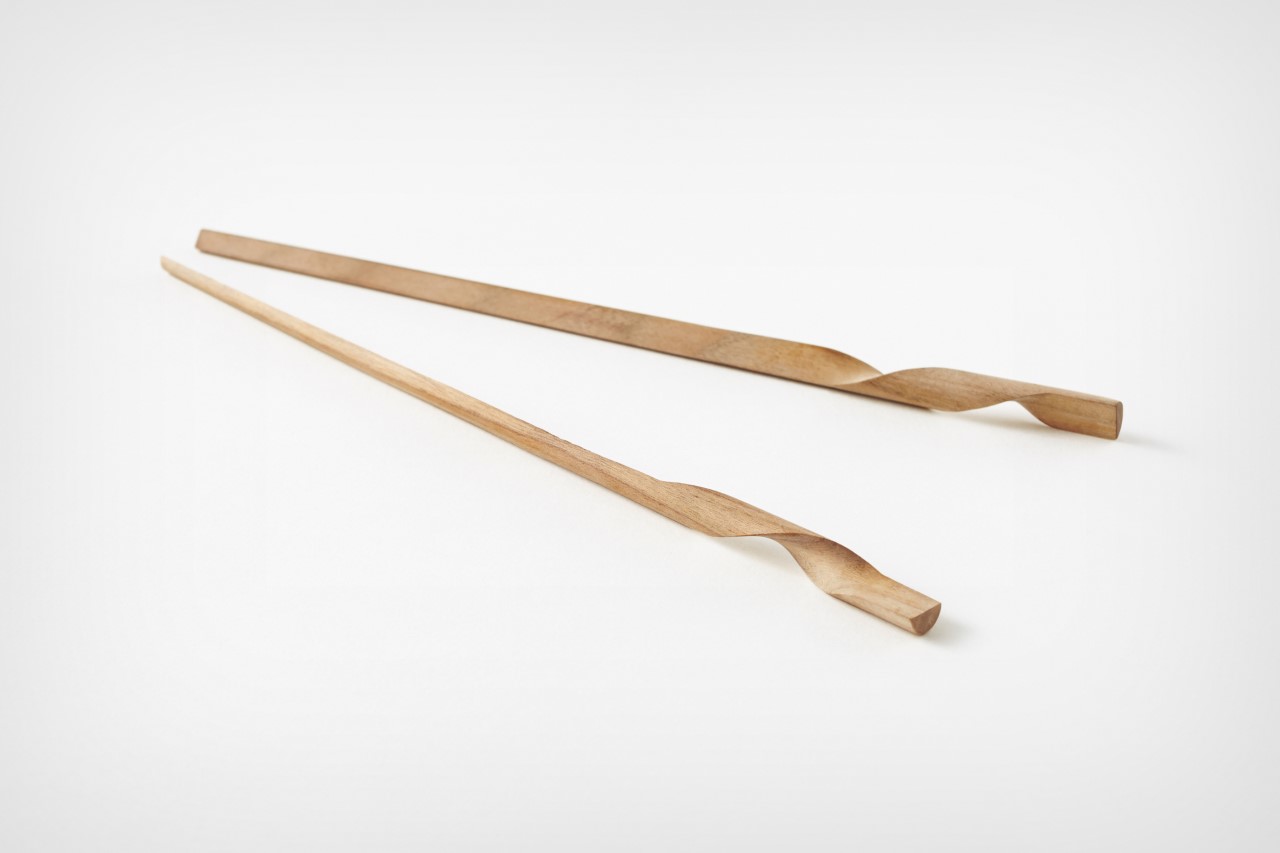
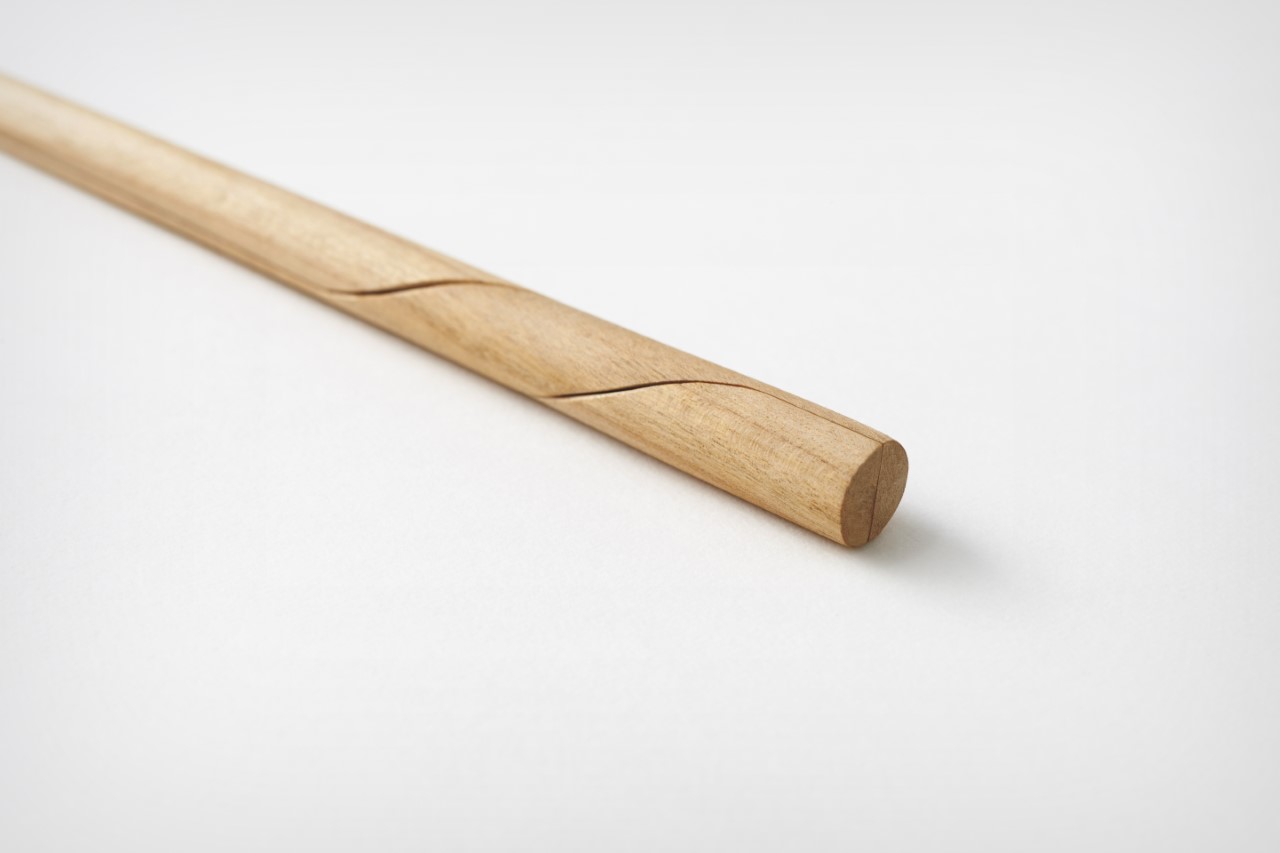
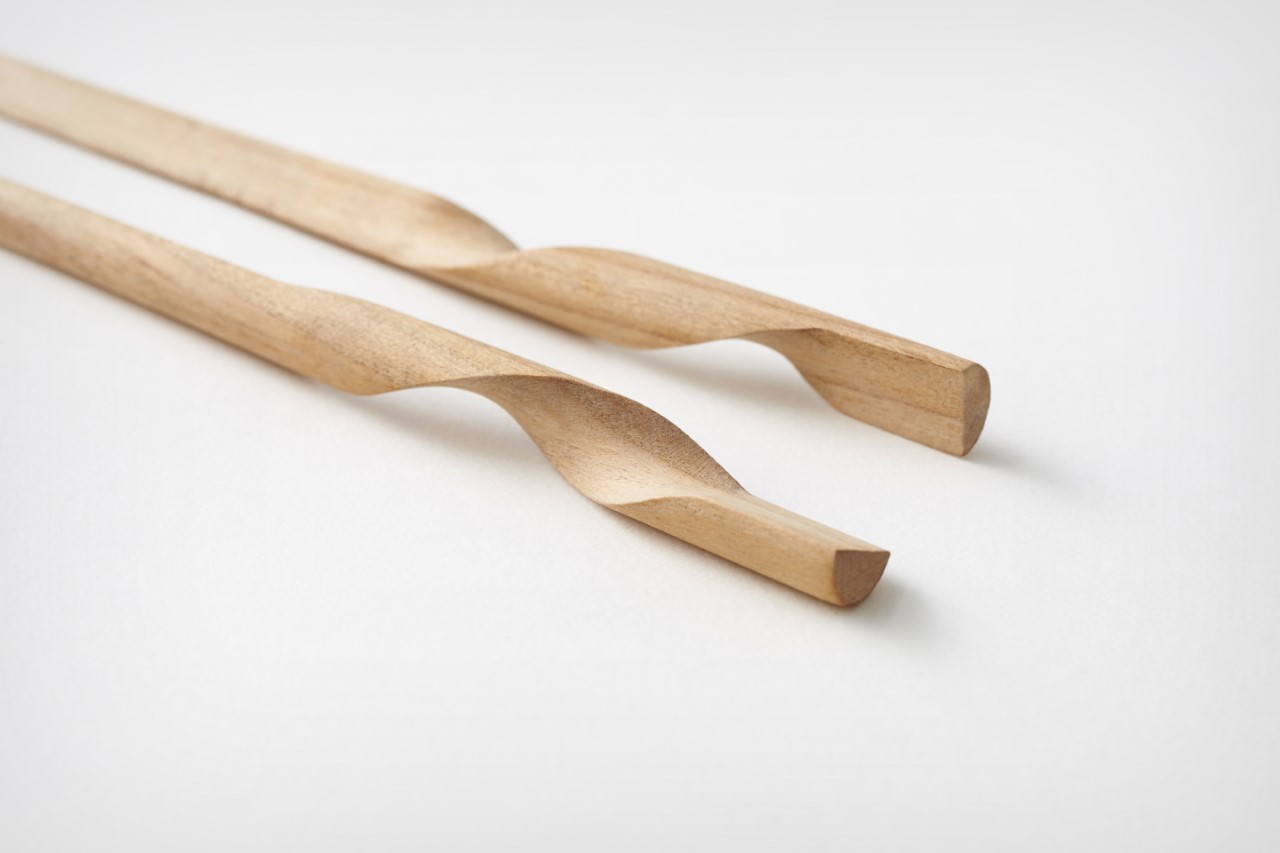
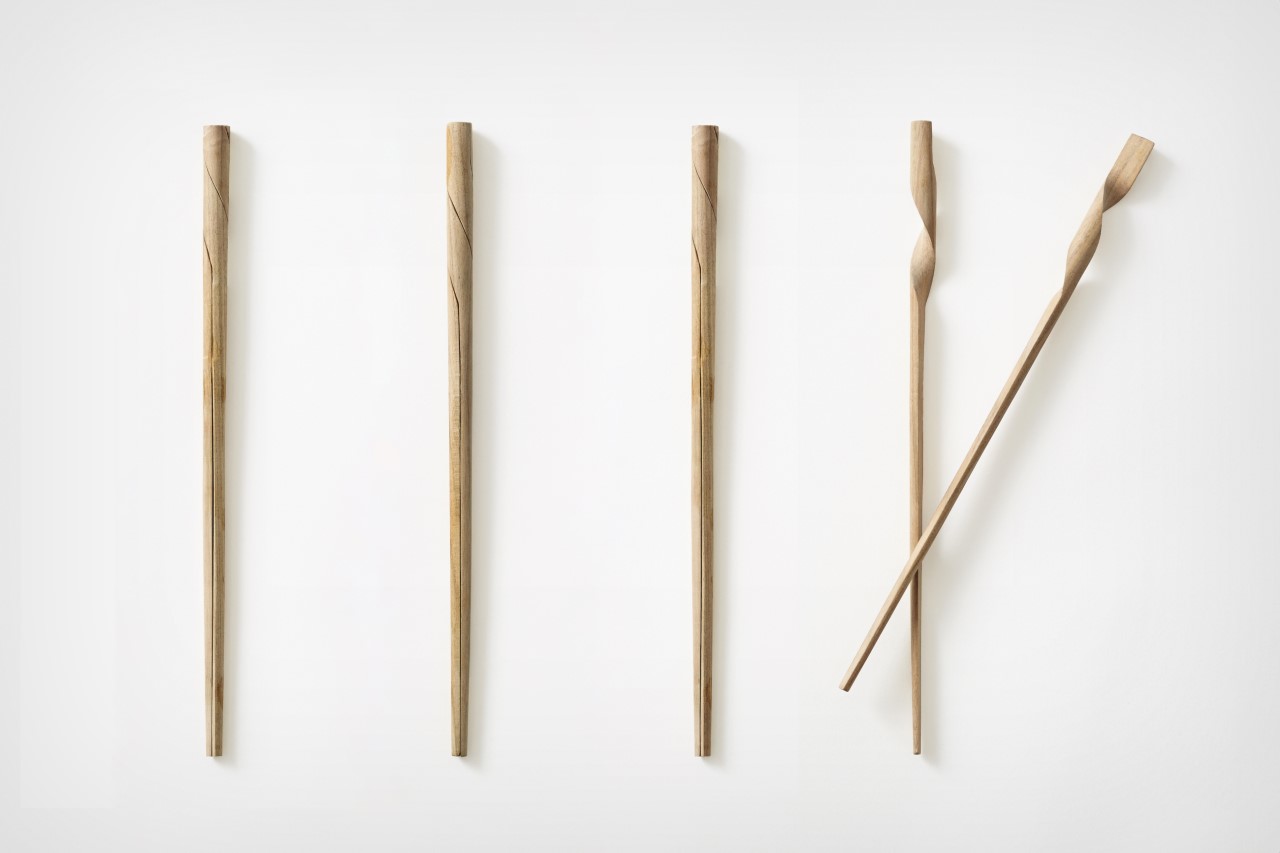
Called the Rassen or spiral chopsticks, these unique chopsticks merge fun and functionality to create a product that is quintessentially Japanese, yet quite contemporary. The Rassen chopsticks can be joined together to create one convenient single unit, and they can be detached or separated whenever you need to use them! Rather than having two separate pieces of tableware, you have a single unit in the shape of an elongated cone. When you pull both the chopsticks apart, you notice an interesting twist in their wooden handles.

The entire experience of bringing the chopsticks together and then separating them becomes a fun and amusing experience. It feels like you’re playing with a jigsaw puzzle! Using the chopsticks to eat your meals, brings joy and a certain sense of playfulness to your everyday ordinary meals. Putting them back together is really quite swift and easy too, and it eliminates the fear of losing one of them.

While designing the Rassen chopsticks Nendo had the intention of giving people a small ‘!’ moment. We often find many small ‘!’ moments in our day, and these tend to make our days brighter and richer. Nendo wanted to contribute and add a ‘!’ moment in people’s lives with their lovely chopsticks. These chopsticks are handmade by artisans, and Nendo also utilized a multi-axis CNC miller to build the unusual yet useful utensils.

The post Nendo’s redesigned chopsticks intertwine into each other to create a singular cohesive form first appeared on Yanko Design.