Every K-Cup You’ve Brewed Is Still in a Landfill, and Keurig Has a Fix

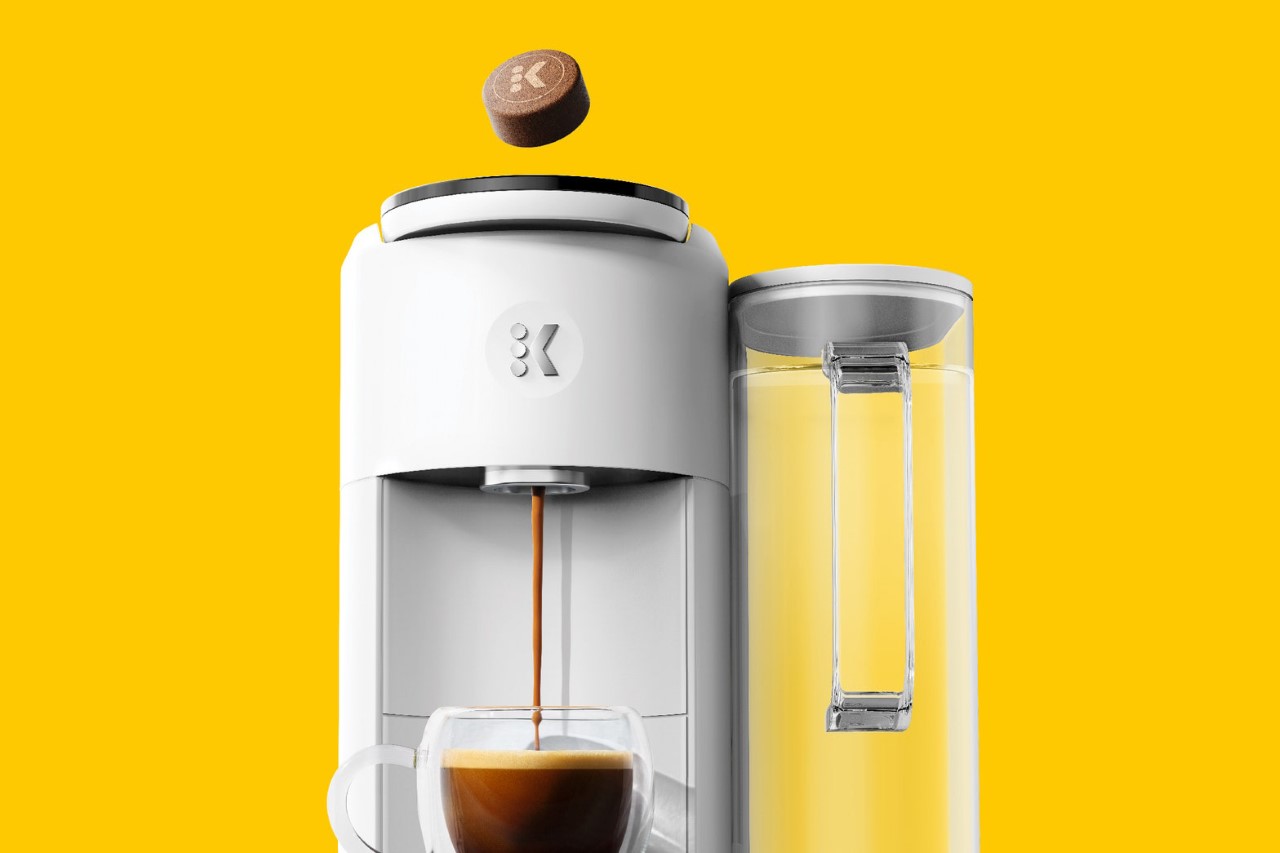
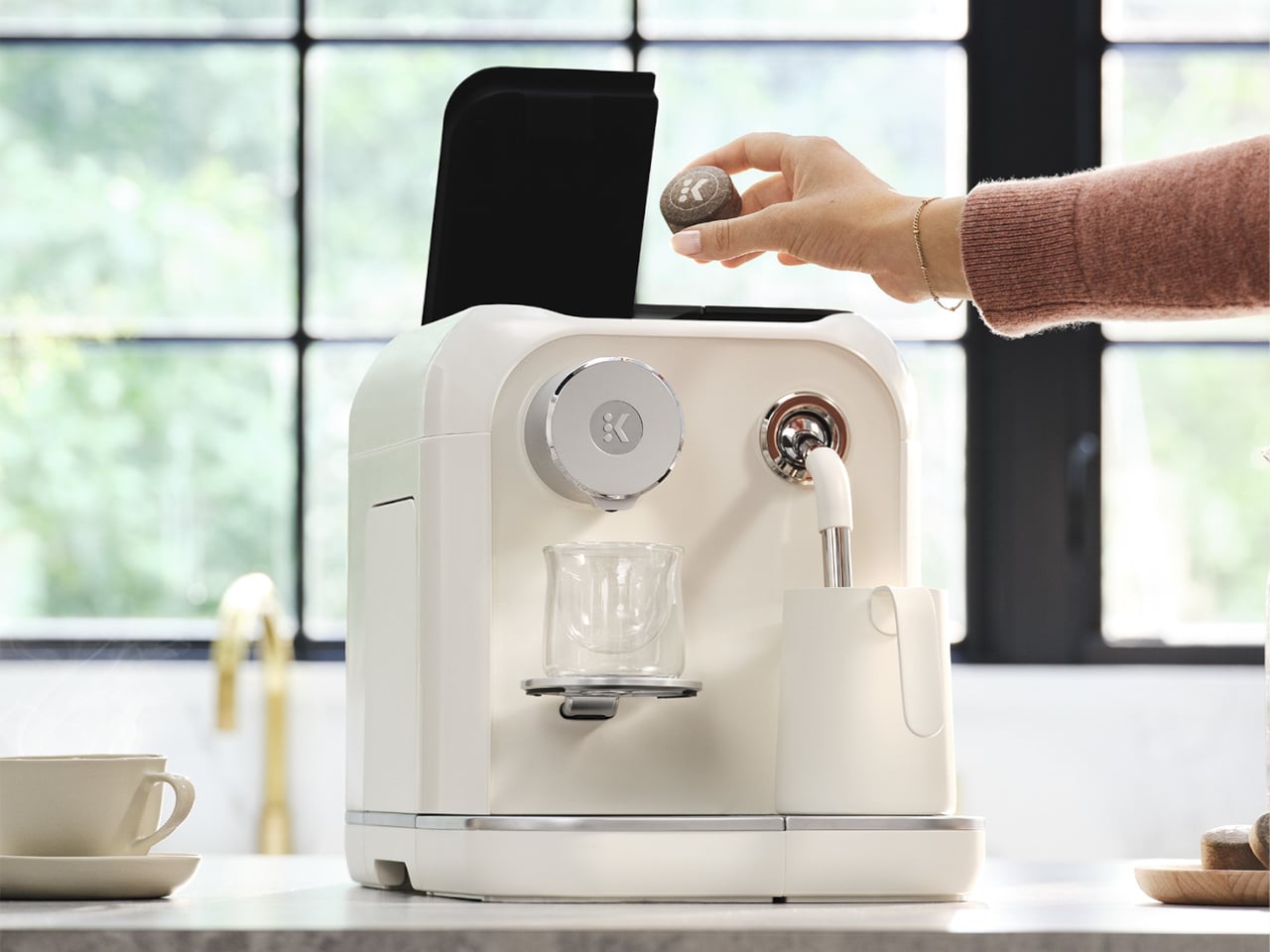
Single-serve coffee machines solved one morning problem and created another: a pile of plastic pods beside the sink. Keurig’s Alta tries to keep the convenience without leaving a plastic cup behind after every drink. Instead of a K-Cup, it brews with a compact puck of pressed coffee called an AltaRound. It also makes espresso and frothy milk drinks in one countertop machine.

Most pod brewers wouldn’t pass for proper espresso machines. The Alta takes a different route, with a rounded body, a projecting brew head, and a separate milk station built into the same base. The touchscreen sits on top rather than across the front, leaving the machine’s face relatively uncluttered. Sandstone, graphite, and sandstone with satin stainless offer three different moods for the counter.

Designer: Keurig
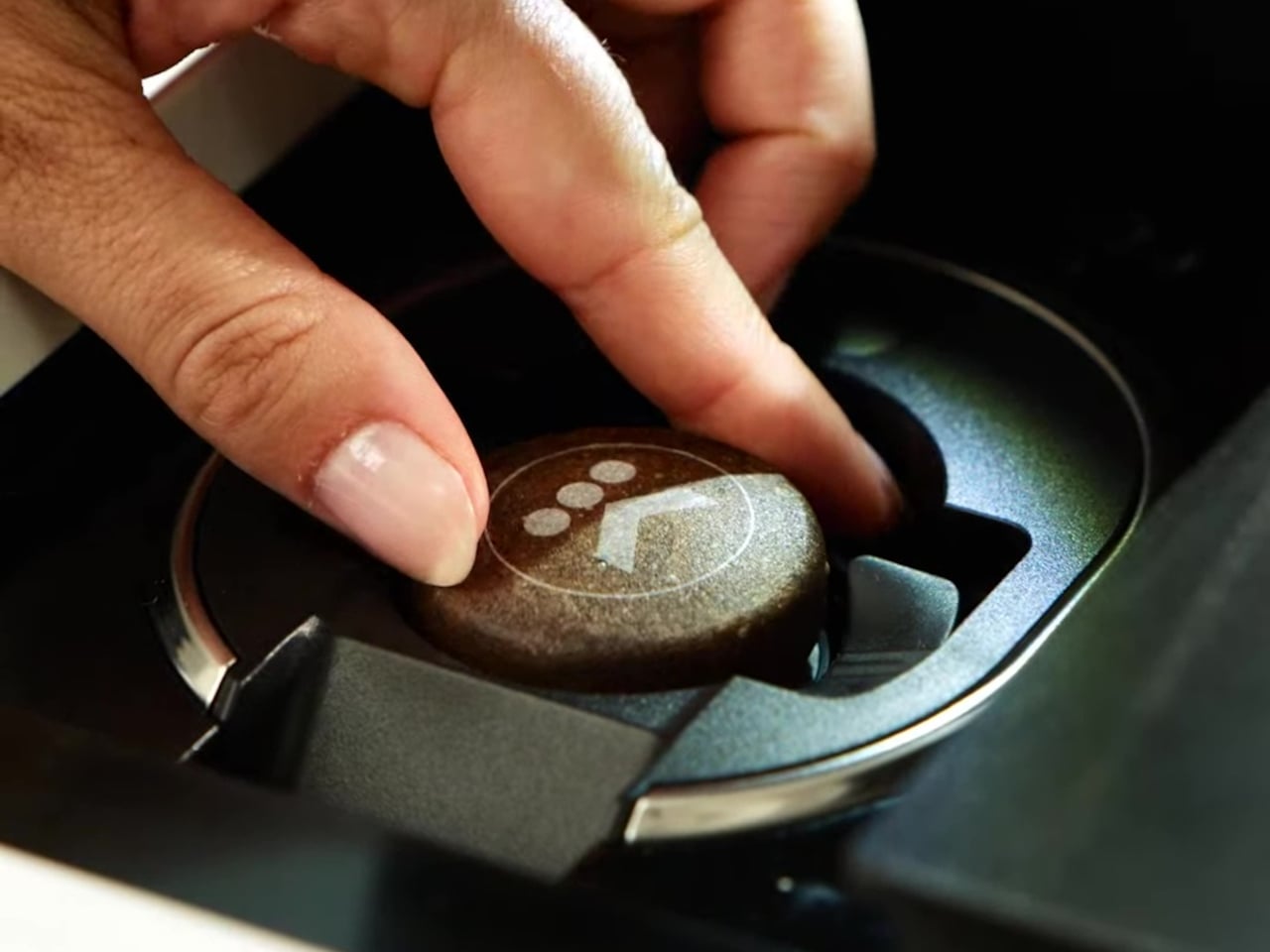
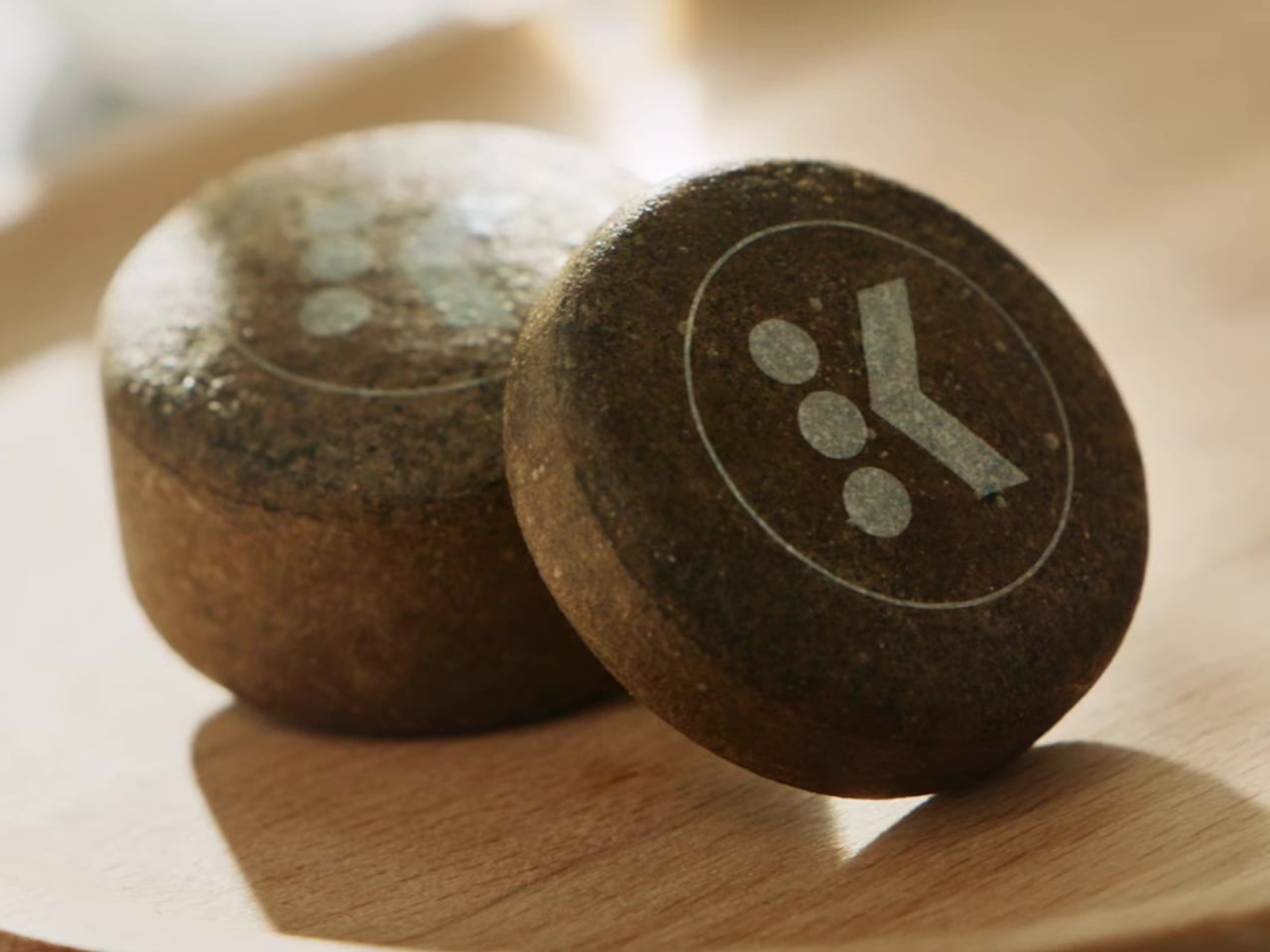
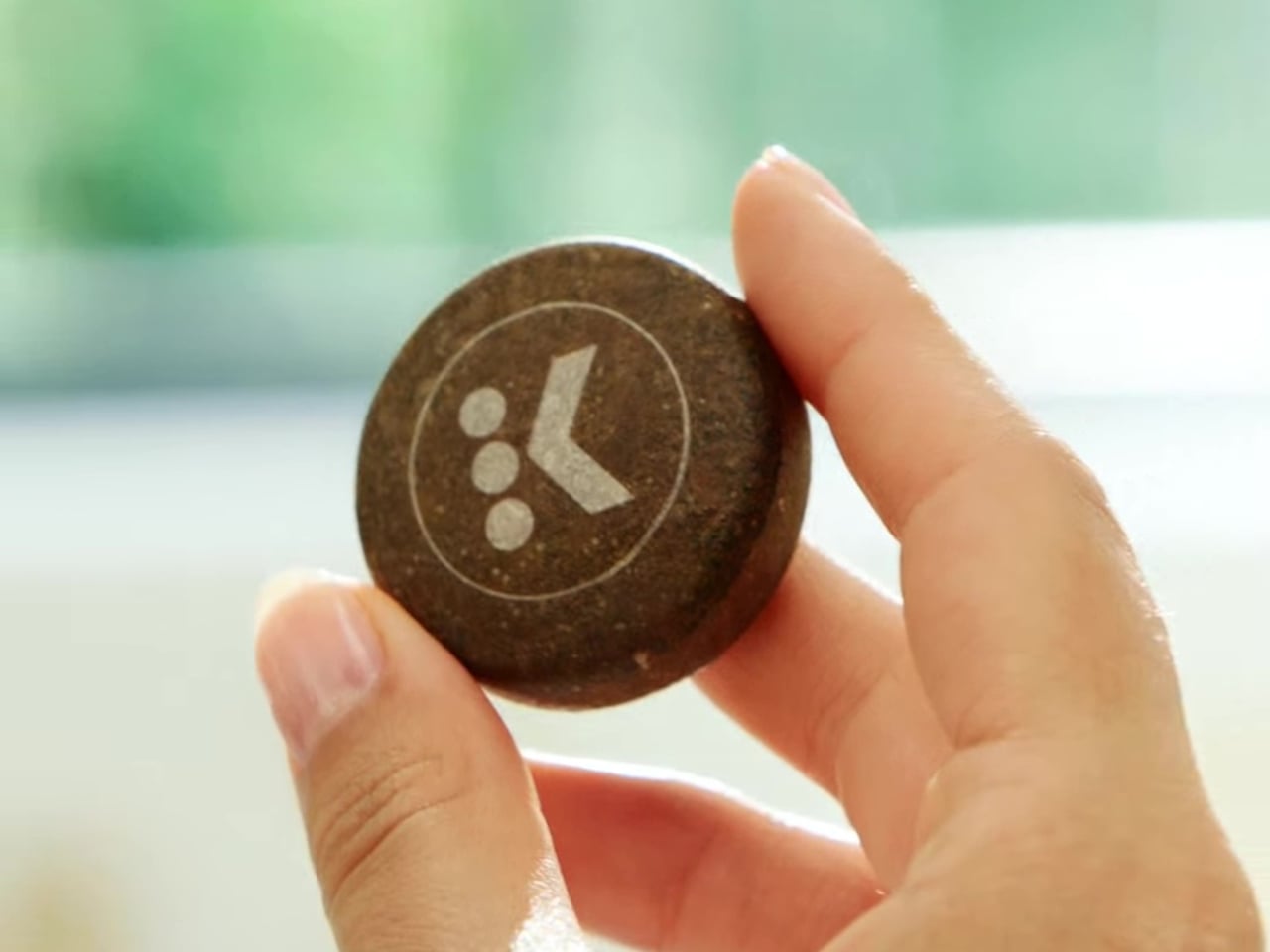
The smaller object changes the routine as much as the larger one. AltaRounds are ground coffee pressed into discs and held together by a plant-based coating derived partly from seaweed. There’s no rigid plastic shell or aluminum lid on the round itself. Once the coffee is spent, the puck can go into compost instead of joining the pile of used pods.

Drop one into the machine and a printed code tells the Alta which drink you’re making. It adjusts the temperature and pressure rather than asking you to remember settings before your cup. For espresso, water passes through holes made by spikes, and the brewer can deliver up to 10 bars of pressure. A shot no longer needs a separate machine or a practiced hand.
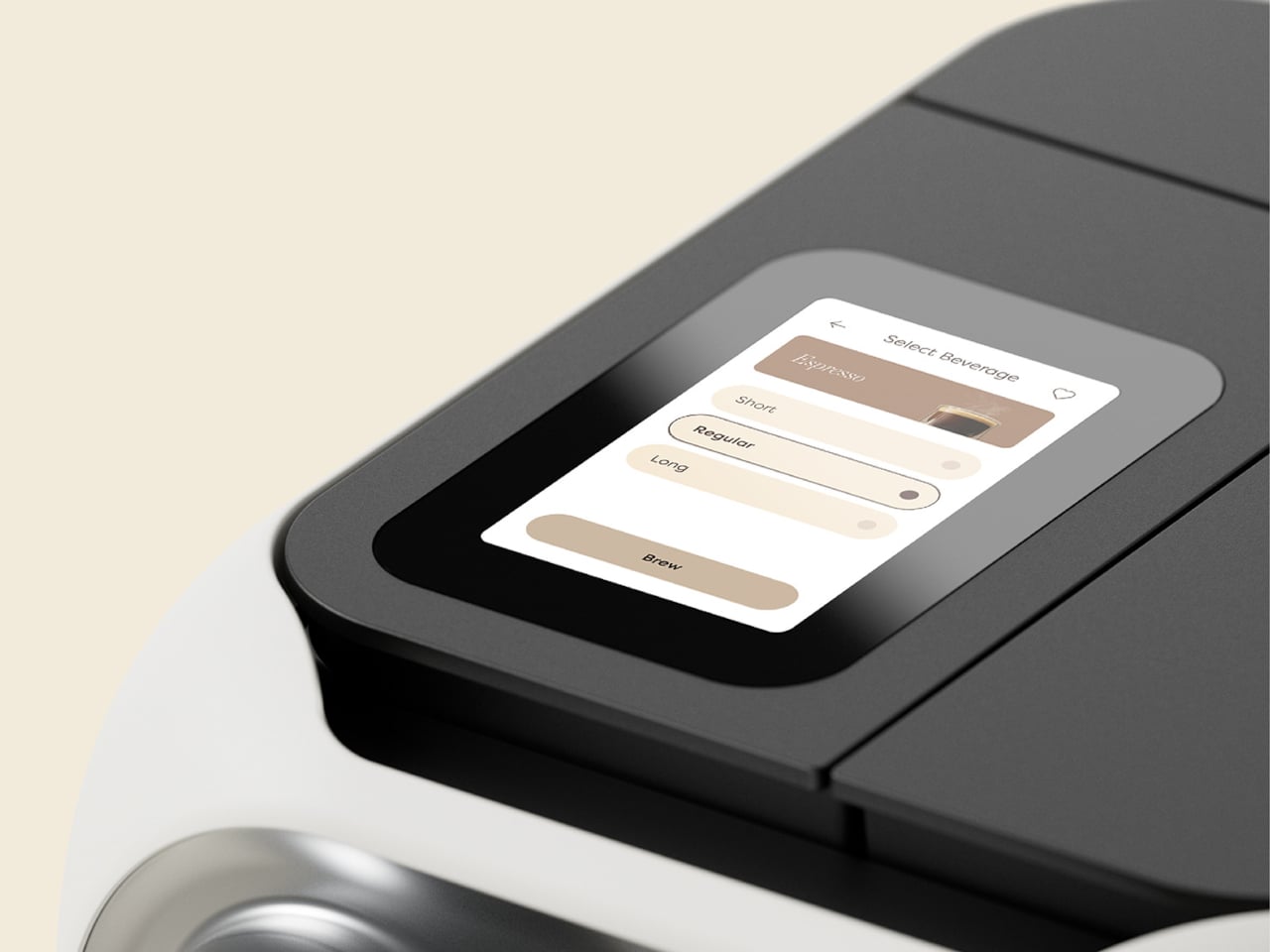
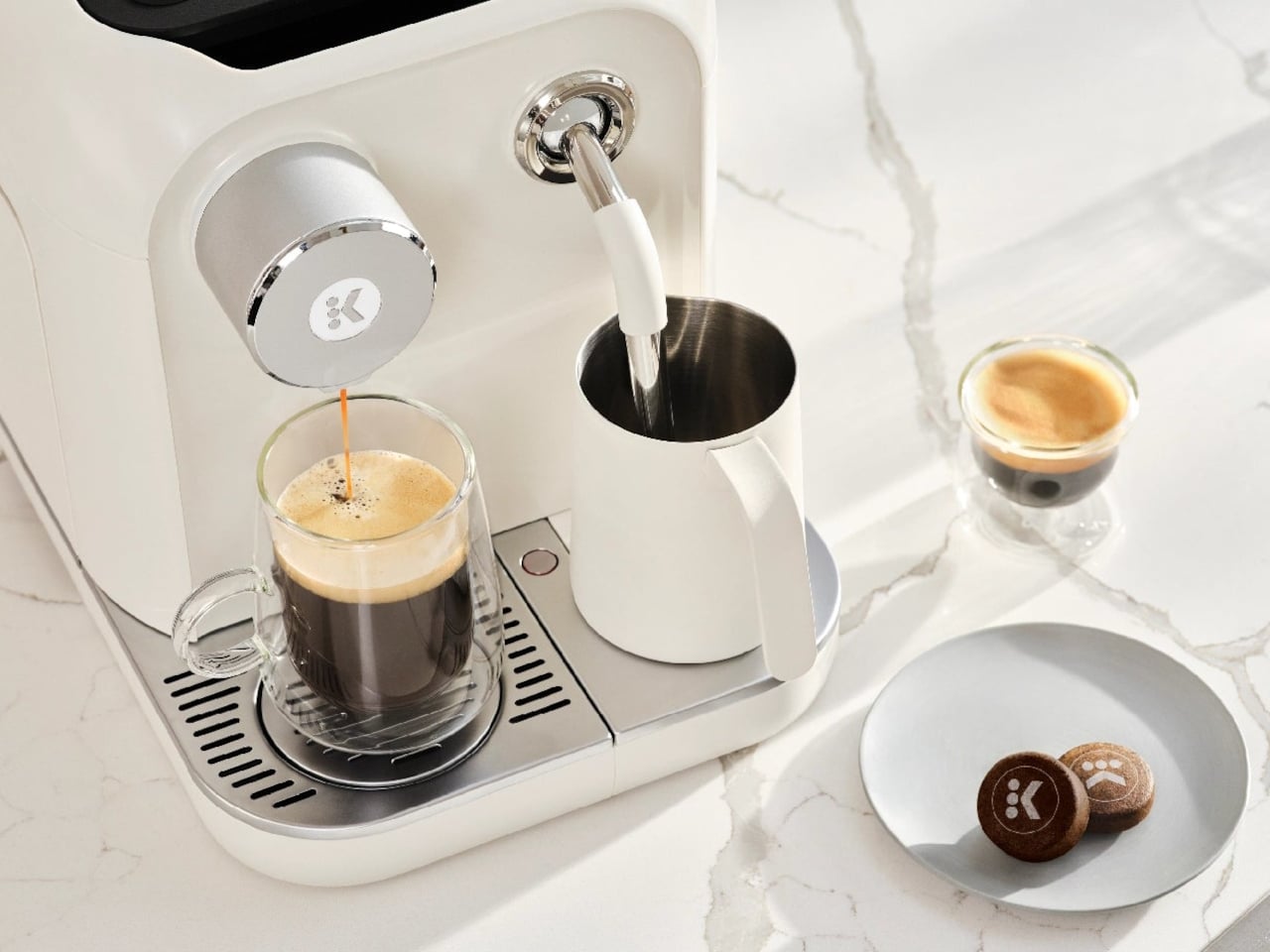
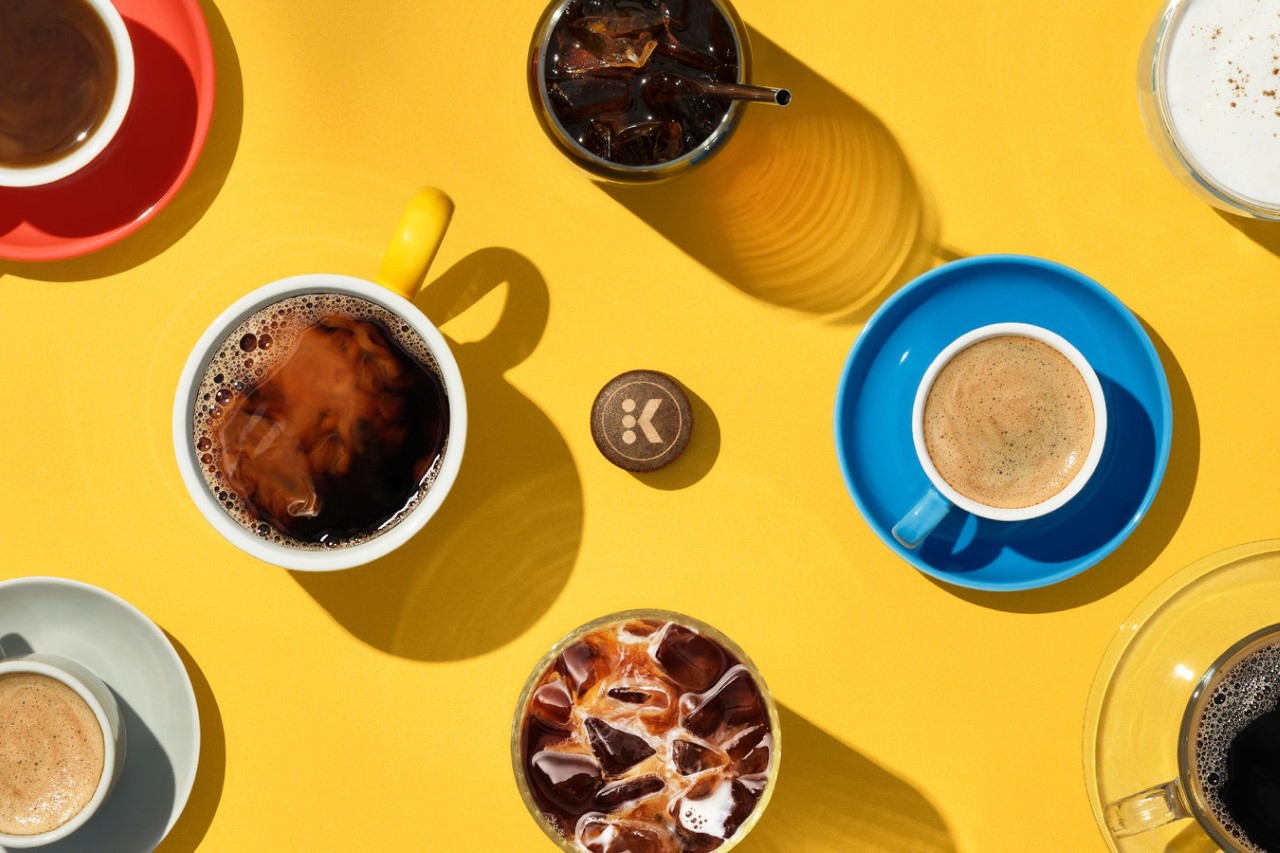
If that shot needs milk, the integrated frother can handle hot or cold foam. The touchscreen guides you through the steps, so a latte in the morning doesn’t require a second appliance or a row of unfamiliar buttons. There’s room for a cup of coffee too, and the available AltaRounds cover espresso as well as light, medium, dark, and caramel-flavored brews.

Of course, doing away with the plastic pod doesn’t mean doing away with plastic. Each AltaRound currently comes in a plastic wrapper to keep the coffee fresh, so there’s something to throw away before brewing. Keurig plans to replace those wrappers with paper, but that hasn’t happened yet. The spent puck may be compostable; the packaging you remove on the way there isn’t.
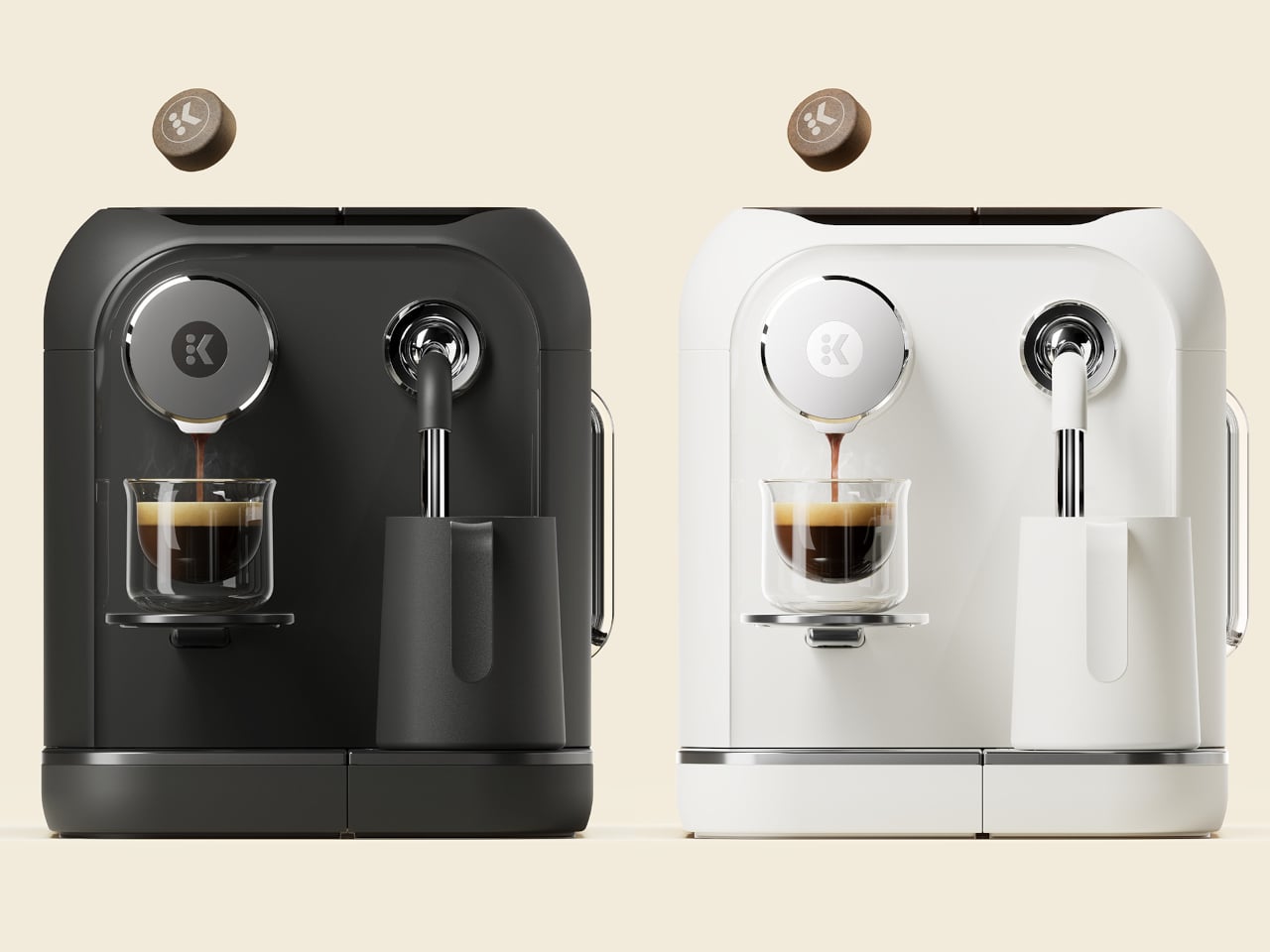
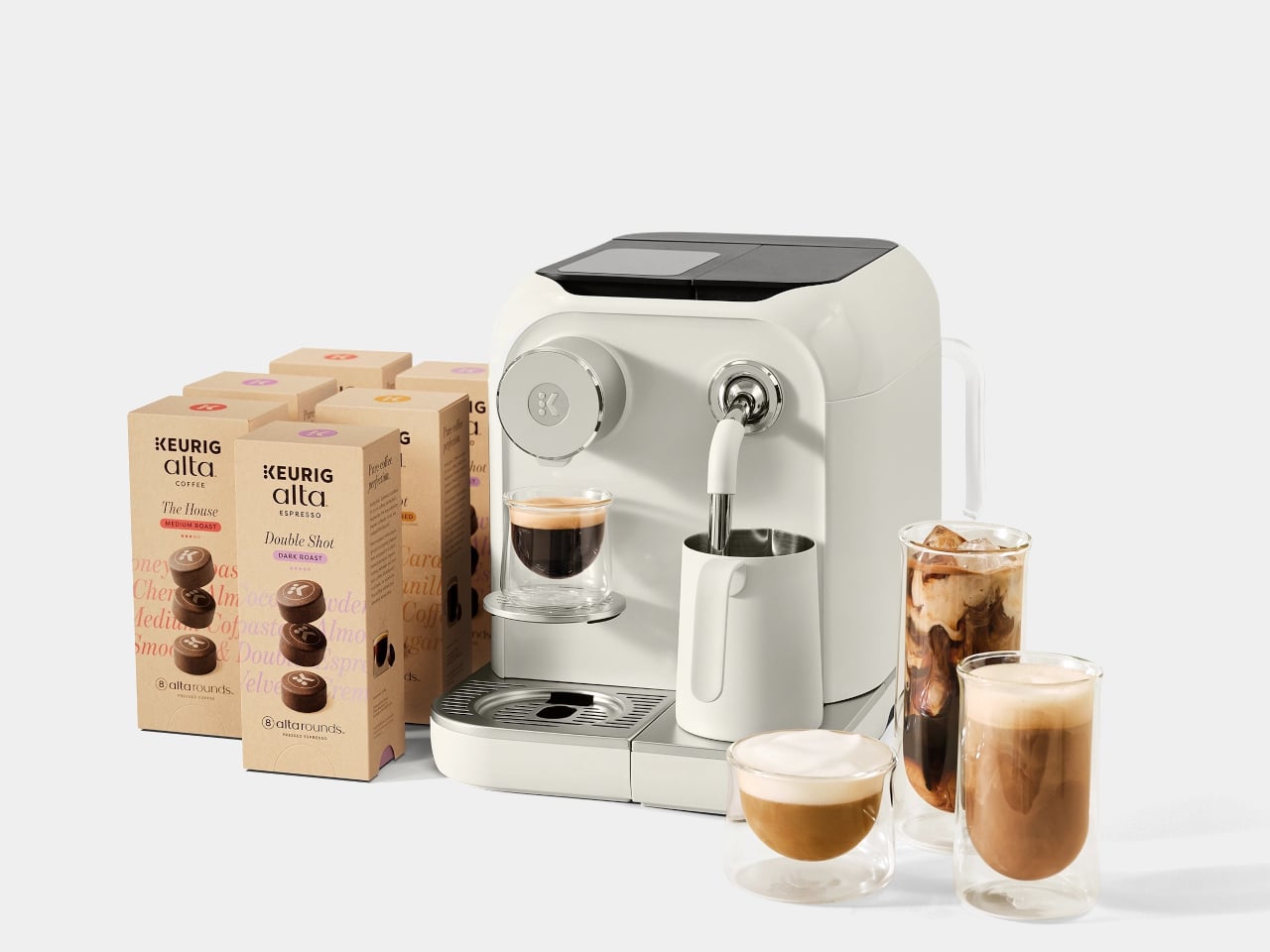
The other compromise sits on the price tag. The Alta’s $499.99 early-access bundle includes glassware and six boxes of coffee rounds, making it a considerable investment for a morning cup. It can also brew regular K-Cups, though those bring back the plastic waste its new system is trying to avoid. Even the most thoughtful brewer can’t decide which kind of pod you put inside.

A morning coffee routine is made of little gestures: opening a packet, loading the brewer, finding a mug, and clearing up afterward. The Alta changes several of them without asking you to learn the finer points of espresso. It still leaves a wrapper in your hand, unfortunately, but the spent puck can go into compost instead of leaving another plastic cup behind.
The post Every K-Cup You’ve Brewed Is Still in a Landfill, and Keurig Has a Fix first appeared on Yanko Design.
Keurig Just Killed The Coffee-Pod With Their New Biodegradable Compressed Coffee Pucks

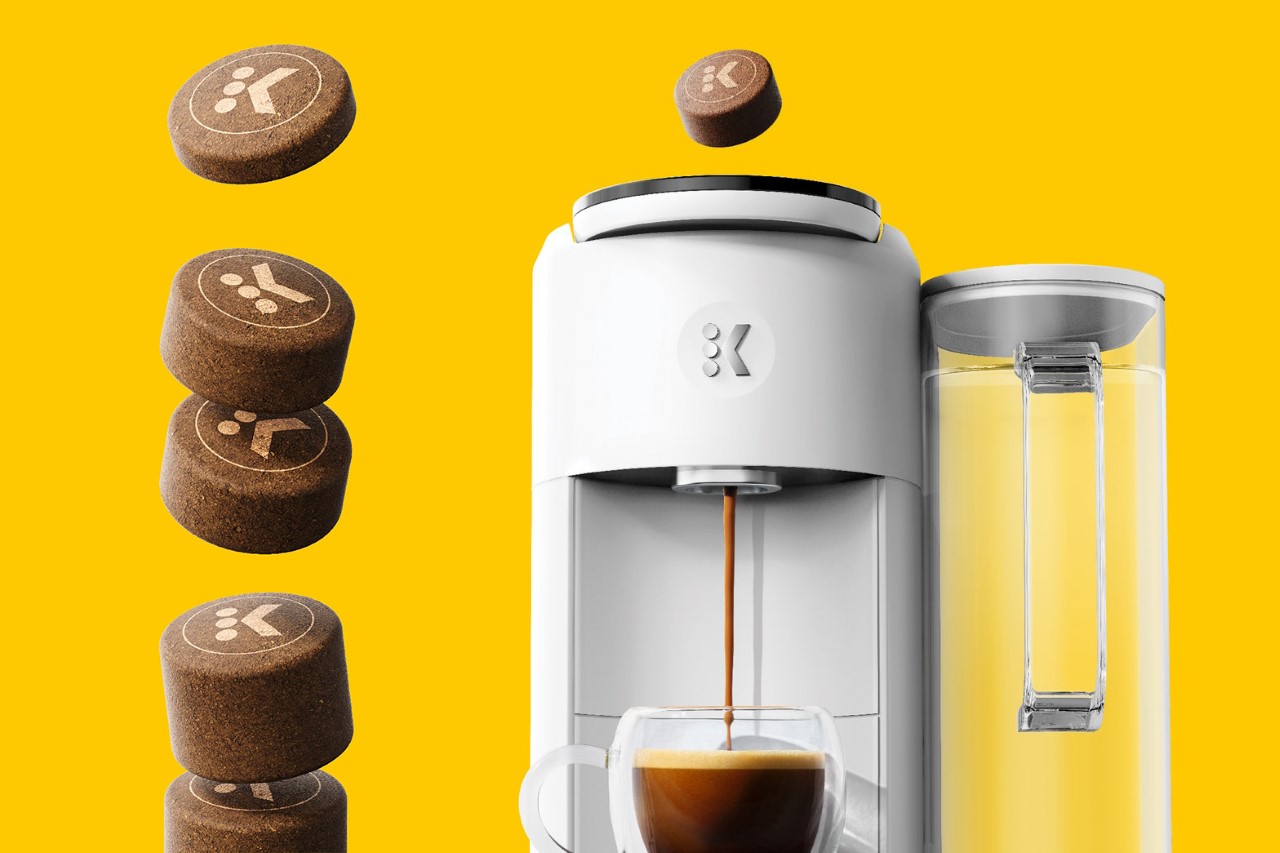
Around 2.25 billion cups of coffee are consumed on a daily basis, and even if a fraction of them are produced in Keurig or Nespresso machines, those are a LOT of coffee pods that get thrown in the waste after they’re used. Keurig’s finally tackling this persisting problem with the K-Round, an alternative to the pod that’s biodegradable, plastic-free, and still manages to produce a great brew. The K-Round is essentially a compressed disc or puck of coffee grounds (sort of how your local barista tamps down coffee into a puck), bound together with plant-based materials like cellulose. The K-Rounds go into Keurig’s upcoming machine, the Alta, which can process these rounds, extracting coffee from them without leaving you with a throwaway plastic and metal coffee pod like your regular Keurig machine currently does.

Designer: Keurig

Every company reaches a level of scale where it suddenly becomes difficult to sustain growth, and Keurig’s CEO Bob Gamgort mentioned that the company had reached that point. Creating great coffee is easy, but that isn’t precisely what Keurig does. The company creates great ‘single-serve’ coffee, helping users brew exactly one cup at a time instead of an entire pot and then having to either consume more coffee than needed or throw the rest. The company pioneered the single-serve coffee movement, and now, in order to grow even further, has realized that generating more waste in the form of use-and-throw pods isn’t particularly tenable.

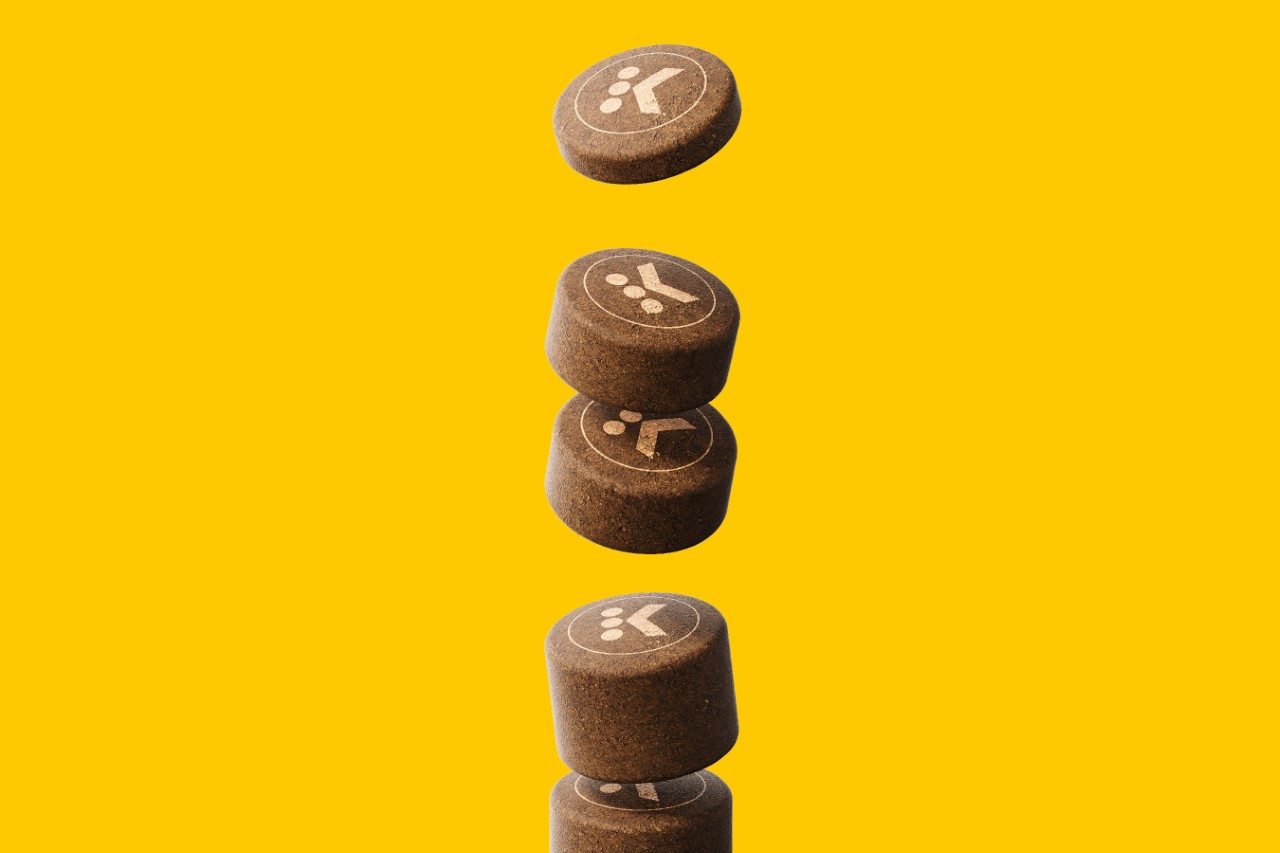
Enter the K-Round, a puck of compressed coffee that achieves a few things. For starters, it does away with the pod entirely, using only plant-based natural materials in its design. The K-Round is entirely biodegradable and leaves no waste apart from a small leftover disc that can easily be composted or discarded with natural waste. But more distinctly, the K-Round reinvents the perception of the pod by allowing users to have a sensorial experience BEFORE the coffee is even brewed. Most coffee pods are shrouded in mystery – nobody knows what’s in them or how they work, and all you really have is a label on top that tells you what’s inside the pod. The K-Round on the other hand, is much more sensorial. Users can actually look at the pod and see how coarse or fine the grounds are, or if they’re light or dark-roasted. The pods also give off a distinct coffee aroma, helping prepare you for the brewing/drinking journey you’re about to embark on, all while keeping the process relatively simple – place the pod in the machine, shut the lid, hit the button, and voila! Barista-level coffee brewed in mere minutes.

The K-Rounds are essentially just roasted/ground coffee that’s been compressed into the shape of a puck, and bound together using a plant-based coating of cellulose and alginate (the same stuff used to create those bursting pearls in boba tea). Different variants also have sorbitol, a form of sugar that’s 50% as sweet as sucrose, and is non-fermenting (you don’t want the coffee turning into alcohol in the pod). The engineers at Keurig Dr. Pepper (yes, that’s the name of the company, I didn’t know they were co-owned either) developed the K-Rounds to be space-saving, shelf-stable, and entirely plant-based, while still ensuring that the resulting coffee tastes great and doesn’t have any underlying undesired flavors or aromas. Their inspiration for the puck shape came from the way baristas tamped down coffee into pucks before loading them into coffee machines. The pucks come in a variety of sizes, depending on the type of brew. Espressos are smaller and flatter, while other ‘larger’ brews like double shots or tall cold-brews result in taller pucks. The K-Rounds currently only work with the upcoming Keurig Alta coffee machine, which can apparently identify each puck and automatically adjust temperature, water-level, and brew time accordingly. Notably, the Alta is designed to be backwards compatible too, and will accept the older use-and-throw K-Cups coffee-pods too. The Alta and K-Rounds don’t have an official date – Keurig says it’s still fine-tuning the two based on consumer feedback. If you want to be a part of the beta test, Keurig’s inviting coffee aficionados to sign up on their website.

The post Keurig Just Killed The Coffee-Pod With Their New Biodegradable Compressed Coffee Pucks first appeared on Yanko Design.