Japanese Designer Just Built a Real Shelf From Rolled Paper Sheets

When Japanese designer Muto Yumi set out to make furniture from paper, the result was not what most people would imagine. No papier-mâché. No origami-inspired folding. No cardboard box aesthetics salvaged and called art. What she produced is a modular furniture system so structurally sound and visually precise that it makes you question almost everything you assume about material strength and decorative surface.

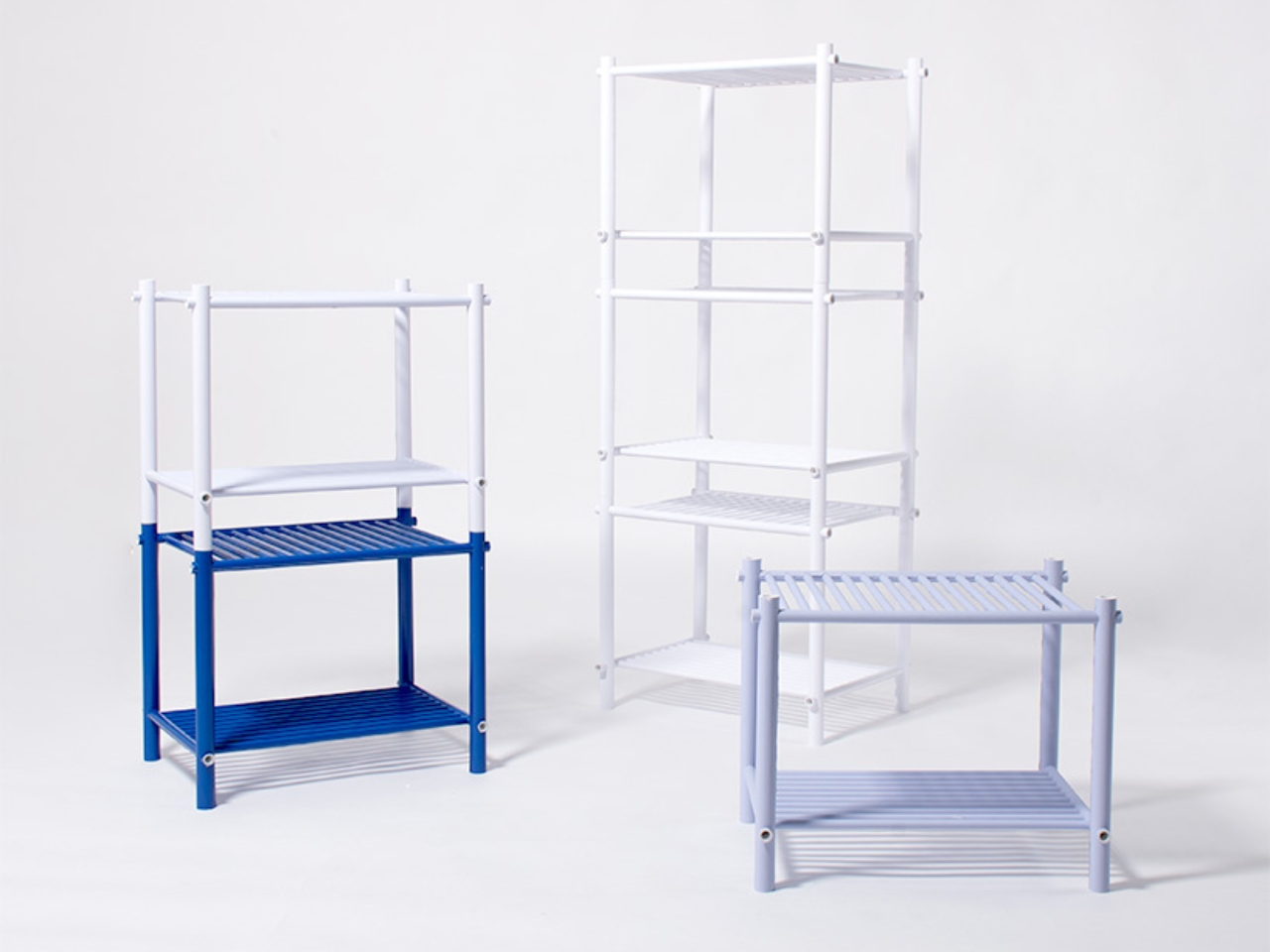
The project is called Pattern as Structure, and the name is not just poetic framing. It is literally the concept. Muto starts with flat sheets of paper pre-cut with holes arranged in a specific pattern. Roll that sheet tightly around itself, layer upon layer, and the paper transforms from something limp and delicate into a dense, rigid rod capable of bearing real weight. The physics of it are intuitive once explained, but watching it happen feels like a magic trick. A single sheet does nothing. Rolled and compressed, it becomes architecture.

Designer: Muto Yumi
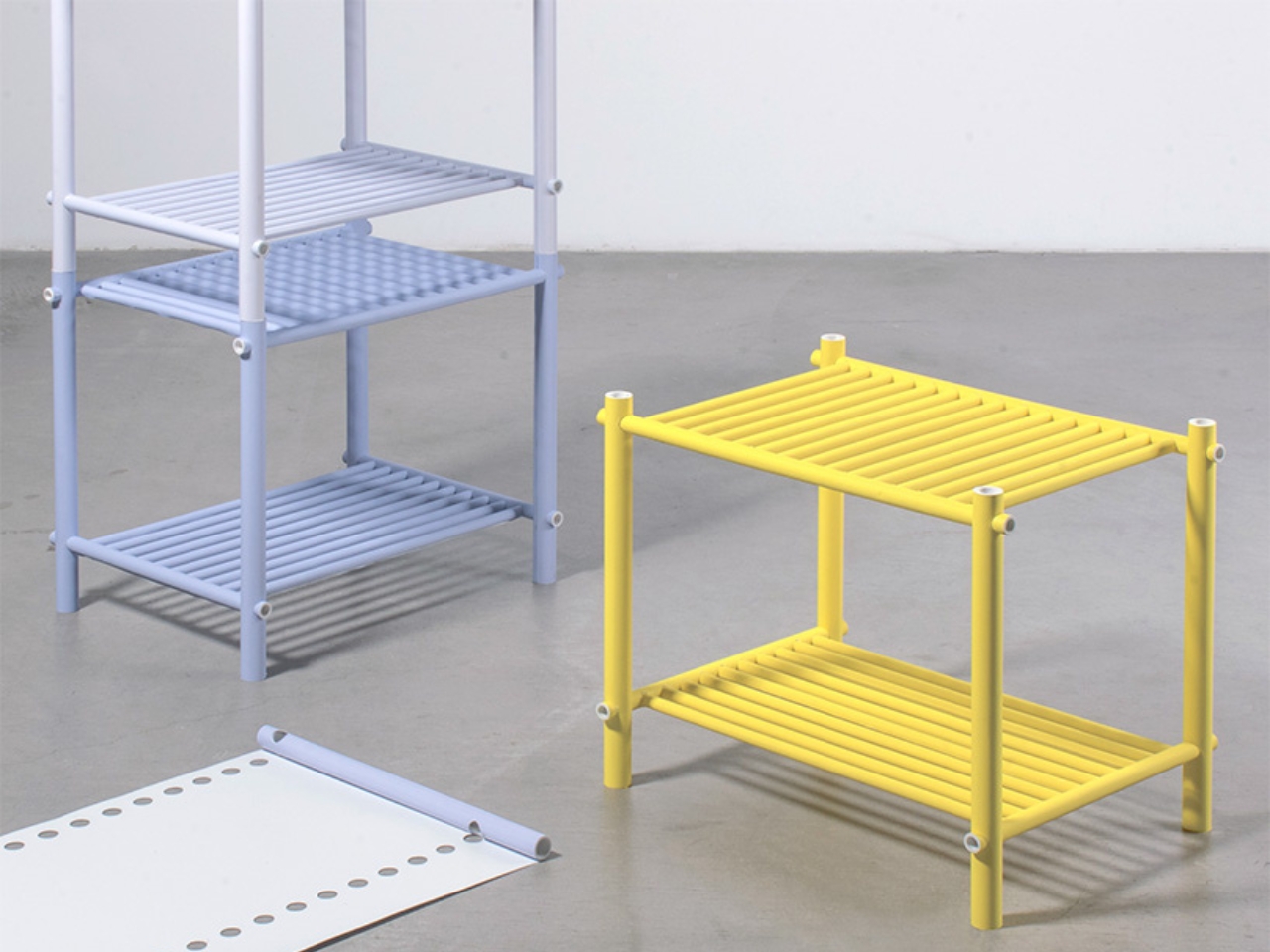
Here is where it gets more interesting. Those pre-cut holes that look like a graphic pattern on the flat sheet? Once the paper is rolled into a rod, those holes become tunnels running through its body. They are the connection points of the whole system. Other paper rods slot through them, linking one piece to the next without glue or hardware. The pattern was never just decoration. It was always the joint, the connector, the system’s logic. The aesthetics and the engineering are the exact same thing.
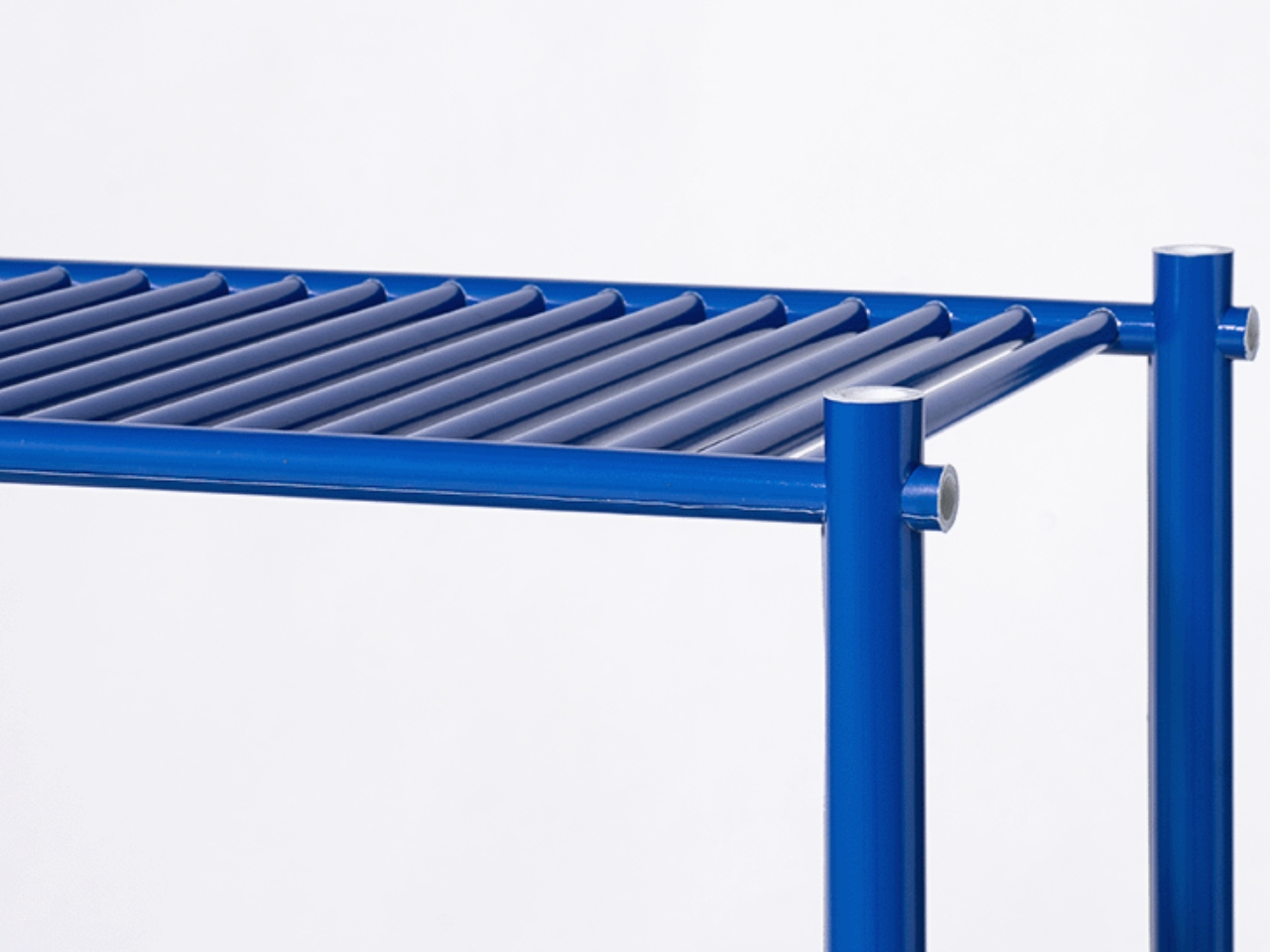
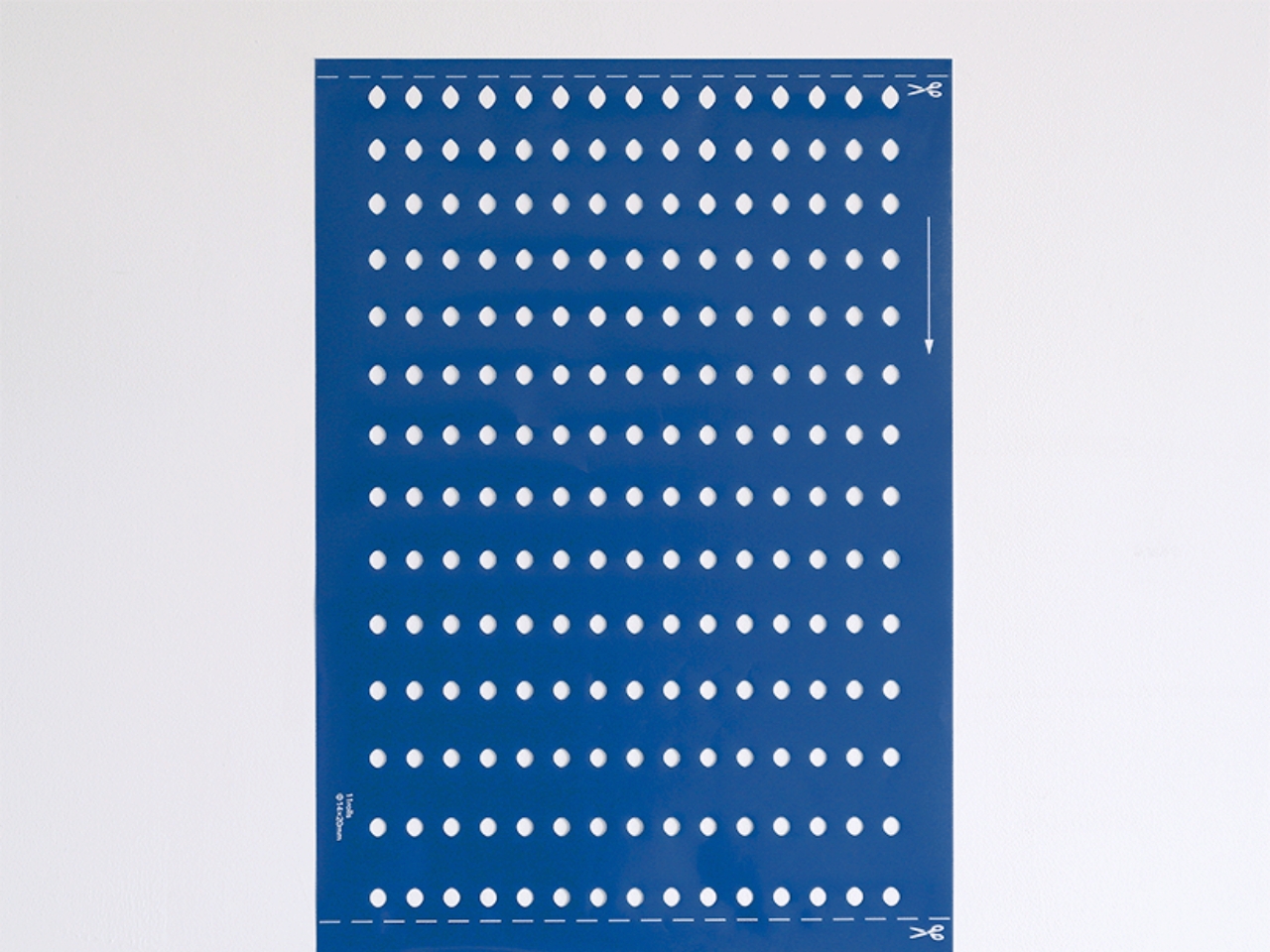
That kind of design clarity is genuinely rare. Most furniture design separates surface from structure, treating them as two different problems to solve. A frame holds the load; a finish makes it beautiful. Pattern as Structure collapses that division entirely. The surface IS the structure. The decoration IS the joint. You cannot take one away without destroying the other, and that coherence is what makes the project feel so resolved.
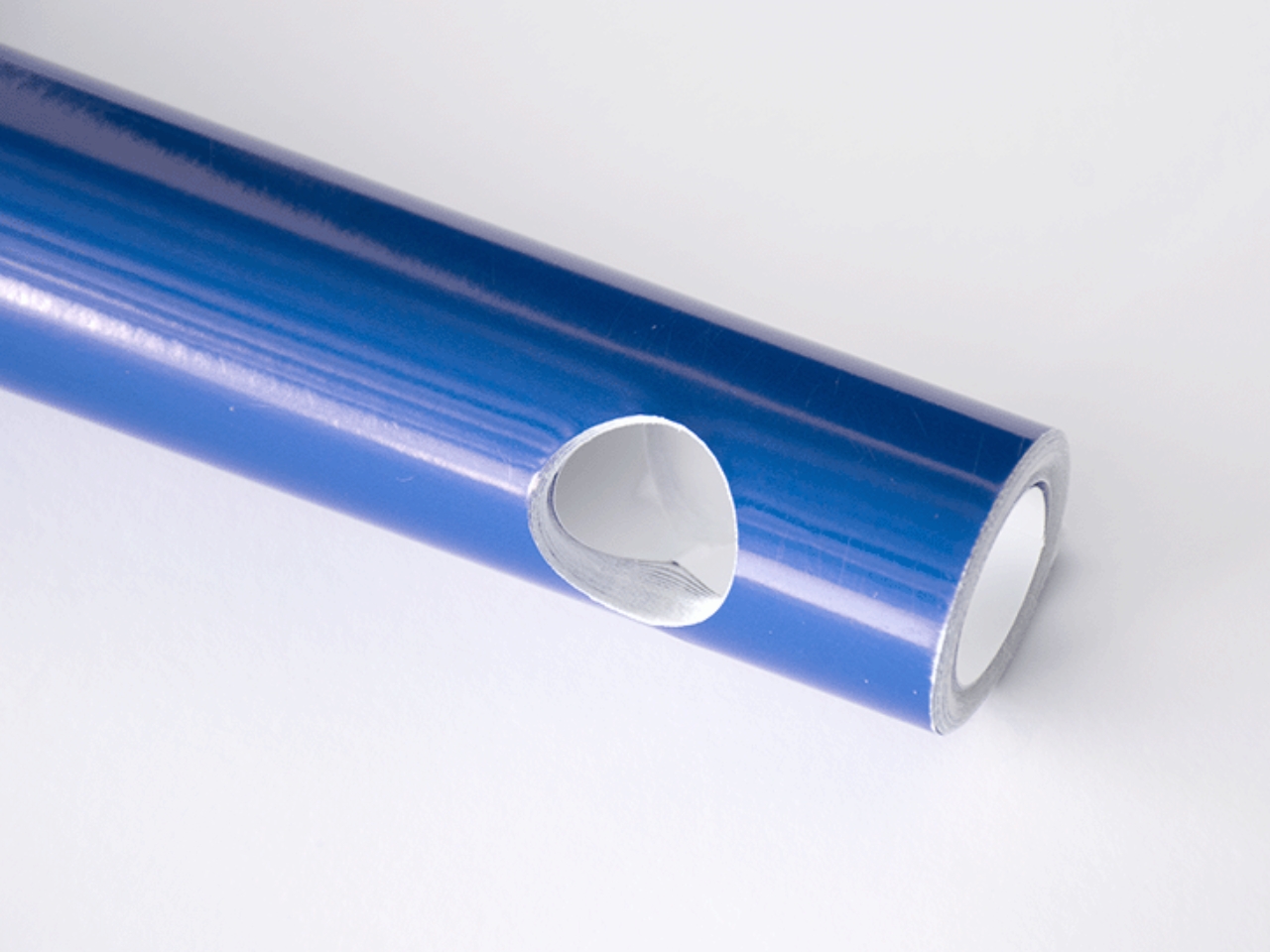
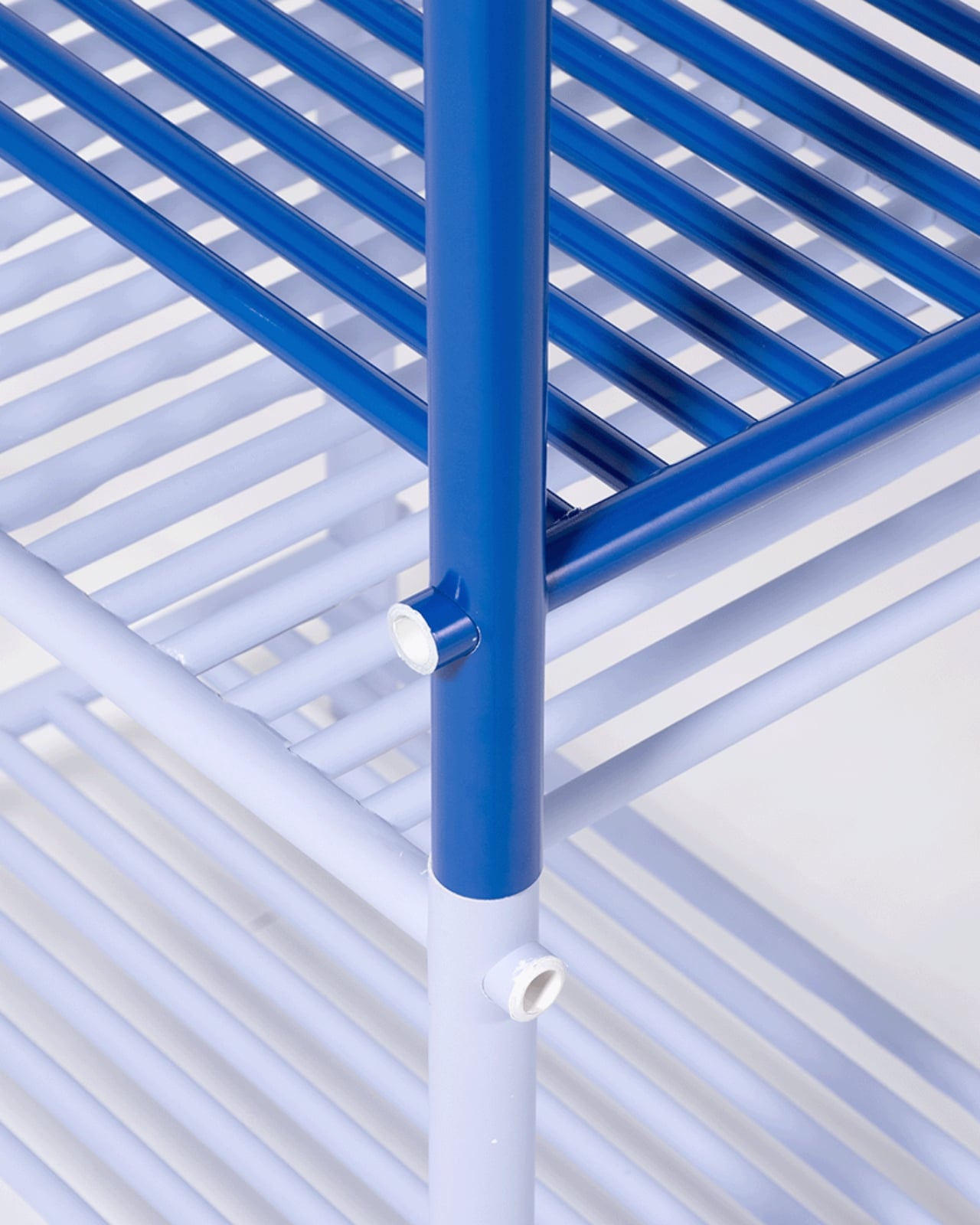
What Muto has produced so far is a family of open shelves in varying sizes. They look clean and slightly architectural, like something you would expect to find in a gallery or a well-curated apartment. But the real achievement here is not the object itself. It is the proof of concept. Because the rods are made from printed paper sheets, the color and graphics on the surface can change infinitely without altering the construction method at all. Want a shelf in deep terracotta? Stripe patterns? Illustrated surfaces? Print the sheet differently and roll it the same way. The structural logic stays identical. The visual language can do whatever it wants.
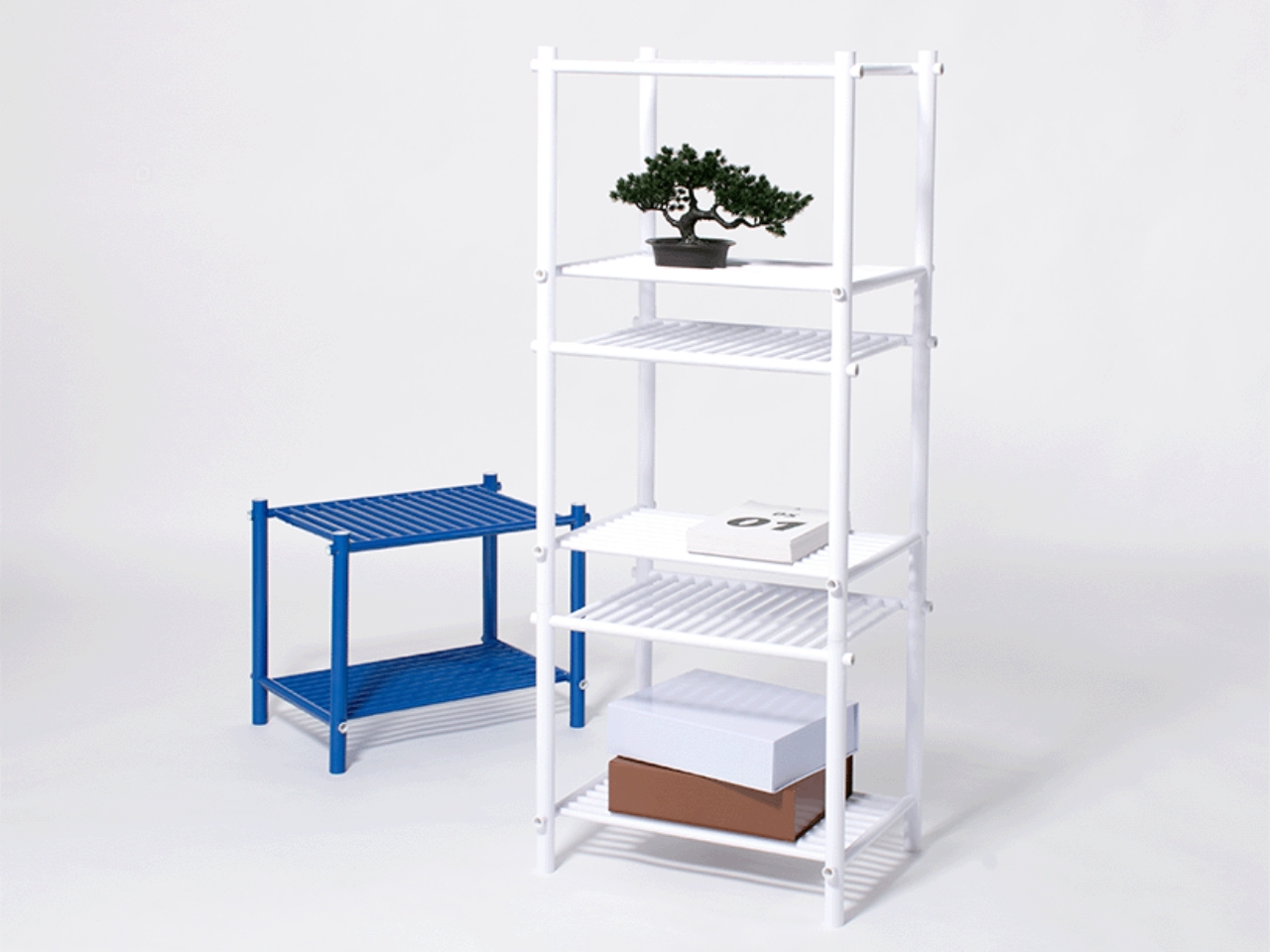
For anyone paying attention to design right now, this matters. The conversation around sustainable materials has become crowded with beautiful ideas that fall apart under practical conditions. Paper furniture is not new, but paper furniture that is also modular, reconfigurable, and visually customizable without requiring any change to its fabrication process? That is a more sophisticated argument. It asks whether we really need virgin timber, powder-coated steel, or injection-molded plastic to make things that last and look good. Muto’s answer is apparently no.
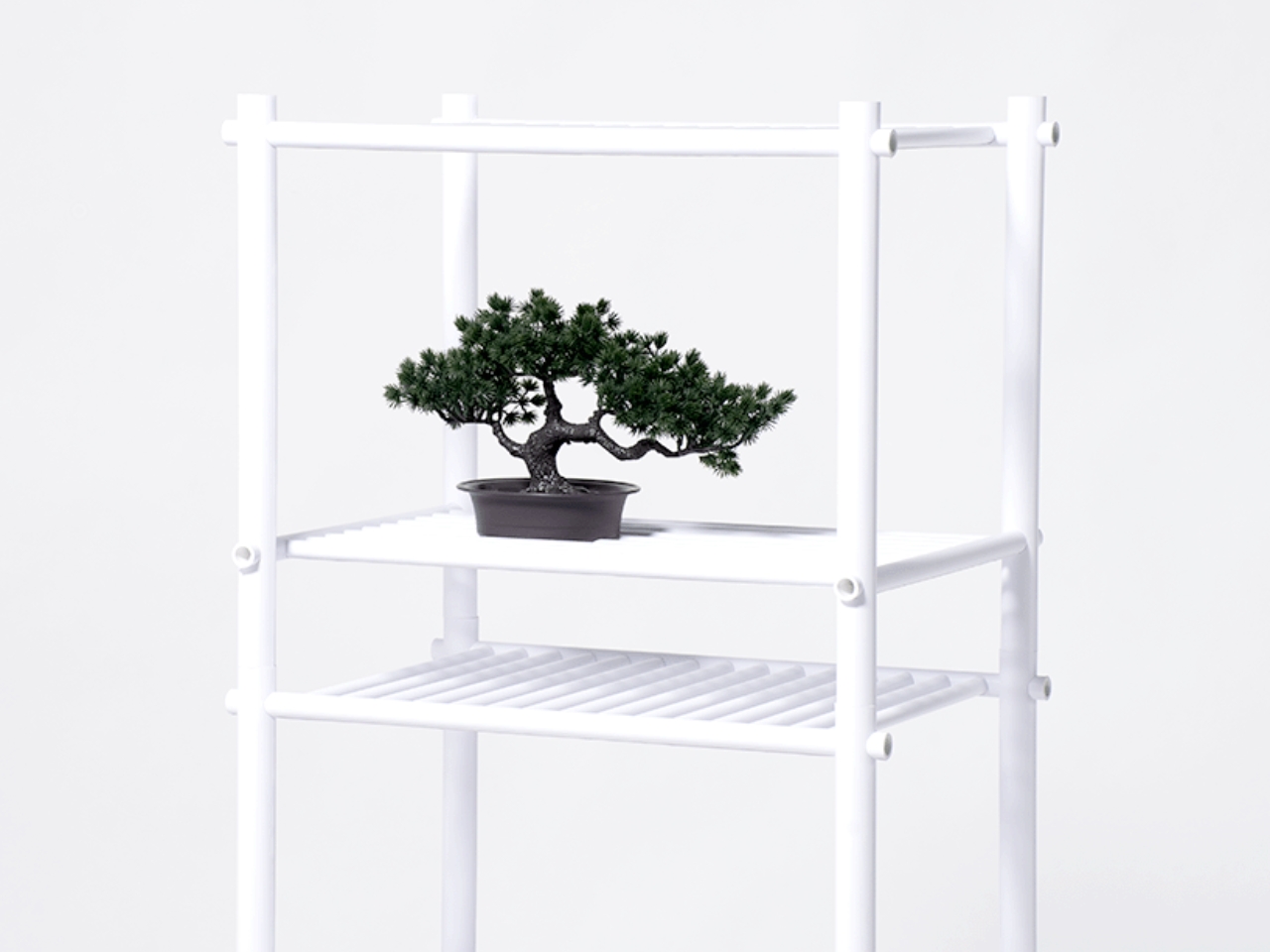
I keep returning to the honesty of the material choice too. Paper does not pretend to be something else. It does not mimic wood grain or stone texture or metal sheen. It is exactly what it is, and somehow that straightforwardness makes the furniture more interesting, not less. The pattern on each rod is visible. You can see the rolled layers at the cut ends. The making is part of the looking.
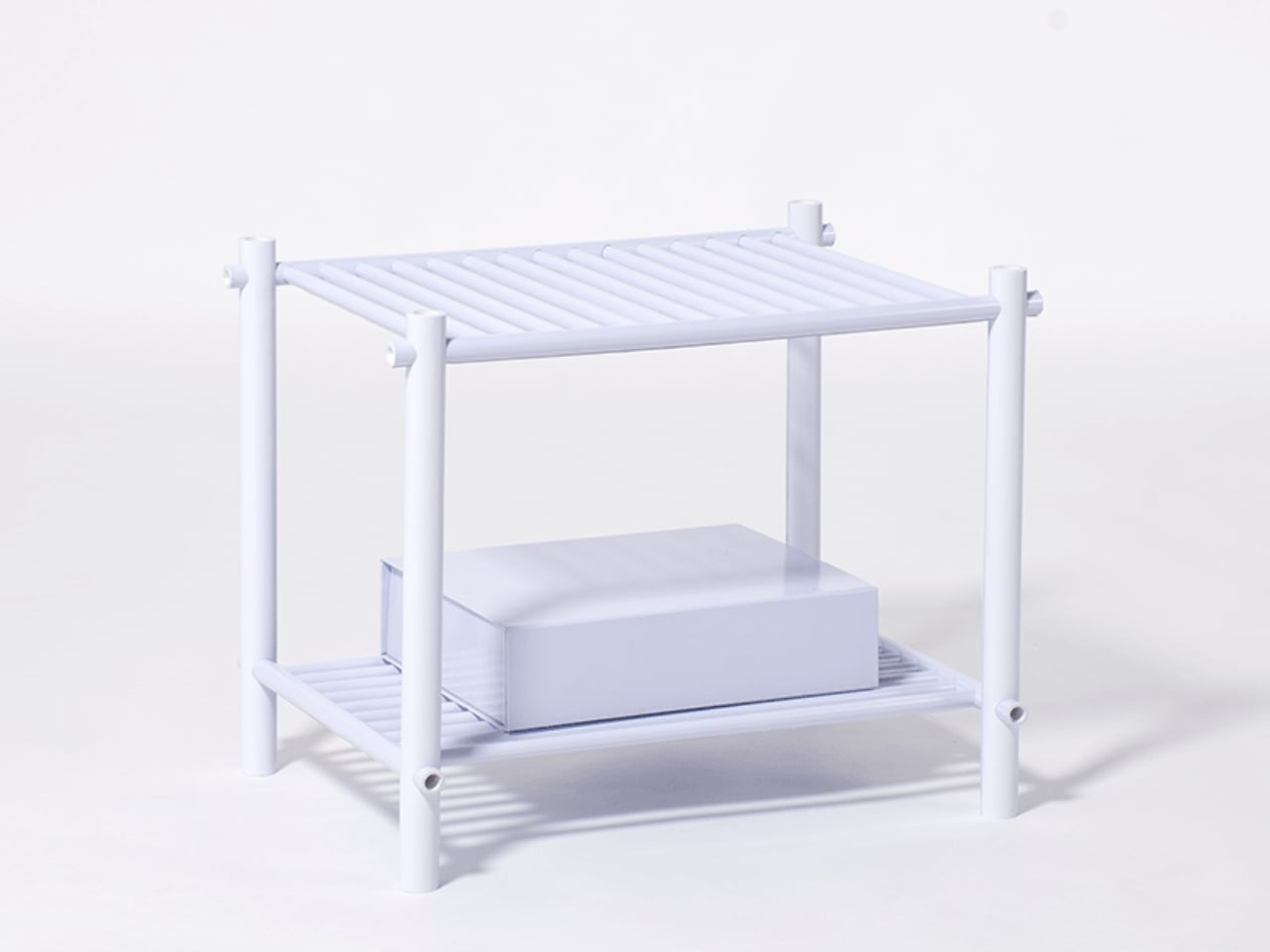
Design that is this conceptually tight often sacrifices warmth or approachability in the process. Pattern as Structure avoids that trap. The pieces feel considered without being cold. They feel experimental without being precious. And for a project made from something as unassuming as a sheet of paper with holes punched through it, that balance is quietly remarkable. Muto Yumi is someone worth watching. Not because she is working with expensive materials or chasing spectacle. But because she is asking better questions about what furniture is actually made of, and why.
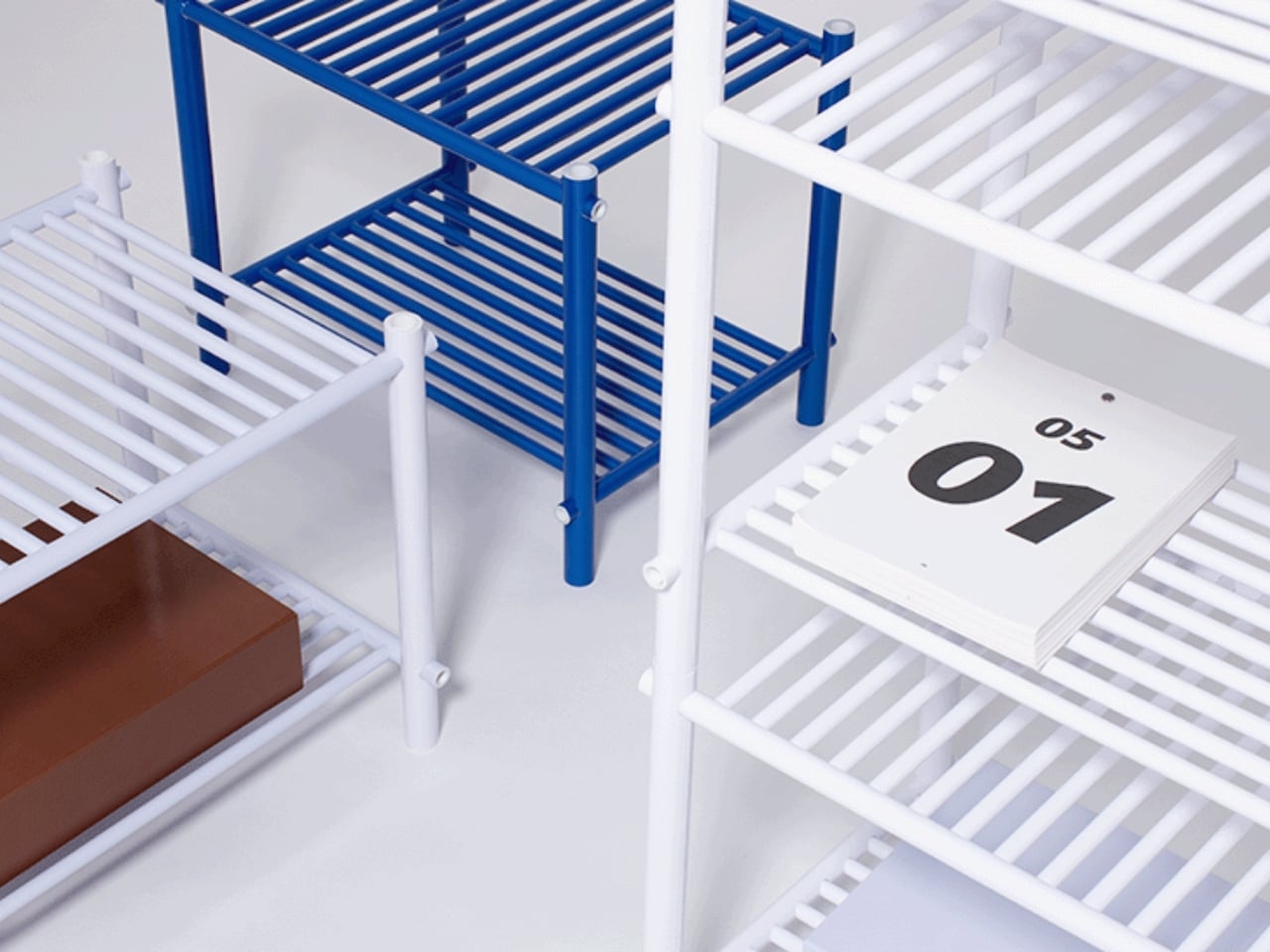
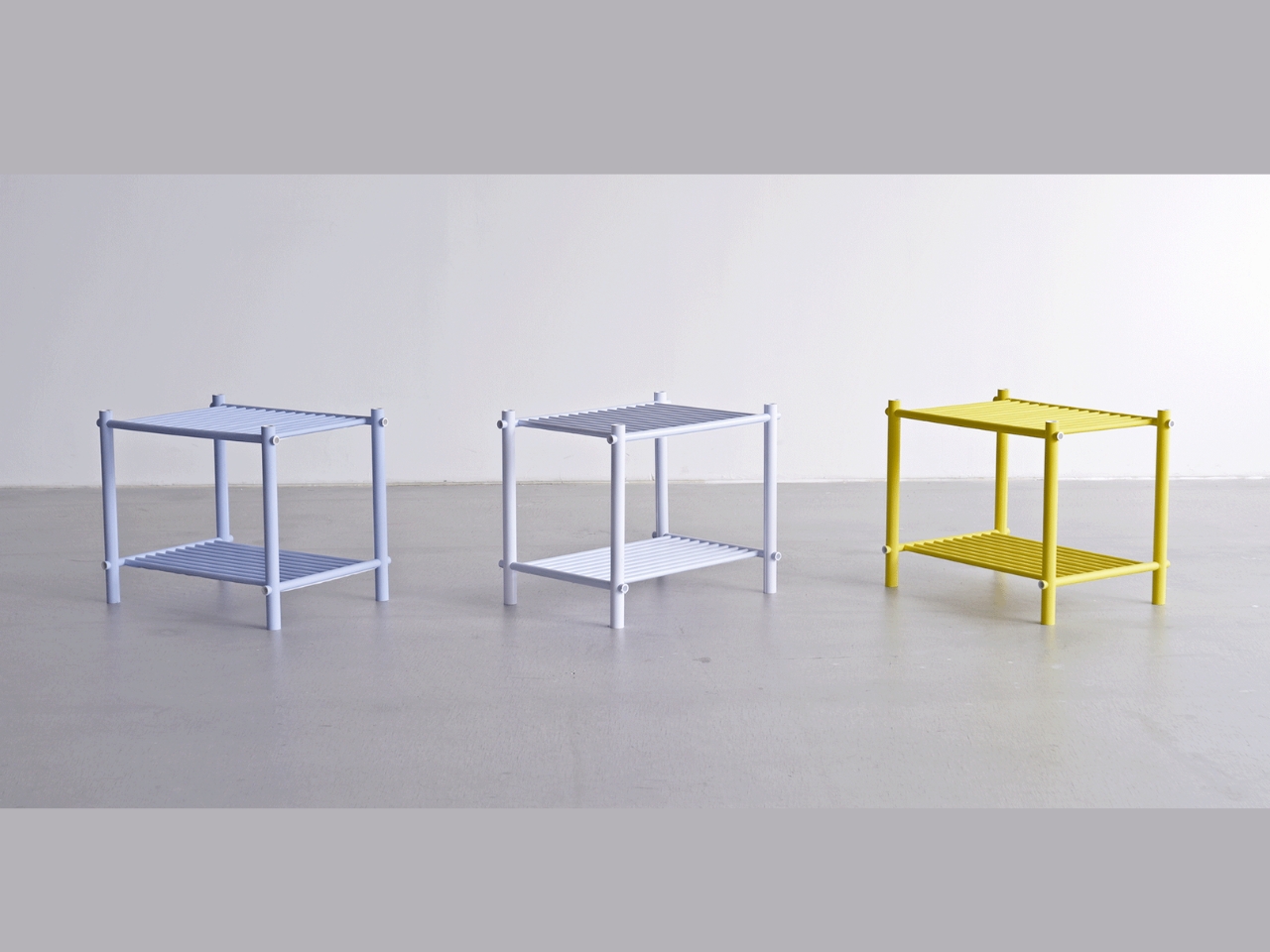
The post Japanese Designer Just Built a Real Shelf From Rolled Paper Sheets first appeared on Yanko Design.

Frame Your Collectibles with the Ultimate Adaptive Display System

Imagine the JudoGrid Modular Display System—a setup that grows with your passion. After years of refinement, JudoGrid has been designed to give your collectibles the spotlight they deserve. Whether it’s action figures, wargaming miniatures, or unique trinkets, JudoGrid adapts, evolves, and showcases your collection in a way that makes displaying a more active part of your hobby. Being fans and collectors, the JudoGrid team is dedicated to supporting their fellow hobbyists by providing a product that enhances the joy of collecting.

Designer: JudoGrid Team

Click Here to Buy Now: $48. Hurry, only 11/650 left! Raised over $75,00.

Built for the Future

Flexibility is at the core of JudoGrid’s design, built to grow with your collection. The system features expandable segments that allow you to easily adjust your display case’s size and depth—just picked up ten new action figures? No problem—Judo has you covered. Add or remove segments to create a display that perfectly fits your space and collection needs. JudoGrid offers a variety of shelving options, enabling you to configure your display exactly how you envision it.

The pegboard backing provides 360 degrees of customization, letting you arrange shelves, hooks, and accessories to suit every angle. This dynamic setup supports your current display and adapts to future expansions, making JudoGrid a versatile solution that evolves alongside your growing collection.

Precision in Design

Precision in design is key. The materials are chosen for both strength and visual appeal, with smooth surfaces and clean lines creating a contemporary look that enhances the impact of your display. JudoGrid goes beyond simple storage—it elevates the presentation of your cherished items, making your collection a true reflection of your style and passions.

The sleek, modern design fits effortlessly into any environment, blending functionality with style. Made from high-quality, injection-molded materials, JudoGrid ensures durability and ease of use. The solid pegboard foundation and shelves hold everything securely, supporting collections and figures of all sizes, from small and compact setups to large collector statues. JudoGrid is up for the challenge.

Customize Your World

JudoGrid is all about customization and adaptability, allowing you to organize and highlight your items precisely. With various shelves, hooks, holders, and stands, you can arrange your collection exactly how you want, and as your collection evolves, so can your display. You can choose from various color schemes, from sleek monochrome tones to vibrant hues.
Integrated LED lighting further enhances your display, allowing you to adjust the intensity and color to create the perfect ambiance—from subtle highlights to dramatic and moody lighting. JudoGrid’s durable acrylic windows provide a clear view of your collectibles while protecting them from dust and damage.

Effortless Setup, Endless Possibilities

Setting up your JudoGrid display is as enjoyable as curating it. The components snap or screw together easily and quickly, with no need for special tools. The intuitive design makes assembly simple, so you can focus on arranging your collection. Whether mounted on a wall or free-standing on your desk, JudoGrid fits seamlessly into your life. The modular components can be configured to suit your needs, maximizing wall space with a vertical display or spreading across a tabletop. The sky is literally the limit!

Who Is This For?

At its core, JudoGrid is designed for passionate collectors and hobbyists who want to give their fandoms the display they deserve. Whether you’re a miniature enthusiast, action figure collector, wargamer, or trading card slinger, JudoGrid provides a versatile solution tailored to your needs.

It’s perfect for anime figure collectors looking for the ideal showcase or hobbyists like miniature painters and D&D players who need specialized accessories to hold their 20th set of fancy dice. JudoGrid offers paint holders, brush organizers, and compartments for storing dice, miniatures, and other game accessories, ensuring your hobby stays organized and ready for action.
Looking Forward to the Future

Once the Kickstarter campaign is completed, JudoGrid will indeed come alive with the launch of its online configurator service. This innovative tool will allow collectors to build, visualize, and customize their display cases with ease, planning out every detail—from size and color to accessories—and having their personalized design shipped directly to their door.

The configurator will also make it simple to add new parts and plan future expansions as collections grow. With a continually expanding catalog of accessories, collectors will have an array of options to accent and elevate their figures, ensuring their displays evolve alongside their passions. JudoGrid is dedicated to making the showcasing experience more dynamic, personal, and user-friendly.

A New Era in Display

Finally, JudoGrid transforms display cases from mere storage into an exhilarating part of the collector’s journey. This innovative approach celebrates your collection, making the display an accentuating centerpiece of your experience. It’s a breakthrough that promises to make showcasing as thrilling as acquiring.

Click Here to Buy Now: $48. Hurry, only 11/650 left! Raised over $75,000.

The post Frame Your Collectibles with the Ultimate Adaptive Display System first appeared on Yanko Design.

Modular and multi-functional shelf and mirror is an aesthetic addition to your space

Normally, the shelves that I look for or I actually get have one purpose only: to hold and store my books. And I have a lot, and I mean a lot, of books. But there are times when I want to be able to get something that is also decorative or can be a conversation piece (although that still hasn’t happened yet since I still need for it to just be functional). A lot of designers now are creating ideas, concepts, and sometimes actual products, that can be multi-functional and modular and shelves are no exceptions.

Designer: João Teixeira

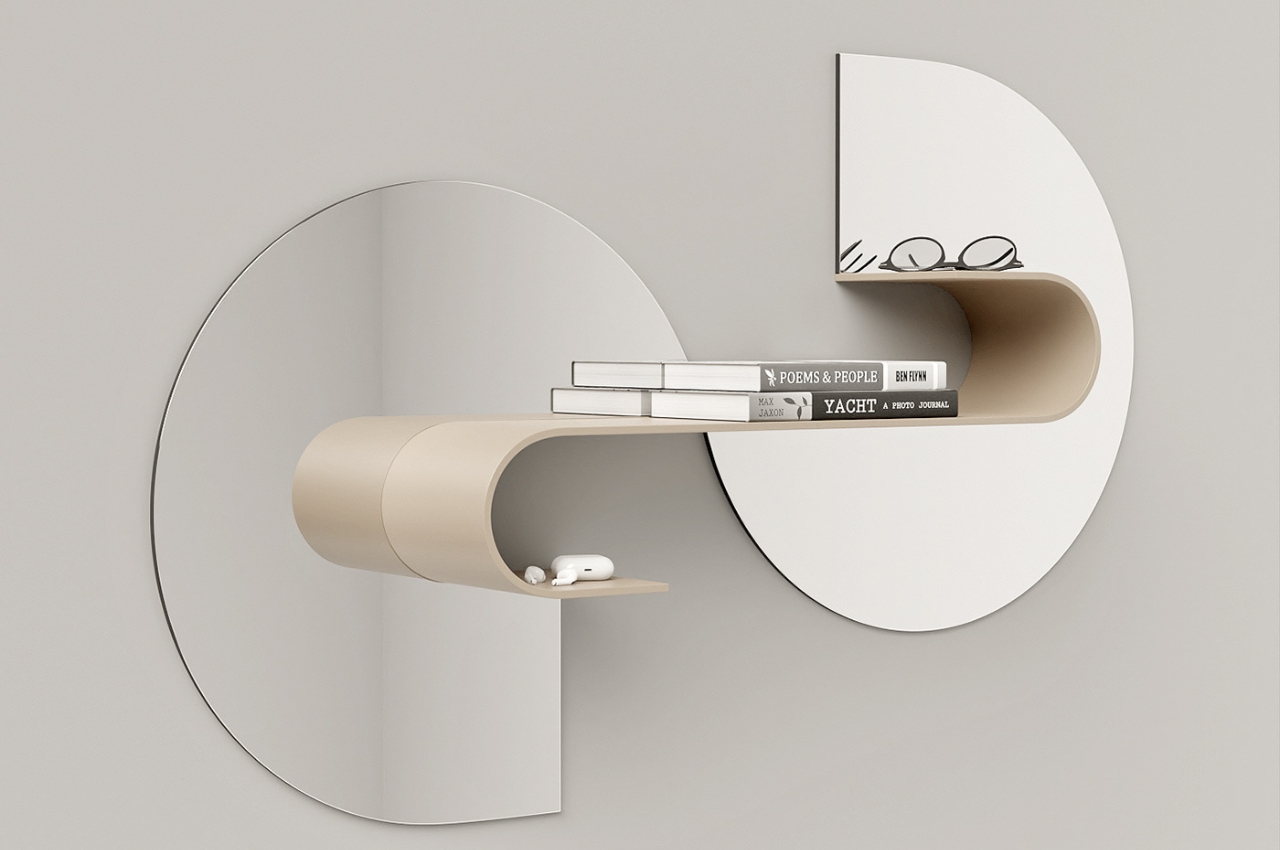
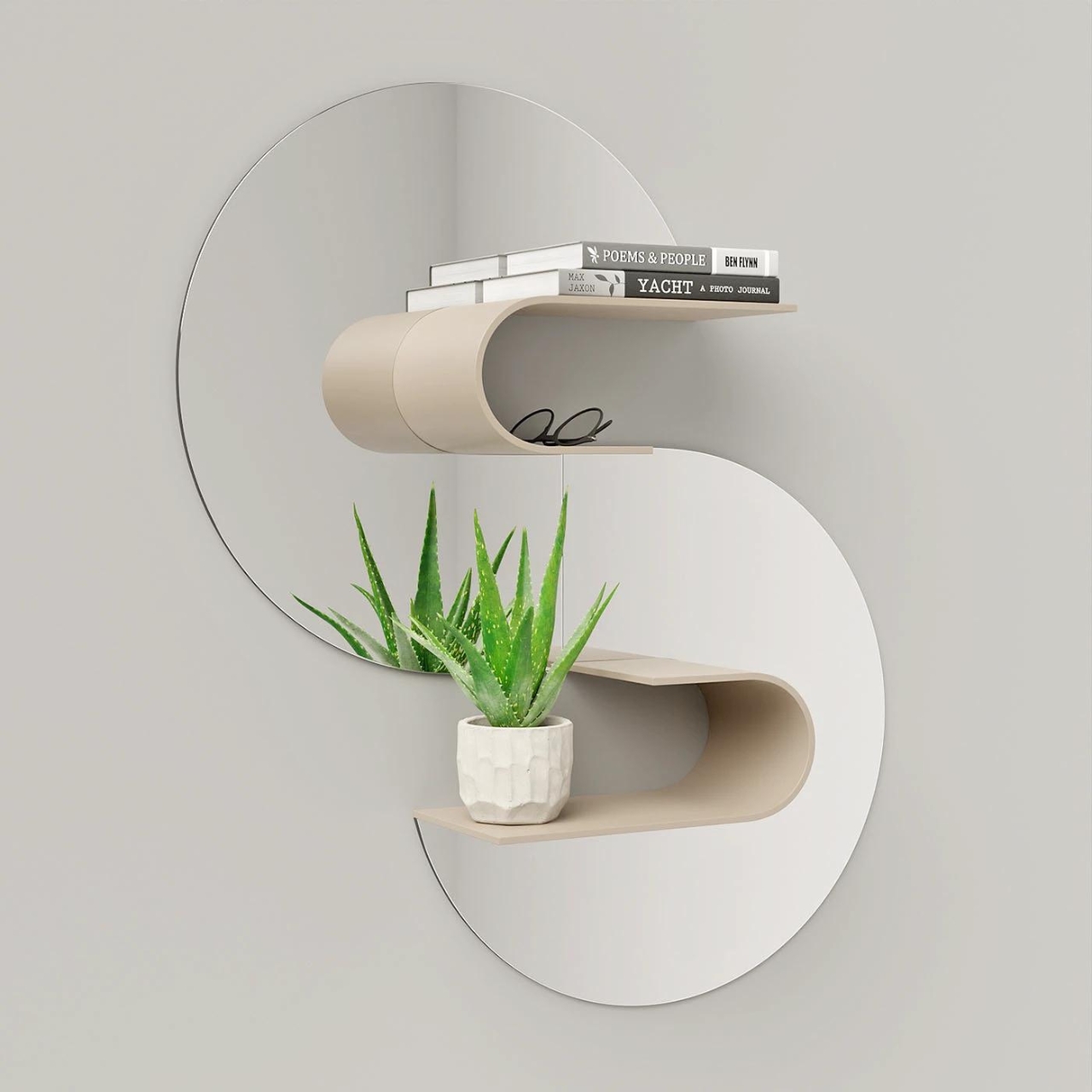
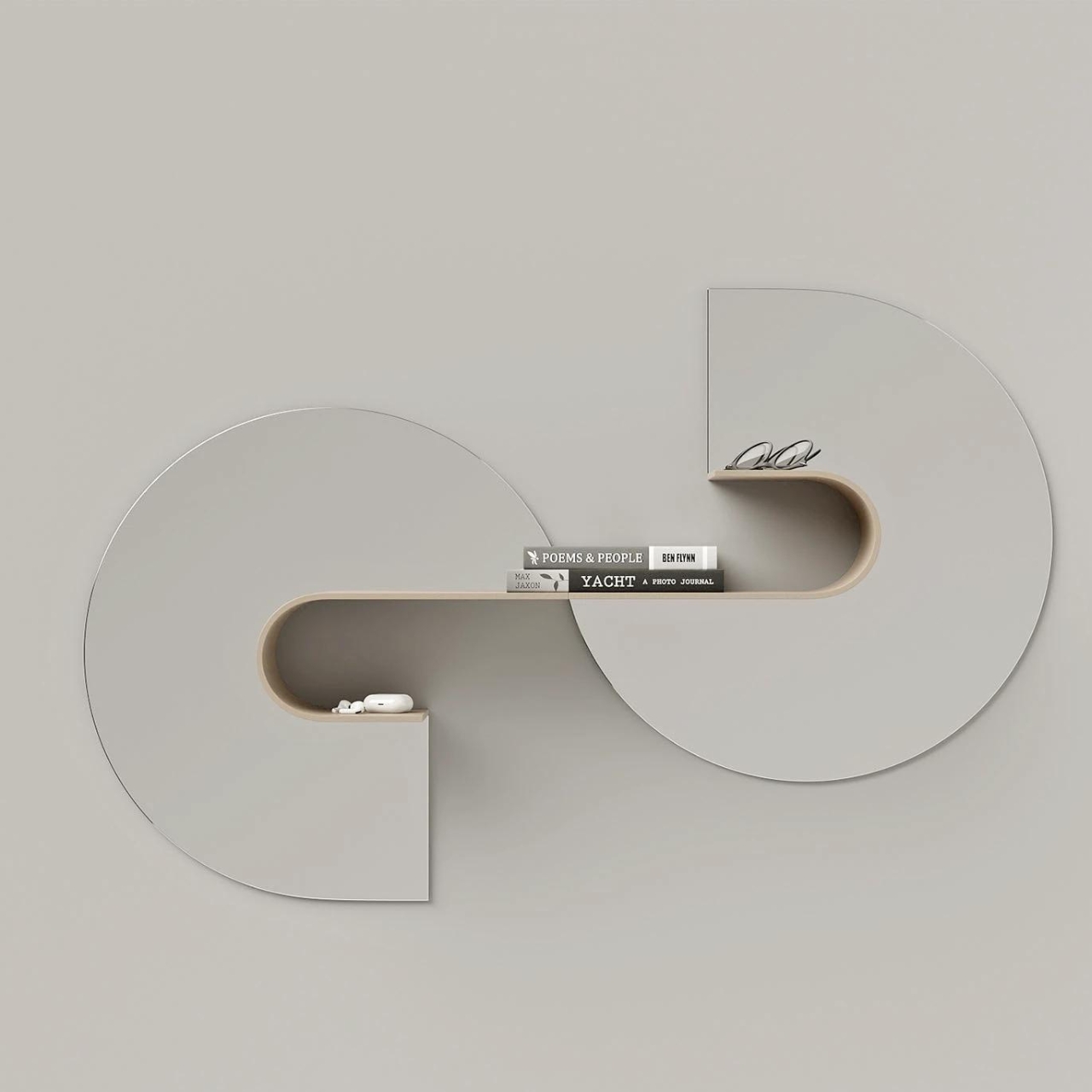
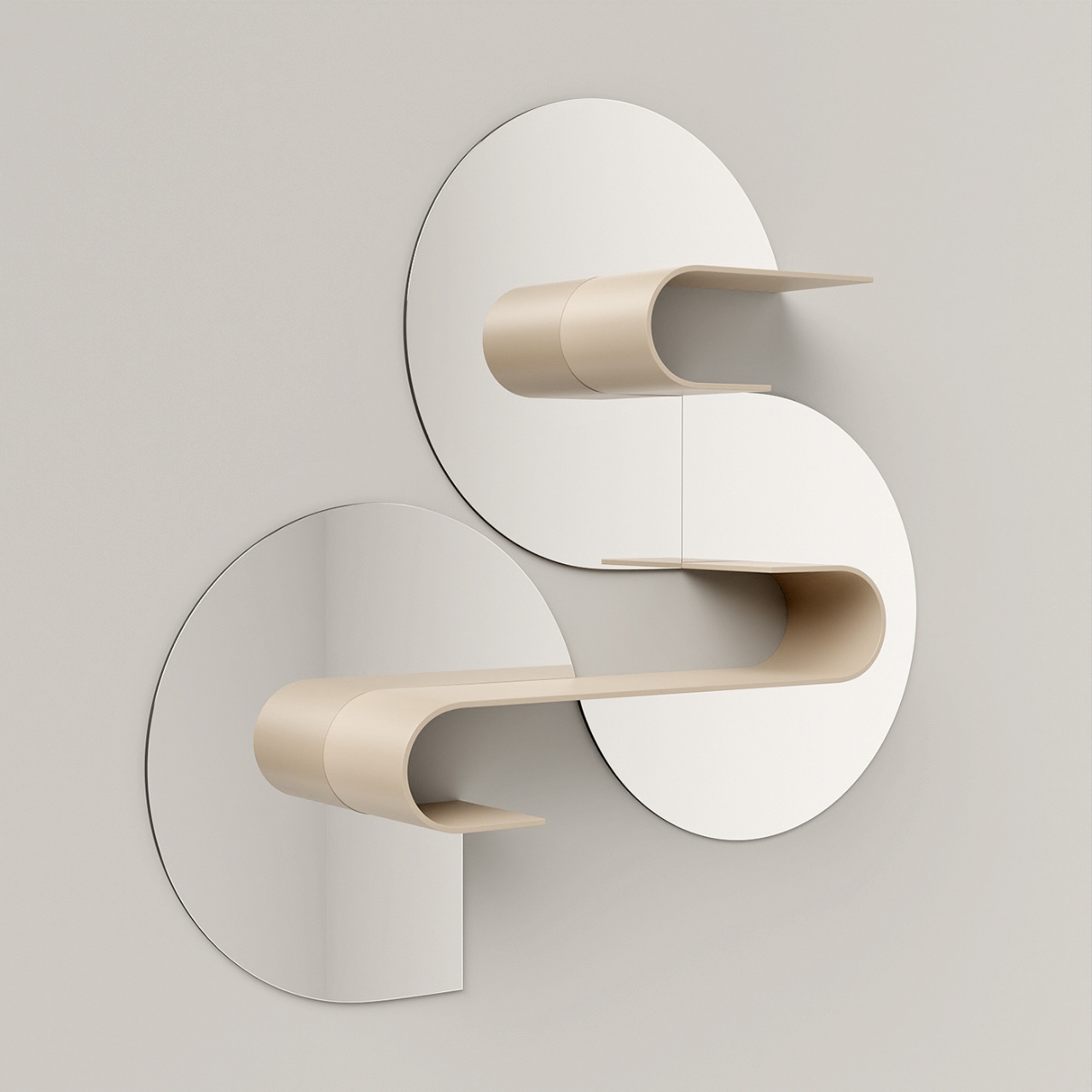
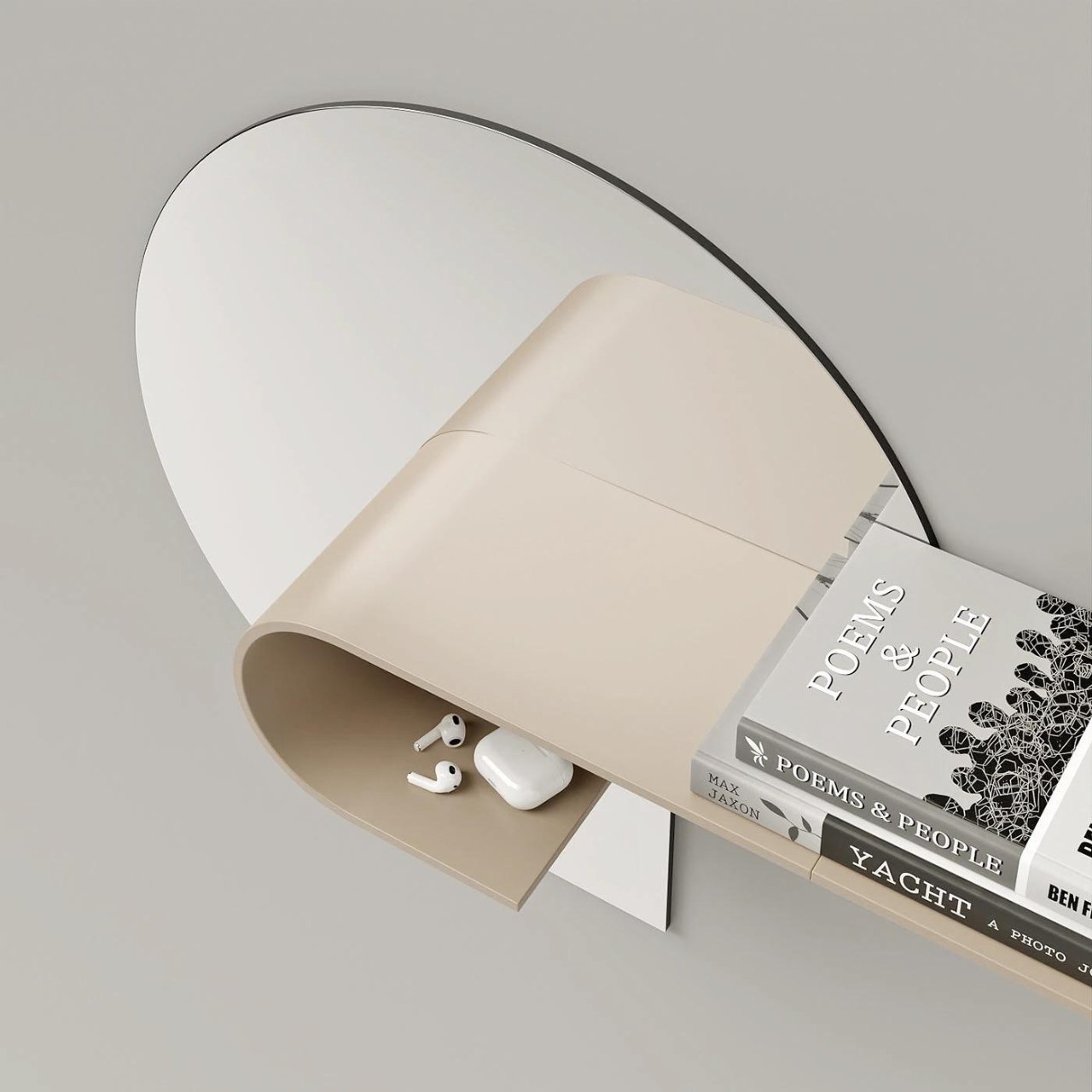
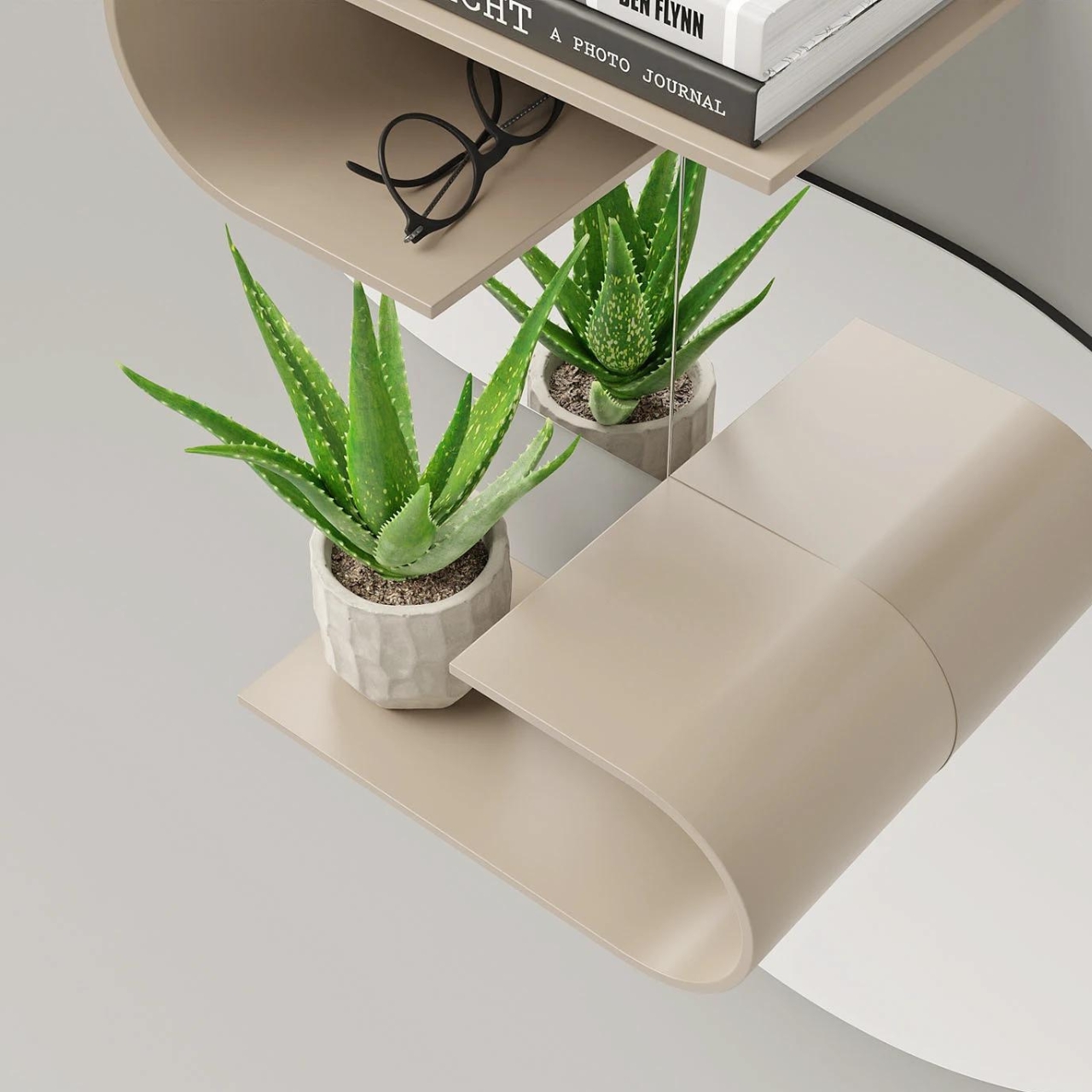
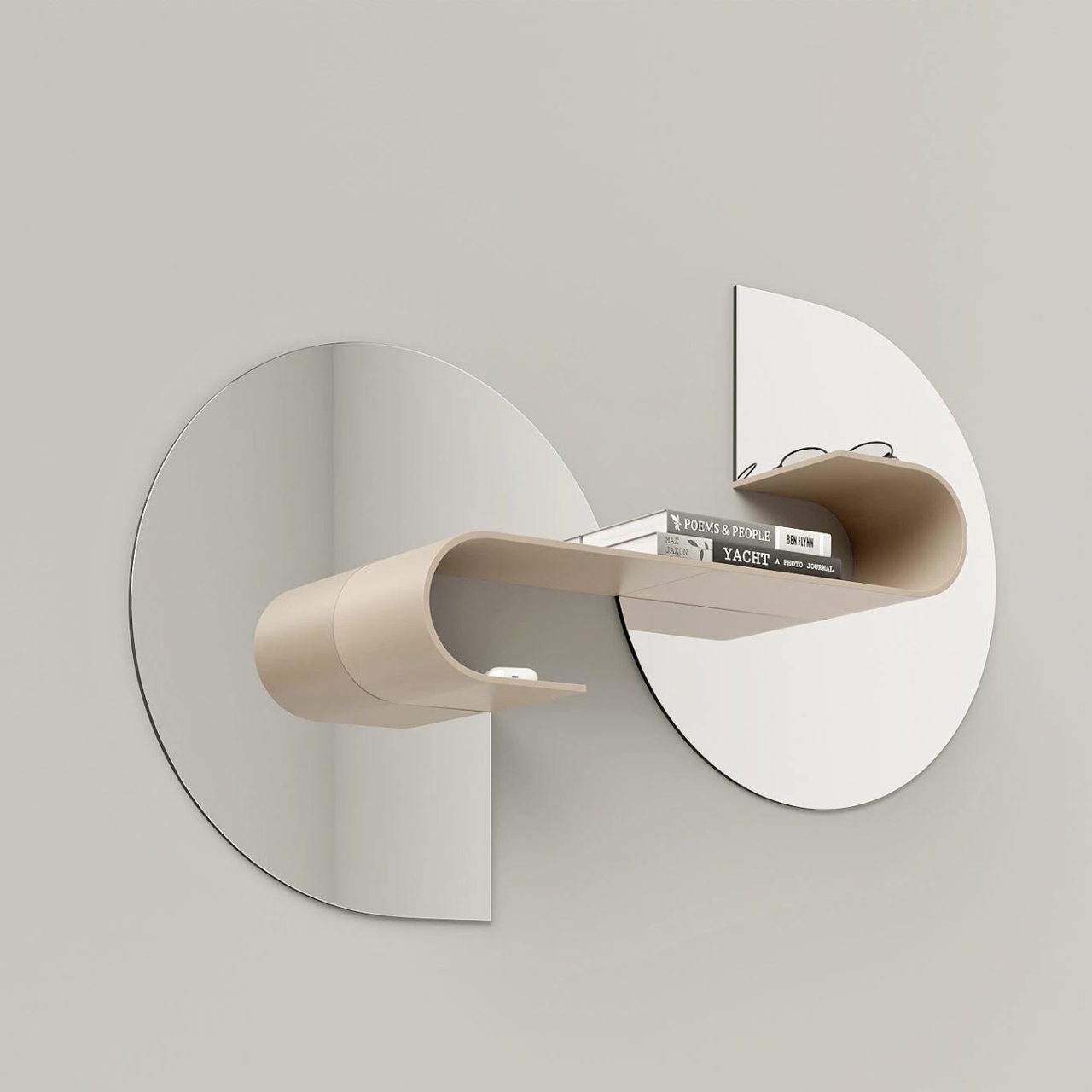
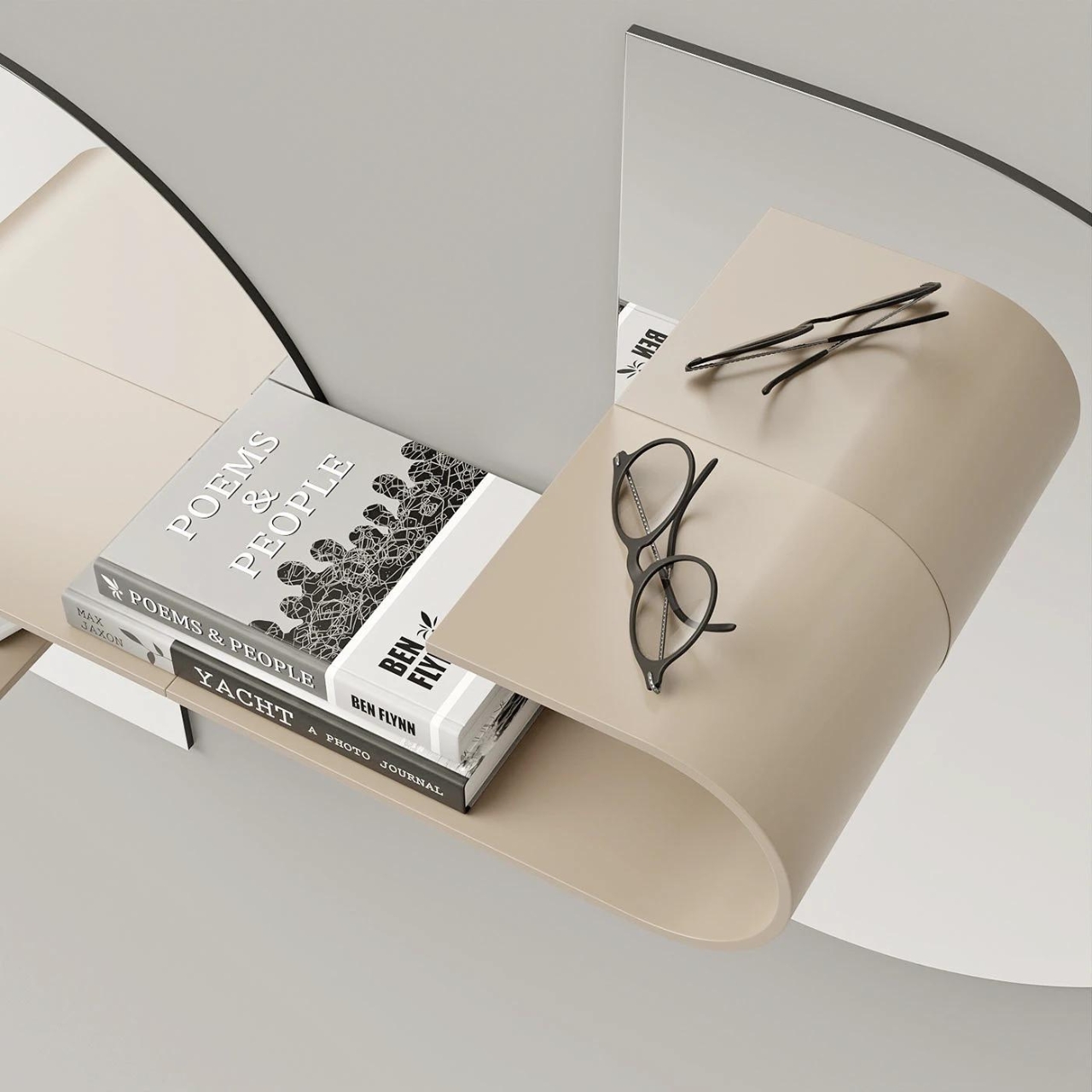
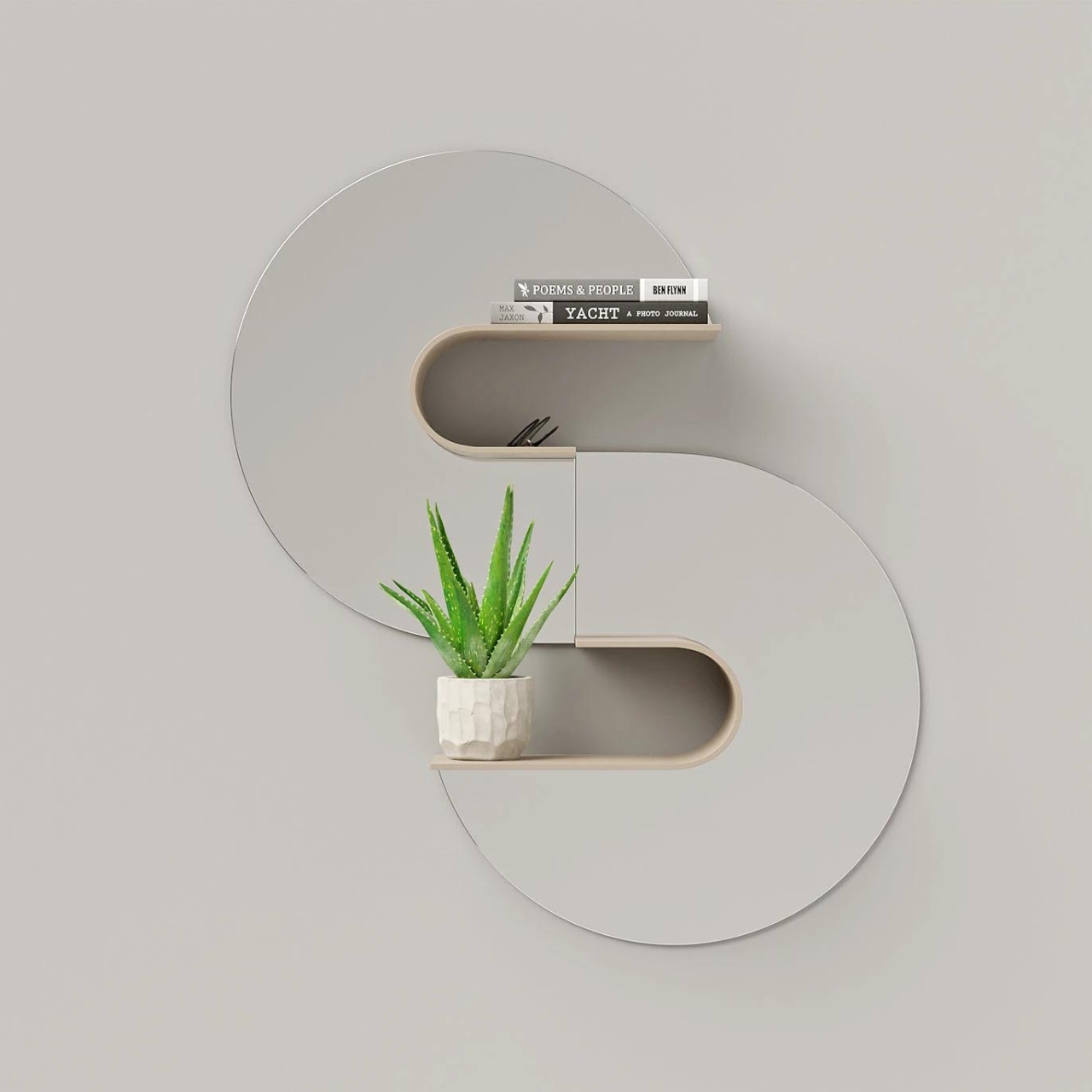
Wave is a conceptual design for a shelf that also doubles as a mirror. Even better, it is modular so you can arrange it into different layouts, depending on your need, your preference, or your mood. Just don’t expect a full mirror of course since the shelf part and the shape of the entire thing can be a bit obtrusive. But if you’re just looking for a surface that can hold your books, decorations, and other knick knacks that happens to have a mirror attached to it, then this is something you will be interested in.

Since the concept is named Wave, the shape of the mirror and the shelves is wavy and reminiscient of the letter S. It is modular yes but no matter where you place the different parts, you’ll still get the wave. The renders show that there are around 4-5 parts that you can assemble and play around with, depending on where you want to place the shelves part or if you want it to be horizontal or vertical in orientation.

If what you really want is to look fully in a mirror, you may be annoyed with the way this is designed. But if this gets made into an actual product, those who will buy it will probably just see the mirror as part of the whole design of the multi-functional shelf. You can also probably only just place a few objects on it (most likely not part of my book collection) but again, this is more for the added aesthetics rather than a fully functional piece of furniture.

The post Modular and multi-functional shelf and mirror is an aesthetic addition to your space first appeared on Yanko Design.