Back in 2014, Sony shipped a small piece of plastic that clipped a phone onto a PS4 controller. It was limited to certain Xperia handsets, relied on Remote Play at a point when Remote Play was barely holding itself together over most home Wi-Fi networks, and it quietly disappeared without much fanfare. The idea of physically fusing your smartphone with your PlayStation controller got filed away as one of those concepts that sounded reasonable on paper and fell apart in practice. Sony moved on, and for a decade, so did everyone else.
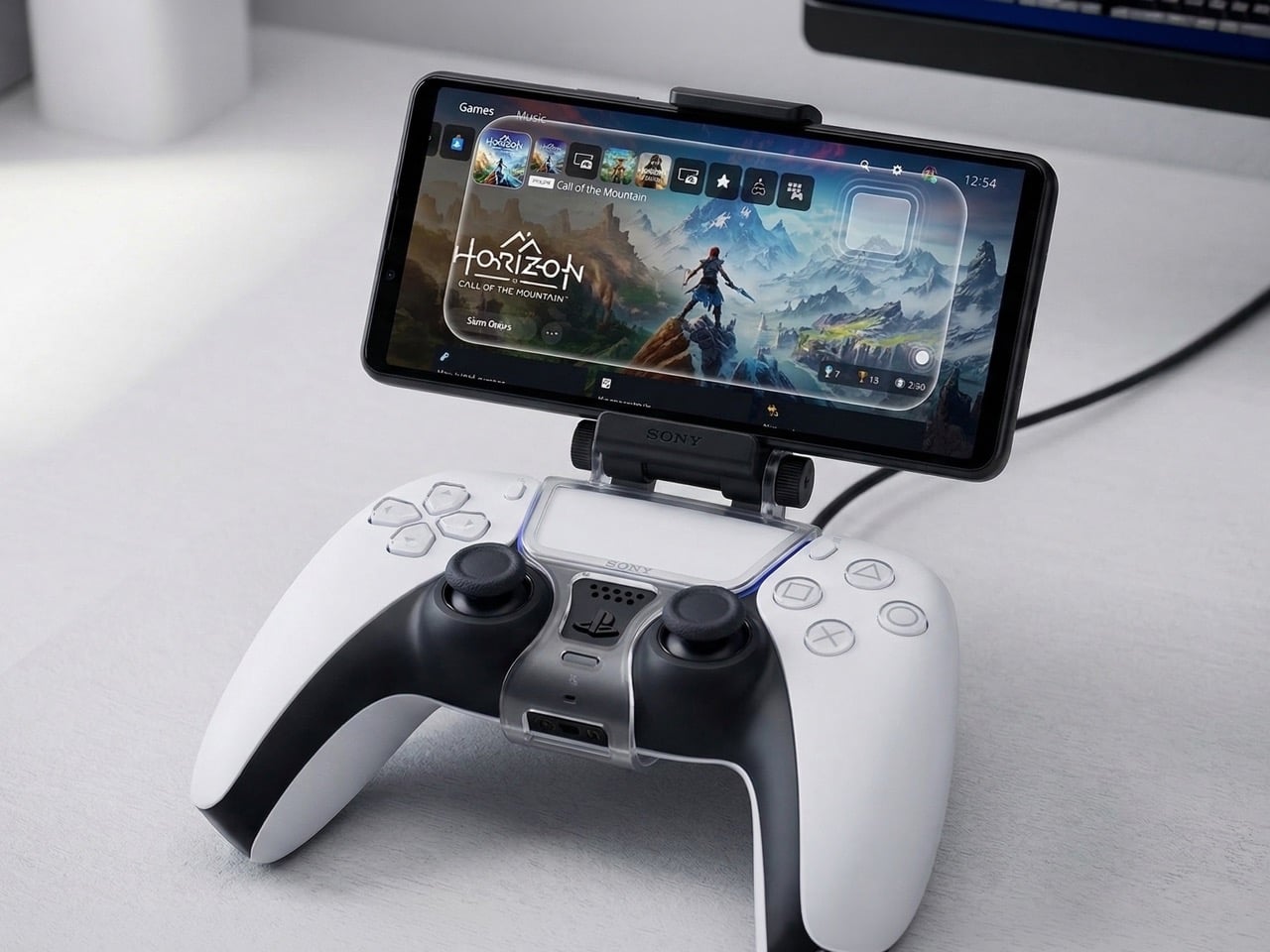
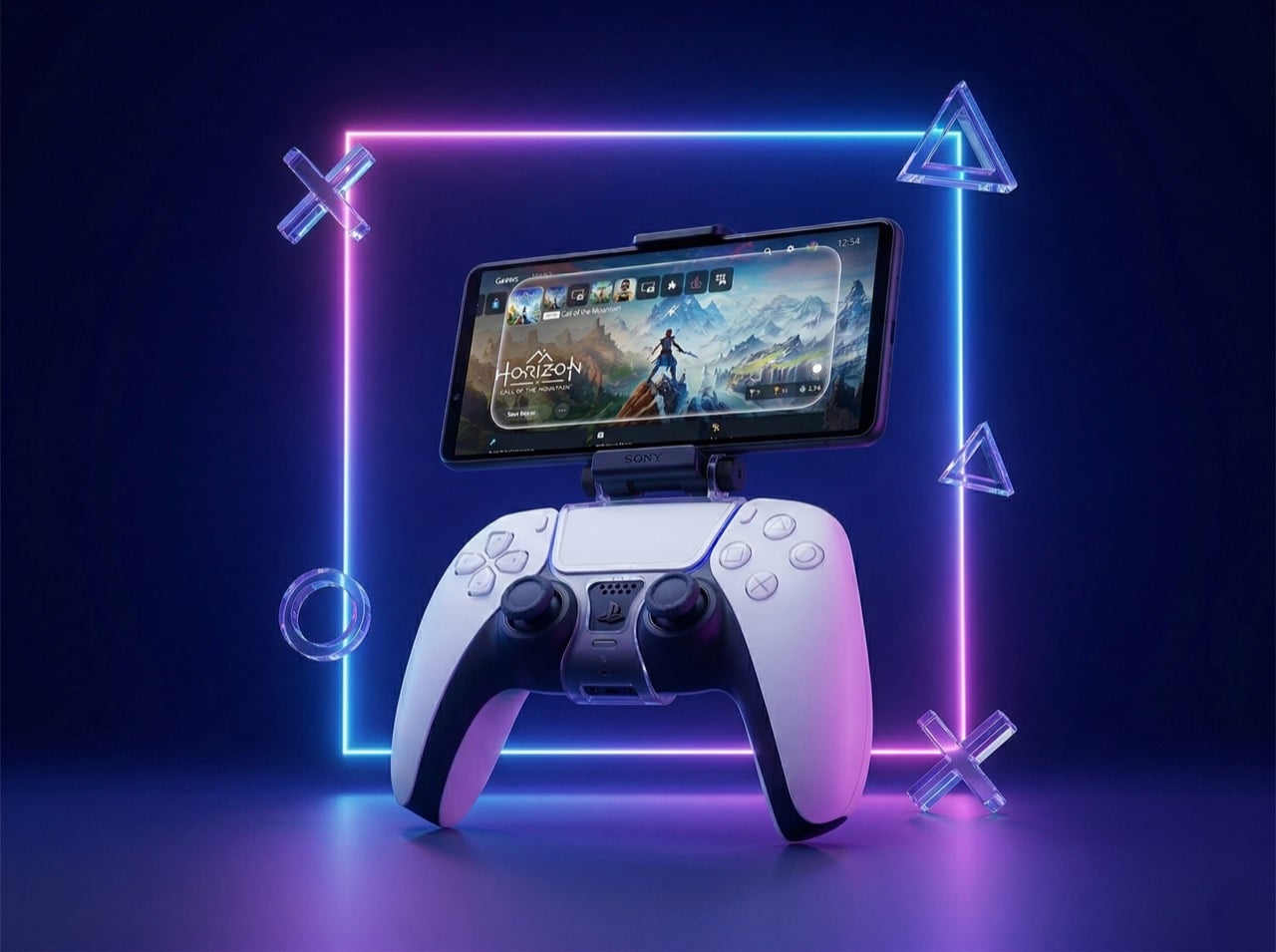
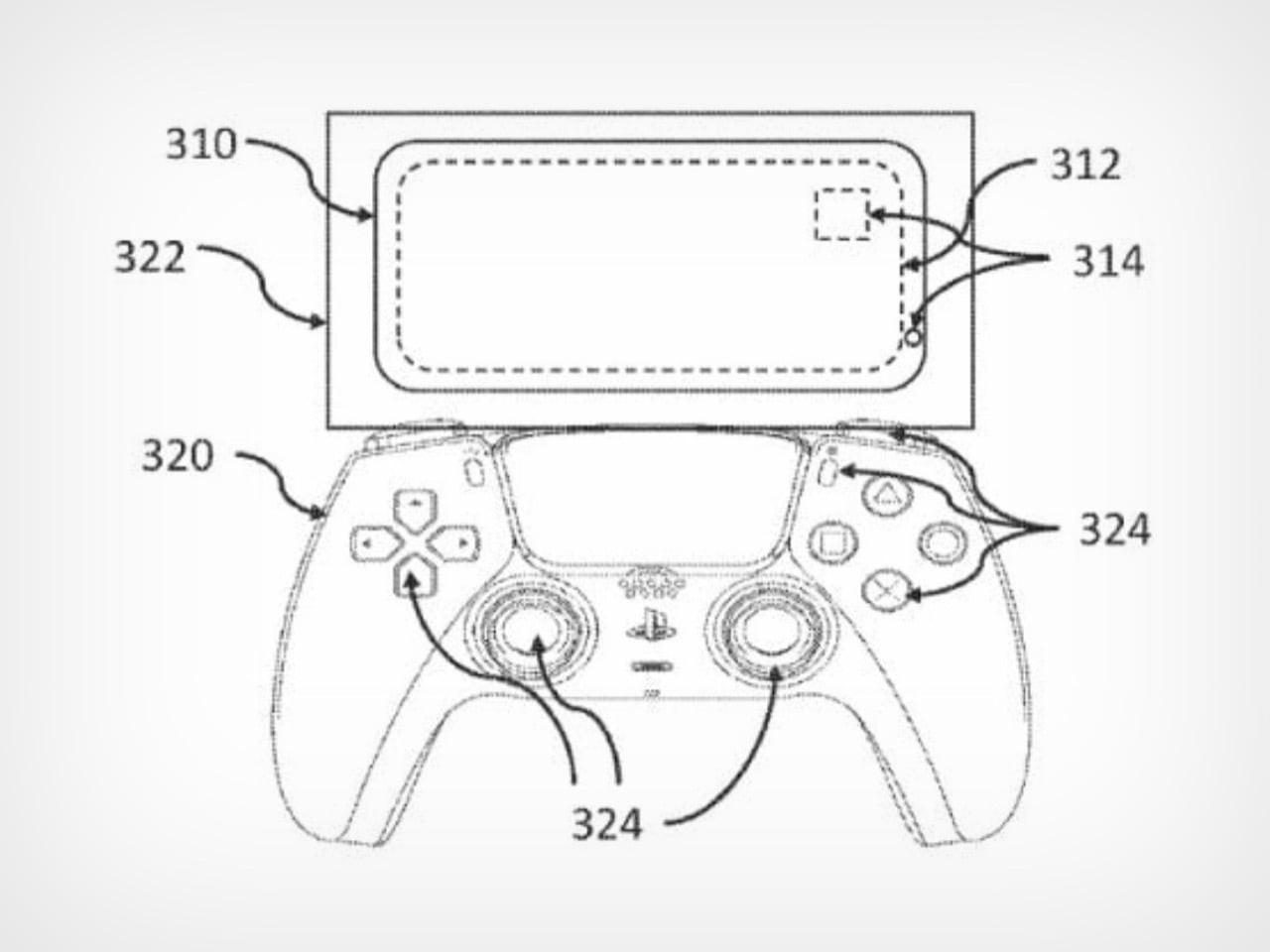
A patent circulating this week suggests the concept never fully left. Sony’s new filing describes a smartphone mounted directly onto a DualSense controller, with the phone functioning as a live secondary input device. Its touchscreen, motion sensors, and hardware would all be available to developers as genuine control surfaces, feeding into the game in real time rather than simply mirroring it. That positions this as a meaningfully different idea from Remote Play, from the PS Portal, and from anything Sony has formally put in front of PlayStation players before.
Designer: Sony
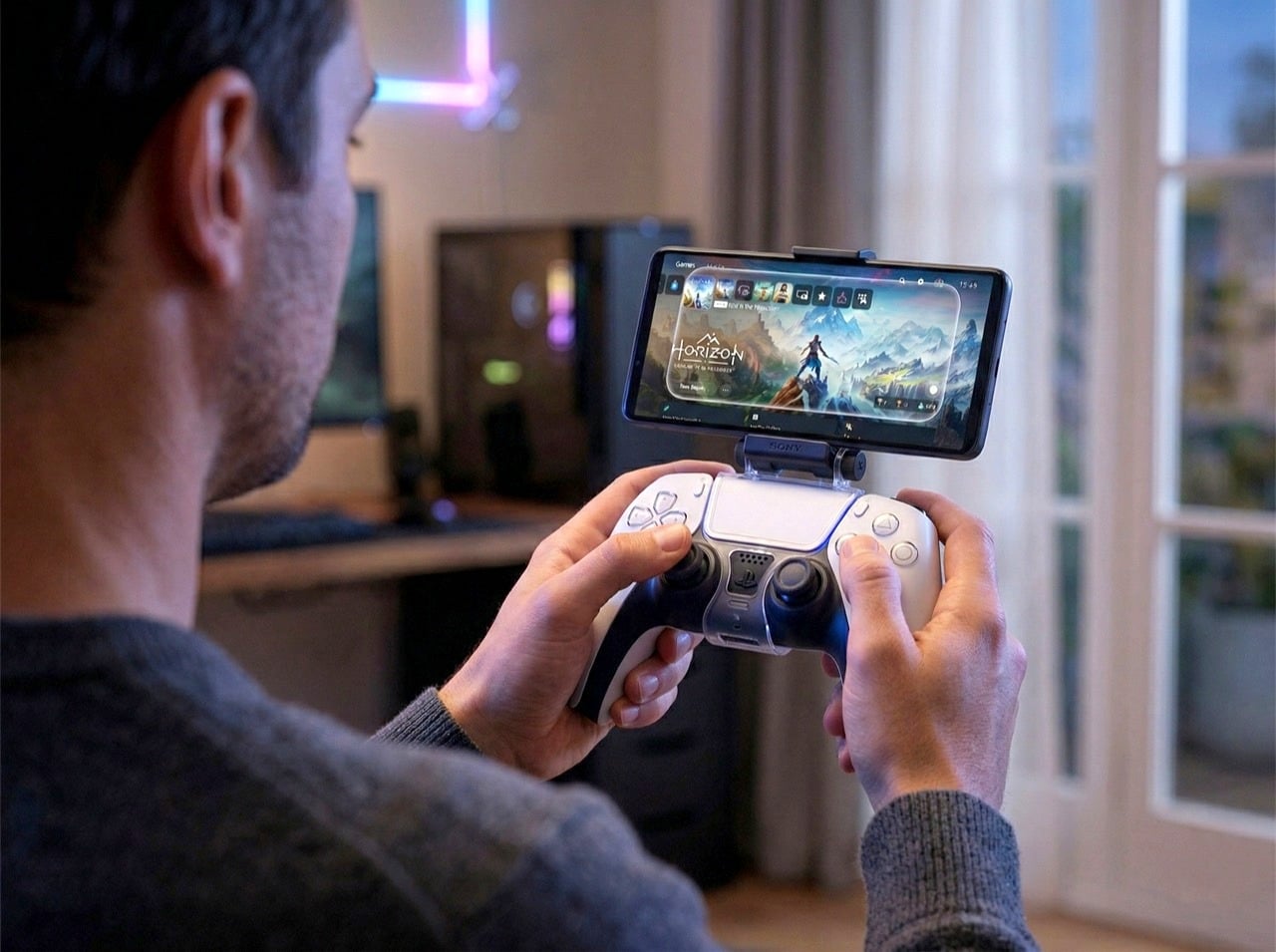
The PS Portal, Sony’s dedicated remote play device launched in late 2023, is essentially a DualSense controller sliced in half with an 8-inch 1080p LCD placed in the middle. It streams games from your PS5 over Wi-Fi and does nothing else. You don’t own a PS5 running at home, the Portal becomes a paperweight. The patented phone mount concept flips that logic. Your smartphone becomes an extension of the controller’s input vocabulary, giving developers access to touch zones, gyroscope data, and potentially camera input without Sony needing to manufacture, stock, and sell another dedicated piece of hardware. Third-party phone mounts already exist for the DualSense and sell for as little as the equivalent of $10, so the mechanical attachment problem is solved. What Sony would be adding is first-party integration at the software and developer level, where the phone is recognized as part of the control scheme and games are built around it.
Patent Drawing from Sony’s filing
The market conditions in 2026 are dramatically different from the failed 2014 attempt. Fibre internet is widespread, Remote Play latency has improved significantly, and players already treat their phones as natural extensions of their gaming sessions. Controllers with phone clips are common enough in mobile gaming circles that the form factor no longer reads as awkward or experimental. Sony’s job would be convincing developers to design around a hybrid input model, which is a softer sell than asking players to spend $200 on dedicated streaming hardware with a narrow use case.
Sony patents ideas constantly, and most of them never see retail shelves. This particular concept feels more grounded than some of the company’s weirder filings because the infrastructure already exists, consumer behavior supports it, and the barrier to entry is lower than building new hardware from scratch. Whether it ships is still a gamble, but the logic behind it holds together better than it did a decade ago.
Back in 2014, Sony shipped a small piece of plastic that clipped a phone onto a PS4 controller. It was limited to certain Xperia handsets, relied on Remote Play at a point when Remote Play was barely holding itself together over most home Wi-Fi networks, and it quietly disappeared without much fanfare. The idea of physically fusing your smartphone with your PlayStation controller got filed away as one of those concepts that sounded reasonable on paper and fell apart in practice. Sony moved on, and for a decade, so did everyone else.
A patent circulating this week suggests the concept never fully left. Sony’s new filing describes a smartphone mounted directly onto a DualSense controller, with the phone functioning as a live secondary input device. Its touchscreen, motion sensors, and hardware would all be available to developers as genuine control surfaces, feeding into the game in real time rather than simply mirroring it. That positions this as a meaningfully different idea from Remote Play, from the PS Portal, and from anything Sony has formally put in front of PlayStation players before.
Designer: Sony
The PS Portal, Sony’s dedicated remote play device launched in late 2023, is essentially a DualSense controller sliced in half with an 8-inch 1080p LCD placed in the middle. It streams games from your PS5 over Wi-Fi and does nothing else. You don’t own a PS5 running at home, the Portal becomes a paperweight. The patented phone mount concept flips that logic. Your smartphone becomes an extension of the controller’s input vocabulary, giving developers access to touch zones, gyroscope data, and potentially camera input without Sony needing to manufacture, stock, and sell another dedicated piece of hardware. Third-party phone mounts already exist for the DualSense and sell for as little as the equivalent of $10, so the mechanical attachment problem is solved. What Sony would be adding is first-party integration at the software and developer level, where the phone is recognized as part of the control scheme and games are built around it.
Patent Drawing from Sony’s filing
The market conditions in 2026 are dramatically different from the failed 2014 attempt. Fibre internet is widespread, Remote Play latency has improved significantly, and players already treat their phones as natural extensions of their gaming sessions. Controllers with phone clips are common enough in mobile gaming circles that the form factor no longer reads as awkward or experimental. Sony’s job would be convincing developers to design around a hybrid input model, which is a softer sell than asking players to spend $200 on dedicated streaming hardware with a narrow use case.
Sony patents ideas constantly, and most of them never see retail shelves. This particular concept feels more grounded than some of the company’s weirder filings because the infrastructure already exists, consumer behavior supports it, and the barrier to entry is lower than building new hardware from scratch. Whether it ships is still a gamble, but the logic behind it holds together better than it did a decade ago.
The N64 Funtastic series was Nintendo’s most chaotic design decision, and that’s a compliment. Launched in 1999, the translucent controllers and consoles arrived at the tail end of a broader cultural moment: Apple had just cracked open the iMac G3’s candy-colored shell and shown the world that visible circuitry could be beautiful, and the consumer electronics industry was scrambling to catch up. Nintendo’s version came in six flavors, including Ice Blue, a saturated cyan-teal that looked like it had been poured directly from a Jolly Rancher mold. The controllers were transparent all the way through, which meant you could see every lever, spring, and pivot point in the mechanism. That was the whole point. Showing the guts was the product.
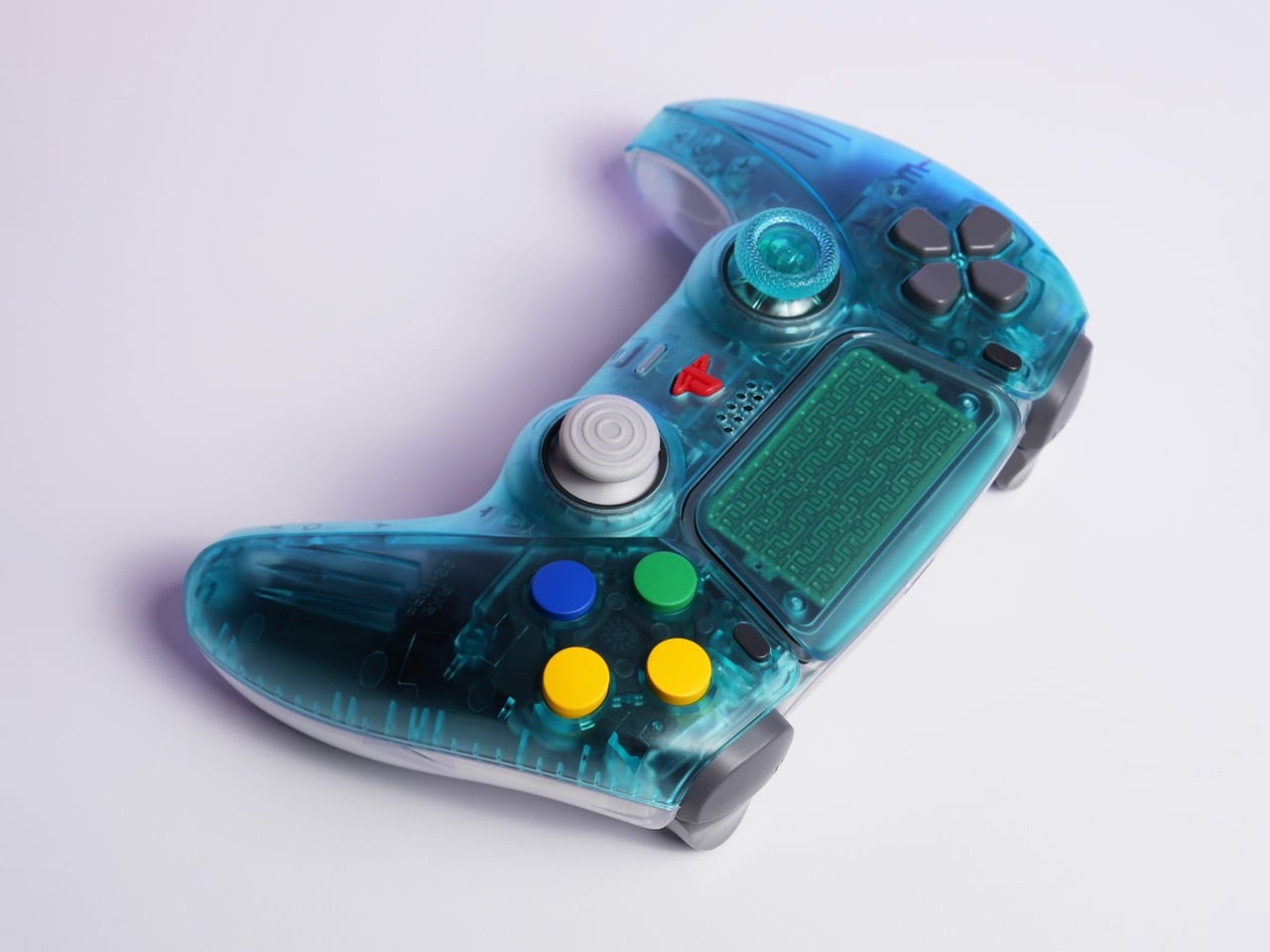
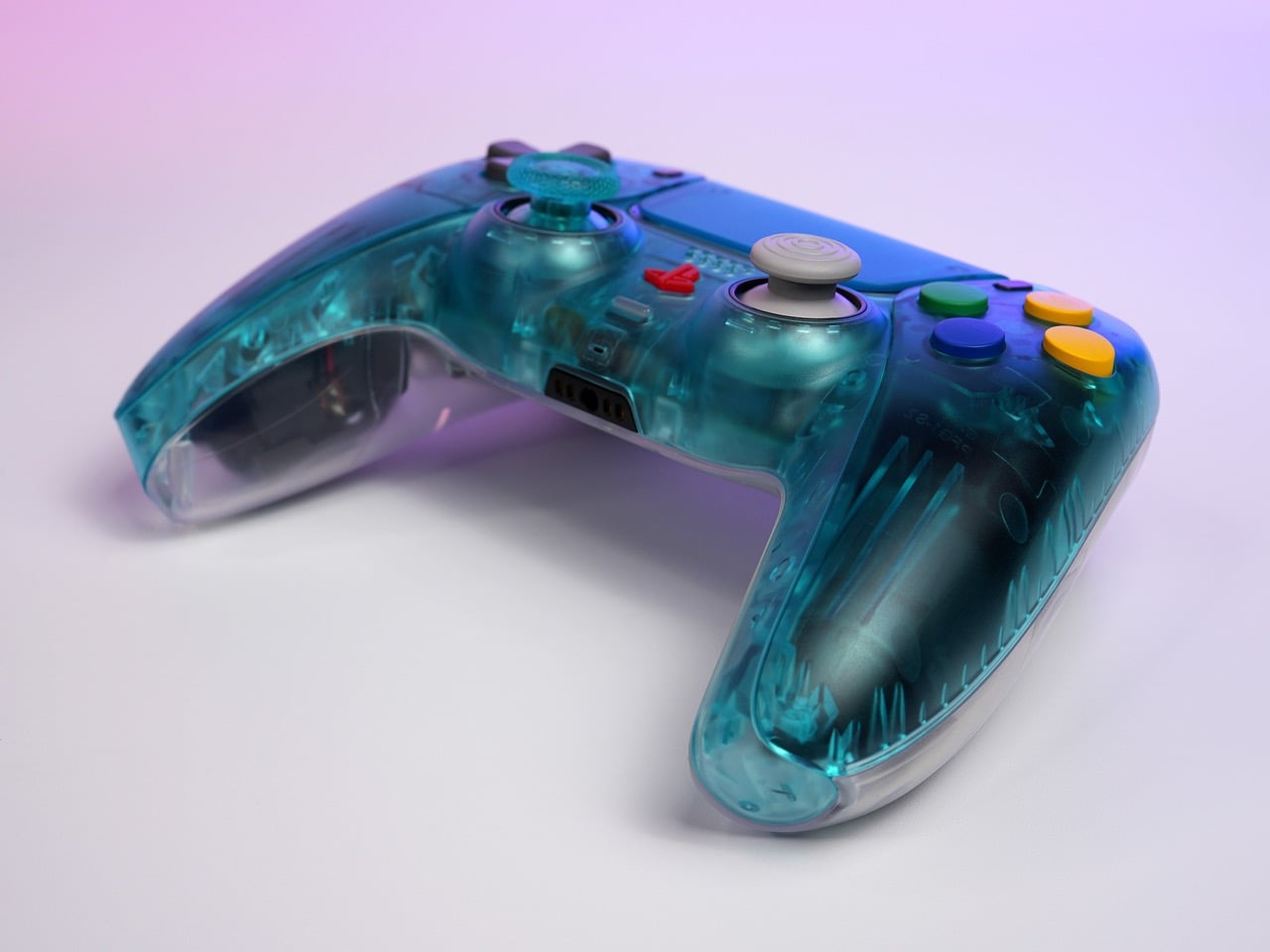
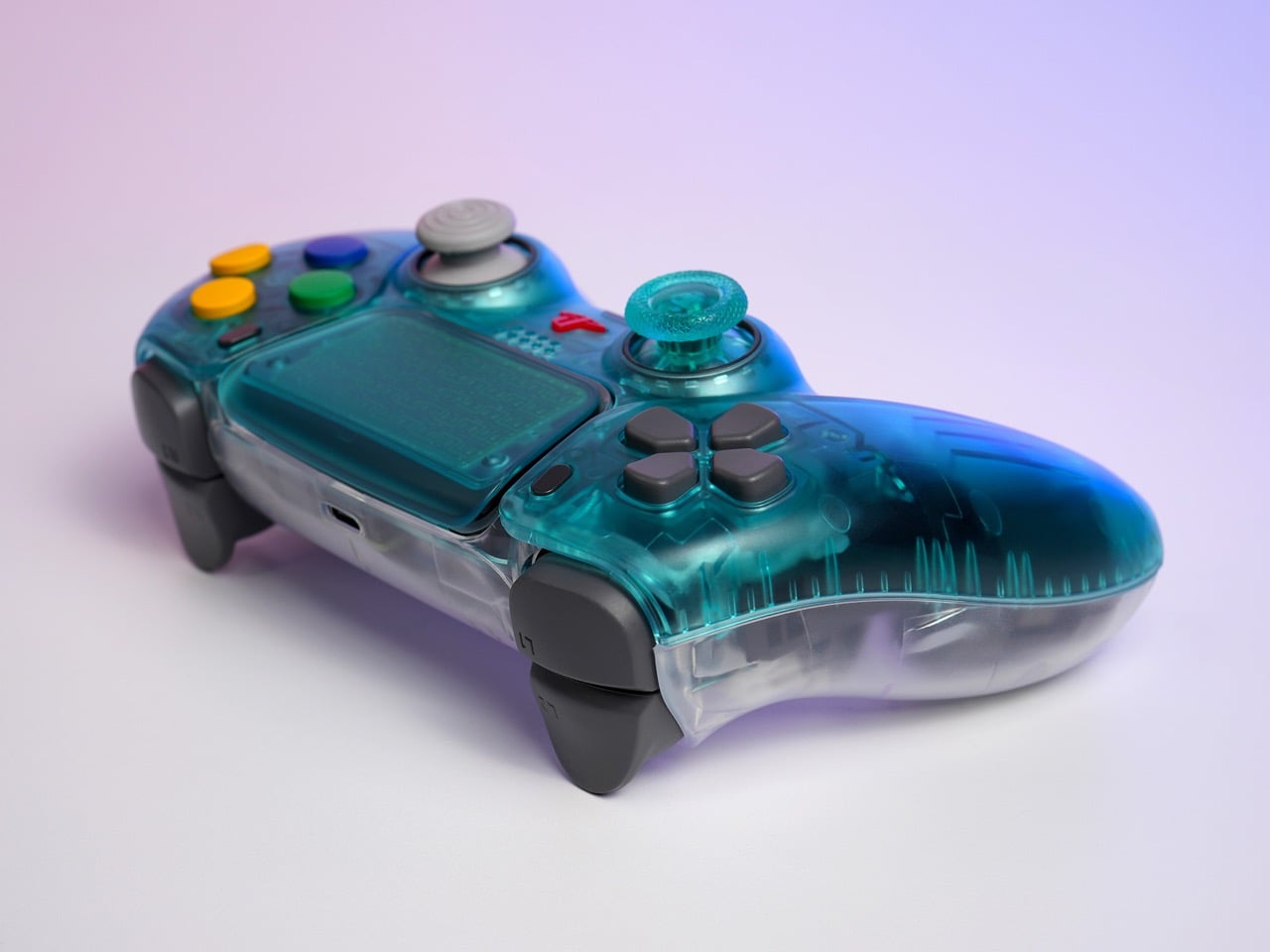
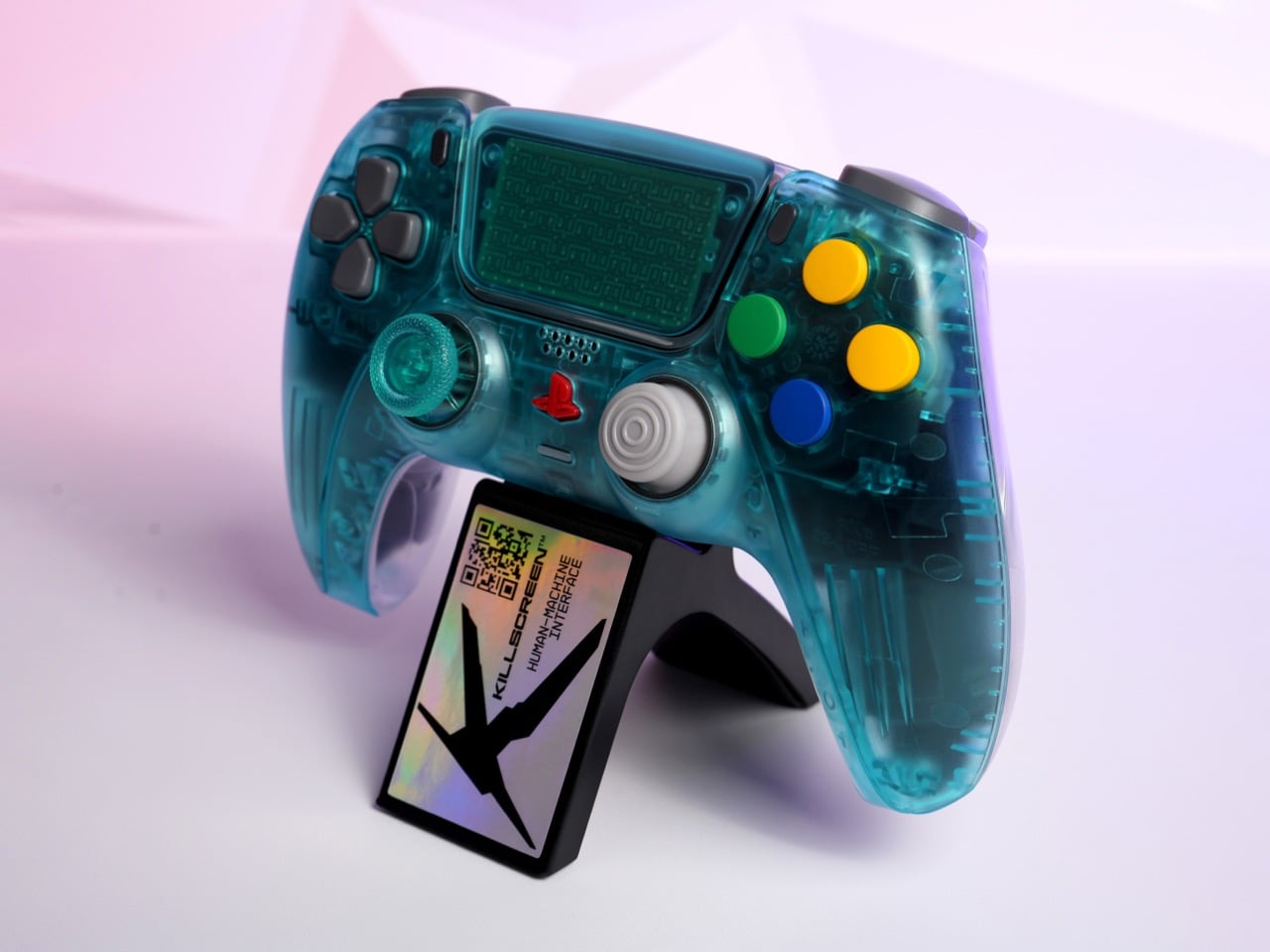
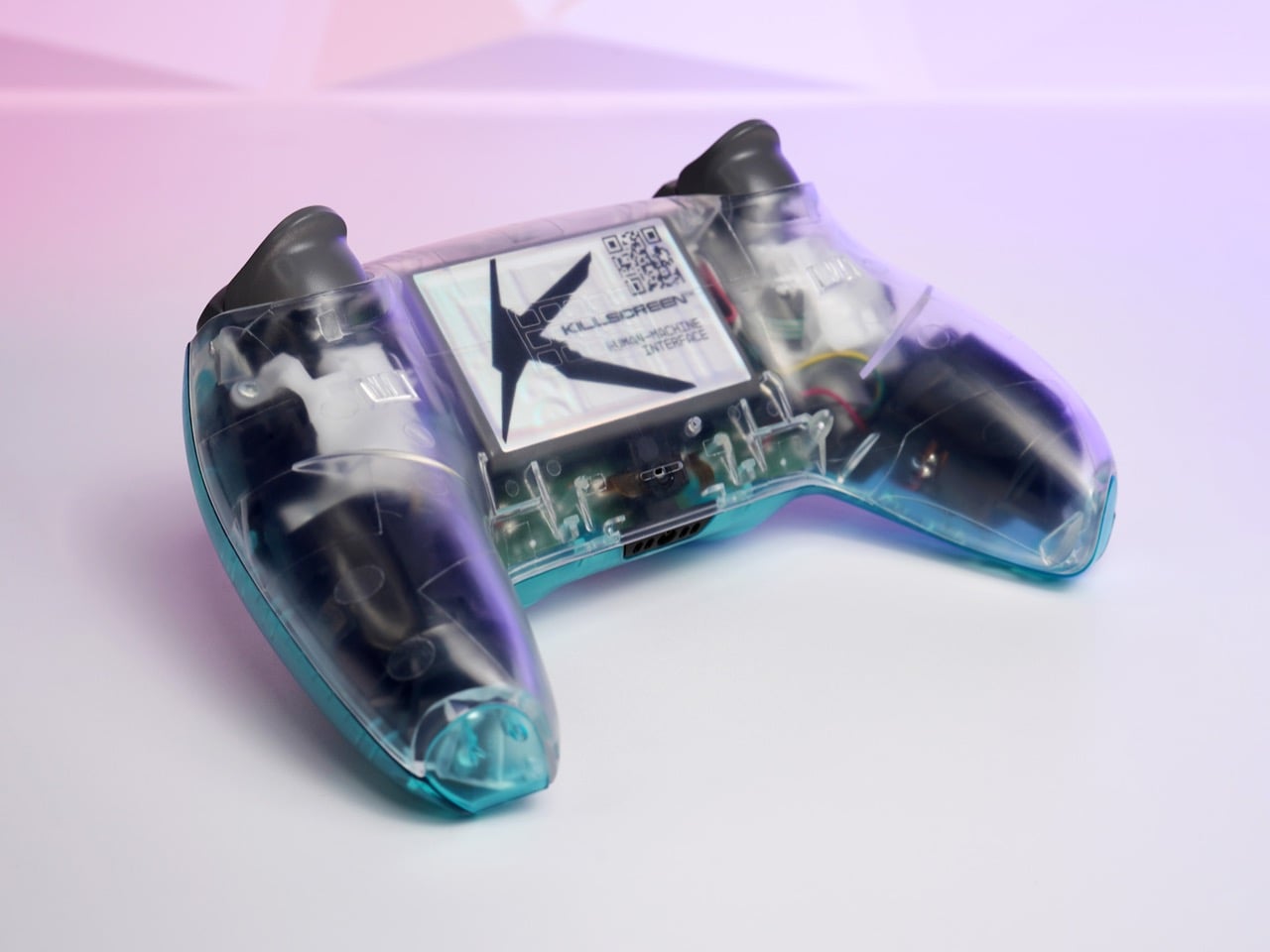
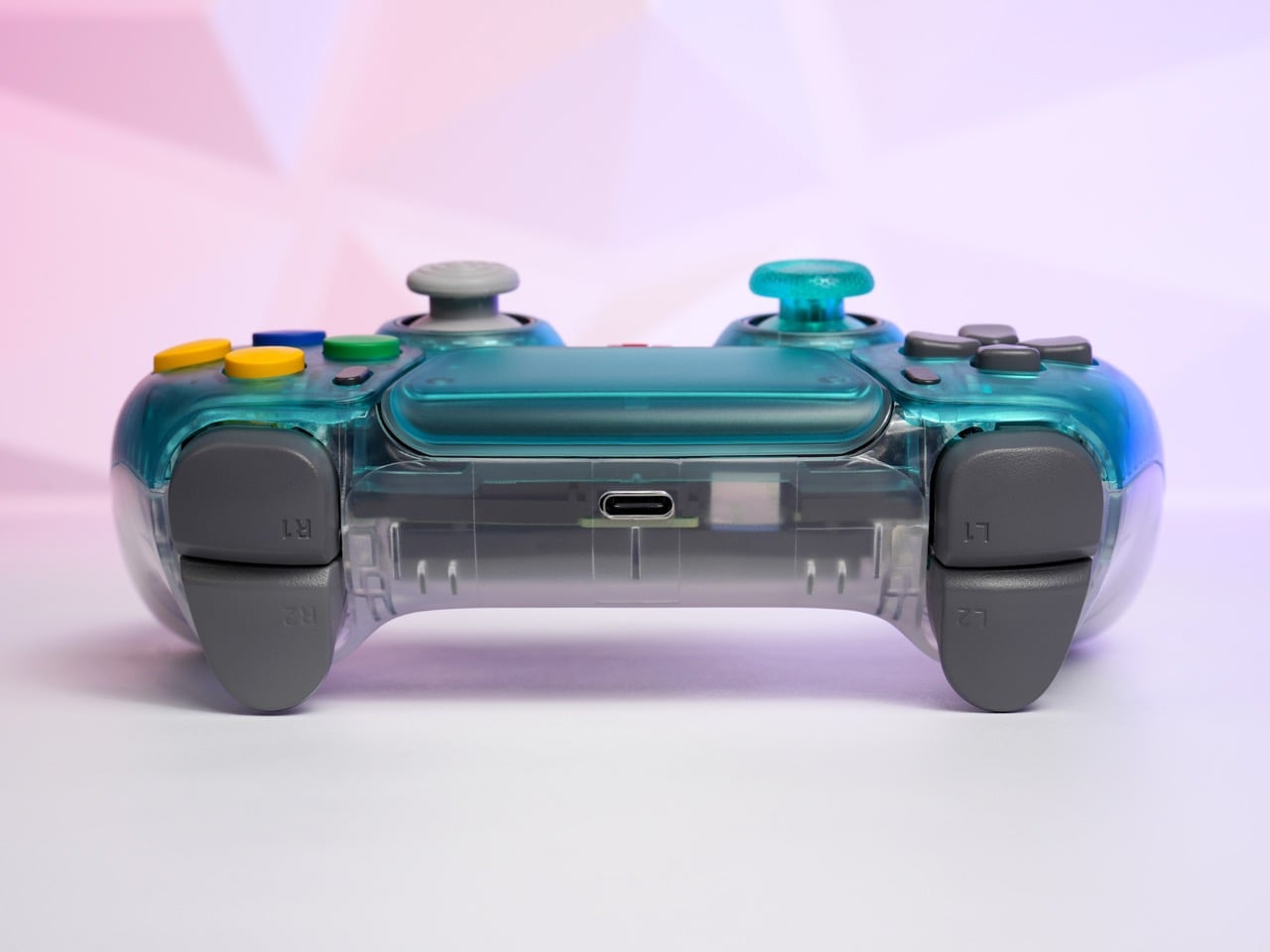
Killscreen, the Florida-based controller studio that has built its entire catalog on surgical retro revisionism, has now transplanted that exact aesthetic onto a PS5 DualSense. The Funtastic Ice Blue/Clear is a limited-edition PS5 controller with an Ice Blue translucent front shell and a crystal-clear back exposing the circuit board, wiring, and battery assembly beneath. It is native PS5 hardware, with wireless connectivity, haptic feedback, and adaptive triggers all intact. The base price is $139, with optional Omron hair triggers, mechanical face buttons, and GuliKit TMR thumbsticks available as upgrades.
Designer: Killscreen
Killscreen co-founder Erik Consorsha is upfront about the fundamental absurdity here: “There’s something slightly wrong about putting a Funtastic-style translucent controller on modern hardware. That’s exactly why we did it.” That instinct for productive wrongness is the throughline in everything Killscreen has released. The CubeSense put GameCube colorways and C-stick nubs on a DualSense. The 1080-R matched, with forensic precision, the exact gray of a factory-sealed 1995 PS1 controller, cracking one open just to get the color right. Each release is a deliberate category violation: taking an aesthetic that belonged to one console, one era, one design culture, and suturing it onto hardware from a completely different lineage. The Funtastic Ice Blue/Clear does the same thing, except the donor and recipient have never shared a design language in their lives.
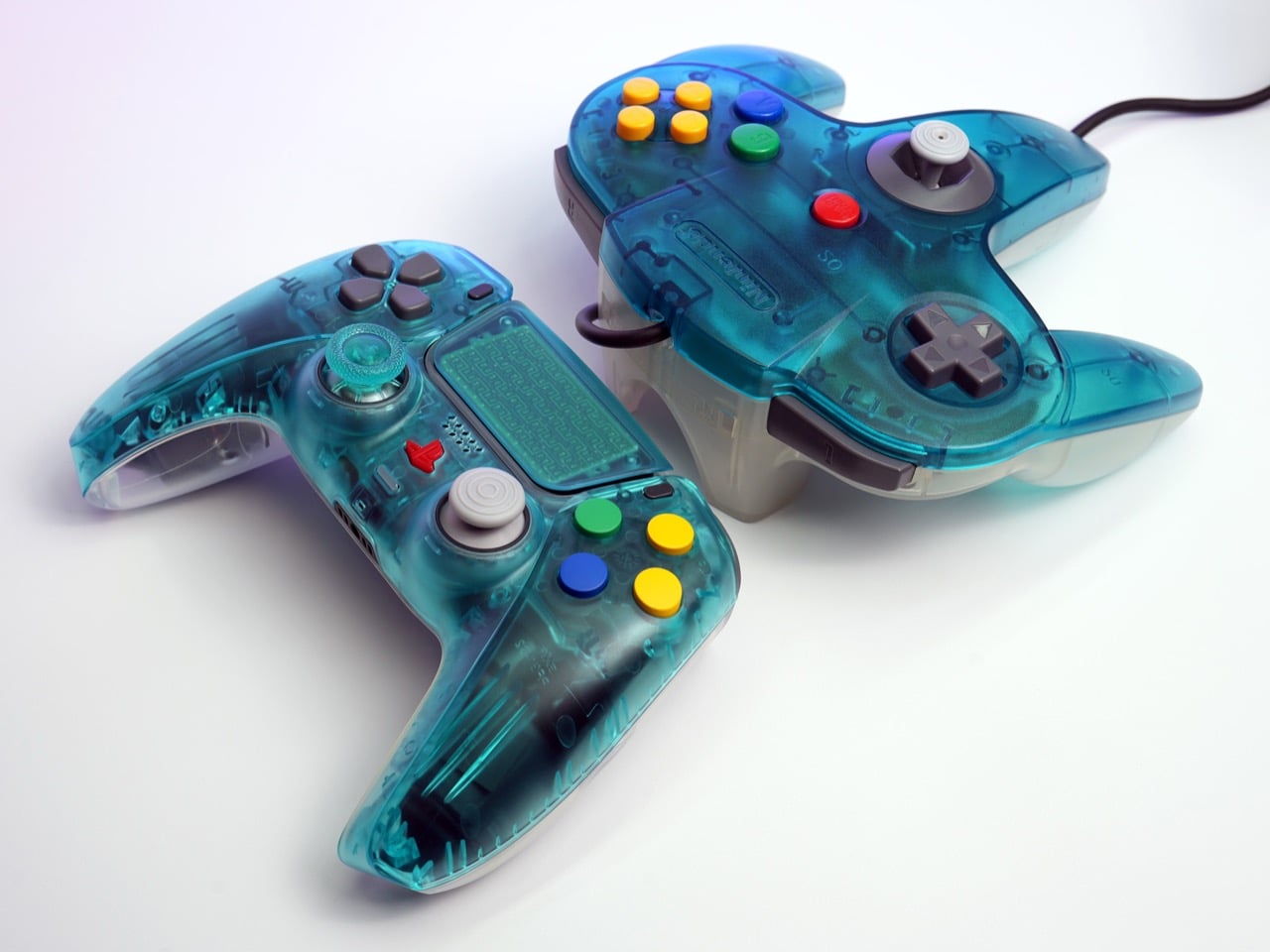
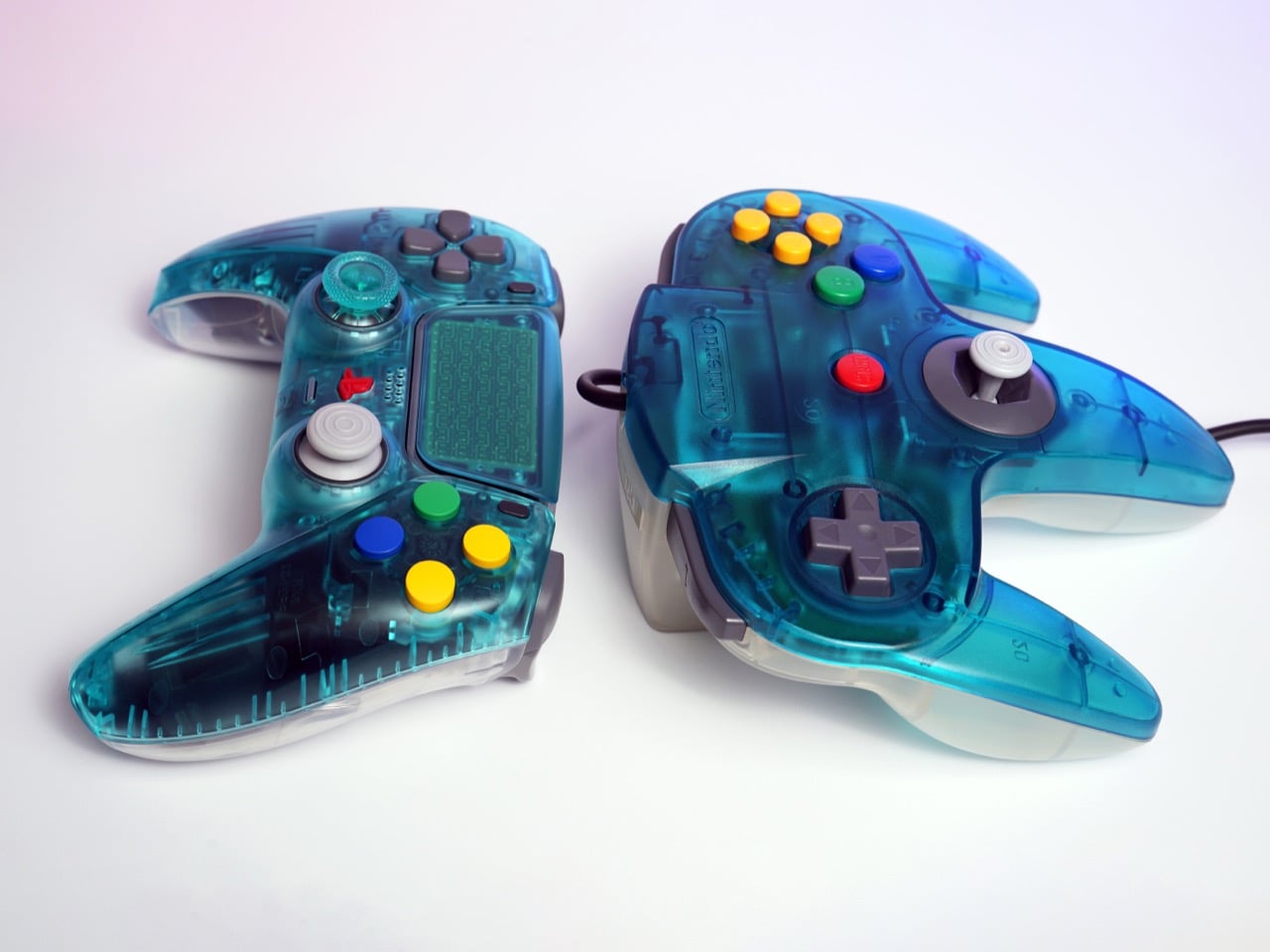
The original Ice Blue N64 Funtastic controller sits next to the Killscreen version in the press photos, and the color match is uncomfortably close. What the image also captures is 25 years of ergonomic progress in a single frame: the N64’s trident silhouette, one of the most geometrically baffling controllers ever mass-produced, against the DualSense’s precisely contoured twin-grip body. Same shade, completely different idea of what a human hand needs. The face buttons on the Killscreen controller are bright primary yellow, blue, and green, pulled from the N64’s own candy palette rather than PlayStation’s iconic shape symbols, and on a Sony controller body they read as genuinely disorienting in the best possible way.
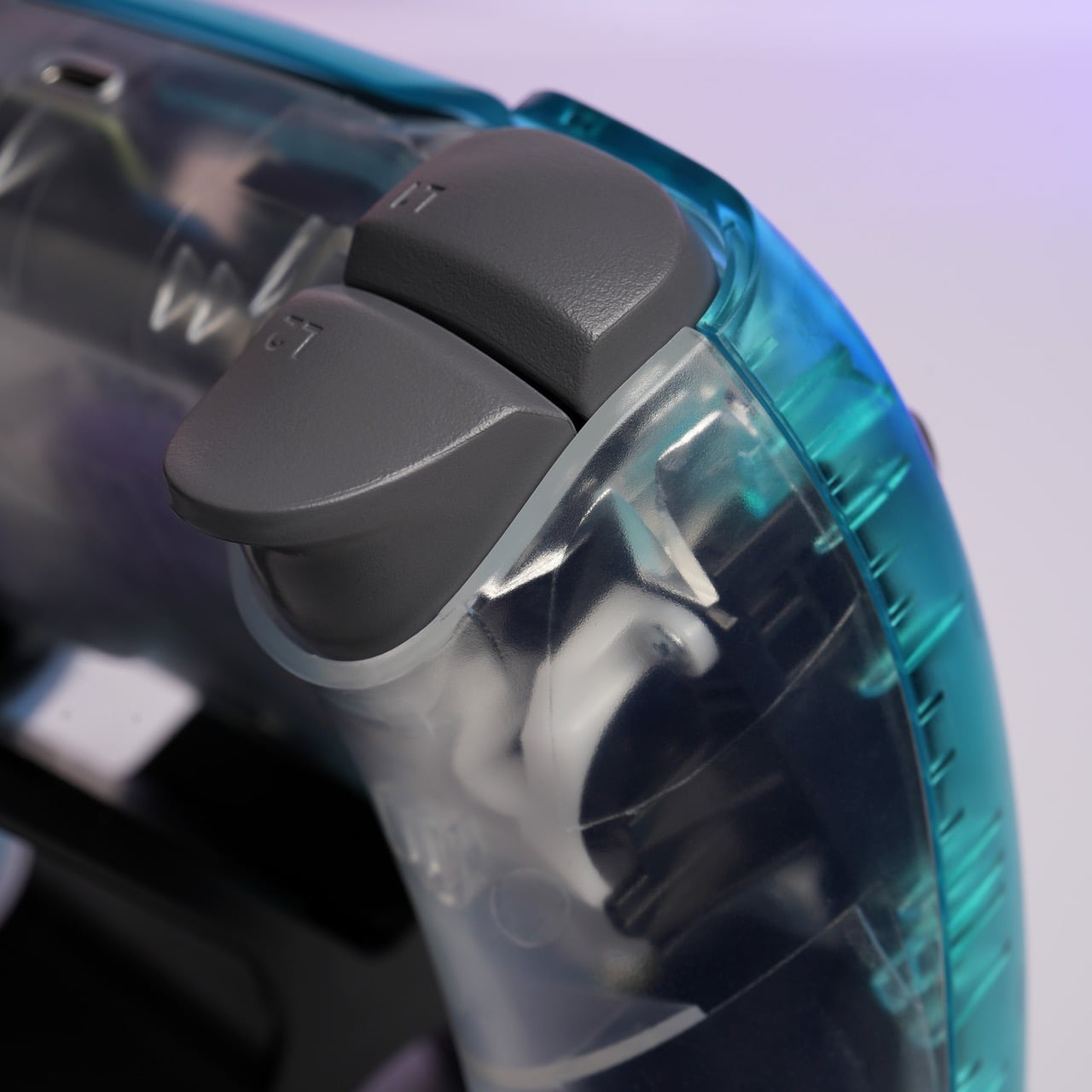
The 1999 Nintendo controllers were a single homogeneous translucent color all the way through: same Ice Blue from the front plate to the grip tips to every molded ridge. Killscreen splits the register three ways: Ice Blue translucent on the front half, crystal-clear on the rear panel, and matte gray on the trigger caps, thumbstick tops, and d-pad. That tripartite material logic is more visually considered than anything Nintendo attempted in 1999. The clear back is where the real design confidence lives: you can see the circuit board, the wiring harness in yellow and red, the USB-C port, and a Killscreen “Human Machine Interface” label on the main board. The internals are the display object.
The upgrade options change the character of the controller considerably. The base $139 configuration retains the stock DualSense trigger mechanism with adaptive resistance. Adding Omron hair triggers for $20 converts those into short-travel tactile clicks at around 2mm of travel, eliminating progressive resistance entirely in favor of on/off precision. Mechanical face buttons at another $20 swap the rubber membrane pads for microswitches, producing crisp tactile feedback more commonly associated with high-end mechanical keyboards. The GuliKit TMR thumbsticks at $39 use tunnel magnetoresistance sensors instead of traditional potentiometers, which means no contact wear and no drift. Fully specced, the controller lands at $208.
Killscreen assembles and tests every unit in-house in Florida, and the run is genuinely limited, consistent with how every prior drop has gone. The Funtastic Ice Blue/Clear is compatible with PS5 and PC. If the CubeSense and 1080-R are any indication, this one will be gone before most people finish debating whether they need it.
The DualSense arrived with something to say. Adaptive triggers, nuanced haptics, a tactile language that made games feel physically present in your hands — it raised the bar in ways the industry hadn’t anticipated. For a while, nothing else came close. That window has closed. The third-party market in 2025 is no longer playing catch-up. It’s producing controllers with drift-proof magnetic sensors, modular physical architectures, trigger calibration measured in millimeters, and battery lives that nearly triple what Sony ships as standard. The gap has flipped.
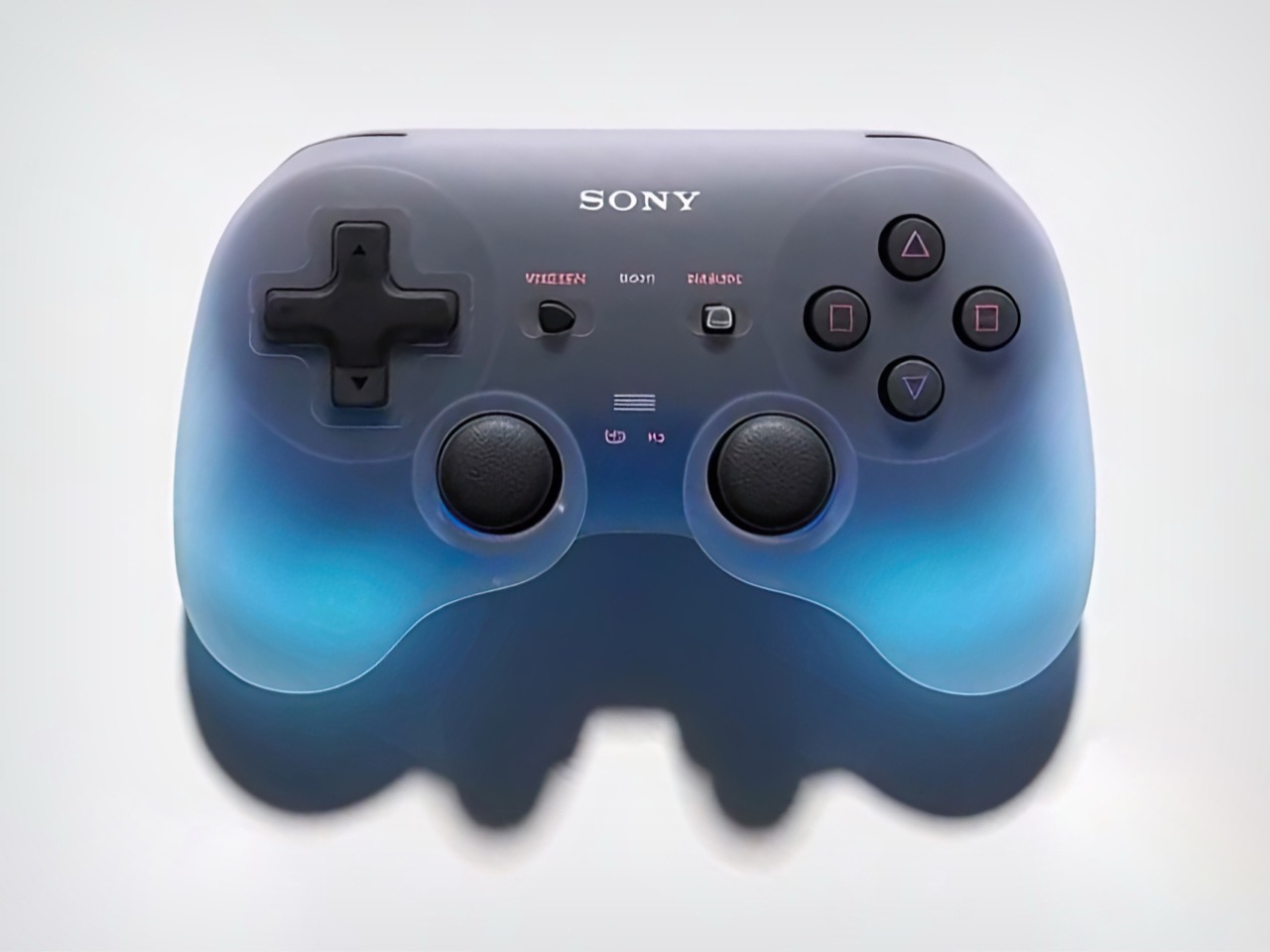
The Goo-inspired concept controller at the top of this page is a glimpse at where peripheral design is reaching — fluid, sculptural, unresolved in the best way. It hasn’t shipped. What’s below has. Every controller in this roundup is available now, purpose-built around a specific performance argument, and doing at least one thing the DualSense doesn’t. If you’ve stuck with the stock pad out of habit, these five make a clear case for reconsidering that.
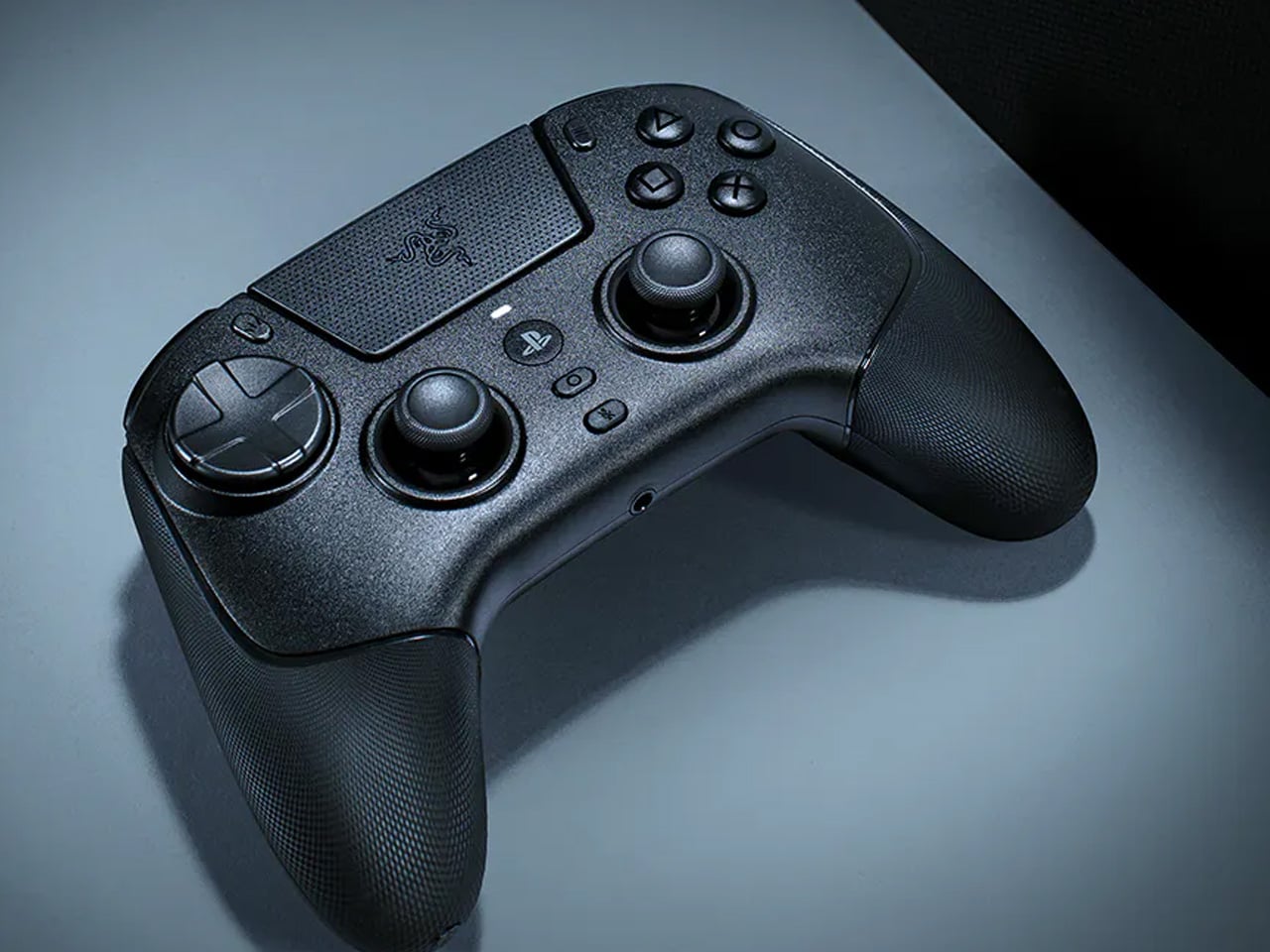
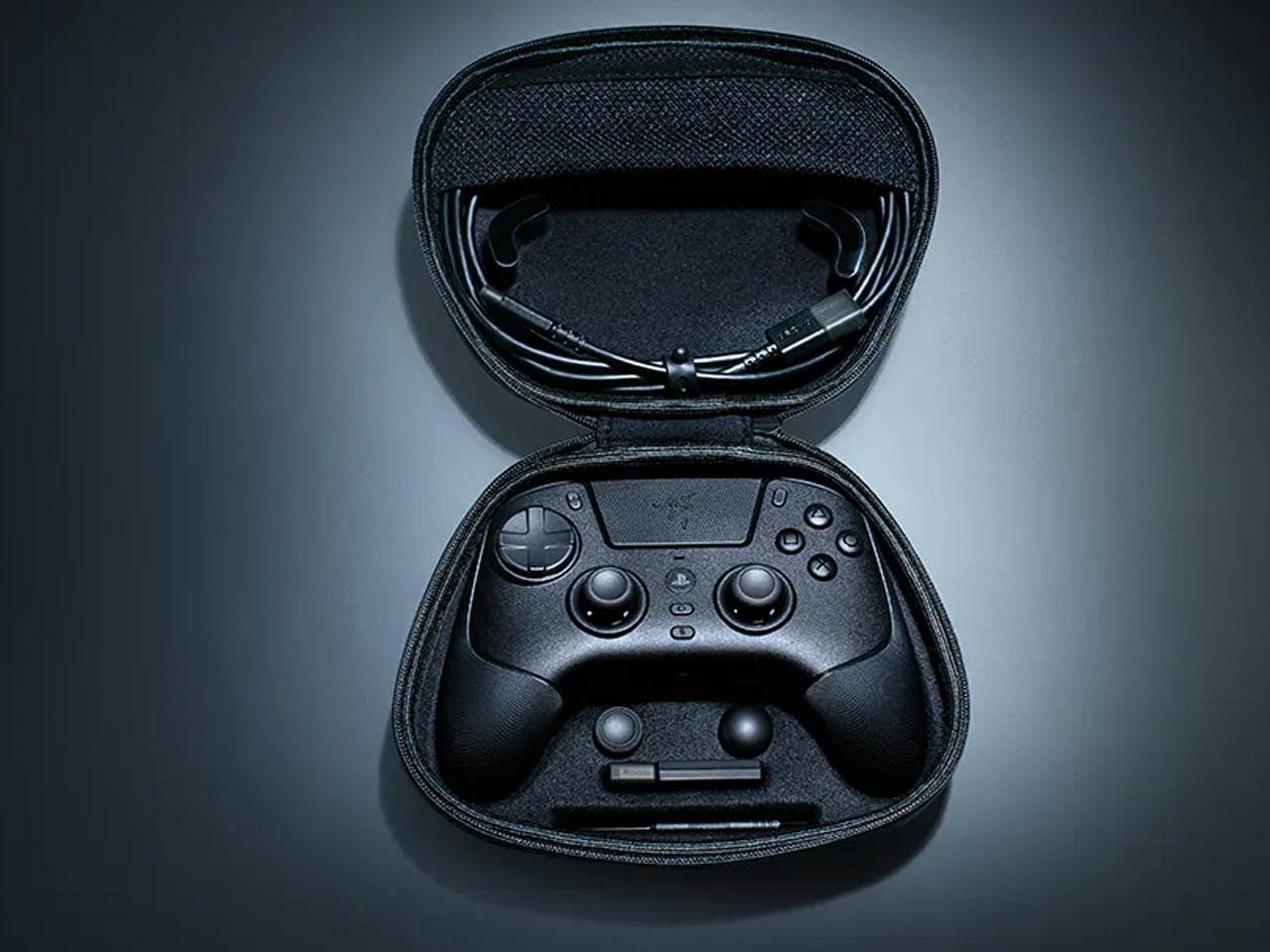
1. Razer Raiju V3 Pro
Razer’s pitch with the Raiju V3 Pro is precise: take the sensor thinking behind their best gaming mice and transplant it into a PlayStation-compatible controller. The result is Tunnel Magnetoresistance thumbsticks — TMR —, and as of 2025, no other PS5 controller ships with them. Where the Hall Effect uses magnetic fields to read position, TMR uses weak electromagnetic waves to detect even finer movement with greater resolution. Drift is resolved at a hardware level, not managed in software. Hall Effect triggers cover the other high-wear surface, meaning every primary input on this controller is engineered against degradation from the start. At 258 grams, it sits lighter than the DualSense Edge without feeling hollow, and the wider grip reduces hand strain across longer sessions.
Six extra inputs are distributed across the frame — four removable back buttons in the rubberized handles and two claw-grip bumpers flanking the triggers — all fully remappable to whatever a specific game demands. Razer’s HyperSpeed 2.4GHz wireless holds latency tight, with a polling rate that climbs to 2,000Hz on PC, a number Sony’s controllers don’t approach. Battery life is rated at 36 hours, nearly triple the DualSense standard. It’s officially licensed for PlayStation 5, requires no adapters, and connects as a native peripheral. For competitive players who want every hardware advantage consolidated in one place, the Raiju V3 Pro is currently the ceiling.
What We Like
TMR thumbsticks are unique to this controller in the PS5 space, resolving drift at a sensor level that Hall Effect doesn’t reach.
A 36-hour battery life and 2,000Hz PC polling rate are specifications Sony’s lineup has no current answer to.
What We Dislike
Haptic feedback and adaptive triggers are absent — a real trade-off for anyone whose gaming skews toward immersive, story-led experiences.
The symmetrical thumbstick layout is a deliberate competitive choice that won’t feel native to players raised on PlayStation’s standard asymmetric positioning.
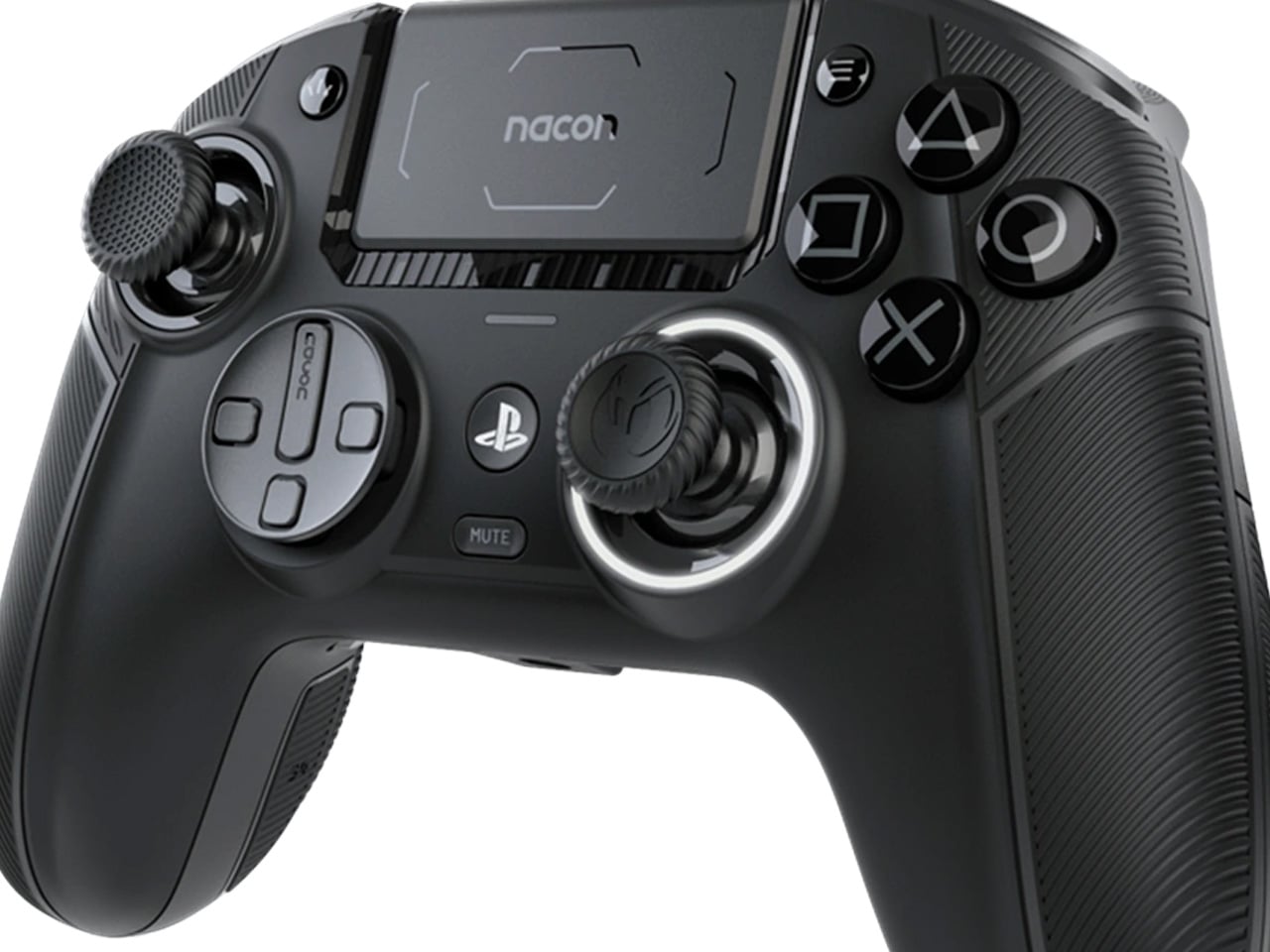
2. Nacon Revolution 5 Pro
The Revolution 5 Pro starts from a principle the DualSense never acted on: if magnetic sensor technology stops drift, why limit it to the thumbsticks? Nacon applies the Hall Effect to the triggers as well, covering every primary contact surface in a single design. No stick drift, no trigger wear, no gradually worsening feel over months of use. The asymmetric layout mirrors the DualSense’s familiar posture closely enough that the transition is immediate, and the premium materials wrapped around the modular frame feel considered rather than compensatory. It’s officially licensed for PlayStation 5 and built around the ergonomics of long sessions rather than short competitive bursts.
Customization is both deep and accessible. Four profiles can be switched directly on the controller without opening a companion app, though the app itself offers trigger sensitivity curves, deadzone tuning, and full button remapping with genuine precision. Interchangeable thumbstick sizes and adjustable internal weights let players calibrate the physical feel to their own preference. A standout feature that no other controller on this list includes is built-in Bluetooth audio output, letting players pair headphones directly to the controller rather than routing through the console. The Revolution 5 Pro was also designed around a reduced carbon footprint — a thoughtful distinction for a product category that rarely acknowledges it.
What We Like
Hall Effect across both sticks and triggers makes this one of the most mechanically durable pro controllers on the market right now.
Built-in Bluetooth audio pairing is a friction-reducing feature that no Sony controller — at any price — currently provides.
What We Dislike
Haptic feedback and vibration don’t function during PS5 gameplay, which strips out a meaningful portion of the DualSense’s native experience.
The profile and customization system has a learning curve that requires time to work through before its full value becomes accessible.
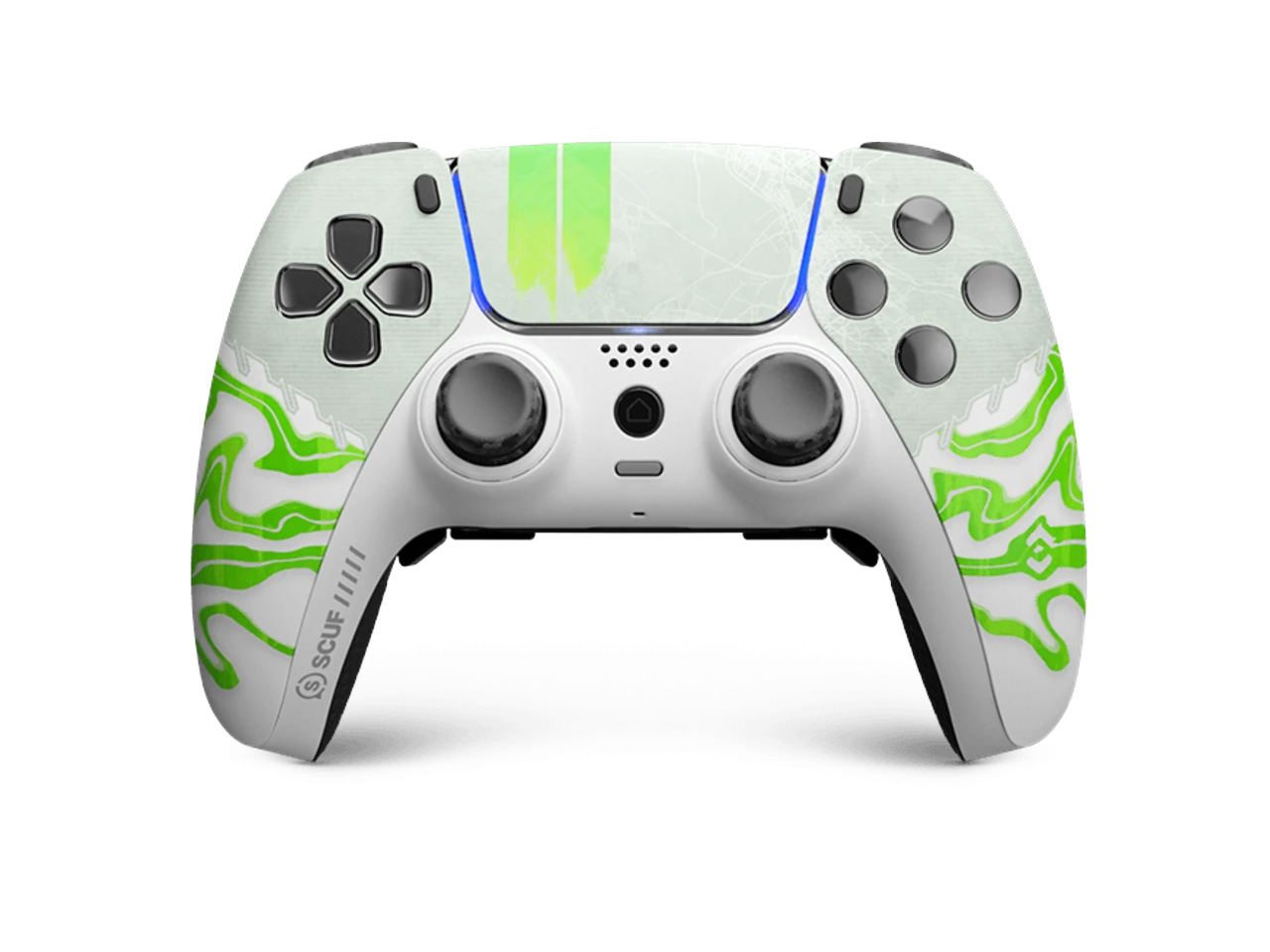
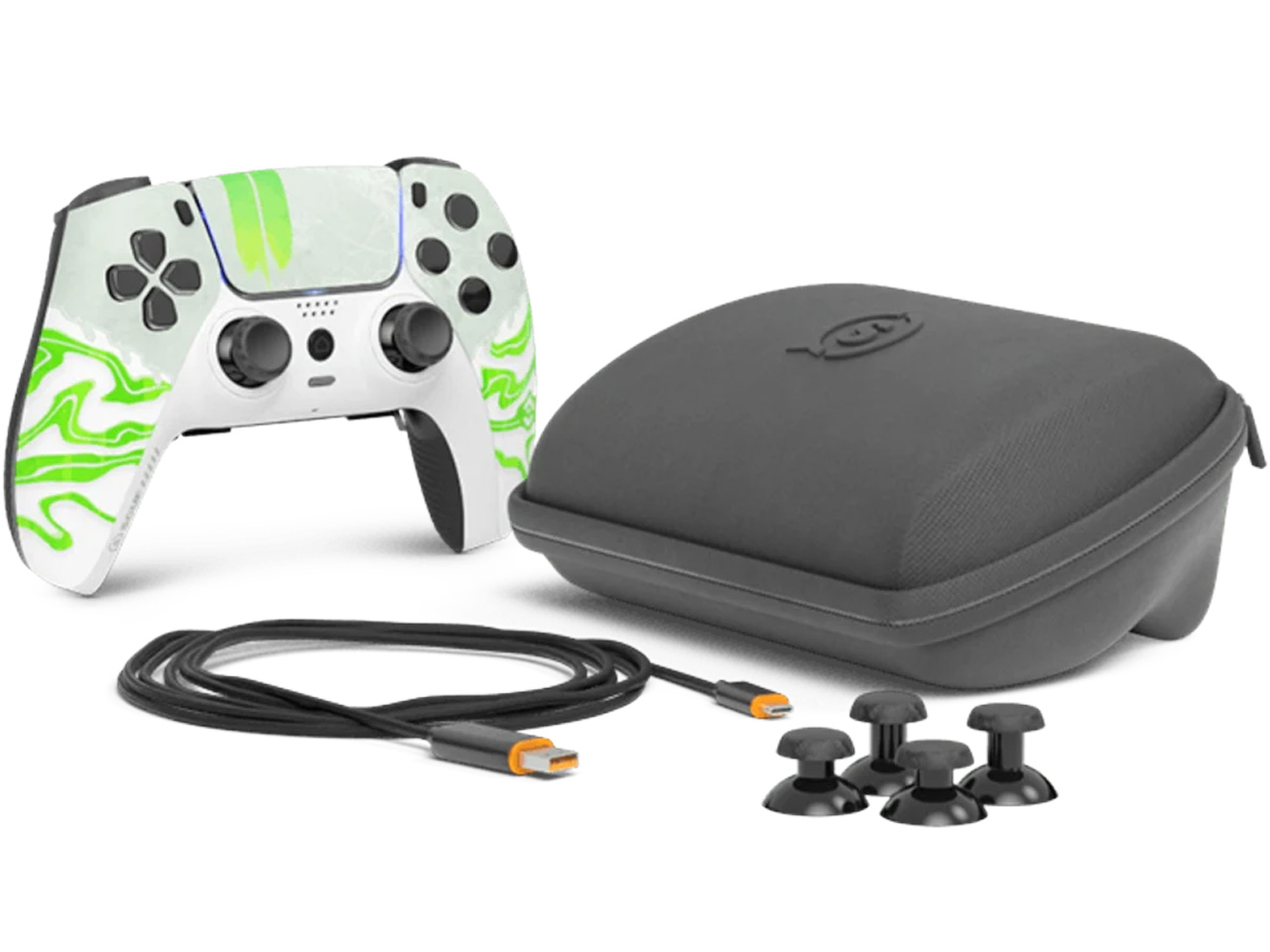
3. SCUF Reflex Pro
SCUF has spent years earning credibility with competitive console players, and the Reflex Pro is the most technically resolved version of that commitment. The 2025 lineup integrated Hall Effect anti-drift thumbsticks as standard hardware, closing the mechanical gap that had followed the Reflex series across previous generations. Wireless performance is clean, adaptive triggers function as expected on PS5, and vibration rumble stays intact — a combination that most third-party alternatives compromise somewhere along the way. The physical form follows the DualSense’s geometry closely enough that picking it up for the first time feels instinctive. It’s built for precision longevity first, familiarity second, and it delivers both.
The rear paddle system is where the Reflex Pro makes its case most directly. Four fully assignable paddles run along the underside of the controller, each mappable to any function that would otherwise require lifting a thumb from the sticks — jump, reload, slide, crouch, anything the game demands. Your aim stays unbroken at the exact moments it matters. Sony’s DualSense Edge, the first-party pro option, ships with two back buttons at a higher price. The Reflex Pro ships with four. SCUF also offers a Build Your Own path that opens TMR thumbstick selection at the point of purchase, giving players the option to match or exceed the Raiju V3 Pro’s sensor performance inside a controller that keeps full haptic and adaptive trigger compatibility.
What We Like
Four fully assignable rear paddles outperform the DualSense Edge’s two-button setup — more inputs, better placement, and a lower price.
Hall Effect thumbsticks are now standard across the line, making long-term stick accuracy a structural strength rather than a premium option.
What We Dislike
At $269.99, the base configuration is a steep ask for players whose gaming doesn’t warrant a competitive-grade investment.
Selecting TMR thumbstick upgrades through the Build Your Own path increases the total cost meaningfully from an already high starting point.
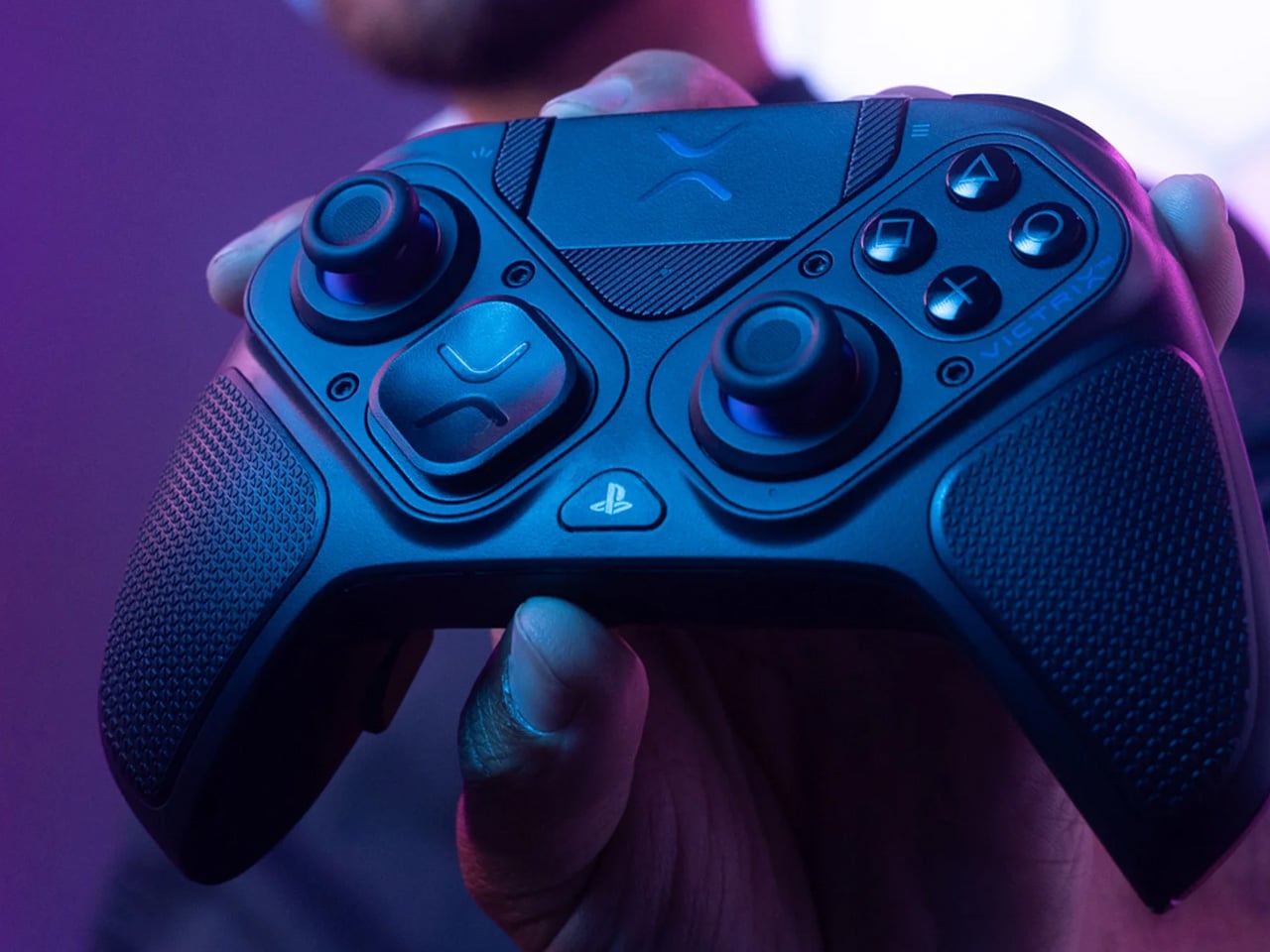
4. Victrix Pro BFG Wireless
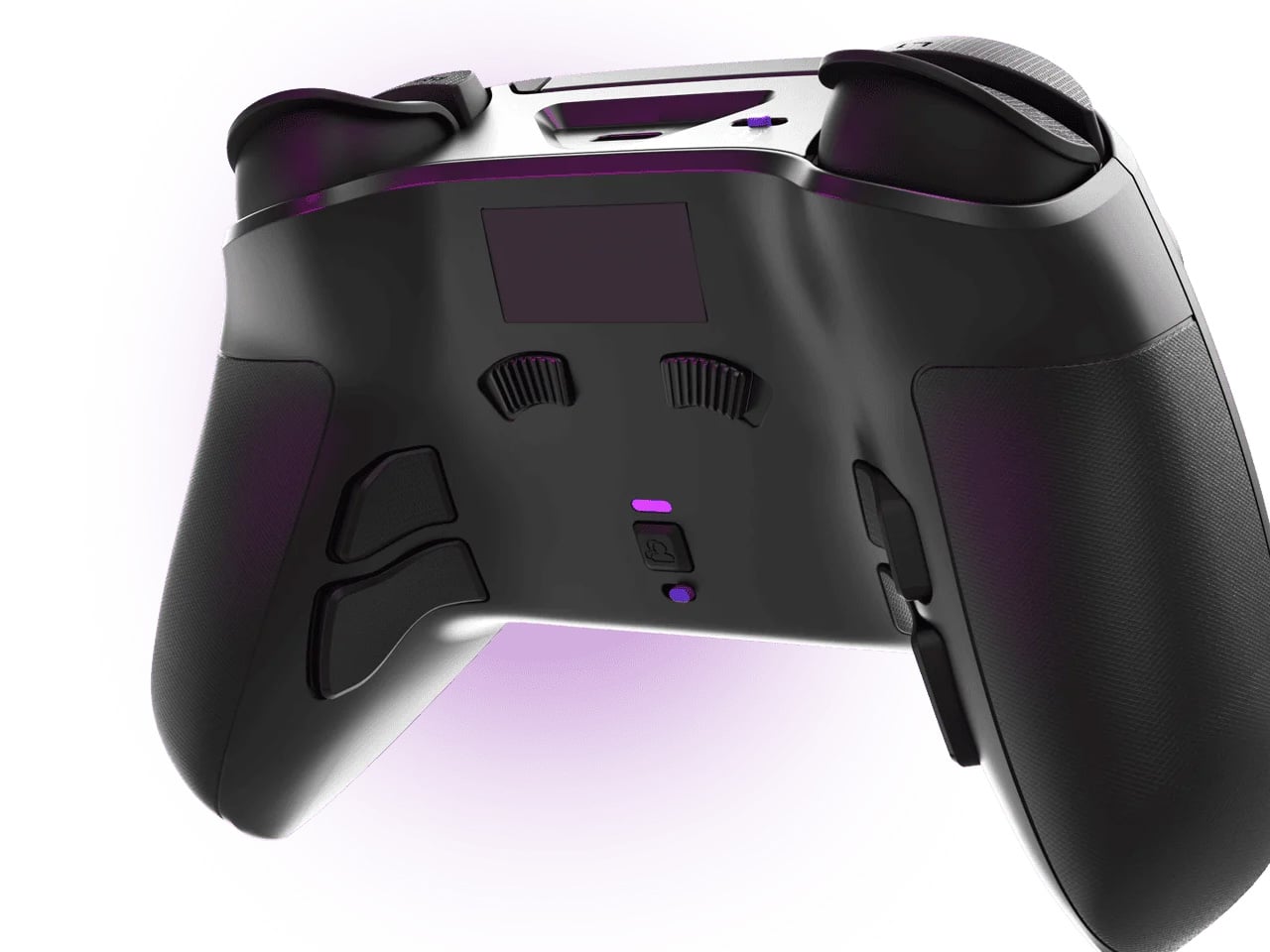
The Victrix Pro BFG Wireless asks a question most controller manufacturers skip entirely: what if the hardware itself could physically reconfigure to match the way you play? The left module is reversible, allowing a shift between PlayStation’s asymmetric thumbstick layout and an Xbox-style offset arrangement by physically swapping a component. Three D-pad options, four interchangeable thumbsticks, four gate options, and a six-button fight pad module fitted with Kailh microswitches extend that physical adaptability into nearly every directional and action input on the controller. The Reloaded refresh, released ahead of EVO 2025, upgraded both sticks and triggers to Hall Effect simultaneously. No other officially licensed PS5 controller — from Sony or anyone else — offers this degree of physical reconfiguration.
The trigger system is one of the more thoughtfully executed on this list. Patented Clutch Triggers offer five discrete stop positions and a hair trigger mode, giving players direct control over how much travel occurs before an input registers. In shooters where response time separates outcomes, that level of calibration is a measurable variable, not a theoretical one. Four mappable back buttons extend the input count further, while the free Victrix Control Hub app handles button remapping, stick sensitivity, and deadzone adjustment without subscriptions or forced account creation. The controller supports wireless play via USB dongle and wired connection for tournament-legal, zero-latency use — two modes of play, one controller, no compromises on either.
What We Like
A reversible left module that physically changes thumbstick layout is a feature category that the DualSense and DualSense Edge both entirely ignore.
Five-stage Clutch Triggers with hair trigger mode offer trigger precision that Sony’s pro controller doesn’t come close to replicating.
What We Dislike
The breadth of customization options means real time must be invested in the companion app before the hardware’s full potential opens up.
Wireless operation runs through a USB dongle rather than Bluetooth, adding a setup step that console-first players may find less convenient.
5. HexGaming Phantom Pro
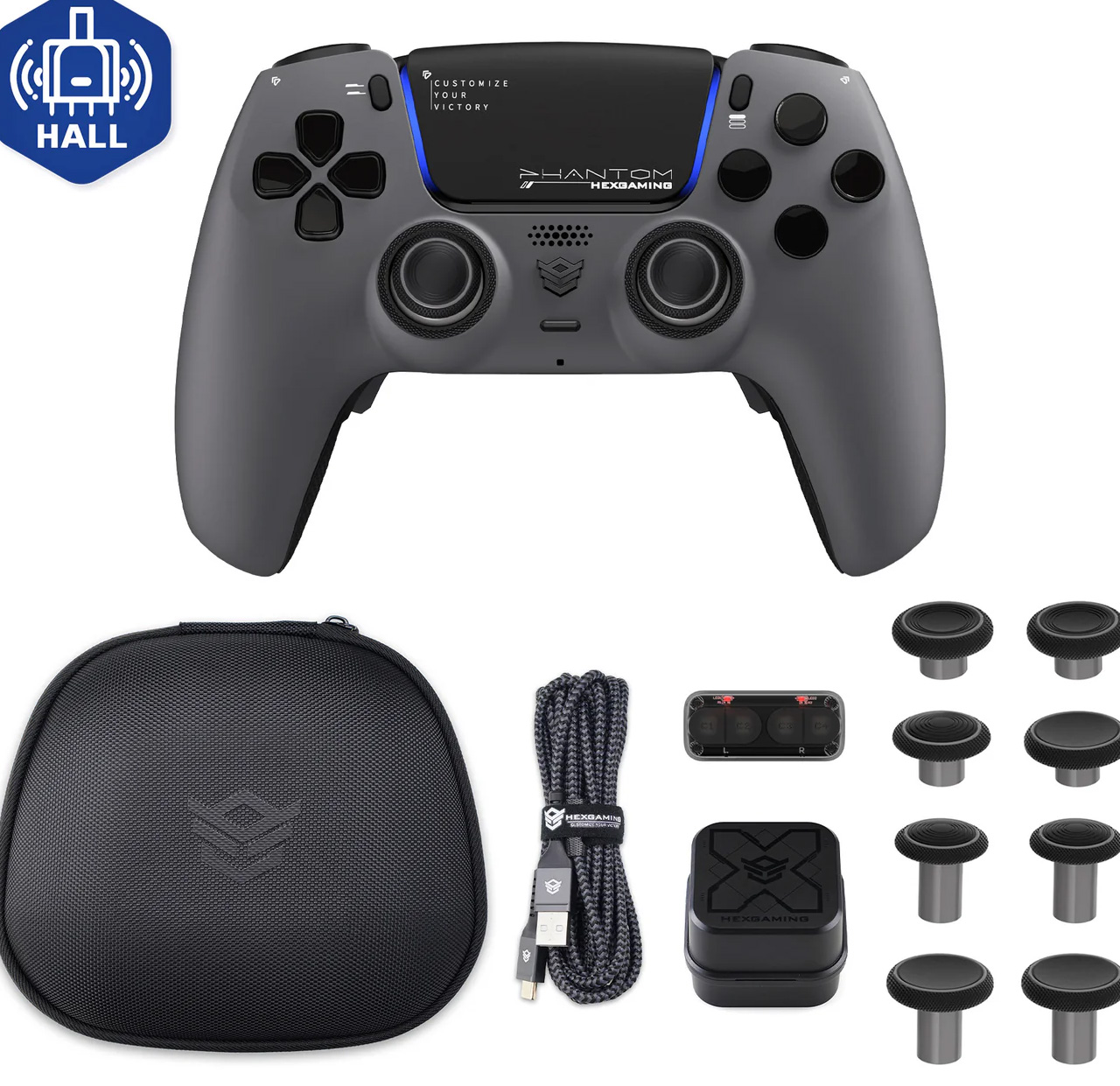
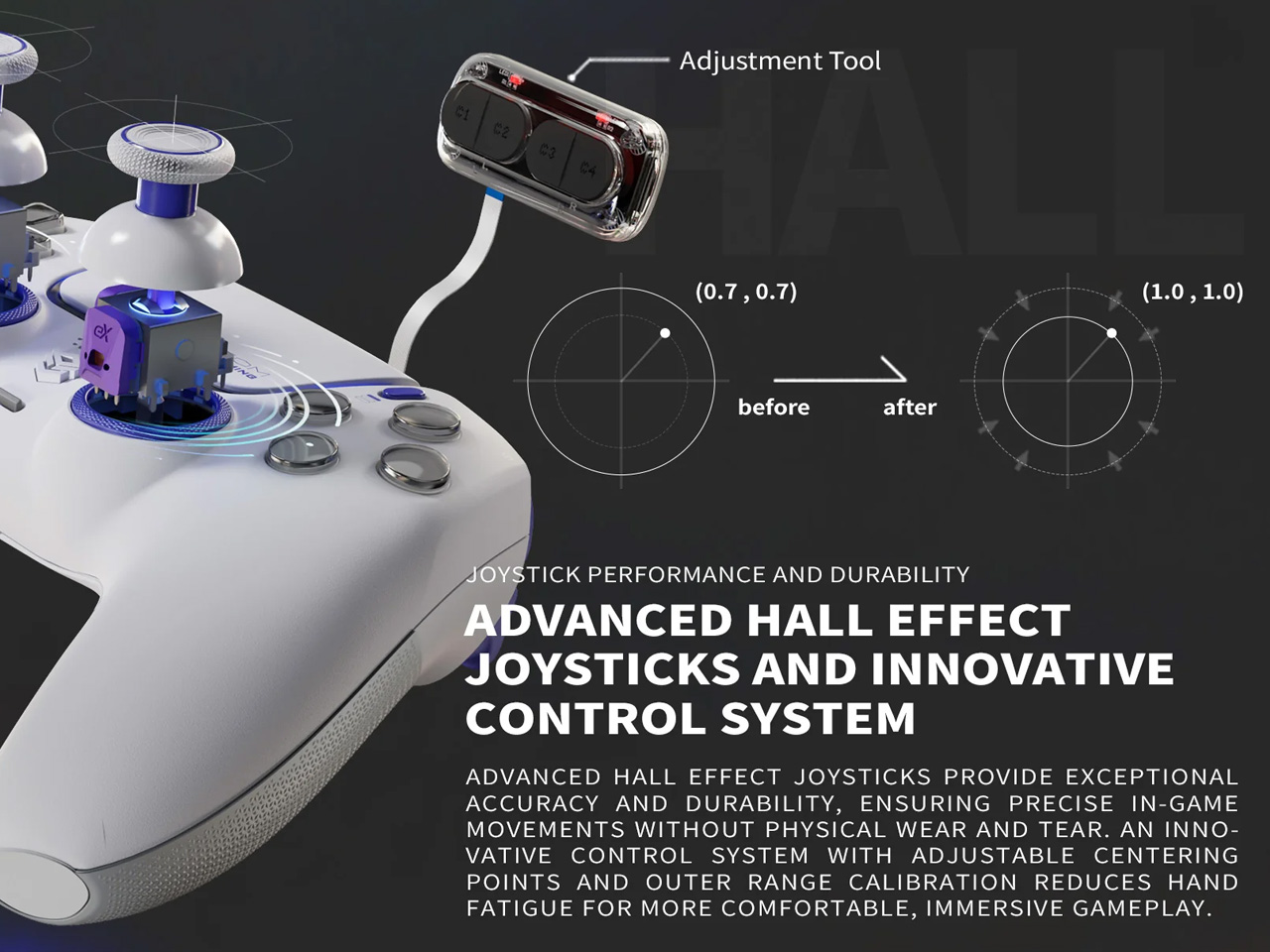
Most controllers on this list ask for a trade. Usually, it’s haptic feedback, adaptive triggers, or both — the two features most central to what makes the DualSense feel like a DualSense. The HexGaming Phantom Pro doesn’t make that trade. Built on genuine Sony DualSense internals, it keeps adaptive triggers and haptic feedback fully intact. What it layers on top is everything Sony declined to include: Hall Effect joysticks, four tactile back buttons with a precise clicky actuation, adjustable trigger stops, and a physical toggle that switches between adaptive and digital trigger modes on the fly — shifting the same controller between immersive single-player feel and FPS-optimized speed without any software interaction. It’s the controller Sony had the components to build and chose not to.
The detail work is thorough. Eight interchangeable thumbsticks — concave, domed, and extended — let players configure grip geometry to their actual hand shape rather than an assumed standard. Digital triggers travel 1.5 to 2mm before actuating, delivering mouse-click response times for FPS gameplay where that matters. Six swappable profiles handle game-specific configurations on the fly, and the standard version includes a DriftFix system that lets axis deviation be corrected within a 0.12 range without hardware replacement — a calibration tool no stock controller offers. The controller ships as a complete kit with a carrying case and a charging cable. For players unwilling to give up what makes the DualSense good, this is the only way to also gain what it consistently gets wrong.
What We Like
Sony internals mean adaptive triggers and haptics are fully preserved — the only controller on this list that doesn’t require trading them away.
A physical toggle between adaptive and digital trigger modes is a genuinely smart addition that no competitor, first-party or third, provides.
What We Dislike
The base price of $229 is a high entry point, and the Hall Effect configuration — the one worth choosing — costs more.
No dedicated 2.4GHz wireless connection is a gap for players who prioritize wireless performance above the Bluetooth standard.
The DualSense Didn’t Lose. It Just Has Real Competition Now.
Sony built something worth building. The DualSense’s haptic system and adaptive triggers still represent a design vision few peripherals have matched on those specific terms. But hardware doesn’t hold its position by standing still, and in 2025, the third-party market demonstrated it doesn’t have to wait for Sony to move first. TMR sensors, Hall Effect triggers, physical modular reconfiguration, multi-stage trigger calibration — these aren’t experimental features on concept renders. They’re in production, reviewed, and on shelves.
These five controllers are what’s available right now. Whether the priority is maximum input precision, mechanical longevity, total configurability, or keeping every DualSense feature while gaining everything it withholds, the answers exist. The default option is still a good one. It’s just no longer the only one worth considering.
We truly are in a retro-transparent era! With transparent phones and earbuds from Nothing, transparent smart glasses from Meta, and even transparent Cipher controllers for the Xbox, it’s safe to say that the golden age of design has come full circle. Pioneered by Nintendo and then popularized by Apple with their transparent era just before pivoting to aluminum, transparency adds depth and character to design – literally. Instead of a boring opaque form, you get to see what’s underneath the hood and appreciate all the intricacy that goes into a product’s design from the bottom up.
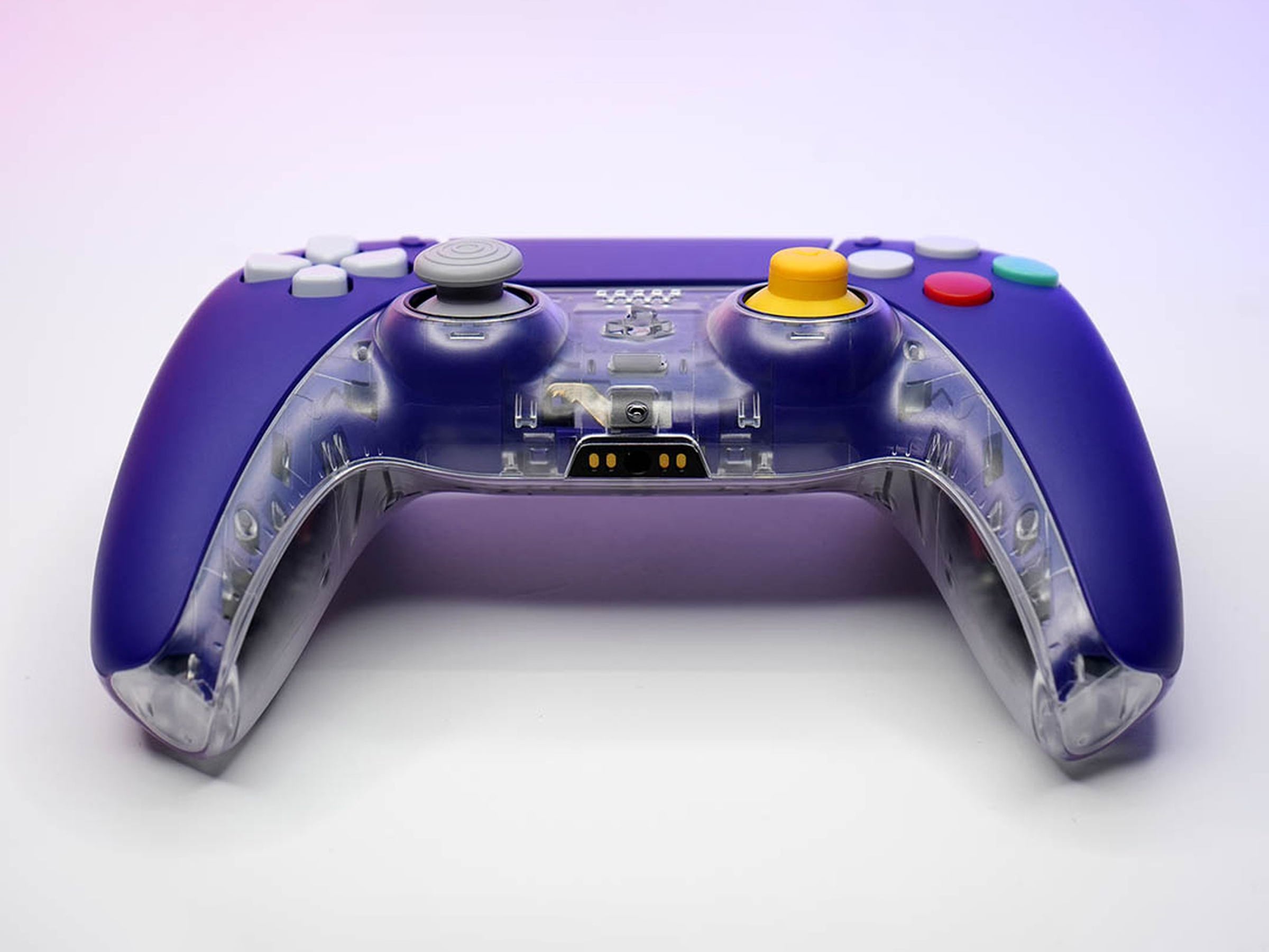
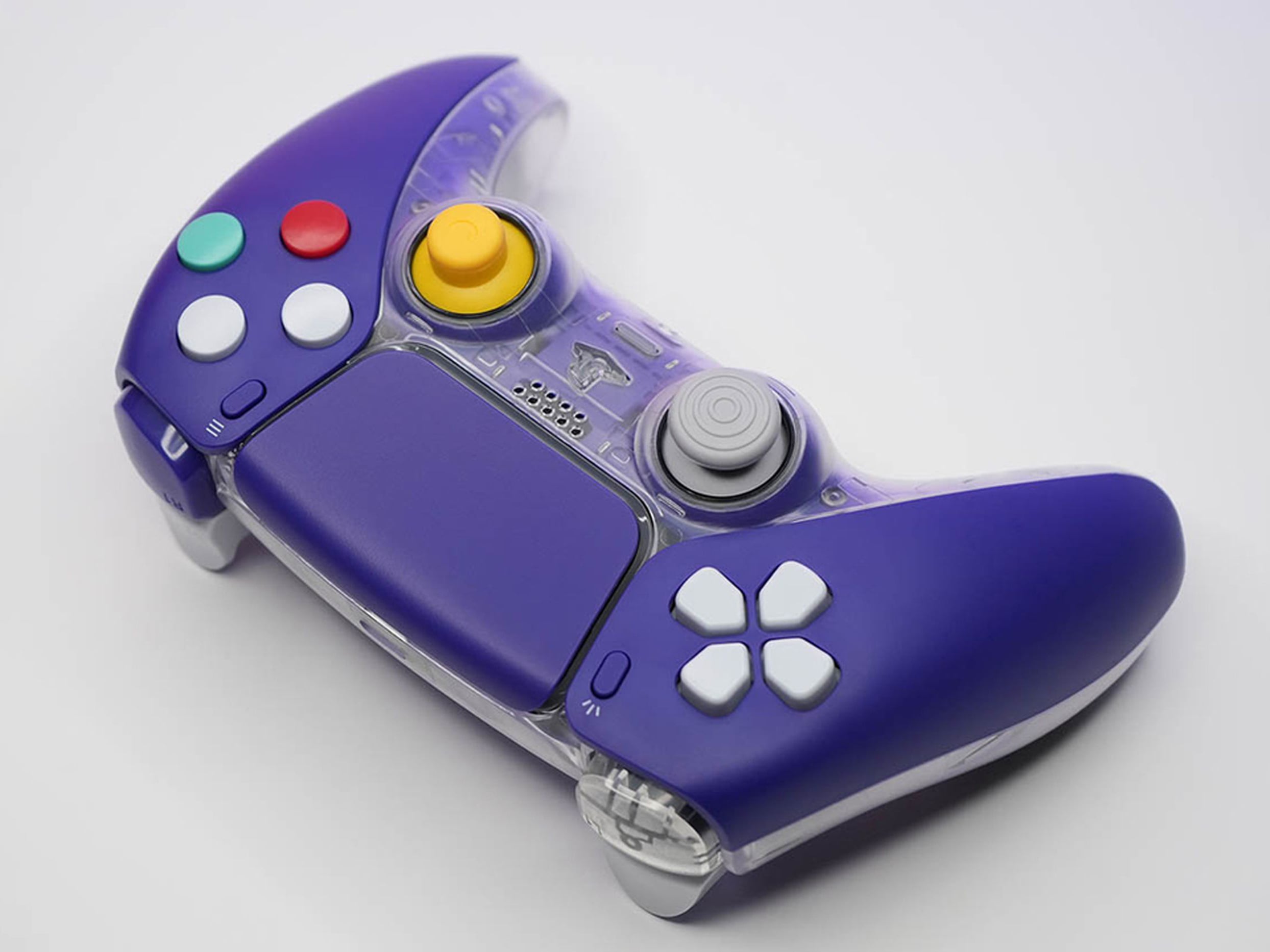
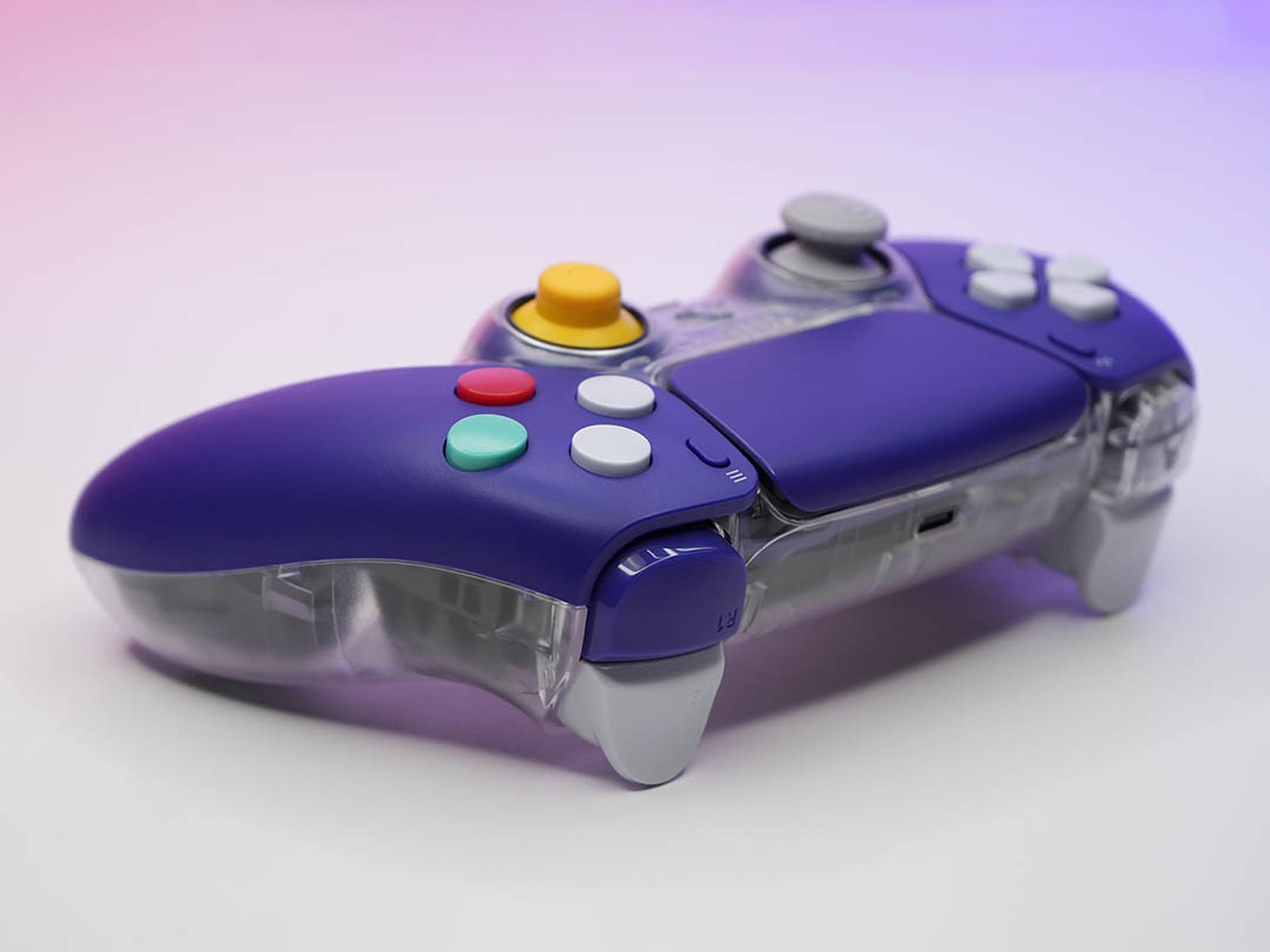
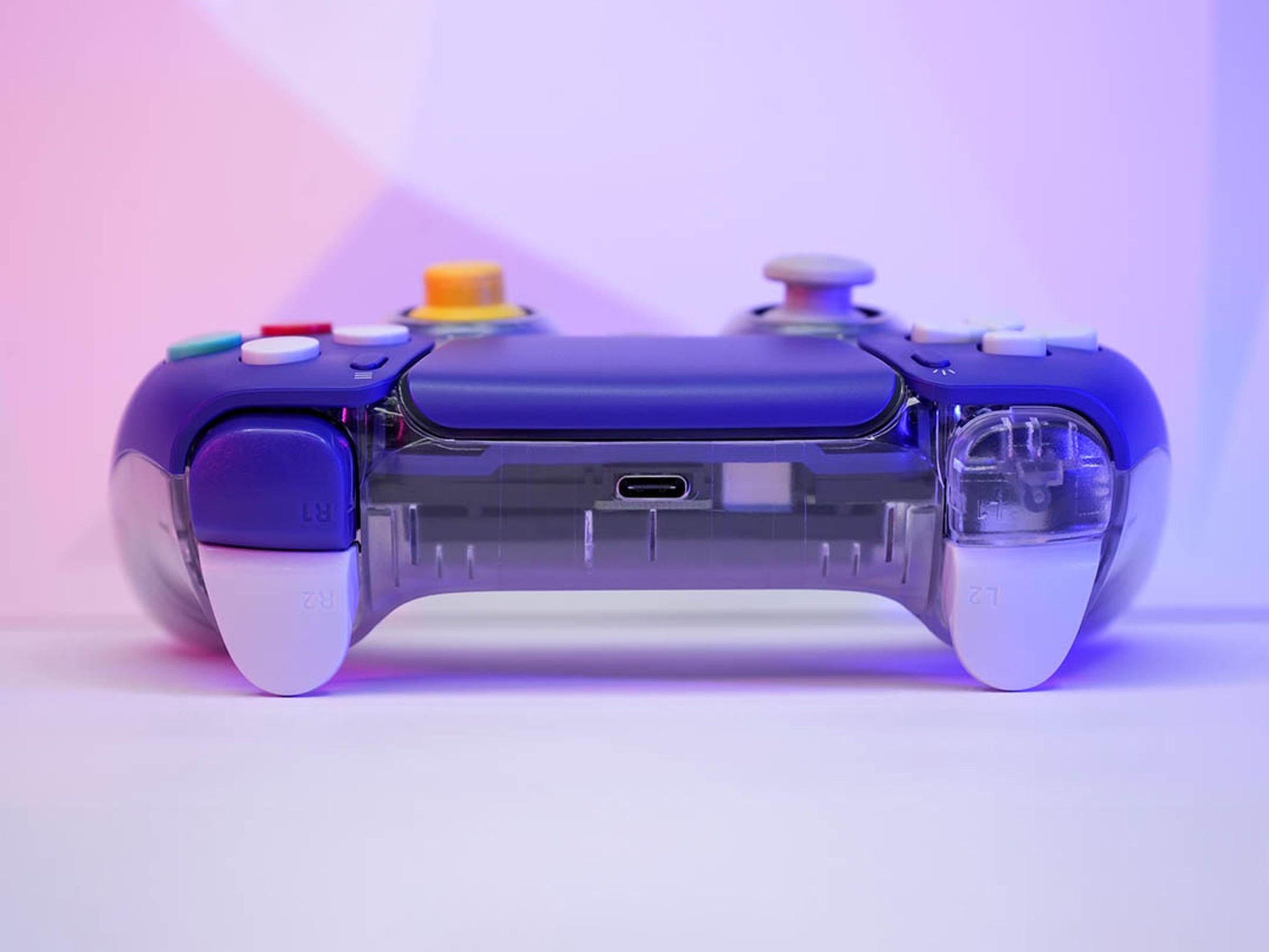
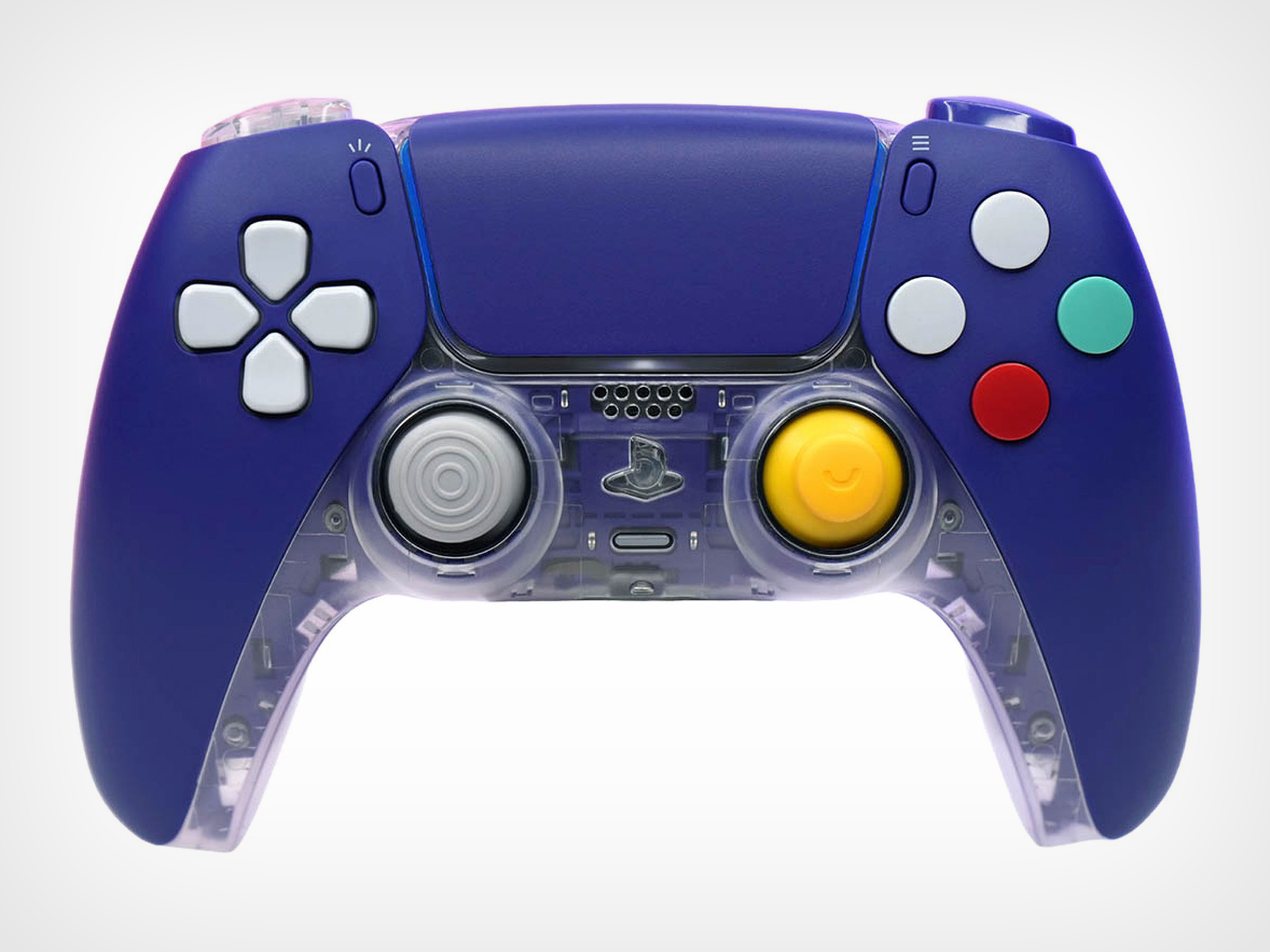
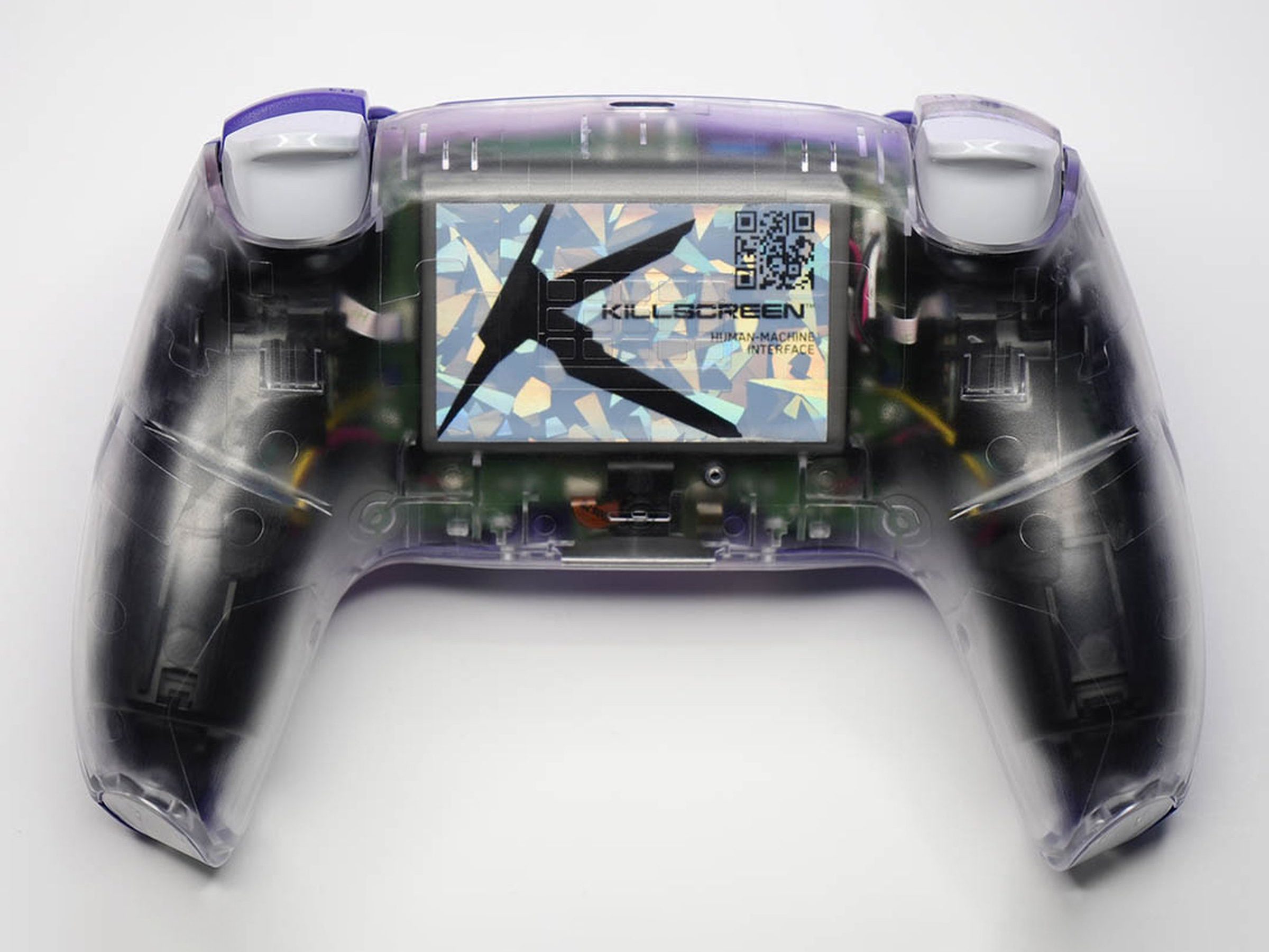
Inspired by the iconic aesthetics of the Nintendo GameCube, this custom gamepad from the folks at Killscreen aims to evoke a sense of nostalgia while maintaining the functionality that PS5 players expect. The CubeSense features a matte purple front shell paired with a transparent back, reminiscent of the original GameCube’s indigo colorway. It sports red, green, and light gray face buttons, evoking the playful palette of the classic console, though the layout remains aligned with Sony’s traditional configuration. The controller also includes custom joysticks, emulating the design of the GameCube’s yellow C-stick with a distinctive nub. However, unlike the asymmetrical stick layout of the GameCube, CubeSense’s dual analog sticks are positioned side by side, maintaining the modern PlayStation feel.
What makes the CubeSense special isn’t just its GameCube-inspired exterior but how it merges the old-school charm with PS5’s next-gen capabilities. Unlike other retro-themed controllers that only change the color scheme, the CubeSense reimagines the tactile feel of gameplay. The joysticks, for example, mirror the distinct yellow C-stick of the GameCube, yet they are adapted to Sony’s signature symmetrical layout. It’s an homage, but with purpose—tailoring the grip to fit the demands of today’s games while offering a nostalgic nod to those who cut their teeth on classics like Super Smash Bros. Melee.
Customization is where CubeSense comes into its own, offering more than just a change of shells. For those who crave a competitive edge, Killscreen has engineered clicky triggers and bumpers with shorter travel distances, designed specifically for the split-second precision needed in FPS games. These upgrades elevate the way you interact with your games, offering a heightened response time that makes the standard DualSense feel sluggish by comparison. And if you’re after a tactile upgrade across all inputs, the option to switch to microswitches provides that crisp click with every press, bringing a level of feedback reminiscent of high-end mechanical keyboards. But here, it’s all about the feel under your thumbs, ensuring that each input is as intentional as the next.
The CubeSense retains everything that makes the PS5’s DualSense great: adaptive triggers, haptic feedback, and seamless integration with the console. This means you get all the sensory depth of Sony’s flagship controller, yet in a package that feels uniquely yours. Imagine playing a game like Astro’s Playroom, where the haptics make you feel the pitter-patter of rain, but with the satisfying weight of the CubeSense’s upgraded buttons beneath your fingers. It’s a tactile treat that combines nostalgia with technical refinement, pushing beyond the simple remakes and remasters we see in the gaming world.
There’s a reason Killscreen’s take on transparency is more than a passing trend—it’s a design philosophy that speaks to the desire for openness in a world of black-box tech. The clear shell offers a glimpse into the intricate circuit boards and mechanisms, a nod to the days when devices came with diagrams of their inner workings. It aligns with what brands like Nothing are doing, where the appeal lies as much in seeing the product as it does in using it. The CubeSense is a device that encourages you to appreciate what’s inside, even though controllers aren’t meant to be seen—they’re meant to empower gaming while your eyes are hooked on the screen.
Priced at $149 for the base model and scaling up to $179 with all the upgrades, the CubeSense may not be the cheapest way to play PS5 games, but it’s certainly one of the most distinctive. It’s a controller for those who care about more than just performance—they want personality, history, and a tactile connection to their gaming past. And yes, this obviously isn’t an official Sony-Nintendo collaboration. Nintendo is infamously protective of its IP and extremely litigious, so a formal collaboration probably isn’t anywhere in the works. Fan-made creations, however, are always a pleasant surprise!
 SCUF has spent years earning credibility with competitive console players, and