Sony’s PS6 Could Triple the PS5’s Power. It Could Also Cost $800 and Land in 2029

Seven years is a strange unit of time. Long enough to finish a PhD, short enough to remember an event vividly, and apparently, exactly long enough for Sony to build, test, manufacture, and ship a new generation of PlayStation hardware. PS3 to PS4, PS4 to PS5: seven years, twice, with the precision of a Swiss movement. The console industry built its entire release calendar ecosystem around that cadence. Publishers scheduled their biggest titles around it. Retailers planned inventory cycles for it. Analysts forecast revenue curves based on it. So the news that Sony has not yet decided when the PS6 will launch, with Bloomberg and MST International both pointing toward 2028 at the earliest (if not 2029), carries weight well beyond a single product launch.

The culprit is DDR7 memory, or more precisely, the catastrophic shortage of it, as AI data centers absorb the global supply of high-bandwidth RAM faster than Samsung, SK Hynix, and Micron can produce it. One year of delay sounds manageable until you zoom out. GTA6, announced in December 2023 for a 2025 launch, has been publicly delayed three separate times and is currently targeting November 2026, with bettors still skeptical. Beyond the Spider-Verse slipped from March 2024 to June 2027, a three-year crater in the release calendar of one of the most acclaimed animated franchises in history. Apple is formally retiring the single annual iPhone event in favor of a split premium-then-standard cadence. The PS6 delay is a symptom of something structural, and the structure is bending.

Image Credits: Latif Ghouali
The memory crisis at the root of Sony’s problem is unlike previous supply chain disruptions in one important way: it is being driven by a competitor class that simply outclasses consumer electronics on every financial dimension. Samsung, SK Hynix, and Micron have made a calculated pivot toward high-bandwidth memory for AI accelerators, with demand expected to grow 70 percent year-over-year in 2026 alone. Meanwhile, Alphabet and Amazon have announced capital expenditure plans of roughly $185 billion and $200 billion respectively this year, among the largest in corporate history, further intensifying competition for advanced memory. Sony is not losing a bidding war. It is sitting in a market that has structurally reorganized around different priorities, and the PS6 is waiting at the back of a very long, very expensive queue.
Sony President and CEO Hiroki Totoki addressed the uncertainty directly at the FY2025 earnings briefing, saying through a translator: “We have not yet decided on at what timing we will launch the new console, or at what prices. So we would like to really observe and follow the situation.” That is an extraordinary statement from the head of one of the most strategically disciplined hardware companies on the planet. Sony does not typically observe and follow. It plans, announces, and executes. The fact that Totoki’s language sounds more like a macroeconomist reading a volatile market than a product chief managing a launch calendar tells you everything about how abnormal this moment is.
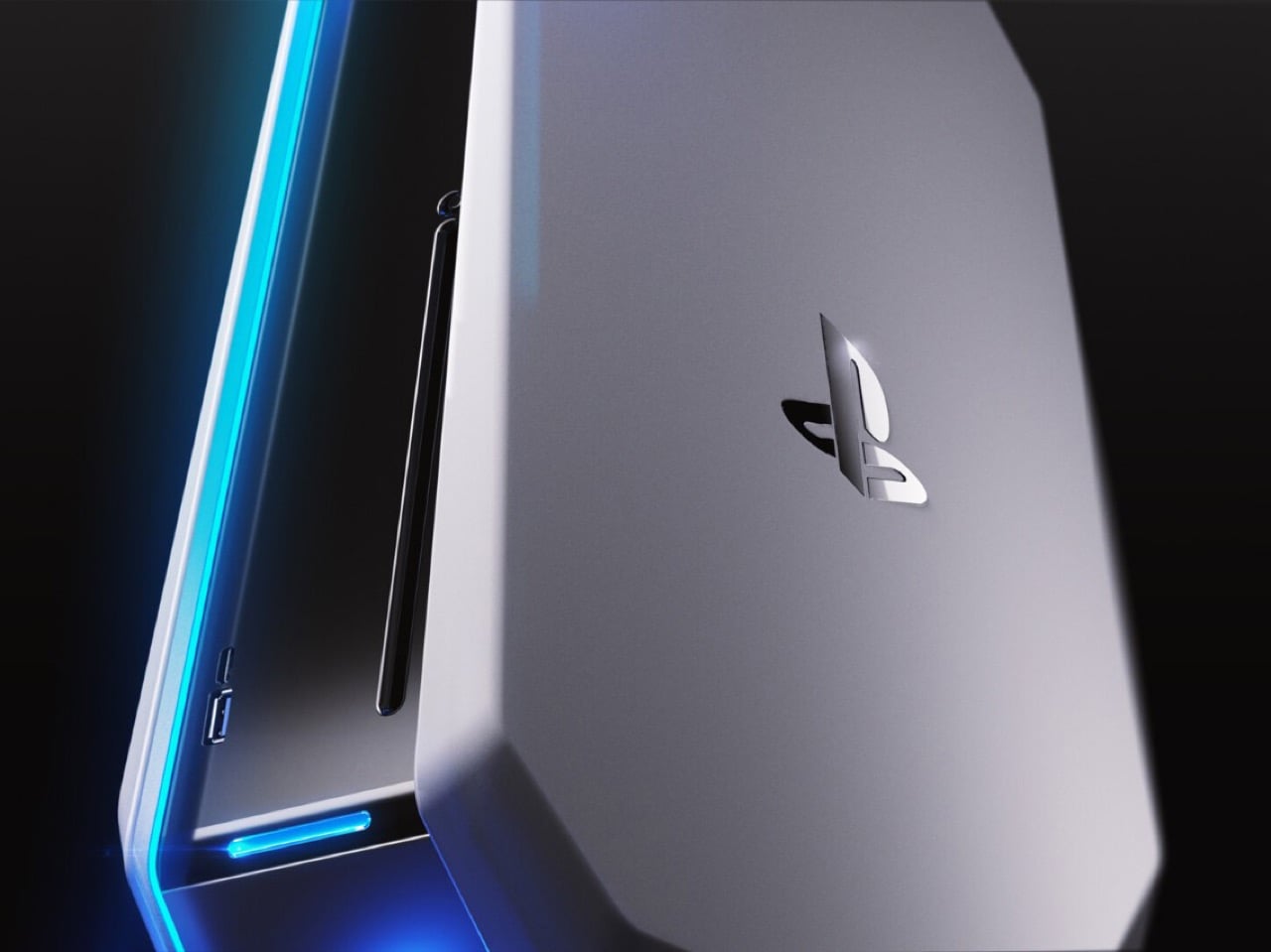
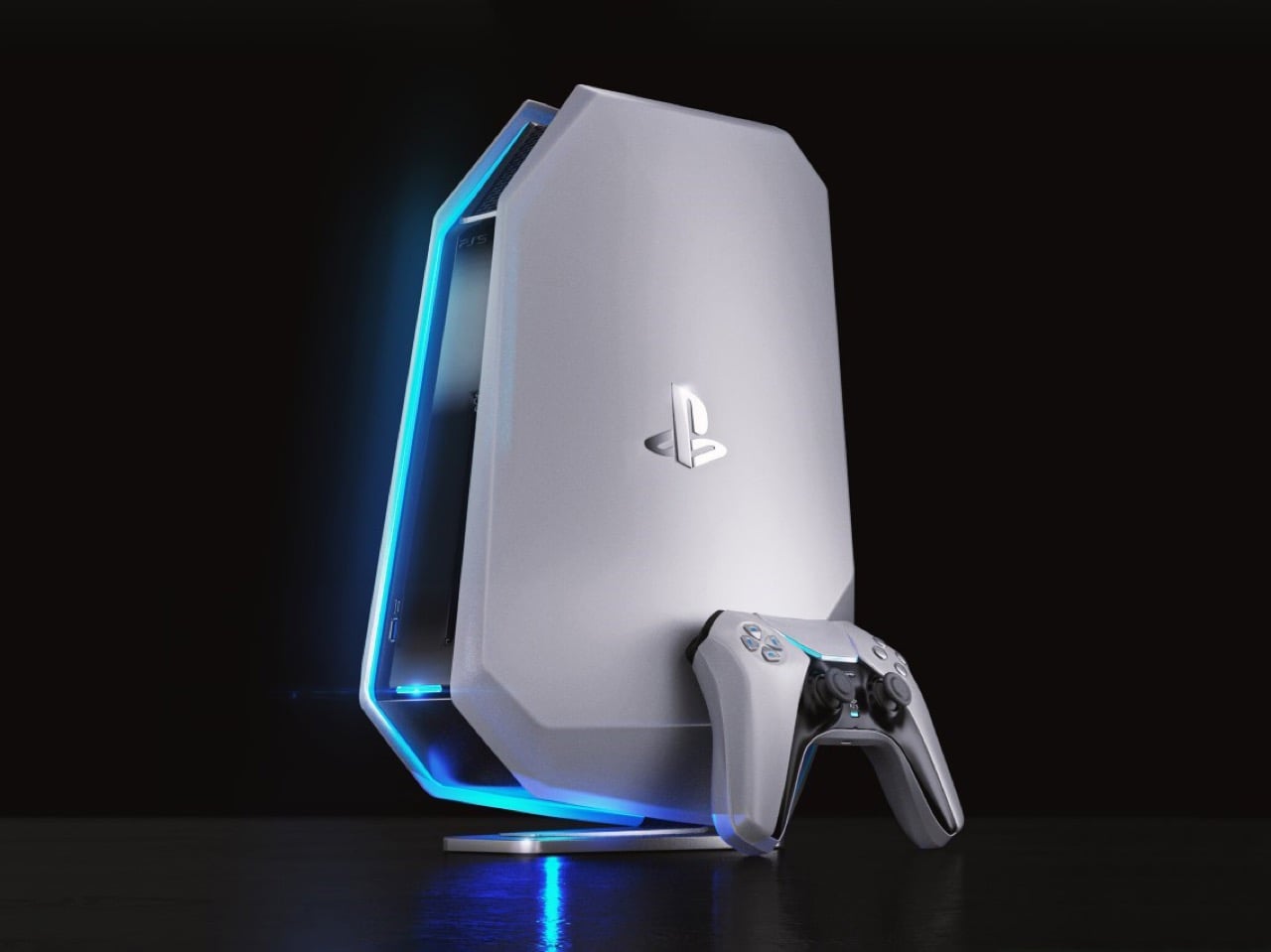
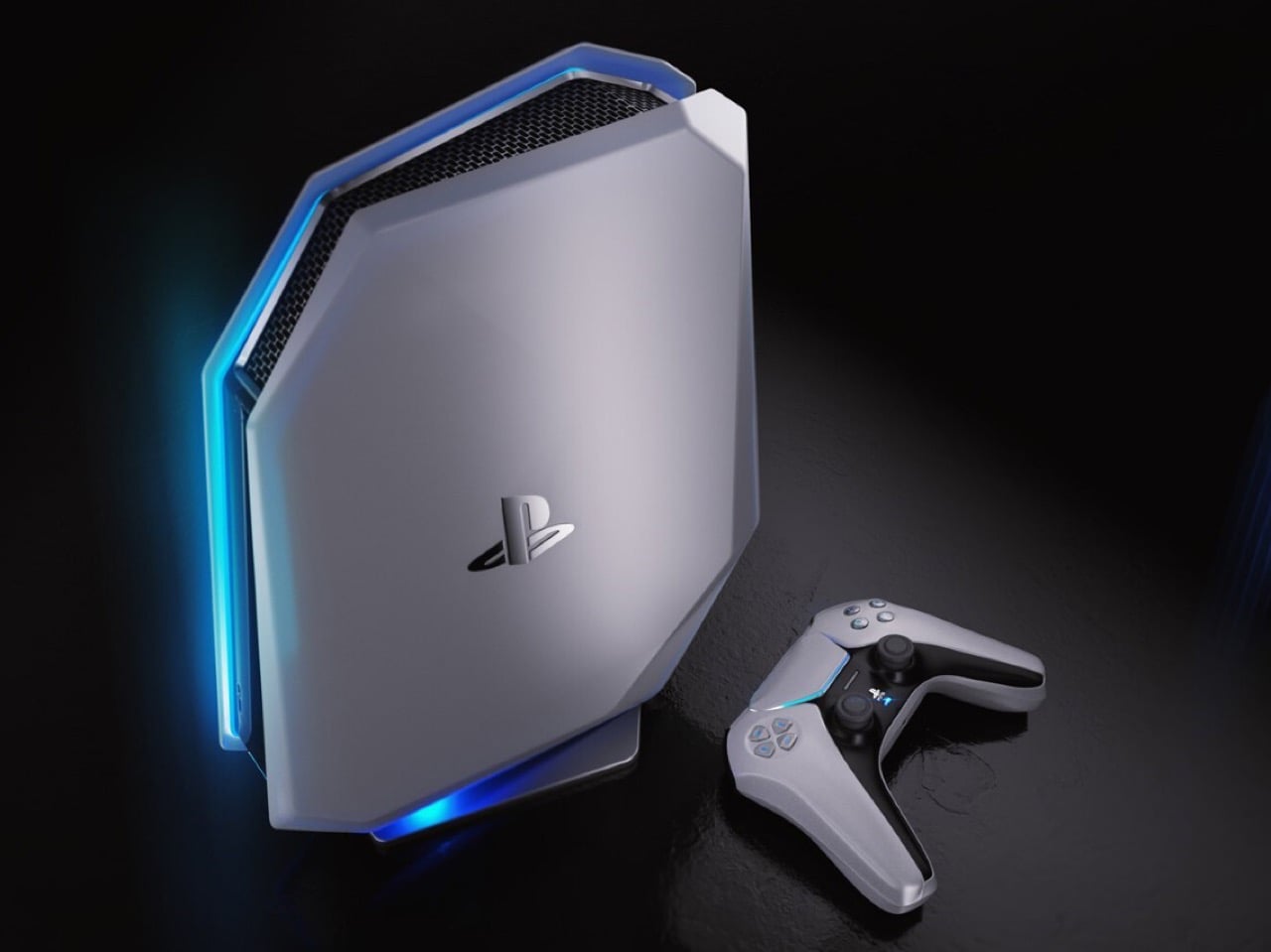
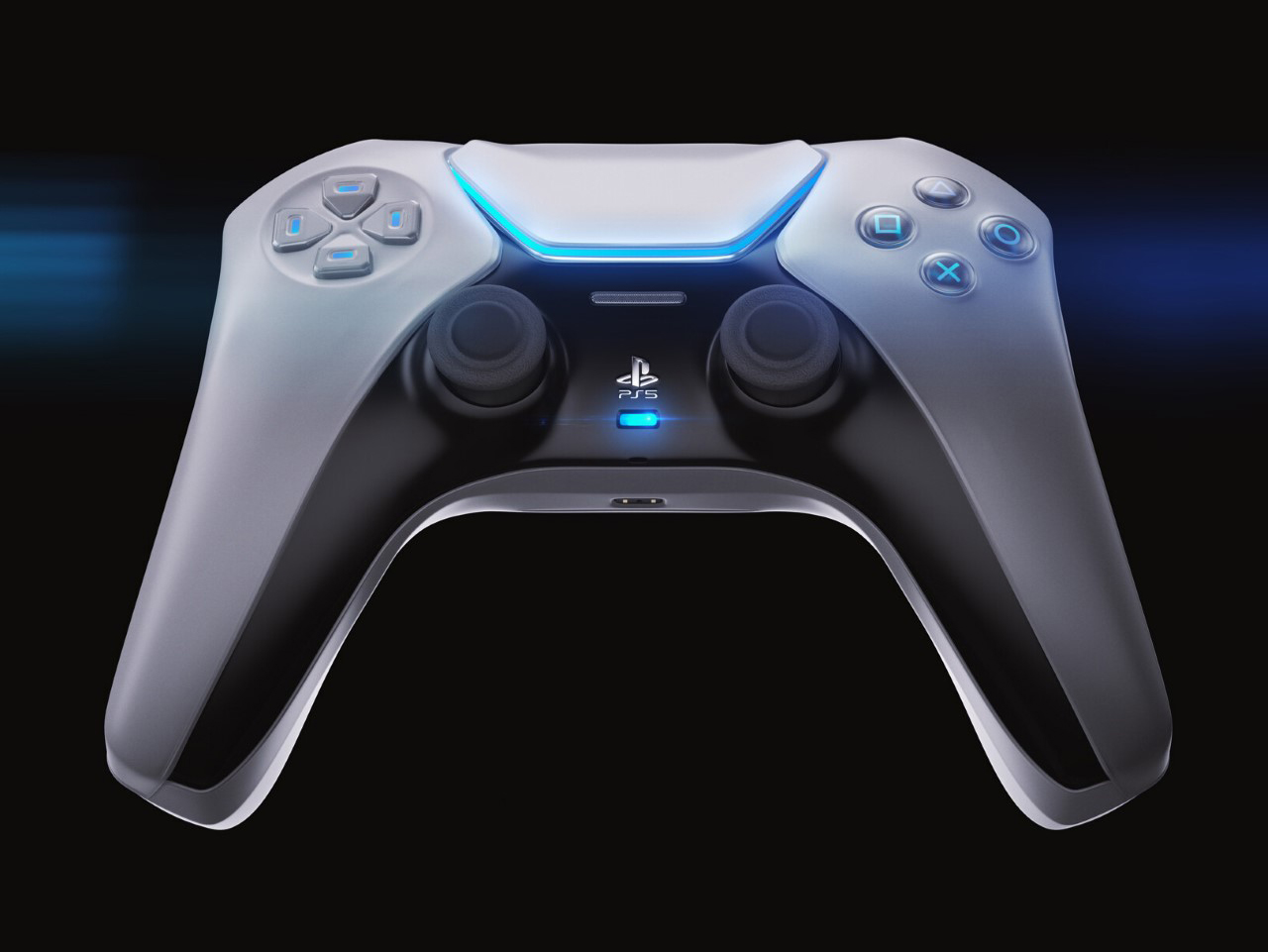
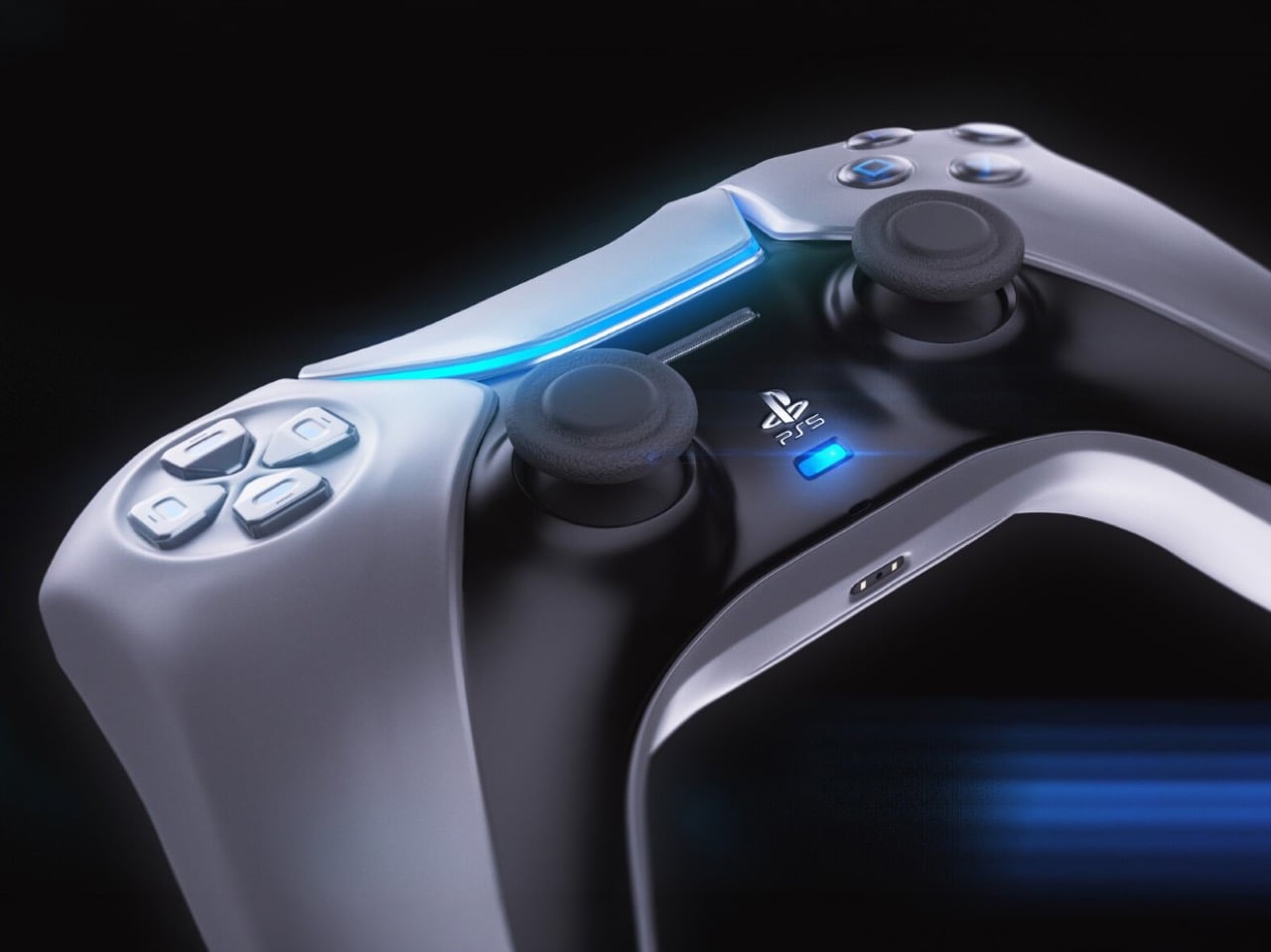
The hardware itself, when it arrives, looks genuinely transformative. Leakers and supply chain sources indicate Sony awarded the PS6 chip contract to AMD back in 2022, with the console expected to feature a custom Zen 6 CPU and RDNA 5 GPU architecture, targeting roughly triple the PS5’s rasterization performance with 4K gaming at 120 frames per second and advanced ray tracing. A companion handheld codenamed Project Canis is reportedly riding alongside the main console as part of a unified two-device platform strategy, which would represent the most significant structural shift in PlayStation’s hardware philosophy since the PS3’s disastrous Cell processor gamble. The specs, in other words, are not the problem. The atoms are.

The delay also arrives at a peculiar competitive moment. If supply chains stabilize by 2027, Sony could target a late 2028 launch with multiple SKUs and the handheld companion. If shortages persist, the PS6 could slip to 2029 or beyond, risking market momentum loss to rivals. Microsoft has been conspicuously quiet about its own next-generation plans, and a scenario where Xbox gets to market first, even with a smaller install base, would hand the competition a narrative advantage that Sony has not faced since the PS3 era. As of early April 2026, prediction markets showed only about 25 percent probability that Sony would announce the PS6 before 2027. The crowd is not optimistic.
What the PS6 situation actually exposes is the fragility of product cycles that have been treated as laws of nature rather than engineered outcomes. GTA6 has been delayed not once or twice but three times since its December 2023 reveal, bouncing from a 2025 window to May 2026, then to its current November 19, 2026 target, with Take-Two CEO Strauss Zelnick deploying identical “we feel really good about it” language each time a new date was announced. Beyond the Spider-Verse, a sequel to a film that grossed $690 million and earned a near-universal critical consensus as a generational achievement in animation, has been pushed from March 2024 to June 2027, a three-year gap that would have been unthinkable for a franchise at that level of commercial and artistic momentum. And Apple, the company that arguably invented the modern product launch as cultural event, is now formally splitting its iPhone releases across a fall premium window and a spring standard window, with Mark Gurman reporting the expectation that this pattern continues for years to come. Clockwork, everywhere, is slipping.
Sony will ship the PS6. The hardware is real, the AMD partnership is locked, and the performance targets are serious enough to make the wait feel justified when the box finally lands on a shelf. But the seven-year cycle, that beautiful, reliable, industry-organizing drumbeat, is not coming back on its original terms. The PS6 will arrive when the memory market allows it, which is to say when AI infrastructure spending pauses long enough for consumer electronics to get a turn. That is a sentence that would have read like science fiction in 2020, when the PS5 launched on schedule into a pandemic and sold out globally within minutes. The world has reorganized itself around different priorities. The PlayStation, for the first time in a long time, has to wait in line like everyone else.

The post Sony’s PS6 Could Triple the PS5’s Power. It Could Also Cost $800 and Land in 2029 first appeared on Yanko Design.
5 Best Retro Handhelds That Play PS1 Classics for Under $130

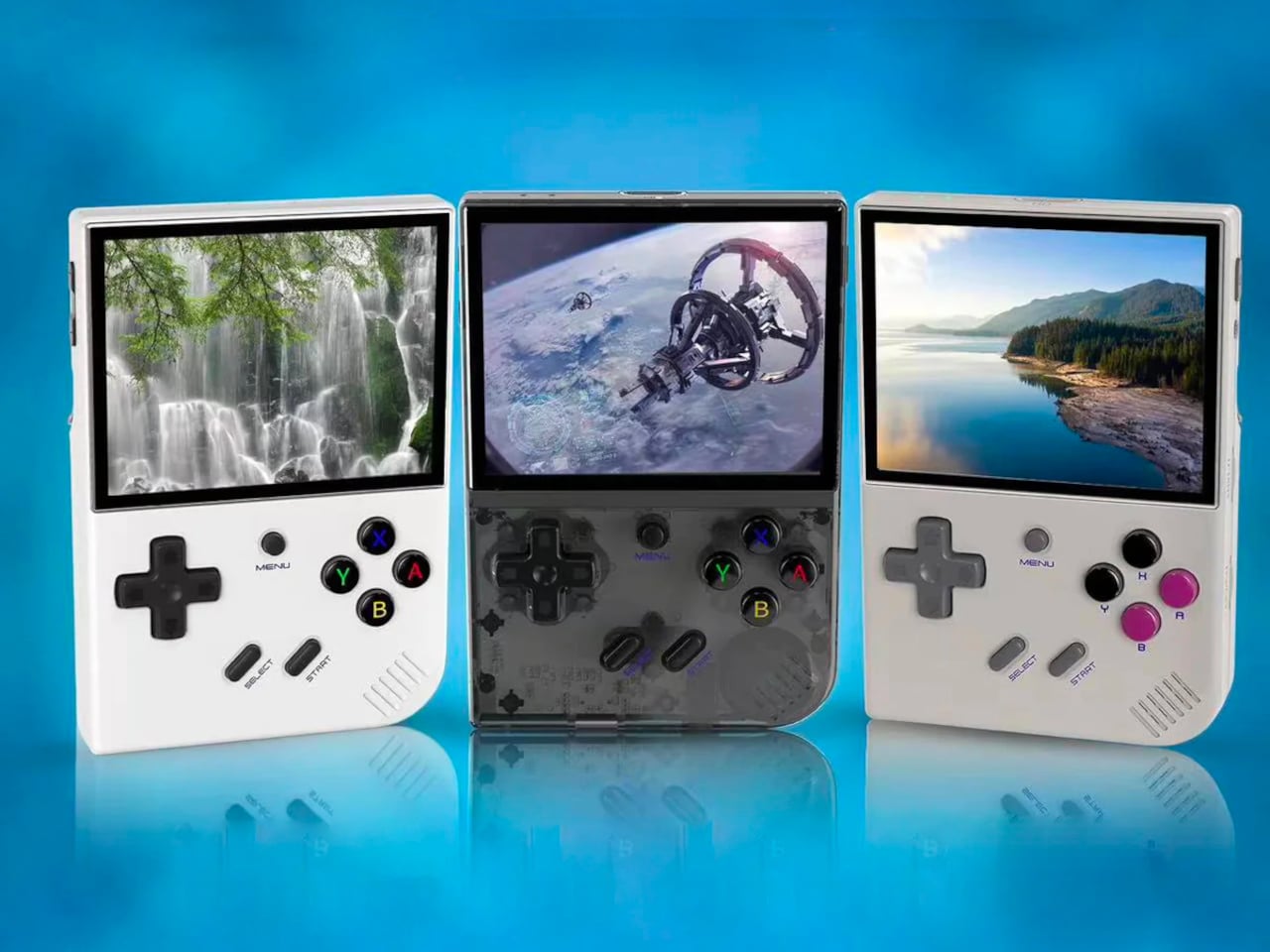
Sony’s next console is on the horizon, but a growing number of gamers are looking backward instead. The PS6 will almost certainly launch north of $500, and for that price, entire libraries of PlayStation classics remain locked behind aging hardware, digital storefronts, or subscription tiers that rotate titles in and out on a whim. Meanwhile, a parallel market of pocket-sized emulation handhelds has quietly exploded over the past two years, putting decades of retro gaming into devices that cost less than a single DualSense controller.

These handhelds won’t run God of War Ragnarök, and nobody is pretending they will. What they can do is play through Final Fantasy VII, Castlevania: Symphony of the Night, Crash Bandicoot, and thousands of other PS1 titles at full speed, often with save states, fast-forward, and display filters that the original hardware never offered. Search interest in retro gaming handhelds has grown 173% year over year, and the devices fueling that demand sit at a price under $130. Five of them stand out from the flood.

Miyoo Mini Plus

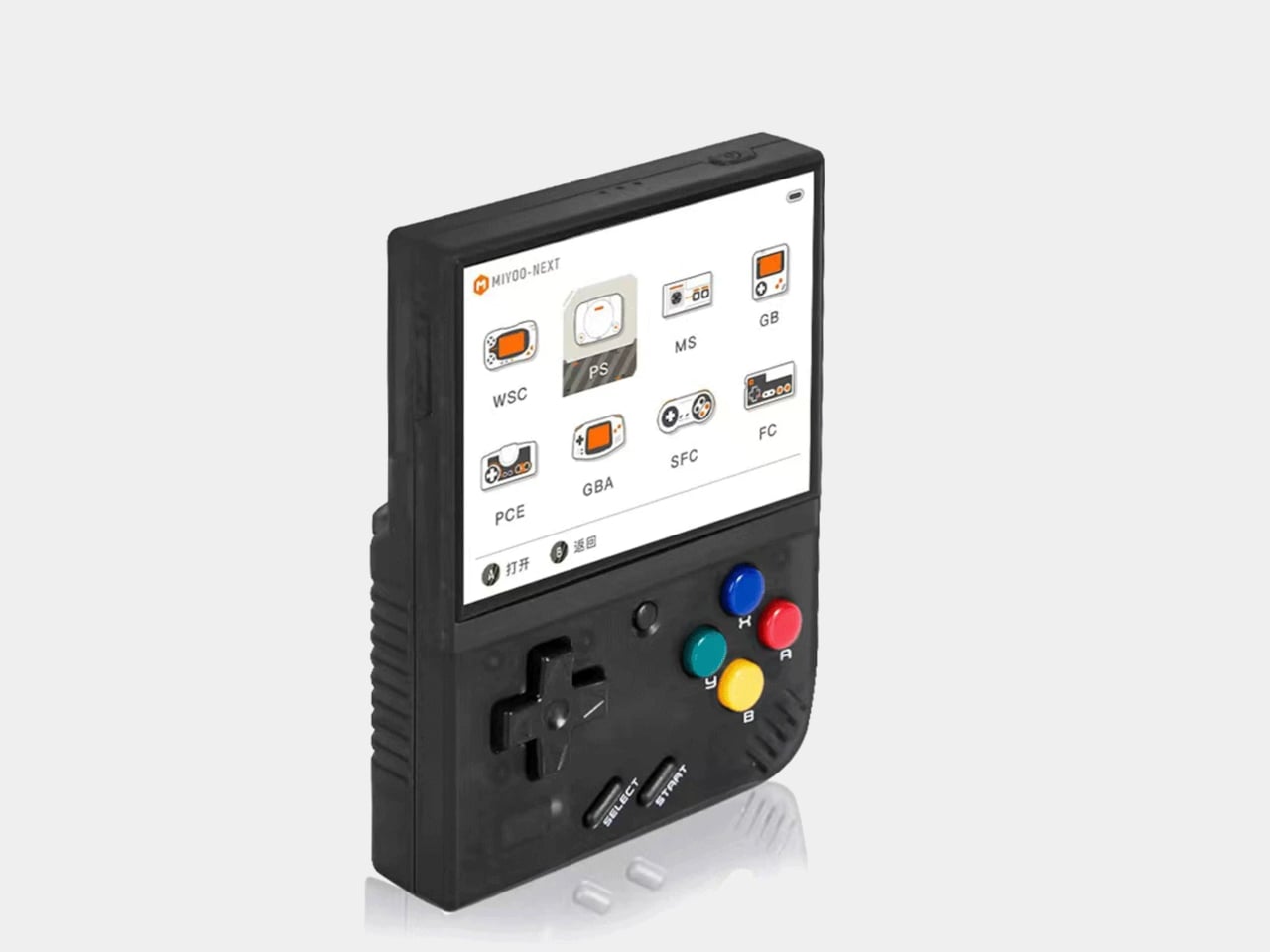
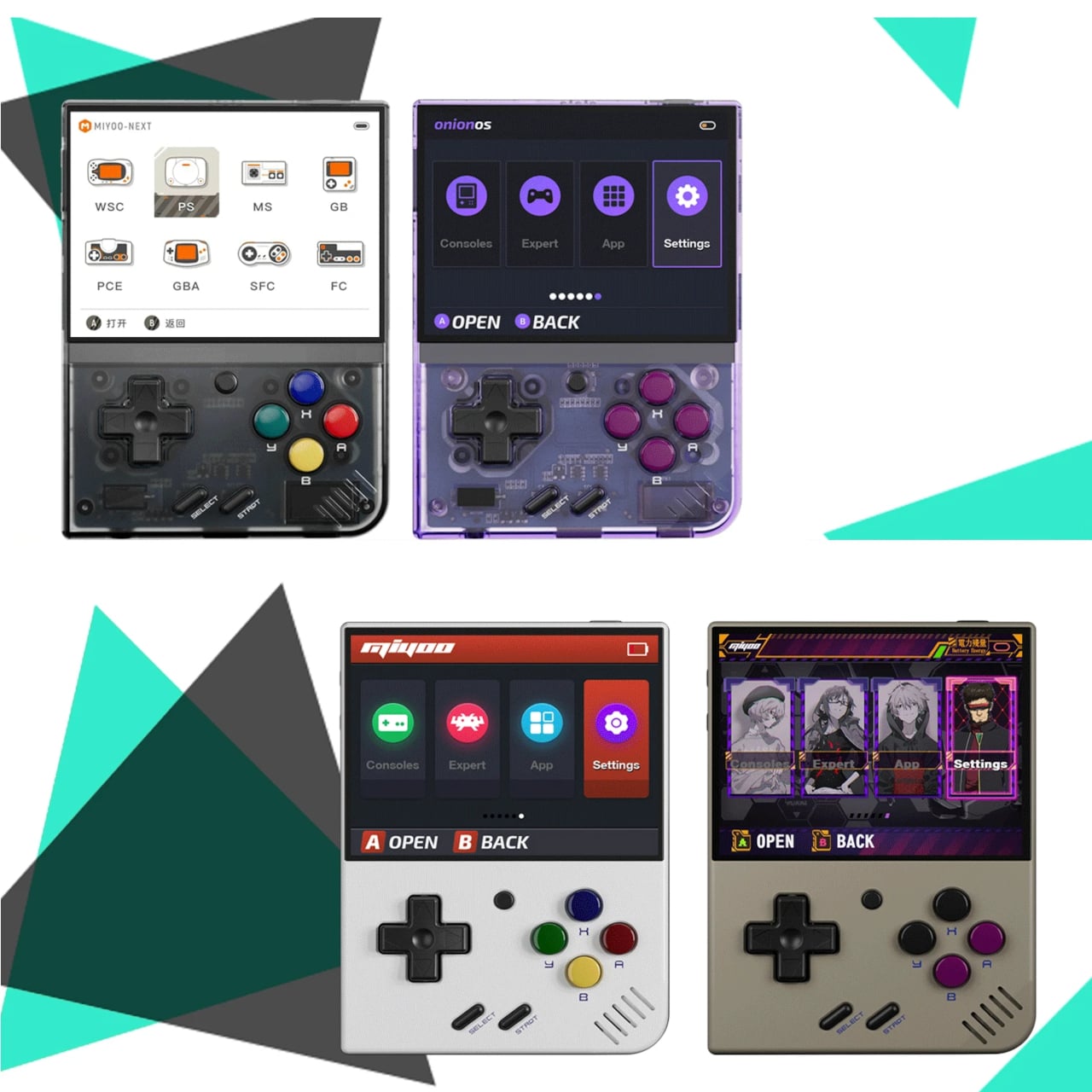
The device that started the modern budget handheld craze still holds its own, even two years after launch. The Miyoo Mini Plus runs on a Sigmastar SSD202D processor with just 128MB of RAM, specs that sound laughable on paper but prove more than sufficient for everything up to and including PS1. Its 3.5-inch IPS display at 640×480 fills a vertical body small enough to disappear into a jacket pocket, and the 3000mAh battery stretches to seven hours with the right custom firmware installed.

Designer: Miyoo

That firmware, OnionOS, is the real reason this device remains so widely recommended. Built and maintained by a dedicated community of developers, OnionOS transforms the Miyoo Mini Plus from a competent emulator into one of the most polished retro gaming experiences available at any price. Features like automatic save-on-shutdown, RetroAchievements integration, and a game switcher that lets you hop between titles without returning to the menu give it a level of software refinement that devices costing three times as much still struggle to match.

What we like

  • OnionOS custom firmware with a polished, intuitive interface
  • Genuinely pocketable
  • Strong PS1 performance despite modest hardware

What we dislike

  • Extended sessions can cause hand cramps
  • No Bluetooth audio, no HDMI output

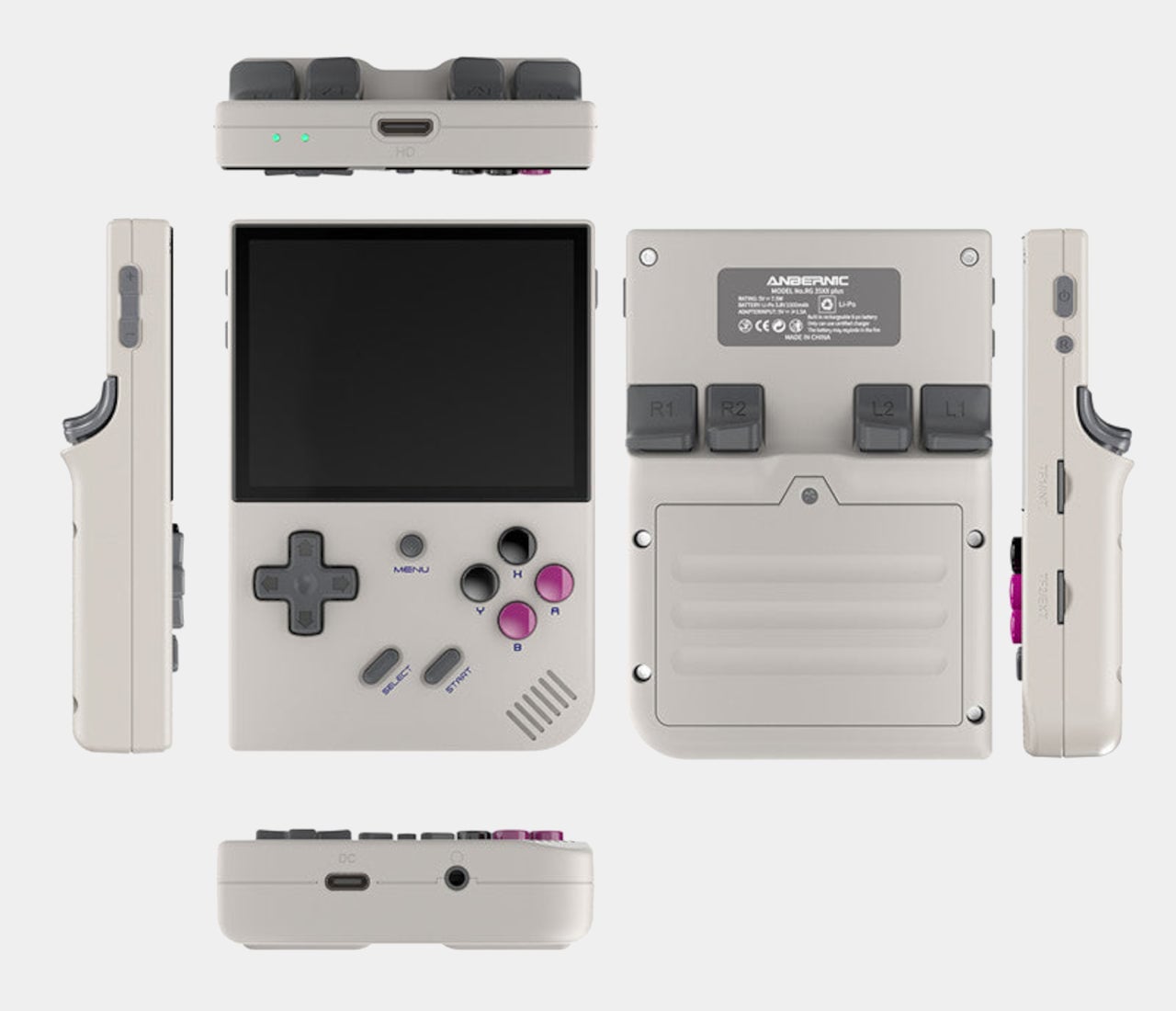
Anbernic RG35XX Plus

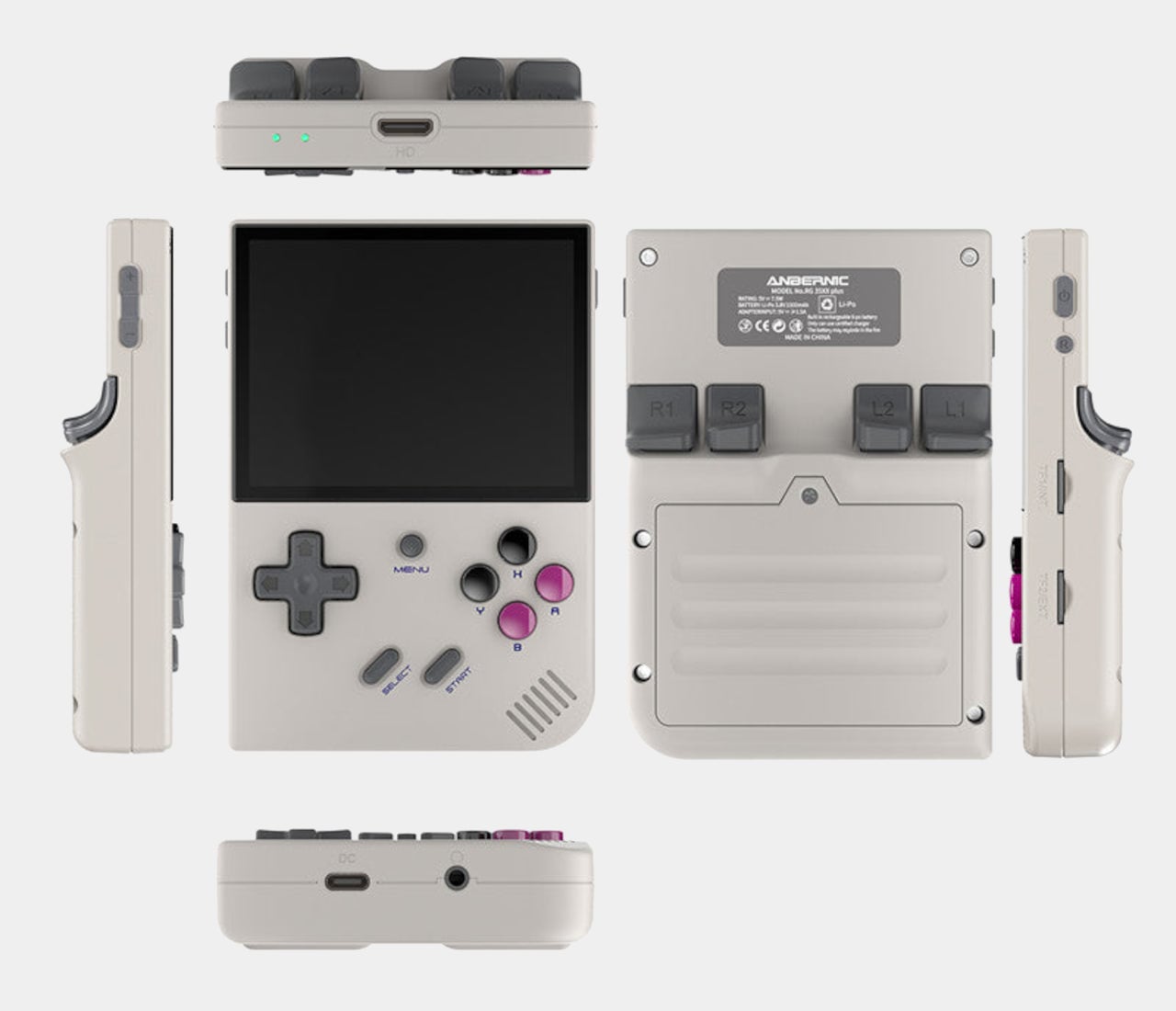
Anbernic’s answer to the Miyoo Mini Plus arrived with a meaningful hardware advantage and a familiar form factor. The RG35XX Plus swaps in an Allwinner H700 quad-core Cortex-A53 processor with 1GB of LPDDR4 RAM, a substantial leap over the Miyoo. That additional horsepower translates directly into smoother PS1 emulation and opens the door to Dreamcast and Nintendo DS titles that the Miyoo simply cannot handle, all wrapped in a horizontal Game Boy-inspired shell.

Designer: ANBERNIC

Connectivity is where the RG35XX Plus pulls further ahead. Wi-Fi 5, Bluetooth 4.2, and a mini HDMI port come standard, which means this handheld can double as a TV-connected retro console when paired with a wireless controller. Dual microSD card slots support up to 512GB each, and the 3300mAh battery delivers around eight hours of play. The trade-off is software: the stock firmware is rough enough that most owners immediately replace it with GarlicOS, a community-built alternative that requires sideloading via SD card.

What we like

  • Best price-to-performance, handling PS1, Dreamcast, and DS titles
  • Mini HDMI output and Bluetooth

What we dislike

  • Stock firmware can be a bit clunky

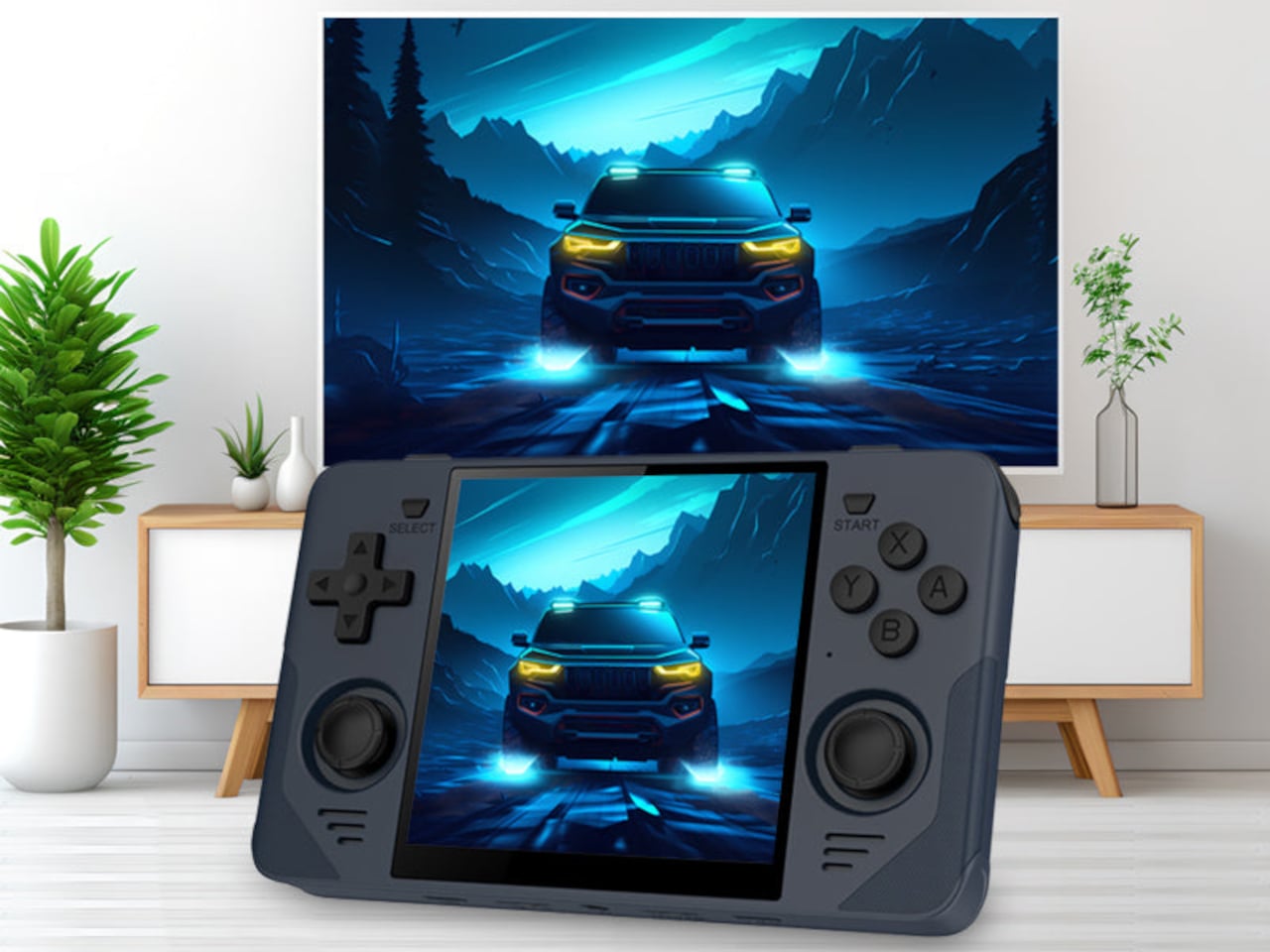
Powkiddy RGB30

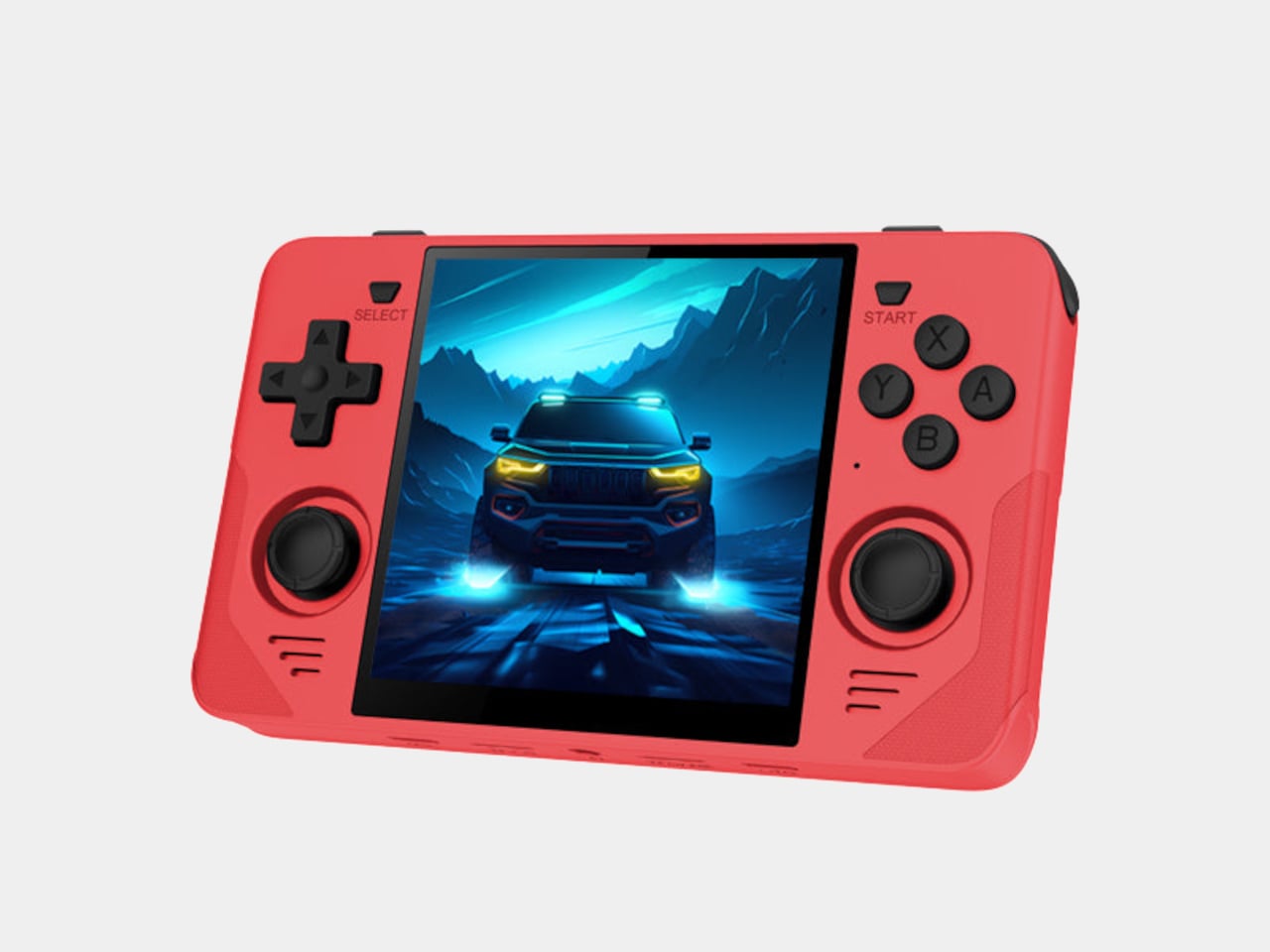
Most handhelds in this price bracket borrow their proportions from the Game Boy or the PS Vita, but the Powkiddy RGB30 charts its own course with a 4.0-inch square IPS display running at 720×720. That 1:1 aspect ratio is a deliberate choice, not a gimmick. Retro games from the NES through the PS1 era were designed for 4:3 screens, and a square panel accommodates that ratio with minimal letterboxing while giving Game Boy titles a perfect native fit. The taller body this requires also gives the D-pad and dual analog sticks room to breathe.

Designer: POWKIDDY

Under the hood, a Rockchip RK3566 quad-core processor clocked at 1.8GHz, and 1GB of LPDDR4 RAM keep things moving. PS1 games run without issue, and the device extends into Dreamcast, some N64, and limited PSP territory. The 4100mAh battery is the largest on this list, rated for eight hours. Stereo speakers and Wi-Fi round out a feature set that punches above its $70 price point. Build quality, though, remains a step behind Anbernic’s hardware, with a plastic shell that feels lighter and less refined than the competition.

What we like

  • The 1:1 square screen is a thoughtful design decision for retro titles
  • Large battery at 4100mAh

What we dislike

  • Unremarkable build quality

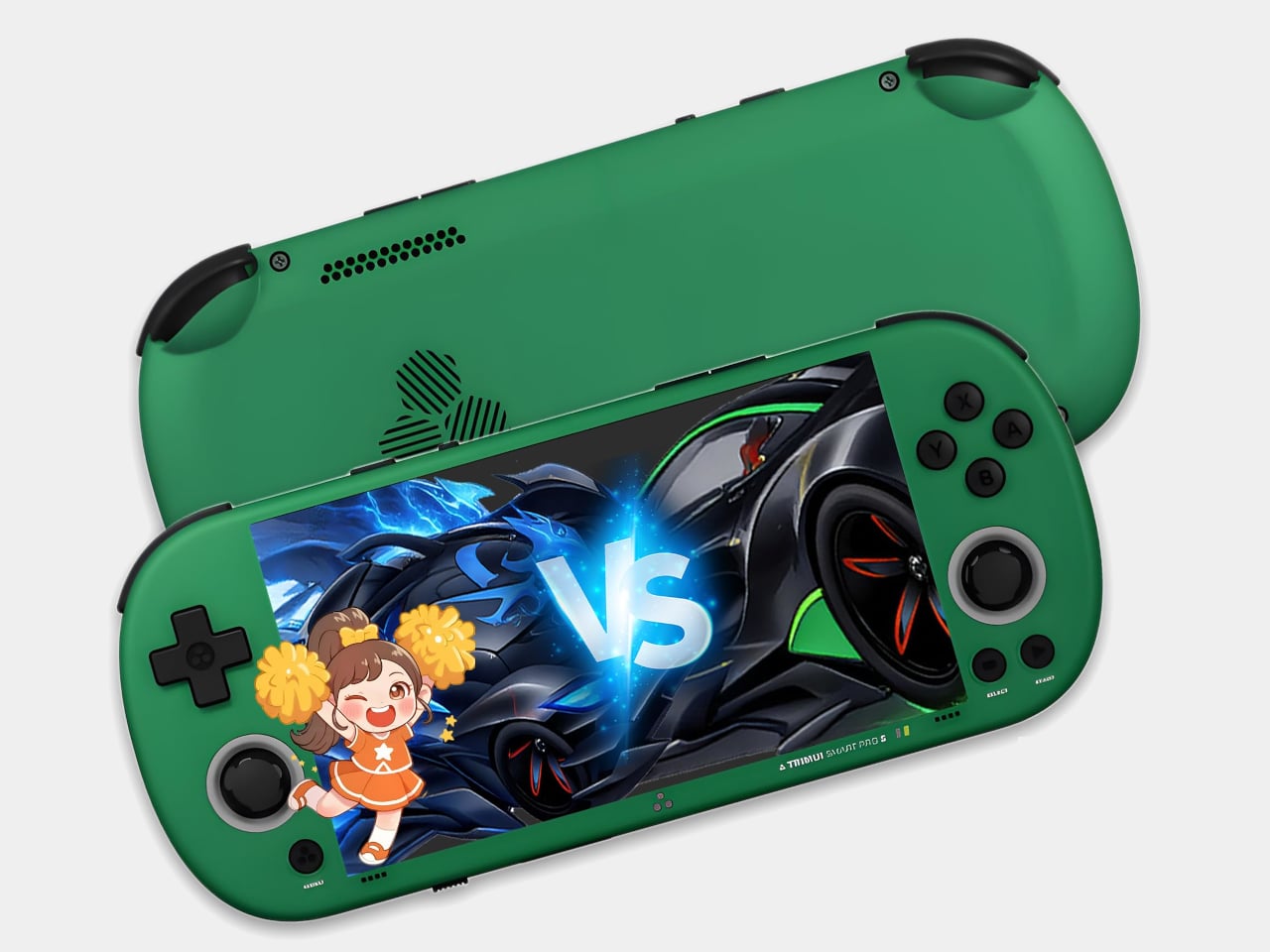
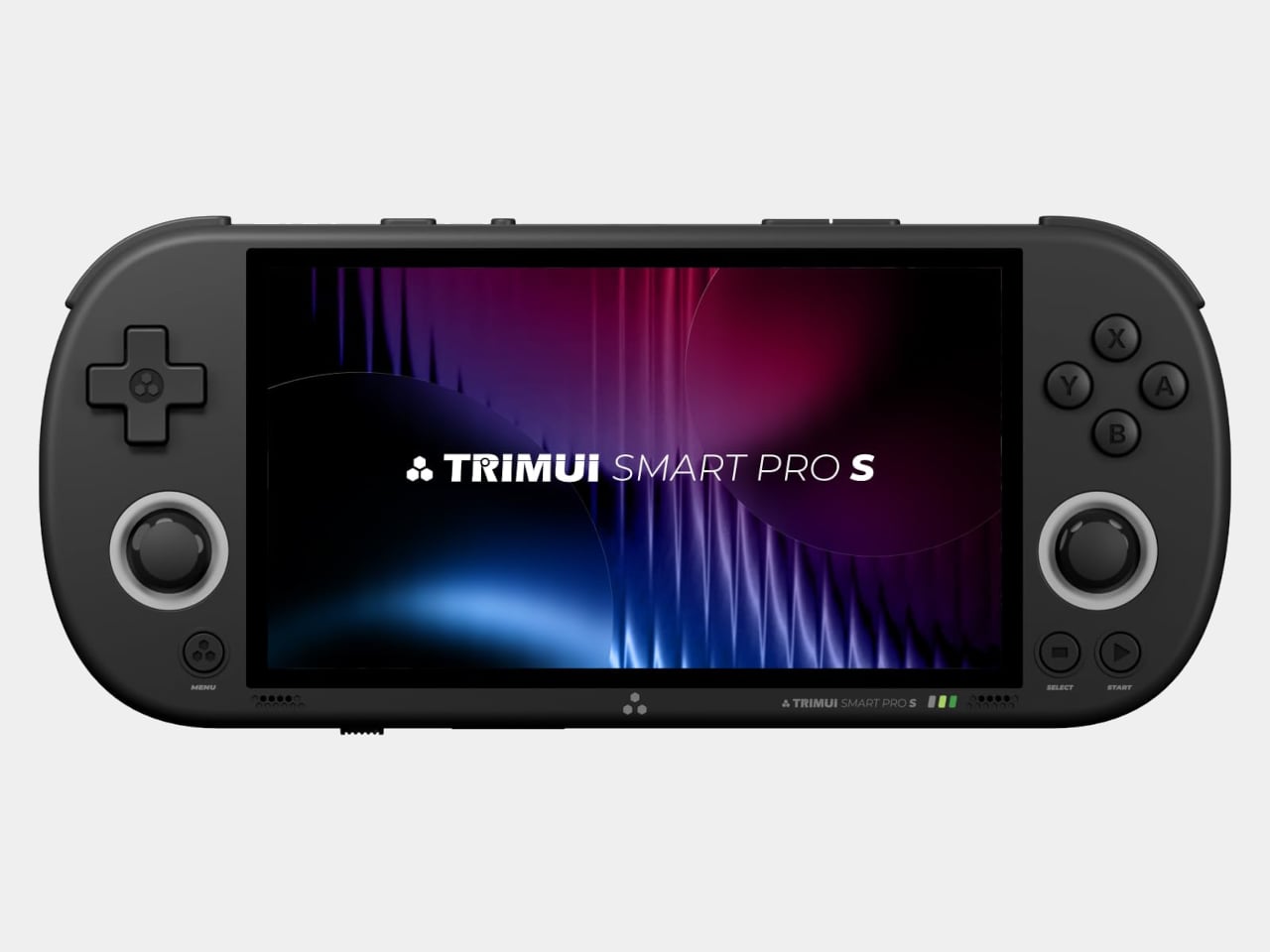
Trimui Smart Pro S

The Trimui Smart Pro S occupies the top of the sub-$100 bracket and makes a strong case for spending the extra money. It packs an Allwinner A133P processor and a Mali-G57 GPU that Trimui claims delivers 2.5 times the graphics performance of the original Smart Pro. In practice, this means PS1 runs flawlessly, Dreamcast and N64 titles play at full speed, and most PSP games are smooth enough to enjoy without constant tweaking. A 4.96-inch IPS display at 1280×720 presents all of it on the largest screen in this roundup.

Designer: Trimui

The hardware refinements extend beyond the processor. TMR hall-effect analog sticks eliminate drift concerns and support L3/R3 clicks, larger trigger buttons improve ergonomics over the predecessor, and an active cooling fan prevents thermal throttling during extended sessions. A 5000mAh battery provides around five hours of play, and stereo speakers with a vibration motor round out a surprisingly complete package. The PS Vita-inspired form factor is comfortable for long stretches but makes the device less pocketable than smaller alternatives, and the 16:9 widescreen wastes real estate when displaying 4:3 retro content.

What we like

  • Powerful hardware
  • Hall-effect analog sticks and active cooling
  • Large 4.96-inch screen

What we dislike

  • The 16:9 widescreen aspect ratio isn’t good for retro gaming
  • Bulky and heavy

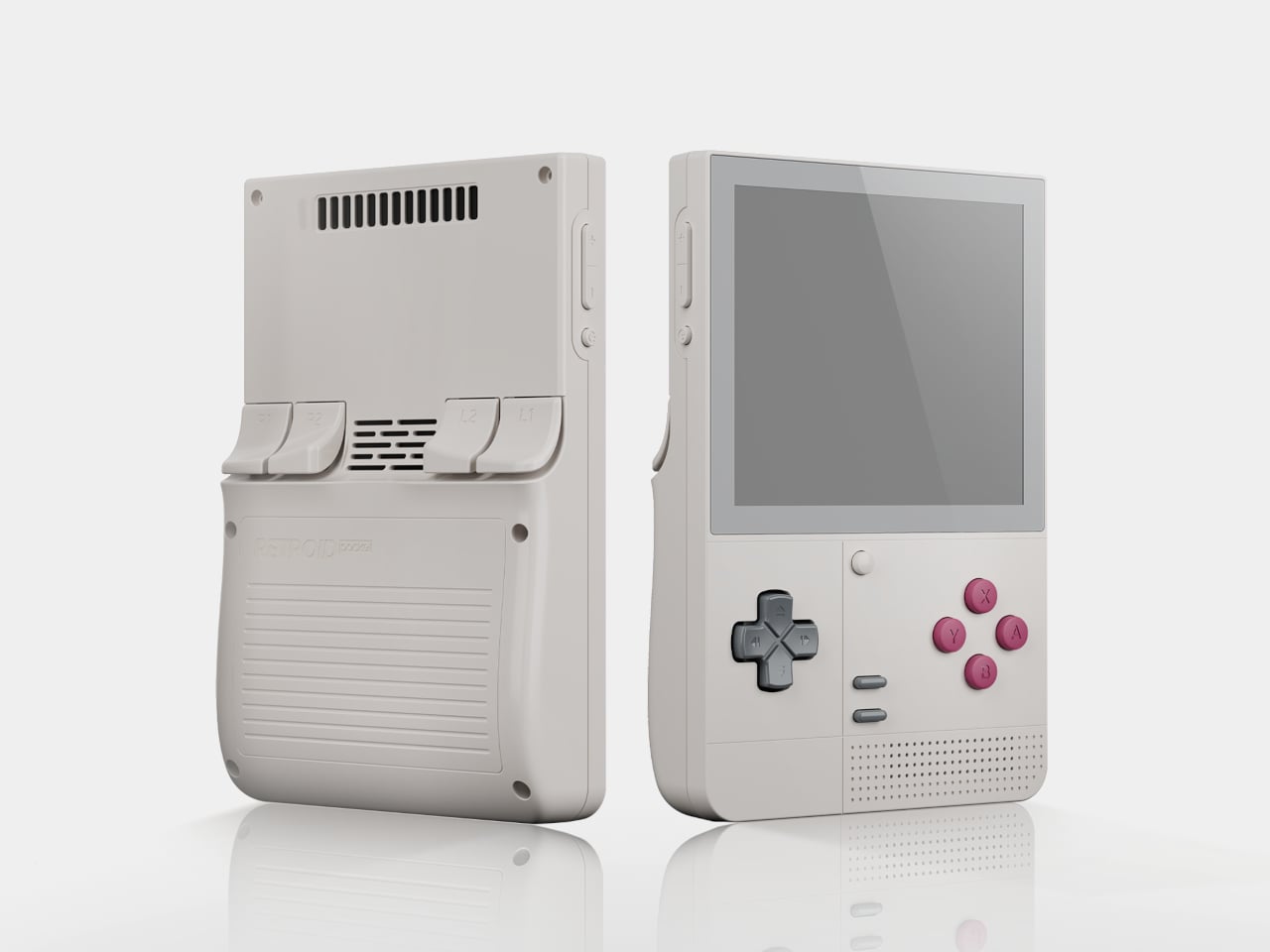
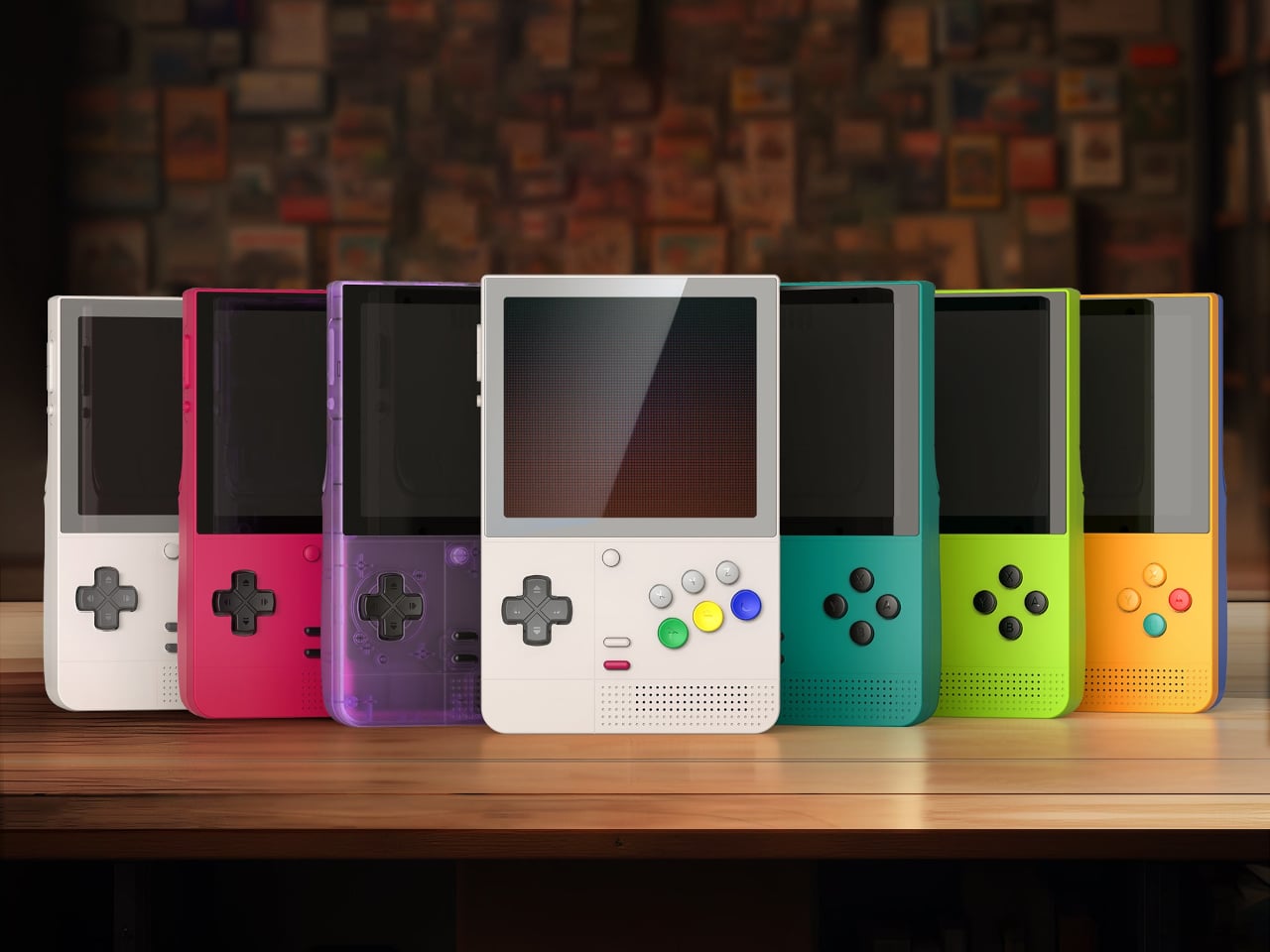
Retroid Pocket Classic

The Retroid Pocket Classic pushes past the $100 mark at $129 for the current available model, but it earns its place on this list by being the only device here running Android and the only one with an AMOLED screen. That 3.92-inch panel at 1240×1080 delivers deeper blacks and more saturated colors than any IPS display in this bracket, and the Snapdragon G1 Gen 2 processor paired with up to 6GB of RAM puts it in a different performance class entirely. PS1 is effortless here. GameCube, PS2, and Saturn emulation become viable options.

Designer: Retroid

Running Android 14 with Google Play Store access means the Retroid Pocket Classic can function as more than a dedicated emulator. Streaming apps, cloud gaming services, and native Android titles all run alongside the retro emulation suite. A 5000mAh battery with 27W fast charging, active cooling, and Bluetooth 5.1 complete the picture. The vertical Game Boy-inspired body lacks analog sticks, which limits comfort with 3D-heavy titles from later console generations. Unlike the Linux devices on this list, the Retroid Pocket Classic ships without any pre-loaded games, requiring users to supply their own ROMs from the start.

What we like

  • 3.92-inch AMOLED display
  • Android 14 with Google Play Store access
  • Powerful Snapdragon G1 Gen 2 processor

What we dislike

  • A bit costly for a retro gaming handheld
  • No analog sticks

The post 5 Best Retro Handhelds That Play PS1 Classics for Under $130 first appeared on Yanko Design.
Sony’s Upcoming Portable PS6 Aims to Challenge the Steam Deck and Switch 2 in 2027

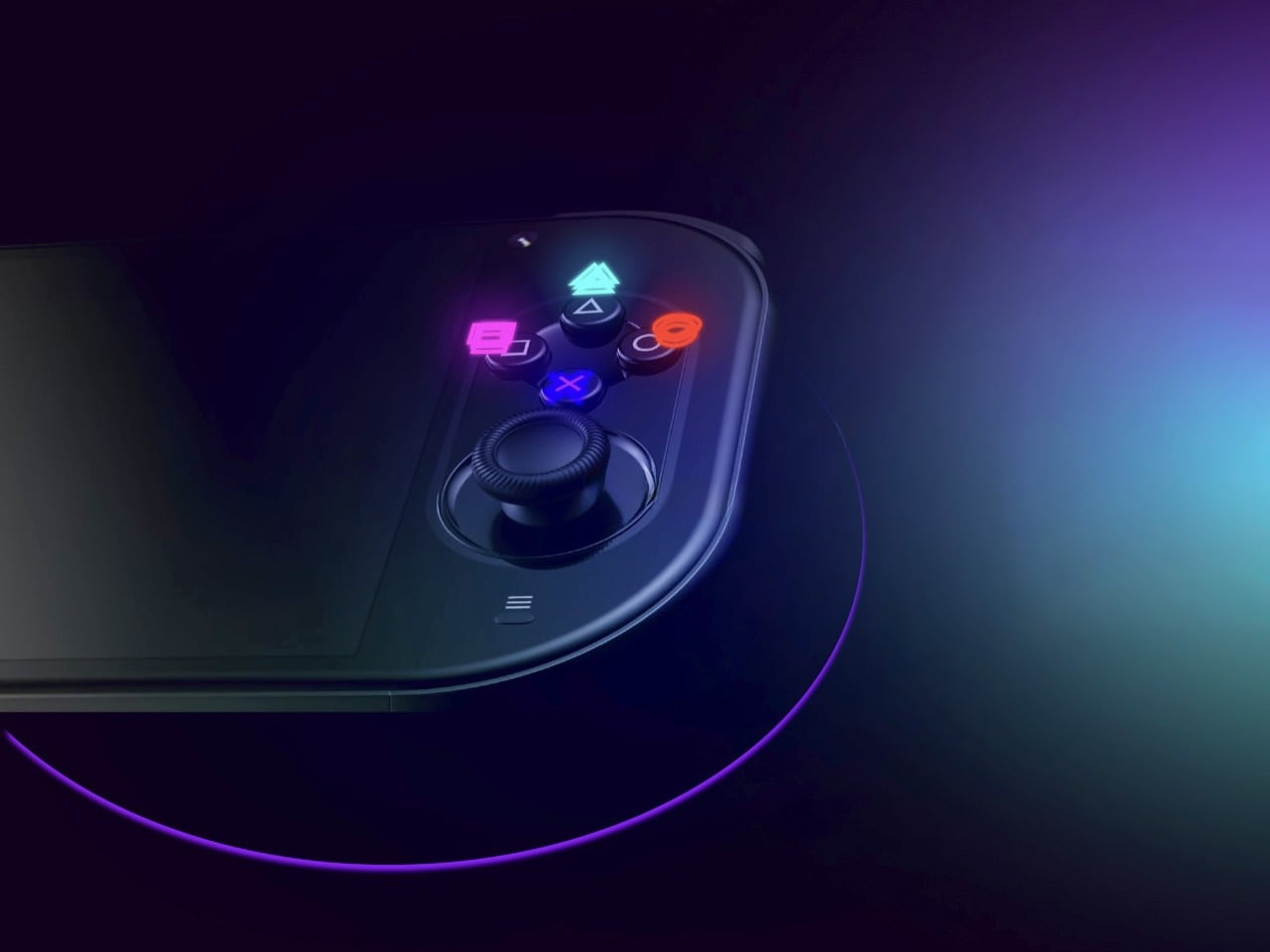
Sony’s portable gaming attempts have followed a familiar pattern: innovative hardware held back by baffling compromises. The PSP had one analog stick when games clearly needed two. The Vita added that second stick but inexplicably skipped analog triggers and clickable thumbsticks, forcing developers to map essential controls to an awkward rear touchpad. The PS Portal finally nailed the controls by essentially splitting a DualSense controller in half, then rendered the achievement mostly irrelevant by making it stream-only. Project Canis, the rumored PS6 handheld arriving in 2027, needs to break this cycle.

The fundamentals look promising this time. Reports suggest full PS4, PS5, and PS6 compatibility with proper docking functionality, which would position it as Sony’s answer to both the Steam Deck and Switch successor. The recent PS5 low-power mode appearing in firmware updates telegraphs Sony’s strategy clearly: get developers optimizing games for portable performance now, before the hardware officially exists. With AMD’s APUs getting more capable and the handheld gaming PC market proving there’s demand for portable power, Sony actually has a clearer path forward than they did with previous attempts. The question is whether supply chain realities and component costs will force them to compromise again.

Designer: Yousef Popov

Sony recently added a power-saving mode to PS5 games that scales down graphics and frame rates, supposedly for energy conservation. But here’s what’s actually happening: they’re teaching developers how to optimize their games for weaker portable hardware before that hardware even exists. When Project Canis launches, every game with this low-power mode already has a built-in portable profile ready to go. It’s Sony creating a standardized “handheld mode” years in advance, which suggests they’re genuinely committed this time rather than half-heartedly supporting another doomed experiment like the Vita became.

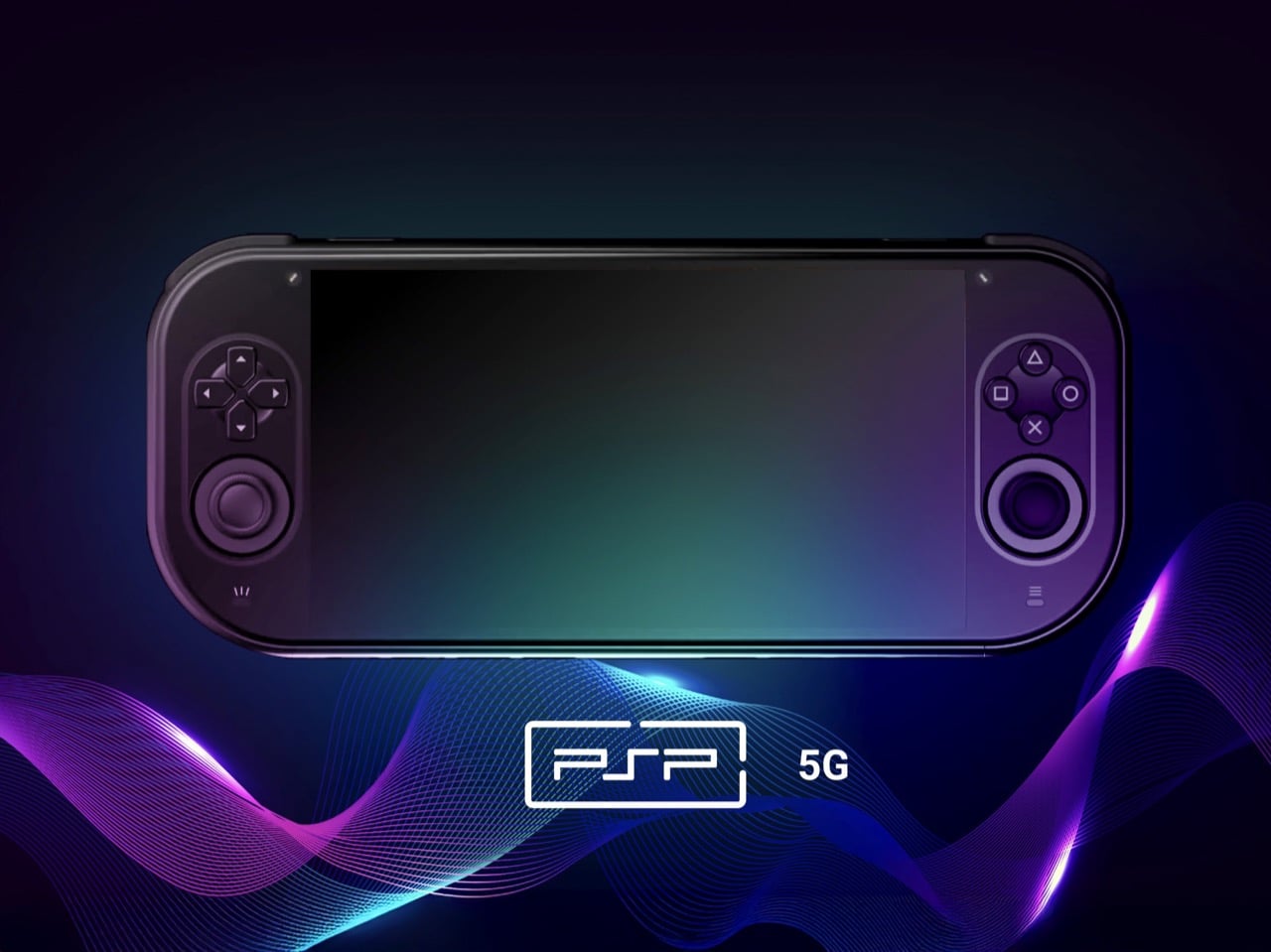
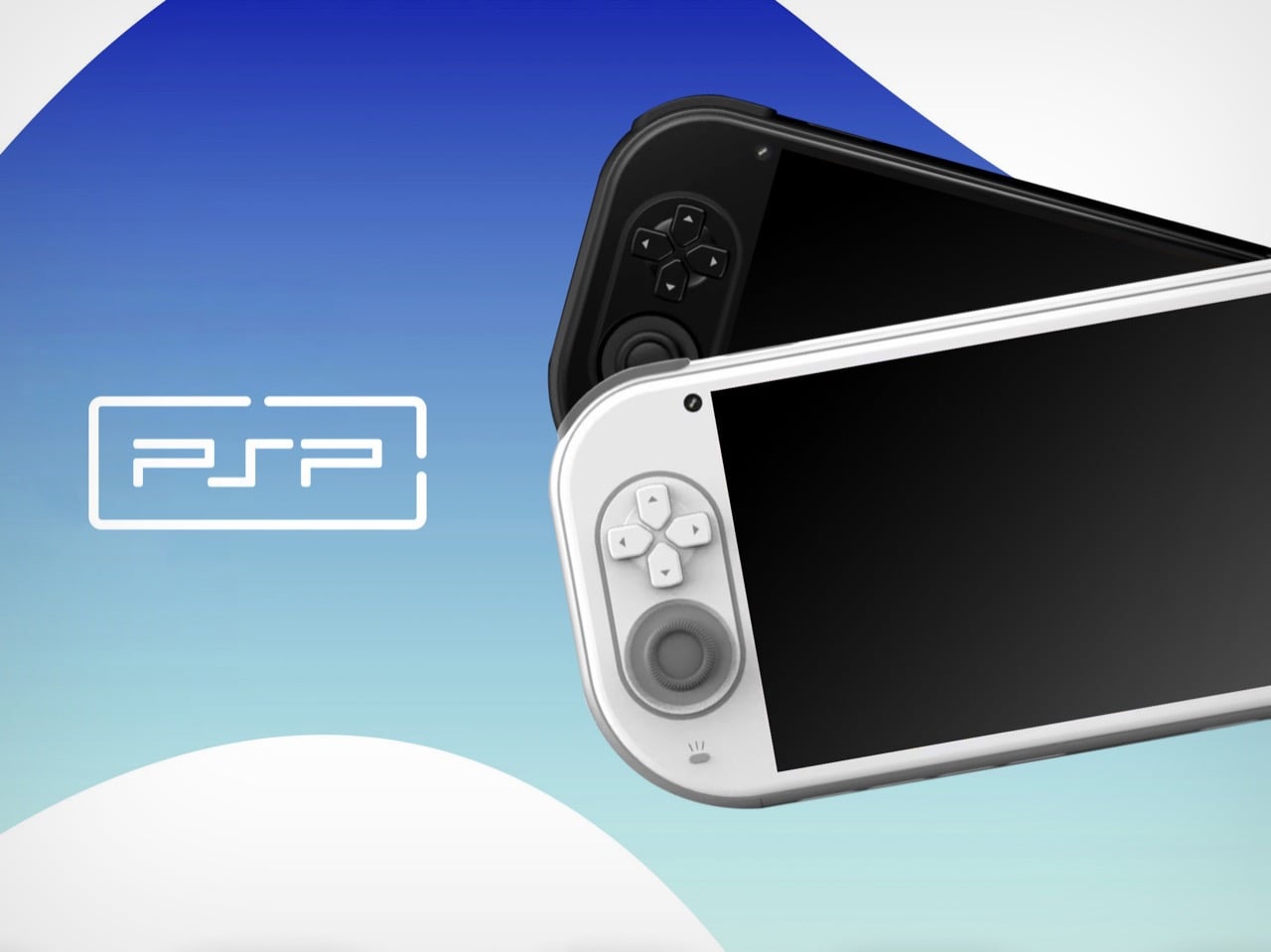
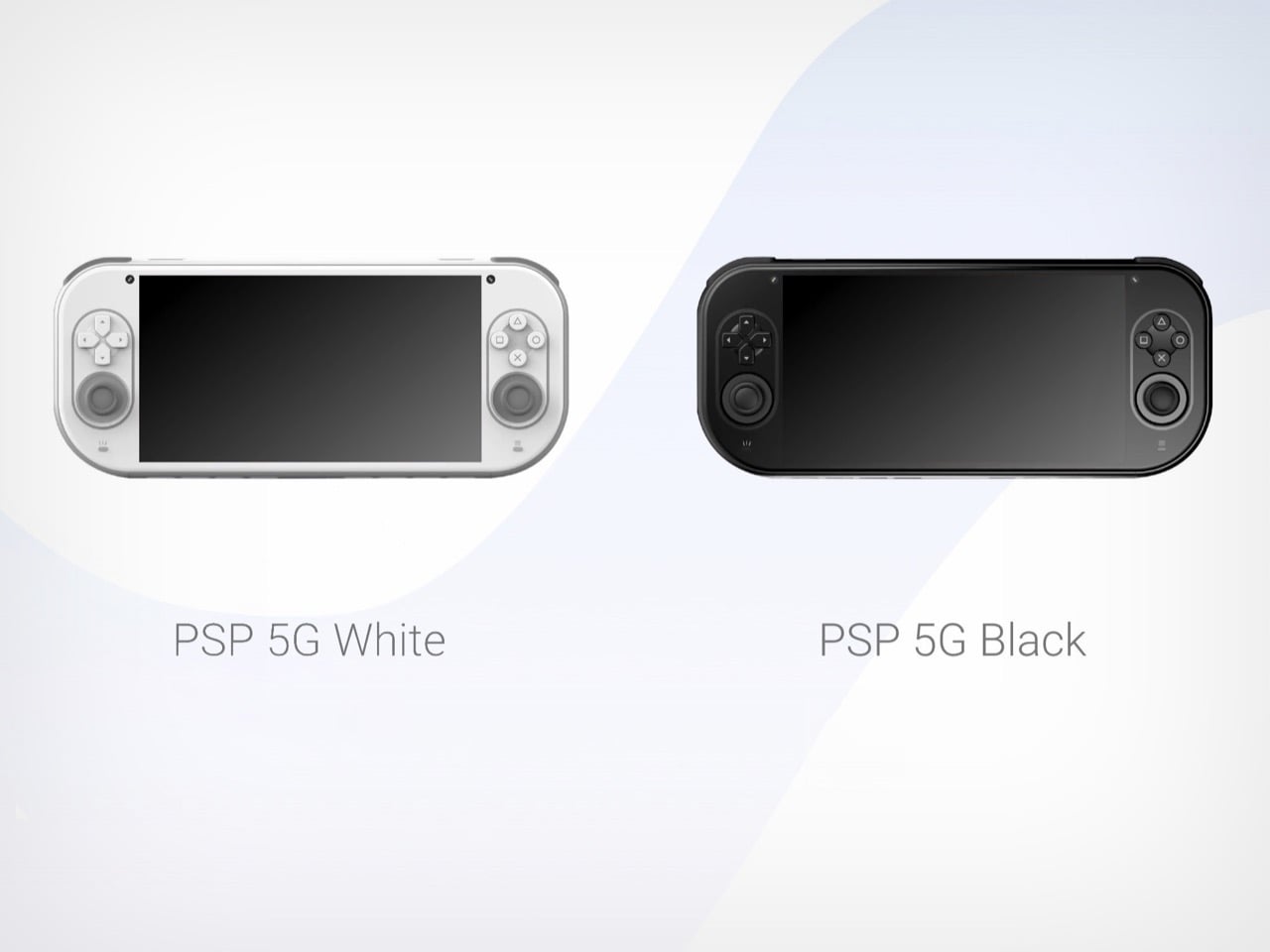
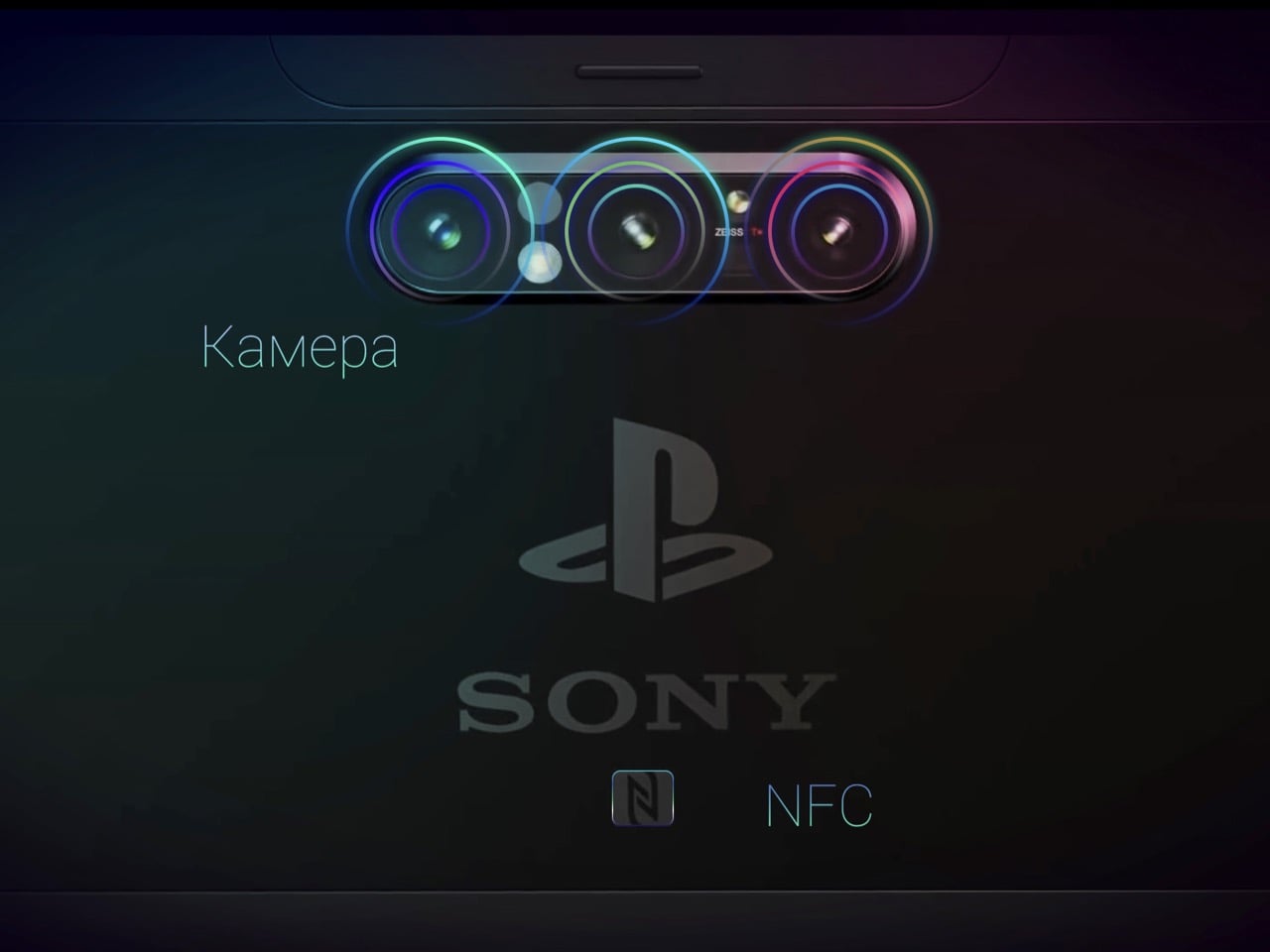
The design remains anyone’s guess at this point. Concept images floating around Behance show sleek interpretations of what a modern PSP could look like, though these fan creations obviously don’t reflect whatever Sony’s industrial designers are actually cooking up. What we do know is that the PS Portal’s controller layout works beautifully, with full-sized analog sticks and proper trigger feedback. If Sony keeps that ergonomic foundation and adds actual processing power inside instead of relying on cloud streaming, they’d have something genuinely compelling. The Portal proved they finally understand that portable controls can’t be compromised versions of console controllers, they need to be the real thing.

The 2027 target might actually work in Sony’s favor despite the RAM shortage threatening to push prices up or launch dates back. Handheld gaming has exploded in ways nobody predicted five years ago. The Steam Deck created an entire category of expensive portable PCs that people happily bought. The Switch keeps selling despite aging hardware because portability matters that much to players. Sony entering this space in 2027 with a device that plays God of War and Spider-Man natively, then docks to your TV for the full experience, feels less like another doomed experiment and more like arriving exactly when the market’s ready.

The backwards compatibility angle could be the real hook though. Running your entire PS5 library on the go would be compelling enough, but reports suggest potential support reaching back to PS1 and PS2 through emulation. Imagine having decades of PlayStation history available on one portable device, from classic JRPGs to current blockbusters. The Switch has proven that players will rebuy old favorites for portability, but Sony wouldn’t need to resell anything if they nail backwards compatibility. Your existing library just works, from launch day classics you bought fifteen years ago to whatever drops next month. That’s the kind of feature that turns a neat gadget into something you’d actually carry everywhere.

The post Sony’s Upcoming Portable PS6 Aims to Challenge the Steam Deck and Switch 2 in 2027 first appeared on Yanko Design.