Ayaneo’s Konkr Fit Handheld Packs AMD Ryzen AI 9 And Windows, Targeting the Steam Deck and Legion Go 2

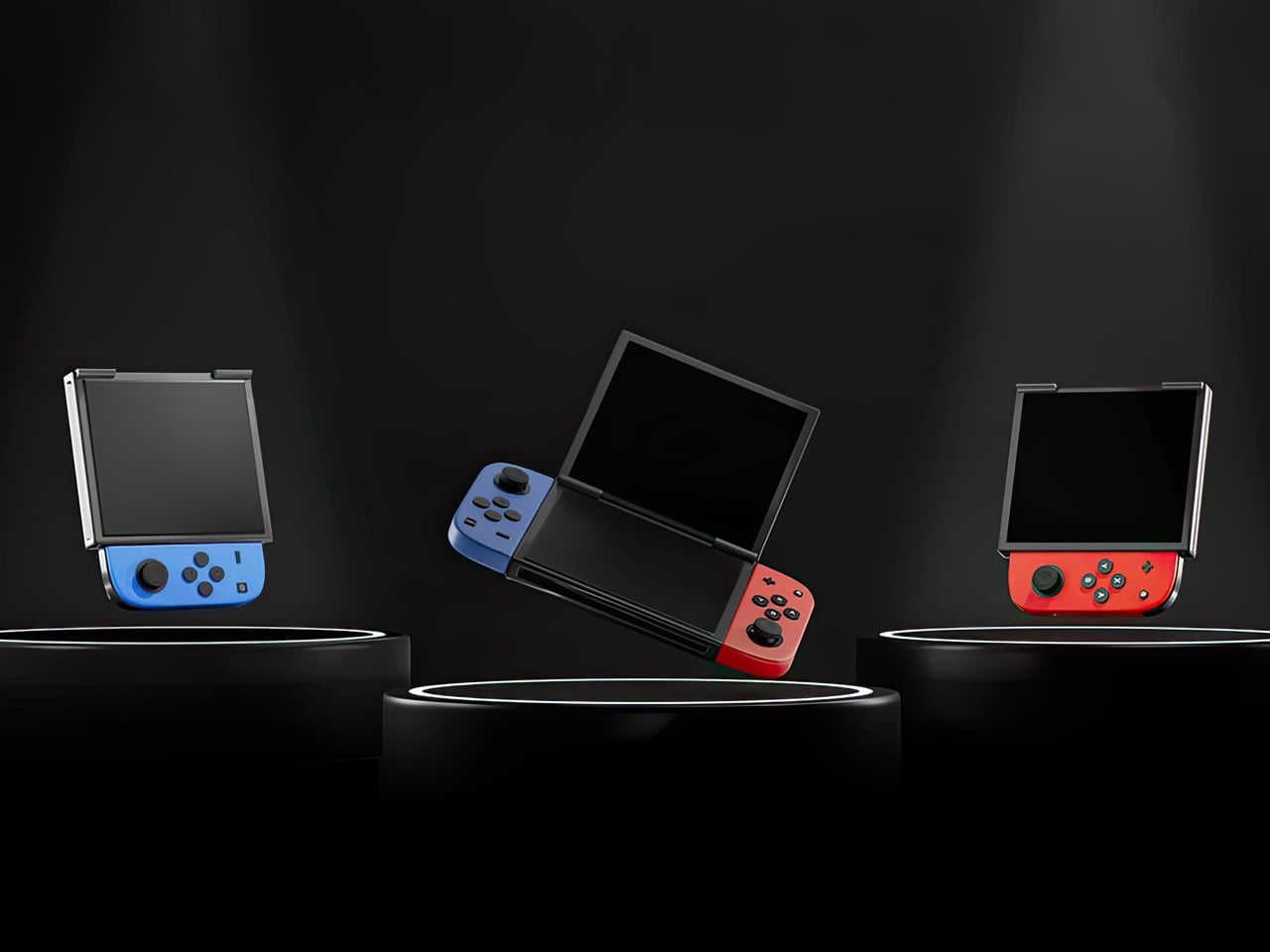
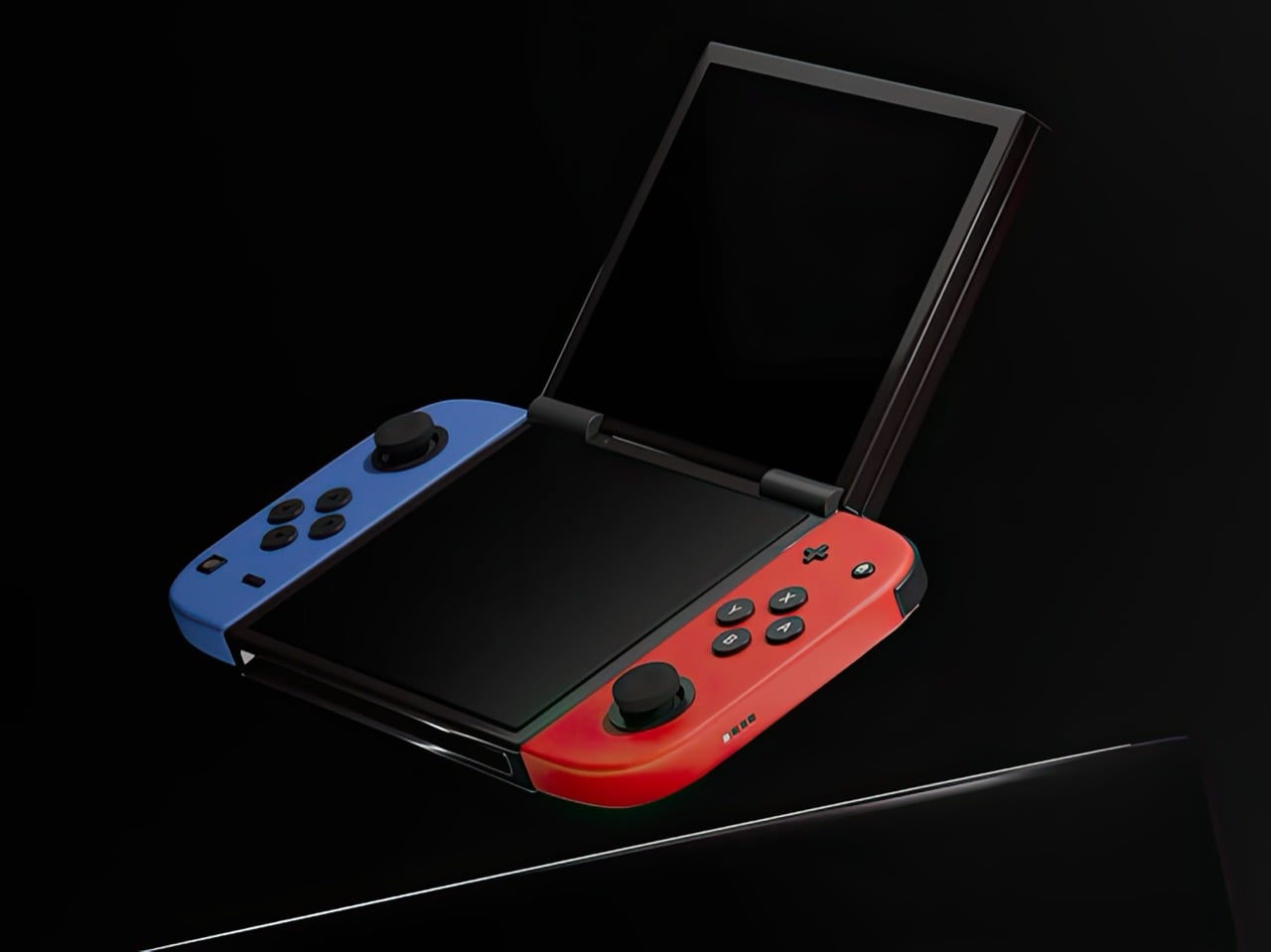
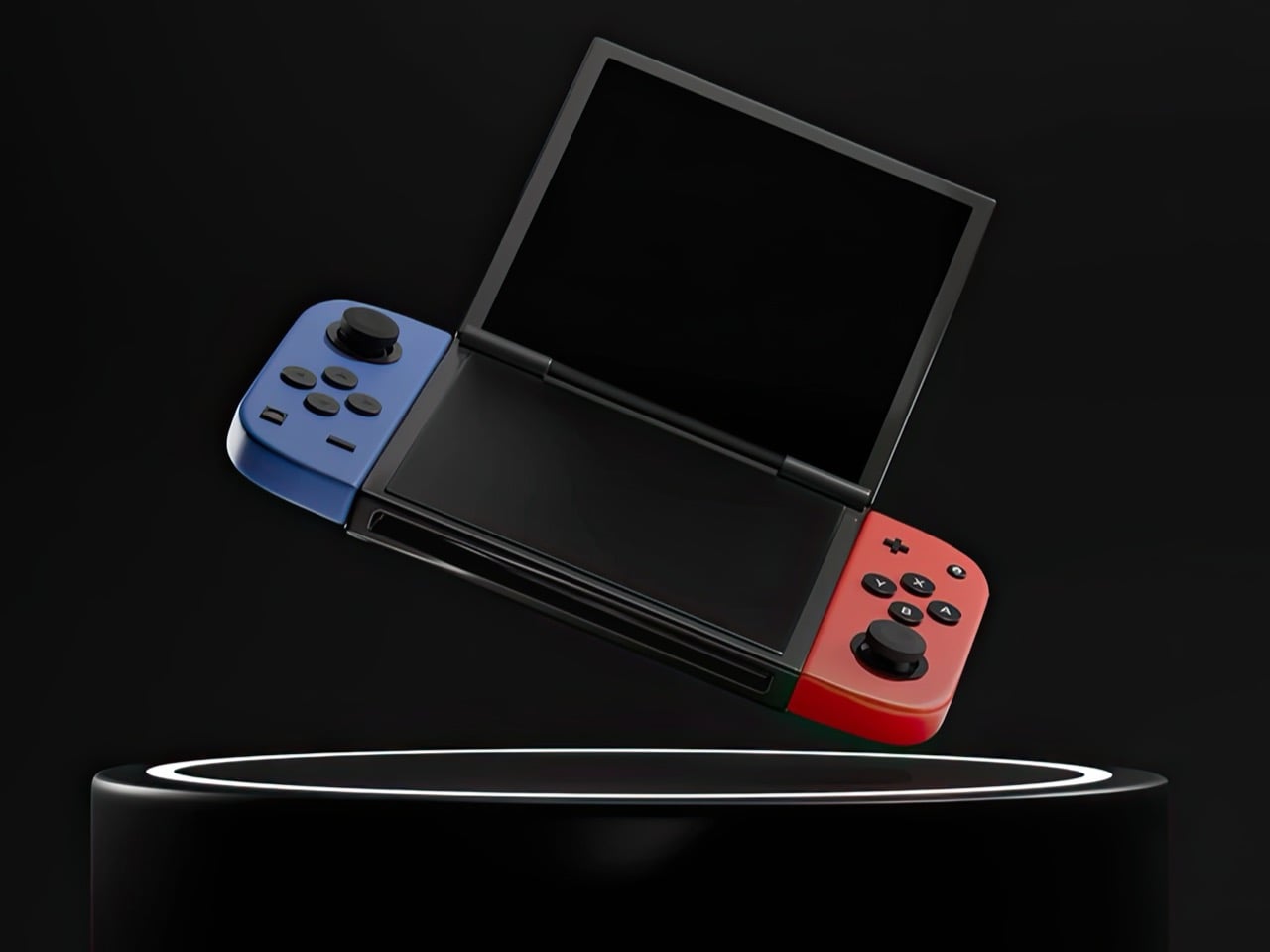
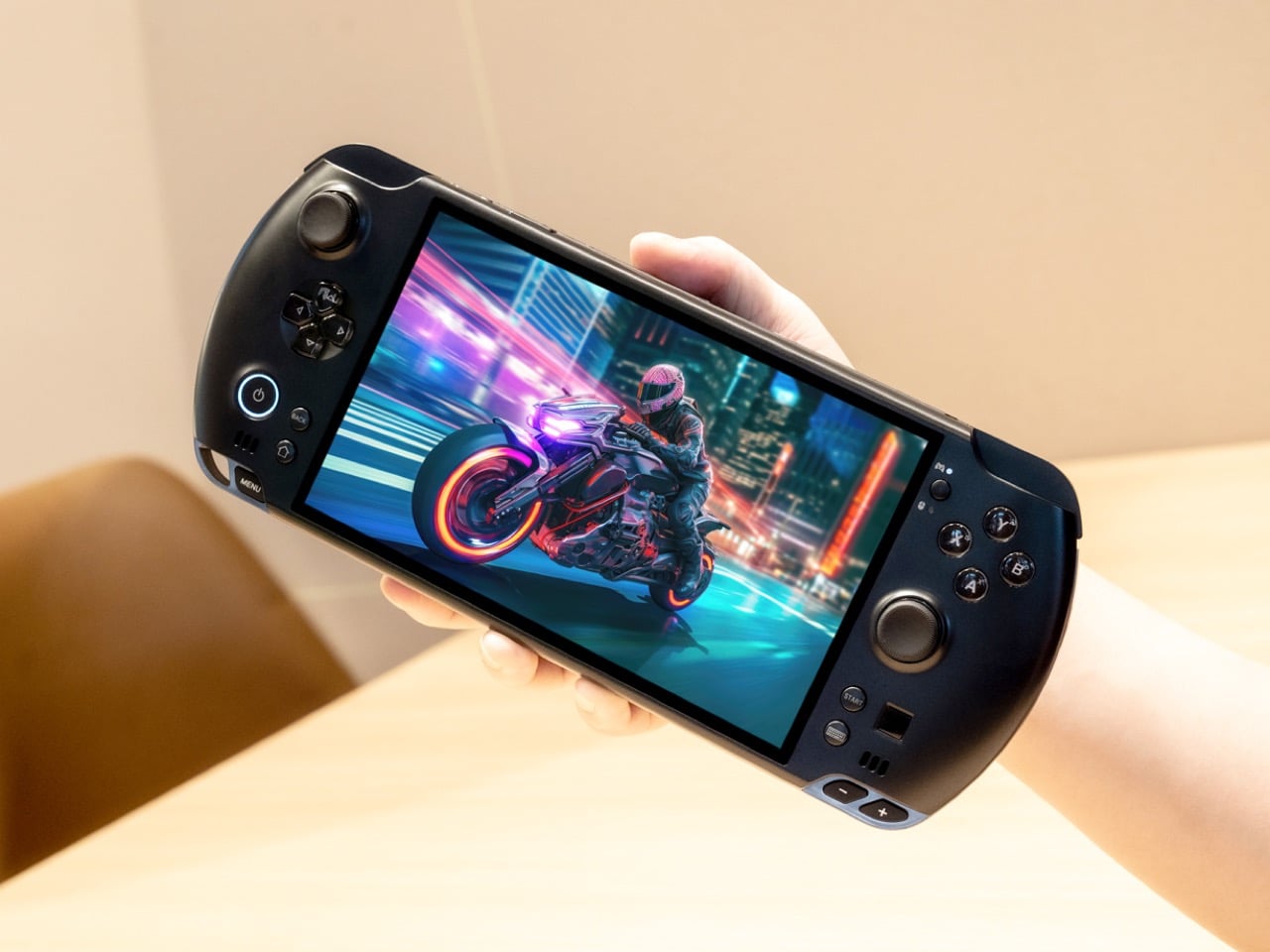
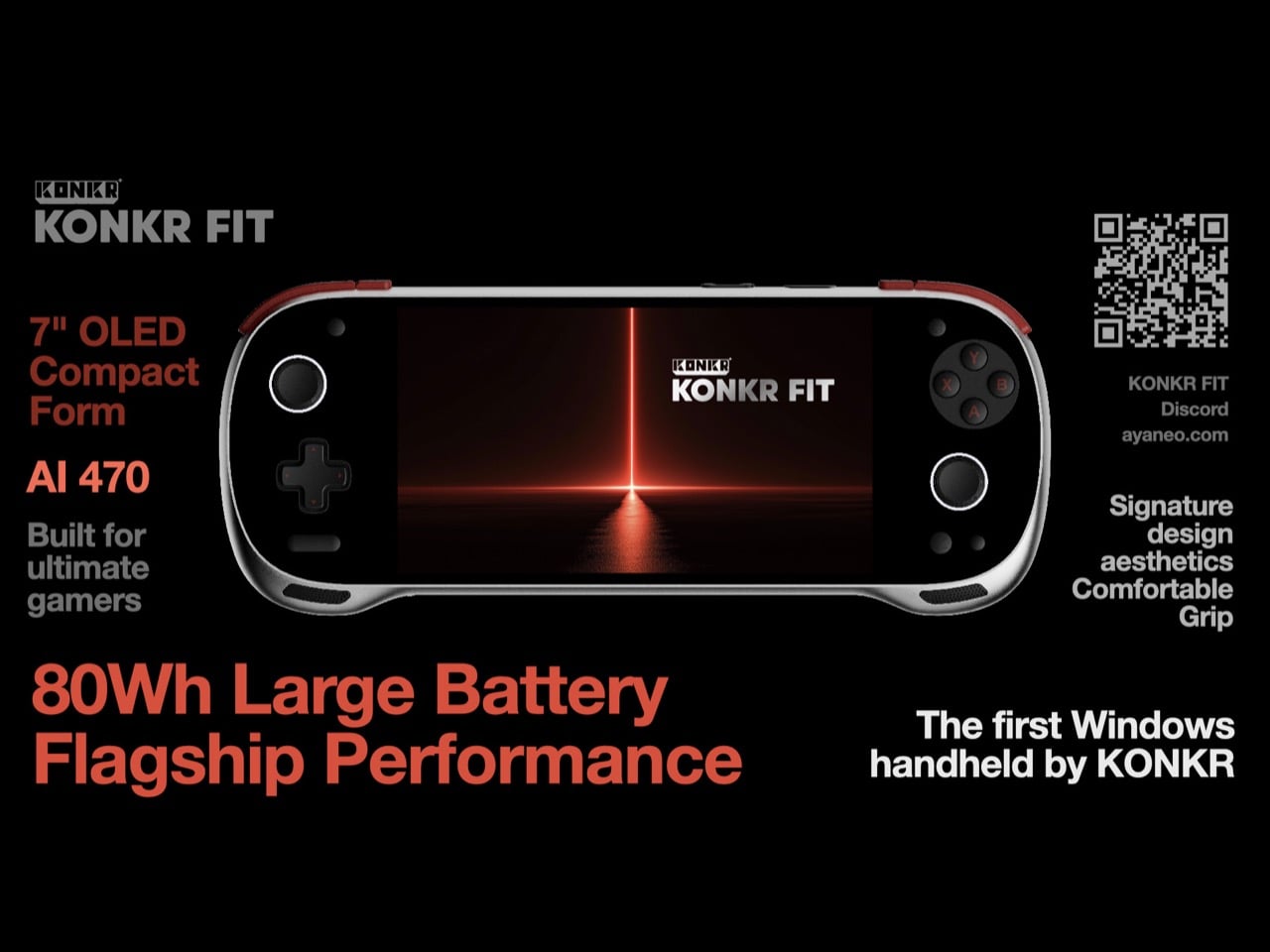
Ayaneo’s budget Konkr brand is expanding beyond Android. After launching the Pocket Fit with Snapdragon G3 Gen 3 and the more powerful Pocket Fit Elite with Snapdragon Elite 8, the company has unveiled its first Windows handheld under the Konkr name. The new device drops “Pocket” from its title for good reason.

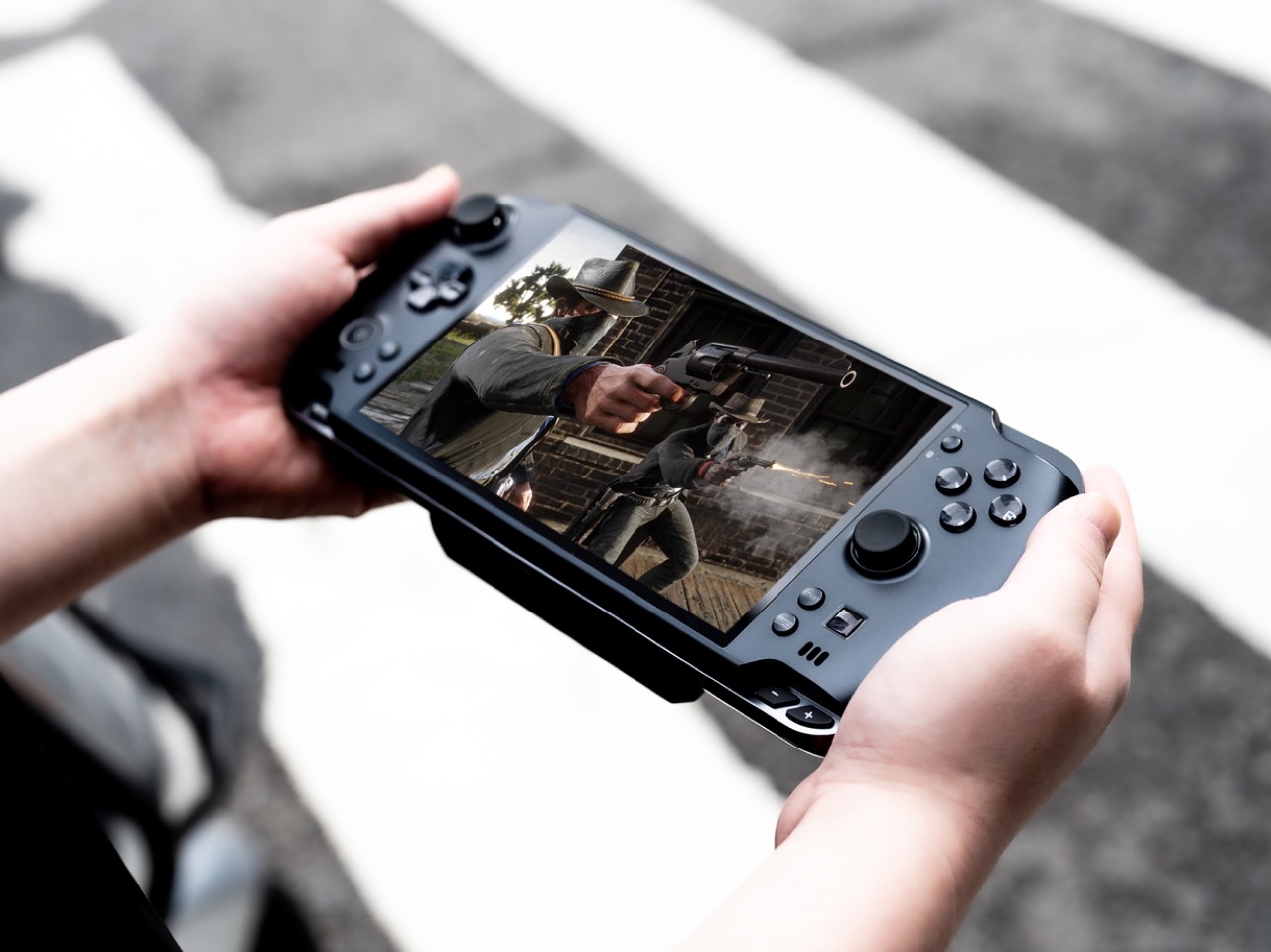
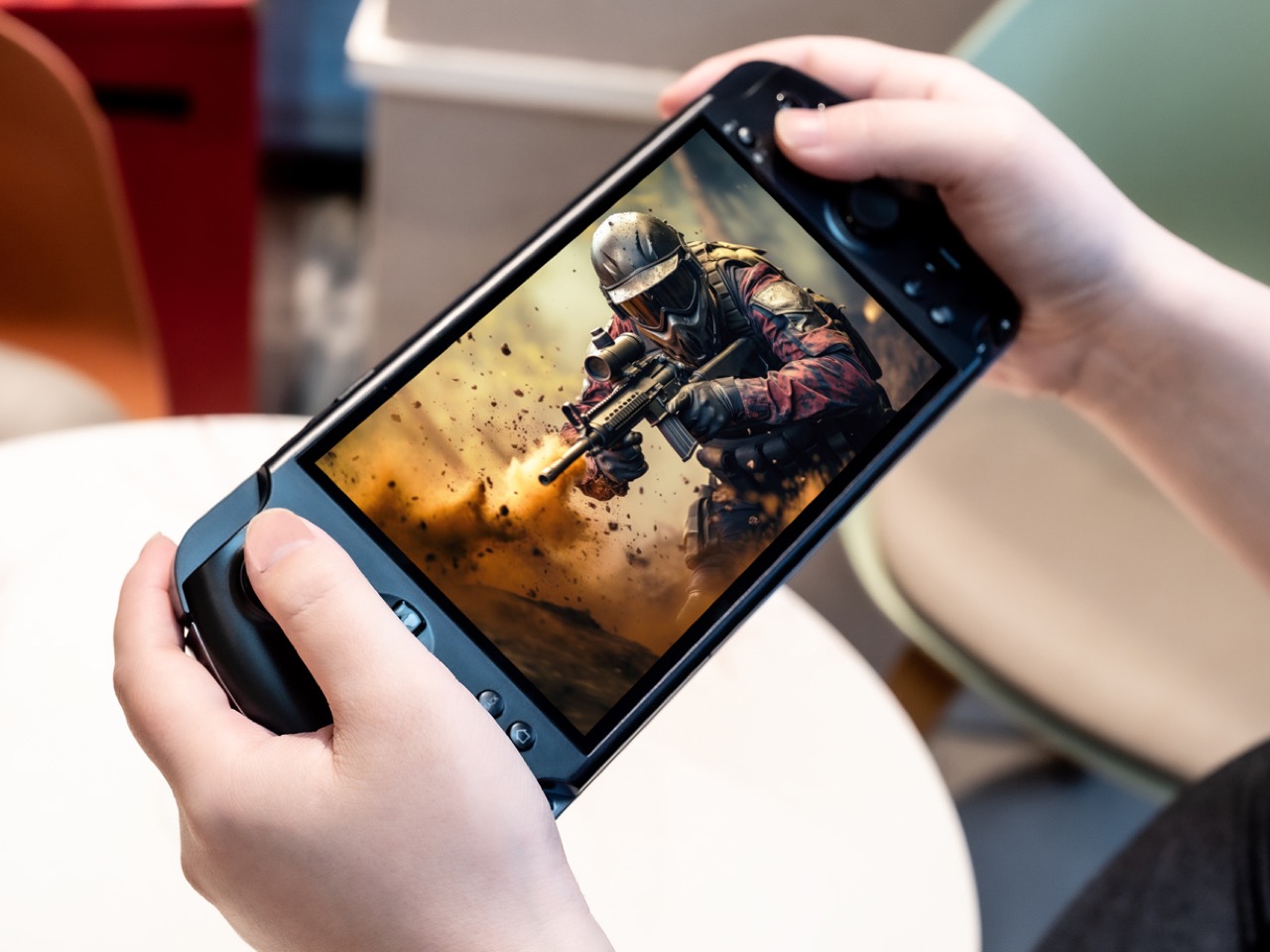
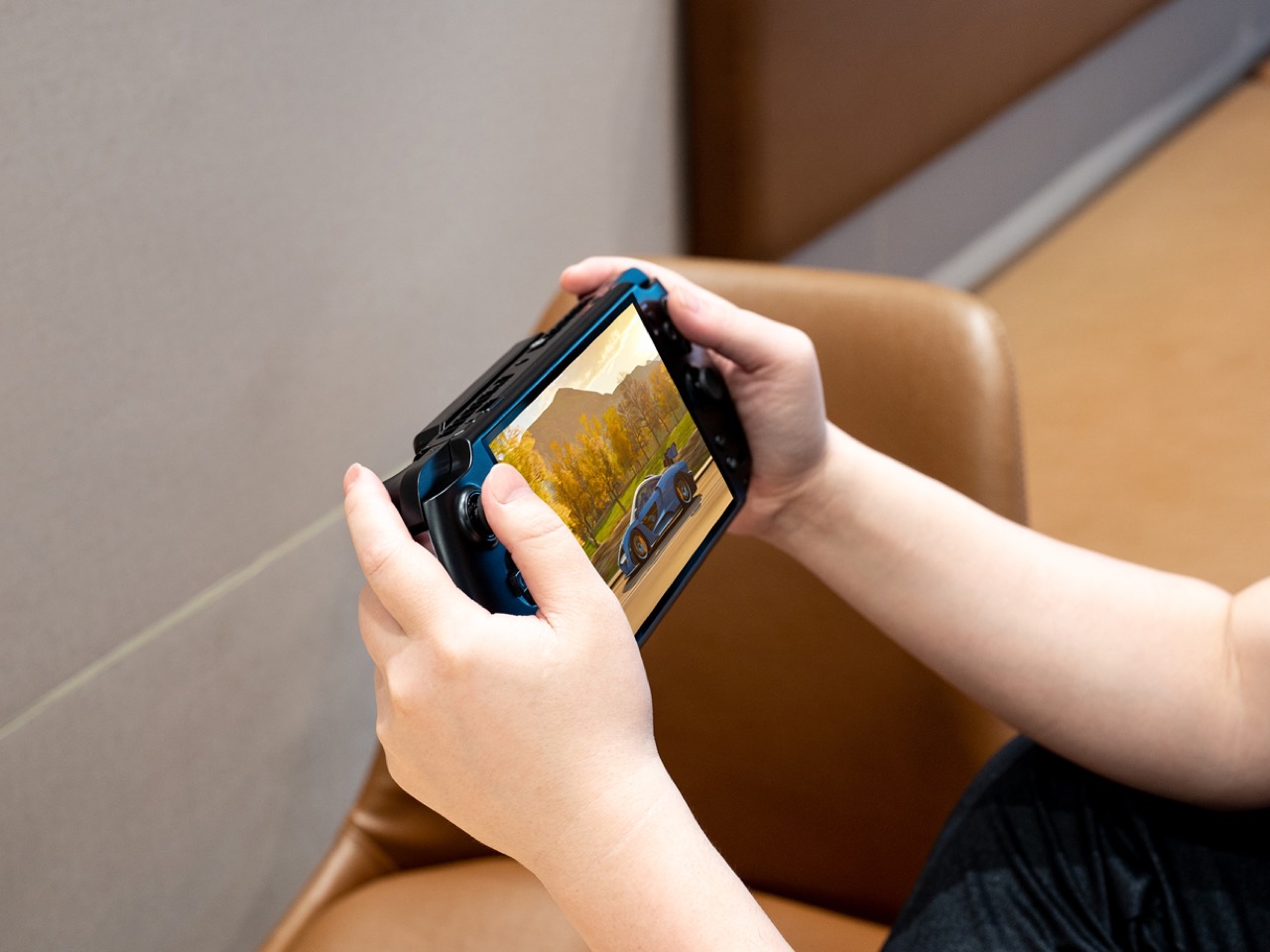
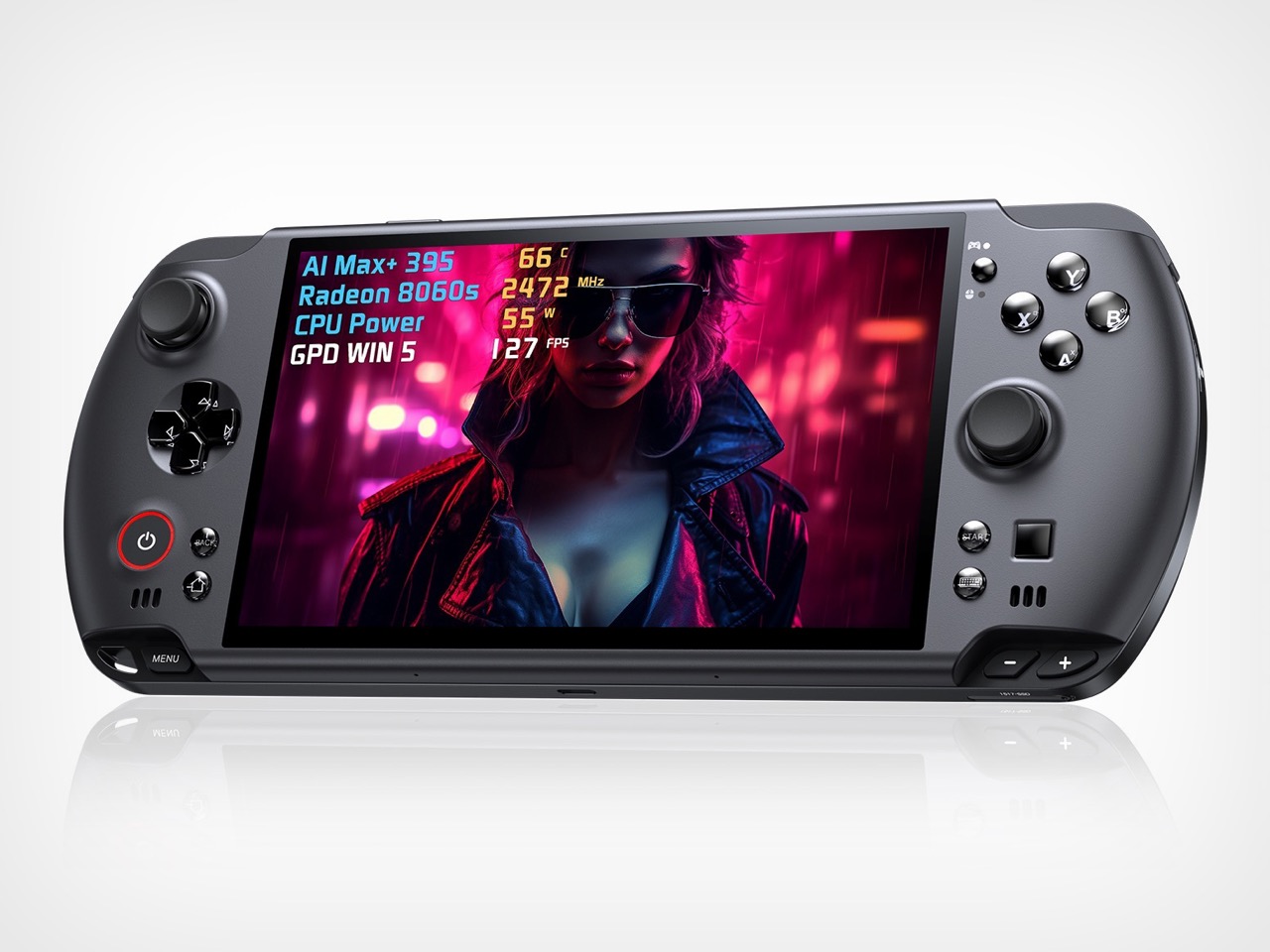
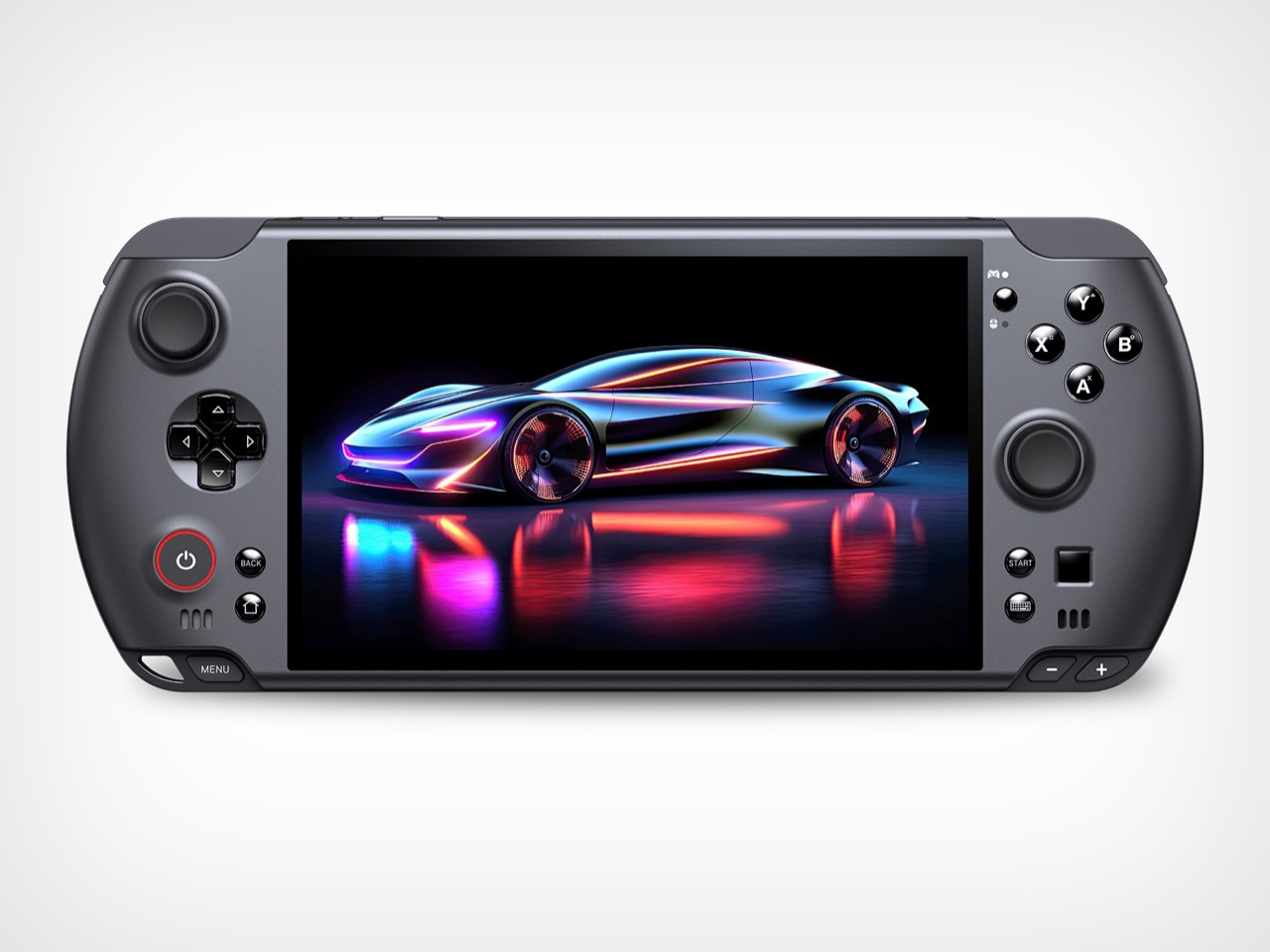
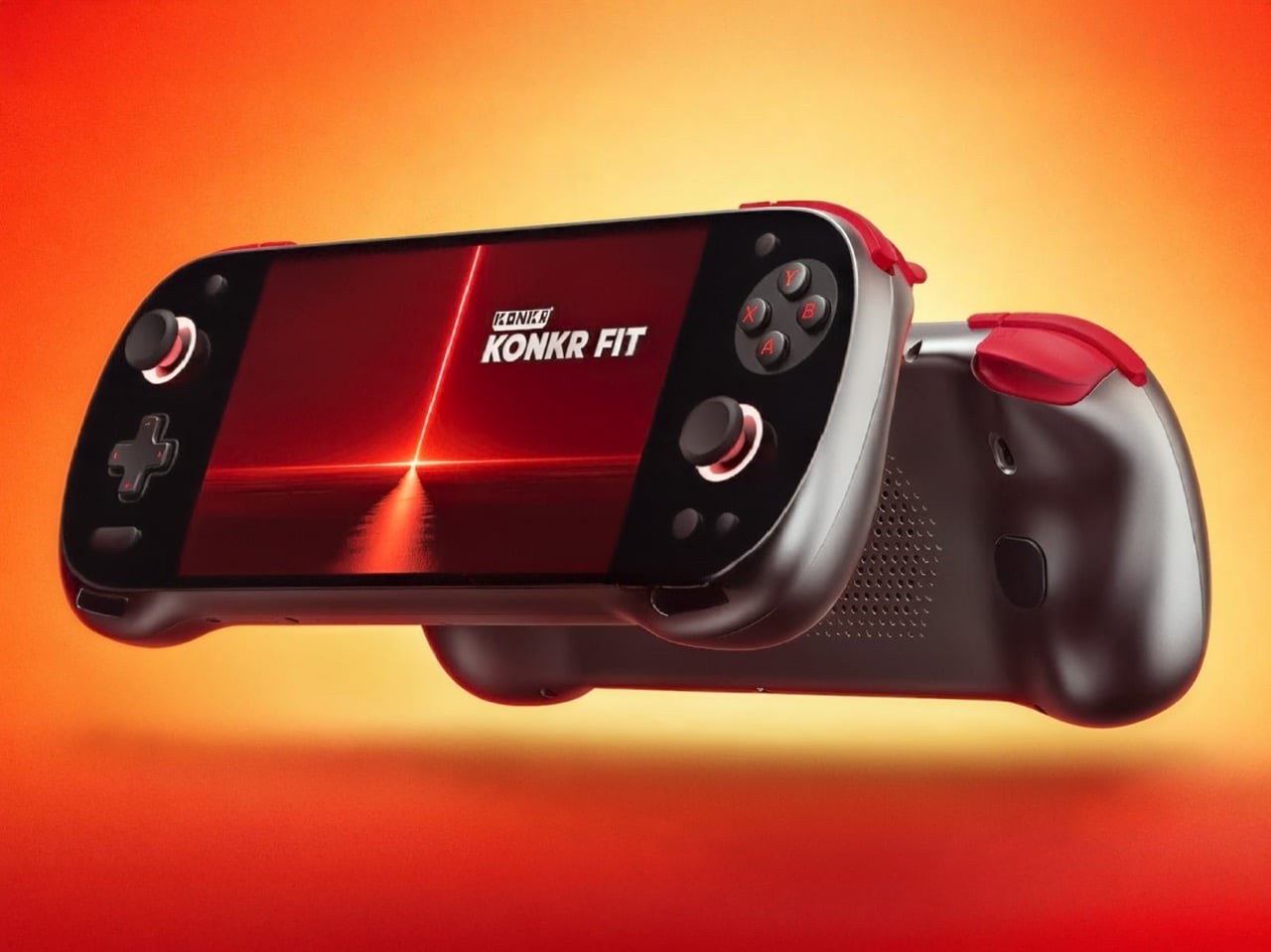
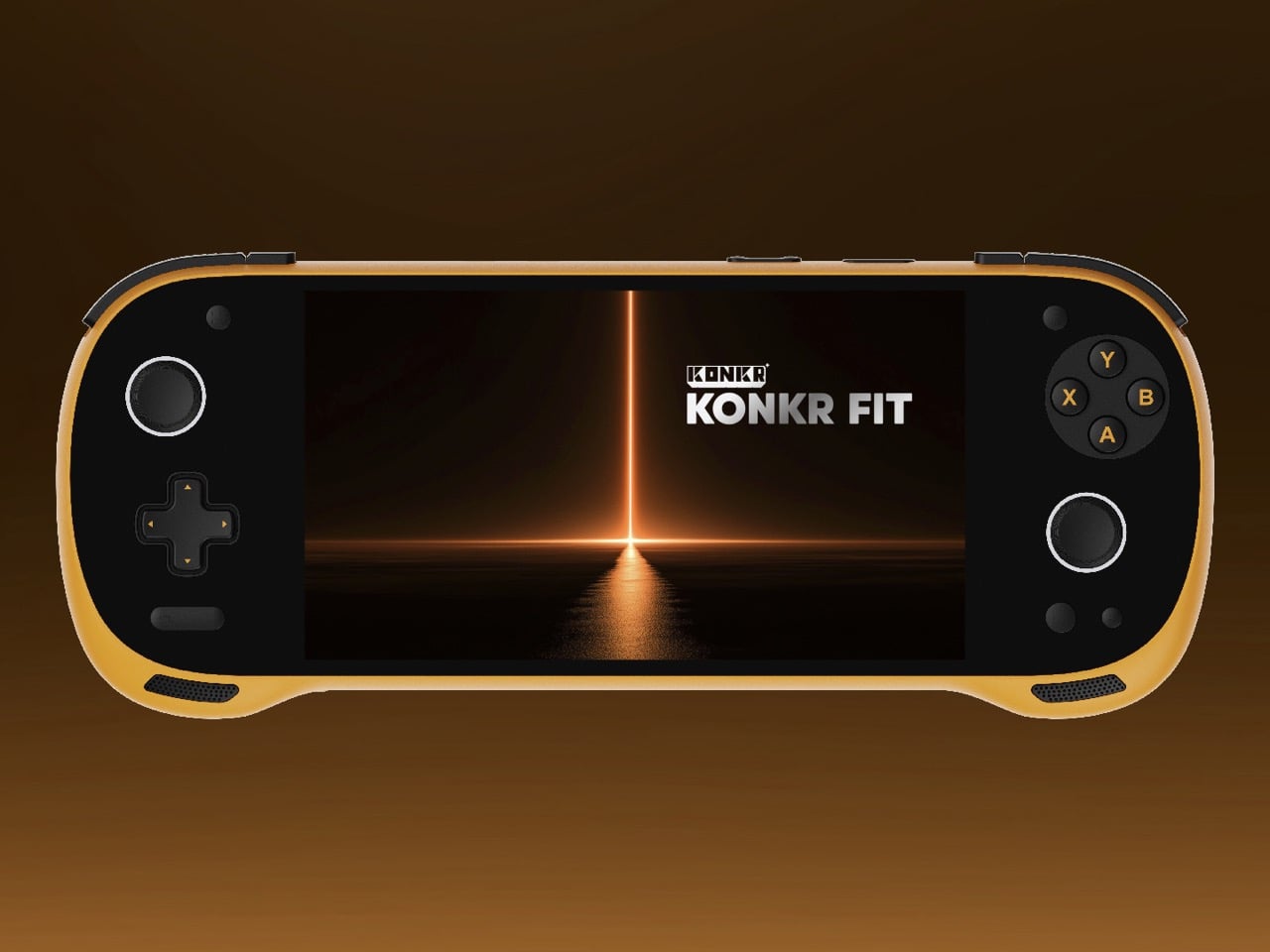
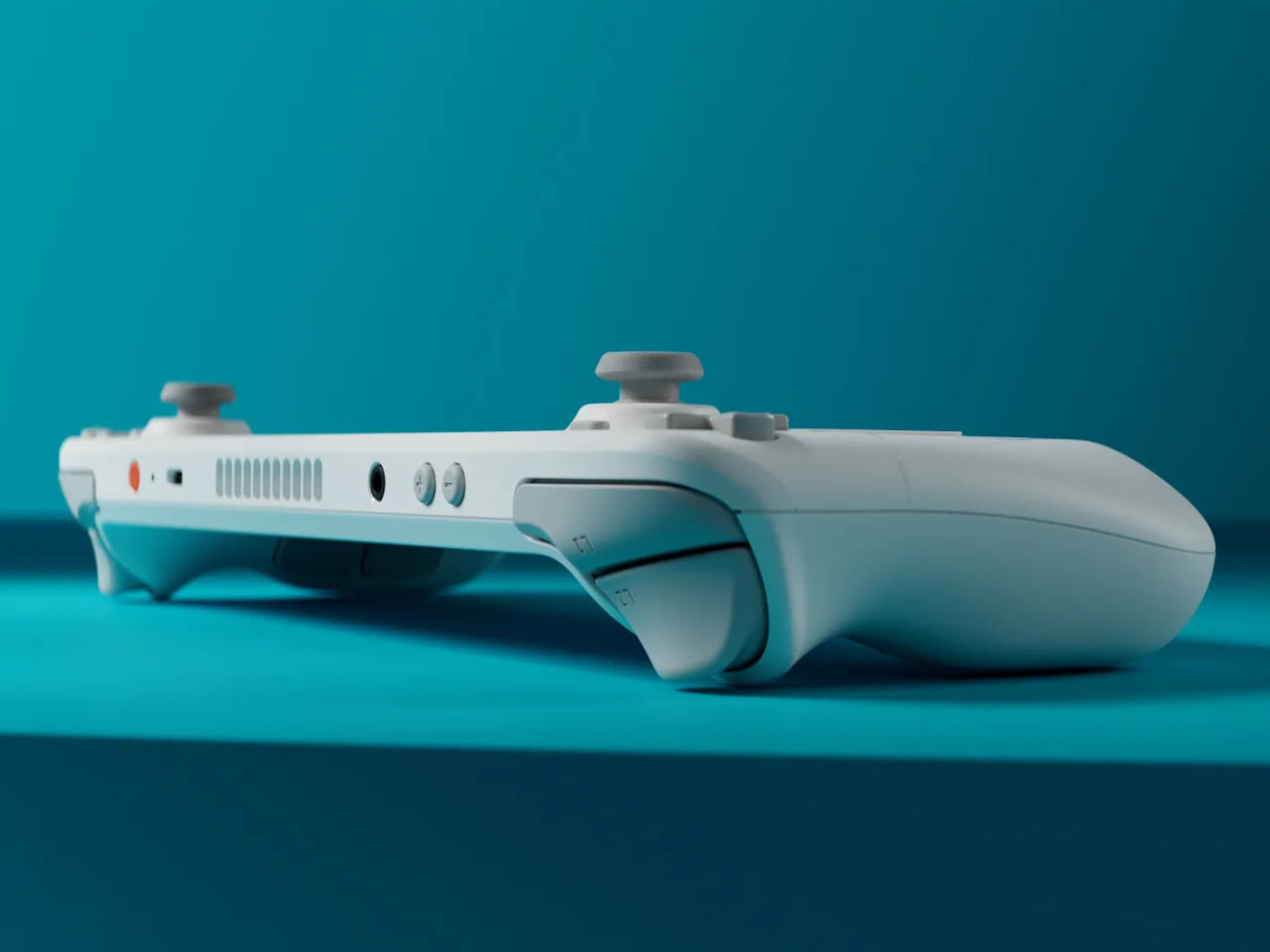
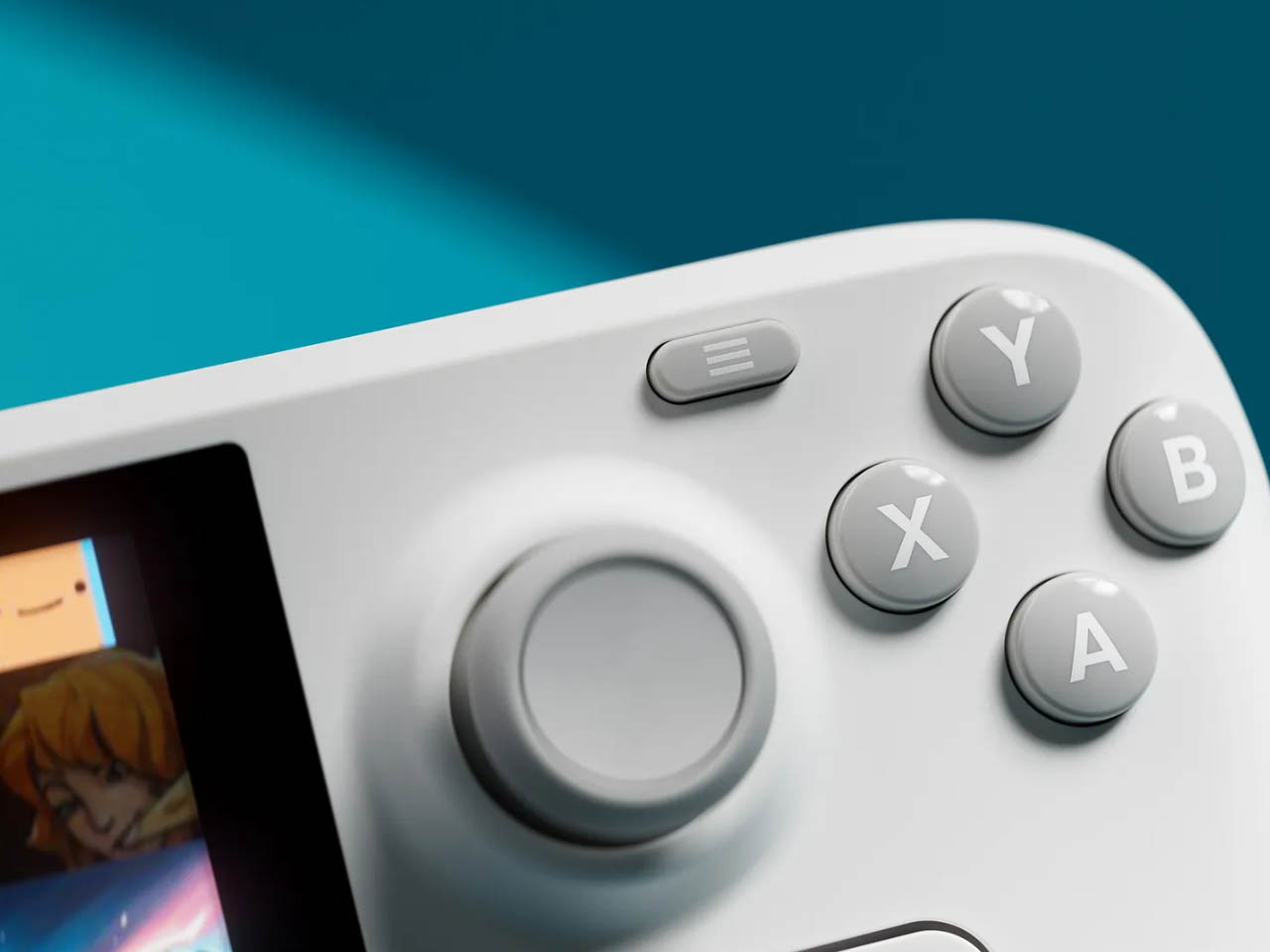
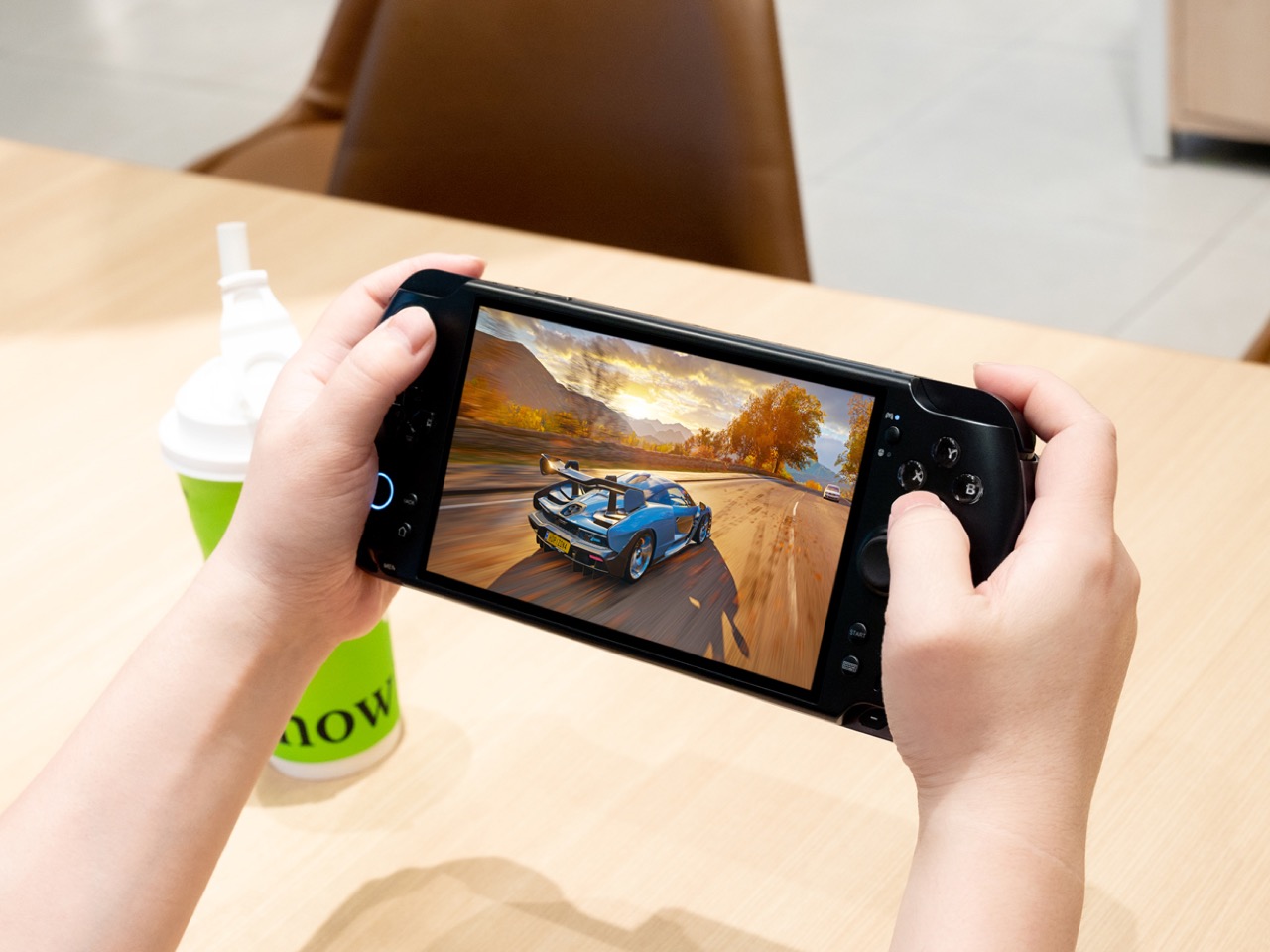
The Konkr Fit features a 7-inch OLED display, significantly larger than the 6-inch screens on its Android siblings. Powering this Windows handheld is an AMD Ryzen AI 9 HX 470 processor, marking a departure from Snapdragon mobile chips. The device also packs an impressive 80Wh battery, dwarfing the capacity found in competitors like the Lenovo Legion Go S and even the Legion Go 2.

Designer: Ayaneo

80Wh in a handheld gaming device puts the Konkr Fit in genuinely rare company. The Legion Go S limps along with 55.5Wh, while even Lenovo’s newer Legion Go 2 only manages 74Wh. We’re talking about potentially game-changing longevity here, especially considering Windows handhelds typically drain batteries faster than their Android counterparts. The Ryzen AI 9 HX 470 is a hungry chip, sure, but you’re still looking at a device that might actually survive a cross-country flight without searching desperately for an outlet. Battery anxiety has plagued this entire product category since the Steam Deck launched, and Ayaneo seems to understand that cramming in more capacity solves more problems than any amount of software optimization ever will.

The HX 470 belongs to AMD’s Strix Point lineup, the same family powering proper gaming laptops. You’re getting Zen 5 cores and RDNA 3.5 graphics, which means AAA titles at respectable settings become genuinely playable. Compare that to the Snapdragon Elite 8 in the Pocket Fit Elite, which excels at emulation and Android titles but starts sweating with demanding PC games. Ayaneo clearly wants this positioned as a real PC gaming device, not just an emulation box with delusions of grandeur. The processor alone tells you they’re betting on people who want to run their Steam libraries natively, not folks content with streaming or playing mobile ports.

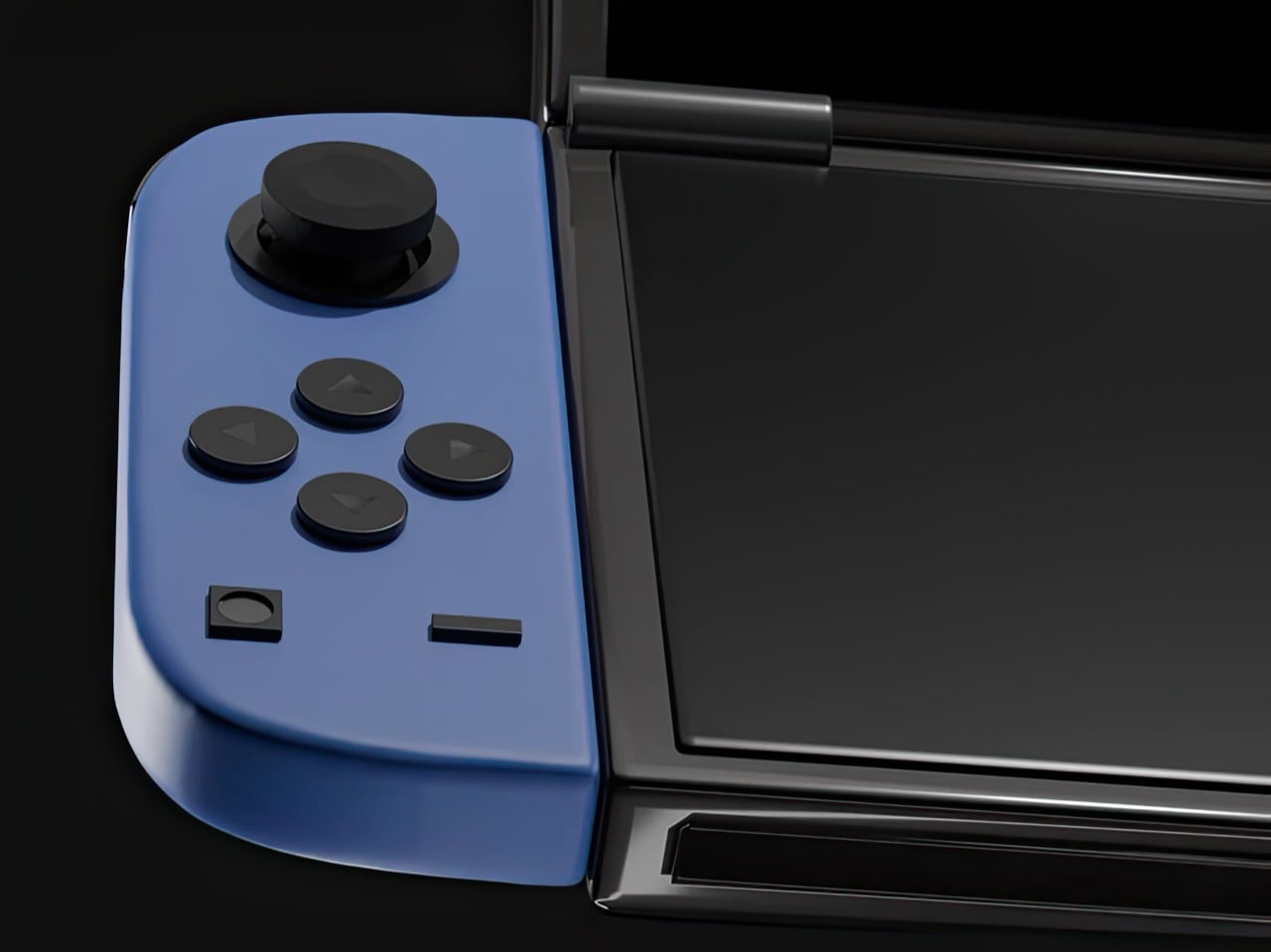
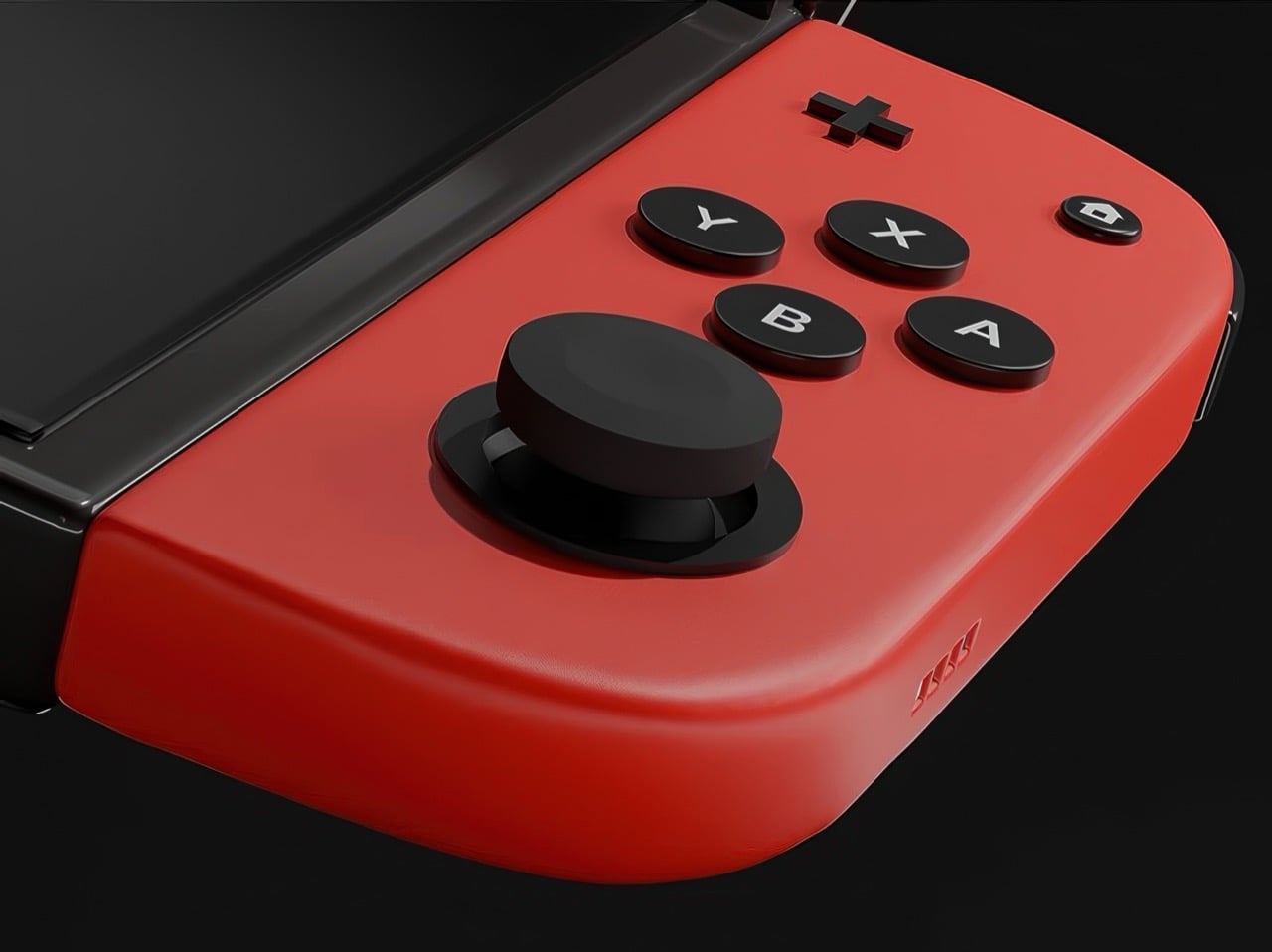
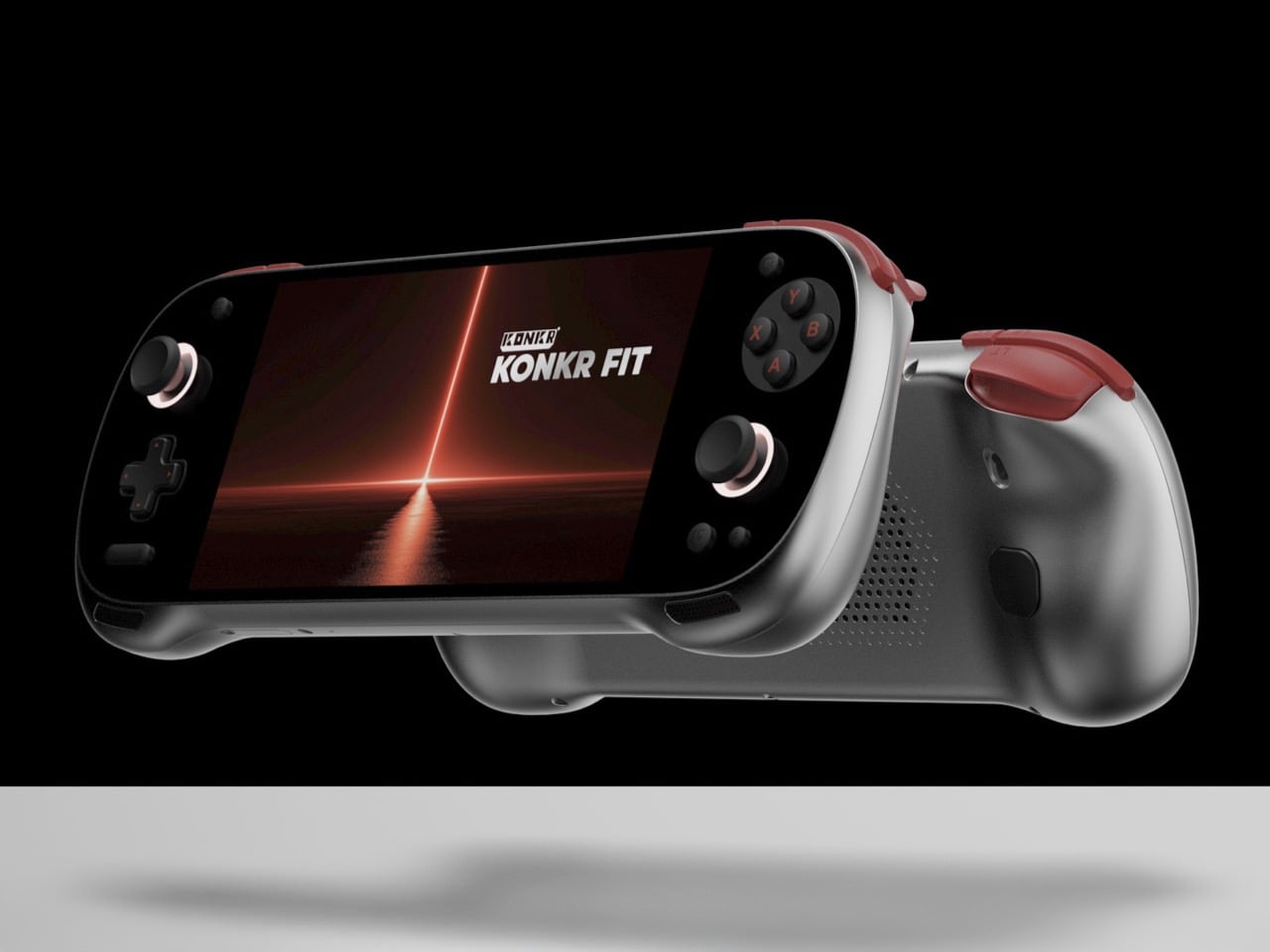
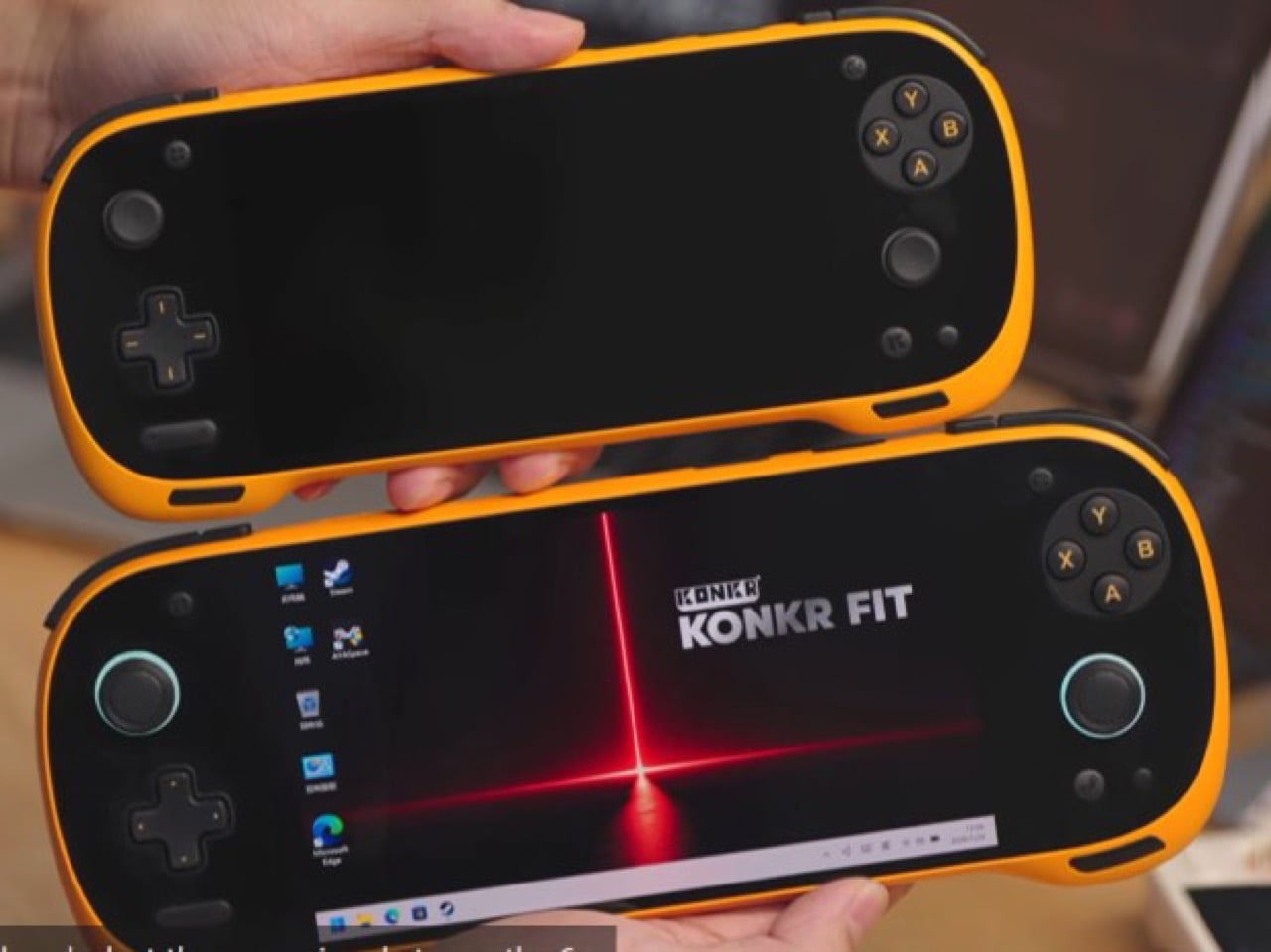
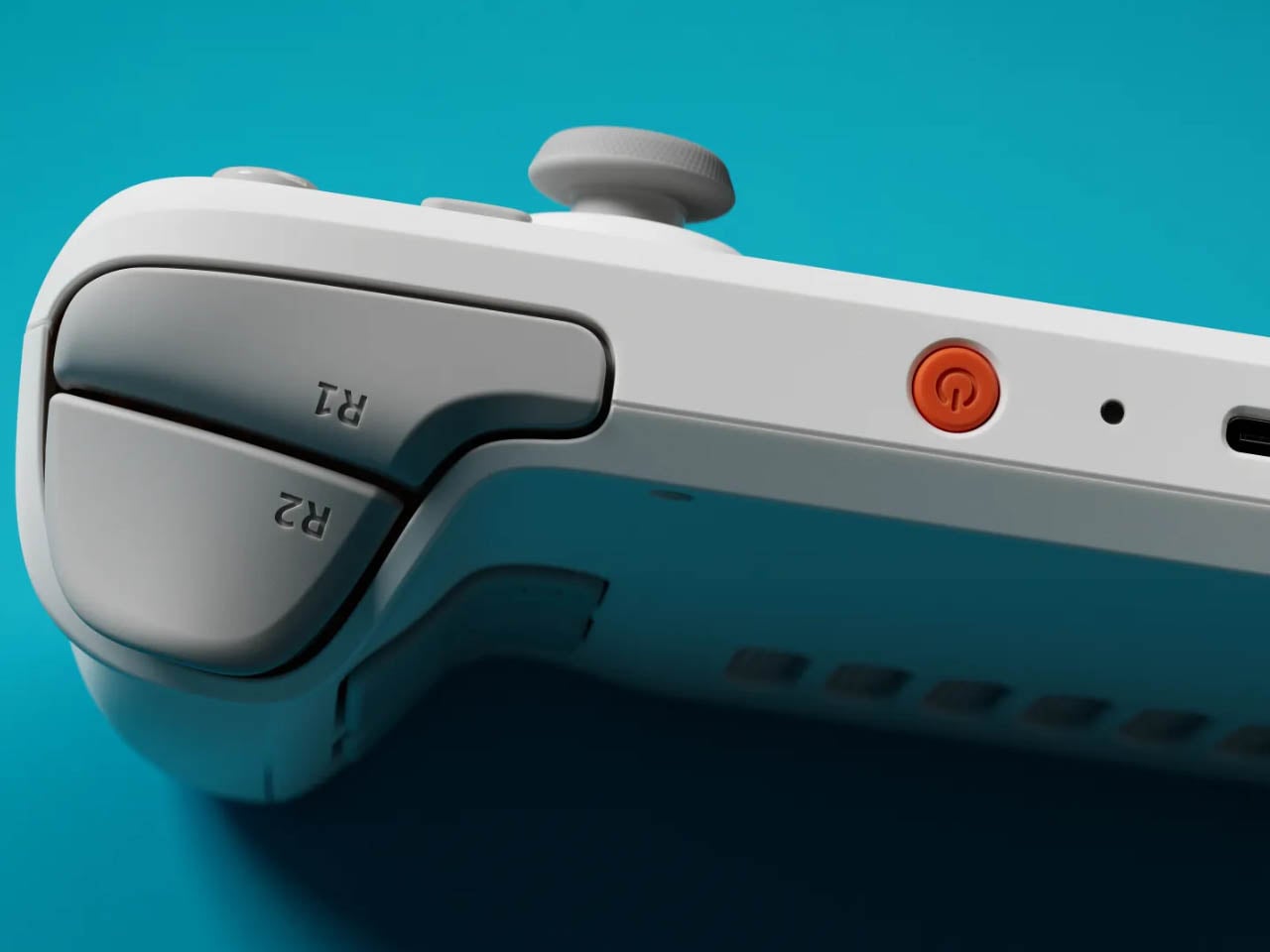
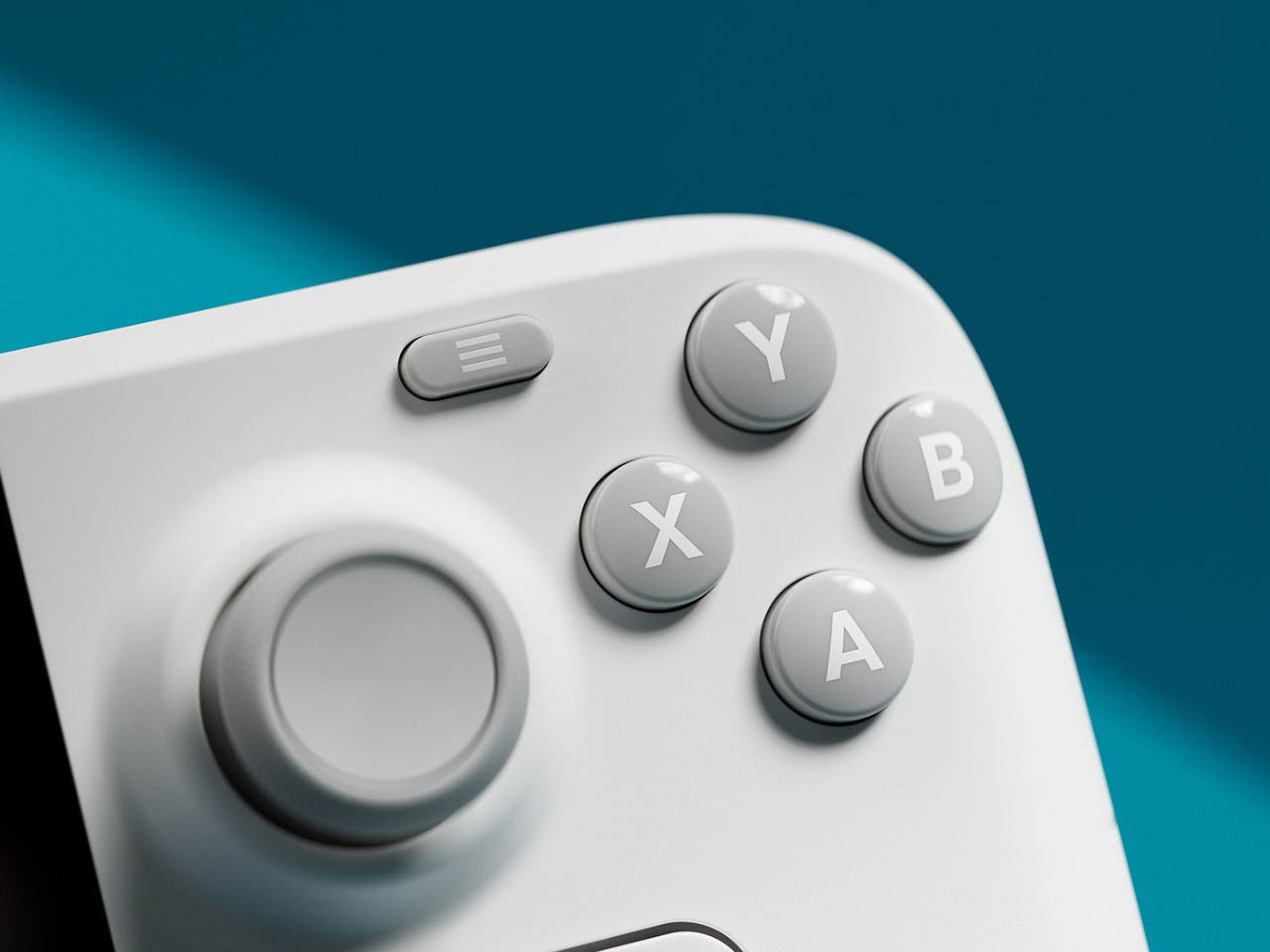
Borrowing heavily from its Android siblings makes sense when you consider the Pocket Fit’s design already works. Hall Effect joysticks handle the analog inputs, which means drift shouldn’t plague these controllers the way it does cheaper alternatives. Adjustable triggers and dual back buttons carry over unchanged. The company offers two colorways: Retro Gray with red accents and a straight Yellow option. Both feel very much in line with the broader handheld gaming aesthetic that’s emerged, though the gray and red combo has some Steam Deck vibes whether Ayaneo wants to admit it or not.

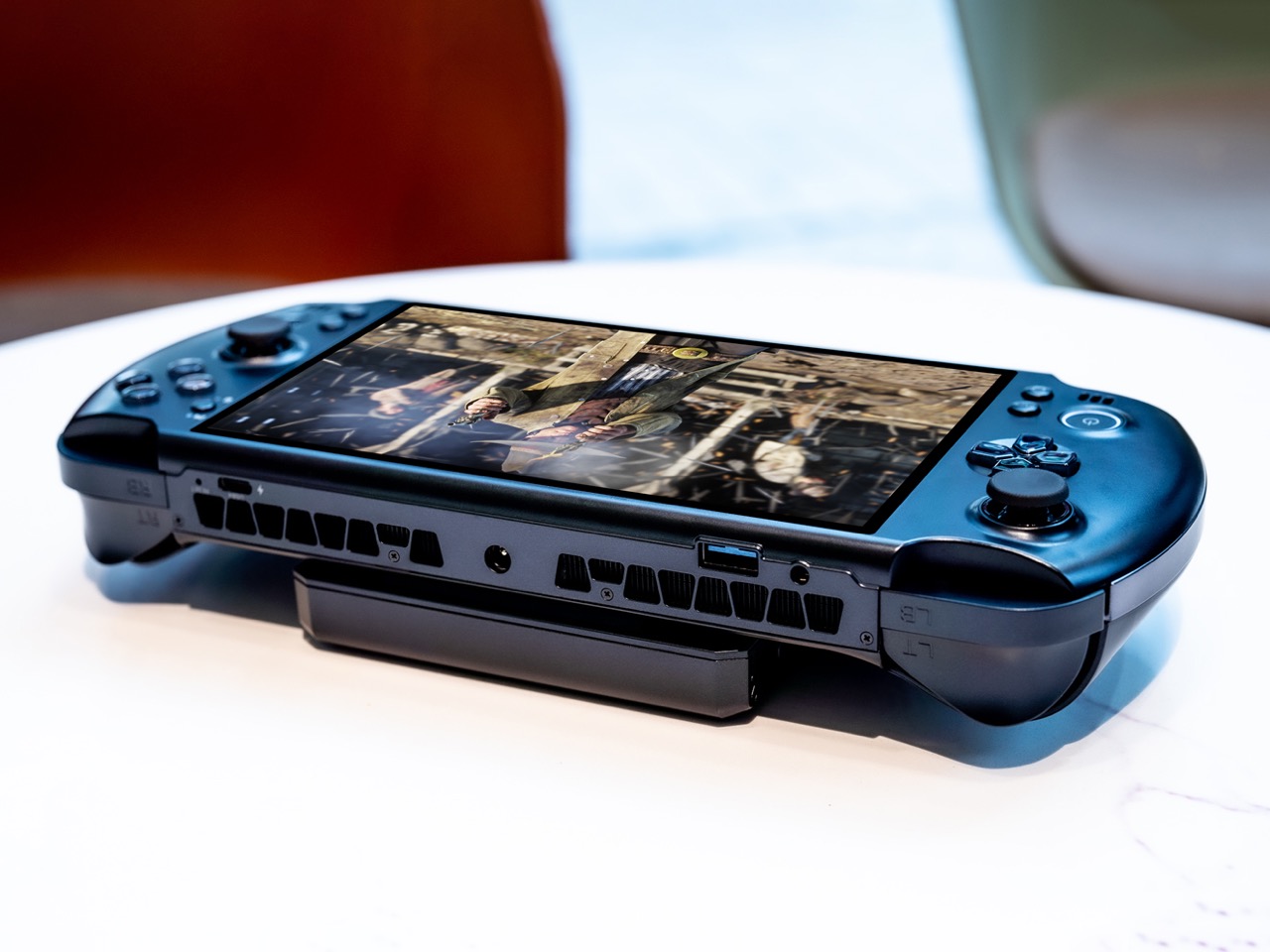
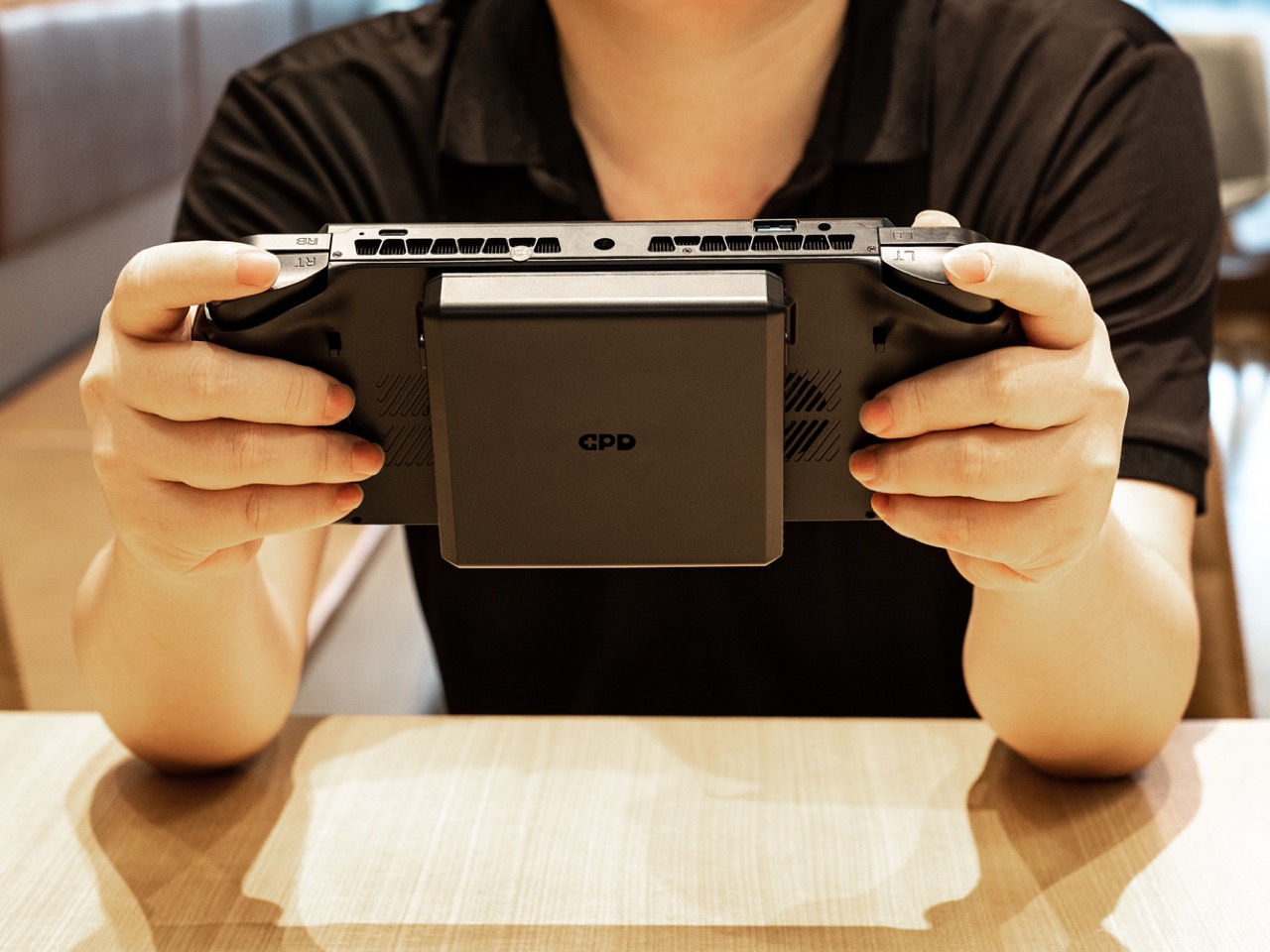
Two USB-C ports now sit at the top edge, giving you actual flexibility for charging while gaming or connecting accessories without blocking your hands. Larger inlet vents dominate the back panel compared to the Pocket Fit, addressing what will inevitably become thermal challenges with a chip this powerful. Even the screws holding the backplate are exposed, suggesting Ayaneo expects enthusiasts to crack this thing open for maintenance or upgrades. These aren’t cosmetic flourishes. Windows gaming generates serious heat, and pretending otherwise is how you end up with a handheld that thermal throttles ten minutes into Cyberpunk 2077.

The OLED panel upgrade from the Pocket Fit’s LCD matters beyond the obvious visual improvements. Response times eliminate the ghosting issues that plague cheaper LCD panels during fast-paced gaming. Deep blacks mean better contrast in dimly lit game environments, which basically describes half of modern AAA titles. At 7 inches, you’re getting enough screen real estate that Windows UI elements remain readable without squinting, though whether Windows 11 plays nicely with a 7-inch touchscreen remains an open question. Microsoft has never really figured out how to make their OS work elegantly on small displays, and I doubt Ayaneo’s custom launcher will magically solve decades of interface design problems.

Pricing remains a company secret, but simple math suggests this slots above the $399 Pocket Fit Elite. The Ryzen AI 9 HX 470 costs more than Snapdragon chips, Windows licensing adds expense that Android avoids, and that 80Wh battery doesn’t come cheap. My gut says somewhere between $500 and $600, which plants this squarely in Steam Deck OLED territory. That’s awkward positioning for a brand that built its identity on being the affordable alternative to Ayaneo’s own thousand-dollar flagships. Then again, Ayaneo could just drop the details and prove me wrong.

The post Ayaneo’s Konkr Fit Handheld Packs AMD Ryzen AI 9 And Windows, Targeting the Steam Deck and Legion Go 2 first appeared on Yanko Design.
Sony’s Upcoming Portable PS6 Aims to Challenge the Steam Deck and Switch 2 in 2027

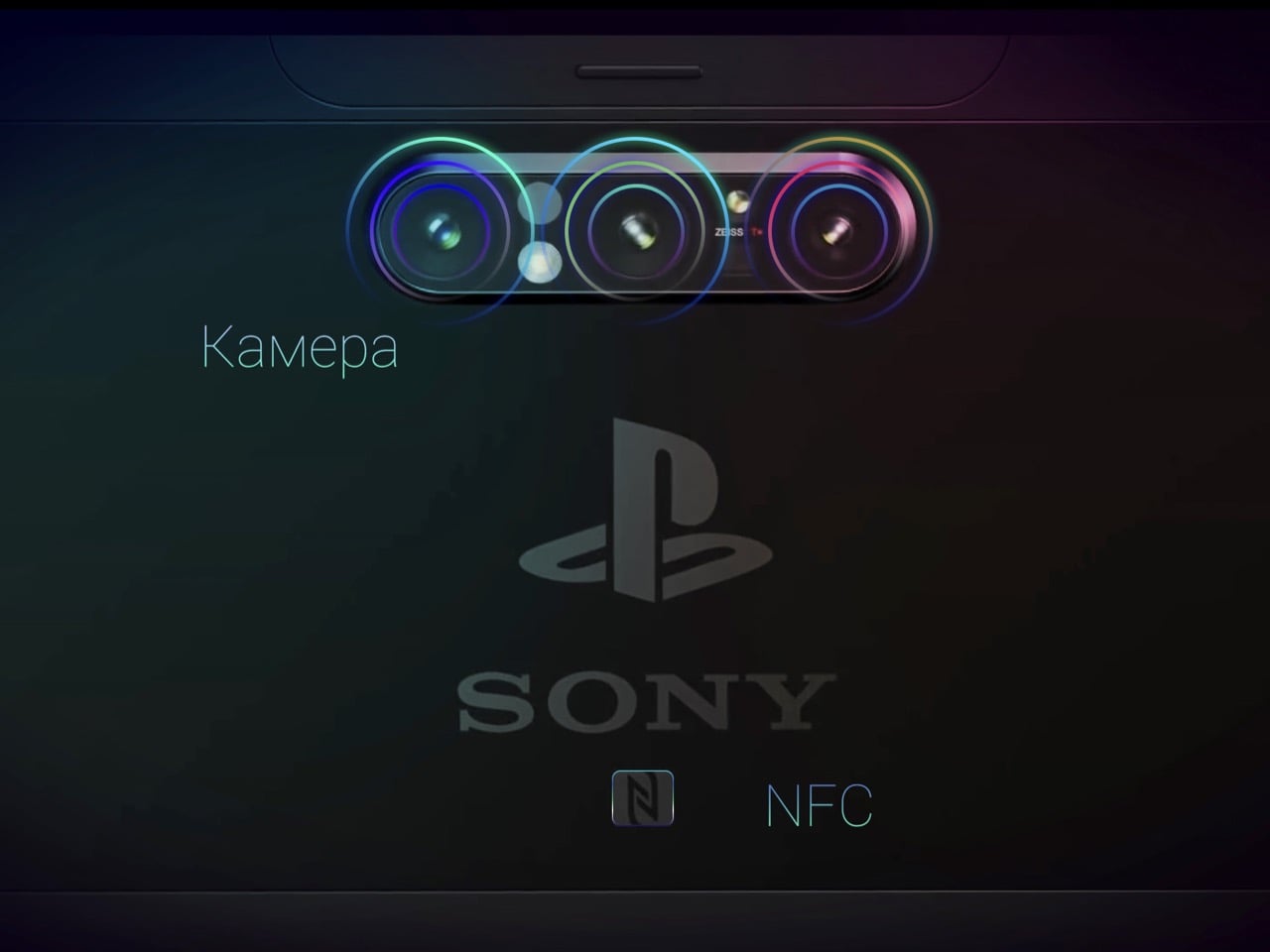
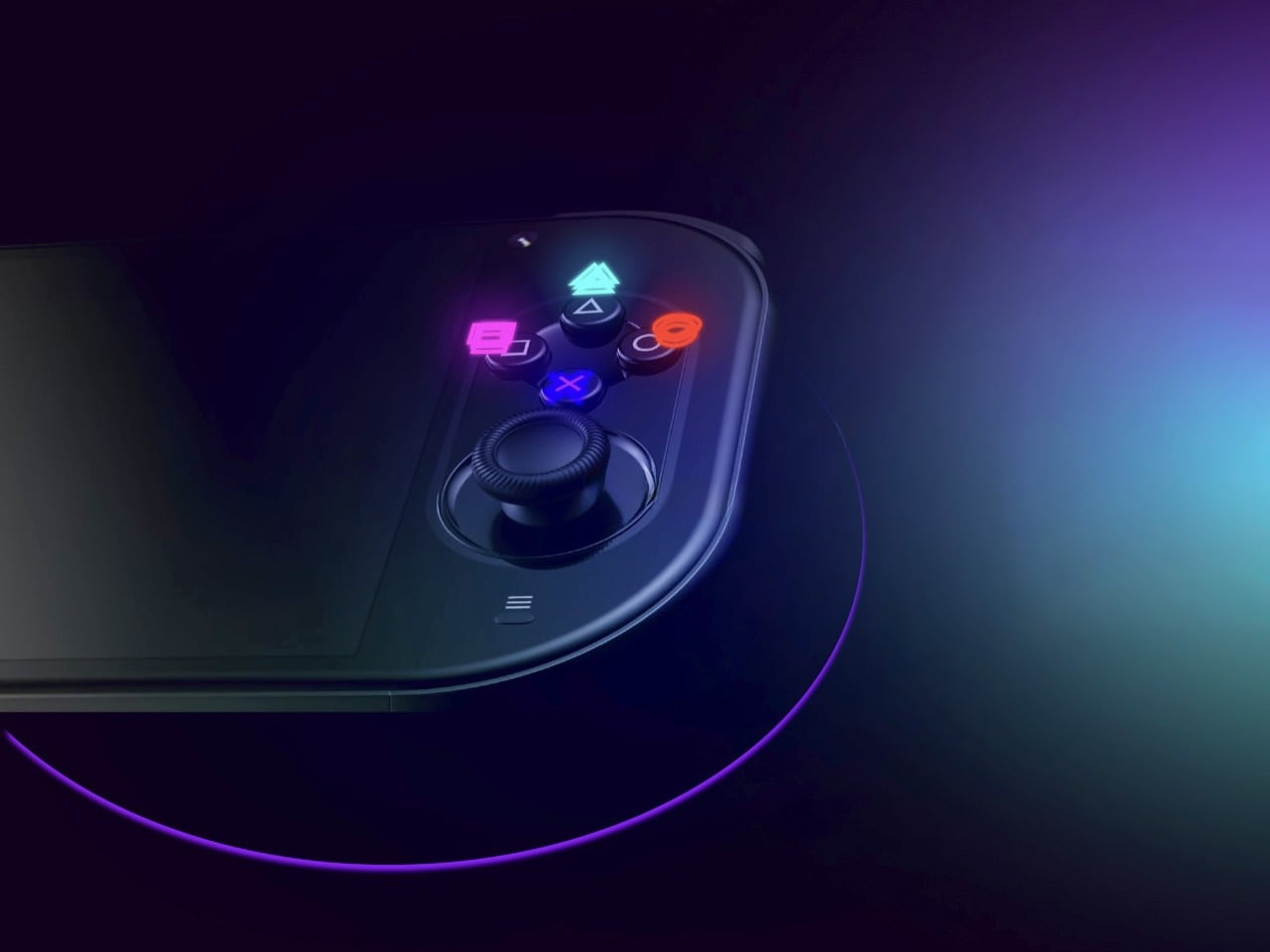
Sony’s portable gaming attempts have followed a familiar pattern: innovative hardware held back by baffling compromises. The PSP had one analog stick when games clearly needed two. The Vita added that second stick but inexplicably skipped analog triggers and clickable thumbsticks, forcing developers to map essential controls to an awkward rear touchpad. The PS Portal finally nailed the controls by essentially splitting a DualSense controller in half, then rendered the achievement mostly irrelevant by making it stream-only. Project Canis, the rumored PS6 handheld arriving in 2027, needs to break this cycle.

The fundamentals look promising this time. Reports suggest full PS4, PS5, and PS6 compatibility with proper docking functionality, which would position it as Sony’s answer to both the Steam Deck and Switch successor. The recent PS5 low-power mode appearing in firmware updates telegraphs Sony’s strategy clearly: get developers optimizing games for portable performance now, before the hardware officially exists. With AMD’s APUs getting more capable and the handheld gaming PC market proving there’s demand for portable power, Sony actually has a clearer path forward than they did with previous attempts. The question is whether supply chain realities and component costs will force them to compromise again.

Designer: Yousef Popov

Sony recently added a power-saving mode to PS5 games that scales down graphics and frame rates, supposedly for energy conservation. But here’s what’s actually happening: they’re teaching developers how to optimize their games for weaker portable hardware before that hardware even exists. When Project Canis launches, every game with this low-power mode already has a built-in portable profile ready to go. It’s Sony creating a standardized “handheld mode” years in advance, which suggests they’re genuinely committed this time rather than half-heartedly supporting another doomed experiment like the Vita became.

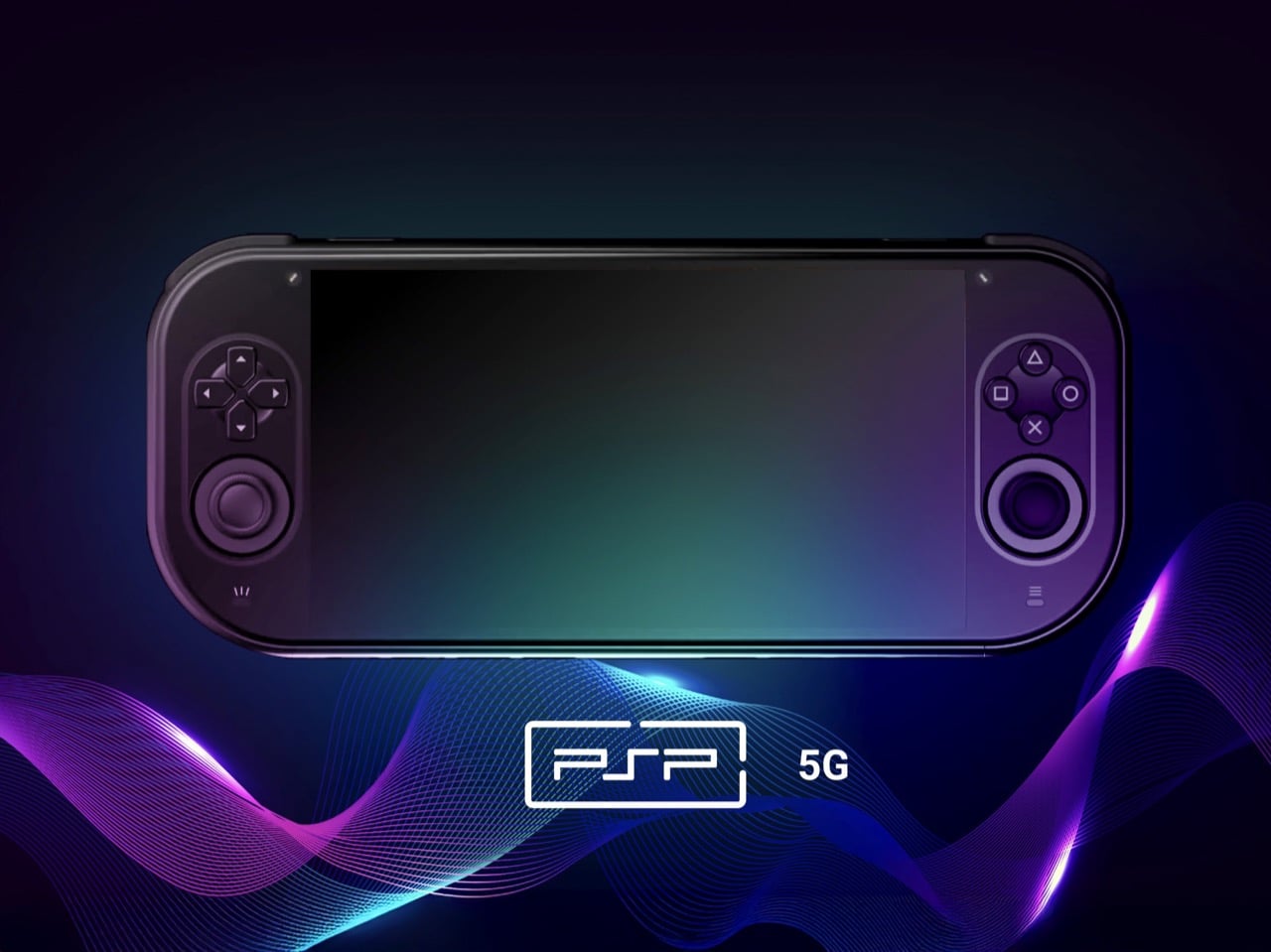
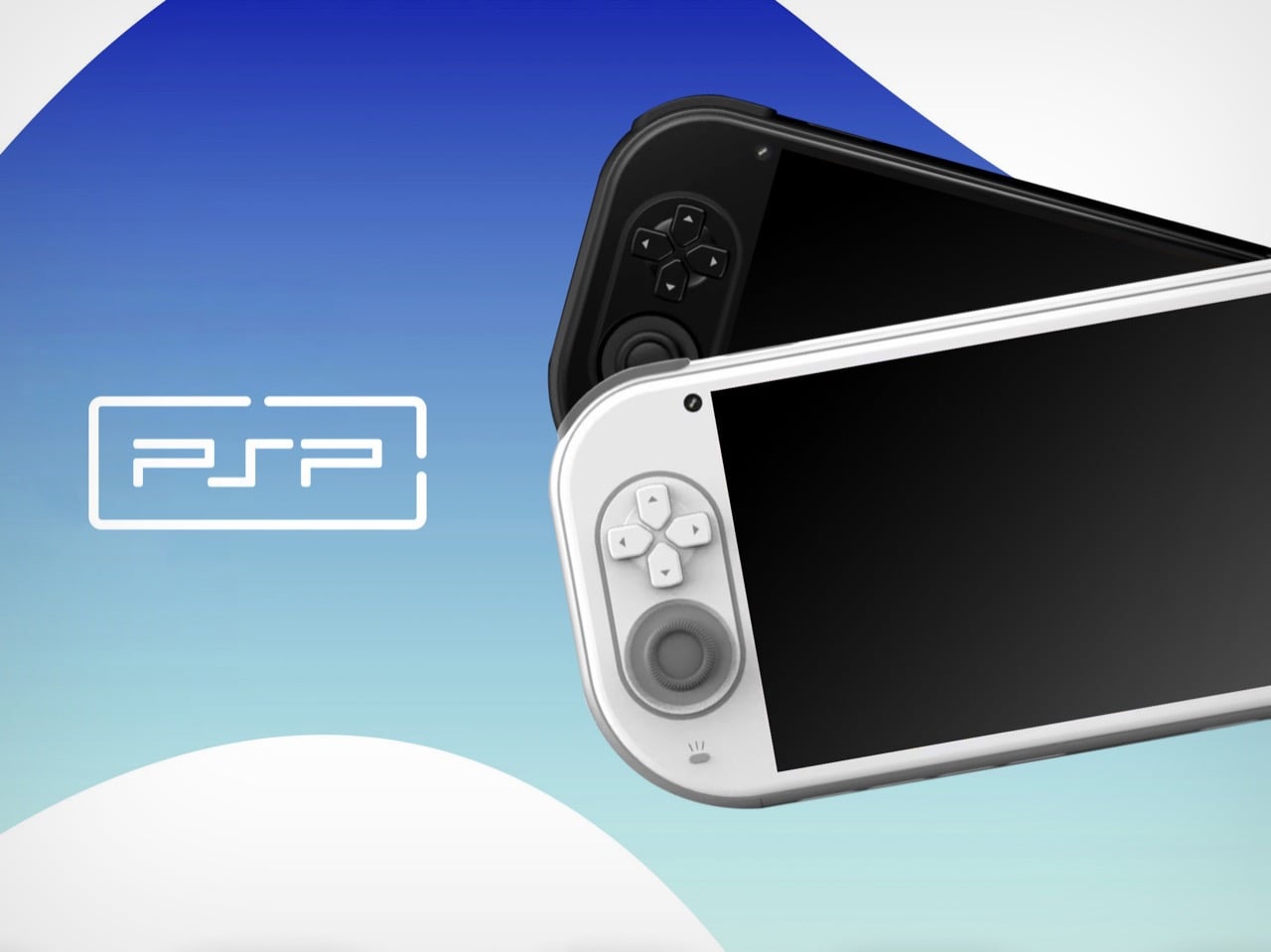
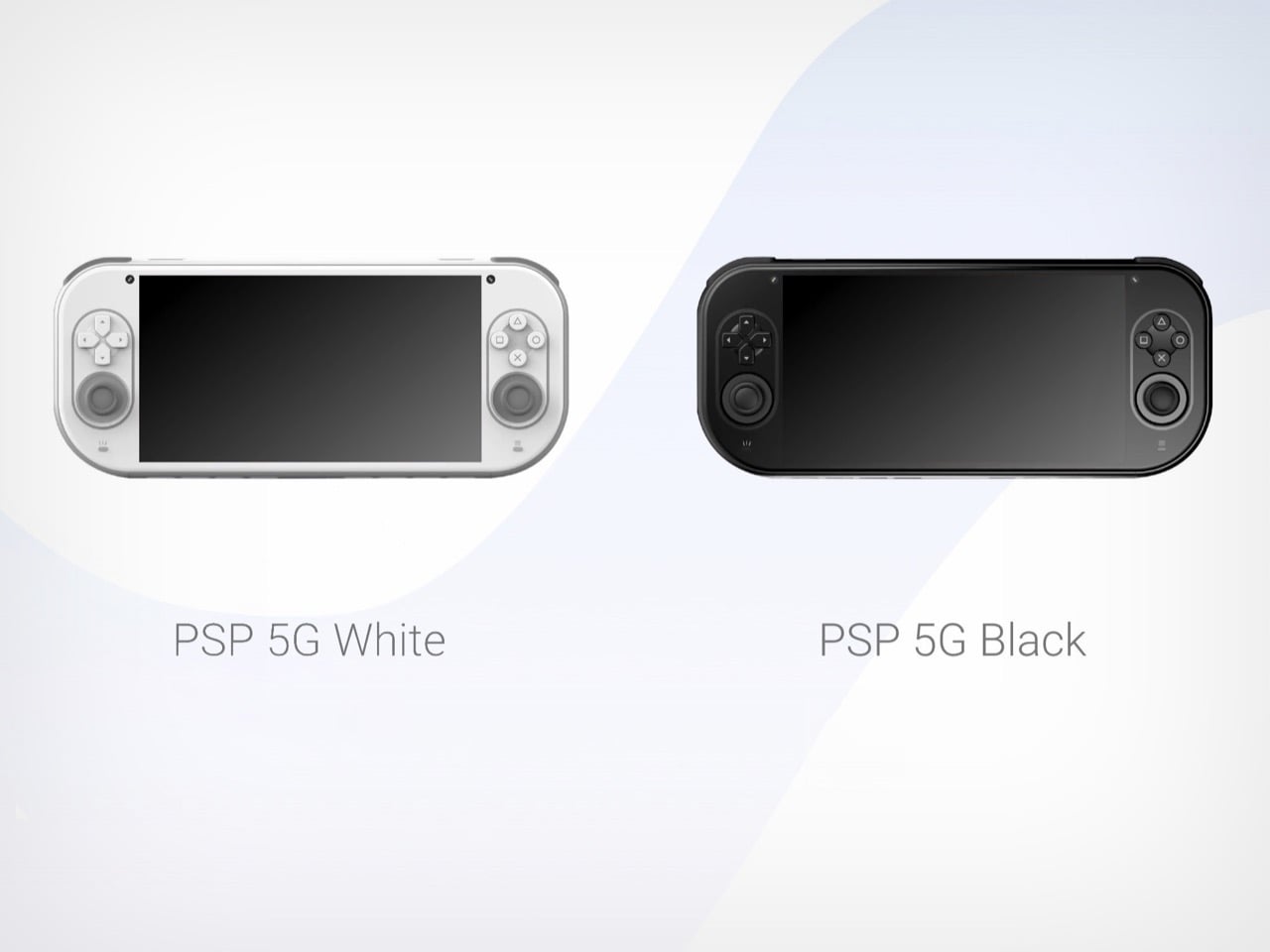
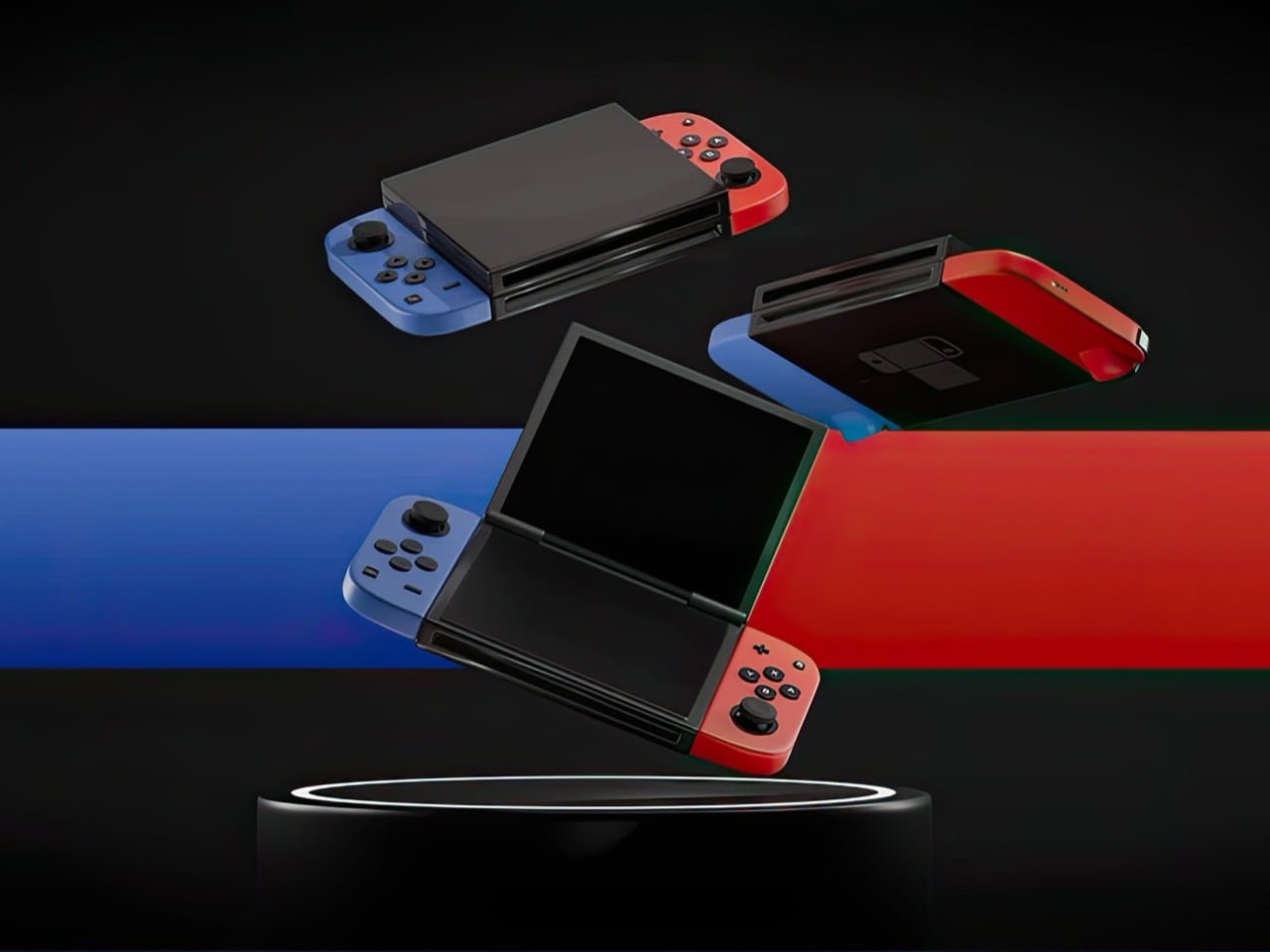
The design remains anyone’s guess at this point. Concept images floating around Behance show sleek interpretations of what a modern PSP could look like, though these fan creations obviously don’t reflect whatever Sony’s industrial designers are actually cooking up. What we do know is that the PS Portal’s controller layout works beautifully, with full-sized analog sticks and proper trigger feedback. If Sony keeps that ergonomic foundation and adds actual processing power inside instead of relying on cloud streaming, they’d have something genuinely compelling. The Portal proved they finally understand that portable controls can’t be compromised versions of console controllers, they need to be the real thing.

The 2027 target might actually work in Sony’s favor despite the RAM shortage threatening to push prices up or launch dates back. Handheld gaming has exploded in ways nobody predicted five years ago. The Steam Deck created an entire category of expensive portable PCs that people happily bought. The Switch keeps selling despite aging hardware because portability matters that much to players. Sony entering this space in 2027 with a device that plays God of War and Spider-Man natively, then docks to your TV for the full experience, feels less like another doomed experiment and more like arriving exactly when the market’s ready.

The backwards compatibility angle could be the real hook though. Running your entire PS5 library on the go would be compelling enough, but reports suggest potential support reaching back to PS1 and PS2 through emulation. Imagine having decades of PlayStation history available on one portable device, from classic JRPGs to current blockbusters. The Switch has proven that players will rebuy old favorites for portability, but Sony wouldn’t need to resell anything if they nail backwards compatibility. Your existing library just works, from launch day classics you bought fifteen years ago to whatever drops next month. That’s the kind of feature that turns a neat gadget into something you’d actually carry everywhere.

The post Sony’s Upcoming Portable PS6 Aims to Challenge the Steam Deck and Switch 2 in 2027 first appeared on Yanko Design.
MCON Slim Hands-on at CES 2026: The Ultra‑Thin MagSafe Controller That Turns Your iPhone Into a Gaming Console

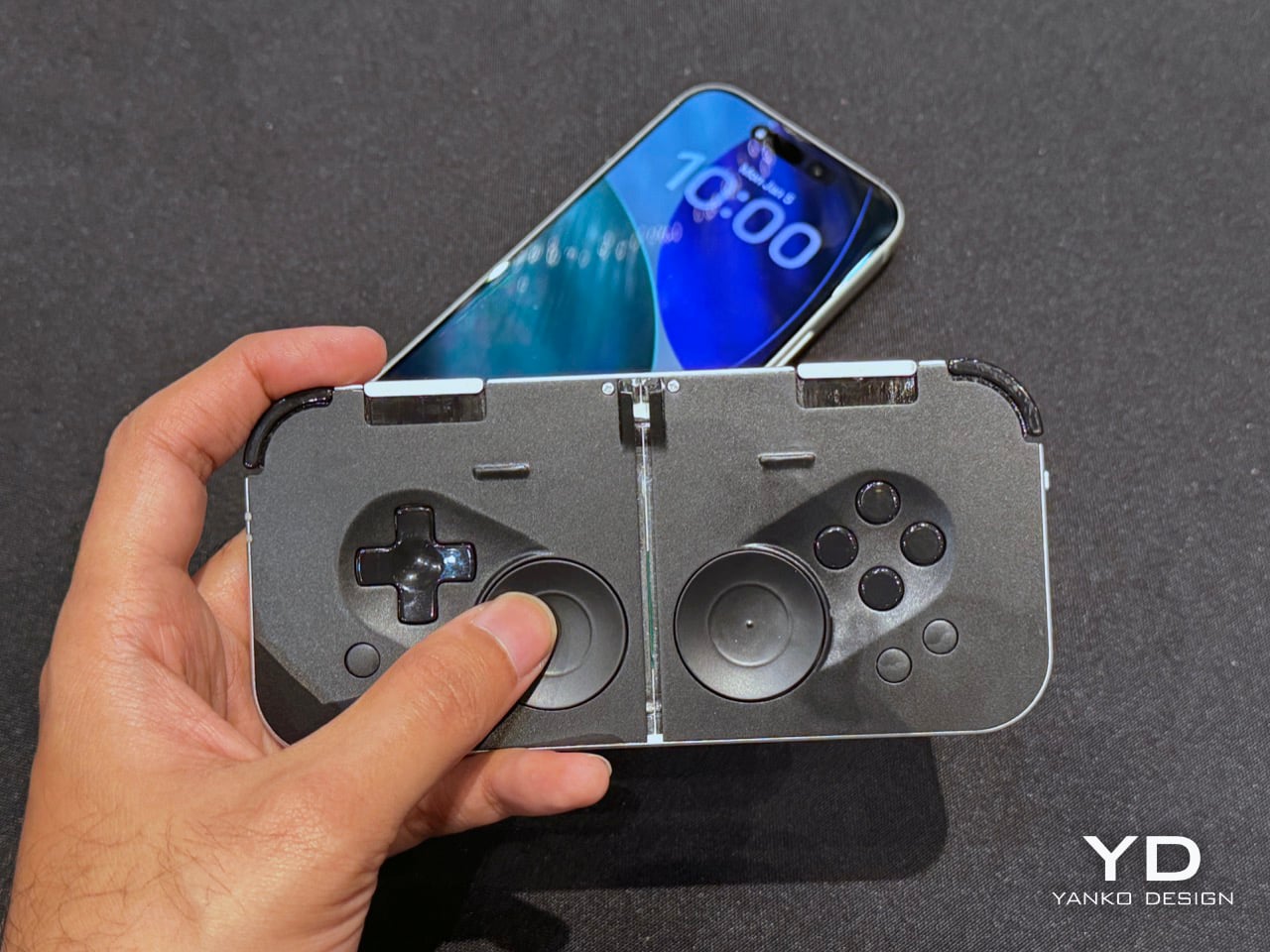
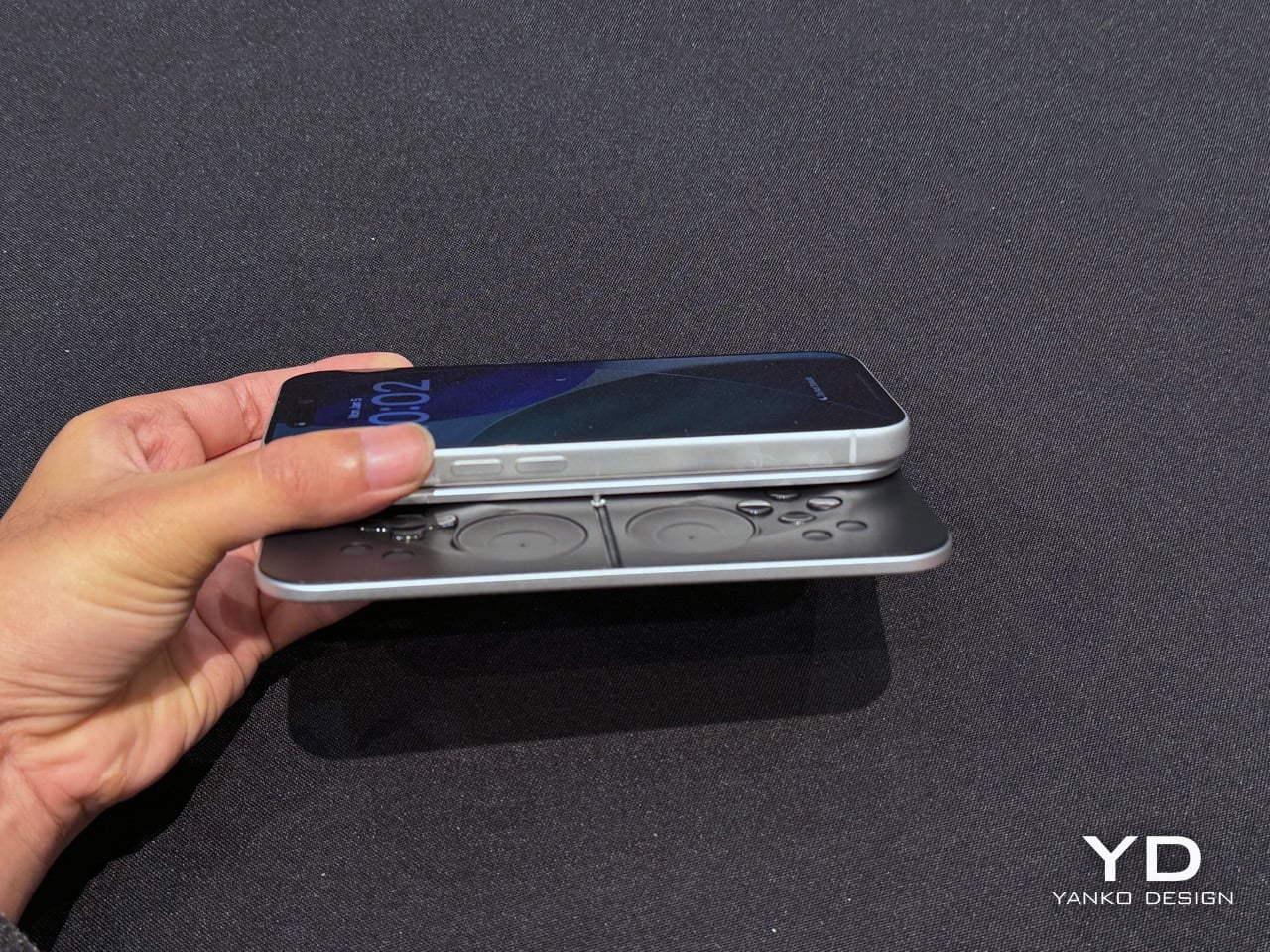
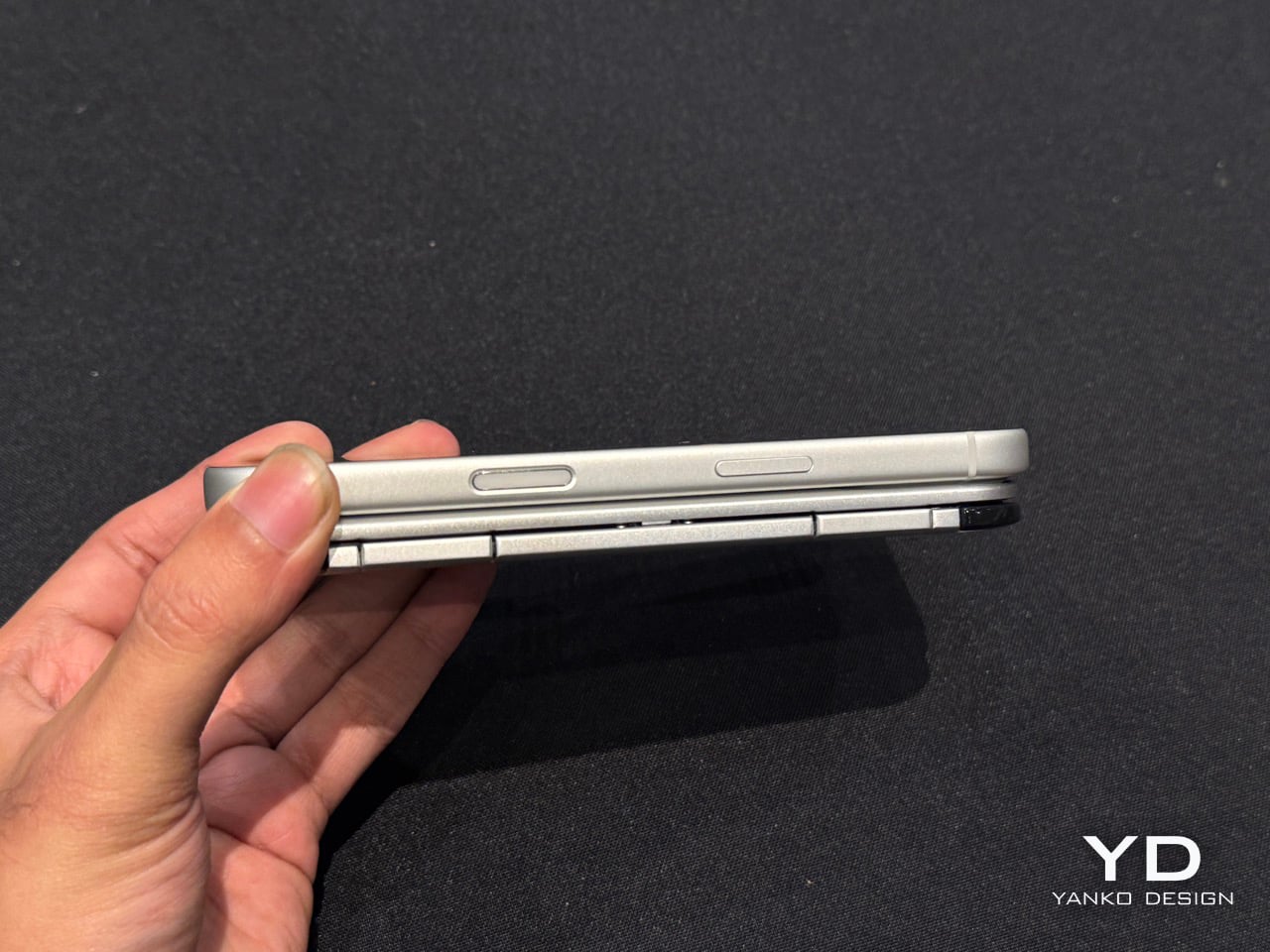
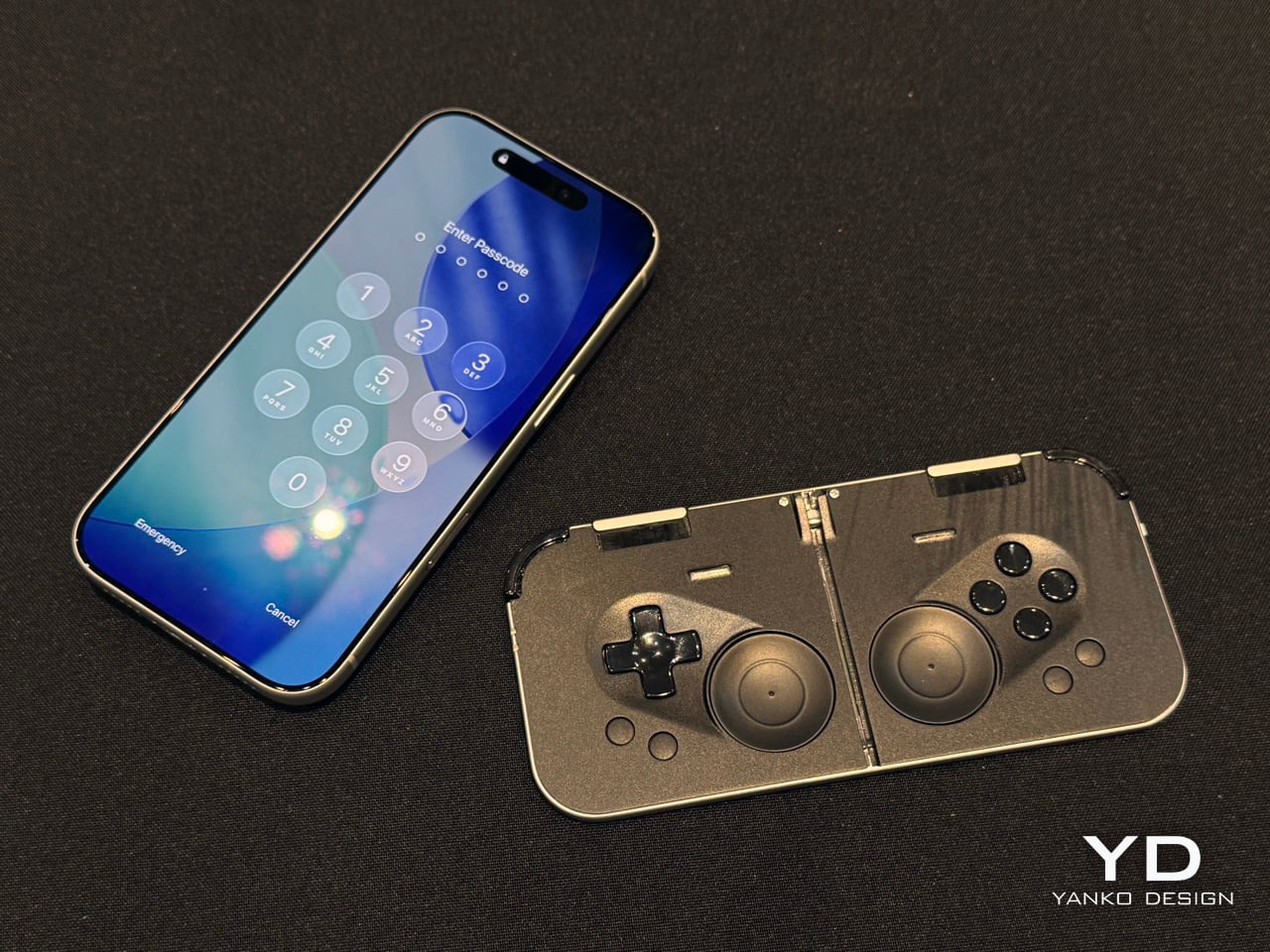
Last year, Ohsnap debuted the MCON controller on Kickstarter and nearly broke the website. Over 16,000 people pledged almost $2 million to make the product a reality, and not only did the company ship every single MCON out to every backer, they casually came back to CES this year with not one, but TWO more versions of the device. The more impressive of the two is the MCON Slim, a controller that’s nearly as thin as your standard smartphone, packing in an entire gaming controller (along with trigger buttons) into that ridiculously small form factor.

Designed by 21 year-old Josh King, the MCON Slim is clearly his magnum opus. The youngster (incubated by Dale Backus’ Ohsnap) mentioned how the smartphone was such a powerful device, but all we ever use it for is doomscrolling and emails. The MCON was supposed to prove to the world that the smartphone can be an incredible handheld gaming device, comparable to the Razer Switchblade or even dare I say the Nintendo Switch. Now, the MCON Slim cements that idea even further. Imagine a device, the thickness of a MagSafe power bank), capable of turning your iPhone into the next best gaming console.

Designer: Josh King (Ohsnap)

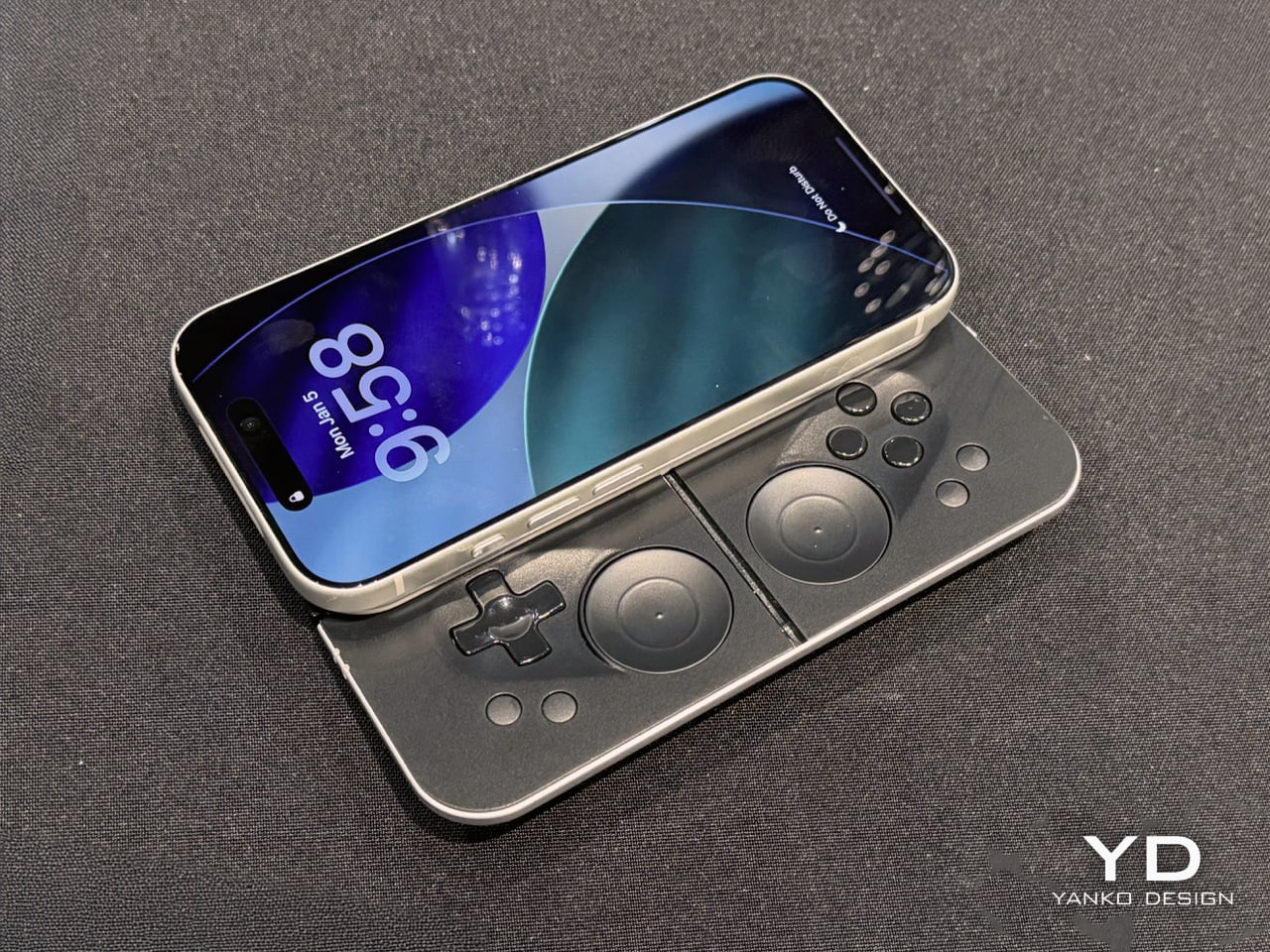
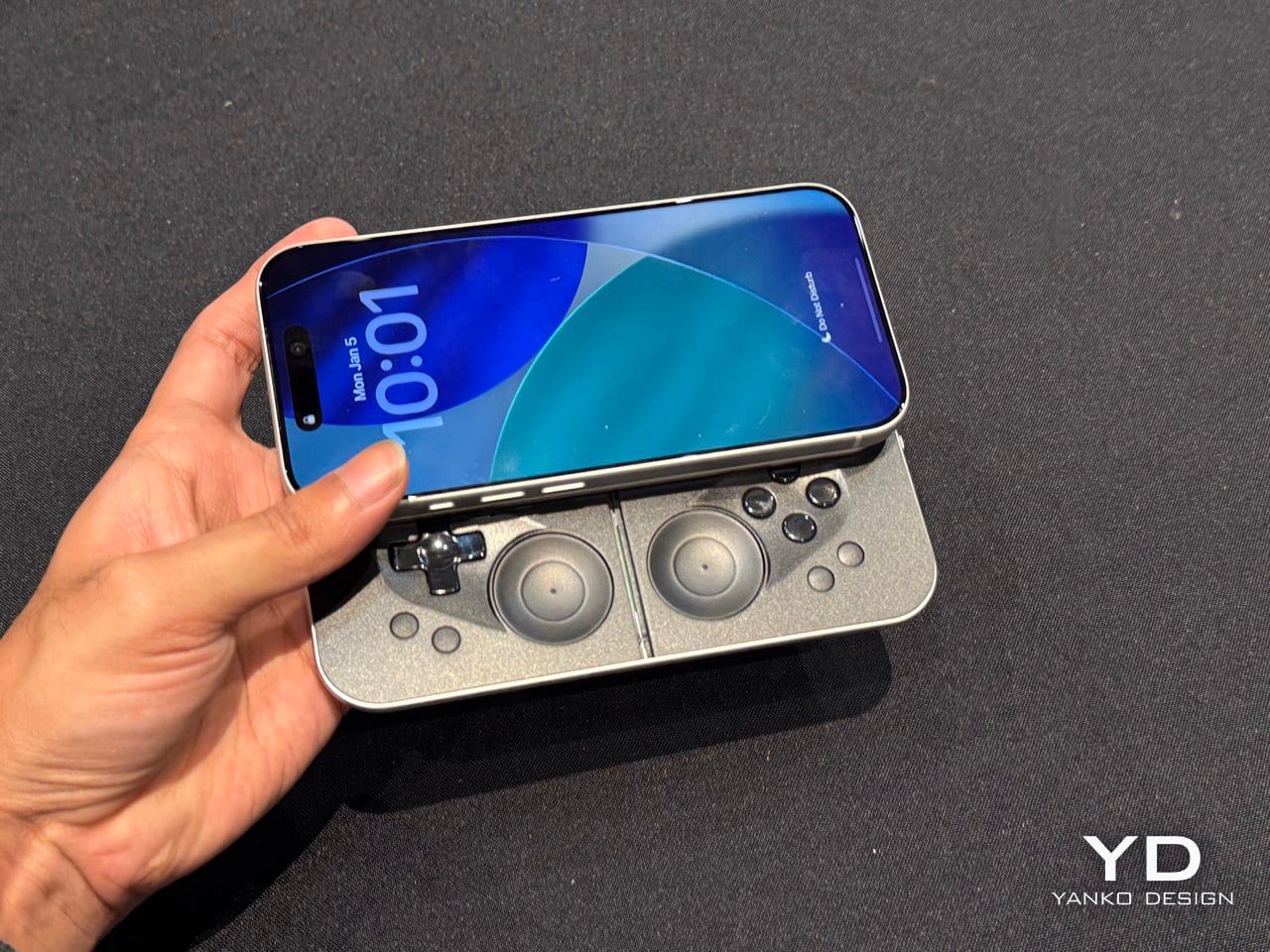
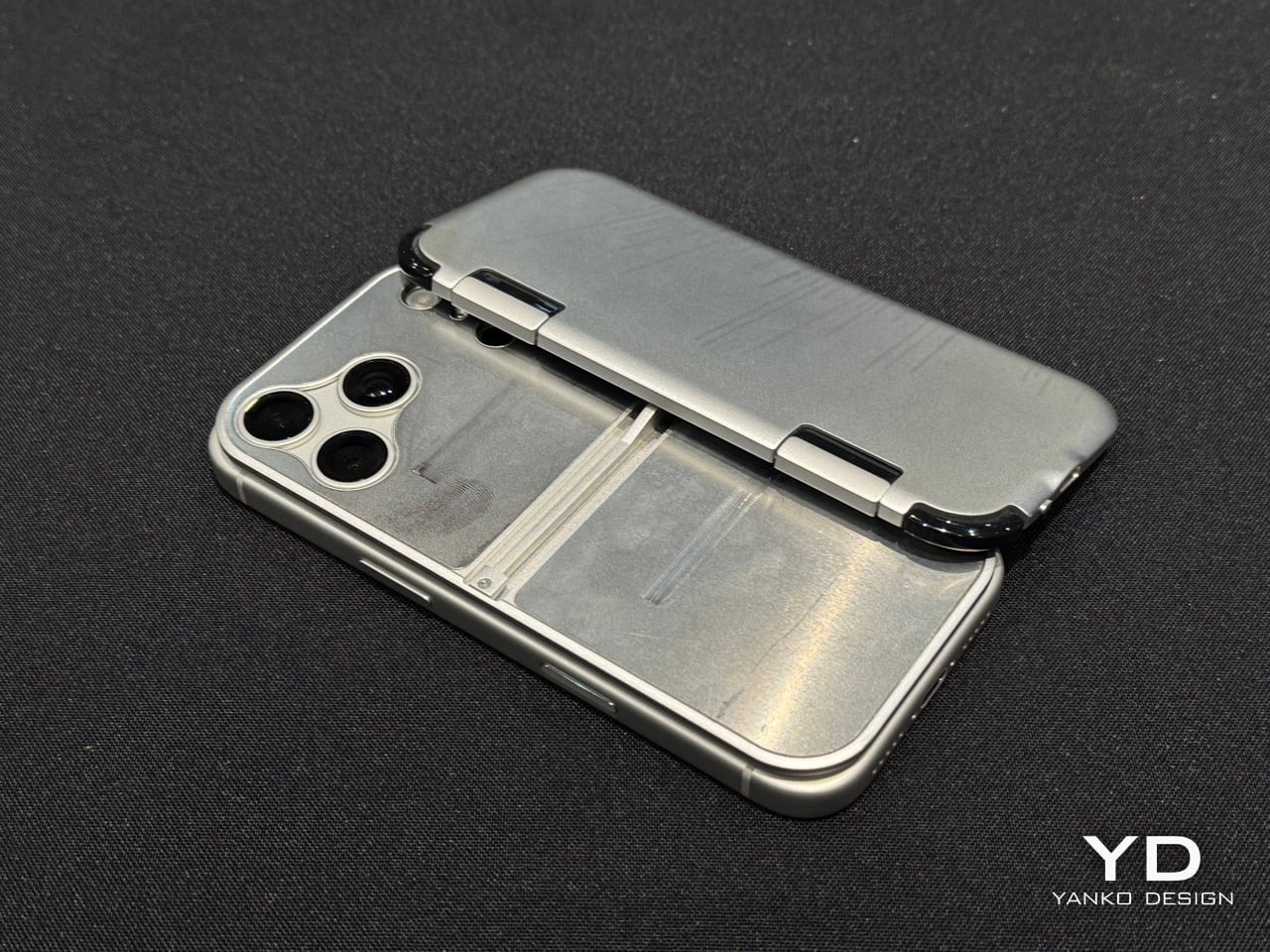
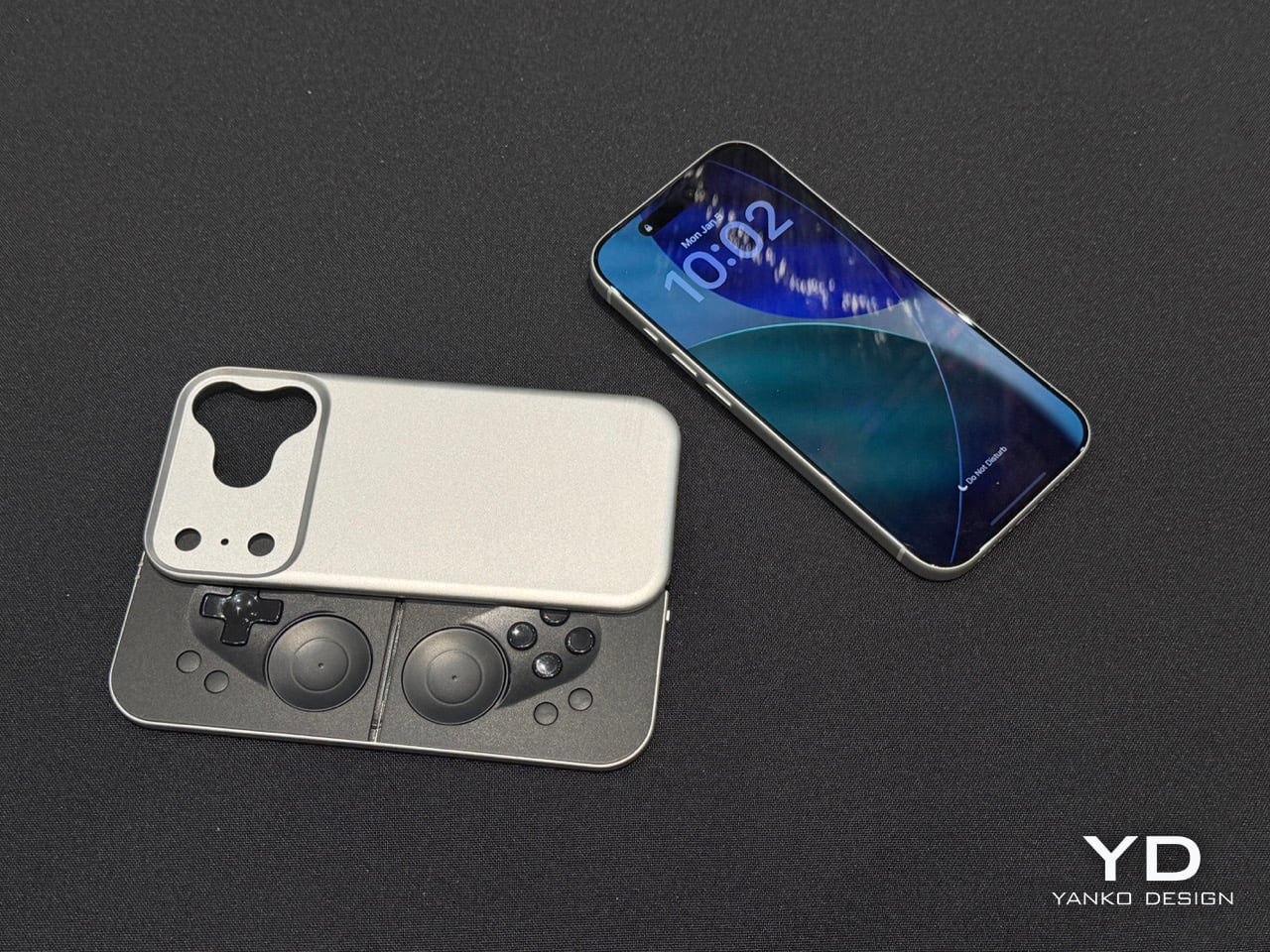
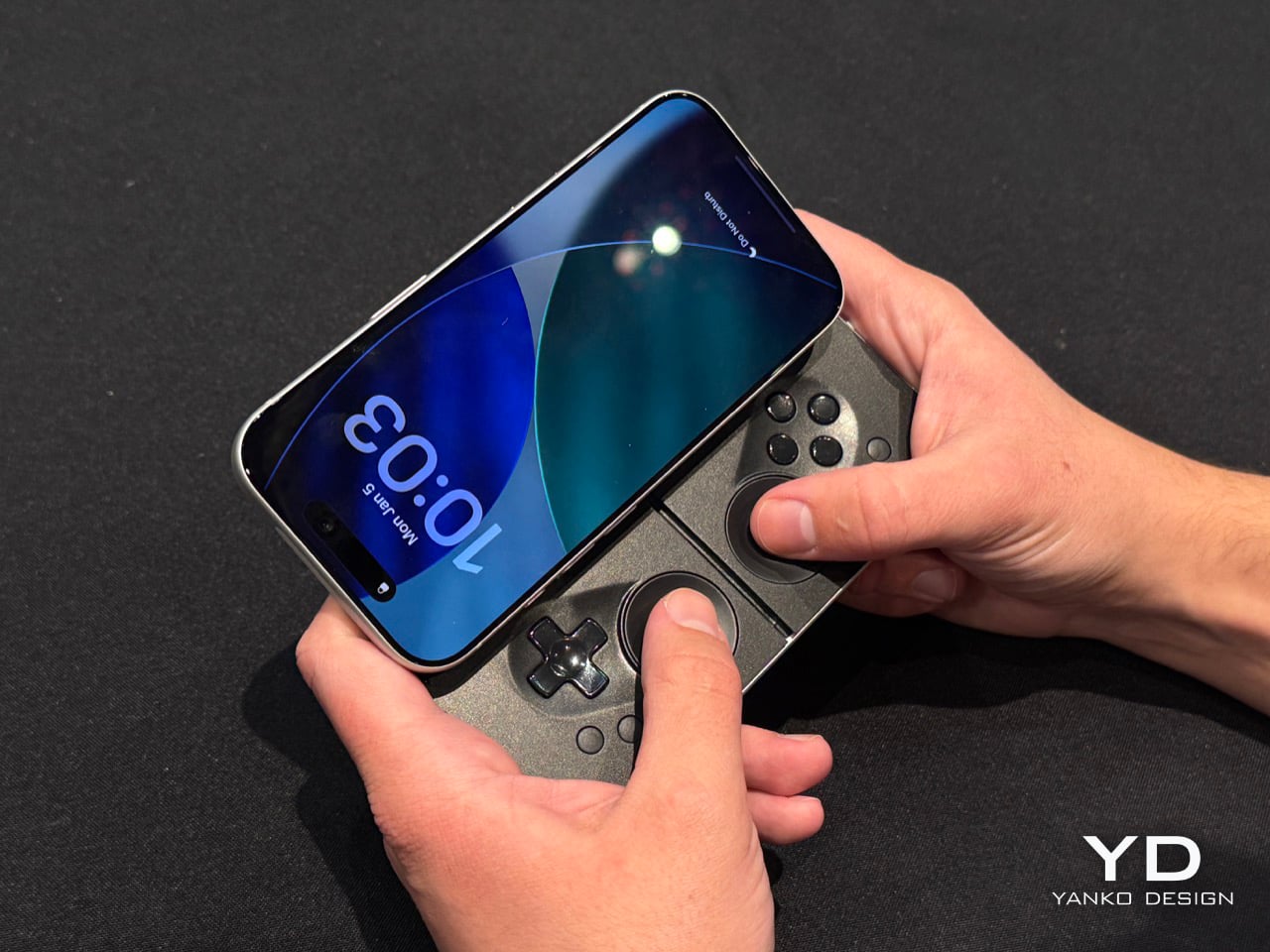
If you’ve seen the MCON before, think of the Slim as the iPhone Air of gaming controllers. It’s ridiculously sleek, snapping to the back of your phone and literally absorbing your iPhone’s camera bump into it. When shut, it’s still slim enough to slide right into your pocket without you feeling a thing. However, when you’re craving some serious gaming, slide the controller out and you’ve got a makeshift handheld console in mere seconds, with an actual D-Pad, action buttons, two touch-sensitive joypads, and even trigger buttons on the back.

Before you get your hopes up, the MCON Slim is still in its ‘proof of concept’ stage, and won’t launch anytime soon. Josh mentions they’ll probably roll the Slim out in time for the iPhone 18… which works just fine given that I plan on upgrading my iPhone just around that time! The design, however, is beyond impressive. The sliding interaction is flawless, even though the Ohsnap team miniaturized practically everything. The trigger buttons have actual movement, with nearly 3mm of travel. And the best part, the MCON Slim plays nice with the iPhone’s camera module (unlike past versions). A gorgeous fidget-spinner-shaped cutout lets you use the iPhone’s camera even with the Slim controller attached to the back of your phone. Heck, even the flashlight is accessible, which means your gaming console, ahem, smartphone has zero compromises.

And the best part is that the controller slides right out of the dock, turning your phone into a Nintendo Switch of sorts. The connection is all via Bluetooth, which means you can place your phone on a table a few feet away from you while you game with the detached controller in your hands. The slimness results in just two sacrifices – firstly, those pop-out grips from the original MCON don’t make it to this device. And to be honest, I don’t miss them at all. Secondly, the joypads go from physically moving controls to touch-sensitive ones… something that most casual gamers should be fine with. For the pedantic ones, the original MCON (and the upcoming MCON Lite) offers a perfect alternative.

The sad part here is that there’s absolutely no tech spec to talk about. The MCON Slim is entirely a work in progress right now, which means design details, battery life, pricing, everything is subject to change. However, Josh did mention that the MCON Slim should arrive around the same time as the iPhone 18, or in other words – we’ll probably get the MCON Slim before we get GTA VI.

The post MCON Slim Hands-on at CES 2026: The Ultra‑Thin MagSafe Controller That Turns Your iPhone Into a Gaming Console first appeared on Yanko Design.
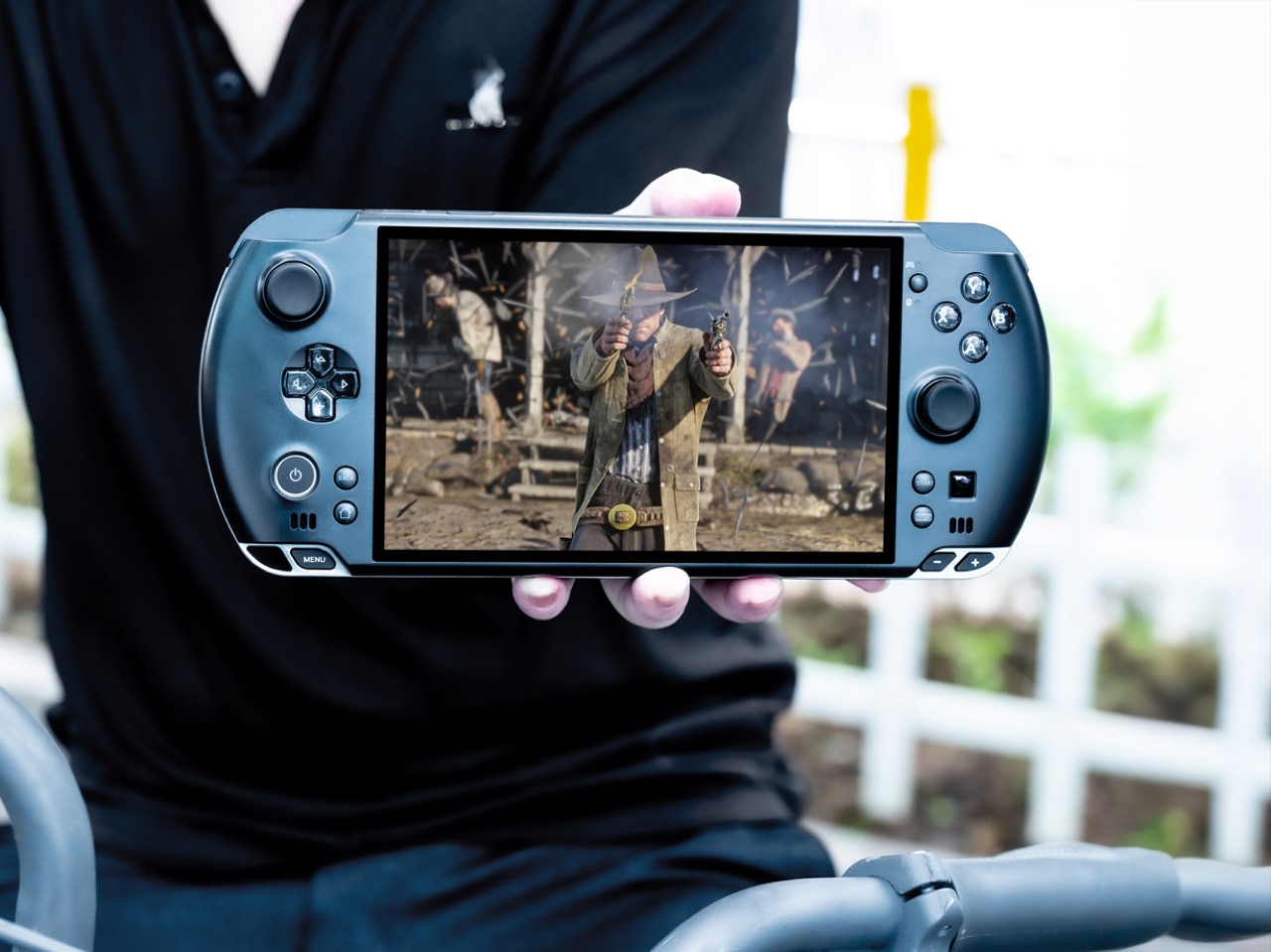
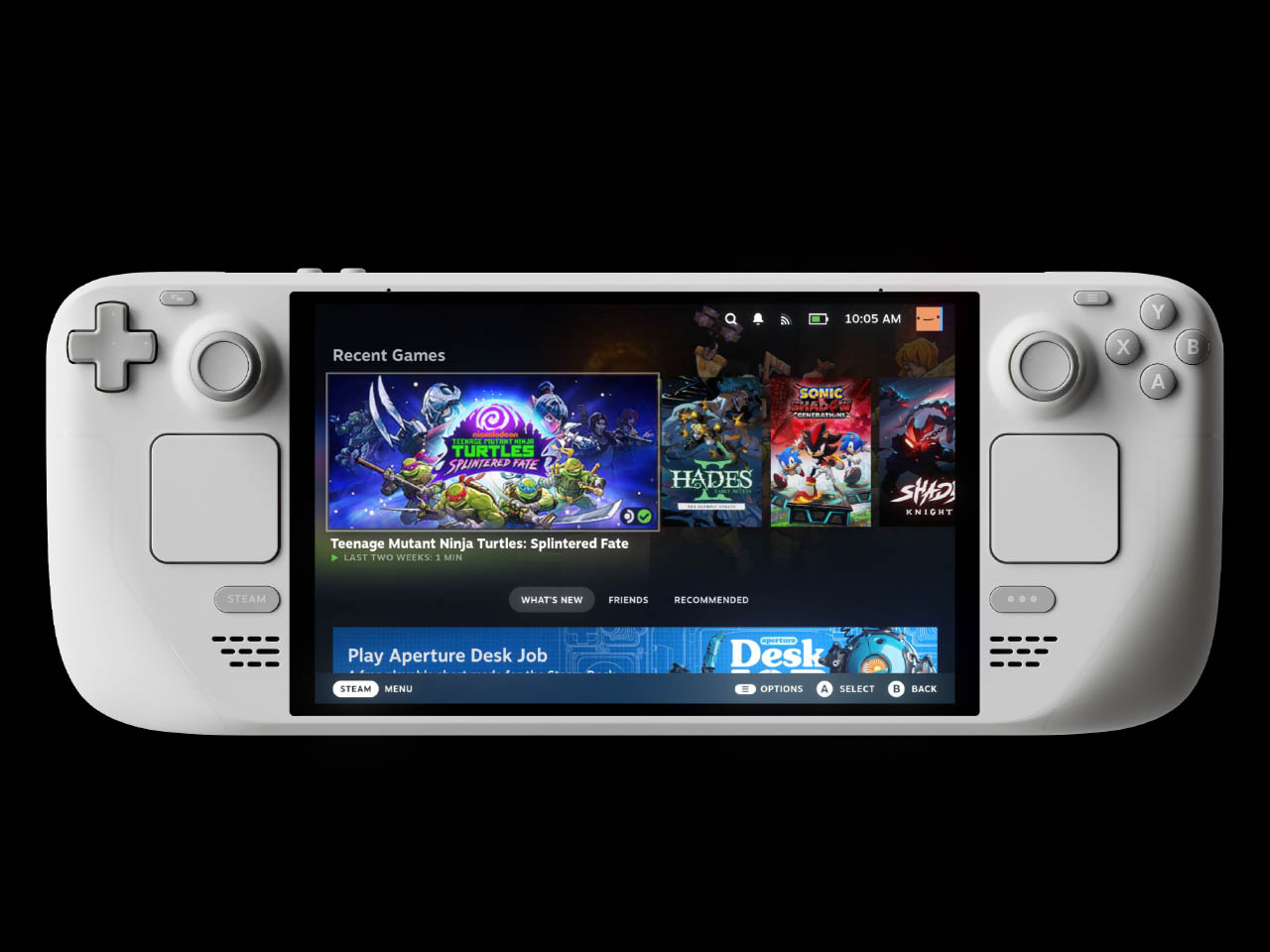
Steam Deck OLED Limited Edition White priced $30 more than black variant is hard to resist

The Steam Deck came in early 2022, and the only update to the handheld gaming console came in the form of an OLED version last year. One thing common to all the previous models of the Deck handheld console has been their black color.

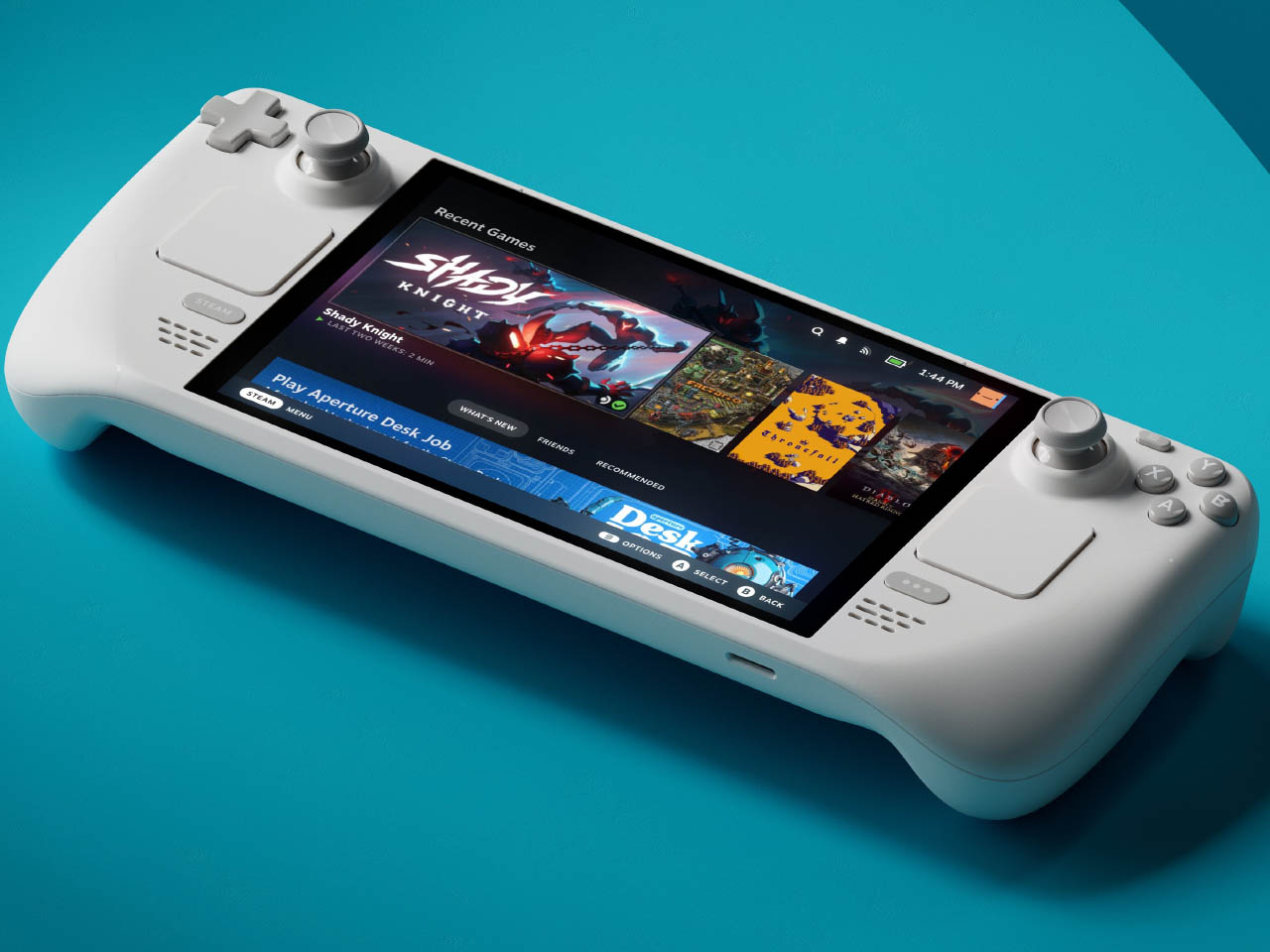
Valve has decided to break that tradition by releasing a Steam Deck OLED: Limited Edition White for a worldwide release to the amazement of fans who’ve witnessed the white color of the gaming device only in renders. This version is a break from the monotony of the dark hue, akin to the transparent shell limited-edition version in 1TB memory, released last year that we liked to the core.

Designer: Valve

The OLED version of the Steam Deck with HDR support looks bold compared to the LCD models, and wrapped in a white color will contrast the display colors even better. Valve is not playing down the possibility of even more bold color options coming in the future depending on the response for this current version. They categorically said that they will keep improving the Deck from a software and hardware perspective.
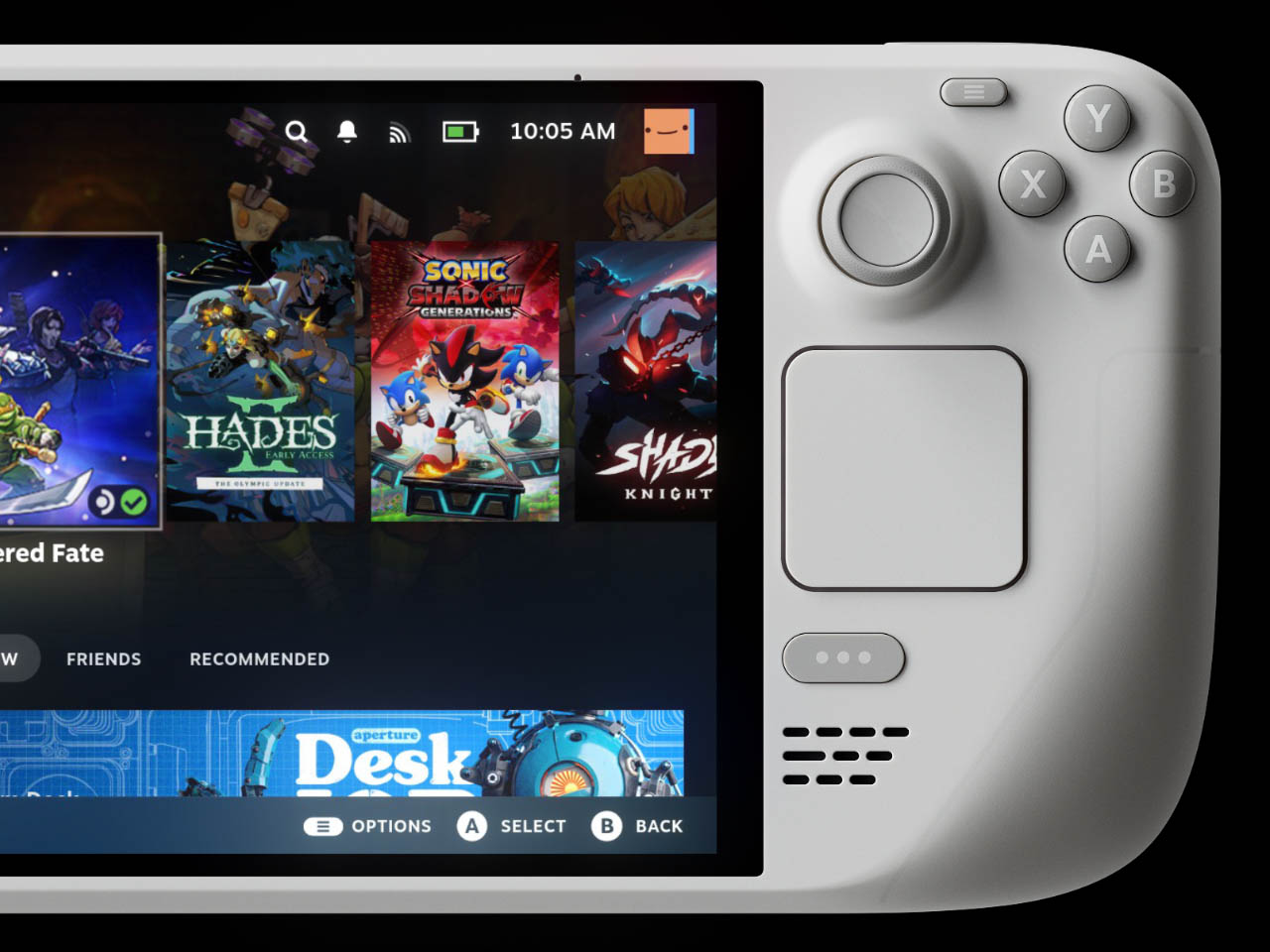
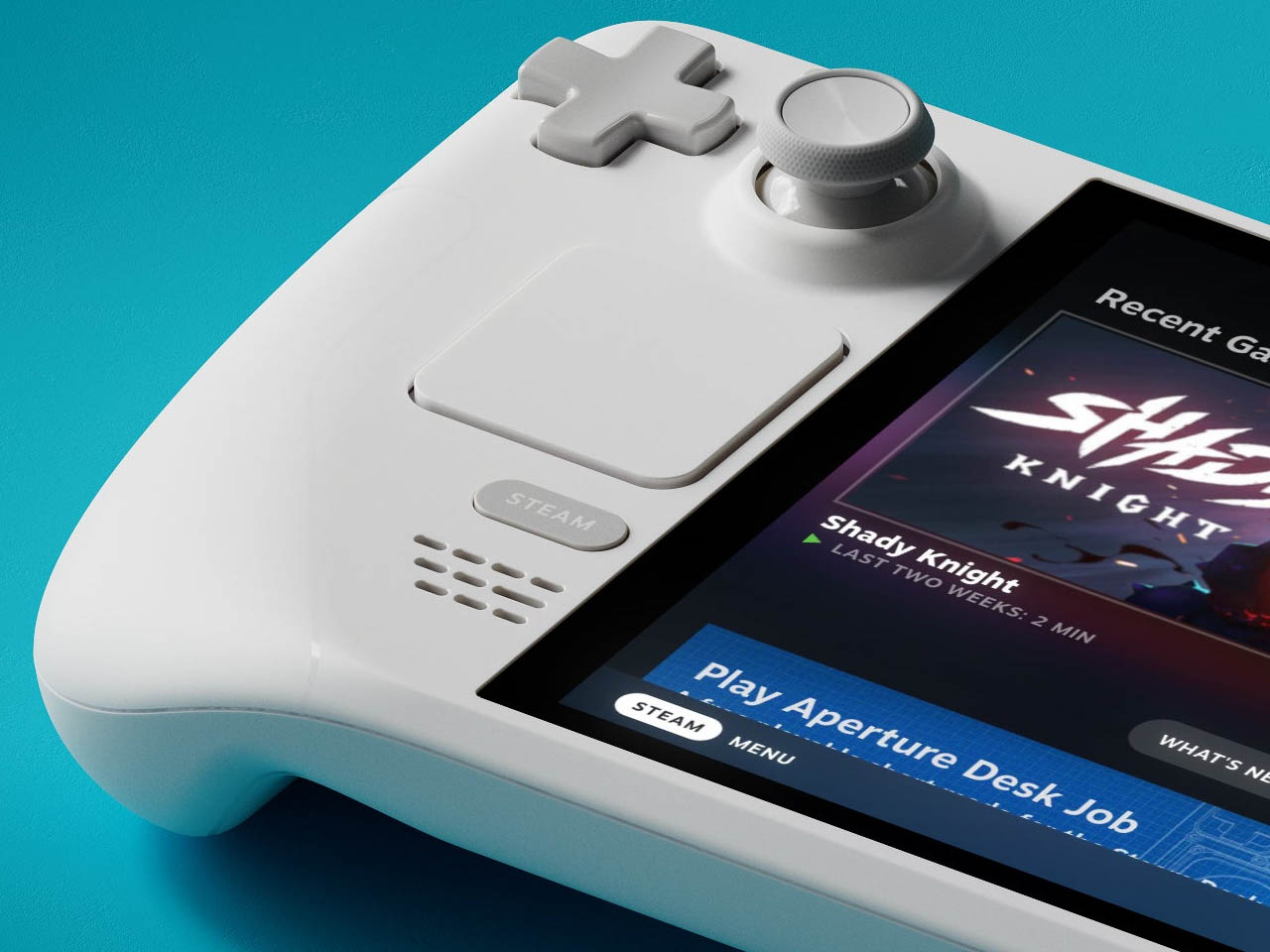
Just like the transparent shell one, this one will only be available in a 1TB model. The off-white shell of this limited edition has gray buttons and the power button in orange. This handheld will be paired with a white carrying case and a microfiber cloth which you’ll need more often than not, since it’ll get dirtier compared to the black version.

According to Valve, the Limited Edition Deck will be available worldwide from November 18 at 3 PM. The stock has been allocated to all the worldwide regions proportionally for equitable distribution and it’ll only be available until the stocks exhaust. “Once we’re out, we’re out,” Valve says.

One user can purchase only one unit with one Steam account, so now’s the time to mark your calendars to get hands on one for $679. This is $30 more than the 1 TB Steam Deck OLED.

The post Steam Deck OLED Limited Edition White priced $30 more than black variant is hard to resist first appeared on Yanko Design.