One of the things I distinctly remember from my cinematography class back in university is how changing the color gels on a light stand completely transforms how a scene is lit. I never ended up pursuing a career in the industry, but it’s a lesson that stuck with me. To this day, I pay close attention to lighting whenever I watch a theater performance, sit in on a photo shoot, or attend an event. Lighting is everything in those industries, and now, that same idea is making its way into home decor.
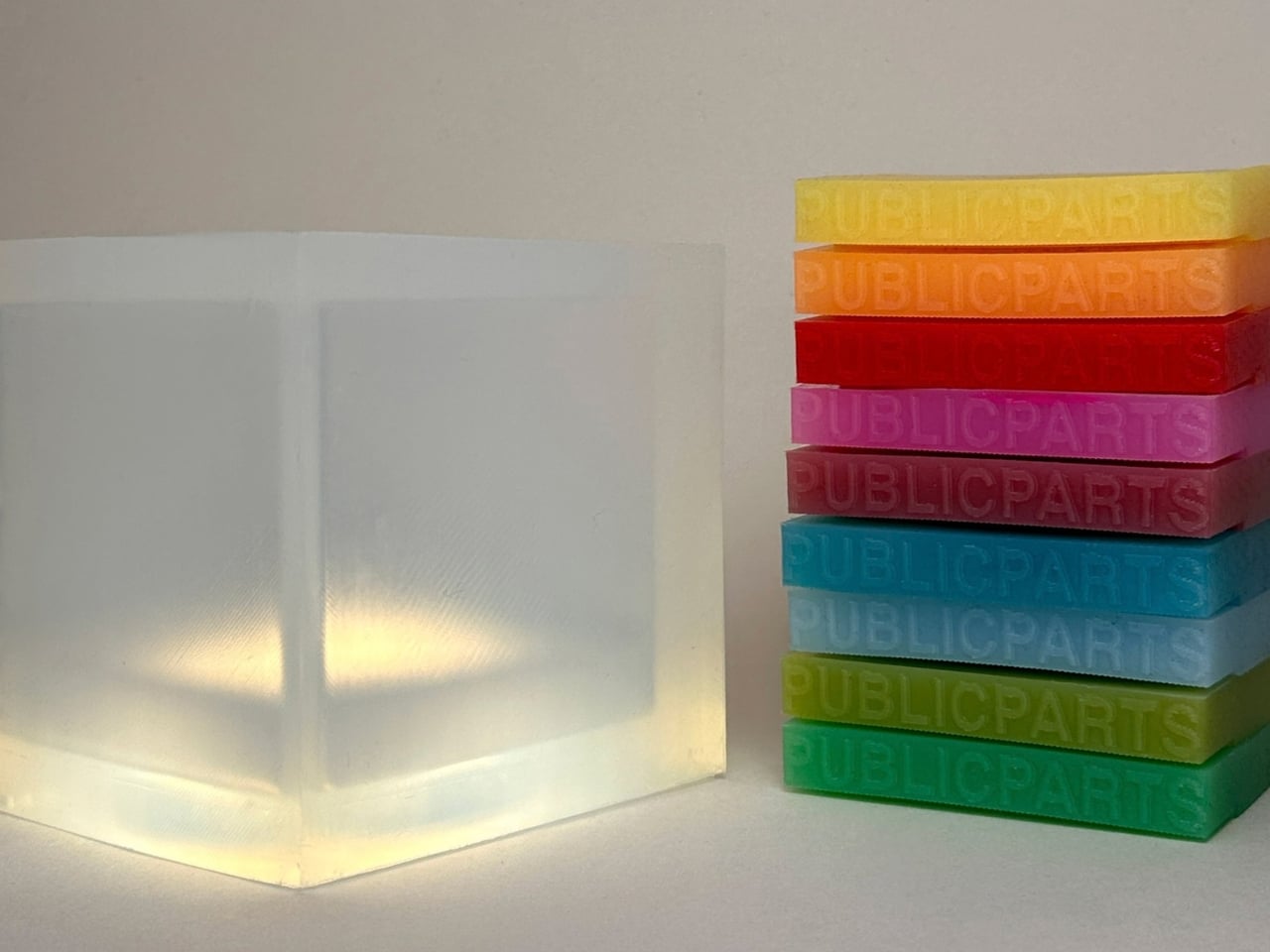
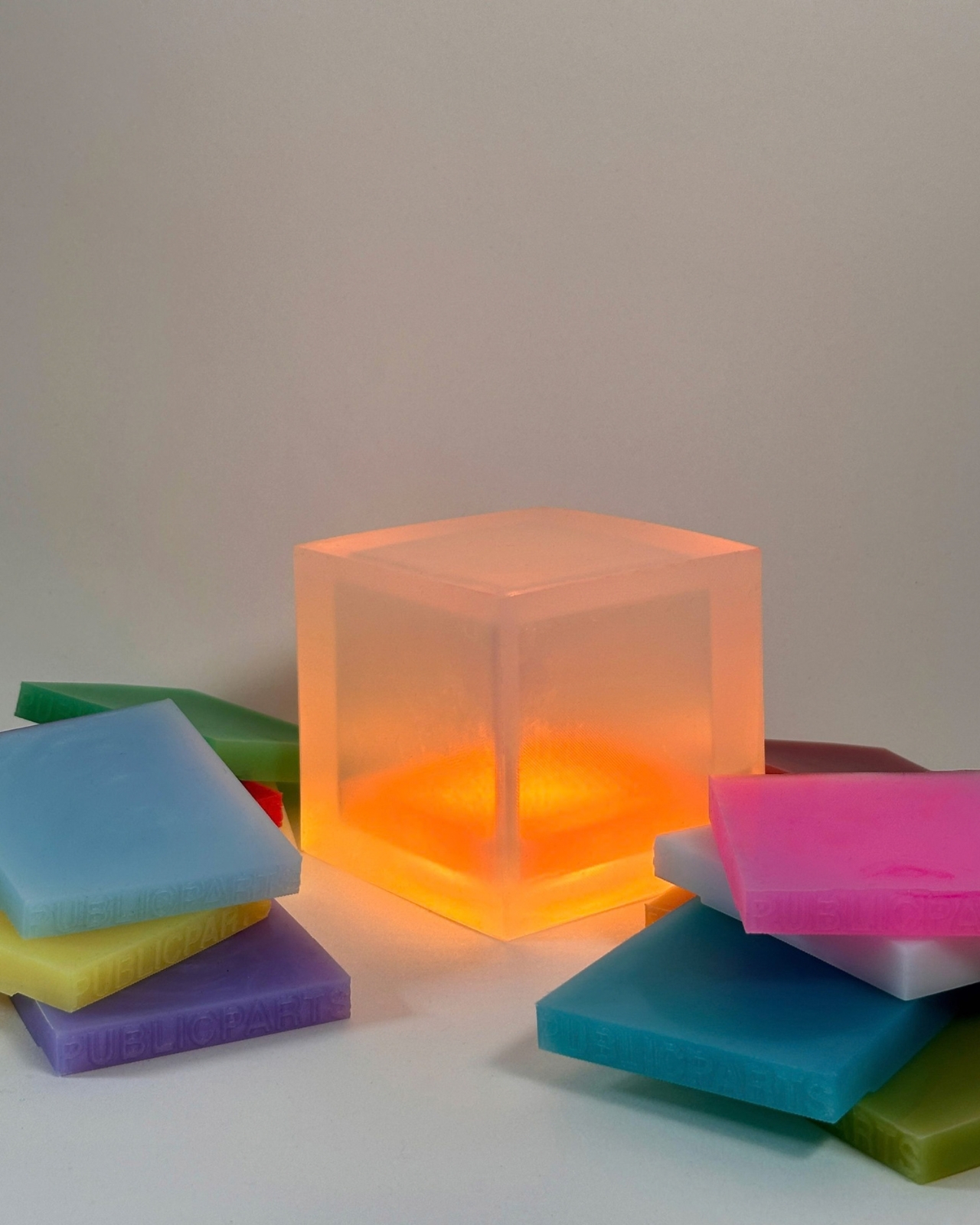
Enter the Gel Lamp, designed by London-based designer Billy Easter through his studio, Public Parts. It’s a cube-shaped table lamp made from hand-cast silicone that borrows this exact concept from professional lighting design. But instead of swapping out an entire bulb, you change a slim, translucent silicone slide, called a “gel,” that slots into a narrow opening near the base of the lamp, right where the dimmable LED sits.
Designer: Billy Easter
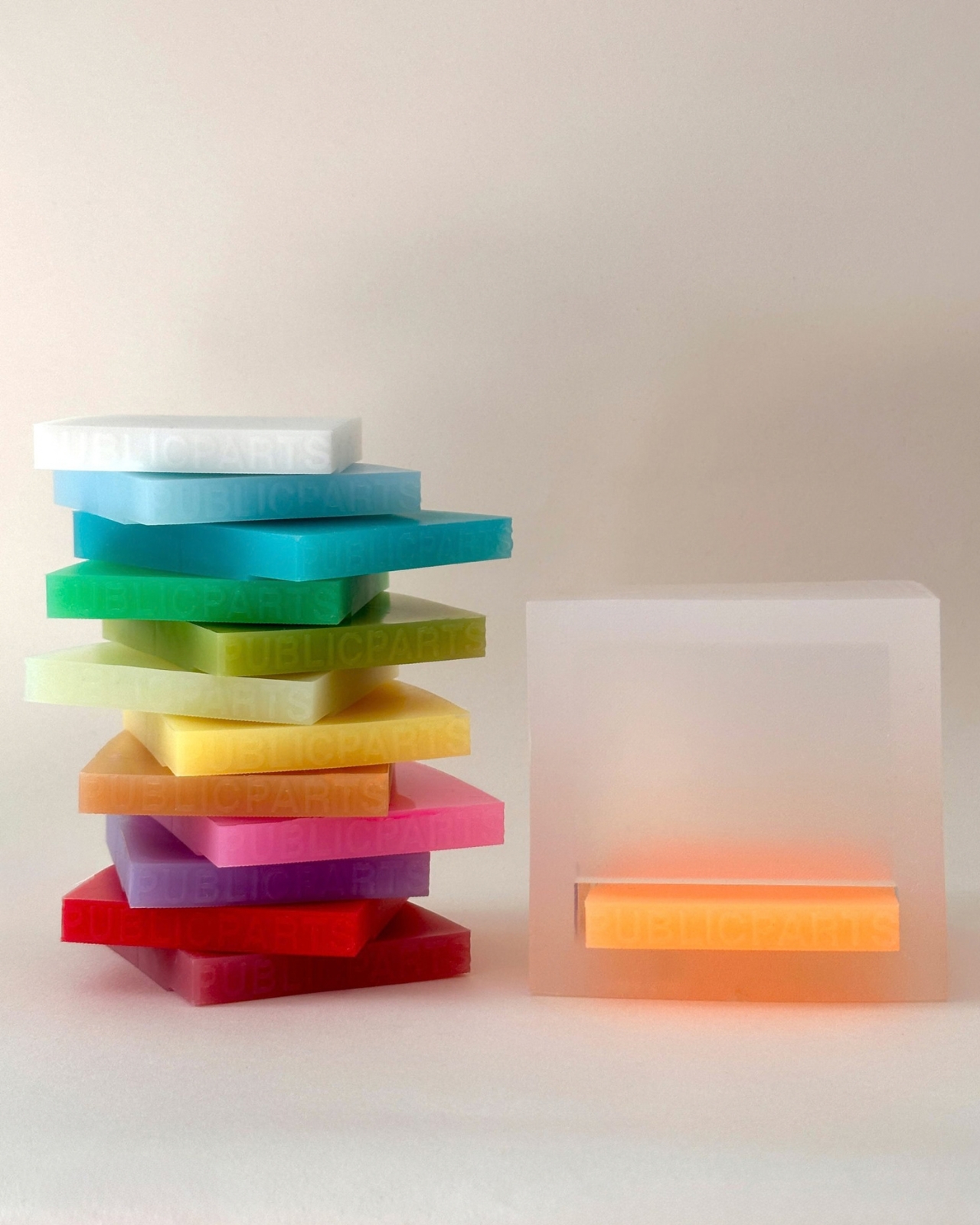
The lamp itself measures roughly 11.5 by 11.5 by 11.5 centimeters, a compact hollow cube that hides more craftsmanship than its simple geometric shape suggests. Slide in a different colored gel, and the light filtering through the cube shifts instantly. No new lamp required, no bulb to hunt down and replace.
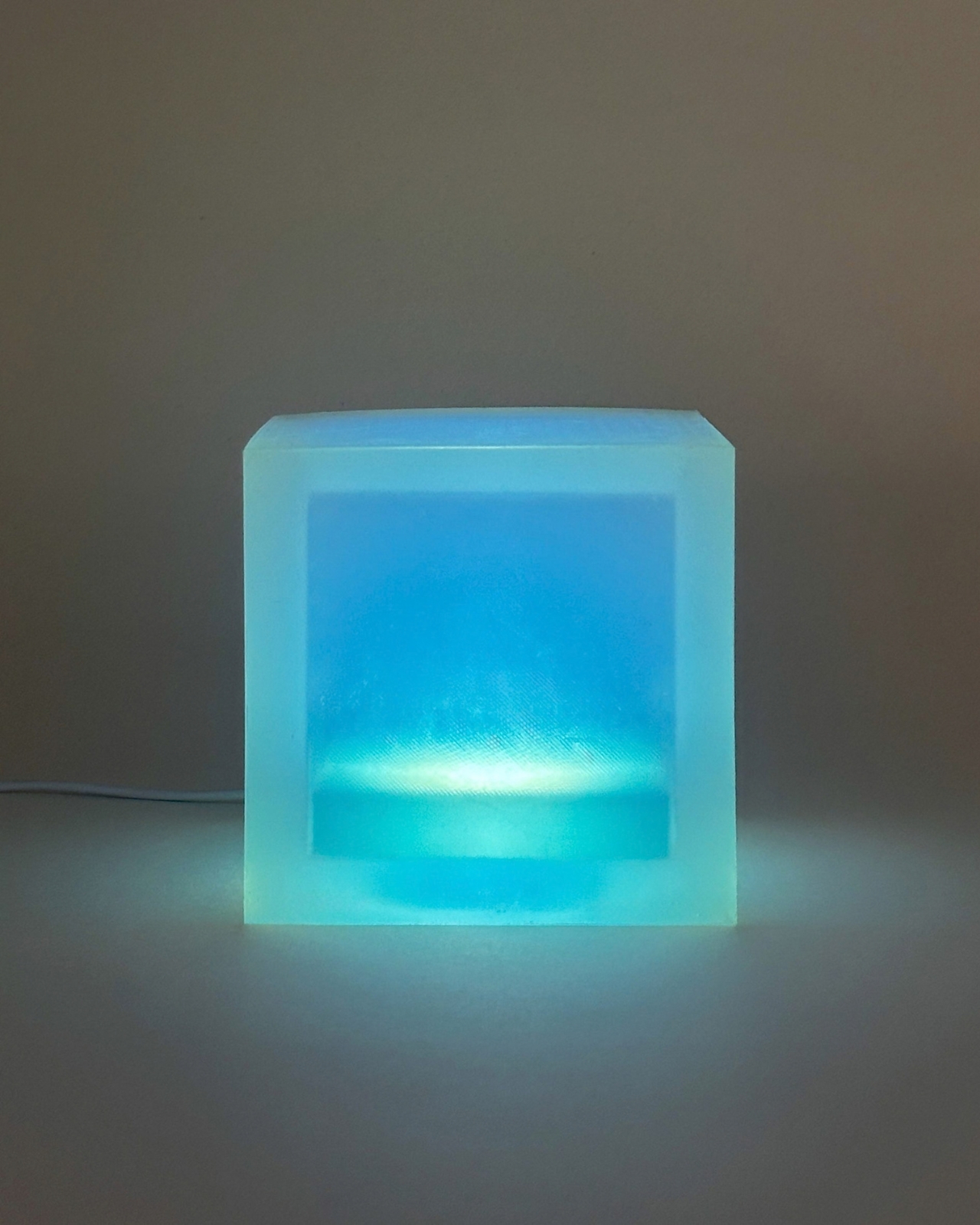
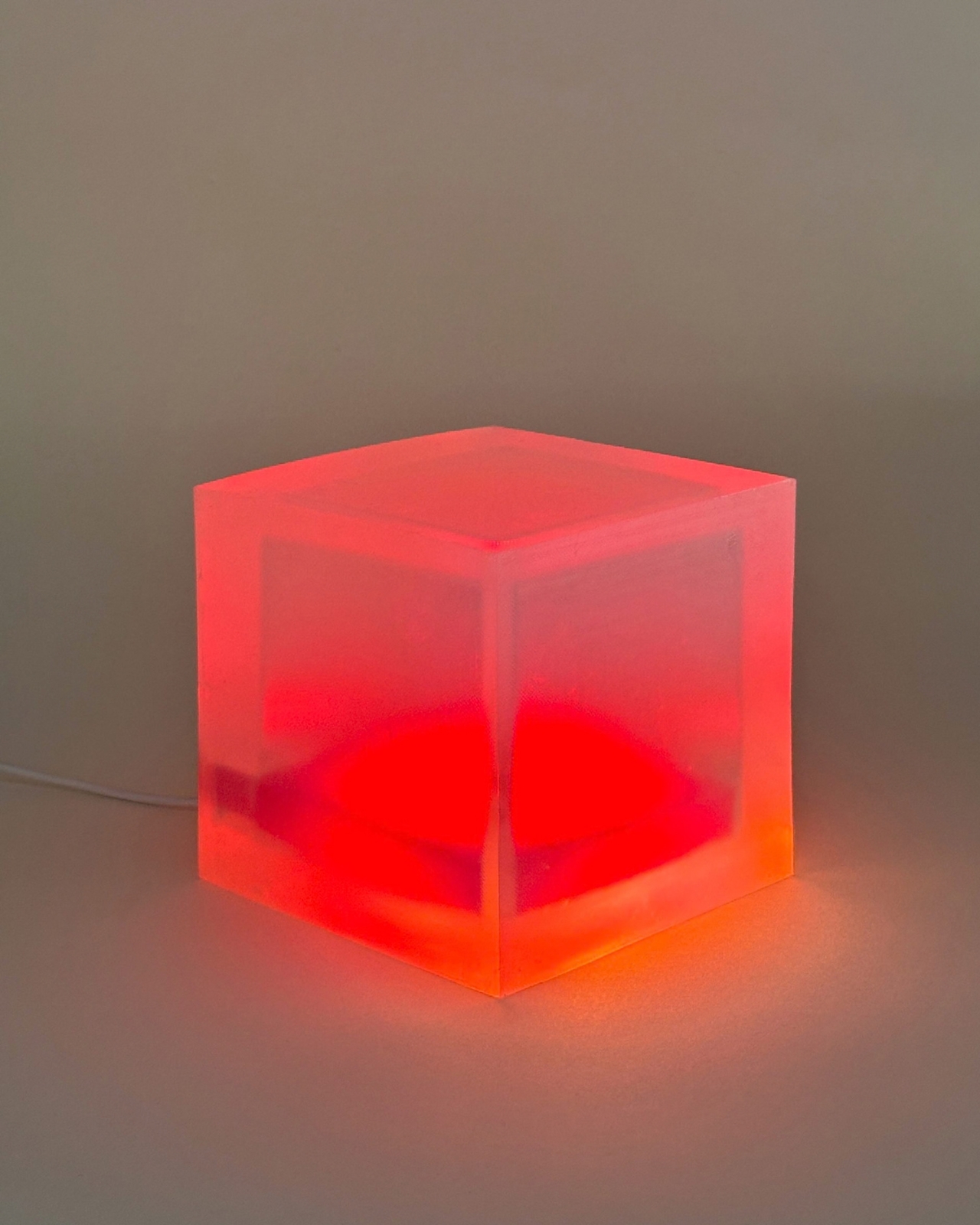
The idea behind the Gel Lamp is refreshingly simple: you don’t need five different lamps to switch up the mood lighting in your space. Swapping one gel for another does the job, not unlike flipping to a different vinyl record or changing your outfit when you need a different vibe for the night. It turns something as mundane as adjusting a lamp into a small creative ritual, a low-effort, high-impact way to personalize your space on any given day.
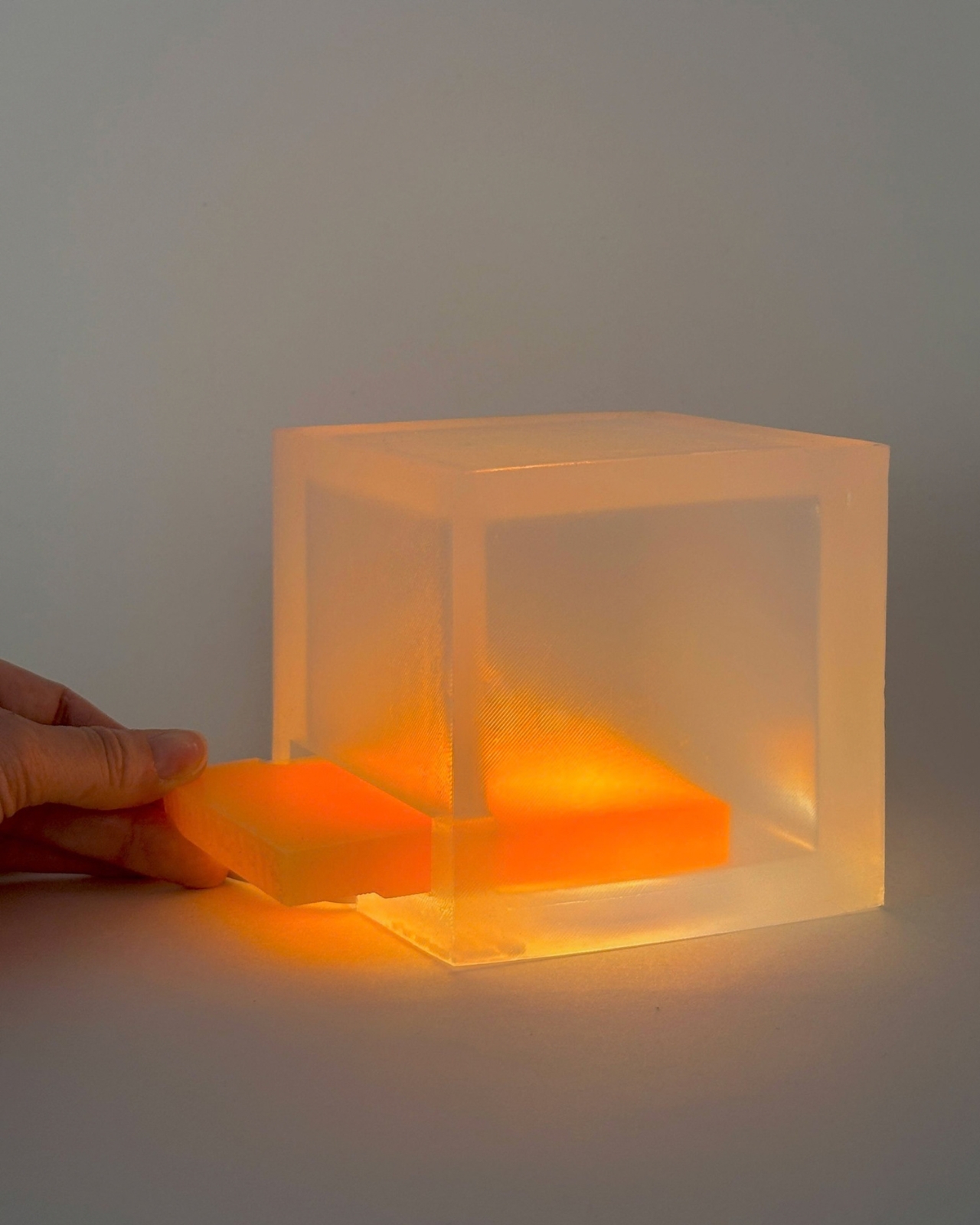
If you’re the type who appreciates when materials feel “coherent,” this lamp will scratch that itch. The entire object, from the outer shell to the interchangeable gels themselves, is made from silicone. That single-material approach gives the lamp a soft, tactile feel in your hands, while still holding its structural shape on a shelf or nightstand. It’s the kind of object that looks minimal and geometric from across the room, but surprises you the moment you actually touch it.
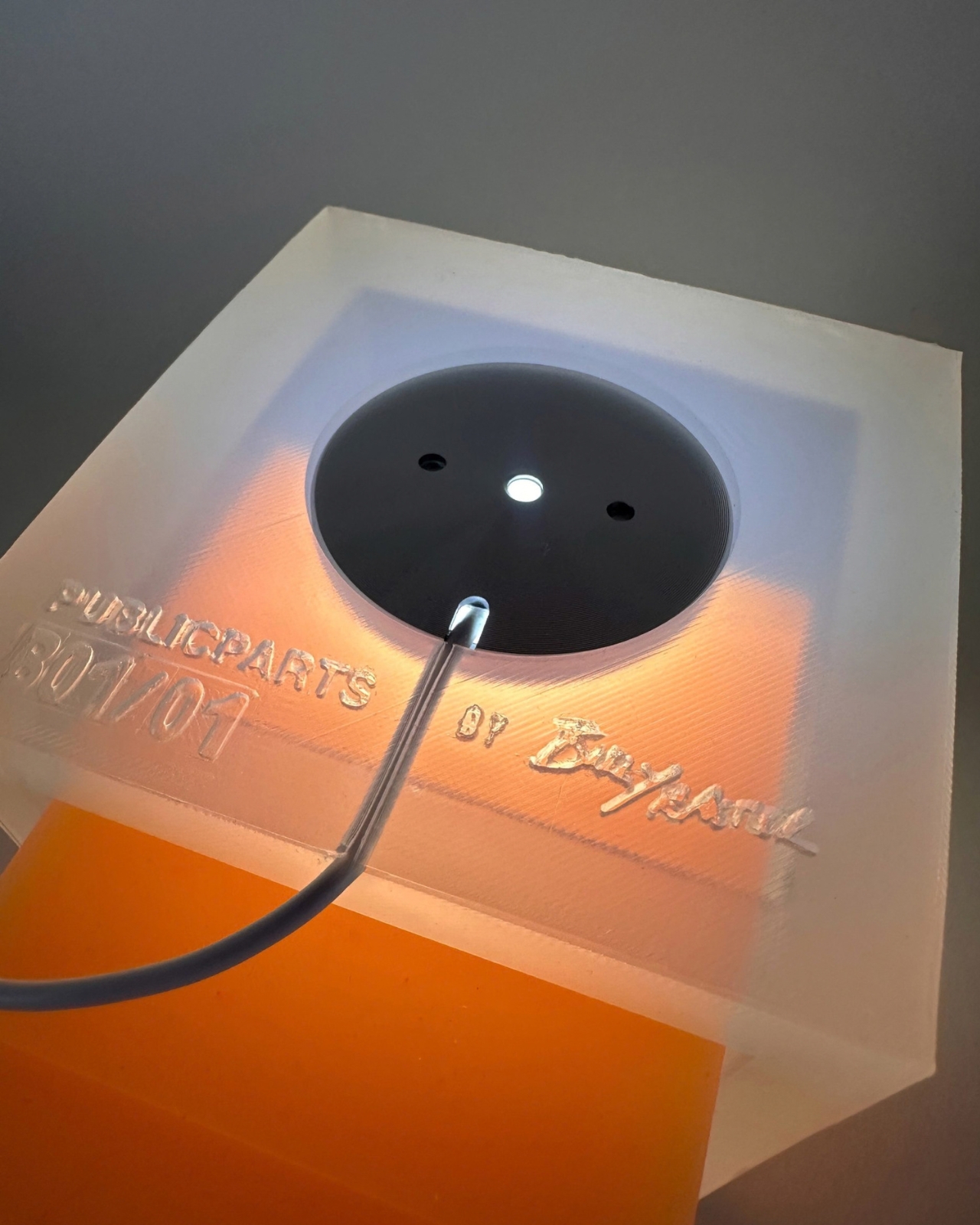
Compare it to something like a Philips Hue smart bulb, which is arguably the biggest name in mood lighting right now. Hue bulbs let you change color through an app, complete with presets, schedules, and voice control through Alexa or Google Assistant. It’s convenient, sure, but it’s also entirely digital: you’re tapping a screen, not touching anything real. The Gel Lamp takes the opposite approach. There’s no app, no Bluetooth pairing, no software update required. You physically pick up a gel, slide it in, and watch the light change right in front of you. For anyone who’s grown a little tired of “smart” everything, that tactile, hands-on simplicity is the whole appeal. It also sidesteps the disposable feel of cheap color-changing LED strips you’d find at a big-box store; this is a small-batch, hand-cast object meant to be kept, not tossed after the novelty wears off.
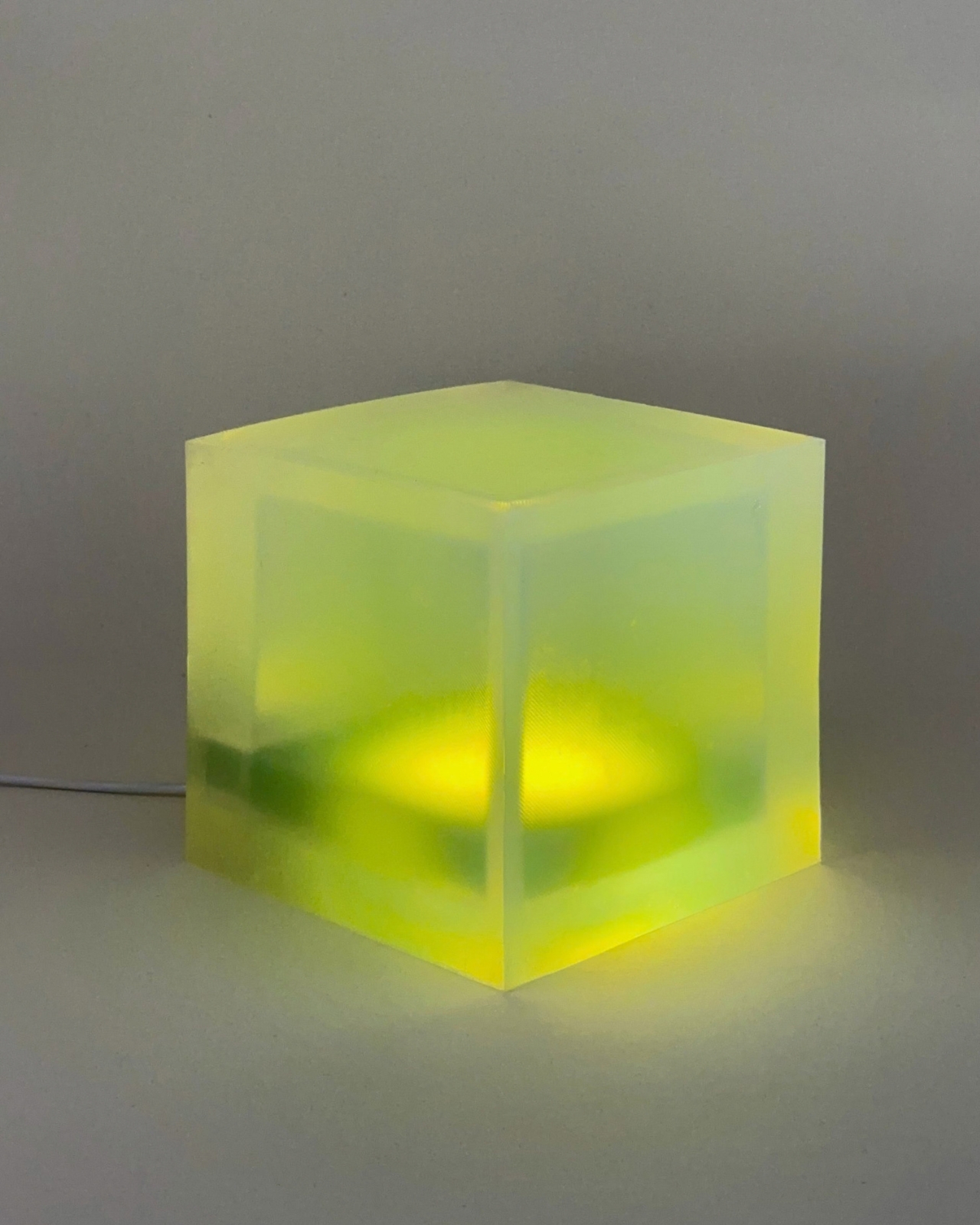
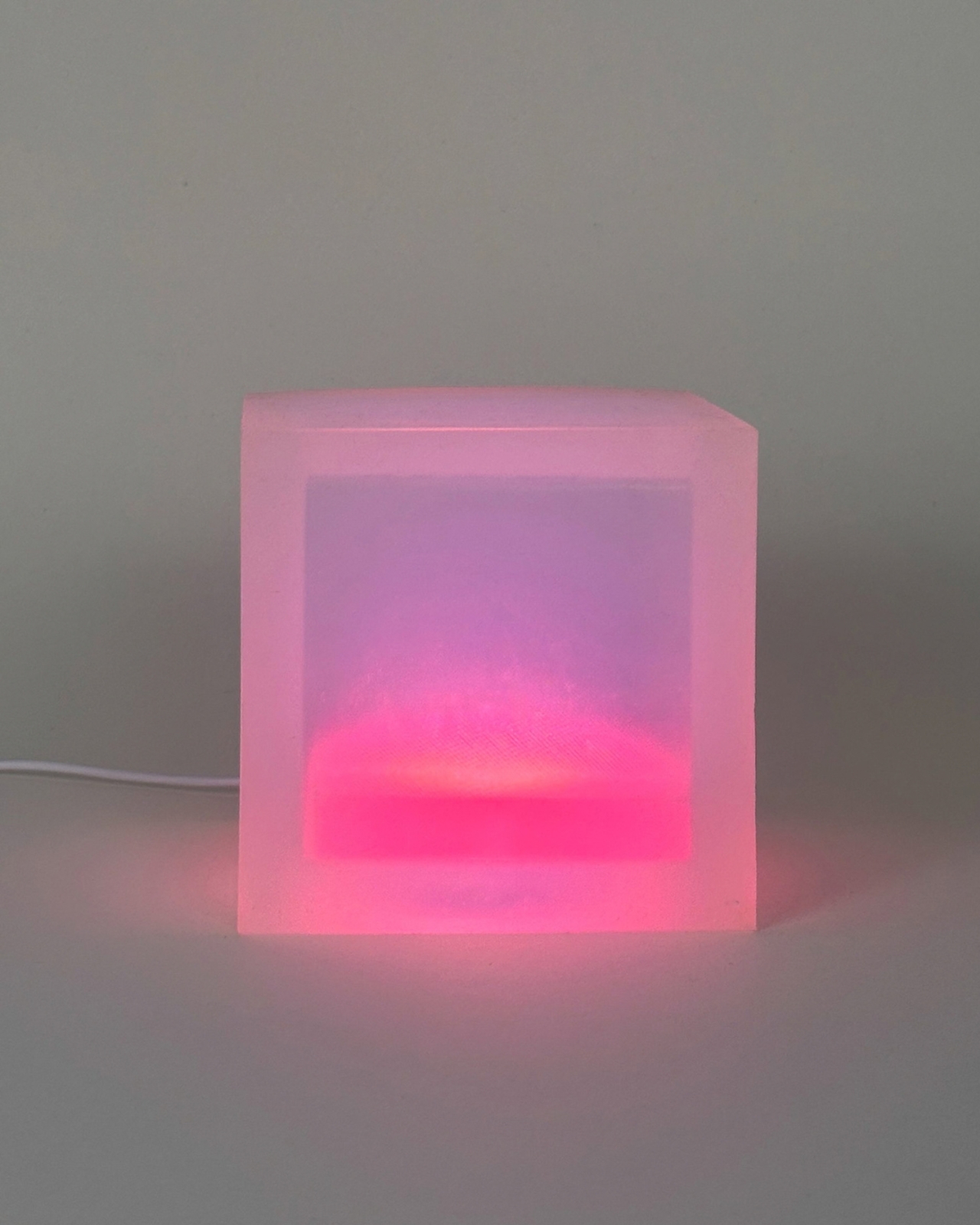
That said, the Gel Lamp isn’t trying to compete on features. It won’t sync to your smart home or dim itself on a schedule. What it offers instead is something a little more personal: a genuine physical interaction with light and color, the same interaction I first fell in love with in that cinematography classroom years ago. It’s a reminder that changing the atmosphere of a room doesn’t need to be automated to feel meaningful. Sometimes it just needs a good gel and a steady hand.
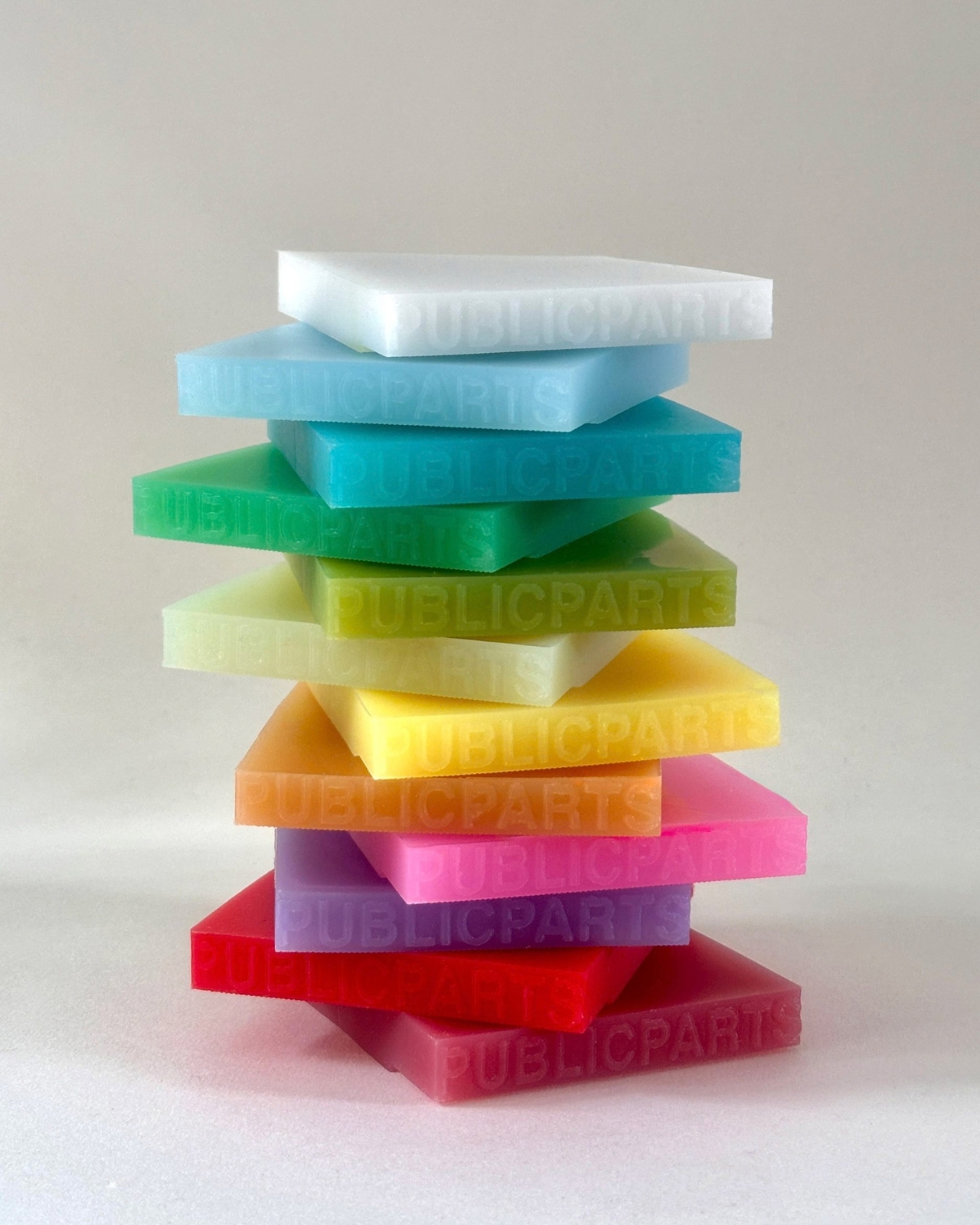
Whether you’re drawn to it for the craftsmanship, the tactile silicone, or simply the nostalgia of manually adjusting light like a set designer would, the Gel Lamp proves that mood lighting doesn’t have to come from an app. Sometimes, the most satisfying upgrade to your space is the one you can hold in your hand.
The post Mood Lighting Without the App, the Bulb, or the Smart Home first appeared on Yanko Design.