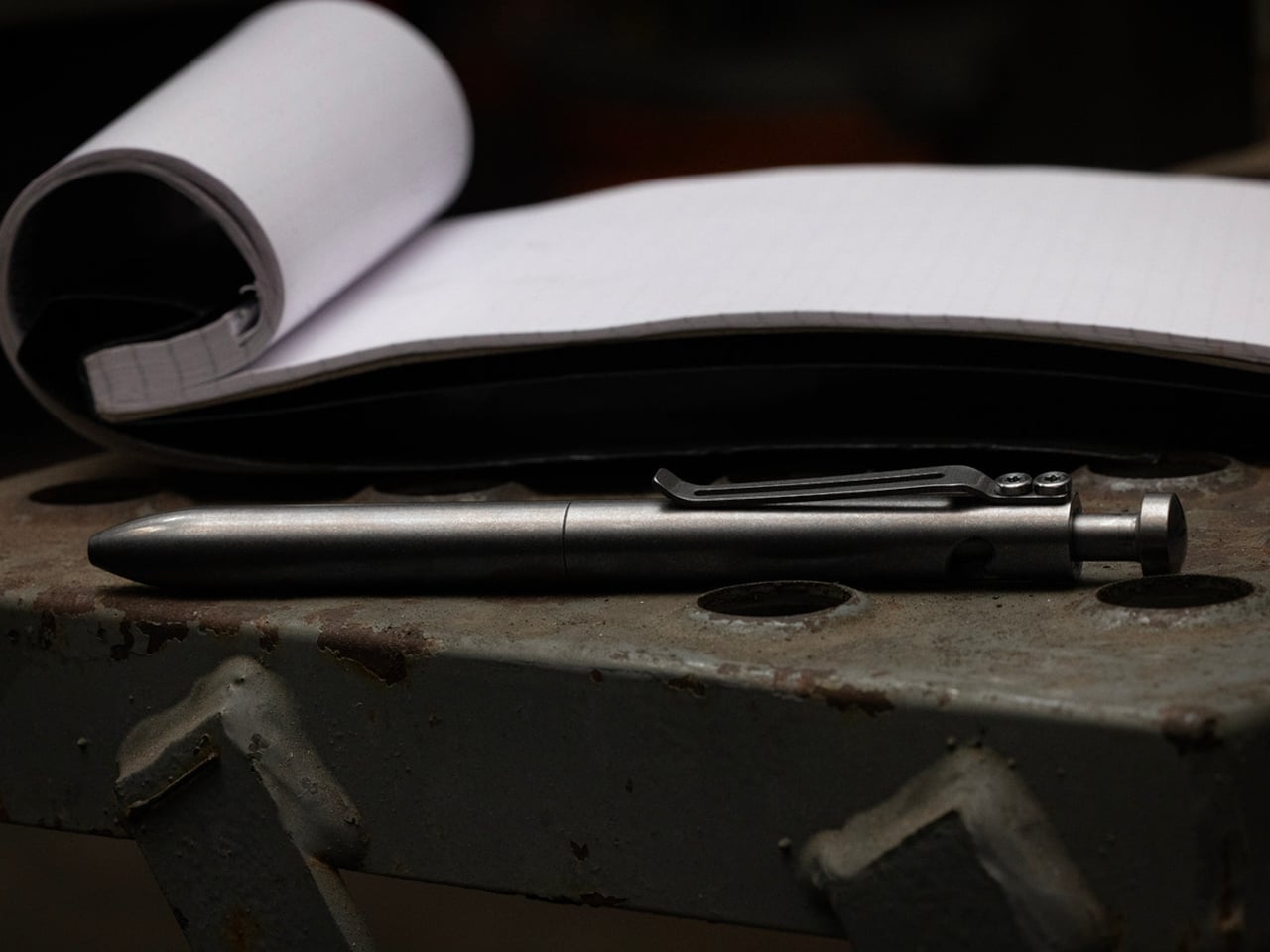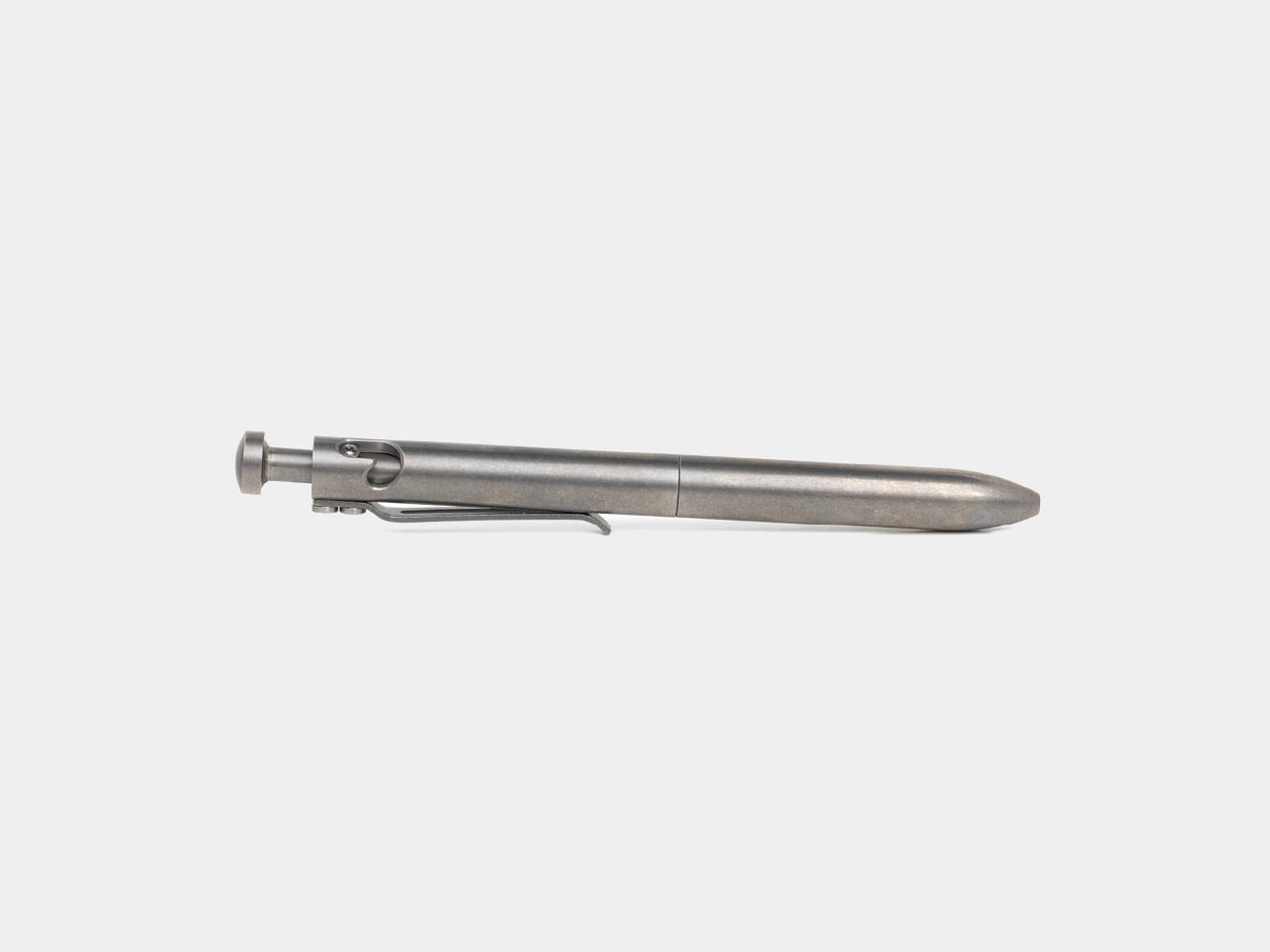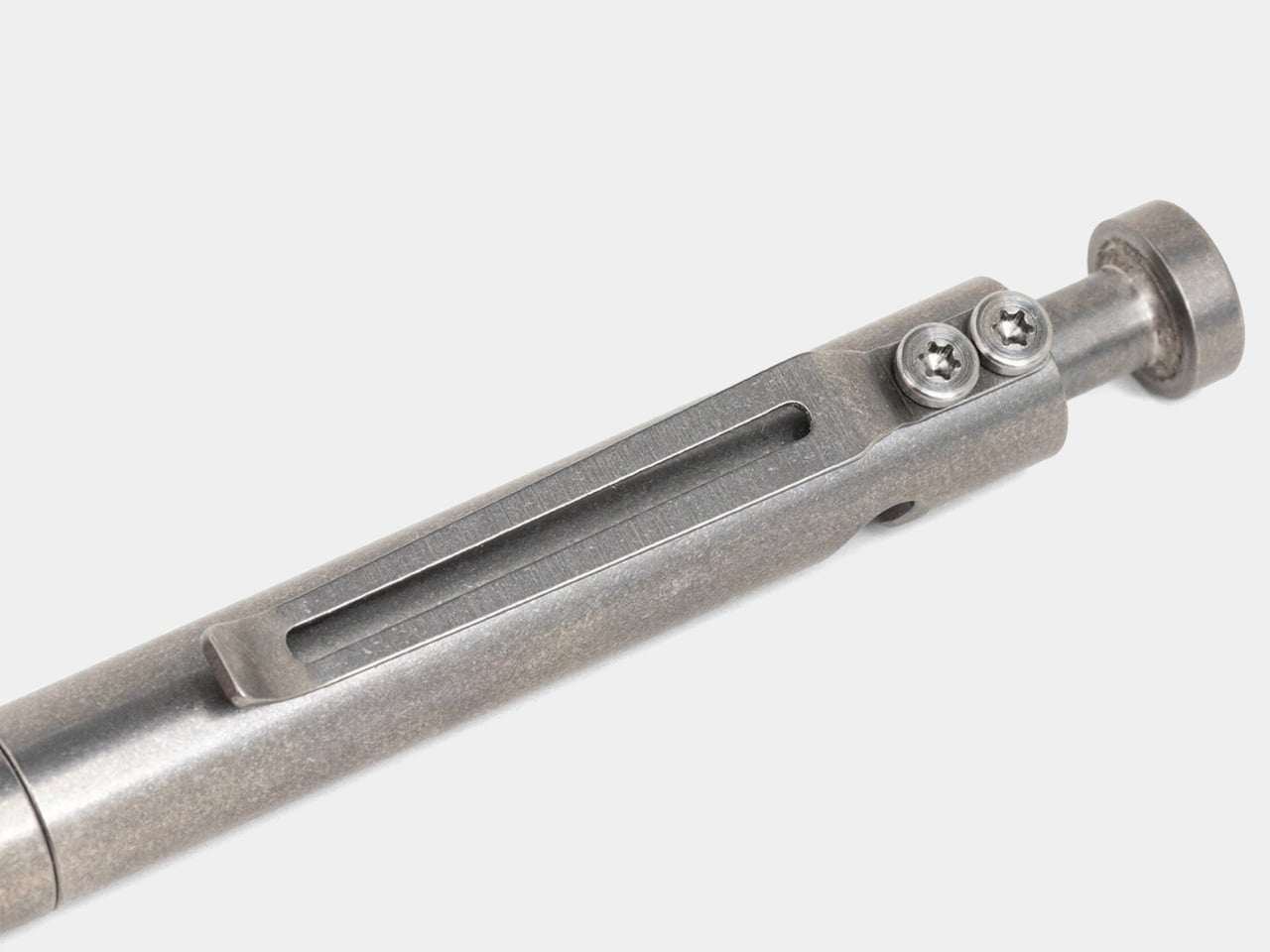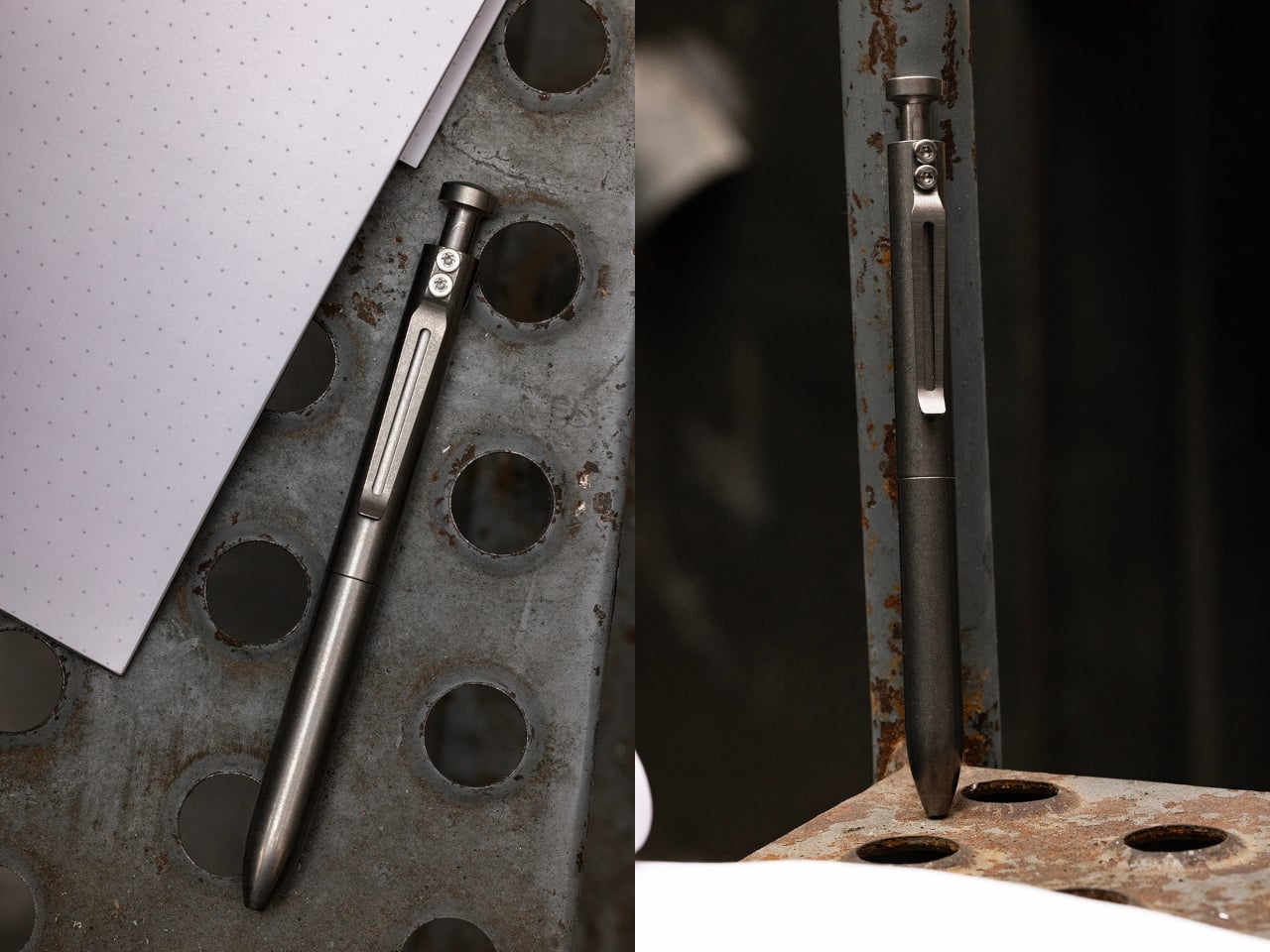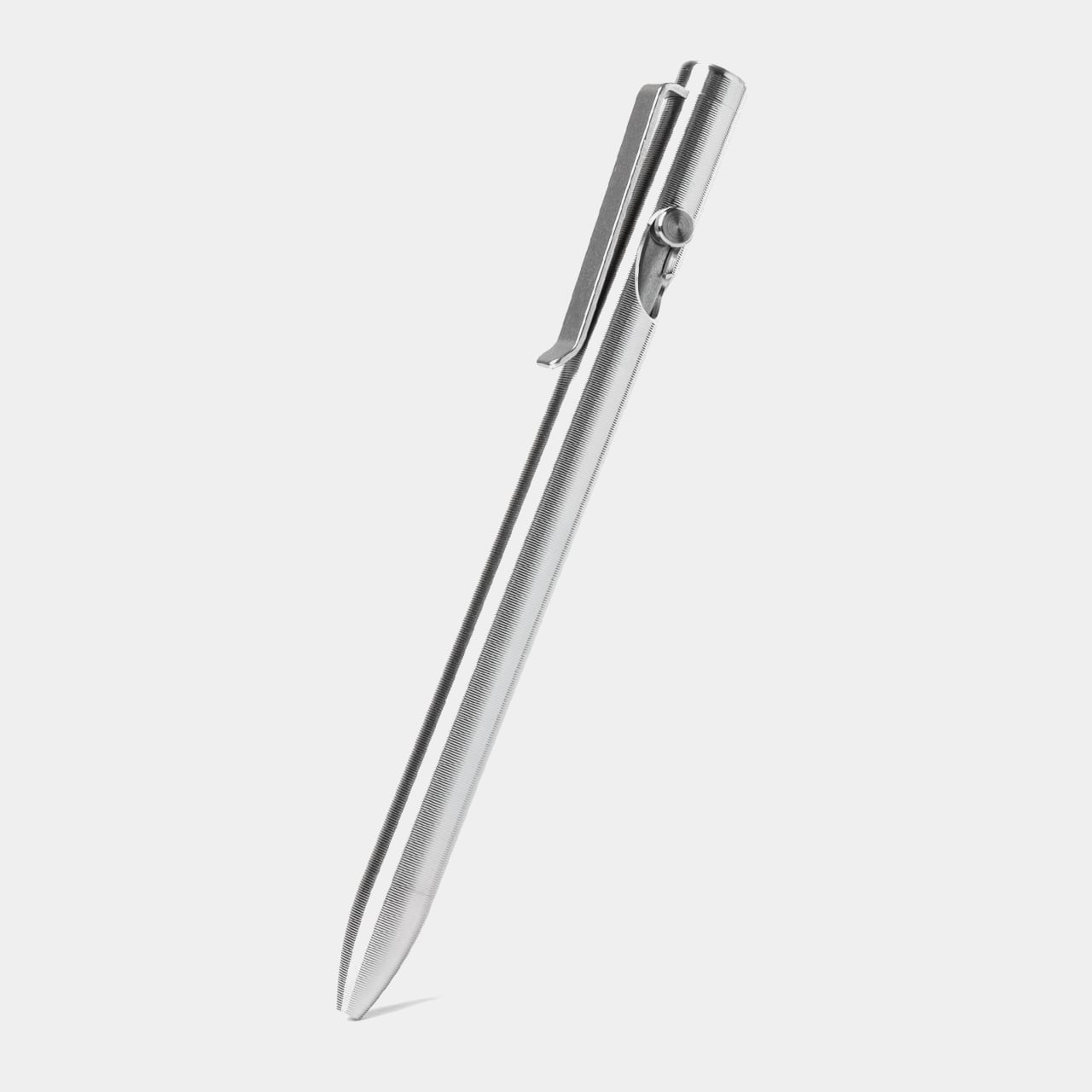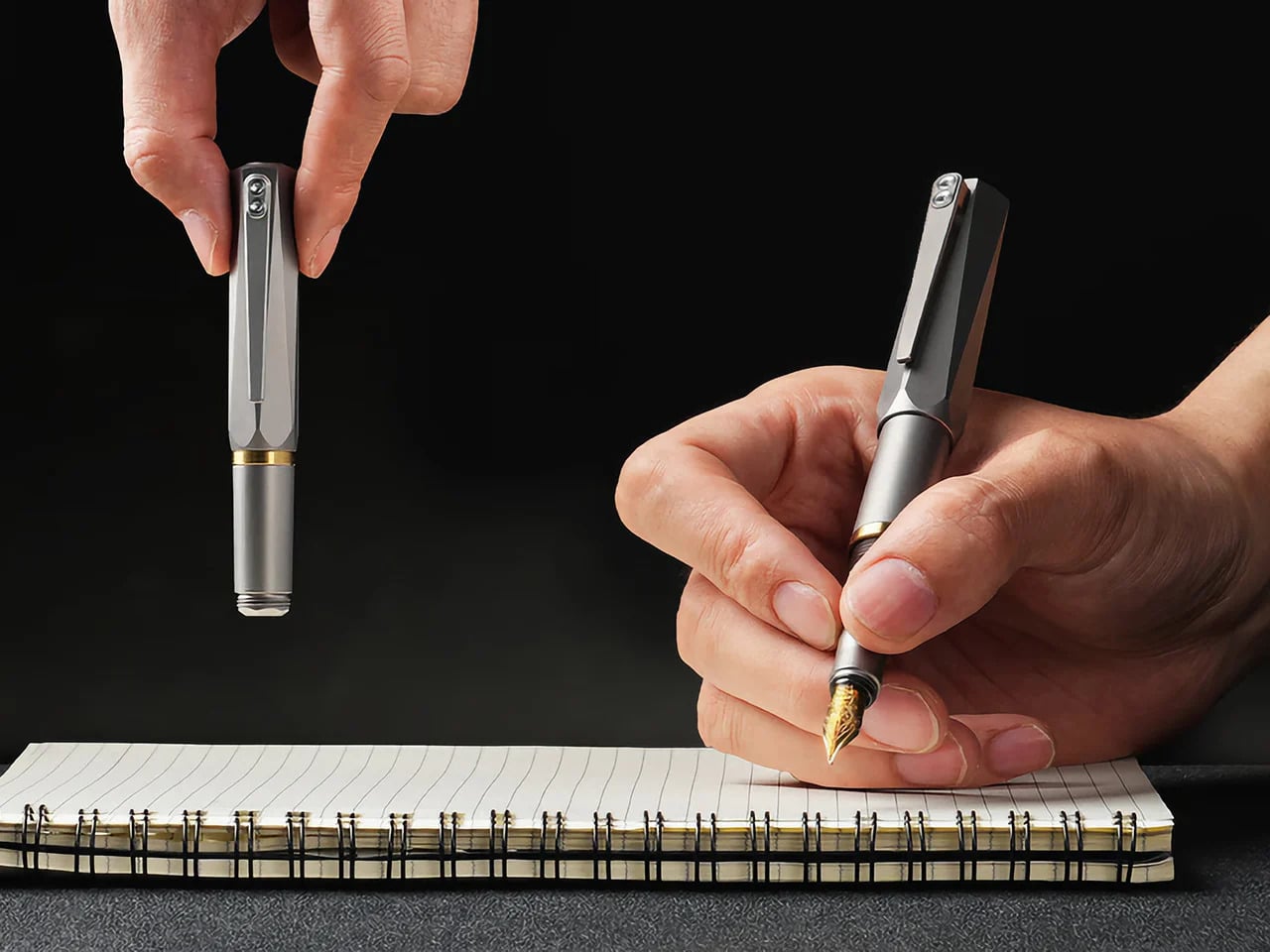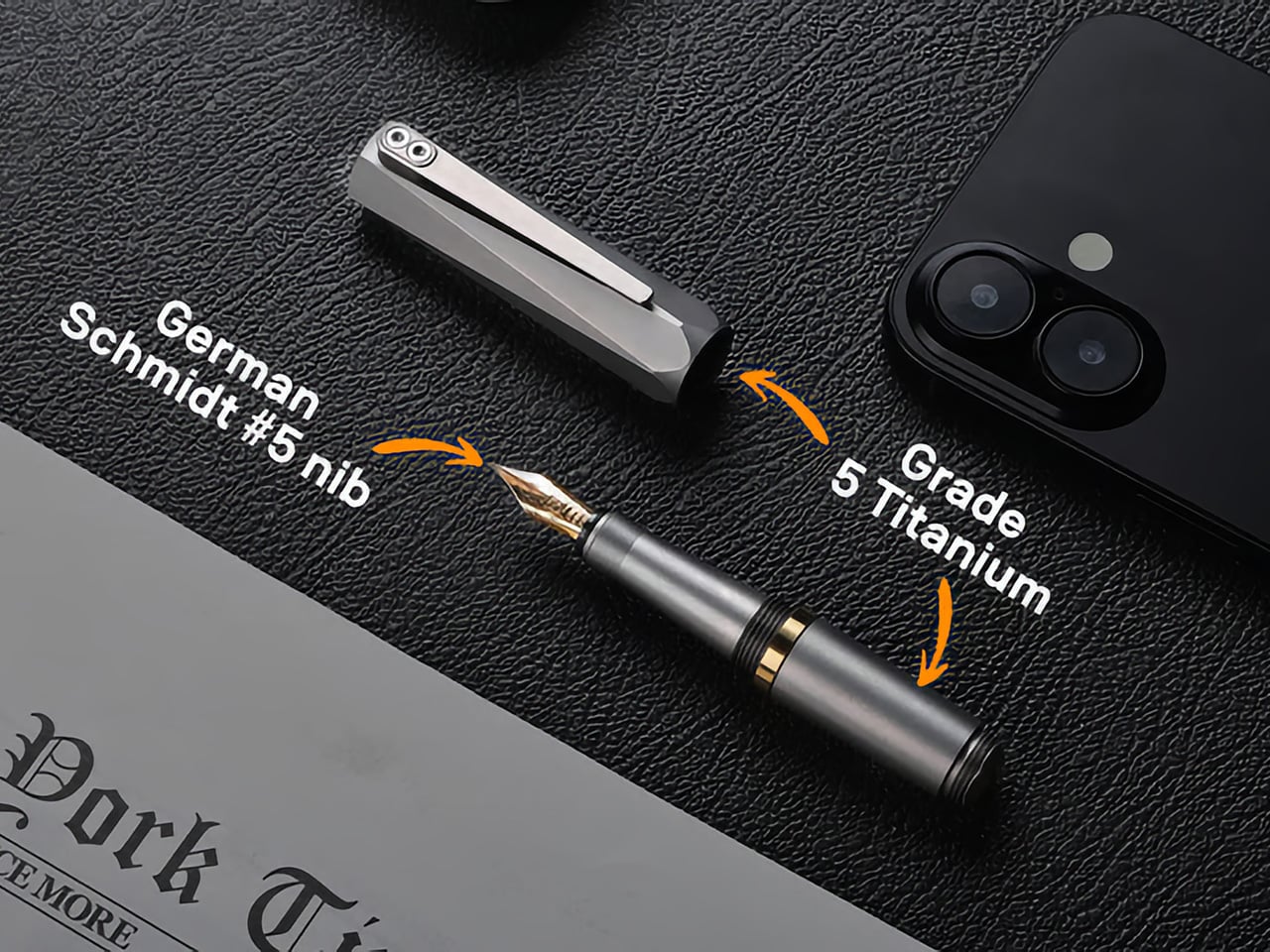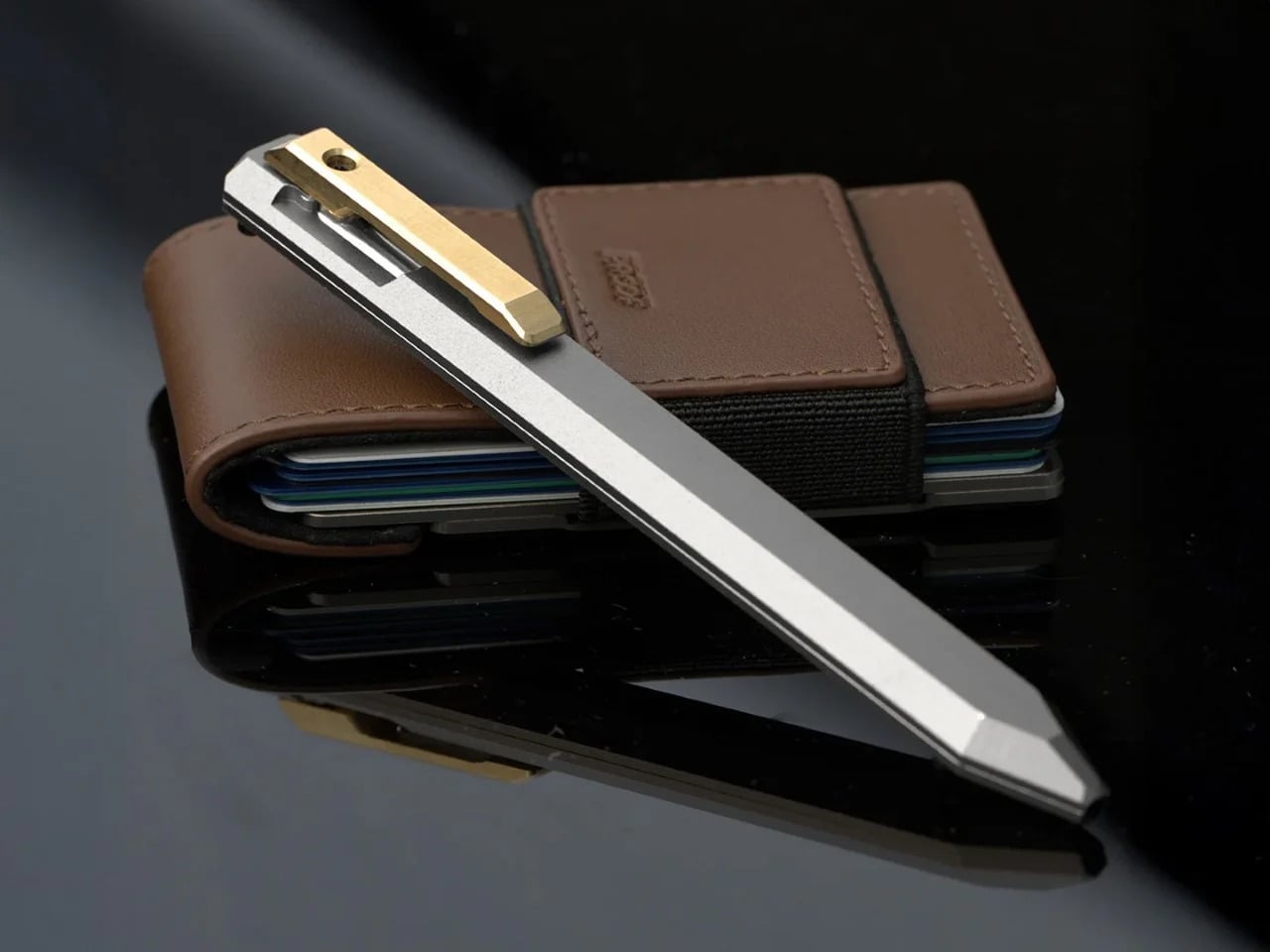
This $129 Floating Pen Doesn’t Just Write. It Spins for 30 Seconds

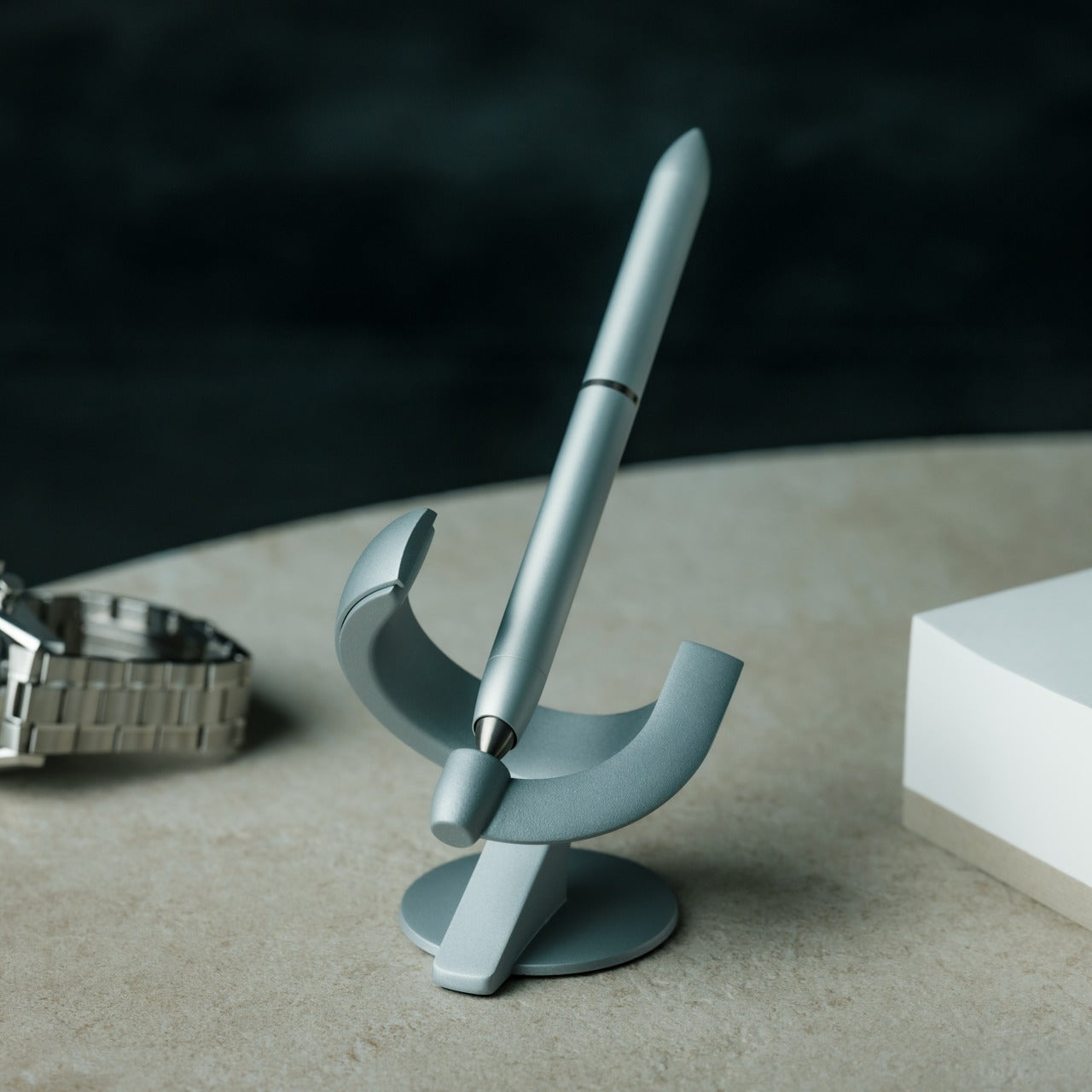
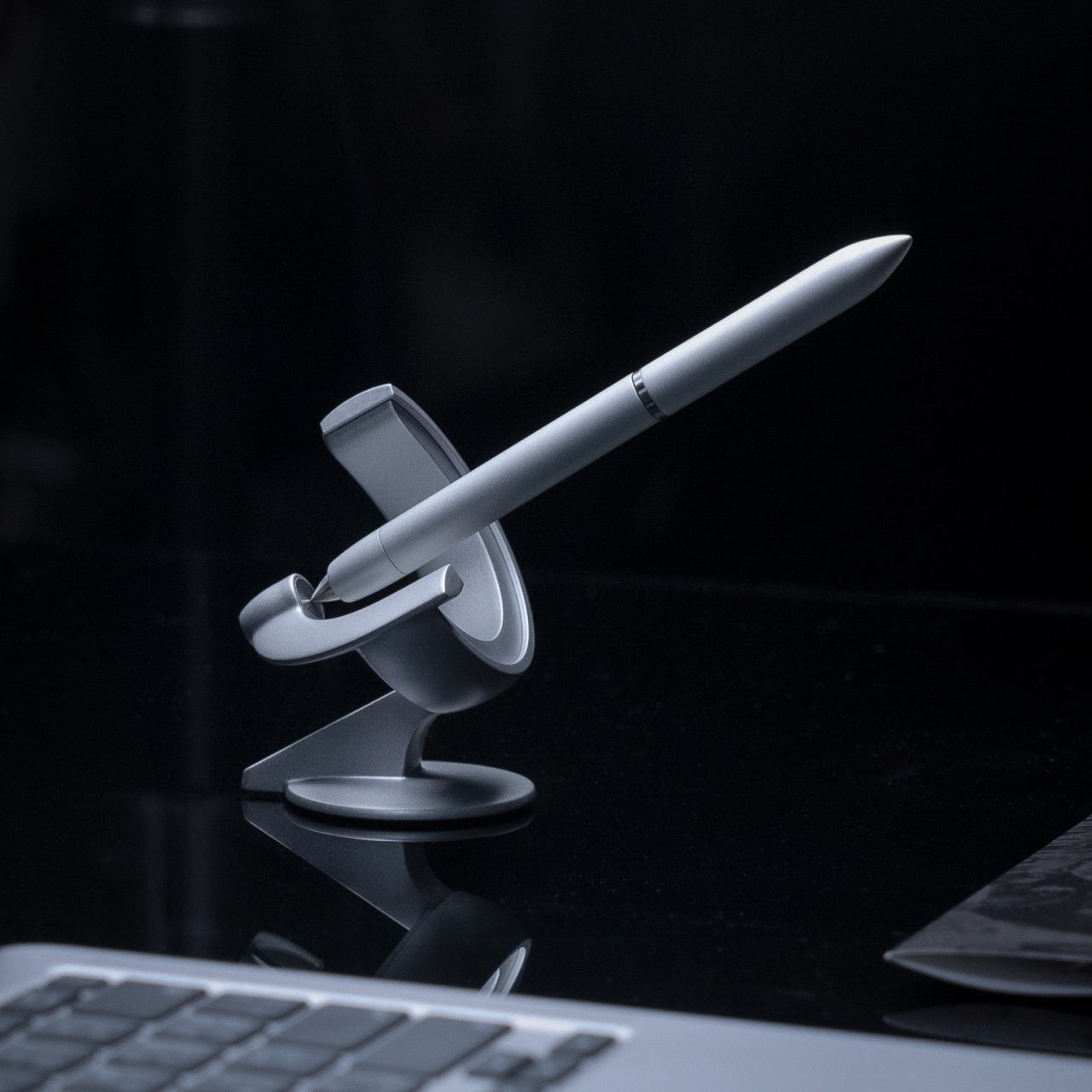
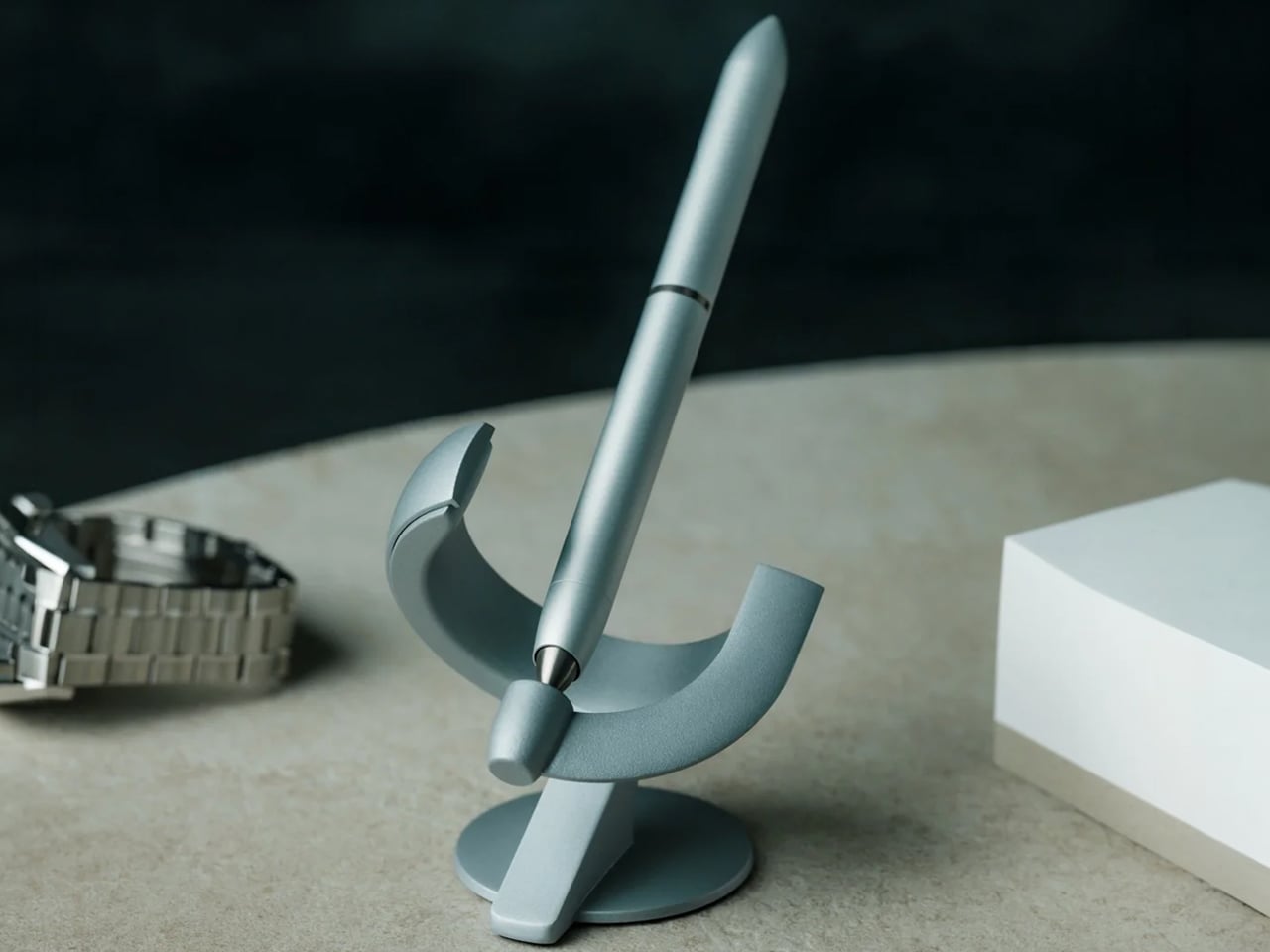
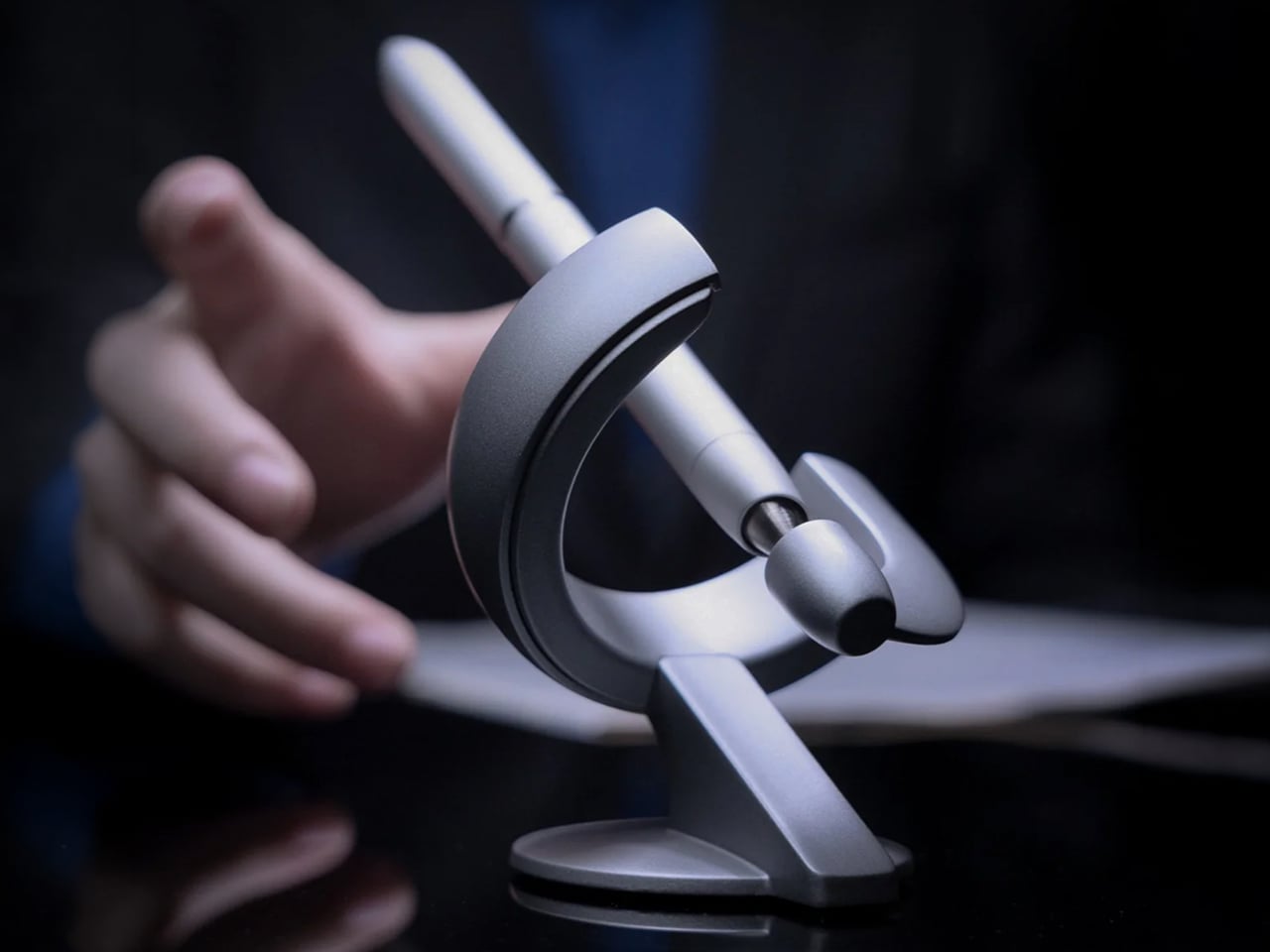
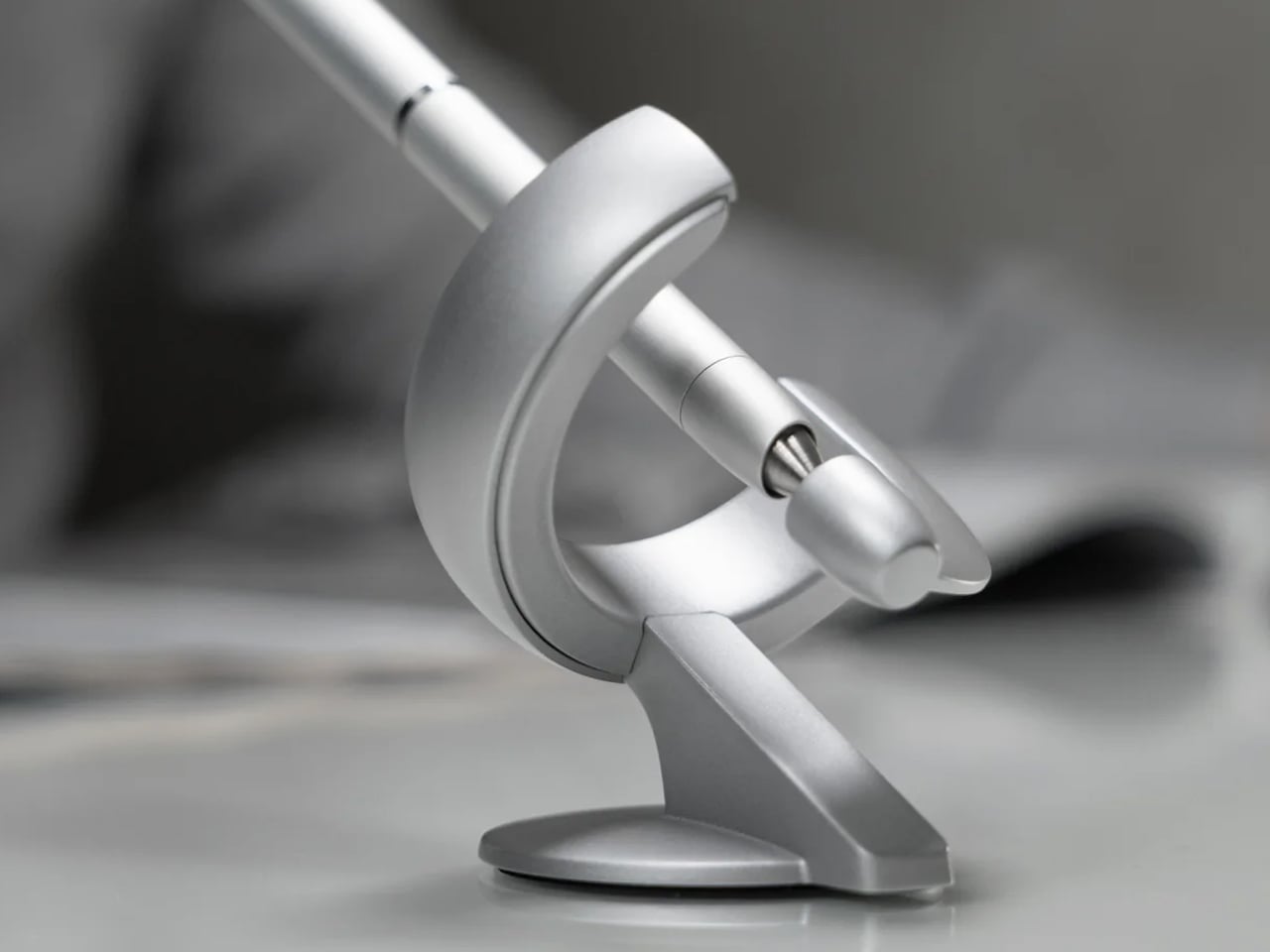
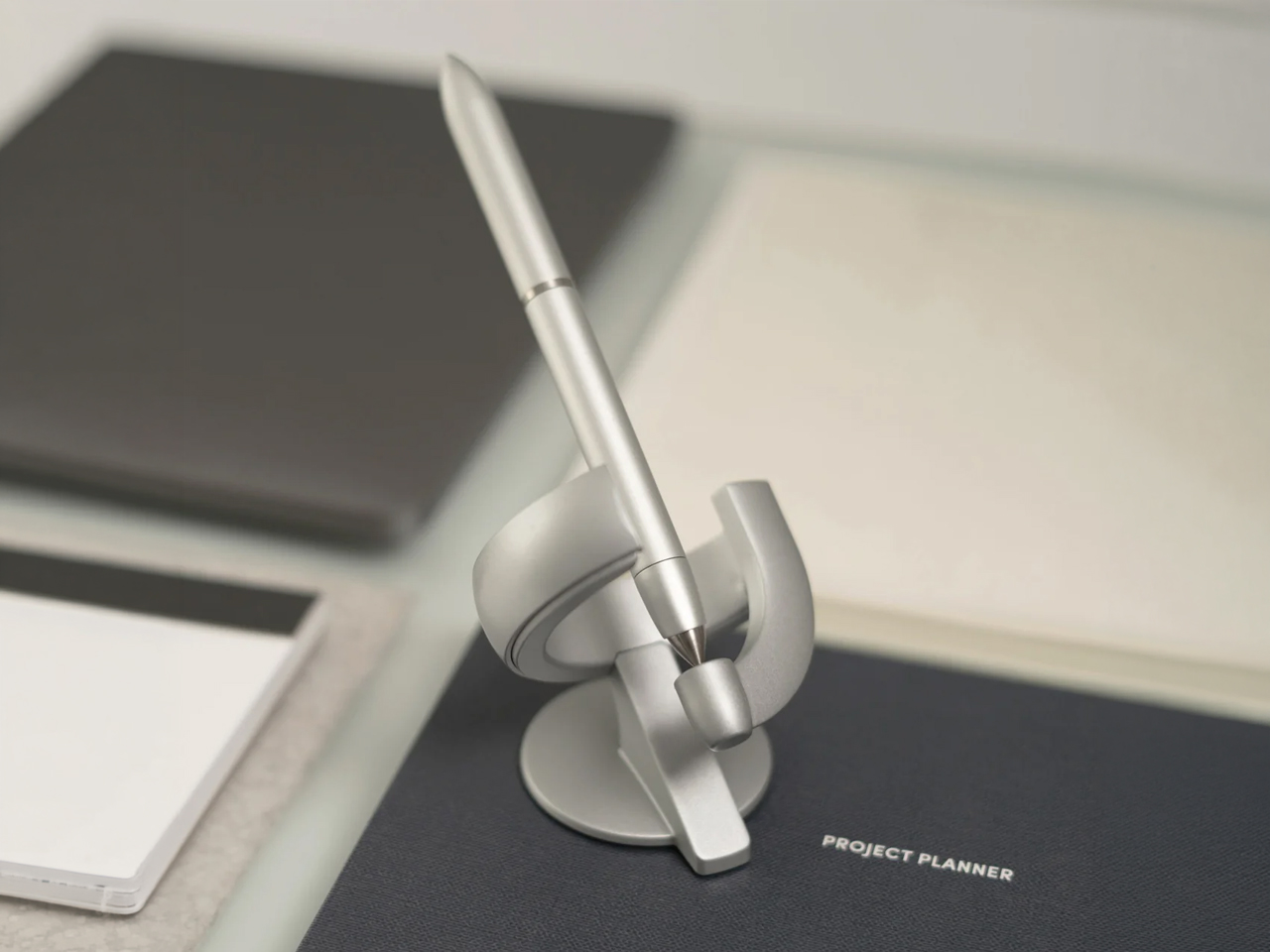
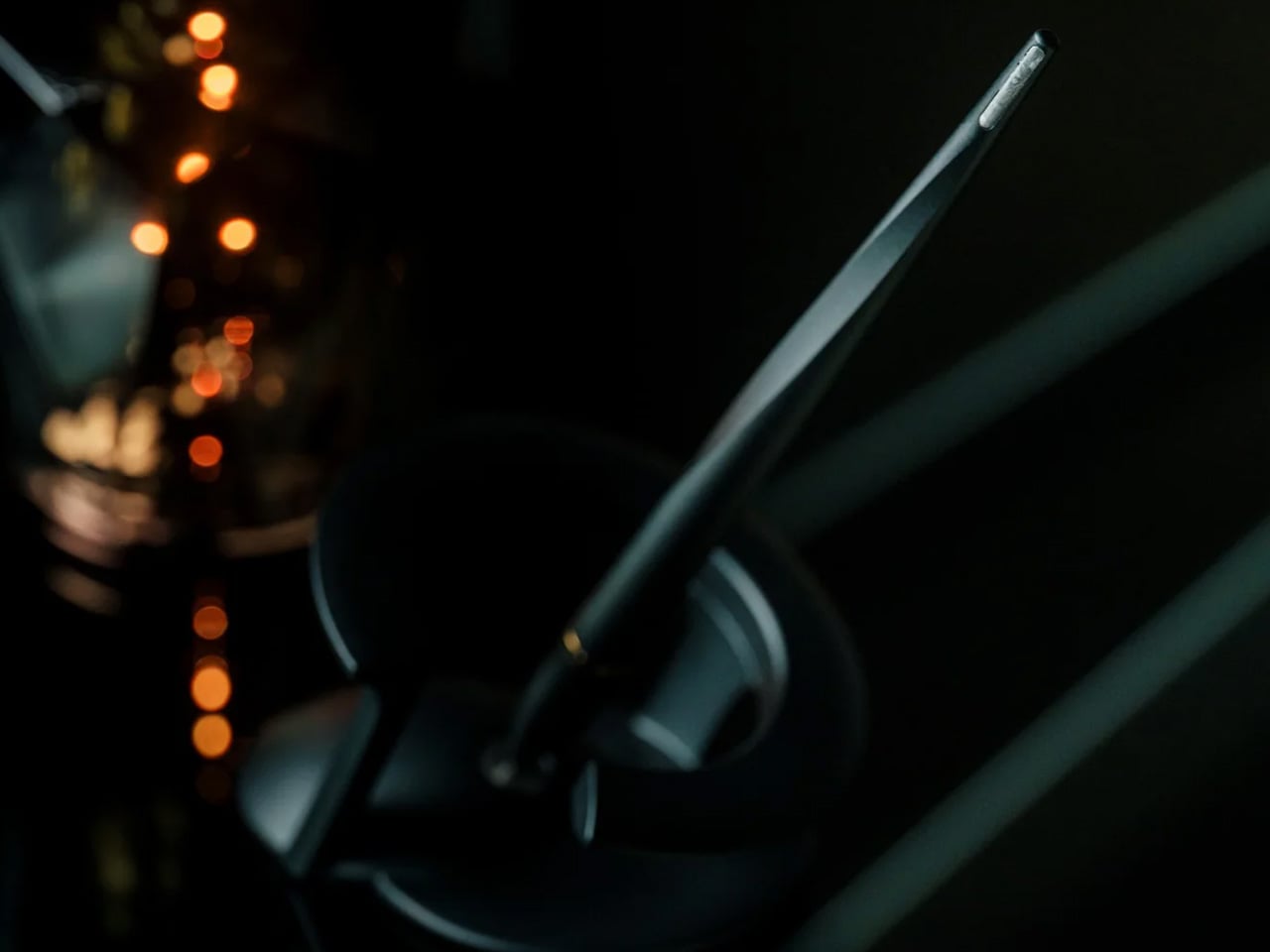
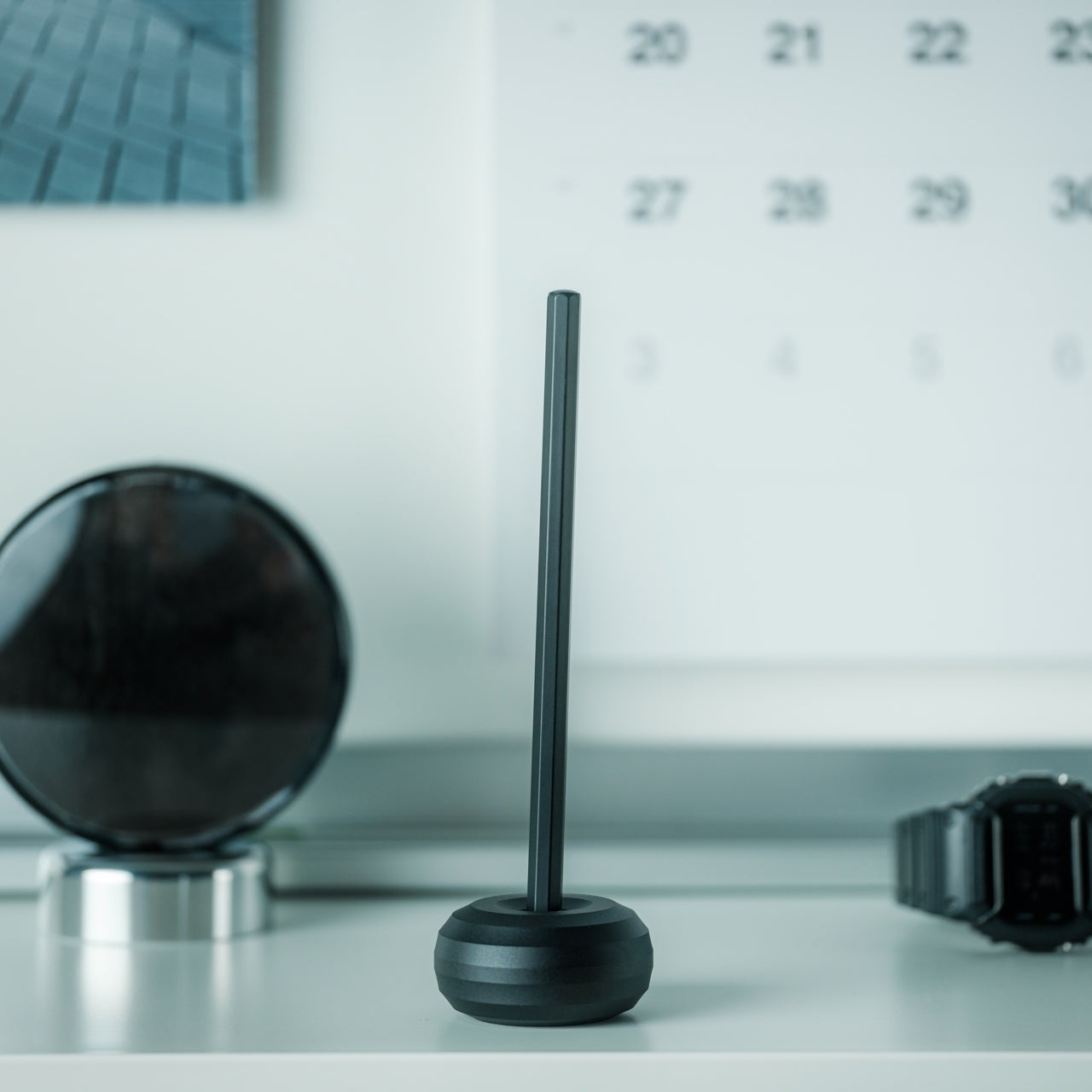
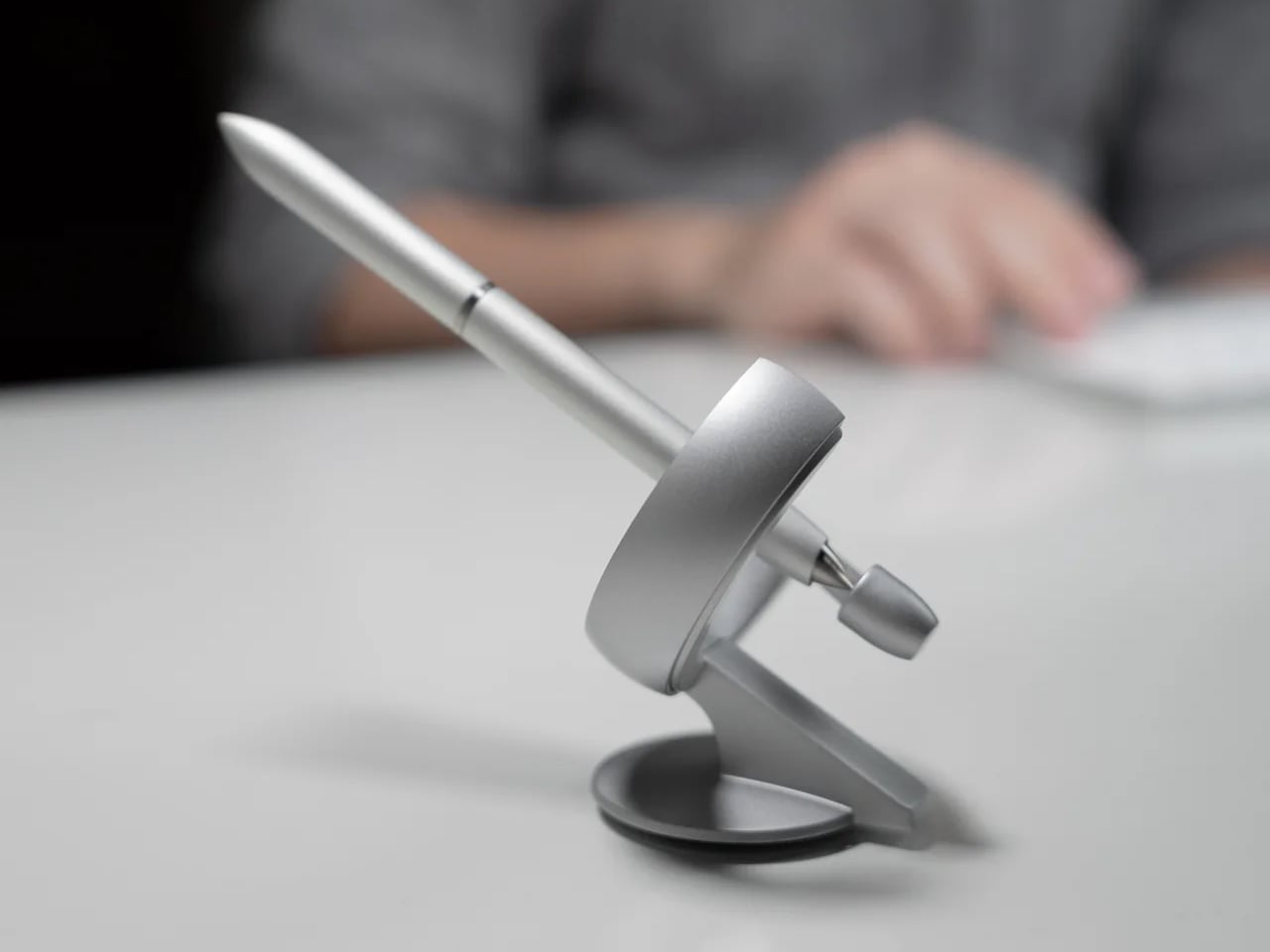
Most pens are designed to disappear into the background of your workday. You toss them in a drawer, lose them in a bag, borrow one from a colleague, and replace them without thinking too hard about it. The Levitating Pen 3.0 operates from an entirely different premise. It hovers an inch above its base at a 60-degree angle, bobbing gently in place, spinning for up to 30 seconds when you twist it – as if the act of writing deserved a little more theater than we’ve allowed it.

That sounds like novelty until you spend a moment with the idea. Then it becomes clear that the point is not just that it floats, but that it changes the ritual around one of the oldest tools on your desk. A pen is still one of the few objects you reach for when a thought feels too quick, too rough, or too personal for a keyboard. When the act of picking it up becomes intentional rather than automatic, the writing changes a little too.

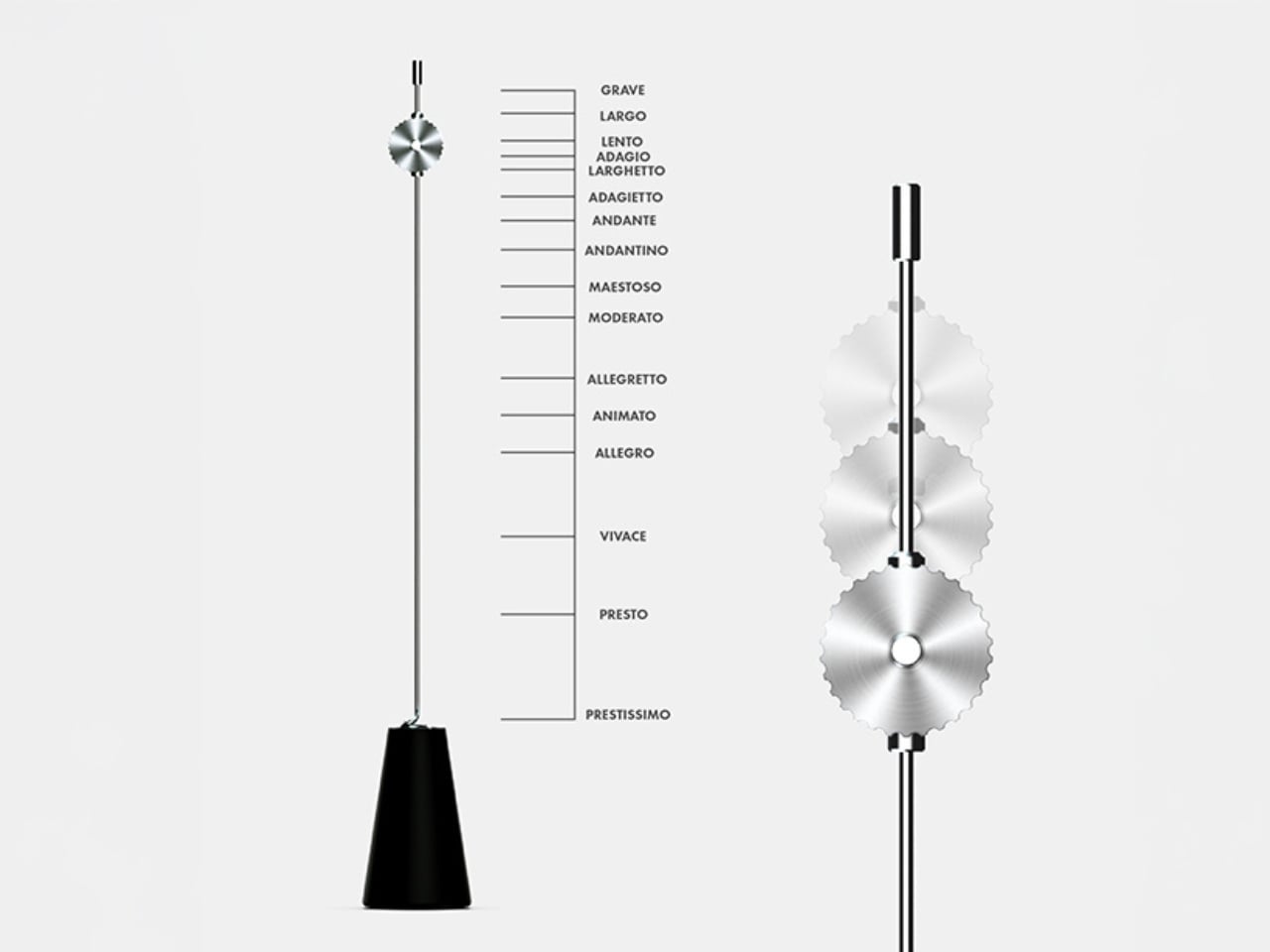
We have optimized so much of work life for speed that wonder now feels almost unprofessional, as if delight has to justify itself through productivity before it earns a place on a desk. The Levitating Pen 3.0 makes a quiet argument against that. It suggests that not every useful object needs to look anonymous, and that a tool can still do its job while reminding you that imagination has practical value too.

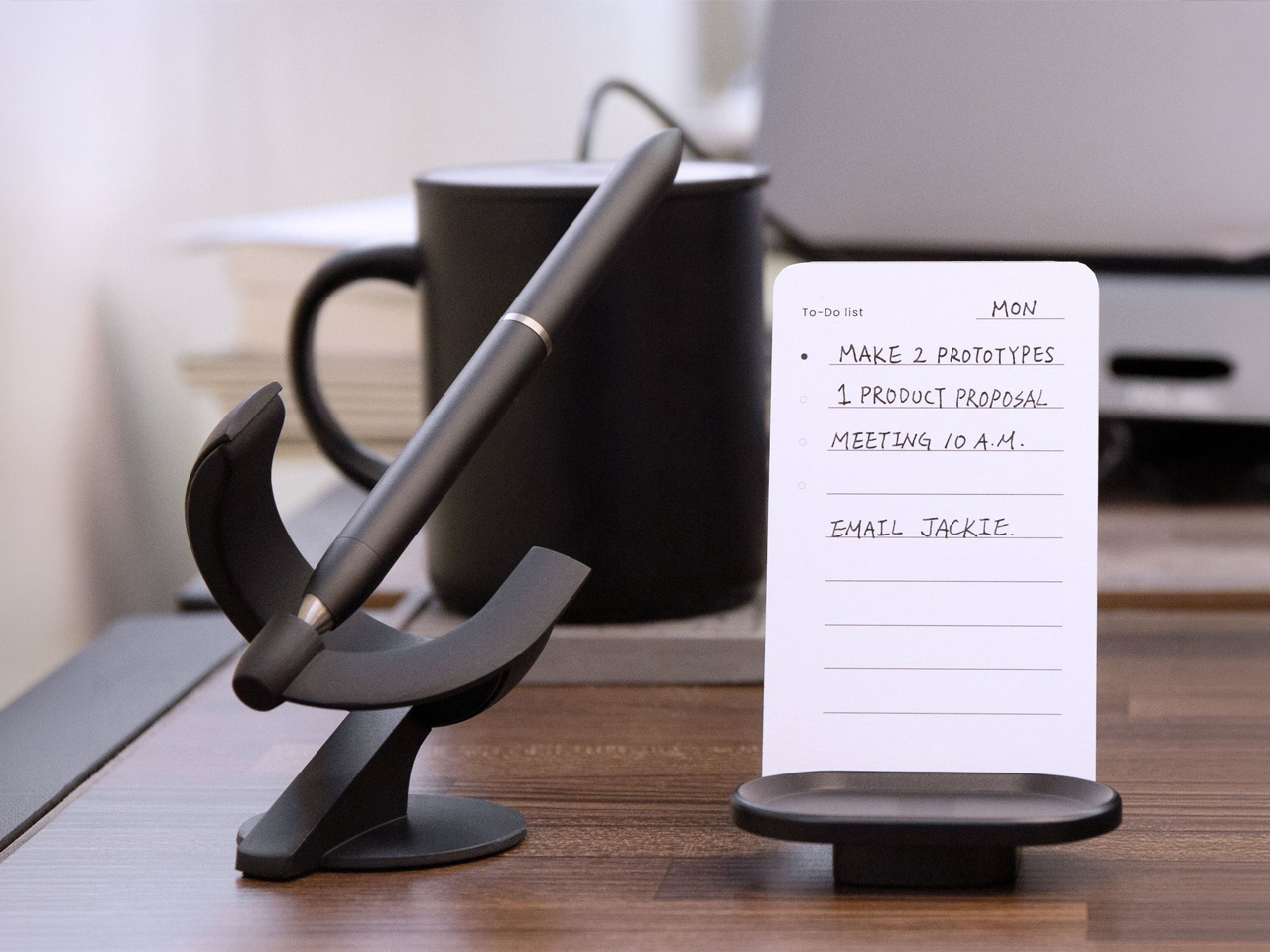
Picture it at 8:30 in the morning, before your inbox has fully ruined the day. Your notebook is open, coffee is still hot, and the pen is hovering in that slightly unreal way that makes your workspace feel less like a holding area for tasks and more like a place where ideas might actually happen. You reach for it, feel the small satisfying release of the magnetic hold, jot something down, and return it to the pedestal. Then it settles back into that floating posture again. You are not just putting a pen down. You are returning an object to its stage.

It Started at Earth’s Axial Tilt. Now It’s This.

The original Levitating Pen was angled at 23.5 degrees – a deliberate nod to Earth’s axial tilt, the angle at which our planet leans through space. It was a quiet piece of philosophy built into a physical object. The 2.0 refined the writing experience. The 3.0, now angled at a more commanding 60 degrees, is where the design reaches full architectural confidence. The stand evolved from a base to a stage. The visual language moved from clever to commanding.

That kind of refinement matters because novelty has a short shelf life. Either an object matures into something with conviction, or it remains trapped as a trick. Three iterations over several years is how you tell the difference.

Aerospace Aluminum, Titanium, and One Very Deliberate Trick

The pen is built from aircraft-grade aluminum, titanium, and brass — each material earning its place. The aluminum keeps it light. The titanium gives the body a satisfying density. The brass houses the magnetic architecture that makes the whole illusion work.

The floating effect suspends the pen one inch above the pedestal at 60 degrees, as if frozen mid-motion. Disturb the air around it and it bobs gently in place. That small movement is what gives it life – hypnotic enough to interrupt a thought spiral and reset your attention without ever tipping into gimmick.

The revised pedestal is taller than previous versions, giving the levitation more visual breathing room. The pen’s long, seamless silhouette cuts a sharper line in space than a conventional writing instrument ever could. It resembles a small spacecraft – a comparison that would sound ridiculous if the object did not actually deserve it.

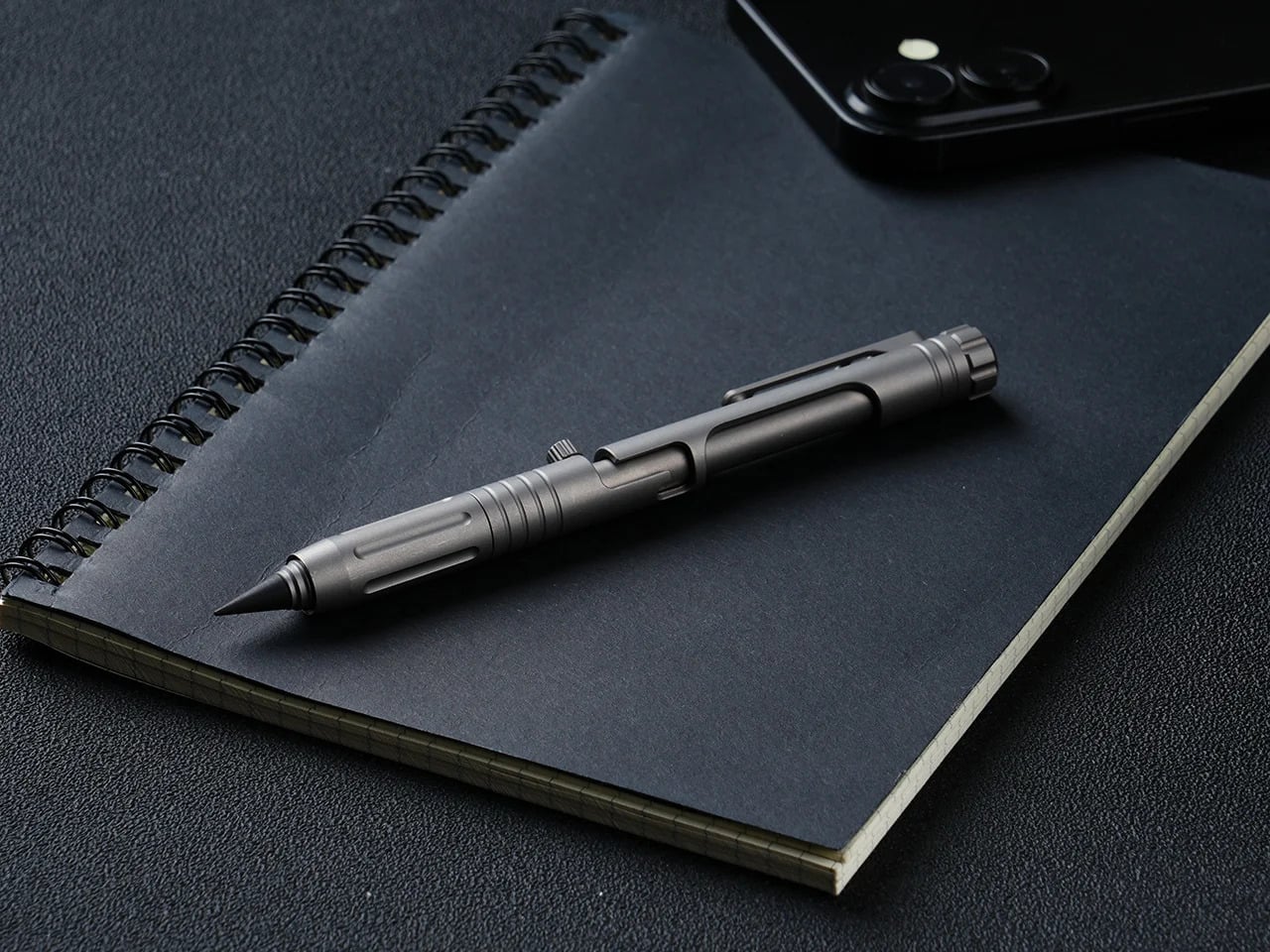
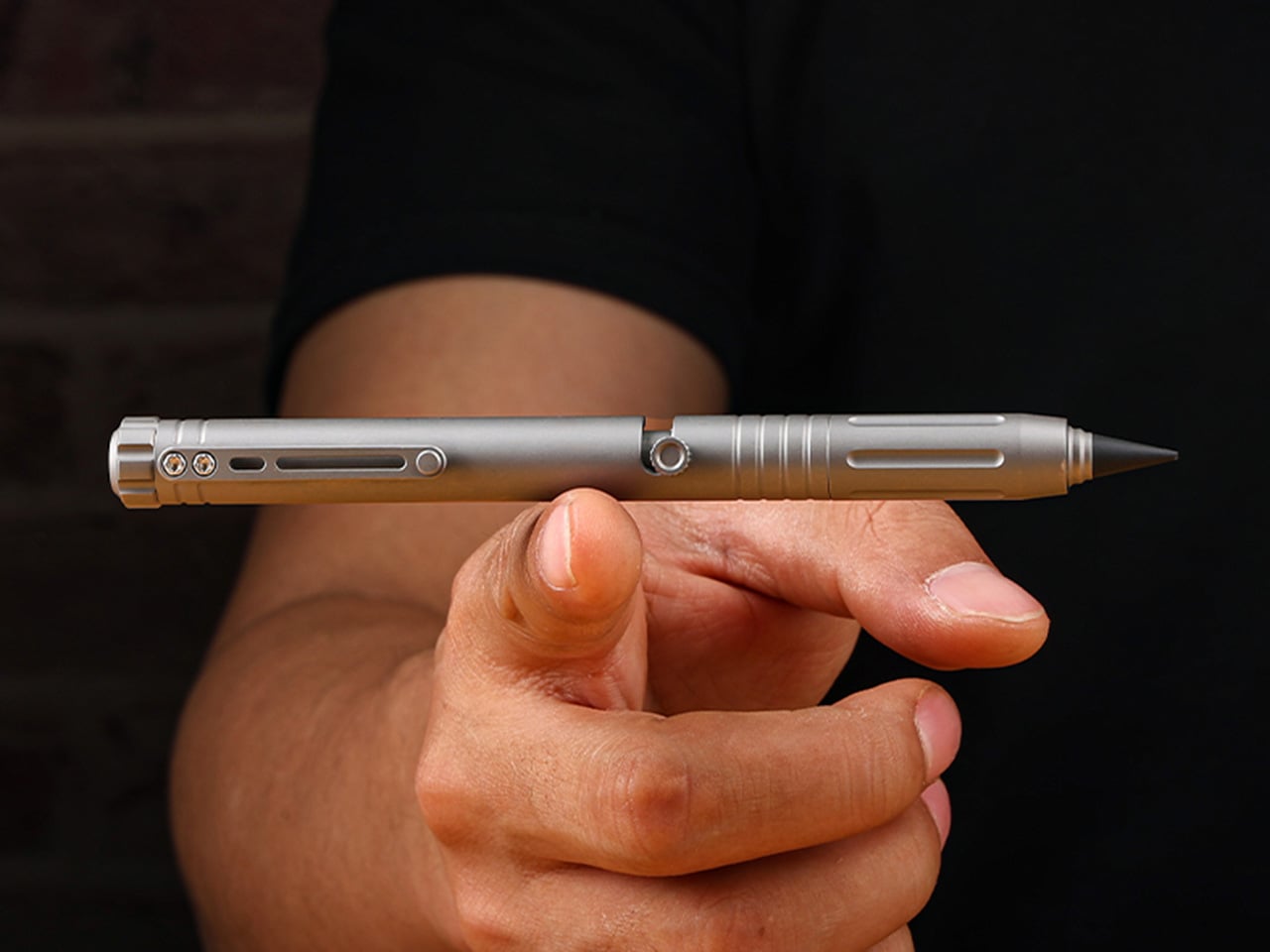
And it still writes. Rollerball with a Schmidt cartridge, fountain pen with a fine 0.5mm nib, or a 2-in-1 that lets you swap between both. The writing experience is precise, not performative. The floating posture gets your attention. The ink earns it.

Why $129 Is Actually the Honest Price

A well-made metal pen already pushes into premium territory on its own. Add a thoughtfully designed stand and you are not far from this number – except most pen-and-stand combinations do not share a visual language, a magnetic levitation system, or the kind of presence that changes how a desk feels when you walk past it.

What you are paying $129 for, with the Levitating Pen 3.0, is the convergence of writing instrument, kinetic object, and desk sculpture into a single resolved piece. For someone who wants their workspace to say something more specific than “functional,” that distinction matters. This is for the founder who still sketches ideas by hand. The architect who cares how an object rests when it is not being used. The designer who believes tools shape attention. If that sounds specific, it is. The specificity is the point.

We spend so much of our lives surrounded by objects that do their jobs and disappear. The Levitating Pen 3.0 does something rarer. It performs its function while changing the atmosphere around it. A good pen records ideas. This one makes room for them.

The post This $129 Floating Pen Doesn’t Just Write. It Spins for 30 Seconds first appeared on Yanko Design.

5 Designer Pens That Make Every Other Gift for Him Look Lazy

Most gift guides for him are boring. A leather wallet, a whiskey set, a watch he already owns in a different color. But if the person you’re buying for genuinely cares about the objects around him, about what something communicates before he even uses it, a pen is an underrated move. Not just any pen. The five below are the kind of pieces that make everything else on the gift table look like an afterthought.

These aren’t novelty pens with logos. Each one makes a deliberate argument about what a writing instrument can be, rethinking the material, the mechanism, or the relationship between the pen and the desk it lives on. Together, they represent how designers are now treating an object that most people have stopped thinking about. Whether you’re shopping for a birthday, an anniversary, or a reason to stop buying the same gift twice, this list delivers.

1. Pininfarina Aero Ethergraf

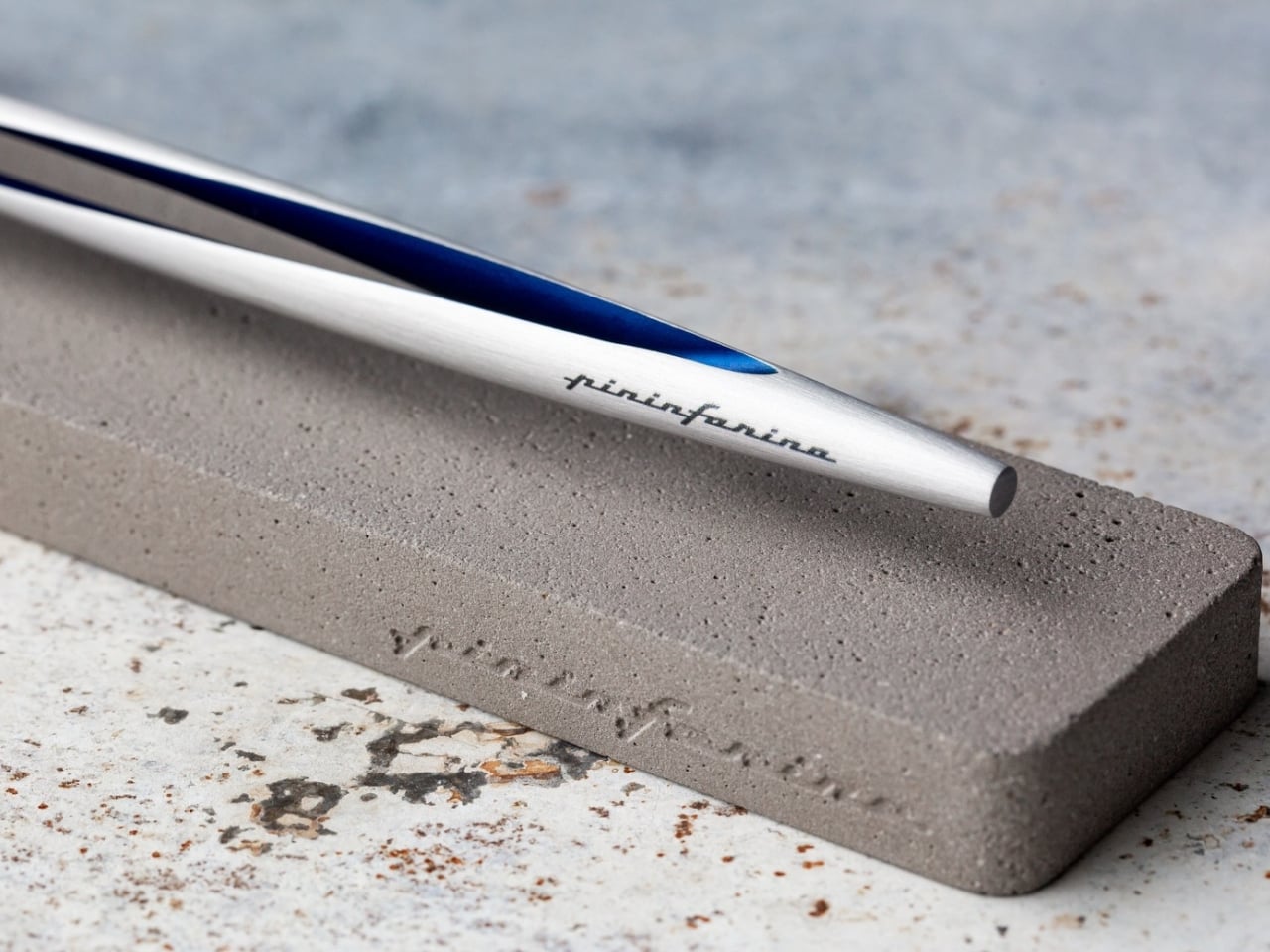
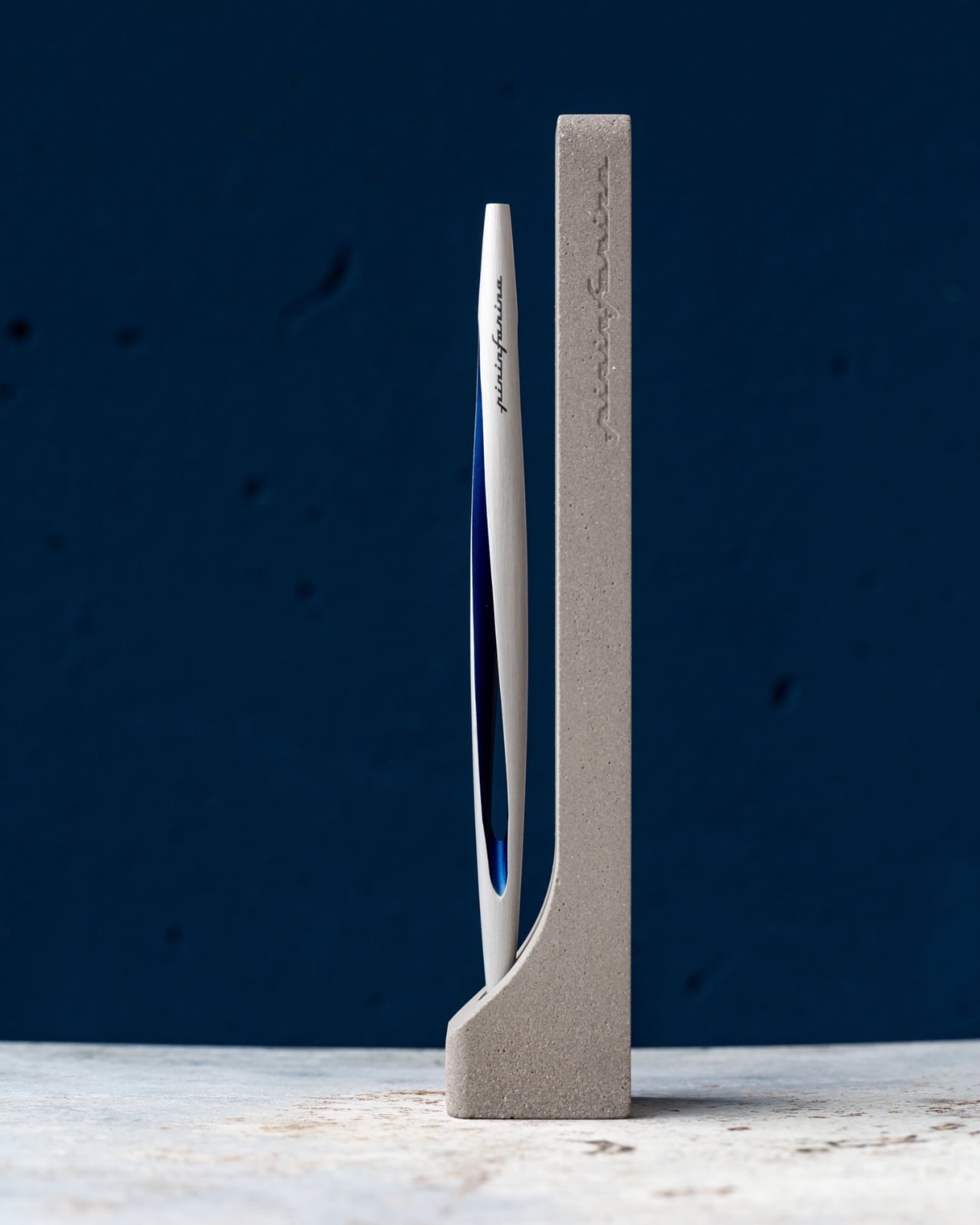
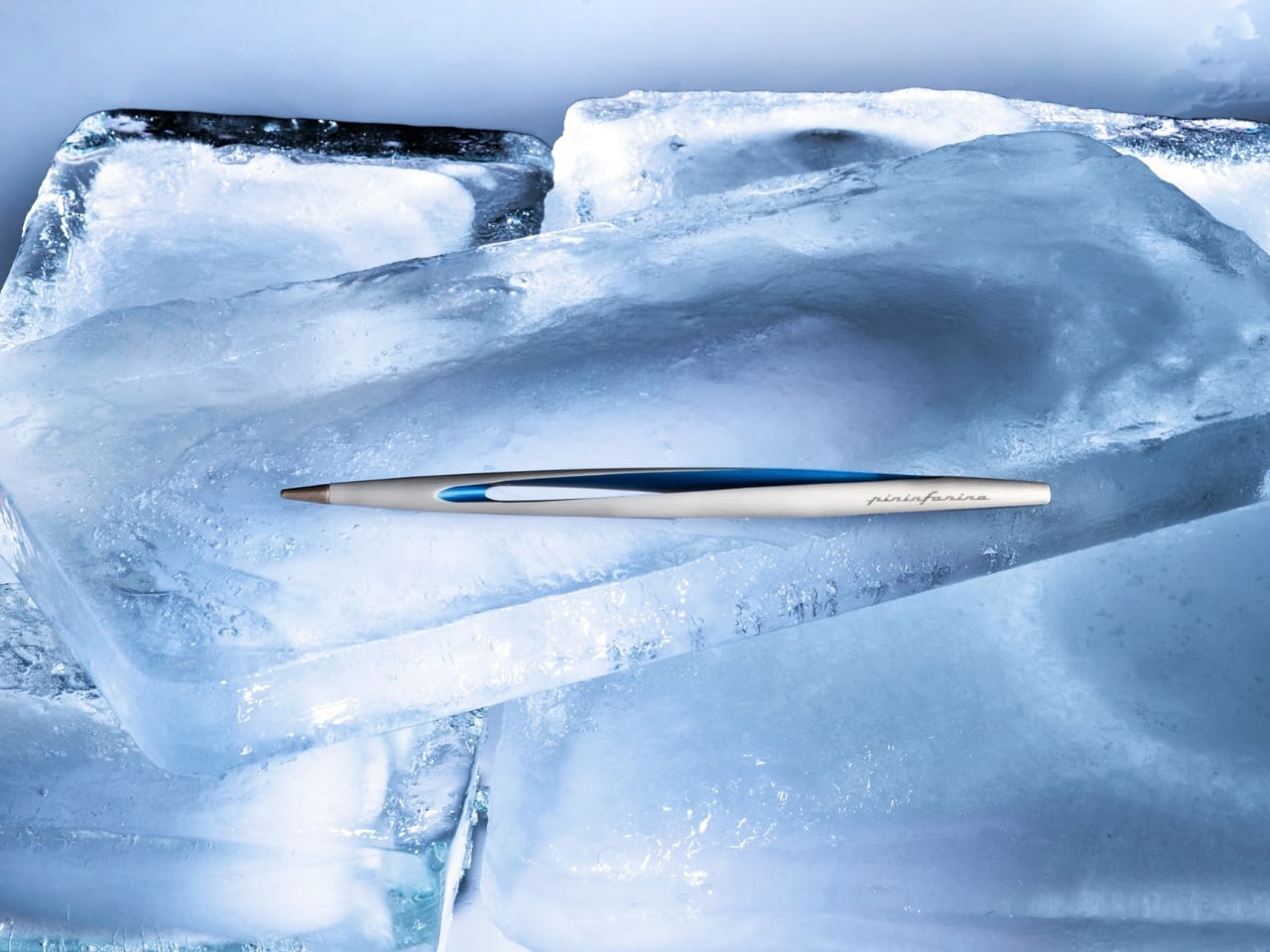
Pininfarina’s design language has always been about the single confident line that communicates speed and restraint at once. The Aero Ethergraf carries that directly to the desktop. It writes through an Ethergraf metal alloy tip that works via oxidation, leaving a graphite-like mark on paper without any ink. No cartridges, no cap to lose, no refills, ever. For him, this means a writing tool that genuinely never runs out, made in Italy and handcrafted to outlast anything else on his desk.

The aluminum body carries a blue accent that catches light the way a car door does at the right angle, which makes complete sense coming from the studio responsible for decades of Ferrari and Maserati bodies. Sitting in its raw concrete cradle, the Aero Ethergraf reads less like office stationery and more like a considered piece of sculpture. The line it leaves is precise, smudge-proof, and won’t bleed through paper. It’s the kind of object that earns its place on whatever desk it lands on.

What we like:

  • Writes indefinitely with no ink, cartridges, or maintenance required — the Ethergraf alloy tip is genuinely a forever writing surface
  • Handcrafted in Italy, the aerospace-grade aluminum body and raw concrete cradle together make a gift that reads as a design object, not an office supply

What we dislike:

  • The mark left by the Ethergraf tip is lighter than a standard pen line, which may not suit those who prefer a bold, ink-heavy stroke
  • Very smooth or coated paper surfaces can diminish the writing quality, so it performs best on standard uncoated notebooks or writing pads

2. Inseparable Notebook Pen

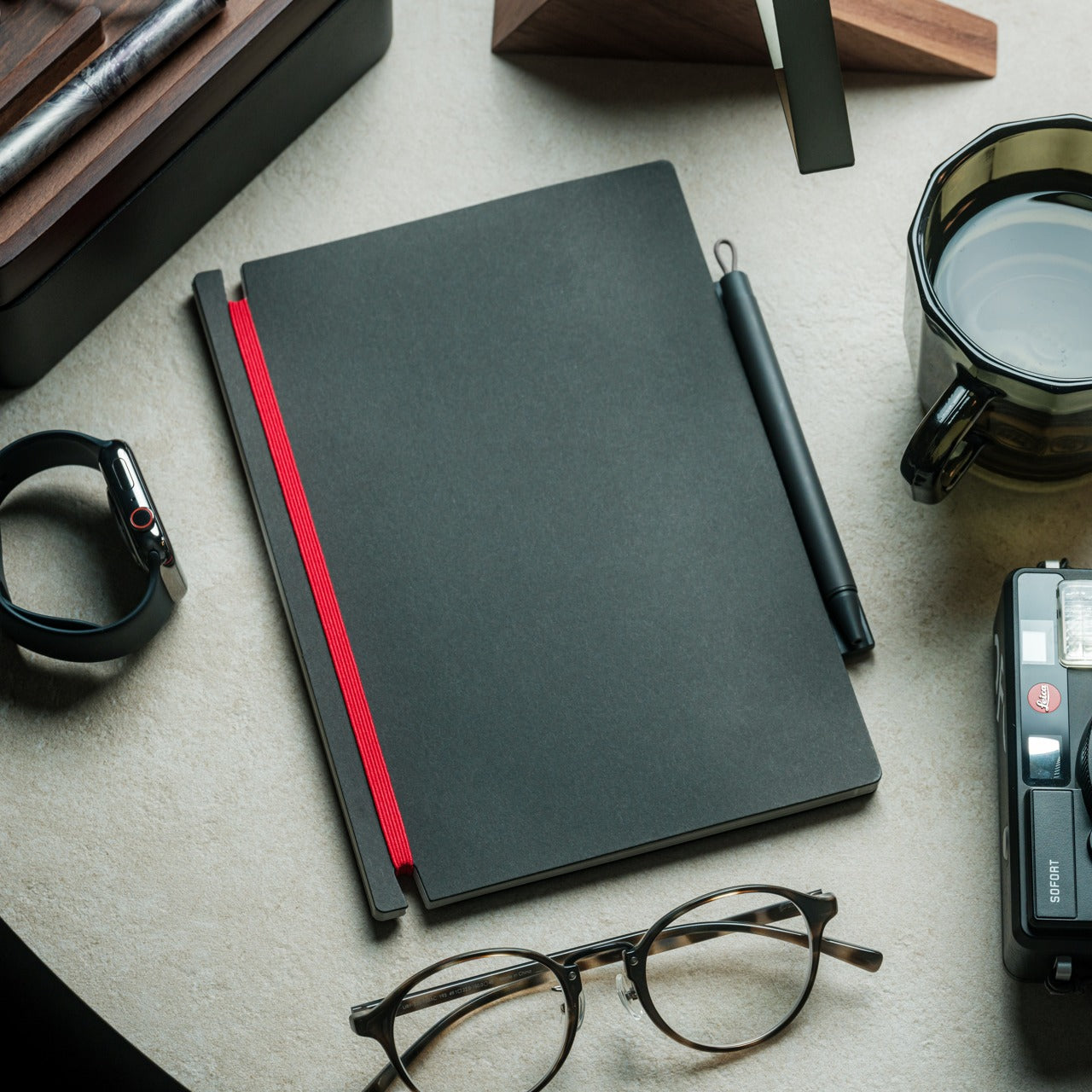
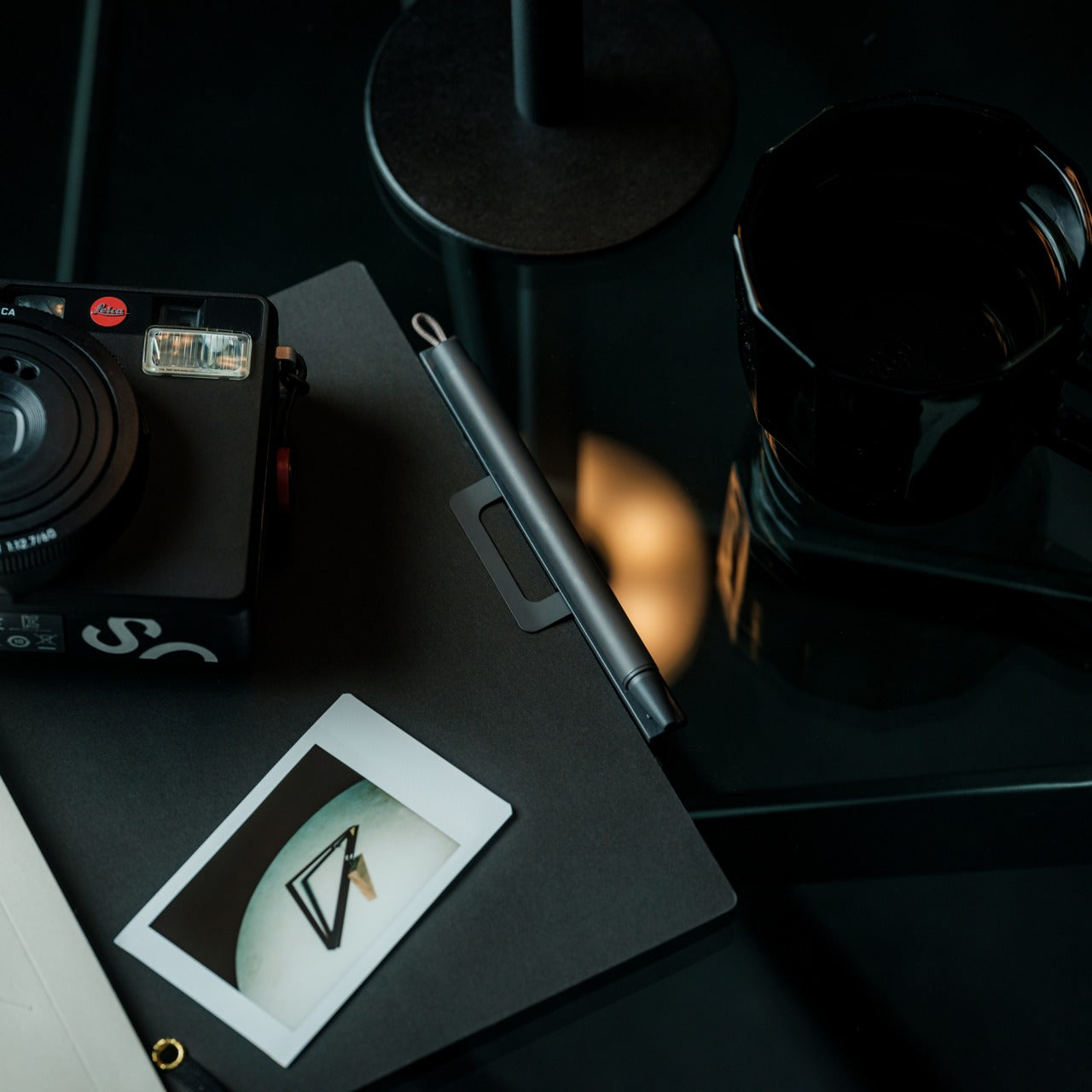
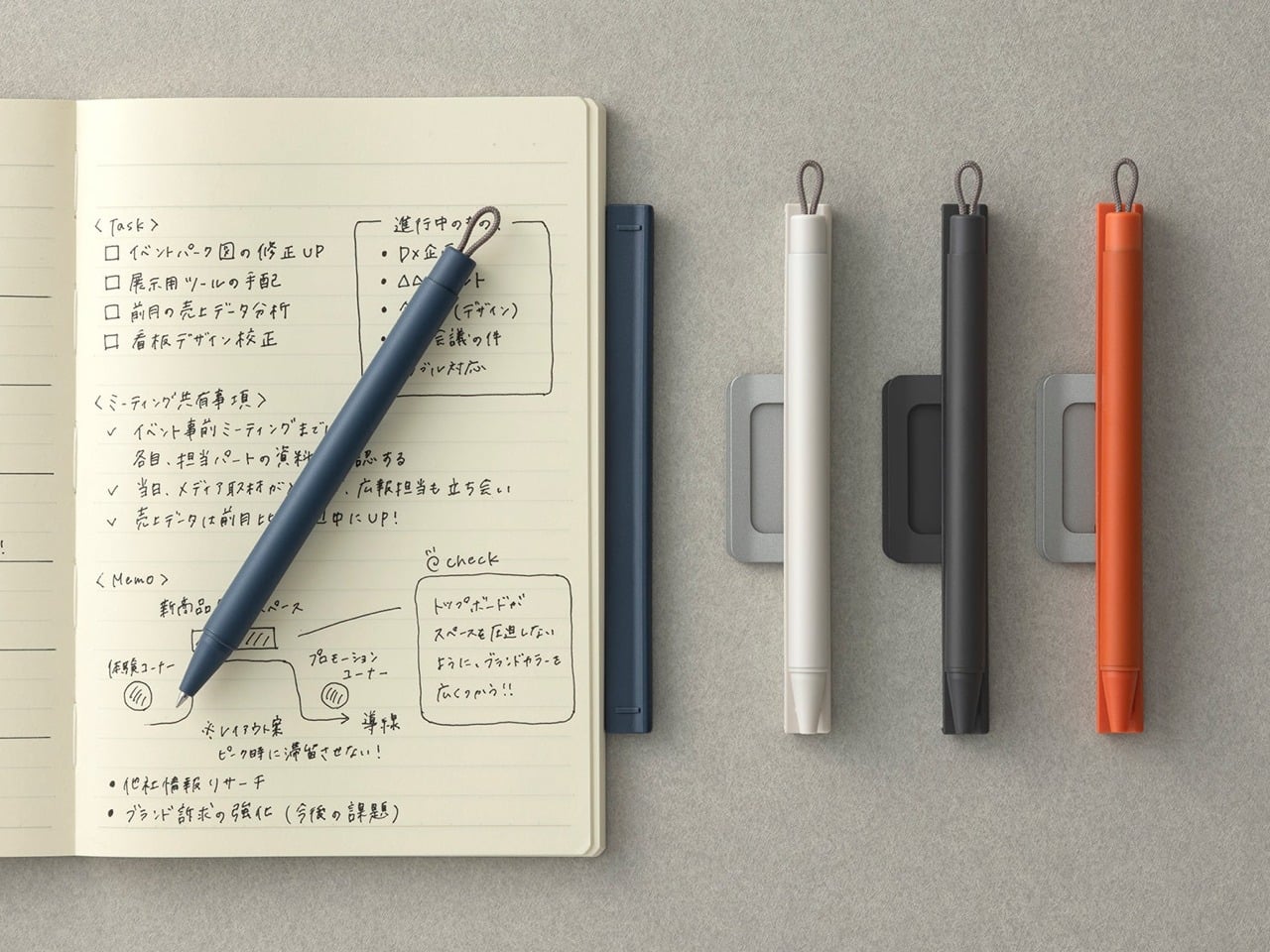
The premise is almost frustratingly simple. A pen that attaches magnetically to the side of a notebook — the way an Apple Pencil does on an iPad — so the two are always together and always ready. Designer Yusuke Nagao built it with a three-part construction featuring a plastic protector, a metal clip, and the pen itself. For him, it solves one of the most persistent small frustrations in daily life: a notebook sitting on the table with nothing to write with.

There’s a quiet confidence to the Inseparable’s design that reveals itself the longer it’s used. Nothing feels overworked. The silhouette is clean, the clip is integrated rather than decorative, and the magnetic attachment snaps silently into place in a way most products would never bother to refine. The ink flows smoothly for clear and precise writing on the go.

Click Here to Buy Now: $19.95

What we like:

  • Magnetic attachment to any notebook eliminates one of the most persistent small frustrations in daily writing habits in the cleanest possible way
  • The minimal three-part design prioritizes function without visual noise — it looks exactly as useful as it actually is

What we dislike:

  • The magnetic clip system is built around a single notebook format, so those who move between multiple journals will find the integration more limiting
  • The compact form and single-ink style serve portability well, but leave little room for those who prefer a heavier body weight or a finer writing point

3. Yamaha Swing Scribe

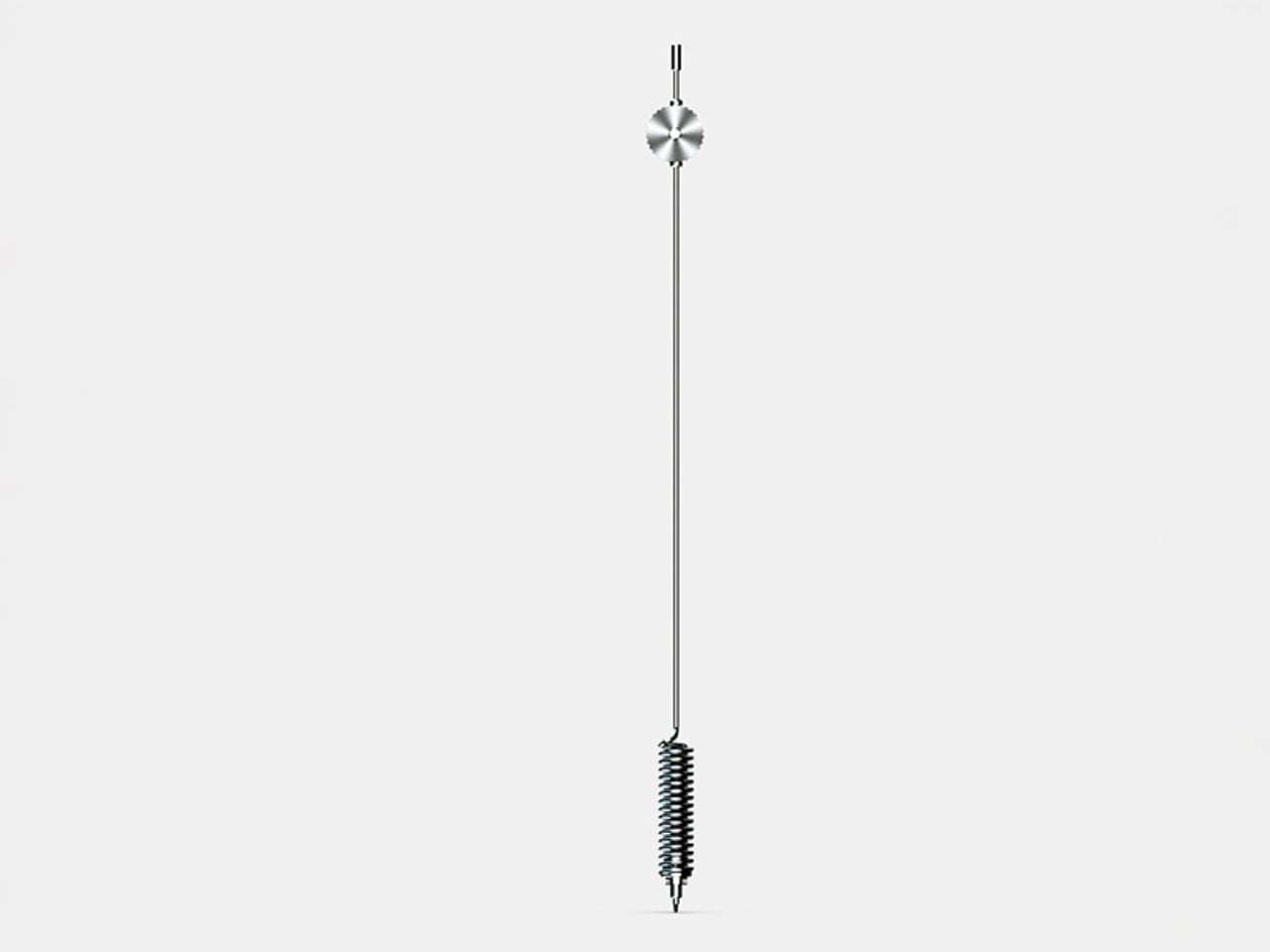
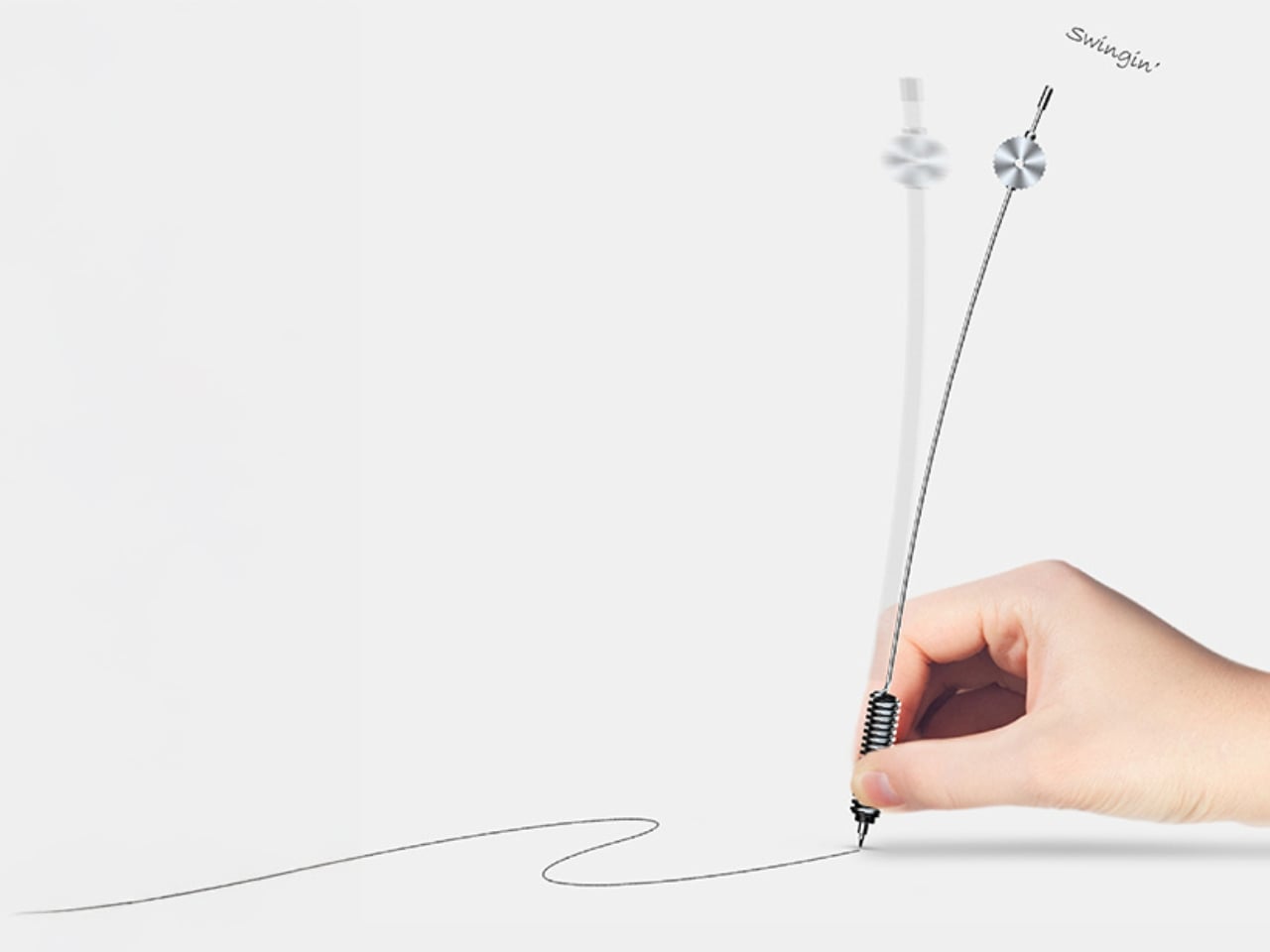
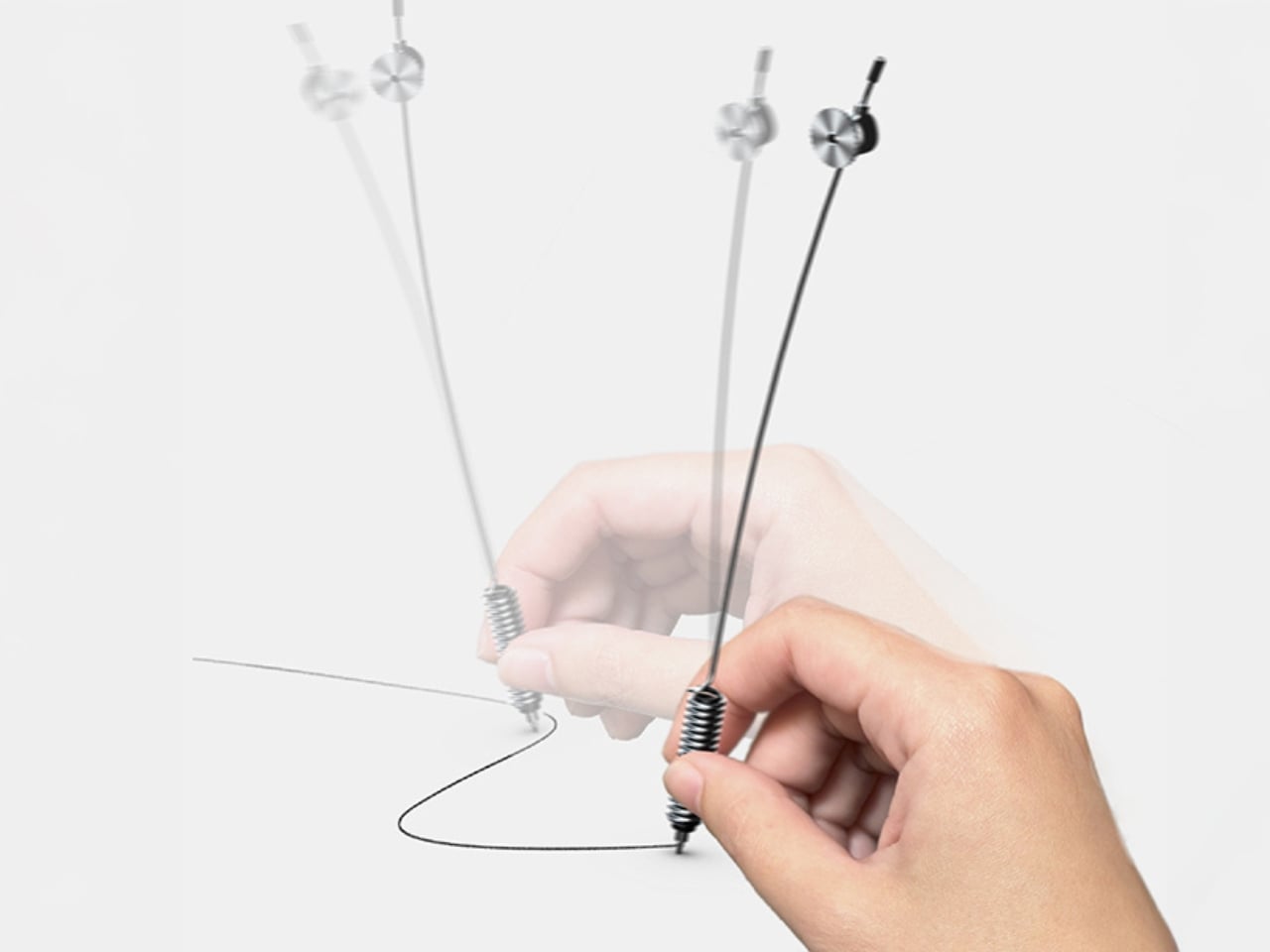
If someone asked you to name a Yamaha product, you’d say piano or motorcycle before you said pen. That gap is exactly what makes the Swing Scribe interesting. Part of Yamaha’s Scribe Tool Design 2024 project, it’s a collaboration between Yamaha Corporation and Yamaha Motor designers in the US. The premise draws from the quill: as a feather naturally wobbles under air resistance while writing, it creates a rhythm. Yamaha made that incidental quality deliberate and physical for him to feel.

A weighted tip is attached to a metal bar, and as he writes, it swings. The small pendulum force feeds a steady beat back into the hand with every stroke. No batteries, no app, just physics. For someone who gets his best thinking done with a pen in hand, the Swing Scribe adds a dimension to the writing experience that no other pen on any other list has thought to offer.

What we like:

  • The pendulum mechanism delivers a genuinely new physical sensation in writing, drawing directly on the natural rhythm that once made quill writing feel so distinct from any modern tool
  • The creative pedigree is unlike anything else here — a joint effort between two legendary Yamaha divisions, treating writing as a sensory design challenge worth solving

What we dislike:

  • The Swing Scribe is a concept from Yamaha’s design research project, meaning it isn’t currently available as a retail product ready to purchase and wrap
  • The swinging weighted mechanism, while compelling in execution, may require an adjustment period for those accustomed to the predictable feel of a standard pen

4. Levitating Pen 3.0

The third iteration of a design that has always pushed toward the improbable, the Levitating Pen 3.0 is built from aerospace-grade aluminum and titanium with a zinc alloy base and balances at a 60-degree angle in a charged magnetic field, bobbing gently when it settles into position. For him, this is the desk object that does something no leather-bound pen set ever managed: it makes people stop mid-conversation and ask what that thing is.

Available in silver or anodized black with a satin finish, it ships with a German-engineered Schmidt rollerball cartridge that delivers a silky writing experience to match its appearance. Undocking the pen to write is its own small ritual. Docking it back lets it find its magnetic sweet spot on its own. Spin it against the stand, and it rotates for up to 30 seconds.

Click Here to Buy Now: $139.00

What we like:

  • The magnetic levitation is genuinely hypnotic, and the Schmidt rollerball cartridge means it writes as well as it performs — form and function earn equal attention
  • Ships complete in silver or anodized black with a satin finish, making this an immediate desk statement that needs nothing added to impress

What we dislike:

  • The levitation only functions on a flat, stable surface — this is strictly a stationary desk piece and cannot be stored on its side or carried in its floating position

5. Pulse

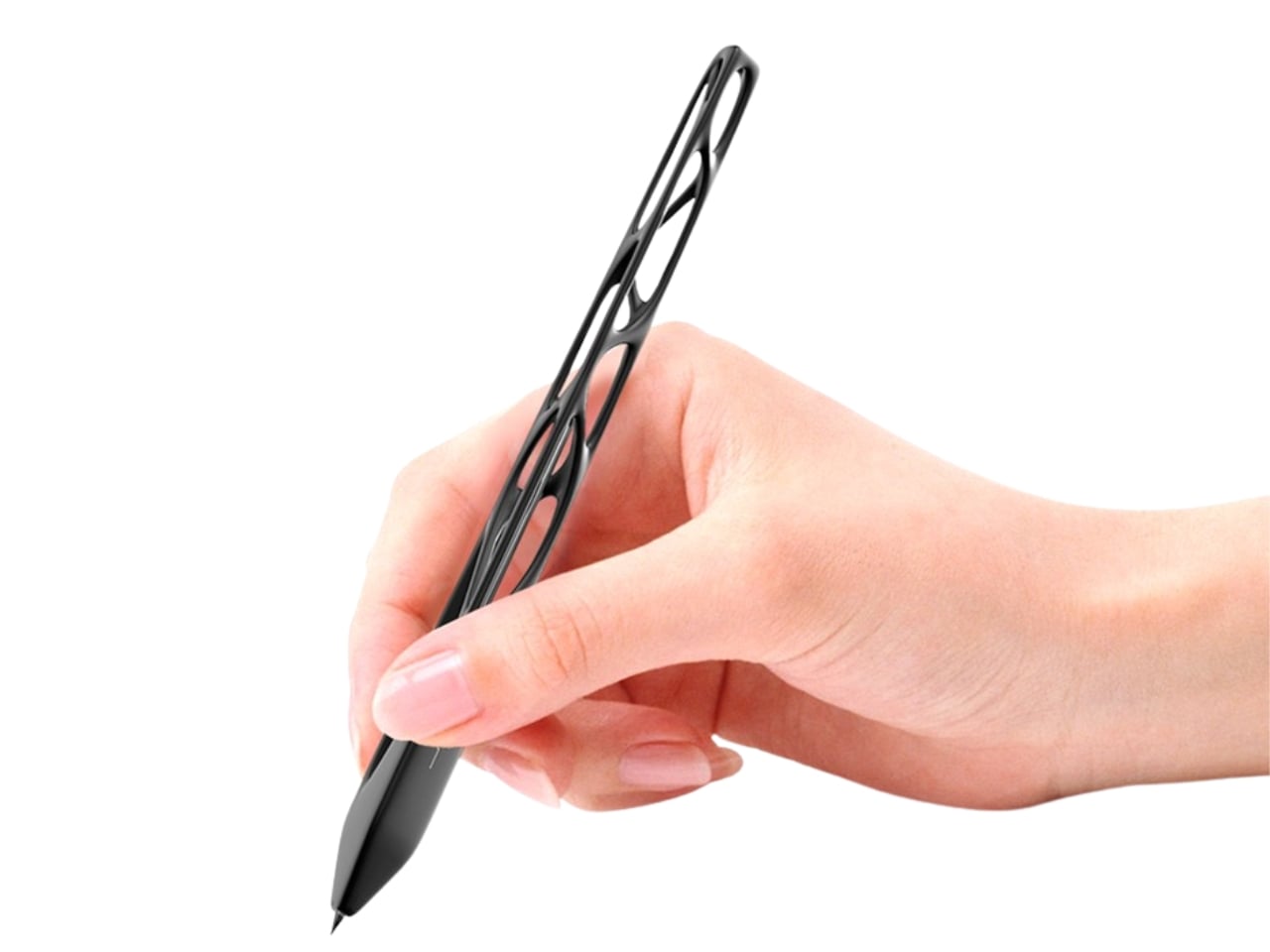
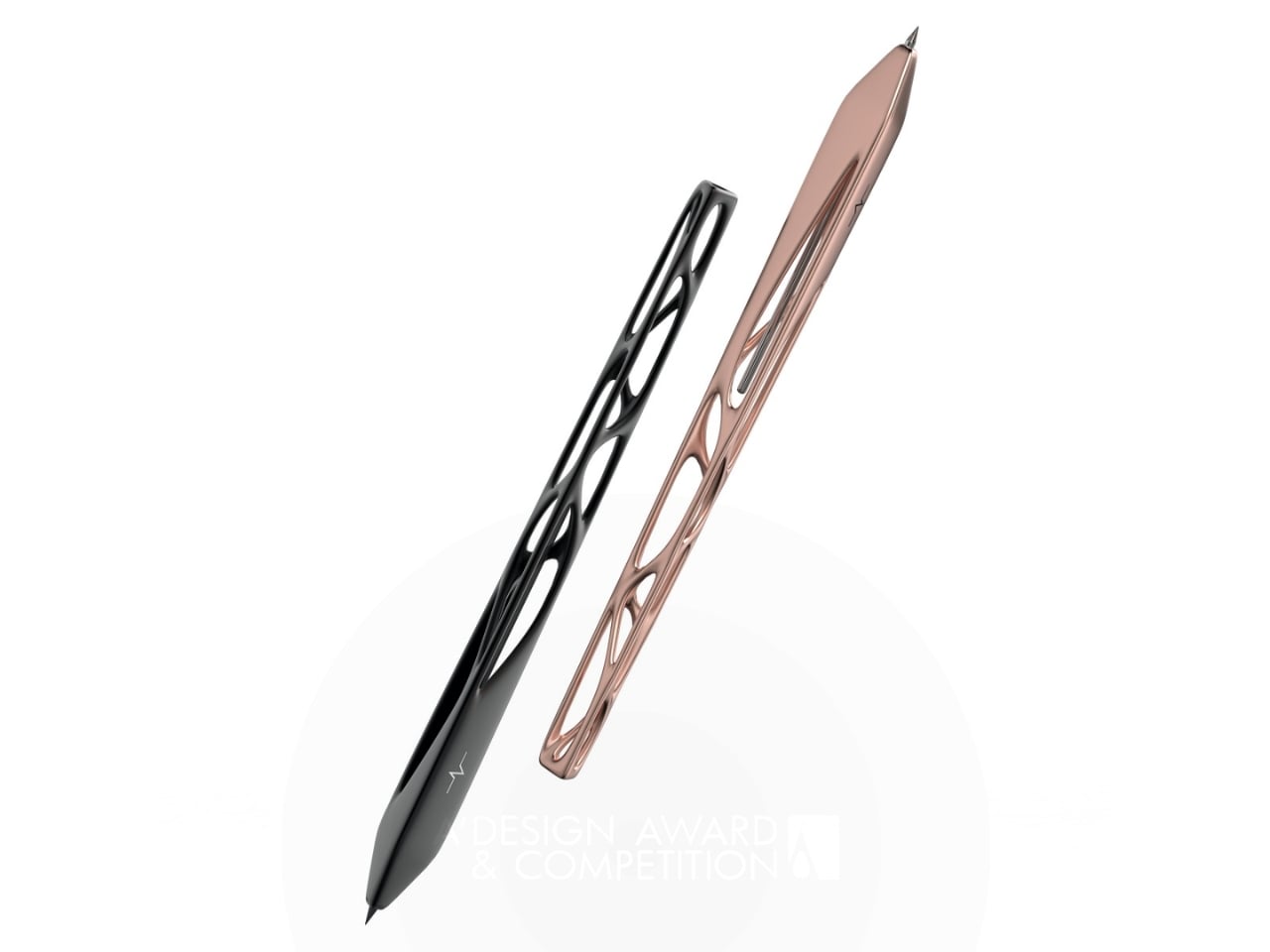
Leila Ensaniat, an industrial designer with a background at Cisco in consumer electronics, spent over a year developing Pulse, earning the 2025 Golden A’ Design Award for 3D Printed Forms and Products. The pen draws its inspiration from clouds — the quiet drift rather than the dramatic storm — translating that into a skeletal biomorphic form with flowing cutouts that resemble veins in a leaf. For him, it’s the kind of object that changes what he expects from a writing instrument entirely.

The biomorphic patterns are created using lost wax casting in aluminum, silver, bronze, and gold — a centuries-old metalworking technique typically reserved for jewelry and fine art. Ensaniat’s approach centers on how we actually interact with objects rather than how they look in isolation. The negative space is considered the material itself. On the desk, it reads as a sculpture. As a gift, it lands as a statement about what good design actually is.

What we like:

  • The Golden A’ Design Award and lost wax casting in precious metals make Pulse as legitimate a design object as anything found in a gallery, not a gift shop
  • The biomorphic skeletal form earns visual attention without demanding it — arresting and considered in equal measure, it rewards a closer look every time

What we dislike:

  • The open skeletal frame, while visually exceptional, may feel more delicate in hand than the solid-body construction many people expect from a daily writing tool

A Pen Says More Than the Note Written With It

What makes a designer pen worth giving isn’t prestige or price. It’s the decision behind every detail — where the material comes from, how it feels before the first word is written, what it says about the person who chose it. The five pens above span different philosophies and price points, but each makes the same quiet argument: the objects we pick up every day are worth getting exactly right.

If there’s a theme running through this list, it’s that the best writing tools aren’t the ones with the most features. They’re the ones where a specific design problem was solved in a way that hadn’t been tried before. Whether that’s a pen without ink, a pen with a heartbeat, or a pen that floats, each one earns its place on a desk. And that’s exactly what a good gift should do.

The post 5 Designer Pens That Make Every Other Gift for Him Look Lazy first appeared on Yanko Design.

8 Best Pens and Writing Instruments That Make You Actually Want to Pick Up a Pen Again

There is an argument happening on desks everywhere, and it is not about productivity systems or the right notebook grid. It is about whether the thing you write with deserves the same design attention as everything else you choose to own. For most people, a pen is a pen. For a small and growing number, it is the one object that connects thought to surface, and that connection is worth getting right. The instruments on this list take that idea seriously.

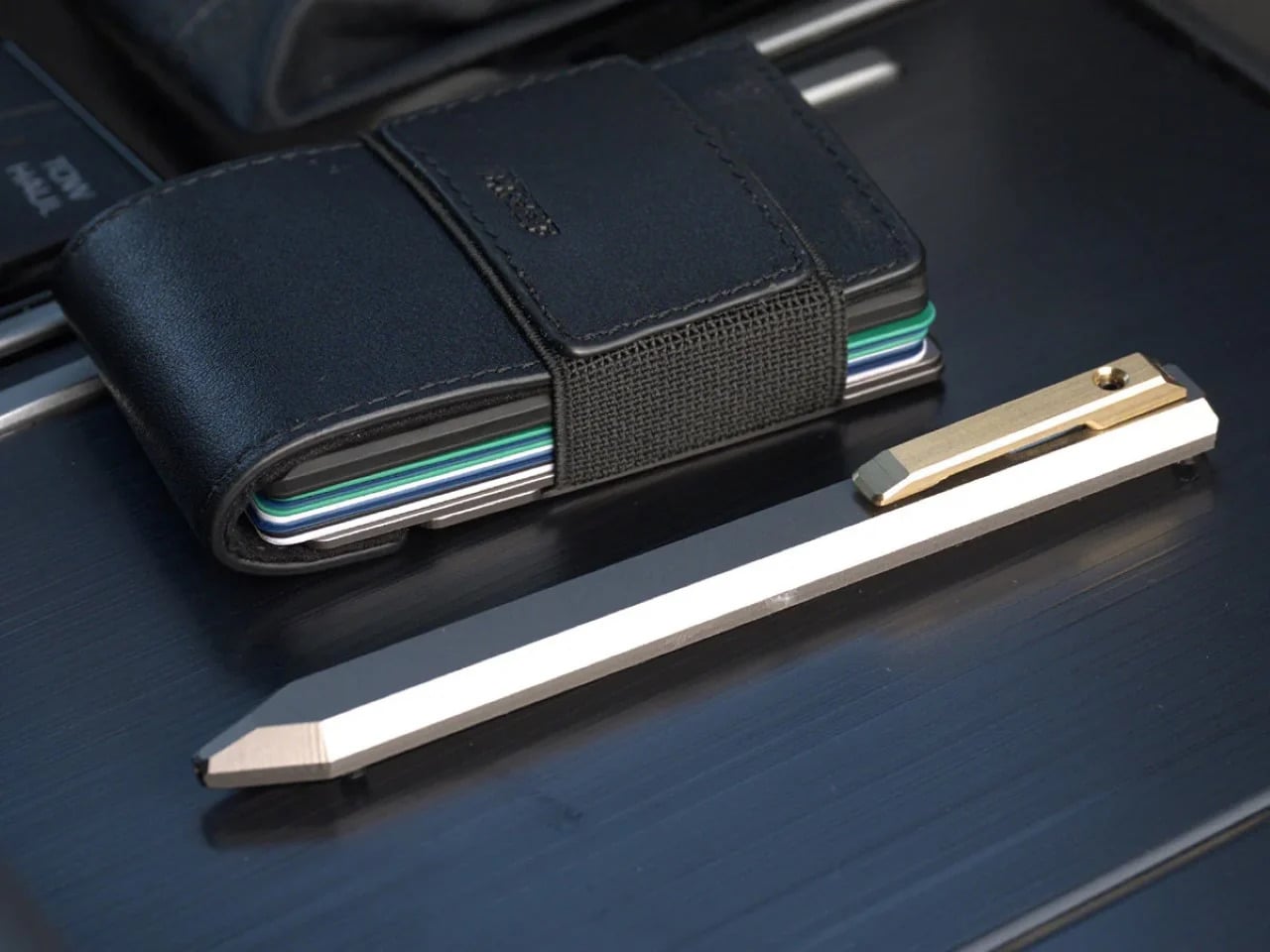
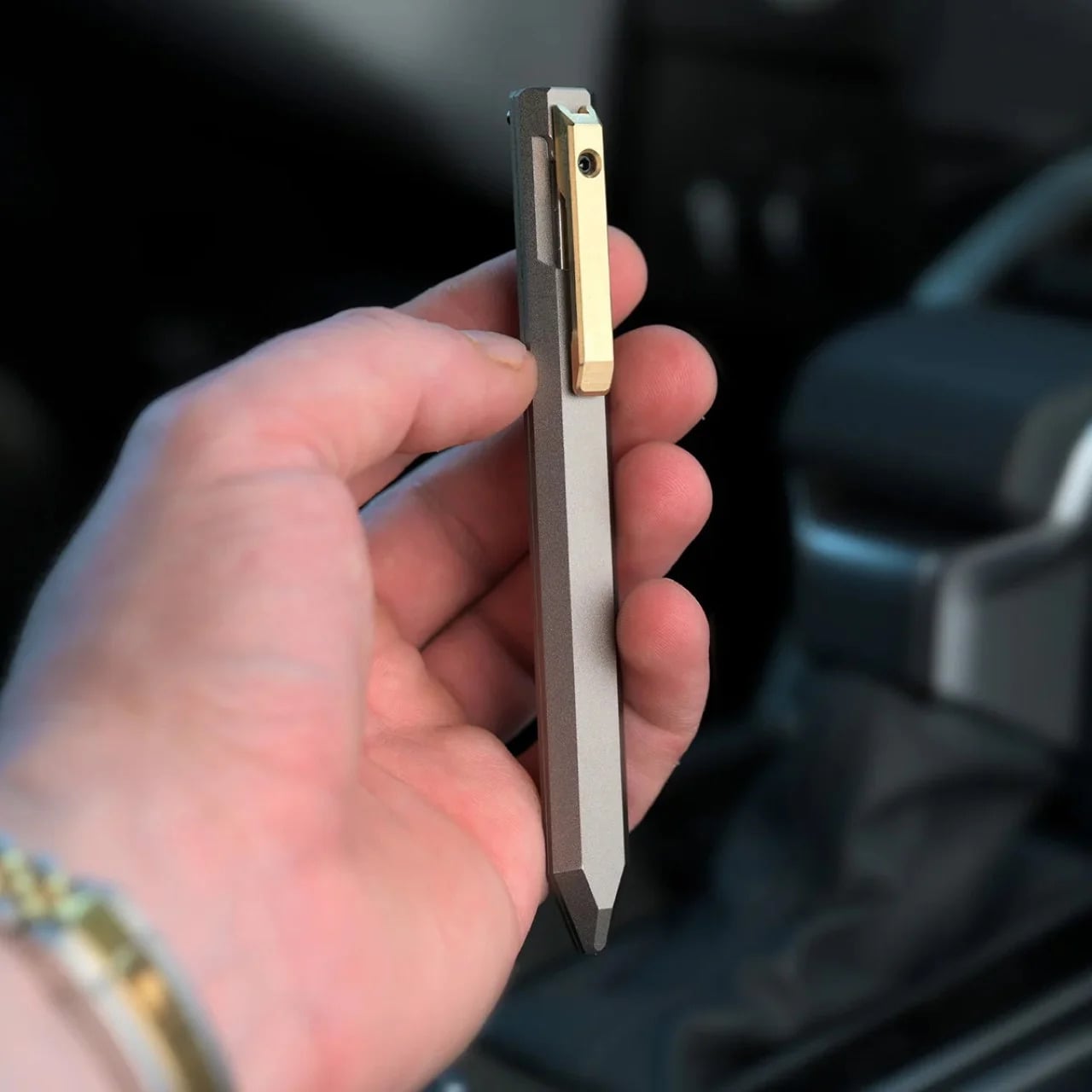
What unites them is not price or prestige. It is that each one treats the act of writing as a design problem worth solving from the beginning — the weight, the mechanism, the material, the way it sits in the hand before the nib or tip ever touches paper. Some are concepts. Some are products you can order today. All of them make the case that the writing instrument is still one of the most interesting objects in design.

1. Yamaha Swing Scribe

Yamaha’s answer to the question nobody thought to ask — what if a pen had a heartbeat? Part of the brand’s Scribe Tool Design 2024 project, the Swing Scribe draws its logic from the quill: as a feather naturally wobbles under air resistance while writing, it gives the act a physical rhythm. Yamaha made that incidental quality intentional. A weighted tip attached to a metal bar swings as the pen moves, feeding a small, steady pulse back into the hand with every stroke. No batteries. No app. Just physics.

The weight slides along the bar, letting you dial in the arc of the swing to match how you’re writing at any given moment. Pull it close to the pivot for a tighter, faster beat. Let it run wide for slow, deliberate work. This is the kind of design thinking that earns the word Kando — the Japanese concept of emotional resonance that sits at the core of everything Yamaha builds, from concert grands to this pen. It doesn’t make writing faster. It makes it more felt.

What we like:

  • The pendulum mechanism works without any power source, making it completely self-contained
  • Adjustable weight position means it adapts to the writer rather than demanding the writer adapt to it

What we dislike:

  • The swinging arm adds visual complexity that won’t suit every context or desk aesthetic
  • The concept hasn’t been tested across extended, high-volume writing sessions yet

2. Inseparable Notebook Pen

The premise is embedded in the name. Most pens and notebooks exist in a state of constant near-separation — the pen migrates to a bag, a pocket, another room, and the notebook sits waiting and useless. The Inseparable concept addresses this directly, building pen and notebook as a single resolved object rather than two products that happen to be sold together. The pen lives within the notebook’s architecture rather than being clipped to it as an afterthought, and removing it feels deliberate rather than accidental.

What makes this design interesting isn’t just the integration — it’s that the integration is the premise, and everything else follows from it. The proportions of the pen are dictated by the notebook. The notebook’s form is shaped around the pen’s presence. Neither object is compromised to serve the other, which is harder to achieve than it sounds. When a design solves a problem this specific and this common, it has a right to exist.

Click Here to Buy Now: $19.95

What we like:

  • Eliminates one of the most common and most irritating failures of the writing ritual entirely
  • The formal resolution between pen and notebook is tight — neither object feels like a concession

What we dislike:

  • Integration at this level commits you to one notebook format, limiting flexibility for writers who move between sizes
  • Writers who prefer their own paper choices will find the pairing restrictive

3. Da Vinci Pencil

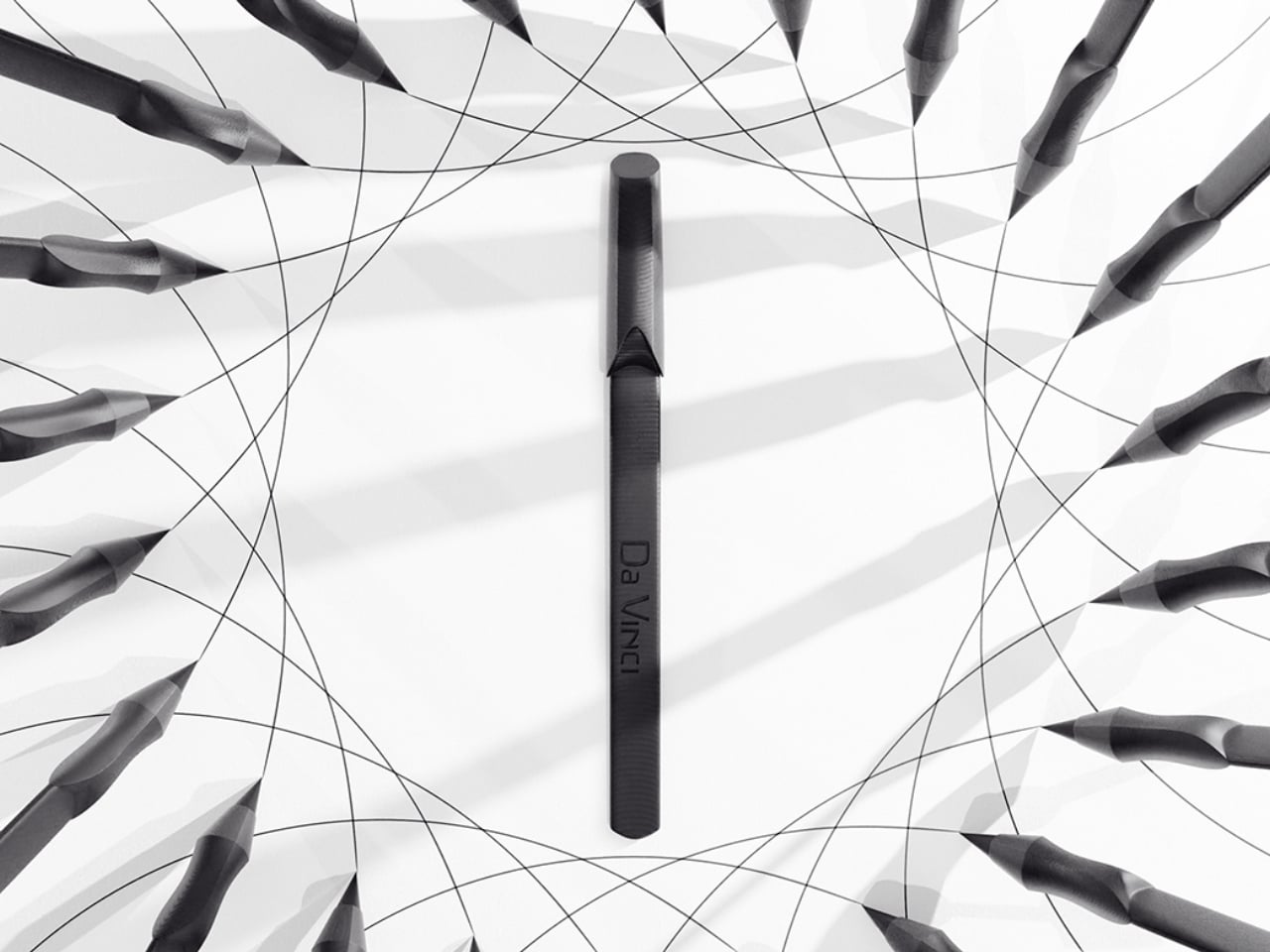
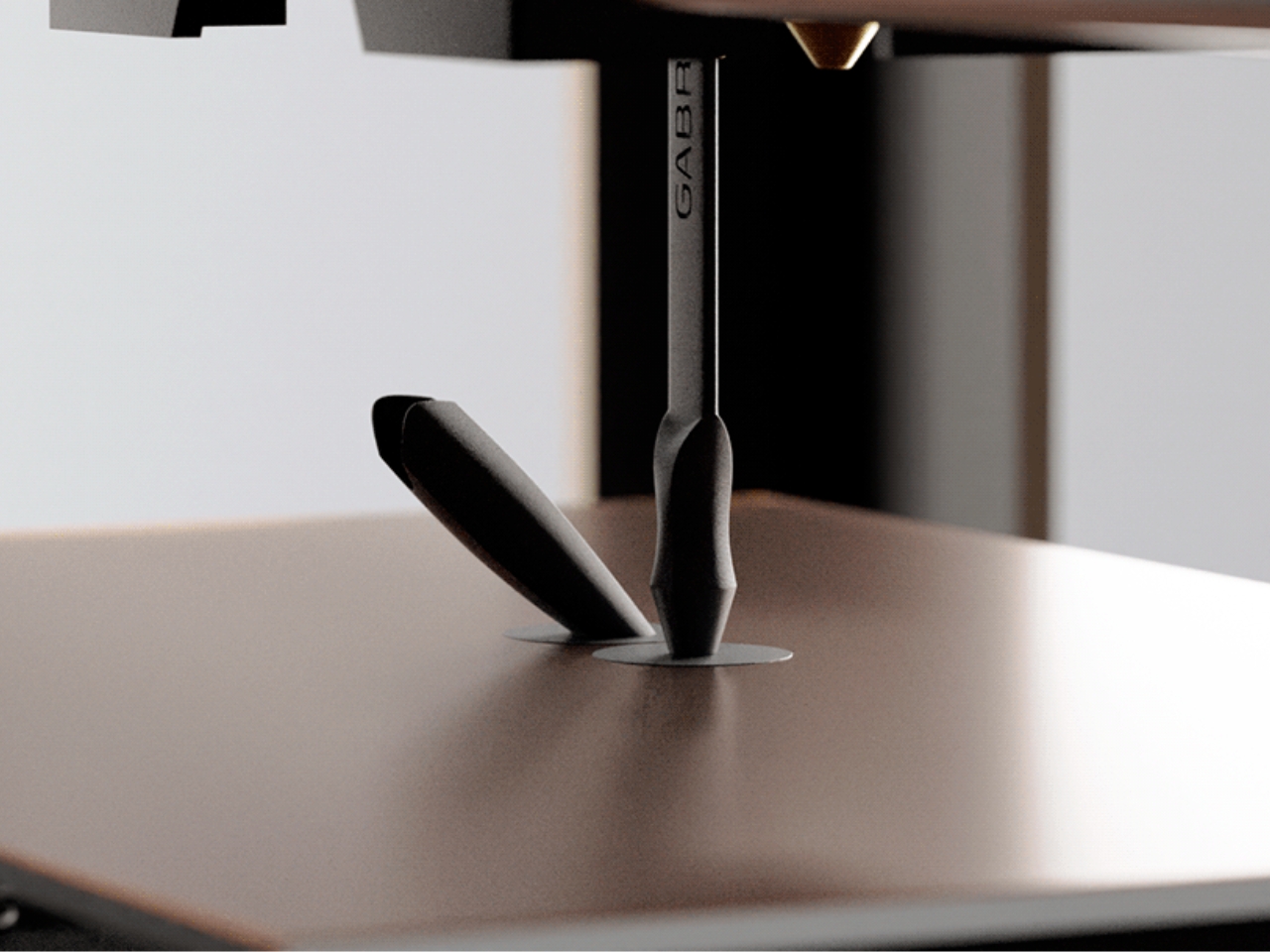
Gabrilevich Design’s Da Vinci pencil concept earns its name not through ornamentation but through the kind of cross-disciplinary thinking that made Leonardo’s notebooks worth studying in the first place. The design draws from da Vinci’s own mechanical sketches — the geometry, the visible logic of moving parts, the sense that an object should reveal how it works rather than hide it. The result is a pencil that functions as a small piece of mechanical sculpture, beautiful precisely because nothing about its construction is concealed.

The concept challenges the pencil’s conventional muteness. Most pencils look like nothing in particular. The Da Vinci concept looks like something that was thought about — that has a position, a point of view about what a mark-making tool should communicate about the hand that uses it. Whether it writes better than a standard pencil is beside the point. It writes differently, and it makes you think about the act differently, which is often the more interesting design outcome.

What we like:

  • Treats a pencil as a vehicle for design philosophy rather than a commodity object
  • The exposed mechanical logic gives it a conceptual depth that most stationery completely lacks

What we dislike:

  • Concept-driven designs at this level of visual complexity often struggle in extended daily use
  • Visible mechanisms can introduce maintenance friction that disrupts the writing ritual

4. Levitating Pen 2.0 Cosmic Meteorite Edition

The levitating pen is a category that could easily slide into novelty, and the original versions of magnetic levitation pens leaned into that direction unapologetically. The 2.0 Cosmic Meteorite Edition changes the conversation by adding material seriousness to the spectacle. The pen itself incorporates genuine meteorite fragment material — iron-nickel alloy from outside the atmosphere — which gives the levitation a context it previously lacked. The object that hovers above its base is, in a measurable sense, from space.

That combination of astronomical material and magnetic suspension creates an object that earns its place on a desk in a way that pure spectacle cannot. It is a writing instrument that happens to be made partly from the oldest solid material you will ever hold, suspended above a surface by the same electromagnetic principles that govern planetary orbits. The writing experience is secondary to what the pen communicates as a resting object, and for a desk piece that doubles as a conversation anchor, that hierarchy is entirely appropriate.

Click Here to Buy Now: $399.00

What we like:

  • The meteorite material elevates the concept from a gadget to a genuine collectible
  • The levitation serves the narrative of the material rather than competing with it

What we dislike:

  • The magnetic base required for levitation eliminates any possibility of portability
  • Its function as a writing instrument is always secondary to its function as a display object

5. Qui Magnetic Pencil System

Qui operates on the premise that the friction between a pencil and the surface it lives on — a desk, a notebook, a wall — should be designed rather than incidental. The magnetic system allows the pencil to attach and detach from its designated surface with a satisfying, calibrated resistance, making the act of picking it up and setting it down feel considered rather than casual. This is a small interaction, but it happens dozens of times a day, and designing it well changes the quality of the entire writing practice.

The system thinking extends beyond the magnetic connection. The pencil’s geometry is resolved with the mounting surface as part of the design problem, not as a separate accessory. The result is that Qui occupies space well even when not in use, which is most of the time. A pencil that looks intentional when it is sitting still is a harder design challenge than one that merely writes well, and Qui understands that the resting state is part of the design.

What we like:

  • The system approach treats the pencil and its environment as a single design problem
  • The resting interaction — picking up and setting down — is as considered as the writing experience itself

What we dislike:

  • The magnetic system creates a dependency: without its base, the pencil loses its defining characteristic
  • Committing to a fixed mounting point works against the natural portability of a pencil

6. PENTAPA

Konstantin Diehl’s PENTAPA takes its name and its logic from the pentagon — five sides, each one a resolved surface rather than a generic round barrel. The five-sided form is unusual enough to read as a design decision the moment you pick it up, and practical enough to hold well once you begin writing. Pentagons don’t roll off desks. They register against the fingers in a way that circular barrels don’t, giving you tactile information about the nib’s orientation before the tip reaches paper.

PENTAPA belongs to a tradition of geometric pen design that runs from the hexagonal tradition of rOtring and Kaweco through to contemporary CNC-machined objects, but it finds its own position in that tradition rather than merely referencing it. Five sides is not the expected answer. It is the interesting one — the number that offers enough symmetry to feel resolved and enough irregularity to feel considered. That balance between the expected and the surprising is where most good pen design lives.

What we like:

  • The pentagonal form solves the rolling problem with more formal interest than a standard hexagon
  • The five-sided barrel gives the pen a distinct tactile identity that rewards extended daily use

What we dislike:

  • The unconventional geometry won’t suit every grip style or hand size
  • Finding a compatible pen case or sleeve requires more effort than standard round or hexagonal barrels

7. Everlasting All-Metal Pencil

The all-metal pencil solves a problem that the pencil has had since its invention: it runs out. A graphite core depletes. A pencil shortens. Eventually, it disappears entirely and takes with it whatever patina or character it had developed through use. The everlasting all-metal pencil replaces graphite with a metal alloy tip — typically an aluminum or similar soft-metal formulation — that deposits a mark through controlled abrasion rather than core consumption. The pencil does not shorten. It does not run out.

The mark is different from graphite — lighter, slightly metallic in tone, with a distinctive quality that serious writers and sketchers tend to either embrace or reject immediately. The design interest is in what remains when the core is removed: a pure metal object whose entire form is determined by how it feels to hold, since there is no pencil-to-grip ratio to manage, no sharpener to carry, no length to account for. The result is one of the most resolved objects in everyday carry design.

Click Here to Buy Now: $19.95

What we like:

  • Removes the pencil’s built-in obsolescence entirely, changing the object from consumable to permanent
  • With no core to deplete, the entire form is determined purely by how it feels to hold

What we dislike:

  • The mark quality is distinct enough from graphite to require genuine adjustment and won’t suit every application
  • Some writing and sketching tasks — particularly those requiring dense, dark marks — simply don’t translate well to a metal alloy deposit

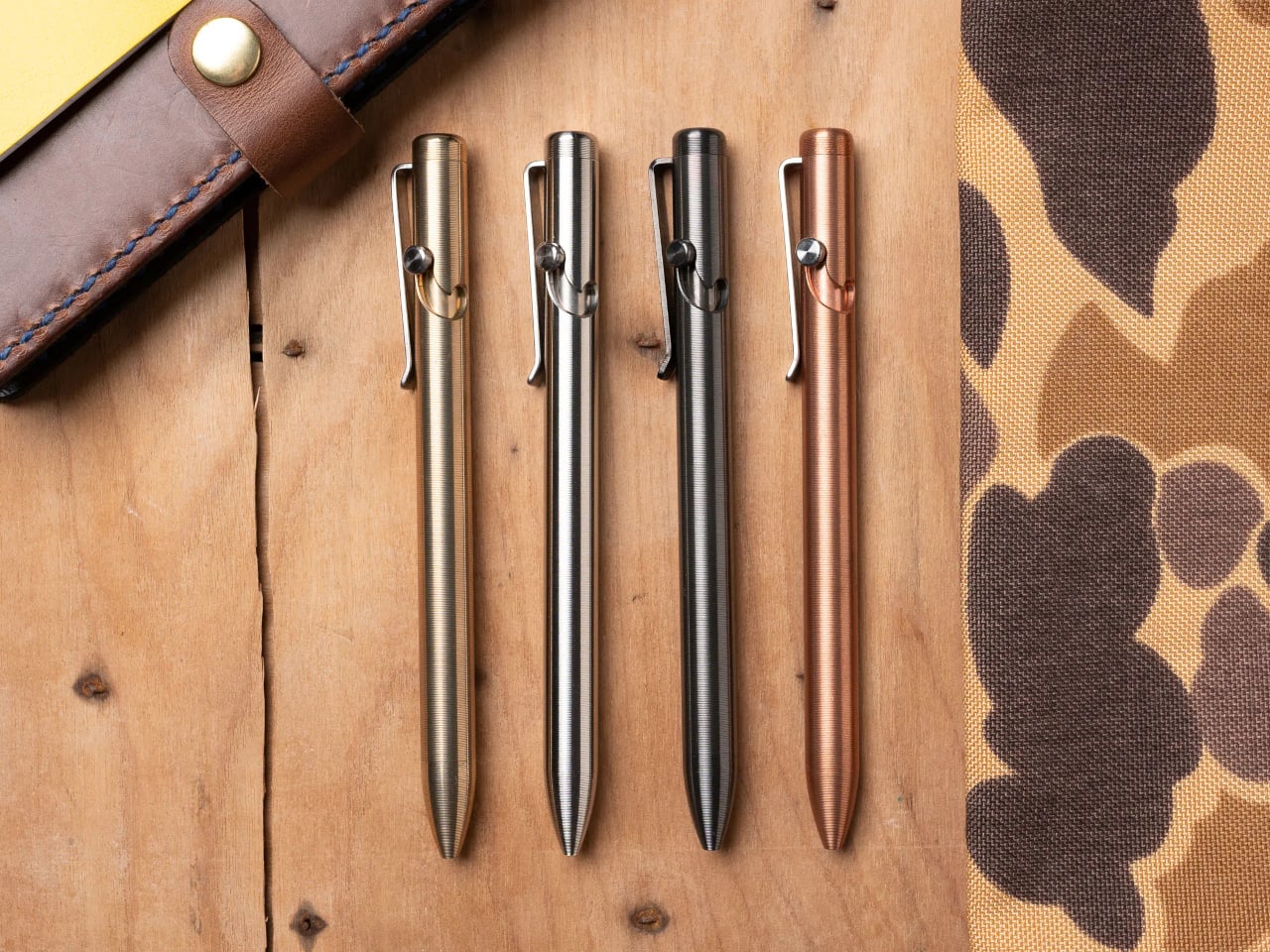
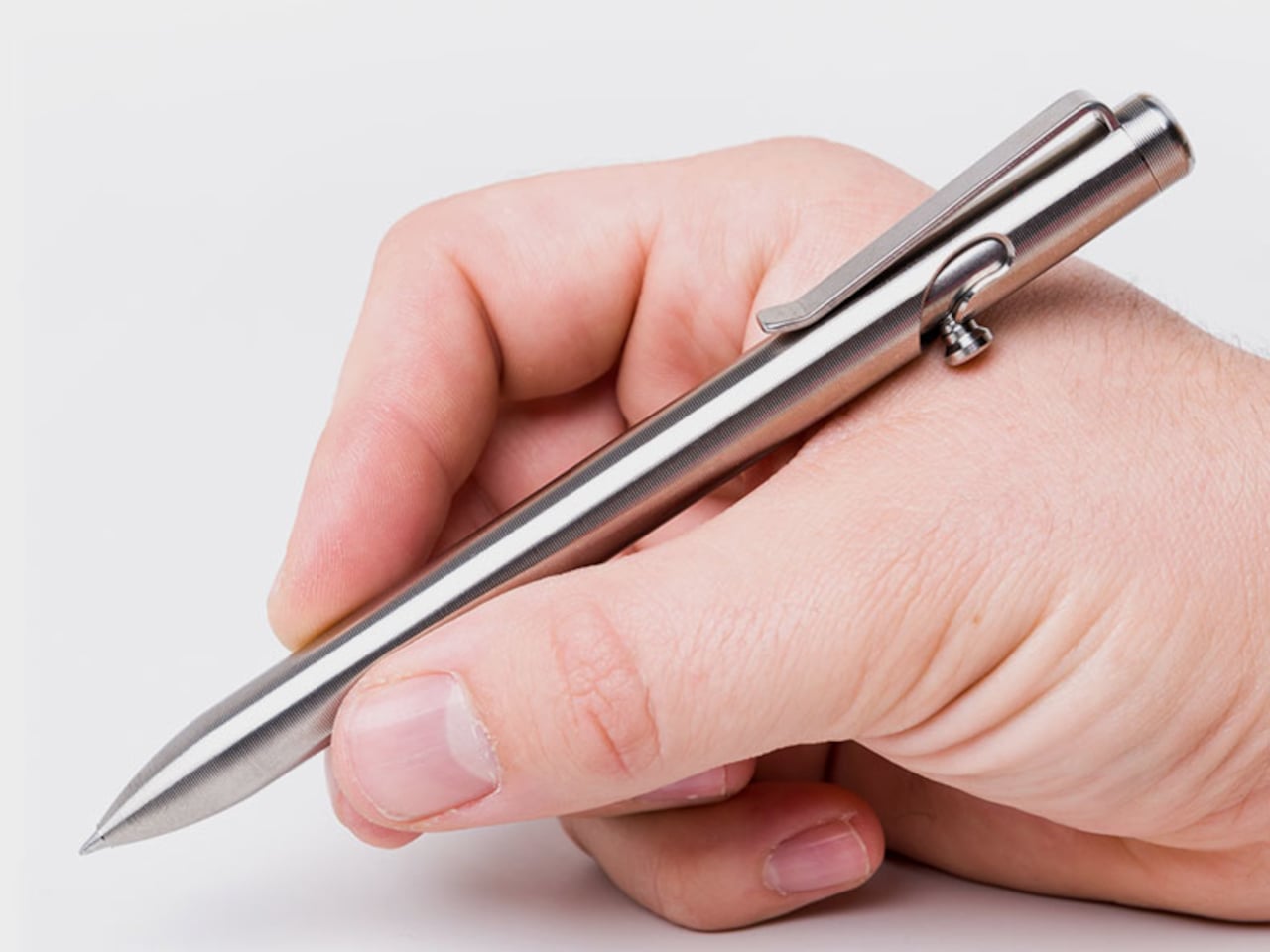
8. The Bolen

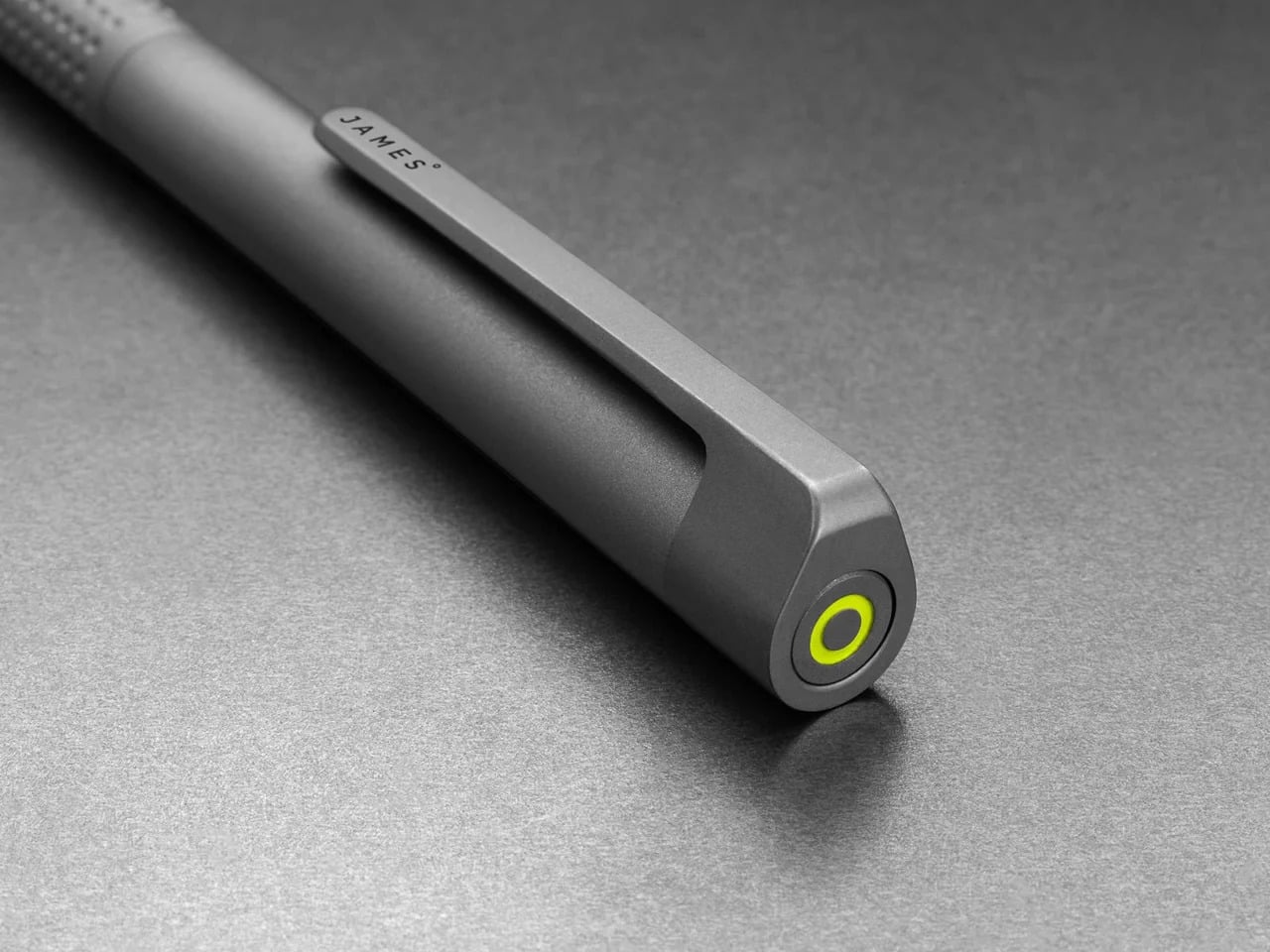
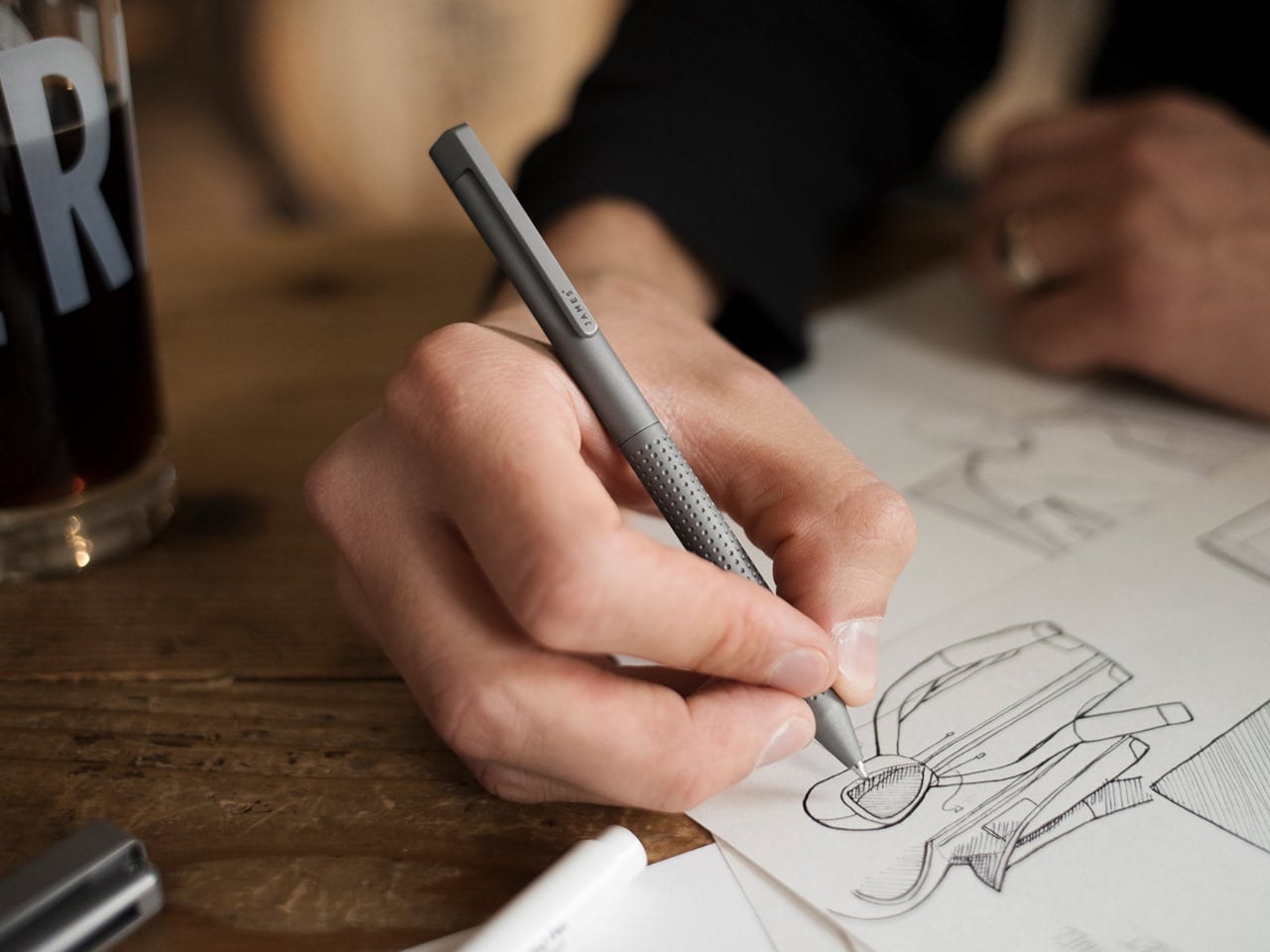
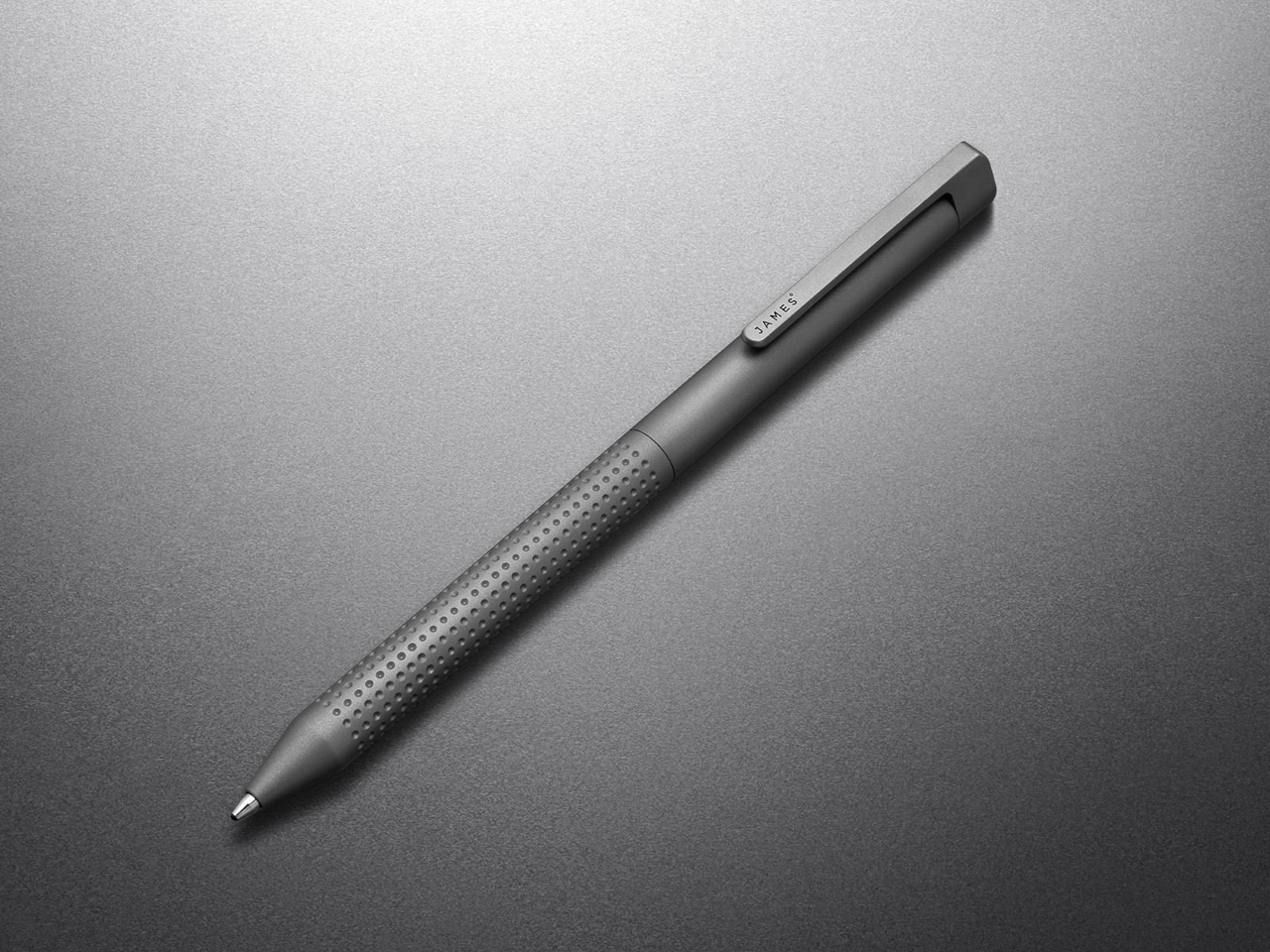
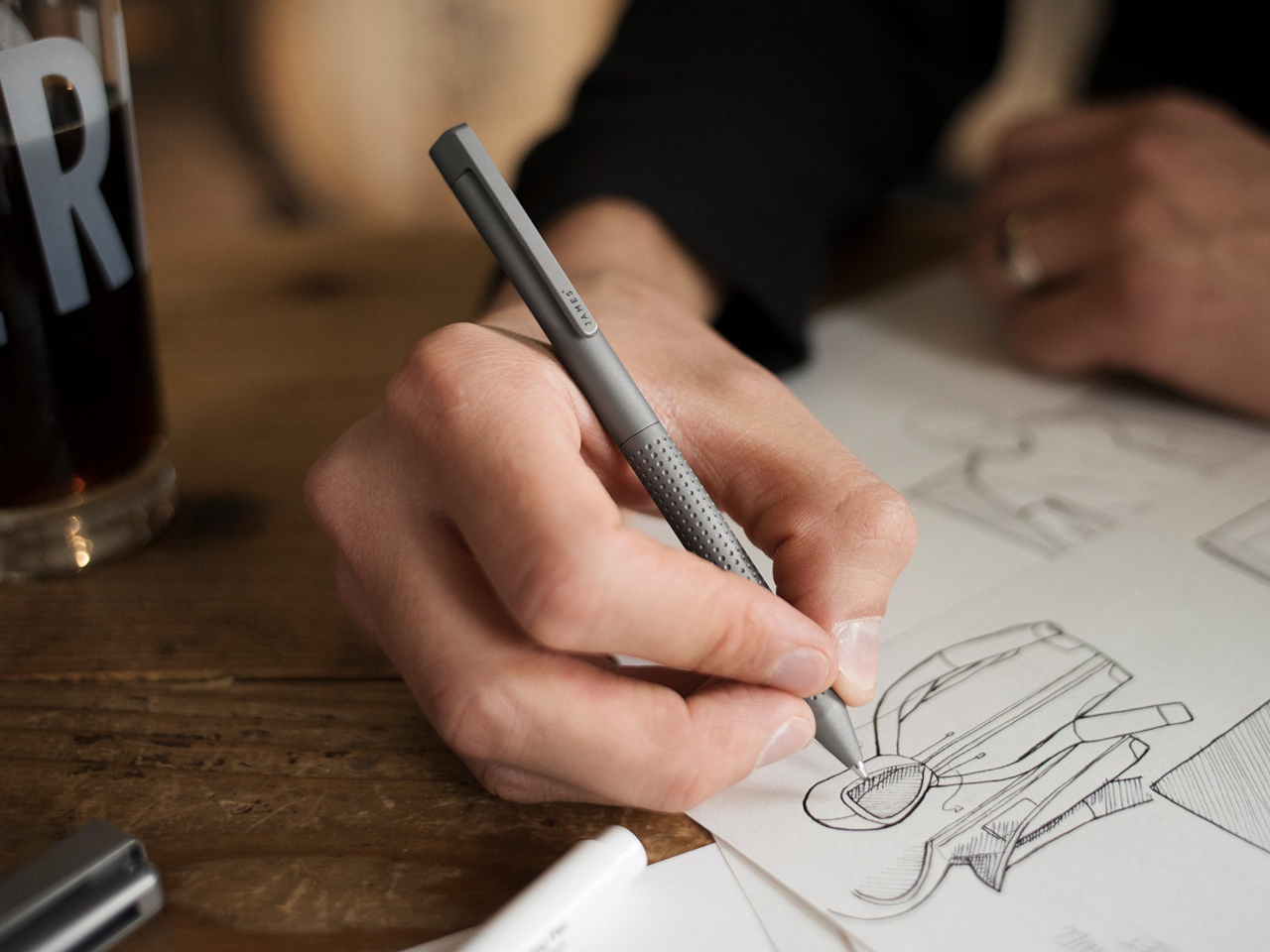
The James Brand has built its reputation on EDC objects with no unnecessary elements — knives, tools, and pens that look like they were designed by someone who uses them. The Bolen is the brand’s pen, and it carries the same design logic as everything else in their catalogue: machined from quality materials, resolved in form, designed to be carried without thought and used with satisfaction. The clip works. The mechanism engages cleanly. The proportions sit right in the hand without adjustment.

What distinguishes the Bolen from most EDC pens is that the James Brand comes from a tool-making tradition rather than a stationery one, which means the pen is designed for carry first and desk presence second. That priority ordering produces a different object than you get from pen-first design — one that is slightly more aggressive in material and slightly more considered in how it lives in a pocket. It is the writing instrument for someone who doesn’t think of themselves as a pen person, and that is exactly who needs it most.

What we like:

  • The tool-making heritage produces genuine material integrity, with nothing present without a reason for being there
  • Carry-first design logic makes it the most naturally portable instrument on this list

What we dislike:

  • The EDC-first approach means it lacks the expressive personality of instruments designed for desk use
  • Writers who want the pen to feel special on the page rather than merely functional in the pocket may find it underwhelming

The Object in Your Hand Shapes the Thought on the Page

Eight instruments that represent eight different positions on what a writing tool should be. The Yamaha asks what happens when you give a pen a pulse. The Levitating Pen asks what happens when the material itself carries a story. The Bolen asks what happens when you design for the pocket before the page. None of these answers is the same, which is the point. The best design in any category is the kind that expands your sense of what the category can contain.

What they share is the conviction that the instrument matters — that the weight, the mechanism, the material, and the form of the thing in your hand have a real effect on what ends up on the page. That conviction used to belong only to serious writers and professional draughtsmen. The fact that you can now find it in a magnetic pencil system, a levitating desk object, and a pen designed by a motorcycle company suggests the rest of the world is catching up.

The post 8 Best Pens and Writing Instruments That Make You Actually Want to Pick Up a Pen Again first appeared on Yanko Design.

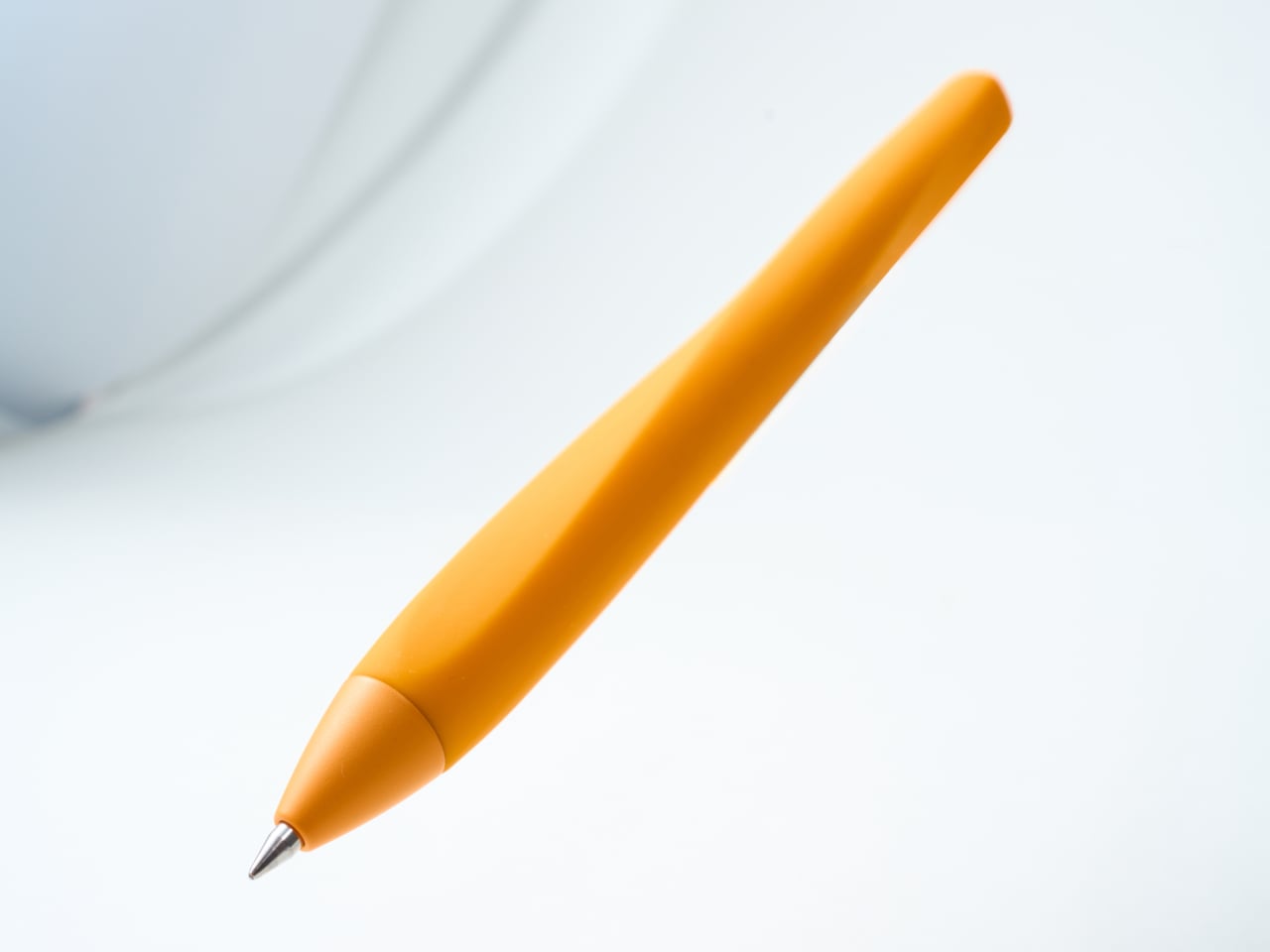
This Silicone Pen Has No Seams, No Clip, and Twists Like Konjac

Most pens announce themselves with metal clips, visible joints, clickers, and branding competing for attention. There’s usually a textured grip zone, a separate barrel, and some kind of mechanism you can see or feel when you deploy the tip. Japanese minimalist objects go the opposite direction, hiding complexity under calm surfaces and letting the act of using them take center stage rather than the object itself announcing its presence.

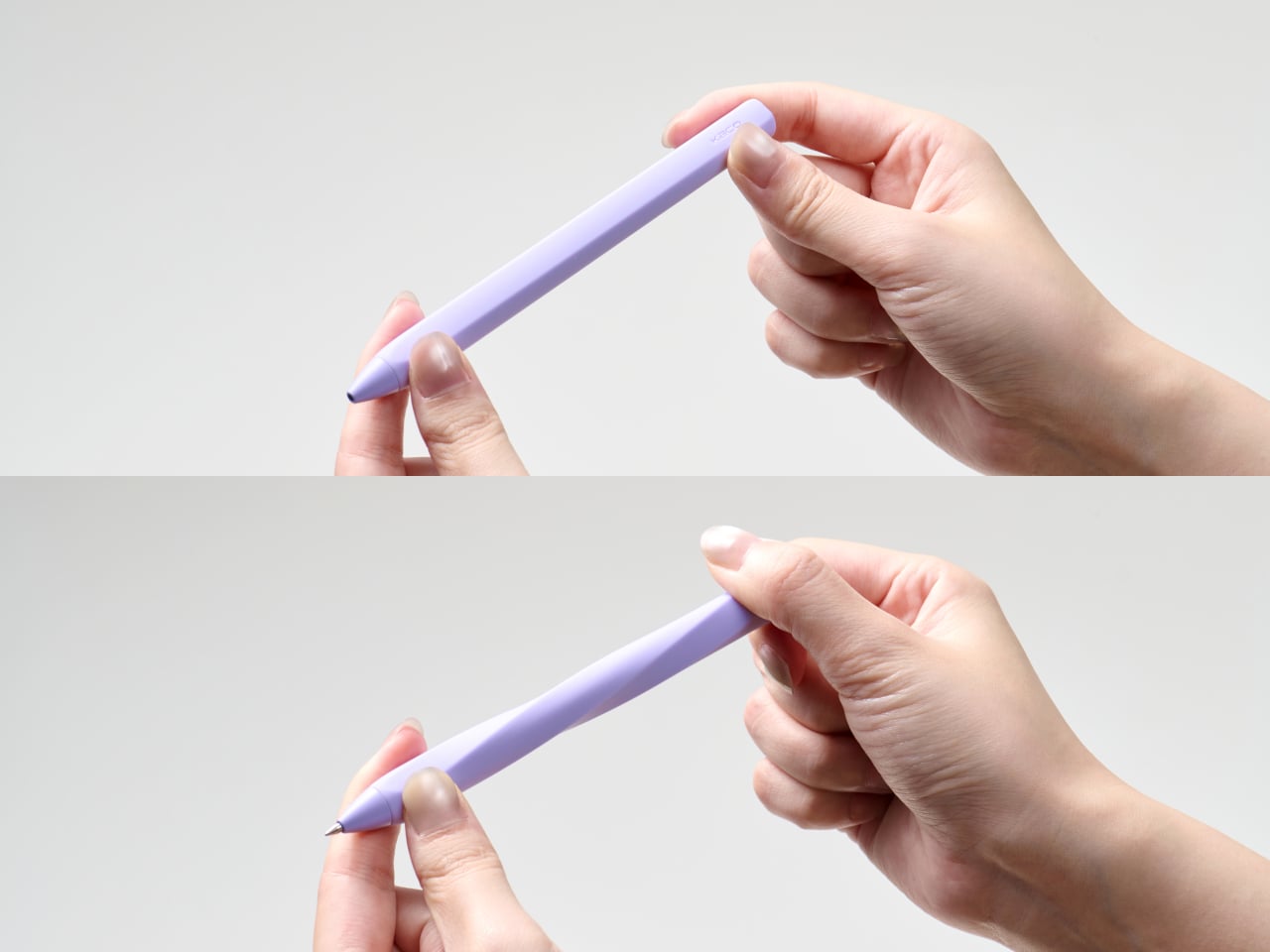
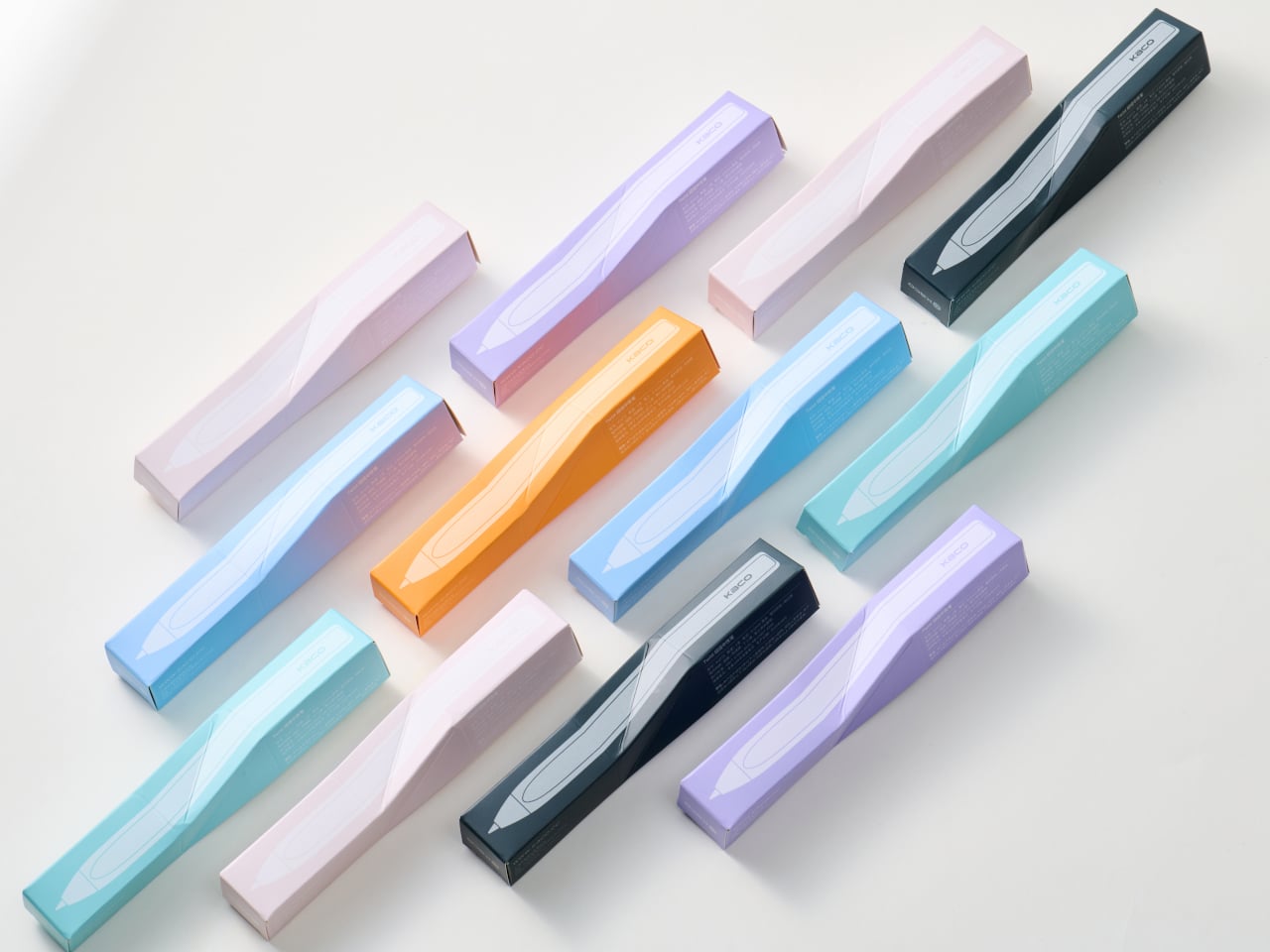
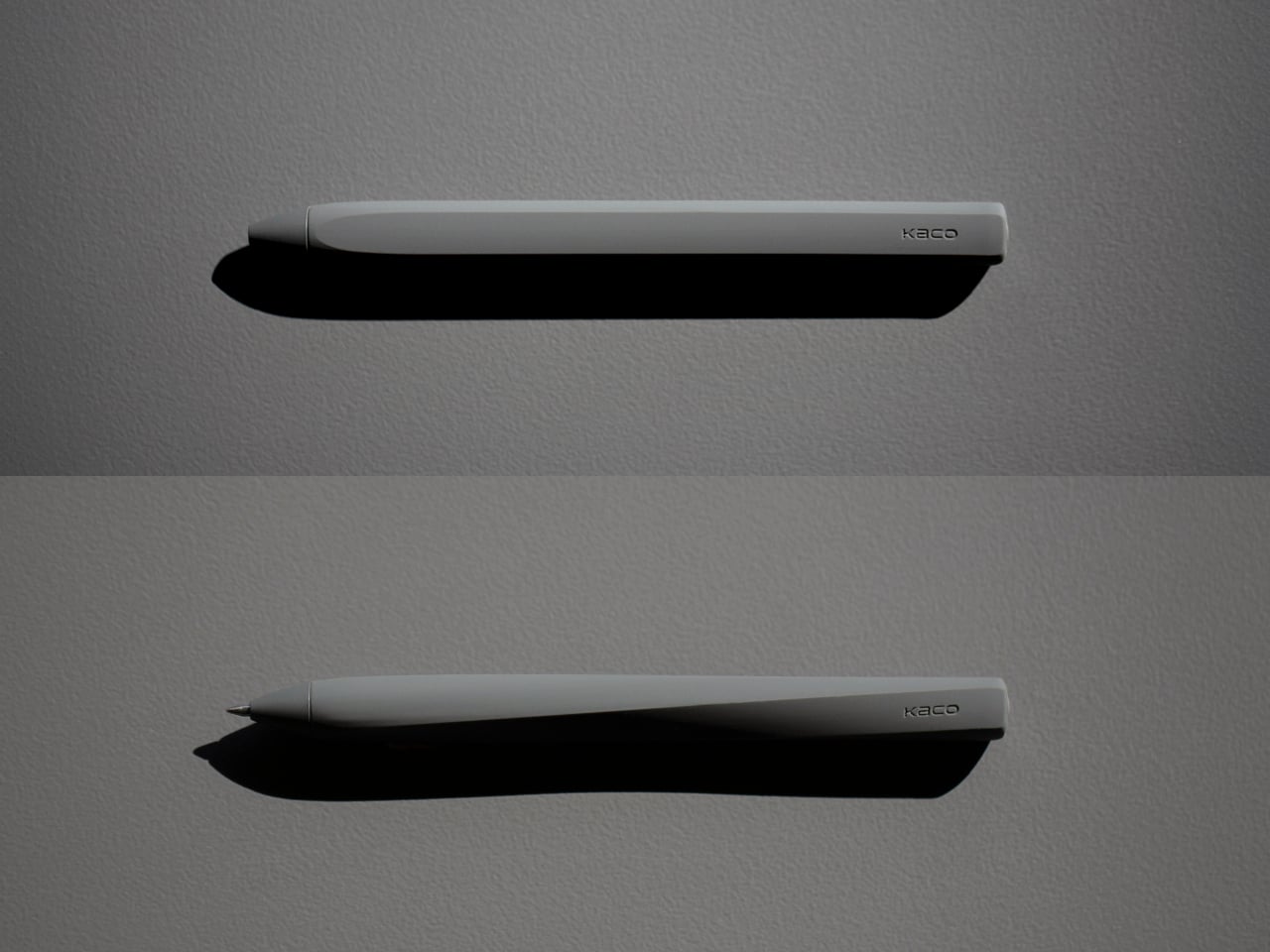
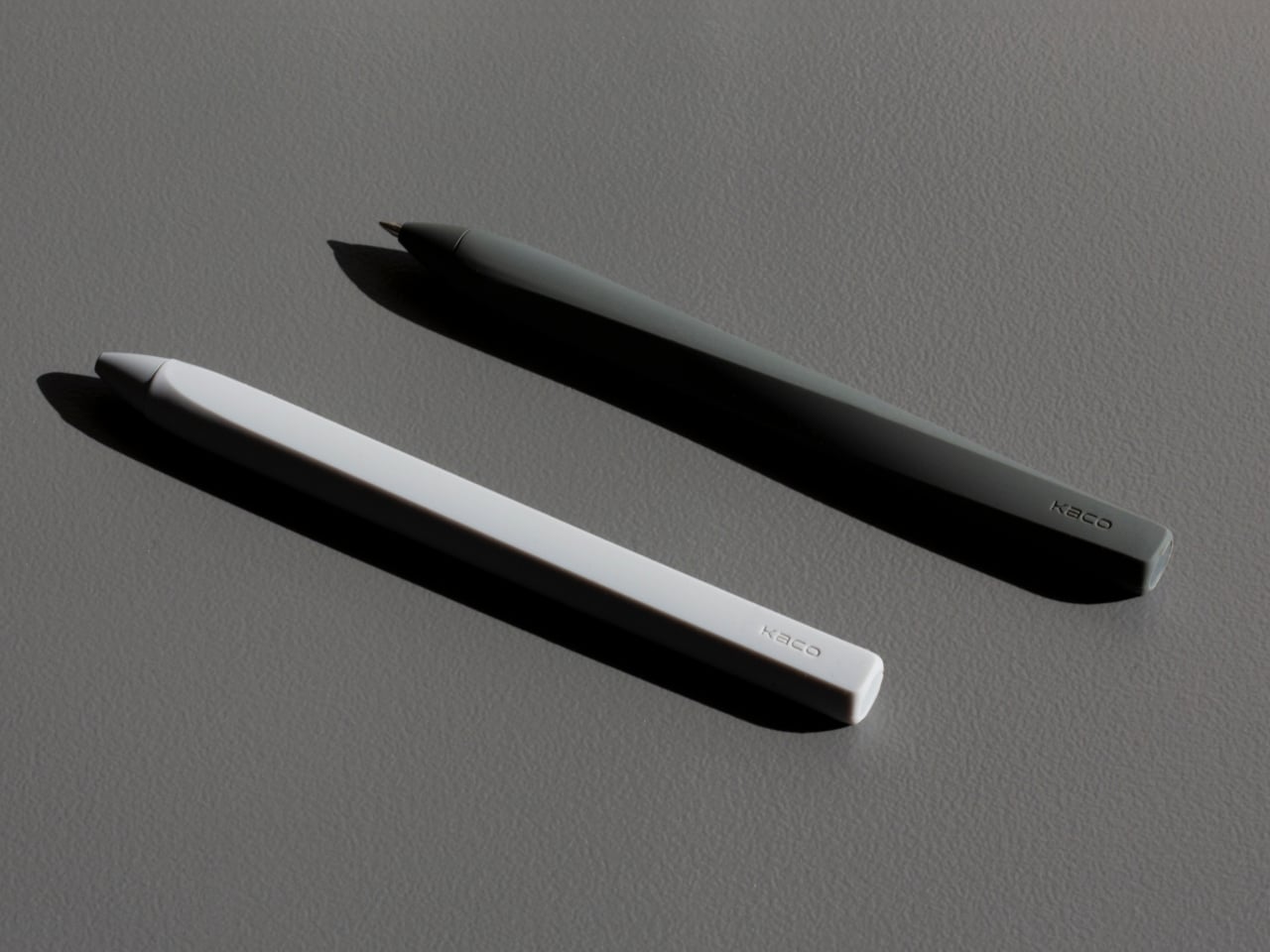
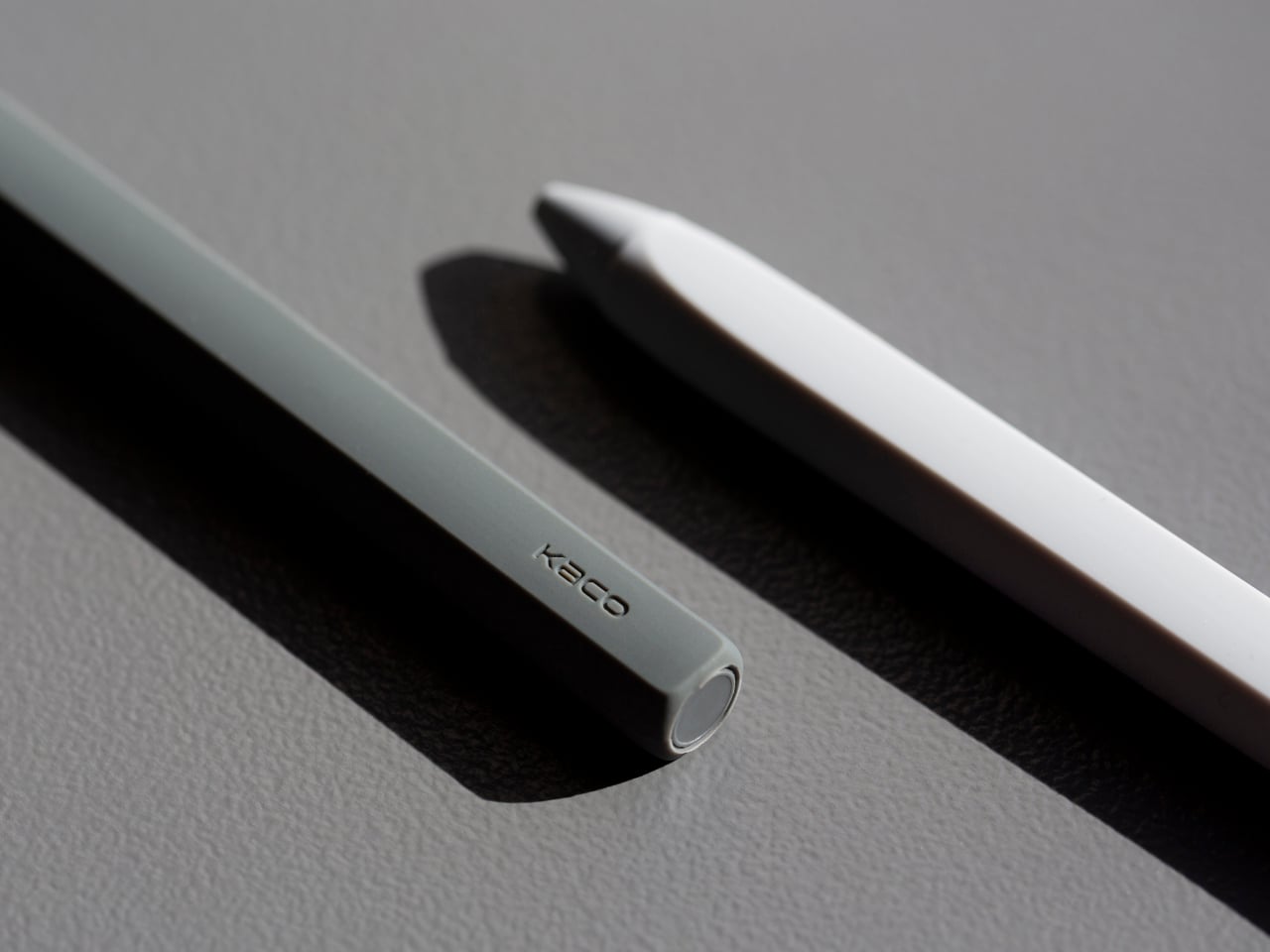
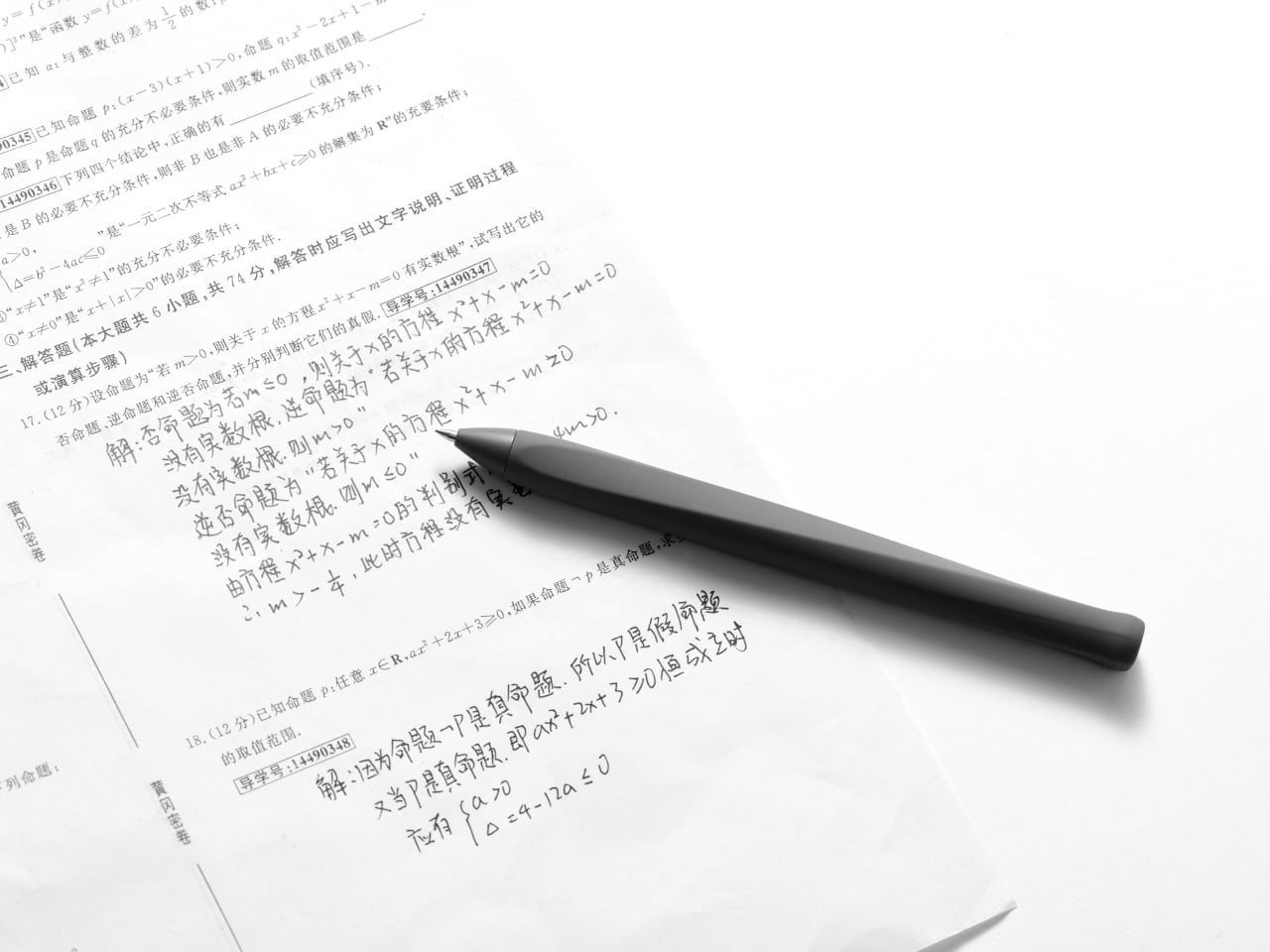
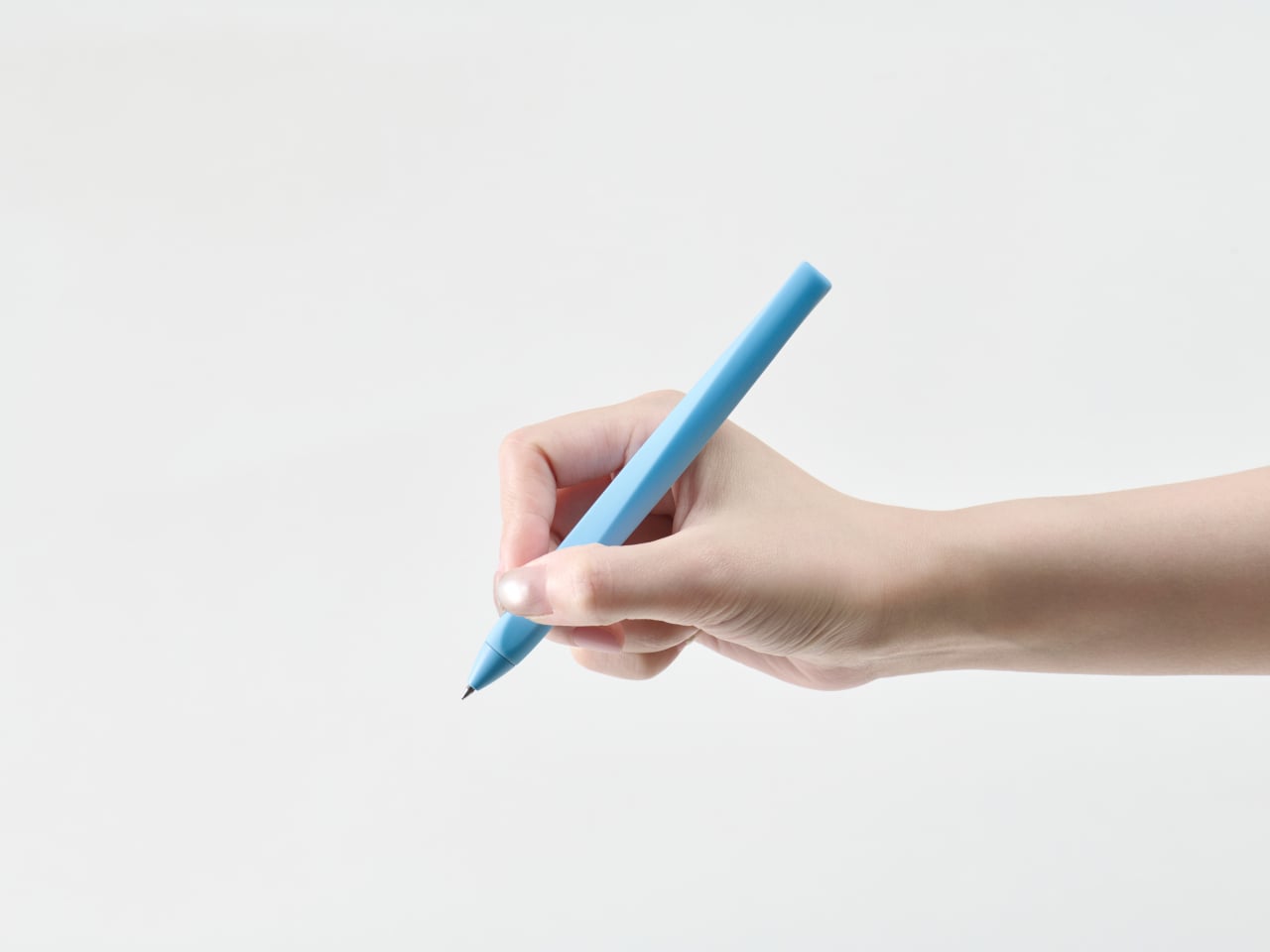
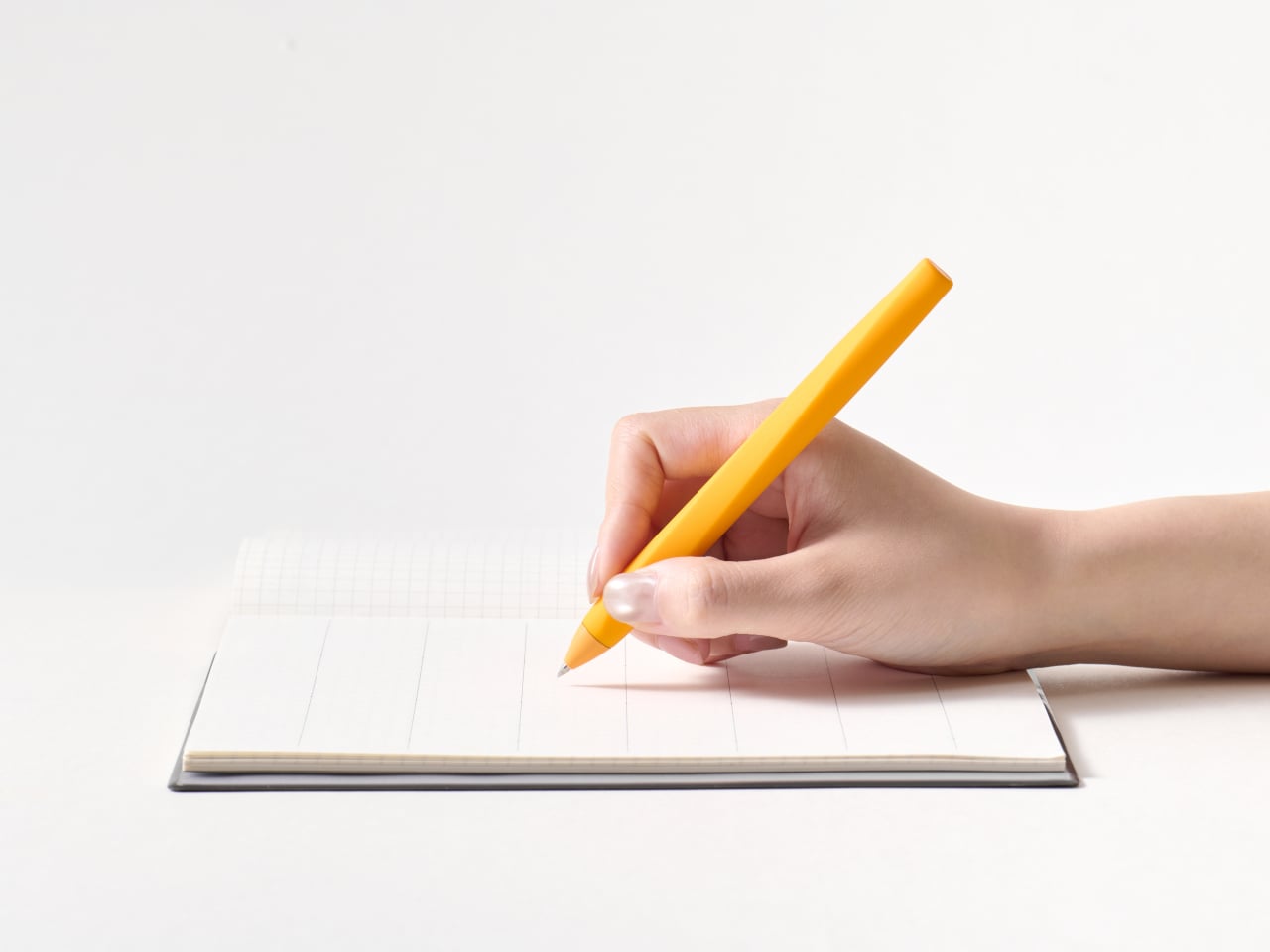
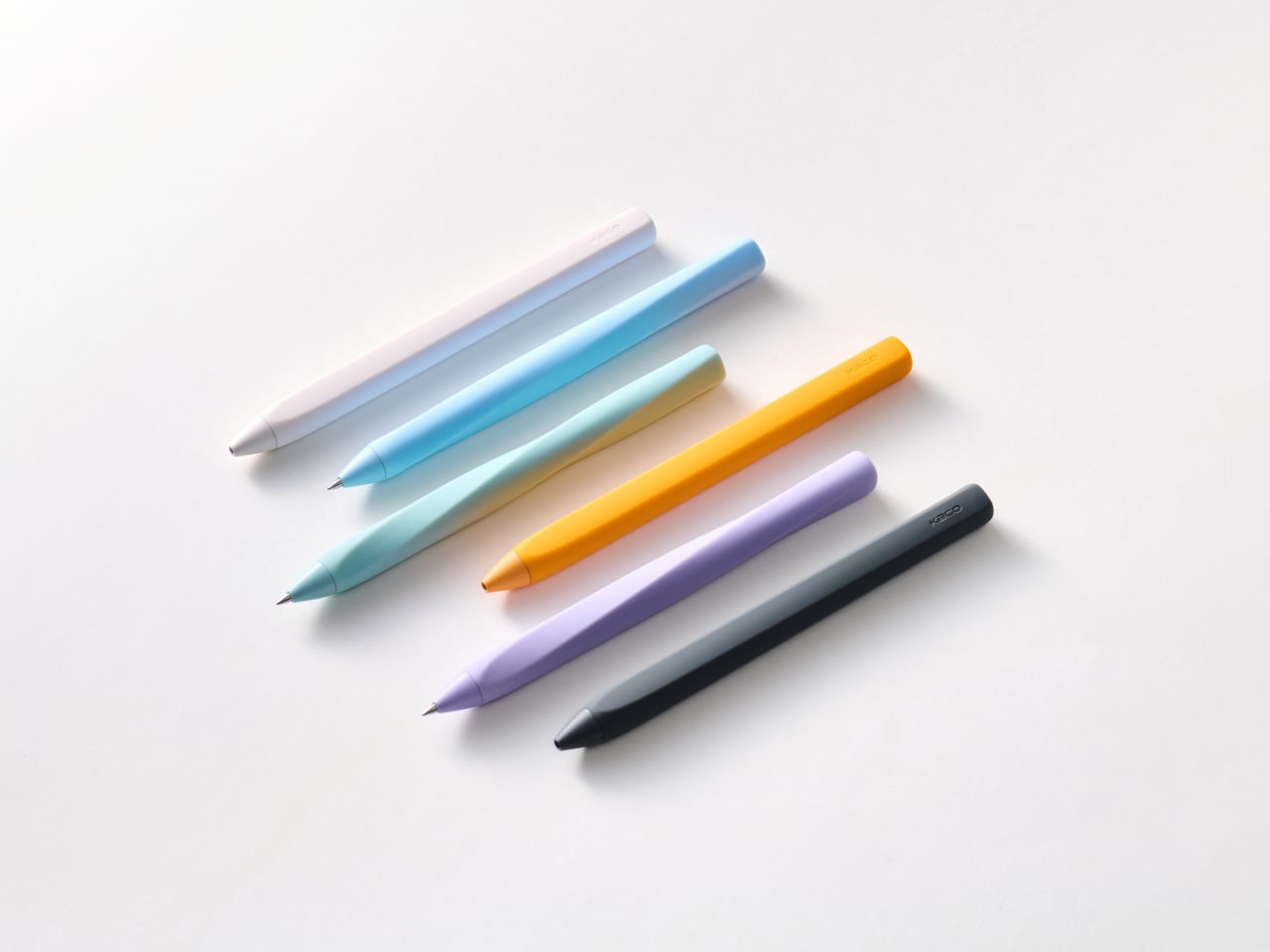
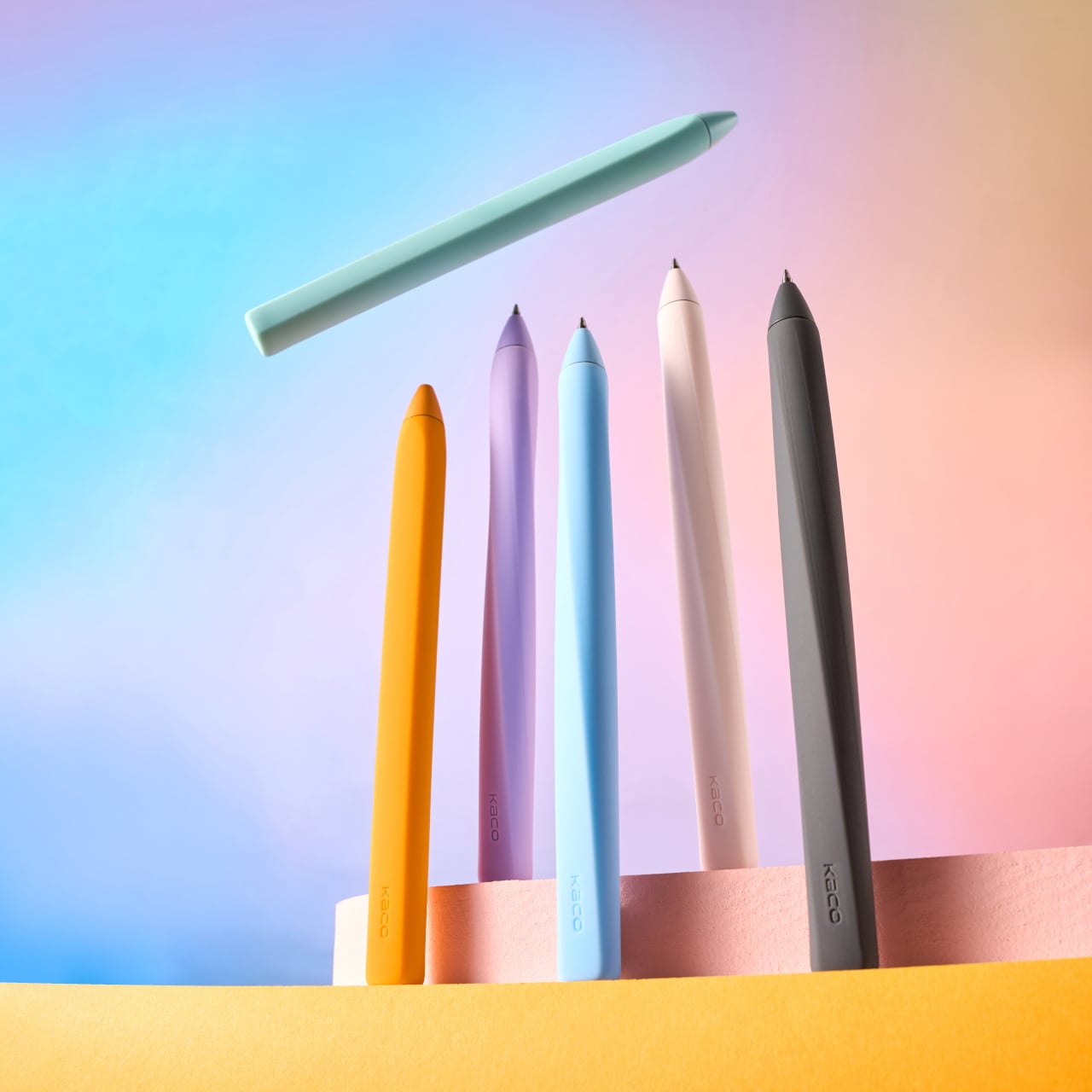
Twist is a ballpoint pen designed by UO for KACO that hides its mechanism inside a single sleeve of soft silicone. Instead of a separate grip, clip, and twist ring, the body is one continuous mass you hold like chalk. When you twist to extend the tip, the silicone flexes and follows the motion, so the whole form breathes rather than simply exposing a joint or clicking a part.

Designer: Yu Matsuda (UO)

Conventional pens assign jobs to different components, a non-slip clip, a shaped knob for twisting, a hard plastic barrel for structure. Twist folds all of that into the silicone itself, so material, components, and function dissolve into one volume. There is no obvious boundary between grip and body, in line with Japanese minimalism’s habit of hiding seams and making objects feel like they came from a single mold.

The interaction feels quieter than expected. You twist the body and the silicone gives slightly as the inner core rotates, a motion the designers compare to twisting konjac. There is no sharp click or exposed threading, just a smooth, resistant turn and then a tip that quietly appears. It turns a mundane action into a tiny tactile moment without shouting about mechanics or exposing any hardware underneath the skin.

The design team aimed for the directness of holding chalk, where there are no moving parts, only your hand and the line. With Twist, the uniform silicone surface means your fingers do not travel over seams or texture changes, so your brain pays less attention to the object and more to the writing. It becomes the kind of pen you forget you are holding until you notice how unintrusive it has been all afternoon.

Under the silicone is a real mechanism engineered by KACO, a twist-to-extend core driving a 0.5mm gel refill that writes smoothly. The lack of a clip makes it feel more like a desk pen than a pocket tool, but the soft body and light weight mean it slides into bags without catching on anything or scratching objects nearby, which matters when you keep three pens loose in a pouch.

Twist treats minimalism as a reduction of visual and tactile noise, not just an aesthetic of thin lines. It takes a familiar object and strips away every cue that says “mechanism here,” leaving a single silicone stick that quietly transforms when twisted. Most stationery leans on knurls, clips, and cutouts to feel engineered, so that kind of restraint feels surprisingly fresh, like getting a pen that understands the difference between presence and performance.

The post This Silicone Pen Has No Seams, No Clip, and Twists Like Konjac first appeared on Yanko Design.

Beyond the Basics: Top 10 Cutting-Edge Trends in Stationery Design

Stationery remains essential, adapting to global trends like sustainability, and minimalism, and bridging the gap between digital and analog domains. With technological advancements, stationery for school and office settings is progressing towards smarter, sustainable products, transforming traditional items into symbols of productivity and creativity. This transformation underscores a fusion of innovation and timeless design, enhancing how students approach their studies and how office workers manage their tasks efficiently.

Explore the transformative trends shaping the future landscape of stationery, traditional office supplies, and educational tools.

Designer: Playfool

1. Using Recycled Materials

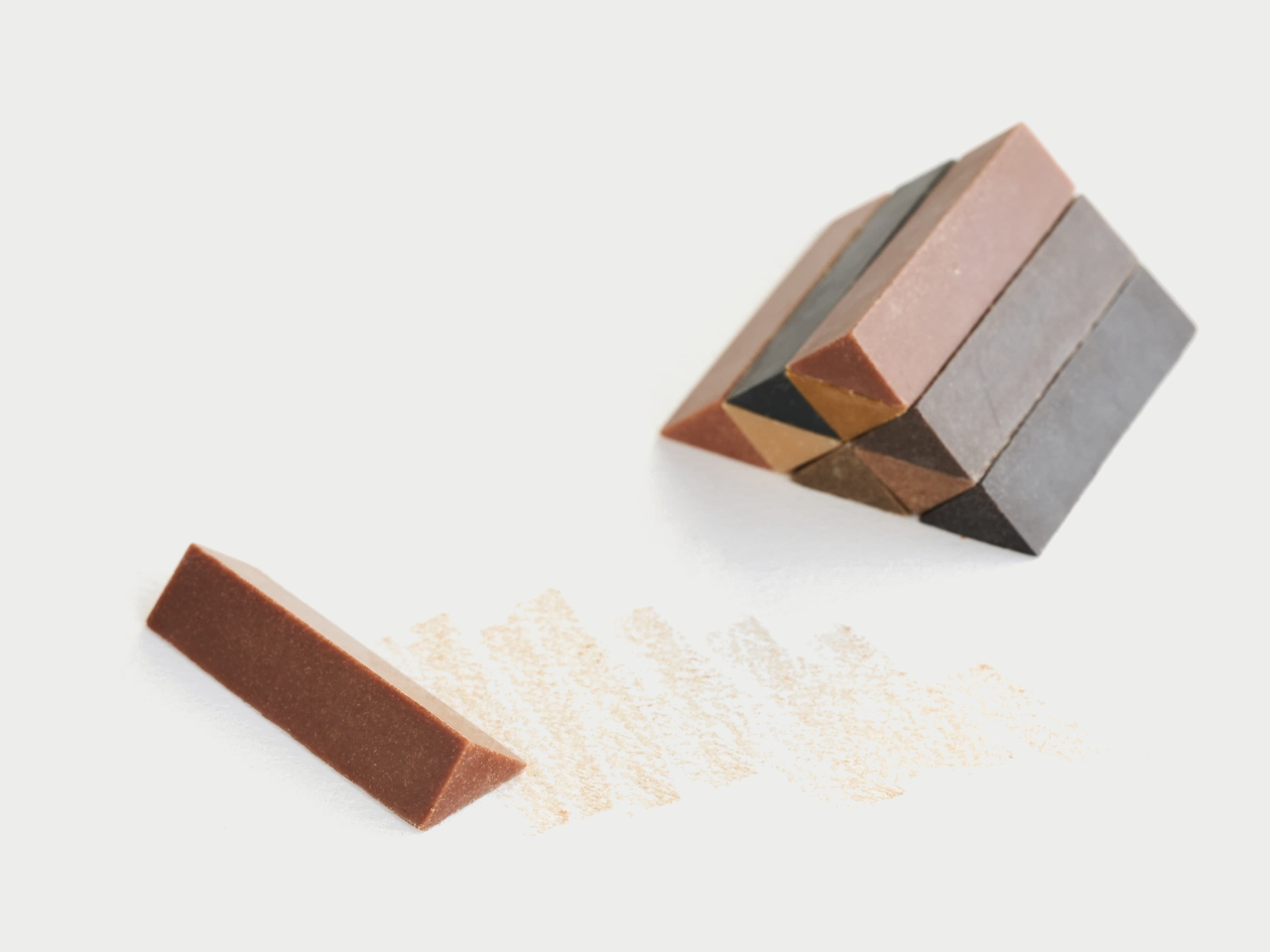
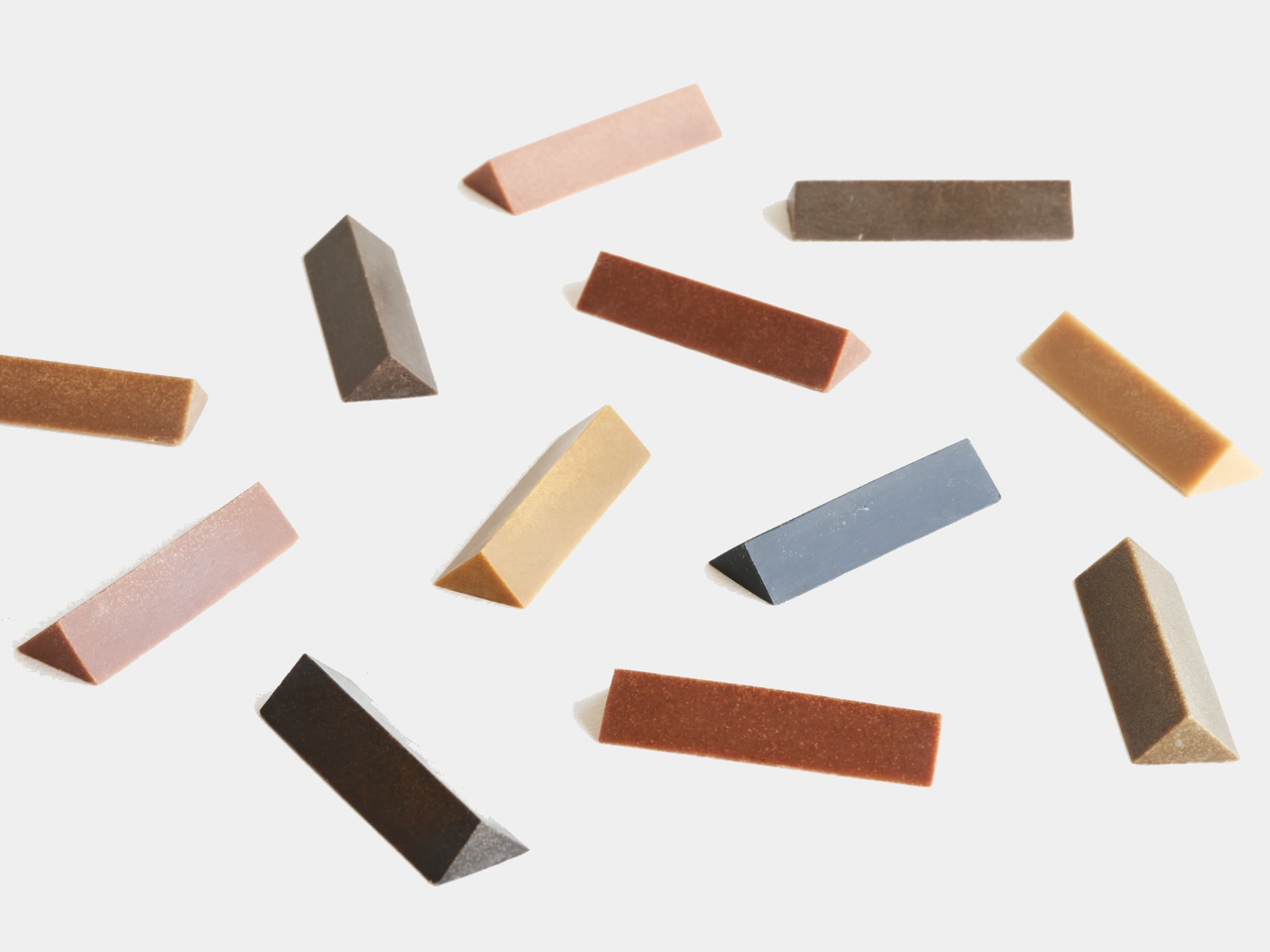
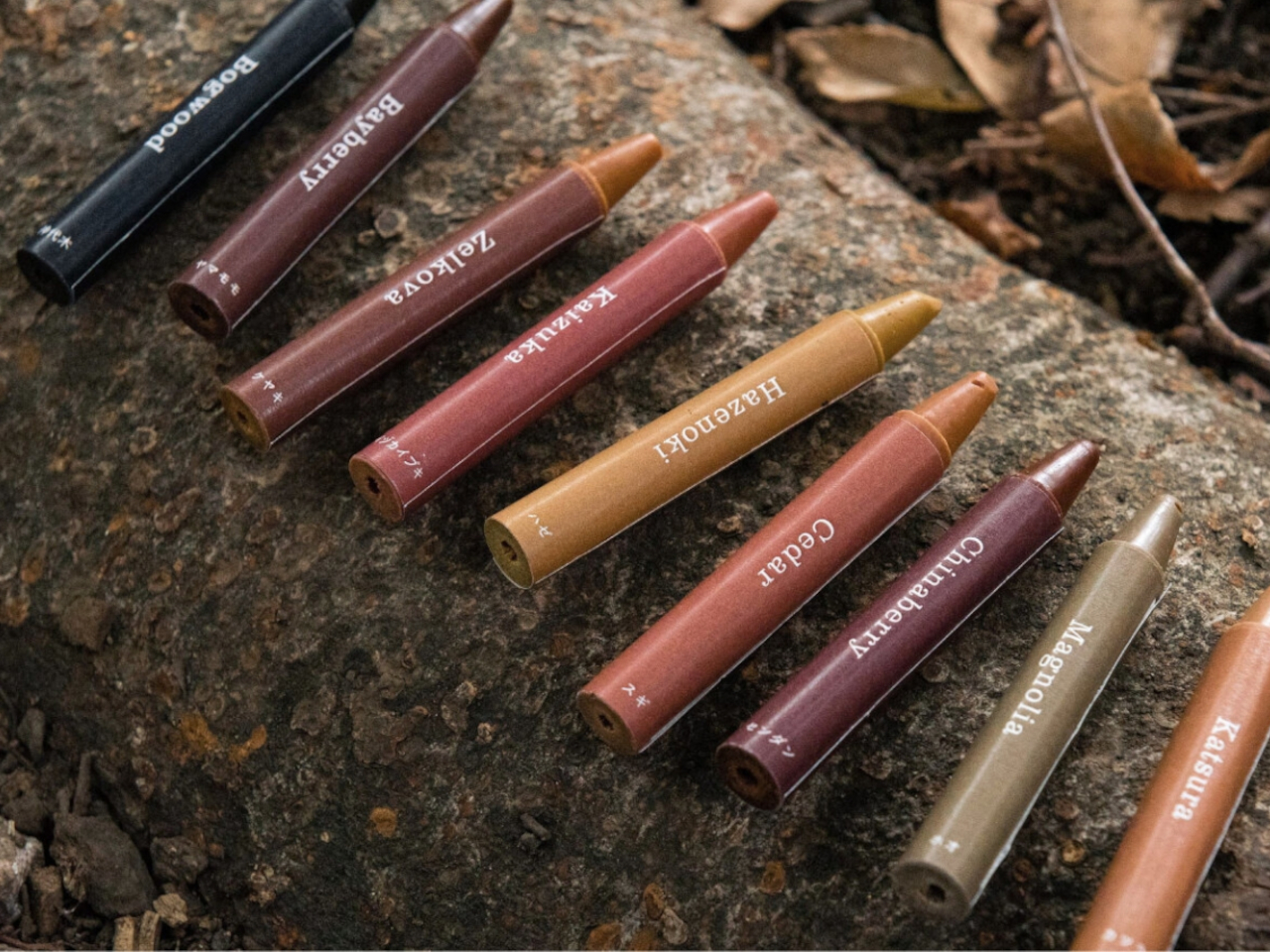
Wood is typically associated with brown, but different tree species produce various colors. In Japan, Forest Crayons uses pigments from recycled forest trees to create crayons, mixed with wood, rice wax, and rice oil. Each color, such as the magnolia’s light green or fungus-stained wood’s deep turquoise, reflects the tree species and growth conditions. The set includes ten colors: Bayberry, Bogwood, Cedar, Chinaberry, Cypress, Hazenoki, Katsura, Kaizuka, Magnolia, and Zelkova. This project, endorsed by the Japanese Forest Agency, promotes a renewed appreciation for Japan’s forests.

2. Zen Aesthetics

Designer: Jacopo Drago (Zenical)

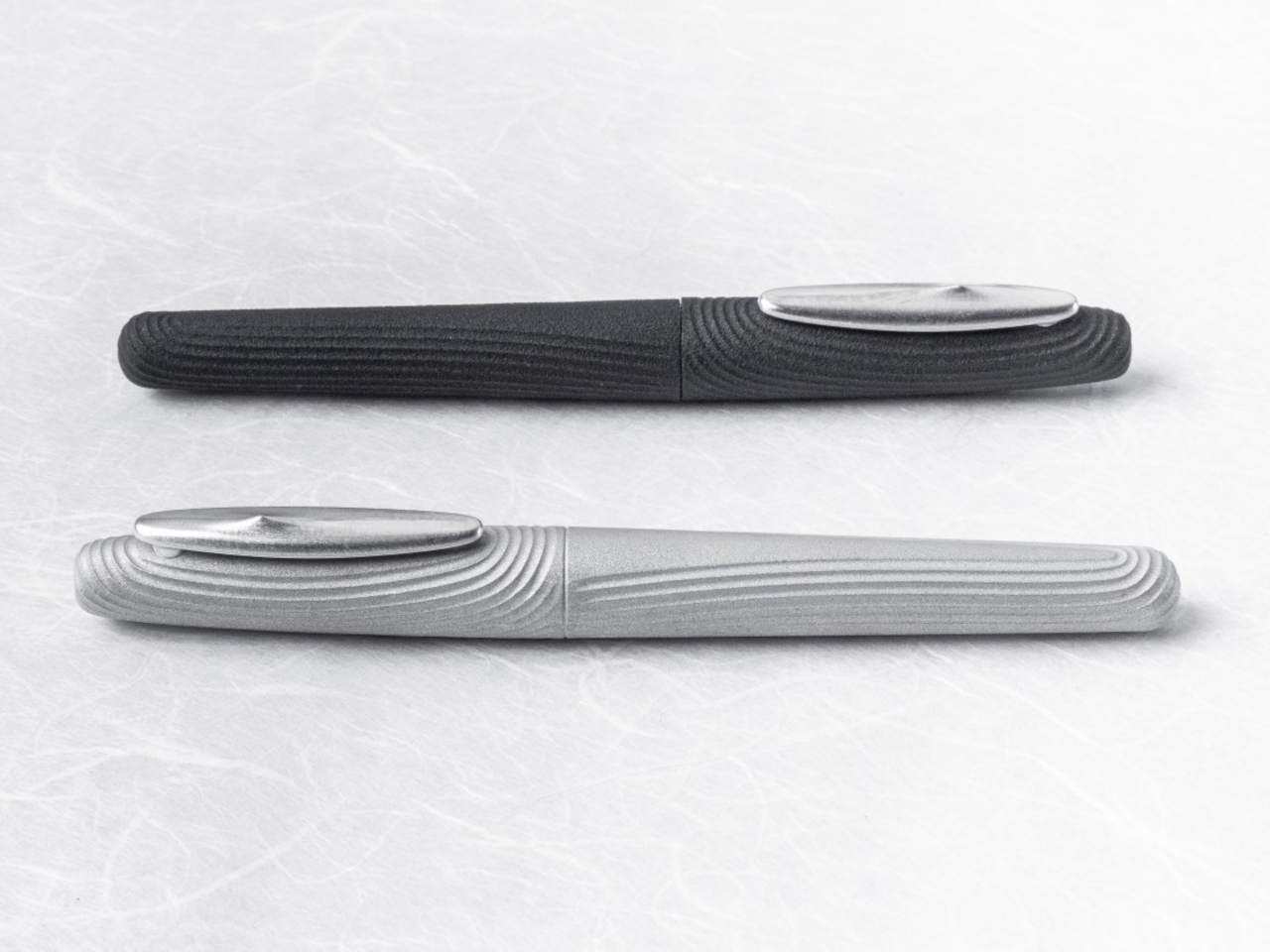
Pens usually signify productivity and creativity, but the Zen Pen, a unique Japanese-made writing instrument, aims to evoke calm through its design and texture. Inspired by Zen gardens, it features 3D-printed grooves and an off-center, smooth clip, mimicking the sand and stone elements. Crafted by skilled Japanese artisans using modern 3D printing and milling, the Zen Pen provides a soothing tactile experience, promoting mindfulness and tranquility. This makes it an ideal tool for students, helping them stay focused and calm while writing and studying in a school environment.

3. Ergonomic Design

Designer: orangered life

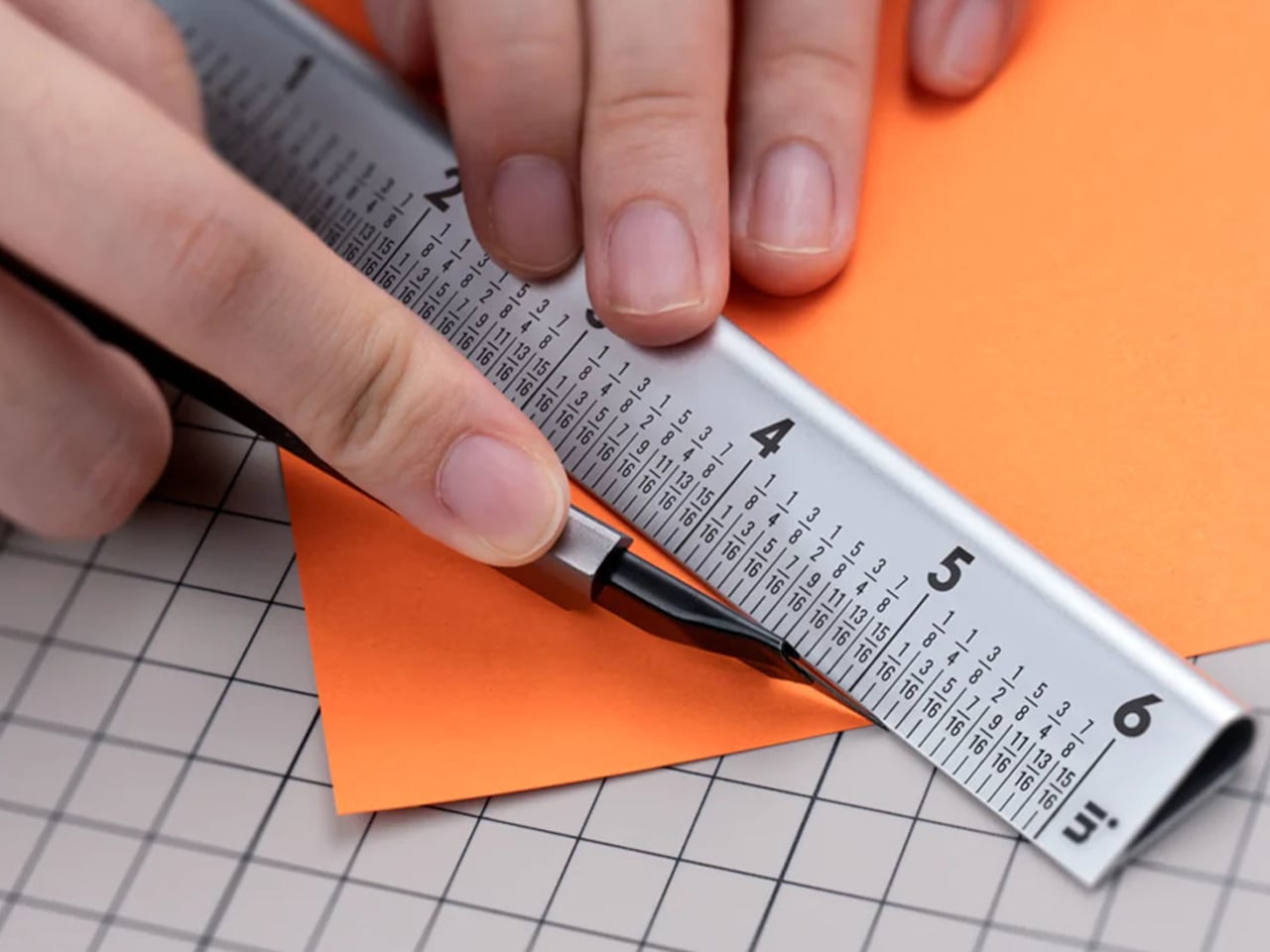
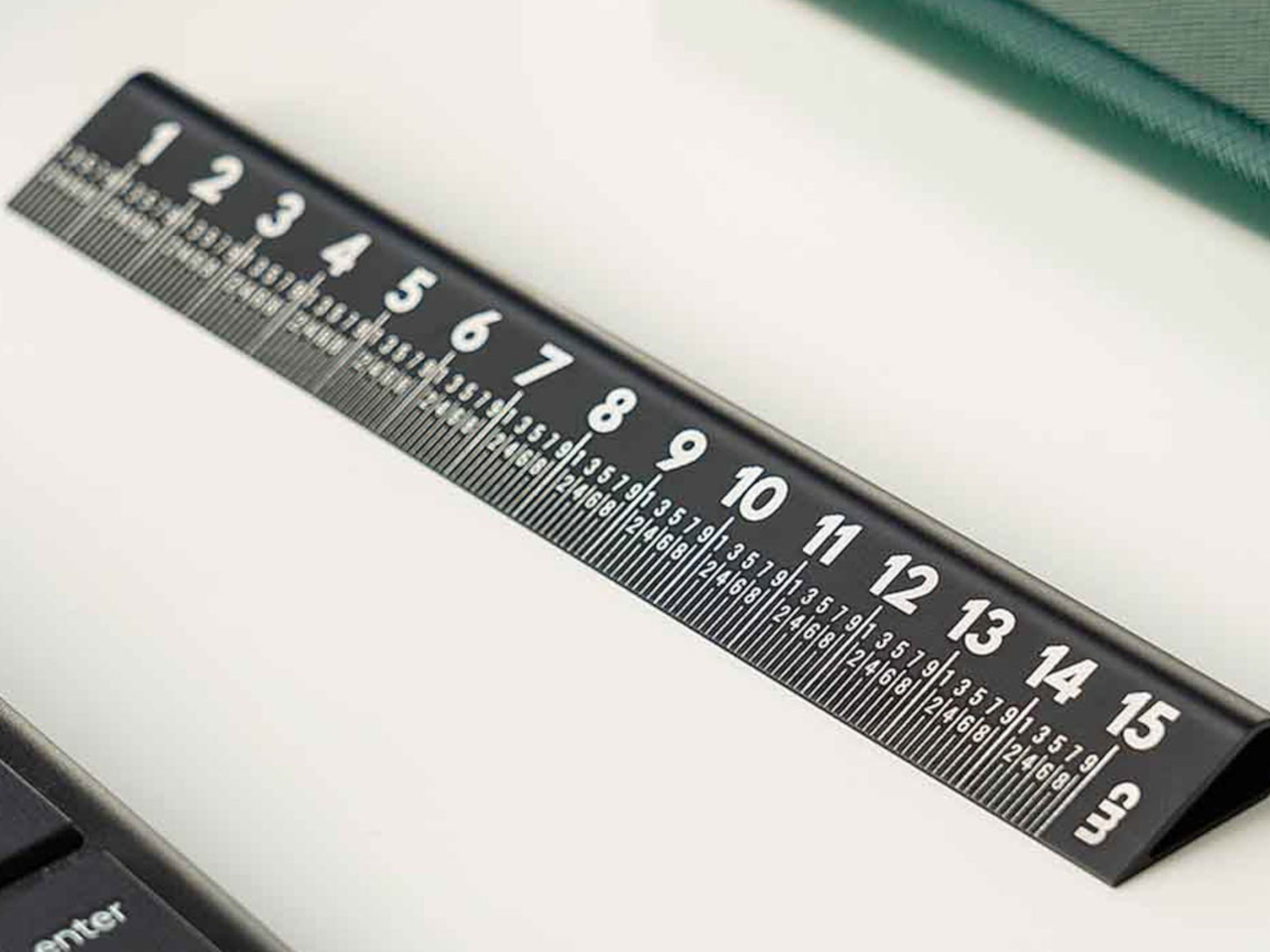
The 25° Ruler sets new standards in precision and durability, crafted from aerospace-grade aluminum and featuring laser-engraved markings for long-lasting accuracy. Available in sizes ranging from 6 to 20 inches and various vibrant colors, its ergonomic 25° angle enhances usability by placing measurements conveniently along the bottom edge. A teardrop design ensures safety and ease of use, while dual-sided markings cater to metric and imperial units, starting from zero to ensure precise measurements.

4. Bold Colors

Designers: YoonJeong Lee, Hyobin Jeon, and yerin An

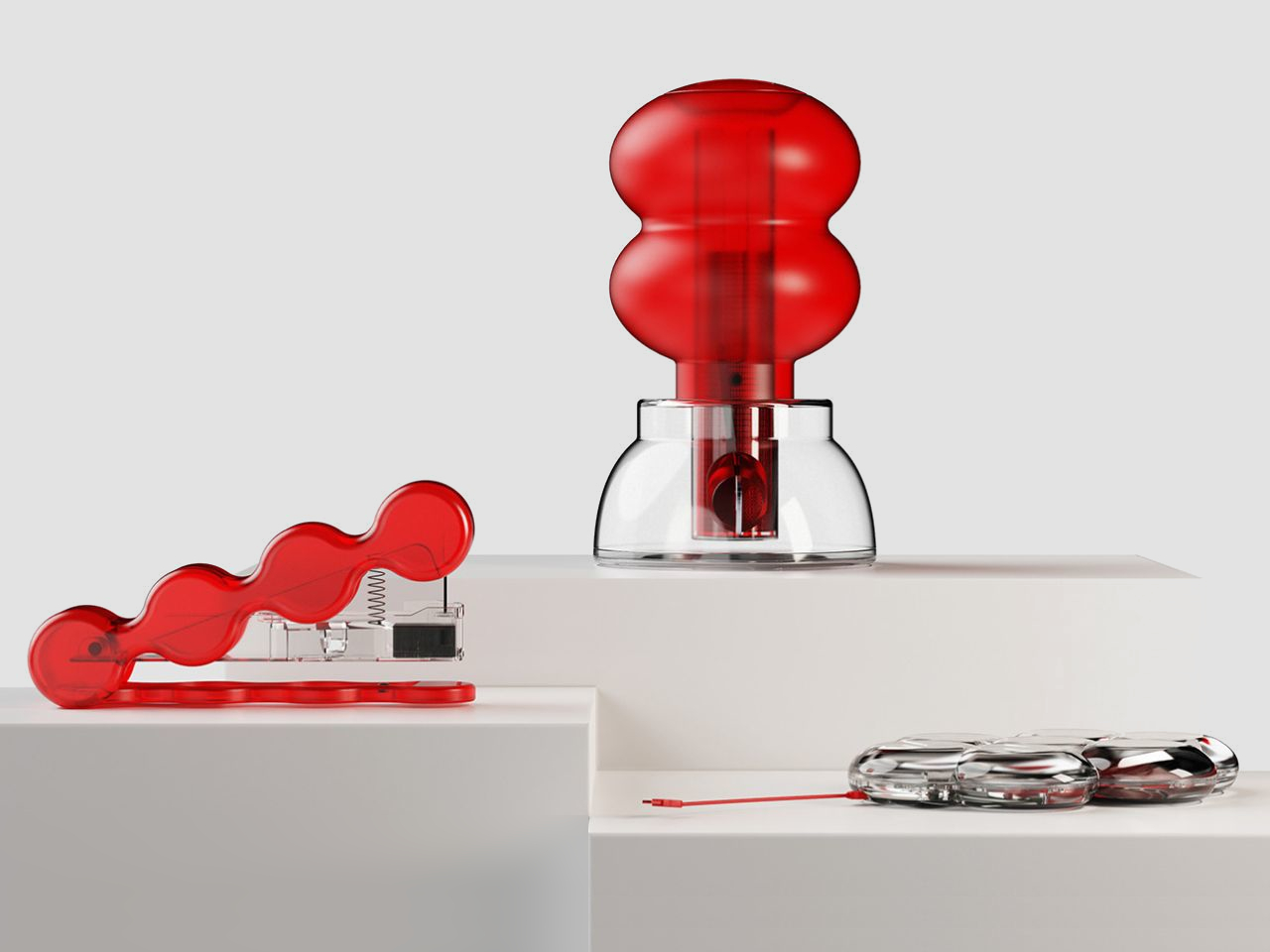
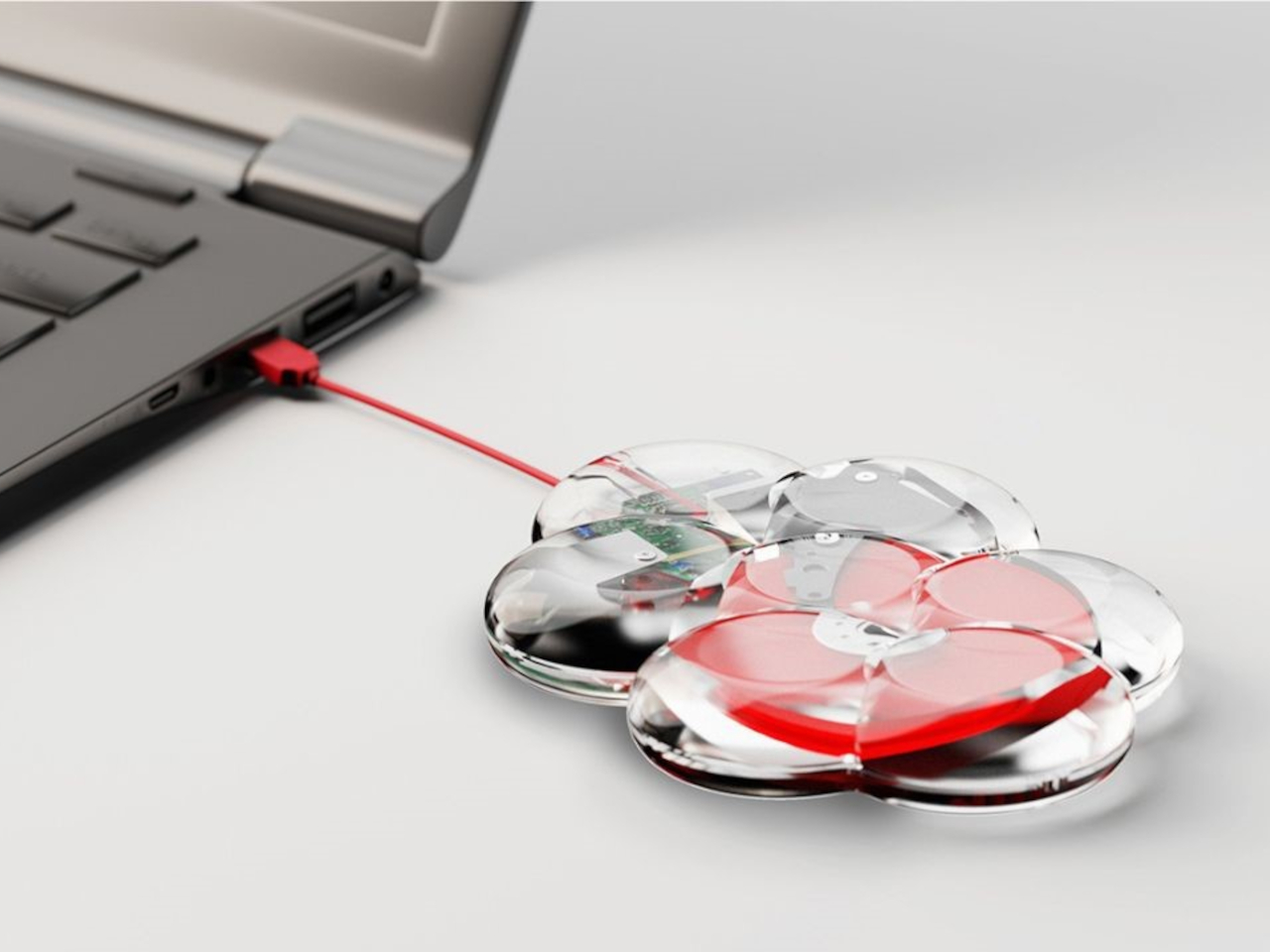
Royi Stationery offers innovative supplies that tell stories of honesty and introspection. Their transparent staplers and hard disks prompt reflection on deeper values, inspired by timeless narratives like the tale of the naked king. These products encourage a meaningful connection with stationery tools, inviting users to see beyond surface appearances and appreciate the wisdom embedded in everyday objects.

5. Harmonizing Digital and Analog

Designer: Cortex

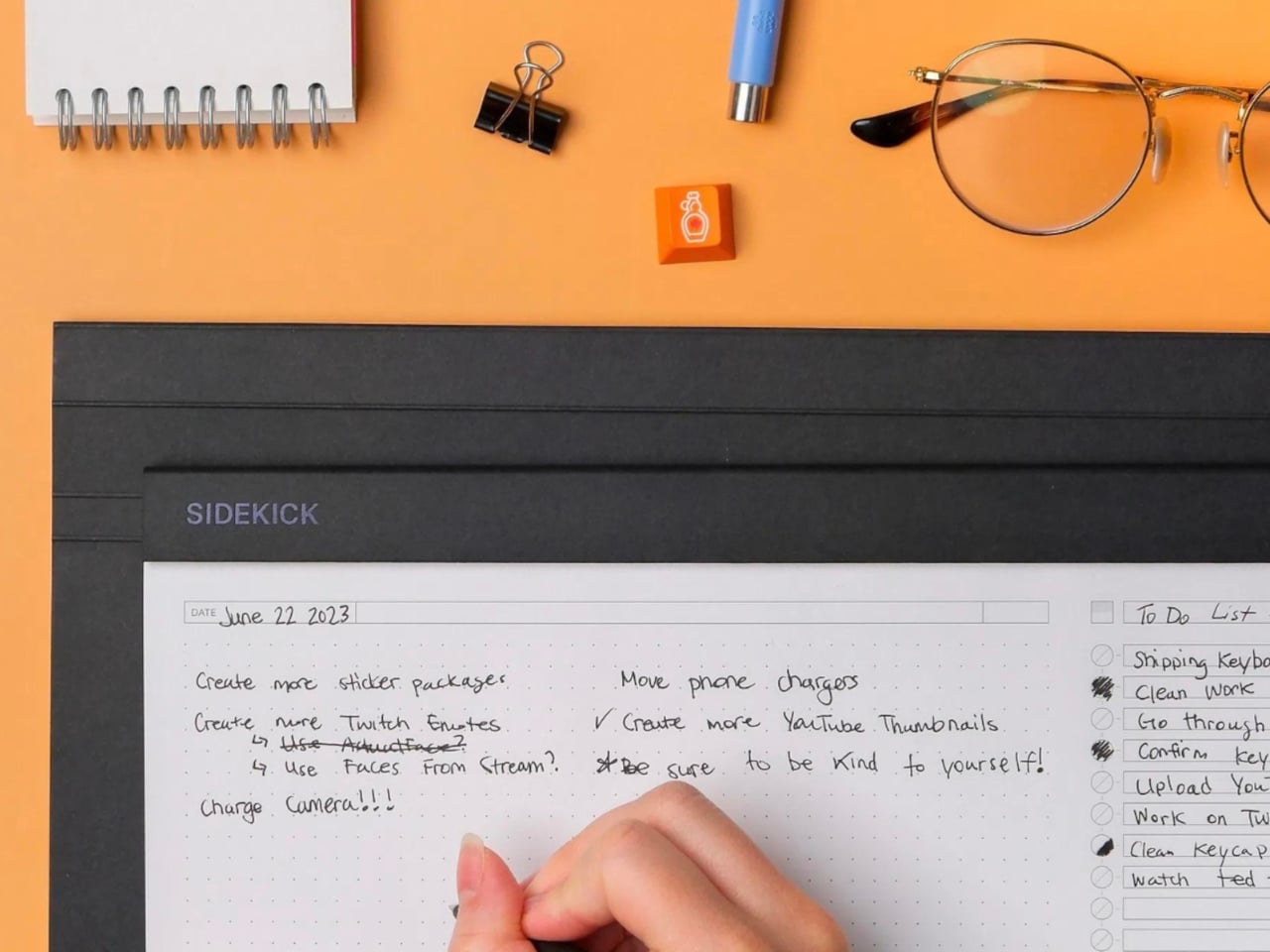
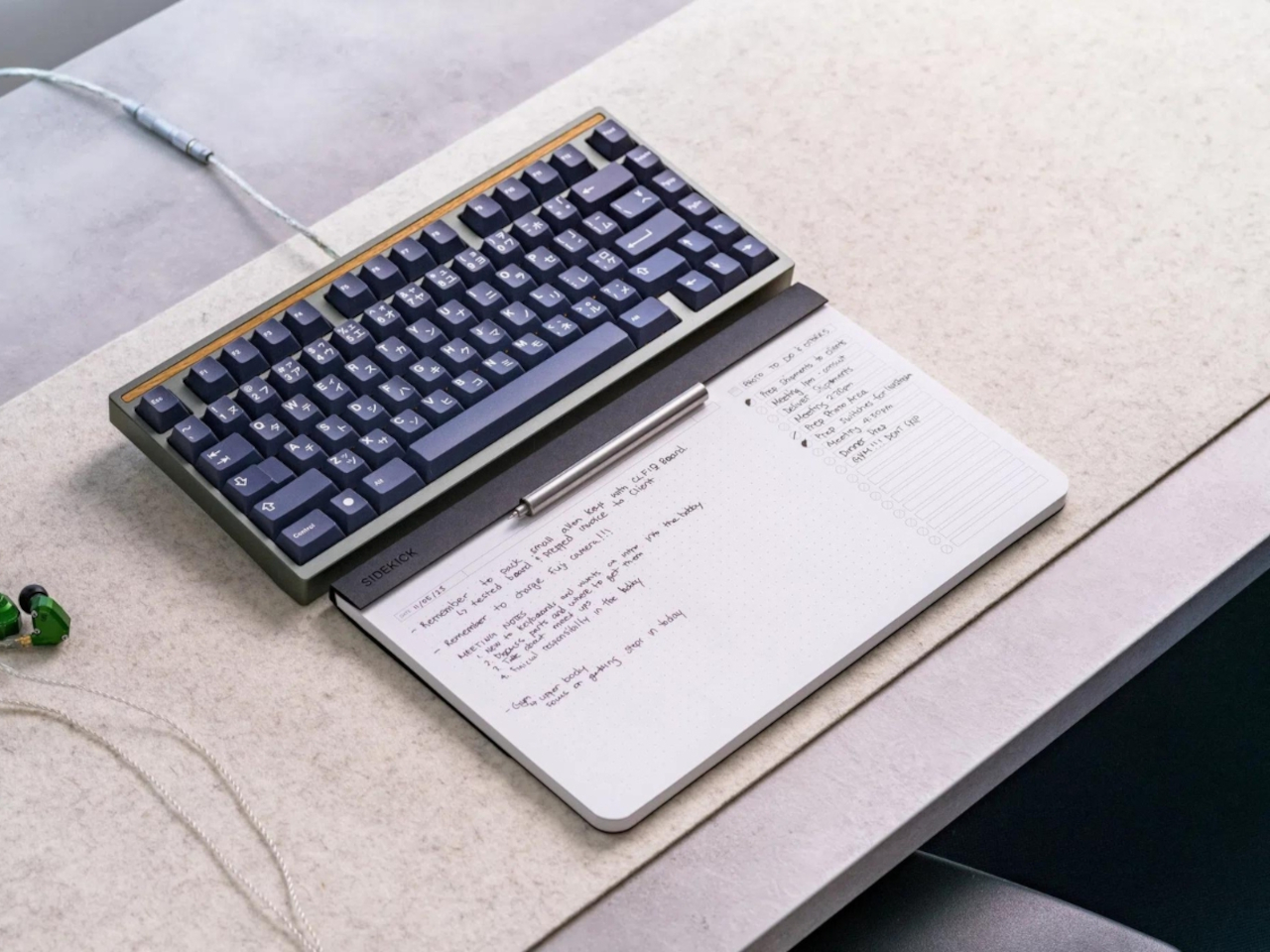
The Sidekick Notepad blends digital efficiency with analog charm, ideal for users who embrace a digital-analog hybrid workflow. Featuring 60 tear-away pages of Munken Lynx paper and a cover made from recycled coffee cups, it includes sections for notes, to-do lists with checkboxes, and a date section. Perfect for quick note-taking during meetings or daily tasks, it offers practicality and sustainability in one compact design.

Designer: Nuwa Innovation

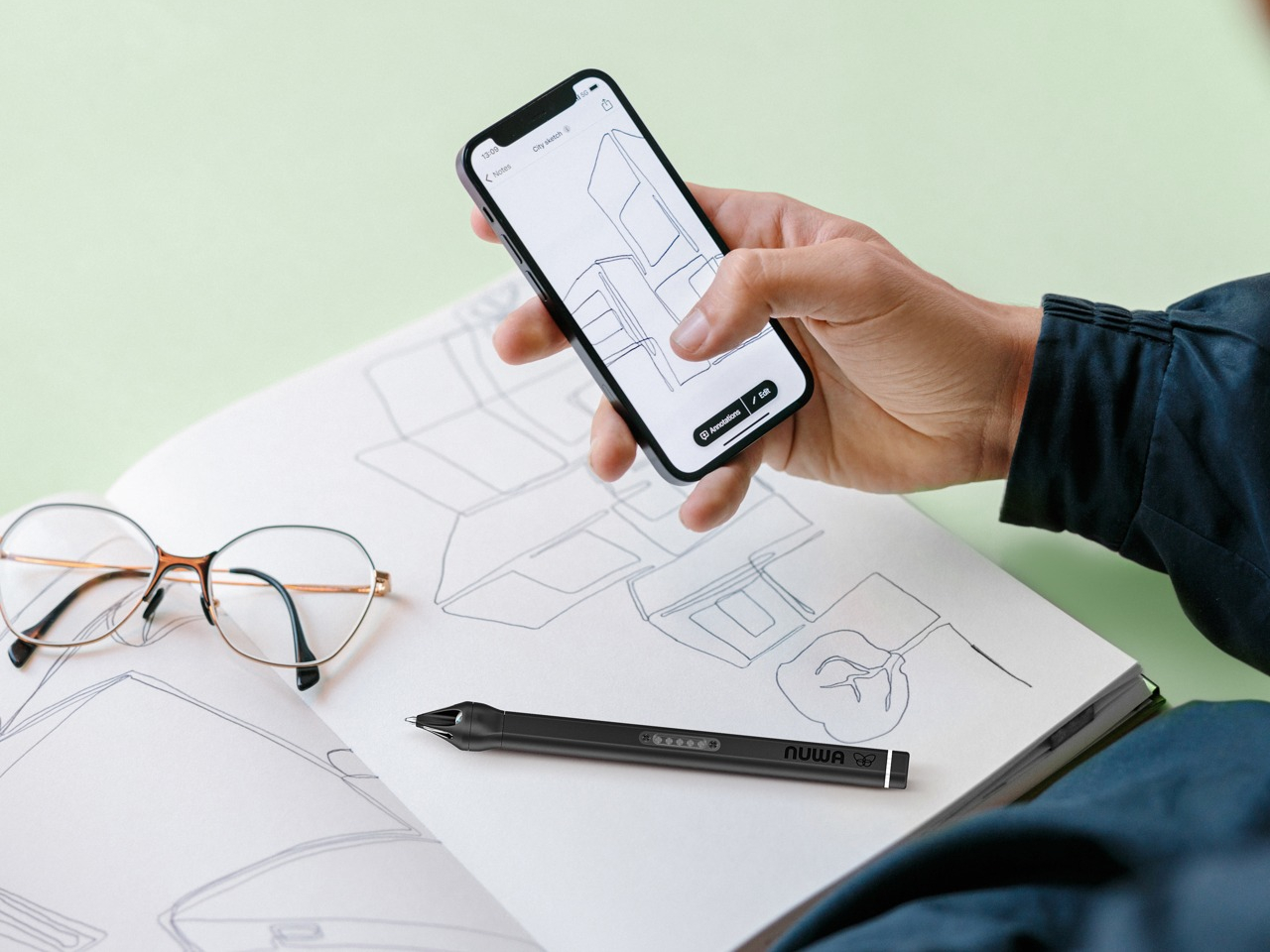
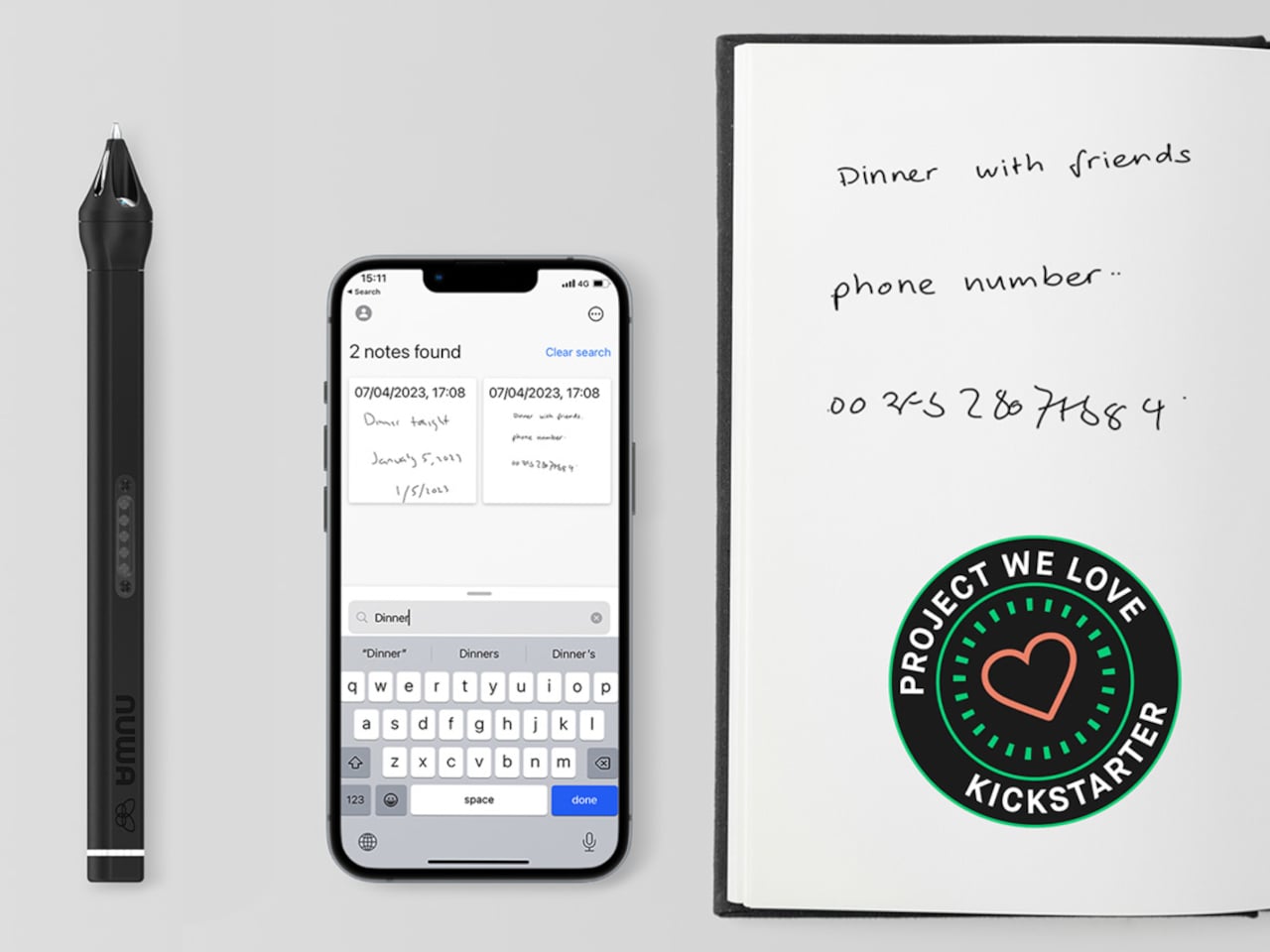
The Nuwa Pen is an AI-powered ballpoint that bridges the gap between handwritten charm and digital efficiency. This innovative pen uses a TRIDENT imaging system and AI to effortlessly convert your scribbles on any paper into searchable digital notes. With 2GB of built-in memory, rapid charging, and compatibility with the Nuwa Pen App for cloud storage, it ensures your ideas are always accessible and organized. Ideal for those who value both the tactile joy of writing and the practicality of digital tools, the Nuwa Pen redefines note-taking versatility.

6. Minimalist Design

Designers: Christoph Bohrer, Martin Wagner and Yang Han

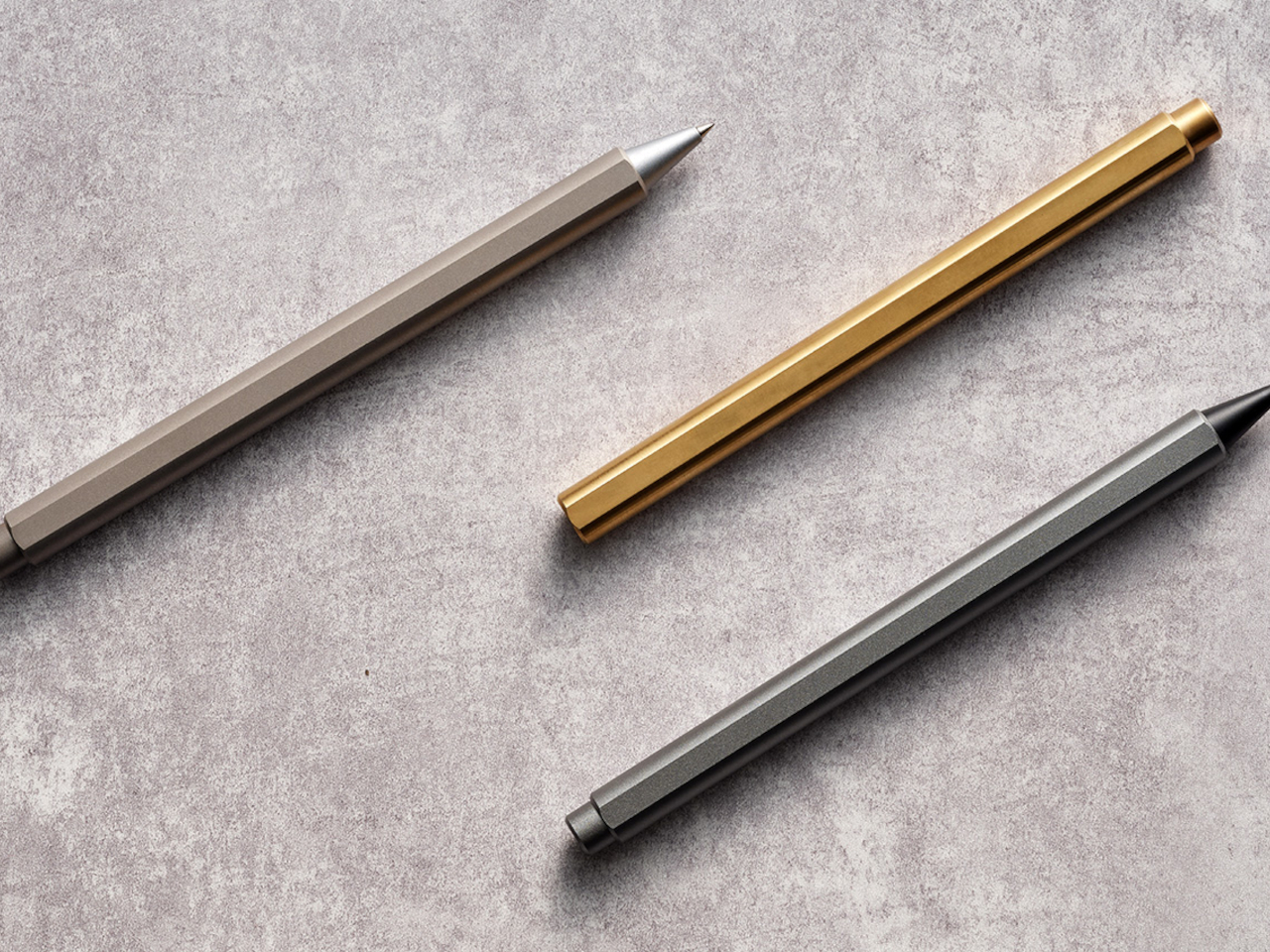
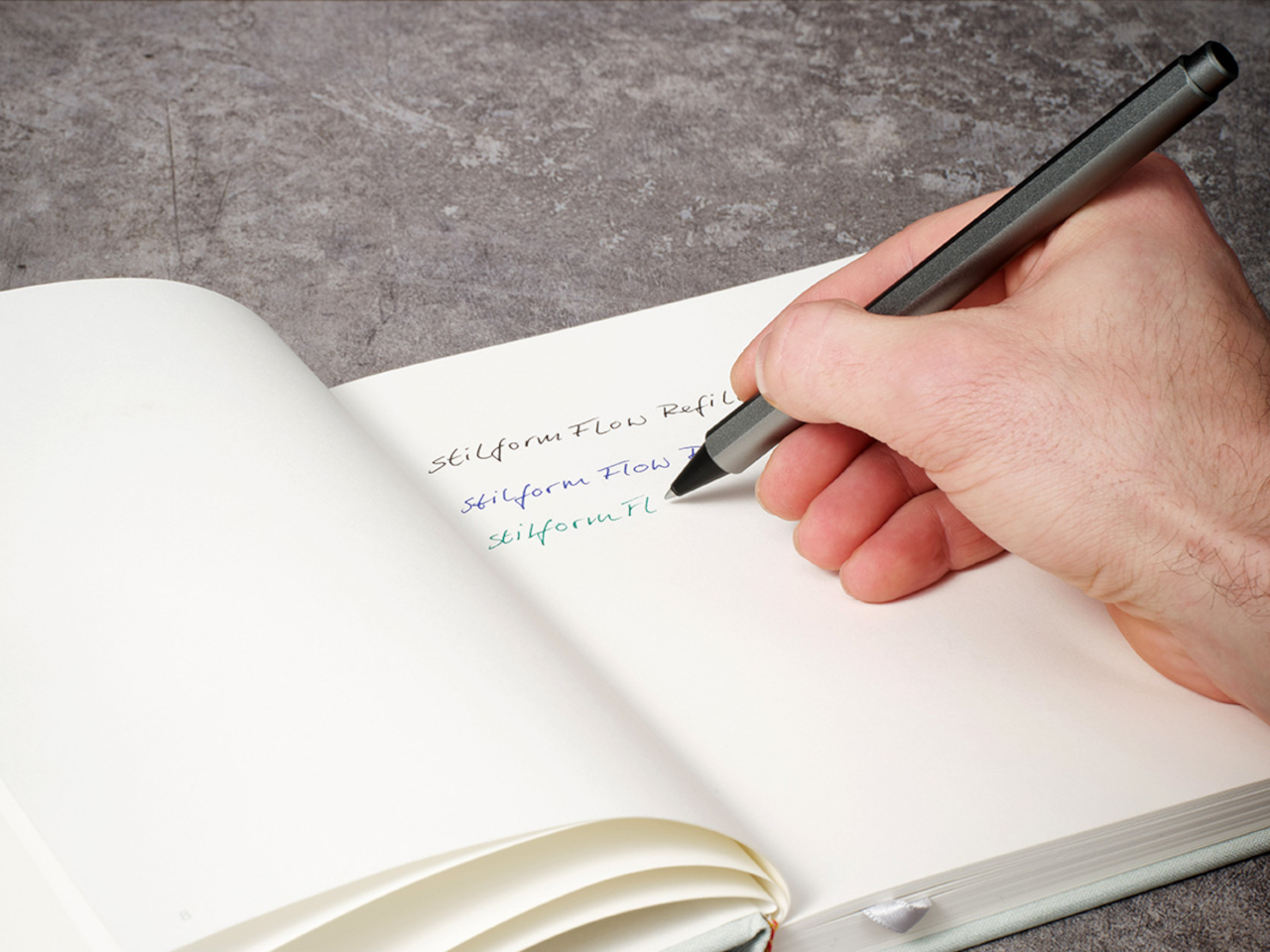
Introducing the stilform FLOW: an award-winning ballpoint pen that merges elegance with innovation. Its magnetic cap retracts the refill with a satisfying click, offering a unique fidget feature. Available in aluminum, brass, or titanium, each variant boasts a sleek, durable design ideal for a luxurious writing experience. The FLOW utilizes recycled materials and is refillable, ensuring longevity while reducing environmental impact. Perfect for those who appreciate fine craftsmanship and functional beauty in their everyday writing tools.

7. Nature-Inspired Design

Designers: Gahnghyun Yi, Jiwon Lee, Chaeyeon Ha

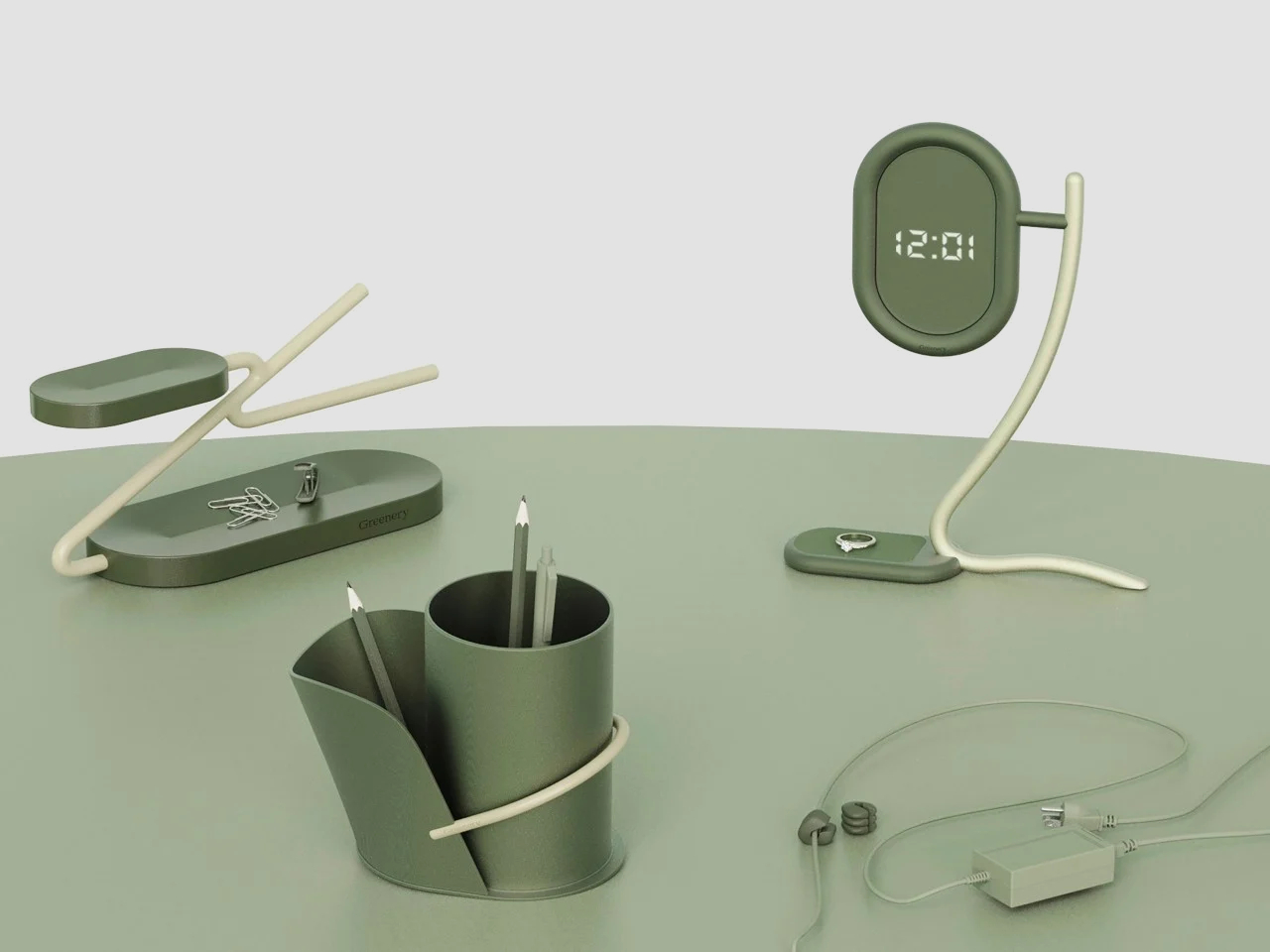
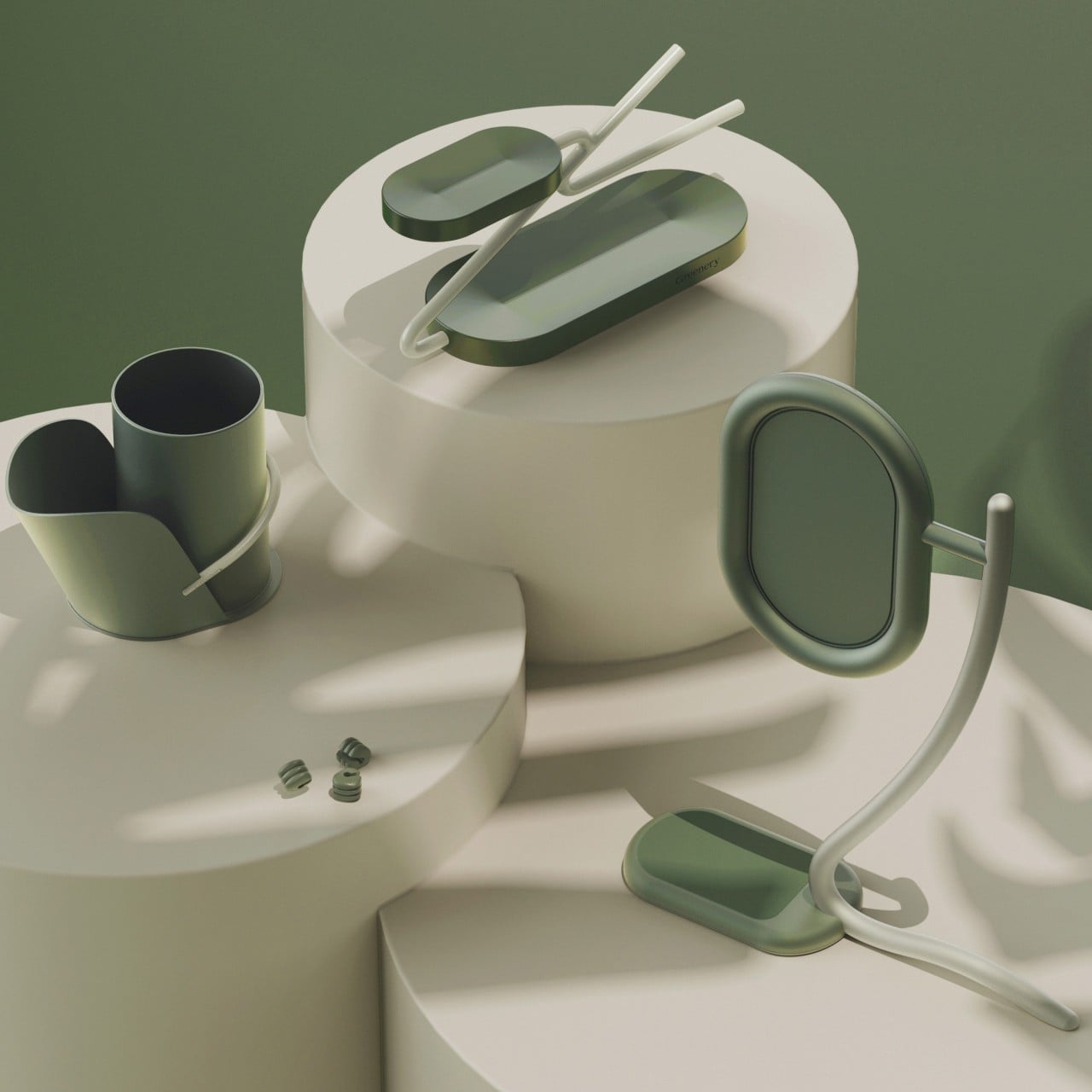
Transform your workspace with nature-inspired accessory designs that merge functionality with aesthetic appeal. The Greenery Pencil Holder mimics bamboo stems with a curved plate for storing pens and pencils. The Greenery Clock features an abstract, leaf-shaped digital display and a flat surface for small items. The Greenery Tray offers horizontal “leaves” for storage and key rings, while the Greenery Cable Holder simplifies cable management with leaf-like circles. These designs bring a touch of greenery to your desk, enhancing both organization and visual appeal.

8. Quirky Design

Designer: Seung-Wan Nam

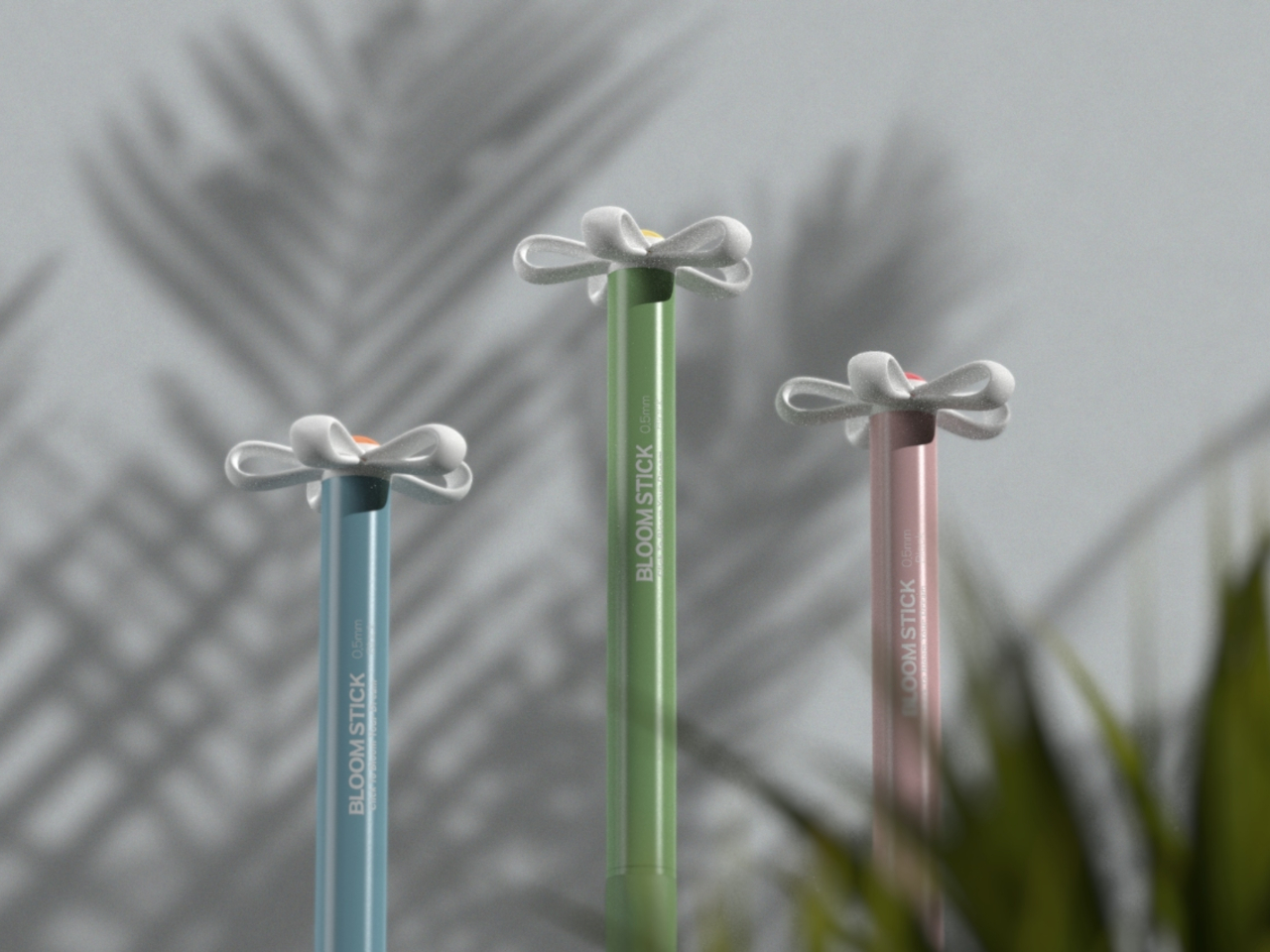
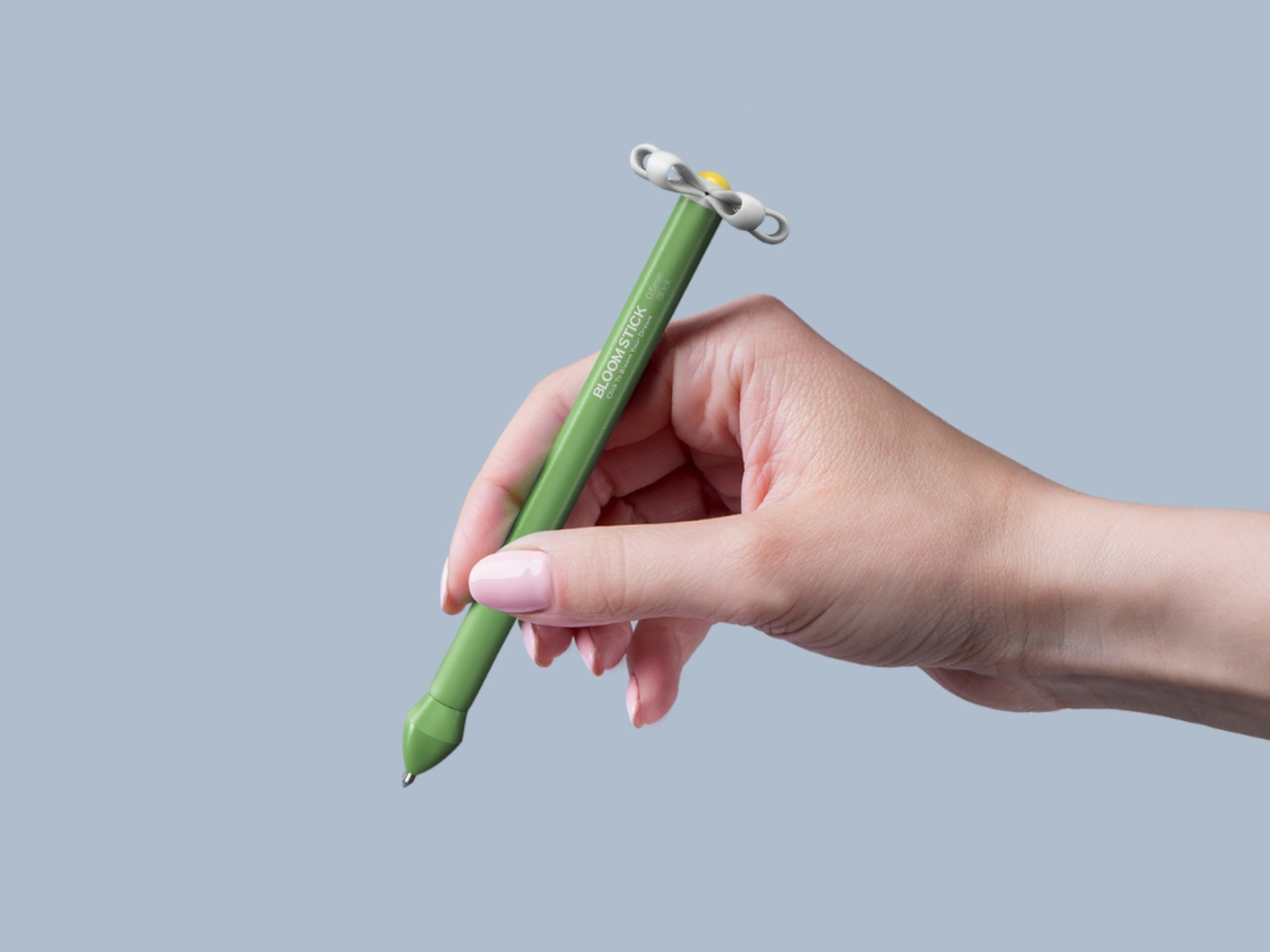
The Bloomstick pen concept is a symbolic tool for journaling dreams comprising of a silicone-covered button that blooms like a flower when pressed, it merges functionality with a decorative touch. Available in green, blue, and pink, this pen adds a whimsical flair to your writing experience. Ideal for collectors and stationery enthusiasts alike, it transforms from a conventional pen into a visually appealing piece that inspires creativity and captures the essence of dreaming.

Designer: LEGO

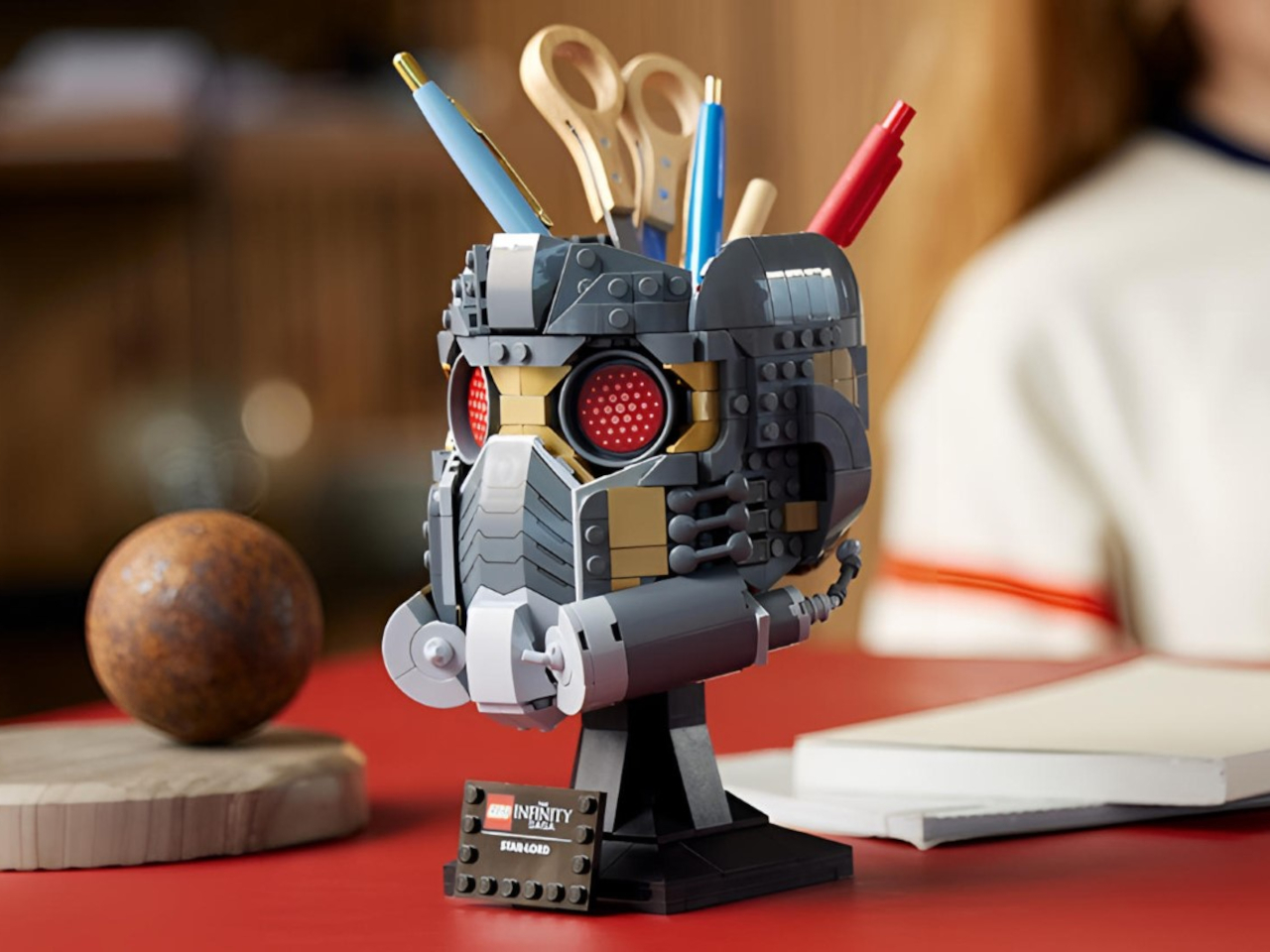
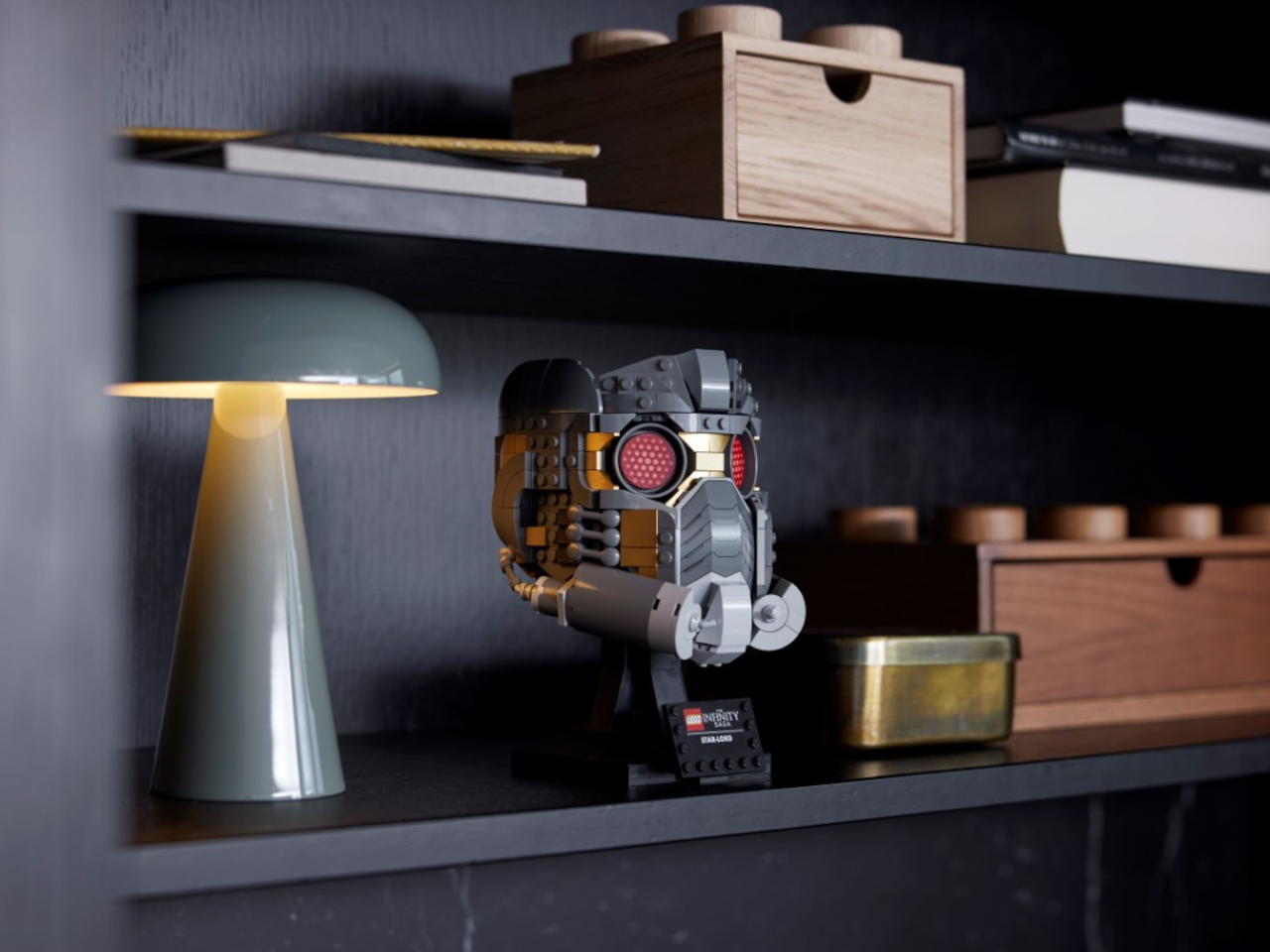
The Star Lord Helmet by LEGO is a functional and visually stunning addition to their Infinity Saga series. Standing 7 inches tall with 602 pieces, it faithfully recreates the iconic headgear from Guardians of the Galaxy Vol. 3. Ideal for ages 18 and up, it features intricate details like red-tinted eyepieces and lifelike breathing valves. Beyond its collectible appeal, this build serves as a practical stationery holder and pen stand, offering storage for essentials in its hollow interior.

Designer: Nikken Cutlery

Click Here to Buy Now: $25

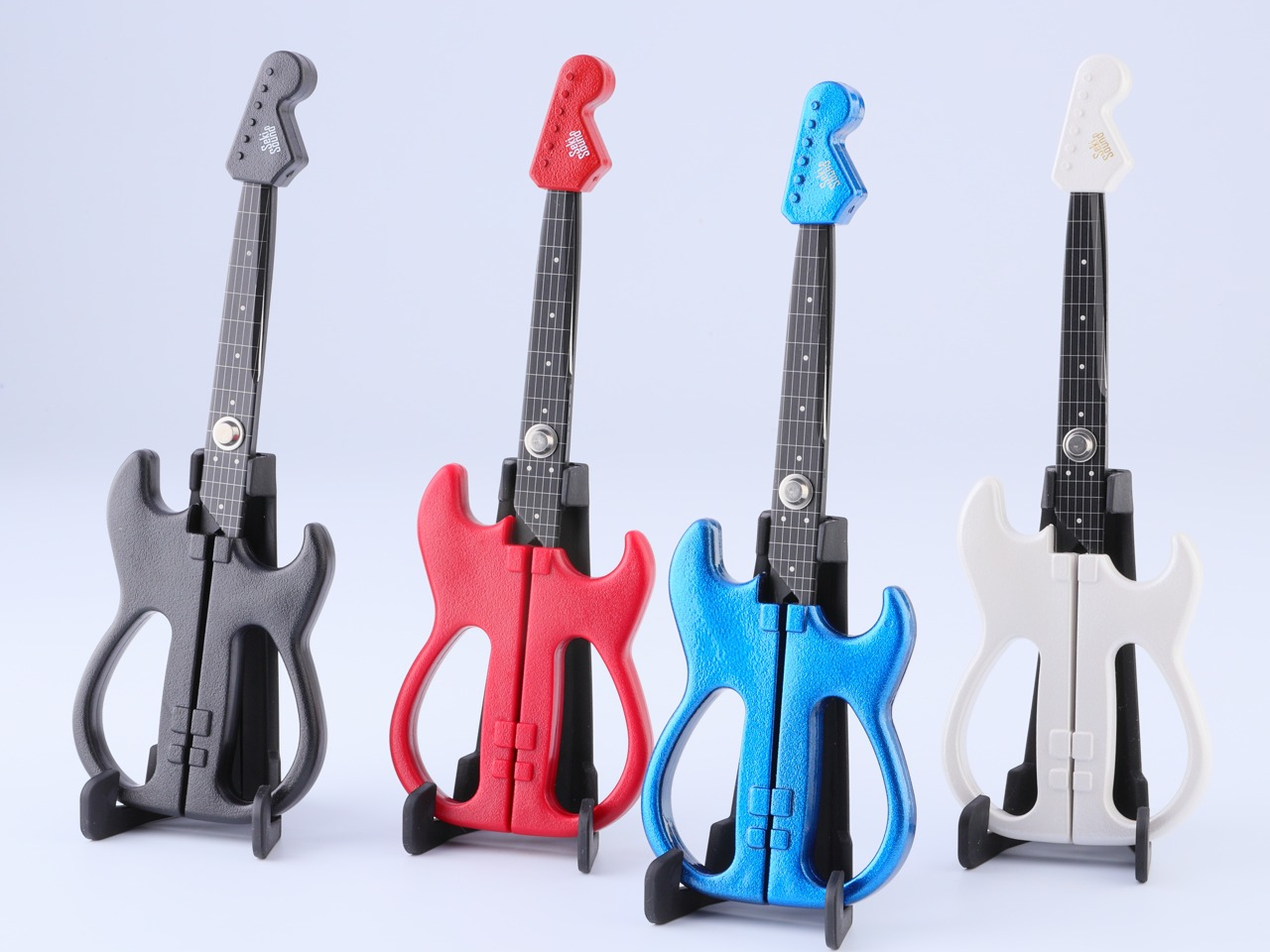
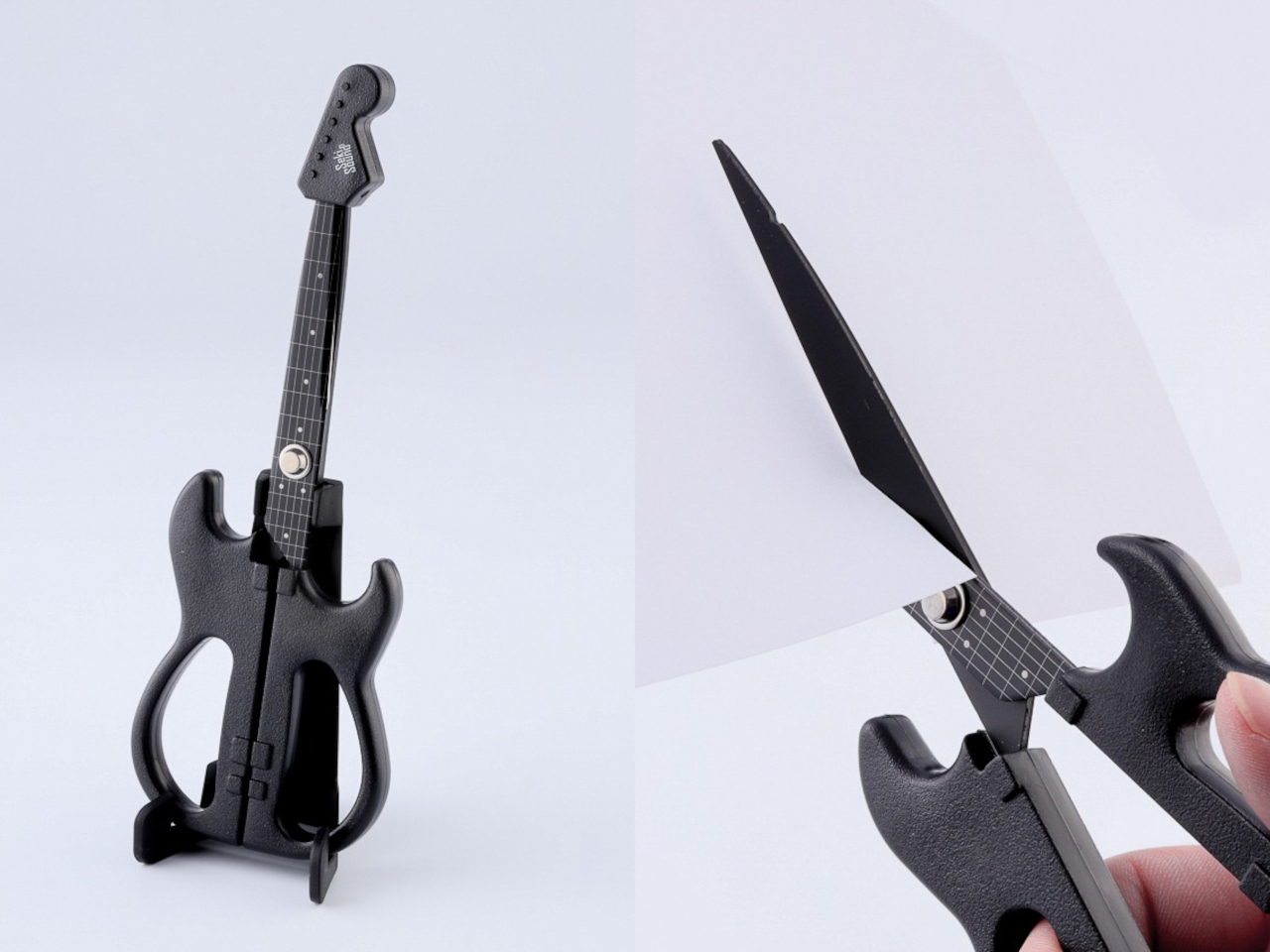
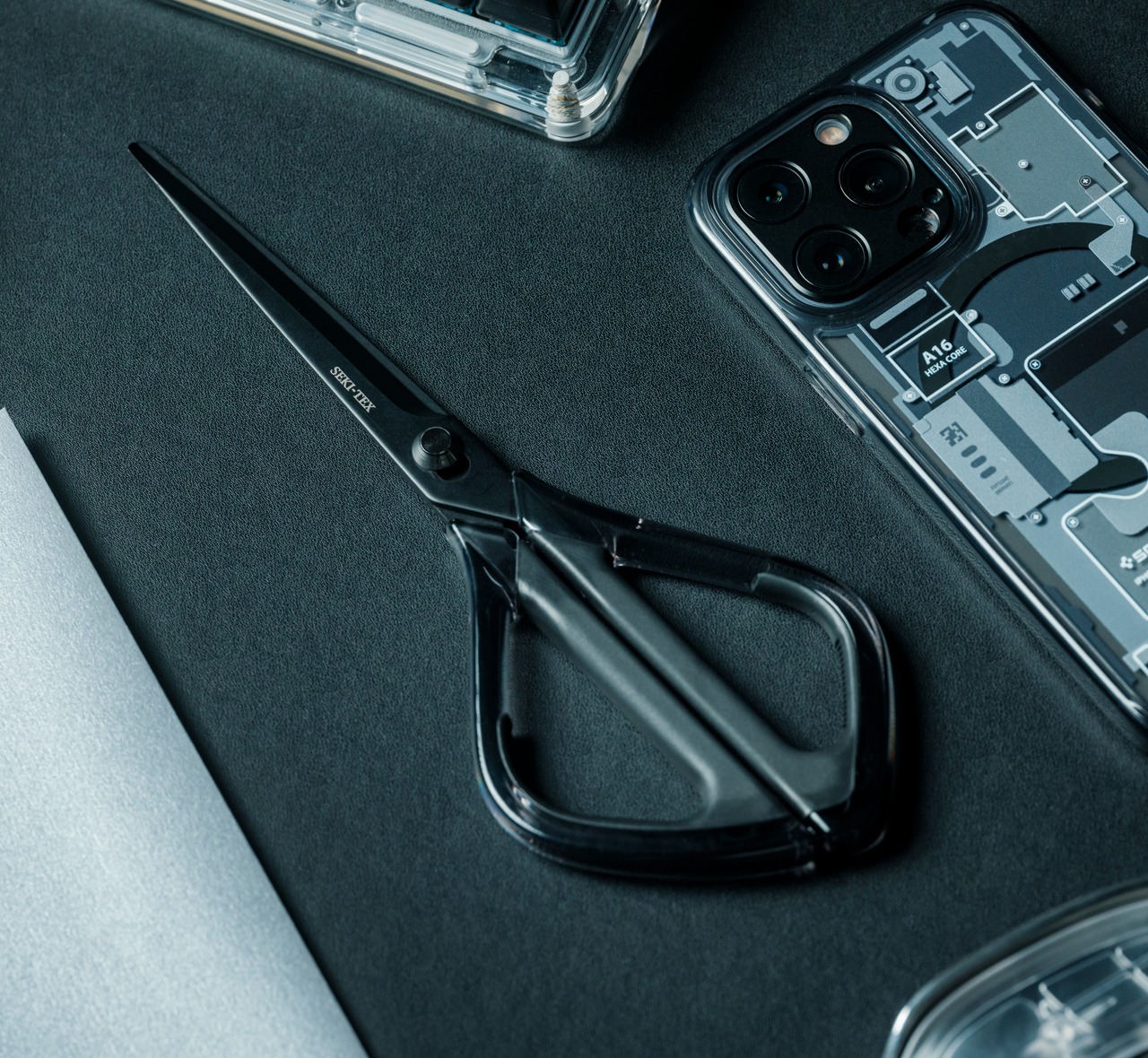
These Seki Sound scissors are more than just tools—they’re a playful homage to iconic electric guitars. Inspired by precision craftsmanship from Seki, Japan, renowned for cutlery excellence, they feature authentic details like guitar strings and frets. Designed to cut through paper, vinyl, and tape effortlessly, they’re as sharp as they are stylish, with a protective cap that doubles as a guitar head. Perfect for adding a touch of creativity and functionality to your workspace, these scissors are a must-have for design enthusiasts and music lovers alike.

9. Multifunctional Design

Designer: Pelin Özbalcı

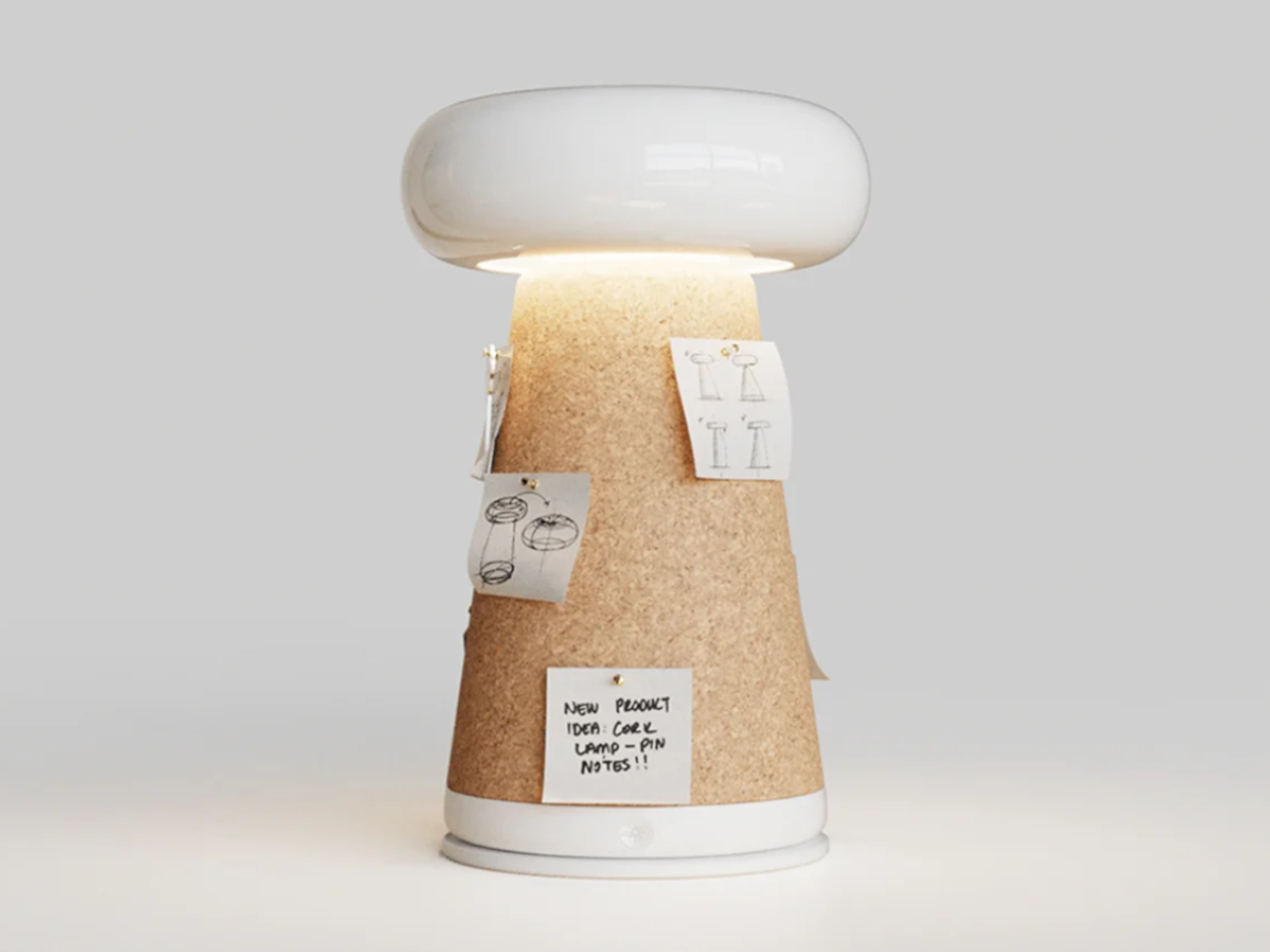
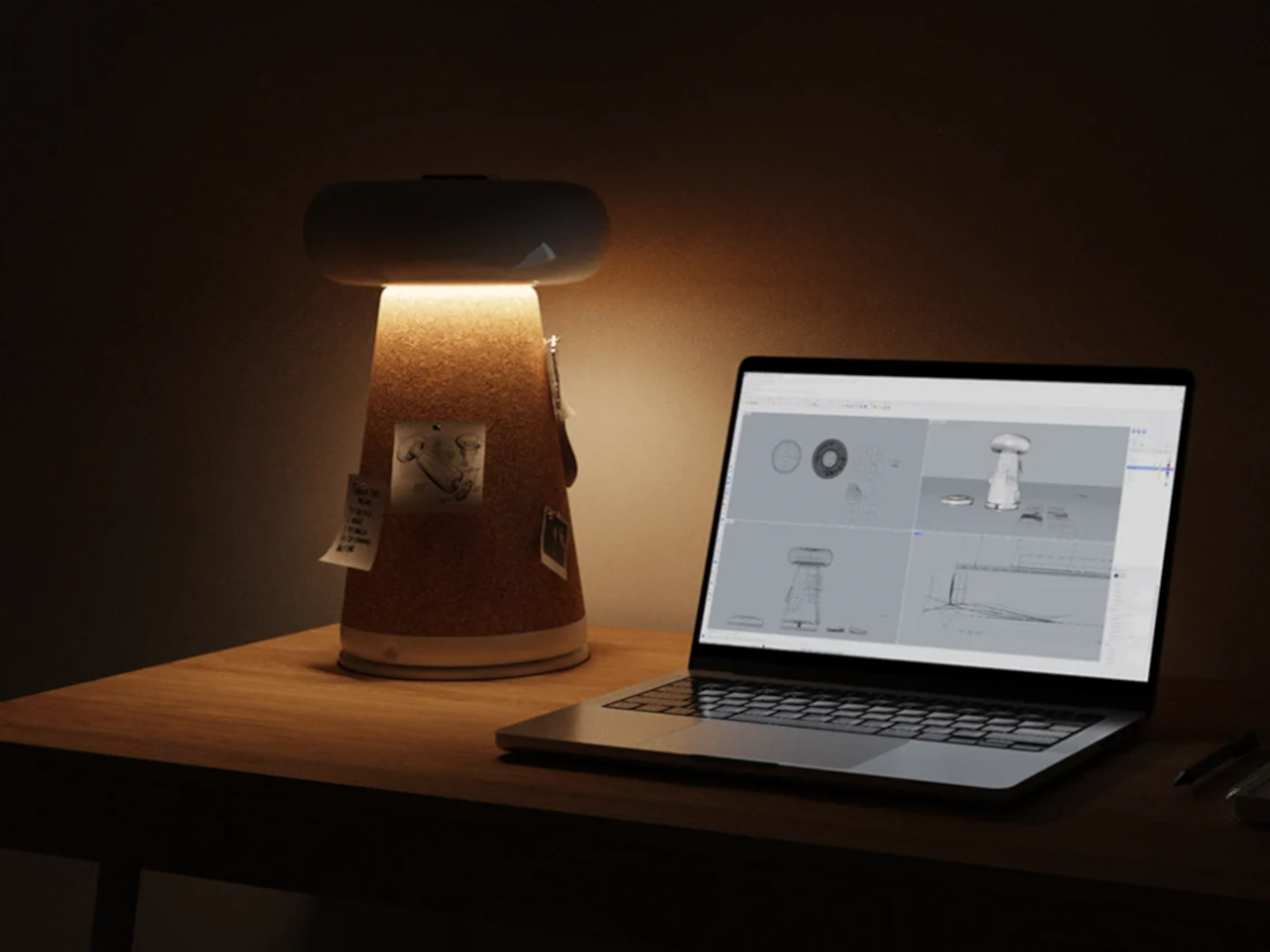
The sPINmemo lamp reimagines traditional lighting with its innovative design that combines practicality and personalization. Featuring a rotating cork body for pinning notes and photos, this lamp promotes creativity and organization while offering storage space on its ceramic head. Crafted for both functionality and aesthetic appeal, it ensures optimal illumination and blends seamlessly into any workspace or living area. Ideal for those who value minimalism and versatile home decor solutions, the sPINmemo lamp enhances both lighting and personal expression.

10. Modular Design

Designer: Wonjun Jo

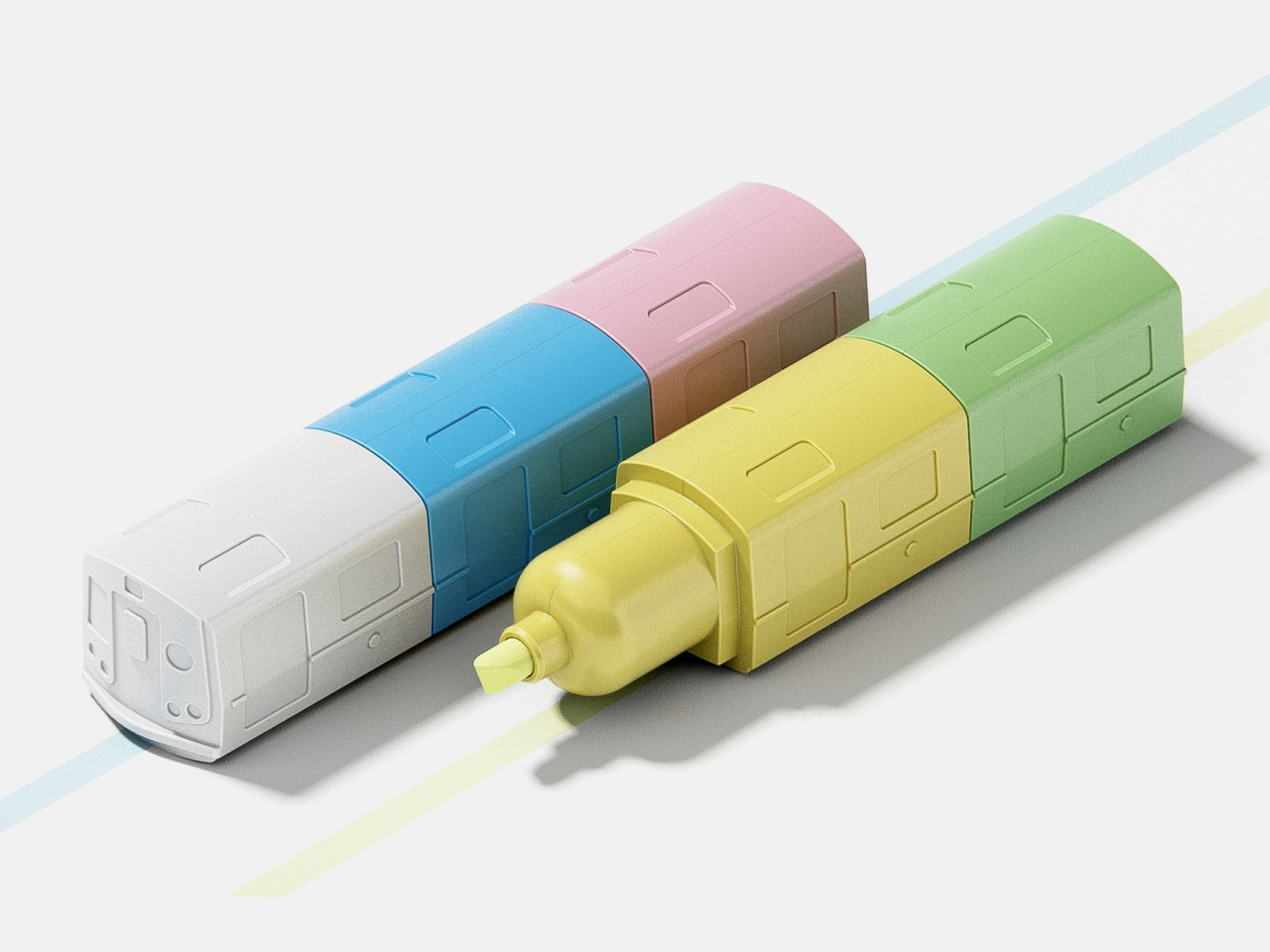
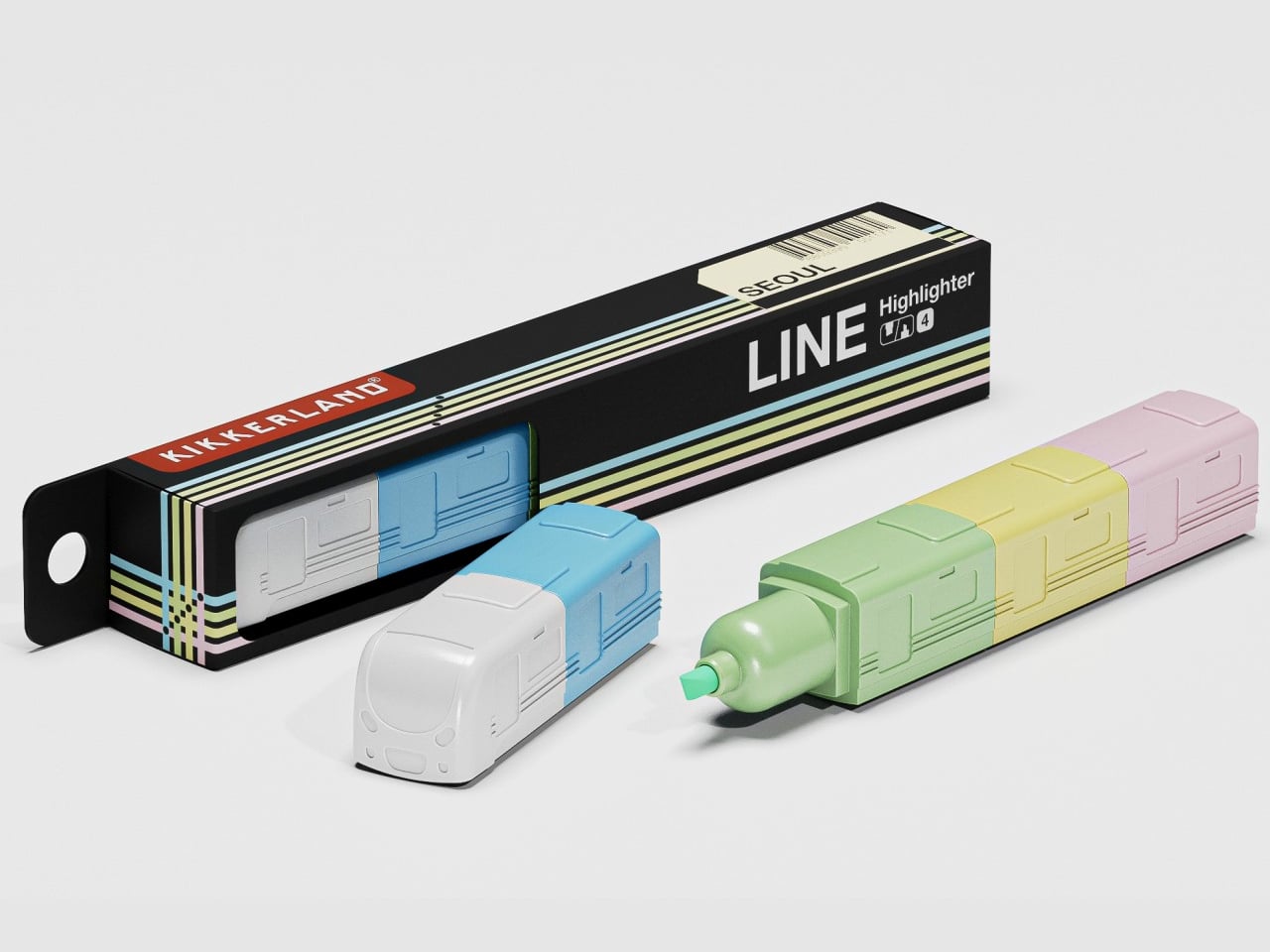
This innovative highlighter draws inspiration from East Asia’s train systems, featuring a modular design reminiscent of train cars. Each segment serves as a different color highlighter, allowing for easy interchangeability and reducing the need for multiple units. Its ergonomic shape and sustainable potential, including refillable cartridges, set it apart in stationery design. LINE’s creative approach not only enhances functionality but also offers a fresh and enjoyable user experience, bridging utility with a playful modular design inspired by transit systems.

Designer: Burcu Nehir Tum

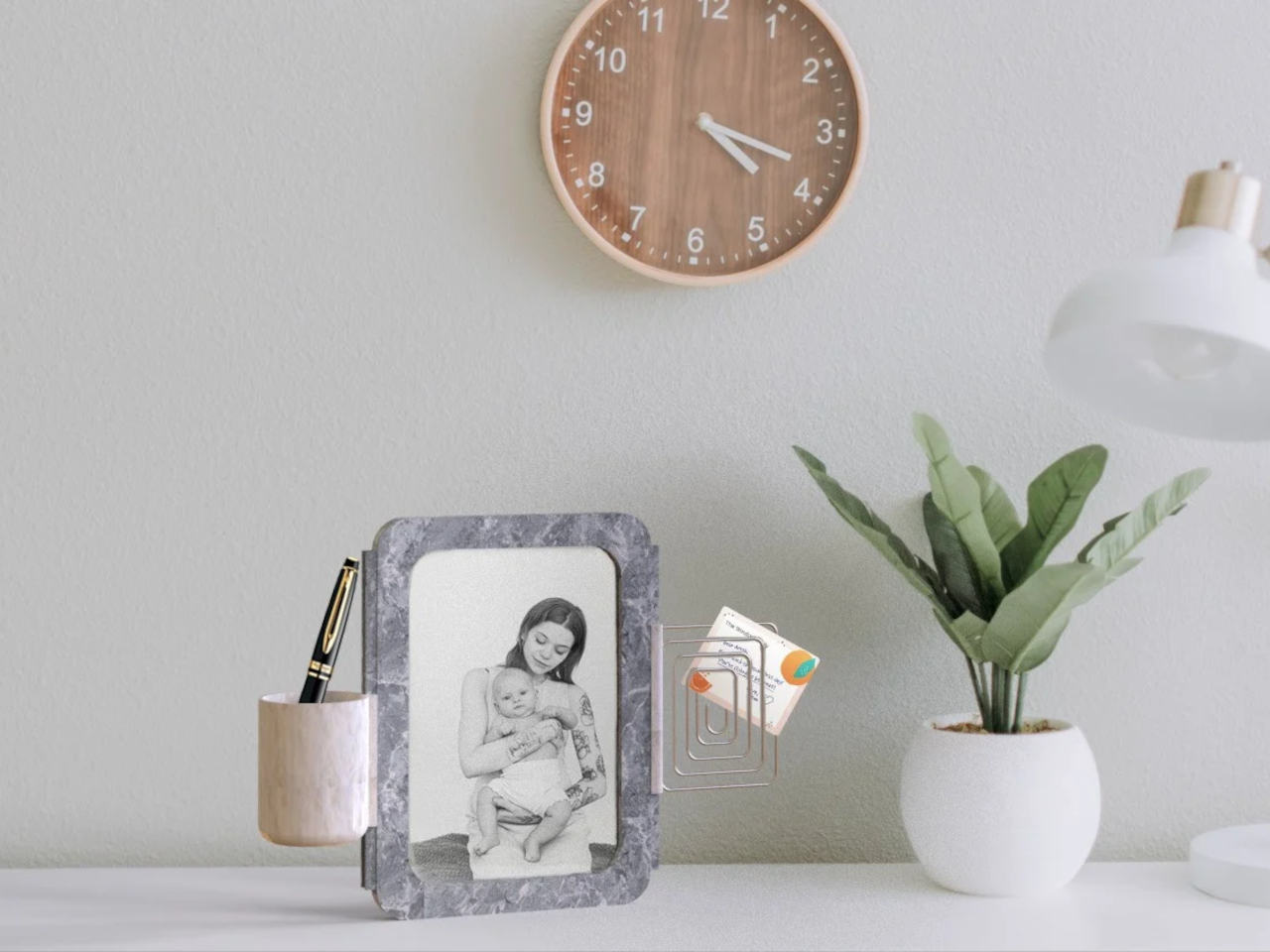
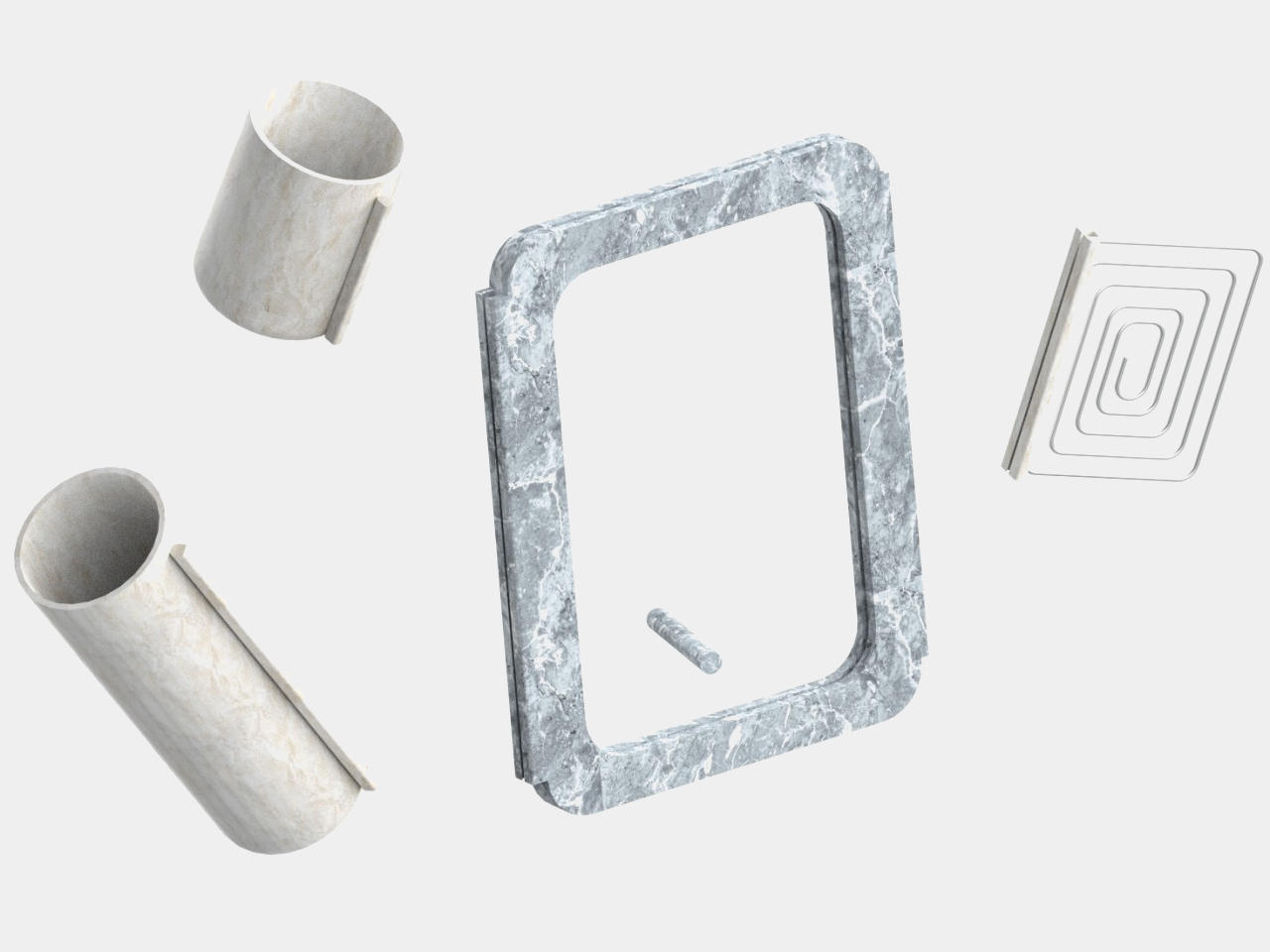
The MEMORABLE picture frame integrates a sophisticated marble design with modular functionality, featuring a unique rail system. This allows users to attach various modules like a pen holder, small vase, or note holder, enhancing both organization and personalization in your workspace. Crafted for durability and aesthetic appeal, MEMORABLE blends timeless elegance with practical modular design, making it ideal for displaying cherished memories while doubling as versatile desk storage.

The stationery landscape is transforming into a vibrant blend of sustainability, innovation, and artistic expression, revolutionizing how we approach work, study, and creative assignments.

The post Beyond the Basics: Top 10 Cutting-Edge Trends in Stationery Design first appeared on Yanko Design.

Top 10 Stationery & Craft Supplies To Create The DIY Halloween Decor & Costume Of Your Nightmares

Spooky season is around the corner, and Halloween is soon approaching. It’s that time of the year when you let your creative juices flow, and craft the perfect costume for 31st October, while also converting your house into a spooktacular haven. If you’re an experienced DIY-er or someone looking to get their hands dirty this Halloween season, you will need the right set of stationery and craft supplies to bring your scary ideas to life. We’ve curated a collection of stationery and craft supplies to help you create the Halloween decor and costume of your nightmares! You can realize your haunted visions with a few functional and nifty tools and products.

1. Cut & Slice Scissors

Named the Cut & Slice Scissors, this nifty EDC is equipped with a sliding mechanism that pushes one of the blades ahead, forming a box cutter, and ensuring your cutting experience is smooth and seamless. You don’t need to use two different pieces of equipment to get your work done. It is an excellent option to prep your Halloween costumes and decor with, as it makes cutting an easy part of your process.

Click Here to Buy Now: $29

Why is it noteworthy?

It features an easy-to-use sliding mechanism which makes using the cutter functional, and safe to store when not needed. You can use the scissors handle as a blade handle, providing it an ergonomic twist, which makes it truly unique.

What we like

  • Features a unique form with drop-shaped handles in transparent resin
  • The blades are coated with fluorine to prevent sticky residue from building up

What we dislike

  • The blade is not easy to replace

2. Pen Fan

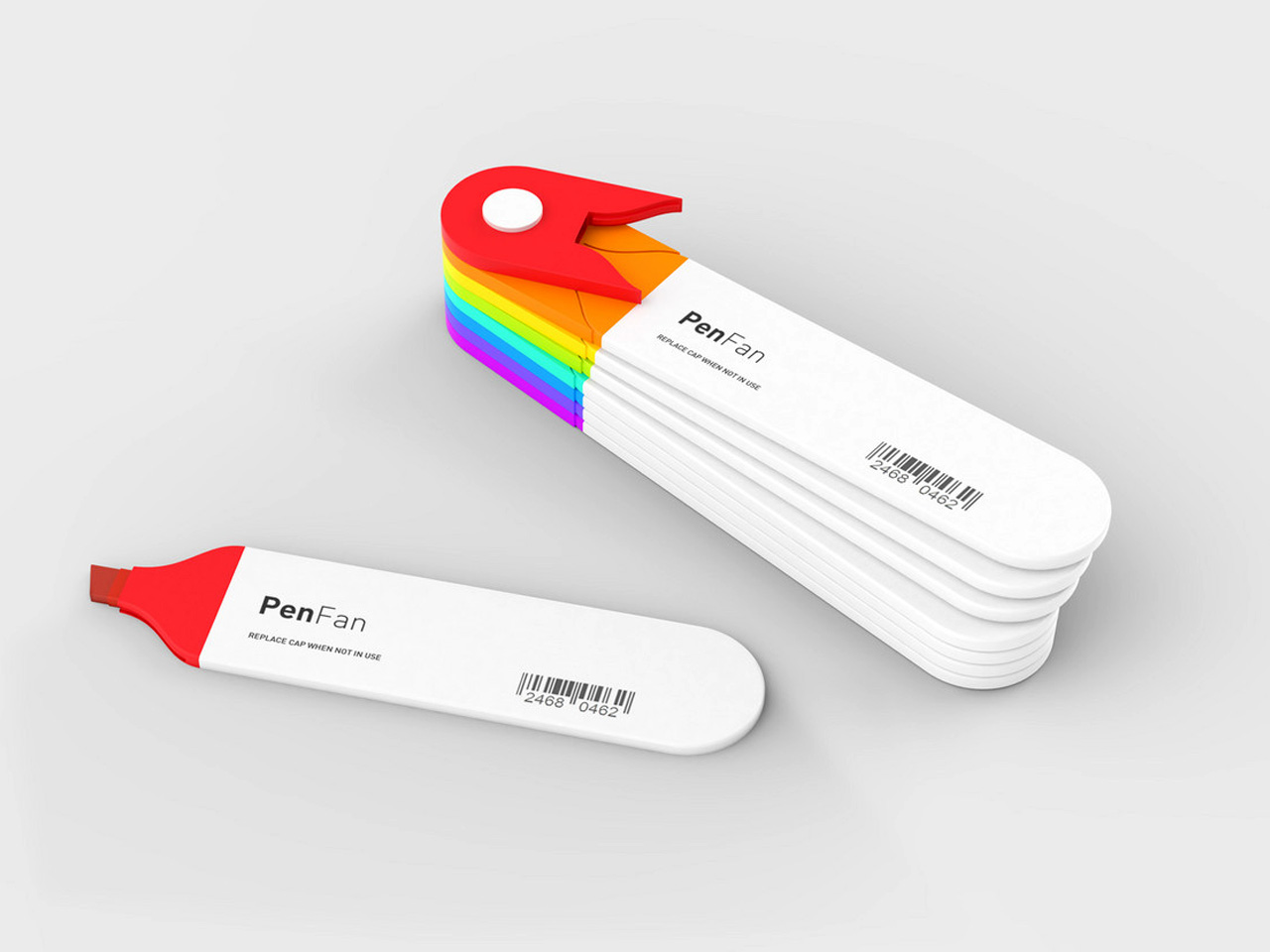
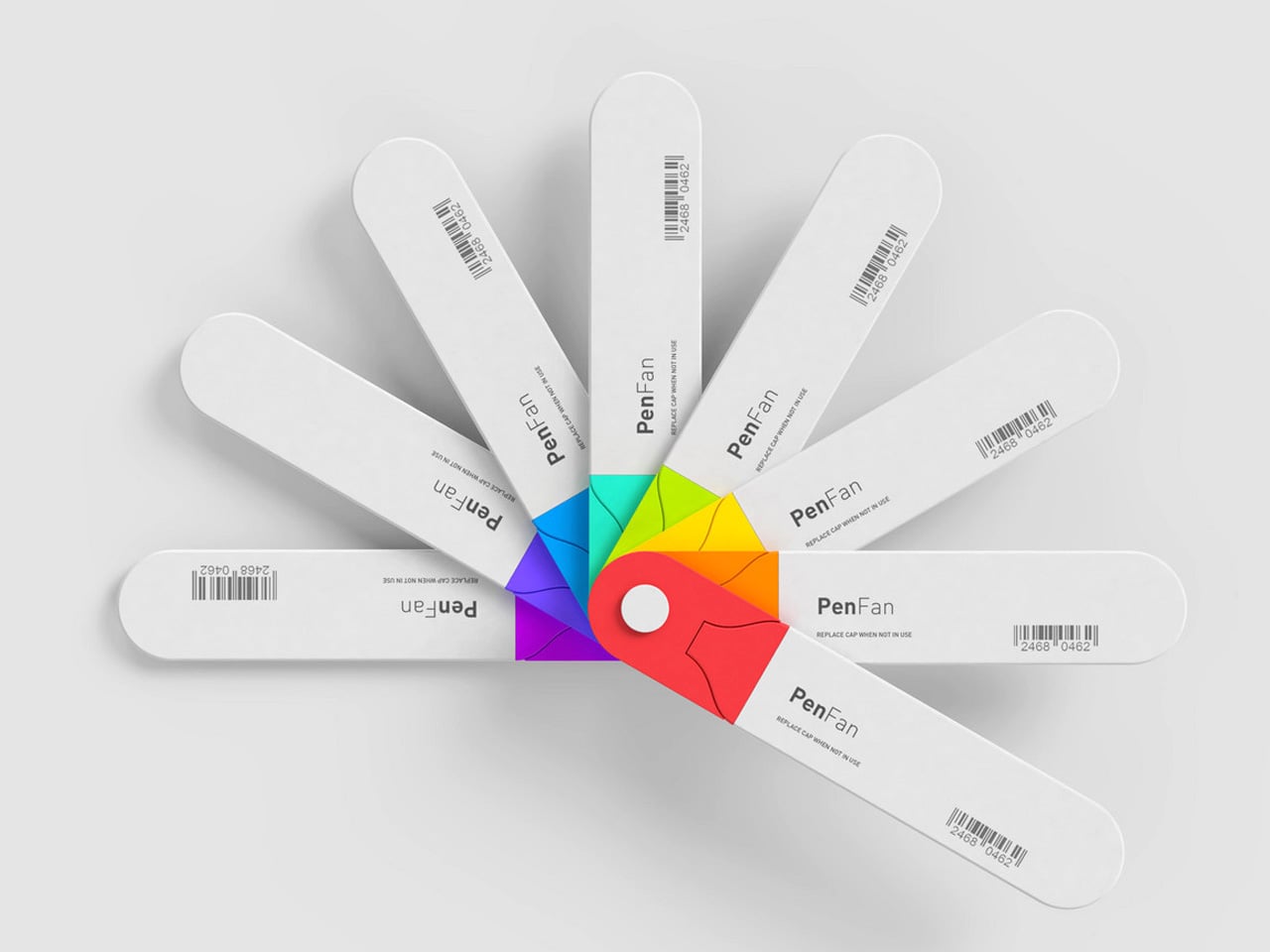
Named the Pen Fan, this one-of-a-kind stationery design is a mix between a Pantone shade card and a stationery set. It features 8 flat-head sketch pens, making it a real lifesaver when you’re creating something. You can use the fan to add color to your interesting Halloween decor or costumes.

Why is it noteworthy?

The pens are connected, creating a cute little Japanese-fan-style layout that displays the eight colors. You can pick and choose the color you like. The pens are detachable, and you can snap them on and off, creating a palette to make your ideal Halloween costume.

What we like

  • Portable set that you can carry with you
  • The pens cannot be easily misplaced or lost, since they are connected

What we dislike

  • Consists of 8 color options, which can be a bit limiting for users who prefer a wide variety of colors

3. Craftmaster EDC Utility Knife

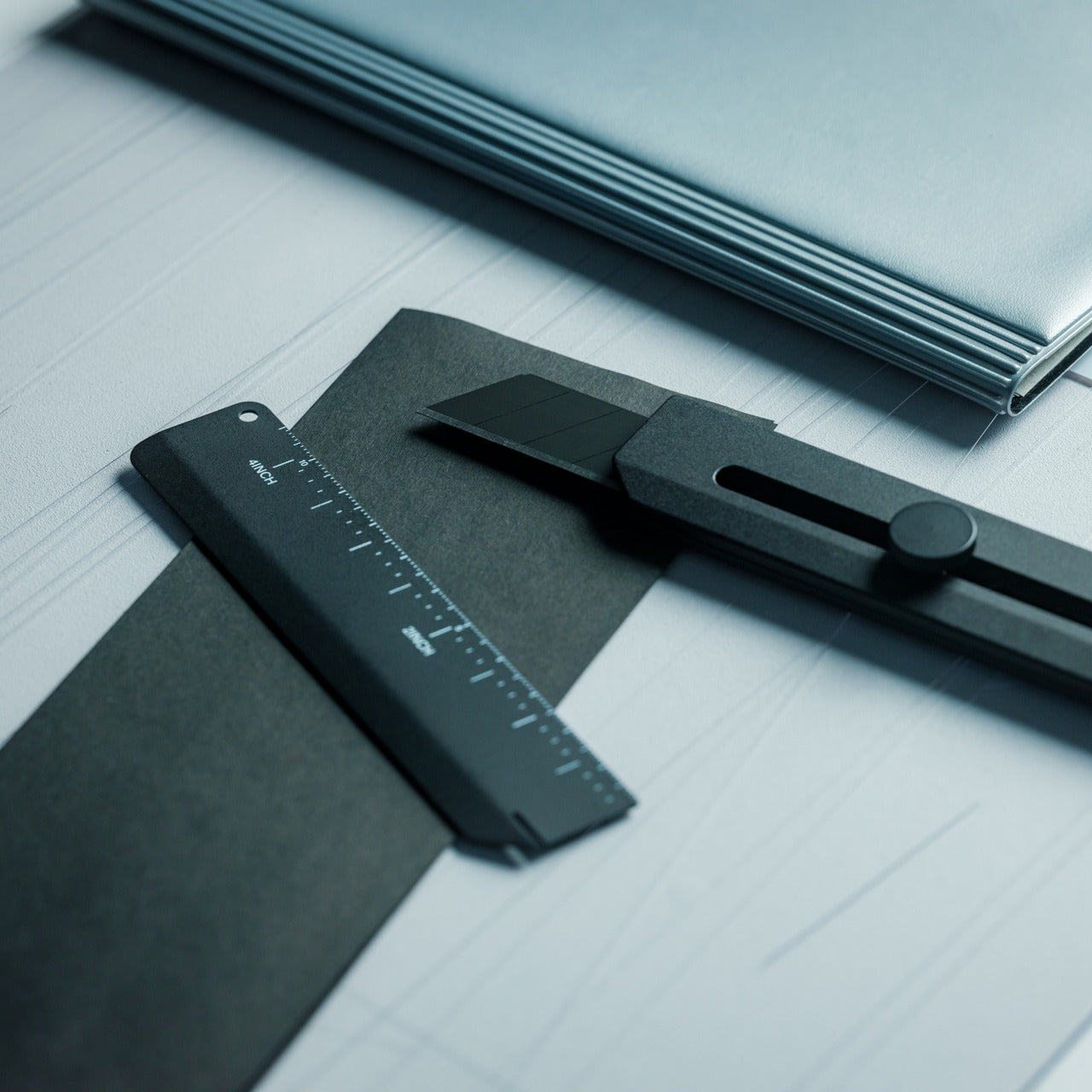
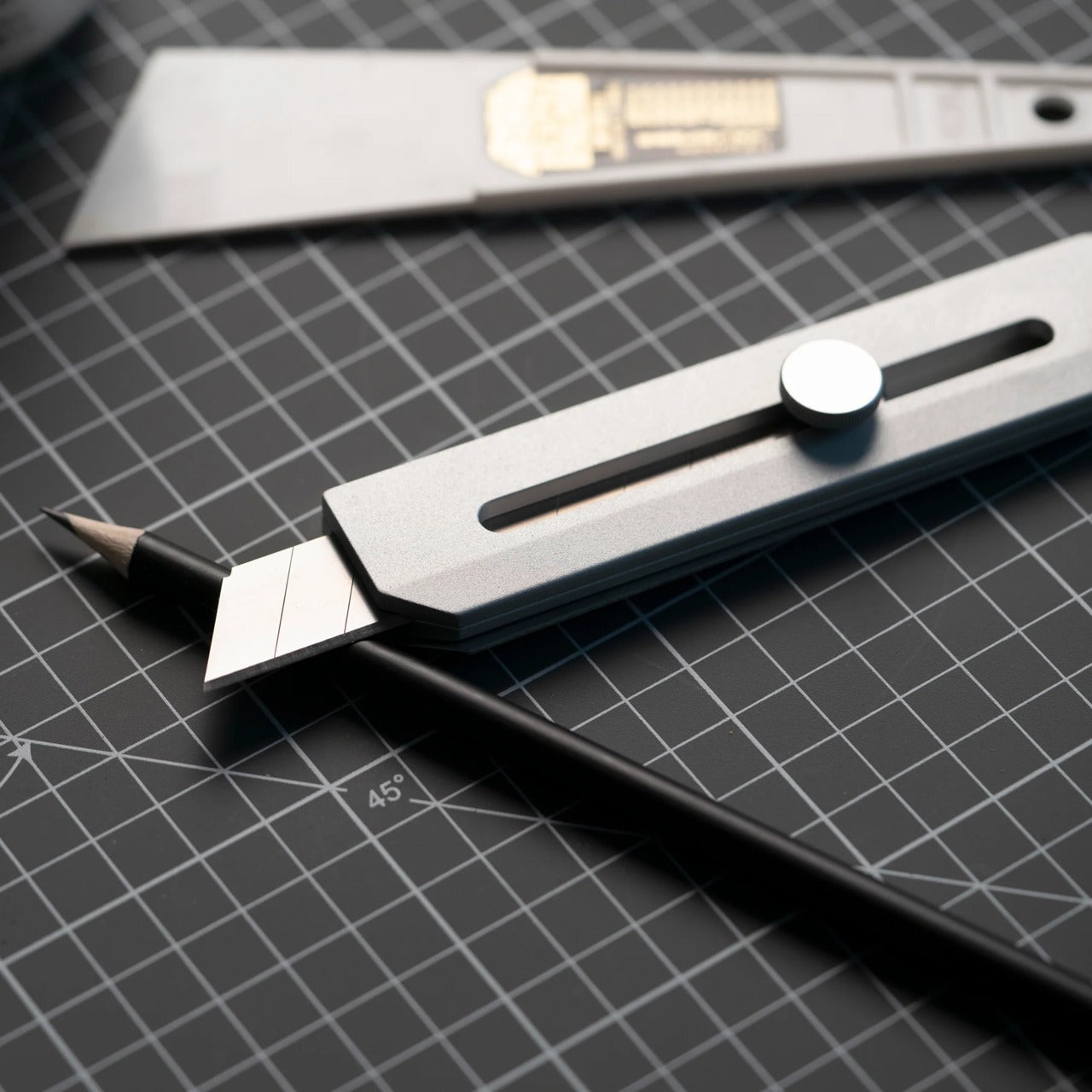
Dubbed the Craftmaster EDC Utility Knife, this EDC knife is like an everyday paper cutter, but more functional. It has an all-metal body, and textured knob that allows you to easily deploy and lock the blade. The handle is quite grippy and weighted, which makes holding it an easy task. This knife is a boon for cutting through different materials such as paper or cardboard, that you maybe using to create some Halloween decor.

Click Here to Buy Now: $79.00

Why is it noteworthy?

The knife is blessed with simple and sophisticated aesthetics and a CNC-machined handle. It has an enclosed blade that has been machined for perfection. Since the blade is enclosed, it glides with smoothness, and no hassle at all, offering you a seamless experience.

What we like

  • It features a 45° slant to help you open boxes with ease
  • Equipped with a  metal scale, making it a multifunctional design

What we dislike

  • It features a magnetic back, which can attract small metal bits

4. Mr. Carve M3

Say hello to the Mr.Carve M3 – it is designed to engrave or cut virtually anything – ranging from jewelry and stationery to plastic, metal, and glass. So, if you’re looking to create your own Halloween costume and decor, you can use this innovative engraver to add some neat and unique touches!

Why is it noteworthy?

The engraver features swappable infrared(red) and blue laser heads which allow you to work on any material you like – glass, paper, or even metal. It is equipped with a working area that is 10 times larger than any material you can think of. It has its software which includes LightBurn or LaserGRBL.

What we like

  • Equipped with a powerful air filtration system that provides engraving comfort and protection

What we dislike

  • It is a bulky product, which will occupy substantial space in your home

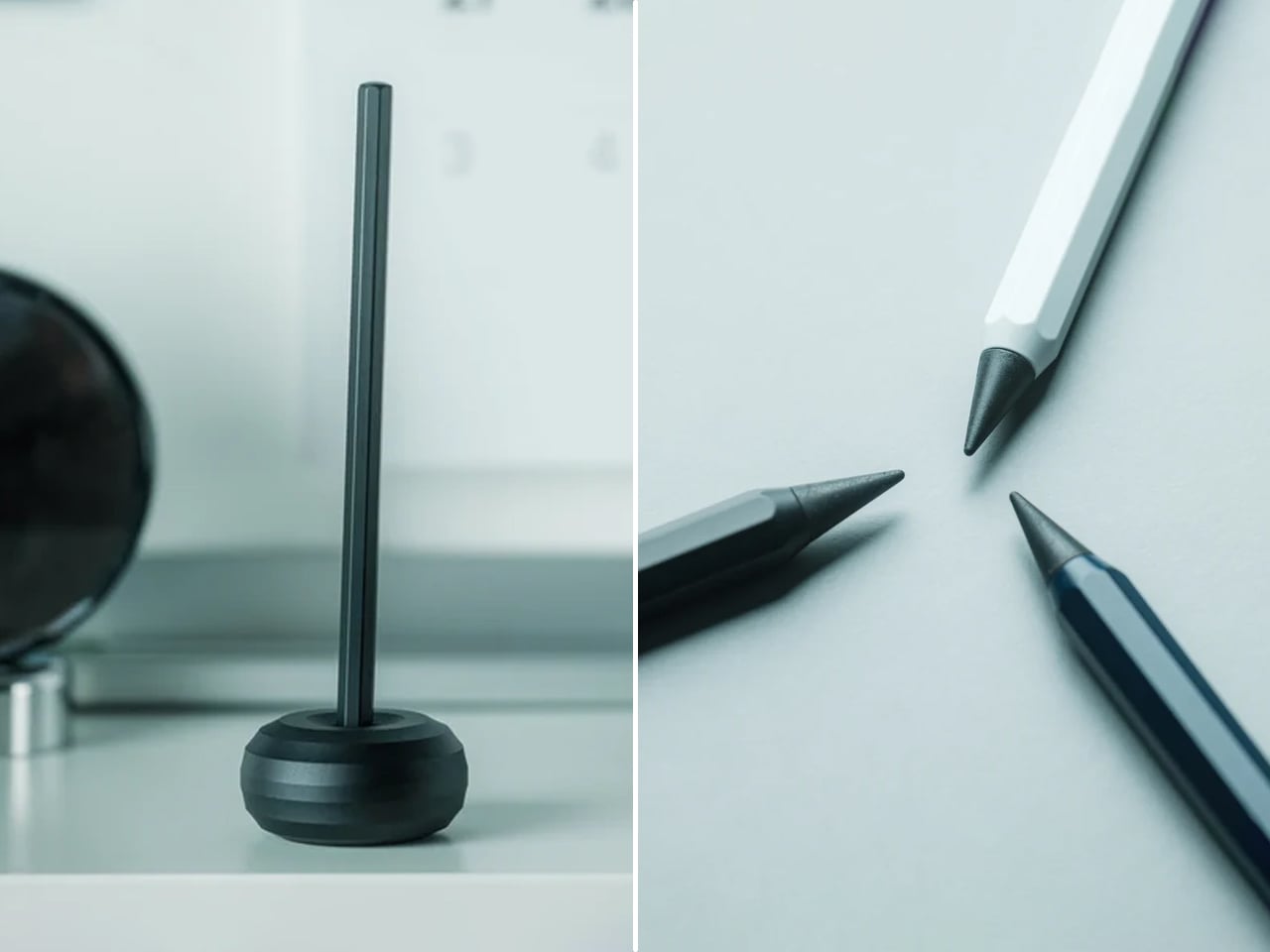
5. Everlasting All-Metal Pencil

When you’re creating something, you always need a trusty pencil, and you probably want to add the Everlasting Metal Pencil to your craft supplies. The innovative pencil has a tip that doesn’t need to be sharpened or replaced. With the Everlasting Metal Pencil, you can fully focus on the tasks at hand, that is creating the perfect Halloween decor, instead of the lead.

Click Here to Buy Now: $19.95

Why is it noteworthy?

The pencil’s shaft is octagonal and is made from aluminum. It houses a special alloy core. The pencil doesn’t leave any heavy grooves on the paper, and it draws like a real pencil, making the experience a seamless one.

What we like

  • Equipped with a metal core instead of clay or charcoal

What we dislike

  • If you want to use smudging techniques for your Halloween costume or decor, then this pencil isn’t the right fit for you

6. Chameleon Color Tops

Say hello to the Chameleon Color Tops – these pens are a whole new way to blend color. You can create simple and seamless color-to-color blends, and the pen does all the blending for you. You can use them in a bunch of different ways, you can blend the color from dark to light, from light to dark, or you can even blend opposite colors.

Why is it noteworthy?

If you’re in the mood to make a colorful and unique Halloween costume or some decor, then these color tops will help you achieve the different vibrant looks you’re going for. There are 50 pens, and you can create 1225 possible color combinations, truly giving you a chance to be creative.

What we like

  • You can create 1225 color combinations

What we dislike

  • Marker pens are not suitable for some materials or styles

7. Effortless Standing Letter Cutter

Named the Effortless Standing Letter Cutter, this handy stationery item is a simple yet functional tool that can help you with a bunch of activities. Besides cutting letters open, it also functions as a paperweight and can be used to slice through different shapes and forms of paper. Besides using it to cut open papers, you can use the sleek little product to prevent your different materials and papers from flying away, while you’re busy making your Halloween costume or decor.

Click Here to Buy Now: $49

Why is it noteworthy?

This unique product takes the typical letter cutter and converts it into something new and unique. It can cut through paper efficiently and effectively, ensuring no mess is made.

What we like

  • The cutter opens letters accurately, leaving nothing behind
  • Doubles up as a paperweight, ensuring a tidy desk

What we dislike

  • Doesnt work well with complex mail or heavy packages

8. Clamp Tape

When you’re creating your own funky Halloween costume, your saver is always some good old tape. And this product called the ClampTape, is a unique and whimsical tape dispenser by Peleg. It keeps some tape always handy for you. It has an innovative clothespin-inspired design that easily clamps onto the tabletop surface.

Why is it noteworthy?

The ClampTape is an ingenious design since it merges emotional design with problem-solving abilities. It is made from bent sheet metal and has a rubber/polymer sleeve wrapped around the clamping jaws, ensuring no damage is caused to your table.

What we like

  • Features a roll of tape
  • Provides a whimsical twist to an ordinary stationery item

What we dislike

  • The clamp isn’t very wide, so may not be able to hold onto all kinds of tables or horizontal surfaces

9. 25° Ruler

Say hello to the 25° Ruler, a ruler that will make all the other rules out there seem mundane and ordinary. The ruler is amped with small changes that offer big benefits. It is a must-have for those who want the accuracy of every millimeter, especially if they’re creating Halloween decor for some particular room with its specific measurements.

Why is it noteworthy?

The positioning of the measurement of the marks is at the bottom edge, which chances usability. This ensures that you don’t need to lean forward to read the markings, ensuring the ruler is comfortable to use and that the readings taken are accurate and precise.

What we like

  • The ruler is easy to pick up from smooth surfaces like a table
  • Clear and large fonts make the ruler easy to read

What we dislike

  • It is a niche tool, rather than a comprehensive measuring tool suitable for all

10. Colored Pencil Holder

If you’re someone who uses colored pencils to add tints of subtle color to their Halloween decor and costumes, then you may want to consider purchasing this wooden colored pencils holder by Bond Art Studio. The pencil holder displays your colored pencils while you sketch, color, or draw, ensuring you have easy access to them, and letting you pick your favorite color smoothly.

Why is it noteworthy?

It features a sweeping shape, which displays your color collection openly, allowing you to choose a new shade with ease. The pencils have been minimally spaced, ensuring the product is organized and quite compact. It will not occupy much space on your desk.

What we like

  • It features a section where you can place your eraser, sharpener, brushes, etc

What we dislike

  • Not suited for artists who need a wider variety of colors to work with

The post Top 10 Stationery & Craft Supplies To Create The DIY Halloween Decor & Costume Of Your Nightmares first appeared on Yanko Design.
Zen garden pen brings a visual and tactile way to inspire mindfulness

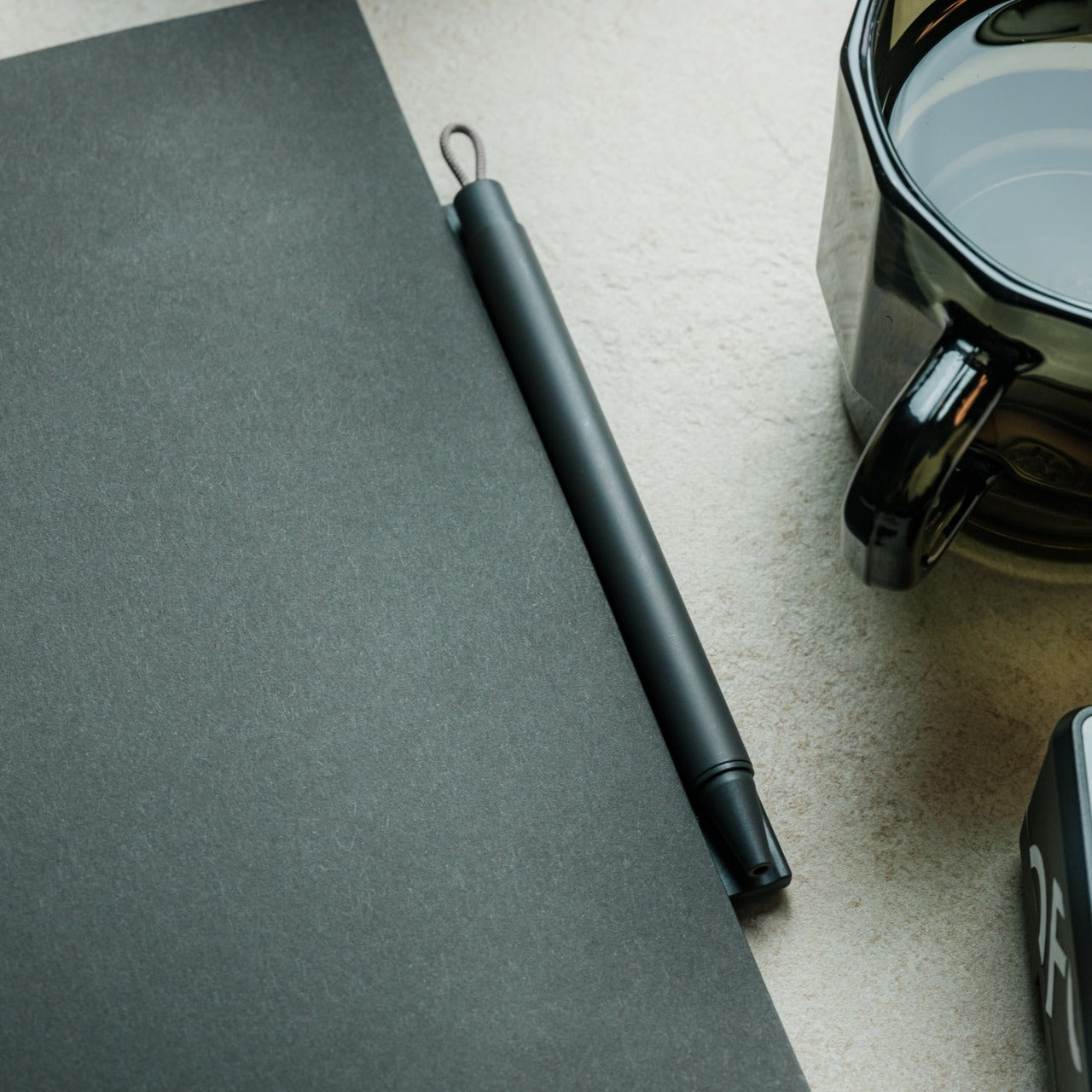
Pens, regardless of design, are almost always associated with productivity and creativity, in other words, activity. While you can use the writing instrument to clear your head and achieve a state of calm, that’s only after you’ve actively used it. Rarely does a pen by its mere appearance actually take you to that state, but that is exactly what this unique-looking pen tries to accomplish. Using not only visuals but also texture, this Japanese-made pen aims to help you become mindful of the present, even if only for a moment, taking inspiration from the easily distinguishable composition of a Zen garden, sand and stone and all.

Designer: Jacopo Drago (Zenical)

It’s almost miraculous how a dry landscape and a meticulous arrangement of stone in gravel or sand can nudge the mind into a meditative state. That, however, is the magic and science that Zen Buddhist monks have discovered and developed over centuries, combining contrasting elements, minimalist arrangements, and natural elements to design a space meant to inspire calm and maybe clear a few cobwebs inside the brain. The stillness of the rock standing amid the thin lines of movement drawn on gravel around it, the smoothness of the pebbles contrasting with the coarseness of the sand, and the presence of living trees or shrubs standing defiant on lifeless ground, all these elements work in harmony to take the mind for a peaceful journey.

These rock gardens have become so popular that a few people have miniature Zen gardens on shelves or even their desks, but they can neither take these with them wherever they go nor always have them available when they need to. The Zen Pen tries to bring that same experience to an even smaller scale by recreating the key elements of a Zen garden in a way that you can see and feel in your hand. A part of that is clearly seen in the 3D-printed grooves that snake around the barrel and the cap, easily reminiscent of the thin lines and circles drawn on a rock garden.

It doesn’t stop there, however. The clip, which is often regarded as a utilitarian element, also contributes to the composition. Its smooth, oval shape is like one of those rocks or pebbles lying on the gravel, and you can see the typical circles radiating from its position. That position is actually off-center, doubling down on the contrasting themes of balance and asymmetry associated with Zen gardens.

The Zen Pen isn’t just a visual treat but also a tactile one, thanks to the handiwork of skilled Japanese craftsmen utilizing modern technologies like 3D printing and milling. While the grip near the nib is smooth and plain in order to be comfortable to hold, the rest of the barrel and the cap feature this textured surface that delights the fingertips. And as many variations of fidget toys have proven, mindlessly stimulating those fingers, even just by gliding over those grooves, can also help stimulate the mind.

The post Zen garden pen brings a visual and tactile way to inspire mindfulness first appeared on Yanko Design.
This ultra-minimalist pen stand makes your writing partner the center of attention

We all have our favorite writing instruments, be it an heirloom fountain pen or even a number 2 pencil. You’ll probably just stuff the latter in drawers or leave them strewn on your desk, but the pen that has been with you for years is something you’ll probably want to show off while keeping it within easy reach. Pen stands exist for that exact purpose, but some of them try to compete with the pen for attention. They have extravagant and luxurious designs that defeat the intention of putting your favorite pen on a pedestal. That’s the trap that this tiny pen stand tries to avoid by practically removing all non-essential features that prevent you from showing off your trusty writing partner.

Designer: Kairi Eguchi

Click Here to Buy Now: $35 $39 (10% off at checkout). Hurry, deal ends in 24 hours!

What stand could be simpler than an upright cylinder with a whole in the middle that’s just enough to fit a single pen? After all, a pen stand’s purpose is to hold the writing tool for easy access while showing it off when not in use. Anything else is just excess and waste that burdens the product both visually and functionally. That’s the kind of minimalist design that this small and simple stand embraces, but that doesn’t mean it’s a plain and boring desk accessory. In fact, it is ironically one of the most beautiful pen stands around, especially if you favor minimalist designs.

Your eyes will be immediately drawn to the stand’s diminutive size. At only 52.5mm (around 2 inches) tall, it has just enough space to hold a small portion of the pen, leaving the majority of the barrel unobstructed and free for everyone to behold. Despite its small size, however, the stand is able to, well, stand without tipping over due to the weight of the pen. In fact, the stand itself tilts a little bit to one side, an intentional design that makes it easier to pull out the pen quickly when you need to jot something down.

The trick to the Centroid Stand’s unbelievable feat is in its construction, which also accounts for its two-tone color finish. The top half of the stand is made from polished aluminum which gives it a stylish luster, while the lower half is made from heavier copper that shifts the center of gravity lower, making it more stable regardless of its tilt or the weight of the pen that it holds. These two dissimilar materials, joined together using a friction welding process, give the stand a rather distinct flavor, one that is both playful and elegant at the same time. Copper also develops a unique patina over time, adding to the stand’s character as it grows old with you.

Showcase your Everlasting All-Metal Pencil with the ultimate stand.

Beautiful in its simplicity and ingenious in its functionality, this ultra-minimalist pen stand offers a perfect view of the writing instrument that it holds. Due to its minimalist design, it is the perfect complement to equally minimalist pen designs, such as the Everlasting All-Metal Pencil that will last as long as this unconventional stand. It is a glowing example of how simple designs, when done right, can exude a kind of beauty that gently draws your eyes without distracting from the attention that your favorite pen or pencil rightfully deserves.

Click Here to Buy Now: $19.95.

The post This ultra-minimalist pen stand makes your writing partner the center of attention first appeared on Yanko Design.
Pen blooms when pressed as you write down your dreams

While I’m basically a digital person, I turn analog when it comes to my journaling habit. This means I have a lot of tools like notebooks, stickers, washi tapes, and other ephemera to help me journal. But probably my most important “weapons” are my pens. As someone who likes colorful things, I collect different colored (both ink and the pen’s actual color) pens that I can use when I write in my various journals. So whenever I see a new kind of pen, whether it’s the design or the features, I pay attention.

Designer: Seung-Wan Nam

This concept for a pen called Bloomstick is based on the idea that writing down your dreams is an important part in making them come true. So the pen can metaphorically help your dreams to “bloom like flowers” when you write them down on paper using it. The tagline of the product is “click to bloom your dream”. It is basically a pen with a silicone-covered button that when you press it opens to a flower-like shape and turns it into a blooming instrument.

The product renders show different colors available for the pens like green, blue, and pink. The flower part of the pen is white while the “bud” part seems to be of a different color that matches the main, silicone part of the pen. When closed, it looks like just any ordinary pen and you’ll still be able to use it of course but it’s without its blooming design. There doesn’t seem to be any other function that it can do aside from write and look pretty.
As someone who collects pens and who likes flowery, pretty things, this is something I’d probably buy if I see it in a stationery store. Now if it can actually make my handwriting look nicer or make my dreams come true, I’d order it as soon as it hits the market.
The post Pen blooms when pressed as you write down your dreams first appeared on Yanko Design.