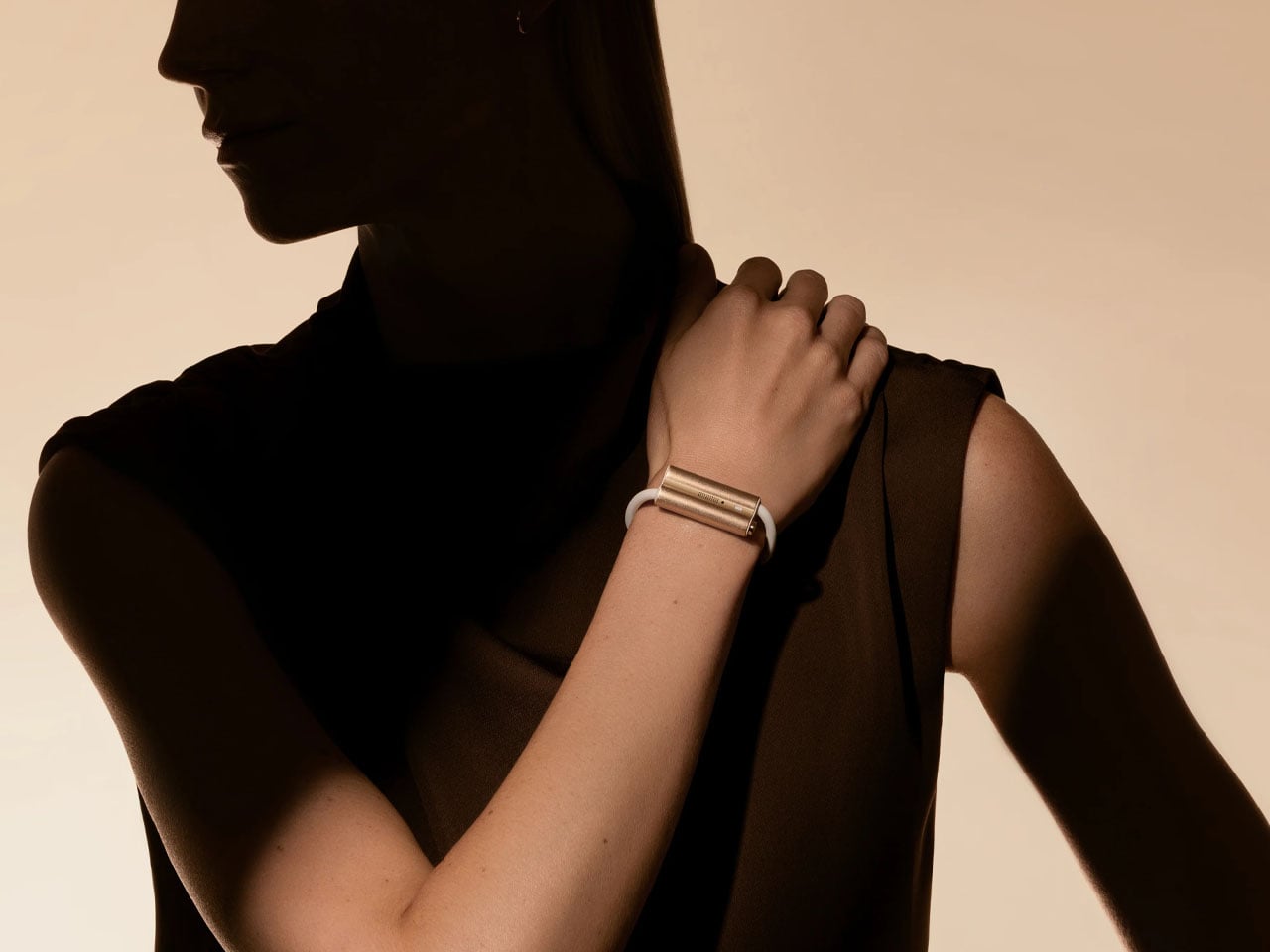
Luffu Link is a screenless LTE wearable designed to keep your family safer and better connected

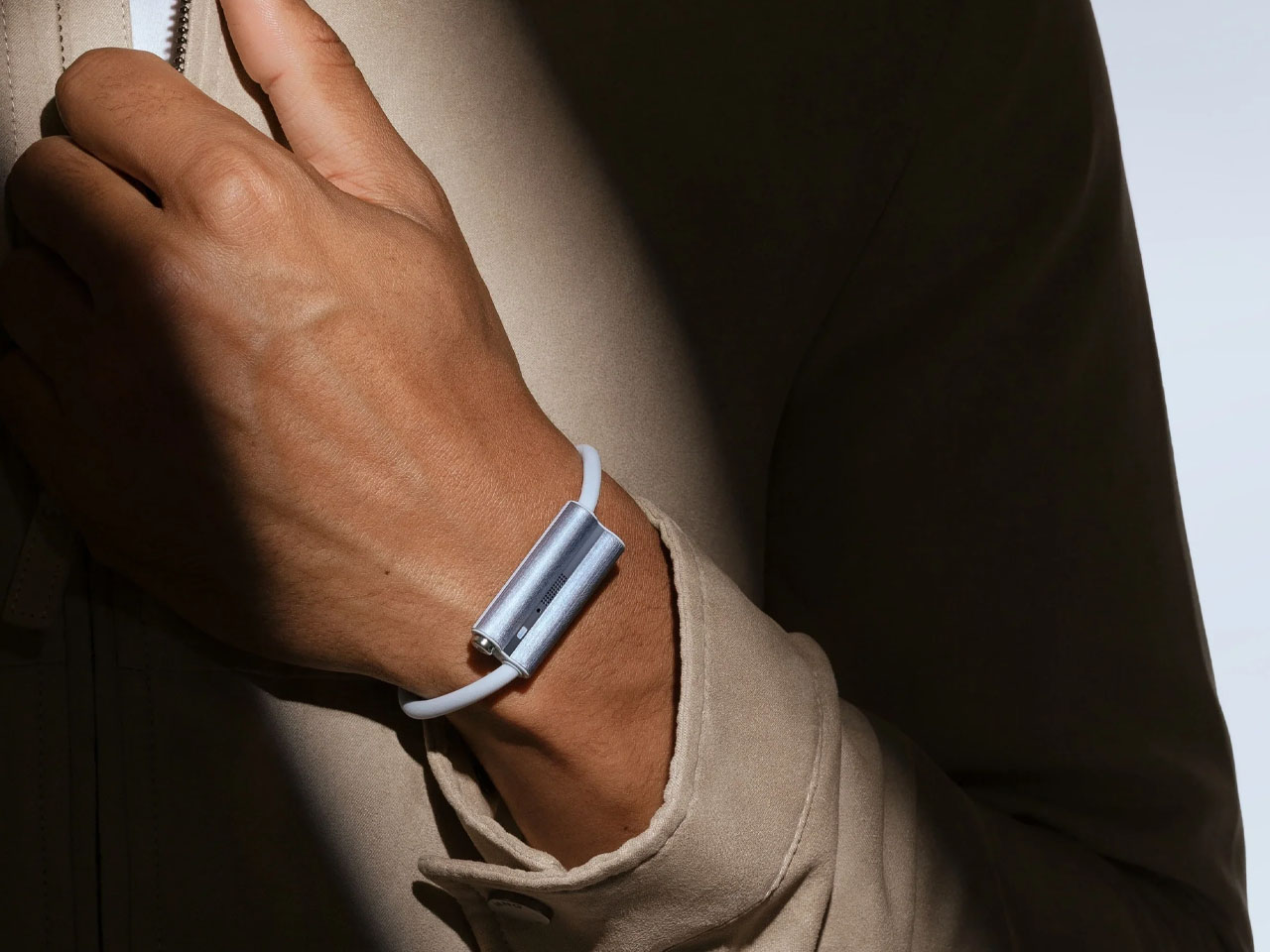
The next generation of wearables might be less focused on step-counter data and more focused on helping families stay connected. Luffu Link, the first hardware product from Fitbit co-founders James Park and Eric Friedman, takes that future-forward approach with a screenless LTE band designed to combine everyday health tracking, safety features, voice logging, and family communication in a discreet form.

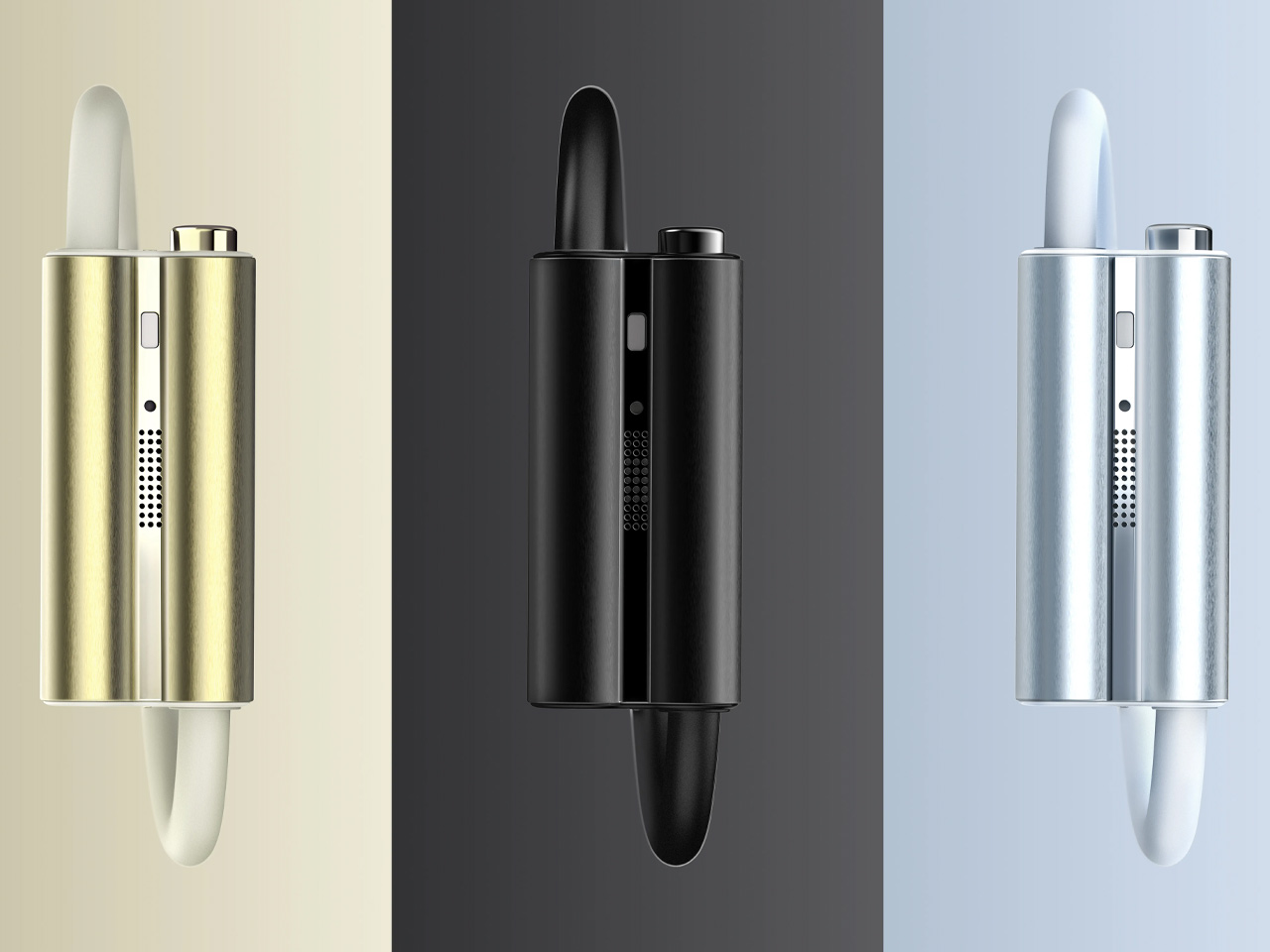
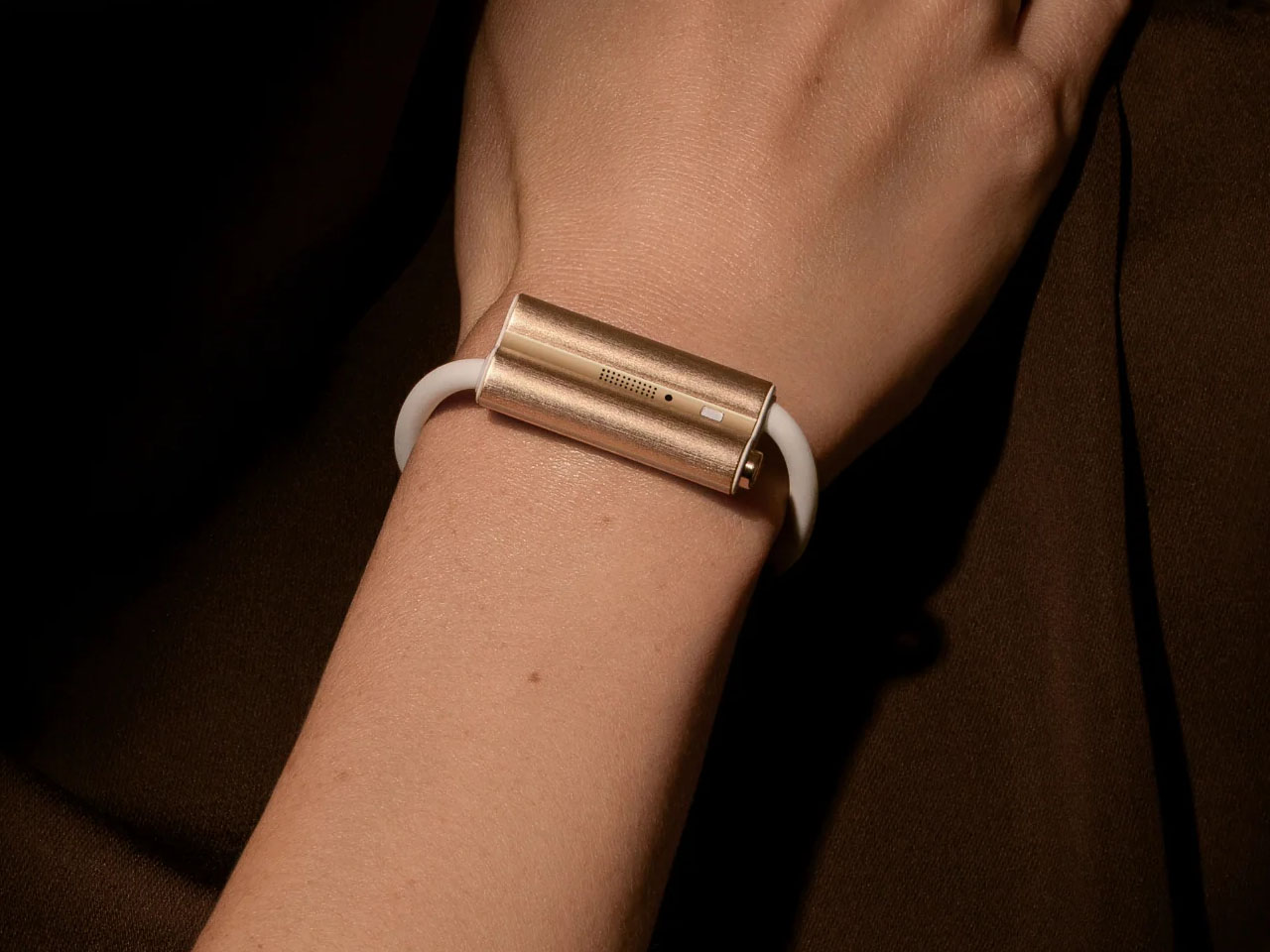
Much more than merely a smartwatch or a smart band, Luffu Link is designed to work in the background. Its slim form uses a jewelry-inspired design instead of a display, buttons, or the visual language of conventional fitness trackers. It comes in Halo Gold, Onyx Black, and Sterling Blue, with both small and large silicone bands included. The device is water-resistant to 50 meters and is rated for up to five days of battery life, depending on usage.

Designer: Luffu
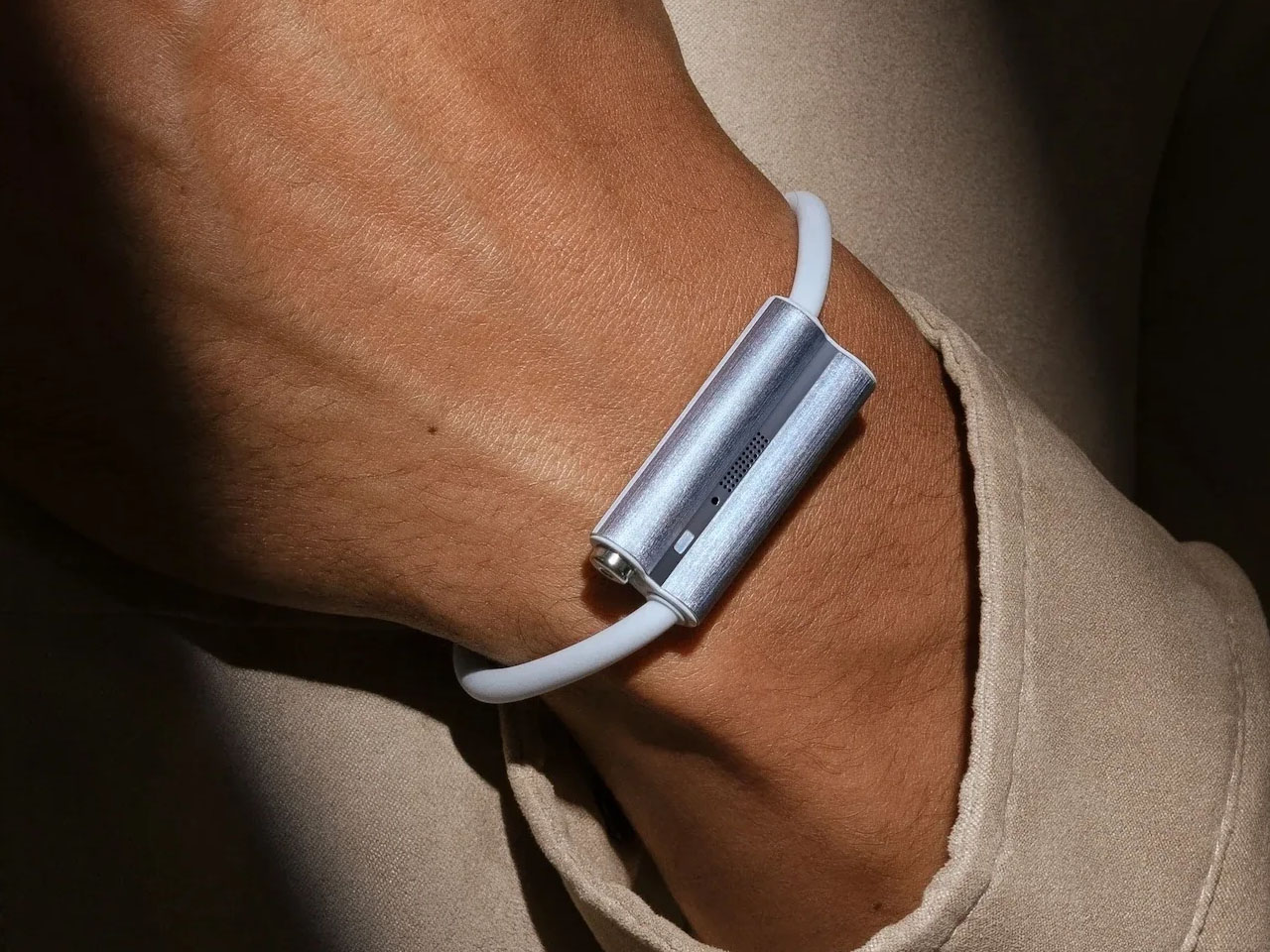
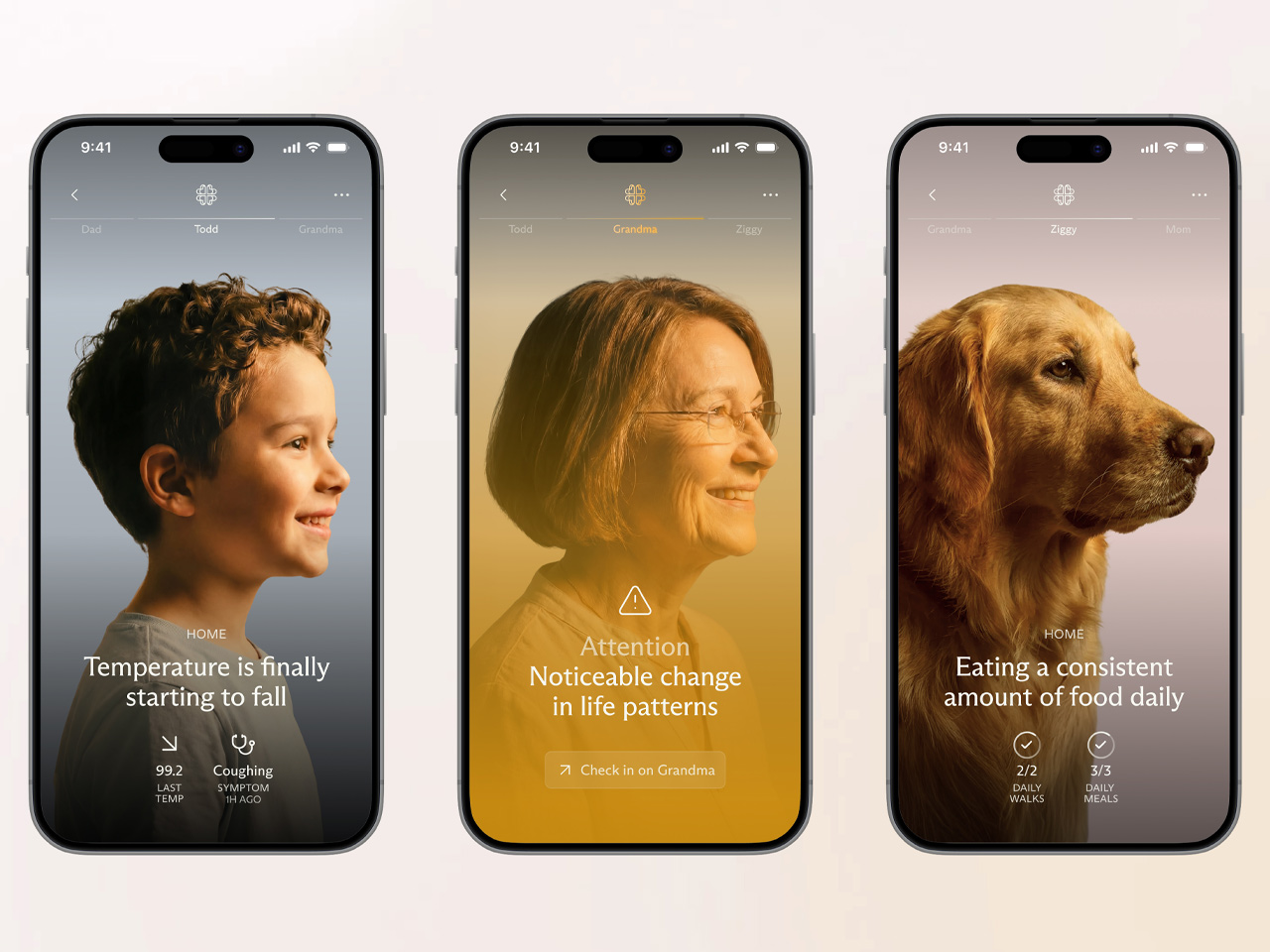
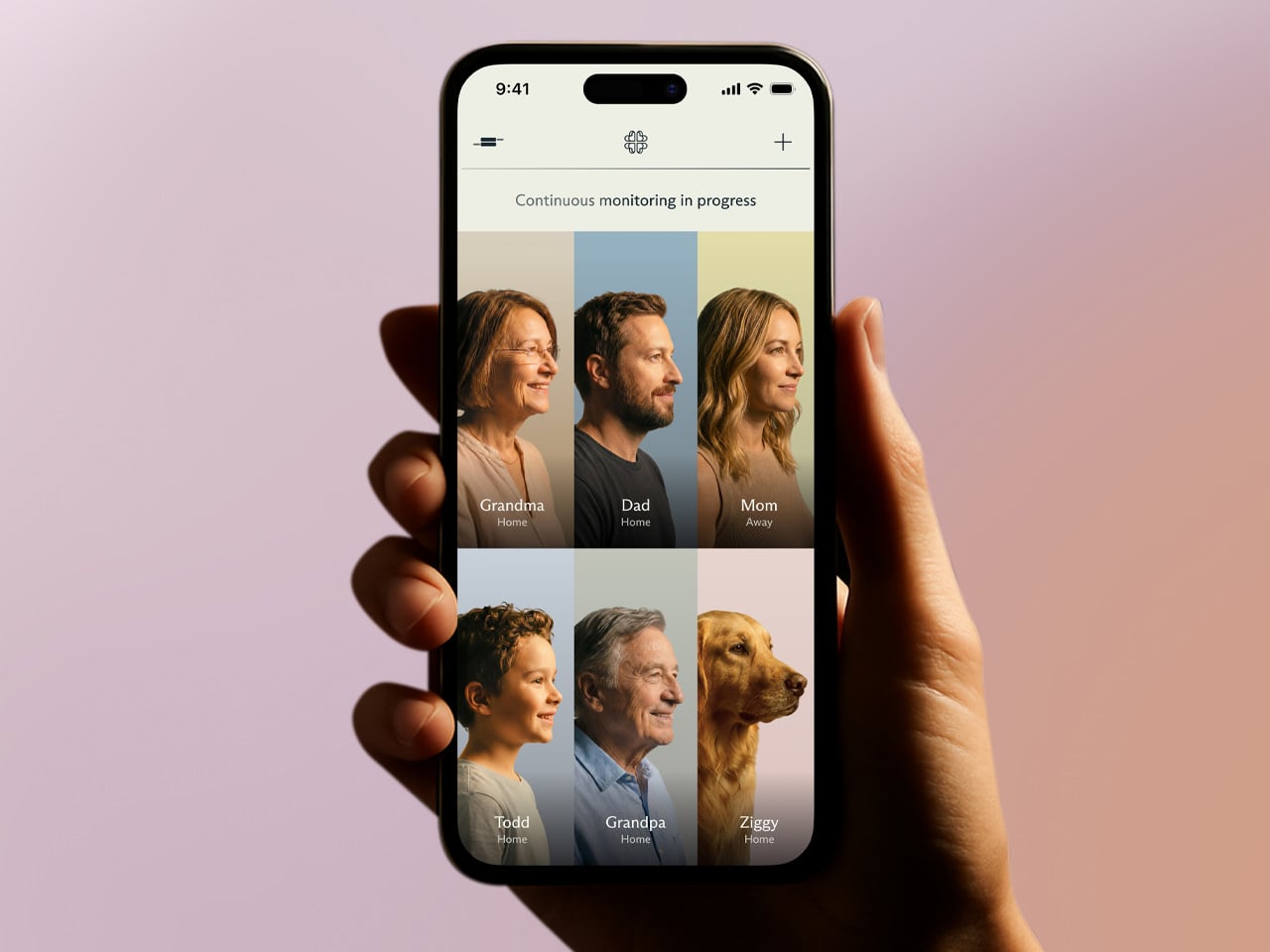
The hardware continuously tracks activity, steps, sleep, heart rate, and heart rate variability, while the accompanying Luffu app uses that data to understand a person’s usual patterns. Instead of simply presenting another collection of charts, the system is designed to identify meaningful changes over time and surface information that may warrant attention. Luffu’s broader app can also bring together details such as medications, meals, symptoms, appointments, and other health information, creating a shared picture of family wellbeing.
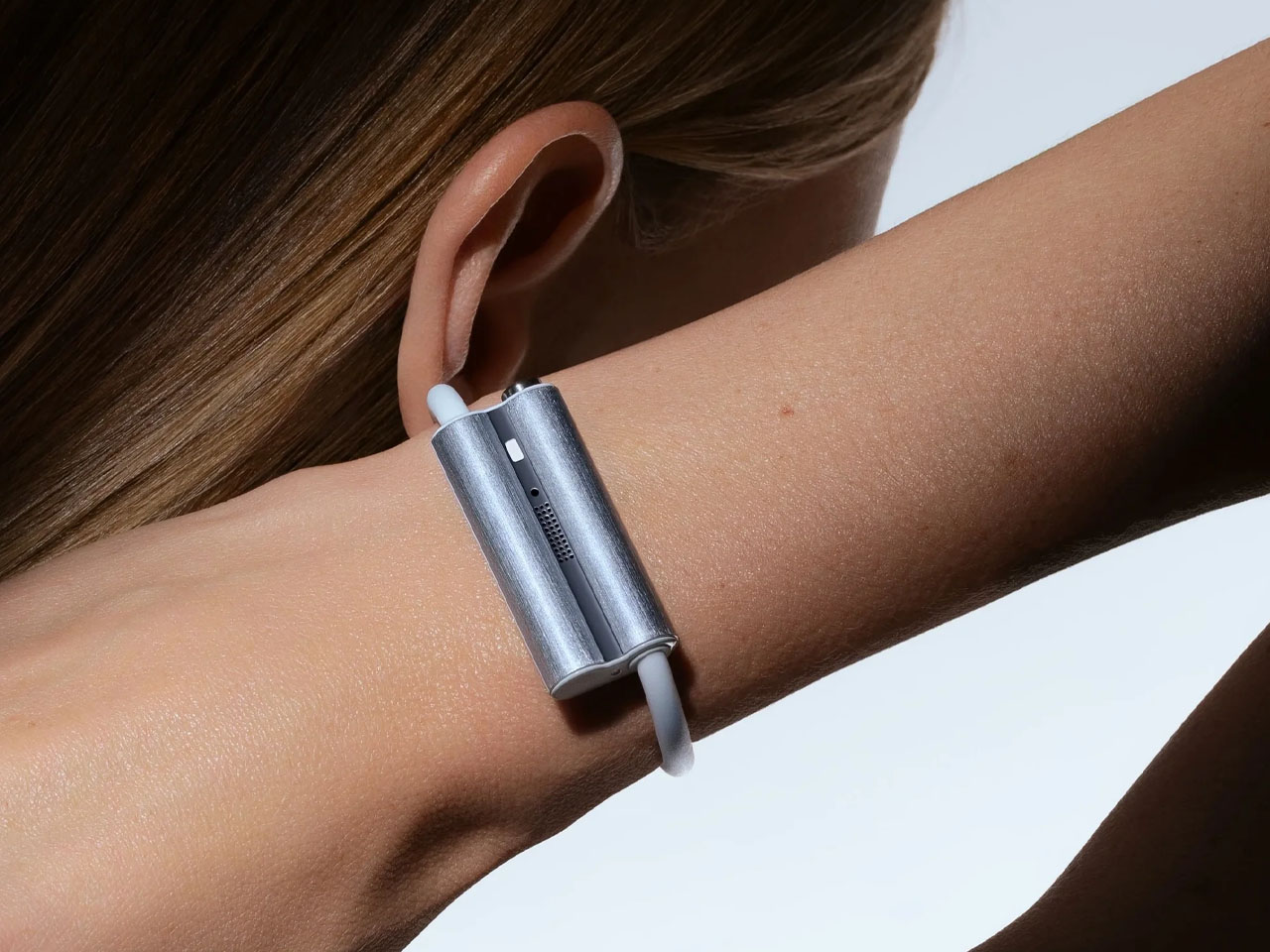
One of Link’s more distinctive features is its voice button. Holding the button lets users record notes about medication, symptoms, meals, mood, reminders, or anything else they want to remember. Those recordings are transferred to the Luffu app, where AI helps organize the information within the family’s wider health context. A double press can also send a simple check-in to selected contacts, providing an easy way to communicate that everything is okay.
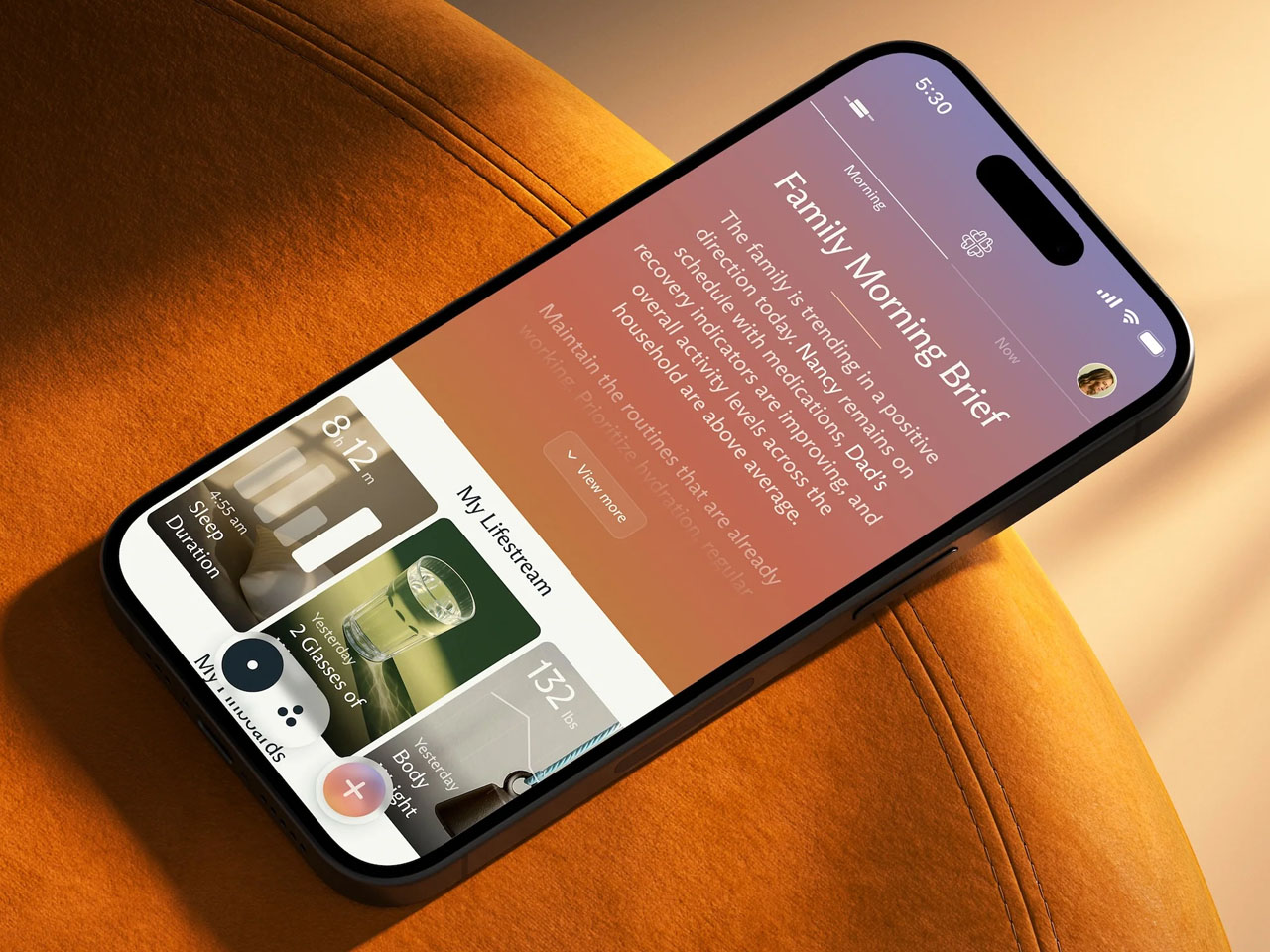
Safety is where the LTE connection becomes particularly useful. Link has built-in GPS and cellular connectivity, allowing it to share location information and contact trusted people even when a smartphone is not nearby. If a wearer needs assistance, they can use the device to send a help request along with contextual information such as their location, battery level, heart rate, and recent activity. LTE service is included, so a separate carrier plan is not required. However, Link contacts trusted people rather than emergency services such as 911.
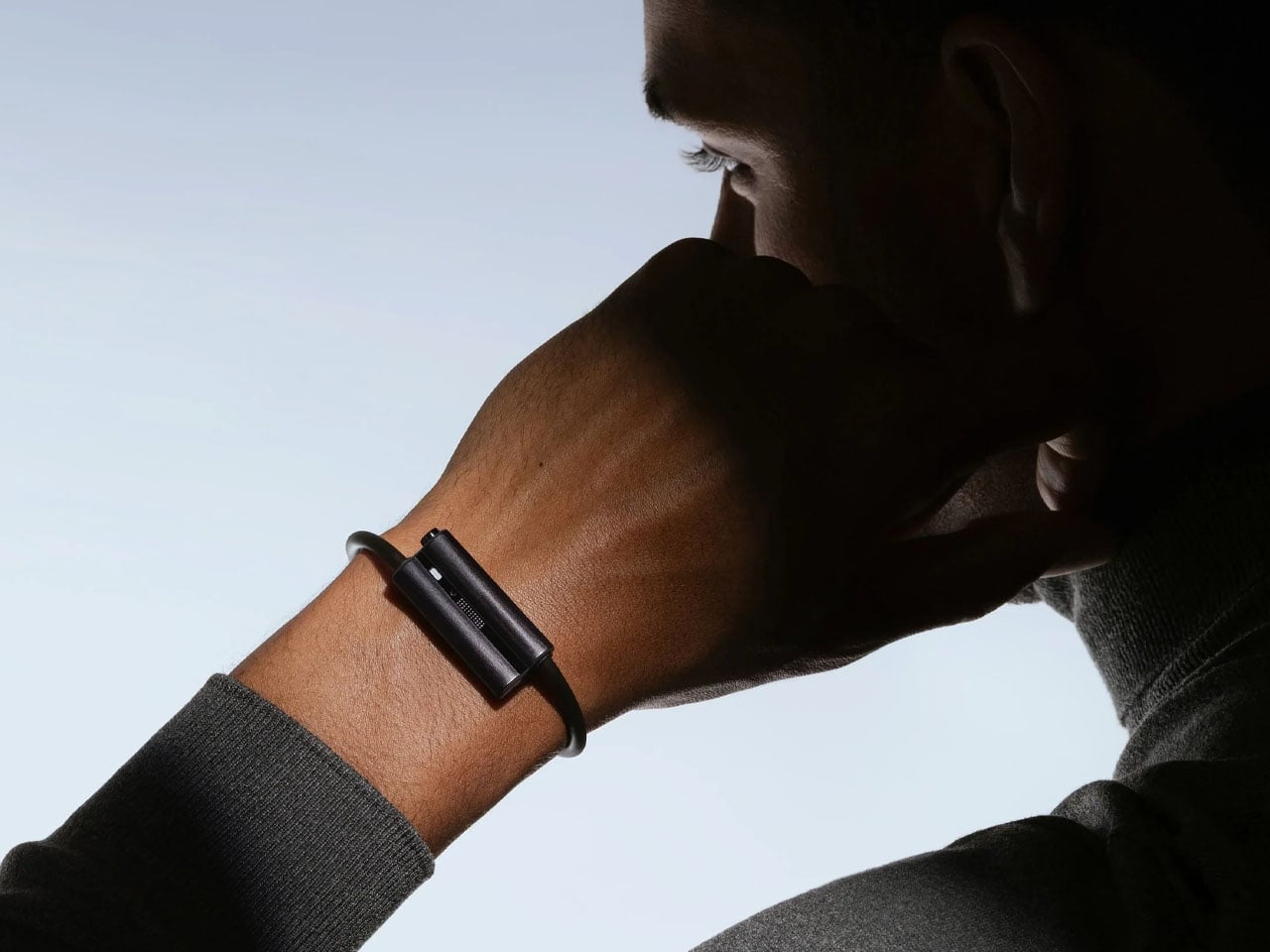
Luffu is targeting the device towards older adults, who intend to balance parenting, take care of their aging parents, pets, and keep a tab on their own well-being. The gadget is also well suited for independent older adults who want discreet safety support without wearing a traditional emergency pendant. The gadget reflects the Fitbit founders’ own experiences with caregiving and their belief that health management is often a shared responsibility rather than an individual task.
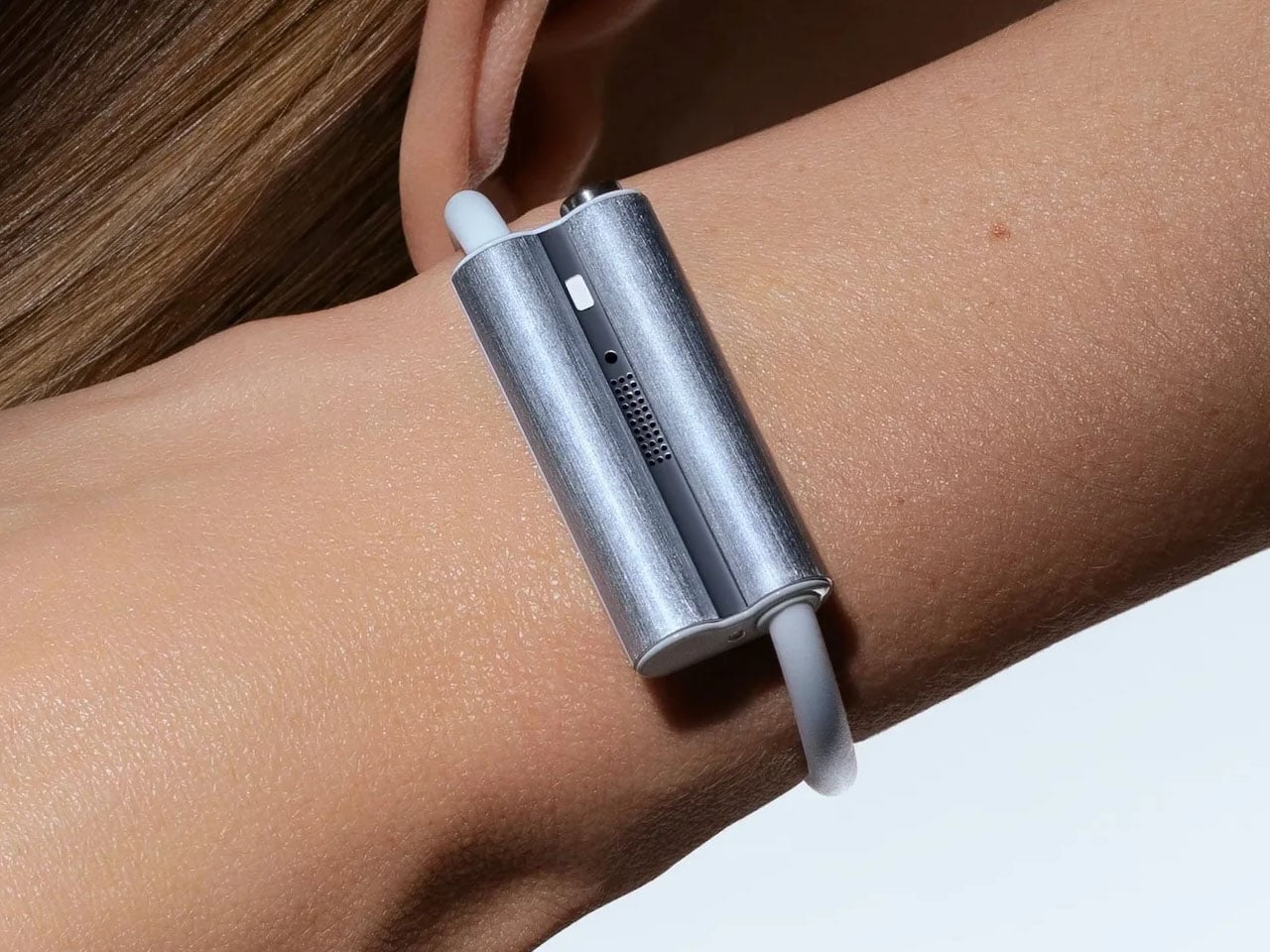
Luffu Link is currently available for preorder in the US at $249.99, with an expected retail price of $299.99 and shipping planned for early 2027. The gadget requires a separate Luffu Family Plan, starting at $19.99 per month for up to four members. Link currently supports iOS 18 (and later) and Android 14 (and later), with service limited to the US at launch.
The post Luffu Link is a screenless LTE wearable designed to keep your family safer and better connected first appeared on Yanko Design.
Garmin Just Built the Whoop Alternative That Needs No Subscription

There’s a growing frustration with fitness wearables that has nothing to do with their accuracy or features. It’s the screen. Even devices that track recovery and stress can contribute to the same screen-checking habit they’re supposed to help reduce, turning what should be a passive health monitor into just another thing demanding attention on your wrist. The smartwatch category has leaned further into displays, notifications, and apps, leaving a gap for something that doesn’t do any of that.

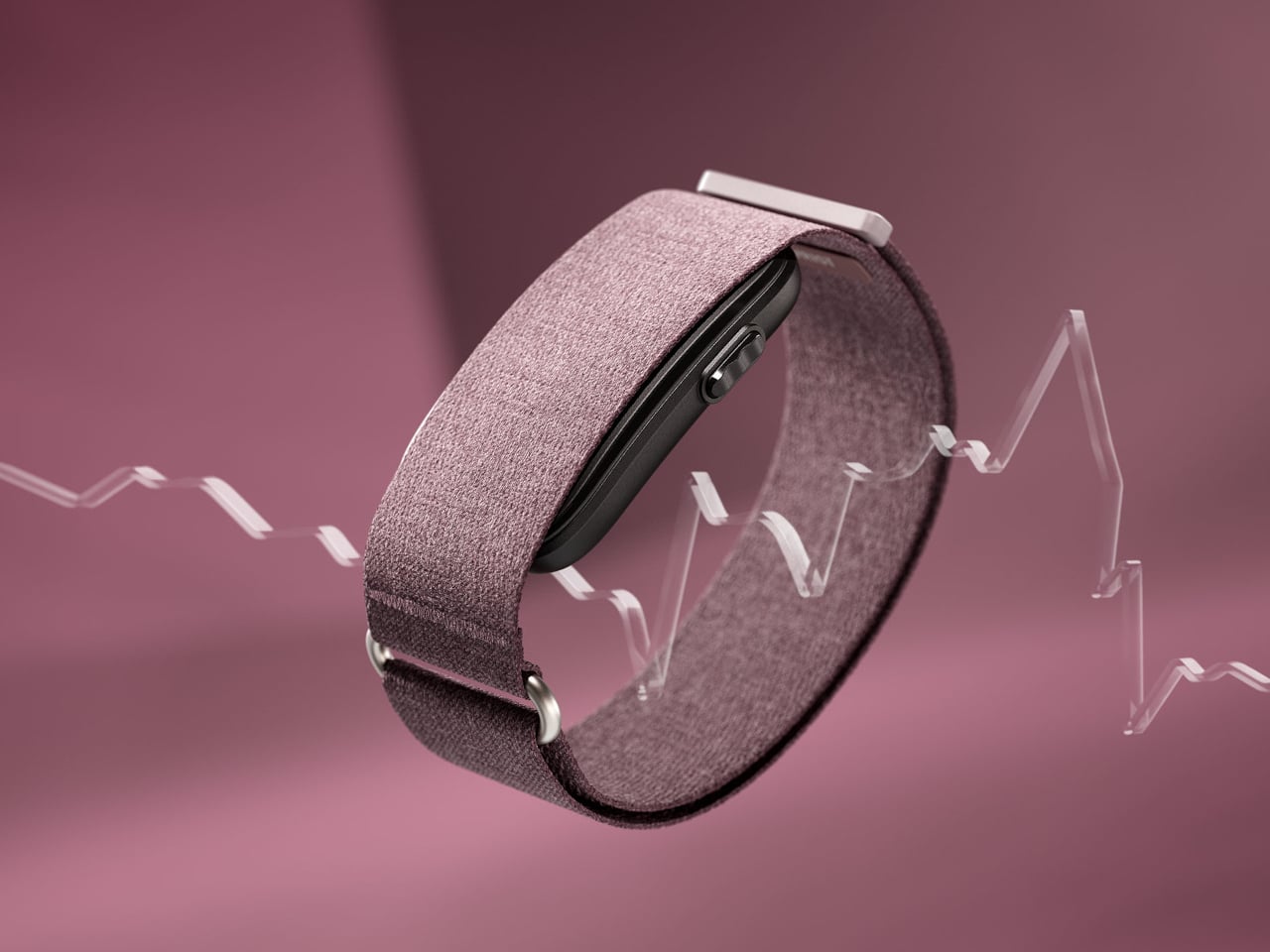
The Garmin CIRQA is Garmin’s first screen-free smart band, and the pitch is straightforward. It tracks everything, shows you nothing on the wrist, and routes all the data to the Garmin Connect app for review when you actually want to look. There’s no display to glance at, no notifications, no interface to interact with during the day. The band does its job in the background, and you check the results on your terms.

Designer: Garmin

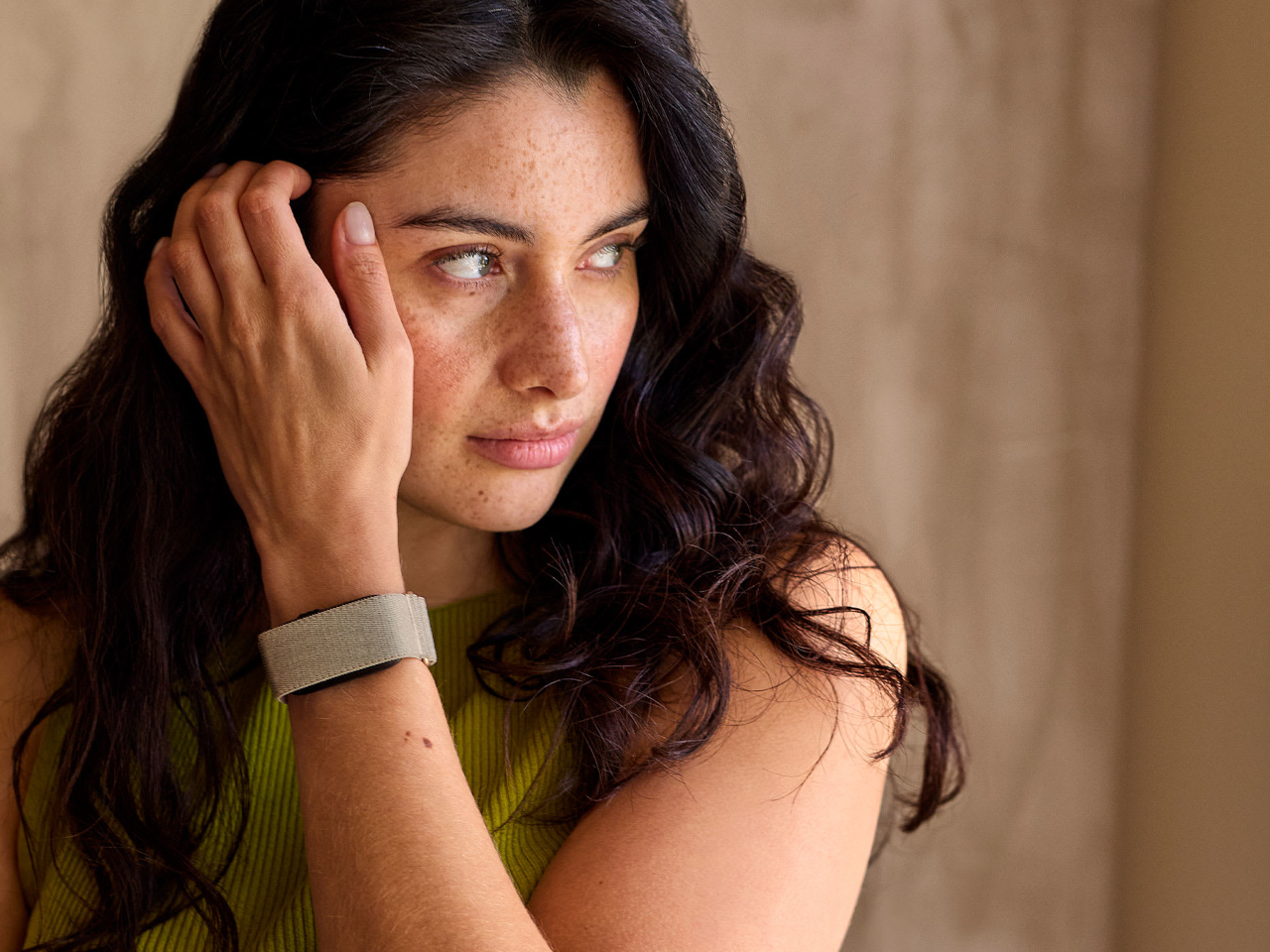
Worn on the wrist or moved up to the upper arm for sleeping or specific activities, the CIRQA runs 24 hours a day on a single charge for up to ten days. The sensor stack covers all the metrics Garmin is known for: continuous heart rate, Body Battery energy monitoring, Pulse Ox, stress, skin temperature, HRV status, and comprehensive sleep tracking including sleep stages, a sleep score, and nap detection. Women can also track their menstrual cycle and sync skin temperature data with the FDA-cleared Natural Cycles birth control app.

Fitness tracking doesn’t require picking up the phone either. The band detects and records activities automatically, and the more you review and correct those logs in Garmin Connect, the better it gets at classifying your workouts without prompting. For sessions where you want more control, a single side button lets you manually start any of 80-plus activities. Connected GPS borrows location data from a paired smartphone for accurate outdoor pace and distance, and LiveTrack lets people follow your route in real time.

The monitoring side goes deeper than basic step counting. Training readiness, VO2 Max estimates, and workout recovery time give athletes a fuller picture of whether a day calls for a hard effort or an easy spin. The CIRQA was built to complement Garmin’s watch lineup rather than replace it. Someone who already runs with a Forerunner can use the CIRQA to handle overnight recovery and all-day wellness without wearing the watch to bed or to the office.

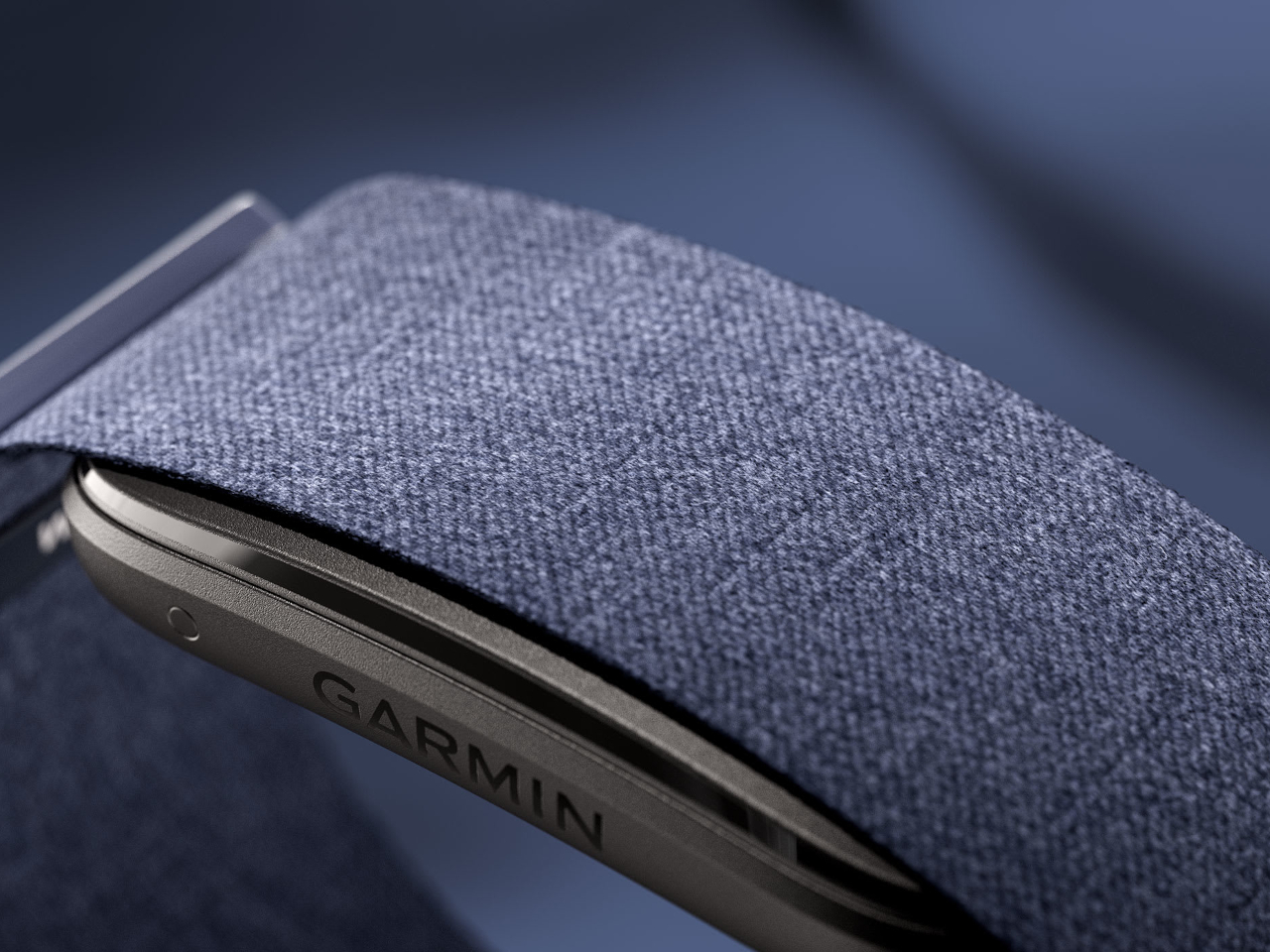
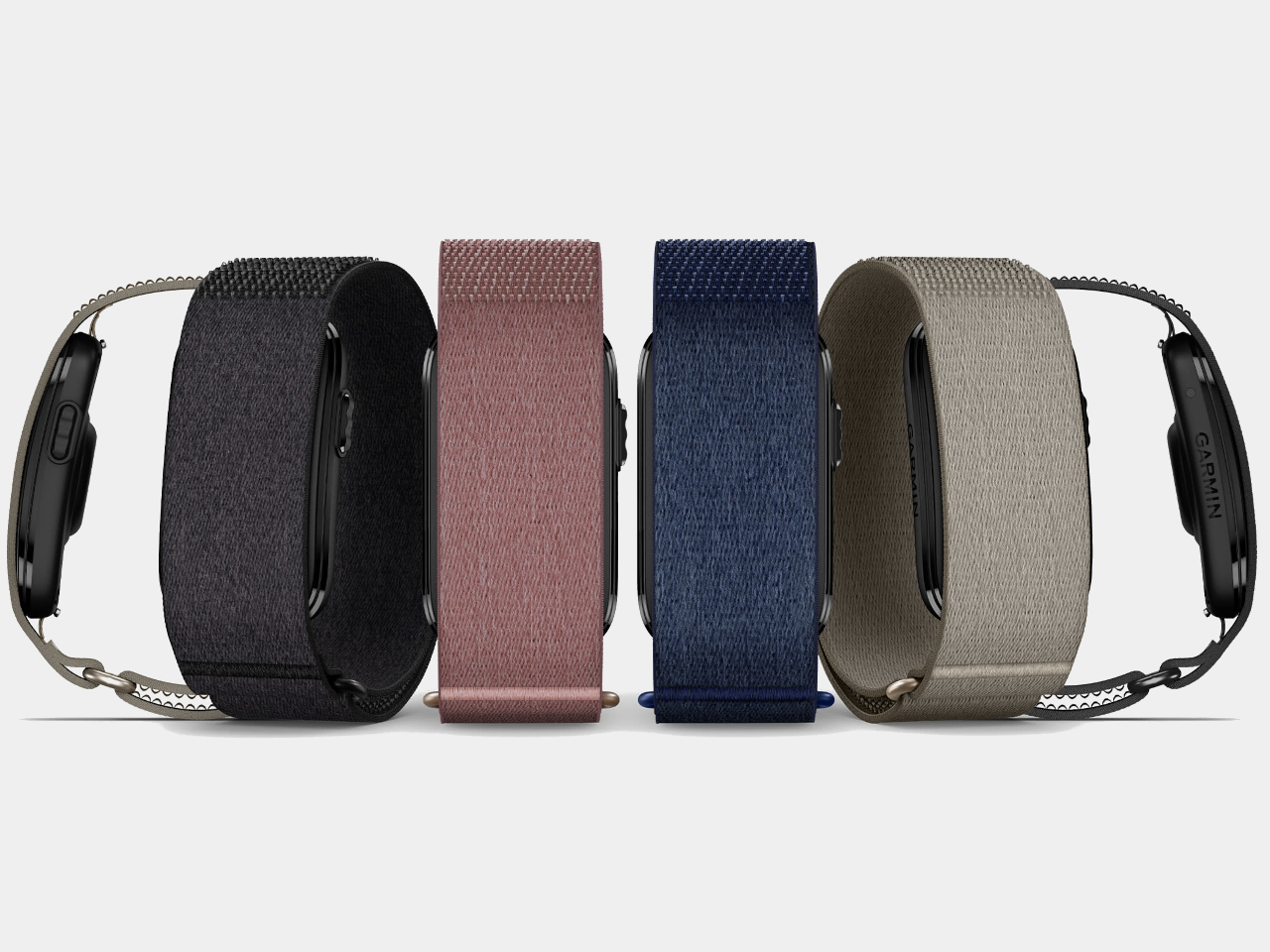
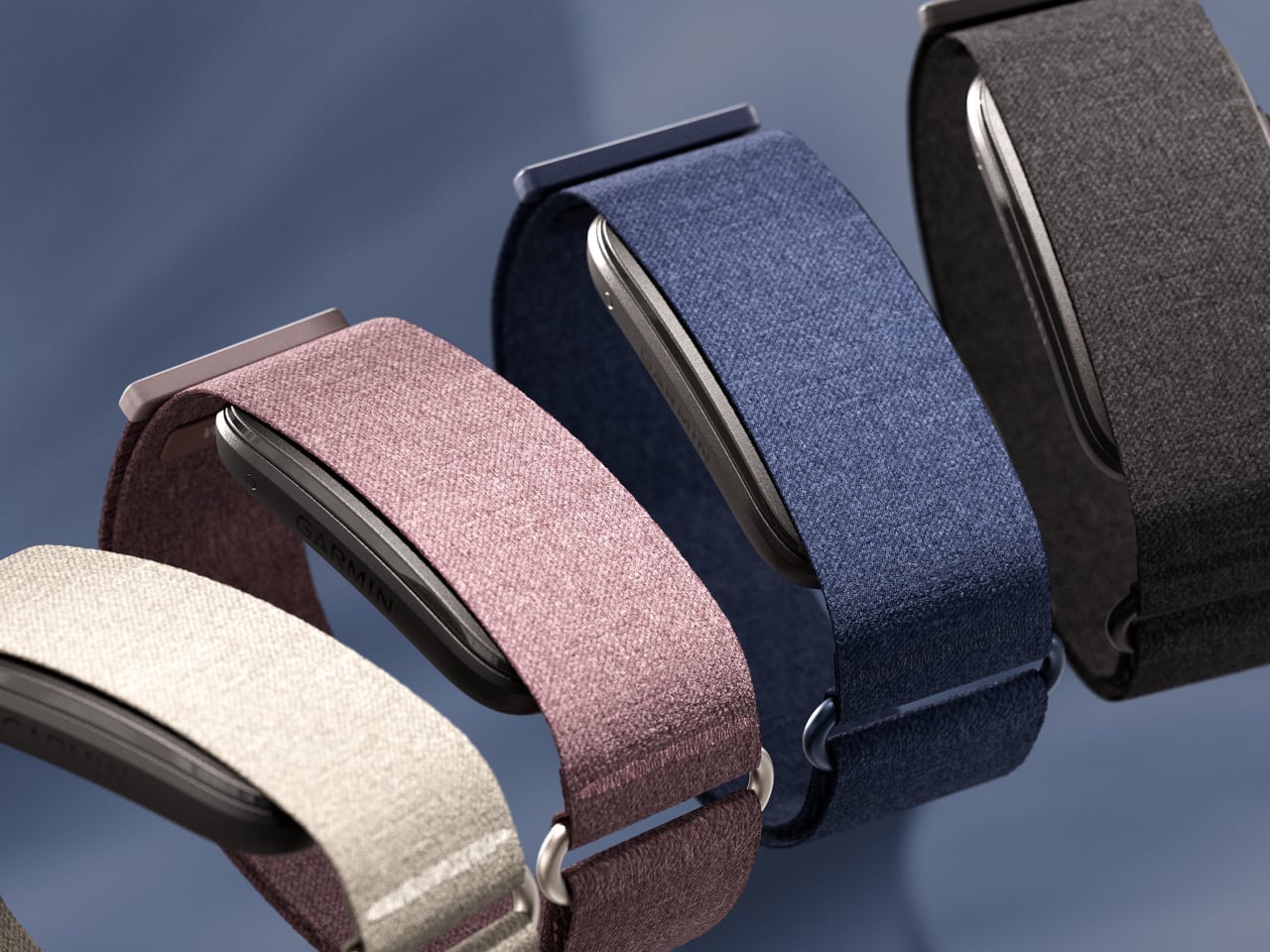
The band comes in a soft ComfortFit fabric strap that Garmin designed to fade into the background and sits in a compact sensor module with a fiber-reinforced polymer housing. Colors include Black, French Gray, Berry, and Navy, with seven additional accessory band options for the wrist. Both wrist and upper-arm sizing are available in two fits.

The CIRQA Smart Band is priced at $199.99, and no subscription is required for the core feature set, which is a pointed difference from Whoop, the most obvious comparison in this category. Garmin does offer optional Connect+ upgrades for coaching and advanced guidance, but the full tracking stack works without it.

The post Garmin Just Built the Whoop Alternative That Needs No Subscription first appeared on Yanko Design.
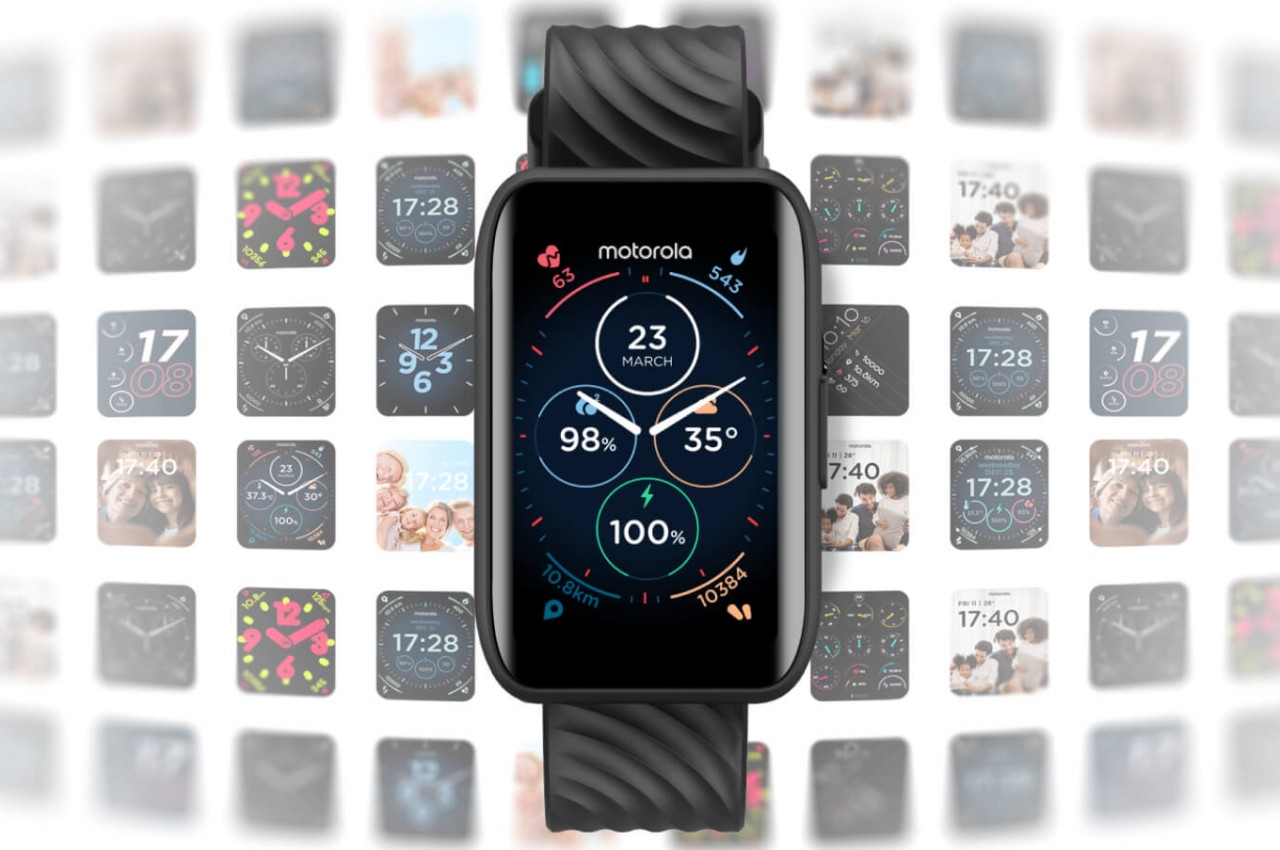
Moto Watch 40 design straddles the line between smartwatch and fitness band

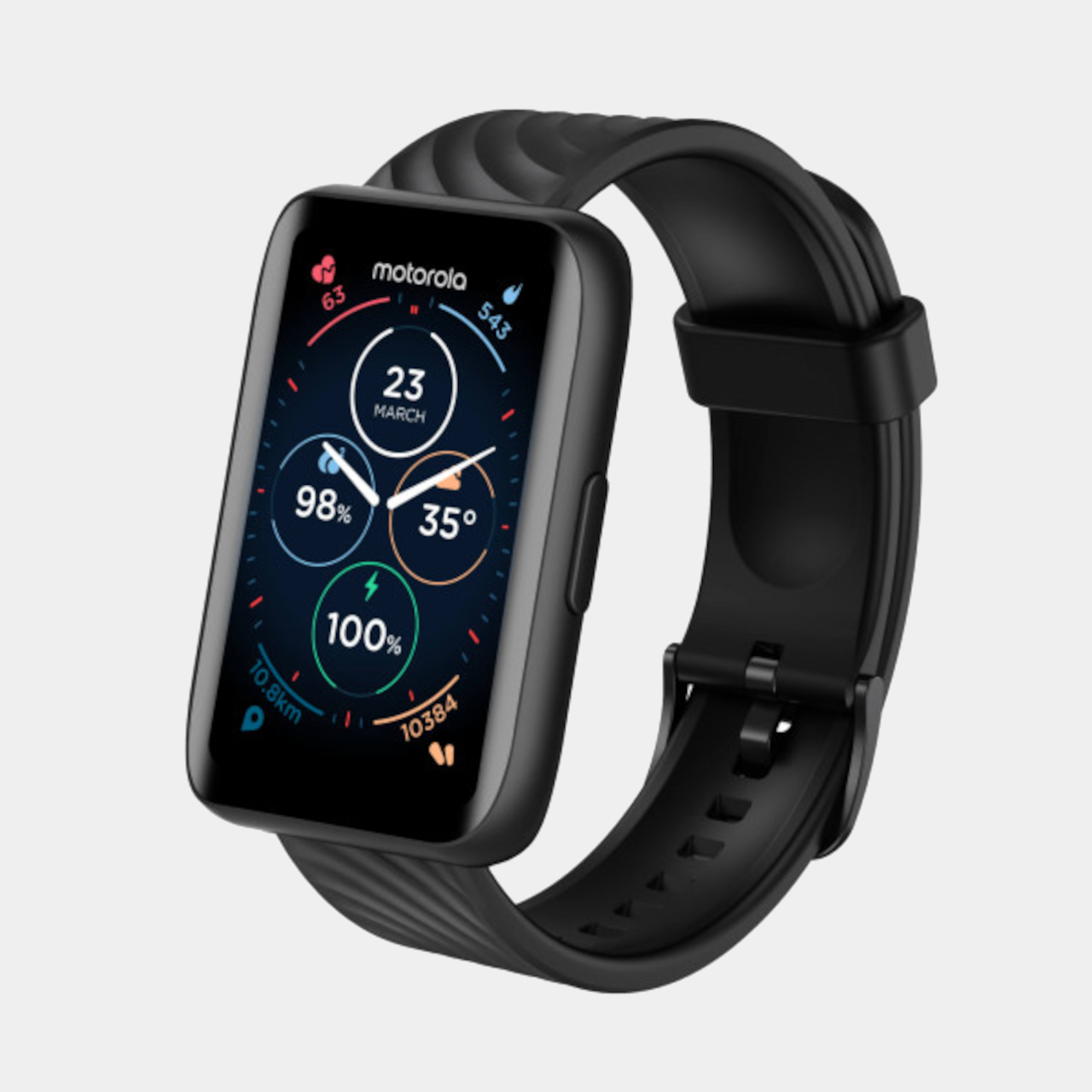
Smartwatches have more or less become a stable presence in today’s modern lifestyle to the point that no one will make fun of you anymore for wearing a screen on your wrist, except those coming lovers of classic mechanical watches. That said, not everyone is a fan of these hi-tech timepieces and would prefer something less distracting and more focused on just the health-tracking aspects. Dedicated fitness bands, however, often come in sporty and rugged designs, as if the only ones that would wear them are athletes or very active people who don’t mind strapping a rubber or silicone band on their wrists, even on formal occasions. That’s where the new Moto Watch 40 comes in, offering a wearable that almost looks like a stylish smartwatch but is a fitness band at heart.

Designer: CE Brands (Motorola licensee)

Although there was a bit of experimentation in the beginning, smartwatches today come in only two shapes: a square or a circle. Although circular smartwatches were touted to be classier or more stylish because of their resemblance to the majority of luxury timepieces, the Apple Watch has constantly made the case for equally elegant designs on square smartwatches. Unsurprisingly, there are some manufacturers that have even opted to walk the same path, producing smartwatches that, for better or worse, look like the Apple Watch.

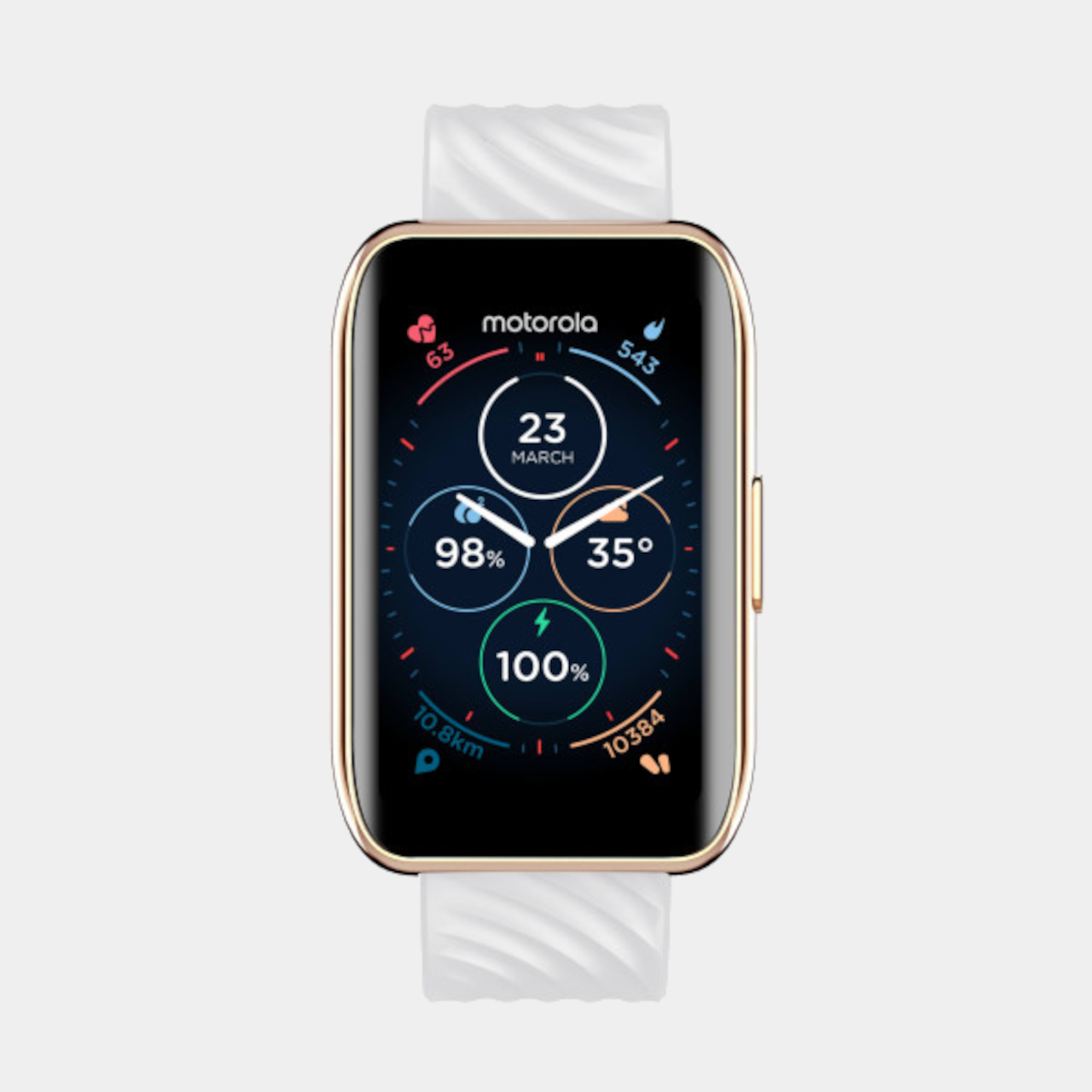
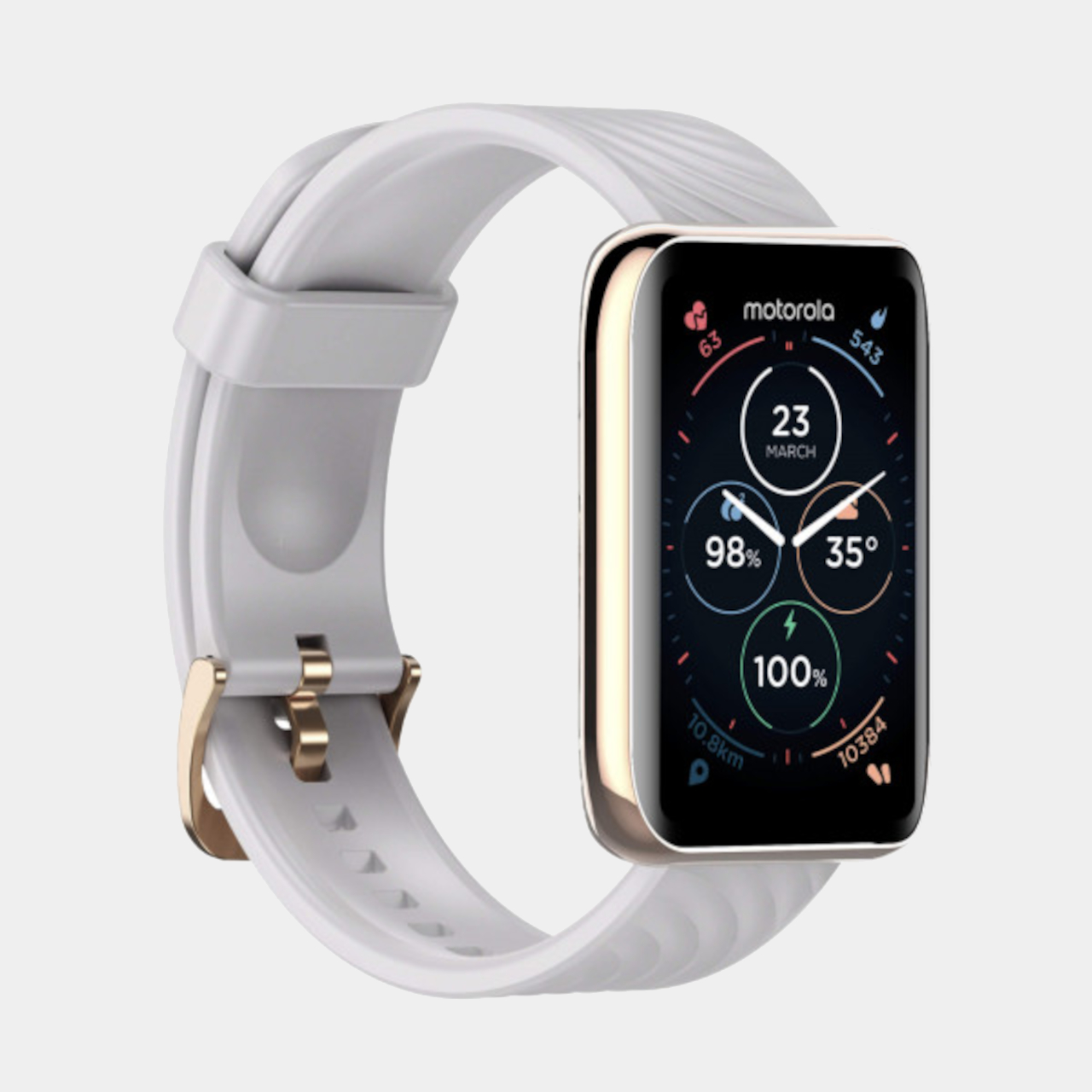
The Moto Watch 40, however, is neither of those and is walking the fine line between smartwatch and smart band instead. It has a rectangular body, more common with fitness trackers, but the size of the device and its general appearance are more in line with smartwatches. It has a screen that curves at the edges, giving it a refined appearance compared to the rugged looks of common fitness trackers.

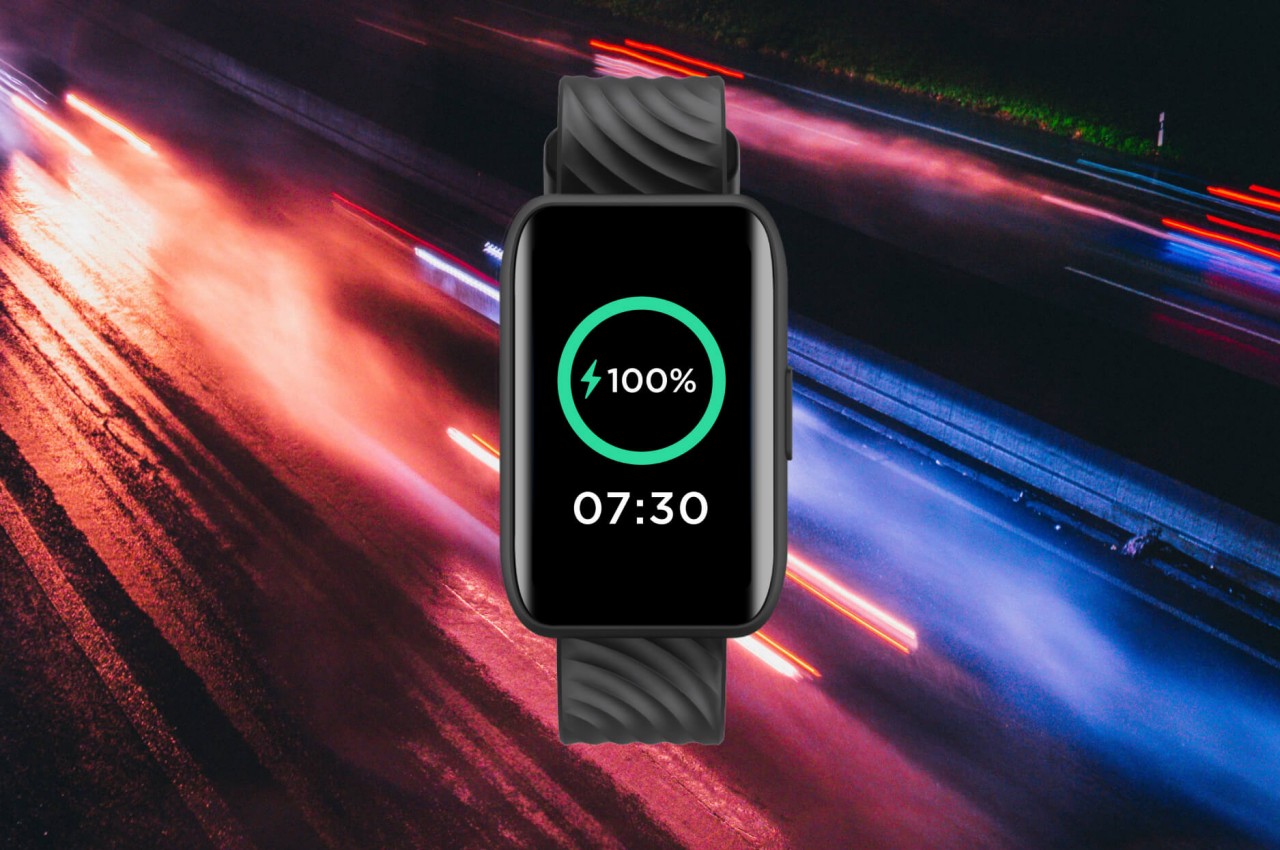
At the same time, however, its limited functionality leaves no doubt that it isn’t a smartwatch either. It has a variety of sensors for tracking activity, including blood oxygen levels and even sleep, but you won’t be seeing a lot of the advanced functions and options you’d find on a smartwatch. It supports only viewing notifications, so you’ll have to pull out your phone if you want to reply to messages or even take calls. Its 10-day battery life may sound a little disappointing, but the Moto Watch 40 compensates with an advertised charging speed of 25 minutes only.

That combination of essential functions and stylish design will set you back for only $64.99. It might sound like a tempting proposition, especially when other fitness bands are either too expensive or too informal. That said, even a wrist-worn device might still be too conspicuous for some people, and a smart ring that would let them wear their favorite mechanical watches could be the perfect compromise instead.

The post Moto Watch 40 design straddles the line between smartwatch and fitness band first appeared on Yanko Design.