Garmin Drive 7.1 vs 8.8 Inches: How Much Dashboard Space Do You Need?
The new Garmin Drive 7.1-inch and 8.8-inch navigators offer the same broad approach to road guidance in two ultrawide display sizes. Announced in the US…
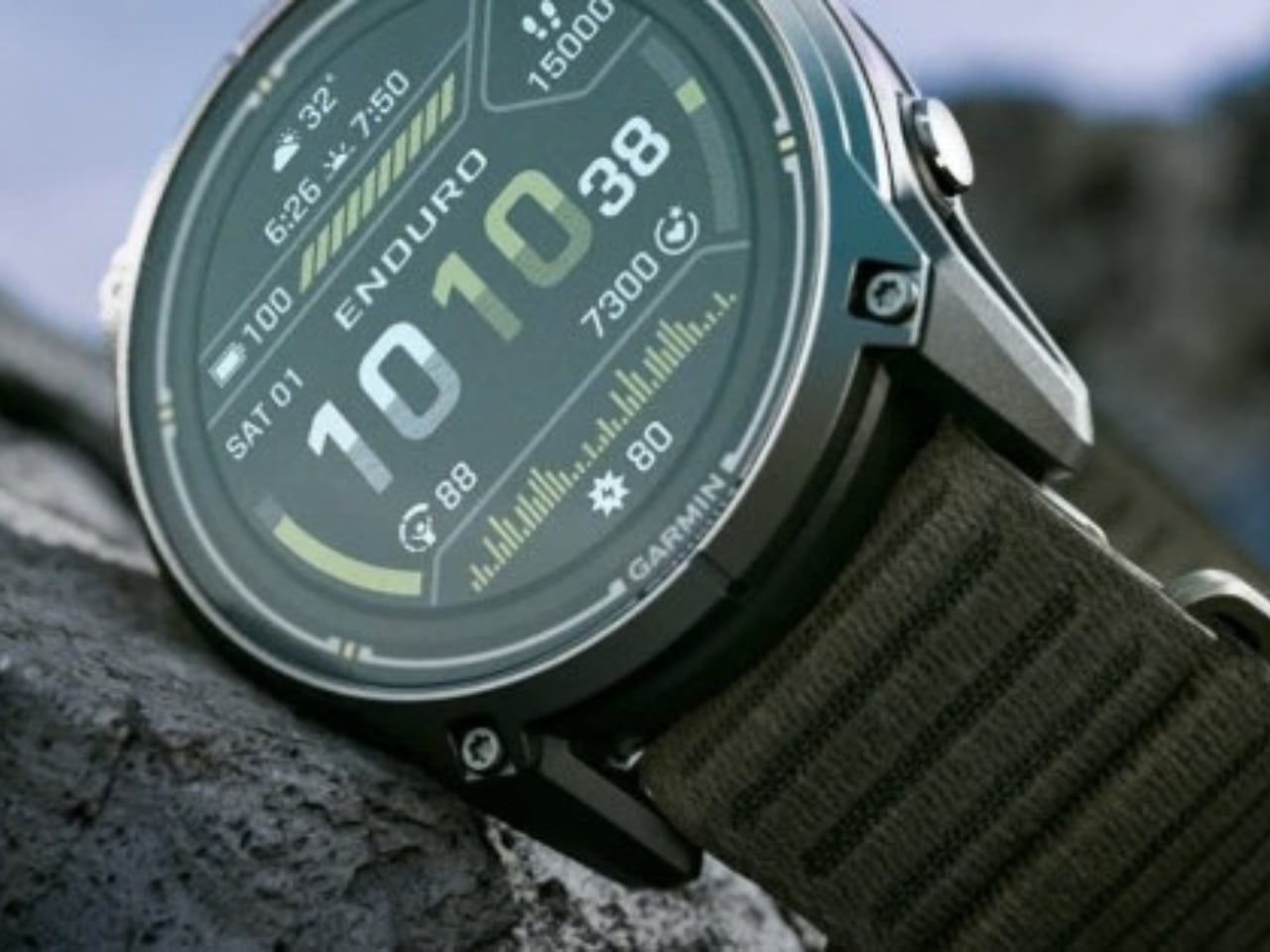
The most frustrating moment for a sports watch to fail is when you need it most: halfway through a long route with no easy way to recharge, or standing over a golf shot on an unfamiliar course with no clear sense of the distance. Garmin’s Enduro 4 and Approach S72 tackle different versions of that problem. One is built to keep working deep into an adventure. The other puts more useful information within reach before and after every swing.
They make an interesting pair because neither treats design as decoration. The Enduro 4 favors battery life, low weight and quick access to maps. The Approach S72 gives golfers a brighter, more visual way to understand the course and their game. Both have premium materials and comfortable fabric bands, but their real appeal is how those choices serve the person wearing them.
Designer: Garmin
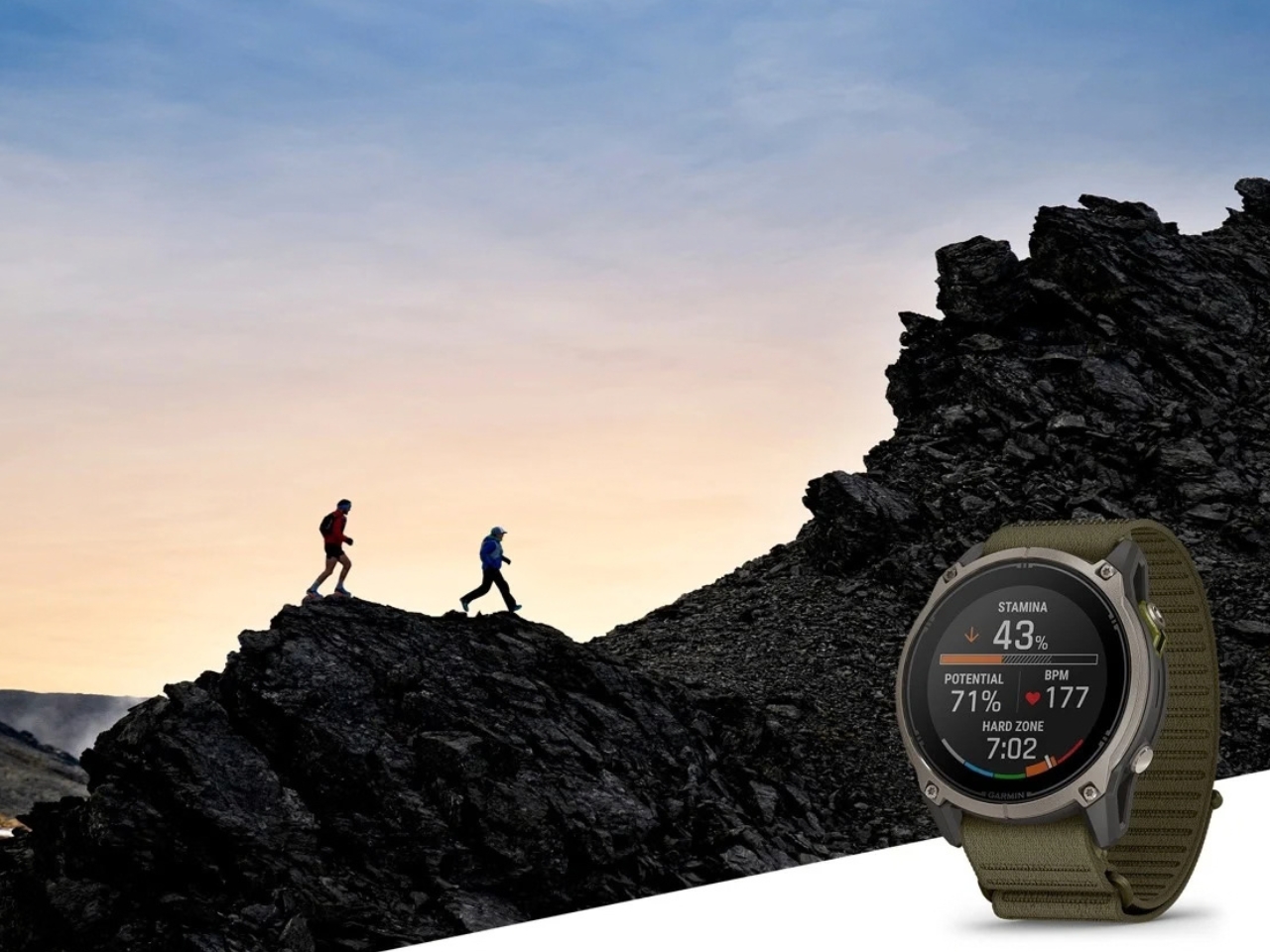
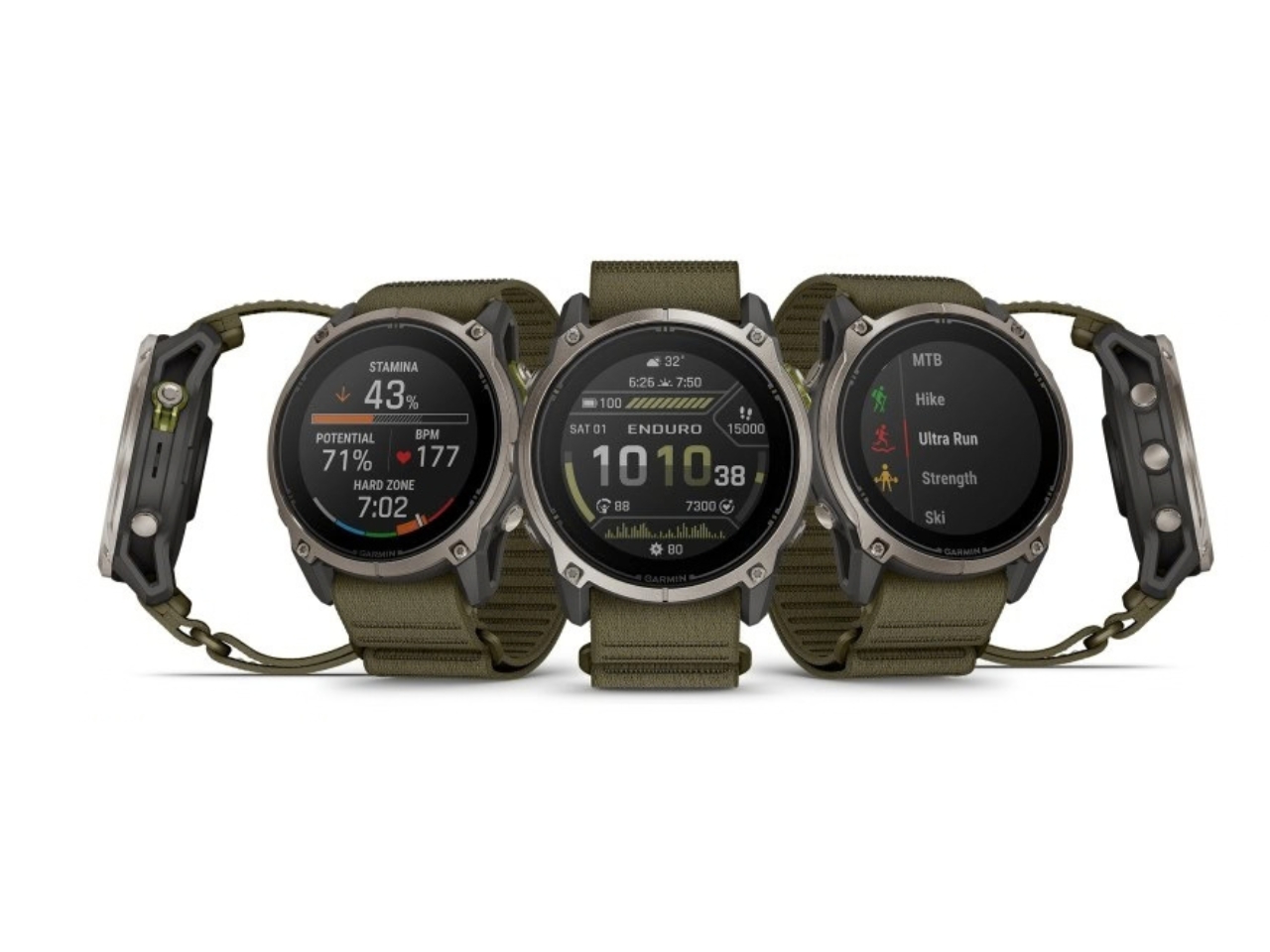
For the Enduro 4, battery life is the headline. Garmin rates it for up to 320 hours in activity mode or up to 90 days in smartwatch mode, with solar charging under the conditions behind those estimates. That is a meaningful promise for someone planning an ultramarathon, a backpacking trip or several days away from an outlet. I would still treat those numbers as best-case figures, but the design priority is clear: spend less time managing the watch and more time moving.
Its 51mm case is substantial, yet Garmin says the watch weighs 66 grams. A titanium bezel and scratch-resistant Power Sapphire lens bring durability, while a fiber-reinforced polymer case helps keep the weight down. The 1.4-inch MIP display is less showy than a vivid AMOLED screen, but paired with the solar lens, it suits a watch built around endurance. The fabric band and white-and-red LED flashlight are thoughtful details for long days that may turn into nights.
The improvements are not limited to how long the watch lasts. Garmin says the Enduro 4 has 50% more RAM than the Enduro 3 and map panning that is 30% faster. Grade-adjusted pace tools offer a better way to judge effort on hills, while stamina features help athletes see how their endurance changes during training. Garmin Epic can group activities across multiple days. Together, those features address a familiar problem: plenty of data, but not always enough context to use it.
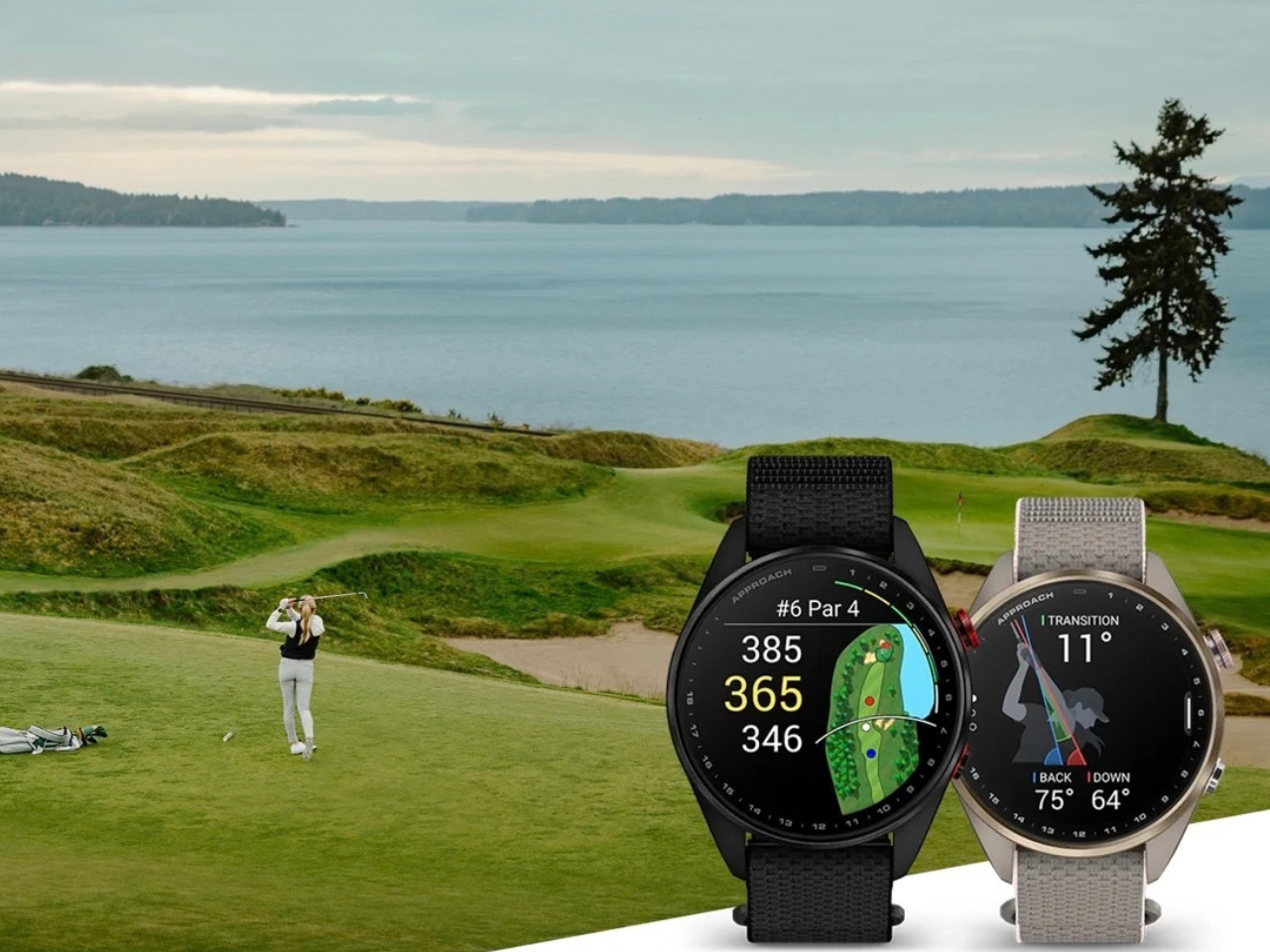
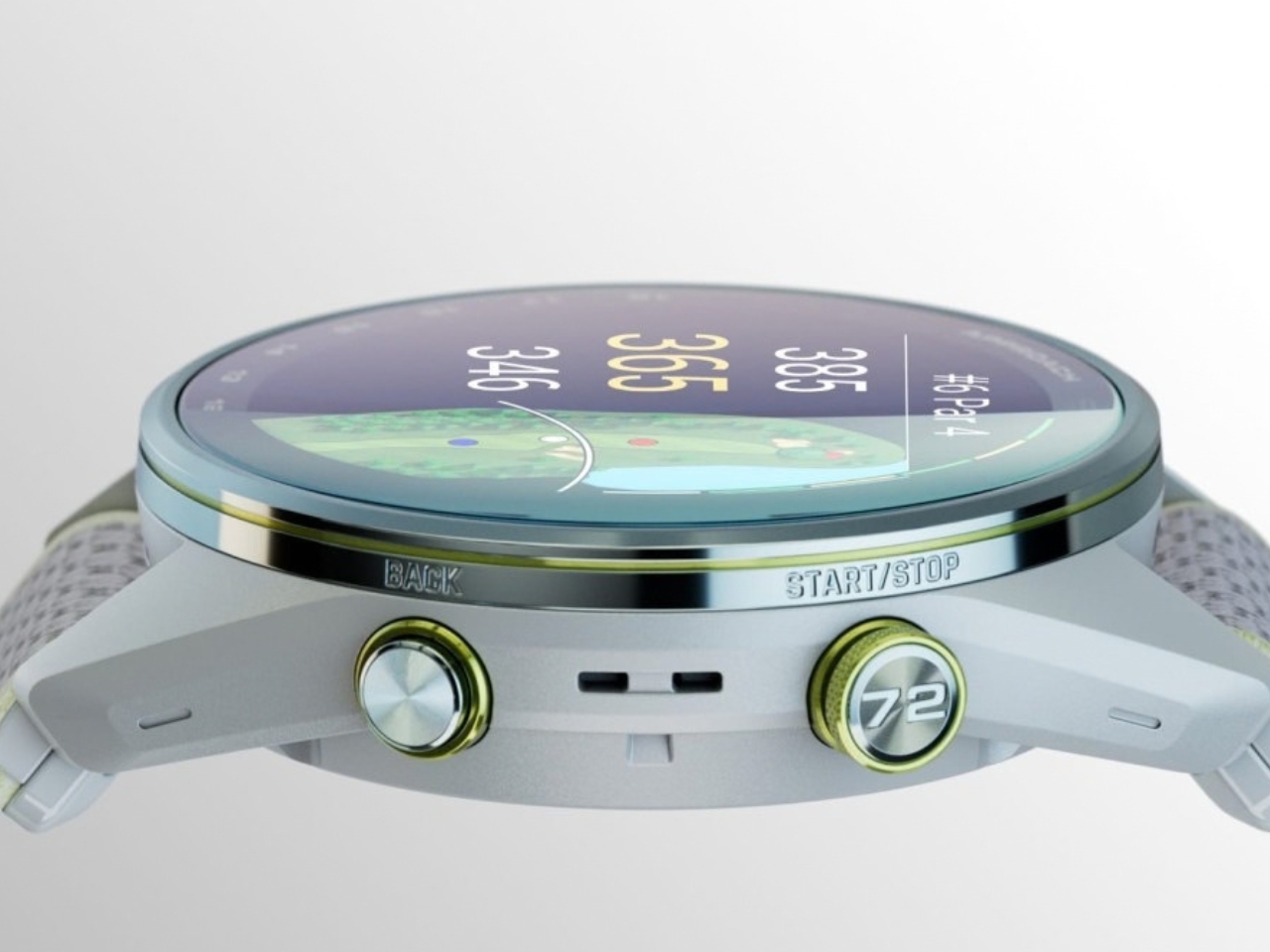
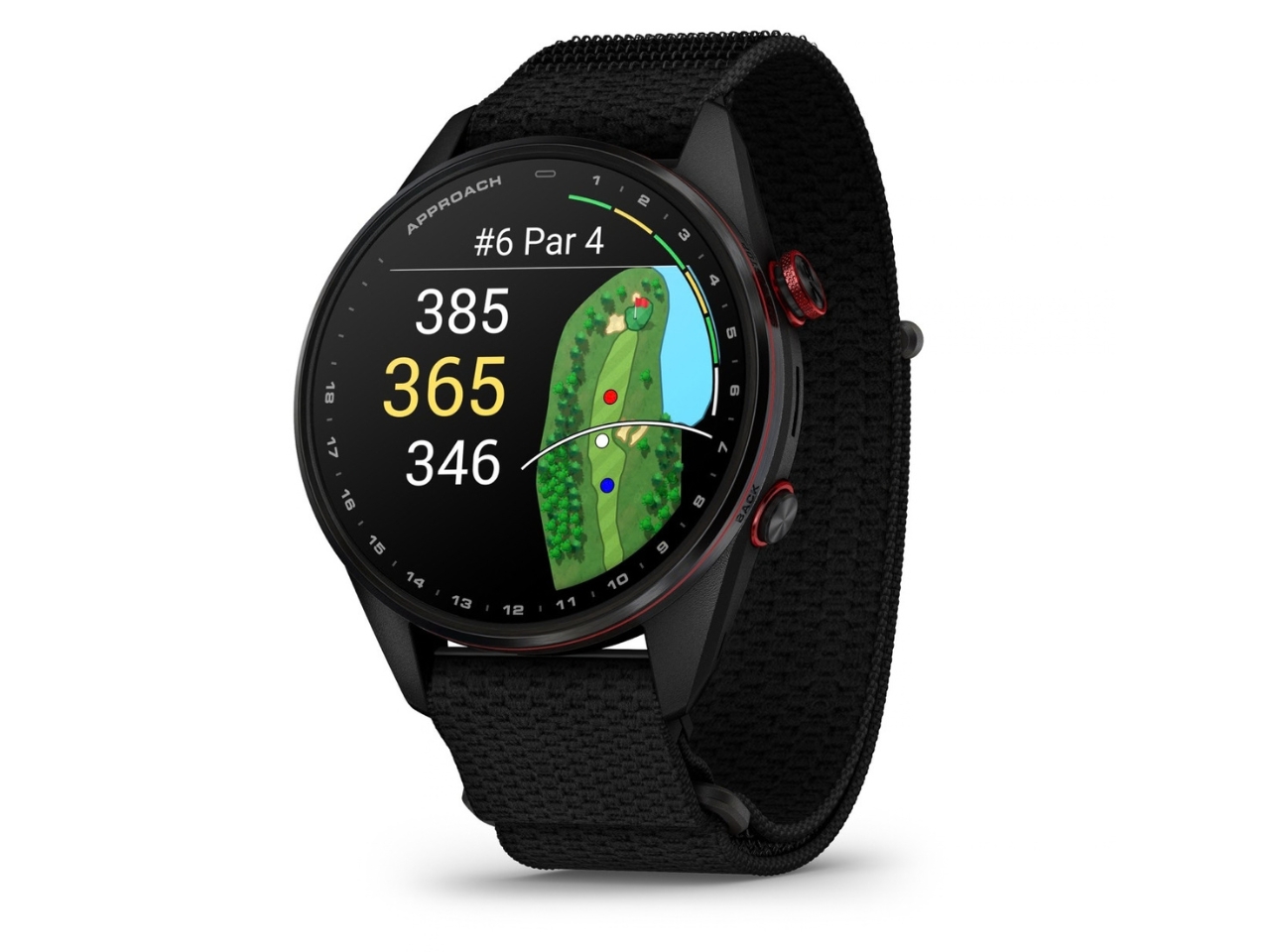
The Approach S72 takes the opposite visual approach. Available in 43mm and 47mm sizes, it has a bright AMOLED display, a titanium bezel, a sapphire lens and a lightweight ComfortFit fabric band. I like the choice of two sizes here. A golf watch needs enough screen space to make a hole legible at a glance, but it also has to feel comfortable through a round and look at home afterward.
Its most intriguing idea is connecting golf performance to what is happening with the player. The watch can show heart-rate trends alongside a completed round, while swing metrics include hand speed, backswing length and wrist rotation. On the driving range, golfers can log practice sessions rather than leaving that work outside their broader activity record. None of this guarantees a lower score, but it could make practice feel more purposeful than guessing which part of a swing went wrong.
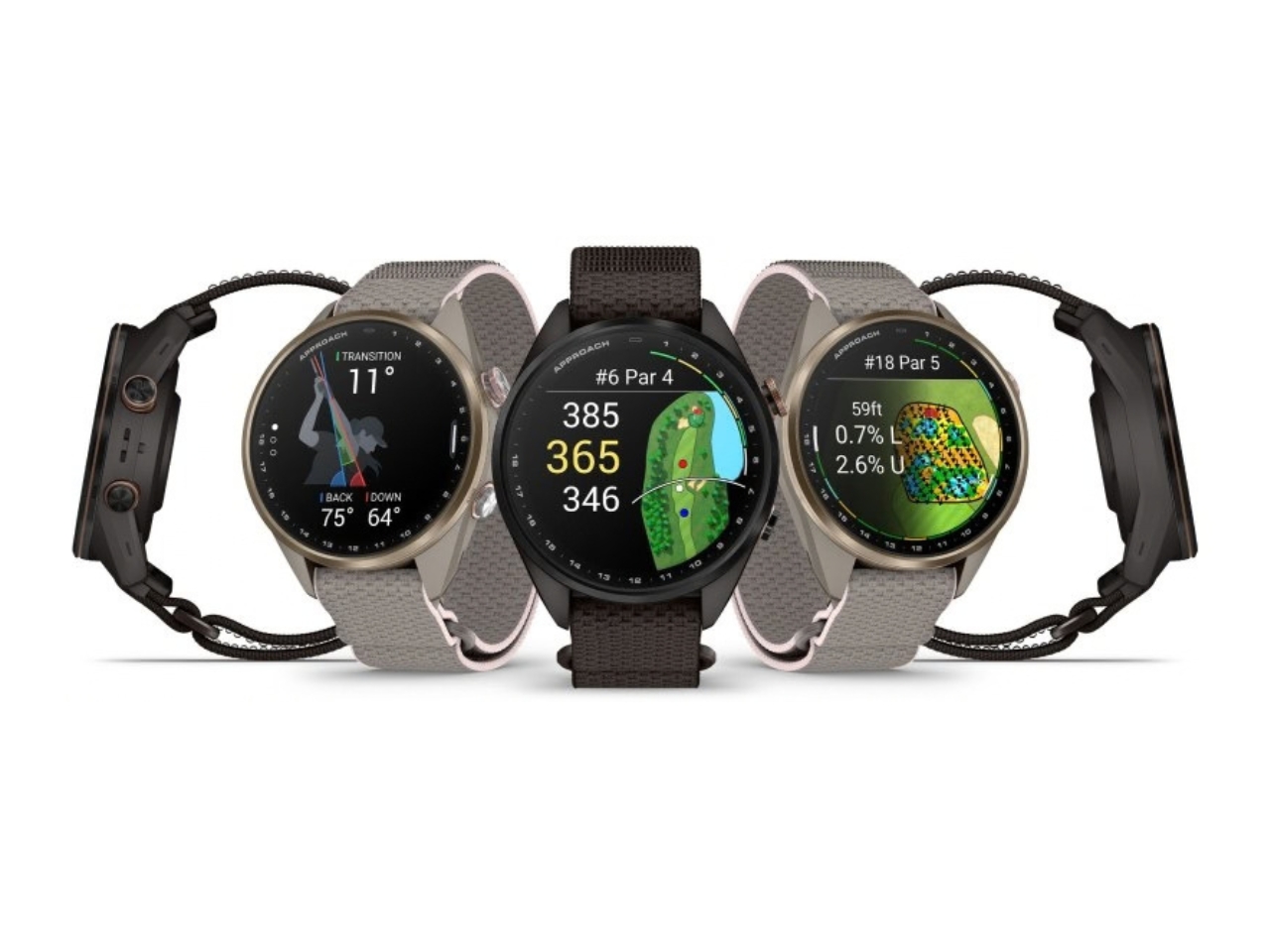
The course tools are more immediate. Green reading uses contour data to help golfers judge a line on select courses, while aerial imagery provides a clearer look at the hole ahead. Post-round putting analytics can reveal tendencies in speed, direction and make rate. These are the features that could save a few uncertain decisions during play, then give someone a specific thing to work on afterward. Some require a Garmin Golf membership, a detail worth checking before buying.
Battery life matters here, too, though on a different scale. Garmin rates the 47mm S72 for up to 20 hours of golf activity or 16 days in smartwatch mode; the 43mm model is rated for up to 15 hours and 10 days, respectively. Add heart-rate, stress and sleep tracking, and it becomes easier to see why Garmin designed this as an everyday watch rather than a device you pull out only for tee time.
Neither watch is trying to do everything for everyone. The Enduro 4 makes the strongest case for people whose plans regularly outlast ordinary battery life; the S72 is for golfers who want clearer decisions and better feedback. What connects them is a useful design principle: the best sports technology should reduce the little uncertainties that distract you from the activity you came to enjoy.
The post Garmin’s New Watches Go 320 Hours Without Dying on You first appeared on Yanko Design.
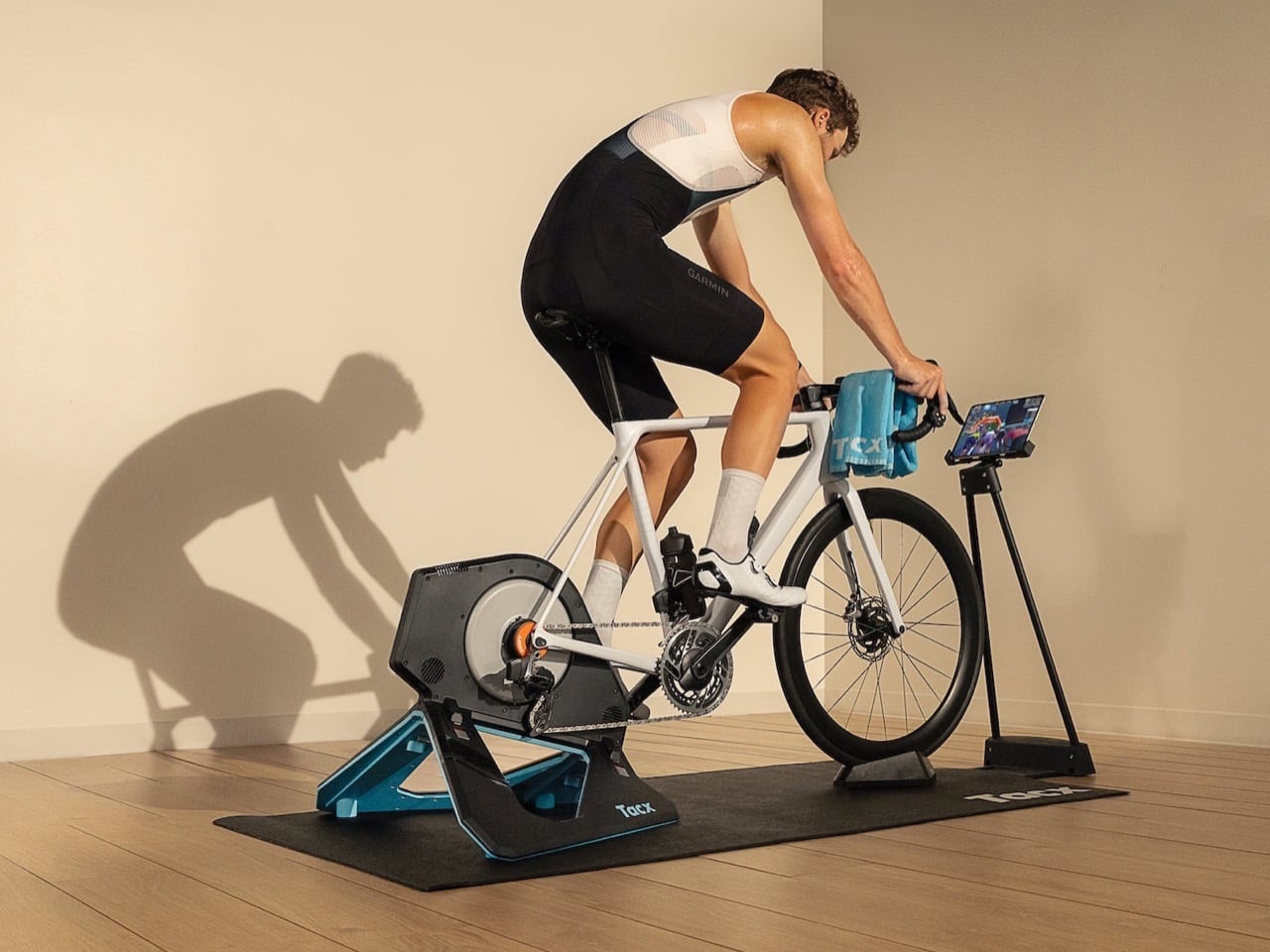
You know that bike sitting in your garage, judged by cobwebs, wondering when you’ll finally take it out again. Garmin just gave it a second career. The Tacx Neo 2T with Zwift Cog and Click, out August 21 for $1,099, clips onto pretty much any bike with 8 to 13 gears and turns it into a full smart trainer, complete with power tracking, cadence data, and a straight line into Zwift and Rouvy. No cassette swap, no calibration ritual, no YouTube tutorial at 11pm trying to figure out why your bike won’t pair.
Basically, Garmin looked at the whole “buy a $2,000 smart bike” trend and said, why not just use the one you already own. You bolt the trainer on, plug in the included remote for virtual shifting, and you’re pedaling through a Zwift climb before your coffee gets cold. It is less a new machine and more a software upgrade for your legs.
Designer: Garmin
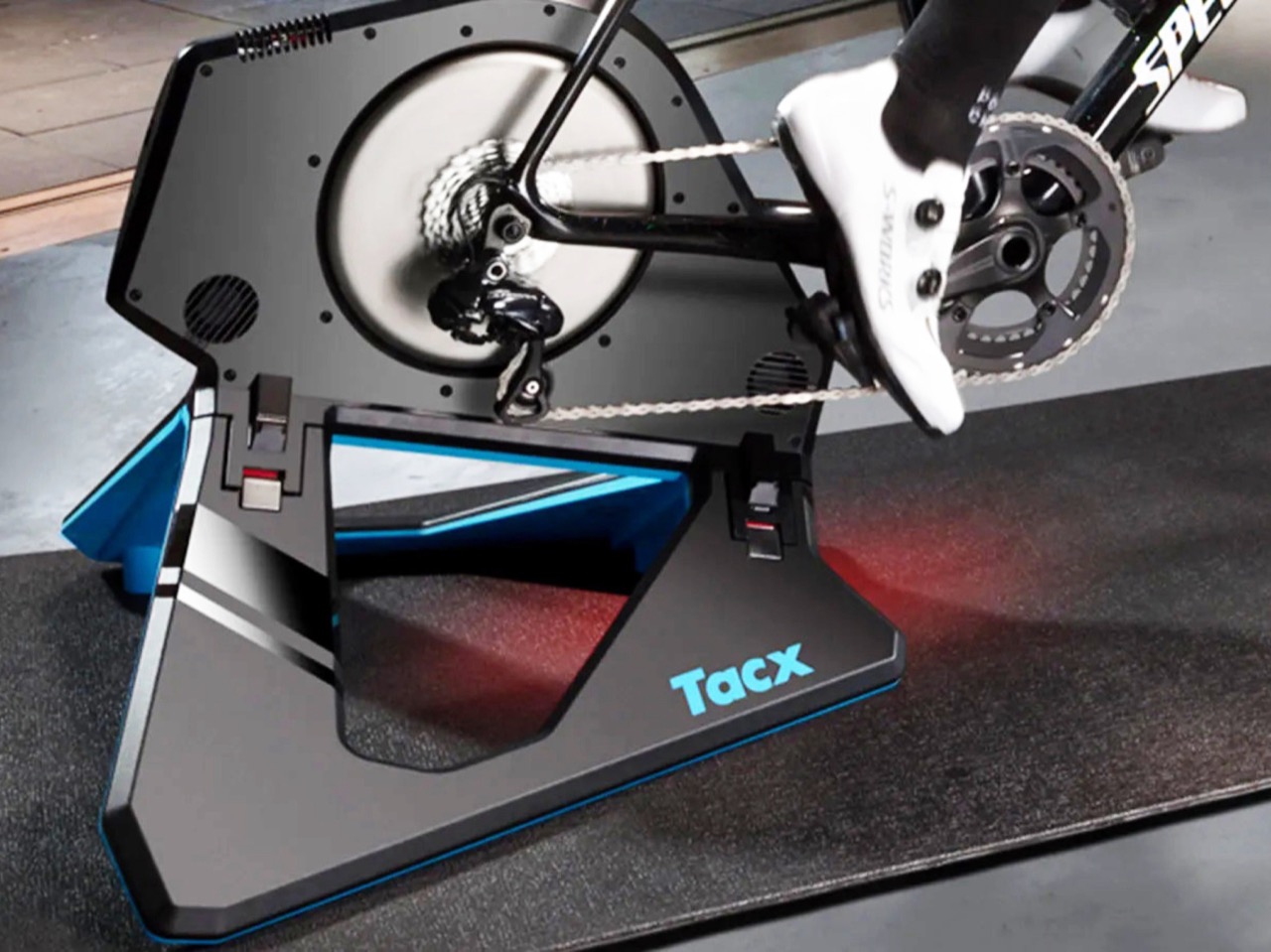
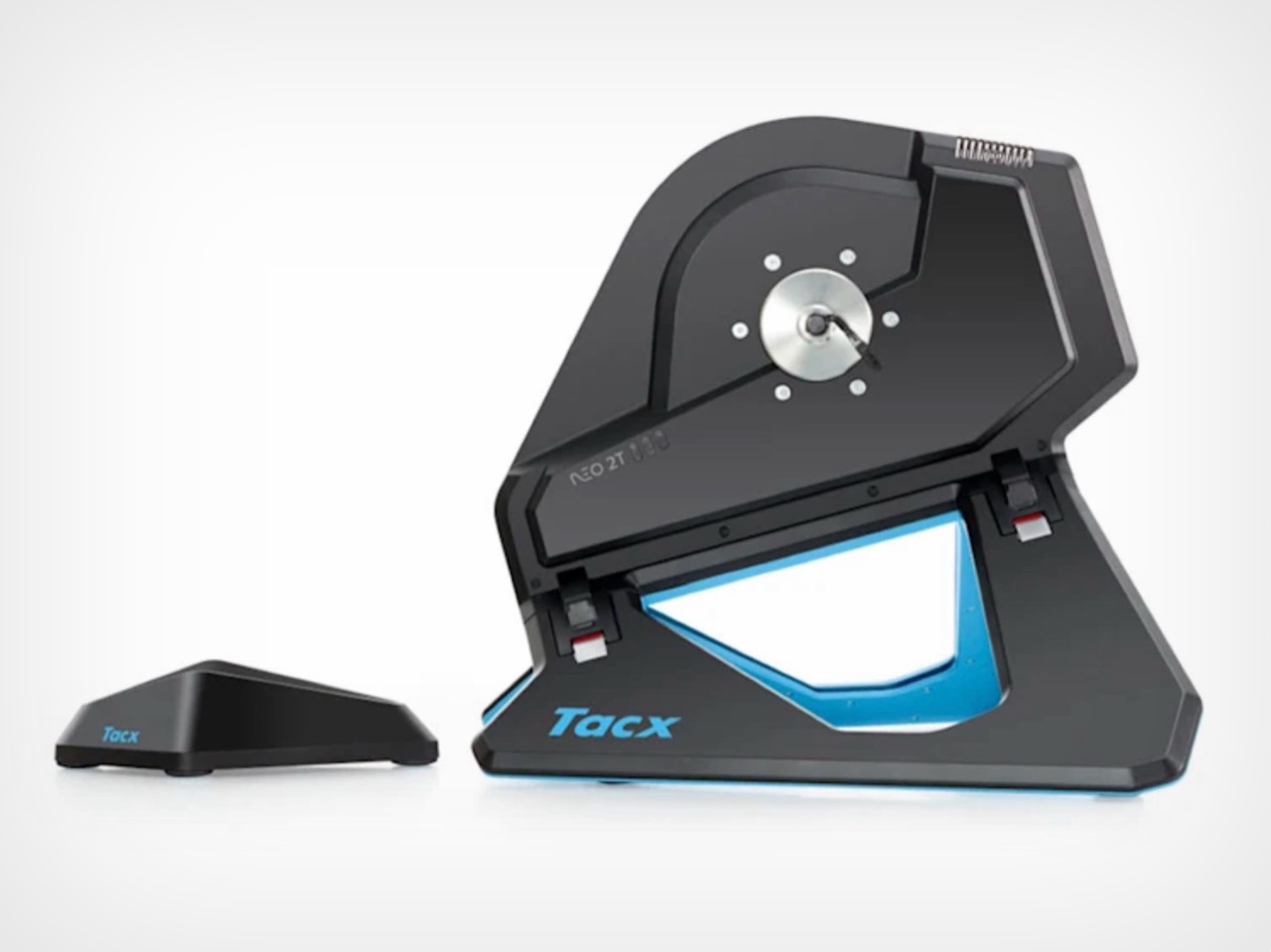
The actual hardware here is not new, and Garmin is not pretending otherwise. The NEO 2T shell, that angular black and blue wedge with the vent slots, has been around since 2019. What changed is what sits inside the flywheel. A bright orange Zwift Cog now stands in for your entire cassette, and it is compatible with almost any 8 to 13 speed bike, no tools required beyond whatever it takes to bolt your bike onto the trainer itself. Pair it with the Zwift Click, a small handlebar remote that handles shifting, steering, and menu navigation, and the whole “getting started” phase collapses into about ten minutes.
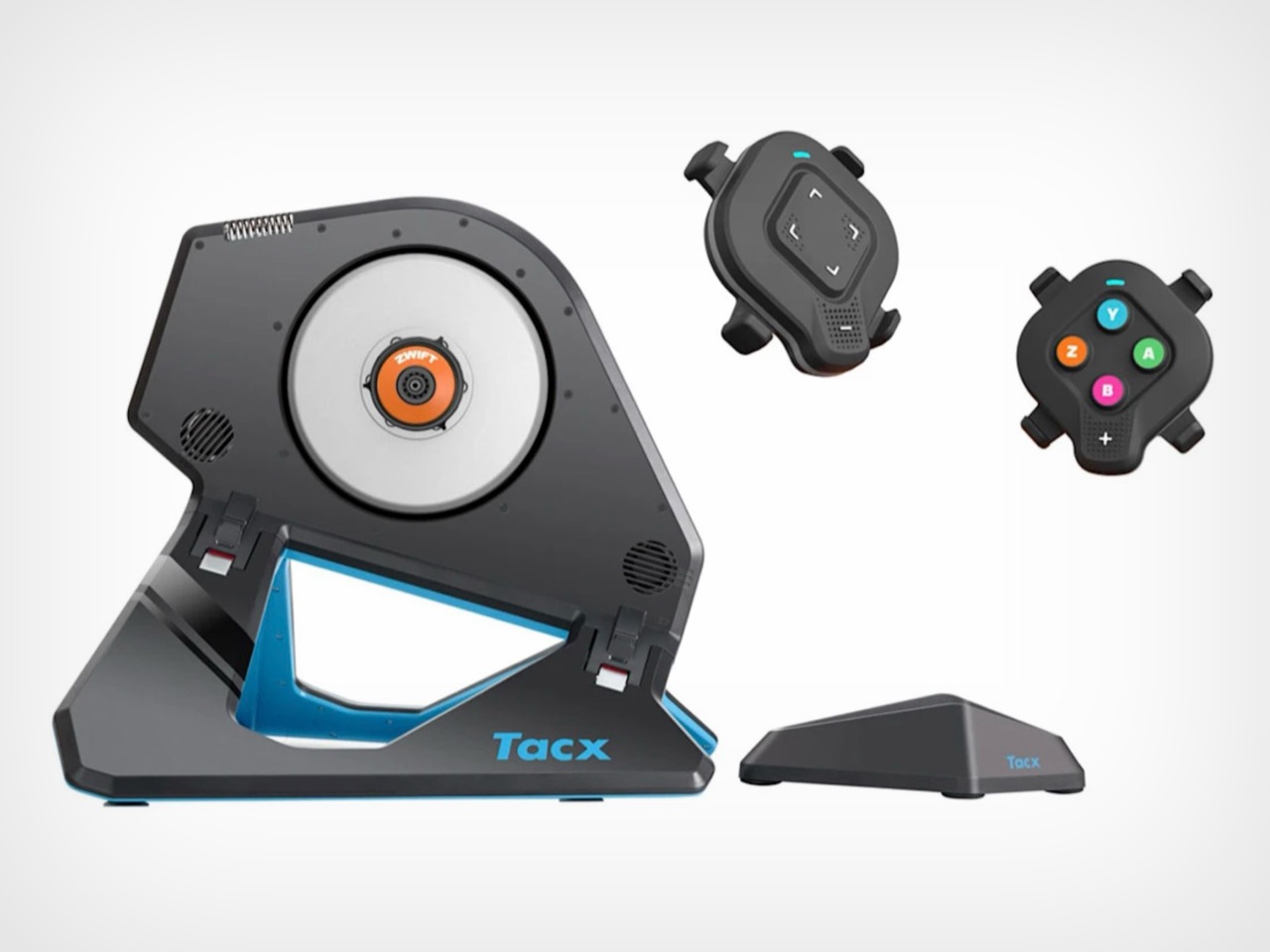
What you actually get for your money is the boring but important stuff. Power and cadence accuracy within 1 percent, dynamic resistance that adjusts for weight, speed, and incline, and enough quietness that you will not wake up the rest of the house doing intervals at 6am. Buyers who are new to Zwift also get a free membership offer, though Garmin has not said how long that lasts.
For years, the trend was building bikes that look like sculptures, cabinets that hide a Peloton, frames designed to disappear into a living room. Garmin is taking the opposite route. Instead of hiding the machine, it is shrinking the amount of machine you need in the first place. Your actual bike stays your actual bike. The only thing that changes is what happens once you clip it in.
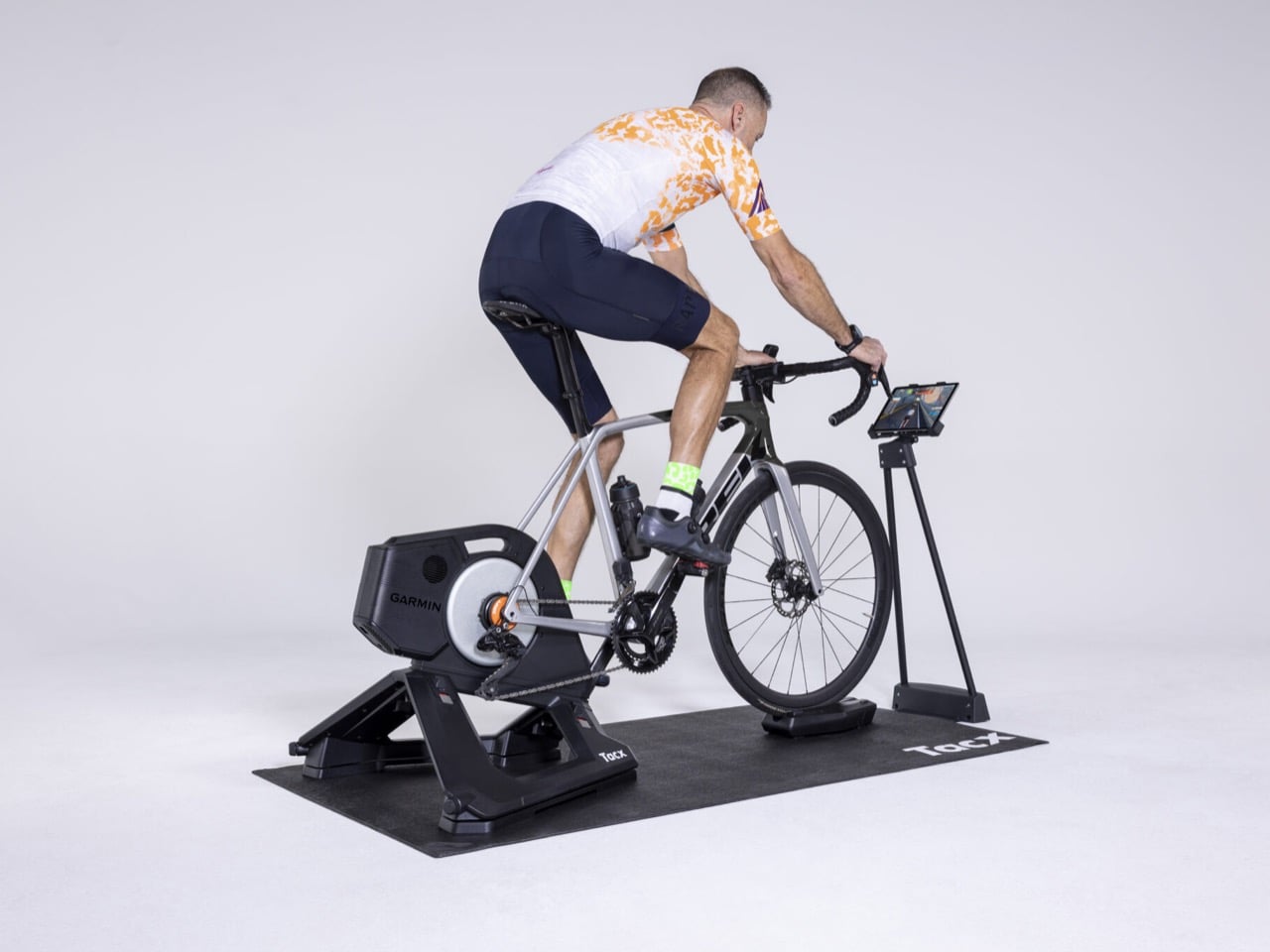
You do not need a second bike, a dedicated smart frame, or a spare room that quietly becomes “the cycling room.” You need the bike you already own and about ten minutes on a Wednesday afternoon.
The post Garmin’s Tacx Neo 2T Turns Your Existing Bike Into a Connected Gym, No Extra Setup first appeared on Yanko Design.
There’s a growing frustration with fitness wearables that has nothing to do with their accuracy or features. It’s the screen. Even devices that track recovery and stress can contribute to the same screen-checking habit they’re supposed to help reduce, turning what should be a passive health monitor into just another thing demanding attention on your wrist. The smartwatch category has leaned further into displays, notifications, and apps, leaving a gap for something that doesn’t do any of that.
The Garmin CIRQA is Garmin’s first screen-free smart band, and the pitch is straightforward. It tracks everything, shows you nothing on the wrist, and routes all the data to the Garmin Connect app for review when you actually want to look. There’s no display to glance at, no notifications, no interface to interact with during the day. The band does its job in the background, and you check the results on your terms.
Designer: Garmin
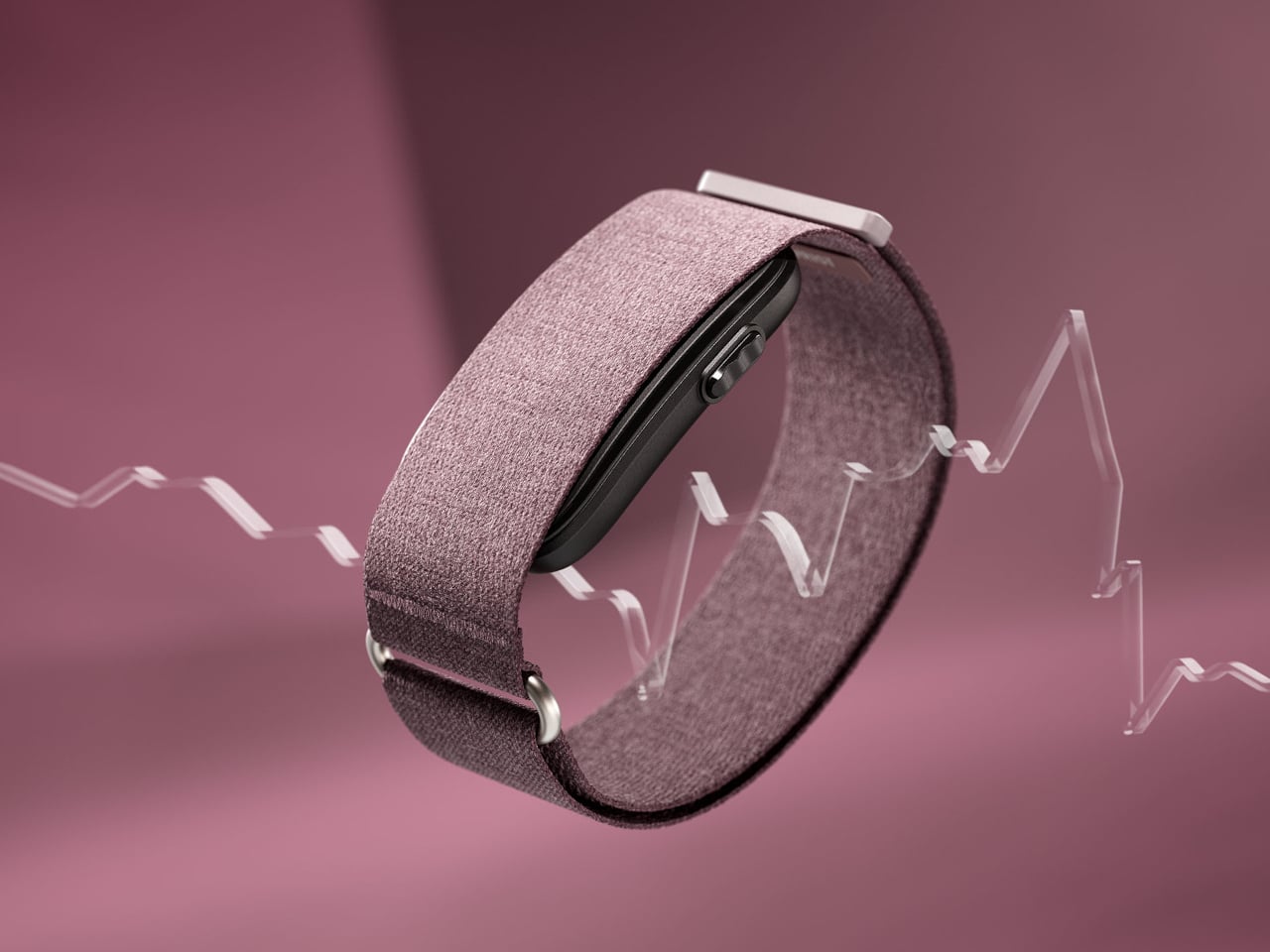
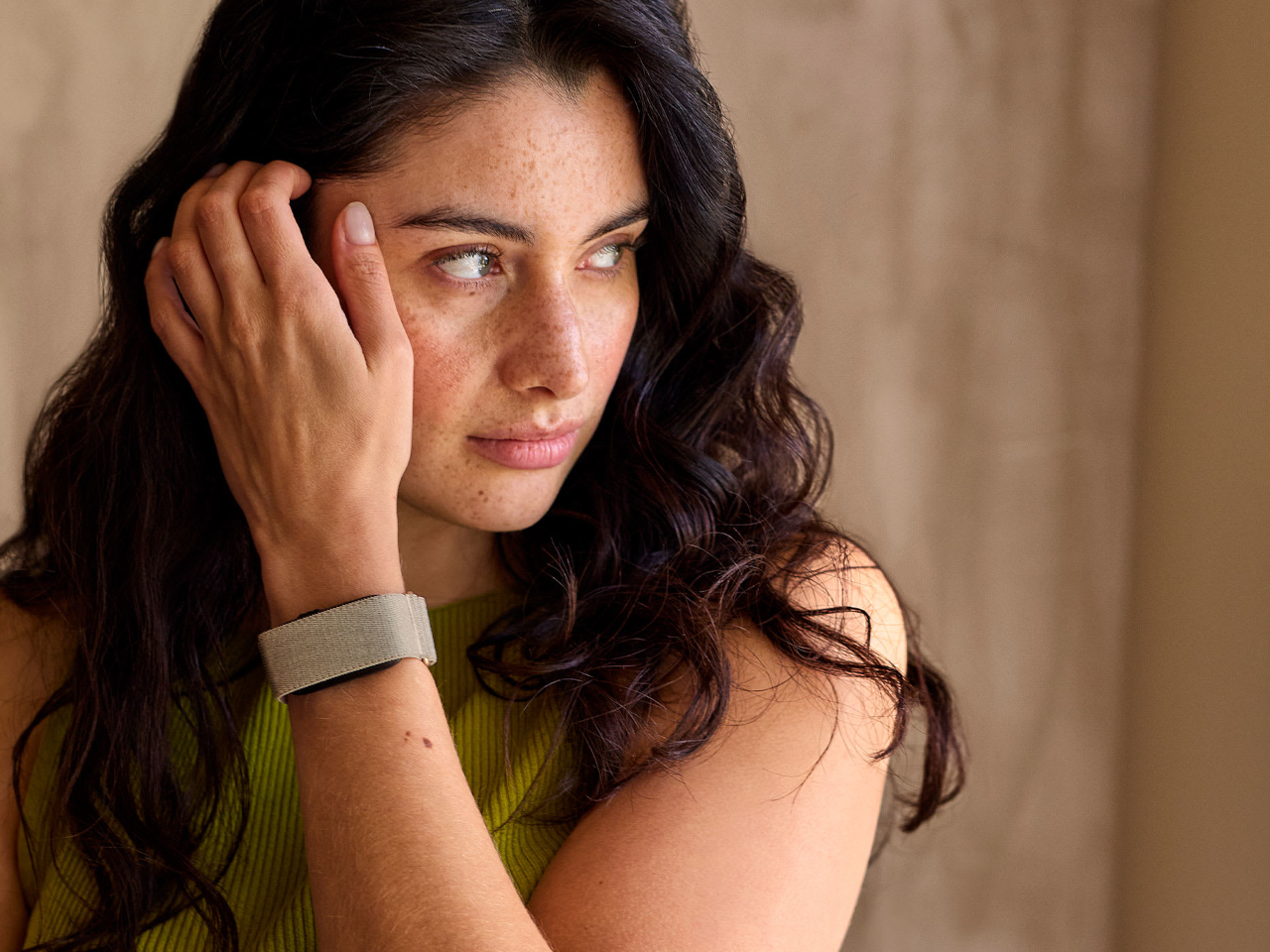
Worn on the wrist or moved up to the upper arm for sleeping or specific activities, the CIRQA runs 24 hours a day on a single charge for up to ten days. The sensor stack covers all the metrics Garmin is known for: continuous heart rate, Body Battery energy monitoring, Pulse Ox, stress, skin temperature, HRV status, and comprehensive sleep tracking including sleep stages, a sleep score, and nap detection. Women can also track their menstrual cycle and sync skin temperature data with the FDA-cleared Natural Cycles birth control app.
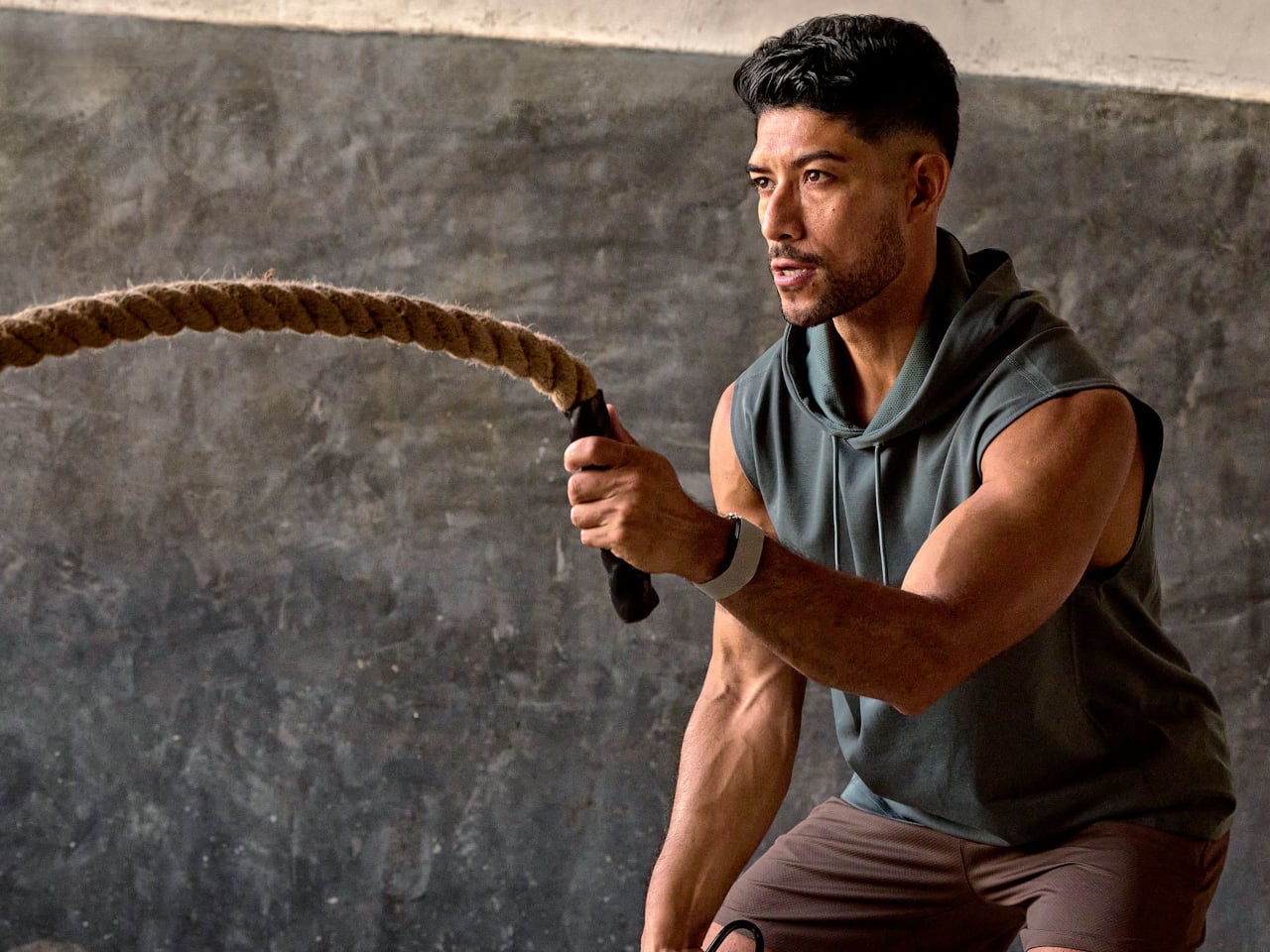
Fitness tracking doesn’t require picking up the phone either. The band detects and records activities automatically, and the more you review and correct those logs in Garmin Connect, the better it gets at classifying your workouts without prompting. For sessions where you want more control, a single side button lets you manually start any of 80-plus activities. Connected GPS borrows location data from a paired smartphone for accurate outdoor pace and distance, and LiveTrack lets people follow your route in real time.

The monitoring side goes deeper than basic step counting. Training readiness, VO2 Max estimates, and workout recovery time give athletes a fuller picture of whether a day calls for a hard effort or an easy spin. The CIRQA was built to complement Garmin’s watch lineup rather than replace it. Someone who already runs with a Forerunner can use the CIRQA to handle overnight recovery and all-day wellness without wearing the watch to bed or to the office.
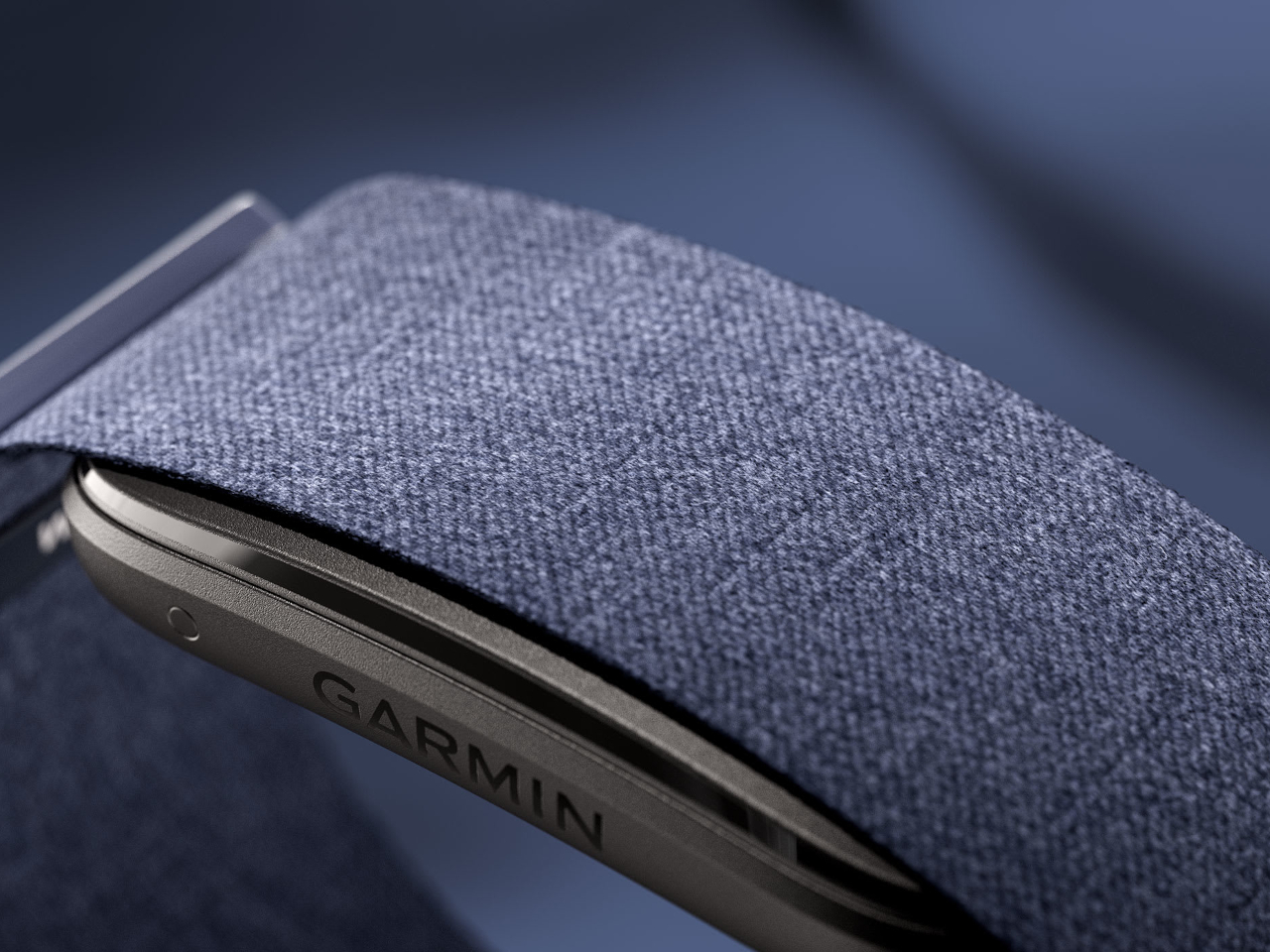
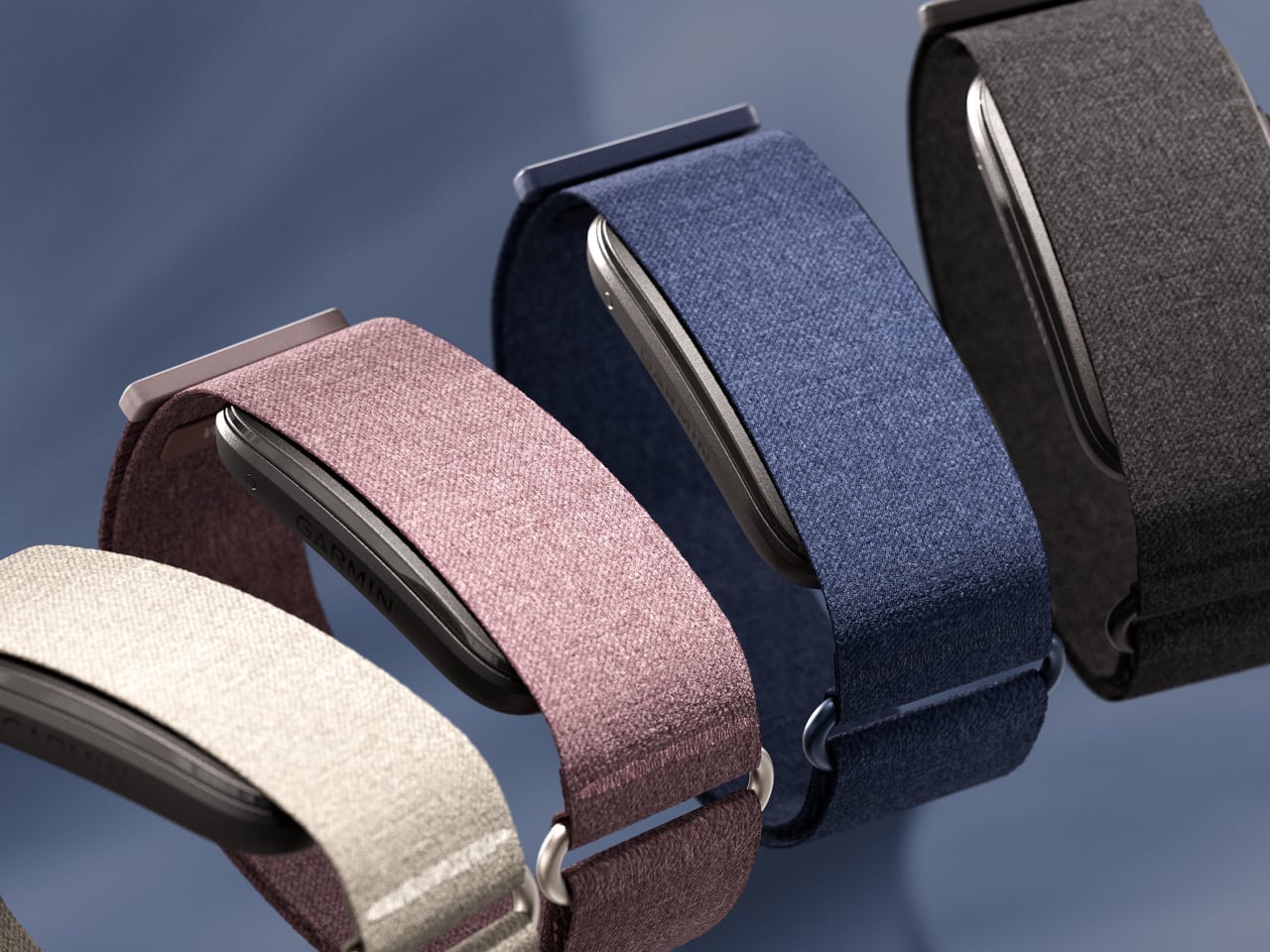
The band comes in a soft ComfortFit fabric strap that Garmin designed to fade into the background and sits in a compact sensor module with a fiber-reinforced polymer housing. Colors include Black, French Gray, Berry, and Navy, with seven additional accessory band options for the wrist. Both wrist and upper-arm sizing are available in two fits.
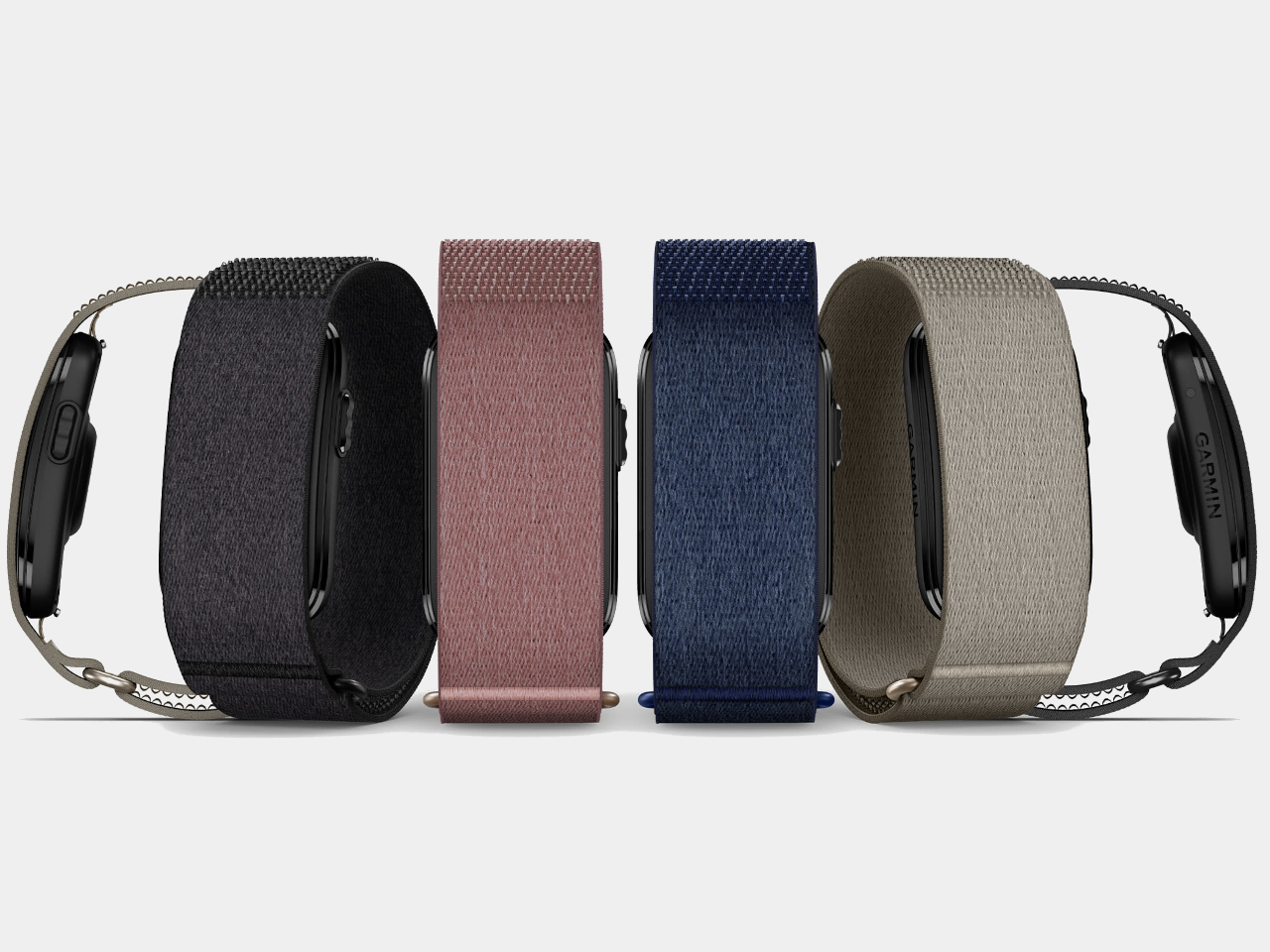
The CIRQA Smart Band is priced at $199.99, and no subscription is required for the core feature set, which is a pointed difference from Whoop, the most obvious comparison in this category. Garmin does offer optional Connect+ upgrades for coaching and advanced guidance, but the full tracking stack works without it.
The post Garmin Just Built the Whoop Alternative That Needs No Subscription first appeared on Yanko Design.
Having the right GPS watch on your wrist whether you’re going for your first ever run or your umpteenth run can make all the difference. The best GPS running watches not only keep track of how far you’ve run, but they track pace and other real-time metrics, advanced training features to help you hit your goals and, of course, precise distance measurements. Some models even provide offline maps for navigation, sleep tracking, recovery insights, and smart features that “regular” smartwatches do.
For those who need extra durability and lasting battery life, higher-end sport watches — like some of the best Garmin watches — are built to handle intense workouts, harsh weather and long runs. If you're training for a marathon, triathlon or just want a multisport option that can keep up with your lifestyle, these watches have the tech to support you.
With so many options available, from entry-level models to the best running watches packed with advanced running metrics, it can be tricky to find the right fit. That’s why we’ve rounded up our top picks to help you choose the perfect GPS watch for your training needs.
The Polar Pacer Pro looked and felt quite similar to our top pick, and it mapped my outdoor runs accurately. However, Polar’s companion app is leagues behind Garmin’s with a confusing interface and a design that feels very much stuck in the past. It’s also $100 more expensive than our top pick.
The Amazfit Cheetah Pro tracked my outdoor runs accurately and Zepp’s companion app has a coaching feature much like Garmin’s adaptive training plans that can outline a routine for you to complete in preparation for a race or to achieve a specific goal. My biggest issue with it was that its touchscreen wasn’t very responsive — it took multiple hard taps on the display to wake it, and often the raise-to-wake feature didn’t work, leaving me staring at a dark screen.
The most important thing for a GPS running watch to have is fast, accurate GPS tracking. That might seem obvious, but it’s quite easy to get distracted by all of the other smart features most of these devices have. Since most of them can be worn all day long as standard sport watches, there’s a lot of (possibly unnecessary) fluff that looks good on paper but won’t mean much if the core purpose if the device is left unfulfilled. To that end, I paid particular attention to how long it took each device’s built-in GPS tracking to grab my location before a run, if it ever lost my spot and the accuracy of the generated maps. Also, the device should be smart enough to let you start tracking a run while the GPS looks for your location.
You may not be able to suss out GPS accuracy just by looking at a spec sheet (that’s where this guide can help), but you can check for features like supported workout profiles. That’s something you’ll want to look into, even if your one and only activity is running. Check to make sure the best running watches you’re considering support all the kinds of running activities you like to do (outdoor runs, treadmill runs, etc) and any other workouts you may want to track with it.
Most fitness wearables today aren’t one-trick ponies; you’ll find a healthy number of trackable exercise modes on any sport watch worth its salt. That said, the number of workout profiles can be directly proportional to a device’s price: the higher-end the product, chances are the more specific, precise workouts it can monitor.
In a similar vein, you’ll want to check the trackable metrics of any watch you’re considering before you buy. Since we’re talking about the best GPS running watches, most will be able to track the basics like distance, heart rate and pace, and those are bare minimums. Some watches can monitor additional stats like speed, cadence, stride length, advanced running dynamics, aerobic and anaerobic training effect, intensity minutes and more. If you’re already a serious runner who trains for multiple races each year, or if you're a trail runner who needs elevation and navigation features, you’ll want to dig into the spec sheet of the watch you’re considering to make sure it can track all of your most necessary metrics.
It’s worth checking out a watch’s case size and weight before going all-in on one. GPS running watches, and standard smartwatches as well, can have a few different sizes to choose from so you’ll want to make sure you’re getting the best fit for your wrist. I have a smaller wrist, so I tend to avoid extra-large cases (anything over 42mm or so), especially if I intend on wearing the device all day long as my main timepiece. Weight, on the other hand, is a little less controllable, but typically smaller case sizes will save you a few grams in overall weight.
For those who need durability, particularly trail runners or those tackling extreme conditions, devices like Garmin watches offer rugged builds that can handle rough terrain, impact, and extreme weather.
Unlike regular smartwatches, GPS running watches have two types of battery life you’ll need to consider: with GPS turned on and in “smartwatch” mode. The former is more important than the latter because most GPS running watches have stellar battery life when used just as a smart timepiece. You can expect to get multiple days on a single charge, with some surviving more than two weeks (with all day and night wear) before they need a recharge.
Battery life with GPS turned on will be much shorter by comparison, but any GPS running watch worth its salt should give you at least 10-15 hours of life with the GPS being used continuously. The more you’re willing to spend, the higher that number typically gets, with some GPS running watches lasting for 40 hours while tracking your location.
This article originally appeared on Engadget at https://www.engadget.com/wearables/best-gps-running-watch-141513957.html?src=rssIf you're looking to get fit, sleep better or just keep a closer eye on your health, a fitness wearable is a great place to start. Whether you're into intense workouts or just want to hit your step goal each day, the best fitness trackers available today can offer loads of helpful features, from sleep tracking and resting heart rate monitoring to built-in GPS and stress tracking. Some are even subtle enough to wear 24/7, like smart rings, while others double as stylish smartwatches.
There are great options out there for beginners as well as more advanced users, and the variety of features means there’s something for every lifestyle and budget. In this guide, we’ll walk you through the best fitness trackers you can buy right now, and explain who each one is best suited for.
The answer seems simple: Fitness wearables are best at monitoring exercise, be it a 10-minute walk around the block or that half marathon you’ve been diligently training for. Obviously, smartwatches can help you reach your fitness goals too, but there are some areas where fitness bands and smart rings have proven to be the best buy: focus, design, better battery life, durability and price.
When I say “focus,” I’m alluding to the fact that fitness trackers are made to track activity well; anything else is extra. They often don’t have the bells and whistles that smartwatches do, which could distract from their advanced health tracking abilities — things like all-day resting heart rate monitoring, stress tracking, and even detailed sleep tracker insights. They also tend to have fewer sensors and internal components, which keeps them smaller and lighter. Fitness trackers are also a better option for those who just want a less conspicuous gadget on their wrists all day.
Battery life tends to be better on fitness trackers, too. While most smartwatches last one to two days on a single charge, fitness bands offer between five and seven days of battery life — and that’s with all-day and all-night use even with sleep tracking features enabled. Many fitness trackers also slot nicely into your existing ecosystem, syncing seamlessly with your smartphone, other fitness apps and cloud storage to keep all your data in one place.
When it comes to price point, there’s no competition. Most worthwhile smartwatches start at $175 to $200, but you can get a solid smart band starting at $70. That makes them a great entry point for beginners who want to track their progress without committing to a full smartwatch. Yes, more expensive bands and smart rings exist (and we recommend a few here), but you’ll find more options under $150 in the fitness tracker space than in the smartwatch space.
If you need a bit more from your wearable and don’t want to be limited to a fitness or activity tracker, a smartwatch may be the best buy for you. There are things like on-watch apps, alerts and even more robust fitness features that smartwatches have and the best fitness trackers don’t. You can use one to control smart home appliances, set timers and reminders, check weather reports and more. Some smartwatches let you choose which apps you want to receive alerts from, and the options go beyond just call and text notifications. Just make sure your smartwatch is compatible with your Android or iPhone, however, before purchasing, as not all of them work with both operating systems.
But the extra fitness features are arguably the most important thing to think about when deciding between a fitness tracker and a smartwatch. The latter devices tend to be larger, giving them more space for things like GPS, barometers, onboard music storage and more. While you can find built-in GPS on select fitness trackers, it’s not common.
If you’re someone who’s seriously training — say for a race or an endurance challenge — a dedicated running watch may be worth considering. These often provide more in-depth cardio analytics, recovery insights, and real-time pace data that go beyond what standard trackers can deliver.
The Fitbit Inspire 3 strips out all the luxury features from the Charge 6 and keeps only the essential tracking features. You won’t get built-in GPS tracking or Fitbit Pay or Spotify control but you do get solid activity tracking, automatic workout detection, smartphone alerts and plenty more. The updated version has a sleeker design and includes a color touch display and connected GPS, the latter of which lets you track pace and distance while you run or bike outside while you have your phone with you. When compared to the Charge 6, the Inspire 3 is more fashionable, too. Its interchangeable bands let you switch up the look and feel of your tracker whenever you want, and it’s slim enough to blend in with other jewelry you might be wearing. We were also impressed by its multi-day battery life: Fitbit promises up to 10 days on a single charge, and that checked out for us. After four days of round-the-clock use, the Inspire 3 still had 66 percent battery left to go.
The battery life of fitness trackers can vary depending on the model and its features. On average, most fitness trackers last between five to seven days on a single charge. Basic models with limited features could stretch up to 10 days or more. However, more advanced trackers with features like continuous heart rate monitoring, GPS, or always-on displays may need recharging after one to three days. If you're using GPS or streaming music through your fitness tracker, you'll find that this drains the battery faster. By using these features less, or turning them off, you'll extend battery life.
This article originally appeared on Engadget at https://www.engadget.com/wearables/best-fitness-trackers-133053484.html?src=rss