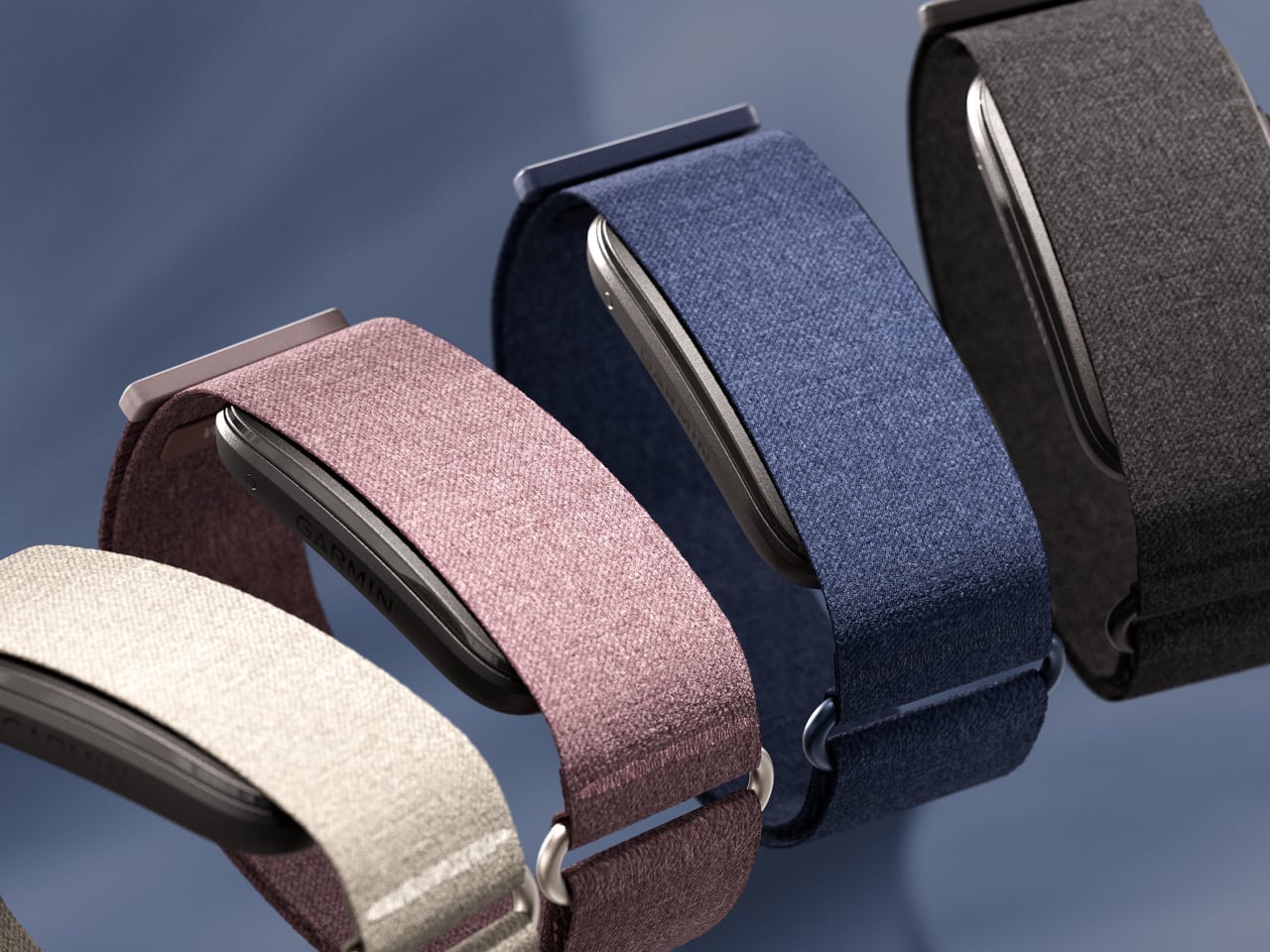
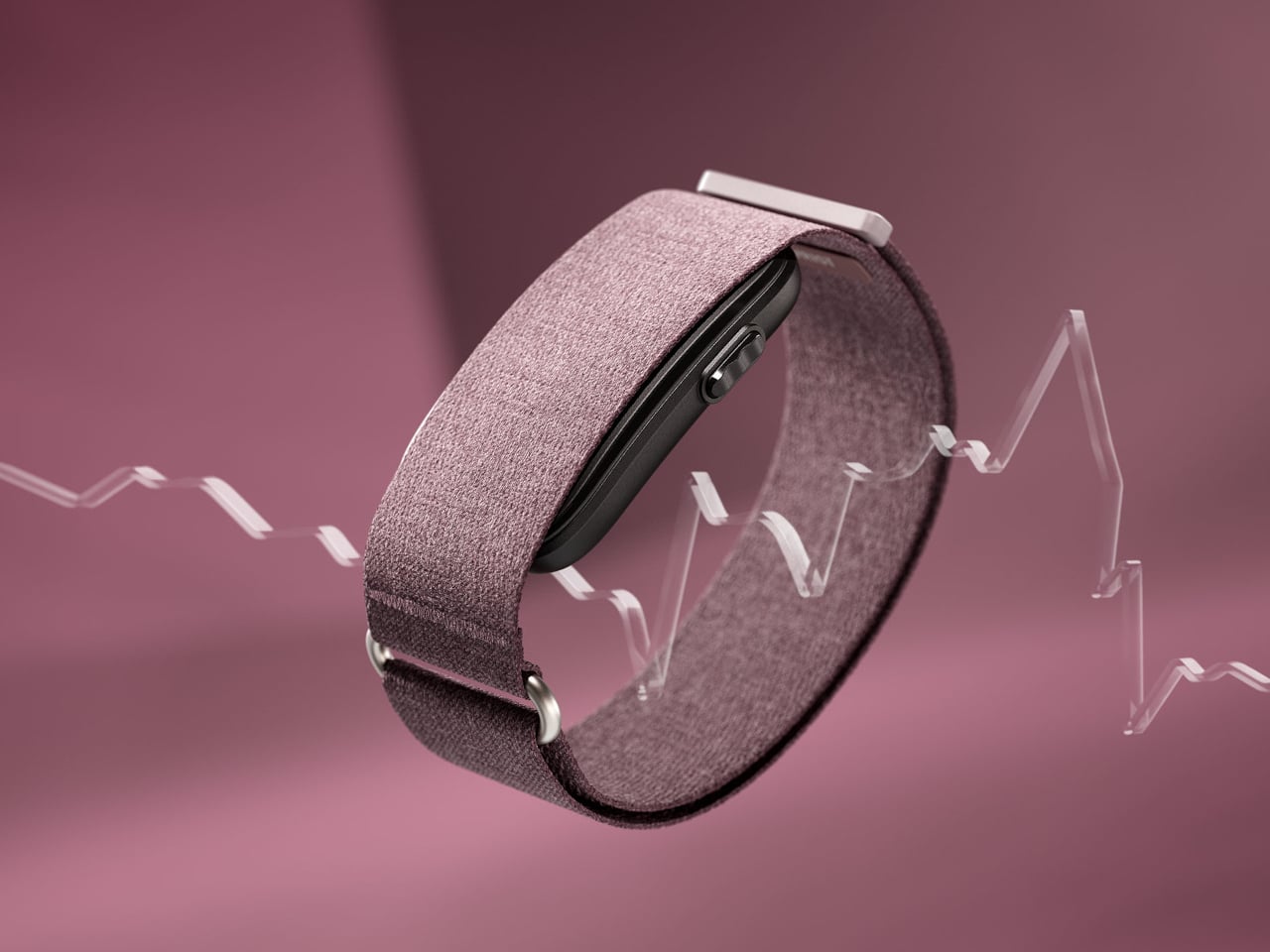
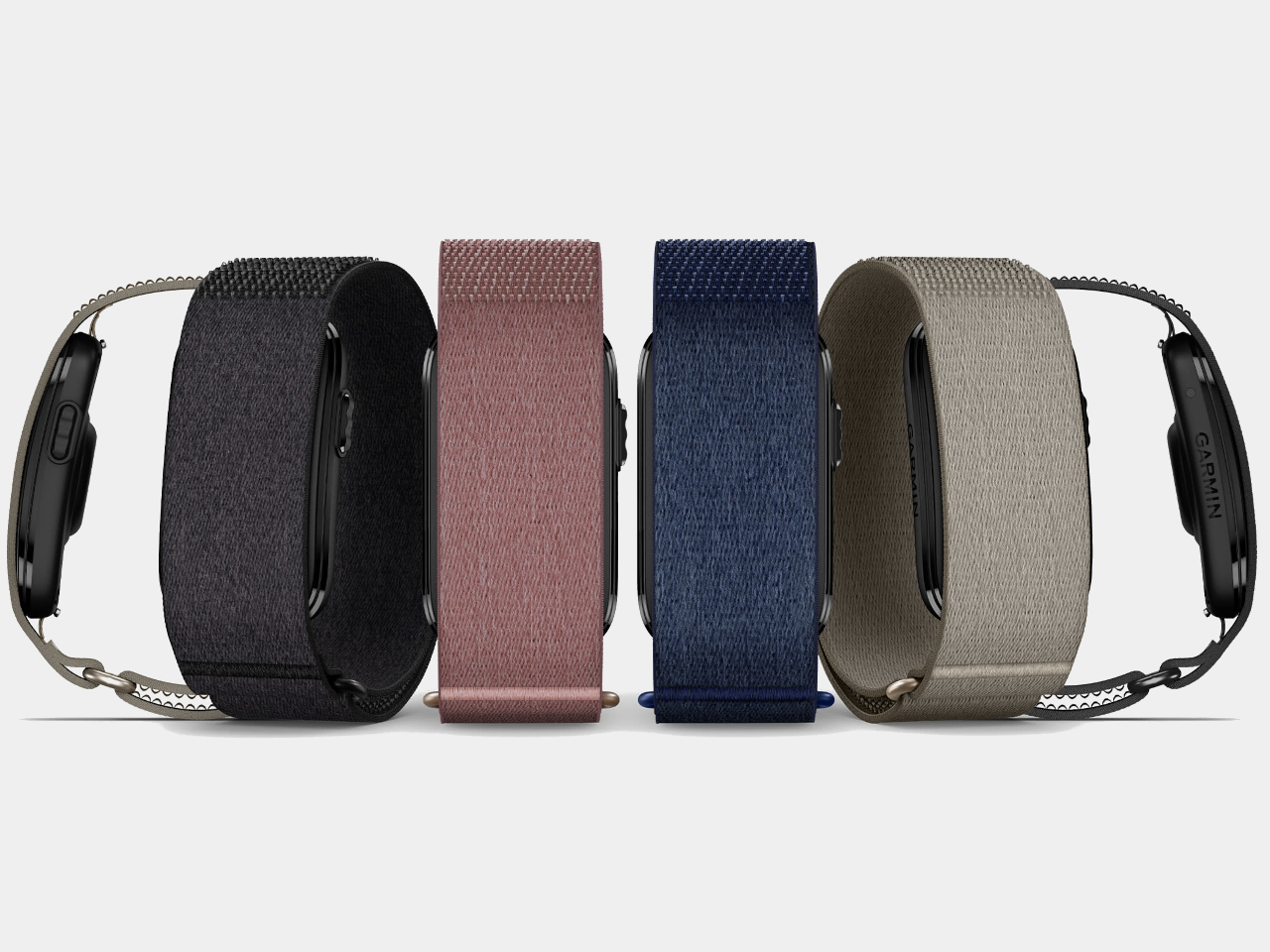
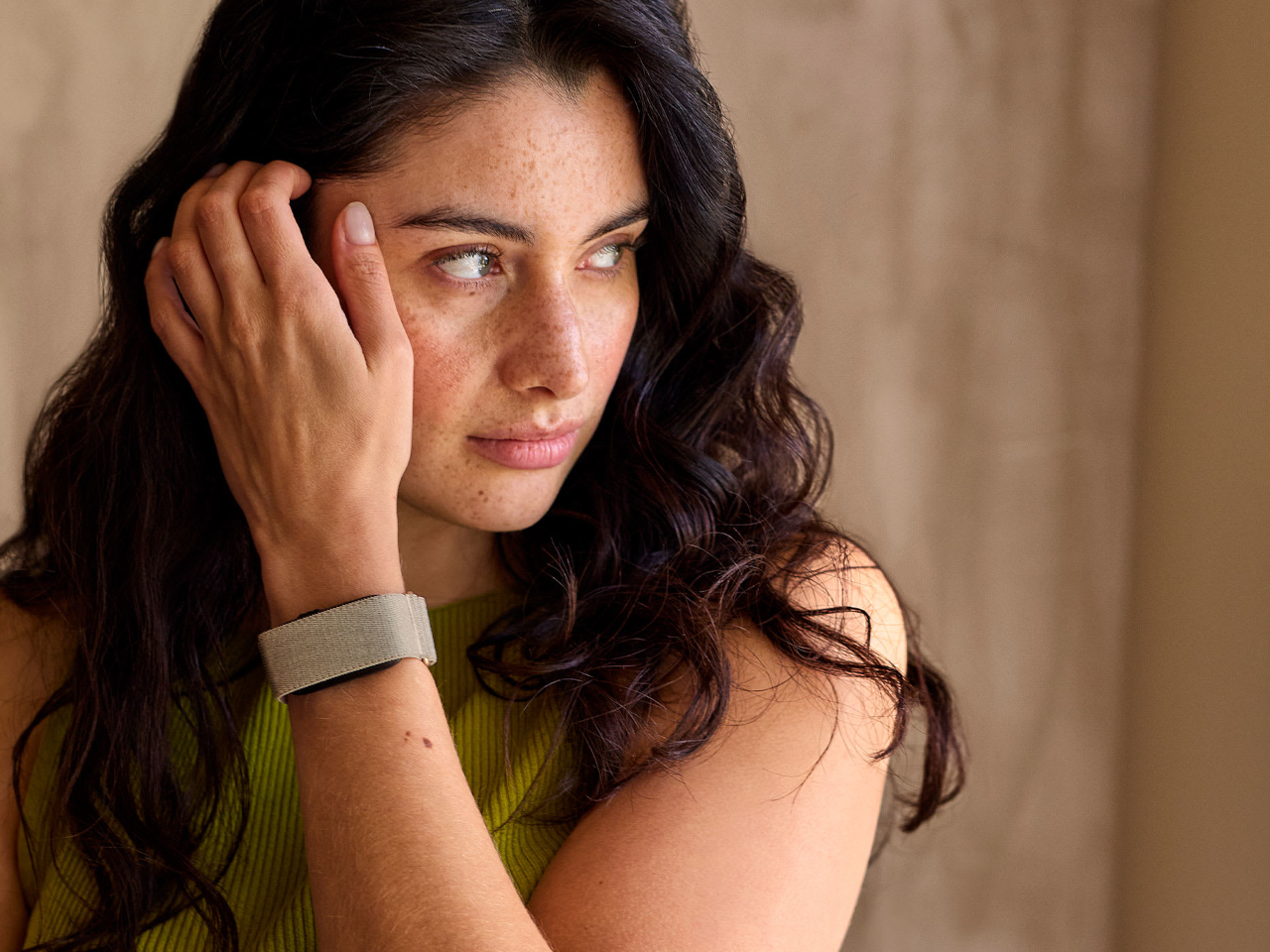
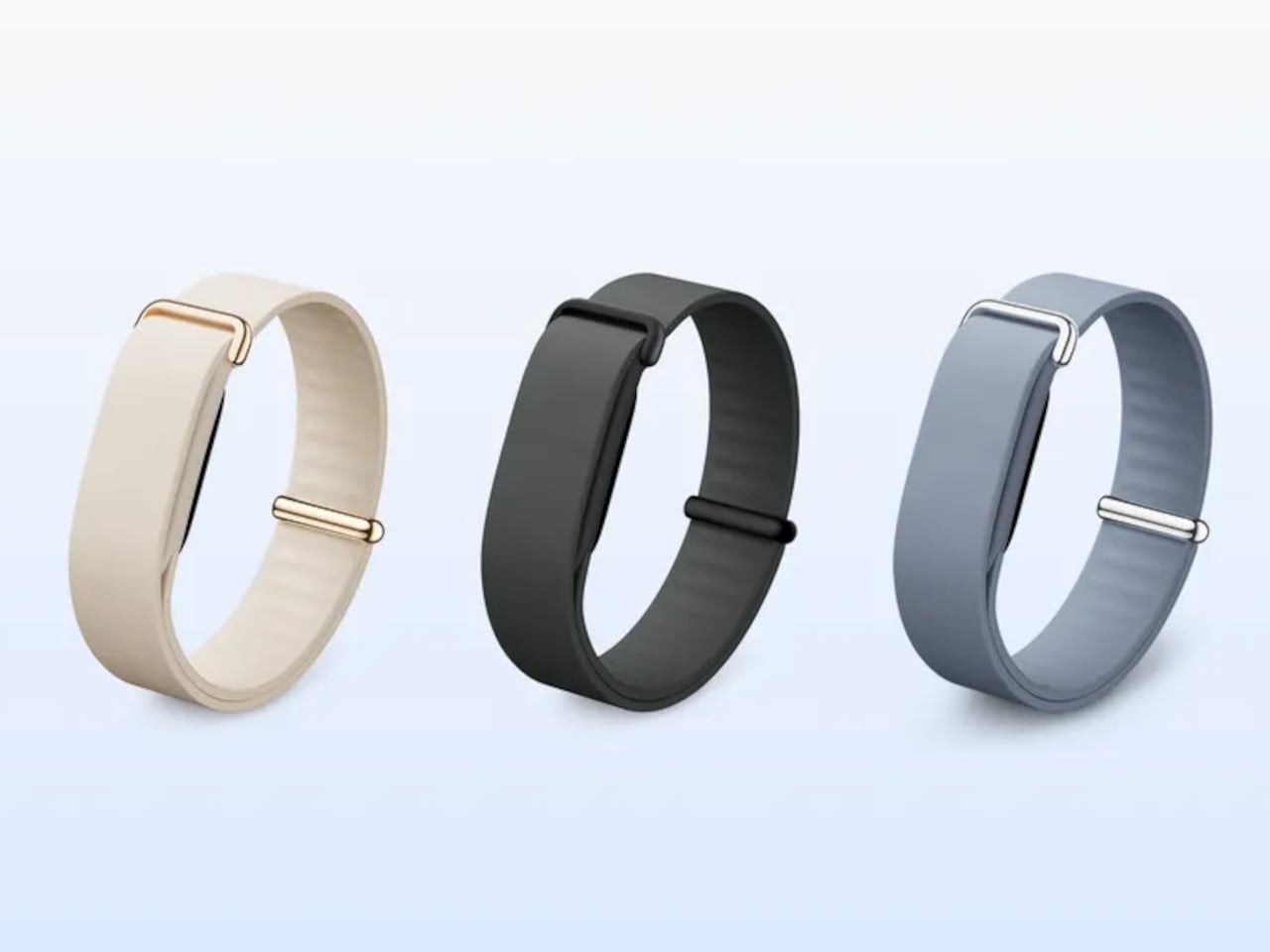
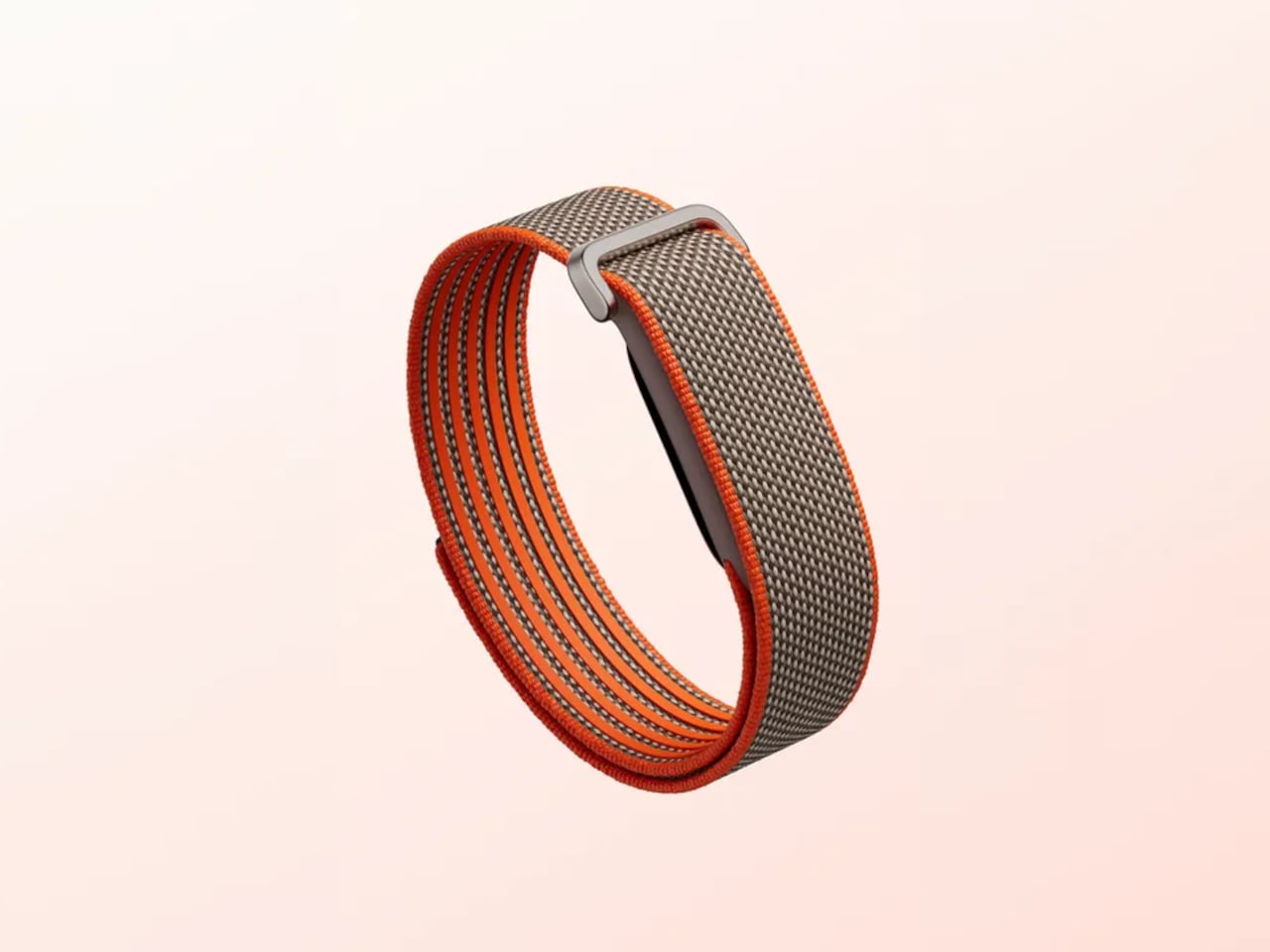
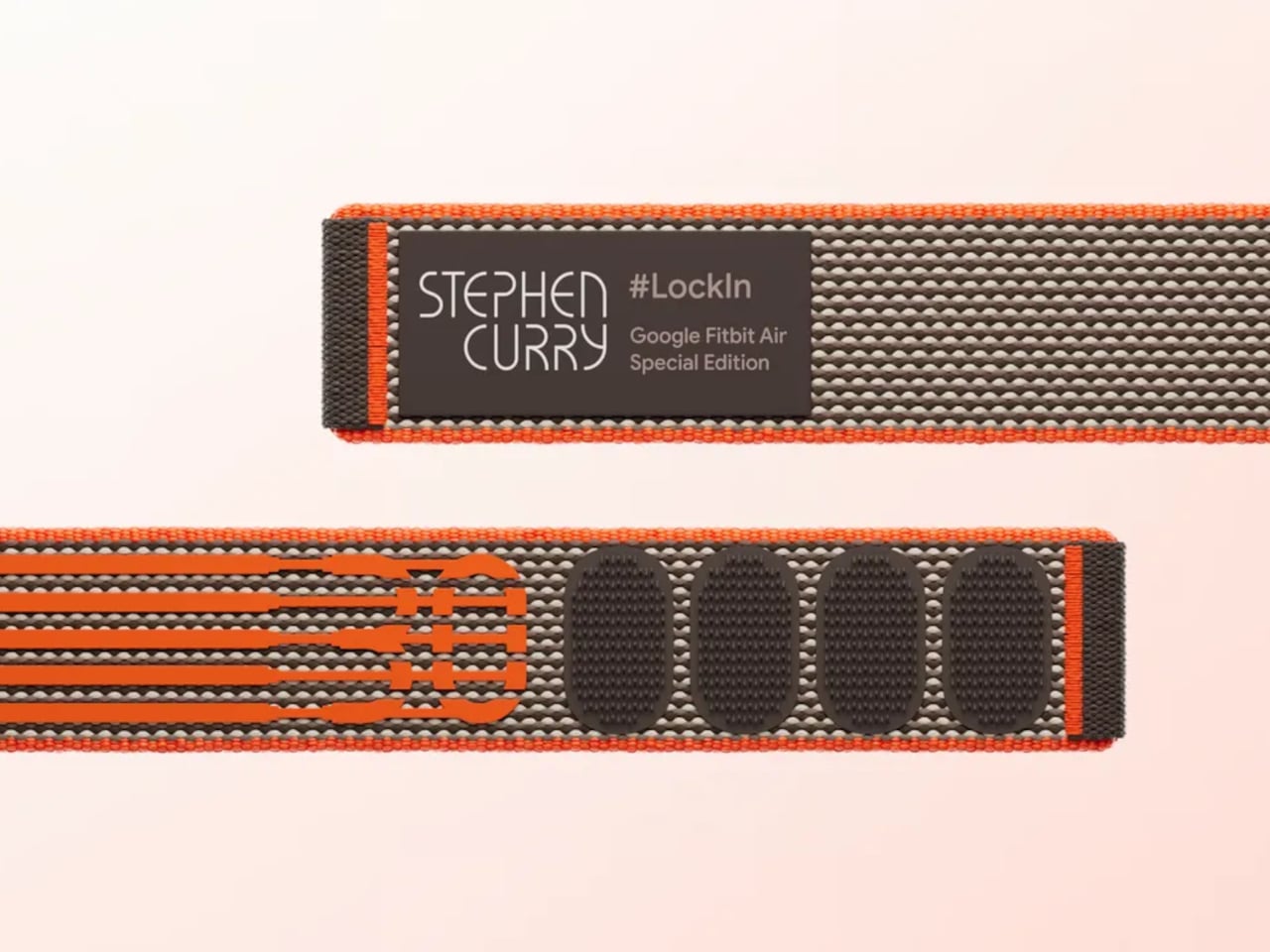
For anyone who thinks Apple would never launch a screenless Watch, let me remind you of two, nay, three things. First, the iPod Shuffle – a product that baffled many, but delighted even more. For anyone who couldn’t afford an iPod Classic or Nano, the screenless Shuffle was the instant next pick. You couldn’t do much, play-pause, move across a randomized roster of tracks, and adjust volume. As limiting as this experience was, it still a smash success, selling 10 million units in just its first year.
The second bit of evidence I’d like to offer is the rumor that Apple’s been working on a smart ring to take on Samsung, Oura, and a bunch of other players that are slowly annexing this particular domain. The third is just a follow-up to the second – While smart rings are gaining a fair bit of popularity, Apple’s true competition is coming from an absolutely unexpected source – a small upstart called Whoop that’s captured the fitness band market, with big names sporting Whoop bands. Think of Whoop as the Beats by Dre of the fitness world… and you know what happened to Beats by Dre, right?
Designer: Tech Town
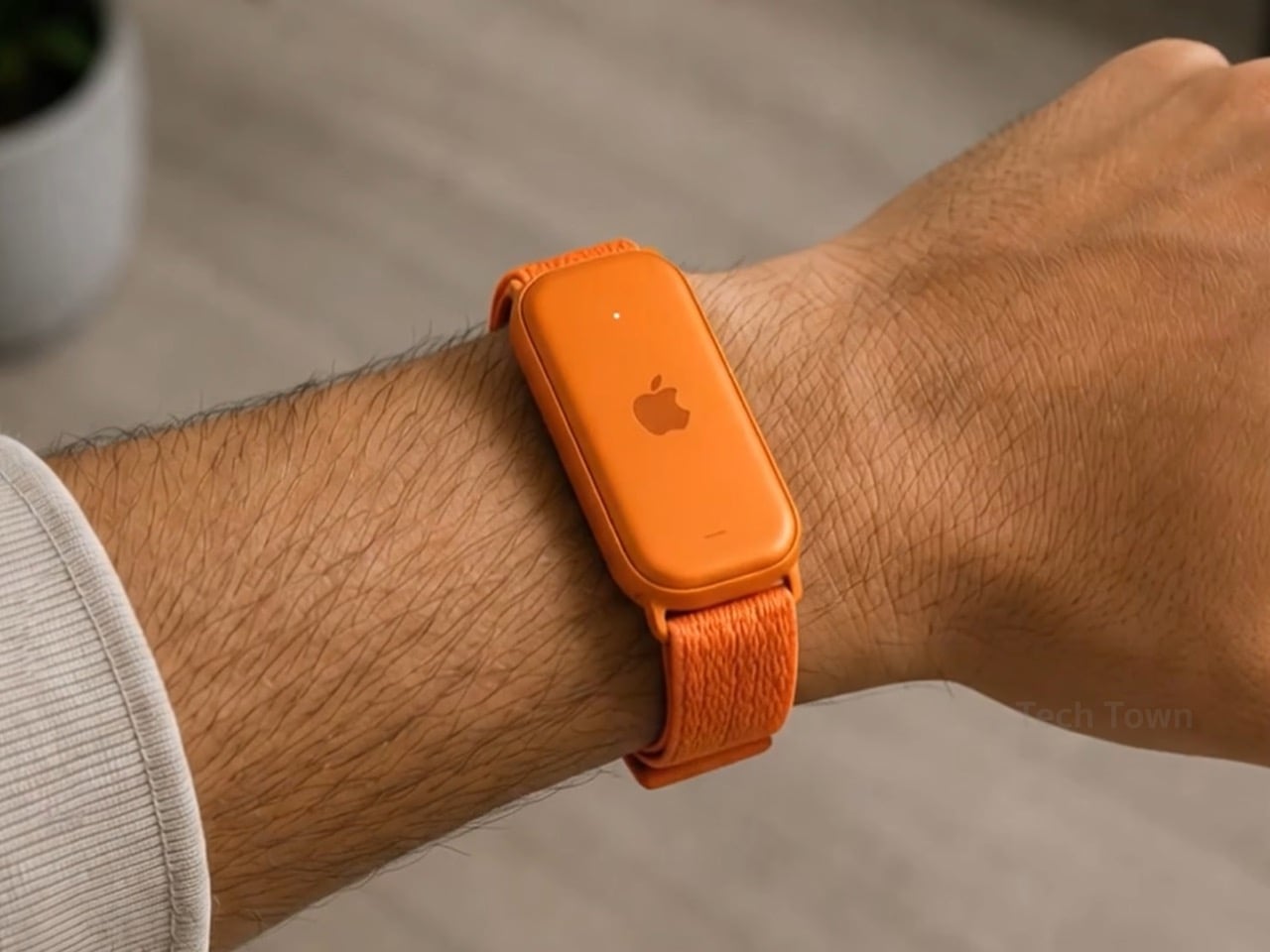
Bloomberg’s Mark Gurman reported in early August that Apple’s industrial design team has spent roughly the past year exploring what he called, in his own words, “something that transforms the product for a new era,” comparing the scale of the rethink to the iPhone’s jump from a slab to a foldable. A screenless band sits at the center of that exploration, alongside a round display concept Gurman says is unlikely to ship, plus new price tiers above the Ultra and Hermès range and below the SE. Nothing here is close to final. No sensors, no name, no price, no date. Apple hasn’t committed to any of it, and Gurman’s own reporting frames the screenless band as the most plausible of the bunch precisely because the rest of the wearable market has already proven the category works.
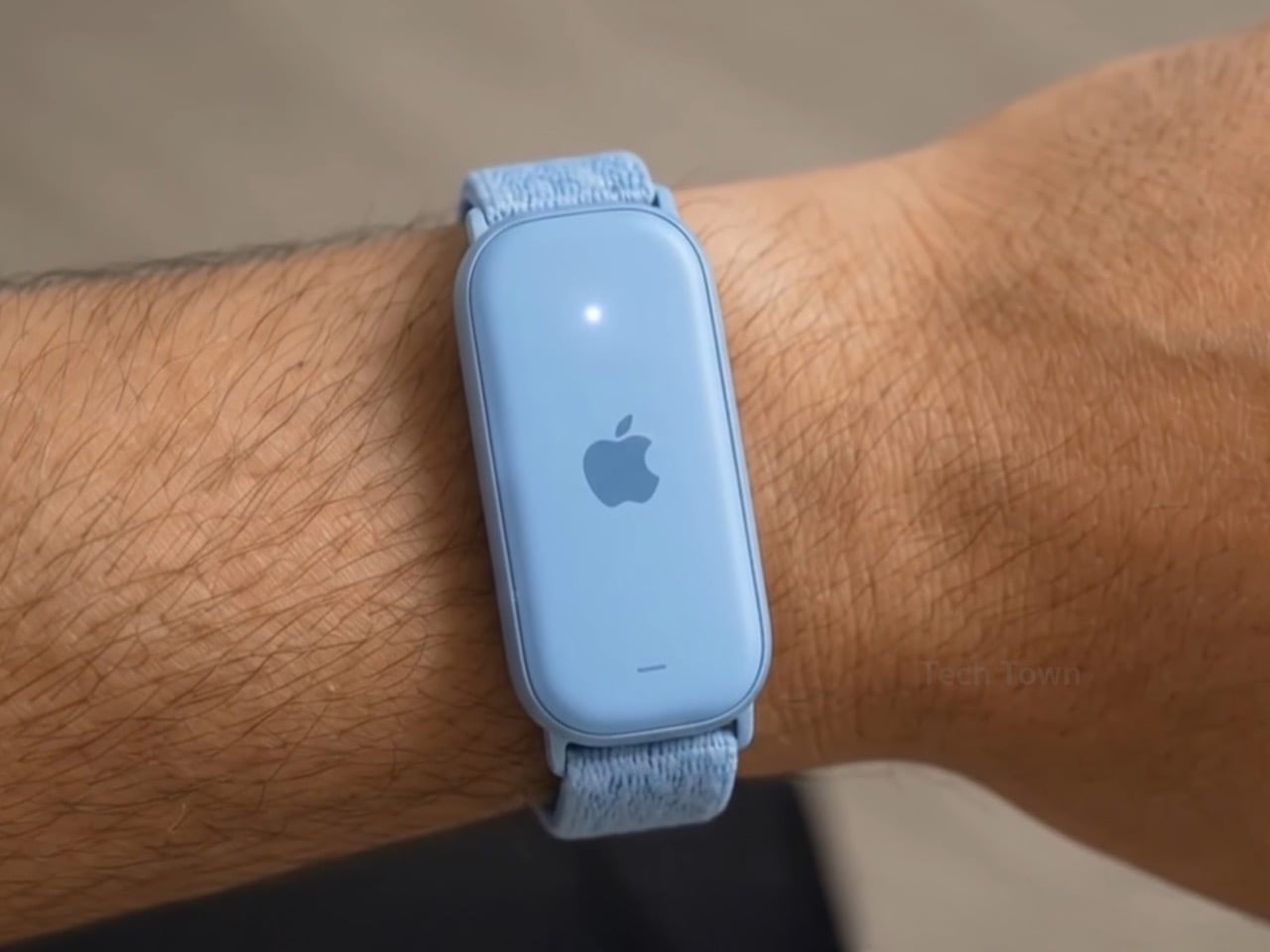
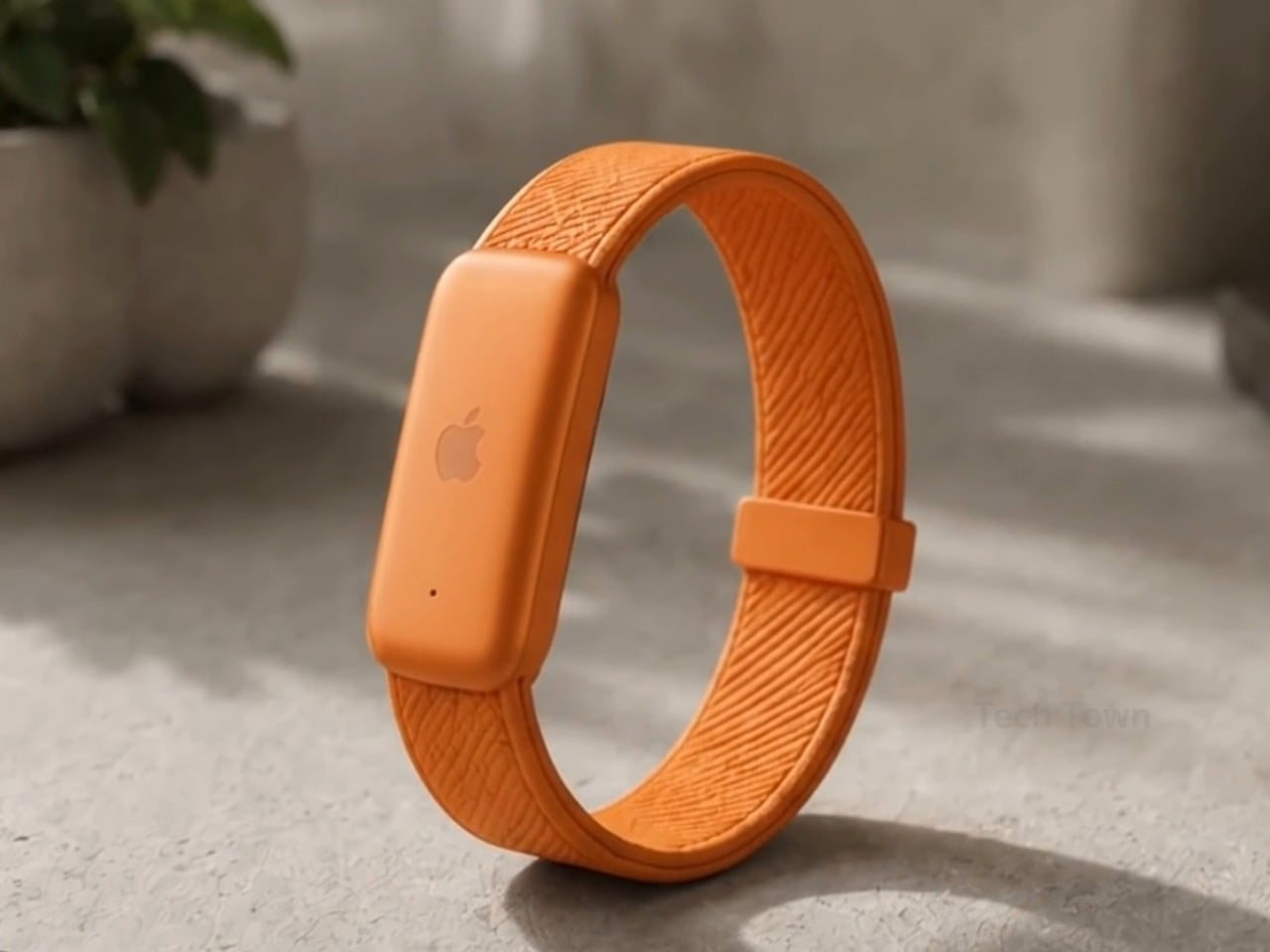
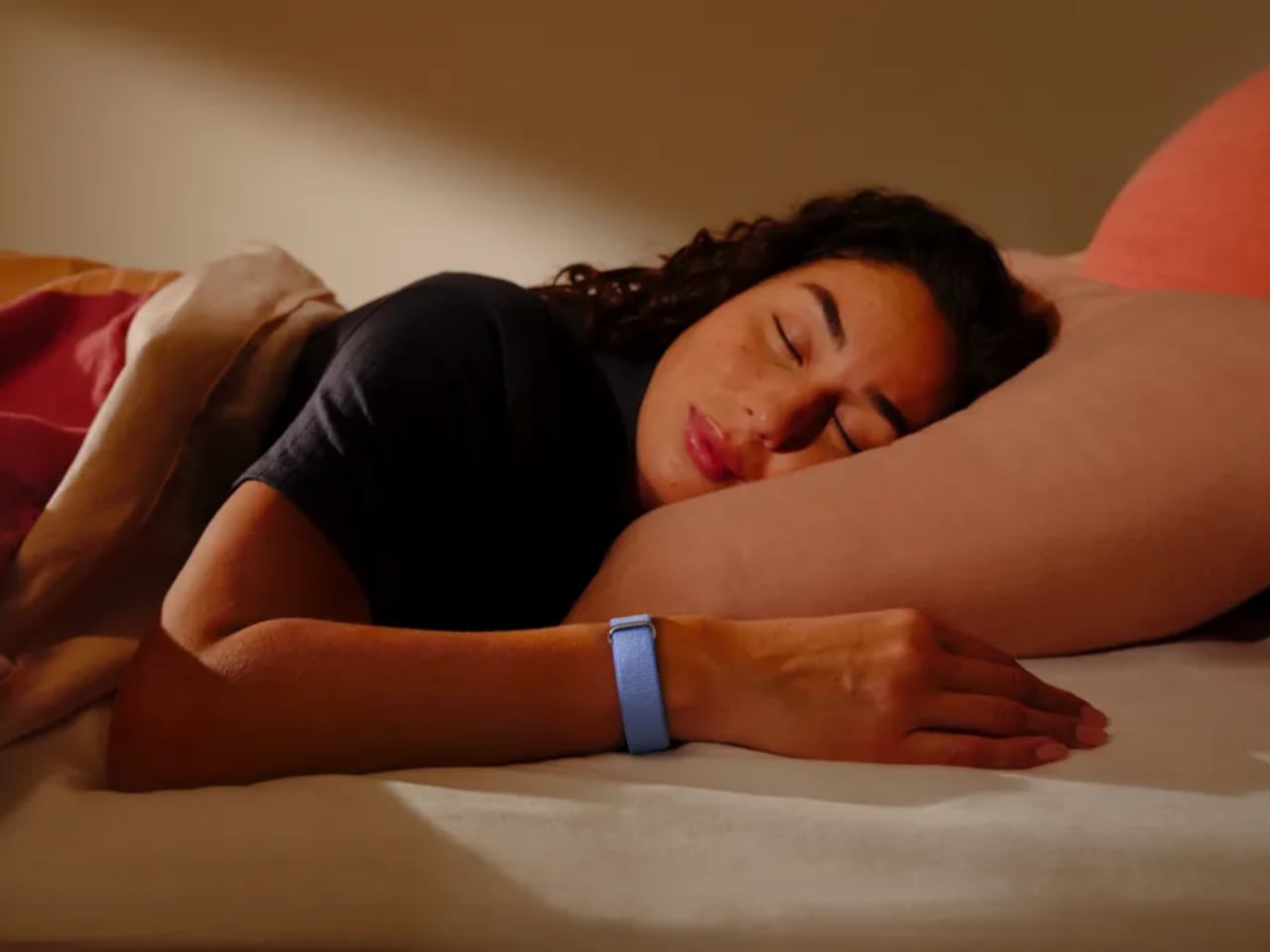
Apple has quietly, well, not quietly, actually already built the brain this device would need, and shipped it on your wrist this month. The Apple Watch Series 12 and Ultra 4 launched September 18 with a new Readiness app, a daily score from 0 to 10 built from recent activity, overnight vitals, and sleep, closing with a recommendation of Recover, Pace Yourself, Ready, or Go For It. Apple now samples HRV every five minutes, a figure it says is 24 times denser than what Series 11 could manage, and splits the reading into overall HRV and a Recovery HRV compared against your personal baseline rather than a population average. That is, functionally, a Whoop screen for readiness with the screen still attached to a watch. Strip the display away, keep the sensor stack and the scoring engine, and you have the pitch for a Watch Air in one sentence.
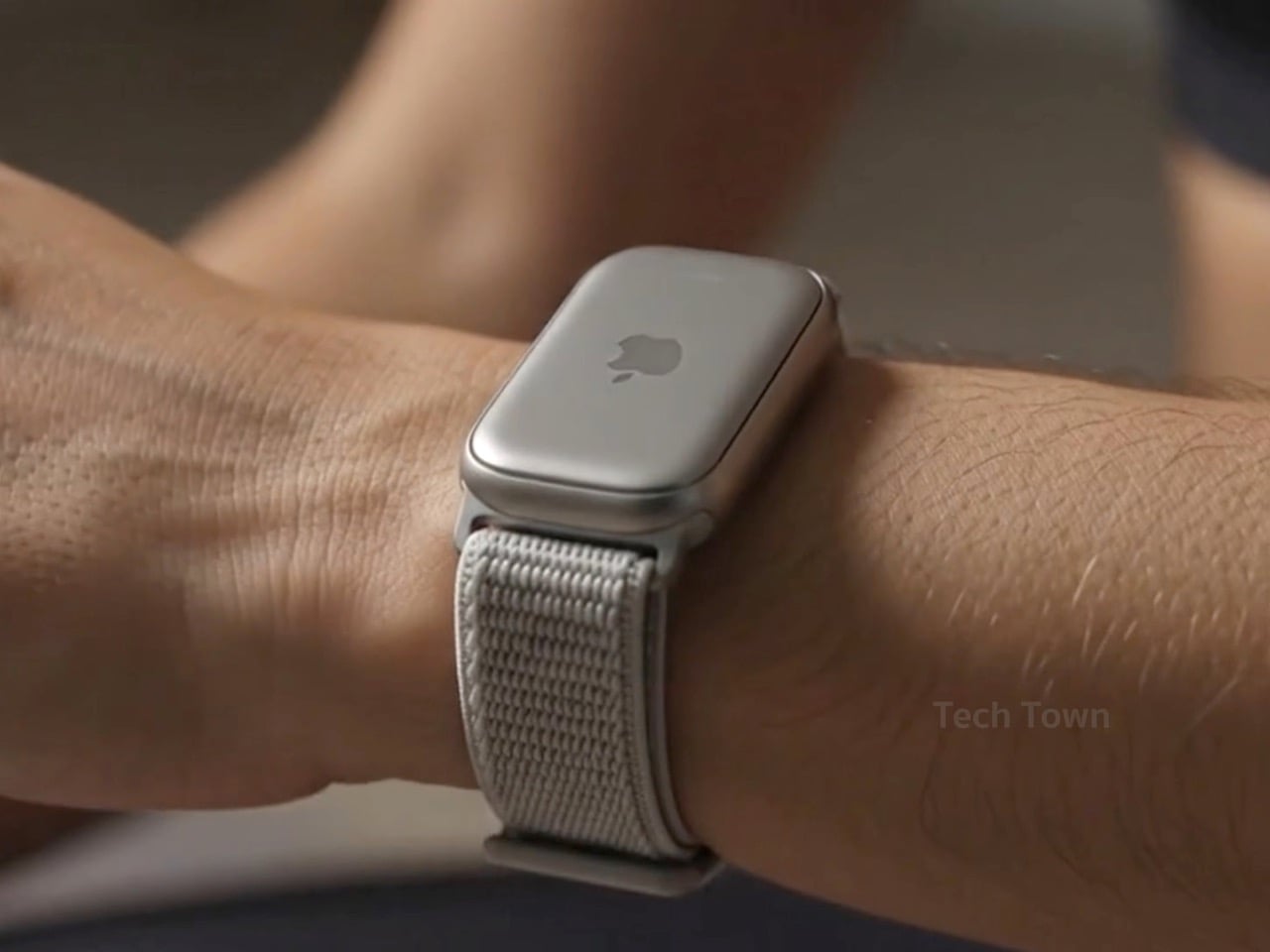
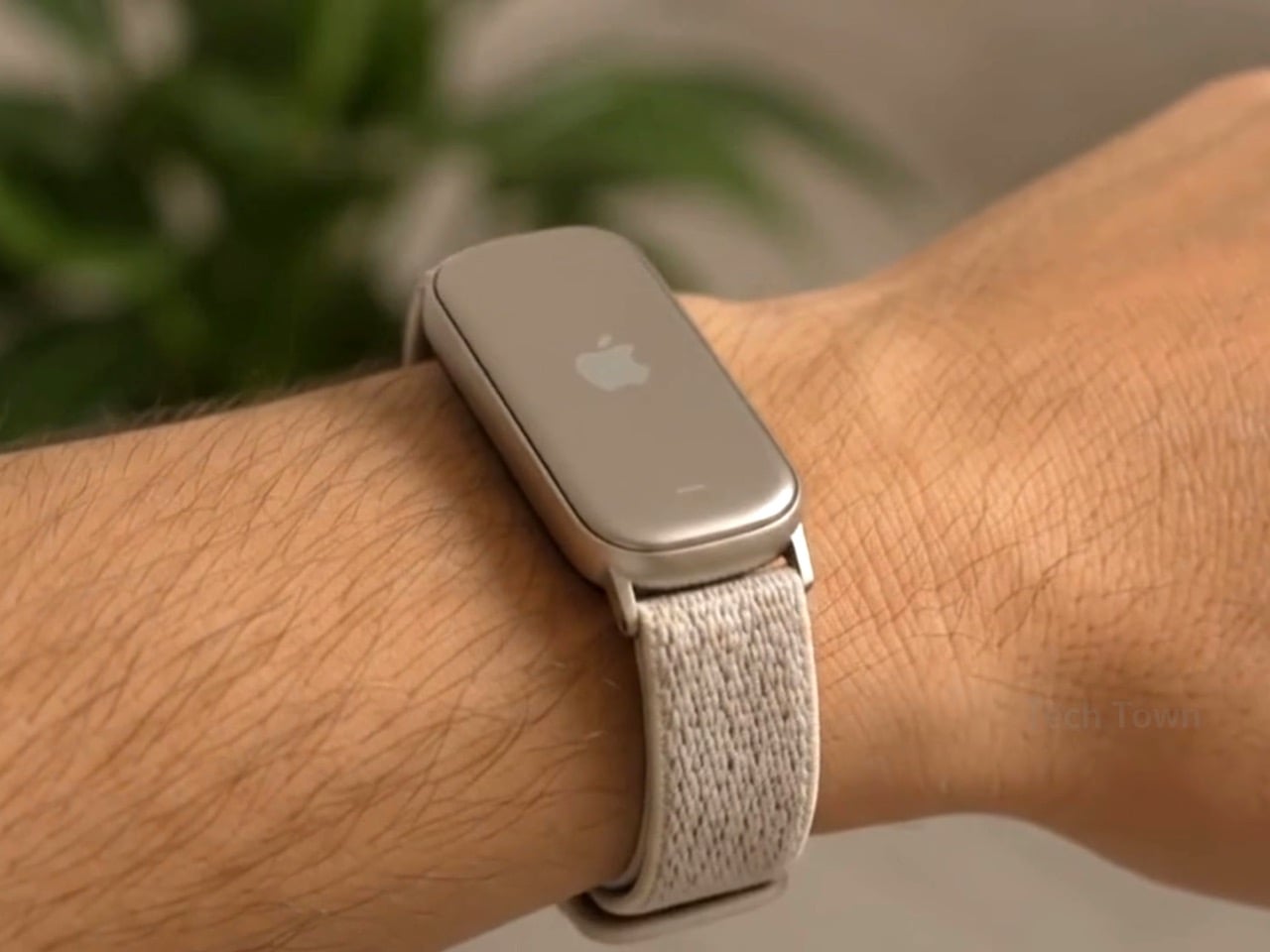
The person pushing hardest for that strip down sits above Apple’s entire health division. Eddy Cue took over health and fitness oversight from outgoing COO Jeff Williams in late 2025 and has reportedly told colleagues Apple needs to move faster in the category. Cue’s personal habit gives the story its bite: he wears both Oura and Whoop, executive shorthand for admitting the Health app hasn’t caught up to the devices its own leadership prefers on their wrists. An ambitious AI coaching project internally called Mulberry was scaled back after Cue’s arrival, redirected instead toward folding more of its intelligence straight into the core Health app rather than a paid add on layer.
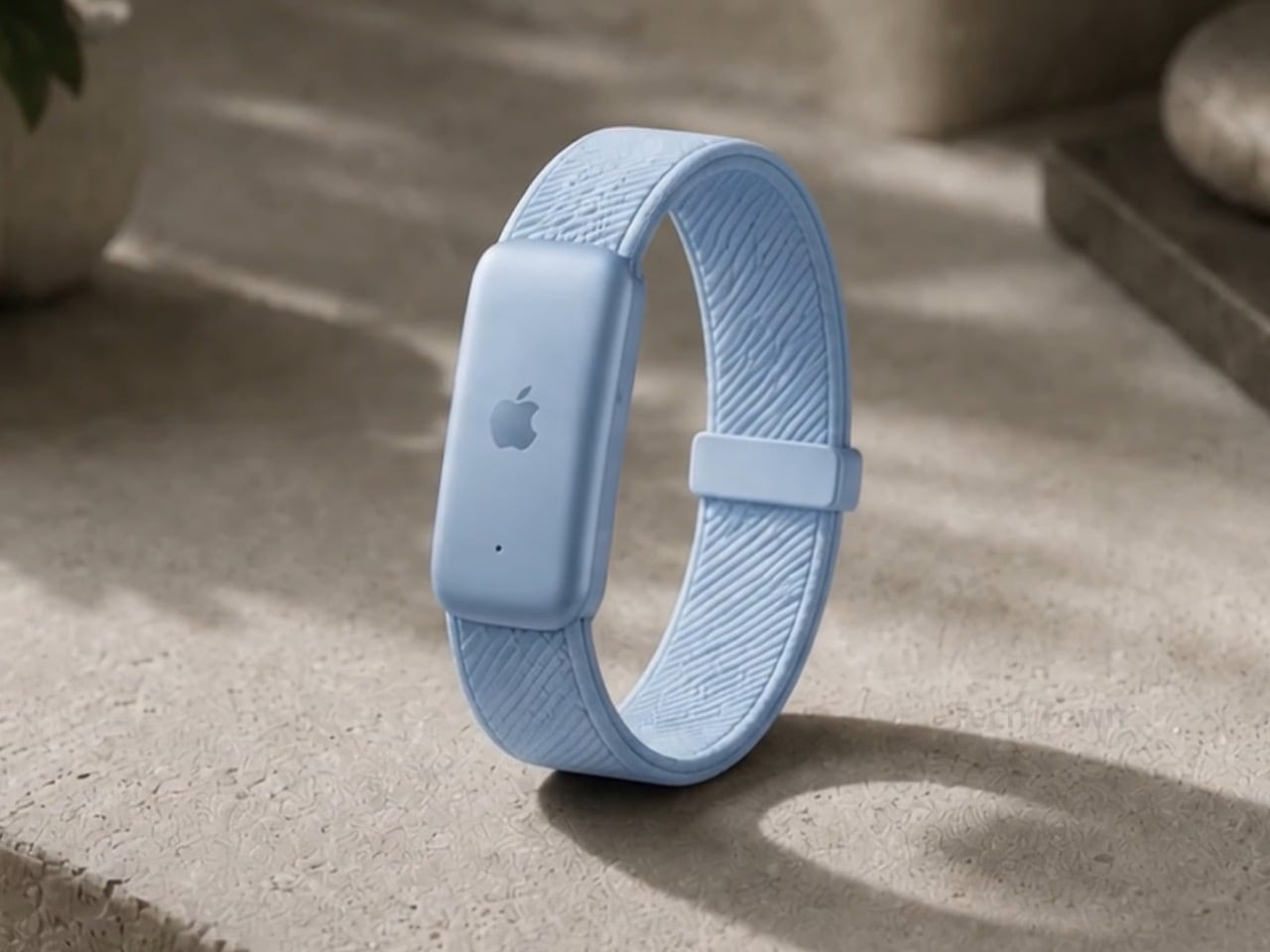
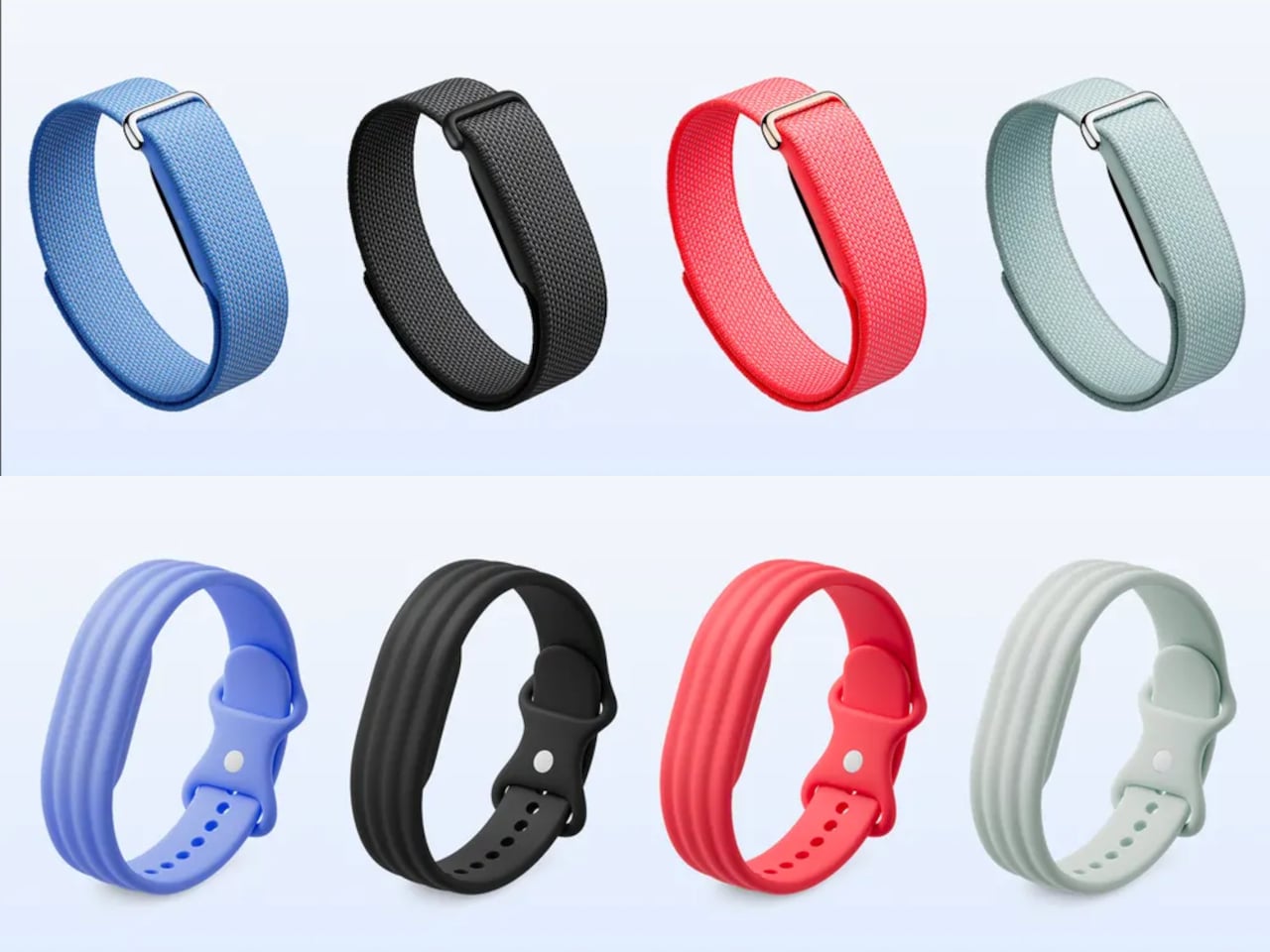
The market Apple would be entering has filled in fast. Google’s Fitbit Air launched in May at $99.99, a 5.2 gram pod with no screen and no buttons, just a double tap gesture and a battery LED. Garmin’s Cirqa followed at $199.99 with a single physical side button and no subscription requirement, offering roughly 10 days of battery against the Air’s 7. Whoop 5.0 anchors the premium end at 14 days of battery, but the hardware means nothing without an active membership starting around $199 a year, the one structural weakness Apple’s own retail model was built to avoid.
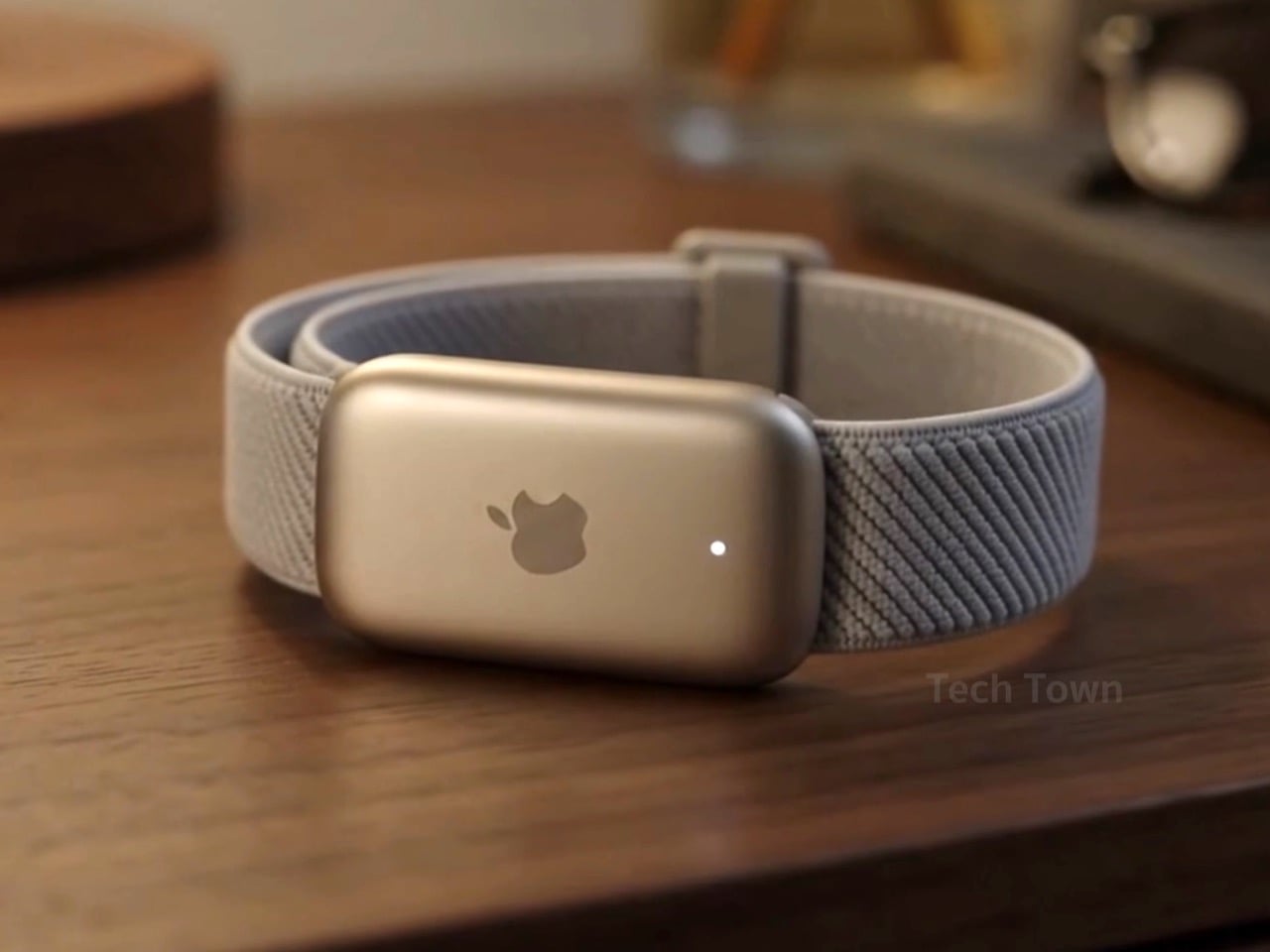
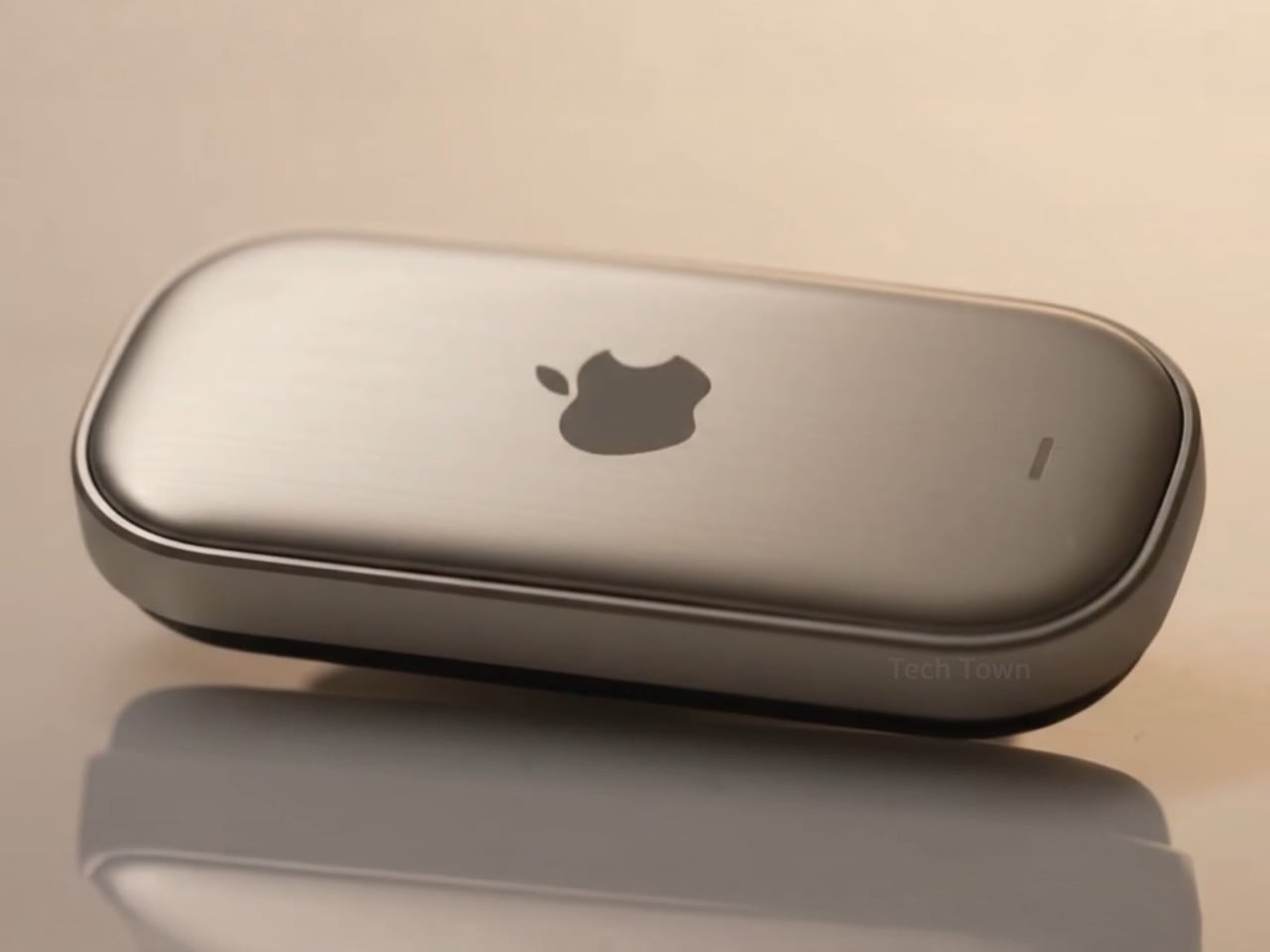
A round Apple Watch is, per Gurman, unlikely to happen, and the smart ring has been shelved and revived in rumor form so many times it barely qualifies as news anymore. The screenless band is different. It borrows a software system Apple has already shipped, it targets a price umbrella Apple has never fully occupied below the SE, and it answers a habit Cue is reportedly living out loud every morning. None of that guarantees a 2027 launch. But the Shuffle taught Apple that taking something away can sell just as well as adding something new, and this time, the thing it would be taking away is the one part of the Apple Watch nobody asked to keep charging every single night.
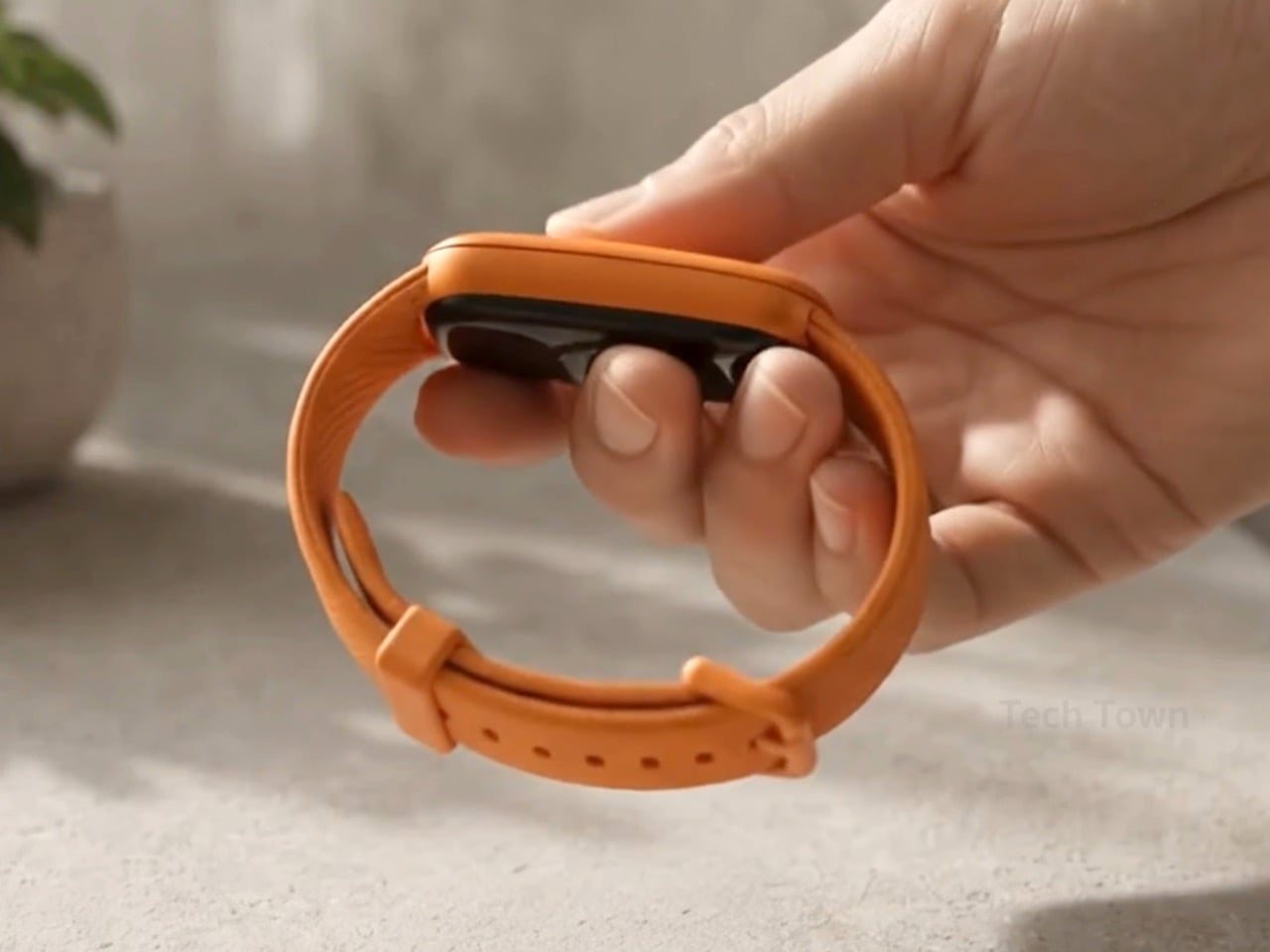
The post Apple may launch a “Watch Air” screen-less health tracker to compete with Whoop and Fitbit Air first appeared on Yanko Design.