Meta’s latest release, Muse Glimmer 30B, marks a significant development in the open AI landscape. With a dense architecture using all 30 billion parameters during inference, the model is optimized for tasks requiring multi-step reasoning and long-term decision-making. Sam Witteveen explores how Muse Glimmer, licensed under Apache 2.0, is designed for local deployment, with quantized […]
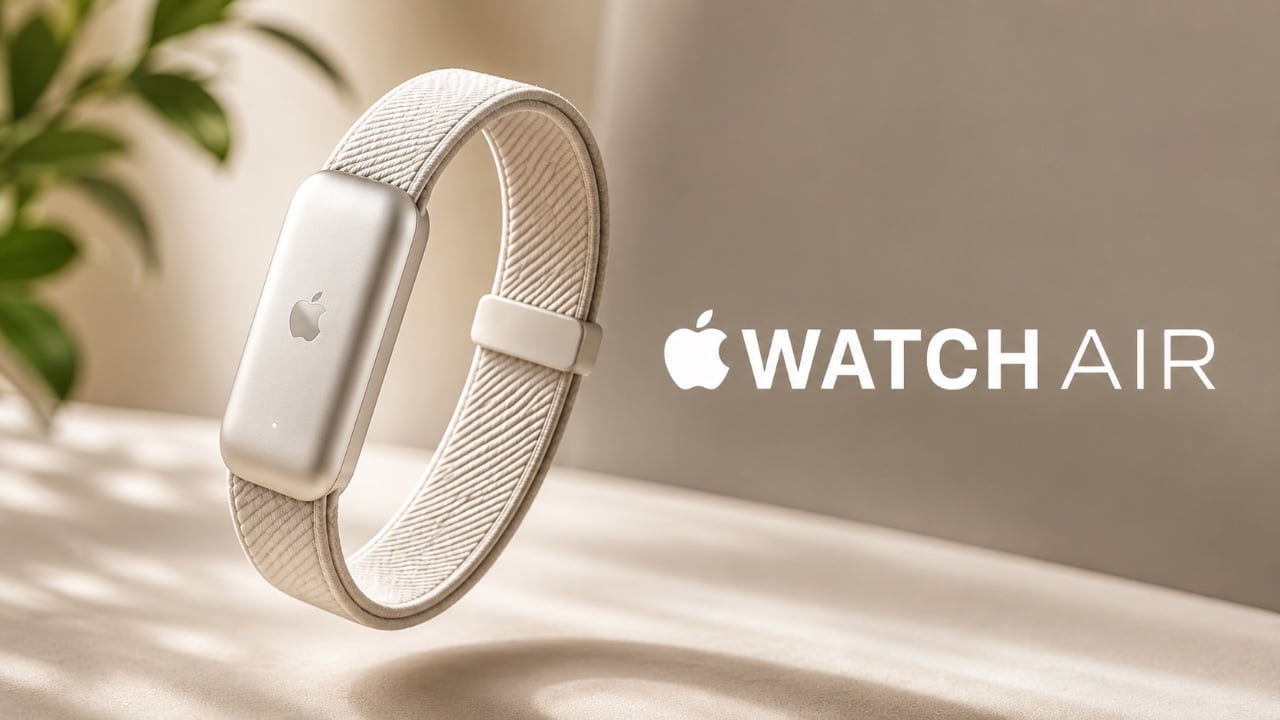
Apple is reportedly developing an innovative wearable concept known as the “Apple Watch Air.” This device could transform how you engage with health and fitness tracking by eliminating traditional features like screens, apps, and notifications. Unlike conventional smartwatches, the Apple Watch Air focuses exclusively on core health metrics, offering a distraction-free and streamlined experience. This […]
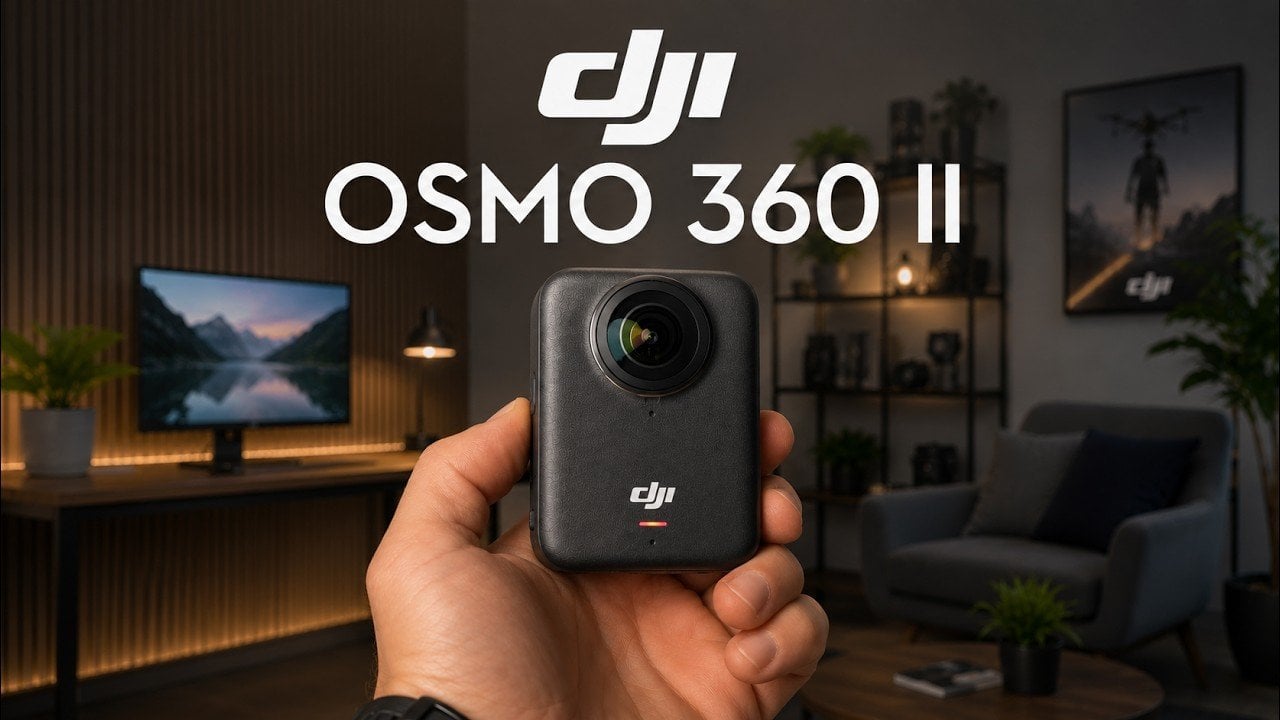
The DJI Osmo 360 II is set to launch tomorrow, introducing a range of updates that refine its predecessor’s design while addressing evolving user needs. According to TechAvid, one of the most notable upgrades is the inclusion of an 8K video recording capability at 60fps, offering ultra-smooth, high-resolution footage ideal for dynamic action scenes or […]
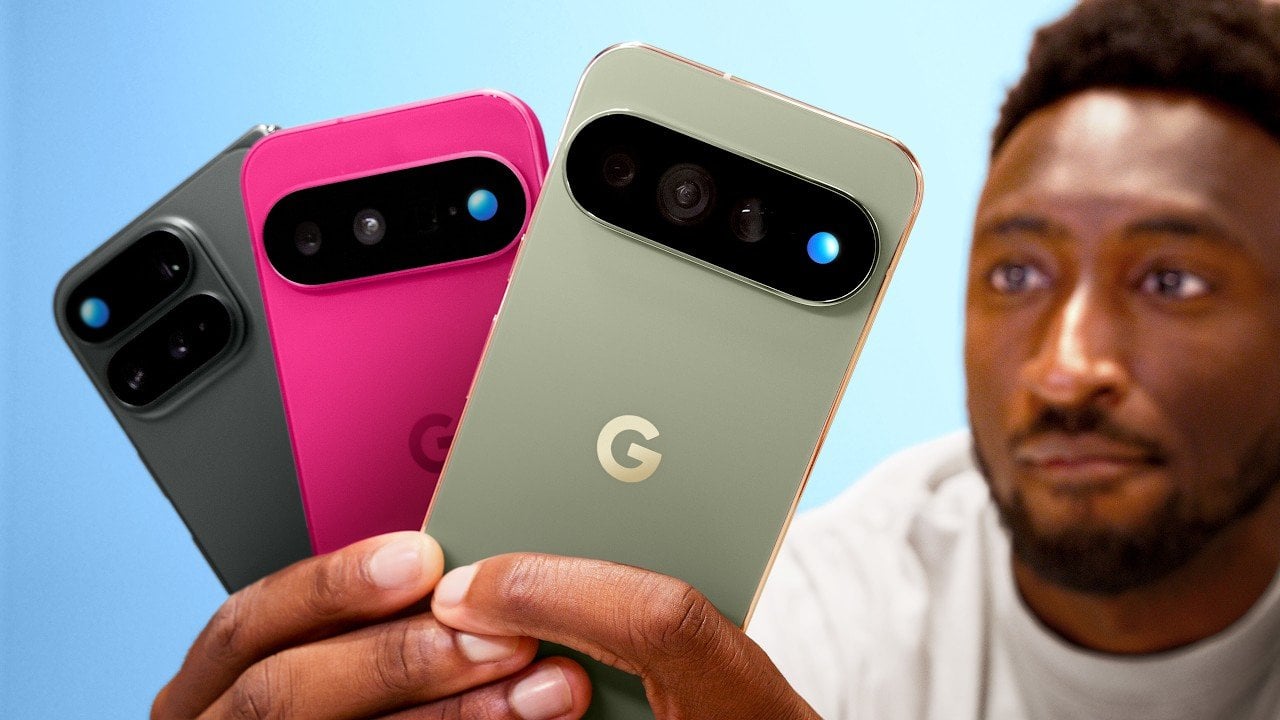
The Google Pixel 11 lineup, which includes the Pixel 11, 11 Pro, 11 Pro XL, and 11 Pro Fold, represents Google’s ongoing commitment to using software innovation as its primary differentiator. While the series introduces some hardware refinements, these changes are largely incremental. With noticeable price increases and modest upgrades, the Pixel 11 series raises […]
The new Grok Bot from X.AI and Elon Musk offers a streamlined way to create and manage AI agents tailored to your specific needs, all within a short setup time. In a recent feature by Nate Herk, the platform’s key strengths are explored, including its ability to automate tasks like scheduling meetings, managing emails and […]
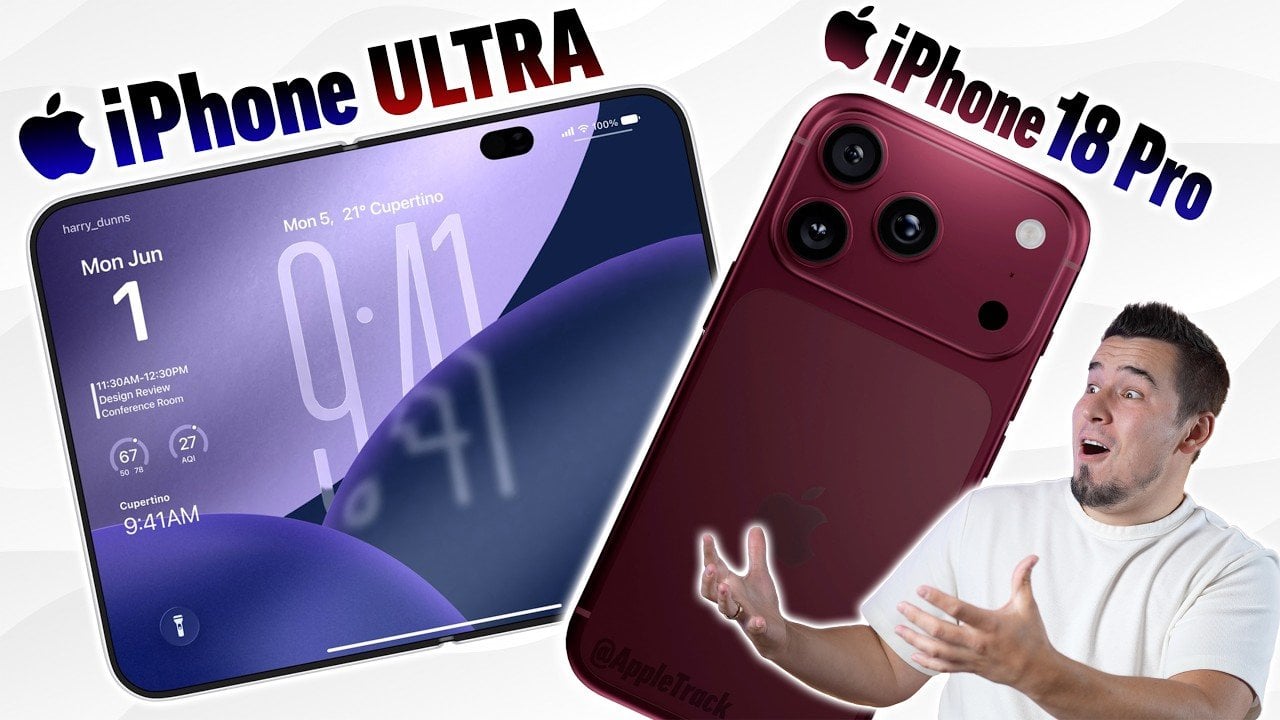
Apple’s much-anticipated September event is poised to unveil significant advancements across its flagship devices, including the highly awaited iPhone 18 Pro Max and the innovative iPhone Ultra. With a focus on innovative technology, refined design and enhanced user experience, Apple is set to make a bold statement in the tech industry. Below is a detailed […]
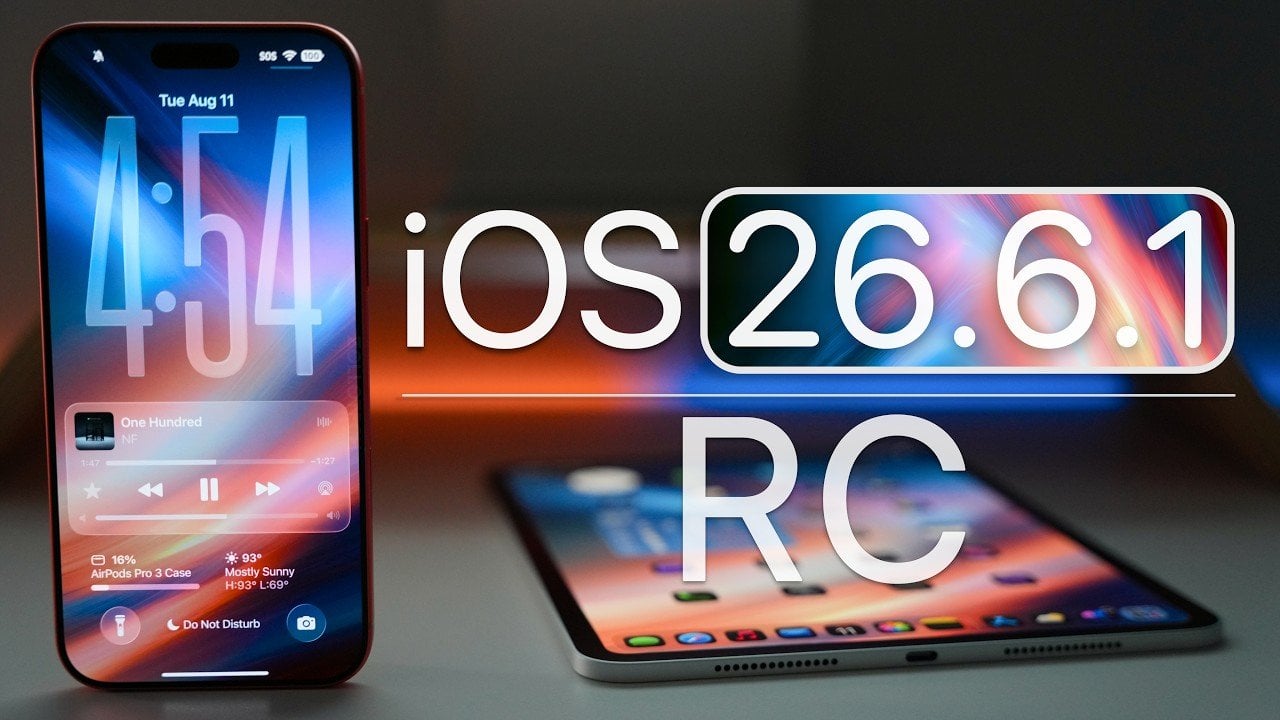
Apple has officially released iOS 26.6.1 RC (Release Candidate), marking the final stage before the public rollout. This update is now available to developers and public beta testers, emphasizing critical security patches and system refinements. While it doesn’t introduce major new features, it plays a pivotal role in making sure your device’s stability, security and […]
Smartphones have never been smarter, but they’ve also never been more demanding. Bigger screens, algorithmic feeds, and relentless notifications aren’t design oversights. They’re deliberate, built to keep you engaged for as long as possible. The prevailing logic is that longer screen time is better, and most phones are optimized around that, pulling you back in every time you try to put them down.
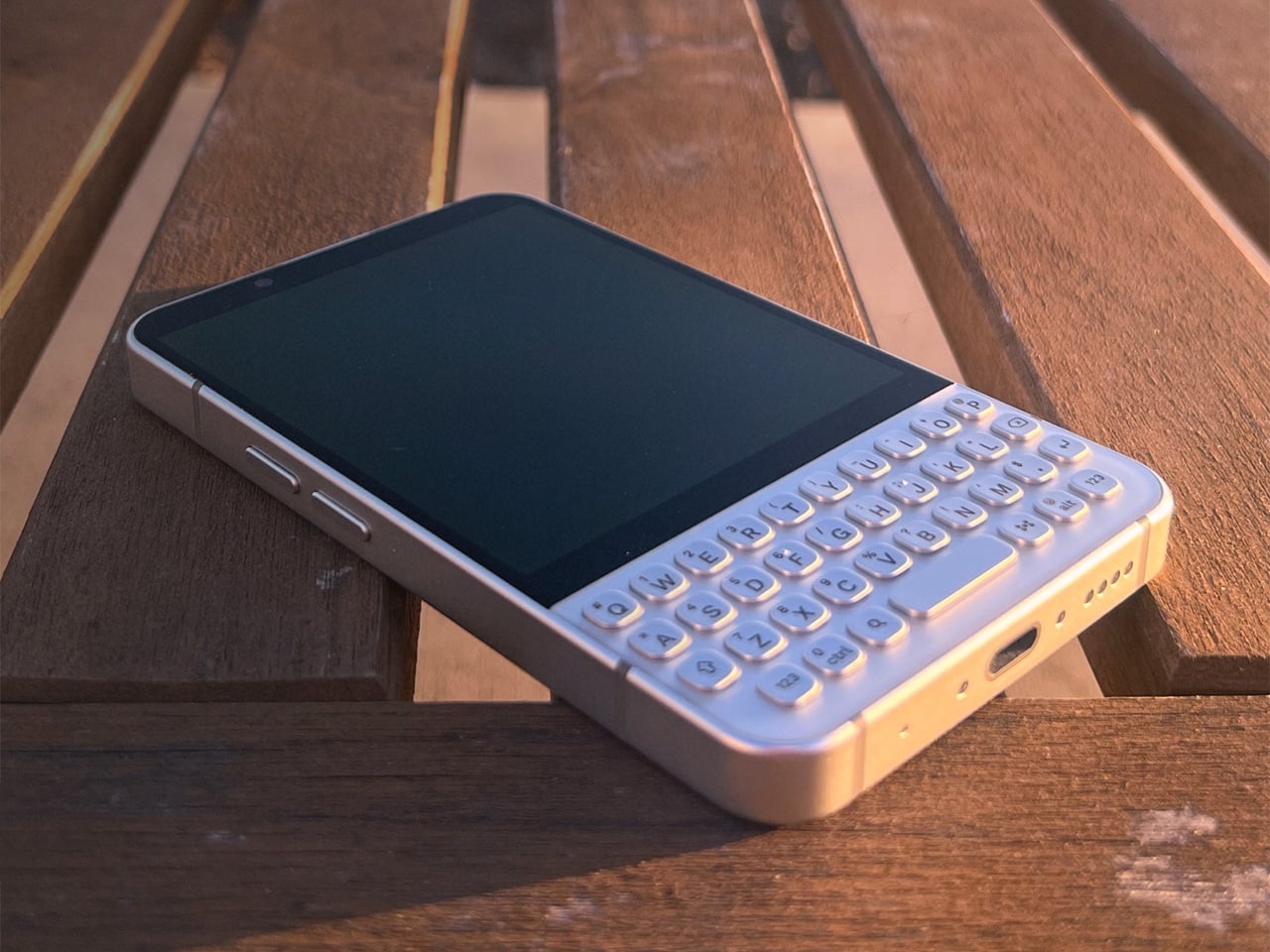
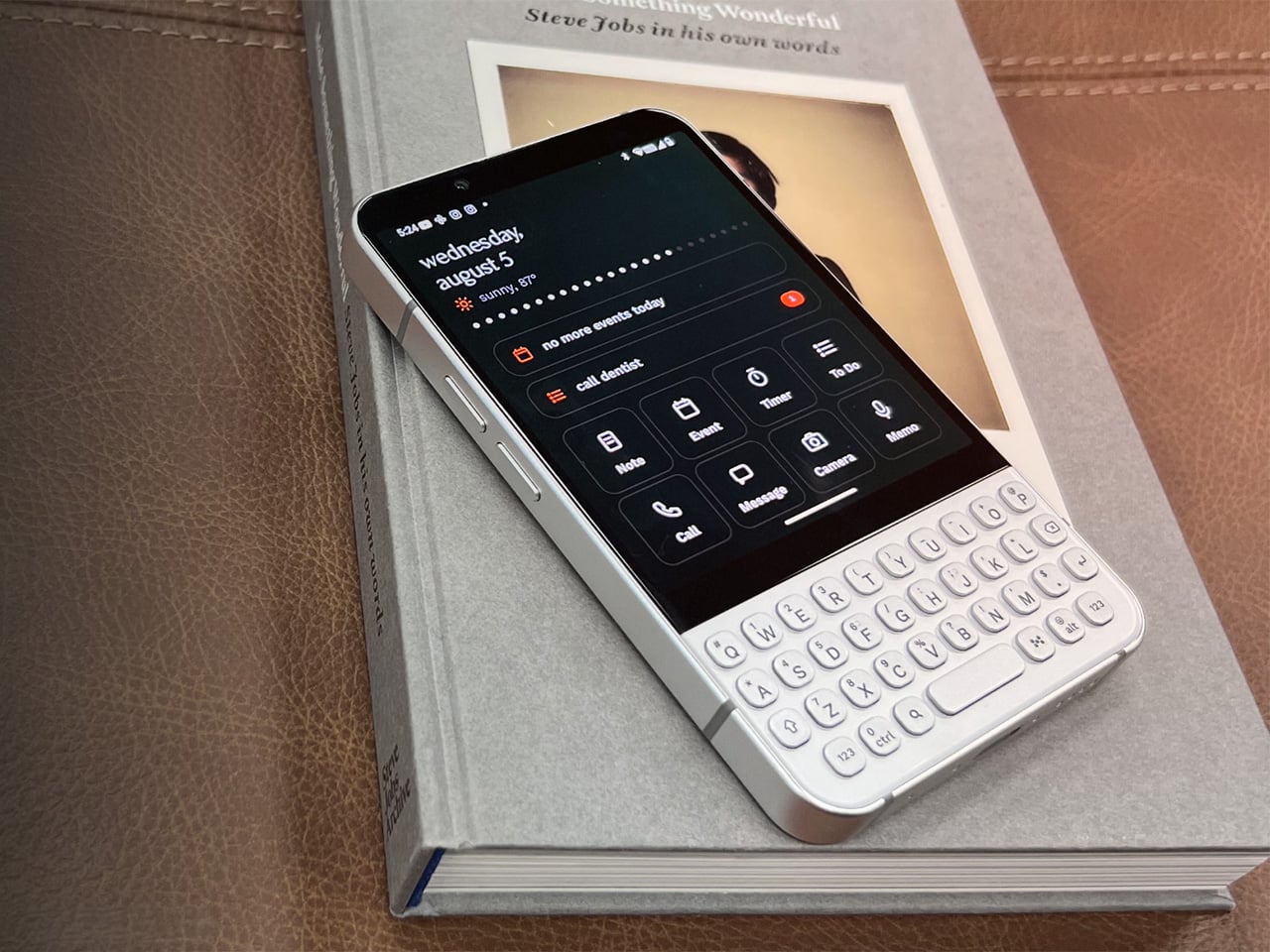
The Minimal Phone 2 is a different kind of proposition. It’s a modern 5G Android phone built around the opposite idea: that a phone should serve you and then get out of the way. It pairs a compact AMOLED display with a full physical QWERTY keyboard and a custom OS called Minimal OS, designed to make daily interactions faster, more deliberate, and less compulsive.
The keyboard is the phone’s most striking feature, and also its most considered. It’s a full QWERTY board integrated directly into the phone, about 69mm wide, with backlit keys whose legends are laser-etched into the keycap surface rather than printed on top, so they won’t fade with use. Each row fans outward slightly, and the keycaps are sculpted to guide your thumbs naturally.
What a physical keyboard really changes is the relationship between picking up your phone and doing something on it. When the keyboard is always there, typing becomes the default instinct instead of scrolling. You reach for the phone with something in mind, do it, and put it down. That shift sounds subtle, but over the course of a day, it changes how the device feels.
Minimal OS reinforces that instinct with its command bar, which lets you do most things without opening an app at all. Start with a symbol, type what you want, and the OS handles the rest. Typing “@jason on my way” sends a text. Typing “#lauren” places a call. A hyphen adds a to-do, an asterisk creates a calendar event, and an exclamation mark saves a note.
Communication is pulled together in something called the Minimal Hub. Swipe right from the home screen, and you get a single, unified list of everything that’s come in: emails from every account, texts, missed calls, voicemails, and calendar invitations. You can read and reply without opening a separate app, which makes a full inbox feel like clearing a short list rather than bouncing between five different places.
Two quieter features round out the software side. The Activity Bar puts 24 dots on the home screen, one per hour. Each turns white when your time stays focused, and red when the hour slips into social apps or media. The notification LED lets you assign colors and patterns to specific contacts and apps, so a glance at your desk tells you what’s actually waiting.
The hardware underneath makes it a credible daily driver. A 3.92-inch AMOLED at 1080×1240 pixels and 90Hz, a MediaTek Dimensity 8300 processor, 8GB of RAM, and 256GB or 512GB of storage make up the core. Connectivity covers 5G, Wi-Fi 6E, and NFC. The rear camera is 50MP, the front has a 20MP shooter, and there’s both 27W wired and 15W wireless charging, as well as a 3.5mm headphone jack.
The phone sits in an aluminum frame measuring 122.6mm x 72mm x 9.48mm, in three finishes. Pearl is a brushed light alloy in a warm off-white. Onyx is an anodized alloy in a deep near-black. Ember is an anodized minimal orange, offered as a launch exclusive. The design language is restrained throughout, with nothing calling for attention except the keyboard, which announces itself plainly.
What’s interesting about the Minimal Phone 2 is that its restraint doesn’t feel punishing. It still runs full Android, so banking apps, navigation, music, and messaging are all there. What changes is how you arrive at them. Rather than a phone that sprawls into your day uninvited, this one waits to be needed, which in a landscape of devices competing for attention, feels unusual.
Most architects design spaces for other people. It’s the nature of the job. You read a brief, interpret a client’s vision, and find a way to translate someone else’s life into built form. So when Calgary-based studio Little Giant designed a workspace for themselves, perched above a forest floor on Vancouver Island, it felt less like a commission and more like a confession, a rare opportunity to say: this is actually what we believe. And what they believe, it turns out, is that quiet is not just a benefit of good design. It’s an ingredient.
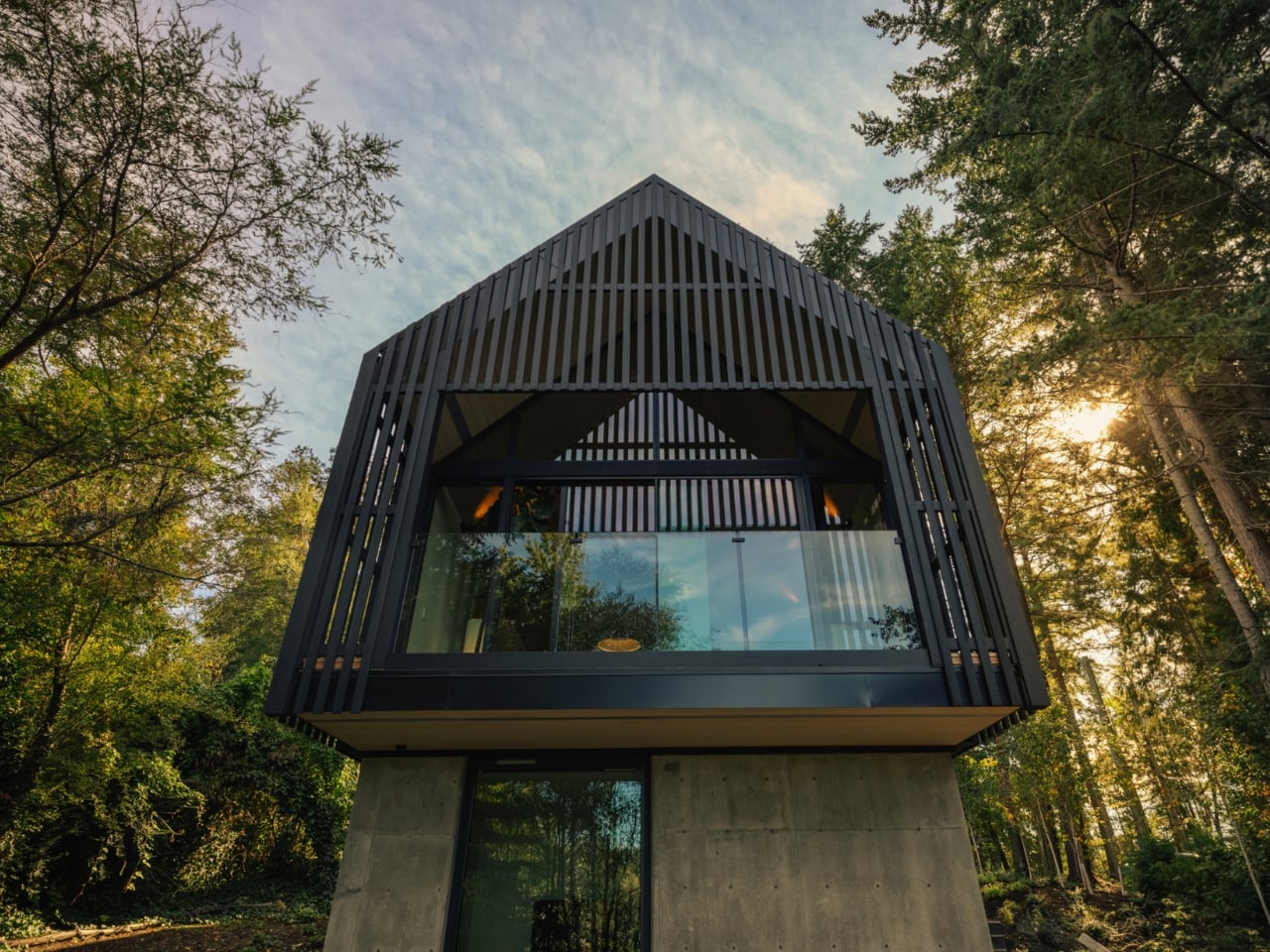
Completed in 2024, the Forest Studio sits on a sloped, wooded peninsula just outside Victoria, British Columbia, tucked between cedar and Douglas fir trees on a site overlooking Saanich Inlet. At 967 square feet across two levels, it’s not a grand gesture. It doesn’t try to be. Founder and principal Mark Burkart describes the studio’s philosophy as “touching the ground lightly,” and that thinking is visible in nearly every decision made here.
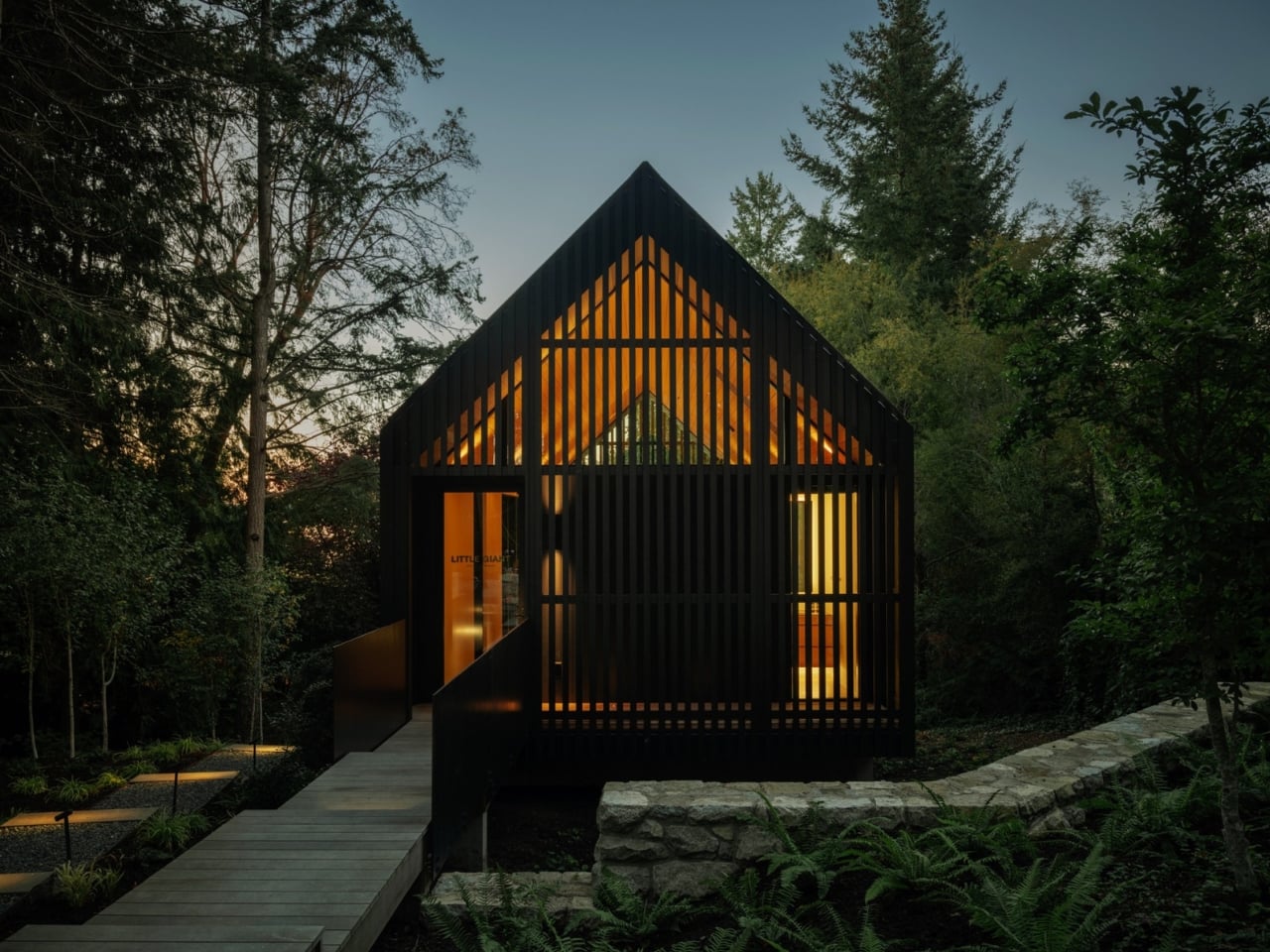
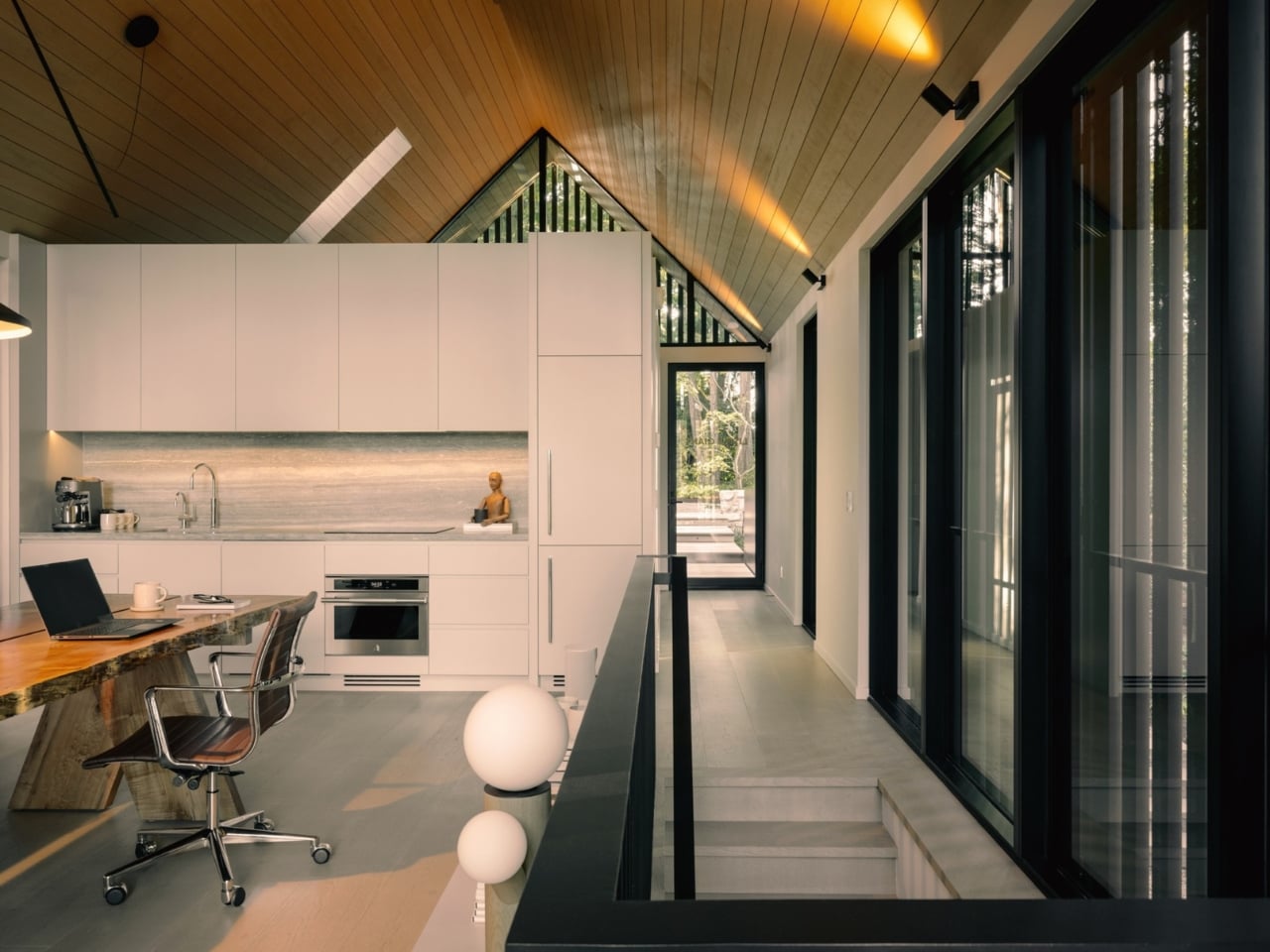
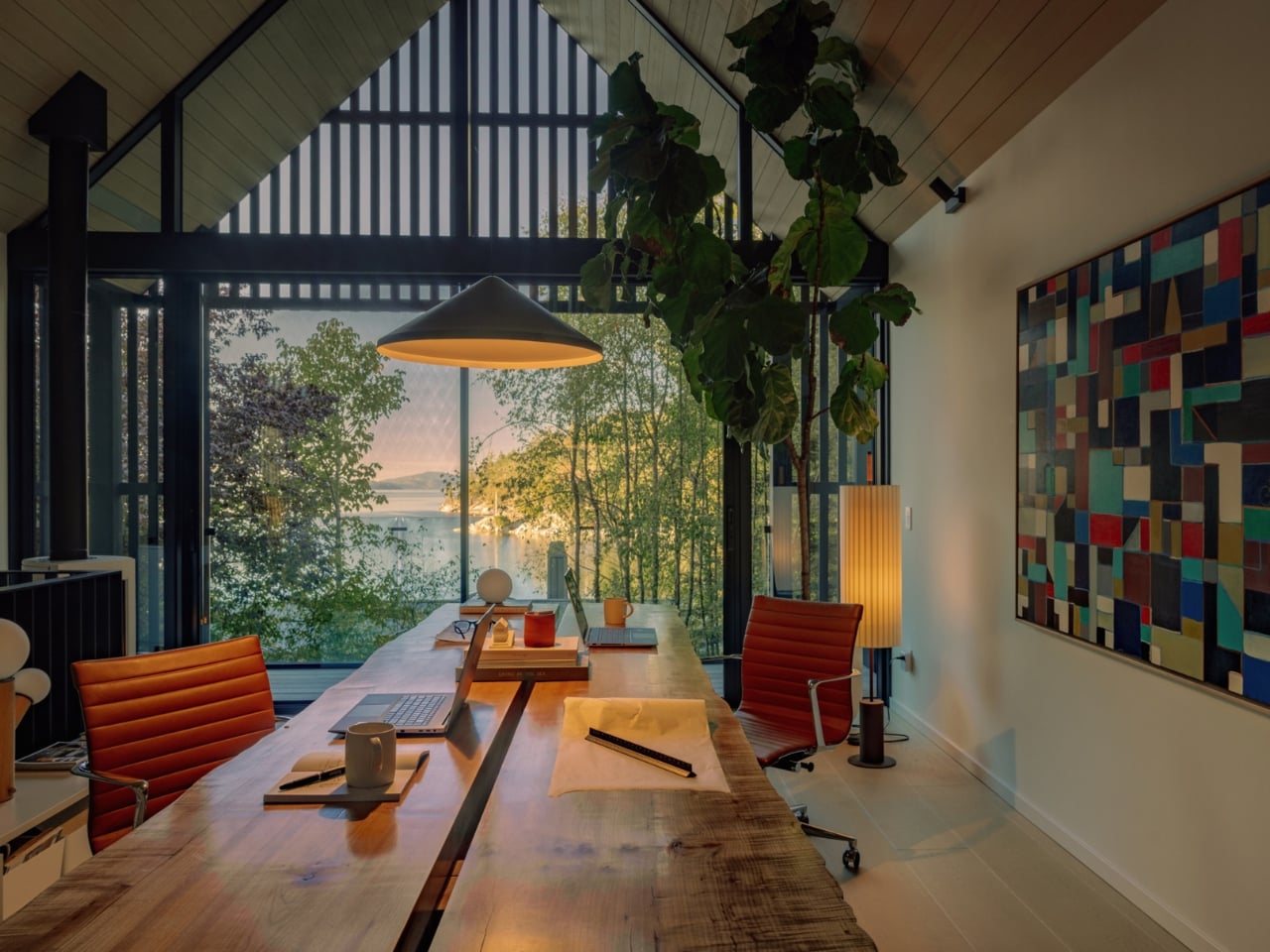
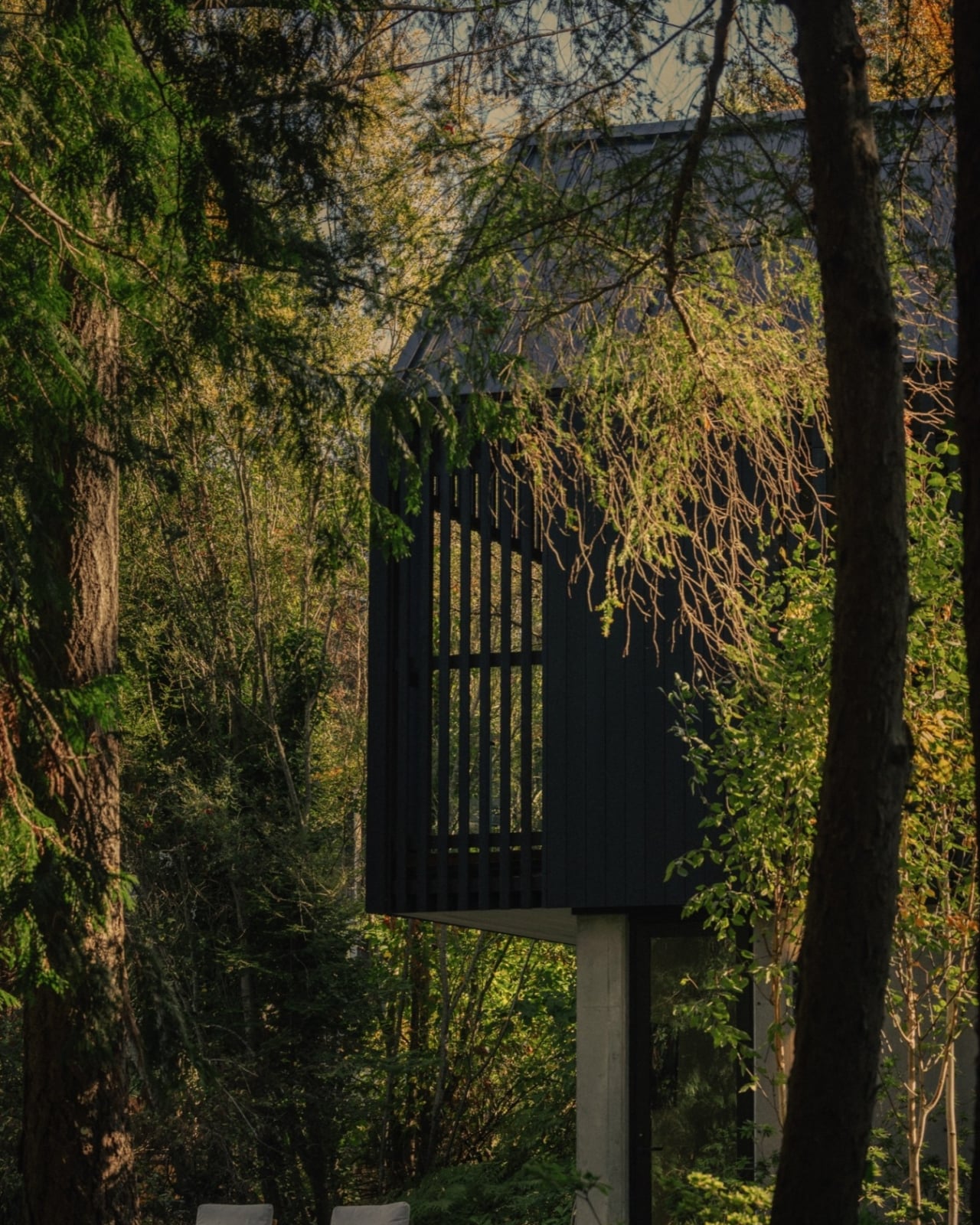
The building is accessed by an elevated walkway that heightens the sensation of arrival, as if you’re stepping into a treehouse rather than walking into an office. That’s deliberate. Little Giant drew on the “spirit of a treehouse” as the conceptual starting point, and the result is a structure that feels genuinely suspended within its environment. A recessed concrete base, tinted grey to echo the local rocky outcrops, anchors the lower level into the slope while the upper volume appears to float above the understory below. Cantilevered beams and parallel trusses keep the interior open, allowing daylight to filter through the gabled ends without interruption.
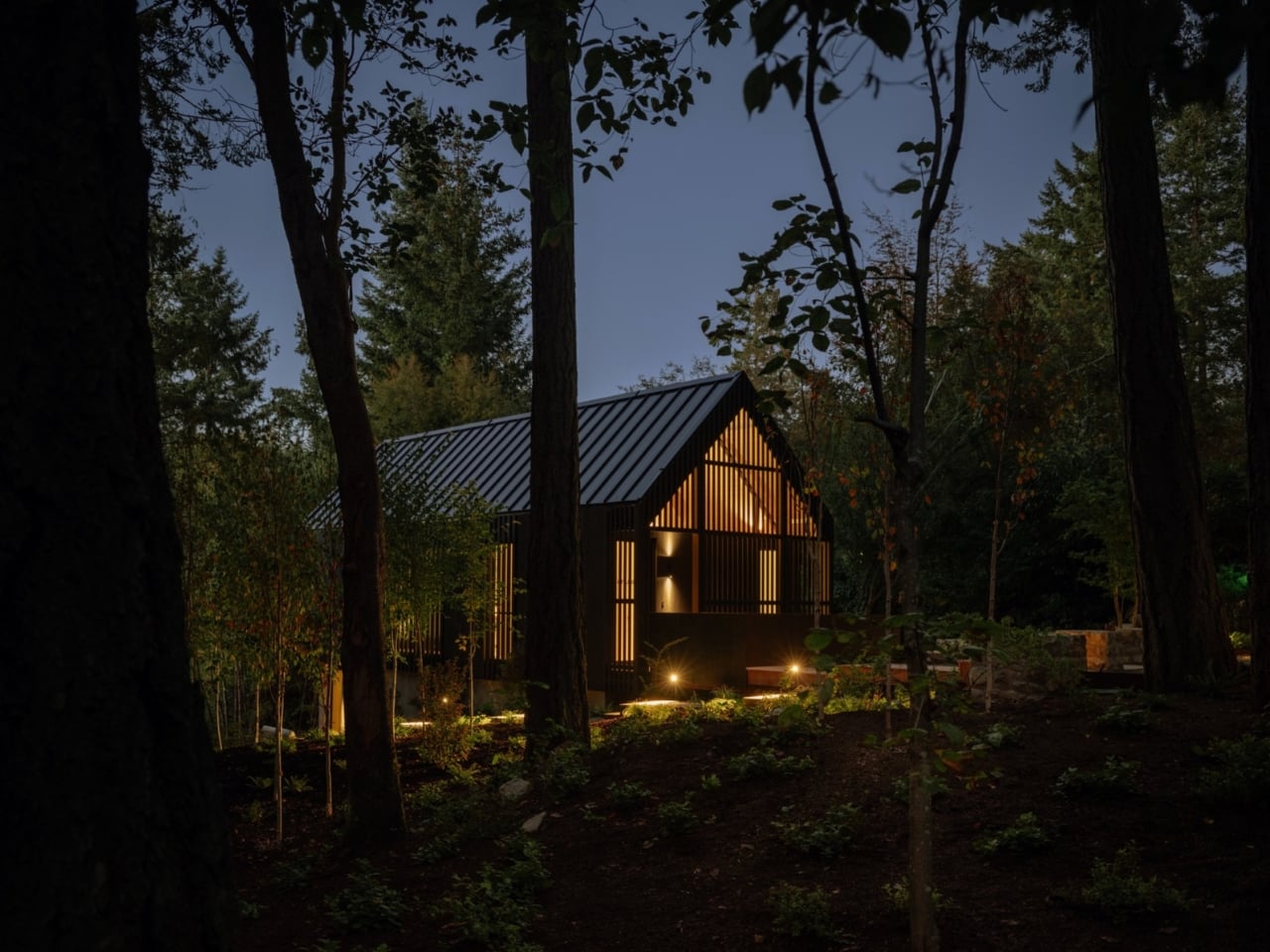
The exterior is the project’s most striking decision. Cedar siding and screens wrap the upper floor in deep charcoal, mirroring the verticality and tonal depth of the surrounding tree trunks. It’s a building that doesn’t announce itself. It absorbs. During the hours when light hits the forest at a low angle, it can almost disappear into the canopy entirely, which is exactly the point.
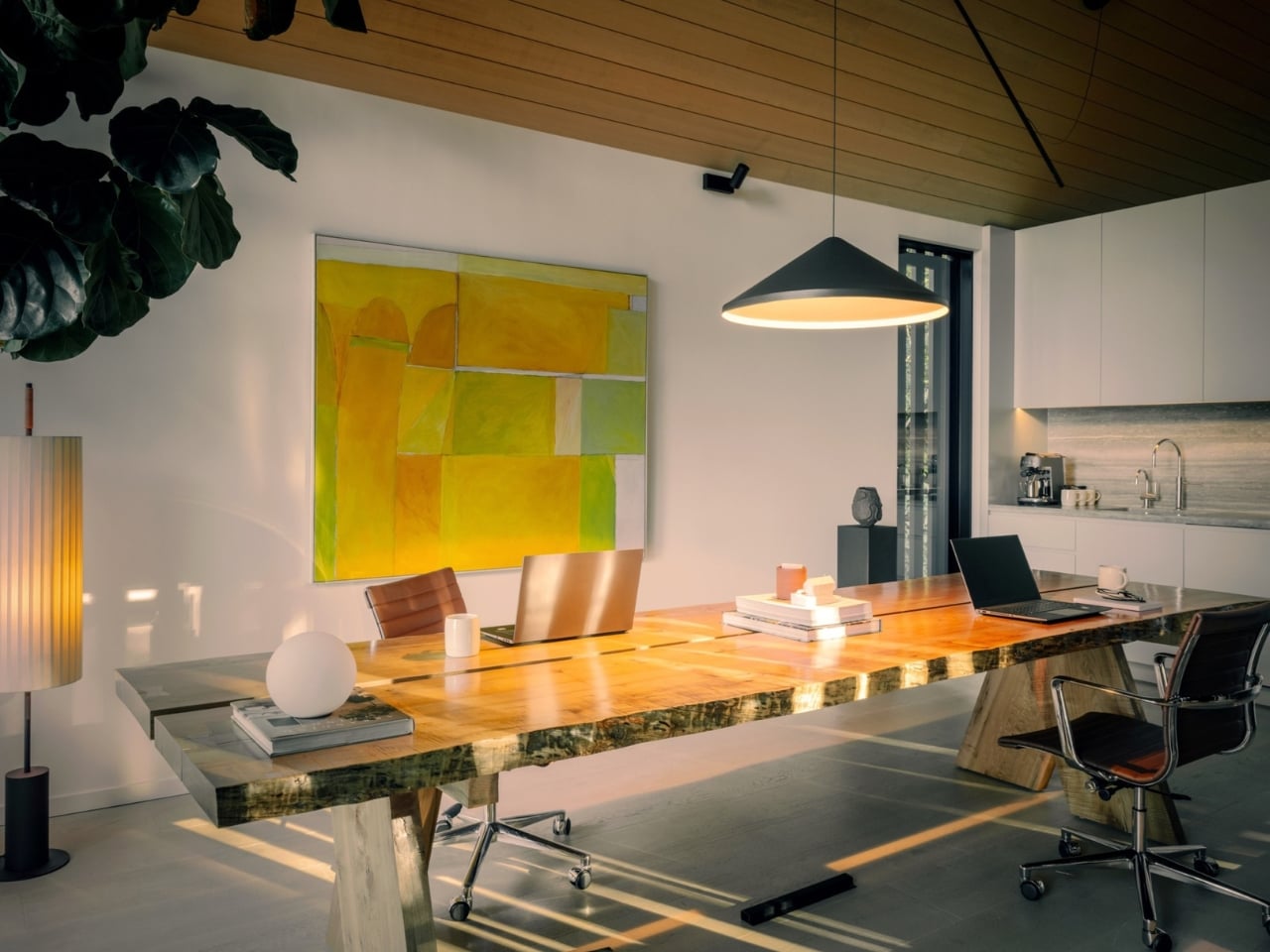
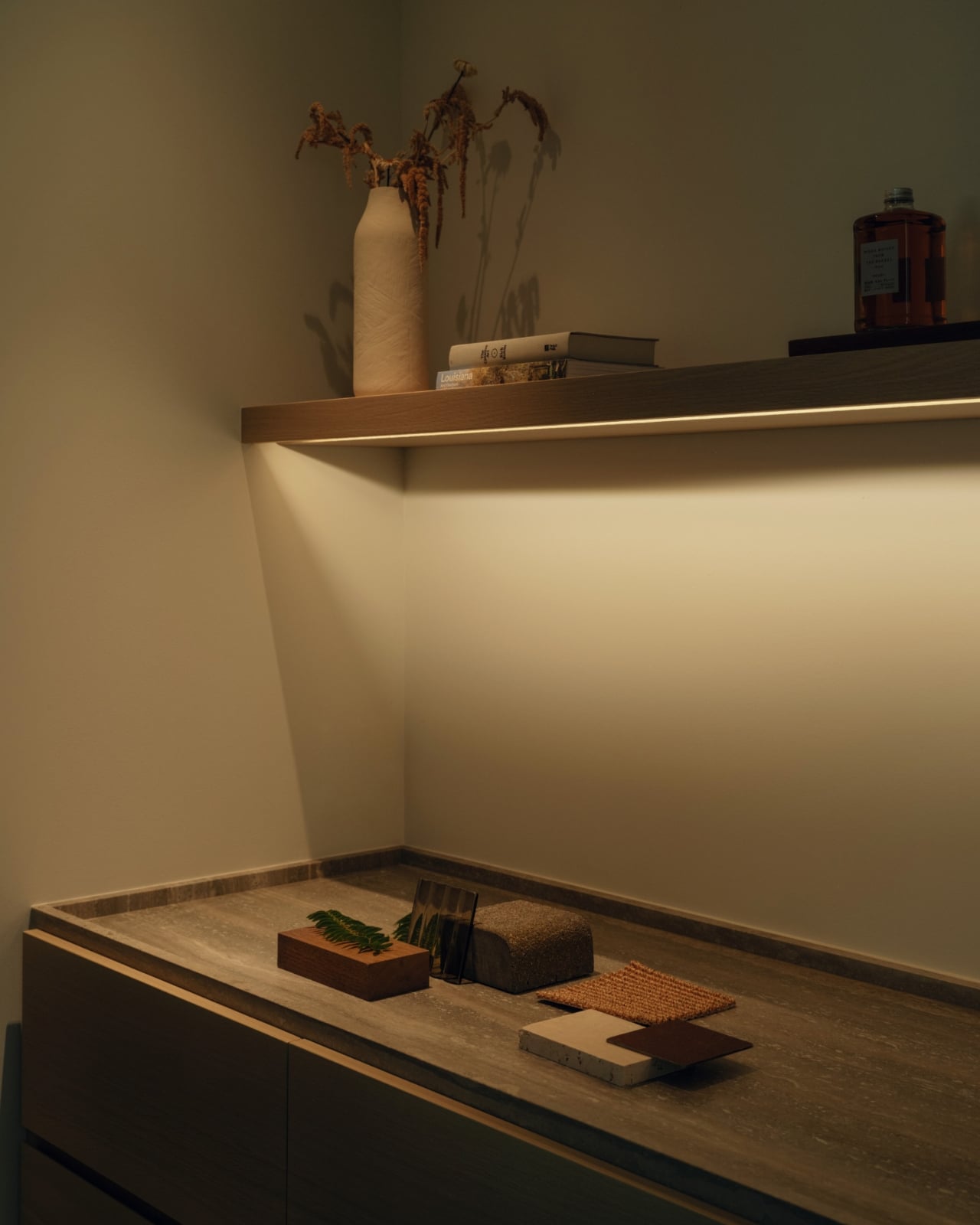
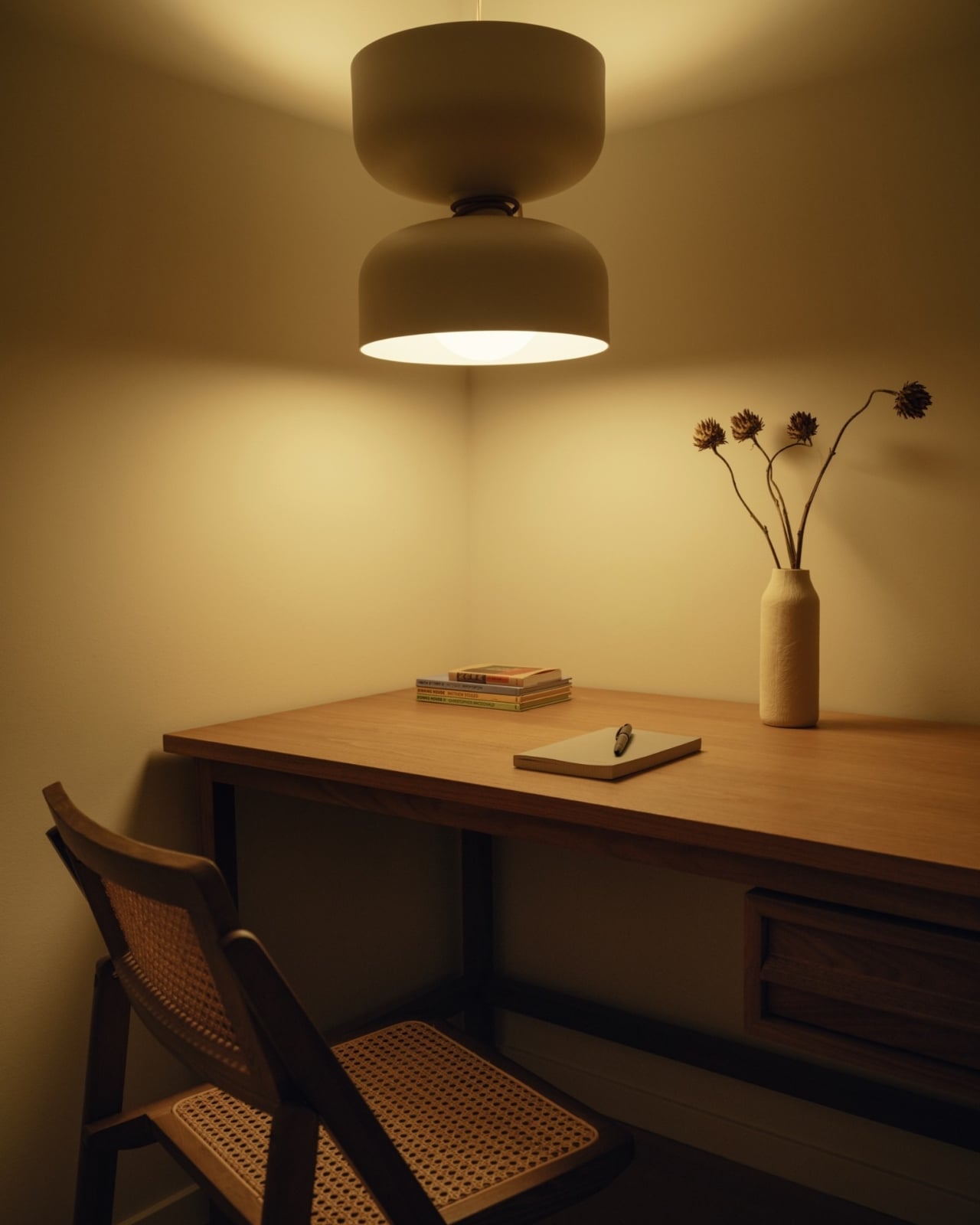
Inside, the material choices are just as considered. Light-hued finishes, hemlock ceilings, and travertine countertops build what Little Giant calls a feeling of “luminous neutrality,” a palette designed to receive the forest light rather than compete with it. The upper level holds a working studio, a kitchenette, a powder room, and a small room with a Murphy bed. A balcony extends the workspace into the treetops. The lower level is more flexible: currently a meeting room, it could just as easily become a bedroom, a bar, a recording space. The building was designed to evolve, and that flexibility is more forward-thinking than it might initially seem.
I keep returning to that adaptability as one of the more honest things about this project. So much of contemporary architecture is frozen at the moment of completion, fully resolved and unable to absorb change without a renovation. The Forest Studio, by contrast, was built with its own future in mind. Guest house, artist’s studio, rentable space: the options are baked in. That’s not hedging, it’s wisdom.
The studio’s reference points are grounded in regional history. Little Giant looked to the utilitarian structures of the Pacific Northwest, specifically historic timber mills and coastal canneries, not to reproduce them but to distill them into a spare, familiar silhouette. The gabled form feels native to the landscape without being nostalgic, and the decision to preserve the existing tree canopy rather than work around it adds to the sense that this building was invited in rather than imposed.
Burkart has said that the creative act at Little Giant is fundamentally an act of exploration. The Forest Studio is what happens when that idea is applied to the studio itself. It’s a building that asks a simple question: what would a workspace look like if it genuinely respected the land it stood on? The answer, apparently, looks like a treehouse with travertine countertops, filtered light, and a deep commitment to getting out of the forest’s way. That’s not a retreat from ambition. It’s a different kind of it.