PROS:
- Stylish and premium design
- Bright, vibrant display
- Excellent battery life
CONS:
- Limited app ecosystem compared with Wear OS
- Sleep tracking can miss naps
RATINGS:
SUSTAINABILITY / REPAIRABILITY
EDITOR'S QUOTE:
The Xiaomi Watch S5 46mm feels well judged. It is stylish, comfortable, and impressively long-lasting, even if the software still leaves some room to grow.
The Xiaomi Watch S5 46mm looks less like a gadget trying to pass as a watch and more like a watch that happens to be smart. That distinction matters because design still shapes how often a wearable actually ends up on your wrist. Xiaomi seems to understand that, and the Watch S5 leans hard into premium materials, a traditional silhouette, and a feature set built around daily usability.
Beyond the styling, there is a solid hardware pitch here, too. Xiaomi is promising a bright 1.48-inch AMOLED display, updated health tracking, new cycling features, and battery life of up to 21 days under light use. If those claims hold up, the Watch S5 could be appealing for people who want a smartwatch that feels less demanding and more natural to wear. I spent some time with the Watch S5 to see whether that mix of style and practicality actually comes through in daily use.
Designer: Xiaomi
Aesthetics
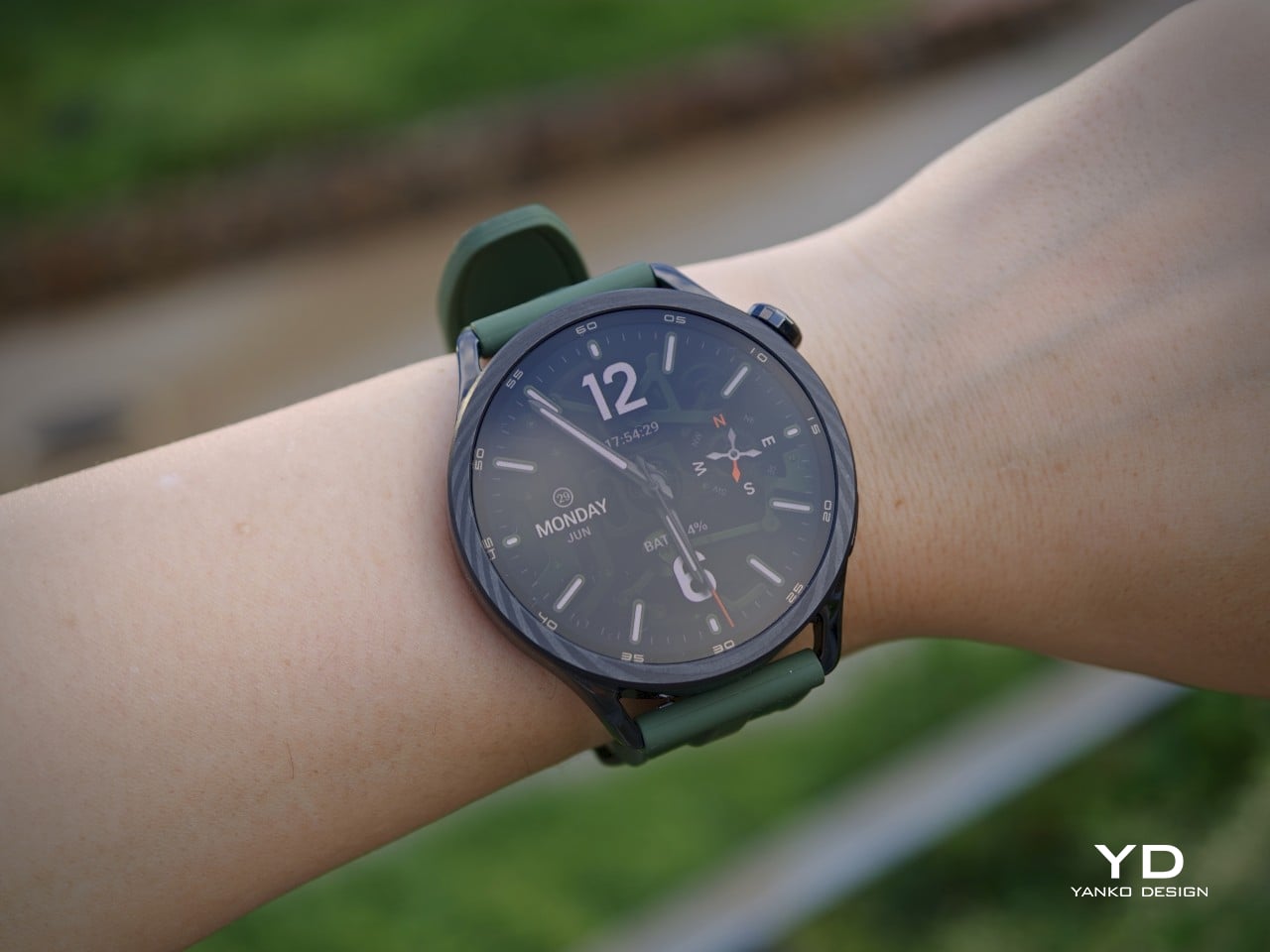
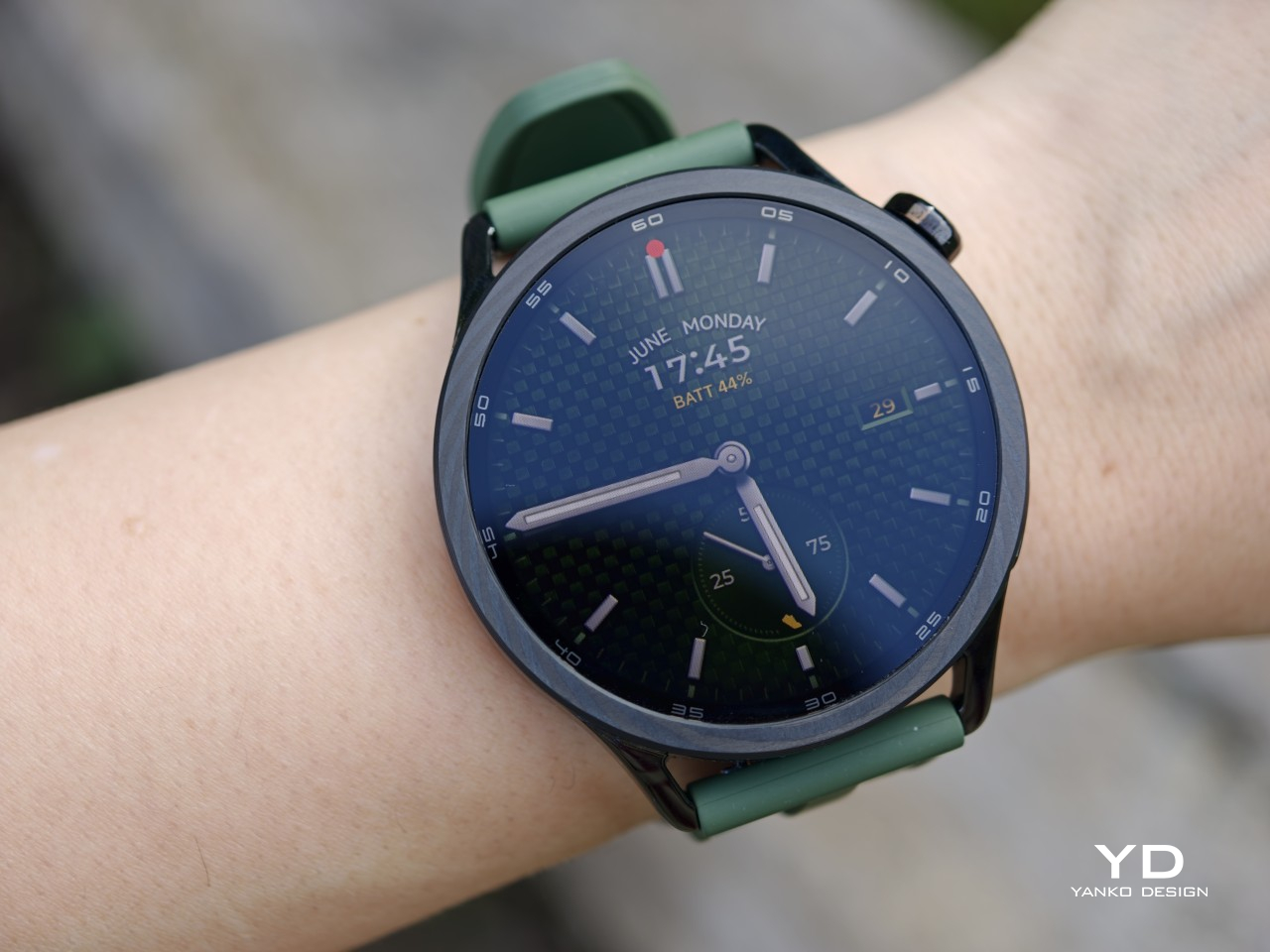
That design-first approach is obvious the moment you see the Watch S5. It sticks with a classic round shape, but the detailing keeps it from blending into the crowd. The slim bezel and minute markings make it feel closer to a proper wristwatch than a lot of smartwatches that still come off as generic or overly sporty. Combined with the forged stainless steel frame, the design has a solid sense of polish without trying too hard.
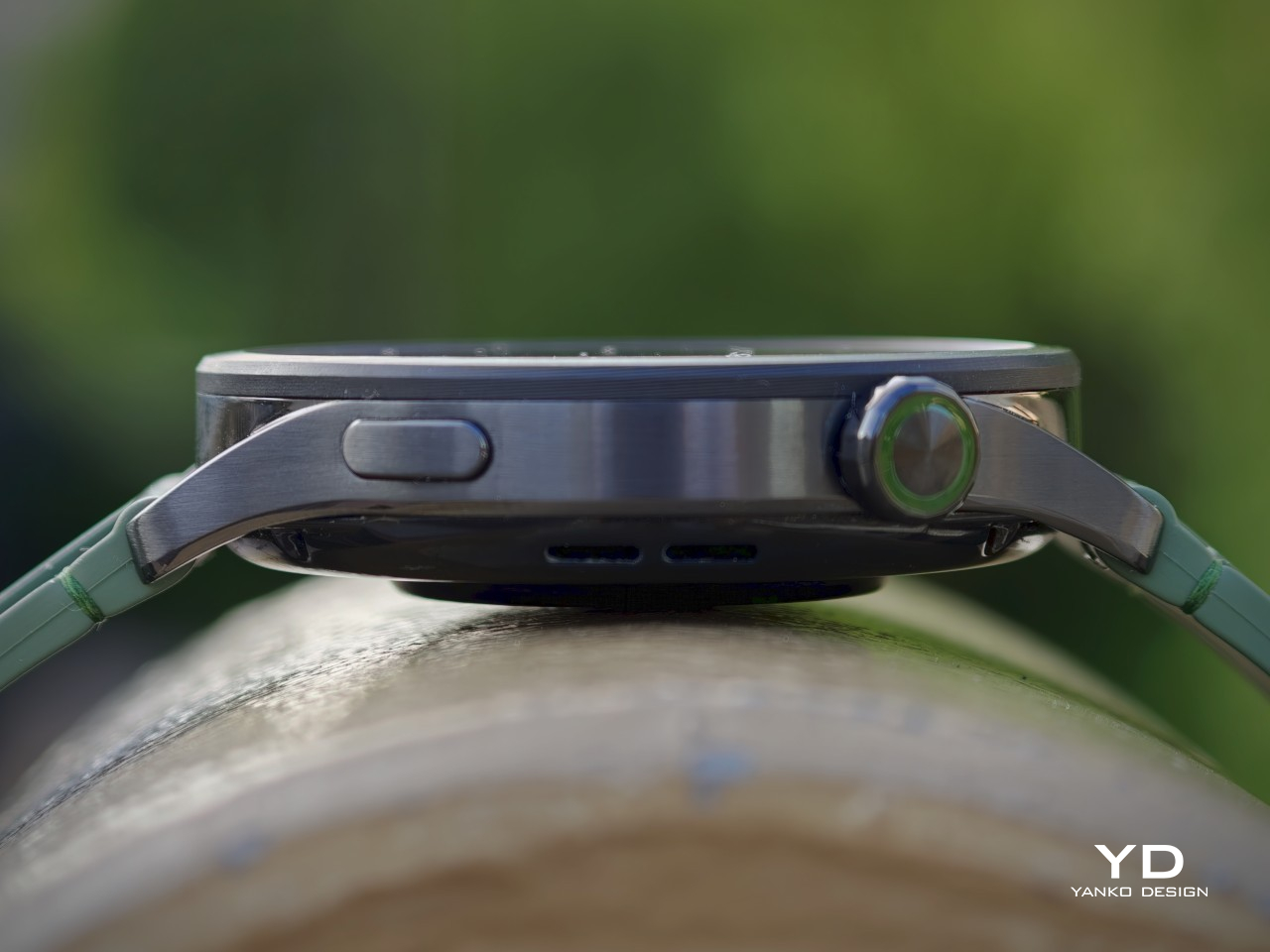
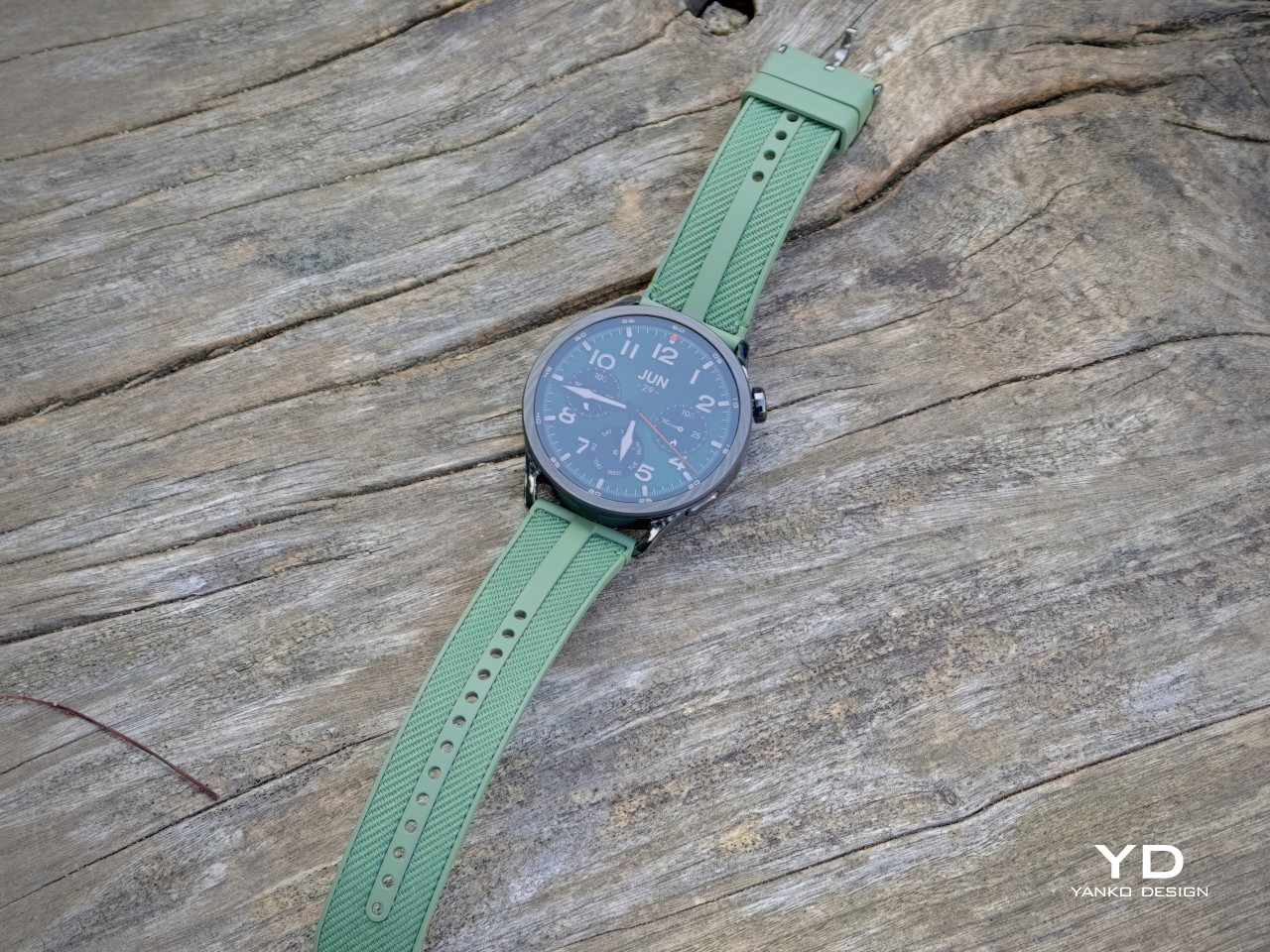
The lineup itself is well judged, too. The black and silver versions are the standard models, both using the stainless steel frame and a cleaner, more understated finish. The Ceramic Blue version is clearly the dressier option, with a zirconia ceramic bezel, enamel-filled markings, and a leather strap that gives it a more tailored look. The Jungle Green model I received takes a sportier approach, swapping in a forged carbon bezel and a hybrid strap that make it feel more rugged and outdoorsy. It is a smart spread of styles, and it gives the Watch S5 range more character than a simple color refresh would have.
Ergonomics
At 46mm, the Xiaomi Watch S5 is not a small watch, but it wears better than that number suggests. I used the Jungle Green version, and even on my small wrist, it never felt bulky or awkward. Xiaomi lists it at 46 x 46 x 10.99mm and 46g without the strap, so it is still very much a full-size smartwatch, but in day-to-day use, it comes across as lighter and easier to wear than I expected.
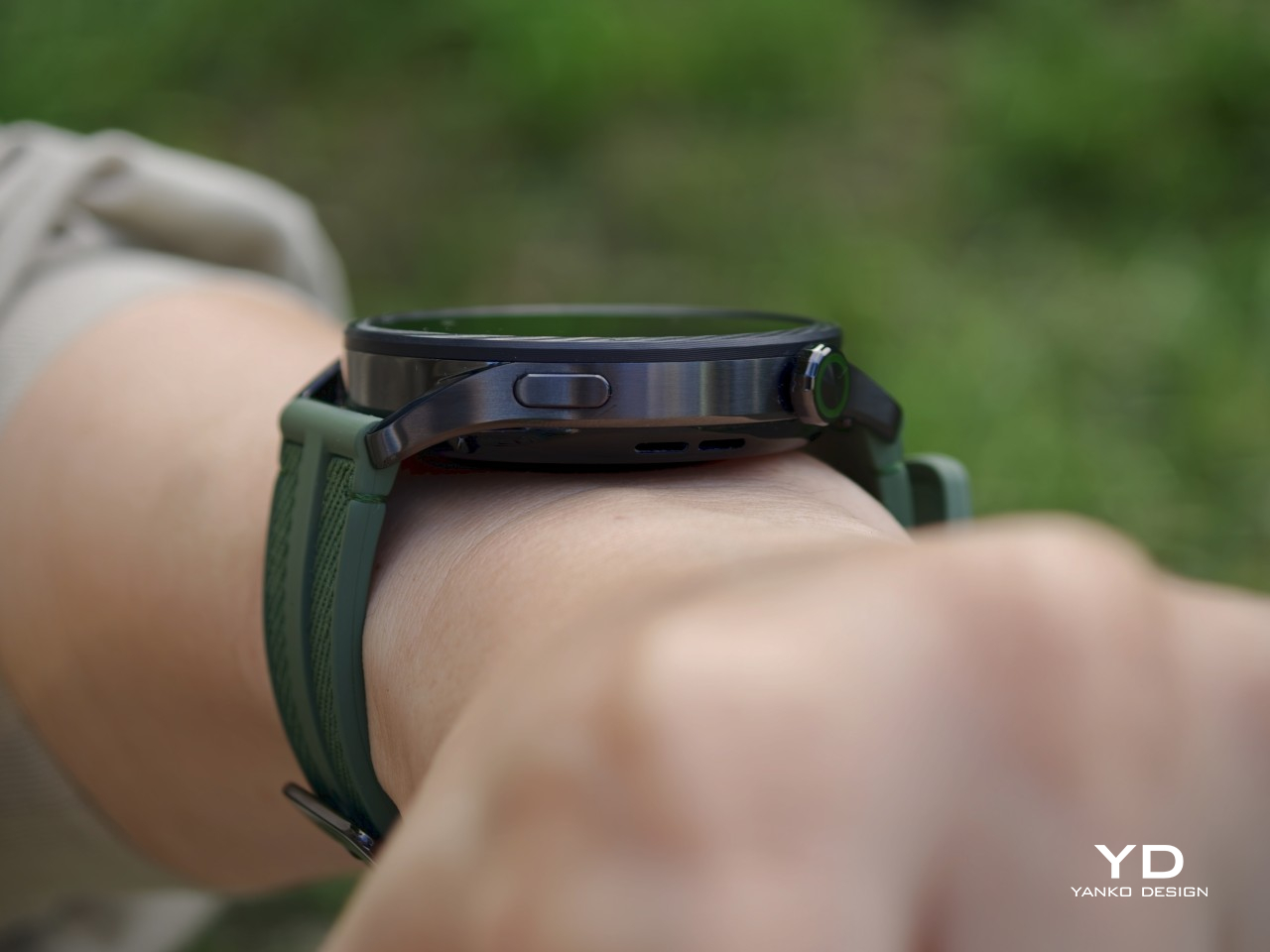
A lot of that comes down to how the watch sits on the wrist. It has enough presence to feel substantial, but it never feels clunky or uncomfortable. The hybrid strap on the green model helps, too, since it feels secure and practical for longer wear. That sense of ease carries over to the controls. The rotating crown and side button are both responsive, which makes the watch straightforward to use, though I would have liked slightly stronger haptic feedback from the crown.
Performance
A lot of the Watch S5’s appeal comes down to how easy it is to use, and the display does a lot of the heavy lifting there. It uses a 1.48-inch AMOLED panel with a 480 x 480 resolution and up to 2500 nits of peak brightness. The bezel is slimmer too. Xiaomi says it measures 2.6mm, which is 40 percent narrower than the previous generation, and that helps the screen feel more open and modern. In use, it looks sharp, vibrant, and bright enough to stay readable outdoors without much effort. That alone goes a long way on a smartwatch, since a dim screen can get annoying very quickly when you are checking the time or glancing at notifications on the move.
Fitness and health tracking are a big part of the Watch S5, even if I am not really the target user for the more training-heavy side of it. I am not someone who works out intensely or spends much time digging through performance metrics during exercise, which happens less often than I would like to admit. That is partly why I found the Watch S5 surprisingly approachable. It gives you some flexibility over what data shows up on the watch, so it does not have to feel like a wall of numbers every time you start moving.
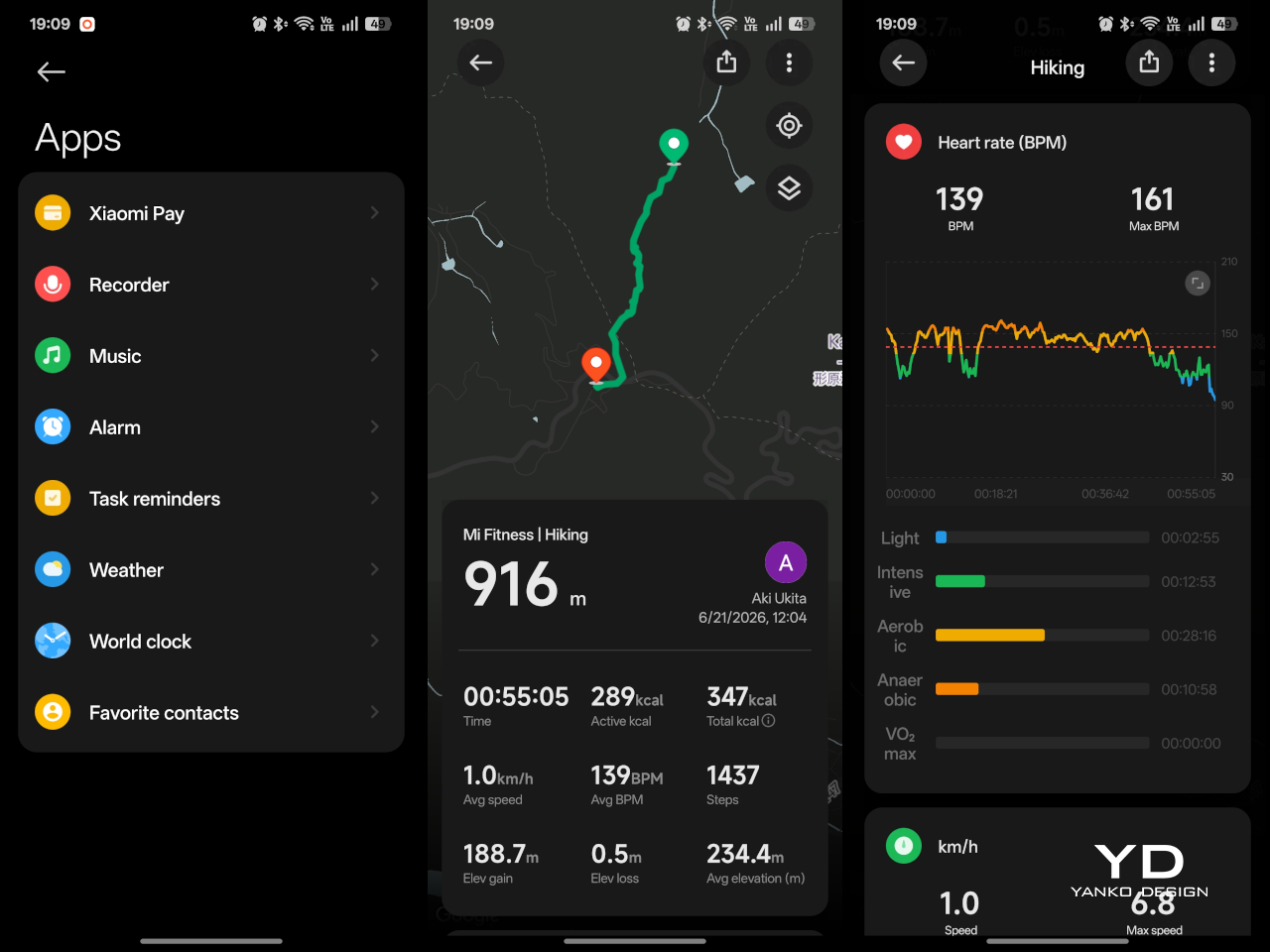
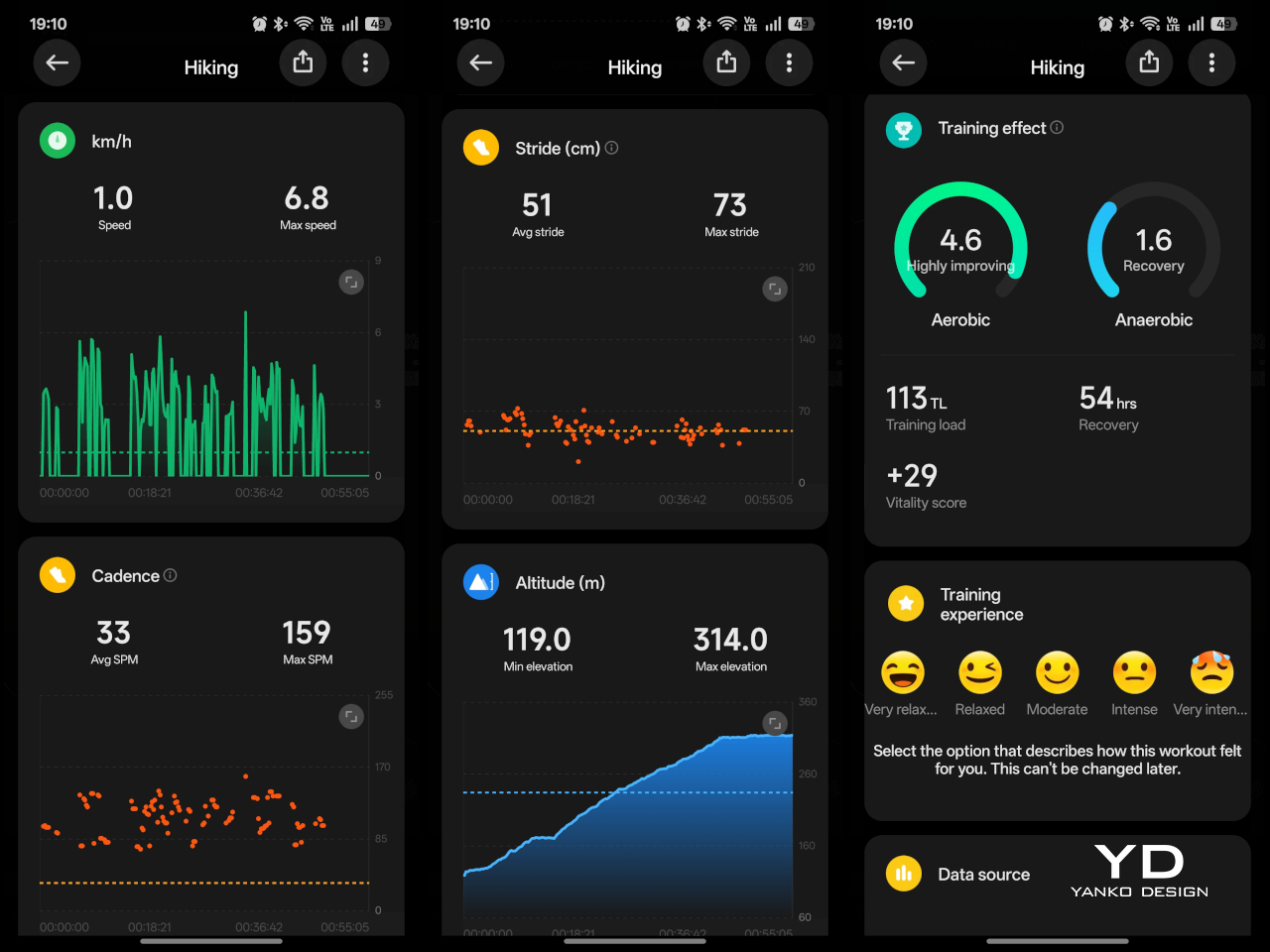
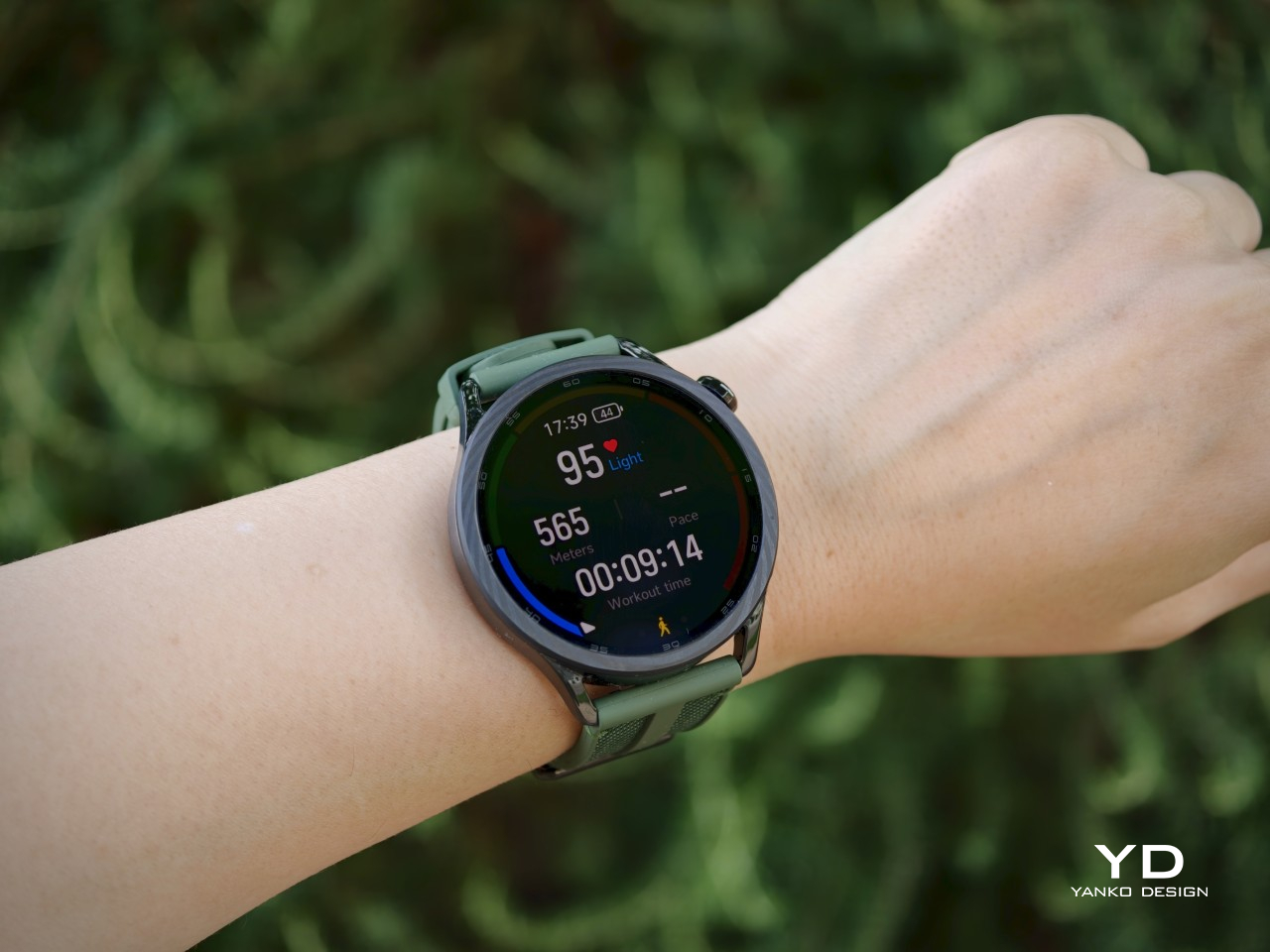
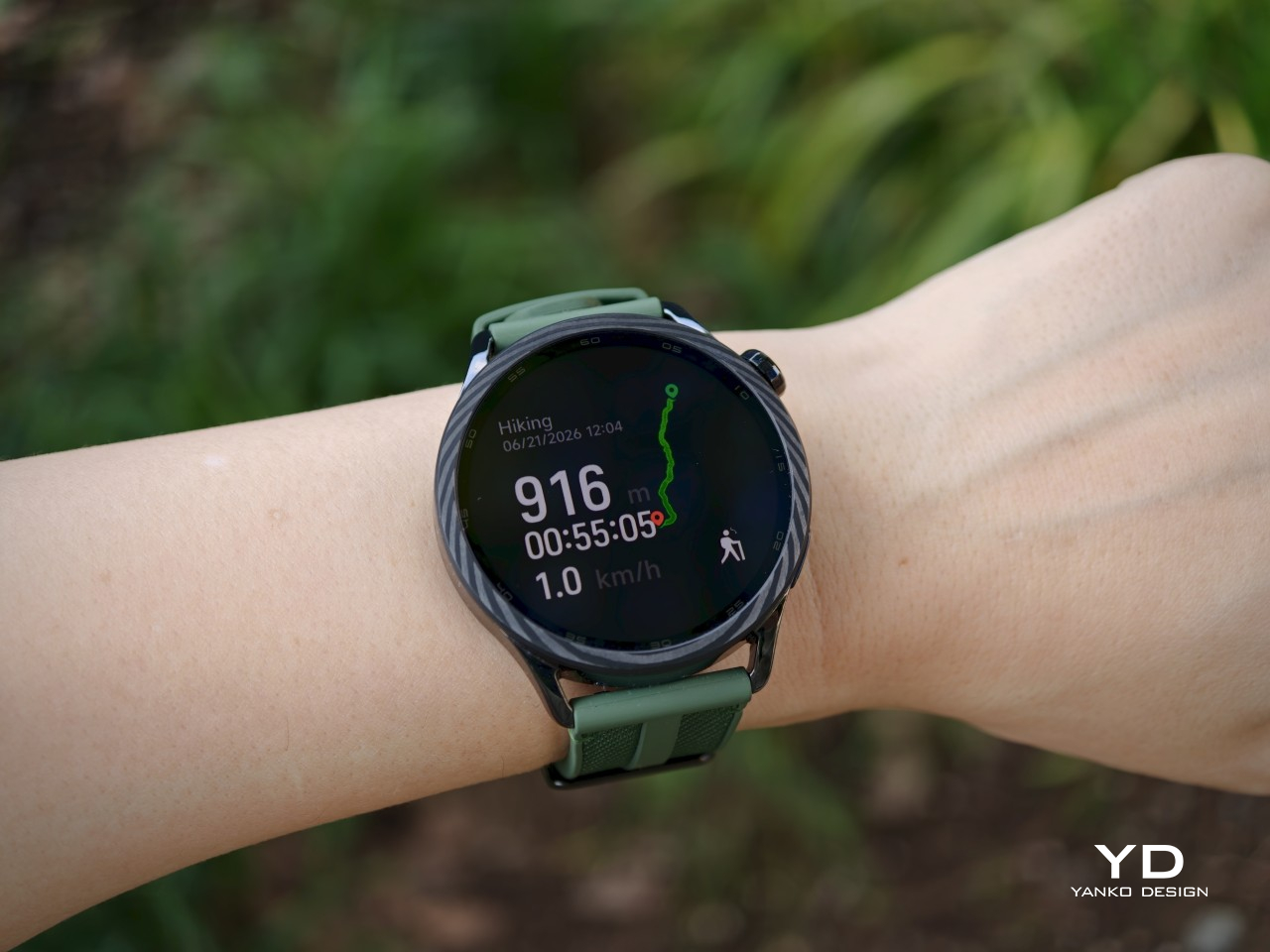
Most of my time with it was spent on walks and a light hike rather than anything especially demanding, but I still found the tracking useful. Being able to glance down and see things like heart rate, distance, and workload made the experience feel a bit more engaging, especially during the hike when I was already feeling tired. I would not suddenly pretend this turned me into a training-focused person, but it did make the data feel more motivating than I expected.
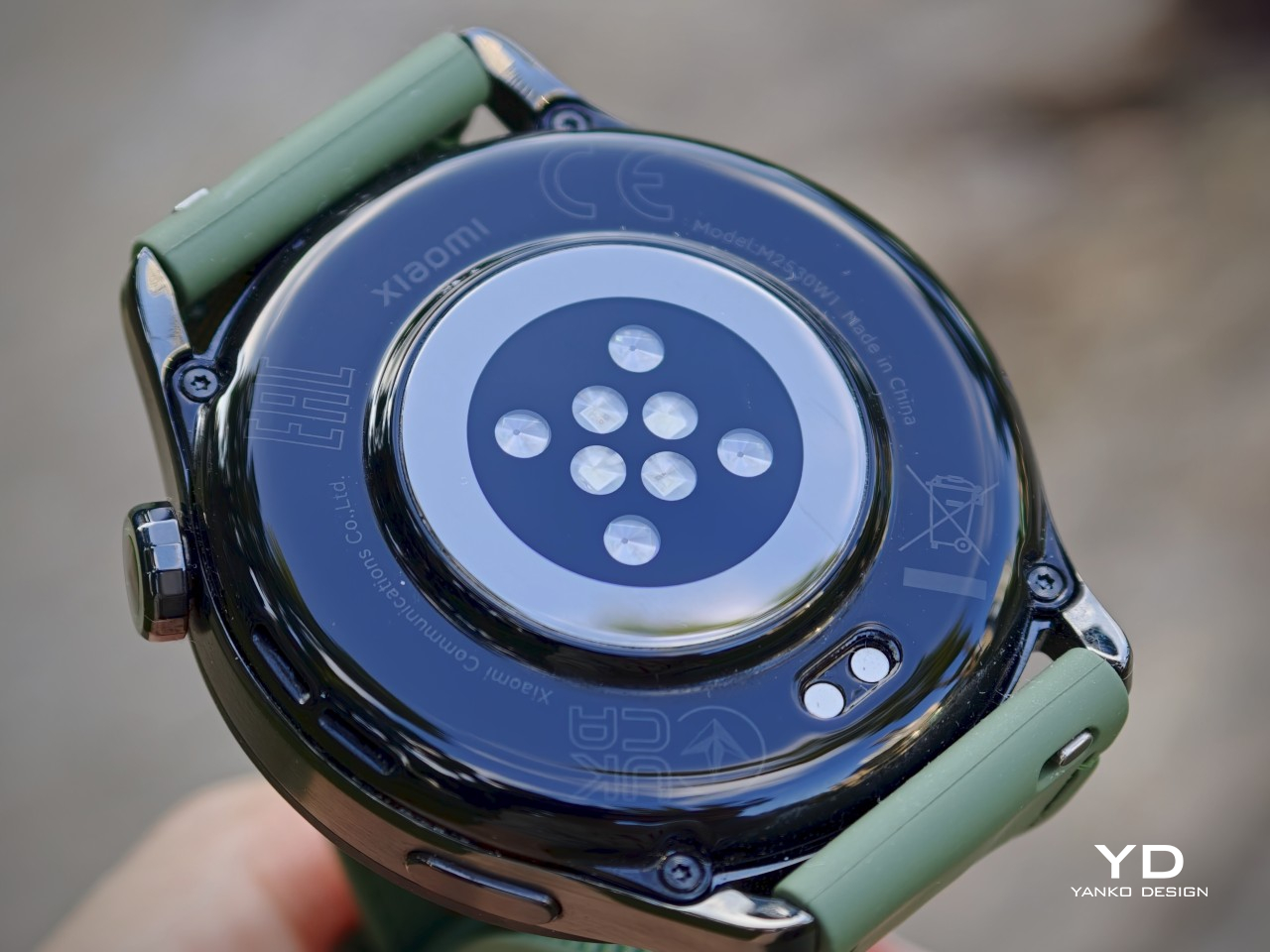
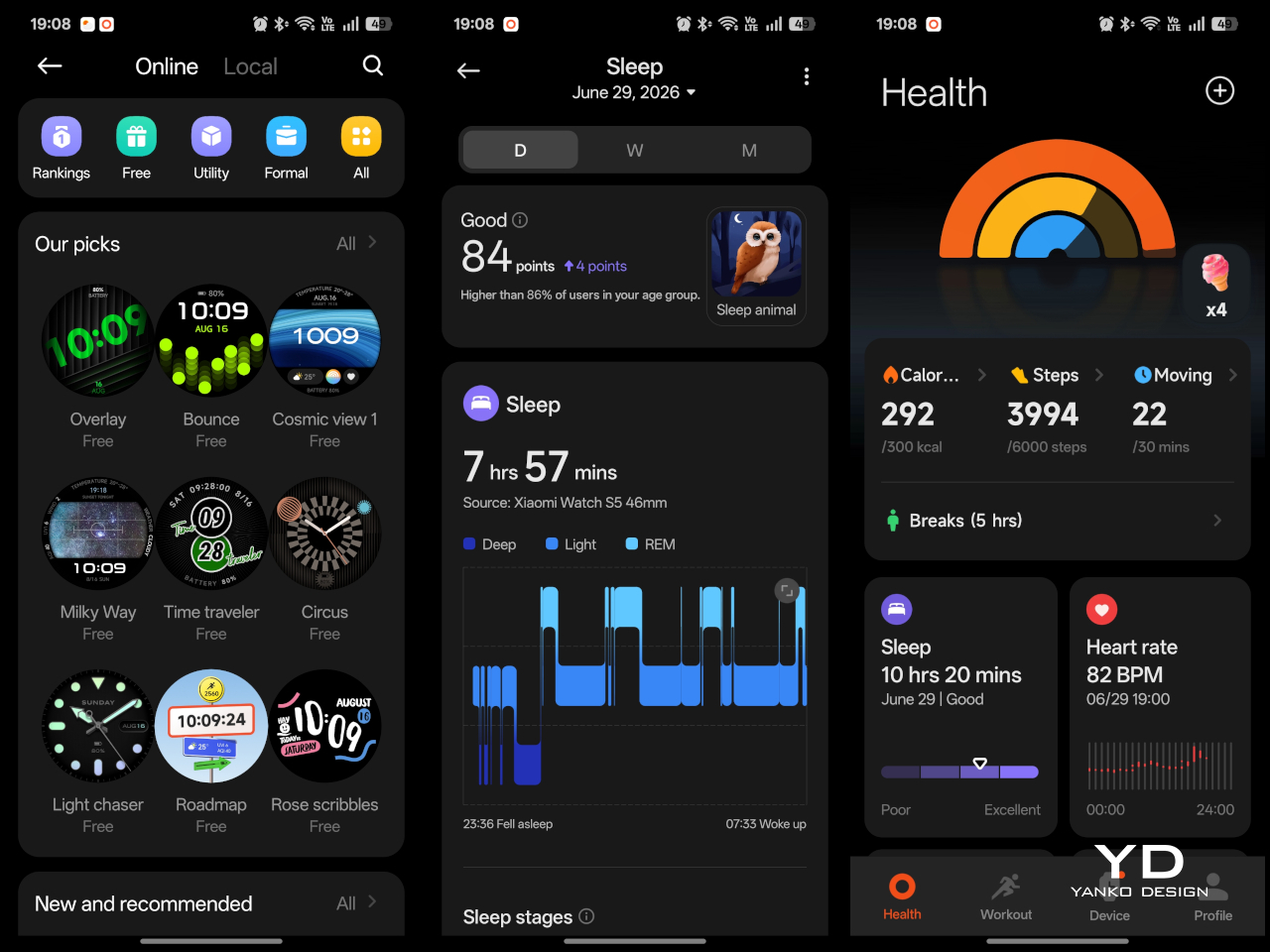
The Watch S5 uses the same heart-rate sensor setup found in the flagship Xiaomi Watch 5, with 4 LEDs and 4 PD, alongside L1 plus L5 five-system GNSS and 5ATM water resistance. There are also more than 150 sports modes, so the watch clearly has a much broader fitness toolkit than the small slice of it I used. Sleep tracking is a bit more mixed. Xiaomi claims its updated sleep algorithms improve fall-asleep and wake-up detection by 11 percent, with sleep-stage tracking improved by 14 percent. In my use, though, it still had a tendency to miss naps. That does not make the feature useless, but it is a reminder that health tracking claims on paper do not always translate perfectly in everyday use.
Beyond health and fitness, the software experience is mostly straightforward, too. The Watch S5 runs Xiaomi HyperOS 3, and for the most part, it is easy enough to get around. The interface is straightforward, and it does not take long to figure out where everything is. Swiping down brings up notifications, though your options are fairly limited once you are there. You can dismiss them, but you cannot quickly reply to messages, which makes the experience feel a bit more passive than on some rival smartwatches.
The rest of the navigation is a little uneven. Swiping up opens widget cards, while swiping right lets you cycle through the watch faces stored on the device. Swiping left, though, does nothing at all. I found that a bit frustrating, especially since I do not change watch faces very often. It feels like Xiaomi could have made better use of the side gestures here, or at least given users the option to customize them.
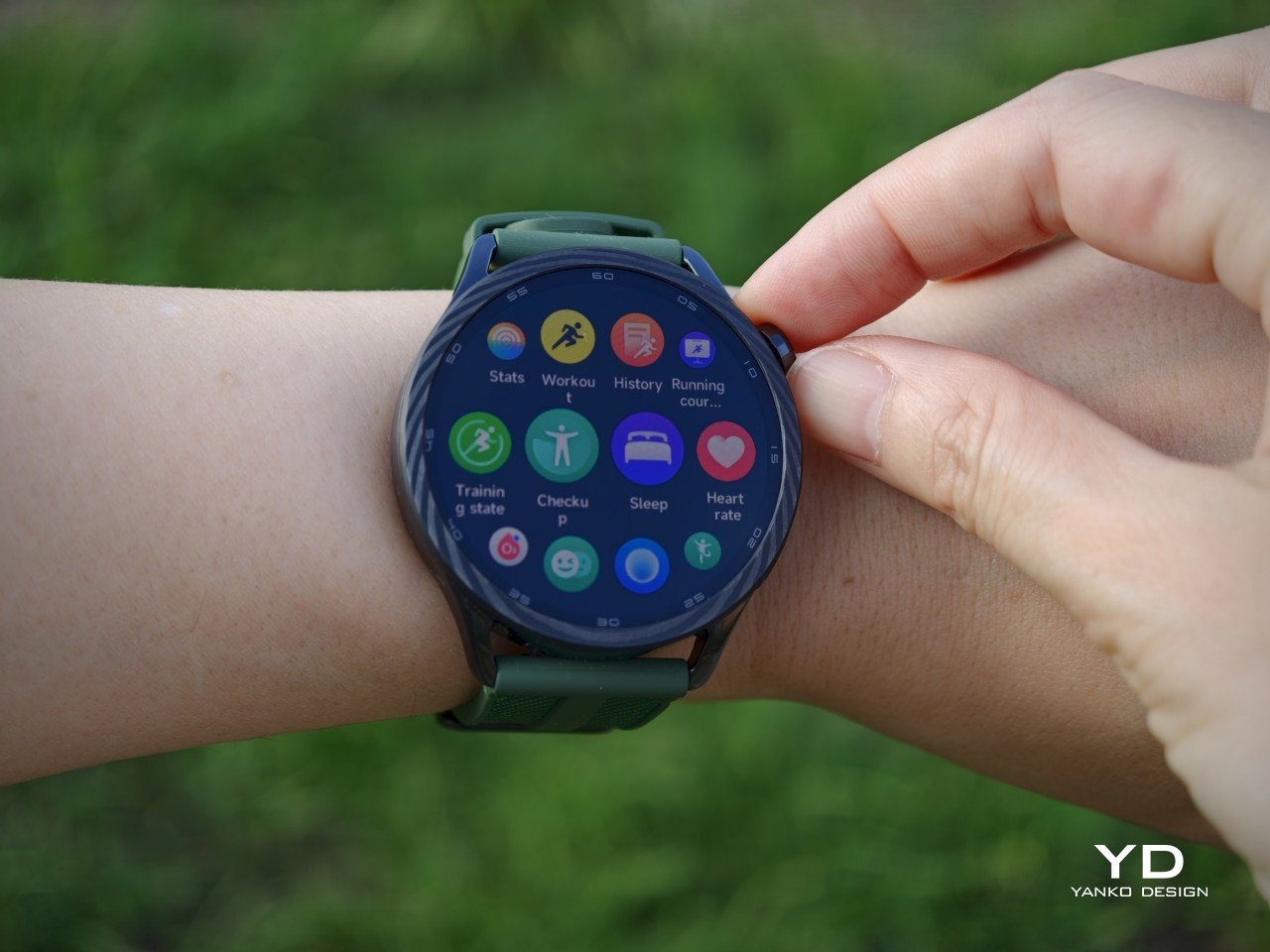
Pressing the rotating crown opens the app list, while the side button brings up the control center. That all works as expected, but the software does feel more limited once you look beyond the basics. Since the Watch S5 does not run Wear OS, there is no access to the Google Play Store, and Xiaomi’s own app selection for HyperOS 3 is still quite limited. On the phone side, the Mi Fitness companion app covers the essentials and also gives you access to plenty of free watch faces, which is a nice way to add some variety even if the wider software ecosystem remains fairly basic.
Battery life may be the Watch S5’s most practical strength. Xiaomi rates it for up to 21 days of light use from the 815mAh battery, which it says is a 68 percent jump over the previous generation. In my case, with Always On Display turned on and all the health tracking features enabled, it lasted about six days. That is genuinely impressive, and it makes the Watch S5 feel far less needy than many smartwatches. Charging happens through the included proprietary magnetic pogo-pin charger, which works fine, though it does mean dealing with yet another device-specific cable.
Sustainability
Sustainability is not a major part of Xiaomi’s pitch for the Watch S5, though to be fair, that is true of most smartwatches. There is no clear emphasis here on recycled materials or repairability, so it is hard to give the watch much credit on environmental grounds alone. What it does offer, though, are a few practical touches that could help with longevity.
The 5ATM water resistance also helps on the longevity front, especially for a watch that is meant to handle swimming as well as everyday wear. The use of standard 22mm quick-release straps is another plus, since it makes the watch easier to refresh over time without being locked into one specific band. That may sound like a small thing, but replaceable straps can help a device stay in use longer, especially when comfort or style preferences change. The stainless steel frame and the more premium material options should also hold up well over time. For now, the Watch S5 feels built to last, even if it does not make much of a sustainability case.
Value
The Xiaomi Watch S5 makes a pretty strong case for itself on value. At £149.99, or about $205, for the black and silver versions, and £169.99, or roughly $232, for the Blue and Green models, it sits in a price range that feels competitive for what you are getting. The stainless steel frame, bright AMOLED display, strong battery life, and broad fitness feature set already give it a solid hardware foundation, and the more premium Blue and Green finishes do at least look like they justify the small step up in price.
That pricing also helps make some of the watch’s limitations easier to accept. The software is straightforward but not especially deep, and the app ecosystem is still quite limited compared with Wear OS alternatives. Even so, the Watch S5 is not really trying to compete as the most app-rich smartwatch in its class. It feels more like a well-rounded option for people who care about design, comfort, battery life, and fitness basics, and at these prices, that balance is easier to appreciate. For the money, Xiaomi is offering a lot of watches.
Verdict
The Xiaomi Watch S5 succeeds by focusing on the right things. It puts design, comfort, battery life, and the kind of fitness features that are useful without becoming overwhelming at the center of the experience. That makes it easy to recommend, especially for people who want something that looks more like a proper watch and less like a tiny gadget strapped to the wrist.
The trade-off is that Xiaomi HyperOS 3 still feels fairly limited once you look past the basics. You are not getting the depth or flexibility of a Wear OS device, and that will matter to some buyers. Even so, the Watch S5 gets enough right to stand out where it counts. At £149.99, or about $205, for the standard versions and £169.99, or roughly $232, for the Blue and Green models, it offers a lot without asking too much in return.
The post Xiaomi Watch S5 46mm Review: Looking Good, Lasting Longer first appeared on Yanko Design.