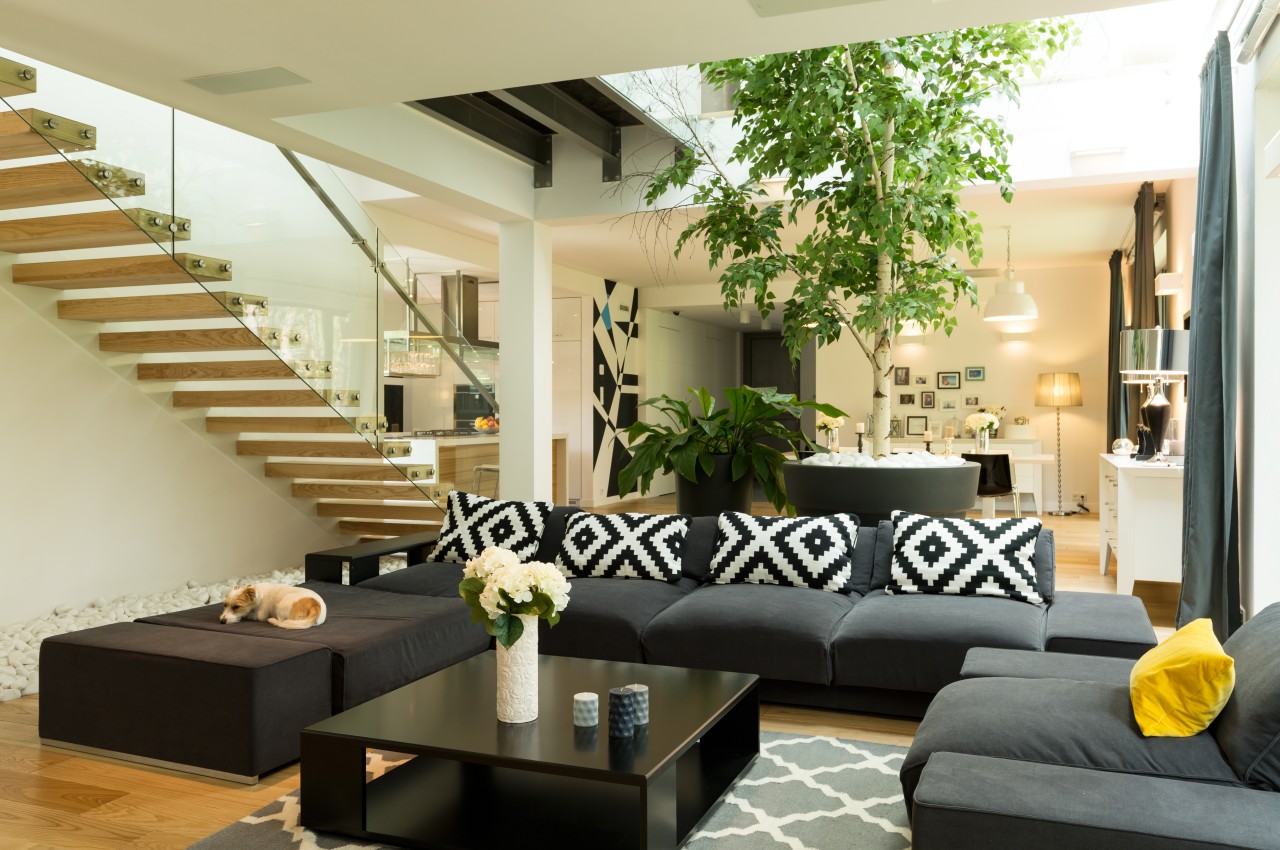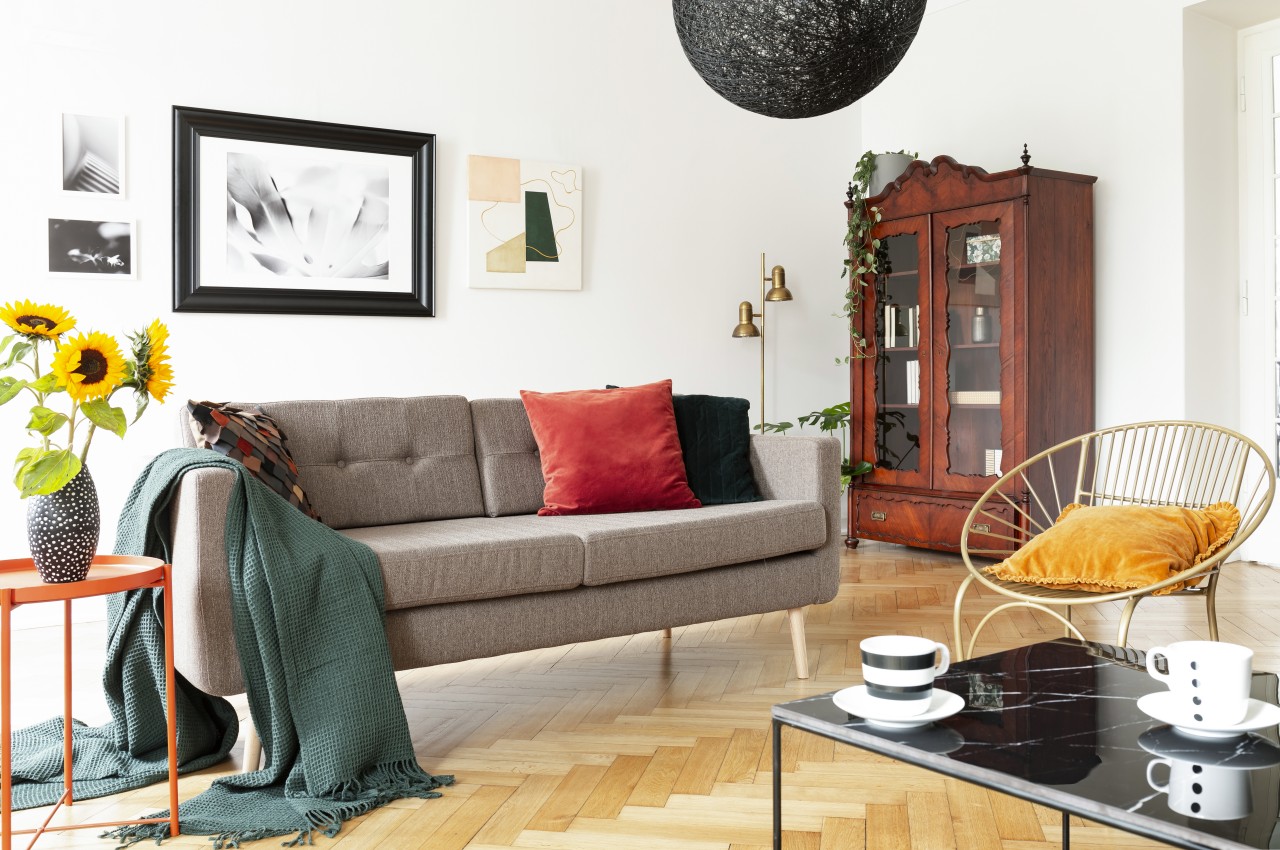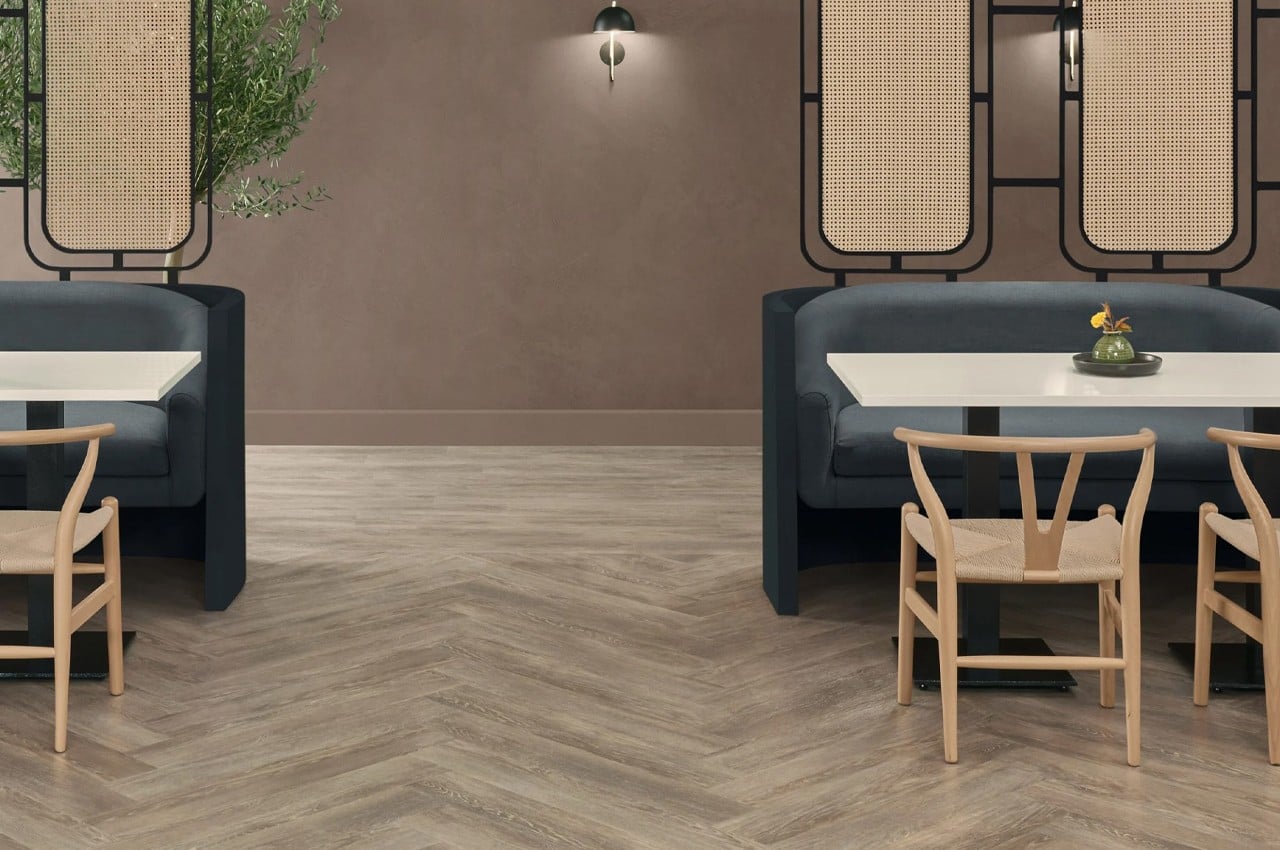
Ten Best Flooring Trends for 2024

The flooring sets the tone for the overall appearance of a space, where material, color, shape, and texture collaboratively contribute to the final aesthetics. For those who aim to craft a contemporary or stylish interior, check out the anticipated flooring trends of 2024 which offer a diverse range of choices that suit various tastes and preferences. With ongoing innovations in the flooring industry, both homeowners and designers have access to an exciting palette of options in 2024.

Designer: Amtico
1. Go for Patterned Flooring
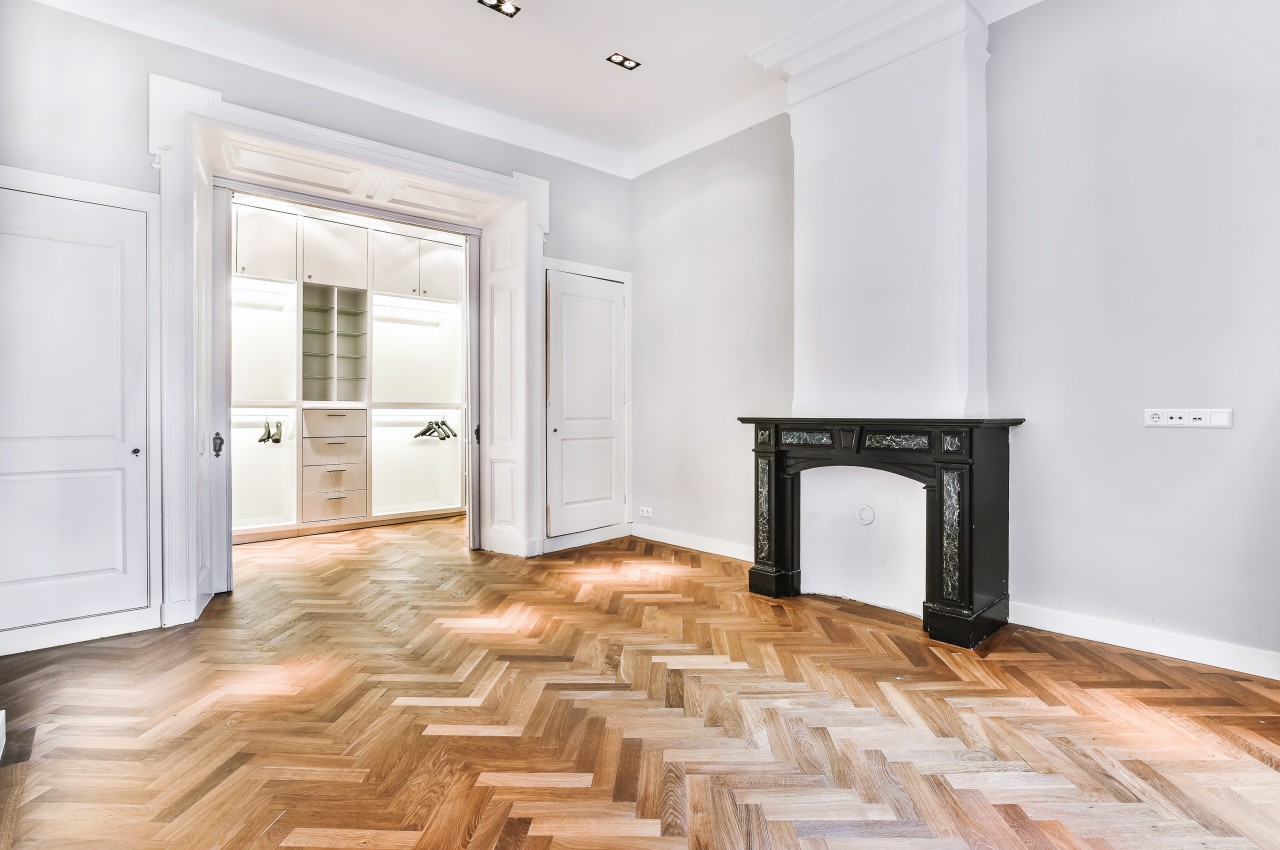
Image courtesy of: pro_creator
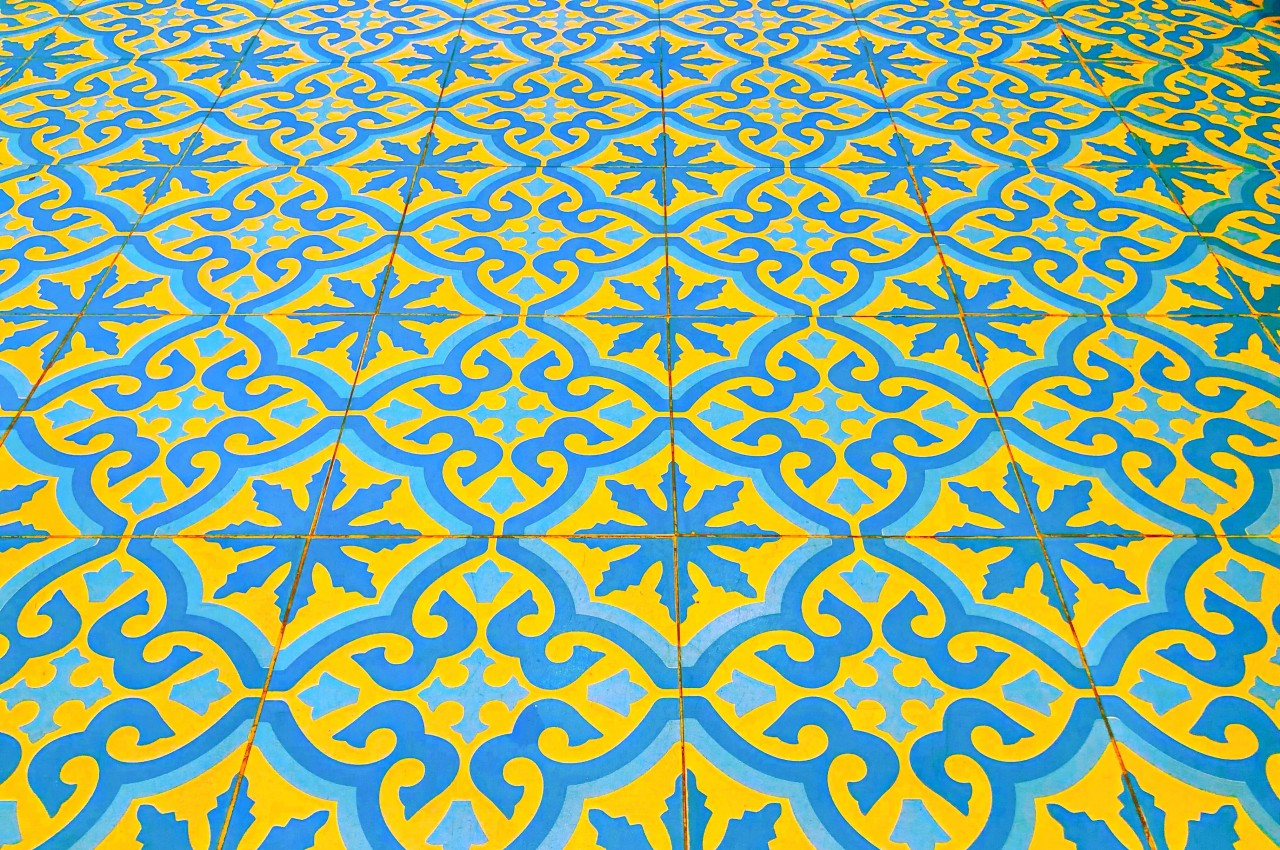
Image courtesy of: wanaktek

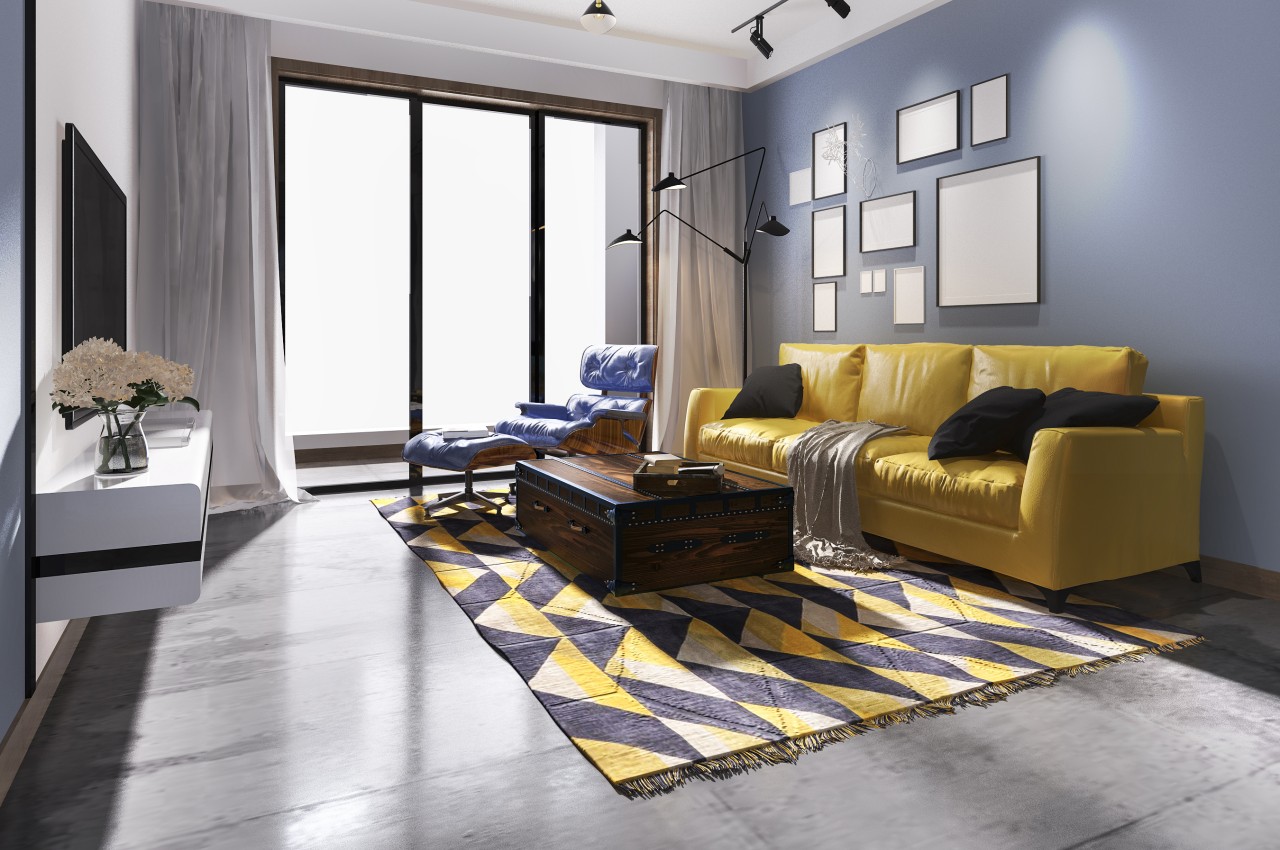
The flooring design embraces a bold spirit with the resurgence of patterns, as homeowners move beyond conventional options to redefine interior spaces and infuse personality into their homes. As the focus is on making a bold statement with your flooring, you can choose between geometric, checkerboard, chevron, and herringbone patterns. Note that patterned floors serve as a timeless method to make a striking statement in areas like kitchens, living rooms, or dining rooms, offering a distinctive and decorative base for the overall room design. The timeless herringbone pattern is an enduring flooring trend that remains the favored option for a luxurious aesthetic. Infusing elegance and sophistication into any space, the distinctive feature of the herringbone pattern lies in its intricate design, which generates visual interest, depth, and a dynamic sense of movement. It’s not about vibrant pattern designs, but rather the arrangement of tiles and wood planks or a blend of various wood types.

2. Tile Trends
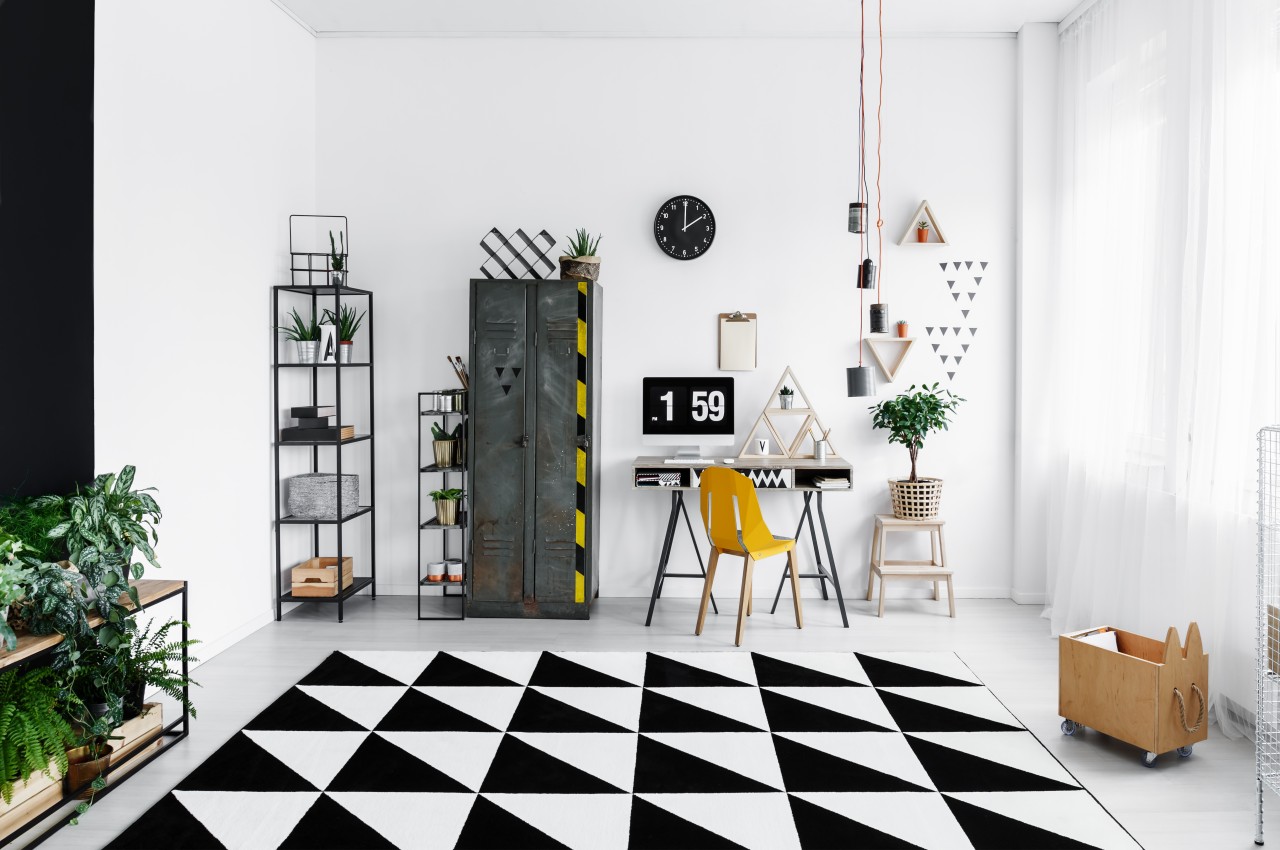
Image courtesy of: bialasiewicz

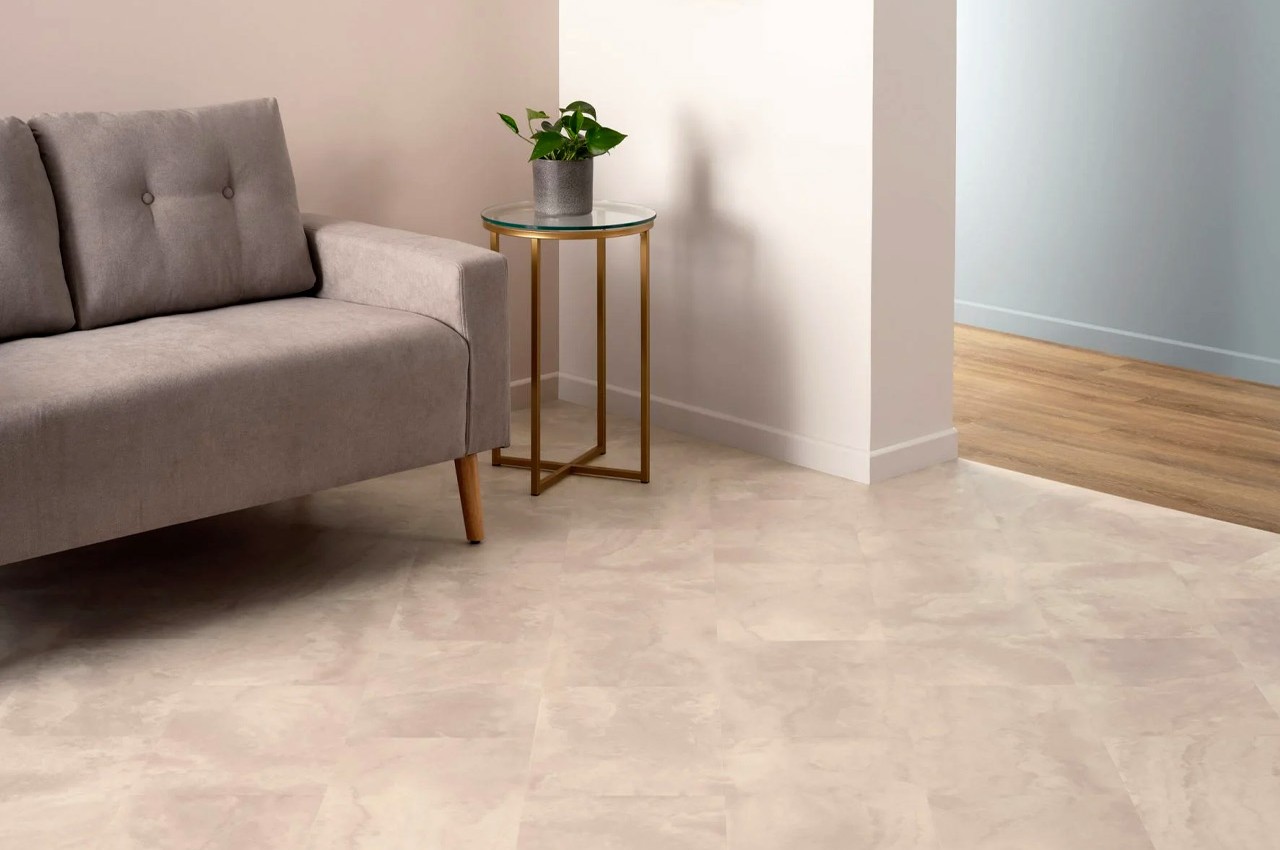
For 2024, the trends in tile design lean towards warmer tones like cream, beige, and grey, coupled with various large formats and tonalities to craft intricate patterns. Large-format flooring is a trendy choice as it reduces the number of joint lines. Complement them with streamlined furniture and minimalistic decor to achieve a cohesive flow and highlight the tile’s inherent beauty. Checkerboard tiles are a timeless design that has been gradually regaining popularity in recent years in the classic black and white variation along with a range of softer tones as well. Also, mosaic tile is a great choice for adding individuality and charm to your space, ideal for retro or vintage decor.

3. Artistic Carpets and Rugs
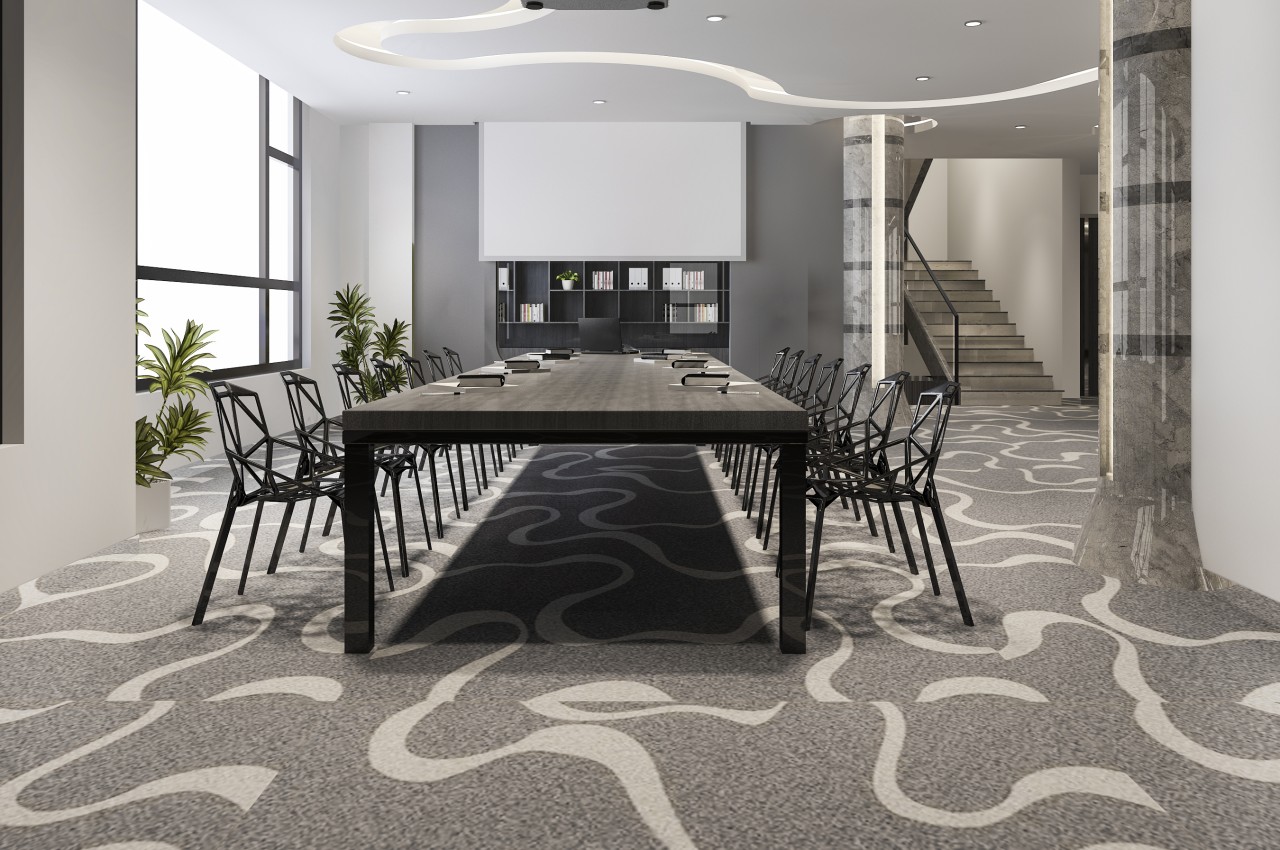
Image courtesy of: dit26978

Carpeting is experiencing a resurgence, with the increased time spent at home over the past few years fostering an appreciation for its coziness. Go for a flat loop wool or silk blend carpet in a subtle pattern or a diverse range of colors for bedrooms or family rooms. Consider abstract rugs as they are transformative art pieces that elevate any space into a visually stunning masterpiece with bold colors, unique patterns, textures, and modern designs, adding sophistication and creativity. Versatile enough for both traditional and modern settings, these rugs serve as vibrant accents or focal points, offering diverse styles to complement existing decor.

4. Natural Stone
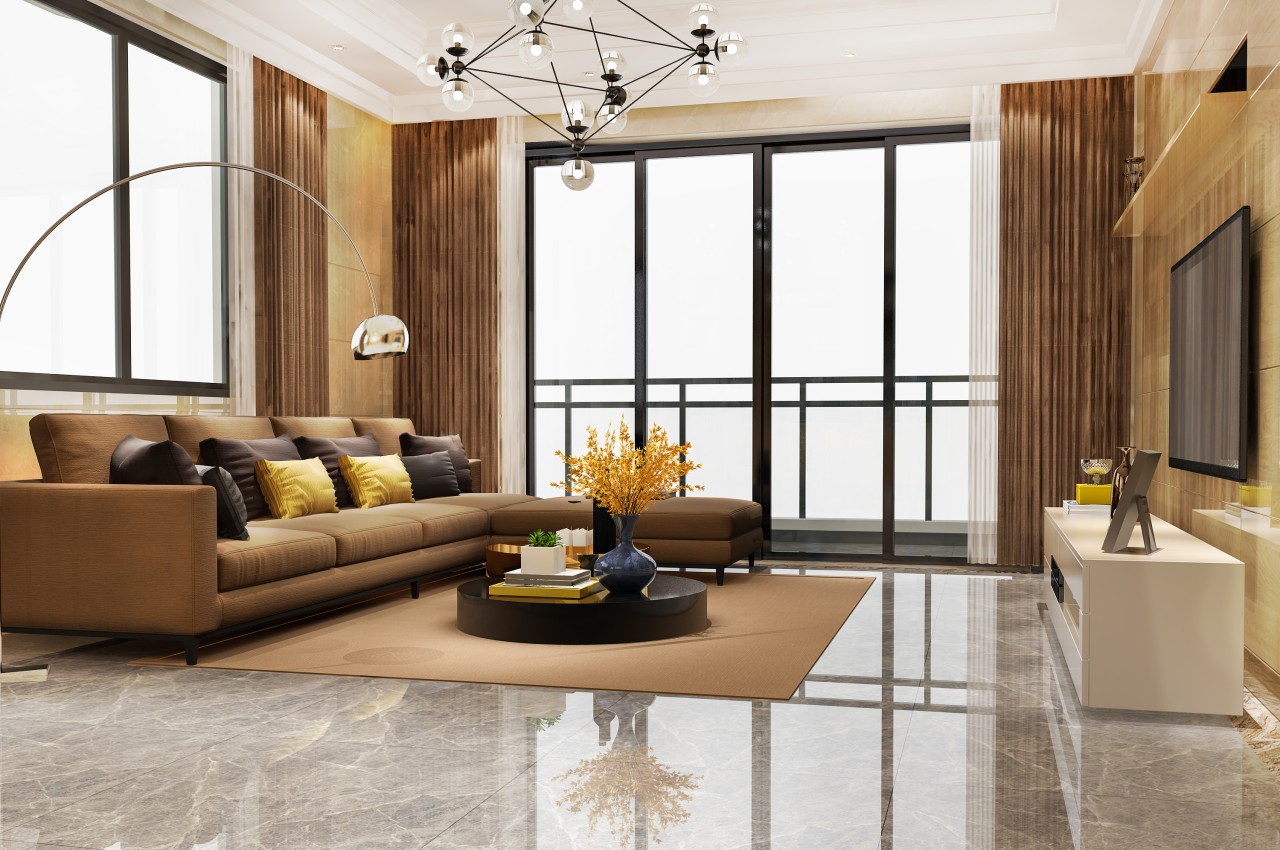
Image courtesy of: dit26978

Natural stone, including options like marble, granite, travertine, and limestone, brings diversity with unique character, veining, and color palettes to floors, adding individuality. Apart from aesthetics, its exceptional durability makes it well-suited for high-traffic areas and spaces demanding both style and resilience. To ensure your interiors exude timeless style, opt for lighter shades like grey, brown, blue, cream, off-white, and green that create a calm and serene atmosphere.

5. Sustainable Flooring
Designer: Wanaka Flooring Xtra

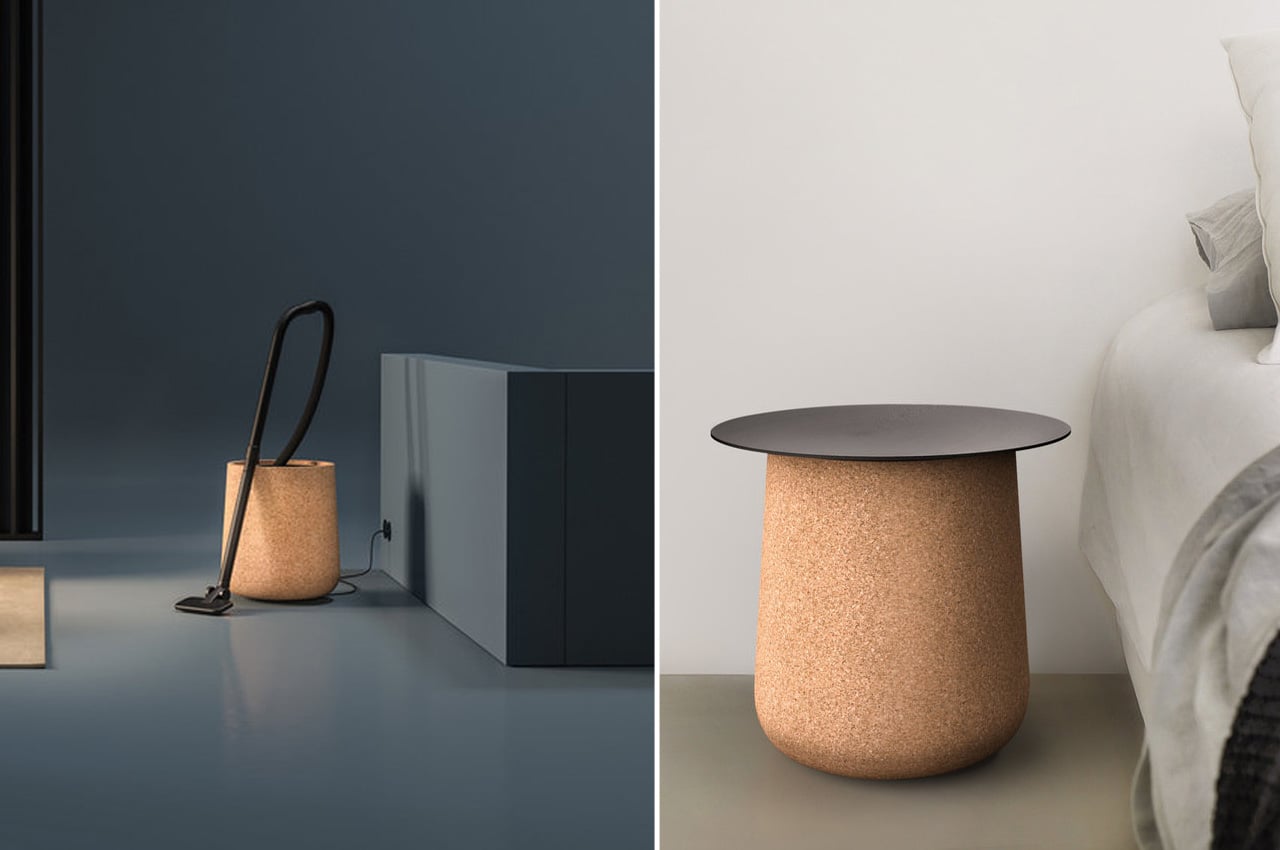
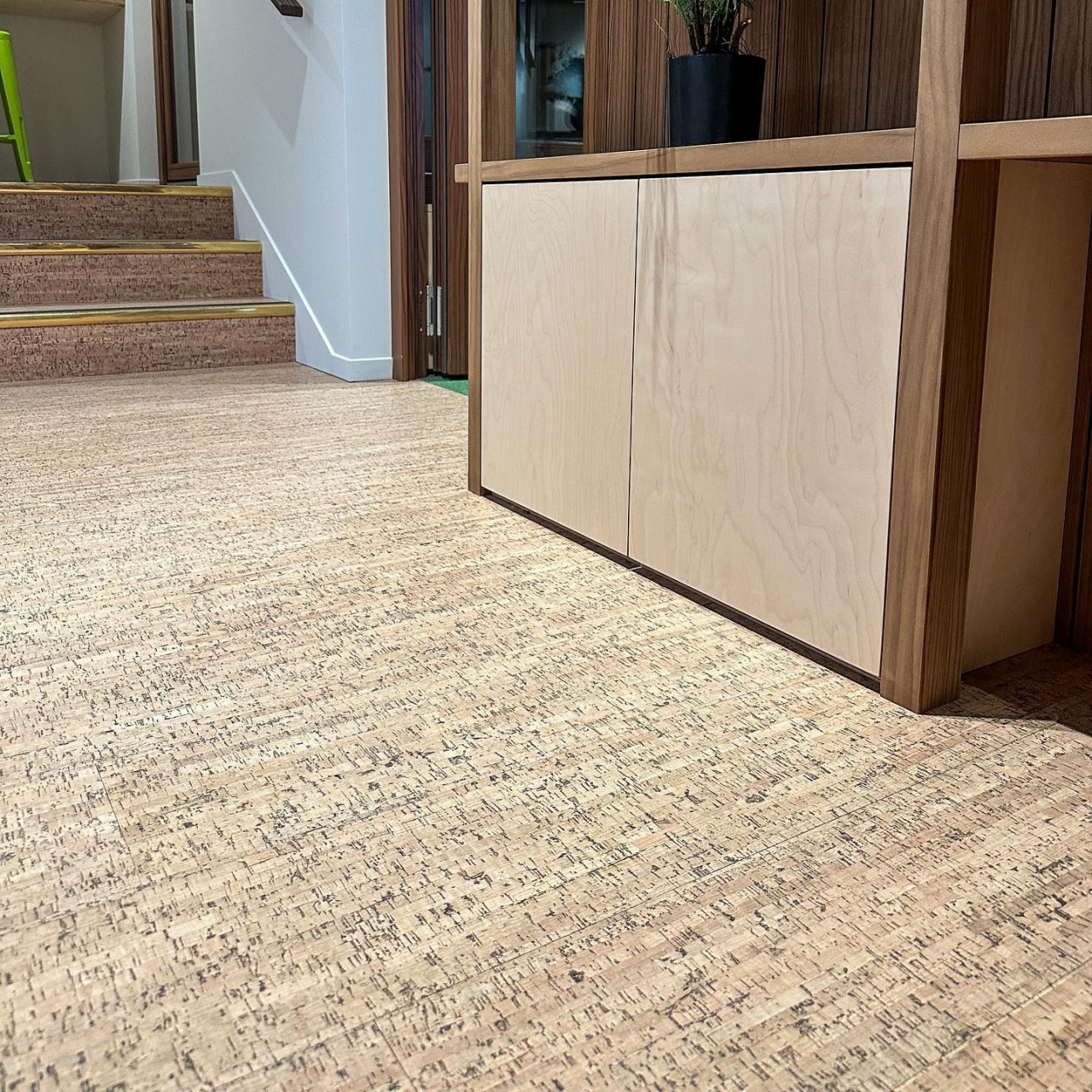
In 2024, the trend toward sustainable flooring gains momentum as homeowners prioritize eco-friendly options, reflecting a broader awareness of environmental concerns and a commitment to conscious choices for a greener future. Jute, a biodegradable and renewable natural fiber derived from plants, and bamboo silk, known for its silky feel and durability, are popular choices. Recycled materials, such as those from plastic bottles or reclaimed wool, are also gaining popularity, reducing waste while maintaining comfort. These sustainable floor coverings come in various patterns, textures, and colors, catering to diverse interior styles. Cork flooring is making a comeback as a key trend, praised for its sustainability as a recyclable material. With natural thermal properties for heat insulation and sound-dampening capabilities, cork adds warmth to your color scheme while being easy on the joints due to its remarkable elasticity.

6. Rustic Finishes
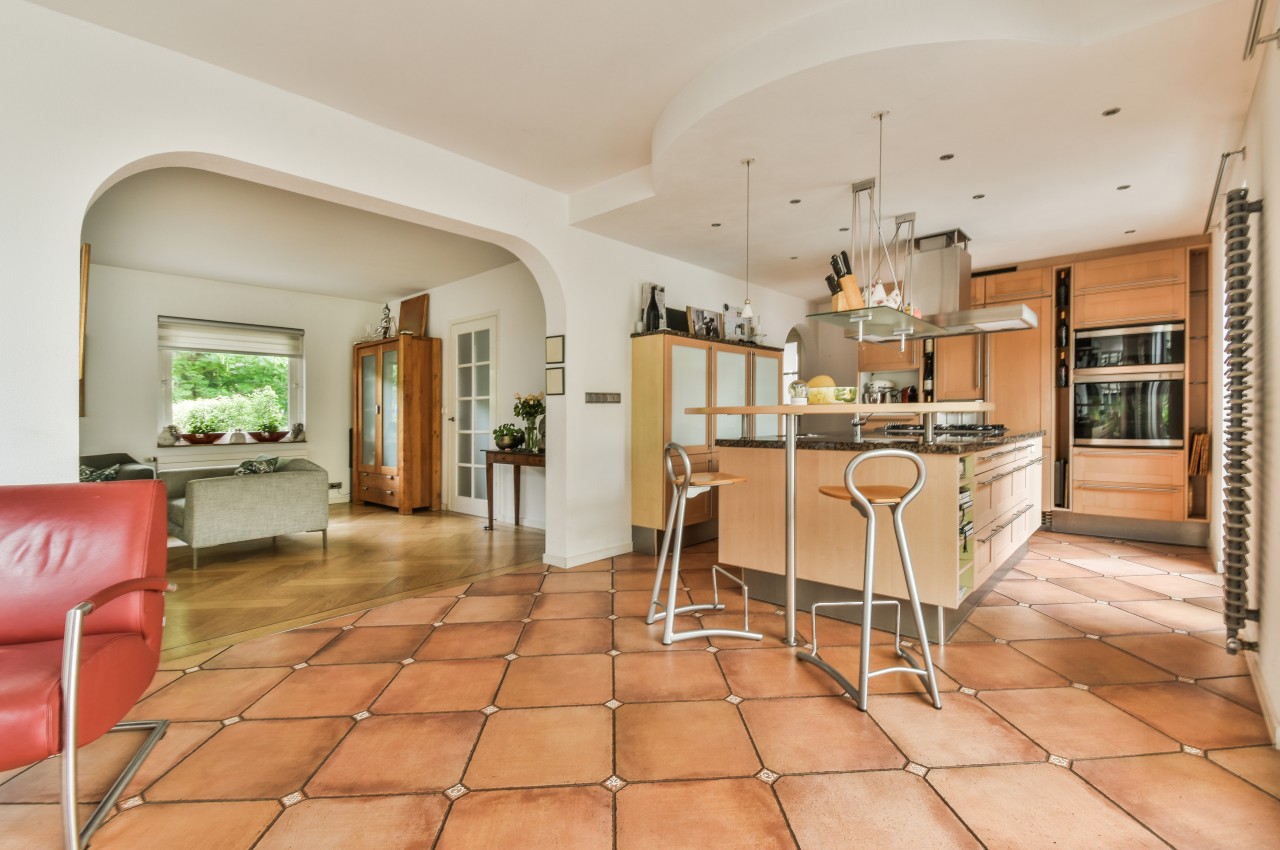
Image courtesy of: pro_creator
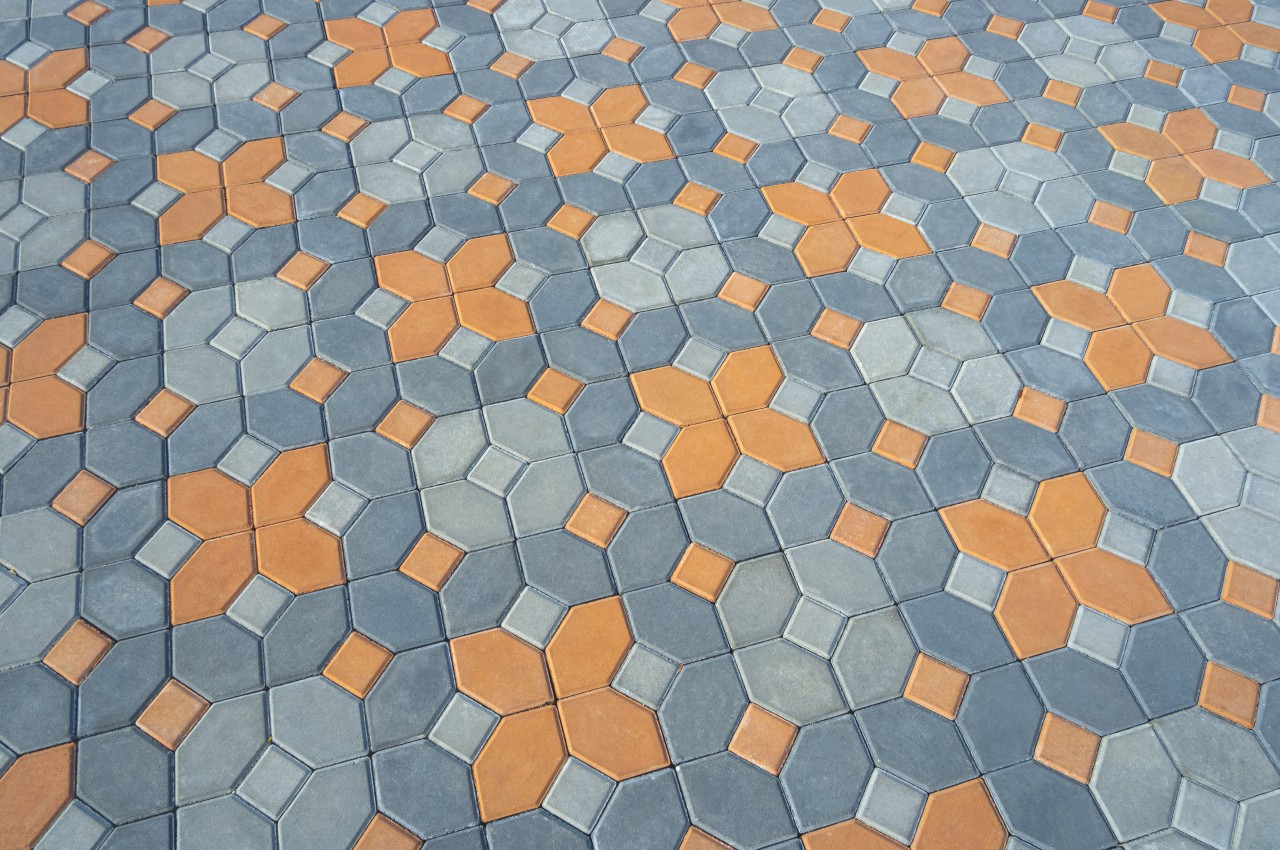
Image courtesy of: aowsakornprapat

Also, the rustic design remains a leading flooring trend, captivating homeowners with its authentic and timeless appeal. Distressed finishes, weathered textures, earthy tones, and reclaimed materials contribute to the charm, creating spaces that impart a lived-in look and tell a story. Additionally, with a growing interest in an organic modern aesthetic and a revived appreciation for traditional elements, terracotta tiles become a versatile solution for diverse design expressions.

7. Luxury Vinyl Tile (LVT)
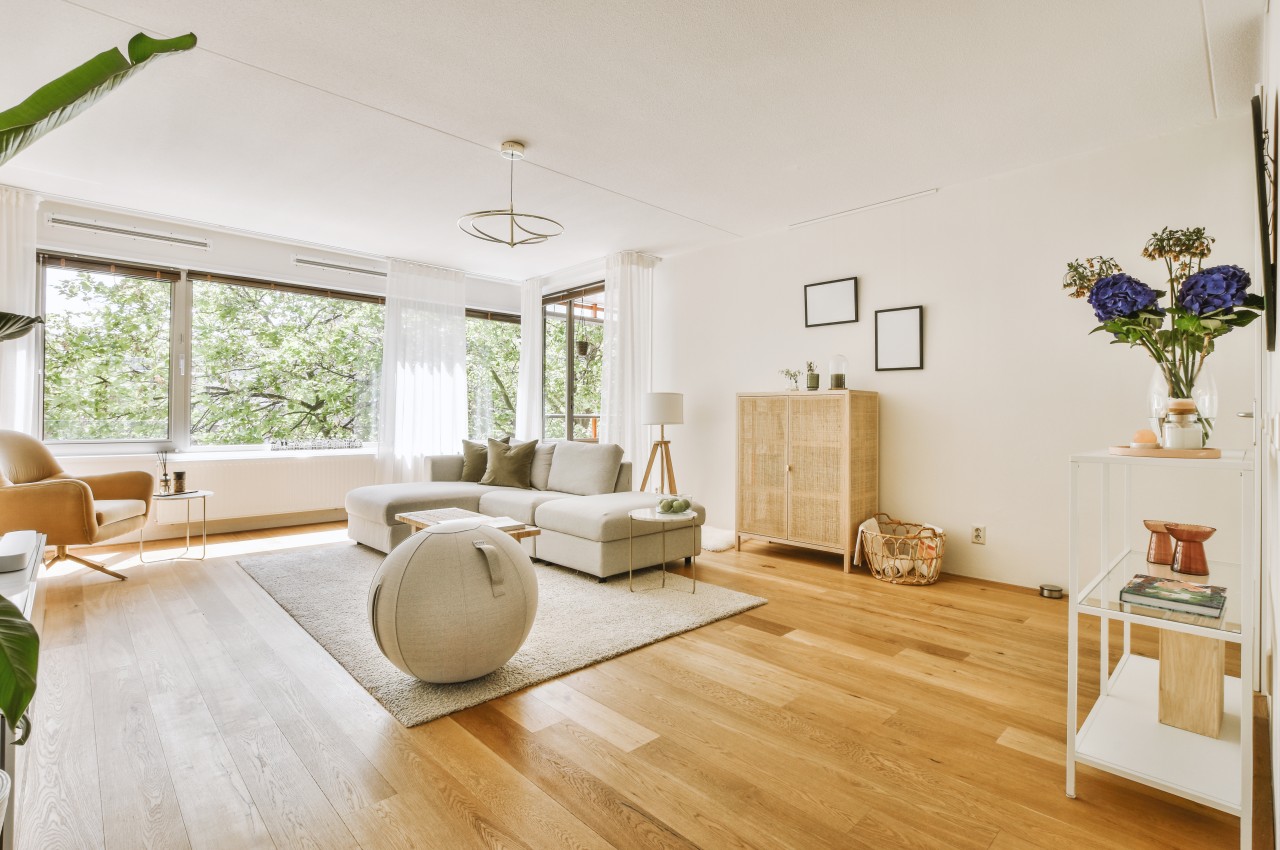
Image courtesy of: pro_creator

Luxury Vinyl Tiles (LVT) take center stage as a prominent flooring trend due to their versatility and durability, offering a precise replication of natural materials like stone or ceramic. This flexibility allows homeowners to achieve their desired aesthetic without compromising on practicality, making LVT a top choice in the growing demand for resilient and visually appealing flooring solutions.

8. Hardwood Flooring
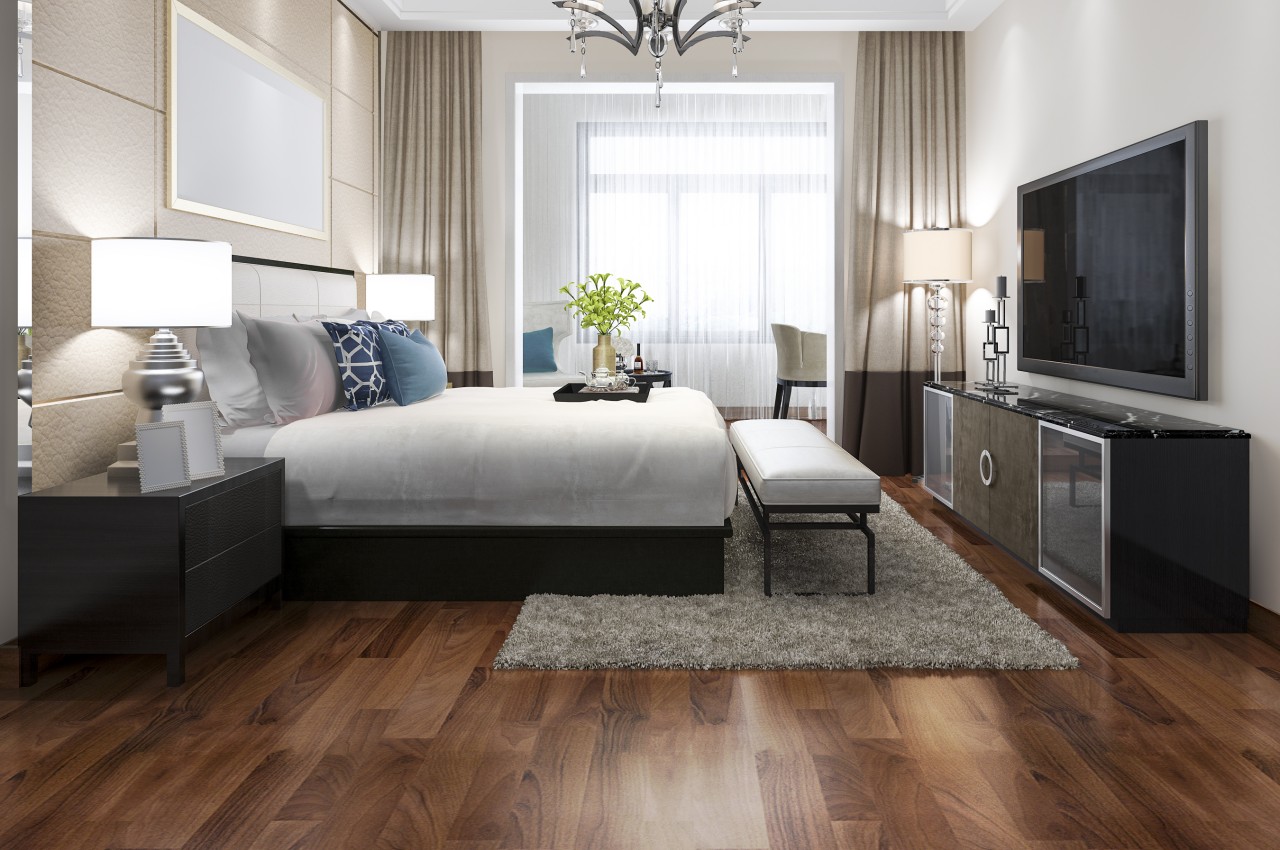
Image courtesy of: dit26978

Hardwood floors take the spotlight as a classic choice that captivates homeowners, with specific color categories expected to make a significant impact. The resurgence of natural and light wood tones is a prominent trend, with unstained white oaks gaining popularity among homeowners for their neutral adaptability to blend with modern aesthetics and traditional design. Note that wide plank hardwood is also trending as it adds a modern touch. Providing a modern and spacious aesthetic, these flooring options visually expand rooms, aligning with the contemporary desire for open and airy environments, making them sought-after choices for homeowners. Also, the ongoing trend of blending different wood tones in flooring designs allows homeowners to add a personalized and visually striking element to their spaces. The artful combination of diverse wood hues creates a distinctive and dynamic appearance, making the floor both functional and a unique design feature.

9. Terrazzo Flooring
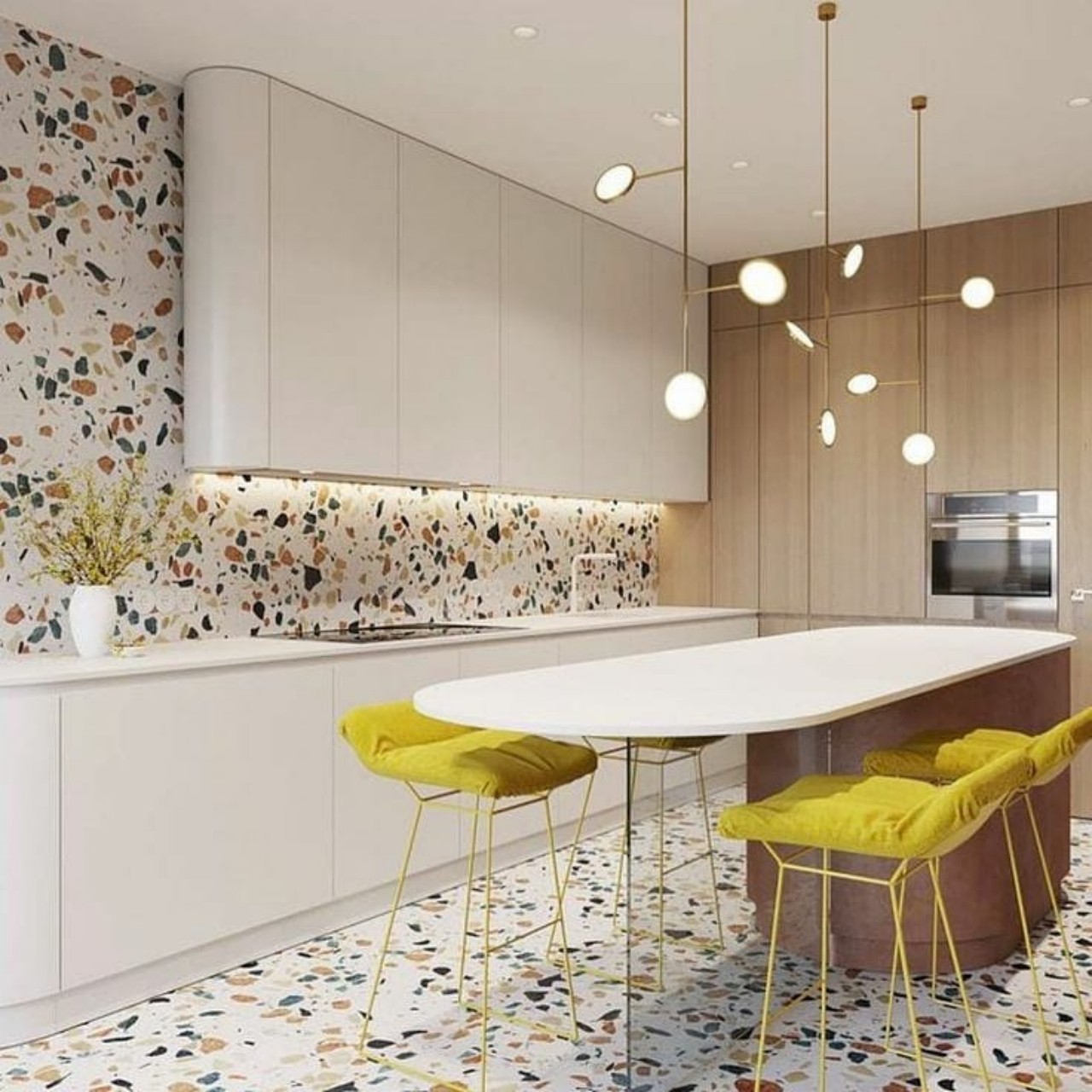
Desginer: eMe Otero Boiro

Terrazzo tiles have made a strong comeback, as the trend continues to gain momentum. These unique tiles, formed by combining marble chips with cement or epoxy resin, create a captivating speckled effect that adds elegance to any space. Their popularity stems from versatility, offering a broad range of colors and patterns to match various design aesthetics. Beyond aesthetics, terrazzo tiles are highly durable, able to withstand heavy foot traffic, and easy to maintain.

10. The Biophilia Trend
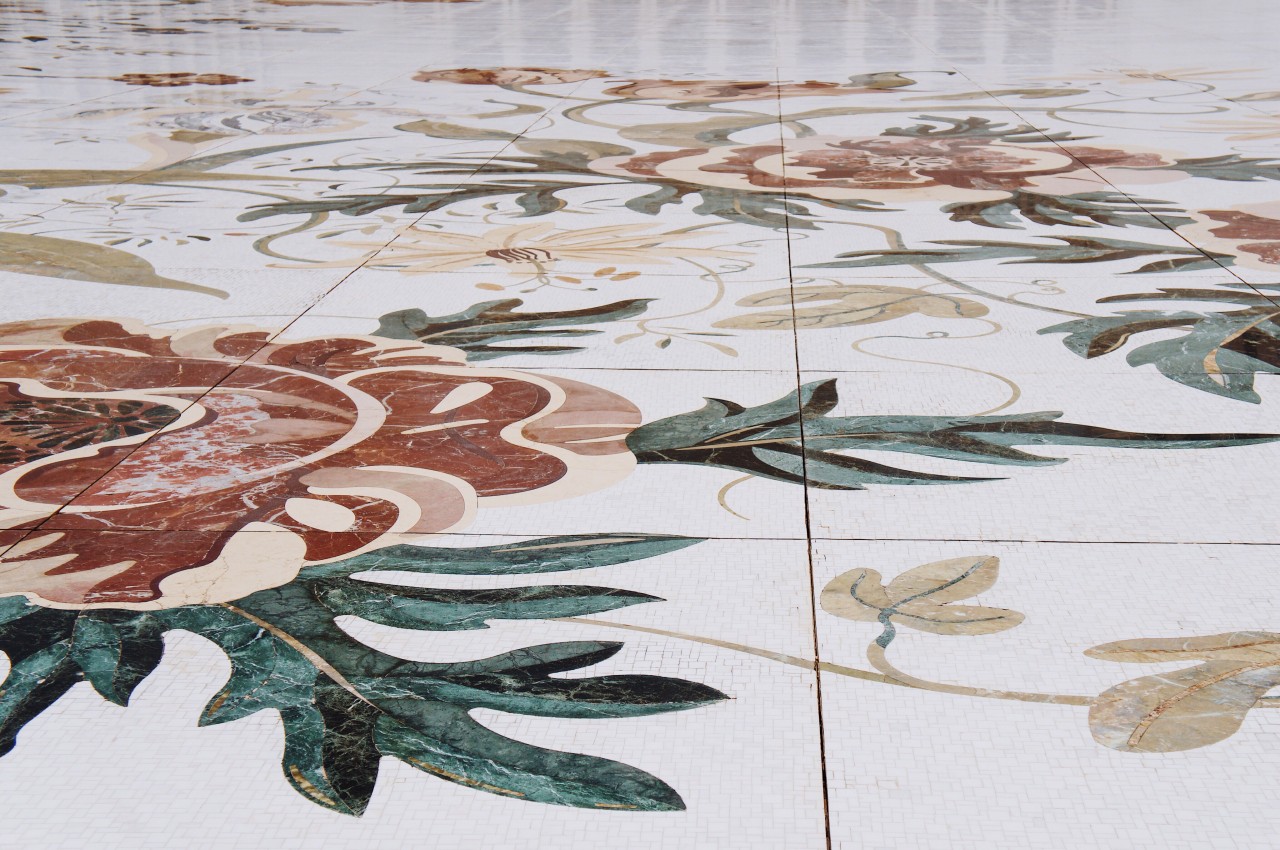
Image courtesy of: phoenixproduction

There is a clear desire to reconnect with nature, evident in design choices that effortlessly merge indoor and outdoor aesthetics, creating a feeling of tranquility and harmony within living spaces. In 2024, the rising trend of nature-inspired design choices is evident, with homeowners and designers incorporating materials, colors, and elements that echo the serenity and beauty of the natural world. Organic and earthy materials like wood, stone, and bamboo are gaining popularity, not just for their aesthetic appeal but also for establishing a tangible link to nature, infusing warmth, texture, and timelessness into spaces. The color palettes, featuring tones like forest greens, soothing blues, and earthy browns, create a calming and grounding effect.

With design trends evolving, making thoughtful choices when selecting flooring is crucial as it cannot be changed time and again based on new design trends. Be mindful in choosing the flooring material and design as it serves as a permanent and practical design element of the interior decor.

The post Ten Best Flooring Trends for 2024 first appeared on Yanko Design.
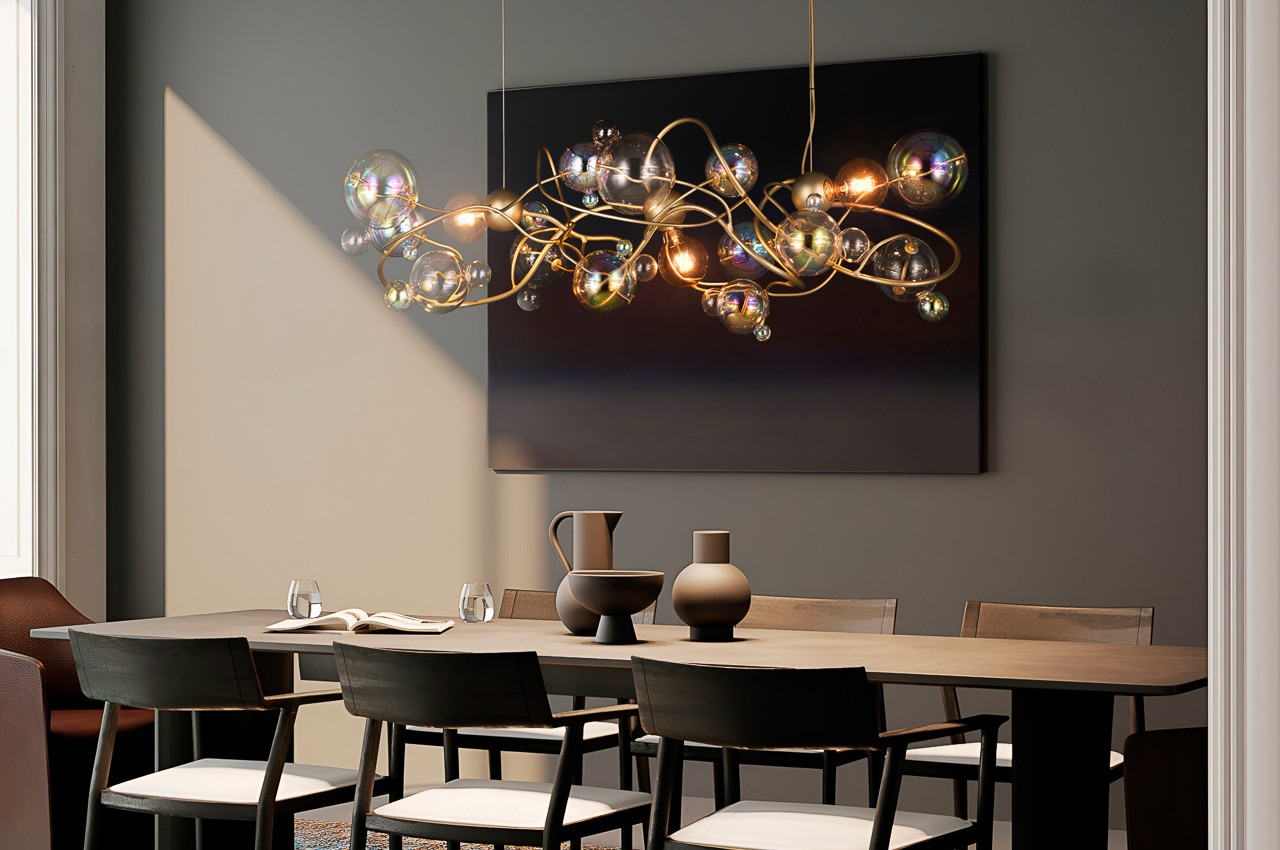
Elements of Interior Design: Lighting

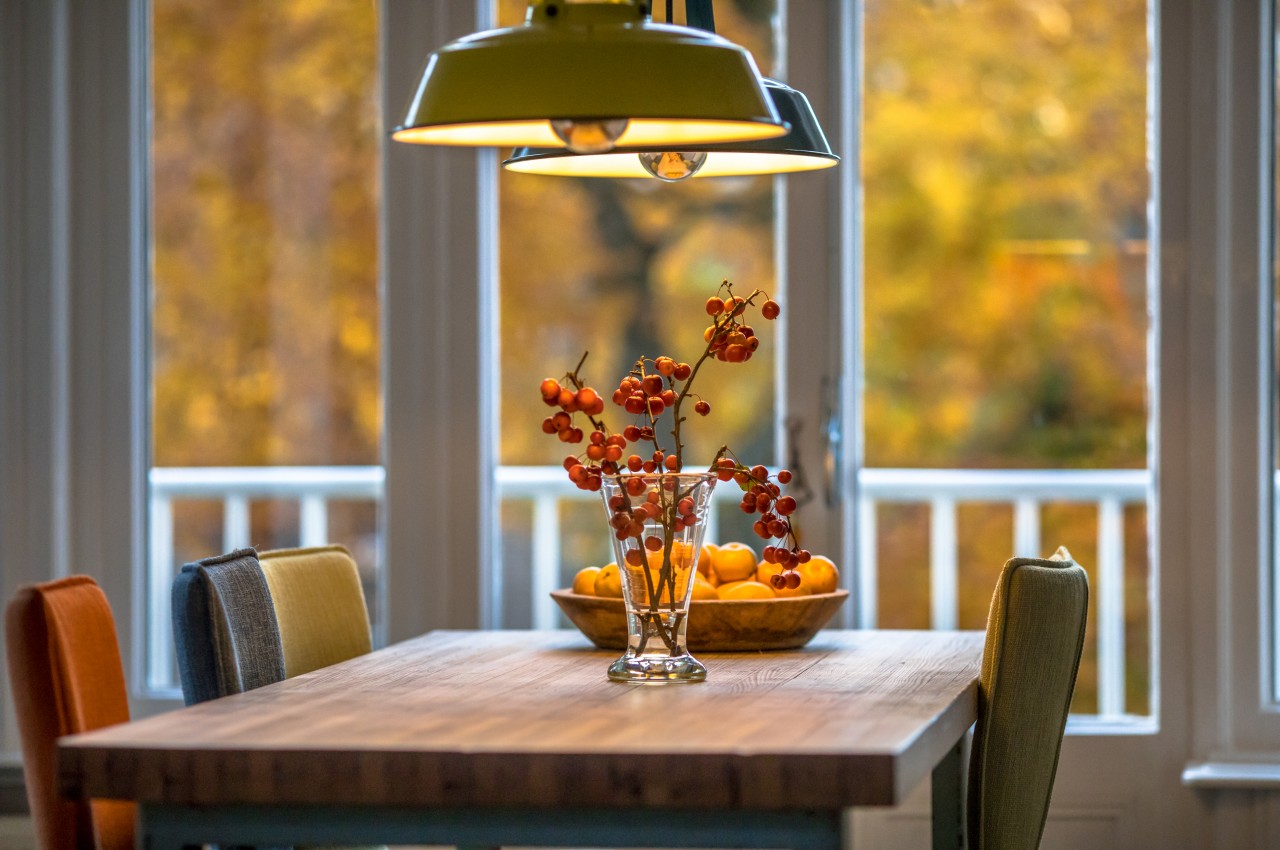
Light forms an important design element in interior design that transforms the space, creates different moods and determines the way we perceive color and texture. Natural light can come in via sources like windows or skylights while the different sources of artificial light include pendant lights, lamps, and sconces to name a few. A well-designed lighting scheme transforms the overall look and breathes life into the interiors. Additionally, lighting adds depth, highlights design features, and creates a fine balance between light and shade to create a rejuvenated atmosphere in architecture and interior design.

Designer: Brand van Egmond

What are the three elements of lighting design?

The Lighting design can be broadly classified into three layers or elements namely ambient lighting, task lighting, and accent lighting.

Image courtesy of: dit26978

Ambient Lighting

Ambient lighting also known as general lighting provides overall basic illumination for a room. It functions as a base layer and factors like the room size, height, aesthetics, and functionality need to be taken into consideration for the lighting design. Ambient lighting, whether from overhead lights like modern pendants or soft sources such as table lamps and wall sconces, forms an essential component of interior design. Some of the common sources of ambient light include natural light and overhead fixtures like pendants, ceiling fixtures, chandeliers, lighting panels, and so on. While essential for illumination, ambient lighting works in conjunction with other layers to create a comprehensive lighting solution. It creates a warm and soothing atmosphere that allows flexibility in illuminating fixtures and determines the room’s ambiance.

Task Lighting

Image courtesy of: CreativeNature_nl

Task lighting combines with ambient illumination to provide focused lighting while eliminating shadows and reducing eyestrain. It can be used for illuminating a kitchen countertop for food preparation, cooking, and cleaning, a study table, or an office workstation for working. Kitchen LED fixtures over the island, provide bright task lighting while enhancing the overall aesthetic of the kitchen, and this stylish yet functional lighting approach is used for bedside tables with reading lights. The different types of light fixtures that are suitable for task lighting include floor lamps, table lamps, bathroom vanity lights, and cabinet lights. The lighting intensity is more and some task lights utilize focused beams to intensify the lighting intensity so that it can cater to specific needs. The combination of ambient and task lighting not only enhances the functionality of the lighting but also provides a decorative look to the interiors.

Accent Lighting

Image courtesy of: Studio_OMG

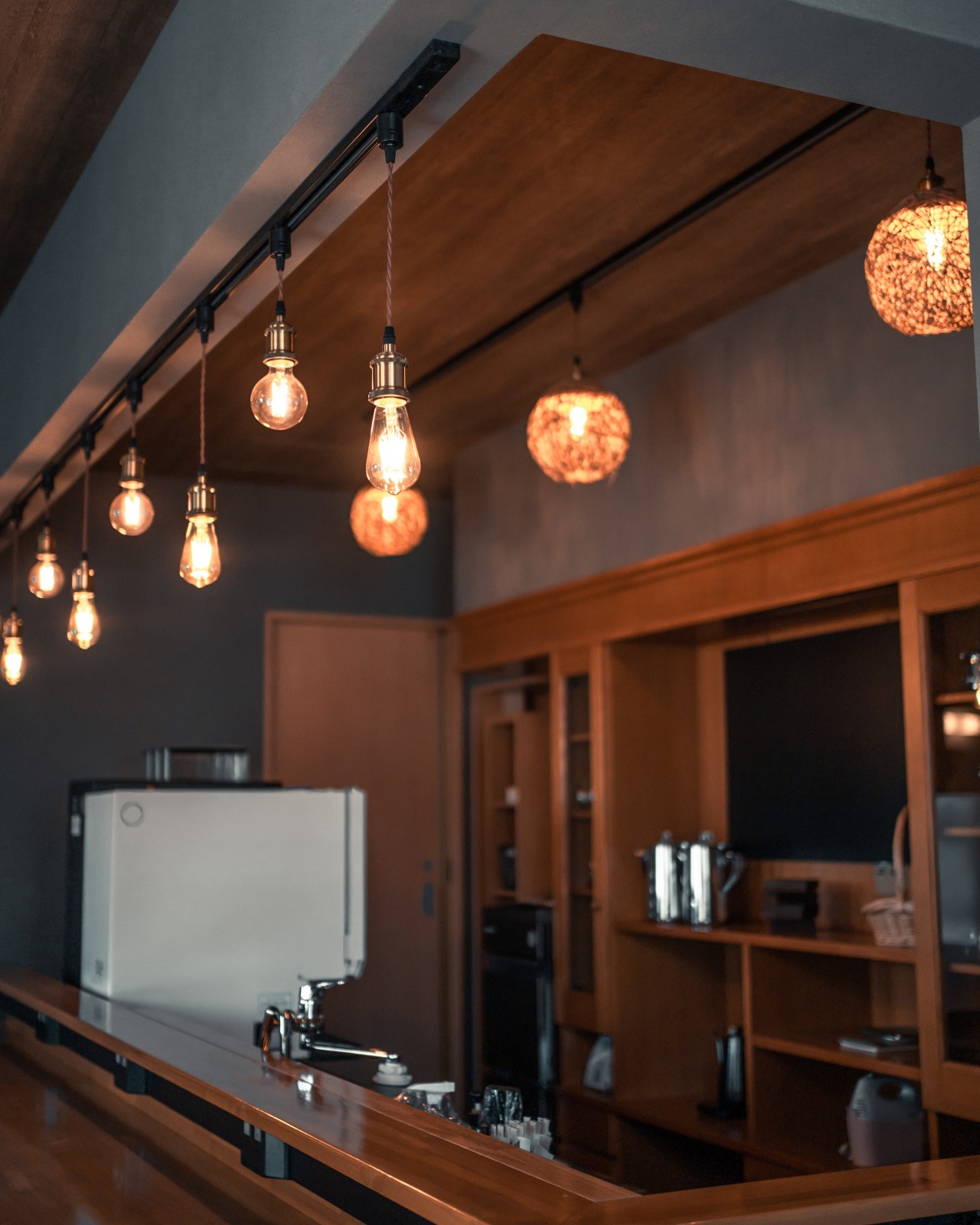
Accent lighting is the most decorative layer as it complements other design elements and highlights specific architectural features or decorations. This layer allows for customization based on individual preferences and belongings and can be used to highlight columns, wall art, photographs, decorative vases, and sculptures to name a few. Some of the common light fixtures that are used for accent lighting include wall sconces, track lighting, LED tape, and rope lighting. The best part about accent lighting is that it creates a focal point in a room by highlighting specific features, such as a fireplace, paintings, or furniture, through adjustable spotlights and wall lights so that they create visual interest and accentuate the unique characteristics of the home decor.

Natural Light

Image courtesy of: bialasiewicz

Natural light plays a vital role in interior design as it combines with sunlight to influence the mood and overall décor of the home. Note that bright colors are best suited for rooms that receive less natural light and it is highly recommended to go for cool and neutral tones for spaces that receive abundant sunlight.

Natural lighting enters the home through windows, skylights, or mirrors to enhance the overall look of the interiors and create a brilliant connection with the outdoors. As per studies, natural light is important for the well-being of individuals and large windows or skylights create a bright and airy environment that is perfect for relaxation. However, one must make sure to use light-filtering blinds or curtains to regulate the amount of light that enters the interiors.

Image courtesy of: archideaphoto

How to create a layered lighting scheme?

Image courtesy of: hemul75

Different layers of light combine to create a layered lighting scheme. The first layer comprises ceiling lights that provide general illumination and set the overall tone of the interiors. The second layer focuses on specific areas or activities, such as table lamps for reading or under-cabinet lighting for the kitchen countertop. The third layer of light or accent lighting highlights specific features or objects, using elements like track lighting or floor lamps. This layering technique helps to control the light intensity and create a balanced and harmonious environment within the room.

What factors should be taken into consideration in lighting design?

Image courtesy of: Satura_

Various factors should be taken into consideration when designing the lighting for any space. Some of the considerations include determining the functions and activities that will take place within the space, specifying the tasks to be performed, highlighting architectural features, the furniture placement for seating, and establishing the desired mood within the décor.

Color Temperature

Image courtesy of: esspeshal

Light Color Temperature, measured in Kelvin, is crucial for achieving the desired ambiance as lower Kelvins produce warmer light, while higher Kelvins result in cooler light. Hence if you want to achieve a warm temperature, opt for lower Kelvin lights while cooler Kelvins are highly recommended for brighter environments.

Intensity of Light

Image courtesy of: hemul75

Light intensity is as crucial as the color temperature of the lights. The intensity of lights should be adjusted based on the coverage needs to avoid spaces being too bright and unwelcoming causing eye strain, or spaces that are dim and gloomy.

Glare

It is important to manage glare for comfort in homes, offices, and commercial spaces as it might strain the eyes and reduce the overall productivity within the workspace.

Even the Distribution of Light

When lighting any space, make sure that there is an even distribution of light to avoid dark spots and shadows. Keep in mind that adequate illumination is crucial for areas connecting different spaces so that one does not trip while walking.

Image courtesy of: hemul75

How does lighting transform space?

Looks Spacious

Lighting, both natural and artificial, impacts the perceived size of space as well-lit rooms appear larger and more spacious, while darker rooms feel smaller and more confined.

Good Ambiance

Image courtesy of: thananit_s

Interior lighting design shapes a room’s atmosphere by selecting from various color temperatures as lighting shapes our moods and behavior. Note that bright, cool-toned lighting boosts focus, while dimmer, warmer lighting promotes relaxation. Additionally, the cool white lighting boosts productivity in offices, while warm whites create a cozy ambiance in bedrooms and living rooms.

Accents

Lighting design also serves to emphasize specific elements within a room, whether it be a piece of furniture, artwork, or the lighting fixture itself.

Adds Depth and Dimension

Image courtesy of: wirestock

Light creates depth and dimension by highlighting areas and casting shadows. For instance, directional lighting adds drama to a room, emphasizing texture and shape in objects or artwork.

Enhances Texture and Pattern

Lighting enhances textures and patterns by strategically directing accent lights. These lights can highlight feature walls, create an interesting play of shadows, or draw attention to unique textures or patterns that are present in the interiors.

Highlight Color

Lighting significantly enhances a room’s color scheme. Cool-toned lights emphasize blues and greens, while warm-toned lighting highlights yellows, oranges, and reds.

The post Elements of Interior Design: Lighting first appeared on Yanko Design.

Discover Your Ideal Decor Style Through Chinese Astrology

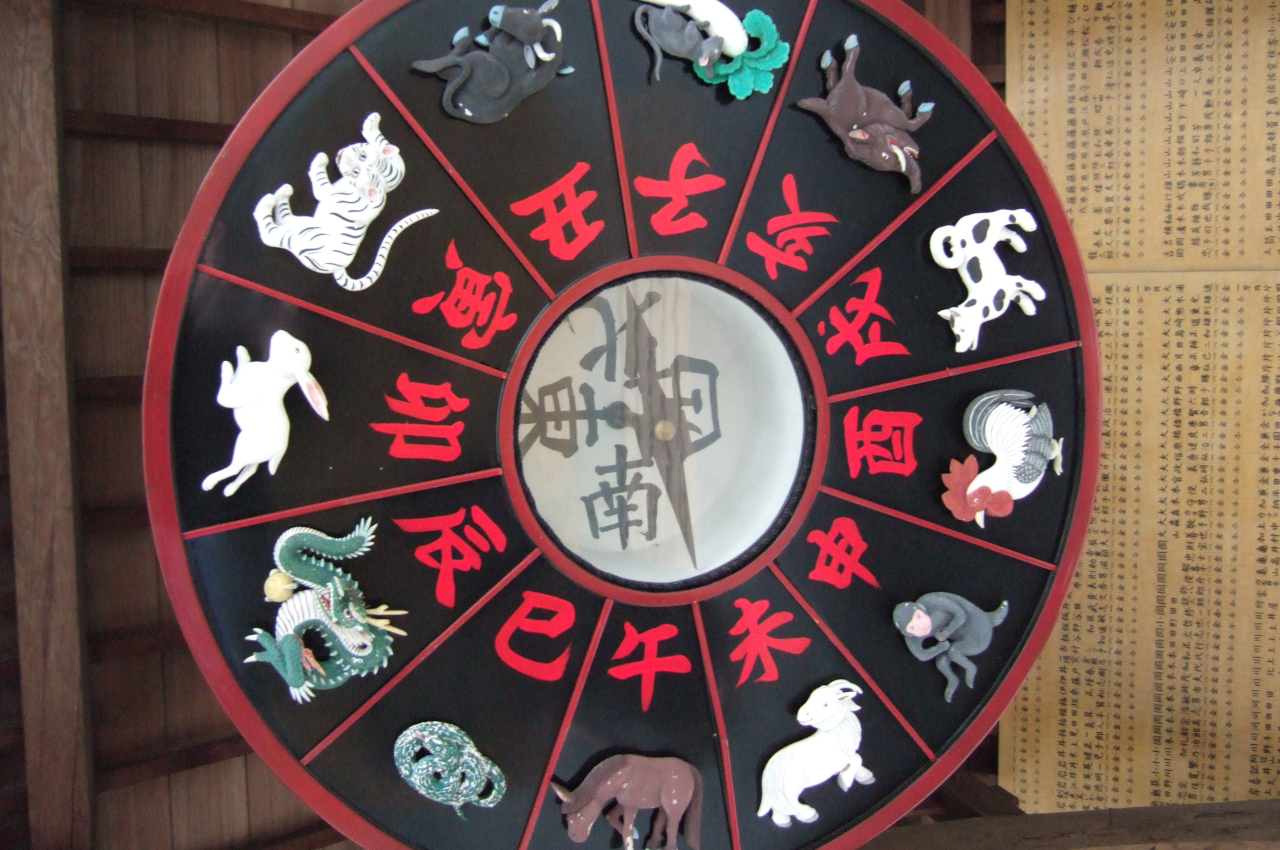
The Chinese zodiac, or shengxiao, consists of 12 animals representing time cycles, with your sign determined by your lunar birth year. Legend has it that only the rat, ox, tiger, rabbit, dragon, snake, horse, goat, monkey, rooster, dog, and pig arrived to bid farewell to a departing god, each earning a place of honor in a year based on their order of arrival. As per studies, one’s personality traits are closely tied to their Chinese zodiac sign and they can influence their individual preferences in home décor. You can explore the colors, materials, and styles aligned with your lunar year to create a living space that resonates with your individuality.

Image courtesy of: GanMed64

YEAR OF RAT

Image courtesy of: bialasiewicz

Birth years: 1936, 1948, 1960, 1972, 1984, 1996, 2008, 2020

Personality: Those born in the year of the Rat exhibit cleverness, charm, and curiosity and they are hardworking with a natural inclination for continuous learning.

Décor Style: They are drawn to objects and colors that ignite their imagination, reflecting their charismatic personalities. Those born in the year of the Rat favor light, airy colors, and a touch of geometric patterns, paying homage to their intellectual nature and satisfying their innate thirst for knowledge, a futuristic home is recommended.

YEAR OF OX

Image courtesy of: archideaphoto

Birth years: 1937, 1949, 1961, 1973, 1985, 1997, 2009, 2021

Personality: Individuals born in the year of the ox are decisive, independent, loyal, and philosophical.

Décor Style: They have a preference for minimalistic designs and traditional aesthetics while the interiors of their home incorporate classic silhouettes, dark neutrals, and a clean and fuss-free ambiance.

YEAR OF TIGER

Image courtesy of: hemul75

Birth years: 1938, 1950, 1962, 1974, 1986, 1998, 2010

Personality: Individuals born in the year of the Tiger are confident, fun, and courageous, characterized by a vibrant and fiery nature with intense passion and emotionality.

Décor Style: Those born in the year of the tiger have a preference for vibrant colors, and abstract paintings, and a fondness for contrasting materials such as glass, clay, fabric, and wood.

YEAR OF RABBIT

Image courtesy of: FollowTheFlowStudio

Birth years: 1939, 1951, 1963, 1975, 1987, 1999, 2011, 2023

Personality: People born in the year of the rabbit are distinguished by their natural compassion, sincerity, and generosity. Recognized for their kindness, care, and loyalty, rabbits tend to exhibit introverted tendencies, often necessitating significant alone time at home for recharging.

Décor Style: They are not fond of a mix of colors or styles but also prefer a monochromatic color palette and comforting textures. Additionally, they opt for a straightforward, clutter-free style that enhances the calming atmosphere.

YEAR OF DRAGON

Image courtesy of: bialasiewicz

Birth years: 1940, 1952, 1964, 1976, 1988, 2000, 2012, 2024

Personality: Despite their outward energy and fearlessness, individuals born in the year of the dragon possess a gentle interior, marked by a warm heart and unwavering loyalty. This gentle demeanor coexists with a dynamic personality that is driven by their perpetual quest for new adventures.

Décor Style: Those under the dragon sign value the idea of home and its comforting aspects. Their aesthetic preferences include bold colors and plush designs. Moreover, the prominent warm colors are believed to inspire a feeling of harmony, as they perfectly complement the Dragon’s strong and vibrant presence.

YEAR OF SNAKE

Image courtesy of: FollowTheFlowStudio

Birth years: 1941, 1953, 1965, 1977, 1989, 2001, 2013, 2025

Personality: Those born in the year of the Snake are charming, clever, and reserved, showcasing intellectual prowess and an observant nature. Also, individuals with this zodiac sign often exhibit wit, sociability, and strong will, reflecting an ambitious nature that inclines them toward a simple, nature-inspired theme to soothe their competitive spirits.

Décor Style: Their décor style reflects their love for bookcases, books, and classic wooden coffee tables. An excellent choice for this is the Japandi interior design style, characterized by clean lines, nature-inspired colors, and bright spaces reminiscent of nature’s soothing qualities to enhance the Snake’s wisdom and intellectual capabilities.

YEAR OF HORSE

Image courtesy of: pro_creator

Birth years: 1942, 1954, 1966, 1978, 1990, 2002, 2014, 2026

Personality: The horse is an extrovert and is defined by energy and independence and the individuals born under the horse sign in the Chinese zodiac are infused with compassion and love.

Décor Style: Individuals born in the year of the horse find an ideal home aesthetic that incorporates mementos from global travels and soft, comforting designs. Opting for muted colors, classic Scandinavian styles with pale woods like ash and beech are particularly suited for creating a calming home environment.

YEAR OF GOAT

Image courtesy of: monkeybusiness

Birth years: 1943, 1955, 1967, 1979, 1991, 2003, 2015, 2027

Personality: Those born in the year of the goat are known as deep thinkers who have a strong appreciation for beautiful things. quiet with gentle, seemingly meek personalities

Décor Style: Create an ideal space for those born in the year of the goat with a decor that encourages creativity, blending a modern and airy ambiance with soft layers and cushions for a hospitable feel. Opt for a warm and inviting aesthetic, like the modern farmhouse style, characterized by natural textures and warm wood tones, to enhance their warmth.

YEAR OF MONKEY

Image courtesy of: bialasiewicz

Birth years: 1944, 1956, 1968, 1980, 1992, 2004, 2016, 2028

Personality: Born under the Monkey sign, individuals exude upbeat, playful, and quick-witted traits, radiating joy in their interactions with others among the Chinese zodiac signs.

Décor Style: Their extroverted natures thrive on social engagements while they enjoy a sunny, natural décor that is adorned with live plants and vibrant colors. To moderate potential prankster tendencies, a decor dominated by wooden tones is the best choice, grounding their lively nature.

YEAR OF ROOSTER

Image courtesy of: FollowTheFlowStudio

Birth years: 1945, 1957, 1969, 1981, 1993, 2005, 2017, 2029

Personality: Hardworking, vigilant, and independent, individuals born under the rooster sign are goal-oriented and find relaxation in environments that enable them to accomplish tasks on their to-do lists and strategize for future successes.

Décor Style: Individuals born in the year of the Rooster should ideally have a home featuring at least one work setup with classic wood materials and neutral colors. A vintage look brings comfort, with aged furnishings creating a reassuring ambiance and serving as a reminder that imperfections are acceptable.

YEAR OF DOG

Image courtesy of: bialasiewicz

Birth years: 1946, 1958, 1970, 1982, 1994, 2006, 2018, 2030

Personality: Individuals born in the year of the dog epitomize loyalty, placing utmost importance on friendships and family within the context of their values.

Décor Style: For those with the year of the dog as their birth year, an ideal home environment is characterized by a contemporary interior style, blending sleek design and clean lines for a sophisticated home that suits both get-togethers and their need for order.

YEAR OF PIG

Image courtesy of: bialasiewicz

Birth years: 1947, 1959, 1971, 1983, 1995, 2007, 2019, 2031

Personality: Born in the year of the pig, individuals naturally appreciate life’s finer aspects without prioritizing material luxury. Easygoing and independent, Pigs can, however, easily feel stressed about life.

Décor Style: They find utmost comfort in designs that are crafted with quality materials, and adorned with a hint of glamorous metallic elements that exude elegance. For a calming haven, they can opt for a classic minimalist home with subdued colors, natural light, and well-organized spaces that perfectly suit the magnanimous nature of Pigs.

The post Discover Your Ideal Decor Style Through Chinese Astrology first appeared on Yanko Design.

Top Ten Bathroom Trends for 2024

In 2024, the bathroom design is a blend of practical features and aesthetic appeal, incorporating natural elements, earthy hues, and a strong emphasis on a clutter-free layout. This year nature-inspired elements and sustainable design features are more dominant than in previous years with rich earth tones taking center stage that create an immersive ambiance. If you are planning a bathroom renovation this year, here are tips to get you going.

1. Timeless Design Style

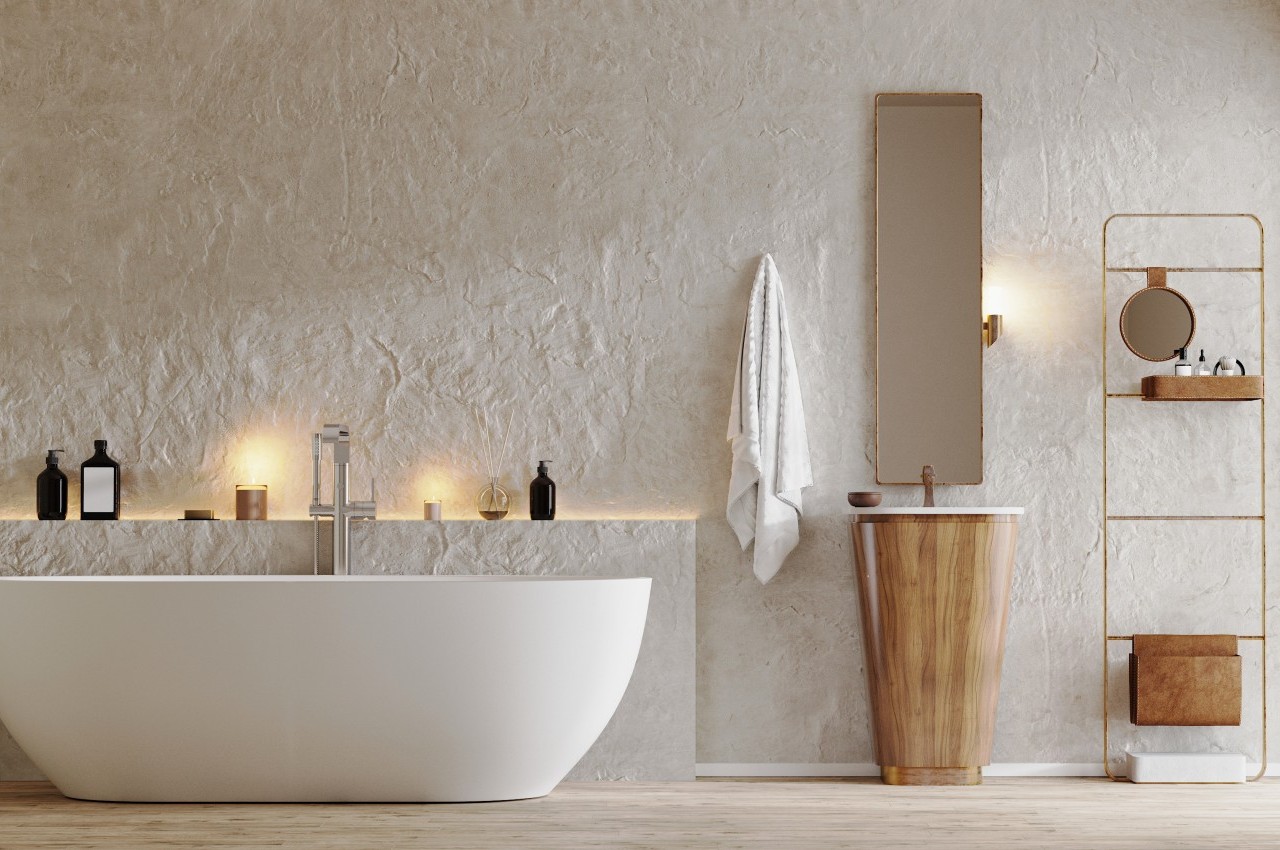
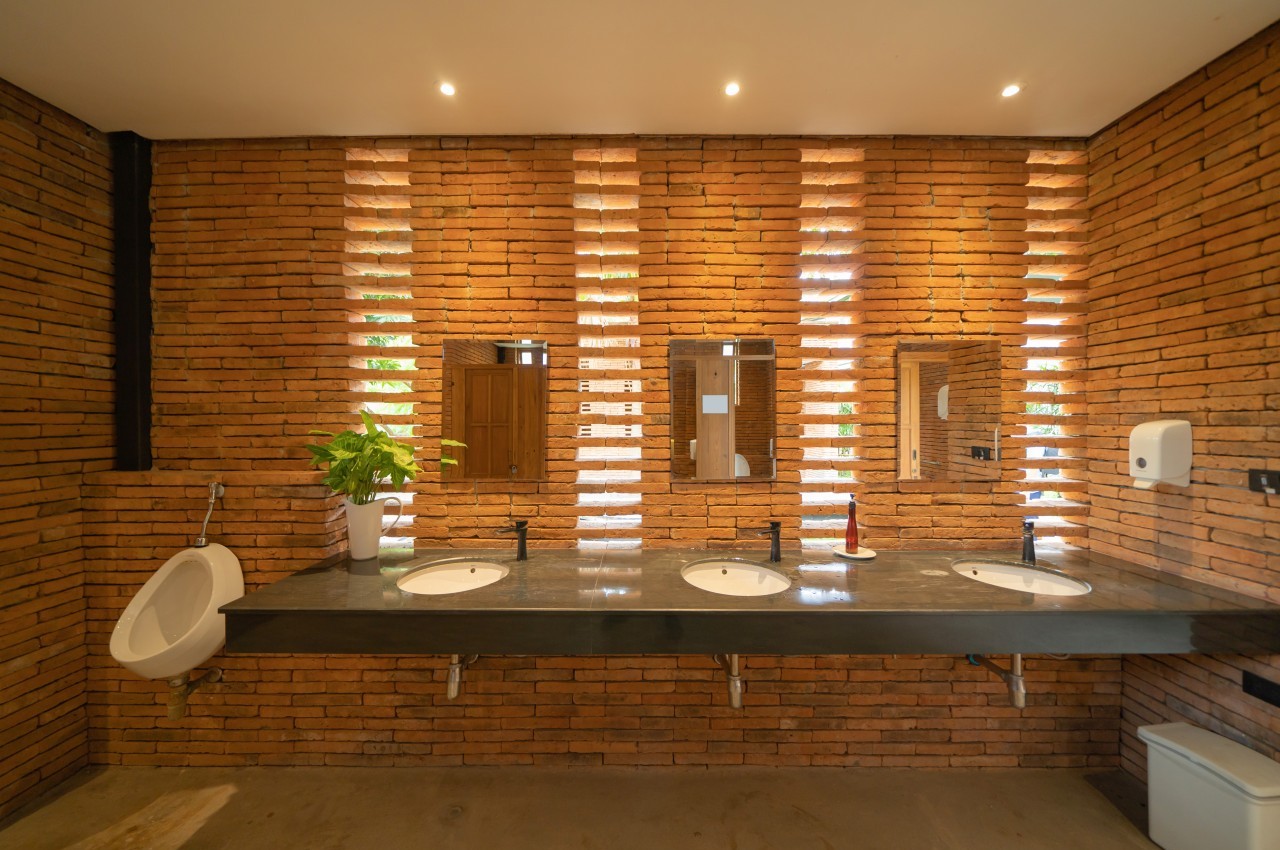
Homeowners are leaning towards timeless spaces, seeking a style that is characterized by enduring materials. Even modern homes incorporate elements like brick, handmade clay tiles, and rustic wood for a touch of understated luxury into the bathroom decor.

Designer: Agape x Jean Nouvel

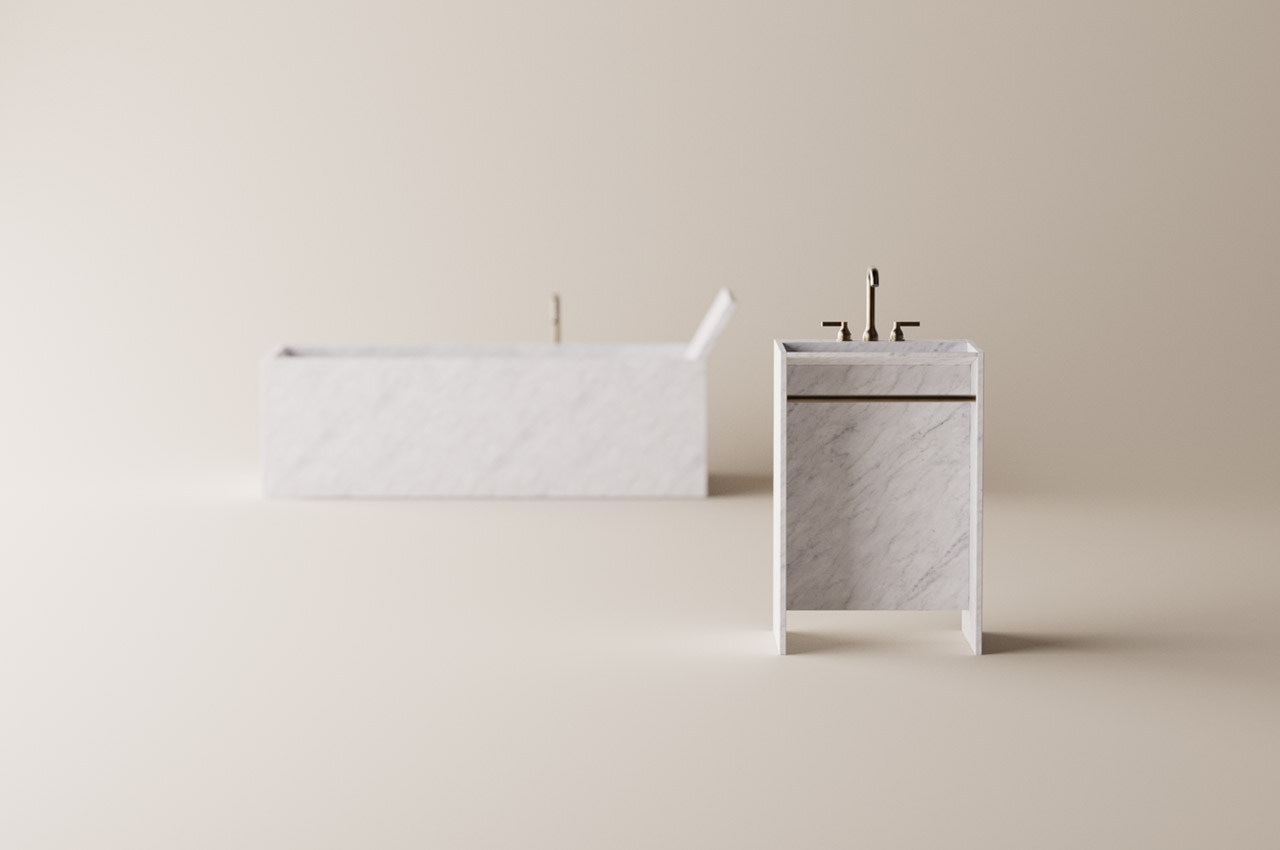
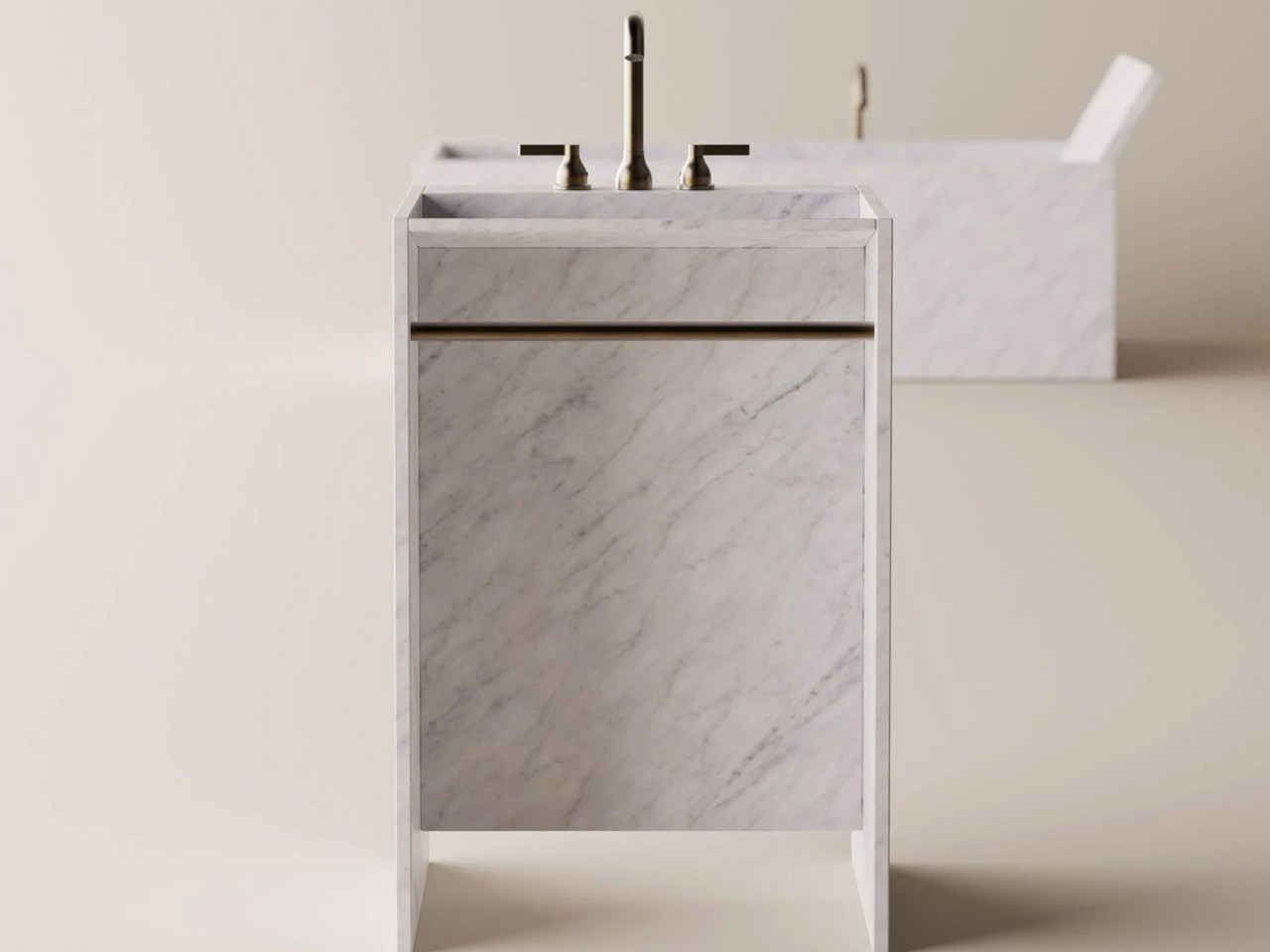
Agape, the Italian bathroom brand, collaborates with French architect Jean Nouvel for the Face à Face collection of sinks and baths that emphasizes the materiality and functionality of the products in bathing. The collection features a stunning sink and bathtub with angular designs, showcasing upright marble slabs and a tilted backrest for a distinct aesthetic. Crafted from flat marble sheets, the collection elegantly highlights the stone’s detail and veining.

Image courtesy of: photocreo

Designer: Annabella Hevesi

Sylvia Plath’s ‘The Bell Jar’ inspired a dual-function bathroom accessory. Named after the book, it serves as both a showerhead and bath spout, seamlessly transforming based on preference. With a hidden cable and fixed adaptor, it embodies the book’s themes of the human condition and mental states.

2. Sustainable Design

The new-age bathroom focuses on sustainable design and the importance of features water- and energy-saving fixtures, LED lightbulbs, dimmers, and sustainable bathroom essentials.

Image courtesy of: OleksandrShcherban

Designer: Cloudandco Design Studio

Cloudandco Design Studio introduces a Smart Bathtub, not just for bathing but tailored for automated relaxation and personalized massages. This innovative tub learns your preferences over time, ensuring every bath is a bespoke and blissful experience. The embedded artificial intelligence analyzes past sessions, addressing specific areas of discomfort. Adjustments are easily made via an onboard knob or connected smartphone. This Smart Bathtub redefines comfort and convenience, turning each bath into a customized and delightful ritual with its intelligent design.

Designer: BBDO Guerrero

Dissolving Bottle’s shampoo bars are more than just a practical choice; they symbolize a commitment to a sustainable, plastic-free future. As users lather and wet the Dissolving Bottle, it gradually diminishes until it disappears, eliminating the need for traditional toiletry containers. This innovative approach offers a convenient and eco-friendly solution to daily hygiene, responding to the escalating plastic pollution crisis caused by the personal care industry, which produces over 500 billion single-use plastic items annually.

3. Artisan Touch

Image courtesy of: Lelia_Milaya

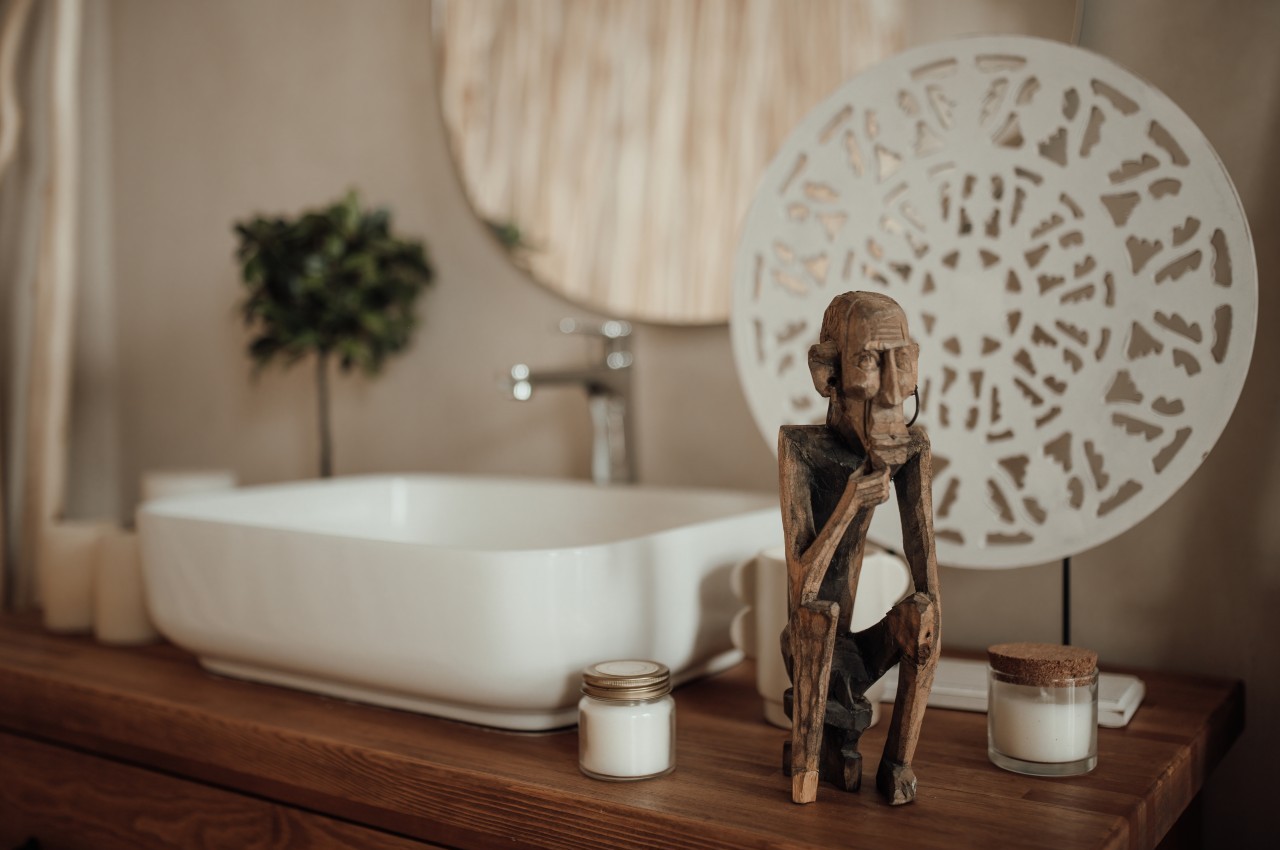
Bathrooms are no longer just functional spaces but have emerged into artistic and creative areas that deserve the same attention as prominent spaces like the living room, bedroom, or kitchen. There is an inclination towards handmade details and features, such as handmade tiles, wallpaper, elegant mirrors, customized bathroom vanities, and other bespoke elements that contribute to the overall ambiance of the bathroom.

4. Natural Materials

Image courtesy of: tampatra

Image courtesy of: pro_creator

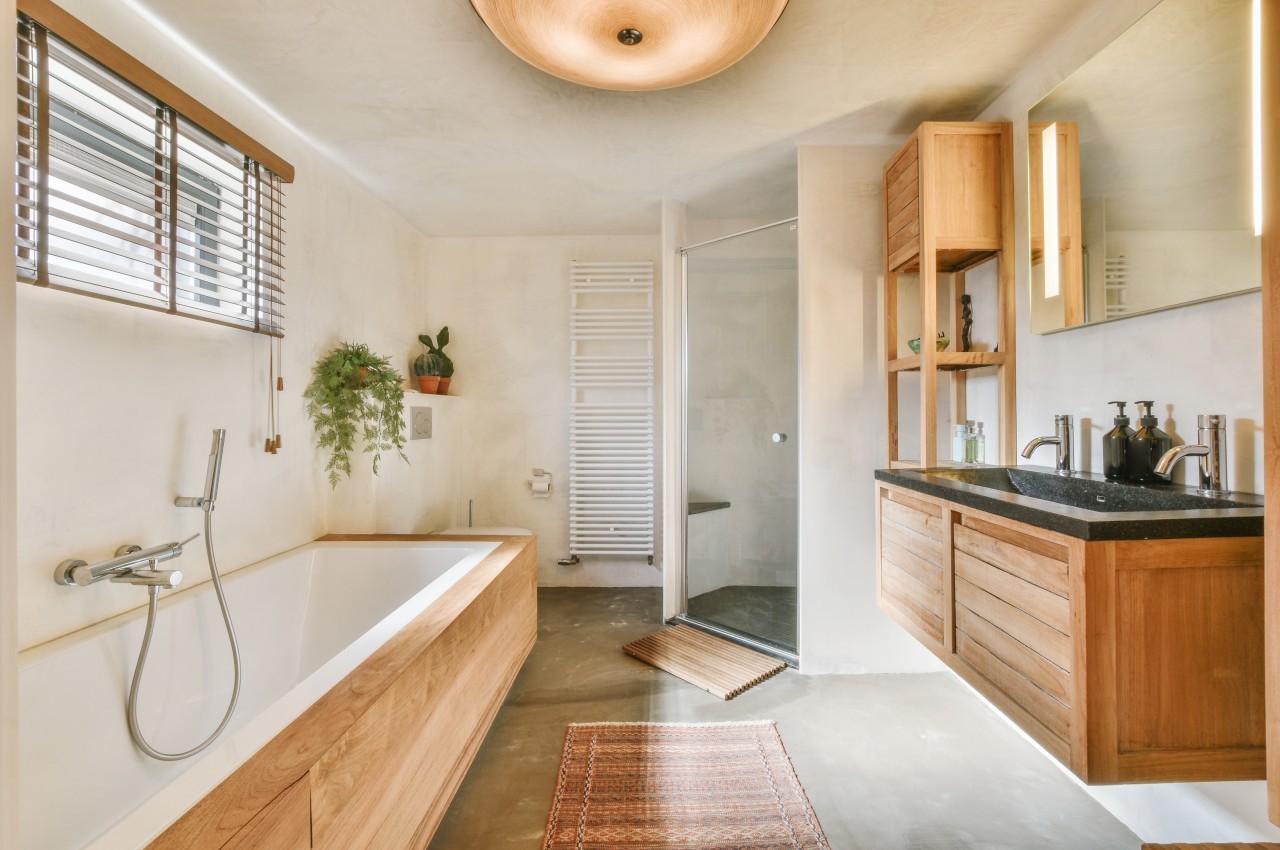
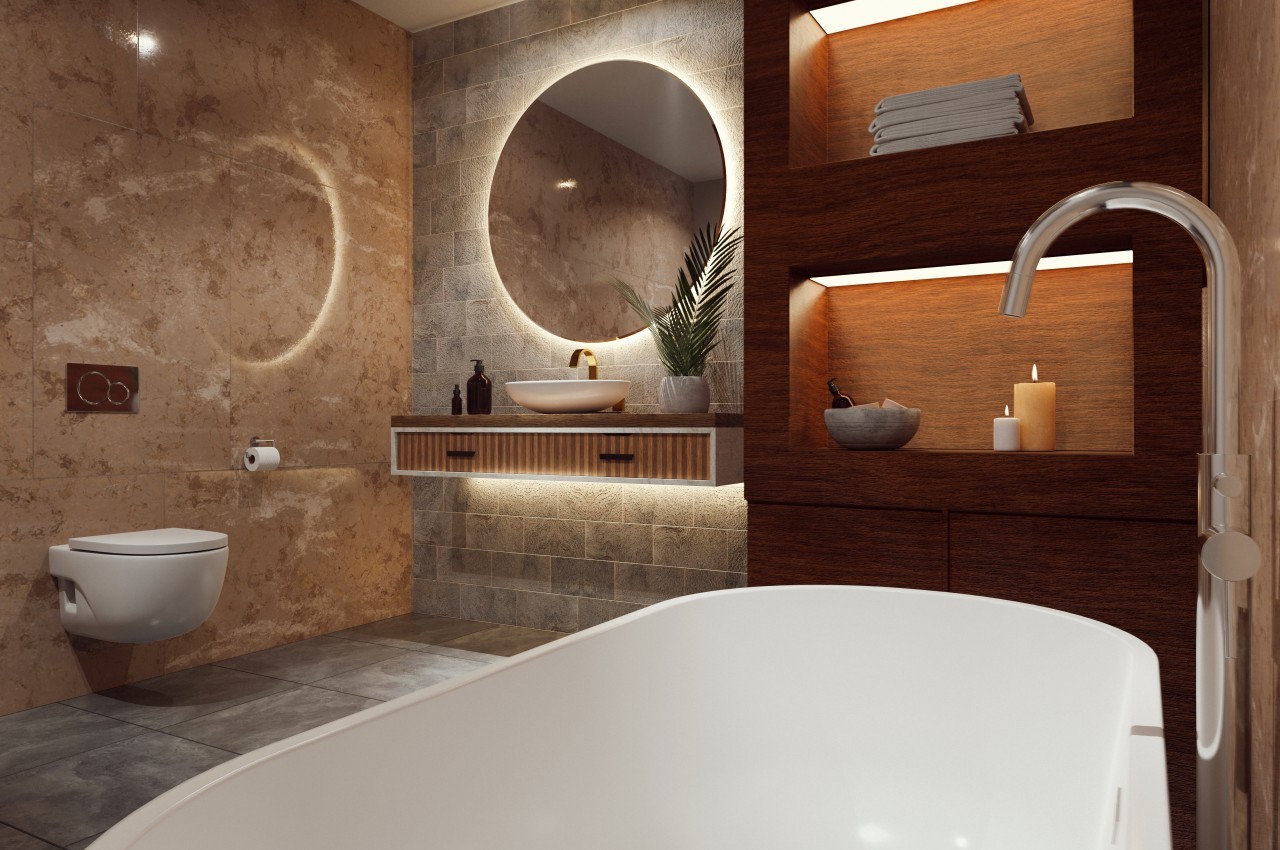
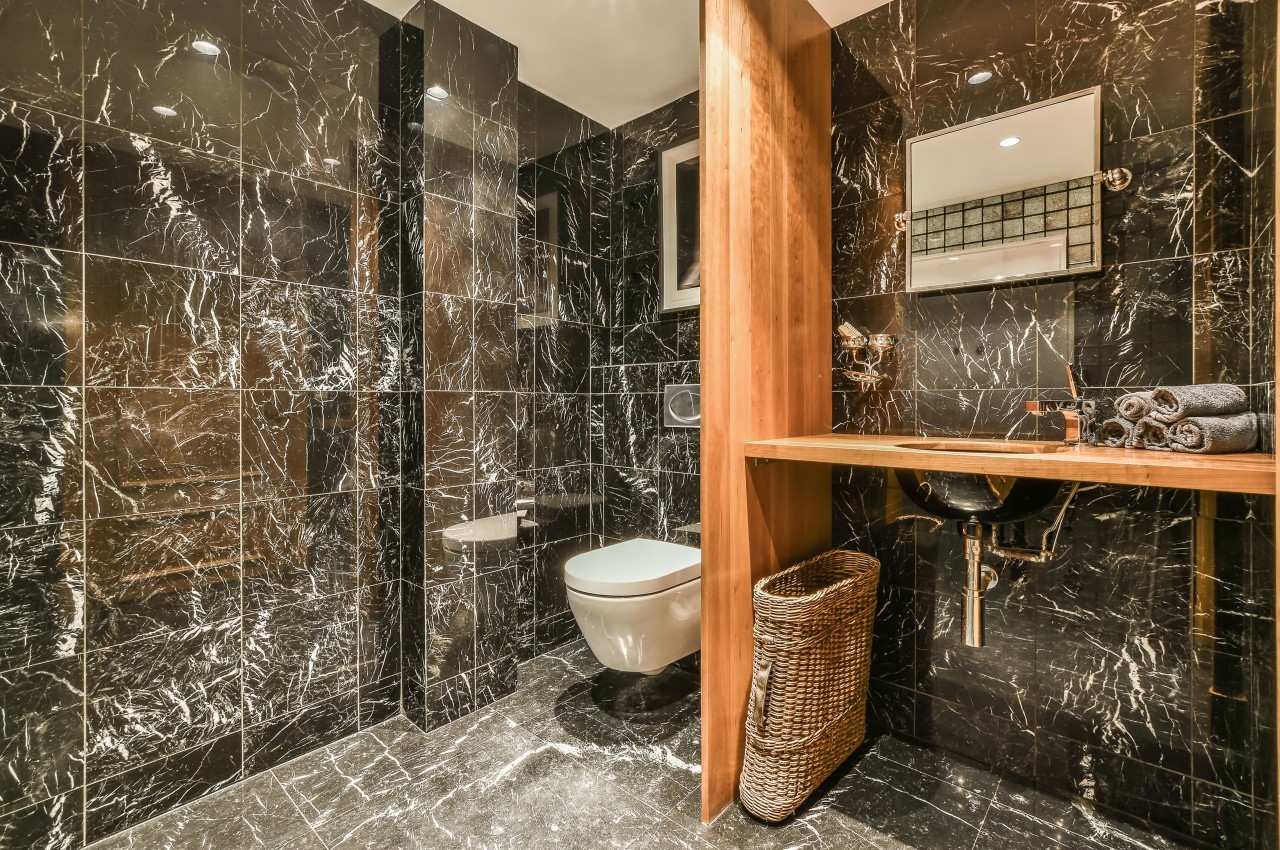
Vibrant marbles and natural stones emerged as significant bathroom trends post-COVID, and they will still be prominent in 2024. Shades of deep reds and browns, striking veining, and black stones enhance bathroom aesthetics.

Designer: Woodio

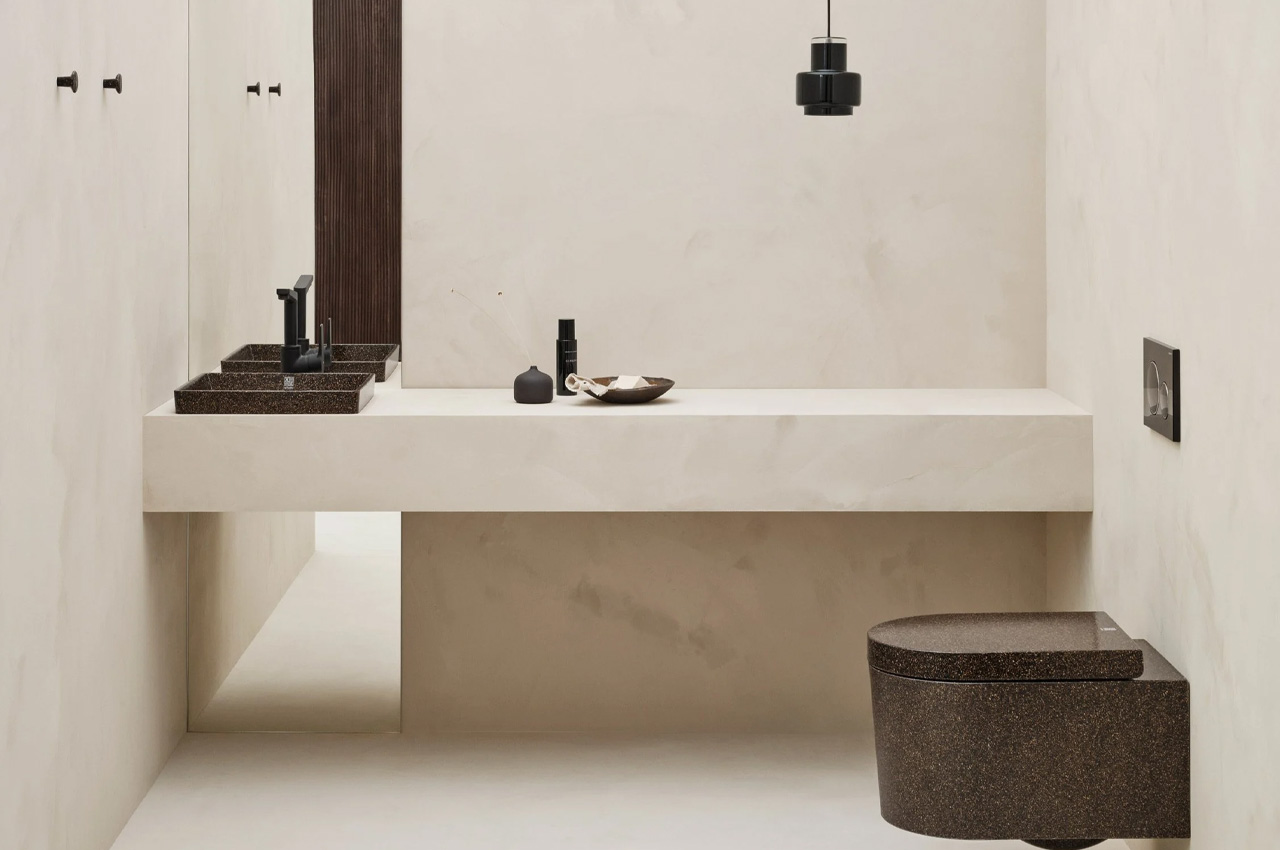
Woodio, a Finnish design company, introduced the ‘Block’ toilet, entirely crafted from wood composite. Founder Petro Lahtinen developed the material using 80% wood volume, sourced locally from aspen and Finnish forest industry offcuts. The composite, a mix of fossil-based polyester and bioplastic resins, ensures waterproof and durable properties. Woodio emphasizes sustainability with a claim of 99% fewer emissions during production than ceramics. The innovative approach significantly reduces water and energy usage, circumventing the high heat requirements of traditional ceramic manufacturing. However, emission claims exclude considerations of material sourcing and disposal impacts.

Designer: Marco Carini for Agape

Italian brand Agape’s bathroom seating collection, designed by Marco Carini, prioritizes comfort and sustainability. Featuring two designs crafted from recycled cork, the Vis-à-vis stool serves as a lightweight and sturdy option with a distinctive cylindrical form, while also doubling as a side table. The Rendez-vous bench offers extensive seating, utilizing hand-woven cork ropes wrapped around recycled aluminum tubing. Both designs provide comfortable and inviting spaces for relaxation in the bathroom, combining functionality with eco-friendly materials.

5. Earthy Hues

Image courtesy of: RossHelen

Apart from natural materials, nature-inspired colors, and wall treatments are also on the rise, enhancing the soothing indoor-outdoor aesthetic. Current trends include earth-toned paint colors, plaster, and accent hues.

Image courtesy of: pro_creator

Designer: Lusso

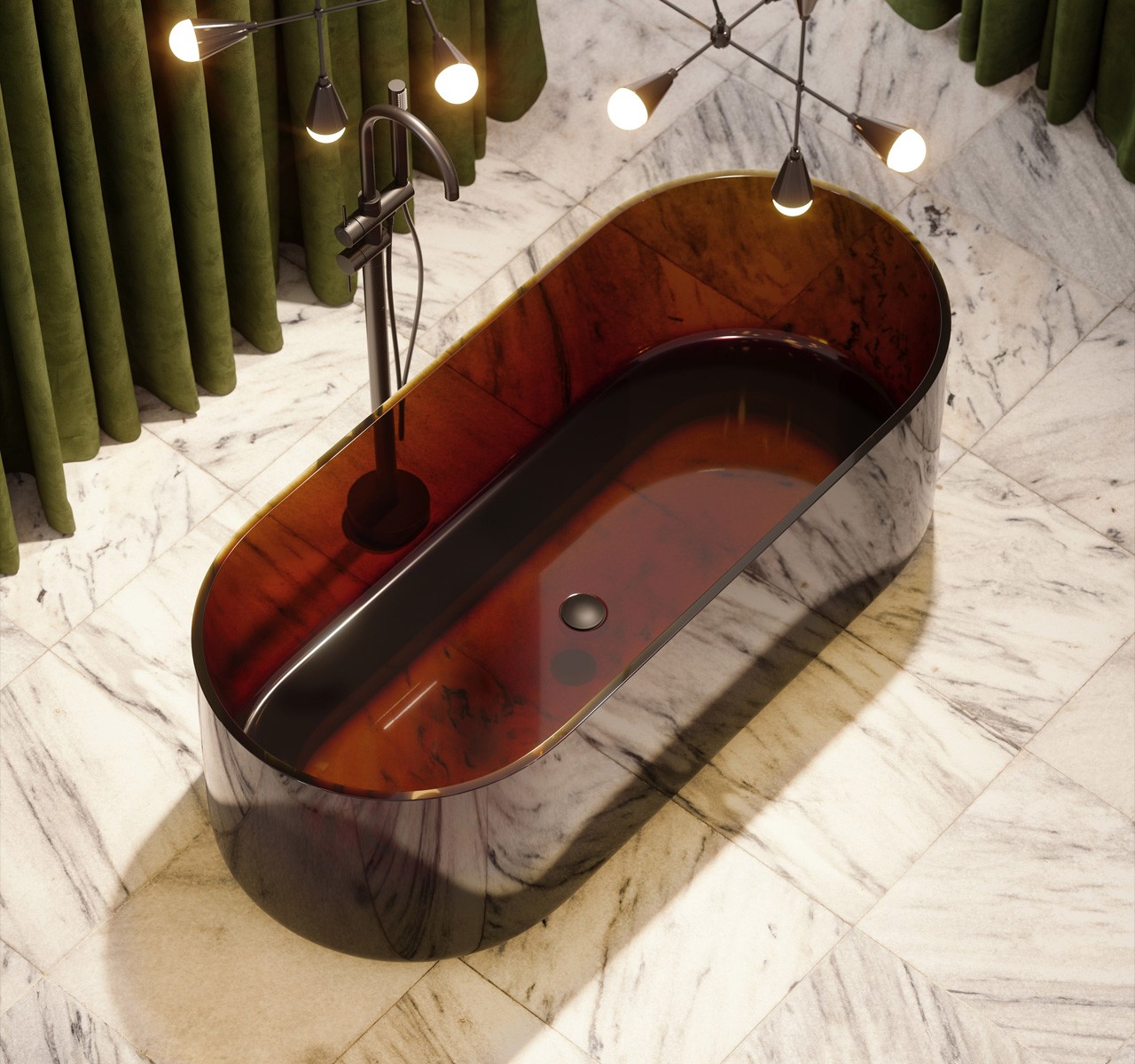
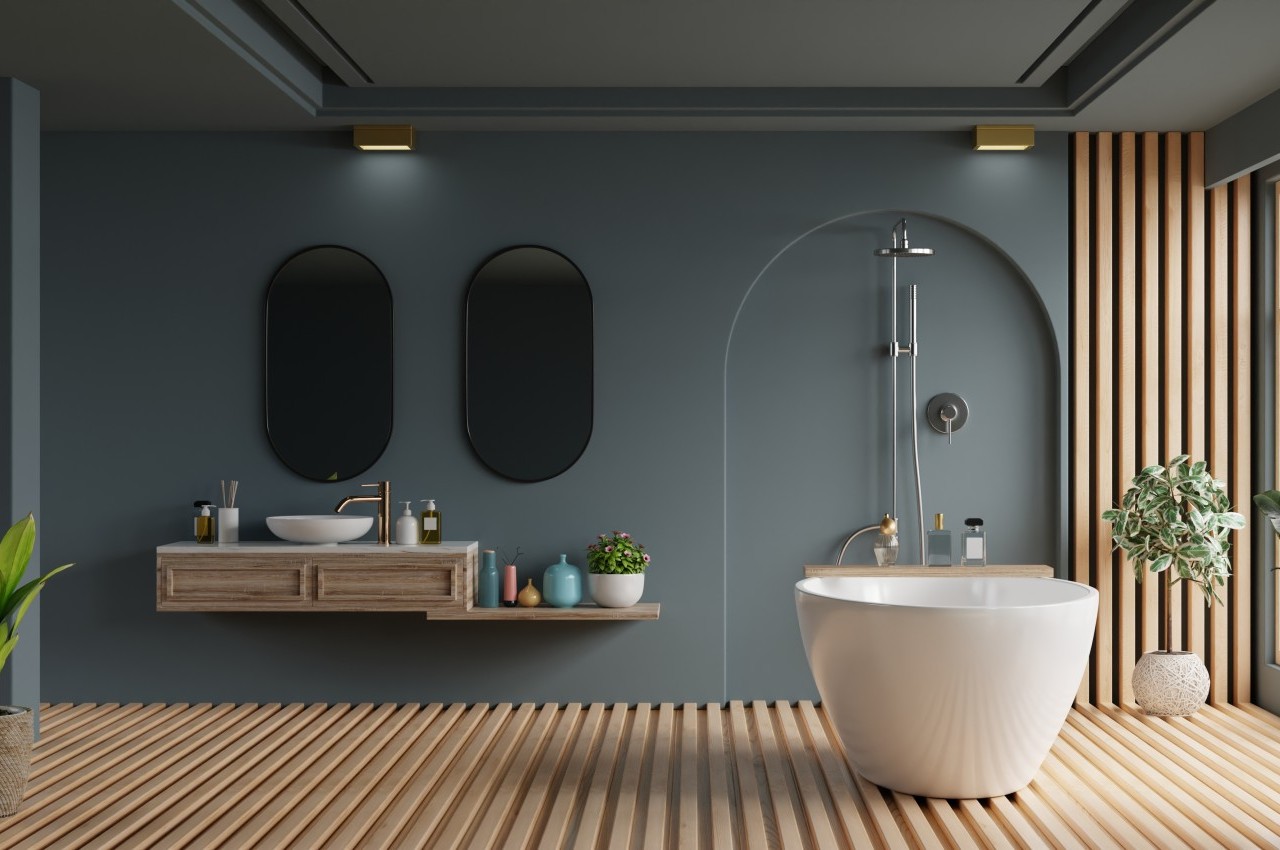
British bathroom brand Lusso has launched the Amore which is a freestanding bathtub made from translucent resin. Designed by the Lusso founder Wayne Spriggs, the choice of material for Amore is truly ingenious which imparts it with a unique appearance and a seductive appeal.

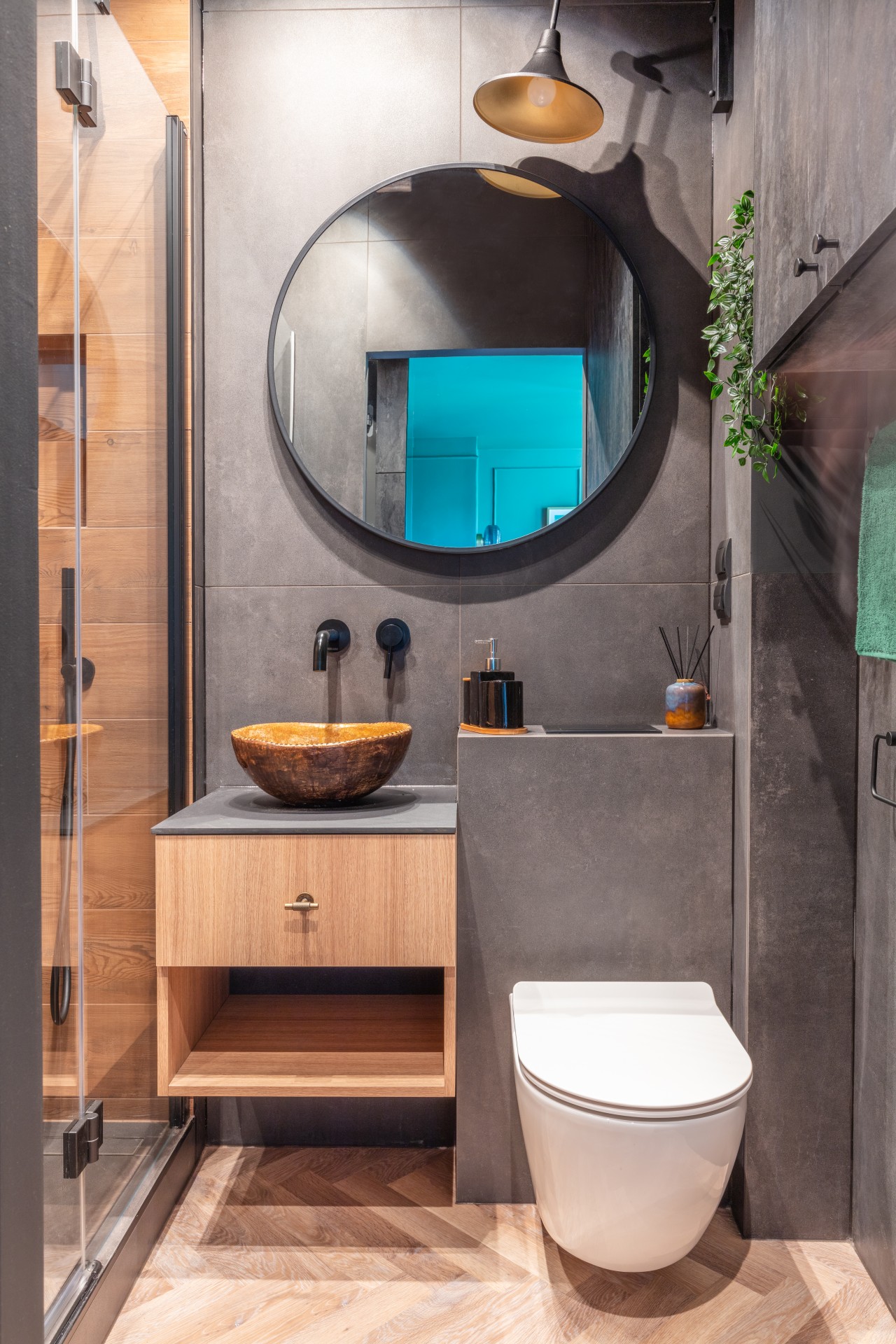
6. Warm Wood Vanity

Image courtesy of: pro_creator

Image courtesy of: wirestock

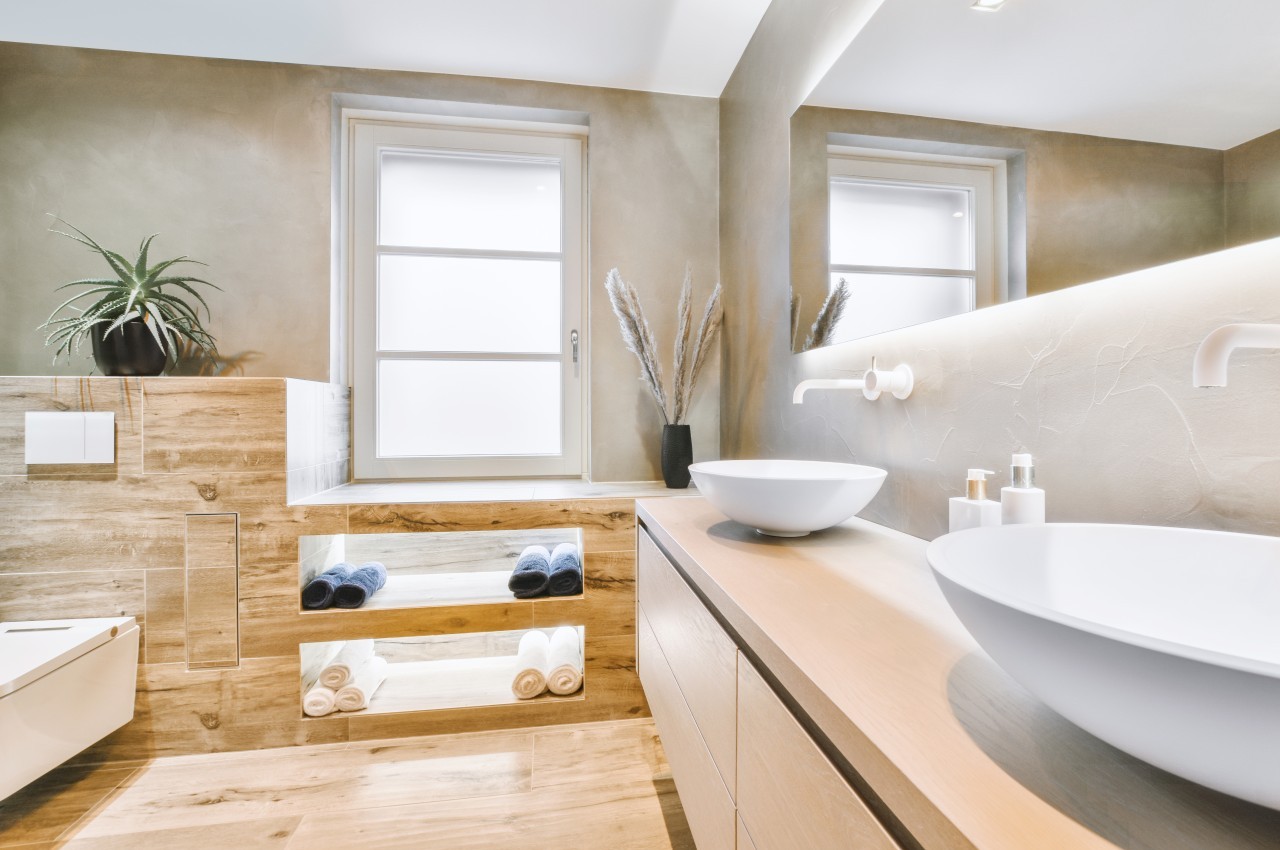
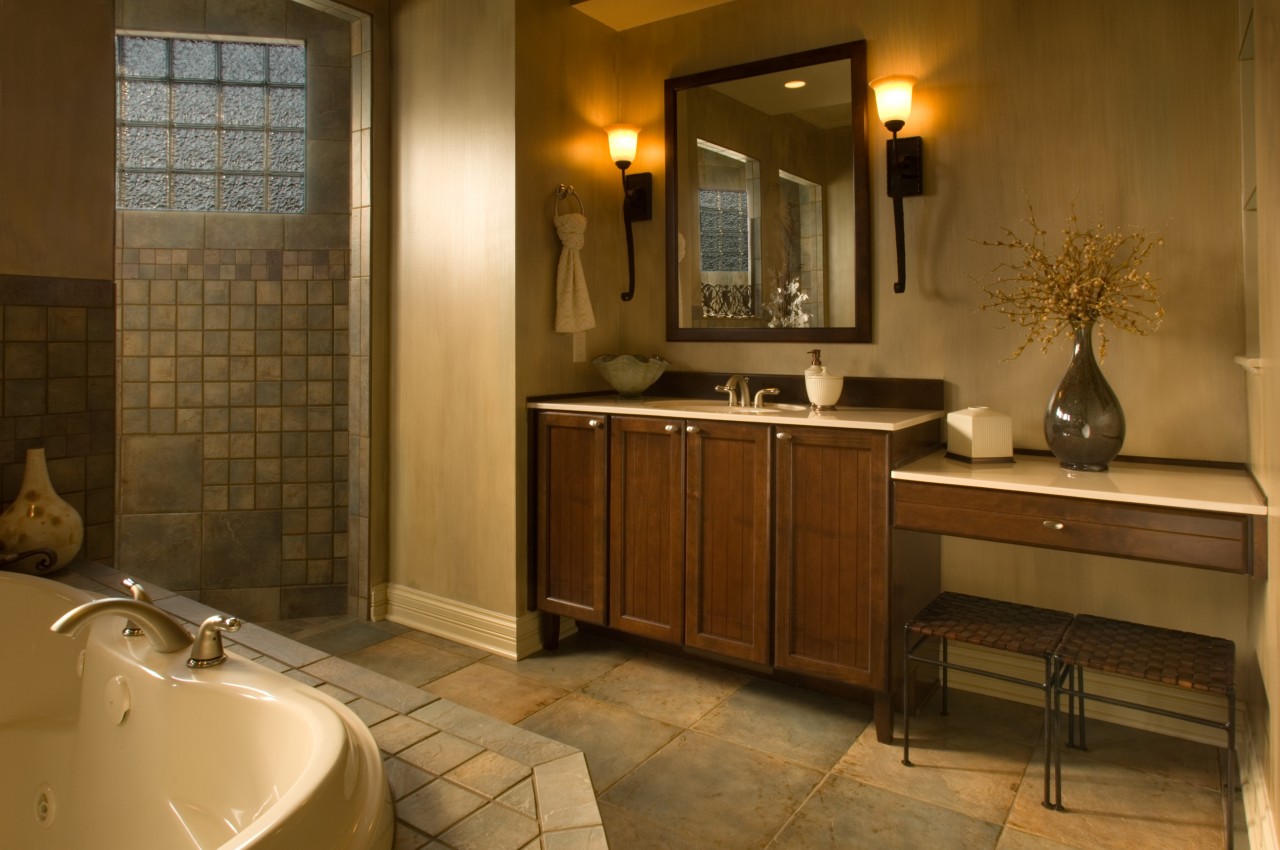
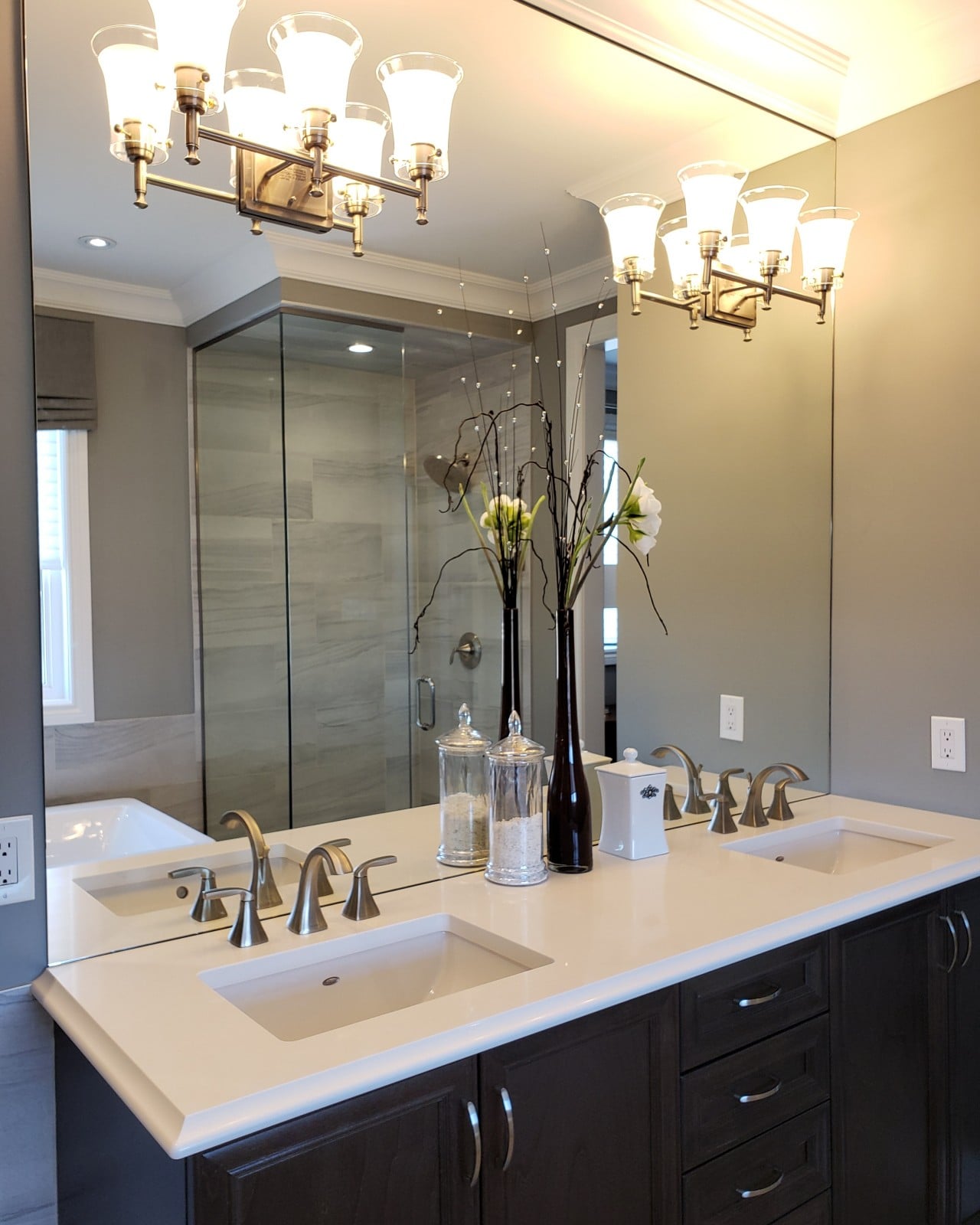
A natural stone countertop paired with a warm wood vanity in different tones of wood is another emerging trend. As nothing surpasses the beauty and warmth of wood, the wood cabinetry not only enhances storage but also contributes to the aesthetics.

Image courtesy of: vanitjan

7. Integration of Technology

In 2024, the integration of speakers and bathtub trends emphasizes luxury, comfort, and style, seamlessly combining relaxation and rejuvenation. Whether it’s a freestanding tub with smart temperature control or a built-in soaking tub surrounded by mood lighting, bathtubs serve as the foundation for ultimate luxury.

Designer: Lush

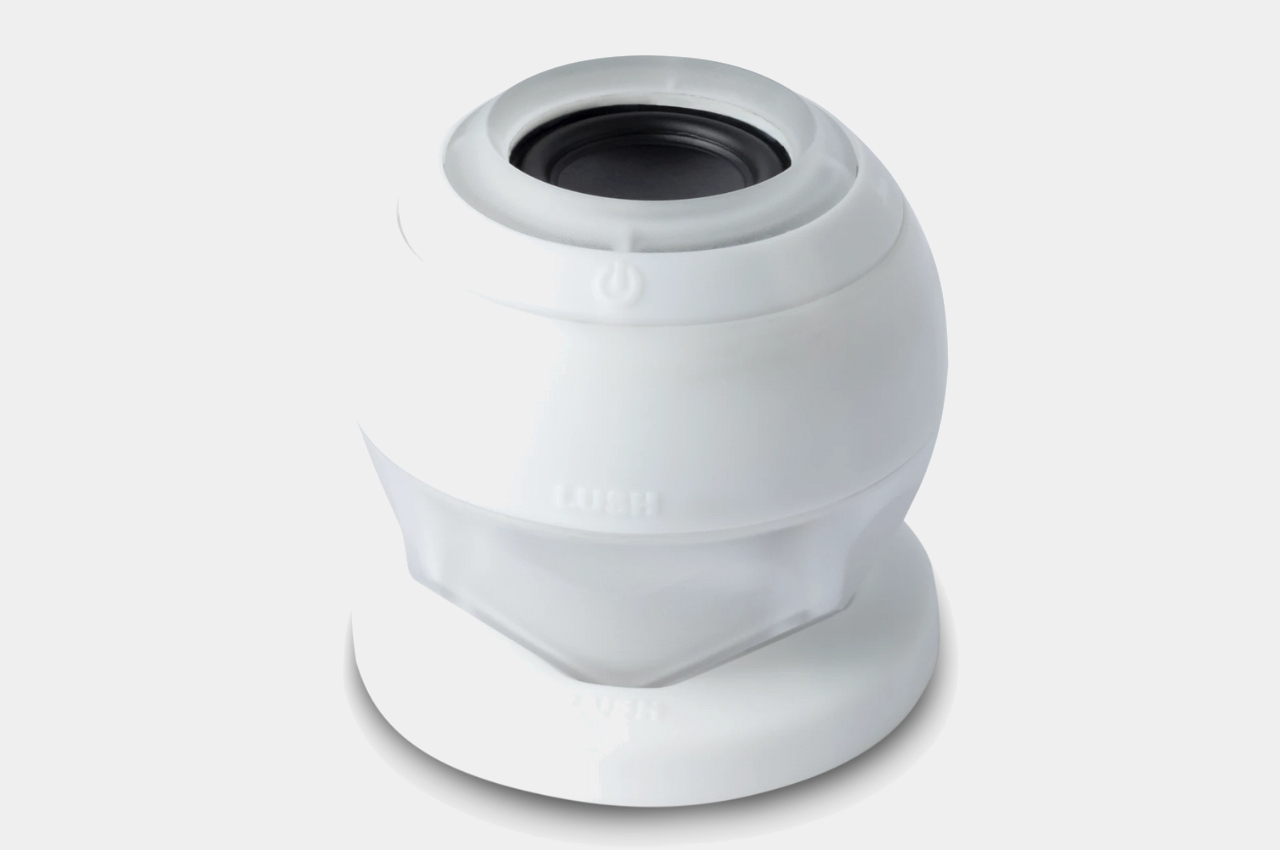
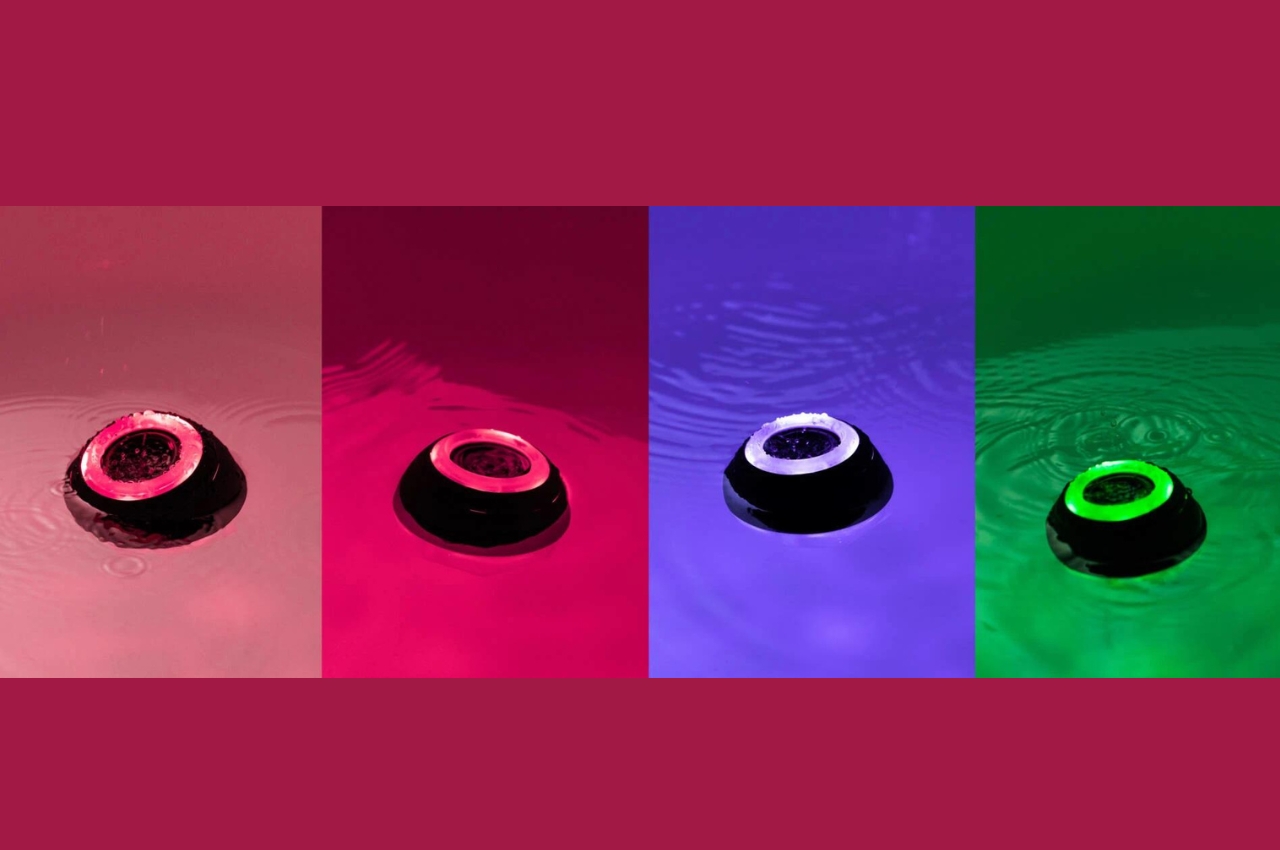
Lush’s upcoming “digital bath bomb,” Bath Bot, is set to revolutionize bath time. Resembling traditional bath bombs, it’s a waterproof speaker that can be placed in the bath or near the shower. Offering a 180-degree sound experience, it allows you to enjoy music, audiobooks, or podcasts while bathing. With customizable full-spectrum lights in colors like lavender and pink, Bath Bot creates a spa or rave atmosphere. The compact device also features tiny bubbles for an immersive, multi-sensory experience.

8. Spa-style Bathroom

Over the past few years, the movement to transform primary bathrooms into in-home spas has gained momentum. Steam showers, towel heaters, massaging shower heads, soaker tubs, and heated floors are increasingly sought-after features. The concept of a bathroom being not only aesthetically pleasing and functional but also serving as a personal spa represents one of the latest trends. Additionally, bathrooms are transforming into areas that promote mindfulness and provide moments to unwind and relax after a long day.

Designer: Kohler

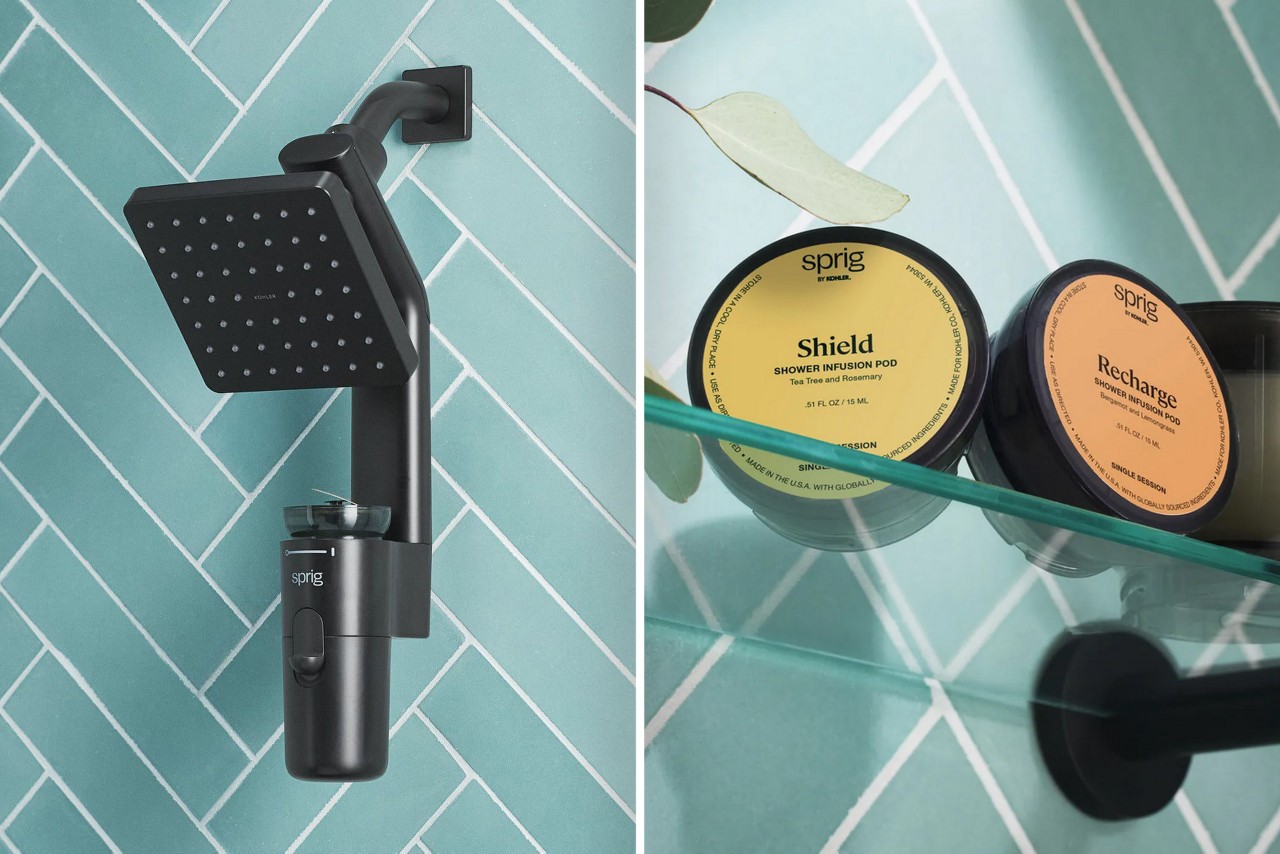
Kohler has introduced the ‘future of bathing’ with its Sprig Shower Infusion System. Attachable to any showerhead, it supports ‘Sprig Shower Pods’ for a non-coffee infusion experience. These pods offer therapeutic aromas like eucalyptus, chamomile, rose, lavender, and lemongrass, along with skin-friendly elements such as hyaluronic acid and sodium. Providing infusions for several minutes, the pods bring a spa-like touch to showering. Kohler aims to redefine the bathing experience with this innovative and fragrant solution.

Designer: Gessi

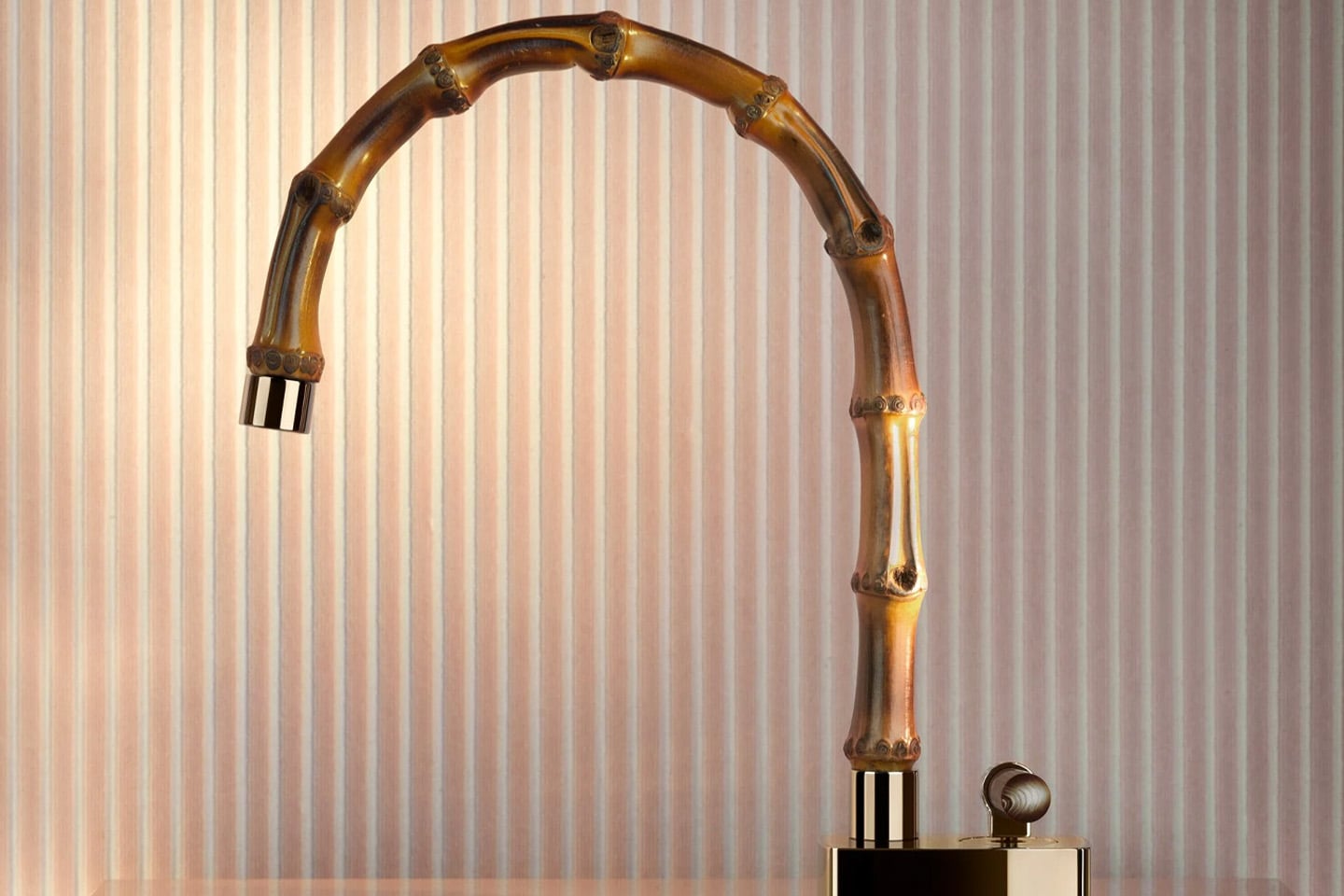
Gessi’s Jacqueline tap, part of the Spa Collection, stands out with its bamboo construction. The bamboo, carefully selected and shaped using hot bending techniques, is transformed into a waterproof faucet with integrated plumbing elements. With ten finish options, including nickel and brass, the spout combines aesthetics and functionality. Unlike traditional materials, bamboo offers sustainability and flexibility. Gessi’s meticulous craftsmanship ensures Jacqueline not only serves a functional purpose but also adds a touch of beauty to bathroom design.

Image courtesy of: bialasiewicz

9. Decorative Light Fixtures

Image courtesy of: Vailery

As bathrooms are usually compact, the lighting serves as a medium to convert functional elements into decorative objects.

Image courtesy of: polga2

10. Bold Countertop

Image courtesy of: pro_creator

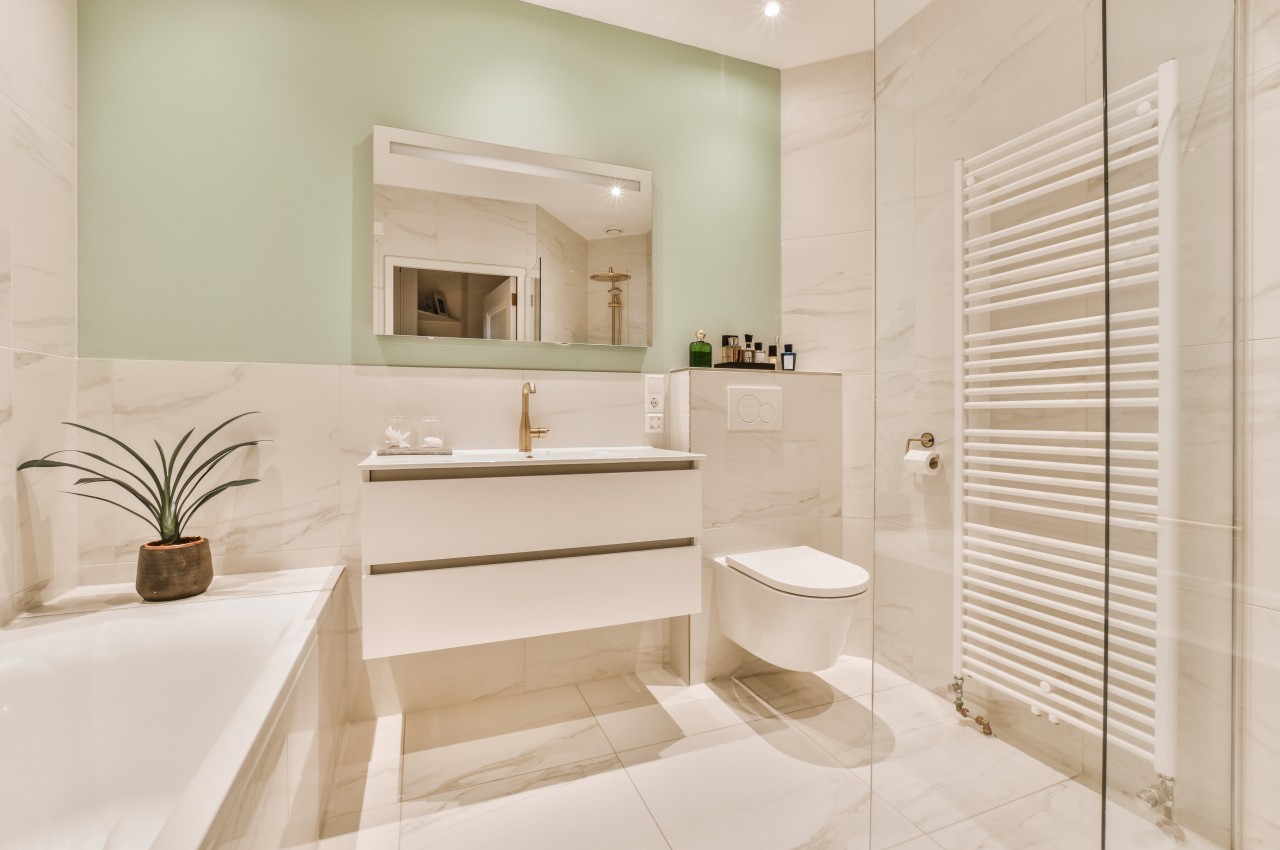
Homeowners with a penchant for neutral aesthetics are now embracing bold choices, such as experimenting with colored marble with rich natural vein patterns and opting for waterfall edges, for their bathroom countertops.

The post Top Ten Bathroom Trends for 2024 first appeared on Yanko Design.
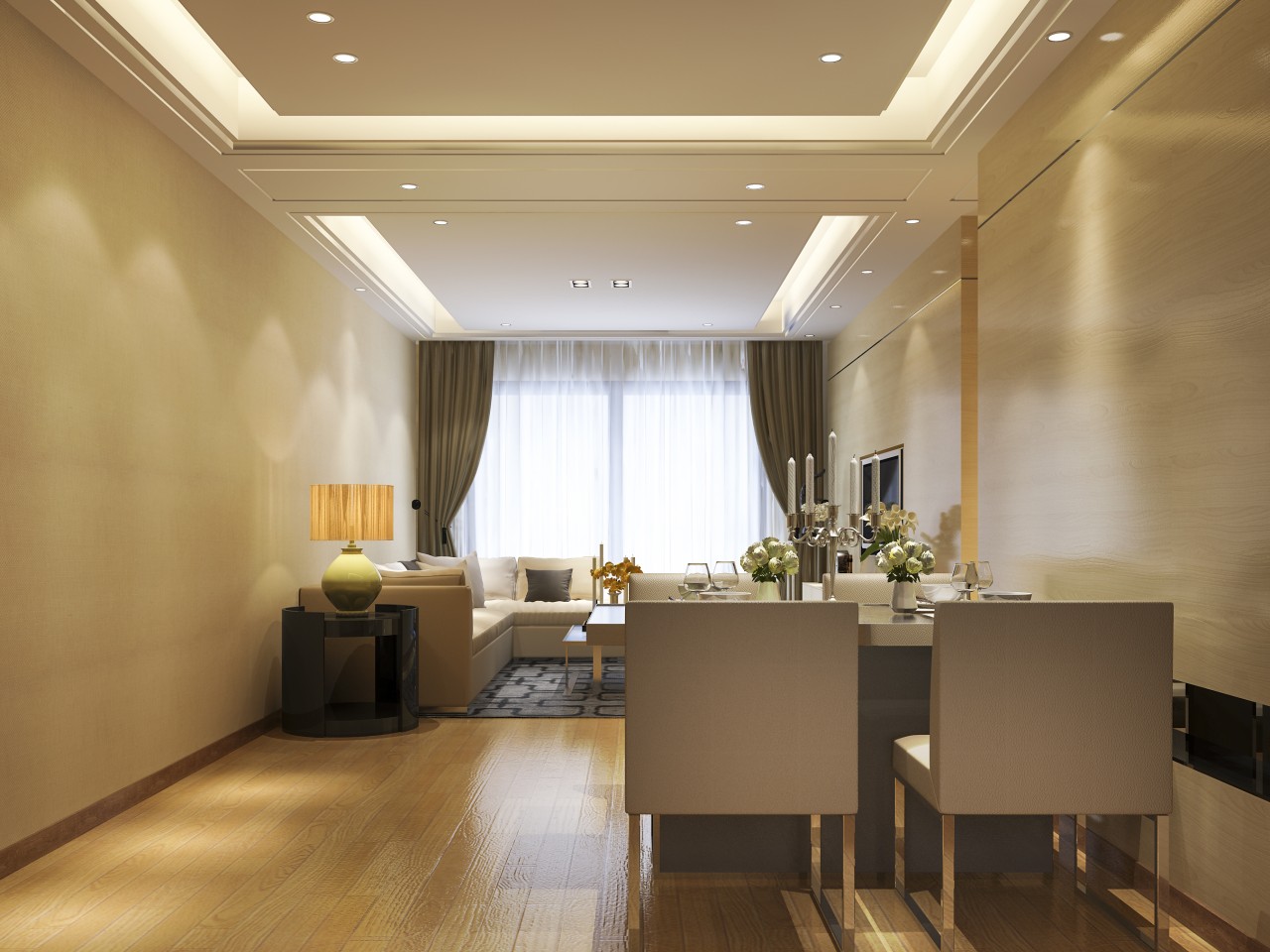
How to Design a Children’s Nursery

Creating a nursery can be an enjoyable process for expectant parents but anticipating the needs of a yet-to-arrive child is a daunting challenge. After all, it’s a place where you can unleash your inner child, exploring creative ideas, playful colors, and patterns. Figuring out where to start and what essentials to assemble before the baby comes home can be overwhelming.

Before designing the nursery, make sure that the nursery complements the overall decor of your home and can embrace various styles such as contemporary, minimalist, modern, or a blend of eclectic elements, much like any other room in the house. If you planning to create a nursery at home, here are tips to get you going.

Designer: Amanda Lewis

1. Assess the Space

Begin by assessing the area where you plan to establish the nursery. Is it in proximity to your bedroom? Check the size of the room, the level of natural light it receives, notable features like niches, and the amount of available storage. Also, check whether the room will be shared with a sibling.

2. Design the Layout

Designer: courkylynn

Create an efficient layout by dividing the nursery into sleeping, feeding, and diaper-changing zones. It is important to select the right furniture as baby furniture is available in various sizes and not every piece fits into every home. It is important to measure the space and check the dimensions of the furniture before purchasing it.

3. Make Space for Parents or Caregivers

Designer: Rafaella Grasnoff

The nursery is not just for the baby but also the parents, as they will also be spending maximum time there. It is important to create an atmosphere that is not only pleasing for the baby but also soothing and relaxing atmosphere for the parents as they will be spending sleepless nights there. It is advisable to have a sofa bed to provide a comfortable space for the mom or a caregiver to rest during nap times.

4. Pick a Color Palette

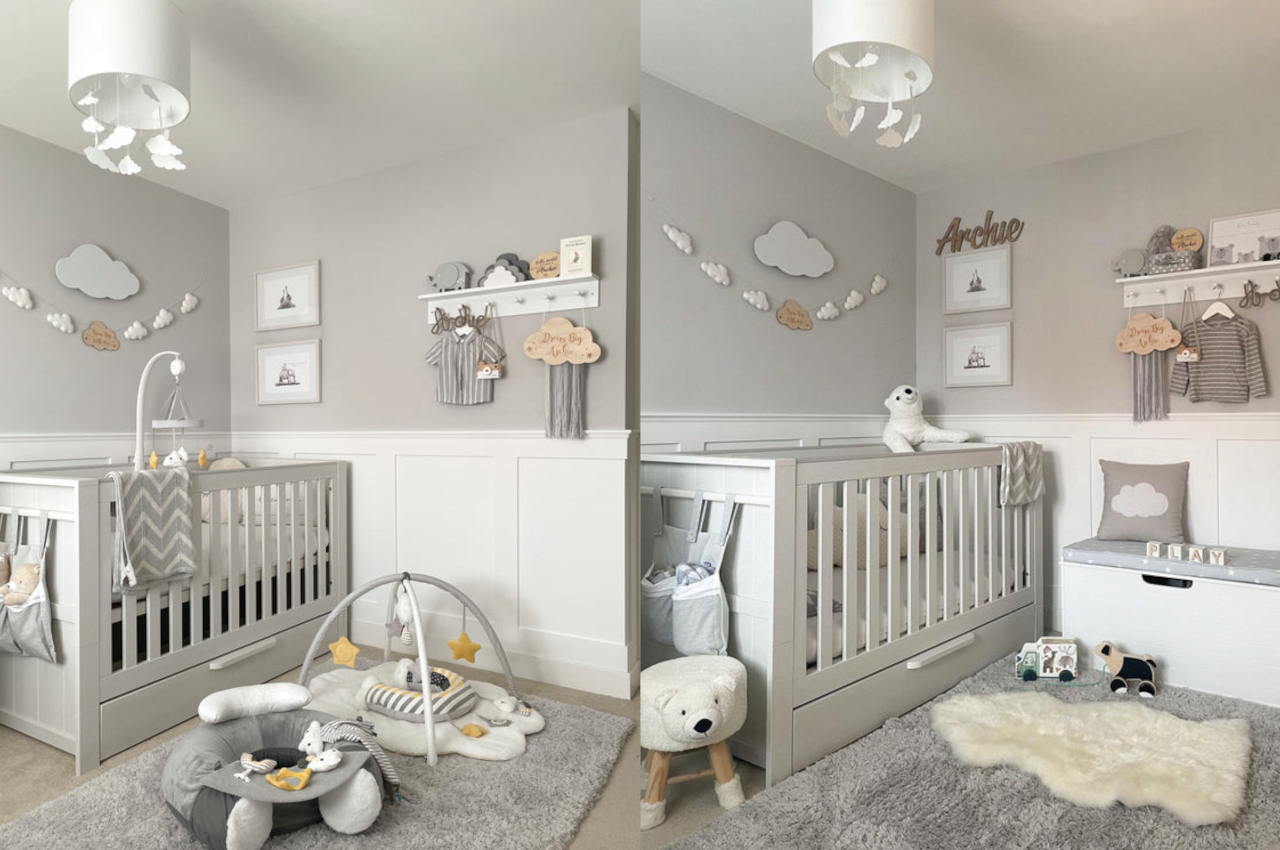
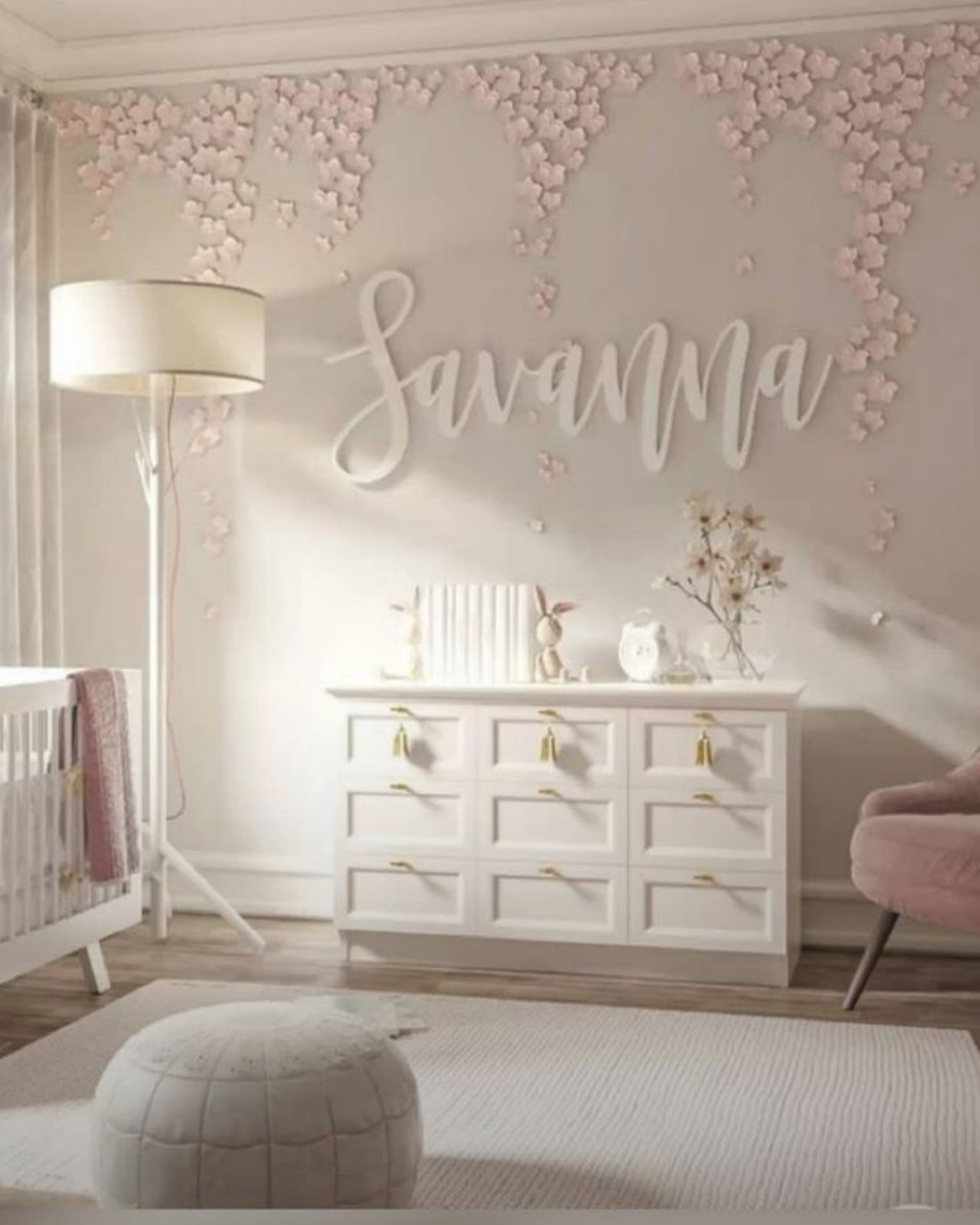
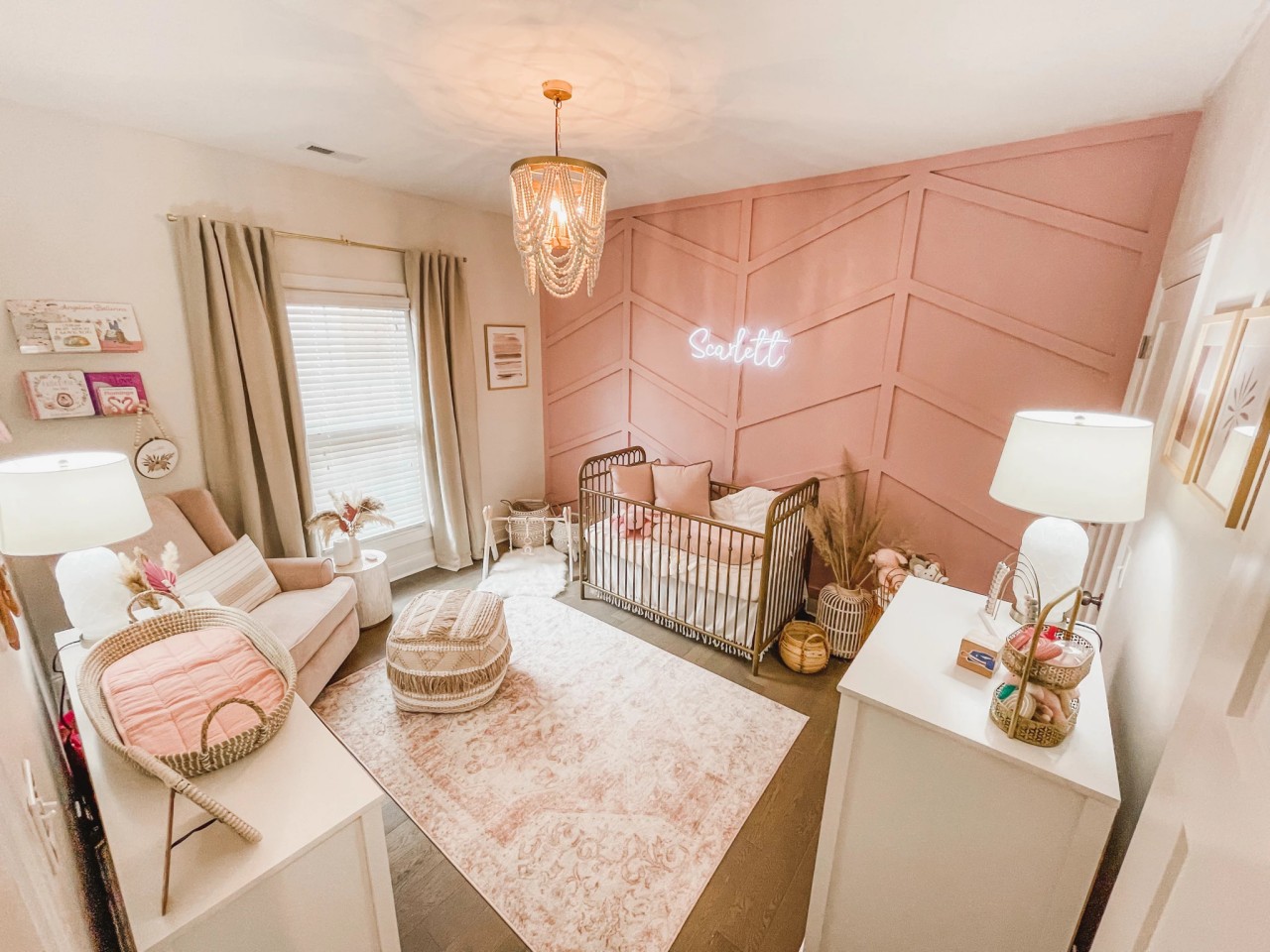
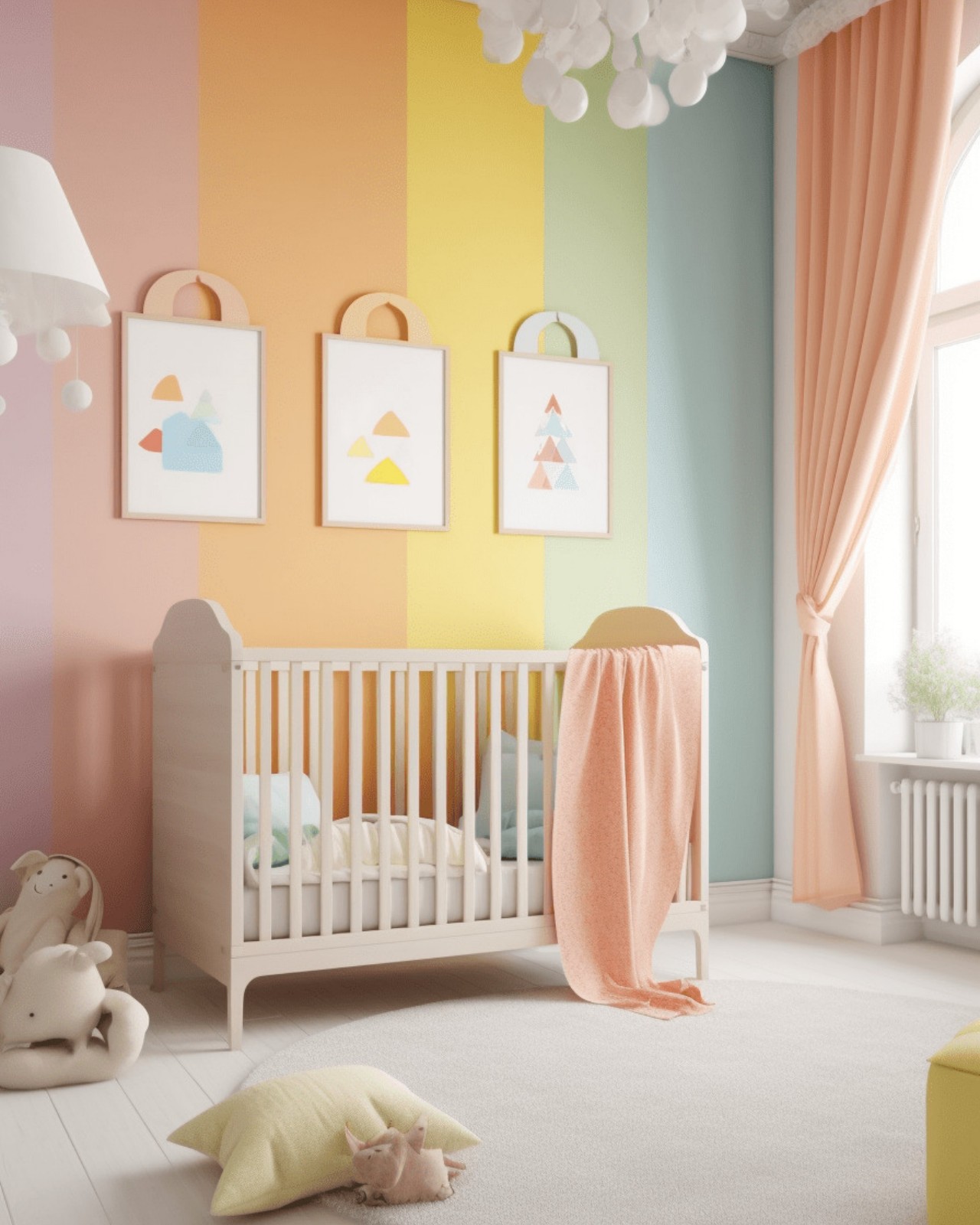
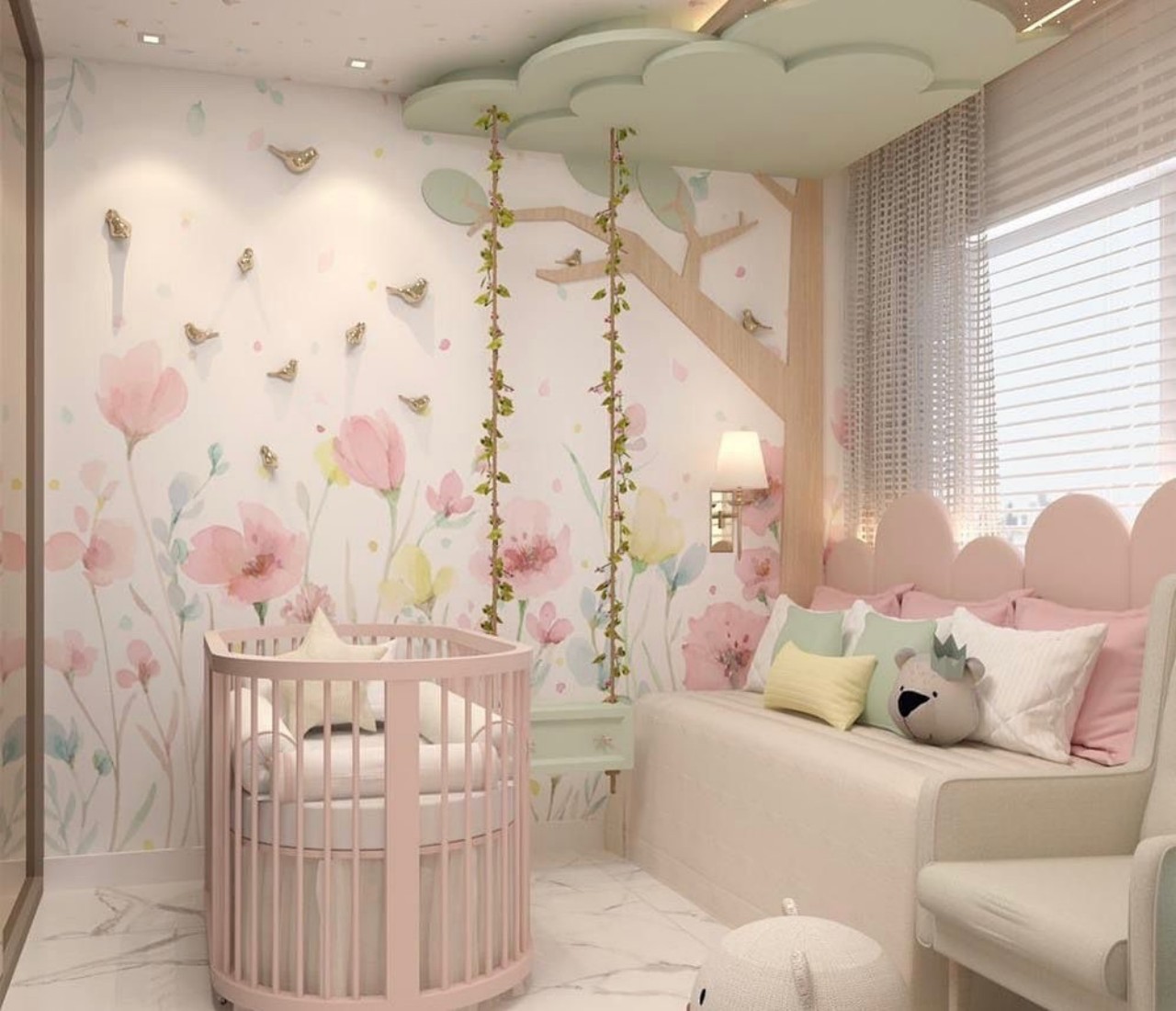
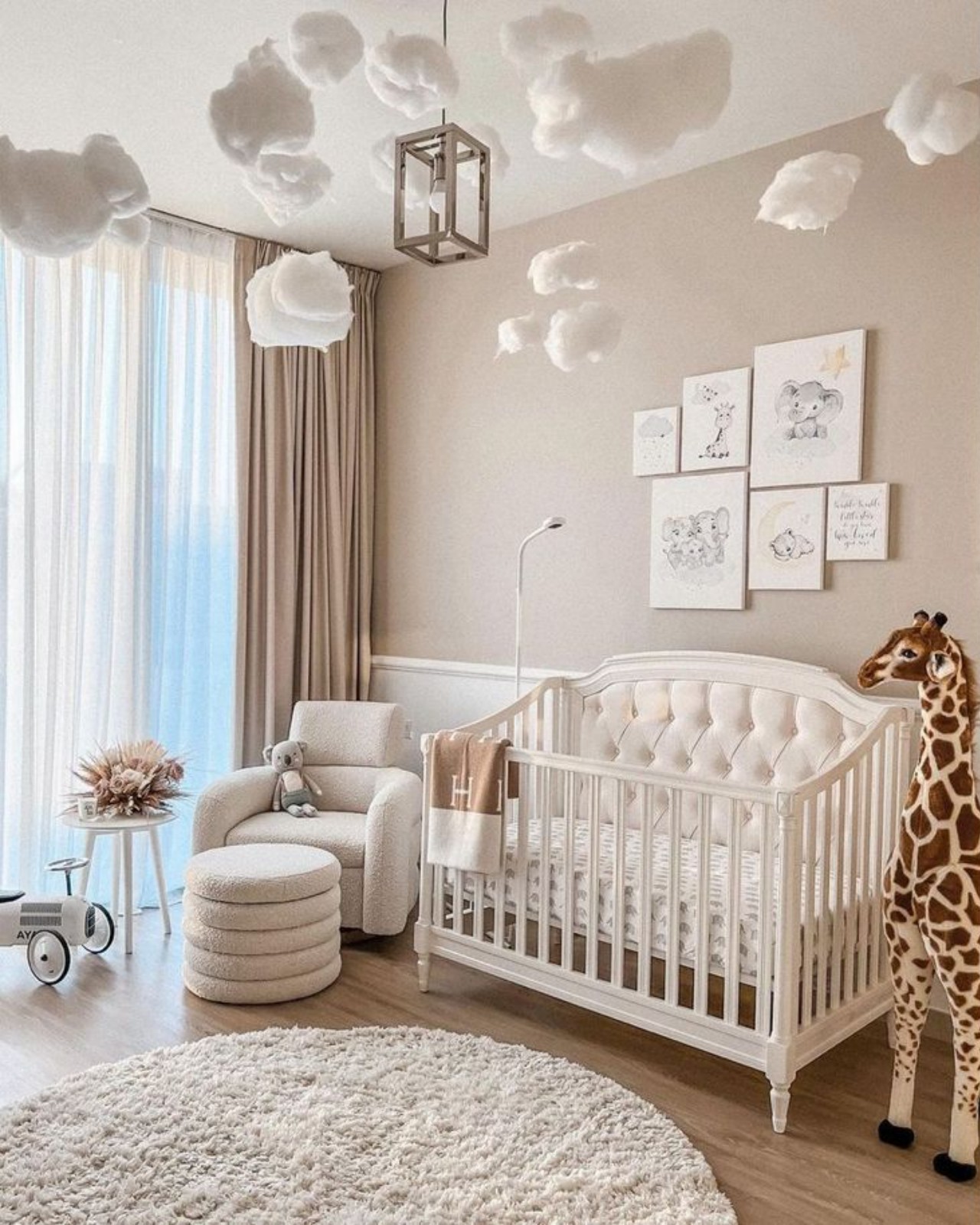
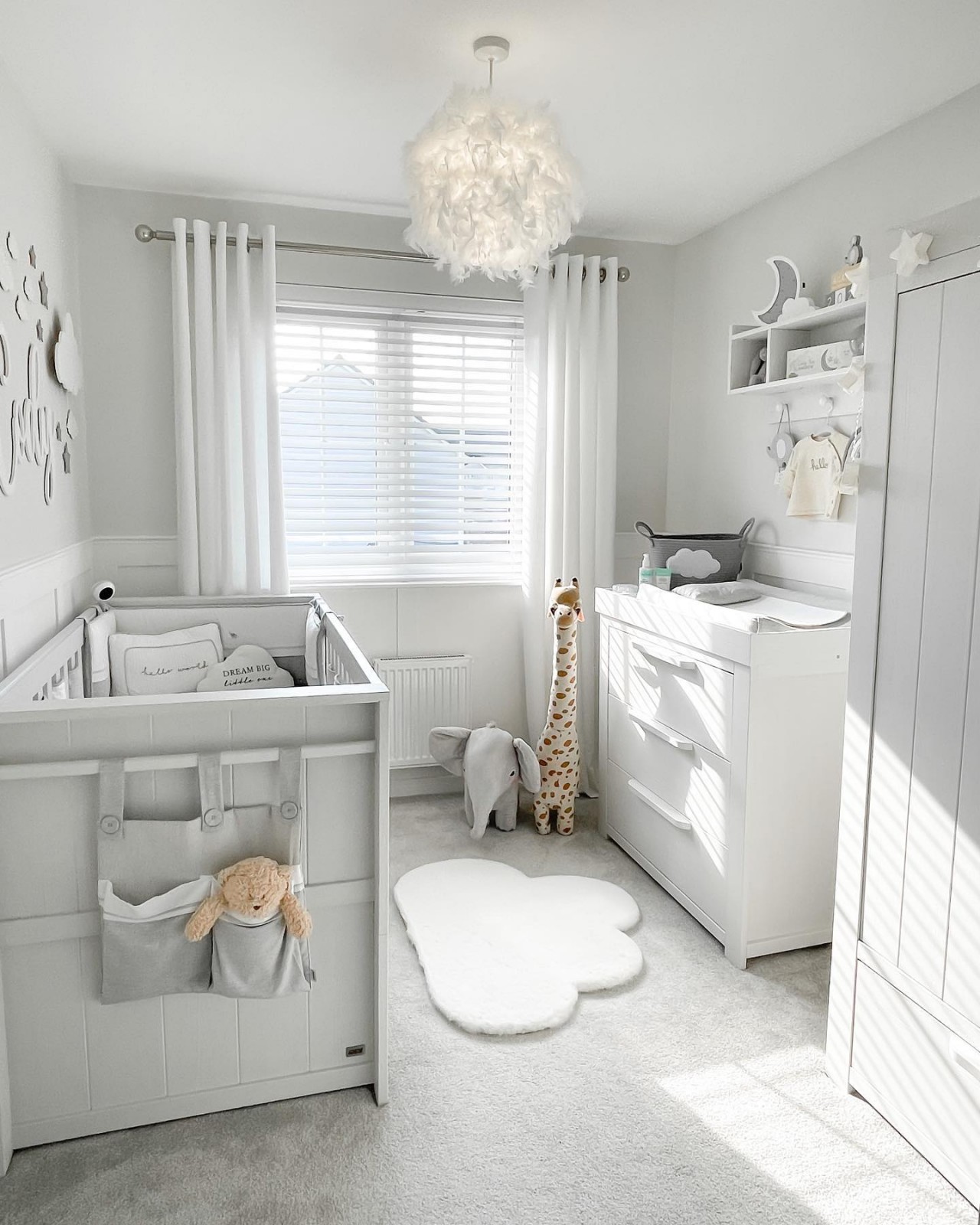
Go through some inspirational photos and choose a color palette for your baby’s nursery. Consider pastel colors like pale pink and soft yellow to create a warm and cozy atmosphere. Note that gender-neutral colors like grey, beige, and white can reflect light and create the illusion of more space. It is highly recommended to achieve a serene and understated atmosphere by adhering to a soft and minimal color palette.

5. Choose a Theme

Designer: La Petite Bebê Boutique

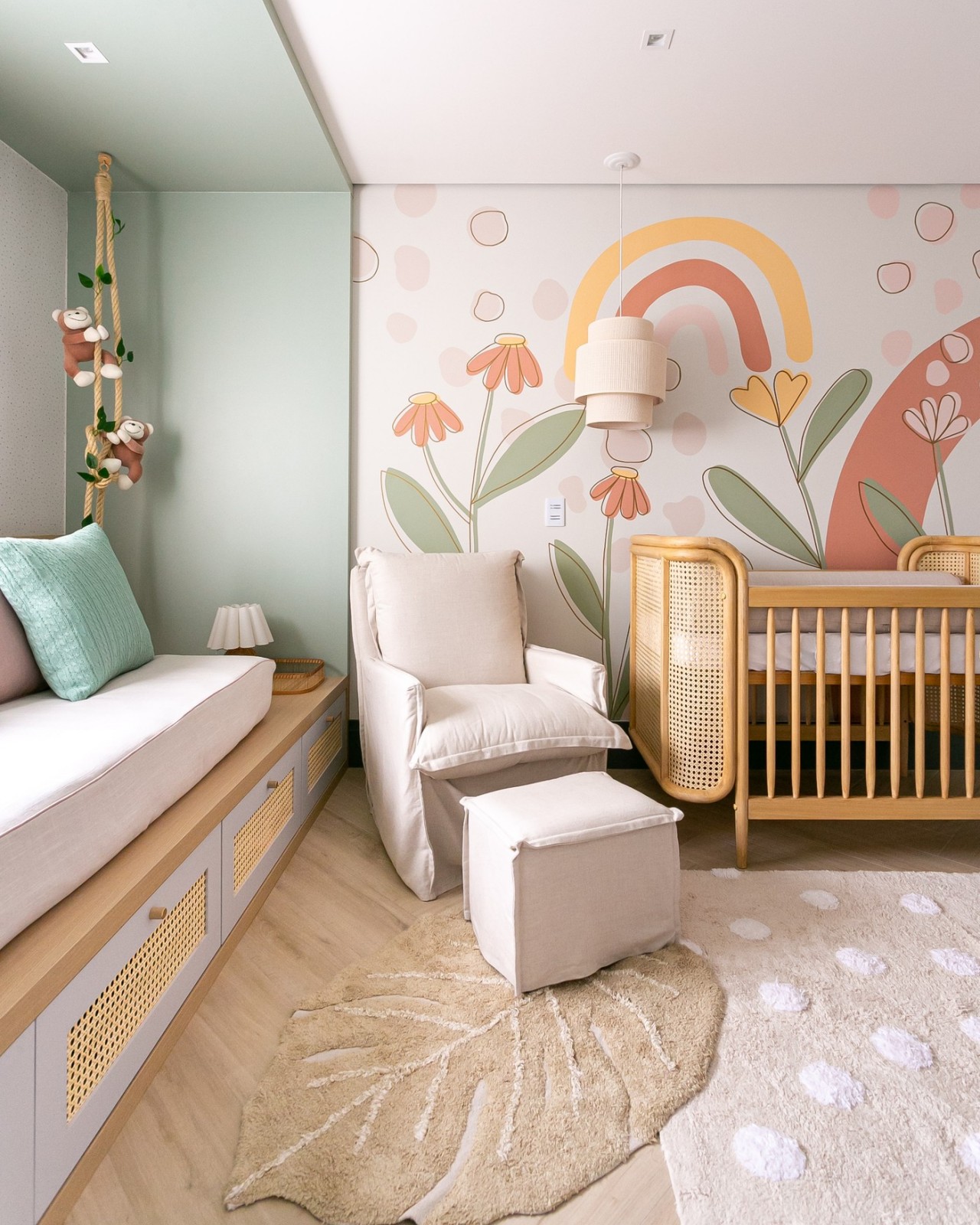
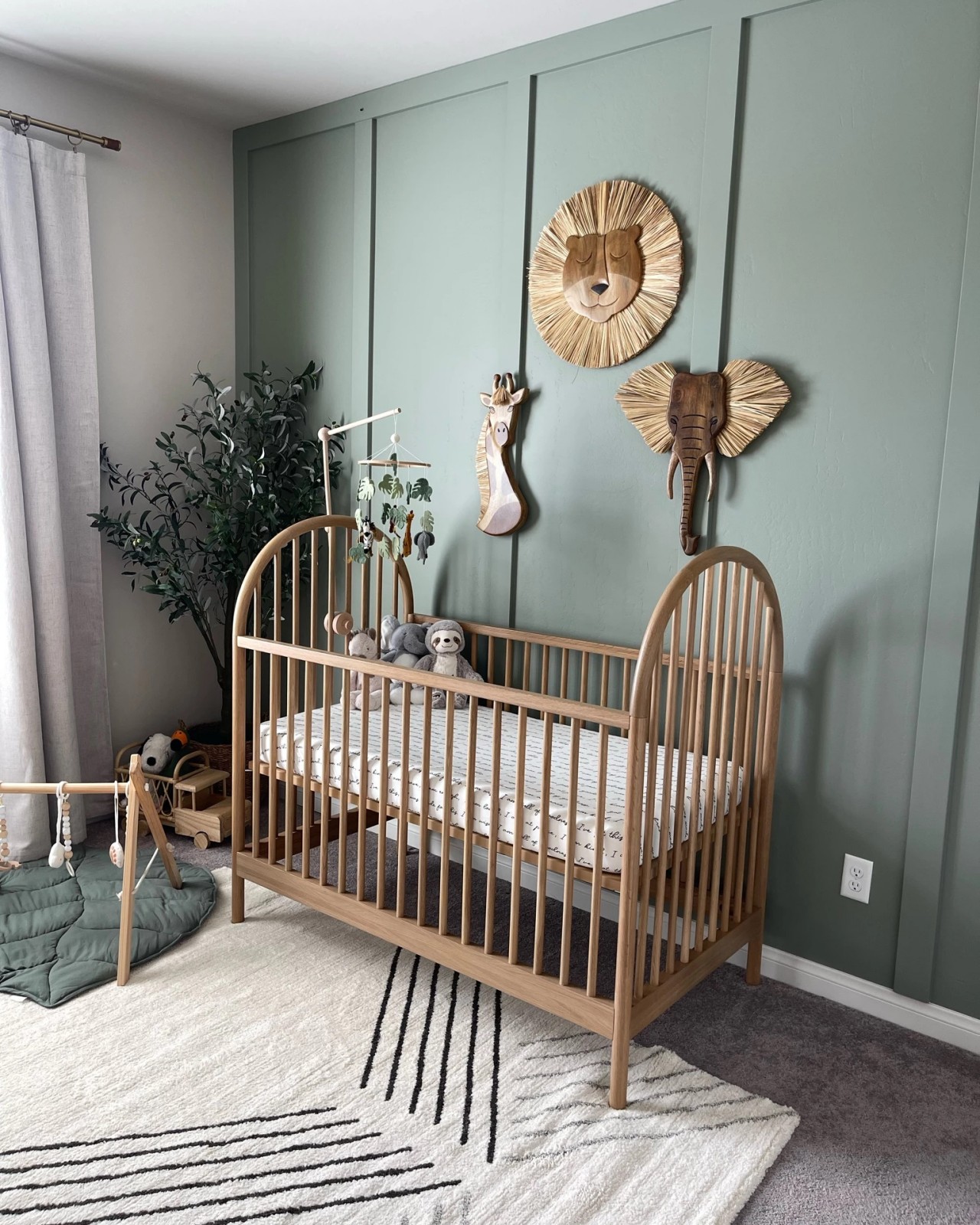
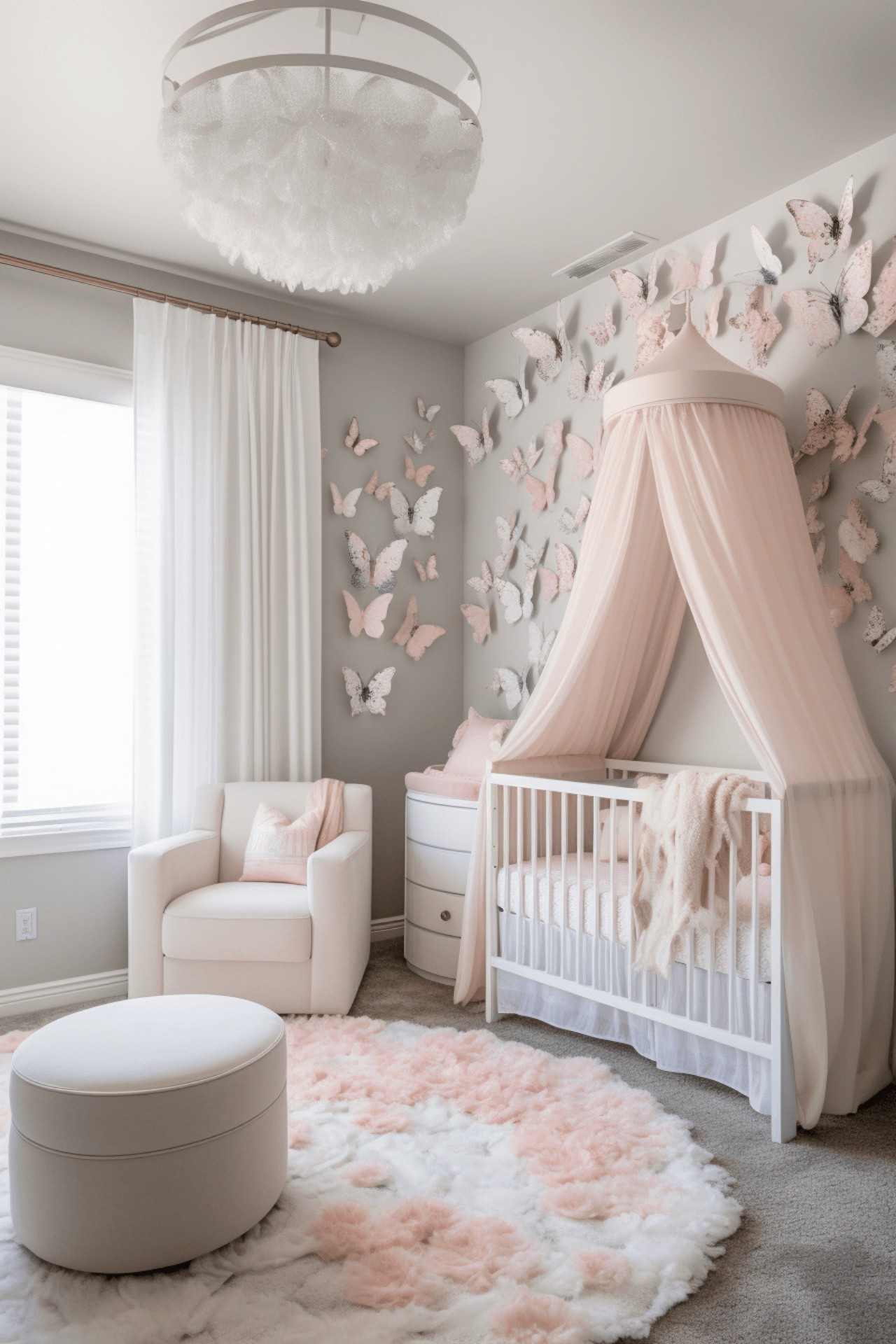
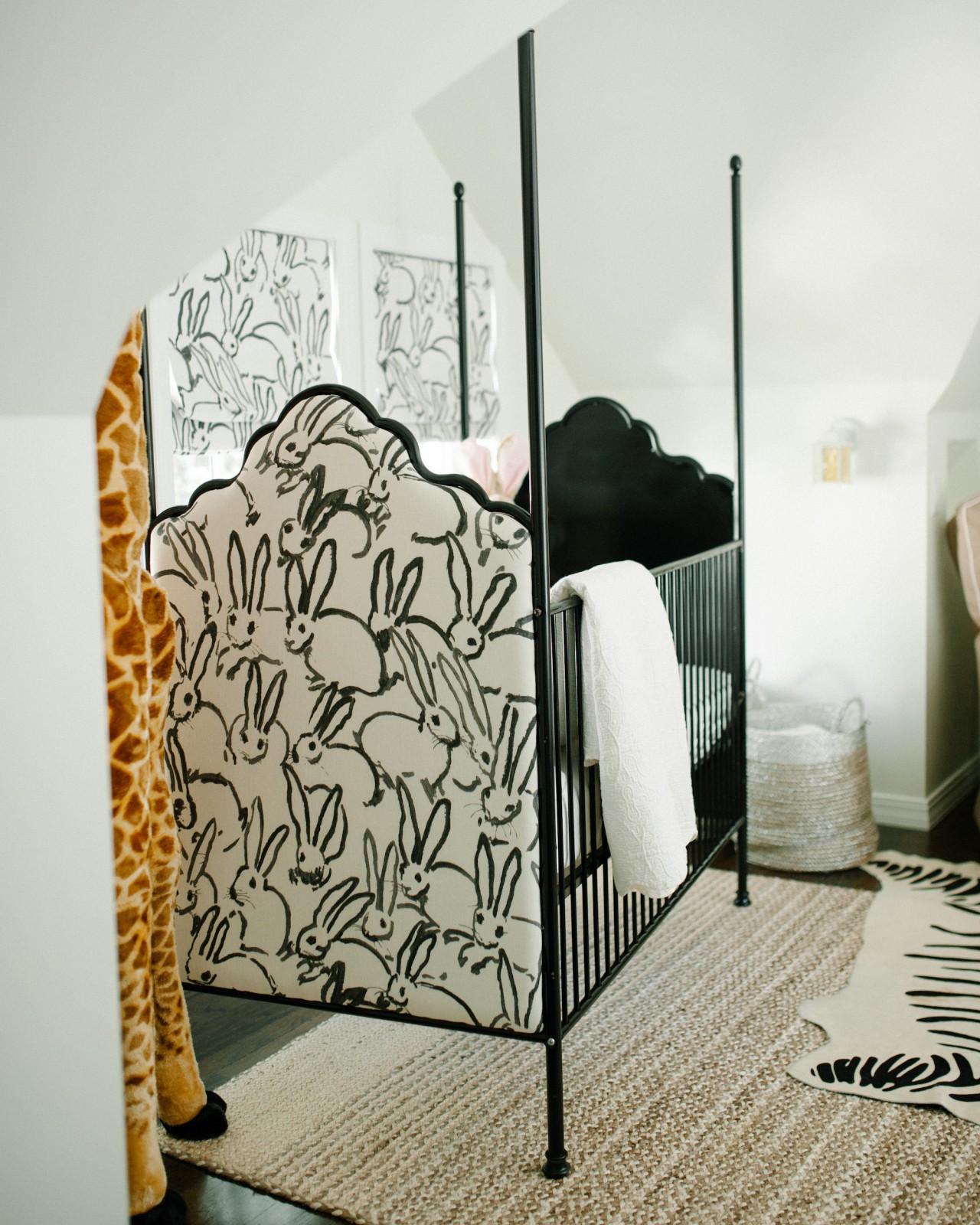
Choose a theme for your baby’s room and consider options like butterflies, flowers, space, nursery rhymes, or animals are endless. Popular decor themes include baby animals, dinosaurs, cartoon characters, or nautical motifs. Opting for a neutral paint color paired with simple decor can create a room your child can ‘age into,’ saving money in the long run.

6. Go for Eco-Friendly Materials

Prioritize your baby’s health over aesthetics and avoid purchasing attractive furniture made from PVC or opting for paint colors with high VOC levels. Note that many new products, including paint, flooring, and furniture, contain harmful toxins.

7. Soft Furnishing

Decorate the space with soft textures and easy-to-maintain natural materials. Opt for a durable, washable rug like wool or short-pile carpet to add flair to the room, providing cushioning for your little one while avoiding potential choking hazards.

8. Add Visual Interest

Designer: bohobraidteacher

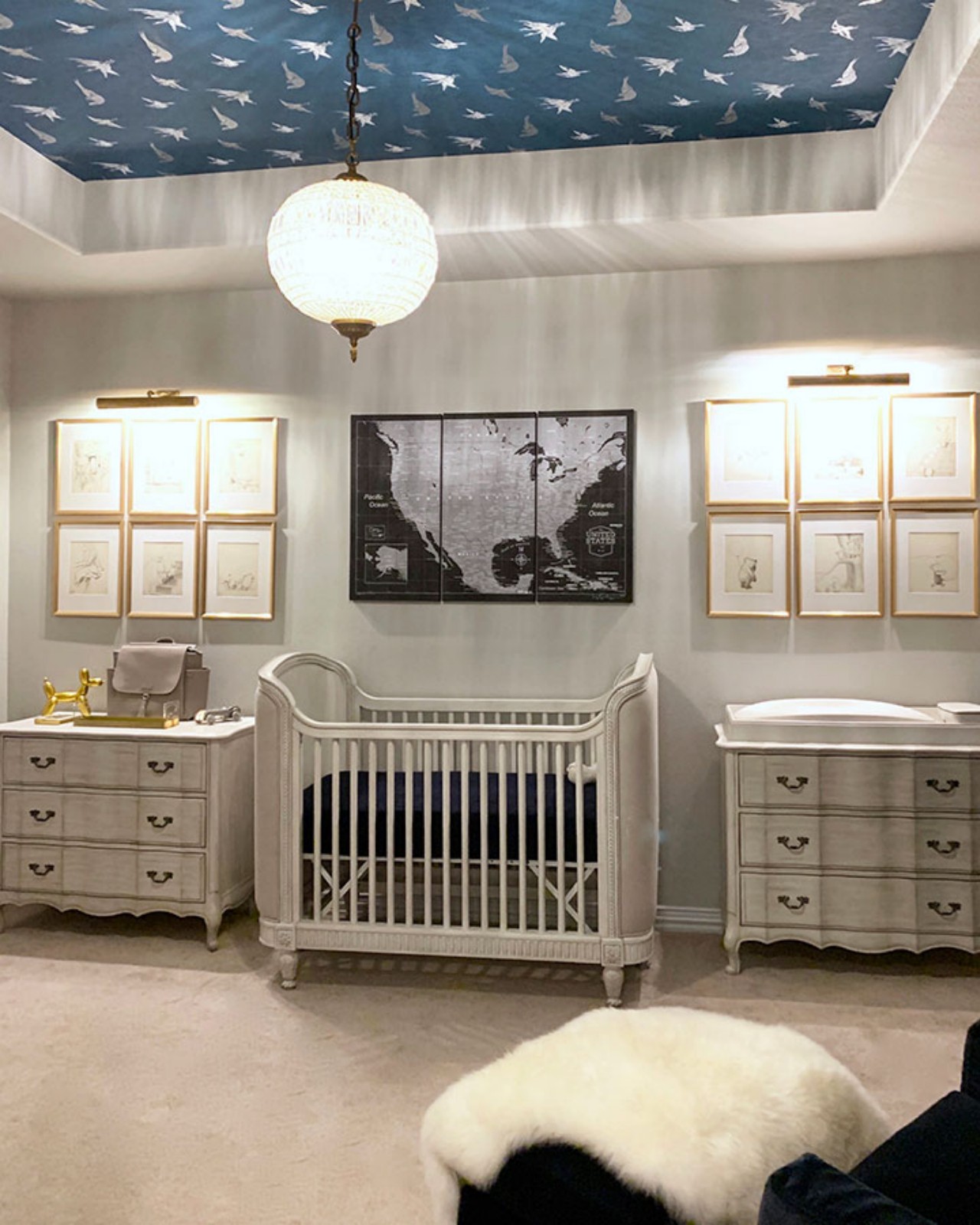
Create visual interest in your nursery by incorporating a wallpaper accent wall, providing an opportunity to elevate the room’s appearance and explore various textures and prints. You can also apply wallpaper to the ceiling to introduce a playful element without overwhelming the space, considering that babies spend a lot of time on their backs. If you do not want to commit, opt for removable wallpaper or wall stickers that can be changed as the baby grows.

9. Lighting

Designer: Bebê Casa

Incorporate various lighting elements as nursery lighting plays a vital role, with ceiling lights, floor lamps, and adjustable table lamps being essential options to have distributed throughout the room.

10. Window Treatment

Designer: Cozy Nursery

Select window treatments like blinds, shades, or curtains with blackout features to ensure essential darkness in the nursery for optimal baby sleep. This will manage the level of light entering the nursery and help maintain a regulated temperature in the space.

11. Add Functional Storage

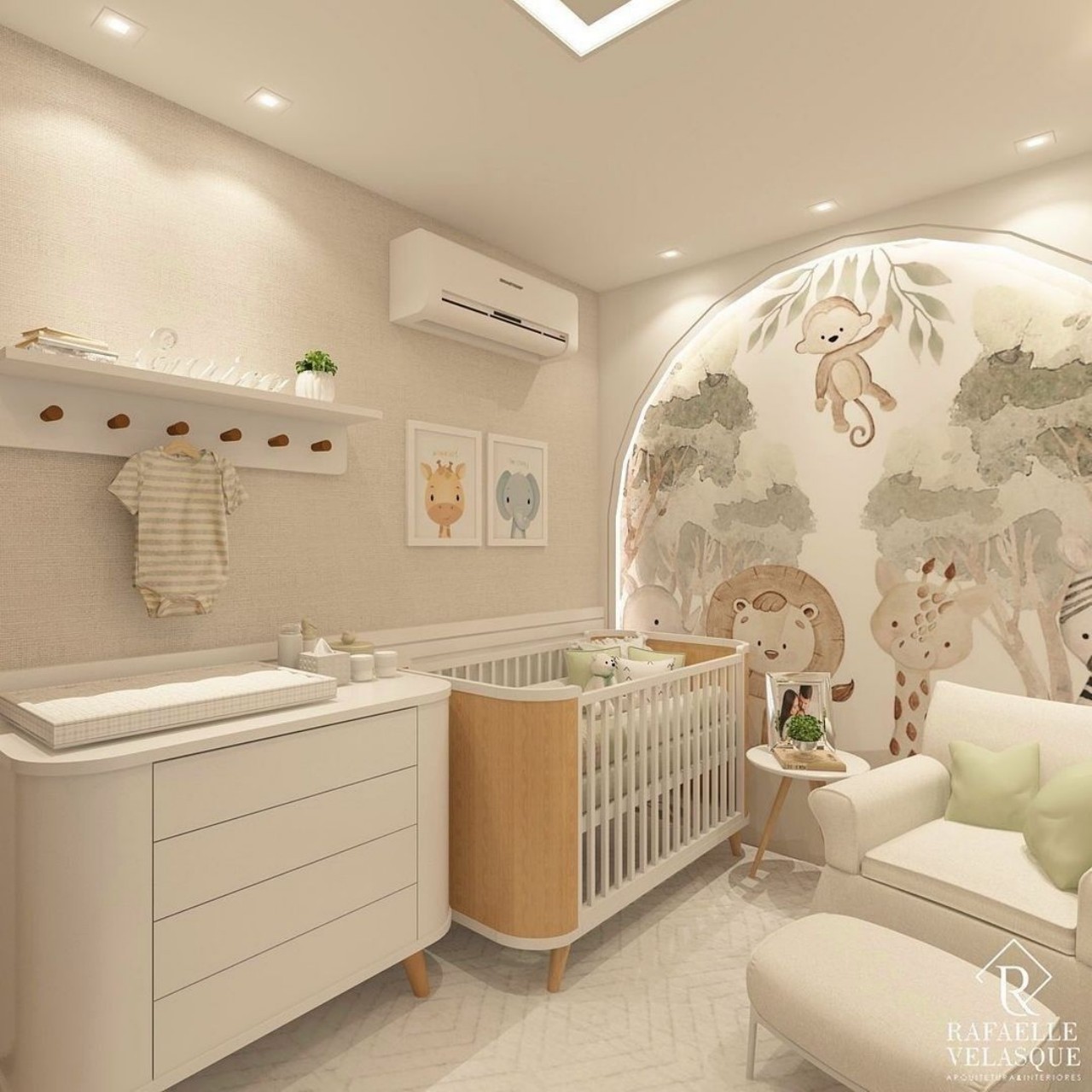
Designer: Rafaella Velasque

Opt for attractive and functional baskets in cute animal designs like elephants, lions, or bears to add texture to your nursery design while serving as storage for diapers, sheets, toys, and other items.

12. Beautify with Plants

Designer: Tracy Danet

In nurseries, incorporating houseplants can contribute to air purification, with non-toxic plants not only promoting clean air but also fostering a serene ambiance.

13. Soft Toys

Designer: Nadine

The nursery will be incomplete with soft toys so utilize stuffed animals as decorative accents that also entertain babies during diaper changes.

14. Storage Solutions

Designer: Scandi Nursery Decor & Toys

Irrespective of your space’s square footage, maintaining organization while preserving style can be challenging. Effective nursery storage is a game-changer so explore storage concepts such as cubbies, shelving, bookcases, and toy boxes.

15. Add a Personal Touch

Bring personal elements into the nursery to craft a space that resonates with your preferences. Contemplate incorporating family photos and cherished heirlooms to add a special and meaningful touch to the environment.

16. Assess the Costs

Planning the design of a nursery is a financial commitment, hence it is advisable to determine your budget for the nursery design before formulating the design plan.

What are the Nursery Furniture Essentials?

When buying nursery furniture, prioritize safety by securely anchoring furniture and safely tucking away cords. Opt for durable, eco-friendly, non-toxic furniture that is responsibly made. Choose materials that are easy to clean and maintain for a more compact and manageable nursery setup.

• The Crib

Designer: Brooke Schultz

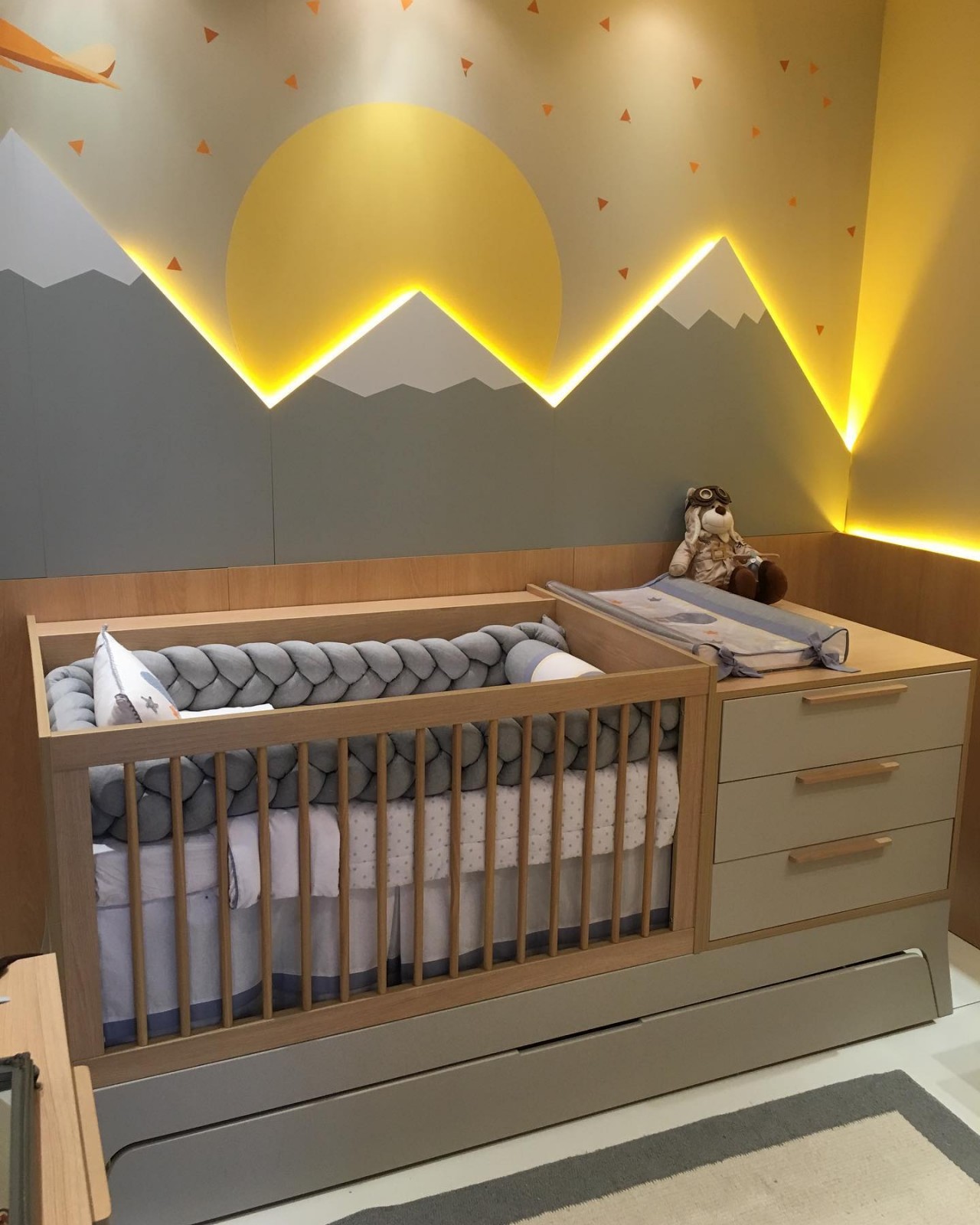
Regardless of whether your crib is a standard one or convertible, your baby will spend a substantial amount of time in it. Enhance the environment by adding a mobile featuring felt animals or colorful stars for your baby to play with. Opting for a convertible crib that transforms into a toddler bed or a full-sized mattress ensures longevity as your baby grows. If there’s a worry about your child attempting to crawl out of the crib, investing in a toddler rail can offer added security. You can also consider that are designed with built-in drawers that provide extra storage space for blankets, sheets, baby gear, and toys.

• Diaper Changing Station

Designer: Kelly Foyt

If space permits, you have the option to incorporate a changing table into your nursery. However, many parents opt for changing toppers that can be securely attached to a dresser or choose a combo crib to make the most of the available square footage.

• Introduce a Rocking Chair

You’ll invest a significant amount of time feeding, burping, reading, and bonding with your baby, therefore, comfortable seating is essential. Consider incorporating a spacious, comfortable rocking chair for late-night feedings and a side table with a lamp to enhance the room’s cozy ambiance.

• Add Wall Shelves

Designer: Gemma Deighan

Open shelves provide an excellent storage solution for bedtime storybooks. Wall shelves also serve to store items you want to keep nearby but out of the baby’s reach. Beyond their practicality, shelves offer a wonderful space to enhance the ambiance by adding items like a plant or a small stuffed animal.

By following these tips, nurseries can become memorable spaces where you’ll spend significant time with your baby right from the moment you bring them home to the transition into big kid beds.

The post How to Design a Children’s Nursery first appeared on Yanko Design.

How to Maximize Vertical Storage to Minimize Clutter

In a world where space is at a premium, the focus lies in enhancing the storage with vertical storage offering a plethora of possibilities. Let’s delve into some fantastic vertical storage concepts that can be effortlessly integrated into your space. These ideas not only facilitate efficient storage but also allow you to do so with a touch of style, ensuring you never have to make compromises. Here are tips to get you going.

Designer: Gabriel Contreira

1. Floating Shelves

Floating shelves enhance storage efficiency, accommodate various items, and free up precious kitchen and bathroom counter space. The living room can transform into a gallery wall, showcasing beloved photos, travel souvenirs, and more.

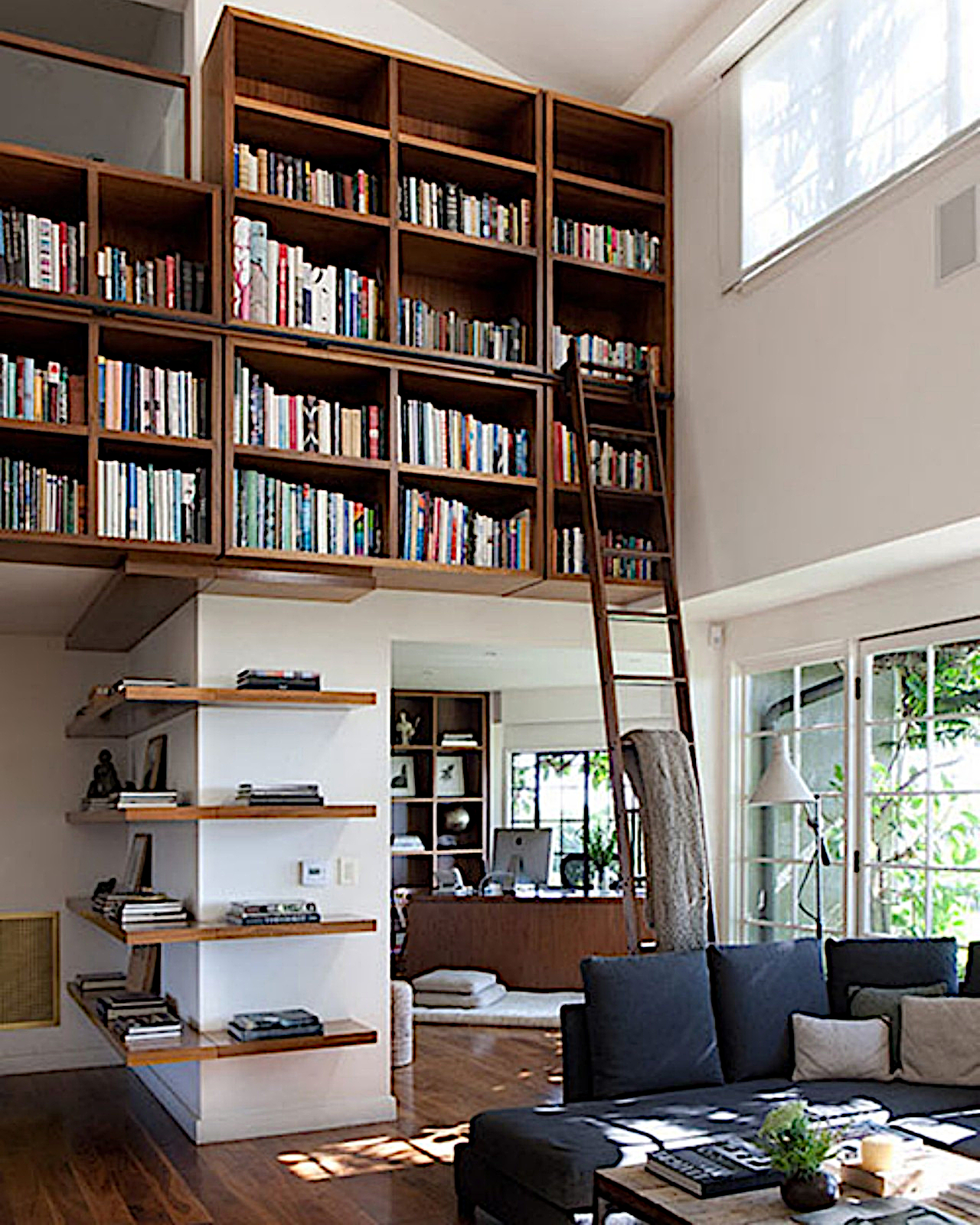
2. Introduce Tall Bookshelves

Image courtesy of Decozilla

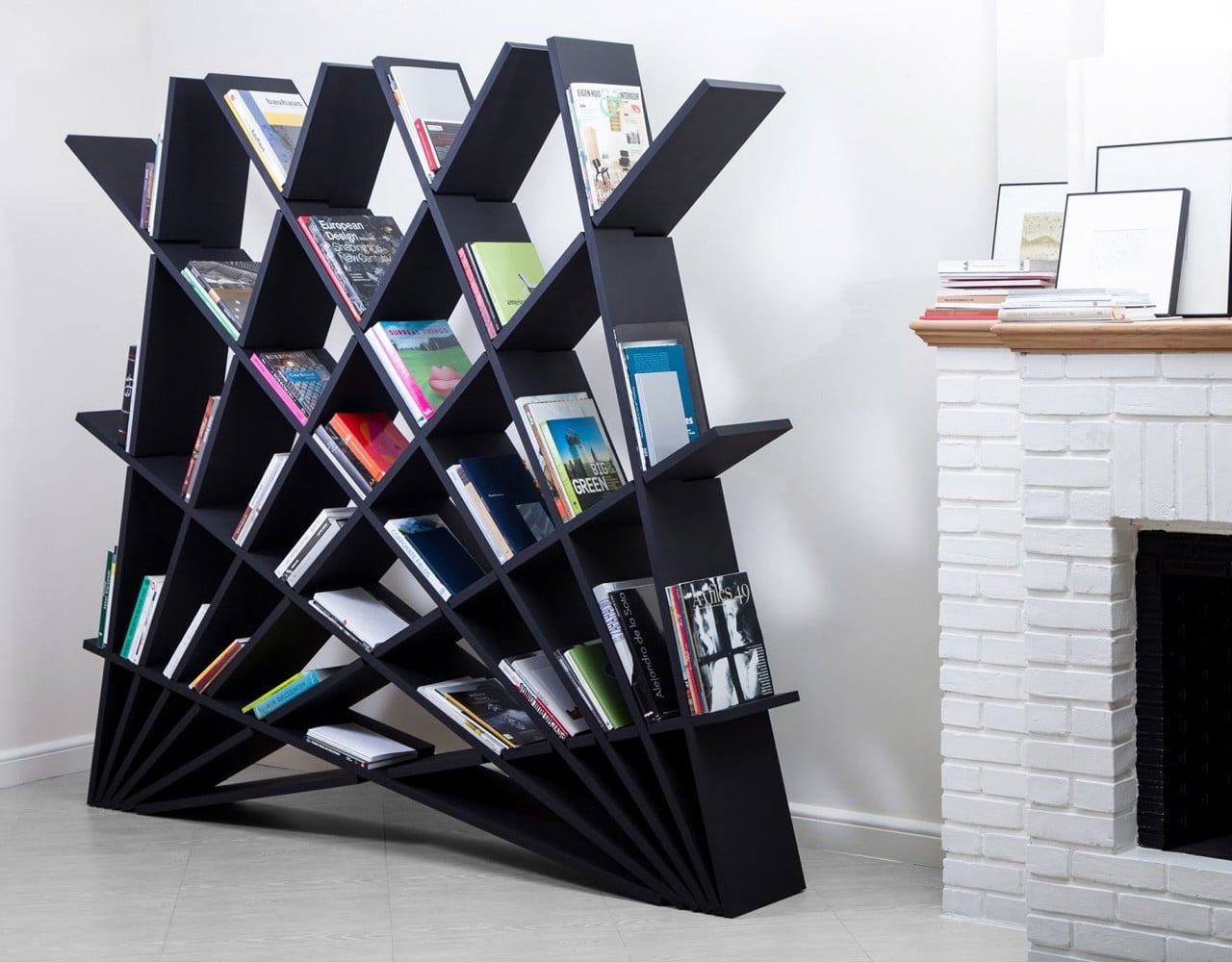
Tall bookshelves are a clever storage solution that provides essential storage and maximizes vertical space. In contrast to wider bookshelves that encroach on room space, tall bookshelves ascend vertically, efficiently using the room’s height. This is especially valuable in small apartments or homes with limited square footage. Opting for height over width optimizes storage without compromising floor space.

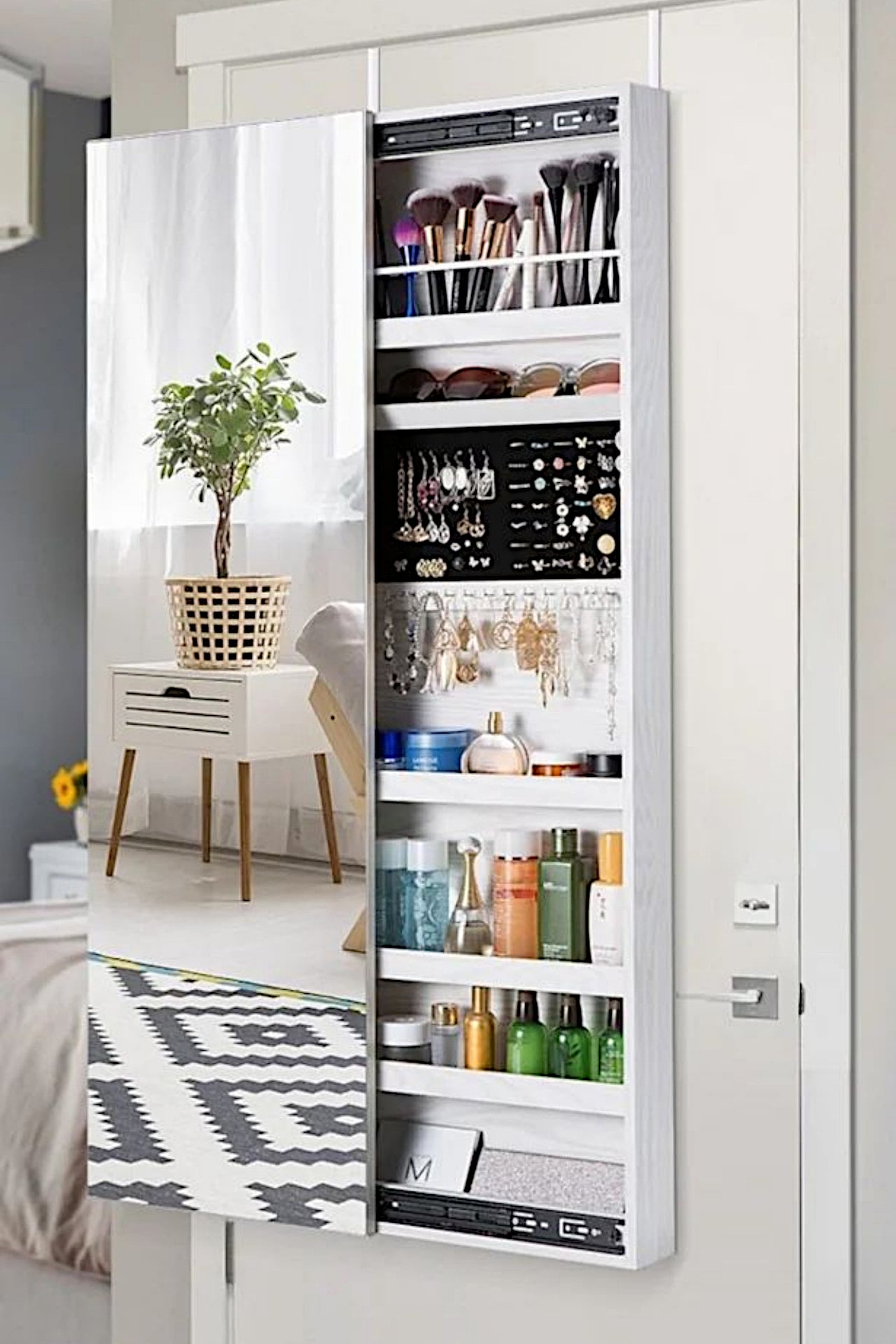
3. Optimize Door Storage

Designer: GLAM

Over-the-door storage is a great way to enhance the storage advantage and setting up these hooks or racks provides quick storage and no significant installation. This versatile storage can be used for storing shoes, various household items, and bags so doors maintain their shape. Hooks can also be used for hanging hats, scarves, belts, and jewelry.

4. Ceiling Hanging Storage

Designer: LCYCN

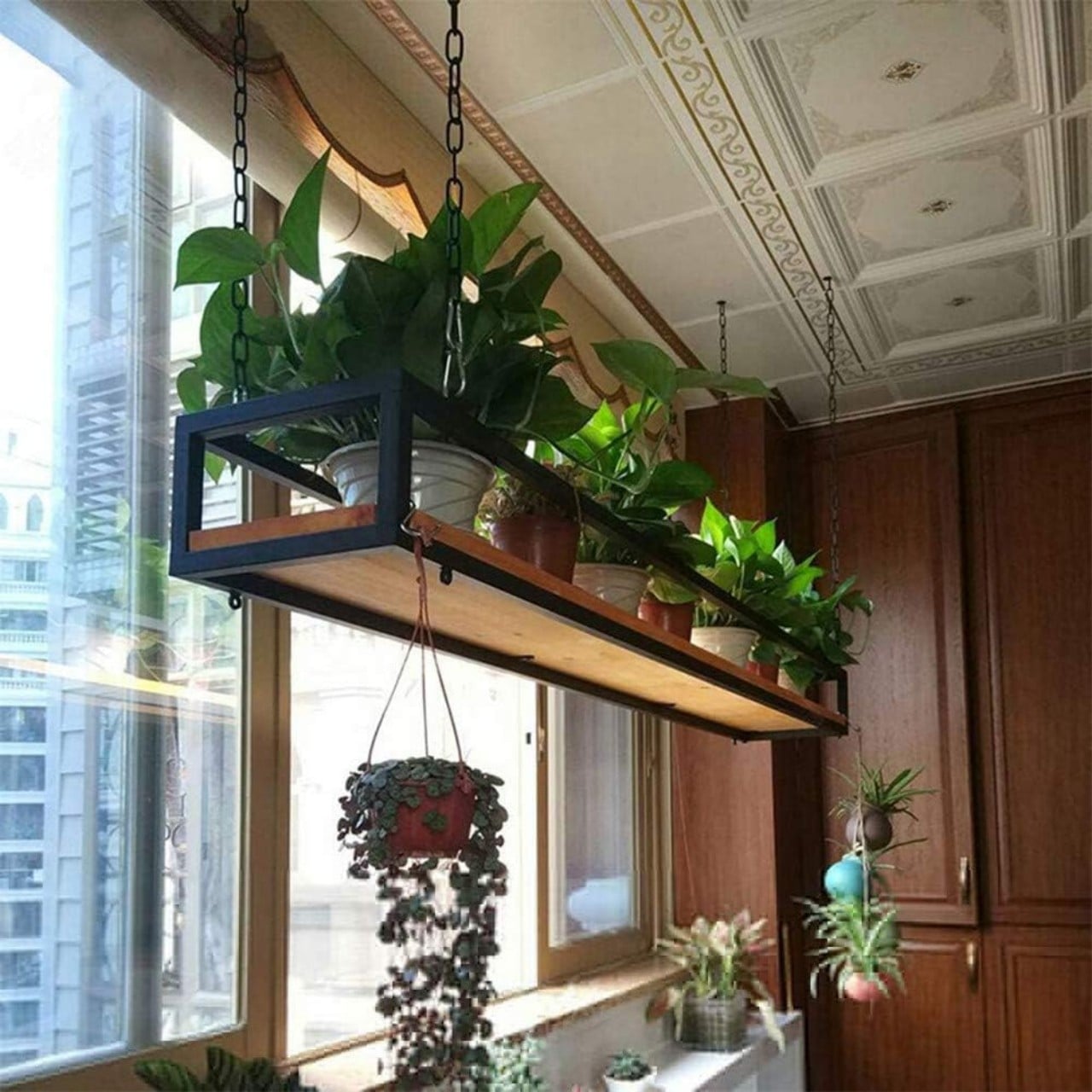
For homes with high ceilings, adding hanging storage can optimize space and elevate your interiors with style. Use the ceiling in the kitchen for displaying pots and cookware in the kitchen, and hang succulents from the ceiling.

Designers: Jorge Álvarez x NOS Design

Wholeder’s storage system employs suction to optimize storage space in every room, and it comes with a clever-sounding name too. The suctioned lid enables easy application on any wall or flat surface, making it functional not only in the kitchen but virtually any room. Wholeder is suitable for stowing away various items for later use, and its compact storage bins are also travel-friendly, available in different sizes to accommodate your specific needs.

5. Vertical Cabinets

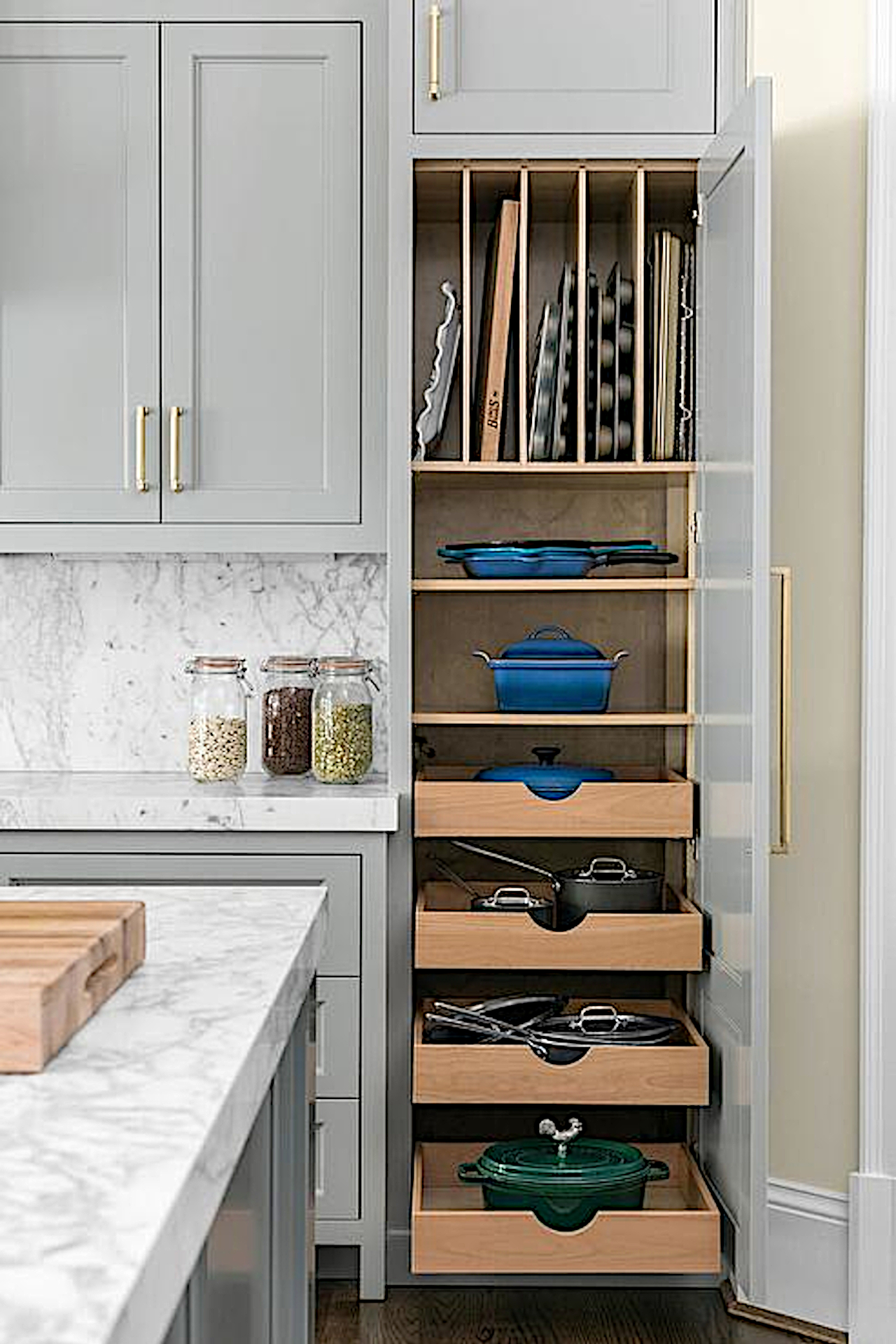
Extending cabinetry vertically to the ceiling is a popular trend for maximizing unused spaces and achieving a modern look in kitchens and bathrooms. This approach optimizes storage and enhances aesthetics by eliminating wasted gaps between cabinets and ceilings. In bathrooms, tall cabinets efficiently store essentials without occupying floor space, contributing to a sleek and functional design.

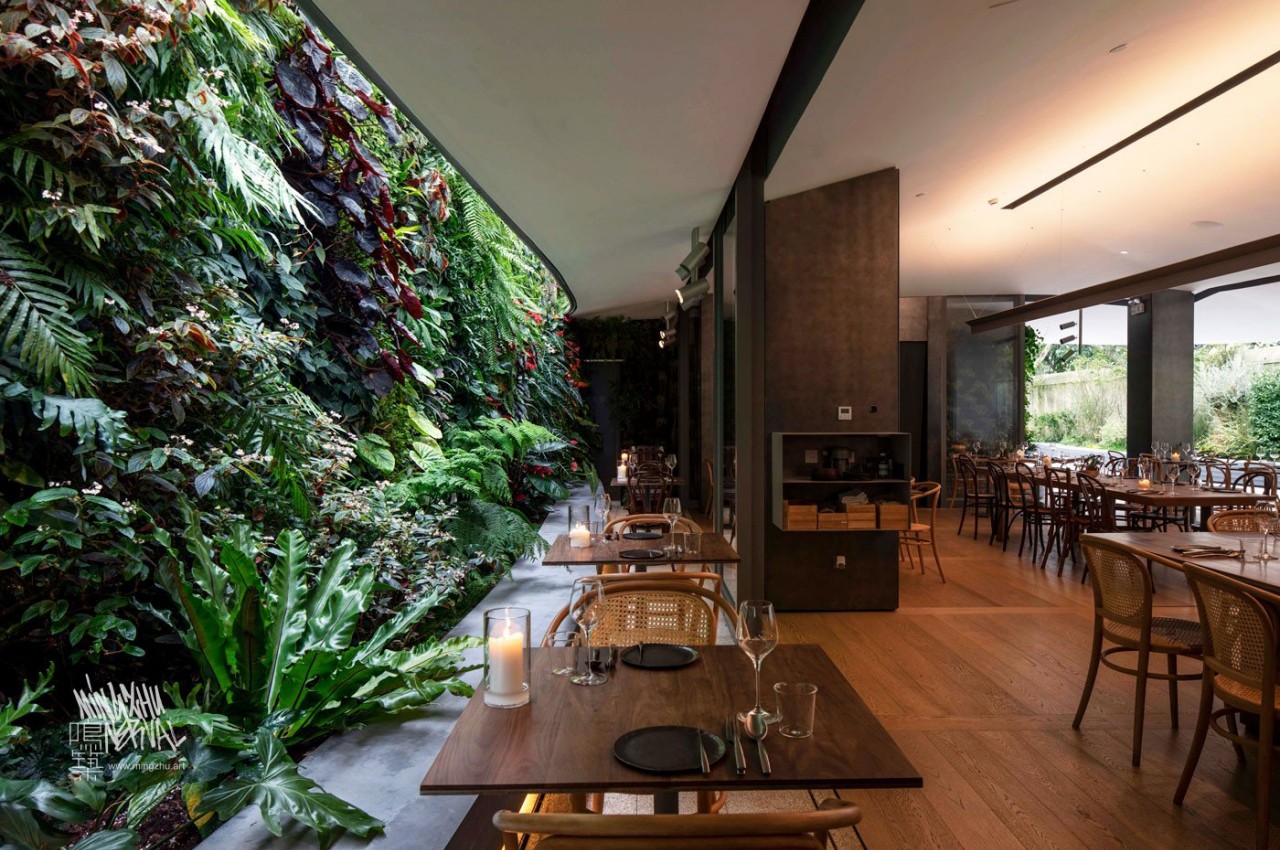
6. Create a Vertical Garden

Designer: Mingzhu Nerval

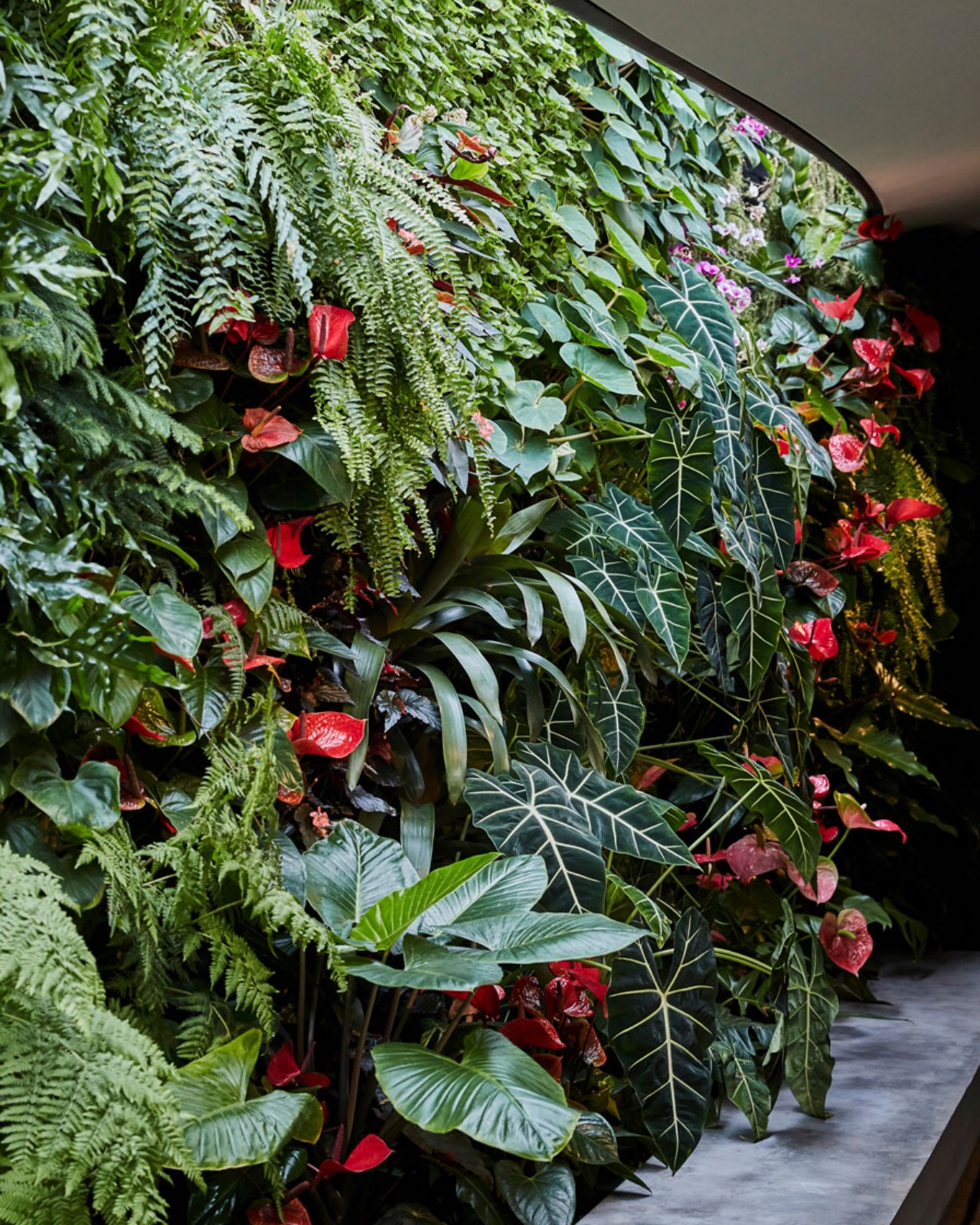
Instead of purchasing numerous potted plants and placing them in the corners or on windowsills, you can consider vertical gardening. Go for a wall-mounted vertical garden or a hydroponic setup. This will provide a green wall for herbs and small vegetables.

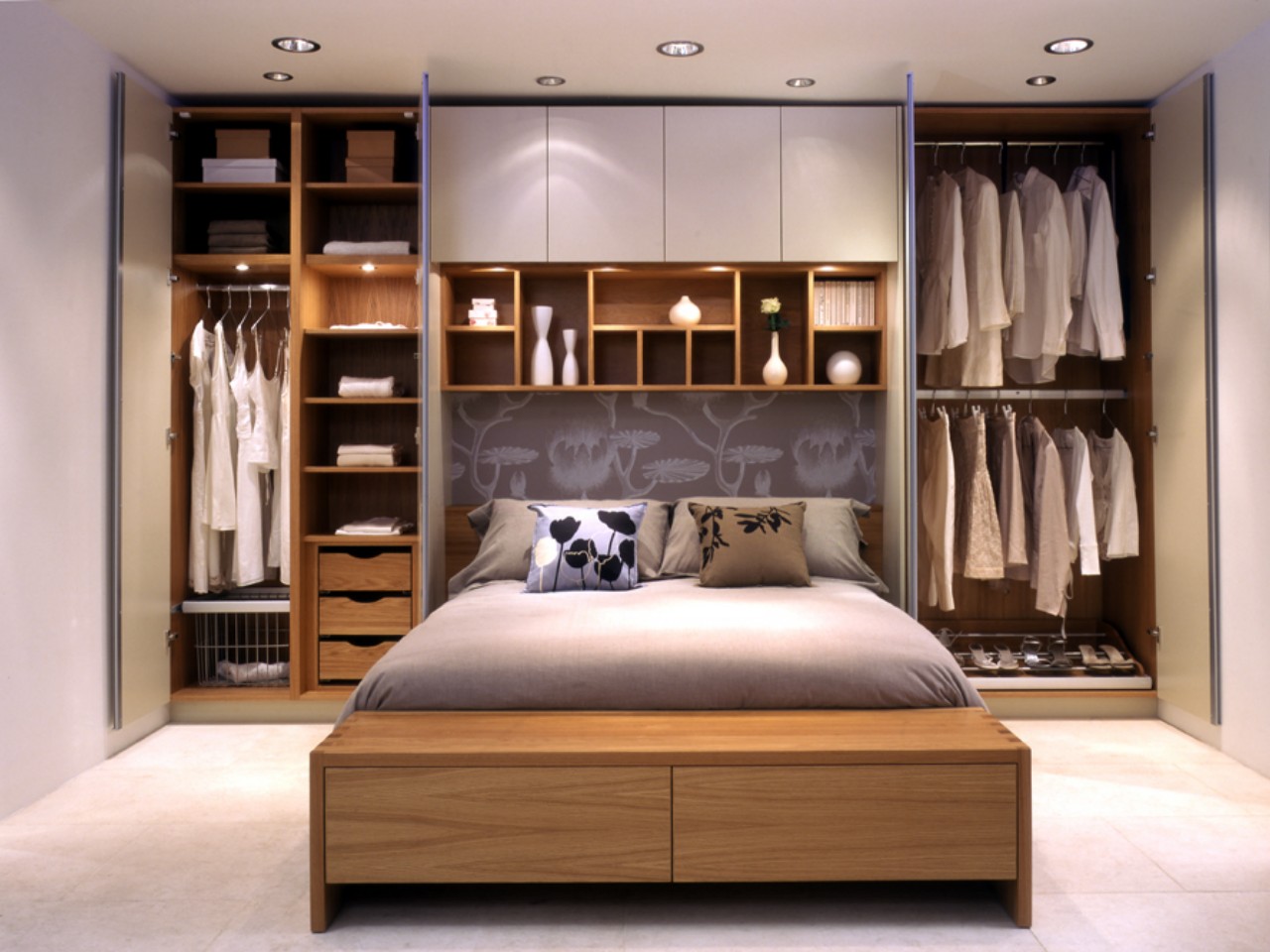
7. Headboard Storage

Designer: Buffets and Cabinets

The headboard presents an opportunity to transform into a fantastic storage space that not only serves a practical purpose but also enhances the overall aesthetic. By incorporating storage with a display in the headboard, you can optimize vertical storage, making it an ideal solution for both small and large spaces.

8. Go for a Murphy Bed

Designer: WWBeds Custom Furniture

Guest rooms are frequently impractical for small spaces; however, a Murphy bed stands out as a brilliant illustration of maximizing vertical space. What may serve as your lounge or study on most days can effortlessly transform into a fully-equipped guest room when needed, all thanks to a bed seamlessly integrated into the wall.

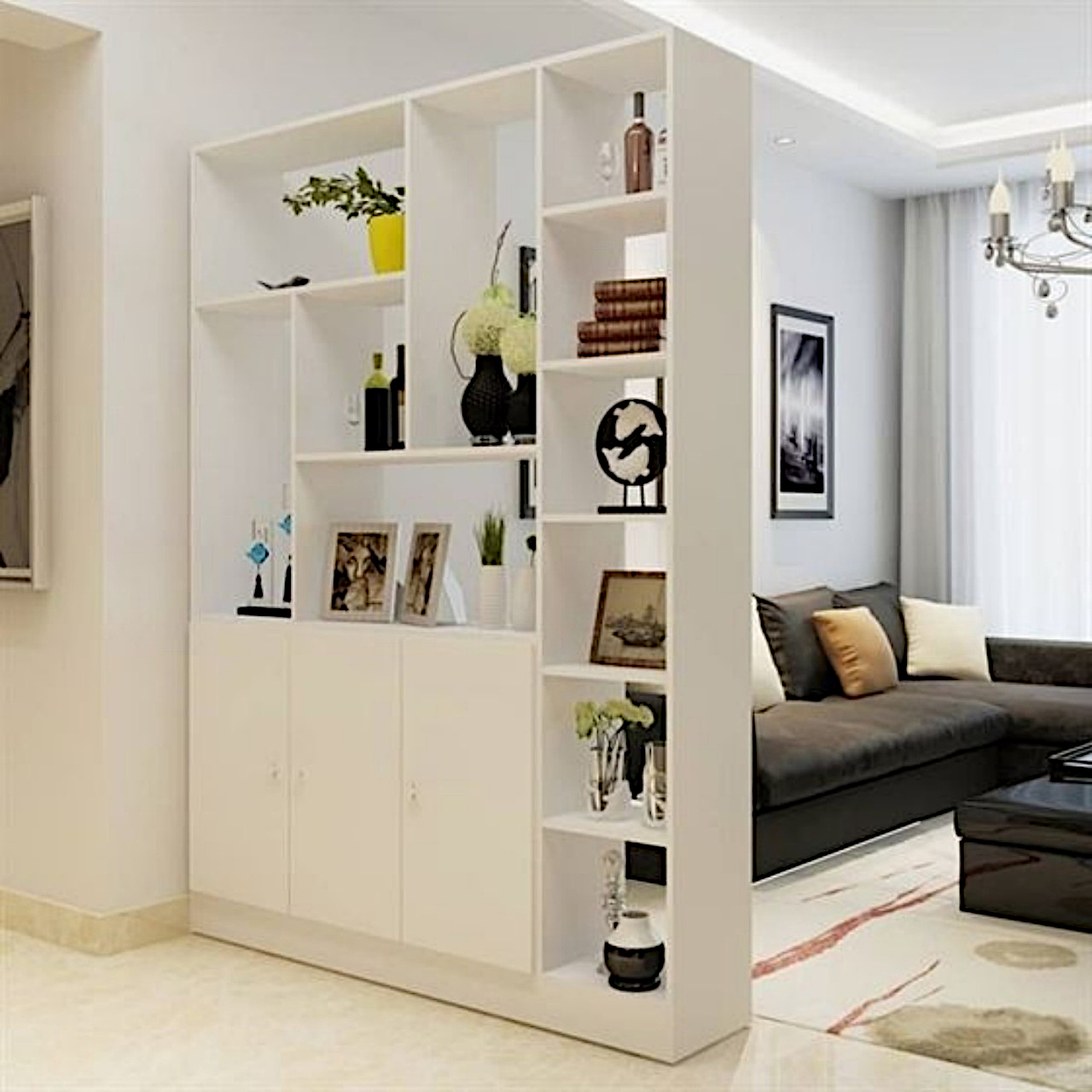
9. Room Divider Storage

Designer: Samana

Many modern designs feature open-plan layouts, seamlessly combining dining and living spaces. Introducing a room divider with storage not only allows you to establish distinct areas but also provides additional functionality for storage and display. Additionally, you can elevate its versatility by incorporating wheels underneath, enabling easy mobility. This way, you can effortlessly shift the divider to either create separation within the space or open it up by positioning it against a wall as needed.

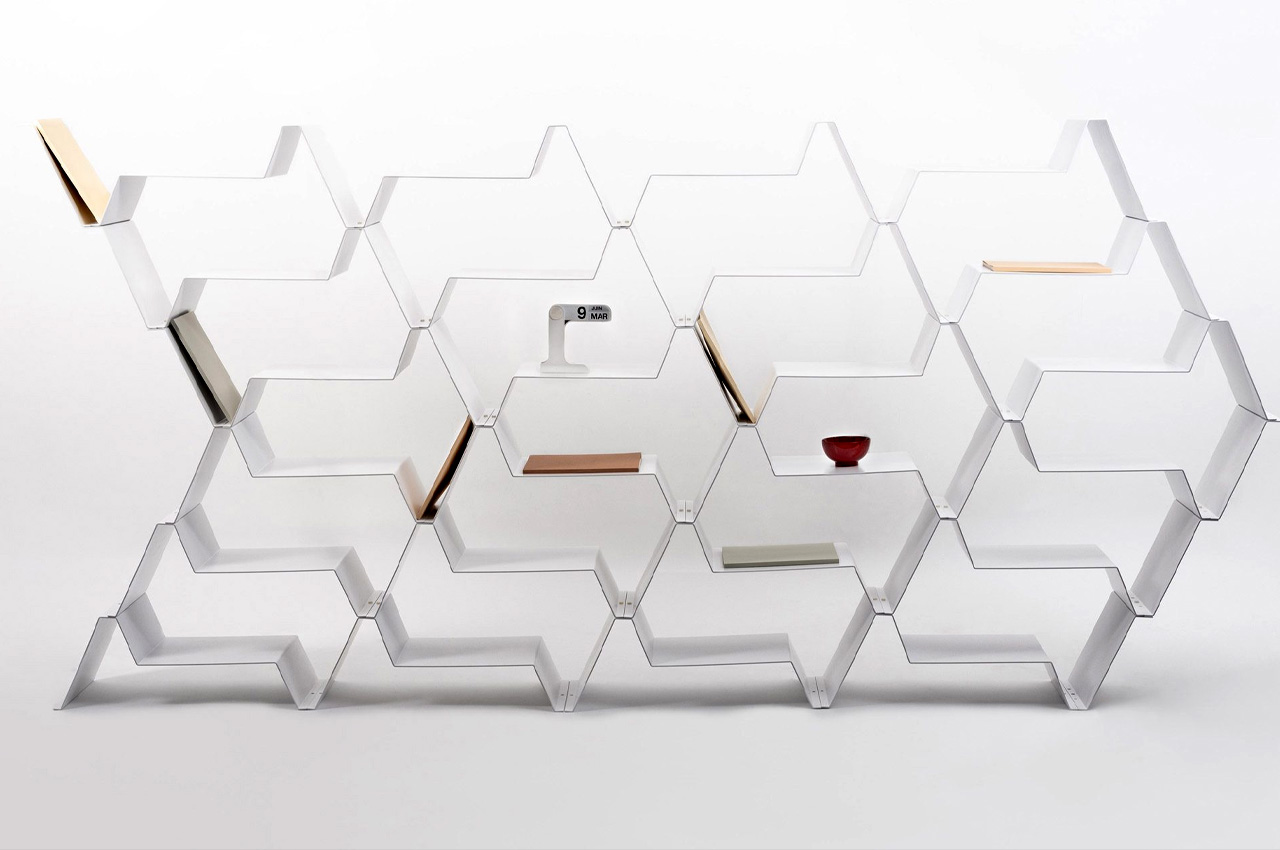
Designer: Jean Couvreur for Kabata

The Fréquence shelf stands out as a minimal and refined shelving design that serves as a versatile piece of modular furniture. With its clean aesthetics in a striking white color, what distinguishes Fréquence is its ability to function as a bookcase, base unit, or room divider. Comprising a set of geometrically shaped modules, it allows for combinations and mix-and-match possibilities, enabling the creation of various designs tailored to your personal taste and your home’s specific requirements.

10. Decorative Shelving

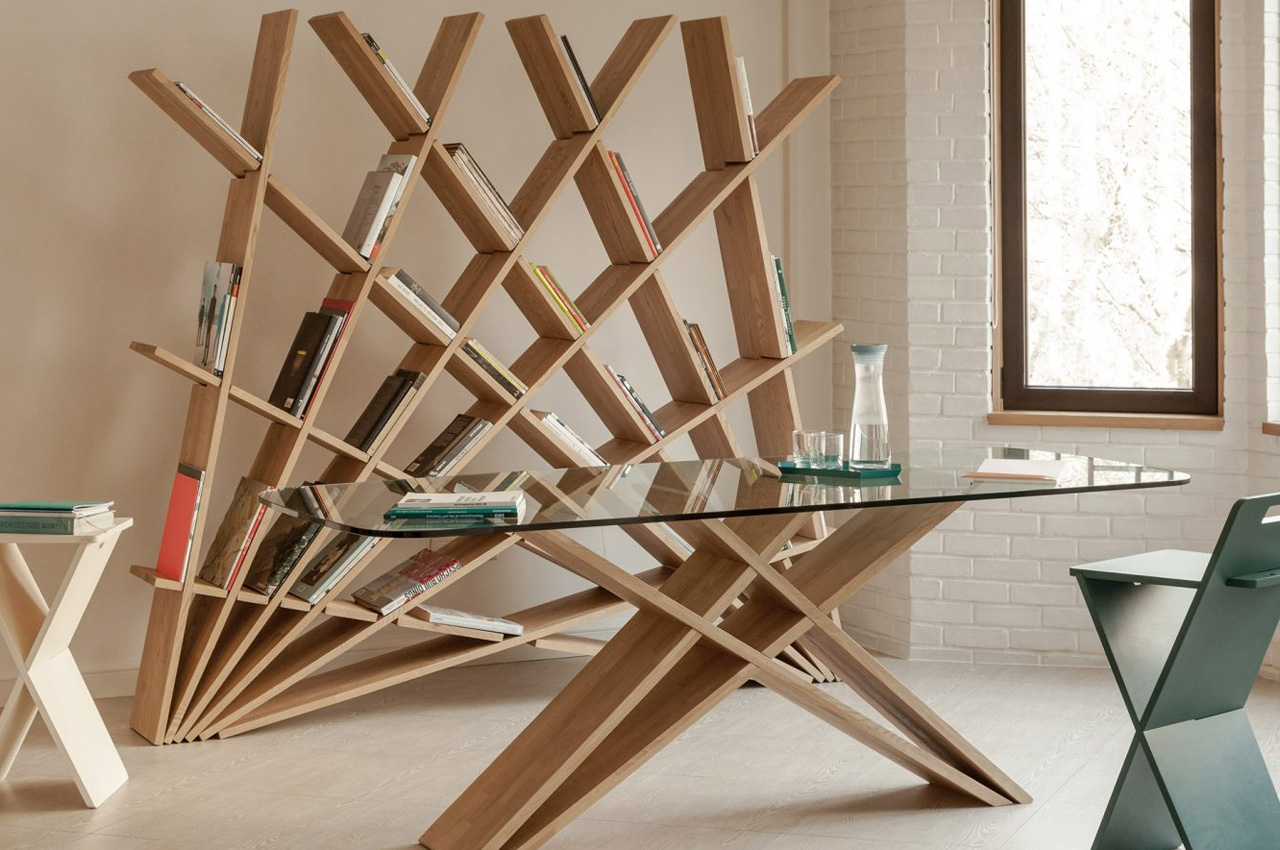
Designer: Maryam Pousti for Studio Pousti

The Cheft Bookshelf is a geometric shelving unit created from interlocking sheets of wood, offering assembly without the need for nails, screws, or glue. In addition to serving as a functional bookshelf, it can double as a room divider or provide shelving for various items in your home. Drawing inspiration from the geometric patterns of traditional Persian architecture, the warm wooden aesthetics of the bookshelf seamlessly blend with the interiors of any modern contemporary home.

Designer: Guille Cameron Mac Lean

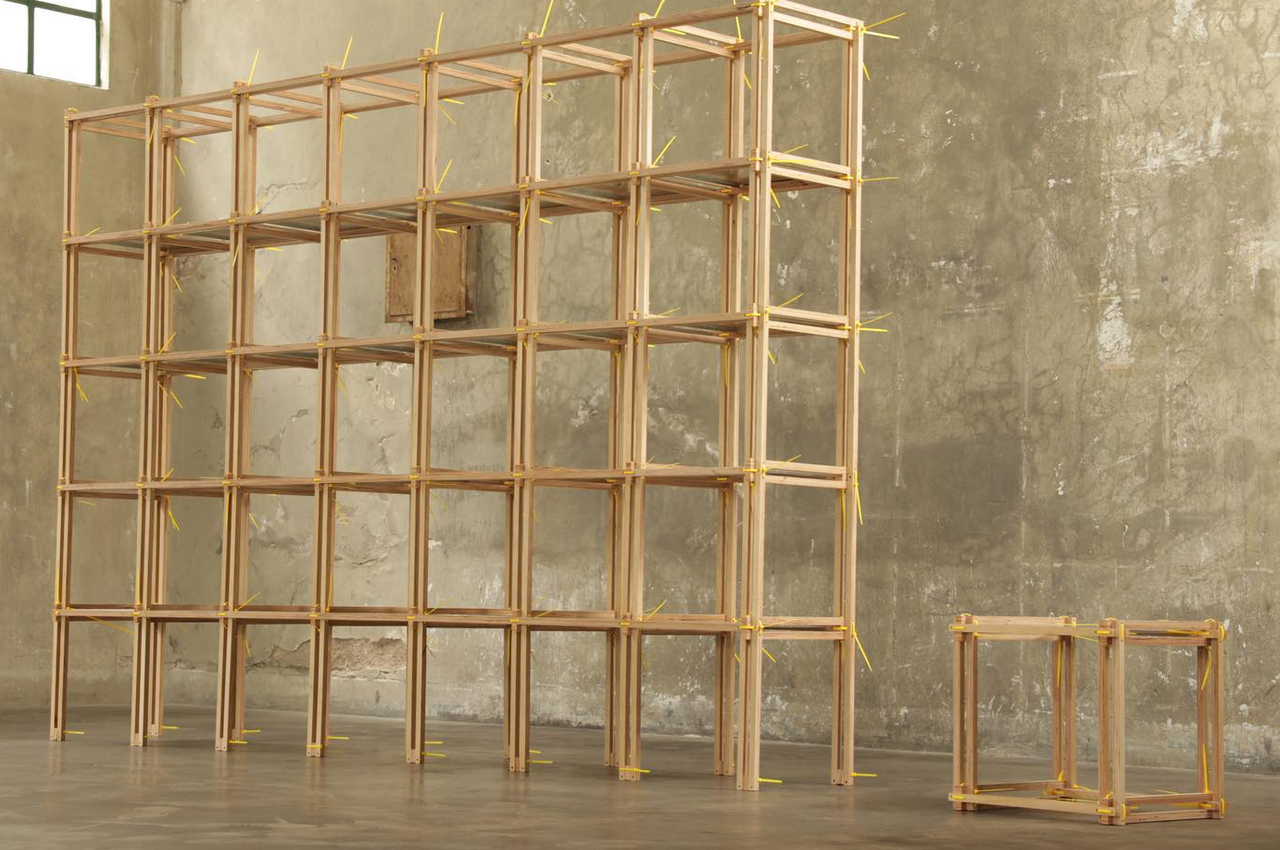
Listón is an innovative furniture system that employs cable ties and wooden slats to construct modular storage units. The cable tie system enables users to fashion an array of configurations, varying in sizes and shapes, resulting in essentialist shelving units suitable for any room. This system eliminates the need for traditional hardware and tools, as the cable ties securely fasten each module that comes with Listón.

11. Wardrobes as Bedroom Walls

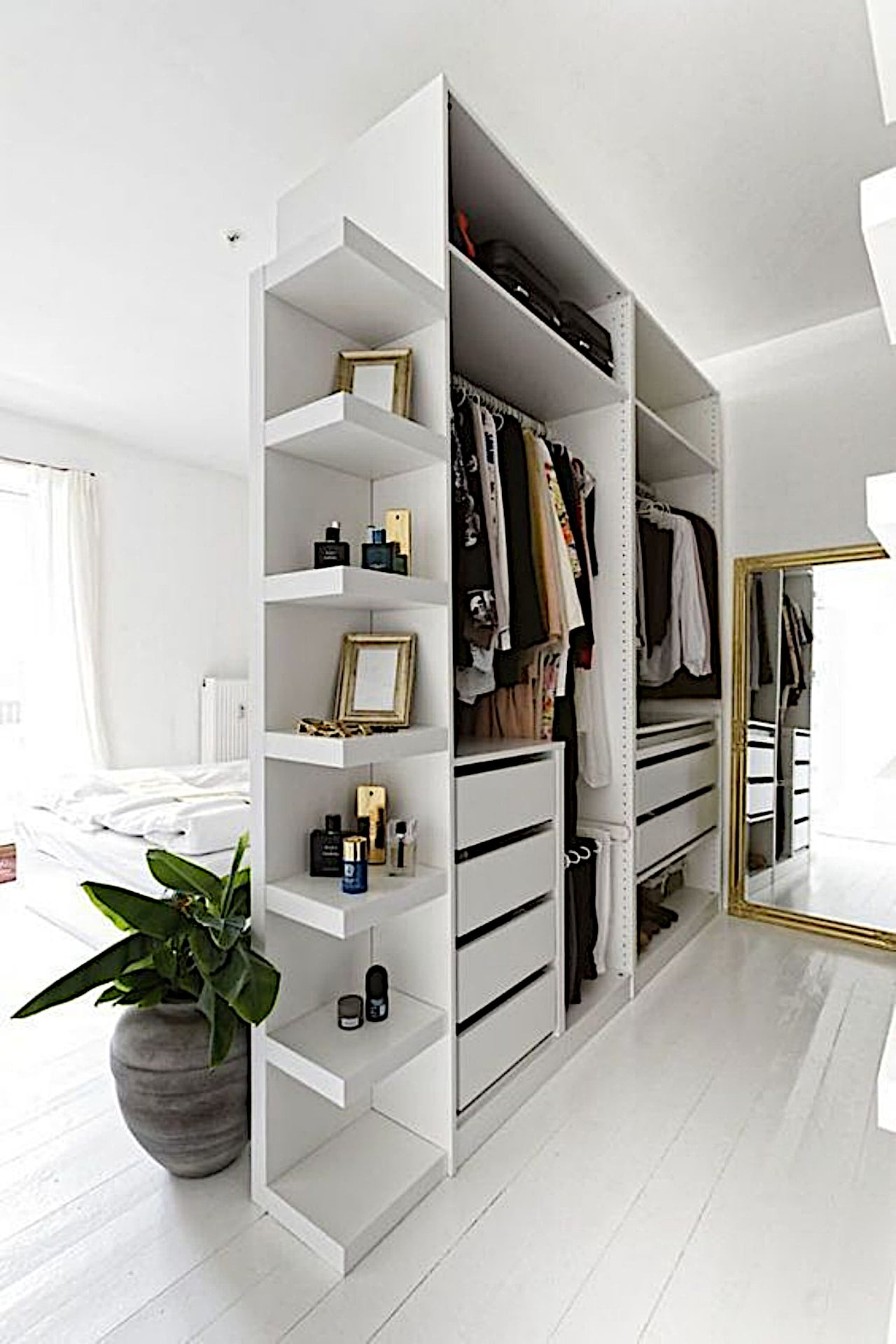
A smart technique for optimizing vertical storage is to install cabinets that extend continuously from one end to the other, spanning from floor to ceiling.

12. Add Wall-Mounted Shelves

Designer: Tomás Alonso

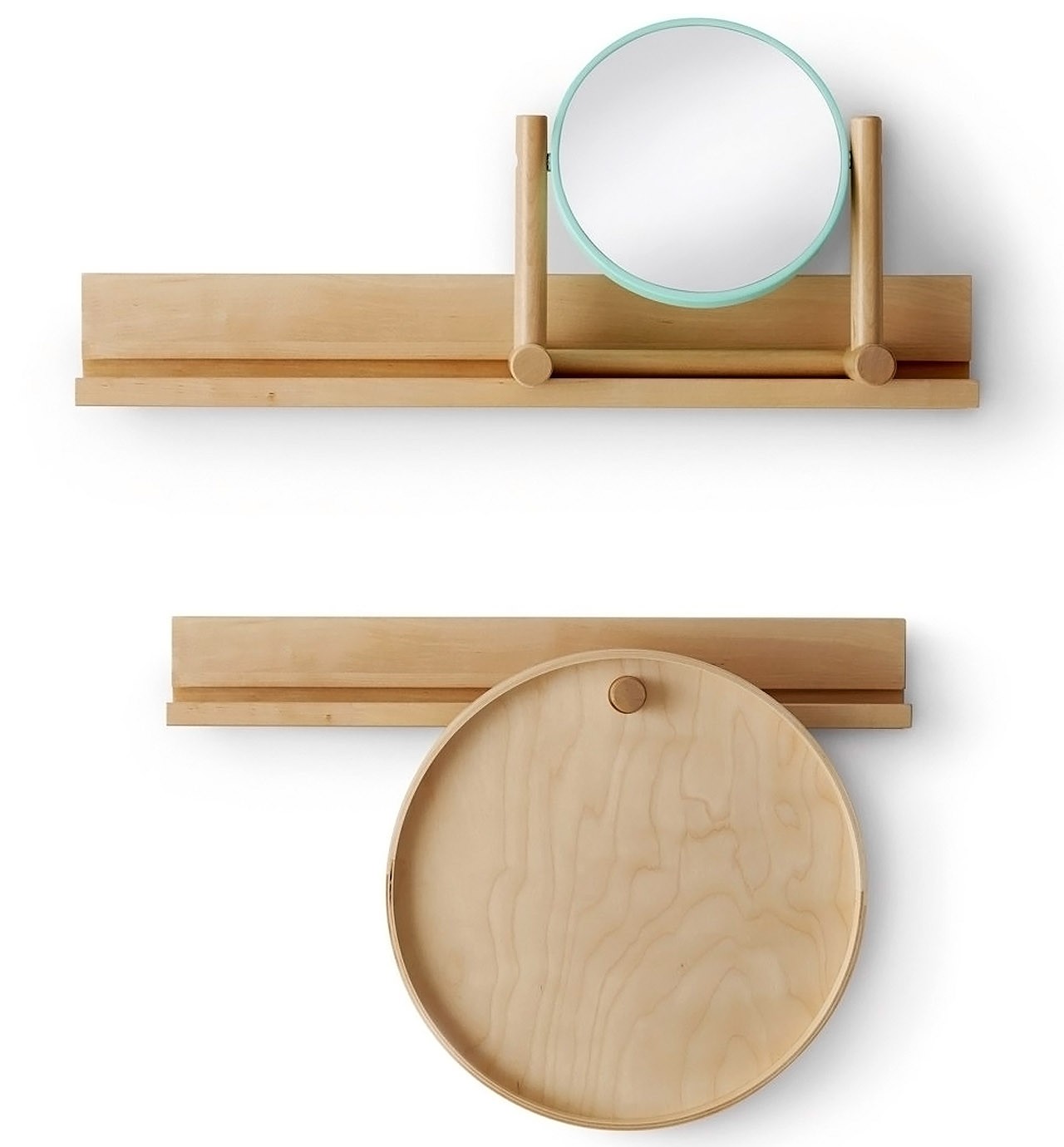
Crafted by Tomás Alonso, this wooden wall system draws inspiration from the ‘Kamoi,’ a wooden rail commonly found around the perimeters of rooms in Japanese homes. This minimal and gentle storage system is versatile enough to accommodate a range of items, from personal belongings to kitchen utensils, depending on its placement. The storage solution’s Japanese aesthetics bring a warm and clean element to any room where it is positioned.

13. Innovative Furniture

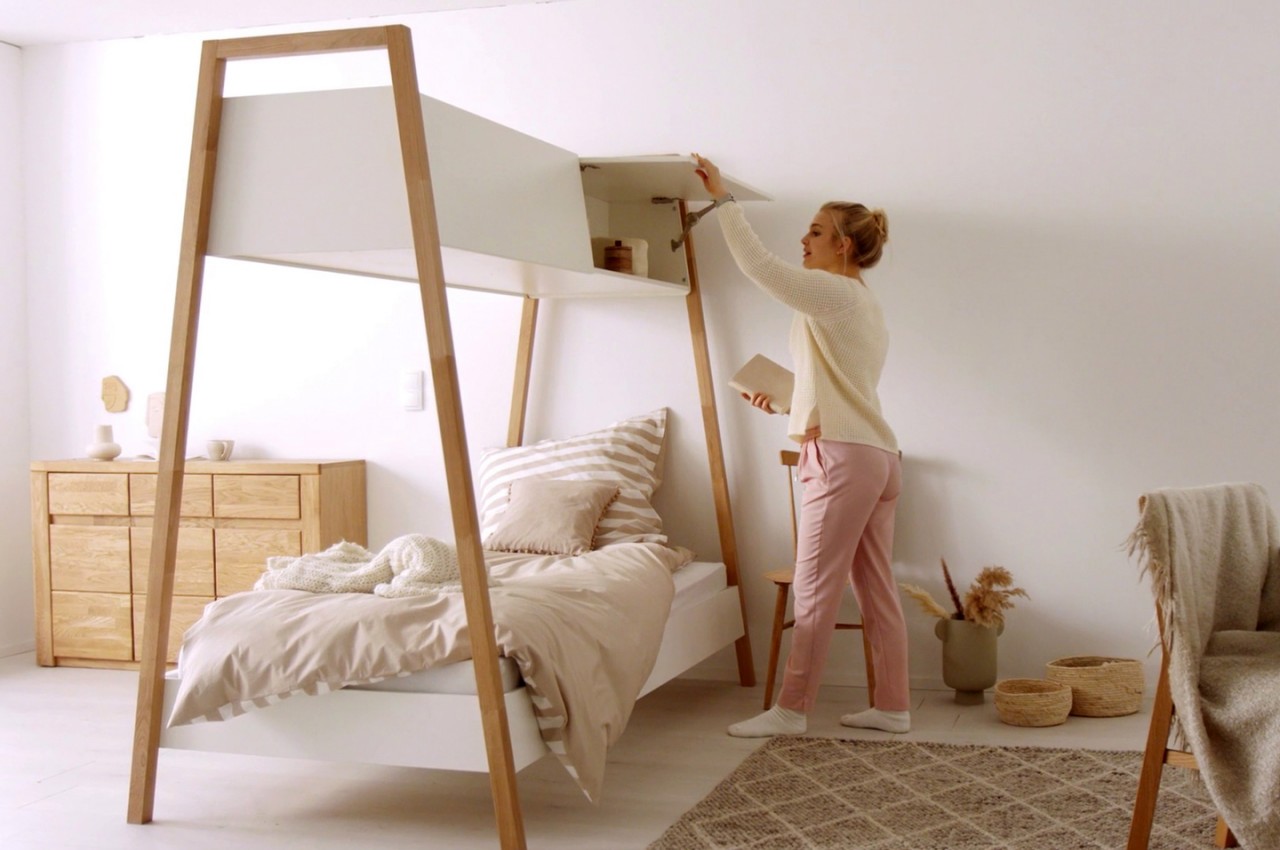
Designer: Michael Hilgers for OTTO

The COBBO bed features a minimalist Nordic-inspired design, incorporating solid oak legs and white storage cabinets positioned above the sleeping area. The bed’s subtly tapered design serves a dual purpose, providing both visual and physical lightness to the furniture. The cabinet above the bed is notably slimmer than the bed itself, allowing for the use of slim wooden pillars instead of metal ones to avoid excessive weight. The slender cabinet/shelf is equipped with four doors (two on each side), opening to reveal a neatly slim space for storing items such as books, quilts, throws, and cushions.

14. Multifunctional Furniture

Designer: Alessio Romano

Orte combines a full shelf and a mirror into a single, space-saving unit. With a limestone base supporting a rotating wooden frame, it features a mirror on one side and six hidden shelves on the other. The addition of a vibrant red hue brings a lively touch to the corner, and its elongated shape ensures easy fitting in any space. Orte serves multiple functions, functioning as a dresser, bookshelf, or discreet storage unit for quick-access items without always being on display.

15. Corner Storage

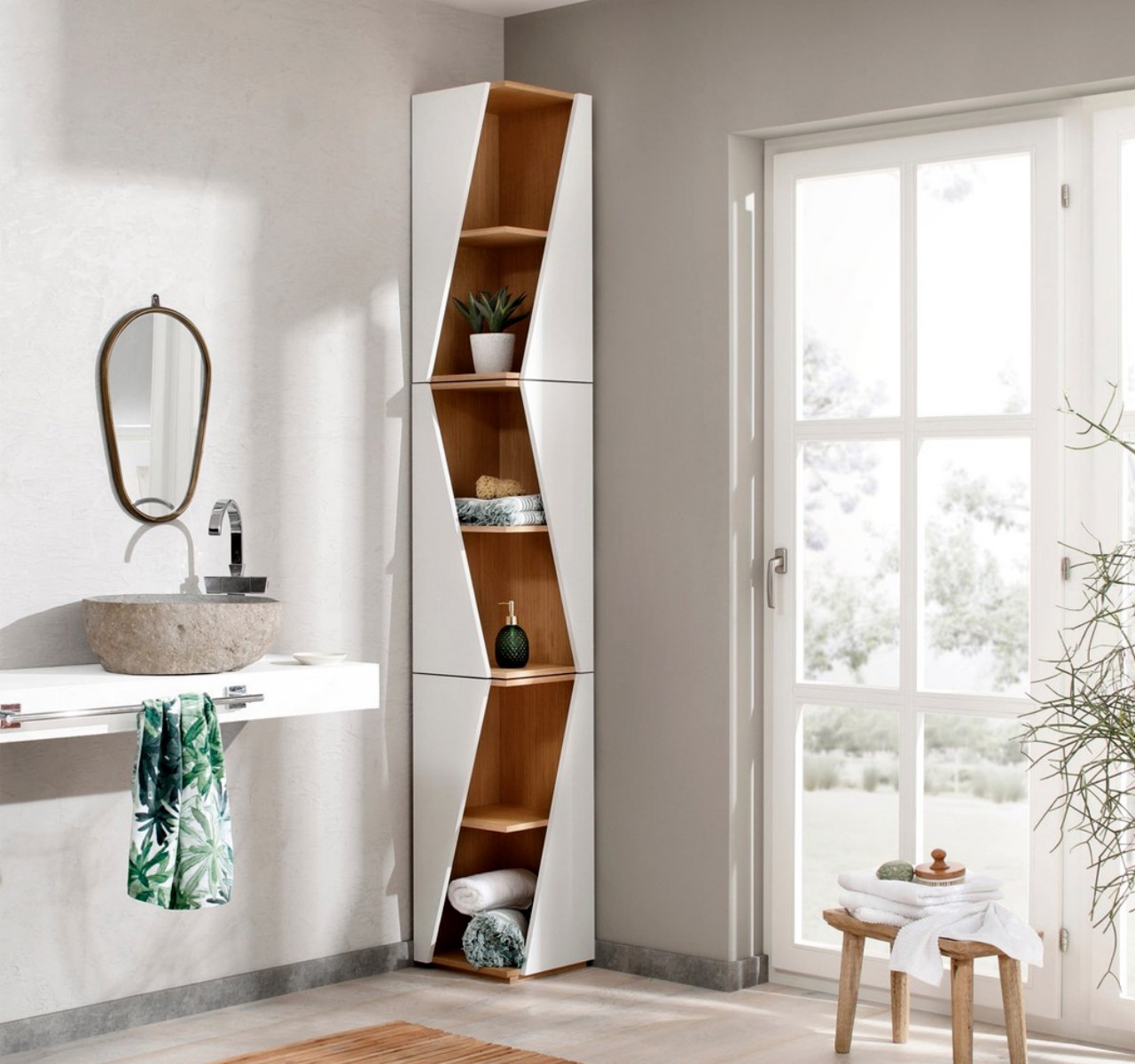
Designer: NOOOK

The Noook Becky Corner Shelf consists of stackable shelves designed to transform otherwise unused corners into practical storage areas. Specifically crafted for bathrooms, this innovative shelving solution maximizes space efficiency.

The post How to Maximize Vertical Storage to Minimize Clutter first appeared on Yanko Design.

Big Kitchen Trends for the Year 2024

The kitchen forms one of the most frequently used areas of any home and it is constantly evolving in terms of design and functionality. With a dynamic shift towards contemporary trends, the new-age kitchen design highlights an interesting fusion of inventive materials, intelligent technology, and a hint of eclectic charm. Additionally, the predominant kitchen trends in 2024 focus on making the kitchen more efficient, organized, interactive and less hectic with a more minimalistic approach towards the design. If you considering a makeover for your kitchen’s design, check out the latest kitchen trends of 2024!

Image courtesy of pro_creator

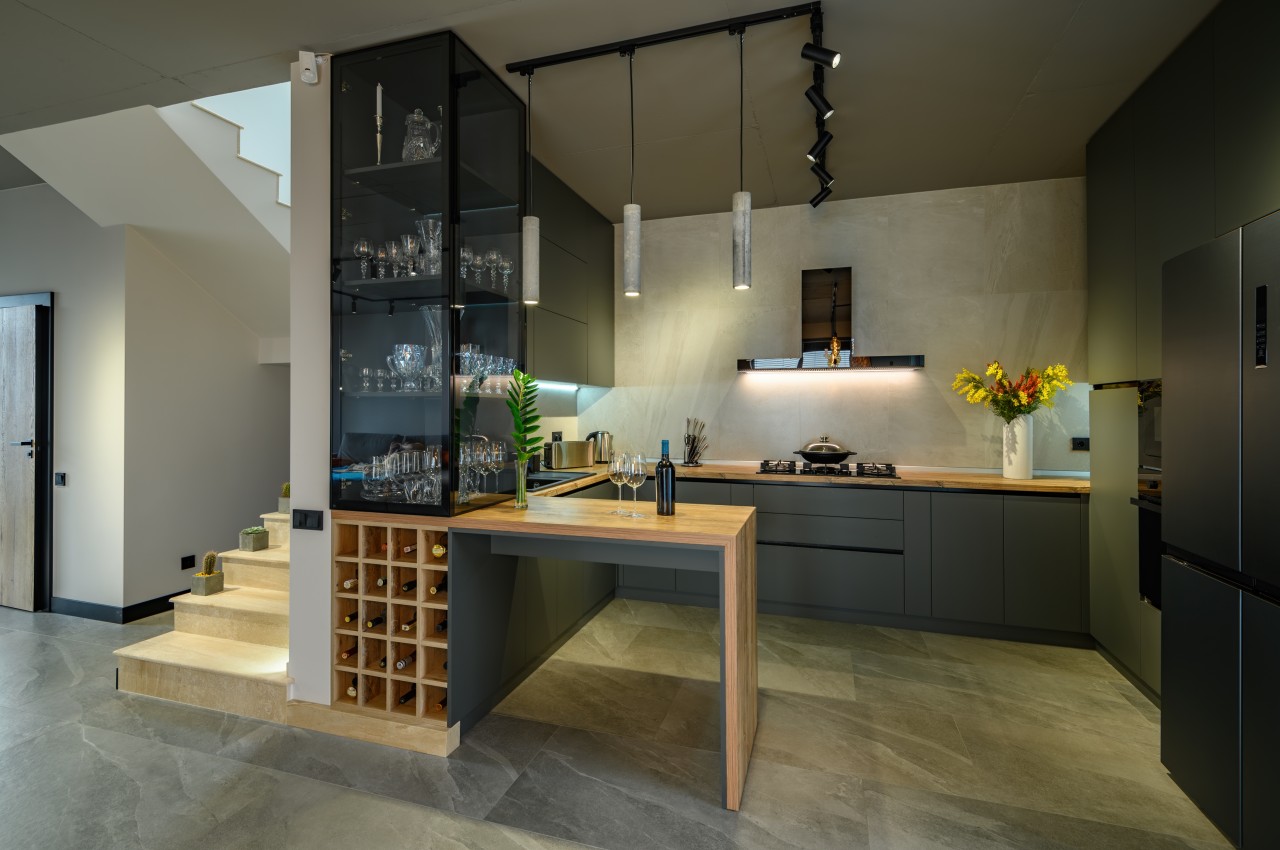
1. Warm Woods

Image courtesy of Picsuite

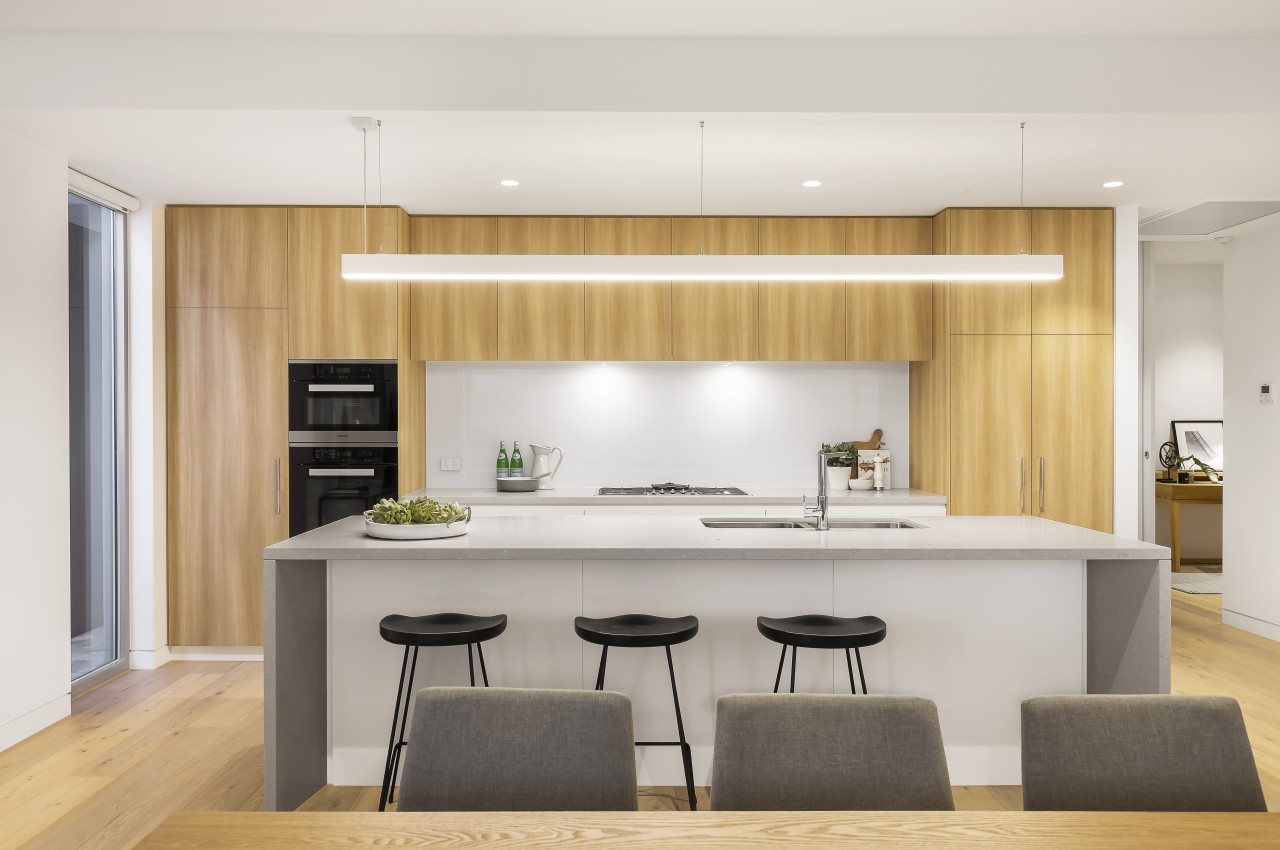
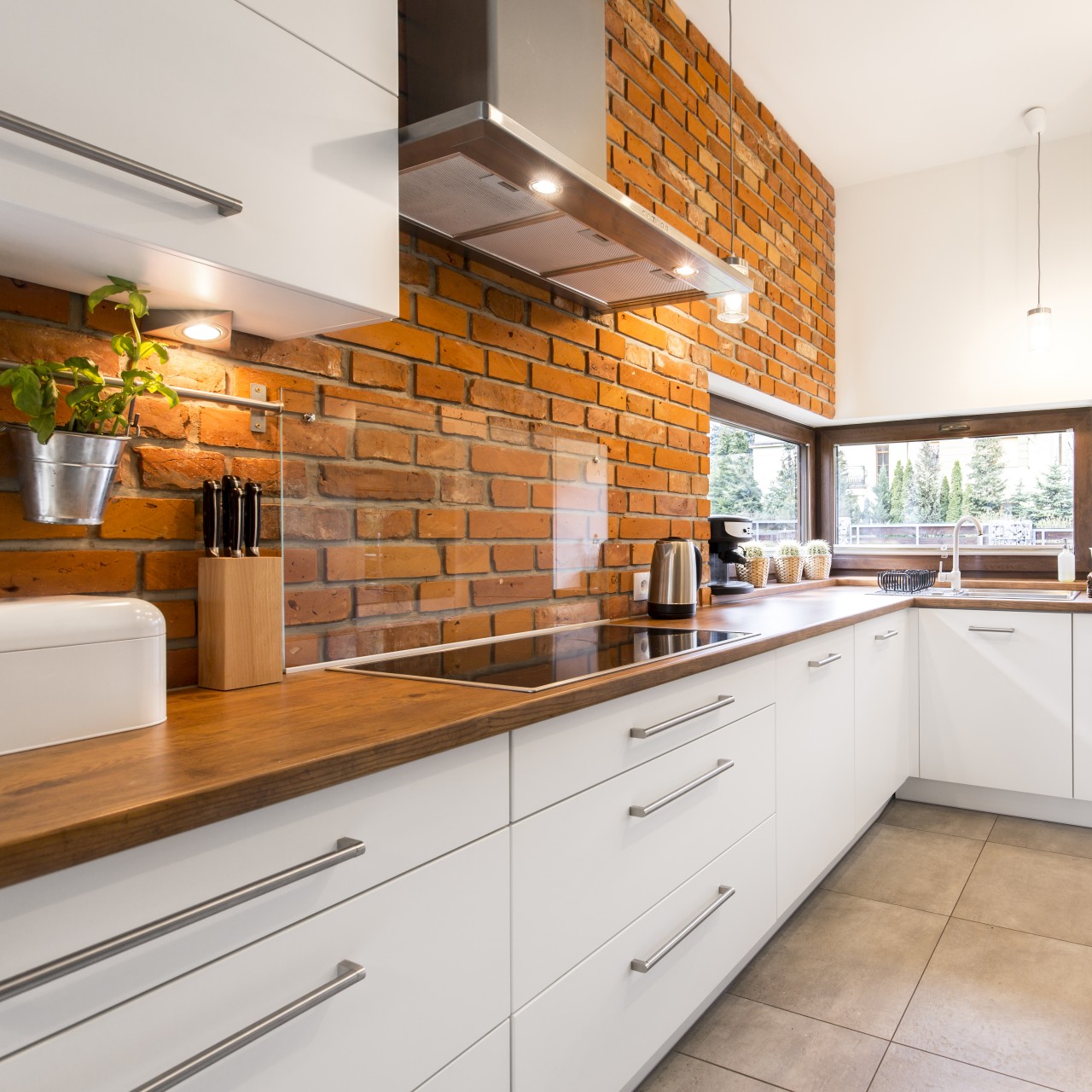
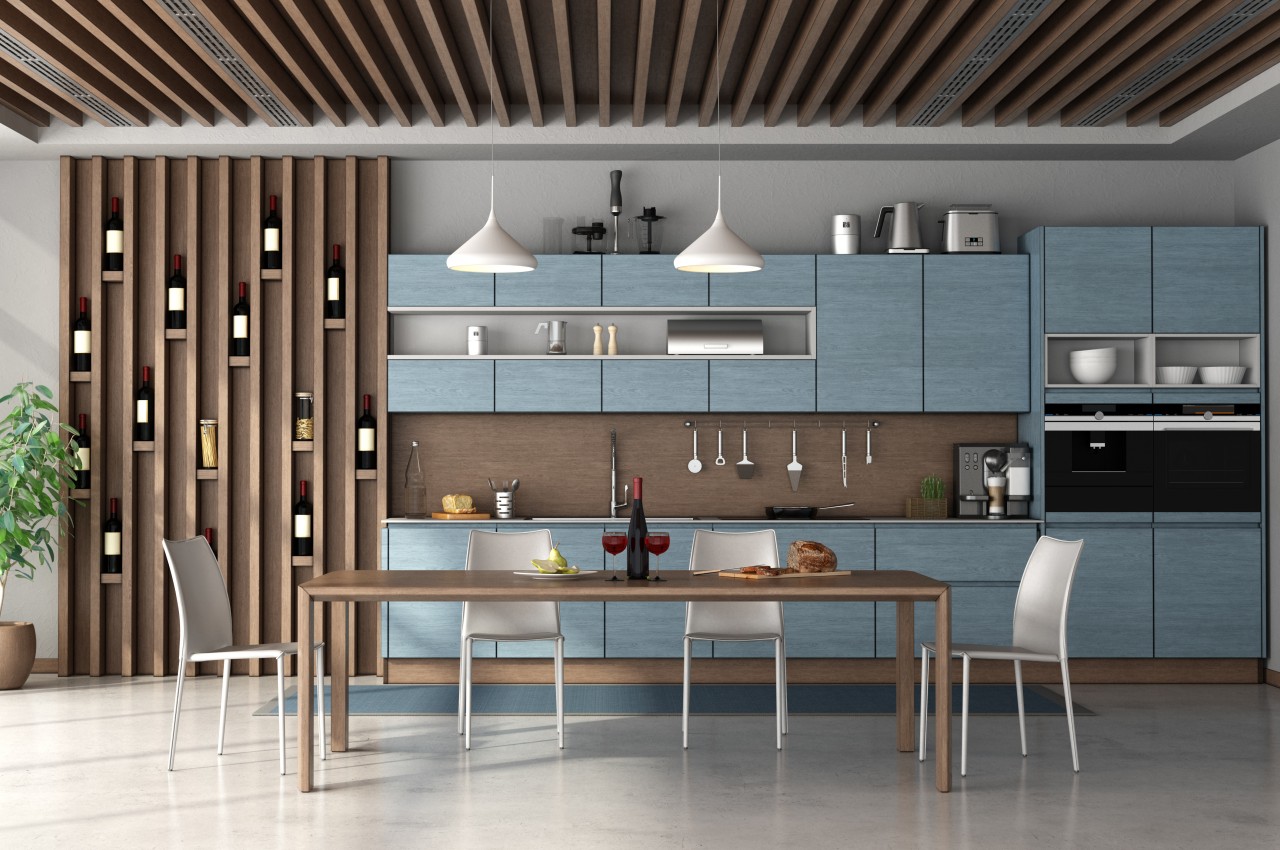
Kitchens are embracing the warmth of natural wood tones by incorporating natural high texture and wood patterns on cabinets to infuse an organic ambiance, particularly within contemporary, midcentury, or Scandinavian designs. White oak and walnut are currently leading the trend in wood species in both modern and traditional kitchen designs.

2. Green Hues

Image courtesy of staRRush

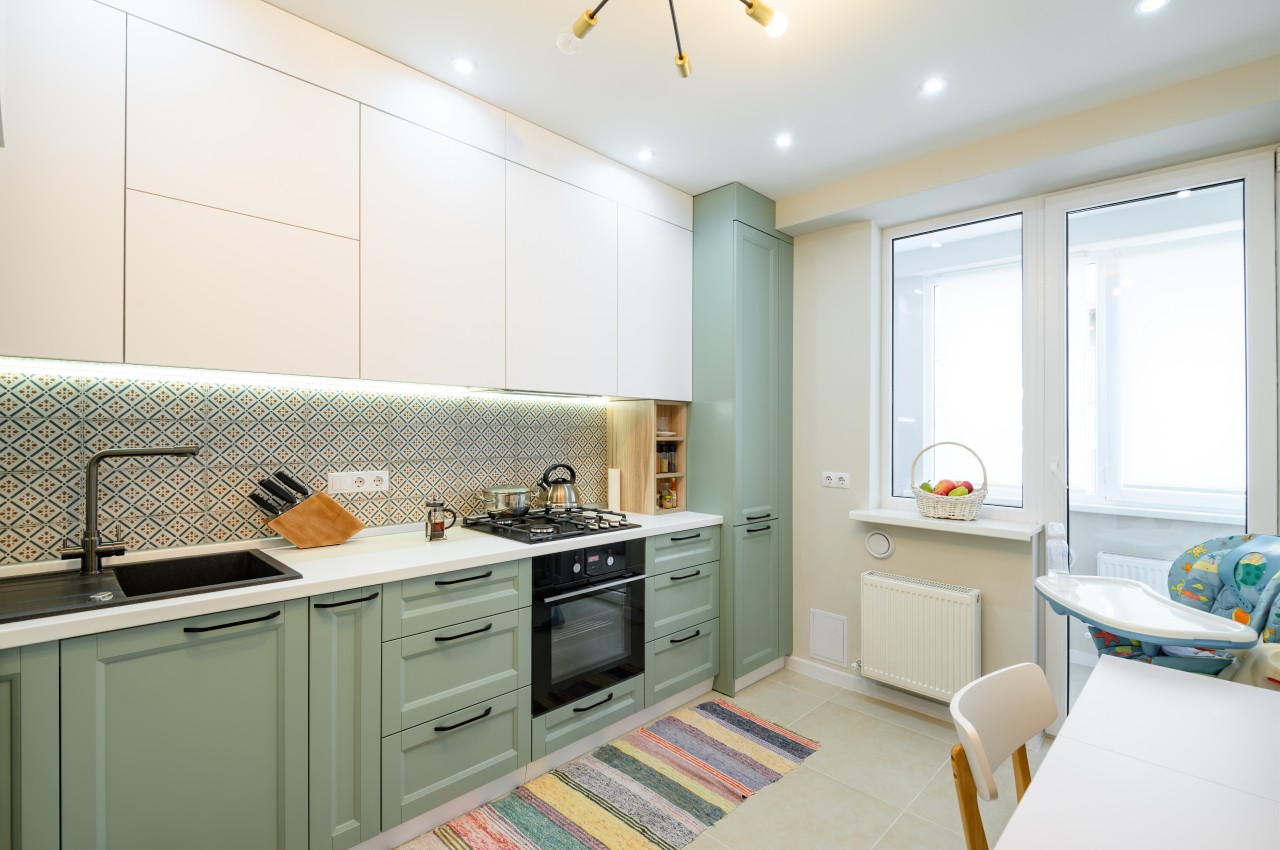
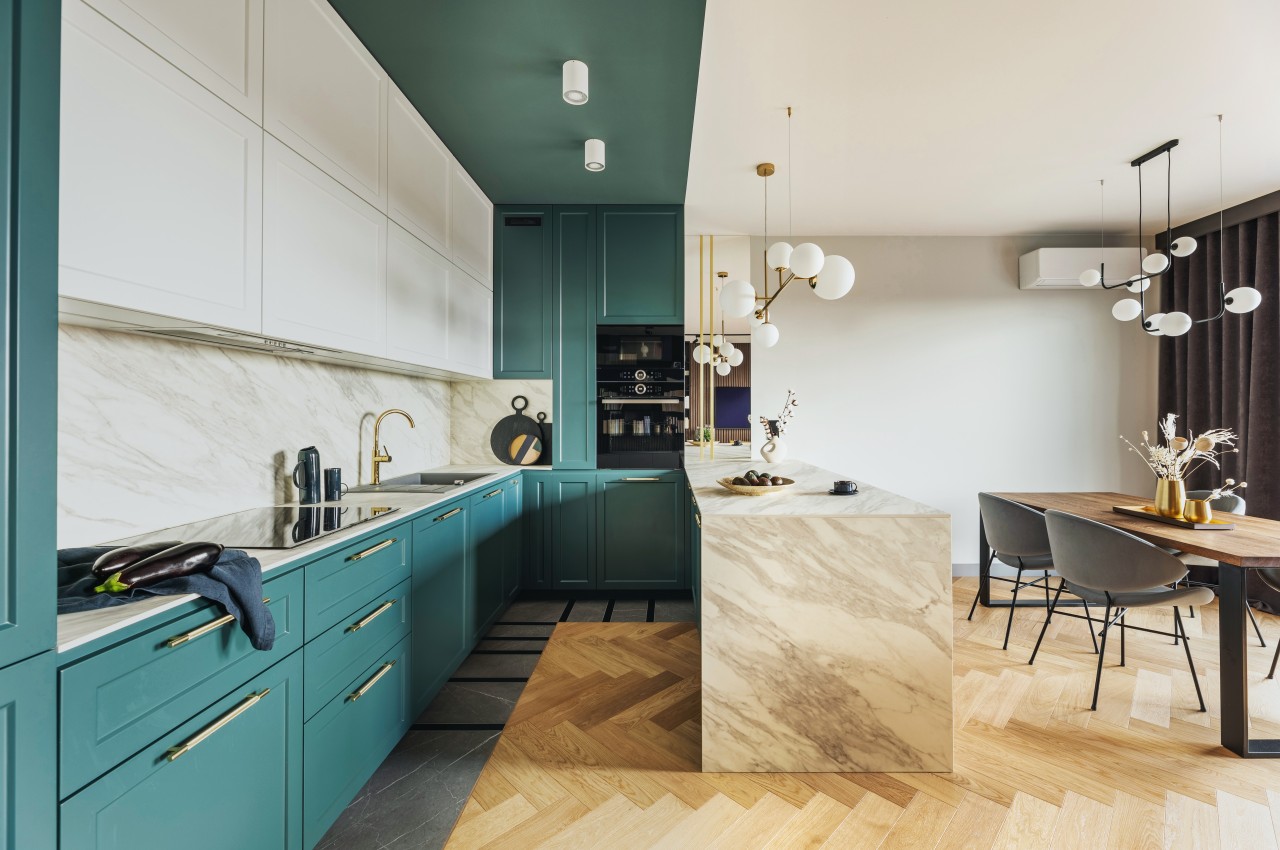
According to the kitchen color trends for 2024, greens emerge as the leading choice. Whether it’s the soothing sage green or the vibrant emerald green, incorporating green into your kitchen’s color palette is effortlessly achievable and brings a refreshing and calming vibe to kitchen designs. Perfect for walls, backsplash tiles, countertops, or islands, green quickly adds a touch of nature. It creates a harmonious and inviting atmosphere, complementing various design styles, and is suitable especially when introducing live plants is not an option in the kitchen.

3. Clutter-free Layout

Image courtesy of archideaphoto

Streamline your kitchen by embracing a carefully crafted minimalist layout. Consider cabinets and appliances with push-to-open technology, ample pantry storage, floor-to-ceiling cabinetry, and easy-to-maintain quartz or granite countertops. These features simplify chores, making cleaning and upkeep a breeze. Also, there is a growing preference for deeper lower cabinets to optimize storage space.

4. Accent Colors

Image courtesy of archideaphoto

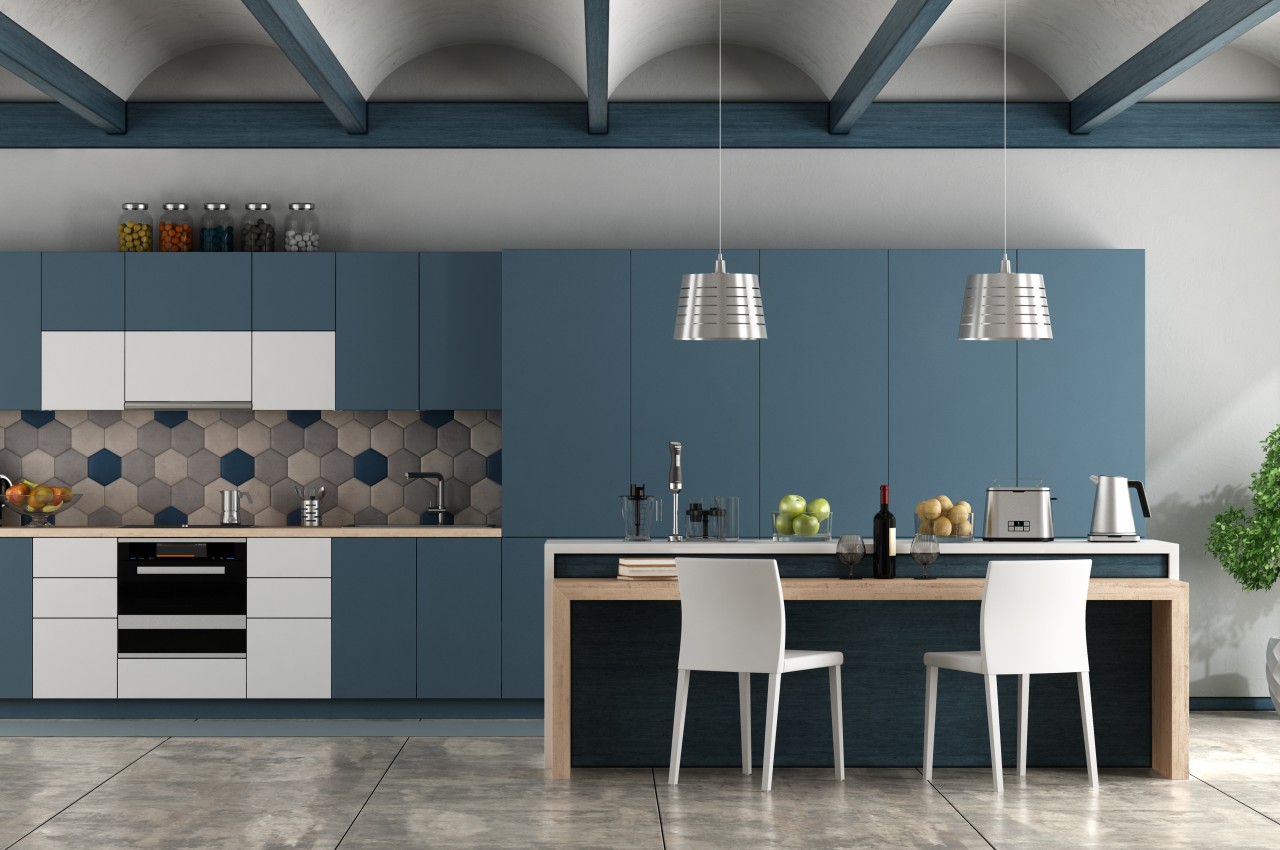
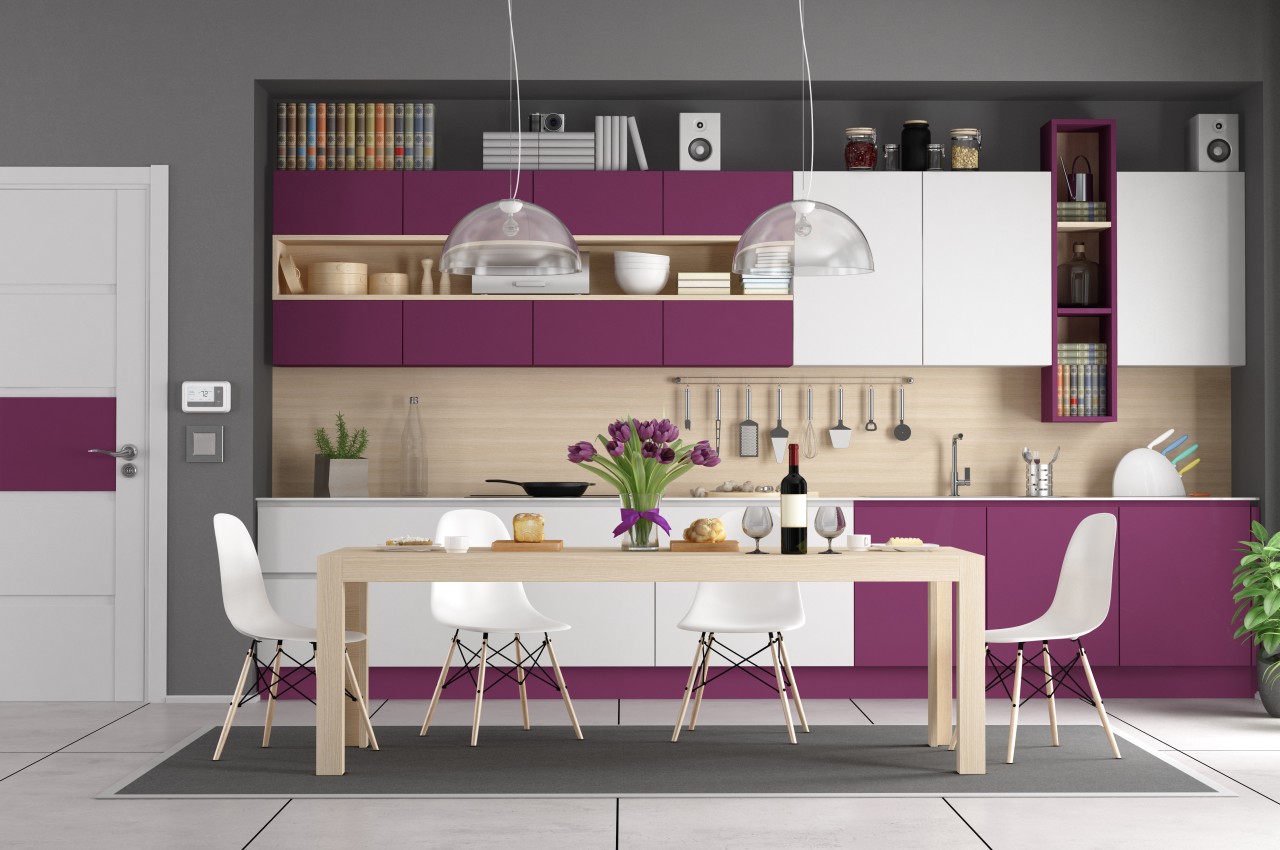
Kitchens are becoming more personal, shifting towards colorful choices instead of white. Dramatic color tones are coming back, showcasing interesting contrasts like combining warm, saturated hues with subtle neutrals. Add art, eye-catching wallpaper, and stylish yet functional elements to enhance the vibrancy of the kitchen design. You can elevate the overall look of the kitchen with bold accent colors, a unique backsplash, and lively light fixtures. Blues, greens, rich browns, grey, and purple can bring a cozy feel to kitchens. Also, combining light or dark-stained woods with vibrant colors is a major trend, offering both personality and warmth.

5. Eco-friendly Materials

Image courtesy of bialasiewicz

In 2024’s trending kitchens, eco-friendly practices are at the forefront. Sustainable materials such as reclaimed timber, linoleum, bamboo, cork, and recycled plastic or glass are becoming popular due to their unique aesthetics and minimal environmental impact. Whether used for countertops or backsplashes, these materials make a strong statement, highlighting a commitment to reducing the carbon footprint without compromising style. For eco-conscious design, opt for recycled materials like terrazzo which is a composite of repurposed marble, glass, granite, and quartz chips. This shift towards eco-friendly choices introduces fresh textures and palettes, revitalizing kitchen spaces.

6. Integrated Smart Technology

Image courtesy of staRRush

The best part about 2024 is that the kitchen design will be smarter than ever with the use of advanced technology. Note that culinary tasks are more streamlined and enjoyable with features like voice-controlled lighting, touchless faucets, and AI-driven ovens that auto-adjust cooking times and temperatures. Importantly, these innovations seamlessly integrate into the overall design, enhancing the kitchen’s ambiance and overall aesthetics. Additionally, in the kitchen design, quiet luxury has acquired a fresh significance, with consumers choosing appliances with lower noise levels. The popularity of soft push-to-open cabinet technology reflects a preference for sleek and streamlined aesthetics.

7. Multifunctional Kitchen Island

Image courtesy of wirestock

There is a growing preference for adaptable spaces that can serve multiple purposes, exemplified by the popularity of kitchen islands featuring integrated seating and storage. These designs transform into versatile hubs that can effortlessly accommodate cooking, dining, and social interactions seamlessly. The kitchen island forms the central focal point that can transform into a work of art with unique stones, contrasting colors, or materials. It is evolving into different shapes, enhanced by distinctive and textural cabinetry, resembling a fine furniture piece for your kitchen. With adjustable heights, built-in charging stations, and retractable workspaces, islands now accommodate various tasks like remote work, it functions as a buffet counter and can host intimate gatherings.

8. Biophilic Design

Image courtesy of Mint_Images

Image courtesy of TDyuvbanova

Biophilic design is leaving its imprint on kitchens, enhancing the connection with nature. Kitchen renovation concepts for 2024 involve integrating greenery into statement walls, countertops, and miniature greenhouses. Another ongoing trend involves seamlessly integrating indoor and outdoor spaces using large windows, glass doors, and window walls will facilitate bringing the outdoors into the kitchen, matching materials, and complementary color palettes. This design allows for enjoying fresh air while cooking and entertaining, with dedicated green spaces for growing herbs or sprouting microgreens.

9. Layered Lighting

Image courtesy of SkloStudio

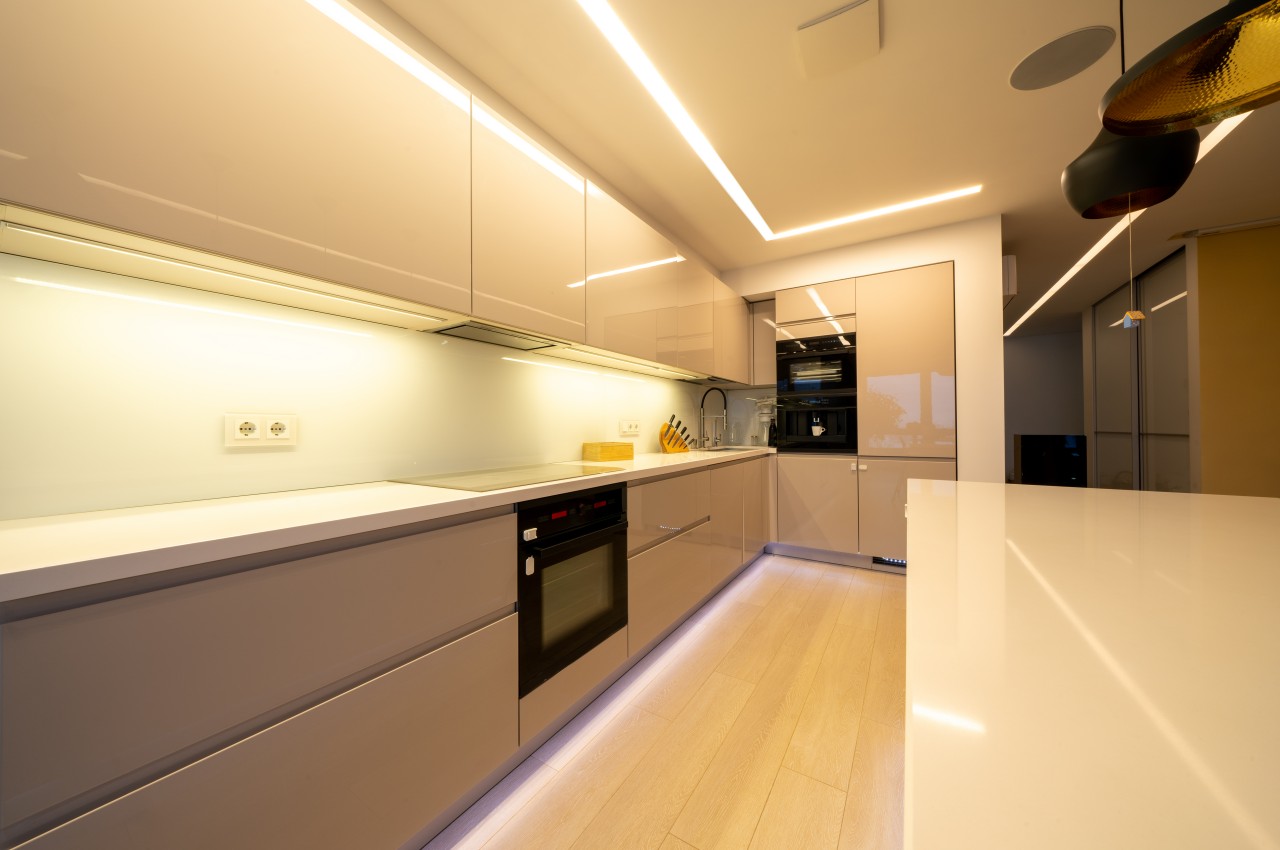
In modern kitchens, opt for a versatile lighting approach that blends ambient, task, and accent lighting seamlessly. Consider under-cabinet LED strips, toe-kick lighting, island pendant lights, and subtle hidden lighting working together to create a flexible and comfortable atmosphere. This ensures that every corner and task in the kitchen gets its dedicated spotlight and enhances the efficiency of the kitchen design.

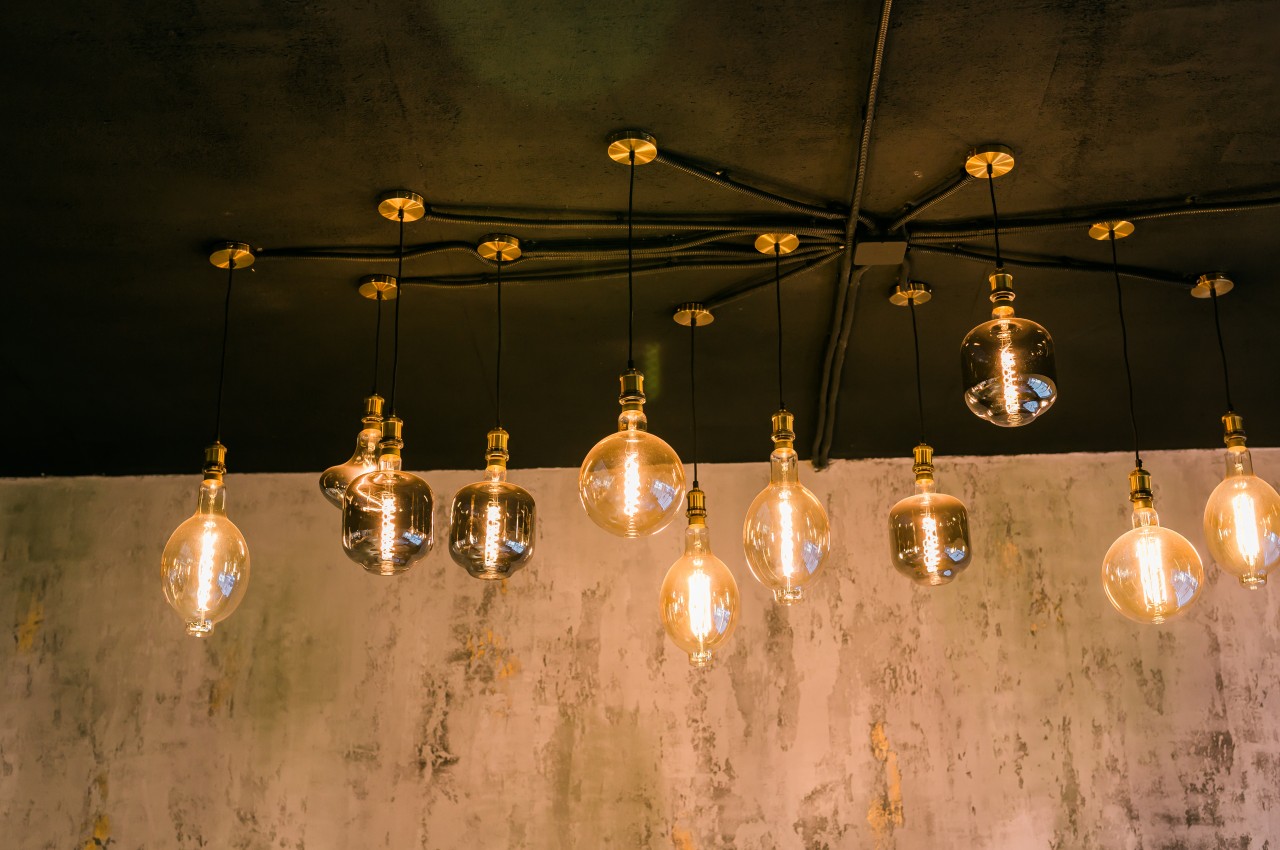
Additionally, the lighting can take on an artistic flair, featuring sizable sculptural fixtures with abstract shapes, a mix of materials, and a fusion of traditional and contemporary styles that shape the character of a kitchen space. Gold pendant lights, brass cabinet handles, or metallic bar stools infuse modern elegance into your kitchen. The interplay of light and metal creates a captivating atmosphere, making the kitchen a welcoming and stylish space where functionality meets high-end luxury and design.

Integrated with home automation, smart lighting systems enable homeowners to customize brightness, color temperature, and hue based on the time of day or mood. These tech-forward fixtures promote energy efficiency and provide a personalized kitchen experience, adapting the space to various moods and activities as per the choice of the homeowners.

10. Eat-in Dining

Image courtesy of archideaphoto

The kitchen is emerging as a tranquil and soothing space that can foster meaningful connections with loved ones. Families are now centering activities in the kitchen, with equal emphasis on lounging as on cooking. Hence the trending kitchen design is encouraging layouts that can encourage children and guests to stay and sit while striking meaningful conversations.

11. Dramatic Stone and Marble

Image courtesy of FollowTheFlowStudio

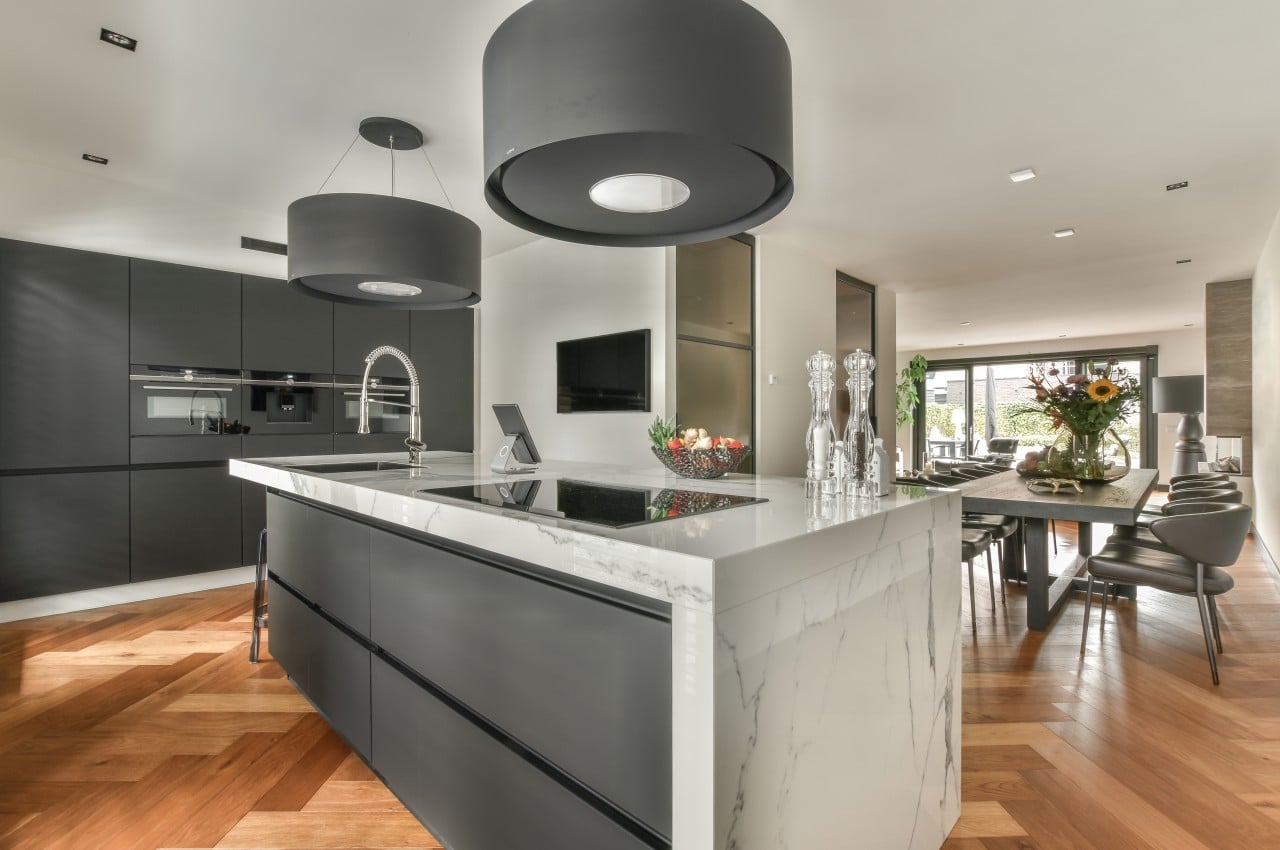
Rather than opting for traditional ceramic or porcelain tiles, there’s a shift towards using stone or quartz slabs for kitchen backsplashes behind the cooktop and range. Consider striking patterns in the stonework paired with pendant lights hanging low in vibrant designs. Natural materials like marble, especially particularly white marble, are favored for countertops and flooring despite concerns about stains and chips due to their unique veining patterns that create an element of dynamism. Quartzite, with its earthy undertones, is also a popular countertop material, and choosing these materials connects you to the beauty of the natural world. Another trend is to go with a matching countertop and backsplash that introduces natural veining and intriguing details that not only transform into a focal point but also create a seamless surface that is easy to clean and maintain.

The post Big Kitchen Trends for the Year 2024 first appeared on Yanko Design.
What are the Characteristics of Islamic Architecture

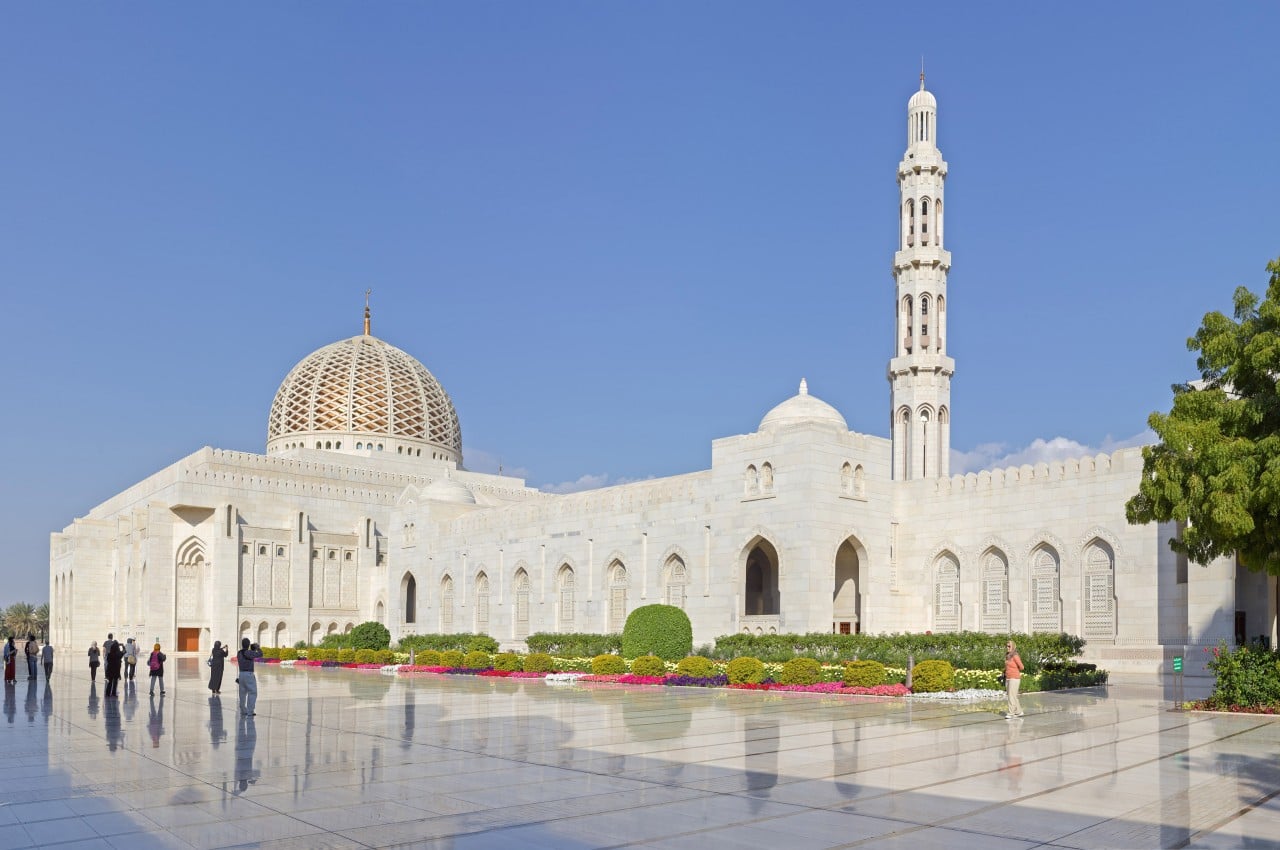
Islamic architecture, an ancient architectural tradition, is deeply grounded in the principles of Islam. It is renowned for its remarkable sculptural shapes and intricate decorative elements, making Islamic structures among the most awe-inspiring architectural marvels in the world. This distinctive design style originated in the Middle East and later expanded its influence worldwide. Islamic architecture includes various structures like palaces, fortresses, schools, fountains, tombs, public baths, and homes.

Designers: Quad Design Associates, Mohamed Makiya (Sultan Qaboos Grand Mosque, Muscat)

Distinctive Features of Islamic Architecture

Minarets

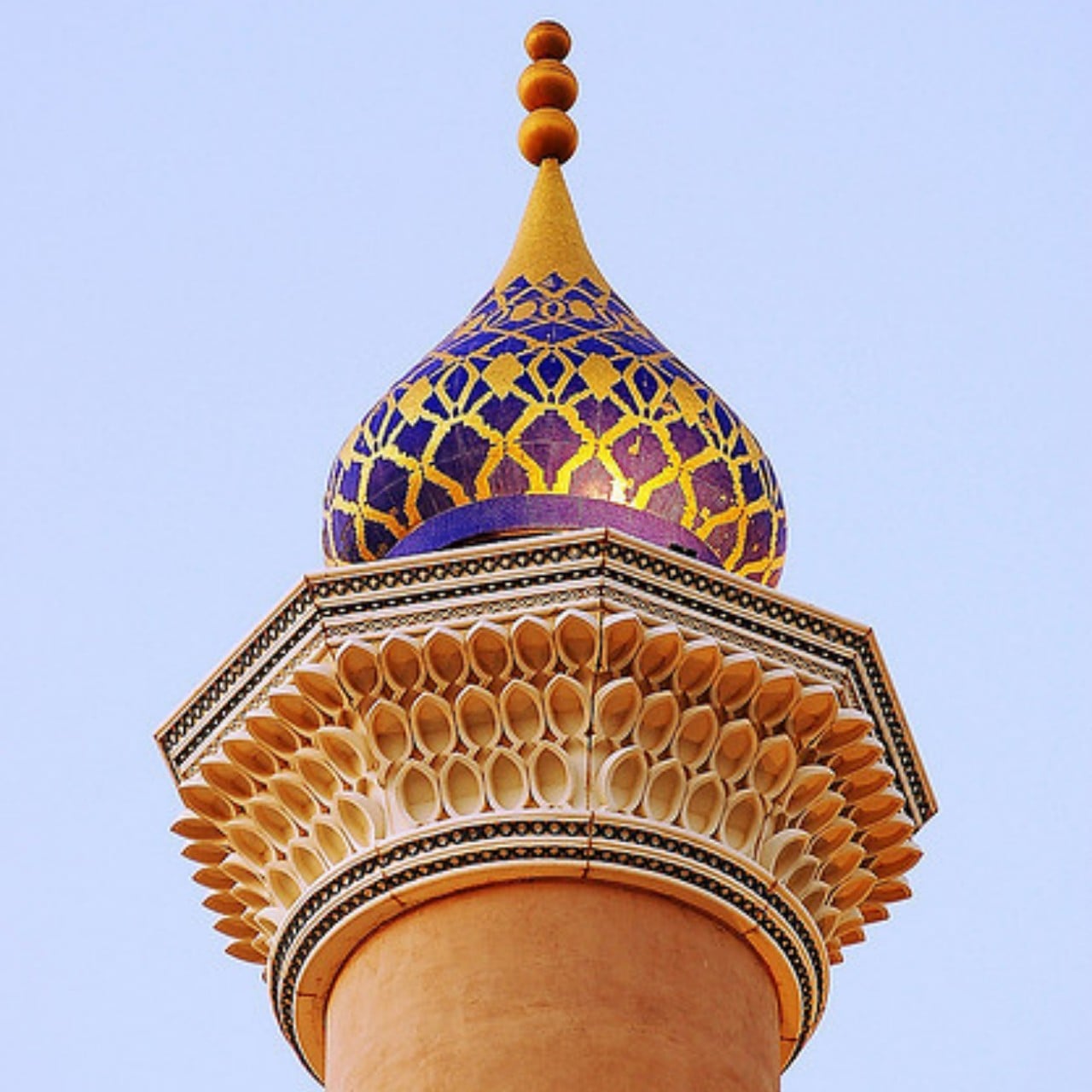
Location: Minaret on Mizwa Mosque, Oman

Minarets are impressive tall structures with internal staircases and petite openings. They not only possess a striking visual presence but also serve a vital role by issuing the call to prayer, a practice performed five times daily by Muslims.

Domes

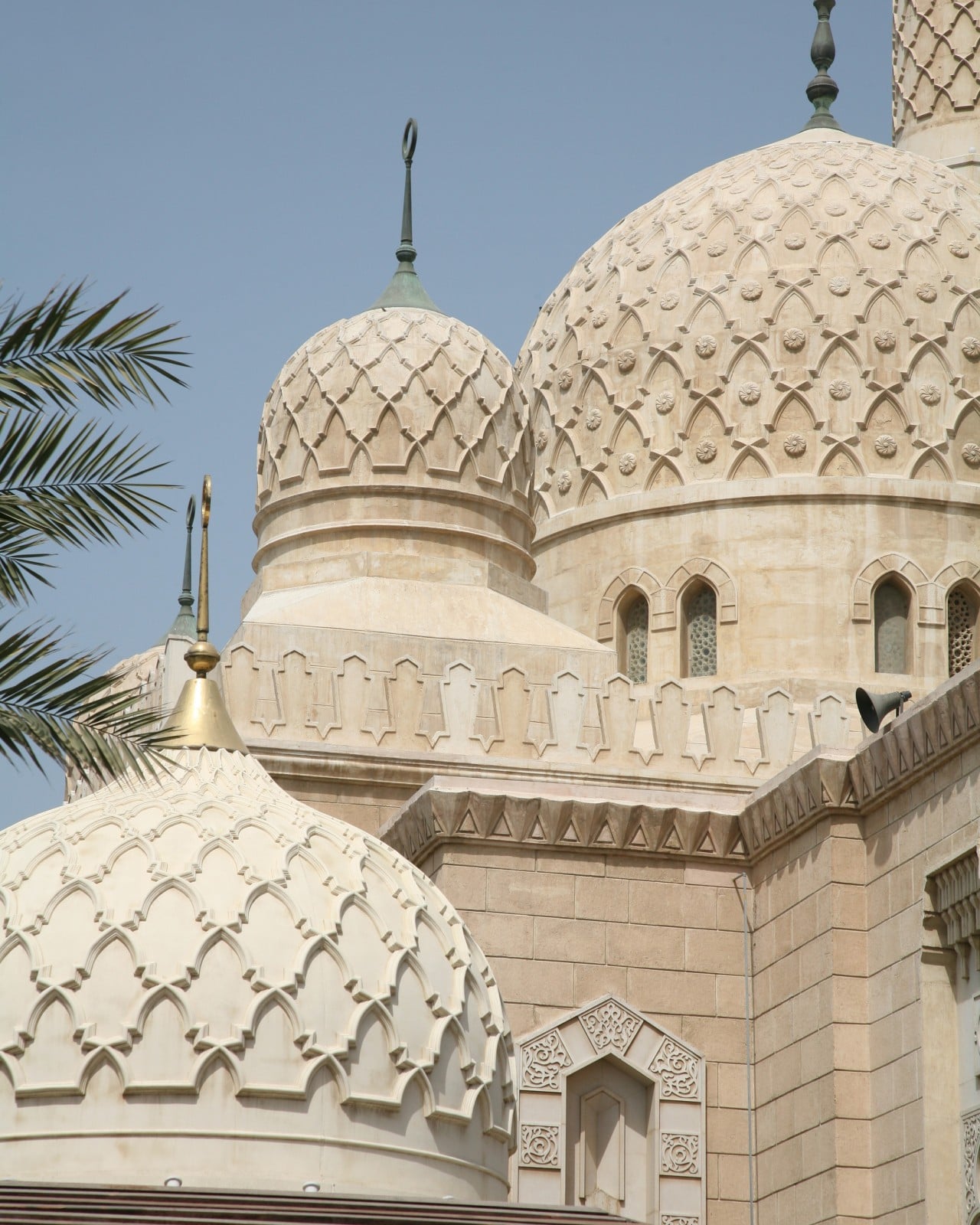
Location: Jumeirah Mosque, UAE (courtesy of Donna Corless)

Islamic architecture incorporates the use of pendentives, which enable the placement of circular domes atop rectangular or square buildings. These pendentives are frequently adorned with intricate mosaic tiling.

Arches

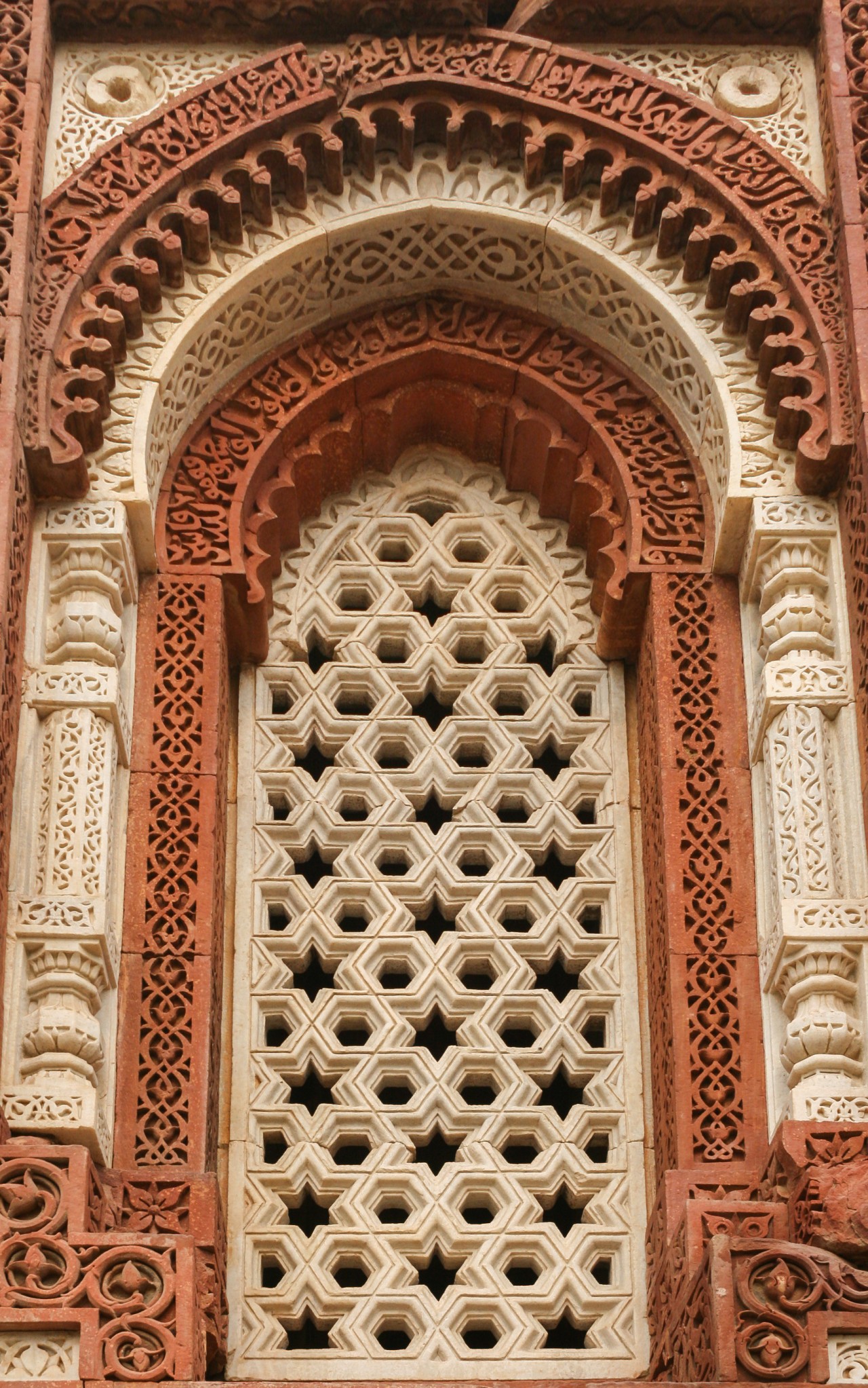
Location: Ala’ Darwaza, India

Horseshoes, pointed, scalloped, and ogee arches are common in Islamic architecture.

Ornamental Details

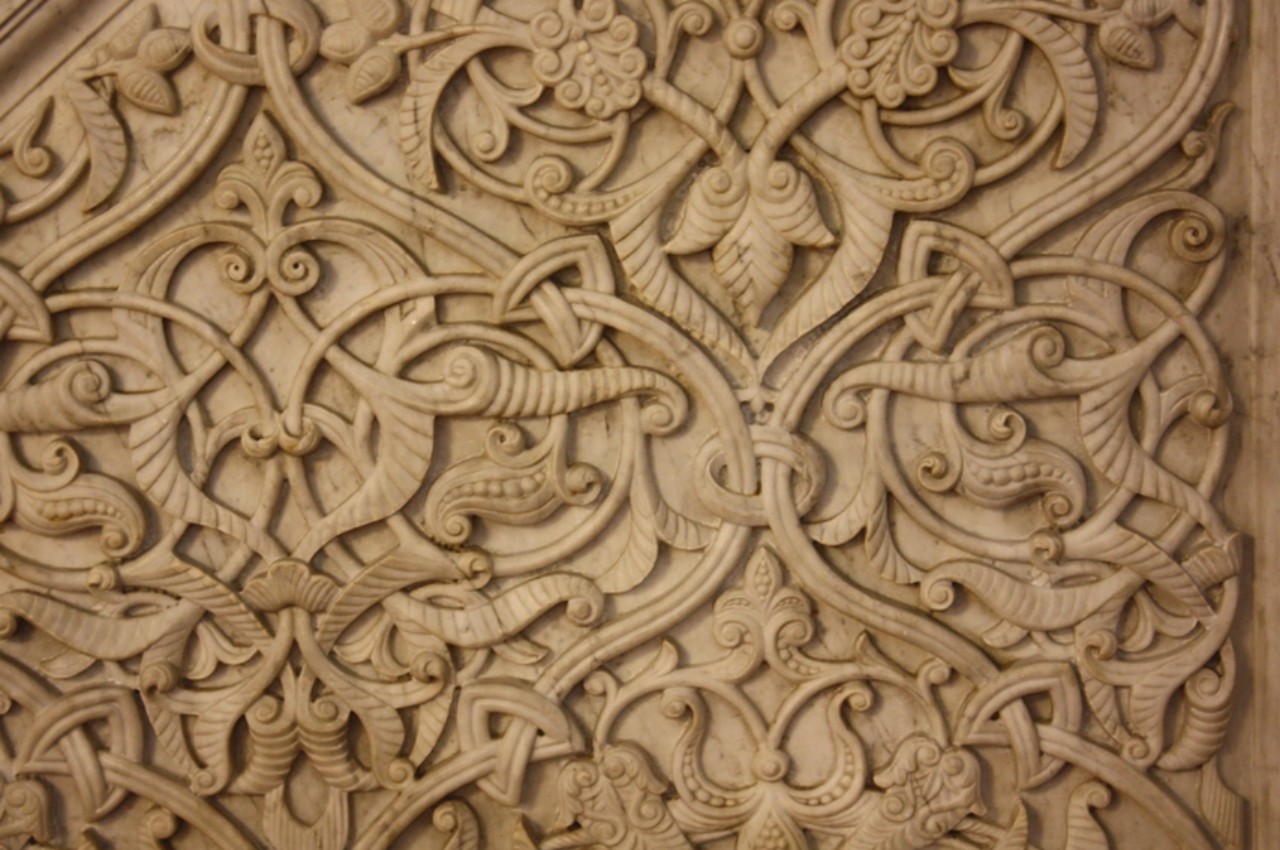
Islamic ornamentation frequently incorporates vibrant mosaic tiles adorned with recurring geometric or floral designs, including the arabesque. It also commonly employs Arabic calligraphy scripts, such as verses from the Qur’an. Additional embellishments in Islamic design encompass wall paintings, stucco sculptures, wall panels, and ornate woodwork.

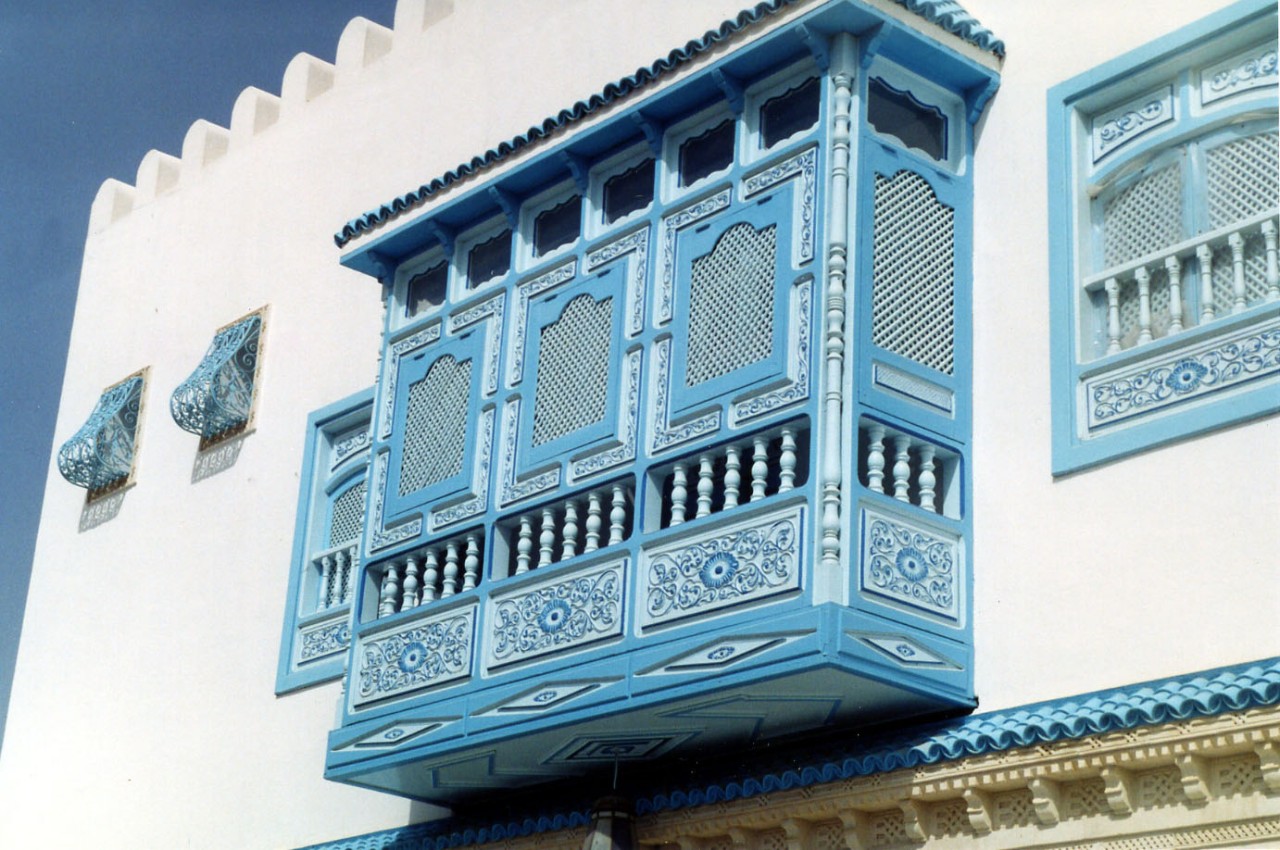
Mashrabiya

Location: Tunisia

The mashrabiya is a wooden lattice framework, employed on windows for privacy and climate regulation. It occasionally serves as a purely decorative feature or a means of partitioning interior spaces in modern contexts.

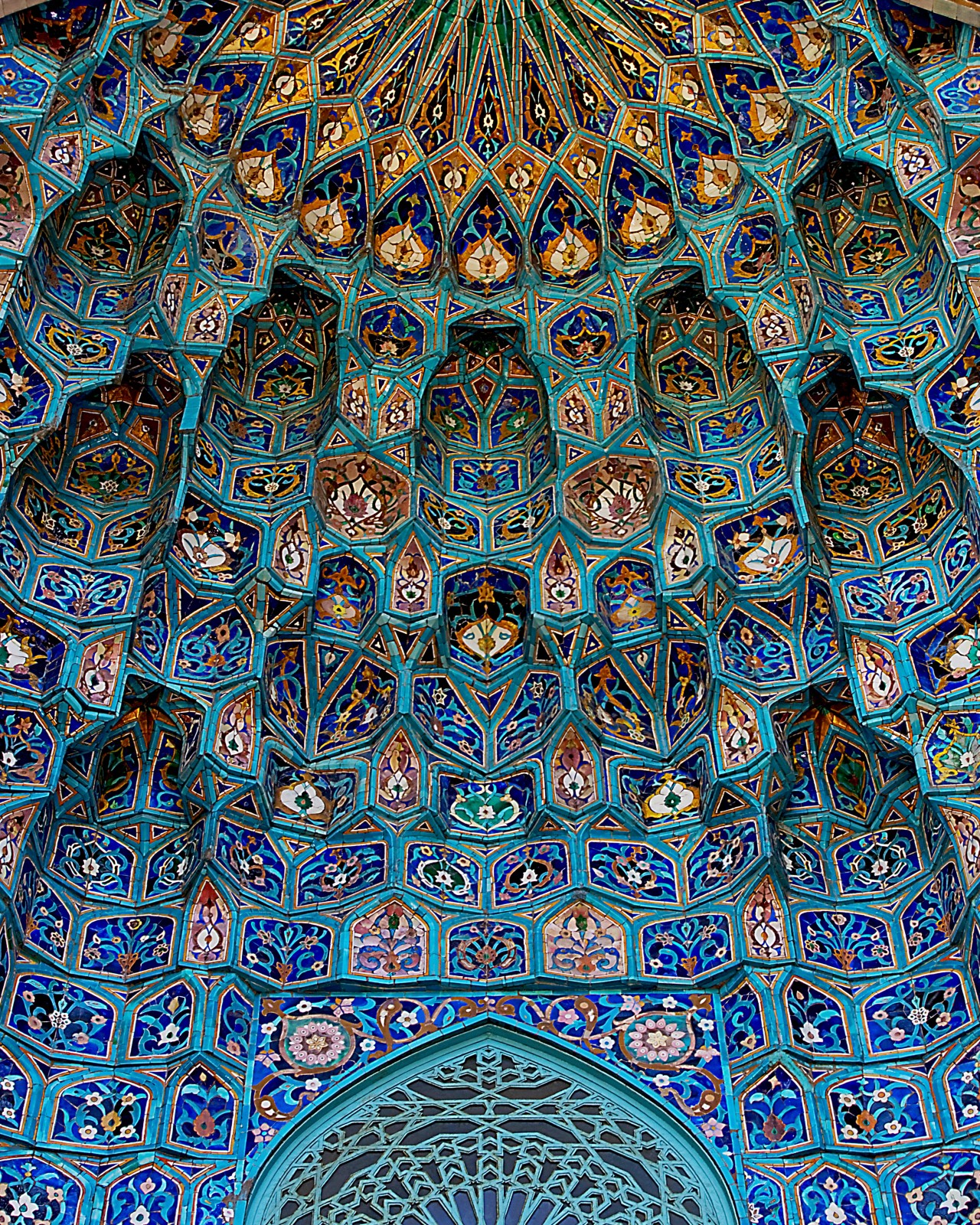
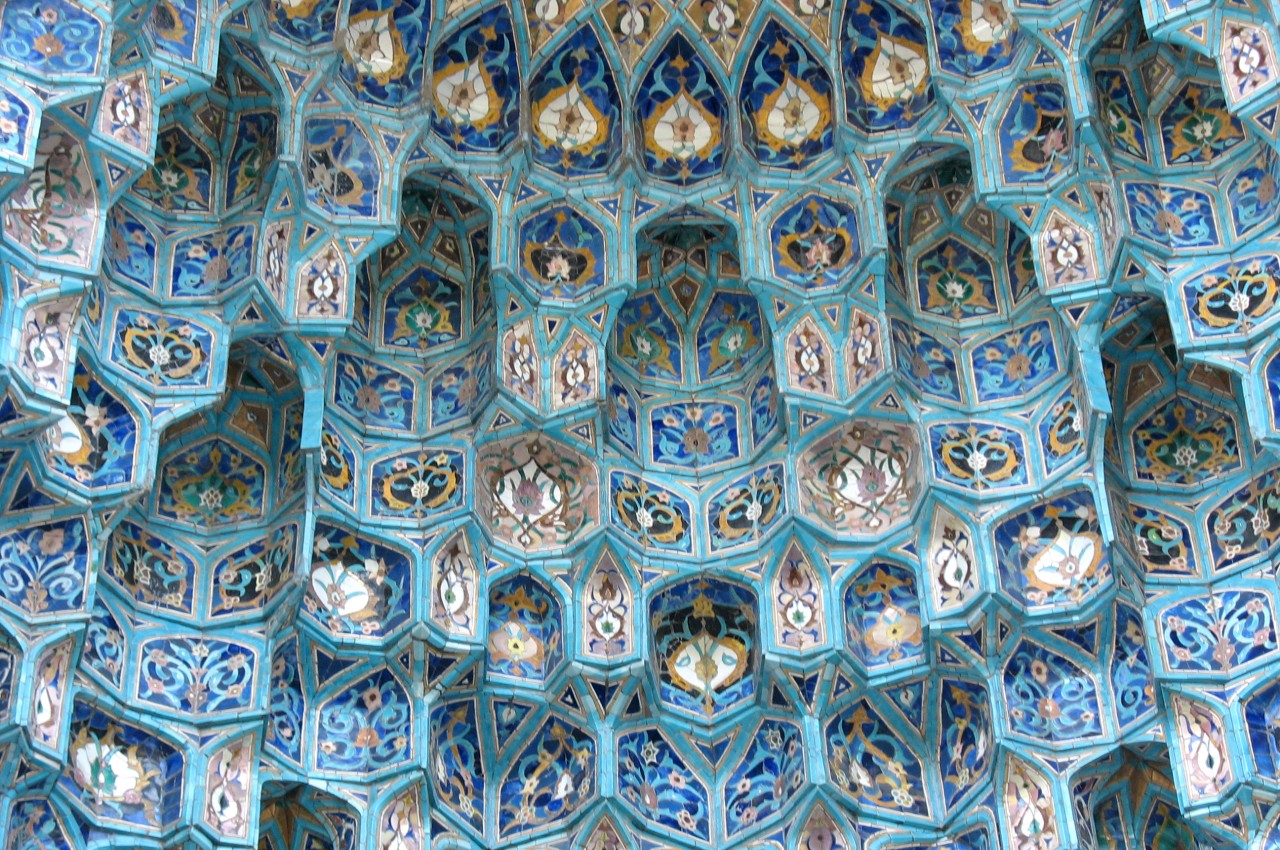
Muqarnas Vaulting

???????????? ????????

Designer: Peter Vaulin (Saint Petersburg Mosque, Russia)

With a design reminiscent of honeycombs or stalactites, intricate muqarnas vaulting introduces a textural and single-hued element to the ceilings of interiors that are often adorned with intricate and vibrant tiles.

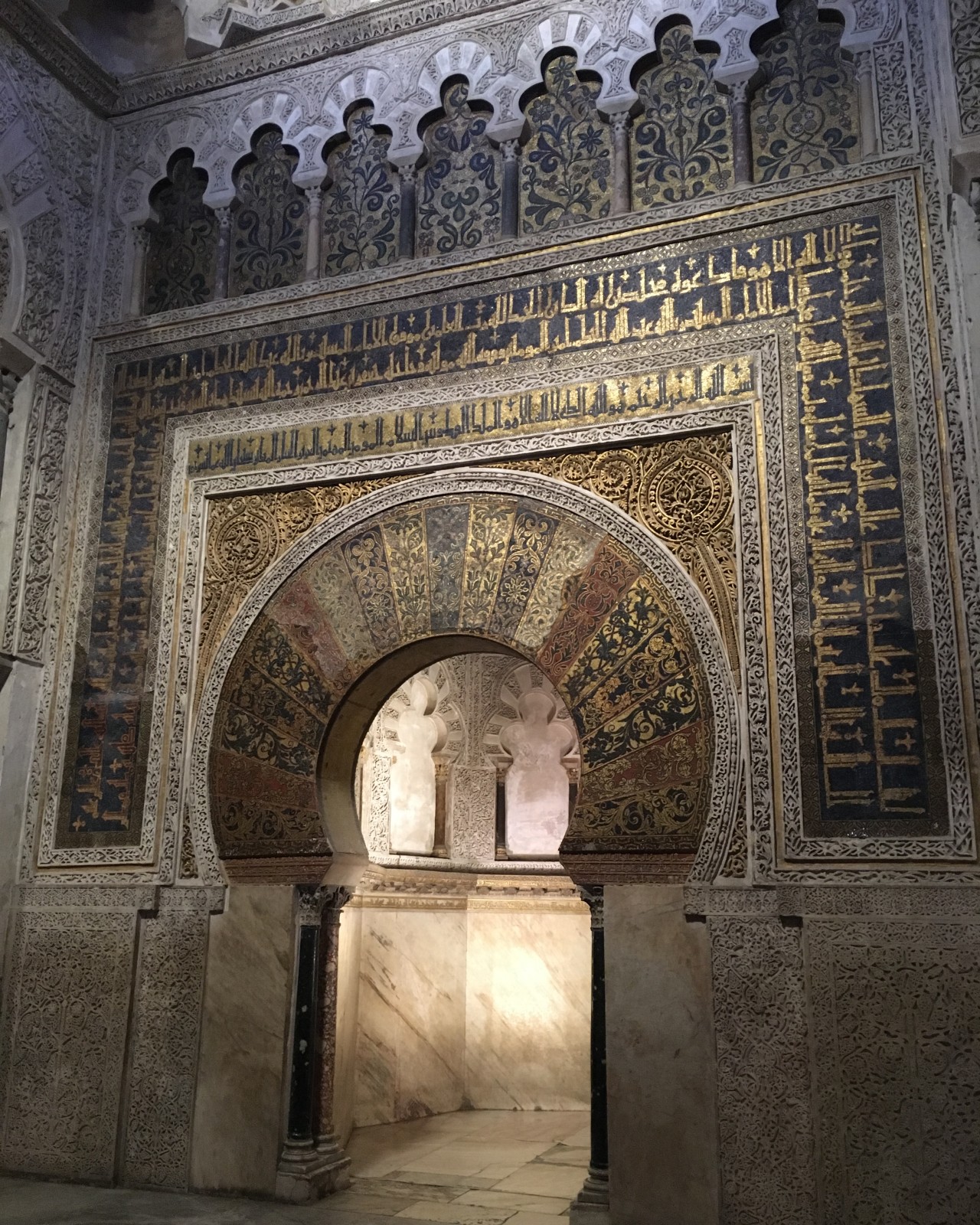
Mihrab

Location: Great Mosque of Córdoba, Spain

The Mihrab, an architectural feature, designates the direction of prayer and is often a semicircular niche within the mosque’s wall.

Arabesque Art

Location: Umayyad Mosque, Syria

Islamic ornamentation comprises geometric designs, floral patterns, and calligraphy, with influences from Roman, Greek, and Sasanian cultures emphasizing symmetry. A recurring motif in Islamic art and architecture is the eight-pointed star pattern. All Islamic decorations exhibit symmetry, typically following a spiral path from which leaves and flowers emerge.

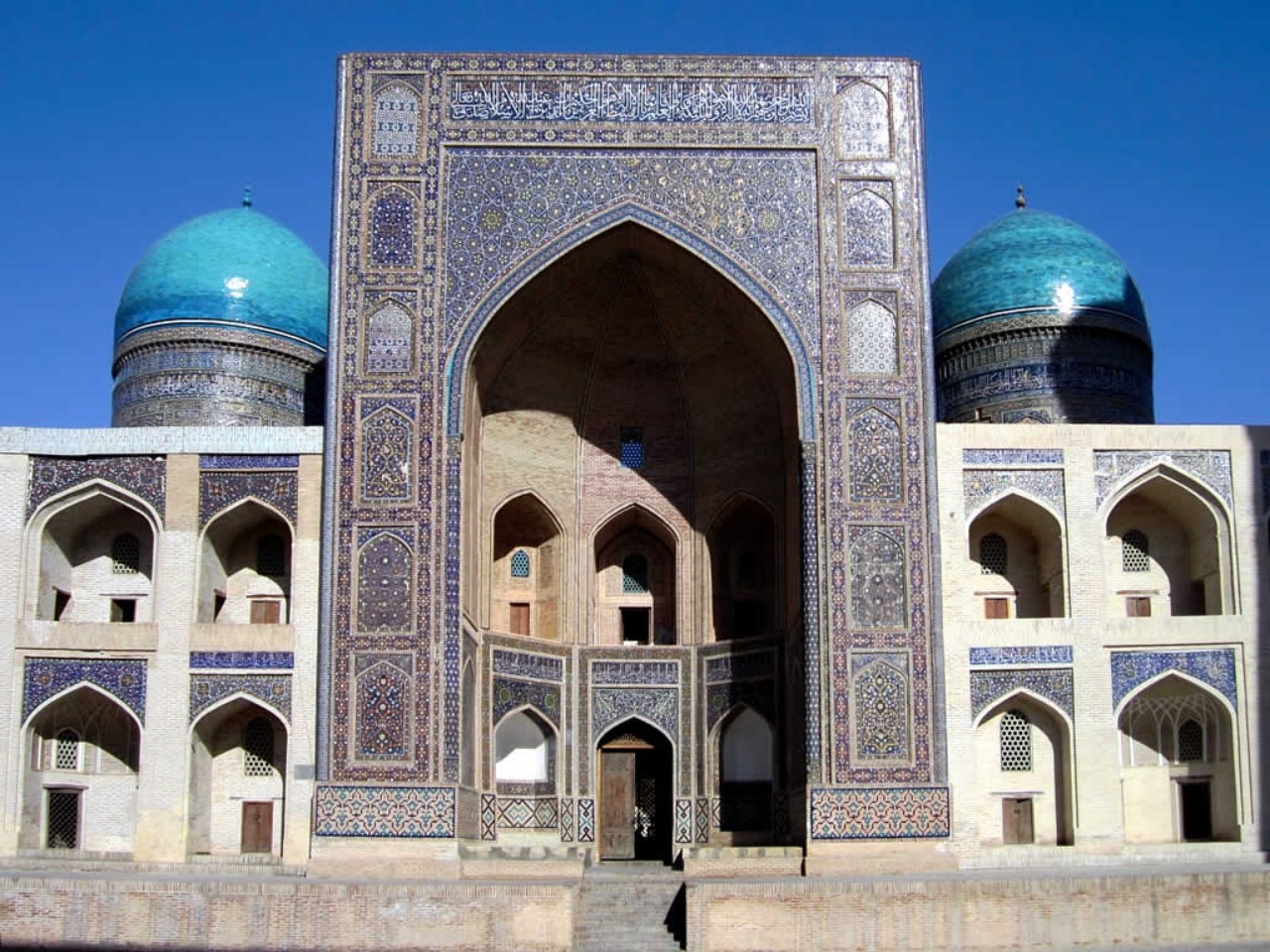
Iwan

Location: Mir-i Arab Madrassah, Uzbekistan

An Iwan is a rectangular chamber enclosed by walls on three sides and left open on one side, featuring a vaulted roof, with the entrance, known as a Pishtaq, adorned with calligraphic friezes, glazed tilework, and geometric designs, and this arched entrance typically leads into a courtyard.

Outdoor Landscape

Location: Taj Mahal, India (courtesy of Amos Chapple)

Islamic architectural design frequently includes gardens, enclosed inner courtyards, open spaces with columns supporting a roof and vaulted structures.

Primary Types of Buildings

Mosque

Designer: Mohammed Yasir

Islamic places of worship called mosques or “masjid” in Arabic, serve as hubs for prayer, education, and reflection. They typically feature an open courtyard for gatherings and a prominent minaret for the call to prayer.

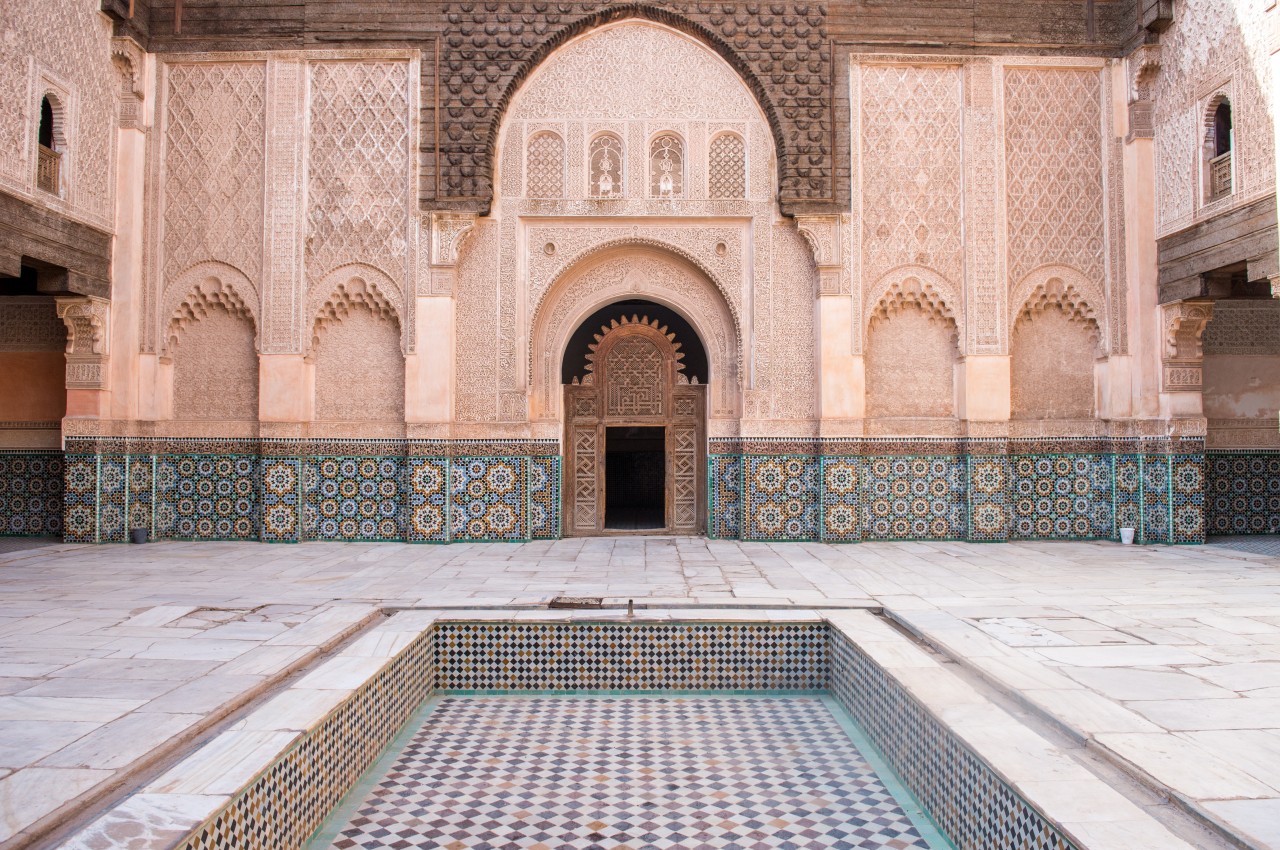
Madrasa

Location: Ben Youssef Madrasa, Morocco

The madrasa is an Islamic educational institution with early variations including open and closed courtyard buildings; iwans, distinct archways, are key features, and later madrasas provided student accommodations.

Notable Examples of Islamic Architecture

1. Selimiye Mosque. Edirne, Turkey. 1569-1575

Architect: Mimar Sinan

Designed by the architect Mimar Sinan, this Ottoman Mosque situated in Edrine, Turkey, is hailed as one of the paramount accomplishments in Islamic architecture. The Selimiye mosque features an innovative octagonal support structure that is formed by eight pillars within a square wall framework, along with four domes and arches extending from these pillars.

2. The Dome of the Rock in Jerusalem, Israel

The Dome of the Rock in Jerusalem is one of the world’s ancient surviving Islamic structures. Additionally, The Dome of the Rock was the initial Islamic edifice to incorporate a Byzantine-inspired dome, with a gilded wooden dome perched atop an octagonal foundation. It is beautified with intricate floral and geometric mosaics.

3. The Alhambra in Granada, Spain

SONY DSC

The Alhambra is a 14th-century palace and fortress situated on an elevated plateau with a beautiful view of Granada, Spain. Although the passage of 700 years has led to the loss of some original structures, what endures is a magnificent showcase of Islamic architectural adornment. Within the Court of Lions, intricate details such as carved wood and stucco, vibrant tiles, calligraphy, and muqarnas embellish the surroundings.

4. The Taj Mahal in Agra, India

Architect: Ustad Ahmad Lahori

The Taj Mahal is recognized as one of the New Seven Wonders of the World. It harmoniously blends Persian, Indian, and Islamic architectural influences, making this extensive 17th-century mausoleum complex one of the most visited and photographed tourist destinations in the world. Its iconic central white marble tomb immediately catches the eye, while its façade showcases exquisite intricacies and exquisite details with precious inlaid stones and Arabic calligraphy.

5. Suleymaniye Mosque complex, Istanbul

Architect: Mimar Sinan

Suleymaniye Mosque was commissioned by the Ottoman ruler Suleyman the Magnificent between 1550 and 1557, during the peak of the Ottoman Empire and it forms one of the largest and most exquisite mosque complexes in Istanbul. Inside, the mosque features a spacious square chamber illuminated by over 100 large windows, some adorned with stained glass. Surrounding the mosque is a complex with a hospital, religious schools, shops, a mausoleum, and a bath designed by the accomplished Ottoman architect Sinan, who played an important role in shaping a unique Ottoman architectural style.

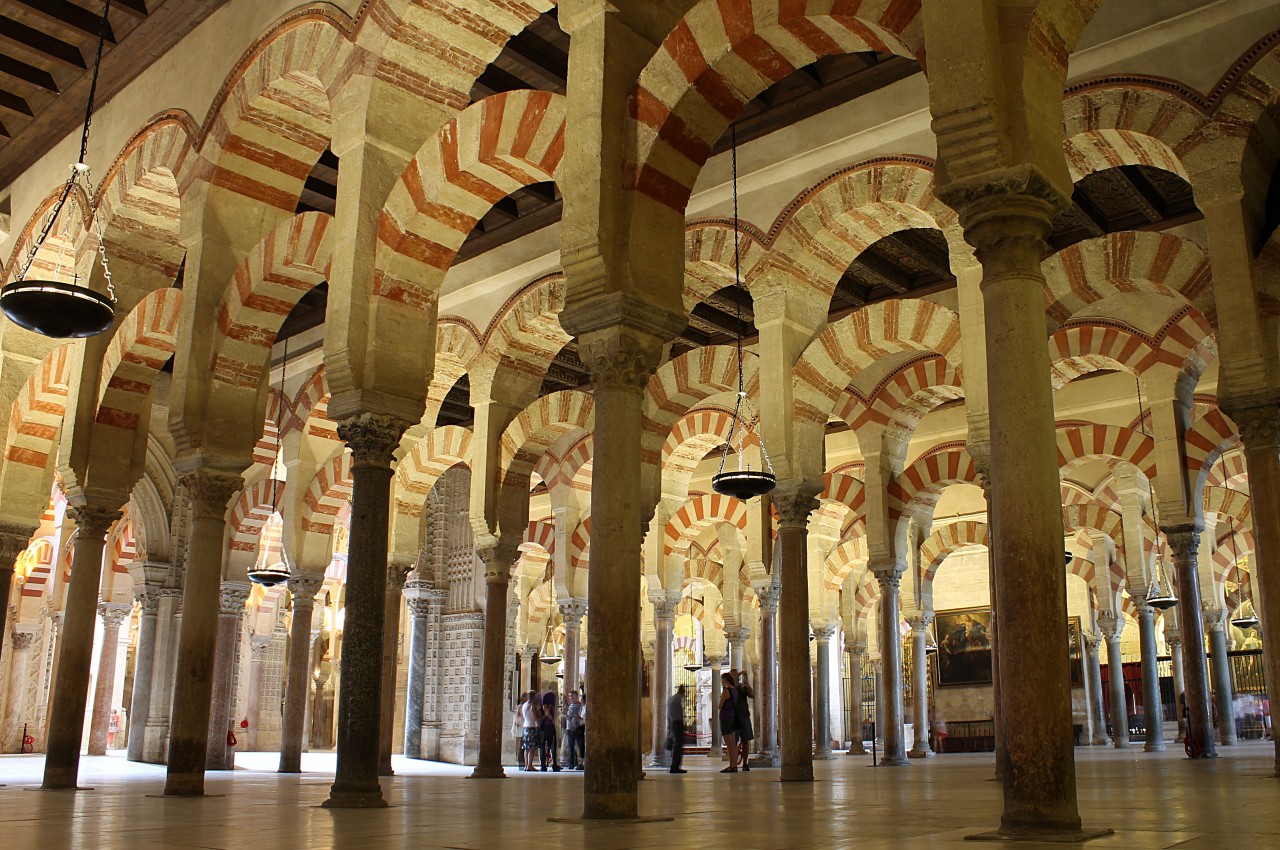
6. Great Mosque of Córdoba

The Great Mosque of Córdoba in Spain began in the late 8th century on the site of a Christian church, built by the Umayyad ruler Abd al-Rahman I between 784 and 786. It got bigger in the 9th and 10th centuries, and one expansion added a beautifully decorated mihrab, a niche showing the direction of Mecca, set behind a fancy arch. Another striking feature of the mosque is the expansive hypostyle hall, featuring around 850 columns crafted from materials like porphyry, jasper, and marble, which support two-tier horseshoe arches.

7. Great Mosque of Damascus. Old City of Damascus. 715 C.E.

The Great Mosque of Damascus, also referred to as the Umayyad Mosque, stands as one of the world’s largest and most ancient mosques, holding the distinction of being the fourth holiest site in Islam. It features a rectangular layout with a courtyard enclosed by four outer walls. Ever since its construction, this mosque has set the architectural precedent for congregational mosques in Syria.

8. Agra Fort. Agra, Uttar Pradesh, India. 11th century

The Agra Fort is a brick fort that exhibits a semicircular design, with its chord running parallel to the river and walls towering at a height of seventy feet. The architects established the base and constructed the core using bricks, while they employed sandstone for the exterior.

9. Sultan Hassan Mosque. Cairo, Egypt. 1353-1363

The Sultan Hassan Mosque stands as a college mosque distinguished by its cruciform layout, iwans, sunken porticos, grand pointed arches, and other impressive architectural features, even though it has minimal ornamentation. It features a domed entrance chamber and an intricately adorned muqarnas-adorned doorway.

10. Bibi-Heybat Mosque. Baku, Azerbaijan. 13th century

Architect: Fahraddin Miralay

The Bibi-Heybat Mosque, a historic place of worship in Baku, encompasses the resting place of Ukeyma Khanum. Also recognized as the “Mosque of Fatima,” it features an intricately ornamented interior. The mosque integrates a 20-meter tall minaret, and its interior consists of a rectangular space with lancet arches.

The post What are the Characteristics of Islamic Architecture first appeared on Yanko Design.
Discover the Top Ten Types of Street Art

Street art is a form of visual art that is found in public buildings, streets, bridges, trains, and other spaces, particularly for public visibility and to reach a broader audience. Street art not only forms a powerful tool to convey messages to society but also enhances the beauty of public spaces. Street art is found all around the world and street artists are known to transform the streets with their creativity and imagination. The traditional form of street art included graffiti artists who worked with spray paint. Some of the other media include stencil art, mosaic tiling, LED art, and outdoor sculptures while the recent forms of street art include video projections of large city buildings.

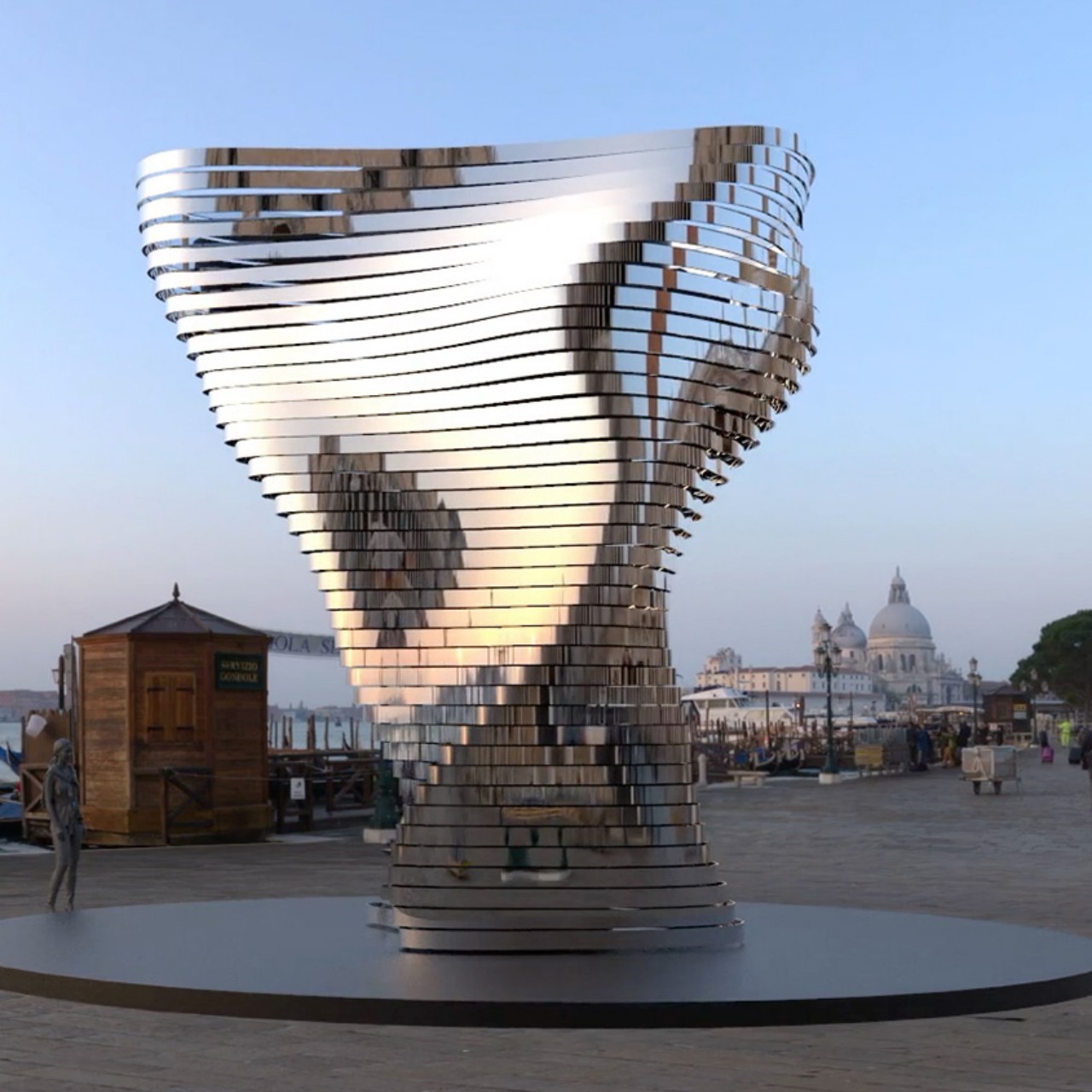
Designer: Anthony Howe

How did street art evolve over the years?

The origin of street art can be found in ancient civilizations where graffiti was used to mark territories, express cultural identities, and served as historic records. The modern street art movement started in the 1960s in cities like New York and Philadelphia and 1970s artists in cities like Paris and London. In the 1980s and 1990s street art evolved, and artists like Jean-Michel Basquiat, Keith Haring, and Banksy rose to prominence. Today street art is touching new heights with the integration of new technology and adapting to the changing socio-political context.

Designer: BREAKFAST

Types of Street Art

Here are the top ten types of street art that one will often come across on urban streets. Each art comes with its distinct characteristics and techniques.

1. Graffiti Artwork

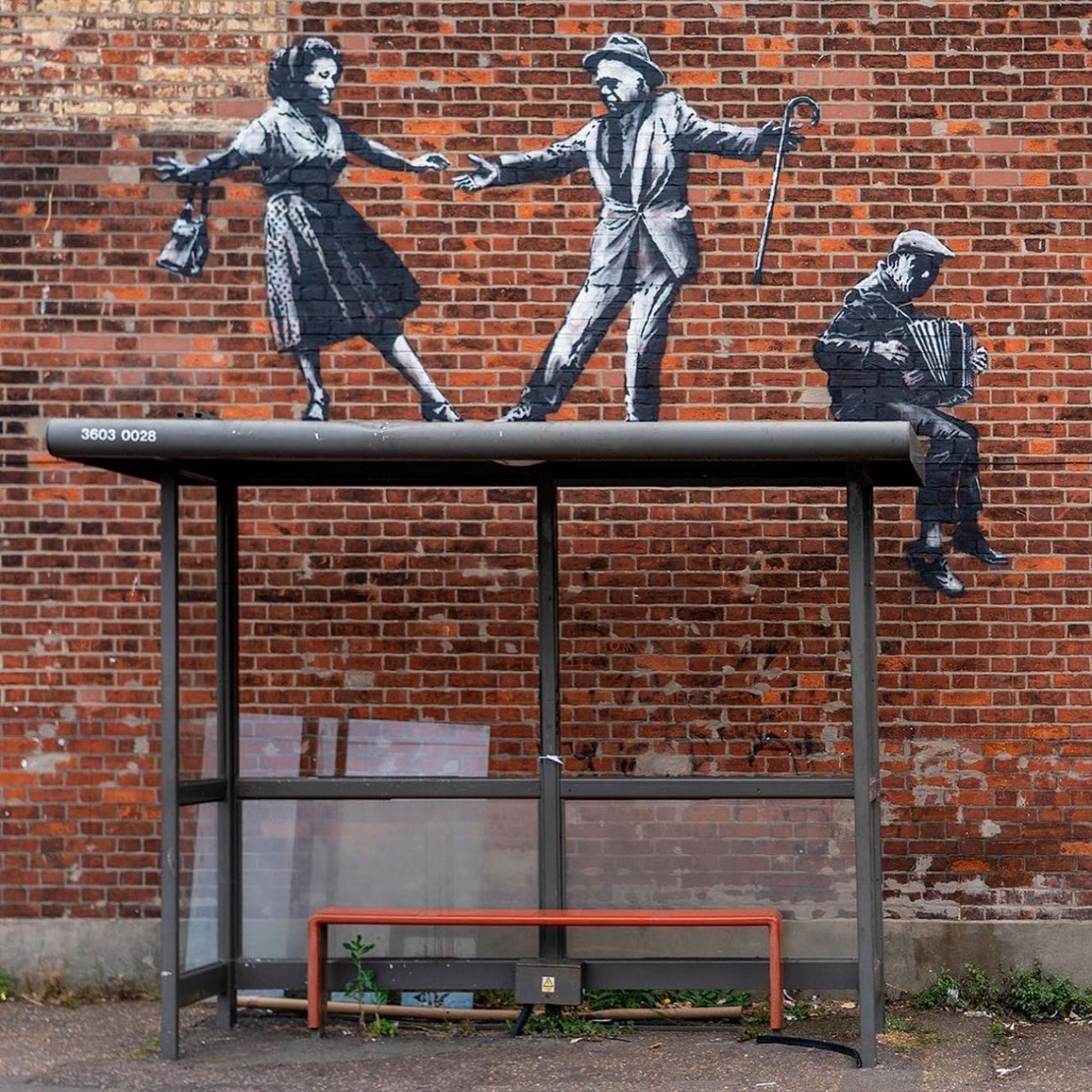
Designer: Banksy (via Banksy Archive)

Graffiti artwork is one of the most iconic forms of street art that has been around for ages. In this form of art images or text is painted on the building using spray paint, large bubble lettering, and decorative scripts to convey messages, evoke emotions and enhance the beauty of public walls. The term “graffiti” refers to inscriptions, figure drawings, and markings that have been found on the walls of ancient sepulchers or ruins just like those in the Catacombs of Rome or at Pompeii. Graffiti formed a part of the hip-hop culture in the 1970s, it is a form of self-expression and rebellion, allowing youth from disadvantaged communities to gain recognition for their creative ideas in public spaces.

2. 3D Wall Graffiti

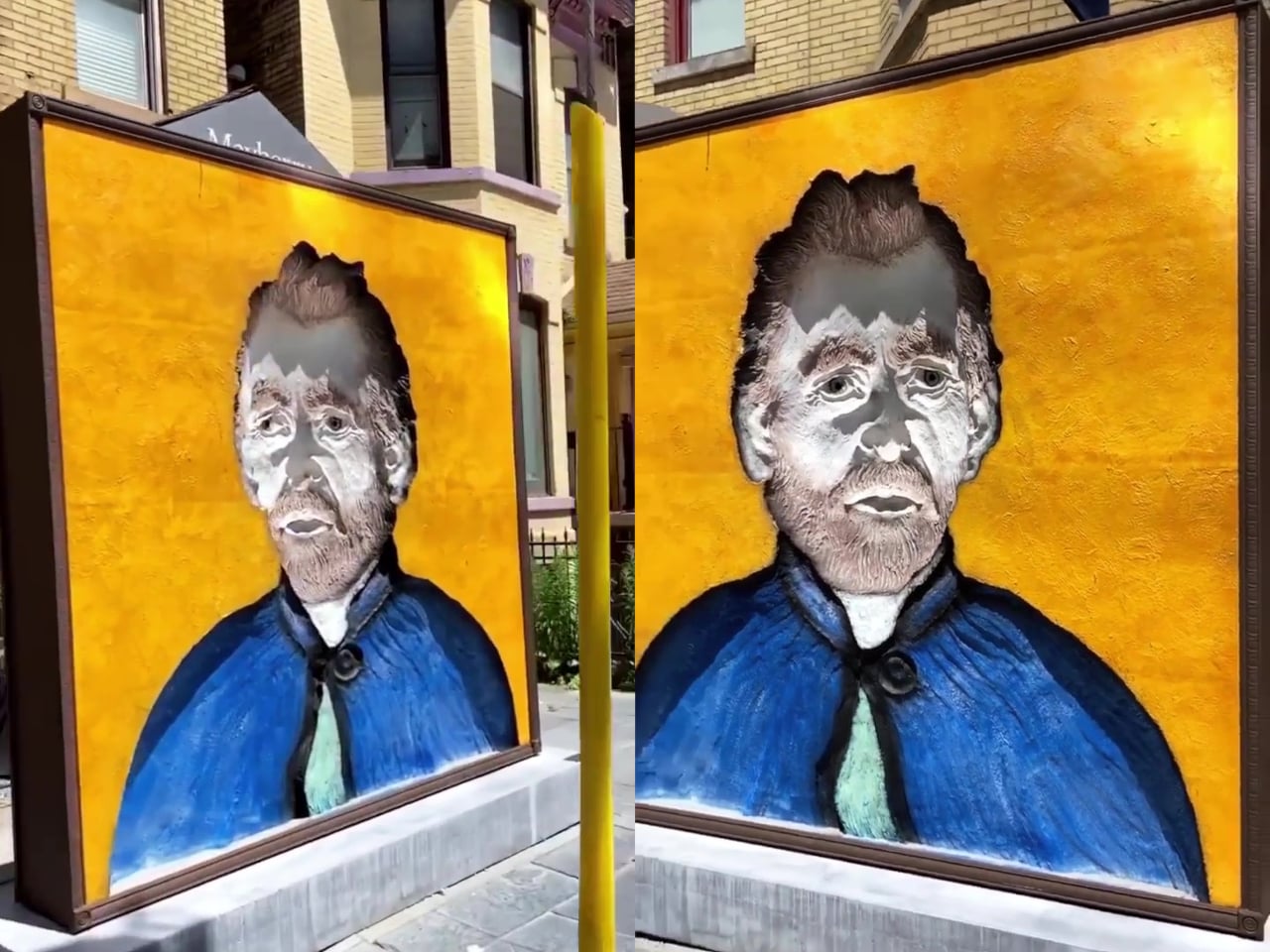
Designer: Joe Fafard

3D wall graffiti is also known as anamorphic art which can create an optical illusion of objects popping out from the wall and the artwork coming to life. It makes two-dimensional paintings appear like three-dimensional paintings when viewed from a specific angle. This skill is honed through artists by employing perspective, shading, and anamorphic methods through dedicated time and practice as it appeals to both young and old when exhibited in public spaces. Chalk or paint is used to create these incredible pieces of art.

3. Stencil Graffiti

Designer: selfie_stencils

Stencil Graffiti employs stencils to create images on public spaces like walls, and buildings. The artists use pre-cut templates to reproduce the same image multiple times and then use spray paint to make a clear representation of the design. This ensures faster execution and replication and is effective in communicating ideas to a broader audience in multiple locations.

4. Street Poster Art

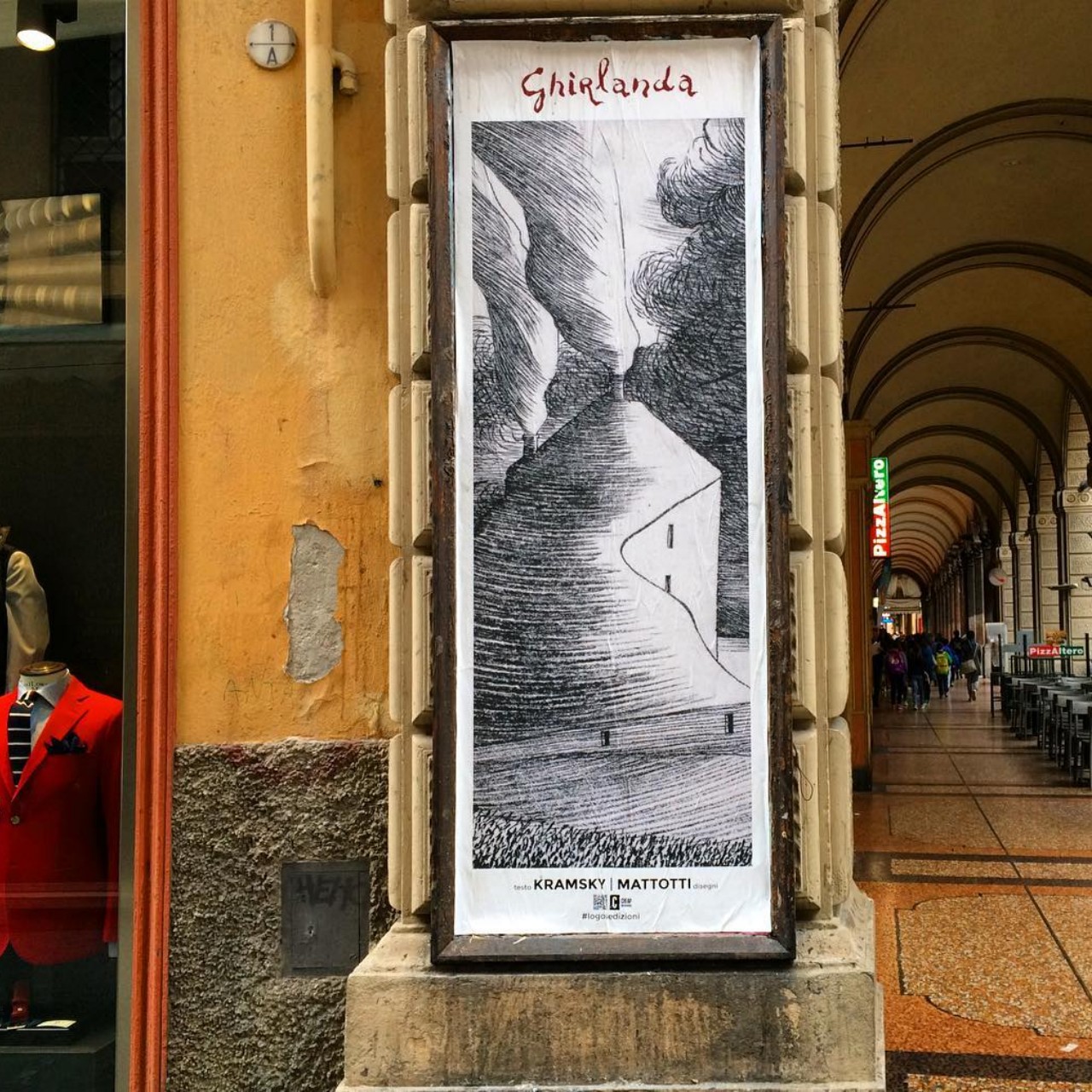
Street poster art involves the pasting of posters in public spaces like walls, poles, or any other visible surface to stimulate public thought. The posters may display controversial or abstract visuals to give political statements or social messages to bring forth public awareness about their causes.

Note: Wheatpasting art is the technique of applying posters in public using a mixture of wheat flour or natural adhesives to water to create a paste. These posters are weather resistant in comparison to other simple paper posters.

5. Video Projection

Designer: Eye Studio

Also known as projection mapping street art, it combines the use of video projections to project images, animations, or videos on buildings or other urban surfaces to create an immersive visual experience. The biggest difference between street art is that is static and uses paint for the surface, video projection is dynamic, and special software is used to map the content on the surface, including captivating animations and colorful visuals. It is temporary and used for special events and festivals.

6. Guerrilla Art

Designer: S.c. MeRo

Guerrilla art is also known as street intervention, where impromptu and temporary installations are created in public without seeking permission. It blurs the line between art and activism, raises awareness of social issues, urges the public to question their surroundings, and transforms the urban city into an ever-changing canvas for artistic expression. Some of the innovative methods of incorporating this art include wheat pasting, sculptures, and yarn bombing that aims to disrupt the urban environment.

7. Flash Mobbing

Among the various forms of street art, the flash mob is most enjoyable as it usually involves dancing in a public space. A flash mob involves a spontaneous assembly of individuals in a public space where they perform and then disperse swiftly. The main aim of flash mobbing is to deliver entertainment, satire, or artistic expression. They usually perform in crowded places like malls, parks, and public squares to spread a message. Street plays are also a form of art where a large group wears simple costumes and use banners and posters to attract attention.

8. Street Installations

Designer: Donald Lipski

Designer: BREAKFAST

Designer: Etienne Krähenbühl

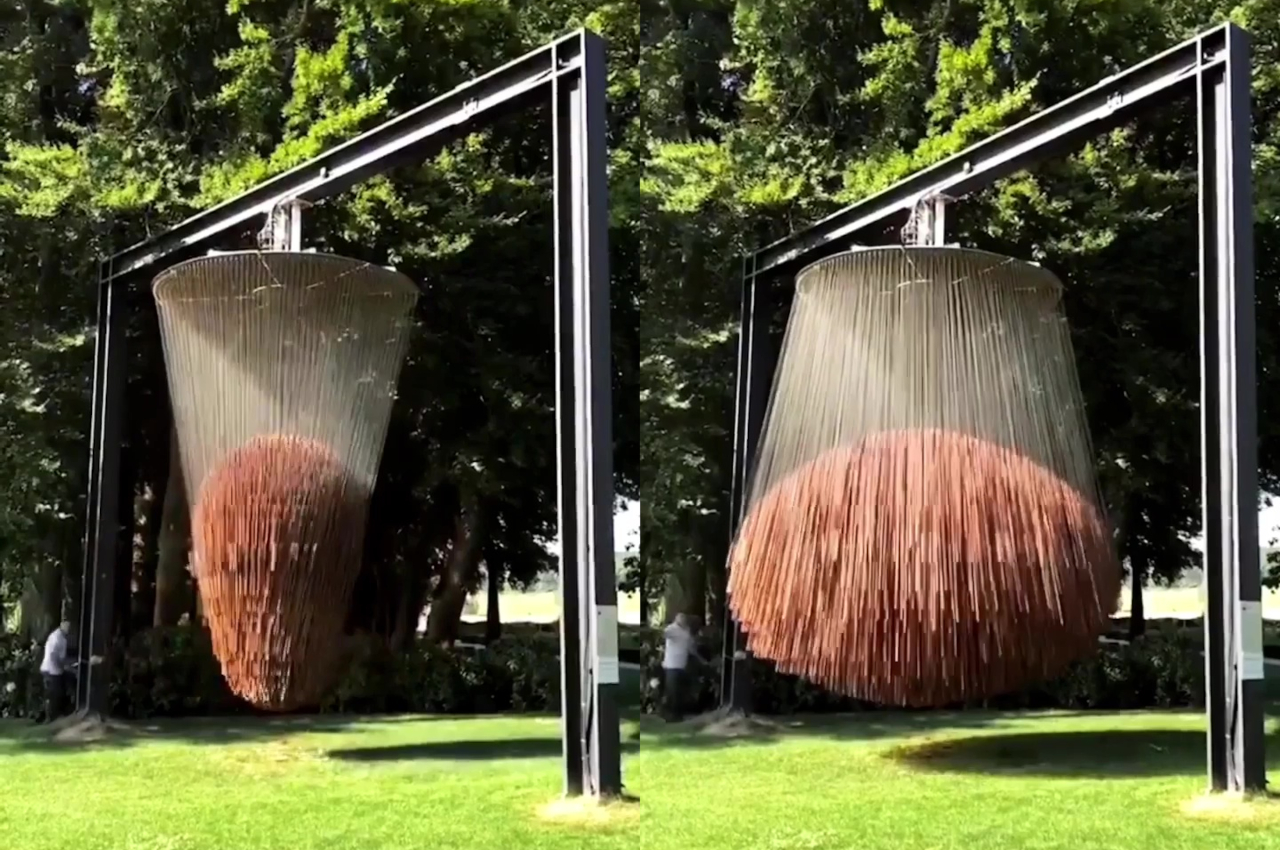
Street Installations are 3D structures made by artists that are displayed on the streets. They can be categorized as sculptures with or without historic significance and interactive or temporary art installations. These three-dimensional artworks are usually connected with political, religious, and historic belongings and are made in materials like stone, wood, metal, recycled materials, and fiber to name a few. Unlike conventional street art, street installations occupy physical space. It brings art to the public and blurs the boundaries between artwork and the urban environment. This is a beautiful form of street art as it evokes emotions and reactions from people who pass by. In addition, the installations can be interactive and invite viewers to engage with the art in unique ways. Kinetic sculptures, artworks incorporating movement often powered by natural elements or mechanical means, can be considered a form of street art. Installed in public spaces like streets, parks, and plazas, they offer engaging and interactive art experiences for passersby.

9. Environmental Art

Designer: Theo Jansen

Also known as Earth Art, it aims to bridge the gap between art and nature. Environmental art is an artistic expression where artists create site-specific artworks with natural materials found in the landscape like sand, rock, water, plants, and wood. These artworks are temporary and they emerged in the 1960s and early 1970s in response to the concern about environmental issues and indicate that it is our responsibility to protect it.

From the Beach…

Designer: Subodh Kerkar

10. Mural Art

Designer: Steven Teller

This is a large-scale artwork that is painted onto the walls or public surfaces of urban cities. It’s a great way to beautify public spaces with vibrant colors and themes that cover entire walls, including realistic portraits, landscapes, or abstract designs. The different techniques used in mural art may include spray paint, rollers, brushes, or any other technique. The best part about mural art is that it reflects the local culture, tells stories, and attracts both locals and tourists who appreciate its beauty in public spaces. The impressive artworks effortlessly transform the urban landscapes into iconic landmarks of the city.

https://www.instagram.com/reel/Co3zKdVsRmA/

Hence, every form of street art leaves a unique impression on urban landscapes and plays a vital role in the dynamic and continuously evolving global street art movement.

The post Discover the Top Ten Types of Street Art first appeared on Yanko Design.
How to Create a Dust-Free Home

Dust particles originate from various sources like dirt, pollen, mold spores, dead skin cells, pet dander, hair, and fabric fibers alongside airborne pollutants from the outdoors. For those dealing with asthma, allergies, or respiratory issues, knowing how to eliminate airborne dust is crucial, as it can significantly enhance their health and overall well-being. Hence, if you are finding your home dusty, here are some tips that will save you from hours of cleaning and help you reduce the dust levels in your home.

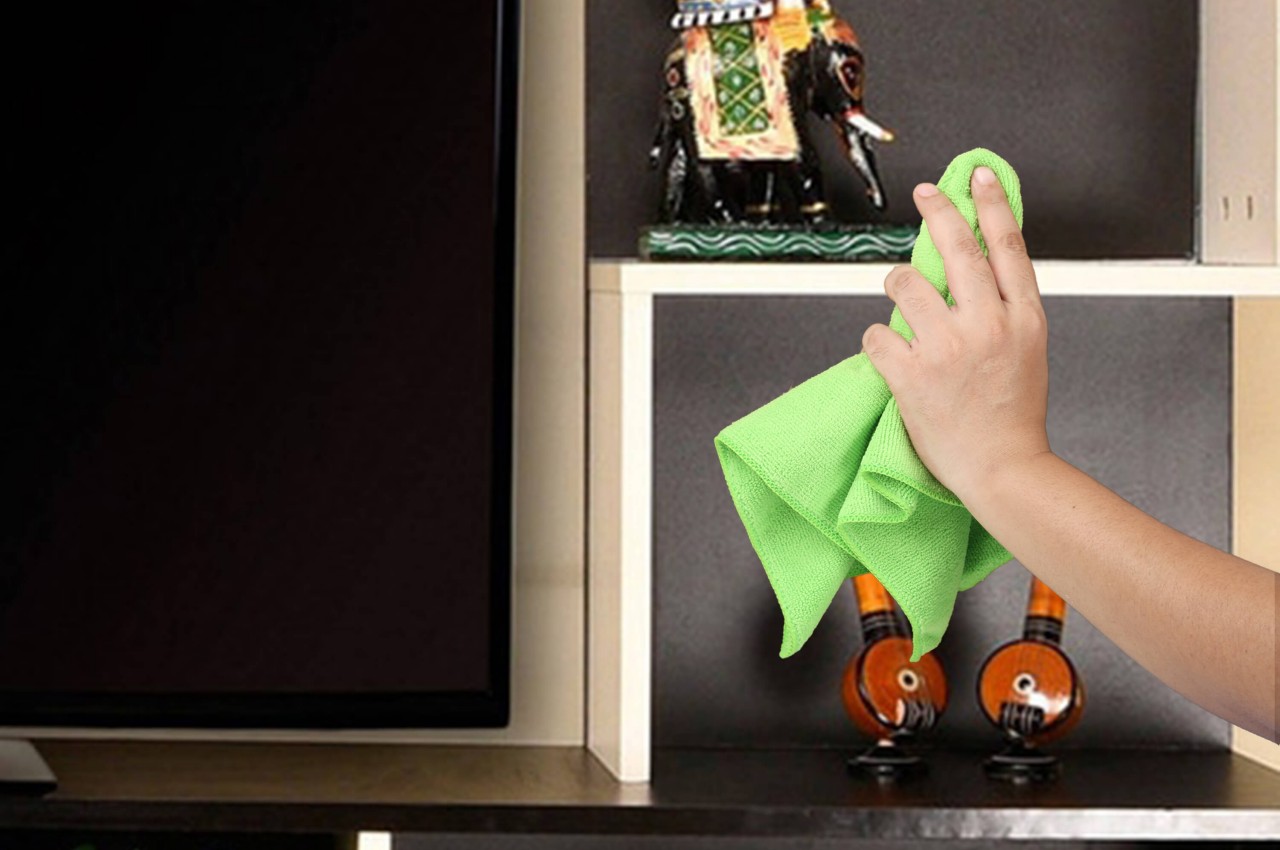
1. Clean with a Microfiber Cloth

Designer: Sobby

Microfiber cloth is one of the best options because it has both positively and negatively charged fibers on its surface which attracts dust and dirt as you wipe. Note that microfiber cloth can remove nearly 99% of surface bacteria and is safe to use because you only need water and chemicals to clean with it. Opt for premium quality microfiber cloths, make sure they are damp after use, and rinse them after each use.

2. Close the Windows

Designer: Universal Windows Direct

Opening windows briefly for fresh air can lead to increased dust indoors. Dust, carried in through doors and windows via pollen, mold spores, and airborne pollutants, accumulates visibly on windowsills. To reduce this issue, keep windows closed, especially during windy days.

3. Invest in an Air Purifier

Designer: Instant Home (Image courtesy of Jar of Lemons)

Air purifiers work by purifying the surrounding air through air filtration and capture particles like dust, pollen, and toxins. Most of the air purifiers incorporate a fan for air circulation and are available in various shapes and sizes. Install an air purifying unit for the entire home or go for a portable unit for a single room.

Designer: Yoonsang Kim of Mosslab

At a glance, Moss Air resembles a miniature terrarium, yet it distinguishes itself effortlessly. With its predominantly white body, transparent front, and sleek, slender design, it effortlessly complements any desk, coffee table, or bedside drawer—essentially anywhere you desire a breath of fresh air and an aesthetically pleasing view. The visible moss filter introduces a welcome touch of green to contemporary living spaces, while its invigorating scent transports you to the tranquil ambiance of a fresh forest during the early morning hours.

4. Use A Vacuum Cleaner

Designer: Shark

For a home free from dust, opt for a vacuum equipped with a HEPA filter, as it effectively traps dirt, allergens, dust mites, pollen, and mold within the filter bag instead of releasing them back into the air. Vacuuming at least once a week is recommended, and consider more frequent vacuuming in high-traffic areas. Make sure to vacuum the furniture, drapes, mattress, and blinds to achieve the most comprehensive dust removal.

Designer: Roman Riazantsev

This vertical vacuum cleaner concept seamlessly blends a traditional silhouette with modern, futuristic touches. While resembling a classic vacuum with its wide head and robust midsection, its sleek, modular design features smooth surfaces. Specific elements, like the spacecraft-inspired head with three LED lights for improved visibility in dark spaces, contribute to its sci-fi vibe. Its transparent section and white-and-black color scheme enhance the futuristic aesthetic.

Designers: Ivo Erichsen and Tobbias Bihlmeyer

Standing at approximately 45cm in height, this versatile device serves as a functional piece of furniture in the home, doubling as a side table or even a stool. Internally, aside from the vacuum cleaner’s motor, all components are crafted from biodegradable plastic. The cork storage container features interchangeable lids made from darkened ash, allowing it to transform into a chair. The vacuum itself is a cylindrical bagless model, suitable for thorough cleaning sessions, and can be easily repurposed for different uses.

Designer: SwitchBot

The K10+ robot vacuum rivals flagship models, featuring high suction, wet/dry cleaning, smart functions, auto navigation, customizable no-go zones, a quiet motor, and a 4L dustbin doubling as a charging station. Its compact design ensures efficient navigation in tight spaces. With a potent 2500Pa vacuum and SwitchBot’s SilenTech tech, it operates at a quiet 48 decibels, significantly quieter than conventional vacuums.
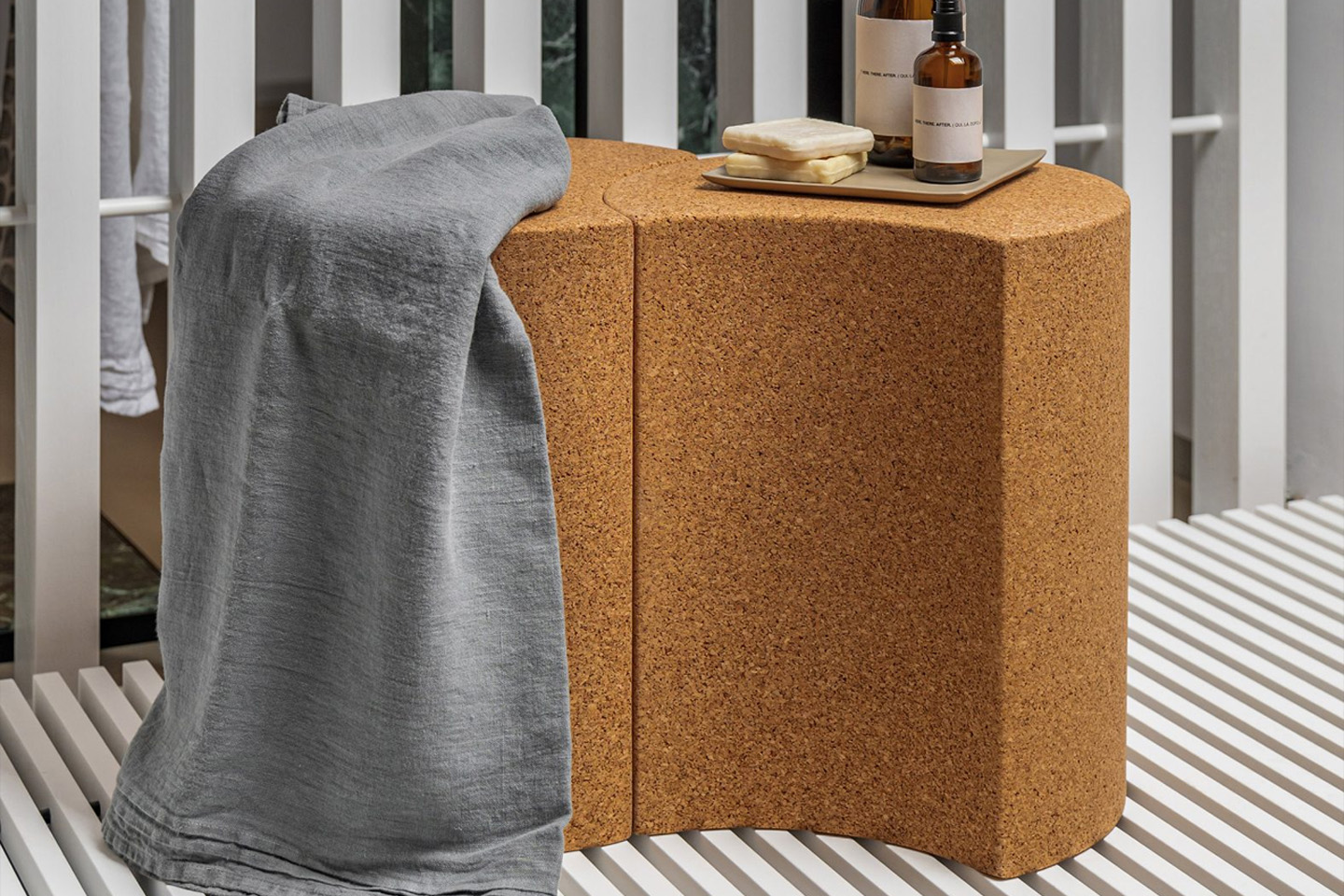
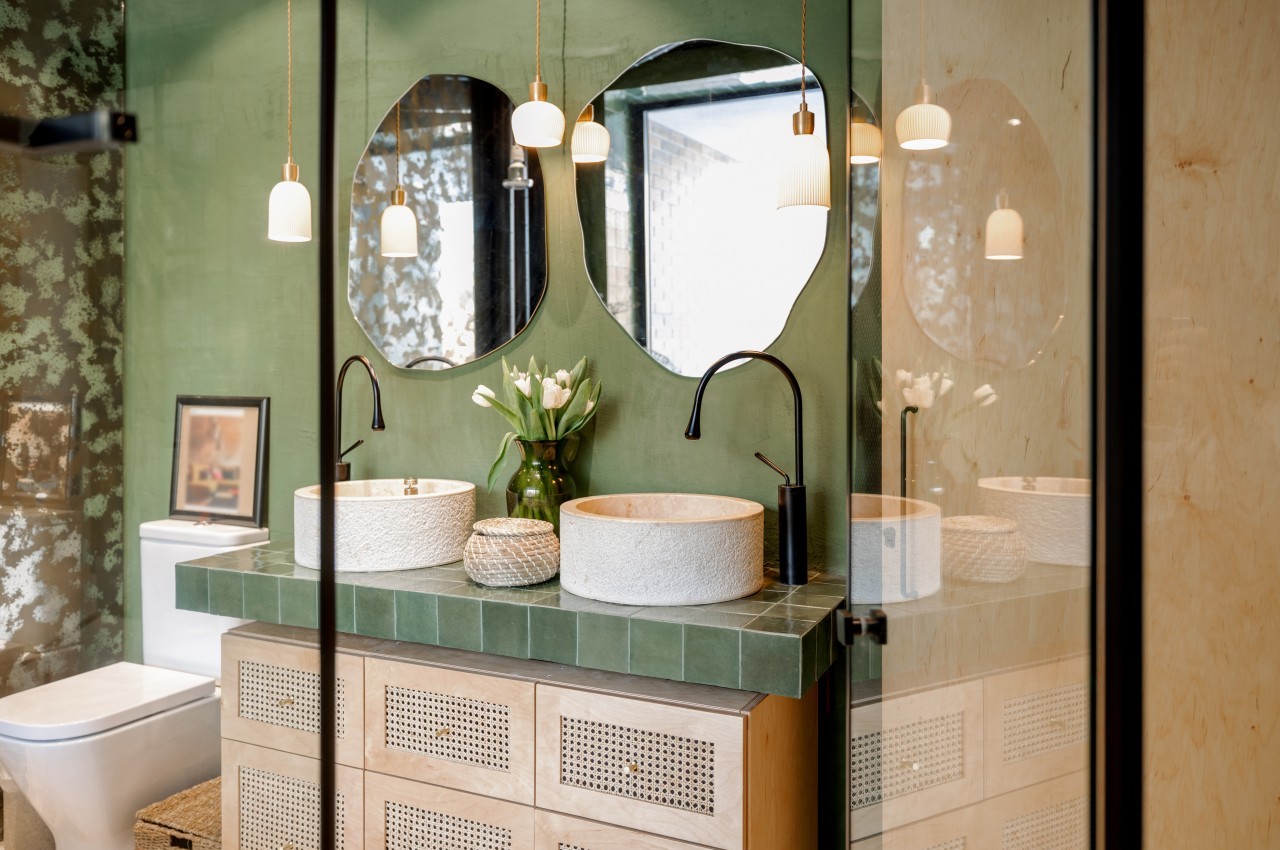
5. Wash the Bed Sheets

Designer: Sheet Society

Periodically wash your sheets as they contribute to a dusty home, as bedding has the tendency to accumulate dead skin cells and creates an ideal environment for dust mites. Wash bedsheets and pillowcases at least once a month. In case there are pets, the sheets should be washed every 3 or 4 days. Blankets, comforters, and mattress pads should be washed every month, while the pillows and mattresses should be cleaned every season.
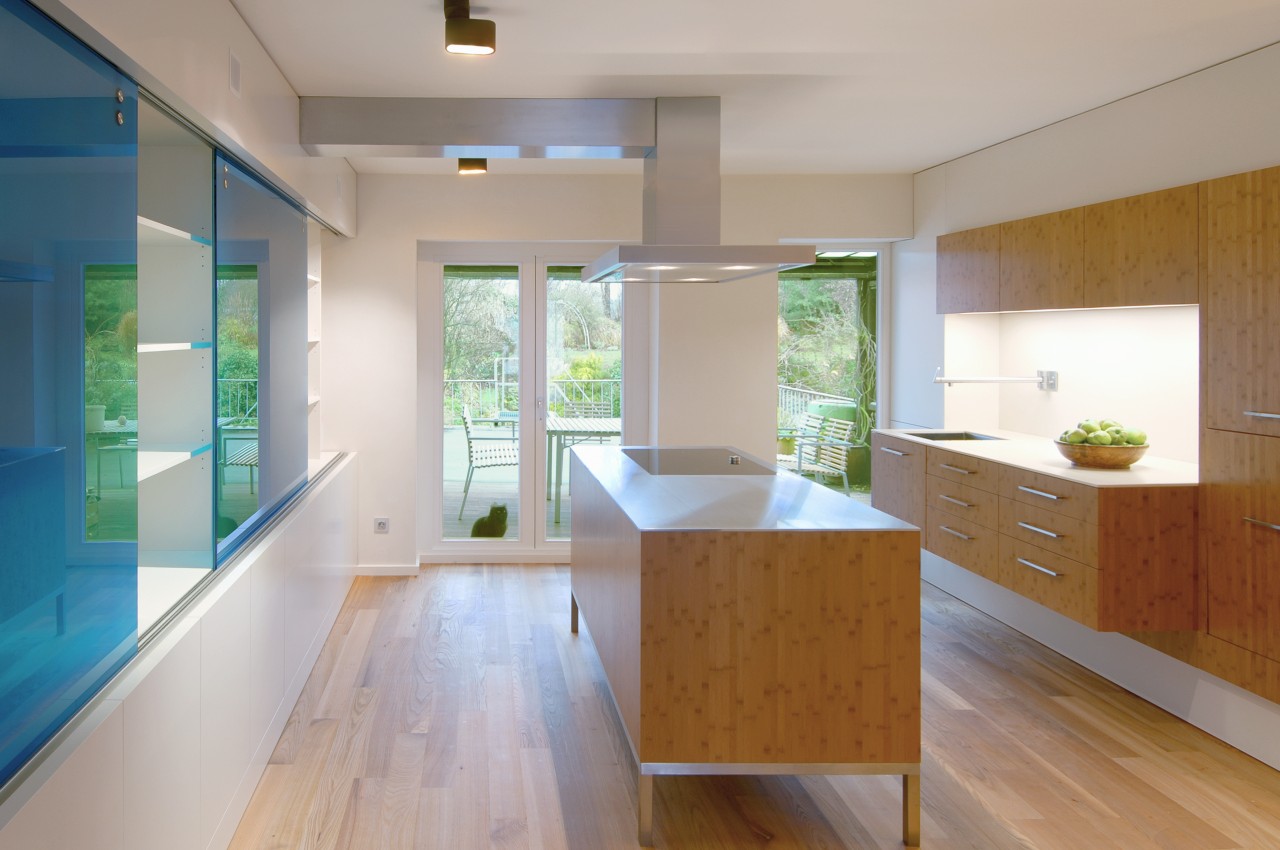
6. Remove the Carpet
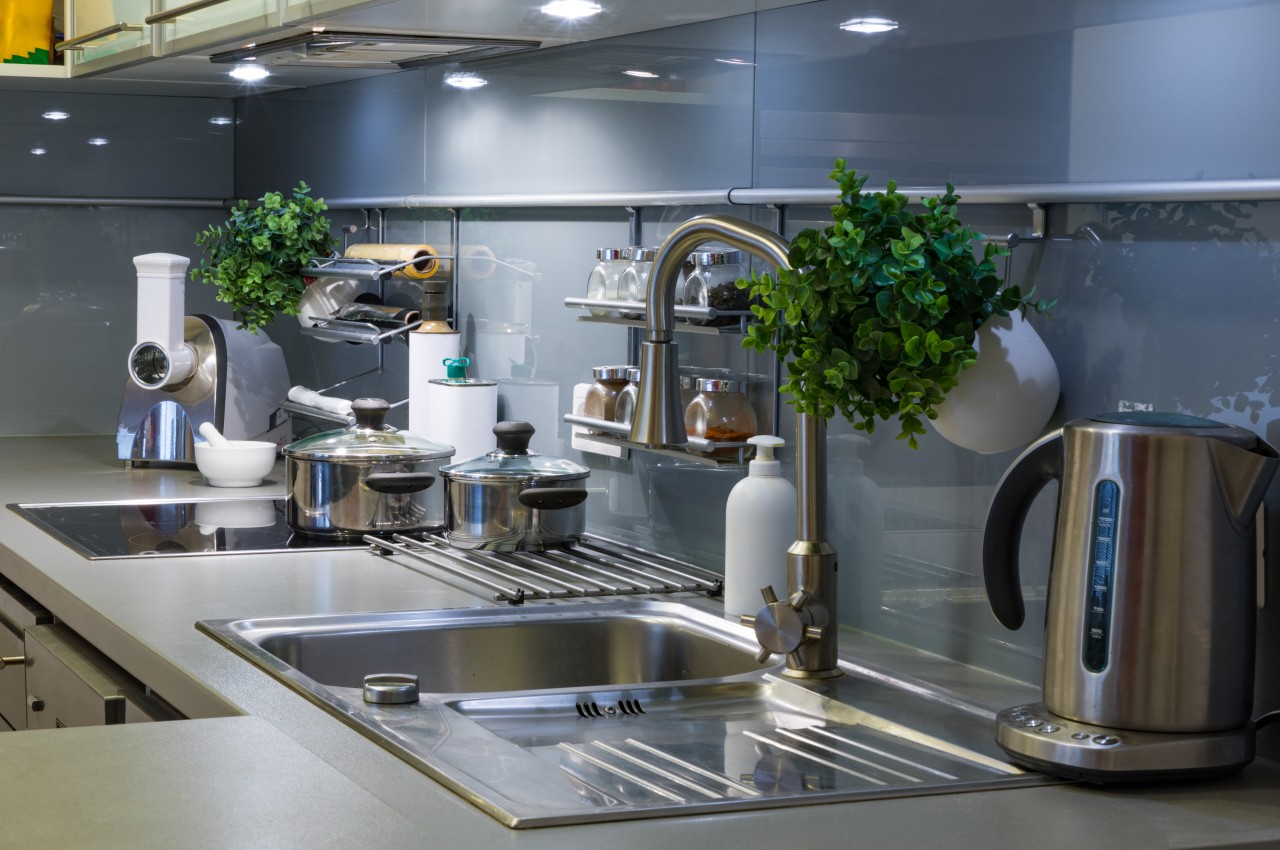
Designer: Couture Luxury

Consider switching to hard-surface flooring like wood, tile, stone, or vinyl during redecoration, as carpets harbor and release dust with each step, making maintenance easier.

7. Damp Wipe the Floor

Designer: Rubbermaid

A thorough damp mopping and dusting can eliminate around 90 percent of the dust in your home, and plain water is one of the most environmentally friendly cleaning agents available. A damp rag or mop captures and retains dust, easily rinsed down the drain.

8. Install a Humidifier

Designer: Blackbrdstore

Static electricity accumulates in dry indoor environments, attracting and stubbornly clinging dust to surfaces. The remedy involves installing a humidifier, whether it’s a whole-house system or a smaller version for individual rooms. Maintaining relative humidity levels between 40 to 50 percent throughout your home is ideal to reduce static and minimize dust accumulation.

Designer: Gahyun Kim

SOT is a unique humidifier that employs a distinctive and almost whimsical approach to directional spray. Essentially, it dispenses humidity upward, but the nozzle is designed to be rotated and adjusted in a specific direction, allowing the steam to be released at a chosen angle. Unlike automatic rotation, the user has the freedom to manually direct the output wherever desired.

9. Eliminate Clutter

Designer: Avenue Interior Design

One of the easiest ways to prevent the accumulation of dust is by reducing the number of surfaces that can get dusty as different display items can function as dust magnets. Declutter the home once in a while and primarily focus on de-cluttering tabletops, bookshelves, and desks. Periodically deep clean the home and eliminate items that are not required.

10. Remove Shoes

Designer: Damn Good Doormats

Various debris clings to the bottoms of your shoes. To prevent bringing outside dust and dirt into your home, consider having yourself and guests leave shoes at the door. Keep a separate pair of slippers for the indoors.

11. Keep a Doormat

Designer: Wayfair

One of the major contributors of dust is the dirt on the soles of people’s shoes when entering the house. Hence it is important to have a doormat with bristles at the entrance of the house and periodically vacuum clean it. Make sure everyone wipes their shoes before entering the house to prevent the entry of dirt.

12. Pet Grooming

Designer: HappyDogz

Dead skin cells and shed hair constitute a significant origin of dust, and regrettably, our beloved furry companions tend to generate a substantial amount of hair. Maintain a regular grooming routine for your pets to prevent the accumulation of dead skin and hair in your living space. As a positive outcome, both you and your pets will experience an improved sense of well-being.

13. Clean the Plants

Designer: Delineate Your Dwelling

Houseplants accumulate a significant amount of dust, which is detrimental to both health and their ability to absorb sunlight through leaf surfaces. Employ a microfiber cloth to remove dust from the large leaves.

The post How to Create a Dust-Free Home first appeared on Yanko Design.