Meta sets a date for killing off CrowdTangle

CrowdTangle saw its team disbanded in 2021, new user registrations cut off in 2022 and now the site will officially shut down on August 14, the Wall Street Journal reports. Journalists and academics alike have used CrowdTangle to study the flow of content on Facebook and Instagram, including conspiracy theories and fake news. Meta, which bought the company in 2016, choosing to shutter the company is an entirely unsurprising move given it has been the source for many of the social media conglomerate's failings.

A tool called Meta Content Library will replace CrowdTangle, but only academics and nonprofit researchers can use it. That's right — for-profit news organizations can't apply for access to what sounds like a watered-down version of CrowdTangle. Meta claims that its Content Library — which is the company's answer for the European Union's Digital Markets Act — has new features like data on public comments and searching content based on views. However, early testers found it lacked geography-based activity data or the ability to download data from public posts.

Meta and CEO Mark Zuckerberg certainly benefit from limiting how much people — especially reporters — can view about their doings. We recently published a deep dive into Zuckerberg's dangerous decisions, including going against warnings from experts and personally intervening to block a ban on Instagram's plastic surgery filters. Other horrors under his watch include Instagram's recommendation algorithm promoting content featuring child sexual exploitation and regularly dismissing requests from top lieutenants to further prioritize safety. Then, in court, his lawyers have claimed he should hold no responsibility for the lawsuits involving harm caused by Meta's platforms.

On Thursday, Crowdtangle’s former co-founder and CEO Brandon Silverman criticized the Meta’s decision to shut down the service. In a blog post, Silverman said that turning off Crowdtangle 12 weeks before the US Presidential election was “incredibly irresponsible.” He added, however, that he was optimistic that the legacy of Crowdtangle would help to “inspire a permanent set of regulations that make real-time access to public data a legal requirement and an ongoing part of how we manage the internet responsibly & collaboratively.”

Update, March 14 2024, 8:24 PM ET: This story has been updated to include Silverman's reaction to Meta's decision to kill Crowdtangle.

This article originally appeared on Engadget at https://www.engadget.com/meta-sets-a-date-for-killing-off-crowdtangle-125106862.html?src=rss

OpenAI creates global news partnerships with Le Monde and Prisa Media

Global News partnership with OpenAI Le Monde and Prisa Media

OpenAI has formed partnerships with international news organizations Le Monde and Prisa Media to integrate French and Spanish news content into ChatGPT. These collaborations aim to enhance the news delivery experience for ChatGPT users by providing interactive access to authoritative news content and contributing to the training of OpenAI’s models. This collaboration is set to […]

The post OpenAI creates global news partnerships with Le Monde and Prisa Media appeared first on Geeky Gadgets.

Whoops! Amazon served costly ads for products people couldn’t actually buy

It can be quite annoying to click through an Amazon ad in your results only to find out that the product you want can't be shipped to your place. Now, imagine you're the small business owner being charged for those ads. (Forget corporations and drop shippers, I know you all hate them.) There you are, thinking you're going to make a killing based on how much ad action you're getting. Except those ads don't translate to sales, because Amazon has been serving them to people who can't even buy your products. That's apparently what happened to at least one seller who told Bloomberg that he was charged between $200,000 and $300,000 for ads served to California residents, where he can't sell his advanced gaming computer items. 

The seller stopped shipping to California due to the state's personal computer power consumption regulations, which would require him to get costly lab reports for his products. But Amazon's automated system apparently continued advertising his products there and allegedly denied that there was an issue when he flagged the problem and followed up for several weeks. Since he was being charged thousands, the seller, who employs 80 people in Virginia to assemble custom computers, reportedly made zero profit in November, December and January. 

Amazon has acknowledged the issue in a statement sent to Engadget. It told us that it had investigated the matter and found that it only affected "a tiny fraction" of sellers. It also said that it had already apologized to the seller who talked to Bloomberg and that the company is in the process of refunding him $15,000. That's a tiny fraction of the hundreds of thousands the seller said he'd lost, but Amazon says it only served "a very small portion" of his listings to California residents. "We will similarly contact and refund any affected sellers, and are updating our processes to ensure any such ads are not charged going forward," the spokesperson said. 

The company's advertising system generally can't geo-target advertisements like Google ads can, because it focuses on matching buyers to certain brands or products they may be interested in. It also can't ensure that the product it's advertising complies with state regulations and, hence, can be shipped to its residents. As Bloomberg notes, this is far from the first time Amazon faced an issue regarding its advertisements. Last year, the Federal Trade Commission filed an antitrust lawsuit against the company, and one of the regulator's accusations was that it was "deliberately increasing junk ads that worsen search quality." A report that came out after the lawsuit revealed that Amazon can strike deals with other companies to make sure their listings are devoid of junk ads, though, which is why Apple's official product pages might look cleaner and less cluttered compared to its competitors'.

This article originally appeared on Engadget at https://www.engadget.com/whoops-amazon-served-costly-ads-for-products-people-couldnt-actually-buy-123046646.html?src=rss

YouTube TV Brings New Design and Features

YouTube TV

Google is releasing a new version of YouTube on your TV and the new version of YouTube for larger screens comes with a range of new features that are designed to make it more engaging for viewers. What users will be able to see on their TVs is a design solution that keeps the video […]

The post YouTube TV Brings New Design and Features appeared first on Geeky Gadgets.

The best air purifier for 2025

We’ve tested more than a dozen air purifiers that range from $120 to $1,200 — but the most effective method for getting the green light from our air quality monitors is completely free: opening the windows. Of course, seasonal allergies, frightful weather and wildfires can all conspire to make open windows impossible. Air purifiers are your second best option. With sound-muffled fans and multi-layered filters, these simple machines can clear up odors, cooking emissions, dust particles, smoke, pet dander and more. We performed simple at-home tests to compare different models, mostly focusing on smart models with app control and auto modes. We compared the features, designs and prices to help you find the best air purifier for your home.

There are three key categories of air pollution that adversely affect the quality of the air you breathe: volatile organic compounds (VOC), particulate matter (PM2.5 and PM10) and carbon dioxide. VOCs are emitted gasses that can come from cleaners, off-gassing plastics, paint, solvents, fragrances, cooking food and, ironically, air fresheners. VOCs are most closely related to odors you can smell. High levels can irritate your breathing passages, cause headaches and may become cancer-causing over time. Air purifiers with activated charcoal components can help clean VOCs from the air.

Particulate matter is usually discussed as PM2.5 and PM10, with the numbers indicating particle size in microns. This is dust, dirt, mold, smoke and, again, emissions from cooking food. Higher levels of PM can lead to respiratory irritation, allergy symptoms, respiratory infections and potentially lung cancer. Air purifiers that include a HEPA or particle filter can help remove airborne particles from your space.

Carbon dioxide is what humans and pets breathe out. Elevated levels can cause dizziness and lethargy. But no air purifier can reduce CO2 levels because the molecules are so small. Plants can help to some extent, but really the only solution is opening a window or otherwise ventilating the space.

There are no federal standards for air purifiers, but the state of California does require all air cleaners sold in the state to be certified by the California Air Resources Board (CARB). All of our top picks here have met that certification.

An air purifier isn’t an overly complicated device. Smart modes and app connectivity aside, they’re not much more than a filter and a fan, which you can certainly DIY. The fan pulls air through the filter to capture particulate matter and other unhealthy elements so you don’t breathe them in. The type of fan can make some difference — it should be powerful enough to pull in air quickly, but also quiet enough on its low speed so it can unobtrusively clean all day long.

Filters, on the other hand, are more varied. Most have two or more layers, typically a pre-filter, an activated carbon filter and sometimes a particle or even a true HEPA filter. The pre-filter is made from a fine mesh that captures big stuff like pet hair and larger chunks of dust. Sometimes this part is separate from the more technical filters — which means you can remove and clean it without needing to swap out the whole thing. For all-in-one filters, you can vacuum the outside of it to remove larger particles.

An activated carbon or activated charcoal layer is extremely porous, tightly packed coal that presents a vast amount of microscopic surface area to the passing air. Gaseous chemicals, VOCs and other molecules become lodged in the crannys and stick. This is the layer that gets rid of odors.

Nearly all types of air purifiers include a particle filter. Some of those can be called "true HEPA" (high-efficiency particulate air) filters — meaning they conform to the standards set out by the DOE. Particle filters are made up of pleated masses of ultrafine fibers that force air to take a convoluted path in order to pass through. This traps and absorbs tiny molecules of smoke and dust, allergens like dander and pollen, and some viruses and bacteria.

Since all of these air filters physically trap particulates, they’ll eventually fill up and become less effective. Most manufacturers recommend replacing the filter every six months, while others claim a year-long life span. Most smart air purifiers will let you know in the app when it’s time to replace. When you’re considering a unit’s cost, be sure to factor in the expense of replacement filters, which you may end up buying twice a year.

Air purifiers list their air filtration capabilities in terms of room size and frequency of air exchanges, sometimes listed as clean air delivery rate (CADR) or you may see a number for cubic feet per minute (CFM). A smaller unit might say it can exchange the air in a 500-square-foot room twice per hour. So that model should be able to pass all of the air in a 250-square-foot room through the filter every 15 minutes, but a 1,000-square-foot room would probably be outside its effective range. Of course, there’s no standard for manufacturers to adhere to when it comes to these calculations, but typically, larger air purifiers can handle large rooms.

Controls

In our testing, we focused on Wi-Fi-connected “smart” air purifiers with companion apps that can monitor air quality and adjust the fan settings as needed. Within the apps, you can control auto-clean settings, set timers and schedules and check the health of the filter as well. Most will remind you when it’s time to get a replacement, and let you order one directly from the manufacturer through the app. You can also see the current and historical readings from the internal air quality (AQ) sensor. Most determine air quality through an optical particle meter, though some brands like Dyson and Molekule also include chemical sensors for VOC measurements. When levels of particulates become elevated, the fans switch up to high speed to move more air through until the quality improves.

Most smart purifiers also work with voice assistants, so if asking Alexa to turn on your air purifier makes your life easier in some way, you can do so. If you don’t want to talk to an AI or grab your phone to control your purifier, getting a unit with simple on-board controls is a good idea. These can be as basic as buttons with indicator lights or as elaborate as a touchscreen panel. At minimum, it’s good to have a way to control the fan speed and turn on or off auto mode on the device itself.

As we mentioned, sticking the device as close to the middle of the room is helpful for getting the best performance. That means you’ll be looking at it a lot, so design considerations matter. Most purifiers are cylindrical towers with fan vents up top. Units meant for larger rooms are not small, weighing between 12 and 20 pounds and reaching two feet tall (or in the case of the Dyson Purifier Cool, three and a half feet). Some, like Coway’s Airmega IconS, take on more furniture-like designs to blend in. Others, like Dyson's, are conspicuously designed to stand out.

Even the best air purifier can’t do much without airflow. So ideally, you won’t shove your air purifier off in a corner right next to a wall. Most manufacturers recommend at least a foot of clearance between the machine and anything that could block circulation — walls, couches, cabinets and the like. Most cylindrical models have intake vents all around the outside, but box models may have them on just one side, so make sure you point the vents outwards towards the center of the room. Smaller air purifiers work better if they’re up off the ground by a couple feet, such as on top of a stool or end table. And of course, make sure the cord isn’t stretching across trafficked areas to avoid tripping.

Before you plug your air purifier in, make sure to check that the filter isn’t wrapped in plastic inside the machine. I probably don’t need to tell you how I know this is a very important first step. The purifiers we recommend are smart home models, so the next step will usually involve downloading the manufacturer’s app to your phone and connecting the air purifier to the app as well as your home’s Wi-Fi.

Air purifiers, as the name suggests, clean the air. Once dust, dander and smoke settle onto surfaces, there isn’t much these machines can do to eradicate them. So vacuuming and good old-fashioned dusting are important steps to keep allergens and particulate matter at bay. If you have an HVAC system, changing or even upgrading your system’s air filters can help keep bad air in check. The American Lung Association recommends filters with at least a MERV-13 rating. The association also recommends not burning candles in your home, foregoing air fresheners and opting for homemade cleaning supplies over chemical cleaners.

The most striking bit of knowledge I picked up from testing air purifiers is how effective opening windows can be on indoor air quality. What took an air purifier a half hour to clear out took mere minutes when I opened my front door and a few windows. Every variable measured by the air quality sensors, including VOCs, PM, and particularly CO2 levels (which air purifiers can’t alleviate), improved dramatically after exposure to fresh air — significantly faster and better than any machine we tested. 

Letting in fresh air for just fifteen minutes each day can help, according to the Lung Association. On very cold days, do it midday. When it’s hot, open windows in the early morning when it’s coolest. When I did it in the middle of winter, my HVAC system had to work a little overtime afterwards, but venting a room was the most surefire way of getting air quality quickly back in the green. 

Of course, if the air outside is unhealthy from wildfire smoke or run-of-the-mill pollution, or if you're dealing with seasonal allergies, throwing open the windows won’t work and an air purifier might be the best way to consistently clean things up.

My living room is not a science lab; there’s far too much pet hair for that to be the case. Still, I went beyond just turning stuff on and sniffing the air by acquiring two consumer-grade indoor air quality monitors that performed well in laboratory assessments, the Element from Awair and the uHoo Smart Air Monitor. I conducted burn tests in this medium-sized room by measuring the ambient air quality, then burned a brick of piñon incense for twenty minutes and measured the air again. Then I ran one purifier at its highest speed for thirty minutes and recorded levels, then ran the unit on the lowest setting for a half hour and remeasured. I made note of the sound levels using a simple iPhone app to compare one machine’s noise level to the next.

Over the course of a month, I used each unit in different scenarios (such as in the basements where the cat litter box is) and tried out each device’s smart features, controls and auto modes. I also just lived with them and evaluated how they fit into everyday life. As new purifiers come on the market we continue to acquire units that seem worthy of inclusion. Most recently, we tested purifiers from Blueair, IQAir, Windmill and others, adding our findings to this guide.

I appreciate a good multi-tasker. The Blueair Mini Restful combines a small-room air purifier with a sunrise alarm clock and night light. It reminds me of a grown up version of Levoit’s Sprout purifier, which is geared towards kids with its white noise and night light functions. The Mini Restful is definitely small enough to pop on a night stand so it would be pretty handy if it could replace your alarm clock up there.

Unfortunately, those secondary functions feel a little incomplete. There’s no timer function for the night light, only manual control. The clock readout is on the top, making it impossible to view from bed if it's on your nightstand. The sunrise alarm clock will start lighting up at either 15 minutes or a half hour before the sound kicks in, but if the light happens to be enough to wake you, there’s no way to stop the alarm from sounding without getting out your phone.

It performed well enough in its primary function, and got a smoky bedroom back to breathable in around a half an hour of running on high. (There’s no built-in sensor, so you have to manually adjust the fan through the app or onboard controls.) It’s also quiet enough to run all night on low — I’m fairly sensitive to noise and was able to sleep.

The IQAir HealthPro Plus SE is a formidable piece of equipment. The boxy tower looks like something you’d see in a hospital and weighs 35 pounds, making me appreciate the included wheels when I needed to move it around. It’s designed and made in Sweden and each unit comes with an impressive certificate of performance. I’m certain the testing processes IQAir employs are more scientific than my tests — after all, the company is probably best known for its air quality monitors — but I found the filtration efficiency to be on par with and, in one test, worse than that of other models I tested.

I was also disappointed that a $1,000-plus air purifier from an air monitor device company was only capable of measuring particulate matter — and not VOCs — to trigger the auto-clean function. That said, setup was simple and the app can integrate data from public air quality sources as well as other AQ monitors you may have set up.

Coway’s Airmega Icon S was our previous pick for best design. It looks more like a tiny mid-century-modern credenza than an air purifier and the little shelf up top doubles as a wireless phone charger. The PM2.5 sensor reliably kicked in the auto mode as I used it and the three-speed fan is quiet, even on high, yet powerful. I had a little trouble getting the app to connect, but the onboard touch controls worked better anyway. It’s expensive at $699, too, but it does have a washable pre-filter.

At $229, and nearly always on sale for $130, I had the Sensibo Pure pegged as a contender for a budget pick. Unfortunately, replacement filters are $99 unless you subscribe to automatic shipments and many of the app features are behind a paywall as well. It’s not certified by CARB and underperformed many of the other units in the burn test, though it did return the air back to a “good” rating according to the air monitors after 30 minutes. The design is inoffensive, it’s not overly loud and it does integrate with Sensibo’s smart AC devices, so if you’re already happy with one of those, this may be a decent option.

Like all Dyson products, this air purifier is dripping with design. It looks like no other unit on the market and it’s up to you to decide whether you like that or not. I was indifferent to the looks, but appreciated the slick and informative app, which not only displays indoor air quality, it also shows what conditions are like outside, using a clever house graphic to differentiate the two sets of numbers. I also like that it detects VOCs as well as particulates and the auto mode seemed to read the room accurately. The air coming out of the fan did indeed feel cool, though at first had a strong plastic odor. Unfortunately, it was the lowest performing unit during two separate burn tests and had repeated connectivity issues.

The Molekule Air Pro comes from a brand that pays keen attention to aesthetics. It and the app have that Instagrammable, muted-modern look that countless clothing and bedsheet brands emulate these days. That style doesn’t come cheap as the Air Pro costs over $1,000 and requires $140 filters. The company came under fire for and had to stop making many of its claims about its filtration system, which may have led to it filing for bankruptcy in 2023. Molekule is still able to tout its patented photoelectrochemical oxidation, which the company says destroys pollutants at a “molecular level.” In my tests, it performed almost as well as the others in improving VOC and PM2.5 levels. But it’s also very loud: When auto mode kicked the fan into high gear, it would make me tense. Also, I found the unit often indicated “bad” or “very bad” levels when my two monitors indicated the air quality was actually pretty good.

There aren’t many settings to adjust on an air purifier. Most have low, medium and high fan speeds and possibly an auto-mode that detects impurities in the air and increases the fan speed on your behalf. Air circulates through a purifier faster at higher fan-speed settings so it cleans the air more efficiently. Higher speeds also make the air purifier louder. That means you typically want to find the balance between cleaning power and noise levels.

Other settings like timers and dimming the LED lights make the unit more comfortable to live with, particularly if you use yours in your bedroom. For everyday cleaning of the air, you’re probably best off leaving the air purifier running on low, only kicking it up to high at certain times when the air is murkier, like after you cook.

A HEPA filter is a type of particle filter. Every air purifier has a particle filter, but not all are considered “true HEPA” filters. The specifications are determined by the US Department of Energy and require a minimum efficiency of 99.97 percent when filtering airborne particles of 0.3 microns. HEPA filters can remove dust, pollen, mold and bacteria.

Check out more from our spring cleaning guide.

This article originally appeared on Engadget at https://www.engadget.com/home/smart-home/best-air-purifier-120040002.html?src=rss

Deals: Microsoft 365: 1-Year Subscription (Family/Up to 6 Users), save 25%

Microsoft 365

Imagine a world where you have all the tools you need to create, collaborate, and communicate effectively, all in one place. That’s exactly what you get with the Microsoft 365 Family Subscription. This isn’t just a software package, it’s a complete productivity solution that’s designed to help you and your family achieve more, every day. […]

The post Deals: Microsoft 365: 1-Year Subscription (Family/Up to 6 Users), save 25% appeared first on Geeky Gadgets.

Posted in Uncategorized | Tagged

The new Sonos Move 2 portable speaker is 20 percent off right now

The newly-released Sonos Move 2 speaker is on sale for 20 percent off the regular price. This is the very first discount on the speaker and brings the price down to $360 from $450. This is part of a larger Sonos sale on select products to celebrate the NCAA March Madness tournament.

The Move 2 is considered a massive improvement over the original, with a jump in price to match. We called out the excellent battery life and quick-charging capabilities in our official review. Our reviewer noted that the speaker “seemed to blow past” the advertised 24 hours of battery life. There’s also a nifty charging “ring” contraption. Just plop the speaker in the middle of the ring and it’ll juice up, though USB-C charging is also an option.

Of course, this is a speaker so the sound is a primary consideration. Luckily, the Move 2 offers improved clarity over the original, with a “clear, well-balanced” sound that offers a prominent bass frequency and a detailed high end. It’s also very loud and can easily handle outdoor spaces.

There are only two downsides here. It’s technically a portable speaker, but it’s fairly large and weighs nearly seven pounds. Also, the original asking price is much higher than the first-gen Move, which has been somewhat alleviated by this sale.

The sale also includes the massively popular Beam 2 soundbar. It’s $100 off, bringing the price down to $399. The Beam snagged a place on our list of the best soundbars, due to its easy setup, compact design and fantastic sound. The aforementioned discounts are good until March 25.

Follow @EngadgetDeals on Twitter and subscribe to the Engadget Deals newsletter for the latest tech deals and buying advice.

This article originally appeared on Engadget at https://www.engadget.com/the-new-sonos-move-2-portable-speaker-is-20-percent-off-right-now-130045214.html?src=rss

New game engine runs ZX Spectrum Manic Miner on Arduino UNO

ZX Spectrum Manic Miner game on Arduino UNO

A new game engine developed by Scott Porter allows the classic ’80s game Manic Miner, originally for Sinclair ZX Spectrum computers, to be played on an Arduino UNO. This engine is distinct from previous efforts, such as James Bowman’s Gameduino port, by running on an Arduino UNO Rev3 with a custom shield that facilitates composite […]

The post New game engine runs ZX Spectrum Manic Miner on Arduino UNO appeared first on Geeky Gadgets.

SYNDUALITY Echo of Ada Closed Beta starts March 28 sign up now

SYNDUALITY Echo of Ada Closed Beta 2024

Are you ready to dive into a thrilling new world where survival hinges on your bond with an AI? Bandai Namco Entertainment America Inc. is offering a unique opportunity to step into the dystopian future of 2222 with their latest game, SYNDUALITY Echo of Ada. This isn’t just any shooter game; it’s an extraction shooter […]

The post SYNDUALITY Echo of Ada Closed Beta starts March 28 sign up now appeared first on Geeky Gadgets.

Top 10 Kitchen Appliances To Prepare Healthy Meals & Achieve Your Fitness Goals In 2024

I honestly don’t approve of the word ‘health freak’ because it seems like a negative term used for those who genuinely and wholeheartedly want to focus on their holistic health and dedicate time and energy to bettering it. Of course, there are always a few people who take dedication to a whole other unhealthy level, but I do believe most of us have good intentions and balanced mindsets when it comes to taking care of our diet and health. I prefer the term ‘health nerd’ for this crowd, and if you’re a health nerd who has decided to not only consume but cook your healthy everyday meals, then you’ve reached the right spot. In an attempt to support your cooking plan and help you eat better, we’ve curated a collection of kitchen appliances that make healthy cooking easy and simple.

1. The Cheat Sheets

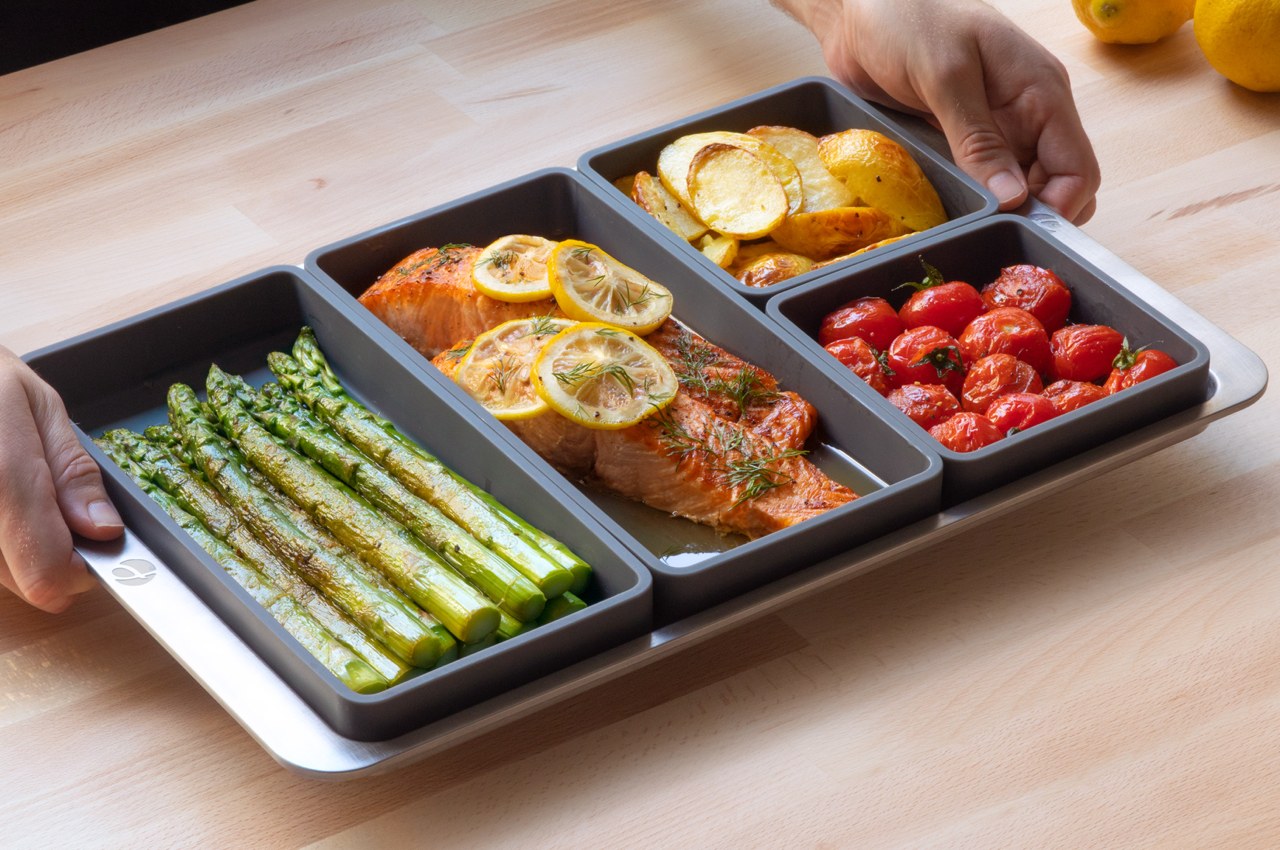
These oven-safe, non-stick silicone dividers are called the Cheat Sheets, and they are created to transform and elevate oven cooking. They convert a single baking tray into a multi-compartment cooking surface, which lets you prepare multiple dishes in one go while retaining their distinctive flavor.

Why is it noteworthy?

The innovative Cheat Sheets divide a single sheet pan into a multi-portion culinary canvas, which can hold six small or three large portions. The Cheat Sheets are a great option for preparing family meals or for your weekly meal planning. In fact, if you have multiple Cheat Sheets, you can prepare healthy baked meals with real efficiency and control.

What we like

  • Lets you cook multiple dishes in one tray simultaneously
  • It can prepare various portion sizes, which is great for family or individual meals

What we dislike

  • The sheets are made from silicone which can easily get covered with dust and grease, creating a sticky surface if not used regularly

2. Cookmate

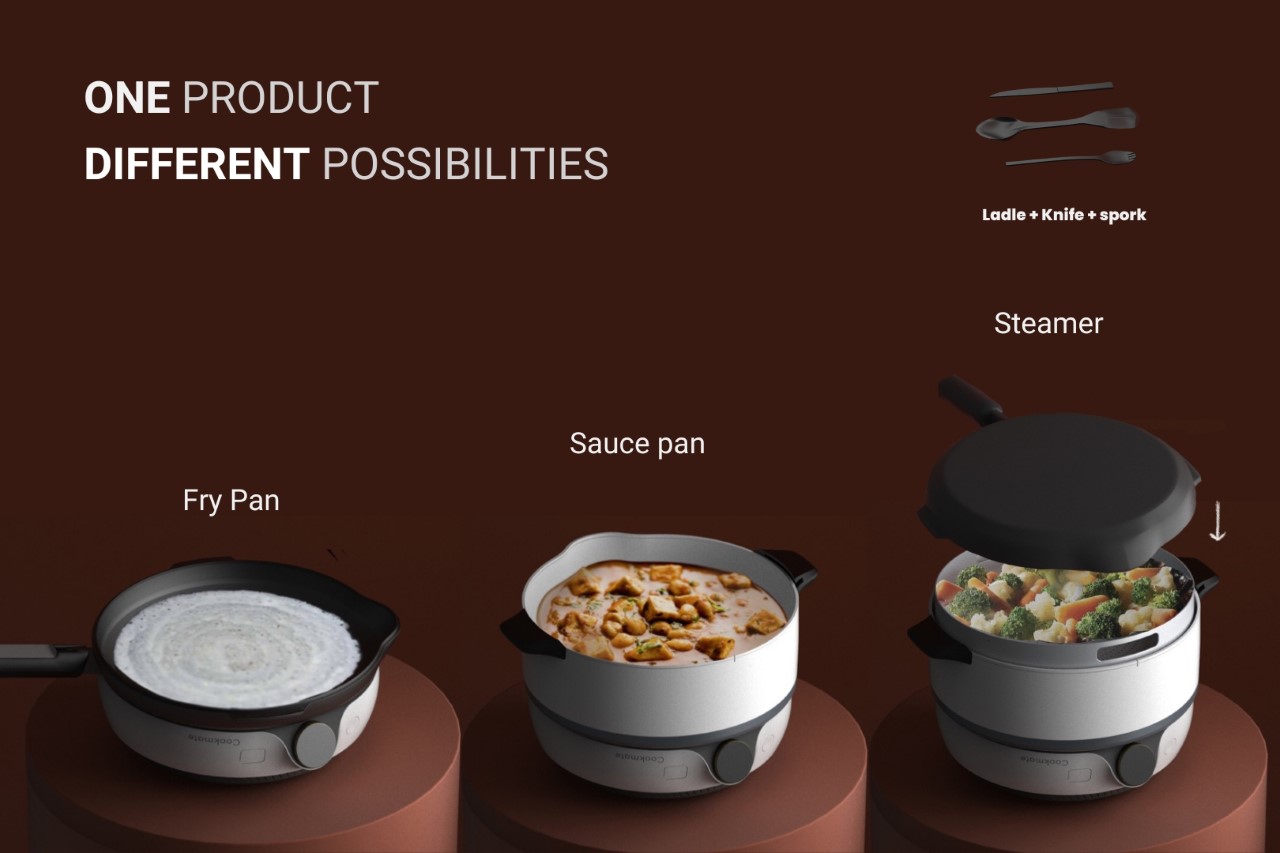
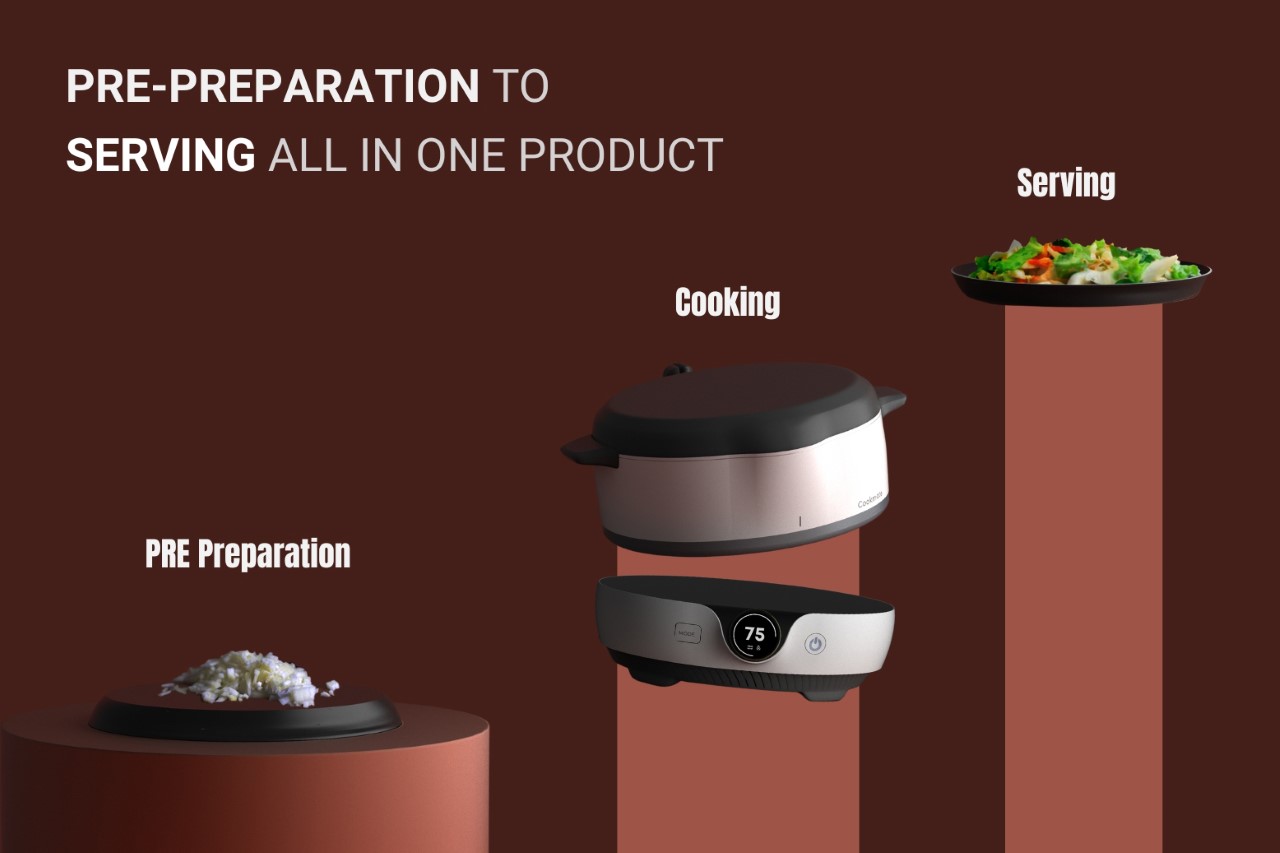
This innovative and handy kitchen appliance is called the Cookmate, and it is designed to be all-in-one. You can use the Cookmate for prep, cooking, and serving. It has a modular design with stackable pieces that let it function as a crock pot, pan, or steam – supporting various healthy cooking techniques.

Why is it noteworthy?

The Cookmate is an induction cooktop that focuses on every aspect of the cooking process. It sees the cooking process as something that progresses from ingredient to table. This allows Cookmate to be universally applicable, allowing you to save energy, effort, and space with other vessels.

What we like

  • Equipped with an integrated weighing scale
  • It can be split into 6 parts

What we dislike

  • It is a concept, so we don’t know how well it will translate into a tangible product

3. Good Grips Salad Dressing Shaker

If you’re trying to eat healthy, then one of the best and easiest dishes you can prepare is a salad! And if you’re ready to chop up a delicious salad, then you may want to consider this shaker and pourer by OXO. It is a smart modern solution that helps you churn up some yummy dressing without making a major mess in your kitchen.

What we like

The shaker features a wide top that you can unscrew to add and mix up ingredients like vinegar, oil, onions, garlic, and mayonnaise to prepare a delicious dressing. The cup has measurements in milliliters and ounces to support easy and efficient measuring.

What we like

  • It is a leakproof design, ensuring there are no spills
  • Besides dressing, you can use it to prepare and serve sauces and marinades

What we dislike

  • The shaker seems to be a bit fragile and easily breakable, so needs to be handled with care

4. Plate Grater

This extraordinary little grate perfectly merges a plate’s functionality with a grater’s practicality. It is shaped like a round little plate and is designed to be set on the table, rather than being used up in the air. The Plate Grater is excellent for grating fresh garnishing for your meals, or some wasabi for your sushi.

Click Here to Buy Now: $65

Why is it noteworthy?

The grater/plate design is known for its dual functionality, as it serves as both an effective grater and a stylish plate. It is not only aesthetically pleasing but is also excellent for grating fresh ingredients at the table, adding a refined gourmet touch to your food.

What we like

  • You can grate fresh garnishing onto your meals
  • Adds a gourmet touch to your meals

What we dislike

  • Users may not be accustomed to its dual purpose, so it may require a period of adjustment

5. 4T7 Smart Chopping Board

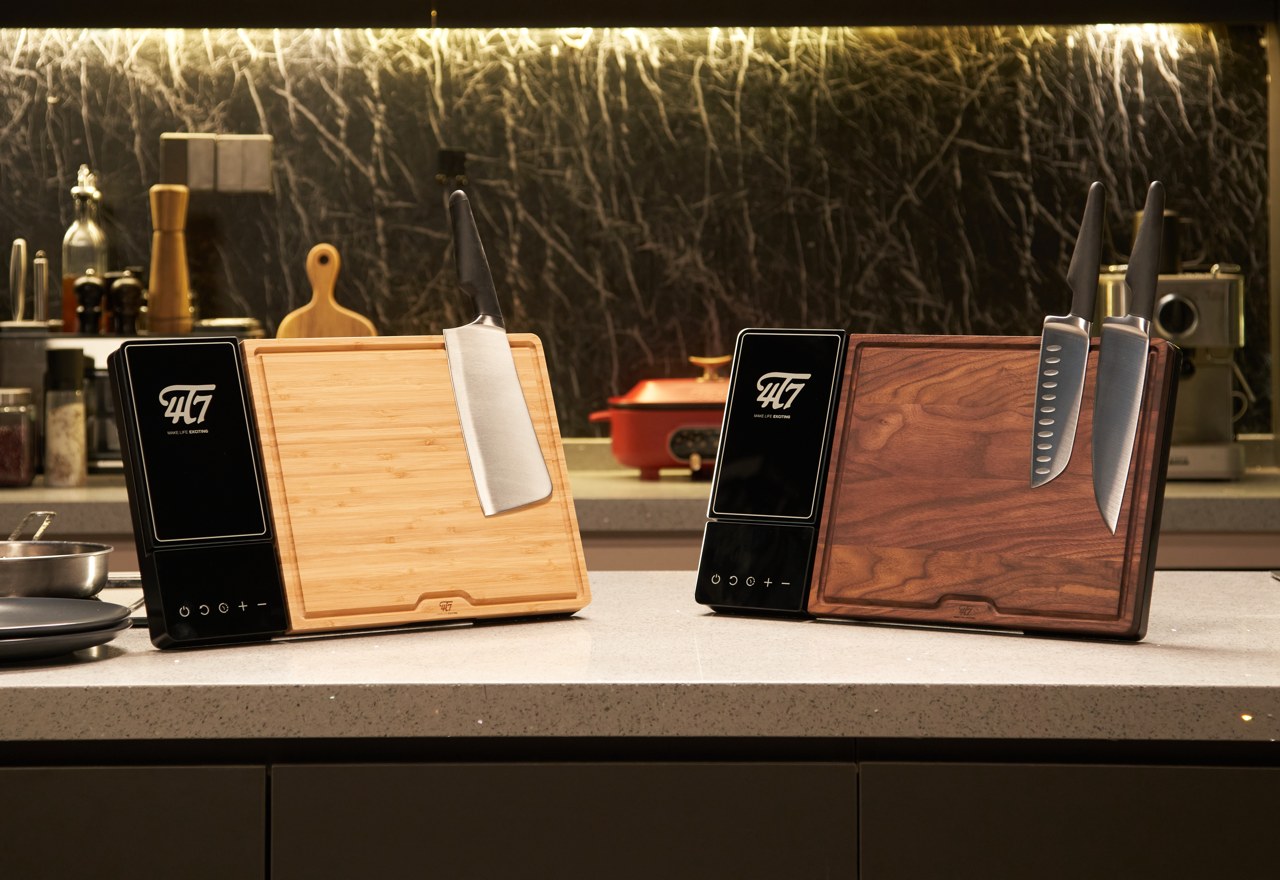
Called the 4T7 Smart Chopping Board, this innovative kitchen appliance is designed to simplify every stage of meal prep and help beyond it as well. It is made up of different parts, which come together to form a creative and united product that can help you in your quest for healthy eating.

Why is it noteworthy?

The chopping board is equipped with 4 distinct parts, one of which is a built-in weight scale. The 4T7 also has an accompanying smartphone app that counts calories as you weigh your ingredients. Once the prep work has been completed, the digital display can also function as a kitchen timer.

What we like

  • The board’s different components are designed to be functional and independent elements as well
  • Works great for fruits, veggies, and meats

What we dislike

  • Count calories precisely, which can get users unhealthily addicted to counting calories at all times

6. Playful Palm Grater

Dubbed the Playful Palm Grater, this playful and amusing little product is created to add some functional fun to your kitchen and dining experience. It will fit snugly into the palm of your hand, grating some fresh garnishings into your food, and adding a gourmet touch to your everyday meals.

Click Here to Buy Now: $25

Why is it noteworthy?

The Playful Palm Grater is a charming little product that resembles a curled piece of paper. It is made from a single aluminum alloy plate and is available in vibrant color options, so you can pick the one that best suits your kitchen/dining space.

What we like

  • Has a unique and minimal form that offers a firm grip
  • Transforms the simple act of grating into something convenient, fun, and playful

What we dislike

  • It has a pretty small size, so you can’t use it to grate large amounts of food

7. Electric Chopsticks

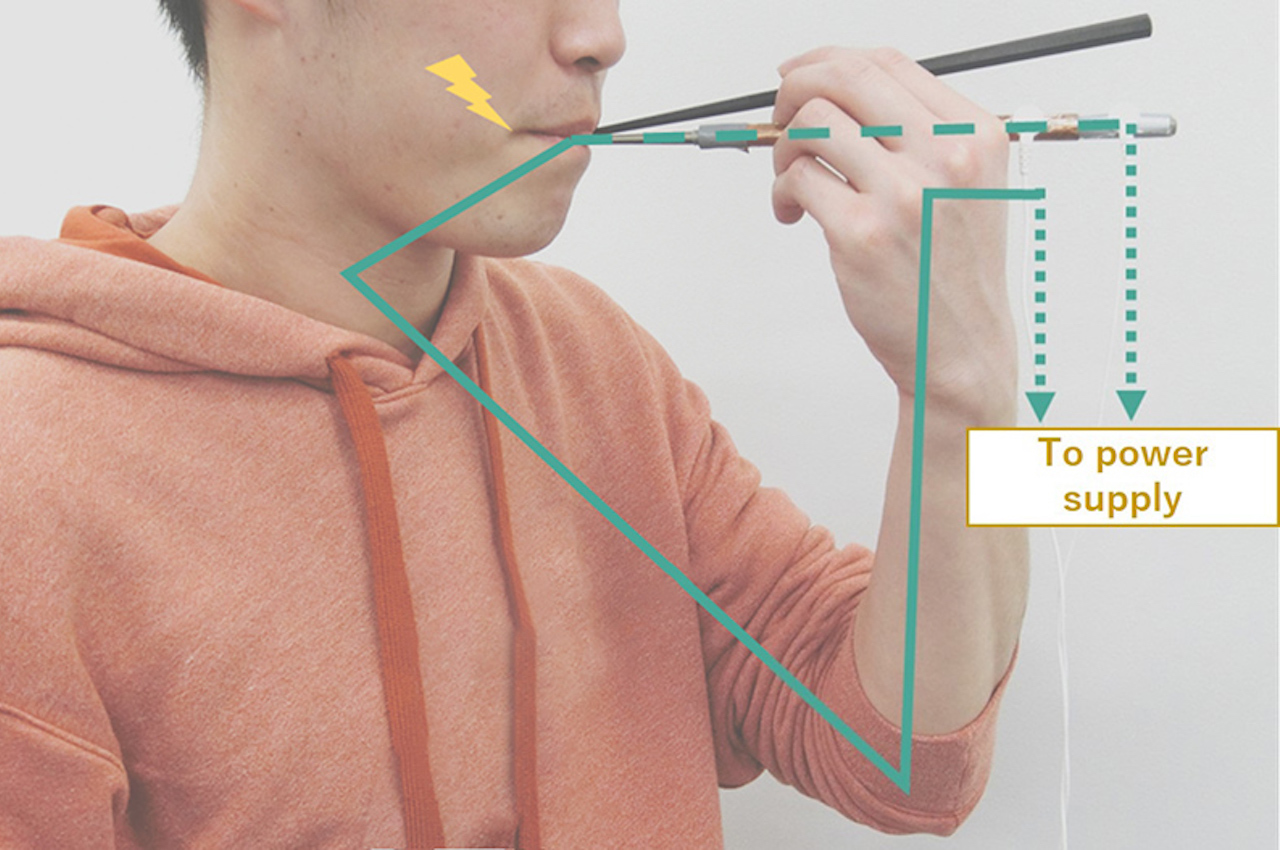
Electric Chopsticks Design

These electric chopsticks are an interesting project by Kirin Holdings and the Miyashita Laboratory (Meiji University Dr. Homei Miyashita Laboratory of the Department of Frontier Media Science, School of Interdisciplinary Mathematical Sciences). It includes a chopstick device that is equipped with an electrical stimulation waveform that can customize and adjust the taste of low-sodium food.

Why is it noteworthy?

These innovative chopsticks are designed to make low-sodium food tasty, you can enjoy food with low-sodium content, allowing you to take better care of your health. These chopsticks are an excellent option for those who need to go on a low-sodium diet.

What we like

  • Adds a sense of saltiness to low-sodium food
  • Uses a weak electrical current to transmit sodium ions from the food to your mouth

What we dislike

  • It’s still in the prototype stage, not an actual product yet, so we don’t know how it will turn out to be

8. Joseph Joseph Salad Bowl & Servers Set

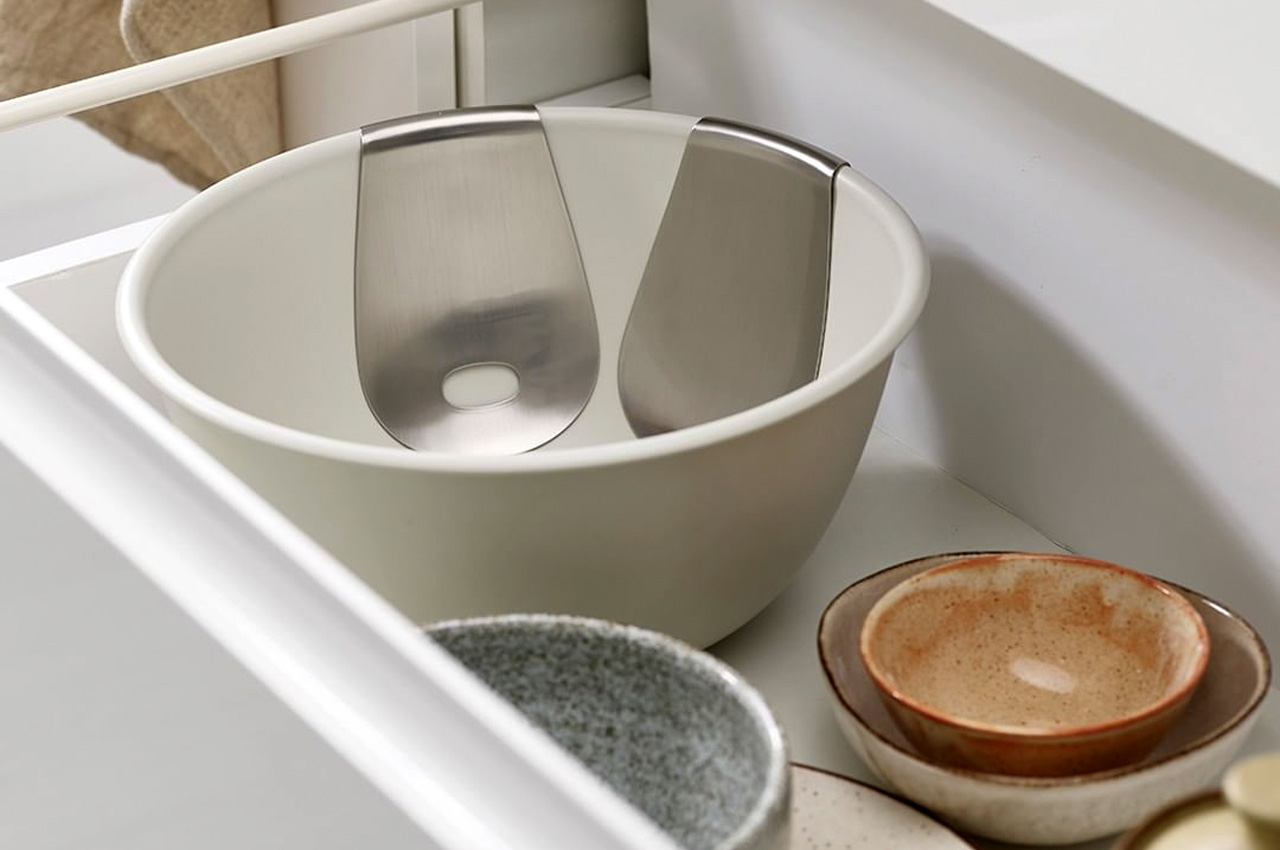
We’ve found another great tool, if you’re trodding down the path of healthy eating, and want to prepare some quick and tasty salads. Joseph Joseph and Element Studio teamed up to create this minimal and smart salad bowl and servers set. It is a space-saving design, that seamlessly merges both products into one nifty product, creating a clever combination of functionality and form.

Why is it noteworthy?

The bowl and servers set are excellent for preparing some salad, while also occupying minimal space on your dining table or kitchen drawers. They offer an exciting take on an ordinary salad bowl, and a rather mundane servers set. They make preparing and serving salads an interesting and fun experience.

What we like

  • Ingeniously merges two products into one
  • Space-saving design that will occupy minimum space in your kitchen and dinner table

What we dislike

  • There seem to be no diverse options in colors and sizes, limited choice

9. Fresh Fridge

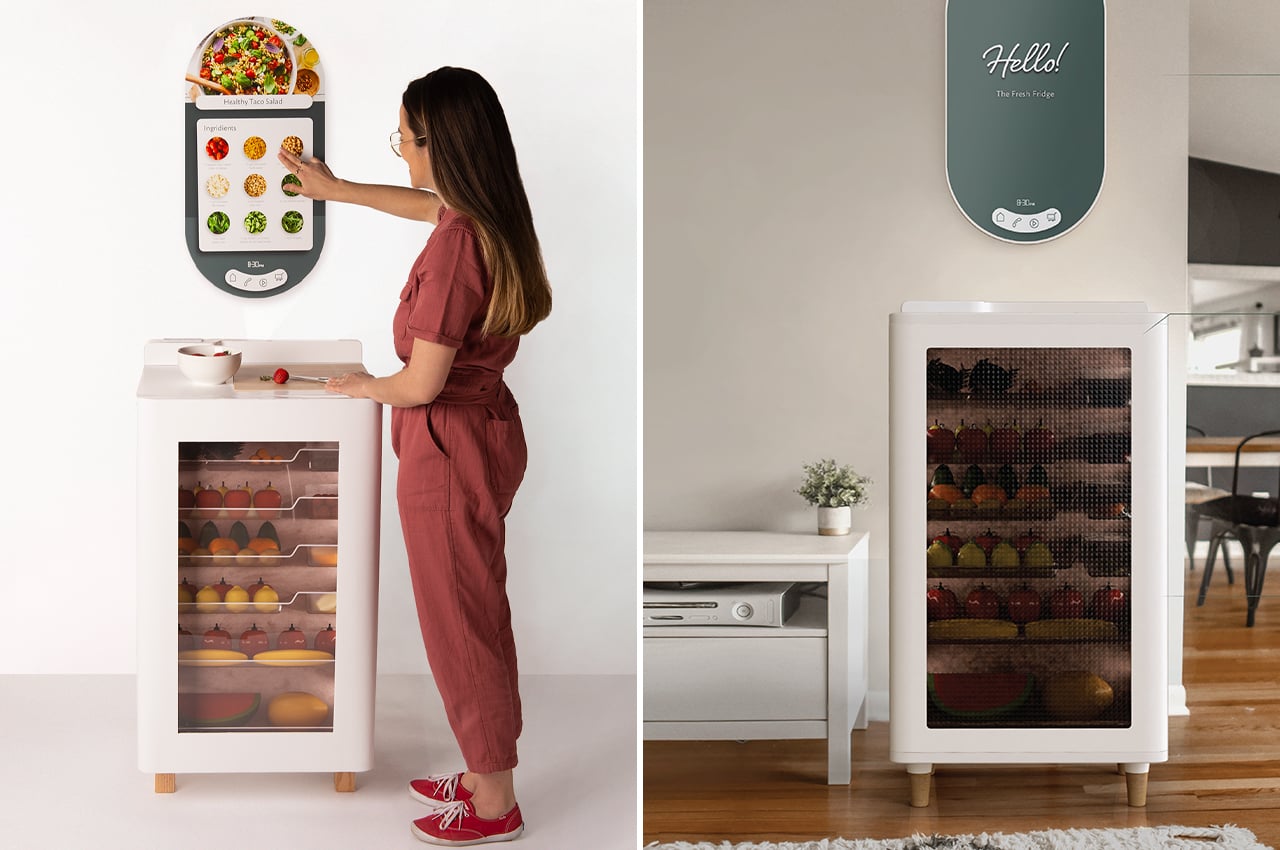
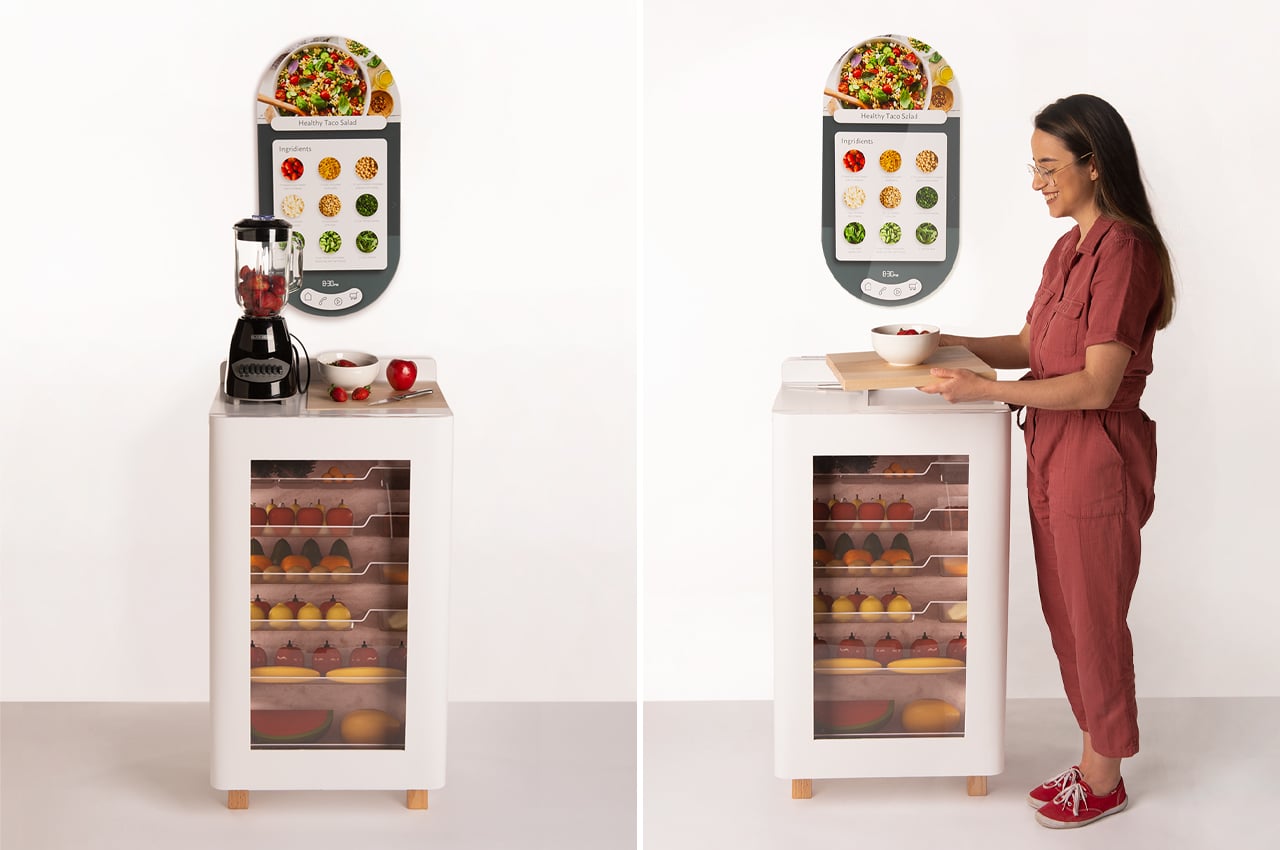
Meet the Fresh Fridge by Tati Feruccio. It is designed to help you eat more mindfully, and ditch the latest trendy diets, for something that is sustainable and manageable. The smart refrigerator analyzes the user’s eating and health habits to portion and plan out healthy meals from them throughout the day. It features a digital interface, right above the fridge.

Why is it noteworthy?

The innovative digital interface displays cooking recipes and interesting facts. It is like a personal cooking show for the multiple meals throughout the day! There is also a space for meal preparation that makes following recipes from the screen super easy and simple.

What we like

  • Supports and encourages mindful eating over following trendy and unsustainable fad diets
  • Features an integrated digital interface

What we dislike

  • We don’t know how precisely the fridge will analyze portions, and how well would they work for users

10. STEAMIE

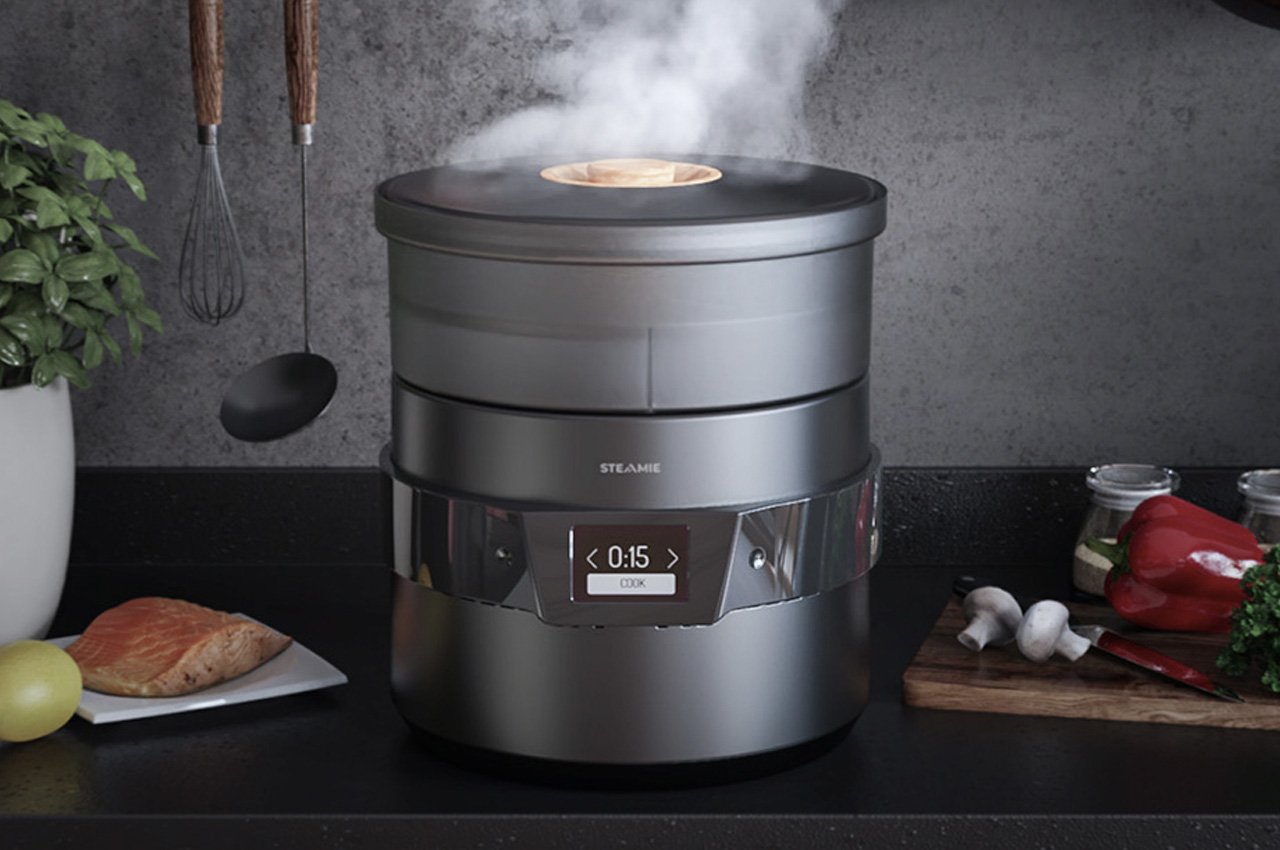
Named STEAMIE, this kitchen appliance reintroduces steam into mainstream cooking! It can cook food without diluting or compromising on the flavor, providing you with healthy food, that is not only rich in nutrients but also pretty delicious. It is a tabletop appliance that will present you with food that is nutritious and delicious.

Why is it noteworthy?

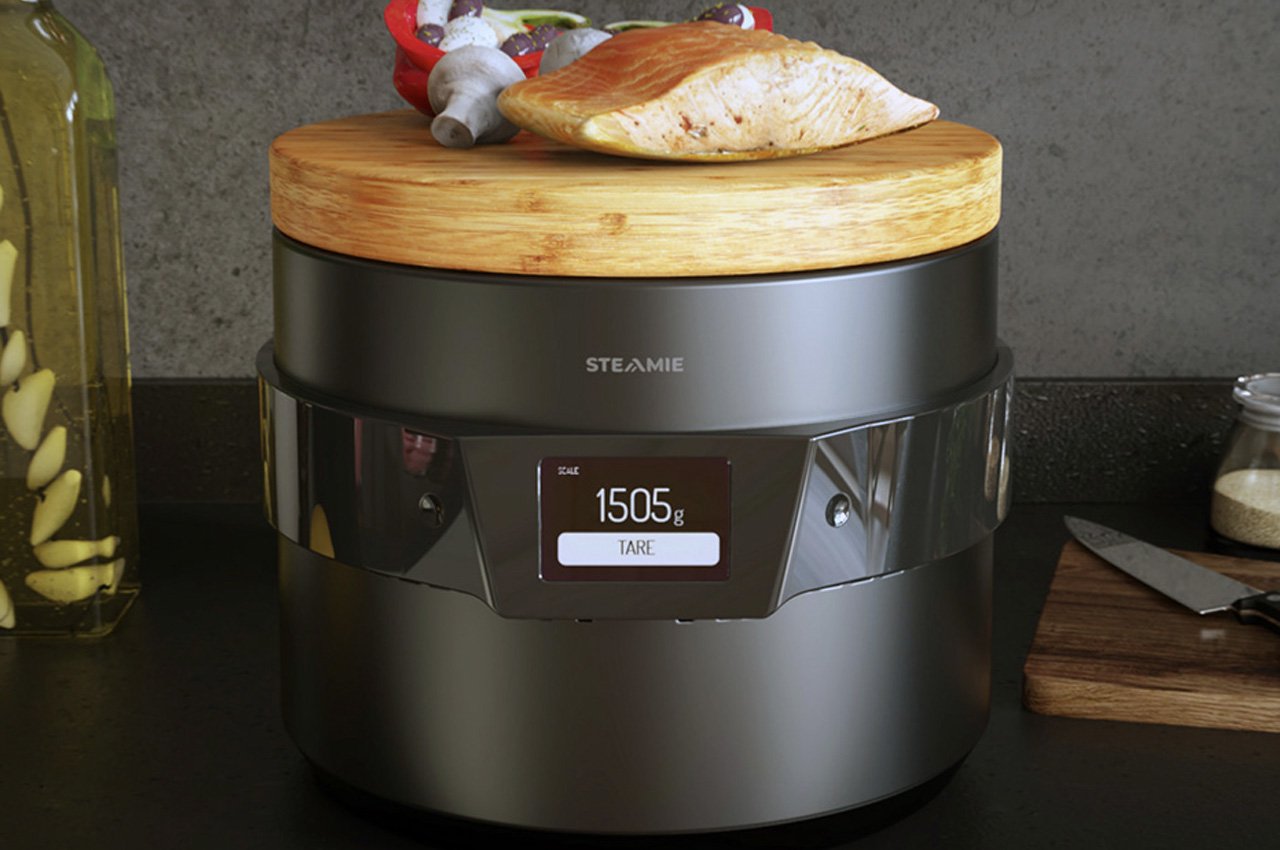
STEAMIE is equipped with a built-in scale that lets you measure your food before you cook it. It also features a bamboo-wood lid that functions as a cutting board for food prep. You can watch your food being prepared via the frosted-acrylic food bowl, while an intuitive display lets you input and check prep times.

What we like

  •  Utilizes a unique turbo convection method to rapidly steam-cook the food

What we dislike

  • Bulky and heavy form that will occupy substantial space on your kitchen counter or dining table

The post Top 10 Kitchen Appliances To Prepare Healthy Meals & Achieve Your Fitness Goals In 2024 first appeared on Yanko Design.