Waymo director says the company’s cars won’t honk at each other anymore

Waymo’s self-driving cars no longer honk when near each other, Waymo’s Director of Product and Operations Vishay Nihalani said yesterday when he appeared on software engineer Sophia Tung’s livestream. The vehicles were spotted honking at each other a few weeks ago, prompting Waymo to issue a software patch.

As reported by NBC Bay Area, residents living near the parking lot full of Waymo taxis reported that despite the patch going live, the taxis still honked at each other. Tung, who lived near the idling taxis, set up her live stream to capture the cacophony of honking vehicles.

No good stream is complete without a soundtrack, and Tung’s stream included lo-fi music in the vein of the ubiquitous “LoFi Girl" on YouTube. The title, “Self Driving Taxi Depot Shenanigans To Relax/Study To,” was an obvious tribute to the LoFi Girl channel. (And yes, she had permission to use the music.) Despite a fix being pushed out, the stream captured the cars continuing to honk at 4AM this past Saturday.

Nihalani joined the stream to speak to Tung about the ongoing honking. According to the director, the cars’ honking was an intentional feature for taxis cruising on public roads to avoid collisions, but honking at each other while idling in the parking lot was never intentional. The taxis have now all been updated to solve the issue.

The Waymo service is available for those living in San Francisco, Phoenix, and 79 square miles of Los Angeles, stretching from Santa Monica to Downtown. In May, the company announced that its taxis were making 50,000 paid trips per week. Back in San Francisco, though, you can still tune in to Tung’s chill livestream of a parking lot — just without the honking.

This article originally appeared on Engadget at https://www.engadget.com/waymo-director-says-the-companys-cars-wont-honk-at-each-other-anymore-132812747.html?src=rss
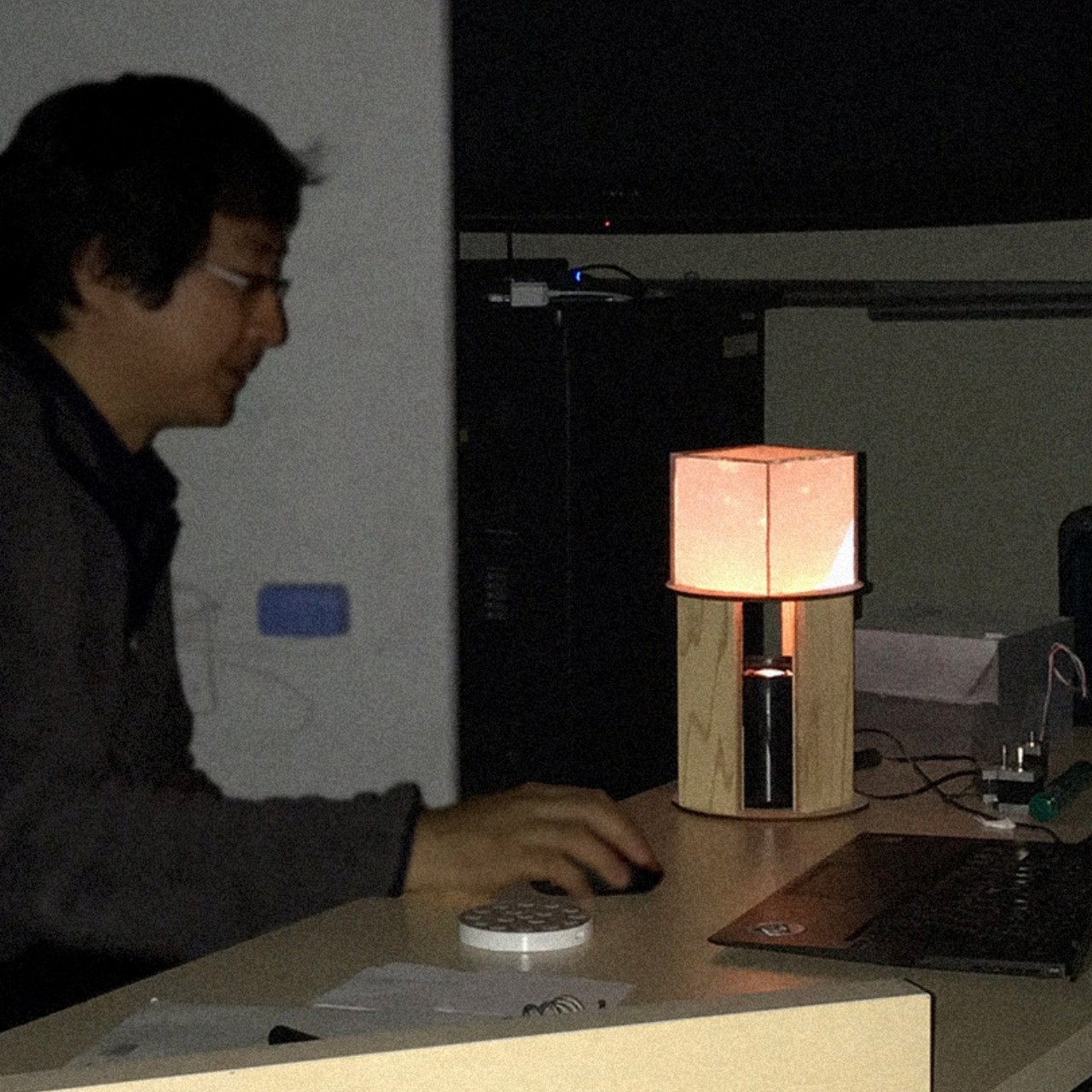
Uplight game console concept with an interactive 3D screen changes the way you play

Handheld gaming consoles are rocking the market again, in no small part thanks to the success of the Nintendo Switch nearly eight years ago. But for all the technological marvels these powerful computers bring today, they’re really just rehashing time-tested formulas, at least when it comes to the way we see and interact with games. Just like with much of computing, we’re simply seeing images rendered on a flat screen rather than the way we naturally see and interact with the world in three dimensions. Mixed reality and spatial computing are trying to challenge the status quote when it comes to typical computing scenarios, while this concept for a unique kind of console proposes a literally different perspective when it comes to the video games we play.

Designers: Tatsuya Kato, Shion Ito, Toshikatsu Nakamura, Toshiki Sato

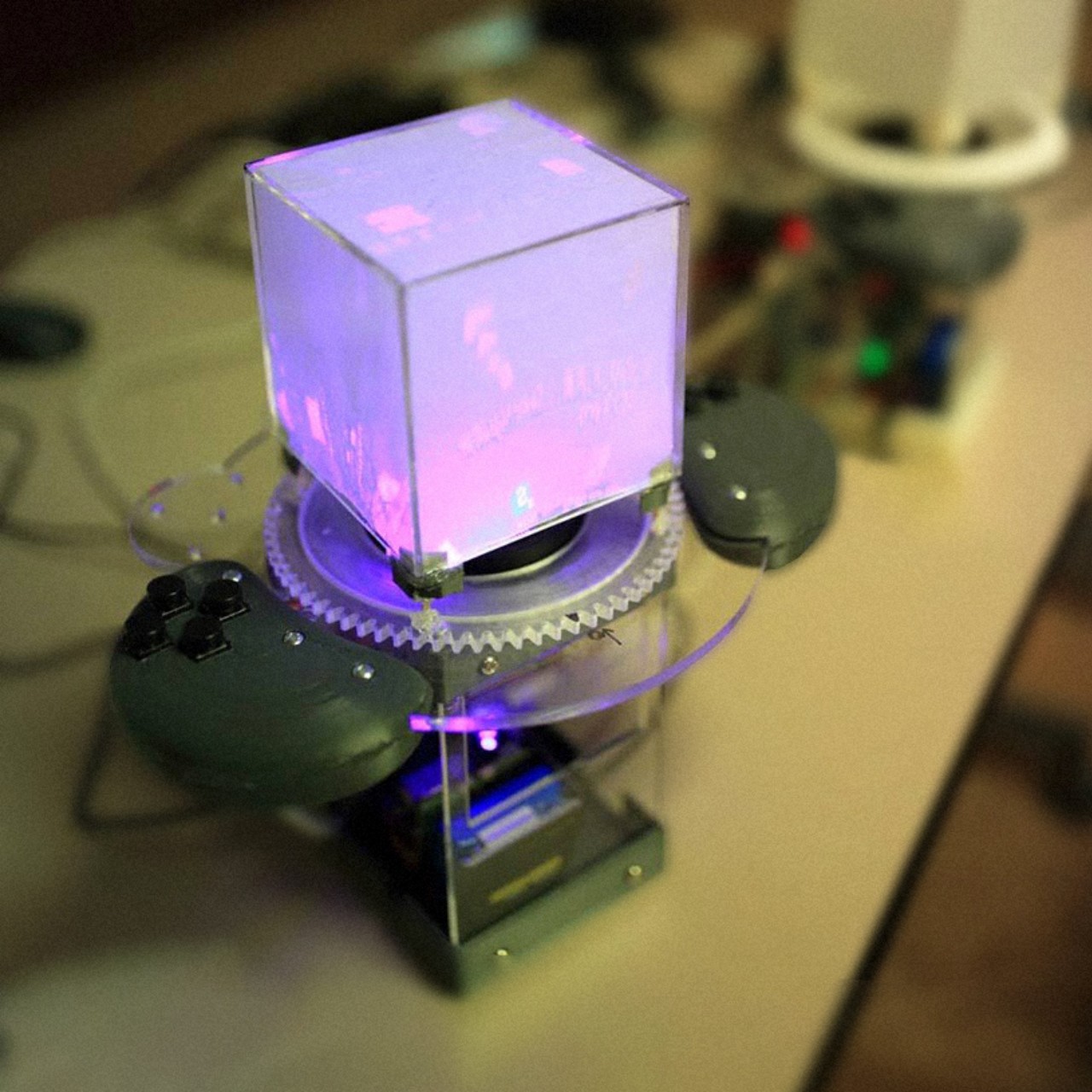
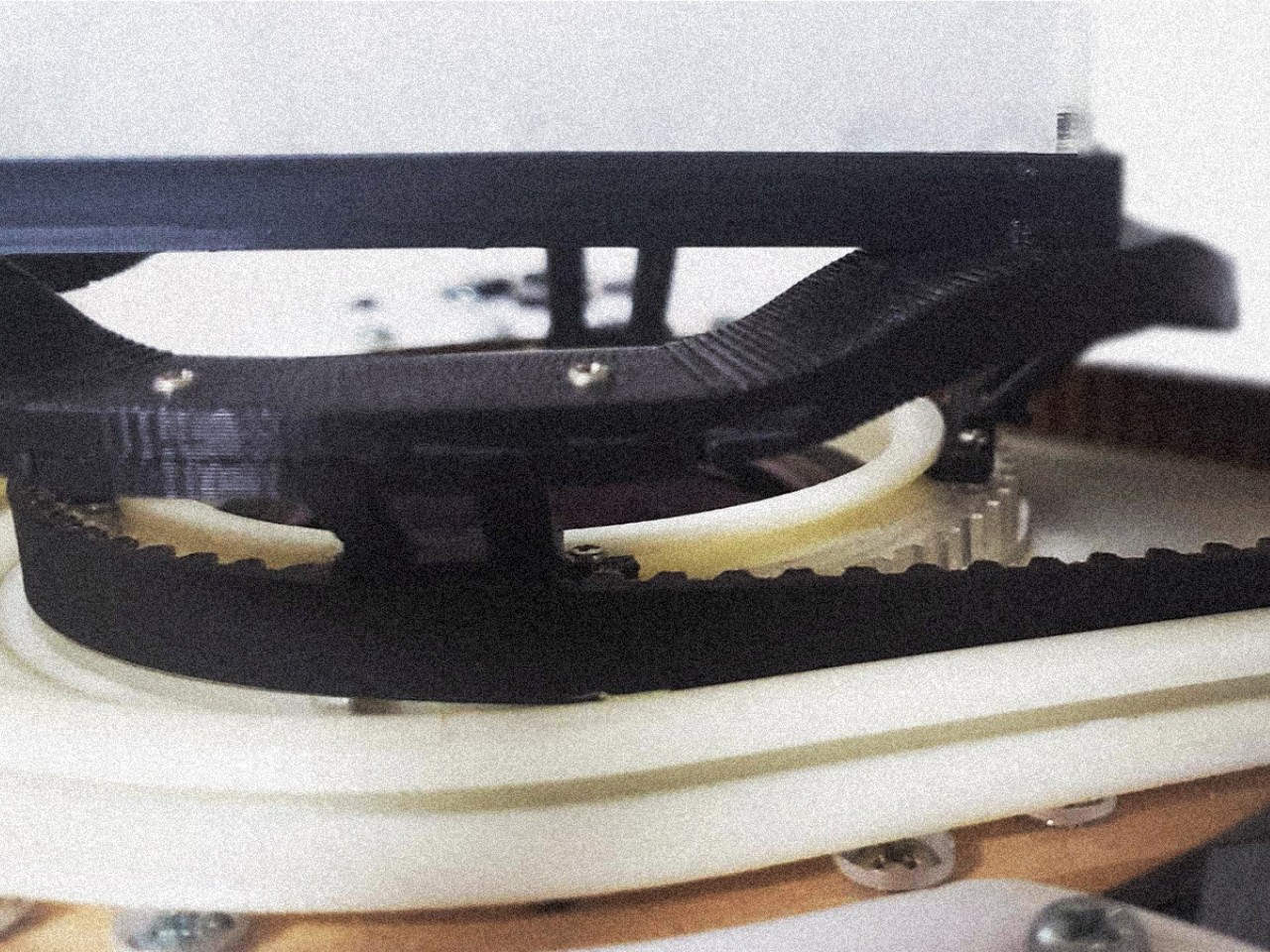
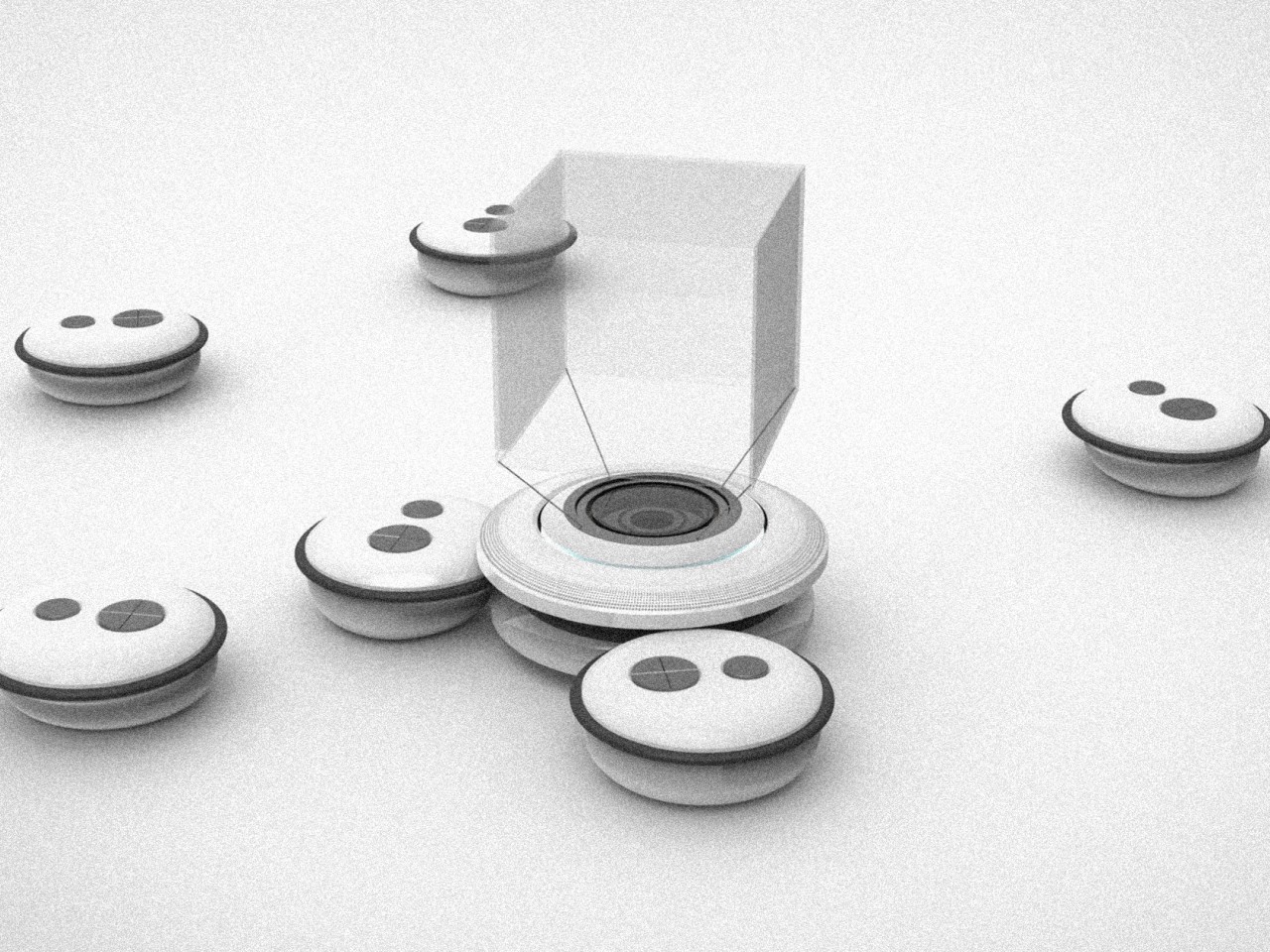
Uplight definitely looks like no other gaming console, not just because of the different controller configuration but primarily for the lack of a screen. The design concept flips the convention of game design, with the experience being designed to conform to the unique traits of the console rather than the other way around. In this case, the unique characteristic is a projector hidden in the base of the console that displays the game on three-dimensional acrylic screens that can take on different object shapes specific to the nature of the game.

Think about those 3D puzzle games that require you to rotate a cube around to see it from different sides to solve the puzzle, except that cube is a literal and physical cube existing in the real world. This cube, made from translucent acrylic, is mounted on top of the Uplight console and displays the game projected into it. Players can use the console’s unusual controls to move the displayed image around or, better yet, use their own hands to actually turn the cube.

1

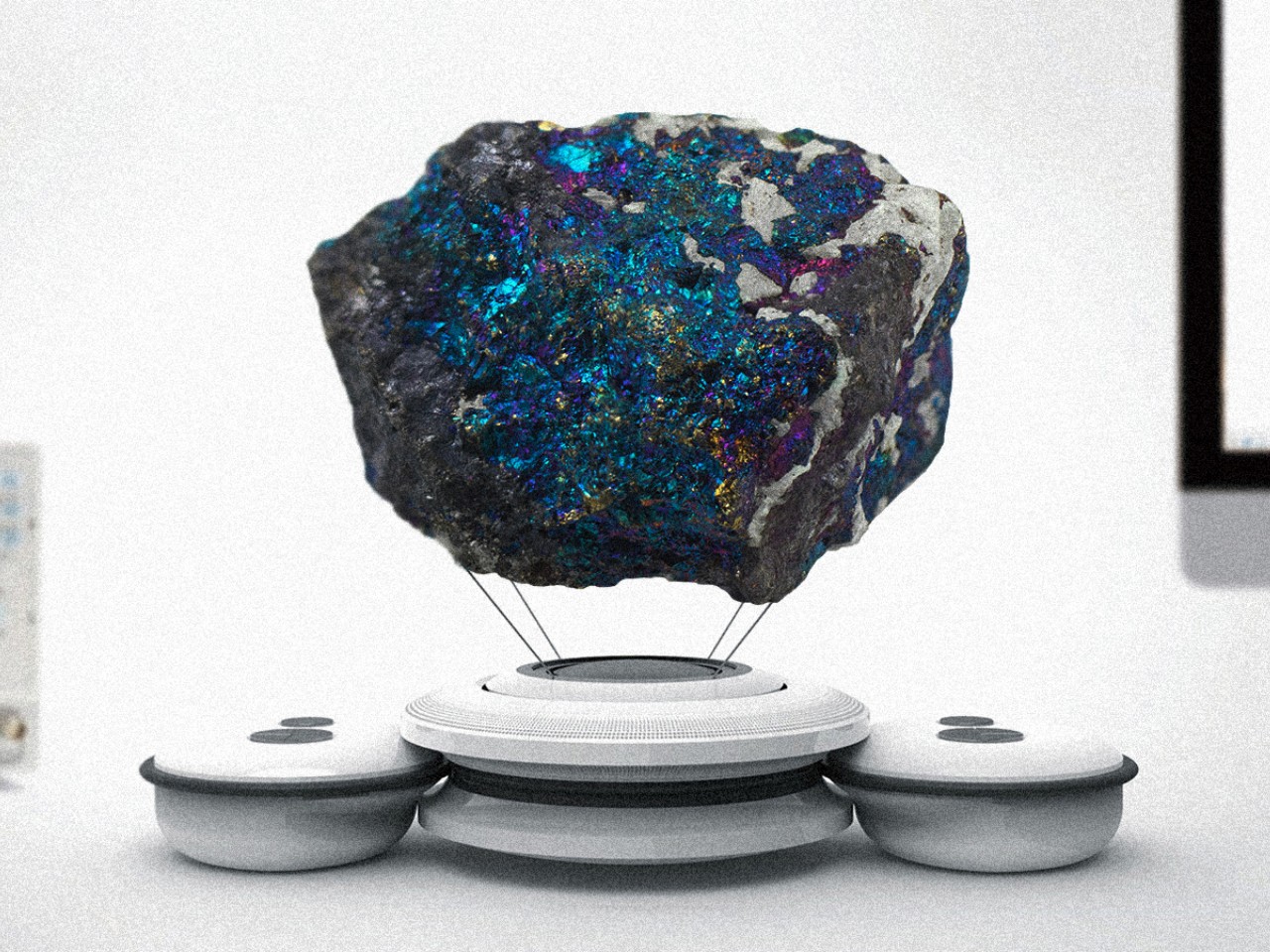
The 3D acrylic screen can be any shape, in theory, depending on the game experience being designed. It could, for example, be a giant translucent jellyfish for an aquatic adventure game, or even a tree branch for a game related to planting or vegetation. The possibilities are nearly endless, limited only by the angle that the integrated projector can reach and, of course, the size of the console.

That said, such a unique system will require games specifically designed for it, which also means designing new experiences that involve three-dimensional thinking as well as direct tactile interaction. Very few of today’s games have that, which will definitely challenge the creativity and ingenuity of game designers should Uplight ever become an actual commercial product.

The post Uplight game console concept with an interactive 3D screen changes the way you play first appeared on Yanko Design.

Hydra 100w triple USB-C charging cable

100w triple USB-c charging cable

Ever find yourself tangled in a mess of charging cables, each one dedicated to a different device? This innovative cable is packed with features that make it a must-have for tech enthusiasts and busy professionals alike. With Hydra, you no longer need to juggle multiple chargers and cables. Its Triboost™ technology intelligently allocates power, ensuring […]

The post Hydra 100w triple USB-C charging cable appeared first on Geeky Gadgets.

Flamurs portable all-in-one fire pit and grill

portable all-in-one fire pit and grill Kickstarter

Ever found yourself wrestling with a bulky fire pit or grill, only to be engulfed in smoke once you finally get it going? You’re not alone. Many outdoor lovers face this frustrating scenario. Enter the All-In-One Fire Pit & Grill—a portable, easy-to-set-up solution that promises less smoke and more enjoyment. With its foldable design, innovative […]

The post Flamurs portable all-in-one fire pit and grill appeared first on Geeky Gadgets.

How to Make Your iPhone Ringer Louder (and Never Miss a Call Again)

iPhone Ringer

Have you ever missed a call on your iPhone because the ringer volume is low? One of the most frustrating experiences is missing an important call because your iPhone’s ringer volume is too low. Whether you’re in a noisy environment or simply have difficulty hearing your phone, ensuring your iPhone’s ringer is loud enough is […]

The post How to Make Your iPhone Ringer Louder (and Never Miss a Call Again) appeared first on Geeky Gadgets.

NVIDIA’s ACE virtual human tech is making its way into an actual game

A game developer called Amazing Seasun Games is demonstrating NVIDIA's Avatar Cloud Engine (ACE) technology through its upcoming multiplayer mecha game Mecha BREAK at Gamescom this year. NVIDIA unveiled ACE at Computer 2023, presenting it as a "custom AI model foundry service" that developers can use to make their games more interactive. Specifically, it will allow players to interact with NPCs without the constraints of pre-programmed conversations and will be able to give them appropriate responses. 

When NVIDIA launched the technology, it showed a player talking to an NPC called Jin at a ramen shop. The player asked how the character was, and Jin was able to respond naturally to tell them about his worries about his city's rising crime rates. NVIDIA said the developer will use its technology to bring Mecha BREAK's "characters to life and provide a more dynamic and immersive gameplay experience on GeForce RTX AI PCs."

The chipmaker also said that more developers are incorporating ACE into their creations. Perfect World Games, a Chinese developer, is using the technology to power its demo for Legends. In that game, or at least the demo of it, a character is able to identify people and objects in the real world through the computer's camera, thanks to ChatGPT-4o

In addition to the ACE demo in Mecha BREAK, NVIDIA has also announced that PC Game Pass access on GeForce NOW will become seamless starting on August 22. Players will only have to link their Xbox profile once to be able to easily stream Game Pass titles in the future. 

This article originally appeared on Engadget at https://www.engadget.com/gaming/nvidias-ace-virtual-human-tech-is-making-its-way-into-an-actual-game-130055827.html?src=rss

This 1mm ‘fan on a chip’ could put active cooling inside ultra-thin gadgets

What if you could take the benefits of solid-state speaker drivers — specifically, their extreme thinness and lack of moving parts — and bring them to cooling fans? That's what xMEMS aims to do with its new XMC-2400 µCooling (microcooling) chip. It's a 1mm-tall solid-state fan on a chip that can actively cool extremely thin devices like smartphones and tablets. Based on the same MEMS (Micro-electromechanical systems) technology as the company's upcoming ultrasonic driver inside headphones, the micro-cooling chip could lead to slim devices that are less prone to overheating and capable of better sustained performance.

Consider this real-world example: If my fan-less M2 MacBook Air had xMEMS' XMC-2400 chips installed, it wouldn't have died on me while I was working in the sun at Apple's WWDC last year. It's not hard to imagine other potential solutions: Headphones that can cool down your ears; gaming controllers that can keep your paws from getting sweaty; tablets that can eke out even more speed from their hardware.

xMEMS micro-cooling chip
xMEMS

In earbuds like Creative's Aurvana Ace, xMEMS' solid-state drivers excelled at reproducing mid- and high-range, but they were paired together with a traditional bass driver to handle low-end frequencies. xMEMS' next-generation solid-state driver, dubbed Cypress, holds its own across all frequencies—-and it's that same air-pushing power that the new micro-cooling chip relies on.

According to Mike Housholder, xMEMS VP Marketing and Business Development, the XMC-2400 µCooling chip uses ultrasonic modulation to create pressure pulses for air movement. It weighs less than 150 milligrams and can move "up to 39 cubic centimeters of air per second with 1,000 Pascals of back pressure," xMEMS says. Since it's a solid-state device, there aren't any moving parts like rotors or fins to fail, and its thin design means it can be placed directly atop heat-generating components like APUs and GPUs. It's also resistant to dust and water damage with an IP58 rating.

xMEMS isn't the only company pursuing ultra-thin, solid-state cooling. Frore's AirJet Mini and Mini Slim can both generate 1,750 Pascals of back pressure, but they're also larger and thicker than the XMC-2400, measuring 2.8mm and 2.5mm thick, respectively. Frore showed off its technology by hacking it into a MacBook Air, and according to The Verge, it pushed out heat and led to improved sustained performance.

xMEMS micro-cooling chip alongside iPhone
xMEMS

As Housholder puts it, xMEMS' technology is more flexible since its far thinner, and manufacturers can also choose from side- and top-venting options. He expects the XMC-2400 to cost under $10 per chip, and that "four to five" existing partners will get their hands on it by the end of the year. Other manufacturers can snag it in the first quarter of 2025. xMEMS' fabrication partners, TSMC and Bosch, can easily switch from building its speakers today to constructing micro-cooling chips tomorrow, Housholder says. There's no need to change equipment or production lines. 

As devices like the iPad Pro juggle extreme thinness with powerful performance, the need for some sort of ultra-thin active cooling solution is clear. We can't escape physics, after all—that's something I learned when my MacBook Air died on Apple's own campus. While we still need to see the xMEMS micro-cooling chip in action to form any sort of judgment, theoretically, it could end up being indispensable in the future.

This article originally appeared on Engadget at https://www.engadget.com/mobile/this-1mm-fan-on-a-chip-could-put-active-cooling-inside-ultra-thin-gadgets-130014002.html?src=rss

New MSI PRO DP21 14MQ compact Business Desktop

MSI PRO DP21 14MQ PC

MSI has announced the launch of its latest business desktop, the PRO DP21 14MQ series. This new model is designed to excel in confined workspaces without sacrificing performance, thanks to its compact 2.3-liter chassis. The PRO DP21 14MQ supports Intel vPro technology and DDR5 memory, delivering robust security, efficient remote management, reliable materials, and high-speed […]

The post New MSI PRO DP21 14MQ compact Business Desktop appeared first on Geeky Gadgets.

Posted in Uncategorized | Tagged

ZOTAC ZONE handheld gaming PC launches

ZOTAC ZONE handheld games console

ZOTAC has officially launched its highly anticipated handheld gaming PC, the ZOTAC GAMING ZONE, at Gamescom 2024. This innovative device is set to redefine the handheld gaming market with its premium hardware and elite control features. The ZONE is designed to offer gamers an unparalleled immersive experience, making it a standout choice for gaming enthusiasts. […]

The post ZOTAC ZONE handheld gaming PC launches appeared first on Geeky Gadgets.