Lenovo’s Yoga Book Concept Makes 3D Models Float Above the Screen

Working in 3D on a flat screen requires a specific kind of mental gymnastics. The model on the monitor is technically three-dimensional, but the screen keeps insisting it’s not, and somewhere between rotating the viewport and second-guessing the depth, the actual creative work slows to a halt. Lenovo’s Yoga Book Pro 3D Concept, revealed at MWC 2026, takes a direct position on that friction.

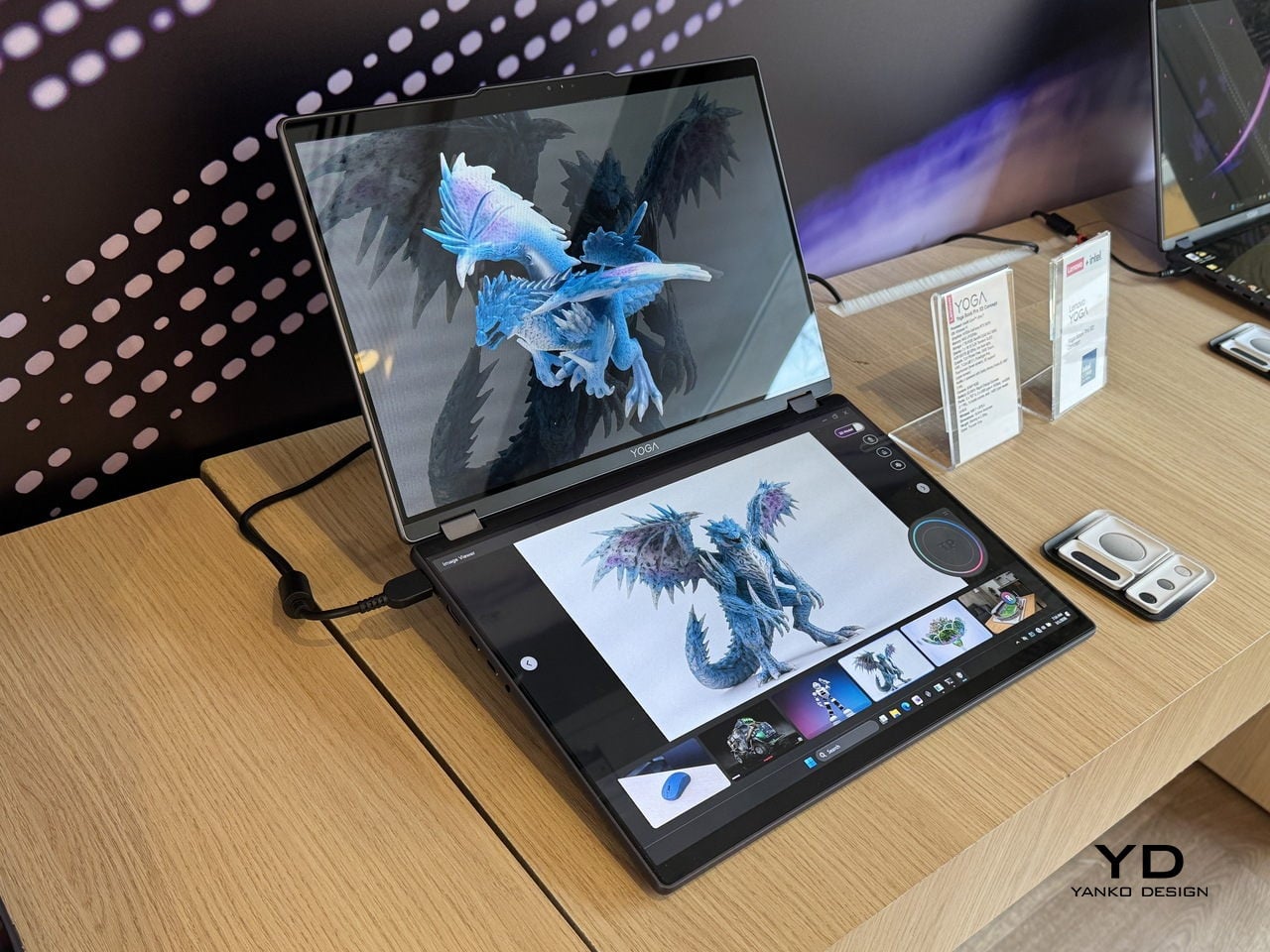
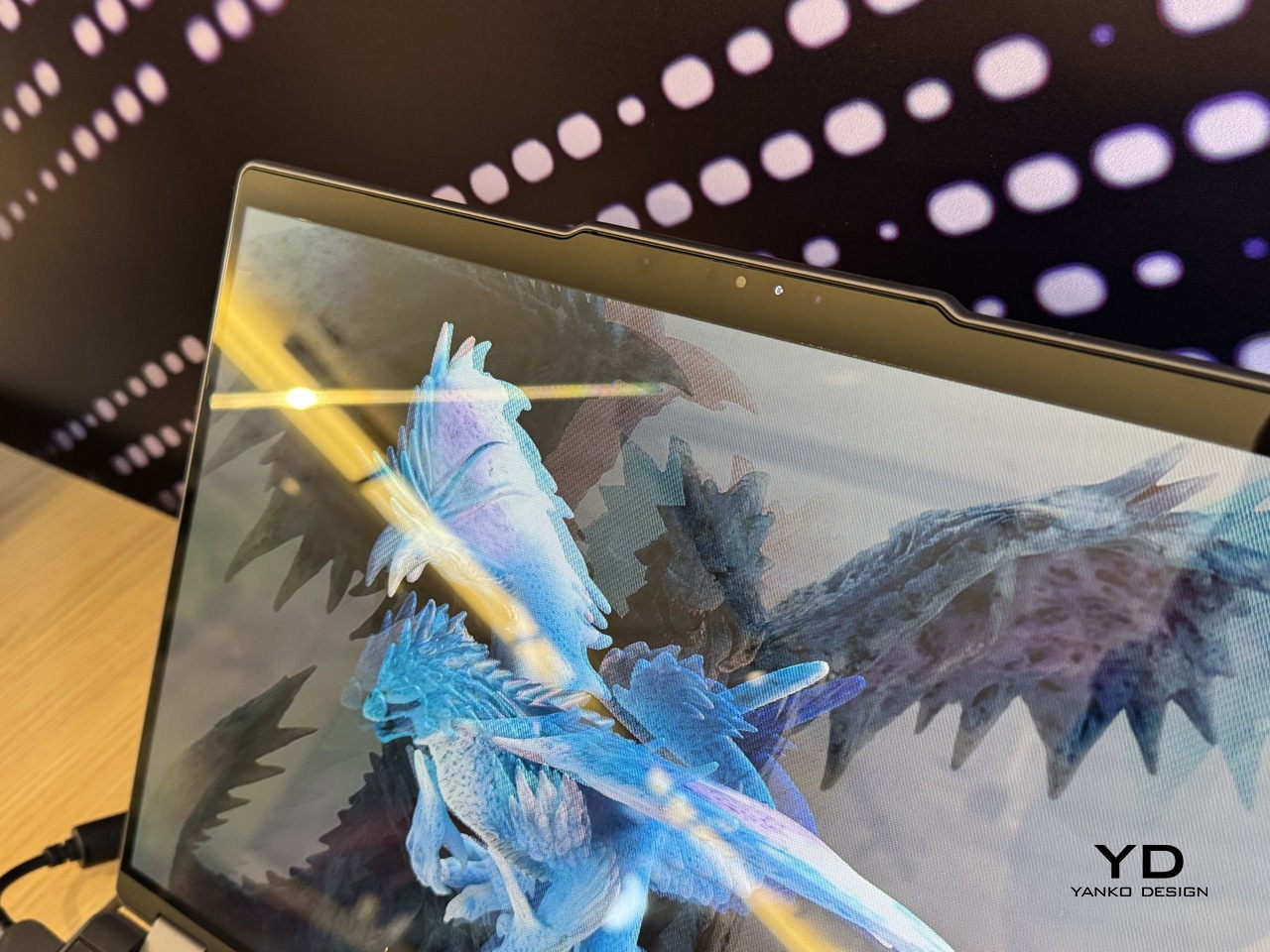
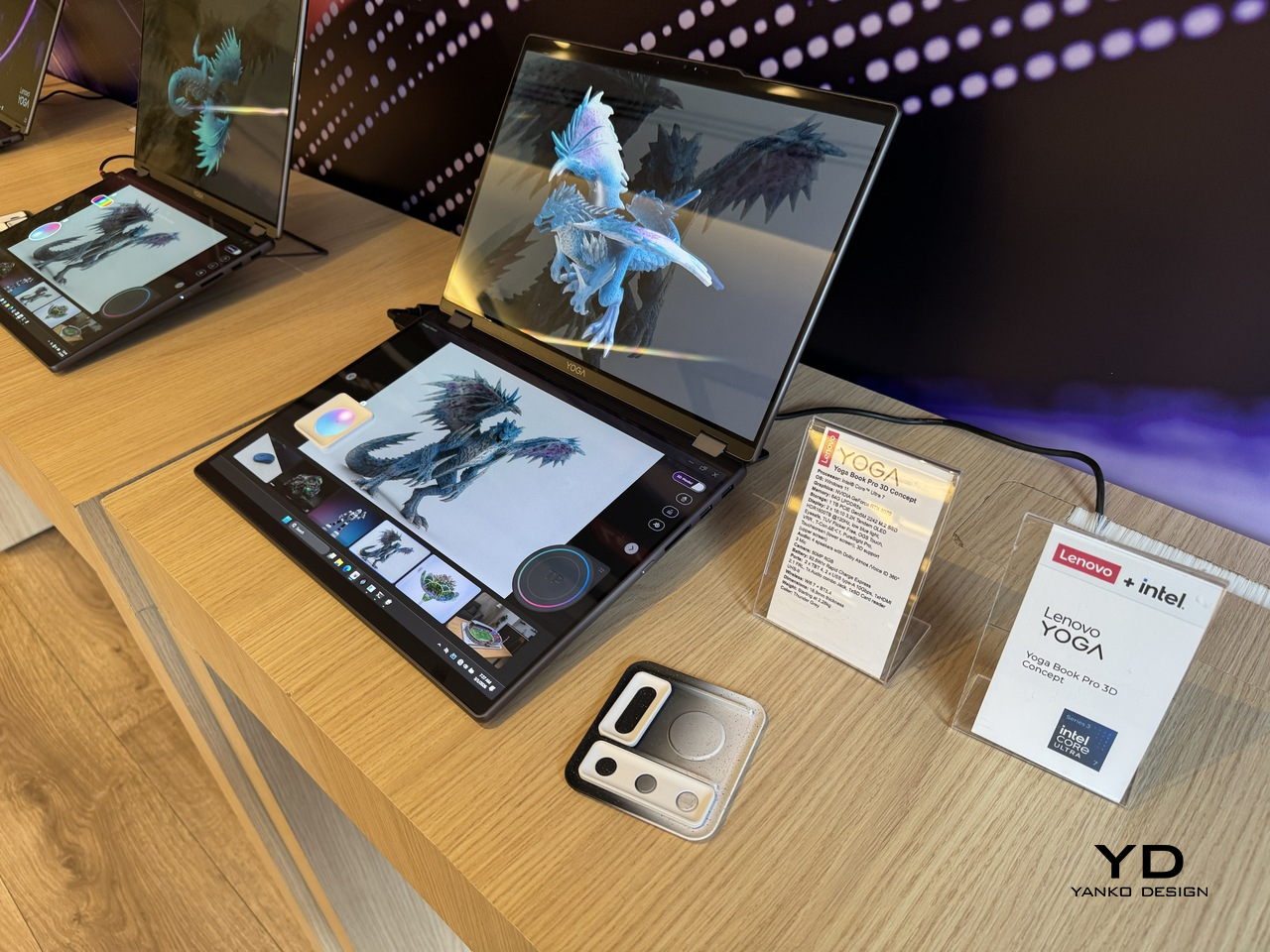
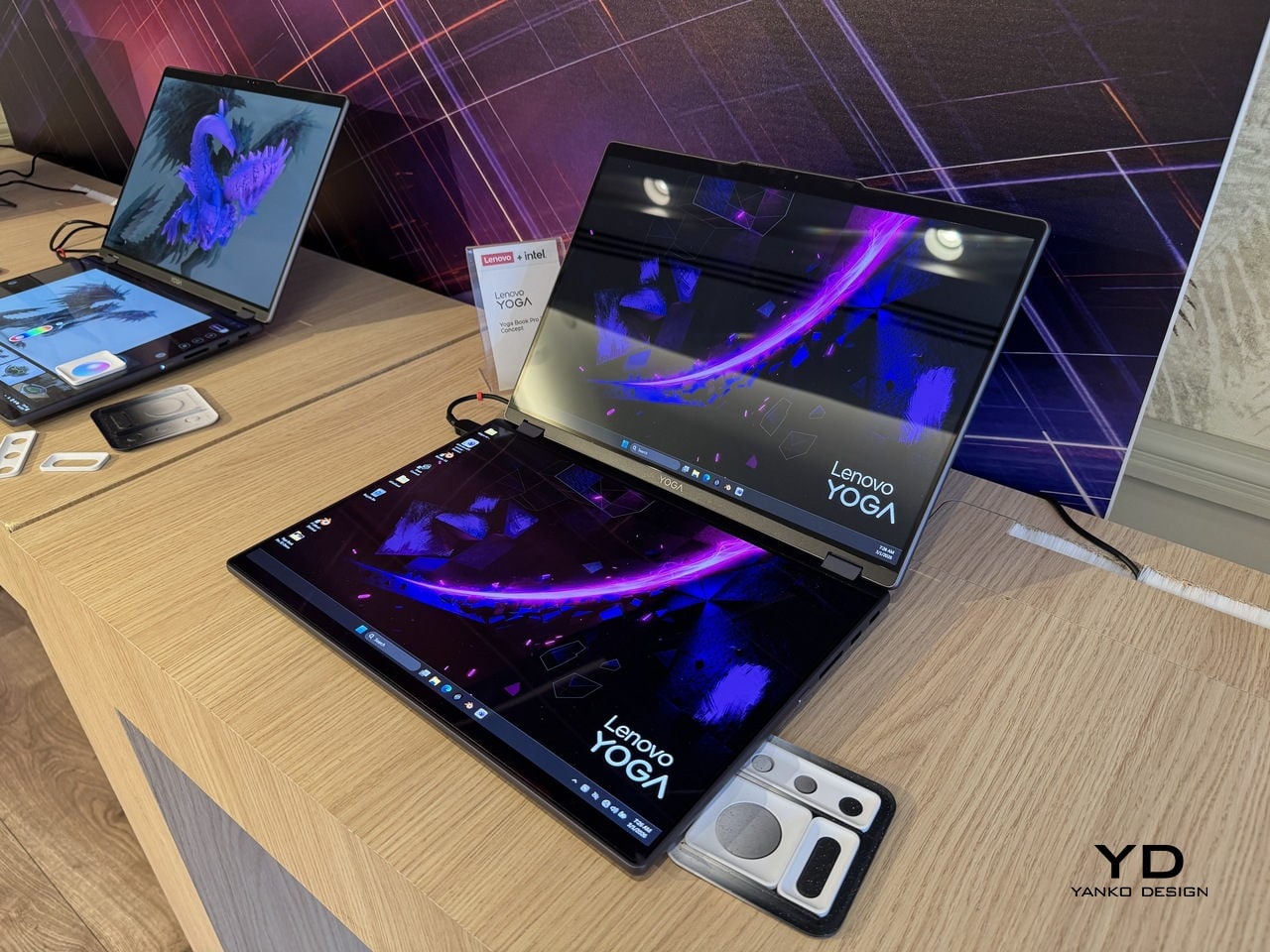
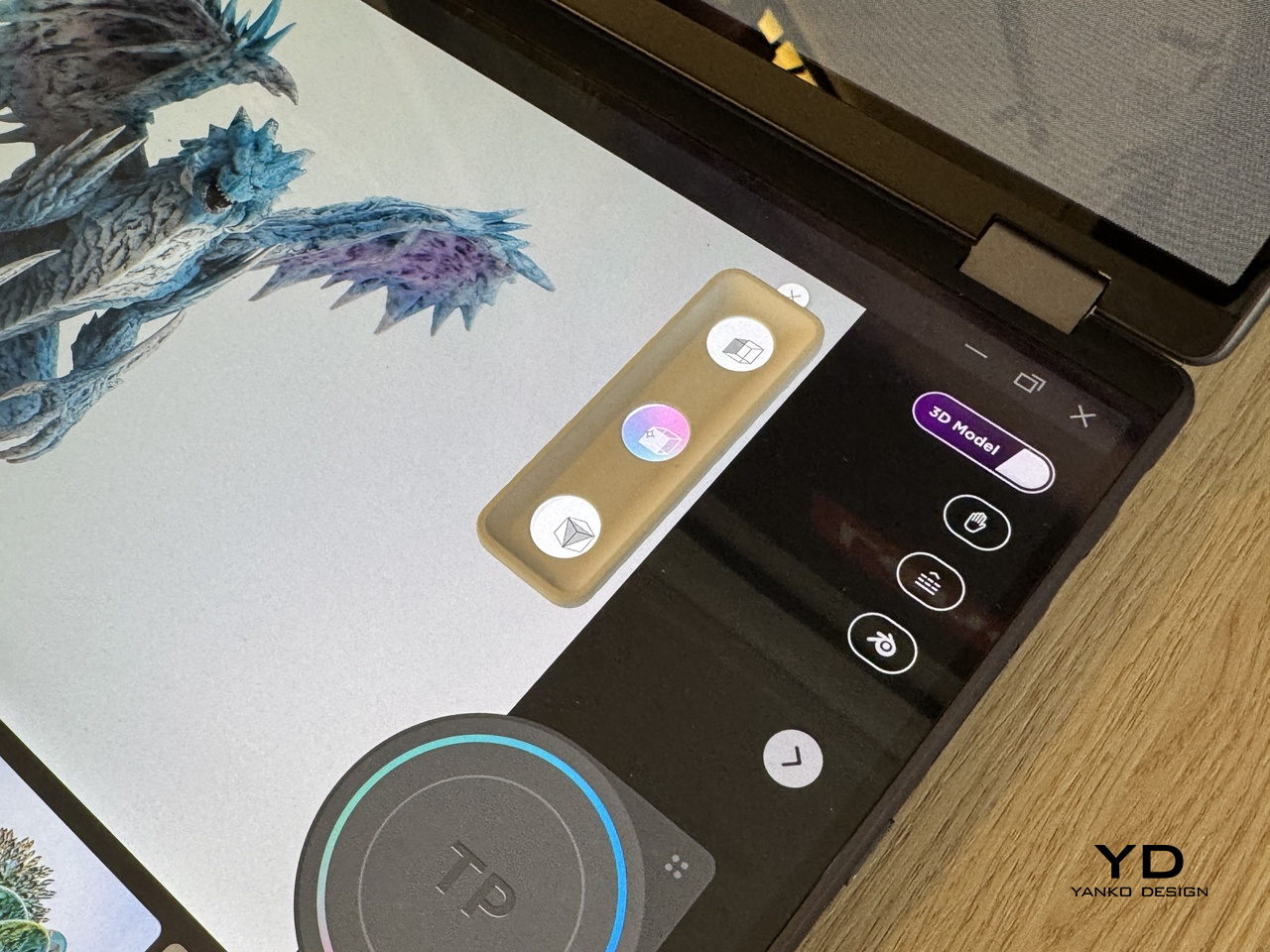
The upper display renders 3D content without glasses, using Lenovo’s PureSight Pro Tandem OLED technology to show depth and spatial volume directly on screen. A spacecraft that’s been modeled in three dimensions appears to float, with genuine perceived distance between its front and rear planes, rather than sitting flat behind glass.

Designer: Lenovo

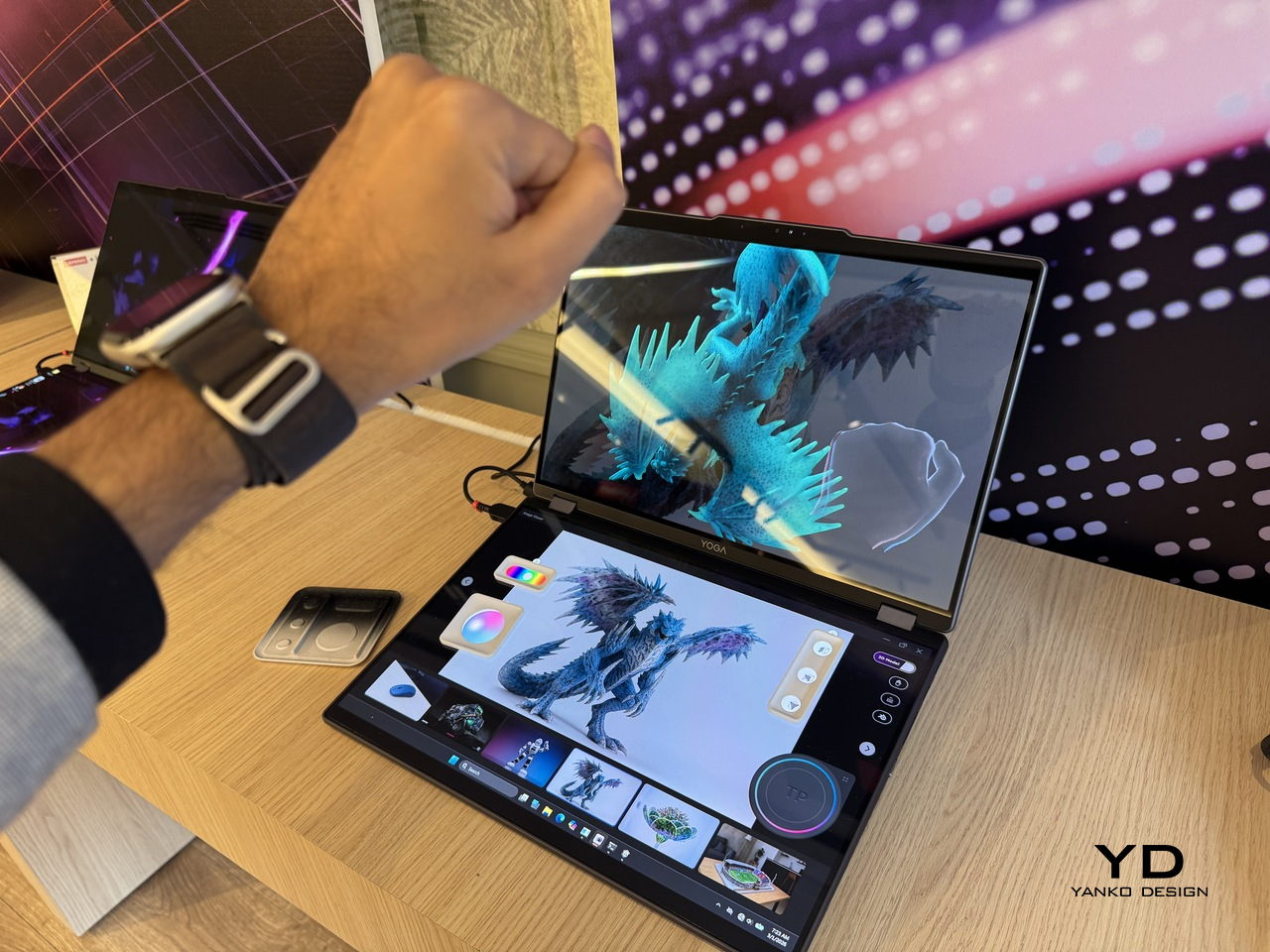
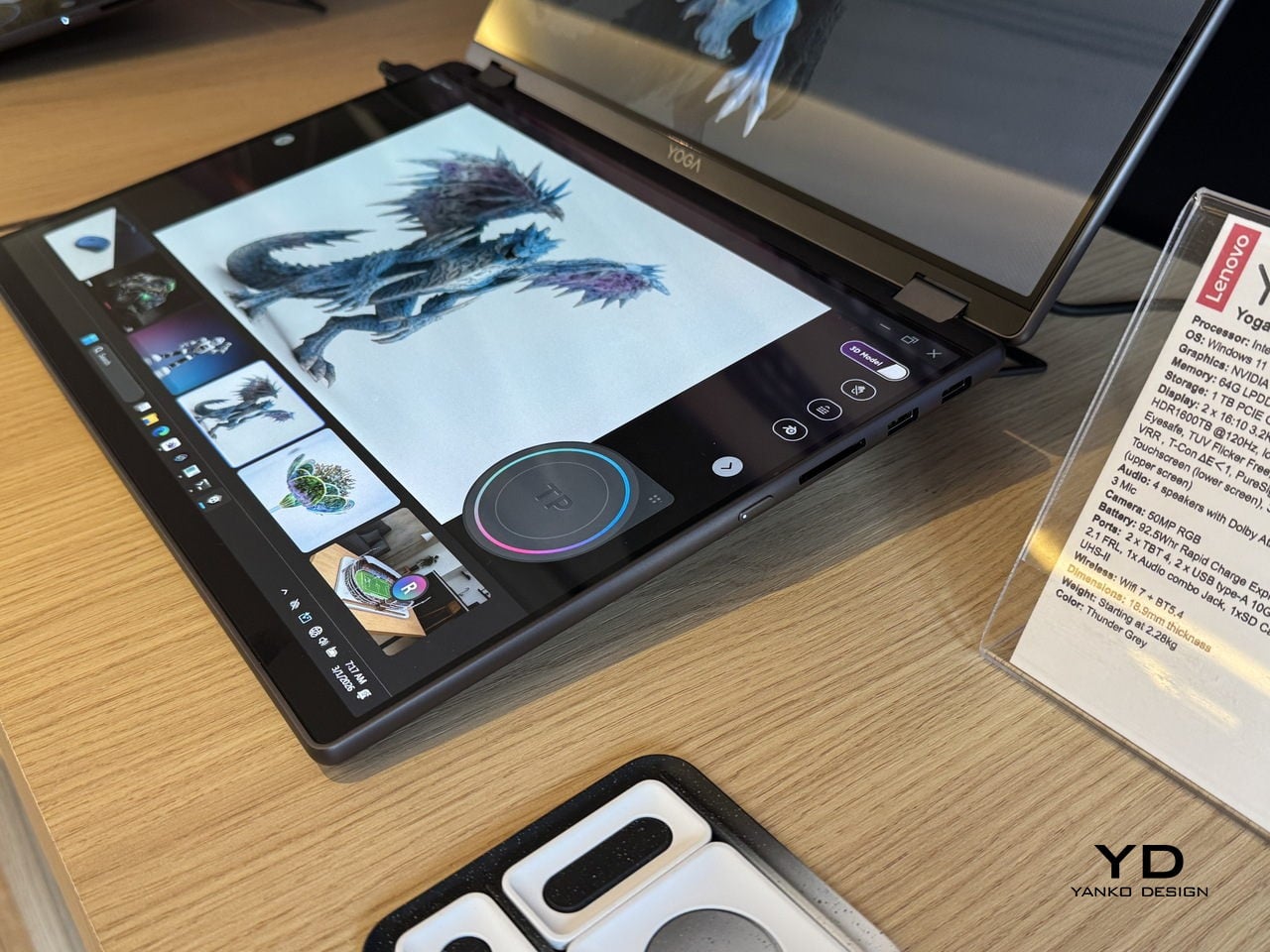
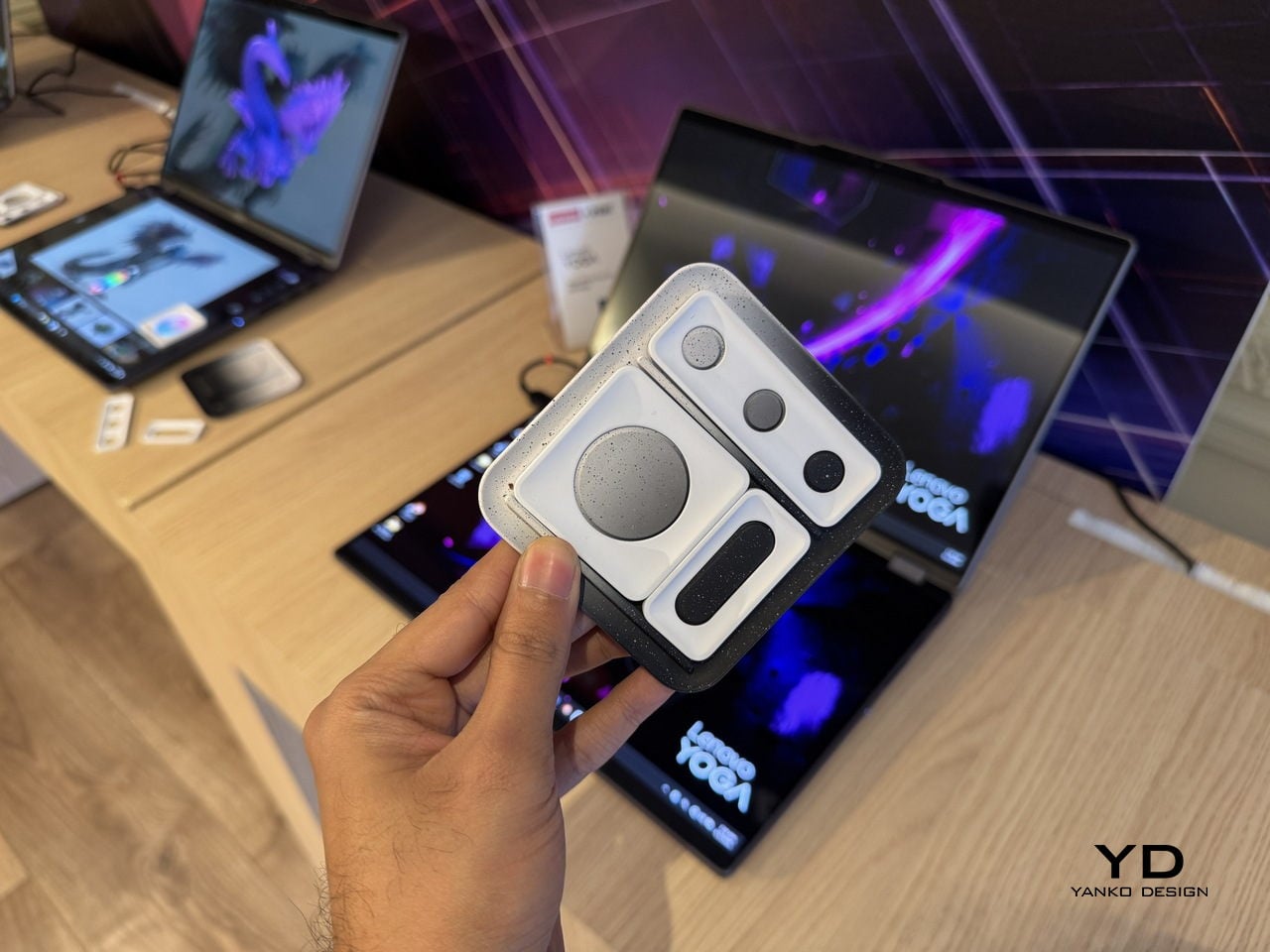
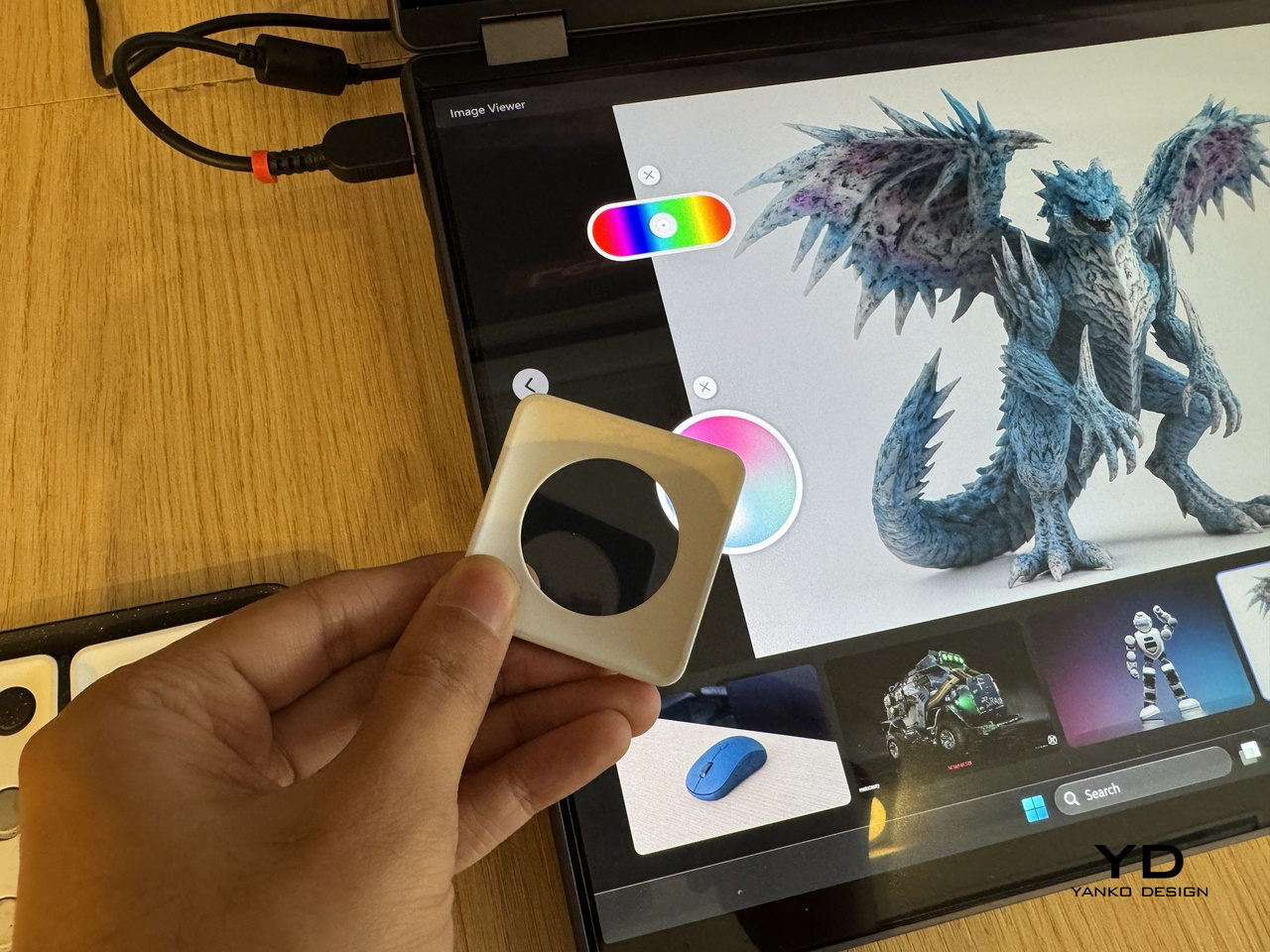
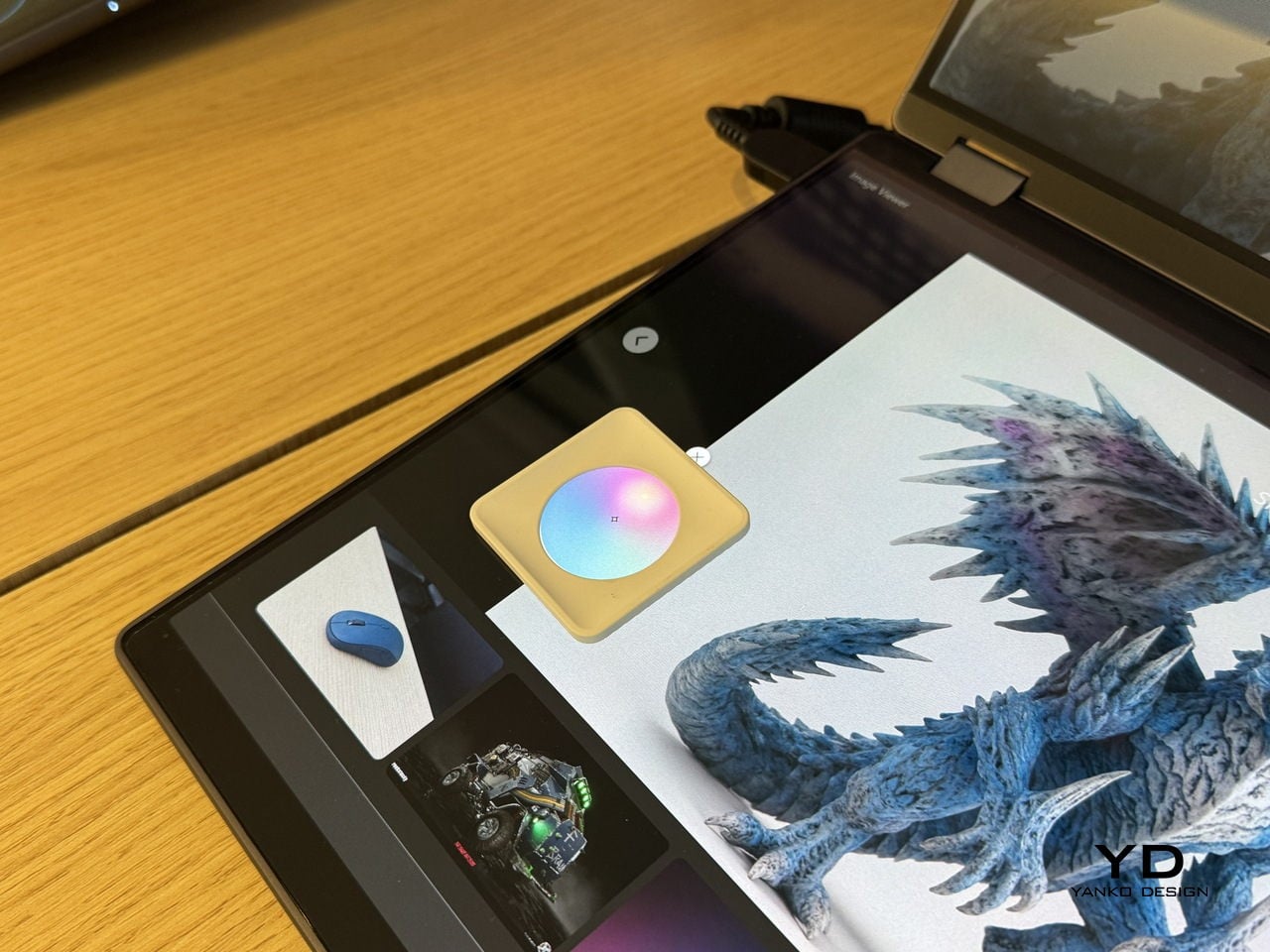
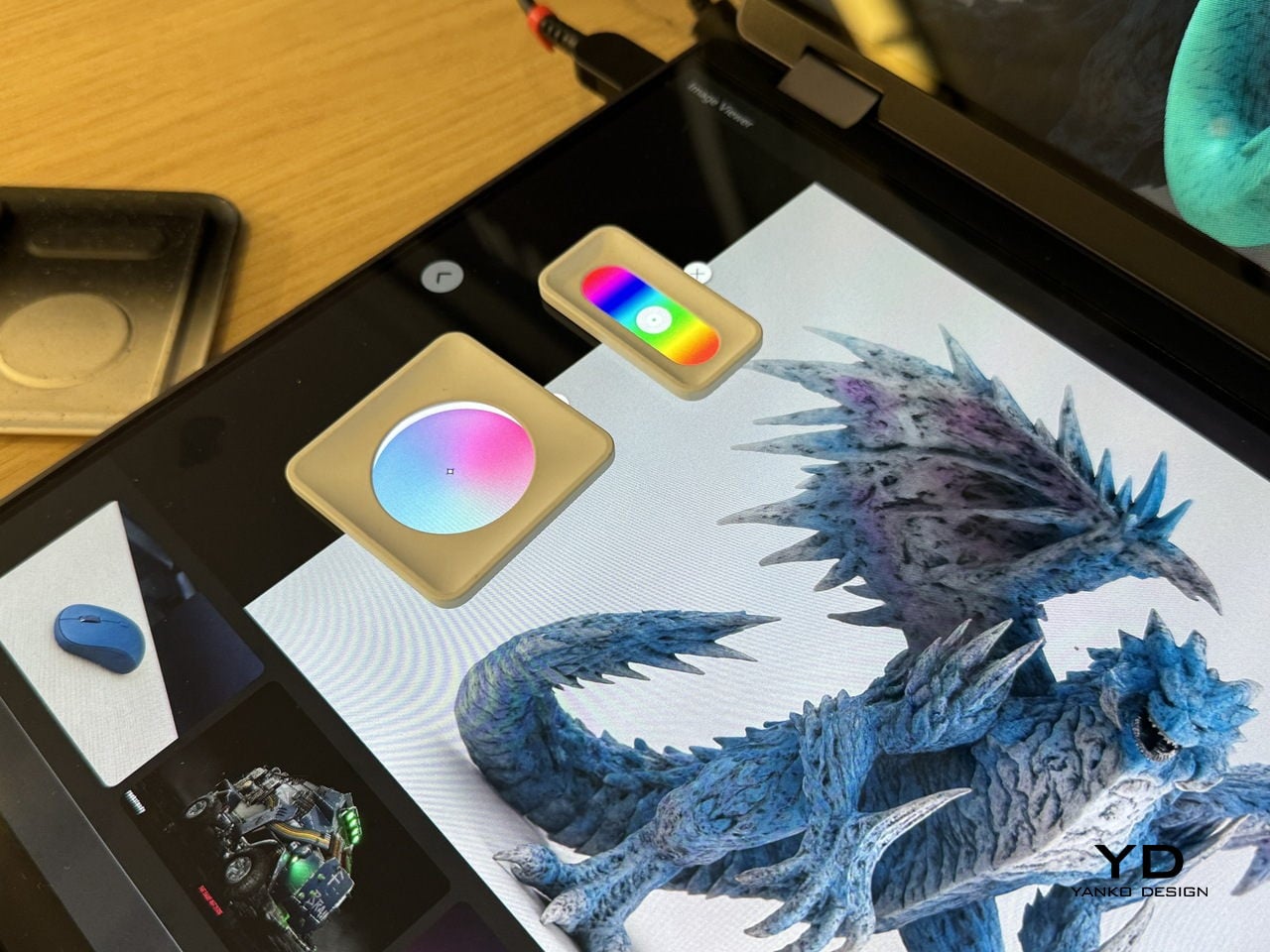
The lower half of the device is a full touch display running the editing environment, with the traditional keyboard removed entirely. Snap-on physical accessories sit on that lower surface: a circular dial and a slider for adjusting lighting, tone, and viewing angle without diving into menus. The idea is that the physical controls stay contextual, appearing wherever they’re placed on the touch surface rather than in a fixed location.

An RGB camera above the upper display handles gesture recognition. Pinching, rotating, and zooming a 3D object happens in the air in front of the screen, which removes at least some of the back-and-forth between input device and viewport that slows down spatial editing. An Intel Core Ultra 7 paired with an NVIDIA GeForce RTX 5070 handles the rendering load underneath all of this.

The AI layer converts 2D reference images into editable 3D assets and can generate a surrounding environment for the converted object on prompt. For a creator pulling reference photography into a modeling workflow, that shortens a step that currently involves a separate pipeline or a lot of manual reconstruction.

What the Yoga Book Pro 3D does differently from other glasses-free 3D solutions is how it treats the display as the primary tool rather than the output. Most 3D workstation design stops at raw performance and screen size. This one asks whether the screen itself can close the gap between what the creator imagines and what the software shows them.

The post Lenovo’s Yoga Book Concept Makes 3D Models Float Above the Screen first appeared on Yanko Design.

Samsung Just Made Those Viral 3D Billboards Fit on Any Wall

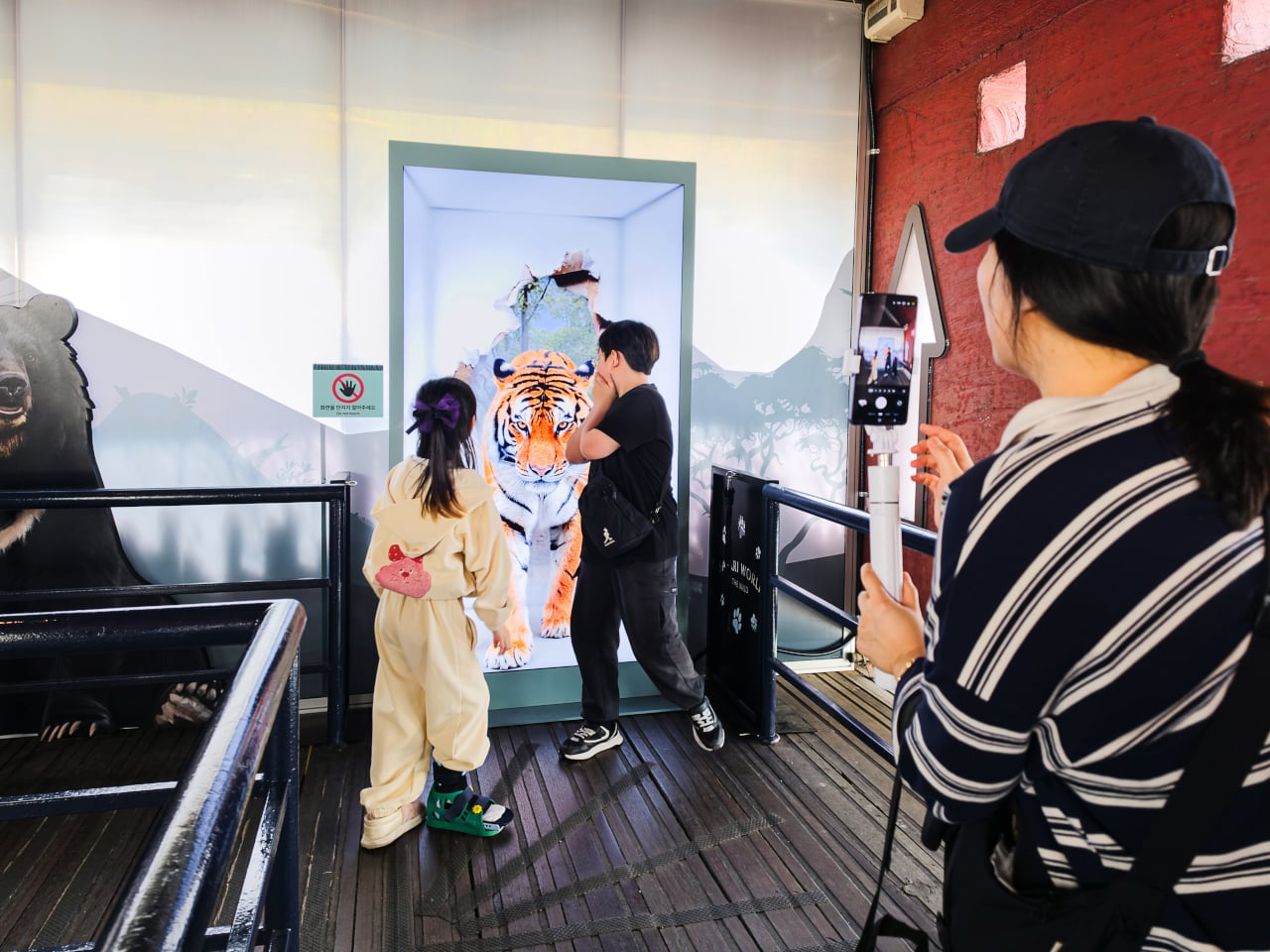
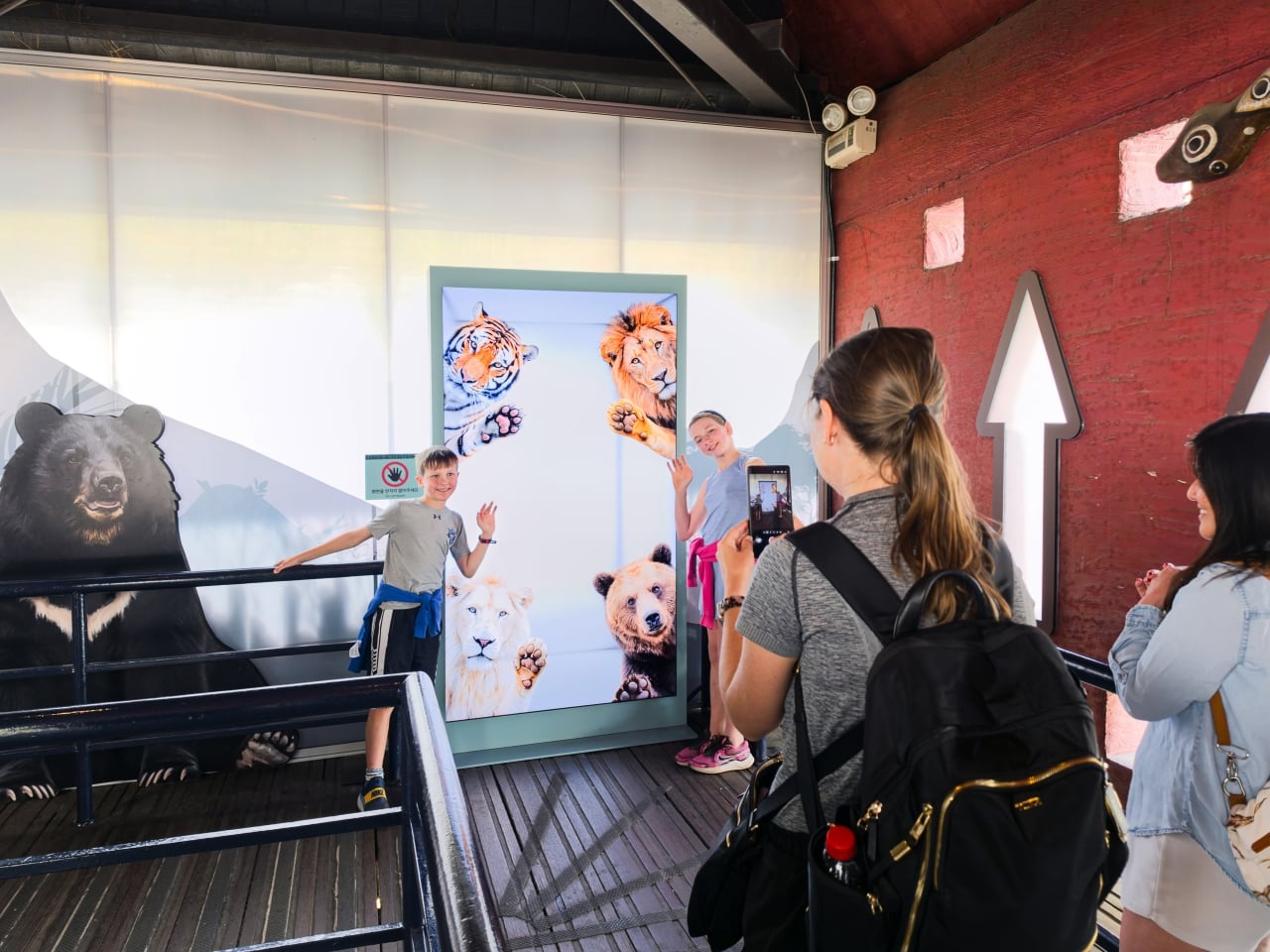
Walking through a mall means passing bright rectangles looping 2D video, occasionally interrupted by a viral 3D billboard that makes people stop and film it. Those 3D moments usually feel like one-off stunts with custom hardware and bespoke content, not something you can bolt to a wall like normal signage and manage alongside the rest of your screens without rebuilding your entire workflow from scratch.

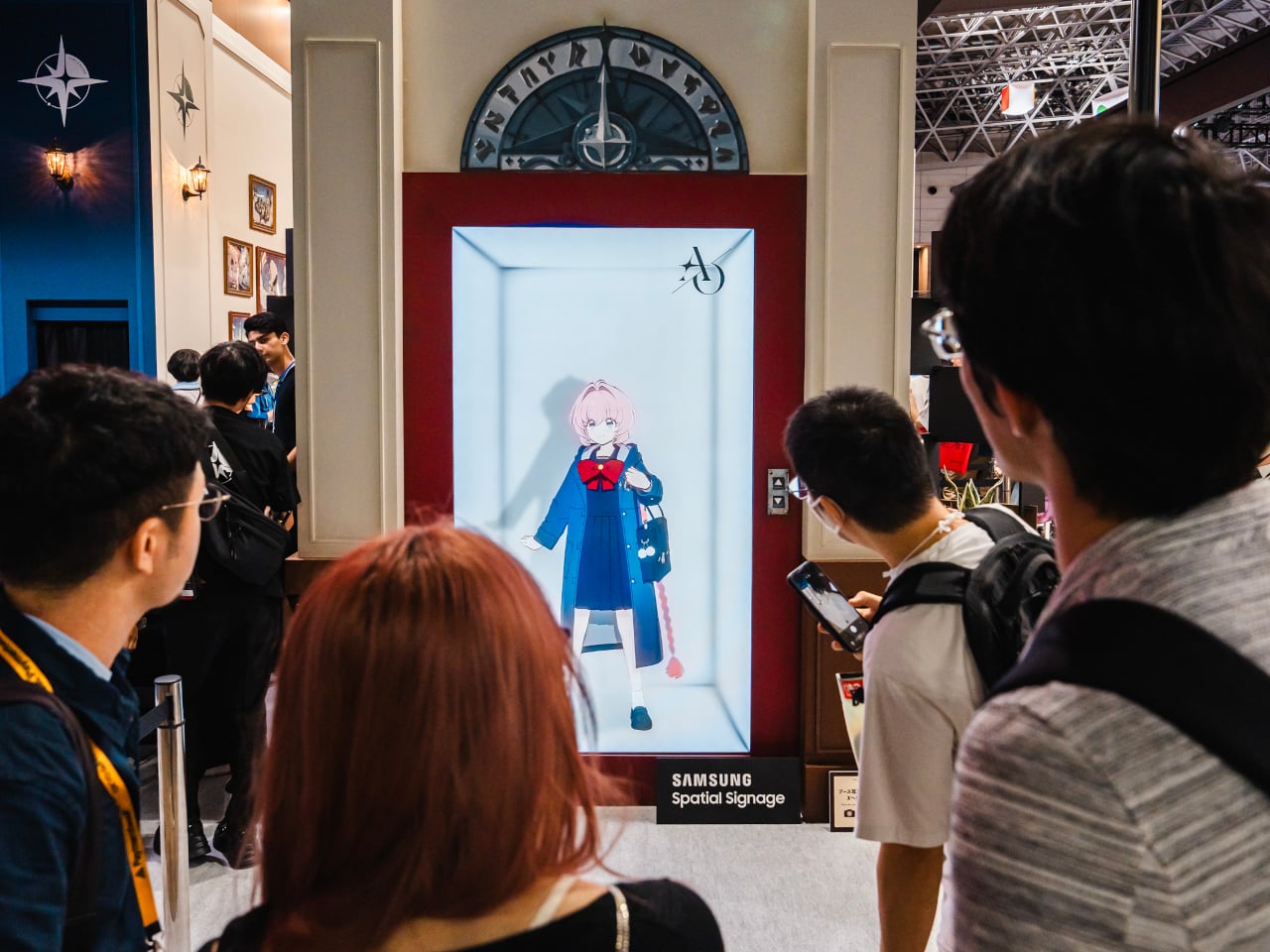
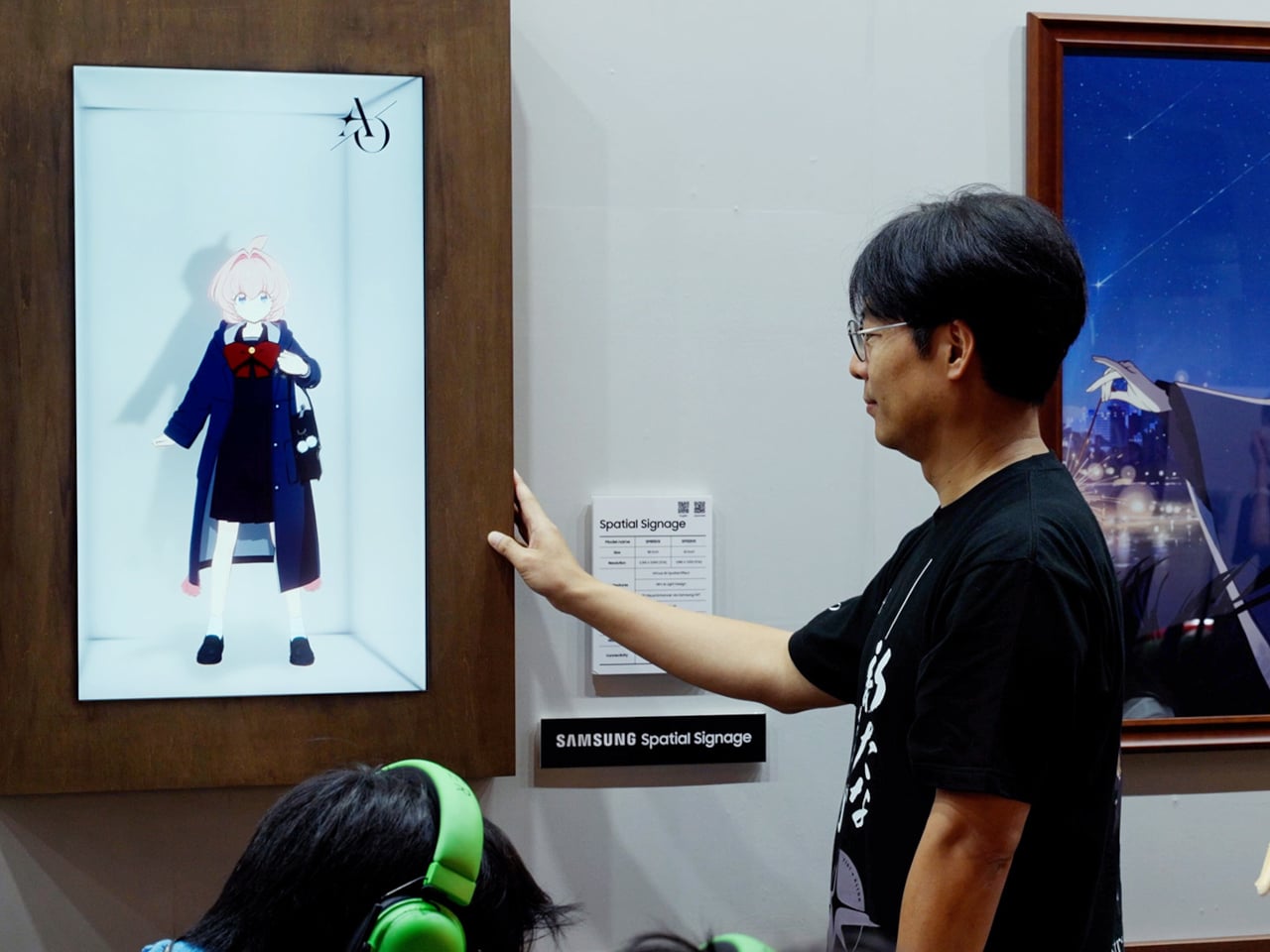
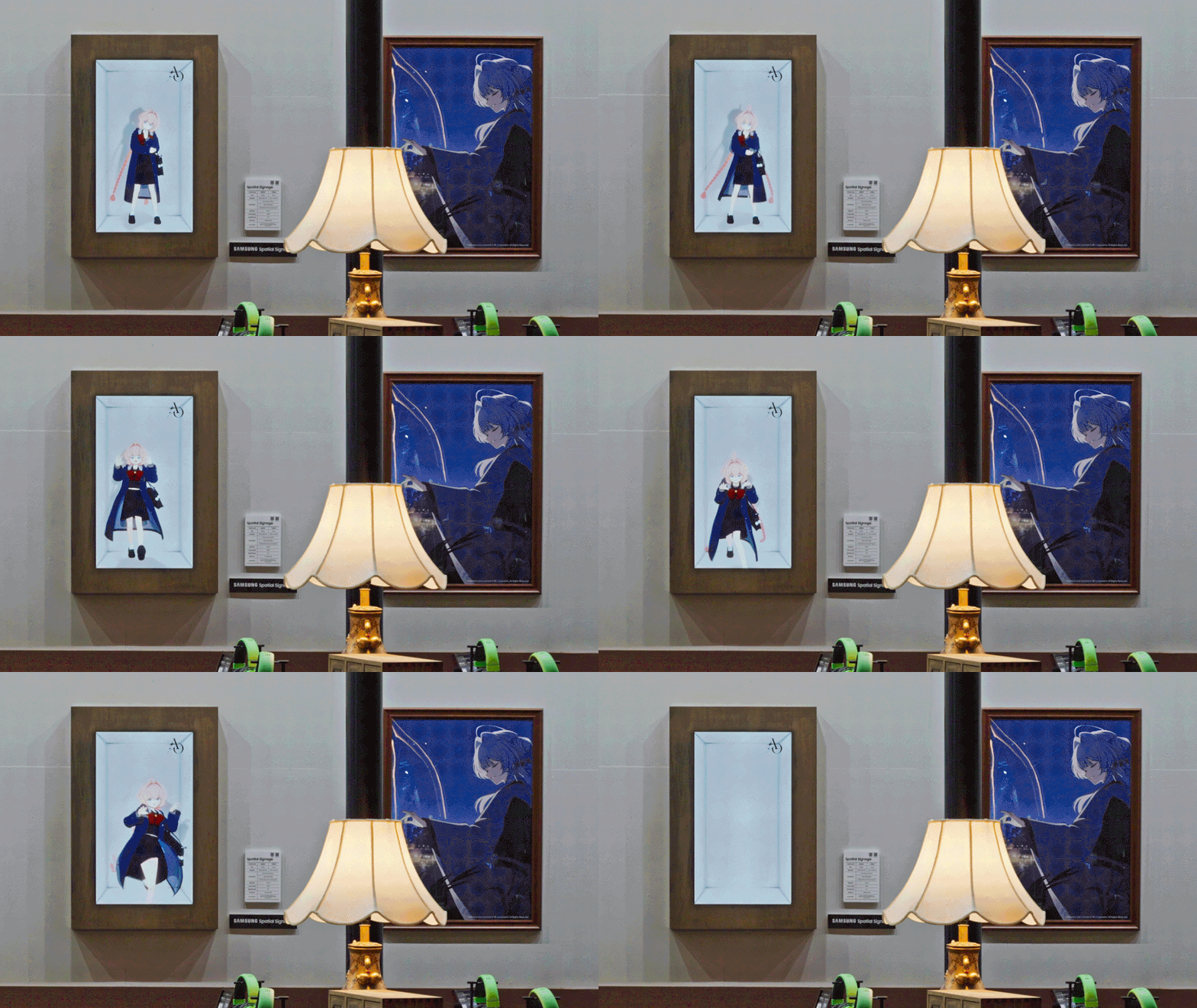
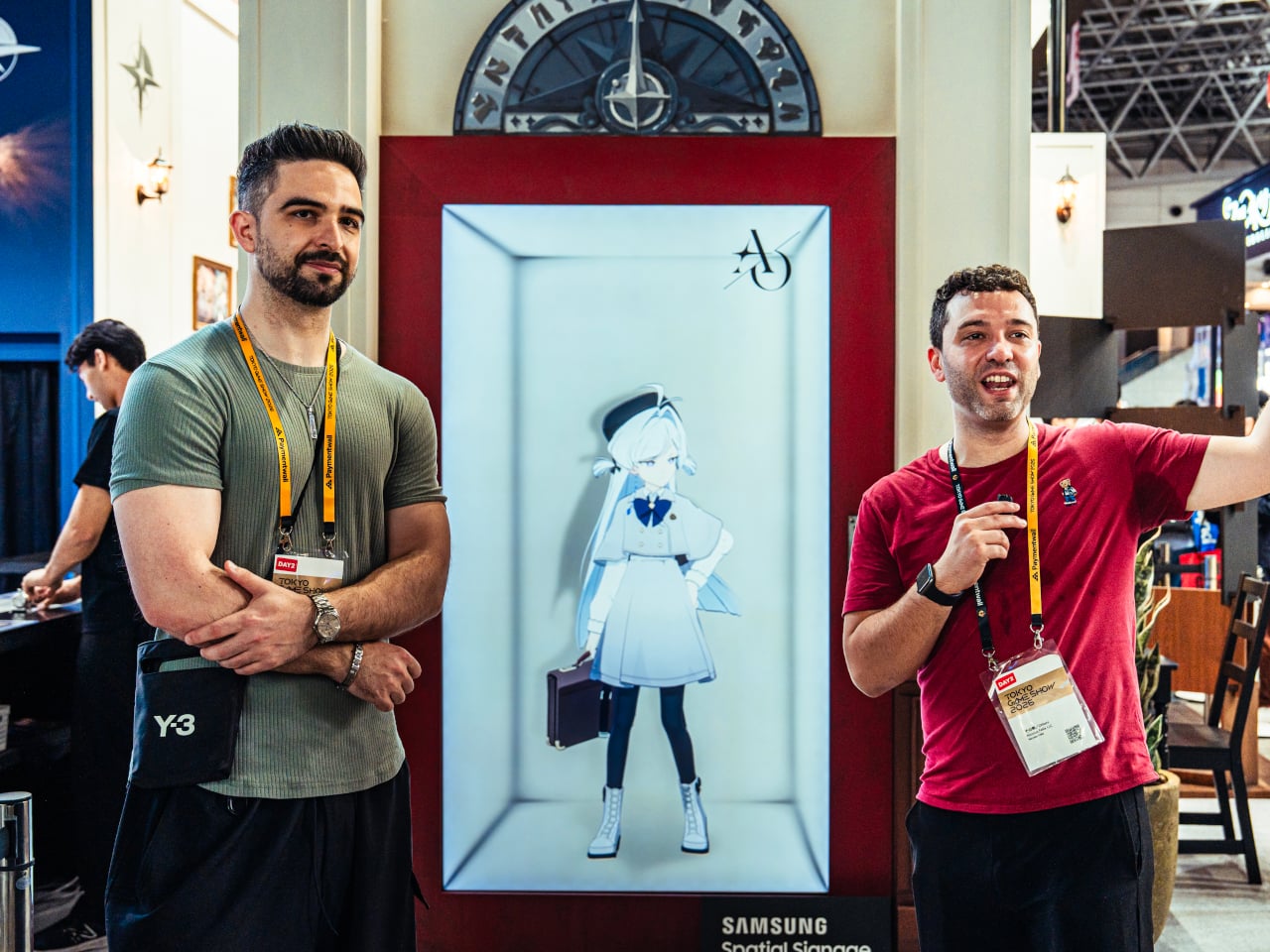
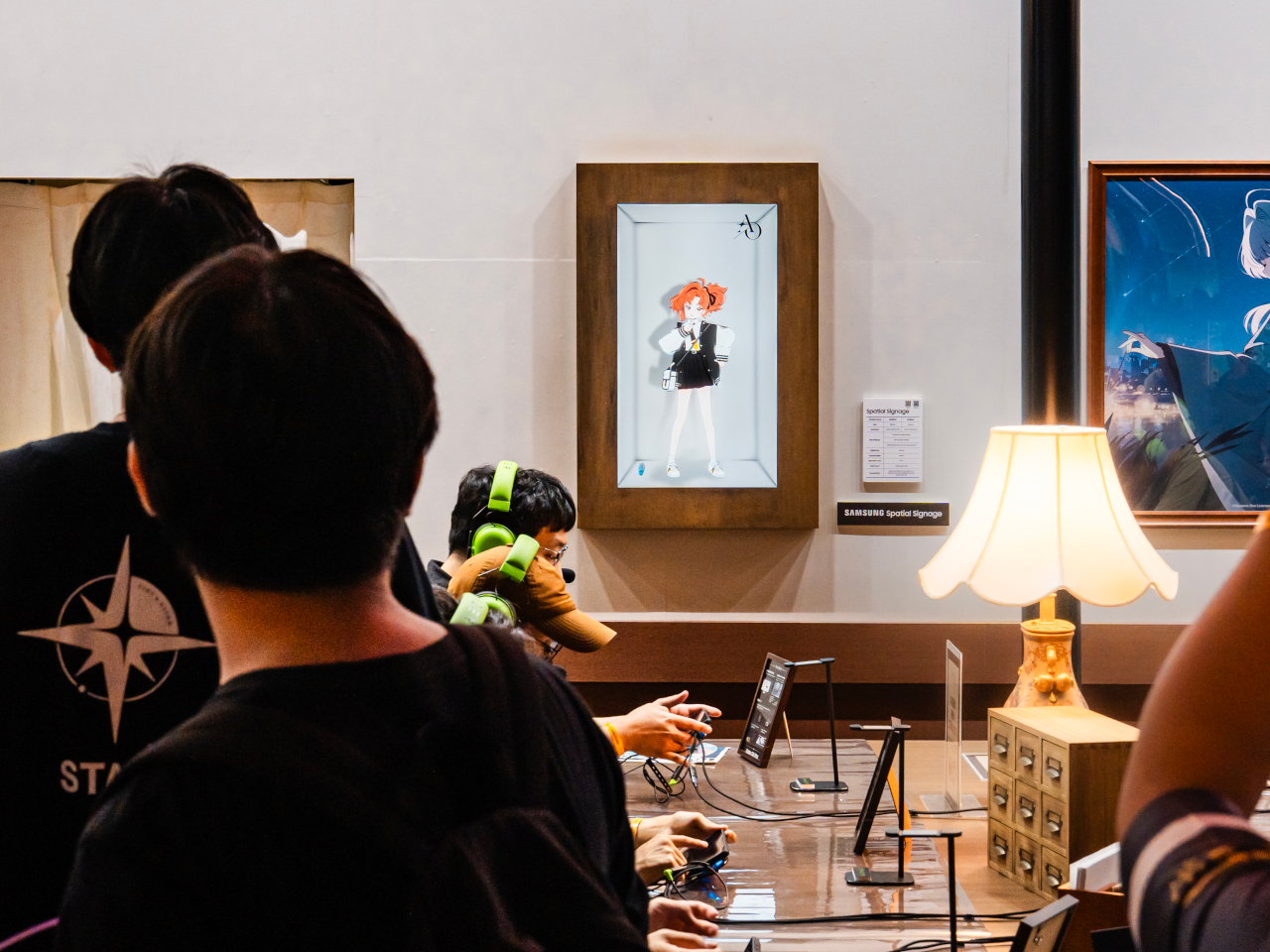
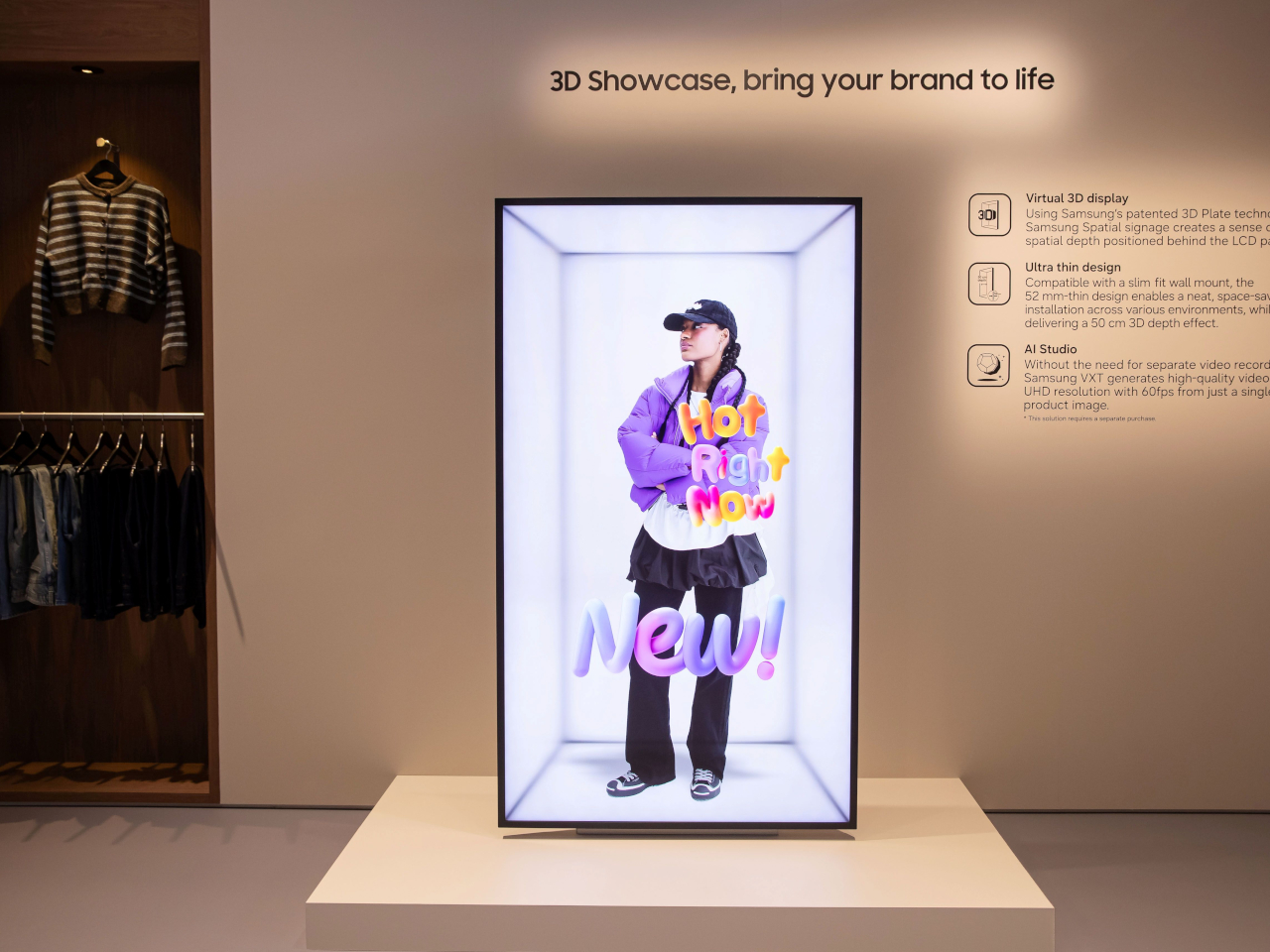
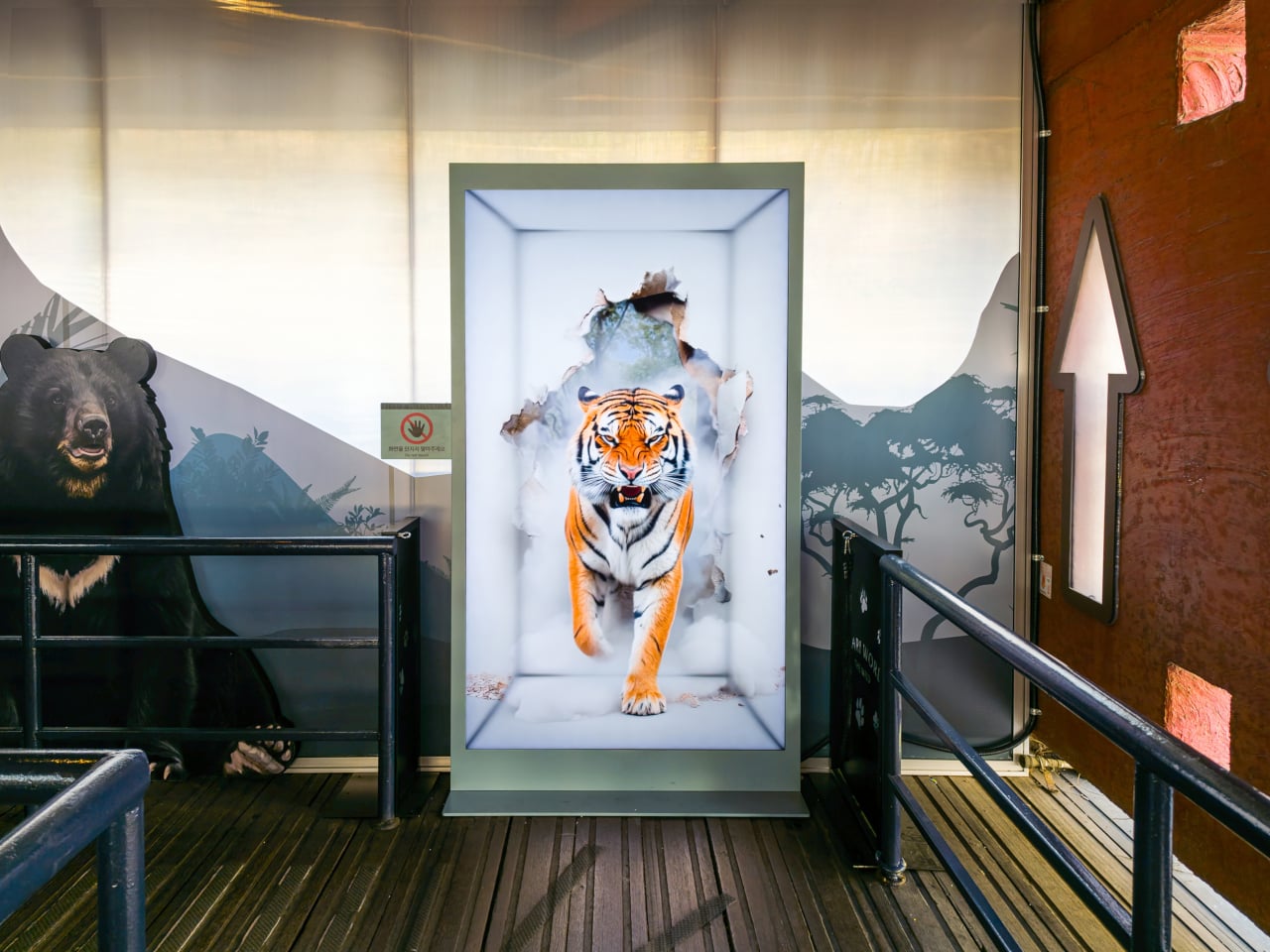
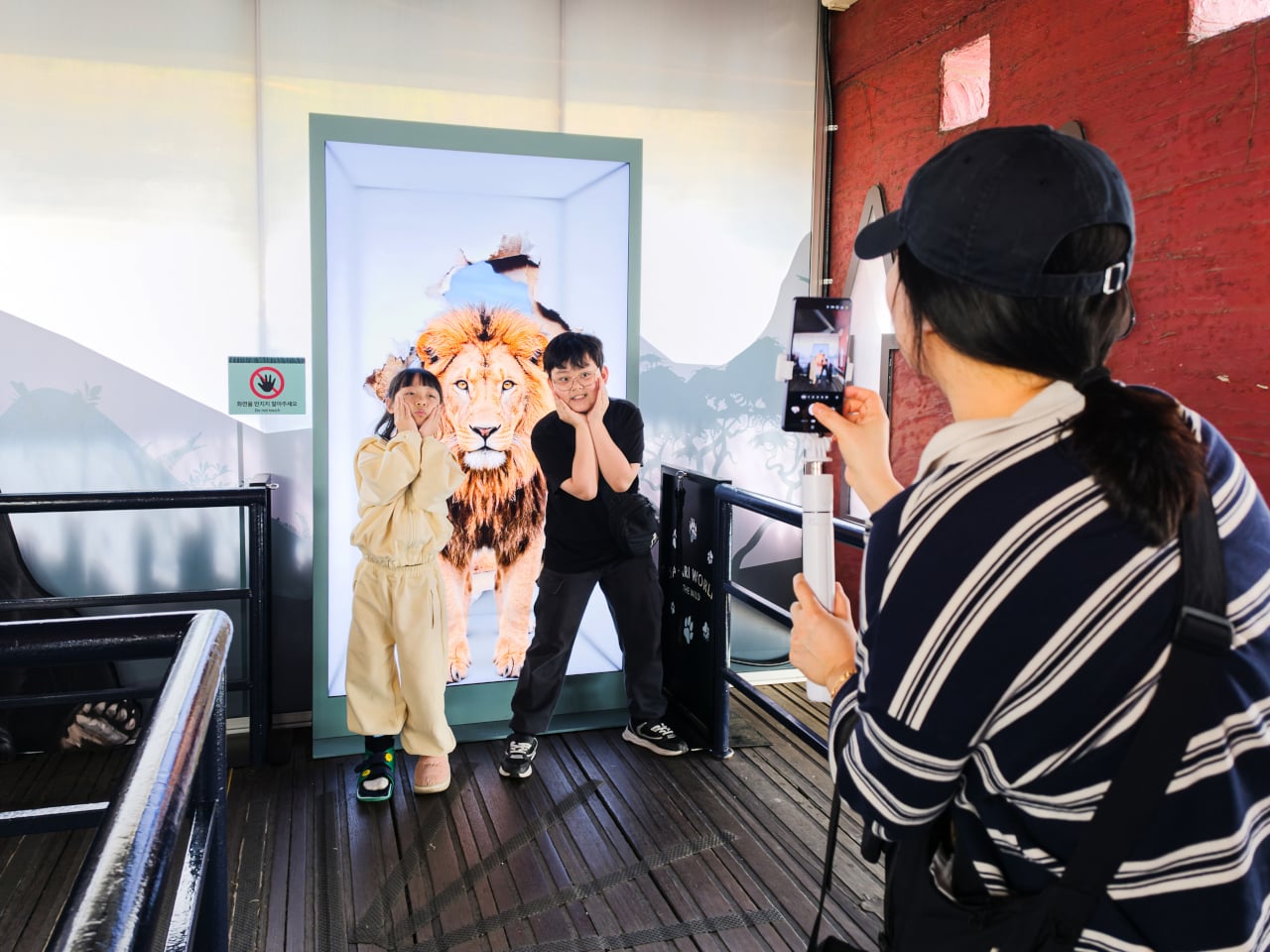
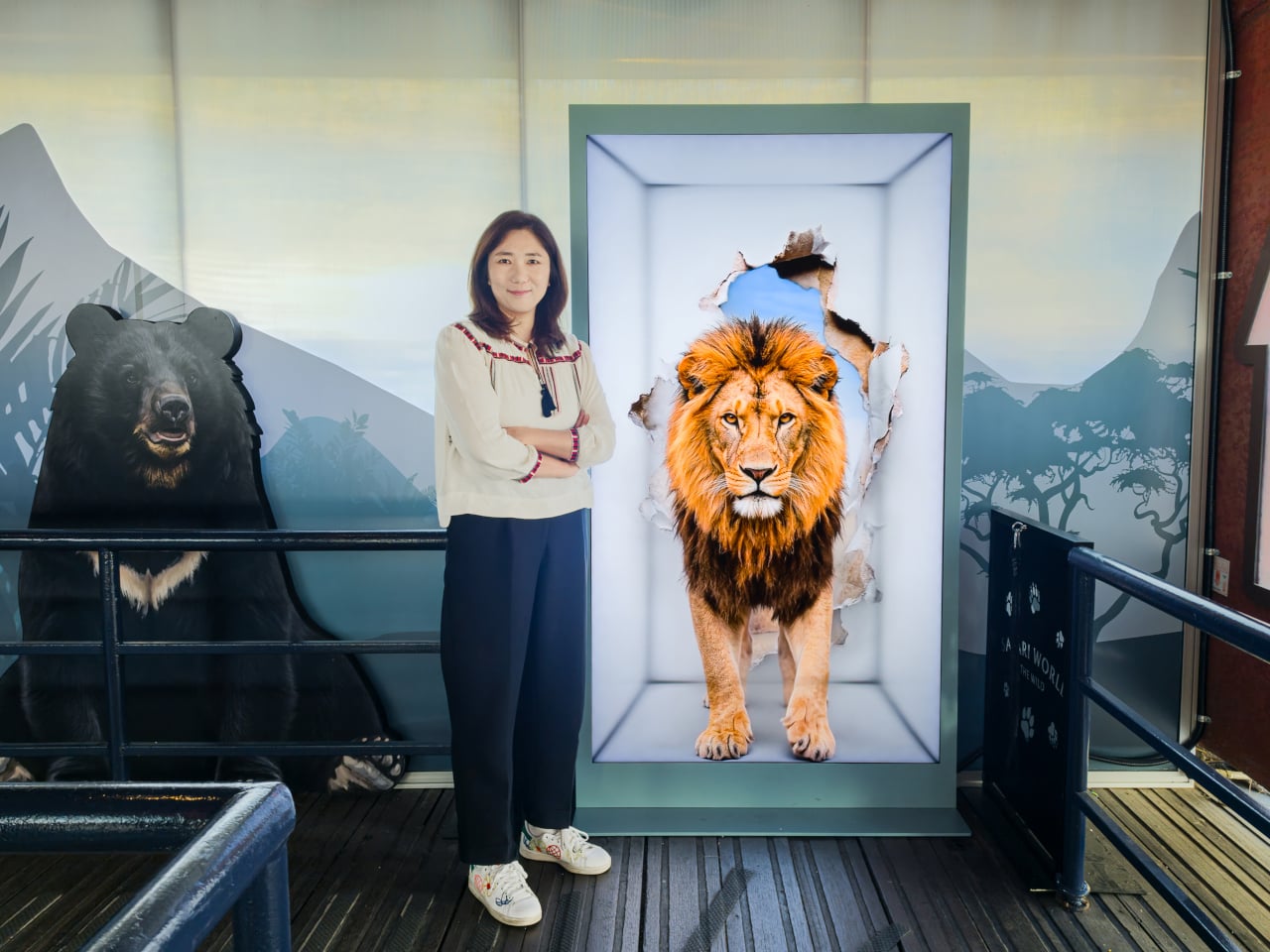
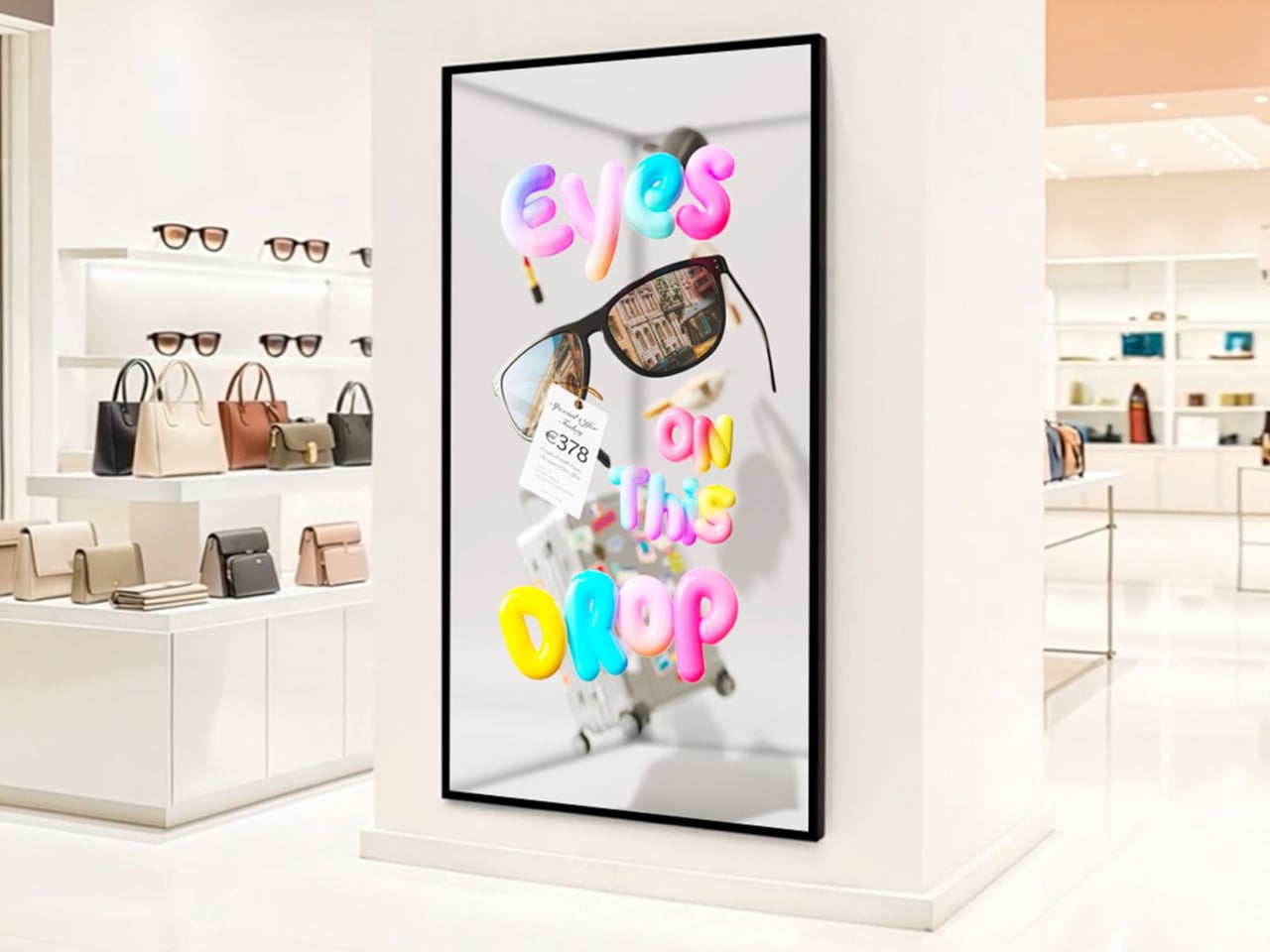
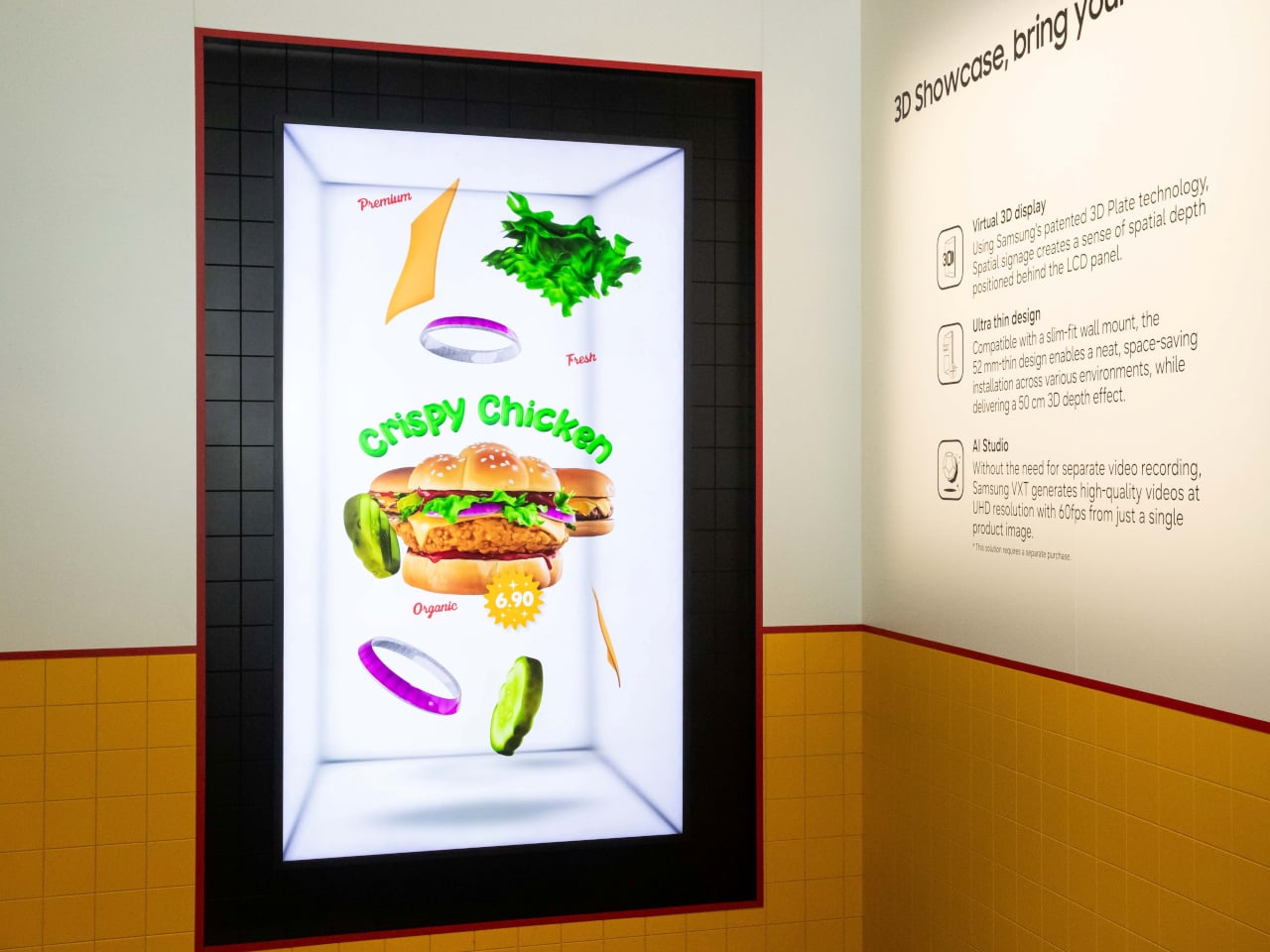
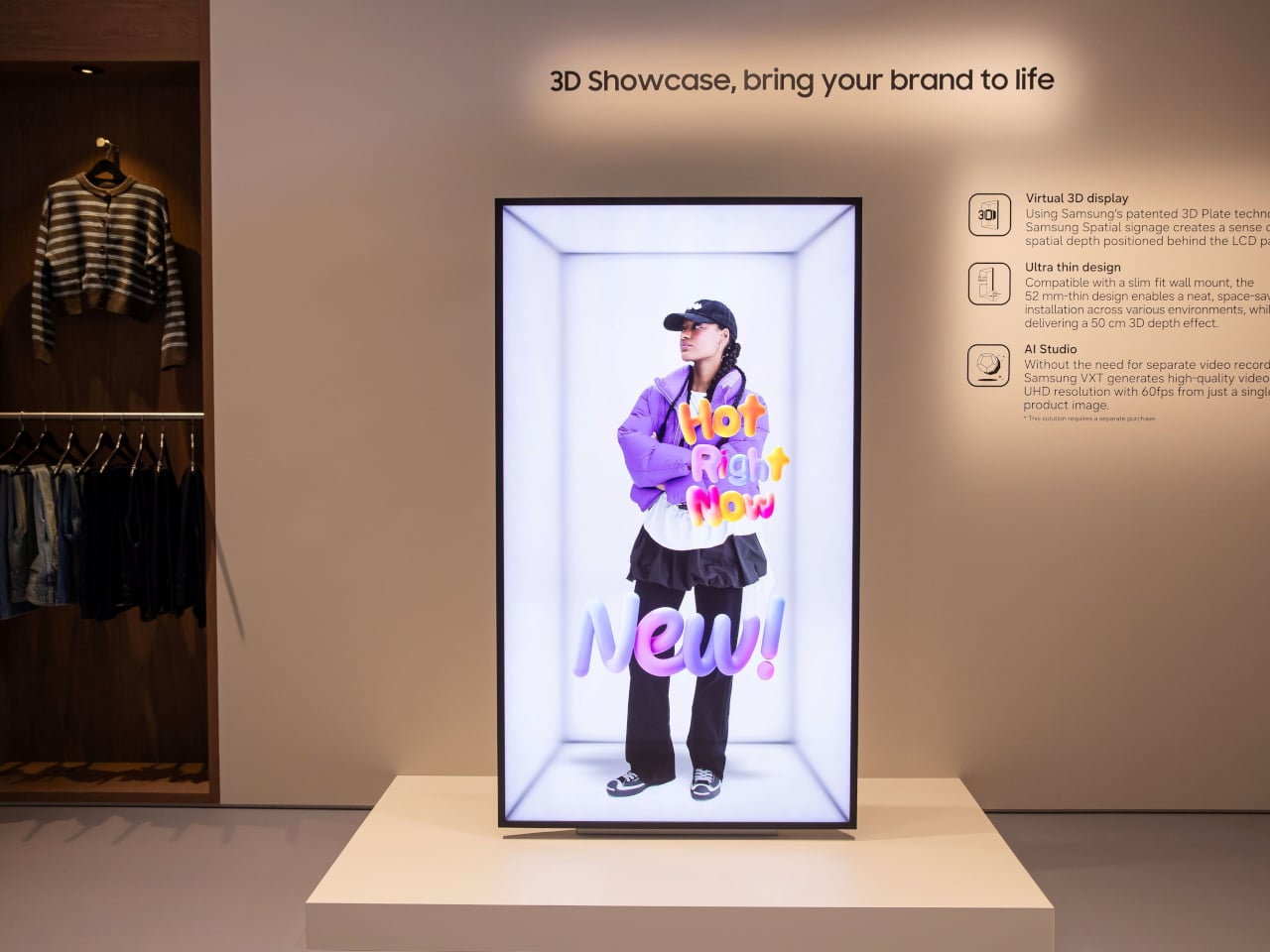
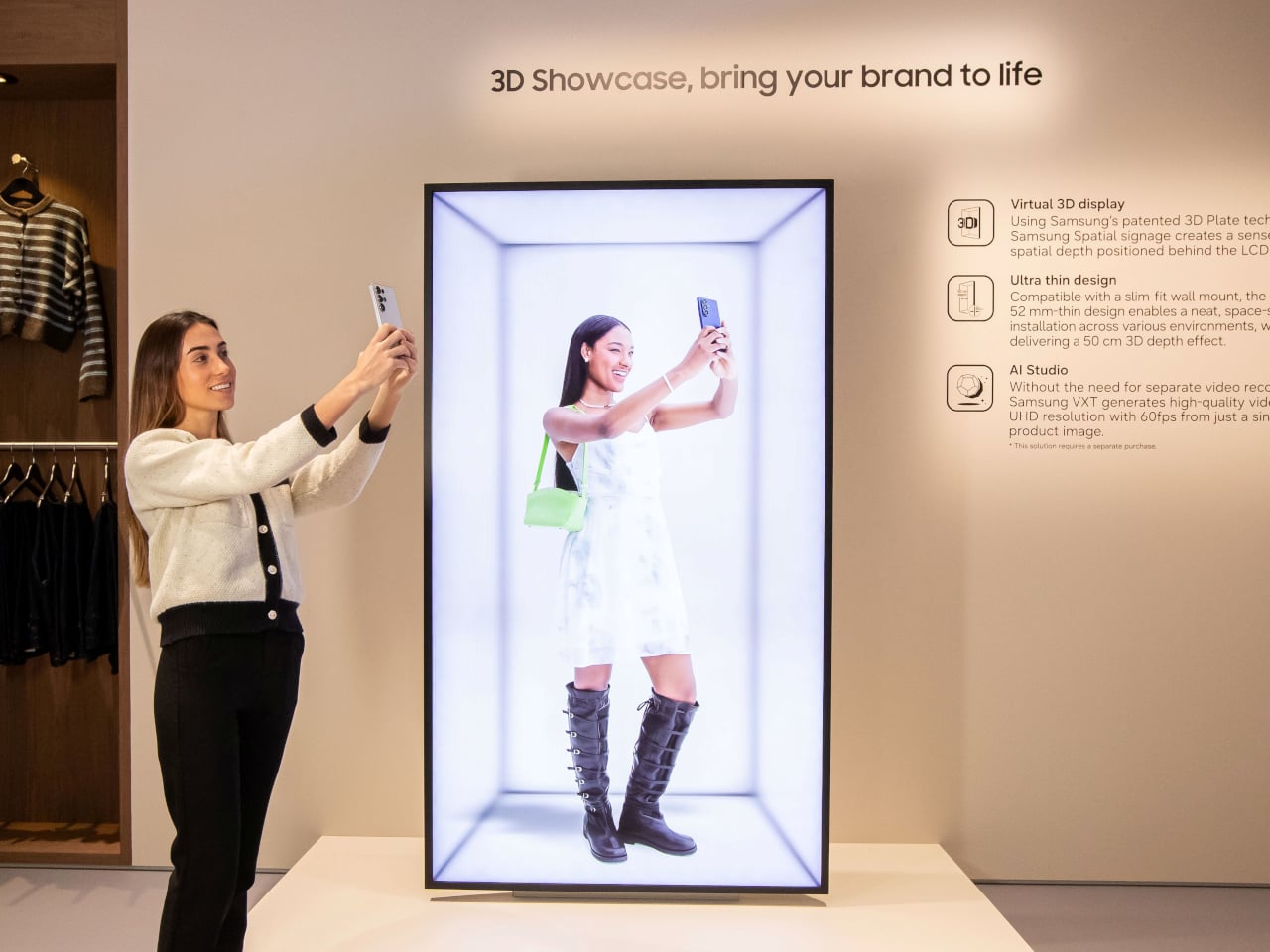
Samsung’s Spatial Signage tries to make that volumetric effect practical. The first global product is an 85-inch 4K portrait display that uses a patented 3D Plate behind the LCD to create depth you perceive behind the glass, without glasses or headsets. It is still wall-mounted, but it behaves more like a window where products and scenes sit in real space instead of just flickering on a surface.

Designer: Samsung

Picture a flagship store or museum lobby where a life-size figure or product appears to stand just behind the glass, rotating to show front, back, and side views. The 9:16 portrait format and 4K resolution let brands run 360-degree spins or full-height characters that feel more like installations than ads. Samsung’s Quantum Processor handles upscaling, color mapping, and HDR tweaks so older assets stay sharp, and an anti-glare panel keeps the illusion working under bright retail lighting.

The 85-inch unit is only 52mm thick and weighs 49kg, so it mounts with a Slim Fit Wall Mount like regular signage instead of needing a deep box enclosure. That means it can integrate into compact or design-sensitive locations without construction overhauls. Samsung is launching smaller 32-inch and 55-inch versions later, making it easier to repeat the same 3D language in window displays or feature walls across a retail chain.

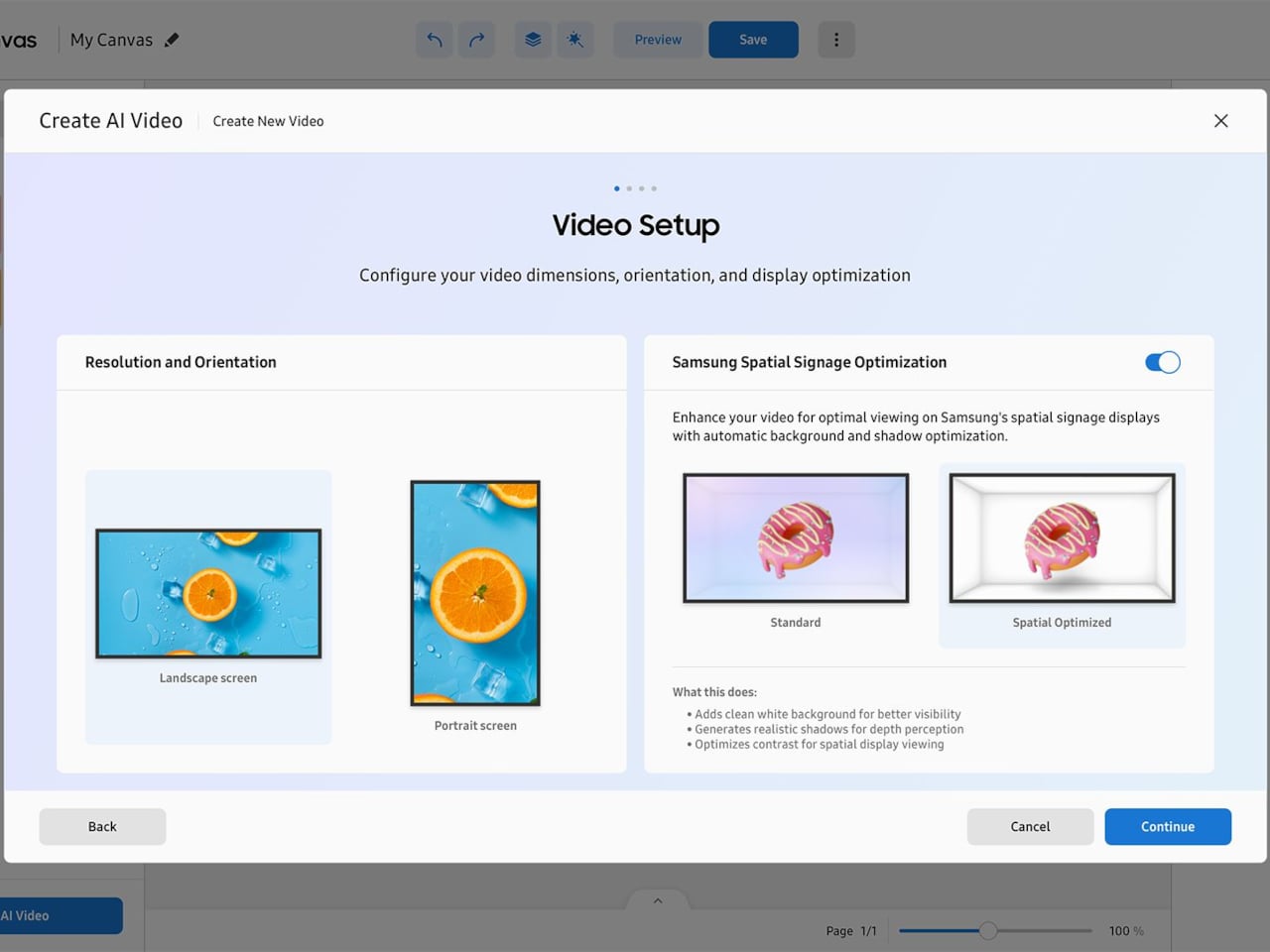
Of course, the content side matters as much as the hardware. AI Studio, the new app inside Samsung’s VXT cloud platform, can take static images and automatically turn them into signage-ready video, adjusting shadows, margins, and backgrounds specifically for Spatial Signage. That means brands without dedicated 3D pipelines can still get depth-friendly motion from existing imagery instead of hiring specialized studios for every campaign.

Spatial Signage launches alongside other supersized displays, like a 130-inch Micro RGB signage and a 108-inch The Wall All-in-One that simplifies LED installs, plus Cisco and Logitech partnerships for meeting rooms. The point is that this 3D panel is not a toy but one piece of a lineup meant to cover storefronts, lobbies, and boardrooms with different flavors of immersive screens that plug into the same management stack.

Samsung’s Spatial Signage hints at a future where digital signage is less about flat loops and more about volumetric storytelling that fits into normal walls and workflows. It does not ask passersby to put on glasses or download an app; it just quietly makes content feel like it occupies space. Brands and venues that live or die by how long people stop and stare will see this, pun intended, as the logical next step after everyone got bored with rectangles running the same video on repeat.

The post Samsung Just Made Those Viral 3D Billboards Fit on Any Wall first appeared on Yanko Design.
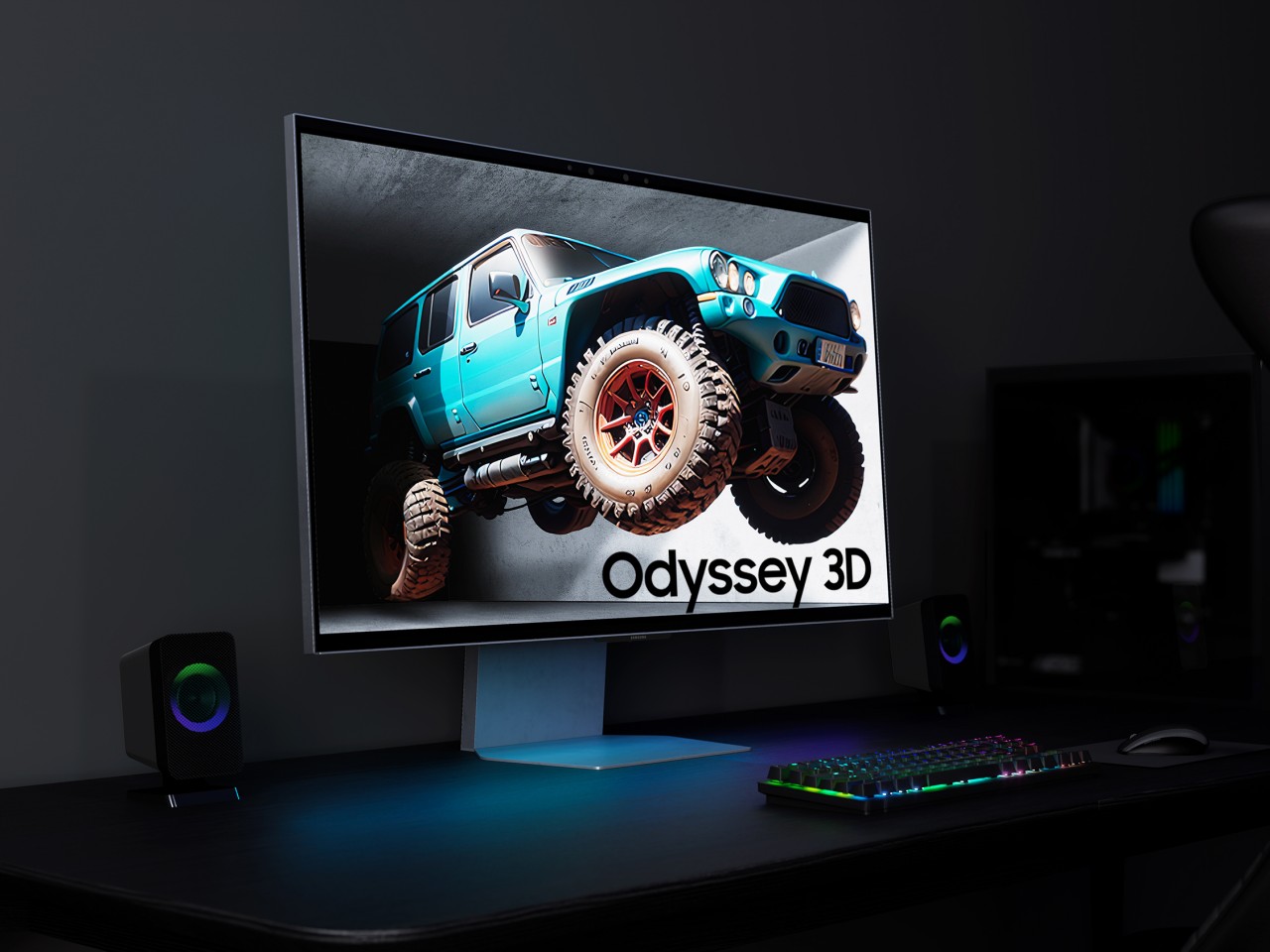
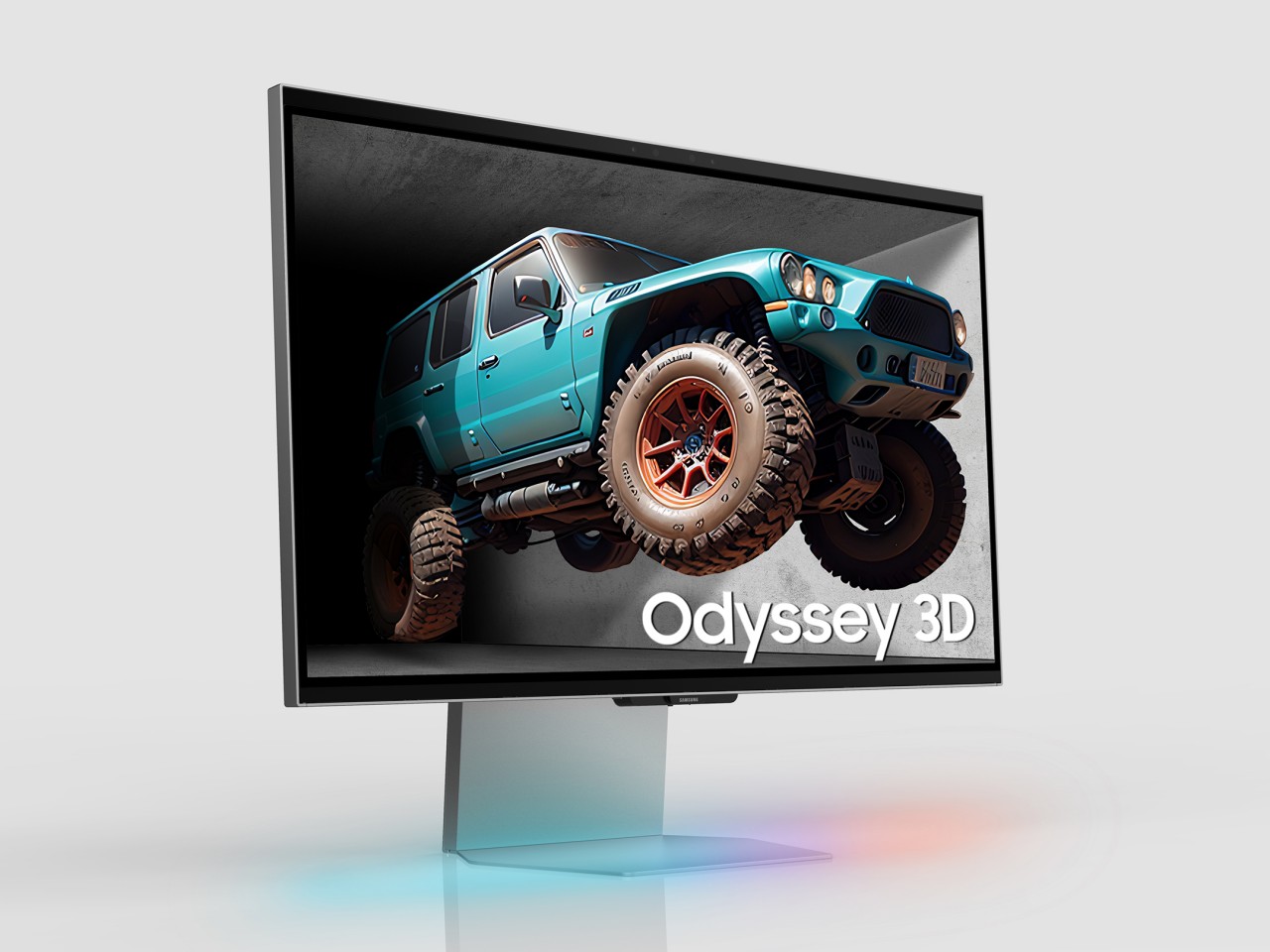
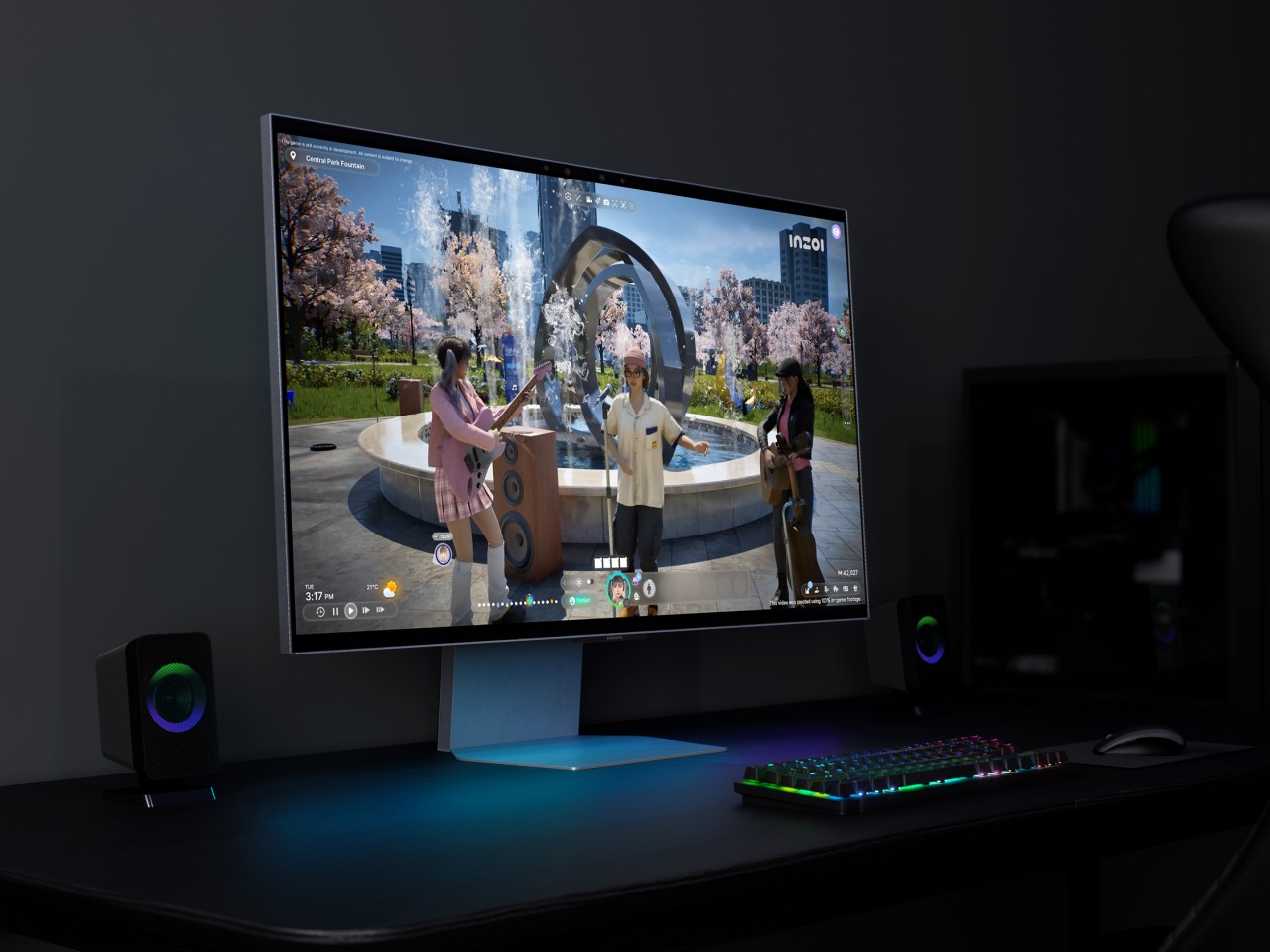
Samsung Odyssey 3D offers a glasses-free 3D experience for gamers and creators

We live in a three-dimensional world and see in three dimensions, and yet the computers and mobile devices we use every day are confined to flat, 2D space. Mixed reality and spatial computing are trying to bridge that gap, but they still project flat virtual objects in the real world and, more importantly, require wearing goggles or headsets. In fact, most stereoscopic 3D experiences require some sort of eyewear, at the very least glasses that guide images to the correct eye. That is until monitor makers have gotten smarter and have started to implement 3D displays that don’t need glasses to work, like the new Samsung Odyssey 3D shown off at Gamescom 2024 this week.

Designer: Samsung

Our eyes see in 3D because they can view objects at two different angles due to the space between them. Stereoscopic 3D tries to mimic our innate binocular vision by projecting two different images, shifted slightly at an angle, which are then sent to the right or left eye as necessary. This re-direction requires polarizing filters to work, which is why people have to wear glasses when watching 3D movies. Impressive as the experience might be, it’s definitely inconvenient, especially for those that wear prescription glasses, and can’t be used for general-purpose computing, until now.

Image courtesy of SamMobile

The Samsung Odyssey 3D is the latest in a new breed of computer monitors that promise this same stereoscopic 3D experience without having to put anything in front of your eyes. The monitor has built-in stereo cameras that track the movement and position of each eye. View mapping creates two sets of images which are then displayed separately to each eye thanks to a lenticular lens on the front panel. It creates the same effect of seeing floating 3D images but without the hassle of glasses or headsets.

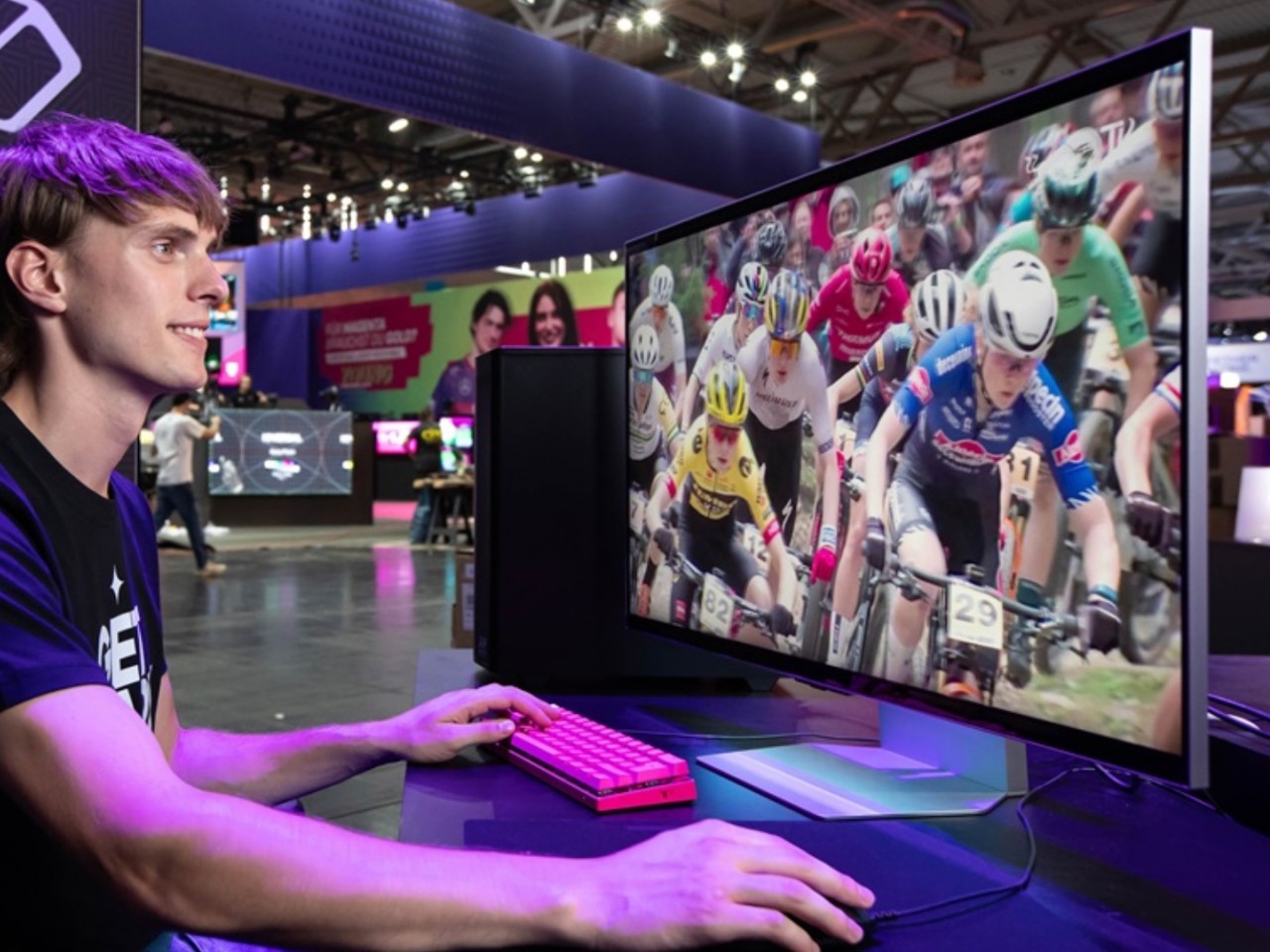
The monitor is primarily targeted at gamers, which is why it boasts features like 4K resolution, a fast 1m gray-to-gray response time, and a 165Hz refresh rate. Of course, the need to see 3D images as they truly are isn’t just limited to entertainment, since those creating assets for these games will also want to check if they’re 3D models are displaying correctly. Monitors like the Samsung Odyssey 3D will eventually become an invaluable tool for designers, artists, and content creators who might want to work in 3D space right from the start.

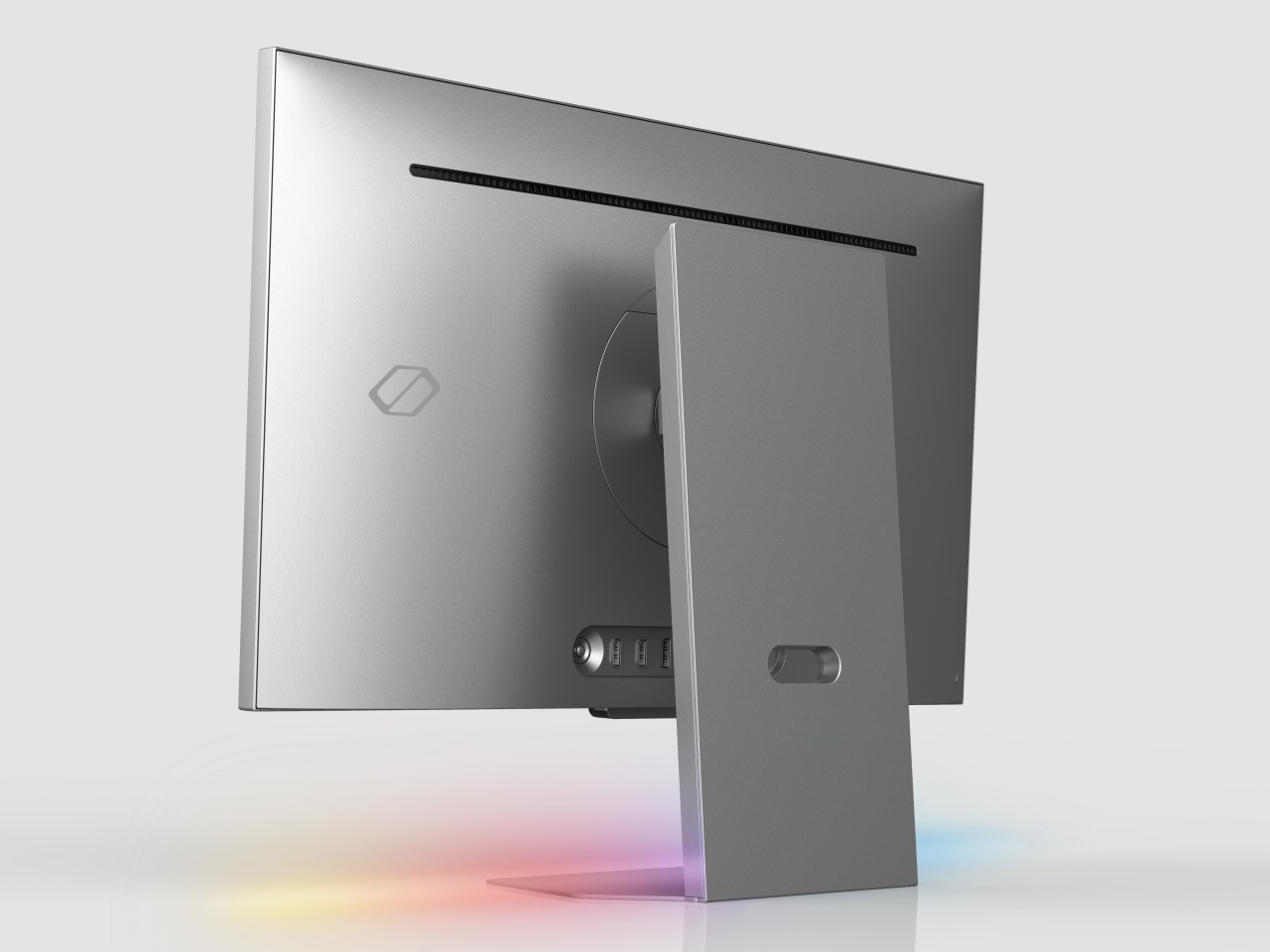
Of course, this glasses-free 3D monitor also functions as a 2D monitor, and you can seamlessly switch from one mode to another, depending on your use case. It also features an ergonomic Height Adjustment Stand, tilt capabilities, as well as HDMI 2.1 and DisplayPort 1.4 connectivity. Samsung hasn’t disclosed when the Samsung Odyssey 3D will launch and at what cost, but considering this monitor was first teased back in January at CES 2024, it probably shouldn’t be long now.

The post Samsung Odyssey 3D offers a glasses-free 3D experience for gamers and creators first appeared on Yanko Design.
Uplight game console concept with an interactive 3D screen changes the way you play

Handheld gaming consoles are rocking the market again, in no small part thanks to the success of the Nintendo Switch nearly eight years ago. But for all the technological marvels these powerful computers bring today, they’re really just rehashing time-tested formulas, at least when it comes to the way we see and interact with games. Just like with much of computing, we’re simply seeing images rendered on a flat screen rather than the way we naturally see and interact with the world in three dimensions. Mixed reality and spatial computing are trying to challenge the status quote when it comes to typical computing scenarios, while this concept for a unique kind of console proposes a literally different perspective when it comes to the video games we play.

Designers: Tatsuya Kato, Shion Ito, Toshikatsu Nakamura, Toshiki Sato

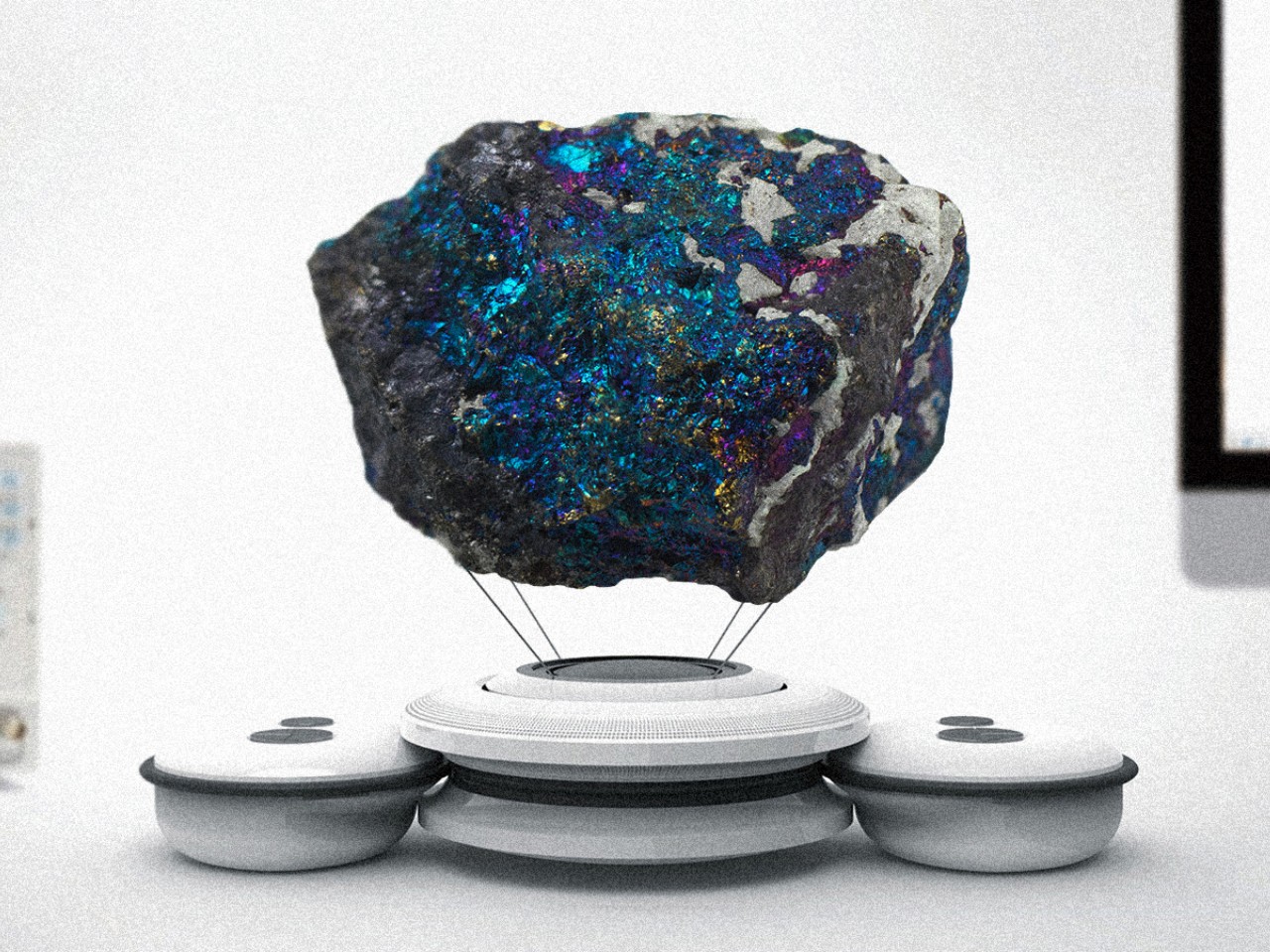
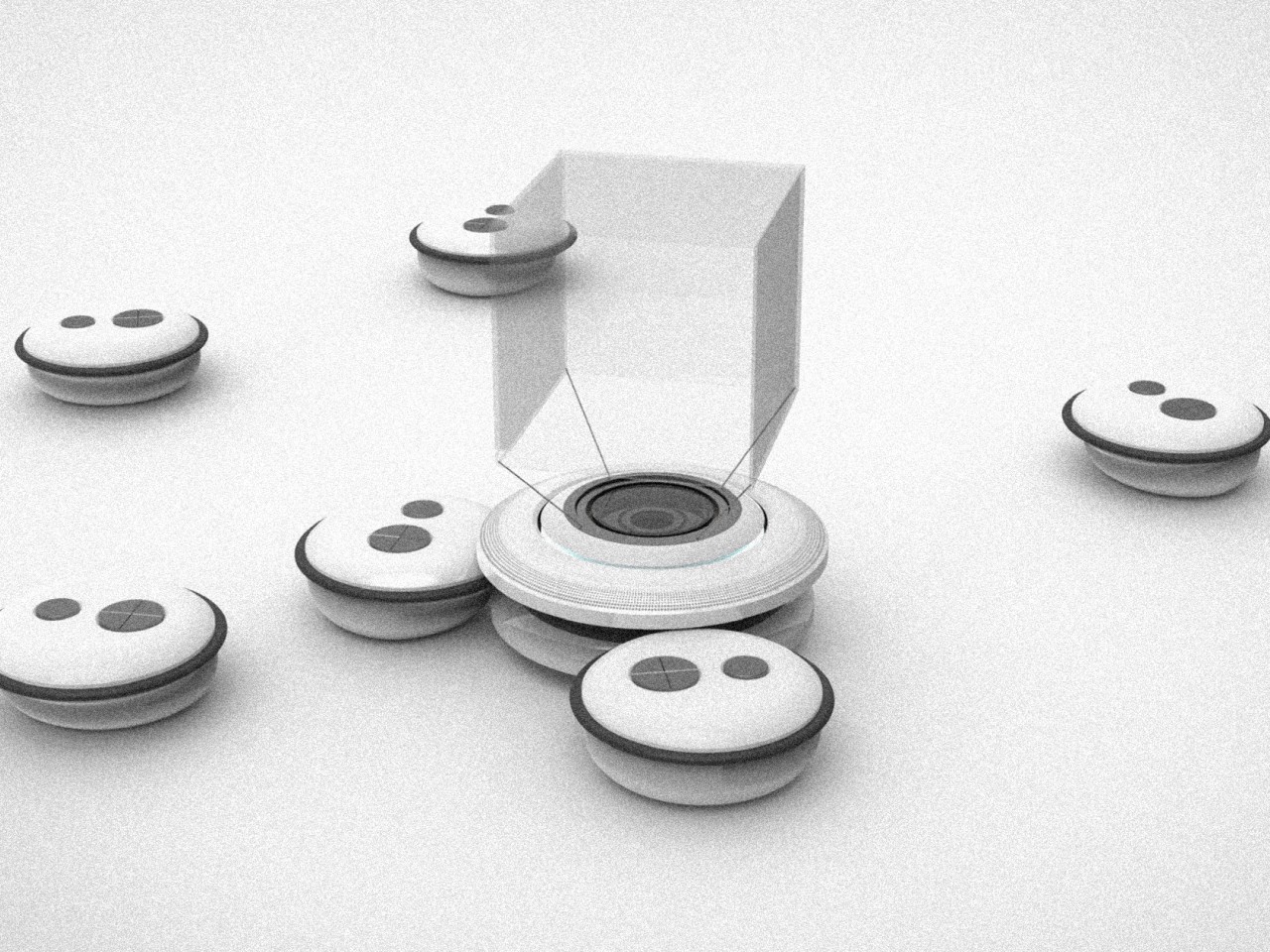
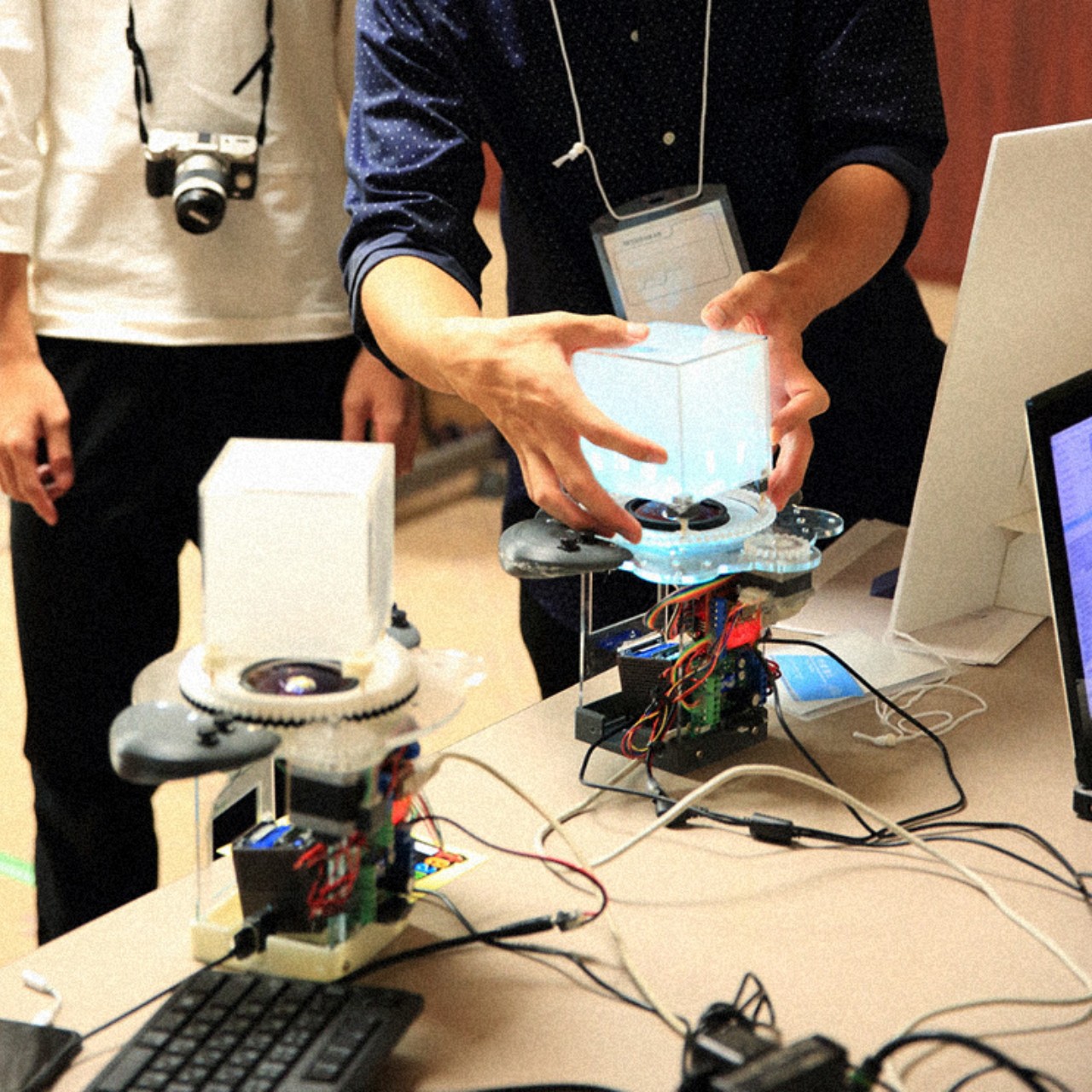
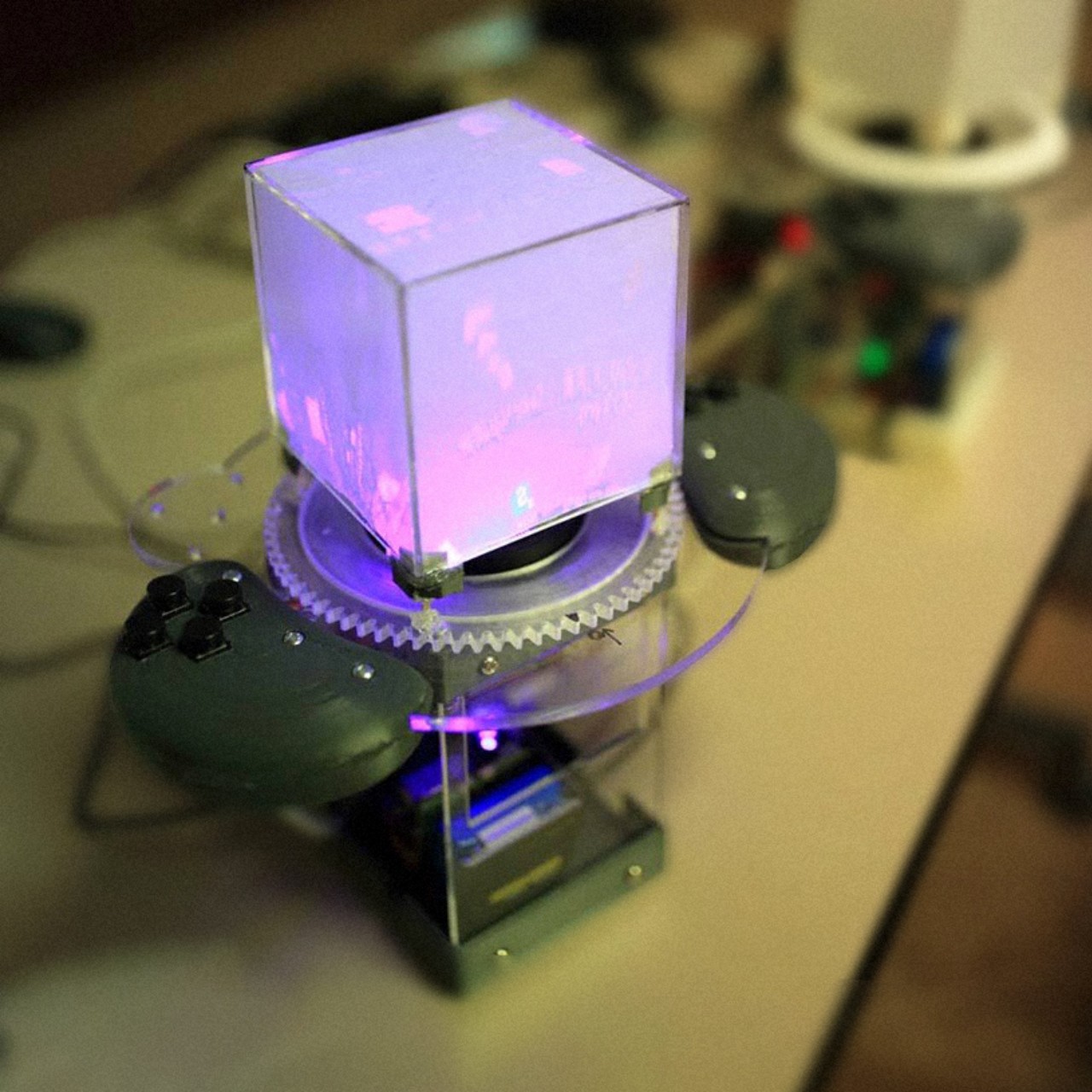
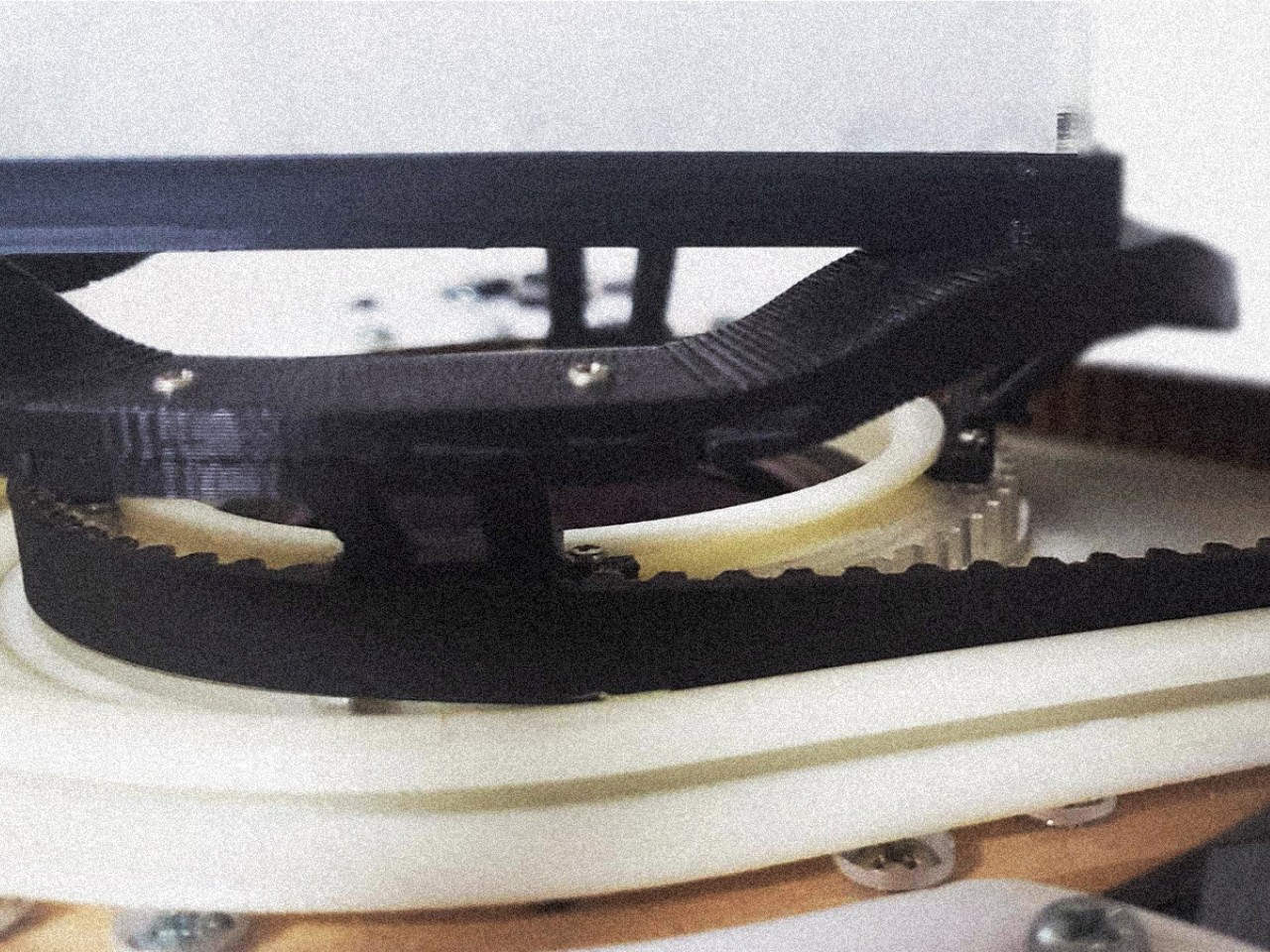
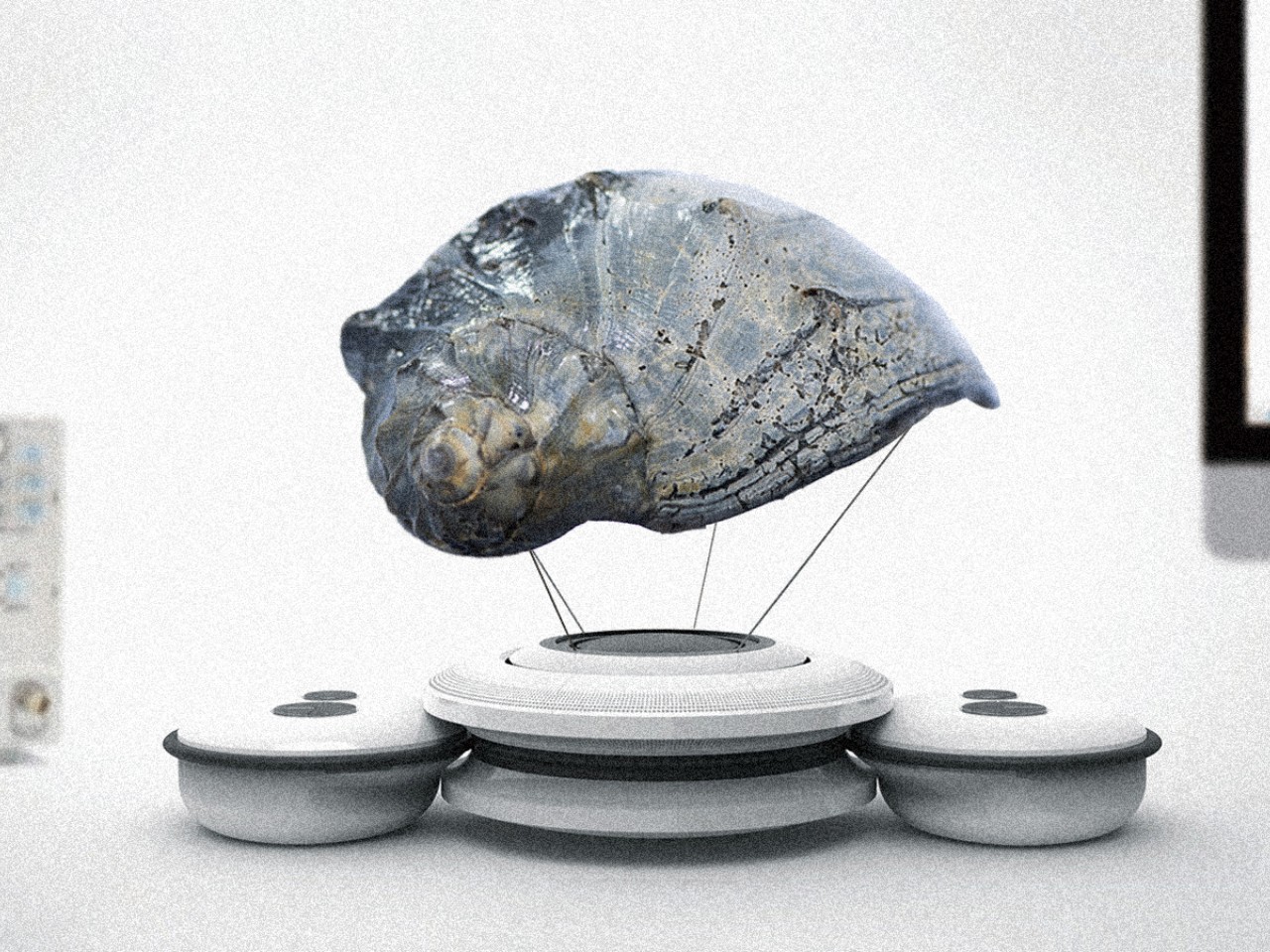
Uplight definitely looks like no other gaming console, not just because of the different controller configuration but primarily for the lack of a screen. The design concept flips the convention of game design, with the experience being designed to conform to the unique traits of the console rather than the other way around. In this case, the unique characteristic is a projector hidden in the base of the console that displays the game on three-dimensional acrylic screens that can take on different object shapes specific to the nature of the game.

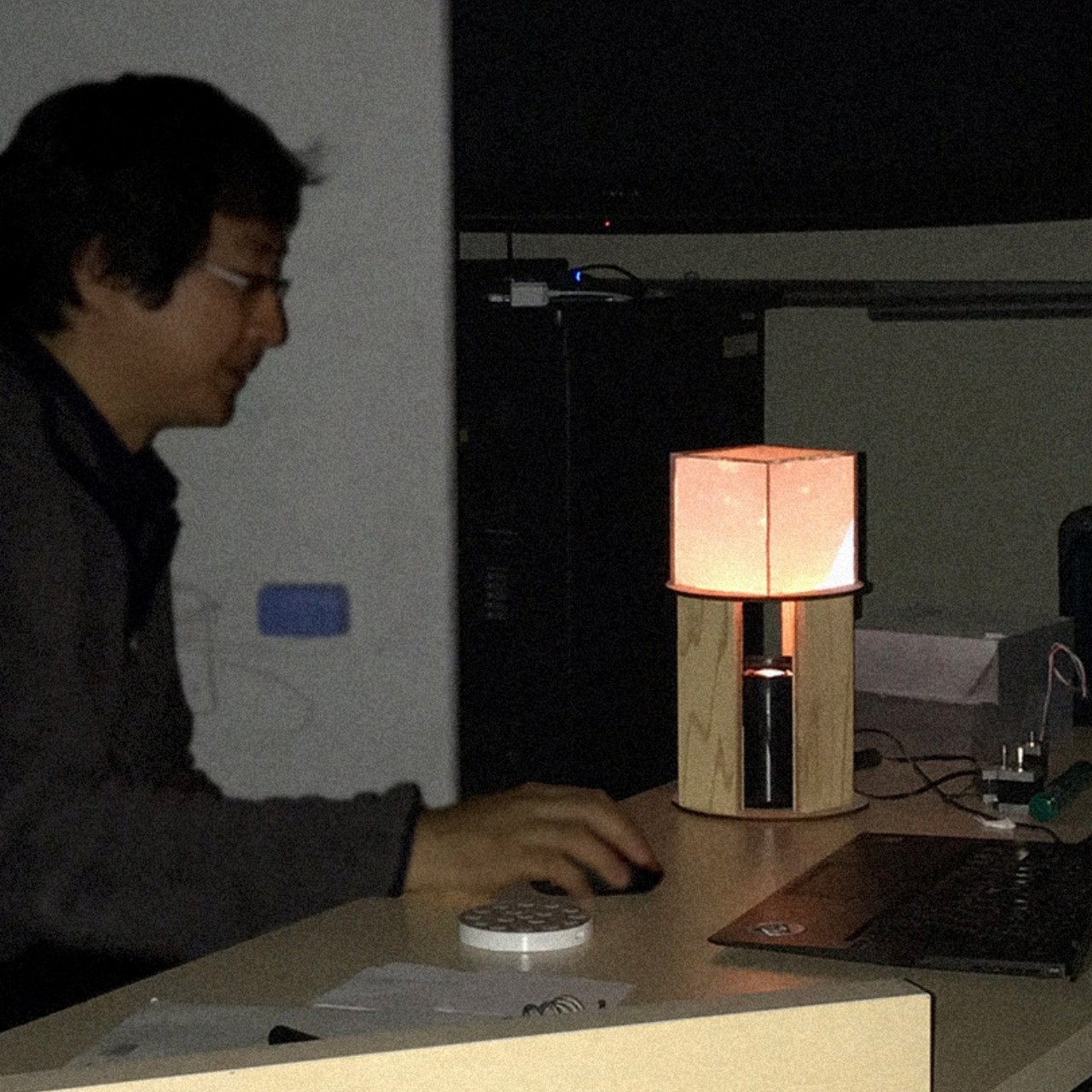
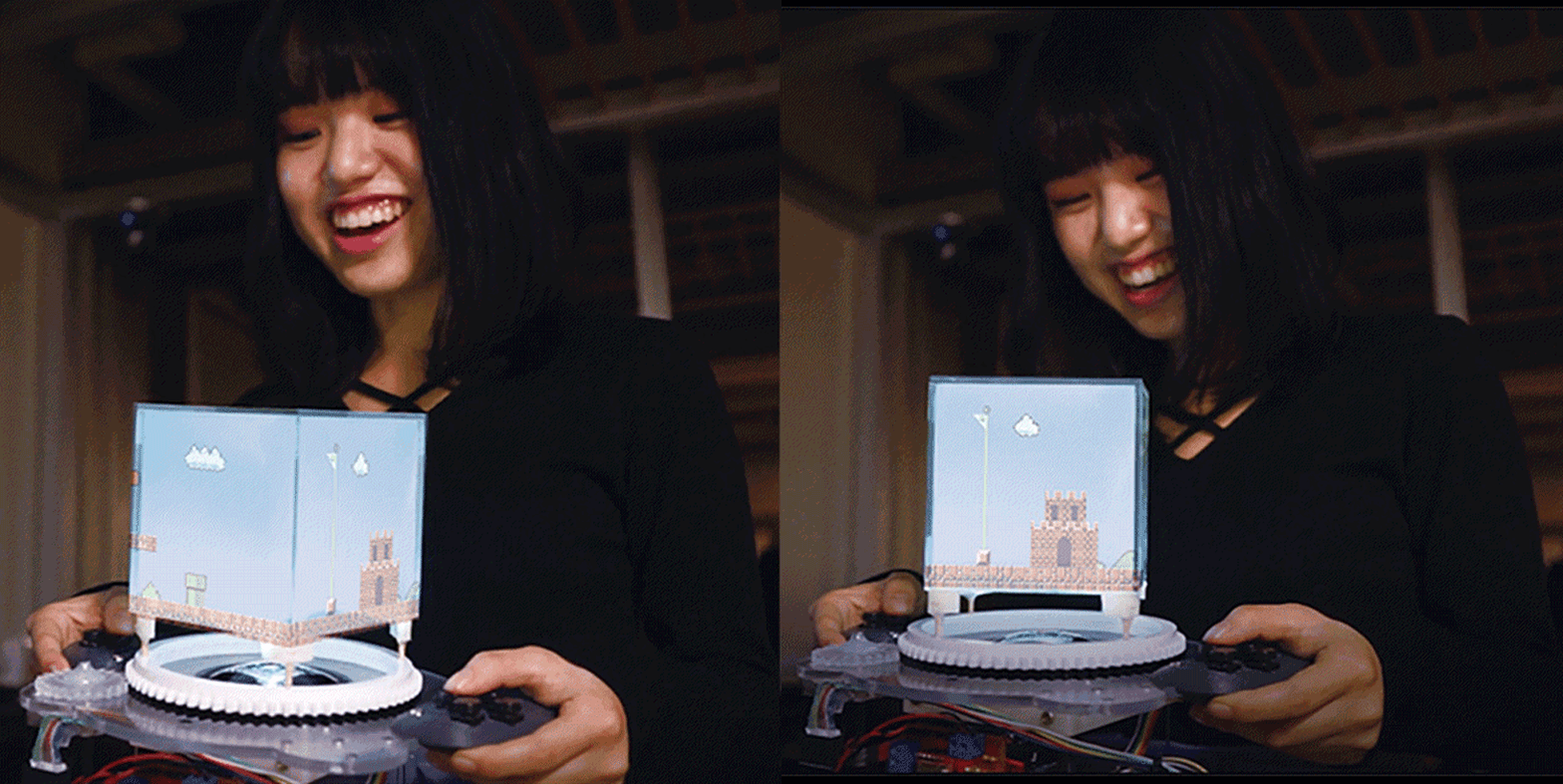
Think about those 3D puzzle games that require you to rotate a cube around to see it from different sides to solve the puzzle, except that cube is a literal and physical cube existing in the real world. This cube, made from translucent acrylic, is mounted on top of the Uplight console and displays the game projected into it. Players can use the console’s unusual controls to move the displayed image around or, better yet, use their own hands to actually turn the cube.

1

The 3D acrylic screen can be any shape, in theory, depending on the game experience being designed. It could, for example, be a giant translucent jellyfish for an aquatic adventure game, or even a tree branch for a game related to planting or vegetation. The possibilities are nearly endless, limited only by the angle that the integrated projector can reach and, of course, the size of the console.

That said, such a unique system will require games specifically designed for it, which also means designing new experiences that involve three-dimensional thinking as well as direct tactile interaction. Very few of today’s games have that, which will definitely challenge the creativity and ingenuity of game designers should Uplight ever become an actual commercial product.

The post Uplight game console concept with an interactive 3D screen changes the way you play first appeared on Yanko Design.
Canon’s quirky new lenses help you create content for Apple Vision Pro and VR

Mixed reality platforms try to seamlessly blend physical and digital objects, but our current technologies have their limits. You can, for example, view a regular photo or video in this virtual world, but it’d be like seeing a TV float in front of you. Such content doesn’t fully convey the power and the possibilities offered by these technologies, for which you’ll require specialized tools that are often well beyond the reach of even the majority of professional content creators. Fortunately, the industry landscape is changing, and more accessible tools are becoming available, like this pair of Canon lenses recording at creating stereoscopic 3D photos and videos that don’t require you to buy a new camera, provided you already have a compatible Canon model.

Designer: Canon

To create a stereoscopic 3D video effect that doesn’t look fake, you’ll naturally need either multiple cameras working in sync or one that records in 3D from the get-go. Since there isn’t a huge demand for the latter, 3D or spatial cameras are rare and expensive. More importantly, they require you to set aside your existing cameras and settle for something unfamiliar and potentially less capable than your pro DSLR or mirrorless camera.

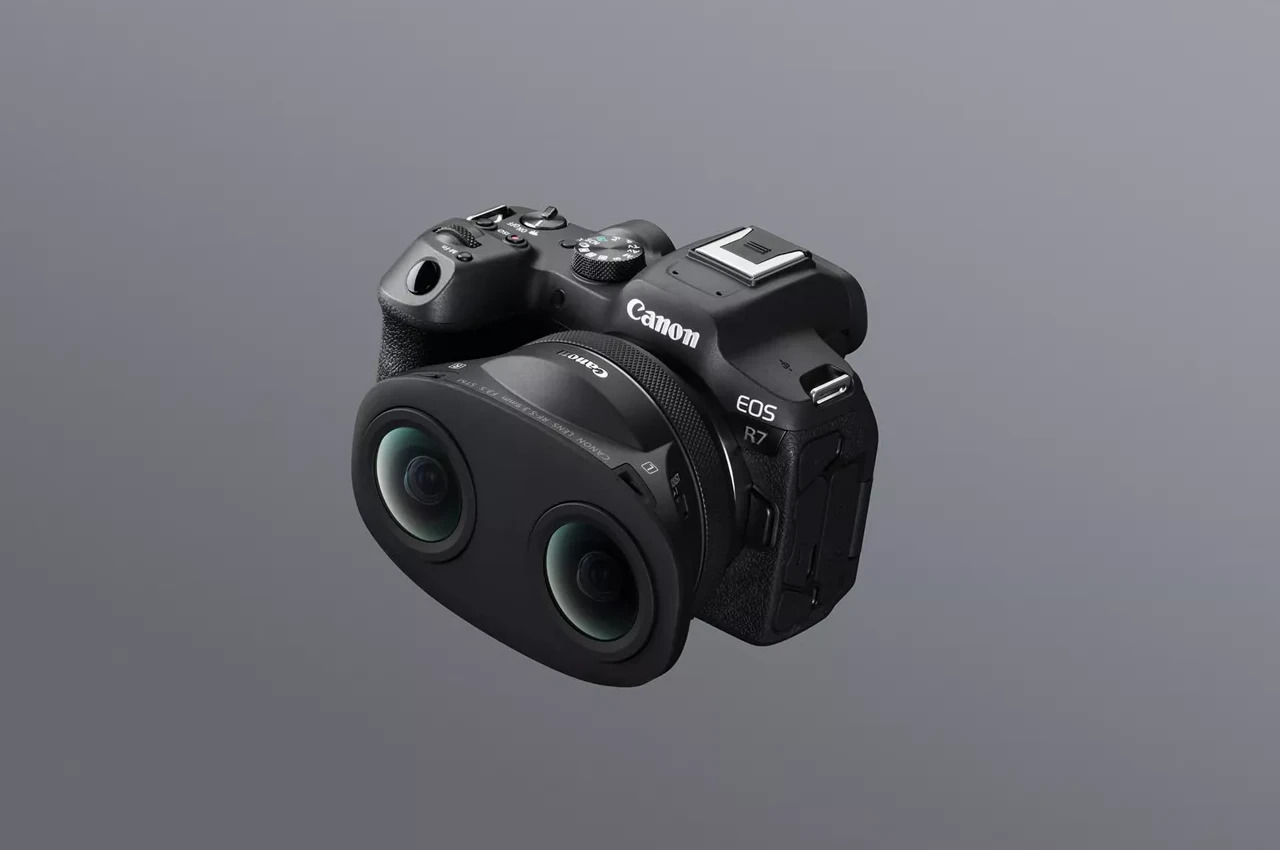
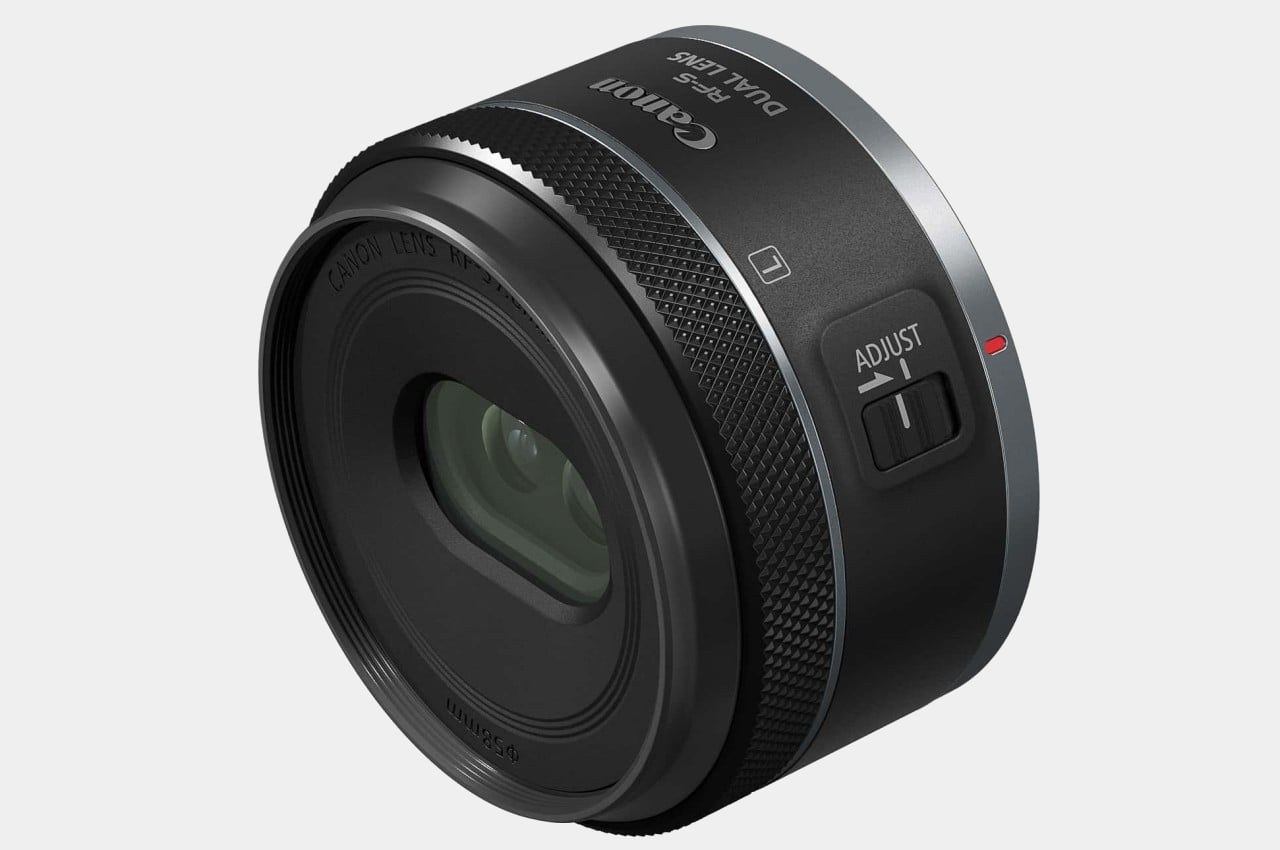
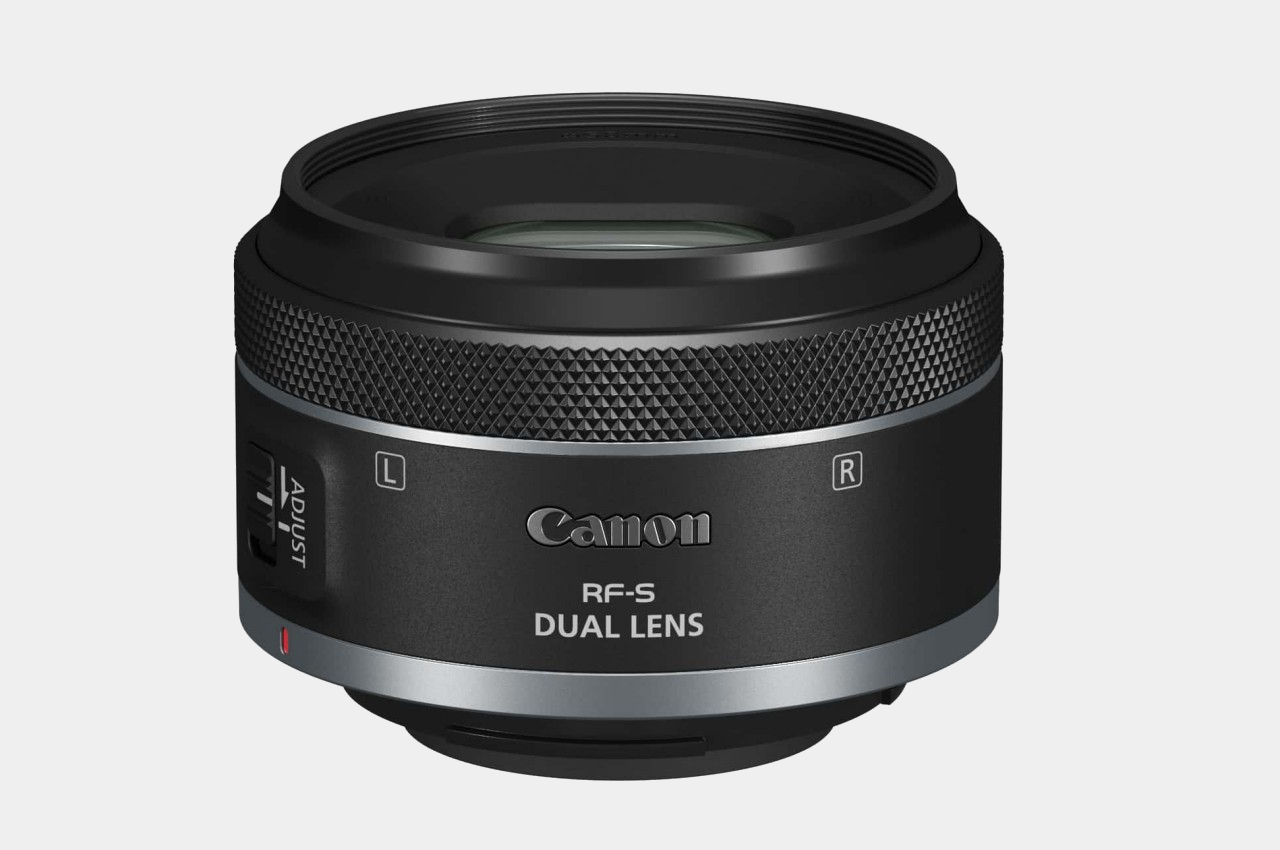
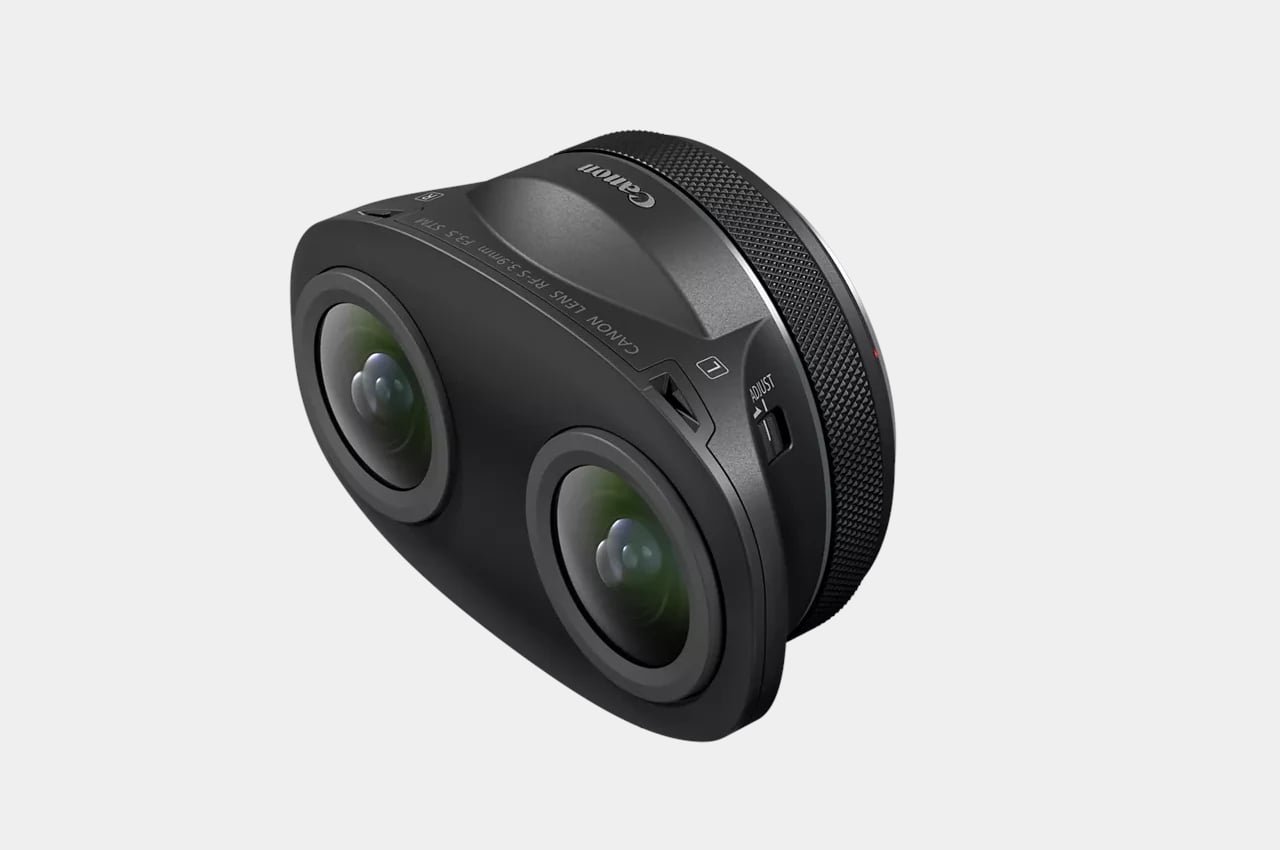
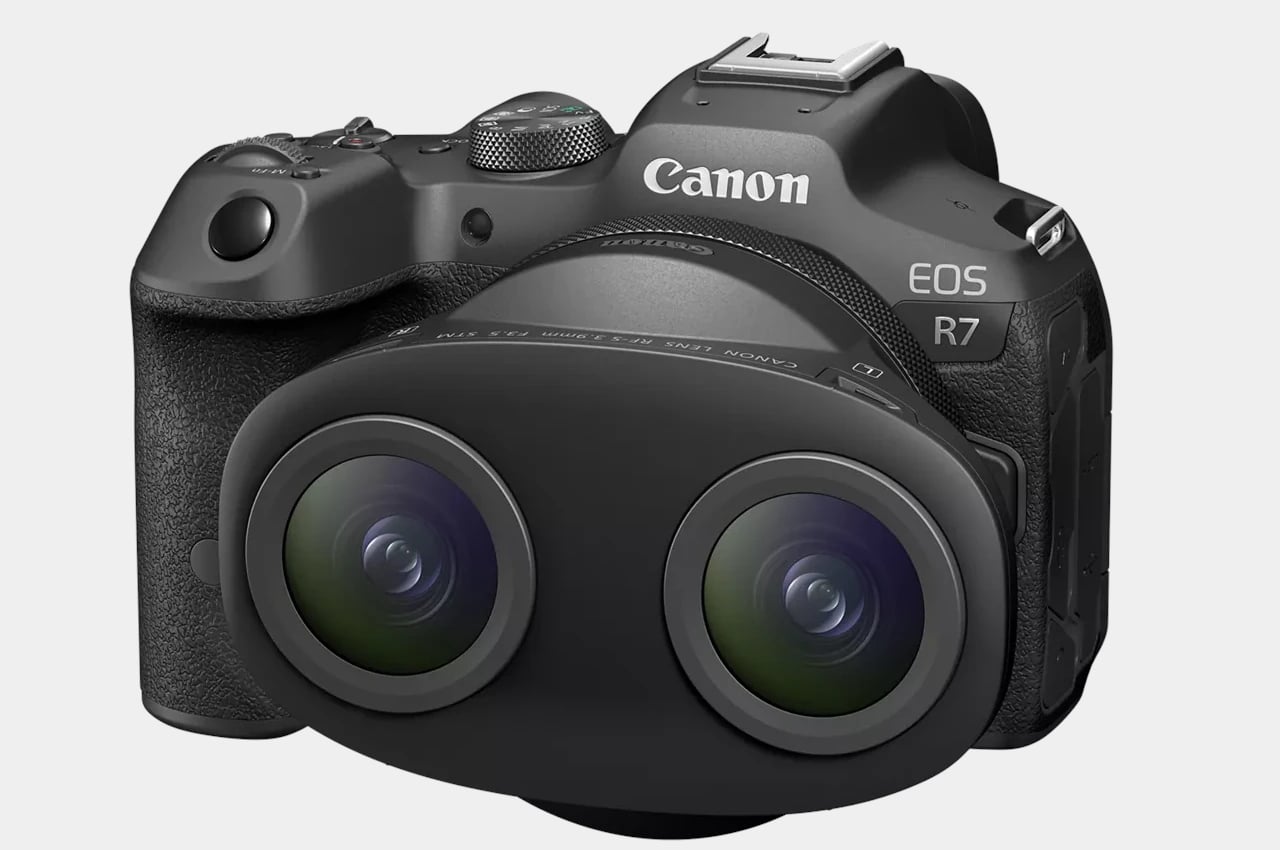
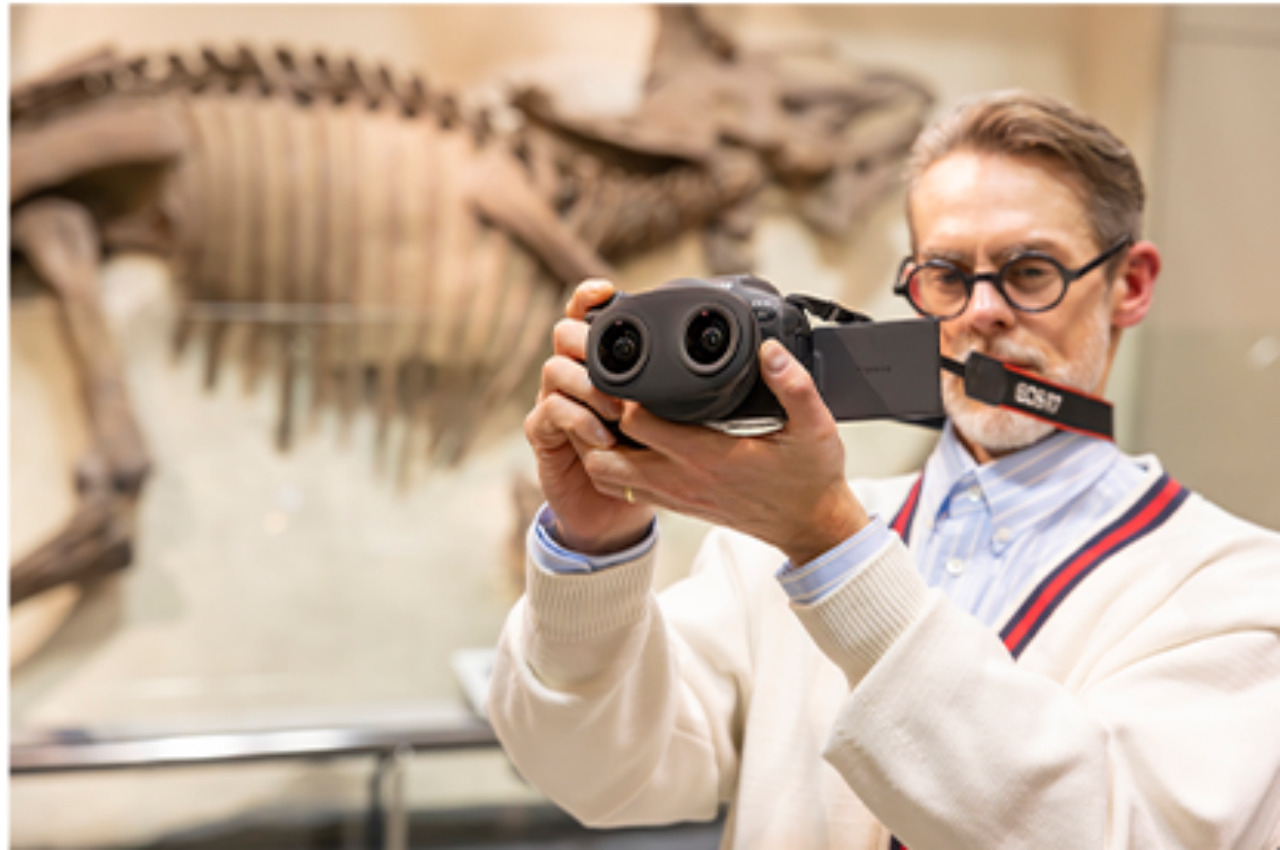
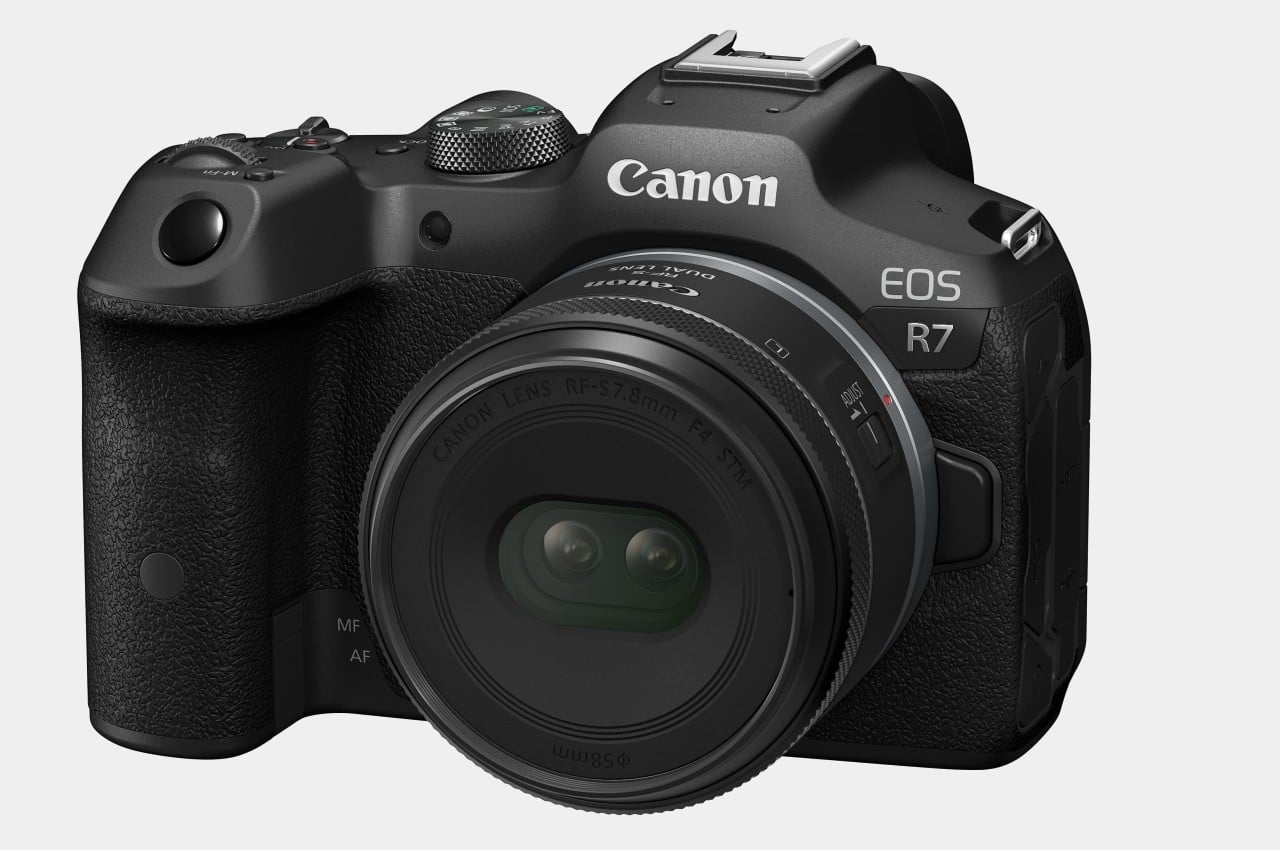
Canon’s solution is to actually equip its interchangeable lens cameras with optics designed to take photos or record videos directly in stereoscopic 3D or spatial video. This does mean using two lenses, which is what the upcoming RF-S7.8mm F4 STM DUAL lens will bring to the table. Details are still slim on this particular lens, other than it’s designed with the Apple Vision Pro in mind, particularly its new Immersive Video capability. Best of all, this lens is compatible with existing cameras, though only the Canon EOS R7 has been named so far.

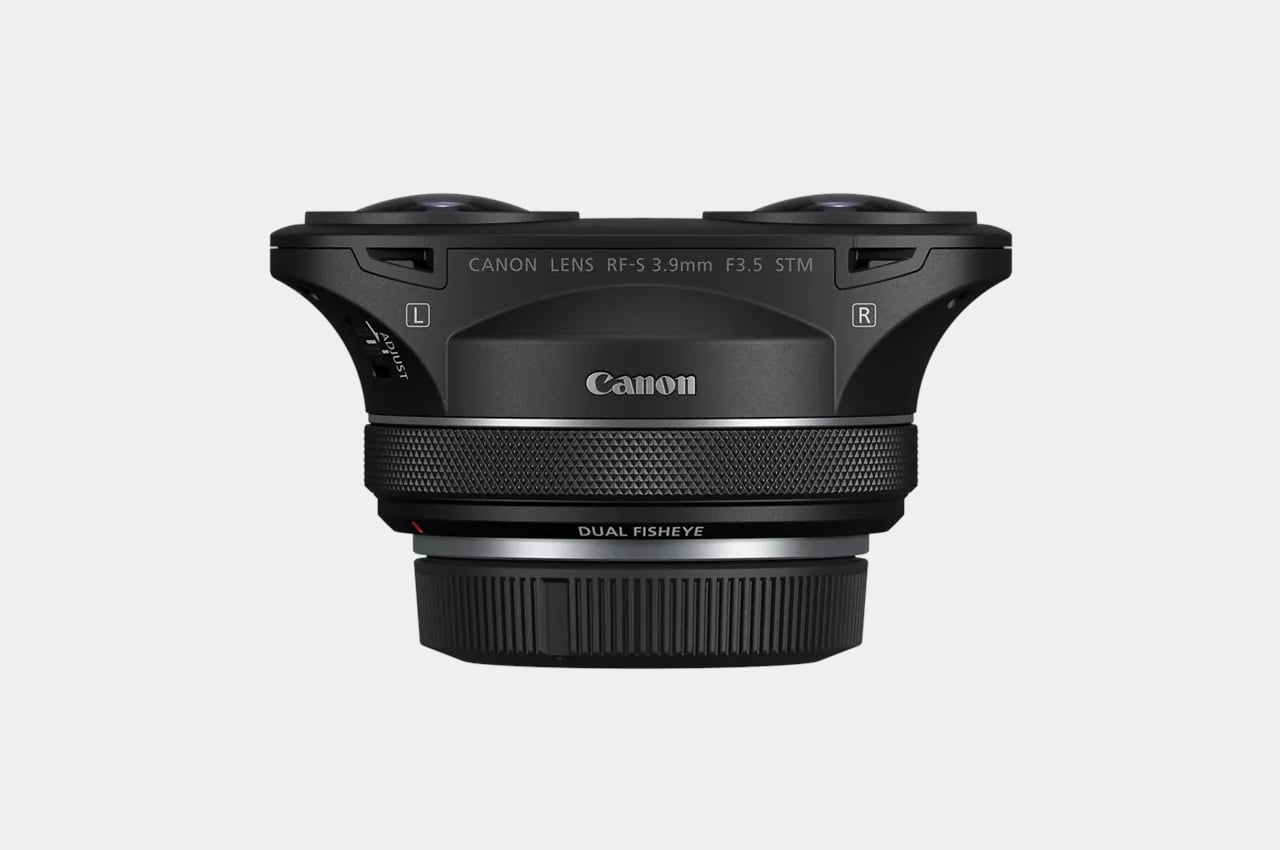
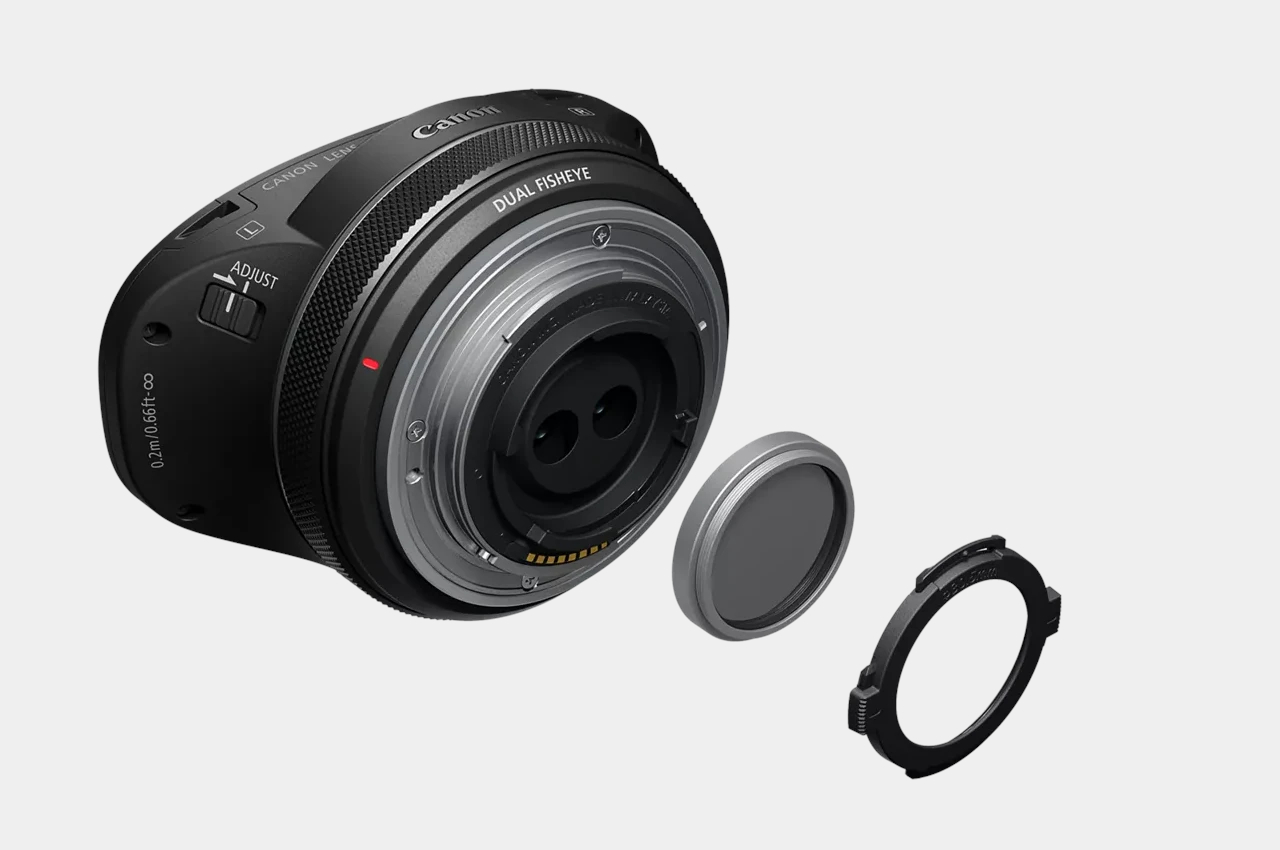
The RF-S7.8mm F4 STM DUAL lens is, of course, also compatible with Canon’s own EOS VR system, as is a slightly odder RF-S3.9mm F3.5 STM DUAL FISHEYE lens, also for the Canon EOS R7. As the name implies, the lenses for this module are farther apart, allowing for a wider field of vision and a deeper 3D effect. It does make your camera look weird and could potentially block easy access to the grip or buttons on the front of the camera.

At $1,099, the RF-S3.9mm F3.5 STM DUAL FISHEYE isn’t exactly cheap, but it’s also within reach of pro content creators. More importantly, they won’t need to buy another camera and can stick to the powerful Canon EOS R7, presuming they already own this model. The price for the RF-S7.8mm F4 STM DUAL for the Apple Vision Pro will most likely be revealed closer to its launch this Fall.

The post Canon’s quirky new lenses help you create content for Apple Vision Pro and VR first appeared on Yanko Design.
Blackmagic Spatial Camera for Apple Vision Pro looks like a mini spacecraft

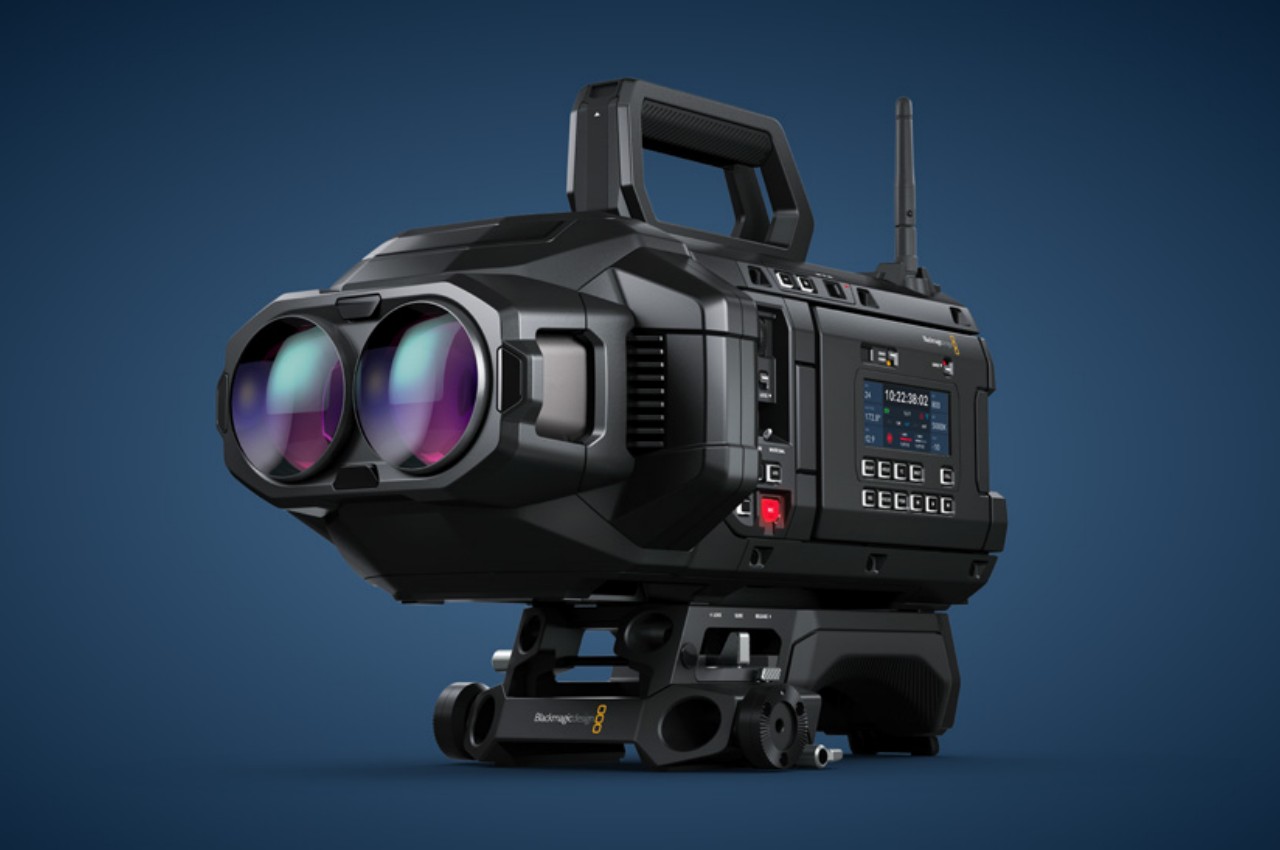
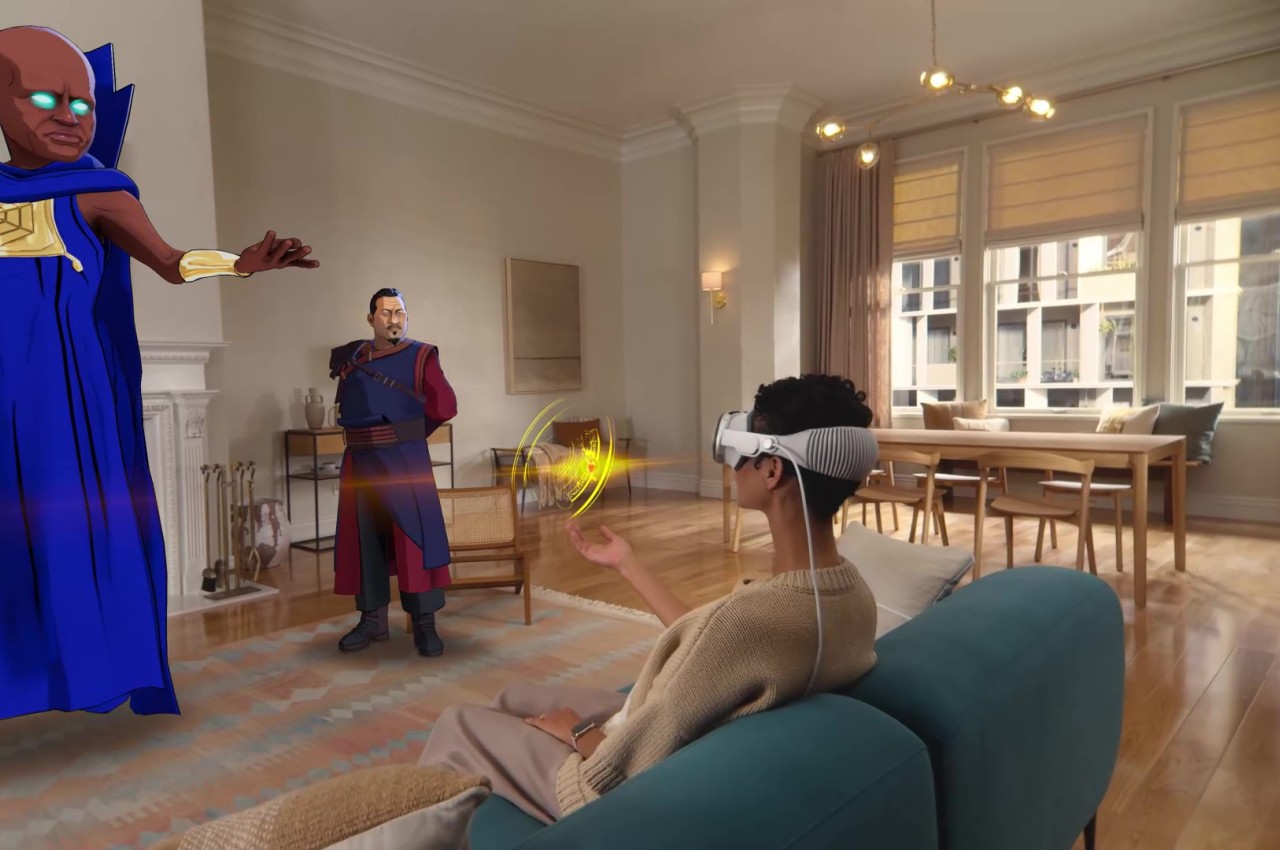
A lot of the focus at Apple’s WWDC event has so far revolved around the cleverly named Apple Intelligence and its features for iPhones and iPads. Of course, that’s hardly the only thing the company talked about this week, and one of its more highly debated products did get its fair share of attention as well. Although the initial hype seems to have died down and complaints about the device’s comfort have popped up here and there, Apple is showing that the Vision Pro is still going strong and growing strong, expanding not only its features but also its reach to other markets. In fact, Apple has just revealed how the platform will become an even bigger space thanks to devices that will let creators design content specifically for visionOS, like this two-eyed camera that looks more like a miniature version of a space-faring cargo ship.

Designer: Blackmagic Design

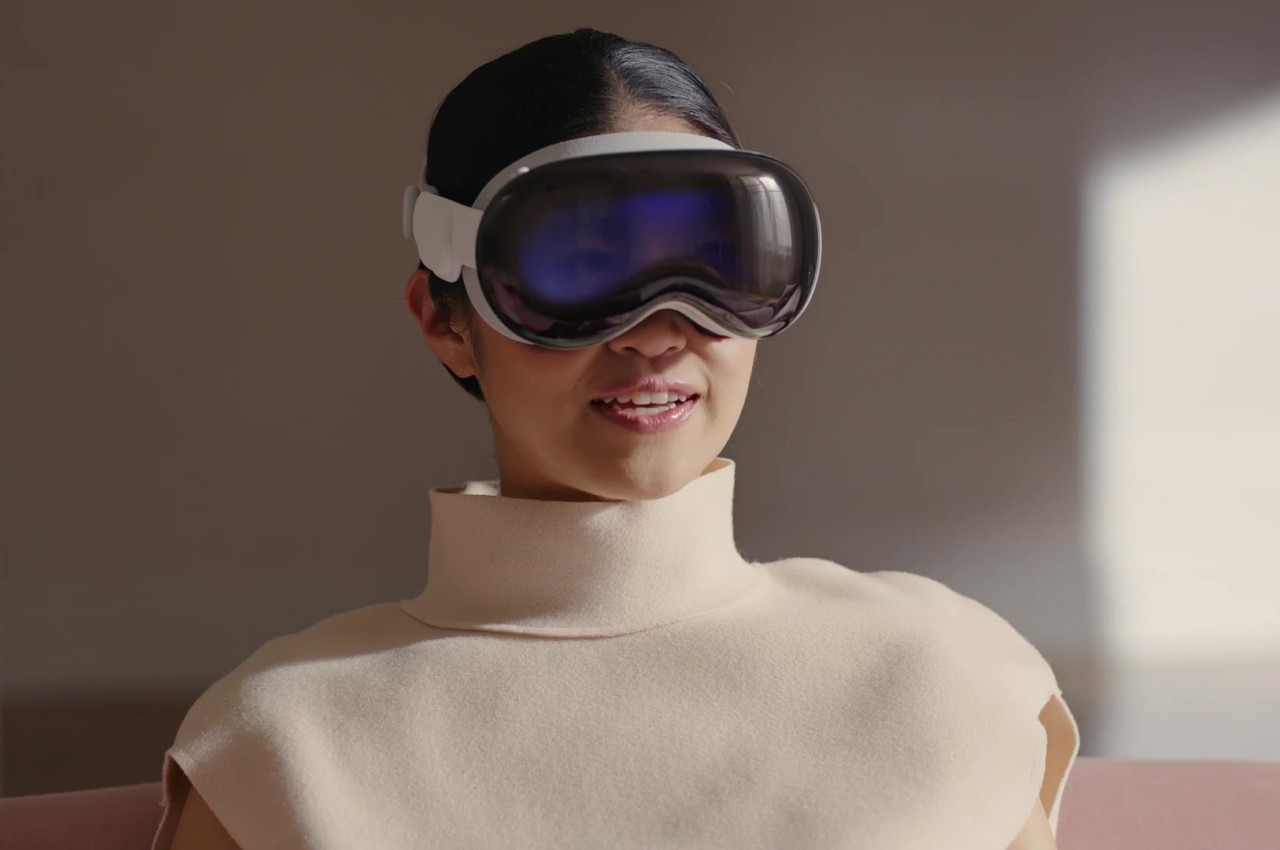
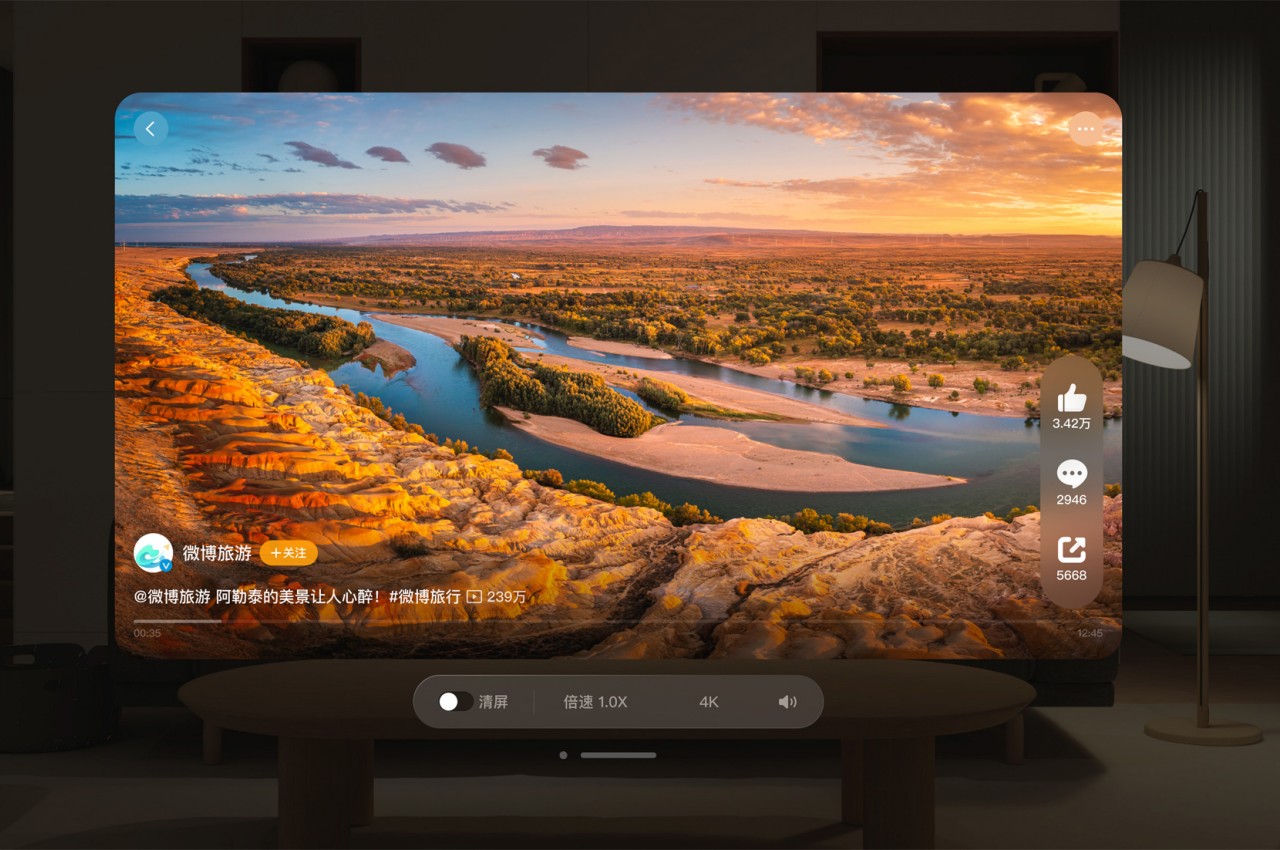
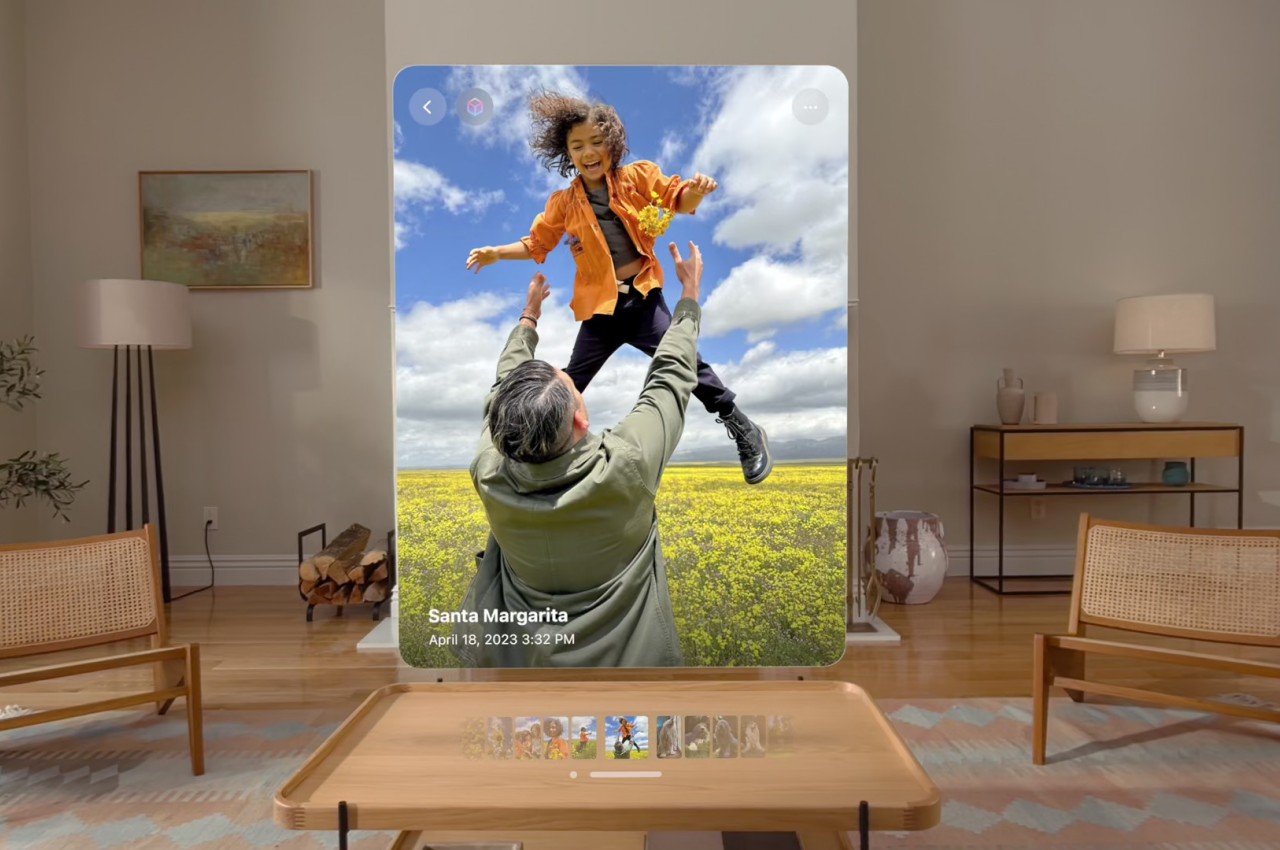
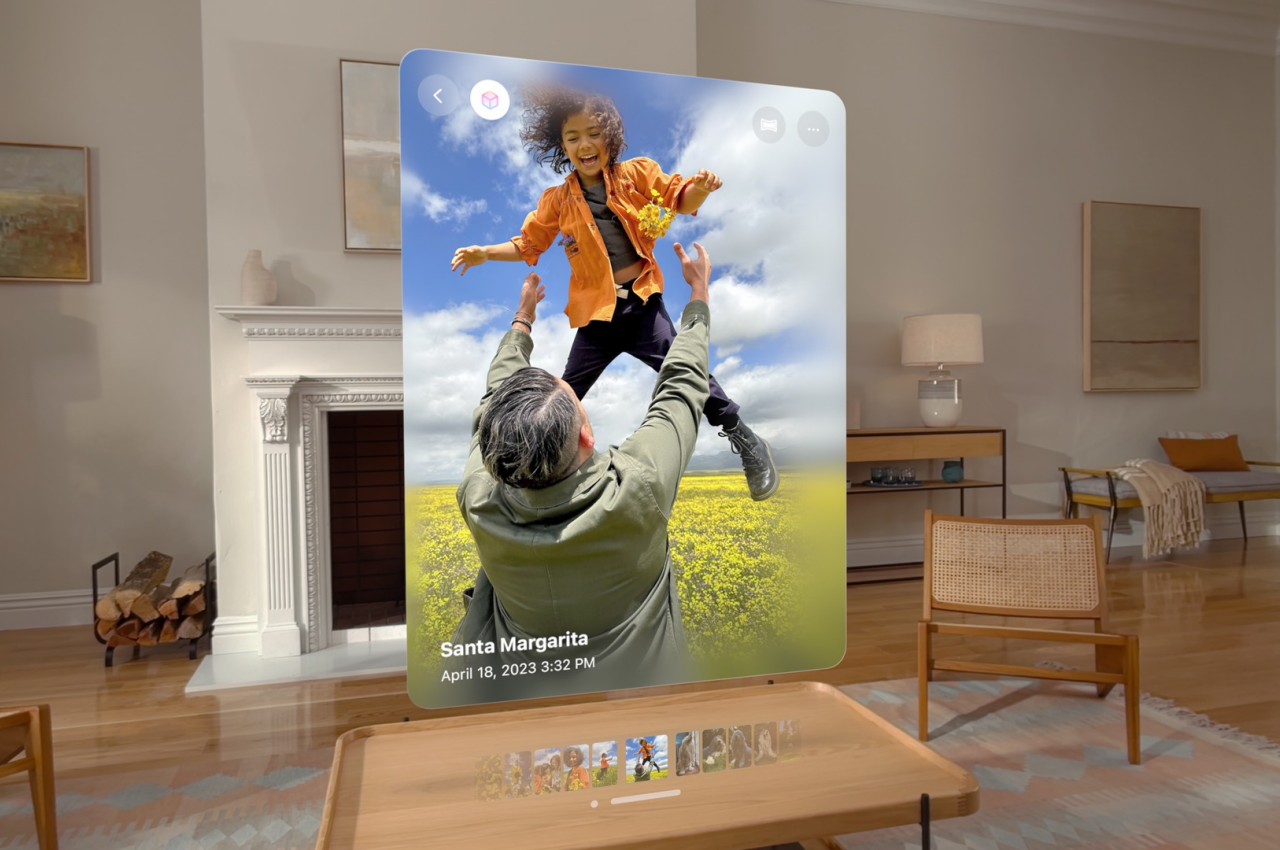
One of the strengths of Apple’s spatial computing platform is the seamless fusion of the physical and digital worlds, which means plain two-dimensional objects like apps and photos look almost natural while floating in the air in front of you. Of course, that doesn’t take full advantage of the strengths of the Vision Pro headset, which requires crafting content designed specifically for it. For that, you’ll also need the right tools for the job, and the upcoming Blackmagic URSA Cine Immersive camera is one such new device made especially for Apple’s visionOS.

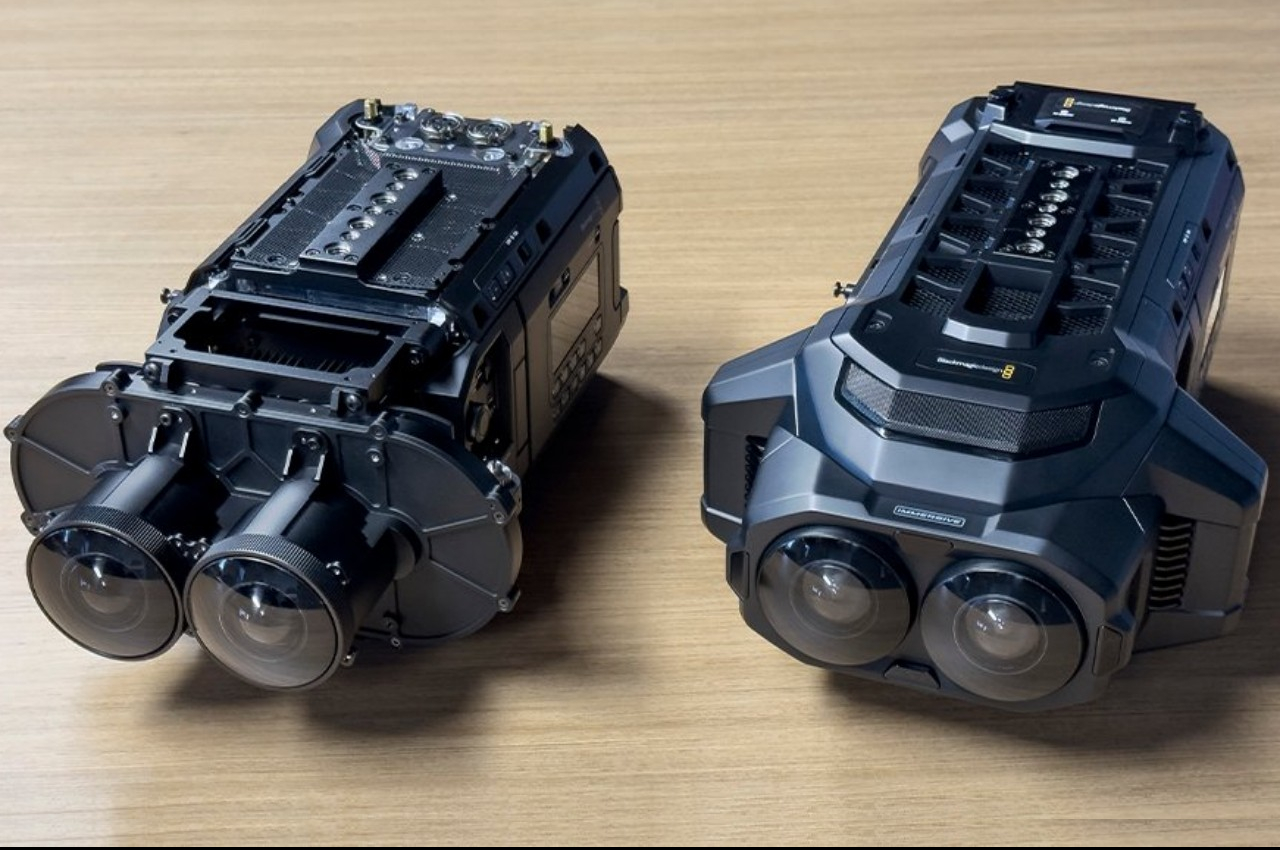
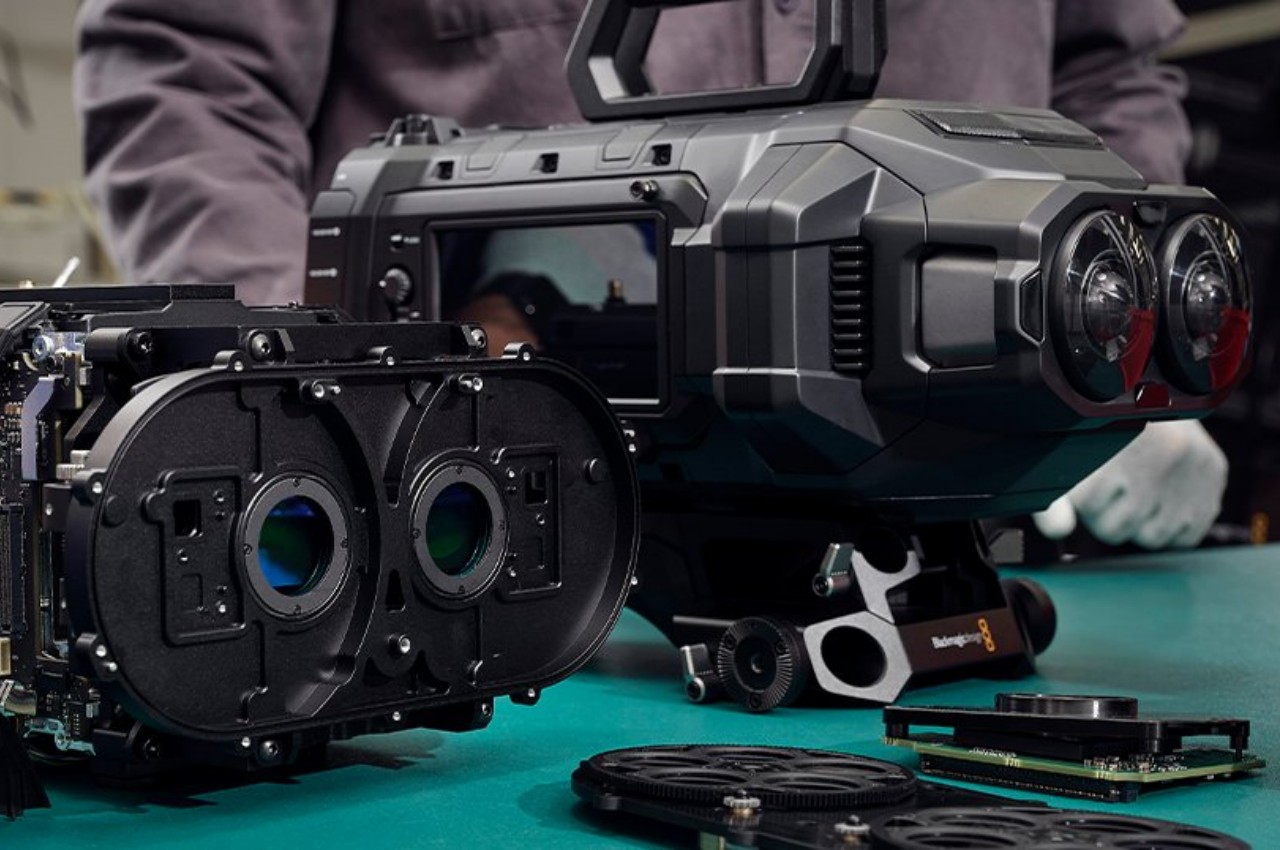
Like any camera system designed to capture stereoscopic 3D content, be it photos or videos, this Blackmagic Design spatial camera has two “eyes,” each of which boasts 8160×7200 sensor. The camera also has 16 dynamic range stops for better color quality and accuracy, and it supports recording 3D video at 90fps rates. This imaging is made possible with Blackmagic’s own RAW format as well as the built-in Blackmagic Media Module that provides 8TB of high-performance network storage. In theory, this would allow creators to record over two hours of 8K stereoscopic 3D immersive video in that high-quality format.

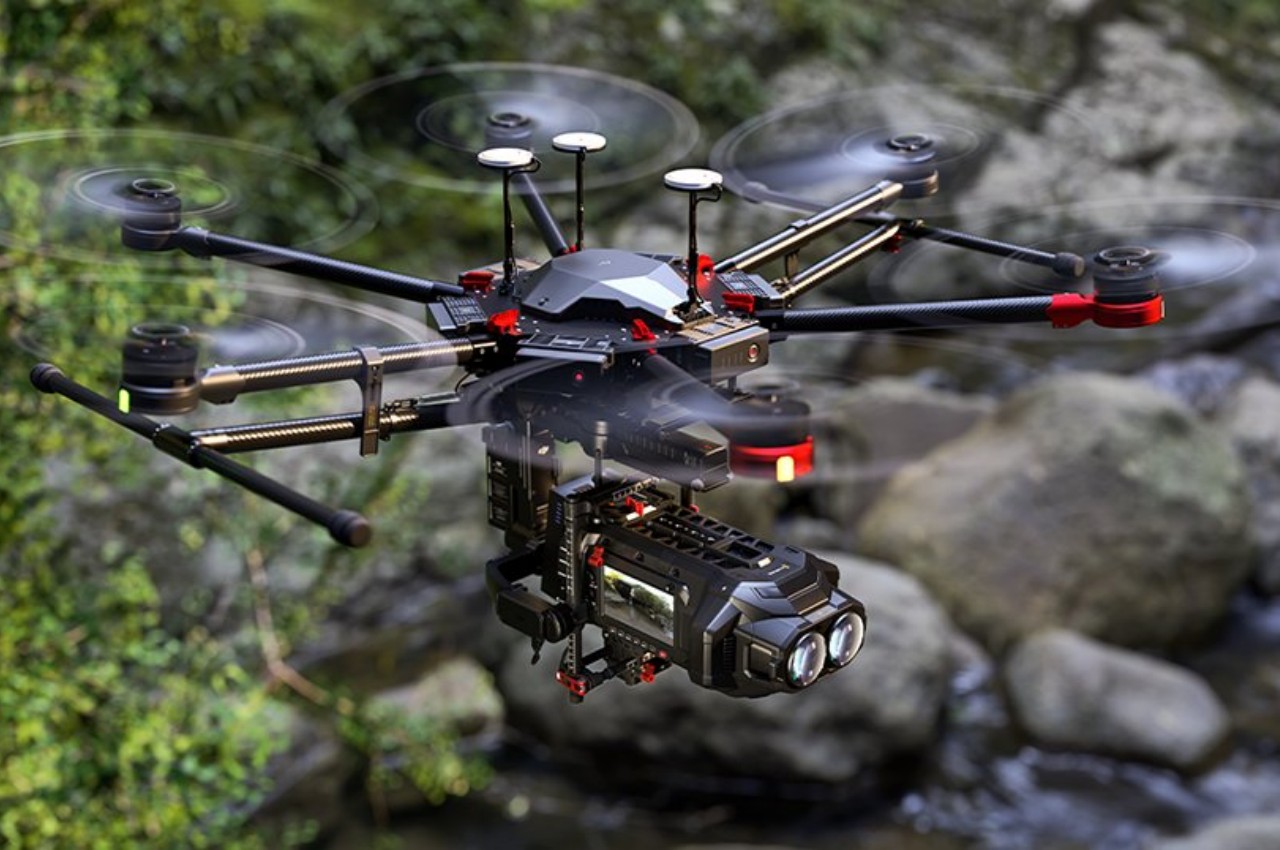
The camera’s design itself is as distinctive as its features. Made with a robust magnesium alloy chassis and lightweight carbon fiber polycarbonate composite skin, the camera is designed to keep up with filmmakers, regardless of where inspiration takes them. The URSA Cine Immersive’s blocky yet sleek aesthetic gives it a retro-futuristic flavor reminiscent of the design for spaceships in films and TV shows from the 80s and 90s. Add to the fact that it can be mounted beneath a drone for aerial shots, you shouldn’t be surprised if it gets mistaken for a UFO from afar.

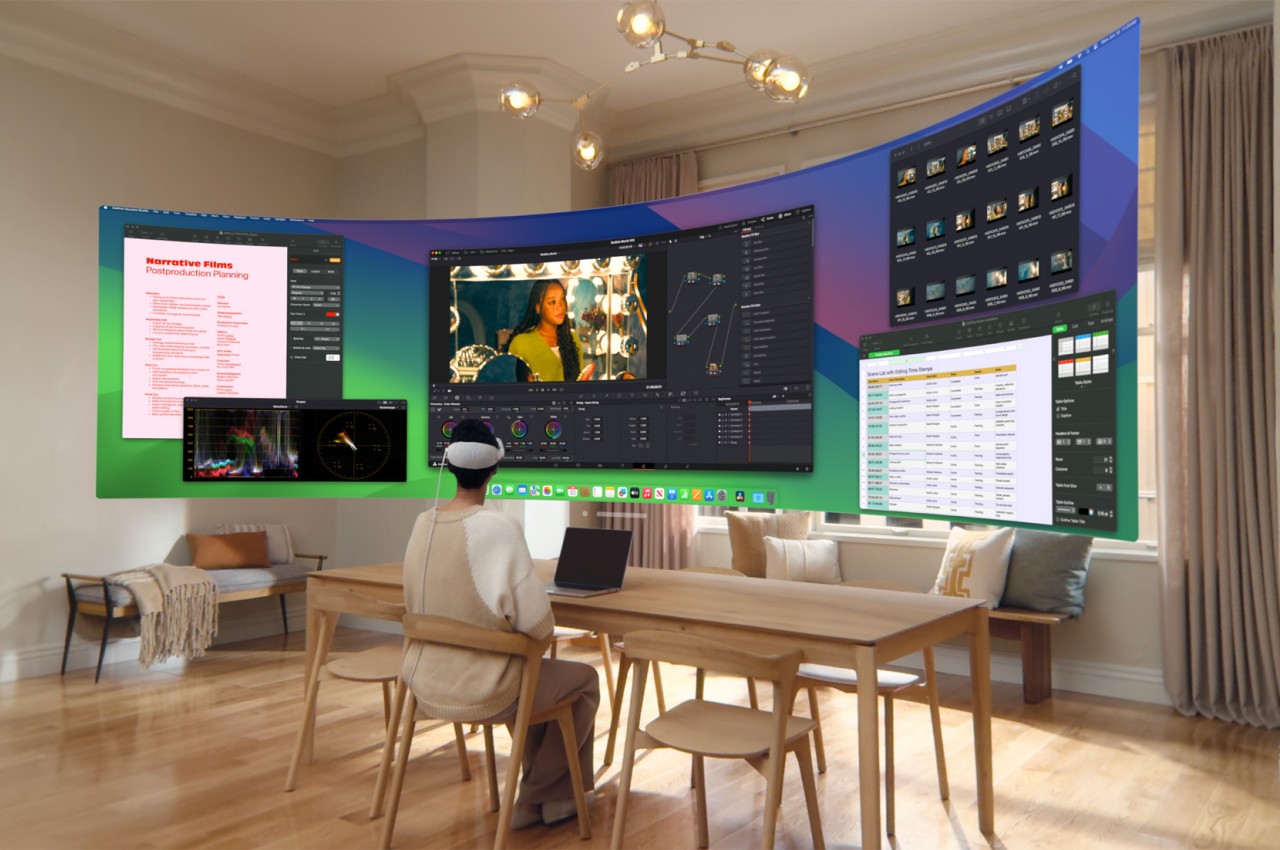
The Blackmagic URSA Cine Immersive camera and an upcoming update to the famed Da Vinci Resolve Studio software are some of the first tools designed for Apple’s new Immersive Video format for visionOS. This is just one of the new features that are coming to the Vision Pro, including the ability to turn any plain 2D image into a spatial photo, with no additional hardware or software required. The Vision Pro headset is also being made available to more countries this month, which will hopefully increase the testing of the headset’s design and its features to help future iterations of Apple’s spatial computing platform.

The post Blackmagic Spatial Camera for Apple Vision Pro looks like a mini spacecraft first appeared on Yanko Design.
Blackmagic Spatial Camera for Apple Vision Pro looks like a mini spacecraft

A lot of the focus at Apple’s WWDC event has so far revolved around the cleverly named Apple Intelligence and its features for iPhones and iPads. Of course, that’s hardly the only thing the company talked about this week, and one of its more highly debated products did get its fair share of attention as well. Although the initial hype seems to have died down and complaints about the device’s comfort have popped up here and there, Apple is showing that the Vision Pro is still going strong and growing strong, expanding not only its features but also its reach to other markets. In fact, Apple has just revealed how the platform will become an even bigger space thanks to devices that will let creators design content specifically for visionOS, like this two-eyed camera that looks more like a miniature version of a space-faring cargo ship.

Designer: Blackmagic Design

One of the strengths of Apple’s spatial computing platform is the seamless fusion of the physical and digital worlds, which means plain two-dimensional objects like apps and photos look almost natural while floating in the air in front of you. Of course, that doesn’t take full advantage of the strengths of the Vision Pro headset, which requires crafting content designed specifically for it. For that, you’ll also need the right tools for the job, and the upcoming Blackmagic URSA Cine Immersive camera is one such new device made especially for Apple’s visionOS.

Like any camera system designed to capture stereoscopic 3D content, be it photos or videos, this Blackmagic Design spatial camera has two “eyes,” each of which boasts 8160×7200 sensor. The camera also has 16 dynamic range stops for better color quality and accuracy, and it supports recording 3D video at 90fps rates. This imaging is made possible with Blackmagic’s own RAW format as well as the built-in Blackmagic Media Module that provides 8TB of high-performance network storage. In theory, this would allow creators to record over two hours of 8K stereoscopic 3D immersive video in that high-quality format.

The camera’s design itself is as distinctive as its features. Made with a robust magnesium alloy chassis and lightweight carbon fiber polycarbonate composite skin, the camera is designed to keep up with filmmakers, regardless of where inspiration takes them. The URSA Cine Immersive’s blocky yet sleek aesthetic gives it a retro-futuristic flavor reminiscent of the design for spaceships in films and TV shows from the 80s and 90s. Add to the fact that it can be mounted beneath a drone for aerial shots, you shouldn’t be surprised if it gets mistaken for a UFO from afar.

The Blackmagic URSA Cine Immersive camera and an upcoming update to the famed Da Vinci Resolve Studio software are some of the first tools designed for Apple’s new Immersive Video format for visionOS. This is just one of the new features that are coming to the Vision Pro, including the ability to turn any plain 2D image into a spatial photo, with no additional hardware or software required. The Vision Pro headset is also being made available to more countries this month, which will hopefully increase the testing of the headset’s design and its features to help future iterations of Apple’s spatial computing platform.

The post Blackmagic Spatial Camera for Apple Vision Pro looks like a mini spacecraft first appeared on Yanko Design.
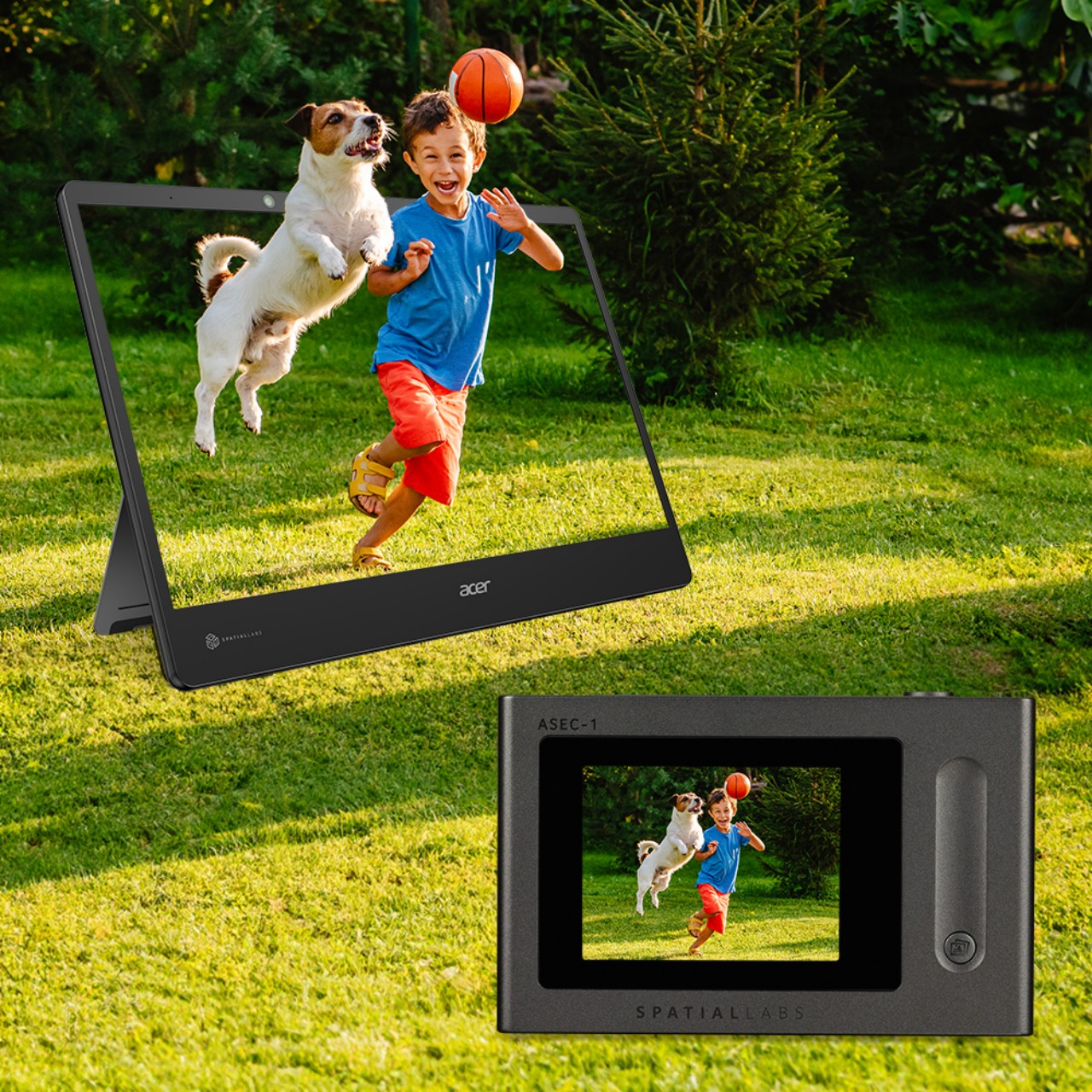
Acer SpatialLabs Eyes 3D camera adds a new dimension to meetings and live streams

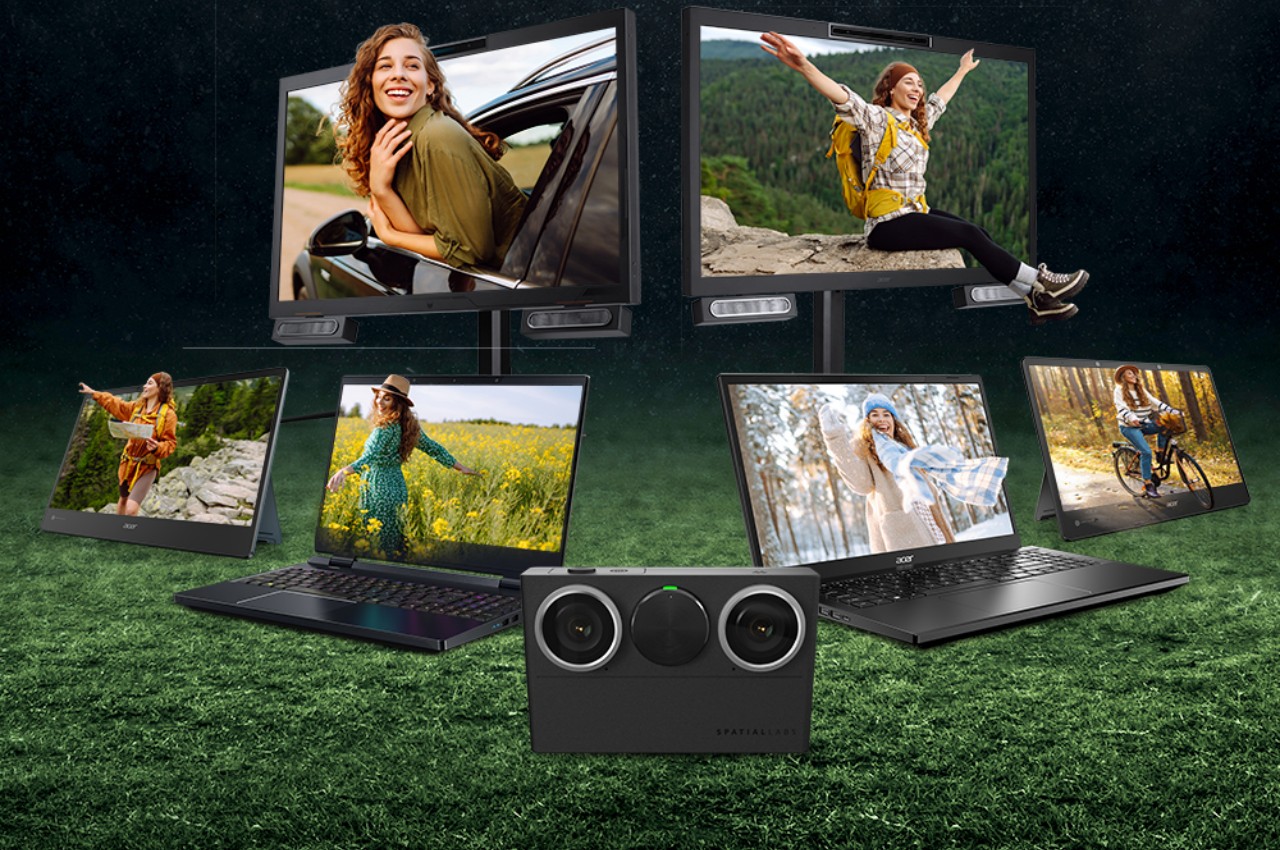
Although the buzz around the Apple Vision Pro has died down, there’s little doubt that spatial computing, mixed reality, and the metaverse will be our unavoidable future. We still have ways to go, of course, but the industry is already trying to get us used to seeing digitally in 3D, whether we’re wearing glasses or just looking at specially-designed monitors. Those 3D objects, however, don’t just pop out of thin air and have to be created one way or another. Not a problem for fabricated 3D models, but it’s a big problem when you want to make real-world physical objects into believable digital 3D objects. As part of its own push for spatial computing, Acer is launching a consumer-friendly stereoscopic 3D camera that lets anyone capture the real world in a way that can be easily viewed in 3D glasses and on glasses-free 3D monitors.

Designer: Acer

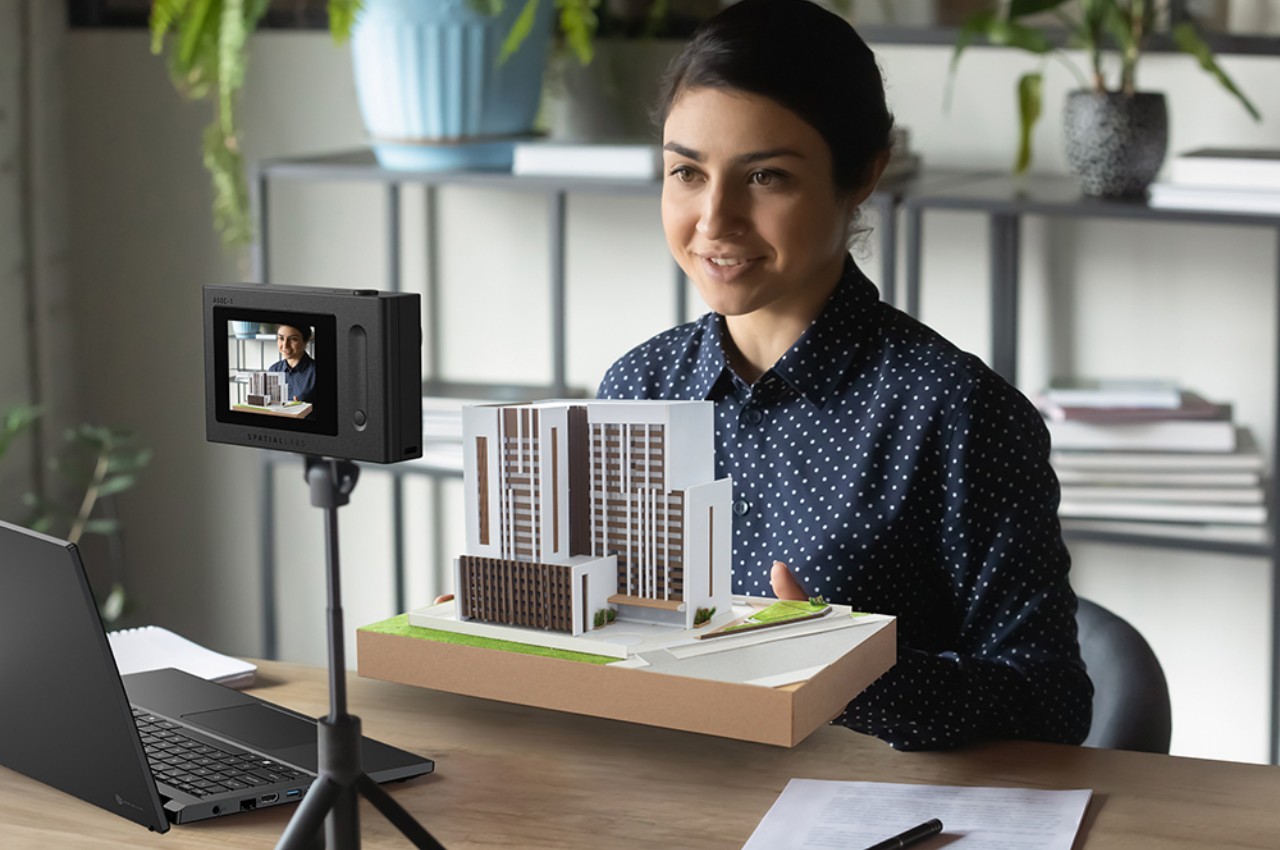
Video conferencing and live streams have become quite common these days, the latter even turning into a lucrative business opportunity. But while these mediums are able to bridge distances, there are some things that are still difficult to convey in flat, 2D monitors, things such as miniature models of architectural designs or merchandise you’re trying to sell online. While some online stores now offer 3D views of products or spaces, it’s something that’s way out of reach of regular people because of the lack of accessible and affordable tools.

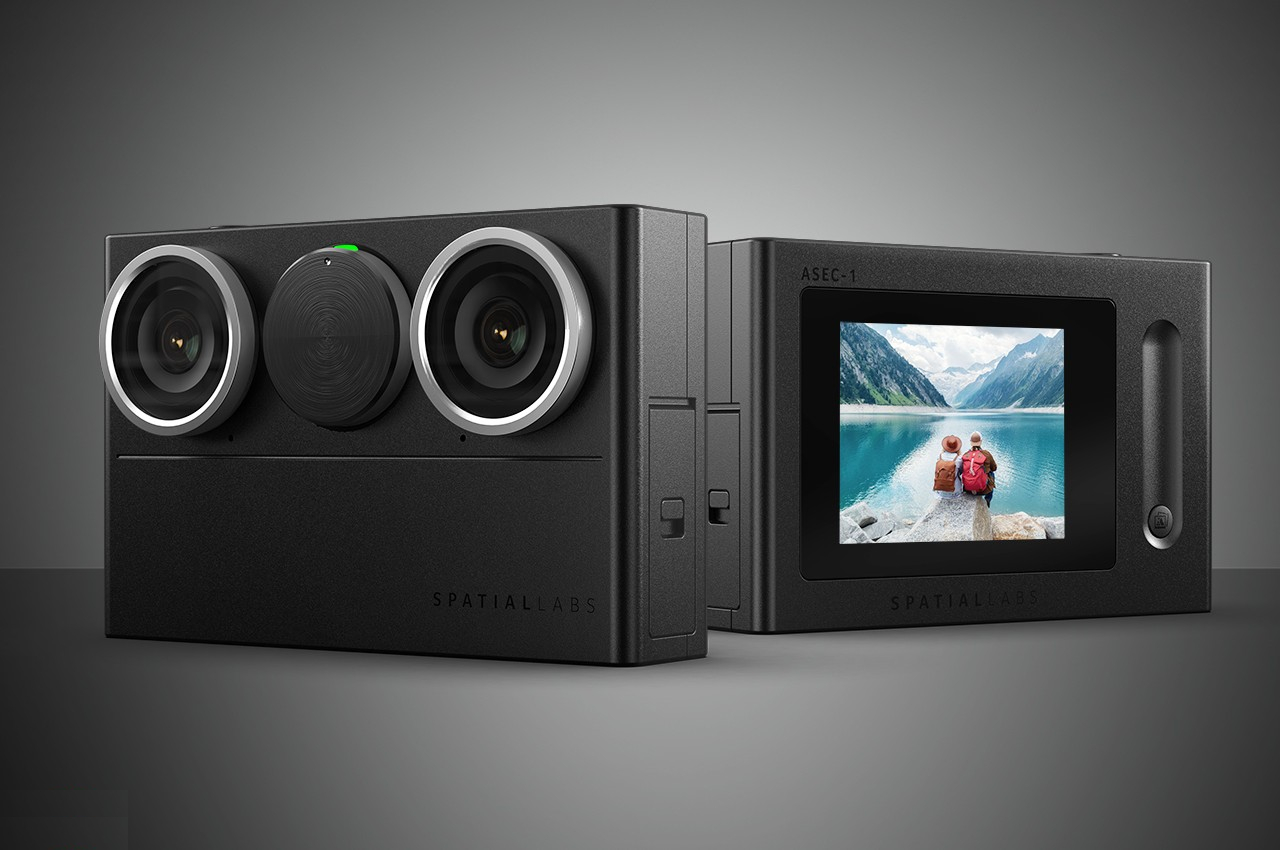
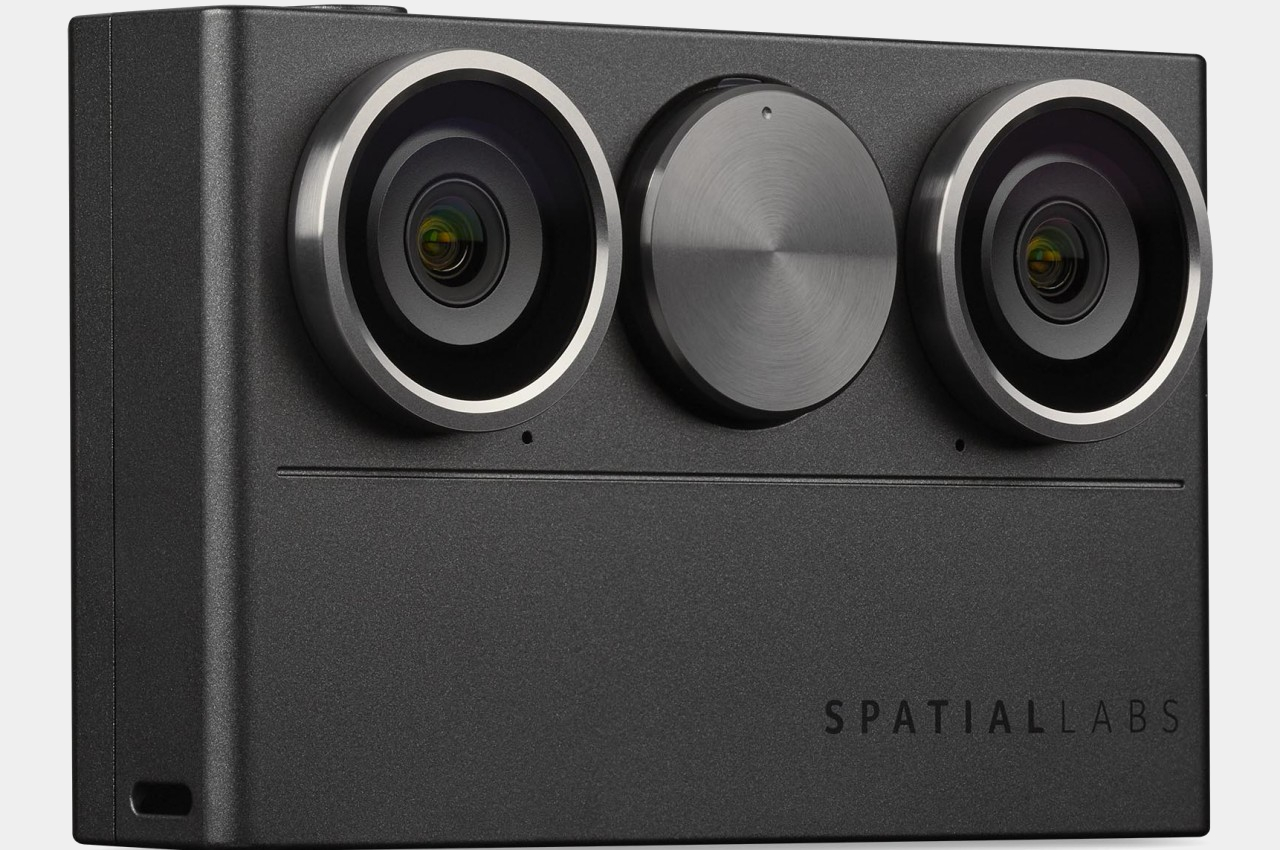
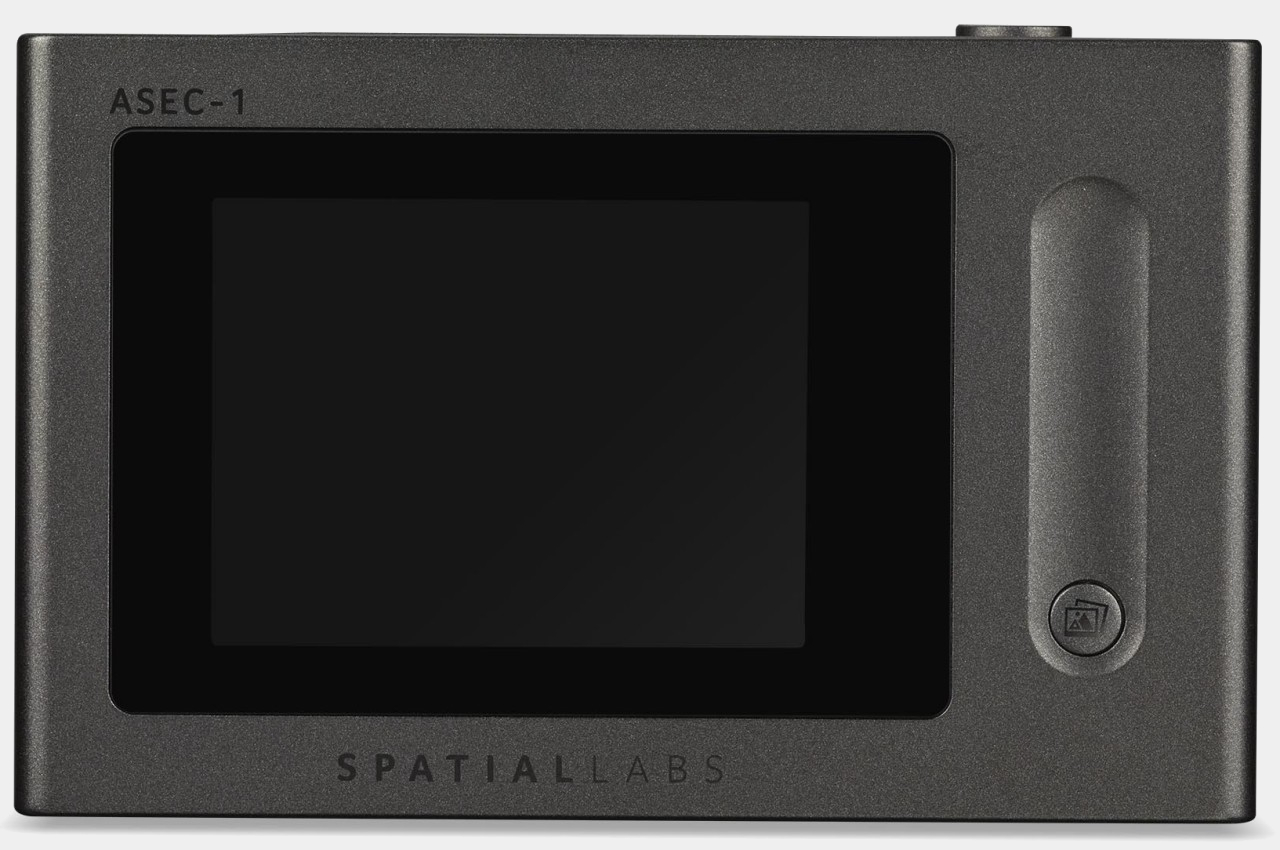
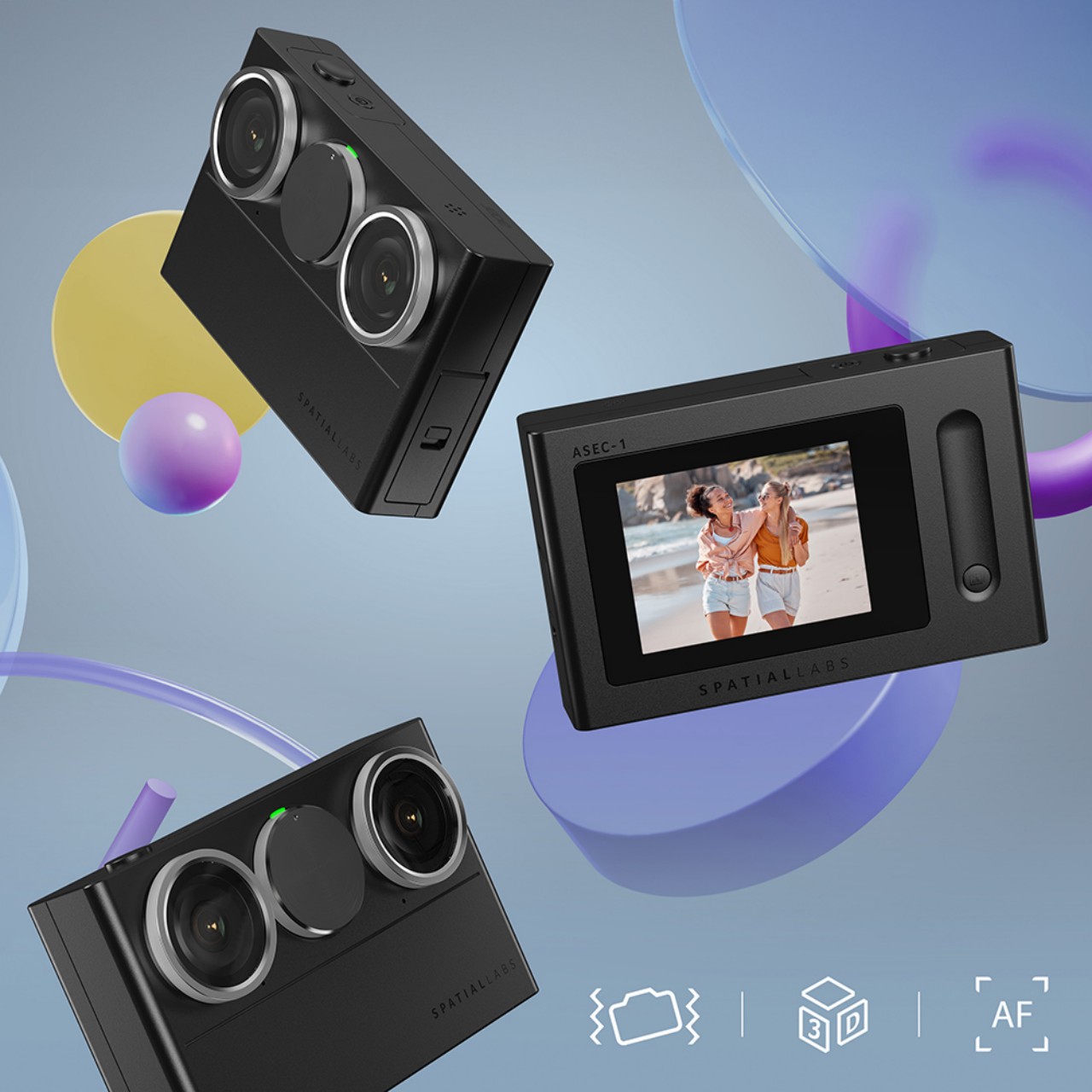
The Acer SpatialLabs Eyes puts one such tool in the hands of the masses. The rather unassuming compact box packs the hardware necessary for a computer to see in stereoscopic 3D, especially thanks to an 8MP sensor per eye and plenty of controls for both beginners and experts to tweak the video quality. The hardware is encased in a weather-proof shell that has a built-in selfie mirror for easier framing, as well as a touch-sensitive LCD screen on its back.

Although the SpatialLabs Eyes is quite capable of capturing still 3D images, it really shines in its capability to record and stream stereoscopic 3D video in real-time. This makes it a powerful tool for making presentations in video calls, showing off products during live selling streams, or simply committing special, once-in-a-lifetime moments to memory in an extra special way. Of course, you’ll need a way to actually view these videos in stereoscopic 3D, and, not by coincidence, Acer’s SpatialLabs brand has a line of monitors and laptops that won’t require you to wear headsets or even glasses just to do that. The Acer SpatialLabs Eyes stereoscopic 3D camera launches in Q3 of this year for $549 in the US.

The post Acer SpatialLabs Eyes 3D camera adds a new dimension to meetings and live streams first appeared on Yanko Design.
nubia Pad 3D II at MWC 2024: Glasses-free 3D tablet gets 5G and AI upgrades

With mixed reality and spatial computing becoming trendy again, 3D content is also seeing a rise in interest, both in terms of creation and especially in consumption. Of course, most of the digital content that we see is in flat 2D, and you need to wear specialized glasses to actually experience those objects in a way that tricks your brain into believing it’s actually 3D. Or at least that’s how things have been traditionally. Outside of cinemas, wearing such glasses is not only uncomfortable and awkward, they’re practically unusable as well. That’s where technologies like the new nubia Pad 3D II come in, offering that same enjoyable experience of immersing yourself in 3D content without having to put anything on your face and without blocking the rest of the world.

Designer: Nubia

Instead of relying on a projector and glasses, the nubia Pad 3D II employs a Diffractive Lighthfield Backlighting (DLB) layer underneath the LCD screen to have the same effect of sending a different set of images to each eye. It uses sensors and eye-detection algorithms to adjust those images depending on where we’re actually looking, giving the same effect without having to wear glasses. That was the concept that nubia proved last year, and the nubia Pad 3D II refines that design with much-needed upgrades.

At the top of that list is 5G connectivity, which is pretty much a minimum requirement for any mobile device today. Given the tablet’s potential for content consumption as well as creation on the go, a fast and stable Internet connection is more than just a convenience; it’s a necessity. Other hardware upgrades include an improvement to the special display with 80% better 3D resolution and 100% boost in 3D brightness. It is powered by some of the current mobile technologies available, including a Qualcomm Snapdragon 8 Gen 2, a whopping 10,000 mAh 66W battery, and a 12.1-inch 2.5K screen.

Unsurprisingly, nubia is also pushing the AI upgrades it made to the second-gen eyewear-free 3D tablet. In addition to utilizing AI to properly detect eye position and adjust the 3D display accordingly, it also uses neural networks for its Neovision 3D Anytime, which can convert any 2D content into 3D in real time. That includes not just photos but also videos, streaming media, and even games. AI 3D Collaboration allows owners of ZTE phones or Miracast devices to wirelessly stream content to the tablet for even more sources for videos, images, and more.

The nubia Pad 3D II is more than just a tablet for watching 3D videos, though. Thanks to an AI-enhanced dual-camera system, it can also take photos or record videos in stereoscopic 3D, letting you easily create 3D content that you can then share with others. The tablet also has a role to play even if you’re creating those 3D images on a different device. Simply drag and drop that 3D model from laptop to tablet for a better way to view your creation. With the new and improved nubia Pad 3D II, 3D no longer has to be something you can experience inside a cinema or with glasses on, opening a whole new world of 3D content that you can enjoy anytime, anywhere.

The post nubia Pad 3D II at MWC 2024: Glasses-free 3D tablet gets 5G and AI upgrades first appeared on Yanko Design.