The new PlayStation 5 Pro, now available, offers upgraded graphics, faster speeds, advanced ray tracing, and AI upscaling for more immersive gaming experience.
As the world continues to embrace the shift towards sustainable transportation, the automotive industry is witnessing a surge in the popularity of electric vehicles (EVs). The growing demand for eco-friendly and cost-effective mobility solutions has prompted manufacturers to develop more accessible and affordable EV options. Vauxhall, a renowned British automaker, is at the forefront of […]
When No Man's Sky was launched in 2016, Hello Games made it available on the platforms available at the time, namely the PC, the PlayStation 4 and the Xbox One. Over time, it was also released for the PS5, the Xbox Series X and S consoles, the Nintendo Switch, the PS VR1 and 2, as well as other virtual reality devices for computers. Now, the developer is rolling out cross-saves and cross-plays to all those platforms so fans can pick up from where they left off even if they switch devices.
Hello Games said adding the ability to transfer saves has been especially difficult for its team, since No Man's Sky players can spend thousands of hours exploring worlds and building elaborate bases. It likened cross-saves to moving houses — the "longer people have lived there the more complicated it is to move them," the developer explained. The company said it's been introducing the technology to the game little by little over the past six months to make it possible to launch the feature today. Players can link their accounts right now through the game's official cross-save page, but only a "subset of users" will see the option to select saves from multiple devices on the in-game save screen. The feature will be available to all players over the coming weeks.
In addition to giving players the ability to play the same game across platforms, Hello Games is also rolling out the enhanced version of No Man's Skyfor the PlayStation 5 Pro, which is coming out today. The console's AI-powered tech called the "PlayStation Spectral Super Resolution" upscales the game to 4K at 60 fps, though players can choose to explore worlds in 8K resolution at 30 fps instead. This enhanced version also comes with improved lighting, ultra quality reflections and higher quality ambient occlusion in all modes. All those features are making their way to the PS VR2 headset, as well.
This article originally appeared on Engadget at https://www.engadget.com/gaming/playstation/no-mans-sky-gets-cross-platform-saves-and-ps5-pro-enhancements-150011474.html?src=rss
When No Man's Sky was launched in 2016, Hello Games made it available on the platforms available at the time, namely the PC, the PlayStation 4 and the Xbox One. Over time, it was also released for the PS5, the Xbox Series X and S consoles, the Nintendo Switch, the PS VR1 and 2, as well as other virtual reality devices for computers. Now, the developer is rolling out cross-saves and cross-plays to all those platforms so fans can pick up from where they left off even if they switch devices.
Hello Games said adding the ability to transfer saves has been especially difficult for its team, since No Man's Sky players can spend thousands of hours exploring worlds and building elaborate bases. It likened cross-saves to moving houses — the "longer people have lived there the more complicated it is to move them," the developer explained. The company said it's been introducing the technology to the game little by little over the past six months to make it possible to launch the feature today. Players can link their accounts right now through the game's official cross-save page, but only a "subset of users" will see the option to select saves from multiple devices on the in-game save screen. The feature will be available to all players over the coming weeks.
In addition to giving players the ability to play the same game across platforms, Hello Games is also rolling out the enhanced version of No Man's Skyfor the PlayStation 5 Pro, which is coming out today. The console's AI-powered tech called the "PlayStation Spectral Super Resolution" upscales the game to 4K at 60 fps, though players can choose to explore worlds in 8K resolution at 30 fps instead. This enhanced version also comes with improved lighting, ultra quality reflections and higher quality ambient occlusion in all modes. All those features are making their way to the PS VR2 headset, as well.
This article originally appeared on Engadget at https://www.engadget.com/gaming/playstation/no-mans-sky-gets-cross-platform-saves-and-ps5-pro-enhancements-150011474.html?src=rss
When you choose to perform a factory reset on your Samsung phone, you are essentially wiping all data and restoring the device to its original settings. This action is essential if you’re preparing to sell your phone or need to fix performance issues like sluggishness or persistent bugs. A factory reset can be a powerful […]
Llama is transforming artificial intelligence by prioritizing transparency, customization, and efficiency. Unlike proprietary models that remain closed, Llama offers adaptable, cost-effective solutions tailored for specific domains. Since its release in early 2023, Llama has introduced notable advancements, including expanded model sizes and multilingual capabilities, to meet the evolving needs of the AI community. With each […]
Are you the kind of person who’s always sleepy when at the office but suddenly feels energized as soon as you leave? Then when it’s time to sleep, you have so much energy and you find it hard to fall asleep? It’s a vicious cycle that affects a lot of modern employees now. It may be that they just don’t like the work but it can also be because of things like insomnia and even Delayed Sleep Phase Syndrome (DSPS). It can affect your work, social life, and overall quality of life.
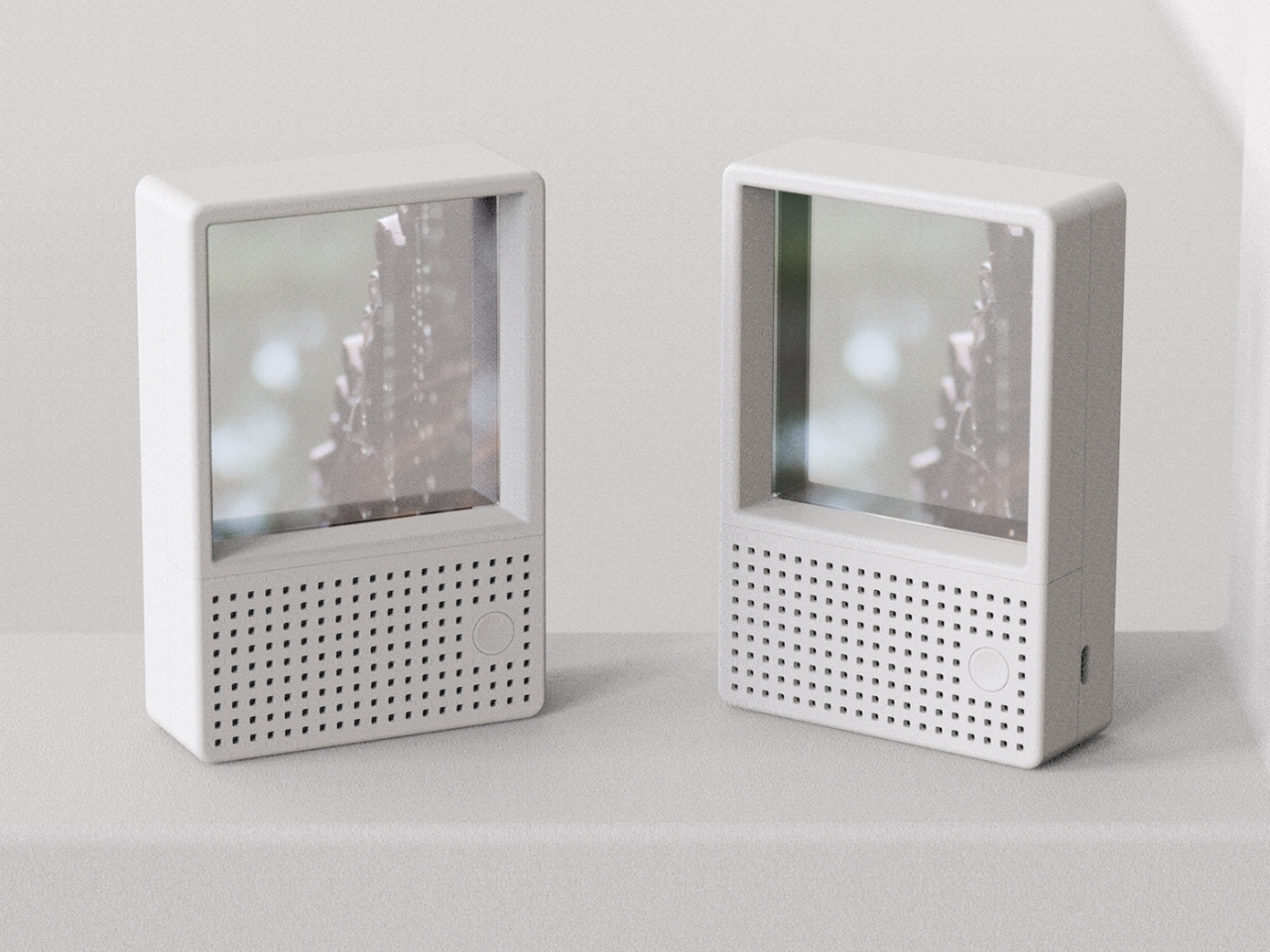
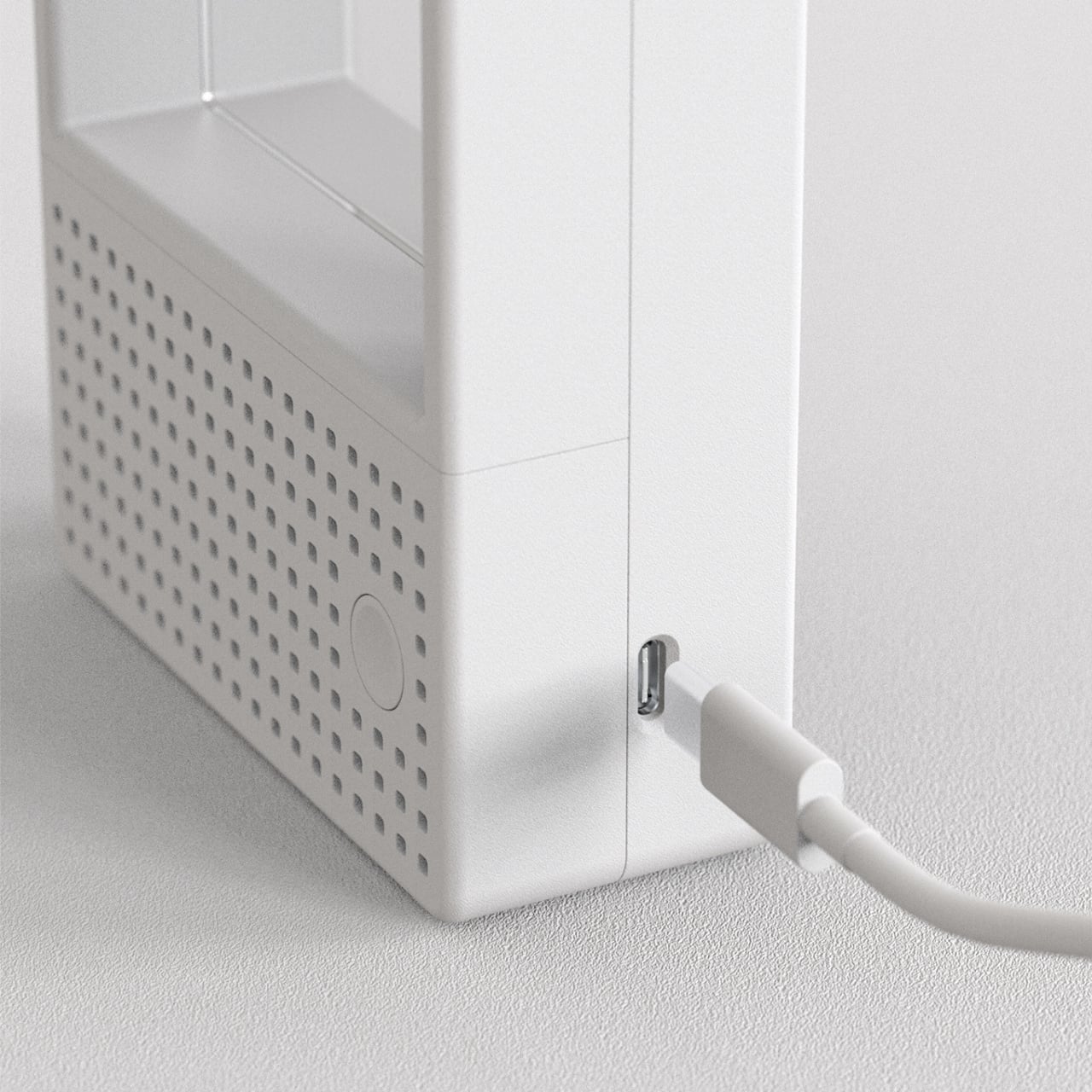
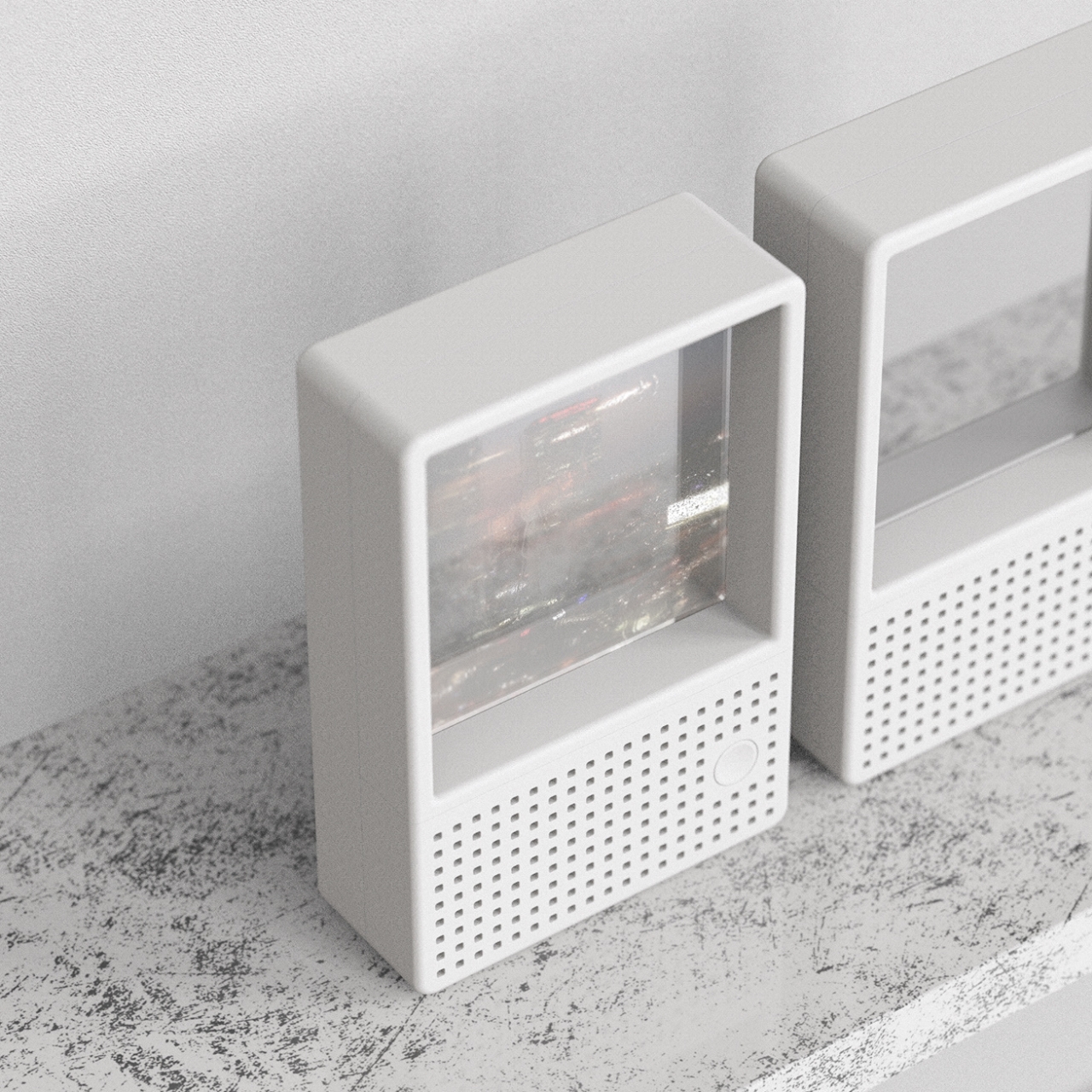
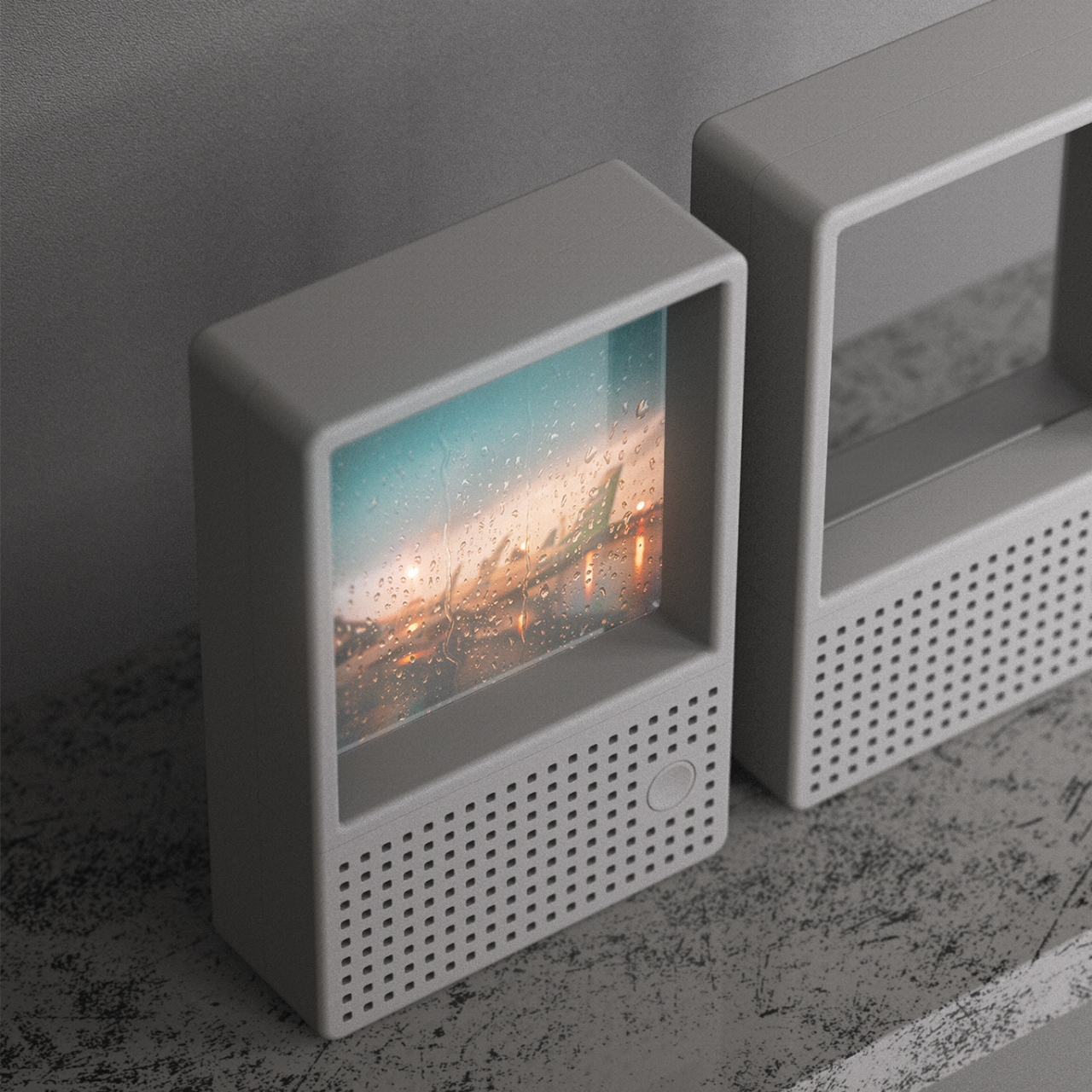
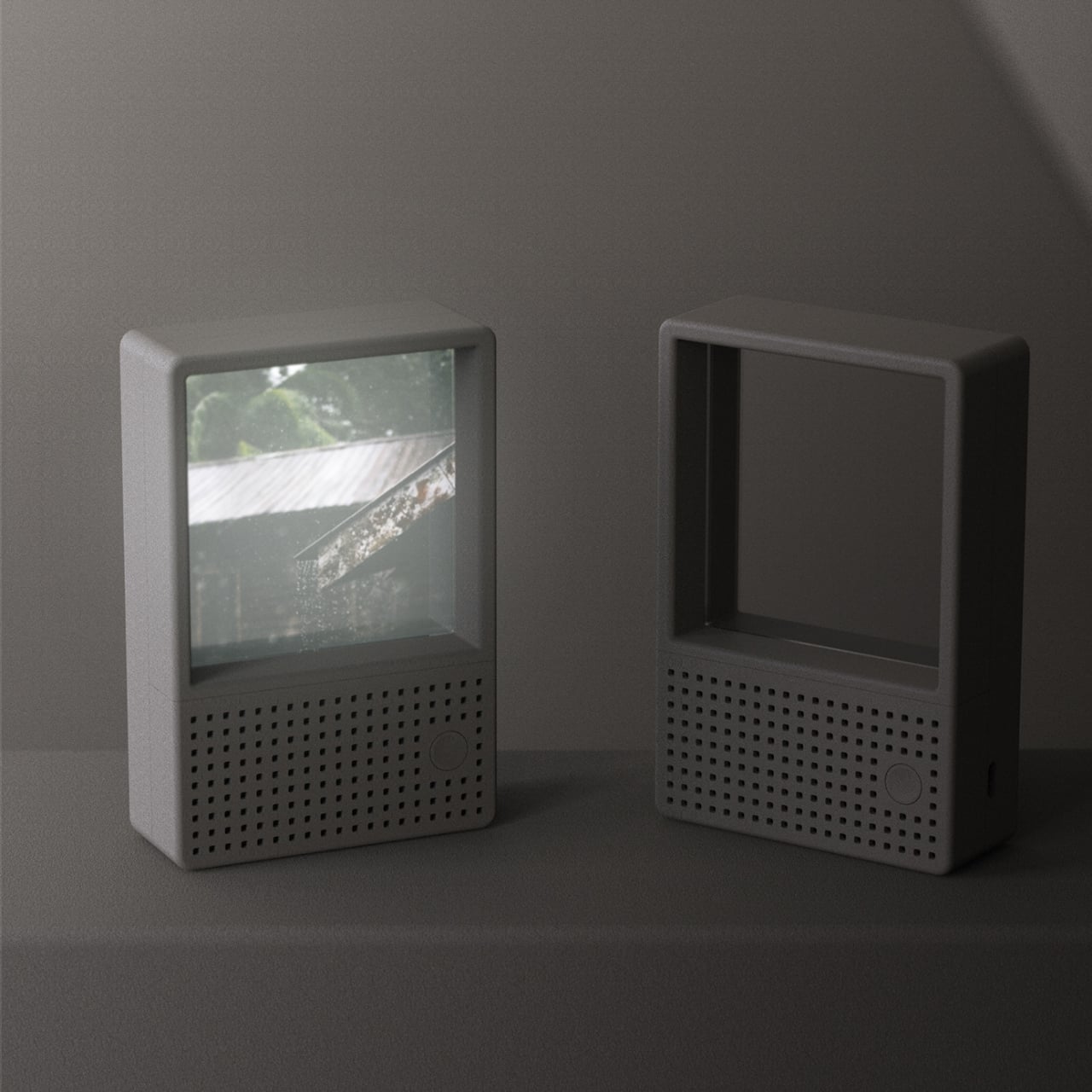
One thing that works for some people to help them fall asleep is having some kind of white noise playing in the background. You can use your phone or smart speaker to play white noise playlists but what if there’s a device that just does that? That’s the idea behind the concept for a white noise speaker. It doesn’t have any other purpose that may distract you from sleeping. All it’s supposed to do is play white noise and accompany you as you drift off to dreamland (hopefully).
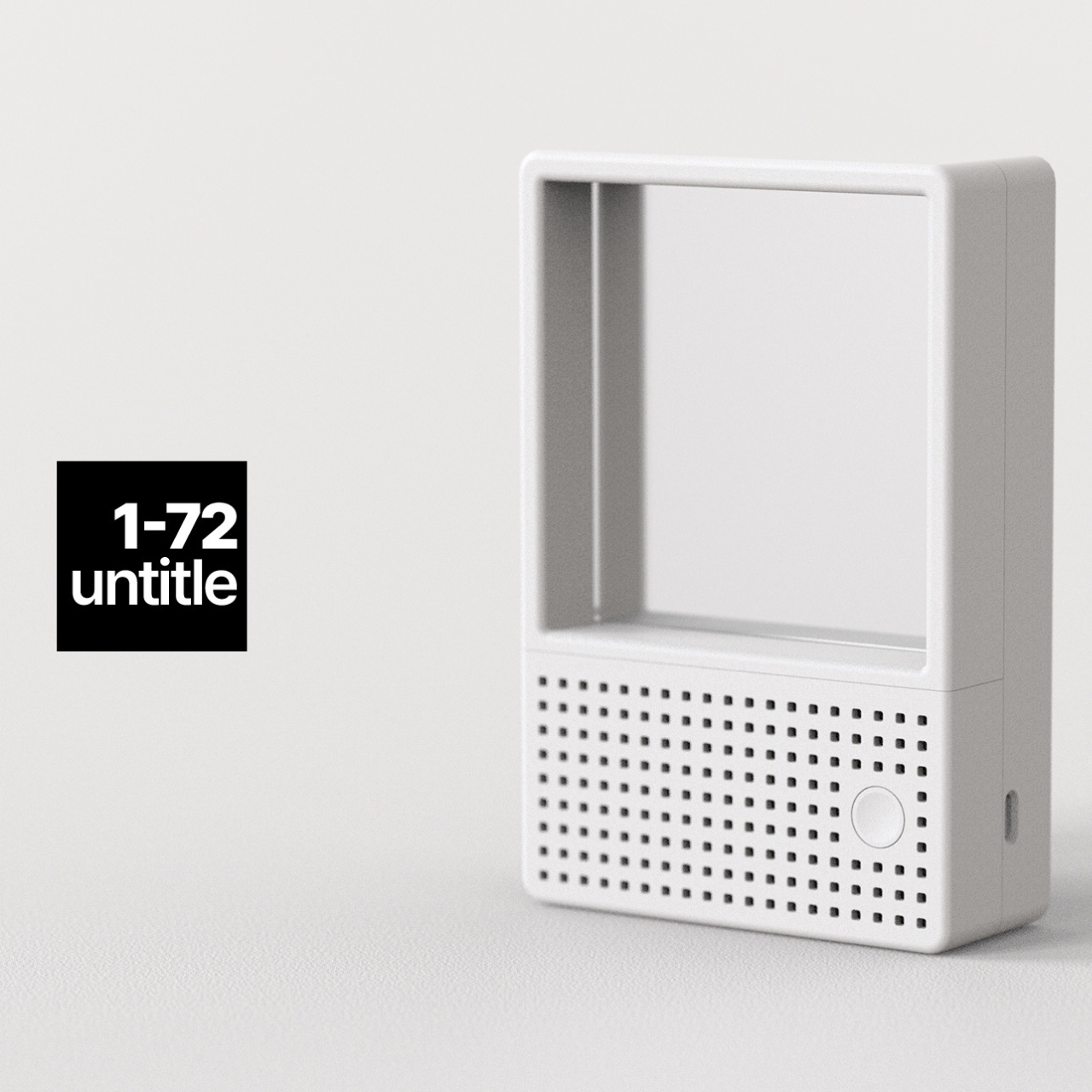
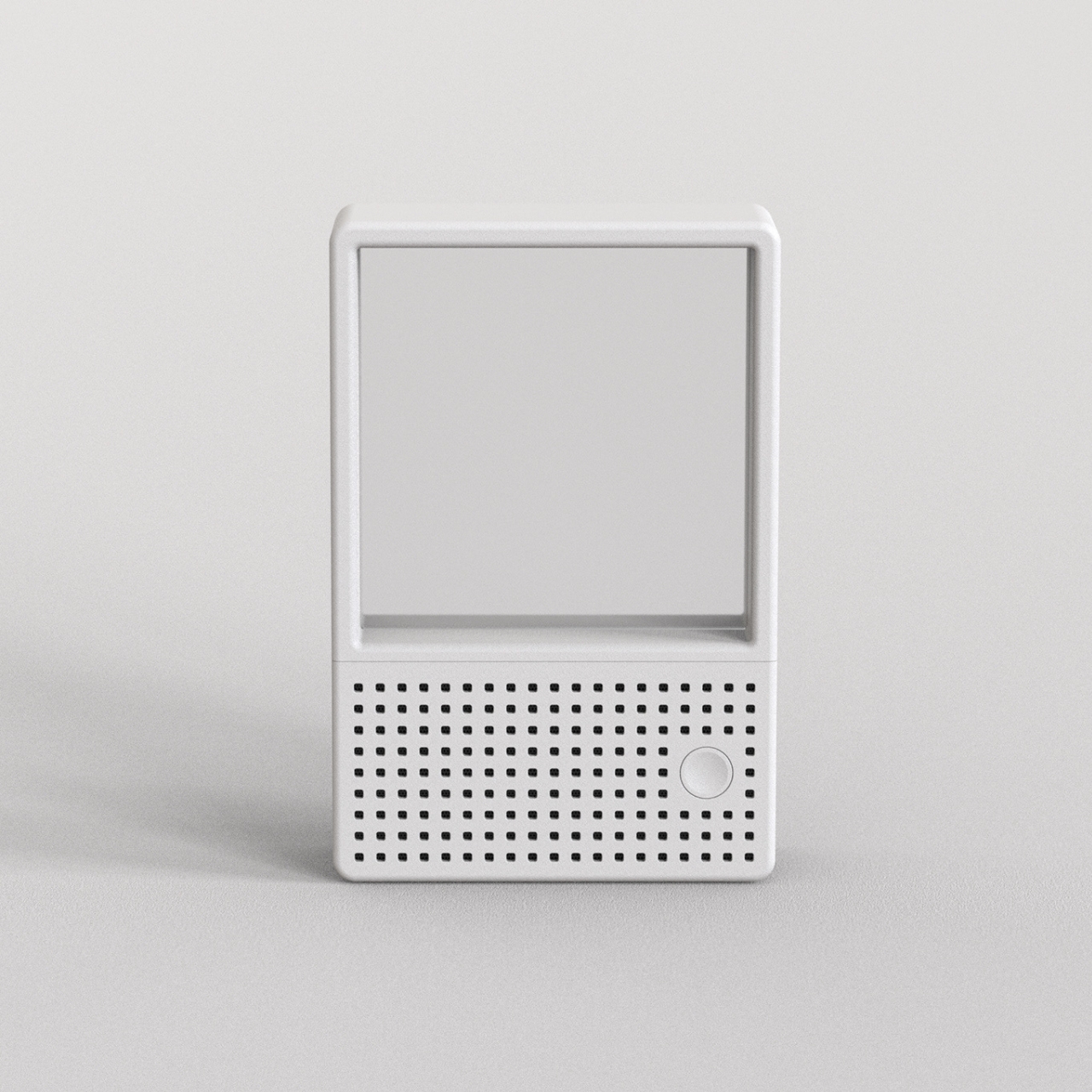
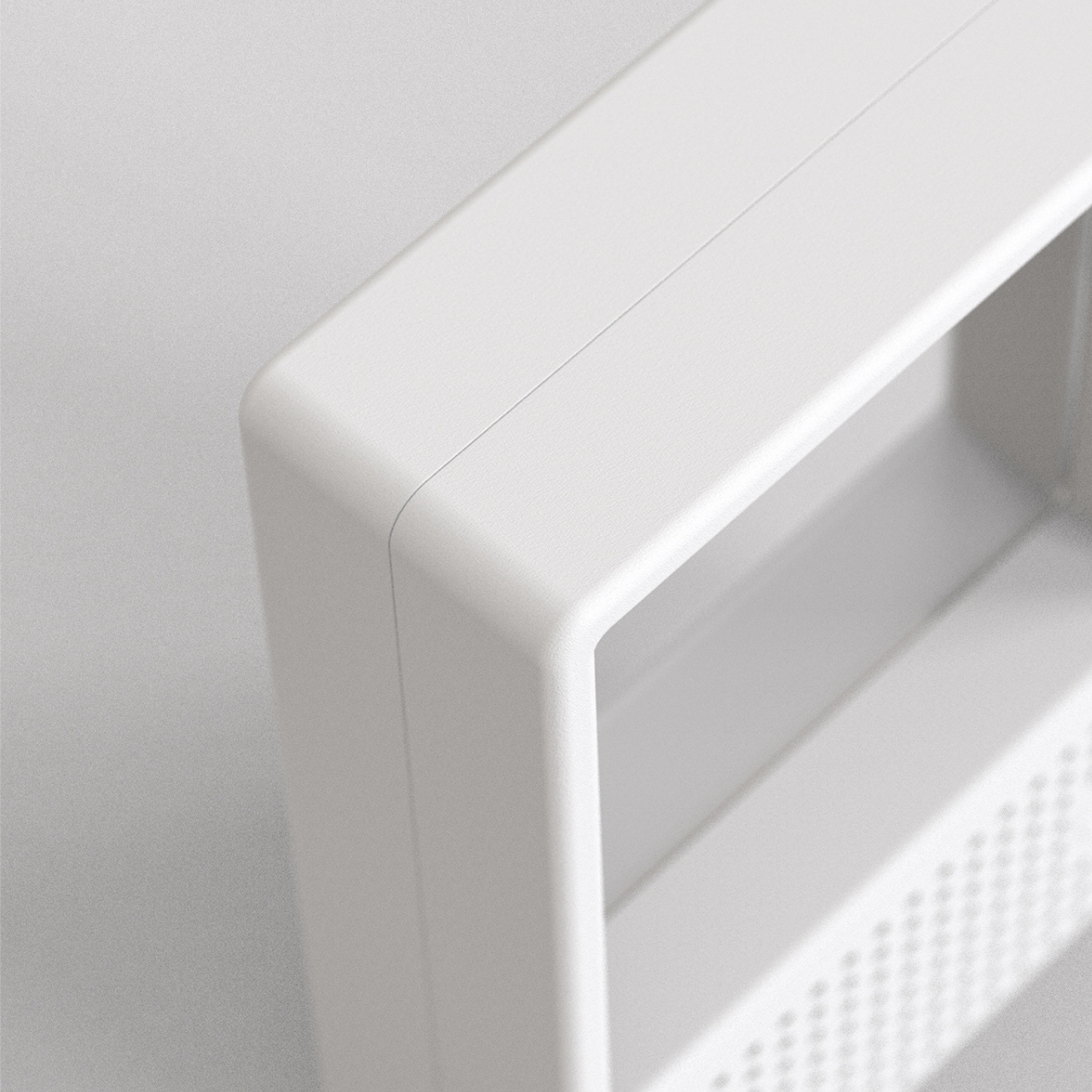
The speaker looks like one of those digital photo frames that can display random photos from your collection. The rectangular device has a glass frame at the top and then the speaker grill at the bottom where the white noise comes out. The glass seems like a screen where white-noise related videos can play (like falling rain, leaves blowing in the wind) that can accompany the white noise as it lulls you to sleep.
There wasn’t much information about the other features or aspects of the concept design but the product renders seem to be self-explanatory. As someone who also has much trouble sleeping at night (and then consequentially has problems waking up in the morning), this can be a pretty useful device to have.
Have you ever felt like you’re juggling too many balls in the air, trying to excel in every area of your life but not quite hitting the mark? Many of us strive for excellence, yet find ourselves overwhelmed by the sheer number of tasks and goals demanding our attention. It’s easy to feel stuck, unsure […]
Apple's excellent MacBook Pros are faster than ever with its new M4 chips. That's it, that's the review. Their screens are slightly brighter, and the 14-inch model now starts with 16GB of RAM, but otherwise these are the same laptops that have been around since the M1 Pro redesign in 2021. Really, though, it's not as if Apple had much to improve on. The MacBook Pros have been among our favorite premium laptops for years — now they're just better.
When I last reviewed Apple's MacBook Pros, I concluded by saying, "Just try to save up for 16GB of RAM." Now, thanks to the increasing memory demands of Apple Intelligence, that's not something anyone will have to worry about again. That makes the $1,599 14-inch MacBook Pro a far better deal than before (you previously had to add on another $200 to get to 16GB). The 16-inch model, which starts at $2,499 with 24GB of RAM, is also a better choice for big-screen fans since its M4 Pro chip is a tremendous upgrade over last year's hardware.
What's new in the M4 MacBook Pros?
The star of the show this year are Apple's new M4, M4 Pro chips and M4 Max chips. The M4 features a 10-core CPU and 10-core GPU, while the Pro bumps up to a 14-core CPU and 20-core GPU. The Max model, as usual, goes even harder: It features a 16-core CPU and a whopping 40-core GPU.
As you'd expected, the prices for those more powerful chips escalate dramatically: The M4 Pro 14-inch MacBook Pro starts at $1,999 ($400 more than the base model), while the M4 Max model starts at $3,199. At least you get slight RAM and storage bumps with those pricier chips, the M4 Pro starts with 24GB of RAM, while the Max model includes 36GB RAM and a 1TB SSD.
Aside from dramatically better chips, all of the new MacBook Pros feature MiniLED Liquid Retina XDR screens that can reach up to 1,000 nits for SDR (standard dynamic range) content. That's a 400-nit increase from before, and it should help make content far more visible in daylight or in very bright rooms. (HDR content, as usual, can push the display even further to a peak of 1,600 nits.) There's also a nano-texture glass option (for a $150 surcharge) that can make the screens more glare resistant, which is useful for working in bright environments. Note, however, that it can also make the screen appear less sharp.
Devindra Hardawar for Engadget
Apple also upgraded the MacBook Pros' webcams to 12-megapixels, a major leap over the previous 1080p camera. (Apple hasn't confirmed the megapixel figure for that camera, but it's likely around 2MP, the bare minimum to reach 1080p). Having a higher resolution camera also opens the door for Center Stage, which can keep you in focus as you move around your room.
Devindra Hardawar for Engadget
I didn't hate Apple's previous webcams, but mostly that's because I remember how mediocre its older 720p webcams used to be. The new models look far sharper with more accurate colors, and the overall image doesn't look as heavily filtered as the previous cameras. They also support Desk View (above), Apple's helpful feature for showing off objects below your screen.
If you're often dealing with large file transfers, you might also appreciate support for Thunderbolt 5 on the M4 Pro and M4 Max chips. It can support up to 120 Gb/s speeds, up from 40 Gb/s in Thunderbolt 4, which the standard M4 chip includes. That could make a huge difference if you're moving terabytes worth of 4K and 8K videos onto external drives – just note you’ll need to invest in similarly equipped Thunderbolt 5 storage. Thunderbolt 5 could potentially allow for external AI accelerators (unfortunately, Apple Silicon doesn't support external GPUs).
Devindra Hardawar for Engadget
In use: The best MacBook Pros yet
I didn't really expect much from the new MacBook Pros, especially since the previous M3 models were already very impressive. But, once again, Apple managed to surprise me with its mobile hardware. The M4 chip, which was in our 14-inch review unit, was a solid performer. But the M4 Pro in our 16-inch MacBook Pro was an astonishing leap ahead of its predecessor, and it's also faster than every other computer we've tested this year (aside from the new Mac mini, which also had a M4 Pro chip).
Unfortunately, we didn't have an M4 Max-equipped MacBook Pro to test, but given that it's filled with more M4 CPU and GPU cores, I'd expect another major performance jump.
Computer
Geekbench 6
Geekbench 6 GPU
Cinebench 2024
Apple MacBook Pro 14-inch (M4, 2024)
3,797/14,571
37,869
172/979 GPU: 3770
Apple MacBook Pro 16-inch (M4 Pro, 2024)
3,925/22,456
70,197
178/1,689 GPU 9,295
Surface Laptop 7 (Snapdragon X Elite)
2,797/14,400
19,963
123/969 GPU N/A
Apple MacBook Pro 16-inch (M3 Max, 2024)
3,202/21,312
92,344
143/1,686 GPU 13,182
In Geekbench 6's CPU benchmark, the 14-inch M4 MacBook Pro scored 1,000 to 1,500 points higher than other recent laptops when it came to single-threaded work. Its multi-threaded performance lead was more slim, but it still beat out Intel's new Lunar Lake chips and Qualcomm's Snapdragon X Elite. The M4 Pro 16-inch MacBook Pro scored similarly for single-threaded work, but it blew the competition by 9,000 to 12,500 points. That performance gap alone is equivalent to the multi-threaded Geekbench 6 scores from other laptops this year! (It’s also slightly faster than last year’s M3 Max chip in the 16-inch MacBook Pro, another major achievement.)
Cinebench 2024 scores tell a similar story. Both the 14-inch and 16-inch MacBook Pro scored well above the competition in the single-threaded test. The M4 system was on-par with the best multi-threaded scores we saw from the Surface Laptop 7 (powered by a Snapdragon X Elite chip) and HP Omnibook Ultra 14 (AMD Ryzen AI 9 HX 375). But the M4 Pro 16-inch MacBook Pro, once again, handily outclassed other systems with its multithreaded score, which was nearly double what we've been seeing throughout the year.
Cinebench's GPU benchmark puts the M4 Pro's graphics performance in line with NVIDIA's RTX 4070 in Dell's XPS 16, while the M4 chip is in line with the Framework Laptop 16's Radeon 7700S. That's all about what I expected after testing the Mac mini with an M4 Pro chip, and it's simply astonishing to see that level of performance from a mobile-focused GPU.
Devindra Hardawar for Engadget
When it comes to games, the M4 Pro 16-inch MacBook Pro was able to maintain 60fps in Lies of P, Resident Evil 4 and Myst while playing in 1,440p with the graphics settings cranked to the max. 4K was possible, but typically slowed things down to around 30fps, which isn't very playable on a computer. The M4 14-inch MacBook Pro, meanwhile, handled those same games in 1080p at 60fps. We typically wouldn't recommend gaming much on Macs, but Apple's graphics hardware is hard to ignore at this point, and the company is also working to get more high profile titles in the App Store, like Remedy's Control.
To put Apple's Neural Engine to the test, I also used the Whisper Transcription app (AKA MacWhisper) to turn an hour and nine-minute long podcast episode into a transcript. The M4 14-inch MacBook Pro took three minutes and two seconds, while the M4 Pro 16-inch model took two minutes and 11 seconds (similar to what I saw on the M4 Mac mini). In comparison, an M3 14-inch MacBook Pro took three minutes and thirty-seven seconds.
Devindra Hardawar for Engadget
While the speed upgrades are more than welcome, in my testing I noticed that both of the MacBook Pros' screens were easier to see in bright sunlight. That alone isn't enough to upgrade for if you've already got an M2 or M3 MacBook Pro, but it's definitely something to look forward to. And even though Apple's keyboard and enormous trackpad haven't changed, they're still among the best in the industry. I also still appreciate having a wide variety of ports on these systems: three USB-C connections (Thunderbolt 4 with the M4, Thunderbolt 5 with the M4 Pro), an HDMI port, a headphone jack, a MagSafe power connector and an SD card reader.
Both MacBook Pros also continue to deliver excellent battery life. The 14-inch lasted for 34 hours and 15 minutes while looping an HD video, whereas the 16-inch went for 30 hours and 16 minutes. That's the first time we've seen our video rundown test go beyond 30 hours. In real-world usage, I could typically use both machines for general productivity work for two days without needing a recharge. That's the benefit of relying on power-sipping mobile hardware.
Devindra Hardawar for Engadget
Should you buy the new M4 MacBook Pros?
There's no doubt these new MacBook Pros are compelling, especially if you need the raw power of the M4 Pro (or conceivably, the M4 Max). If you're running an M1 MacBook Pro, or still trucking along with an Intel model, you'll definitely see some notable performance gains from these machines. But if you've got an M2 or M3 MacBook Pro, the M4 hardware is less of a qualitative leap. You're probably better off waiting for the eventual OLED refresh, which is rumored to happen in 2026.
This article originally appeared on Engadget at https://www.engadget.com/computing/laptops/apple-macbook-pro-14-inch-and-16-inch-review-2024-brace-yourself-for-m4-speed-140057584.html?src=rss
Apple's excellent MacBook Pros are faster than ever with its new M4 chips. That's it, that's the review. Their screens are slightly brighter, and the 14-inch model now starts with 16GB of RAM, but otherwise these are the same laptops that have been around since the M1 Pro redesign in 2021. Really, though, it's not as if Apple had much to improve on. The MacBook Pros have been among our favorite premium laptops for years — now they're just better.
When I last reviewed Apple's MacBook Pros, I concluded by saying, "Just try to save up for 16GB of RAM." Now, thanks to the increasing memory demands of Apple Intelligence, that's not something anyone will have to worry about again. That makes the $1,599 14-inch MacBook Pro a far better deal than before (you previously had to add on another $200 to get to 16GB). The 16-inch model, which starts at $2,499 with 24GB of RAM, is also a better choice for big-screen fans since its M4 Pro chip is a tremendous upgrade over last year's hardware.
What's new in the M4 MacBook Pros?
The star of the show this year are Apple's new M4, M4 Pro chips and M4 Max chips. The M4 features a 10-core CPU and 10-core GPU, while the Pro bumps up to a 14-core CPU and 20-core GPU. The Max model, as usual, goes even harder: It features a 16-core CPU and a whopping 40-core GPU.
As you'd expected, the prices for those more powerful chips escalate dramatically: The M4 Pro 14-inch MacBook Pro starts at $1,999 ($400 more than the base model), while the M4 Max model starts at $3,199. At least you get slight RAM and storage bumps with those pricier chips, the M4 Pro starts with 24GB of RAM, while the Max model includes 36GB RAM and a 1TB SSD.
Aside from dramatically better chips, all of the new MacBook Pros feature MiniLED Liquid Retina XDR screens that can reach up to 1,000 nits for SDR (standard dynamic range) content. That's a 400-nit increase from before, and it should help make content far more visible in daylight or in very bright rooms. (HDR content, as usual, can push the display even further to a peak of 1,600 nits.) There's also a nano-texture glass option (for a $150 surcharge) that can make the screens more glare resistant, which is useful for working in bright environments. Note, however, that it can also make the screen appear less sharp.
Devindra Hardawar for Engadget
Apple also upgraded the MacBook Pros' webcams to 12-megapixels, a major leap over the previous 1080p camera. (Apple hasn't confirmed the megapixel figure for that camera, but it's likely around 2MP, the bare minimum to reach 1080p). Having a higher resolution camera also opens the door for Center Stage, which can keep you in focus as you move around your room.
Devindra Hardawar for Engadget
I didn't hate Apple's previous webcams, but mostly that's because I remember how mediocre its older 720p webcams used to be. The new models look far sharper with more accurate colors, and the overall image doesn't look as heavily filtered as the previous cameras. They also support Desk View (above), Apple's helpful feature for showing off objects below your screen.
If you're often dealing with large file transfers, you might also appreciate support for Thunderbolt 5 on the M4 Pro and M4 Max chips. It can support up to 120 Gb/s speeds, up from 40 Gb/s in Thunderbolt 4, which the standard M4 chip includes. That could make a huge difference if you're moving terabytes worth of 4K and 8K videos onto external drives – just note you’ll need to invest in similarly equipped Thunderbolt 5 storage. Thunderbolt 5 could potentially allow for external AI accelerators (unfortunately, Apple Silicon doesn't support external GPUs).
Devindra Hardawar for Engadget
In use: The best MacBook Pros yet
I didn't really expect much from the new MacBook Pros, especially since the previous M3 models were already very impressive. But, once again, Apple managed to surprise me with its mobile hardware. The M4 chip, which was in our 14-inch review unit, was a solid performer. But the M4 Pro in our 16-inch MacBook Pro was an astonishing leap ahead of its predecessor, and it's also faster than every other computer we've tested this year (aside from the new Mac mini, which also had a M4 Pro chip).
Unfortunately, we didn't have an M4 Max-equipped MacBook Pro to test, but given that it's filled with more M4 CPU and GPU cores, I'd expect another major performance jump.
Computer
Geekbench 6
Geekbench 6 GPU
Cinebench 2024
Apple MacBook Pro 14-inch (M4, 2024)
3,797/14,571
37,869
172/979 GPU: 3770
Apple MacBook Pro 16-inch (M4 Pro, 2024)
3,925/22,456
70,197
178/1,689 GPU 9,295
Surface Laptop 7 (Snapdragon X Elite)
2,797/14,400
19,963
123/969 GPU N/A
Apple MacBook Pro 16-inch (M3 Max, 2024)
3,202/21,312
92,344
143/1,686 GPU 13,182
In Geekbench 6's CPU benchmark, the 14-inch M4 MacBook Pro scored 1,000 to 1,500 points higher than other recent laptops when it came to single-threaded work. Its multi-threaded performance lead was more slim, but it still beat out Intel's new Lunar Lake chips and Qualcomm's Snapdragon X Elite. The M4 Pro 16-inch MacBook Pro scored similarly for single-threaded work, but it blew the competition by 9,000 to 12,500 points. That performance gap alone is equivalent to the multi-threaded Geekbench 6 scores from other laptops this year! (It’s also slightly faster than last year’s M3 Max chip in the 16-inch MacBook Pro, another major achievement.)
Cinebench 2024 scores tell a similar story. Both the 14-inch and 16-inch MacBook Pro scored well above the competition in the single-threaded test. The M4 system was on-par with the best multi-threaded scores we saw from the Surface Laptop 7 (powered by a Snapdragon X Elite chip) and HP Omnibook Ultra 14 (AMD Ryzen AI 9 HX 375). But the M4 Pro 16-inch MacBook Pro, once again, handily outclassed other systems with its multithreaded score, which was nearly double what we've been seeing throughout the year.
Cinebench's GPU benchmark puts the M4 Pro's graphics performance in line with NVIDIA's RTX 4070 in Dell's XPS 16, while the M4 chip is in line with the Framework Laptop 16's Radeon 7700S. That's all about what I expected after testing the Mac mini with an M4 Pro chip, and it's simply astonishing to see that level of performance from a mobile-focused GPU.
Devindra Hardawar for Engadget
When it comes to games, the M4 Pro 16-inch MacBook Pro was able to maintain 60fps in Lies of P, Resident Evil 4 and Myst while playing in 1,440p with the graphics settings cranked to the max. 4K was possible, but typically slowed things down to around 30fps, which isn't very playable on a computer. The M4 14-inch MacBook Pro, meanwhile, handled those same games in 1080p at 60fps. We typically wouldn't recommend gaming much on Macs, but Apple's graphics hardware is hard to ignore at this point, and the company is also working to get more high profile titles in the App Store, like Remedy's Control.
To put Apple's Neural Engine to the test, I also used the Whisper Transcription app (AKA MacWhisper) to turn an hour and nine-minute long podcast episode into a transcript. The M4 14-inch MacBook Pro took three minutes and two seconds, while the M4 Pro 16-inch model took two minutes and 11 seconds (similar to what I saw on the M4 Mac mini). In comparison, an M3 14-inch MacBook Pro took three minutes and thirty-seven seconds.
Devindra Hardawar for Engadget
While the speed upgrades are more than welcome, in my testing I noticed that both of the MacBook Pros' screens were easier to see in bright sunlight. That alone isn't enough to upgrade for if you've already got an M2 or M3 MacBook Pro, but it's definitely something to look forward to. And even though Apple's keyboard and enormous trackpad haven't changed, they're still among the best in the industry. I also still appreciate having a wide variety of ports on these systems: three USB-C connections (Thunderbolt 4 with the M4, Thunderbolt 5 with the M4 Pro), an HDMI port, a headphone jack, a MagSafe power connector and an SD card reader.
Both MacBook Pros also continue to deliver excellent battery life. The 14-inch lasted for 34 hours and 15 minutes while looping an HD video, whereas the 16-inch went for 30 hours and 16 minutes. That's the first time we've seen our video rundown test go beyond 30 hours. In real-world usage, I could typically use both machines for general productivity work for two days without needing a recharge. That's the benefit of relying on power-sipping mobile hardware.
Devindra Hardawar for Engadget
Should you buy the new M4 MacBook Pros?
There's no doubt these new MacBook Pros are compelling, especially if you need the raw power of the M4 Pro (or conceivably, the M4 Max). If you're running an M1 MacBook Pro, or still trucking along with an Intel model, you'll definitely see some notable performance gains from these machines. But if you've got an M2 or M3 MacBook Pro, the M4 hardware is less of a qualitative leap. You're probably better off waiting for the eventual OLED refresh, which is rumored to happen in 2026.
This article originally appeared on Engadget at https://www.engadget.com/computing/laptops/apple-macbook-pro-14-inch-and-16-inch-review-2024-brace-yourself-for-m4-speed-140057584.html?src=rss